Los efectos post-pandemia han generado nuevas oportunidades de negocios para la creación de aerolíneas en el mundo debido a los bajos costos de adquisición de aeronaves comerciales producto de la baja demanda de viajes alterada por la pandemia.
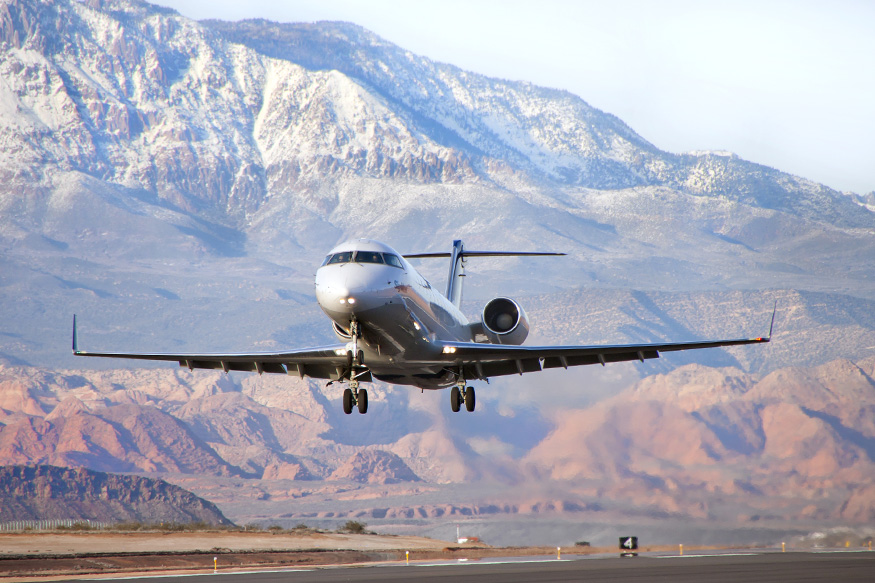
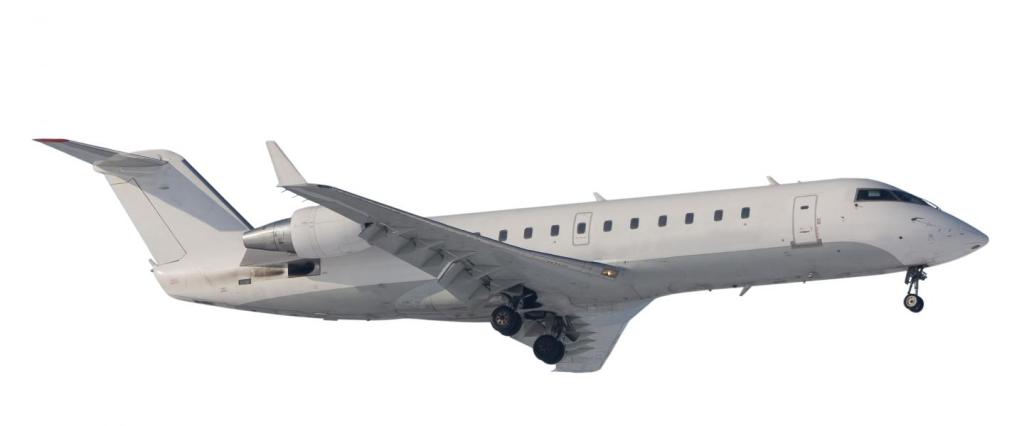
La nueva startup denominada VLU establece iniciar operaciones hacia Abril de 2021 con base en el Estado de México, en el Aeropuerto Internacional de Toluca/AIT. El Director de Operaciones, Federico Bertrand Rubio, ha expresado que con esta nueva aerolínea incrementarán el número de destinos desde el Estado de México, con proyecciones a once rutas a destinos nacionales, entre los que destacan: Tijuana, Culiacán, Mérida, Villahermosa, Puerto Vallarta, Acapulco, Zihuatanejo, Cancún y Monterrey. El Director de Operaciones ha señalado que VLU aún se encuentra ultimando detalles con la Agencia Federal de Aeronáutica Civil (AFAC) de México antes de la apertura de inicio de operaciones. «VLU es una aerolínea que se está creando, es hermana de TUM Aerocarga, y todo apuesta a que efectivamente están en los trámites con AFAC para que les puedan dar los permisos para operación de vuelos de pasajeros de itinerario», subrayó Luis Federico Bertrand Rubio. La nueva línea aérea iniciará operaciones con cinco aeronaves tipo Bombardier CRJ-200 para 50 pasajeros, el cual es reconocido por su eficiencia en vuelos de corta duración; además, las rutas que ofrecerá VLU se encuentran en el ranking de destinos nacionales con mayor flujo de pasajeros.
Tráfico en Toluca
De acuerdo con el director de operaciones del Aeropuerto Internacional Toluca, los destinos a los que viajará VLU tienen un flujo constante de viajeros; esto, a pesar de los efectos de la pandemia, pues según datos de la AFAC en el último trimestre dichas rutas tuvieron un tráfico por arriba de los 200.000 pasajeros. Luego del impacto económico que dejó la pandemia de COVID-19 en la industria aérea, VLU se incorpora a los planes de recuperación gradual que se llevan a cabo en el Aeropuerto Internacional de Toluca.
Las aerolíneas mexicanas pasan por un momento crítico tras el impacto económico que dejó la suspensión de actividades por el Coronavirus, entre ellas, Interjet que se encuentra en una delicada situación financiera; sin embargo, el Director del AIT confía en que los resultados de las negociaciones sean favorables para la aerolínea. Actualmente, el único vuelo internacional que sale desde Toluca/AIT es de la aerolínea venezolana Conviasa, pero los vuelos son para repatriar a ciudadanos venezolanos a su país. Los directivos del aeropuerto estiman que puedan retomar las operaciones internacionales en el mediano plazo, pero el arribo de la nuecva aerolínea VLU dará oxígeno al tráfico aéreo desde el Aeropuerto Internacional Toluca.
VLU, new Mexican airline
Mexinaco airline VLU emerges in the air market
The post-pandemic effects have generated new business opportunities for the creation of airlines in the world due to the low costs of acquiring commercial aircraft as a result of the low demand for travel altered by the pandemic.
The new startup called VLU establishes to start operations around April 2021 based in the State of Mexico, at the Toluca/AIT International Airport. The Director of Operations, Luis Federico Bertrand Rubio, has expressed that with this new airline they will increase the number of destinations from the State of Mexico, with projections to eleven routes to national destinations, among which are: Tijuana, Culiacán, Mérida, Villahermosa, Puerto Vallarta, Acapulco, Zihuatanejo, Cancun and Monterrey. The Director of Operations has indicated that VLU is still finalizing details with the Federal Civil Aeronautics Agency (AFAC) of Mexico before the opening of operations. «VLU is an airline that is being created, it is the sister of TUM Aerocarga, and everything is betting that they are effectively in the process with AFAC so that they can give them the permits to operate itinerary passenger flights», said Federico Bertrand Rubio. The new airline will start operations with five Bombadier CRJ-200 type aircraft for 50 passengers, which is recognized for its efficiency in short-duration flights; Furthermore, the routes that VLU will offer are in the ranking of national destinations with the highest passenger flow.
Traffic in Toluca
According to the director of operations of the Toluca International Airport, the destinations to which VLU will travel have a constant flow of travelers; this, despite the effects of the pandemic, because according to AFAC data in the last quarter, these routes had a traffic of more than 200,000 passengers. After the economic impact left by the COVID-19 pandemic in the airline industry, VLU joins the gradual recovery plans that are being carried out at the Toluca International Airport.
Mexican airlines are going through a critical moment after the economic impact left by the suspension of activities due to the Coronavirus, among them, Interjet, which is in a delicate financial situation; however, the Director of the AIT trusts that the results of the negotiations will be favorable for the airline. Currently, the only international flight that leaves from Toluca/AIT is from the Venezuelan airline Conviasa, but the flights are to repatriate Venezuelan citizens to their country. Airport executives estimate that they can resume international operations in the medium term, but the arrival of the new airline VLU will give oxygen to air traffic from the Toluca International Airport.
Obstáculos para reiniciar vuelos ante la falta de autorizaciones
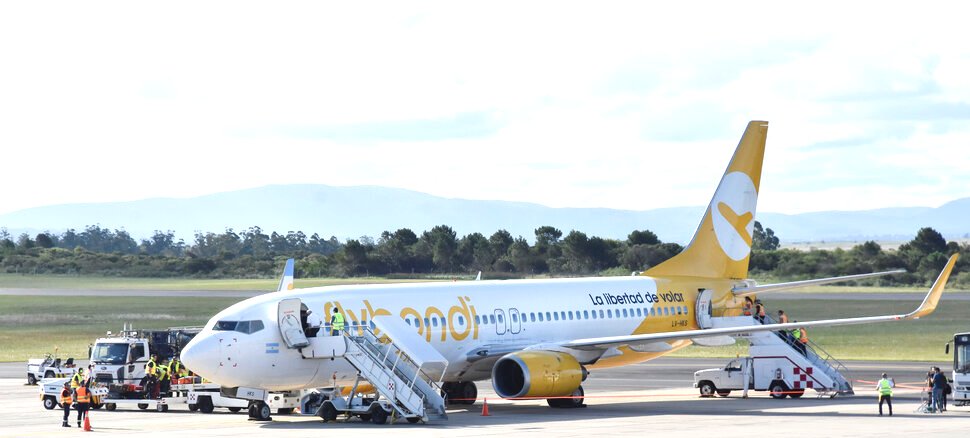
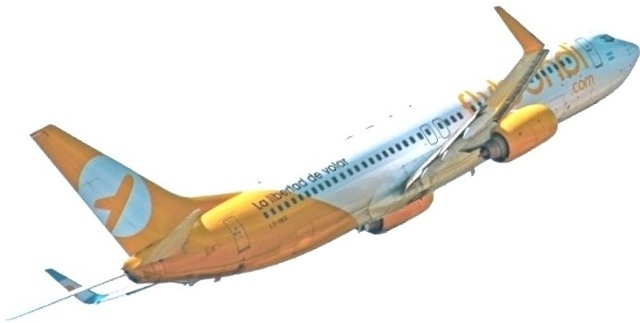
La aerolínea Flybondi Líneas Aéreas había solicitado la presentación de la programación de los vuelos para retornar a los cielos tras la reapertura de la aviación en Argentina. La solicitud de la programación de vuelos regulares estaba establecida para este próximo 9 de Diciembre de 2020 desde el Aeropuerto El Palomar, pero el Gobierno no ha autorizado la operatoria, por lo que la aerolínea low cost se encuentra con más incertidumbres que certezas sobre las definiciones a corto plazo. La compañía aérea había establecido un programa lanzado para principios de 2021, para estimular mediante promociones que permitirían combinar destinos a los clientes y ahorrar hasta un 60% en los costos de los pasajes aéreos. Sin embargo, ante la falta de respuesta de los organismos reguladores de aviación de la ANAC Argentina, los obstáculos en Flybondi parecen acentuarse ante la falta de definiciones.
La inhabilitación del Aeropuerto Internacional El Palomar, donde realizaban las principales operaciones las dos compañías aéreas low cost no ha sido habilitada paralas operaciones regulares por cuestiones de índole sanitarios, según ha establecido el Gobierno Argentino. Ante la falta de respuestas a los permisos de vuelos en la aeroestación, la aerolínea Flybondi ha anunciado en las últimas horas la suspensión de los vuelos programados para los próximos días, por falta de autorización de la ANAC.
Gobierno de Argentina no ha autorizado las actividades aéreas en ese lugar aduciendo que no se encuentra habilitado sanitariamente en el marco de la pandemia por Coronavirus. En un comunicado la Administración Nacional de Aviación Civil (ANAC), aseguró que el aeropuerto low cost no se encuentra habilitado sanitariamente para realizar vuelos comerciales producto de la pandemia y que «no está previsto desarrollar la infraestructura para el control sanitario de pasajeros y tripulantes», según expresó oportunamente el organismo regulador, permitiendo ofrecer a Flybondi la alternativa de trasladar sus operaciones al Aeropuerto Internacional de Ezeiza, el único que se encuentra funcionando en el ámbito del AMBA, mientras que el Aeropuerto Jorge Newbery se encuentra en reparaciones hasta Febrero 2021.
Ante la falta de respuesta por parte del Estado, Flybondi ha expresado en un comunicado oficial, Flybondi informando a sus clientes sobre la suspensión de los vuelos que estaban programados a partir del 9 de Diciembre de 2020: «Dado que seguimos sin autorización de ANAC sobre nuestro itinerario (con fecha de primer vuelo para el 09/12), y que hoy es el último día hábil previo, estamos cancelando los vuelos del 9, 10 y 11». En la previa había informado que el itinerario solicitado era para volar a partir del Miércoles 09/12 con la programación de vuelos desde el Aeropuerto El Palomar a doce destinos: Bariloche, Córdoba, Corrientes, Iguazú, Jujuy, Mendoza, Neuquén, Posadas, Salta, Santiago Del Estero, Trelew y Tucumán. Actualmente la programación vigente de la compañía es la siguiente: Bariloche: 18/12/2020, Córdoba: 21/12/2020, Corrientes: 25/12/2020, Iguazú: 12/12/2020, Jujuy: 05/01/2021, Mendoza: 02/01/2021, Neuquén: 25/12/2020, Posadas: 13/12/2020, Salta: 30/12/2020, Santiago del Estero: 31/12/2020, Trelew: 14/12/2020 y Tucumán: 30/12/2020.
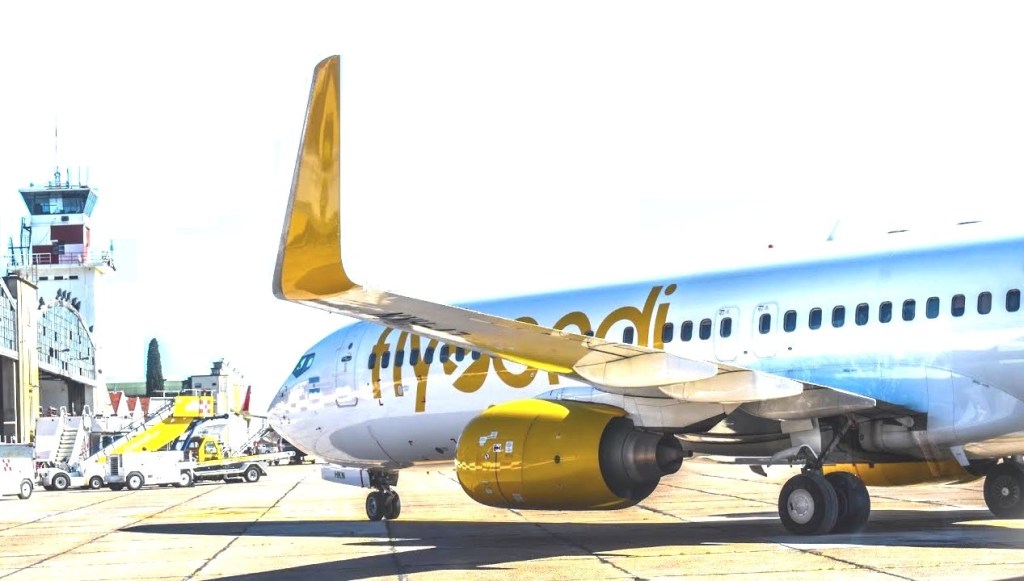
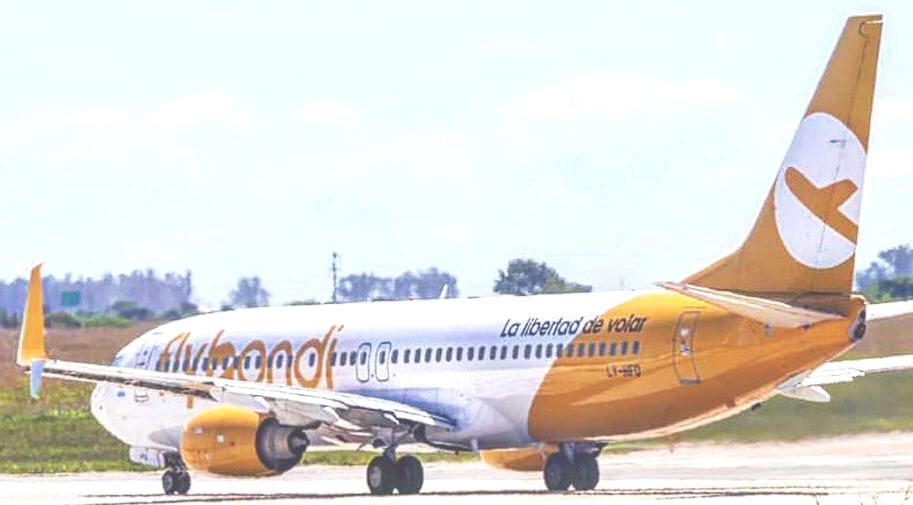
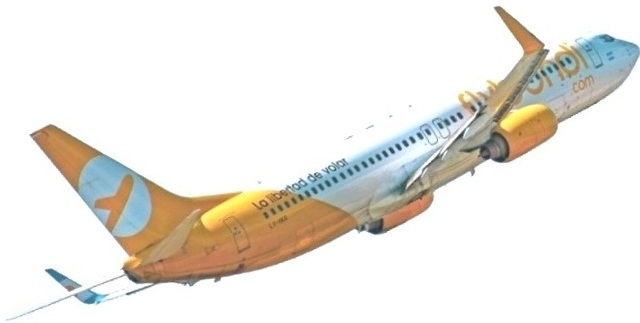
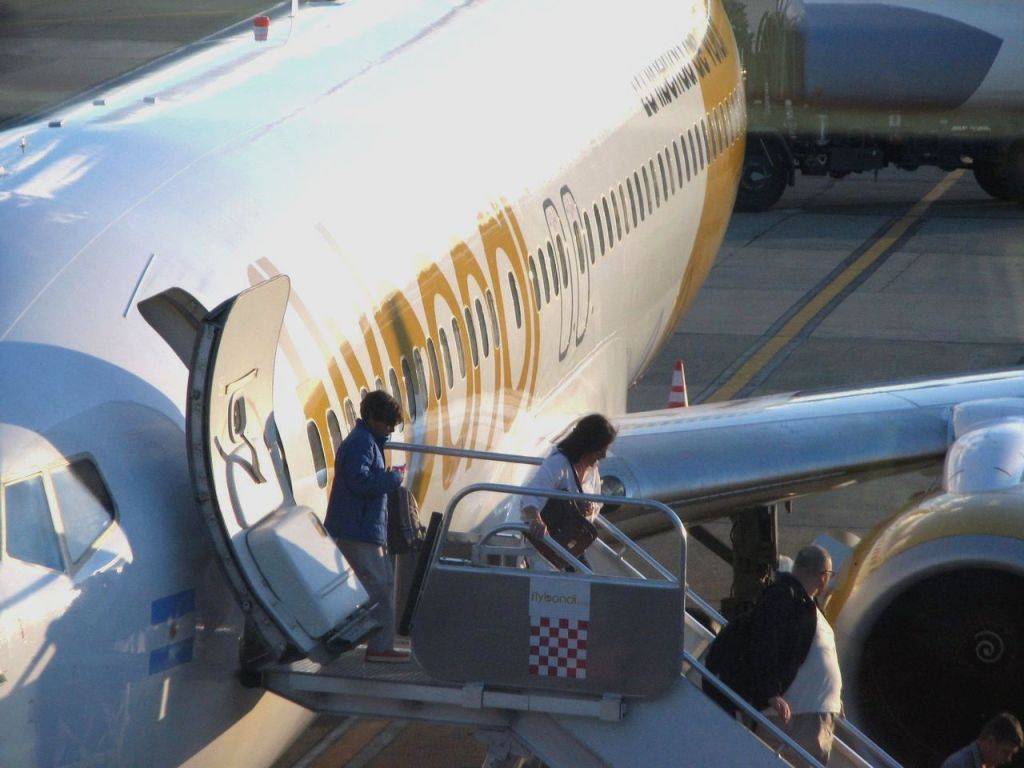
En cuanto a la flota de Boeing 737-800 de Flybondi Líneas Aéreas, posee registrados dos aeronaves con matrícula en la República Argentina. Actualmente no de ellos se encuentra de el Estado de Texas, Estados Unidos, resguardado por la empresa de leasing ante la falta de previsibilidad del país. La compañía de presupuesto argentina estima el arribo de la aeronave para Enero 2021, mientras que la segunda aeronave se encuentra localizada en los Talleres de MRO Mexicana en la República de México realizando las ternimaciones de los C-Check programados, esperando el retorno para el 10 de Diciembre de 2020.
Tras las postergaciones reiteradas de la compañía Flybondi, los empleados continúan con sus preocupaciones por la falta de definiciones. igualmente, continúan cobrando sus sueldos en tiempo y bajo el formato de un acuerdo establecido entre el Sindicato ATAF y la compañía con reducciones salariales.
Flybondi operational uncertainties
Obstacles to restart flights due to lack of authorizations
The airline Flybondi Líneas Aéreas had requested the presentation of the flight schedule to return to the skies after the reopening of aviation in Argentina. The request for the schedule of regular flights was established for this next December 9, 2020 from El Palomar Airport, but the Government has not authorized the operation, so the low cost airline is faced with more uncertainties than certainties about the definitions short term. The airline had established a program launched in early 2021, to stimulate through promotions that would allow customers to combine destinations and save up to 60% on airfare costs. However, given the lack of response from the aviation regulatory bodies of ANAC Argentina, the obstacles in Flybondi seem to be accentuated by the lack of definitions.
The disqualification of the El Palomar International Airport, where the two low cost airlines carried out the main operations, has not been enabled for regular operations due to health issues, as established by the Argentine Government. In the absence of responses to flight permits at the air station, the airline Flybondi has announced in the last hours the suspension of flights scheduled for the next few days, due to lack of authorization from the ANAC.
The Argentine government has not authorized air activities in that place, arguing that it is not sanitary in the framework of the Coronavirus pandemic. In a statement, the National Civil Aviation Administration (ANAC), assured that the low cost airport is not sanitary enabled to carry out commercial flights as a result of the pandemic and that «it is not planned to develop the infrastructure for the health control of passengers and crew members», as the regulatory body opportunely expressed, allowing Flybondi to offer the alternative of transferring its operations to the Ezeiza International Airport, the only one that is operating within the scope of the AMBA, while the Jorge Newbery Airport is undergoing repairs until February 2021.
In the absence of a response from the State, Flybondi has expressed in an official statement, Flybondi informing its clients about the suspension of the flights that were scheduled as of December 9, 2020: «Since we continue without ANAC authorization on our itinerary (with date of first flight for 12/09), and that today is the last previous business day, we are canceling the flights of 9, 10 and 11». In the previous one he had informed that the requested itinerary was to fly from Wednesday 09/12 with the schedule of flights from El Palomar Airport to twelve destinations: Bariloche, Córdoba, Corrientes, Iguazú, Jujuy, Mendoza, Neuquén, Posadas, Salta , Santiago Del Estero, Trelew and Tucumán. Currently the current schedule of the company is as follows: Bariloche: 12/18/2020, Córdoba: 12/21/2020, Corrientes: 12/25/2020, Iguazú: 12/12/2020, Jujuy: 01/05/2021, Mendoza: 01/02/2021, Neuquén: 12/25/2020, Posadas: 12/13/2020, Salta: 12/30/2020, Santiago del Estero: 12/31/2020, Trelew: 12/14/2020 and Tucumán: 12/30/2020.
As for the Boeing 737-800 fleet of Flybondi Líneas Aéreas, it has two registered aircraft registered in the Argentine Republic. Currently not one of them is from the State of Texas, United States, protected by the leasing company due to the lack of predictability in the country. The Argentine budget company estimates the arrival of the aircraft for January 2021, while the second aircraft is located in the Mexican MRO Workshops in the Republic of Mexico, completing the completion of the scheduled C-Checks, waiting for the return on the 10th. December 2020.
Following repeated postponements from the Flybondi company, employees continue to have concerns about the lack of definitions. Likewise, they continue to collect their salaries on time and under the format of an agreement established between the ATAF Union and the company with salary reductions.
GOL anuncia propuesta de fusión corporativa con Smiles
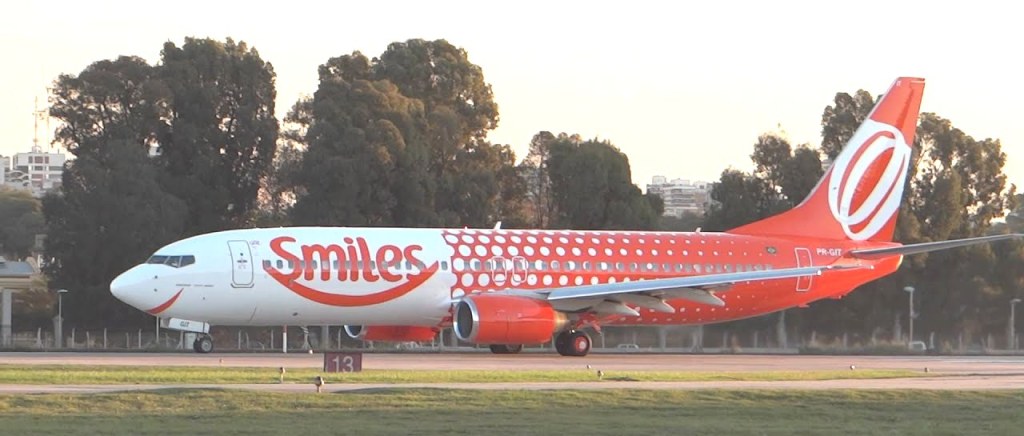
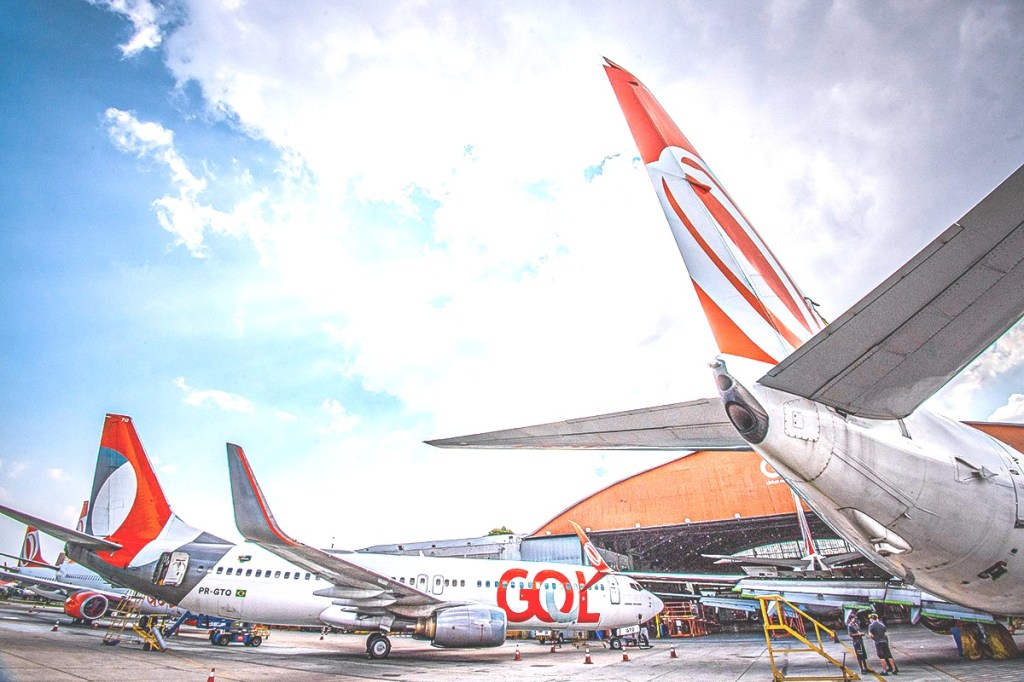
GOL Linhas Aéreas Inteligentes S.A., la aerolínea nacional líder del mercado de Brasil, anuncia al mercado, de conformidad con el Artículo Nº 156, Párrafo 4, de la Ley Nº 6.404/76 y la Regla CVM Nº 358, de 3 de Enero de 2002, la iniciativa de propuesta de fusión corporativa de las acciones de GOL Linhas Aéreas y el Programa de Millas de Smiles Fidelidade S.A.
Gol Linhas Aéreas ha enviado este 7 de Diciembre de 2020 una carta al Consejo de Administración de Smiles Fidelidade S.A. un comunicado sobre la propuesta para una fusión de las dos principales filiales operativas. La fusión, si se ejecuta, dará lugar a la migración de los accionistas de Smiles que optan por hacerlo a la base combinada de accionistas de GOL y Smiles, y a la redención en efectivo por parte de GOL de las acciones de quienes optan por no migrar. En caso de que la propuesta sea aceptada, de conformidad con los términos propuestos por la fusión, cada parte común de Smiles dará derecho a su titular a recibir, al final de la fusión, una consideración de A) 0.825 acciones preferentes de GOL por cada acción común de Smiles (el «Relación de Intercambio»), o B) R$ 22.32 en efectivo por cada acción común de Smiles, o, alternativamente C) una combinación de acciones preferentes de GOL y efectivo especificando el número de acciones comunes de Smiles para recibir cada tipo de contraprestación. Las elecciones a los accionistas estarán sujetas a ajustes de tal manera que ningún accionista individual reciba más del 80% de la contraprestación en acciones preferentes de GOL o efectivo. La relación de intercambio representa una prima de aproximadamente 26,3% por encima de la relación de intercambio de precio promedio ponderado por volumen de 30 días de las dos compañías. En última instancia, cuando proceda, la fusión se someterá a la aprobación de los accionistas de GOL Linhas Aéreas y Smiles Fidelidade S.A.
Objetivos Gol/Smiles
La fusión Gol/Smiles daría lugar a la combinación de las dos filiales operativas de GOL para maximizar el valor para todos los accionistas alineando los objetivos de negocio de ambas entidades, asegurando la competitividad continua de la aerolínea y el programa de fidelización, simplificando el gobierno corporativo, fortaleciendo la estructura de capital combinada y reduciendo los costos operativos, administrativos y financieros, y reduciendo las ineficiencias fiscales.
GOL Linhas Aéreas considera que, aunque la estructura accionarial separada de Smiles y GOL benefició históricamente a ambas entidades y ha proporcionado importantes retornos a los accionistas de Smiles desde la salida a bolsa, los cambios en la dinámica competitiva tanto de la aerolínea como de los mercados de fidelización, recientemente acelerados y amplificados por los efectos de la pandemia, requieren un desenredo de esta estructura y para alinear permanentemente sus intereses de las compañías operadoras para garantizar la competitividad a largo plazo y la viabilidad de ambas empresas.
Actualmente, Smiles es el único programa de fidelización afiliado a aerolíneas que cotiza en bolsa. Después de la reciente reintegración de Life Miles en Avianca, la compra negociada por Aeroméxico de Club Premier, la compra de Aeroplan y Latam Airlines de LaTam Multiplus, Smiles es ahora el único programa de viajero frecuente en las Américas que es independiente de su aerolínea patrocinadora. El aumento de la competencia en el mercado de las tarjetas de crédito, el aumento de la competitividad de los programas de fidelización patrocinados por las aerolíneas y el fortalecimiento de los lazos entre los dos principales competidores de GOL y Smiles, incluido su acuerdo de código compartido, plantean importantes desafíos competitivos a Smiles, permitiendo observar la probabilidad que los programas de viajero frecuente que compiten tengan acceso a un inventario más amplio de asientos y destinos y, por lo tanto, sean más atractivos para los consumidores y los socios bancarios. Además, la integración de las aerolíneas y los programas de fidelización por parte de los principales competidores de Smiles y GOL les permite diseñar y desarrollar ofertas y productos de forma libre y dinámica dentro de cada mercado para reaccionar de manera eficiente y rentable a los entornos que cambian rápidamente, una flexibilidad crítica obstaculizada por la base separada de accionistas de GOL y Smiles y por la estructura del Acuerdo Operativo.
Gol Linhas Aéreas está bien posicionada para salir de la crisis con una mayor cuota de mercado debido a su ventaja en la estructura de costes, la integración de Smiles y los flujos de efectivo de fidelización asociados en una única estructura de capital son fundamentales para garantizar la reinversión continua en la aerolínea y en el programa de fidelización. Si bien GOL ha trabajado sin descanso y con éxito con todas sus partes interesadas para garantizar que el Grupo GOL mantenga una liquidez adecuada durante la pandemia, reequilibrando su calendario de amortización de la deuda, centrándose en la preservación de los puestos de trabajo de profesionales altamente cualificados y capacitados, la re-perfilación de sus responsabilidades de arrendamiento de aeronaves y el fortalecimiento de las relaciones comerciales con sus principales socios comerciales: la recuperación del suministro de asientos y vuelos de GOL a volúmenes pre-pandémicos es fundamental para restaurar la dinámica de negocios y los volúmenes de Smiles, y esta inversión no puede mantenerse sin alineación. La naturaleza simbiótica de la aerolínea y es el programa de viajero frecuente inherentemente hace que sea difícil esforzarse individualmente por los rendimientos de los accionistas que entran en conflicto con el éxito en todo el grupo.
Perspectivas GOL/Smiles
GOL se muestra confiada en que la integración corporativa proporcionará al grupo las sinergias necesarias y el nivel de coordinación necesario para seguir navegando por las condiciones de mercado inciertas que afectan a la industria de viajes, generando en última instancia el mayor valor para los accionistas de GOL y Smiles. Debido a las circunstancias de la pandemia, GOL Linhas Aéreas ha informado al Consejo de Administración de Smiles de su intención de que todos los análisis y negociaciones relativas a la propuesta concluyan en un plazo de treinta días, y de que las juntas de accionistas de GOL y Smiles deliberarán sobre la fusión que se convocarán el 18 de Enero de 2020.
Los términos y condiciones detallados de la transacción se especificarán en el Protocolo Incorporado de Fusión, que se divulgará a su debido tiempo, junto con la información prevista en la Regla Nº 565 de la CVM, de 15 de Julio de 2015. GOL Linhas Aéreas mantendrá informados a sus accionistas y al mercado de la fusión, de conformidad con la normativa aplicable.
GOL-Smiles fusion approach
GOL announces proposed corporate merger with Smiles
GOL Linhas Aéreas Inteligentes S.A., the leading national airline in the Brazilian market, announces to the market, in accordance with Article No. 156, Paragraph 4, of Law No. 6,404 / 76 and CVM Rule No. 358, of January 3, 2002 , the initiative to propose the corporate merger of the shares of GOL Linhas Aéreas and the Mile Program of Smiles Fidelidade S.A.
Gol Linhas Aéreas has sent this December 7, 2020 a letter to the Board of Directors of Smiles Fidelidade S.A. a statement on the proposal for a merger of the two main operating subsidiaries. The merger, if executed, will result in the migration of Smiles shareholders who choose to do so to the combined shareholder base of GOL and Smiles, and the cash redemption by GOL of the shares of those who choose not to migrate . In case the proposal is accepted, in accordance with the terms proposed by the merger, each common part of Smiles will entitle its holder to receive, at the end of the merger, a consideration of A) 0.825 preferred shares of GOL for each common share of Smiles (the «Exchange Ratio»), or B) R$ 22.32 in cash for each common share of Smiles, or, alternatively C) a combination of preferred shares of GOL and cash specifying the number of common shares of Smiles to receive each type of consideration. Shareholder elections will be subject to adjustments such that no individual shareholder receives more than 80% of the consideration in GOL preferred shares or cash. The terms of trade represents a premium of approximately 26.3% over the 30-day volume-weighted average price terms of trade of the two companies. Ultimately, when applicable, the merger will be submitted to the approval of the shareholders of GOL Linhas Aéreas and Smiles Fidelidade S.A.
Gol/Smiles targets
The Gol/Smiles merger would result in the combination of GOL’s two operating subsidiaries to maximize value for all shareholders by aligning the business objectives of both entities, ensuring the continued competitiveness of the airline and the loyalty program, simplifying governance. corporate, strengthening the combined capital structure and reducing operating, administrative and financial costs, and reducing fiscal inefficiencies.
GOL Linhas Aéreas considers that, although the separate shareholding structure of Smiles and GOL has historically benefited both entities and has provided significant returns to Smiles shareholders since the IPO, the changes in the competitive dynamics of both the airline and the markets Loyalty schemes, recently accelerated and amplified by the effects of the pandemic, require an unraveling of this structure and to permanently align their interests with the operating companies to guarantee the long-term competitiveness and viability of both companies.
Smiles is currently the only publicly traded airline-affiliated loyalty program. Following the recent reintegration of Life Miles into Avianca, Aeroméxico’s negotiated purchase of Club Premier, the purchase of Aeroplan and Latam Airlines from LaTam Multiplus, Smiles is now the only frequent flyer program in the Americas that is independent of its sponsoring airline. Increased competition in the credit card market, increased competitiveness of airline-sponsored loyalty programs, and strengthened ties between GOL’s two main competitors and Smiles, including their codeshare agreement , pose significant competitive challenges for Smiles, allowing us to see the likelihood that competing frequent flyer programs will have access to a broader inventory of seats and destinations, and thus be more attractive to consumers and banking partners. Furthermore, the integration of airlines and loyalty programs by Smiles and GOL’s main competitors allows them to freely and dynamically design and develop offers and products within each market to react efficiently and profitably to the environments they change rapidly, a critical flexibility hampered by the separate shareholder base of GOL and Smiles and by the structure of the Operating Agreement.
Gol Linhas Aéreas is well positioned to emerge from the crisis with a greater market share due to its advantage in cost structure, the integration of Smiles and the associated loyalty cash flows in a single capital structure are essential to guarantee the continuous reinvestment in the airline and in the loyalty program. While GOL has worked tirelessly and successfully with all its stakeholders to ensure that the GOL Group maintains adequate liquidity during the pandemic, rebalancing its debt repayment schedule, focusing on preserving the jobs of highly professional professionals. qualified and trained, re-profiling their aircraft leasing responsibilities and strengthening business relationships with their main business partners: the recovery of GOL’s seat and flight supply at pre-pandemic volumes is critical to restoring the dynamics of Smiles’ business and volumes, and this investment cannot be kept out of alignment. The symbiotic nature of the airline and it’s inherently frequent flyer program makes it difficult to individually strive for shareholder returns that conflict with group-wide success.
GOL/Smiles perspectives
GOL is confident that corporate integration will provide the group with the necessary synergies and the level of coordination necessary to continue navigating the uncertain market conditions that affect the travel industry, ultimately generating the greatest value for GOL shareholders. and Smiles. Due to the circumstances of the pandemic, GOL Linhas Aéreas has informed the Smiles Board of Directors of its intention that all the analysis and negotiations related to the proposal conclude within a period of thirty days, and that the GOL shareholders’ meetings and Smiles will deliberate on the merger to be convened on January 18, 2020.
The detailed terms and conditions of the transaction will be specified in the Incorporated Merger Protocol, which will be disclosed in due time, together with the information provided in CVM Rule No. 565, of July 15, 2015. GOL Linhas Aéreas will maintain informed to their shareholders and the market of the merger, in accordance with the applicable regulations.
Abordagem de fusão GOL-Smiles
GOL anuncia proposta de fusão corporativa com Smiles
A GOL Linhas Aéreas Inteligentes S.A., companhia aérea nacional líder no mercado brasileiro, anuncia ao mercado, nos termos do artigo 156, § 4º, da Lei nº 6.404/76 e da Instrução CVM nº 358, de 3 de Janeiro de 2002 , a iniciativa de propor a incorporação societária das ações da GOL Linhas Aéreas e do Programa Milhas da Smiles Fidelidade S.A.
A Gol Linhas Aéreas enviou, no dia 7 de Dezembro de 2020, carta ao Conselho de Administração da Smiles Fidelidade S.A. uma declaração sobre a proposta de fusão das duas principais subsidiárias operacionais. A incorporação, se realizada, resultará na migração dos acionistas Smiles que optarem por fazê-lo para a base acionária combinada da GOL e Smiles, e no resgate em dinheiro pela GOL das ações daqueles que optem por não migrar. Caso a proposta seja aceita, nos termos propostos pela incorporação, cada ação ordinária da Smiles dará ao seu titular o direito de receber, ao final da incorporação, a contrapartida de A) 0,825 ações preferenciais da GOL para cada ação ordinária da Smiles (a «Relação de Substituição»), ou B) R$ 22,32 em dinheiro para cada ação ordinária da Smiles, ou, alternativamente, C) uma combinação de ações preferenciais da GOL e dinheiro especificando a quantidade de ações ordinárias da Smiles para receber cada tipo de consideração. A eleição dos acionistas estará sujeita a ajustes de forma que nenhum acionista individual receba mais do que 80% do valor em ações preferenciais da GOL ou em dinheiro. Os termos de troca representam um prêmio de aproximadamente 26,3% sobre o preço médio ponderado por volume de 30 dias dos termos de troca das duas empresas. Em última instância, quando aplicável, a incorporação será submetida à aprovação dos acionistas da GOL Linhas Aéreas e Smiles Fidelidade S.A.
Alvos Gol/Smiles
A fusão Gol/Smiles resultaria na combinação das duas subsidiárias operacionais da GOL para maximizar valor para todos os acionistas, alinhando os objetivos de negócios de ambas as entidades, garantindo a continuidade da competitividade da companhia aérea e do programa de fidelidade, simplificando a governança. societário, fortalecendo a estrutura de capital combinada e reduzindo custos operacionais, administrativos e financeiros, e reduzindo ineficiências fiscais.
A GOL Linhas Aéreas considera que, embora a estrutura acionária separada da Smiles e da GOL tenha historicamente beneficiado ambas as entidades e proporcionado retornos significativos aos acionistas da Smiles desde o IPO, as mudanças na dinâmica competitiva da companhia aérea e dos mercados Os esquemas de fidelização, recentemente acelerados e amplificados pelos efeitos da pandemia, exigem um desemaranhamento desta estrutura e um alinhamento permanente dos seus interesses com os das empresas operadoras para garantir a competitividade e a viabilidade a longo prazo de ambas as empresas.
O Smiles é atualmente o único programa de fidelidade afiliado a companhias aéreas de capital aberto. Após a recente reintegração de Life Miles na Avianca, a compra negociada do Club Premier pela Aeroméxico, a compra da Aeroplan e Latam Airlines da LaTam Multiplus, o Smiles é agora o único programa de passageiro frequente nas Américas que é independente de sua companhia aérea patrocinadora. Aumento da competição no mercado de cartões de crédito, aumento da competitividade dos programas de fidelidade patrocinados por companhias aéreas e fortalecimento dos laços entre os dois principais concorrentes da GOL e a Smiles, incluindo seu acordo de codeshare, representam desafios competitivos significativos para a Smiles, permitindo-nos ver a probabilidade de que os programas de passageiro frequente concorrentes terão acesso a um estoque mais amplo de assentos e destinos e, portanto, serão mais atraentes para consumidores e parceiros bancários. Além disso, a integração das companhias aéreas e dos programas de fidelidade da Smiles e dos principais concorrentes da GOL permite que elas projetem e desenvolvam de forma livre e dinâmica ofertas e produtos dentro de cada mercado para reagir de forma eficiente e lucrativa aos ambientes em que atuam. mudar rapidamente, uma flexibilidade crítica dificultada pela base de acionistas separada da GOL e Smiles e pela estrutura do Acordo Operacional.
A Gol Linhas Aéreas está bem posicionada para sair da crise com maior participação de mercado devido à sua vantagem na estrutura de custos, a integração da Smiles e os fluxos de caixa de fidelização associados em uma única estrutura de capital são essenciais para garantir o reinvestimento contínuo na companhia aérea e no programa de fidelidade. Enquanto a GOL tem trabalhado incansavelmente e com sucesso com todos os seus stakeholders para garantir que o Grupo GOL mantenha a liquidez adequada durante a pandemia, reequilibrando seu cronograma de pagamento de dívidas, com foco na preservação dos empregos de profissionais altamente qualificados. qualificados e treinados, reformulando suas responsabilidades de arrendamento de aeronaves e fortalecendo as relações comerciais com seus principais parceiros de negócios: a recuperação da oferta de assentos e vôos da GOL em volumes pré-pandêmicos é fundamental para restaurar a dinâmica da negócios e volumes da Smiles, e esse investimento não pode ficar desalinhado. A natureza simbiótica da companhia aérea e seu programa de passageiro frequente inerentemente tornam difícil lutar individualmente por retornos para os acionistas que conflitem com o sucesso de todo o grupo.
GOL/Smiles Insights
A GOL está confiante de que a integração corporativa proporcionará ao grupo as sinergias e o nível de coordenação necessários para continuar navegando nas condições de mercado incertas que afetam o setor de viagens, gerando, em última instância, o maior valor para os acionistas da GOL e sorrisos. Devido às circunstâncias da pandemia, a GOL Linhas Aéreas comunicou ao Conselho de Administração da Smiles sua intenção de que todas as análises e negociações relacionadas à proposta sejam concluídas no prazo de trinta dias, e que as assembléias gerais da GOL e a Smiles deliberará sobre a incorporação a ser convocada em 18 de Janeiro de 2020.
Os termos e condições detalhados da operação serão especificados no Protocolo de Fusão Incorporado, que será oportunamente divulgado, juntamente com as informações constantes da Instrução CVM Nº 565, de 15 de Julho de 2015. A GOL Linhas Aéreas manterá informados aos seus acionistas e ao mercado da incorporação, nos termos da regulamentação aplicável.
Aéreas sobreviven por hipotecar Programa Fidelidad
Las tres grandes aerolíneas americanas American Airlines, Delta Air Lines, United Airlines han logrado evitar la quiebra, en tiempos turbulentos de pandemia y los efectos desastrosos que ha arrojado las cifras de negocio del año 2020, gracias en parte a hipotecar sus Programas de Fidelidad de pasajeros frecuentes. Las tres compañías han hipotecado estos programas de fidelización, que representan las tarjetas de fidelidad que acumulan puntos para futuros viajes o intercambios con otros servicios, por importes que van de los US$ 6.500 a los 9.000 millones de Dólares, un monto sin el cual, United Airlines y American Airlines, las dos compañías en una situación de mayor vulnerabilidad habrían tenido que presentar la quiebra.
Estos programas son la explicación de la salvación, por el momento, de las aerolíneas, y que probablemente sólo la low cost Southwest Airlines habría podido sobrevivir al hundimiento económico actual. Las hipotecas de los programas de fidelización consisten en préstamos obtenidos de empresas y particulares en los que la garantía son los futuros ingresos de estas tarjetas por las que los americanos se muestran tan inclinados. Las tarjetas de fidelización de las aerolíneas americanas están extendidas a todo el mundo del turismo, gracias a programas comerciales, por lo que representan un negocio en sí mismo. Por ejemplo, alojarse en un hotel da puntos en la tarjeta de la aerolínea para después usar esos mismos puntos también en un hotel, lo que significa que la aerolínea sólo es la intermediaria o la dueña del negocio. En Latinoamérica, las principales aerolíneas regionales tuvieron que acogerse a la Ley de Bancarrotas, como fue el caso de Latam Airlines, Avianca o Aeroméxico, mientras otras como Copa Airlines, Volaris Airlines , Gol Linhas Aéreas y Azul Linhas Aéreas pudieron resistir con sus modelos low cost.
Airlines survive post-pandemic
539817028
Aircraft survive by mortgaging Loyalty Program
The three big American airlines American Airlines, Delta Air Lines, United Airlines have managed to avoid bankruptcy, in turbulent times of pandemic and the disastrous effects that the 2020 business figures have thrown, thanks in part to mortgaging their Loyalty Programs of frequent passengers. The three companies have mortgaged these loyalty programs, which represent loyalty cards that accumulate points for future trips or exchanges with other services, for amounts ranging from US $ 6,500 to 9,000 million dollars, an amount without which, United Airlines and American Airlines, the two most vulnerable companies, would have had to file for bankruptcy.
These programs are the explanation of the salvation, for the moment, of the airlines, and that probably only the low cost Southwest Airlines could have survived the current economic collapse. Loyalty program mortgages consist of loans obtained from companies and individuals in which the guarantee is the future income of these cards for which Americans are so inclined. The loyalty cards of American airlines are extended to the entire world of tourism, thanks to commercial programs, so they represent a business in itself. For example, staying in a hotel gives points on the airline card to later use those same points also in a hotel, which means that the airline is only the intermediary or the owner of the business. In Latin America, the main regional airlines had to adhere to the Bankruptcy Law, as was the case with Latam Airlines, Avianca or Aeroméxico, while others such as Copa Airlines, Volaris Airlines, Gol Linhas Aéreas and Azul Linhas Aéreas were able to resist with their low models. cost.
El Gobierno de Argentina ha publicado en 10/2020 la Resolución Nº424/2020 que obliga a las empresas que venden bienes y servicios a distancia a incluir en sus páginas web un “Botón de Arrepentimientos”, que debe estar visible. Esta medida incluye a las agencias de viajes, quienes en los últimos meses realizaron sus ventas desde sus sitios de internet u otros canales. Esta nueva modalidad permite de manera sencilla activar el reembolso a aquel pasajero que quiera desistir de su compra “no presencial”, es decir, online, telefónica o por mail, durante los diez días posteriores a la concreción de la operación. El prestador debe devolver el 100% del importe al pasajero arrepentido, incluyendo los impuestos; sin penalidades ni comisiones. Esta medida incluye a las agencias de viajes, aerolíneas, sin embargo, desde la Federación Argentina de Asociaciones de Empresas de Viajes y Turismo (FAEVYT) le plantearon a la Administración Nacional de Aviación Civil (ANAC) la necesidad de establecer reglas claras a través de un marco regulatorio para la implementación del “Botón de Arrepentimiento” a todos los actores de la industria.
Durante el encuentro FAEVYT detallaron la desigualdad de condiciones existente entre las agencias de viajes, que están obligadas a contar con la herramienta; y las plataformas de venta de servicios turísticos extranjeras que, no solo no tributan en el país, sino que tampoco contarían con dicho botón. Este desequilibrio perjudica claramente al sector de las agencias de viajes, principal canal de comercialización del turismo en nuestro país.
Consumer & «Regret Button»
The consumer facing the right of refund
The Government of Argentina published Resolution No. 424/2020 on 10/2020, which obliges companies that sell goods and services remotely to include a “Regret Button” on their web pages, which must be visible. This measure includes travel agencies, who in recent months made their sales from their internet sites or other channels. This new modality allows in a simple way to activate the reimbursement to that passenger who wants to withdraw from his purchase «not in person», that is, online, by telephone or by mail, during the ten days after the completion of the operation. The provider must return 100% of the amount to the repentant passenger, including taxes; without penalties or commissions. This measure includes travel agencies, airlines, however, from the Argentine Federation of Travel and Tourism Business Associations (FAEVYT) they raised with the National Civil Aviation Administration (ANAC) the need to establish clear rules through a regulatory framework for the implementation of the «Repentance Button» to all industry players.
During the FAEVYT meeting they detailed the inequality of conditions existing between travel agencies, which are obliged to have the tool; and the platforms for the sale of foreign tourist services that not only do not pay taxes in the country, but also would not have such a button. This imbalance clearly harms the travel agency sector, the main channel for marketing tourism in our country.
Aerolínea india reiniciaría operaciones en Abril 2021
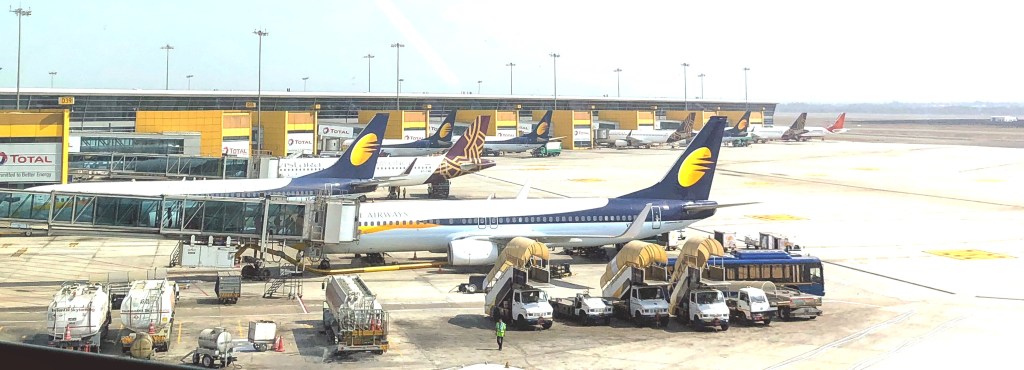
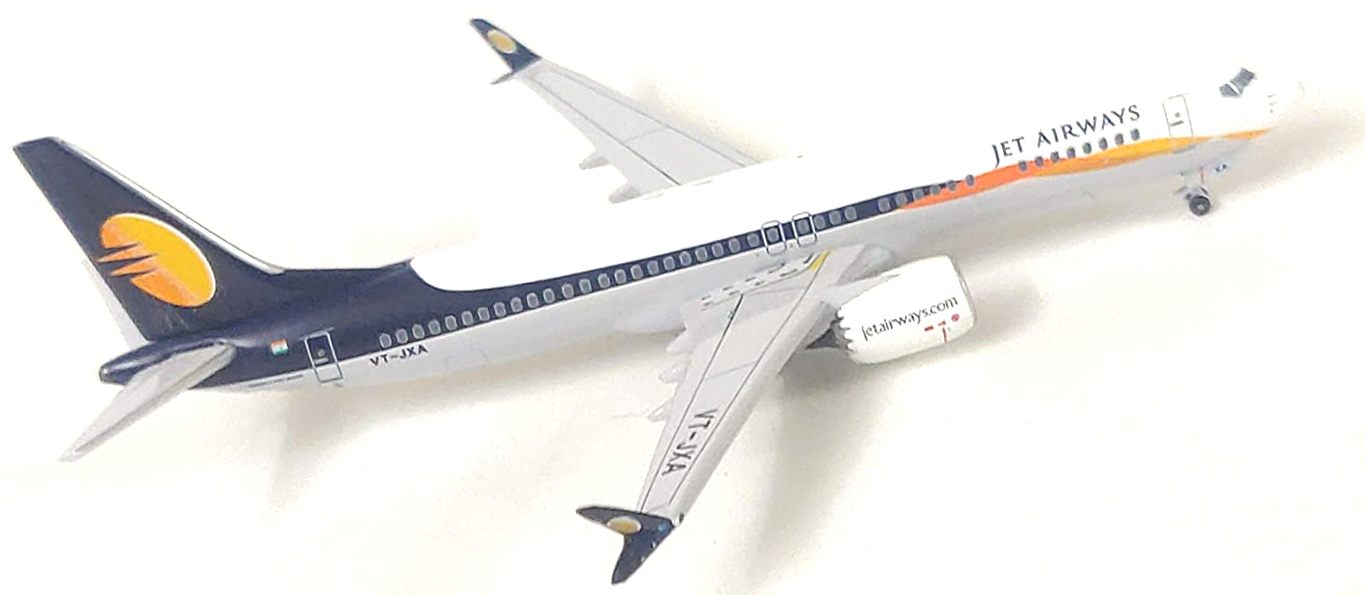
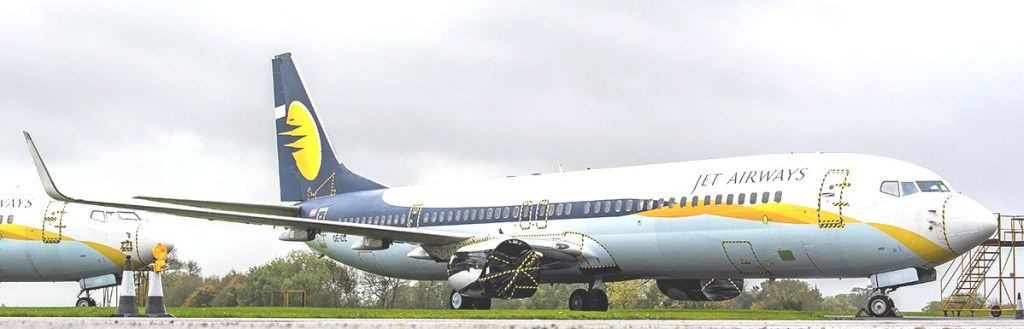
El consorcio de Kalrock Capital y Murarilal Jalan, los nuevos propietarios de Jet Airways están en conversaciones con The Boeing Company para conseguir nuevas entregas de aeronaves para que la aerolínea, que ha salido del proceso de Administración, reinicie operaciones aerocomerciales hacia 2Q2021. Los representantes del consorcio han tenido múltiples reuniones con ejecutivos de la fábrica aeronáutica americana para acercar propuestas para la adquisición de nuevos aviones para reestablecer sus operaciones luego de cese de operaciones el 17 de Abril de 2017. El consorcio esperaba una aprobación temprana por parte del National Company Law Tribunal (NCLT) de su Plan de Resolución de Deudas para que pudiera reiniciar los servicios a partir de Abril de 2021, casi cuatro años después de su puesta en tierra. Fuentes cercanas a la aerolínea han informado que las entregas de aeronaves podrían hacerse en tres fases durante el primer año de operaciones. «Al principio, es probable que Jet inicie operaciones con siete u ocho Boeing 737 NG. Espera tomar las entregas del Boeing 737 MAX en el tercer trimestre del 2022. Es probable que los Boeing 787-9 sean entregados para el primer trimestre del 2023», dijo una fuente cercana a Jet Airways, pero no se ha especificado que tipo de contrato se establecerá, si en alquiler o mediante compra. El Sr. Manoj Madnani, miembro de la Junta Directiva de Kalrock Capital, no hizo comentarios sobre las reuniones con Boeing, pero dijo: «No se ha finalizado ningún calendario de entrega ni ningún tipo de aeronave entre las partes a partir de ahora».
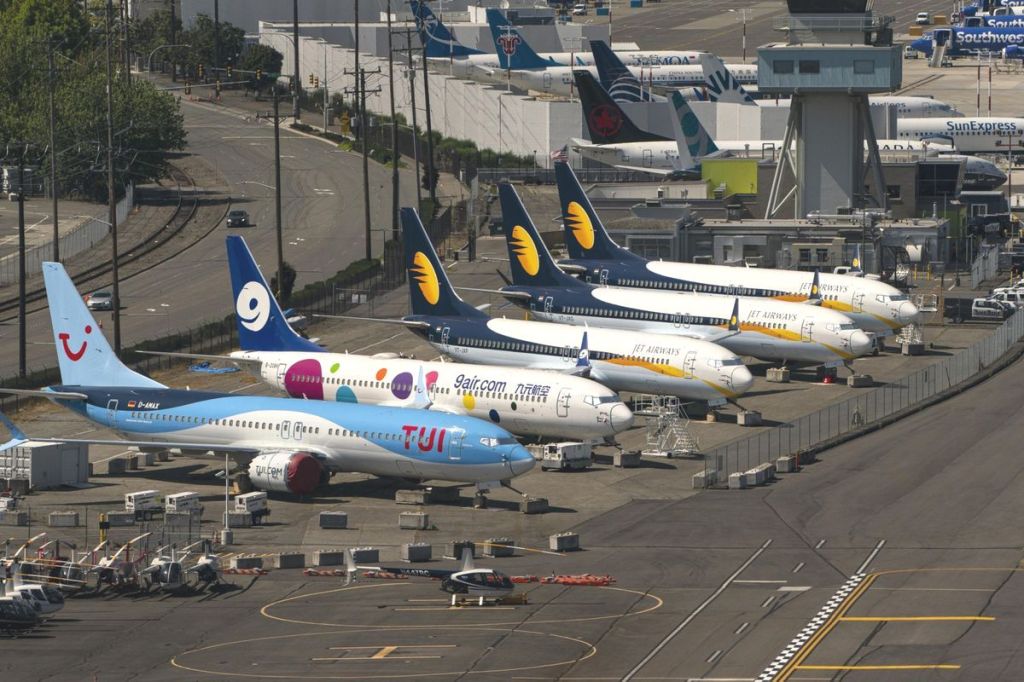
En 2019, antes de la puesta a tierra de Jet Airways, Boeing tenía una orden de la aerolínea para 225 Boeing 737-8/9 MAX para reemplazar sus 737 más antiguos. La compañía tomaría las entregas en tres lotes, aunque Jet Airways había abonado la cantidad inicial. Pero se ha solicitado una respuesta a si la orden realizada a Boeing continuaba siendo válida: «Este es un asunto confidencial y no se pueden compartir detalles a este respecto», expresó Manoj Madnani. Un portavoz de Boeing dijo: «No comentamos sobre las discusiones confidenciales con los clientes». Aunque algunas fuentes en Boeing dijeron que la orden seguía siendo válida.
Jet Airways re-startup April 2021
Indian airline would restart operations in April 2021
The consortium of Kalrock Capital and Murarilal Jalan, the new owners of Jet Airways are in talks with The Boeing Company to secure new deliveries of aircraft so that the airline, which has left the Administration process, can restart commercial air operations towards 2Q2021. The representatives of the consortium have had multiple meetings with executives of the American aeronautical factory to approach proposals for the acquisition of new aircraft to reestablish their operations after ceasing operations on April 17, 2017. The consortium awaited early approval from the National Company Law Tribunal (NCLT) of its Debt Resolution Plan so that it could restart services as of April 2021, almost four years after being grounded. Sources close to the airline have reported that aircraft deliveries could be made in three phases during the first year of operations. «Initially, Jet is likely to start operations with seven or eight Boeing 737 NGs. It expects to take deliveries of the Boeing 737 MAX in the third quarter of 2022. The Boeing 787-9s are likely to be delivered by the first quarter of 2023», said a source close to Jet Airways, but it has not been specified what type of contract will be established, whether for rent or through purchase. Mr. Manoj Madnani, a member of the Kalrock Capital Board of Directors, did not comment on the meetings with Boeing, but said: «No delivery schedule or any aircraft has been finalized between the parties as of now».
In 2019, prior to the Jet Airways grounding, Boeing had an order from the airline for 225 Boeing 737-8/9 MAXs to replace its older 737s. The company would take the deliveries in three batches, although Jet Airways had paid the initial amount. But a response has been requested as to whether the order made to Boeing was still valid: «This is a confidential matter and no details can be shared in this regard», Manoj Madnani said. A Boeing spokesperson said: «We do not comment on confidential discussions with customers». Although some sources at Boeing said the order was still valid.
जेट एयरवेज फिर से स्टार्टअप अप्रैल 2021
भारतीय एयरलाइन अप्रैल 2021 में परिचालन फिर से शुरू करेगी
कलॉक कैपिटल और मुरारीलाल जालान के कंसोर्टियम, जेट एयरवेज के नए मालिक विमान की नई डिलीवरी को सुरक्षित करने के लिए बोइंग कंपनी के साथ बातचीत कर रहे हैं ताकि एयरलाइन, जो प्रशासन की प्रक्रिया को छोड़ चुकी है, 2Q2021 के लिए वाणिज्यिक हवाई परिचालन को फिर से शुरू कर सके। कंसोर्टियम के प्रतिनिधियों ने 17 अप्रैल, 2017 को परिचालन बंद करने के बाद अपने संचालन को फिर से स्थापित करने के लिए नए विमानों के अधिग्रहण के प्रस्तावों के लिए अमेरिकी वैमानिकी कारखाने के अधिकारियों के साथ कई बैठकें कीं। कंसोर्टियम ने राष्ट्रीय से शीघ्र अनुमोदन की प्रतीक्षा की कंपनी लॉ ट्रिब्यूनल (एनसीएलटी) ने अपने डेट रिजॉल्यूशन प्लान को लागू किया ताकि वह ग्राउंडेड होने के लगभग चार साल बाद अप्रैल 2021 तक सेवाओं को फिर से शुरू कर सके। एयरलाइन के करीबी सूत्रों ने बताया है कि परिचालन के पहले साल के दौरान विमान की डिलीवरी तीन चरणों में की जा सकती है। «प्रारंभ में, जेट के सात या आठ बोइंग 737 एनजी के साथ संचालन शुरू करने की संभावना है। यह 2022 की तीसरी तिमाही में बोइंग 737 मैक्स की डिलीवरी लेने की उम्मीद करता है। बोइंग 787-9 के 2023 की पहली तिमाही तक वितरित होने की संभावना है»। जेट एयरवेज के करीबी एक सूत्र ने कहा, लेकिन यह निर्दिष्ट नहीं किया गया है कि किस प्रकार का अनुबंध स्थापित किया जाएगा, चाहे किराए के लिए या खरीद के माध्यम से। कलोर कैपिटल बोर्ड ऑफ डायरेक्टर्स के सदस्य श्री मनोज मदनानी ने बोइंग के साथ बैठकों पर कोई टिप्पणी नहीं की, लेकिन कहा: «अब तक पार्टियों के बीच कोई वितरण कार्यक्रम या किसी विमान को अंतिम रूप नहीं दिया गया है»।
जेट एयरवेज के ग्राउंडिंग से पहले 2019 में, बोइंग ने अपने पुराने 737 को बदलने के लिए 225 बोइंग 737-8 / 9 मैक्स के लिए एयरलाइन से ऑर्डर लिया था। कंपनी तीन बैचों में डिलीवरी लेगी, हालांकि जेट एयरवेज ने शुरुआती राशि का भुगतान किया था। लेकिन एक प्रतिक्रिया के रूप में अनुरोध किया गया है कि क्या बोइंग के लिए किया गया आदेश अभी भी मान्य था: «यह एक गोपनीय मामला है और इस संबंध में कोई विवरण साझा नहीं किया जा सकता है», मनोज मदनानी ने कहा। बोइंग के प्रवक्ता ने कहा: «हम ग्राहकों के साथ गोपनीय चर्चा पर टिप्पणी नहीं करते हैं»। हालांकि बोइंग के कुछ सूत्रों ने कहा कि यह आदेश अभी भी मान्य था।
Flybondi espera permiso retorno vuelos a partir del 19/12
Flybondi Líneas Aéreas ha solicitado hace semanas atrás los permisos respectivos para reiniciar sus operaciones aerocomerciales a la agencia de aviación de la Administración Nacional de Aviación Civil (ANAC) de Argentina desde el próximo 19 de Diciembre de 2020, con base de operaciones en el Aeropuerto Internacional El Palomar. A la espera de la solicitud y aprobaciones respectivas. La aerolínea de presupuesto precisa de la autorización de la ANAC, bajo la línea dura de la Agrupación política La Cámpora, una agrupación que favorece el círculo del entorno de las empresas estatales, insiste que las condiciones del aeropuerto low cost no se encuentra habilitado sanitariamente para realizar vuelos comerciales producto de la pandemia. Aunque, desde el Ministerio de Transporte, según la postura a cargo de Mario Meoni, no tiene autoridad directa sobre la materia.
El reinicio de las operaciones aerocomerciales regulares de cabotaje en Argentina y la reapertura turística de muchos destinos ha permitido a las líneas aéreas Aerolíneas Argentinas y JetSmart Airlines Argentina iniciar las programaciones de vuelos, mientras que Andes Líneas Aéreas y Flybondi Líneas Aéreas esperan reiniciar la programación de los vuelos hacia mediados de Diciembre 2020.
En el sector del kirchnerismo duro y los gremios aeronáuticos destacan que la aerolínea Flybondi posee apenas una sola aeronave Boeing 737-800, denostando de esta manera la posición de la compañía en el esfuerzo que está realizando para retornar a los cielo, como así también de las demás líneas aéreas. De todos modos, la compañía informó que un avión está por regresar de México que se encuentra realizando trabajos de mantenimiento en MRO Mexicana, mientras que el segundo arribaría a Argentina entre finales de Diciembre 2020 y principios de Enero 2021, para recomponer el parque aeronáutico y reactivar la demanda de cabotaje.
Una agrupación que continúa defendiendo los intereses de las fuentes laborales de las aerolíneas low cost organizarán otra marcha para el Jueves 17 de Noviembre de 2020 frente al Aeropuerto Internacional El Palomar, manteniendo las posturas más firmes y razonables referentes a que las aerolíneas de presupuesto mantienen una ventaja de reducción de costos, como así también, permite a los usuarios del transporte aéreo low cost ahorrar en los gastos adicionales al tener un aeropuerto más equidistante en el Área Metropolitana de Buenos Aires (AMBA). Actualmente, el único aeropuerto que cuenta con un corredor sanitario seguro, según el Organismo Regulador del Sistema Nacional de Aeropuertos (ORSNA), es el Aeropuerto Internacional Ezeiza, lugar donde ha trasladado las operaciones provisoriamente JetSmart Airlines Argentina.
Ultra Pases
Flybondi ha lanzado promociones especiales para estimular el reinicio de las operaciones aéreas después de siete meses de cierre del espacio aéreo para vuelos regulares, para combinar destinos y ahorros en paquetes aéreos hacia destinos turísticos con hasta un 60% de bonificaciones. La cuponera denominada Ultra Pases está enfocada para aquellos viajeros que durante el 2021 planeen recorrer la Argentina o que tienen familia en el interior del país. Incluye cinco tickets aéreos ida y vuelta que combina los destinos nacionales preferidos y se puede canjear hasta cinco días antes del vuelo. Flybondi ha comunicado que los vuelos promocionales parten desde el Aeropuerto El Palomar a doce destinos: Bariloche, Córdoba, Corrientes, Iguazú, Jujuy, Mendoza, Neuquén, Posadas, Salta, Santiago del Estero, Trelew y Tucumán.
Flybondi awaits permission to restart Ops
Flybondi awaits return flight permission from 12/19
Flybondi Líneas Aéreas has requested weeks ago the respective permits to restart its commercial aviation operations from the aviation agency of the National Civil Aviation Administration (ANAC) of Argentina from next December 19, 2020, with operations base at the International Airport Dovecote. Waiting for the application and respective approvals. The budget airline requires the authorization of the ANAC, under the hard line of the La Cámpora political group, a group that favors the circle of the environment of state companies, insists that the conditions of the low cost airport are not sanitary qualified for carry out commercial flights as a result of the pandemic. Although, from the Ministry of Transport, according to the position in charge of Mario Meoni, it does not have direct authority on the matter.
The resumption of regular commercial air cabotage operations in Argentina and the reopening of tourism in many destinations has allowed the airlines Aerolíneas Argentinas and JetSmart Airlines Argentina to start flight schedules, while Andes Líneas Aéreas and Flybondi Líneas Aéreas hope to restart the schedule of flights. flights by mid-December 2020.
In the sector of hard Kirchnerism and the aeronautical unions emphasize that the Flybondi airline owns only a single Boeing 737-800 aircraft, thus reviling the company’s position in the effort it is making to return to heaven, as well as the other airlines. In any case, the company reported that an aircraft is about to return from Mexico that is performing maintenance work at MRO Mexicana, while the second would arrive in Argentina between the end of December 2020 and the beginning of January 2021, to rebuild the aeronautical park and reactivate the demand for cabotage.
A group that continues to defend the interests of the low cost airlines labor sources will organize another march for Thursday, November 17, 2020 in front of the El Palomar International Airport, maintaining the most firm and reasonable positions regarding that budget airlines maintain a cost reduction advantage, as well as allowing low cost air transport users to save on additional expenses by having a more equidistant airport in the Buenos Aires Metropolitan Area (AMBA). Currently, the only airport that has a safe sanitary corridor, according to the Regulatory Body of the National Airport System (ORSNA), is the Ezeiza International Airport, where JetSmart Airlines Argentina has temporarily transferred operations.
Ultra Passes
Flybondi has launched special promotions to stimulate the restart of air operations after seven months of closure of the airspace for scheduled flights, to combine destinations and savings in air packages to tourist destinations with up to 60% discounts. The coupon called Ultra Pases is focused on those travelers who during 2021 plan to visit Argentina or who have family in the interior of the country. Includes five roundtrip air tickets that combine preferred domestic destinations and can be redeemed up to five days before the flight. Flybondi has announced that the promotional flights depart from El Palomar Airport to twelve destinations: Bariloche, Córdoba, Corrientes, Iguazú, Jujuy, Mendoza, Neuquén, Posadas, Salta, Santiago del Estero, Trelew and Tucumán.
FedEx inaugura instalaciones en Ontario, California
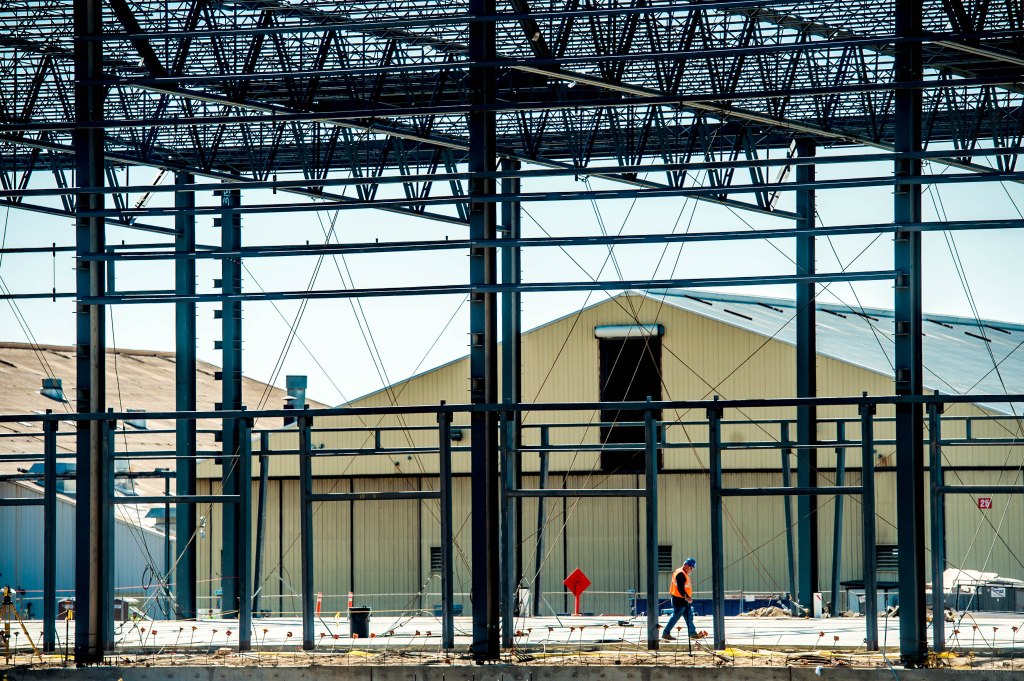
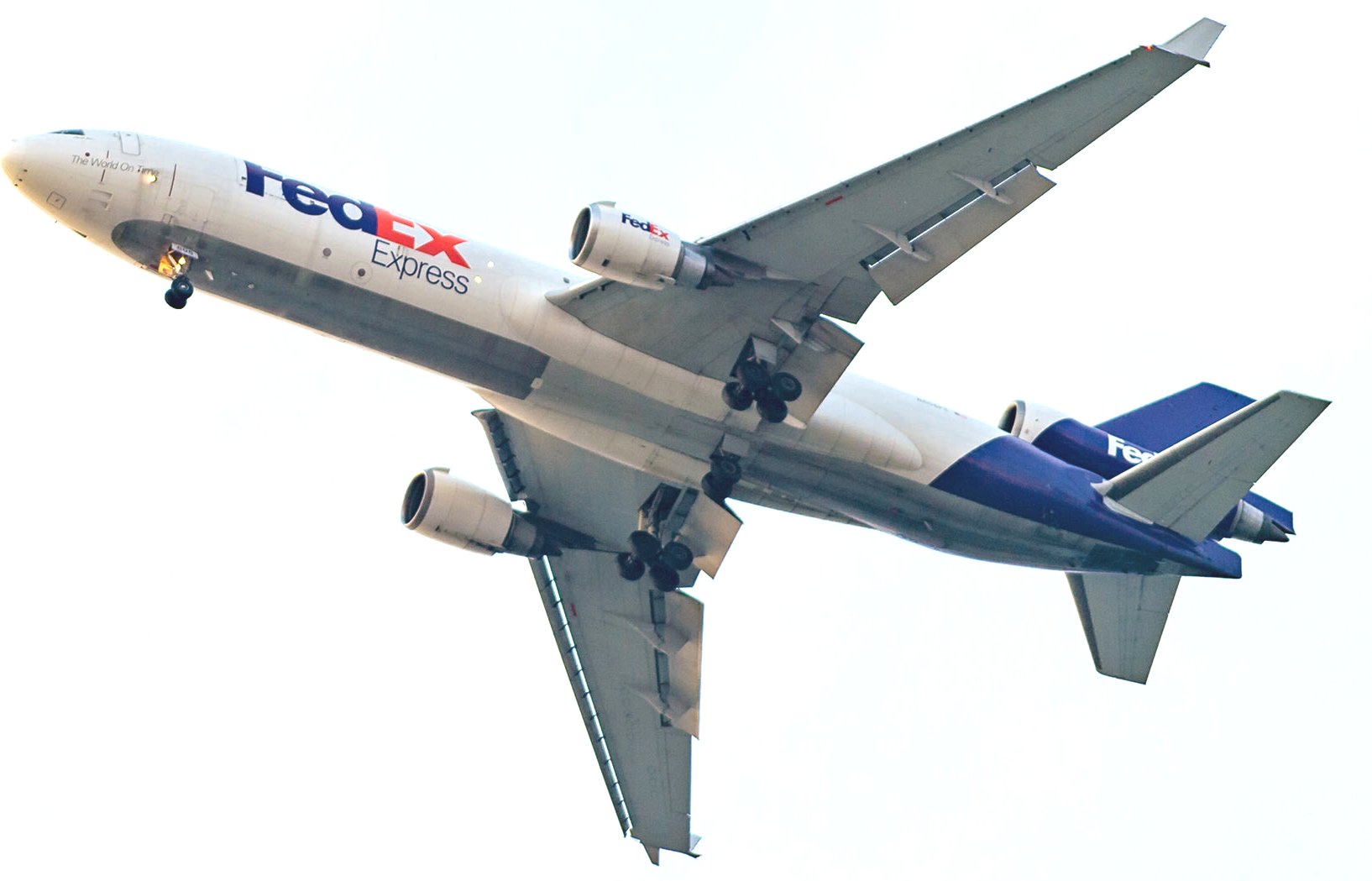
La compañía carguera estadounidense Federal Express (FedEx) ha anunciado la conclusión de la expansión de su nueva instalación en el Aeropuerto Internacional Ontario/ONT, en el Estado de California, Estados Unidos, por un valor de US$ 100 millones de Dólares, de esta manera ha aumentado sus capacidades de ventas en el área de comercia electrónico que se han incrementado durante la pandemia mundial. FedEx se ha mudado a su nueva instalación de 251.000 pies cuadrados construida en 51 acres en el lado noroeste del Aeropuerto Internacional de Ontario, Estado de California. La nueva instalación, que incluye un edificio de clasificación, un área de puesta en tierra, edificios de mantenimiento y una rampa de hormigón con bahías de aeronaves, es parte de una inversión de US$ 100 millones de la compañía de entrega de paquetes, una subsidiaria de FedEx Corp. Tras dos años en la fabricación de las instalaciones de FedEx, triplican el tamaño del espacio anterior de la compañía de carga y ha sido llamada el proyecto de mejora más significativo en el Aeropuerto de Ontario desde la década de 1990 por los funcionarios de la aeroestación.
FedEx había operado durante 33 años en 18,5 acres en el lado sur del aeropuerto. La nueva instalación permite la clasificación y manipulación de 12.000 paquetes por hora. Incluye nueve puertas de aeronaves para aviones de cuerpo ancho, 14 puertas de aviones alimentadores, 18 muelles de camiones y 170.000 metros cuadrados de hormigón para rampas de aeronaves y operaciones de camiones. La compañía dijo que su nueva operación necesitará 490 empleados. «La apertura de la nueva rampa FedEx Express Ontario fortalece en gran medida nuestras operaciones y servicios, incluyendo nuestra posición competitiva en el mercado y mayor eficiencia para manejar el creciente volumen de comercio electrónico que sale del área del sur de California. Estamos orgullosos de lanzar esta operación de rampa de última generación justo antes de la temporada alta de vacaciones», dijo Richard W. Smith, Presidente Regional de las Américas para FedEx.
La finalización de las obras en Noviembre 2020 subraya el creciente negocio de carga aérea del aeropuerto de varias de las principales compañías de carga y comercio electrónico que operan en el Aeropuerto Ontario (CA). La carga aérea aumentó un 19% durante los primeros nueve meses de 2020, ya que más personas usan compras en línea durante la pandemia de coronavirus. De Enero a Septiembre 2020, el volumen de carga alcanzó las 645.000 toneladas en comparación con las 539.000 toneladas en el mismo período de 2019, informó el aeropuerto. «La pandemia mundial arrojó una luz brillante a los participantes de la cadena de suministro mientras los consumidores se acurrucaron en casa y confiaban en los envíos de comercio electrónico de suministros domésticos vitales, y estamos orgullosos de decir que Ontario se ha distinguido como un componente clave en la industria del movimiento de mercancías», dijo Mark Thorpe, CEO del Aeropuerto Ontario. Alan Wapner, miembro del Concejo Municipal de Ontario y presidente de la Comisión de la Autoridad Aeroportuaria Internacional de Ontario, dijo en un comunicado que la nueva instalación es parte de la transformación del aeropuerto en una puerta de enlace internacional y motor económico para el sur de California.
FedEx Express firmó un contrato de arrendamiento de treinta años con la Ontario International Airport Authority (OIAA) en Junio de 2018. La construcción comenzó en Septiembre de 2019. El aeropuerto retiró las estructuras por encima y por debajo del suelo que eran restos de las antiguas instalaciones del Departamento de Defensa, despejando el sitio para la nueva instalación de carga aérea, que se puede ver desde East Airport Drive.
FedEx Ontario Airport/ONT expansion
FedEx opens facility in Ontario, California
The American freight company Federal Express (FedEx) has announced the completion of the expansion of its new facility at the Ontario International Airport/ONT, in the State of California, United States, for a value of US$ 100 million, of this In this way, it has increased its sales capabilities in the e-commerce area that have increased during the global pandemic. FedEx has moved into its new 251,000-square-foot facility built on 51 acres on the northwest side of the Ontario International Airport, State of California. The new facility, which includes a sorting building, a grounding area, maintenance buildings and a concrete ramp with aircraft bays, is part of a US$ 100 million investment by the package delivery company, a a subsidiary of FedEx Corp. After two years in the manufacturing of FedEx facilities, three times the size of the cargo company’s previous space and has been called the most significant upgrade project at Ontario Airport since the 1990s by the airstation officials.
FedEx had operated for 33 years on 18.5 acres on the south side of the airport. The new facility allows the classification and handling of 12,000 packages per hour. It includes nine wide-body aircraft doors, 14 feeder aircraft doors, 18 truck docks, and 170,000 square meters of concrete for aircraft ramps and truck operations. The company said its new operation will need 490 employees. «The opening of the new FedEx Express Ontario ramp greatly strengthens our operations and services, including our competitive market position and increased efficiency to handle the increasing volume of e-commerce coming out of the Southern California area. We are proud to launch this next-generation ramp operation just before the peak holiday season», said Richard W. Smith, Americas Regional President for FedEx.
Completion of the works in November 2020 underscores the growing airport air cargo business of several of the major cargo and e-commerce companies operating at Ontario Airport (CA). Air cargo increased 19% during the first nine months of 2020 as more people use online shopping during the coronavirus pandemic. From January to September 2020, the cargo volume reached 645,000 tons compared to 539,000 tons in the same period of 2019, the airport reported. «The global pandemic cast a bright light on supply chain participants as consumers huddled at home and relied on e-commerce shipments of vital household supplies, and we are proud to say that Ontario has distinguished itself as a key component. in the freight industry», said Mark Thorpe, CEO of Ontario Airport. Alan Wapner, a member of the Ontario City Council and chairman of the Ontario International Airport Authority Commission, said in a statement that the new facility is part of the airport’s transformation into an international gateway and economic engine for southern Ontario. California.
FedEx Express signed a thirty-year lease with the Ontario International Airport Authority (OIAA) in June 2018. Construction began in September 2019. The airport removed the above-ground and below-ground structures that were remnants of the old Department of Defense facilities, clearing the site for the new air cargo facility, which can be viewed from East Airport Drive.
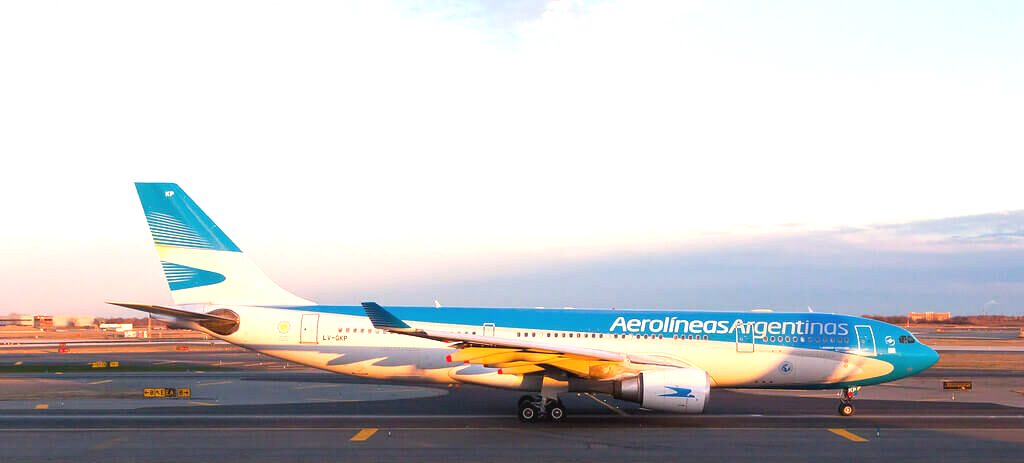
Aerolíneas Argentinas recibe multa de Transporte de Estados Unidos
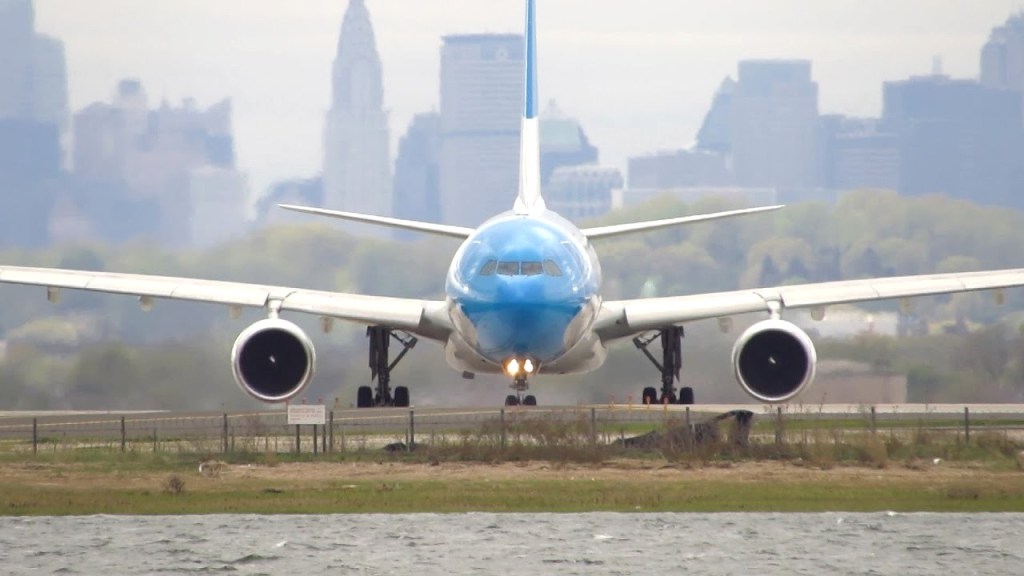
El Departamento de Transporte (DOT) de los Estados Unidos ha aplicado este Viernes 04/12 una multa por valor de US$ 300.000 Dólares a Aerolíneas Argentinas por violar un estatuto federal y normas vigentes relacionadas a la aeronavegación que prohíben las demoras en pista. Las reincidencias de la línea argentina fue advertida para que desista de cometer violaciones similares en el futuro, señala un comunicado emitido por el organismo.
Una investigación de la Oficina de Protección al Consumidor de Aviación (ACPO) dependiente de Transporte ha determinado que Aerolíneas Argentinas permitió que dos vuelos desde Buenos Aires a Nueva York uno en Febrero de 2017 y otro en Enero de 2018 permanecieran en pista por un largo período sin dar a los pasajeros la oportunidad de descender. La demora de 2017 fue de 4 horas y 46 minutos, mientras que la de 2018 duró 4 horas y 35 minutos. Esto, detalla el comunicado, generó reclamos de los pasajeros para que se les permitiera bajar. Según las normativas de Estados Unidos, las líneas aéreas extranjeras tienen prohibido permanecer en la pista de aeropuertos estadounidenses más de 4 horas sin dar a los pasajeros la asistencia requerida de dejar el avión para esperar en Tránsito en el aeropuerto. La regla también requiere que las aerolíneas provean adecuada comida y agua y aseo. Incluso, deben ser capaces de proveer atención médica si la espera es larga.
Bajo la regla de retraso en pista del DOT, las aerolíneas extranjeras que operan aviones con 30 o más asientos de pasajeros tienen prohibido permitir que sus vuelos internacionales permanezcan en la pista en los aeropuertos de los Estados Unidos durante más de cuatro horas sin dar a los pasajeros la oportunidad de abandonar el avión. Una excepción al límite de tiempo solo se permite por razones relacionadas con la seguridad o el control del tráfico aéreo. La norma también exige que las compañías aéreas proporcionen alimentos y agua adecuados, garanticen que los lavabos funcionen y, si es necesario, presten atención médica a los pasajeros durante largos retrasos en la pista.
Esta orden de consentimiento se refiere a violaciones por parte de Aerolíneas Argentinas de 14 CFR Parte 259 y 49 U.S.C. 41712. Específicamente, Aerolíneas Argentinas no se adhirió a la garantía en su plan de contingencia de largos retrasos en pista en relación con la desplanificación de pasajeros. Esta orden ordena a Aerolíneas Argentinas cesar y desistir de futuras violaciones similares de 14 CFR Parte 259 y 49 U.S.C. 41712, y evalúa al transportista US$ 300,000 en sanciones civiles. La orden de consentimiento está disponible en www.regulations.gov, número de expediente DOT-OST-2020-0001.
Aerolíneas fined by DOT
Aerolíneas Argentinas receives a fine from the United States
The Department of Transportation (DOT) of the United States has applied this Friday 04/12 a fine in the amount of US$ 300,000 to Aerolineas Argentinas for violating a federal statute and current regulations related to air navigation that prohibit delays on the runway. The recurrence of the Argentine line was warned to desist from committing similar violations in the future, says a statement issued by the agency.
An investigation by the Aviation Consumer Protection Office (ACPO) dependent on Transportation has determined that Aerolíneas Argentinas allowed two flights from Buenos Aires to New York, one in February 2017 and another in January 2018, to remain on the tarmac for a long period. without giving passengers a chance to get off. The 2017 delay was 4 hours and 46 minutes, while the 2018 delay was 4 hours and 35 minutes. This, the statement details, generated claims from passengers to be allowed to get off. According to US regulations, foreign airlines are prohibited from staying on the runway at US airports for more than 4 hours without giving passengers the required assistance of leaving the plane to wait in Transit at the airport. The rule also requires airlines to provide adequate food and water and toilets. They must even be able to provide medical attention if the wait is long.
Under the DOT runway delay rule, foreign airlines operating planes with 30 or more passenger seats are prohibited from allowing their international flights to remain on the runway at United States airports for more than four hours without giving passengers the opportunity to leave the plane. An exception to the time limit is only allowed for reasons related to safety or air traffic control. The rule also requires airlines to provide adequate food and water, ensure that toilets are working and, if necessary, provide medical attention to passengers during long delays on the runway.
This consent order refers to violations by Aerolíneas Argentinas of 14 CFR Part 259 and 49 U.S.C. 41712. Specifically, Aerolíneas Argentinas did not adhere to the guarantee in its contingency plan of long delays on the runway in relation to the de-planning of passengers. This order orders Aerolíneas Argentinas to cease and desist from future similar violations of 14 CFR Part 259 and 49 U.S.C. 41712, and assesses the carrier US$ 300,000 in civil penalties. The consent order is available at www.regulations.gov, docket number DOT-OST-2020-0001.
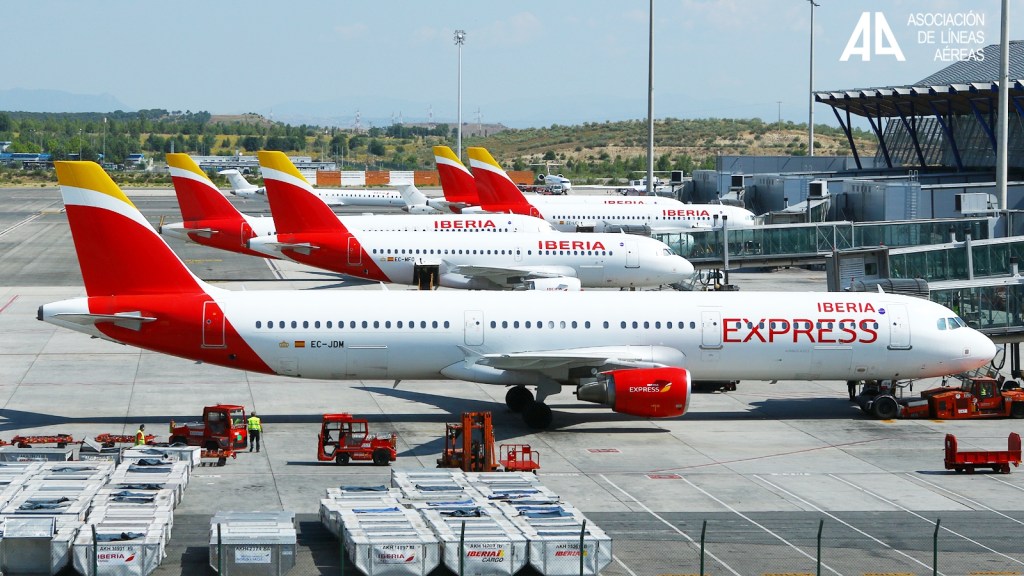
Exigen implementación de controles rápidos para vuelos
El Centro Europeo para la Prevención y Control de Enfermedades (ECDC) y la Agencia Europea de Seguridad Aérea (EASA) admiten la posibilidad de realizar test de este tipo, como los de antígenos, a los viajeros internacionales para contener la transmisión. La Asociación de Líneas Aéreas (ALA) de España pide la implementación de test rápidos a pasajeros, solicitando al Gobierno que no demore por más tiempo la implementación de test rápidos y asequibles de COVID-19 a los pasajeros que vengan a España desde países de riesgo para estimular los viajes aéreos dentro de un contexto de seguridad biosanitaria, después de que el ECDC y la EASA han admitido la posibilidad de realizar test de este tipo, como los de antígenos, a los viajeros internacionales para contener la transmisión del virus.
La guía elaborada por parte de los organismos de la ECDC y la EASA especifican recomendaciones a los Estados miembros europeos a la hora de considerar medidas restrictivas para reducir riesgos de transmisión entre pasajeros de la Unión Europea (UE) como cuarentenas o la realización de test de Covid-19. El Presidente de la asociación ALA, Javier Gándara, ha recalcado que de este informe se concluye que la imposición de test PCR para los viajeros internacionales que quieran entrar en España es una medida desproporcionada. La Asociación pide asimismo al Gobierno español que exima de la realización de cualquier tipo de test de COVID-19 para viajar a los niños menores de dos años y a los pasajeros que viajan por períodos cortos, con un retorno previsto en un plazo de 72 horas, tal y como proponen la EASA y el ECDC. Por otra parte, Asociación de Líneas Aéreas ha insistido en la necesidad de adoptar una respuesta coordinada entre los distintos países de la UE ya que la falta de armonización en las políticas nacionales de prevención del COVID-19 en el transporte aéreo están causando «confusión y tienen un efecto disuasorio en los viajes», sostuvo la asociación de aviadores española.
ALA Association requests rapid tests
They demand implementation of rapid controls for flights
The European Center for Disease Prevention and Control (ECDC) and the European Aviation Safety Agency (EASA) admit the possibility of carrying out tests of this type, such as antigen tests, to international travelers to contain transmission. The España Asociación de Líneas Aéreas (ALA) calls for the implementation of rapid passenger tests, requesting the Government not to delay any longer the implementation of rapid and affordable COVID-19 tests for passengers coming to Spain from risk countries to stimulate air travel within a context of biosanitary security, after the ECDC and EASA have admitted the possibility of carrying out tests of this type, such as antigen tests, to international travelers to contain the transmission of the virus.
The guide prepared by the ECDC and EASA bodies specify recommendations to European Member States when considering restrictive measures to reduce the risks of transmission between passengers in the European Union (EU) such as quarantines or conducting tests of Covid-19. The President of the ALA association, Javier Gándara, has stressed that this report concludes that the imposition of PCR tests for international travelers who want to enter Spain is a disproportionate measure. The Association also asks the Spanish Government to exempt children under two years of age and passengers traveling for short periods from carrying out any type of COVID-19 test, with a return expected within 72 hours, as proposed by EASA and ECDC. On the other hand, the Airline Association has insisted on the need to adopt a coordinated response between the different EU countries since the lack of harmonization in national policies for the prevention of COVID-19 in air transport are causing «confusion and they have a dissuasive effect on travel», said the Spanish aviators association.