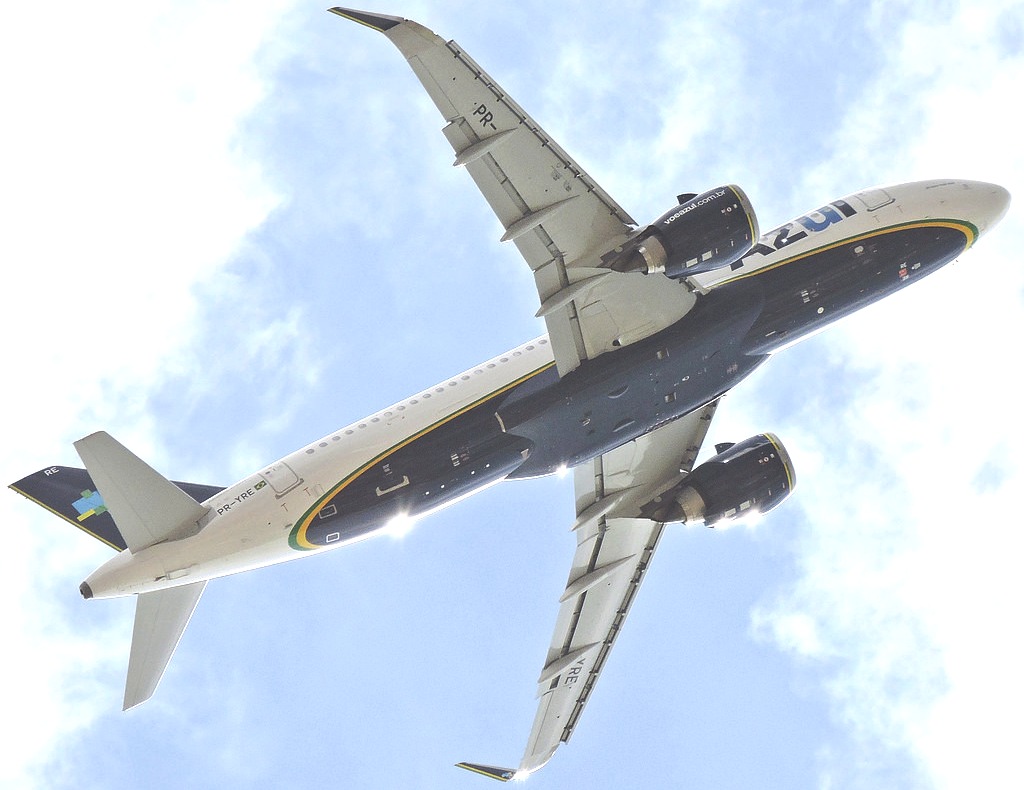
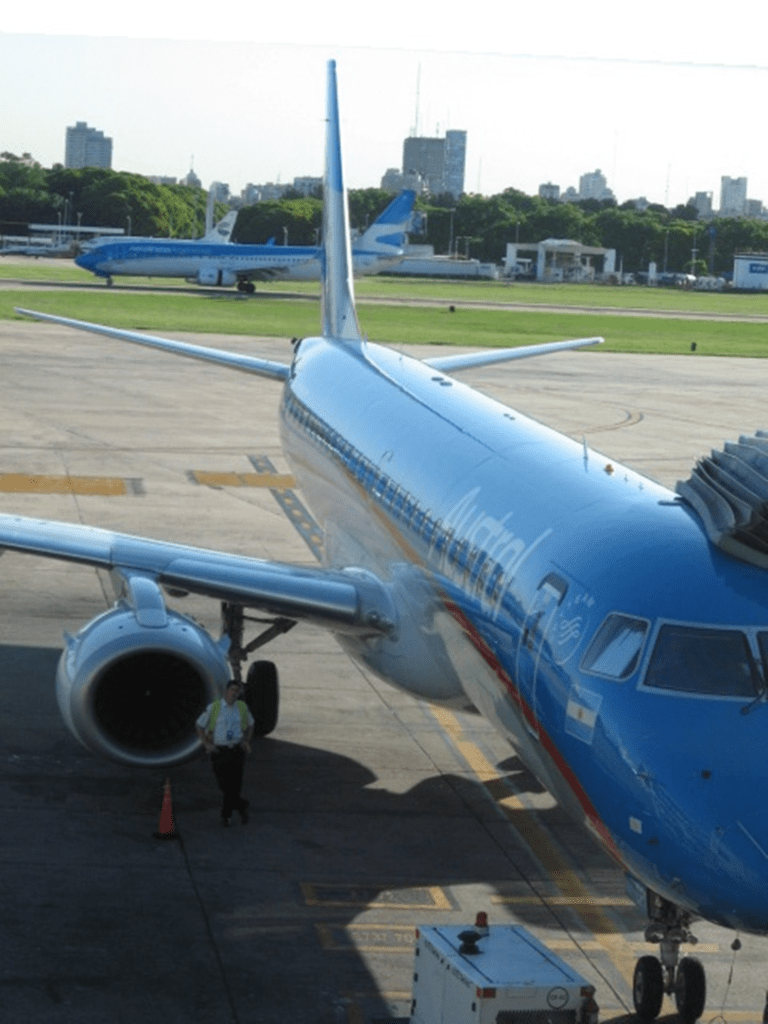
Delta refinanciando deuda de Gol

Notícias sobre Gol Linhas Aéreas e mais | Exame

AW | 2020 09 02 14:09 | AIRLINES

Gol Linhas Aéreas cancela deuda de US$ 300 millones de Dólares

Delta Air Lines ha ofrecido a su ex-socio brasileño Gol Linhas Aéreas a refinanciar un préstamo por valor de US$ 300 millones de Dólares que vence el Lunes 07/09 y que la aerolínea estadounidense había garantizado, según un memorando interno.

Gol Linhas Aéreas ha comunicado por su parte este Martes 06/09 que había pagado la deuda de US$ 300 millones, según una presentación de valores, sin proporcionar detalles. El préstamo de 2015 incluía una garantía de Delta que ayudó a Gol a obtener una mejor tasa de interés. Delta Air Lines estaba enganchado por el préstamo con la aerolínea brasileña, por lo que tuvo que aceptar las cláusulas de apoyo como parte de los compromisos de pagos de Gol Linhas Aéreas. «Como parte del refinanciamiento, Delta trabajó con Gol para reemplazar la garantía crediticia existente con un préstamo más pequeño garantizado con una garantía adicional», dijo elcomunicado de Delta en el memorando. El acuerdo reduce su propia exposición financiera y proporciona seguridad adicional, al tiempo que le brinda a Gol más tiempo para abordar sus obligaciones durante la pandemia de Coronavirus, que ha diezmado los viajes aéreos en todo el mundo.

Delta Air Lines y Gol Linhas Aéreas terminaron su asociación a principios de este año 2020 cuando la aerolínea estadounidense lanzó una asociación conjunta con Latam Airlines Group, con sede en Chile, un acuerdo crucial para reconstruir su red de servicios y restaurar el crecimiento en la región cuando comience la recuperación de viajes.

Delta refinancing Gol debt

Gol Linhas Aéreas cancels debt of US$ 300 million

Delta Air Lines has offered to its former Brazilian partner Gol Linhas Aéreas to refinance a loan for US$ 300 million that expires on Monday 07/09 and that the US airline had guaranteed, according to an internal memorandum.

Gol Linhas Aéreas announced on Tuesday 06/09 that it had paid the debt of US$ 300 million, according to a presentation of securities, without providing details. The 2015 loan included a guarantee from Delta that helped Gol obtain a better interest rate. Delta Air Lines was hooked on the loan with the Brazilian airline, so it had to accept the support clauses as part of Gol Linhas Aéreas’ payment commitments. «As part of the refinancing, Delta worked with Gol to replace the existing loan guarantee with a smaller loan guaranteed with an additional guarantee», the Delta statement said in the memo. The deal reduces its own financial exposure and provides additional security, while giving Gol more time to address its obligations during the Coronavirus pandemic, which has decimated air travel around the world.

Delta Air Lines and Gol Linhas Aéreas ended their partnership early this year 2020 when the US airline launched a joint partnership with Chile-based Latam Airlines Group, a crucial agreement to rebuild its service network and restore growth in the region. when travel recovery begins.

Delta refinanciando dívida da Gol

Gol Linhas Aéreas cancela dívida de US$ 300 milhões

A Delta Air Lines ofereceu à sua ex-sócia brasileira Gol Linhas Aéreas o refinanciamento de um empréstimo de US$ 300 milhões que vence na segunda-feira, 07/09 e que a companhia aérea norte-americana havia garantido, de acordo com um memorando interno.

A Gol Linhas Aéreas anunciou na terça-feira 09/06 que já pagou a dívida de US$ 300 milhões, segundo apresentação de títulos, sem dar detalhes. O empréstimo de 2015 incluiu uma garantia da Delta que ajudou a Gol a obter uma melhor taxa de juros. A Delta Air Lines foi fisgada pelo empréstimo com a companhia aérea brasileira, portanto teve que aceitar as cláusulas de apoio como parte dos compromissos de pagamento da Gol Linhas Aéreas. «Como parte do refinanciamento, a Delta trabalhou com a Gol para substituir a garantia de empréstimo existente por um empréstimo menor garantido com uma garantia adicional», disse o comunicado da Delta no memorando. O negócio reduz sua própria exposição financeira e oferece segurança adicional, enquanto dá à Gol mais tempo para cumprir suas obrigações durante a pandemia do Coronavirus, que dizimou as viagens aéreas ao redor do mundo.

A Delta Air Lines e a Gol Linhas Aéreas encerraram sua parceria no início deste ano de 2020, quando a companhia aérea dos Estados Unidos lançou uma parceria conjunta com o Chile Latam Airlines Group, um acordo crucial para reconstruir sua rede de serviços e restaurar o crescimento na região. quando começa a recuperação de viagem.


PUBLISHER: Airgways.com
DBk: Voegol.com.br / Airgways.com / Sérgio Sona / Marketcreener.com
AW-POST: 202009021409AR

A\W   A I R G W A Y S ®

Boeing pérdidas órdenes 777X

AW | 2020 09 01 20:00 | INDUSTRY / AIRLINES

Emirates Airline busca convertir más pedidos 777X por 787

Emirates Airline continúa con la conversión de pedidos de la línea Boeing 777X por 787 Dreamliners. El desarrollo de la transacción neta es negativa, pero positiva para el Programa Boeing 787. Emirates ya estaba trabajando en una transición de flota antes de la pandemia acelerando la línea de tiempo de la conversión.

Con la industria de las aerolíneas siendo derribada por la pandemia, el futuro parece mucho menos brillante con altos niveles de deuda y una trayectoria de recuperación que abarca varios años. Para las aerolíneas, los arrendadores de aviones y los fabricantes de aviones, significa que los libros de pedidos están actualmente revisados. Esas revisiones vienen en forma de cancelaciones de pedidos, aplazamientos y conversiones de pedidos. Una de las aerolíneas que busca convertir parte de su pedido es Emirates. En este análisis, echamos un vistazo a su plan para convertir pedidos y por qué esto no es una sorpresa.

Desaceleración económica

Emirates Airline estaba reposicionando sus estrategias antes de la pandemia, pues la aerolínea del Golfo ya se encontraba en una etapa de desaceleración de las tasas de crecimiento y un traslado a más largo plazo a un aeropuerto con más capacidad que permite el despliegue de aviones más pequeños.

Emirates durante mucho tiempo aumentó su flota con el Airbus A380, que encarna el espíritu de Dubai y ofrece un estándar de lujo que solo unas pocas aerolíneas pueden igualar. Dubai se transformó, o mejor dicho se diversificó, de un puro centro de negocios de Oriente Medio a un destino turístico donde a precios muy asequibles los turistas pueden experimentar el lujo de Dubai. Además, Dubai también ha comenzado a centrarse en los turistas más conscientes de los costos. Esa combinación hizo que el Airbus A380 fuera clave para su estrategia de expansión, ofreciendo una combinación de capacidad para transportar turistas, al mismo tiempo que proporciona la capacidad de proporcionar una cabina de lujo. De alguna manera, se podría decir que la experiencia de Dubai ya comienza al abordar un vuelo de Emirates.

Emirates juega un papel clave en el desarrollo de Dubai como un centro e impulsando los sectores del turismo. A medida que Dubai se estaba dando cuenta de su crecimiento, comenzó a trabajar en la construcción de un nuevo aeropuerto que agregaría capacidad para mantener a Dubai como un centro competitivo durante los próximos años. Sin embargo, debido a la burbuja inmobiliaria de Dubai hace años, la caída de los precios del petróleo y la agitación regional entre Qatar, Irán y Arabia Saudita y los Emiratos Árabes Unidos, el crecimiento del Aeropuerto Internacional de Dubai se desaceleró mientras que las continuas innovaciones aeroportuarias aumentaron la capacidad del Aeropuerto Internacional de Dubai. El resultado fue que, si bien los aviones más grandes parecían estar favorecidos para llenar de manera eficiente la capacidad del aeropuerto, los vientos en contra comenzaron a poner más énfasis en la expansión incremental de la capacidad.

Emirates Airline ya comenzó a prepararse para un enfoque más híbrido en el que el año pasado se pondría más énfasis en la expansión de capacidad incremental. La aerolínea decidió convertir los pedidos de seis Boeing 777-300ER en opciones para seis aviones Boeing 777X mientras convertía 30 pedidos del Boeing 777X en el Boeing 787 y convertía otros cinco pedidos del Boeing 777X en opciones. Por lo tanto, la cartera de pedidos se redujo en 11 unidades combinadas, ya que las opciones no son pedidos en firme. Entonces, Emirates comenzó a realinear su cartera de pedidos con Boeing a fines del año pasado e hizo algo similar con Airbus en Noviembre 2019 cuando redujo las órdenes del Airbus A380 y optó por el Airbus A350-900.

Las dificultades financieras entre las aerolíneas son un desafío para los fabricantes de aviones. Cuando la rentabilidad de la aerolínea cae, las aerolíneas primero buscan reducir los gastos de capital, por lo que diferir las entregas de cuerpos anchos que cuestan más de US$ 150 millones en el caso del Boeing 777 se convierte en una manera fácil de ahorrar efectivo. Además de eso, las aerolíneas se centrarán más en el despliegue de capacidad incremental para mejorar los ingresos por unidad. Eso se puede lograr con un perfil de crecimiento más modesto o simplemente agregando aviones más pequeños. Lo que hemos estado viendo es que muchas aerolíneas han comenzado a agregar aviones más pequeños y potencialmente eso ejerce presión sobre el Boeing 777X.

Persiguiendo eficiencia

En un momento en el que los ahorros de costos y las expansiones de capacidad incrementales son clave, aviones como el A330NEO, Boeing 787 y Airbus A350 con sus eficiencias de propulsión y aerodinámica asociadas ofrecen muy buenas soluciones de flota.

Perspectivas

Los cambios que Emirates Airlines ya estaba planeando implementar para operar un modelo de red más diversificado se han acelerado ya que la aerolínea ahora tiene la oportunidad de reconstruir su red con jets más adecuados para operaciones punto a punto según lo requiera el mercado.

Emirates puede posponer o cambiar las entregas de Boeing 777X · AERO  Magazine América Latina

Boeing 777X orders losses

Emirates Airline seeks to convert more 777X orders to 787

Emirates Airline continues to convert orders for the Boeing 777X line to 787 Dreamliners. The net transaction development is negative, but positive for the Boeing 787 program. Emirates was already working on a fleet transition before the pandemic by accelerating the conversion timeline.

With the airline industry being brought down by the pandemic, the future looks much less bright with high levels of debt and a recovery trajectory that spans several years. For airlines, aircraft lessors and aircraft manufacturers, it means that the order books are currently reviewed. Those reviews come in the form of order cancellations, postponements, and order conversions. One of the airlines looking to convert part of your order is Emirates. In this review, we take a look at your plan for converting orders and why this is not a surprise.

Economic slowdown

Emirates Airline was repositioning its strategies before the pandemic, as the Gulf carrier was already in a stage of slowing growth rates and a longer-term move to an airport with more capacity that allows the deployment of smaller aircraft.

Emirates has long increased its fleet with the Airbus A380, which embodies the spirit of Dubai and offers a standard of luxury that only a few airlines can match. Dubai has transformed, or rather diversified, from a pure Middle Eastern business center to a tourist destination where tourists can experience the luxury of Dubai at very affordable prices. Furthermore, Dubai has also started to focus on the more cost-conscious tourists. That combination made the Airbus A380 key to its expansion strategy, offering a combination of capacity to carry tourists, while providing the ability to provide a luxurious cabin. In some ways, you could say that the Dubai experience already begins when you board an Emirates flight.

Emirates plays a key role in developing Dubai as a hub and driving the tourism sectors. As Dubai was realizing its growth, it began work on the construction of a new airport that would add capacity to keep Dubai a competitive hub for years to come. However, due to Dubai’s housing bubble years ago, falling oil prices, and regional turmoil between Qatar, Iran, and Saudi Arabia and the United Arab Emirates, the growth of Dubai International Airport slowed while the continued Airport innovations increased the capacity of Dubai International Airport. The result was that, while larger aircraft seemed favored to efficiently fill airport capacity, headwinds began to place more emphasis on incremental capacity expansion.

Emirates Airline has already started to prepare for a more hybrid approach with more emphasis on incremental capacity expansion last year. The airline decided to convert orders for six Boeing 777-300ERs into options for six Boeing 777X aircraft while converting 30 orders for the Boeing 777X into the Boeing 787 and converting another five orders for the Boeing 777X into options. Therefore, the order book was reduced by 11 units combined, as the options are not firm orders. So Emirates started realigning its order book with Boeing late last year and did something similar with Airbus in November 2019 when it reduced orders for the Airbus A380 and opted for the Airbus A350-900.

Financial difficulties between airlines are a challenge for aircraft manufacturers. When airline profitability drops, airlines first look to reduce capital expenditures, so deferring widebody deliveries costing more than US$ 150 million for the Boeing 777 becomes an easy way to save cash. In addition to that, airlines will focus more on deploying incremental capacity to improve revenue per unit. That can be achieved with a more modest growth profile or simply by adding smaller aircraft. What we have been seeing is that many airlines have started adding smaller jets and potentially that puts pressure on the Boeing 777X.

Chasing efficiency

At a time when cost savings and incremental capacity expansions are key, aircraft like the A330NEO, Boeing 787 and Airbus A350 with their associated propulsion and aerodynamic efficiencies offer very good fleet solutions.

Perspectives

The changes that Emirates Airlines was already planning to implement to operate a more diversified network model have accelerated as the airline now has the opportunity to rebuild its network with jets more suitable for point-to-point operations as the market requires.

Emirates will put Boeing 777X through 'hell' before taking passengers -  Business Insider

خسائر أوامر بوينج 777X

تسعى طيران الإمارات إلى تحويل المزيد من طلبات 777X إلى 787

تواصل طيران الإمارات تحويل طلبات شراء خط Boeing 777X إلى Boeing 787 دريملاينر. يعتبر تطوير الصفقة الصافية سلبيًا ، لكنه إيجابي بالنسبة لبرنامج Boeing 787. كانت طيران الإمارات تعمل بالفعل على انتقال الأسطول قبل الوباء من خلال تسريع الجدول الزمني للتحويل.

مع انهيار صناعة الطيران بسبب الوباء ، يبدو المستقبل أقل إشراقًا مع مستويات عالية من الديون ومسار التعافي الذي يمتد لعدة سنوات. بالنسبة لشركات الطيران ومؤجري الطائرات ومصنعي الطائرات ، فهذا يعني أنه تتم مراجعة دفاتر الطلبات حاليًا. تأتي هذه المراجعات في شكل إلغاء الطلبات وتأجيلها وتحويلات الطلبات. طيران الإمارات هي إحدى شركات الطيران التي تتطلع إلى تحويل جزء من طلبك. في هذه المراجعة ، نلقي نظرة على خطتك لتحويل الطلبات ولماذا لا يمثل ذلك مفاجأة.

التباطؤ الاقتصادي

كانت طيران الإمارات تعيد وضع استراتيجياتها قبل الوباء ، حيث كانت شركة الطيران الخليجية بالفعل في مرحلة تباطؤ معدلات النمو والانتقال على المدى الطويل إلى مطار بسعة أكبر تسمح بنشر طائرات أصغر. .

عملت طيران الإمارات منذ فترة طويلة على زيادة أسطولها بطائرة إيرباص A380 ، والتي تجسد روح دبي وتوفر معيارًا من الفخامة لا يضاهيه سوى عدد قليل من شركات الطيران. لقد تحولت دبي ، أو بالأحرى تنوعت ، من مركز أعمال شرق أوسطي خالص إلى وجهة سياحية حيث يمكن للسائحين تجربة رفاهية دبي بأسعار معقولة جدًا. علاوة على ذلك ، بدأت دبي أيضًا في التركيز على السياح المهتمين بالتكلفة. جعل هذا المزيج طائرة إيرباص A380 مفتاحًا لاستراتيجيتها التوسعية ، حيث توفر مزيجًا من القدرة على نقل السياح ، مع توفير القدرة على توفير مقصورة فاخرة. من بعض النواحي ، يمكنك القول أن تجربة دبي تبدأ بالفعل عندما تستقل إحدى رحلات طيران الإمارات.

تلعب طيران الإمارات دورًا رئيسيًا في تطوير دبي كمركز وقيادة قطاعات السياحة. بينما كانت دبي تدرك نموها ، بدأت العمل في بناء مطار جديد من شأنه أن يضيف القدرة على إبقاء دبي مركزًا تنافسيًا لسنوات قادمة. ومع ذلك ، بسبب فقاعة العقارات في دبي منذ سنوات ، وانخفاض أسعار النفط ، والاضطرابات الإقليمية بين قطر وإيران والمملكة العربية السعودية والإمارات العربية المتحدة ، تباطأ نمو مطار دبي الدولي مع استمرار زادت ابتكارات المطار من قدرة مطار دبي الدولي. وكانت النتيجة أنه في حين بدا أن الطائرات الأكبر مفضلة لملء سعة المطار بكفاءة ، بدأت الرياح المعاكسة في التركيز بشكل أكبر على التوسع الإضافي في السعة.

بدأت طيران الإمارات بالفعل في الاستعداد لنهج هجين مع مزيد من التركيز على التوسع الإضافي في السعة العام الماضي. قررت شركة الطيران تحويل طلبات شراء ست طائرات بوينج 777-300ER إلى خيارات لست طائرات بوينج 777X مع تحويل 30 طلبًا لطائرة بوينج 777 إكس إلى بوينج 787 وتحويل خمسة طلبات أخرى لطائرة بوينج 777 إكس إلى خيارات. لذلك ، تم تخفيض دفتر الطلبات بمقدار 11 وحدة مجتمعة ، لأن الخيارات ليست أوامر مؤكدة. لذلك بدأت طيران الإمارات في إعادة تنظيم دفتر طلباتها مع بوينج في أواخر العام الماضي وفعلت شيئًا مشابهًا مع شركة إيرباص في نوفمبر 2019 عندما خفضت طلبات شراء طائرة إيرباص A380 واختارت طائرة إيرباص A350-900.

تمثل الصعوبات المالية بين شركات الطيران تحديًا لمصنعي الطائرات. عندما تنخفض ربحية شركات الطيران ، تتطلع شركات الطيران أولاً إلى تقليل النفقات الرأسمالية ، لذا فإن تأجيل عمليات التسليم ذات الجسم العريض التي تكلف أكثر من 150 مليون دولار لطائرة بوينج 777 يصبح وسيلة سهلة لتوفير المال. . بالإضافة إلى ذلك ، ستركز شركات الطيران بشكل أكبر على نشر القدرات الإضافية لتحسين الإيرادات لكل وحدة. يمكن تحقيق ذلك من خلال نمو أكثر تواضعًا أو ببساطة عن طريق إضافة طائرات أصغر. ما رأيناه هو أن العديد من شركات الطيران بدأت في إضافة طائرات أصغر ، ومن المحتمل أن يؤدي ذلك إلى الضغط على طائرة بوينج 777 إكس.

مطاردة الكفاءة

في الوقت الذي يعتبر فيه توفير التكاليف والتوسعات المتزايدة في السعة أمرًا أساسيًا ، تقدم طائرات مثل A330NEO و Boeing 787 و Airbus A350 مع الدفع المرتبط بها والكفاءة الديناميكية الهوائية حلولاً جيدة جدًا للأسطول.

توقعات – وجهات نظر

وقد تسارعت التغييرات التي كانت طيران الإمارات تخطط بالفعل لتنفيذها لتشغيل نموذج شبكة أكثر تنوعًا حيث أن الشركة لديها الآن فرصة لإعادة بناء شبكتها بطائرات أكثر ملاءمة للعمليات من نقطة إلى نقطة كما هو مطلوب في السوق.

Ξ A I R G W A Y S Ξ
PUBLISHER: Airgways.com
DBk: Emirates.com / Seekingalpha.com / Airgways.com / Businessinsider.com
AW-POST: 202009012000AR

A\W   A I R G W A Y S ®
Tarom profundiza su estructuración

AW | 2020 09 01 15:28 | AIRLINES

Proceso de reestructuración vital para Tarom Airlines

Tarom Airlines ha lanzado uno de los procesos de reestructuración más importantes de su historia. Tarom Airlines está profundizando su plan de reorganización y reestructuración a Bruselas, capital de la Comunidad Europea. El plan contempla que la aerolínea podría recibir ayudas estatales por valor de más de € 100 millones de Euros necesarios para afrontar la crisis del sector aéreo.

Estructuración fuerza laboral

La reestructuración de la compañía rumana para los próximos meses, contempla un tercio de los empleados, alrededor de unas 600 personas serían despedidas recibiendo hasta siete salarios compensatorios, de media € 10.000 Euros. Muchos empleados se mudarían a otro edificio. Solo los pilotos y auxiliares de vuelo tendrán un punto de trabajo en el aeropuerto. Una de las medidas más difíciles es la reestructuración del personal. Actualmente hay 1.800 empleados y 600 deberían irse a casa. La empresa ofrece a los empleados la oportunidad de aceptar salarios compensatorios si se van voluntariamente. Los empleados de Tarom de hasta 10 años recibirán 4 salarios brutos. Los de hasta 20 años, 5 salarios brutos, y los mayores de 20 años, 7 salarios brutos. La oferta vence el 28 Septiembre 2020. Los empleados jubilados que aún trabajan ocasionalmente para la empresa, los que tienen hasta 3 años de experiencia o los que ahora están siendo disciplinados no recibirán salarios compensatorios. En este momento, la edad media de un empleado en Tarom es de 48 años, y el salario medio de € 1.000 Euros netos, afirman los representantes de la empresa. La mayoría de los empleados que serían despedidos trabajan en agencias u oficinas externas de la empresa, y la menor cantidad son pilotos, auxiliares de vuelo o personal técnico.

Activos de la aerolínea

Tarom Airlines buscará fuentes adicionales de ingresos, con la intención de alquilar el edificio en Otopeni en el que ahora tiene su sede y el terreno a sus espaldas por un millón de Euros al año. La empresa quiere alquilar la sede y estandarizar la flota de aeronaves dentro de los procesos de estandarización para reducir costos supérfluos en tiempos de crisis.

Para que la flota esté estandarizada y para que los pilotos y los trabajadores de mantenimiento no tengan que especializarse en varios tipos de aeronaves, todas las aeronaves pequeñas deben ser ATR 42 (7)/72 (6) y emplear aeronaves Boeing 737-300 (3), 700 (2), 800 (4) para vuelos regionales en Europa, con lo que presumiblemente podría ponerse en tierra los Airbus A318 (4) de la flota de la aerolínea. Los contratos de servicios se renegociarán hacia delante. La comida a bordo será eliminada de los vuelos porque es demasiado cara, tomando como ejemplo un sándwich ahora se paga por alrededor de un Euro.

Perspectivas de Tarom

Hasta ahora, solo han reaccionado los sindicalistas que representan a los auxiliares de vuelo. Dicen que se ofrece muy poco dinero para el convenio colectivo y piden negociaciones. Para sobrevivir, Tarom Airlines quiere obtener un préstamo de la Unión Europea con un tipo de interés del 2 por ciento de más de € 20 millones de Euros.

También cuenta con una ayuda no reembolsable del estado rumano de más de € 100 millones de Euros. Para recibir ayudas estatales, tendrá que seguir el plan de reorganización que ya envió a Bruselas, y la Comisión Europea debe estar de acuerdo con el documento. El incumplimiento del plan significa la devolución del dinero y la quiebra del operador aéreo nacional, con la desaparición definitiva de Tarom Airlines, pero mucho de esfuerzos están concentrados para que la aerolínea rumana continúe en sus esfuerzos por atravesar la crisis mundial.

Tarom deepens its structuring

Vital restructuring process for Tarom Airlines

Tarom Airlines has launched one of the most important restructuring processes in its history. Tarom Airlines is deepening its reorganization and restructuring plan for Brussels, capital of the European Community. The plan contemplates that the airline could receive state aid worth more than € 100 million euros needed to face the crisis in the airline sector.

Structuring workforce

The restructuring of the Romanian company for the coming months, contemplates a third of the employees, around 600 people would be laid off receiving up to seven compensatory salaries, on average € 10,000 Euros. Many employees would move to another building. Only pilots and flight attendants will have a work point at the airport. One of the most difficult measures is the restructuring of personnel. There are currently 1,800 employees and 600 should go home. The company offers employees the opportunity to accept compensatory wages if they leave voluntarily. Tarom employees up to 10 years old will receive 4 gross salaries. Those up to 20 years, 5 gross wages, and those over 20 years, 7 gross wages. Offer expires September 28, 2020. Retired employees who still occasionally work for the company, those with up to 3 years of experience, or those now being disciplined will not receive compensatory wages. At this time, the average age of an employee at Tarom is 48 years old, and the average salary is € 1,000 euros net, say company representatives. Most of the employees who would be laid off work in agencies or external offices of the company, and the fewest are pilots, flight attendants or technical personnel.

Airline assets

Tarom Airlines will look for additional sources of income, with the intention of renting the building in Otopeni in which it now has its headquarters and the land behind it for one million Euros a year. The company wants to rent the headquarters and standardize the aircraft fleet within the standardization processes to reduce superfluous costs in times of crisis.

In order for the fleet to be standardized and so that pilots and maintenance workers do not have to specialize in various types of aircraft, all small aircraft must be ATR 42 (7) / 72 (6) and use Boeing 737-300 aircraft ( 3), 700 (2), 800 (4) for regional flights in Europe, presumably the Airbus A318 (4) of the airline’s fleet could be grounded. The service contracts will be renegotiated going forward. Food on board will be eliminated from flights because it is too expensive, taking as an example a sandwich now costs around one Euro.

Tarom prospects

So far, only trade unionists representing the flight attendants have reacted. They say that very little money is offered for the collective agreement and they ask for negotiations. To survive, Tarom Airlines wants to obtain a loan from the European Union with an interest rate of 2 percent of more than € 20 million Euros.

It also has a non-refundable grant from the Romanian state of more than € 100 million Euros. To receive state aid, you will have to follow the reorganization plan that you already sent to Brussels, and the European Commission must agree to the document. Failure to comply with the plan means the return of the money and the bankruptcy of the national air operator, with the definitive disappearance of Tarom Airlines, but much of the efforts are concentrated so that the Romanian airline continues in its efforts to overcome the global crisis.

Tarom își aprofundează structurarea

Proces vital de restructurare pentru Tarom Airlines

Tarom Airlines a lansat unul dintre cele mai importante procese de restructurare din istoria sa. Tarom Airlines își aprofundează planul de reorganizare și restructurare pentru Bruxelles, capitala Comunității Europene. Planul prevede că compania aeriană ar putea primi ajutor de stat în valoare de peste € 100 de milioane de Euro necesari pentru a face față crizei din sectorul companiilor aeriene.

Structurarea forței de muncă

Restructurarea companiei românești pentru următoarele câteva luni, are în vedere o treime din angajați, aproximativ 600 de persoane ar fi disponibilizate pentru a primi până la șapte salarii compensatorii, în medie € 10.000 de Euro. Mulți angajați s-ar muta într-o altă clădire. Doar piloții și însoțitorii de zbor vor avea un punct de lucru pe aeroport. Una dintre cele mai dificile măsuri este restructurarea personalului. În prezent sunt 1.800 de angajați și 600 ar trebui să plece acasă. Compania oferă angajaților posibilitatea de a accepta salarii compensatorii dacă pleacă voluntar. Angajații Tarom cu vârsta de până la 10 ani vor primi 4 salarii brute. Cei de până la 20 de ani, 5 salarii brute, iar cei de peste 20 de ani, 7 salarii brute. Oferta expiră pe 28 septembrie 2020. Angajații pensionari care încă lucrează ocazional pentru companie, cei cu până la 3 ani de experiență sau cei care sunt acum disciplinați nu vor primi salarii compensatorii. În acest moment, vârsta medie a unui angajat la Tarom este de 48 de ani, iar salariul mediu este de 1.000 de euro net, spun reprezentanții companiei. Majoritatea angajaților care ar fi concediați lucrează în agenții sau birouri externe ale companiei, iar cei mai puțini sunt piloți, însoțitori de zbor sau personal tehnic.

Activele companiei aeriene

Tarom Airlines va căuta surse suplimentare de venit, cu intenția de a închiria clădirea din Otopeni în care își are acum sediul și terenul în spate pentru un milion de euro pe an. Compania dorește să închirieze sediul și să standardizeze flota de aeronave în cadrul proceselor de standardizare pentru a reduce costurile inutile în perioade de criză.

Pentru ca flota să fie standardizată și astfel încât piloții și lucrătorii de întreținere să nu fie nevoiți să se specializeze în diferite tipuri de aeronave, toate aeronavele mici trebuie să fie ATR 42 (7)/72 (6) și să utilizeze aeronave Boeing 737-300 ( 3), 700 (2), 800 (4) pentru zborurile regionale din Europa, probabil Airbus A318 (4) al flotei companiei aeriene ar putea fi la sol. Contractele de servicii vor fi renegociate în viitor. Mâncarea la bord va fi eliminată din zboruri, deoarece este prea scumpă, luând ca exemplu un sandwich costă acum aproximativ un euro.

Perspectivele Tarom

Până acum, au reacționat doar sindicaliștii care îi însoțeau pe însoțitorii de bord. Ei spun că se oferă foarte puțini bani pentru acordul colectiv și cer negocieri. Pentru a supraviețui, Tarom Airlines dorește să obțină un împrumut de la Uniunea Europeană cu o rată a dobânzii de 2% mai mare de 20 de milioane de euro.

De asemenea, are o subvenție nerambursabilă din partea statului român de peste € 100 de milioane de Euro. Pentru a primi ajutor de stat, va trebui să urmați planul de reorganizare pe care l-ați trimis deja la Bruxelles, iar Comisia Europeană trebuie să fie de acord cu documentul. Nerespectarea planului înseamnă restituirea banilor și falimentul operatorului aerian național, odată cu dispariția definitivă a Tarom Airlines, dar o mare parte a eforturilor sunt concentrate astfel încât compania aeriană românească să continue în eforturile sale de a depăși criza globală.

Ξ A I R G W A Y S Ξ
PUBLISHER: Airgways.com
DBk: Tarom.ro / Ec.europa.eu / Airgways.com / Bigstock.com
AW-POST: 202009011528AR

A\W   A I R G W A Y S ®

Conforman Cámara Aérea Argentina

AW | 2020 09 01 12:04 | AIRLINES / AVIATION ORGANISMS

Aerolíneas de Argentina crean CLARA para abordar problemáticas

Las líneas aéreas de Argentina han conformado este 31 Agosto 2020 la creación de una Cámara de Aviación para abordar en forma conjunta la problemática del sector aeronáutico frente a la crisis actual sanitaria por las restricciones de los vuelos en el país.

Representantes de Aerolíneas Argentinas, Flyest Líneas Aéreas, American Jet Líneas Aéreas, Avian Líneas Aéreas, LASA Líneas Aéreas y Andes Líneas Aéreas, se reunieron con la titular de la Administración Nacional de Aviación Civil (ANAC), Paola Tamburelli y anunciaron la conformación de la Cámara de Líneas Aéreas de la República Argentina (CLARA). «La ANAC apoya esta iniciativa ya que dentro del sistema aeronáutico, tener una única voz de las líneas aéreas argentinas no sólo ayuda a promover las sinergias entre ellas lo cual va a redundar en una red más sólida sino también, para la ANAC, un interlocutor unificado va a favorecer un intercambio más fructífero de ideas y experiencias y la articulación de acciones que den respuesta a las necesidades tanto de ellas como de la autoridad aeronáutica», dijo la titular de la ANAC Argentina, Paola Tamburelli, al referirse a la nueva Cámara. En tanto, Pablo Ceriani, presidente de Aerolíneas Argentinas, sostuvo que «esta iniciativa sienta un precedente único en la aviación argentina y que tiene que ver con la posibilidad de poder generar una sinergia entre las 6 empresas que nos permita trabajar en conjunto de cara a la post-pandemia y con el compromiso de llevar adelante acciones que aporten a la recuperación económica del sector y de todo el país».

La reunión de los principales representantes de las líneas aéreas de capitales argentinos se desarrolló de manera remota para analizar la situación actual del mercado aerocomercial argentino y fundar, bajo las siglas de CLARA, un órgano permanente de colaboración y planeamiento estratégico. Los principales tópicos de la reunión giraron en torno a la necesidad de trabajar acciones conjuntas para que el transporte aéreo lleve el desarrollo económico de forma sostenida a todo el país generando propuestas y alternativas de trabajo que permitan la sustentabilidad del negocio. Finalmente, los participantes quedaron en volver a reunirse en los próximos días para sentar las bases del nuevo organismo de la Cámara aeronáutica, armar mesas de trabajo puntuales y formalizar el vínculo.

Argentina Air Chamber is formed

Argentine airlines create CLARA to tackle problems

The airlines of Argentina have formed this August 31, 2020 the creation of an Aviation Chamber to jointly address the problems of the aeronautical sector in the face of the current health crisis due to the restrictions on flights in the country.

Representatives of Aerolíneas Argentinas, Flyest Líneas Aéreas, American Jet Líneas Aéreas, Avian Líneas Aéreas, LASA Líneas Aéreas and Andes Líneas Aéreas, met with the head of the National Civil Aviation Administration (ANAC), Paola Tamburelli and announced the formation of the Chamber of Air Lines of the Argentine Republic (CLARA). «ANAC supports this initiative since within the aeronautical system, having a single voice from the Argentine airlines not only helps to promote synergies between them, which will result in a more solid network but also, for ANAC, an interlocutor unified will favor a more fruitful exchange of ideas and experiences and the articulation of actions that respond to the needs of both them and the aeronautical authority», said the head of ANAC Argentina, Paola Tamburelli, referring to the new Chamber. Meanwhile, Pablo Ceriani, president of Aerolíneas Argentinas, said that «this initiative sets a unique precedent in Argentine aviation and that it has to do with the possibility of being able to generate a synergy between the 6 companies that allows us to work together towards the post-pandemic and with the commitment to carry out actions that contribute to the economic recovery of the sector and the entire country».

The meeting of the main representatives of the airlines of Argentine capitals was held remotely to analyze the current situation of the Argentine commercial aviation market and found, under the acronym CLARA, a permanent body for collaboration and strategic planning. The main topics of the meeting revolved around the need to work joint actions so that air transport brings economic development in a sustained way to the whole country, generating proposals and work alternatives that allow the sustainability of the business. Finally, the participants agreed to meet again in the next few days to lay the foundations of the new body of the Aeronautical Chamber, set up specific work tables and formalize the link.

Ξ A I R G W A Y S Ξ
PUBLISHER: Airgways.com
DBk: Telam.com.ar / Anac.gov.ar / Airgways.com / Lanacion.com.ar
AW-POST: 202009011204AR

A\W   A I R G W A Y S ®

Gremio APLA rechaza propuesta ANAC

AW | 2020 08 31 22:08 | AVIATION ORGANISMS / AIRLINES

APLA Pilotos de Argentina rechazan modificaciones al Decreto 671

La reunión efectuada entre la Agencia Nacional de Aviación Civil (ANAC) de Argentina y los diferentes gremios aeronáuticos de pilotos y tripulantes de aeronaves no ha avanzado en la propuesta del Gobierno de modificar el Decreto Nº 671 que establece definiciones respecto a la carga horaria de trabajo y descansos para el personal de vuelo de las aerolíneas clásicas o convencionales en el país.

La ANAC estipulaba modificar el Decreto Nº 671 con cierto giro hacia la flexibilización, tras lo cual, los sindicatos de la Asociación Pilotos de Líneas Aéreas (APLA) y de Tripulantes de Cabina de la Asociación de Aeronavegantes de Argentina (AAA) han rechazado la propuesta presentada por el Gobierno por considerarla en detrimento de los intereses de sus agremiados.

La reunión efectuada en las oficinas de Aerolíneas Argentinas, se realizó la reunión convocada por ANAC, para informar acerca del tratamiento del Decreto Nº 671 de la aviación civil comercial, que deseaban implementar vinculado a tiempos de servicio y descansos de tripulaciones en paralelo a las FAR 117 que rige en Estados Unidos.

Desde el Gremio APLA, esa propuesta fue rechazada y dejaron en claro ante los presentes, que no es posible extrapolar la totalidad de una reglamentación extranjera en el país, sin tener en cuenta el déficit de infraestructura aérea en la Argentina, realidad que conduce a una mayor carga de trabajo para las tripulaciones, consecuentemente generando mayor fatiga. Igualmente, desde APLA aseguraron que seguirán participando de las mesas técnicas con el objetivo de aportar y contribuir con los equipos de APLA en este proceso, entendiendo las implicancias que tiene para los pilotos la modificación pretendida sobre todo en una coyuntura global existente.

Gremio APLA rejects ANAC proposal

APLA Pilots from Argentina reject modifications to Decree 671

The meeting held between the National Civil Aviation Agency (ANAC) of Argentina and the different aeronautical unions of pilots and aircraft crew members has not made progress on the Government’s proposal to modify Decree No. 671 that establishes definitions regarding work hours. and breaks for the flight personnel of the classic or conventional airlines in the country.

The ANAC stipulated modifying Decree No. 671 with a certain shift towards flexibility, after which the unions of the Airline Pilots Association (APLA) and Cabin Crew members of the Argentine Air Navigation Association (AAA) have rejected the proposal. presented by the Government for considering it to the detriment of the interests of its members.

The meeting held at the offices of Aerolíneas Argentinas, the meeting called by ANAC was held to inform about the treatment of Decree No. 671 of commercial civil aviation, which they wanted to implement linked to service times and crew breaks in parallel to the FAR 117 that governs the United States.

From the APLA Guild, this proposal was rejected and they made it clear to those present that it is not possible to extrapolate the entirety of a foreign regulation in the country, without taking into account the deficit of air infrastructure in Argentina, a reality that leads to a greater workload for crews, consequently generating greater fatigue. Likewise, from APLA they assured that they will continue to participate in the technical tables with the aim of contributing and contributing with the APLA teams in this process, understanding the implications that the intended modification has for the pilots, especially in an existing global situation.

Ξ A I R G W A Y S Ξ
PUBLISHER: Airgways.com
DBk: Anac.gov.ar / Airgways.com
AW-POST: 202008312208AR

A\W   A I R G W A Y S ®

Startup italiana EGO Airways

New dry lease client: From German Airways to Ego Airways | aeroTELEGRAPH

AW | 2020 08 31 21:45 | AIRLINES

Nace EGO Airways, aerolínea regional italiana

Tras las cenizas de los efectos de la pandemia, la aviación renace como el ave Fénix, aproximando nuevas oportunidades en medio de la crisis mundial, aparece otra aerolínea con el objetivo de llenar los vacíos que dejaron otras aerolíneas en el mercado de Italia. EGO Airways iniciará sus operaciones con aeronaves regionales Embraer E190. Aunque la compañía se encuentra en construcción, su sitio web no tiene información definida ni tampoco un Certificado de Operador Aéreo (AOC), pero contráriamente ya se ha visto un Embraer E190 con sus colores en el Aeropuerto Maastricht/Aachen en los Países Bajos.

EGO Airways es una start-up con sede en Milán, Lombardía, que planea utilizar aviones Embraer E170 y E190 a partir de Diciembre 2020. Matteo Bonecchi es el CEO de la nueva aerolínea quien, según la prensa italiana, ya ha realizado dos intentos para lanzar una nueva aerolínea, pero los proyectos Koine Airways y 24 Airways nunca despegaron. Ahora, tras el lanzamiento de Ego Airways y con un avión pintado es un buen comienzo mejorado respecto a los anteriores proyectos.

Ego Airways planea operar vuelos de enlace desde ciudades italianas utilizando su hub de distribución del Aeropuerto Milán/Malpensa. Algunos destinos iniciales serían Ancona, Venecia y Trieste. En principio la nueva línea aérea pensaba explotar aeronaves Embraer E145, pero las ofertas de mejoramiento de leasing post-pandemia permitirían adquirir aeronaves a precios más accesibles. Finalmente Ego Airways adquirió el E190. El primer avión ha recibido la matrícula alemana D-AZFB, que en el futuro, volará como I-EGOA. El avión fue arrendado a la compañía alemana WDL Aviation y voló bajo la marca German Airways con una configuración de 12 asientos para el ejecutivo y 88 para la económica.

EGO Airways Embraer ERJ-190AR (ERJ-190-100 IGW) D-AZFB – v1images Aviation  Media

Italian Startup EGO Airways

EGO Airways, Italian regional airline, is born

After the ashes of the effects of the pandemic, aviation is reborn like the Phoenix, approaching new opportunities in the midst of the world crisis, another airline appears with the aim of filling the gaps left by other airlines in the Italian market. EGO Airways will start operations with Embraer E190 regional aircraft. Although the company is under construction, its website does not have defined information nor does it have an Air Operator Certificate (AOC), but an Embraer E190 in its colors has already been seen in the Maastricht/Aachen Airport in the Netherlands.

EGO Airways is a start-up based in Milan, Lombardy, which plans to use Embraer E170 and E190 aircraft from December 2020. Matteo Bonecchi is the CEO of the new airline who, according to the Italian press, has already made two attempts to launch a new airline, but the Koine Airways and 24 Airways projects never got off the ground. Now, after the launch of Ego Airways and with a painted plane it is a good and improved start over previous projects.

Ego Airways plans to operate connecting flights from Italian cities using its Milan/Malpensa Airport distribution hub. Some initial destinations would be Ancona, Venice and Trieste. In principle, the new airline planned to operate Embraer E145 aircraft, but the post-pandemic leasing upgrade offers would allow it to acquire aircraft at more affordable prices. Eventually Ego Airways acquired the E190. The first aircraft has received the German registration D-AZFB, which in the future will fly as I-EGOA. The aircraft was leased from the German company WDL Aviation and flew under the German Airways brand with a configuration of 12 seats for the executive and 88 for the economy.

Startup italiano EGO Airways

Nasce EGO Airways, compagnia aerea regionale italiana

Dopo le ceneri degli effetti della pandemia, l’aviazione rinasce come la Fenice, avvicinandosi a nuove opportunità in mezzo alla crisi mondiale, compare un’altra compagnia aerea con l’obiettivo di colmare le lacune lasciate da altre compagnie aeree nel mercato italiano. EGO Airways inizierà le operazioni con i velivoli regionali Embraer E190. Sebbene la compagnia sia in costruzione, il suo sito web non ha informazioni definite né ha un certificato di operatore aereo (COA), ma un Embraer E190 nei suoi colori è già stato visto all’aeroporto di Maastricht/Aachen nei Paesi Bassi.

EGO Airways è una start-up con sede a Milano, Lombardia, che prevede di utilizzare velivoli Embraer E170 ed E190 da Dicembre 2020. Matteo Bonecchi è l’amministratore delegato della nuova compagnia aerea che, secondo la stampa italiana, ha già fatto due tentativi di lanciare una nuova compagnia aerea, ma i progetti Koine Airways e 24 Airways non sono mai decollati. Ora, dopo il lancio di Ego Airways e con un aereo verniciato, è un buon inizio e migliore rispetto ai progetti precedenti.

Ego Airways prevede di operare voli in coincidenza dalle città italiane utilizzando il proprio hub di distribuzione dell’Aeroporto di Milano/Malpensa. Alcune destinazioni iniziali sarebbero Ancona, Venezia e Trieste. In linea di principio, la nuova compagnia aerea prevedeva di utilizzare gli aeromobili Embraer E145, ma le offerte di aggiornamento del leasing post-pandemia le avrebbero consentito di acquistare aeromobili a prezzi più convenienti. Alla fine Ego Airways ha acquisito l’E190. Il primo aereo ha ricevuto la registrazione tedesca D-AZFB, che in futuro volerà come I-EGOA. L’aereo è stato noleggiato dalla compagnia tedesca WDL Aviation e ha volato con il marchio German Airways con una configurazione di 12 posti per l’esecutivo e 88 per l’economia.

Ξ A I R G W A Y S Ξ
PUBLISHER: Airgways.com
DBk: Airgways.com / Linkedin.com /company/egoairways / Oliver Hendrich
AW-POST: 202008312145AR

A\W   A I R G W A Y S ®
ANAC Argentina convoca reunión

AW | 2020 08 31 12:29 | AVIATION / GOVERNMENT / AIRLINES

ANAC convocatoria para modificaciones Decreto Nº 671 de aviación

La Administración Nacional de Aviación Civil (ANAC) de Argentina convoca a la Asociación de Pilotos de Líneas Aéreas (APLA) y Asociación de Aeronavegantes de Argentina (AAA) para concertar negociaciones por la reforma del Decreto Nº 671. El decreto establece y regula los tiempos de vuelo, período de servicios y requisitos de descanso de las tripulaciones de mando. La reunión convocada para este 31/08 a las 14:00 hs asistirán los organismos y sindicatos de aviación, como así también las aerolíneas tradicionales Aerolíneas Argentinas, Andes Líneas Aéreas, Avianca Argentina, Flyest Líneas Aéreas y American Jet Líneas Aéreas, exceptuando a las aéreas low cost, por tener otro tipo de contrato laboral.

El motivo central de la convocatoria es la redefinición o modificación de la norma establecida que regula los tiempos mínimos y máximos, de servicio y descanso. El Decreto 671 regula los convenios laborales que impacta directamente rentabilidad, productividad, salud y seguridad operacional.

La ofensiva del Gobierno de Argentina tiene como propósito disminuir los costos laborales de la compañía del Estado, Aerolíneas Argentinas, persiguiendo una flexibilización de cláusulas del convenio laboral de tripulaciones de cabina y pilotos. Pablo Biró, Titular de APLA se ha pronunciado en un comunicado interno: «La autoridad de aplicación comienza un proceso para intentar modificar los tiempos máximos de servicios y mínimos de descanso que rigen nuestra actividad desde hace más de 26 años».

La notificación anticipada que la ANAC ha enviado al gremio de pilotos APLA, introduce el concepto de alojamiento adecuado para la posta de los vuelos en Estados Unidos y Europa. Pero las modificaciones de las cláusulas amenazarían el rendimiento del personal de vuelo, ya que una enmienda modificada obligaría a las tripulaciones a exigir la firma de declaración jurada «libre de fatiga» antes de cada vuelo, lo que pone de relieve ciertas amenazas a la seguridad operativa al reducir los tiempos de descansos.

ANAC Argentina calls meeting

ANAC call for modifications Decree No. 671 on commercial aviation

The National Civil Aviation Administration (ANAC) of Argentina summons the Association of Airline Pilots (APLA) and the Association of Airmen of Argentina (AAA) to conclude negotiations for the reform of Decree No. 671. The decree establishes and regulates the times of flight, period of service and rest requirements of command crews. The meeting called for this 08/31 at 2:00 p.m. will be attended by aviation organizations and unions, as well as traditional airlines Aerolíneas Argentinas, Andes Líneas Aéreas, Avianca Argentina, Flyest Líneas Aéreas and American Jet Líneas Aéreas, with the exception of low cost airlines, for having another type of employment contract.

The main reason for the call is the redefinition or modification of the established rule that regulates the minimum and maximum times, service and rest. Decree 671 regulates labor agreements that directly impact profitability, productivity, health and operational safety.

The offensive of the Government of Argentina aims to reduce the labor costs of the state company, Aerolíneas Argentinas, pursuing a relaxation of clauses of the labor agreement for cabin crews and pilots. Pablo Biró, Head of APLA, has pronounced in an internal statement: «The enforcement authority begins a process to try to modify the maximum service times and minimum rest times that have governed our activity for more than 26 years».

The advance notification that the ANAC has sent to the APLA pilots union introduces the concept of adequate accommodation for the post of flights in the United States and Europe. But modifications to the clauses would threaten the performance of flight personnel, as a modified amendment would force crews to require the signing of a «fatigue-free» affidavit before each flight, highlighting certain threats to safety. operational by reducing break times.

Ξ A I R G W A Y S Ξ
PUBLISHER: Airgways.com
DBk: Anac.gov.ar / Apla.org.ar / Airgways.com
AW-POST: 202008311229AR

A\W   A I R G W A Y S ®
Aéreas EEUU avanzan planes sanitarios

AW | 2020 08 31 11:00 | GOVERNMENT / AVIATION SAFETY / AIRLINES

Aerolíneas avanzan con los planes de anti-Covid para reducir riesgos

Las aerolíneas United Airlines y Delta Air Lines han comenzado recientemente prácticas sanitarias para minimizar los riesgos sanitarios a abordar pasajeros en los vuelos en la formación de atrás hacia adelante en un intento por minimizar los contactos estrechos entre pasajeros que podrían propagar el Covid-19. El procedimiento de embarque es solo un ejemplo de cómo las aerolíneas luchan por hacer que volar sea seguro durante la pandemia y atraer a los pasajeros de regreso. Pero los científicos de Estados Unidos han descubierto que abordar aviones que comienzan en las filas traseras aumenta el tiempo que las personas se agrupan en los pasillos para cargar bolsas en los compartimentos superiores antes de tomar sus asientos.

Los transportistas también están instituyendo políticas inconsistentes sobre dejar vacantes los asientos del medio que no están respaldados por la ciencia. Hay enormes lagunas en los datos y la investigación, y la Administración Trump se ha negado a establecer reglas relacionadas con la salud para las aerolíneas. «Hay una gran cantidad de opiniones de expertos y una escasez de buenos datos», dijo Byron Jones, Profesor de Ingeniería en la Universidad Estatal de Kansas, uno de los pequeños grupos de investigadores que se especializan en seguridad aérea en cabina.

Las aerolíneas estadounidenses dicen que han estado consultando con especialistas en enfermedades mientras se apresuraban a responder a un brote que generó miles de millones de Dólares en pérdidas. Han agregado protecciones cada vez más estrictas en los últimos meses, desde extensos programas de desinfección hasta una aplicación más estricta de los requisitos ahora universales de mascarillas faciales. Los jefes de aerolíneas han expresado amplias garantías al público, buscando que la gente vuelva a volar.

El Departamento de Transporte de Estados Unidos y otras agencias publicaron en Julio 2020 pautas para reducir los riesgos, llamadas Runway to Recovery. Sin embargo, los recuentos de pasajeros han aumentado lentamente a medida que las tasas de infección por Covid-19 se disparan en algunas regiones incluso cuando disminuyen en otras, y las noticias documentaron a los pasajeros ocasionales que se niegan a cubrirse la cara. Los aviones transportaron alrededor del 30% de las cargas del año pasado en los Estados Unidos. La semana pasada, según muestran los datos de la Administración de Seguridad del Transporte.

Estudios científicos

El Gobierno de Estados Unidos no ha desarrollado planes de preparación de la aviación para enfermedades transmisibles requeridos por un tratado internacional. El resultado es que las opciones para muchas personas que contemplan volar durante la pandemia de Covid-19 no son simples ni obvias.

Varios estudios científicos se han elaborado para determinar el potencial de infección en un avión de pasajeros, y las revisiones de las políticas de las aerolíneas. Varios estudios han presentado evidencia de que se sabe que el nuevo Coronavirus se propagó inicialmente por medio del transporte aéreo. Tras la liberación de vuelos en tiempos de pandemia, estos casos han sido pocos y reflejan casos en los que no se usaron o se quitaron las máscaras. Las estimaciones de los riesgos de infección por volar varían, y los investigadores dicen que es difícil sacar conclusiones con confianza sobre una enfermedad recién descubierta y las prácticas cambiantes de seguridad.

Asientos intermedios

Adopte políticas para dejar los asientos del medio abiertos en los aviones. La investigación ha demostrado que espaciar a los pasajeros reduce los contactos cercanos que podrían propagar el virus, pero no hay datos sobre cómo tales políticas impactan el riesgo real, especialmente cuando se usan máscaras. Delta Air Lines se ha comprometido a no reservar pasajeros en asientos intermedios al menos durante este año. Southwest Airlines está limitando los asientos que vende hasta el 31 Octubre 2020. American Airlines reanudó la venta de pasajes a plena capacidad a principios de este verano boreal, y United Airlines nunca se comprometió a mantener los asientos abiertos. American ha dicho que es imposible distanciarse socialmente en un vuelo y que los pasajeros están protegidos con máscaras y medidas sanitarias.

Sistema ventilación aeronaves

Los sistemas de filtración de aire en aviones de pasajeros son igualmente confusos. El aire que ingresa a la cabina del avión ha pasado a través de filtros que son equivalentes a los del interior de los quirófanos de los hospitales, por lo que parece haber poco peligro de infección por el aire recirculado, dijo Qingyan Chen, Profesor de Ingeniería en la Universidad Purdue en Indiana que ha escrito extensamente sobre transmisión de enfermedades en aviones. Pero esa no es toda la historia para alguien que viaja en los estrechos confines de un vuelo comercial, donde es imposible mantenerse socialmente distanciado y el contacto ocurre durante horas seguidas. «El riesgo está en la cabina antes de que el aire se recircule. Cuando hablas y toses, liberas estas gotitas. Irá al pasajero sentado a tu lado antes de que sea filtrado por el sistema de aire acondicionado», expresó el profesor.

Profilaxis en vuelo

Un estudio publicado en 2012 financiado por el Gobierno de Estados Unidos, Qingyan Chen, Jones y otros, concluyeron que de tres a 20 pasajeros en un período de cuatro horas en un vuelo sentado más cerca de una persona con la gripe era probable que se infectaran. En la actualidad, las probabilidades de infección se redujeron a casi cero si todos usaran máscaras N95, los modelos de alto rendimiento que usan los trabajadores médicos en los entornos más peligrosos. Sin embargo, las máscaras N95 no están ampliamente disponibles para el público, y el estudio no evaluó qué sucedería con las máscaras de tela menos efectivas que se usan más ampliamente.

Un estudio de 2018 publicado por la Academia Nacional de Ciencias encontró una alta probabilidad de que las personas sentadas dentro de una fila de un pasajero con influenza se infecten en un vuelo transcontinental. Las posibilidades de transmisión a otras personas en el avión eran muy bajas, pero aún posibles. Ese estudio tampoco analizó cómo el uso de máscaras podría proteger a las personas, por lo que es difícil extrapolar los resultados al brote actual, dijo Howie Weiss, coautor y Profesor de Biología y Matemáticas en la Universidad Estatal de Pensilvania.

El grupo comercial de las principales aerolíneas, Airlines for America (A4A), dijo que no había habido casos conocidos de infección a bordo de vuelos estadounidenses y que la industria de la aviación ha seguido los consejos de los Centros para el Control y la Prevención de Enfermedades. “Las aerolíneas estadounidenses están reaccionando ágilmente a lo que sigue siendo una situación que evoluciona rápidamente y están trabajando en colaboración con expertos médicos para asesorar decisiones sobre procedimientos operativos y de limpieza”, dijo el grupo en un comunicado. Las acciones también incluyen el check-in sin contacto y requieren que los pasajeros den fe de que están saludables antes de volar, dijo el grupo.

AEROPUERTO WUHAN, CHINA, CRÍTICO PUNTO DE DISTRIBUCIÓN DE PROPAGACIÓN DEL VIRUS CORONAVIRUS (COVID-19)

Desconcertado por el embarque

En lugar de sentar a sus mejores clientes primero, cerca de la parte delantera del avión, seguidos de varios grupos que se sientan más atrás, United y Delta están llenando sus aviones de atrás hacia adelante, dijeron en sus sitios web. Pero en lugar de reducir los contactos, eso en realidad los aumenta, según un equipo que estudió el problema a raíz del brote de Ébola en África occidental que comenzó en 2014. El grupo actualizó el trabajo este año a medida que se propagaba Covid-19.

Si bien abordar de atrás hacia adelante disminuye el tiempo que las personas en los pasillos pasan cerca de las que ya están sentadas, aumenta los contactos en general, ya que las personas se detienen para cargar maletas en los compartimentos superiores antes de tomar sus asientos, dijo Ashok Srinivasan, Profesor de informática en la Universidad de West Florida, coautor de los artículos.

El abordaje trasero aumenta la exposición de los pasajeros en un 50% en comparación con el abordaje por zonas, encontraron los investigadores. El abordaje aleatorio, independientemente de dónde se sienten las personas, lo que naturalmente las distribuye, es aún mejor.

Delta Air Lines ha desarrollado su sistema de embarque, que también alienta a los pasajeros a permanecer bien espaciados, con la ayuda de expertos de Mayo Clinic y los CDC, dijo Bill Lentsch, Director de experiencia del cliente de la compañía. “Creen que hemos diseñado un proceso extremadamente seguro y nos animan a continuar con el abordaje de atrás hacia adelante”, dijo Lentsch. La compañía reconoce que ninguna acción puede eliminar por completo los riesgos relacionados con el virus, por lo que ha tomado muchos otros pasos y continúa mejorando.

Respuesta gubernamental

Mientras tanto, las agencias gubernamentales no han estado dispuestas a elaborar un plan formal sobre cómo el sector de la aviación debe responder a una pandemia, dijo la Oficina de Responsabilidad del Gobierno al Congreso en Junio 2020. La GAO ha estado pidiendo un plan de este tipo, que es requerido por un tratado internacional, desde 2015.

El Departamento de Transporte (DOT) ha dicho que otras agencias que supervisan la salud y la seguridad nacional deberían ser responsables. La Secretaria de Transporte, Elaine Chao, dijo que las sugerencias de la agencia, publicadas el 2 Julio 2020, reducirían los riesgos y permitirían un aumento en el volumen de pasajeros.

Los riesgos para la salud en los aviones, que durante décadas han sido transportadores de diferentes virus, han sido estudiados, y el tema exige más investigación. Desinfectar aviones, hacer cumplir los requisitos de máscaras y otras protecciones tiene sentido, pero no hay evidencia que demuestre que puedan superar los riesgos creados en los estrechos límites de la cabina de un jet comercial. «Esa es la única pregunta que realmente, realmente no sabemos todavía. Ese es el desafío aquí. Estás trabajando en el vacío», expresó Byron Jones, Profesor de Ingeniería en la Universidad Estatal de Kansas.

US airlines advance health plans

Airlines advance anti-Covid plans to reduce risks

The airlines United Airlines and Delta Air Lines have recently begun sanitary practices to minimize the sanitary risks of boarding passengers on flights in back-to-front formation in an attempt to minimize the close contacts between passengers that could spread Covid-19. The boarding procedure is just one example of how airlines struggle to make flying safe during the pandemic and attract return passengers. But scientists in the United States have found that boarding planes that start in the back rows increases the time people crowd in aisles to load bags into overhead bins before taking their seats.

Carriers are also instituting inconsistent policies about vacating middle seats that are not backed by science. There are huge gaps in data and research, and the Trump Administration has refused to set health-related rules for airlines. «There is a lot of expert opinion and a paucity of good data», said Byron Jones, Professor of Engineering at Kansas State University, one of the small groups of researchers who specialize in cabin aviation security.

US airlines say they have been consulting with disease specialists as they scrambled to respond to an outbreak that generated billions of dollars in losses. They have added increasingly stringent protections in recent months, from extensive disinfection programs to stricter enforcement of the now-universal face mask requirements. Airline bosses have expressed broad assurances to the public, seeking to get people to fly again.

The United States Department of Transportation and other agencies published guidelines to reduce the risks, called Runway to Recovery, in July 2020. However, passenger counts have slowly risen as Covid-19 infection rates skyrocket in some regions even as they decline in others, and the news documented occasional passengers refusing to cover their faces. Airplanes carried about 30% of last year’s cargo in the United States. Last week, data from the Transportation Security Administration shows.

Scientific studies

The United States Government has not developed aviation preparedness plans for communicable diseases required by an international treaty. The result is that the options for many people contemplating flying during the Covid-19 pandemic are not simple or obvious.

Several scientific studies have been prepared to determine the potential for infection in an airliner, and reviews of airline policies. Several studies have presented evidence that the novel Coronavirus is known to initially spread via air travel. After the release of flights in times of pandemic, these cases have been few and reflect cases in which the masks were not used or removed. Estimates of infection risks from flying vary, and researchers say it’s difficult to confidently draw conclusions about a newly discovered disease and changing safety practices.

Intermediate seats

Adopt policies to leave middle seats open on airplanes. Research has shown that spacing passengers reduces close contacts that could spread the virus, but there is no data on how such policies impact actual risk, especially when wearing masks. Delta Air Lines has committed to not reserving intermediate seat passengers for at least this year. Southwest Airlines is limiting the seats it sells through October 31, 2020. American Airlines resumed selling tickets at full capacity earlier this summer, and United Airlines has never promised to keep seats open. American has said that it is impossible to socially distance oneself on a flight and that passengers are protected with masks and sanitary measures.

Aircraft ventilation system

Air filtration systems in airliners are just as confusing. Air entering the aircraft cabin has passed through filters that are equivalent to those inside hospital operating rooms, so there appears to be little danger of infection from recirculated air, said Qingyan Chen, Professor of Engineering. at Purdue University in Indiana who has written extensively on disease transmission in airplanes. But that’s not the whole story for someone traveling in the narrow confines of a commercial flight, where it is impossible to stay socially detached and contact happens for hours at a time. «The risk is in the cabin before the air is recirculated. When you speak and cough, you release these droplets. It will go to the passenger sitting next to you before it is filtered by the air conditioning system», said the professor.

In-flight prophylaxis

A study published in 2012 funded by the United States Government, Qingyan Chen, Jones and others concluded that three to 20 passengers in a four-hour period on a flight seated closer to a person with the flu were likely to become infected. Today, the chances of infection dropped to almost zero if everyone wore N95 masks, the high-performance models used by medical workers in the most dangerous environments. However, N95 masks are not widely available to the public, and the study did not assess what would happen to the less effective fabric masks that are used more widely.

A 2018 study published by the National Academy of Sciences found a high probability that people sitting inside a passenger row with influenza will become infected on a transcontinental flight. The chances of transmission to other people on the plane were very low, but still possible. That study also didn’t look at how wearing masks could protect people, so it’s difficult to extrapolate the results to the current outbreak, said Howie Weiss, co-author and Professor of Biology and Mathematics at Pennsylvania State University.

The trade group of major airlines, Airlines for America (A4A), said there had been no known cases of infection aboard U.S. flights and that the aviation industry has followed the advice of the Centers for Disease Control and Prevention. Diseases. «US airlines are reacting swiftly to what remains a rapidly evolving situation and are working in collaboration with medical experts to advise decisions on cleanup and operational procedures», the group said in a statement. The actions also include contactless check-in and require passengers to attest that they are healthy before flying, the group said.

Baffled by boarding

Rather than seating its best customers first, near the front of the plane, followed by several groups sitting further back, United and Delta are filling their planes from back to front, they said on their websites. But rather than reducing contacts, that actually increases them, according to a team that studied the problem in the wake of the Ebola outbreak in West Africa that began in 2014. The group updated the work this year as Covid-19 spread.

While boarding from back to front decreases the time people in the aisles spend near those already seated, it increases overall contacts, as people stop to load suitcases into overhead bins before taking their seats. said Ashok Srinivasan, a professor of computer science at the University of West Florida, a co-author of the papers.

Rear boarding increases passenger exposure by 50% compared to zone boarding, the researchers found. The random approach, regardless of where people sit, which naturally distributes them, is even better.

Delta Air Lines has developed its boarding system, which also encourages passengers to stay well-spaced, with the help of experts from Mayo Clinic and the CDC, said Bill Lentsch, the company’s director of customer experience. “They believe that we have designed an extremely safe process and they encourage us to continue with the back-to-front approach”, Lentsch said. The company recognizes that no action can completely eliminate risks related to the virus, so it has taken many other steps and continues to improve.

Government response

Meanwhile, government agencies have not been willing to come up with a formal plan on how the aviation sector should respond to a pandemic, the Government Accountability Office told Congress in June 2020. The GAO has been calling for such a plan. type, which is required by an international treaty, since 2015.

The Department of Transportation (DOT) has said that other agencies that oversee national health and security should be held accountable. Transportation Secretary Elaine Chao said the agency’s suggestions, published on July 2, 2020, would reduce risks and allow for an increase in passenger volume.

The health risks in airplanes, which for decades have been carriers of different viruses, have been studied, and the issue requires further investigation. Sanitizing airplanes, enforcing mask requirements and other protections makes sense, but there is no evidence to show that they can overcome the hazards created in the narrow confines of a commercial jet cabin. «That’s the one question that we really, really don’t know yet. That’s the challenge here. You’re working in a vacuum», said Byron Jones, Professor of Engineering at Kansas State University.

Ξ A I R G W A Y S Ξ
PUBLISHER: Airgways.com
DBk: Transportation.gov / Bloomberg.com / Gao.gov / Airgways.com / Fortune.com / Gettyimages.com
AW-POST: 202008311100AR

A\W   A I R G W A Y S ®

Israel 1er vuelo a Emiratos Árabes

Israeli, U.S. officials on historic flight to UAE to formalise  normalisation deal

AW | 2020 08 31 09:27 | AIRLINES / GOVERNMENT

Israel primer vuelo comercial a Emiratos tras acuerdo diplomático

Después de firmar un acuerdo entre Israel y los Emiratos Árabes Unidos para normalizar las relaciones diplomáticas, este Lunes 31 Agosto 2020se oficializa el primer vuelo comercial entre Israel y los Emiratos Árabes Unidos (EAU) despegando del Aeropuerto Ben Gurion de Tel Aviv. A bordo se encontraban miembros del Gobierno israelí y estadounidense que negociaron las partes para abrir las economías en la región. Según el yerno de Donald Trump y asesor principal en asuntos internacionales, Jared Kushner, este es un «viaje histórico» a Oriente Medio.

El comandante de vuelo Tal Becker recordó que «esta será la primera vez que una aeronave matriculada en Israel sobrevolará Arabia Saudita y que todos estamos ilusionados y esperamos que más vuelos históricos nos lleven a otras capitales de la región, haciéndonos hacer avanzar a todos hacia un futuro más próspero». El avión, un Boeing 737-800 de la aerolínea El Al Airlines, tenía un diseño especial para el viaje, con la palabra «Paz» escrita en tres idiomas.

Israel makes 1st flight to United Arab Emirates

Israel makes first commercial flight to United Arab Emirates

After signing an agreement between Israel and the United Arab Emirates to normalize diplomatic relations, this Monday, August 31, 2020, the first commercial flight between Israel and the United Arab Emirates (UAE) taking off from Tel Aviv’s Ben Gurion Airport is made official. On board were members of the Israeli and American governments who negotiated the parties to open the economies in the region. According to Donald Trump’s son-in-law and senior adviser on international affairs, Jared Kushner, this is a «historic trip» to the Middle East.

Flight Commander Tal Becker recalled that «this will be the first time that an aircraft registered in Israel will fly over Saudi Arabia and that we are all excited and we hope that more historic flights will take us to other capitals in the region, making us move towards a more prosperous future». The plane, a Boeing 737-800 from El Al Airlines, had a special design for the trip, with the word «Peace» written in three languages.

First direct Israel-UAE flight enters Saudi airspace | Times Colonist

ישראל עושה טיסה ראשונה לאיחוד האמירויות הערביות

ישראל טיסה מסחרית ראשונה לאיחוד האמירויות לאחר הסכם דיפלומטי

לאחר חתימה על הסכם בין ישראל לאיחוד האמירויות הערביות לנורמליזציה של היחסים הדיפלומטיים, ביום שני הקרוב, 31 באוגוסט 2020, הטיסה המסחרית הראשונה בין ישראל לאיחוד האמירויות הערביות (איחוד האמירויות הערביות) הממריאה מנמל התעופה בן גוריון בתל אביב הופכת לרשמית. על סיפונה היו חברים בממשלות ישראל ואמריקה שניהלו משא ומתן עם הצדדים לפתיחת הכלכלות באזור. על פי חתנו של דונלד טראמפ ויועצו הבכיר לעניינים בינלאומיים, ג’ארד קושנר, זהו «טיול היסטורי» למזרח התיכון.

מפקד טיסה, טל בקר, נזכר כי «זו תהיה הפעם הראשונה שמטוס שנרשם בישראל יטוס מעל סעודיה וכולנו נרגשים ואנחנו מקווים שטיסות היסטוריות נוספות יעבירו אותנו לבירות אחרות באזור ויביאו אותנו לעבר עתיד משגשג יותר «. המטוס, מטוס בואינג 737-800 מבית אל על איירליינס, עיצב במיוחד לטיול, כשהמילה «שלום» נכתבה בשלוש שפות.

First direct flight between Israel, UAE takes off, to cross through Saudi  airspace | World News,The Indian Express

إسرائيل تقوم بأول رحلة إلى الإمارات العربية المتحدة

تقوم إسرائيل بأول رحلة تجارية إلى الإمارات العربية المتحدة بعد اتفاق دبلوماسي

بعد توقيع اتفاق بين إسرائيل والإمارات العربية المتحدة لتطبيع العلاقات الدبلوماسية ، تم الإعلان رسميًا عن أول رحلة تجارية بين إسرائيل والإمارات العربية المتحدة من مطار بن غوريون في تل أبيب يوم الاثنين ، 31 أغسطس 2020. وكان على متن الطائرة أعضاء من الحكومتين الإسرائيلية والأمريكية الذين تفاوضوا مع الأطراف لفتح اقتصادات المنطقة. وفقًا لصهر دونالد ترامب وكبير مستشاريه للشؤون الدولية ، جاريد كوشنر ، فإن هذه «رحلة تاريخية» إلى الشرق الأوسط.

وأشار قائد الرحلة تال بيكر إلى أن «هذه ستكون المرة الأولى التي تحلق فيها طائرة مسجلة في إسرائيل فوق المملكة العربية السعودية وأننا جميعًا متحمسون ونأمل أن تأخذنا المزيد من الرحلات الجوية التاريخية إلى عواصم أخرى في المنطقة ، مما يجعلنا نتحرك نحو مستقبل أكثر ازدهارًا «. الطائرة من طراز بوينج 737-800 من شركة العال للطيران ، كان لها تصميم خاص للرحلة ، وكلمة «السلام» مكتوبة بثلاث لغات.

Ξ A I R G W A Y S Ξ
PUBLISHER: Airgways.com
DBk: Gov.il / Airgways.com / Yahoo.com
AW-POST: 202008310927AR

A\W   A I R G W A Y S ®

Flybig iniciará ops en Octubre 2020

ATR Aircraft

AW | 2020 08 30 16:41 | AIRLINES

Aerolínea Flybig de la India iniciará operaciones en 10/2020

El plan original era que la aerolínea regional comenzara a operar en Abril 2020, se retrasó debido a la interrupción de la pandemia mundial y el consiguiente bloqueo aéreo. La nueva fecha de lanzamiento planificada es para Octubre 2020. «El proceso para obtener el Certificado de Operador Aéreo (AOC), se encuentra en la etapa final del documento. La DGCA, el regulador de aviación y el Ministerio de Aviación Civil han sido de gran ayuda. Esperamos comenzar a operar en Octubre», dijo el Director General de Flybig, Srinivas Rao.

El primer avión de la aerolínea, un ATR 72-600, está actualmente estacionado en Australia y volará a India en Septiembre 2020. Un avión más está en proceso. «Planeamos comenzar operaciones con dos aviones y eventualmente expandirlo a una flota de alrededor de 20 aviones. Tendremos sede en Indore», dijo Srinivas Rao, un ex-piloto que también fue parte de la alta gerencia de Kingfisher Airlines. Posteriormente trabajó en Eithad Airline, donde fue el último Instructor Trainer.

Flybig es una parte fundamental en sus ambiciones de aviación. La otra parte es la de Jet Airways, que se encuentra en proceso de insolvencia. Las dos empresas de Mandavia, Flight Simulation Technique Center (FSTC) y Big Charter, se han unido con el proveedor de banca de inversión y gestión patrimonial con sede en Dubai Imperial Capital Investments, para ofertar por Jet Airways. En la actualidad, los banqueros de Jet Airways están evaluando las ofertas presentadas por el consorcio y la otra parte en la carrera, un equipo formado por Kalrock Capital Partners, una empresa de servicios financieros con sede en el Reino Unido, y el empresario Murari Lal Jalan. El plan de Mandavia es servir las rutas de metro con Jet Airways, que serán alimentadas por los vuelos regionales operados por Flybig.

Plan para Flybig

El plan de negocios de Flybig se centra en el esquema UDAN del Gobierno de la India, que fomenta el establecimiento de conectividad aérea. La experiencia pasada de las aerolíneas, pero apuesta por la combinación de la propuesta comercial de Flybig y los cambios en la dinámica de la industria, posteriores al COVID-19, para trabajar a favor de la nueva aerolínea.

Un motivo de el resurguimiento de nuevas startup son los nuevos bajos costos. «La base de costos ha bajado mucho ahora», dice Srinivas Rao. Los alquileres de arrendamiento se han reducido hasta en un 15 por ciento, gracias a un exceso de oferta de aviones en la industria nacional y mundial. Fuentes de la industria agregaron que Flybig también está en conversaciones con HAL para comprar cuatro aviones Dornier que se pueden convertir rápidamente en un transportista de carga o una ambulancia aérea, según las necesidades. El talento también está fácilmente disponible. Si bien IndiGo, la aerolínea nacional más grande, ha despedido al 10 por ciento de su fuerza laboral, todas las aerolíneas han enviado una parte considerable de su mano de obra con licencia sin goce de sueldo. No es de extrañar que el salario promedio también se haya desplomado a medida que se redujeron los salarios en toda la industria. Flybig, que tiene alrededor de 70 empleados, planea aumentar su fuerza laboral a alrededor de 100 para cuando lance sus operaciones. Otro factor que ayudará a la aerolínea novato son los bajos costos de combustible. A pesar de las recientes alzas, las tasas de ATF son más bajas que sus niveles de hace un año.

Red de servicios

Desde su sede en Indore, la aerolínea conectará con ciudades como Jabalpur, Bhopal y Raipur. Posteriormente se expandirá a otros destinos como Ahmedabad y Nagpur. En la segunda fase, destinos como Rourkela, Lanjigarh, Ujjain y Chhindwara están en la mesa de dibujo.

En la actualidad, la aerolínea está utilizando fondos internos para iniciar operaciones y buscará recaudar dinero más adelante, dice el CEO de Flybig. La empresa debe tener cuidado con la dinámica cambiante de la industria. «No podemos descansar. Deberíamos estar preparados para cualquier cambio durante COVID-19 y publicarlo», expresa Srinivas Rao. Esa ha sido la pieza clave del rompecabezas que le faltaba a muchas aerolíneas en el pasado.

Flybig will start ops in October 2020

India’s Flybig Airline to Start Operations 10/2020

The original plan was for the regional airline to start operating in April 2020, it was delayed due to the interruption of the global pandemic and the consequent air blockade. The new planned launch date is for October 2020. «The process to obtain the Air Operator Certificate (AOC) is in the final stage of the document. The DGCA, the aviation regulator and the Ministry of Civil Aviation have been great help. We look forward to starting operations in October», said Flybig CEO Srinivas Rao.

The airline’s first aircraft, an ATR 72-600, is currently stationed in Australia and will fly to India in September 2020. One more aircraft is in the works. «We plan to start operations with two aircraft and eventually expand it to a fleet of around 20 aircraft. We will be based in Indore», said Srinivas Rao, a former pilot who was also part of the senior management of Kingfisher Airlines. He subsequently worked at Eithad Airline, where he was the last Instructor Trainer.

Flybig is a critical part of your aviation ambitions. The other party is Jet Airways, which is in the process of insolvency. Mandavia’s two companies, Flight Simulation Technique Center (FSTC) and Big Charter, have teamed up with Dubai-based investment banking and wealth management provider Imperial Capital Investments, to bid for Jet Airways. Currently, Jet Airways bankers are evaluating the offers submitted by the consortium and the other party in the race, a team made up of Kalrock Capital Partners, a UK-based financial services company, and businessman Murari Lal. They pull. Mandavia’s plan is to serve the metro routes with Jet Airways, which will be served by regional flights operated by Flybig.

Plan for Flybig

Flybig’s business plan focuses on the Government of India’s UDAN scheme, which encourages the establishment of air connectivity. The past experience of the airlines, but bets on the combination of Flybig’s commercial proposition and the changes in the dynamics of the industry, after COVID-19, to work in favor of the new airline.

One reason for the resurgence of new startups is the new low costs. «The cost base has dropped a lot now», says Srinivas Rao. Lease rentals have fallen by as much as 15 percent, thanks to an oversupply of aircraft in the domestic and global industry. Industry sources added that Flybig is also in talks with HAL to purchase four Dornier jets that can quickly be converted to a cargo carrier or air ambulance, depending on need. Talent is also readily available. While IndiGo, the largest national airline, has laid off 10 percent of its workforce, all airlines have shipped a sizable portion of their workforce on leave without pay. Not surprisingly, the median wage has also plummeted as wages have been cut across the industry. Flybig, which has about 70 employees, plans to increase its workforce to around 100 by the time it launches its operations. Another factor that will help the novice airline is low fuel costs. Despite recent hikes, ATF rates are lower than their levels a year ago.

Network services

From its headquarters in Indore, the airline will connect with cities such as Jabalpur, Bhopal and Raipur. Later it will expand to other destinations such as Ahmedabad and Nagpur. In the second phase, destinations like Rourkela, Lanjigarh, Ujjain and Chhindwara are on the drawing board.

The airline is currently using internal funds to start operations and will look to raise money later, says Flybig’s CEO. The company must be careful with the changing dynamics of the industry. «We cannot rest. We should be prepared for any change during COVID-19 and publish it», says Srinivas Rao. That has been the key piece of the puzzle that many airlines were missing in the past.

India's FlyBig progresses with launch plans - ch-aviation

फ्लाइबिग अक्टूबर 2020 में ऑप्स शुरू करेगा

परिचालन 10/2020 शुरू करने के लिए भारत का फ्लाईबिग एयरलाइन

मूल योजना अप्रैल 2020 में परिचालन शुरू करने के लिए क्षेत्रीय एयरलाइन के लिए थी, यह वैश्विक महामारी और परिणामस्वरूप हवा नाकाबंदी के व्यवधान के कारण देरी हुई थी। नई नियोजित लॉन्च की तारीख अक्टूबर 2020 के लिए है। «एयर ऑपरेटर सर्टिफिकेट (AOC) प्राप्त करने की प्रक्रिया दस्तावेज के अंतिम चरण में है। DGCA, विमानन नियामक और नागरिक उड्डयन मंत्रालय रहे हैं। फ्लाईबिग के सीईओ श्रीनिवास राव ने कहा, हम अक्टूबर में परिचालन शुरू करने का इंतजार कर रहे हैं।

एयरलाइन का पहला विमान, ATR 72-600, वर्तमान में ऑस्ट्रेलिया में तैनात है और सितंबर 2020 में भारत के लिए उड़ान भरेगा। एक और विमान काम करता है। «हम दो विमानों के साथ परिचालन शुरू करने और अंततः इसे लगभग 20 विमानों के बेड़े में विस्तारित करने की योजना बना रहे हैं। हम इंदौर में आधारित होंगे», एक पूर्व पायलट श्रीनिवास राव ने कहा, जो किंगफिशर एयरलाइंस के वरिष्ठ प्रबंधन का भी हिस्सा थे। बाद में उन्होंने एतिहाद एयरलाइन में काम किया, जहां वे अंतिम प्रशिक्षक प्रशिक्षक थे।

फ्लाईबिग आपकी विमानन महत्वाकांक्षाओं का एक महत्वपूर्ण हिस्सा है। दूसरी पार्टी जेट एयरवेज है, जो दिवालिया होने की प्रक्रिया में है। जेट एयरवेज की बोली लगाने के लिए मंडाविया की दो कंपनियों, फ्लाइट सिमुलेशन तकनीक सेंटर (FSTC) और बिग चार्टर ने दुबई स्थित निवेश बैंकिंग और धन प्रबंधन प्रदाता इंपीरियल कैपिटल इन्वेस्टमेंट्स के साथ मिलकर काम किया है। वर्तमान में, जेट एयरवेज बैंकर कंसोर्टियम और दौड़ में दूसरे पक्ष द्वारा प्रस्तुत प्रस्तावों का मूल्यांकन कर रहे हैं, एक टीम, जो कि कलॉक कैपिटल पार्टनर्स, यूके स्थित वित्तीय सेवा कंपनी और व्यवसायी मुरारी लाल से बना है। वे खींचते हैं। मंडाविया की योजना जेट एयरवेज के साथ मेट्रो मार्गों की सेवा करने की है, जो कि फ्लाईबिग द्वारा संचालित क्षेत्रीय उड़ानों द्वारा सेवा प्रदान की जाएगी।

फ्लाईबीग के लिए योजना

फ्लाईबिग की व्यावसायिक योजना भारत सरकार की UDAN योजना पर केंद्रित है, जो हवाई संपर्क की स्थापना को प्रोत्साहित करती है। एयरलाइंस का पिछला अनुभव, लेकिन फ्लाईविग के व्यावसायिक प्रस्ताव के संयोजन और उद्योग की गतिशीलता में बदलाव, COVID-19 के बाद, नई एयरलाइन के पक्ष में काम करने के लिए दांव लगाता है।

नए स्टार्टअप के पुनरुत्थान का एक कारण नई कम लागत है। श्रीनिवास राव कहते हैं, «लागत आधार अब बहुत नीचे आ गया है।» घरेलू और वैश्विक उद्योग में विमान के ओवरसुप्ली के कारण पट्टे के किराए में 15 प्रतिशत तक की गिरावट आई है। उद्योग के सूत्रों ने कहा कि फ्लिबिग चार डोर्नियर जेट खरीदने के लिए एचएएल के साथ बातचीत कर रहा है जो कि जरूरत के आधार पर जल्दी से कार्गो कैरियर या एयर एम्बुलेंस में परिवर्तित हो सकते हैं। प्रतिभा भी आसानी से उपलब्ध है। जबकि सबसे बड़ी राष्ट्रीय एयरलाइन इंडिगो ने अपने कर्मचारियों की संख्या में 10 प्रतिशत की कमी की है, सभी एयरलाइनों ने बिना वेतन के अपने कार्यबल के बड़े हिस्से को छुट्टी पर भेज दिया है। आश्चर्य की बात नहीं है कि औसत वेतन भी कम हो गया है क्योंकि उद्योग में मजदूरी में कटौती हुई है। फ्लाईबिग, जिसमें लगभग 70 कर्मचारी हैं, तब तक अपने कार्यबल को बढ़ाने की योजना बना रही है, जब तक कि वह अपना परिचालन शुरू नहीं कर देता। एक अन्य कारक जो नौसिखिए एयरलाइन की मदद करेगा, वह कम ईंधन लागत है। हाल की बढ़ोतरी के बावजूद, एक साल पहले एटीएफ की दर उनके स्तर से कम है।

नेटवर्क सेवाएं

इंदौर में अपने मुख्यालय से, एयरलाइन जबलपुर, भोपाल और रायपुर जैसे शहरों से जुड़ेगी। बाद में इसका विस्तार अहमदाबाद और नागपुर जैसे अन्य स्थलों तक होगा। दूसरे चरण में, राउरकेला, लांजीगढ़, उज्जैन और छिंदवाड़ा जैसे गंतव्य ड्राइंग बोर्ड पर हैं।

फ्लाईबिग के सीईओ का कहना है कि एयरलाइन इस समय परिचालन शुरू करने के लिए आंतरिक फंड का इस्तेमाल कर रही है और बाद में पैसा जुटाएगी। कंपनी को उद्योग की बदलती गतिशीलता से सावधान रहना चाहिए। श्रीनिवास राव कहते हैं, «हम आराम नहीं कर सकते। हमें COVID-19 के दौरान किसी भी बदलाव के लिए तैयार रहना चाहिए और इसे प्रकाशित करना चाहिए।» यह उस पहेली का महत्वपूर्ण हिस्सा है जो अतीत में कई एयरलाइनों को याद कर रही थी।

Ξ A I R G W A Y S Ξ
PUBLISHER: Airgways.com
DBk: Flybig.in / Airgways.com
AW-POST: 202008301644AR

A\W   A I R G W A Y S ®