Ξ 80º Aniversarios de LADE Ξ

AW | 2020 09 04 17:10 | AVIATION HISTORY / AIRLINES

LADE conmemora 80 aniversarios de su creación en Argentina

El 4 de Septiembre de 1940 se realizó el primer vuelo inaugural de Líneas Aéreas del Estado (LADE), desarrollando desde ese entonces una labor fecunda al servicio de la comunidad nacional.

El origen de la línea se produjo por el Decreto Nº 67.777/40 firmado por el Presidente Roberto M. Ortíz cuyo objetivo fue el de emprender acciones que posibilitaran unir los centros de mayor densidad poblacional con las localidades más alejadas del territorio nacional, carentes de medios rápidos y regulares de comunicación.

Reseña histórica

El 19 de Julio de 1940 el Poder Ejecutivo Nacional autoriza, a través del decreto mencionado, a establecer una línea aérea para el transporte de pasajeros, carga y correspondencia. De esta manera, el Estado nacional, por medio de la creación de la primera línea aérea de fomento, se orientaba a satisfacer las necesidades políticas, sociales y económicas de zonas aisladas.

El Poder Ejecutivo Nacional adquiere cinco aviones trimotores de origen alemán Junkers JU 52/3m provistos de un completo instrumental de aeronavegación destinados a Líneas Aéreas del Estado; asignados en ese momento, al Grupo de Observación Aéreo N°1 del Ejército que funcionaba en la Base Aérea de El Palomar.

El vuelo inaugural de LADE denominada en ese momento Líneas Aéreas del Sudoeste (LASO) despegó el 4 de Septiembre de 1940. Fue realizado por un avión trimotor de origen alemán Junkers JU 52/3m matrícula T-168, bautizado General San Martín, con capacidad para 17 pasajeros, un tripulante de cabina e instalaciones sanitarias.

A partir del funcionamiento de esta línea aérea considerada primera de fomento aerocomercial en el mundo, se crearon nuevas rutas aéreas que al convertirse en rentables, luego eran explotadas por empresas privadas. Este es el origen del concepto aún vigente de “transporte de fomento aerocomercial”. La denominación oficial de la línea fue “Línea Aérea del Sudoeste-LASO”. La primera ruta cubierta fue entre El Palomar (Buenos Aires) y Esquel (Chubut). Sus escalas fueron Santa Rosa (La Pampa), Neuquén y San Carlos de Bariloche (Río Negro). Por decisión del Estado Nacional, LASO expande sus vuelos creándose una segunda ruta el 6 de enero de 1944 bajo la denominación de “Líneas Aéreas de Noreste-LANE”. La nueva ruta unía Buenos Aires con las Cataratas del Iguazú. En 1944 el Poder Ejecutivo crea el transporte de correspondencia denominado “Servicio Aeropostal del Estado-SADE”. Las tres líneas (LASO-LANE-SADE) se unifican por Resolución 849 el 23 de octubre de 1945 bajo la denominación de Líneas Aéreas del Estado, LADE, quedando bajo la órbita de la Secretaría de Aeronáutica; origen de la Fuerza Aérea Argentina.

Flota histórica & servicios

La aerolínea se estableció como un brazo de la Fuerza Aérea Argentina en septiembre de 1940 para emprender rutas sin fines de lucro a áreas remotas con aeronaves trimotores Junkers JU 52/3m (5). Inicialmente se conoció como Líneas Aéreas Suroeste (LASO) y se consolidó bajo el título actual en 1945 con otra rama de la fuerza aérea, Líneas Aéreas Noreste. En Abril de 1960 formaban parte de la flota de aeronaves: DC-3, DC-4 y Vickers Vikings.

En Marzo 1970, LADE tenía 150 empleados y su flota constaba de 14 DC-3, dos DC-4, tres DC-6 y seis Twin Otters. La aerolínea inició vuelos regulares entre Comodoro Rivadavia y las Islas Malvinas en 1972. La ruta Comodoro Rivadavia-Port Stanley se operó inicialmente con equipo Fokker F-27. La longitud limitada de la pista en el aeropuerto de Port Stanley resultó en regulaciones de peso para las aeronaves que operaban la ruta, lo que restringió el número de pasajeros transportados a un máximo de 22 por vuelo, junto con un volumen reducido de correo y carga. El servicio se interrumpió en 1982, tras la Guerra de las Malvinas.

En Julio 1980 , la aerolínea contaba con una flota de Fokker F-27-600 (5) cinco -600 y F-27-400M (4), Fokker F.28-1000C (5) y Twin Otters (7). Diez años más tarde, en Marzo de 1990, la flota había crecido para incluir cinco Fokker F.28-1000C (5), Fokker F-27 (13), Fokker F-27-400M (6), Fokker F-27-500 (2) y Fokker F-27-600 (5), un Lockheed L-100-30 y De Havilland Canadá Twin Otter DHC-6-200 (7). A Marzo de 2004, LADE Líneas Aéreas prestaba servicios a una red nacional integral que incluía servicios programados a Bahía Blanca, Buenos Aires, Comodoro Rivadavia, El Calafate, El Palomar, Gobernador Gregores, Lago Argentino, Mar del Plata, Miramar, Neuquén, Paraná, Puerto Madryn, Río Gallegos, Río Grande, San Antonio Oeste, San Carlos de Bariloche, San Martín de los Andes, Trelew, Ushuaia y Viedma. La flota actual está compuesta por Twin Otters, Fokker F27, Fokker F28 y un Lockheed L-100-30 Hercules. La adquisición de cuatro Saab 340B para el reemplazo de cuatro Fokker F27 se anunció en Noviembre de 2007 en un acuerdo por valor US$ 34 millones. El primero de estos aviones entró en la flota en Diciembre de 2008; los otros tres se incorporaron en Agosto 2009.

Red servicios actual

Su base principal es el Aeropuerto Internacional General Enrique Mosconi, Comodoro Rivadavia, Provincia de Chubut, con hubs en Aeropuerto Jorge Newbery, Provincia de Buenos Aires y el Aeropuerto Internacional El Calafate, Provincia de Santa Cruz.

En Junio de 2012, los horarios de LADE muestran que casi todos los vuelos son operados por aviones Saab 340B, con la flota Fokker F28 volando exclusivamente para la fuerza aérea. Los Fokker F27 se retiraron de los horarios de LADE en Abril de 2009, aunque desde entonces se sabe que operan esporádicamente vuelos LADE de vez en cuando.

LADE Líneas Aéreas del Estado opera servicios a los siguientes destinos nacionales programados a Junio de 2019:
Buenos Aires / Aeroparque Jorge Newbery
Bahía Blanca / Aeropuerto Comandante Espora
Bariloche /Aeropuerto Internacional San Carlos de Bariloche
Chapelco / Aeropuerto Aviador Carlos Campos
Comodoro Rivadavia / Aeropuerto Internacional General Enrique Mosconi
El Calafate / Aeropuerto Internacional Comandante Armando Tola
Esquel / Aeropuerto Esquel
Gobernador Gregores / Aeropuerto Gobernador Gregores
Neuquén / Aeropuerto Internacional Presidente Perón
Perito Moreno / Aeropuerto Perito Moreno
Puerto Madryn / Aeropuerto El Tehuelche
Puerto San Julian / Aeropuerto Capitán José Daniel Vazquez
Río Gallegos / Aeropuerto Internacional Piloto Civil N. Fernández
Río Grande / Aeropuerto Internacional Hermes Quijada
Rio Turbio / Aeropuerto de Río Turbio
Trelew / Aeropuerto Almirante Marcos A. Zar
Ushuaia / Aeropuerto Internacional Malvinas Argentinas
Viedma / Aeropuerto Gobernador Edgardo Castello

Flota actual

La flota actual de la aerolínea de fomento está compuesta por SAAB 340B (4) empleados para vuelos regulares. La flota de carga de la Fuerza Aérea es arrendada por LADE, compuesta por: Lockheed Martin C-130H Hércules (2), Lockheed Martin KC-130H Hércules (1). Los dos Lockheed Martin C-130B Hercules supervivientes fueron retirados por la fuerza aérea en Septiembre y Diciembre de 2011, mientras que el único Lockheed Martin L-100-30 Hercules ha estado inoperativo desde principios de 2010.

Existe una Flota Presidencial que normalmente no está asignada a la línea aérea del Estado: Boeing 757-200 Tango 01 (1), Fokker F28 Mk4000 Tango 02 (1), Fokker F28 Mk1000 Tango 03 (1). El resto de la flota no funciona/ha sido dada de baja: Boeing 707-320B (2), De Havilland Canadá Twin Otter DHC-6-200 (7), Fokker F-28- Mk 1000 (2).

Perspectivas LADE

La aerolínea más antigua de la República Argentina festeja sus 80 años de existencia y de servicios principalmente en la Región Patagonia que comprende varias provincias del sur del país. El desarrollo de fomento continúa representanto un papel muy importante en las conexiones aéreas en la extensa e inóspita región del sur de Argentina, comprometida con la conexión, el desarrollo y la integridad del territorio de la República Argentina.

LADE Líneas Aéreas había anunciado en Julio 2020 la incorporación de un Boeing 737-700 BBJ a su flota como parte de los refuerzos para operaciones VIP y cargo en la República Argentina.

Tras el festejo de sus 80 años de existencia, la historia de su gente, su flota y la pasión por todo lo que conectaron, ha permitido comprender la dimensión de una aerolínea emblemática, que a través del tiempo, modesta ha cumplido la misión de integrar a Argentina.

80th Anniversaries of LADE

LADE commemorates 80 anniversaries of its creation in Argentina

On September 4, 1940, the first inaugural flight of the Líneas Aéreas del Estado (LADE) was carried out, developing since then a fruitful work at the service of the national community.

The origin of the line was produced by Decree No. 67,777/40 signed by President Roberto M. Ortíz, the objective of which was to undertake actions that would make it possible to unite the centers with the highest population density with the most remote localities of the national territory, lacking means fast and regular communication.

Historical review

On July 19, 1940, the National Executive Power authorized, through the aforementioned decree, to establish an airline for the transport of passengers, cargo and correspondence. In this way, the national State, through the creation of the first development airline, was oriented to satisfy the political, social and economic needs of isolated areas.

The National Executive Power acquires five Junkers JU 52/3m tri-motor aircraft of German origin equipped with a complete air navigation instrument destined for State Air Lines; assigned at that time, to the Army’s Air Observation Group No. 1 that operated at the El Palomar Air Base.
The inaugural flight of LADE called at that time Líneas Aéreas del Sudoeste (LASO) took off on September 4, 1940. It was carried out by a three-engine plane of German origin Junkers JU 52/3m registration T-168, baptized General San Martín, with capacity for 17 passengers, a cabin crew and sanitary facilities.

From the operation of this airline, considered the first commercial airline in the world, new air routes were created that, when they became profitable, were later operated by private companies. This is the origin of the still current concept of «commercial aviation promotion transport». The official name of the line was “Southwest Air Line-LASO”. The first covered route was between El Palomar (Buenos Aires) and Esquel (Chubut). Their stopovers were Santa Rosa (La Pampa), Neuquén and San Carlos de Bariloche (Río Negro). By decision of the National State, LASO expands its flights creating a second route on January 6, 1944 under the name of «Northeast Air Lines-LANE». The new route linked Buenos Aires with the Iguazú Falls. In 1944, the Executive Branch created the mail service called «Servicio Aeropostal del Estado-SADE». The three lines (LASO-LANE-SADE) are unified by Resolution 849 on October 23, 1945 under the name of Líneas Aéreas del Estado, LADE, remaining under the orbit of the Secretariat of Aeronautics; origin of the Argentine Air Force.

Historic fleet & services

The airline was established as an arm of the Argentine Air Force in September 1940 to undertake non-profit routes to remote areas with Junkers JU 52/3m (5) trimotor aircraft. It was initially known as Southwest Air Lines (LASO) and was consolidated under its current title in 1945 with another branch of the air force, Northeast Air Lines. In April 1960 they were part of the aircraft fleet: DC-3, DC-4 and Vickers Vikings.

In March 1970, LADE had 150 employees and its fleet consisted of 14 DC-3s, two DC-4s, three DC-6s, and six Twin Otters. The airline began regular flights between Comodoro Rivadavia and the Malvinas Islands in 1972. The Comodoro Rivadavia-Port Stanley route was initially operated with Fokker F-27 equipment. The limited runway length at Port Stanley Airport resulted in weight regulations for aircraft operating the route, restricting the number of passengers carried to a maximum of 22 per flight, along with a reduced volume of mail and cargo. The service was interrupted in 1982, after the Falklands War.

In July 1980, the airline had a fleet of Fokker F-27-600 (5) five -600 and F-27-400M (4), Fokker F.28-1000C (5) and Twin Otters (7). Ten years later, in March 1990, the fleet had grown to include five Fokker F.28-1000C (5), Fokker F-27 (13), Fokker F-27-400M (6), Fokker F-27- 500 (2) and Fokker F-27-600 (5) -, a Lockheed L-100-30 and De Havilland Canada Twin Otter DHC-6-200 (7). As of March 2004, LADE Lineas Aereas provided services to a comprehensive national network that included scheduled services to Bahía Blanca, Buenos Aires, Comodoro Rivadavia, El Calafate, El Palomar, Gobernador Gregores, Lago Argentino, Mar del Plata, Miramar, Neuquén, Paraná , Puerto Madryn, Río Gallegos, Río Grande, San Antonio Oeste, San Carlos de Bariloche, San Martín de los Andes, Trelew, Ushuaia and Viedma. The current fleet is comprised of Twin Otters, Fokker F27, Fokker F28 and a Lockheed L-100-30 Hercules. The acquisition of four Saab 340Bs to replace four Fokker F27s was announced in November 2007 in a deal worth US$ 34 million. The first of these aircraft entered the fleet in December 2008; the other three joined in August 2009.

IATA: 5U
OACI: LDE

Current service network

Its main base is General Enrique Mosconi International Airport, Comodoro Rivadavia, Province of Chubut, with hubs at Jorge Newbery Airport, Province of Buenos Aires and El Calafate International Airport, Province of Santa Cruz.

As of June 2012, LADE schedules show that almost all flights are operated by Saab 340B aircraft, with the Fokker F28 fleet flying exclusively for the air force. The Fokker F27s were withdrawn from LADE schedules in April 2009, although since then it has been known that LADE flights operate sporadically from time to time.

LADE Lineas Aereas del Estado operates services to the following national destinations scheduled for June 2019:
Buenos Aires / Jorge Newbery Airport
Bahía Blanca / Comandante Espora Airport
Bariloche / San Carlos de Bariloche International Airport
Chapelco / Carlos Campos Aviator Airport
Comodoro Rivadavia / General Enrique Mosconi International Airport
El Calafate / Comandante Armando Tola International Airport
Esquel / Esquel Airport
Gobernador Gregores / Gobernador Gregores Airport
Neuquén / Presidente Perón International Airport
Perito Moreno / Perito Moreno Airport
Puerto Madryn / El Tehuelche Airport
Puerto San Julian / Captain José Daniel Vazquez Airport
Río Gallegos / Piloto Civil N. Fernández International Airport
Rio Grande / Hermes Quijada International Airport
Rio Turbio / Rio Turbio Airport
Trelew / Almirante Marcos A. Zar Airport
Ushuaia / Malvinas Argentinas International Airport
Viedma / Governor Edgardo Castello Airport

Current fleet

The current fleet of the development airline is made up of SAAB 340B (4) employed for regular flights. The Air Force cargo fleet is leased by LADE, consisting of: Lockheed Martin C-130H Hercules (2), Lockheed Martin KC-130H Hercules (1). The two surviving Lockheed Martin C-130B Hercules were retired by the air force in September and December 2011, while the only Lockheed Martin L-100-30 Hercules has been inoperative since early 2010.

There is a Presidential Fleet that is not normally assigned to the State airline: Boeing 757-200 Tango 01 (1), Fokker F28 Mk4000 Tango 02 (1), Fokker F28 Mk1000 Tango 03 (1). The rest of the fleet does not work / has been decommissioned: Boeing 707-320B (2), De Havilland Canada Twin Otter DHC-6-200 (7), Fokker F-28- Mk 1000 (2).

LADE perspectives

The oldest airline in the Argentine Republic celebrates its 80 years of existence and services mainly in the Patagonia Region, which includes several southern provinces of the country. The development of development continues to play a very important role in air connections in the vast and inhospitable region of southern Argentina, committed to the connection, development and integrity of the territory of the Argentine Republic.

LADE Líneas Aéreas had announced in July 2020 the incorporation of a Boeing 737-700 BBJ to its fleet as part of the reinforcements for VIP and cargo operations in the Argentine Republic.

After the celebration of its 80 years of existence, the history of its people, its fleet and the passion for everything they connected, has allowed us to understand the dimension of an emblematic airline, which over time, modestly has fulfilled the mission of integrating to Argentina.


PUBLISHER: Airgways.com
DBk: Lade.com.ar / Airgways.com / Wikipedia.org
AW-POST: 202009041710AR

A\W   A I R G W A Y S ®

EEUU pre-autoriza aerosolización

American Airlines to Protect Passengers Against Virus with SurfaceWise®2

AW | 2020 09 04 12:10 | AVIATION SAFETY / GOVERNMENT / AIRLINES

Gobierno autoriza preventivamente método aerosolización aviación

El Gobierno de Estados Unidos ha autorizado a las compañías aéreas la utilización del método de aerosolización en las superficies de las aeronaves para la prevención del contagio de Coronavirus. La ciencia ha diseñado un nuevo aerosol electrostático que mata al Covid-19 y protege todas las superficies durante siete días. Se llama SurfaceWise2 y es producido por la empresa Allied BioScience Inc., en el Estado de Texas.

American Airlines es la primer compañía aérea que ha iniciado el programa de utilización en sus vuelos para recubrir todas las áreas interiores de los aviones y las instalaciones aeroportuarias de la compañía. Las aerolíneas de Estados Unidos irán implementando este método seguro, que permitirá reducir al máximo los posibles contagios en vuelo.

Las aerolíneas han estado utilizando una variedad de productos y medidas para limpiar los aviones, con el objetivo de convencer a los pasajeros de que es seguro volar, pero la industria aún sufre el colapso de la caída de demanda, que comenzó en Abril 2020 con las restricciones a los viajes. En el mercado aeronáutico, este nuevo producto aseguran que es la salvación para la industria, permitiendo al pasajero volar 100% seguro, con medidas adicionales preventivas.

En respuesta a COVID-19, la Agencia de Protección Ambiental de los Estados Unidos (EPA) aprobó el 24/08 una exención de exención de emergencia de salud pública para Allied BioScience presentada por el Departamento de Agricultura de Texas. La aprobación permite el uso de SurfaceWise entre los clientes con sede en Texas para proporcionar una eficacia continua en la protección contra el SARS-CoV-2, el virus que causa el COVID-19.

El recubrimiento SurfaceWise 2 de Allied BioScience es ahora el primer y único recubrimiento de superficie aprobado por la EPA para su uso para proteger continuamente contra COVID-19 con una sola aplicación. Con la aprobación de la EPA, el Departamento de Agricultura de Texas recibió una exención que le permitió a Texas convertirse en el primer estado en el que se aprobó una exención de emergencia de la Sección 18 para SurfaceWise 2. Allied BioScience está buscando esta exención de emergencia en los 50 Estados. “La aprobación de la EPA abre el camino para comenzar a proteger eficazmente a los consumidores contra el COVID-19 como la única solución probada para brindar protección superficial no tóxica a largo plazo contra el virus. Hemos estado ansiosos por llevar nuestro producto al mercado y esperamos asociarnos con las principales empresas con sede en Texas para mantener seguros a los tejanos en la lucha contra el COVID-19”, dijo Michael Ruley, Director Ejecutivo de Allied BioScience.

SurfaceWise 2 es el último recubrimiento de superficie de Allied BioScience con propiedades antivirales que matan continuamente el 99,9% de los virus en las superficies. El recubrimiento no tóxico se aplica mediante un aerosol electrostático para brindar una protección permanente en las superficies tratadas.

Estudios de laboratorio independientes realizados antes de la aprobación de la exención de emergencia por parte del destacado experto en enfermedades infecciosas, el Dr. Charles Gerba, descubrieron que SurfaceWise 2 es eficaz contra el Coronavirus humano 229E, el sustituto aprobado por la EPA durante 90 días. Esto demuestra la capacidad de protegerse contra COVID-19 con éxito.

Metodología

Según detalló Maha El-Sayed, Director Científico de Allied BioScience, el producto se aplica sobre cualquier superficie y mata todos los virus y bacterias que allí se encuentran, incluido el Sars-CoV-2. Pero lo distintivo de este aerosol es que mantiene el efecto neutralizador durante una semana completa, sin necesidad de volver a aplicar. Sin embargo, el uso del nuevo aerosol también generó polémica, porque la Administración de Trump solo dio una aprobación de emergencia. Este descubrimiento fue autorizado preventivamente.

American to spray some planes with EPA-approved 'long-lasting' COVID-19  disinfectant - ABC News

USA pre-authorizes aerosolization

US government authorizes aerosolization method in aviation

The United States Government has authorized airlines to use the aerosolization method on aircraft surfaces to prevent the spread of Coronavirus. Science has designed a new electrostatic spray that kills Covid-19 and protects all surfaces for seven days. It’s called SurfaceWise2 and it’s produced by Allied BioScience Inc., in the State of Texas.

American Airlines is the first airline that has initiated the program of use in its flights to cover all the interior areas of the airplanes and the airport facilities of the company. The airlines of the United States will be implementing this safe method, which will reduce possible infections in flight as much as possible.

Airlines have been using a variety of products and measures to clean airplanes, with the aim of convincing passengers that it is safe to fly, but the industry is still suffering from the collapse of falling demand, which began in April 2020 with the travel restrictions. In the aeronautical market, this new product ensures that it is the salvation for the industry, allowing the passenger to fly 100% safe, with additional preventive measures.

In response to COVID-19, the United States Environmental Protection Agency (EPA) approved on 08/24 a public health emergency exemption waiver for Allied BioScience filed by the Texas Department of Agriculture. The approval enables the use of SurfaceWise among Texas-based customers to provide continued effectiveness in protecting against SARS-CoV-2, the virus that causes COVID-19.

Allied BioScience SurfaceWise 2 coating is now the first and only surface coating approved by the EPA for use to continuously protect against COVID-19 with a single application. With EPA approval, the Texas Department of Agriculture received a waiver that allowed Texas to become the first state to pass a Section 18 emergency waiver for SurfaceWise 2. Allied BioScience is seeking this emergency exemption in all 50 states. “EPA approval opens the way to begin effectively protecting consumers against COVID-19 as the only proven solution to provide long-term non-toxic surface protection against the virus. We have been eager to bring our product to market and look forward to partnering with leading Texas-based companies to keep Texans safe in the fight against COVID-19”, said Michael Ruley, CEO of Allied BioScience.

SurfaceWise 2 is the latest surface coating from Allied BioScience with antiviral properties that continuously kill 99.9% of viruses on surfaces. The non-toxic coating is applied by electrostatic spray to provide permanent protection on treated surfaces.

Independent laboratory studies conducted prior to approval of the emergency exemption by noted infectious disease expert Dr. Charles Gerba found SurfaceWise 2 to be effective against Human Coronavirus 229E, the EPA-approved substitute for 90 days. This demonstrates the ability to successfully protect against COVID-19.

Methodology

As detailed by Maha El-Sayed, Scientific Director of Allied BioScience, the product is applied to any surface and kills all viruses and bacteria found there, including Sars-CoV-2. But the distinctive thing about this spray is that it maintains the neutralizing effect for a full week, without the need to reapply.

However, the use of the new spray also generated controversy, because the Trump Administration only gave an emergency approval. This discovery was authorized preventively.


PUBLISHER: Airgways.com
DBk: Alliedbioscience.com / Usa.gov / Businessinsider.com / Airgways.com
AW-POST: 202009041210AR

A\W   A I R G W A Y S ®

Flybondi activa alarmas en Argentina

AW | 2020 09 04 00:22 | AIRLINES

Flybondi anuncia preocupación por extensión cuarentena

La primera aerolínea de bajo coste en la era de la «Revolución de los Aviones», Flybondi Líneas Aéreas, ha iniciado su plazo o plazo tras pasar por un prolongado período de inactividad, disparando las alarmas a los accionistas por la preocupación por los continuos aplazamientos de la reapertura aérea en Argentina.

La organización internacional IATA advirtió a Argentina que la profundización de una dura cuarentena causaría daños a la aviación comercial del país, llevando la situación a un paralelo con respecto a Venezuela.

Si bien la aerolínea de bajo costo ha enfrentado diferentes problemas desde su lanzamiento en Enero 2018, los inversionistas Cartesian, Yamasa, entre otros, han levantado alertas sobre la autonomía de la aerolínea en tiempos de cuarentena. El Director General interino de Flybondi Líneas Aéreas, Mauricio Sana, explicó que «El plazo ya pasó. Estamos en tiempo de descuento. El Gobierno debe hacer algo ahora para que la rueda comience a moverse». Las especulaciones fueron inmediatas desde la eventual venta, fusión con otra aerolínea o incluso la salida del país. Los fondos de inversión Cartesian Capital Group LLC y Yamasa Capital Limited han expresado su preocupación por la extensión de la cuarentena en Argentina con las restricciones a los vuelos en el país y la región, pero llegaron a despejar dudas sobre la venta de la aerolínea. Peter Yu, socio fundador de Cartesian Capital dijo: «No estamos en conversaciones para vender nuestra aerolínea o fusionarla».

El Gobierno de Argentina aún no se ha pronunciado sobre una apertura definida, por lo que las aerolíneas se encuentran sin oxígeno para sobrevivir a los efectos de la pandemia. El Gobierno debe tomar medidas lo antes posible para ayudar a las aerolíneas en los aspectos económico-financieros, así como permitir una planificación ordenada del regreso de los vuelos comerciales. Al mismo tiempo, debe garantizar la viabilidad del proyectos de bajo costo en el país, por lo que el Aeropuerto Internacional El Palomar debe garantizar su continuidad debido a los altos costos que tendrían que soportar los pasajeros volando desde el Aeropuerto Internacional de Ezeiza.
Esperamos que el Gobierno no mire para otro lado, sino que actúe sobre los justos reclamos de las aerolíneas ante una de las mayores crisis del transporte aéreo mundial.

Flybondi sets off alarms in Argentina

Flybondi has announced concern about quarantine extension

The first budget airline in the era of the «Revolution of the Airplanes», Flybondi Líneas Aéreas, has initiated its deadline or deadline after going through a prolonged period of inactivity, setting off the alarms to the shareholders by the concerns about the continued postponements of the air reopening in Argentina.

The international organization IATA has warned Argentina that the deepening of a harsh quarantine would cause damage to the country’s commercial aviation, bringing the situation to a parallel with respect to Venezuela.

Although the low-cost airline has faced different problems since its launch in January 2018, investors Cartesian, Yamasa, among others have raised alerts regarding the autonomy of the airline in times of quarantine. The interim CEO of Flybondi Líneas Aéreas, Mauricio Sana, explained that «The deadline has already passed. We are in discount time. The Government must do something now so that the wheel starts moving». The speculations were immediate from the eventual sale, merger with another airline or even the departure from the country. The investment funds Cartesian Capital Group LLC and Yamasa Capital Limited have expressed their concerns regarding the extension of the quarantine in Argentina with the restrictions on flights in the country and the region, but they came to clear doubts regarding the sale of the airline . Peter Yu, founding partner of Cartesian Capital said: «We are not in talks to sell our airline or merge it».

The Government of Argentina has not yet expressed any decision about a defined opening, so the airlines are without oxygen to survive the effects of the pandemic. The Government must take measures as soon as possible to help the airlines in economic-financial aspects as well as allow an orderly planning of the return of commercial air flights. At the same time, it must guarantee the viability of low-cost projects in the country, so the El Palomar International Airport should guarantee its continuity due to the high costs that passengers would have to bear flying from Ezeiza International Airport.

We hope that the Government is not looking the other way, but rather acting on the just claims of the airlines in the face of one of the biggest crises in world air transport.


PUBLISHER: Airgways.com
DBk: Flybondi.com / Airgways.com
AW-POST: 202009040022AR

A\W   A I R G W A Y S ®

Latam salida Chapter-11 05/2021

AW | 2020 09 03 22:00 | AIRLINES / GOVERNMENT

Latam proyecta salida Capítulo 11 hacia Mayo 2021

Latam Airlines Group no saldría del Capítulo 11 de La Ley de Quiebras de Estados Unidos sino hasta después del 21 Mayo 2021. La aerolínea ha solicitado ante el Juez James L. Garrity, del Tribunal de Quiebras del Distrito Sur de Nueva York, extender el período de exclusividad para presentar un plan de reorganización hasta el 22 de Marzo de 2021, así como el período para solicitar los votos de la propuesta hasta el 21 de Mayo de 2021. Según consta en los documentos, hay 16 días para que se introduzcan las objeciones, para ser abordados en la audiencia del 23 de septiembre.

Esta es la primera vez en que se conoce una fecha tentativa para que la aerolínea de bandera chilena dé a conocer su propuesta. La compañía tenía un plazo de 120 días, desde el 26 Mayo 2020 cuando inició el proceso de reorganización bajo la ley estadounidense, para hacerlo; sin embargo, hasta el momento no se conocían detalles de estos avances. La compañía se ha enfocado en buscar aportes necesarios para su proceso, en medio del difícil contexto generado por la pandemia. Sin embargo, desde hace un mes, está a la espera de que el Juez Garrity defina cómo se llevará a cabo el financiamiento bajo la modalidad del Debtor In Possession (DIP), expresaron fuentes en la materia. En otros documentos, la firma pidió establecer como plazo límite para las verificaciones de crédito el 16 Noviembre 2020. Según fuentes conocedoras del proceso, aseguraron que esto ratifica que no habría propuesta de reorganización este año.

En paralelo, se concedió a Latam Airlines Group plazo hasta el Martes 8 de Septiembre de 2020 para presentar sus Schedules of Assets and Liabilities, Schedules of Executory Contracts and Unexpired Leases, y Statements of Financial Affairs. Ambos temas, además de una autorización para rechazar la compra y el arriendo de aeronaves, serán vistos en la audiencia de fin de mes y también habrá un período de 16 días para recibir objeciones.

Latam departure Chapter-11 05/2021

Latam plans to exit Chapter 11 by May 2021

Latam Airlines Group would not leave Chapter 11 of the United States Bankruptcy Law until after May 21, 2021. The airline has requested before Judge James L. Garrity, of the Bankruptcy Court of the Southern District of New York, to extend the period of exclusivity to present a reorganization plan until March 22, 2021, as well as the period to request the votes of the proposal until May 21, 2021. As stated in the documents, there are 16 days for objections to be entered, to be addressed at the hearing on September 23.

This is the first time that a tentative date is known for the Chilean flag airline to make its proposal known. The company had a period of 120 days, from May 26, 2020 when it began the reorganization process under US law, to do so; however, so far no details of these advances were known. The company has focused on seeking the necessary contributions for its process, amid the difficult context generated by the pandemic. However, for a month, he has been waiting for Judge Garrity to define how the financing will be carried out under the Debtor In Possession (DIP) modality, sources in the matter expressed. In other documents, the firm asked to establish November 16, 2020 as the deadline for credit verifications. According to sources familiar with the process, they assured that this confirms that there would be no reorganization proposal this year.

In parallel, Latam Airlines Group was granted until Tuesday, September 8, 2020 to present its Schedules of Assets and Liabilities, Schedules of Executory Contracts and Unexpired Leases, and Statements of Financial Affairs. Both issues, in addition to an authorization to reject the purchase and lease of aircraft, will be heard at the end-of-month hearing and there will also be a period of 16 days to receive objections.


PUBLISHER: Airgways.com
DBk: Latam.com / Nysb.uscourts.gov
AW-POST: 202009032200AR

A\W   A I R G W A Y S ®

Reclamos turismo en Argentina

AW | 2020 09 03 21:47 | TOURISM / AIRLINES

Trabajadores marcharon para reactivación en toda Argentina

Trabajadores del sector turístico marcharon en todo el país para que se reactive la actividad. Este Jueves 03/09 se cumplieron seis meses desde que se registró el primer caso de Coronavirus en el país. A partir del 20 Marzo 2020, por decreto presidencial, el país entró en Aislamiento Social, Preventivo y Obligatorio (ASPO). Entre tantas actividades que se vieron afectadas, el cierre de los aeropuertos provinciales, el sector del turismo, entre muchos otros sectores.

En el día Jueves 03/09 trabajadores autoconvocados de agencias turísticas y de actividades vinculadas al rubro marcharon por todaa la Argentina. Lo hicieron reclamando la reactivación de la actividad (con los protocolos correspondientes) y también una política integral de acompañamiento y asistencia a los trabajadores más afectados del sector.

Las manifestaciones generales en todo el país destacaron la reactivación de la actividad turística a nivel nacional con protocolos para agencias, transportistas y guías, y que se reglamente y cumpla la reciente ley de asistencia que se aprobó en el Congreso Nacional.

Empleados de low cost

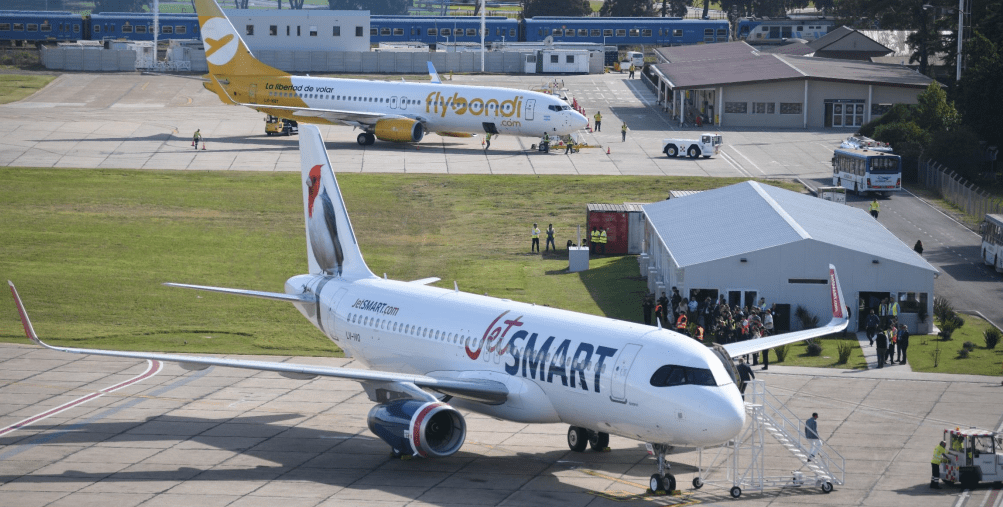
De las movilizaciones también participaron los trabajadores de las aerolíneas low cost Flybondi Líneas Aéreas y JetSmart Airlines Argentina, y lo hicieron apoyando a todos los actores del turismo en su reclamo por políticas para la reactivación del sector. “Juntos a los trabajadores hoteleros, gastronómicos, de agencias de viaje, guías de turismo, choferes, y ciudadanos en general; nos manifestamos a favor de una política de incentivos y beneficios fiscales para empresas y consumidores de turismo. Las aerolíneas low cost somos un pilar esencial del turismo: promoviendo las economías regionales y dinamizando el turismo y el consumo dentro de la Argentina, nuestra actividad contribuirá enormemente a poner a la Argentina de pie”, expresaba el documento.

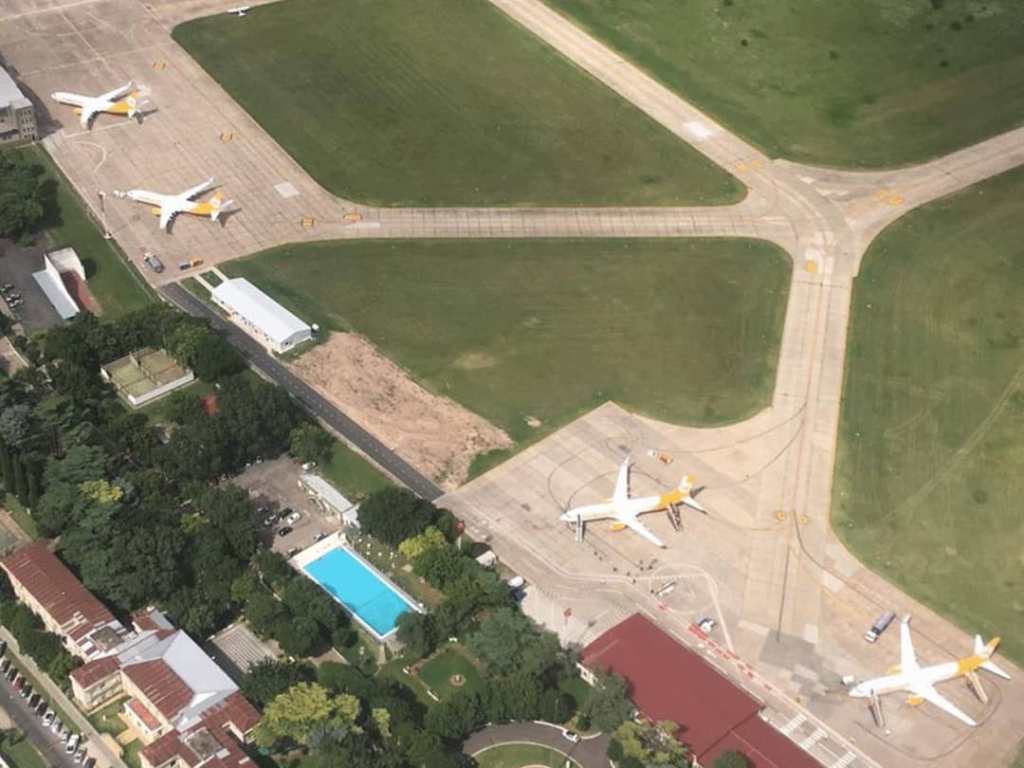
Una vez más, los empleados de las aerolíneas de presupuesto insistieron en la necesidad de la reanudación los vuelos de cabotaje con protocolos sanitarios desde el Aeropuerto Internacional El Palomar. “El Palomar es el único aeropuerto low cost del país, y el primero de Latinoamérica. Conectado con medios de transporte público como trenes y colectivos interurbanos, sus tasas competitivas permiten nuestra actividad, sustentando la movilidad de millones de turistas a precios populares”, concluyeron.

Olla popular en el Cu-Cú con un fuerte reclamo por la vuelta del turismo |  Carlos Paz Vivo
El turismo se concentró en el Corsódromo - La Ciudad - Reporte 2820

Tourism claims in Argentina

Workers marched for reactivation throughout Argentina

Tourism sector workers marched across the country to revive the activity. This Thursday 03/09 was six months since the first case of Coronavirus was registered in the country. As of March 20, 2020, by presidential decree, the country entered Social, Preventive and Mandatory Isolation (ASPO). Among so many activities that were affected, the closure of provincial airports, the tourism sector, among many other sectors.

On Thursday 03/09 self-summoned workers from tourist agencies and activities related to the sector marched throughout Argentina. They did so by demanding the reactivation of the activity (with the corresponding protocols) and also a comprehensive policy of accompaniment and assistance to the most affected workers in the sector.

The general demonstrations throughout the country highlighted the reactivation of tourist activity at the national level with protocols for agencies, carriers and guides, and that the recent assistance law that was approved in the National Congress be regulated and complied with.

Low cost employees

The workers of the low cost airlines Flybondi Líneas Aéreas and JetSmart Airlines Argentina also participated in the mobilizations, and they did so by supporting all tourism stakeholders in their demand for policies to reactivate the sector. “Together with hotel, gastronomic, travel agency workers, tourist guides, drivers, and citizens in general; We are in favor of a policy of tax incentives and benefits for tourism companies and consumers. Low cost airlines are an essential pillar of tourism: promoting regional economies and boosting tourism and consumption within Argentina, our activity will contribute enormously to putting Argentina on its feet”, the document stated.

Once again, the budget airline employees insisted on the need for the resumption of domestic flights with sanitary protocols from the El Palomar International Airport. “El Palomar is the only low cost airport in the country, and the first in Latin America. Connected to means of public transport such as trains and intercity buses, its competitive rates allow our activity, supporting the mobility of millions of tourists at popular prices”, they concluded.


PUBLISHER: Airgways.com
DBk: Airgways.com / R2820.com / Carlospazvivo.com / Argentina.ladevi.info
AW-POST: 202009032147AR

A\W   A I R G W A Y S ®

GOL/Spin Pay estrenan alianza

AW | 2020 09 03 16:13 | AIRLINES / AVIATION TECHNOLOGY

GOL comienza era del pago instantáneo con Spin Pay

GOL Linhas Aéreas y Spin Pay anuncian una alianza que promete revolucionar la forma de pagar los pasajes aéreos y otros servicios que ofrece la aerolínea de presupuesto brasileña. Spin Pay es una compañía que ofrece soluciones de pago abiertas a los minoristas brasileños, convirtiendo a la aerolínea low cost en la primera en implementar esta tecnología en esta modalidad en su segmento en el Brasil.

Spin Pay permite utilizar el pago instantáneo, donde los clientes puedan tener una experiencia increíble y moderna, capaz de facilitar la inclusión. El propósito de GOL Linhas Aéreas nace con el objetivo de democratizar el transporte aéreo en el país, utilizando tecnología de punta para llegar a soluciones inteligentes, innovadoras y, sobre todo, sencillas. Con su adhesión a esta forma de pago, la expectativa de la aerolínea es optimizar el recorrido de compra actual, aumentando la conversión de ventas. También tiene la intención de aprovechar la adquisición de nuevos clientes promoviendo la accesibilidad al público de bajos ingresos.

“Esta alianza tiene como objetivo hacer el transporte aéreo más accesible para todos, ya sea para los Clientes que no tienen una cuenta bancaria, o para aquellos que han utilizado nuevos monederos digitales (e-wallets) como medio de pago en aplicaciones y móviles. GOL lleva la innovación a su ADN, y el producto de Spin Pay está alineado con nuestra estrategia de participar en esta nueva tendencia de banca abierta , que será un nuevo paradigma para el comercio electrónico”, dice Mario Liao, Director Financiero de GOL.

Metodología Spin Pay

Desde finales de Julio 2020 GOL Linhas Aéreas reinició sus operaciones con alrededor de 250 vuelos diarios a todo Brasil, iniciando así el estreno de esta nueva modalidad de pago. En la práctica, el cliente paga, confirma y la cantidad cae en la cuenta del destinatario al instante. Por ahora, la transacción se realiza a través de monederos electrónicos, con Mercado Pago y PicPay. Después de la llegada del PIX, todos los bancos llevarán a cabo el arreglo de Pago Instantáneo (PI) del Banco Central de Brasil, programado para el 16 Noviembre 2020, utilizando un código QR simple, eliminando contracargos y evitando los fraudes.

Spin Pay, una plataforma de pagos instantáneos para minoristas, une a las grandes corporaciones, como GOL, la banca abierta y PIX. “El mercado de pagos está en crisis. La alianza de Spin con GOL destaca la base que representará PIX para la democratización de los servicios financieros, ampliando el acceso de la población al consumo, con una experiencia simple y optimizada para la realidad de Brasil”, dice Alan Chusid, CEO de Spin Pay.

PIX permitirá a las personas realizar transferencias y pagos y recibir dinero en tiempo real, las 24 horas del día, los siete días de la semana. Para GOL, esta innovadora forma de pago también está en línea con las medidas de seguridad tomadas durante la pandemia como forma de combatir la propagación del Covid-19 en los aeropuertos y a bordo, a favor de la salud y bienestar de los clientes, Empleados y empresas colaboradoras. Cuanto menos toque y manejo de tarjetas bancarias y documentos en los procesos y transacciones que implica un vuelo, menores son los riesgos para todos.

GOL/Spin Pay launch alliance

GOL begins the era of instant payment with Spin Pay

GOL Linhas Aéreas and Spin Pay announce an alliance that promises to revolutionize the way of paying for airfare and other services offered by the Brazilian budget airline. Spin Pay is a company that offers open payment solutions to Brazilian retailers, making the low cost airline the first to implement this technology in this modality in its segment in Brazil.

Spin Pay allows you to use instant payment, where customers can have an incredible and modern experience, capable of facilitating inclusion. The purpose of GOL Linhas Aéreas was born with the objective of democratizing air transport in the country, using cutting-edge technology to arrive at smart, innovative and, above all, simple solutions. By adhering to this form of payment, the expectation of the airline is to optimize the current purchase journey, increasing sales conversion. It also intends to leverage new customer acquisition by promoting accessibility to the low-income public.

“This alliance aims to make air transport more accessible to everyone, whether it is for Clients who do not have a bank account, or for those who have used new digital wallets (e-wallets) as a means of payment in applications and mobiles. GOL brings innovation to its DNA, and the Spin Pay product is aligned with our strategy to participate in this new trend of open banking, which will be a new paradigm for e-commerce”, says Mario Liao, Chief Financial Officer of GOL.

Spin Pay Methodology

Since the end of July 2020, GOL Linhas Aéreas restarted its operations with around 250 daily flights to all of Brazil, thus initiating the premiere of this new payment method. In practice, the customer pays, confirms and the amount falls on the recipient’s account instantly. For now, the transaction is carried out through electronic wallets, with Mercado Pago and PicPay. After the arrival of the PIX, all banks will carry out the Instant Payment (PI) arrangement of the Central Bank of Brazil, scheduled for November 16, 2020, using a simple QR code, eliminating chargebacks and avoiding fraud.

Spin Pay, an instant payments platform for retailers, brings together large corporations such as GOL, open banking and PIX. “The payment market is in crisis. Spin’s alliance with GOL highlights the basis that PIX will represent for the democratization of financial services, expanding the population’s access to consumption, with a simple experience optimized for the reality of Brazil”, says Alan Chusid, CEO of Spin Pay.

PIX will allow people to make transfers and payments and receive money in real time, 24 hours a day, seven days a week. For GOL, this innovative form of payment is also in line with the security measures taken during the pandemic as a way to combat the spread of Covid-19 at airports and on board, in favor of the health and well-being of customers, Employees and collaborating companies. The less you touch and handle bank cards and documents in the processes and transactions involved in a flight, the lower the risks for everyone.

GOL/Spin Pay lança aliança

GOL inicia a era do pagamento instantâneo com Spin Pay

A GOL Linhas Aéreas e a Spin Pay anunciam uma aliança que promete revolucionar a forma de pagamento de passagens aéreas e outros serviços oferecidos pela companhia aérea de baixo custo. A Spin Pay é uma empresa que oferece soluções abertas de pagamento para o varejo brasileiro, tornando a companhia aérea de baixo custo a primeira a implementar essa tecnologia nesta modalidade em seu segmento no Brasil.

O Spin Pay permite usar o pagamento instantâneo, onde o cliente pode ter uma experiência incrível e moderna, capaz de facilitar a inclusão. O propósito da GOL Linhas Aéreas nasceu com o objetivo de democratizar o transporte aéreo no país, utilizando tecnologia de ponta para chegar a soluções inteligentes, inovadoras e, acima de tudo, simples. Ao aderir a essa forma de pagamento, a expectativa da companhia aérea é otimizar a atual jornada de compra, aumentando a conversão das vendas. Também pretende alavancar a aquisição de novos clientes, promovendo a acessibilidade ao público de baixa renda.

“Esta aliança visa tornar o transporte aéreo mais acessível a todos, seja para Clientes que não têm conta em banco, seja para quem utilizou as novas carteiras digitais (e-wallets) como meio de pagamento em aplicações e telemóveis. A GOL traz inovação para o seu DNA, e o produto Spin Pay está alinhado com nossa estratégia de participar dessa nova tendência de open banking, que será um novo paradigma para o e-commerce”, afirma Mario Liao, diretor financeiro da GOL.

Metodologia Spin Pay

Desde o final de Julho 2020, a GOL Linhas Aéreas retomou suas operações com cerca de 250 voos diários para todo o Brasil, dando início à estreia desta nova forma de pagamento. Na prática, o cliente paga, confirma e o valor cai na conta do destinatário instantaneamente. Por enquanto, a transação é realizada por meio de carteiras eletrônicas, com o Mercado Pago e o PicPay. Após a chegada do PIX, todos os bancos farão o arranjo do Instant Payment (PI) do Banco Central do Brasil, previsto para 16 de novembro de 2020, por meio de um código QR simples, eliminando estornos e evitando fraudes.

O Spin Pay, plataforma de pagamentos instantâneos para o varejo, reúne grandes corporações como GOL, open banking e PIX. “O mercado de pagamentos está em crise. A aliança da Spin com a GOL destaca a base que a PIX representará para a democratização dos serviços financeiros, ampliando o acesso da população ao consumo, com uma experiência simples e otimizada para a realidade do Brasil”, afirma Alan Chusid, CEO da Spin Pay.

O PIX permitirá que as pessoas façam transferências, pagamentos e recebam dinheiro em tempo real, 24 horas por dia, sete dias por semana. Para a GOL, essa forma inovadora de pagamento também está em linha com as medidas de segurança tomadas durante a pandemia como forma de combater a disseminação da Covid-19 nos aeroportos e a bordo, em prol da saúde e bem-estar dos clientes, Colaboradores e empresas colaboradoras. Quanto menos você tocar e manusear cartões bancários e documentos nos processos e transações envolvidos em um voo, menores serão os riscos para todos.


PUBLISHER: Airgways.com
DBk: Voegol.com.br / Spinpay.com.br / Airgways.com / Exame.com
AW-POST: 202009031613AR

A\W   A I R G W A Y S ®

América solicitan flexibilizar vuelos

AW | 2020 09 03 15:31 | AVIATION ORGANISMS / AIRLINES

Aerolíneas de América Latina y el Caribe reclaman apertura

La Asociación Internacional del Transporte Aéreo (IATA), el Consejo Internacional de Aeropuertos para la región (ACI-LAC) y la Asociación Latinoamericana y del Caribe de Transporte Aéreo (ALTA), han solicitado a los mandatarios de la región que flexibilicen la cuarentena de la pandemia para descomprimir el transporte aéreo a los efectos de reiniciar las operaciones de manera coordinada en la región. El reclamo de los organismos están asociados a los reclamos que las aerolíneas y aeropuertos de América Latina y el Caribe enviaron en una carta a los distintos gobiernos de la región pidiéndoles que, entre otras cosas, minimicen los requisitos de cuarentena para los viajeros que permitan una efectiva recuperación en la industria de la aviación y el turismo. “El impacto de la crisis actual está siendo devastador para los países y sus industrias esenciales, restaurar la confianza del público en los viajes aéreos no solo ayuda a la viabilidad de dicho sector que lleva más de cinco meses detenido, sino que tiene beneficios todavía más amplios en el ámbito social y económico de los países”, señalan los organismos.

Las compañías aéreas subrayan en la carta las acciones llevadas a cabo por el sector aéreo para brindar seguridad y confianza a los viajeros y reactivar paulatinamente algunas rutas aéreas. La industria del transporte aéreo está implementando los más altos niveles y protocolos en bioseguridad. Se han llevado a cabo acciones concretas adoptadas por el Consejo de la Organización de Aviación Civil Internacional (OACI) y contenidas en el documento «Despegue: guía para los viajes aéreos tras la crisis de salud pública de Covid-19», el cual proporciona un marco para abordar el impacto de la pandemia en el sistema de transporte aéreo mundial, destinado a recuperar los viajes de una manera segura y sostenible. Las asociaciones firmantes de la carta también destacan en la misiva la necesidad de que los gobiernos implementen las recomendaciones rápidamente. “El sector está listo para volver a prender motores, pero necesitamos trabajar de la mano con los gobiernos para lograr que nos permitan despegar con información clara y acciones alineadas”, sostienen desde los organismos.

Según la IATA, uno de los organismo a aviación comercial en el mundo, espera pérdidas totales para 2020 por un valor de US$ 84.300 millones de Dólares para las aerolíneas a raíz de la pandemia. Algunos países de América Latina y el Caribe que ya permiten la entrada de extranjeros por las fronteras aéreas están exigiendo pruebas de Covid-19 negativas, como República Dominicana, Bahamas, que anunció que en breve ya nos las pedirá y Ecuador, y otros han establecido el cumplimiento de cuarentenas al arribar a cada país.

Panamá se prepara para convertirse en un HUB de carga aérea |

America request flexible flights

Latin American and Caribbean airlines call for opening

The International Air Transport Association (IATA), the International Airports Council for the region (ACI-LAC) and the Latin American and Caribbean Air Transport Association (ALTA), have requested the leaders of the region to make the quarantine of the pandemic to decompress air transport in order to restart operations in a coordinated manner in the region. The claim of the organizations is associated with the claims that the airlines and airports of Latin America and the Caribbean sent in a letter to the different governments of the region asking them, among other things, to minimize the quarantine requirements for travelers that allow a effective recovery in the aviation and tourism industry. “The impact of the current crisis is being devastating for countries and their essential industries, restoring public confidence in air travel not only helps the viability of this sector that has been stopped for more than five months, but has even more benefits. broad in the social and economic sphere of the countries”, indicate the organizations.

The airlines underline in the letter the actions carried out by the air sector to provide security and confidence to travelers and to gradually reactivate some air routes. The air transport industry is implementing the highest levels and protocols in biosecurity. Specific actions have been taken adopted by the Council of the International Civil Aviation Organization (ICAO) and contained in the document «Takeoff: guide for air travel after the public health crisis of Covid-19», which provides a framework to address the impact of the pandemic on the global air transport system, aimed at recovering travel in a safe and sustainable way. The associations that signed the letter also highlighted in the letter the need for governments to quickly implement the recommendations. «The sector is ready to restart engines, but we need to work hand in hand with governments to ensure that they allow us to take off with clear information and aligned actions», express from aviation organizations.

According to IATA, one of the commercial aviation organizations in the world, expects total losses for 2020 worth US$ 84.3 billion for airlines as a result of the pandemic. Some countries in Latin America and the Caribbean that already allow the entry of foreigners through air borders are demanding negative Covid-19 tests, such as the Dominican Republic, the Bahamas, which announced that they will soon ask us for them and Ecuador, and others have established compliance with quarantines upon arrival in each country.


PUBLISHER: Airgways.com
DBk: Iata.org / Alta.aero / Aci.aero / Airgways.com
AW-POST: 202009031531AR

A\W   A I R G W A Y S ®

Presentan propuestas para Jet Airways

AW | 2020 09 03 13:23 | AIRLINES / GOVERNMENT

Licitadores presentan propuestas revisadas a Comité Acreedores

El proceso de insolvencia de Jet Airways puede haber entrado en su última etapa, con dos postores que presentaron propuestas revisadas a principios de esta semana. Las nuevas ofertas reelaboradas para el rescate de Jet Airways ahora serán evaluadas por el Comité de Acreedores, compuesto por los prestamistas de la compañía low cost india quebrada.

Las ofertas revisadas se presentaron después de varias rondas de negociaciones entre los prestamistas y los dos oferentes interesados en rescatar a la codiciada línea aérea de presupuesto de la India. «Después de las discusiones, ambos contendientes presentaron ofertas revisadas. A menos que los prestamistas soliciten más revisiones, es posible que obtengamos una decisión dentro de quince días», dijo un alto ejecutivo. State Bank of India fue el principal prestamista de la aerolínea. En general, Jet Airways debe más de ₹ 8.000 millones de Rupias a los bancos. Las reclamaciones totales, incluidas las de proveedores y empleados, ascienden a más de ₹ 25.000 millones de Rupias.

Jet Airways había suspendido sus operaciones en Abril 2019, había recibido dos ofertas el 21 Julio 2020. El primer consorcio compuesto para la oferta son Flight Simulation Technique Center Pvt Ltd (FSTC), Big Charter Pvt Ltd e Imperial Capital Investments LLC. Tanto FSTC como Big Charter están dirigidos por el aviador convertido en empresario Sanjay Mandavia. Imperial Capital es una empresa de banca de inversión y gestión patrimonial con sede en Dubai, Emiratos Árabes Unidos. La segunda oferta fue del consorcio de la firma de servicios financieros con sede en Londres, Kalrock Capital y el empresario Murari Lal Jalan. Ambos consorcios guardan silencio sobre las ofertas revisadas y se negaron a comentar sobre la historia. Sin embargo, las fuentes agregaron que las dos partes han realizado cambios estructurales en sus propuestas que podrían referirse a los pagos de la deuda.

En un comunicado el 20 Agosto 2020, Ashish Chhawchharia, el Profesional de Resolución que supervisa el proceso, dijo que el Comité de Acreedores (CoC), compuesto por prestamistas de Jet Airways, se estaba comprometiendo con los dos pretendientes para evaluar la viabilidad de sus respectivos planes para la aerolínea. «Una vez que se complete esta evaluación, el CoC votará sobre los planes de resolución. Para que cualquier plan se considere aprobado, deberá obtener los votos de al menos el 60 por ciento de los miembros del CoC», dijo el profesional de resolución.

Mientras tanto, la aerolínea ha vendido propiedades inmobiliarias en Mumbai por un valor de US$ 65 millones de dólares. Más tarde pagó al Exim Bank de Estados Unidos para obtener títulos de seis aviones Boeing 777.

They present proposals for Jet Airways

Bidders present revised proposals to the Creditors Committee

The Jet Airways insolvency process may have entered its final stage, with two bidders submitting revised proposals earlier this week. The new reworked offers for the rescue of Jet Airways will now be evaluated by the Committee of Creditors, made up of the lenders of the bankrupt Indian low cost company.

The revised offers came after several rounds of negotiations between the lenders and the two bidders interested in bailing out India’s coveted budget airline. «After discussions, both contenders submitted revised offers. Unless the lenders request further reviews, it is possible that we will obtain a decision within fifteen days», said a senior executive. State Bank of India was the main lender for the airline. Overall, Jet Airways owes more than Rs 8 billion to banks. Total claims, including those from vendors and employees, amount to more than ₹ 25 billion Rupees.

Jet Airways had suspended its operations in April 2019, had received two offers on July 21, 2020. The first consortium composed for the offer are Flight Simulation Technique Center Pvt Ltd (FSTC), Big Charter Pvt Ltd and Imperial Capital Investments LLC. Both FSTC and Big Charter are led by aviator-turned-entrepreneur Sanjay Mandavia. Imperial Capital is an investment banking and wealth management company based in Dubai, United Arab Emirates. The second offer was from the consortium of London-based financial services firm Kalrock Capital and businessman Murari Lal Jalan. Both consortia are silent on the revised bids and declined to comment on the story. However, the sources added that the two parties have made structural changes to their proposals that could refer to debt payments.

In a statement on August 20, 2020, Ashish Chhawchharia, the Resolution Professional overseeing the process, said that the Creditors Committee (CoC), made up of Jet Airways lenders, was engaging with the two suitors to assess the viability of their respective plans for the airline. «Once this evaluation is complete, the CoC will vote on the resolution plans. For any plan to be considered approved, it must obtain the votes of at least 60 percent of the CoC members», said the resolution professional.

Meanwhile, the airline has sold real estate in Mumbai worth US$ 65 million. Later he paid the Exim Bank of the United States to obtain titles of six Boeing 777 aircraft.

वे जेट एयरवेज के लिए प्रस्ताव पेश करते हैं

बोलीदाताओं ने संशोधित प्रस्तावों को लेनदारों की समिति को प्रस्तुत किया

जेट एयरवेज इन्सॉल्वेंसी प्रक्रिया ने अपने अंतिम चरण में प्रवेश किया हो सकता है, जिसमें दो बोलीदाता इस सप्ताह के शुरू में संशोधित प्रस्ताव प्रस्तुत करेंगे। जेट एयरवेज के बचाव के नए नए प्रस्तावों का मूल्यांकन अब कमेटी ऑफ क्रेडिटर्स द्वारा किया जाएगा, जो दिवालिया भारतीय कम लागत वाली कंपनी के ऋणदाताओं से बना है।

संशोधित प्रस्ताव ऋणदाताओं और भारत की प्रतिष्ठित बजट एयरलाइन को बाहर करने में रुचि रखने वाले दो बोलीदाताओं के बीच कई दौर की बातचीत के बाद आया। वरिष्ठ कार्यकारी ने कहा, «चर्चा के बाद, दोनों दावेदारों ने संशोधित प्रस्ताव पेश किए। जब ​​तक कि उधारदाता आगे की समीक्षा का अनुरोध नहीं करते, यह संभव है कि हम पंद्रह दिनों के भीतर निर्णय ले लेंगे»। भारतीय स्टेट बैंक एयरलाइन के लिए मुख्य ऋणदाता था। कुल मिलाकर, जेट एयरवेज का बैंकों पर 8 अरब रुपये से अधिक का बकाया है। विक्रेताओं और कर्मचारियों सहित कुल दावे, 25 बिलियन से अधिक की राशि।

जेट एयरवेज ने अप्रैल 2019 में अपने परिचालन को निलंबित कर दिया था, 21 जुलाई, 2020 को दो प्रस्ताव प्राप्त किए थे। इस प्रस्ताव के लिए बनाए गए पहले कंसोर्टियम में फ्लाइट सिमुलेशन तकनीक सेंटर प्राइवेट लिमिटेड (एफएसटीसी), बिग चार्टर प्राइवेट लिमिटेड और इंपीरियल कैपिटल इंवेस्टमेंट एलएलसी हैं। FSTC और बिग चार्टर दोनों का नेतृत्व एविएटर-एंटरप्रेन्योर संजय मंडाविया कर रहे हैं। इंपीरियल कैपिटल दुबई, संयुक्त अरब अमीरात में स्थित एक निवेश बैंकिंग और धन प्रबंधन कंपनी है। दूसरी पेशकश लंदन स्थित फाइनेंशियल सर्विसेज फर्म Kalrock Capital और व्यापारी मुरारी लाल जालान के कंसोर्टियम की थी। दोनों कंसोर्टिया संशोधित बोलियों पर चुप हैं और कहानी पर टिप्पणी करने से मना कर दिया। हालांकि, सूत्रों ने कहा कि दोनों दलों ने अपने प्रस्तावों में संरचनात्मक परिवर्तन किए हैं जो ऋण भुगतान का उल्लेख कर सकते हैं।

रिज़ॉल्यूशन प्रोफेशनल आशीष छावछरिया ने 20 अगस्त, 2020 को एक बयान में कहा कि जेट एयरवेज के ऋणदाताओं से बनी लेनदारों की समिति (सीओसी) दोनों सूइटरों के साथ मिलकर उनकी व्यवहार्यता का आकलन कर रही है। एयरलाइन के लिए संबंधित योजनाएं। «एक बार यह मूल्यांकन पूरा हो जाने के बाद, सीओसी रिज़ॉल्यूशन प्लान पर वोट करेगा। किसी भी योजना को अनुमोदित मानने के लिए, उसे सीओसी सदस्यों के कम से कम 60 प्रतिशत वोट प्राप्त करने होंगे»

इस बीच, एयरलाइन ने मुंबई में 65 मिलियन अमेरिकी डॉलर में अचल संपत्ति बेची है। बाद में उन्होंने छह बोइंग 777 विमानों के खिताब प्राप्त करने के लिए संयुक्त राज्य के एक्जिम बैंक का भुगतान किया।


PUBLISHER: Airgways.com
DBk: Jetairways.com / Moneycontrol.com / Usatoday.com
AW-POST: 202009031323AR

A\W   A I R G W A Y S ®

Seychelles Airways startup

AW | 2020 09 03 12:33 | AIRLINES

Seychelles International Airways inicia operaciones

La agencia de noticias Seychelles (SNA) ha confirmado que Seychelles International Airways comenzará sus operaciones de largo recorrido con el primer vuelo el 10 Septiembre 2020. La aerolínea es una compañía de aviación privada de las Islas Seychelles con sede en el archipiélago de 115 islas del Océano Índico Occidental. El concepto de aerolínea nació en 2011, cuando Air Seychelles comenzó a tener dificultades financieras que resultaron en despidos de personal. Las dificultades del archipiélago preocupa al Gobierno de Seychelles cuando atravesaba la misma situación que en 1985 cuando British Airways, Air France y otras aerolíneas dominaban el mercado aéreo en las islas del Índico.

Para aventurarse en el negocio de la aviación, bancos locales y extranjeros han realizado una inversión de entre US$ 20 a 50 millones de Dólares y una sociedad con una empresa con sede en Francia, denominada EuroAfrica Trading. El primer vuelo operado por un Airbus A340-600 fletado que pertenece a una empresa desconocida llevará una delegación de 40 personas para reunirse con el equipo de la empresa y funcionarios gubernamentales, así como 30 toneladas de carga.

En una conferencia de prensa el Viernes 28/09 se ja informado que debido a la pandemia de COVID-19, la aerolínea se centrará en los vuelos de carga para empezar. Explicó que en este momento existe una gran demanda para el movimiento de carga alrededor del mundo. “No nos centraremos en los vuelos de pasajeros en este momento a menos que haya una demanda o un vuelo fletado, que seguirá todos los procedimientos del departamento de salud. Nos estamos enfocando en traer carga al país ya que sentimos y tenemos evidencia de que Seychelles necesita carga. Las tarifas de carga han pasado de US$ 1 a US$ 14 dependiendo de las aerolíneas. Nuestra aerolínea está llevando a cabo muchas negociaciones para conseguir una tarifa de carga más baja, lo que significará que haremos nuestra parte para bajar el precio de los commodities. Estamos apuntando a una tarifa de entre US$ 3 y US$ 4,55, dependiendo del país de origen”, expresó el Director Ejecutivo Robert Marie.

Plan estratégico

El plan inicial de Seychelles International Airways eran vuelos intercontinentales de larga distancia. Ahora se espera que estas operaciones comiencen después del paso de la pandemia. Robert Marie destacó que «dado que Air Seychelles no está haciendo vuelos de larga distancia, no veo ninguna competencia con respecto a eso, aparte de otras aerolíneas que están entrando. Como nuestra base estará aquí en Seychelles, servirá como centro. Para desarrollar el centro, por ejemplo, podemos volar a Frankfurt, Alemania y recoger pasajeros allí y llevarlos a Seychelles y de Seychelles a otro destino”, dijo.

Como parte de la estrategia a largo plazo de la compañía, Robert Marie quiere que la aerolínea se convierta en el principal transporte de larga distancia de las Islas Seychelles y también prevé la construcción de una terminal moderna con instalaciones modernas. Durante la conferencia de prensa, el equipo de Seychelles International Airways también la nueva aerolínea ha revelado su nueva imagen corporativa y su isologotipo, que proviene de una de las aves endémicas del país, la paloma azul de Seychelles. La nueva librea representa un tono rojo, que también es su componente principal y continúa con un tono azul.

Seychelles Airways startup

Seychelles International Airways begins operations

The Seychelles news agency (SNA) confirmed that Seychelles International Airways will begin its long-haul operations with the first flight on 10 September 2020.The airline is a private aviation company from the Seychelles Islands based in the archipelago of 115 islands in the Western Indian Ocean. The airline concept was born in 2011, when Air Seychelles began to run into financial difficulties that resulted in staff layoffs. The difficulties of the archipelago worry the Government of Seychelles when it was going through the same situation as in 1985 when British Airways, Air France and other airlines dominated the air market in the Indian Islands.

To venture into the aviation business, local and foreign banks have made an investment of between US$ 20 to 50 million dollars and a partnership with a company based in France, called EuroAfrica Trading. The first flight operated by a chartered Airbus A340-600 belonging to an unknown company will carry a 40-person delegation to meet with company team and government officials, as well as 30 tons of cargo.

In a press conference on Friday 09/28 it was informed that due to the COVID-19 pandemic, the airline will focus on cargo flights to begin with. He explained that at this time there is a great demand for the movement of cargo around the world. “We will not focus on passenger flights at this time unless there is a demand or a chartered flight, which will follow all the procedures of the health department. We are focusing on bringing cargo into the country as we feel and have evidence that Seychelles needs cargo. Freight rates have gone from US$ 1 to US$ 14 depending on the airlines. Our airline is conducting a lot of negotiations to get a lower freight rate, which will mean that we will do our part to lower the price of commodities. We are targeting a rate between US$ 3 and US$ 4.55, depending on the country of origin”, said Executive Director Robert Marie.

Strategic plan

Seychelles International Airways’ initial plan was long-haul intercontinental flights. These operations are now expected to begin after the pandemic has passed. Robert Marie stressed that «since Air Seychelles is not doing long-haul flights, I don’t see any competition regarding that apart from other airlines coming in. As our base will be here in Seychelles, it will serve as a hub. To develop the hub. For example, we can fly to Frankfurt, Germany and pick up passengers there and take them to Seychelles and from Seychelles to another destination”, he said.

As part of the company’s long-term strategy, Robert Marie wants the airline to become the main long-haul carrier in the Seychelles and also envisages the construction of a modern terminal with modern facilities. During the press conference, the Seychelles International Airways team also the new airline has revealed its new corporate image and its logo, which comes from one of the endemic birds of the country, the Seychelles blue pigeon. The new livery represents a red hue, which is also its main component and continues with a blue hue.

Démarrage des opérations de Seychelles Airways

Seychelles International Airways démarre ses opérations

L’agence de presse SNA des Seychelles a confirmé que Seychelles International Airways commencerait ses opérations long-courriers avec le premier vol le 10 septembre 2020. La compagnie aérienne est une compagnie aérienne privée des îles Seychelles basée dans l’archipel de 115 îles de l’océan Indien occidental. Le concept de la compagnie aérienne est né en 2011, lorsque Air Seychelles a commencé à rencontrer des difficultés financières qui ont entraîné des licenciements de personnel. Les difficultés de l’archipel inquiètent le gouvernement des Seychelles alors qu’il traversait la même situation qu’en 1985, lorsque British Airways, Air France et d’autres compagnies aériennes dominaient le marché aérien des îles indiennes.

Pour se lancer dans l’aviation, les banques locales et étrangères ont réalisé un investissement de 20 à 50 millions de dollars US et un partenariat avec une société basée en France, appelée EuroAfrica Trading. Le premier vol opéré par un Airbus A340-600 affrété appartenant à une société inconnue transportera une délégation de 40 personnes pour rencontrer l’équipe de la société et des responsables gouvernementaux, ainsi que 30 tonnes de fret.

Lors d’une conférence de presse le vendredi 28 septembre, il a été informé qu’en raison de la pandémie COVID-19, la compagnie aérienne se concentrera d’abord sur les vols de fret. Il a expliqué qu’à l’heure actuelle, il existe une forte demande pour le transport de marchandises dans le monde. «Nous ne nous concentrerons pas sur les vols passagers pour le moment à moins qu’il y ait une demande ou un vol affrété, qui suivra toutes les procédures du service de santé. Nous nous concentrons sur l’apport de marchandises dans le pays comme nous le pensons et avons des preuves que les Seychelles ont besoin de marchandises. Les tarifs de fret sont passés de US$ 1 à US$ 14 selon les compagnies aériennes. Notre compagnie aérienne mène de nombreuses négociations pour obtenir un taux de fret plus bas, ce qui signifie que nous ferons notre part pour réduire le prix des marchandises. Nous visons un taux compris entre 3 USD et 4,55 USD, selon le pays d’origine», a déclaré le directeur exécutif Robert Marie.

Plan stratégique

Le plan initial de Seychelles International Airways était des vols intercontinentaux long-courriers. On s’attend maintenant à ce que ces opérations commencent après la pandémie. Robert Marie a souligné que «étant donné qu’Air Seychelles n’effectue pas de vols long-courriers, je ne vois aucune concurrence à ce sujet en dehors des autres compagnies aériennes qui arrivent. Comme notre base sera ici aux Seychelles, elle servira de hub. Pour développer le hub. Par exemple, nous pouvons voler à Francfort, en Allemagne, y prendre des passagers et les emmener aux Seychelles et des Seychelles vers une autre destination», a-t-il déclaré.

Dans le cadre de la stratégie à long terme de l’entreprise, Robert Marie souhaite que la compagnie aérienne devienne le principal transporteur long-courrier des Seychelles et envisage également la construction d’un terminal moderne doté d’installations modernes. Lors de la conférence de presse, l’équipe des Seychelles International Airways a également dévoilé sa nouvelle image corporative et son logo, qui provient de l’un des oiseaux endémiques du pays, le pigeon bleu des Seychelles. La nouvelle livrée représente une teinte rouge, qui est également son composant principal et se poursuit avec une teinte bleue.


PUBLISHER: Airgways.com
DBk: Seychellesnewsagency.com / Loungbuddy.com / Airgways.com
AW-POST: 202009031233AR

A\W   A I R G W A Y S ®

BOC Aviation cancela orden A320NEO

AW | 2020 09 02 23:24 | AVIATION / AIRLINES

Lessor BOC Aviación cancela pedido 18 A320NEO

BOC AVIATION LIMITED 中銀航空租賃有限公司*

El lessor BOC Aviation ha cancelado un pedido completo de 18 aeronaves de la familia Airbus A320NEO después de que una aerolínea cliente optara por comprar el avión directamente al fabricante, según muestra una presentación del 30 Agosto 2020 a la Bolsa de Valores de Hong Kong, China.

El pedido anunciado el 31 Diciembre 2019, estaba programado para su entrega entre 2022-2023. BOC Aviation dijo en el comunicado de prensa en 12/2019 que le dio una opción al cliente de la aerolínea no identificado de tomar el avión en arrendamientos a largo plazo o comprar el avión en el momento de la entrega. El lessor de aviación ha expresado en su último comunicado que su subsidiaria BOC Aviation Cayman había celebrado un acuerdo con Airbus para modificar la transacción, al rescindir su compromiso de comprar el avión ya que la aerolínea acordó comprar directamente a Airbus. De esta manera al 30 Junio 2020, BOC Aviation contabiliza una flota total de 571 aviones en propiedad, gestionados o en orden.
BOC Aviation cancels order A320NEO

Lessor BOC Aviation cancels order 18 A320NEO

Underwriter BOC Aviation has canceled a full order for 18 Airbus A320NEO family aircraft after a client airline chose to purchase the aircraft directly from the manufacturer, a 30 August 2020 filing to the Hong Kong Stock Exchange shows.

The order announced on December 31, 2019, was scheduled for delivery between 2022-2023. BOC Aviation said in the press release on 12/2019 that it gave the unidentified airline customer an option to take the aircraft on long-term leases or purchase the aircraft at the time of delivery. The aviation lessor has expressed in its latest statement that its subsidiary BOC Aviation Cayman had entered into an agreement with Airbus to modify the transaction, by rescinating its commitment to buy the plane since the airline agreed to buy directly from Airbus. Thus, as of June 30, 2020, BOC Aviation has a total fleet of 571 aircraft owned, managed or in order.


PUBLISHER: Airgways.com
DBk: Bocaviation.com / Airbus.com / Airgways.com
AW-POST: 202009022324AR

A\W   A I R G W A Y S ®