CE al rescate aerolíneas europeas

AW | 2020 08 30 13:13 | GOVERNMENT / AIRLINES

Bruselas ha autorizado rescate de aerolíneas

La Comisión Europea (CE) está aprobando la mayoría de las ayudas que los Estados conceden a las aerolíneas. Los Estados europeos han salido en masa al rescate de las aerolíneas, uno de los negocios más afectados por la Covid-19. Las empresas redujeron sus costes nada más comenzar la crisis sanitaria para preservar la liquidez, pero la lenta recuperación de la demanda y la rápida quema de efectivo ha llevado a los Gobiernos a aportar un apoyo financiero extra. Bruselas está dando luz verde a la mayoría de estas ayudas, aprobando las resoluciones para rescates.

La Comisión Europea ha aprobado ya al menos una decena de rescates en el sector aéreo en los cinco primeros meses de pandemia. La mayoría se han materializado en forma de garantías y préstamos que las compañías deberán devolver más adelante, con algunas excepciones como Lufthansa o Alitalia, en las que Alemania e Italia, respectivamente, han inyectado capital a cambio de acciones.

La ayuda del Gobierno de Alemania al grupo de aerolíneas Lufthansa es una de los más cuantiosas: € 9.000 millones de Euros en forma de medidas de estabilización y créditos, dando a cambio una participación en la compañía del 20% al Ejecutivo alemán mediante la suscripción de acciones en una ampliación de capital.

«Esta ayuda llega con condiciones, incluido asegurar que el Estado será remunerado, y otras medidas para limitar las distorsiones en el mercado», aseguró la Vicepresidenta del Ejecutivo comunitario responsable de Competencia, Margrethe Vestager, tras defender en un comunicado que este apoyo permitirá a la compañía superar las dificultades durante la crisis del Coronavirus. La Comisión Europea también ha dado su bendición al rescate de Condor, filial del grupo turístico británico Thomas Cook, por parte de Alemania a través de un préstamo temporal que asciende a 550 millones de euros. Bruselas entiende que la medida «está en línea con las normas de ayuda estatal de la UE».

El conglomerado Air France-KLM ya cuenta con el respaldo de Bruselas para recibir un préstamo del Gobierno galo, dueño del 14% de la aerolínea, por € 7.000 millones de Euros, de los que € 4.000 serán préstamos garantizados por el Estado pero aportados por un consorcio de bancos franceses e internacionales, y los otros € 3.000 un préstamo estatal directo. Esta ayuda se ha visto reforzada con un paquete de € 3.400 millones de Euros adicionales proveniente del Ejecutivo holandés, dueño de otro 14% del capital. De la misma forma, € 2.400 millones corresponden a un esquema de avales públicos para préstamos concedidos por los bancos y el resto es un préstamo subordinado que recibirá directamente del Estado. La Comisión Europea justifica estas ayudas en que «KLM juega un papel clave en la economía holandesa en términos de empleo y conectividad aérea», y Air France «exploró y agotó» todas las posibilidades de obtener liquidez en los mercados antes de lanzar este plan de ayuda pública.

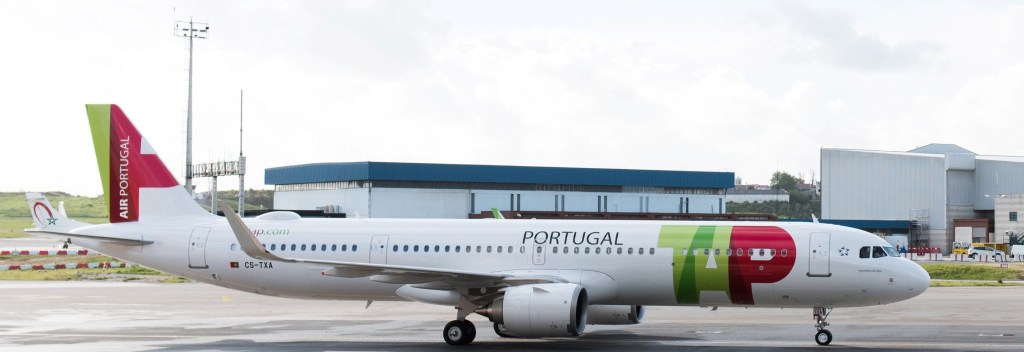
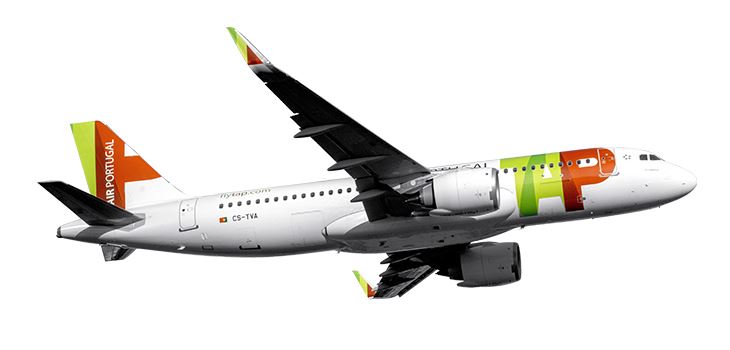
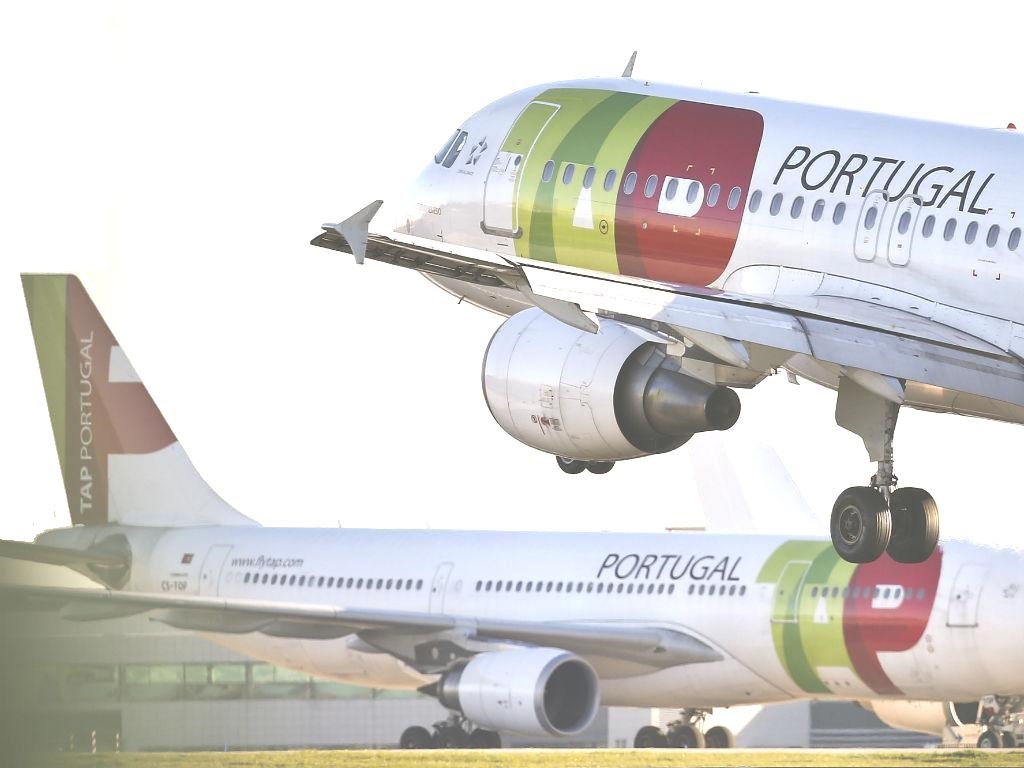
Bruselas también ha dado el visto bueno a un préstamo de rescate de € 1.200 millones de Euros a favor de Transportes Aéreos Portugueses (TAP) y una inyección de 133 millones para la aerolínea lusa SATA. Una vez más, la CE consideró que estas ayudas reducirán la distorsión de la competencia, por lo que concluyó que son compatibles con las normas comunitarias.

El Ejecutivo comunitario ha aprobado las ayudas financieras de Dinamarca y Suecia a Scandinavian Airlines Services (SAS) por aproximadamente € 1.000 millones de Euros; de Bruselas a Brussels Airlines por € 290 millones de Euros; de Austria a Austrian Airlines por € 150 millones; y de Finlandia a Finnair, de su propiedad en un 55,8%, por € 286 millones.

La factura del rescate a las aerolíneas en Europa alcanza ya los € 26.500 millones de Euros. La Asociación de Transporte Aéreo Internacional (IATA) advertía hace semanas que si bien estas ayudas están permitiendo mantener la industria a flote, el próximo desafío será evitar que las aerolíneas se hundan bajo la carga de la deuda que las ayudas están creando. El futuro no se presenta alentador. La patronal no espera que se recuperen los niveles de tráfico aéreo previos a la Covid-19 hasta al menos 2024 y estima que la deuda global de la industria aérea podría aumentar un 28%, hasta los € 499.600 millones de Euros, a finales de año.

CE to the rescue European airlines

Brussels has authorized rescue of airlines

The European Commission (EC) is approving most of the aid that states grant to airlines. European states have come out en masse to the rescue of airlines, one of the businesses most affected by Covid-19. Companies cut costs as soon as the health crisis began to preserve liquidity, but the slow recovery in demand and the rapid burning of cash has led governments to provide extra financial support. Brussels is giving the green light to most of this aid, passing resolutions for bailouts.

The European Commission has already approved at least a dozen rescues in the air sector in the first five months of the pandemic. Most have materialized in the form of guarantees and loans that companies will have to repay later, with some exceptions such as Lufthansa or Alitalia, in which Germany and Italy, respectively, have injected capital in exchange for shares.

The aid of the Government of Germany to the Lufthansa airline group is one of the largest: € 9,000 million euros in the form of stabilization measures and credits, giving in exchange a 20% stake in the company to the German Executive through the subscription of shares in a capital increase.

«This aid comes with conditions, including ensuring that the State will be remunerated, and other measures to limit distortions in the market», said the Vice President of the Community Executive responsible for Competition, Margrethe Vestager, after defending in a statement that this support will allow the company overcome difficulties during the Coronavirus crisis. The European Commission has also given its blessing to the rescue of Condor, a subsidiary of the British tourist group Thomas Cook, by Germany through a temporary loan amounting to 550 million euros. Brussels understands that the measure «is in line with EU state aid rules».

The conglomerate Air France-KLM already has the backing of Brussels to receive a loan from the French Government, owner of 14% of the airline, for € 7,000 million Euros, of which € 4,000 will be loans guaranteed by the State but contributed by a consortium of French and international banks, and the other € 3,000 a direct state loan. This aid has been reinforced with a package of € 3,400 million additional Euros from the Dutch Executive, owner of another 14% of the capital. Similarly, € 2,400 million correspond to a public guarantee scheme for loans granted by banks and the rest is a subordinated loan that you will receive directly from the State. The European Commission justifies this aid in that «KLM plays a key role in the Dutch economy in terms of employment and air connectivity», and Air France «explored and exhausted» all the possibilities of obtaining liquidity in the markets before launching this plan of public aid.

Brussels has also approved a rescue loan of € 1.2 billion in favor of Transportes Aéreos Portugueses (TAP) and an injection of 133 million for the Portuguese airline SATA. Once again, the EC considered that this aid will reduce the distortion of competition and therefore concluded that it is compatible with Community rules.

The Community Executive has approved financial aid from Denmark and Sweden to Scandinavian Airlines Services (SAS) for approximately € 1,000 million Euros; from Brussels to Brussels Airlines for € 290 million Euros; from Austria to Austrian Airlines for € 150 million; and from Finland to Finnair, 55.8% owned, for € 286 million.

The bailout bill for airlines in Europe has now reached € 26,500 million. The International Air Transport Association (IATA) warned weeks ago that while these aid are helping to keep the industry afloat, the next challenge will be to prevent airlines from sinking under the burden of debt that the aid is creating. The future does not look promising. The employer does not expect the pre-COVID-19 air traffic levels to recover until at least 2024 and estimates that the global debt of the airline industry could increase by 28%, to 499.6 billion euros, by the end of the year.

Ξ A I R G W A Y S Ξ
PUBLISHER: Airgways.com
DBk: Ec.europa.eu / Airgways.com / Gettyimages.com
AW-POST: 202008301313AR

A\W   A I R G W A Y S ®

Jet Airways sigue Comité Acreedores

AW | 2020 08 30 11:23 | AIRLINES / GOVERNMENT

Continúa proceso Resolución insolvencia de compañía

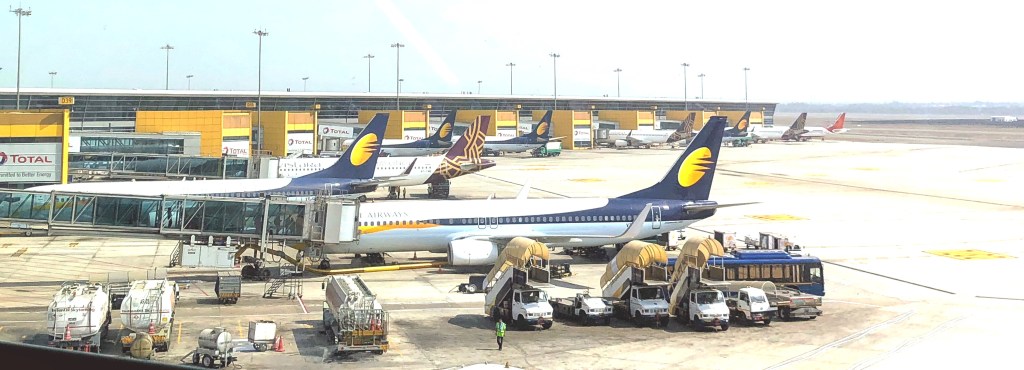
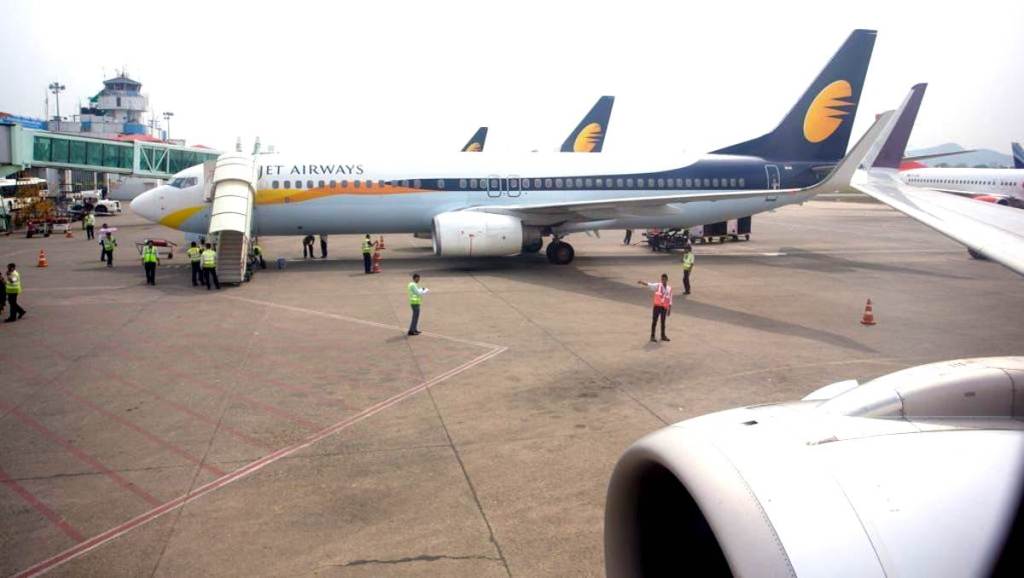
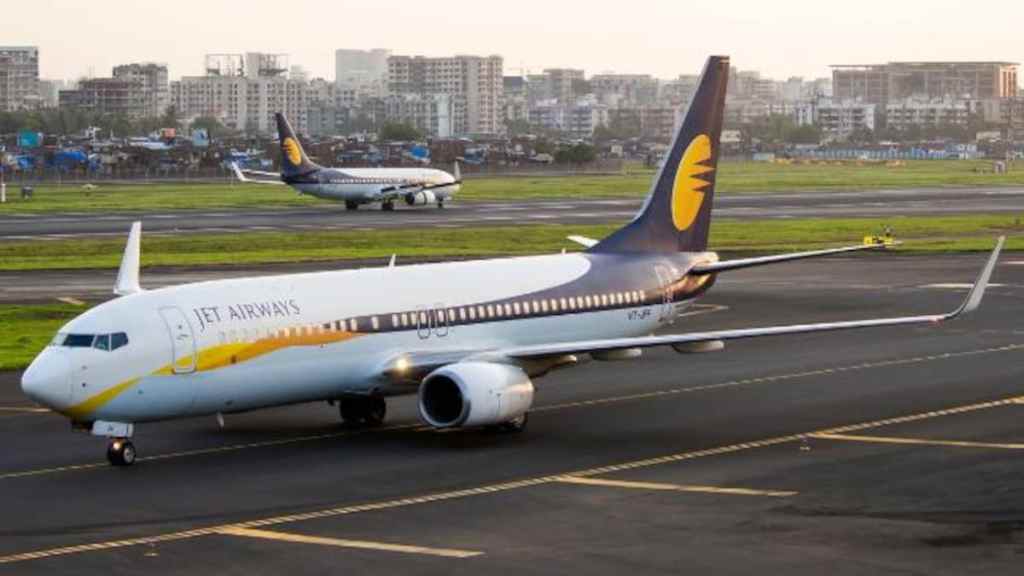
La aerolínea privada Jet Airways continuó siendo testigo de una ola de compras en los intercambios, ya que el Comité de Acreedores (COC) se ha reunido este mes de Agosto 2020. Muchos están considerando la extensión del plazo para el proceso de resolución de insolvencia debido a la pandemia de Covid-19. Jet Airways había extendido anteriormente el plazo para la finalización del proceso de insolvencia hasta el 21 Agosto 2020. Sin embargo, la pandemia que resultó en un bloqueo en todo el país ha retrasado el proceso.

Jet Airways, que fue castigado el año pasado Abril 2019, recibió un código de insolvencia y quiebra (IBC) después de incumplir con un consorcio de prestamistas liderado por el State Bank of India (SBI). Aunque los acreedores de la aerolínea no han dado ningún plazo nuevo, sin embargo, los informes de los medios afirmaron que la extensión del plazo es posible en el futuro. En la última reunión de acreedores, Jet Airways anunció el pago de US$ 13 millones de Dólares a los arrendadores por la adquisición de seis aviones que involucran a aeronaves Boeing 737 NG junto con motores. Esta fue una buena noticia para la aerolínea cuyo avión ha estado en tierra desde el año pasado en abril debido a la creciente deuda. Asimismo, la aerolínea ya había insinuado intercambios a principios de Julio 2020 de que, de acuerdo con la invitación de expresión de interés (EoI) y planes de resolución. El Profesional de Resolución ha recibido planes de resolución para la aerolínea de dos posibles solicitantes de resolución, los cuales serán presentados ante el Comité de Acreedores. para su consideración.

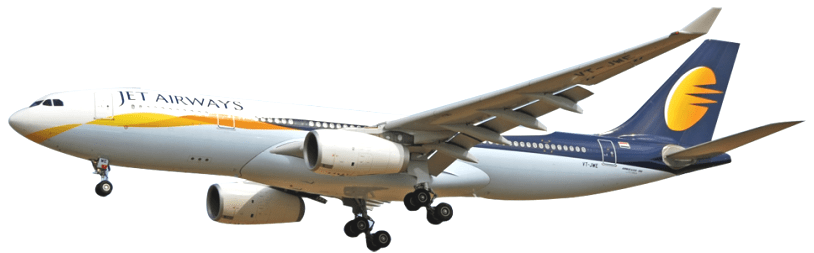
Jet adquire Boeings

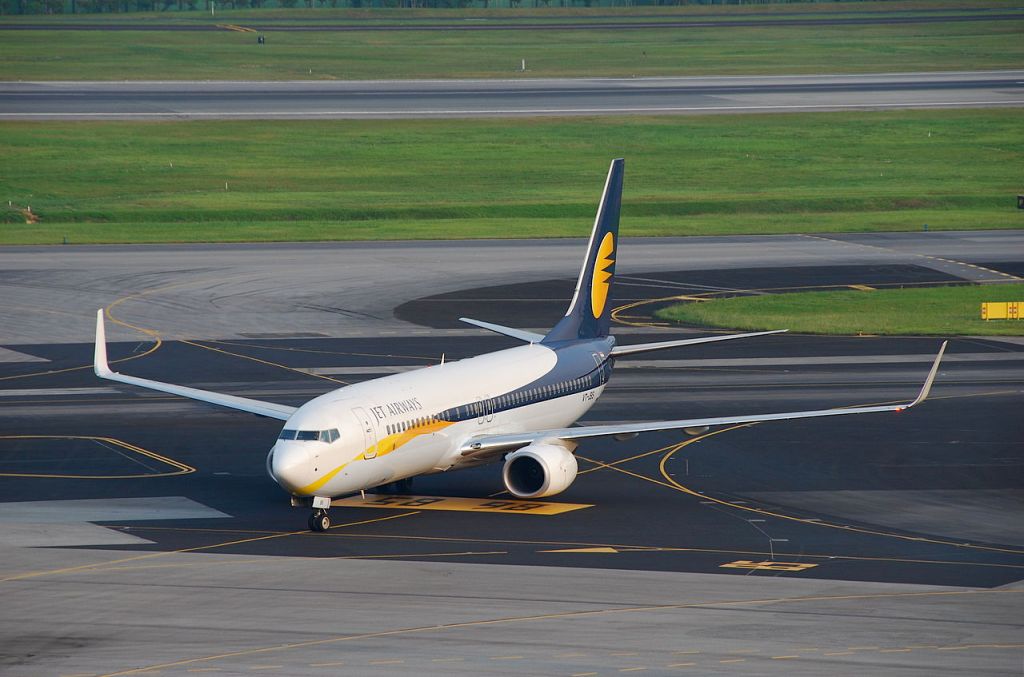
En un movimiento sorpresa, Jet Airways ha vuelto a adquirir seis de sus Boeing 777-300ER del arrendador Fleet Ireland. La aerolínea pagó US$ 13 millones para tomar posesión de las seis aeronaves, que fueron incautadas debido a tarifas impagas. Con el proceso de licitación retrasado, no está claro qué hará Jet con estos aviones.

Inmediatamente después de la puesta a tierra de Jet Airways, los arrendadores de todo el mundo se movieron rápidamente para recuperar sus aviones. Sin embargo, una pequeña cantidad de aviones todavía eran propiedad de Jet Airways o estaban en arrendamiento financiero, en el que la aerolínea toma posesión del avión una vez que se realizan los pagos. A fines de Julio 2020, Jet Airways finalmente logró recaudar fondos suficientes para tomar posesión de aviones arrendados financieramente. La aerolínea vendió recientemente varios de sus activos, como su oficina en Mumbai, para recaudar fondos. La aerolínea de presupuesto ha utilizado estos fondos para volver a adquirir los seis aviones.

Jet Airways ha mostrado una señal positiva con la recuperación de las aeronaves.Todos los aviones restantes de la aerolínea han estado en tierra durante más de un año, posiblemente con poco mantenimiento. Esto significa que podría costar millones hacer que las aeronaves vuelvan a estar en condiciones operativas para volar.

Proceso licitación se atasca

Jet Airways tiene como objetivo recuperar el proceso de licitación para la venta de la aerolínea siempre ha sido encontrar un comprador para la aerolínea. La aerolínea ha recibido dos ofertas vinculantes y estaba previsto que el proceso concluyera en Agosto 2020. Sin embargo, los acreedores ahora han dicho que no hay una fecha límite firme para cuando finalice el proceso debido a la crisis actual. El Proceso de Resolución se ha ampliado una vez más, esta vez sin una fecha de finalización firme.

El futuro de Jet Airways continúa oscilante. Liquidar la aerolínea tendría costos elevados a los acreedores, lo que explica su repetido esfuerzo por encontrar un comprador. Jet Airways continuará forzando su futuro para poder volver a despegar a pesar su presente turbulento.

Jet Airways continues Creditors Committee

Company insolvency resolution process continues

The private airline Jet Airways continued to witness a wave of purchases on exchanges, as the Committee of Creditors (COC) has met this August 2020. Many are considering extending the deadline for the insolvency resolution process due to the Covid-19 pandemic. Jet Airways had previously extended the deadline for the completion of the insolvency process to August 21, 2020. However, the pandemic that resulted in a nationwide lockdown has delayed the process.

Jet Airways, which was punished last year April 2019, received an insolvency and bankruptcy code (IBC) after defaulting on a consortium of lenders led by the State Bank of India (SBI). Although the airline’s creditors have not given any new deadlines, however, media reports claimed that the extension of the deadline is possible in the future. At the last meeting of creditors, Jet Airways announced the payment of US$ 13 million to the lessors for the acquisition of six aircraft involving Boeing 737 NG aircraft together with engines. This was good news for the airline whose plane has been on the ground since last year in April due to mounting debt. Also, the airline had already hinted at exchanges in early July 2020 that, in accordance with the invitation for expression of interest (EoI) and resolution plans. The Resolution Professional has received resolution plans for the airline from two potential resolution applicants, which will be presented to the Creditors Committee for your consideration.

Jet acquires Boeings

In a surprise move, Jet Airways has reacquired six of its Boeing 777-300ERs from lessor Fleet Ireland. The airline paid $ 13 million to take possession of the six aircraft, which were seized due to unpaid fees. With the bidding process delayed, it is unclear what Jet will do with these planes.

In the immediate aftermath of the Jet Airways grounding, lessors around the world moved quickly to retrieve their aircraft. However, a small number of planes were still owned by Jet Airways or under a finance lease, in which the airline takes possession of the plane after payments are made. At the end of July 2020, Jet Airways finally managed to raise enough funds to take possession of financially leased aircraft. The airline recently sold several of its assets, such as its Mumbai office, to raise funds. The budget airline has used these funds to repurchase all six aircraft.

Jet Airways has shown a positive sign with the aircraft recovery. All of the airline’s remaining aircraft have been on the ground for over a year, possibly with little maintenance. This means that it could cost millions to get the aircraft back in operational condition to fly.

Bidding process gets stuck

Jet Airways aims to recover the bidding process for the sale of the airline has always been to find a buyer for the airline. The airline has received two binding offers and the process was scheduled to conclude in August 2020. However, creditors have now said that there is no firm deadline for when the process ends due to the current crisis. The Resolution Process has been expanded once again, this time without a firm end date.

The future of Jet Airways continues to rock. Liquidating the airline would have high costs to creditors, which explains its repeated effort to find a buyer. Jet Airways will continue to push its future in order to take off again despite its turbulent present.

Jet acquires Boeings

In a surprise move, Jet Airways has reacquired six of its Boeing 777-300ERs from lessor Fleet Ireland. The airline paid US$ 13 million to take possession of the six aircraft, which were seized due to unpaid fees. With the bidding process delayed, it is unclear what Jet will do with these planes.

In the immediate aftermath of the Jet Airways grounding, lessors around the world moved quickly to retrieve their aircraft. However, a small number of planes were still owned by Jet Airways or under a finance lease, in which the airline takes possession of the plane after payments are made. At the end of July 2020, Jet Airways finally managed to raise enough funds to take possession of financially leased aircraft. The airline recently sold several of its assets, such as its Mumbai office, to raise funds. The budget airline has used these funds to repurchase all six aircraft.

Jet Airways has shown a positive sign with the aircraft recovery. All of the airline’s remaining aircraft have been on the ground for over a year, possibly with little maintenance. This means that it could cost millions to get the aircraft back in operational condition to fly.

Bidding process gets stuck

Jet Airways aims to recover the bidding process for the sale of the airline has always been to find a buyer for the airline. The airline has received two binding offers and the process was scheduled to conclude in August 2020. However, creditors have now said that there is no firm deadline for when the process ends due to the current crisis. The Resolution Process has been expanded once again, this time without a firm end date.

The future of Jet Airways continues to rock. Liquidating the airline would have high costs to creditors, which explains its repeated effort to find a buyer. Jet Airways will continue to push its future in order to take off again despite its turbulent present.

जेट एयरवेज ने लेनदारों की समिति जारी रखी

कंपनी की दिवाला संकल्प प्रक्रिया जारी है

निजी एयरलाइन जेट एयरवेज ने एक्सचेंजों पर खरीद की एक लहर को देखना जारी रखा, क्योंकि लेनदारों की समिति (सीओसी) ने इस अगस्त 2020 को मुलाकात की। कई लोग इनसॉल्वेंसी रिज़ॉल्यूशन प्रक्रिया के लिए समय सीमा बढ़ाने पर विचार कर रहे हैं कोविद -19 महामारी के लिए। जेट एयरवेज ने पहले इन्सॉल्वेंसी प्रक्रिया को पूरा करने की समय सीमा 21 अगस्त, 2020 तक के लिए बढ़ा दी थी। हालांकि, देशव्यापी तालाबंदी के परिणामस्वरूप होने वाली महामारी ने इस प्रक्रिया में देरी की है।

जेट एयरवेज, जिसे पिछले साल अप्रैल 2019 में दंडित किया गया था, भारतीय स्टेट बैंक (एसबीआई) के नेतृत्व वाले ऋणदाताओं के एक संघ पर चूक के बाद एक दिवाला और दिवालियापन संहिता (IBC) प्राप्त किया। हालांकि एयरलाइन के लेनदारों ने कोई नई समय सीमा नहीं दी है, हालांकि, मीडिया रिपोर्टों ने दावा किया कि भविष्य में समय सीमा का विस्तार संभव है। लेनदारों की आखिरी बैठक में, जेट एयरवेज ने बोइंग 737 एनजी विमानों को शामिल करते हुए इंजनों के साथ छह विमानों के अधिग्रहण के लिए पट्टों को 13 मिलियन अमेरिकी डॉलर का भुगतान करने की घोषणा की। यह एयरलाइन के लिए अच्छी खबर थी, जिसका विमान बढ़ते कर्ज के कारण पिछले साल अप्रैल से जमीन पर है। इसी तरह, एयरलाइन ने पहले ही जुलाई 2020 में एक्सचेंजों पर संकेत दिया था, जो अभिव्यक्ति की रुचि (ईओआई) और रिज़ॉल्यूशन योजनाओं के लिए निमंत्रण के अनुसार था। रिज़ॉल्यूशन प्रोफेशनल ने दो संभावित रिज़ॉल्यूशन आवेदकों से एयरलाइन के लिए रिज़ॉल्यूशन प्लान प्राप्त किए हैं, जिन्हें लेनदारों की समिति के सामने पेश किया जाएगा। आपके विचार के लिए।

जेट बोइंग का अधिग्रहण करता है

एक आश्चर्यजनक कदम में, जेट एयरवेज ने अपने बोइंग 777-300ERs में से छह को फ्लीट आयरलैंड से पुन: प्राप्त किया। एयरलाइन ने छह विमानों को कब्जे में लेने के लिए $ 13 मिलियन का भुगतान किया, जो कि अवैतनिक शुल्क के कारण जब्त किए गए थे। बोली प्रक्रिया में देरी के साथ, यह स्पष्ट नहीं है कि जेट इन विमानों के साथ क्या करेगा।

जेट एयरवेज ग्राउंडिंग के तत्काल बाद, दुनिया भर में कम अपने विमानों को पुनः प्राप्त करने के लिए जल्दी से चले गए। हालांकि, जेट एयरवेज या एक वित्त पट्टे के तहत विमानों की एक छोटी संख्या अभी भी स्वामित्व में थी, जिसमें भुगतान किए जाने के बाद एयरलाइन विमान को अपने कब्जे में ले लेती है। जुलाई 2020 के अंत में, जेट एयरवेज ने अंततः आर्थिक रूप से पट्टे पर दिए गए विमानों को कब्जे में लेने के लिए पर्याप्त धन जुटाने में कामयाबी हासिल की। एयरलाइन ने हाल ही में धन जुटाने के लिए अपनी कई संपत्तियां बेचीं, जैसे कि मुंबई कार्यालय। बजट एयरलाइन ने सभी छह विमानों को पुनर्खरीद करने के लिए इन फंडों का उपयोग किया है।

जेट एयरवेज ने विमान की वसूली के साथ एक सकारात्मक संकेत दिखाया है। एयरलाइन के शेष सभी विमान एक साल से अधिक समय से जमी हैं, संभवतः छोटे रखरखाव के लिए। इसका मतलब यह है कि उड़ान भरने के लिए विमान को वापस चालू हालत में लाने के लिए लाखों की लागत आ सकती है।

बोली प्रक्रिया अटक जाती है

जेट एयरवेज का उद्देश्य एयरलाइन की बिक्री के लिए बोली लगाने की प्रक्रिया को पुनर्प्राप्त करना है जो हमेशा एयरलाइन के लिए एक खरीदार खोजने के लिए किया गया है। एयरलाइन को दो बाध्यकारी प्रस्ताव मिले हैं और यह प्रक्रिया अगस्त 2020 में समाप्त होने वाली थी। हालांकि, लेनदारों ने अब कहा है कि मौजूदा संकट के कारण प्रक्रिया समाप्त होने की कोई समय सीमा तय नहीं है। रिज़ॉल्यूशन प्रक्रिया को एक बार फिर से विस्तारित किया गया है, इस बार बिना किसी अंतिम तिथि के।

जेट एयरवेज का भविष्य अभी भी चरमरा रहा है। एयरलाइन को तरल करने से लेनदारों को उच्च लागत होगी, जो एक खरीदार को खोजने के अपने दोहराया प्रयास की व्याख्या करता है। जेट एयरवेज अपने अशांत वर्तमान के बावजूद फिर से उतारने के लिए अपने भविष्य को आगे बढ़ाएगा।

Ξ A I R G W A Y S Ξ
PUBLISHER: Airgways.com
DBk: Airgways.com / Jetairways.com
AW-POST: 202008301123AR

A\W   A I R G W A Y S ®

Tonga continúa sin servicio aéreo

Alianza entre Real Tonga y Nauru |

AW | 2020 08 29 12:35 | AIRLINES / GOVERNMENT

República Tonga aislada por cuatro meses de pandemia

La República de Tonga, ubicada en el Océano Pacífico, ha estado sin servicio aéreo nacional durante cuatro meses. Así que actualmente Tonga tiene dos líneas aéreas nacionales y ningún servicio. Si bien el propietario de la aerolínea privada Real Tonga Airline dijo que quería encontrar una manera de asociarse con el Gobierno, todo su personal abandonó la aerolínea y se unió a una nueva empresa estatal, Lulutai Airline Ltd., que está lista para lanzar un nuevo servicio doméstico en Septiembre 2020.

Real Tonga Airline había operado como la única aerolínea nacional de Tonga desde 2013 y, a lo largo de los años, extendió su servicio internacionalmente a Fiji y Samoa. Tevita Palu, propietario y Gerente de Real Tonga Airline, ha dicho que todo su personal estaba migrando hacia Lulutai Airline. Sin embargo, Tevita Palu dijo que desde Diciembre 2019 tuvo problemas para mantener en funcionamiento el servicio aéreo debido a problemas financieros. La situación continuó deteriorándose a principios de este año con la propagación mundial de la pandemia, deteriorándose las ventas debido al aislamiento, con los consecuentes despidos de parte del personal.

La aerolínea había tenido reunión con el Gobierno para realizar una ampliación de capital como aerolínea mixta, pero las negociaciones fracasaron. A principios de 2020, Real Tonga Airline tenía dos aeronaves en funcionamiento, un SAAB 340 alquilado a una empresa australiana y un Harbin Y12 de 12 pasajeros alquilado al Gobierno de Tonga. El Y12 fue un regalo a Tonga de la República Popular China. El contrato de arrendamiento del avión por parte de Real Tonga venció y no se renovó. Real Tonga también había alquilado del Gobierno de Tonga un avión AVIC Xian MA60 de 56 plazas, que también fue un regalo de la República Popular China a Tonga, pero había estado fuera de servicio durante un tiempo y el arrendamiento había sido rescindido. Esto dejó al Real Tonga con un solo avión en funcionamiento. La situación fue de mal en peor para el Real Tonga Airline en Mayo 2020, cuando su SAAB 340 quedó fuera de servicio por un impacto de un pájaro en su ala después de que despegó del Aeropuerto de Lupepau’u, Vava’u.

Para arreglar el avión, la aerolínea tenía que pedir un préstamo por valor de US$ 500.000 Dólares al banco. El SAAB 340 se había reparado, pero la compañía australiana había cancelado el arrendamiento del SAAB 340 con la aerolínea Real Tonga Airline. Ahora el avión ha sido arrendado a Lulutai Airlines Ltd.

El servicio de la aerolínea nacional de Tonga en este momento se encuentra en una situación inusual, porque todo el personal y los dos aviones, el SAAB 340 y el Y12 que Real Tonga había estado volando, se han pasado a Lulutai Airlines Ltd. Mientras tanto, Tevita Palu dijo que Real Tonga Airline tiene las licencias emitidas por la Oficina de Seguridad Aérea del Pacífico (PASO) para que los aviones vuelen. Real Tonga también tiene una licencia para proporcionar un servicio de mantenimiento de ingeniería de aeronaves. Pero los ingenieros dejaron Real Tonga y se unieron a Lulutai Airlines Ltd, que anuncia el lanzamiento de un servicio doméstico el 19 Septiembre 2020.

El CEO de Real Tonga Airline expresó una propuesta al Primer Ministro varias veces sobre cómo podrían trabajar juntos Real Tonga Airline y Lulutai Airline Ltd., pero no hubo respuesta.

Real Tonga Airlines vuela a Samoa |

Tonga continues without air service

Republic of Tonga isolated for four months of pandemic

The Republic of Tonga, located in the Pacific Ocean, has been without national air service for four months. So currently Tonga has two domestic airlines and no service. While the owner of the private airline Real Tonga Airline said he wanted to find a way to partner with the government, his entire staff left the airline and joined a new state-owned company, Lulutai Airline Ltd., which is set to launch a new one. domestic service in September 2020.

Real Tonga Airline had operated as Tonga’s only domestic airline since 2013 and over the years extended its service internationally to Fiji and Samoa. Tevita Palu, owner and manager of Real Tonga Airline, has said that her entire staff was migrating to Lulutai Airline. However, Tevita Palu said that since December 2019 it had problems keeping the air service in operation due to financial problems. The situation continued to deteriorate earlier this year with the worldwide spread of the pandemic, with sales deteriorating due to isolation, with the consequent layoffs of part of the staff.

The airline had had a meeting with the Government to carry out a capital increase as a mixed airline, but the negotiations failed. At the beginning of 2020, Real Tonga Airline had two aircraft in operation, a SAAB 340 leased from an Australian company and a 12-passenger Harbin Y12 leased from the Government of Tonga. The Y12 was a gift to Tonga from the People’s Republic of China. Real Tonga’s lease for the aircraft expired and was not renewed. Royal Tonga had also leased from the Government of Tonga a 56 seater AVIC Xian MA60 aircraft, which was also a gift from the People’s Republic of China to Tonga, but had been out of service for a while and the lease had been terminated. This left Royal Tonga with only one aircraft in operation. The situation turned from bad to worse for Real Tonga Airline in May 2020, when its SAAB 340 was taken out of service by a bird hit on its wing after it took off from Lupepau’u Airport, Vava’u.

To fix the plane, the airline had to ask for a loan of US$ 500,000 from the bank. The SAAB 340 had been repaired, but the Australian company had canceled the SAAB 340’s lease with Real Tonga Airline. Now the plane has been leased to Lulutai Airlines Ltd.

Tonga’s national airline service at the moment is in an unusual situation, because all the personnel and the two aircraft, the SAAB 340 and the Y12 that Real Tonga had been flying, have been transferred to Lulutai Airlines Ltd. Meanwhile, Tevita Palu said that Real Tonga Airline has the licenses issued by the Pacific Air Safety Office (PASO) for the planes to fly. Royal Tonga is also licensed to provide an aircraft engineering maintenance service. But the engineers left Real Tonga and joined Lulutai Airlines Ltd, which announces the launch of a domestic service on 19 September 2020.

The CEO of Real Tonga Airline made a proposal to the Prime Minister several times on how Real Tonga Airline and Lulutai Airline Ltd. could work together, but there was no response.

Ξ A I R G W A Y S Ξ
PUBLISHER: Airgways.com
DBk: Airgways.com / Realtonga.to / Matangitonga.to
AW-POST: 202008291235AR

A\W   A I R G W A Y S ®

Disputa político-sindical Aerolíneas

AW | 2020 08 29 11:31 | AIRLINES / GOVERNMENT

Disputa entre La Cámpora y gremio de pilotos aeronáuticos

La conducción de la línea aérea, que responde en el área política al Senador Mariano Recalde por el actual Gobierno Nacional, ha establecido reabrir el convenio colectivo de trabajo y subir la edad jubilatoria. Ante esta posibilidad, el Gremio de la Asociación de Pilotos de Lineas Aéreas (APLA) que nuclea a los pilotos de Aerolíneas Argentinas ha comunicado que rechaza la propuesta.

Las dos principales fuerzas políticas que hoy dominan el mercado aerocomercial, la agrupación La Cámpora y el sindicato APLA, están en medio de una fuerte pulseada para determinar el futuro de Aerolíneas Argentinas. La conducción de la línea aérea estatal, encabezada por el CEO Pablo Ceriani, exigió al gremio que encabeza Pablo Biró que deben reabrir su convenio colectivo de trabajo como condición para que la empresa pueda volver a volar, tanto en el mercado de cabotaje como en el internacional, una vez que finalice la cuarentena. Fuentes de la compañía admitieron las conversaciones con los pilotos APLA y la Asociación de Aeronavegantes (AAA) el Jueves 27/08.

La aerolínea expresó la necesidad de buscar la performance post-pandemia, abriendo de manera indirecta la posibilidad de reducción de personal. «Para desarrollar un plan de negocios que incluya a los trabajadores que hoy integran la empresa, necesitamos adoptar los estándares internacionales de la industria, mejorar la productividad y lograr el mayor rendimiento posible de la inversión que el Estado hace en la compañía. El objetivo es evitar el achicamiento, camino el que tuvieron que transitar muchas aerolíneas del mundo». Los directivos habían expresado que la compañía no reduciría personal con el programa establecido de fusión Aerolíneas-Austral, pero la alternativa sería un fuerte achicamiento de la empresa y de puestos de trabajo.

Escenario flexibilización

El reclamo de el CEO de Aerolíneas Argentinas, quien políticamente responde al Senador camporista Mariano Recalde, avanza sobre casi medio centenar de las cláusulas del Convenio Colectivo de Trabajo de los pilotos. Pero hay una en particular que puede generar un fuerte conflicto, el planteamiento que los pilotos deben subir su edad jubilatoria a 70 años. Dentro del gremio, esa exigencia en particular fue tomada casi como una afrenta, ya que aseguran significaría retrasar ascensos y los movimientos de una flota a otra. La reunión efectuada el Viernes 21/08, en el edificio de Aerolíneas, con la presencia del titular del Gremio APLA, Pablo Biró juntoa su comisión directiva y delegados. Según informó el gremio luego, en una comunicación interna, Pablo Ceriani les planteó un escenario de flexibilización.

«La empresa manifestó que enfrentamos un momento sumamente crítico y que es imprescindible readecuar algunas cuestiones laborales para la viabilidad de Aerolíneas Argentinas. Bajo ese contexto propone renegociar algunos puntos de nuestro convenio colectivo de trabajo. Nos comunicó también que debido a la baja en la cantidad de operaciones de vuelo previstas para los últimos meses de este año como así también para el año 2021 como consecuencia de la Pandemia Covid-19, tiene la intención de suspender pilotos a partir de Octubre 2020 por períodos más extensos, con reducción salarial y por orden escalafonario inverso por flota y función», expresó el gremimalista de APLA.

Pero el detalle que actualmente tiene en pie de guerra a los pilotos no son las suspensiones y ni siquiera la pretensión empresaria de pagar menos, hoy las suspensiones equivalen a 100% del salario en mano. Figura en apenas dos líneas de ese comunicado interno. Otro punto importante que estaría en vías de modificación sería el incremento de la edad jubilatoria para los Pilotos de Línea Aérea.

El gremio de pilotos de APLA rechazó el planteo, aunque dejó abierta una vía de negociación. «En virtud de la magnitud y amplitud de los puntos convencionales alcanzados y el impacto de los mismos esta propuesta es rechazada y será necesario continuar con las negociaciones a través de la Comisión Paritaria», señalaron.

Según señalaron los pilotos, los dirigentes de Aerolíneas «nos informaron además que la Administración Nacional de Aviación Civil (ANAC) pretende modificar y de manera inminente el Decreto Nº 671/2000; para ello convocaría a todos los actores de la industria para participar en la elaboración de dichos cambios». Ese decreto, que era de 1994 y tuvo su versión definitiva durante el Gobierno de De la Rúa, regula los tiempos máximos de servicio, vuelo y mínimo de descanso de las tripulaciones.

Desde que Aerolíneas fue estatizada por Cristina Kirchner en Julio 2008, el gremio de los pilotos tuvo una relación de ida y vuelta con La Cámpora. Estuvieron muy enfrentados a Recalde hacia 2011, época en que hubo varios paros encubiertos, hasta que el Gobierno de turno había salido a respaldar al dirigente de La Cámpora. A partir de entonces comenzó un período de paz social, a cambio de la cual los gremios aeronáuticos obtuvieron prácticamente todos sus reclamos. Pero con la llegada delnuevo Gobierno de Alberto Fernández, Pablo Biró ha marcado posición en el momento menos esperado en Agosto 2019 anunciando un paro de pilotos en Aerolíneas. La designación de Pablo Ceriani como presidente de Aerolíneas, ex número dos de Mariano Recalde en la gestión anterior de la compañía, fue saludada por parte de APLA y el resto de los gremios aeronáuticos como la de un funcionario de la tropa propia. Pero con la pandemia, los planes iniciales de expansión de la línea aérea viraron hacia un ajuste.

El CEO de Aerolíneas Argentinas, quien había reclamado a comienzos de 2020 subsidios por US$ 700 millones de Dólares, avanzó con la fusión entre Aerolíneas y Austral Líneas Aéreas, un paso que Pablo Biró, históricamente enfrentado con el gremio UALA de Austral, avaló de manera tácita. El paso siguiente fue desdoblar el pago de salarios, la suspensión de 4.000 de los 12.000 empleados de Aerolíneas y, ahora, el reclamo de avanzar con el convenio colectivo de trabajo.

Political-union dispute Aerolíneas Argentinas

Dispute between the La Cámpora and the aeronautical pilots union

The leadership of the airline, which responds in the political area to Senator Mariano Recalde for the current National Government, has established to reopen the collective bargaining agreement and raise the retirement age. Given this possibility, the Union of the Airline Pilots Association (APLA), which brings together the pilots of Aerolíneas Argentinas, has communicated that it rejects the proposal.

The two main political forces that today dominate the commercial aviation market, the La Cámpora group and the APLA union, are in the midst of a strong fight to determine the future of Aerolíneas Argentinas. The management of the state airline, headed by CEO Pablo Ceriani, demanded from the union headed by Pablo Biró that they must reopen their collective bargaining agreement as a condition for the company to be able to fly again, both in the domestic and domestic markets. international, once the quarantine ends. Company sources admitted the conversations with the APLA pilots and the Airmen’s Association (AAA) on Thursday 27/08.

The airline expressed the need to seek post-pandemic performance, indirectly opening up the possibility of personnel reduction. «To develop a business plan that includes the workers that today make up the company, we need to adopt international industry standards, improve productivity and achieve the highest possible return on the investment that the State makes in the company. The objective is avoid shrinking, the path that many airlines in the world had to travel». The executives had stated that the company would not reduce personnel with the established Aerolíneas-Austral merger program, but the alternative would be a strong downsizing of the company and jobs.

Flexibility scenario

The claim of the CEO of Aerolíneas Argentinas, who politically responds to the Camper Senator Mariano Recalde, advances over almost fifty of the clauses of the Pilots’ Collective Labor Agreement. But there is one in particular that can generate a strong conflict, the approach that pilots should raise their retirement age to 70 years. Within the guild, that particular demand was taken almost as an affront, since they say it would mean delaying promotions and movements from one fleet to another. The meeting held on Friday 08/21, in the Aerolíneas building, with the presence of the head of the APLA Union, Pablo Biró, together with his board of directors and delegates. As reported by the union later, in an internal communication, Pablo Ceriani raised a scenario of flexibility.

«The company stated that we are facing an extremely critical moment and that it is essential to readjust some labor issues for the viability of Aerolíneas Argentinas. In this context it proposes to renegotiate some points of our collective bargaining agreement. It also communicated that due to the decrease in the amount of flight operations scheduled for the last months of this year as well as for the year 2021 as a result of the Covid-19 Pandemic, it intends to suspend pilots as of October 2020 for longer periods, with salary reduction and in order reverse ladder by fleet and function», said the APLA union.

But the detail that currently has the pilots on the warpath are not the suspensions and not even the business claim to pay less, today the suspensions are equivalent to 100% of the salary in hand. It appears in just two lines of that internal communication. Another important point that would be in the process of modification would be the increase of the retirement age for Airline Pilots.

The APLA pilots union rejected the proposal, although it left open a way for negotiation. «By virtue of the magnitude and breadth of the conventional points reached and their impact, this proposal is rejected and it will be necessary to continue negotiations through the Joint Commission», they noted.

According to the pilots, the Aerolíneas leaders «also informed us that the National Civil Aviation Administration (ANAC) intends to modify Decree No. 671/2000 in an imminent manner; for this it would summon all the industry actors to participate in the making such changes». That decree, which was from 1994 and had its final version during the De la Rúa government, regulates the maximum service, flight and minimum rest times of the crews.

Since Aerolíneas was nationalized by Cristina Kirchner in July 2008, the pilots’ union had a two-way relationship with La Cámpora. They were very much at odds with Recalde around 2011, a time when there were several covert work stoppages, until the current government had come out to support the leader of La Cámpora. From then on, a period of social peace began, in exchange for which the aeronautical guilds obtained practically all their claims. But with the arrival of the new Government of Alberto Fernández, Pablo Biró has marked a position at the least expected moment in August 2019 by announcing a strike of pilots in Aerolíneas. The appointment of Pablo Ceriani as President of Aerolíneas, former number two of Mariano Recalde in the previous management of the company, was greeted by APLA and the rest of the aeronautical unions as that of an official of the own troop. But with the pandemic, the airline’s initial expansion plans veered toward adjustment.

The CEO of Aerolíneas Argentinas, who had claimed subsidies for US$ 700 million at the beginning of 2020, advanced with the merger between Aerolíneas and Austral Líneas Aéreas, a step that Pablo Biró, historically faced with the UALA union of Austral, endorsed of unspoken way. The next step was to double the payment of salaries, the suspension of 4,000 of the 12,000 employees of Aerolíneas and, now, the claim to advance with the collective bargaining agreement.

Ξ A I R G W A Y S Ξ
PUBLISHER: Airgways.com
DBk: Airgways.com / Apla.org / Diariopinion.com.ar / Van Norden
AW-POST: 202008291131AR

A\W   A I R G W A Y S ®

Argentina plan reactivación vuelos

AW | 2020 08 28 16:56 | GOVERNMENT / AIRLINES

Reunión Gobierno para determinar reapertura aviación comercial

El Gobierno de la República Argentina avanza con un plan para reactivar los vuelos comerciales de cabotaje. La estabilización del escenario en el Área Metropolitana de Buenos Aires (AMBA) y la particularidad que cada provincia deberá decidir en función de su situación sanitaria si autoriza el ingreso de vuelos, permiten comenzar a delinear un horizonte de reapertura.

Desde el Ministerio de Transporte han confirmado que estarán evaluando junto a la cartera de Salud la confirmación para trabjar conjuntamente en un protocolo para la reactivación de los vuelos nacionales buscando una fecha tentativa de reapertura. Se espera que en los próximos días ese plan sea presentado por el Ministerio de Salud, a la Presidencia de la Nación. Las definiciones de un programa se podrían diagramar para la semana que viene.

Avances del programa

«La intención es, en la medida que se pueda, tratar de ir abriendo. Obvio que el aumento de esta semana preocupa; veníamos en un clima de estabilidad de casos y ahora los focos del interior llaman la atención, pero en principio no ha variado nuestra postura», sostuvo una fuente del Ministerio de Salud que participa de la discusión. Sin embargo, aclaró que no se está pensando en los viajes con fines turísticos, sino que el objetivo es atender primero los muchos otros motivos por los que las personas pueden necesitar trasladarse, como el reencuentro con familiares. En Salud señalaron que, por el momento, el aumento de los focos de virus en el interior del país no ha hecho variar su plan.

Para autorizar los vuelos comerciales regulares Presidencia deberá modificar el decreto que dispuso el Aislamiento Social Preventivo y Obligatorio (ASPO) y sus prórrogas para permitir la movilidad entre jurisdicciones, más allá del caso de los trabajadores esenciales. Eso, sin embargo, no significaría una restitución inmediata de los vuelos a todo el país porque sería necesario que cada gobernador, muchos de ellos todavía reticentes a la idea, los autorice en cada respectiva provincia.

El Gobierno como en Aerolíneas Argentinas aseguran que todos los gobernadores que solicitaron vuelos durante los últimos meses recibieron autorizaciones especiales y las obtuvieron. Tierra del Fuego y Chaco, con algunas frecuencias a Buenos Aires, son los principales ejemplos.

Respecto del protocolo coordinado por las distintas áreas del Gobierno, no exigiría la realización de un hisopado previo a los pasajeros, tal como dispusieron países como Uruguay. En el Ministerio de Salud explican que un hisopado no garantiza que la persona evaluada no vaya a desarrollar después la enfermedad, dado que la puede estar incubando, y que puede generar una sensación contraproducente de falsa seguridad. Por otro lado, tiene problemas de implementación, como su elevado costo, el tiempo de anticipación que demanda y las pocas horas de vigencia del resultado. De todos modos, no descartan revisar la decisión en caso de que lo amerite.

El protocolo se basará en el control de síntomas, lo que se realizaría mediante el auto-reporte de los viajeros y se reforzaría con un chequeo médico. Los funcionarios tomaron como referencia para su elaboración las recomendaciones de la Organización de Aviación Civil Internacional (OACI), que depende de las Naciones Unidas, que fueron consensuadas por representantes del sector de todo el mundo respetando los criterios de la Organización Mundial de la Salud (OMS).

De hecho, la Asociación Internacional de Transporte Aéreo (IATA), el Consejo Internacional de Aeropuertos (ACI) y la Asociación Latinoamericana y del Caribe de Transporte Aéreo (ALTA) solicitaron ayer mediante una carta dirigida a los gobiernos de la región que tomen esa referencia para «armonizar sus acciones frente al Covid-19» y reiniciar la actividad lo antes posible.

Vuelos Internacionales

En el caso de los vuelos internacionales, si bien la Argentina tiene planificadas para Septiembre una serie de frecuencias de vuelos especiales a Europa, Estados Unidos y Latinoamérica, se trata de servicios que siguen siendo especiales. Es decir, no responden a los itinerarios regulares de las aerolíneas sino a una planificación de excepción que debe ser autorizada en cada caso por las autoridades y que no le permite a las empresas tener un horizonte de más largo plazo para planificar sus operaciones. Aún así, hoy existen más posibilidades para volar desde y hacia el exterior que dentro de la Argentina.

Argentina plans to reactivate flights

Government meeting to determine commercial aviation reopening

The Government of the Argentine Republic is advancing with a plan to reactivate commercial cabotage flights. The stabilization of the scenario in the Metropolitan Area of ​​Buenos Aires (AMBA) and the particularity that each province must decide based on its health situation if it authorizes the entry of flights, allow to begin to delineate a reopening horizon.

The Ministry of Transport has confirmed that they will be evaluating together with the Health portfolio the confirmation to work together on a protocol for the reactivation of domestic flights, seeking a tentative reopening date. It is expected that in the next few days that plan will be presented by the Ministry of Health to the Presidency of the Nation. Definitions of a program could be diagrammed for next week.

Program progress

«The intention is, as far as possible, to try to open up. Obviously, this week’s increase is worrying; we came in a climate of stability of cases and now the interior lights are attracting attention, but in principle it has not changed our position», said a source from the Ministry of Health who participates in the discussion. However, he clarified that travel is not being considered for tourist purposes, but that the objective is to first address the many other reasons why people may need to move, such as reuniting with family members. In Health they indicated that, for the moment, the increase in virus outbreaks in the interior of the country has not changed their plan.

To authorize regular commercial flights, the Presidency must modify the decree that established the Preventive and Obligatory Social Isolation (ASPO) and its extensions to allow mobility between jurisdictions, beyond the case of essential workers. That, however, would not mean an immediate restitution of flights to the entire country because it would be necessary for each governor, many of them still reluctant to the idea, authorize them in each respective province.

The Government and Aerolíneas Argentinas ensure that all governors who requested flights in recent months received special authorizations and obtained them. Tierra del Fuego and Chaco, with some frequencies to Buenos Aires, are the main examples.

Regarding the protocol coordinated by the different areas of the Government, it would not require a prior swab of passengers, as provided by countries such as Uruguay. The Ministry of Health explains that a swab does not guarantee that the evaluated person will not develop the disease later, since it may be incubating it, and that it can generate a counterproductive feeling of false security. On the other hand, it has implementation problems, such as its high cost, the lead time it demands and the few hours that the result is effective. Anyway, they do not rule out reviewing the decision if it warrants it.

The protocol will be based on the control of symptoms, which would be done through the self-report of travelers and would be reinforced with a medical check-up. The officials took as a reference for their preparation the recommendations of the International Civil Aviation Organization (ICAO), which depends on the United Nations, which were agreed upon by representatives of the sector from around the world respecting the criteria of the World Health Organization ( WHO).

In fact, the International Air Transport Association (IATA), the International Airport Council (ACI) and the Latin American and Caribbean Air Transport Association (ALTA) requested yesterday through a letter addressed to the governments of the region that they take that reference to «harmonize their actions against Covid-19» and restart the activity as soon as possible.

International flights

In the case of international flights, although Argentina has a series of special flight frequencies planned for September to Europe, the United States and Latin America, these are services that remain special. That is, they do not respond to the regular itineraries of the airlines but to an exception planning that must be authorized in each case by the authorities and that does not allow companies to have a longer-term horizon to plan their operations. Even so, today there are more possibilities to fly to and from abroad than within Argentina.

Ξ A I R G W A Y S Ξ
PUBLISHER: Airgways.com
DBk: Argentina.gob.ar / Lanacion.com.ar / Airgways.com / Visiteiffel
AW-POST: 202008281656AR

A\W   A I R G W A Y S ®

Tailandia ofrecerá ayudas a aerolíneas

AW | 2020 08 28 12:42 | AIRLINES / GOVERNMENT

Tailandia ofrecerá asistencia por US$ 770 millones de dólares

El Gobierno de Tailandia ha anunciado este Viernes 28/08 que ofrecerá créditos blandos por valor de 24.000 millones de Baht (€ 646 millones de Euros o US$ 770 millones de Dólares) a las aerolíneas golpeadas por la crisis del Coronavirus.

Un total de siete aerolíneas se beneficiarían de estas medidas, entre ellas Thai Airways, la compañía de bandera tailandesa, que sufrió unas pérdidas netas de US$ 902 millones de Dólares en el primer semestre del presente año. Los números de Thai Air Asia, filial de la mayor aerolínea de bajo coste AirAsia también ha sufrido pérdidas.

El cierre de fronteras impuesto en Marzo 2020 en Tailandia para combatir la pandemia ha hecho que la llegada de turistas extranjeros cayera más de un 71 por ciento entre Enero-Julio con respecto al mismo periodo del año pasado, 6,6 millones de turistas frente a los más de 23 millones que llegaron durante esos meses en 2019, según datos de la Autoridad de Turismo tailandesa, lo que ha golpeado duramente al sector aéreo.

El Secretario de Finanzas, Prasong Poontaneat, señaló que se espera que el Ministerio de Finanzas conceda en octubre los créditos a bajo interés, que irán acompañados de una extensión del periodo de reducción de impuestos en el combustible y la exención o reducción de tarifas de operaciones como las tasas de aterrizaje.

Thailand to offer aid to airlines

Thailand to offer US$ 770 million in assistance

The Government of Thailand announced this Friday 08/28 that it will offer soft loans worth 24,000 million baht (€ 646 million Euros or US$ 770 million Dollars) to airlines hit by the Coronavirus crisis.

A total of seven airlines would benefit from these measures, including Thai Airways, the Thai-flagged company, which suffered a net loss of US$ 902 million in the first half of this year. The numbers of Thai Air Asia, a subsidiary of the largest low-cost airline AirAsia has also suffered losses.

The border closure imposed in March 2020 in Thailand to combat the pandemic has caused the arrival of foreign tourists to fall more than 71 percent between January-July compared to the same period last year, 6.6 million tourists compared to the more than 23 million that arrived during those months in 2019, according to data from the Thai Tourism Authority, which has hit the airline industry hard.

Finance Secretary Prasong Poontaneat noted that the Finance Ministry is expected to grant the low-interest loans in October, which will be accompanied by an extension of the fuel tax reduction period and the exemption or reduction of operating fees. like landing fees.

ประเทศไทยจะให้ความช่วยเหลือแก่สายการบิน

ไทยเสนอความช่วยเหลือ 770 ล้านดอลลาร์

รัฐบาลไทยประกาศเมื่อวันศุกร์ที่ 28 ส.ค. ว่าจะเสนอสินเชื่อแบบอ่อนมูลค่า 24,000 ล้านบาท (646 ล้านยูโรหรือ 770 ล้านดอลลาร์สหรัฐ) ให้กับสายการบินที่ได้รับผลกระทบจากวิกฤตไวรัสโคโรนา

สายการบินทั้งหมด 7 แห่งจะได้รับประโยชน์จากมาตรการเหล่านี้ซึ่งรวมถึงการบินไทยซึ่งเป็น บริษัท ที่ได้รับธงไทยซึ่งขาดทุนสุทธิ 902 ล้านดอลลาร์สหรัฐในช่วงครึ่งแรกของปีนี้ ตัวเลขของ Thai Air Asia ซึ่งเป็น บริษัท ย่อยของสายการบินราคาประหยัดที่ใหญ่ที่สุด AirAsia ก็ประสบปัญหาขาดทุนเช่นกัน

การปิดพรมแดนที่กำหนดไว้ในเดือนมีนาคม 2563 ในประเทศไทยเพื่อต่อสู้กับโรคระบาดทำให้การเดินทางมาของนักท่องเที่ยวต่างชาติลดลงกว่า 71 เปอร์เซ็นต์ระหว่างเดือนมกราคม – กรกฎาคมเมื่อเทียบกับช่วงเดียวกันของปีที่แล้วโดยมีนักท่องเที่ยว 6.6 ล้านคนเมื่อเทียบกับ มากกว่า 23 ล้านคนที่มาถึงในช่วงหลายเดือนนั้นในปี 2019 ตามข้อมูลของการท่องเที่ยวไทยซึ่งส่งผลกระทบต่ออุตสาหกรรมสายการบินอย่างหนัก

ประสงค์พูนทนารถรัฐมนตรีว่าการกระทรวงการคลังตั้งข้อสังเกตว่ากระทรวงการคลังคาดว่าจะปล่อยเงินกู้ดอกเบี้ยต่ำในเดือนตุลาคมซึ่งจะมาพร้อมกับการขยายระยะเวลาการลดภาษีน้ำมันและการยกเว้นหรือลดค่าธรรมเนียมการดำเนินการ เช่นค่าธรรมเนียมลงจอด

Ξ A I R G W A Y S Ξ
PUBLISHER: Airgways.com
DBk: Airgways.com / Channelnewsasia.com / Reuters.com
AW-POST: 202008281242AR

A\W   A I R G W A Y S ®

United eliminaría 2.850 empleos

AW | 2020 08 28 10:50 | AIRLINES

United Airlines eliminaría 2.850 puestos de trabajo de pilotos

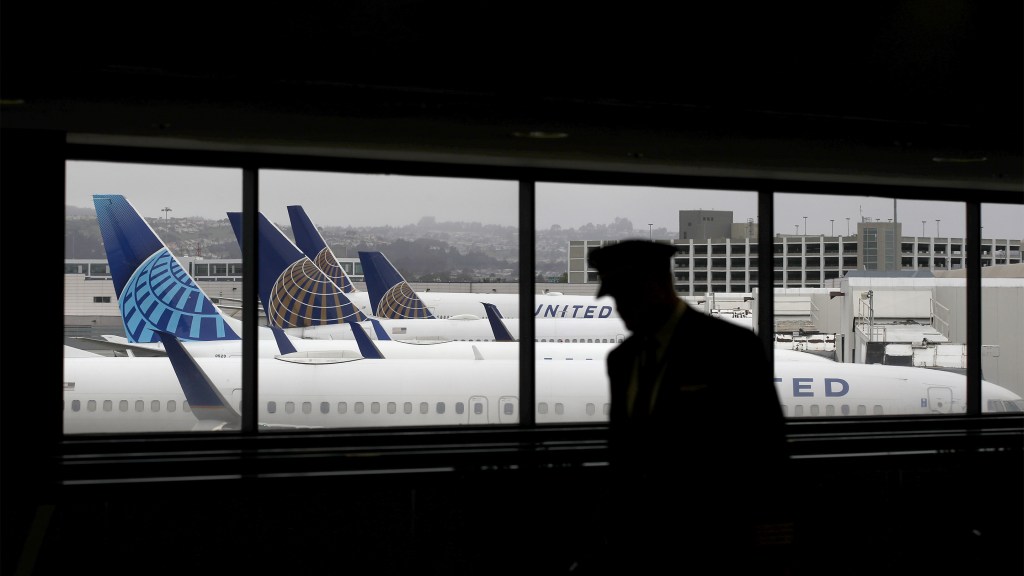
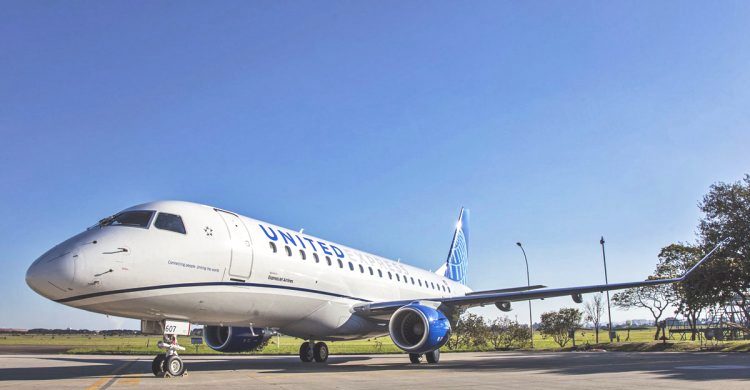
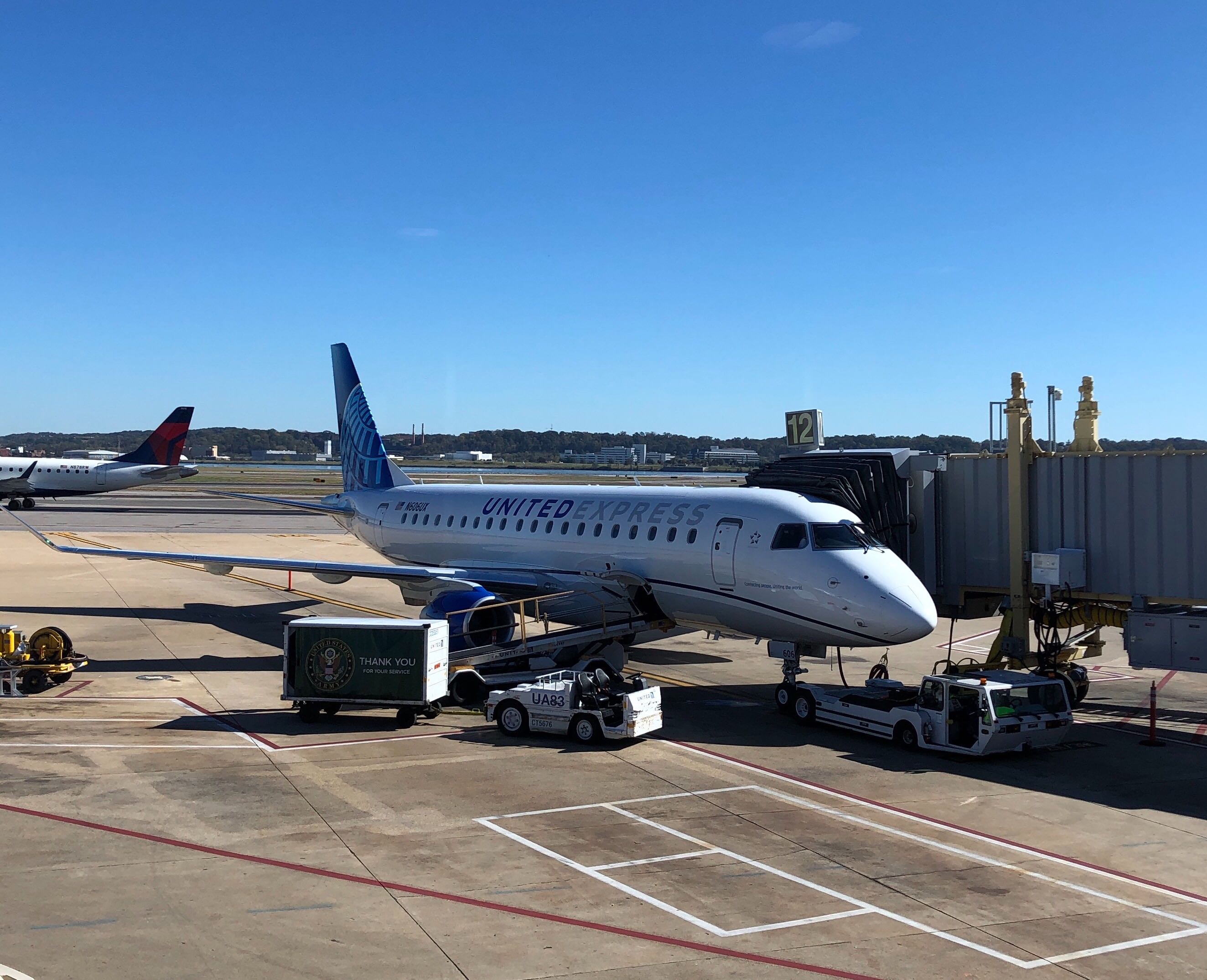
United Airlines ha comunicado el Jueves 27/08 que necesitará recortar 2.850 puestos de trabajo de pilotos entre el 1 Octubre y el 30 de Noviembre 2020 si el Gobierno no extiende un paquete de ayuda a las aerolíneas a cubrir la nómina de los empleados durante otros seis meses mientras capean la pandemia del Coronavirus. Los recortes de empleo, publicados en un memorando a los empleados y compartido con los medios, son significativamente más altos que los anunciados a principios de esta semana por sus rivales Delta Air Lines y American Airlines. “Es importante tener en cuenta que nuestras cifras se basan en la demanda de viajes actual para el resto del año y nuestro programa de vuelo anticipado, que sigue siendo fluido con el resurgimiento de COVID-19 en regiones de los Estados Unidos”, dijo United Airlines en el memorándum.

La aerolínea United Airlines está más expuesto que sus pares a los viajes internacionales, que se espera que tarde más en recuperarse de la pandemia. Las aerolíneas recibieron US$ 25 mil millones en fondos de estímulo del Gobierno de Estados Unidos en Marzo destinados a cubrir las nóminas y proteger los empleos hasta Septiembre 2020. A medida que el dinero se agota sin una recuperación de viajes a la vista, las aerolíneas y los sindicatos han presionado a Washington por otros US$ 25 mil millones, pero las conversaciones se han estancado mientras el Congreso ha luchado por llegar a un acuerdo sobre un paquete de asistencia para el Coronavirus más amplio. Según los términos del primer paquete, no pueden realizar recortes laborales involuntarios hasta el 1 Octubre 2020.

United would cut 2,850 jobs

United Airlines would cut 2,850 pilot jobs

United Airlines announced on Thursday, 08/27 that it will need to cut 2,850 pilot jobs between October 1 and November 30, 2020 if the Government does not extend a package to help airlines cover the payroll of employees for another six months as they weather the Coronavirus pandemic. The job cuts, published in a memo to employees and shared with the media, are significantly higher than those announced earlier this week by rivals Delta Air Lines and American Airlines. «It is important to note that our figures are based on current travel demand for the remainder of the year and our anticipated flight schedule, which remains fluid with the resurgence of COVID-19 in regions of the United States», said United Airlines in the memorandum.

United Airlines is more exposed than its peers to international travel, which is expected to take longer to recover from the pandemic. Airlines received US$ 25 billion in stimulus funding from the US government in March to cover payroll and protect jobs through September 2020. As money runs out with no travel recovery in sight, airlines and unions have lobbied Washington for another US$ 25 billion, but talks have stalled as Congress has struggled to agree on a broader Coronavirus assistance package. Under the terms of the first package, they cannot make involuntary job cuts until October 1, 2020.

Ξ A I R G W A Y S Ξ
PUBLISHER: Airgways.com
DBk: United.com / Airgways.com
AW-POST: 202008281050AR

A\W   A I R G W A Y S ®

Texel Air 1er 737-700 FlexCombi

Texel Air welcomes the world's first B737-700 FlexCombi from Pemco

AW | 2020 08 28 09:22 | AIRLINES / INDUSTRY / MRO

Aerolínea TexelAir toma entrega primer 737-700 FleCombi

Pemco World Air Services (Pemco) ha transferido el primer Boeing 737-700NG FlexCombi (FC) a Texel Air. Pemco, el especialista en reconversiones de aeronaves del mundo ha mostrado el primero al Boeing 737-700NG FC con los colores del cliente de lanzamiento Texel Air en el Bahrain Air Show 2018. La orden de conversión fue otorgada por Chisholm Enterprises, con sede en Bahrein, para su despliegue con la subsidiaria de carga Texel Air, que se estableció en 2013. La compañía de carga comenzará a operar vuelos comerciales en el transcurso de 2020, además de dos variantes 737-300SF.

Tres configuraciones

En la versión Flex-Combi, opcionalmente puede transportar 24 pasajeros y hasta 13.600 kg de mercancía en seis paletas en el área de carga con un volumen de casi 75 metros cúbicos. Si se eligen doce pasajeros, el volumen de bodega aumentará a 85 metros cúbicos con un máximo de 15,8 toneladas de carga en siete paletas. Si todos los asientos permanecen fuera, ocho pallets pueden transportar hasta 18.000 kg de carga.

Pemco comenzó a convertir el primer 737-300 en 1991 y entregó el centésimo avión de este tipo en 2017. El Certificado de tipo suplementario de EE.UU. para el 737-700NG FC se emitió en Julio 2020. Pemco ahora también trabajará en un certificado adicional europeo y chino.

La empresa de conversión también tiene la intención de derivar una variante de carguero completa del 737-700. Ese avión podrá transportar hasta 20,5 toneladas de carga en nueve pallets. Además de Pemco, Israel Aerospace Industries (IAI) también se dedica a la conversión de Boeings del tipo 737-700 en aviones de carga. IAI entregó el primer avión de este tipo a Alaska Air Cargo. Se entregaron 1.128 Boeing 737-700 entre Marzo 1998 y Septiembre 2017.

Texel Air 1er 737-700 FlexCombi

Texel Air airline takes delivery of first 737-700 FleCombi

Pemco World Air Services (Pemco) has transferred the first Boeing 737-700NG FlexCombi (FC) to Texel Air. Pemco, the world’s aircraft retrofit specialist, has shown the first Boeing 737-700NG FC in the colors of launch customer Texel Air at the 2018 Bahrain Air Show. The conversion order was awarded by Bahrain-based Chisholm Enterprises, for deployment with the cargo subsidiary Texel Air, which was established in 2013. The cargo company will begin operating commercial flights in the course of 2020, in addition to two 737-300SF variants.

Three configurations

In the Flex-Combi version, it can optionally transport 24 passengers and up to 13,600 kg of goods on six pallets in the cargo area with a volume of almost 75 cubic meters. If twelve passengers are chosen, the hold volume will increase to 85 cubic meters with a maximum of 15.8 tons of cargo on seven pallets. If all the seats remain outside, eight pallets can carry up to 18,000 kg of cargo.

Pemco began converting the first 737-300 in 1991 and delivered the 100th aircraft of this type in 2017. The US Supplemental Type Certificate for the 737-700NG FC was issued in July 2020. Pemco will now also work on an additional European and Chinese certificate.

The conversion company also intends to derive a full freighter variant of the 737-700. This plane will be able to transport up to 20.5 tons of cargo on nine pallets. In addition to Pemco, Israel Aerospace Industries (IAI) is also engaged in the conversion of Boeings of the type 737-700 into cargo aircraft. IAI delivered the first aircraft of this type to Alaska Air Cargo. 1,128 Boeing 737-700 were delivered between March 1998 and September 2017.

Bahrain's aviation sector marks a milestone

Texel Air 1er 737-700 FlexCombi

TexelAir neemt de eerste 737-700 FleCombi in ontvangst

Pemco World Air Services (Pemco) heeft de eerste Boeing 737-700NG FlexCombi (FC) overgedragen aan Texel Air. Pemco, ‘s werelds specialist in vliegtuigrenovatie, heeft op de Bahrain Air Show 2018 de eerste Boeing 737-700NG FC in de kleuren van lanceerklant Texel Air getoond. De opdracht tot conversie werd toegekend door het in Bahrein gevestigde Chisholm Enterprises , voor inzet bij de in 2013 opgerichte vrachtdochter Texel Air. Naast twee varianten 737-300SF zal de vrachtmaatschappij in de loop van 2020 beginnen met commerciële vluchten.

Drie configuraties

In de Flex-Combi-versie kan hij optioneel 24 passagiers en tot 13.600 kg goederen vervoeren op zes pallets in de laadruimte met een inhoud van bijna 75 kubieke meter. Als er voor twaalf passagiers wordt gekozen, neemt het ruimvolume toe tot 85 kubieke meter met een maximum van 15,8 ton vracht op zeven pallets. Als alle stoelen buiten blijven, kunnen acht pallets tot 18.000 kg vracht vervoeren.

Pemco begon in 1991 met de ombouw van de eerste 737-300 en leverde in 2017 het 100ste vliegtuig van dit type af. Het US Supplemental Type Certificate voor de 737-700NG FC werd in Juli 2020 afgegeven. Pemco zal nu ook werken aan een aanvullend Europees en Chinees certificaat.

Het ombouwbedrijf is ook van plan om een ​​full freighter variant van de 737-700 af te leiden. Dit vliegtuig kan tot 20,5 ton vracht vervoeren op negen pallets. Naast Pemco houdt Israel Aerospace Industries (IAI) zich ook bezig met de ombouw van Boeings van het type 737-700 tot vrachtvliegtuigen. IAI heeft het eerste vliegtuig van dit type aan Alaska Air Cargo geleverd. Tussen Maart 1998 en September 2017 werden 1128 Boeing 737-700 geleverd.

Ξ A I R G W A Y S Ξ
PUBLISHER: Airgways.com
DBk: Texelair.com / Pilootenvliegtuig.nl / Airgways.com / Aircargonews.net
AW-POST: 202008280922AR

A\W   A I R G W A Y S ®

EEUU evalúa más ayudas a aerolíneas

AW | 2020 08 27 10:57 | GOVERNMENT / AIRLINES

Administración Trump evalúa emitir decreto ayudas a aerolíneas

La Casa Blanca podría recurrir a un decreto para ofrecer una nueva ayuda financiera a las aerolíneas afectadas por el cierre que trajo la pandemia de Covid-19. Desde la arena política existe fuego cruzado por la falta de atenciones a las ayudas para las diferentes áreas necesitadas, entre ellas la aviación comercial. El Secretario General de la Casa Blanca, Mark Meadows, ha acusado al Congreso de no trabajar luego de que compañías aéreas anunciaron dar licencias obligadas a miles de trabajadores. Dado que las conversaciones se estancaron hace semanas, Nancy Pelosi la Presidente de la Cámara de Representantes de Estados Unidos junto a la minoría del Senado, Chuck Schumer, acusaron a Mark Meadows y al Secretario del Tesoro, Steve Mnuchin, de no estar dispuestos a comprometerse.

Mientras se desarrolla el estancamiento partidista, muchos estadounidenses y empresas están pasando apuros. Esta semana, American Airlines ha anunciado que tendrá que despedir a 19.000 trabajadores si no recibe más ayuda federal para Octubre 2020.

Como si no hubiera mucho en juego, la fecha límite para financiar al Gobierno Federal es el 30 Septiembre 2020, lo que deja a muchos preocupados porque el estancamiento sobre un paquete de ayudas. No está claro cuándo se reanudarán las negociaciones formales entre Pelosi, Schumer y la Casa Blanca. La Cámara en pleno y el Senado no regresarán al Capitolio hasta después del Día del Trabajo, el primer Lunes del mes de Septiembre.

US evaluates more airline aid

Trump administration considers issuing decree to help airlines

The White House could resort to a decree to offer new financial aid to the airlines affected by the closure that brought the Covid-19 pandemic. From the political arena there is a crossfire due to the lack of attention to aid for the different needy areas, including commercial aviation. White House Secretary General Mark Meadows has accused Congress of not working after airlines announced compulsory licensing of thousands of workers. With talks stalling for weeks, Nancy Pelosi, Speaker of the US House of Representatives, along with Senate minority Chuck Schumer, accused Mark Meadows and Secretary of the Treasury Steve Mnuchin of being unwilling to compromise.

As partisan stalemate unfolds, many Americans and businesses are struggling. This week, American Airlines announced that it will have to lay off 19,000 workers if it does not receive more federal aid by October 2020.

As if there weren’t much at stake, the deadline to fund the Federal Government is September 30, 2020, which leaves many concerned about the stagnation on an aid package. It is not clear when formal negotiations between Pelosi, Schumer and the White House will resume. The full House and Senate will not return to the Capitol until after Labor Day, the first Monday of September.

Ξ A I R G W A Y S Ξ
PUBLISHER: Airgways.com
DBk: Usa.gov / Treasury.gov / Airgways.com
AW-POST: 202008271057AR

A\W   A I R G W A Y S ®

Reunión Gobierno aviación Argentina

AW | 2020 08 26 16:45 | AVIATION / AIRLINES / GOVERNMENT

Ministerio Transporte busca definir reapertura aviación comercial

El Ministerio de Transporte se ha reunido con el Gabinete de Gobierno de Argentina para esgrimir las definiciones para la reapertura de la aviación comercial. La República Argentina ha establecido la cuarentena más larga del mundo, con muchos reclamos por cierto, pero al mismo tiempo con muchos aciertos en materia sanitaria. El responsable de la cartera de Transporte, Mario Meoni, espera que se aprueben los protocolos sanitarios para una reapertura ordenada de los vuelos domésticos. El Ministerio de Transporte ha entregado lineamientos en la sala de espera, para que el Ministerio de Salud apruebe un Protocolo Integral de Viajeros que permita retomar a la brevedad los vuelos comerciales de cabotaje.

El denominado Gabinete de Promoción Federal analizó este Martes 25/08 la situación del transporte aéreo en la Casa Rosada, sede del Gobierno Nacional, durante una reunión con la participación del Jefe de Gabinete, Santiago Cafiero, y los Ministros del Interior, Eduardo de Pedro; Transporte, Mario Meoni; Educación, Nicolás Trotta; Cultura, Tristán Bauer; y de Turismo y Deportes, Matías Lammens; además de la Vicejefa de Gabinete, Cecilia Todesca; y el Secretario de Obras Públicas, Martín Gill. Mario Meoni actuó como vocero del encuentro, manifestó que se pudo repasar el programa de inversiones para los meses siguientes y el año próximo, con la idea de que pasada la pandemia poner a la Argentina en movimiento y recuperar rápidamente la actividad económica. Al finalizar la reunión, el Ministro de Transporte dijo esperar a que cuanto antes se puedan dar las condiciones para habilitar los vuelos, algo que estaba previsto para el 1 de septiembre debió ser postergado.

El Ministerio de Transporte ha resaltado que se está trabajando en un protocolo integral de viajeros para todas las modalidades que va a analizar desde el 26/08 con el Ministerio de Salud a partir del cual espera poder fijar una fecha para la reanudación de los vuelos de cabotaje.

«Mi voluntad es cuanto antes porque hay una situación de muchas personas dentro del país incomunicadas. La recomposición del cabotaje tanto en materia de vuelos como de larga distancia», aseveró Mario Meoni. La aviación comercial se ha visto paralizada desde mediados de Marzo 2020, que junto con la industria turística han impactado seriamente afectadas por la cuarentena.

El Ministro de Transporte ha expresado una aproximación acerca de la vuelta de los vuelos en Argentina: «La reanudación de los vuelos se dará mucho antes del verano. Se están aplicando protocolos sobre materiales y productos que puedan impactar en la mortandad del virus en al aire y las superficies». Las tecnologías aplicadas a la seguridad sanitaria permitirán innovar para poder viajar de manera segura y responsable.

Aeropuerto El Palomar

El Ministerio de Transporte ha avanzado con las declaraciones respecto a la decisión sobre la continuidad del Aeropuerto Internacional El Palomar, que entró en zona de conflicto dentro del Gobierno. «En cuanto a El Palomar, apuntó que se irá analizando en los próximos días», aunque advirtió de la «sobredimensión que hay que sostener en el tiempo, que no tiene que ver con cómo opera cada lugar o con qué compañías sino cuánto cuesta mantener esas pistas. Habrá que tomar una decisión con El Palomar a la par que vuelvan los vuelos en las próximas semanas», dijo.

Esta semana salieron a defender el Aeropuerto El Palomar los intendentes de Morón y Tres de Febrero. El ex intendente Ramiro Tagliaferro estuvo en la protesta de la semana pasada en la puerta del aeropuerto low cost.

En Julio 2020 fue la concesionaria AA2000 la que pidió un cierre de esa terminal en forma temporal. Pero desde un ala del kirchnerismo ya venían presionando para que eso ocurra y así beneficiar a Aerolíneas Argentinas. Desde el Ministerio de Transporte, han discimulado las intenciones alegando que ahora es un asunto de costos/beneficios y no necesariamente de seguridad ambiental.

Cuenta regresiva

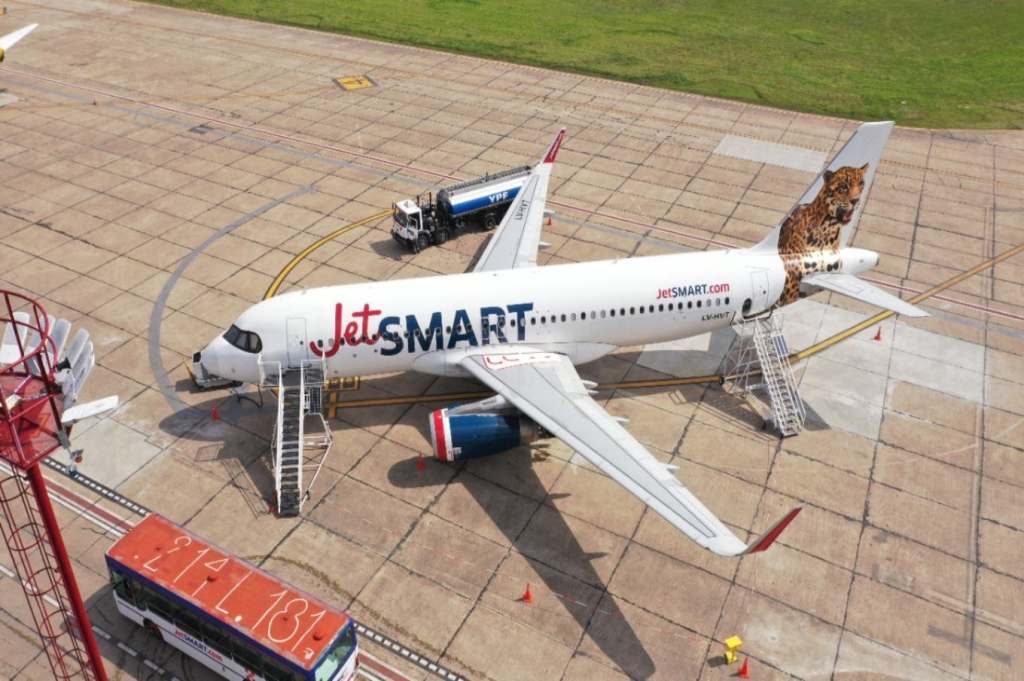
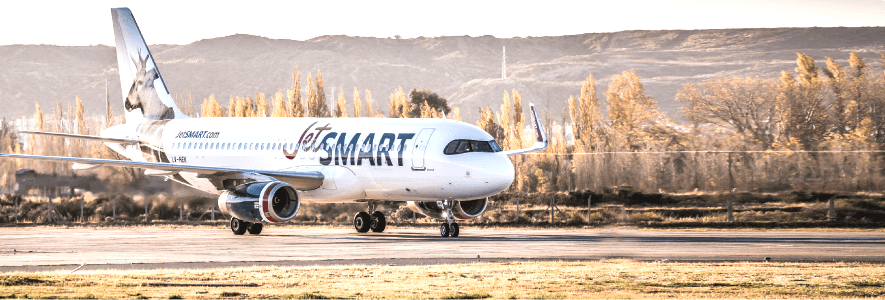
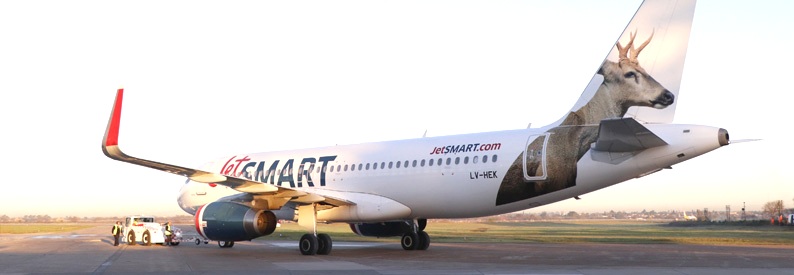
El Gobierno de Argentina deberá atender las urgencias del sector de las líneas aéreas ante la puesta en tierra de más de cinco meses de inactividad donde la industria ha impactado vorazmente acelerando la cancelación de los servicios de Norwegian Air Argentina, la partida de Latam Airlines Argentina, la presentación de convocatoria de Flyest Líneas Aéreas y la liquidación de LAER Líneas Aéreas. Sumado a este panorama, la situación de la low cost Flybondi Líneas Aéreas había advertido oportunamente que tenía oxígeno hasta Julio 2020, pero la extensión de la cuarentena ha obligado a replantear la situación económica. La misma situación atraviesa JetSmart Airlines Argentina ante las indefiniciones del Gobierno nacional.

El CEO interino de Flybondi, Mauricio Sana, expresó respecto al tiempo de stand-by de la aviación comercial: «La economía de Flybondi entró en tiempo de descuento. En los primeros meses, esperamos una demanda un 70% abajo de la habitual y volaremos con uno o dos aviones. Hicimos reducciones salariales y achicamos los costos de leasing», describió el ejecutivo con un tono poco optimista. Los dichos han encendiendo las alarmas entre los aviadores respecto a las capacidades de las aerolíneas para sobrevivir a corto plazo.

La última palabra está en poder del Gobierno de Argentina aunado a la buena voluntad para alcanzar un consenso oportuno y rediagramar una política más responsable hacia el futuro de la aviación comercial en el país de la América Austral.

Government meeting for Argentina aviation

Ministry of Transportation seeks to define commercial air reopening

The Ministry of Transportation has met with the Argentine Government Cabinet to put forward the definitions for the reopening of commercial aviation. The Argentine Republic has established the longest quarantine in the world, with many complaints indeed, but at the same time with many successes in health matters. The head of the Transport portfolio, Mario Meoni, hopes that the sanitary protocols for an orderly reopening of domestic flights will be approved. The Ministry of Transportation has delivered guidelines in the waiting room, so that the Ministry of Health approves a Comprehensive Travelers Protocol that allows commercial cabotage flights to resume as soon as possible.

The so-called Federal Promotion Cabinet analyzed this Tuesday 08/25 the situation of air transport in the Casa Rosada, headquarters of the National Government, during a meeting with the participation of the Chief of Cabinet, Santiago Cafiero, and the Ministers of the Interior, Eduardo de Pedro; Transport, Mario Meoni; Education, Nicolás Trotta; Culture, Tristán Bauer; and from Tourism and Sports, Matías Lammens; in addition to the Deputy Chief of Cabinet, Cecilia Todesca; and the Secretary of Public Works, Martín Gill. Mario Meoni acted as a spokesperson for the meeting, said that the investment program for the following months and next year could be reviewed, with the idea that after the pandemic, put Argentina in motion and quickly recover economic activity. At the end of the meeting, the Minister of Transport said to wait until the conditions to enable the flights could be met as soon as possible, something that was scheduled for September 1, 2020 had to be postponed.

The Ministry of Transport has highlighted that it is working on a comprehensive passenger protocol for all modalities that it will analyze from 08/26 with the Ministry of Health, from which it hopes to be able to set a date for the resumption of flights from cabotage.

«My will is as soon as possible because there is a situation of many people in the country isolated. The recomposition of cabotage both in terms of flights and long distance», said Mario Meoni. Commercial aviation has been paralyzed since mid-March 2020, which together with the tourism industry have been seriously affected by the quarantine.

The Minister of Transport has expressed an approximation about the return of flights in Argentina: «The resumption of flights will take place long before the summer. Protocols are being applied on materials and products that may impact on the death of the virus in the air. and surfaces». Technologies applied to health security will allow innovation to travel safely and responsibly.

El Palomar Airport

The Ministry of Transportation has advanced with the statements regarding the decision on the continuity of the El Palomar International Airport, which entered a conflict zone within the Government. «As for El Palomar, he pointed out that it will be analyzed in the coming days», although he warned of the «oversize that must be sustained over time, which does not have to do with how each place operates or with which companies but how much it costs to maintain those tracks. We will have to make a decision with El Palomar as the flights return in the coming weeks», he said.

This week the mayors of Morón and Tres de Febrero came out to defend the El Palomar Airport. Former Mayor Ramiro Tagliaferro was at the protest last week at the low cost airport gate.

In July 2020, it was the AA2000 concessionaire that requested a temporary closure of that terminal. But from a wing of Kirchnerism they were already pressing for that to happen and thus benefit Aerolíneas Argentinas. From the Ministry of Transport, they have concealed the intentions claiming that now it is a matter of costs/benefits and not necessarily of environmental safety.

Countdown

The Government of Argentina will have to attend to the emergencies of the airline sector before the grounding of more than five months of inactivity where the industry has voraciously impacted by accelerating the cancellation of Norwegian Air Argentina services, the departure of Latam Airlines Argentina, the presentation of the call for Flyest Líneas Aéreas and the liquidation of LAER Líneas Aéreas. In addition to this panorama, the situation of the low cost Flybondi Líneas Aéreas had timely warned that it had oxygen until July 2020, but the extension of the quarantine has forced to rethink the economic situation. The same situation is going through JetSmart Airlines Argentina before the indefiniteness of the national Government.

The interim CEO of Flybondi, Mauricio Sana, expressed regarding the stand-by time of commercial aviation: «The economy of Flybondi entered into discount time. In the first months, we expect a demand 70% below the usual and we will fly with one or two planes. We made salary reductions and reduced leasing costs», the executive described with a not very optimistic tone. The sayings have set off alarms among aviators regarding the airlines’ capabilities to survive in the short term.

The last word is in the power of the Government of Argentina together with the good will to reach a timely consensus and redesign a more responsible policy towards the future of commercial aviation in the country of Southern America.

Ξ A I R G W A Y S Ξ
PUBLISHER: Airgways.com
DBk: Argentina.gob.ar/transporte / Unmedioenmoron.com.ar / Airgways.com
AW-POST: 202008261645AR

A\W   A I R G W A Y S ®