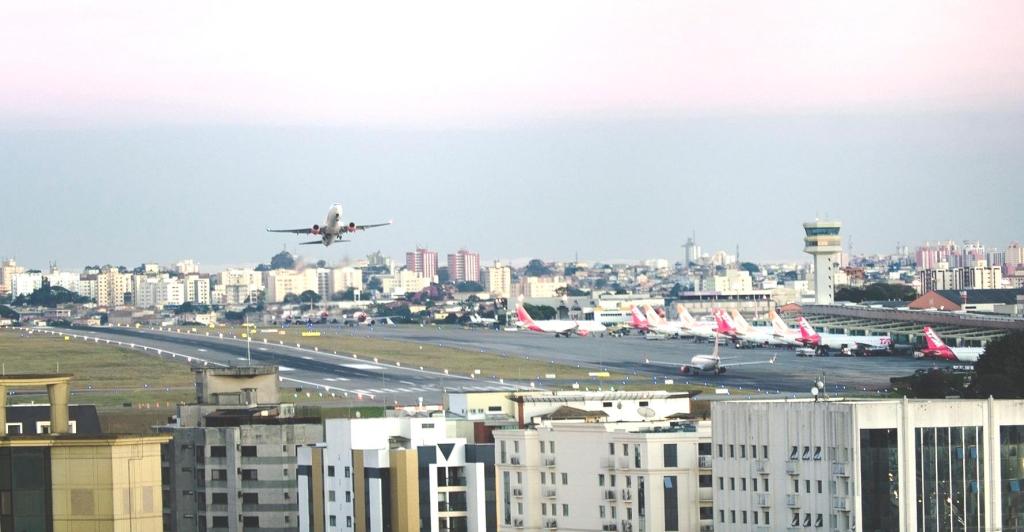
VoePass no suspende ops en Aeropuerto Congonhas por obras
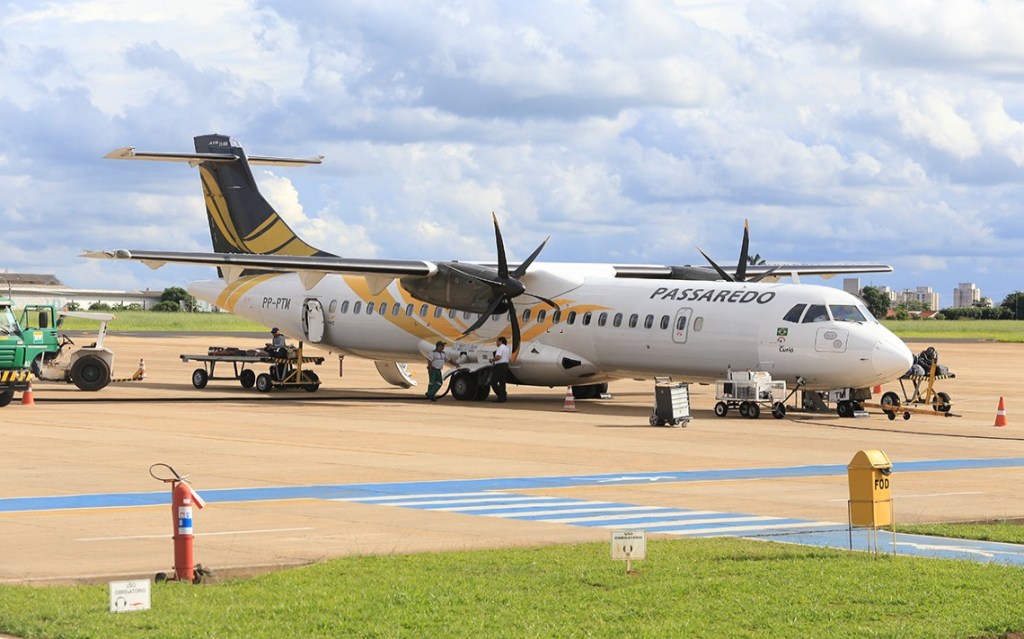
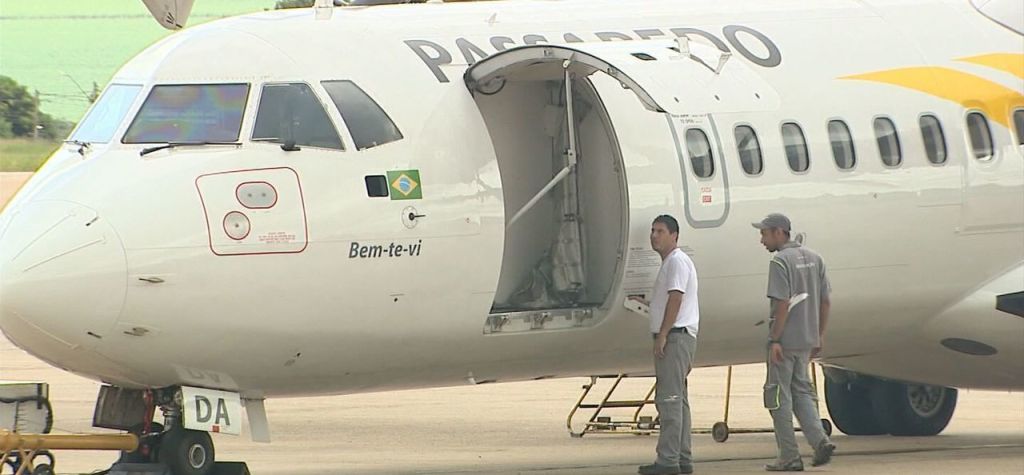
Las renovaciones en la pista principal del Aeropuerto Congonhas, permitirá a VoePass Linhas Aéreas continuar sus operaciones desde la Pista Auxiliar. La aerolínea regional unirá São Paulo a Río de Janeiro/SDU con Ribeirão Preto (SP). La compañía llevó a cabo un análisis técnico y fue aprobado por ANAC para adaptar las operaciones en la pista auxiliar de Congonhas, haciéndolo compatible con los modelos de aviones turbohéluice ATR 72-600 que serán utilizados por la compañía para este tipo de pista auxiliar.
Con los nuevos vuelos, Ribeirão Preto tendrá operaciones diarias de Domingo a Viernes a Río de Janeiro/SDU, con una escala en São Paulo. Las frecuencias serán diarias, saliendo de São Paulo serán a las 08:50 hs y a las 16:00 hs llegando a Río de Janeiro a las 10:20 hs y a las 17:30 hs. En la ruta opuesta, los vuelos tienen lugar a las 10:50 hs y a las 18:00 hs de Río de Janeiro, llegando a la ciudad de São Paulo a las 12:20 hs y a las 19:30 hs. A Ribeirão Preto los vuelos de ida a Congonhas se realizan diariamente a las 07:00 hs con regreso a las 20:10 hs.
La compañía reanudó sus operaciones a principios de Julio 2020 después de que las rutas fueron suspendidas debido a la pandemia. “El regreso de la operación en Congonhas durante este período de construcción es otro paso en nuestra reanudación. Desde julio, regresamos con el 47% de nuestros destinos previamente operados y el objetivo es agregar más y más”, comentó el Presidente José Luiz Felício Filho.
VoePass ops in Congonhas
VoePass does not suspend ops at Congonhas Airport due to works
The renovations on the main runway at Congonhas Airport will allow VoePass Linhas Aéreas to continue its operations from the Auxiliary Runway. The regional airline will link São Paulo to Rio de Janeiro/SDU with Ribeirão Preto (SP). The company carried out a technical analysis and was approved by ANAC to adapt operations on the Congonhas auxiliary runway, making it compatible with the ATR 72-600 turboprop aircraft models that will be used by the company for this type of auxiliary runway.
With the new flights, Ribeirão Preto will have daily operations from Sunday to Friday to Rio de Janeiro/SDU, with a stopover in São Paulo. Frequencies will be daily, leaving São Paulo at 08:50 and 16:00 arriving in Rio de Janeiro at 10:20 and 17:30. On the opposite route, flights take place at 10:50 a.m. and 6:00 p.m. from Rio de Janeiro, arriving in the city of São Paulo at 12:20 p.m. and 7:30 p.m. To Ribeirão Preto, the outward flights to Congonhas are made daily at 07:00 am with return at 20:10 pm.
The company resumed operations in early July 2020 after the routes were suspended due to the pandemic. “The return of the operation in Congonhas during this construction period is another step in our resumption. Since July, we have returned with 47% of our previously operated destinations and the objective is to add more and more”, said President José Luiz Felício Filho.
VoePass ops em Congonhas
VoePass não suspende operações em Congonhas devido a obras
As reformas na pista principal do Aeroporto de Congonhas permitirão que o VoePass Linhas Aéreas continue suas operações a partir da pista auxiliar. A companhia aérea regional ligará São Paulo ao Rio de Janeiro / SDU com Ribeirão Preto (SP). A empresa realizou uma análise técnica e foi aprovada pela ANAC para adaptar as operações na pista auxiliar de Congonhas, tornando-a compatível com os modelos de aeronaves turboélice ATR 72-600 que serão utilizadas pela empresa para esse tipo de pista auxiliar.
Com os novos voos, Ribeirão Preto terá operações diárias de domingo a sexta-feira para o Rio de Janeiro/SDU, com escala em São Paulo. As frequências serão diárias, saindo de São Paulo às 08:50 e 16:00 chegando ao Rio de Janeiro às 10:20 e 17:30. Na rota oposta, os vôos acontecem às 10h50 e às 18h do Rio de Janeiro, chegando à cidade de São Paulo às 12h20 e 19h30. Para Ribeirão Preto, os vôos de ida e volta para Congonhas são feitos diariamente às 07:00 e retorno às 20:10.
A empresa retomou as operações no início de julho de 2020, depois que as rotas foram suspensas devido à pandemia. “O retorno da operação em Congonhas durante este período de construção é mais um passo em nossa retomada. Desde julho, retornamos com 47% de nossos destinos operados anteriormente e o objetivo é adicionar cada vez mais”, afirmou o presidente José Luiz Felício Filho.
Ξ A I R G W A Y S Ξ PUBLISHER: Airgways.com DBk: Voepass.com.br / Airgways.com AW-POST: 202007220951AR
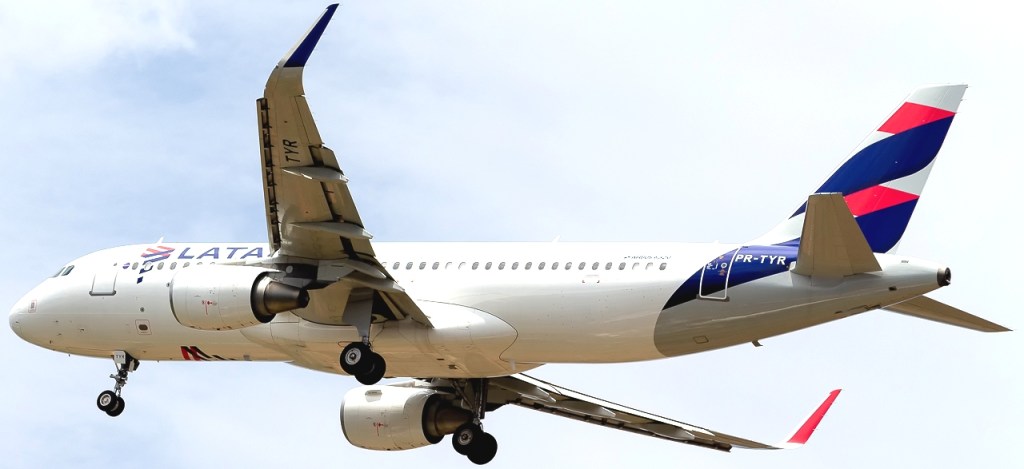
Latam vuelos nacionales 50% y reanudará internacionales
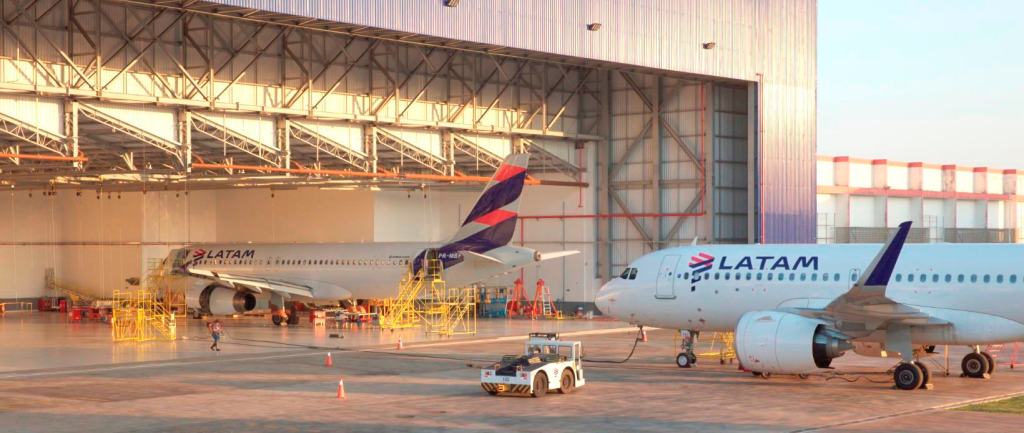
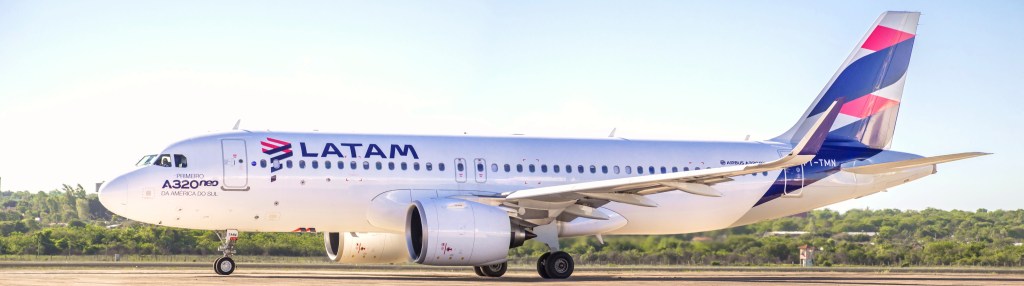
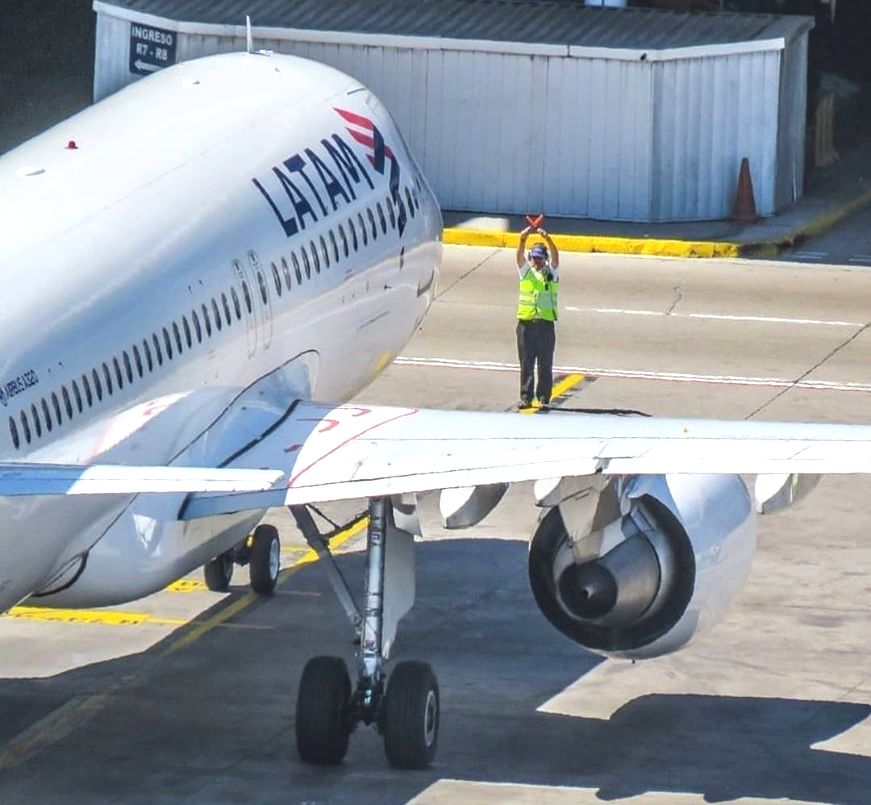
Latam Airlines Brasil tendrá un aumento del 50% en el número de vuelos nacionales en los meses de Agosto y Septiembre 2020. La expansión en comparación con Julio, cuyo promedio diario de vuelos operados por la compañía es de alrededor de 110 servicios, todavía está muy por debajo del número de vuelos operados por la compañía en el mismo período interanual de 2019, cuando el promedio diario era de 750 vuelos en Brasil.
La medida para Agosto-Septiembre fortalecerá los principales centros de la compañía en Guarulhos/São Paulo y Brasilia, con más destinos y conectividad. Este aumento en la capacidad ofrecerá a los clientes conexiones diarias, a través de Guarulhos/São Paulo a más de 300 ciudades y aproximadamente 200 ciudades de Brasilia. El aumento de capacidad entre Agosto y Septiembre llegará a aproximadamente 37 ciudades vía Guarulhos y 28 ciudades vía Brasilia. Además, la compañía aumenta su conectividad al llegar a más de 450 combinaciones de ciudades a través de sus centros, además de mantener operaciones en Congonhas y Santos Dumont para los principales aeropuertos corporativos. El centro de Guarulhos conectará 19 ciudades brasileñas con la red internacional de Latam, que ya conecta ciudades como Lisboa, Madrid, Frankfurt, Londres, Miami y Santiago. En agosto y septiembre, habrá aún más incrementos para destinos como Lima, Nueva York, México, Montevideo, Buenos Aires/Ezeiza y Asunción.
“Al mismo tiempo que continuamos nuestra reestructuración financiera y garantizamos el compromiso de acceso a más de 12 mil millones de reales por DIP (deudor en posesión), sin la ayuda de los gobiernos hasta ahora, Latam Brasil acelera nuevamente y aumenta su oferta de vuelo Esta es una clara señal del compromiso de Latam de seguir siendo la principal aerolínea en Brasil, ahora y en el futuro”, comenta Jerome Cadier, CEO de Latam Brasil.
La lista completa de vuelos programados por la compañía y todos los detalles de cada ruta estarán disponibles en el sistema de vuelo desde la próxima semana hasta la primera semana de agosto. «La compañía continúa evaluando el mercado, en vista del aumento potencial de la demanda y la reapertura de las fronteras, para continuar con la reanudación de los vuelos de manera gradual, responsable y equilibrada», dijo Latam Airlines Brasil.
Latam Brasil increases flights
Latam will increase national flights 50% and resume international
Latam Airlines Brasil will have a 50% increase in the number of domestic flights in the months of August and September 2020. The expansion compared to July, whose daily average of flights operated by the company is around 110 services, is still very below the number of flights operated by the company in the same year-on-year period of 2019, when the daily average was 750 flights in Brazil.
The measure for August-September will strengthen the company’s main centers in Guarulhos/São Paulo and Brasilia, with more destinations and connectivity. This increase in capacity will offer customers daily connections, through Guarulhos/São Paulo, to more than 300 cities and approximately 200 cities in Brasilia. The increase in capacity between August and September will reach approximately 37 cities via Guarulhos and 28 cities via Brasilia. In addition, the company increases its connectivity by reaching more than 450 city combinations through its centers, in addition to maintaining operations in Congonhas and Santos Dumont for the main corporate airports. The Guarulhos center will connect 19 Brazilian cities to Latam’s international network, which already connects cities such as Lisbon, Madrid, Frankfurt, London, Miami and Santiago. In August and September, there will be even more increases for destinations such as Lima, New York, Mexico, Montevideo, Buenos Aires/Ezeiza and Asunción.
«At the same time as we continue our financial restructuring and guarantee the commitment of access to more than 12 billion reais per DIP (debtor in possession), without the help of governments so far, Latam Brasil is accelerating again and increasing its flight offer This is a clear sign of Latam’s commitment to continue being the main airline in Brazil, now and in the future”, says Jerome Cadier, CEO of Latam Brazil.
The complete list of flights scheduled by the company and all the details of each route will be available in the flight system from next week until the first week of August. «The company continues to evaluate the market, in view of the potential increase in demand and the reopening of the borders, to continue with the resumption of flights in a gradual, responsible and balanced manner», said Latam Airlines Brasil.
Latam Brasil aumenta vôos
Latam aumentará 50% vôos nacionais e retomará internacionais
A Latam Airlines Brasil terá um aumento de 50% no número de vôos domésticos nos meses de Agosto e Setembro de 2020. A expansão em relação a julho, cuja média diária de vôos operados pela empresa é de cerca de 110 serviços, ainda é muito alta. abaixo do número de voos operados pela empresa no mesmo período de 2019, quando a média diária era de 750 vôos no Brasil.
A medida de Agosto a Setembro fortalecerá os principais centros da empresa em Guarulhos/São Paulo e Brasília, com mais destinos e conectividade. Esse aumento de capacidade oferecerá aos clientes conexões diárias, através de Guarulhos/São Paulo, para mais de 300 cidades e aproximadamente 200 cidades em Brasília. O aumento da capacidade entre Agosto e Setembro alcançará aproximadamente 37 cidades via Guarulhos e 28 cidades via Brasília. Além disso, a empresa aumenta sua conectividade, alcançando mais de 450 combinações de cidades por meio de seus centros, além de manter operações em Congonhas e Santos Dumont para os principais aeroportos corporativos. O centro de Guarulhos conectará 19 cidades brasileiras à rede internacional da América Latina, que já conecta cidades como Lisboa, Madri, Frankfurt, Londres, Miami e Santiago. Em agosto e setembro, haverá ainda mais aumentos para destinos como Lima, Nova York, México, Montevidéu, Buenos Aires/Ezeiza e Assunção.
«Ao mesmo tempo em que continuamos nossa reestruturação financeira e garantimos o compromisso de acesso a mais de 12 bilhões de reais por DIP (devedor em posse), sem a ajuda dos governos até agora, a Latam Brasil está se acelerando novamente e aumentando sua oferta de voos Este é um sinal claro do compromisso da Latam de continuar sendo a principal companhia aérea no Brasil, agora e no futuro”, diz Jerome Cadier, CEO da Latam Brasil.
A lista completa de voos programados pela empresa e todos os detalhes de cada rota estarão disponíveis no sistema de vôo da próxima semana até a primeira semana de agosto. «A empresa continua avaliando o mercado, tendo em vista o potencial aumento da demanda e a reabertura das fronteiras, para continuar com a retomada dos vôos de forma gradual, responsável e equilibrada», afirmou Latam Airlines Brasil.
Ξ A I R G W A Y S Ξ PUBLISHER: Airgways.com DBk: Latam.com / Mercadoeeventos.com.br / Airgways.com AW-POST: 202007220932AR
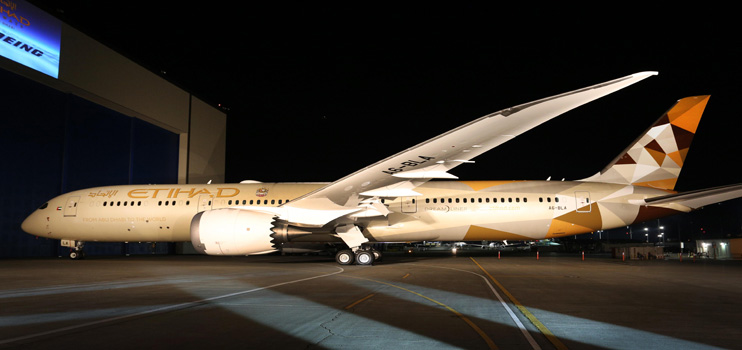
Boeing acuerda cadena suministro con Etihad Airways
The Boeing Company y Etihad Airways, la aerolínea nacional de los Emiratos Árabes Unidos, han concluido acuerdos para varias soluciones de cadena de suministro. Estos acuerdos fortalecen el compromiso de Etihad de garantizar el rendimiento y la disponibilidad de sus aeronaves a tiempo. Los acuerdos de servicios de la cadena de suministro de The Boeing Company fortalecen la excelencia operativa de la aerolínea árabe Etihad Airways. Los acuerdos de una década respaldan las operaciones de la cadena de suministro de la flota de Etihad. Las soluciones de la cadena de suministro apoyarán los aviones Boeing 787 Dreamliner.
Las soluciones incluidas en los acuerdos mínimos de 10 años ayudarán a la aerolínea a simplificar la gestión de activos y mantenimiento, reducir los costos de repuestos y mejorar la disponibilidad de repuestos. Los nuevos contratos incluyen el programa de servicios de componentes de Boeing, el programa de intercambio de tren de aterrizaje y las compras de kits de cambio rápido de motor.
«Garantizar los más altos estándares en la flota de Etihad Airway es solo una de las formas en que continuamos estableciendo el estándar de excelencia operativa a nivel mundial. Al asociarnos con Boeing como OEM de los 787 de Etihad, nos aseguramos de que la flota reciba los más altos niveles de soporte de mantenimiento para aumentar la confiabilidad y la eficiencia. Estos acuerdos continúan demostrando la fuerza de la asociación del Grupo de Aviación Etihad. Esta es una demostración importante del enfoque continuo de Etihad hacia el mundo post-COVID y los esfuerzos de la aerolínea para establecer el punto de referencia para la excelencia operativa tanto en producto como en sostenibilidad, así como el rendimiento técnico y la eficiencia», dijo Mohammad Al Bulooki, Director de Operaciones de Etihad Airways.
Los acuerdos continúan la asociación estratégica entre Boeing y Etihad Airways anunciada durante el Dubai Air Show en 2019. «Estamos encantados de que Etihad, líder del mercado, haya elegido optimizar la confiabilidad y eficiencia de su flota al elegir el Programa de Servicios de Componentes de Boeing, fortaleciendo aún más nuestra asociación de larga data. El equipo de Boeing está listo para apoyar las operaciones de clase mundial de Etihad con nuestra escala global, alcance y experiencia OEM», dijo Ted Colbert, Presidente y CEO de Boeing Global Services.
Etihad Airways se une a la creciente lista de clientes que confían en las soluciones de Boeing para permitir y respaldar el crecimiento futuro de su flota 787 Dreamliner, elevando la participación de Boeing en el mercado de servicios de componentes de la flota 787 a casi el 30 por ciento. Esto incluye una participación del 50 por ciento de la variante 787-10, que cubre tanto la flota en servicio como los pedidos pendientes.
Boeing es la compañía aeroespacial más grande del mundo y el proveedor líder de aviones comerciales, defensa, sistemas espaciales y de seguridad, y servicios globales. Un importante exportador de los Estados Unidos, la compañía brinda asistencia a clientes comerciales y gubernamentales en más de 150 países. Sobre la base de un legado de liderazgo aeroespacial, Boeing continúa liderando en tecnología e innovación, entregando a sus clientes e invirtiendo en su gente y el crecimiento futuro.
Boeing-Etihad operational strengthening
Boeing agrees supply chain with Etihad Airways
The Boeing Company and Etihad Airways, the national airline of the United Arab Emirates, have concluded agreements for various supply chain solutions. These agreements strengthen Etihad’s commitment to ensuring the performance and availability of its aircraft on time. The Boeing Company’s supply chain service agreements strengthen the operational excellence of Arab airline Etihad Airways. Decade-long deals support Etihad’s fleet supply chain operations. Supply chain solutions will support Boeing 787 Dreamliner aircraft.
The solutions included in the 10-year minimum agreements will help the airline simplify asset and maintenance management, reduce spare parts costs and improve spare parts availability. The new contracts include Boeing’s component services program, the undercarriage exchange program and purchases of quick-change engine kits.
«Ensuring the highest standards in the Etihad Airway fleet is just one of the ways we continue to set the standard for operational excellence globally. By partnering with Boeing as an OEM of the Etihad 787, we ensure that the fleet receives highest levels of maintenance support to increase reliability and efficiency. These agreements continue to demonstrate the strength of the Etihad Aviation Group partnership. This is an important demonstration of Etihad’s continued focus on the post-COVID world and efforts from the airline to set the benchmark for operational excellence in both product and sustainability, as well as technical performance and efficiency», said Mohammad Al Bulooki, Chief Operating Officer of Etihad Airways.
The agreements continue the strategic partnership between Boeing and Etihad Airways announced during the Dubai Air Show in 2019. «We are delighted that Etihad, the market leader, has chosen to optimize the reliability and efficiency of its fleet by choosing the Component Services Program of Boeing, further strengthening our long-standing partnership. The Boeing team is ready to support Etihad’s world-class operations with our global scale, reach and OEM experience», said Ted Colbert, President and CEO of Boeing Global Services.
Etihad Airways joins the growing list of customers who rely on Boeing solutions to enable and support the future growth of its 787 Dreamliner fleet, raising Boeing’s share of the 787 fleet component services market to nearly 30 percent. This includes a 50 percent share of variant 787-10, which covers both the fleet in service and pending orders.
Boeing is the world’s largest aerospace company and the leading provider of commercial aircraft, defense, space and security systems, and global services. A major exporter to the United States, the company supports business and government customers in more than 150 countries. Building on a legacy of aerospace leadership, Boeing continues to lead in technology and innovation, delivering to its customers and investing in its people and future growth.
Ξ A I R G W A Y S Ξ PUBLISHER: Airgways.com DBk: Boeing.com / Airgways.com AW-POST: 202007220911AR
Gobierno sin definición del PPC a Latam Airlines Argentina
La compañía Latam Airlines Argentina había anunciado el 17/06 que la filial de Argentina iniciaba el proceso de cierre de la aerolínea adhiriéndose al Proceso Preventivo de Crisis (PPC), pero posteriormente el Gobierno había rechazado el PPC. Las audiencias se iniciaron el 8 Julio 2020 tras varias postergaciones, sin arribar a ningún acuerdo de ambas partes.
EL PPC es un sistema previsto en la ley que permite a las empresas pedir que se aplique una reducción de la indemnización a la mitad cuando aparece un caso de fuerza mayor que modifique la actividad, en este caso de la crisis sanitaria mundial, siendo apelable ante la Justicia y ese será el camino que recorrerá Latam Argentina, pero la aerolínea ha tomado la decisión irrevocable de abandonar el país.
Procesos negociaciones
Latam Argentina mantiene negociaciones con los empleadospara acordar retiros voluntarios. El rechazo del PPC por pàrte del Estado ha tomado la iniciativa de numerosos empleados para negociar su salida de la empresa o judicializar su reclamo.
La filial argentina de Latam Airlines ha avanzado en las negociaciones para la devolución de los diferentes espacios tanto de oficinas comerciales como en los aeropuertos donde operaba hasta antes de la pandemia.
Por parte de los gremios han reiterado la imposibilidad legal de producir despidos y por tanto la continuidad laboral y la obligación del pago salarial. Han solicitado la intimación del cumplimiento de pago de los salarios adeudados y la garantía de la continuidad de los puestos de trabajo en orden a la normativa vigente. Además, han exigido detener el desmantelamiento de la empresa de sus oficinas y hangares. Los aviones de la compañía continúan en Aeroparque, pero muchos de ellos son propietarios de los leasors internacionales que serán devueltos.
La compañía
«La decisión que lamentablemente ha debido ser tomada, de carácter irreversible, ha generado presentaciones espontáneas de parte significativa del personal, interiorizándose por la posibilidad de postular al programa de retiro voluntario que estuviera en vigencia hasta el pasado 5 Mayo 2020, situación que nos ha llevado a disponer su reapertura, en las mismas condiciones. Rechazamos que se pudieran haber generado presiones, extorsiones, sometimientos u otro tipo de irregularidades en dicho proceso», dijo el representante de la compañía. Las aeronaves de la compañía están detenidas en la pista del Aeropuerto Jorge Newbery.
Se iniciaron negociaciones con los gremios para trasladar las aeronaves, pues desde el 1 Agosto 2020 empiezan los trabajos de las obras de mantenimiento con el cierre de la estación hasta el 30/11. La línea aérea sostiene que no hay ningún impedimento como para acceder al vuelo hacia otro destino, ya que la empresa ha cumplido con sus obligaciones. No está en concurso ni quebrada como para que se inmovilicen sus activos. Pero los gremios quieren que se conviertan el centro de la negociación. A falta de poder tomar medidas de fuerza por la parálisis aérea que lleva cerca de 130 días, los aviones son un elemento vital para la negociación.
Los pasajeros
La línea aérea comunicó lo siguiente: «Devolución de ticket por canje de millas. El pasajero que canjeó un pasaje con millas podrá realizar la solicitud de devolución en su cuenta Latam Pass a través de latam.com; los impuestos serán abonados en la misma forma de pago utilizada.
Programa Latam Pass: Respecto del Programa de Pasajero Frecuente Latam Pass, la compañía refuerza su continuidad, independiente del ajuste de la operación. La validez y valor de las millas se mantienen intactos, al igual que las opciones de canje aéreo en vuelos de otras filiales del Grupo Latam Airlines y de aerolíneas asociadas.
Canje no aéreo: En cuanto al canje no aéreo, se mantienen las opciones y se agregarán nuevas alternativas. Así mismo, las categorías Elite y sus beneficios continuarán de la misma forma y se respetarán las condiciones para los socios.
Excepción Covid: Por último, debido al contexto de la pandemia de Coronavirus, todos aquellos socios Latam Pass con millas a vencer entre Marzo y Septiembre 2020, sus millas no expirarán y tendrán validez hasta 1 Octubre para canjearlas. En la Argentina se mantiene vigente un acuerdo con el BBVA, que es un socio estratégico en la red Latam Pass».
Government without definition Latam Airlines Argentina
Government without definition of the PPC to Latam Airlines Argentina
The Latam Airlines Argentina company had announced on 06/17 that the Argentine subsidiary began the process of closing the airline by joining the Crisis Prevention Process (PPC), but later the Government had rejected the PPC. The hearings began on July 8, 2020 after several postponements, without reaching any agreement from both parties.
The PPC is a system provided for in the law that allows companies to request that a reduction in compensation be applied by half when a case of force majeure appears that modifies the activity, in this case of the world health crisis, being appealable before Justice and that will be the path that Latam Argentina will travel, but the airline has made the irrevocable decision to leave the country.
Negotiation processes
Latam Argentina maintains negotiations with employees to agree on voluntary retirements. The rejection of the PPC by the State has taken the initiative of numerous employees to negotiate their departure from the company or to prosecute their claim.
The Argentine subsidiary of Latam Airlines has advanced in the negotiations for the return of the different spaces, both for commercial offices and at the airports where it operated until before the pandemic.
On the part of the unions, they have reiterated the legal impossibility of producing layoffs and therefore the labor continuity and the obligation to pay wages. They have requested the intimation of compliance with payment of the wages owed and the guarantee of the continuity of the jobs in order to the current regulations. In addition, they have demanded to stop the dismantling of the company from its offices and hangars. The company’s planes remain at Aeroparque, but many of them own the international leasors that will be returned.
The company
«The decision that unfortunately had to be made, of an irreversible nature, has generated spontaneous presentations by a significant part of the staff, internalizing the possibility of applying for the voluntary retirement program that was in force until May 5, 2020, a situation that has led to its reopening, under the same conditions. We reject that pressure, extortion, submission or other irregularities could have been generated in said process», said the company representative. The company’s aircraft are stopped on the runway at Jorge Newbery Airport.
Negotiations began with the unions to transfer the aircraft, since from August 1, 2020 the works of maintenance works begin with the closure of the station until 11/30. The airline maintains that there is no impediment to access the flight to another destination, since the company has fulfilled its obligations. It is not in bankruptcy or bankruptcy so that its assets are immobilized. But the unions want them to become the center of the negotiation. In the absence of being able to take force measures due to the air paralysis that takes about 130 days, planes are a vital element in the negotiation.
The passengers
The airline reported the following: «Ticket refund for mileage redemption. The passenger who redeemed a ticket with miles may make the request for a refund in their Latam Pass account through latam.com; taxes will be paid in the same way payment used.
Latam Pass Program: Regarding the Latam Pass Frequent Flyer Program, the company reinforces its continuity, regardless of the adjustment of the operation. The validity and value of the miles remain intact, as do the air redemption options on flights from other subsidiaries of the Latam Airlines Group and associated airlines.
Non-air Exchange: Regarding the non-air exchange, the options remain and new alternatives will be added. Likewise, the Elite categories and their benefits will continue in the same way and the conditions for the members will be respected.
Covid exception: Finally, due to the context of the Coronavirus pandemic, all those Latam Pass members with miles to expire between March and September 2020, their miles will not expire and will be valid until October 1 to redeem them. In Argentina, an agreement with BBVA, which is a strategic partner in the Latam Pass network, remains in force».
Ξ A I R G W A Y S Ξ PUBLISHER: Airgways.com DBk: Argentina.gob.ar/trabajo / Airgways.com / Lanacion.com.ar / Latam.com AW-POST: 202007212041AR
AW | 2020 07 21 17:00 | AIRLINES / AIR TRAFFIC / AIRPORTS
Aeropuerto Congonhas cerrará pista principal a partir de Agosto 2020
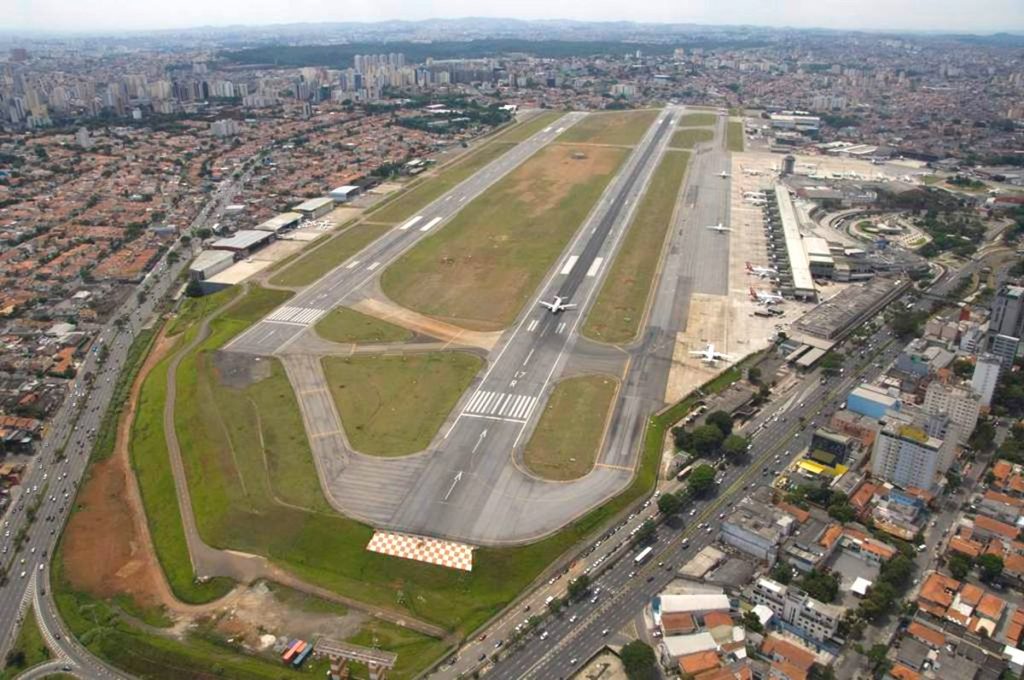
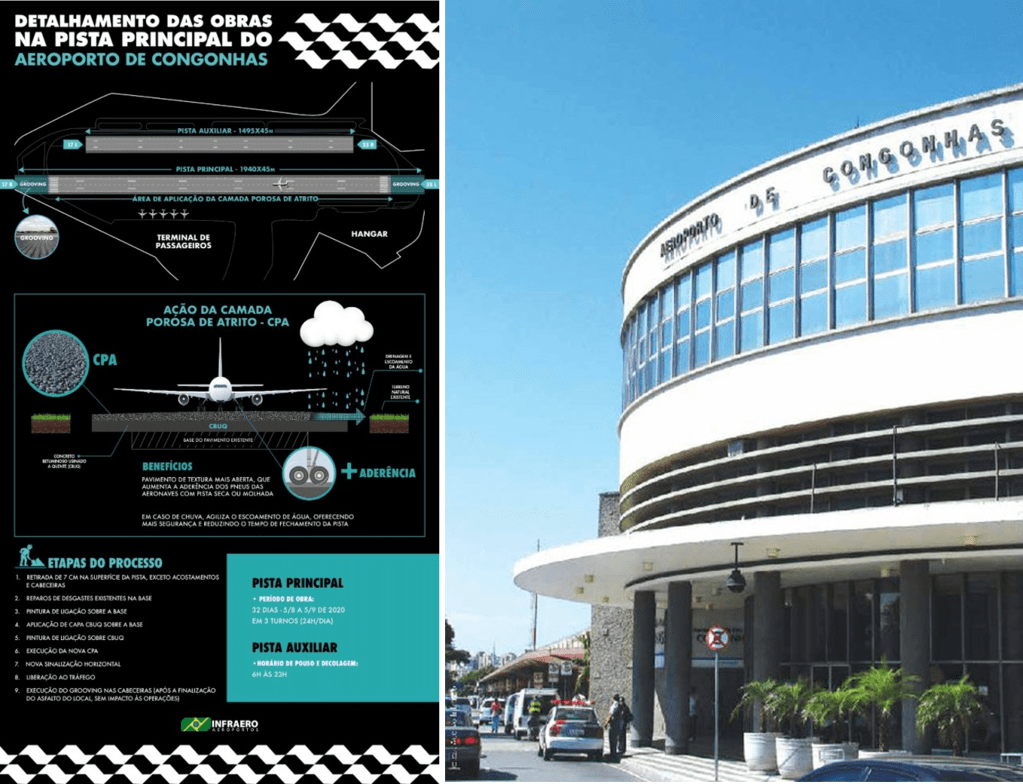
La pista principal del Aeropuerto de São Paulo/Congonhas, se someterá a obras para recuperar el pavimento de asfalto. Con una inversión de R$ 11,5 millones, la intervención requerirá el cierre total de la pista durante 32 días. Durante el período, el aeropuerto operará a través de la pista auxiliar. Las obras comenzarán el 05/08, y su finalización está programada para el 05/09 de 2020. Para la ejecución de los servicios dentro del plazo establecido, se asignarán equipos las 24 horas del día, empleando mano de obra durante todos los días de la semana. La tecnología proporcionará, entre otros beneficios, una mejora en la capacidad de drenaje de la pista (drenaje rápido del agua de lluvia), con un aumento en la adherencia de los neumáticos de la aeronave al pavimento y una reducción en la posibilidad de aquaplaning (hidroplaneo). Las obras incluyen servicios de fresado para el revestimiento de asfalto existente, ejecución de una capa de hormigón de asfalto estructural (CBUQ) con ranurado en la región del promontorio; y capa de superficie de fricción porosa (CPA).
“Infraero está aprovechando la caída en el movimiento y las operaciones de pasajeros, debido a la pandemia de Covid-19, para avanzar en el cronograma de construcción de la compañía. En el caso de Congonhas, el trabajo es parte del mantenimiento periódico y servirá para garantizar que el aeropuerto continúe operando en condiciones normales, especialmente por seguridad, durante los próximos 10 años”, explica el Superintendente de Aeropuerto Congonhas, João Marcio Jordão.
Todas las acciones de planificación para el trabajo y para mantener la seguridad de las operaciones se alinearon y desarrollaron con la contribución de las aerolíneas, la Asociación Brasileña de Aerolíneas (ABEAR), la Asociación Brasileña de Aviación General (ABAG) y otras partes interesadas, como el Departamento de Control del espacio aéreo (DECEA), vinculado al Comando de la Fuerza Aérea, la Secretaría de Aviación Civil, el Ministerio de Infraestructura y la Agencia Nacional de Aviación Civil.
Pista Auxiliar
La Pista Auxiliar solo puede recibir aeronaves hasta la categoría 3C, como el ATR-72 y el Cessna Caravan, de acuerdo con las condiciones establecidas por la Agencia Nacional de Aviación Civil (ANAC) en conjunto con el aeropuerto, las aerolíneas y DECEA, cuyo objetivo es mantener la seguridad de operaciones durante el período de ejecución de las obras en la pista principal.
Azul continúa en Congonhas
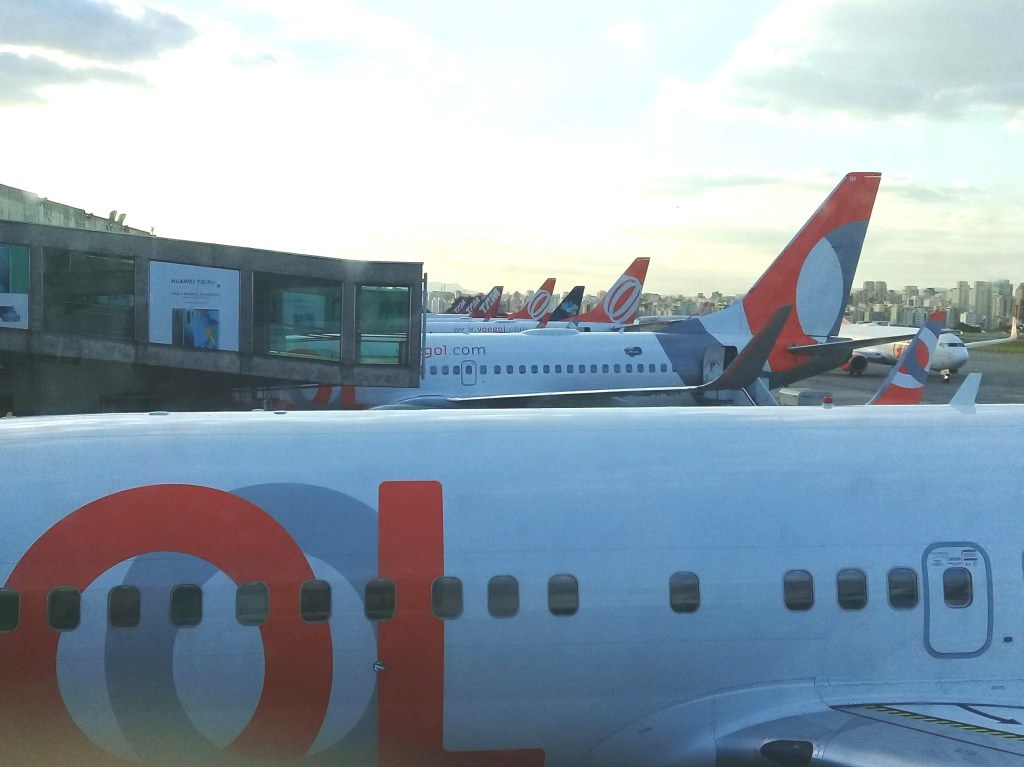
Azul operará 17 vuelos diarios en Congonhas durante los trabajos en la pista. Con el cierre de la pista principal en el aeropuerto de Congonhas , para trabajos de restauración en el pavimento de asfalto, Azul hará ajustes a su red entre el 5 de agosto y el 5 de septiembre. La compañía mantendrá sus operaciones en la pista auxiliar del aeropuerto con aviones modelo ATR 72-600, que pueden transportar hasta 70 pasajeros, y ampliará la oferta de vuelos diarios a Bahía y en el puente Río-São Paulo, además de crear una nueva ruta Congonhas-Curitiba. Congonhas-Santos Dumont, que hoy tiene dos vuelos diarios, pasará a siete frecuencias diarias, mientras que el mercado Congonhas-Belo Horizonte tendrá seis operaciones por día en comparación con los dos que se han llevado a cabo. La ruta Congonhas-Curitiba, que ya fue operada por Azul el año pasado, tendrá nuevamente la oferta de asientos de la compañía, con cuatro conexiones diarias.
“En una planificación integrada con Infraero y otras autoridades aeronáuticas, reorganizamos nuestra red y estamos aumentando la oferta de asientos de Congonhas. Gracias a nuestra flota mixta, tenemos la flexibilidad de planificar la red y adaptarnos a diferentes escenarios operativos, manteniendo los altos estándares de seguridad de Azul. Con esta red ajustada entre agosto y septiembre, mantendremos la asistencia a los clientes en la ciudad más grande del país y también ampliaremos las posibilidades de conexión”, dice Vitor Silva, Gerente de Planificación de Redes de Azul Airlines.
Congonhas to repair main runway
Congonhas Airport will close the main runway during August 2020
The main runway of the São Paulo/Congonhas Airport will undergo works to recover the asphalt pavement. With an investment of R$ 11.5 million, the intervention will require the total closure of the runway for 32 days. During the period, the airport will operate through the auxiliary runway. The works will begin on 08/05, and its completion is scheduled for 09/05 2020. For the execution of the services within the established period, teams will be assigned 24 hours a day, using labor during all the days of week. The technology will provide, among other benefits, an improvement in the drainage capacity of the runway (rapid drainage of rainwater), with an increase in the adherence of aircraft tires to the pavement and a reduction in the possibility of aquaplaning ( hydroplaning). The works include milling services for the existing asphalt coating, execution of a structural asphalt concrete layer (CBUQ) with grooving in the promontory region; and porous friction surface layer (CPA).
“Infraero is taking advantage of the drop in passenger movement and operations, due to the Covid-19 pandemic, to advance the company’s construction schedule. In the case of Congonhas, the work is part of the periodic maintenance and will serve to guarantee that the airport continues to operate under normal conditions, especially for security, for the next 10 years”, explains the Congonhas Airport Superintendent, João Marcio Jordão.
All actions to plan for work and to maintain the safety of operations were aligned and developed with the contribution of airlines, the Brazilian Association of Airlines (ABEAR), the Brazilian Association of General Aviation (ABAG) and other interested parties, such as the Department of Airspace Control (DECEA), linked to the Air Force Command, the Ministry of Civil Aviation, the Ministry of Infrastructure and the National Civil Aviation Agency.
Auxiliary runway
The Auxiliary Runway can only receive aircraft up to category 3C, such as the ATR-72 and the Cessna Caravan, in accordance with the conditions established by the National Civil Aviation Agency (ANAC) in conjunction with the airport, airlines and DECEA, whose objective is to maintain the safety of operations during the period of execution of the works on the main runway.
Azul continues in Congonhas
Azul will operate 17 daily flights in Congonhas during work on the runway. With the closure of the main runway at Congonhas airport, for restoration work on the asphalt pavement, Azul will make adjustments to its network between August 5 and September 5. The company will maintain its operations on the airport’s auxiliary runway with ATR 72-600 model aircraft, which can carry up to 70 passengers, and will expand the offer of daily flights to Bahia and the Rio-São Paulo bridge, in addition to creating a new route. Congonhas-Curitiba. Congonhas-Santos Dumont, which today has two daily flights, will switch to seven daily frequencies, while the Congonhas-Belo Horizonte market will have six operations per day compared to the two that have been carried out. The Congonhas-Curitiba route, which was already operated by Azul last year, will once again have the company’s offer of seats, with four daily connections.
“In an integrated planning with Infraero and other aeronautical authorities, we reorganized our network and we are increasing the offer of Congonhas seats. Thanks to our mixed fleet, we have the flexibility to plan the network and adapt to different operating scenarios, maintaining Azul’s high security standards. With this network adjusted between August and September, we will continue assisting customers in the country’s largest city and we will also expand connection possibilities», says Vitor Silva, Network Planning Manager at Azul Airlines.
Congonhas conserta pista principal
Aeroporto Congonhas fechará pista principal em Agosto 2020
A pista principal do Aeroporto São Paulo/Congonhas passará por obras de recuperação do asfalto. Com um investimento de R$ 11,5 milhões, a intervenção exigirá o fechamento total da pista por 32 dias. Durante o período, o aeroporto operará através da pista auxiliar. As obras terão início em 08/05 e a conclusão está prevista para 09/05 2020. Para a execução dos serviços dentro do prazo estabelecido, as equipes serão designadas 24 horas por dia, empregando mão de obra durante todos os dias de a semana. A tecnologia proporcionará, entre outros benefícios, uma melhoria na capacidade de drenagem da pista (drenagem rápida da água da chuva), com um aumento na aderência dos pneus de aeronaves ao pavimento e uma redução na possibilidade de aquaplanagem ( hidroavião). As obras incluem serviços de fresagem do revestimento asfáltico existente, execução de uma camada estrutural de concreto asfáltico (CBUQ) com canal na região promontória; e camada superficial por atrito poroso (CPA).
“A Infraero está aproveitando a queda no movimento e nas operações depassageiros, devido à pandemia do Covid-19, para avançar no cronograma de construção da empresa. No caso de Congonhas, o trabalho faz parte da manutenção periódica e servirá para garantir que o aeroporto continue operando em condições normais, principalmente por segurança, pelos próximos 10 anos”, explica o superintendente do aeroporto de Congonhas, João Marcio Jordão.
Todas as ações de planejamento do trabalho e manutenção da segurança das operações foram alinhadas e desenvolvidas com a contribuição de companhias aéreas, da Associação Brasileira de Companhias Aéreas (ABEAR), da Associação Brasileira de Aviação Geral (ABAG) e de outras partes interessadas, como o Departamento de Controle do Espaço Aéreo (DECEA), vinculado ao Comando da Força Aérea, à Secretaria de Aviação Civil, ao Ministério de Infra-estrutura e à Agência Nacional de Aviação Civil.
Trilha Auxiliar
A pista auxiliar só pode receber aeronaves da categoria 3C, como ATR-72 e Caravana Cessna, de acordo com as condições estabelecidas pela Agência Nacional de Aviação Civil (ANAC) em conjunto com o aeroporto, as companhias aéreas e o DECEA, cuja O objetivo é manter a segurança das operações durante o período de execução das obras na pista principal.
Azul continua em Congonhas
A Azul operará 17 vôos diários em Congonhas durante o trabalho na pista. Com o fechamento da pista principal no aeroporto de Congonhas, para obras de restauração no asfalto, a Azul fará ajustes em sua rede entre 5 de agosto e 5 de setembro. A empresa manterá suas operações na pista auxiliar do aeroporto com aeronave modelo ATR 72-600, que pode transportar até 70 passageiros, e expandirá a oferta de voos diários para a Bahia e a ponte Rio-São Paulo, além de criar uma nova rota. Congonhas-Curitiba. Congonhas-Santos Dumont, que hoje possui dois vôos diários, passará para sete frequências diárias, enquanto o mercado de Congonhas-Belo Horizonte terá seis operações por dia em comparação às duas que foram realizadas. A rota Congonhas-Curitiba, que já era operada pela Azul no ano passado, terá novamente a oferta de assentos da empresa, com quatro ligações diárias.
“Em um planejamento integrado com a Infraero e outras autoridades aeronáuticas, reorganizamos nossa rede e estamos aumentando a oferta de assentos em Congonhas. Graças à nossa frota mista, temos a flexibilidade de planejar a rede e adaptar-se a diferentes cenários operacionais, mantendo os altos padrões de segurança da Azul. Com essa rede ajustada entre agosto e setembro, continuaremos ajudando os clientes na maior cidade do país e também expandiremos as possibilidades de conexão», diz Vitor Silva, gerente de planejamento de rede da Azul Airlines.
Ξ A I R G W A Y S Ξ PUBLISHER: Airgways.com DBk: Infraero.gov.br / Aeroportocongonhas.net / Airgways.com AW-POST: 202007211700AR
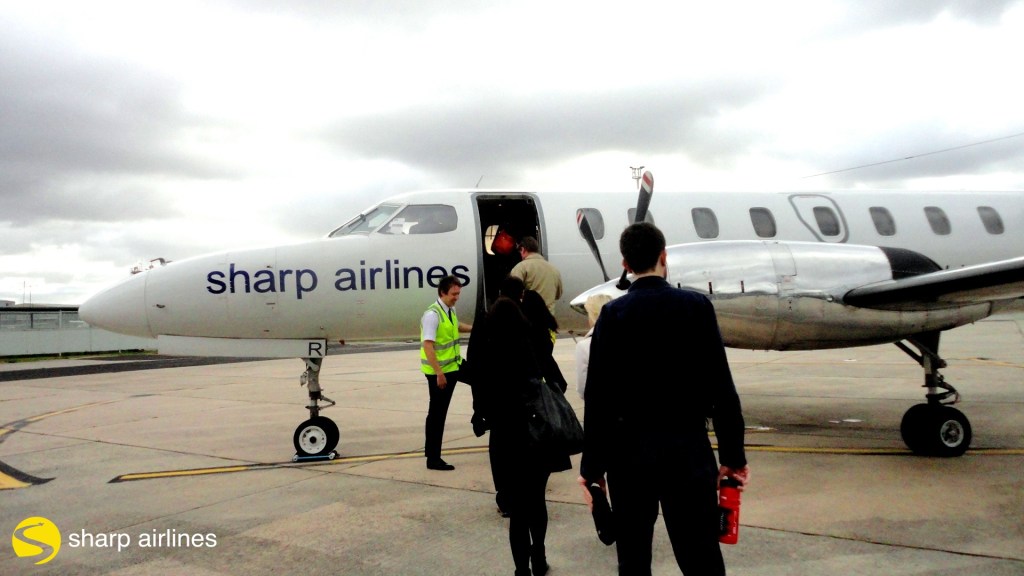
La aerolínea regional Sharp Airlines informará a la Comisión de Competencia de Australia acerca de una ruta a Tasmania después de que lanzó un servicio rival entre Wynyard y King Island en Tasmania. El Presidente Ejecutivo de Sharp Airlines, Dallas Hay, expresó: “Si bien todas las aerolíneas a nivel mundial están sufriendo debido a COVID-19, parece que Rex Airlines tiene la capacidad de expandir su red y con el objetivo de debilitar a un operador existente. Incluso si el número de pasajeros vuelve a los niveles anteriores a COVID-19 en los próximos 12-18 meses, la entrada de Rex en esta ruta con mayor capacidad disminuirá los factores de carga a un nivel claramente insostenible para que dos operadores sean comercialmente viables».
Rex Airlines ha explicado que introdujo el nuevo servicio como resultado de operar un servicio combinado de Melbourne-Wynyard-King Island-Melbourne. “Esto se implementó como una medida de eficiencia de la misma manera que Rex introdujo un nuevo sector para Wagga Wagga-Albury como resultado de operar un servicio combinado de Melbourne-Albury-Wagga. Bajo el programa de Apoyo a la Red de Aerolíneas Regionales (RANS) del gobierno de la Commonwealth, estas rutas combinadas se financian para hasta tres servicios de regreso a la semana, que es lo que Rex está ofreciendo a ambas rutas combinadas», expresó la aerolínea Rex Airlines. La guerra de palabras llega semanas después de que Rex acusó a Qantas de lanzar una ruta Sydney-Orange comercialmente insostenible. Luego, Rex pidió al Gobierno Federal que revise cualquier asistencia financiera brindada a Qantas por el paquete de ayuda financiera de la aerolínea australiana, el paquete de apoyo de la red de aviación nacional y el programa de apoyo de la red de la aerolínea regional COVID-19.
Qantas Airways ha respondido acusando a Rex Airlines de doble rasero: «Rex está claramente incómodo por enfrentar la competencia y ver que su monopolio en los vuelos a Orange está llegando a su fin», dijo un portavoz de Qantas Airways.
Sharp Airlines before Australian Commission
Sharp Airlines presents competition arguments
Regional airline Sharp Airlines will inform the Australian Competition Commission about a route to Tasmania after it launched a rival service between Wynyard and King Island in Tasmania. Sharp Airlines CEO Dallas Hay said: «While all airlines worldwide are suffering from COVID-19, it appears that Rex Airlines has the ability to expand its network and aim to weaken an existing operator . Even if the number of passengers returns to pre-COVID-19 levels in the next 12-18 months, Rex’s entry into this route with higher capacity will decrease the load factors to a clearly unsustainable level for two operators to be commercially viable».
Rex Airlines has explained that it introduced the new service as a result of operating a combined Melbourne-Wynyard-King Island-Melbourne service. “This was implemented as an efficiency measure in the same way that Rex introduced a new sector for Wagga Wagga-Albury as a result of operating a combined Melbourne-Albury-Wagga service. Under the Commonwealth government’s Regional Airlines Network Support (RANS) program, these combined routes are funded for up to three return services per week, which is what Rex is offering to both routes combined», said the Airline Rex Airlines. The war of words comes weeks after Rex accused Qantas of launching a commercially unsustainable Sydney-Orange route. Later, Rex asked the Federal Government to review any financial assistance provided to Qantas by the US financial aid package. Australian airline, the national aviation network support package and the regional airline network support program COVID-19.
Qantas Airways has responded by accusing Rex Airlines of double standards: «Rex is clearly uncomfortable with facing competition and seeing its monopoly on flights to Orange coming to an end», a Qantas Airways spokesman said.
Ξ A I R G W A Y S Ξ PUBLISHER: Airgways.com DBk: Sharpairlines.com / Accc.gov.au / Australianaviation.com.au / Airgways.com AW-POST: 202007211613AR
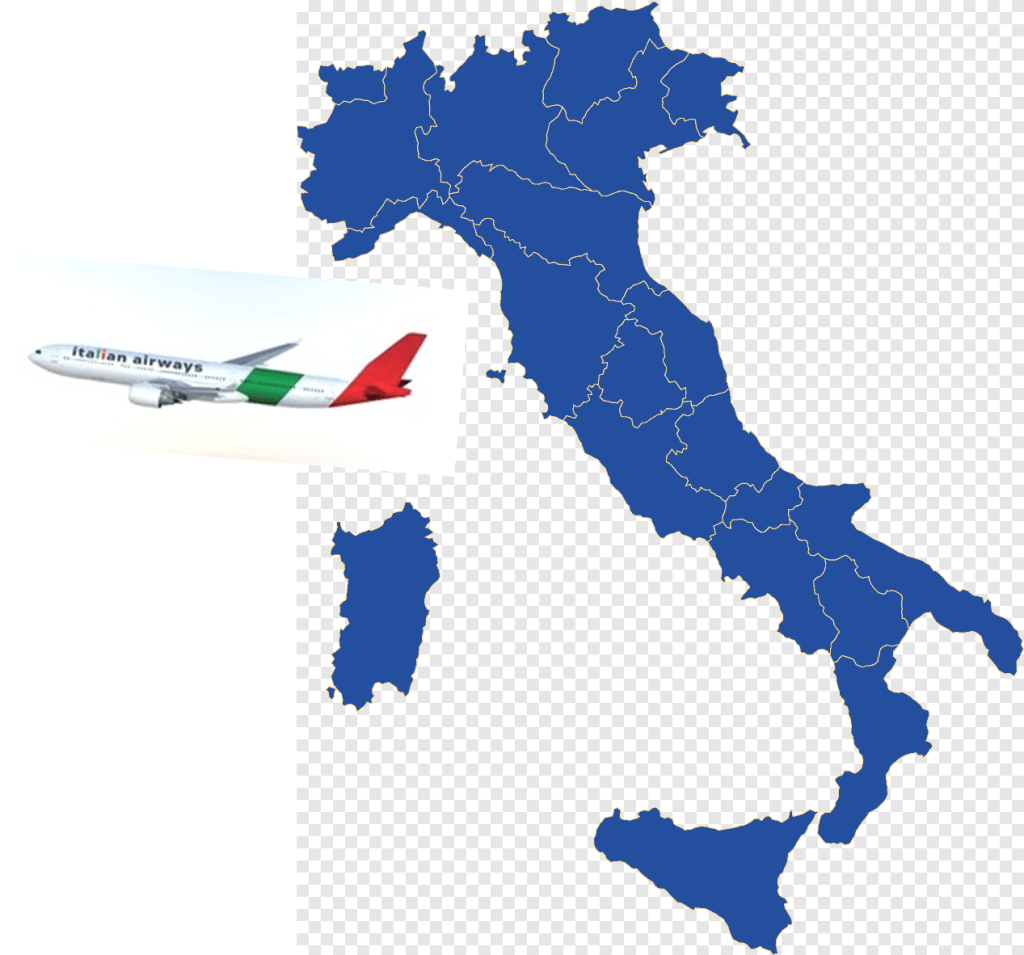
El anterior fundador de Air Italy, Giuseppe Gentile, está solicitando la inscripción de una nueva aerolínea en Italia denominada Italian Airways. La publicación del periódico local Corriere della Sera ha publicado el nuevo nacimiento de la aerolínea italiana, con las correspondientes solicitudes a la autoridad de la Unión Europea. Según la Oficina de Propiedad Intelectual de la UE, el 2 Enero 2020, Giuseppe Gentile registró el nombre de Italian Airways hasta 2030 por 1.050 Euros con licencias respectivas a la aerolínea como licencia comercial, servicios aéreos, entre otros. Pero actualmente no existe tramitación de Certificado de Operador Aéreo (AOC).
Igualmente, Italian Airways espera iniciar operaciones desde el Aeropuerto Bergamo-Orio, ubicado cerca de Milán, en el norte de Italia, donde espera realizar rutas nacionales, europeas e internacionales.
Air Italy would become Italian Airways
Ex-founder of Air Italy would create Italian Airways
The former founder of Air Italy, Giuseppe Gentile, is requesting the registration of a new airline in Italy called Italian Airways. The publication of the local newspaper Corriere della Sera has published the new birth of the Italian airline, with corresponding requests to the authority of the European Union. According to the EU Intellectual Property Office, on January 2, 2020, Giuseppe Gentile registered the Italian Airways name until 2030 for 1,050 Euros with respective licenses to the airline as a commercial license, air services, among others. But currently there is no processing of the Air Operator Certificate (AOC).
Likewise, Italian Airways expects to start operations from Bergamo-Orio Airport, located near Milan, in northern Italy, where it expects to make national, European and international routes.
Air Italy diventerebbe Italian Airways
L’ex fondatore di Air Italy avrebbe creato Italian Airways
L’ex fondatore di Air Italy, Giuseppe Gentile, chiede la registrazione di una nuova compagnia aerea in Italia chiamata Italian Airways. La pubblicazione del quotidiano locale Corriere della Sera ha pubblicato la nuova nascita della compagnia aerea italiana, con corrispondenti richieste all’autorità dell’Unione Europea. Secondo l’Ufficio della proprietà intellettuale dell’UE, il 2 gennaio 2020, Giuseppe Gentile ha registrato il nome di Italian Airways fino al 2030 per 1.050 euro con rispettive licenze per la compagnia aerea come licenza commerciale, servizi aerei, tra gli altri. Ma al momento non è in corso l’elaborazione del certificato di operatore aereo (COA).
Allo stesso modo, Italian Airways prevede di iniziare le operazioni dall’aeroporto di Bergamo-Orio, situato vicino a Milano, nel nord Italia, dove prevede di effettuare rotte nazionali, europee e internazionali.
Ξ A I R G W A Y S Ξ PUBLISHER: Airgways.com DBk: Corriere.it / Airgways.com AW-POST: 202007211544AR
La aerolínea más grande de India reducirá el 10% del personal
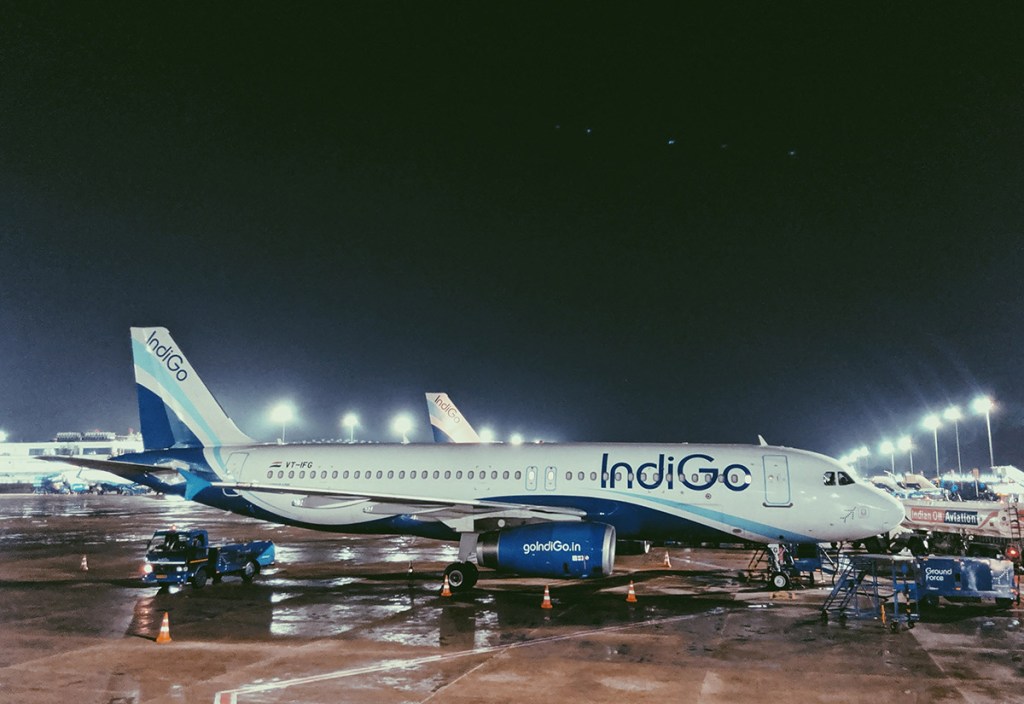
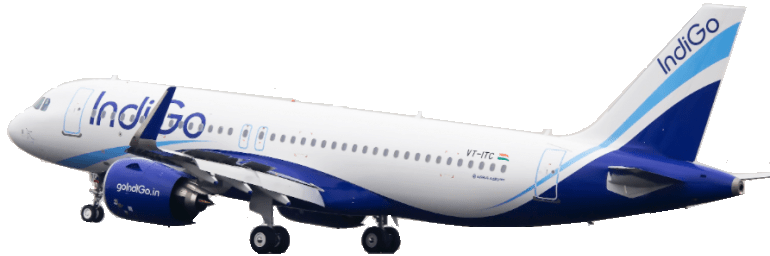
La aerolínea más grande de la India, IndiGo Airlines se ha convertido en la última aerolínea en revelar el impacto económico en la compañía aérea después de la disminución de la demanda de vuelos debido a la pandemia mundial. La aerolínea india de presupuesto líder enfrenta una caída en los ingresos. En Junio 2020 había cominucado que recortaría hasta 40 mil millones de rupias, US$ 533 millones de Dólares en costos. En una carta a los inversores, el Presidente Ejecutivo de IndiGo, Ronojoy Dutta, dijo: «Es imposible que nuestra empresa atraviese esta tormenta económica sin hacer algunos sacrificios, para mantener nuestras operaciones comerciales».
Las aerolíneas de todo el mundo se han visto muy afectadas por las restricciones de viaje relacionadas con el Coronavirus. En la misma situación, las líneas aéreas de la India advierten que no pueden sobrevivir sin rescate. IndiGo que lleva varios meses en tierra cuando la India impuso un estricto cierre patronal, emplea a unas 24.000 personas, lo que significa que hay unos 2.400 empleos en la línea. Según las propias cifras de la compañía, es la mayor aerolínea de pasajeros de la India con una cuota de mercado del 48,9% a Marzo 2020 y ha sido rentable durante 10 años consecutivos.
El último anuncio sobre los recortes de empleos en las aerolíneas se produce cuando se espera que las aerolíneas de todo el mundo vean su peor año registrado. El mes pasado, un organismo mundial de la industria de la aviación advirtió que la caída en los viajes causada por el coronavirus provocará pérdidas en las aerolíneas de más de US$ 84 mil millones (£ 66 mil millones) este año. La Asociación Internacional de Transporte Aéreo (IATA), que tiene 290 aerolíneas miembros, dijo que los ingresos caerían a US$ 419 mil millones, un 50% menos que el año pasado. Las medidas de ahorro de costos relacionadas con el Coronavirus también han llevado a las aerolíneas a cortar los aviones que operan.
IndiGo reduces workforce by 10%
India’s largest airline to cut 10% of staff
India’s largest airline, IndiGo Airlines has become the latest airline to reveal the economic impact on the airline after declining flight demand due to the global pandemic. India’s leading budget airline faces a drop in revenue. In June 2020, he had announced that he would cut up to 40 billion rupees, US$ 533 million in costs. In a letter to investors, IndiGo CEO Ronojoy Dutta said: «It is impossible for our company to go through this economic storm without making some sacrifices to maintain our business operations».
Airlines around the world have been hit hard by Coronavirus-related travel restrictions. In the same situation, Indian airlines warn that they cannot survive without rescue. IndiGo, which has been on land for several months when India imposed a strict lockout, employs around 24,000 people, which means that there are some 2,400 jobs on the line. According to the company’s own figures, it is the largest passenger airline in India with a market share of 48.9% as of March 2020 and has been profitable for 10 consecutive years.
The latest announcement of airline job cuts comes as airlines around the world are expected to see their worst year on record. Last month, a global aviation industry body warned that the drop in travel caused by the coronavirus will cause airline losses of more than US$ 84 billion (£ 66 billion) this year. The International Air Transport Association (IATA), which has 290 member airlines, said revenue would drop to US$ 419 billion, 50% less than last year. Cost-saving measures related to the Coronavirus have also led airlines to cut the planes they operate.
IndiGo कार्यबल में 10% की कमी
कर्मचारियों की 10% कटौती के लिए भारत की सबसे बड़ी एयरलाइन
भारत की सबसे बड़ी एयरलाइन, इंडिगो एयरलाइंस वैश्विक महामारी के कारण उड़ान की मांग में गिरावट के बाद एयरलाइन पर आर्थिक प्रभाव को प्रकट करने वाली नवीनतम एयरलाइन बन गई है। भारत की प्रमुख बजट एयरलाइन को राजस्व में गिरावट का सामना करना पड़ता है। जून 2020 में, उन्होंने घोषणा की थी कि वे लागत में 40 बिलियन अमेरिकी डॉलर, 533 मिलियन अमेरिकी डॉलर तक की कटौती करेंगे। निवेशकों को लिखे एक पत्र में, इंडिगो के सीईओ रोनोजॉय दत्ता ने कहा: «हमारी कंपनी के लिए इस आर्थिक तूफान से गुज़रना असंभव है, बिना हमारे व्यापार संचालन को बनाए रखने के लिए कुछ बलिदान किए बिना»।
कोरोनोवायरस-संबंधित यात्रा प्रतिबंधों से दुनिया भर की एयरलाइंस को भारी झटका लगा है। उसी स्थिति में, भारतीय एयरलाइंस ने चेतावनी दी है कि वे बचाव के बिना जीवित नहीं रह सकते। इंडिगो, जो कई महीनों से जमीन पर है जब भारत ने सख्त तालाबंदी की थी, लगभग 24,000 लोगों को रोजगार मिला था, जिसका मतलब है कि लाइन पर कुछ 2,400 नौकरियां हैं। कंपनी के अपने आंकड़ों के अनुसार, यह मार्च 2020 तक 48.9% की बाजार हिस्सेदारी के साथ भारत में सबसे बड़ी यात्री एयरलाइन है और लगातार 10 वर्षों से लाभदायक है।
एयरलाइन नौकरी में कटौती के बारे में नवीनतम घोषणा के रूप में दुनिया भर में एयरलाइनों को रिकॉर्ड पर अपने सबसे खराब वर्ष देखने की उम्मीद है। पिछले महीने, एक वैश्विक विमानन उद्योग निकाय ने चेतावनी दी थी कि कोरोनावायरस के कारण होने वाली यात्रा में गिरावट से इस साल US$ 84 बिलियन (£ 66 बिलियन) से अधिक की एयरलाइन हानि होगी। इंटरनेशनल एयर ट्रांसपोर्ट एसोसिएशन (IATA), जिसमें 290 सदस्य एयरलाइंस हैं, ने कहा कि राजस्व पिछले साल की तुलना में $ 419 बिलियन, 50% कम हो जाएगा। कोरोनावायरस से संबंधित लागत-बचत उपायों ने एयरलाइनों को उनके द्वारा संचालित विमानों को काटने के लिए भी प्रेरित किया है।
Ξ A I R G W A Y S Ξ PUBLISHER: Airgways.com DBk: Indigo.com / Airgways.com / Arabianbusiness.com AW-POST: 202007211500AR
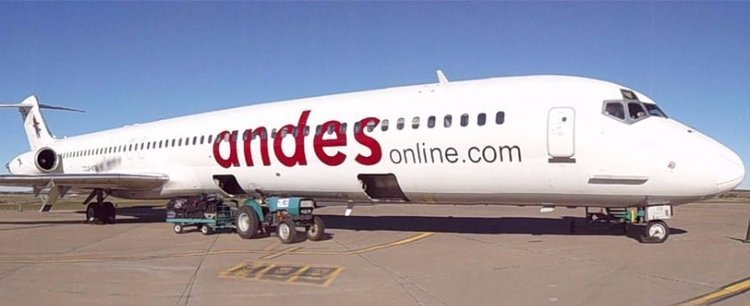
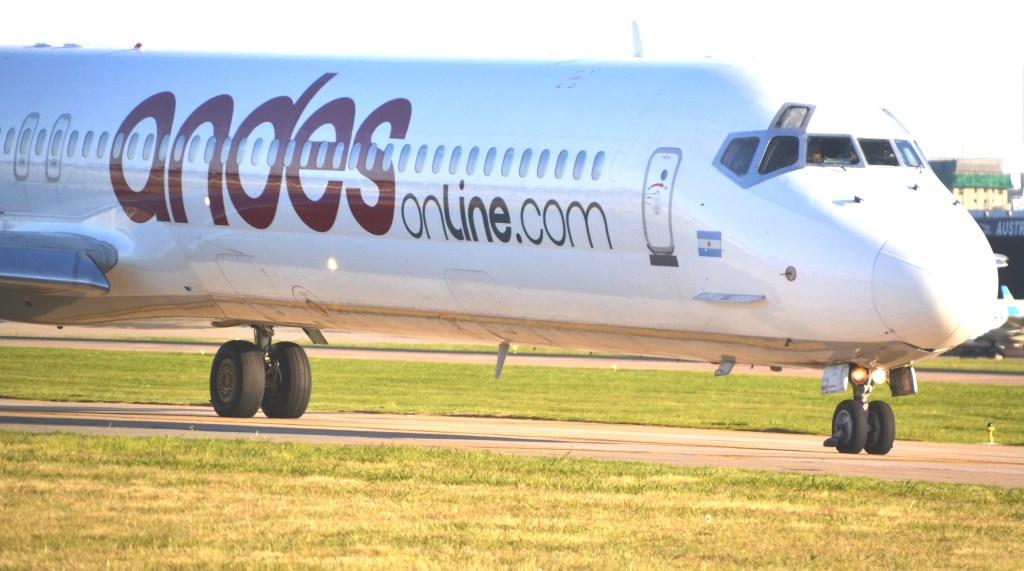
Andes Líneas Aéreas ha comunicado el reinicio de sus operaciones comerciales desde el Aeropuerto Internacional Ezeiza, por lo que los vuelos se trasladarán a la aeroestación internacional por la refacción de Aeroparque. Andes ha actualizado su sistema de reserva migrando los vuelos desde el Aeropuerto de Ezeiza a partir del 1 Septiembre 2020, fecha establecida por el Gobierno de Argentina para el reinicio de las operaciones de aviación en el país. La compañía empleará los Boeing MD-83, con una capacidad para 165 pasajeros.
PROGRAMACIÓN DE VUELOS OY 550 Buenos Aires (EZE)—Puerto Madryn (PMY) 11:00 12:55 OY 550 Puerto Madryn (PMY)—Comodoro Rivadavia (CRD) 13:35 14:15 OY 551 Comodoro Rivadavia (CRD)—Puerto Madryn (PMY) 14:55 15:35 OY 551 Puerto Madryn (PMY)—Buenos Aires (EZE) 16:15 18:00 OY 840 Buenos Aires (EZE)—Jujuy (JUJ) 19:00 21:05 OY 841 Jujuy (JUJ)—Buenos Aires (EZE) 08:00 10:05 OY 850 Buenos Aires (EZE)—Salta (SLA) 19:00 21:10 OY 851 Salta (SLA)—Buenos Aires (EZE) 08:00 10:00
Debido a la efectación de las obras en el Aeropuerto Jorge Newbery entre el 1 Agosto al 30 Noviembre 2020, el Aeroparque de la ciudad de Buenos Aires estará cerrado, por lo cual, todos los operadores trasladarán sus aeronaves y operaciones a Ezeiza durante los cuatro meses que se encontrará inoperativo Aeroparque.
Andes reopening from Ezeiza
Andes will restart ops from Ezeiza Airport
Andes Líneas Aéreas has announced the restart of its commercial operations from the Ezeiza International Airport, so the flights will be transferred to the international airport due to the renovation of the Aeroparque. Andes has updated its reservation system by migrating flights from Ezeiza Airport from September 1, 2020, the date established by the Government of Argentina for the restart of aviation operations in the country. The company will employ Boeing MD-83s, with a capacity for 165 passengers.
FLIGHT SCHEDULE OY 550 Buenos Aires (EZE) —Puerto Madryn (PMY) 11:00 12:55 OY 550 Puerto Madryn (PMY) —Commodore Rivadavia (CRD) 13:35 14:15 OY 551 Comodoro Rivadavia (CRD) —Puerto Madryn (PMY) 14:55 15:35 OY 551 Puerto Madryn (PMY) —Buenos Aires (EZE) 16:15 18:00 OY 840 Buenos Aires (EZE) —Jujuy (JUJ) 19:00 21:05 OY 841 Jujuy (JUJ) —Buenos Aires (EZE) 08:00 10:05 OY 850 Buenos Aires (EZE) —Salta (SLA) 19:00 21:10 OY 851 Salta (SLA) —Buenos Aires (EZE) 08:00 10:00
Due to the completion of the works at Jorge Newbery Airport between August 1 to November 30, 2020, the Buenos Aires City Airport will be closed, therefore, all operators will transfer their aircraft and operations to Ezeiza during the four months that Aeroparque will be inoperative.
Ξ A I R G W A Y S Ξ PUBLISHER: Airgways.com DBk: Andesonline.com.ar / Airgways.com AW-POST: 202007211041AR
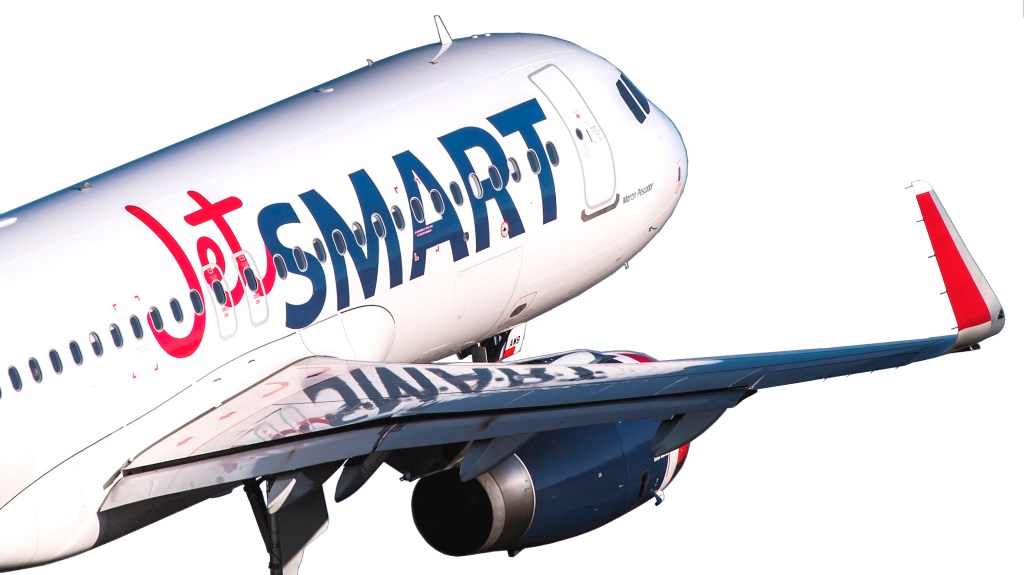
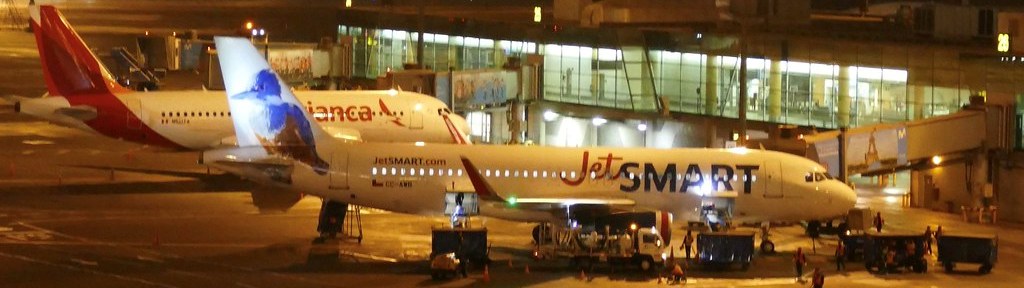
JetSmart Airlines planea lanzamiento de aerolínea peruana
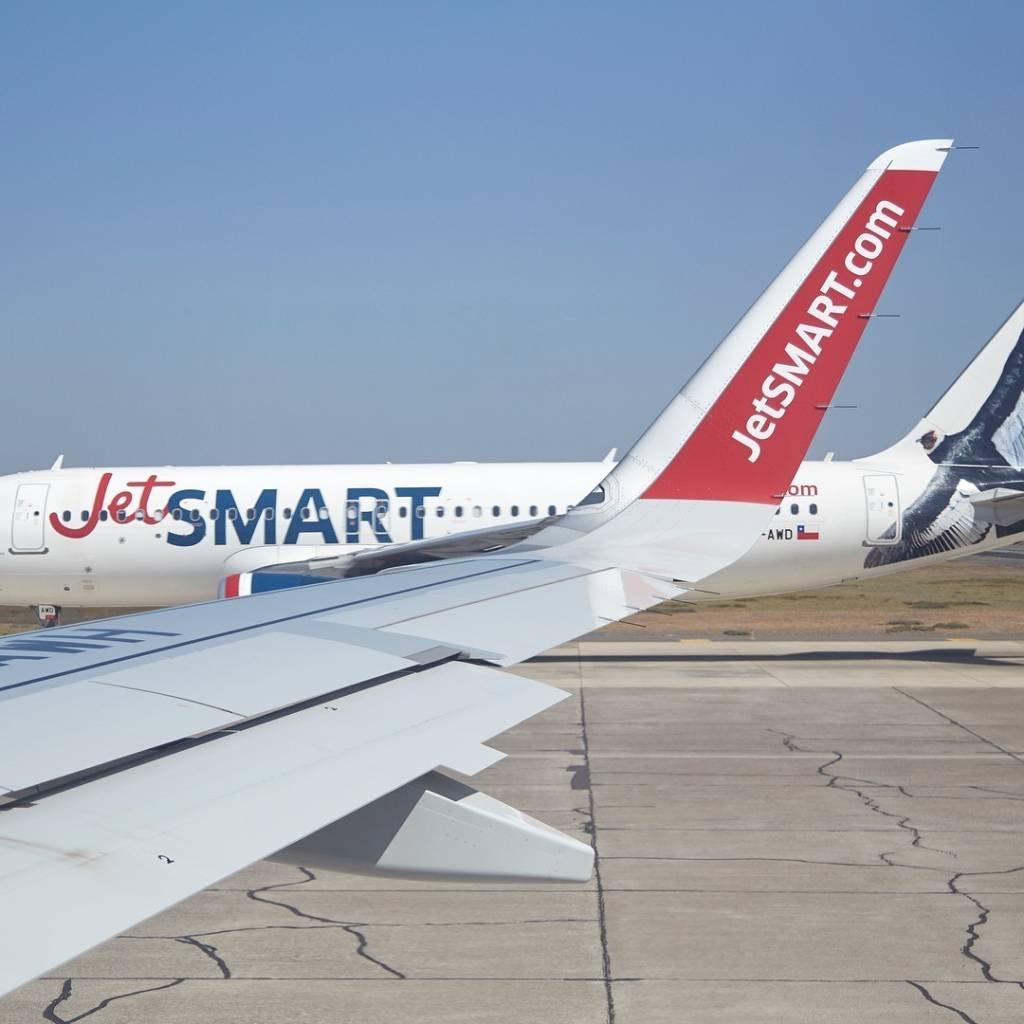
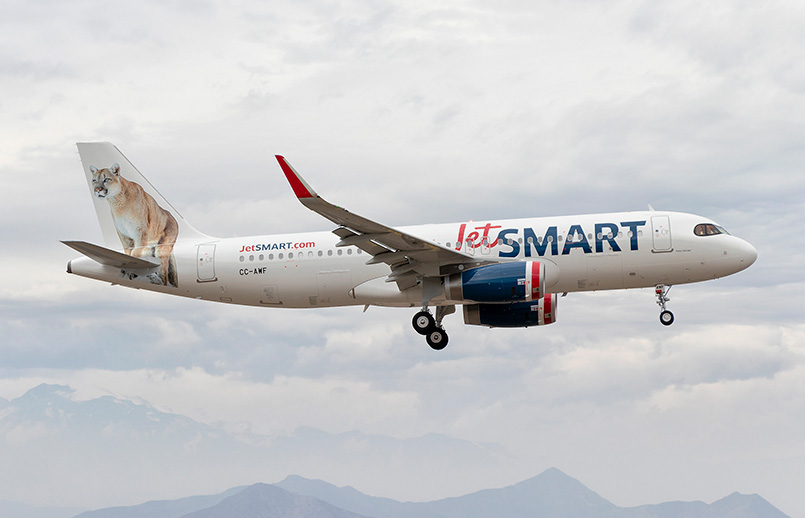
Tras el debilitamiento del mercado aéreo mundial, las aerolíneas que sobreviven pueden posicionarse mejor hacia el futuro aumentando sus perspectivas en la región. Este es el caso de JetSmart Airlines Group que ha estado ganando capacidad en medio de dificultades. Respaldada por el grupo inversor Indigo Partners Inc., un fondo de inversiones de Estados Unidos, la aerolínea ultra low cost chilena continúa con el proceso de expansión hacia Brasil y Perú, dos países con posibilidades para competir.
El probado éxito de JetSmart en sus operaciones en Argentina y Chile, está preparando una nueva base para expandir sus servicios en la República de Perú en 2021. La aerolínea de bajo presupuesto ha iniciado los planes de expansión en la región para desembarcar en el país. JetSmart Airlines Perú será la filial del país incaico que ha planificado iniciar procesos de apertura de AOC como nuevo transportador peruano que estiman comenzar sus operaciones nacionales hacia el 2021 con alrededor de diez a quince rutas nacionales, según el comunicado de Eduardo Ortíz, CEO de JetSmart Airlines. “Hemos comenzado el proceso para tener una aerolínea peruana, con la cual buscamos tener rutas nacionales para operar en el primer semestre de 2021. El mercado peruano es saludable y ha crecido alrededor de un 10% en los últimos años, y hay un joven tendencia de la gente a viajar de nuevo», dijo Eduardo Ortíz.
JetSmart Airlines Chile mantiene actualmente operaciones en sus rutas Santiago-Lima, Santiago-Trujillo, Santiago-Arequipa, Concepción-Lima y Antofagasta-Lima.
Mercado peruano
Un entorno de aviación en rápida evolución en Perú se está desarrollando donde Latam Airlines Perú y Avianca Perú continúan dominando el mercado peruano, pero se han debilitado financieramente tras solicitar el pedido de bancarrota causada por el impacto de la pandemia mundial. Secundan el mercado aéreo Viva air Perú, Sky Airline Perú y Star Perú que reinician operaciones después de la parálisis por el pandemia de Coronavirus.
El desembarco de JetSmart en Perú tiene como objetivo generar una mayor demanda en lugar de arrebatar cualquier cuota de mercado existente. “Nuestra propuesta es simple, y esperamos que sea en esta etapa una contribución positiva a la conectividad, el turismo y el empleo en Perú. Se ha abierto una oportunidad en el mercado con la salida de algunos operadores, y estamos listos para aprovecharla”, dijo Estuardo Ortiz.
Perspectivas Perú
La aerolínea JetSmart Airlines ha estado observando el mercado interno de Perú por algún tiempo. Sin embargo, un entorno de aviación en rápida evolución ha visto avanzar esos objetivos en la región. JetSmart ha observado al mercado peruano como saludable y en constante crecimiento. “La crisis por la que atraviesa la industria ha puesto a prueba la efectividad de nuestro modelo de ultra bajo costo, flexible y eficiente. Ha sido una oportunidad para innovar y explorar nuevos negocios que no consideramos por ahora, diversificando nuestro plan de expansión y participación en la región», expresó el CEO de la aerolínea.
JetSmart Airlines Argentina ha sido el trampolín para el éxito del grupo hacia otros mercados como Perú y Brasil. Actualmente JetSmart Argentina ha solicitado la ruta Buenos Aires-Lima, de esta manera busca integrar la región consolidando sus operaciones hacia un futuro cercano.
JetSmart Airlines startup in Peru
JetSmart Airlines plans launch of Peruvian airline
Following the weakening of the global air market, surviving airlines can better position themselves in the future by increasing their prospects in the region. This is the case of JetSmart Airlines Group, which has been gaining capacity amid difficulties. Backed by the investment group Indigo Partners Inc., a United States investment fund, the Chilean ultra low cost airline continues with the expansion process towards Brazil and Peru, two countries with possibilities to compete.
JetSmart’s proven success in its operations in Argentina and Chile is preparing a new base to expand its services in the Republic of Peru in 2021. The low-budget airline has started expansion plans in the region to land in the country. JetSmart Airlines Peru will be the subsidiary of the Inca country that has planned to start AOC opening processes as a new Peruvian carrier that are expected to start their national operations by 2021 with around ten to fifteen national routes, according to the statement by Eduardo Ortíz, CEO of JetSmart Airlines. “We have started the process to have a Peruvian airline, with which we seek to have national routes to operate in the first half of 2021. The Peruvian market is healthy and has grown around 10% in recent years, and there is a young trend people to travel again», said Eduardo Ortíz.
JetSmart Airlines Chile currently maintains operations on its Santiago-Lima, Santiago-Trujillo, Santiago-Arequipa, Concepción-Lima and Antofagasta-Lima routes.
Peruvian market
A rapidly evolving aviation environment in Peru is developing where Latam Airlines Peru and Avianca Peru continue to dominate the Peruvian market, but have weakened financially after filing for bankruptcy due to the impact of the global pandemic. Viva air Peru, Sky Airline Peru and Star Peru second the air market, restarting operations after paralysis due to the Coronavirus pandemic.
JetSmart’s landing in Peru aims to generate greater demand instead of taking away any existing market share. “Our proposal is simple, and we hope that at this stage it will be a positive contribution to connectivity, tourism and employment in Peru. An opportunity has opened in the market with the exit of some operators, and we are ready to take advantage of it», said Estuardo Ortiz.
Perspectives Peru
JetSmart Airlines has been observing Peru’s domestic market for some time. However, a rapidly evolving aviation environment has seen these goals advance in the region. JetSmart has observed the Peruvian market as healthy and constantly growing. “The crisis the industry is going through has tested the effectiveness of our ultra low cost, flexible and efficient model. It has been an opportunity to innovate and explore new businesses that we do not consider for now, diversifying our expansion plan and participation in the region», said the airline’s CEO.
JetSmart Airlines Argentina has been the springboard for the group’s success towards other markets such as Peru and Brazil. JetSmart Argentina has currently requested the Buenos Aires-Lima route, thus seeking to integrate the region, consolidating its operations in the near future.
Ξ A I R G W A Y S Ξ PUBLISHER: Airgways.com DBk: Jetsmart.com / Gob.pe/mtc / Airgways.com / Flickr.com AW-POST: 202007210952AR