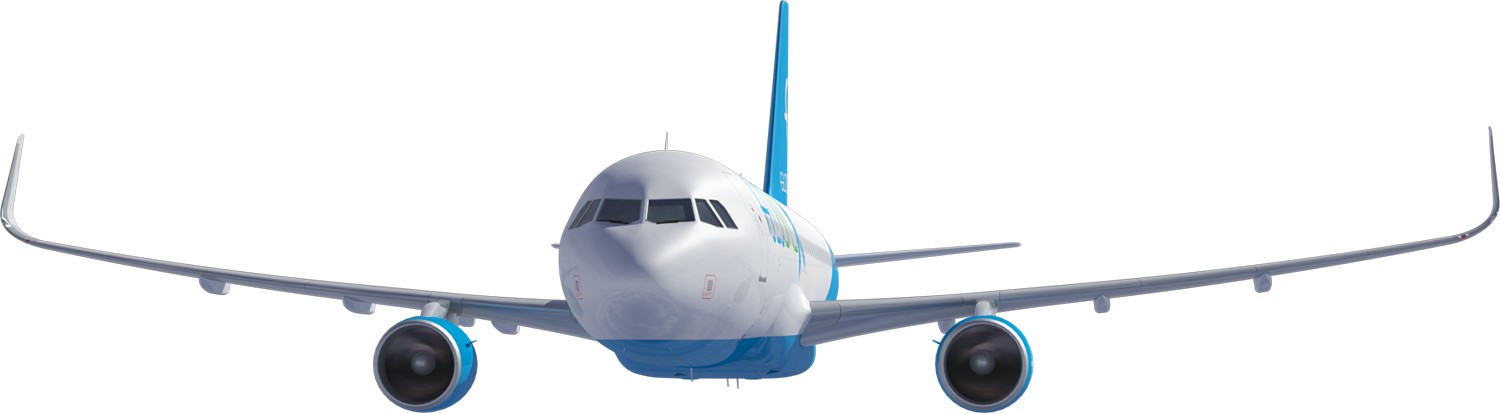
All Nippon Airways retira su último Boeing 737-500
All Nippon Airways (ANA) está desprogramando su flota de Boeing 737-500, efectuando el último vuelo el 14 Junio 2020 con su última aeronave «Super Dolphin». La aerolínea japonesa ANA Wings se despidió de la última Serie 500, una versión de tercera generación de la familia Boeing 737.
El último vuelo realizó su trayecto de Fukuoka a Tokio/Haneda en condiciones de clima húmedo pero recibido por un grupo de admiradores para su recepción. El retiro del último avión Boeing 737-500 registrado como JA306K. El Boeing 737-500 matriculado JA306K se entregó a Air Nippon en 1999, una subsidiaria de corto alcance de ANA, que finalmente se fusionó con la marca principal de ANA. El avión formó parte de la flota principal de ANA desde 2003 hasta 2005, momento en el cual se trasladó a Air Next, una aerolínea de bajo costo propiedad de ANA. En total, el avión tenía más de 49.590 horas de tiempo de vuelo y 47.765 ciclos de presurización.
Super Dolphin
El apodo de este avión como «Super Dolphin» es porque algunos dicen que se parece al espíritu de los cetáceos. Según el sitio web japonés Aviation Wire, el avión tuvo un giro rápido y una sensación de velocidad, y es enérgico y amigable, características compartidas por los delfines. La compañía realizó un esquema de pintura del delfín como recordatorio de este apodo singular. Curiosamente, aunque las personas en algunas partes del mundo podrían referirse a los motores CFM56-3 del -500 como «bolsas de hámster», los japoneses le han dado su propia analogía, llamándola «tipo de bola de arroz».
Último vuelo
El avión Boeing 737-500 despegó de Fukuoka cuando el vuelo NH254 hacia Tokio/Haneda. En el Aeropuerto Fukuoka, se realizó una ceremonia en la puerta de embarque con el capitán del avión diciendo algunas palabras: «Puedo despegar y aterrizar en una pista corta, para poder ir a varios lugares desde Wakkanai en Hokkaido hasta Ishigaki en Okinawa en el sur», Capitán Seiji Oyama. Despegando a las 13:26 hs, el vuelo completamente reservado aterrizó en el Aeropuerto Tokio/Haneda y se estacionó en su puesto asignado a las 15:03 hora local. El tiempo total de vuelo fue de menos de 90 minutos.
Ahora que ANA Wings se despidió de su último Boeing 737-500. La aerolínea regional tiene 24 unidades de Bombardier Q400 en su flota, con seis más en orden. La aerolínea ha ordenado el Mitsubishi Spacejet MA90. Se esperaba recibir estos aviones para Marzo 2021, con retrasos adicionales en el programa de fabricación, aunque la fecha puede posponerse hacia delante.
ANA deprograms Boeing 737-500
All Nippon Airways withdraws its last Boeing 737-500
All Nippon Airways (ANA) is deprogramming its Boeing 737-500 fleet, making the last flight on June 14, 2020 with its latest «Super Dolphin» aircraft. Japanese airline ANA Wings said goodbye to the latest 500 Series, a third-generation version of the Boeing 737 family.
The last flight made its journey from Fukuoka to Tokyo/Haneda in humid weather conditions but received by a group of admirers for its reception. The recall of the last Boeing 737-500 aircraft registered as JA306K. The Boeing 737-500 registered JA306K was delivered to Air Nippon in 1999, a short-range subsidiary of ANA, which was eventually merged with ANA’s core brand. The plane was part of ANA’s core fleet from 2003 to 2005, at which time it was transferred to Air Next, a low-cost airline owned by ANA. In total, the aircraft had more than 49,590 hours of flight time and 47,765 pressurization cycles.
Super dolphin
The nickname of this airplane like «Super Dolphin» is because some say that it looks like the spirit of the cetaceans. According to the Japanese website Aviation Wire, the plane had a fast twist and a sense of speed, and is energetic and friendly, features shared by dolphins. The company performed a dolphin painting scheme as a reminder of this unique nickname. Interestingly, although people in some parts of the world might refer to the -500 CFM56-3 engines as «hamster bags», the Japanese have given it their own analogy, calling it «rice ball type».
Last flight
The Boeing 737-500 plane took off from Fukuoka when flight NH254 to Tokyo/Haneda. At Fukuoka Airport, a ceremony was held at the departure gate with the plane’s captain saying a few words: «I can take off and land on a short runway, so I can go to various locations from Wakkanai in Hokkaido to Ishigaki in Okinawa in the south», Captain Seiji Oyama. Taking off at 1:26 p.m., the fully booked flight landed at Tokyo/Haneda Airport and parked at its assigned position at 3:03 p.m. local time. Total flight time was less than 90 minutes.
Now that ANA Wings has said goodbye to its last Boeing 737-500. The regional airline has 24 Bombardier Q400 units in its fleet, with six more on order. The airline has ordered the Mitsubishi Spacejet MA90. These aircraft were expected to be received by March 2021, with additional delays in the manufacturing schedule, although the date may be postponed forward.
Ξ A I R G W A Y S Ξ PUBLISHER: Airgways.com DBk: Ana.co.jp / Airgways.com AW-POST: 202006151914AR
La aerolínea de bajo costo de Vietnam Jetstar Pacific volverá a su antiguo nombre Pacific Airlines a medida que se buscan mayores sinergias con el 70% del propietario de Vietnam Airlines. El cambio de marca propuesto sigue a un acuerdo entre Vietnam Airlines y Qantas Group, que posee una participación minoritaria del 30% en Jetstar Pacific. Además, Jetstar Pacific cambiará sus reservas de Navitaire a Sabre, para coordinar mejor las reservas con Vietnam Airlines.
El Presidente de la renombrada aerolínea Pacific Airlines, Trinh Hong Quang, dice que la medida desbloqueará economías de escala y hará que la unidad de bajo costo sea más competitiva. «Con un mercado interno altamente competitivo en Vietnam y la interrupción causada por el coronavirus, es el momento adecuado para aprovechar la fortaleza y la escala de Vietnam Airlines en su mercado local. La racionalización de las funciones de clientes y reservas permitirá un mayor ahorro de costos y posicionará a la aerolínea para un futuro más sólido a medida que se alivien las restricciones de viaje internacional», dice el Director Ejecutivo del Grupo Jetstar Gareth Evans.
Vietnam Airlines agrega que la propiedad de Jetstar Pacific podrían existir cambios junto con Qantas Group que continúan revisando la estructura de la aerolínea de bajo costo y los futuros acuerdos de participación accionaria. La medida agrega credibilidad a los informes de los medios en Abril 2020 que sugirieron que Qantas estaba abierta a la idea de abandonar su participación accionaria en Jetstar Pacific, y que las conversaciones de ventas habían tenido lugar.
En el pasado, los ejecutivos de Vietnam Airlines y Jetstar Pacific han tendido a discutir la estrecha cooperación de la unidad de bajo costo Vietnam Airlines en el difícil mercado interno del país, en oposición a la colaboración con Qantas y otras aerolíneas del Grupo Jetstar.
En una entrevista de Airline Business de 2019, el Director Ejecutivo de Vietnam Airlines, Duong Tri Thanh, dijo que Jetstar Pacific era una parte clave de la estrategia de la aerolínea para tratar con rivales como VietJet Air en el competitivo mercado interno de Vietnam.
El cambio de nombre de Jetstar Pacific a Pacific Airlines está pendiente de aprobación regulatoria. La participación de Qantas en Jetstar Pacific data de 2007, cuando recibió la aprobación del gobierno vietnamita para comprar una participación del 30% en el operador, que luego era propiedad directa del Gobierno. En 2012, Vietnam Airlines se hizo cargo de la participación del 70% del gobierno. La flota de aeronaves de Jetstar Pacific opera 17 Airbus A320-200, de los cuales ocho están en servicio y siete en almacenamiento.
Vietnam JetStar returns denomination
Change of original name to Pacific Airlines
Vietnam low-cost airline Jetstar Pacific will revert to its old name Pacific Airlines as more synergies are sought with 70% of the owner of Vietnam Airlines. The proposed rebranding follows an agreement between Vietnam Airlines and Qantas Group, which has a minority stake of 30% in Jetstar Pacific. In addition, Jetstar Pacific will change its reservations from Navitaire to Saber, to better coordinate reservations with Vietnam Airlines.
The president of renowned Pacific Airlines, Trinh Hong Quang, says the move will unlock economies of scale and make the low-cost unit more competitive. «With a highly competitive domestic market in Vietnam and the disruption caused by the coronavirus, it is the right time to take advantage of the strength and scale of Vietnam Airlines in its local market. Streamlining customer and reservation functions will allow for further savings in costs and will position the airline for a stronger future as international travel restrictions are eased», says Jetstar Group CEO Gareth Evans.
Vietnam Airlines adds that the ownership of Jetstar Pacific could be changes along with Qantas Group that continue to review the structure of the low-cost airline and future shareholding agreements. The move adds credibility to media reports in April 2020 that suggested Qantas was open to the idea of abandoning its stake in Jetstar Pacific, and that sales talks had taken place.
In the past, executives at Vietnam Airlines and Jetstar Pacific have tended to discuss the close cooperation of the low-cost unit Vietnam Airlines in the country’s difficult domestic market, as opposed to collaboration with Qantas and other Jetstar Group airlines.
In a 2019 Airline Business interview, Vietnam Airlines CEO Duong Tri Thanh said Jetstar Pacific was a key part of the airline’s strategy to deal with rivals like VietJet Air in Vietnam’s competitive domestic market.
The name change from Jetstar Pacific to Pacific Airlines is pending regulatory approval. Qantas’ stake in Jetstar Pacific dates back to 2007, when it received approval from the Vietnamese government to buy a 30% stake in the operator, which was later directly owned by the government. In 2012 Vietnam Airlines took over the government’s 70% stake. Jetstar Pacific’s fleet of aircraft operates 17 Airbus A320-200s, of which eight are in service and seven are in storage.
Việt Nam Jetstar trả lại tiền mệnh giá
Thay đổi tên ban đầu thành Pacific Airlines
Hãng hàng không giá rẻ Việt Nam Jetstar Pacific sẽ trở lại với tên cũ Pacific Airlines khi nhiều hiệp lực được tìm kiếm với 70% chủ sở hữu của Vietnam Airlines. Việc đổi thương hiệu được đề xuất theo thỏa thuận giữa Vietnam Airlines và Qantas Group, công ty có cổ phần thiểu số 30% tại Jetstar Pacific. Ngoài ra, Jetstar Pacific sẽ thay đổi đặt chỗ từ Navitaire sang Sabre, để phối hợp đặt chỗ tốt hơn với Vietnam Airlines.
Chủ tịch hãng hàng không nổi tiếng Pacific Airlines, Trịnh Hồng Quang, cho biết động thái này sẽ mở khóa quy mô kinh tế và khiến đơn vị giá rẻ cạnh tranh hơn. «Với một thị trường nội địa cạnh tranh cao ở Việt Nam và sự gián đoạn do coronavirus gây ra, đây là thời điểm thích hợp để tận dụng sức mạnh và quy mô của Vietnam Airlines tại thị trường địa phương. chi phí và sẽ định vị hãng hàng không cho một tương lai mạnh mẽ hơn khi các hạn chế du lịch quốc tế được giảm bớt», Giám đốc điều hành Tập đoàn Jetstar, Gareth Evans nói.
Vietnam Airlines cho biết thêm, quyền sở hữu của Jetstar Pacific có thể là những thay đổi cùng với Tập đoàn Qantas tiếp tục xem xét cấu trúc của hãng hàng không giá rẻ và các thỏa thuận cổ phần trong tương lai. Động thái này làm tăng thêm độ tin cậy cho các báo cáo truyền thông vào tháng 4 năm 2020 cho thấy Qantas đã cởi mở với ý tưởng từ bỏ cổ phần của mình tại Jetstar Pacific, và các cuộc đàm phán bán hàng đã diễn ra.
Trước đây, các giám đốc điều hành tại Vietnam Airlines và Jetstar Pacific đã có xu hướng thảo luận về sự hợp tác chặt chẽ của đơn vị giá rẻ Vietnam Airlines tại thị trường nội địa khó khăn của đất nước, trái ngược với sự hợp tác với Qantas và các hãng hàng không Jetstar khác.
Trong một cuộc phỏng vấn năm 2019 của Airline Business, Giám đốc điều hành của Vietnam Airlines, ông Dương Trí Thành cho biết Jetstar Pacific là một phần quan trọng trong chiến lược của hãng hàng không để đối phó với các đối thủ như VietJet Air tại thị trường nội địa cạnh tranh của Việt Nam.
Việc đổi tên từ Jetstar Pacific sang Pacific Airlines đang chờ phê duyệt theo quy định. Cổ phần của Qantas tại Jetstar Pacific bắt đầu từ năm 2007, khi nhận được sự chấp thuận của chính phủ Việt Nam để mua 30% cổ phần của nhà điều hành, sau này được chính phủ sở hữu trực tiếp. Năm 2012, Vietnam Airlines đã tiếp quản 70% cổ phần của chính phủ. Đội máy bay của Jetstar Pacific vận hành 17 chiếc Airbus A320-200, trong đó tám chiếc đang hoạt động và bảy chiếc đang được cất giữ.
Ξ A I R G W A Y S Ξ PUBLISHER: Airgways.com DBk: Jetstart.com / Airgways.com AW-POST: 202006151410AR
Virgin Australia iniciará un proceso de reestructuración
Virgin Australia intentarán recrear una versión de aerolínea de su pasado, una que será bastante diferente a la actual Virgin antes de la pandemia de Coronavirus. Después de que los postores para la adquisición de la compañía tomen el control, la aerolínea será de una estructura de menor envergadura, más familiar.
Los dos jugadores de capital privado que quedaron en el concurso por Virgin Australia, Bain Capital y Cyrus Capital, han proporcionado un amplio resumen de su estrategia para el operador. Involucran flotas más pequeñas, centradas en los Boeing 737, eliminando los costos y la complejidad de volar los siete tipos de aviones diferentes que Virgin tenía en la flota antes de la pandemia.
La marca Tiger Australia es vista como una distracción, agregando costos y complejidad por poco o ningún retorno. Del mismo modo, si bien ambos postores parecen prever cierto nivel de presencia internacional en el futuro, parece que las rutas internacionales no son un elemento material de la estrategia de ninguno de los dos para un relanzamiento. Una flota mucho más pequeña y más simple fluye a números de personal mucho más pequeños, aunque ambos postores parecen impresionados por la energía de los empleados de Virgin y ambos quieren recuperar el espíritu juvenil original de la marca. Si bien llegar al punto en que Virgin puede salir de la administración bajo una nueva propiedad con un futuro viable es bastante complejo, dado que las ofertas tienen que lidiar con US$ 6.8 mil millones de pasivos en medio de una pandemia y cierres de fronteras que dificultan la previsión de la demanda futura, no sorprende que ambos postores tengan estrategias ampliamente similares. Esto se debe a que cualquiera que esté mirando la industria de la aviación australiana y cualquier conocimiento de su historia reciente llegaría al mismo conjunto de conclusiones: sería suicida tratar de competir directamente con Qantas por clientes corporativos y, dada la fortaleza de Jetstar, no existe. A Virgin le costó US$ 2 mil millones durante una década descubrir lo obvio: Qantas, con sus contratos, frecuencia y programa de lealtad, tiene un dominio absoluto en los negocios corporativos. No importa cuán elegantes sean los salones o el buen servicio, Virgin no logró hacer mucho más que una abolladura en la participación de Qantas en el mercado corporativo.
Con Qantas dominando los viajes corporativos y Jetstar atrincherado como la aerolínea de bajo costo, Virgin necesita, como comenzó a hacer una vez que Paul Scurrah fue nombrado Director Ejecutivo, incorporar su base de costos a medida que reposiciona su oferta. El proceso de administración, si los licitantes pueden aprovecharlo al máximo, ofrece el potencial de hacer mucho más en un plazo mucho más corto de lo que Paul Scurrah y su equipo habrían podido cumplir con las limitaciones de las balsas de los acuerdos contractuales para aviones, mano de obra y servicios de infraestructura integrada en las operaciones de la aerolínea.
Despojado de los costos de la ambición desafortunada de desafiar a Qantas, hay un modelo para Virgin que ha tenido éxito en el extranjero y que sería muy familiar para aquellos que formaron parte de la década original y extremadamente rentable de la historia de Virgin Australia. Cuando Geoff Dixon lanzó Jetstar en 2004, desafió el posicionamiento original y convencional del operador de bajo costo de Virgin. Brett Godfrey, el empresario que soñó y luego ejecutó el lanzamiento de Virgin en Australia, respondió rápidamente cambiando las reglas de juego.
Perspectivas de Virgin Australia
Los postores para Virgin Australia ahora tienen solo una semana antes de presentar sus ofertas finales, que deberán incorporar algunas disposiciones sustanciales para las incertidumbres generadas por la pandemia sobre cómo podría ser una nueva normalidad para el mercado interno y cuándo podría surgir. Tendrán que financiar a Virgin a través de un período potencialmente largo, quizás varios años de pérdidas a medida que ellos y Qantas Airways se esfuercen por atraer los volúmenes de pasajeros disponibles a medida que las restricciones de viaje disminuyen gradualmente y se inicia la lenta construcción hacia un mercado más estable. Eso es algo que los acreedores de Virgin, si quieren evitar una liquidación de la compañía, también tendrán que pensar profundamente su planificación, pero tienen hacia el futuro muy buenas posibilidades de ser, no solo viable sino altamente rentable, sabemos eso porque Virgin Australia ha estado allí y lo ha hecho antes.
Virgin Australia back to its beginnings
Virgin Australia will initiate a restructuring process
Virgin Australia will attempt to recreate an airline version of its past, one that will be quite different from the current Virgin before the Coronavirus pandemic. After bidders for the company’s acquisition take over, the airline will be of a smaller, more familiar structure.
The two private equity players left in the contest by Virgin Australia, Bain Capital and Cyrus Capital, have provided a comprehensive summary of their strategy for the operator. They involve smaller fleets, focused on Boeing 737s, eliminating the costs and complexity of flying the seven different types of aircraft Virgin had in the fleet before the pandemic.
The Tiger Australia brand is seen as a distraction, adding cost and complexity for little or no return. Similarly, while both bidders appear to foresee some level of international presence in the future, it appears that international routes are not a material element of either side’s strategy for a relaunch. A much smaller and simpler fleet flows to much smaller staff numbers, though both bidders seem impressed by the energy of Virgin employees, and both want to regain the brand’s original youthful spirit. While getting to the point where Virgin can exit management under a new property with a viable future is quite complex, given that the deals have to contend with US$ 6.8 billion of liabilities amid a pandemic and border closures that make forecasting future demand difficult, not surprisingly, both bidders have widely similar strategies. This is because anyone looking at the Australian aviation industry and any knowledge of its recent history would come to the same set of conclusions: it would be suicidal to try to compete directly with Qantas for corporate customers and, given Jetstar’s strength, there is no such thing. It took Virgin US$ 2 billion over a decade to figure out the obvious: Qantas, with its contracts, frequency, and loyalty program, has absolute dominance in corporate business. No matter how elegant the salons or the good service, Virgin did not do much more than dent in Qantas’ share of the corporate market.
With Qantas dominating corporate travel and Jetstar entrenched as the low-cost airline, Virgin needs, as it began to do once Paul Scurrah was named CEO, to incorporate its cost base as it repositions its offering. The management process, if bidders can get the most out of it, offers the potential to do much more in a much shorter timeframe than Paul Scurrah and his team would have been able to meet the raft limitations of contractual aircraft deals, integrated labor and infrastructure services in the airline’s operations.
Stripped of the costs of the unfortunate ambition to challenge Qantas, there is a model for Virgin that has been successful abroad and would be very familiar to those who were part of the original and extremely profitable decade of Virgin Australia’s history. When Geoff Dixon launched Jetstar in 2004, he challenged the original and conventional positioning of Virgin’s low-cost operator. Brett Godfrey, the entrepreneur who dreamed of and then executed the Virgin launch in Australia, responded quickly by changing the rules of the game.
Virgin Australia outlook
Bidders for Virgin Australia now have just a week to go before submitting their final bids, which will need to incorporate some substantial provisions for the uncertainties generated by the pandemic about what a new normal for the domestic market might look like and when it might arise. They will have to finance Virgin over a potentially long period, perhaps several years of losses as they and Qantas Airways strive to attract available passenger volumes as travel restrictions gradually ease and slow construction begins. a more stable market. That is something that Virgin creditors, if they want to avoid a liquidation of the company, will also have to think deeply about their planning, but they have very good possibilities for the future to be, not only viable but highly profitable, we know that because Virgin Australia has been there and has done it before.
Ξ A I R G W A Y S Ξ PUBLISHER: Airgways.com DBk: Virginaustralia.com / Smh.com.au / Airgways.com AW-POST: 202006151205AR
United Airlines lanza autoevaluación para pasajeros en el check-in
Las aerolíneas a través del mundo están realizando cambios significativos en la experiencia de viaje de los pasajeros. Entre las medidas recientes implementadas esta semana, los transportistas están comenzando a pedirles a los pasajeros que se autoevalúen durante el proceso de check-in.
El Jueves 11/06, United Airlines, con sede en Chicago, anunció que pedirá a los pasajeros que evalúen su salud y su exposición ambiental durante el proceso de registro en cada vuelo. En el momento del check-in, los pasajeros pasarán ahora por una lista de verificación «Ready to Fly» («Listo para volar») y responderán si han experimentado síntomas recientes de coronavirus, si han estado en contacto cercano con alguien que experimente los síntomas o si alguien les ha negado el abordaje. portador. Además, a los pasajeros se les pedirá que reconozcan que se debe usar una máscara facial durante toda la experiencia de viaje. «La salud y seguridad de nuestros clientes y empleados es nuestra máxima prioridad, y hemos estado trabajando estrechamente con expertos médicos y socios de confianza para instituir nuevas prácticas y procedimientos para proteger aún más a quienes trabajan y viajan con nosotros. La lista de verificación de bienestar ‘Listo para volar’ de United establece pautas claras sobre los requisitos de salud para nuestros clientes y ayuda a minimizar el riesgo de exposición durante la experiencia de viaje», dijo en el lanzamiento Pat Baylis, de United Director Médico Corporativo.
UN EMPLEADO DE UNITED AIRLINES ESTÁ PARADO EN UN MOSTRADOR SIN CLIENTES EN LÍNEA EN LAX. FOTO: GETTY IMAGES
No está claro qué tan efectivo será el proceso de autoevaluación cuando algunos pasajeros pueden no conocer sus niveles de exposición reciente o cuando otros, quizás pasajeros menos escrupulosos, simplemente podrían mentir sobre sus condiciones. Pero la lista de verificación proporciona un marco para documentar que los pasajeros han reconocido sus respectivas condiciones, y tal vez le da a la aerolínea un respiro en caso de que se tome algún tipo de acción legal. De hecho, además del anuncio del 11/06, Jon Ostrower de The Air Current señaló que United también cambió su contrato de transporte en algún momento recientemente para decir que ahora está permitido que la aerolínea retire a los pasajeros de un vuelo si hay «razones para creer que hubo exposición a una enfermedad contagiosa».
El movimiento más reciente de United para promover la salud durante el vuelo se produce tras una serie de esfuerzos en toda la industria para mejorar la limpieza y la seguridad de toda la experiencia de viaje. Inicialmente, el proceso giraba en torno a medidas de limpieza integrales que las compañías aéreas implementaron para asegurarse de que las cabinas de los aviones estuvieran completamente esterilizadas entre cada vuelo. Paralelamente, se han desplegado nuevas medidas para el equipo de protección personal, tanto para los pasajeros como para la tripulación.
Con la lista de verificación «Listo para volar» ahora en juego, el espectro de medidas de seguridad adoptadas por la industria de las aerolíneas se ha ampliado aún más. Y dicho todo, las medidas completas deberían ayudar a crear más confianza en el proceso de viaje aéreo para muchos pasajeros aún inciertos. Aún así, hay un largo camino por recorrer hasta que la demanda vuelva a los niveles previos al Coronavirus.
United launches self-assessment checkup
United Airlines Launches Self-Assessment for Passengers at Check-In
Airlines across the world are making significant changes to the passenger travel experience. Among recent measures implemented this week, carriers are beginning to ask passengers to self-evaluate during the check-in process.
On Thursday 11/06, Chicago-based United Airlines announced that it will ask passengers to assess their health and environmental exposure during the registration process on each flight. At check-in, passengers will now go through a «Ready to Fly» checklist and will respond if they have experienced recent coronavirus symptoms, if they have been in close contact with someone experiencing the symptoms or if someone has denied boarding. carrier. In addition, passengers will be asked to acknowledge that a face mask must be worn throughout the travel experience. «The health and safety of our customers and employees is our highest priority, and we have been working closely with trusted medical experts and partners to institute new practices and procedures to further protect those who work and travel with us. The United’s ‘Ready to Fly’ wellness sets clear guidelines on the health requirements for our customers and helps minimize the risk of exposure during the travel experience», said Pat Baylis, United Corporate Medical Director.
It is unclear how effective the self-assessment process will be when some passengers may not know their recent exposure levels or when others, perhaps less scrupulous passengers, may simply lie about their conditions. But the checklist provides a framework to document that passengers have recognized their respective conditions, and perhaps gives the airline a break in the event of some sort of legal action. In fact, in addition to the 6/11 announcement, Jon Ostrower of The Air Current noted that United also changed its transportation contract at some point recently to say that the airline is now allowed to remove passengers from a flight if there are «reasons to believe that there was exposure to a contagious disease».
United’s latest move to promote in-flight health comes after a series of industry-wide efforts to improve the cleanliness and safety of the entire travel experience. Initially, the process revolved around comprehensive cleaning measures that airlines implemented to ensure that aircraft cabins were completely sterilized between each flight. In parallel, new measures have been deployed for personal protective equipment, both for passengers and for the crew.
With the «Ready to Fly» checklist now at stake, the spectrum of security measures taken by the airline industry has been further expanded. All told, comprehensive measures should help create more confidence in the air travel process for many still uncertain passengers. Still, there is a long way to go until demand returns to pre-Coronavirus levels.
Ξ A I R G W A Y S Ξ PUBLISHER: Airgways.com DBk: United.com / Forbes.com / Npr.org / Gettyimages.com / Airgways.com AW-POST: 202006151005AR
NCLT permite a Jet Airways venta oficinas en Bandra Kurla
El Tribunal Nacional de Derecho (NCLT) ha permitido que Jet Airways venda sus instalaciones en el Complejo Bandra Kurla (BKC) para liquidar las cuotas de 360 rupias del prestamista hipotecario HDFC, eliminar la deuda en el extranjero y cubrir los costos del Proceso de Resolución de Insolvencia Corporativa. El profesional de Resolución de Insolvencia de Jet Airways, Ashish Chhawchharia, había movido el NCLT para solicitar la aprobación para vender su tercer y cuarto piso en el edificio Godrej BKC para liquidar la deuda extranjera para transferir el título de seis aviones del Banco de Exportación e Importación de los Estados Unidos al deudor corporativo, lo que ayudaría a maximizar el valor de la aerolínea desaparecida.
El profesional de la Resolución de Insolvencia había solicitado permiso del Tribunal para la venta de los locales después de que se aprobara una resolución en la décima reunión del comité de acreedores (CoC) celebrada el 24 Abril 2020 con la aprobación del 74,45% de los votos.
El Banco Principal de NCLT en su orden del 11 Junio 2020 ha otorgado permiso a la aerolínea con base en tierra para vender las instalaciones para utilizar los ingresos para liquidar las cuotas de 360 millones de rupias de HDFC, en contra del reclamo del prestamista hipotecario de ₹ 424 millones de rupias. La propiedad es un activo no esencial de las aerolíneas con base en tierra, que Jet Airways nunca utilizó como parte de su negocio de aerolíneas, según la orden. Los prestamistas han mantenido el precio reservado de 490 Crore por la propiedad. Se espera que la subasta para el mismo tenga lugar el 26 Junio 2020, según las fuentes. La orden dijo además que el EximBank de Estados Unidos tiene un cargo sobre seis aviones, de los cuales el valor depreciado acumulado supera los US$ 200 millones. “Si no se paga el monto pagadero al EximBank tendrá derecho a recuperar los seis aviones. El EximBank de Estados Unidos acordó que con el pago de US$ 13 millones, aproximadamente ₹ 90 millones de Rupias, transferirá el título de seis aviones al deudor corporativo”, dijo la orden.
La aerolínea con problemas de liquidez, que se presentó en convocatoria de acreedores en Abril 2019, debe más de ₹ 8.000 millones de Rupias a los bancos, y los prestamistas del sector público tienen una exposición significativa. El 20 Junio 2019, el Banco de Mumbai del Tribunal Nacional de Derecho de Sociedades (NCLT) admitió la petición de insolvencia presentada por el consorcio de prestamistas dirigido por el Banco Estatal de India contra Jet Airways.
NCLT India authorizes sale of Jet Airways offices
NCLT allows Jet Airways to sell offices in the Bandra Kurla complex
The National Law Court (NCLT) has allowed Jet Airways to sell its facilities at the Bandra Kurla Complex (BKC) to settle the 360 rupee installments of the mortgage lender HDFC, eliminate debt abroad and cover the costs of the Process of Corporate Insolvency Resolution. Jet Airways Insolvency Resolution professional Ashish Chhawchharia had moved the NCLT to seek approval to sell its third and fourth floors in the Godrej BKC building to liquidate foreign debt to transfer the title of six aircraft from the Export Bank e Import from the United States to the corporate debtor, which would help maximize the value of the missing airline.
The insolvency resolution professional had requested permission from the Court for the sale of the premises after a resolution was approved at the tenth meeting of the creditors committee (CoC) held on April 24, 2020 with the approval of 74.45% of the votes.
The NCLT Main Bank in its order of June 11, 2020 has granted permission to the land-based airline to sell the facilities to use the proceeds to settle HDFC 360 million rupee fees, against the lender’s claim mortgage of ₹ 424 crore. The property is a non-essential asset of land-based airlines, which Jet Airways never used as part of its airline business, according to the order. Lenders have kept the reserved price of 490 Crore for the property. The auction for the same is expected to take place on June 26, 2020, according to sources. The order also said that the United States EximBank has a charge on six planes, of which the accumulated depreciated value exceeds US$ 200 million. “If the amount payable to EximBank is not paid, it will have the right to recover the six planes. The EximBank of the United States agreed that with the payment of US$ 13 million, approximately ₹ 90 million Rupees, it will transfer the title of six aircraft to the corporate debtor», the order said.
The liquidity-struggling airline, which filed for bankruptcy in April 2019, owes more than ₹ 8 billion Rupees to banks, and public sector lenders have significant exposure. On June 20, 2019, the Bank of Mumbai of the National Company Law Court (NCLT) admitted the insolvency petition filed by the lender consortium led by the State Bank of India against Jet Airways.
एनसीएलटी इंडिया जेट एयरवेज कार्यालयों की बिक्री को अधिकृत करता है
एनसीएलटी जेट एयरवेज को बांद्रा कुर्ला कार्यालयों को बेचने की अनुमति देता है
नेशनल लॉ कोर्ट (NCLT) ने जेट एयरवेज को बांद्रा कुर्ला कॉम्प्लेक्स (BKC) में बंधक ऋणदाता HDFC की 360 रुपये की किस्तों को निपटाने, विदेशों में कर्ज को खत्म करने और प्रक्रिया की लागतों को कवर करने के लिए अपनी सुविधाओं को बेचने की अनुमति दी है। कॉर्पोरेट इनसॉल्वेंसी रिज़ॉल्यूशन का। जेट एयरवेज इंसॉल्वेंसी रिजॉल्यूशन के पेशेवर आशीष छावछरिया ने निर्यात बैंक से छह विमानों को शीर्षक देने के लिए विदेशी ऋण को नष्ट करने के लिए गोदरेज बीकेसी भवन में अपनी तीसरी और चौथी मंजिलों को बेचने की मंजूरी लेने के लिए एनसीएलटी का रुख किया था। संयुक्त राज्य अमेरिका से कॉर्पोरेट देनदार के लिए आयात, जो लापता एयरलाइन के मूल्य को अधिकतम करने में मदद करेगा।
दिवाला प्रस्ताव पेशेवर ने 24 अप्रैल, 2020 को 74.45% की मंजूरी के साथ आयोजित लेनदारों समिति (सीओसी) की दसवीं बैठक में एक प्रस्ताव को मंजूरी दिए जाने के बाद परिसर की बिक्री के लिए अदालत से अनुमति का अनुरोध किया था। वोट।
एनसीएलटी मुख्य बैंक ने 11 जून, 2020 के अपने आदेश में ऋणदाता के दावे के खिलाफ HDFC 360 मिलियन रुपये फीस का निपटान करने के लिए आय का उपयोग करने के लिए सुविधाओं को बेचने के लिए भूमि आधारित एयरलाइन को अनुमति दी है। of 424 करोड़ का बंधक। संपत्ति भूमि-आधारित एयरलाइनों की एक गैर-आवश्यक संपत्ति है, जिसे जेट एयरवेज ने अपने एयरलाइन व्यवसाय के हिस्से के रूप में कभी भी आदेश के अनुसार उपयोग नहीं किया। संपत्ति के लिए उधारदाताओं ने 490 करोड़ का आरक्षित मूल्य रखा है। सूत्रों के अनुसार 26 जून, 2020 को इसके लिए नीलामी होने की उम्मीद है। आदेश ने यह भी कहा कि संयुक्त राज्य अमेरिका एक्जिमबैंक में छह विमानों पर शुल्क है, जिनमें से संचित मूल्य यूएस $ 200 मिलियन से अधिक है। “अगर एक्जामबैंक को देय राशि का भुगतान नहीं किया जाता है, तो उसे छह विमानों को पुनर्प्राप्त करने का अधिकार होगा। संयुक्त राज्य के एक्जिमबैंक ने सहमति व्यक्त की कि 13 मिलियन अमेरिकी डॉलर के भुगतान के साथ, लगभग million 90 मिलियन रुपए, यह छह विमानों के शीर्षक को कॉर्पोरेट देनदार को हस्तांतरित करेगा», आदेश में कहा गया है।
तरलता से जूझ रही एयरलाइन, जिसने अप्रैल 2019 में दिवालिया होने के लिए दायर किया, पर बैंकों का Rup 8 बिलियन से अधिक का बकाया है, और सार्वजनिक क्षेत्र के ऋणदाताओं का महत्वपूर्ण जोखिम है। 20 जून, 2019 को, नेशनल कंपनी लॉ कोर्ट (NCLT) के बैंक ऑफ मुंबई ने जेट एयरवेज के खिलाफ स्टेट बैंक ऑफ इंडिया के नेतृत्व में ऋणदाता कंसोर्टियम द्वारा दायर दिवाला याचिका को स्वीकार कर लिया।
Sistema Numeración Indio
El Sistema de Numeración Indio se usa en el subcontinente indio para expresar grandes números. Los términos lakh (100,000) y crore (10,000,000) son los términos más utilizados (incluso en inglés, como en una variedad local llamada inglés indio) para expresar grandes números en el sistema. Por ejemplo, 150,000 Rupias en India se conocen como «1,5 Rupias Lakh», que se escribe como 1,50,000 Rupias; 30,000,000 (treinta millones) de Rupias se conoce como «3 Rupias Crore», que se escribe como 3,00,00,000 rupias con comas en los lugares de mil, Lakh y Crore. Un Crore (/ krɔːr /; abreviado cr) karor o koti denota diez millones (10,000,000 o 10 7 en notación científica) y es igual a 100 lakh en el sistema de numeración indio. Se escribe como 1,00,00,000 con el estilo local de separadores de grupos de dígitos (un lakh es igual a cien mil y se escribe como 1,00,000).
Indian Numbering System
The Indian Numbering System is used in the Indian subcontinent to express large numbers. The terms lakh (100,000) and crore (10,000,000) are the most widely used terms (even in English, as in a local variety called Indian English) to express large numbers in the system. For example, 150,000 Rupees in India are known as «1.5 Lakh Rupees», which is written as 1.50,000 Rupees; 30,000,000 (thirty million) Rupees is known as «3 Rupees Crore», which is written as 3,00,00,000 rupees with commas in the places of one thousand, Lakh and Crore. A Crore (/ krɔːr /; abbreviated cr) karor or koti denotes ten million (10,000,000 or 10 7 in scientific notation) and equals 100 lakh in the Indian numbering system. It is written as 1,00,00,000 with the local style of group digits separators (one lakh equals one hundred thousand and is written as 1,00,000).
भारतीय संख्या प्रणाली
इंडियन नंबरिंग सिस्टम का इस्तेमाल भारतीय उपमहाद्वीप में बड़ी संख्या को व्यक्त करने के लिए किया जाता है। सिस्टम में बड़ी संख्या व्यक्त करने के लिए शब्द लाख (100,000) और करोड़ (10,000,000) सबसे व्यापक रूप से इस्तेमाल किए जाने वाले शब्द हैं (अंग्रेजी में भी, जैसे कि स्थानीय अंग्रेजी में)। उदाहरण के लिए, भारत में 150,000 रुपए को «1.5 लाख रुपए» के रूप में जाना जाता है, जिसे 1.50,000 रुपए के रूप में लिखा जाता है; 30,000,000 (तीस मिलियन) रुपए को «3 रुपए करोड़» के रूप में जाना जाता है, जो कि एक हजार, लाख और करोड़ के स्थानों में अल्पविराम के साथ 3,00,00,000 रुपए के रूप में लिखा जाता है। एक करोड़ (/ krɔːr /; संक्षिप्त सीआर) करोर या कोटि दस लाख (वैज्ञानिक अंकन में 10,000,000 या 10 7) को दर्शाता है और भारतीय संख्या प्रणाली में 100 लाख के बराबर है। यह अंक समूह विभाजकों की स्थानीय शैली के साथ 1,00,00,000 के रूप में लिखा जाता है (एक लाख एक लाख के बराबर होता है और 1,00,000 के रूप में लिखा जाता है)।
Ξ A I R G W A Y S Ξ PUBLISHER: Airgways.com DBk: Nclt.gov.in / Airgways.com / Gettyimages.com AW-POST: 202006141519AR
Norwegian Air Shuttle ASA ha sido demandada por incumplimiento en las reglamentaciones estadounidense vigentes referentes a los reembolsos a pasajeros que no han podido viajar por cuestiones de la pandemia mundial. La firma de abogados Bursor & Fisher, una firma de abogados con sede en Nueva York, lidera una demanda colectiva contra Norwegian Air Shuttle por sus acciones para reembolsar a los clientes cuyos vuelos han sido cancelados debido a la puesta en tierra de los vuelos. La compañía noruega debe a sus clientes un total de entre US$ 200 millones y US$ 400 millones, informó el medio de comunicación con sede en Noruega Bergens Tidende. Por este motivo, la aerolínea de bajo costo debe proporcionar una respuesta a las acciones legales tomadas por un grupo de pasajeros estadounidenses que no han sido reembolsados por vuelos cancelados antes del 22 Junio 2020.
En la Unión Europea como en Estados Unidos las aerolíneas están obligadas a reembolsar a los pasajeros por los vuelos cancelados dentro de los siete días. La propia legislación de Noruega también establece la obligatoriedad de los reembolsos a los pasajeros en estas circunstancias de crisis sanitaria. Aunque Norwegian se negó a comentar sobre la demanda, el oficial de prensa de la aerolínea Andreas Hjornholm dijo anteriormente que lamentaban la demora en hacer reembolsos, asegurando que aquellos que solicitaron y tenían derecho a un reembolso obtendrían uno.
Reestructuración de Norwegian
El grupo de aerolíneas conformadas por Norwegian Air ha tenido como la mayoría de las líneas aéreas del mundo aterrizar las aeronaves por la crisis sanitaria mundial. La aerolínea de bajo presupuesto busca obtener la aprobación de los accionistas para vender más acciones lo antes posible en el contexto de su plan de reestructuración. La aerolínea posee el brazo de operaciones de vuelos de larga distancia, que anteriormente obtuvo un préstamo de un valor de US$ 300 millones del Gobierno de Noruega después de completar una reestructuración de la deuda y la venta de acciones. La aerolínea presupuestaria había dicho que se quedaría sin efectivo a mediados de Mayo 2020 a menos que recibiera ayuda del Gobierno. Según el informe anual publicado el 9 Junio 2020, confirma la urgencia de nuevas ayudas si la situación continuase obligando a la aérea a una hibernación de los vuelos. Norwegian Air estima que necesitará aproximadamente US$ 235 millones de ayuda financiera durante el segundo trimestre de 2020. Sin embargo, el Presidente Ejecutivo de Norwegian Air, Jacob Schram, es optimista sobre el futuro de la aerolínea. «No hay duda de que el tráfico aéreo se recuperará y estaremos perfectamente posicionados estratégicamente y geográficamente para aprovechar esto», dijo Schram en un comunicado.
La flota de Norwegian consta de alrededor de 160 aviones, incluidos los aviones Boeing 737 Next Generation que se utilizan para vuelos de corta y media distancia y 29 Boeing 787 para rutas de larga distancia.
La cuarta aerolínea de bajo costo más grande de Europa podría descontinuar por completo los vuelos de larga distancia que hundieron a la compañía en deudas. Como parte de la reestructuración del grupo, ha suprimido las rutas de larga distancia desde Estocolmo y Copenhague a Estados Unidos y Tailandia en 2019. La compañía dijo que el mercado de larga distancia hacia y desde Escandinavia es pequeño en comparación con las grandes ciudades como Nueva York, Londres, Los Ángeles, París y Roma. «Estamos evaluando continuamente nuestra red de rutas para asegurarnosde satisfacer la demanda del mercado», dijo Matthew Wood, Vicepresidente Senior de Operaciones Comerciales de Norwegian Air.
Reembolsos en SAS
Scandinavian Airlines (SAS), la aerolínea de bandera de Dinamarca, Noruega y Suecia, también debe a los clientes aproximadamente US$ 725 millones. Se informa que los vuelos que se cancelaron en Marzo 2020 se reembolsarán en Junio, mientras que los que tuvieron que cancelarse en abril y mayo se compensarán en septiembre. El Gerente de Prensa de SAS, John Eckhoff, ha comunicado a los clientes que recibirán un reembolso si así lo requieran. SAS Airlines ha tomado ayudas por un valor de US$ 340 millones de parte de los gobiernos de Suecia y Dinamarca, y agregó que estaban trabajando en un plan para recaudar capital. Se estima que una emisión de acciones podría aumentar el capital actual del transportista presupuestario hasta en un 50%. «En este contexto, la junta directiva propone que se le otorguen amplias autorizaciones para emitir nuevas acciones y préstamos convertibles», dijo la aerolínea en un comunicado.
Norwegian, problemas de arrastre
Norwegian Air Shuttle ASA había iniciado por un proceso de diferentes problemas financieros y técnicos. Aquejada por los números negativos de los costo en las operaciones transatlánticas, se han incorporado problemas técnicos con los motores Rolls Royce de su flota Boeing 787 Dreamliner que operaban en rutas de larga distancia. Las cancelaciones y demoras en los vuelos ya le habían costado mucho a la compañía, lo que también puede considerarse como una de las causas de la actual crisis fiscal de la aerolínea. Además, Norwegian Air posee en su flota las aeronaves Boeing 737 MAX que se han visto afectadas por la puesta en tierra, complicaron aún más su situación económica.
Mercado aéreo
Norwegian ha perdido un tercio de su capacidad de mercado como resultado de las medidas de control de infección por Coronavirus implementadas por el Gobierno noruego, que ha dictaminado que debe haber un asiento vacío entre los pasajeros que no pertenecen al mismo hogar, lo que convierte a Noruega en el único país que exige que las aerolíneas bloqueen los asientos intermedios. Sin embargo, recientemente se anunció que se había eliminado el requisito de un asiento medio vacío, lo que aumentará la capacidad. Esto era probable porque, si Norwegian entraba en la temporada de vacaciones con capacidad limitada, daría lugar a problemas financieros adicionales. Si bien la aerolínea está luchando por preservar el efectivo y recaudar capital en un intento por sobrevivir y volver a encaminarse, la demanda probablemente generará un estrés financiero adicional en la empresa.
Norwegian Air Shuttle lawsuits
Norwegian Air sued for unpaid refunds
Norwegian Air Shuttle ASA has been sued for breach of current US regulations regarding refunds to passengers who have been unable to travel due to global pandemic issues. The Bursor & Fisher law firm, a New York-based law firm, is leading a class action lawsuit against Norwegian Air Shuttle for its actions to reimburse clients whose flights have been canceled due to grounding of the flights. The Norwegian company owes its customers a total of between US$ 200 million and US$ 400 million, Norwegian-based media outlet Bergens Tidende reported. For this reason, the low-cost airline must provide a response to legal actions taken by a group of US passengers who have not been reimbursed for flights canceled before June 22, 2020.
In the European Union as in the United States, airlines are required to reimburse passengers for flights canceled within seven days. Norway’s own legislation also establishes mandatory reimbursement for passengers in these circumstances of health crisis. Although Norwegian declined to comment on the lawsuit, airline press officer Andreas Hjornholm previously said they regretted the delay in making refunds, ensuring that those who applied for and were entitled to a refund would get one.
Norwegian restructuring
The group of airlines formed by Norwegian Air has had, like most airlines in the world, land aircraft due to the global health crisis. The low-budget airline seeks to obtain shareholder approval to sell more shares as soon as possible in the context of its restructuring plan. The airline owns the long-haul flight operations arm, which previously obtained a US$ 300 million loan from the Norwegian government after completing a debt restructuring and sale of shares. The budget airline had said it would run out of cash in mid-May 2020 unless it received help from the government. According to the annual report published on June 9, 2020, it confirms the urgency of new aid if the situation continues to force the airline to hibernate its flights. Norwegian Air estimates that it will need approximately US$ 235 million in financial aid during the second quarter of 2020. However, Norwegian Air CEO Jacob Schram is optimistic about the airline’s future. «There is no doubt that air traffic will recover and we will be perfectly positioned strategically and geographically to take advantage of this», Schram said in a statement.
Norwegian’s fleet consists of around 160 aircraft, including Boeing 737 Next Generation aircraft that are used for short and medium-haul flights and 29 Boeing 787s for long-haul routes.
Europe’s fourth-largest low-cost airline could completely discontinue long-haul flights that plunged the company into debt. As part of the group’s restructuring, it has cut long-distance routes from Stockholm and Copenhagen to the United States and Thailand in 2019. The company said the long-distance market to and from Scandinavia is small compared to large cities like New York, London, Los Angeles, Paris and Rome. «We are continually evaluating our route network to ensure we meet market demand», said Matthew Wood, Senior Vice President of Commercial Operations for Norwegian Air.
SAS Refunds
Scandinavian Airlines (SAS), the flag carrier of Denmark, Norway, and Sweden, also owes customers approximately $ 725 million. It is reported that flights that were canceled in March 2020 will be reimbursed in June, while those that had to be canceled in April and May will be compensated in September. SAS Press Manager John Eckhoff has informed customers that they will receive a refund if required. SAS Airlines has taken US$ 340 million worth of aid from the governments of Sweden and Denmark, adding that they were working on a plan to raise capital. It is estimated that a share issue could increase the current capital of the budget carrier by up to 50%. «In this context, the board of directors proposes that it be granted broad authorizations to issue new shares and convertible loans», the airline said in a statement.
Norwegian, drag problems
Norwegian Air Shuttle ASA had started through a process of different financial and technical problems. Grieved by the negative cost numbers in transatlantic operations, technical problems have been incorporated with the Rolls Royce engines of its Boeing 787 Dreamliner fleet operating on long-haul routes. Cancellations and flight delays had already cost the company a lot, which can also be considered as one of the causes of the airline’s current fiscal crisis. In addition, Norwegian Air has in its fleet the Boeing 737 MAX aircraft that have been affected by the grounding, further complicating their economic situation.
Air market
Norwegian has lost a third of its market capacity as a result of coronavirus infection control measures implemented by the Norwegian Government, which has ruled that there must be an empty seat among non-household passengers, making Norway is the only country that requires airlines to block intermediate seats. However, it was recently announced that the requirement for a half-empty seat has been removed, which will increase capacity. This was likely because, if Norwegian entered the holiday season with limited capacity, it would lead to additional financial problems. While the airline is struggling to preserve cash and raise capital in an attempt to survive and get back on track, the lawsuit is likely to create additional financial stress on the company.
Norske Air Shuttle søksmål
Norwegian Air saksøkte for ubetalte refusjoner
Norwegian air Shuttle ASA er saksøkt for brudd på gjeldende amerikanske forskrifter om refusjon til passasjerer som ikke har vært i stand til å reise på grunn av globale pandemiproblemer. Advokatfirmaet Bursor & Fisher, et advokatfirma i New York, leder et søksmål om klassesøksmål mot Norwegian Air Shuttle for sine handlinger for å få tilbakebetalt klienter som har blitt kansellert flyreiser grunnet grunnleggelsen av flyvningene. Det norske selskapet skylder sine kunder totalt mellom 200 millioner og 400 millioner dollar, rapporterte det norske baserte medieutsalget Bergens Tidende. Av denne grunn må lavprisselskapet gi et svar på rettslige tiltak som er iverksatt av en gruppe amerikanske passasjerer som ikke har fått refusjon for flyreiser kansellert før 22 Juni 2020.
I EU som i USA er flyselskaper forpliktet til å refundere passasjerer for flyreiser som er kansellert innen syv dager. Norges egen lovverk fastsetter også obligatorisk refusjon for passasjerer under disse helsekrisen. Selv om Norwegian takket nei til å kommentere søksmålet, sa flygeledersjef Andreas Hjornholm tidligere at de angret på forsinkelsen i å gjøre refusjoner, og sørget for at de som søkte og hadde krav på refusjon ville få en.
Norsk omstilling
Gruppen av flyselskaper dannet av Norwegian Air har hatt, som de fleste flyselskaper i verden, landfly på grunn av den globale helsekrisen. Lavbudsjettet flyselskap søker å få aksjonærgodkjenning for å selge flere aksjer så snart som mulig i forbindelse med omstillingsplanen. Flyselskapet eier en langdistanseflygearm, som tidligere fikk et lån på 300 millioner dollar fra den norske regjeringen etter å ha fullført en gjeldssanering og salg av aksjer. Budsjettflyselskapet hadde sagt at det skulle gå tom for kontanter i midten av mai 2020 med mindre det mottok statsstøtte. I følge den årlige rapporten som ble publisert 9. juni 2020, bekrefter den at det haster med ny hjelp hvis situasjonen fortsetter å tvinge flyselskapet til å legge dvalemodus på flyvningene. Norwegian Air anslår at det vil trenge cirka 235 millioner dollar i økonomisk støtte i løpet av andre kvartal i 2020. Imidlertid er Norwegian Air-administrerende direktør Jacob Schram optimistisk med hensyn til flyselskapets fremtid. «Det er ingen tvil om at flytrafikken vil komme seg, og vi vil være perfekt posisjonert strategisk og geografisk for å dra nytte av dette», sa Schram i en uttalelse.
Norwegians flåte består av rundt 160 fly, inkludert Boeing 737 Next Generation-fly som brukes til kort- og mellomdistansefly og 29 Boeing 787 for langdistanseruter.
Europas fjerde største lavprisflyselskap kan fullstendig avvikle langdistansefly som satte selskapet i gjeld. Som en del av konsernets omstilling har det kuttet langdistanseruter fra Stockholm og København til USA og Thailand i 2019. Selskapet sa at langdistansemarkedet til og fra Skandinavia er lite sammenlignet med store byer som New York, London, Los Angeles, Paris og Roma. «Vi evaluerer kontinuerlig rutenettet vårt for å sikre at vi dekker markedets etterspørsel», sa Matthew Wood, seniordirektør for kommersiell drift for Norwegian Air.
SAS Refusjoner
Scandinavian Airlines (SAS), flaggskipet til Danmark, Norge og Sverige, skylder også kundene cirka 725 millioner dollar. Det rapporteres at flyreiser som ble kansellert i mars 2020 vil bli refundert i juni, mens de som måtte avlyses i april og mai, vil bli kompensert i september. SAS Pressesjef John Eckhoff har meddelt klienter at de vil motta refusjon på forespørsel. SAS Airlines har mottatt 340 millioner dollar i bistand fra myndighetene i Sverige og Danmark, og la til at de jobbet med en plan for å skaffe kapital. Det anslås at en emisjon kan øke den nåværende kapitalen til budsjettbæreren med opptil 50%. «I denne sammenheng foreslår styret at det gis bred fullmakt til å utstede nye aksjer og konvertible lån», heter det i en uttalelse.
Norsk, draproblemer
Norwegian Air Shuttle ASA hadde startet gjennom en prosess med forskjellige økonomiske og tekniske problemer. Beklagelig av de negative kostnadstallene i transatlantiske operasjoner, har tekniske problemer blitt innarbeidet med Rolls Royce-motorene i Boeing 787 Dreamliner-flåten som opererer på langdistanseruter. Avbestillinger og forsinkelser på flyet hadde allerede kostet selskapet mye, noe som også kan betraktes som en av årsakene til flyselskapets nåværende finanspolitiske krise. I tillegg har Norwegian Air i sin flåte Boeing 737 MAX-flyene som er blitt berørt av grunnstøtingen, noe som ytterligere kompliserer deres økonomiske situasjon.
Luftmarked
Norwegian har mistet en tredjedel av sin markedskapasitet som et resultat av koronavirusinfeksjonskontrollstiltak iverksatt av den norske regjeringen, som har bestemt at det må være et tomt sete blant passasjerer som ikke er husholdninger. Norge er det eneste landet som krever at flyselskapene blokkerer mellomsete. Nylig ble det imidlertid kunngjort at kravet om et halvtomt sete er fjernet, noe som vil øke kapasiteten. Dette var sannsynligvis fordi, hvis Norwegian gikk inn i høytiden med begrenset kapasitet, ville det føre til ytterligere økonomiske problemer. Mens flyselskapet sliter med å bevare kontanter og skaffe kapital i et forsøk på å overleve og komme tilbake på sporet, vil sannsynligvis søksmålet skape ytterligere økonomisk belastning for selskapet.
Ξ A I R G W A Y S Ξ PUBLISHER: Airgways.com DBk: Norwegian.com / Airgways.com AW-POST: 202006141355AR
KLM aterriza por primera vez Boeing 787-10 en Paramaribo
El primer vuelo de un Boeing 787-10 de la aerolínea KLM Royal Dutch Airlines ha aterrizado por primera vez en el Aeropuerto Johan Adolf Pengel en Paramaribo, Surinam. El vuelo de arribo de la nueva aeronave trajo suministros médicos a la República de Surinam. Los pasajeros también los acompañan en su camino de regreso al Aeropuerto Schiphol en los Países Bajos. El vuelo de ida, según el Diario Waterkant, incluyó 3.500 kits de prueba de reacción a virus. Surinam puede aprovecharlo ahora que el Coronavirus ha infectado nuevamente a las personas. Por esa razón, el país está nuevamente en estado de bloqueo y se ha pospuesto el reinicio del servicio de línea de Surinam Airways (SLM) hacia los Países Bajos.
KLM Airlines realiza vuelos sanitarios y de repatriación una vez más una semana con pasajeros de Paramaribo, para que las personas tengan la oportunidad de regresar a los Países Bajos. Un Boeing 777-200 fue desplegado la semana pasada. Los Boeing 747, que anteriormente sirvieron fielmente en la ruta transatlántica, fueron retirados del servicio de pasajeros por KLM.
KLM lands 1st flight Boeing 787-10 Paramaribo
KLM lands Boeing 787-10 for the first time in Paramaribo
The first flight of a Boeing 787-10 by KLM Royal Dutch Airlines has landed for the first time at Johan Adolf Pengel Airport in Paramaribo, Suriname. The arrival flight of the new aircraft brought medical supplies to the Republic of Suriname. Passengers also accompany them on their way back to Schiphol Airport in the Netherlands. The outbound flight, according to the Waterkant Journal, included 3,500 virus reaction test kits. Suriname can take advantage of it now that the Coronavirus has newly infected people. For that reason, the country is again in a state of blockade and the restart of Surinam Airways (SLM) line service to the Netherlands has been postponed.
KLM Airlines conducts health and repatriation flights once again for a week with passengers from Paramaribo, so that people have the opportunity to return to the Netherlands. A Boeing 777-200 was deployed last week. The Boeing 747s, which previously served faithfully on the transatlantic route, were removed from passenger service by KLM.
KLM landt 1e vlucht Boeing 787-10 Paramaribo
KLM landt voor het eerst Boeing 787-10 in Paramaribo
De eerste vlucht van een Boeing 787-10 door KLM Royal Dutch Airlines is voor het eerst geland op Johan Adolf Pengel Airport in Paramaribo, Suriname. De aankomstvlucht van het nieuwe vliegtuig bracht medische benodigdheden naar de Republiek Suriname. Passagiers begeleiden hen ook op hun weg terug naar Schiphol in Nederland. De uitgaande vlucht bevatte volgens het Waterkant Journal 3.500 testkits voor virusreacties. Suriname kan hiervan profiteren nu het Coronavirus nieuw geïnfecteerde mensen heeft. Om die reden verkeert het land opnieuw in een staat van blokkade en is de doorstart van de lijndienst Surinam Airways (SLM) naar Nederland uitgesteld.
KLM Airlines voert weer een week lang gezondheids en repatriëringsvluchten uit met passagiers uit Paramaribo, zodat mensen de mogelijkheid hebben om terug te keren naar Nederland. Vorige week werd een Boeing 777-200 ingezet. De Boeing 747’s, die voorheen trouw dienst deden op de transatlantische route, werden door KLM uit de passagiersdienst gehaald.
Ξ A I R G W A Y S Ξ PUBLISHER: Airgways.com DBk: Klm-com / Luchtvaartnieuws.nl / Waterkant.net / Airgways.com AW-POST: 202006131855AR
Encrucijada de volar entre la rentabilidad y la seguridad sanitaria
Las aerolíneas en los Estados Unidos se encuentran en una encrucijada, pues persiguen la prioridad de aumentar los ingresos para dar cuenta de las grandes pérdidas sufridas desde Marzo 2020 hasta la fecha, y la preocupación por la seguridad y la comodidad de los pasajeros, también está a la vanguardia y los dos rara vez se complementan entre sí sin compromiso.
Cada una de las principales aerolíneas del país ha adoptado un enfoque diferente para conciliar formas de aumentar los ingresos con la tranquilidad de los viajeros. Los viajeros también están teniendo en cuenta la salud y la seguridad al reservar un vuelo, una decisión que nunca debió pesar mucho en la mente de muchos antes de esta pandemia. Algunos transportistas han llegado al extremo al bloquear los asientos del medio y volar vuelos adicionales para mantener ligeras las cargas de pasajeros. Otros continúan con los negocios casi como de costumbre, sin requerir una cobertura facial para los pasajeros.
La mayoría de los transportistas en los Estados Unidos requieren que sus pasajeros usen algún tipo de cobertura facial, y solo una pequeña minoría de aerolíneas no exige la práctica ahora recomendada por los Centros para el Control de Enfermedades (CDC) cuando el distanciamiento social no es una opción. Algunas de las aerolíneas más grandes y de nivel medio también han adoptado el bloqueo de los asientos intermedios y la limitación de las cargas de vuelo, aunque algunos han abandonado esa práctica después de ver una gran demanda en ciertos vuelos.
Dado que el número de pasajeros de la Administración de Seguridad del Transporte (TSA) muestra que los viajes están en aumento, la mayoría de estas medidas probablemente sean temporales y disminuyan una vez que la demanda aumente lo suficiente. No todas las líneas aéreas son perfectas en su aproximación y en su vuelo, mientras que la pandemia sigue requiriendo cierta determinación y precauciones por parte del viajero.
Las principales aerolíneas del mercado estadounidenses muestran los requerimientos adoptados a medida que se recuperan de la pandemia más impactante de para la aviación comercial.
American Airlines
American Airlines no está bloqueando los asientos intermedios, pero está limitando las cargas de vuelo para evitar vuelos completamente llenos y requiere el uso de cubiertas faciales en cada vuelo, según su sitio web. Si un vuelo se está llenando, American notificará a los pasajeros, generalmente por correo electrónico, y ofrecerá la opción de cambiar a un vuelo alternativo sin cargo. El procedimiento de limpieza de aeronaves de la aerolínea también incluye el empañamiento usando un rociador electrostático antes de cada vuelo.
Delta Air Lines
Delta Air Lines está bloqueando los asientos intermedios y ciertos asientos de pasillo en su avión en un esfuerzo por limitar las cargas al 50% en primera clase y al 60% en cabinas económicas. Recientemente extendió esta política hasta el 30 de septiembre y ahora también está aumentando la capacidad en rutas de alta demanda, según el sitio web de Delta . La aerolínea actualmente distribuye un kit de artículos esenciales para los pasajeros, que incluye una botella de agua, refrigerios y desinfectante para manos, y aborda los aviones de atrás hacia adelante, como descubrió Business Insider en un vuelo reciente.
La aerolínea confirmó en un correo electrónico que si un vuelo está demasiado lleno para el gusto de un pasajero, a pesar de los asientos bloqueados, la reserva para un vuelo posterior al mismo destino se realizará de forma gratuita. También se requieren cubiertas faciales en los vuelos de Delta y el procedimiento de limpieza de la aerolínea incluye el empañamiento con el uso de un rociador electrostático para desinfectar la aeronave.
United Airlines
United Airlines modificó recientemente su política de distanciamiento social, que ya no incluye asientos medios bloqueados y cargas de vuelo limitadas, para permitir que los pasajeros con vuelos completos realicen un cambio sin cargo. La aerolínea también exige a los pasajeros que se cubran la cara mientras están a bordo, según su sitio web.
En vuelos de más de 2 horas y 20 minutos, United distribuirá bolsas de servicios con una toallita desinfectante, una botella de agua y bocadillos. El procedimiento de limpieza de United también incluirá el empañamiento mediante el uso de un rociador electrostático.
Southwest Airlines
Southwest Airlines no permite asientos asignados previamente, pero limitará la cantidad de asientos vendidos en su avión para garantizar que los asientos intermedios se puedan dejar abiertos para aquellos que no viajan juntos, según su sitio web . El embarque también se completará en grupos de 10 y los servicios a bordo se suspenden temporalmente.
US airlines have new rules
Crossroads of flying between profitability and health security
Airlines in the United States are at a crossroads, pursuing the priority of increasing revenue to account for the large losses suffered from March 2020 to date, and the concern for the safety and comfort of passengers, is also at the forefront and the two rarely complement each other without compromise.
Each of the country’s major airlines has taken a different approach to reconcile ways to increase revenue with peace of mind for travelers. Travelers are also taking health and safety into account when booking a flight, a decision that should never have weighed heavily on the minds of many before this pandemic. Some carriers have gone to extremes by blocking the middle seats and flying additional flights to keep passenger loads light. Others continue to do business almost as usual, without requiring facial coverage for passengers.
Most carriers in the United States require their passengers to wear some form of facial coverage, and only a small minority of airlines do not enforce the practice now recommended by the Centers for Disease Control (CDC) when social distancing is not One option. Some of the larger, mid-level airlines have also embraced locking intermediate seats and limiting flight loads, though some have abandoned that practice after seeing high demand on certain flights.
Given that the number of passengers from the Transportation Security Administration (TSA) shows that travel is on the rise, most of these measures are likely to be temporary and decrease once demand increases enough. Not all airlines are perfect on their approach and on their flight, while the pandemic still requires some determination and precautions on the part of the traveler.
The major airlines in the US market show the requirements adopted as they recover from the most shocking pandemic for commercial aviation.
American Airlines
American Airlines is not blocking intermediate seats, but is limiting flight loads to avoid completely full flights and requires the use of face covers on every flight, according to its website. If a flight is filling up, American will notify passengers, usually by email, and offer the option to switch to an alternate flight at no charge. The airline’s aircraft cleaning procedure also includes fogging using an electrostatic sprayer before each flight.
Delta Air Lines
Delta Air Lines is blocking intermediate seats and certain aisle seats on its aircraft in an effort to limit loads to 50% in first class and 60% in economy cabins. It recently extended this policy until September 30 and is now also increasing capacity on high-demand routes, according to the Delta website. The airline currently distributes a kit of essential items for passengers, which includes a bottle of water, snacks and hand sanitizer, and boards the planes from back to front, as Business Insider discovered on a recent flight.
The airline confirmed in an email that if a flight is too full for a passenger’s taste, despite seats being blocked, the reservation for a subsequent flight to the same destination will be made free of charge. Facial covers are also required on Delta flights, and the airline’s cleaning procedure includes fogging with the use of an electrostatic sprayer to disinfect the aircraft.
United Airlines
United Airlines recently amended its social distancing policy, which no longer includes locked mid-seats and limited flight loads, to allow passengers on full flights to make a change without charge. The airline also requires passengers to cover their faces while on board, according to its website.
On flights of more than 2 hours and 20 minutes, United will distribute service bags with a disinfectant wipe, a bottle of water and snacks. United’s cleaning procedure will also include fogging through the use of an electrostatic sprayer.
Southwest Airlines
Southwest Airlines does not allow pre-allocated seats, but will limit the number of seats sold on its aircraft to ensure that intermediate seats can be left open for those who do not travel together, according to its website. Boarding will also be completed in groups of 10 and onboard services are temporarily suspended.
Ξ A I R G W A Y S Ξ PUBLISHER: Airgways.com DBk: Businessinsider.com / Ap.com / Airgways.com / Thepointsguy.com AW-POST: 202006130910AR
AW | 2020 06 12 15:25 | AIR TRAFFIC / AIRPORTS / AIRLINES / GOVERNMENT
Gobierno Argentina confirma reapertura operaciones 2Q/07 2020 Retorno a la regionalización de Aeropuerto Jorge Newbery
Argentina está anunciando una batería de anuncios para las aerolíneas y aeropuertos en una primera etapa de reinicio de la aviación comercial. El Gobierno de Argentina ha confirmado la reapertura de las operaciones de la aviación comercial para la segunda quincena de Julio (2Q/07 2020), confirmaron este Jueves 11/06 fuentes del Ministerio de Transporte de la Nación.
Primera Etapa
En esta primera etapa todas las operaciones estarán concentradas en el Aeropuerto Internacional Ezeiza que se extenderán con conexión entre provincias. El Aeropuerto Jorge Newbery estará cerrado por obras de mejoras. Los vuelos de cabotaje comenzarán a operar a partir de la segunda quincena de Julio 2020, con servicios entre provincias con la concentración del tráfico aéreo en el Aeropuerto Internacional Ezeiza.
Aeropuerto Ezeiza
Desde el Gobierno han anunciado la concentración de las operaciones aéreas de cabotaje en la aeroestación principal del país. “Estamos elaborando un cronograma con Aerolíneas Argentinas que procuraremos validar con el Ministerio de Salud para la realización de vuelos regulares semanales, que no tendrán las frecuencias de la normalidad pre pandemia, pero la idea es contar con entre 32 y 38 vuelos semanales”, detallaron las fuentes del Gobierno. Esta nueva disposición para la reapertura de la actividad aerocomercial estará diseñada para todas las líneas aéreas de Argentina.
Fuentes del Ministerio de Salud de Argentina coordinado con las agencias y organismos que representan al ámbito de la aviación expresaron que existirá un solo protocolo de seguridad para todas las aerolíneas. Señalaron que el protocolo sanitario se estará implementando con la Administración Nacional de Aviación Civil (ANAC) para que los vuelos tengan una capacidad proporcionada en un factor de ocupación del 70 por ciento. “De cualquier manera no consideramos que, en esta primera etapa de la reapertura, los viajeros alcancen ese porcentaje, ya que la gente tendrá que recuperar la confianza en volar y para eso debemos seguir trabajando con las aerolíneas, con los prestatarios de los aeropuertos para asegurar que no haya propagación del virus”.
En este período de transición de la pandemia no se ha reportado casos de contagios en los vuelos que se están efectuando. Los organismos fiscalizadores deberán maximizar las tareas de seguridad sanitarias para visualizar las condiciones existentes en este período de la pandemia para prevenir contagios atendiendo los controles desde los puntos de abordaje, los aeropuertos.
Aeropuerto Jorge Newbery
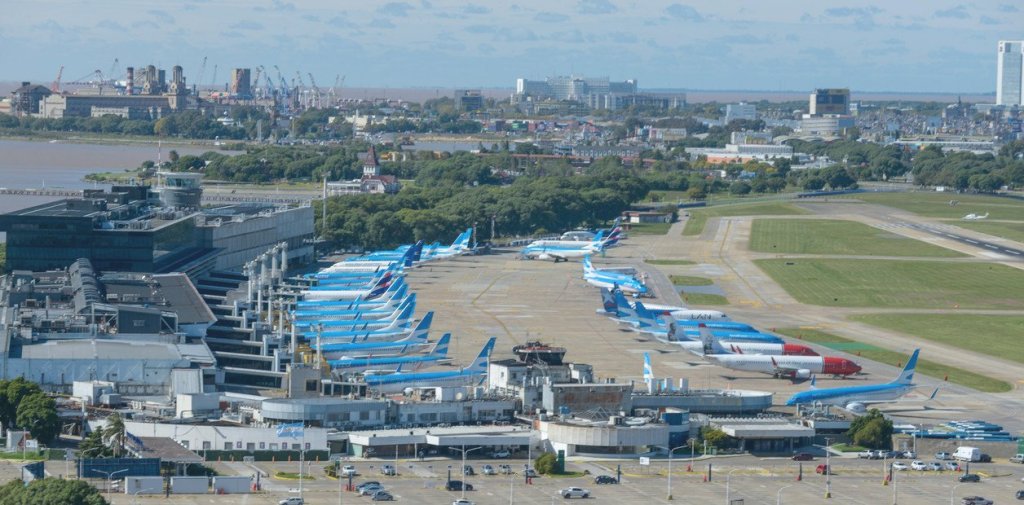
Desde el Gobierno están confeccionando nuevamente el retorno de la regionalización del Aeropuerto Jorge Newbery, por lo que han establecido la licitación de obras para reacondicionar la aeroestación para devolver a Aeroparque a la categoría de aeropuerto regional muy semejante a lo que es el Aeropuerto Sao Paulo/Congonhas de Brasil. Las fuentes de Transporte indicaron que “aprovecharemos el parate de la pandemia para realizar obras pendientes, como la ampliación de la zona de posiciones de los aviones y la refacción de la pista de aterrizaje. Estas obras estarán licitadas en 15 días y el tiempo de ejecución será de 120 días, por lo que estimamos que para Diciembre 2020 estará nuevamente operativo, ya en su condición de regional, como era hasta Abril 2018, pero sumando a Perú”.
La conclusión de las obras establecidas concluirían para finales de Noviembre 2020 y la reapertura como Aeropuerto Regional Jorge Newbery estarían habilitadas para principios de Diciembre 2020 con el comienzo de las vacaciones estivales en Argentina.
Aeropuerto El Palomar
El Gobierno de Argentina ha detallado el nuevo organigrama de vuelos domésticos para esta primer etapa: «En esta etapa todos los vuelos operarán desde el Aeropuerto Internacional Ezeiza, debido a que Aeroparque aún estará cerrado por obras y en El Palomar tenemos una situación aún no resuelta porque por un lado hay un pedido de la concesionaria de trasladar las operaciones a Ezeiza, debido a la escasa actividad y por el otro todavía está pendiente una cuestión judicial”, sostuvieron desde el Ministerio de Transporte.
La situación del Aeropuerto Internacional El Palomar continúa con tintes políticos, percibiendo una firme decisión de cerrar la aeroestación. Desde Aeropuertos Argentina 2000 (AA2000) actual concesionario de El Palomar junto con el Gobierno consideran que es demasiado tener tres aeropuertos en la zona metropolitana de Buenos Aires.
Respecto a las low cost que operan en El Palomar, han adelantado que se analiza la idea de crear una estación de bajo costo exclusivamente para las líneas aéreas de presupuesto en el Aeropuerto Internacional Ezeiza, ya que los costos que debían pagarle a AA2000 serían muy elevados en comparación con las aerolíneas convencionales en Ezeiza. Argumentaron que en el Ministerio de Transporte «no ven como razonable que coexistan tres aeropuertos para Buenos Aires, ya que, si bien admitieron que en cuanto a infraestructura logística es conveniente debido a la conectividad por ferrocarril, en cuanto a lo que tiene que ver con la operación aérea es negativo”.
La situación de las compañías de bajo costo que estaban operando en El Palomar y la diferencia de costos operativos entre esa estación aérea y Ezeiza, expresaron que están estudiando conformar un sector low cost en Ezeiza, con costos operativos similares a los de El Palomar procurando reforzar la conexión terrestre con el aeropuerto, incorporando servicios de traslado funcional.
Argentina confirms restart of air ops
Government Argentina confirms reopening operations 2Q/07 2020 Return to the regionalization of Jorge Newbery Airport
Argentina is announcing a battery of announcements for airlines and airports in the first stage of restart commercial aviation. The Government of Argentina has confirmed the reopening of commercial aviation operations for the second half of July (2Q/07 2020), confirmed this Thursday 11/06 sources from the Ministry of Transport of the Nation.
First stage
In this first stage, all operations will be concentrated at Ezeiza International Airport, which will extend with a connection between provinces. Jorge Newbery Airport will be closed for improvement works. Cabotage flights will begin to operate from the second half of July 2020, with services between provinces with the concentration of air traffic at Ezeiza International Airport.
Ezeiza airport
From the Government they have announced the concentration of the aerial operations of cabotage in the main aerostation of the country. «We are preparing a schedule with Aerolineas Argentinas that we will try to validate with the Ministry of Health for regular weekly flights, which will not have the normal pre-pandemic frequencies, but the idea is to have between 32 and 38 weekly flights», they detailed. government sources. This new provision for the reopening of the commercial activity will be designed for all airlines in Argentina.
Sources from the Argentine Ministry of Health coordinated with the agencies and organizations that represent the aviation field expressed that there will be a single security protocol for all airlines. They pointed out that the sanitary protocol will be being implemented with the National Civil Aviation Administration (ANAC) so that the flights have a proportionate capacity at an occupancy factor of 70 percent. «In any case, we do not consider that, in this first stage of the reopening, travelers reach that percentage, since people will have to regain confidence in flying and for that we must continue working with airlines, with airport borrowers to ensure that there is no spread of the virus”.
During this transition period of the pandemic, no cases of contagion have been reported on the flights that are being carried out. The regulatory agencies must maximize the health security tasks to visualize the existing conditions in this period of the pandemic to prevent contagions by attending the controls from the boarding points, the airports.
Jorge Newbery Airport
From the Government they are preparing the return of the regionalization of the Jorge Newbery Airport, so they have established the tender for works to recondition the air station to return Aeroparque to the category of regional airport very similar to what is the Sao Paulo Airport/Congonhas from Brazil. Transportation sources indicated that «we will take advantage of the pandemic parate to carry out pending works, such as the expansion of the aircraft position area and the renovation of the runway. These works will be tendered in 15 days and the execution time will be 120 days, so we estimate that by December 2020 it will be operational again, already in its regional capacity, as it was until April 2018, but adding to Perú».
The completion of the established works would conclude by the end of November 2020 and the reopening as Jorge Newbery Regional Airport would be enabled by the beginning of December 2020 with the start of the summer holidays in Argentina.
El Palomar Airport
The Government of Argentina has detailed the new organization chart for domestic flights for this first stage: «At this stage all flights will operate from Ezeiza International Airport, because Aeroparque will still be closed for works and in El Palomar we have a situation that has not yet been resolved because on the one hand there is a request from the concessionaire to transfer the operations to Ezeiza, due to the low activity and on the other, a judicial matter is still pending”, they maintained from the Ministry of Transport.
The situation of El Palomar International Airport continues with political overtones, perceiving a firm decision to close the airport. From Aeropuertos Argentina 2000 (AA2000), the current concessionaire of El Palomar, together with the Government, consider that it is too much to have three airports in the Buenos Aires metropolitan area.
Regarding the low cost that operate in El Palomar, they have advanced that the idea of creating a low cost station exclusively for budget airlines at Ezeiza International Airport is being analyzed, since the costs that they had to pay to AA2000 would be very high compared to conventional airlines in Ezeiza. They argued that the Ministry of Transportation «does not see as reasonable that three airports coexist for Buenos Aires, since, although they admitted that in terms of logistics infrastructure it is convenient due to rail connectivity, in terms of what has to do with the air operation is negative”.
The situation of the low cost companies that were operating in El Palomar and the difference in operating costs between that air station and Ezeiza, expressed that they are studying the formation of a low cost sector in Ezeiza, with operating costs similar to those of El Palomar, trying to reinforce the terrestrial connection with the airport, incorporating functional transfer services.
Ξ A I R G W A Y S Ξ PUBLISHER: Airgways.com DBk: Argentina.gob.ar/transporte / Anac.gov.ar / Aa2000.com.ar / Airgways.com AW-POST: 202006121525
Lufthansa anuncia reducción de 22.000 trabajadores por pandemia
La compañía alemana Lufthansa German Airlines ha anunciado la supresión de 22.000 puestos de trabajo por los efectos de la crisis sanitaria mundial. La compañía germana posee un total de 135.000 empleados a nivel mundial. Aunque la aerolínea ha recibido una asistencia estatal de 9.000 millones de Euros, continuará con el plan de reestructuración que incluye despidos y reducción horaria. El sindicato aeronáutico ofreció un recorte del 45% de los salarios para evitar despidos impulsivos.
Tras una reunión con los sindicatos aeronáuticos, Lufthansa apunta a que los recortes sean a través de reducciones de jornadas y otras medidas que eviten despidos. “Sin una reducción significativa de los costos de laborales durante la crisis arriesgamos que el grupo Lufthansa salga claramente debilitado de la crisis”, precisó el Jefe de personal Michael Niggeman.
“Los trabajadores de todas las aerolíneas del consorcio deben quedar protegidos contra el despido y poder tener fe en que la dirección está dispuesta a emprender un rumbo conjunto”, declaró el representante del Sindicato de la Organización Independiente de Azafatas (Unabhängige Flugbegleiter Organisation/UFO), Nicoley Baublies, al término de la reunión de negociaciones.
El sindicato de pilotos, Vereinigung Cockpit, por su parte, apunta que estos profesionales habrían ofrecido recortar su salario hasta un 45%, suponiendo un ahorro de 350 millones, a cambio de que se garanticen sus puestos de trabajo.
Tanto sindicatos como Lufthansa aspiran a llegar a un acuerdo antes del 25 de junio, cuando se celebrará una junta extraordinaria de accionistas de Lufthansa para decidir sobre el rescate de la aerolínea, que ya fue aprobado por la directiva del grupo.
Lufthansa dejará de cotizar en el DAX 30 (panel de acciones líderes) de Fráncfort a partir del 22 de junio debido a la drástica caída de sus acciones, tras sufrir en el primer trimestre del año una pérdida neta de 2.100 millones de euros. Al anunciar los resultados del primer trimestre la empresa anunció una gran reestructuración en todas sus filiales para generar flujo de caja y poder devolver las ayudas.
En los próximos meses, el grupo aumentará su actividad después de haber relanzado ciertas rutas en junio, pero su oferta de asientos no excederá en septiembre el 70% de lo planeado antes de la pandemia en largo radio y el 90% en corto radio.
Lufthansa announces reduction of 22,000 jobs
Lufthansa announces reduction of 22,000 workers due to pandemic
The German company Lufthansa German Airlines has announced the abolition of 22,000 jobs due to the effects of the global health crisis. The German company has a total of 135,000 employees worldwide. Although the airline has received state assistance of 9,000 million Euros, it will continue with the restructuring plan that includes layoffs and reduced hours. The aviation union offered a 45% cut in wages to avoid impulsive layoffs.
After a meeting with the aeronautical unions, Lufthansa aims for the cuts to be through shorter working hours and other measures to prevent layoffs. ,«Without a significant reduction in labor costs during the crisis, we risk the Lufthansa group clearly emerging from the crisis weakened», said Chief of Staff Michael Niggeman. ,»The workers of all the airlines in the consortium must be protected against dismissal and be able to have faith that the management is ready to embark on a joint course», said the representative of the Union of the Independent Organization of Hostesses (Unabhängige Flugbegleiter Organization/UFO) Nicoley Baublies at the end of the negotiating meeting.
The pilots union, Vereinigung Cockpit, for its part, points out that these professionals have offered to cut their wages by up to 45%, assuming a saving of 350 million, in exchange for guaranteeing their jobs.
Both unions and Lufthansa hope to reach an agreement before June 25, when an extraordinary meeting of Lufthansa shareholders will be held to decide on the rescue of the airline, which has already been approved by the group’s management.
Lufthansa will cease to be listed on the Frankfurt DAX 30 (panel of leading shares) from June 22 due to the drastic fall in its shares, after suffering a net loss of 2.1 billion euros in the first quarter of the year. When announcing the results for the first quarter, the company announced a major restructuring in all its subsidiaries to generate cash flow and be able to repay the aid.
In the coming months, the group will increase its activity after having relaunched certain routes in June, but its offer of seats will not exceed 70% of what was planned before the pandemic in long-haul and 90% in short-haul in September.
Lufthansa kündigt Abbau von 22.000 Arbeitsplätzen an
Lufthansa kündigt den Abbau von 22.000 Arbeitnehmern aufgrund einer Pandemie an
Das deutsche Unternehmen Lufthansa German Airlines hat den Abbau von 22.000 Arbeitsplätzen aufgrund der Auswirkungen der globalen Gesundheitskrise angekündigt. Das deutsche Unternehmen beschäftigt weltweit insgesamt 135.000 Mitarbeiter. Obwohl die Fluggesellschaft eine staatliche Unterstützung in Höhe von 9.000 Millionen Euro erhalten hat, wird sie den Umstrukturierungsplan fortsetzen, der Entlassungen und reduzierte Arbeitszeiten umfasst. Die Luftfahrtgewerkschaft bot eine Senkung der Löhne um 45% an, um impulsive Entlassungen zu vermeiden.
Nach einem Treffen mit den Luftfahrtgewerkschaften strebt Lufthansa an, dass die Kürzungen durch kürzere Arbeitszeiten und andere Maßnahmen zur Verhinderung von Entlassungen erfolgen. ,,Ohne eine signifikante Reduzierung der Arbeitskosten während der Krise riskieren wir, dass die Lufthansa-Gruppe, die eindeutig aus der Krise hervorgeht, geschwächt ist», sagte Stabschef Michael Niggeman.
,,Die Arbeitnehmer aller Fluggesellschaften des Konsortiums müssen vor Entlassung geschützt sein und darauf vertrauen können, dass das Management bereit ist, einen gemeinsamen Kurs einzuschlagen», sagte der Vertreter der Union der Unabhängigen Flugbegleiter-Organisation (UFO). Nicoley Baublies am Ende des Verhandlungstreffens.
Die Pilotengewerkschaft Vereinigung Cockpit weist ihrerseits darauf hin, dass diese Fachkräfte angeboten haben, ihre Löhne um bis zu 45% zu senken, wobei eine Einsparung von 350 Millionen angenommen wird, um ihre Arbeitsplätze zu garantieren.
Sowohl die Gewerkschaften als auch Lufthansa hoffen, vor dem 25. Juni eine Einigung zu erzielen, wenn eine außerordentliche Versammlung der Lufthansa-Aktionäre abgehalten wird, um über die Rettung der Fluggesellschaft zu entscheiden, die bereits von der Konzernleitung genehmigt wurde.
Die Lufthansa wird ab dem 22. Juni aufgrund des drastischen Rückgangs ihrer Aktien nicht mehr im Frankfurter DAX 30 (Panel der führenden Aktien) notiert, nachdem sie im ersten Quartal des Jahres einen Nettoverlust von 2,1 Milliarden Euro erlitten hatte. Bei der Bekanntgabe der Ergebnisse für das erste Quartal kündigte das Unternehmen eine umfassende Umstrukturierung aller Tochterunternehmen an, um einen Cashflow zu generieren und die Beihilfe zurückzahlen zu können.
In den kommenden Monaten wird die Gruppe ihre Aktivitäten nach dem Neustart bestimmter Strecken im Juni verstärken. Das Sitzplatzangebot wird jedoch 70% der vor der Pandemie auf Langstrecken und 90% auf Kurzstrecken im September geplanten Sitzplätze nicht überschreiten.
Ξ A I R G W A Y S Ξ PUBLISHER: Airgways.com DBk: Lufthansa.com / Vcockpit.de / Ufo-online.aero / Airgways.com / Dpa.com / Businessinsider.de / Handelsblatt.com AW-POST: 202006121303AR