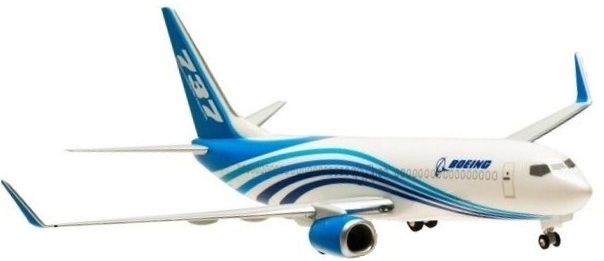
The Boeing Company obtiene el pedido de Alemania de financiación de aeronaves para dos cargueros convertidos Boeing 737-800. En respuesta a la fuerte demanda de carga urgente a corto y largo plazo, Aircraft Finance Germany (AFG) firmó un acuerdo con Boeing para dos Boeing 737-800 Boeing Converted Freighters (BCF). La orden es la primera conversión de Boeing de carga de la empresa comercial, observándose una fuerte demanda de carga aérea en los mercados de tráfico rápido y comercio electrónico.
Basado en el popular Boeing 737 Next-Generation, el Booeing 737-800BCF ofrece a los operadores tecnología más nueva, menor consumo de combustible y mejor confiabilidad que otros cargueros de carrocería estándar. Principalmente utilizado para transportar carga exprés en rutas nacionales o de corta distancia, el avión es capaz de transportar hasta 23.9 toneladas (52,800 lb) y volar hasta 2,000 millas náuticas (3,750 km).
«Siempre estamos buscando la mejor manera de invertir y desplegar aviones que respalden a nuestros clientes. El 737-800BCF nos brinda la oportunidad de servir a un mercado en crecimiento con un caballo de batalla que puede encajar de manera confiable y eficiente en la mayoría de las flotas de operadores», dijo Peter Koster, Jefe de Comercio de Cargueros de AFG.
El Boeing 737-800BCF ha sido entregado inicialmente en 2018, y actualmente es operado por una cartera de clientes de diez operadores en cuatro continentes. Boeing ha aumentado la producción en respuesta al aumento de la demanda con 132 pedidos. Hasta la fecha, la compañía ha entregado 34 Boeing 737-800BCF.
“Aircraft Finance Germany es conocida por crear soluciones a medida que permiten a sus clientes ganar en un mercado dinámico. Nos complace que estén invirtiendo en el 737-800BCF. El 737-800BCF aprovecha la eficiencia y la confiabilidad inigualable del 737 de próxima generación y el programa de carga convertida es una excelente manera de extender la vida útil de la plataforma”, dijo Ihssane Mounir, Vicepresidente Senior de Ventas Comerciales y Marketing de Boeing.
La familia de cargueros Boeing, que incluye opciones de producción y cargueros convertidos, proporciona más del 90 por ciento de la capacidad de carga mundial, ofreciendo una selección incomparable de capacidad y capacidad con una economía superior.
Sobre AFG
Como una de las firmas líderes del mundo centrada en el comercio de aviones, AFG ofrece soluciones llave en mano para su base de inversores. AFG ha desarrollado asociaciones estratégicas con fabricantes, operadores e instituciones financieras en todo el mundo que permiten a AFG completar incluso las transacciones más complejas. Las competencias principales incluyen la adquisición y venta de aeronaves, la estructuración de arrendamientos y financiamiento de aeronaves a largo plazo y los servicios de administración de activos y propiedad de aeronaves. AFG se enorgullece de embarcarse en su primera conversión de pasajero a carguero en cooperación con Boeing.
AFG signs agreement with Boeing
Boeing gets order for two Boeing 737-800F
The Boeing Company obtains Germany’s request for aircraft financing for two converted Boeing 737-800 freighters. In response to strong short and long-term urgent cargo demand, Aircraft Finance Germany (AFG) signed an agreement with Boeing for two Boeing 737-800 Boeing Converted Freighters (BCF). The order is Boeing’s first conversion of cargo from the trading company, with strong demand for air cargo seen in the fast-traffic and e-commerce markets.
Based on the popular Boeing 737 Next-Generation, the Booeing 737-800BCF offers operators newer technology, lower fuel consumption, and better reliability than other standard body freighters. Primarily used to transport express cargo on domestic or short-haul routes, the aircraft is capable of carrying up to 23.9 tons (52,800 lb) and flying up to 2,000 nautical miles (3,750 km).
«We are always looking for the best way to invest and deploy aircraft that support our customers. The 737-800BCF gives us the opportunity to serve a growing market with a workhorse that can reliably and efficiently fit in most operator fleets», said Peter Koster, AFG Chief Freighter Trade.
The Boeing 737-800BCF was initially delivered in 2018, and is currently operated by a client portfolio of ten operators on four continents. Boeing has increased production in response to increased demand with 132 orders. To date, the company has delivered 34 Boeing 737-800BCF.
“Aircraft Finance Germany is known for creating bespoke solutions that enable its clients to win in a dynamic market. We are pleased that you are investing in the 737-800BCF. The 737-800BCF takes advantage of the efficiency and unmatched reliability of the next-generation 737, and the converted load program is a great way to extend the life of the platform”, said Ihssane Mounir, Senior Vice President of Commercial Sales and Marketing for Boeing.
The Boeing family of freighters, which includes production options and converted freighters, provide more than 90 percent of the world’s cargo capacity, offering an unmatched choice of capacity and capacity with a superior economy.
About AFG
As one of the world’s leading aircraft-focused firms, AFG offers turnkey solutions for its investor base. AFG has developed strategic partnerships with manufacturers, operators and financial institutions around the world that allow AFG to complete even the most complex transactions. Core competencies include aircraft acquisition and sale, long-term aircraft leasing and financing structuring, and aircraft asset and property management services. AFG is proud to embark on its first passenger-to-freighter conversion in cooperation with Boeing.
Ξ A I R G W A Y S Ξ PUBLISHER: Airgways.com DBk: Boeing.com / Aircraftfinancegermany.com / Airgways.com AW-POST: 202007241636AR
Unos 850 empleados acuerdan programa de retiro voluntario
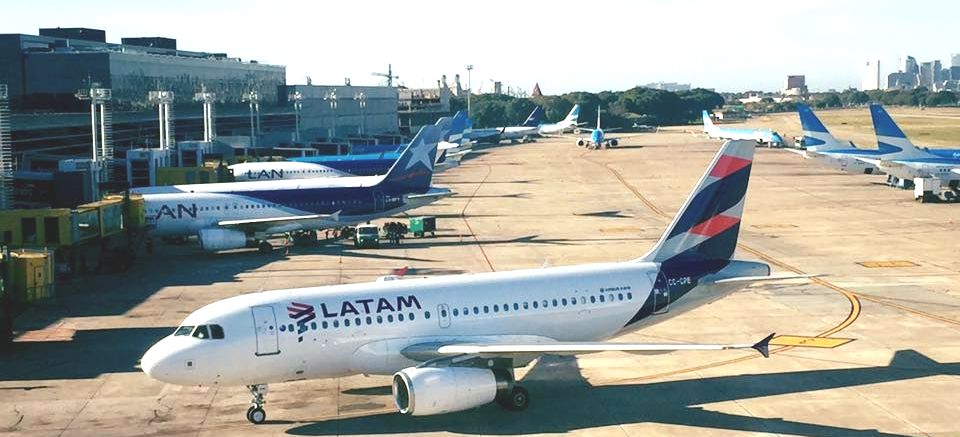
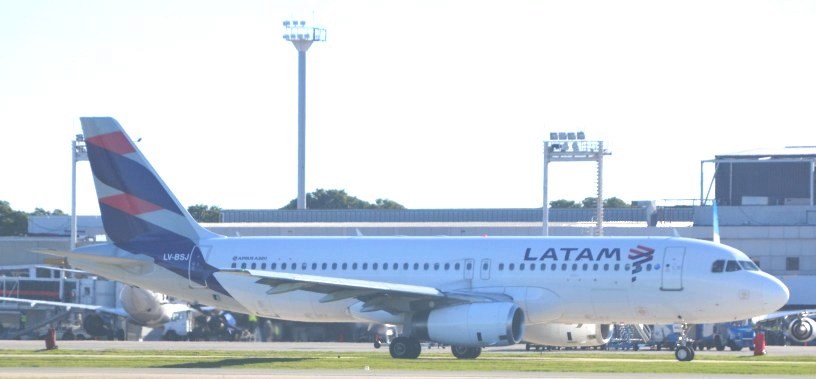
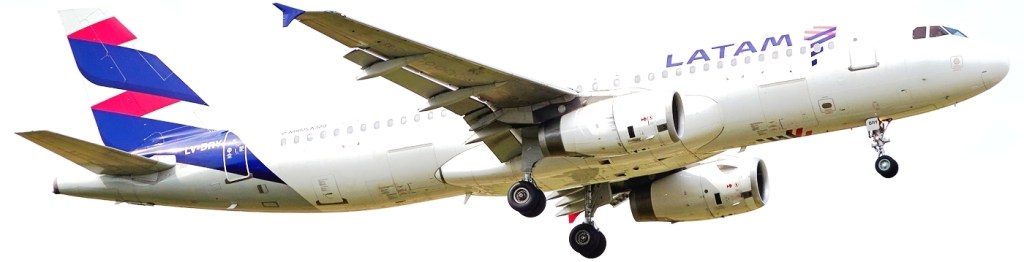
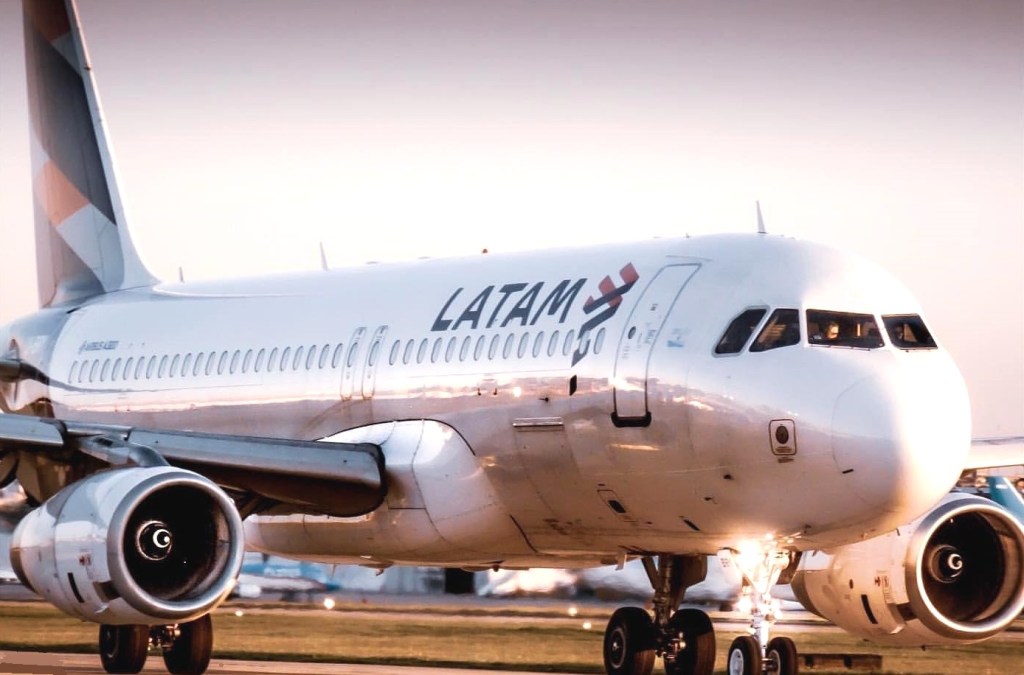
Tras el rechazo de parte del Gobierno de Argentina del Proceso Preventivo de Crisis (PPC), alrededor del 50% de los trabajadores se han adherido al Programa de retiros Voluntarios ofrecido por la aerolínea Latam Airlines Argentina. Alrededor del 50% de los 1.715 empleados de la aerolínea han iniciado un acuerdo de retiro voluntario, de los cuales dentro de este porcentaje, la mayor adhesión correspondería a un 90% a tripulación de Pilotos, lo que corresponde a un total de 190 personas que se han desvinculado de la compañía. Latam Argentina no ha emitido un comunicado oficial al respecto, pero ha informado: «Al momento, un alto porcentaje de nuestras personas aceptó su retiro voluntario en el marco del plan ofrecido». Los ex-empleados recibirán una garantía de compensación equivalente a 110% de un despido convencional.
Luego de conocerse la decisión del Ministerio de Trabajo de rechazar la apertura del Procedimiento Preventivo de Crisis (PPC), la compañía aérea ha continuado declarando su postura firme de levantar la filial definitivamente. «El cese de operaciones constituye una decisión tomada y es irreversible, tal como se expresara ante las autoridades de los diferentes ámbitos y se ratificara en la Audiencia ante el Ministerio de Trabajo del pasado 8 Julio», expresó el comunicado de Latam Argentina.
Aunque la salida de Latam Airlines Argentina es más costosa, no impedirá que el Gobierno de Argentina cierre sus puertas. Actualmente posee unos 858 empleados restantes para continuar las negociaciones laborales, mientras tanto, la aerolínea ha comunicado que continuarán apelando el dictamen judicial que podría tener novedades dentro de un plazo de cinco días hábiles.
Latam, volar desde afuera
La compañía ha tomado la decisión de retirarse del mercado argentino ante la incertidumbre de la crisis sanitaria actual y las perspectivas poco claras acerca de la apertura de los vuelos en el país. Pero entre bastidores, la aerolínea ha agotado sus recursos para continuar volando por razones de acosamiento por parte del sector político al mercado de aviación. Tras los quince años de operaciones de Latam Airlines Argentina, la línea aérea ha estado peleando por un espacio de mercado alcanzando un segundo puesto en la cuota de mercado, pero muy por debajo del grupo Aerolíneas que detenta alrededor de un 65%.
Latam Airlines Group ha comunicado la decisión de volar con las otras filiales hacia Argentina, pues continúa valorizando las rutas internacionales.
50% Latam Argentina employees agree
About 850 employees agree to voluntary retirement program
After the rejection by the Government of Argentina of the Crisis Prevention Process (PPC), around 50% of the workers have adhered to the Voluntary Retirement Program offered by the airline Latam Airlines Argentina. About 50% of the 1,715 employees of the airline have started a voluntary retirement agreement, of which within this percentage, the greatest adherence would correspond to 90% to the crew of Pilots, which corresponds to a total of 190 people who have disengaged from the company. Latam Argentina has not issued an official statement in this regard, but has reported: «At the moment, a high percentage of our people accepted their voluntary retirement under the offered plan». Former employees will receive a compensation guarantee equal to 110% of a conventional dismissal.
After learning of the Ministry of Labor’s decision to reject the opening of the Crisis Preventive Procedure (PPC), the airline has continued declaring its firm position to permanently lift the subsidiary. «The cessation of operations constitutes a decision taken and is irreversible, as expressed before the authorities of the different areas and it was ratified in the Hearing before the Ministry of Labor on July 8», said the statement from Latam Argentina.
Although the departure of Latam Airlines Argentina is more expensive, it will not prevent the Government of Argentina from closing its doors. It currently has some 858 remaining employees to continue the labor negotiations, meanwhile, the airline has announced that they will continue to appeal the court ruling that could have news within five business days.
Latam, fly from outside
The company has made the decision to withdraw from the Argentine market due to the uncertainty of the current health crisis and unclear prospects about the opening of flights in the country. But behind the scenes, the airline has exhausted its resources to continue flying due to harassment by the political sector to the aviation market. After the fifteen years of operations of Latam Airlines Argentina, the airline has been fighting for a market space, reaching a second place in the market share, but well below the Airlines group that holds around 65%.
Latam Airlines Group has communicated the decision to fly with the other subsidiaries to Argentina, as it continues to value international routes.
Ξ A I R G W A Y S Ξ PUBLISHER: Airgways.com DBk: Argentina.gob.ar / Latam.com / Airgways.com AW-POST: 202007241240AR
Aeronavegantes aceptarían acuerdo suspensiones sin rebaja salarial
Aerolíneas Argentinas ha comenzado a convocar a los gremios aeronáuticos del sector para discutir una nueva extensión por 60 días de las 4.000 suspensiones acordadas para Junio y Julio 2020.
Mientras parece confirmado que los vuelos de cabotaje no se retomarán en el corto plazo, la compañía esta buscando generar el mayor ahorro posible mientras se encuentren paradas las operaciones aerocomerciales. Desde algunos gremios expresaron por anticipando que de ninguna manera aceptarán una reducción de los salarios de los trabajadores.
Aerolíneas
A inicios de Junio 2020, la empresa acordó con los gremios aeronáuticos un plan de suspensiones para los meses de Junio/Julio de 4.000 trabajadores, a quienes se les continuó pagando el 100% de los salarios de bolsillo de manera no remunerativa. Así, la empresa proyectaba ahorrar AR$ 220 millones de Pesos mensuales en cargas patronales, que se suman a otros AR$ 130 millones de ahorro mensual en viáticos. “La intención nuestra siempre fue generar el mayor ahorro posible para la compañía mientras se encuentren paradas las operaciones y con gran parte del personal sin realizar tareas. Con esa intención se realizó el mejor acuerdo posible para los meses de junio y julio y trataremos de realizar el mejor acuerdo posible para agosto y septiembre”, explicaron este Jueves 23/07 fuentes de Aerolíneas.
Gremio Aeronavegantes
Desde la Asociación Argentina de Aeronavegantes (AAA), el gremio encabezado por Juan Pablo Brey que organiza al personal de Tripulantes de Cabina de Pasajeros (TPC), confirmaron que la empresa los convocó para acordar la continuidad del plan de suspensiones rotativas para Agosto y Septiembre, así como también para discutir un esquema de adecuaciones salariales. Al respecto, el titular de Aeronavegantes consideró: “Reiteramos que, aun teniendo perfectamente clara la gravedad de la situación, y apoyando en todo lo que colectivamente hemos podido, nos oponemos enérgicamente a reducciones salariales que acentúen aun más el difícil momento que los trabajadores estamos enfrentando. Vamos a continuar seguramente con las suspensiones, pero no vamos a aceptar rebaja de salarios”.
Los gremios del sector aeronáutico restantes como APLA, UALA, APA, APTA y UPSA comenzaron a ser reunidos por el CEO de Aerolíneas Pablo Ceriani para avanzar con las negociaciones salariales.
Aeronavegantes-Aerolíneas agreement
Airnavigators would accept suspension agreement but without salary reduction
Aerolíneas Argentinas has begun to convene the aeronautical unions of the sector to discuss a new extension for 60 days of the 4,000 suspensions agreed for June and July 2020.
While it seems confirmed that cabotage flights will not be resumed in the short term, the company is seeking to generate the greatest possible savings while aero-commercial operations are stopped. Some unions expressed in anticipation that they will in no way accept a reduction in workers’ wages.
Aerolíneas
At the beginning of June 2020, the company agreed with the aeronautical unions a plan of suspensions for the months of June/July of 4,000 workers, who continued to be paid 100% of the pocket wages in a non-remunerative way. Thus, the company projected to save AR$ 220 million pesos monthly in employer charges, in addition to another AR$ 130 million monthly savings in per diem. “Our intention has always been to generate the greatest possible savings for the company while operations are stopped and with a large part of the personnel without performing tasks. With this intention, the best possible agreement was made for the months of June and July and we will try to make the best possible agreement for August and September”, explained this Thursday 23/07 sources from Aerolíneas.
Airnavigators Guild
From the Asociación Argentina de Aeronavegantes (AAA), the union led by Juan Pablo Brey that organizes the personnel of Cabin Crew Passengers (TPC), confirmed that the company called them to agree on the continuity of the rotating suspension plan for August and September, as well as to discuss a salary adjustment scheme. In this regard, the head of Aeronavegantes considered: “We reiterate that, even though we are perfectly clear about the seriousness of the situation, and supporting everything that we have collectively been able to do, we strongly oppose salary reductions that further accentuate the difficult moment that workers are experiencing. facing up. We will surely continue with the suspensions, but we will not accept lower wages».
The remaining aeronautical sector unions such as APLA, UALA, APA, APTA and UPSA began to be gathered by the CEO of Aerolíneas Pablo Ceriani to advance with the salary negotiations.
Ξ A I R G W A Y S Ξ PUBLISHER: Airgways.com DBk: Aeronavegantes.org.ar / Aerolineas.com / Cronista.com / Lanacion.com.ar / Airgways.com AW-POST: 202007241127AR
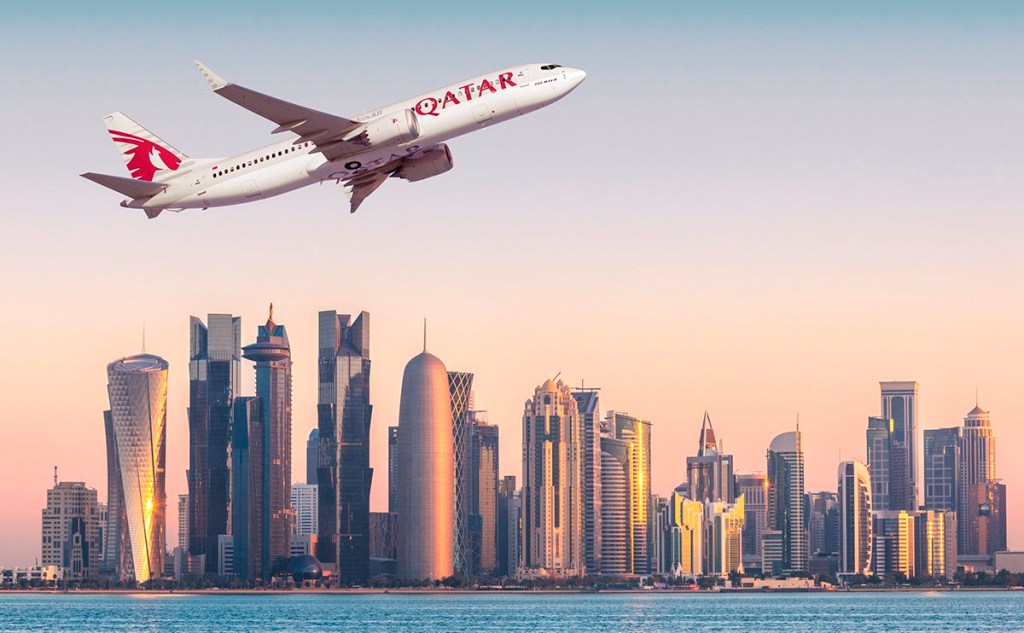
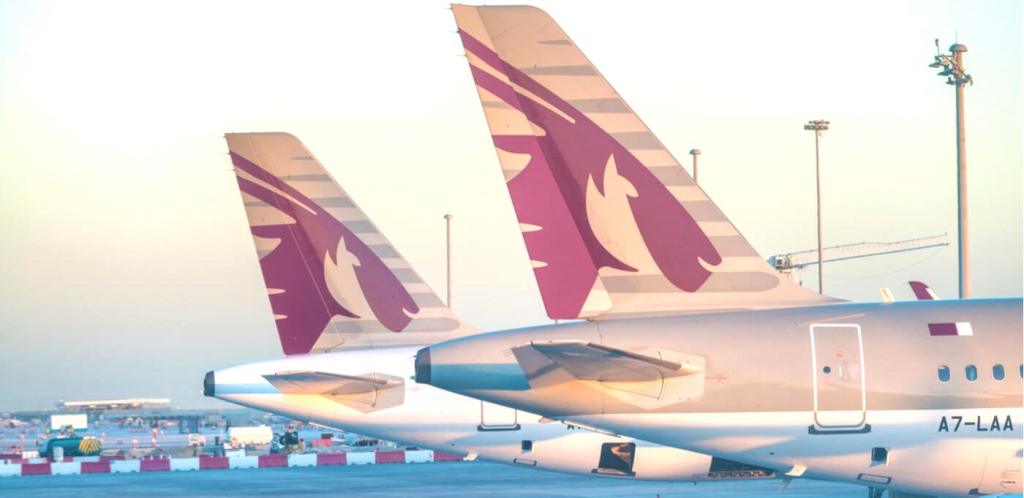
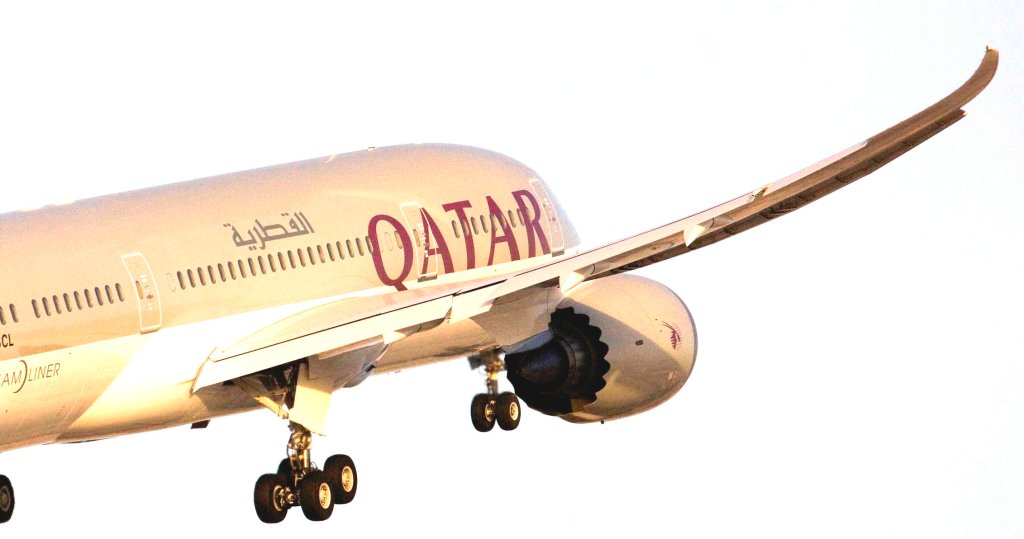
Qatar Airways busca compensación países árabes por bloqueo espacio aéreo
Qatar Airways está buscando una compensación internacional por un monto de US$ 5 mil millones del bloque formado por Arabia Saudita, Emiratos Árabes Unidos, Egipto y Bahrein por bloquear el espacio aéreo impuesto a la compañía. El impedimento ha estado ocurriendo desde 2017, cuando los países cortaron las relaciones diplomáticas con Qatar debido a la supuesta participación del país en la financiación de grupos terroristas. La compañía reclama una indemnización por daños financieros en cuatro agencias de inversión especializadas arbitrarias. Qatar señala que las medidas se relacionan no solo con las pérdidas de la aerolínea, sino también con sus operaciones globales e inversiones realizadas en los cuatro países.
Debido a las limitaciones, la compañía comenzó a utilizar el espacio aéreo de Irán para llevar a cabo sus rutas. El desvío hizo que las rutas fueran menos rentables debido al aumento de los costos de combustible. “Después de más de tres años de esfuerzos para resolver la crisis de manera amistosa a través del diálogo, no obtuvimos resultados, por lo que tomamos la decisión de emitir avisos de arbitraje y buscar todos los remedios legales para proteger nuestros derechos y garantizar una compensación total por violación», dijo el CEO de Qatar Airways, Akbar Al Baker, en un comunicado publicado el Miércoles 22/07.
Victoria para Qatar
La semana pasada, la Corte Internacional de Justicia, bajo el Tribunal Internacional de Justicia (TIJ) de las Naciones Unidas (ONU) para disputas entre países, estuvo a favor de Qatar contra Arabia Saudita, los Emiratos Árabes Unidos, Egipto y Bahrein. Los cuatro países cuestionan que la Organización de Aviación Civil Internacional (OACI), la agencia de la ONU para la aviación, no tendría la autoridad para decidir sobre la disputa. Los jueces de TIJ, sin embargo, entendieron que la entidad es competente para arbitrar la disputa.
Qatar rechaza las acusaciones de participación en terrorismo y argumenta que el bloqueo aéreo es contrario al Convenio de Aviación Civil de 1944, el acuerdo internacional que condujo a la creación de la OACI.
Qatar air block compensation
Qatar Airways seeks Arab countries compensation for airspace blockade
Qatar Airways is seeking international compensation in the amount of US $ 5 billion from the block formed by Saudi Arabia, the United Arab Emirates, Egypt and Bahrain for blocking the airspace imposed on the company. The impediment has been occurring since 2017, when countries cut diplomatic relations with Qatar due to the country’s alleged involvement in financing terrorist groups. The company claims compensation for financial damages at four arbitrary specialized investment agencies. Qatar notes that the measures relate not only to the airline’s losses, but also to its global operations and investments made in the four countries.
Due to limitations, the company began using Iran’s airspace to carry out its routes. The diversion made the routes less profitable due to increased fuel costs. «After more than three years of efforts to resolve the crisis in a friendly way through dialogue, we did not obtain results, so we made the decision to issue arbitration notices and seek all legal remedies to protect our rights and guarantee compensation Total for violation», Qatar Airways CEO Akbar Al Baker said in a statement released on Wednesday 22/07.
Victory for Qatar
Last week, the International Court of Justice, under the United Nations (UN) International Court of Justice (ICJ) for disputes between countries, was in favor of Qatar against Saudi Arabia, the United Arab Emirates, Egypt and Bahrain. All four countries question that the International Civil Aviation Organization (ICAO), the UN aviation agency, would not have the authority to decide on the dispute. The TIJ judges, however, understood that the entity is competent to arbitrate the dispute.
Qatar rejects the allegations of involvement in terrorism and argues that the air blockade is contrary to the 1944 Civil Aviation Convention, the international agreement that led to the creation of ICAO.
تعويض كتلة قطر الجوية
الخطوط الجوية القطرية تطالب الدول العربية بتعويض حصارها الجوي
تسعى الخطوط الجوية القطرية للحصول على تعويض دولي بقيمة 5 مليارات دولار أمريكي من الكتلة التي شكلتها المملكة العربية السعودية والإمارات العربية المتحدة ومصر والبحرين لحجب المجال الجوي المفروض على الشركة. وقد تم وضع العائق منذ عام 2017 ، عندما قطعت الدول علاقاتها الدبلوماسية مع قطر بسبب تورطها المزعوم في تمويل الجماعات الإرهابية. تطالب الشركة بالتعويض عن الأضرار المالية في أربع وكالات استثمار متخصصة تعسفية. وتشير قطر إلى أن الإجراءات لا تتعلق بخسائر شركة الطيران فحسب ، بل أيضًا بعملياتها واستثماراتها العالمية في الدول الأربع.
بسبب القيود ، بدأت الشركة في استخدام المجال الجوي الإيراني لتنفيذ مساراتها. جعل التحويل المسارات أقل ربحية بسبب زيادة تكاليف الوقود. «بعد أكثر من ثلاث سنوات من الجهود المبذولة لحل الأزمة بطريقة ودية من خلال الحوار ، لم نحصل على نتائج ، لذلك اتخذنا قرارًا بإصدار إشعارات التحكيم وطلب جميع سبل الانتصاف القانونية لحماية حقوقنا وضمان التعويض وقال أكبر الباكر الرئيس التنفيذي للخطوط الجوية القطرية في بيان نشر يوم الأربعاء 22/07/2007 إن توتال «انتهكت».
النصر لقطر
في الأسبوع الماضي ، كانت محكمة العدل الدولية ، التابعة لمحكمة العدل الدولية التابعة للأمم المتحدة (ICJ) للنزاعات بين الدول ، لصالح قطر ضد المملكة العربية السعودية والإمارات العربية المتحدة ومصر والبحرين. تتشكك البلدان الأربعة في أن منظمة الطيران المدني الدولي (إيكاو) ، وكالة الطيران التابعة للأمم المتحدة ، لن تكون لديها سلطة البت في النزاع. لكن قضاة ICJ أدركوا أن الكيان مؤهل للتحكيم في النزاع.
ترفض قطر مزاعم التورط في الإرهاب وتجادل بأن الحصار الجوي يتعارض مع اتفاقية الطيران المدني لعام 1944 ، الاتفاقية الدولية التي أدت إلى إنشاء منظمة الطيران المدني الدولي.
Ξ A I R G W A Y S Ξ PUBLISHER: Airgways.com DBk: Icj.org / Qatarairways.com / Airgways.com AW-POST: 202007231200AR
Trabajadores Latam Argentina protestan en Aeroparque
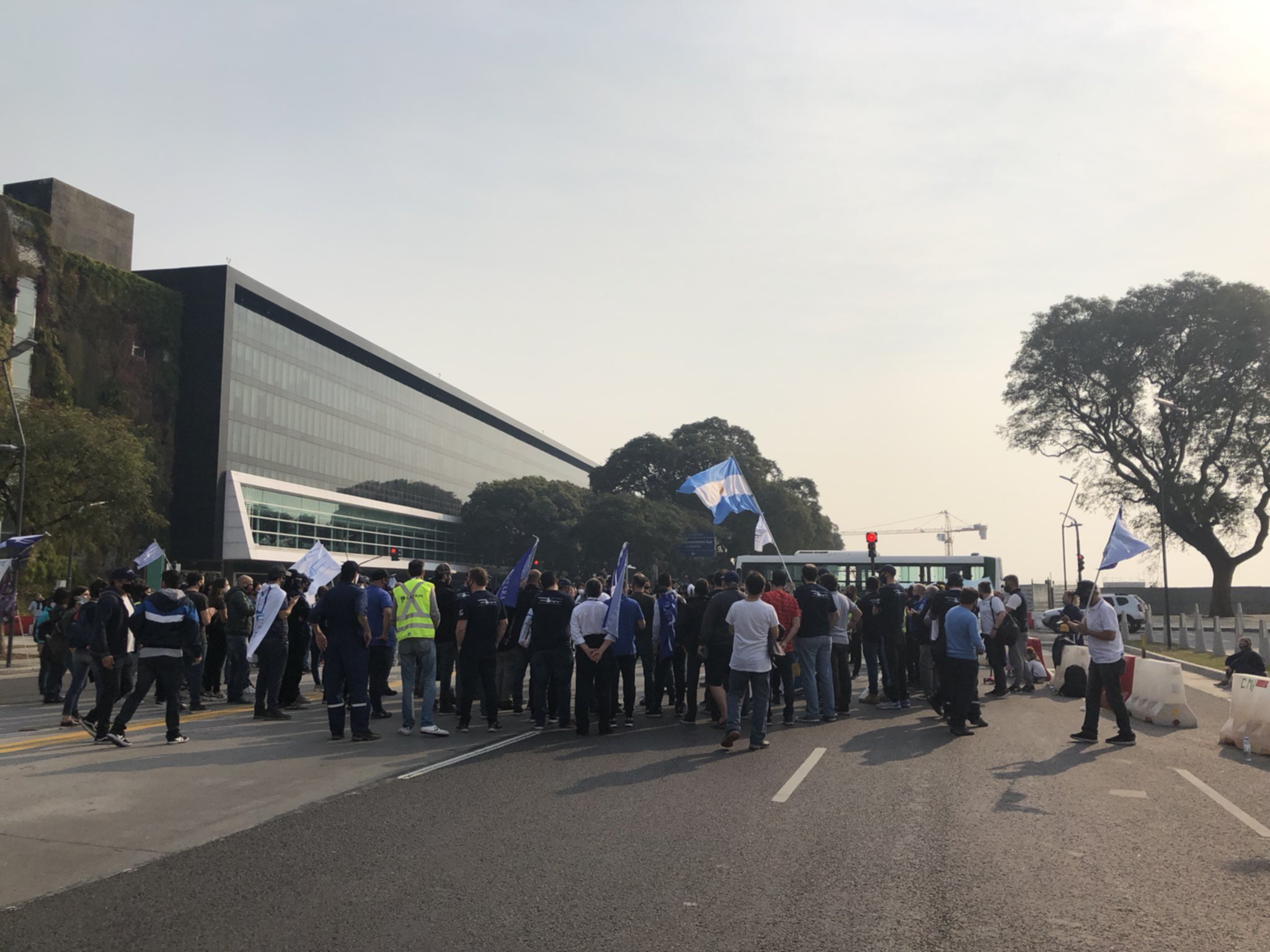
Empleados de Latam Airlines Argentina organizaron una protesta el Miércoles 22/07 para exigir definiciones sobrela situación actual de la compañía aérea en medio de la incertidumbre por sus puestos laborales, luego de que el gobierno rechazara un intento de abrir el Procedimiento de Prevención de Crisis (PPC)[Ɖ].
Las protesta realizadas este Miércoles frente al Aeropuerto Jorge Newbery de la ciudad de Buenos Aires expresan las exigencias de los empleados sobre la claridad de los puestos laborales, luego de que el Gobierno rechazara un intento de abrir el PPC, lo que estipula que la aerolínea debe continuar abonando sus sueldos.
La protesta se relaciona con la decisión de la empresa de cerrar su filial argentina indefinidamente después de 15 años de operaciones. La medida pone en riesgo 1.715 empleos. «Estamos aquí defendiendo empleos, la continuidad y pidiendo que se detenga la extorsión que se está llevando a cabo al desmembrar ilegalmente la compañía, extorsionarnos y presionarnos para que tomemos despidos voluntarios. Hacer frente a lo que quiere blanquear aquí, si tiene un plan de reducción de personal o si quiere abandonar el país, y hacerlo pero con los mecanismos legales», expresó Franco Fernández, de 29 años, miembro de la tripulación de cabina.
«No estamos interesados en la compensación, queremos seguir trabajando», dijo Paula Viñas, de 51 años, trabajadora en el aeropuerto de la ciudad. Viñas dijo que recibió su salario por última vez hace tres meses y luego solo la mitad. La compañía «utilizó la pandemia para hacer ajustes y hacerla más flexible», acusó.
Posición Gobierno
El Martes 21/07, el Ministerio de Trabajo rechazó una solicitud para abrir el Procedimiento de Prevención de Crisis (PPC), que permite el despido de empleados mediante el pago del 50 por ciento de la indemnización por despido, como resultado del decreto inspirado en la pandemia de Coronavirus del Presidente Alberto Fernández que prohíbe los despidos sin causa, ordenando a las empresas que paguen una indemnización doble.
Latam Argentina
La solicitud ante la cartera laboral fue presentada por la aerolínea el 17 Junio 2020, cuando Latam Airlines Argentina había anunciado en Santiago de Chile que cerraría indefinidamente su filial argentina. Según la compañía, la más grande de la región, «las condiciones de la industria local [en Argentina], agravada por la pandemia de Covid-19», significa que «la viabilidad de un proyecto sostenible no se visualiza».
Latam Airlines Argentina ha dejado de volar a 12 destinos nacionales, mientras que sus otras subsidiarias continuarán operando en los Estados Unidos, Brasil, Chile y Perú. El transportista se declaró en bancarrota en los Estados Unidos en Mayo 2020, luego de verse obligado a reducir sus operaciones en un 95 por ciento debido a la pandemia como punto muerto en todo el mundo. Sin embargo, el mes pasado, la compañía dijo que había obtenido US$ 1.300 millones en financiamiento de un fondo de inversión estadounidense para ayudarlo a sobrevivir a la crisis de la industria de la aviación.
La protesta frente al Aeropuerto Jorge Newbery tiene por objetivo los reclamos de las fuentes laborales, la continuidad de la compañía trabajadores, como el acampe para evitar que Latam Argentina retire sus aeronaves de la aeroestación. «Tenemos personal dentro del hangar, que están en su lugar de trabajo porque todos los que estamos aquí somos empleados permanentes. No hemos sido despedidos ni hemos recibido ningún telegrama que nos haya sacado de la compañía, hasta ahora», dijo Sergio Jiménez, de 45 años, líder de la Unión Técnica y de Operaciones.
PROCEDIMIENTO PREVENTIVO DE CRISIS: El Procedimiento Preventivo de Crisis (PPC), Artículos 98 y subsiguientes de la Ley 24013, fue establecido en los años 90 en la República Argentina con la intención de que hubiera un ámbito distinto al Concurso Preventivo o Quiebra, donde se pudiera conversar entre las partes alguna forma de continuar con la empresa sin que hubiera despidos masivos y cierres de establecimientos. Esto implicaba que las partes (empresa y sindicato), se reunieran en el Ministerio de Trabajo y formularan propuestas para seguir adelante. Esta propuesta debe ser homologada por el Ministerio de Trabajo para reordenar la situación y continuar con la empresa y los trabajadores.
Employee claims Latam Argentina
Workers of the Latam Argentina airline protest at Aeroparque
Employees of Latam Airlines Argentina organized a protest on Wednesday 22/07 to demand definitions about the current situation of the airline in the midst of uncertainty about its jobs, after the government rejected an attempt to open the Crisis Prevention Procedure (PPC)[Ɖ].
The protests held this Wednesday in front of the Jorge Newbery Airport in the city of Buenos Aires express the demands of the employees about the clarity of the jobs, after the Government rejected an attempt to open the PPC, which stipulates that the airline must continue to pay their salaries.
The protest is related to the company’s decision to close its Argentine subsidiary indefinitely after 15 years of operations. The measure puts 1,715 jobs at risk. «We are here defending jobs, continuity and asking to stop the extortion that is taking place by illegally dismembering the company, extorting money and pressuring us to take voluntary layoffs. Deal with what you want to launder here, if you have a plan to reduction of personnel or if you want to leave the country, and do it but with the legal mechanisms», said Franco Fernández, 29, a member of the cabin crew.
«We are not interested in compensation, we want to continue working», said Paula Viñas, 51, a worker at the city’s airport. Viñas said she last received her salary three months ago and then only half. The company «used the pandemic to make adjustments and make it more flexible», he accused.
Government Position
On Tuesday 21/07, the Ministry of Labor rejected a request to open the Crisis Prevention Procedure (PPC), which allows the dismissal of employees by paying 50 percent of the severance pay, as a result of the decree inspired by the Coronavirus pandemic of President Alberto Fernández, which prohibits dismissals without cause, ordering companies to pay double compensation.
Latam Argentina
The application to the labor portfolio was presented by the airline on June 17, 2020, when Latam Airlines Argentina had announced in Santiago de Chile that it would indefinitely close its Argentine subsidiary. According to the company, the largest in the region, «the conditions of the local industry [in Argentina], aggravated by the Covid-19 pandemic», means that «the viability of a sustainable project is not visualized».
Latam Airlines Argentina has stopped flying to 12 domestic destinations, while its other subsidiaries will continue to operate in the United States, Brazil, Chile and Peru. The carrier filed for bankruptcy in the United States in May 2020, after being forced to cut its operations by 95 percent due to the worldwide pandemic stalemate. However, last month, the company said it had raised US$ 1.3 billion in financing from a US investment fund to help it survive the crisis in the aviation industry.
The protest in front of the Jorge Newbery Airport is aimed at the demands of the labor sources, the continuity of the company workers, such as the camp to prevent Latam Argentina from withdrawing its aircraft from the airstation. «We have personnel inside the hangar, who are at their workplace because all of us here are permanent employees. We have not been fired or received any telegram that has taken us out of the company, until now», said Sergio Jiménez, from 45 years, leader of the Technical and Operations Union.
CRISIS PREVENTIVE PROCEDURE: The Crisis Preventive Procedure (PPC), Articles 98 and subsequent of Law 24013, was established in the 1990s in the Argentine Republic with the intention that there be a different scope to the Preventive Bankruptcy or Bankruptcy, where could discuss between the parties some way to continue with the company without mass layoffs and closings of establishments. This implied that the parties (company and union) meet at the Ministry of Labor and formulate proposals to move forward. This proposal must be approved by the Ministry of Labor to reorder the situation and continue with the company and the workers.
Ξ A I R G W A Y S Ξ PUBLISHER: Airgways.com DBk: Latam.com / Batimes.com.ar / Afp.com / Airgways.com AW-POST: 202007231136AR
Aerolíneas Argentinas anunció el lanzamiento de su tarifa Super Flex, permitiendo a los pasajeros que hayan adquirido un ticket antes del 31 Agosto 2020 para vuelos a partir del 1 Septiembre 2020, poder realizar un cambio de fecha sin penalidades ni diferencias tarifarias. Esta opción hará posible que los viajeros puedan modificar sus fechas sin cargo para vuelos a partir de 09/2020. La nueva tarifa se encuentra disponible para su compra en la web de la compañía a partir de este Miércoles 22/07 y tiene como objetivo ofrecer al viajero una alternativa para reprogramar su viaje de negocios o turismo pudiendo incluso modificar la fecha hasta el 15 Diciembre 2021.
Desde que comenzaron las restricciones para las operaciones de vuelos regulares, la compañía ha venido modificando su política comercial para permitir a todos los pasajeros con tickets emitidos poder modificar la fecha de sus viajes. La nueva tarifa hace extensiva esta posibilidad a tanto al turista local como a los extranjeros que deseen visitar el país.
Hot Sale
La compañía formará parte del próximo evento anual de “Hot Sale” que comenzará el 27 Julio 2020 y finalizará el 29/07. Durante los tres días consecutivos, Aerolíneas ofrecerá promociones y planes de pago en cuotas para sus vuelos domésticos e internacionales.
Aerolíneas launches Super-Flex fare
Aerolíneas Argentinas launch Super Flex rate
Aerolíneas Argentinas announced the launch of its Super Flex fare, allowing passengers who have purchased a ticket before August 31, 2020 for flights from September 1, 2020, to make a date change without penalties or fare differences. This option will allow travelers to modify their dates free of charge for flights from 09/2020. The new rate is available for purchase on the company’s website from this Wednesday 22/07 and aims to offer the traveler an alternative to reschedule their business or tourism trip and may even change the date until December 15, 2021.
Since restrictions on regular flight operations began, the company has been modifying its commercial policy to allow all passengers with issued tickets to modify the date of their travel. The new rate extends this possibility to both local tourists and foreigners who wish to visit the country.
Hot sale
The company will be part of the next annual «Hot Sale» event that will begin on July 27, 2020 and end on 07/29. During the three consecutive days, Aerolíneas will offer promotions and installment payment plans for its domestic and international flights.
Ξ A I R G W A Y S Ξ PUBLISHER: Airgways.com DBk: Aerolineas.com / Airgways.com AW-POST: 202007222042AR
Las aerolíneas exigen ayudas del Gobierno de Argentina
Las aerolíneas de la Argentina reclaman la intervención del Gobierno para asistir económicamente ante un escenario complicado frente al impacto de la crisis sanitaria mundial y la puesta en tierra de los vuelos desde mediados de Marzo 2020. Las aéreas low cost y las clásicas continúan enfrentando el peor escenario sin poder producir recursos para pilotear la situación financiera donde solicitan al Estado intervenir de algún modo para salvar alrededor de 1200 empleos directos en aerolíneas de presupuesto.
Los empleados de Flybondi Líneas Aéreas y JetSmart Airlines Argentina solicitan comenzar a volar en Septiembre 2020 para evitar la pérdida de miles de puestos de trabajo en las compañías, pidiendo la intervención del Gobierno en defensa de las fuentes laborales ante el parálisis en la actividad aerocomercial. Los trabajadores han expresado por medio de una misiva al Presidente de la Nación Alberto Fernández, reactivar la economía del sector para sostener y generar más fuentes de trabajo. El escrito lleva las firmas de los secretarios generales de la Asociación Sindical de Trabajadores de Flybondi y la Asociación Sindical de Trabajadores de JetSmart. Los gremios destacaron que aceptaron realizar adecuaciones salariales en las compañías siguiendo los lineamientos del Gobierno de Argentina. “Necesitamos comenzar a volar en Septiembre, porque estos acuerdos no pueden sostenerse en el tiempo. Al margen de que sigamos aceptando algunas condiciones excepcionales, cuanto antes se reinicien los vuelos las empresas en las que trabajamos podrán recuperarse y retomar la actividad comercial”, pidieron al Ejecutivo nacional las fuentes gremiales.
Actualmente las empresas de bajo costo generan 1.200 empleos en forma directa, e indirectamente a más de 10.000 familias, según informaron desde los sindicatos aeronáuticos.
Flybondi
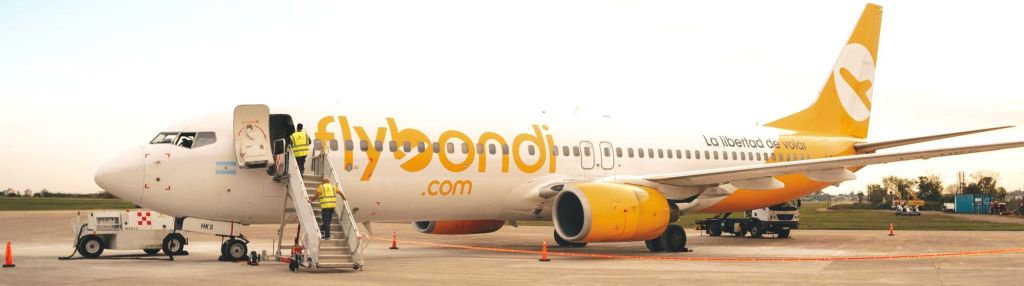
Flybondi Líneas Aéreas tiene la mirada puesta en Septiembre 2020, mes en que se podrán reiniciar vuelos. Tras el impacto de la pandemia, la compañía que reducir sus costos devolviendo dos aeronaves Boeing 737-800 Next Generation en Junio y Julio de los cinco que tenía en su flota, ya que estima una menor demanda en el reinicio; dejó en suspenso la incorporación de un avión más previsto para 2020 y extendió el acuerdo con sus 570 empleados de rebaja salarial durante la pandemia hasta Septiembre inclusive. Ese acuerdo con los empleados y el sindicato de la low cost le permitió bajar los costos fijos un 40% en la masa salarial; para los directivos, la rebaja es del 50% mientras que para el resto va de 12% a 40%, en función del nivel salarial; quien menos cobra, percibe menos rebaja.
“Cuando comenzó la restricción de vuelos por la pandemia, iniciamos elmanejo estricto de nuestros costos. Estamos evaluando cuántos aviones vamos a necesitar para Septiembre y Octubre; teníamos cinco Boeing 737-800 en leasing; para optimizar costos, no tenía sentido mantener los cinco y, además, ahora se consiguen contratos más beneficiosos en este contexto”, explicó Mauricio Sana, CCO y CEO interino de Flybondi.
Estas medidas, más los aportes extra de sus accionistas Cartesian Capital Group, Yamasa, entre otros, le permite a la aerolínea una oxigenación para llegar en condiciones a Septiembre 2020, cuando espera volver a reiniciar sus operaciones.
La low cost había desarrollado el período 2019 y el verano meridional con excelentes resultados; que a pesar de la crisis económica de Argentina, esos ingresos, sumados a los ahorros en sueldos, reestructuración de flota, reducción de otros costos, más aportes adicionales de capital de los accionistas, permitirán a la aerolínea Flybondi retomar sus operaciones al atravesar una de las peores crisis en la aviación comercial mundial.
JetSmart Argentina
JetSmart Airlines Argentina continúa con la batalla presentada ante la Justicia de Argentina para determinar los lineamientos en las opperaciones post-pandemia. Frente a los reclamos por los derechos de slots en el Aeropuerto Jorge Newbery adquiridos por la absorsión de la compañía Norwegian Air Argentina y la disponibilidad de flota para operar en Aeroparque, Jetsmarts consiguió el aval judicial para utilizar la aeroestación con los mismos derechos de Aerolíneas Argentinas y Austral Líneas Aéreas. La Sala II de la Cámara Nacional de Apelaciones en lo Civil y Comercial Federal hizo lugar a la apelación elevada por JetSmart Airlines Argentina sobre el fallo de primera instancia que había rechazado un recurso de amparo de la aerolínea para concretar el acuerdo que firmó cuando se quedó con los activos de Norwegian Air Argentina (NAA). Esos activos y derechos, entre los que se encuentran los permisos de slots en Aeroparque, fueron determinados en un Acuerdo de Consolidación de la Operación de Servicios Aéreos que firmaron ambas compañías el 4 Diciembre 2019 que fue aprobado por la ANAC en la Resolución Administrativa 881/2019. En esa Resolución, la autoridad aeronáutica aprobó sin limitaciones realizar: «la comercialización de los vuelos en código compartido en forma recíproca, pudiendo JetSmart comercializar los vuelos de Norwegian Air Argentina, llevar adelante una operación conjunta y/o alternativa de los vuelos autorizados a cada una de las actoras, por lo que JetSmart podría operar los vuelos de NAA, hacer uso indistinto de las bases de operaciones y amarre de ambos operadores aéreos, reemplazar las aeronaves Boeing 737-800 basadas en Aeroparque por la flota Airbus A320 de JetSmart Airlines Argentina y efectuar una programación horaria tentativa de sus vuelos».
Aeropuertos Argentna 2000 (AA2000) había rechazado el pedido de JetSmart Airlines para comenzar a operar en Aeroparque aduciendo que la autorización requería de un estudio más profundo a partir de que el concesionario consideró que las solicitudes se enmarcaban temporalmente en “un cambio de gobierno y de políticas públicas de la Administración Pública Nacional”. La concesionaria también había pedido el cierre temporal del Aeropuerto de El Palomar, donde operan tanto Jetsmart como Flybondi, aunque el Gobierno no se le ha concedido la autorización efectiva.
Solicitud Declarativa de Certeza
A) Cese el estado de incertidumbre que la empresa demandada ocasiona al impedirles realizar las operaciones ya autorizadas por la Autoridad Aeronáutica en el Aeroparque.
B) Se declare que JetSmart Airlines Argentina y Norwegian Air Argentina pueden hacer un uso indistinto de la base de operaciones y los amarres autorizados actualmente a favor de NAA en el Aeroparque, pudiendo reemplazar la flota de NAA por la flota de JetSmart.
C) Se declare aprobada a favor de JetSmart y Norwegian Air Argentina la factibilidad horaria para la operación de ciertos itinerarios en el Aeroparque que oportunamente fueran solicitados a AA2000.
El fallo de la Cámara revoca el rechazo a la medida de la primera instancia, pero limita el alcance del amparo, ordenándole al concesionario que:
A) Se abstenga de impedir el acceso a las firmas actoras al uso indistinto de las bases de operaciones y amarres que Norwegian Air Argentina S.A.U. (NAA) posee en el Aeropuerto Jorge Newbery.
B) Deberá procurar actualizar sus registros de forma tal de reflejar en los amarres otorgados a Norwegian Air Argentina el reemplazo de la flota de aeronaves Boeing 737-800 matrículas LV-HQH, LV-IZQ y LV-ITK de NAA por la flota de aeronaves Airbus A320CEO de Jetsmart Airlines S.A., matrículas LV-IVO, LV-HEK, LV-HVT y LV-IVN.
La decisión de la Cámara sólo hace lugar al pedido de medidas cautelares presentado por JetSmart Airlines Argentina pero no resuelve la cuestión de fondo. El fallo judicial le permitirá vender pasajes con origen y destino Aeroparque a partir del 1 Septiembre y establecer una base de operaciones aún cuando la estación aérea se encuentra cerrada por obras. JetSmart deberá esperar a que la Justicia se expida sobre si la compañía podrá operar desde el Aeropuerto Jorge Newbery o deberá hacerlo desde otra terminal.
Argentine airlines claim aid
Airlines demand aid from the Government of Argentina
The airlines of Argentina demand the intervention of the Government to assist economically in the face of a complicated scenario in the face of the impact of the world health crisis and the grounding of flights since mid-March 2020. Low-cost and classic airlines continue to face the worst scenario without being able to produce resources to pilot the financial situation where they ask the State to intervene in some way to save around 1,200 direct jobs in budget airlines.
Employees of Flybondi Líneas Aéreas and JetSmart Airlines Argentina request to start flying in September 2020 to avoid the loss of thousands of jobs in the companies, requesting the intervention of the Government in defense of the labor sources before the paralysis in the commercial activity. The workers have expressed by means of a letter to the President of the Nation Alberto Fernández, to reactivate the economy of the sector to sustain and generate more sources of work. The letter bears the signatures of the general secretaries of the Flybondi Workers Union Association and the JetSmart Workers Union Association. The unions highlighted that they agreed to make salary adjustments in the companies following the guidelines of the Government of Argentina. «We need to start flying in September, because these agreements cannot be sustained over time. Apart from the fact that we continue to accept some exceptional conditions, the sooner flights are restarted, the companies in which we work will be able to recover and resume commercial activity», the national sources asked the union.
Currently low-cost companies generate 1,200 jobs directly, and indirectly to more than 10,000 families, as reported by the aeronautical unions.
Flybondi
Flybondi Líneas Aéreas has its sights set on September 2020, the month when flights can be restarted. After the impact of the pandemic, the company reduced its costs by returning two Boeing 737-800 Next Generation aircraft in June and July of the five it had in its fleet, as it estimates lower demand at the restart; It suspended the incorporation of a more scheduled aircraft for 2020 and extended the agreement with its 570 employees to reduce wages during the pandemic until September inclusive. That agreement with the employees and the low cost union allowed him to lower fixed costs by 40% in the wage bill; for managers, the reduction is 50% while for the rest it goes from 12% to 40%, depending on the salary level; Whoever receives less, receives less discount.
“When the flight restriction began due to the pandemic, we began to strictlymanage our costs. We are evaluating how many planes we will need for September and October; we had five Boeing 737-800s on lease; to optimize costs, it did not make sense to keep all five and, in addition, more beneficial contracts are now being obtained in this context”, explained Mauricio Sana, CCO and interim CEO of Flybondi.
These measures, plus the extra contributions from its shareholders, the Cartesian Capital Group, Yamasa, among others, allow the airline oxygenation to arrive in conditions until September 2020, when it expects to restart operations.
The low cost had developed the period 2019 and the southern summer with excellent results; that despite the economic crisis in Argentina, these revenues, added to savings in salaries, fleet restructuring, reduction of other costs, plus additional capital contributions from shareholders, will allow Flybondi airline to resume operations by going through one of the worst crises in world commercial aviation.
JetSmart Argentina
JetSmart Airlines Argentina continues with the battle presented before the Argentine Justice to determine the guidelines in post-pandemic operations. Faced with the claims for the rights to slots at the Jorge Newbery Airport acquired by the absorption of the company Norwegian Air Argentina and the availability of the fleet to operate in the Aeropark, Jetsmarts obtained the judicial endorsement to use the airstation with the same rights as Aerolíneas Argentinas. and Austral Líneas Aéreas. The Chamber II of the National Chamber of Federal Civil and Commercial Appeals gave rise to the appeal raised by JetSmart Airlines Argentina on the first instance ruling that had rejected an appeal for protection by the airline to finalize the agreement it signed when it stayed with the assets of Norwegian Air Argentina (NAA). Those assets and rights, among which are the slot permits at Aeroparque, were determined in a Consolidation Agreement of the Air Services Operation that both companies signed on December 4, 2019, which was approved by ANAC in Administrative Resolution 881/2019. In this Resolution, the aeronautical authority approved without limitations to carry out: «the commercialization of the code-shared flights on a reciprocal basis, with JetSmart being able to commercialize Norwegian Air Argentina’s flights, carry out a joint and/or alternative operation of the authorized flights to each one of the plaintiffs, for which JetSmart could operate the flights of NAA, make indiscriminate use of the bases of operations and mooring of both air operators, replace the Boeing 737-800 aircraft based in Aeroparque with the Airbus A320 fleet of JetSmart Airlines Argentina and make a tentative schedule of your flights».
Aeropuertos Argentina 2000 (AA2000) had rejected JetSmart Airlines’ request to start operating at Aeroparque, arguing that the authorization required a more in-depth study, since the concessionaire considered that the requests were temporarily framed in “a change of government and public policies of the National Public Administration”. The concessionaire had also asked for the temporary closure of El Palomar Airport, where both Jetsmart and Flybondi operate, although the government has not been granted effective authorization.
Declarative Request for Certainty
A) Cease the state of uncertainty that the defendant company causes by preventing them from carrying out the operations already authorized by the Aeronautical Authority at the Airport.
B) It is declared that JetSmart Airlines Argentina and Norwegian Air Argentina can make indiscriminate use of the base of operations and the moorings currently authorized in favor of NAA in the Aeropark, being able to replace the NAA fleet with the JetSmart fleet.
C) It is declared approved in favor of JetSmart and Norwegian Air Argentina the hourly feasibility for the operation of certain itineraries in the Airport that were requested to AA2000.
The ruling of the Chamber revokes the rejection of the measure of the first instance, but limits the scope of the protection, ordering the concessionaire to:
A) Refrain from preventing access to the signatories to the indiscriminate use of the bases of operations and moorings that Norwegian Air Argentina S.A.U. (NAA) owns at Jorge Newbery Airport.
B) You should try to update your records in order to reflect in the moorings granted to Norwegian Air Argentina the replacement of the fleet of Boeing 737-800 registrations LV-HQH, LV-IZQ and LV-ITK of NAA by the fleet of aircraft Airbus A320CEO of Jetsmart Airlines SA, registration LV-IVO, LV-HEK, LV-HVT and LV-IVN.
The Chamber’s decision only gives rise to the request for precautionary measures presented by JetSmart Airlines Argentina but it does not resolve the underlying issue. The court ruling will allow him to sell tickets with origin and destination Aeroparque from September 1 and establish a base of operations even when the air station is closed for works. JetSmart will have to wait for the Justice to be issued on whether the company will be able to operate from Jorge Newbery Airport or will have to do it from another terminal.
⭐
Puntuación: 1 de 5.
Ξ A I R G W A Y S Ξ PUBLISHER: Airgways.com DBk: Jetsmart.com / Flybondi.com / Infobae.com / Anac.gov.ar / Airgways.com AW-POST: 202007221522AR
Presidencia asegura clave sostenimiento de Aerolíneas Argentinas
El Presidente Alberto Fernández de la República Argentina ha asegurado que es clave sostener a Aerolíneas Argentinas al priorizar el esfuerzo de todos los habitantes. El Primer Mandatario expresó frente al Consejo de las Américas que el Estado está haciendo un enorme esfuerzo por mantener en funcionamiento a la compañía por la necesidad de que el país tenga una línea de bandera. «Aerolíneas Argentinas es la aerolínea de bandera. El Estado hace un enorme esfuerzo por mantenerla y estamos convencidos de la necesidad de sostenerla porque cuando no lo hicimos no nos fue bien», manifestó el Presidente en una presentación ante el Consejo de las Américas.
Según el Presidenta argentino, la crisis que trajo la pandemia de Coronavirus ha afectado la actividad de las aerolíneas en todo el mundo y así como otros países están rescatando a empresas aerocomerciales, la Argentina esta haciendo los propio. «Estamos trabajando mucho y haciendo una gran inversión por sostenerla porque la necesitamos», ha agregado el Ejecutivo Nacional. En esa misma línea reseñó que la Argentina es el octavo país en le mundo en dimensión territorial y que, por ese motivo, «necesitamos de las aerolíneas para seguir conectando todos los lugares de la Argentina».
Prórroga suspensiones
Aerolíneas Argentinas negociará prorrogar por sesenta días las suspensiones a su personal. El último día de Mayo 2020 planeaba suspender a parte de sus empleados para brindar algo de alivio a sus finanzas en el contexto de la crisis generada por la pandemia del nuevo Coronavirus. Luego del alerta inicial que esta medida desató en los gremios aeronáuticos, a los diez días se alcanzó un acuerdo con la empresa tras la garantía de que los trabajadores no sufrirían descuentos en el salario de bolsillo. Las suspensiones abarcarían los meses de Junio y Julio 2020. Aunque las perspectivas de adelantar la apertura de los vuelos en Agosto quedaron agotadas, continúa sosteniéndose la apertura para Septiembre 2020.
Aerolíneas Argentinas ha convocado este 22/07 nuevamente a los gremios aeronáuticos para negociar un esquema de suspensiones por otros sesenta días, cubriendo el mes de Agosto y Septiembre. Esta disposición afectaría a unas 4.000 colaboradores sobre una plantilla de 11.800 empleados. A través de una comunicación interna, la dirección de la empresa ha justificado la medida en función de la imposibilidad de retomar en lo inmediato nuestra operación regular.
Perspectivas
Los rebrotes de Coronavirus en Argentina se están monitoreando para continuar la pulseada hacia una tendencia a la baja de los contagios en el interior del país. Mientras tanto, en Buenos Aires y el Conurbano bonaerense podría generar ciertas dudas respecto a si finalmente se respetará o no el 1 Septiembre 2020 como la fecha establecida para el retorno de los vuelos regulares de pasajeros en Argentina. Mientras tanto, Aerolíneas Argentinas, Austral Líneas Aéreas, las low cost Flybondi Líneas Aéreas y JetSmart Airlines Argentina, como Andes Líneas Aéreas y Jet American Líneas Aéreas se encuentran reestructurando la programación de sus vuelos para iniciar los vuelos en sintonía con el florecimiento de la temporada septentrional.
Government, key to sustain Aerolíneas
Presidency ensures key sustainability of Aerolíneas Argentinas
President Alberto Fernández of the Argentine Republic has assured that it is key to sustain Aerolineas Argentinas by prioritizing the effort of all the inhabitants. The President expressed in front of the Council of the Americas that the State is making an enormous effort to keep the company running due to the need for the country to have a flag line. «Aerolíneas Argentinas is the flag carrier. The State makes an enormous effort to maintain it and we are convinced of the need to maintain it because when we did not do it, it did not go well», said the President in a presentation to the Council of the Americas.
According to the Argentine President, the crisis brought about by the Coronavirus pandemic has affected the activity of airlines throughout the world and, as well as other countries, are rescuing aero-commercial companies, Argentina is doing its own. «We are working hard and making a great investment to sustain it because we need it», added the National Executive. Along the same lines, he reported that Argentina is the eighth country in the world in territorial dimension and that, for this reason, «we need airlines to continue connecting all parts of Argentina».
Suspension extension
Aerolíneas Argentinas will negotiate the suspension of its staff for sixty days. On the last day of May 2020, it planned to suspend part of its employees to provide some relief to their finances in the context of the crisis caused by the pandemic of the new Coronavirus. After the initial alert that this measure unleashed in the aeronautical unions, an agreement was reached with the company ten days after the guarantee that the workers would not receive discounts on pocket wages. The suspensions would cover the months of June and July 2020. Although the prospects of bringing forward the opening of flights in August were exhausted, the opening for September 2020 continues to be sustained.
Aerolíneas Argentinas has called again this 22/07 to the aeronautical unions to negotiate a suspension scheme for another sixty days, covering the month of August and September. This provision would affect some 4,000 employees out of a staff of 11,800 employees. Through internal communication, the management of the company has justified the measure based on the impossibility of resuming our regular operation immediately.
Perspective
Coronavirus outbreaks in Argentina are being monitored to continue the pulse towards a downward trend of infections in the interior of the country. Meanwhile, in Buenos Aires and the Buenos Aires metropolitan area, it could generate certain doubts as to whether or not September 1, 2020 will finally be respected as the date set for the return of regular passenger flights in Argentina. Meanwhile, Aerolíneas Argentinas, Austral Líneas Aéreas, the low cost Flybondi Líneas Aéreas and JetSmart Airlines Argentina, such as Andes Líneas Aéreas and Jet American Líneas Aéreas are restructuring their flight schedules to start flights in tune with the blossoming of the season northern.
Ξ A I R G W A Y S Ξ PUBLISHER: Airgways.com DBk: Airgways.com / Telam.com.ar / Argentina.gob.ar / Clarin.com / Santiago Filipuzzi AW-POST: 202007221317AR
Lufthansa / Gobierno belga llegan a acuerdo por Brussels Airlines
El Gobierno de Bélgica y la aerolínea Lufthansa German Airlines han llegado a un acuerdo sobre el rescate de Brussels Airlines. Bélgica debería otorgar un préstamo estatal de € 290 millones de Euros, mientras que el grupo alemán proporcionará € 170 millones de Euros. El 21 Julio 2020, ambas partes finalmente llegaron a un acuerdo sobre el rescate de Brussels Airlines, según informes de los medios locales. El acuerdo alcanzado simbólicamente en el Día Nacional de Bélgica puso fin a cuatro meses de intensas negociaciones. El acuerdo, que aún no se ha firmado, hará que Lufthansa reciba € 290 millones de Euros del estado de Bélgica, que se devolverán antes de mediados de 2026. A cambio, la matriz alemana invertirá € 170 millones de Euros en la reestructuración y recapitalización del operador belga. El préstamo debe estar sujeto a garantías, como recordó recientemente el Ministro de Hacienda, Alexander De Croo. «No somos ingenuos, esta es una empresa extranjera con una actividad belga», dijo De Croo en una sesión parlamentaria.
El plan de reestructuración presentado por Brussels Airlines incluye una revisión de la red para reducir las rutas marginalmente rentables y no rentables, alrededor de 22. Esto permitirá una reducción de la flota a 38 aviones, de los 54 actuales. La caída de la capacidad se acompañará en consecuencia por un recorte de una cuarta parte de la fuerza laboral entre 1.000 de 4.000 empleos.
Belgium-Lufthansa agreement by Brussels
Lufthansa/Belgian Government reach agreement for Brussels
The Government of Belgium and the airline Lufthansa German Airlines have reached an agreement on the rescue of Brussels Airlines. Belgium should provide a state loan of € 290 million Euros, while the German group will provide € 170 million Euros. On July 21, 2020, both parties finally reached an agreement on the rescue of Brussels Airlines, according to local media reports. The agreement symbolically reached on Belgium’s National Day ended four months of intense negotiations. The agreement, which has not yet been signed, will cause Lufthansa to receive € 290 million euros from the state of Belgium, which will be returned before mid-2026. In exchange, the German parent company will invest € 170 million euros in the restructuring and recapitalization from the Belgian operator. The loan must be subject to guarantees, as the Minister of Finance, Alexander De Croo, recently recalled. «We are not naive, this is a foreign company with Belgian activity», De Croo said in a parliamentary session.
The restructuring plan presented by Brussels Airlines includes a network overhaul to reduce marginally profitable and unprofitable routes by around 22. This will allow a reduction of the fleet to 38 aircraft from the current 54. The fall in capacity will therefore be accompanied by a cut of a quarter of the workforce from 1,000 to 4,000 jobs.
Ξ A I R G W A Y S Ξ PUBLISHER: Airgways.com DBk: Brusselsairlines.com / Belgium.be / Lufthansa.com / Airgways.com AW-POST: 202007221131AR
Aéreas apelan pruebas sanidad para restaurar vuelos transatlánticos
Cuatro aerolíneas líderes han instado a los gobiernos de Estados Unidos y de la Comunidad Europea a introducir un Programa de Prueba de Coronavirus para pasajeros que permita la restauración rápida de los viajes aéreos transatlánticos. United Airlines, American Airlines, British Airways y Lufthansa German Airlines, que transportaron a casi 650 millones de pasajeros entre ellos en 2019, han escrito a los gobiernos a ambos lados del Atlántico, instándolos a encontrar Una forma de reabrir los servicios de pasajeros. La carta, firmada por los CEO de las cuatro compañías, fue enviada el martes al vicepresidente de los Estados Unidos, Mike Pence, a la Comisaria Europea de Asuntos Interiores, Ylva Johansson, a todos los estados miembros de la UE y al Reino Unido. La carta expresa: «La importancia incuestionable de los viajes transatlánticos a la economía global. Un programa de prueba coordinado era clave para proporcionar confianza para permitir que los servicios se reanuden sin requisitos de cuarentena u otras restricciones de entrada. Las pruebas de Covid-19 se están volviendo cada vez más comunes en todo el mundo como una herramienta para evitar estas otras medidas más intrusivas. Nadie se beneficiará de un cierre prolongado de este corredor tan indispensable para la aviación global».
La Unión Europea (UE) ha prohibido a los viajeros de los Estados Unidos ingresar al bloque porque la tasa actual de infección por Coronavirus del país no cumple con los criterios de seguridad de la UE. El Reino Unido e Irlanda requieren que los viajeros estadounidenses entren en cuarentena. Las aerolíneas esperan que al presionar por un régimen de pruebas más fuerte, puedan encontrar una manera de restaurar un corredor de viajes importante incluso cuando los casos de Covid-19 aumentan en partes de los Estados Unidos.
La industria de la aviación se enfrenta a la peor crisis de su historia. La Asociación Internacional de Transporte Aéreo (IATA) estima que la industria de las aerolíneas globales perderá US$ 84 mil millones en 2020 y US$ 15 mil millones adicionales en 2021, empequeñeciendo el daño causado por la crisis financiera mundial. El IAG Group, American Airlines y United Airlines, ya advirtieron que podrían generarse hasta 73.000 empleos como resultado de la pandemia, mientras que Lufthansa dijo que 10.000 empleos estaban en riesgo antes de recibir un rescate gubernamental de US$ 10 mil millones. British Airways está luchando por su supervivencia, dijo el mes pasado el CEO de IAG, Willie Walsh. United Airlines ha registrado una pérdida de US$ 1.6 mil millones para el último trimestre.
El Aeropuerto londinense de Heathrow, que manejó 18.8 millones de pasajeros que viajaban hacia o desde América del Norte en 2019, ha pedido al Gobierno del Reino Unido que tome la iniciativa en el desarrollo de un estándar internacional de pruebas. Está probando pruebas de hisopos para pasajeros. Varias aerolíneas y aeropuertos también están probando regímenes de prueba. El CEO de Heathrow, John Holland-Kaye, dijo la semana pasada que un estándar internacional común para las pruebas es muy lógico y que las pruebas a la llegada como una alternativa a la cuarentena es algo que hará que el mercado vuelva a moverse.
IATA ha recomendado realizar pruebas antes de llegar al aeropuerto de salida para limitar las multitudes y la posible infección mientras viaja. «Los líderes de las aerolíneas consideran que las pruebas de Covid-19 son una de las pocas opciones estratégicas que tienen la capacidad de reducir el daño adicional al sector de viajes aéreos global que ya sufre. Idealmente, las pruebas se completarían de manera rápida y confiable antes de la salida. El objetivo es que una aerolínea pueda declarar un vuelo como ‘estéril’ o ‘libre de Covid'», dijo Alex Macheras, un Analista de Aviación independiente.
Airlines urge transatlantic flights
Airlines appeal for health tests to restore transatlantic flights
Four leading airlines have urged the governments of the United States and the European Community to introduce a Coronavirus Test Program for passengers that allows for the rapid restoration of transatlantic air travel. United Airlines, American Airlines, British Airways and Lufthansa German Airlines, which carried nearly 650 million passengers between them in 2019, have written to governments on both sides of the Atlantic, urging them to find a way to reopen passenger services. The letter, signed by the CEOs of the four companies, was sent on Tuesday to the Vice President of the United States, Mike Pence, to the European Commissioner for Home Affairs, Ylva Johansson, to all EU member states and to the United Kingdom. The letter states: «The unquestionable importance of transatlantic travel to the global economy. A coordinated testing program was key to providing confidence to allow services to resume without quarantine requirements or other entry restrictions. Covid-19 testing they are becoming increasingly common worldwide as a tool to avoid these other more intrusive measures. No one will benefit from a prolonged closure of this corridor so indispensable to global aviation».
The European Union (EU) has banned travelers from the United States from entering the block because the country’s current rate of infection with Coronavirus does not meet the EU’s security criteria. The United Kingdom and Ireland require that American travelers be quarantined. The airlines hope that by pressing for a stronger testing regime, they can find a way to restore a major travel corridor even as Covid-19 cases increase in parts of the United States.
The aviation industry is facing the worst crisis in its history. The International Air Transport Association (IATA) estimates that the global airline industry will lose US$ 84 billion in 2020 and an additional US$ 15 billion in 2021, dwarfing the damage caused by the global financial crisis. The IAG Group, American Airlines and United Airlines have already warned that up to 73,000 jobs could be created as a result of the pandemic, while Lufthansa said 10,000 jobs were at risk before receiving a US$ 10 billion government bailout. British Airways is fighting for its survival, IAG CEO Willie Walsh said last month. United Airlines has recorded a loss of US$ 1.6 billion for the last quarter.
London Heathrow Airport, which handled 18.8 million passengers traveling to or from North America in 2019, has asked the UK Government to take the lead in developing an international testing standard. You are testing passenger swab tests. Several airlines and airports are also testing trial regimes. Heathrow CEO John Holland-Kaye said last week that a common international standard for testing is very logical and that on-arrival testing as an alternative to quarantine is something that will get the market moving again.
IATA has recommended testing before arriving at the departure airport to limit crowds and possible infection while traveling. «Airline leaders consider the Covid-19 tests to be one of the few strategic options that have the ability to reduce further damage to the already suffering global air travel sector. Ideally, the tests would be completed quickly and reliable before departure. The goal is for an airline to be able to declare a flight ‘sterile’ or ‘Covid free'», said Alex Macheras, an independent Aviation Analyst.
Ξ A I R G W A Y S Ξ PUBLISHER: Airgways.com DBk: Cnn.com / Airgways.com AW-POST: 202007221055AR