AW | 2025 04 14 20:38 | AIRLINES ALLIANCE / AVIATION ORGANISMS / GOVERNMENT
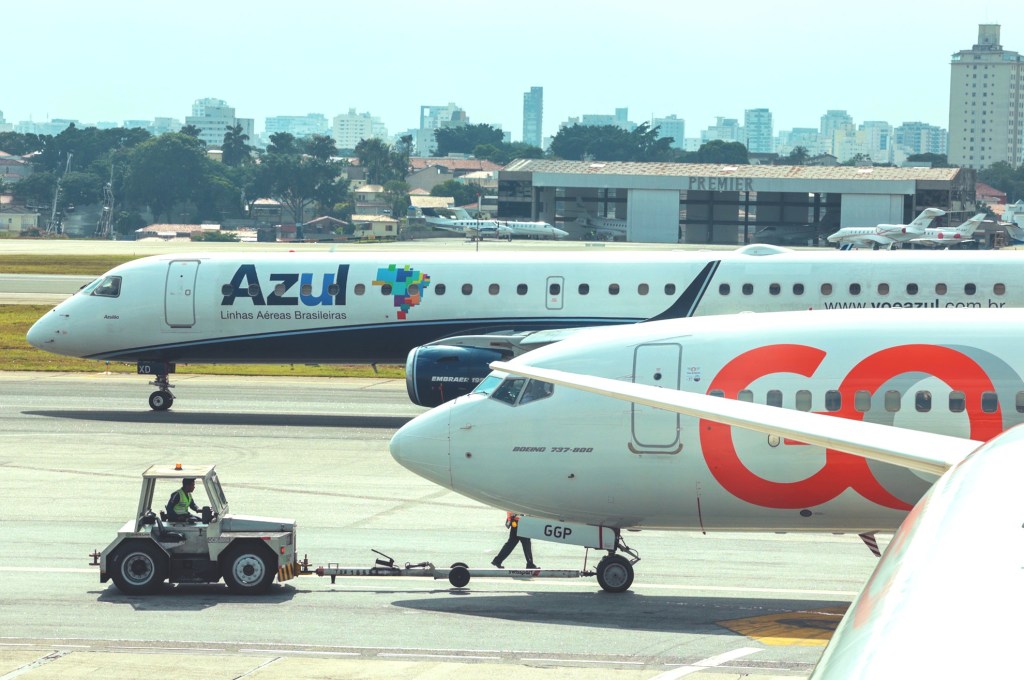
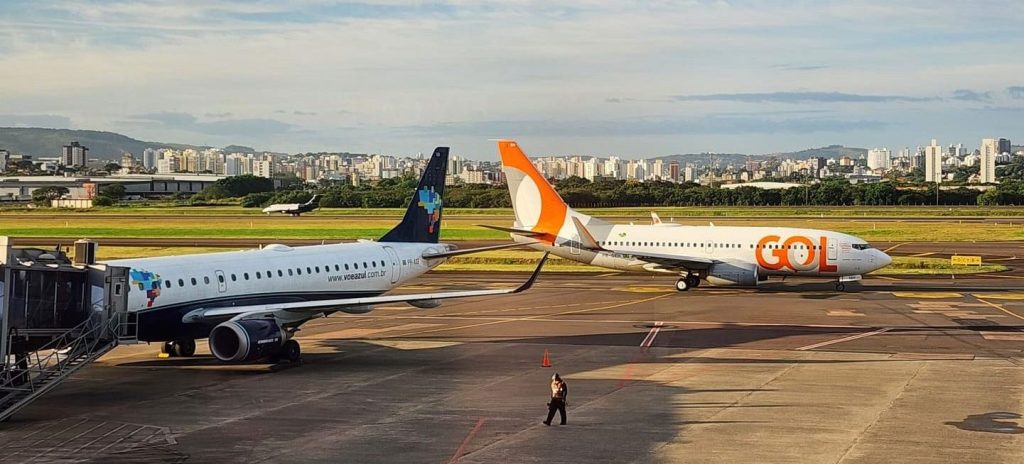
Azul aproxima con Grupo Abra fusión con GOL
Azul Linhas Aéreas y Grupo Abra firman un Memorando de Entendimiento (MoU) para explorar la fusión con GOL Linhas Aéreas, sujeto a aprobaciones y condiciones regulatorias, permitiendo a ambas empresas mejorar su oferta y crecer en el mercado brasileño.
La aerolínea brasileña Azul ha cerrado un entendimiento no vinculante el Lunes 14/04 con Grupo Abra, el holding empresarial integrado por las aerolíneas GOL Linhas Aéreas, de Brasil, y Avianca Airlines, de Colombia, alineando los términos y condiciones para la potencial combinación de negocios entre Azul y GOL, de acuerdo a la estructura a definir entre las partes. El memorando describe los entendimientos de las partes con respecto a la gobernanza de la entidad resultante de la transacción y refuerza el interés de ambas compañías en continuar las negociaciones en relación con el intercambio de acciones propuesto y otras condiciones de la operación.
De producirse la sinergia Azul-GOL mantendrán sus certificados operativos segregados bajo una única entidad cotizada resultante, y se espera que otras áreas se combinen para ofrecer más oportunidades y productos a los clientes y obtener ganancias de eficiencia.
Las mejoras en la oferta a los clientes y las eficiencias generadas por esta operación permitirán a la entidad resultante continuar creciendo y desarrollando la aviación en Brasil, a través de una red que atiende la mayor cantidad de destinos en el país, respaldada por una flota flexible, con enfoque en el servicio y la excelencia.
El cierre de la transacción está sujeto al acuerdo entre Abra y Azul con respecto a los términos económicos, la finalización satisfactoria de la debida diligencia, la ejecución de acuerdos definitivos, la obtención de aprobaciones corporativas y regulatorias y el cumplimiento de las condiciones habituales de cierre. Además, su evolución está pendiente de la consumación del plan de reorganización de GOL bajo el Capítulo 11 y la recepción, por parte de Abra, de la contraprestación correspondiente.
Según ha explicado GOL Linhas Aéreas, el acuerdo no tiene impacto en su estrategia, conducta empresarial y operaciones diarias. La compañía sigue centrada en completar los pasos restantes en su proceso de Capítulo 11 de la Ley de Quiebras en curso con el objetivo de emerger de su proceso de reestructuración como una empresa independiente y bien capitalizada.
SINERGIA AZUL-GOL ESTIMA CONCENTRAR EL 60% MERCADO BRASILEÑO
El Gobierno Federal de Brasil estima que el proceso de fusión entre las aerolíneas GOL y Azul se completará en un plazo de doce meses. La información provista temprano el 6 de Febrero de 2025 por el Ministro de Puertos y Aeropuertos, Silvio Costa Filho. «Este es el plazo que ha fijado el Consejo Administrativo de Defensa Económica (CADE). Las aerolíneas están en proceso de presentar la documentación. Estamos esperando. Ya nos hemos reunido con el presidente de Latam, nos hemos reunido con el presidente de Azul y con el presidente de GOL», dijo el Ministro.
La fusión depende del fin de la reorganización judicial de GOL en Estados Unidos, prevista para Abril 2025. La nueva compañía tendrá tres directores de Abra, el holding que controla GOL y Avianca, tres de Azul y tres independientes. El Presidente de la Junta Directiva de la futura compañía será nombrado por Abra y el director ejecutivo (CEO) será nombrado por Azul. Así, el CEO de Azul, John Rodgerson, asumirá la Presidencia del nuevo grupo luego de que el Consejo Administrativo de Defensa Económica (Cade) y la Agencia Nacional de Aviación Civil (Anac) aprueben la fusión.
Las marcas GOL y Azul seguirán existiendo de manera independiente, pero las dos aerolíneas podrán compartir aviones, con una compañía volando desde la otra, con el fin de aumentar la conexión entre las principales ciudades y destinos regionales. Las aerolíneas Azul-GOL permitirían concentrar el 60% del mercado aéreo en el país.
PUBLISHER: Airgways.com DBk: Voeazul.com.br / Voegol.com.br / Abragroup.net / Gov.br / Eric Ribeiro / Airgways.com AW-POST: 2025142038AR OWNERSHIP: Airgways Inc. A\W A I R G W A Y S ®
La aerolínea SKY Airline Perú a anunciado la ampliación de rutas desde Lima hacia Argentina. Mediante dos disposiciones publicadas hoy en el Boletín Oficial, la Secretaría de Transporte del Ministerio de Economía de la Nación autorizó a la empresa SKY Airline Perú S.A.C a ampliar sus operaciones en vuelos de pasajeros y cargas, sumando nuevos destinos y escalas para operaciones en el Aeropuerto Internacional Ezeiza (EZE) como en Buenos Aires/Jorge Newbery (AEP).
Las nuevas frecuencias otorgadas por el Ministerio de Transporte señala que el vuelo debe partir de Lima (LIM) y pasar por Buenos Aires (EZE/AEP) como escala o destino final, pudiendo diagramar rutas que incluyan cualquiera de las siguientes ciudades: Santiago de Chile (SLC), Salvador de Bahía (SSA), Sao Paulo (GRU), Porto Alegre (POA), Florianópolis (FLN), Río de Janeiro (GIG) y Montevideo (MVD). Estas nuevas posibilidades se suman a la ruta Lima/LIM—Buenos Aires/EZE—Santiago de Chile/SCL que la aerolínea actualmente vuela en Argentina.
La Secretaría de Transporte resolvió en 08/2024 eliminar restricciones y ampliar las operaciones del Aeroparque Jorge Newbery ha permitido ingresar más vuelos regionales de mayor capacidad, permitiendo a la línea aérea peruana incrementar sus frecuencias hacia Aeroparque.
La República Argentina y la República de Perú han firmado un Memorándum de Entendimiento (MoU) firmado en Mayo de 2024, en el marco de la política de Cielos Abiertos, permitiendo comercializar más rutas regionales que tengan a Buenos Aires como escala o destino final con frecuencias ilimitadas.
PUBLISHER: Airgways.com DBk: Skyairline.com/es/peru / Argentina.gob.ar / Airgways.com AW-POST: 202504101535AR OWNERSHIP: Airgways Inc. A\W A I R G W A Y S ®
NTSB exige linspección rampas de evacuación aviones Boeing 757
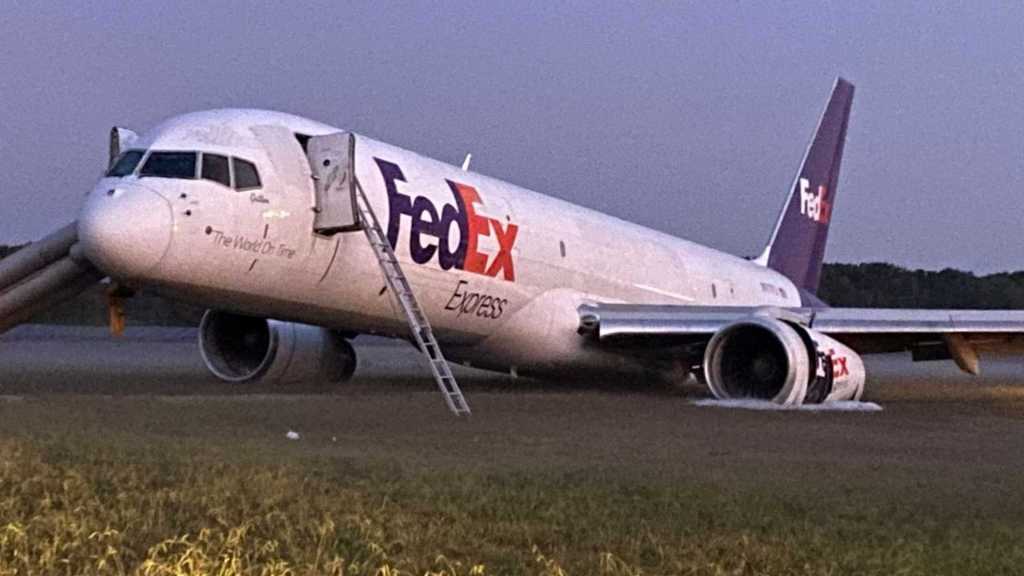
La National Transportation Safety Board (NTSB) de Estados Unidos ha identificado un fallo en el despliegue normal de un tobogán de evacuación durante su investigación en un aterrizaje de emergencia del vuelo FX1376 de FedEx, de un Boeing 757-236, en Chattanooga, Tennessee, y ha emitido recomendaciones de seguridad a Boeing y la Federal Aviation Administration (FAA).
La FAA recomienda exigir a todos los operadores de Boeing 757 que inspeccionen los pestillos de bannis de las puertas de los aviones Boeing 757 de las series 200, 200CB y 300 y de ser necesario los modifiquen o reemplacen para que cumplan con la configuración correcta; exigir a todos los operadores de los modelos de aviones Boeing 727 y 737 que utilicen el mismo diseño de pestillo de bannis que los aviones Boeing 757 que inspeccionen y, si es necesario, modifiquen o reemplacen los pestillos de bannis. También recomienda que exija a todos los operadores del Boeing 757 que actualicen sus Manuales de Mantenimiento de Aeronaves (AMM) de las series Boeing 757-200, 200CB y 300 de acuerdo con el AMM revisado de Boeing y los catálogos ilustrados de piezas (A-25-5) y que utilicen el mismo diseño de pestillo Bannis que los aviones Boeing 757 series 757-200, -200CB y -300 que actualicen sus manuales de mantenimiento de aeronaves (AMM) de acuerdo con los AMM revisados de Boeing y los catálogos ilustrados de piezas recomendados en la Recomendación de Seguridad A-25-9 (A-25-6).
A Boeing le exige que, una vez actualizado el manual de mantenimiento y el catálogo ilustrado de piezas del Boeing 757 para ofrecer una descripción coherente y precisa del conjunto del pestillo del bannis, recomiende a los operadores del Boeing 757 inspeccionar y, de ser necesario, modificar o reemplazar los pestillos del bannis en los aviones Boeing 757 de las series 200, 200CB y 300 con la configuración correcta. (A-25-7)
También le exige que recomiende a los operadores de los aviones Boeing 727 y 737 que utilizan el mismo diseño de pestillo de bannis que los aviones Boeing 757 series 757-200, 200CB y 300 que inspeccionen dichos aviones y, de ser necesario, modifiquen o reemplacen los pestillos de bannis con la configuración correcta. (A-25-8), así como revisar todos los manuales de mantenimiento de aeronaves pertinentes y los catálogos ilustrados de piezas de los modelos Boeing 727 y 737 que utilizan el mismo diseño de pestillo de bannis que los aviones Boeing 757 series 757-200, 200CB y 300 para garantizar que describan de forma coherente y precisa la configuración correcta del conjunto de pestillo de bannis para dichos modelos de Boeing. Revise estos manuales según sea necesario y notifique a los operadores afectados sobre las modificaciones (A-25-9).
PUBLISHER: Airgways.com DBk: Ntsb.gov / Airgways.com AW-POST: 202504042010AR OWNERSHIP: Airgways Inc. A\W A I R G W A Y S ®
United Airlines incorporará sistema navegación Starlink
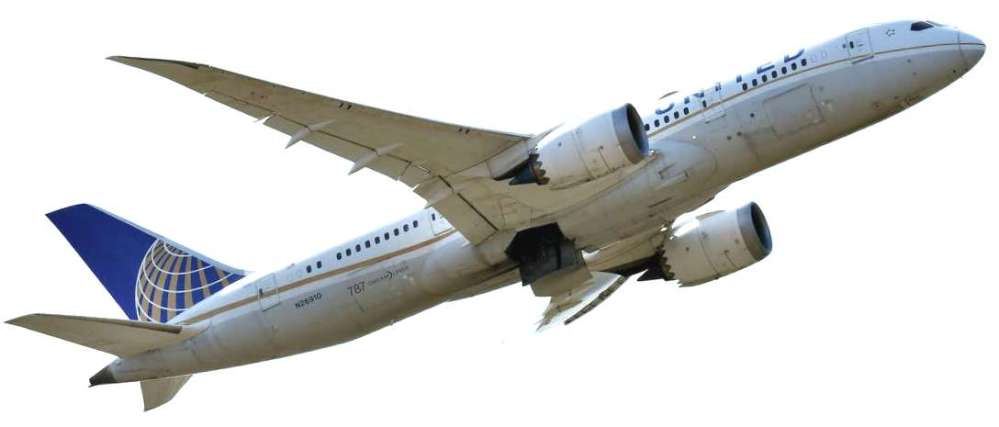
Starlink recibe la aprobación de la Federal Aviation Administration (FAA) de Estados Unidos, como sistema de navegación en la cabina de pasajeros. El Lunes 31/04, United Airlines recibió la aprobación de la agencia de aviación para sus primeros aviones equipados con Starlink. El primer vuelo comercial con Starlink Wi-Fi está previsto para Mayo de 2025. La FAA autorizó el Embraer 175, emitiendo un Certificado de Tipo Suplementario.
La aerolínea con sede en Chicago. Illinois, planea equipar 40 aviones regionales con Starlink mensualmente. Se espera que los 300 Embraer 175 tengan Starlink para fin de año 2025. United está trabajando con la compañía de Elon Musk para obtener la aprobación de la FAA para instalar Starlink en más de 16 modelos de aviones.
United Airlines tiene como objetivo implementar Starlink Wi-Fi en todos sus vuelos. Starlink será gratis para los socios de MileagePlus.
«Tenemos muchas cosas planeadas para nuestros socios de MileagePlus este año, y agregar Starlink a tantos aviones como podamos, tan rápido como podamos, está en el centro de todo. No solo va a revolucionar la experiencia de volar con United, sino que también va a desbloquear toneladas de nuevas asociaciones y beneficios para nuestros miembros que de otro modo no serían posibles», señaló el CEO de United Mileage Plus, Richard Nunn.
United Airlines firmó un acuerdo con Starlink en 2024. Según el acuerdo, Starlink estará disponible en más de 1.000 aviones en los próximos años.
PUBLISHER: Airgways.com DBk: Starlink.com / United.com / Airgways.com AW-POST: 202504032135AR OWNERSHIP: Airgways Inc. A\W A I R G W A Y S ®
AW | 2025 04 01 12:11 | GOVERNMENT / AVIATION ORGANISMS / AVIATION SAFETY / AIRLINES
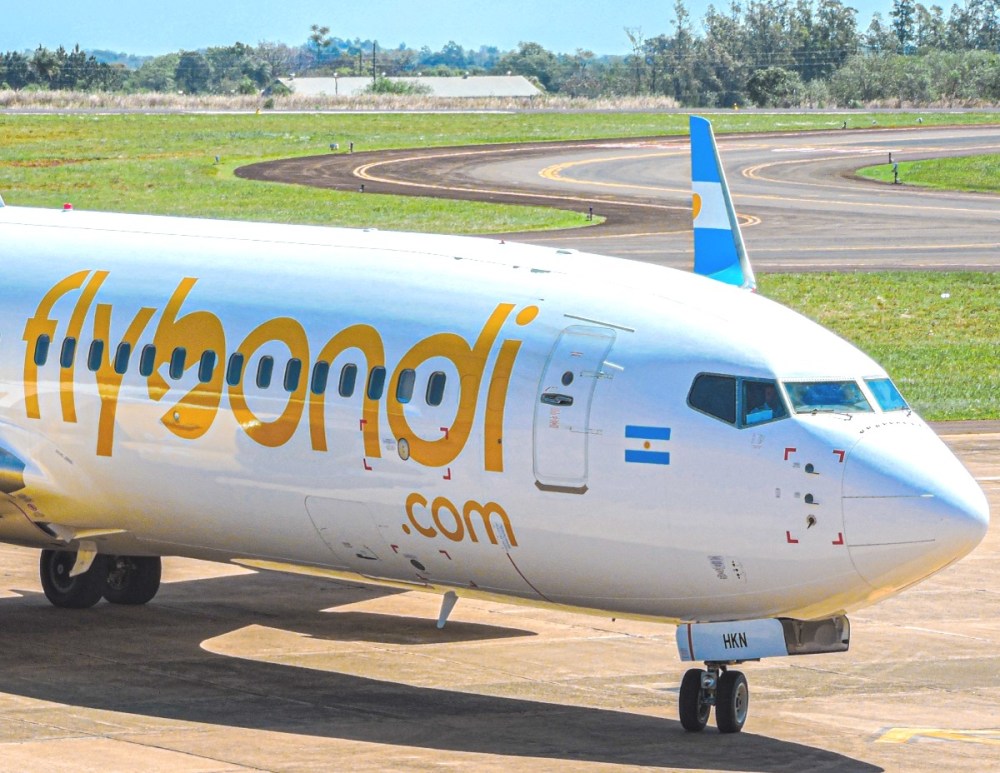
Fiscalía Federal denuncia a directivos Flybondi y ANAC
El Fiscal Federal Carlos Rívolo de Argentina denunció el Martes 01/04 a directivos de la empresa Flybondi Líneas Aéreas por presuntamente poner en peligro la seguridad operacional conforme al Artículo 190 del Código Penal, al usar un taller de reparación de aviones que se encontraba suspendido y a las autoridades de la Administración Nacional de Aviación Civil (ANAC) por posibles incumplimientos de los deberes de funcionario público que incluyen los Artículos 190 y 284. Interviene en el caso el Juzgado Criminal y Correccional Federal Nº12, a cargo del Juez Subrogante Sebastián Casanello, y el Fiscal Carlos Stornelli.
La agencia de aviación ANAC había suspendido temporalmente el taller de Flybondi en Ezeiza el 4 de Octubre de 2024 y el 24 del mismo mes instó a la empresa a acatar la suspensión porque había detectado acciones de mantenimiento sobre distintos aviones de la firma en aeronaves Boeing 737-800 con registros LV-KDR, LV-KDQ y LV-KEF) realizadas en el lugar de mantenimiento. También se constató que continuó llevando a cabo tareas de mantenimiento en el mismo taller, en contraposición a la suspensión temporal por parte de la ANAC. Fuentes de la ANAC confirmaron en ese momento lo sucedido, pero dijeron que no estuvo en riesgo la seguridad operacional porque la suspensión fue por cuestiones tales como errores en los registros de mantenimiento, desorden general en los depósitos, falta de trazabilidad de partes y material aeronáutico, etc. Además, según el organismo, le ordenó a la empresa que re-certificara los aviones que fueron revisados en el taller de Ezeiza en otros talleres habilitados.
La compañía aérea respondió en un comunicado que “para Flybondi resulta absolutamente necesario y prioritario remarcar que esto no estuvo relacionado con la seguridad operacional. Las auditorias realizadas por el organismo controlador (ANAC) en el taller no encontraron falencias en las tareas de mantenimiento realizadas en los aviones ni tampoco tuvo observaciones su condición para la aeronavegabilidad”.
Fiscalización ANAC Como parte de los controles rutinarios que efectúan los agentes de la ANAC, un inspector ha testimoniado que se habían seguido realizando tareas de mantenimiento en el taller suspendido. Durante una inspección sorpresiva de controles en Flybondi, comprobaron que los registros de Mantenimiento incluían tareas realizadas en el Taller de la aerolínea en Ezeiza, mientras que no estaba autorizado para trasladar de personal mecánico.
Un caso puntual de fiscalización había ocurrido el 9 de Noviembre de 2024, en el que una inspección reveló que un Boeing 737-800 de la compañía volaba con un burlete del parabrisas de la cabina fuera de los parámetros especificados por el fabricante, una situación que debería haber dejado el avión en tierra. Sin embargo, la aerolínea declaró que la reparación era “no aplicable” y continuó operando. Posteriormente, tras una orden urgente de ANAC, se realizó la tarea y se reconoció el error en los registros. Después de subsanar los inconvenientes, la aeronave continuó volando.
Varios agentes de fiscalización han corroborado que la postura de la aerolínea incurre en faltas de irregularidades grave al continuar operando como taller no autorizado, como así también las reiteradas fallas mecánicas detectadas amenazaban la seguridad operacional. Las recomendaciones de la Agencia Nacional de Aviación Civil había sido la suspensión del Certificado Explotación de Servicios aéreos (CESA) como operador aéreo a la aerolínea Flybondi aduciendo que para una flota de aeronaves deba encontrarse en condiciones debe ser atendida en talleres aeronáuticos habilitados. Además, los inspectores coincidieron en que lo actuado por Flybondi puso en riesgo la seguridad de las operaciones aéreas. La falta de trazabilidad en repuestos, herramientas en mal estado, personal sin capacitación adecuada y condiciones deficientes en las instalaciones fueron solo algunas de las anomalías detectadas. Uno de los puntos más delicados revelados en el expediente es que, según declaró el Jefe del Departamento de Talleres de la ANAC, la decisión de otorgar nuevas habilitaciones al taller de Flybondi se tomó sin participación ni evaluación de los inspectores técnicos competentes, debido a que varios de ellos no fueron escuchados en los reclamos de incurrimientos graves por parte de la aerolínea Flybondi.
Pese a las reiteradas actas de infracción labradas por ANAC que se han corroborado cuatro entre los períodos Octubre—Diciembre de 2024. La suspensión finalmente se levantó el 14 de Noviembre de 2024. Las sanciones efectivas nunca se concretaron, y que la compañía logró levantar la suspensión del Taller de Mantenimiento EZE con un plan de acciones correctivas que, según a criterio los inspectores de la ANAC, no era suficiente ni adecuado. El plan de acciones correctivas que presentó Flybondi era inconsistente, por lo que dejaron constancia de que no estaban de acuerdo con el levantamiento de la suspensión. Por lo que el Director de Aeronavegabilidad, junto con otros inspectores solicitaron formalmente ser eximidos de continuar supervisando a la empresa, al considerar que sus advertencias no estaban siendo escuchadas por las autoridades de aplicación.
La denuncia La low cost no había acatado la suspensión que ordenó la ANAC de su taller de mantenimiento ubicado en el Aeropuerto Internacional Buenos Aires/Ministro Pistarini (EZE) y siguió reparando aviones allí mientras duró la medida. El Ministerio Público Fiscal dispuso la apertura de una investigación preliminar que se nutrió de evidencia documental y numerosos testimonios de ingenieros aeronáuticos de la propia ANAC. Los informes mencionan la persistencia de “no conformidades mayores” que, según la normativa RAAC (Regulaciones Argentinas de Aviación Civil) y los estándares de OACI (Organización de Aviación Civil Internacional), comprometen directamente la seguridad operacional de las aeronaves.
La denuncia alcanza al CEO de Flybondi, Mauricio Sana, al Gerente de Seguridad Operacional Fabián Pérez, al Representante Técnico Omar Buono, al Gerente de Calidad Walter Fridman, al Gerente de Mantenimiento Juan Pablo Luchetti y a otros responsables de la firma. También están denunciados la administradora de ANAC María Julia Cordero, el ex Director nacional de Seguridad Operacional Marcelo Moroni, y el Director de Aeronavegabilidad Pablo Coradazzi, por posibles omisiones al haber tolerado irregularidades sistemáticas pese a reiteradas advertencias internas.
La denuncia apunta a determinar si las maniobras describen un “desprecio sistemático por la autoridad aeronáutica” y si las mismas configuran un delito de peligro abstracto, que exige únicamente la creación de una situación de riesgo —y no necesariamente un daño concreto— para constituir delito. La Fiscalía no solo apuntó contra los responsables de la aerolínea, sino también contra funcionarios de la ANAC que podrían haber ignorado los reiterados informes de los inspectores. Según la denuncia, la omisión de actuar ante hechos que afectaban la seguridad operacional podría constituir un delito penal.
La agencia de la ANAC se encuentra analizando la denuncia y preparando todos los documentos correspondientes para poner a disposición de la Justicia. “Presentaremos todas las pruebas que demuestran que ANAC cumplió con su rol de fiscalizador y que se llevaron adelante las inspecciones correspondientes desde Dirección de Aeronavegabilidad, perteneciente a la Dirección Nacional de Seguridad Operacional de la ANAC, de los talleres de Flybondi, tanto en Aeroparque como en Ezeiza y que, ante incumplimientos, se exigió la recertificación de las aeronaves de la empresa, garantizando en todo momento la seguridad operacional del sistema”, expresaron en un comunicado.
Desde Flybondi, en tanto, sostuvieron que no fueron aún notificados formalmente de ninguna denuncia, pero, en caso de serlo, quedarán a disposición para presentar todo respaldo documental correspondiente que demuestre que la empresa cumplió con todo lo requerido por la ANAC.
PUBLISHER: Airgways.com DBk: Mpf.gob.ar / Argentina.gob.ar/anac / Flybondi.com / Airgways.com AW-POST: 202504011211AR OWNERSHIP: Airgways Inc. A\W A I R G W A Y S ®
SUA Líneas Aéreas avanza certificado operador Confirma inicio de operaciones para 4Q2025
La nueva aerolínea uruguaya SUA Líneas Aéreas ha anunciado un avance en la puesta a punto de la aerolínea al alcanzar un acuerdo para financiación importante para continuar con los procesos de certificación de la aerolínea que consta de cinco fases y actualmente se encuentra en la primera etapa.
A dos meses de oficializar su alianza con airBaltic, SUA Líneas Aéreas, la nueva startup de bandera uruguaya liderada por Antonio Rama, ha conseguido financiación e inició el proceso formal de certificación para la obtención del Certificado de Operador Aeronáutico (AOC) ante la Dirección Nacional de Aviación Civil e Infraestructura Aeronáutica (DINACIA), un paso fundamental para comenzar a operar. La certificación, que consta de cinco fases, se encuentra en la primera etapa y se estima que tomará al menos seis meses completar todas los trámites. La aerolínea apunta a realizar su primer vuelo antes de fin de año.
SUA Líneas Aéreas operará desde el Aeropuerto Internacional de Montevideo/Carrasco (MVD), conectando con varias ciudades de la región. La empresa busca fortalecer la conectividad de Uruguay con Sudamérica y comenzará con una flota de cuatro Airbus A220-300 arrendados bajo la modalidad ACMI (incluye tripulación, mantenimiento y seguros), y ofrecerá vuelos a Buenos Aires/Aeroparque (AEP) con cuatro frecuencias diarias (4Frq/D), Sao Paulo/Guarulhos (GRU) con dos frecuencias diarias (2Frq/D) y conexiones diarias a Río de Janeiro, Córdoba, Asunción y Santiago de Chile.
La aerolínea ha cerrado su proceso de capitalización y avanza en su certificación. El CEO Antonio Rama aclaró que si bien “hemos avanzado lo suficiente en la capitalización como para iniciar el proceso de obtención del AOC, seguimos negociando con inversores para incrementar el capital al máximo posible”.
Respecto al inicio de operaciones, el ejecutivo confirmó que el objetivo sigue siendo comenzar a volar antes de fin de año, aunque el proceso de certificación puede extenderse: “El proceso para obtener el AOC llevará unos seis meses, confiamos en poder iniciar las operaciones antes de fin de año”.
SUA Líneas Aéreas busca posicionarse como una alternativa competitiva en la región. Según explicaron sus responsables, entre sus diferenciales, se destaca la configuración de los aviones con tres clases (Business, Premium Economy y Full Economy), mayor espacio entre asientos y acceso gratuito a Internet durante el vuelo. Con la certificación en marcha y el respaldo de airBaltic para el gerenciamiento operativo, SUA sigue dando pasos firmes para consolidarse como la nueva aerolínea de bandera uruguaya.
PUBLISHER: Airgways.com DBk: Dinacia.gub.uy / Airgways.com AW-POST: 202503261100AR OWNERSHIP: Airgways Inc. A\W A I R G W A Y S ®
AW | 2025 03 22 15:41 | AIR INVESTIGATION / AVIATION ORGANISMS
Kazajistán envía a Brasil cajas negras vuelo J2-8243
Kazajistán ha anunciado el 21/03 envía las cajas negras del avión siniestrado Embraer E190 de Azerbaijan Airlines del vuelo J2-8243 a Brasil para su análisis, mientras Azerbaiyán exige a Rusia asumir responsabilidades por el accidente ocurrido cerca de Aztau. El Gobierno de Kazajistán ha decidido enviar a Brasil las cajas negras del avión de Azerbaijan Airlines modelo Embraer 190, de fabricación brasileña, siniestrado el 25 de Diciembre de 2024, dejando 38 muertos y 29 heridos.
El Ministerio de Transporte de Kazajistán ha informado de que la comisión creada para investigar lo ocurrido ha partido con las cajas rumbo a Brasil, donde serán analizadas por el Centro de Investigación de Accidentes de Aviación (CENIPA) de Brasil. Las autoridades kazajas han explicado que la decisión se ha tomado tras tener en cuenta las recomendaciones de la Organización de Aviación Civil Internacional (OACI), así como las de los organismos de aviación de Azerbaiyán y Rusia. Asimismo, el Gobierno kazajo ha recordado que en base a las normas establecidas en la OACI, el Estado que lleva a cabo la investigación garantiza la lectura de los registradores de vuelo y decide el país para leer y decodificar las cajas negras.
Mientras tanto, Azerbaiyán ha exigido a Rusia que asuma su responsabilidad en el accidente aéreo que se produjo a tres kilómetros del aeropuerto de la ciudad kazaja de Aztau, y que según una de las líneas de investigación se produjo como resultado de una interferencia externa, pues cuando sobrevolaba Chechenia los sistemas antiaéreos rusos estaban respondido a un ataque ucraniano.
Informe Preliminar vuelo J2-8243 La comisión de investigación del siniestro del avión en Kazajistán presentará conclusiones en treinta días. La investigación del accidente del avión E190 de Azerbaijan Airlines en Aktau avanza, con análisis de fragmentos y señales del impacto; se anticipan hallazgos iniciales en treinta días por parte de la comisión.
El Viceministro de Transporte de Kazajistán, Talgat Lastayev, ha anunciado el Lunes 17/03 que la comisión de investigación creada para esclarecer las causas del siniestro del avión de Azerbaijan Airlines que se estrelló en Aktau presentará sus conclusiones preliminares en un plazo de 30 días. «En general, según los estándares, los resultados preliminares o provisionales de la investigación se anuncian en treinta días. Ya se está realizando la investigación de campo sobre fragmentos del aparato, señales en el lugar del impacto y piezas fundidas que están siendo trasladadas hasta un hangar del aeropueto de Aktau», ha apuntado Talgat Lastayev.
El avión Embraer 190 de Azebaijan Airlines (AZAL) que realizaba un trayecto entre Bakú y Grozni se estrelló con 67 personas a bordo el 25 de Diciembre de 2024, falleciendo 38 personas y 29 resultaron heridos en un incidente por el que Rusia ha pedido perdón a Azerbaiyán, aunque no ha reconocido responsabilidad alguna.
Las cajas negras han sido enviadas a Brasil, país de donde es originaria la empresa fabricante de la aeronave siniestrada, para su examen conforme a la normativa internacional de aviación.
PUBLISHER: Airgways.com DBk: Gov.kz / Airgways.com AW-POST: 202503221541AR OWNERSHIP: Airgways Inc. A\W A I R G W A Y S ®
AW | 2025 03 19 15:00 | INDUSTRY / AVIATION SAFETY / AVIATION ORGANISMS
Piezas defectuosas por subcontratista italiano Agencia FAA emite Reglamentación NPRM
Los desafíos de The Boeing Company continúan aumentando a medida que la Administración Federal de Aviación (FAA) de Estados Unidos anuncia planes para hacer cumplir las inspecciones obligatorias de los Mamparos de Presión Delantera (FPB) en casi 1.000 Boeing 787 Dreamliners. Este último desarrollo se suma a las luchas continuas del gigante aeroespacial con problemas de calidad y seguridad de producción, intensificando aún más el escrutinio sobre sus procesos de fabricación.
La norma propuesta por la FAA se centra en los defectos estructurales de los 787 Dreamliners. El aviso de Reglamentación Propuesta (NPRM) de la FAA, cuya publicación realizada el 14 de Marzo de 2025, requerirá inspecciones internas y externas detalladas del FPB para identificar posibles grietas por fatiga o daños estructurales. Esta directiva se deriva de las propias recomendaciones de servicio de Boeing emitidas en Octubre de 2024, en las que se destacaban las no conformidades, como los huecos excesivos y las desalineaciones durante el montaje. La FAA ha advertido de que estos defectos podrían dar lugar a condiciones inseguras y ha propuesto medidas correctivas para garantizar la integridad estructural de la aeronave.
El mamparo de presión delantera es un componente crítico responsable de mantener la resistencia estructural del fuselaje y la presurización de la cabina. Los informes revelan que el ensamblaje incorrecto de esta pieza ha resultado en brechas significativas y problemas de tracción.
El mandato de la FAA afectará a aproximadamente 135 Dreamliners en los stados Unidos y a más de 1.000 aviones en todo el mundo. Las inspecciones se llevarán a cabo durante las visitas de mantenimiento pesado de rutina (C-Check), que generalmente ocurren cada 12 años o 24.000 ciclos de vuelo, lo que primero ocurra.
Subcontratista MPS Además del mandato de la FAA, Boeing está lidiando con un escándalo separado que involucra componentes defectuosos en casi 500 aviones Boeing 787. Estas piezas defectuosas, que inicialmente pasaron múltiples auditorías, fueron descubiertas durante una investigación de contaminación italiana.
El caso comenzó en Mayo de 2020 cuando las autoridades italianas arrestaron a dos personas por verter ilegalmente desechos químicos cerca de una fábrica aeroespacial. Esta investigación llevó al descubrimiento de que Manufacturing Process Specification (MPS), un proveedor aeroespacial italiano, había proporcionado miles de piezas de aviones de calidad inferior fabricadas con metales inferiores para los aviones Boeing 787. Esta revelación ha suscitado serias preocupaciones sobre la gestión de la cadena de suministro y los procesos de control de calidad de Boeing, dañando aún más la reputación de la empresa y poniendo de manifiesto los problemas sistémicos en su supervisión de la producción.
Un Sábado por la mañana de Mayo de 2020, agentes de policía italianos atraparon a dos hombres vertiendo residuos químicos en las alcantarillas de la ciudad portuaria de Brindisi, en el sur del país, cerca de una fábrica de componentes de aviones pequeños. Cinco años después, ese caso de contaminación rutinaria se ha convertido en una investigación judicial de gran alcance sobre cómo miles de piezas defectuosas de titanio y aluminio fabricadas en Italia terminaron en casi 500 aviones Boeing 787 aún en uso.
La investigación se centra en cómo el diminuto fabricante de piezas aeronáuticas Manufacturing Process Specification (MPS) presuntamente defraudó a los clientes mediante el uso de metales más baratos y débiles para fabricar accesorios de piso y otras piezas de aviones. Los ejecutivos de la compañía niegan la acusación. Una audiencia preliminar sobre el caso se desarrollará el 15 de Mayo de 2025.
Los reguladores estadounidenses, por su parte, preparan una guía técnica para que las aerolíneas detecten y reemplacen cualquier pieza defectuosa, sin optar por las órdenes de emergencia reservadas para los casos más urgentes.
Pero la precaria cadena de eventos que llevó a los detectives a la supuesta estafa, incluido el hallazgo sorpresivo de contaminación, plantea preguntas más amplias sobre el fracaso del propio sistema de auditoría voluntaria de la industria aeroespacial para detectar componentes de baja calidad.
Los detectives estaban investigando a los propietarios de MPS por la bancarrota de su empresa anterior. Pero después de atrapar a dos trabajadores de MPS arrojando líquidos contaminantes junto a la fábrica, la policía amplió sus investigaciones a las compras de materias primas de la firma de Brindisi, dijeron tres fuentes de investigación. Con la ayuda de los denunciantes, la policía descubrió que MPS y su empresa predecesora habían comprado cantidades muy pequeñas de los metales prescritos necesarios para los aviones 787, incluida una aleación de titanio resistente, cambiando en su lugar a titanio puro más barato y menos resistente, dijeron.
Advierten que la Unión Europea corre el riesgo de convertirse en un vertedero de acero barato desviado del mercado estadounidense, lo que, según dicen, podría acabar con las plantas europeas. Los fiscales alegan que durante cuatro años, las piezas fabricadas con el tipo de metal equivocado fluyeron hacia la cadena de suministro aeroespacial a través del grupo italiano Leonardo SpA, que construye dos secciones de fuselaje para el Boeing 787 en su cercana planta de Grottaglie.
El caso intenta dejar atrás una crisis de seguridad y calidad separada que desencadenó turbulencias financieras y de gestión y despidos. El resto de la industria también está lidiando con problemas esporádicos con piezas rebeldes. A pesar de utilizar metales de baja calidad, el ahora desaparecido MPS pasó auditorías por parte de tres organismos de certificación diferentes o auditores privados entre 2017 y 2021. Ninguna de estas auditorías implicó una revisión física de los accesorios del piso, que son componentes estructurales de un avión.
Si bien la noticia del supuesto interruptor metálico en el subcontratista italiano de Boeing llegó a los titulares internacionales en Octubre de 2021, los detalles del proceso de auditoría de MPS, así como la cantidad de accesorios de piso débiles instalados, no se han informado anteriormente.
Media docena de investigadores, abogados y expertos en certificación dijeron que el caso plantea dudas sobre si los controles, incluidas las auditorías de terceros, son lo suficientemente robustos como para garantizar que las piezas por debajo del nivel del suelo no terminen en aviones comerciales. «Es extremadamente preocupante que no haya habido controles preventivos sobre el tipo de material utilizado para construir estas piezas», dijo Danilo Recine, Vicepresidente del Sindicato de Pilotos ANPAC de Italia.
La FAA no ha dejado en tierra ningún avión 787 por estos motivos, pero emitió un aviso provisorio en 2024, que cuando esté finalizado, requerirá que las aerolíneas inspeccionen los aviones en busca de piezas defectuosas y las reemplacen. La Directiva de Aeronavegabilidad (AD) propuesta cubre potencialmente casi 500 aviones, pero hasta que se lleven a cabo las inspecciones es imposible saber cuántas partes están involucradas en las aeronaves. La FAA declinó dar más detalles. Se limitó a señalar que había finalizado el período para recabar observaciones de las compañías aéreas.
Leonardo SpA dijo en un comunicado que los fiscales lo están tratando como una víctima en el caso. Boeing, a la que también se le ha otorgado el estatus de víctima, se negó a comentar sobre los detalles del caso, pero dijo que «tiene un sistema integral de gestión de calidad, que incluye auditorías de proveedores. Esto complementa las auditorías adicionales realizadas por organismos de certificación, proveedores y otros dentro de la industria», expresó la compañía Boeing.
MPS, y su predecesor Processi Speciali, solían fabricar varias piezas de avión para Leonardo, incluidos los accesorios que conectaban las vigas que soportaban el suelo de la cabina del Boeing 787 con el fuselaje. También abasteció a otras empresas aeroespaciales. Después de realizar inspecciones de materiales en los componentes, los investigadores alegan que MPS fabricó 539 pisos bajo el nivel del suelo para Boeing que fueron suministrados a través de Leonardo, según un documento confidencial preparado por los fiscales. Los accesorios defectuosos terminaron en hasta 477 aviones aún en servicio, según el documento, un puñado más que la población potencial de aviones afectados citada por la FAA.
En el caso de un aterrizaje de emergencia, los accesorios de piso de menor calidad podrían provocar un colapso del piso del avión, dijeron en el documento los expertos aeroespaciales que probaron las piezas en nombre de los fiscales.
La FAA ha planteado un escenario similar en el peor de los casos, agregando que necesitaría múltiples partes adyacentes para fallar simultáneamente.
En su informe final, los fiscales italianos acusan al jefe de calidad de MPS, al propietario de la compañía y a tres familiares de fraude y violación de las reglas de seguridad de los aviones. Otros dos trabajadores están acusados de contaminar el suelo y el agua. «(Ellos) han puesto en peligro la seguridad del vuelo al producir y entregar a Leonardo piezas aeroespaciales estructurales fabricadas, no con aleación de titanio contratada, sino con titanio puro, que tiene una resistencia estructural que es en gran medida inferior a la de la aleación prescrita», dice el informe.
En total, los fiscales han dicho que MPS o su predecesor suministró alrededor de 6.000 piezas utilizando el tipo de metal equivocado, aunque la gran mayoría no son componentes estructurales.
Francesca Conte, abogada del propietario de MPS, dijo que el proveedor había trabajado en asociación con Leonardo y había obtenido todas las certificaciones necesarias. «Si hubiera habido alguna anomalía, habría sido evidente de inmediato», expresó. Francesca Conte y los abogados de los otros acusados dijeron que había pruebas que se presentarían durante el juicio que demostrarían que sus clientes no eran responsables de los presuntos delitos.
Auditorías para subcontratistas Para convertirse en un proveedor de The Boeing Company o Airbus Group los fabricantes de piezas deben ser auditados por sus sistemas de gestión de calidad bajo un capítulo aeroespacial de la organización de estándares globales ISO. Aquellos involucrados en ciertos procesos especiales como la soldadura o la galvanoplastia también necesitan una aprobación con sede en los Estados Unidos llamada NADCAP.
Los registros de la industria muestran que MPS y su predecesor obtuvieron aprobaciones de tres organismos de auditoría bajo el estándar aeroespacial basado en ISO para sistemas de calidad. La última certificación se otorgó en Mayo de 2021.
Leonardo SpA dijo en un comunicado enviado por correo electrónico que se había enterado de problemas con los componentes en MPS a fines de 2020 por parte de la compañía americana Boeing. Cuando se le preguntó cómo investigaba a los contratistas, Leonardo dijo que MPS primero tenía que calificar para ingresar a sus listas de proveedores y a las de Boeing. El grupo dijo que también había llevado a cabo controles posteriores de MPS utilizando documentos puestos a disposición por el proveedor. Las auditorías se llevaron a cabo tanto de forma independiente como en equipos conjuntos con Boeing, agregó la compañía italiana.
«Cualquier comportamiento fraudulento no puede ser detectado por estos controles», dijo Leonardo SpA. Sin embargo, desde el año 2024, la compañía ha comenzado a realizar pruebas adicionales sobre las características químicas y físicas de los componentes significativos. «La falta de controles físicos puntuales desconcertó a la policía. El problema de las piezas defectuosas se descubrió en 2020. Si los controles de calidad hubieran funcionado, no se habría descubierto tan tarde», expresa una fuente anónima consultada.
Regulaciones Bajo el sistema de supervisión voluntaria para la gestión de la calidad, los auditores privados conocidos como organismos de certificación verifican si una empresa aeroespacial tiene los procesos, máquinas y trabajadores calificados adecuados para llevar a cabo sus tareas con los estándares correctos. Por lo general, las pruebas físicas aleatorias solo se incluyen si una empresa necesita un certificado de calidad para productos específicos.
Pero Christopher Paris, fundador de la consultora Oxebridge Quality Resources, dijo que el caso de MPS demuestra la necesidad de una supervisión más estricta de la pirámide de controles, incluyendo no sólo a los auditores independientes, sino también a los organismos de acreditación que los examinan. «Es necesario un marco regulatorio», dijo Oxebridge Quality Resources.
Ninguno de los auditores ni de los diversos organismos de la industria está en el punto de mira de la investigación italiana. Accredia, que es responsable de acreditar a los auditores en Italia, dijo que las reglas existentes eran sólidas y bien estructuradas y enfatizó que el trabajo de las auditorías no es erradicar el crimen. A la cabeza del sistema de controles voluntarios se encuentra el Grupo de Calidad Aeroespacial de la Industria (AIQG), un organismo mundial. El Presidente de IAQG, Eric Jefferies, dijo en un comunicado que está trabajando activamente en actualizaciones de los estándares existentes. «Sin embargo, los resultados de cualquier implementación de un sistema de gestión de la calidad recaen en última instancia en la organización certificada», dijo Eric Jefferies.
Perspectivas Boeing El camino a seguir de Boeing será restaurar la confianza en la industria de la aviación. A medida que Boeing trabaja para abordar estos crecientes desafíos, el último mandato de la FAA y la investigación de piezas defectuosas subrayan la necesidad urgente de que la compañía fortalezca sus protocolos de seguridad y medidas de garantía de calidad. Con las preocupaciones sobre la calidad de la producción y el escrutinio regulatorio en su punto más alto, Boeing debe actuar rápidamente para reconstruir la confianza entre los reguladores, las aerolíneas y los pasajeros.
Las inspecciones obligatorias y las investigaciones en curso sobre piezas de calidad inferior representan una coyuntura crítica para Boeing. La capacidad de la compañía para sortear estos desafíos determinará su futuro en la industria de la aviación y su capacidad para recuperar la confianza de las partes interesadas en todo el mundo.
PUBLISHER: Airgways.com DBk: Faa.gov / Boeing.com / Europa-union.europa.eu / Leonardo.com / Iaqg.org / Oxebridge.com / Anpac.it / Airgways.com AW-POST: 202503191500AR OWNERSHIP: Airgways Inc. A\W A I R G W A Y S ®
Adnimistración Trump designa a CEO Republic Airways para FAA
El Presidente de Estados Unidos, Donald Trump, anunció en las redes sociales la nominación de Bryan Bedford, CEO de Republic Airways y veterano ejecutivo de aerolíneas, para dirigir la Administración Federal de Aviación (FAA).
“Brian aporta más de tres décadas de experiencia en aviación y liderazgo ejecutivo a este importante puesto. Bryan trabajará con nuestro excelente secretario de Transporte, Sean Duffy, para reformar con firmeza la Agencia, salvaguardar nuestras exportaciones y garantizar la seguridad de casi 1.000 millones de pasajeros anuales. ¡Felicitaciones, Bryan!”, escribió Donald Trump.
Trayectoria Bryan Bedford Bryan Bedford se incorporó a Republic Airways en Julio de 1999 como Presidente y CEO. Anteriormente, fue Presidente y Director Ejecutivo de Mesaba Holdings en Minneapolis, así como de Business Express Airlines en Boston. Durante sus años al frente de Republic, la aerolínea ha crecido de US$ 85 millones de Dólares en ingresos y 36 aviones turbohélice a más de US$ 1.300 millones de Dólares en ingresos y una flota operativa de casi 200 aviones E-Jet.
En 1997 y 2004, Regional Airline World nombró a Bedford Ejecutivo de Aerolíneas del Año. En 2009, recibió el mismo honor de Airline Business. En 1998, el Minneapolis Business Journal lo incluyó en su lista de los 40 menores de 40, y en 2000, el Indianapolis Business Journal lo incluyó en la suya. Bedford obtuvo su licenciatura en Contabilidad y Finanzas en la Universidad Estatal de Florida y es contador público certificado. Posee habilitaciones de piloto multimotor e instrumental.
PUBLISHER: Airgways.com DBk: Usa.gov / Faa.gov / Airgways.com AW-POST: 202503181007AR OWNERSHIP: Airgways Inc. A\W A I R G W A Y S ®
ANAC Brasil cancela operaciones por incumplimientos seguridad
La Agencia Nacional de Aviación Civil (ANAC) de Brasil ha anunciado la suspensión de manera cautelar de las operaciones aéreas de Voepass Linhas Aéreas, aerolínea conformada por Passaredo Transportes Aéreos y Map Linhas Aéreas. La medida, que entró en vigor este Martes 11 de Marzo de 2025, se mantendrá hasta que la compañía corrija las inconformidades en sus sistemas de gestión detectadas en auditorías y establecidas en los reglamentos de seguridad.
Actualmente, Voepass Linhas Aéreas es una aerolínea regional brasileña que opera con seis aeronaves ATR 72-600 hacia 15 destinos comerciales y dos rutas de vuelos chárter.
La decisión de la ANAC se basa en la incapacidad de la aerolínea para corregir irregularidades identificadas en inspecciones previas, así como en el incumplimiento de condiciones establecidas anteriormente para garantizar la seguridad de sus operaciones.
La acción disciplinaria es debido al accidente aéreo ocurrido el 9 de Agosto de 2024 en Vinhedo, Estado de Sao Paulo, con una aeronave turboprop ATR 72-600, donde fallecieron todos los ocupantes, tras el cual la ANAC implementó una operación asistida de supervisión en las instalaciones de Voepass. Inspectores de la agencia estuvieron presentes en las bases de operación y mantenimiento de la aerolínea para evaluar sus condiciones de seguridad. En Octubre de 2024, la ANAC impuso a Voepass una serie de medidas correctivas, que incluían: reducción de la red de rutas, mayor tiempo de mantenimiento en tierra de las aeronaves, cambio de administradores y la implementación de un plan de acción correctivo. Sin embargo, en Febrero de 2025, una nueva auditoría reveló una degradación en la eficiencia del sistema de gestión de la empresa y un incumplimiento sistemático de las exigencias regulatorias. Además, la ANAC detectó la reincidencia de irregularidades previamente corregidas, lo que evidenció fallos en la identificación y mitigación de riesgos dentro de la aerolínea.
La autoridad aérea informó que los pasajeros afectados por la suspensión de Voepass deben contactar directamente a la aerolínea o a la agencia de viajes donde adquirieron su boleto para solicitar reembolsos o reacomodaciones en otras aerolíneas.
La ANAC ha determinado que la suspensión se mantendrá hasta que Voepass Linhas Aéreas pueda demostrar que ha restablecido su capacidad de cumplir con los niveles de seguridad exigidos por la regulación vigente.
PUBLISHER: Airgways.com DBk: Anac.gov.ar / Voepass.com.br / Airgways.com AW-POST: 202503141546AR OWNERSHIP: Airgways Inc. A\W A I R G W A Y S ®