Air Namibia cesaría operaciones
AW | 2021 02 13 10:10 | AIRLINES / GOVERNMENT

Gobierno apoya cierre de aerolínea nacional tras 74 años de servicio
Air-Namibia_Isologotype

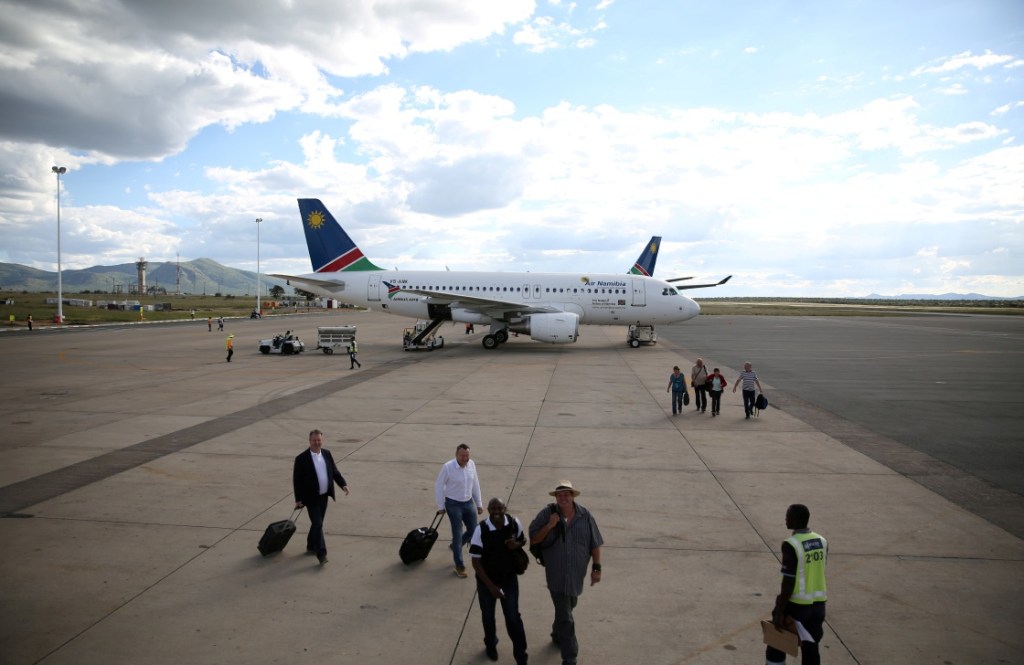
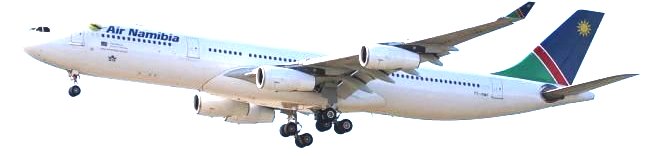
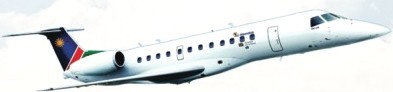
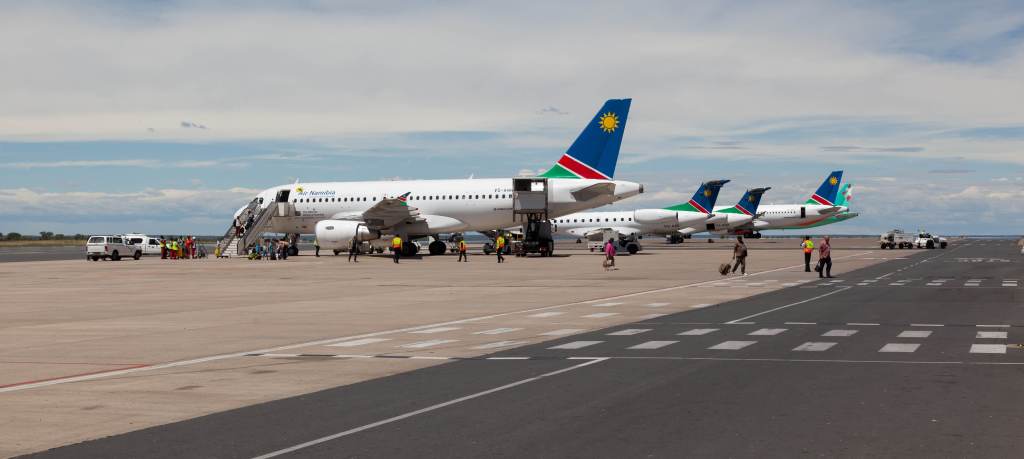
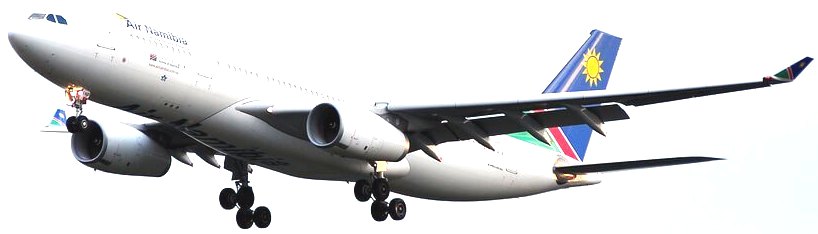
Air Namibia ha anunciado el cierre de la compañía tras haber permanecido durante los últimos tres años arrastrada con dificultades financieras, en medio de una crisis sanitaria, un marco de situación letal para las compañías aéreas en el mundo, han hecho que el Gobierno de Namibia tome la decisión de liquidar la aerolínea. El Gobierno de Namibia gastará alrededor de N$ 300 millones de Dólares de Namibia para pagar los salarios de los empleados de Air Namibia que se quedarán en casa mientras la aerolínea de 74 años concluye sus operaciones comerciales. El cierre de la aerolínea nacional marca el fin de una institución que ha absorvido N$ 11.000 millones de Dólares namibianos entre otros rescates del gobierno en las últimas dos décadas. Las fuentes dijeron al Diario The Namibian que la factura salarial mensual de Air Namibia está entre N$ 25 y 30 millones de Dólares de Namibia. Desde el Ministerio de Gobierno han estado debatiendo si el Consejo de Ministros debe atenerse a la decisión de liquidación. «La respuesta a esto es que la liquidación sigue en pie», dijo una fuente familiarizada con la discusión del Gabinete.

Los problemas de la aerolínea nacional Air Namibia han sido de larga data, que involucraban a políticos y ejecutivos que a menudo usaban Air Namibia como una vaca de efectivo. El Presidente Hage Geingob ha apoyado durante años a la aerolínea. En Octubre de 1999, Geingob, como primer ministro, dio la bienvenida al nuevo Boeing 747-400 de Air Namibia, que costó alrededor de N$ 700 millones de Dólares de Namibia. Ese acuerdo se vio empañado por acusaciones de soborno y señaló el apoyo continuo del Gobierno, acordando pagar N$ 2.000 millones de Dólares de Namibia adicionales a Air Namibia de 2001 a 2002.

Ministro de Finanzas, Iipumbu Shiimi, dijo que el Gabinete ha decidido que es en el mejor interés del país solicitar la liquidación voluntaria, viendo que la aerolínea no ha sido rentable desde sus inicios. En una conferencia de prensa de ayer, Iipumbu Shiimi dijo que el Gobierno ha gastado miles de millones en recursos monetarios para apoyar a la aerolínea, pero no puede seguir sosteniéndola a expensas de otras cuestiones pertinentes, como el crecimiento económico y los servicios sociales.

Liquidación de Air Namibia
AW-73000333

La liquidación de la aerolínea costaría US$ 2.000 millones de Dólares estadounidense. Los costos de liquidación no siempre son responsabilidad del accionista, pero los fondos pueden ser generados por la venta de los activos de la compañía. Los activos de Air Namibia a valor contable ascendían a N$ 981 millones de Dólares de Namibia en agosto de 2020, mientras que los pasivos de la aerolínea ascendían a N$ 3.000 millones de Dólares de Namibia durante el período objeto de examen. El Gobierno se ha comprometido a pagar los salarios de los empleados durante 12 meses. También consultará a la junta temporal sobre la liquidación de las operaciones, «eso incluye el calendario de pagos a los empleados y la protección de los activos», dijo Iipumbu Shiimi, mientras que se ha negado información que el Gobierno quiera cerrar la compañía en favor de avanzar en una nueva aerolínea.

La historia de Air Namibia es bien conocida y el gobierno ya no puede cargar con las elevadas deudas de Air Namibia. El Ministro de Empresas Públicas, Leon Jooste, dijo que el Gobierno exploró varias opciones para evitar la liquidación, pero todas las opciones resultaron ser inútiles. Leon Jooste ha corroborado que los sentimientos de Iipumbu Shiimi sobre que el Gobierno no promovió el crecimiento de otra aerolínea, pero dijo que la decisión de liquidación ya estaba en curso. «Los debates que hemos tenido antes de la conclusión a la que hemos llegado ya se han hecho hace un tiempo bastante considerable. Por lo tanto, obviamente había una serie de cuestiones que debían resolverse. Uno de ellos había sido una cuestión muy complicada de los contratos de arrendamiento que tenemos en los dos aviones Airbus, y el hecho de que están totalmente respaldados por una garantía del Gobierno», dijo Leon Jooste. Uno de los problemas mencionó fue el hecho de que la aerolínea estaba perdiendo más dinero cuando estaba operativa que cuando cesaron las operaciones.

Se consultó al ministro sobre la nueva junta directiva y dijo que la nombró para ayudar con el proceso de liquidación. Nombró al empresario James Cummings, el abogado Norman Tjombe y Hilda Basson-Namundjebo como miembros de la Junta Directiva de Air Namibia la semana pasada. Sin embargo, esto fue rechazado, dos funcionarios del Gobierno fueron nombrados en su lugar. Mientras tanto, los dos ministros dijeron que se consideraba lo mejor para los nuevos miembros interinos de la Junta de Ministros ser de los ministerios de Finanzas y de Empresas Públicas. Los dos nuevos directores son Martin Ashikoto, del Ministerio de Finanzas, y Tjiuee Kaura, del Ministerio de Empresas Públicas.
Air Namibia_E14500

El Director del Instituto de Investigación de Políticas Públicas, Graham Hopwood, apoya la decisión del Gabinete para el cierre de la aerolínea. «Air Namibia no ha producido ningún estado financiero auditado a lo largo de los años. No se puede dirigir un negocio como ese y esperar que continúe, es muy triste, pero es inevitable que tenga que suceder», reconoce Graham Hopwood.

El Parlamentario del Movimiento Democrático Popular, Nico Smit, dice que aunque la decisión tiene efectos de gran alcance en sus más de 600 empleados y sus beneficiarios fue la decisión correcta, ya que la aerolínea ha estado funcionando con una pérdida. «Es una situación difícil, pero todo se reduce a la mala gestión de Air Namibia desde el primer día. Si el negocio no está obteniendo beneficios, es muy imprudente continuar con él», dijo.

El ex-Ministro de Obras y Transporte, Helmut Angula, describió la liquidación planeada como noticias horribles. «Estamos a merced de los capitalistas que están matando a la aerolínea nacional para apaciguar a los contables. Todo se hace a golpe de un bolígrafo». Preguntó qué pasaría con los empleados especializados, como los pilotos de una industria local que carece de otras aerolíneas. «¿Se convertirán en granjeros como yo? ¿Qué pasará con la tecnología que nos llevó años adquirir? La gente ya no está pensando bien. Los países que mataron a sus aerolíneas nacionales están luchando por traerlos de vuelta. Todas las aerolíneas exitosas del mundo cuentan con el apoyo indirectamente o directamente del gobierno», dijo Helmut Angula.

El ex-Primer Ministro Nahas Angula se sorprendió al escuchar que el gobierno ha decidido cerrar Air Namibia. «Yo no era consciente. Esto es una noticia para mí. Todo parece estar fallando en este país. Lamento lo de los trabajadores que ahora tienen que salir a la calle», dijo.

Entre 2003 y 2009, el Gobierno succionó alrededor de N$ 2.000 millones de Dólares de Namibia para cambiar su destino, sin lograr cambios favorables. En 2011, la dirección de Air Namibia formuló otra estrategia de cambio de cinco años y convenció al Gobierno para ingresar como accionista, incorporando N$ 1.600 millones de Dólares. A partir de ese cambio se logró un poco de éxito, según su ex-Director General interino Rene Gsponer. Air Namibia promediaba un superhábit de N$ 188 millones de Dólares de Namibia entre Julio y Octubre de 2014, con un máximo histórico de N$ 205 millones de Dólares de Namibia en Octubre de 2014, lo que la primera vez en la historia que la aerolínea rompió e hizo un beneficio en cuatro meses consecutivos. Sin embargo, ese éxito se vio corto ya que Air Namibia volvió pronto a sus formas de mendicidad. En el ejercicio 2015/16, el Gobierno asignó N$ 579,8 millones de Dólares namibianos.

El presupuesto se incrementó a US$ 722,4 millones de Dólares estadounidense en el ejercicio 2016/17. El Gobierno asignó otros US$ 629,6 millones de Dólares para el ejercicio 2017/18. En 2018/19 también se presupuesta una subvención de US$ 740 millones de para la aerolínea. En 2019/20 se presupuesta una asistencia adicional de US$ 676 millones, mientras que en 2020/21 se asignó una asistencia adicional de US$ 676 millones de Dólares, alcanzando la pandemia como un escenario para bajar la cortina de Air Namibia, otra aerolínea emblemática de los cielos de África está comenzando a apagarse.

Air Namibia would cease operations
Government supports closure of airline after 74 years of service
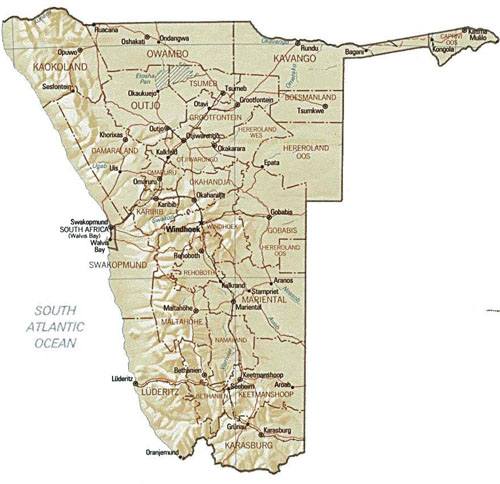
AW-73000335Namibia_map

Air Namibia has announced the closure of the company after having remained for the last three years dragged with financial difficulties, in the middle of a health crisis, a framework of lethal situation for airlines in the world, they have made the Government of Namibia take the decision to liquidate the airline. The Government of Namibia will spend around N$ 300 million Namibian Dollars to pay the salaries of Air Namibia employees who will stay at home while the 74-year-old airline concludes its commercial operations. The closure of the national airline marks the end of an institution that has absorbed N$ 11 billion Namibian dollars among other government bailouts in the last two decades. Sources told The Namibia newspaper that Air Namibia’s monthly salary bill is between N$ 25 and 30 million Namibian dollars. The Ministry of Government has been debating whether the Council of Ministers should abide by the liquidation decision. «The answer to this is that the liquidation continues», said a source familiar with the Cabinet discussion.

The problems of national airline Air Namibia have been long-standing, involving politicians and executives who often used Air Namibia as a cash cow. President Hage Geingob has supported the airline for years. In October 1999, Geingob, as Prime Minister, welcomed Air Namibia’s new Boeing 747-400, which cost around N$ 700 million Namibia. That deal was marred by allegations of bribery and signaled continued support from the Government, agreeing to pay an additional N$ 2 billion Namibian Dollars to Air Namibia from 2001 to 2002.

Finance Minister Iipumbu Shiimi said the Cabinet has decided that it is in the best interest of the country to apply for voluntary liquidation, seeing that the airline has not been profitable since its inception. In a press conference yesterday, Iipumbu Shiimi said that the government has spent billions in monetary resources to support the airline, but cannot continue to sustain it at the expense of other pertinent issues, such as economic growth and social services.

Air Namibia liquidation

The liquidation of the airline would cost US$ 2 billion US Dollars. Liquidation costs are not always the responsibility of the shareholder, but the funds can be generated from the sale of the company’s assets. Air Namibia’s assets at book value amounted to N$ 981 million Namibian Dollars in August 2020, while the airline’s liabilities amounted to N$ 3 billion Namibian Dollars during the period under review. The Government has promised to pay the salaries of the employees for 12 months. He will also consult the temporary board on the liquidation of operations, «that includes the schedule of payments to employees and the protection of assets», said Iipumbu Shiimi, while information has been denied that the government wants to close the company in favor to move into a new airline.
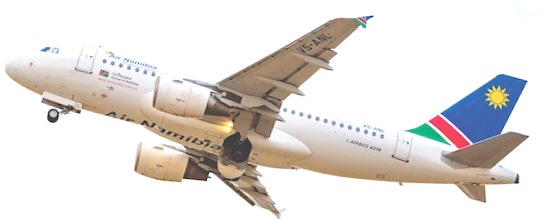
AW-Air NAmibia_0001

The history of Air Namibia is well known and the government can no longer bear Air Namibia’s high debts. The Minister of Public Enterprises, Leon Jooste, said that the government explored various options to avoid liquidation, but all the options turned out to be useless. Leon Jooste has corroborated that Iipumbu Shiimi’s sentiments that the government did not promote the growth of another airline, but said the liquidation decision was already in progress. «The discussions that we have had before the conclusion that we have reached have already been done quite some time ago considerable. Therefore, there were obviously a number of issues that needed to be resolved. One of them had been a very complicated issue of the leases that we have on the two Airbus aircraft, and the fact that they are fully backed by a guarantee from the government», said Leon Jooste. One of the problems he mentioned was the fact that that the airline was losing more money when it was operational than when it ceased operations.
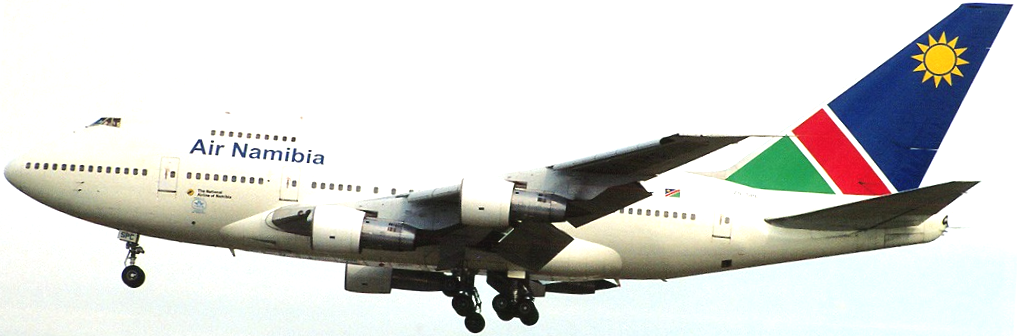
Air Namibia Boeing_747SP_ZS-SPC_FRA_1999-7-17

The Minister was asked about the new board of directors and said he appointed it to help with the liquidation process. He appointed businessman James Cummings, lawyer Norman Tjombe and Hilda Basson-Namundjebo as members of Air Namibia’s Board of Directors last week. However, this was rejected, two government officials were appointed in his place. Meanwhile, the two ministers said it was considered best for the new interim members of the Board of Ministers to be from the ministries of Finance and Public Enterprises. The two new directors are Martin Ashikoto, from the Ministry of Finance, and Tjiuee Kaura, from the Ministry of Public Enterprises.

The Director of the Institute for Public Policy Research, Graham Hopwood, supports the Cabinet’s decision to shut down the airline. «Air Namibia has not produced any audited financial statements over the years. You can’t run a business like that and expect it to continue, it’s very sad, but it inevitably has to happen», acknowledges Graham Hopwood.

People’s Democratic Movement Parliamentarian Nico Smit says that while the decision has far-reaching effects on its more than 600 employees and their beneficiaries it was the right decision, as the airline has been operating at a loss. «It is a difficult situation, but it comes down to Air Namibia’s mismanagement from day one. If the business is not making a profit, it is very unwise to continue with it», he said.

Former Minister of Works and Transport, Helmut Angula, described the planned liquidation as horrible news. «We are at the mercy of the capitalists who are killing the national airline to appease the accountants. Everything is done with the stroke of a pen». He asked what would happen to specialized employees, such as pilots in a local industry that lacks other airlines. «Will they become farmers like me? What will happen to the technology that took us years to acquire? People are no longer thinking straight. The countries that killed their national airlines are struggling to bring them back. All the successful airlines in the world. they have the support indirectly or directly from the government», said Helmut Angula.

Former Prime Minister Nahas Angula was surprised to hear that the government has decided to shut down Air Namibia. «I was not aware. This is news for me. Everything seems to be failing in this country. I’m sorry about the workers who now have to go out on the streets», he said.

Between 2003 and 2009, the Government supplied around N$ 2 billion Namibian Dollars to change its destiny, without achieving favorable changes. In 2011, Air Namibia’s management formulated another five-year turnaround strategy and convinced the Government to join as a shareholder, incorporating N$ 1.6 billion. A bit of success was achieved from that change, according to its former acting CEO Rene Gsponen. Air Namibia averaged a superhabit of N$ 188 million Namibian Dollars between July and October 2014, with a record high of N$ 205 million Namibian Dollars in October 2014, the first time in history that the airline broke and made a profit in four consecutive months. However, that success fell short as Air Namibia soon returned to its begging ways. In the 2015/16 fiscal year, the Government allocated N$ 579.8 million Namibian dollars.

The budget was increased to US$ 722.4 million in the 2016/17 fiscal year. The Government allocated another US$ 629.6 million for the 2017/18 fiscal year. In 2018/19 a subsidy of US$ 740 million is also budgeted for the airline. In 2019/20 an additional assistance of US$ 676 million is budgeted, while in 2020/21 an additional assistance of US$ 676 million was allocated, reaching the pandemic as a scenario to lower the curtain of Air Namibia, another airline. iconic of the African skies is beginning to fade.


PUBLISHER: Airgways.com
DBk: Airnamibia.com / Gov.na / Namibian.com.na / Airgways.com
AW-POST: 202102131010AR

A\W   A I R G W A Y S ®

Europa estimula reactivación aérea

AW | 2021 02 11 11:15 | GOVERNMENT / AIR TRAFFIC / AIRLINES

Nuevas medidas sobre franjas horarias ayudarán aerolíneas

European Parliament_Isologotype

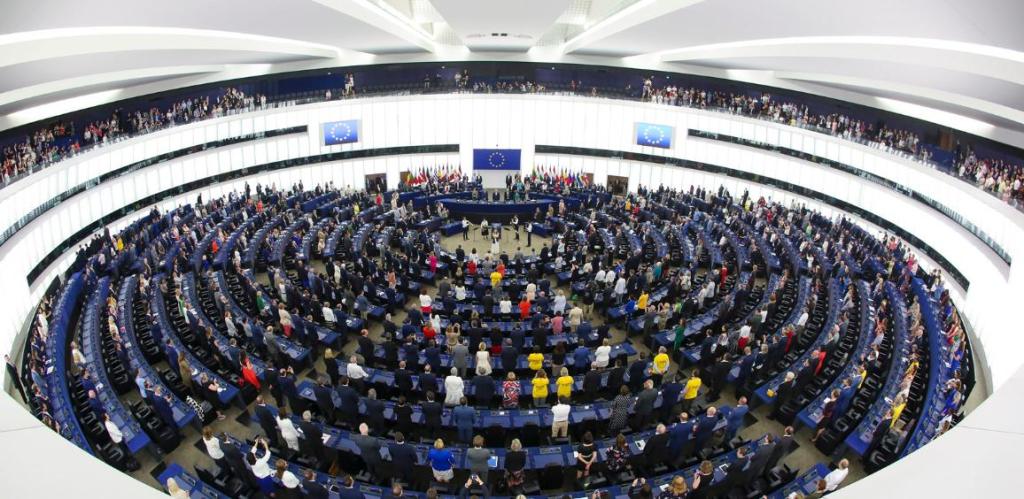
La Comisión de Transporte y Turismo en la Eurocámara, ha mostrado su satisfacción del Pleno del Parlamento Europeo, por la que las aerolíneas podrán devolver el 50% de sus slots restantes si lo hacen con al menos tres semanas de antelación respecto al vuelo programado. La Eurodiputada Socialista Isabel García ha expresado: «La crisis de la COVID-19 ha tenido un grave impacto en el sector de la aviación, provocando una disminución significativa del tráfico aéreo en todo el mundo desde principios de 2020. La utilización de las franjas caiga muy por debajo del umbral del 80% de los slots», ha lamentado la europarlamentaria aragonesa. Las compañías aéreas podrán mantener la totalidad de sus derechos de franjas horarias de la temporada de verano boreal si utilizan al menos el 50% de las franjas horarias.

Flexibilizar las reglas sobre asignación de horarios aeroportuarios en la Unión Europea debido a la crisis sanitaria ayudará a reducir el impacto medioambiental y económico que suponen los llamados «vuelos fantasma». Esta exención, ha destacado, «se aplica tanto a los slots tradicionales como a los nuevos y para todas las compañías que tengan más de 29 slots por semana. Sin duda se trata de una gran noticia para relanzar el sector y responde a las necesidades de los pasajeros y pasajeras, manteniendo además la conectividad de todos los territorios», ha subrayado la Eurodiputada. Además, el texto acordado permite eximir a las aerolíneas de la regla del 80% cuando la posibilidad de viajar o la demanda en las rutas en cuestión se vea obstaculizada por las medidas relacionadas con la COVID-19 introducidas por las autoridades públicas, después de que las franjas horarias hayan sido asignadas a dichas compañías.

La Comisión Europea estará facultada para adoptar actos delegados durante un año, con el fin de abarcar las dos temporadas siguientes. El Ejecutivo comunitario podrá cambiar el porcentaje mínimo de utilización entre el 30% y el 70% y ofrecer así la flexibilidad necesaria para adaptarse a los diferentes niveles de tráfico aéreo en función del impacto de la crisis sanitaria. «Tener derecho sobre la utilización de un conjunto de franjas horarias es uno de los activos principales de las compañías aéreas, pues les permite operar entre determinados aeropuertos y volar en determinadas horas», ha agregado Isabel García. El acuerdo al que han llegado el Parlamento y el Consejo Europeo contribuirá a un uso más eficiente de la capacidad aeroportuaria en beneficio de la conectividad y de los pasajeros y pasajeras.

Europe stimulates air reactivation

New slot measures will help airlines

European Parliament_Isologotype_0001

The Transport and Tourism Commission in the European Parliament has shown its satisfaction in the Plenary of the European Parliament, for which airlines will be able to return 50% of their remaining slots if they do so at least three weeks in advance of the scheduled flight. The Socialist MEP Isabel García has expressed: «The COVID-19 crisis has had a serious impact on the aviation sector, causing a significant decrease in air traffic around the world since the beginning of 2020. The use of the slots falls well below the threshold of 80% of the slots», lamented the Aragonese MEP. The airlines will be able to keep all of their slot rights for the boreal summer season if they use at least 50% of the slots.

Relaxing the rules on the allocation of airport schedules in the European Union due to the health crisis will help reduce the environmental and economic impact of so-called «ghost flights». This exemption, he stressed, «applies to both traditional and new slots and for all companies that have more than 29 slots per week. Without a doubt, this is great news to relaunch the sector and responds to the needs of passengers, also maintaining the connectivity of all territories», the MEP stressed. In addition, the agreed text allows airlines to be exempted from the 80% rule when the ability to travel or demand on the routes in question is hampered by COVID-19-related measures introduced by public authorities, after the slots have been assigned to these companies.

The European Commission is empowered to adopt delegated acts for one year, to cover the next two seasons. The Community Executive may change the minimum percentage of use between 30% and 70% and thus offer the necessary flexibility to adapt to different levels of air traffic depending on the impact of the health crisis. «Having the right to use a set of time slots is one of the main assets of airlines, since it allows them to operate between certain airports and fly at certain hours», added Isabel García. The agreement reached by Parliament and the European Council will contribute to a more efficient use of airport capacity for the benefit of connectivity and passengers.


PUBLISHER: Airgways.com
DBk: Europarl.europa.eu / Airgways.com
AW-POST: 202102111115AR

A\W   A I R G W A Y S ®

Reunión Gobierno EEUU-aerolíneas

AW | 2021 02 11 09:33 | AIRLINES / GOVERNMENT

Directivos ejecutivos se reunirán con Administración Biden

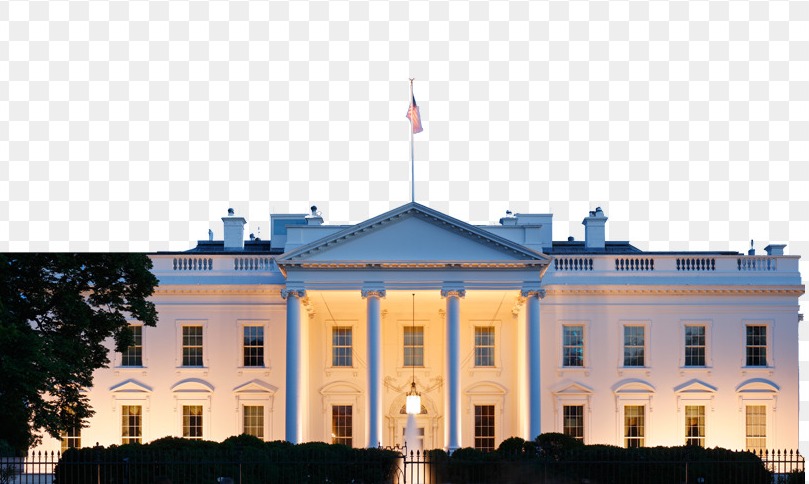
Los directores ejecutivos de las principales aerolíneas estadounidenses están programados para reunirse el próximo Viernes 12/02 con el Coordinador de respuesta COVID-19 de la Casa Blanca para discutir una serie de temas relacionados con los viajes. La reunión con el Coordinador de Respuesta al Coronavirus Jeffrey Zients y otros funcionarios de la Administración involucrados en cuestiones COVID-19 se produce cuando aerolíneas, sindicatos de aviación y otros grupos de la industria se han opuesto firmemente a la posibilidad de exigir pruebas de pre-vuelos COVID-19 antes de los vuelos nacionales.

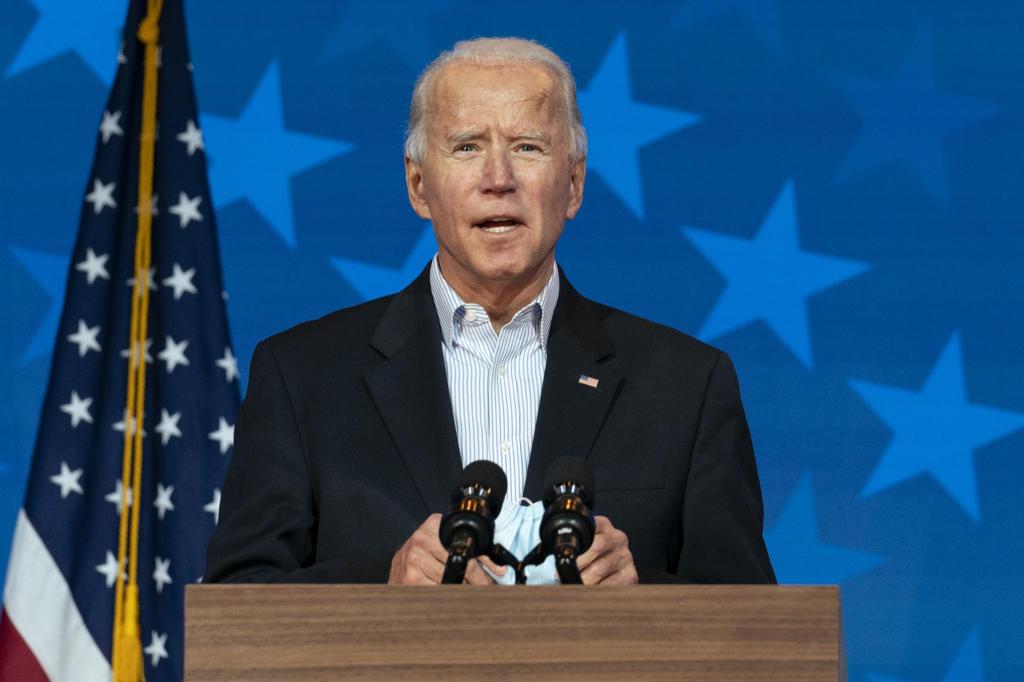
El Director Ejecutivo de Southwest Airlines, Gary Kelly, y los líderes de los sindicatos de la aerolínea instaron al Presidente Joe Biden en una carta para no ordenar las pruebas COVID-19, diciendo que pondría trabajos en riesgo. «Ese mandato sería contraproducente, costoso y tendría graves consecuencias no deseadas», dijo en un comunicado la compañía aérea este Miércoles 10/02.

La Asociación de Pilotos Aliados (APA), que representa a los 15.000 pilotos de American Airlines, dijo este 10/02 que «las pruebas obligatorias previas al vuelo serían injustificadas, logísticamente inviables y derrochadores, y amenazaría seriamente la estabilidad de nuestra industria».

El Centro para el Control y la Prevención de Enfermedades (CDC) ha comunicado que la Administración Biden estaba mirando activamente la ampliación de las pruebas obligatorias COVID-19 a los vuelos nacionales de los Estados Unidos. Los CDC del 26 de Enero de 2021 comenzaron a requerir pruebas COVID-19 negativas o evidencia de recuperación de la enfermedad de casi todos los pasajeros internacionales con destino a Estados Unidos de dos años en adelante.

Reunión Gobierno-aerolíneas

El Gobierno Federal ha estado preparando medidas adicionales para combatir la propagación del coronavirus, pero los funcionarios dijeron que no hay una propuesta formal sobre las pruebas que se están distribuyendo actualmente dentro de la administración. El Viernes 05/02, dos altos ejecutivos de Boeing advirtieron a la Casa Blanca que exigir pruebas COVID-19 antes de los vuelos, pudieran suponer un daño económico significativo.

El Representante de los Estados Unidos Peter DeFazio, Presidente del Comité de Transporte e Infraestructura de la Cámara de Representantes, expresó importantes preocupaciones sobre los requisitos de las pruebas nacionales en una reunión con Biden el Viernes 05/02.

El Secretario de Transporte, Peter Buttigieg le dijo la semana pasada que las decisiones sobre las pruebas domésticas serán guiadas por los hechos y por la ciencia.

Los funcionarios de los CDC han instado repetidamente a los estadounidenses a no viajar a menos que sea necesario. La Directora de los CDC, Rochelle Walensky, dijo el Lunes 08/02 que la detección adicional en lugares donde la gente se reúne como aeropuertos podría ayudar a detectar casos más asintomáticos.

La semana pasada, Sara Nelson, de la agrupación AFA-CWA, una de las principales líderes sindicales de la aviación, dijo que los nuevos requisitos de pruebas nacionales podrían devastar la industria aérea.

US Government-airlines meeting

Executive officers to meet with Biden Administration

The CEOs of major US airlines are scheduled to meet next Friday 02/12 with the White House COVID-19 Response Coordinator to discuss a number of travel-related issues. The meeting with Coronavirus Response Coordinator Jeffrey Zients and other Administration officials involved in COVID-19 issues comes as airlines, aviation unions and other industry groups have strongly opposed the possibility of requiring COVID-19 prepartition testing before domestic flights.

Southwest Airlines Chief Executive Officer Gary Kelly and leaders of the airline’s unions urged President Joe Biden in a letter not to order COVID-19 testing, saying it would put jobs at risk. «That mandate would be counterproductive, costly and would have serious unintended consequences», the airline said in a statement on Wednesday 02/10.

The Allied Pilots Association (APA), which represents the 15,000 American Airlines pilots, said on 02/10 that «mandatory pre-flight tests would be unjustified, logistically unfeasible and wasteful, and would seriously threaten the stability of our industry».

The Centers for Disease Control and Prevention (CDC) has reported that the Biden Administration was actively looking at expanding mandatory COVID-19 testing to domestic flights in the United States. The CDC on January 26, 2021 began requiring negative COVID-19 tests or evidence of recovery from the disease from nearly all international passengers bound for the United States two years and older.

Government-airlines meeting

The Federal Government has been preparing additional measures to combat the spread of the coronavirus, but officials said there is no formal proposal on the tests that are currently being distributed within the administration. On Friday 02/05, two senior Boeing executives warned the White House that requiring COVID-19 tests before flights could cause significant economic damage.

United States Representative Peter DeFazio, Chairman of the House Transportation and Infrastructure Committee, raised significant concerns about the national testing requirements in a meeting with Biden on Friday 02/05.

Transportation Secretary Peter Buttigieg told him last week that decisions about home testing will be guided by fact and science.

CDC officials have repeatedly urged Americans not to travel unless necessary. CDC Director Rochelle Walensky said Monday 02/08 that additional screening at places where people gather like airports could help detect more asymptomatic cases.

Last week, Sara Nelson of the AFA-CWA group, one of the top union leaders in aviation, said that new national testing requirements could devastate the airline industry.


PUBLISHER: Airgways.com
DBk: Whitehouse.gov / Reuters.com / Airgways.com
AW-POST: 202102110933AR

A\W   A I R G W A Y S ®

Interjet recibe inyección de capital

AW | 2021 02 10 12:53 | AIRLINES / GOVERNMENT

Interjet necesitará cumplir con deudas gravadas para poder volar

Interjet recibió el aval de las autoridades mexicanas para concentrarse con el fondo HBC Internacional, lo que inyecta capital a una de las cuatro mayores aerolíneas del país, pero que aún afronta multas y deudas con el fisco. El Presidente de HBC Internacional es Alejandro del Valle, uno de los empresarios que en julio pasado anunció una inyección de capital de US$ 150 millones de Dólares para rescatar a la aerolínea, que ha suspendido sus operaciones este año en medio de una huelga y una crisis económica.

La Comisión Federal de Competencia Económica (COFECE), el organismo antimonopolios de México, se convirtió esta semana en la primera autoridad del país en validar la concentración de ABC Aerolíneas y HBC, pero los multó por MX$ 955.680 Pesos (alrededor de US$ 47.800 Dólares) por no comunicar la operación. “Multó a las empresas por no notificar la concentración antes de llevarla a cabo, como lo establece la Ley Federal de Competencia Económica (LFCE)”, informó la COFECE en un comunicado. Aunque la concentración aliviará sus finanzas, este martes trascendió en la prensa nacional que el Servicio de Administración Tributaria (SAT) alista un caso contra Interjet ante la Procuraduría Fiscal para reclamar la deuda de casi MX$ 3.000 millones de Pesos (US$ 150 millones de Dólares).

En Febrero 2021, la organización Mexicanos Contra la Corrupción y la Impunidad (MCCI) reportó que Interjet adeudaba más de MX$ 3.000 millones de Pesos (US$ 150 millones de Dólares) a diversas instancias federales. Además, los más de 5.000 empleados de la aerolínea empezaron una huelga el 8 de Enero de 2021, denunciando que llevaban cuatro meses sin cobrar su sueldo. Braulio Arsuaga, Presidente del Consejo Nacional Empresarial Turístico (CNET), señaló como aspectos fundamentales de la agenda del sector para este 2021 asegurar la conectividad aérea, evitando la quiebra de Interjet o Aeroméxico.

Interjet receives capital injection

Interjet will need to meet taxed debts in order to fly

Interjet received the endorsement of the Mexican authorities to concentrate with the HBC International fund, which injects capital into one of the four largest airlines in the country, but which still faces fines and debts with the treasury. The President of HBC International is Alejandro del Valle, one of the businessmen who last July announced a capital injection of US$ 150 million to rescue the airline, which has suspended its operations this year amid a strike and a economic crisis.

The Federal Economic Competition Commission (COFECE), Mexico’s antitrust body, this week became the first authority in the country to validate the concentration of ABC Aerolíneas and HBC, but fined them MX$ 955,680 Pesos (around US$ 47,800 Dollars) for not communicating the operation. «He fined the companies for not notifying the concentration before carrying it out, as established by the Federal Law on Economic Competition (LFCE)», COFECE reported in a statement. Although the concentration will alleviate their finances, this Tuesday it transpired in the national press that the Tax Administration Service (SAT) is preparing a case against Interjet before the Attorney General’s Office to claim the debt of almost MX$ 3,000 million Pesos (US$ 150 million of Dollars).

In February 2021, the organization Mexicanos Contra la Corrupción y la Impunidad (MCCI) reported that Interjet owed more than MX$ 3,000 million pesos (US$ 150 million dollars) to various federal authorities. In addition, the more than 5,000 employees of the airline began a strike on January 8, 2021, denouncing that they had not received their salary for four months. Braulio Arsuaga, President of the National Tourism Business Council (CNET), pointed out as fundamental aspects of the sector’s agenda for this 2021 to ensure air connectivity, avoiding the bankruptcy of Interjet or Aeroméxico.


PUBLISHER: Airgways.com
DBk: Cofece.mx / Interjet.com / Forbes.com / Airgways.com
AW-POST: 202102101253AR

A\W   A I R G W A Y S ®

Korean aprobaciones en Asiana

AW | 2021 02 10 12:44 | AIRLINES / GOVERNMENT

Korean Air obtiene primera aprobación adquisición de Asiana

Korean Air Lines, la mayor aerolínea de Corea del Sur, ha informado este Miércoles 10/02, que ha obtenido la primera aprobación del extranjero para la adquisición planificada de su rival más pequeña, Asiana Airlines Inc. Korean Air recibió la primera aprobación de Turquía, la semana pasada, después de que presentara los documentos, el mes pasado, a las autoridades antimonopolio de ocho países y la Unión Europea (UE) para seguir adelante con el acuerdo de adquisición de Asiana, al objeto de competir con las aerolíneas globales, según dijo una portavoz de la compañía vía telefónica. Los ocho países en cuestión son: Corea del Sur, Estados Unidos, China, Japón, Turquía, Vietnam, Taiwán y Tailandia.

La portavoz de la compañía ha expresado que esperan que no haya dificultades importantes para obtener la aprobación de los países restantes sobre la fusión de las dos aerolíneas, dado que otros acuerdos de fusión de mayor volumen tuvieron lugar sin inconvenientes en el pasado. La compañía indicó que Korean Air y Asiana representan un total combinado del 40 por ciento de los cupos de carga y pasajeros en el Aeropuerto Internacional de Incheon, la vía de acceso principal de Corea del Sur, por lo que no constituye un monopolio. Asimismo, la compañía planea presentar documentos relacionados a cinco países: Reino Unido, Australia, Malasia, Singapur y Filipinas, para informar sobre la integración, no para su aprobación.

Korean Air planea vender nuevas acciones, valuadas en ₩ 3,3 billones de Wones (US$ 3.000 millones de Dólares), a fin de financiar la adquisición de la endeudada Asiana, y gastar ₩ 1,5 billones de Wones (US$ 1.354 millones de Dólares) de las ganancias para la adquisición. La aerolínea emblemática nacional ha terminado, recientemente, la diligencia debida sobre Asiana, que comenzó en diciembre, para revisar la estructura de costes de Asiana, contratos y otros detalles, ya que está programado que presente un plan de integración post-fusión para el 17 de Marzo de 2021. Las dos aerolíneas han suspendido la mayoría de sus vuelos de rutas internacionales desde Marzo 2020, puesto que los países reforzaron las restricciones de ingreso a fin de frenar la propagación de la pandemia del nuevo coronavirus.

Las pérdidas netas de Korean Air se redujeron a ₩ 291.450 millones de Wones (US$ 260 millones de dólares), en 2020, frente a los ₩ 622.760 millones de wones (US$ 562 millones de Dólares) del año previo, ya que se centró en conseguir más acuerdos de transporte de carga, a fin de contrarrestar el desplome de la demanda de viajes a causa de la pandemia. Asiana aún no ha dado conocer los resultados de sus ganancias de 2020.

Korean approvals in Asiana

Korean Air obtains first approval for Asiana acquisition

Korean Air Lines, South Korea’s largest airline, reported this Wednesday 10/02 that it has obtained the first approval from abroad for the planned acquisition of its smaller rival, Asiana Airlines Inc. Korean Air received the first approval from Turkey last week after it submitted the documents last month to the antitrust authorities of eight countries and the European Union (EU) to go ahead with the Asiana acquisition deal, by Aim to compete with global airlines, a company spokeswoman said by phone. The eight countries in question are: South Korea, the United States, China, Japan, Turkey, Vietnam, Taiwan and Thailand.

The company spokeswoman has expressed that they hope there will be no major difficulties in obtaining approval from the remaining countries on the merger of the two airlines, as other higher-volume merger deals have gone smoothly in the past. The company noted that Korean Air and Asiana represent a combined 40 percent of passenger and cargo seats at Incheon International Airport, South Korea’s main gateway, so it is not a monopoly. In addition, the company plans to submit related documents to five countries: United Kingdom, Australia, Malaysia, Singapore and the Philippines, to inform about the integration, not for approval.

Korean Air plans to sell new shares, valued at ₩ 3.3 trillion Wones (US$ 3 billion), in order to finance the acquisition of the indebted Asiana, and spend ₩ 1.5 trillion Wons (US$ 1.354 million Dollars) of the proceeds for the acquisition. The national flagship carrier has recently completed due diligence on Asiana, which began in December, to review Asiana’s cost structure, contracts and other details, as it is scheduled to submit a post-merger integration plan by March 17, 2021. The two airlines have suspended most of their flights on international routes since March 2020, as the countries tightened entry restrictions in order to stop the spread of the new coronavirus pandemic.

Korean Air’s net loss fell to ₩ 291,450 million won (US$ 260 million) in 2020, compared to ₩ 622,760 million won (US$ 562 million) the previous year, as it focused in securing more freight forwarding agreements to counter the collapse in travel demand due to the pandemic. Asiana has not yet released its 2020 earnings results.

아시아나에서의 대한 항공 승인

대한 항공, 아시아나 인수 첫 승인 획득

한국 최대 항공사 인 대한 항공은 10 월 2 일 수요일, 소규모 경쟁사 인 아시아나 항공 인수 계획에 대해 해외로부터 첫 승인을 받았다고 발표했습니다. 대한 항공은 지난달 8 개국 반독점 당국과 유럽 연합 (EU)에 문서를 제출 한 뒤 지난주 터키로부터 첫 승인을 받아 아시아나 인수 협정을 진행하기 위해 글로벌 항공사 인 기업과 경쟁하기 위해 노력했다. 대변인이 전화로 말했다. 문제의 8 개국은 한국, 미국, 중국, 일본, 터키, 베트남, 대만, 태국입니다.

회사 대변인은 과거에 다른 대규모 합병 거래가 순조롭게 진행 되었기 때문에 두 항공사의 합병에 대해 나머지 국가로부터 승인을 얻는 데 큰 어려움이 없을 것이라고 말했다. 회사 측은 대한 항공과 아시아나 항공이 대한민국의 주요 관문 인 인천 국제 공항의 승객석과화물 석을 합쳐 40 %를 차지하고있어 독점이 아니라고 지적했다. 또한 영국, 호주, 말레이시아, 싱가포르, 필리핀 등 5 개국에 관련 문서를 제출하여 승인이 아닌 통합에 대해 알릴 계획이다.

대한 항공은 부채 아시아나 인수 자금을 조달하기 위해 3 조 3 천억 원 상당의 신주를 매각하고 수익금 중 1 조 5 천억 원 (13 억 5 천만 달러)을 지출 할 계획이다. 취득. 국적 항공사는 최근 12 월부터 시작된 아시아나에 대한 실사를 마치고 아시아나의 비용 구조, 계약 및 기타 세부 사항을 검토하고 있으며, 합병 후 통합 계획을 3 월 17 일까지 제출할 예정입니다. 2021 년 두 항공사는 신종 코로나 바이러스 확산을 막기 위해 국가가 입국 제한을 강화함에 따라 2020 년 3 월부터 대부분의 국제 노선 항공편을 중단했습니다.

대한 항공의 순손실은 2020 년 291,450 백만원 (미화 2 억 6 천만원)으로 전년 대비 622,760 백만원 (미화 5 억 6 천 2 백만원)에 비해 여행 붕괴 대응을위한화물 운송 계약 확보에 주력했다. 전염병으로 인한 수요. 아시아나는 아직 2020 년 실적을 발표하지 않았다.


PUBLISHER: Airgways.com
DBk: Koreanair.com / Afp.com / Dpa.com / Yna.co.kr / Airgways.com
AW-POST: 202102101244AR

A\W   A I R G W A Y S ®

India destaca desarrollo en Assam

AW | 2021 02 09 21:10 | AIRLINES ROUTES / GOVERNMENT

Plan para estimular aviación en Región Assam

Como parte de un importante impulso al desarrollo de infraestructura que el Gobierno de la India ha anunciado para el subdesarrollado Estado de Assam, localizado en el Noreste del país, se han identificado 24 rutas en el estado bajo la primera fase de la Ronda IV del Programa de Conectividad Regional (RCS) de desarrollo aeroportuario UDAN del país. La Autoridad de Aeropuertos de la India, el organismo de ejecución, ha identificado a Jorhat, Lilabari, Rupsiy Tezpur para el desarrollo bajo el plan, así como helipuertos en Geleki, Misa y Nagaon, y aeródromos de agua en el frente del río Guwahati y el embalse de Umrangso.

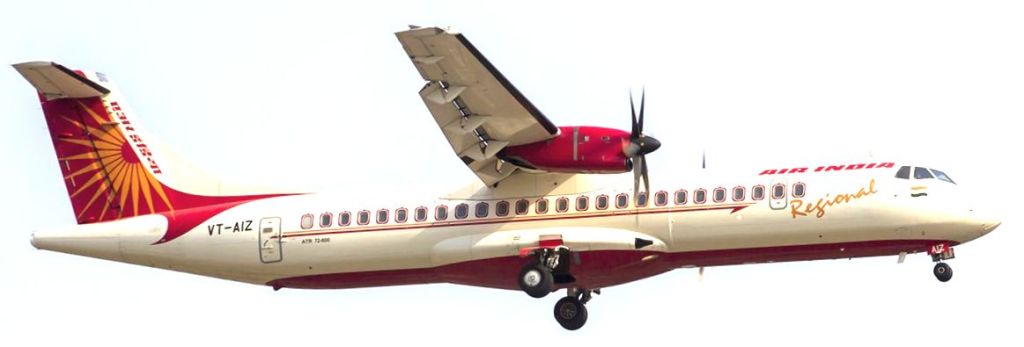
El impulso a la conectividad de Assam fue anunciado en un comunicado del Ministerio de Aviación Civil el 7 de Febrero de 2021. En el marco del Programa UDAN, Viability Gap Funding, un instrumento de asociación público-privado que el Gobierno indio ha lanzado en 2004, se proporciona a los operadores de aerolíneas seleccionados para que operen las rutas. Las aerolíneas están obligadas a iniciar operaciones de RCS en un plazo de seis meses a partir de la emisión del laudo. La Oficina del Primer Ministro dijo este 07/02 que los proyectos en Assam están en línea con la visión para impulsar el crecimiento económico en el este de la India. La filial de Air India, Alliance Air ha recibido la responsabilidad de lanzar la ruta Bilaspur-Allahabad-Delhi.

India highlights development in Assam

Plan to stimulate aviation in Assam Region

AW-India_Assam_map

As part of a major boost to infrastructure development that the Government of India has announced for the underdeveloped state of Assam, located in the Northeast of the country, 24 routes have been identified in the state under the first phase of Round IV of the Program. of Regional Connectivity (RCS) of the country’s UDAN airport development. The Airports Authority of India, the implementing body, has identified Jorhat, Lilabari, Rupsiy Tezpur for development under the plan, as well as heliports at Geleki, Misa and Nagaon, and water aerodromes on the Guwahati River front and the Umrangso reservoir.

The boost to Assam’s connectivity was announced in a statement from the Ministry of Civil Aviation on February 7, 2021. Within the framework of the UDAN Program, Viability Gap Funding, a public-private partnership instrument that the Indian Government launched in 2004 , is provided to selected airline operators to operate the routes. The airlines are obliged to start RCS operations within a period of six months from the issuance of the award. The Prime Minister’s Office said on 02/07 that the projects in Assam are in line with the vision to boost economic growth in East India. Air India’s subsidiary Alliance Air has been given responsibility for launching the Bilaspur-Allahabad-Delhi route.

भारत ने असम में विकास पर प्रकाश डाला

असम क्षेत्र में विमानन को प्रोत्साहित करने की योजना

बुनियादी ढांचे के विकास को बढ़ावा देने के एक हिस्से के रूप में, भारत सरकार ने असम के अविकसित राज्य के लिए घोषणा की है, जो देश के उत्तर-पूर्व में स्थित है, कार्यक्रम के पहले चरण के पहले चरण के तहत राज्य में 24 मार्गों की पहचान की गई है। क्षेत्रीय कनेक्टिविटी (RCS) देश के UDAN हवाई अड्डे के विकास के लिए। भारतीय विमानपत्तन प्राधिकरण, लागू करने वाली संस्था, ने योजना के तहत विकास के लिए जोरहाट, लीलाबारी, रूपसी तेजपुर की पहचान की है, साथ ही साथ गुलेकी, मीसा और नागांव में हेलीपोर्ट और गुवाहाटी रिवर फ्रंट और उमरंगसो जलाशय पर पानी एयरोड्रोम का निर्माण किया है।

7 फरवरी, 2021 को नागरिक उड्डयन मंत्रालय के एक बयान में असम की कनेक्टिविटी को बढ़ावा देने की घोषणा की गई थी। UDAN कार्यक्रम के ढांचे के भीतर, भारत सरकार द्वारा 2004 में शुरू किया गया एक सार्वजनिक-निजी भागीदारी उपकरण, व्यवहार्यता गैप फंडिंग प्रदान किया गया है। मार्गों को संचालित करने के लिए चयनित एयरलाइन ऑपरेटरों को। एयरलाइंस पुरस्कार जारी करने से छह महीने की अवधि के भीतर आरसीएस संचालन शुरू करने के लिए बाध्य हैं। प्रधानमंत्री कार्यालय ने 02/07 को कहा कि असम में परियोजनाएँ पूर्वी भारत में आर्थिक विकास को बढ़ावा देने के लिए दृष्टि के अनुरूप हैं। बिलासपुर-इलाहाबाद-दिल्ली मार्ग को शुरू करने के लिए एयर इंडिया की सहायक एलायंस एयर को जिम्मेदारी दी गई है।


PUBLISHER: Airgways.com
DBk: India.gov.in / Airindia.in / Airgways.com
AW-POST: 202102092110AR

A\W   A I R G W A Y S ®

Aerolíneas programación Aeroparque

AW | 2021 02 09 10:57 | AIRLINES / AIRPORTS / GOVERNMENT

Aerolíneas publica próxima programación vuelos Aeroparque

Aerolíneas Argentinas está incorporando su próxima programación de vuelos para el reinicio de las operaciones en el Aeropuerto Regional Jorge Newbery AEP/SABE. Tras la proximidad de la terminación de obras hacia el 15/03, la aeroestación estaría en condiciones de volver a operar servicios de domésticos y regionales.

AW-700338

El Aeropuerto Jorge Newbery continuará siendo la aeroestación de más tráfico de Argentina, estimando su apertura para el 15 de Marzo de 2021 restableciendo su operatibidad. Mientras tanto, Aeroparque también estará alcanzada por las normas sanitaria para su apertura.

Aerolíneas Argentinas publicó los cronograma de operaciones en la reacondicionada Aeroparque. El primer vuelo de Aerolíneas Argentinas en programación es el del Lunes 16 de Marzo de 2021 Buenos Aires/AEP—Córdoba/COR.

Remodelación Aeroparque

Los trabajos de remodelación insumieron una inversión de AR$ 5.000 millones de Pesos e incluyeron la prolongación de la pista principal, el balizamiento, las calles de rodaje y reformas en el hall central. Cambiará su calificación hacia terminal regional donde podrán operar aeronaves de mayor porte que las actuales como los Airbus A330-200 de Aerolíneas Argentinas. La última gran remodelación se había realizado hacia finales de los años 70, antes del Mundial de Fútbol 1978. Luego hubo obras de modernización parcial de algunas áreas. La demolición completa de la vieja pista, se realizó noviembre y parte de los restos y escombros se usaron para el relleno de la nueva, un corredor de hormigón que va en paralelo a las avenidas Cantilo y Costanera Norte.

Las remodelaciones están cumplidas en un alto porcentaje aunque faltan reformas el edificio central. Las obras que cambian por completo la estación aérea porteña estarían terminadas, en líneas generales, sobre las pistas y las calles de rodajes. Aunque los trabajos continuarán en el interior del edificio mientras se espera que el Organismo Regulador del Sistema Aeroportuario (ORSNA) verifique los trabajos y sugiera eventuales correcciones. Lo trabajos alcanzan un 70% del total proyectado. Una vez que concluidos, se realizarán las pruebas de toda la nueva infraestructura.

El sector de aterrizaje actualmente posee 2.700 metros de largo, 590 metros adicionales. Sumó 340 metros hacia el norte y 250 hacia el sur. Las dimensiones del ancho de la pista han sido modificados, actualmente mide 60 metros, mientras que antes tenía 40 metros. Y se agregarán 5 metros de hormigón y 7,5 metros de cada lado del concreto asfáltico.

Estos cambios harán que el aeroparque cambie su calificación a Regional lo cual implica la aceptación de maquinas de mayor porte, como los A330 de Aerolíneas, u otros costos operativos mayores que correrán por cuenta de las empresa que contraten los espacios. «La pista propiamente dicha está terminada. Ahora se está trabajando en los rodajes, que son las calles por las que los aviones acceden a ella, y en los márgenes. También en las franjas, que son esos paños de pasto a los costados, porque hay que nivelarlas», cuenta el Arquitecto Jorge Leggieri, gerente de Obras de Infraestructura Aeroportuaria del Organismo Regulador del Sistema Nacional de Aeropuertos (ORSNA).

Las calles de rodaje a las que se refiere son utilizadas también como salidas rápidas, que permiten a un avión ir a la plataforma después del aterrizaje. De esta manera se agiliza la operación y se libera la pista para nuevos despegues o aterrizajes. La obra incluye un nuevo hall de arribos y partidas para vuelos internacionales, con mayor infraestructura y confort para los pasajeros. Estará ubicado junto a dónde hoy se observa el estacionamiento norte. La necesidad de ampliar la terminal surge de la idea de que todos los vuelos a países de la región vuelvan a operar desde este aeropuerto metropolitano. Por eso, ganarán espacio las salas de embarque, los controles de seguridad y migratorios, las zonas de despacho y retiro de valijas y el área del check in. Otra parte importante de la renovación está vinculada al balizamiento. Como Ezeiza, el Aeroparque tendrá categoría 3, lo que le permitirá realizar despegues y aterrizajes en condiciones meteorológicas adversas. «Casi el total de los aeropuertos del país tienen una categoría 1 de balizamiento, lo que es suficiente para operar», explican desde la concesionaria Aeropuertos Argentina 2000.

Aeropuertos Argentina 2000 llevó adelante el proceso de diseño, licitación, contratación y dirección de obra. El ORSNA las evalúa y aprueba y, además, se encarga de fiscalizar y certificar. Los trabajos se financian con fondos públicos de asignación específica del Fideicomiso para el Fortalecimiento del Sistema Nacional de Aeropuertos (FFSNA).

Regionalización Aeroparque

El Aeropuerto Jorge Newbery se han realizado reformas estructurales en la Pista 13/31 desarrollando una nueva base de hormigón. Otras obras han incluido un nuevo hall de arribos y partidas para vuelos internacionales que han incorporado mayor infraestructura y comodidad para los pasajeros. Los cambios introducidos permitirán tener mayor espacio en las salas de embarque, los controles de seguridad y migratorios, las zonas de despacho y retiro de valijas y el área del check in.

La reapertura del Aeropuerto Jorge Newbery permitirá introducir mejoras al transporte aéreo y ampliar las perspectivas de las aerolíneas posicionando a la aeroestación en una de las más importantes de la región. La renovación del Aeroparque permitirá introducir más vuelos y más aerolíneas donde operarán JetSmart Airlines Argentina, Flybondi Líneas Aéreas, Andes Líneas Aéreas, entre otras compañías.

La operatividad de los vuelos estará enmarcada en potenciar los vuelos de cabotaje e incorporando más vuelos regionales hacia Sudamérica permitiendo jerarquizar al aeropuerto a un nivel como el Aeropuerto Sao Paulo/Congonhas, en Brasil.

El Gobierno de Argentina ha establecido la decisión de proveer al Aeroparque de una nueva terminal aérea para vuelos domésticos y regionales con el objetivo de potenciar el tráfico de pasajeros desde la aeroestación más importante del país.

Aerolíneas programming Aeroparque

Aerolíneas publishes next schedule for Aeroparque flights

Aerolíneas Argentinas is incorporating its next flight schedule for the restart of operations at the Jorge Newbery AEP/SABE Regional Airport. After the proximity of the completion of works towards 03/15, the air station would be in a position to return to operating domestic and regional services.

Jorge Newbery Airport will continue to be the busiest airstation in Argentina, with its opening scheduled for March 15, 2021, restoring its operability. Meanwhile, Aeroparque will also be reached by the health regulations for its opening.

Aerolíneas Argentinas published the schedule of operations in the reconditioned Aeroparque. The first scheduled flight is Monday March 16, 2021 Buenos Aires/AEP-Córdoba/COR.

Aeroparque Remodeling

The remodeling work involved an investment of AR$ 5,000 million pesos and included the extension of the main runway, the markings, the taxiways and renovations in the central hall. It will change its qualification to a regional terminal where it will be able to operate larger aircraft than the current ones, such as the Airbus A330-200 of Aerolíneas Argentinas. The last major remodeling had been carried out towards the end of the 70s, before the 1978 Soccer World Cup. Then there were partial modernization works in some areas. The complete demolition of the old runway was carried out in November and part of the remains and rubble were used to fill the new one, a concrete corridor that runs parallel to Cantilo and Costanera Norte avenues.

The remodeling is completed in a high percentage although the central building is lacking reforms. The works that completely change the Buenos Aires air station would be completed, in general, on the runways and taxiways. Although the works will continue inside the building while waiting for the Airport System Regulatory Body (ORSNA) to verify the works and suggest possible corrections. The works reach 70% of the total projected. Once completed, the entire new infrastructure will be tested.

The landing sector is currently 2,700 meters long, an additional 590 meters. It totaled 340 meters to the north and 250 to the south. The dimensions of the width of the track have been modified, currently it measures 60 meters, while previously it was 40 meters. And 5 meters of concrete and 7.5 meters on each side of the asphalt concrete will be added.

These changes will cause the airport to change its rating to Regional, which implies the acceptance of larger machines, such as the Airlines A330, or other higher operating costs that will be borne by the companies that contract the spaces. «The runway itself is finished. Now we are working on the filming, which are the streets through which the airplanes access it, and on the margins. Also on the strips, which are those grass patches on the sides, because they have to be leveled», says Architect Jorge Leggieri, Manager of Airport Infrastructure Works of the Regulatory Body of the National Airport System (ORSNA).

The taxiways to which it refers are also used as express exits, which allow an aircraft to go to the apron after landing. In this way the operation is streamlined and the runway is freed for new takeoffs or landings. The work includes a new arrivals and departures hall for international flights, with greater infrastructure and comfort for passengers. It will be located next to where the north parking lot is observed today. The need to expand the terminal arises from the idea that all flights to countries in the region will operate again from this metropolitan airport. For this reason, the departure lounges, the security and immigration controls, the dispatch and baggage pick-up areas and the check-in area will gain space. Another important part of the renovation is linked to the beaconing. Like Ezeiza, the Aeroparque will have category 3, which will allow it to take off and land in adverse weather conditions. «Almost all the airports in the country have a category 1 beacon, which is enough to operate», they explain from the concessionaire Airports Argentina 2000.

Airports Argentina 2000 carried out the process of design, bidding, contracting and construction management. The ORSNA evaluates and approves them and, in addition, is in charge of supervising and certifying. The works are financed with public funds assigned specifically by the Trust for the Strengthening of the National Airport System (FFSNA).

Aeroparque regionalization

At Jorge Newbery Airport, structural reforms have been carried out on Runway 13/31, developing a new concrete base. Other works have included a new arrivals and departures hall for international flights that have incorporated greater infrastructure and comfort for passengers. The changes introduced will allow for more space in the departure lounges, the security and immigration controls, the baggage dispatch and pick-up areas and the check-in area.

The reopening of Jorge Newbery Airport will make it possible to introduce improvements in air transport and broaden the perspectives of the airlines, positioning the air station as one of the most important in the region. The renovation of the Airport will allow the introduction of more flights and more airlines where JetSmart Airlines Argentina, Flybondi Líneas Aéreas, Andes Líneas Aéreas, among other companies will operate.

The operation of the flights will be framed in promoting domestic flights and incorporating more regional flights to South America, allowing the airport to be ranked at a level such as the Sao Paulo/Congonhas Airport, in Brazil.

The Government of Argentina has established the decision to provide the Aeroparque with a new air terminal for domestic flights and regional with the aim of boosting passenger traffic from the most important air station in the country.


PUBLISHER: Airgways.com
DBk: Argentina.gob.ar / Aa2000.com.ar / Visiteiffel / Airgways.com
AW-POST: 202102091057AR

A\W   A I R G W A Y S ®

Radarización en Argentina

AW | 2021 02 08 19:27 | AVIATION / GOVERNMENT

Tostado se incorpora al plan de radarización

El Ministerio de Defensa de Argentina ha comunicado que Tostado, Provincia de Santa Fe se incorpora al plan de radarización en esa ciudad del Departamento 9 de Julio. El Ministro de Defensa de la Nación, Agustín Rossi, ha expresado que Tostado será parte del plan de radarización que cuida la frontera noroeste del país, en un esquema que incluye esos equipos en las provincias limítrofes con Paraguay y Brasil, pero también más al sur, como en Chaco y la propia Provincia de Santa Fe.

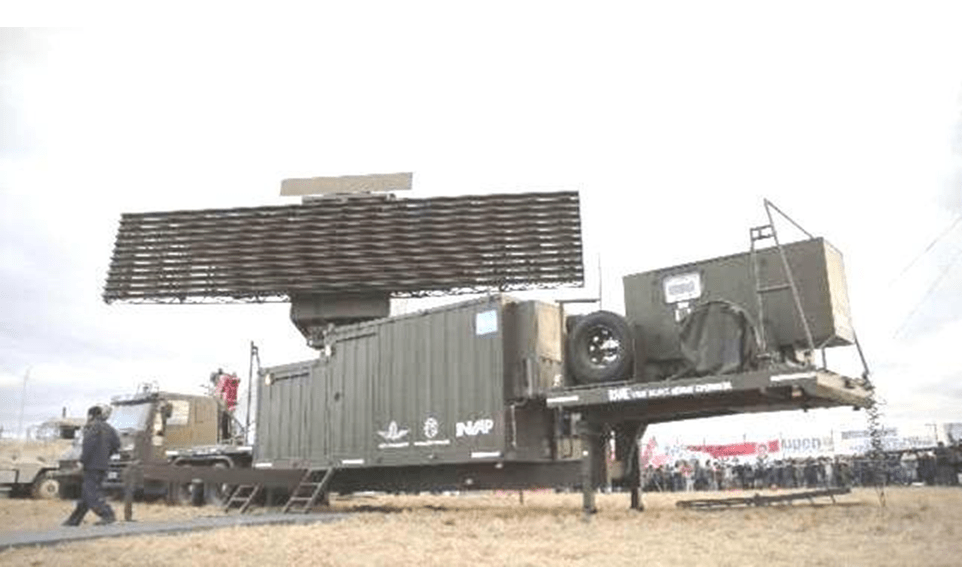
El plan de radarización ha contemplado toda la frontera norte del país. Actualmente, existen radares en San Pedro y Posadas (Misiones), otro en Resistencia, tres en Formosa (Las Lomitas, Pirané, Ingeniero Juárez). Se proyecta incorporar uno en Mercedes, Provincia de Corrientes, como así la instalación del propio radar en la Provincia de Santa Fe en la ciudad de Tostado. El Ministro de Defensa ha expresado que «el Gobernador Omar Perotti ya está al tanto de esta cuestión, y han comenzado las primeras tareas con una delegación del INVAP para analizar el tema y gente de la Fuerza Aérea se ha puesto en contacto con el intendente de esa localidad, se está estudiando el lugar de emplazamiento el terreno a usar. Son radares grandes los de la defensa, se llaman radares primarios FP 200, que detectan los vuelos que se identifican y los que no. Eso se va a instalar en Tostado».

Radarization in Argentina

Tostado joins the radarization plan

The Ministry of Defense of Argentina has communicated that Tostado, Province of Santa Fe is joining the radarization plan in that city of the Department 9 de Julio. The Minister of Defense of the Nation, Agustín Rossi, has expressed that Tostado will be part of the radarization plan that takes care of the northwestern border of the country, in a scheme that includes these teams in the provinces bordering Paraguay and Brazil, but also further south , as in Chaco and the Province of Santa Fe itself.

The radarization plan has considered the entire northern border of the country. Currently, there are radars in San Pedro and Posadas (Misiones), another in Resistencia, three in Formosa (Las Lomitas, Pirané, Ingeniero Juárez). It is planned to incorporate one in Mercedes, Province of Corrientes, as well as the installation of the radar itself in the Province of Santa Fe in the city of Tostado. The Minister of Defense has stated that «Governor Omar Perotti is already aware of this issue, and the first tasks have begun with an INVAP delegation to analyze the issue and people from the Air Force have contacted the mayor of In that locality, the location to be used is being studied. Defense radars are large, they are called FP 200 primary radars, which detect the flights that are identified and those that are not. This is going to be installed in Tostado».


PUBLISHER: Airgways.com
DBk: Argentina.gob.ar / Airgways.com
AW-POST: 202102081927AR

A\W   A I R G W A Y S ®

Ucrania eximida espacio aéreo por MH17

AW | 2021 02 08 11:45 | AIR INVESTIGATION / AVIATION SAFETY / GOVERNMENT

Ucrania desconocía peligros para aviación civil sobre Donbass

Logo Malaysia Airlines 1[1]

La Cámara de Representantes de los Países Bajos había pedido la investigación acerca del conflicto sobre las responsabilidades que podrían implicar al Gobierno de Ucrania sobre el espacio aéreo en el conflicto bélico del Donbass y el atentado del vuelo MH-017 de Malaysia Airlines. Las investigaciones estribaban en tener más claridad sobre el papel de Ucrania en el desastre. La Cámara quería saber, entre otras cosas, por qué el espacio aéreo sobre la zona de conflicto no estaba completamente cerrado. El Ministro de Asuntos Exteriores neerlandés Stef Blok dijo que el informe de la Fundación de Seguridad de Vuelo afirma que «no se han demostrado hechos suficientes para indicar que las autoridades ucranianas en ese momento responsables de la seguridad de la aviación civil sobre el este de Ucrania eran conscientes de una amenaza para la aviación civil por encima de Ucrania, excepto la parte del espacio aéreo que ya estaba cerrada».

Ucrania desconocía que la aviación civil estaba en peligro cuando el vuelo MH17 fue derribado sobre el este de ese país en Julio de 2014. Por lo tanto, no hay pruebas suficientes para hacer legalmente responsable a Ucrania de no cerrar completamente su espacio aéreo, según el Ministerio de Asuntos Exteriores, a cargo de Stef Blok.

Investigaciones

La Cámara de Representantes había solicitado la investigación en Octubre de 2019. Posteriormente, los Países Bajos pidieron a Rusia y Ucrania que cooperaran. «En la práctica, la aplicación de esta cooperación resultó tomar más tiempo de lo previsto», dice Stef Blok. El informe de la Fundación para la Seguridad de los Vuelos afirma que «se han establecido pruebas insuficientes que indican que las autoridades ucranianas responsables de la seguridad de la aviación civil en el este de Ucrania eran conscientes de una amenaza a la aviación civil por encima de esa parte del espacio aéreo que ya había sido cerrada o podría haber sido consciente de ella», escribe Stef Blok a la Cámara. Mientras, las autoridades rusas de aviación civil, que eran responsables del espacio aéreo ya cerrado adyacente a la zona de guerra en el este de Ucrania, tampoco veían ninguna amenaza para la aviación civil.

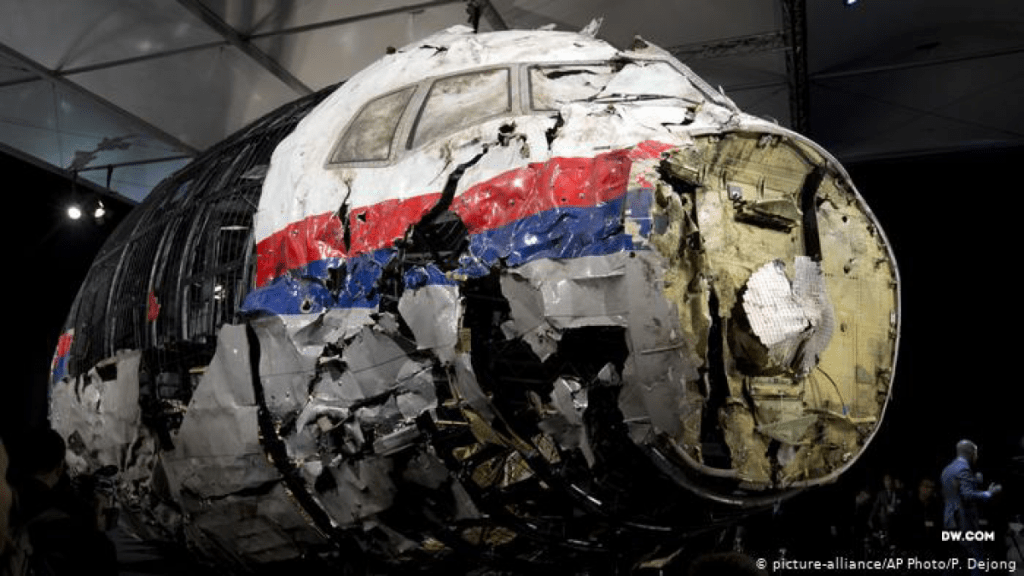
El MH17 fue derribado por un misil Buk. Provenía de una base militar rusa. Por lo tanto, los Países Bajos han considerado a Rusia responsable del derribo del avión de Malaysia Airlines. La investigación no cambia eso, según el Ministerio de Asuntos Exteriores. Tres rusos y un ucraniano también están siendo juzgados actualmente, sospechosos de participar, entre otras cosas, en el transporte del misil Buk.

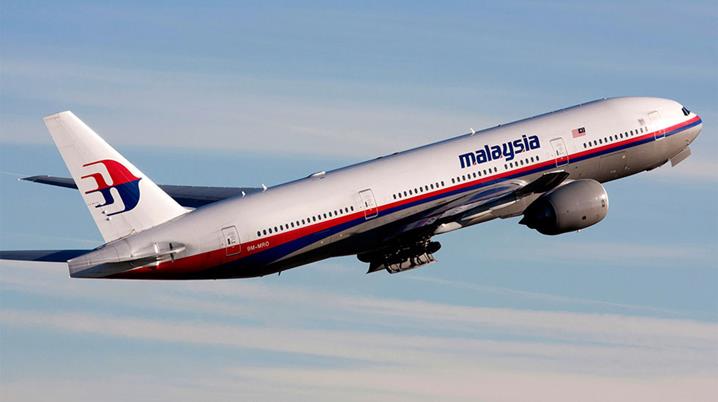
El Boeing 777-200ER de Malaysia Airlines, que se dirigía desde Amsterdam hacia Kuala Lumpur, fue derribado el 17 de Julio de 2014 sobre el territorio ocupado por Rusia en la región de Donetsk. Las 298 personas a bordo que eran ciudadanos de 10 países murieron en el accidente. La mayoría de las víctimas, 196, eran ciudadanos de los Países Bajos.

La Junta de Seguridad holandesa el 13 de Octubre de 2015, emitió un informe sobre las causas del accidente. Se reveló que el avión había sido derribado por un sistema de misiles antiaéreos Buk.

El Equipo Conjunto de Investigación (JIT) en su informe publicado el 28 de Septiembre de 2016, confirmó que el avión había sido derribado por un Buk de fabricación rusa traído a Ucrania desde Rusia.

En Mayo de 2018, los Países Bajos y Australia acusaron oficialmente a Rusia de participar en el accidente del MH17.

El proceso de prueba MH17 comenzó el 9 de Marzo de 2020. Los primeros cuatro sospechosos en el caso MH17 son el terrorista ruso Igor Girkin (también conocido como «Strelkov»), quien en el verano de 2014 fue el llamado «Ministro de Defensa de la República Popular de Donetsk» («DPR»); General ruso Sergei Dubinsky (nom de guerre «Khmuryi»), quien dirigió la «inteligencia DPR;» Oleg Pulatov (nom de guerre «Gyurza»), que en 2014 encabezó «la 2a división del GRU del RP;», así como Leonid Kharchenko (nom de guerre «Krot»), que era un líder del «batallón de reconocimiento» de las fuerzas lideradas por Rusia.

El 19 de Junio de 2019, los investigadores del JIT acusaron a los cuatro oficiales de inteligencia militar controlados por la Federación Rusia de participar en un ataque con misiles que derribó el MH17.

Ukraine exempted airspace by MH17

Ukraine was unaware of dangers for civil aviation over Donbass

The House of Representatives of the Netherlands had requested the investigation into the conflict over the responsibilities that could involve the Government of Ukraine over the airspace in the war in Donbass and the attack on Malaysia Airlines flight MH-017. The investigations were based on having more clarity about Ukraine’s role in the disaster. The Chamber wanted to know, among other things, why the airspace over the conflict zone was not completely closed. Dutch Foreign Minister Stef Blok said the Flight Safety Foundation report states that «not enough facts have been shown to indicate that the Ukrainian authorities at the time responsible for civil aviation security over eastern Ukraine they were aware of a threat to civil aviation above Ukraine, except for the part of the airspace that was already closed».

Ukraine was unaware that civil aviation was in danger when flight MH17 was shot down over eastern Ukraine in July 2014. Therefore, there is insufficient evidence to hold Ukraine legally responsible for not completely closing its airspace, according to the Ministry of Foreign Affairs, in charge of Stef Blok.

Research

The House of Representatives had requested the investigation in October 2019. The Netherlands subsequently asked Russia and Ukraine to cooperate. «In practice, the implementation of this cooperation turned out to take longer than anticipated», says Stef Blok. The Foundation for Flight Safety report states that «insufficient evidence has been established indicating that the Ukrainian authorities responsible for civil aviation security in eastern Ukraine were aware of a threat to civil aviation above that part of the airspace that had already been closed or might have been aware of it», Stef Blok writes to the House. Meanwhile, the Russian civil aviation authorities, which were responsible for the already closed airspace adjacent to the war zone in eastern Ukraine, also saw no threat to civil aviation.

The MH17 was shot down by a Buk missile. It came from a Russian military base. Therefore, the Netherlands has held Russia responsible for the downing of the Malaysia Airlines plane. The investigation doesn’t change that, according to the Foreign Ministry. Three Russians and one Ukrainian are also currently on trial, suspected of participating, among other things, in the transport of the Buk missile.

Malaysia Airlines Boeing 777-200ER, which was heading from Amsterdam to Kuala Lumpur, was shot down on July 17, 2014 over Russian-occupied territory in the Donetsk region. All 298 people on board who were citizens of 10 countries died in the accident. Most of the victims, 196, were citizens of the Netherlands.

The Dutch Safety Board on October 13, 2015, issued a report on the causes of the accident. The plane was revealed to have been shot down by a Buk anti-aircraft missile system.

The Joint Investigation Team (JIT) in its report published on September 28, 2016, confirmed that the plane had been shot down by a Russian-made Buk brought to Ukraine from Russia.

In May 2018, the Netherlands and Australia officially accused Russia of participating in the MH17 accident.

The MH17 testing process started on March 9, 2020. The first four suspects in the MH17 case are the Russian terrorist Igor Girkin (also known as «Strelkov»), who in the summer of 2014 was the so-called «Minister of Defense of the Donetsk People’s Republic» («DPR»); Russian General Sergei Dubinsky (nom de guerre «Khmuryi»), who headed the «DPR intelligence;» Oleg Pulatov (nom de guerre «Gyurza»), who in 2014 headed «the 2nd division of the PR GRU»; as well as Leonid Kharchenko (nom de guerre «Krot»), who was a leader of the «reconnaissance battalion» of Russian-led forces.

On June 19, 2019, JIT investigators accused the four military intelligence officers controlled by the Russian Federation of participating in a missile attack that shot down the MH17.


PUBLISHER: Airgways.com
DBk: Houseofrepresentatives.nl / Flightsafety.org / Nu.nl / Ap.com / Airgways.com
AW-POST: 202102081145AR

A\W   A I R G W A Y S ®
Gobierno rescate para Aer Lingus

AW | 2021 02 08 10:47 | AIRLINES / GOVERNMENT

Gobierno irlandés inyecta € 150 millones para capitalizar la aerolínea

Aer Lingus_Isologotype_001

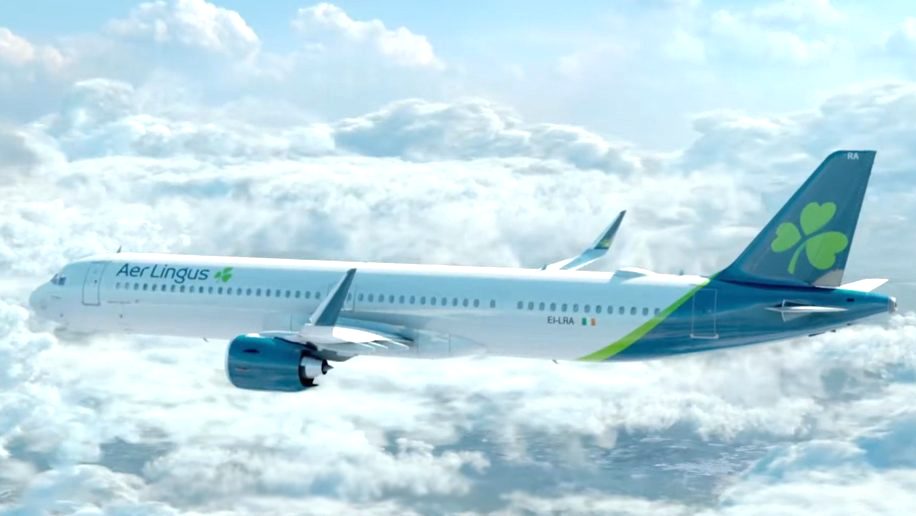
Aer Lingus ha solicitado y obtenido € 150 millones de Euros del Gobierno de Irlanda, a través del Fondo de Inversión Estratégica de Irlanda (ISIF), de un préstamo a tres años que se utilizará para fortalecer la posición de liquidez de la aerolínea para hacer frente al impacto de la crisis sanitaria mundial. La aerolínea pertenece al grupo IAG, a través de sus filiales, es el que menos ayudas oficiales ha pedido, aunque ha acudido a los mercados para captar liquidez para garantizar la supervivencia durante este período crítico. El préstamo es un asunto álgido, porque Ryanair es reacia ante las ayudas por parte del Estado entrando en conflicto con sus propios intereses de mercado, siendo en algunos casos la recurrencia a los estrados judiciales para reclamar supuestas indiferencias.

Aer Lingus se ha tenido que adaptar ante el avance de la low cost Ryanair. La compañía opera dos segmentos de mercado: el europeo, donde se ha tenido que reinventarse para detener la agresiva campaña de Raynair, y las rutas internacionales, fundamentalmente a Estados Unidos, donde siempre ha tenido grandes ventajas competitivas por la gran colonia irlandesa en la coste Este americana y el poseer un estratégico hub de operaciones más próximo a América en las rutas transatlánticas.

Actualmente, Aer Lingus ha creado una filial británica con la que pretende operar desde el Aeropuerto Manchester, vuelos trasoceánicos permitiendo desarrollar un hub muy importante y ventajoso que acerca a los británicos a la costa Este de Estados Unidos.

Government rescue for Aer Lingus

Irish government injects € 150 million to capitalize the airline

Aer Lingus has requested and obtained € 150 million Euros from the Government of Ireland, through the Irish Strategic Investment Fund (ISIF), for a three-year loan to be used to strengthen the airline’s liquidity position to address the impact of the global health crisis. The airline belongs to the IAG group, through its subsidiaries, it is the one that has requested the least official aid, although it has gone to the markets to capture liquidity to guarantee survival during this critical period. The loan is a critical issue, because Ryanair is reluctant to aid from the State, coming into conflict with its own market interests, in some cases resorting to the courts to claim alleged indifference.

Aer Lingus has had to adapt to the advance of the low cost Ryanair. The company operates two market segments: the European, where it has had to reinvent itself to stop Raynair’s aggressive campaign, and international routes, mainly to the United States, where it has always had great competitive advantages due to the great Irish colony in cost. This American and having a strategic hub of operations closer to America on the transatlantic routes.

Currently, Aer Lingus has created a British subsidiary with which it intends to operate trans-oceanic flights from Manchester Airport allowing the development of a very important and advantageous hub that brings the British closer to the East coast of the United States.

Tarrtháil Rialtais d’Aer Lingus

Insíonn an rialtas € 150 milliún chun an aerlíne a chaipitliú

Aer_Lingus_Isologotype

D’iarr agus fuair Aer Lingus € 150 milliún Euro ó Rialtas na hÉireann, trí Chiste Infheistíochta Straitéisí na hÉireann (ISIF), go n-úsáidfí iasacht trí bliana chun seasamh leachtachta na haerlíne a neartú chun aghaidh a thabhairt ar thionchar na géarchéime sláinte domhanda. Baineann an aerlíne leis an ngrúpa IAG, trína fochuideachtaí, is í an ceann a d’iarr an chabhair oifigiúil is lú, cé go ndeachaigh sí chuig na margaí chun leachtacht a ghabháil chun maireachtáil a ráthú le linn na tréimhse criticiúla seo. Is ceist chriticiúil í an iasacht, toisc go bhfuil drogall ar Ryanair cúnamh a fháil ón Stát, agus é ag teacht salach ar a leasanna mhargadh féin, i gcásanna áirithe dul i muinín na gcúirteanna chun neamhshuim líomhnaithe a éileamh.

Bhí ar Aer Lingus dul in oiriúint do dhul chun cinn Ryanair ar chostas íseal. Oibríonn an chuideachta dhá dheighleog mhargaidh: an Eoraip, áit a raibh uirthi í féin a athinsint chun feachtas ionsaitheach Raynair a stopadh, agus bealaí idirnáisiúnta, go dtí na Stáit Aontaithe den chuid is mó, áit a raibh buntáistí iomaíocha móra aici i gcónaí mar gheall ar an gcoilíneacht mhór Éireannach i gcostas. An Meiriceánach seo agus mol straitéiseach oibríochtaí aige níos gaire do Mheiriceá ar na bealaí trasatlantacha.

Faoi láthair, tá fochuideachta Briotanach cruthaithe ag Aer Lingus a bhfuil sé ar intinn aige eitiltí tras-aigéanacha a oibriú ó Aerfort Mhanchain ag ligean mol mol an-tábhachtach agus buntáisteach a fhorbairt a thabharfaidh na Breataine níos gaire do chósta Thoir na Stát Aontaithe.


PUBLISHER: Airgways.com
DBk: Aerlingus.com / Gov.ie / Isif.ie / Airgways.com
AW-POST: 202102081047AR

A\W   A I R G W A Y S ®