Fusión pendiente aprobación de la Comunidad Europea
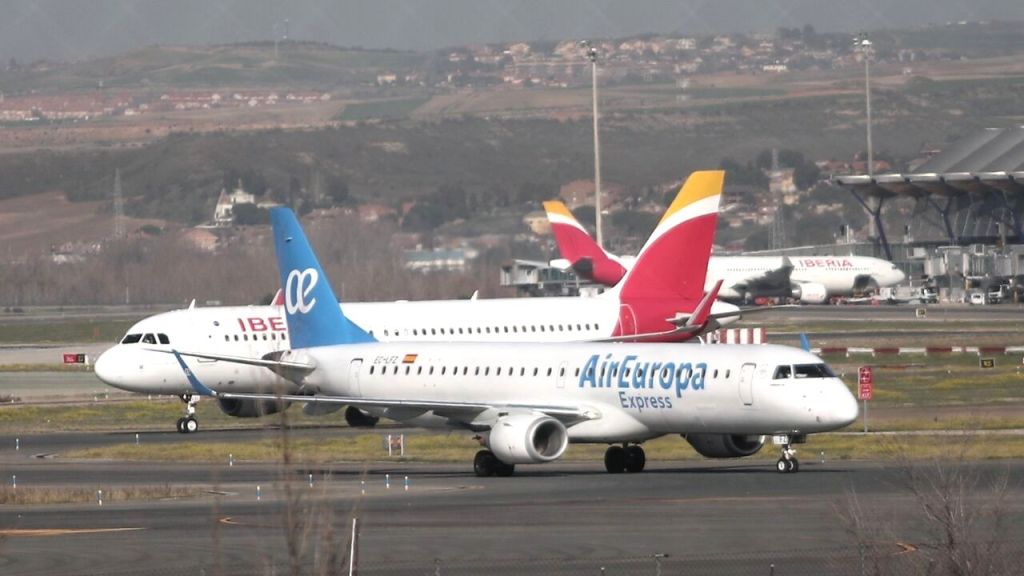
Tras la adquisición de Air Europa por parte de Iberia Líneas Aéreas, la opción más probable es que la operación de fusión se complete en el último trimestre de 2021 (4Q2021), considerando los contratiempos con la SEPI y las regulaciones de Bruselas, capital de la Comunidad Europea (CE). En relación a la SEPI, Iberia aclara que «tenemos de disponer de agilidad e independencia en la toma de decisiones respecto a las cosas que podamos hacer con Air Europa».
Una vez sellado el acuerdo con Air Europa mediante el cual se compromete al abono de € 500 millones de Euros en Septiembre de 2027, Iberia tiene únicamente dos escollos por delante para completar la que será la operación de mayor envergadura de la historia de la aviación española. Uno de ellos es la renegociación con la Sociedad Estatal de Participaciones Industriales (SEPI) de ciertas condiciones asociadas al apoyo financiero proporcionado a Air Europa durante 2020. Iberia tiene intención de iniciar dichas conversaciones en breve, si bien su consejero delegado, Javier Sánchez-Prieto, asegura que “no hemos iniciado el proceso, tenemos conversaciones con distintos ministerios. El objetivo es conjugar la necesidad que, como compañía cotizada, tenemos de disponer de agilidad e independencia en la toma de decisiones respecto a las cosas que podamos hacer con Air Europa, y de cumplir con los requisitos del apoyo financiero, que están también regulados a nivel europeo”. Cabe recordar que, para poder recibir el rescate de € 475 millones de Euros, Air Europa se vio obligada a aceptar la entrada en su Consejo de Administración de dos miembros elegidos por el Gobierno de los cinco que lo conforman. El otro escollo es que Iberia necesita que las autoridades de Competencia de la Unión Europea den luz verde a la operación. El IAG Group lleva más de un año preparando el terreno, como demostró con la cesión de rutas a Volotea en Marzo de 2019, que facilitó la compra de Air Europa; si bien tendrá que esperar al menos siete meses para conocer la resolución de Bruselas. Sobre esta cuestión Sánchez-Prieto revela que “estimamos que no suceda antes de Agosto o Septiembre de este año”, por lo que cobra fuerza la opción de que la operación se complete en el último trimestre de 2021.
Iberia-Air Europa synergy prepared
Merger pending approval by the European Community
After the acquisition of Air Europa by Iberia Líneas Aéreas, the most likely option is that the merger operation will be completed in the last quarter of 2021 (4Q2021), considering the setbacks with the SEPI and the regulations of Brussels, capital of the European Community (CE). In relation to SEPI, Iberia clarifies that «we must have agility and independence in making decisions regarding the things we can do with Air Europa.»
Once the agreement with Air Europa has been sealed, through which it commits to the payment of € 500 million Euros in September 2027, Iberia has only two obstacles ahead of it to complete what will be the largest operation in the history of Spanish aviation. One of them is the renegotiation with the Sociedad Estatal de Participaciones Industriales (SEPI) of certain conditions associated with the financial support provided to Air Europa during 2020. Iberia intends to start such talks shortly, although its CEO, Javier Sánchez-Prieto , assures that “we have not started the process, we have conversations with different ministries. The objective is to combine the need that, as a listed company, we have to have agility and independence in making decisions regarding the things we can do with Air Europa, and to comply with the requirements of financial support, which are also regulated by European level». It should be remembered that, in order to receive the rescue of € 475 million Euros, Air Europa was forced to accept the entry into its Board of Directors of two members elected by the Government of the five that comprise it. The other stumbling block is that Iberia needs the European Union Competition authorities to give the green light to the operation. The IAG Group has been preparing the ground for more than a year, as demonstrated with the assignment of routes to Volotea in March 2019, which facilitated the purchase of Air Europa; although he will have to wait at least seven months for the Brussels resolution. On this issue Sánchez-Prieto reveals that «we estimate that it will not happen before August or September of this year», so the option that the operation be completed in the last quarter of 2021 gains strength.
Sunwing aprovecha préstamos Federales por US$ 375 millones
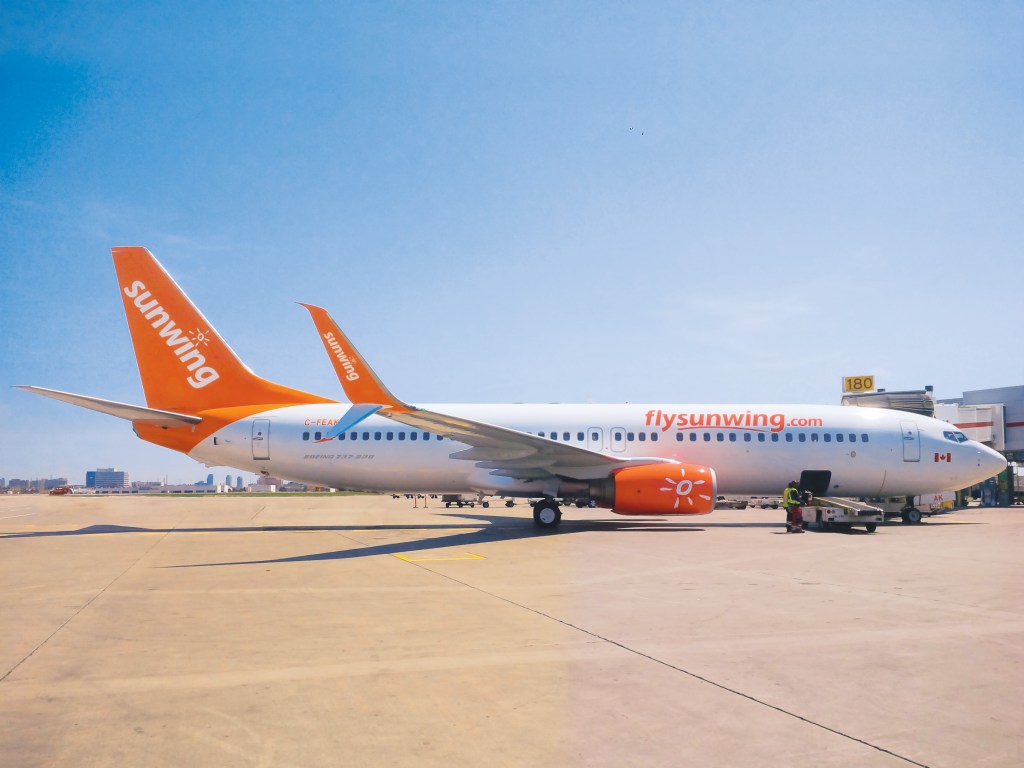
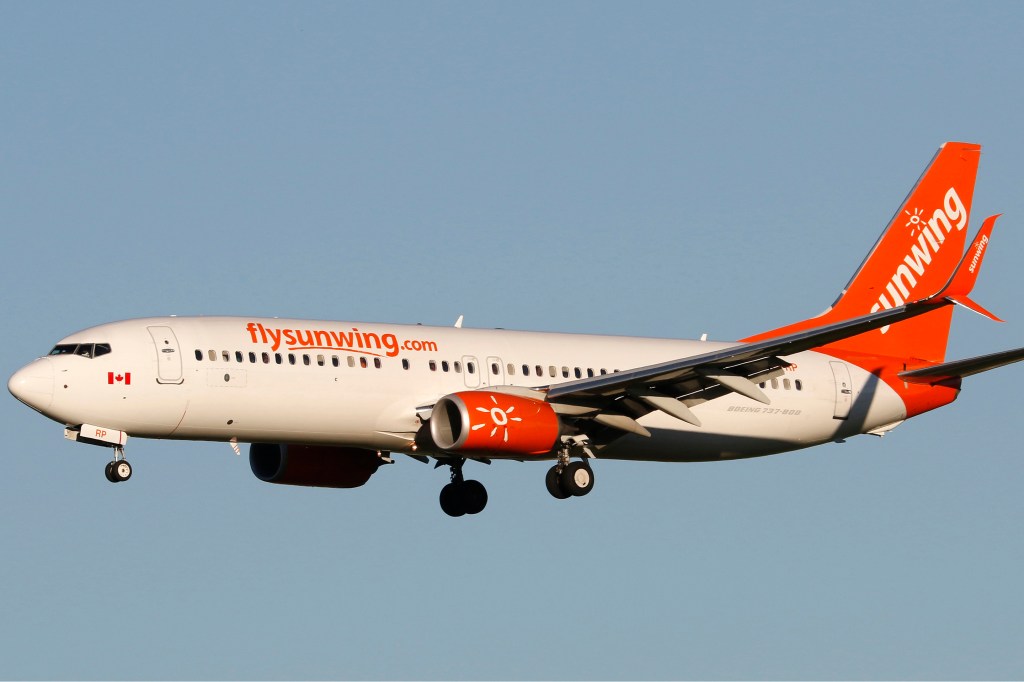
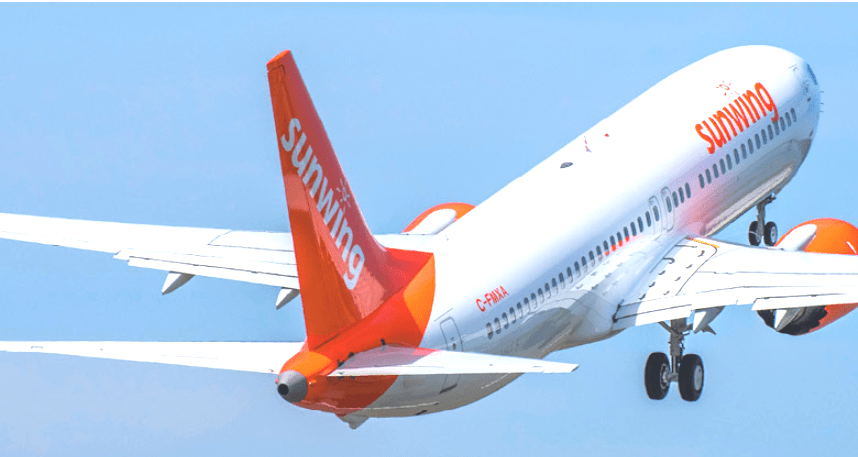
Sunwing Airlines está recurriendo a un programa de préstamos Federales de emergencia destinado a ayudar a las empresas más grandes de Canadá a capear los impactos de la pandemia de Coronavirus después de que se anunciaran nuevas restricciones de viaje la semana pasada. El acuerdo de préstamo, anunciado el Lunes 01/02, verá a Sunwing Airlines Inc. y Sunwing Vacations Inc. acceder a US$ 375 millones bajo el Fondo de Financiamiento de Emergencia para Grandes Empleadores (LEEFF), siendo la aerolínea de presupuesto la primera compañía canadiense en hacerlo. A partir del 1 de Febrero de 2021, Sunwing Airlines obtendrá US$ 50 millones del préstamo.
Ha habido poca aceptación para el LEEFF desde que se anunció por primera vez en Mayo 2020, con sólo otras dos empresas, Gateway Casinos & Entertainment Ltd. y Conuma Resources Ltd. han sido aprobados para préstamos bajo el programa. Para calificar para el LEEFF, una empresa debe requerir un préstamo de al menos US$ 60 millones y tener más de US$ 300 millones de ingresos anuales. Otras estipulaciones incluyen el compromiso de publicar informes anuales de divulgación relacionados con el clima, y un acuerdo para poner restricciones a la compensación ejecutiva, dividendos y recompra de acciones.
Ayudas & mercados
Las aerolíneas ya maltratadas del Canadá acordaron detener los vuelos al Caribe y México hasta el 30 de Abril de 2021 para ayudar a contener la propagación del COVID-19 en medio de las crecientes preocupaciones de una variante más contagiosa del virus. El Ministro de Transportes de Canadá, Omar Alghabra, reconoció los desafíos actuales a los que se enfrentan las aerolíneas canadienses el viernes y dijo que un paquete de asistencia federal para la industria está en marcha. La industria aérea no ha visto ningún tipo de ayuda gubernamental dirigida durante la pandemia. El Ministro de Transporte dice que los datos muestran que el sector de las aerolíneas ha sido más afectado por la pandemia: «Nuestro gobierno entiende que un sector aéreo fuerte es vital para la economía de Canadá y el bienestar de los canadienses», dijo Omar Alghabra durante una conferencia de prensa.
Sunwing takes Federal loans
Sunwing leverages US$ 375 million federal loan program
Sunwing Airlines is turning to an emergency Federal loan program aimed at helping Canada’s largest companies weather the impacts of the Coronavirus pandemic after new travel restrictions were announced last week. The loan agreement, announced on Monday 02/01, will see Sunwing Airlines Inc. and Sunwing Vacations Inc. access US$ 375 million under the Large Employers Emergency Financing Fund (LEEFF), with the budget airline being the first Canadian company to do so. Beginning February 1, 2021, Sunwing Airlines will obtain US$ 50 million of the loan.
There has been little uptake for the LEEFF since it was first announced in May 2020, with only two other companies, Gateway Casinos & Entertainment Ltd. and Conuma Resources Ltd., having been approved for loans under the program. To qualify for LEEFF, a business must require a loan of at least US$ 60 million and have more than US$ 300 million in annual revenue. Other stipulations include a commitment to publish annual climate-related disclosure reports, and an agreement to place restrictions on executive compensation, dividends, and share buybacks.
Aids & markets
Canada’s already battered airlines have agreed to halt flights to the Caribbean and Mexico until April 30, 2021 to help contain the spread of COVID-19 amid mounting concerns of a more contagious variant of the virus. Canadian Transportation Minister Omar Alghabra acknowledged the current challenges facing Canadian airlines on Friday and said a federal assistance package for the industry is underway. The airline industry has not seen any kind of targeted government aid during the pandemic. The Minister of Transportation says data shows that the airline sector has been hit hardest by the pandemic: «Our government understands that a strong airline sector is vital to Canada’s economy and the well-being of Canadians», said Omar Alghabra during a press conference.
Sunwing prend des prêts Fédéraux
Sunwing exploite un programme de prêts Fédéraux de US$ 375 millions
Sunwing Airlines se tourne vers un programme de prêts fédéraux d’urgence visant à aider les plus grandes entreprises du Canada à surmonter les effets de la pandémie de coronavirus après l’annonce de nouvelles restrictions de voyage la semaine dernière. L’accord de prêt, annoncé le lundi 02/01, permettra à Sunwing Airlines Inc. et Sunwing Vacations Inc. d’accéder à US$ 375 millions de Dollars américains dans le cadre du Fonds de financement d’urgence pour les grands employeurs (LEEFF), la compagnie aérienne à petit budget étant la première entreprise canadienne à le faire. À compter du 1er février 2021, Sunwing Airlines obtiendra US$ 50 millions Dollars du prêt.
Le LEEFF a été peu adopté depuis sa première annonce en mai 2020, seules deux autres sociétés, Gateway Casinos & Entertainment Ltd. et Conuma Resources Ltd., ayant été approuvées pour des prêts dans le cadre du programme. Pour être admissible au LEEFF, une entreprise doit avoir besoin d’un prêt d’au moins 60 millions de dollars et avoir plus de US$ 300 millions de Dollars de revenus annuels. D’autres stipulations comprennent un engagement à publier des rapports annuels d’information sur le climat et un accord visant à imposer des restrictions sur la rémunération des dirigeants, les dividendes et les rachats d’actions.
Aides et marchés
Les compagnies aériennes canadiennes déjà malmenées ont accepté d’interrompre les vols vers les Caraïbes et le Mexique jusqu’au 30 avril 2021 pour aider à contenir la propagation du COVID-19 au milieu des inquiétudes croissantes concernant une variante plus contagieuse du virus. Le ministre canadien des Transports, Omar Alghabra, a reconnu vendredi les défis actuels auxquels sont confrontées les compagnies aériennes canadiennes et a déclaré qu’un programme d’aide fédéral pour l’industrie était en cours. L’industrie du transport aérien n’a vu aucune aide gouvernementale ciblée pendant la pandémie. Selon le ministre des Transports, les données montrent que le secteur aérien a été le plus durement touché par la pandémie: «Notre gouvernement comprend qu’un secteur aérien fort est vital pour l’économie canadienne et le bien-être des Canadiens», a déclaré Omar Alghabra lors d’une conférence de presse.
Congreso establece creación de AlPerú como aerolínea nacional
El Congreso de la República del Perú ha aprobado la creación de la aerolínea nacional denominada AlPerú. En medio de la peor crisis de la aviación comercial, la Comisión de Transportes del Congreso de la República del Perú aprobó por mayoría este Martes 02/02 un proyecto de ley que declara de interés nacional la creación de una línea aérea.
Inicialmente el Proyecto de Ley Nº 6153/2020-CR, tenía el planteamiento para crear la línea aérea bandera. En el proceso del debate, el texto se modificó eliminando la propuesta de monto de inversión y quedando como una declaratorio de interés. Sin embargo, en la propuesta legislativa se plantean cambios en la ley que regula la aviación comercial, con el que se abre camino para la creación de la línea bandera. El dictamen de la Comisión de Transportes que fue aprobado por 9 votos a favor y uno en contra.
Según el proyecto, el objetivo es que el Estado “Declárese de interés nacional y de preferente necesidad pública la creación de la “Línea Aérea de Bandera del Perú” (ALPERU), para la prestación de servicios de transporte aéreo regular y no regular de pasajeros y carga en el ámbito nacional e internacional, económico y seguro, dentro del marco de la Constitución Política del Perú, la Ley Nº 27261, Ley de Aeronáutica Civil del Perú y la Ley Nº 26887, Ley General de Sociedades”.
New airline approved in Peru
Congress establishes creation of AlPerú as a national airline
The Congress of the Republic of Peru has approved the creation of the national airline called AlPerú. In the midst of the worst crisis in commercial aviation, the Transportation Commission of the Congress of the Republic of Peru approved by majority this Tuesday 02/02 a bill that declares the creation of an airline of national interest.
Initially, Bill No. 6153/2020-CR, had the approach to create the flagship airline. In the process of the debate, the text was modified eliminating the investment amount proposal and remaining as a declaration of interest. However, in the legislative proposal changes are proposed in the law that regulates commercial aviation, which paves the way for the creation of the flag line. The opinion of the Transport Commission, which was approved by 9 votes in favor and one against.
According to the project, the objective is for the State to “declare of national interest and of preferential public need the creation of the “Peruvian Flag Air Line” (ALPERU), for the provision of regular and non-regular passenger air transport services. and cargo nationally and internationally, economically and safely, within the framework of the Political Constitution of Peru, Law No. 27261, Law of Civil Aeronautics of Peru and Law No. 26887, General Law of Companies”.
AW | 2021 02 03 08:55 | AVIATION ORGANISMS / GOVERNMENT
Senado EEUU confirma a Pete Buttigieg como Secretario Transporte
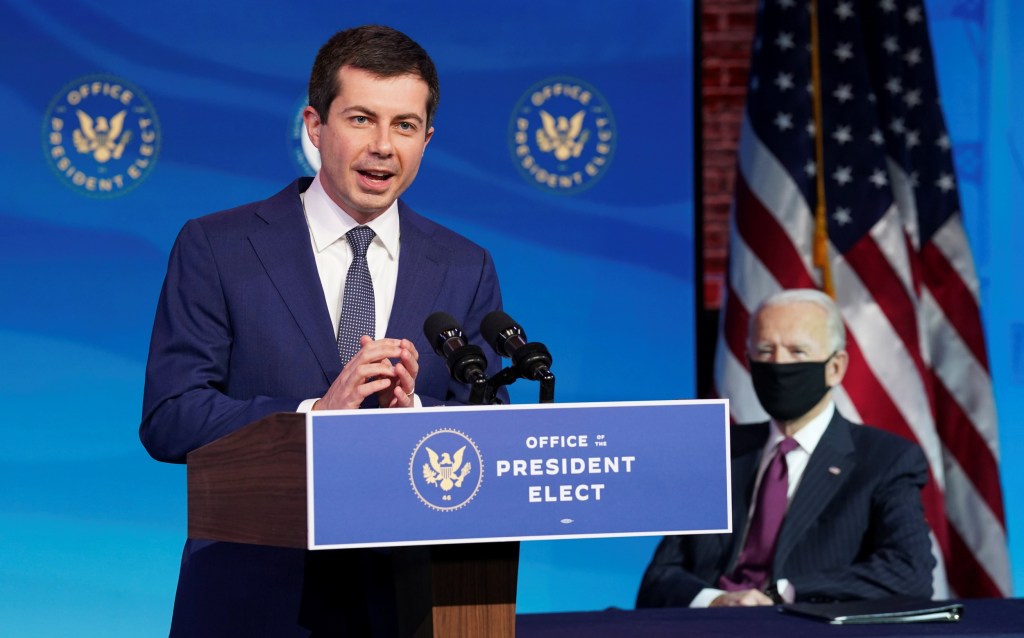
El Senado de los Estados Unidos ha confirmado el Martes 02/02 a Pete Buttigieg como Secretario de Transporte. Pete Buttigieg, ha sido ex-Alcalde de South Bend, Estado de Indiana. Fue interrogado sobre temas relacionados con Covid-19, la muy necesaria mejora de la infraestructura y el fortalecimiento de los poderes de la Administración Federal de Aviación (FAA) si tomaba las riendas del DOT de 55.000 personas. La semana pasada obtuvo fácilmente la aprobación del Comité de Comercio, Ciencia y Transporte del Senado, después de una audiencia en gran parte amistosa. El Senado aprobó abrumadoramente la nominación de Pete Buttigieg.
En sus dos primeras semanas, la Administración Biden ya ha adoptado una línea dura en las medidas de transporte que tienen como objetivo frenar la propagación de Covid-19. Joe Biden extendió una prohibición de entrada a la mayoría de los no estadounidenses. ciudadanos que han estado recientemente en Brasil, el Reino Unido y gran parte de Europa. El Martes 02/02, el Gobierno de los Estados Unidos comenzó a exigir a los pasajeros que usaran máscaras en aviones, trenes, autobuses, transbordadores y otras formas de transporte.
DOT, primeras medidas
El Departamento de transporte (DOT) podría convertirse en una fuerza impulsora o limitante en la adopción de tecnologías emergentes, específicamente vehículos autónomos y eléctricos. Joe Biden ya ha ordenado a las agencias federales que consideren la posibilidad de revisar las normas de emisiones de combustible para vehículos que fueron recortadas por la Administración Trump. También dijo que planea reemplazar la flota del Gobierno de automóviles y camiones con vehículos eléctricos ensamblados en los Estados Unidos.
Senate confirms Secretary of Transportation
US Senate confirms Pete Buttigieg as Secretary of Transportation
The Senate of the United States has confirmed on Tuesday 02/02 to Pete Buttigieg as Secretary of Transportation. Pete Buttigieg, has been former Mayor of South Bend, State of Indiana. He was questioned about issues related to Covid-19, the much-needed infrastructure upgrade, and strengthening the powers of the Federal Aviation Administration (FAA) if he took over the 55,000-person DOT. Last week he easily obtained approval from the Senate Committee on Commerce, Science and Transportation, after a largely friendly hearing. The Senate overwhelmingly approved Pete Buttigieg’s nomination.
In its first two weeks, the Biden Administration has already taken a hard line on transportation measures that aim to slow the spread of Covid-19. Joe Biden extended an entry ban to most non-Americans. citizens who have recently been to Brazil, the UK and much of Europe. On Tuesday 02/02, the United States Government began requiring passengers to wear masks on airplanes, trains, buses, ferries and other forms of transportation.
DOT, first measures
The Department of Transportation (DOT) could become a driving or limiting force in the adoption of emerging technologies, specifically autonomous and electric vehicles. Joe Biden has already directed federal agencies to consider revising fuel emission standards for vehicles that were cut by the Trump Administration. He also said that he plans to replace the Government’s fleet of cars and trucks with electric vehicles assembled in the United States.
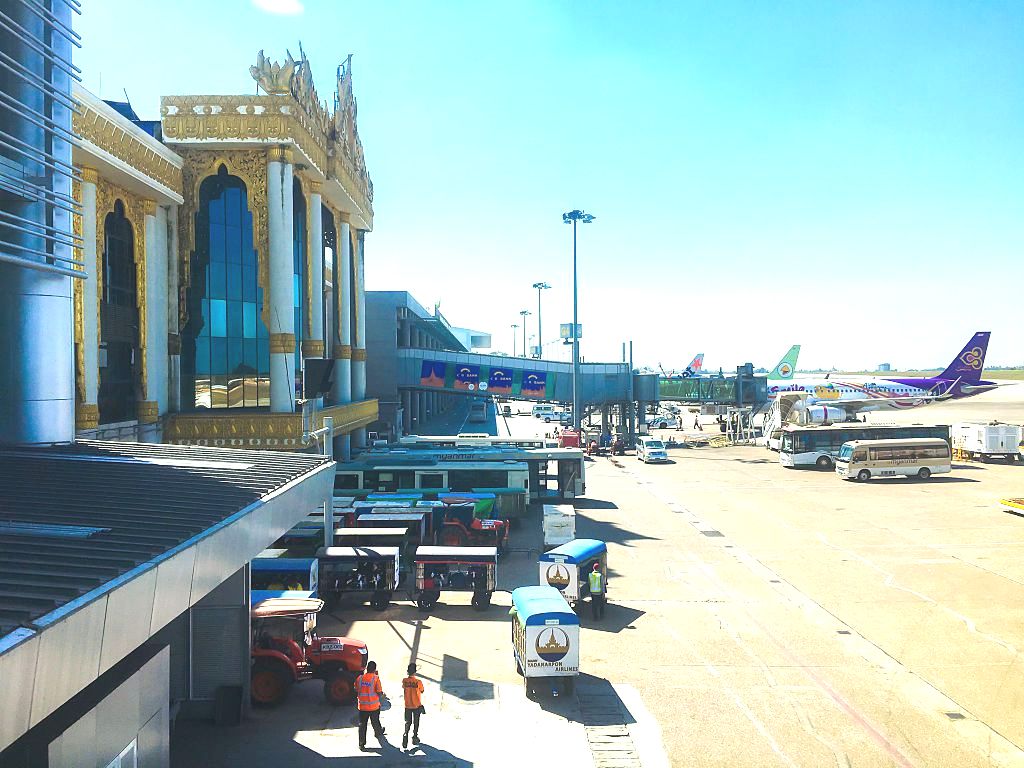
Myanmar cierra aeropuerto y suspende vuelos tras golpe militar
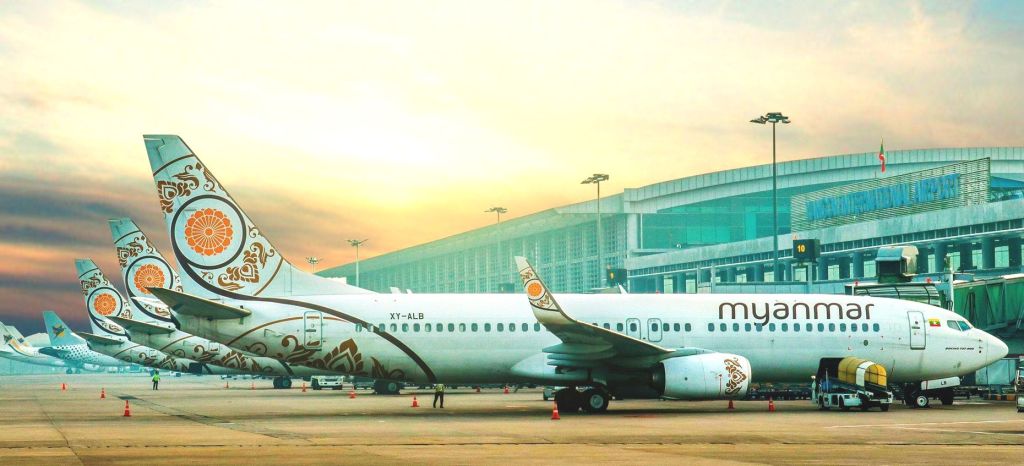
El Gobierno de facto de Myanmar ha cerrado todos los aeropuertos y la suspensión de todos los vuelos tras el golpe de Estado. Según la agencia gubernamental a cargo de los viajes aéreos en el país, todos los vuelos de pasajeros en Myanmar han sido suspendidos tras el golpe militar. A medida que se desarrollaban los eventos, varias embajadas en el país asiático comenzaron a actualizar sobre la condición política en sus plataformas de redes sociales.
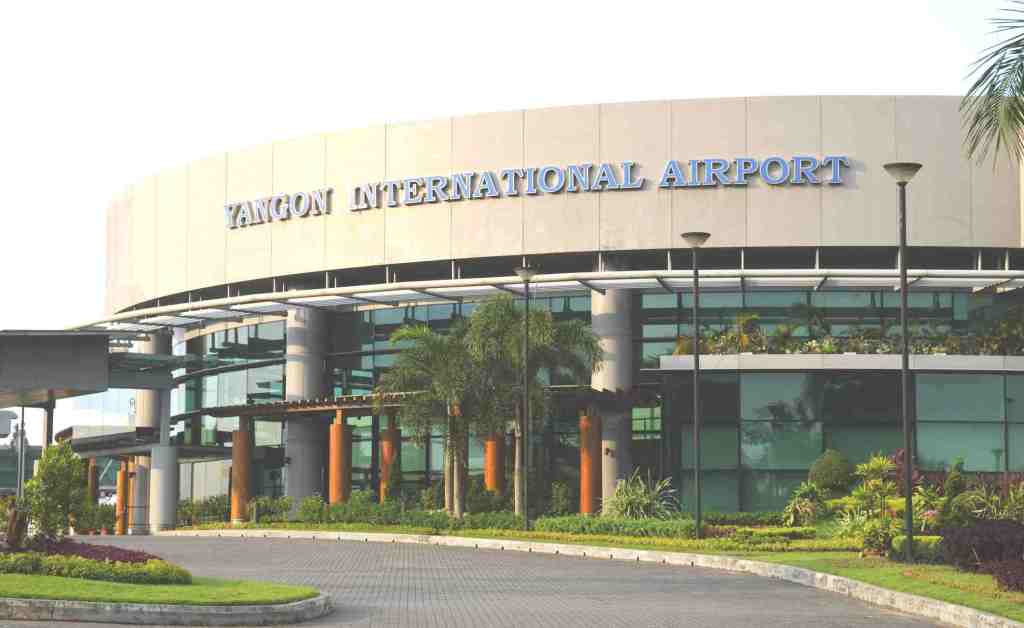
La embajada de Estados Unidos en Myanmar visitó su página de Facebook e informó que la carretera al Aeropuerto Internacional de Yangón, la ciudad más grande de Myanmar, fue cerrada el Lunes 01/02. Su página de Twitter decía que «los informes indican que todos los aeropuertos de Myanmar están cerrados» y han emitido una alerta de seguridad tras la detención del líder de Myanmar, Aung San Suu Kyi. China, por otro lado, se abstuvo de comentar y dijo que aún estaba recopilando más información sobre los eventos del Lunes 01/02. Myanmar y China comparten relaciones cordiales. El portavoz del Ministerio de Relaciones Exteriores de China, Wang Wenbin, dijo: “China es un vecino amistoso de Myanmar. Esperamos que todas las partes en Myanmar manejen adecuadamente sus diferencias bajo el marco constitucional y legal y mantengan la estabilidad política y social”. El Ministerio de Relaciones Exteriores de la India también expresó su profunda preocupación y dijo que “la India siempre ha sido firme en su apoyo al proceso de transición democrática en Myanmar. Creemos que se debe respetar el estado de derecho y el proceso democrático”.
El Lunes 01/02, el ejército de Myanmar detuvo a Aung San Suu Kyi y a varios líderes elegidos democráticamente y tomó el poder. Luego, los militares declararon el estado de emergencia y anunciaron la celebración de nuevas elecciones al final del estado de emergencia de un año. A partir de ahora, se han detenido todos los viajes aéreos internacionales al país y se han suspendido los vuelos.
Myanmar closes airports
Myanmar closes airport, suspends flights after military coup
The de facto Government of Myanmar has closed all airports and suspended all flights after the coup. According to the government agency in charge of air travel in the country, all passenger flights in Myanmar have been suspended after the military coup. As the events unfolded, several embassies in the Asian country began to update on the political condition on their social media platforms.
The US embassy in Myanmar visited its Facebook page and reported that the road to Yangon International Airport, Myanmar’s largest city, was closed on Monday 02/01. Their Twitter page said that «reports indicate that all airports in Myanmar are closed» and they have issued a security alert following the arrest of Myanmar’s leader Aung San Suu Kyi. China, on the other hand, declined to comment and said it was still gathering more information on the events of Monday 02/01. Myanmar and China share cordial relations. Chinese Foreign Ministry spokesman Wang Wenbin said: “China is a friendly neighbor of Myanmar. We hope that all parties in Myanmar will properly handle their differences under the constitutional and legal framework and maintain political and social stability». The Indian Ministry of Foreign Affairs also expressed deep concern, saying that “India has always been steadfast in supporting the democratic transition process in Myanmar. We believe that the rule of law and the democratic process must be respected”.
On Monday 02/01, the Myanmar army detained Aung San Suu Kyi and several democratically elected leaders and seized power. The military then declared a state of emergency and announced the holding of new elections at the end of the one-year state of emergency. As of now, all international air travel to the country has been stopped and flights have been suspended.
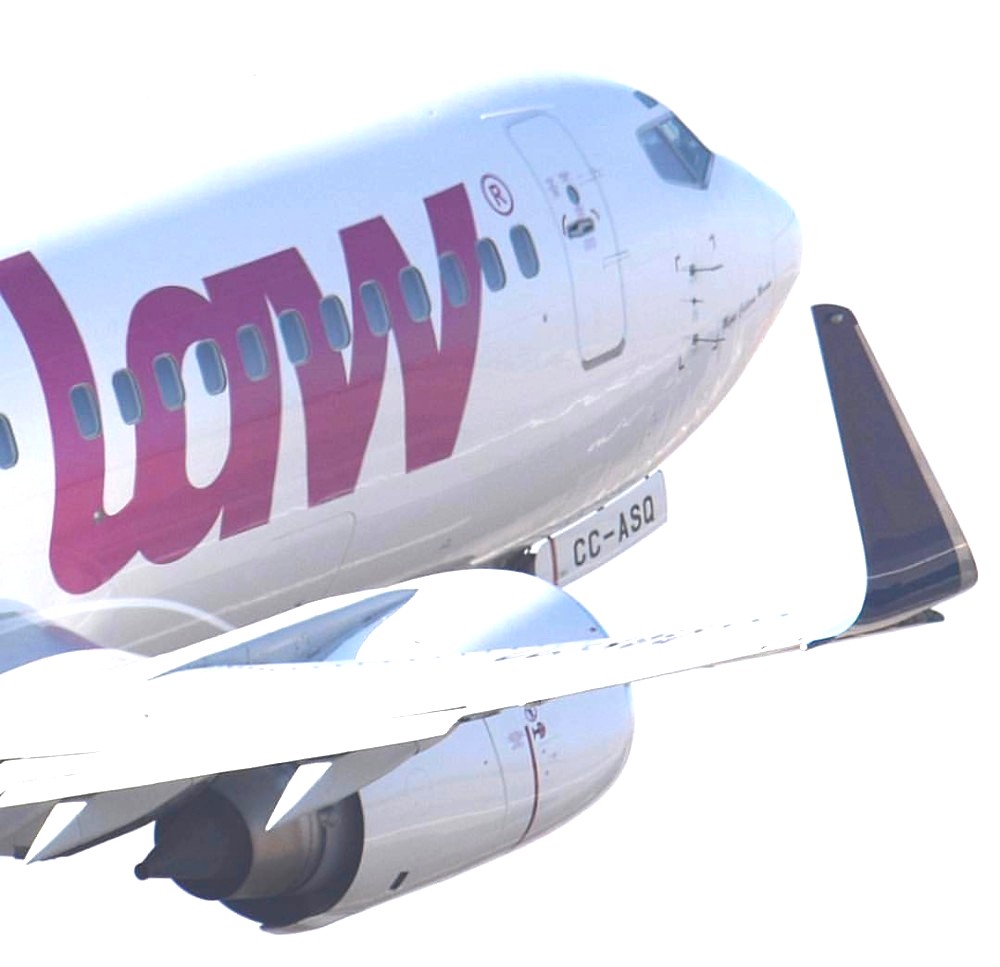
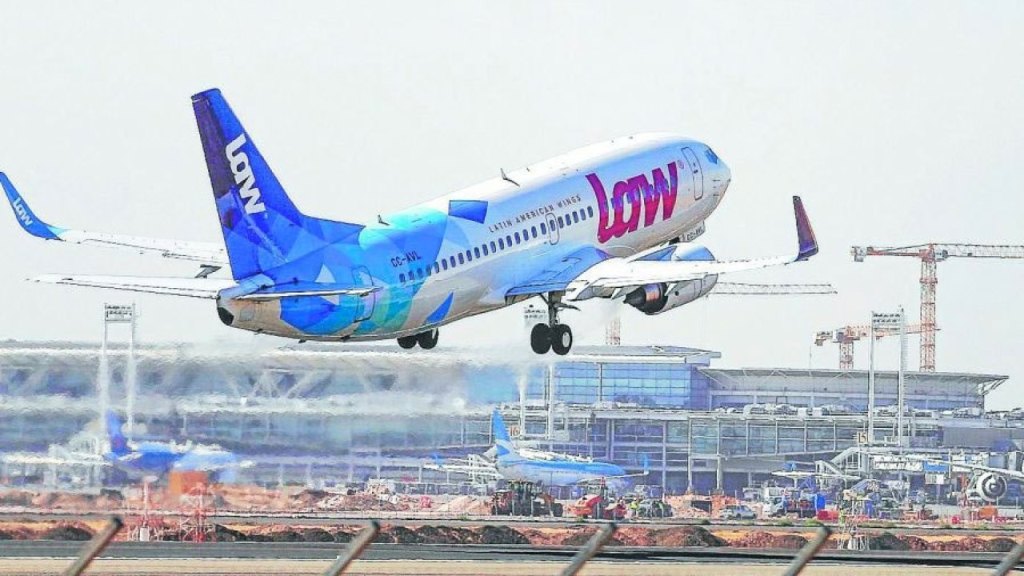
Corte Justicia de Chile ratifica fallo contra aerolínea LAW
La Corte de Apelaciones de Santiago de Chile ha confirmado la sentencia que acogió la demanda deducida por el SERNAC en contra de la aerolínea Latin American Wings S.A. (LAW), empresa en liquidación forzosa, por infracción a la ley de protección de los derechos de los consumidores. Pese a que se confirmó que la firma debería pagar indemnizaciones a los consumidores afectados por cancelaciones de vuelos, éstas no se harían efectivas ya que la empresa ya no existe.
En fallo unánime la Séptima Sala del Tribunal de Alzada, ha ratificado en todas sus partes el fallo del Undécimo Juzgado Civil de Santiago, que acogió la demanda por el retraso y suspensión de vuelos nacionales e internacionales de la aerolínea entre Noviembre de 2017 y Marzo de 2018, y le ordenó pagar indemnizaciones a los clientes afectados y una multa de 300 UTM. Sin embargo, dichas compensaciones probablemente no serán pagadas. Al respecto la resolución sostiene que “no puede este sentenciador pasar por alto que las indemnizaciones que se han establecido en este proceso y que aquellas que se determinarán en el cumplimiento del presente fallo tienen un carácter casi programático, ya que no existe patrimonio en donde hacer efectivas las indemnizaciones, la compañía no existe y sus propietarios y/o representantes legales no dieron explicación alguna, manifestación de ello es la rebeldía en la que se han mantenido en esta causa».
Los retrasos, postergaciones y suspensiones de vuelos se tradujeron en quienes habían comprado pasajes aéreos que no pudieron volar por Latin American Wings S.A. ni tampoco ser endosados en otras líneas aéreas. A consecuencia de las suspensiones, 1.973 clientes formularon reclamos ante el SERNAC, sin que se recibiera respuesta alguna, sostiene la sentencia del fallo. Dicho incumplimiento importa una infracción al Artículo 12 de la Ley N° 19.496 sobre Protección de los Derechos de los Consumidores, incumpliendo Latin American Wings S.A. con la obligación que el imponía el contrato de transporte en razón del Artículo Nº 127 del Código Aeronáutico.
Court upholds ruling against LAW
Chilean Court of Justice upholds ruling against LAW airline
The Court of Appeals of Santiago de Chile has confirmed the ruling that accepted the lawsuit brought by SERNAC against the airline Latin American Wings S.A. (LAW), company in forced liquidation, for violation of the law on the protection of consumer rights. Although it was confirmed that the firm should pay compensation to consumers affected by flight cancellations, these would not be effective since the company no longer exists.
In a unanimous ruling, the Seventh Chamber of the Court of Appeal, has ratified in all its parts the ruling of the Eleventh Civil Court of Santiago, which accepted the lawsuit for the delay and suspension of national and international flights of the airline between November 2017 and March of 2018, and ordered him to pay compensation to the affected clients and a fine of 300 UTM. However, such compensation will probably not be paid. In this regard, the resolution maintains that “this judge cannot ignore that the compensations that have been established in this process and that those that will be determined in compliance with this ruling have an almost programmatic nature, since there is no heritage in which to do compensation is effective, the company does not exist and its owners and/or legal representatives did not give any explanation, a manifestation of this is the rebellion in which they have maintained in this case».
Flight delays, postponements and suspensions resulted in those who had purchased air tickets who were unable to fly through Latin American Wings S.A. nor be endorsed on other airlines. As a result of the suspensions, 1,973 clients filed claims with SERNAC, without receiving any response, upholds the judgment of the ruling. Said non-compliance amounts to a violation of Article 12 of Law No. 19,496 on the Protection of Consumer Rights, in breach of Latin American Wings S.A. with the obligation that the transport contract imposed by reason of Article Nº 127 of the Aeronautical Code.
Alrededor 40.000 australianos siguen varados en el extranjero
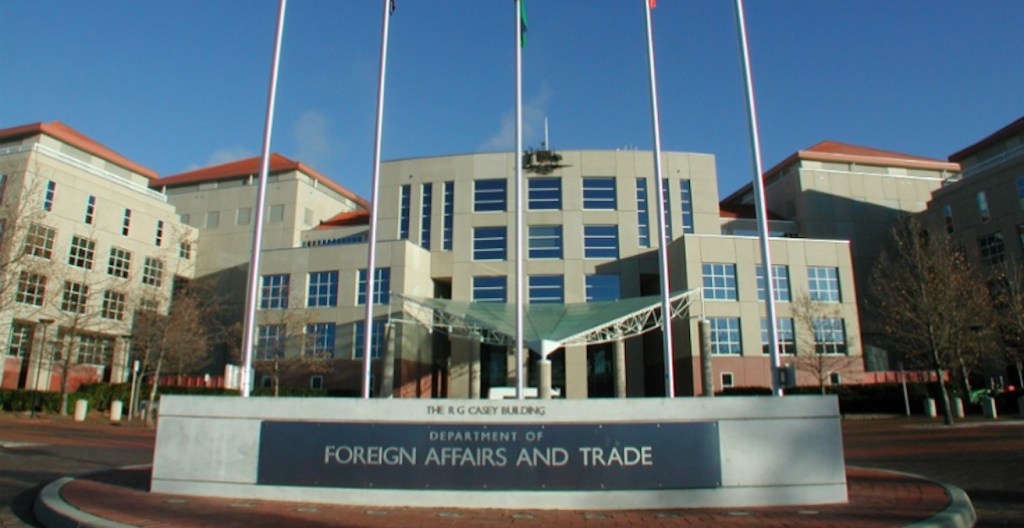
Un año después del inicio de la crisis del Coronavirus, casi 40.000 ciudadanos australianos siguen registrados en el Departamento de Asuntos Exteriores y Comercio (DFAT) de Australia en busca de asistencia para regresar a sus hogares. Han experimentado extorsivamente precios de billetes de avión, retrasos interminables y cancelaciones. Muchos se enfrentan a la indigencia personal y el empobrecimiento, con el mayor riesgo de infección en los países gravemente afectados por la pandemia. Entre ellos, 4.800 han sido clasificados como vulnerables. Por razones puramente financieras, la negativa de los gobiernos federales, estatales y territoriales australianos a proporcionar instalaciones de cuarentena adecuadas a estos ciudadanos se les niega su derecho básico legal, constitucional y democrático. También se les está ofreciendo poca ayuda financiera.
El Gobierno de Australia continúa limitando el número de pasajeros que regresan han dado lugar a que las compañías aéreas favorezcan habitualmente los billetes de primera clase y de clase ejecutiva sobre los pasajeros económicos, sin embargo, no garantizan un asiento en un vuelo. Muchas personas cuyos vuelos se cancelan tienen que esperar treinta días para un reembolso para que puedan reservar un nuevo billete.
Esta situación se ha agravado por el anuncio del 8 de Enero de 2021 de que los dirigentes de los gobiernos habían reducido aún más el número de llegadas internacionales. Nueva Gales del Sur (NSW), Queensland y Australia Occidental redujeron a la mitad su número de llegadas hasta al menos el 15 de Febrero de 2021. El número de personas autorizadas a entrar en el país disminuyó de 6.700 a la semana a sólo 4.200.
Actualmente, no existe falta de capacidad en el transporte aéreo para repatriar a los ciudadanos. Según una investigación del Senado, el número de asientos de aerolíneas vacíos que entraron en el país ascendía a 30.000 por semana en Noviembre 2020. Los gobiernos citaron la amenaza de las nuevas variantes altamente contagiosas del Reino Unido y Sudáfrica de COVID-19 y temen que sus sistemas de cuarentena no puedan hacer frente a los niveles de infecciosidad. La cepa del Reino Unido, que es hasta un 70 por ciento más transmisible y posiblemente más letal, se detectó a principios de este mes en Australia, después de que un limpiador que trabajaba en un hotel de cuarentena en Brisbane, la capital de Queensland, dio positivo.
La decisión de reducir los límites máximos se basó en cálculos presupuestarios, no en la salud y el bienestar de los viajeros. Mejorar la capacidad del sistema de cuarentena y proporcionar las instalaciones de forma gratuita permitiría a los ciudadanos regresar del extranjero. En la actualidad, los gobiernos cobran US$ 3.000 Dólares por persona por poner en cuarentena, lo que impedía aún más la capacidad de la gente común de regresar.
En un intento desesperado por sofocar la indignación pública resultante debido a los diferentes eventos desarrollados con encuentros deportivos en el exterior, el Gobierno Federal de la Coalición Liberal-Nacional anunció 20 vuelos chárter para permitir que algunas personas varadas regresaran, ayudando solo a una fracción de los varados en el exterior. Es probable que aquellos que regresan en estos vuelos de repatriación estén en cuarentena en las instalaciones de Howard Springs cerca de Darwin, en el Territorio del Norte, y se espera que se les cobren tarifas comerciales por su asiento debido a la alta demanda de los pocos lugares. Mientras tanto, el Gobierno Federal ha reservado la cantidad totalmente inadecuada de US$ 17 millones de Dólares para ayudar a aquellos que sufren dificultades financieras.
El Director Gerente de la compañía de viajes Gaura Travel, con sede en Melbourne, Abhishek Sonthalia, dijo la semana pasada que había enviado múltiples solicitudes al Departamento de Interior desde Junio 2020 preguntando si los vuelos chárter vacíos que regresaban de la India podrían ser utilizados para transportar a australianos varados en el extranjero. «Hemos solicitado innumerables veces permiso para hacer lo mismo [para los australianos, al igual que para los indios], pero siempre se nos ha negado. La compañía podría fácilmente convertir nuestros charters para que la gente pueda viajar en ambos sentidos», expresó Abhishek Sonthalia. Habían existido alrededor de 35 vuelos chárter de regreso a la India hasta ahora.
Geoffrey Robertson, destacado abogado de derechos humanos, dijo que «nadie debe ser privado arbitrariamente de su derecho a entrar en su propio país», un derecho consagrado en la Declaración Universal de Derechos Humanos. Según un informe en el Sydney Morning Herald (SMH), de los 440.000 ciudadanos a los que el gobierno federal afirma que han regresado a Australia durante la pandemia, sólo ha ayudado a 38.800. Además, las cifras de 280.560 viajeros devueltos por la Fuerza Fronteriza Australiana son significativamente menores, lo que arroja dudas sobre las afirmaciones del Gobierno.
40,000 Australian exiles
Around 40,000 Australians remain stranded abroad
One year after the start of the Coronavirus crisis, nearly 40,000 Australian citizens are still registered with Australia’s Department of Foreign Affairs and Trade (DFAT) seeking assistance to return home. They have experienced extortionate airline ticket prices, endless delays and cancellations. Many face personal destitution and impoverishment, with the highest risk of infection in countries severely affected by the pandemic. Among them, 4,800 have been classified as vulnerable. For purely financial reasons, the refusal of the Australian federal, state and territorial governments to provide adequate quarantine facilities to these citizens denies them their basic legal, constitutional and democratic right. Little financial aid is being offered to them as well.
The Australian Government continues to limit the number of returning passengers which have resulted in airlines routinely favoring first and business class tickets over economy passengers, however they do not guarantee a seat on a flight. Many people whose flights are canceled have to wait thirty days for a refund before they can book a new ticket.
This situation has been aggravated by the announcement on January 8, 2021 that government leaders had further reduced the number of international arrivals. New South Wales (NSW), Queensland and Western Australia halved their number of arrivals until at least February 15, 2021. The number of people allowed to enter the country dropped from 6,700 a week to just 4,200.
Currently, there is no lack of capacity in air transport to repatriate citizens. According to a Senate investigation, the number of empty airline seats entering the country stood at 30,000 a week in November 2020. Governments cited the threat of highly contagious new UK and South African variants of COVID-19 and fear that their quarantine systems cannot cope with the levels of infectivity. The UK strain, which is up to 70 percent more communicable and possibly more lethal, was detected earlier this month in Australia, after a cleaner working at a quarantine hotel in Brisbane, the capital of Queensland, tested positive.
The decision to lower the caps was based on budget estimates, not the health and well-being of travelers. Improving the capacity of the quarantine system and providing the facilities free of charge would allow citizens to return from abroad. Currently, governments charge US $ 3,000 per person to quarantine, further impeding the ability of ordinary people to return.
In a desperate attempt to quell the public outrage resulting from the different events developed with sporting events abroad, the Federal Government of the Liberal-National Coalition announced 20 charter flights to allow some stranded people to return, helping only a fraction of those stranded abroad. Those returning on these repatriation flights are likely to be quarantined at the Howard Springs facility near Darwin in the Northern Territory, and are expected to be charged commercial fees for their seat due to high demand from the few places. Meanwhile, the Federal Government has set aside the totally inadequate amount of US$ 17 million to help those suffering financial difficulties.
The Managing Director of Melbourne-based travel company Gaura Travel, Abhishek Sonthalia, said last week that he had submitted multiple requests to the Department of the Interior since June 2020 asking if the empty charter flights returning from India could be used for transporting Australians stranded abroad. «We have applied countless times for permission to do the same [for Australians, as well as Indians], but we have always been denied. The company could easily convert our charters so that people can travel both ways», said Abhishek. Sonthalia. There have been around 35 charter flights back to India so far.
Geoffrey Robertson, a prominent human rights lawyer, said that «no one should be arbitrarily deprived of their right to enter their own country», a right enshrined in the Universal Declaration of Human Rights. According to a report in the Sydney Morning Herald (SMH), of the 440,000 citizens the federal government claims have returned to Australia during the pandemic, it has only helped 38,800. Furthermore, the numbers of 280,560 travelers returned by the Australian Border Force are significantly lower, casting doubt on the government’s claims.
Filiales declaraciones peticiones bancarrota por parte acreedores
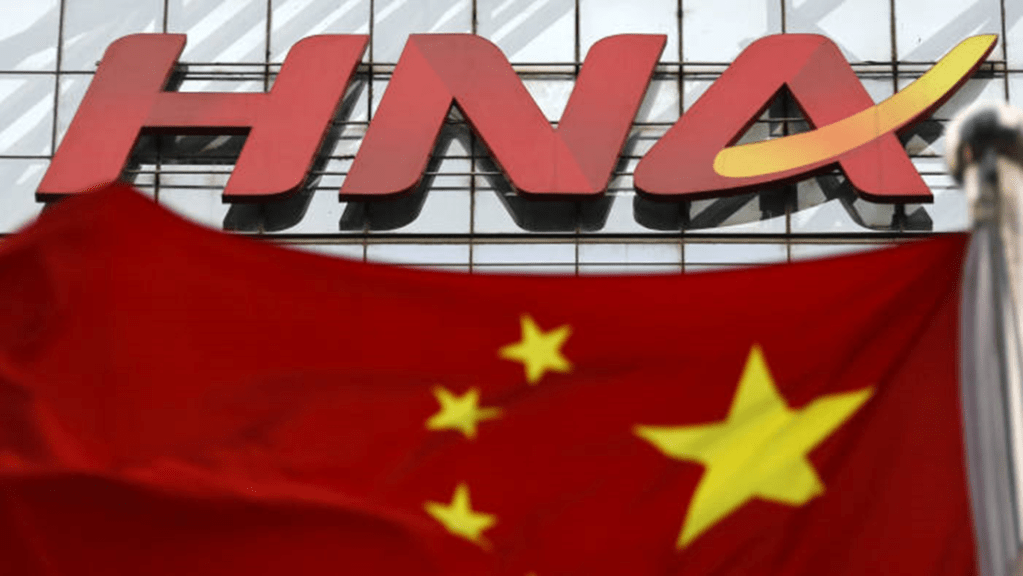
Las empresas del HNA Group de la República Popular de China han informado de haber constatado salidas irregulares de miles de millones de Dólares en efectivo, un desarrollo siniestro tras las medidas de los acreedores para pedir una reestructuración de la bancarrota del anteriormente conglomerado de alto nivel y sus filiales. Horas después de la revelación de HNA el Viernes 29/01 por la noche de que los acreedores habían presentado una petición ante el Tribunal Popular Superior de la Provincia de Hainan para reorganizar el grupo, varias subsidiarias incluidas en el país alertaron a sus accionistas del descubrimiento de las salidas irregulares por parte de un grupo de trabajo designado por el estado.
Hainan Airlines, la unidad insignia de HNA Group, dijo que espera reportar una pérdida neta de entre ¥ 58 mil millones de Yuanes (US$ 9.02 mil millones) y ¥ 65 mil millones de Yuanes para 2020, en comparación con un beneficio neto de ¥ 543,18 millones de Yuanes al año antes. Las pérdidas operativas relacionadas con la pandemia sumaron alrededor de ¥ 16.500 millones de Yuanes, dijo el cuarto mayor transportista chino de pasajeros, con la mayor parte de su tinta roja derivada de pérdidas por deterioro relacionadas principalmente con tratos financieros irregulares con el propio HNA y otras empresas del grupo. Hainan Air advirtió que podría ser puesto en libertad condicional para una posible bajada por la Bolsa de Shanghai si sus finanzas auditadas muestran un exceso de pasivos sobre los activos.
Las revelaciones «harán que el proceso de reestructuración [del grupo] sea aún más complejo. Como la estructura corporativa de las empresas del Grupo HNA siempre ha sido muy compleja, con muchas transacciones de partes relacionadas, garantías y participaciones cruzadas, la divulgación de irregularidades se suma a la complejidad y el misterio del grupo», dijo David Yu, Profesor de Finanzas de la Universidad de Nueva York en Shanghai, que se centra en la aviación.
HNA Group fue anteriormente uno de los conglomerados más adquisitivos de China, comprando activos incluyendo la cadena hotelera Radisson, el distribuidor de productos tecnológicos Ingram Micro, la compañía de servicios de aviación Swissport Group y las participaciones en Deutsche Bank y las aerolíneas y aeropuertos en países como Brasil, Australia, Ghana, Turquía y Sudáfrica. El Gobierno de China, con sede en Pekín, convocó un cese a la oleada de deudas en 2017 para frenar el riesgo financiero. En medio de continuas preocupaciones sobre la estabilidad de HNA, el grupo anteriormente de gestión privada el año 2020 estuvo bajo la supervisión directa del Gobierno de Hainan. «El programa de venta de activos habrá tenido un problema, ya que la mayoría de sus activos están relacionados con viajes/transportes, lo que habrá visto las valoraciones obstaculizadas. Difícil de ver cómo pueden salir de esto, excepto a través de una bancarrota y una reestructuración», en medio de la pandemia, dijo Michel Brekelmans, Director General de consultoría de estrategia SCP/Asia. Una directiva del Consejo de Estado el Octubre 2020 puso fin a las investigaciones contables de un grupo de trabajo, incluidos representantes de empresas estatales locales, el regulador estatal de la aviación y el Banco de Desarrollo de China, el mayor acreedor de HNA Group.
Gu Gang, líder del grupo de trabajo y Secretario del Partido Comunista de HNA, aludió a las salidas de efectivo descubiertas en una carta a los empleados el Jueves 28/01, señalando que «se están acumulando salvajemente grandes agujeros y desentierros que tienen que ser tratados uno por uno. ¿Cómo es que un conglomerado tan bueno podría convertirse en algo como esto hoy?», refutó con una pregunta.
Las recientes presentaciones destacaron más de ¥ 100 mil millones de Yuanes en transacciones potencialmente problemáticas, incluidas las garantías de deuda proporcionadas por las subsidiarias a HNA y otras filiales. La mayoría de estas sumas no se comunicaban previamente a los accionistas y algunas no tenían las aprobaciones de los consejos de administración de las unidades o de los accionistas, de acuerdo con las divulgaciones del fin de semana.
CCOOP Group, una unidad minorista y mayorista listada por Shenzhen, dijo que espera registrar hasta ¥ 3 mil millones de Yuanes en cargos por deterioro debido a las salidas destacadas que le darán una pérdida neta para 2020 de hasta ¥ 4.900 millones de Yuanes.
HNA Infrastructure Investment Group, una unidad listada en Shanghai, no cuantificó su cargo por deterioro esperado, pero dijo que prevé registrar una pérdida neta de hasta ¥ 8 mil millones de Yuanes.
En su carta al personal, Gu Gang dijo que su equipo ha elaborado diagramas de flujo masivos para diagramas financieros entre HNA Group y sus afiliados, con cada sección de casi tres metros de ancho. Un miembro del grupo los comparaba con «A lo largo del río durante el Festival de Qingming», una pintura clásica de pergamino del siglo XII conocida por su fino detalle y tamaño. Si bien el anuncio original de HNA dejó ambiguo que y cuántos acreedores estaban buscando su reestructuración, las presentaciones de las empresas cotizadas detallan que los peticionarios incluyen a China Huarong Asset Management, Ping An Bank, Bank of Hainan, Chang’an Bank, algunos agentes de viajes y muchos proveedores. Los deudores se han dirigido a al menos 60 empresas del grupo, además de la propia HNA Group.
No está claro cuándo el Tribunal de Hainan se pronunciará sobre la petición de bancarrota. Mientras tanto, HNA Group dijo que buscará continuar las operaciones normales. HNA Group tenía ¥ 706.72 mil millones de Yuanes en pasivos totales a finales de junio de 2019 frente a activos totales de ¥ 980.06 mil millones de Yuanes. El grupo no ha publicado datos financieros desde entonces.
HNA Group years of irregularities
Subsidiaries follow bankruptcy petitions by creditors
Companies in the HNA Group of the People’s Republic of China have reported irregular outflows of billions of dollars in cash, a sinister development following actions by creditors to call for a restructuring of the bankruptcy of the former high-level conglomerate and its subsidiaries. Hours after HNA’s revelation on Friday 01/29 evening that creditors had filed a petition with the Higher People’s Court of Hainan Province to reorganize the group, several subsidiaries included in the country alerted their shareholders of the discovery. irregular departures by a state-appointed task force.
Hainan Airlines, the flagship unit of the HNA Group, said it expects to report a net loss of between ¥ 58 billion Yuan (US $ 9.02 billion) and ¥ 65 billion Yuan by 2020, compared to a net profit of ¥ 543.18 million Yuan a year before. Operating losses related to the pandemic totaled about ¥ 16.5 billion yuan, the fourth-largest Chinese passenger carrier said, with most of its red ink stemming from impairment losses primarily related to irregular financial dealings with HNA itself and others. group companies. Hainan Air has warned that it could be paroled for a possible downgrade by the Shanghai Stock Exchange if its audited finances show excess liabilities over assets.
The disclosures «will make the restructuring process [of the group] even more complex. As the corporate structure of HNA Group companies has always been very complex, with many related party transactions, collateral and cross-shareholdings, disclosure of irregularities it adds to the complexity and mystery of the group», said David Yu, Professor of Finance at New York University in Shanghai, which focuses on aviation.
HNA Group was previously one of the most acquisitive conglomerates in China, buying assets including the hotel chain Radisson, technology products distributor Ingram Micro, aviation services company Swissport Group, and stakes in Deutsche Bank and airlines and airports in countries. like Brazil, Australia, Ghana, Turkey and South Africa. The Beijing-based government of China called for a debt surge halt in 2017 to curb financial risk. Amid continuing concerns about HNA’s stability, the previously privately run group in 2020 came under the direct supervision of the Hainan Government. «The asset sale program will have had a problem as most of their assets are travel/transportation related which will have seen valuations hampered. Hard to see how they can get out of this except through bankruptcy and a restructuring», amid the pandemic, said Michel Brekelmans, CEO of SCP/Asia strategy consulting. A State Council directive in October 2020 ended accounting investigations by a task force, including representatives of local state-owned companies, the state aviation regulator, and the China Development Bank, the HNA Group’s largest creditor.
Gu Gang, HNA task force leader and Communist Party Secretary, alluded to the cash outflows discovered in a letter to employees on Thursday 01/28, noting that «large holes and burials are piling up wildly that have to be treated one by one. How could such a good conglomerate turn into something like this today?», he replied with a question.
Recent filings highlighted more than ¥ 100 billion Yuan in potentially troublesome transactions, including debt guarantees provided by subsidiaries to HNA and other affiliates. Most of these amounts were not previously disclosed to shareholders and some did not have the approval of the unit boards of directors or shareholders, according to disclosures over the weekend.
CCOOP Group, a Shenzhen-listed retail and wholesale unit, said it expects to record up to ¥ 3 billion Yuan in impairment charges due to the outstanding outflows that will give it a 2020 net loss of up to ¥ 4.9 billion Yuan.
HNA Infrastructure Investment Group, a Shanghai-listed unit, did not quantify its expected impairment charge, but said it expects to post a net loss of up to ¥ 8 billion Yuan.
In his letter to the staff, Gu Gang said that his team has produced massive flowcharts for financial diagrams between HNA Group and its affiliates, with each section nearly three meters wide. One member of the group compared them to «Along the River During the Qingming Festival», a classic 12th-century scroll painting known for its fine detail and size. While HNA’s original announcement left ambiguous what and how many creditors were seeking its restructuring, the filings from the listed companies detail that the petitioners include China Huarong Asset Management, Ping An Bank, Bank of Hainan, Chang’an Bank, some agents. of trips and many providers. The debtors have approached at least 60 group companies, in addition to the HNA Group itself.
It is not clear when the Hainan Court will rule on the bankruptcy petition. Meanwhile, HNA Group said it will seek to continue normal operations. HNA Group had ¥ 706.72 billion Yuan in total liabilities at the end of June 2019 versus total assets of ¥ 980.06 billion Yuan. The group has not released financial data since.
AW | 2021 02 01 09:40 | AIRLINES MARKET / GOVERNMENT
Aerolíneas privadas imposibilitadas para expandir servicios
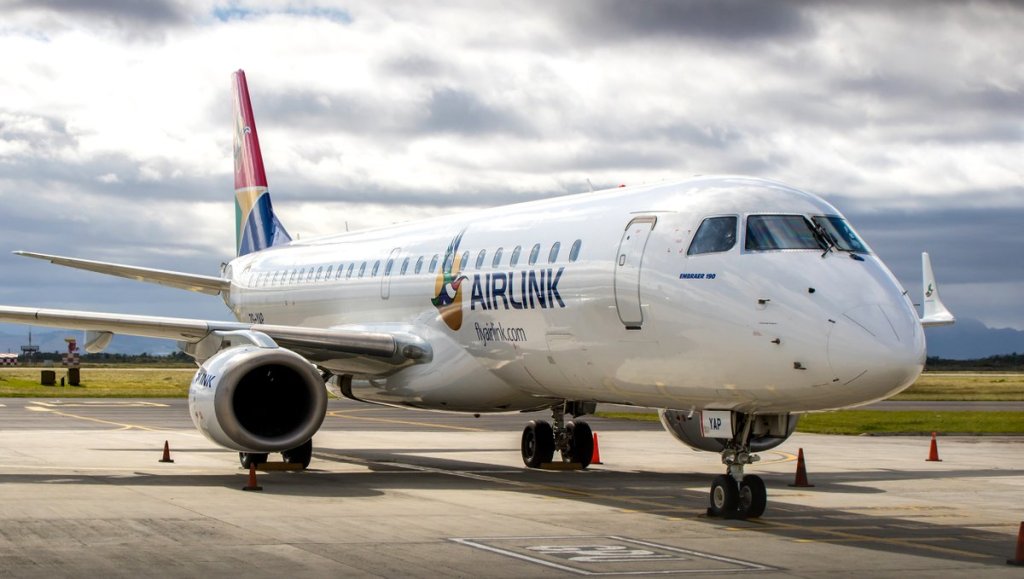
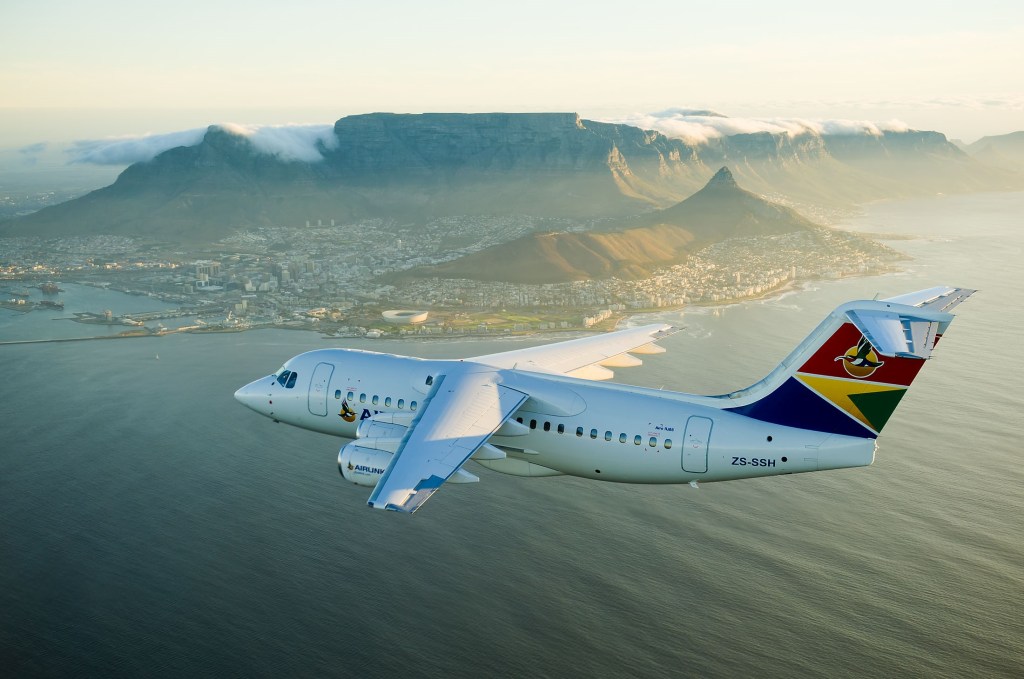
Las compañías aéreas sudafricanas no pueden iniciar rutas operativas que anteriormente se asignaron a la aerolínea nacional South African Airways (SAA) debido al comportamiento proteccionista que impide que inicien vuelos regulares. Las fronteras han reabierto en la mayoría de los países del sur de África y las líneas aéreas han vuelto a reiniciar operaciones a muchos destinos de la región del África Austral. Para los sudafricanos, volar en este tiempo conlleva realizar varios trayectos debido ala imposibilidad de llegar de forma directa.
South African Airways y SA Express operaban previamente vuelos a varios destinos regionales donde ahora hay más servicio aéreo. Varios de ellos eran rentables y atrajeron buenos volúmenes de pasajeros, convirtiéndolos en rutas clave para el transportista nacional. Actualmente, la ausencia de estos transportadores ha dejado muchas rutas comerciales programadas sin servicio durante varios meses. Esto ha obligado a algunos pasajeros que necesitan llegar a destinos específicos a tomar varios vuelos para llegar a su destino.
Los acuerdos bilaterales son acuerdos entre Estados, que regulan el número de vuelos y el número de compañías aéreas que pueden operar entre países. El Consejo de Licencias de Servicios Aéreos (ASLC), que pertenece al Departamento de Transporte de Sudáfrica, es responsable de expedir permisos a las líneas aéreas que tienen la intención de operar vuelos en rutas entre destinos. La ASLC está obligada en virtud de la Ley de Servicios Aéreos Internacionales (1993) a evaluar los derechos de tráfico aéreo que asignó. Si estos no se han utilizado durante más de tres meses, debe permitir que otras compañías aéreas soliciten permisos para operar vuelos en estas rutas. «De acuerdo con la Ley de Servicios Aéreos Internacionales 60 de 1993, la ASLC está obligada a hacer una evaluación en términos de derechos de tráfico aéreo que se han asignado, pero permanecieron inactivos durante más de tres meses. Si no hay ninguna razón plausible para retenerlos, estos deben ser rescindidos de la aerolínea en cuestión y puestos a disposición de los nuevos solicitantes», dijo el CEO de Airlink, Rodger Foster.
Varias de las aerolíneas de propiedad privada de Sudáfrica que ya han regresado a los cielos están interesadas en operar vuelos en determinadas rutas que actualmente no se están prestando servicio debido a la larga ausencia de SAA y SA Express. La demanda de pasajeros existe en estas rutas. Las compañías aéreas han presentado quejas ante el Consejo de Licencias de Servicios Aéreos por no liberar derechos para operar vuelos en estas rutas. «En términos de la Ley, se supone que los derechos de tráfico inactivos deben ser anulados por el consejo y mantenidos disponibles para que otras aerolíneas interesadas soliciten y operen», dijo Rodger Foster.
Los sudafricanos necesitan llegar a destinos que actualmente no se encuentran atendidos por las aerolíneas, mientras que las quejas se están enfrentando al comportamiento proteccionista de la ASLC. Las aerolíneas y las compañías de arrendamiento de aviación han tomado medidas, y esperan que las decisiones se tomen pronto.
Protectionist aviation in South Africa
Private airlines unable to expand services
South African airlines are unable to initiate operational routes that were previously assigned to the national carrier South African Airways (SAA) due to protectionist behavior that prevents them from initiating scheduled flights. Borders have reopened in most southern African countries and airlines have resumed operations to many destinations in the Southern Africa region. For South Africans, flying in this time entails making several trips due to the impossibility of arriving directly.
South African Airways and SA Express previously operated flights to several regional destinations where there is now more air service. Several of them were profitable and attracted good volumes of passengers, making them key routes for the national carrier. Currently, the absence of these carriers has left many scheduled trade routes without service for several months. This has forced some passengers who need to reach specific destinations to take multiple flights to reach their destination.
Bilateral agreements are agreements between states, which regulate the number of flights and the number of airlines that can operate between countries. The Air Services Licensing Council (ASLC), which is part of the South African Department of Transport, is responsible for issuing permits to airlines that intend to operate flights on routes between destinations. The ASLC is required under the International Air Services Act (1993) to assess the air traffic rights it assigned. If these have not been used for more than three months, you must allow other airlines to apply for permits to operate flights on these routes. «According to the International Air Services Act 60 of 1993, the ASLC is required to make an assessment in terms of air traffic rights that have been allocated, but they remained inactive for more than three months. If there is no plausible reason to to retain them, these should be terminated from the airline in question and made available to new applicants», said Airlink CEO Rodger Foster.
Several of South Africa’s privately owned airlines that have already returned to the skies are interested in operating flights on certain routes that are currently not being served due to the long absence of SAA and SA Express. The demand for passengers exists on these routes. The airlines have filed complaints with the Air Services Licensing Council for not releasing rights to operate flights on these routes. «In terms of the Act, inactive traffic rights are supposed to be overridden by the council and kept available for other interested airlines to apply for and operate,, said Rodger Foster.
South Africans need to reach destinations that are not currently served by airlines, while complaints are facing protectionist behavior from the ASLC. Airlines and aviation leasing companies have taken action, and they expect decisions to be made soon.
Proteksionistiese lugvaart in Suid-Afrika
Privaat lugdienste kan nie dienste uitbrei nie
Suid-Afrikaanse lugrederye kan nie operasionele roetes begin wat vroeër aan die nasionale lugdiens South African Airways (SAA) toegeken is nie weens proteksionistiese gedrag wat verhoed dat hulle met vlugte begin. Grense is in die meeste Suider-Afrikaanse lande heropen en lugrederye het hul werksaamhede na baie bestemmings in die Suider-Afrikaanse streek hervat. Vir Suid-Afrikaners behels die vlieg in hierdie tyd verskeie reise as gevolg van die onmoontlikheid om direk aan te kom.
Die Suid-Afrikaanse Lugdiens en SA Express het voorheen vlugte na verskeie streeksbestemmings bedryf waar daar nou meer lugdiens is. Verskeie van hulle was winsgewend en het groot hoeveelhede passasiers gelok, wat die belangrikste roetes vir die nasionale vervoerder was. Tans het die afwesigheid van hierdie vervoerondernemings vir ‘n paar maande baie geskeduleerde handelsroetes sonder diens gelaat. Dit het sommige passasiers wat spesifieke bestemmings moet bereik, genoop om verskeie vlugte te neem om hul bestemming te bereik.
Bilaterale ooreenkomste is ooreenkomste tussen state wat die aantal vlugte reguleer en die aantal lugdienste wat tussen lande kan funksioneer. Die lisensieraad vir lugdienste (ASLC), wat deel is van die Suid-Afrikaanse departement van vervoer, is verantwoordelik vir die uitreiking van permitte aan lugdienste wat van plan is om vlugte op roetes tussen bestemmings te bestuur. Die ASLC is ingevolge die International Air Services Act (1993) nodig om die lugverkeersregte wat hy toegeken het, te beoordeel. As dit langer as drie maande nie gebruik word nie, moet u ander lugdienste toelaat om permitte aan te vra om vlugte op hierdie roetes te bestuur. ,,Volgens die International Air Services Act 60 van 1993, is die ASLC verplig om ‘n beoordeling te doen in terme van toegekende lugverkeersregte, maar dit bly langer as drie maande onaktief. As daar geen aanneemlike rede is om dit te behou nie , moet dit by die betrokke lugdiens beëindig word en aan nuwe aansoekers beskikbaar gestel word», het Rodger Foster, uitvoerende hoof van Airlink, gesê.
Verskeie van Suid-Afrika se lugrederye in private besit wat reeds na die lug teruggekeer het, stel belang om vlugte te bestuur op sekere roetes wat tans nie aangebied word nie weens die lang afwesigheid van SAL en SA Express. Die vraag na passasiers bestaan op hierdie roetes. Die lugdienste het klagtes ingedien by die lisensieraad vir lugdienste omdat hulle nie regte vrystel om vlugte op hierdie roetes te bedryf nie. ,,Ingevolge die wet word onaktiewe verkeersregte veronderstel om deur die raad te oorskry en beskikbaar gestel te word vir ander belangstellende lugdienste om aansoek te doen en te bedryf», het Rodger Foster gesê.
Suid-Afrikaners moet bestemmings bereik wat nie tans deur lugdienste bedien word nie, terwyl klagtes proteksionistiese gedrag van die ASLC in die gesig staar. Lugdiens- en lugvaarthuurondernemings het tot aksie oorgegaan, en hulle verwag dat besluite binnekort geneem sal word.
Fondos privados completarán modelo privatización hacia 2021-2022
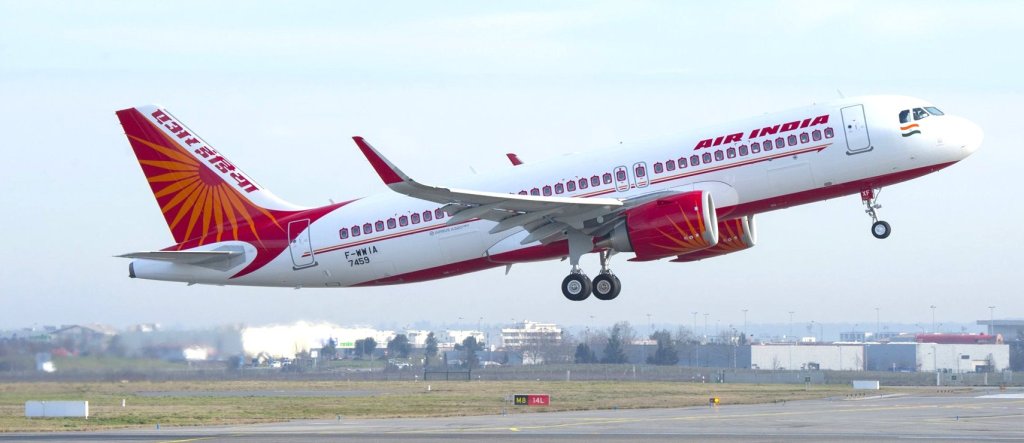
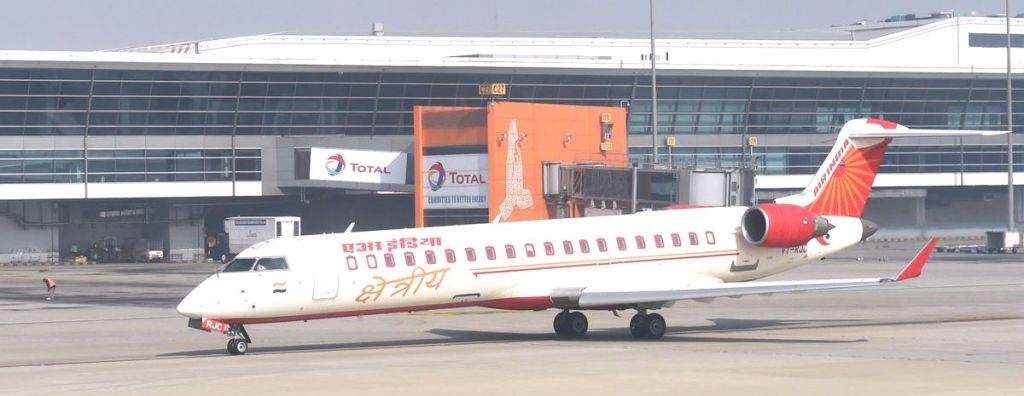
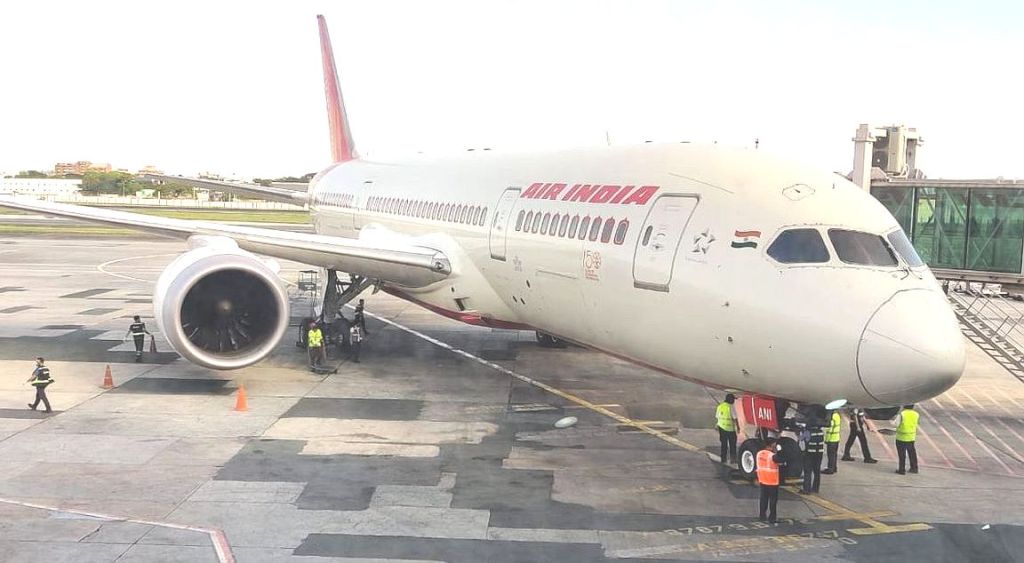
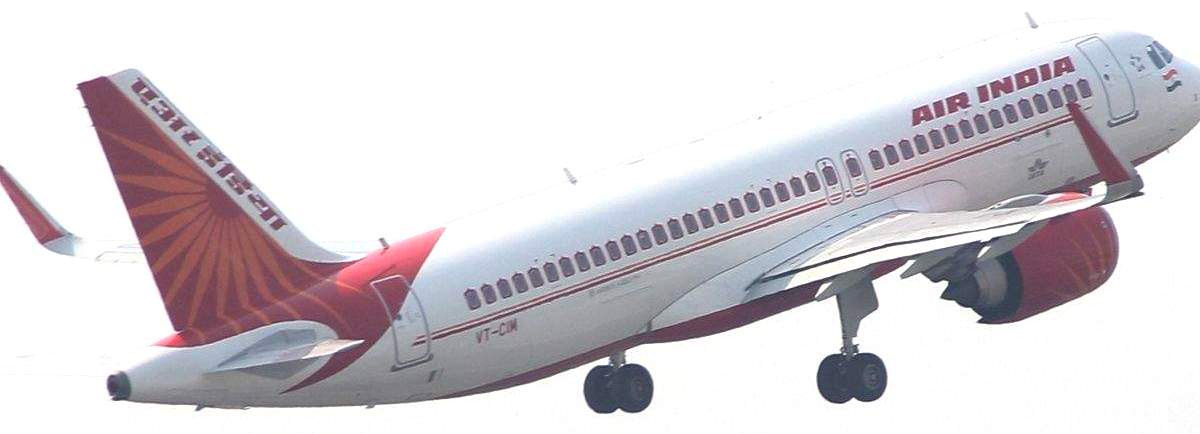
El Ministerio de Finanzas a cargo de Nirmala Sitharaman a anunciado al Parlamento este Lunes 01/02 que la privatización de la compañía nacional Air India Limited se completará durante el próximo ejercicio 2021-22, mientras presentaba el presupuesto. Actualmente el Grupo Tata y un consorcio de empleados se encuentran entre las partes interesadas que han presentado Expresiones de Interés (EoI) para la aerolínea. El grupo de empleados está compuesto por 219 empleados de la aerolínea y está encabezado por el Director Comercial y el miembro del Consejo de Administración Meenakshi Mallik. Espera vincularse con un fondo de capital privado.
Actualmente, los EoI están siendo evaluados por el Departamento de Inversión y Gestión de Activos Públicos (DIPAM) del Ministerio de Hacienda y los licitadores calificados, a quienes se les permitirá hacer ofertas financieras para la aerolínea, serán revelados en los próximos días. El Gobierno de la India planea vender toda su participación del 100% en Air India, que no ha obtenido beneficios desde su fusión con Indian Airlines en 2007. El postor ganador también obtendrá una participación del 100% en el brazo de bajo costo de la aerolínea nacional Air India Express y una participación del 50% en Air India SATS (AISATS), que proporciona servicios de manejo en tierra y carga en los principales aeropuertos nacionales. El Gobierno ha destinado un objetivo de desinversión de ₹ 1,75 billones de Crores para el año 2021, en comparación con ₹ 1,05 billones para el año 2020 y ₹ 80.000 millones para el año 2019.
Air India privatization process
Private funds will complete the privatization model by 2021-2022
The Ministry of Finance in charge of Nirmala Sitharaman announced to Parliament this Monday 01/02 that the privatization of the national company Air India Limited will be completed during the next fiscal year 2021-22, while presenting the budget. Currently the Tata Group and a consortium of employees are among the stakeholders that have submitted Expressions of Interest (EoI) for the airline. The employee group is made up of 219 airline employees and is headed by the Commercial Director and the member of the Board of Directors Meenakshi Mallik. He hopes to link up with a private equity fund.
Currently, the EoIs are being evaluated by the Department of Investment and Management of Public Assets (DIPAM) of the Ministry of Finance and the qualified bidders, who will be allowed to make financial offers for the airline, will be revealed in the coming days. The Government of India plans to sell its entire 100% stake in Air India, which has not made a profit since its merger with Indian Airlines in 2007. The winning bidder will also obtain a 100% stake in the airline’s low-cost arm. national Air India Express and a 50% stake in Air India SATS (AISATS), which provides ground and cargo handling services at the main national airports. The Government has set a divestment target of ₹ 1.75 trillion Crores for the year 2021, compared to ₹ 1.05 trillion for the year 2020 and ₹ 80 billion for the year 2019.
एयर इंडिया के निजीकरण की प्रक्रिया
निजी पूंजीगत फंड 2021-2022 तक निजीकरण मॉडल को पूरा करेगा
निर्मला सीतारमण के वित्त मंत्रालय ने इस सोमवार 01/02 को संसद में घोषणा की कि राष्ट्रीय कंपनी एयर इंडिया लिमिटेड का निजीकरण अगले वित्तीय वर्ष 2021-22 के दौरान बजट पेश करते हुए पूरा किया जाएगा। वर्तमान में टाटा समूह और कर्मचारियों का एक संघ उन हितधारकों में से हैं, जिन्होंने एयरलाइन के लिए एक्सप्रेशन ऑफ़ इंटरेस्ट (EoI) प्रस्तुत किया है। कर्मचारी समूह 219 एयरलाइन कर्मचारियों से बना है और इसका नेतृत्व वाणिज्यिक निदेशक और निदेशक मंडल की सदस्य मीनाक्षी मल्लिक करते हैं। वह निजी इक्विटी फंड के साथ जुड़ने की उम्मीद करता है।
वर्तमान में, ईओआई का मूल्यांकन वित्त मंत्रालय के सार्वजनिक परिसंपत्तियों के निवेश और प्रबंधन विभाग (डीआईपीएएम) द्वारा किया जा रहा है और योग्य बोलीदाताओं, जिन्हें एयरलाइन के लिए वित्तीय प्रस्ताव बनाने की अनुमति दी जाएगी, आने वाले दिनों में पता चलेगा। भारत सरकार ने एयर इंडिया में अपनी पूरी 100% हिस्सेदारी बेचने की योजना बनाई है, जिसने 2007 में इंडियन एयरलाइंस के साथ अपने विलय के बाद से कोई लाभ नहीं कमाया है। जीतने वाली बोलीदाता को एयरलाइन की कम लागत वाली शाखा में 100% हिस्सेदारी भी मिलेगी। एयर इंडिया एक्सप्रेस और एयर इंडिया एसएटीएस (एआईएसएटीएस) में 50% हिस्सेदारी है, जो मुख्य हवाई अड्डों पर जमीन और कार्गो हैंडलिंग सेवाएं प्रदान करता है। सरकार ने वर्ष 2021 के लिए 1.75 लाखों ट्रिलियन करोड़ का विभाजन लक्ष्य रखा है, जबकि वर्ष 2020 के लिए for 1.05 ट्रिलियन और वर्ष 2019 के लिए for 80 बिलियन का लक्ष्य रखा है।



















 airgways.com