Boeing posterga Programa 777X

Resultado de imagen para Boeing 777X ProgramAW | 2019 07 27 16:44 | INDUSTRY

Boeing-Logo.svgEn medio de la crisis que involucra a la línea de ensamblaje de los 737 MAX, el Programa 777X continúa demorado por dificultades en ingeniería

The Boeing Company informó que su Programa 777X que incluyen las aeronaves 777-8 y 777-9 de amplia autonomía se someterían a nuevos estudios. El Boeing 777-9 no realizará vuelos de pruebas en los próximos noventa días. Un ejecutivo del directorio confirmó que este avión de doble pasillo recién podría comenzar a volar tentativamente el primer semestre de 2020. La causa reside en los problemas que acarrean las unidades motrices General Electric GE9X, que actualmente son las turbinas más potentes del mercado aerocomercial, diseñadas especialmente para impulsar a este futuro avión que será el bimotor más grande del mundo. En un nuevo retraso en la hoja de ruta del Programa 777X, la idea inicial del fabricante era que los vuelos de prueba se realicen en el 2018 y que entraran en operaciones en 2020. Boeing confiaba en que este problema se resolviera pronto, todo el calendario se posterga varios meses.

Resultado de imagen para Boeing 777X Program

A principios de 2019 Boeing trató de acelerar los tiempos con la presentación en sociedad de este modelo, pero los problemas relacionados con los Boeing 737 MAX desató una crisis que obligó a cancelar el roll out, mientras que General Electric reconocía que había varios detalles técnicos que resolver en los motores antes de iniciar los vuelos de prueba. Hace un mes el Director Ejecutivo de General Electric, David Joyce, informó que “un componente en la turbina que presenta un desgaste mayor al esperado. Hemos tenido que apretar el botón de pausa con Boeing”.

En la presentación de resultados trimestrales el constructor americano informó que si bien esperan entregar el primer Boeing 777-9, los vuelos se demorarán hasta el 2020 por retrasos relacionados con los motores de General Electric.

Fechas de entrega

Boeing no informa fechas de entrega a las aerolíneas que se comprometieron a incorporar a este nuevo avión. La aerolínea alemana Lufthansa dijo que podría esperar a recibirlo a fines del 2020 y Emirates en Enero 2021.

Los dos modelos Boeing 777-8 y el Boeing 777-9 tienen 325 órdenes de compra por parte de ocho aerolíneas. Además se encuentran en lista de espera Qatar Airways, British Airways, Cathay Pacific, Singapore Airlines, All Nippon Airways, Etihad y un cliente sin identificar.AW-Icon-TXT-01

Resultado de imagen para Boeing 777X ProgramBoeing postpones 777X Program

Boeing-Company-Logo.jpgAmid the crisis involving the 737 MAX assembly line, the 777X Program continues to be delayed due to engineering difficulties

The Boeing Company reported that its 777X Program that includes the 777-8 and 777-9 aircraft of wide autonomy would undergo further studies. The Boeing 777-9 will not conduct test flights in the next ninety days. An executive of the board confirmed that this double-aisle aircraft could just begin to fly tentatively in the first half of 2020. The cause lies in the problems caused by the General Electric GE9X driving units, which are currently the most powerful turbines on the airport, designed especially to boost this future plane that will be the world’s largest twin-engine. In a further delay in the 777X Program roadmap, the manufacturer’s initial idea was for test flights to take place in 2018 and to go into operation in 2020. Boeing hoped that this problem would be resolved soon, the entire calendar It is delayed for several months.

AW-70087779.jpg

At the beginning of 2019 Boeing tried to accelerate the times with the presentation in society of this model, but the problems related to the Boeing 737 MAX unleashed a crisis that forced to cancel the roll out, while General Electric recognized that there were several technical details that resolve on engines before starting test flights. A month ago, the Executive Director of General Electric, David Joyce, reported that “a component in the turbine that shows greater than expected wear. We had to press the pause button with Boeing”.

In the presentation of quarterly results, the American builder informed that although they expect to deliver the first Boeing 777-9, flights will be delayed until 2020 due to delays related to General Electric’s engines.

Delivery Dates

Boeing does not report delivery dates to airlines that promised to incorporate this new aircraft. The German airline Lufthansa said it could wait to receive it at the end of 2020 and Emirates in January 2021.

The two Boeing 777-8 and the Boeing 777-9 models have 325 purchase orders from eight airlines. In addition, Qatar Airways, British Airways, Cathay Pacific, Singapore Airlines, All Nippon Airways, Etihad and an unidentified customer are on the waiting list. A \ W


Ξ A I R G W A Y S Ξ
SOURCE: Airgways.com
DBk: Boeing.com / Scmp.com / Wikimedia.org / Airgways.com
AW-POST: 201907271644AR

A\W   A I R G W A Y S ®


Prueba de aviónica MA700 completada

Resultado de imagen para Avic MA700AW | 2019 07 26 21:04 | INDUSTRY

20160815070527!Logo_Avic.jpgAVIC ha completado las pruebas de sistemas de aviónica para su programa de turbohélice MA700.

El fabricante de aviones chino AVIC Aircraft Corporation Ltd. dice que las pruebas,que tardaron una semana en completarse, se realizaron en Cedar Rapids en los Estados Unidos e involucraron la vinculación de la aviónica con el sistema de energía. Las últimas actualizaciones se producen alrededor de una semana después de que AVIC dijera que completó su primer fuselaje delantero MA700, la tercera sección principal de aviones producida. Se informó anteriormente que el primer ejemplo del nuevo turbohélice se ensamblará a finales de año.

AVIC dice que hasta la fecha, el MA700 tiene 285 pedidos de 11 operadores. Anteriormente, agregó que espera obtener la certificación china para el 86 plazas en 2021, con la entrada en servicio en 2022.AW-Icon-TXT-01

Resultado de imagen para Avic MA700 avionicsAvionics test MA700 completed

AVIC has completed the avionics system tests for its MA700 turboprop program.

The Chinese aircraft manufacturer AVIC Aircraft Corporation Ltd. says that the tests, which took a week to complete, were performed at Cedar Rapids in the United States and involved linking the avionics with the energy system. The latest updates occur about a week after AVIC said it completed its first MA700 front fuselage, the third major aircraft section produced. It was previously reported that the first example of the new turboprop will be assembled at the end of the year.

AVIC says that to date, the MA700 has 285 orders from 11 operators. Earlier, he added that he hopes to obtain Chinese certification for 86 seats in 2021, with the entry into service in 2022. A \ W


Ξ A I R G W A Y S Ξ
SOURCE: Airgways.com
DBk: Avic.com / Flightglobal.com / Airgways.com / Finance.sina.com.cn
AW-POST: 201907262104AR

A\W   A I R G W A Y S ®


Ξ 100 años de Fokker Ξ

AW-700100-Fokker.jpgAW | 2019 07 26 20:47 | HISTORY / INDUSTRY

Fokker.svg.pngLa compañía Fokker cumple 100 años de historia

El 21 Julio 1919, Anthony Fokker registró la marca Nederlandsche Vliegtuigenfabriek, allanando el camino para el negocio de Fokker. Ahora, 100 años después, más de 400 aviones Fokker están en servicio y las tecnologías de la compañía vuelan en muchos otros aviones.

Fokker volverá a abarcar el mundo

Después de un tiempo económicamente viable entre las dos guerras mundiales, la compañía tuvo un comienzo difícil en 1945. Se construyeron autobuses, planeadores, sidecares para motocicletas, bidones y herramientas domésticas. La gente estaba ansiosa por comenzar a construir aviones de nuevo. Primero, se realizó un trabajo de revisión para la aviación civil, MLD y KLu. Se hicieron diseños para el primer avión Fokker propio. Estos fueron principalmente diseños que no lo hicieron. El avión de negocios F.25, el avión de entrenamiento S.11/S.12 y el S.13 que no llegó más allá de un prototipo obtuvieron la aprobación. Además, el Fokker S.14 jet trainer fue construido para el Klu, de los cuales solo se tomaron veinte.

En 1951, la fábrica se mudó a Schiphol y en 1958 apareció el diseño de lo que más tarde se convertiría en el gran éxito para Fokker, el motor doble con motor F.27 Friendship and Troopship. Los F.27s fueron ensamblados en Schiphol. Las alas y las partes del cuerpo se hicieron en Dordrecht, más tarde Papendrecht. Las partes posteriores del casco grande y otras partes provienen de otras fábricas europeas. Fairchild en los Estados Unidos también se interesó en Fokker y construyó el F-27F bajo licencia.

El siguiente éxito de Fokker fue el F28 equipado con motores a reacción. Aquí también, una estrecha cooperación fue de nuevo con otros fabricantes de aviones europeos. Especial en la construcción de ambos F27 y F28 fue la aplicación a gran escala de uniones pegadas.

La fábrica de aviones Fokker ha existido durante cien años. Un siglo de aviación que este año se celebra junto con el igualmente antiguo Royal Dutch Airlines KLM y el Laboratorio Nacional de Aviación NLR. La ubicación de Fokker Papendrecht ha existido durante 52 años este año. El 31 Diciembre 1967, Aviolanda entregó la llave a una fábrica de aviones que había estado ubicada en Papendrecht durante exactamente cuarenta años. Estamos a cien años del momento, el 21 Julio 1919, el aviador y fabricante de aviones Anthony Fokker fundó el Nederlandsche Vliegtuigenfabriek.

La debacle de VFW-Fokker

En 1969, Fokker se fusionó con el alemán Vereinigte Flugtechnische Werke (VFW) en Bremen para convertirse en VFW-Fokker. La fusión no fue un éxito y Frans Swartouw tuvo que involucrarse en resolver el daño económico que la compañía había sufrido. Dio el visto bueno para una ofensiva desesperada. Se desarrollarían dos nuevos tipos de aviones comerciales, el Fokker 50 y el Fokker 100, ambos sucesores modernizados del F.27 y el F.28.

AW-7005070100.pngVISTA AÉREA DE LOS FOKKER 50/FOKKER 100

A las ventas de la nueva familia Fokker no les fue bien. Hubo problemas internos con el nuevo propietario Daimler-Benz, con el resultado de que el grupo Fokker quebró el 15 Marzo 1996. Partes de la compañía original se mantuvieron intactas después de la quiebra. La rama del espacio continuó como una empresa independiente. Las fábricas de partes y mantenimiento/reparación de aeronaves formaron parte del grupo Stork a partir de 1996 como «Fokker Aviation».

Cuatro empresas reproductoras

Luego de que Stork recibió Fokker Aviation (Elmo-Electronics), FAS (mantenimiento de aeronaves) y productos especiales, se transfirió al Stork Aerospace Group. En 2007, Stork llegó a manos del fondo de capital privado Candover Partners. Fokker Aerospace se recuperó con el nombre de Fokker Technologies que consta de cuatro unidades de negocio diferentes: Fokker Aerotructures, Fokker Landing Gear, Fokker Elmo y Servicios Fokker. En 2015, la compañía fue vendida a la británica GKN Aerospace.

Fokker en la actualidad

El Fokker actual ya no construye aviones completos, sino que coopera con otros fabricantes de aviones. Se especializan en la fabricación de piezas, sistemas eléctricos y trenes de aterrizaje, así como en el mantenimiento de helicópteros y aeronaves. Entre otras cosas, la compañía lleva a cabo el mantenimiento de los aviones construidos por Fokker Aircraft.

La compañía también se ha desempeñado como representante de los Países Bajos en la comunidad aeroespacial mundial. Junto con sus 3.300 empleados holandeses en siete sitios holandeses, el negocio continúa siendo un importante contribuyente a la economía de los Países Bajos. El 14 Marzo 2019 tuvo lugar en Amsterdam un evento de celebración en toda la industria holandesa para reconocer conjuntamente los centenarios de GKN Fokker, Royal NLR y KLM. En septiembre de 2019, GKN Fokker organizará una celebración para empleados en los Países Bajos.

GKN Fokker se integró en GKN Aerospace en 2015. El resultado es que GKN Aerospace tiene una huella de fabricación global de 50 sitios en 15 países.

100º Años Fokker

“100 años después, hemos logrado el sueño de nuestro fundador, con nuestro futuro firmemente basado en un siglo de innovación”, dijo John Pritchard, CEO de GKN Aerospace ASEA. “El espíritu empresarial de Anthony Fokker se ha convertido en el negocio de clase mundial GKN Aerospace. Nos enorgullece ser parte de la exitosa industria de la aviación holandesa, junto con KLM, NLR y muchas otras empresas. Estamos perfectamente posicionados para forjar juntos un futuro aeroespacial sostenible». El primer vuelo holandés de Anthony Fokker se llevó a cabo el 31 Agosto 1911 alrededor de la iglesia de St Bavo en Haarlem y con él comenzó una brillante y fascinante historia de la aviación holandesa.AW-Icon-TXT-01

Resultado de imagen para 100 jaar FokkerΞ 100 years of Fokker Ξ

fokker-logo.gifThe Fokker company celebrates 100 years of history

On July 21, 1919, Anthony Fokker registered the Nederlandsche Vliegtuigenfabriek brand, paving the way for Fokker’s business. Now, 100 years later, more than 400 Fokker planes are in service and the company’s technologies fly on many other planes.

Fokker will once again encompass the world

fokker-962023_960_720.pngAfter an economically viable time between the two world wars, the company had a difficult start in 1945. Buses, gliders, motorcycle sidecars, drums and household tools were built. People were eager to start building planes again. First, a review work was carried out for civil aviation, MLD and KLu. Designs were made for the first Fokker plane itself. These were mainly designs that did not. The F.25 business plane, the S.11/S.12 and the S.13 training plane that did not reach beyond a prototype obtained approval. In addition, the Fokker S.14 jet trainer was built for the Klu, of which only twenty were taken.

In 1951, the factory moved to Schiphol and in 1958 the design of what later became the great success for Fokker, the double engine with the F.27 Friendship and Troopship engine, appeared. The F.27s were assembled in Schiphol. The wings and body parts were made in Dordrecht, later Papendrecht. The backs of the big helmet and other parts come from other European factories. Fairchild in the United States was also interested in Fokker and built the F-27F under license.

Fokker’s next success was the F28 equipped with jet engines. Here too, close cooperation was again with other European aircraft manufacturers. Special in the construction of both F27 and F28 was the large-scale application of glued joints.

The Fokker aircraft factory has been around for a hundred years. A century of aviation that this year is celebrated together with the equally old Royal Dutch Airlines KLM and the National Aviation Laboratory NLR. The location of Fokker Papendrecht has existed for 52 years this year. On December 31, 1967, Aviolanda handed over the key to an aircraft factory that had been located in Papendrecht for exactly forty years. We are one hundred years from the moment, on July 21, 1919, the aviator and aircraft manufacturer Anthony Fokker founded the Nederlandsche Vliegtuigenfabriek.

The VFW-Fokker debacle

In 1969, Fokker merged with the German Vereinigte Flugtechnische Werke (VFW) in Bremen to become VFW-Fokker. The merger was not a success and Frans Swartouw had to get involved in resolving the economic damage the company had suffered. He approved for a desperate offensive. Two new types of commercial aircraft, the Fokker 50 and the Fokker 100, both modernized successors of F.27 and F.28 would be developed.

The sales of the new Fokker family did not fare well. There were internal problems with the new owner Daimler-Benz, with the result that the Fokker group went bankrupt on March 15, 1996. Parts of the original company remained intact after bankruptcy. The space branch continued as an independent company. The aircraft factories and maintenance/repair factories formed part of the Stork group as of 1996 as «Fokker Aviation».

Fokker_F-100

Four breeding companies

After Stork received Fokker Aviation (Elmo-Electronics), FAS (aircraft maintenance) and special products, it was transferred to the Stork Aerospace Group. In 2007, Stork came to the private equity fund Candover Partners. Fokker Aerospace was recovered with the name of Fokker Technologies consisting of four different business units: Fokker Aerotructures, Fokker Landing Gear, Fokker Elmo and Fokker Services. In 2015, the company was sold to the British GKN Aerospace.

Fokker today

The current Fokker no longer builds complete aircraft, but cooperates with other aircraft manufacturers. They specialize in the manufacture of parts, electrical systems and landing gear, as well as in the maintenance of helicopters and aircraft. Among other things, the company carries out the maintenance of the airplanes built by Fokker Aircraft.

The company has also served as a representative of the Netherlands in the global aerospace community. Together with its 3,300 Dutch employees at seven Dutch sites, the business continues to be a major contributor to the economy of the Netherlands. On March 14, 2019, a celebration event was held in Amsterdam throughout the Dutch industry to jointly recognize the centenarians of GKN Fokker, Royal NLR and KLM. In September 2019, GKN Fokker will organize a celebration for employees in the Netherlands.

GKN Fokker was integrated into GKN Aerospace in 2015. The result is that GKN Aerospace has a global manufacturing footprint of 50 sites in 15 countries.

100th Fokker Years

«100 years later, we have achieved our founder’s dream, with our future firmly based on a century of innovation», said John Pritchard, CEO of GKN Aerospace ASEA. “The entrepreneurial spirit of Anthony Fokker has become the world-class business GKN Aerospace. We are proud to be part of the successful Dutch aviation industry, along with KLM, NLR and many other companies. We are perfectly positioned to forge a sustainable aerospace future together». Anthony Fokker’s first Dutch flight took place on August 31, 1911 around St Bavo’s church in Haarlem and with it began a brilliant and fascinating history of Dutch aviation. A \ W

Resultado de imagen para 100 jaar FokkerΞ 100 Jaar Fokker Ξ

Het Fokker-bedrijf viert 100 jaar geschiedenis

logo-Fokker-500x336.jpgOp 21 juli 1919 registreerde Anthony Fokker het merk Nederlandsche Vliegtuigenfabriek, waarmee de weg werd vrijgemaakt voor het bedrijf van Fokker. Nu, 100 jaar later, zijn meer dan 400 Fokker-vliegtuigen in dienst en vliegen de technologieën van het bedrijf op vele andere vliegtuigen.

Fokker zal opnieuw de wereld omvatten

Na een economisch levensvatbare tijd tussen de twee wereldoorlogen, had het bedrijf een moeilijke start in 1945. Bussen, zweefvliegtuigen, zijspannen voor motorfietsen, trommels en huishoudgereedschap werden gebouwd. Mensen wilden graag weer vliegtuigen gaan bouwen. Eerst werd een review uitgevoerd voor de burgerluchtvaart, MLD en KLu. Ontwerpen werden gemaakt voor het eerste Fokker-vliegtuig zelf. Dit waren voornamelijk ontwerpen die dat niet deden. Het zakenvliegtuig F.25, de S.11/S.12 en het S.13-trainingsvliegtuig dat niet verder reikte dan een prototype, kreeg goedkeuring. Bovendien werd de Fokker S.14 straaltrainer gebouwd voor de Klu, waarvan er slechts twintig werden afgenomen.

Resultado de imagen para 100 jaar Fokker

In 1951 verhuisde de fabriek naar Schiphol en in 1958 verscheen het ontwerp van wat later het grote succes werd voor Fokker, de dubbele motor met de F.27 Friendship and Troopship-motor. De F.27’s werden geassembleerd op Schiphol. De vleugels en lichaamsdelen zijn gemaakt in Dordrecht, later Papendrecht. De achterkant van de grote helm en andere delen komen uit andere Europese fabrieken. Fairchild in de Verenigde Staten was ook geïnteresseerd in Fokker en bouwde de F-27F onder licentie.

Het volgende succes van Fokker was de F28 uitgerust met straalmotoren. Ook hier was opnieuw nauwe samenwerking met andere Europese vliegtuigfabrikanten. Bijzonder in de constructie van zowel F27 als F28 was de grootschalige toepassing van gelijmde verbindingen.

De Fokker-vliegtuigfabriek bestaat al honderd jaar. Een eeuw luchtvaart die dit jaar wordt gevierd samen met de al even oude Koninklijke Luchtvaart Maatschappij KLM en het Nationale Luchtvaartlaboratorium NLR. De locatie van Fokker Papendrecht bestaat dit jaar 52 jaar. Op 31 december 1967 overhandigde Aviolanda de sleutel aan een vliegtuigfabriek die precies veertig jaar in Papendrecht was gevestigd. We zijn honderd jaar vanaf het moment, op 21 juli 1919, de vlieger- en vliegtuigfabrikant Anthony Fokker richtte de Nederlandsche Vliegtuigenfabriek op.

Het VFW-Fokker-debacle

In 1969 fuseerde Fokker met de Duitse Vereinigte Flugtechnische Werke (VFW) in Bremen om VFW-Fokker te worden. De fusie was geen succes en Frans Swartouw moest betrokken worden bij het oplossen van de economische schade die het bedrijf had geleden. Hij keurde een wanhopig offensief goed. Twee nieuwe typen commerciële vliegtuigen, de Fokker 50 en de Fokker 100, beide gemoderniseerde opvolgers van F.27 en F.28 zouden worden ontwikkeld.

De verkoop van de nieuwe Fokker-familie verliep niet goed. Er waren interne problemen met de nieuwe eigenaar Daimler-Benz, met als gevolg dat de Fokker-groep op 15 maart 1996 failliet ging. Delen van het oorspronkelijke bedrijf bleven na faillissement intact. De ruimtetak ging verder als een onafhankelijk bedrijf. De vliegtuigfabrieken en onderhouds/reparatiefabrieken maakten vanaf 1996 deel uit van de Stork-groep als ,,Fokker Aviation».

Vier veredelingsbedrijven

Nadat Stork Fokker Aviation (Elmo-Electronics), FAS (vliegtuigonderhoud) en speciale producten ontving, werd het overgedragen aan de Stork Aerospace Group. In 2007 kwam Stork bij het private equity-fonds Candover Partners. Fokker Aerospace werd teruggevonden met de naam Fokker Technologies bestaande uit vier verschillende bedrijfsonderdelen: Fokker Aerotructures, Fokker Landing Gear, Fokker Elmo en Fokker Services. In 2015 werd het bedrijf verkocht aan de Britse GKN Aerospace.

Resultado de imagen para 100 jaar Fokker

Fokker vandaag

De huidige Fokker bouwt niet langer complete vliegtuigen, maar werkt samen met andere vliegtuigfabrikanten. Ze zijn gespecialiseerd in de productie van onderdelen, elektrische systemen en landingsgestellen, evenals in het onderhoud van helikopters en vliegtuigen. Het bedrijf voert onder meer het onderhoud uit van de vliegtuigen gebouwd door Fokker Aircraft.

Fokker, vandaag

Het bedrijf heeft ook gediend als een vertegenwoordiger van Nederland in de wereldwijde ruimtevaartgemeenschap. Samen met zijn 3.300 Nederlandse werknemers op zeven Nederlandse vestigingen blijft het bedrijf een belangrijke bijdrage leveren aan de economie van Nederland. Op 14 maart 2019 werd in de hele Nederlandse industrie een feestevenement gehouden om de honderdjarigen van GKN Fokker, Royal NLR en KLM gezamenlijk te erkennen. In september 2019 organiseert GKN Fokker een feest voor werknemers in Nederland.

GKN Fokker werd in 2015 geïntegreerd in GKN Aerospace. Het resultaat is dat GKN Aerospace een wereldwijde voetafdruk heeft van 50 vestigingen in 15 landen.

100e Fokker-jaren

,,100 jaar later hebben we de droom van onze oprichter bereikt, met onze toekomst stevig gebaseerd op een eeuw van innovatie», zegt John Pritchard, CEO van GKN Aerospace ASEA. ,,De ondernemersgeest van Anthony Fokker is uitgegroeid tot het bedrijf van wereldklasse GKN Aerospace. We zijn er trots op deel uit te maken van de succesvolle Nederlandse luchtvaartindustrie, samen met KLM, NLR en vele andere bedrijven. We zijn perfect gepositioneerd om samen een duurzame toekomst in de ruimtevaart te smeden». De eerste Nederlandse vlucht van Anthony Fokker vond plaats op 31 augustus 1911 rond de Sint-Baafskerk in Haarlem en begon daarmee een briljante en fascinerende geschiedenis van de Nederlandse luchtvaart. A \ W

Ξ A I R G W A Y S Ξ
SOURCE: Airgways.com
DBk: Fokker.com / Papendrechtsnieuwsblad.nl / Businessjetinteriorsinternational.com / Airgways.com / Storkaerospace.com / Pilootenvliegtuig.nl / Klm.com
AW-POST: 201907262047AR

A\W   A I R G W A Y S ®

Safran insta a Rusia sustitución piezas

Resultado de imagen para PowerJet SaM146 SSJ-100AW | 2019 07 23 12:25 | INDUSTRY / AVIATION SAFETY

Safran insta a Rusia a hacer sustitutos para las piezas del motor de procedencia estadounidense

El PowerJet SaM146 es un motor turbofan producido por la empresa conjunta PowerJet entre Snecma (Safran) de Francia y NPO Saturn de Rusia. Desarrollando 68–80 kN (15,000–18,000 lb f ) de empuje, el SaM146 se usa en el Sukhoi Superjet 100.

Las piezas fundidas y forjadas de alta tecnología para el SaM146 siguen siendo escasas, lo que incita a Safran a buscar a los proveedores rusos en busca de las piezas. Safran está instando a Moscú a crear sustitutos para los artículos de los proveedores estadounidenses en la PowerJet SaM146 y lanzarlos a la producción en masa con la esperanza de poner fin al monopolio de ciertos fabricantes en el mercado global de piezas complejas en motores turborreactores comerciales. Si los rusos se comprometen, Safran se compromete a realizar grandes pedidos de piezas similares en otros motores para reducir sus costos unitarios y aumentar las tasas de producción, según los gerentes de alto rango en la industria aeroespacial rusa que pidieron el anonimato.

Safran, por su parte, confirmó que ha elaborado una «hoja de ruta conjunta» con Rostec que enumera las partes prioritarias y especifica los requisitos de certificación para los nuevos socios en Rusia. Safran expresó: «Continuamos considerando la posibilidad de una mayor integración de la industria rusa en nuestra cadena de suministro, no solo en relación con la producción de piezas para el SaM146, sino también para otros programas como el Leap y el CFM56. Consideramos que la industria rusa y sus capacidades son muy importantes, y no tenemos dudas de que están totalmente comprometidos con el cumplimiento de todos los criterios de desempeño y certificación necesarios».

Según los ejecutivos rusos, las conversaciones sobre el tema comenzaron poco después de la decisión del presidente de Estados Unidos, Donald Trump, de desechar el acuerdo nuclear con Irán y ejercer un control más estricto sobre las exportaciones de alta tecnología a ese país. Moscú y sus socios europeos clave en el Sukhoi Superjet 100 (SSJ100) iniciaron consultas sobre cómo eliminar el tipo del alcance de las restricciones comerciales de Washington con la esperanza de vender equipos a las aerolíneas iraníes.

Image result for United Engine CorporationEl problema de las piezas para el SaM146 empeoró después de que los motores en servicio comenzaron a desarrollar más fallas, el problema se debió a una vida útil inferior a la esperada para ciertos elementos en la sección activa. PowerJet aconsejó a los operadores que enviaran sus motores al fabricante para su inspección y reparación, pero poco después pareció que la industria no podía hacer el trabajo a corto plazo debido a la insuficiente capacidad de los centros de mantenimiento y la escasez de repuestos. Sukhoi Civil Aircraft (SCAC) y United Engine Corporation (OAK) formaron un conjunto de motores de reemplazo para mantener a los SSJ100 en vuelo, a costa de reducir la producción de nuevas estructuras. El déficit de los motores hizo que hasta 20 estructuras de avión completadas de otra manera quedaran en tierra en la planta de fabricación en Komsomolsk-upon-Amur y en la base principal de SCAC en el aeródromo de Ramenskoye.

A pesar de los esfuerzos persistentes, PowerJet no ha logrado elevar las tasas de producción de SaM146 por encima de 60 por año, principalmente debido a la escasez de ciertas piezas suministradas por los proveedores de Estados Unidos la lista de esos proveedores incluye PCC Structurals, TECT, Chromalloy, Carpenter, Cannon Muskegon y Hayes International. Con sede central en Portland, Oregón, PCC Structurals se especializa en la producción de superaleación, aluminio y titanio. Su posición en el mercado global se fortaleció luego de que Warren Buffett comprara Precision Castparts en 2015. Según los expertos de la industria, PCC Structurals disfruta de un monopolio en el mercado de piezas complejas de titanio, ya que solo ha dominado las tecnologías de fundición avanzadas necesarias. Durante años, la compañía ha servido como el único proveedor del llamado rodamiento intermedio para el SaM146.

Si bien la administración de Trump y el Congreso de los Estados Unidos impusieron numerosas medidas punitivas en las industrias aeroespaciales y de defensa rusas, no cubren el suministro de partes de Estados Unidos para el SaM146, lo que significa que el problema de la escasez de suministro se debe a consideraciones puramente comerciales. el fabricante ha aceptado hacerlo solo en el caso de un pedido grande con pago anticipado. Sin embargo, la tasa de producción actual del SaM146 sigue siendo relativamente pequeña, al igual que el aumento de producción considerado por PowerJet y SCAC. «Actualmente existe una tensión en la cadena de suministro para la fabricación de piezas forjadas y forjadas, lo que afecta a todos los interesados ​​en la industria aeroespacial dada la complejidad de las piezas que se fabricarán», confirmó Safran.

PowerJet y su patrón, Safran, han pedido a Moscú que encuentre una solución. Gracias a la gran experiencia que Rusia ha acumulado en la fabricación de productos de titanio complejos, ciertas empresas dentro de su complejo militar-industrial parecen capaces de manejar tal tarea. Pero la mayoría de ellos siguen ocupados con una orden estatal para el equipo militar y no harán un esfuerzo en el SaM146 a menos que el Kremlin les haya dado una asignación.

De acuerdo con los ejecutivos aeroespaciales, los negociadores franceses han pedido repetidamente a sus homólogos rusos de alto rango que emitan la asignación y asignen los fondos necesarios para cubrir los costos no recurrentes asociados con la tecnología y la preparación de la producción. Si la industria rusa domina la producción de piezas de titanio complejas para el SaM146 y demuestra una alta calidad, Safran se compromete a realizar grandes pedidos de piezas con configuraciones similares para esos motores, así como los modelos CFM International.

Por su parte, OAK ya le encargó a su miembro UMPO (Ufa Machinery-building Production Association) que produzca sustitutos para las piezas de SaM146 que PowerJet ahora compra en los Estados Unidos pero dudan de que UMPO posea suficientes recursos para manejar el trabajo.

Rusia mantiene un completo centro de investigación científica especializado en tecnologías de motores en forma de CIAM, el Instituto Central de Motores de Aviación. Debido a la complejidad del problema, encontrar una solución puede requerir la participación de otros establecimientos científicos que históricamente se especializan en equipos navales. Necesitarían una directiva clara del Kremlin para involucrarse y compartir tecnologías que hayan creado en proyectos militares clasificados.

A partir de 1970, con la inducción del submarino K-222 del Proyecto 661, apodado Golden Fish por su enorme desarrollo y costos de fabricación, la marina rusa ha operado varios submarinos con cascos de titanio, incluidos algunos buques altamente secretos. Para operaciones en aguas profundas cuyo desarrollo y fabricación financia el ministerio de defensa. Para que las tecnologías respectivas estén disponibles para programas civiles, como el del SSJ-100 y el SaM146, sus propietarios y desarrolladores necesitan el permiso del Kremlin.AW-Icon-TXT-01

Resultado de imagen para PowerJet SaM146 SSJ-100Safran urges Russia to replace US parts

Safran urges Russia to make substitutes for engine parts of American origin

The PowerJet SaM146 is a turbofan engine produced by the PowerJet joint venture between Snecma (Safran) of France and NPO Saturn of Russia. Developing 68–80 kN (15,000–18,000 lbf) of thrust, the SaM146 is used in the Sukhoi Superjet 100.

The high-tech cast and forged parts for the SaM146 remain scarce, prompting Safran to look for Russian suppliers in search of the parts. Safran is urging Moscow to create substitutes for items from US suppliers in the PowerJet SaM146 and launch them into mass production in hopes of ending the monopoly of certain manufacturers in the global market for complex parts in commercial turbojet engines. If the Russians commit, Safran agrees to place large orders for similar parts in other engines to reduce their unit costs and increase production rates, according to senior managers in the Russian aerospace industry who requested anonymity.

Safran, on the other hand, confirmed that it has developed a «joint roadmap» with Rostec that lists the priority parts and specifies the certification requirements for new partners in Russia. Safran said: «We continue to consider the possibility of greater integration of Russian industry into our supply chain, not only in relation to the production of parts for the SaM146, but also for other programs such as Leap and CFM56. We consider that Russian industry and its capabilities are very important, and we have no doubt that they are fully committed to meeting all the necessary performance and certification criteria».

According to Russian executives, talks on the issue began shortly after the decision of US President Donald Trump to scrap the nuclear agreement with Iran and exert stricter control over high-tech exports to that country. Moscow and its key European partners in the Sukhoi Superjet 100 (SSJ100) initiated consultations on how to eliminate the type of scope of Washington’s trade restrictions in hopes of selling equipment to Iranian airlines.

Image result for United Engine CorporationThe problem of the parts for the SaM146 worsened after the engines in service began to develop more failures, the problem was due to a useful life shorter than expected for certain elements in the active section. PowerJet advised operators to send their engines to the manufacturer for inspection and repair, but shortly thereafter it seemed that the industry could not do the job in the short term due to insufficient capacity of the maintenance centers and the shortage of spare parts. Sukhoi Civil Aircraft (SCAC) and United Engine Corporation (OAK) formed a set of replacement engines to keep the SSJ100 in flight, at the cost of reducing the production of new structures. The engine deficit caused up to 20 aircraft structures completed otherwise to be grounded at the manufacturing plant in Komsomolsk-upon-Amur and at the main SCAC base at Ramenskoye airfield.

Resultado de imagen para PowerJet SaM146 SSJ-100POWERJET SAM146 ENGINE

Despite persistent efforts, PowerJet has failed to raise SaM146 production rates above 60 per year, mainly due to the shortage of certain parts supplied by US suppliers, the list of those suppliers includes PCC Structurals, TECT, Chromalloy, Carpenter, Cannon Muskegon and Hayes International. Headquartered in Portland, Oregon, PCC Structurals specializes in the production of superalloy, aluminum and titanium. Its position in the global market was strengthened after Warren Buffett bought Precision Castparts in 2015. According to industry experts, PCC Structurals enjoys a monopoly in the market for complex titanium parts, since it has only dominated foundry technologies Advanced necessary. For years, the company has served as the sole supplier of the so-called intermediate bearing for the SaM146.

While the Trump administration and the United States Congress imposed numerous punitive measures in the Russian aerospace and defense industries, they do not cover the supply of parts of the United States to the SaM146, which means that the problem of supply shortage It is due to purely commercial considerations. The manufacturer has agreed to do so only in the case of a large order with prepayment. However, the current production rate of SaM146 remains relatively small, as is the increase in production considered by PowerJet and SCAC. «There is currently a tension in the supply chain for the manufacture of forged and forged parts, which affects all those interested in the aerospace industry given the complexity of the parts that will be manufactured,» Safran confirmed.

PowerJet and its employer, Safran, have asked Moscow to find a solution. Thanks to the great experience that Russia has accumulated in the manufacture of complex titanium products, certain companies within its military-industrial complex seem capable of handling such a task. But most of them remain busy with a state order for military equipment and will not make an effort in SaM146 unless the Kremlin has given them an assignment.

According to aerospace executives, French negotiators have repeatedly asked their high-ranking Russian counterparts to issue the allocation and allocate the necessary funds to cover the non-recurring costs associated with technology and production preparation. If the Russian industry dominates the production of complex titanium parts for the SaM146 and demonstrates high quality, Safran is committed to placing large parts orders with similar configurations for those engines, as well as the CFM International models.

For its part, OAK has already commissioned its UMPO (Ufa Machinery-building Production Association) member to produce substitutes for the SaM146 parts that PowerJet now buys in the United States but doubt that UMPO has enough resources to handle the work.

Russia maintains a complete scientific research center specializing in engine technologies in the form of CIAM, the Central Institute of Aviation Engines. Due to the complexity of the problem, finding a solution may require the participation of other scientific establishments that historically specialize in naval equipment. They would need a clear Kremlin directive to get involved and share technologies that they have created in classified military projects.

Since 1970, with the induction of the K-222 submarine of Project 661, nicknamed Golden Fish for its enormous development and manufacturing costs, the Russian navy has operated several submarines with titanium hulls, including some highly secret ships. For deep water operations whose development and manufacturing finances the Ministry of Defense. For the respective technologies to be available for civil programs, such as the SSJ-100 and SaM146, their owners and developers need the permission of the Kremlin. A \ W


Ξ A I R G W A Y S Ξ
SOURCE: Airgways.com
DBk: Rostec.ru / Ainonline.com /Safran-group.com
AW-POST: 201907231225AR

A\W   A I R G W A Y S ®

Air Tanzania compras a Airbus y QSeries

Related imageAW | 2019 07 22 11:05 | AIRLINES / INDUSTRY

Image result for air tanzania logoAir Tanzania comprará aeronaves Airbus y QSeries

El Gobierno de Tanzania comprará dos nuevos aviones Airbus y un avión a De Havilland Canadá como parte de un plan de expansión de la flota para la aerolínea de bandera nacional Air Tanzania, dijo el jueves el presidente. El Presidente John Magufuli se ha hecho cargo personalmente de la reactivación de la aerolínea estatal de Tanzania, Air Tanzania Company Limited (ATCL), y ha gastado cientos de millones de dólares en la compra de ocho aviones nuevos desde 2016.

El Presidente Magufuli «ya ha emitido instrucciones para la compra de tres aviones adicionales (dos aviones Airbus y uno De Havilland) para expandir los servicios aéreos y mejorar el turismo», dijo la oficina del presidente en un comunicado. La presidencia no dijo cuánto costarán los nuevos aviones. La flota existente de la aerolínea incluye un Boeing 787-8 Dreamliner, dos jets Airbus A220-300 y tres aeronaves DHC Dash 8-400, anteriormente conocido como el turbohélice Bombardier Q400.

Longview Aviation Capital compró el programa de aviones turbopropulsados ​​a Bombardier de Canadá el año pasado y revivió su nombre de modelo anterior, Dash 8, bajo una marca corporativa restaurada de De Havilland Aircraft de Canadá. ATCL lanzó los primeros vuelos a la capital financiera de India, Mumbai, el miércoles, ya que amplía sus rutas con la adquisición de nuevos aviones. Tanzania espera que la reactivación de la aerolínea nacional impulse el sector turístico, la mayor fuente de divisas del país.AW-Icon-TXT-01

Image result for air tanzaniaAir Tanzania purchases Airbus and QSeries

Air Tanzania will buy Airbus and QSeries aircraft

The Tanzanian government will buy two new Airbus planes and one plane from De Havilland Canada as part of a fleet expansion plan for the national flag carrier Air Tanzania, the president said on Thursday. President John Magufuli has personally taken over the revitalization of Tanzania’s state airline, Air Tanzania Company Limited (ATCL), and has spent hundreds of millions of dollars buying eight new planes since 2016.

President Magufuli «has already issued instructions for the purchase of three additional aircraft (two Airbus and one De Havilland aircraft) to expand air services and improve tourism,» the president’s office said in a statement». The presidency did not say how much the new planes will cost. The airline’s existing fleet includes a Boeing 787-8 Dreamliner, two Airbus A220-300 jets and three DHC Dash 8-400 aircraft, formerly known as the Bombardier Q400 turboprop.

Longview Aviation Capital purchased the turboprop aircraft program from Canada’s Bombardier last year and revived its previous model name, Dash 8, under a refurbished corporate brand of De Havilland Aircraft of Canada. ATCL launched the first flights to the financial capital of India, Mumbai, on Wednesday, as it expands its routes with the acquisition of new aircraft. Tanzania hopes that the reactivation of the national airline will boost the tourism sector, the country’s largest source of foreign currency. A \ W


Ξ A I R G W A Y S Ξ
SOURCE: Airgways.com
DBk: Airbus.com / Vikingair.com / Airtanzania.co.tz
AW-POST: 20190221105AR

A\W   A I R G W A Y S ®

Boeing recortaría producción 737 MAX

Imagen relacionadaAW | 2019 07 20 21:23 | INDUSTRY

Boeing-Company-LogoBoeing Commercial Airplanes podría recortar producción de la línea 737 MAXFK,4923,36,737-max-round-pin

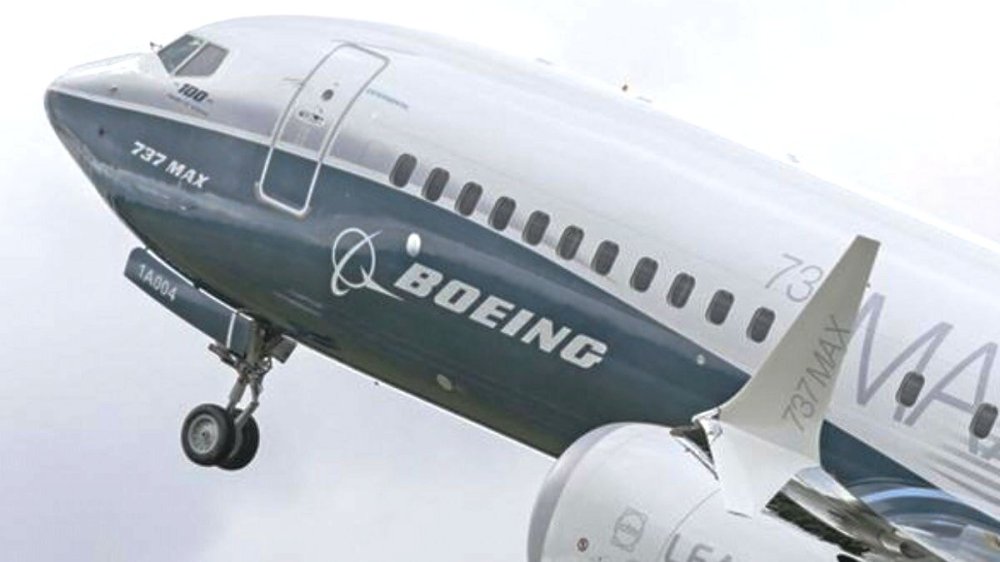
Los analistas dicen que con la línea de tiempo para terminar con la conexión a tierra del Boeing 737 MAX, la posibilidad de que Boeing reduzca la velocidad de producción de su avión insignia ha aumentado. La compañía está empezando a mostrar la tensión financiera de la crisis, y anunció el jueves que se necesitaría un cargo de $ 4,900 millones en sus ganancias del segundo trimestre para cubrir la compensación a los compradores del avión, quienes se han visto obligados a esperar la entrega mientras Boeing trabaja con los reguladores de seguridad de la aviación para solucionar los problemas que llevaron a dos accidentes aéreos que involucra a dos aeronaves Boeing 737-8 MAX.

En Abril 2019 Boeing redujo la producción de 737 de 52 aviones al mes a 42, pero esa producción todavía tiene un costo considerable que no se compara con los ingresos entrantes. Por lo general, Boeing solo cobra entre el 1% y el 5% del precio de compra del avión como anticipo, con el 50% final debido a la entrega y el saldo de los pagos a medida que se acerca la fecha de entrega. Boeing también dijo el jueves que las corridas de producción más pequeñas habían elevado los costos de producción para el programa en US$ 1.7 mil millones. Mientras tanto, los aviones no entregados se están acumulando en almacenamiento temporal, lo que presenta a Boeing con dolores de cabeza logísticos y de mantenimiento. «Me sorprendería mucho si no hubiera otro recorte de tasas por delante. Probablemente hasta 36 o así», dice Richard Aboulafia, analista aeroespacial del Teal Group.

Boeing mantuvo la línea de producción del 737 con todo su personal luego de su recorte de tasas en Abril, pero esta vez sería una posibilidad ha comunicado. Puede haber signos de una desaceleración pendiente ya en la cadena de suministro. Chris Olin, de Longbow Research, dijo en una nota el jueves que los pequeños proveedores de piezas aeroespaciales que sus letreros firmes informaron una fuerte caída en los pedidos en julio. Eso es «visto por algunos ejecutivos de alto nivel como un indicador líder de [737] recortes de producción adicionales» en la segunda mitad, escribió Olin. Según Olin, General Electric y la francesa Safran, que producen el motor LEAP-1B del avión a través de una empresa conjunta, podrían decidir reducir la producción de LEAP de forma independiente para 2020. Bajó su calificación de las acciones de los productores de metales especializados Arconic y Allegheny Technologies a neutral sobre la incertidumbre en la demanda futura.AW-Icon-TXT-01

Resultado de imagen para Boeing 737 MAXBoeing would cut production 737 MAX

Boeing-Logo.svg.pngBoeing Commercial Airplanes could cut production from the 737 MAX line

Analysts say that with the timeline to end the grounding of the Boeing 737 MAX, the possibility of Boeing reducing the production speed of its flagship aircraft has increased. The company is beginning to show the financial stress of the crisis, and announced on Thursday that it would need a charge of US$ 4.9 billion in its second-quarter earnings to cover compensation to aircraft buyers, who have been forced to wait delivery while Boeing works with aviation security regulators to solve the problems that led to two plane crashes involving two Boeing 737-8 MAX aircraft.

In April 2019 Boeing reduced the production of 737 from 52 aircraft per month to 42, but that production still has a considerable cost that does not compare with incoming revenues. In general, Boeing only charges between 1% and 5% of the purchase price of the plane as an advance, with the final 50% due to the delivery and balance of payments as the delivery date approaches. Boeing also said on Thursday that the smaller production runs had raised production costs for the program by US$ 1.7 billion. Meanwhile, undelivered aircraft are accumulating in temporary storage, which presents Boeing with logistical and maintenance headaches. «I would be very surprised if there were not another rate cut ahead, probably up to 36 or so», says Richard Aboulafia, aerospace analyst at the Teal Group.

Boeing maintained the production line of the 737 with all its personnel after its rate cut in April, but this time it would be a possibility it has communicated. There may be signs of a deceleration already pending in the supply chain. Chris Olin, of Longbow Research, said in a note on Thursday that small aerospace parts vendors that their firm signs reported a sharp drop in orders in July. That is «seen by some senior executives as a leading indicator of [737] additional production cuts» in the second half, Olin wrote. According to Olin, General Electric and France’s Safran, which produce the LEAP-1B engine of the plane through a joint venture, could decide to reduce LEAP production independently by 2020. It lowered its rating of shares of metal producers specialized Arconic and Allegheny Technologies to neutral about the uncertainty in future demand. A \ W


Ξ A I R G W A Y S Ξ
SOURCE: Airgways.com
DBk: Boeing.com / Cnn.com / Airgways.com
AW-POST: 201907202123AR

A\W   A I R G W A Y S ®


United adquirirá 54 Bombardier CRJ550

Resultado de imagen para Bombardier CRJ-700 assembly line

AW | 2019 07 20 21:01 | AIRLINES / INDUSTRY

Bombardier_logo[1].jpgUnited Airlines ha confirmado adquirir 54 Bombardier CRJ-550

United Airlines ha confirmado adquirir 54 jets regionales Bombardier CRJ-550 equipados en dos configuraciones de asientos de primera clase y economy. Bombardier Inc. ha cedido los derechos de la línea Canadair Regional Jet a Mitsubishi Heavy Industries con la compra de la patente de los aviones canadienses. Bombardier terminará de gestionar en adelante la producción y comercialización de los nuevos jet regionales. Los CRJ-550 se fabricarán en Canadá y se unirá a la aerolínea tan pronto como en 2020.

united-airlines-logo-emblem-png-5El CRJ-550 es una nueva aeronave que el constructor canadiense Bombardier va a desarrollar basado en el fuselaje del CRJ-700. Mitsubishi está promocionando el avión regional como el primer avión de clase triple con 50 asientos en el mundo. El CRJ550 reemplazará a los aviones regionales más antiguos. En un comunicado de prensa del fabricante de aviones canadiense, afirman que el CRJ550 es la única solución para la antigua flota de aviones de 50 asientos.

United configurará su nuevo avión para tener 10 asientos de primera clase. «El nuevo modelo CRJ550 es la única solución en América del Norte que puede reemplazar a la flota existente de 50 plazas, un mercado de más de 700 aviones. Ofrece una experiencia mejorada para los pasajeros con un amplio espacio de almacenamiento a bordo para bolsas de mano y más espacio para la vida de los pasajeros. Este es un ejemplo más de cómo nos estamos enfocando en crear valor para nuestros clientes y un respaldo muy importante de United en lo que respecta a la plataforma CRJ», dijo Fred Cromer, Presidente de Bombardier Commercial Aircraft.

Configuración de los CRJ550

Los CRJ550 de United tendrán 10 asientos de primera clase. El nuevo jet regional de 50 asientos de United estará equipado con 10 asientos de primera clase. El resto de la aeronave se compondrá de 20 asientos más economía y 20 asientos estándar de economía.

Los CRJ550 de United Airlines también contarán con grandes armarios de almacenamiento que eliminarán la necesidad de que los pasajeros revisen sus maletas. Más espacio de almacenamiento para los equipajes de mano. Además de esto, el avión viene con una estación de autoservicio para bebidas y refrigerios, y más espacio para las piernas por asiento que cualquier otro avión de 50 asientos volado por cualquier aerolínea estadounidense.

Actualización flota regional

Al hablar sobre los CRJ550 en febrero, los ejecutivos de United Airlines dijeron que los nuevos aviones ayudarían a su actual desventaja competitiva en algunos de los mercados más pequeños del país. Actualmente, los contratos de United con sus pilotos limitan la aerolínea a 255 grandes aviones regionales que cuentan con cabinas de primera clase. Al volar, el CRJ550 United Airlines ahora podrá introducir un servicio de primera clase en rutas más pequeñas mientras sigue cumpliendo con sus pilotos.

«Resolver nuestra desventaja estructural en comunidades más pequeñas es una prioridad. Estamos emocionados de ver al 550 en servicio y lo que nos va a hacer», dijo Andrew Nocella, Director Comercial de United, durante una llamada a las ganancias del segundo trimestre. Además de ayudar a United Airlines a nivelar el campo de juego en mercados más pequeños, el CRJ550 creará oportunidades de actualización para los viajeros frecuentes en rutas que actualmente vuelan aviones de 50 asientos con una configuración totalmente económica. Los nuevos CRJ550 de United arribarán a fines de 2019, se basará en su centro de Chicago O’Hare, inaugurando la ruta ORD-XNA, Chicago-Bentonville, Arkansas.

Mitsubishi Heavy Industries (MHI)

La transacción se cierre de venta del Programa CRJ a Mitsubishi podría concretarse en el primer semestre de 2020 y sigue sujeta a aprobaciones regulatorias y a las condiciones de cierre habituales.Aunque el acuerdo incluye los certificados de tipo CRJ-100, CRJ-200, CRJ-700, CRJ-900 y CRJ-1000, Mitsubishi dijo que no continuará con su producción.

En las instalaciones de producción de CRJ en Mirabel, Québec permanecerá con Bombardier. Bombardier continuará suministrando componentes y piezas de repuesto y ensamblará el atraso actual de CRJ en nombre de MHI. Se espera que la producción de CRJ concluya en la segunda mitad de 2020, después de la demora en las entregas de pedidos de aeronaves comerciales.AW-Icon-TXT-01

Resultado de imagen para Bombardier CRJ 550United will acquire 54 Bombardier CRJ550

Bombardier_old.svg.pngUnited Airlines has confirmed to acquire 54 Bombardier CRJ-550

United Airlines has confirmed the acquisition of 54 Bombardier CRJ-550 regional jets equipped in two configurations of first class and economy seats. Bombardier Inc. has assigned the rights of the Canadair Regional Jet line to Mitsubishi Heavy Industries with the purchase of the Canadian aircraft patent. Bombardier will now finish managing the production and marketing of the new regional jet. The CRJ-550 will be manufactured in Canada and will join the airline as early as 2020.

The CRJ-550 is a new aircraft that the Canadian constructor Bombardier iva to develop based on the fuselage of the CRJ-700. Mitsubishi is promoting the regional aircraft as the first triple class airplane with 50 seats in the world. The CRJ550 will replace the oldest regional aircraft. In a press release from the Canadian aircraft manufacturer, they claim that the CRJ550 is the only solution for the old fleet of 50-seat aircraft.

United will set up its new aircraft to have 10 first class seats. «The new CRJ550 model is the only solution in North America that can replace the existing 50-seater fleet, a market of more than 700 aircraft, offering an enhanced passenger experience with ample on-board storage space for bags. hand and more space for the lives of passengers, this is one more example of how we are focusing on creating value for our customers and a very important support of United with regards to the CRJ platform», said Fred Cromer, President of Bombardier Commercial Aircraft.

Configuration of the CRJ550

United CRJ550 will have 10 first class seats. United’s new 50-seat regional jet will be equipped with 10 first-class seats. The rest of the aircraft will consist of 20 seats plus economy and 20 standard economy seats.

The CRJ550 of United Airlines will also have large storage cabinets that will eliminate the need for passengers to check their bags. More storage space for hand luggage. In addition to this, the plane comes with a self-service station for beverages and snacks, and more legroom per seat than any other 50-seat plane flown by any US airline.

Regional fleet update

Speaking about the CRJ550s in February, United Airlines executives said the new aircraft would help their current competitive disadvantage in some of the smaller markets in the country. Currently, United’s contracts with its pilots limit the airline to 255 large regional aircraft that have first class cabins. By flying, the CRJ550 United Airlines will now be able to introduce a first class service on smaller routes while continuing to meet its pilots.

«Resolving our structural disadvantage in smaller communities is a priority, we are excited to see the 550 in service and what it will do to us», said Andrew Nocella, United’s Commercial Director, during a call for second-quarter earnings. In addition to helping United Airlines level the playing field in smaller markets, the CRJ550 will create upgrade opportunities for frequent travelers on routes currently flying 50-seat aircraft with a totally economical configuration. The new United CRJ550 will arrive at the end of 2019, will be based in its Chicago O’Hare center, inaugurating the ORD-XNA route, Chicago-Bentonville, Arkansas.

Mitsubishi Heavy Industries (MHI)

The transaction closing the sale of the CRJ Program to Mitsubishi could take place in the first half of 2020 and is still subject to regulatory approvals and the usual closing conditions. Although the agreement includes certificates of type CRJ-100, CRJ-200, CRJ- 700, CRJ-900 and CRJ-1000, Mitsubishi said it will not continue with its production.

At CRJ production facilities in Mirabel, Québec will remain with Bombardier, Bombardier will continue supplying components and spare parts and will assemble CRJ’s current backlog on behalf of MHI. CRJ production is expected to conclude in the second half of 2020 , after the delay in the delivery of commercial aircraft orders. A \ W


Ξ A I R G W A Y S Ξ
SOURCE: Airgways.com
DBk: Bombardier.com / Airgways.com / Lesailesduquebec.com
AW-POST: 201907202101AR

A\W   A I R G W A Y S ®

Comunicado financiero de Boeing

boeing-building (1).jpgAW | 2019 07 19 15:22 | INDUSTRY

Boeing-Company-Logo.jpgBoeing reconocerá el cargo y el aumento de los costos en el segundo trimestre debido a la conexión a tierra del 737 MAX

The Boeing Company anunció hoy que reconocerá un impacto en las ganancias cuando publique los resultados el 24 Julio 2019 sobre el 2Q2019. Las cantidades se relacionan con el gasto de las concesiones potenciales estimadas y otras consideraciones para los clientes y el impacto de una tasa de producción del Boeing 737 MAX más baja continua.

Boeing registrará un cargo después de impuestos de US$ 4.9 mil millones (US$ 8.74 por acción) en relación con un estimado de concesiones potenciales y otras consideraciones para los clientes por interrupciones relacionadas con la conexión a tierra de los Boeing 737 MAX y los retrasos de entrega asociados. Este cargo resultará en una reducción de US$ 5.6 mil millones de ingresos y ganancias antes de impuestos en el trimestre. Si bien la cantidad estimada total se reconocerá como un cargo en el segundo trimestre, la compañía espera que se otorguen posibles concesiones u otras consideraciones a lo largo de varios años y tomen varias formas de valor económico.

Además, los costos estimados de Boeing para producir la aeronave en la cantidad contable de los 737 aumentaron en US$ 1.7 mil millones en el segundo trimestre, principalmente debido a los mayores costos asociados con una reducción más larga de lo esperado en la tasa de producción. El aumento de los costos del Programa 737 reducirá el margen en el segundo trimestre y en los trimestres futuros.

AW-700737M002.jpgRetorno servicio 737 MAX

Boeing continúa trabajando con las autoridades de aviación civil para garantizar el retorno seguro al servicio del 737 MAX, y estas autoridades determinarán el momento de regreso al servicio. A los efectos de los resultados financieros del segundo trimestre, la compañía asumió que la aprobación regulatoria del retorno al servicio de 737 MAX en los Estados Unidos y otras jurisdicciones comienza a principios del cuarto trimestre de 2019. Este supuesto refleja la mejor estimación de la compañía en este momento, pero actual el tiempo de retorno al servicio podría diferir de esta estimación. Los resultados financieros del segundo trimestre supondrán un aumento gradual en la tasa de producción de 737 de 42 por mes a 57 por mes en 2020, y los aviones producidos durante la conexión a tierra e incluidos en el inventario se entregarán durante varios trimestres después de la devolución al servicio.

«Seguimos enfocados en devolver de manera segura el 737 MAX al servicio. Este es un momento definitorio para Boeing. Nada es más importante para nosotros que la seguridad de las tripulaciones de vuelo y los pasajeros que vuelan en nuestros aviones. La conexión a tierra MAX presenta fuertes vientos en contra y el impacto financiero reconocido en este trimestre refleja los desafíos actuales y ayuda a abordar futuros riesgos financieros», dijo el Presidente, Presidente y CEO de Boeing, Dennis Muilenburg.

El Director Financiero y Vicepresidente Ejecutivo de Desempeño Empresarial y Estrategia de Boeing, Greg Smith, agregó: «Estamos tomando las medidas adecuadas para administrar nuestra liquidez y aumentar la flexibilidad de nuestra hoja de balance de la mejor manera posible mientras trabajamos en estos desafíos. Nuestros esfuerzos de varios años en la gestión disciplinada de efectivo y el mantenimiento de un sólido balance, además de nuestra amplia y sólida oferta de cartera, nos ayudan a navegar en el entorno actual».

La orientación financiera de Boeing para 2019 emitida anteriormente no reflejaba los impactos relacionados con el 737 MAX. Debido a la incertidumbre del tiempo y las condiciones relativas al regreso al servicio de 737 MAX, se emitirán nuevas pautas en una fecha futura. Boeing emitirá su informe de resultados completo del segundo trimestre el 24 de julio y discutirá los resultados financieros y las perspectivas de la compañía, incluido el impacto de la puesta a tierra de 737 MAX, durante una conferencia telefónica ese día.AW-Icon-TXT-01

Resultado de imagen para Boeing 737 MAXBoeing financial statement

AW-70866.jpgBoeing will recognize the charge and increase costs in the second quarter due to the maximum ground connection of 737

The Boeing Company announced today that it will recognize an impact on earnings when it publishes the results on July 24, 2019 on 2Q2019. The amounts are related to the cost of the estimated potential concessions and other considerations for customers and the impact of a lower continuous production rate of the Boeing 737 MAX.

Boeing will post a post-tax charge of US$ 4.9 billion (US$ 8.74 per share) in connection with an estimate of potential concessions and other considerations for customers for interruptions related to the grounding of the Boeing 737 MAX and the associated delivery delays. This charge will result in a reduction of US$ 5.6 billion in revenue and earnings before taxes in the quarter. Although the total estimated amount will be recognized as a charge in the second quarter, the company expects that concessions or other considerations will be granted over several years and take various forms of economic value.

In addition, the estimated costs of Boeing to produce the aircraft in the amount of the 737 increased by US$ 1.7 billion in the second quarter, mainly due to the higher costs associated with a longer than expected reduction in the production rate. The increase in the costs of Program 737 will reduce the margin in the second quarter and in future quarters.

Resultado de imagen para Boeing 737 assembly line

Service return 737 MAX

Boeing continues to work with civil aviation authorities to ensure a safe return to the 737 MAX service, and these authorities will determine when to return to service. For the purposes of the second quarter’s financial results, the company assumed that the regulatory approval of the return to the 737 MAX service in the Estados Unidos and other jurisdictions begin at the beginning of the fourth quarter of 2019. This assumption reflects the best estimate of the company at this time, but current return time to service may differ from this estimate. Second quarter financial results will result in a gradual increase in the production rate from 737 from 42 per month to 57 per month in 2020, and aircraft produced during grounding and included in the inventory will be delivered for several quarters after the return to service.

«We are still focused on safely returning the 737 MAX to the service, this is a defining moment for Boeing, nothing is more important to us than the safety of the flight crews and the passengers that fly on our planes. it presents strong headwinds and the financial impact recognized in this quarter reflects current challenges and helps address future financial risks», said President, President and CEO of Boeing, Dennis Muilenburg.

The Chief Financial Officer and Executive Vice President of Business Performance and Strategy at Boeing, Greg Smith, added: «We are taking the right steps to manage our liquidity and increase the flexibility of our balance sheet in the best possible way while we work on these challenges. Multi-year efforts in disciplined cash management and maintaining a strong balance sheet, in addition to our broad and robust portfolio offer, help us navigate the current environment».

Boeing’s financial guidance for 2019 issued earlier did not reflect the impacts related to the 737 MAX. Due to the uncertainty of time and conditions regarding the return to the 737 MAX service, new guidelines will be issued at a future date. Boeing will issue its full second quarter results report on July 24 and discuss the company’s financial results and outlook, including the impact of 737 MAX grounding, during a conference call that day. A \ W


Ξ A I R G W A Y S Ξ
SOURCE: Airgways.com
DBk: Boeing.com / Airgways.com / Wsj.com
AW-POST: 201907191522AR

A\W   A I R G W A Y S ®


Lion Air 1er operador A330NEO

AW-7008Airbus.jpgAW | 2019 07 19 14:48 | AIRLINES / INDUSTRY

Logo_Airbus_2014.svg - copiaLion Air se convierte en el primer operador A330NEO en la región de Asia-Pacífico

Lion Air ha recibido su primer Airbus A330-900NEO, convirtiéndose en la primera aerolínea de la región de Asia-Pacífico para volar con la nueva variante A330NEO. La Resultado de imagen para lion air logomodalidad de posesión es en régimen de leasing de BOC Aviation. Lion Air ha colocado 10 órdenes por A330NEO para unirse a la flota de la aerolínea low cost indonesia. A330-900NEO de Lion Air está configurado para 436 pasajeros en una configuración de clase única.

El A330NEO será utilizada por Lion Air en servicios de larga distancia de Indonesia. Estos incluyen los vuelos de peregrinación desde ciudades como Makassar, Balikpapan y Surabaya a Jeddah y Medina en Arabia Saudita. El tiempo de vuelo para este tipo de rutas puede ser de hasta 12 horas.

El A330NEO es la verdadera construcción de aviones de nueva generación en las características más populares de cuerpo ancho de A330 y el aprovechamiento de la tecnología del A350 XWB. Las aeronaves estarán propulsadas por motores Rolls-Royce Trent 7000. El A330NEO ofrece un nivel sin precedentes de eficiencia con un 25% menor consumo de combustible por asiento que los competidores de la generación anterior. Equipado con la cabina de Airbus del espacio aéreo, el A330NEO ofrece una experiencia única de pasajeros con más espacio personal y el sistema de entretenimiento a bordo de última generación y conectividad.AW-Icon-TXT-01

AW-7008A002.jpgLion Air 1st operator A330NEO

Lion Air becomes the first A330NEO operator in the Asia-Pacific regionAW-70003224111.jpg

Lion Air has received its first Airbus A330-900NEO, becoming the first airline in the Asia-Pacific region to fly with the new A330NEO variant. The modality of ownership is under the leasing regime of BOC Aviation. Lion Air has placed 10 orders for A330NEO to join the fleet of the Indonesian low cost airline. Lion Air A330-900NEO is configured for 436 passengers in a single-class configuration.

The A330NEO will be used by Lion Air in Indonesia long distance services. These include pilgrimage flights from cities such as Makassar, Balikpapan and Surabaya to Jeddah and Medina in Saudi Arabia. The flight time for this type of routes can be up to 12 hours.

 The A330NEO is the true construction of new generation aircraft in the most popular wide body characteristics of A330 and the use of the technology of the A350 XWB. The aircraft will be powered by Rolls-Royce Trent 7000 engines. The A330NEO offers an unprecedented level of efficiency with 25% lower fuel consumption per seat than competitors of the previous generation. Equipped with the Airbus cabin of the airspace, the A330NEO offers a unique passenger experience with more personal space and the latest generation on-board entertainment system and connectivity. A \ W

AW-7008A001.jpgOperator Lion Air 1st A330NEO

Lion Air menjadi operator A330NEO pertama di wilayah Asia-Pasifik

Lion Air telah menerima Airbus A330-900NEO pertamanya, menjadi maskapai pertama di wilayah Asia-Pasifik yang terbang dengan varian A330NEO baru. Modalitas kepemilikan berada di bawah rezim leasing BOC Aviation. Lion Air telah memesan 10 pesanan untuk A330NEO untuk bergabung dengan armada maskapai berbiaya rendah Indonesia. Lion Air A330-900NEO dikonfigurasi untuk 436 penumpang dalam konfigurasi kelas tunggal.

A330NEO akan digunakan oleh Lion Air di layanan jarak jauh Indonesia. Ini termasuk penerbangan ziarah dari kota-kota seperti Makassar, Balikpapan dan Surabaya ke Jeddah dan Madinah di Arab Saudi. Waktu penerbangan untuk rute jenis ini bisa sampai 12 jam.

 A330NEO adalah konstruksi sebenarnya dari pesawat generasi baru dalam karakteristik tubuh lebar paling populer dari A330 dan penggunaan teknologi A350 XWB. Pesawat ini akan didukung oleh mesin Rolls-Royce Trent 7000. A330NEO menawarkan tingkat efisiensi yang belum pernah terjadi sebelumnya dengan konsumsi bahan bakar 25% lebih rendah per kursi daripada pesaing dari generasi sebelumnya. Dilengkapi dengan kabin Airbus di wilayah udara, A330NEO menawarkan pengalaman penumpang yang unik dengan ruang yang lebih pribadi dan sistem hiburan dan konektivitas generasi terbaru. A \ W


Ξ A I R G W A Y S Ξ
SOURCE: Airgways.com
DBk: Airbus.com / Lionair.co.id / Airgways.com
AW-POST: 201907191448AR

A\W   A I R G W A Y S ®


United presiona a Boeing por 797

Resultado de imagen para United fleet Boeing 757 767AW | 2019 07 18 12:46 | AIRLINES / INDUSTRY

united-airlines-logo-emblem-png-5United Airlines presiona a Boeing por decisión de producción del nuevo producto MNA

United Airlines Holdings Inc. solicitó a The Boeing Company información sobre un nuevo avión de línea propuesto para rutas de media distancia, incluso cuando el fabricante americano está intentado competir en la franja de mercado medio con el Boeing 737 MAX y al mismo tiempo devolver la aeronave a los cielos después de la puesta a tierra por problemas de seguridad en la MCAS.

United, renovación de flota

United Airlines es la segunda aerolínea más grande del mundo se encuentra en proceso de renovación de flota para reemplazar unas 130 aeronaves Boeing 757/767 empleadas en rutas nacionales e internacionales. La antigüedad de los aviones que son menos eficientes que los aviones más nuevos hacen que la aerolínea necesite una renovación de flota a corto plazo.

Mientras Boeing se mantiene indeciso acerca de la construcción de su nuevo avión mediano (NMA); Airbus SE sigue adelante con una versión de mayor alcance denominada A321NEO XLR. «Nos gustaría ver algo de claridad para poder tomar una decisión, pero tenemos poco de tiempo», dijo el Jefe de Finanzas de United, Gerry Laderman, en una conferencia telefónica el miércoles para discutir las ganancias.

El A321NEO XLR (eXtra Long Range) de mayor alcance aumenta la presión sobre Boeing para proporcionar más detalles sobre la NMA, conocido como Boeing 797, para que los clientes puedan evaluar qué modelo se adapta mejor a sus necesidades. Mientras Boeing continúa estudiando el caso de negocios para la NMA con el objetivo de iniciar el servicio comercial en 2025, la principal prioridad de la compañía es devolver al 737 MAX al servicio después de dos accidentes aéreos y una puesta a tierra que ya ha durado cuatro costosos meses.

Futuro NMA

Los planes de Boeing para la NMA están en duda después de que el fabricante de aeronaves con sede en Chicago reasignó la semana pasada al ejecutivo que encabeza el esfuerzo, Mark Jenks, para hacerse cargo del Programa 737. Mike Sinnett, un ingeniero sénior que había estado al frente de la estrategia de productos de Boeing y del futuro equipo de desarrollo de aviones, agregó el Proyecto NMA a su cartera ejecutiva. «Este movimiento parece una clara señal de que el programa de NMA está en el hielo. Si bien esto no implica que el programa NMA no suceda, ahora parece que no sucederá pronto», dijo el analista de Bank of America Corp. Ron Epstein.

En Junio 2019, Airbus presentó el A321XLR, que puede volar 4.700 millas náuticas, más que cualquier otro cuerpo estrecho en el mercado. El avión se posiciona como un sucesor más eficiente en el consumo de combustible del descontinuado Boeing 757 capaz de conectar ciudades más pequeñas que no pueden soportar el servicio de aviones más grandes.

«Boeing es consciente, y no solo somos nosotros, que la industria quiere saber el momento de la NMA», dijo Laderman, negándose a dar detalles sobre cuándo United tomará la decisión de reemplazo. United Airlines tiene una flota de 75 Boeing 757 y 52 Boeing 767 en servicios que necesitan un reemplazo próximamente.

Competitividad en los cielos

Boeing ¿será capaz de ofrecer mejores oportunidades a las aerolíneas, después de perder la línea de producción de los Boeing 757/767, postergar el inicio del Proyecto 797 y luchar con la puesta en servicio del Boeing 737 MAX? El panorama es un tanto sombrío y las expectativas de ventas del constructor americano podría perder la pulseada en favor de Airbus que persigue conquistar los cielos con sus nuevos productos.AW-Icon-TXT-01.png

AW-70007577.jpgUnited Holdings presses Boeing for 797

united-airlines-logo-emblem-png-5.pngUnited Airlines pressures Boeing for decision to produce the new MNA product

United Airlines Holdings Inc. asked The Boeing Company for information about a proposed new line aircraft for medium-haul routes, even when the American manufacturer is trying to compete in the mid-market slot with the Boeing 737 MAX and at the same time return the aircraft to the heavens after grounding due to safety issues in the MCAS.

United, fleet renewal

United Airlines is the second largest airline in the world is in the process of renewing its fleet to replace some 130 Boeing 757/767 aircraft used in national and international routes. The antiquity of airplanes that are less efficient than newer airplanes means that the airline needs a fleet renewal in the short term.

While Boeing remained undecided about the construction of his new medium plane (NMA); Airbus SE goes ahead with a larger version called A321NEO XLR. «We would like to see some clarity in order to make a decision, but we have little time», United’s Chief Financial Officer Gerry Laderman said in a conference call on Wednesday to discuss the winnings.

The longer-range A321NEO XLR (eXtra Long Range) increases the pressure on Boeing to provide more details about the NMA, known as Boeing 797, so customers can evaluate which model best suits their needs. While Boeing continues to study the business case for the NMA with the goal of starting commercial service in 2025, the company’s top priority is to return the 737 MAX to service after two plane crashes and a grounding that has already lasted four years. expensive months.

Future NMA

Boeing’s plans for the NMA are in doubt after the Chicago-based aircraft maker reassigned last week to the executive leading the effort, Mark Jenks, to take over the 737 program. Mike Sinnett, a senior engineer who had He was at the forefront of Boeing’s product strategy and the future aircraft development team, adding the NMA Project to his executive portfolio. «This move seems like a clear signal that the NMA program is on the ice.» While this does not mean the NMA program does not happen, now it seems that it will not happen soon», said Bank of America Corp. analyst Ron Epstein.

In June 2019, Airbus introduced the A321XLR, which can fly 4,700 nautical miles, more than any other narrow body on the market. The aircraft is positioned as a more efficient successor to the fuel consumption of the discontinued Boeing 757 capable of connecting smaller cities that can not support the service of larger aircraft.

«Boeing is aware, and it’s not just us, that the industry wants to know the timing of the NMA», Laderman said, refusing to give details about when United will make the replacement decision. United Airlines has a fleet of 75 Boeing 757 and 52 Boeing 767 in services that need a replacement soon.

Competitiveness in the heavens

Will Boeing be able to offer better opportunities to airlines, after losing the production line of the Boeing 757/767, postponing the start of Project 797 and fighting with the commissioning of the Boeing 737 MAX? The outlook is somewhat bleak and sales expectations of the American manufacturer could lose the arm wrestling in favor of Airbus that seeks to conquer the skies with its new products. A \ W


Ξ A I R G W A Y S Ξ
SOURCE: Airgways.com
DBk: United.com / Boeing.com / Airgways.com
AW-POST: 201907181246AR

A\W   A I R G W A Y S ®