Décimo COMAC ARJ21-700

AW | 2017 11 24 19:30 | INDUSTRY

COMAC_logoPuesta a punto del décimo COMAC ARJ-21-700

ARJ21.SVGLa República Popular de China ha invertido mucho en tecnología de aeronaves civiles, producido y lanzado oficialmente un nuevo avión hace 10 años atrás.

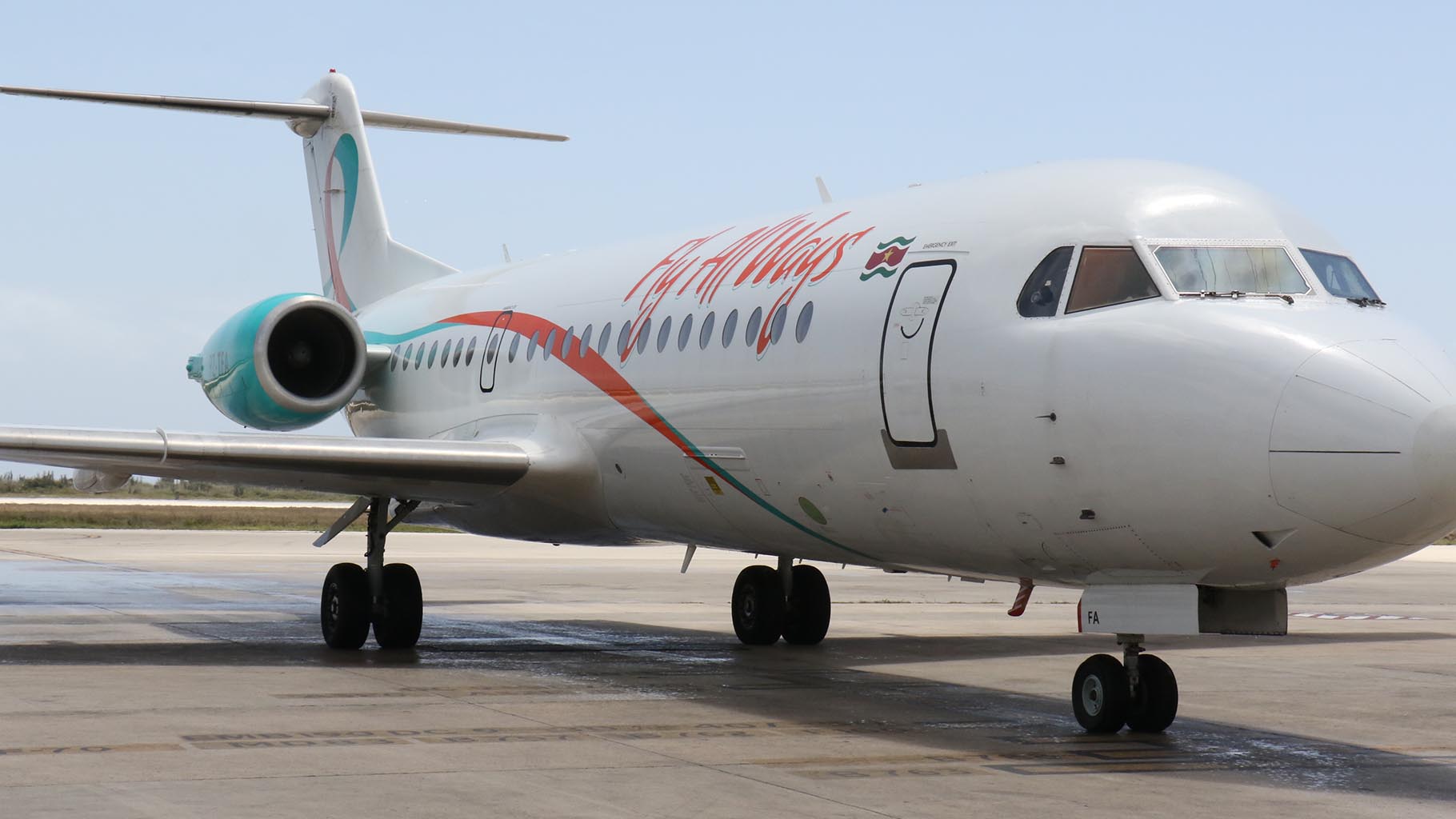
El décimo ARJ21-700 producido por China Commercial Airplane Company (COMAC) salió de la fábrica con serie AC108 provino de la base de COMAC en el aeropuerto de Shanghai Dachang. El vuelo de prueba de vuelo en curso está programado para ser entregado a Chengdu Airlines pronto.

ARJ21-700 AC108 completó el vuelo inaugural en Shanghai el 1 de noviembre de 2017. El avión despegó a las 15:00 hs y aterrizó con seguridad en la base aérea Shanghai Dachang a las 16:55 hs después de un vuelo de 1 hora y 55 minutos, durante el cual un vuelo de producción la prueba se completó y se verificó el rendimiento de cada sistema de AC108.

Desarrollo del ARJ-21

s-l300 (1)

El desarrollo del ARJ21 (Advanced Regional Jet) es un proyecto clave en el «10º Plan Quinquenal» de China. Comenzó en marzo de 2002. El primer prototipo (número de serie 101) se lanzó el 21 de diciembre de 2007. El avión completó un vuelo de prueba de larga distancia el 15 de julio de 2009, volando de Shanghai a Xi’an en 2 horas y 19 minutos, a lo largo de una distancia de 1.300 km. El segundo ARJ21 (número de serie 102) completó la misma ruta de vuelo de prueba el 24 de agosto de 2009. La tercera aeronave (número de serie 103) completó su primer vuelo de prueba el 12 de septiembre de 2009.

Números del ARJ21-700
Por otro lado, COMAC ha anunciado que ARJ 21-700 ha transportado 30,000 pasajeros desde 2016, cuando comenzó vuelos comerciales. El avión recibió 433 pedidos de la mayoría de las compañías chinas.

El primer vuelo comercial del ARJ 21-700 fue iniciado por Chengdu Airlines en la ruta Chengdu-Shanghai en Julio de 2016. El 21 de Diciembre 2017 el Programa ARJ-21 cumplirá 10 años de su lanzamiento. AIRWAYS® AW-Icon TXT


arj21_vector_by_boeingboeing2-d6xmpzt (1).png

Tenth COMAC ARJ21-700

Tuning of the tenth COMAC ARJ-21-700

The People’s Republic of China has invested heavily in civil aircraft technology, produced and officially launched a new plane 10 years ago.

The tenth ARJ21-700 produced by China Commercial Airplane Company (COMAC) left the factory with AC108 series came from the COMAC base at the Shanghai Dachang airport. The flight test flight in progress is scheduled to be delivered to Chengdu Airlines soon.

ARJ21-700 AC108 completed the maiden flight in Shanghai on November 1st, 2017. The aircraft took off at 15:00 and landed safely at Shanghai Dachang Airbase at 16:55 after a flight of 1 hour and 55 minutes, during which a production flight test was completed and the performance of each system of AC108 was verified.

Development of the ARJ-21
The development of the ARJ21 (Advanced Regional Jet) is a key project in the «10th Five-Year Plan» of China. It started in March 2002. The first prototype (serial number 101) was launched on December 21, 2007. The aircraft completed a long-distance test flight on July 15, 2009, flying from Shanghai to Xi’an in 2 hours and 19 minutes, over a distance of 1,300 km. The second ARJ21 (serial number 102) completed the same test flight route on August 24, 2009. The third aircraft (serial number 103) completed its first test flight on September 12, 2009.

ARJ21-700 numbers
On the other hand, COMAC has announced that ARJ 21-700 has transported 30,000 passengers since 2016, when commercial flights began. The aircraft received 433 orders from most of the Chinese companies.

The first commercial flight of the ARJ 21-700 was started by Chengdu Airlines on the Chengdu-Shanghai route in July 2016. On December 21, 2017, the ARJ-21 Program will be 10 years after its launch. A \ W


Ξ A I R G W A Y S Ξ
SOURCE:  Airgways.com
DBk: Comac.cc / Kokpit.aero / Airgways.com
AW-POST: 201711241930AR

A\W   A I R G W A Y S ®

Conversión 1er B737-800NG carguero

boeing-737-bcf

AW | 2017 11 24 18:55 | INDUSTRY / ENGINEERING

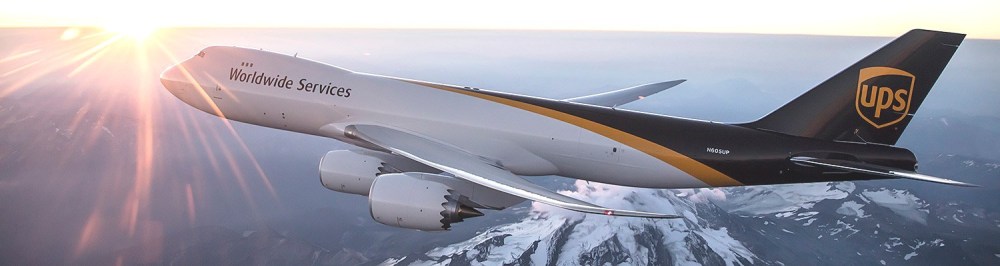
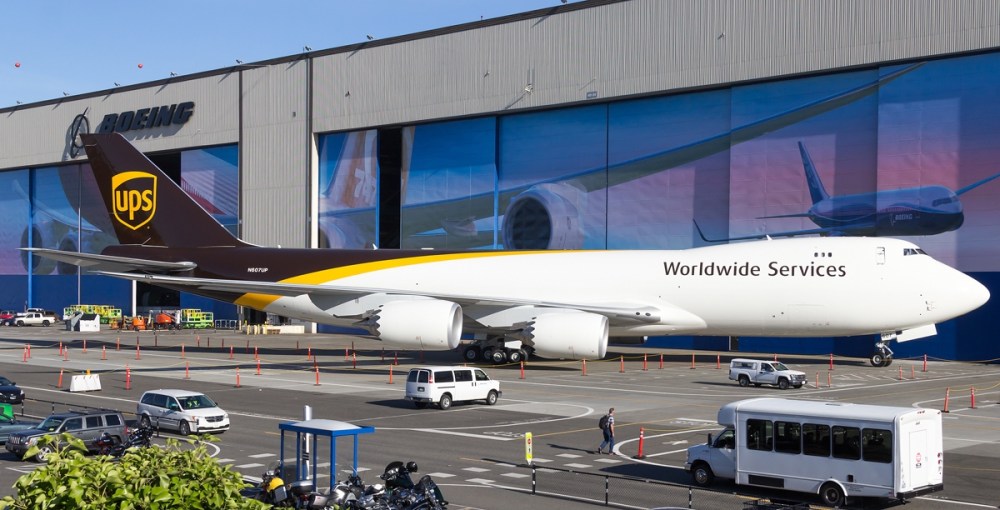
Boeing-Logo.svgBoeing ha completado su primera conversión del Boeing 737-800 Next Generation de pasajero a aeronave de carga

La aerolínea sueca West Atlantic será el primer operador del Boeing 737-800BCF. Boeing-737-800BCF-CGIBoeing Shanghai Aviation Services de China ha sido seleccionada para la realización de las modificaciones del primer Boeing 737-800 de pasajeros a la versión Boeing Converted Freighter (BCF).

La aeronave está programada para ser certificada a fines de Diciembre 2017 y entregada a West Atlantic a principios de Febrero 2018.

Flight Fleets Analyzer muestra que el Boeing 737-800 (MSN 32740) fue fabricado en 2004 y operado por varias aerolíneas, incluida la extinta aerolínea estadounidense Ryan International Airlines y el operador chárter checo Travel Service. GECAS, que administró el avión a lo largo de su vida útil, en junio reveló un acuerdo por el cual alquila cuatro aviones 737-800 a West Atlantic. Todos los aviones deben entregarse en 2019.

Además de Boeing Shanghai, el fabricante estadounidense se asoció con el especialista chino en mantenimiento Taikoo Aircraft Engineering como centro de modificación para su programa Boeing 737-800BCF.

A principios de este año, Israel Aerospace Industries entregó el primer carguero convertido Boeing 737-700NG de Alaska Airlines.  AIRWAYS® AW-Icon TXT

AW-700B737BCF

Complete conversion 1st Boeing737-800NG freighter

Boeing-Logo.svgBoeing has completed its first conversion of the Boeing 737-800 Next Generation passenger to cargo aircraft

The Swedish airline West Atlantic will be the first operator of the Boeing 737-800BCF. Boeing Shanghai Aviation Services of China has been selected to carry out the modifications of the first passenger Boeing 737-800 to the Boeing Converted Freighter version (BCF).

The aircraft is scheduled to be certified by the end of December 2017 and delivered to West Atlantic at the beginning of February 2018.

Flight Fleets Analyzer shows that the 737-800 (MSN 32740) was manufactured in 2004 and operated by several airlines, including the defunct US airline Ryan International Airlines and the Czech charter operator Travel Service. GECAS, which managed the aircraft throughout its useful life, in June revealed an agreement whereby it rents four 737-800 aircraft to West Atlantic. All aircraft must be delivered by 2019.

In addition to Boeing Shanghai, the US automaker partnered with Chinese maintenance specialist Taikoo Aircraft Engineering as a modification center for its Boeing 737-800BCF program.

Earlier this year, Israel Aerospace Industries delivered the first converted Alaska  Airlines Boeing 737-700NG freighter. A \ W


Ξ A I R G W A Y S Ξ
SOURCE:  Airgways.com
DBk: Boeing.com
AW-POST: 201711241855AR

A\W   A I R G W A Y S ®

Ensamblaje primer Boeing 737-7 MAX

AW-700007377.png

AW | 2017 11 23 12:34 |INDUSTRY

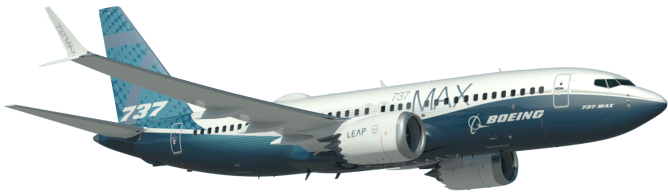
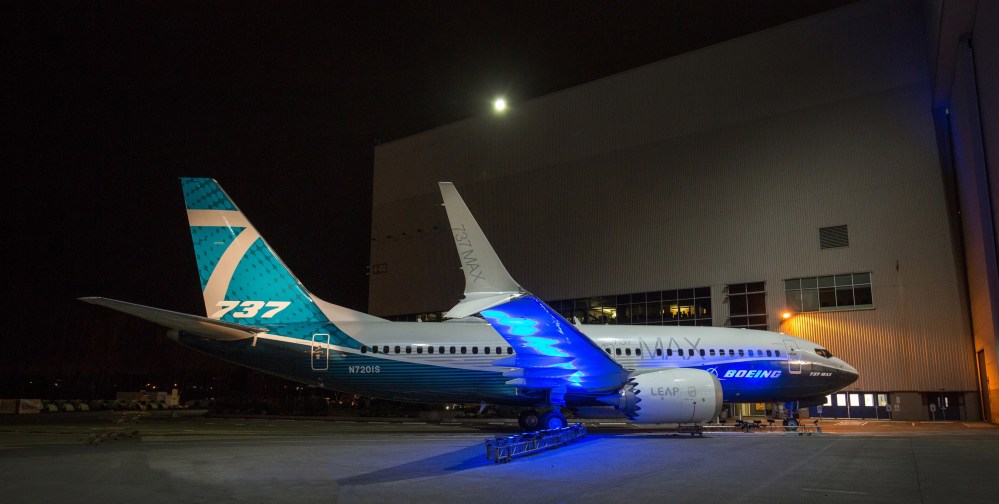
FK,4923,36,737-max-round-pinBoeing-Logo.svgThe Boeing Co. comenzó el montaje final del Boeing 737-7 MAX

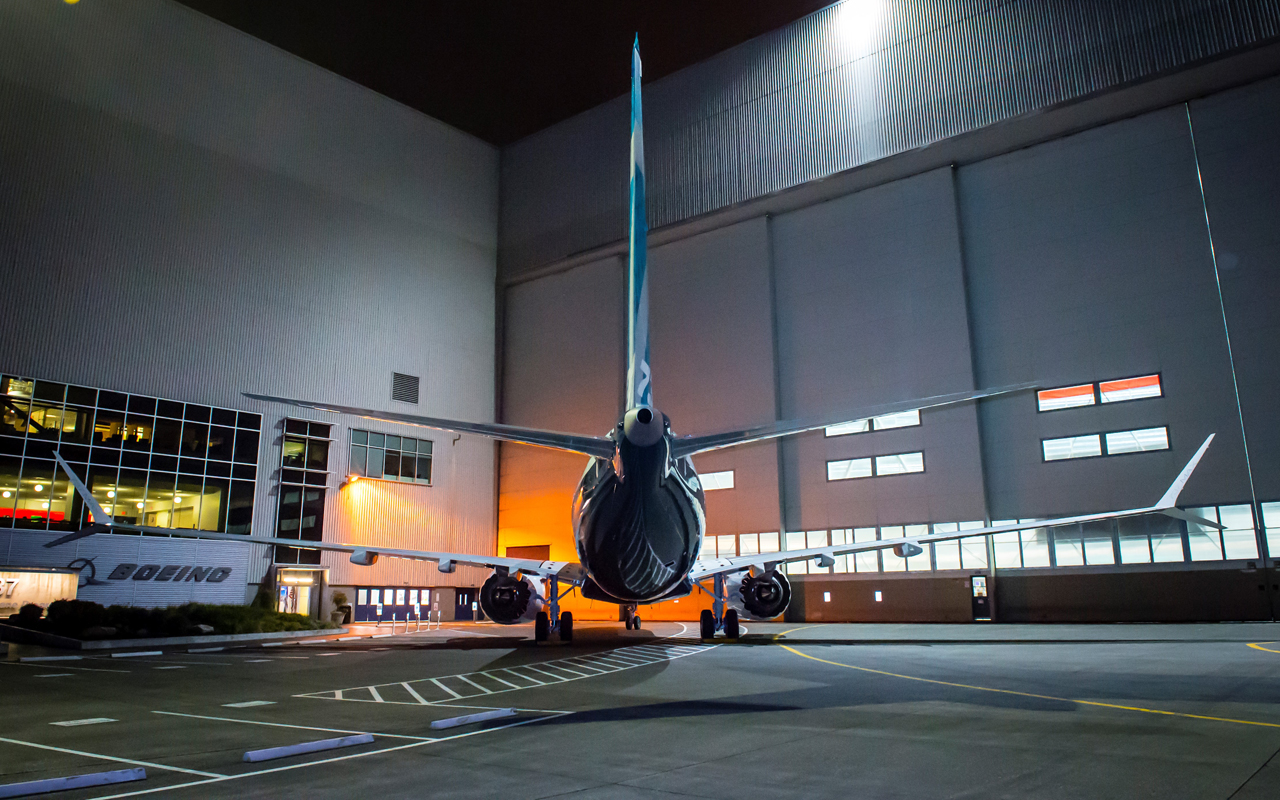
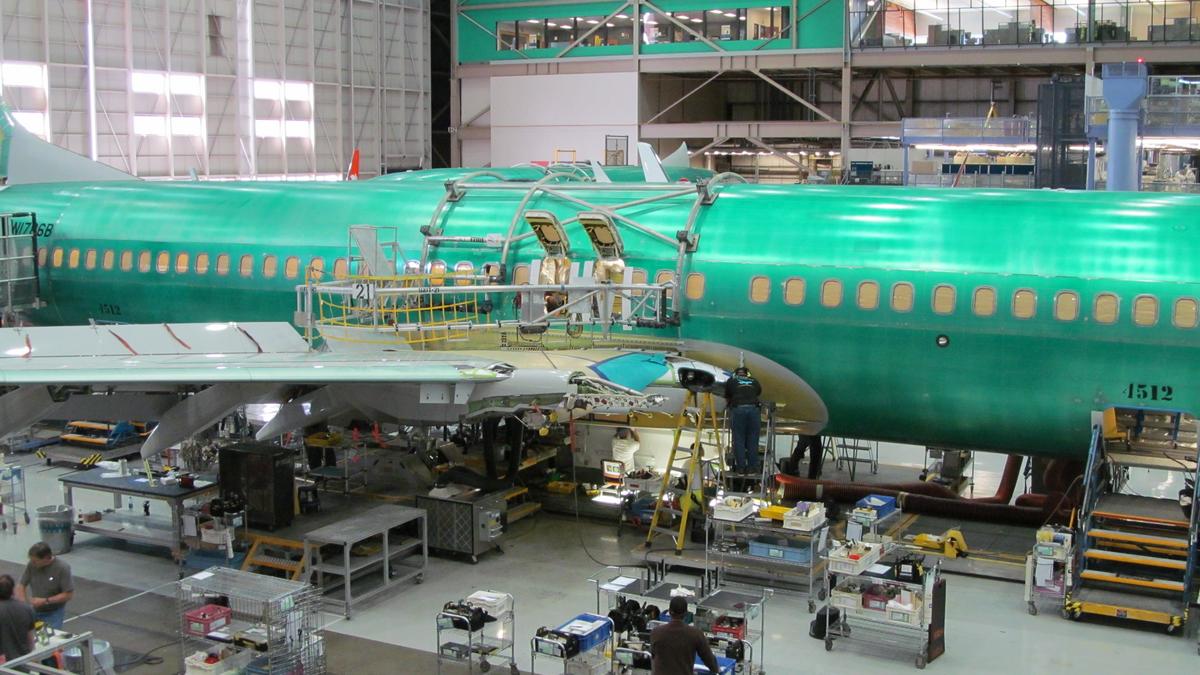
Boeing ha comenzado el proceso de ensamblaje de partes del Boeing 737-7 MAX en la línea de producción en Renton Everett, en el Estado de Washington. Con este ensamblaje comienza la cosntrucción de la variante más pequeña de la familia 737 MAX.

El fabricante estadounidense dijo el 22 de noviembre en su cuenta de Twitter que «el ensamblaje final de nuestro primer Boeing 737-7 MAX ha comenzado oficialmente en nuestra planta de Renton. Después de la producción del primer larguero de ala a principios de Octubre 2017, las secciones de nariz y fuselaje llegaron a la fábrica».

AW-700854544.png

SOUTHWEST AIRLINES ES EL PRIMER CLIENTE DEL BOEING 737-7 MAX

El primer avión de prueba de vuelo MAX 7 ahora se carga en una posición de ensamblaje final dentro del centro de producción de un solo pasillo de Boeing en Renton, Washington. El ensamblaje final comienza después de que llega un fuselaje completo de Spirit AeroSystems. Boeing fabrica las alas para el 737 MAX en un edificio adyacente a los hangares de montaje final en Renton. CFM International envía motores Leap-1B que se instalan al final del proceso de ensamblaje final.

El Boeing 737 MAX es una familia de aviones de pasajeros desarrollada por el fabricante aeronáutico estadounidense Boeing Commercial Airplanes a partir de la familia Boeing 737 Next Generation. El programa se inició el 30 de agosto de 2011 realizó el primer vuelo el 29 de enero de 2016 y obtuvo la certificación de la FAA el 9 de marzo de 2017. La primera entrega fue un MAX 8 el 16 de mayo de 2017 para Malindo Air, que inició operaciones seis días después.

El «MAX 7»
Boeing anunció el rediseño del MAX 7, un rediseño del Boeing 737-700, es un programa derivado del MAX 8 que fue anunciado en el Salón Aeronáutico de Farnborough en Julio de 2016

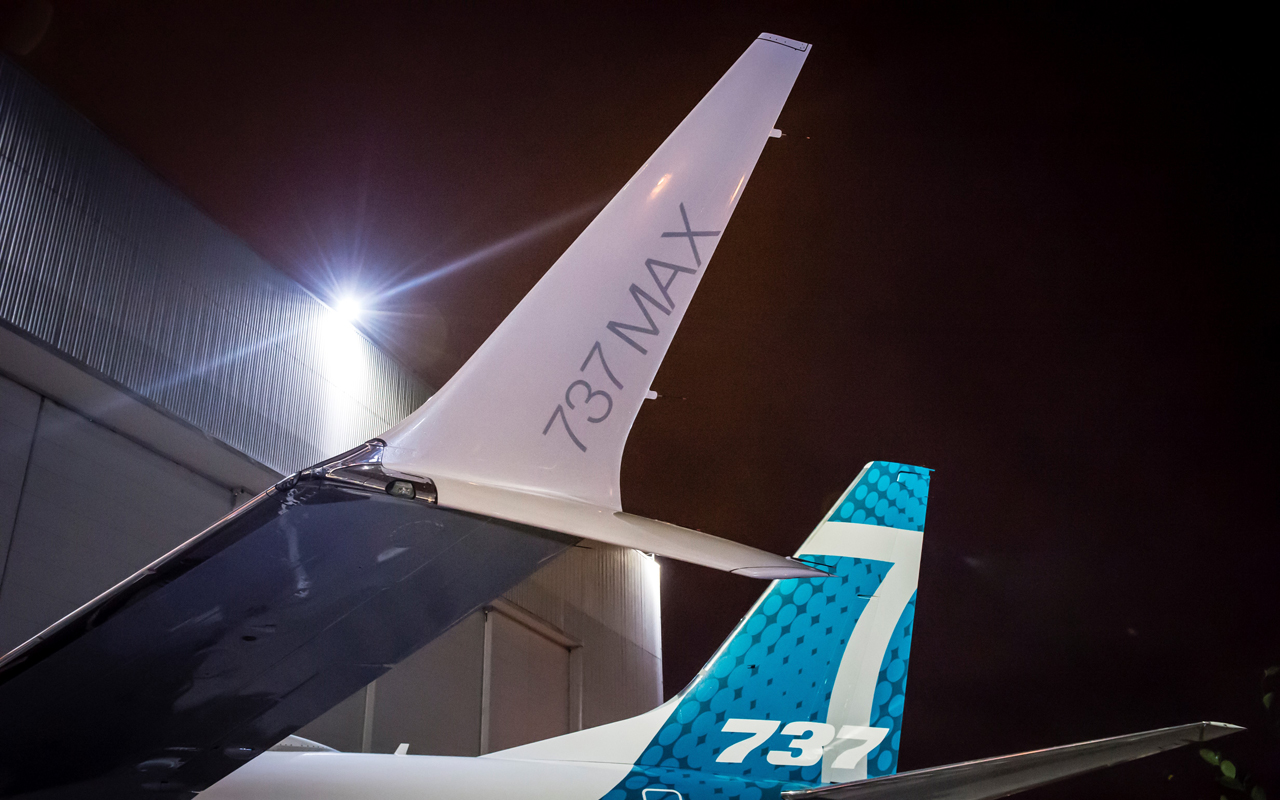
La configuración de pax acomoda dos filas más de asientos que el 737-700. Originalmente el Boeing 737-7 MAX tenía una dimensiones y configuraciones similares a la serie 700. Posteriormente fue rediseñado los planos para ser más atractivas a las aerolíneas. El rediseño utiliza las alas y el tren de aterrizaje del Boeing 737-8, salidas de emergencia dobles sobre las alas en lugar de la configuración de una sola puerta del proyecto original. Alarga el fuselaje 1,9 metros con respecto al serie 700. Reajusta y fortalece la estructura y modifica los sistemas e interiores para dar cabida a la mayor longitud.​ El MAX 7 es unos 4 metros más cortos que el MAX 8. Equipado con motores LEAP-1B de CFM International y aletas marginales, tiene un alcance de 3,825 nm (7,080 km). Boeing planea mejorar su alcance de 3850 millas náuticas (7130 km) a 3915 mn (7251 kilómetros) después de 2021.​ Está planeado para entrar en servicio en el segundo trimestre de 2019. El 737-7 MAX dispondrá de una configuración entre los 138-153 asientos en un diseño de dos clases. Boeing ofrece para el MAX 7 varios ‘accesorios’ que incluyen un mayor peso de despegue, turbinas CFM Leap-1B más potentes y aviónica avanzada con RNP AR.

El Boeing 737-7 MAX es el modelo mas modesto de la familia MAX. Los clientes de esta variante incluyen Southwest Airlines (30), WestJet (23), Canada JetLines (5) y Air Lease Corporation (5). La primera entrega se espera para Enero 2019 para su cliente de lanzamiento Southwest Airlines.

Todas las variantes de la serie «MAX» la conforman el MAX 7, MAX 8, MAX 200, MAX 9 y MAX 10. El 737 MAX tiene pedidos en firme por un total neto de más de 4.000 órdenes en firme.  AIRWAYS® AW-Icon TXT

AW-70083777.png

Boeing 737-7 MAX first assembly begins

Boeing-Company-LogoThe Boeing Co. began the final assembly of the Boeing 737-7 MAX

Boeing has begun the process of assembling parts of the Boeing 737-7 MAX into the production line at Renton Everett, in the State of Washington. With this assembly begins the construction of the smallest variant of the 737 MAX family.

BI41597.jpgThe US automaker said on its Twitter account on November 22 that «the final assembly of our first Boeing 737-7 MAX has officially begun at our Renton plant after the production of the first wing stringer at the beginning of October 2017, the nose and fuselage sections came to the factory».

The first MAX 7 flight test aircraft is now loaded into a final assembly position within Boeing’s single-aisle production facility in Renton, Washington. The final assembly begins after a full fuselage of Spirit AeroSystems arrives. Boeing manufactures the wings for the 737 MAX in a building adjacent to the final assembly hangars in Renton. CFM International ships Leap-1B motors that are installed at the end of the final assembly process.

The Boeing 737 MAX is a family of airliners developed by the American aircraft manufacturer Boeing Commercial Airplanes from the Boeing 737 Next Generation family. The program began on August 30, 2011, made the first flight on January 29, 2016 and obtained the FAA certification on March 9, 2017. The first delivery was a MAX 8 on May 16, 2017 for Malindo Air , which started operations six days later.

The «MAX 7»
Boeing announced the redesign of the MAX 7, a redesign of the Boeing 737-700, is a program derived from the MAX 8 that was announced at the Farnborough Airshow in July 2016.

AW-7000076222.jpg

The pax configuration accommodates two more rows of seats than the 737-700. Originally the Boeing 737-7 MAX had dimensions and configurations similar to the 700 series. Later, the planes were redesigned to be more attractive to the airlines. The redesign uses the wings and landing gear of the Boeing 737-8, double emergency exits on the wings instead of the single-door configuration of the original project. Extends the fuselage by 1.9 meters with respect to the 700 series.Rejusts and strengthens the structure and modifies the systems and interiors to accommodate the longer length.The MAX 7 is about 4 meters shorter than the MAX 8. Equipped with engines LEAP-1B of CFM International and marginal fins, has a range of 3.825 nm (7,080 km). Boeing plans to improve its range from 3850 nautical miles (7130 km) to 3915 nm (7251 kilometers) after 2021. It is planned to enter service in the second quarter of 2019. The 737-7 MAX will have one configuration among the 138 -153 seats in a two class design. For the MAX 7, Boeing offers several ‘accessories’ that include a greater takeoff weight, more powerful CFM Leap-1B turbines and advanced avionics with RNP AR.

The Boeing 737-7 MAX is the most modest model in the MAX family. Customers of this variant include Southwest Airlines (30), WestJet (23), Canada JetLines (5) and Air Lease Corporation (5). The first delivery is expected for January 2019 for its launch customer Southwest Airlines.

All the variants of the «MAX» series are made up of the MAX 7, MAX 8, MAX 200, MAX 9 and MAX 10. The 737 MAX has firm orders for a net total of more than 4,000 firm orders. A \ W


Ξ A I R G W A Y S Ξ
SOURCE:  Airgways.com
DBk: Boeing.com
AW-POST: 201711231234AR

A\W   A I R G W A Y S ®

MC-21 completó pruebas estáticas alar

Resultado de imagen para MC-21-300

AW | 2017 11 23 10:35 | INDUSTRY

El MC-21 completó con éxito las pruebas estáticas alar

El Instituto Central de Aerohidrodinámica Zhukovski (TsAGI, por sus siglas en ruso), completó con éxito las pruebas estáticas del cajón alar del avión de pasajeros ruso MC-21-300.

El MC-21 es un proyecto de avión de pasajeros bimotor de corto y medio alcance, en desarrollo por las empresas rusas Irkut y Yakovlev, que forman parte del grupo empresarial United Aircraft Corporation (UAC).

Las pruebas estáticas sirven para corroborar que los parámetros del diseño corresponden a los calculados y permiten evaluar la confiabilidad y la durabilidad del diseño de un nuevo avión. Los ensayos en cuestión buscaron confirmar que los prototipos del avión fueran seguros para las pruebas de vuelo. Según informó el propio instituto, el ala ha superado las cargas máximas de vuelo con éxito. En abril del año pasado la primera variante del ala compuesta colapsó durante las pruebas estáticas bajo una carga de poco menos del 100% del diseño máximo.

La carga límite de una pieza de la estructura de la aeronave en el diseño se calcula de tal manera que son al menos 1,5 veces mayores que las cargas operacionales máximas con las que la aeronave puede enfrentarse en vuelo real. Es decir, la rotura del primer diseño del ala se produjo entre el 140% y el 150% de esta carga límite.

Al investigar el fallo, los especialistas del TsAGI determinaron que el diseñador del ala, buscando reducir su masa, no alcanzó la durabilidad establecida por el proyecto. Los ingenieros rusos decidieron reforzar el ala del MC-21 aún más con elementos adicionales. La pieza será 25 kilogramos más pesada, pero se estima que esto no afectará al peso máximo de despegue del MC-21.

Las inspecciones de la nueva variante del diseño del ala han demostrado que el cajón ya es capaz de soportar cargas más allá de las demandas calculadas del proyecto. El uso de materiales compuestos es una de las peculiaridades del avión MC-21.

El proyecto ruso tiene más piezas elaboradas de estos materiales que cualquier rival de su clase, lo que le permite al avión ruso ofrecer ventajas tangibles a los futuros clientes en cuanto al peso de la aeronave y su consumo de combustible. AIRWAYS® AW-Icon TXT

MC-21 completed static tests alar

The MC-21 successfully completed the static alar tests

The Central Zhukovsky Aerohydrodynamic Institute (TsAGI) successfully completed the static tests of the Russian passenger plane MC-21-300 wing drawer.

The MC-21 is a short and medium-range twin-engine passenger aircraft project under development by the Russian companies Irkut and Yakovlev, which are part of the United Aircraft Corporation (UAC) business group.

The static tests serve to corroborate that the design parameters correspond to the calculated ones and allow to evaluate the reliability and durability of the design of a new airplane. The tests in question sought to confirm that the prototypes of the aircraft were safe for flight tests. As reported by the institute itself, the wing has exceeded the maximum flight charges successfully. In April of last year the first variant of the composite wing collapsed during the static tests under a load of just under 100% of the maximum design.

The limit load of a piece of the aircraft structure in the design is calculated in such a way that they are at least 1.5 times greater than the maximum operational loads with which the aircraft can face in real flight. That is, the break of the first wing design occurred between 140% and 150% of this limit load.

When investigating the failure, the specialists of the TsAGI determined that the designer of the wing, looking to reduce its mass, did not reach the durability established by the project. The Russian engineers decided to reinforce the wing of the MC-21 even more with additional elements. The piece will be 25 kilograms heavier, but it is estimated that this will not affect the maximum take-off weight of the MC-21.

Inspections of the new variant of the wing design have shown that the box is already capable of supporting loads beyond the calculated demands of the project. The use of composite materials is one of the peculiarities of the MC-21 aircraft.

The Russian project has more pieces made of these materials than any rival of its kind, which allows the Russian aircraft to offer tangible advantages to future customers in terms of the weight of the aircraft and its fuel consumption. A \ W


Ξ A I R G W A Y S Ξ
SOURCE:  Airgways.com
DBk: Uacrussia.ru / Aex.ru
AW-POST: 201711231035AR

A\W   A I R G W A Y S ®

Airbus Centro Innovación en Shenzhen

AW | 2017 11 22 15:12 | INDUSTRY

airbus-logo-3d-1024x905 (1).pngShenzhen ha sido elegida por Airbus para establecer su nuevo Centro de Innovación

El acuerdo firmado en la ciudad de Shenzhen, China regulará la cooperación entre ambas partes “para el establecimiento de una asociación estratégica de largo plazo con vistas a acelerar los procesos de innovación y configurar el futuro de los vuelos”, señalan desde Airbus. Por medio del consejero delegado del nuevo Centro Innovoación, Luo Gang, ha firmado un acuerdo con el Director General de Invest Shenzhen, Wang Youming.

La ciudad de Shenzhen, localizada en la República de China, es denominada como “el Silicon Valley de China”. Airbus ha elegido para el Centro de Innovación este conglomerado tecnológico de oriente para marcar la punta en innovación de la tecnología.

El propósito del nuevo Centro Innovación Airbus es acelerar el proceso de I+D, aplicación e industrialización en materia de experiencia en vuelo, conectividad, nuevas energías y movilidad aérea urbana. Cultivar un ecosistema integrado de hardware y software sustentado en el programa de alto perfil de I+D aeronáutico y en la avanzada cadena de valor de la industria de fabricación de Shenzhen. Establecer un sistema de innovación tecnológica sustentado en la capacidad de innovación, recursos en materia de talento y entorno empresarial de Shenzhen.

Luo Gang fue nombrado para este puesto en julio de 2017 con vistas a establecer el centro y que esté “totalmente operativo para su inauguración oficial hacia finales de 2017”. Según explican desde Airbus “el centro cuenta ya con un número de iniciativas en vuelo autónomo, movilidad aérea urbana, y experiencia en vuelo, y está también en conversaciones con altos directivos de sectores relevantes”.  AIRWAYS® AW-Icon TXT

Airbus Innovation Center in Shenzhen

Shenzhen has been chosen by Airbus to establish its new Innovation Center

The agreement signed in the city of Shenzhen, China will regulate the cooperation between both parties «for the establishment of a long-term strategic partnership with a view to accelerating the innovation processes and shape the future of the flights», point out from Airbus. Through the CEO of the new Innovoation Center, Luo Gang has signed an agreement with the Invest Shenzhen General Manager, Wang Youming.

The city of Shenzhen, located in the Republic of China, is called «China’s Silicon Valley». Airbus has chosen this technological conglomerate from the east for the Center of Innovation to mark the cutting edge in technology innovation.

The purpose of the new Airbus Innovation Center is to accelerate the I+D, application and industrialization process in terms of flight experience, connectivity, new energies and urban air mobility. Cultivate an integrated ecosystem of hardware and software supported by the high-profile aeronautical I+D program and the advanced value chain of the Shenzhen manufacturing industry. Establish a system of technological innovation based on the innovation capacity, talent resources and business environment of Shenzhen.

Luo Gang was appointed to this position in July 2017 with a view to establishing the center and which is «fully operational for its official opening towards the end of 2017». As explained by Airbus «the center already has a number of initiatives in autonomous flight, urban air mobility, and flight experience, and is also in talks with senior managers of relevant sectors». A \ W


Ξ A I R G W A Y S Ξ
SOURCE:  Airgways.com
DBk:  Airbus.com /
AW-POST: 201711221512AR

A\W   A I R G W A Y S ®

Boeing proyectando al Boeing 797

Resultado de imagen para Boeing 797

AW | 2017 11 21 18:07 | INDUSTRY

Boeing-Logo.svgBoeing ha nombrado al ingeniero superior Terry Beezhold para el equipo de liderazgo para su nuevo programa de aviación Mid-market

Boeing ha asignado un nuevo ingeniero para la puesta de arranque de un nuevo programa de avión comercial que afectará el rango medio. Es un paso más hacia un probable lanzamiento del nuevo avión comercial conocido popularmente como el Boeing 797.

The Boeing Co. nombró al ingeniero superior Terry Beezhold para el equipo de liderazgo para su nuevo avión New Mid-Market Airplane, o New Medium Market Airplane (NMA), desarrollando así un nuevo avión para el segmento de mercado medio. El programa podría iniciarse dentro de 18 meses.

En la línea de proyectos

Terry Beezhold fue ingeniero de sistemas de aeroplanos en el «Programa 787 Dreamliner». Luego ingresó como ingeniero jefe de «Proyectos en el programa Boeing 777X», liderando los esfuerzos para completar el diseño de ese avión, un 777 derivado con un nuevo ala compuesta de plástico gigante, y para introducir una línea de producción altamente automatizada.

Su nombramiento se produce dos meses después de que Boeing estableciera formalmente una oficina del programa encabezada por el vicepresidente Mark Jenks para trabajar en cómo se podría diseñar y construir la NMA.

Boeing 797/NMA

Resultado de imagen para Boeing 797 airgways

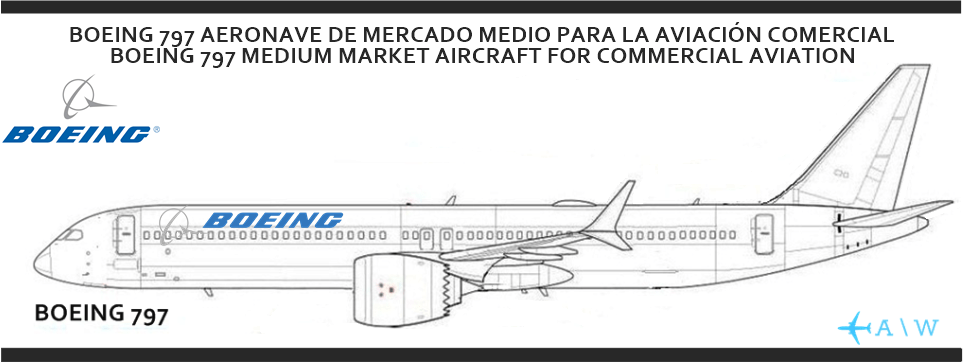
El concepto Boeing 797/NMA es un avión de tamaño intermedio entre el avión doméstico 737 de pasillo único de hoy en día y su avión de pasillo doble más pequeño, de largo alcance, el 767 y el 787-8. Un hueco de mercado que fue dejado por el Boeing 757. Se prevé una familia de modelos de dos aviones, con capacidad para 220-270 pasajeros en dos clases, con un alcance medio de hasta 5.700 millas. Una versión tendría más capacidad de rango y la otra sería de menor alcance pero llevaría más pasajeros. El lanzamiento podría iniciarse en un año y medio y el futuro Boeing 797 podría ver la luz en 2023 y entrar en servicio en el año 2024.  AIRWAYS® AW-Icon TXT


Resultado de imagen para Boeing 797

Boeing projecting the Boeing 797

Boeing has appointed senior engineer Terry Beezhold to the leadership team for his new Mid-market aviation program

The Boeing Co. has assigned a new engineer for the start-up of a new commercial airplane program that will affect the mid-range. It is one more step towards a probable launch of the new commercial aircraft popularly known as the Boeing 797.

Boeing appointed senior engineer Terry Beezhold for the leadership team for his new New Mid-Market Airplane, or New Medium Market Airplane (NMA), thus developing a new aircraft for the mid-market segment. The program could start within 18 months.

In the line of projects

Terry Beezhold was a systems engineer for airplanes in the «787 Dreamliner Program». He then joined as Chief Engineer of «Projects in the Boeing 777X Program», leading the efforts to complete the design of that aircraft, a 777 derived with a new wing composed of giant plastic, and to introduce a highly automated production line.

His appointment comes two months after Boeing formally established a program office headed by Vice President Mark Jenks to work on how the NMA could be designed and built.

Boeing 797 / NMA

Resultado de imagen para Boeing 797 airgways

The Boeing 797/NMA concept is an intermediate-sized airplane between today’s single-aisle 737 domestic aircraft and its smaller, long-range, 767 and 787-8 double aisle aircraft. A market gap that was left by the Boeing 757. It envisages a family of models of two aircraft, with capacity for 220-270 passengers in two classes, with an average range of up to 5,700 miles. One version would have more range capacity and the other would be smaller in scope but would carry more passengers. The launch could begin in a year and a half and the future Boeing 797 could see the light in 2023 and enter service in the year 2024. A \ W


Ξ A I R G W A Y S Ξ
SOURCE:  Airgways.com
DBk:  Boeing.com / Airgways.com / Fs2004fsxscreenshots
AW-POST: 201711211807AR

A\W   A I R G W A Y S ®

Embraer anticipa fin acuerdo contratos de 1.080 trabajadores

Imagen relacionada

AW | 2017 11 21 17:40 | INDUSTRY

1280px-Embraer_logo.svg

El fabricante de aviones Embraer prevé el final del acuerdo que autoriza la suspensión de 1.080 contratos de trabajo los trabajadores en São José dos Campos (SP) a Diciembre de 2018

Embraer y los Sindicos firmaron un acuerdo en Diciembre de 2016 donde se efectivizarían despidos de los trabajadores en períodos alternos, divididos en grupos, a partir de Enero de 2017. Según la entidad, efectivamente, sólo un grupo de 350 suspendidos regresaría al trabajo en Diciembre.

Las informaciones son del Sindicato de los Metalúrgicos, que afirma que Embraer comunicó la decisión el lunes (20) y el motivo sería la necesidad de tener a los trabajadores de vuelta a la producción.

En total, la previsión era que quedaran alejados de la fábrica 600 empleados de la aviación comercial y 480 de la aviación ejecutiva. Cada grupo, dividido entre 50 y 60 trabajadores, quedaría en casa por hasta cinco meses. Embraer informó que el «layoff» era una alternativa para cortar costos y para evitar despidos en la unidad. Embraer tiene cerca de 12 mil mil empleados en la sede en São José dos Campos.

Perspectivas 2018

Embraer proyecta para el próximo 2018 un resultado operativo medido por el beneficio antes de intereses e impuestos (Ebit) de U$D 265 millones y U$D 360 millones de dólares, con margen entre el 5% y el 6%. Embraer registró una ganancia neta de R$ 351 millones en el tercer trimestre.

La empresa afirmó que debe entregar de 85 a 95 aviones comerciales y de 105 a 125 jets ejecutivos ligeros y grandes, con ingresos totales entre 5.300 millones y 6.000 millones. Las entregas de 25 aviones comerciales y 20 ejecutiva (con 13 aviones ligeros y siete grandes) en el 3Q2017.  AIRWAYS® AW-Icon TXT


Embraer anticipates the agreement of 1,080 workers

The aircraft manufacturer Embraer foresees the end of the agreement authorizing the suspension of 1,080 work contracts for workers in São José dos Campos (SP) as of December 2018

Embraer and the Sindicosl signed an agreement in December 2016 where workers would be dismissed in alternate periods, divided into groups, as of January 2017. According to the entity, in fact, only a group of 350 suspended workers would return to work in December.

The information is from the Syndicate of Metallurgists, which states that Embraer communicated the decision on Monday (20) and the reason would be the need to have the workers back to production.

In total, the forecast was that 600 employees of commercial aviation and 480 of executive aviation would be far from the factory. Each group, divided between 50 and 60 workers, would stay at home for up to five months. Embraer reported that the «layoff» was an alternative to cut costs and to avoid layoffs in the unit. Embraer has about 12 thousand employees at the headquarters in São José dos Campos.


Perspectives 2018

Embraer projects for the 2018 an operating result measured by the benefit before interest and taxes (Ebit) of U$D 265 million and U$D 360 million, with a margin between 5% and 6%. Embraer registered a net profit of R$ 351 million in the third quarter.

The company said it must deliver 85 to 95 commercial aircraft and 105 to 125 light and large executive jets, with total revenues between 5,300 million and 6,000 million.Deliveries of 25 commercial aircraft and 20 executive (with 13 light aircraft and seven large) in 3Q2017. A \ W

Imagen relacionada

A Embraer antecipa o acordo de 1.080 trabalhadores

1280px-Embraer_logo.svgO fabricante de aeronaves Embraer prevê o fim do acordo que autoriza a suspensão de 1.080 contratos de trabalho para trabalhadores em São José dos Campos (SP) em dezembro de 2018

A Embraer e a Sindicos assinaram um acordo em Dezembro de 2016, onde os trabalhadores seriam demitidos em períodos alternativos, divididos em grupos, a partir de Janeiro de 2017. De acordo com a entidade, de fato, apenas um grupo de 350 trabalhadores suspensos retornaria ao trabalho em Dezembro .

A informação é do Sindicato dos Metalúrgicos, que afirma que a Embraer comunicou a decisão na segunda-feira (20) e o motivo seria a necessidade de os trabalhadores voltarem à produção.

No total, a previsão era que 600 funcionários da aviação comercial e 480 da aviação executiva estariam longe da fábrica. Cada grupo, dividido entre 50 e 60 trabalhadores, ficaria em casa por até cinco meses. A Embraer informou que a «demissão» era uma alternativa para reduzir custos e evitar demissões na unidade. A Embraer tem cerca de 12 mil funcionários na sede em São José dos Campos.

Perspectivas 2018

A Embraer projeta para o próximo ano um resultado operacional mensurado pelo benefício antes de juros e impostos (Ebit) de U$D 265 milhões e U$D 360 milhões, com margem entre 5% e 6%. A Embraer registrou lucro líquido de R$ 351 milhões no terceiro trimestre.

A empresa disse que deve entregar 85 a 95 aeronaves comerciais e 105 a 125 jatos executivos leves e grandes, com receitas totais entre 5.300 milhões e 6.000 milhões. Entregas de 25 aviões comerciais e 20 executivos (com 13 aviões leves e sete grandes) no 3Q2017. A \ W


Ξ A I R G W A Y S Ξ
SOURCE:  Airgways.com
DBk:  Embraer.com
AW-POST: 201711211740AR

A\W   A I R G W A Y S ®

Certificación EASA/FAA Airbus A350-1000

AW | 2017 11 21 16:14 | INDUSTRY

Logo_Airbus_2014.svgAirbus A350-1000 obtiene la certificación aeronáutica de la EASA y FAA

Airbus anunció hoy que ha obtenido la certificación europea EASA y estadounidense FAA para su A350-1000, la nueva versión de mayor capacidad de su avión de doble pasillo, de dos motores y larga distancia. Airbus precisó en un comunicado que el aparato certificado por la Agencia Europea de Seguridad Aérea (EASA) y su equivalente estadounidense, la Federal Aviation Administration (FAA), está equipado con motores Rolls-Royce Trent XWB-97.

Resultado de imagen para a350-1000 pngCertificación del A350-1000

Resultado de imagen para a350-1000 logoEl documento de certificación de tipo A350-1000 de EASA fue firmado por el director de certificación de dicha agencia, Trévor Woods, y el documento de certificación de tipo A350-1000 de la FAA fue firmado por su gerente de la sección internacional, Bob Breneman. Ambos certificados fueron entregados al vicepresidente ejecutivo de Ingeniería, Charles Champion.

Resultado de imagen para a350-1000

La certificación Tipo es un requisito para la puesta en servicio comercial de la aeronave. Este hito viene después de una campaña intensiva de pruebas de vuelo que ha llevado su fuselaje y sistemas más allá de sus límites de diseño para garantizar que la aeronave cumpla con todos los criterios de aeronavegabilidad. Los tres aviones de prueba de vuelo A350-1000 propulsados por motores Rolls-Royce acumularon con éxito más de 1.600 horas de vuelo. De éstas, 150 horas de prueba de vuelo se completaron con el mismo avión en una aerolínea como entorno operativo para demostrar su preparación para la entrada en servicio.

Tres aviones de prueba A350-1000 han acumulado más de 1.600 horas de vuelo, de las cuales 150 son con un solo aparato en régimen de operación semejante al de una aerolínea en operaciones.

«Recibir la Certificación Tipo A350-1000 de EASA y FAA en menos de un año después de su primer vuelo es un logro increíble para Airbus y para todos nuestros socios que han sido fundamentales en la construcción y prueba de este magnífico avión de fuselaje ancho. El A350-1000 se beneficia de la madurez de su exitoso hermano, el A350-900, que se ha traducido en un excelente rendimiento en el momento oportuno. Ahora esperamos entregar el primer avión a Qatar Airways antes de fin de año», dijo Fabrice Brégier, COO de Airbus y presidente de la División de Aviones Comerciales.

El A350-1000 es el último miembro de la familia de fuselaje ancho líder de Airbus y muestra un alto nivel de similitud con el A350-900 con un 95% de sistemas comunes y el mismo tipo de clasificación. Además de tener un fuselaje más largo para acomodar a 40 pasajeros más que el A350-900 (en una configuración típica de 3 clases), el A350-1000 también cuenta con un ala trasera modificada, nuevos trenes de aterrizaje principales de seis ruedas y más potentes motores Rolls-Royce Trent XWB-97.

Junto con el A350-900, el A350-1000 está configurando el futuro de los viajes aéreos al ofrecer niveles sin precedentes de eficiencia y comodidad inigualable en su cabina ‘Airspace’. Con su capacidad adicional, el A350-1000 se adapta perfectamente a algunas de las rutas de larga distancia más transitadas. Hasta la fecha, 11 clientes de los cinco continentes han pedido un total de 169 A350-1000.

El A350-1000 puede transportar en su configuración estándar de tres clases a 366 pasajeros, 41 más que el A350-900 ya en servicio. Eso es posible por un fuselaje siete metros más largo. Su radio de acción es de 14.800 kilómetros.

Hasta finales de octubre, Airbus había recibido pedidos firmes para 169 unidades del A350-1000 y el principal cliente (con 37) es Qatar Airways, que debe recibir el primer ejemplar de aquí a finales de año.  AIRWAYS® AW-Icon TXT

Certification Airbus A350-1000

Airbus A350-1000 obtains aeronautical certification of the EASA/FAA

Airbus announced today that it has obtained the European EASA and American FAA certification for its A350-1000, the new higher capacity version of its dual-aisle, two-engine, long-haul aircraft. Airbus said in a statement that the device certified by the European Aviation Safety Agency (EASA) and its US equivalent, the Federal Aviation Administration (FAA), is equipped with Rolls-Royce Trent XWB-97 engines.

Resultado de imagen para a350-1000 png

Certification of the A350-1000

The certification document of type A350-1000 of EASA was signed by the certification director of that agency, Trévor Woods, and the certification document of type A350-1000 of the FAA was signed by its manager of the international section, Bob Breneman . Both certificates were delivered to the executive vice president of Engineering, Charles Champion.

Type certification is a requirement for the commercial commissioning of the aircraft. This milestone comes after an intensive flight test campaign that has taken its fuselage and systems beyond its design limits to ensure that the aircraft meets all airworthiness criteria. The three A350-1000 flight test aircraft powered by Rolls-Royce engines successfully accumulated more than 1,600 flight hours. Of these, 150 flight test hours were completed with the same aircraft in an airline as an operating environment to demonstrate its readiness for entry into service.

Three A350-1000 test aircraft have accumulated more than 1,600 flight hours, of which 150 are with a single device operating in the same way as an operating airline.

«Receiving Type A350-1000 Certification from EASA and FAA in less than a year after its first flight is an incredible achievement for Airbus and for all our partners who have been instrumental in the construction and testing of this magnificent wide-body aircraft. The A350-1000 benefits from the maturity of its successful brother, the A350-900, which has resulted in excellent performance at the right time, and we now expect to deliver the first plane to Qatar Airways before the end of the year», said Fabrice Brégier, COO of Airbus and president of the Commercial Aircraft Division.

The A350-1000 is the latest member of Airbus’ leading wide-body family and shows a high level of similarity to the A350-900 with 95% common systems and the same type of classification. In addition to having a longer fuselage to accommodate 40 passengers more than the A350-900 (in a typical 3-class configuration), the A350-1000 also has a modified rear wing, new six-wheel main landing gear and more Powerful Rolls-Royce Trent XWB-97 engines.

Together with the A350-900, the A350-1000 is shaping the future of air travel by offering unprecedented levels of efficiency and unrivaled comfort in its ‘Airspace’ cabin. With its additional capacity, the A350-1000 adapts perfectly to some of the busiest long distance routes. To date, 11 customers from five continents have requested a total of 169 A350-1000.

The A350-1000 can carry 366 passengers in its standard configuration of three classes, 41 more than the A350-900 already in service. That is possible by a fuselage seven meters longer. Its radius of action is 14,800 kilometers.

Until the end of October, Airbus had received firm orders for 169 units of the A350-1000 and the main client (with 37) is Qatar Airways, which must receive the first copy by the end of the year. A \ W


Ξ A I R G W A Y S Ξ
SOURCE:  Airgways.com
DBk:  Airbus.com / Luchtvaartnieuws.nl / Reutersmedia.net
AW-POST: 201711211614AR

A\W   A I R G W A Y S ®

Airbus reclama acuerdo transición Brexit

AW | 2017 11 20 20:13 | INDUSTRY

Imagen relacionadaAirbus como Boeing exigen reglas claras a vista futura del impacto del Brexit

En una industria aeroespacial donde las economías de las grandes empresas de aviación se entrelazan entre los países europeos y mundial, el Brexit pone a prueba la integridad de los negocios en la propia Europa.

Una fase de transición post-Brexit deberá acordarse lo antes posible, exige Airbus Group. La compañía aeronáutica solicitó un período de transición prolongado para garantizar que la competitividad y la productividad continúen sin obstáculos. Lo mismo aplica a Boeing donde también tiene intereses en Gran Bretaña.

Airbus emplea a 6.000 personas en su planta de ala en Broughton, Flintshire, Reino Unido. La Primera Ministra Theresa May ha sugerido que al gobierno del Reino Unido le gustaría un período de transición de aproximadamente dos años. Una fase de transición podría significar que el acuerdo sobre cómo el Reino Unido comercia con la UE actualmente se mantiene antes de que entre en vigencia cualquier nuevo acuerdo. En pruebas escritas para el Comité de Negocios de los Comunes, Airbus agregó que no alcanzar un acuerdo con la UE tendría «consecuencias significativas» para la compañía.

La «transición brexiana»

En Enero 2017, el Director de Operaciones de Airbus SE, Tom Williams, dijo a los parlamentarios que estaría entrando en una fase peligrosa si Airbus no podía mover personas y productos a la perfección en toda la UE. Actualmente depende del flujo sin interrupciones de bienes y personas entre sus sitios en el Reino Unido, Francia, Alemania y España.

El principal negociador de Brexit de la UE, Michel Barnier, también ha dicho que empresas como Airbus enfrentan nuevas limitaciones para mover piezas y personal entre sus sitimuy importante entre las fábricas establecidas en toda Europa. Alrededor de 80,000 viajes al año entre el Reino Unido y el resto de los países de la UE se realizan para diferentes tareas directivas, operativas, etc. Cualquier nuevo requisito de visa haría que los empleados calificados del Reino Unido sean más complicados y hagan que los programas que involucran al Reino Unido sean más burocráticos y afecten la competitividad a largo plazo de los sitios del Reino Unido, dijo Airbus en su testimonio.

La compañía dijo que también exporta más de £ 6 mil millones de libras en productos en la Unión Europea. Si los costos aumentan como resultado de que el Reino Unido abandone la UE, esto inevitablemente tendrá un impacto en las futuras decisiones de inversión del Reino Unido.

Las advertencias de la compañía sobre un período de transición y un escenario de no acuerdo se producen antes de una reunión en Downing Street entre la Sra. May y ministros de alto rango para tratar de avanzar en las estancadas conversaciones Brexit. Esta «ley de divorcio» es una de las principales razones del estancamiento en las negociaciones, con la UE diciendo que no discutirá un nuevo acuerdo comercial con el Reino Unido hasta que se resuelvan estos problemas. AIRWAYS® AW-Icon TXT

Airbus claims transition agreement «Brexit»

Airbus as Boeing demand clear rules in the future view of the impact of Brexit

In an aerospace industry where the economies of large aviation companies are intertwined between European and global countries, the Brexit tests the integrity of business in Europe itself.

A post-Brexit transition phase should be agreed as soon as possible, demands Airbus Group. The aeronautical company requested a prolonged transition period to ensure that competitiveness and productivity continue unhindered. The same applies to Boeing where it also has interests in Britain.

Airbus employs 6,000 people at its wing plant in Broughton, Flintshire, United Kingdom. Prime Minister Theresa May has suggested that the UK government would like a transition period of approximately two years. A transition phase could mean that the agreement on how the United Kingdom trades with the EU is currently maintained before any new agreement comes into force. In written tests for the Business Committee of the Commons, Airbus added that failure to reach an agreement with the EU would have «significant consequences» for the company.

The «Brexian transition»

In January 2017, Airbus SE’s Director of Operations, Tom Williams, told parliamentarians that he would be entering a dangerous phase if Airbus could not move people and products seamlessly across the EU. Currently it depends on the uninterrupted flow of goods and people between its sites in the United Kingdom, France, Germany and Spain.

The EU’s main Brexit negotiator, Michel Barnier, has also said that companies such as Airbus face new constraints in moving parts and personnel among their sitimuy important among factories established throughout Europe. Around 80,000 trips a year between the United Kingdom and the rest of the countries of the EU are carried out for different management, operational, etc. tasks. Any new visa requirement would make qualified UK employees more complicated and make programs involving the UK more bureaucratic and affect the long-term competitiveness of UK sites, Airbus said in its testimony.

The company said it also exports more than £ 6 billion in products in the European Union. If the costs increase as a result of the UK leaving the EU, this will inevitably have an impact on the future investment decisions of the United Kingdom.

The company’s warnings about a transition period and a non-agreement scenario occur before a meeting in Downing Street between Ms. May and high-ranking ministers to try to move forward in the stalled Brexit talks. This «divorce law» is one of the main reasons for the stalemate in the negotiations, with the EU saying that it will not discuss a new trade agreement with the United Kingdom until these problems are resolved. A \ W


Ξ A I R G W A Y S Ξ
SOURCE:  Airgways.com
DBk:  Airbus.com / Bbc.com / Irishtimes.com
AW-POST: 201711202013AR

A\W   A I R G W A Y S ®

Bombardier mira a Latinoamérica

AW | 2017 11 20 19:40 | INDUSTRY

Logo_Airbus_2014.svgBombardier_Aerospace-200xBombardier pronostica duplicar flota regional de América Latina

Bombardier_logo[1]

En el marco de la ALTA Airline Leaders Forum, Bombardier pronostica duplicar la flota de aviones para América Latina.

La flota de líneas aéreas en latinoamérica aumentará debido a varios factores entre ellos la previsionalidad del mercado en la región y el aumento de nuevas aerolíneas, entre ellas las low cost. Bombardier confía en que su línea de aviones comerciales pueda asegurar una buena porción del negocio.

En medio de una importante transición de los procesos en Bombardier, asociada ahora a Airbus en la construcción del CSeries, encuentra un acuerdo estratégico para poder vender sin obstáculos estos aviones en el mercado estadounidense.

El fabricante canadiense se encuentra confiado en poder captar el doble de mercado proyectado a 20 años. El pronóstico del mercado global de Bombardier se centra en el sector de 60-150 plazas, donde 650 aviones operan actualmente en la región de América Latina, dice el vicepresidente de marketing de Bombardier. «Prevemos que en los próximos 20 años, se entregarán 1.050 nuevos aviones y se retirarán 400, llevando la flota a 1.300 aviones», dice Patrick Baudis.

Bombardier espera que las entregas en Latinoamérica comprendan 500 aeronaves regionales grandes con capacidad para entre 60 y 100 pasajeros, y 550 pequeñas naves individuales en la categoría de 100 a 150 asientos. El acuerdo de Airbus CSeries se anunció en octubre y exige que el fabricante europeo adquiera el 50.01% del programa. Las compañías esperan que el acuerdo se cierre en la segunda mitad de 2018.

CSeries desea penetrar en Latinoamérica

Las aerolíneas de todo el mundo han realizado pedidos en firme por más de 360 ​​aviones CSeries, pero ninguno ha sido anunciado por las aerolíneas latinoamericanas. Airbus se encuentra en lo más alto de América Latina, donde empresas como Avianca Holdings, LATAM Airlines Group, Volaris e Interjet han hecho de Airbus pedidos por muchas aeronaves.

La región Latinoamérica se está recuperando después de que muchos transportistas demoraron la renovación de la flota en medio de un gran malestar económico. Bombardier está bien posicionado para beneficiarse a medida que el mercado se recupera después de un esfuerzo comercial estratégico que comenzó hace tres años para hacer crecer su negocio en la región. Esto implicó la creación de oficinas locales en Miami y Sao Paulo y el refuerzo de la atención al cliente.

Las rutas con más oportunidades en la región Latinoamérica conectan ciudades secundarias con redes más grandes. La conectividad es algo clave para el crecimiento de América Latina. Las inversiones en infraestructura regional han aumentado, como es el caso más sobresaliente Argentina. Esto es muy importante para este crecimiento que se observa en la región. AIRWAYS® AW-Icon TXT

Bombardier looks at Latin America

Resultado de imagen para Bombardier CS100 pngBombardier forecasts double regional fleet in Latin America

In the framework of the ALTA Airline Leaders Forum, Bombardier predicts to double the aircraft fleet for Latin America.

The airline fleet in Latin America will increase due to several factors, among them the market previsibility in the region and the increase of new airlines, including low cost airlines. Bombardier is confident that its line of commercial aircraft can ensure a good portion of the business.

In the midst of a major process transition in Bombardier, now associated with Airbus in the construction of the CSeries, it finds a strategic agreement to be able to sell these aircraft unhindered in the US market.

The Canadian manufacturer is confident of being able to capture the double market projected to 20 years. Bombardier’s global market forecast focuses on the 60-150 seat sector, where 650 aircraft currently operate in the Latin American region, says Bombardier’s vice president of marketing. «We anticipate that in the next 20 years, 1,050 new aircraft will be delivered and 400 will be withdrawn, bringing the fleet to 1,300 aircraft», says Patrick Baudis.

Bombardier expects deliveries in Latin America to include 500 large regional aircraft with a capacity of between 60 and 100 passengers, and 550 small individual ships in the 100-150 seat category. The Airbus CSeries agreement was announced in October and requires the European manufacturer to acquire 50.01% of the program. The companies expect the agreement to close in the second half of 2018.

CSeries wants to penetrate Latin America

Airlines around the world have placed firm orders for more than 360 CSeries aircraft, but none have been announced by Latin American airlines. Airbus is at the top of Latin America, where companies such as Avianca Holdings, LATAM Airlines Group, Volaris and Interjet have made Airbus orders for many aircraft.

The Latin America region is recovering after many carriers delayed the renewal of the fleet in the midst of great economic unrest. Bombardier is well positioned to benefit as the market recovers after a strategic commercial effort that began three years ago to grow its business in the region. This involved the creation of local offices in Miami and Sao Paulo and the strengthening of customer service.

Routes with more opportunities in the Latin America region connect secondary cities with larger networks. Connectivity is key to the growth of Latin America. Investments in regional infrastructure have increased, as is the most outstanding case in Argentina. This is very important for this growth that is observed in the region. A \ W


Ξ A I R G W A Y S Ξ
SOURCE:  Airgways.com
DBk:  Bombardier.com / Airgways.com
AW-POST: 201711201940AR

A\W   A I R G W A Y S ®