Bombardier Belfast fabrica componentes para Airbus

AW | 2017 12 04 16:35 | INDUSTRY

Bombardier_logo[1]Bombardier en Belfast ha sido elegida para desarrollar y fabricar un nuevo componente de motor para la serie de aviones A320NEO de Airbus

La división de Bombardier Aerostructures and Engineering Services ya suministra varios programas de Airbus. El último acuerdo implicará trabajar en góndolas o carcasas de motores.

Logo_Airbus_2014.svg

A principios de este año, Airbus acordó tomar una participación mayoritaria en el programa de aviones de pasajeros de la CSeries de Bombardier. La planta de Bombardier en Belfast ha estado operando bajo una nube luego de una disputa comercial con Boeing. Bombardier se ha enfrentado a una serie de problemas con respecto a la CSeries, la más reciente una disputa comercial en los EEUU. Que impuso un arancel de importación del 300%.

Stephen Addis, vicepresidente de Bombardier, dijo: «Estamos encantados de haber sido seleccionados como proveedores en esta nueva góndola, lo que nos permitirá construir sobre la relación que ya tenemos con Airbus. Este paquete de trabajo refuerza nuestra estrategia a largo plazo para aumentar nuestras capacidades en el mercado de nacelles y centrarnos en ofrecer productos y servicios innovadores y de mayor valor en un entorno global extremadamente competitivo«. AIRWAYS® AW-Icon TXT

Bombardier development components for Airbus

Bombardier in Belfast has been chosen to develop and manufacture a new engine component for the Airbus A320NEO series of aircraft

The Bombardier Aerostructures and Engineering Services division already supplies several Airbus programs. The last agreement will involve working on gondolas or engine housings.

Earlier this year, Airbus agreed to take a majority stake in Bombardier’s C-Series passenger aircraft program. The Bombardier plant in Belfast has been operating under a cloud following a commercial dispute with Boeing. Bombardier has faced a series of problems regarding the CSeries, the most recent commercial dispute in the US. That imposed an import tariff of 300%.

Stephen Addis, Vice President of Bombardier, said: «We are delighted to have been selected as suppliers in this new gondola, which will allow us to build on the relationship we already have with Airbus, which reinforces our long-term strategy to increase our Nacelles market capabilities and focus on offering innovative and higher value products and services in an extremely competitive global environment». A \ W


Ξ A I R G W A Y S Ξ
SOURCE:  Airgways.com
DBk: Bombardier.com / Reutersmedia.net
AW-POST: 201712041635AR

A\W   A I R G W A Y S ®

Washington prioriza fabricación B-797

AW | 2017 12 02 21:25 | INDUSTRY

Boeing-Logo.svgEl Estado de Washington daría máxima prioridad para persuadir a Boeing para construir próximo avión Middle-market

El Estado de Washington y la industria aeroespacial esperan ansiosamente la decisión de Boeing de construir en la región de Puget Sound un nuevo avión de mercado medio que algunos han denominado el Boeing 797.

Las proyecciones para la construcción del nuevo avión Boeing de mercado medio para cubrir la brecha entre el Boeing 757 y el Boeing 787, podría entrar en servicio alrededor de 2024 y proporcionar miles de empleos. A pesar de la reducción de empleos y la dispersión del trabajo a otros estados en los últimos años, Boeing continúa anclando un grupo aeroespacial que emplea a 130,000 en 1,400 establecimientos en todo el estado.

Los habitantes de Washington están profundamente interesados ​​en apoyar a Boeing y su nueva generación de aviones de bajo consumo de combustible. Las preferencias impositivas que se extendieron hasta 2040 ayudaron a asegurar la producción de Everett de las próximas instalaciones y 777X de Boeing para construir su ala compuesta de fibra de carbono.

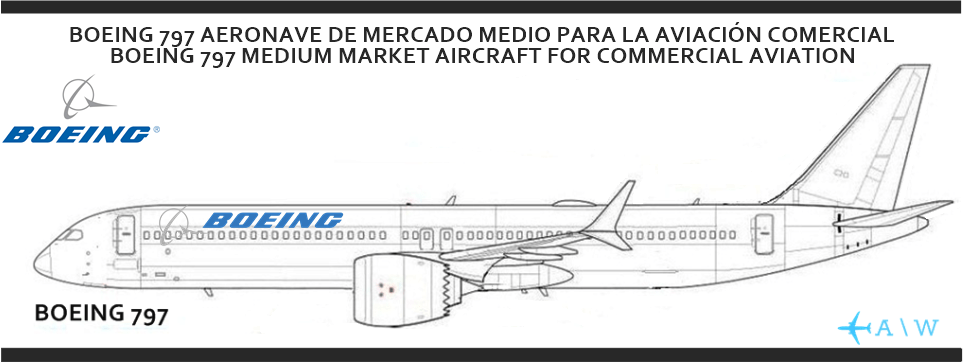
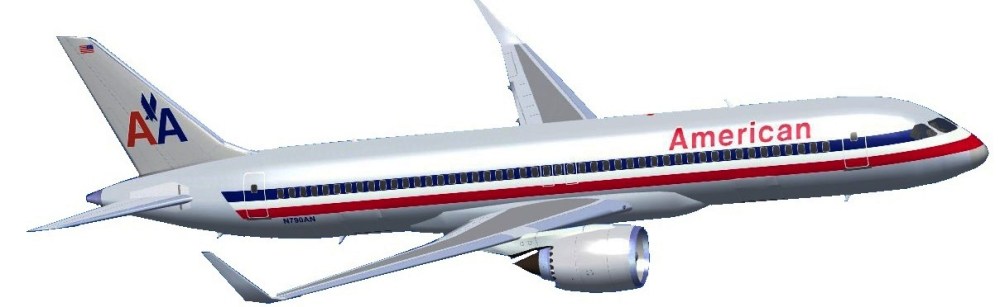
El Boeing 797 Middle-market

Los detalles del avión del mercado medio no son definitivos, pero incorporarían avances del 777X y 787 en materiales compuestos y sistemas de control. El tamaño, estaría se ubicaría entre el 737 y el 787. Es probable que las innovaciones con el 797 incluyan nuevos avances en la tecnología de fabricación y servicios de soporte que Boeing brinda a los compradores. Gran parte de eso involucra sistemas de software complejos, lo que le da al lugar de nacimiento de Boeing una ventaja. Todas las grandes compañías tecnológicas tienen presencia en Seattle para aprovechar la gran experiencia en la construcción de sistemas y servicios a gran escala.

Los trabajadores de Boeing inspeccionan la fibra de carbono después de que fue colocada por una máquina automática de colocación de fibra para crear un ala para el Boeing 777X en Everett en octubre.  Las preferencias impositivas que se extendieron hasta 2040 ayudaron a asegurar la producción de Everett de Boeing's 777X y las instalaciones para construir su ala compuesta de fibra de carbono.  (Elaine Thompson / The Associated Press)

Los trabajadores de Boeing inspeccionan la fibra de carbono después de que fue colocada por una máquina automática de colocación de fibra para crear un ala para el Boeing 777X en Everett en octubre. Las preferencias impositivas que se extendieron hasta 2040 ayudaron a asegurar la producción de Everett de Boeing’s 777X y las instalaciones para construir su ala compuesta de fibra de carbono.

Los funcionarios estatales y locales deben ser preventivos, no reactivos, y anticipar lo que se necesita para retener y hacer crecer a los empleadores clave. Esta fue la lección de la abrupta decisión de Amazon de construir una segunda sede en otro lugar. Un consorcio de la industria aeroespacial está trabajando con funcionarios estatales para aterrizar el avión. Ellos están formando una coalición a principios del próximo año para hacer un lanzamiento a Boeing. Incluirá trabajo, industria y gobierno.

Esto debe ser acelerado y elevado, con el apoyo de alto perfil del Gobernador del Estado de Washington, Jay Inslee, y otros líderes. Jay Inslee se ha reunido recientemente con el liderazgo de Boeing y el Departamento de Comercio del estado para la planificación del Boeing 797 a principios del 2018.

La preparación entre bastidores es buena, pero el sentido de urgencia no es claro para la comunidad en general. Aún así, no hay tiempo que perder. La corta sesión legislativa de 2018 está a solo cinco semanas de distancia, dejando poco tiempo para actuar sobre cualquier solicitud de una coalición que aún no se haya formado.

Una oportunidad puede ser proporcionar una nueva capacitación de la fuerza de trabajo. El trabajo potencial del 797 debe tenerse en cuenta en los esfuerzos para impulsar las pasantías, las escuelas técnicas y las universidades comunitarias. El estado invirtió previamente en capacitación para carreras de materiales compuestos. Se puede hacer más para preparar a los estudiantes para las oportunidades en la fabricación avanzada, incluida la robótica.

La decisión de Boeing sobre dónde diseñar y construir el primer avión nuevo desarrollado durante su segundo siglo tiene importantes implicaciones para el futuro de Washington como fabricante y exportador líder. Recordar a Boeing que este sigue siendo el lugar más inteligente y lucrativo para construir productos y servicios de próxima generación debe ser una prioridad para el liderazgo de Washington.  AIRWAYS® AW-Icon TXT


Washington State prioritizes Boeing 797 construction

Boeing-Company-LogoThe State of Washington would give top priority to persuade Boeing to build next Middle-market aircraft

The State of Washington and the aerospace industry are anxiously awaiting Boeing’s decision to build a new mid-market aircraft in the Puget Sound region that some have called the Boeing 797.

Projections for the construction of the new mid-market Boeing aircraft to fill the gap between the Boeing 757 and the Boeing 787 could enter service around 2024 and provide thousands of jobs. Despite the reduction of jobs and the dispersion of work to other states in recent years, Boeing continues to anchor an aerospace group that employs 130,000 in 1,400 facilities throughout the state.

The people of Washington are deeply interested in supporting Boeing and its new generation of fuel-efficient aircraft. The tax preferences that were extended until 2040 helped secure Everett’s production of the next facility and Boeing’s 777X to build its composite carbon fiber wing.

The Boeing 797 Middle-market

The details of the mid-market aircraft are not definitive, but would incorporate advances of the 777X and 787 in composite materials and control systems. The size would be between 737 and 787. The innovations with the 797 are likely to include new advances in manufacturing technology and support services that Boeing provides to buyers.Much of that involves complex software systems, which gives Boeing’s birthplace an advantage. All major technology companies have a presence in Seattle to take advantage of the great experience in building systems and services on a large scale.

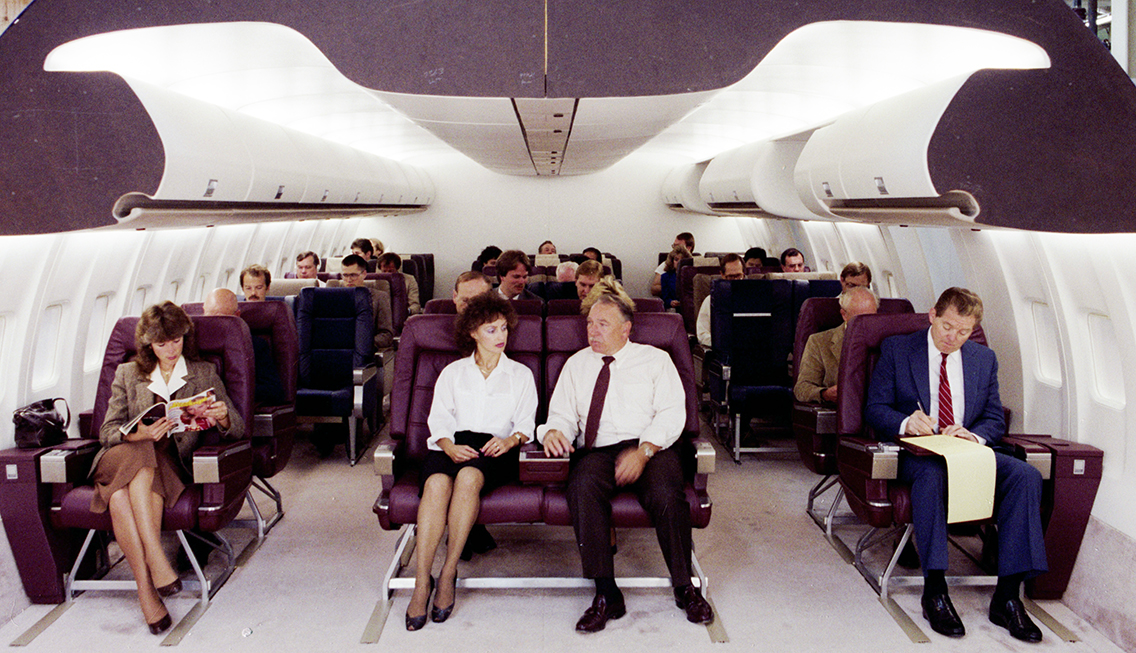
boeing-737-max-10-concepts-mom-airbus-a321_zpspv3sexao.jpg

State and local officials should be proactive, not reactive, and anticipate what is needed to retain and grow key employers. This was the lesson of Amazon’s abrupt decision to build a second location elsewhere. A consortium of the aerospace industry is working with state officials to land the plane. They are forming a coalition early next year to make a launch to Boeing. It will include work, industry and government.

This must be accelerated and elevated, with the high-profile support of the Governor of the State of Washington, Jay Inslee, and other leaders. Jay Inslee has recently met with the Boeing leadership and the State Department of Commerce to plan the Boeing 797 early in 2018.

The preparation behind the scenes is good, but the sense of urgency is not clear to the community in general. Still, there is no time to lose. The short legislative session of 2018 is only five weeks away, leaving little time to act on any request from a coalition that has not yet been formed.

One opportunity may be to provide a new training for the workforce. The potential work of 797 must be taken into account in efforts to promote internships, technical schools, and community colleges. The state previously invested in training for careers in composite materials. More can be done to prepare students for opportunities in advanced manufacturing, including robotics.

Boeing’s decision on where to design and build the first new aircraft developed during its second century has important implications for Washington’s future as a leading manufacturer and exporter. Reminding Boeing that this remains the most intelligent and lucrative place to build next-generation products and services should be a priority for Washington’s leadership. A \ W


Ξ A I R G W A Y S Ξ
SOURCE:  Airgways.com
DBk: Boeing..com / Seattletimes.com
AW-POST: 201712022125AR

A\W   A I R G W A Y S ®

ATR crea nueva versión carga 600F

ATR_3.jpg

AW | 2017 12 01 11:32 | INDUSTRY

logo_red.pngATR y FedEx han acordado una nueva versión de un turbohélice el ATR 72-600F

ATR ha anunciado la fabricación de una nueva versión delexitoso turbohélice ATR 42/72 a una versión carguera denominada ATR 72-600F. Teniendo presente la demanda para esto nuevo avión de carga puro, en ATR estiman desarrollar y certificar la variante de carga del turbohélice regional en dos años.

FedEx Express, la empresa de transporte urgente más grande del mundo, y ATR han firmado un importante contrato para la compra en firme de 30 ATR 72-600 más 20 opciones. Estos aviones serán los primeros nuevos ATR que se entregarán directamente de fábrica en una configuración de carguero. Esta nueva versión de aeronave, designada como ATR 72-600F, tiene un nuevo fuselaje sin ventanas y está equipada con una puerta de carga hacia delante (LCD) y una puerta de carga con bisagra superior trasera.

ATR ha obtenido el pedido de FedEx Express para 30 nuevos cargueros ATR 72-600F. El constructor franco-italiano ATR ha comunicado que FedEx ha conseguido comprar aviones nuevos en lugar de realizar una conversión de ATR 72 a versión carga.

Las entregas del ATR 72-600F a FedEx Express comenzarán en 2020. Estos nuevos ATR también son los primeros ATR 72-600 que operarán en una configuración de carga, además de ser los primeros equipados con una pantalla LCD directamente de la fábrica.

El ATR 72-600F cuenta con una cabina principal clase E para operaciones de carga, y admitirá configuraciones de carga a granel y dispositivo de carga unitaria (ULD). El ATR 72-600F tiene una capacidad total de 74.6 m3, y cuando está en modo ULD, puede acomodar hasta siete contenedores LD3, o cinco paletas de 88 «x 108», o nueve de 88 «x 62». El avión también está equipado con nuevos paneles de piso reforzados.

Al comentar sobre la firma del contrato, David L. Cunningham, presidente y CEO de FedEx Express, declaró: «Los aviones ATR han estado operando con éxito en el servicio de FedEx durante muchos años. Trabajamos con ATR para desarrollar este nuevo avión, que incluye características especiales para ayudarnos a hacer crecer nuestro negocio, especialmente en el mercado de flete aéreo, donde los envíos son más grandes y pesados. El 72-600F jugará un papel importante en nuestra red global al ayudarnos a ofrecer un servicio rápido y económico a los mercados pequeños y medianos«.

El consejero delegado de ATR, Christian Scherer, declaró: «Felicitamos a FedEx Express por su éxito de larga data y por sus opiniones comerciales a largo plazo para el nuevo ATR 72-600F. Su selección de este nuevo avión es el resultado de un profundo análisis técnico y económico. Los ATR en la configuración de carga brindan un servicio sobresaliente, sirviendo comunidades pequeñas y alimentando aviones de carga más grandes. El ATR 72-600F es el único nuevo avión regional grande disponible en el mercado para operaciones de cargueros. Estamos convencidos de que, con su uso de FedEx Express, se convertirá en el nuevo punto de referencia para las operaciones regionales de carga aérea»AIRWAYS® AW-Icon TXT

ATR creates new version load 600F

logo_redATR and FedEx have agreed a new version of a turboprop the ATR 72-600F

ATR has announced the manufacture of a new version of the turboprop ATR 42/72 to a cargo version called ATR 72-600F. Keeping in mind the demand for this new pure cargo plane, in ATR they estimate to develop and certify the regional turbo-prop loading variant in two years.

FedEx Express, the world’s largest express transport company, and ATR have signed an important contract for the firm purchase of 30 ATR 72-600 plus 20 options. These aircraft will be the first new ATRs that will be delivered directly from the factory in a freighter configuration. This new aircraft version, designated as ATR 72-600F, has a new fuselage without windows and is equipped with a forward charging door (LCD) and a loading door with rear top hinge.

ATR has obtained the FedEx Express order for 30 new ATR 72-600F carriers. The French-Italian constructor ATR has announced that FedEx has managed to buy new aircraft instead of converting from ATR 72 to cargo version.

Deliveries of the ATR 72-600F to FedEx Express will begin in 2020. These new ATRs are also the first ATR 72-600 that will operate in a load configuration, in addition to being the first equipped with an LCD screen directly from the factory.

The ATR 72-600F has a Class E main cabin for loading operations, and will allow configurations of bulk cargo and unit load device (ULD). The ATR 72-600F has a total capacity of 74.6 m3, and when in ULD mode, it can accommodate up to seven LD3 containers, or five 88 «x 108» pallets, or nine 88 «x 62» pallets. The aircraft is also equipped with new reinforced floor panels.

Commenting on the signing of the contract, David L. Cunningham, president and CEO of FedEx Express, said: «The ATR aircraft have been operating successfully in the FedEx service for many years, and we are working with ATR to develop this new aircraft, which It includes special features to help us grow our business, especially in the airfreight market, where shipments are larger and heavier.The 72-600F will play an important role in our global network by helping us offer a fast and economical service to small and medium markets».

ATR Chief Executive Christian Scherer said: «We congratulate FedEx Express for its long-standing success and long-term business views for the new ATR 72-600F, its selection of this new aircraft is the result of a deep technical and economic analysis The ATR in cargo configuration provide outstanding service, serving small communities and feeding larger cargo aircraft The ATR 72-600F is the only new large regional aircraft available on the market for cargo operations. convinced that, with its use of FedEx Express, it will become the new point of reference for regional air cargo operations». A \ W


Ξ A I R G W A Y S Ξ
SOURCE:  Airgways.com
DBk: Atraircraft.com / Wikimedia.org
AW-POST: 201712011132AR

A\W   A I R G W A Y S ®

ATR 72-500 certificado por Canadá

ATR_72_600_US.5727ddd9edb12.jpg

AW | 2017 11 30 09:48 | INDUSTRY

logo_red.pngEl ATR 72-500 ha recibido la certificación de Transport Canada

El ATR 72-500 acaba de ser certificado por Transport of Canada, la autoridad de aeronavegabilidad canadiense. Anunciado por ATR (Avions Trànsport Regional) el 28 de noviembre, esta certificación permitirá la operación de ATR 72-500 en la configuración de carga o pasajeros por parte de las aerolíneas canadienses.

Aprobado por Transport Canadá y ATR, los transportistas canadienses ahora podrán operar el avión con motor ATR 72-500 con motores PW127M. ATR está firmemente comprometido a atender las diversas necesidades de todos sus operadores en todo el mundo. A día de hoy, alrededor de 40 aviones ATR se operan en Canadá, proporcionando servicios de pasajeros y de carga a comunidades remotas y aisladas. El ATR 72-500 brindará más oportunidades para los pasajeros y servicios de carga aérea.

«La obtención de esta certificación nos permitirá ampliar el alcance operativo de nuestra familia de aviones. Una vez más, los ATR han demostrado que son la combinación perfecta para mercados desafiantes, como Canadá, donde su capacidad para volar en condiciones de frío extremo, heladas, despegar y aterrizar en pistas cortas y sin pavimentar, y su rendimiento inigualable son invaluables», dijo Alessandro Amendola, vicepresidente senior de ingeniería de ATR.

En Canadá existe el operador First Air que opera desde hace tiempo el ATR 42-500 una la versión de 50 asientos.  AIRWAYS® AW-Icon TXT

Resultado de imagen para atraircraft.com

ATR 72-500 certified by Transport Canada

The ATR 72-500 has received the Transport Canada certification

The ATR 72-500 has just been certified by Transport of Canada, the Canadian airworthiness authority. Announced by ATR (Avions Trànsport Regional) on November 28, this certification will allow the operation of ATR 72-500 in the configuration of cargo or passengers by Canadian airlines.

Approved by Transport Canada and ATR, Canadian carriers will now be able to operate the aircraft with ATR 72-500 engines with PW127M engines. ATR is firmly committed to serving the diverse needs of all its operators around the world. To date, around 40 ATR aircraft are operated in Canada, providing passenger and cargo services to remote and isolated communities. The ATR 72-500 will provide more opportunities for passengers and air cargo services.

«Obtaining this certification will allow us to broaden the operational reach of our aircraft family, and once again, ATRs have shown that they are the perfect combination for challenging markets, such as Canada, where their ability to fly in extreme cold, frost , take off and land on short and unpaved runways, and their unparalleled performance are invaluable», said Alessandro Amendola, senior vice president of engineering at ATR.

In Canada, there is the First Air operator that has operated the ATR 42-500 for a long time, the one with the 50-seat version. A \ W


Ξ A I R G W A Y S Ξ
SOURCE:  Airgways.com
DBk: Atraircraft.com / Aviationpros.com
AW-POST: 20171300948AR

A\W   A I R G W A Y S ®

Comienza ensamblaje final A330-800


A330NEO flying

AW | 2017 11 29 15:40 | INDUSTRY

A330-800 Wing spanLogo_Airbus_2014.svgAirbus ha comunicado que se encuentra en proceso de ensamblaje final del Airbus A330-800

El ensamblaje final del miembro más nuevo de la familia A330NEO, el A330-800, ha comenzado y está en camino para el primer vuelo planeado para 2Q2018.

La factoría de Airbus en Toulouse dedicada a la línea de ensamblaje del A330 ha informado la puesta a punto del ensamblaje final del Airbus A330-800NEO. Es el segundo miembro de la nueva variante de este bimotor denominada comercialmente como A330NEO.

a330-800neo-msn1888-at-station-40-004.jpg

ENSAMBLAJE FINAL DEL AIRBUS A330-800NEO EN TOLOUSE, FRANCIA

El A330-800NEO una de las dos versiones de A330NEO, junto con el A330-900NEO es un avión más eficiente que generará ahorros a través de su reducido consumo de combustible. El avión incorpora la última generación de motores Rolls-Royce Trent 7000, junto con múltiples mejoras aerodinámicas. Con un alcance de 7.500 millas náuticas, el A330-800neo normalmente tendrá capacidad para 257 pasajeros en tres clases de servicio, mientras que ofrece capacidad para hasta 406 pasajeros en una configuración de alta densidad.

El A330-800 complementa al A330-900, el miembro más grande de la Familia A330NEO. Con su peso máximo de despegue (MTOW) de 242 toneladas como variante básica, el A330-800 puede operar rutas de hasta 7.500nm y con la variante MTOW de 251 toneladas lanzada recientemente, el avión puede operar rutas de ultra largo alcance de hasta 8,150nm. En conjunto, las variantes del A330neo son parte de la familia de aviones bimotores de dos pasillos más completa del mundo, desde 260 hasta más de 360 ​​asientos, que incluye la familia A350 XWB.

Las nuevas características más visibles de las alas A330NEO son los sharklets curvados especialmente desarrollados para alas, que se basan en la tecnología A350 XWB, extendiendo la envergadura a 64m, proporcionando características aerodinámicas de vanguardia. Las aerolíneas se beneficiarán de un 25% menos de consumo de combustible por asiento en comparación con los competidores de la generación anterior, los costos de mantenimiento reducidos y la confiabilidad operativa del 99.5% líder en el mercado del A330. Los pasajeros disfrutarán de la galardonada nueva cabina Airspace inspirada en el A350 XWB. Además de la última generación de entretenimiento y conectividad durante el vuelo, los pasajeros pueden esperar una nueva área de entrada acogedora, espaciosos compartimentos superiores, iluminación ambiental y vuelos excepcionalmente silenciosos.

Órdenes del A330’s

La familia de aviones Airbus A330 posee unos 1.700 pedidos, el A330 es el avión de fuselaje ancho más popular de todos los tiempos, ya que ha volado casi 1.000.000 de vuelos anuales. Hoy, más de 1.300 aviones han sido entregados a 117 clientes en todo el mundo en una amplia gama de rutas, desde vuelos nacionales y regionales hasta servicios intercontinentales de largo alcance. Al ofrecer los costos operativos más bajos en su categoría y gracias a las continuas inversiones en las últimas innovaciones, la nueva generación del A330NEO será la aeronave más rentable y con mejores resultados en su categoría de tamaño.

Confianza en el A330-800

El programa inicial del A330-200 ha logrado un éxito en sus ventas debido ha que se ha introducido en un tiempo donde la demanda solicitaba un avión de esas características y donde el Boeing 767 no representaba un avión idóneo por los costos más elevados de operción. El porcentaje de la flota que está activa desde 2000 ha promediado el 97%. Esto sugiere que el A330-200 es un tamaño de avión que tiene una fuerte demanda en el mercado. Airbus consiguió este modelo introducirlo correctamente en el mercado mundial.

Aunque la suave demanda de las ventas del A330-800 es debido a que la flota activa de los A330-200 es todavía joven y sigue brindando el nivel de rendimiento que desean los operadores. Si observamos la flota activa actual de A330-200, podemos ver que hay ciertos mercados que requieren atención para los reemplazos. A partir del 2Q2017, solo 28 aeronaves fueron estacionadas con una edad promedio de 10.9 años.

Los pronosticadores sostienen que las ventas del A330-800 no serán tan buenas como lo fue el A330-200, pero Airbus podría vender lo suficiente para garantizar el desarrollo. Igualmente, los actuales operadores del A330-200 encontrarán a futuro un reemplazo natural en el A330-800. Estos operadores representan la mitad de la flota total. El A330-200 ofrece la capacidad de entregar cargas de cuerpo ancho en trayectos largos a bajo costo. El A330-800 ofrecerá más carga útil (4%) y más alcance (3.5%) y un 12-14% de mejor economía de ahorro de combustible que el modelo anterior. El A330-800 prometerá traer mejoras sustanciales en rendimiento y costos operativos menores para las aerolíneas que emplean el A330-200.   AIRWAYS® AW-Icon TXT


Start final assembly A330-800

airbus-logo-3d-1024x905 (1)Airbus has announced that it is in the process of final assembly of the Airbus A330-800

The final assembly of the newest member of the A330NEO family, the A330-800, has started and is on track for the first planned flight for 2Q2018.

The Airbus factory in Toulouse dedicated to the assembly line of the A330 has reported the final assembly of the Airbus A330-800NEO. It is the second member of the new variant of this twin-engine commercially known as A330NEO.

The A330-800NEO one of the two versions of A330NEO, along with the A330-900NEO is a more efficient aircraft that will generate savings through its reduced fuel consumption. The aircraft incorporates the latest generation of Rolls-Royce Trent 7000 engines, along with multiple aerodynamic improvements. With a range of 7,500 nautical miles, the A330-800NEO will normally seat 257 passengers in three classes of service, while offering capacity for up to 406 passengers in a high-density configuration.

The A330-800 complements the A330-900, the largest member of the A330neo Family. With its maximum take-off weight (MTOW) of 242 tons as a basic variant, the A330-800 can operate routes of up to 7,500 nm and with the recently launched MTOW variant of 251 tons, the aircraft can operate ultra-long range routes of up to 8,150 nm. Together, the A330neo variants are part of the world’s most complete twin-engine twin-engine airplane family, from 260 to more than 360 seats, including the A350 XWB family.

Screen-Shot-2017-08-01-at-8.40.40-pm.png

The most visible new features of the A330NEO wings are the specially developed curved sharklets for wings, which are based on the A350 XWB technology, extending the wingspan to 64m, providing state-of-the-art aerodynamic features. Airlines will benefit from 25% less fuel consumption per seat compared to competitors of the previous generation, reduced maintenance costs and the operational reliability of the leading 99.5% of the A330 market. Passengers will enjoy the award-winning new Airspace cabin inspired by the A350 XWB. In addition to the latest generation of entertainment and connectivity during the flight, passengers can expect a new cozy entrance area, spacious overhead compartments, ambient lighting and exceptionally quiet flights.

A330’s orders

The family of Airbus A330 aircraft has about 1,700 orders, the A330 is the most popular wide-body aircraft of all time, since it has flown almost 1,000,000 annual flights. Today, more than 1,300 aircraft have been delivered to 117 customers around the world on a wide range of routes, from domestic and regional flights to long-range intercontinental services. By offering the lowest operating costs in its category and thanks to the continuous investments in the latest innovations, the new generation of the A330NEO will be the most profitable aircraft with the best results in its size category.

Confidence in the A330-800

The initial program of the A330-200 has achieved a success in its sales because it has been introduced at a time when the demand requested an airplane of those characteristics and where the Boeing 767 did not represent a suitable aircraft for the higher costs of operation. The percentage of the fleet that has been active since 2000 has averaged 97%. This suggests that the A330-200 is an aircraft size that has a strong demand in the market. Airbus got this model to enter it correctly in the world market.

Although the smooth demand for the A330-800’s sales is due to the fact that the A330-200’s active fleet is still young and still provides the level of performance that operators want. If we look at the current active fleet of A330-200, we can see that there are certain markets that require attention for replacements. As of 2Q2017, only 28 aircraft were stationed with an average age of 10.9 years.

Forecasters say the sales of the A330-800 will not be as good as the A330-200 was, but Airbus could sell enough to guarantee the development. Likewise, the current operators of the A330-200 will find a natural replacement in the A330-800 in the future. These operators represent half of the total fleet. The A330-200 offers the ability to deliver wide-body loads on long hauls at low cost. The A330-800 will offer more payload (4%) and more range (3.5%) and a 12-14% better economy of fuel savings than the previous model. The A330-800 will promise to bring substantial improvements in performance and lower operating costs for airlines that use the A330-200. A\W


Ξ A I R G W A Y S Ξ
SOURCE:  Airgways.com
DBk: Airbus.com
AW-POST: 2017112915400AR

A\W   A I R G W A Y S ®

Rusia producción parcial en exterior

SSJ100_CityJet_by_Katsuhiko_Tokunaga_(28182659251).jpg

AW | 2017 11 29 14:07 | INDUSTRY

Rusia podría localizar producción parcial MS-21 / SSJ100 en exterior

Resultado de imagen para Minpromtorg

El Ministerio de Industria y Comercio (Minpromtorg) de la Federación de Rusia está considerando una localización parcial de la producción de aviones rusos MS-21 y el Sukhoi Superjet 100 (SSJ100) en el extranjero, en el caso futuros grandes pedidos de aviones.

«Estamos trabajando activamente para promover las aeronaves civiles competitivas de Rusia a los mercados donde existe un interés correspondiente y una demanda efectiva. Se consideran diferentes formatos de cooperación. Esto no siempre es solo un suministro directo. A menudo, la localización parcial de la producción o la formación de una amplia competencia en el mantenimiento de los equipos en el territorio de un país puede ser una propuesta atractiva cuando se necesita una gran cantidad de aeronaves», informó el Ministerio de Industria y Comercio de Federación Rusia.

El gobierno de Rusia ha manifestado que no divulgarán los detalles de posibles transacciones hasta que lleguen a acuerdos específicos con posibles clientes de aviones.  AIRWAYS® AW-Icon TXT

Russia partial production in exterior

Resultado de imagen para MinpromtorgRussia could locate partial production MS-21 / SSJ100 abroad

The Ministry of Industry and Commerce (Minpromtorg) of the Russian Federation is considering a partial location of the production of Russian MS-21 aircraft and the Sukhoi Superjet 100 (SSJ100) abroad, in the case of future large aircraft orders.

«We are actively working to promote Russia’s competitive civil aircraft to markets where there is corresponding interest and effective demand, different cooperation formats are considered, this is not always just a direct supply, often the partial location of production or the formation of a wide competence in the maintenance of the equipment in the territory of a country can be an attractive proposal when a large quantity of aircraft is needed», informed the Ministry of Industry and Commerce of the Russian Federation.

The Russian government has said it will not disclose the details of possible transactions until it reaches specific agreements with potential aircraft customers. A \ W

Россия частичная продукция за рубежом

MinPromTorg.pngРоссия может найти частичное производство MS-21 / SSJ100 за рубежом

Министерство промышленности и торговли (Минпромторг) Российской Федерации рассматривает частичное размещение продукции российских самолетов MS-21 и Sukhoi Superjet 100 (SSJ100) за рубежом, в случае будущих заказов больших самолетов.

logo_suhoy.jpg«Мы активно работаем над продвижением конкурентоспособных гражданских самолетов России на рынки, где есть соответствующий интерес и эффективный спрос, рассматриваются различные форматы сотрудничества, это не всегда просто прямой источник, часто частичное размещение продукции или формирование широкой компетентности в обслуживании оборудования на территории страны может быть привлекательным предложением, когда требуется большое количество самолетов», сообщили в Министерстве промышленности и торговли Российской Федерации.

Российское правительство заявило, что не будет раскрывать детали возможных транзакций, пока не достигнет конкретных соглашений с потенциальными потребителями самолетов. A \ W


Ξ A I R G W A Y S Ξ
SOURCE:  Airgways.com
DBk: Minpromtorg.gov.ru / Sukhoi.org
AW-POST: 201711291407AR

A\W   A I R G W A Y S ®

Alianza Airbus—Rolls-Royce—Siemens

Resultado de imagen para E fan-X BAe 146

AW | 2017 11 29 11:24 | INDUSTRY / ENGINEERING

Rolls-Royce-symbol-2048x2048Airbus anuncia una alianza con Siemens y Rolls-Royce para hacer un primer vuelo híbrido regional para 2020

Airbus, Rolls-Royce y Siemens han formado una asociación para intentar poner en el aire aviones de cien plazas con motores híbridos. En principio, se probará con vuelos de corta distancia en 2020 y las compañías esperan que sean el futuro de la aviación comercial. El fabricante británico de motores desarrollará un motor de dos megavatios.

Airbus, Siemens y Rolls-Royce presentaron el martes un proyecto en común para desarrollar un avión híbrido de pasajeros, una tecnología que podría ayudar a limitar las emisiones de dióxido de carbono producidas por la industria de la aviación y a reducir su dependencia de los combustibles fósiles.

El prototipo de avión ya tiene nombre E-Fan X y utilizará tres motores a reacción de gas y uno eléctrico con una potencia de 2 MW. Airbus, Rolls-Royce y Siemens se han marcado el objetivo de hacer vuelos de pruebas en 2020. Para ellos trabajarán con el modelo BAe 146, un jet privado de cien plazas. La versión híbrida generaría electricidad con una turbina dentro del avión. Esa energía se emplearía después para girar las aspas del turborreactor eléctrico. Si el sistema funciona podría añadirse un segundo motor eléctrico, afirmaron las empresas.

«El E-Fan X es un paso importante para convertir el vuelo eléctrico en una realidad y allanará el camino para que la tecnología sea utilizada en aviación comercial de manera segura, eficiente, y rentable», ha informado Paul Eremenko, director tecnológico de Airbus, que confía que la propulsión híbrida-eléctrica sea la tecnología del futuro de la aviación.

El futuro de la aviación

El prototipo E-Fan X servirá para desarrollar los sistemas de propulsión de alta potencia y poner a prueba el rendimiento en las condiciones que vuelan las aeronaves tradicionales. El programa también tiene como objetivo establecer los requisitos para la futura certificación de aeronaves de propulsión eléctrica, mientras se capacita a una nueva generación de diseñadores e ingenieros para llevar un avión comercial híbrido-eléctrico.

Resultado de imagen para E fan-X BAe 146

El sistema de propulsión eléctrica del E-Fan X obtiene su potencia de un generador que funciona con una turbina en el fuselaje. El despegue y el aterrizaje contarán con el respaldo de baterías de iones de litio, cada una de las cuales tendrá 700 kilovatios de potencia.

Airbus se encargará en la integración de los motores en los controles de vuelo, mientras Rolls-Royce será responsable del desarrollo del motor eléctrico de dos megavatios y Siemens será el proveedor tecnológico. Airbus y Siemens ya colaboraban en E-Aircraft Systems House en la tecnología para motores eléctrico.

Los compromisos de la Comisión Europea en Medio Ambiente para 2050 marcan una reducción del 75% en emisiones de CO2, del 90% de dióxido de nitrógeno (NO2) y del 65% de ruido para la aviación comercial. Airbus, Rolls-Royce y Siemens reconocen que actualmente no existe tecnología que pueda alcanzar estos objetivos. Las compañías están invirtiendo millones en investigar y desarrollar distintas tecnologías. Los motores híbridos se consideran los avances más prometedores.

La fábrica europea de aviones Airbus SE sería la responsable de integrar los sistemas del avión en un conjunto funcional. La británica Rolls Royce fabricaría el generador y el turborreactor, en tanto la firma alemana de ingeniería Siemens AG entregaría el motor eléctrico de dos megavatios. La fábrica de motores de avión Rolls Royce no es la misma que la marca de autos de lujo, que pertenece a BMW AG.

Las empresas dicen que se anticipan a los objetivos a largo plazo de la Unión Europea de reducir las emisiones de dióxido de carbono de la aviación en un 60% y a la vez cumplir con los límites de ruido y contaminación que «no se pueden alcanzar los las tecnologías actuales». El CO2 es un gas de invernadero que contribuye al calentamiento global, según los científicos.

Existen otros proyectos de aviones híbridos. Zunum Aero, con sede en Kirkland, Washington, dice que está trabajando en un jet híbrido para 12 pasajeros. Sus socios en el emprendimiento son Boeing, jetBlue Technology Ventures y el fondo para energías limpias del Departamento de Comercio, dijo la empresa. AIRWAYS® AW-Icon TXT

Alliance Airbus-Rolls-Royce-Siemens

Rolls-Royce-symbol-2048x2048Airbus announces an alliance with Siemens and Rolls-Royce to make a first regional hybrid flight for 2020

Airbus, Rolls-Royce and Siemens have formed a partnership to try to put hundred-seat aircraft with hybrid engines in the air. In principle, it will be tested with short-haul flights in 2020 and companies expect them to be the future of commercial aviation. The British engine manufacturer will develop a two-megawatt engine.

Airbus, Siemens and Rolls-Royce on Tuesday unveiled a joint project to develop a hybrid passenger aircraft, a technology that could help limit the carbon dioxide emissions produced by the aviation industry and reduce its dependence on fossil fuels .

The prototype airplane already has the name E-Fan X and will use three gas jet engines and one electric with a power of 2 MW. Airbus, Rolls-Royce and Siemens have set their sights on test flights in 2020. For them, they will work with the BAe 146 model, a 100-seat private jet. The hybrid version would generate electricity with a turbine inside the plane. That energy would then be used to rotate the blades of the electric turbojet engine. If the system works, a second electric motor could be added, the companies said.

«The E-Fan X is an important step in making electric flight a reality and will pave the way for technology to be used in commercial aviation in a safe, efficient, and cost-effective manner», said Paul Eremenko, Chief Technology Officer of Airbus, which trusts that the hybrid-electric propulsion is the technology of the future of aviation.

The future of aviation

The E-Fan X prototype will serve to develop high-powered propulsion systems and test performance in the conditions that traditional aircraft fly. The program also aims to establish the requirements for the future certification of electric-powered aircraft, while training a new generation of designers and engineers to carry a hybrid-electric commercial aircraft.

Resultado de imagen para E fan-X BAe 146

The electric propulsion system of the E-Fan X gets its power from a generator that works with a turbine in the fuselage. The takeoff and landing will be supported by lithium-ion batteries, each of which will have 700 kilowatts of power.

Airbus will be responsible for the integration of the engines in the flight controls, while Rolls-Royce will be responsible for the development of the two-megawatt electric motor and Siemens will be the technology provider. Airbus and Siemens already collaborated in E-Aircraft Systems House on the technology for electric motors.

The commitments of the European Commission on Environment for 2050 mark a reduction of 75% in CO2 emissions, 90% of nitrogen dioxide (NO2) and 65% of noise for commercial aviation. Airbus, Rolls-Royce and Siemens recognize that currently there is no technology that can achieve these objectives. Companies are investing millions in researching and developing different technologies. Hybrid engines are considered the most promising advances.

The European aircraft factory Airbus SE would be responsible for integrating the aircraft systems into a functional set. The British Rolls Royce would manufacture the generator and the turbojet, while the German engineering firm Siemens AG would deliver the two-megawatt electric motor. The Rolls Royce airplane engine factory is not the same as the luxury car brand, which belongs to BMW AG.

The companies say they anticipate the European Union’s long-term objectives of reducing aviation’s carbon dioxide emissions by 60% while meeting noise and pollution limits that «can not be achieved in the future» current technologies. The CO2 is a greenhouse gas that contributes to global warming, according to scientists.

There are other hybrid aircraft projects. Zunum Aero, based in Kirkland, Washington, says it is working on a hybrid jet for 12 passengers. Its partners in the venture are Boeing, jetBlue Technology Ventures and the clean energy fund of the Department of Commerce, the company said. A \ W


Ξ A I R G W A Y S Ξ
SOURCE:  Airgways.com
DBk: Airbus.com / Baesystems.com / Siemens.com
AW-POST: 201711291124AR

A\W   A I R G W A Y S ®

Boeing mantiene liderazgo órdenes

AW | 2017 11 28 01:10 | INDUSTRY

Boeing-Logo.svgBoeing mantiene la cima en pedidos formulados liderando a Airbus

El constructor americano Boeing registró acuerdos por valor de U$D 90 mil millones de dólares. El fabricante de aviones con sede en Chicago logró mostrar la saludable demanda de sus aeronaves de todo el mundo. El Dubai Airshow 2017 convirtió en memorable tanto para Boeing como para su competidor europeo Airbus.

Los shows aéreos, una ventana a las ventas
Las demostraciones aéreas generalmente brindan la oportunidad a los fabricantes de aviones de exhibir sus aviones y obtener pedidos de operadores de aerolíneas y compañías de leasing en todo el mundo. Tanto Boeing como Airbus trataron de superar el rendimiento de cada uno en el espectáculo aéreo ganando más pedidos para el avión. El Dubai Airshow 2017 ha demostrado el interés por las aerolíneas en aviones más modernos. Antes del espectáculo, Boeing tenía una fuerte ventaja sobre el fabricante de aviones con sede en Toulouse en términos de la cantidad de pedidos recibidos en 2017. Como tal, Airbus estaba deseando darle a Boeing una dura pelea en Dubai para que pudiera tomar una ventaja o al menos coincidir con la posición de este último.

En el segundo día del Dubai Airshow 2017, Boeing consiguió un acuerdo espectacular con flydubai para el suministro de 225 Boeing 737 MAX, convirtiéndose en un precio de lista de $ 27 mil millones. Según la compañía, es el pedido de pasillo único más grande en términos de número de aviones y valor de transacción jamás realizado por un operador de Medio Oriente. Refiriéndose a este trato, Kevin McAllister, presidente y CEO de Boeing Commercial Airplanes dijo: «Con el modelo comercial probado de flydubai y los ambiciosos planes de crecimiento, esperamos cientos de flydubai 737 MAX que conectan Dubai con el resto del mundo». El último día de la feria, Boeing selló un acuerdo con SCAT Airlines para el suministro de seis Boeing 737-8 MAX, que se traduce en un valor de transacción de U$D 674 millones a precio de catálogo.

La familia de aviones de pasillo único ha sido el avión más popular en términos de la cantidad de pedidos y entregas que se ven cada año. Es uno de los principales planes de generación de flujo de efectivo de la empresa. En la actualidad, Boeing tiene un total de 5,651 aviones sin llenar. De estos 4.430 son para la familia 737. Esto explica claramente por qué este programa de avión es la sangre de Boeing.

Airbus, por otro lado, tuvo un comienzo difícil en el salón aeronáutico. De hecho, fue en el tercer día que anunció pedidos de aviones comerciales. El fabricante de aviones firmó un MoU por 25 A320NEO con Golden Falcon Aviation. Luego, finalmente llegó el orden gigantesco que convirtió el juego a favor de Airbus. La compañía aseguró un pedido masivo de 430 aviones para el A320 en un acuerdo de $ 49.5 mil millones valuado a precio de lista.

En lo que respecta al Dubai Airshow, la victoria de Boeing en cuanto a pedidos tiene un impresionante precio de lista de U$D 47.600 millones de dólares. Sin embargo, Airbus, a pesar de que comenzó tarde, logró eclipsar la gran ganancia de Boeing ya que el valor del acuerdo combinado de los jets comerciales en Dubai fue de $ 52.7 billones, gracias al gran pedido del A320. Sin embargo, durante el año hasta la fecha, Boeing continúa liderando en términos de pedidos totales. AIRWAYS® AW-Icon TXT


Boeing maintains leadership orders

Boeing holds the top in orders formulated leading Airbus

Boeing-Company-Logo

The American builder Boeing registered agreements worth US $ 90 billion. The aircraft manufacturer based in Chicago managed to show the healthy demand of its aircraft from around the world. The Dubai Airshow 2017 became memorable for both Boeing and its European competitor Airbus.

Air shows, a window to sales
Aerial demonstrations generally provide an opportunity for aircraft manufacturers to display their aircraft and obtain orders from airline operators and leasing companies around the world. Both Boeing and Airbus tried to outperform each other in the air show by winning more orders for the plane. The Dubai Airshow 2017 has shown interest in airlines in more modern aircraft. Before the show, Boeing had a strong advantage over the Toulouse-based aircraft manufacturer in terms of the number of orders received in 2017. As such, Airbus was looking forward to giving Boeing a tough fight in Dubai so he could take an advantage or at least coincide with the position of the latter.

On the second day of the Dubai Airshow 2017, Boeing achieved a spectacular agreement with flydubai for the supply of 225 Boeing 737 MAX, becoming a list price of $ 27 billion. According to the company, it is the largest single aisle order in terms of number of aircraft and transaction value ever made by a Middle East operator.Referring to this deal, Kevin McAllister, president and CEO of Boeing Commercial Airplanes said: «With flydubai’s proven business model and ambitious growth plans, we expect hundreds of flydubai 737 MAXs that connect Dubai with the rest of the world.»On the last day of the fair, Boeing signed an agreement with SCAT Airlines for the supply of six Boeing 737-8 MAX, which translates into a transaction value of US $ 674 million at the catalog price.

The family of single-aisle aircraft has been the most popular aircraft in terms of the number of orders and deliveries that are seen each year. It is one of the main cash flow generation plans of the company. Currently, Boeing has a total of 5,651 unfilled aircraft.Of these 4,430 are for the 737 family. This clearly explains why this airplane program is the blood of Boeing.

Airbus, on the other hand, had a difficult start at the aeronautical show. In fact, it was on the third day that he announced orders for commercial aircraft. The aircraft manufacturer signed an MoU for 25 A320NEO with Golden Falcon Aviation. Then, finally came the gigantic order that turned the game in favor of Airbus. The company secured a massive order of 430 aircraft for the A320 in a $ 49.5 billion deal valued at list price.

As regards Dubai Airshow, Boeing’s victory in terms of orders has an impressive list price of US $ 47.6 billion. However, Airbus, even though it started late, managed to outshine Boeing’s huge profit as the value of the combined agreement of commercial jets in Dubai was $ 52.7 billion, thanks to the large order of the A320. However, during the year to date, Boeing continues to lead in terms of total orders. A \ W


Ξ A I R G W A Y S Ξ
SOURCE:  Airgways.com
DBk: Boeing.com
AW-POST: 201711280110AR

A\W   A I R G W A Y S ®

CFM alcanzá récord de producción

AW | 2017 11 27 11:00 | INDUSTRY

Resultado de imagen para cfm international logoEl constructor de motores CFM International alcanzará record de producción

CFM International, la empresa conjunta de Safran con GE, que fabrica los motores Boeing 737 y Airbus A320, ha alcanzado nuevos records en sus registros de pedidos y entregas en 2017.

CFM International ha estimado alcanzar nuevos máximos de producción y órdenes hasta 2017. En 2016, CFM entregó 1.693 CFM56 y 77 LEAP. Para este año 2017 se espera alcanzar los 1.400 CFM56 y más de 450 LEAP. La producción del nuevo motor LEAP irá aumentando su cartera de pedidos, estimando llegar entre 1.100 a 1.200 motores en 2018, superando los 2.000 anuales para 2020. Las entregas de motores al término del 2017 se estiman entre 1.800 a 1.900 unidades. Hasta finales de Octubre, CFM había conseguido unos pedidos de 2.944 motores.

CFM suministra el motor CFM56, que equipa los Boeing 737 y parte de los Airbus A320ceo, y está comenzando el incremento de producción del LEAP, que equipa al Boeing 737 MAX y a parte de los Airbus A320NEO.

En cuanto al CFM56, se observa una reducción de producción más lenta de lo previsto, ya que aún se están recibiendo pedidos de este motor. CFM ya ha ordenado su cadena de suministro de forma que en 2018 se alcance una cadencia de 20 motores LEAP por semana, y continúa trabajando en su estrategia de establecer una duplicidad de suministradores en los elementos críticos del motor. En cualquier caso, CFM deberá revisar su estrategia si tanto Boeing como Airbus deciden incrementar la producción de 737 y A320 por encima de las 60 unidades al mes.

Más del 60% de la cuota de mercado
Más de un año después de su entrada en servicio, el nuevo motor de salto, lo que debería suceder gradualmente el CFM56 bajo las alas de 737 MAX y A320NEO, continúa impulsando las ventas, con cerca de 2.500 pedidos cosechados de enero a octubre y más de 14,000 pedidos en total. El Leap también continúa ampliando la brecha con el motor Pratt & Whitney PW1100G, con el que compite en el A320 Neo. «En 2017, ganamos el 90% de las licitaciones contra Pratt & Whitney», dice Cédric Goubet. En combinación, nuestra cuota de mercado ahora supera el 60%.

Un éxito muy superior a los pronósticos de Safran y CFM, que inicialmente contaba con un equilibrio con Pratt & Whitney en el A320, y que podría obligar a los dos fabricantes de motores a revisar sus pronósticos de producción, 2.000 motores Leap por año a partir de 2020 Airbus, como Boeing, ya está hablando de la posibilidad de ir más allá de los 60 pasillos individuales por mes programados para el final de la década.

El objetivo de 2,000 motores por año
«Por ahora, el objetivo sigue siendo llegar a 2.000 motores en 2020, que ya es un desafío industrial», dice Cédric Goubet. Esto corresponde a los patrones de aceleración de los fabricantes de aviones y actualmente no tenemos ningún plan para ir más allá. Si Boeing y Airbus aumentaran aún más sus tasas, examinaríamos los escenarios propuestos que podrían requerir un replanteamiento de nuestras suposiciones, lo que requeriría recursos adicionales.

Pero en el futuro inmediato, la prioridad sigue siendo cumplir con el objetivo de entre 450 y 500 entregas de Leap programadas para 2017. «Tenemos un retraso de tres a cuatro semanas en nuestro plan de mercado, que debería ser absorbido en las próximas semanas», asegura el jefe de los motores civiles de Safran Aircraft Engines. Después de eso, será necesario cruzar sin tropezar una nueva gran marcha en 2018, que sumará 1.200 entregas el próximo año, luego 1.800 en 2019.

CFM56 hace resistencia
Y esto, mientras que la disminución en la producción de CFM56, el CFM actual más vendido, es más lento de lo esperado. El motor más vendido en el mundo todavía representa las tres cuartas partes de las entregas en 2017 y continúa acumulando pedidos. «El declive en el CFM56 es más lento de lo esperado, debido al bajo precio del combustible y al crecimiento de las empresas», dice Cédric Goubet. Esto nos obligó a ajustar nuestros planes de producción hacia arriba. Hoy, no planeamos detener la producción del CFM56 antes de 2021. Y aun así, continuaremos produciendo algunos motores nuevos para el 737 US Army.   AIRWAYS® AW-Icon TXT

Resultado de imagen para cfm international leap factory

CFM International reaches record production

Engine builder CFM International will reach production record

CFM International, Safran’s joint venture with GE, which manufactures the Boeing 737 and Airbus A320 engines, and has reached new records in its order and delivery records in 2017.

CFM International has estimated reaching new production maximums and orders until 2017. In 2016, CFM delivered 1,693 CFM56 and 77 LEAP. For this year 2017 it is expected to reach 1,400 CFM56 and more than 450 LEAP. The production of the new LEAP engine will increase its order book, estimating to reach between 1,100 to 1,200 engines by 2018, surpassing 2,000 per year by 2020. Engine deliveries at the end of 2017 are estimated between 1,800 and 1,900 units. Until the end of October, CFM had obtained orders for 2,944 engines.

CFM supplies the CFM56 engine, which equips the Boeing 737 and part of the Airbus A320ceo, and is beginning the production increase of LEAP, which equips the Boeing 737 MAX and part of the Airbus A320NEO.

Regarding the CFM56, a slower production reduction is observed than expected, since orders for this engine are still being received. CFM has already ordered its supply chain so that by 2018 it achieves a cadence of 20 LEAP engines per week, and continues to work on its strategy of establishing a duplicity of suppliers in the critical elements of the engine. In any case, CFM should review its strategy if both Boeing and Airbus decide to increase production of 737 and A320 above 60 units per month.

More than 60% of the market share
More than a year after its entry into service, the new jump engine, which should gradually happen to the CFM56 under the wings of 737 MAX and A320NEO, continues to drive sales, with nearly 2,500 orders harvested from January to October and more of 14,000 orders in total. The Leap also continues to widen the gap with the Pratt & Whitney PW1100G engine, with which it competes on the A320NEO. «In 2017, we won 90% of the bids against Pratt & Whitney,» says Cédric Goubet. In combination, our market share now exceeds 60%.

A success far superior to the forecasts of Safran and CFM, which initially had a balance with Pratt & Whitney in the A320, and that could force the two engine manufacturers to review their production forecasts, 2,000 Leap engines per year starting of 2020 Airbus, like Boeing, is already talking about the possibility of going beyond the 60 individual corridors per month scheduled for the end of the decade.

The goal of 2,000 engines per year
«For now, the goal remains to reach 2,000 engines by 2020, which is already an industrial challenge», says Cédric Goubet. This corresponds to the acceleration patterns of aircraft manufacturers and we currently have no plan to go further. If Boeing and Airbus further increased their rates, we would examine the proposed scenarios that could require a rethinking of our assumptions, which would require additional resources.

But in the immediate future, the priority remains to meet the goal of between 450 and 500 Leap deliveries scheduled for 2017. «We have a delay of three to four weeks in our market plan, which should be absorbed in the coming weeks», assures the head of the civil motors of Safran Aircraft Engines. After that, it will be necessary to cross without a new major march in 2018, which will add 1,200 deliveries next year, then 1,800 in 2019.

CFM56 does resistance
And this, while the decrease in the production of CFM56, the current best selling CFM, is slower than expected. The best selling engine in the world still accounts for three quarters of deliveries in 2017 and continues to accumulate orders. «The decline in CFM56 is slower than expected, due to the low price of fuel and the growth of companies», says Cédric Goubet. This forced us to adjust our production plans upwards. Today, we do not plan to stop production of the CFM56 before 2021. And even then, we will continue to produce some new engines for the 737 US Army. A \ W


Ξ A I R G W A Y S Ξ
SOURCE:  Airgways.com
DBk: Cfmaeroengines.com / Lesechos.fr / Airgways.com / Safran-aircraft-engines.com
AW-POST: 201711271100AR

A\W   A I R G W A Y S ®

Test segundo prototipo Embraer E195-E2

AW | 2017 11 26 12:33 | INDUSTRY

1280px-Embraer_logo.svgEmbraer testea el segundo prototipo del E195-E2 en Sao José dos Campos

El nuevo segundo prototipo Embraer E-195-E2, matrícula PR-ZIG realizó pruebas en el aire. Esta aeronave se utilizará en la fase final de certificación del «E2».

El segundo prototipo E-195-E2, realizó el vuelo inaugural de pruebas que duró tres horas y en el transcurso de la semana pasada. La aeronava PR-ZIG relizará más pruebas para su certificación.

El nuevo prototipo es el sexto modelo de pruebas de la nueva serie E2 fabricado por Embraer, trabaja además en ensayos de vuelo para certificación con otros cuatro prototipos del E190-E2, que ya se encuentran en fase final de certificación para las aerolíneas.

El E195-E2 es el mayor avión comercial desarrollado en Brasil, con 41 metros de longitud y capacidad para transportar hasta 146 pasajeros. El nuevo modelo ganó otros tres metros de longitud comparado a la E195, lo que permitió añadir tres filas de asientos en la cabina. La autonomía de la aeronave también aumentó significativamente, sobre todo el uso de nuevos motores con menor consumo de combustible (alrededor del 20%). El E195-E2 tiene un alcance máximo de 4.800 km, mientras que el modelo de la primera generación alcanza cerca de 4.200 km.

La nueva familia de jets comerciales de Embraer aún prevé la producción del E175-E2, el avión más pequeño de la serie, con capacidad para 80 pasajeros y alcance de 3.800 km. El lanzamiento del modelo se espera para mediados de 2020.

El primer operador del nuevo E195 será Azul Linhas Aéreas, a partir de 2019. Embraer posee más de 100 aviones «E2» en su cartera de pedidos. La entrega del primer E190-E2, que viene siendo probado en vuelo desde mayo de 2016, está programado para abril, próximo a, para una compañia Widerøe, de Noruega.  AIRWAYS® AW-Icon TXT

E195_E2_prototipo2_01.jpg

Test second prototype Embraer E195-E2

1280px-Embraer_logo.svgEmbraer tests the second prototype of the E195-E2 in Sao José dos Campos

The new second prototype Embraer E-195-E2, license plate PR-ZIG made tests in the air. This aircraft will be used in the final certification phase of the «E2».

The second prototype E-195-E2, made the inaugural flight of tests that lasted three hours and in the course of last week. The PR-ZIG aircraft will carry out more tests for its certification.

The new prototype is the sixth test model of the new E2 series manufactured by Embraer, it also works on flight tests for certification with four other prototypes of the E190-E2, which are already in the final phase of certification for the airlines.

The E195-E2 is the largest commercial aircraft developed in Brazil, with 41 meters in length and capacity to carry up to 146 passengers. The new model gained another three meters in length compared to the E195, which allowed to add three rows of seats in the cabin. The autonomy of the aircraft also increased significantly, especially the use of new engines with lower fuel consumption (around 20%). The E195-E2 has a maximum range of 4,800 km, while the first generation model reaches about 4,200 km.

The new family of commercial jets of Embraer still foresees the production of the E175-E2, the smallest airplane of the series, with capacity for 80 passengers and reach of 3,800 km. The launch of the model is expected by mid 2020.

The first operator of the new E195 will be Azul Linhas Aéreas, starting in 2019. Embraer has more than 100 «E2» aircraft in its order book. The delivery of the first E190-E2, which has been tested in flight since May 2016, is scheduled for April, next to, for a company Widerøe, from Norway. A \ W

Teste o segundo protótipo Embraer E195-E2

embraer logo (1).jpgEmbraer prova o segundo protótipo do E195-E2 em São José dos Campos

O novo segundo protótipo da Embraer E-195-E2, placa de licença PR-ZIG fez testes no ar. Esta aeronave será usada na fase de certificação final do «E2».

O segundo protótipo E-195-E2, fez o vôo inaugural de testes que durou três horas e no decorrer da semana passada. A aeronave PR-ZIG realizará mais testes para sua certificação.

O novo protótipo é o sexto modelo de teste da nova série E2 fabricado pela Embraer, que também funciona em testes de vôo para certificação com outros quatro protótipos do E190-E2, que já estão em fase final de certificação para as companhias aéreas.

O E195-E2 é o maior avião comercial desenvolvido no Brasil, com 41 metros de extensão e capacidade para transportar até 146 passageiros. O novo modelo ganhou mais três metros de comprimento em comparação com o E195, o que permitiu adicionar três fileiras de assentos na cabine. A autonomia da aeronave também aumentou significativamente, especialmente o uso de novos motores com menor consumo de combustível (cerca de 20%). O E195-E2 tem um alcance máximo de 4.800 km, enquanto o modelo de primeira geração atinge cerca de 4.200 km.

A nova família de jatos comerciais da Embraer ainda prevê a produção do E175-E2, o avião mais pequeno da série, com capacidade para 80 passageiros e alcance de 3.800 km. O lançamento do modelo está previsto para meados de 2020.

O primeiro operador do novo E195 é uma companhia aérea azul, começando em 2019. No total, uma empresa encomendou 30 aviões de nova geração. Um Embraer com mais de 100 pedidos para o jato reformulado. Outros clientes fazem modelos de empresas como a JAL, o Japão e a Tianjin Airlines, da China.

A entrega do primeiro E190-E2, que foi testado em vôo desde maio de 2016, está agendada para abril, ao lado, para uma empresa Widerøe, da Noruega. A \ W


Ξ A I R G W A Y S Ξ
SOURCE:  Airgways.com
DBk: Embraer.com
AW-POST: 201711261233AR

A\W   A I R G W A Y S ®