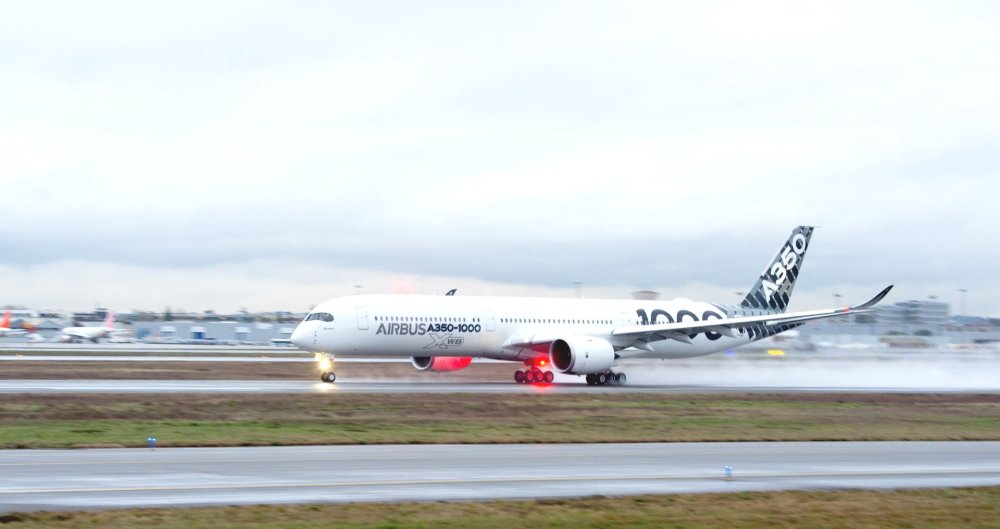
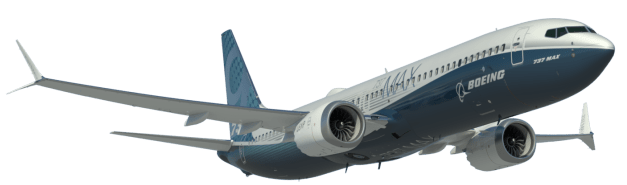
Boeing lanzará programa NMA-797

Resultado de imagen para Boeing 797

AW | 2017 12 13 20:45 | INDUSTRY

Boeinglogo[1]Boeing se acerca al lanzamiento de Boeing NMA-797 en 2018

El esperado lanzamiento de Boeing del New Midmarket Airplane (NMA) está en la agenda más importante en el calendario de la aviación comercial para 2018

Los fabricantes de aviones comerciales tomarán decisiones cruciales sobre estrategias y productos en 2018 a medida que los derivados y los nuevos modelos se sometan a pruebas de vuelo, y la producción continúa aumentando a niveles sin precedentes.

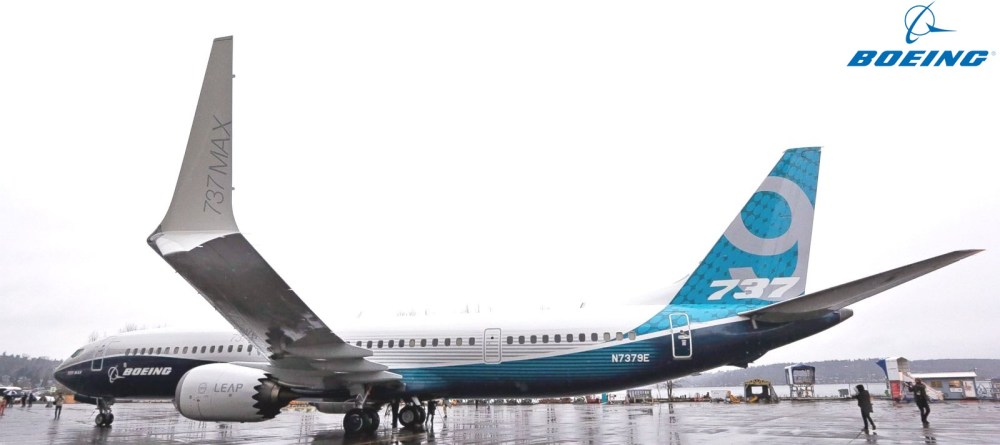
En medio de las crecientes señales de que Boeing podría lanzar el New Midmarket Airplane (NMA) en 2018, la compañía ya tiene uno de los años más ocupados de su historia. Mientras se prepara simultáneamente para debutar con el Boeing 737-9, el próximo miembro de la familia MAX.

Desde la compañía General Electric (GE) estiman poder introducir una nueva tecnoligía acorde al nuevo avión de Boeing. Pero muchos sectores de la industria de la aviación dicen que no puede introducir una nueva arquitectura en el período de 2024-2025. Esto podría retrazar forzosamente el programa 797.

Airbus está al tanto del desarrollo del nuevo programa del avión de mercado medio. Aunque la actitud del constructor europeo es responder a Boeing cuando saca al mercado una nueva aeronave, debería responder con capacidad estratégica de trazar sus propios proyectos. AIRWAYS® AW-Icon TXT

Resultado de imagen para Boeing 797

Boeing will launch Boeing NMA-797 program

Boeing approaches the launch of Boeing NMA-797

The expected release of Boeing from the New Midmarket Airplane (NMA) is on the most important agenda in the commercial aviation calendar for 2018

Commercial aircraft manufacturers will make crucial decisions about strategies and products in 2018 as derivatives and new models undergo flight tests, and production continues to rise to unprecedented levels.

Amid growing signs that Boeing could launch the New Midmarket Airplane (NMA) in 2018, the company already has one of the busiest years in its history. While preparing simultaneously to debut with the Boeing 737-9, the next member of the MAX family.

From the company General Electric (GE) estimated to be able to introduce a new technology according to the new Boeing aircraft. But many sectors of the aviation industry say they can not introduce a new architecture in the 2024-2025 period. This could forcibly retrace the 797 program.

Airbus is aware of the development of the new mid-market aircraft program. Although the attitude of the European manufacturer is to respond to Boeing when it brings a new aircraft to market, it should respond with a strategic ability to map its own projects. A\W


Ξ A I R G W A Y S Ξ
SOURCE:  Airgways.com
DBk: Boeing.com / Airgways.com
AW-POST: 201712132045AR

A\W   A I R G W A Y S ®

Avances pruevas E-190 E2

AW | 2017 12 13 18:31 |INDUSTRY

embraer logo.jpgEl Embraer E-190 E2 está programado para entrare en servicio en 3Q2018

El Embraer ha realizado con éxito en el E190-E2 el ensayo de velocidad mínima de despegue (Vmu) de la aeronave realizado en la instalación de Gavião Peixoto (SP). Las pruebas están relacionadas con la capacidad de despegue a baja velocidad. La aeronave alcanzar su ángulo máximo de ataque seguro antes de alzar vuelo. La cola (cono trasero del avión) entra en contacto con la pista midiendo la velocidad del aire cuando se despega para determinar el rango de velocidad de mínima y el ángulo de despegue de los nuevos Embraer E-190 E2.

Embraer explica que el Vmu ayuda a determinar las velocidades críticas de despegue y la distancia mínima necesaria para la aeronave despegar. La aeronave de prueba demostró características de manipulación excepcionales del AOA’s (ángulos de ataque) y es extremadamente controlable, incluso en bajas velocidades informa el fabricante brasileño. Para evitar un tailstrike (impacto en la cola) y daños en la estructura del fuselaje, el E190-E2 de prueba despegó equipado con un dispositivo de seguridad que toca la pista. Cuando la aeronave alcanza el ángulo de ataque máximo durante el tiempo del procedimiento de despegue a velocidad mínima permite determinar el ángulo y la velocidades de despegues aprobadas por el fabricante.

Segunda vida para el E175/190
El primer vuelo de la nueva generación «E2» del Embraer E175/190 se realizó en de mayo de 2016. El programa de desarrollo y certificación ha permitido la realización de varias pruebas de testeos en las cuatro aeronaves utilizadas.

Es el avión más avanzado que está construyendo Brasil. Permite incorporar tecnología de avanzada, vuelo computarizados con comandos fly-by-wire y motores de bajo consumo Pratt & Whitney PW1000G, una actualización de cabina con portaequipajes un 40% más grandes.​ Las mejoras anunciadas por asiento son una reducción de entre el 16 y el 24% en consumo de combustible y un 15–25% en costes de mantenimiento. La nueva generación de aviones Embraer E2 comprende dos derivados: E175-E2 y el E190-E2.

El E190-E2 está programado para ser entregado en abril de 2018. El primer cliente lanzador del nuevo jet brasileño es la compañía Widerøe, de Noruega.

Embraer tiene más de 80 pedidos por el E190-E2. Otras compañías que confirman pedidos por el nuevo jet son Tianjin Airlines (China), y Kalstan Aviation (Indonesia), además de los grupos de arrendamiento de aeronaves ILFC y Aircastle (Estados Unidos).  AIRWAYS® AW-Icon TXT

E195-E2_First_Flight..png

Advances tests E-190 E2

The Embraer E-190 E2 is scheduled to enter service in 3Q2018

embraer logo

Embraer has successfully performed the minimum takeoff speed (Vmu) test of the aircraft made at the Gavião Peixoto (SP) facility on the E190-E2. The tests are related to low speed take-off capacity. The aircraft reaches its maximum safe attack angle before taking flight. The tail (rear cone of the plane) comes into contact with the runway by measuring the air velocity when it is released to determine the minimum speed range and take-off angle of the new Embraer E-190 E2.

Embraer explains that the Vmu helps determine the critical take-off speeds and the minimum distance necessary for the aircraft to take off. The test aircraft demonstrated exceptional handling characteristics of the AOA’s (angles of attack) and is extremely controllable, even at low speeds,» the Brazilian manufacturer advises, to avoid a «tailstrike» (impact on the tail) and damage to the fuselage structure. , the test E190-E2 took off equipped with a safety device that touches the runway.When the aircraft reaches the maximum angle of attack during the time of the takeoff procedure at minimum speed allows to determine the angle and takeoff speeds approved by the maker.

Second life for the E175 / 190
The first flight of the new generation «E2» of the Embraer E175/190 was carried out in May 2016. The development and certification program has allowed several tests to be carried out on the four aircraft used.

It is the most advanced aircraft that is being built in Brazil. It allows the incorporation of advanced technology, computerized flight with fly-by-wire commands and Pratt & Whitney PW1000G low consumption motors, a cabin upgrade with 40% larger luggage racks. announced by seat are a reduction of between 16 and 24% in fuel consumption and 15-25% in maintenance costs. The new generation of Embraer E2 aircraft comprises two derivatives: E175-E2 and E190-E2.

The E190-E2 is scheduled to be delivered in April 2018. The first launch customer of the new Brazilian jet is the company Widerøe, from Norway.

Embraer has more than 80 orders for the E190-E2. Other companies that confirm orders for the new jet are Tianjin Airlines (China), and Kalstan Aviation (Indonesia), as well as aircraft leasing groups ILFC and Aircastle (United States). A \ W

La prueba realizada por Embraer sirve para determinar la velocidad mínima de despegue de la aeronave (Embraer)

El dispositivo utilizado para no dañar la aeronave es una especie de amortiguador de impacto (Embraer)

Testes de avanço E-190 E2

1280px-Embraer_logo.svg.png

O Embraer E-190 E2 está programado para entrar no serviço no 3T2018

A Embraer realizou com sucesso o teste mínimo de velocidade de decolagem (Vmu) da aeronave feita na instalação Gavião Peixoto (SP) no E190-E2. Os testes estão relacionados à capacidade de descolagem de baixa velocidade. A aeronave atinge seu ângulo máximo de ataque seguro antes de fazer vôo. A cauda (cone plano traseiro) contacta com a faixa por medir a velocidade do ar, quando desenrolada para determinar o intervalo mínimo de velocidade e ângulo DT novo Embraer E-190 E2.

A Embraer explica que o Vmu ajuda a determinar as velocidades críticas de decolagem e a distância mínima necessária para a decolagem da aeronave. «O teste de aeronaves apresentou características de manipulação excepcional do da AOA (ângulo de ataque) e é extremamente manejável, mesmo em baixas velocidades relatados pelo fabricante brasileira. Para evitar um tailstrike (impacto sobre a cauda) e danos à estrutura da fuselagem o teste E190-E2 decolou equipado com um dispositivo de segurança que toca a pista. Quando a aeronave atinge o máximo ângulo de ataque durante o tempo do procedimento de decolagem na velocidade mínima para determinar o ângulo e velocidade de decolagem aprovado pelo fabricante

Segunda vida para o E175 / 190
O primeiro vôo da nova geração «E2» do Embraer E175/190 foi realizada em maio de 2016. O programa de desenvolvimento e certificação permitiu à realização de vários testes de testes no quatro aeronaves usadas.

Ele é a aeronave mais avançada que está sendo construído pela Brasil.Peermite incorporar tecnologia avançada, comandos computadorizados de vôo fly-by-wire e combustível máquinas eficientes Pratt & Whitney PW1000G, uma atualização da bagagem de cabina racks até 40% grandes.6 7 As melhorias anunciadas por assento são uma redução entre 16 e 24% no consumo de combustível e 15-25% nos custos de manutenção. E190-E2 será o primeiro modelo da nova família de aeronaves E-Jets 2, também inclui as séries E175-E2 e E195-E2.

Conforme anunciado pela Embraer, o primeiro E190-E2 está programado para ser entregue em abril de 2018. O cliente-lançador do novo jato brasileiro é a empresa Widerøe, da Noruega.

A Embraer possui mais de 80 pedidos para o E190-E2. Outras empresas que confirmam as ordens para o novo jato são Tianjin Airlines da China e Kalstan Aviation da Indonésia, bem como grupos de arrendamento de aeronaves ILFC e Aircastle, ambos dos Estados Unidos. A \ W

VIDEO > EMBRAER E190 E2 TEST


Ξ A I R G W A Y S Ξ
SOURCE:  Airgways.com
DBk: Embraer.com
AW-POST: 201712131831AR

A\W   A I R G W A Y S ®

Boeing aventaja a Airbus en 11/2017

AW | 2017 12 10 21:32 | INDUSTRY

Logo_Airbus_2014.svgBoeing aventaja a Airbus con casi el doble de pedidos hasta noviembre 2017

Boeinglogo[1]

Boeing ha obtenido órdenes por 662 aviones comerciales, excluidas 125 cancelaciones hasta el 28 de Noviembre 2017, frente a los 333 pedidos netos de Airbus, que sufrió 55 anulaciones en los once primeros meses del año 2017.

La cartera de aviones de pasajeros de Airbus en todo el mundo sobre pedidos en firme asciende a 13.353 aeronaves, incluidos los jet ejecutivos, frente a los 5.651 pedidos pendientes del constructor estadounidense. Boeing registró hasta el 28 de Noviembre un total de 787 encargos brutos de aeronaves comerciales, frente a los 388 pedidos brutos del fabricante europeo Airbus contabilizados también a 30 de noviembre.

En los once primeros meses el año, Airbus recibió un total de 333 pedidos netos de aeronaves valorados a precio de catálogo en 47.563 millones de dólares (40.376 millones de euros), mientras que Boeing registró 662 pedidos netos por valor de 114.079,5 millones de dólares (96.845 millones de euros). Airbus registró una cancelación del A319ceo, 15 del A320ceo, 19 del A320neo, dos del A321ceo, ocho del A321neo, cuatro del A330-800, cuatro del A350-900 y dos del A380, con lo que dejó de ingresar 8.021 millones de dólares (6.810 millones de euros).

Boeing tuvo cancelaciones por 125 aeronaves, 105 del modelo 737, ocho del 747 y doce del 787, con lo que dejó de ingresar US$ 19.369,6 millones de dólares (16.445 millones de euros).

A320NEO vs B737
Airbus cerró acuerdos hasta el 30 de Noviembre para la venta de 131 aparatos del A320NEO, seis A319CEO, uno del A319NEO, 39 aviones A320CEO, 57 aviones A321CEO, 53 aviones A321NEO, seis del A330-200, cuatro del A330-300, dos del A330-900, 39 del A350-900 y un A350-1000. Boeing contabilizó 662 pedidos netos hasta el 28 de noviembre. Concretamente, 505 aviones 737, 15 del modelo 767, 57 del 777 y 88 aviones 787.

Boeing gana en entregas
En cuanto a las entregas, Boeing formalizó la entrega de 610 nuevos aviones comerciales: 418 entregas del 737, once del 747, ocho del 767, 60 del 777 y 113 aviones del modelo 787, lo que supone 19 entregas más que Airbus en los once primeros meses del año.

Por su parte, el fabricante europeo entregó 591 unidades hasta el 30 de Noviembre, 453 de pasillo único seis A319CEO, 155 del A320CEO, 121 del A320NEO, 158 aviones A321CEO y 13 aviones A321NEO, 13 unidades del A330-200, dos A330-200F, 40 del A330-300, 69 del A350 y 14 A380.   AIRWAYS® AW-Icon TXT

IMG_8642-1-AS- (1).jpg

Boeing leads Airbus on 11/2017

Boeing leads Airbus with almost double orders until November 2017

Boeing has obtained orders for 662 commercial aircraft, excluding 125 cancellations until November 28, 2017, compared to 333 net orders of Airbus, which suffered 55 cancellations in the first eleven months of 2017.

The Airbus passenger aircraft portfolio worldwide for firm orders amounts to 13,353 aircraft, including executive jet, compared to 5,651 orders pending from the US manufacturer. Boeing registered a total of 787 gross orders of commercial aircraft until November 28, compared to 388 gross orders of the European manufacturer Airbus also recorded on November 30.

In the first eleven months of the year, Airbus received a total of 333 net orders of aircraft valued at the list price of 47,563 million dollars (40,376 million euros), while Boeing registered 662 net orders worth 114,079.5 million euros. dollars (96,845 million euros). Airbus registered a cancellation of the A319ceo, 15 of the A320ceo, 19 of the A320neo, two of the A321ceo, eight of the A321neo, four of the A330-800, four of the A350-900 and two of the A380, with which it stopped entering 8.021 million dollars ( 6,810 million euros).

Boeing had cancellations for 125 aircraft, 105 of the 737 model, eight of the 747 and twelve of the 787, with which it stopped entering US $ 19,369.6 million (16,445 million euros).

A320NEO vs B737
Airbus closed agreements until November 30 for the sale of 131 aircraft of the A320NEO, six A319CEO, one of the A319NEO, 39 aircraft A320CEO, 57 aircraft A321CEO, 53 aircraft A321NEO, six of the A330-200, four of the A330-300, two of the A330-900, 39 of the A350-900 and an A350-1000. Boeing accounted for 662 net orders until November 28. Specifically, 505 737 aircraft, 15 of the 767 model, 57 of the 777 and 88 787 aircraft.

Boeing wins in deliveries
As for deliveries, Boeing formalized the delivery of 610 new commercial aircraft: 418 deliveries of the 737, eleven of the 747, eight of the 767, 60 of the 777 and 113 aircraft of the 787 model, which is 19 deliveries more than Airbus in the eleven first months of the year.

For its part, the European manufacturer delivered 591 units until November 30, 453 single aisle six A319CEO, 155 A320CEO, 121 of the A320NEO, 158 aircraft A321CEO and 13 aircraft A321NEO, 13 units of the A330-200, two A330-200F , 40 of the A330-300, 69 of the A350 and 14 A380. A \ W


Ξ A I R G W A Y S Ξ
SOURCE: Airgways.com
DBk: Boeing.com / Airbus.com / Wikimedia.org
AW-POST: 201712102132AR
A\W A I R G W A Y S ®

Larga vida al Boeing 717

Resultado de imagen para Home of the Boeing 717

AW | 2017 12 08 23:17 | INDUSTRY

Boeinglogo[1]sticker717blue.jpgEl Boeing 717 es producto de la fusión de McDonnell Douglas y Boeing

mcdonnelldouglas-logo.jpgMcDonnell Douglas había diseñado el MD-95 un derivado de la famosa línea de aviones comerciales MD-80/MD-90.

El MD-95 efectuó su primer vuelo el 2 de Septiembre de 1998. Entró en servicio el 12 de Octubre de 1999 con la aerolínea AirTran Airways para competir en el mercado de los 100 asientos. Es el modelo que se conoció antes de la fusión de McDonnell Douglas con Boeing como MD-95, que a su vez era un desarrollo del Douglas DC-9. El 14 de enero de 2005, Boeing anunció que en 2006 cerraría la cadena de montaje del Boeing 717, situada en Long Beach (Estado de California).

El MD-95 fue anunciado en 1991, inicialmente como MD-87-105, una versión recortada de la alargada familia MD-80 que había regresado a casi el mismo tamaño del DC-9 Series 30 de los años 60. Pronto fue renombrado MD-95 para reflejar la anticipada primera fecha de entrega, al menos en el caso de que McDonnell Douglas Corporation no pudiera encontrar una aerolínea dispuesta a hacer un pedido en firme para comenzar la producción hasta esa fecha.

ANUNCIO DE PRESENTACIÓN DEL McDONNELL DOOUGLAS MD-95

En octubre de 1995, la aerolínea de bajo coste estadounidense ValuJet firmó una orden por 50 MD-95, más 50 opciones. Generalmente, un nuevo avión tiene una o más grandes aerolíneas de prestigio y bien establecidas como clientes lanzadores. Lanzar la producción del MD-95 sobre la base de una sola orden de una debutante compañía de dos años de antigüedad con dudosas finanzas era altamente optimista, y se vio como un reflejo de la dificultad que estaba teniendo McDonnell Douglas en vender aviones.

Resultado de imagen para Boeing 717 pngEn Diciembre de 1996, Boeing realizó una oferta de compra de 13 mil millones de dólares por McDonnell Douglas y la fusión se hizo oficial el año siguiente. Boeing se apresuró a deshacerse de toda la línea comercial de MDC, excepto solamente el MD-95, que fue rebautizado Boeing 717.

La mayoría de los observadores industriales esperaban que también prontamente se abandonara el MD-95. Para empezar, Boeing no tuvo más éxito que McDonnell Douglas en vender el 717, e incluso la orden original de 50 unidades no era una certeza en el caótico mercado de las aerolíneas estadounidenses tras la desregularización (un cliente no sólo tenía que querer un avión, sino que tenía que ser capaz de pagarlo). En este caso, ValuJet, actualmente AirTran Airways, conseguiría un éxito considerable y ahora opera 73 aviones 717-200, así como 5 nuevos 737-700. Continúa aceptando entregas de 717 y 737.timeline-717.png

Boeing aceptó un puñado de pequeñas órdenes de compañías de alquiler y operadores menores, y en una segunda gran orden de 50 Boeing 717 de TWA, pero tras la dramática caída en el tráfico de las aerolíneas causada por la reacción al incidente del 11 de septiembre en los Estados Unidos, Boeing anunció una revisión del futuro del modelo.

Tras mucha deliberación, se decidió seguir. A pesar de la falta de órdenes, Boeing confiaba en la fundamental idoneidad del Boeing 717 para el mercado de las 100 plazas, y en el tamaño a largo plazo de ese mercado. Adicionalmente, la antigua planta de Douglas en Long Beach estaba casi parada (junto con el 717, sólo había un puñado de C-17 para mantenerla ocupada). Quizá lo más importante de todo, el abandonar el 717 supondría dejar el mercado de las 100 plazas a Airbus y a su planeado A318: desde un punto de vista de mercado, cualquier aerolínea que comprase un A318 tendría una poderosa razón para comprar luego A320 y A321 en vez de 737 para aprovechar las partes comunes y las tripulaciones, si la aerolínea no tuviera muchos 737 ya en su flota. En vez de usar un avión de la clase de los 100 asientos, las aerolíneas tendrían que elegir usar un avión mayor, pero ocupando la mitad de los asientos, la mitad de su capacidad de combustible, y en adelante, lograr más comunión con otros aviones de sus flotas en vez de tener una amplia gama de aparatos.

AW-10000001717.png

Boeing, también planificó un derivado del Boeing 717, el Boeing 717-300, pero pronto no tuvo demanda y  el proyecto fue cancelado. Aunque la producción del Boeing 717 había finalizado, en realidad este «pequeño fundamento» a logrado sobrevivir. La industria de China, bajo la mano de COMAC ha logrado refundar este avión regional, revisando y retocando muchos aspectos de la aeronave, algunos de ellos radicalmente. Entró en escena el nuevo ARJ 21-700, un avión híbrido del Boeing 717 y MD-95.

Pasos finales del Boeing 717

En enero de 2005, Boeing anunció que tenía planeado cerrar la cadena de montaje del B-717 tras haber cumplido la lista actual de pedidos, debido a la baja cifra de ventas de la aeronave. Esto se debe a la creciente competencia de los constructores de aviones regionales, especialmente Embraer y Bombardier; además de la competencia del A318 de Airbus, de un tamaño similar y que es muy parecido a otros aviones de la familia del A320, lo que significa una reducción significativa de costes. El último B-717 fabricado salió de la cadena de montaje en mayo de 2006 de la fábrica de Long Beach (California). El Boeing 717-200 se fabricó en el período 1998 – 2006 y culminando la producción con 156 de los aviones construidos con las variantes 200 (básica) y 200HGW (con peso operativo incrementado).

El 23 de mayo de 2006, Boeing entregó los últimos dos aviones 717-200 a clientes en su fábrica de Long Beach, California. Marcó el final de un programa lleno de promesas pero que finalmente no logró captar el interés de las aerolíneas. Incluso la operación de ventas bien engrasada de Boeing solo pudo reunir 156 pedidos para el pequeño avión de 100 viajes y corto recorrido.

El proyecto BRJ de Bombardier no se concretó, pero muchos años después nació el CSeries. El mercado de las 100 plazas estuvo masificado hasta 2001, pero varios competidores potenciales han desaparecido. BAe canceló su Avro RJX (un BAe 146 actualizado con motores modernos); Fairchild Dornier cerró sus puertas, llevándose el proyecto Do-728/928, y Bombardier canceló su nuevo BRJ en favor de un menos ambicioso CRJ alargado de 90 asientos. La actual flota mundial está mayoritariamente compuesta de viejos birreactores con costes relativamente altos, siendo notables los DC-9, primeros modelos de 737, y el Fokker 100.

Boeing 717 fuera producción

¿Cómo un avión que Boeing no pudo vender se convirtió en un avión del que las aerolíneas no pueden tener suficiente? A pesar de que el Boeing 717 lleva el nombre de Boeing y el esquema de nombres 7X7 de la firma, en realidad no es un Boeing. Frote en ese logotipo de Boeing con una almohadilla de brillo y un poco de agua jabonosa y pronto encontrará las palabras impresas en el avión de McDonnell Douglas.

En 1997, Boeing adquirió a su rival de larga data McDonnell Douglas por US$ 13 mil millones. En ese momento, McDonnell Douglas produjo el avión de fuselaje ancho MD-11 y continuaba con el éxito de producción de los MD-80/90. Poco después de la fusión, Boeing eliminó todos los aviones comerciales de MD80/90. Aún así, Boeing preservó la línea de producción del MD-95 que se estableció para entrar en servicio en 1999. Como Boeing observó que el MD-95 encajaba perfectamente justo por debajo de los Boeing 737, favorecería la competencia con el proyecto inicial de Airbus: AE316 y AE317. Posteriormente estos aviones unificarían su producción como el A318.

Para que encajara mejor en la cartera de productos del Boeing, el MD-95 fue renombrado como el Boeing 717-200. Sin embargo, eso no fue suficiente para convencer a las aerolíneas. Era un avión diseñado por McDonnell Douglas con diferentes ideas y filosofías. Por lo tanto, el 717 era un huérfano que no pertenecía a ninguna de las familias de productos de Boeings.

Para las líneas aéreas, existe un gran incentivo financiero para tener aviones de diferentes tamaños y roles operados por la misma tripulación y atendidos por los mismos equipos de mantenimiento que utilizan las mismas piezas de repuesto. Hay una sinergia total allí.

A pesar de que los McDonnell Douglas DC-9/MD-80/MD-90 todavía servían como la columna vertebral de muchas de las principales aerolíneas de EEUU como American Airlines, Northwest Airlines (NWA) y Delta Air Lines, ninguno de los grandes optó por introducir el avión regional en sus flotas. Cuando American Airlines adquirió Trans World Airlines (TWA) en 2001, vendió todos sus Boeing 717-200.

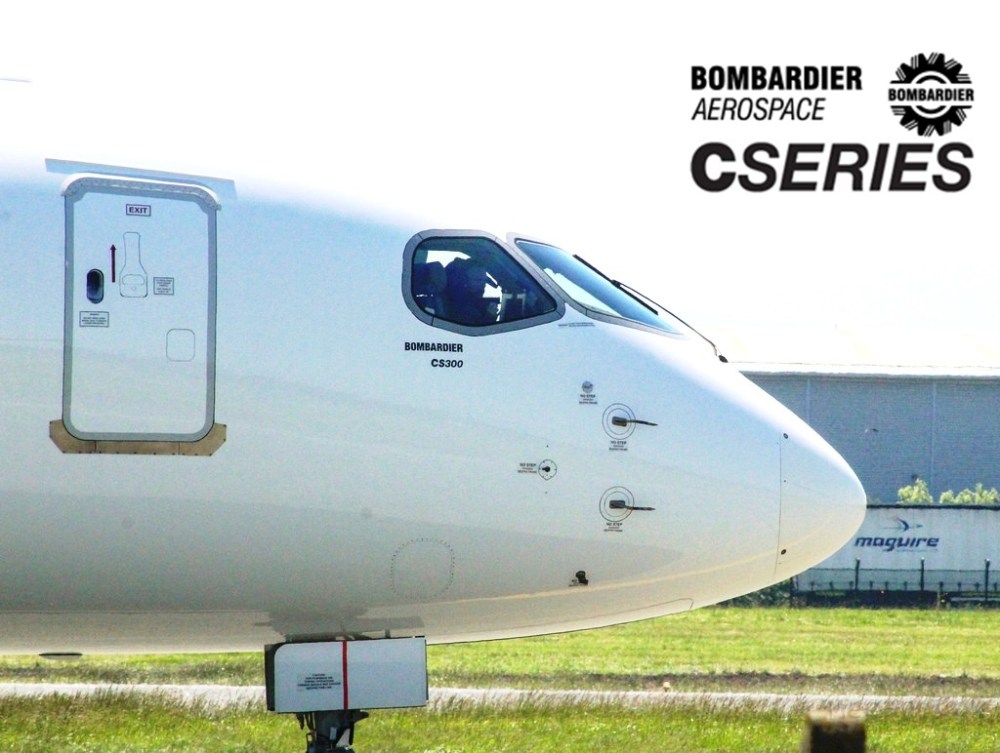
Debido a que el mercado se contrajo en los años 2006-2008 por la poca oferta de aviones jet regionales en aquel tiempo, el Boeing 717 moría. Pero once años después, las aerolíneas que operan el 717 están ansiosas por una aeronave que cubra el segmento de las 100 plazas. La realidad es muy diferente en la actualidad, ya que el Airbus A318 no cumplió el rol deseado en las aerolíneas, inclusive con la estandarización de la gama de la familia A320 en las líneas aéreas. Embraer compite con la nueva línea de aviones de segunda generación los E190/195 E2 y los Bombardier CS-100 y CS-300.

br715-boeing-717.jpg

Actual demanda regional

Actualmente, el Boeing 717 es operado principalmente por cuatro aerolíneas; Delta Air Lines, Hawaian Airlines, Qantas Link (Cobham Aviation Services Australia) y la aerolínea española de bajo costo Volotea. Con 91 de los aviones en su flota, Delta Air Lines es el operador más grande del Boeing 717.

Increíblemente, una década después de ser eliminados de la línea de producción de Boeing, las aerolíneas están recorriendo el planeta en busca disponibilidad del codiciado Boeing 717. «Estos tipos siguen rogándome que les dé más aviones 717. Pero eso terminó y no va a suceder», dijo Dinesh Keskar, Vicepresidente Senior de ventas de Boeing para Asia Pacífico e India.

Remarcar errores en la proyección de la línea de producción en The Boeing Company no es facil, ya que existen muchos motivos por los que se han dado de baja las líneas de producción de los Boeing 757 y Boeing 717. Pero una cosa es certera, el constructor americano ha perdido mucho mercado regional y de mercado medio, sin una compatencia fuerte. En la actualidad Boeing sigue padeciendo los errores del pasado.

Cómo el jet Boeing 717 que nadie quería se ha convertido en la actualidad en el best-seller de las líneas aéreas que recorren el planeta. La respuesta es muy acertada, sigue siendo un excelente avión regional. AIRWAYS® AW-Icon TXT

Long live the Boeing 717

br715-boeing-717.jpgThe Boeing 717 is the product of the merger of McDonnell Douglas and Boeing

McDonnell Douglas had designed the MD-95 a derivative of the famous commercial aircraft line MD-80 / MD-90.

The MD-95 made its first flight on September 2, 1998. It entered service on October 12, 1999 with the AirTran Airways airline to compete in the 100-seat market. It is the model that was known before the merger of McDonnell Douglas with Boeing as MD-95, which in turn was a development of the Douglas DC-9. On January 14, 2005, Boeing announced that in 2006 it would close the assembly line of Boeing 717, located in Long Beach (State of California).

The MD-95 was announced in 1991, initially as MD-87-105, a cropped version of the elongated MD-80 family that had returned to almost the same size as the DC-9 Series 30 of the 1960s. It was soon renamed MD -95 to reflect the anticipated first delivery date, at least in the case that McDonnell Douglas Corporation could not find an airline willing to place a firm order to begin production until that date.

Resultado de imagen para Boeing 717-200 AirTran Airways pngIn October 1995, the US low cost airline ValuJet signed an order for 50 MD-95, plus 50 options. Generally, a new aircraft has one or more large, well-established and established airlines as launch customers. Launching the MD-95’s production on the basis of a single order from a two-year-old debutante company with dubious finances was highly optimistic, and was seen as reflecting the difficulty McDonnell Douglas was having in selling aircraft.

c31ffa13fc429c4fe92f6bddbd354dbb

In December of 1996, Boeing made a purchase offer of 13 billion dollars for McDonnell Douglas and the merger became official the following year. Boeing hastened to get rid of the entire MDC business line, except only the MD-95, which was renamed Boeing 717.

AW-7000717.jpg

AIRTRAN AIRWAYS, FIRST CUSTOMER TO LAUNCH OF THE BOEING 717

Most industrial observers expected the MD-95 to be abandoned as soon as possible. For starters, Boeing was no more successful than McDonnell Douglas in selling the 717, and even the original order of 50 units was not a certainty in the chaotic market of US airlines after deregulation (a customer not only had to want a plane, it had to be able to pay for it). In this case, ValuJet, currently AirTran Airways, would achieve considerable success and now operates 73 717-200 aircraft, as well as 5 new 737-700. Continue accepting deliveries of 717 and 737.

Boeing accepted a handful of small orders from rental companies and smaller operators, and a second large order of 50 TWA Boeing 717, but after the dramatic fall in airline traffic caused by the reaction to the September 11 incident in United States, Boeing announced a review of the future of the model.

Imagen relacionada

MEXICANA CLICK USED THE BOEING 717-200

After much deliberation, it was decided to continue. Despite the lack of orders, Boeing was confident in the fundamental suitability of the Boeing 717 for the 100-seat market, and in the long-term size of that market. Additionally, the old Douglas plant in Long Beach was almost stopped (along with the 717, there was only a handful of C-17s to keep it occupied). Perhaps most important of all, leaving the 717 would leave the market of 100 seats to Airbus and its planned A318: from a market point of view, any airline that bought an A318 would have a strong reason to buy then A320 and A321 instead of 737 to take advantage of common parts and crews, if the airline did not have many 737 already in its fleet. Instead of using an aircraft of the class of 100 seats, airlines would have to choose to use a larger aircraft, but occupying half of the seats, half of its fuel capacity, and thereafter, achieve more communion with other aircraft of their fleets instead of having a wide range of devices.

AW-70011777.png

Boeing also planned a derivative of the Boeing 717, the Boeing 717-300, but soon had no demand and the project was canceled. Although the production of the Boeing 717 had ended, in reality this «small foundation» managed to survive. The industry of China, under the control of COMAC, has managed to refound this regional aircraft, reviewing and retouching many aspects of the aircraft, some of them radically. The new ARJ 21-700, a hybrid aircraft of the Boeing 717 and MD-95, entered the scene.

Final steps of the Boeing 717

In January 2005, Boeing announced that it had planned to close the assembly line of the B-717 after having fulfilled the current list of orders, due to the low sales figure of the aircraft. This is due to the growing competition from the regional aircraft builders, especially Embraer and Bombardier; in addition to the competition of the Airbus A318, of a similar size and which is very similar to other aircraft of the A320 family, which means a significant reduction in costs. The last manufactured B-717 left the assembly line in May 2006 from the Long Beach factory (California). The Boeing 717-200 was manufactured in the period 1998 – 2006 and culminating production with 156 of the aircraft built with the variants 200 (basic) and 200HGW (with increased operating weight).

On May 23, 2006, Boeing delivered the last two 717-200 aircraft to customers at its Long Beach, California factory. It marked the end of a program full of promises but that finally failed to capture the interest of the airlines. Even Boeing’s well-oiled sales operation could only gather 156 orders for the small 100-trip, short-haul aircraft.

Bombardier‘s BRJ project did not materialize, but CSeries was born many years later. The 100-seat market was massive until 2001, but several potential competitors have disappeared. BAe canceled its Avro RJX (an updated BAe 146 with modern engines); Fairchild Dornier closed its doors, taking project Do-728/928, and Bombardier canceled its new BRJ in favor of a less ambitious CRJ elongated of 90 seats. The current world fleet is mostly made up of old twinjet jets with relatively high costs, notably the DC-9, first models of 737, and the Fokker 100.

Boeing 717 out production

How could a plane that Boeing could not sell turn into a plane that airlines can not have enough of? Although the Boeing 717 bears the name of Boeing and the 7X7 name scheme of the firm, it is not really a Boeing. Rub in that Boeing logo with a glitter pad and some soapy water and you’ll soon find the words printed on the McDonnell Douglas plane.

In 1997, Boeing acquired long-time rival McDonnell Douglas for US $ 13 billion. At that time, McDonnell Douglas produced the MD-11 wide-body aircraft and continued the production success of the MD-80s. Shortly after the merger, Boeing eliminated all commercial aircraft from MD80 / 90. Still, Boeing preserved the MD-95 production line that was established to enter service in 1999. As Boeing noted that the MD-95 fitted perfectly just below the Boeing 737s, it would favor competition with the initial Airbus project. : AE316 and AE317. Later these planes would unify their production as the A318.

To better fit the Boeing product portfolio, the MD-95 was renamed the Boeing 717-200. However, that was not enough to convince the airlines. It was an airplane designed by McDonnell Douglas with different ideas and philosophies. Therefore, 717 was an orphan who did not belong to any of the Boeings product families.

BOEING 717-200 OF HAWAIIAN AIRLINES

For airlines, there is a great financial incentive to have aircraft of different sizes and roles operated by the same crew and served by the same maintenance teams that use the same spare parts. There is a total synergy there.

Although the McDonnell Douglas DC-9 / MD-80 / MD-90 still served as the backbone of many of the major US airlines such as American Airlines, Northwest Airlines (NWA) and Delta Air Lines, none of the large chose to introduce the regional aircraft in its fleets. When American Airlines acquired Trans World Airlines (TWA) in 2001, it sold all of its Boeing 717-200s.

Because the market contracted in the years 2006-2008 due to the low supply of regional jet planes at that time, the Boeing 717 died. But eleven years later, the airlines that operate the 717 are anxious for an aircraft that covers the segment of the 100 seats. The reality is very different today, since the Airbus A318 did not fulfill the desired role in the airlines, even with the standardization of the A320 family line in the airlines. Embraer competes with the new line of second-generation aircraft E190 / 195 E2 and the Bombardier CS-100 y CS-300.

Current regional demand

Currently, the Boeing 717 is operated mainly by four airlines; Delta Air Lines, Hawaian Airlines, Qantas Link (Cobham Aviation Services Australia) and the low cost Spanish airline Volotea. With 91 of the aircraft in its fleet, Delta Air Lines is the largest operator of the Boeing 717.

Incredibly, a decade after being eliminated from the Boeing production line, airlines are scouring the planet in search of the availability of the coveted Boeing 717. «These guys are still begging me to give them more 717s. But that’s over and it’s not going to happen» said Dinesh Keskar, Senior Vice President of Sales for Boeing for Asia Pacific and India.

Remarking errors in the projection of the production line in The Boeing Company is not easy, since there are many reasons why the production lines of the Boeing 757 and Boeing 717 have been canceled. But one thing is certain, the American builder has lost a lot of regional and middle market, without strong competition. Currently, Boeing continues to suffer from the mistakes of the past.

How the Boeing 717 jet that no one wanted has now become the best-seller of the airlines that travel the planet. The answer is very accurate, it is still an excellent regional aircraft. A\W


Ξ A I R G W A Y S Ξ
SOURCE:  Airgways.com
DBk: Boeing.com / Airgways.com / McDonnell Douglas [Residual] / Hawaiianairlines.com / Juan C. Guerra
AW-POST: 201712082317AR

A\W   A I R G W A Y S ®


Boeing entrega 1er B777-200F a Turkish

AW | 2017 12 08 12:13 | INDUSTRY

Boeing%20logo[1].jpgBoeing y Turkish Airlines celebran el primer carguero 777 de la aerolínea

Turkish_Airlines-logo-B8C0CDB0D3-seeklogo.comBoeing y Turkish Airlines celebraron hoy la entrega del primer Boeing 777-200F (Carguero) de la aerolínea, el carguero bimotor de mayor alcance del mundo. El avión y un segundo carguero en orden ayudarán a la aerolínea a expandir su negocio de carga.

Boeing, Turkish Airlines celebró la entrega del primer 777 Carguero del transportista. El avión se ve aquí llegando a Estambul.

«La entrega de nuestro primer 777 Carguero es un evento clave en nuestro negocio de carga», dijo el Sr. İlker Aycı, Presidente de la Junta y el Comité Ejecutivo de Turkish Airlines. «Como una sub-marca destacada de Turkish Airlines, Turkish Cargo aumentó sus destinos de cargueros atendidos de 55 a 73 desde el comienzo de este año, alcanzando aproximadamente un millón de toneladas de carga con un aumento del 29 por ciento. Es indudable que esto es un éxito notable. Estamos seguros de que esta entrega significativa, que aportará un gran valor a nuestras operaciones de carga en rápido crecimiento, también permitirá a nuestra submarca líder competir, expandirse y llegar a nuevos destinos de corto y largo alcance desde nuestro centro en Estambul».

«Nos sentimos honrados de entregar el 777 Freighter a Turkish Airlines», dijo Marty Bentrott, Vicepresidente Senior de Ventas, Medio Oriente, Turquía, Rusia, Asia Central y África, Boeing Commercial Airplanes. «La capacidad de alcance de este avión, combinada con su capacidad de carga mejorada, lo convierte en un avión perfecto para que Turkish Airlines continúe creciendo rentablemente su servicio de carga global».

El 777 Freighter se basa en el avión de pasajeros 777-200LR (Long Range) y puede volar 4.900 millas náuticas (9.070 kilómetros) con una carga útil completa de 112 toneladas (102 toneladas métricas o 102,000 kg).

Con sede en Estambul, Turkish Airlines es una de las aerolíneas de más rápido crecimiento en el mundo. Transporta más de 60 millones de pasajeros al año, con vuelos directos a 300 destinos en 120 países. La aerolínea hizo su primer vuelo nacional en 1933 y el primer vuelo internacional en 1947. Turkish Airlines se fundó en 1933 con una flota de cinco aviones que transportaban un total de 28 pasajeros, y ahora se expande a 329 aviones.  AIRWAYS® AW-Icon TXT

Boeing delivers 1st B777-200F to Turkish

Boeing, Turkish Airlines Celebrate the Airline’s First 777 Freighter

Boeing and Turkish Airlines celebrated the delivery today of the airline’s first Boeing 777-200F (Freighter), the world’s longest-range twin-engine freighter. The airplane and a second freighter on order will help the airline expand its cargo business.

Boeing, Turkish Airlines celebrated the delivery of carrier’s first 777 Freighter. The airplane is seen here arriving to Istanbul.

«The delivery of our first 777 Freighter is a milestone event in our cargo business», said Mr. İlker Aycı, Chairman of the Board and the Executive Committee, Turkish Airlines. «As a prominent sub-brand of Turkish Airlines, Turkish Cargo increased its freighter destinations served from 55 to 73 from the beginning of this year, reaching approximately one million tons of cargo with a 29 percent increase. It is surely beyond doubt that this is a remarkable success. We’re sure that this significant delivery, which will bring great value to our rapidly growing cargo operations, will also enable our leading sub-brand to further compete, expand and reach new short and long-range destinations from our hub in Istanbul».

«We are honored to deliver the 777 Freighter to Turkish Airlines», said Marty Bentrott, Senior Vice President of Sales, Middle East, Turkey, Russia, Central Asia and Africa, Boeing Commercial Airplanes. «This aircraft’s range capability, combined with its enhanced cargo capacity, makes it a perfect airplane for Turkish Airlines to continue to profitably grow its global cargo service».

The 777 Freighter is based on the 777-200LR (Longer Range) passenger airplane and can fly 4,900 nautical miles (9,070 kilometers) with a full payload of 112 tons (102 metric tonnes or 102,000 kg).

Based in Istanbul, Turkish Airlines is one of the fastest growing airlines in the world. It carries over 60 million passengers a year, with direct flights to 300 destinations in 120 countries. The airline made its first domestic flight in 1933 and the first international flight in 1947. Turkish Airlines was founded in 1933 with a fleet of five airplanes that carried a total of 28 passengers, expanding to 329 aircraft today. A\W


Ξ A I R G W A Y S Ξ
SOURCE:  Airgways.com
DBk: Boeing.com
AW-POST: 201712081213AR

A\W   A I R G W A Y S ®

Boeing consigue liderazgo aerocomercial

AW | 2017 12 08 00:02 | INDUSTRY

Logo_Airbus_2014.svgEl mercado de la industria aerocomecial ha logrado un notable incremento del número de unidades fabricadas y entregadas en el mundo en 2017

Boeing-Logo.svgAirbus obtuvo 333 pedidos y entregó 591 aviones. Boeing registró hasta el 1 de Diciembre 662 encargos en firme y entregas en ese periodo [sin datos disponibles]. Pero hasta Octubre 2017 había entregado 610 aviones, lo que presupone una amplia ventaja para el constructor americano.

En el período Enero-Noviembre 2017, Airbus entregó 74 aviones. De esta manera ha entregado el doble de las aeronaves de la familia A320NEO. Airbus registró para el mes de Noviembre 2017 órdenes por 45 aviones A320: 320NEO (30) y A321NEO (15) para CDB Aviation Lease Finance. En Noviembre 2017 recibieron entregas para 37 clientes de aeronaves A320/A321 (54) que incluyen todos los modelos de las generaciones CEO/NEO, junto con 20 aviones de fuselaje ancho (widebody):A330-300 (5), A350-900 (11) y A380 (4).

Airbus ha comunicado la aceleración de la producción del A350 XWB, que alcanzará una tasa mensual para el 2018 de diez unidades.

El constructor aeronáutico europeo Airbus podría entregar 700 aviones en 2017, marcando un nuevo récord de producción. Para lograr este objetivo necesitaría aproximadamente un récord mensual de 111 entregas en este mes de Diciembre 2017 para cumplir con su objetivo principal fijado para este año de entregar más de 700 aviones.

Aunque las perspectivas de los objetivos de Airbus parecen cumplirse internamente, es poco probable que alcance a su competidor americano en la carrera de pedidos en 2017, pero puede lograr obtener más pedidos a su amplia y nutrida gama de aviones comerciales.  AIRWAYS® AW-Icon TXT

Boeing achieves leadership in the commercial market

The market of the aerocommercial industry has achieved a remarkable increase in the number of units manufactured and delivered in the world in 2017

Airbus obtained 333 orders and delivered 591 aircraft. Boeing registered 662 firm orders and deliveries in that period until December 1 [no data available]. But until October 2017 had delivered 610 aircraft, which presupposes a wide advantage for the American manufacturer.

In the period January-November 2017, Airbus delivered 74 aircraft. In this way, it has delivered twice as many aircraft of the A320NEO family. Airbus registered for the month of November 2017 orders for 45 A320 aircraft: 320NEO (30) and A321NEO (15) for CDB Aviation Lease Finance. In November 2017, they received deliveries for 37 A320 / A321 (54) aircraft customers that include all models of the CEO/NEO generations, along with 20 widebody airplanes (widebody): A330-300 (5), A350-900 ( 11) and A380 (4).

Airbus has announced the acceleration of the production of the A350 XWB, which will reach a monthly rate for 2018 of ten units.

The European aeronautical constructor Airbus could deliver 700 aircraft in 2017, marking a new production record. To achieve this goal, it would need approximately a monthly record of 111 deliveries in this month of December 2017 to meet its main objective set for this year of delivering more than 700 aircraft.

Although the prospects for Airbus’ objectives seem to be met internally, it is unlikely to reach its American competitor in the order race in 2017, but it may be able to obtain more orders from its large and broad range of commercial aircraft. A \ W


Ξ A I R G W A Y S Ξ
SOURCE:  Airgways.com
DBk: Airbus.com / Boeing.com / Wikimedia.org
AW-POST: 201712080002AR

A\W   A I R G W A Y S ®

Embraer entrega el E-Jet Nº 1.400

AW | 2017 12 07 22:21 | INDUSTRY

1280px-Embraer_logo.svgEmbraer ha entregado el E-Jet número 1.400 en el mundo

Resultado de imagen para american eagle airlines logoLa familia de reactores E-Jet ha alcanzado las entregas que ascienden a 1.400 aviones entregados en un período de 13 años. Ceremonia de entrega del E-Jet número 1.400 en la factoría de Embraer en Sao Jose dos Campos.

Resultado de imagen para Embraer E175 pngEl 8 de Marzo 2004 Embraer en una ceremonia efectuaba una doble entrega de los primeros Embrear E-170 a LOT (Polonia) y a US Airways (EEUU), comenzando una nueva etapa de aviones jet regionales de nuevo diseño. trece años después, el 6 de Diciembre 2017, Envoy Air, una aerolínea subsidiaria bajo el nombre de American Eagle ha recibido el ejemplar número 1.400, que corresponde al modelo Embraer E-175. El grupo de American Airlines había realizado un pedido por 74 ejemplares, 54 de los cuales serán operados por Envoy Air.

La entrega del avión número 1.000 de esta familia fue el 16 de Septiembre de 2013 a Republic Airlines. Los 1.399 Embraer E-Jet entregados, operados por 70 clientes de 50 países, acumulan más de 22 millones de horas de vuelo y los 16 millones de ciclos de vuelo, en los que han transportado a más de 1.000 millones de viajeros.  AIRWAYS® AW-Icon TXT


Embraer delivers the E-Jet Nº 1,400

embraer logoEmbraer has delivered the 1,400th E-Jet in the world

The family of E-Jet reactors has reached deliveries amounting to 1,400 aircraft delivered over a period of 13 years. E-Jet delivery ceremony number 1,400 at the Embraer factory in Sao Jose dos Campos.

On March 8, 2004, Embraer carried out a double delivery of the first Embrear E-170 to LOT (Poland) and US Airways (USA) in a ceremony, beginning a new phase of newly designed regional jet aircraft. Thirteen years later, on December 6, 2017, Envoy Air, a subsidiary airline under the name of American Eagle, received the copy number 1,400, which corresponds to the Embraer E-175 model. The American Airlines group had placed an order for 74 copies, 54 of which will be operated by Envoy Air.

The delivery of the 1,000th airplane of this family was on September 16, 2013 to Republic Airlines. The 1,399 Embraer E-Jet delivered, operated by 70 customers from 50 countries, accumulate more than 22 million flight hours and 16 million flight cycles, in which they have transported more than 1,000 million passengers. A \ W


Ξ A I R G W A Y S Ξ
SOURCE:  Airgways.com
DBk: Embraer.com
AW-POST: 201712072221AR

A\W   A I R G W A Y S ®

Boeing retorna a contratar trabajadores

AW | 2017 12 06 16:48 |INDUSTRY

Boeing-Company-LogoBoeing vuelve contratar después de años de reducciones de empleos

The Boeing Co. ha retomado el contrato de nuevos empleados después de cortar decenas de miles de puestos de trabajo, en gran parte a través de despidos voluntarios y desgaste, durante varios años. Después de recortar más de 21,000 empleos en los últimos cinco años, Boeing está contratando nuevamente.

El empleo de Boeing a fines de noviembre de 2017 era de 65.830 en el estado de Washington. Eso bajó de 87,023 a fines de septiembre de 2012. Gran parte de esa caída se produjo cuando la compañía trató de administrar los costos y crear eficiencias en sus peleas de perros con Airbus sobre los nuevos pedidos de aviones de las aerolíneas.

Los números de trabajo se han reducido, incluso cuando la compañía ha visto pedidos de registros y entregas generales. Está súper ocupado para Renton-737 y Everett-built 787. Pero la famosa línea de ensamblaje 747 se ha ralentizado y el 777 se ha ralentizado a medida que la compañía prepara el nuevo reemplazo 777X, que está a punto de acelerarse.

La mayoría de los recortes de empleos se han realizado a través de un programa de despido voluntario, otros como parte de la empresa se han reorganizado a lugares fuera del estado.

Ahora Boeing está contratando de nuevo, un repunte en los próximos meses descrito por un portavoz de la compañía como varios cientos. Si bien eso podría aumentar los números por encima de 66,000, las necesidades de contratación se basan en reemplazar a las personas elegibles para jubilarse, especialmente en la fábrica. Boeing dice que la mitad de su fuerza de trabajo sería elegible para retirarse durante los próximos cinco años.

En Washington, Boeing es parte de una industria mucho más amplia, que incluye una red de más de 1.300 compañías que van desde grandes a pequeñas, que ofrece Boeing y otras compañías aeroespaciales, incluso Airbus, y militares con repuestos y servicios. Incluso cuando Boeing disminuyó la velocidad directamente, muchas de estas compañías siguieron contratando personal. Las escuelas secundarias y universidades del estado han intensificado los programas para proporcionar las habilidades que Boeing y sus proveedores están buscando.  AIRWAYS® AW-Icon TXT

Boeing returns to worker contracts

Boeing-Logo.svg

Boeing returns to contract after years of job cuts

The Boeing Co. has resumed the contract for new employees after cutting tens of thousands of jobs, largely through voluntary layoffs and attrition, for several years. After cutting more than 21,000 jobs in the last five years, Boeing is hiring again.

Boeing’s employment at the end of November 2017 was 65,830 in the state of Washington. That dropped from 87,023 at the end of September 2012. Much of that drop came as the company tried to manage costs and create efficiencies in its dog fights with Airbus over the new aircraft orders of the airlines.

Work numbers have been reduced, even when the company has seen requests for records and general deliveries. It is super busy for Renton-737 and Everett-built 787. But the famous 747 assembly line has slowed down and the 777 has slowed as the company prepares the new 777X replacement, which is about to accelerate.

Most of the job cuts have been made through a voluntary redundancy program, others as part of the company have been reorganized to out-of-state locations.

Now Boeing is hiring again, a rebound in the next few months described by a company spokesman as several hundred. While that could increase numbers above 66,000, hiring needs are based on replacing people eligible to retire, especially at the factory. Boeing says that half of its workforce would be eligible to retire for the next five years.

In Washington, Boeing is part of a much broader industry, which includes a network of more than 1,300 companies ranging from large to small, offering Boeing and other aerospace companies, including Airbus, and military with parts and services. Even when Boeing slowed down directly, many of these companies continued to hire personnel. State high schools and universities have intensified programs to provide the skills that Boeing and its suppliers are seeking. A \ W


Ξ A I R G W A Y S Ξ
SOURCE:  Airgways.com
DBk: Boeing.com
AW-POST: 201712061648AR

A\W   A I R G W A Y S ®

ICBC Leasing ordena 55 COMAC 919

No hay texto alternativo automático disponible.

AW | 2017 12 06 16:19 | INDUSTRY

Resultado de imagen para cOMAC logoCOMAC logra contrato por 55 C919 de ICBC Leasing. Ascienden a 785 pedidos de jumbo jet C919 de China

Commercial Aircraft Corp de China ganó ayer un contrato por 55 aviones C919 de ICBC Leasing, la unidad de leasing del Banco Industrial y Comercial de China. Esto convierte a ICBC Leasing en el mayor comprador de aviones C919, ya que ha hecho el pedido de 100 aviones.

Los pedidos del mayor avión de pasajeros C919 de China llegaron a 785 después de que ICBC Leasing firmara un convenio para comprar 55 de los jets, dijo hoy la Corporación de Aviones Comerciales de China (Comac), el fabricante de los C919 con sede en Shanghai.

El último acuerdo trae pedidos totales para el primer avión de pasajeros de 150 asientos y de un solo pasillo desarrollado a nivel nacional a 785. El acuerdo firmado ayer también convirtió a ICBC Leasing en el mayor cliente del avión de fuselaje estrecho con un total de 100 pedidos.

ICBC Leasing se ha convertido en el mayor cliente del avión de fabricación china porque también firmó en marzo de 2015 un convenio para 30 de los primeros jets regionales ARJ21-700 producidos domésticamente de la nación.

Con un alcance estándar de 4.075 kilómetros, el jet C919 es comparable con la versión actualizada del Airbus 320 y con los aviones 737 de nueva generación de Boeing. En mayo completó su primer vuelo en Shanghai y realizó su primer vuelo interurbano, de Shanghai a Xi’an, a mediados de noviembre.

ICBC Leasing, una subsidiaria propiedad completamente del Banco Industrial y Comercial de China, opera y administra más de 500 aviones para cerca de 70 compañías aéreas a nivel mundial.

COMAC hasta ahora ha obtenido pedidos de 27 clientes nacionales y extranjeros, incluidos Air China y la empresa de leasing GE Capital Aviation Service. Los pedidos en el extranjero, que representan el 10 por ciento del total, incluyen a la alemana PuRen Airlines y la tailandesa City Airways, así como a las aerolíneas de Asia-Pacífico y África. AIRWAYS® AW-Icon TXT

COMAC receives 55 C919 agreement from ICBC Leasing

Resultado de imagen para cOMAC c919COMAC wins contract for 55 C919 from ICBC Leasing. Asked for 785 orders for China Jumbo Jet C919

China’s Commercial Aircraft Corp yesterday won a contract for 55 C919 aircraft from ICBC Leasing, the leasing unit of China’s Industrial and Commercial Bank. This makes ICBC Leasing the largest buyer of C919 aircraft since it has ordered 100 aircraft.

Orders for China’s largest C919 passenger aircraft reached 785 after ICBC Leasing signed an agreement to buy 55 of the jets, China Commercial Aircraft Corporation (Comac), the maker of the Shanghai-based C919 .

The latest agreement brings total orders for the first 150-seat passenger aircraft and a single aisle developed nationwide to 785. The agreement signed yesterday also made ICBC Leasing the largest customer of the narrow-body aircraft with a total of 100 requests.

ICBC Leasing has become the largest customer of Chinese-made aircraft because it also signed an agreement in March 2015 for 30 of the nation’s first domestically-produced ARJ21-700 regional jets.

With a standard range of 4,075 kilometers, the C919 jet is comparable to the upgraded version of the Airbus 320 and Boeing’s new generation 737 aircraft. In May he completed his first flight in Shanghai and made his first inter-city flight, from Shanghai to Xi’an, in mid-November.

ICBC Leasing, a wholly owned subsidiary of the Industrial and Commercial Bank of China, operates and manages more than 500 aircraft for about 70 airlines worldwide.

COMAC has so far obtained orders from 27 domestic and foreign customers, including Air China and leasing company GE Capital Aviation Service. Overseas orders, which account for 10 percent of the total, include Germany’s PuRen Airlines and Thai City Airways, as well as airlines in Asia-Pacific and Africa. A \ W

中国商飞赢得工银55 C919租 赁协议

中国商业银行获得工银租赁55 C919合同。要求中国大型客机C919订单785

中国商用飞机公司昨天赢得了中国工商银行租赁部门工银租赁55架C919飞机的合同。这使得工商银行租赁成为C919飞机的最大买家,因为它订购了100架飞机。

在中国工商银行租赁签署协议,购买中国商用飞机公司(Comac,总部位于上海的C919的制造商之后,中国最大的C919客机订单达到785架。

最新的协议将全球第一架150座客机和全国单通道订单总数达到785个。昨天签署的协议也使工银租赁成为窄体飞机的最大客户,共有100个请求。

工银租赁已经成为中国最大的客机,因为2015年3月,中国制造的30架首架国产ARJ21-700支线客机也签约。

C919的标准航程为4,075公里,与空客320和波音新一代737飞机的升级版相当。 5月份,他在上海完成了第一次飞行,于11月中旬从上海飞往西安。

工商银行租赁是中国工商银行的全资子公司,为全球约70家航空公司运营和管理超过500架飞机。

目前,中国商飞已获得国内外27家客户的订单,其中包括国航,租赁公司GE Capital Aviation Service。海外订单占总数的10%,其中包括德国普仁航空,泰国城市航空以及亚太和非洲的航空公司。A \ W


Ξ A I R G W A Y S Ξ
SOURCE:  Airgways.com
DBk: Comac.cc / Reutermedia.net / Nexcelle.com
AW-POST: 201712061619AR

A\W   A I R G W A Y S ®

Textron desarrolla Cessna SkyCourier 408

FedEx_SkyCourier_(002).jpg

AW | 2017 12 04 16:52 | INDUSTRY

Resultado de imagen para Cessna TextronTextron Aviation ha presentado su nuevo jet turbohélice de uso general, bimotor y de ala alta, el Cessna SkyCourier 48

El Cessna SkyCourier 408 se ofrecerá en variantes de carga y pasajeros. La variante de carga contará con una gran puerta de carga y una cabina de piso plano que está dimensionada para manejar hasta tres contenedores de transporte LD3 con una carga útil máxima de 6.000 lb (2.720 kg). La variante de pasajeros tendrá capacidad para 19 personas.

FedEx Express se inscribe como cliente de lanzamiento del nuevo jet Cessna SkyCourier. La compañía de transporte recibirá hasta 100 aviones, con un pedido inicial de flota de 50 aviones de carga y opciones para 50 aviones más. La aeronave se entregará para su funcionamiento en 2020.

Scott Ernest, presidente y CEO de Textron Aviation, dijo: «Con nuestra gran experiencia y éxito comprobado en el desarrollo de nuevos productos, estábamos ansiosos por trabajar directamente con una empresa de clase mundial como FedEx Express para desarrollar conjuntamente Cessna SkyCourier».

FedEx ha trabajado con Textron Aviation durante más de 30 años, utilizando el turbohélice Cessna Caravan como parte de sus operaciones. David Cunningham, presidente y CEO de FedEx Express, agregó, «FedEx Express ha tenido una excelente relación con Textron Aviation a lo largo de los años, y este nuevo y avanzado avión desempeñará un papel clave en nuestra estrategia de modernización de aviones alimentadores. El Cessna SkyCourier 408 ofrece una serie de características importantes que mejorarán nuestra estrategia de alimentación a largo plazo».

El avión cubrirá una brecha en este segmento de mercado con su rendimiento superior y bajos costos operativos en combinación con la flexibilidad de la cabina, la capacidad de carga útil y la eficiencia que solo un diseño de hoja limpia puede ofrecer.  AIRWAYS® AW-Icon TXT

Textron develops Cessna SkyCourier 408

Textron Aviation has unveiled its new twin-engine, high-wing turboprop jet, the Cessna SkyCourier 48

The Cessna SkyCourier 408 will be offered in cargo and passenger variants. The cargo variant will feature a large cargo door and a flat floor cabin that is sized to handle up to three LD3 transport containers with a maximum payload of 6,000 lb (2,720 kg). The passenger variant will have capacity for 19 people.

FedEx Express is registered as a launch customer for the new Cessna SkyCourier jet. The transport company will receive up to 100 aircraft, with an initial order of 50 cargo aircraft fleet and options for 50 more aircraft. The aircraft will be delivered for operation in 2020.

Scott Ernest, president and CEO of Textron Aviation, said: «With our extensive experience and proven success in developing new products, we were eager to work directly with a world-class company such as FedEx Express to jointly develop Cessna SkyCourier».

FedEx has worked with Textron Aviation for more than 30 years, using the Cessna Caravan turboprop as part of its operations. David Cunningham, President and CEO of FedEx Express, added, «FedEx Express has had an excellent relationship with Textron Aviation over the years, and this new and advanced aircraft will play a key role in our strategy to modernize feeder aircraft. Cessna SkyCourier 408 offers a number of important features that will improve our long-term feeding strategy».

The aircraft will fill a gap in this market segment with its superior performance and low operating costs combined with the cab’s flexibility, payload capacity and efficiency that only a clean sheet design can offer. A \ W


Ξ A I R G W A Y S Ξ
SOURCE:  Airgways.com
DBk: Cessna.txtav.com
AW-POST: 201712041652AR

A\W   A I R G W A Y S ®