Binter y Embraer cierran compra nuevos aviones E195-E2 Acuerdo valorado en US$ 389 millones de Dólares
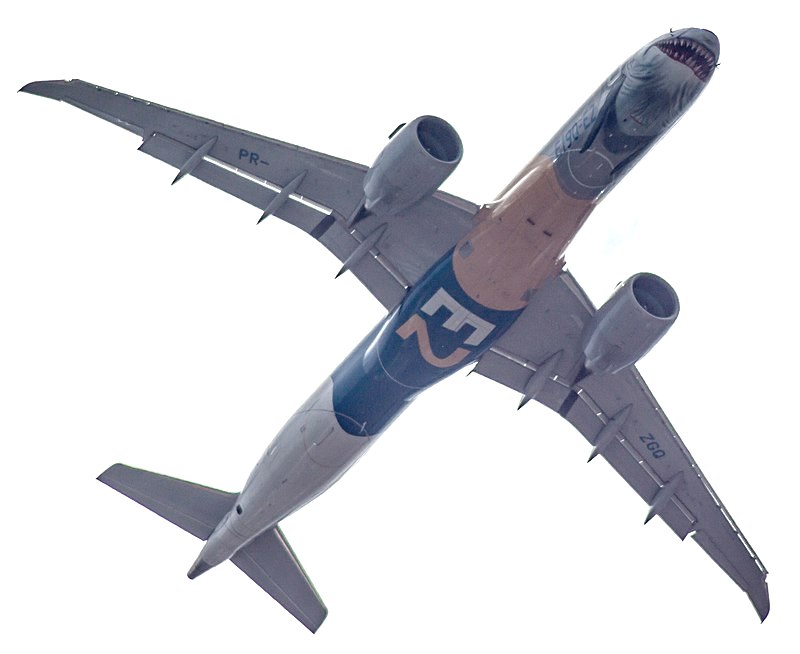
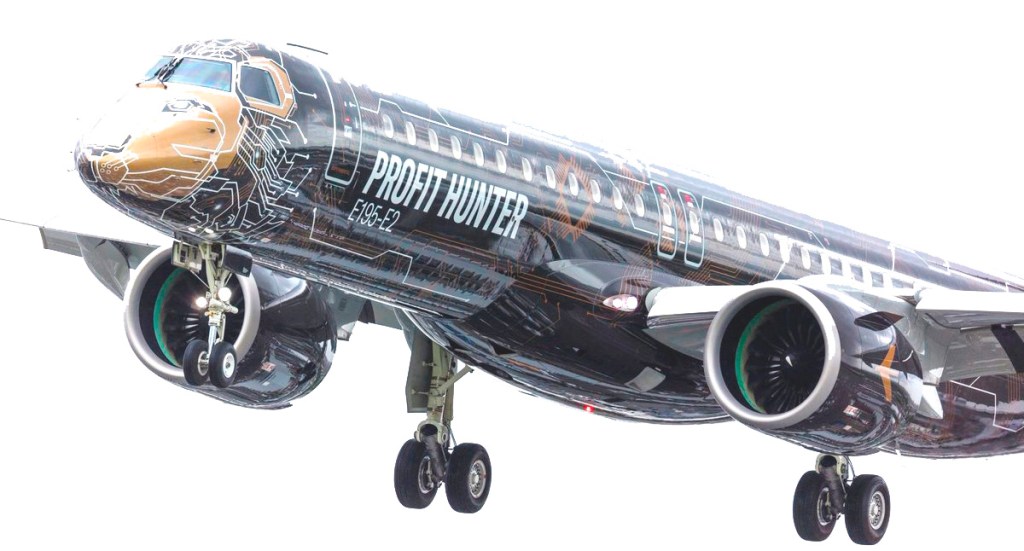
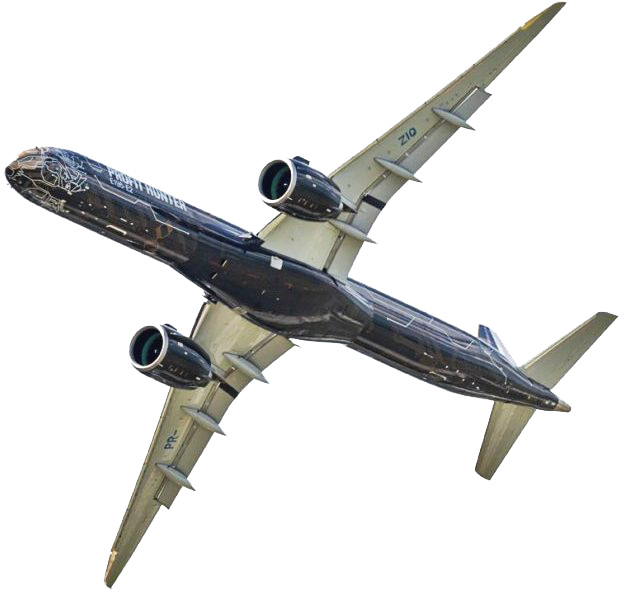
Binter Canarias y Embraer SA han alcanzado un acuerdo para la adquisición de cinco nuevos Embraer E195-E2 (5) de los cuales dos llegarán en Noviembre 2023, otros dos en Diciembre 2023 y el restante en Abril 2024 La aerolínea ha anunciado esta nueva ampliación de flota en el marco de las Jornadas Aeronáuticas que tienen lugar en Gran Canaria con periodistas del sector. El nuevo Coordinador General de la compañía, Santiago Guerra, explicó a los asistentes que el acuerdo cerrado supera los US$ 389 millones de Dólares.
La aerolínea Binter ha firmado con el fabricante aeronáutico brasileño Embraer la compra en firme de cinco aviones E195-E2, que se sumarán a los cinco incorporados a partir de 2019 y con los que Binter se convirtió en la primera aerolínea europea en volar con esta nueva versión de la línea E-jets.
«La experiencia adquirida a lo largo de los años confirma la excelente valoración que nuestros clientes hacen de este modelo de avión, que encaja muy bien con las rutas más largas de Binter y con mayor volumen de pasajeros, y la llegada de nuevos jets nos permitirá ampliar la oferta de rutas y destinos que tenemos ahora mismo», dijo Santiago Guerra.
El E195-E2 es el avión más grande y moderno de la familia E2-Jet de aviones comerciales bimotores de mediano alcance, y se han ordenado en la misma configuración especial de clase única de 132 asientos que permite una distancia cómoda entre los pasajeros de 79 centímetros. El interior del E2 es un referente en la industria de la aviación gracias a su configuración de asientos 2+2, sin asiento central, y su compartimento superior se puede adaptar para acomodar hasta un equipaje de mano por pasajero, duplicando la capacidad de los jets regionales convencionales. Los E-Jets E2 son jets de pasillo único que destacan por su reducción de ruido y por ser limpios y eficientes, ofreciendo mejoras significativas, no solo en términos de consumo de combustible, sino también en costos de mantenimiento.
Binter orders 5 additional E195-E2s
Binter and Embraer close purchase of new E195-E2 aircraft Agreement valued at US$ 389 million
Binter Canarias and Embraer SA have reached an agreement for the acquisition of five new Embraer E195-E2 (5) of which two will arrive in November 2023, another two in December 2023 and the remaining one in April 2024 The airline has announced this new fleet expansion within the framework of the Aeronautical Days that take place in Gran Canaria with journalists from the sector. The new General Coordinator of the company, Santiago Guerra, explained to the attendees that the closed agreement exceeds US$ 389 million.
The airline Binter has signed with the Brazilian aeronautical manufacturer Embraer the firm purchase of five E195-E2 aircraft, which will be added to the five incorporated as of 2019 and with which Binter became the first European airline to fly with this new version of the E-jets line.
«The experience acquired over the years confirms the excellent assessment that our clients make of this aircraft model, which fits very well with Binter’s longest routes and with the highest volume of passengers, and the arrival of new jets will allow us to expand the offer of routes and destinations that we have right now», said Santiago Guerra.
The E195-E2 is the largest and most modern aircraft in the E2-Jet family of medium-range twin-engine business jets, and they have been ordered in the same special 132-seat single-class configuration allowing for comfortable 79-seat passenger spacing. centimeters. The interior of the E2 is a benchmark in the aviation industry thanks to its 2+2 seating configuration, without a central seat, and its overhead compartment can be adapted to accommodate up to one hand luggage per passenger, doubling the capacity of jets conventional regionals. E-Jets E2 are single-aisle jets that stand out for their noise reduction and for being clean and efficient, offering significant improvements, not only in terms of fuel consumption, but also in maintenance costs.
PUBLISHER: Airgways.com DBk: Bintercanarias.com / Embraer.com / Airgways.com AW-POST: 202212030110AR OWNERSHIP: Airgways Inc. A\W A I R G W A Y S ®
Negociaciones con Airbus/Boeing Aproxima una revisión de su flota actual
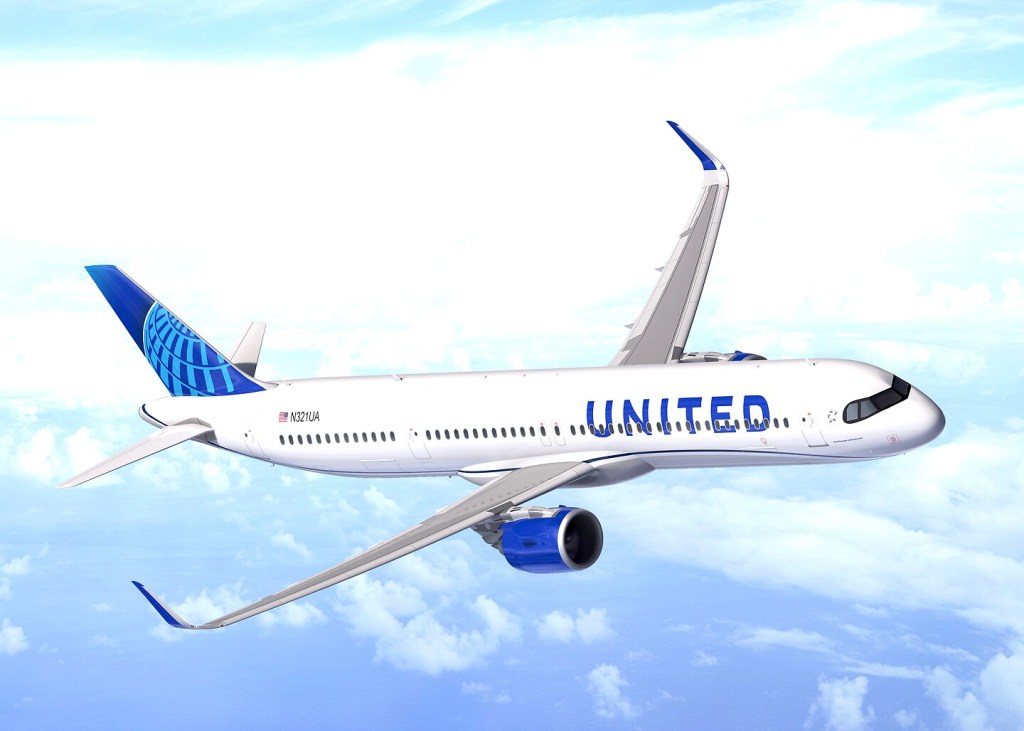
United Airlines Holdings Inc. está en conversaciones de última etapa con The Boeing Company y Airbus Group SE mientras la aerolínea reflexiona sobre modelos de fuselaje estrecho y ancho para posibles pedidos exitosos con la finalidad de reforzar y actualizar su flota de aeronaves comerciales.
La aerolínea con sede en Chicago está considerando tomar más de cien Boeing 787 Dreamliner (100) como parte de un pedido de doble pasillo que el CEO Scott Kirby ha promocionado a los pilotos. El acuerdo podría incluir una combinación de pedidos firmes y compromisos de compra. Se espera que la parte inicial de las negociaciones se conozcan en semanas, aunque los términos finales y el calendario pueden cambiar. United también podría convertir un pedido anterior de aviones de fuselaje ancho Airbus A350 a su modelo de fuselaje estrecho más largo, el A321NEO, como parte de divulgaciones confidenciales. Un posible obstáculo para esas conversaciones representa la falta de espacios de entrega a corto plazo para el popular avión, que está en gran parte agotado hasta 2028.
United Holdings Inc. trabajaba para concluir las conversaciones con los constructores americano y europeo para antes de fin de año 2022. El Viernes 01/12 United informó que estaba cerca de un acuerdo para ordenar docenas de Dreamliner, lo que hizo que las acciones de Boeing subieran un 4%. La aerolínea tiene alrededor de 128 aviones Boeing de doble pasillo que tienen al menos dos décadas de antigüedad en promedio, según datos de Cirium, una edad en la que los costos de mantenimiento incrementan los costes operativos. A la aerolínea le gusta lo común de su actual flota de fuselaje ancho de Boeing, una gran consideración en sus deliberaciones, mientras que la compañía ha pospuesto repetidamente un acuerdo por 45 aviones Airbus A350 en la última década. Se espera que la aerolínea se decante por el modelo Dreamliner más pequeño, el Boeing 787-8, como reemplazo natural de la envejecida flota Boeing 767 (54).
United seeks fleet deals
Negotiations with Airbus/Boeing Approaching a review of your current fleet
United Airlines Holdings Inc. is in late-stage talks with The Boeing Company and Airbus Group SE as the airline ponders narrow and wide-body models for possible successful orders to bolster and upgrade its commercial aircraft fleet.
The Chicago-based airline is considering taking over a hundred Boeing 787 Dreamliner (100) as part of a double-aisle order that CEO Scott Kirby has pitched to pilots. The deal could include a mix of firm orders and purchase commitments. The initial part of the negotiations is expected to be known in weeks, although the final terms and the schedule may change. United could also convert a previous order for Airbus A350 wide-body jets to its longer narrow-body model, the A321NEO, as part of confidential disclosures. One potential stumbling block to those talks is a lack of near-term delivery slots for the popular aircraft, which is largely sold out through 2028.
United Holdings Inc. was working to conclude talks with the American and European manufacturers before the end of the year 2022. On Friday 12/01 United reported that it was close to an agreement to order dozens of Dreamliner, which made Boeing shares rose 4%. The airline has about 128 Boeing twin-aisle jets that are at least two decades old on average, according to Cirium data, an age at which maintenance costs drive up operating costs. The airline likes the commonality of its current Boeing widebody fleet, a big consideration in its deliberations, while the company has repeatedly put off a deal for 45 Airbus A350 jets over the past decade. The airline is expected to opt for the smaller Dreamliner model, the Boeing 787-8, as a natural replacement for the aging Boeing 767 fleet (54).
PUBLISHER: Airgways.com DBk: United.com / Boeing.com / Airgways.com / Cirium.com / Airgways.com AW-POST: 202212030003AR OWNERSHIP: Airgways Inc. A\W A I R G W A Y S ®
AW | 2022 12 02 00:30 | INDUSTRY / AVIATION ORGANISMS
China da luz verde a producción en masa del C919
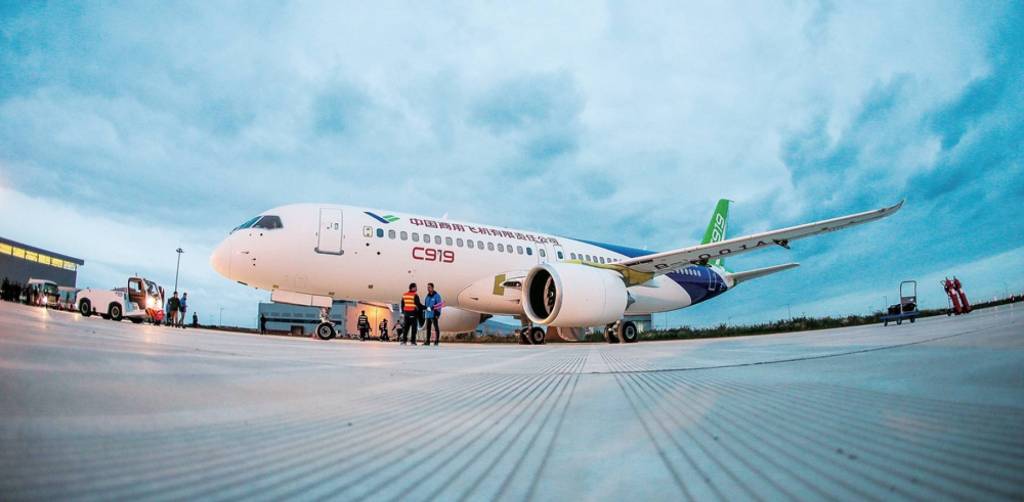
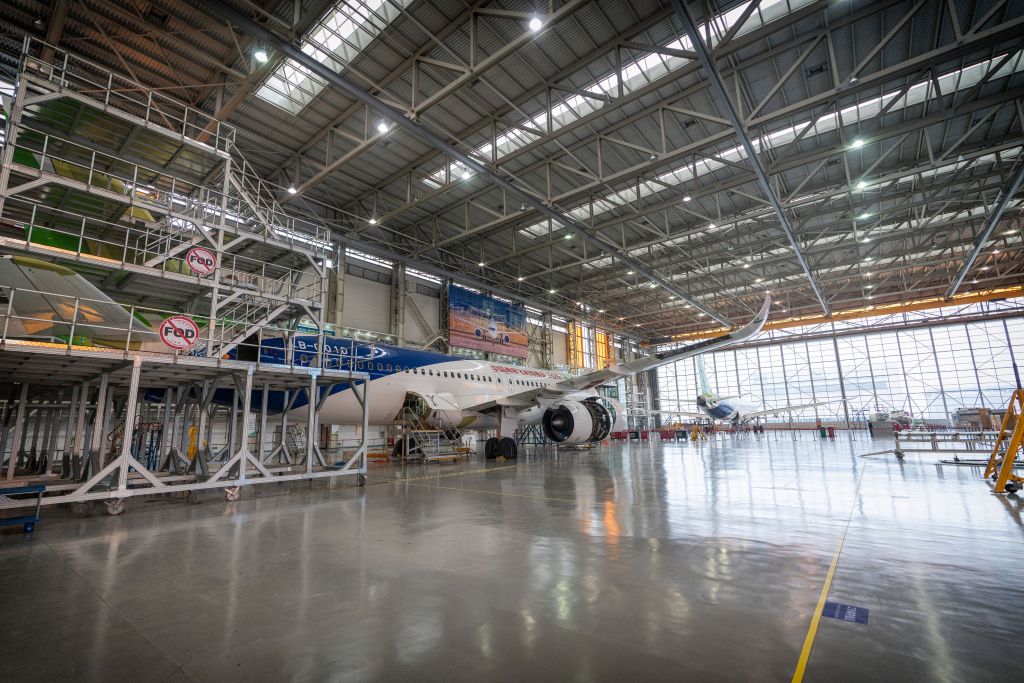
El COMAC C919 desarrollado por la Commercial Aircraft Corporation of China, Ltd. obtuvo su certificado de producción el Martes 29 de Noviembre de 2022, lo que permite que el modelo entre en producción de línea en masa. La COMAC Ltd. desarrolló el C919, como aeronave comercial de transporte de pasajeros ha obtenido el certificado de la Administración Regional de China Oriental de la Administración de Aviación Civil de China.
El C919, que efectuó con éxito su vuelo inaugural en Mayo de 2017, obtuvo el pasado mes de Septiembre 2022 su Certificado de Tipo, un documento expedido para indicar la aeronavegabilidad del diseño. China otorgó oficialmente el certificado de producción a su avión medio de pasajeros con el que el gigante asiático quiere dar un golpe en el mercado aeronáutico, el C919, para empezar así su producción a gran escala. La Corporación de Aviones Comerciales de China recibió el certificado por parte de la Administración de Aviación Civil de China (CAAC). «El proyecto debe terminar adecuadamente», afirmó entonces el Presidente chino, Xi Jinping, quien destacó la importancia de «seguir trabajando para superar cualquier dificultad».
El COMAC C919, rival de las familias de aviones de pasillo único Airbus A320NEO y Boeing 737 MAX, recibió un certificado de tipo a fines de Septiembre 2022 declarando que el modelo cumplía con los requisitos de aeronavegabilidad y ambientales, pero cada uno de los aviones fabricados necesitaba la aprobación individual del regulador para ser producido. El avión de COMAC C919 es el gran reto de la compañía y de China en el sector aeronáutico, pues es un aparato de fuselaje estrecho, un segmento que supone actualmente más de la mitad de las aeronaves comerciales activas del planeta.
El COMAC C919 según su configuración puede transportar entre 158 y 174 pasajeros y tiene una autonomía de entre 4.075 y 5.555 kilómetros. El antecesor del C919, el ARJ21, enfrentó un retraso de 2,5 años entre la obtención del Certificado de Tipo y el Certificado de Producción, lo que ralentizó la producción. Esto contrasta con Occidente, donde ambos certificados generalmente se otorgan aproximadamente al mismo tiempo.
El primer cliente del COMAC C919 será China Eastern Airlines, recibirá su primer aeronave en Diciembre de 2022 y se espera que opere vuelos de pasajeros a partir de la primera mitad de 2023. Los analistas de Jefferies dijeron en Octubre 2022 que esperan que COMAC alcance una producción de alrededor de un ritmo de veinticinco (25) C919 anuales para 2030, muy por debajo de las tasas de producción mensuales actuales para aviones de fuselaje estrecho de Airbus y Boeing. Aunque el C919 se ensambla en China, hace un uso extensivo de componentes occidentales, como motores y aviónica, de compañías como General Electric (GE), Safran y Honeywell International.
Production Certificate C919 approved
China gives green light to mass production of C919
The COMAC C919 developed by the Commercial Aircraft Corporation of China, Ltd. obtained its production certificate on Tuesday, November 29, 2022, allowing the model to enter mass line production. COMAC Ltd. developed the C919, as a commercial passenger aircraft has obtained the certificate of the East China Regional Administration of the Civil Aviation Administration of China.
The C919, which successfully completed its maiden flight in May 2017, obtained its Type Certificate last September 2022, a document issued to indicate the airworthiness of the design. China officially granted the production certificate to its medium passenger plane with which the Asian giant wants to hit the aeronautical market, the C919, to thus begin its large-scale production. The Commercial Aircraft Corporation of China received the certificate from the Civil Aviation Administration of China (CAAC). «The project must end properly», Chinese President Xi Jinping said at the time, stressing the importance of «continuing to work to overcome any difficulties».
The COMAC C919, a rival to the Airbus A320NEO and Boeing 737 MAX single-aisle aircraft families, received a type certificate in late September 2022 stating that the model met airworthiness and environmental requirements, but each of the aircraft manufactured it needed individual regulatory approval to be produced. The COMAC C919 aircraft is the great challenge for the company and China in the aeronautical sector, as it is a narrow-body aircraft, a segment that currently accounts for more than half of the active commercial aircraft on the planet.
The COMAC C919, depending on its configuration, can carry between 158 and 174 passengers and has a range of between 4,075 and 5,555 kilometers. The C919’s predecessor, the ARJ21, faced a 2.5-year delay between obtaining the Type Certificate and the Production Certificate, which slowed production. This is in contrast to the West, where both certificates are usually awarded at roughly the same time.
The first customer of the COMAC C919 will be China Eastern Airlines, it will receive its first aircraft in December 2022 and it is expected to operate passenger flights starting in the first half of 2023. Jefferies analysts said in October 2022 that they expect COMAC to reach a production of around the rate of twenty-five (25) C919s per year by 2030, well below current monthly production rates for narrow-body aircraft from Airbus and Boeing. Although the C919 is assembled in China, it makes extensive use of Western components, such as engines and avionics, from companies like General Electric (GE), Safran and Honeywell International.
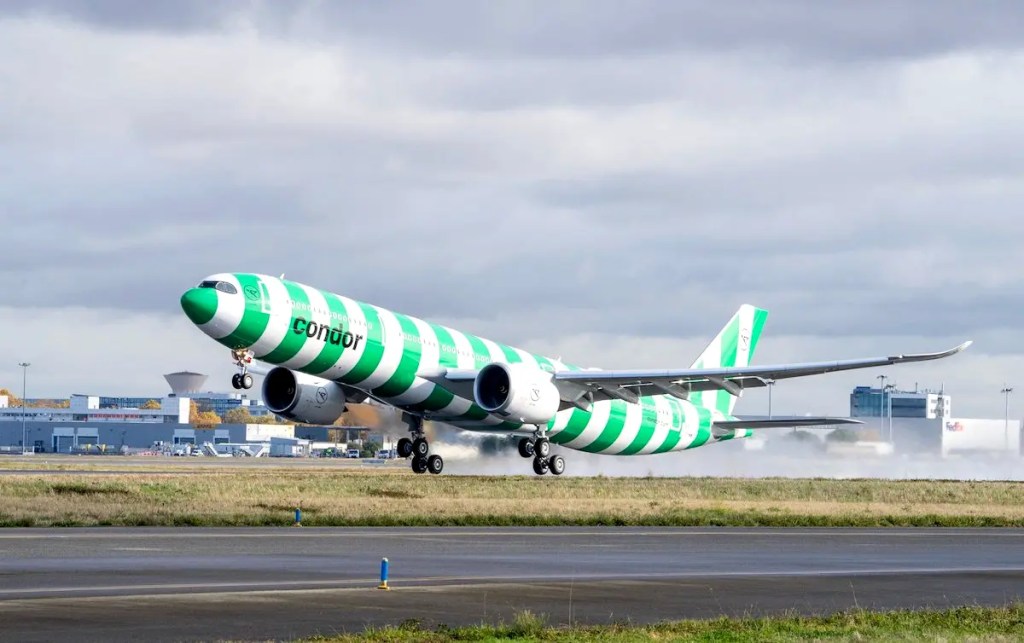
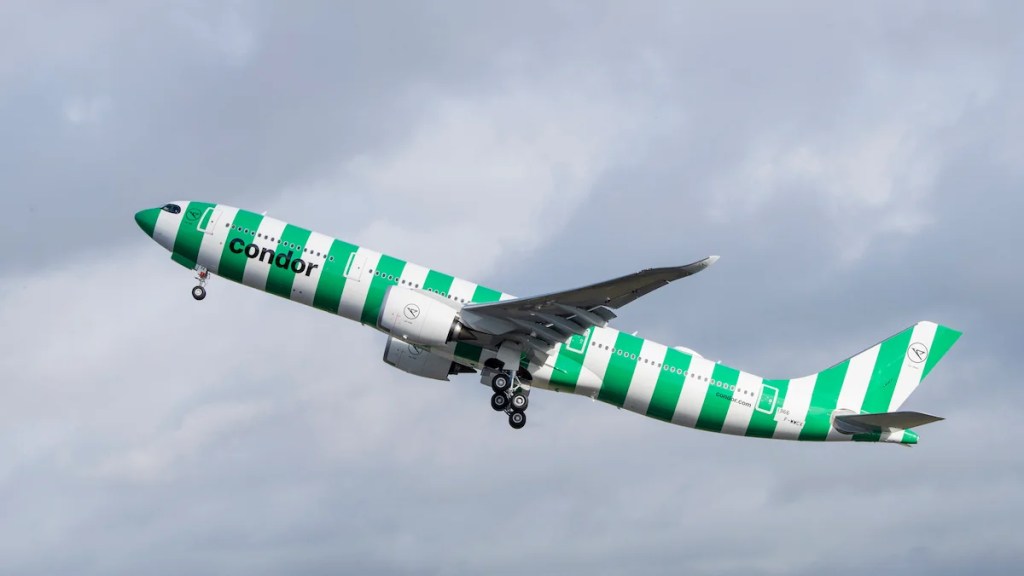
Condor Airlines ha anunciado la incorporación del primer Airbus A330-900NEO. La nueva adquisición ha realizado el vuelo de prueba desde la fábrica de Toulouse el 28 de Noviembre de 2022, para posteriormente ser entregado a la compañía de ocio alemana, marcando el hito hacia la introducción del tipo en la flota de la aerolínea. La aeronave A330-900NEO posee matrícula de fábrica de F-WWCX, con número de versión A330-941N. Como parte de la actualización de flota, la aerolínea comenzará a desprogramar la línea Boeing 767 (9), permitiendo introducir la nueva aeronave moderna A330NEO que permitirá realizar operaciones más eficientes. Ralf Teckentrup, CEO de Condor Airlines, señaló que «el objetivo de esta compra de aviones era «combinar inseparablemente la sostenibilidad y las vacaciones con Condor».
La incorporación de los nuevos A330-900NEO están propulsados con dos motores turbofan Rolls-Royce Trent 7000 que incrementan agregan alrededor de 1.000 NM de alcance y pueden operar con Combustible de Aviación Sostenible (SAF). Airbus también dice que reduce el consumo de combustible en un 25%, junto con las emisiones de CO2, dando a las aerolíneas más oportunidades de ingresos gracias a su menor costo de operación. Los A330-900 tienen un consumo de combustible por pasajero cada 100 kilómetros (62 millas) de 2.1 litros (0.55 galones). Sobre una base por pasajero, eso es 12.72 millas por galón, ciertamente más eficiente en combustible que cualquier vehículo de ocupación única que funcione con combustible de petróleo. Además, la contaminación acústica se reducirá en alrededor del 40% en comparación con los A330 originales. Los nuevos diseños de winglets extienden la envergadura alar para aumentar la sustentación y reducir la resistencia.
La configuración de los asientos para el A330-900 tendrá 30 asientos para clase Executive, 64 asientos para clase Economy Premium y 216 asientos para clase Economy. Las cabinas también vienen con iluminación ambiental, y todos los asientos vendrán con opciones de entretenimiento a bordo, WiFi, un soporte adicional para dispositivos electrónicos personales con enchufes USB-A /USB-C.
Condor receives 1st A330NEO
First Airbus A330NEO for Condor Airlines
Condor Airlines has announced the incorporation of the first Airbus A330-900NEO. The new acquisition has carried out the test flight from the Toulouse factory on November 28, 2022, to later be delivered to the German leisure company, marking the milestone towards the introduction of the type in the airline’s fleet. The A330-900NEO aircraft has the factory registration F-WWCX, with version number A330-941N. As part of the fleet update, the airline will begin deprogramming the Boeing 767 line (9), allowing the introduction of the new modern A330NEO aircraft that will allow more efficient operations. Ralf Teckentrup, CEO of Condor Airlines, noted that the goal of this aircraft purchase was to «inseparably combine sustainability and vacations with Condor».
The addition of the new A330-900NEOs are powered by two Rolls-Royce Trent 7000 turbofan engines that add around 1,000 NM of range and can operate on Sustainable Aviation Fuel (SAF). Airbus also says it reduces fuel consumption by 25%, along with CO2 emissions, giving airlines more revenue opportunities thanks to its lower cost of operation. The A330-900 have a fuel consumption per passenger per 100 kilometers (62 miles) of 2.1 liters (0.55 gallons). On a per-passenger basis, that’s 12.72 miles per gallon, certainly more fuel-efficient than any single-occupancy vehicle running on petroleum fuel. Additionally, noise pollution will be reduced by around 40% compared to the original A330s. New winglet designs extend the wingspan to increase lift and reduce drag.
The seating configuration for the A330-900 will have 30 Executive Class seats, 64 Economy Premium Class seats and 216 Economy Class seats. The cabins also come with ambient lighting, and all seats will come with in-flight entertainment options, WiFi, and additional support for personal electronic devices with USB-A/USB-C plugs.
Condor erhält 1. A330NEO
Erster Airbus A330NEO für Condor Airlines
Condor Airlines hat die Aufnahme des ersten Airbus A330-900NEO bekannt gegeben. Die Neuanschaffung hat den Testflug vom Werk in Toulouse am 28. November 2022 durchgeführt, um später an das deutsche Freizeitunternehmen ausgeliefert zu werden, was den Meilenstein zur Einführung des Typs in die Flotte der Fluggesellschaft markiert. Das Flugzeug A330-900NEO hat die Werksregistrierung F-WWCX mit der Versionsnummer A330-941N. Im Rahmen der Flottenaktualisierung wird die Fluggesellschaft mit der Deprogrammierung der Boeing 767-Linie (9) beginnen, um die Einführung des neuen modernen A330NEO-Flugzeugs zu ermöglichen, das einen effizienteren Betrieb ermöglicht. Ralf Teckentrup, CEO von Condor Airlines, erklärte, Ziel dieses Flugzeugkaufs sei es, «Nachhaltigkeit und Urlaub bei Condor untrennbar miteinander zu verbinden».
Die neuen A330-900NEOs werden von zwei Rolls-Royce Trent 7000-Turbofan-Triebwerken angetrieben, die eine Reichweite von rund 1.000 NM hinzufügen und mit nachhaltigem Flugbenzin (SAF) betrieben werden können. Airbus sagt auch, dass es den Treibstoffverbrauch um 25% reduziert, zusammen mit den CO2-Emissionen, was den Fluggesellschaften dank der niedrigeren Betriebskosten mehr Einnahmemöglichkeiten bietet. Die A330-900 haben einen Treibstoffverbrauch pro Passagier auf 100 Kilometer (62 Meilen) von 2,1 Liter (0,55 Gallonen). Auf einer Pro-Passagier-Basis sind das 12,72 Meilen pro Gallone, sicherlich sparsamer als jedes einzelne Fahrzeug, das mit Petroleumkraftstoff betrieben wird. Darüber hinaus wird die Lärmbelästigung im Vergleich zu den ursprünglichen A330 um rund 40% reduziert. Neue Winglet-Designs erweitern die Flügelspannweite, um den Auftrieb zu erhöhen und den Luftwiderstand zu verringern.
Die Sitzkonfiguration für die A330-900 umfasst 30 Sitze in der Executive Class, 64 Sitze in der Economy Premium Class und 216 Sitze in der Economy Class. Die Kabinen sind außerdem mit Umgebungsbeleuchtung ausgestattet, und alle Sitze werden mit Inflight-Entertainment-Optionen, WLAN und zusätzlicher Unterstützung für persönliche elektronische Geräte mit USB-A/USB-C-Steckern ausgestattet sein.
PUBLISHER: Airgways.com DBk: Condor.com / Airbus.com / Airgways.com AW-POST: 202212011537AR OWNERSHIP: Airgways Inc. A\W A I R G W A Y S ®
AW | 2022 12 01 15:00 | INDUSTRY / AVIATION TECHNOLOGY
Arabia Saudita anuncia la transformación del Aeropuerto de Riyadh
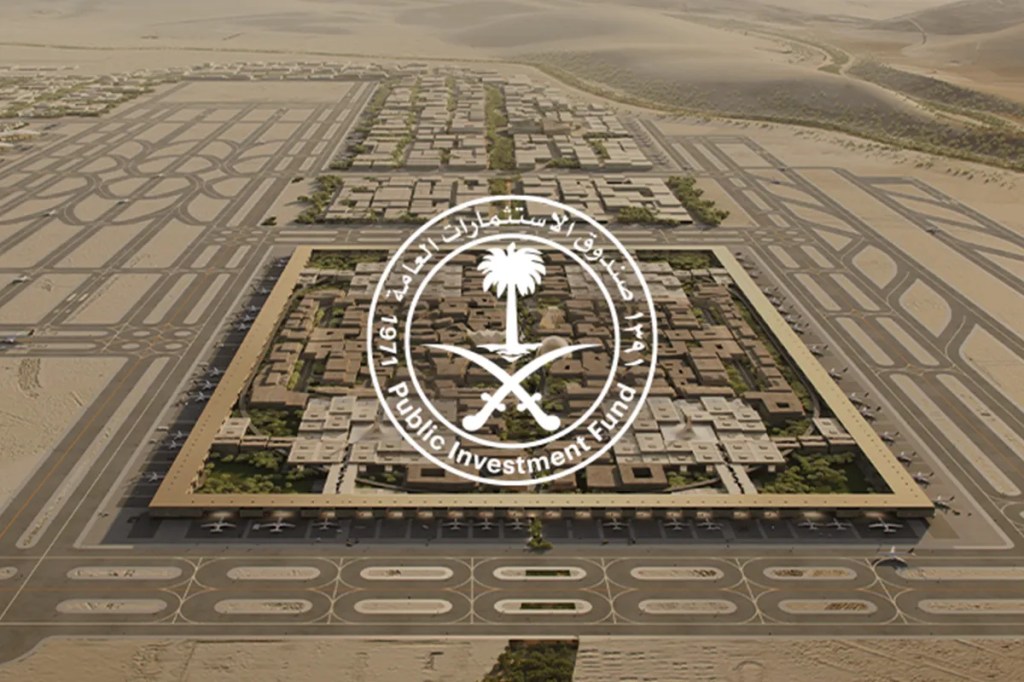
En el marco del plan Vision 2030, el Reino de Arabia Saudita anuncia la modernización y ampliación inmediata del Aeropuerto Rey Khaled de Riyadh/RUH. El proyecto forma parte de las iniciativas para convertir a Riyadh en una ciudad económica importante a nivel global a través del desarrollo de la aviación. El anuncio es realizado por el Príncipe heredero Mohammed bin Salman bin Abdulaziz, Primer Ministro y Presidente del Consejo de Asuntos Económicos y de Desarrollo (CEDA), Presidente del Fondo de Inversión Pública (PIF). La presentación del proyecto coincide con la realización de la Cumbre del Consejo Mundial de Viajes y Turismo (WTTC) que se desarrolla por estos días la capital saudita. El futuro aeropuerto es una ampliación de la infraestructura actual. Se construirá en el desierto al Este del complejo actual aprovechando los terrenos alejados de la zona urbana. De esta manera, el desarrollo aeroportuario no se verá afectado por la expansión de la capital.
Como parte del posicionamiento global del Reino, el futuro nuevo aeropuerto de la capital saudita está pensado para calificar entre los más grandes del mundo por su extensión, infraestructura y tecnología. Cubrirá un área aproximada de 57 kilómetros cuadrados (Km2) e incluirá al actual aeropuerto Rey Khaled. El área de movimiento dispondrá de seis pistas paralelas y 12 Km2 de instalaciones adicionales de carácter operacional, comercial, logística, de recreación y áreas residenciales. El objetivo es crear una verdadera ciudad aeroportuaria, similar a otros proyectos que se están llevando a cabo en Dubái o Doha, por ejemplo.
El nuevo complejo llevará el nombre del Príncipe heredero: aeropuerto internacional Rey Salman. Cuando esté listo podrá procesar hasta 120 millones de pasajeros para 2030 y 185 millones de pasajeros para 2050. Toda la construcción incorporará aspectos de sostenibilidad en el diseño y operación, destacando el uso de la energía renovable. En el diseño de edificios y terminales estarán basados en la cultura local, mientras que a través de la tecnología se busca asegurar una experiencia de alto nivel rápida y eficiente para los viajeros. El aeropuerto está pensado para ser funcionar como un hub y puente entre Oriente y Occidente. Será la base y centro de conexiones de la nueva línea aérea estatal RIA Airlines, además de atender a las otras compañías aéreas sauditas como Saudia, Flynas, Flyadeal y resto de los operadores que funcionan en Riyadh. De resultar el proyecto aeroportuario más el desarrollo de las líneas aéreas, Riyadh podría convertirse en un aeropuerto hub con alcance global en los próximos veinte años. Su desarrollo a través del impulso gubernamental podría amenazar las posiciones que ostentan otros aeropuertos del Medio Oriente como Dubái o Doha, así como el de Estambul (IST). En los últimos años, el Reino de Arabia Saudita viene invirtiendo en el desarrollo de sus aeropuertos. Destacan la modernización y construcción de terminales en Jeddah, Medina, así como la habilitación de una nueva Terminal 5 en el Aeropuerto Riyadh. Actualmente, en la capital saudita operan 58 líneas aéreas con un total de más de 91.000 vuelos al año. Saudia es el principal operador.
Saudi Transforms Riyadh Airport
Saudi Arabia announces Riyadh Airport transformation
Under the Vision 2030 plan, the Kingdom of Saudi Arabia announces the immediate modernization and expansion of Riyadh King Khaled Airport/RUH. The project is part of efforts to make Riyadh a globally important economic city through aviation development. The announcement is made by Crown Prince Mohammed bin Salman bin Abdulaziz, Prime Minister and Chairman of the Council for Economic and Development Affairs (CEDA), Chairman of the Public Investment Fund (PIF). The presentation of the project coincides with the completion of the Summit of the World Travel and Tourism Council (WTTC) that is taking place these days in the Saudi capital. The future airport is an expansion of the current infrastructure. It will be built in the desert to the east of the current complex, taking advantage of land far from the urban area. In this way, airport development will not be affected by the expansion of the capital.
As part of the Kingdom’s global positioning, the future new airport in the Saudi capital is designed to rank among the largest in the world for its size, infrastructure and technology. It will cover an area of approximately 57 square kilometers (Km2) and will include the current King Khaled Airport. The movement area will have six parallel lanes and 12 km2 of additional facilities for operational, commercial, logistics, recreation and residential areas. The goal is to create a true airport city, similar to other projects that are being carried out in Dubai or Doha, for example.
The new complex will bear the name of the Crown Prince: King Salman International Airport. When ready, it will be able to process up to 120 million passengers by 2030 and 185 million passengers by 2050. All construction will incorporate sustainability aspects in design and operation, emphasizing the use of renewable energy. In the design of buildings and terminals they will be based on local culture, while through technology they seek to ensure a fast and efficient high-level experience for travelers. The airport is intended to function as a hub and bridge between East and West. It will be the base and connection center of the new state airline RIA Airlines, in addition to serving other Saudi airlines such as Saudia, Flynas, Flyadeal and other operators that operate in Riyadh. Should the airport project plus airline development result, Riyadh could become a hub airport with global reach in the next twenty years. Its development through government impetus could threaten the positions held by other airports in the Middle East such as Dubai or Doha, as well as Istanbul (IST). In recent years, the Kingdom of Saudi Arabia has been investing in the development of its airports. The modernization and construction of terminals in Jeddah, Medina, as well as the fitting out of a new Terminal 5 at the Riyadh Airport stand out. Currently, 58 airlines operate in the Saudi capital with a total of more than 91,000 flights a year. Saudia is the main operator.
PUBLISHER: Airgways.com DBk: Riyadh-airport.com / Pif.gov.sa / Airgways.com AW-POST: 202212011500AR OWNERSHIP: Airgways Inc. A\W A I R G W A Y S ®
Airbus revela motor de cero emisiones impulsado por hidrógeno
Airbus Group ha revelado que está desarrollando un motor de pila de combustible impulsado por hidrógeno. El sistema de propulsión está siendo considerado como una de las posibles soluciones para equipar sus aviones de cero emisiones que entrarán en servicio en 2035. Airbus comenzará las pruebas en tierra y en vuelo de esta arquitectura de motor de pila de combustible a bordo de su avión de demostración ZEROe hacia mediados de la década. El avión de prueba de vuelo A380 MSN1 para nuevas tecnologías de hidrógeno se está modificando actualmente para transportar tanques de hidrógeno líquido y sus sistemas de distribución asociados.
«Las celdas de combustible son una solución potencial para ayudarnos a lograr nuestra ambición de cero emisiones y estamos enfocados en desarrollar y probar esta tecnología para comprender si es factible y viable para una entrada en servicio de 2035 de un avión de cero emisiones. A escala, y si se lograran los objetivos tecnológicos, los motores de pila de combustible podrían ser capaces de propulsar un centenar de aviones de pasajeros con un alcance de aproximadamente 1.000 millas náuticas. Al continuar invirtiendo en esta tecnología, nos estamos dando opciones adicionales que informarán nuestras decisiones sobre la arquitectura de nuestro futuro avión ZEROe, cuyo desarrollo pretendemos lanzar en el plazo 2027-2028», dijo Glenn Llewellyn, Vicepresidente de Aviones de cero emisiones de Airbus.
Airbus identificó el hidrógeno como una de las alternativas más prometedoras para alimentar un avión de cero emisiones, porque no emite dióxido de carbono cuando se genera a partir de energía renovable, siendo el agua sus subproductos más importantes. Existan dos formas en que el hidrógeno se puede utilizar como fuente de energía para la propulsión de aviones. Primero a través de la combustión de hidrógeno en una turbina de gas, segundo, mediante el uso de celdas de combustible para convertir el hidrógeno en electricidad con el fin de alimentar un motor de hélice. Una turbina de gas hidrógeno también se puede acoplar con celdas de combustible en lugar de baterías en una arquitectura híbrida-eléctrica. Las celdas de combustible de hidrógeno, especialmente cuando se apilan juntas, aumentan su potencia de salida permitiendo escalabilidad. Además, un motor alimentado por pilas de combustible de hidrógeno produce cero emisiones de NOx o estelas, lo que ofrece beneficios adicionales de descarbonización.
Airbus ha estado explorando las posibilidades de los sistemas de propulsión de pilas de combustible para la aviación durante algún tiempo. En octubre de 2020, Airbus creó Aerostack, una empresa conjunta con ElringKlinger, una empresa con más de 20 años de experiencia como proveedor de sistemas de pilas de combustible y componentes. En diciembre de 2020, Airbus presentó su concepto pod que incluía seis sistemas de propulsión de hélice de pila de combustible extraíbles.
Airbus unveils hydrogen engine
Airbus unveils hydrogen-powered zero-emission engine
Airbus Group has revealed that it is developing a hydrogen-powered fuel cell engine. The propulsion system is being considered as one of the possible solutions to equip its zero-emission aircraft that will enter service in 2035. Airbus will begin ground and flight testing of this fuel cell engine architecture on board its ZEROe demonstration aircraft around the middle of the decade. The A380 MSN1 flight test aircraft for new hydrogen technologies is currently being modified to carry liquid hydrogen tanks and their associated distribution systems.
«Fuel cells are a potential solution to help us achieve our zero emission ambition and we are focused on developing and testing this technology to understand if it is feasible and viable for a 2035 entry into service of a zero emission aircraft. At scale , and if the technology targets are achieved, fuel cell engines could be capable of powering hundreds of passenger aircraft with a range of approximately 1,000 nautical miles. By continuing to invest in this technology, we are giving ourselves additional options that will inform our decisions on the architecture of our future ZEROe aircraft, which we aim to launch development in the 2027-2028 time frame», said Glenn Llewellyn, Airbus Vice President Zero Emission Aircraft.
Airbus identified hydrogen as one of the most promising alternatives to power a zero-emission aircraft, because it does not emit carbon dioxide when generated from renewable energy, its most important by-product being water. There are two ways in which hydrogen can be used as a power source for aircraft propulsion. First through the combustion of hydrogen in a gas turbine, second, by using fuel cells to convert hydrogen into electricity to power a propeller engine. A hydrogen gas turbine can also be coupled with fuel cells instead of batteries in a hybrid-electric architecture. Hydrogen fuel cells, especially when stacked together, increase their power output allowing for scalability. Additionally, an engine powered by hydrogen fuel cells produces zero NOx or contrail emissions, offering additional decarbonization benefits.
Airbus has been exploring the possibilities of aviation fuel cell propulsion systems for some time. In October 2020, Airbus created Aerostack, a joint venture with ElringKlinger, a company with more than 20 years of experience as a supplier of fuel cell systems and components. In December 2020, Airbus unveiled its pod concept that included six removable fuel cell propeller propulsion systems.
PUBLISHER: Airgways.com DBk: Airbus.com / Airgways.com AW-POST: 202212011457AR OWNERSHIP: Airgways Inc. A\W A I R G W A Y S ®
Nueva bisagra doble pliegue mesas desplegables asientos pasajeros
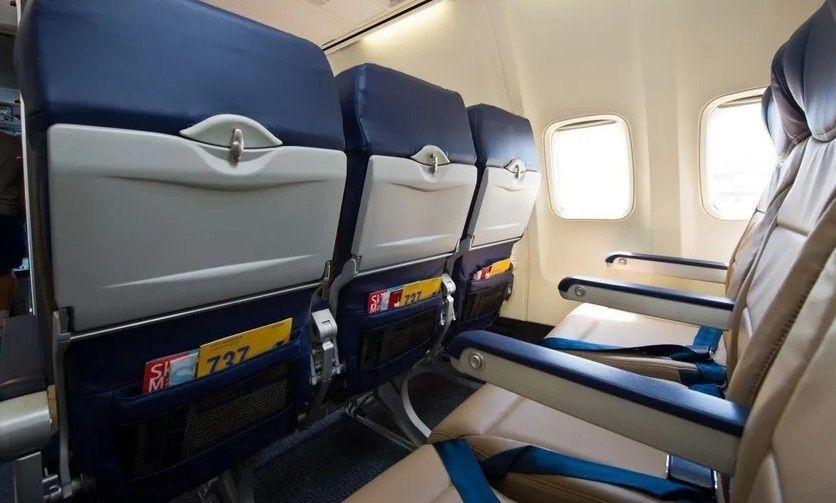
Southco, Inc ha ampliado su exitosa línea de bisagras de doble pliegue con torsión constante lanzando una nueva solución diseñada para las mesas desplegables de menor espesor usadas en las aplicaciones de interior de los medios de transporte de pasajeros. La bisagra AH-2E-12 de doble pliegue con torsión constante de Southco usa la fricción para aumentar el control de las mesas desplegables a 180 grados, lo que evita que las alas caigan y se abran durante el accionamiento, mejorando la experiencia del usuario final.
Esta exitosa línea de bisagras de doble pliegue con torsión constante se ha ampliado para permitir su instalación en paneles de hasta solo 12 mm de espesor. Las nuevas bisagras AH-2E complementan los modelos ya existentes AH-2E, también de doble pliegue, que fueron diseñados para paneles de 20 mm. Muchos ingenieros, con el objetivo de reducir el peso y el tamaño de sus diseños, buscan soluciones para paneles de menor espesor.
La bisagra AH-2E de doble pliegue con torsión constante de Southco proporciona un accionamiento consistente y suave, lo que permite a los pasajeros posicionar de forma segura las mesas desplegables en vehículos en movimiento como trenes, aviones o autocares. La torsión constante integrada hace posible mantener la mesa en posición en cualquier ángulo, impidiendo que caiga y se abra con el vehículo en movimiento. Gracias a su estética mejorada y a su mayor fiabilidad, la bisagra AH-2E es el reemplazo idóneo para renovar las bisagras de libre oscilación convencionales equipadas con amortiguador.
Con su diseño enrasado, la bisagra AH-2E de doble pliegue con torsión constante ocupa un espacio mínimo en la aplicación y permite situar una mesa de forma segura en posición horizontal y plegarla después en vertical. Fabricada con materiales resistentes, la bisagra AH-2E brinda un rendimiento fiable y libre de mantenimiento, ofreciendo además una mayor seguridad gracias a su movimiento controlado, que evita el peligro en los dedos, y al diseño enrasado, que elimina los puntos de atrapamiento a lo largo de la junta.
El Jefe de Productos global Stewart Beck añade: «La bisagra AH-2E de doble pliegue con torsión constante logra un nuevo nivel de seguridad y rendimiento en las mesas desplegables de las aplicaciones de transporte de pasajeros en ferrocarriles, autobuses y autocares, y aeronáutica. Con su tecnología integrada de torsión constante, la bisagra AH-2E es el reemplazo idóneo de las soluciones de libre oscilación, al permitir un movimiento controlado que evita que la mesa se abra y caiga sobre el regazo del pasajero».
La continua competencia global de las aerolíneas significa que mejorar la experiencia del pasajero y, por lo tanto, el apoyo y la lealtad de la marca, es crucial. Esto se traduce en desafíos de diseño para el interior de la aerolínea: se están introduciendo nuevas tecnologías para mejorar los asientos ergonómicos y los reposacabezas, así como mejoras en los mecanismos de cierre del compartimento superior. A medida que los accesorios interiores de la cabina se modifican y mejoran para mejorar la experiencia del pasajero, existen tecnologías de bisagras y enganches que pueden ayudar a abordar estos desafíos.
Acerca de Southco
Southco Inc. es el líder global en el diseño y la fabricación de soluciones técnicas de acceso. Desde la calidad hasta el rendimiento, pasando por la estética y la ergonomía, somos conscientes de que, en el diseño de productos, las primeras impresiones son impresiones que perduran. Durante más de 70 años, Southco ha ayudado a las marcas más prestigiosas del mundo a crear valor para sus clientes con soluciones de acceso innovadoras, diseñadas para mejorar los puntos de contacto de sus productos en aplicaciones industriales y de transporte, equipos médicos, centros de datos y muchos otros sectores. Con recursos de ingeniería sin parangón, productos innovadores y un equipo internacional propio, Southco proporciona a los diseñadores de equipos de todo el mundo la más amplia cartera de soluciones de acceso de alta gama disponible.
Southco incorporates interior improvements
New hinged double fold drop down tables passenger seats
Southco, Inc has expanded its successful line of constant torsion bi-fold hinges by introducing a new solution designed for the thinner-gauge drop-down tables used in interior passenger conveyance applications. Southco’s AH-2E-12 Constant Torque Bi-Fold Hinge uses friction to increase control of 180 degree drop-down tables, preventing the wings from falling open during actuation, improving the end-user experience.
This successful line of constant torsion bi-fold hinges has been expanded to allow installation on panels as thin as 12mm. The new AH-2E hinges complement the existing AH-2E models, also bi-fold, which were designed for 20mm panels. Many engineers, with the aim of reducing the weight and size of their designs, look for solutions for thinner panels.
Southco’s AH-2E Constant Torque Bi-Fold Hinge provides a consistent and smooth actuation, allowing passengers to safely position drop-down tables in moving vehicles such as trains, planes or coaches. Built-in constant torque makes it possible to hold the table in position at any angle, preventing it from falling open while the vehicle is moving. Thanks to its improved aesthetics and greater reliability, the AH-2E hinge is the ideal replacement to upgrade conventional free-swing hinges equipped with a damper.
With its flush design, the AH-2E Constant Torque Bi-Fold Hinge takes up minimal space in the application and allows a table to be securely placed horizontally and then folded vertically. Constructed of durable materials, the AH-2E hinge provides reliable, maintenance-free performance, while also offering increased safety with its controlled movement, which prevents finger hazards, and flush design, which eliminates pinch points through along the board.
Global Product Manager Stewart Beck adds: “The AH-2E constant-torque bi-fold hinge achieves a new level of safety and performance for drop-down tables in rail, bus and coach, and aeronautical passenger transport applications. With its integrated constant-torque technology, the AH-2E hinge is the ideal replacement for free-swing solutions, allowing controlled movement that prevents the table from swinging open and falling into the passenger’s lap».
Continued global competition from airlines means that improving the passenger experience, and therefore brand support and loyalty, is crucial. This translates into design challenges for the airline’s interior: new technologies are being introduced to improve ergonomic seats and headrests, as well as improvements to the overhead bin closing mechanisms. As cabin interior fittings are modified and improved to enhance the passenger experience, there are hinge and latch technologies that can help address these challenges.
About Southco
Southco Inc. is the global leader in the design and manufacture of technical access solutions. From quality to performance to aesthetics and ergonomics, we know that in product design, first impressions are lasting impressions. For more than 70 years, Southco has helped the world’s most prestigious brands create value for their customers with innovative access solutions designed to improve their product touch points in industrial and transportation applications, medical equipment, service centers, data and many other sectors. With unmatched engineering resources, innovative products and a global team of its own, Southco provides equipment designers around the world with the broadest portfolio of high-end access solutions available.
PUBLISHER: Airgways.com DBk: Southco.com / Airgways.com AW-POST: 202212010937AR OWNERSHIP: Airgways Inc. A\W A I R G W A Y S ®
Airbus finaliza acuerdo CJIP con autoridades francesas
El Presidente del Tribunal Judicial de París ha aprobado el Convention Judiciaire d’Intérêt Public (CJIP) firmado el 17 de Noviembre de 2022 entre Airbus Group SE y el francés Parquet National Financier (PNF). Este CJIP cubre asuntos anteriores relacionados con el uso de intermediarios en campañas de ventas anteriores a 2012, en particular en relación con Libia y Kazajstán. Estos no pudieron ser tratados simultáneamente con el CJIP 2020 por razones de procedimiento.
Según el CJIP aprobado el 30 de Noviembre de 2022, Airbus deberá pagar una multa de € 15.856.044 Euros. No hay obligación de supervisión asociada con este nuevo CJIP. Este CJIP no tendrá un impacto adverso en los acuerdos de 2020 alcanzados con las autoridades francesas, británicas y estadounidenses en el contexto de sus investigaciones de cumplimiento de Airbus. La Compañía ha dado pasos significativos desde 2016 para reformarse mediante la implementación de un sistema de cumplimiento de referencia respaldado por un compromiso inquebrantable con la integridad y la mejora continua.
Airbus-CJIP litigation agreement
Airbus finalizes CJIP agreement with French authorities
The President of the Judicial Court of Paris has approved the Convention Judiciaire d’Intérêt Public (CJIP) signed on November 17, 2022 between Airbus Group SE and the French Parquet National Financier (PNF). This CJIP covers earlier issues related to the use of intermediaries in sales campaigns prior to 2012, in particular in relation to Libya and Kazakhstan. These could not be dealt with simultaneously with the 2020 CJIP for procedural reasons.
According to the CJIP approved on November 30, 2022, Airbus must pay a fine of €15,856,044 Euros. There is no oversight obligation associated with this new CJIP. This CJIP will not have an adverse impact on the 2020 settlements reached with French, UK and US authorities in the context of their Airbus compliance investigations. The Company has taken significant steps since 2016 to reform itself by implementing a benchmark compliance system backed by an unwavering commitment to integrity and continuous improvement.
PUBLISHER: Airgways.com DBk: Tribunal-de-paris.justice.fr / Agence-francaise-anticorruption.gouv.fr / Airbus.com / Airgways.com AW-POST: 2022120923AR OWNERSHIP: Airgways Inc. A\W A I R G W A Y S ®
AW | 2022 12 01 01:57 | GOVERNMENT / AVIATION ORGANISMS / AVIATION SAFETY / INDUSTRY
Senado cancelaría fecha límite certificación diferencial 737 MAX
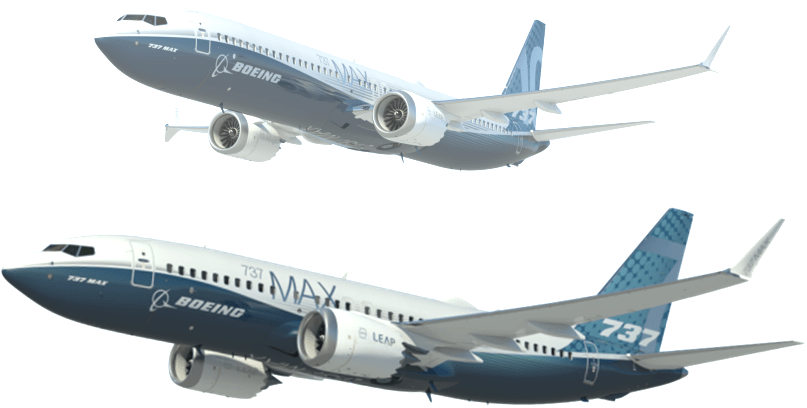
El Senado de Estados Unidos podría cancelar la fecha límite para la homologación homogénea de la línea Boeing 737 MAX que obligaría al constructor The Boeing Company a certificar con dos tipos de certificaciones. El constructor americano podría recibir ser una buena noticia cuando la Senadora estadounidense Maria Cantwell distribuyó el Martes 29/11 un Proyecto de Ley que despejaría el camino para que los dos últimos modelos Boeing 737-7 MAX y Boeing 737-10 MAX entren en servicio sin cambios en el avión ensamblado en Renton (WA).
La Enmienda Legislativa eliminaría la fecha límite en una ley formulada en 2020 que amenaza con obligar a Boeing a realizar cambios sustanciales en los Sistemas de Alerta de la Tripulación en los modelos MAX 7 y MAX 10 para obtener la certificación para transportar pasajeros. La Senadora Maria Cantwell dijo que su enmienda, si bien permite que el MAX 7 y el MAX 10 avancen, también incluye condiciones que requerirían que todas las aerolíneas actualicen dos mejoras de seguridad significativas en los modelos MAX 8 y MAX 9 actualmente en servicio. La enmienda no pone fecha límite para la certificación de los MAX 7 y MAX 10, y requerirá la modernización probablemente dentro de dos o tres años. El objetivo es evitar los intentos de los Republicanos de insertar Enmiendas alternativas en la Ley de Autorización de Defensa Nacional (NDAA).
El hecho de que los políticos estén luchando para obtener alguna enmienda en la prisa Legislativa de fin de año para relajar la ley señala un alivio inminente para Boeing. El MAX 7, la variante más pequeña, es crucial para los planes del mayor cliente del Boeing 737, Southwest Airlines. El MAX 10, la variante más grande, ha ganado múltiples órdenes de Alaska Airlines, Delta Air Lines, United Airlines y otros, por lo que representa un caudal importante para la cartera de pedidos de Boeing.
El Republicano de mayor rango en su Comité de Comercio del Senado, el Senador Roger Wicker por el Estado de Mississippi (MS), presentó una enmienda a la NDAA en Septiembre 2022 que habría extendido el plazo para Boeing hasta Septiembre de 2024, sin condiciones. Esa enmienda continúa activa. El Representante Peter DeFazio, Demócrata de Oregón (OR), quien actualmente preside el Comité de Transporte e Infraestructura de la Cámara de Representantes de Estados Unidos, sigue oponiéndose a cualquier cambio en la fecha límite actual, dijo el martes su portavoz Peter True. El representante Sam Graves, republicano de Missouri, quien se hará cargo de ese comité en enero, dijo en una conferencia el mes pasado que haría todo lo posible para autorizar la certificación de MAX 7 y 10.
Ansley Lacitis, Subjefe de Personal de Maria Cantwell, dijo: «Seguimos viendo que esta extensión limpia todavía estaba allí y no queríamos que nos rodaran». La medida de Maria Cantwell fue inmediatamente denunciada por los familiares de las víctimas de los dos accidentes fatales del 737 MAX que mataron a 346 personas. Queriendo obligar a Boeing a actualizar sus sistemas de manera más sustancial, han presionado fuertemente contra cualquier enmienda que cambie la ley actual. Michael Stumo, cuya hija Samya Rose Stumo murió en el accidente del vuelo 302 de Ethiopian Airlines, dijo que «las familias de accidentes de todo el mundo están molestas por esto». Dijo que los Legisladores estadounidenses aprobaron la ley en 2020 como resultado de los accidentes del MAX, pero que «su memoria se está desvaneciendo nuevamente de la sangre de las víctimas».
La Ley de Certificación, Seguridad y Responsabilidad de Aeronaves, aprobada en 2020 después de los dos accidentes del MAX, establece que todos los aviones certificados después de finales de este año 2022 deben tener Sistemas de Alerta de la Tripulación diseñados según las últimas regulaciones de seguridad, un estándar que el MAX no cumple.
La certificación del MAX 7, interrumpida por los accidentes y la prolongada puesta a tierra del MAX en todo el mundo, sea probable para el primer trimestre del próximo año (1Q2023), después de la fecha límite de Diciembre 2022. Boeing dice que el MAX 10 no será certificado hasta finales de 2023 como muy pronto, dos años y medio después de su primer vuelo de prueba.
Una enmienda del Congreso es el único alivio disponible para Boeing que le permitiría certificar el MAX 7 y MAX 10 para que puedan unirse a los MAX 8 y MAX 9 en servicio con el diseño actual de Alerta de la Tripulación sin cambios para obtener una igual homologación en toda la flota de la línea 737 MAX.
Sindicatos aeronáuticos
Los sindicatos de pilotos estadounidenses están divididos sobre la relajación de la ley para el Boeing 737 MAX. La Asociación de Pilotos Aliados (APA), que representa a los 15.000 pilotos de American Airlines y uno de los sindicatos de pilotos más grandes de los Estados Unidos, se opone a la autorización de los MAX 7 y MAX 10 y quiere que el Sistema de Alerta de la Tripulación se actualice para hacerlo más seguro. Alineándose con Boeing, la Asociación de Pilotos de Líneas Aéreas (ALPA), que representa a más de 66.000 pilotos en América del Norte, emitió un comunicado diciendo que «confiamos en la seguridad del Boeing 737 MAX«.
La Asociación de Pilotos de Southwest Airlines (SWAPA), que representa a los 10.000 pilotos de la aerolínea low cost estadounidense, el mayor cliente del MAX, con 234 de la variante MAX 7 en orden, pidió explícitamente al Congreso que otorgara a Boeing la extensión de la norma de certificación.
Próximos requisitos
Las condiciones en la disposición de Maria Cantwell requerirían que la Administración Federal de Aviación (FAA) ordene una actualización en todos los modelos MAX de dos mejoras de seguridad que Boeing desarrolló y actualmente está probando en el MAX 10, la última variante de la línea narrowbody. La primera actualización es una tercera medida del Ángulo de Ataque (AOA) de la aeronave, un punto de datos clave que alimenta a la computadora de vuelo el AOA entre el plano alar y la corriente de aire que se aproxima. El MAX tiene dos sensores físicos de Ángulo de Ataque. Esto sería una verificación cruzada virtual de esa medida calculada por la computadora de vuelo a partir de una variedad de otros sensores y entradas. El segundo requisito de actualización es un interruptor que permita al piloto silenciar un «agitador de palo» erróneo, una advertencia de pérdida que vibra vigorosamente la columna de control y es una gran distracción si se trata de una falsa alarma.
La Senadora Maria Cantwell dijo que su enmienda le dice a las aerolíneas que «tienen que hacer estas modernizaciones y Boeing tiene que pagar por ellas». Una entrada falsa de Ángulo de Ataque (AOA) y un Agitador de Palos que distraen fueron elementos contribuyentes en los dos accidentes fatales del MAX.
Como resultado, estas mejoras específicas en el MAX 10 fueron requeridas por dos reguladores extranjeros, la Agencia de Seguridad Aérea de la Unión Europea (EASA) y Transport Canada (TA), como condición para permitir que el MAX volviera al servicio en Europa y Canadá. Además, EASA dijo que esperaba que Boeing ofreciera estas mejoras como una adaptación a todos los modelos MAX anteriores. «Estas modificaciones se incorporarán en el 737-10 desde el inicio de la producción y se adaptarán en los aviones MAX en servicio», declaró la Agencia EASA en Enero de 2021 cuando permitió que el MAX volviera al servicio. Una fuente familiarizada con la posición de Boeing, que habló bajo condición de anonimato debido a la sensibilidad de las negociaciones en curso en el Congreso, dijo que la compañía acordó ofrecer estas mejoras de modernización como una opción viable en las negociaciones.
«Lo pondremos a disposición de nuestros clientes de aerolíneas. Si quieren que se adapten al resto de su flota, absolutamente», expresó Boeing como parte de un acuerdo para que el Boeing 737 MAX no pierda clientes al tener diferentes homologaciones para una misma línea de aeronaves. La enmienda de Maria Cantwell lo haría obligatorio. Requeriría que la FAA tome medidas de cumplimiento contra cualquier aerolínea estadounidense que no incorpore las modernizaciones.
Congreso & Boeing
La decisión del Congreso de Estados Unidos es enorme para Boeing. El CEO David Calhoun insinuó en Julio 2022 la cancelación del Programa MAX 10 en lugar de incurrir en el gasto de una actualización del sistema y tener que revisar el entrenamiento de pilotos para el modelo. En una conferencia en Octubre 2022, Casey Murray, Presidente del Sindicato de pilotos de Southwest, sugirió que si Boeing se ve obligado a actualizar el sistema de alerta de la tripulación en el MAX 7, Southwest no optaría por la variante MAX 7, presumiblemente debido al costo de la capacitación adicional que representaría para los pilotos. Además de Southwest, solo un par de aerolíneas se han comprometido con la variante más pequeña, con unos cincuenta aviones entre ellos. Si Southwest retrocediera, el Programa MAX 7 estaría muerto.
Boeing certificó en 2014 la primera versión del Boeing 737 MAX, convenció a la FAA de que actualizar el Sistema de Alerta de Tripulación de la década de 1960 del avión sería demasiado costoso para muy poco beneficio. Las presentaciones internas de Boeing hechas públicas durante las investigaciones del Congreso sobre los accidentes del MAX explicaron los motivos de la compañía. Revelan la preocupación de Boeing de que actualizar el sistema sería costoso, ralentizaría el cronograma de desarrollo del MAX y aumentaría los costos de capacitación de pilotos para los clientes de las aerolíneas. Aún así, cuando el Congreso aprobó la ley de 2020, se pretendía que se aplicara a todos los diseños de aviones futuros, no solamente al MAX. Los dos primeros modelos MAX, el MAX 8 y MAX 9, se encontraban certificados antes de los accidentes. Después de la puesta a tierra que duró 21 meses mientras Boeing desarrollaba arreglos extensos, la FAA volvió a certificar esos aviones para volver al servicio. El Congreso otorgó dos años de gracia antes de que la ley de 2020 entrara en vigencia en el supuesto de que el MAX 7 y el MAX 10 también estarían certificados como seguros para volar para entonces. Eso resultó falso. Esto se debe en parte a que la pandemia de COVID-19 ralentizó los planes de certificación de Boeing. Más allá de eso, la legislación de 2020 también hizo que el proceso de la FAA para certificar un avión fuera mucho más estricto y lento. Ahora se requiere que Boeing pruebe más a fondo cómo una Tripulación de Vuelo podría responder a cada mal funcionamiento de los sistemas del avión. Eso, junto con la supervisión más rigurosa de la FAA, alargó considerablemente el proceso de certificación.
Actualmente, los modelos MAX 8 y MAX 9 están volando en servicio de pasajeros en Estados Unidos y el mundo. Desde que se levantó la puesta a tierra, han volado con seguridad más de 1 millón de vuelos. La fuente familiarizada con la posición de Boeing dijo que en cada uno de los cinco accidentes fatales de aviones 737 donde el fabricante de aviones ha reconocido que alguna falla del Sistema de Alerta de la Tripulación fue un factor, ha introducido actualizaciones del sistema para abordar las fallas específicas.
Boeing ha expresado la benevolencia del producto 737: «El avión ya ha demostrado a través de las décadas ser un producto seguro en un variado grupo demográfico de pilotos. El gran volumen de vuelos donde no hubo accidentes y no hubo problemas significa algo». Las estadísticas de Boeing muestran que históricamente el avión 737 Next Generation ha sufrido menos de un accidente fatal por cada 10 millones de vuelos. The Boeing Company se negó a comentar sobre el cambio legislativo propuesto por Maria Cantwell, como así tambien del organismo fiscal de la Agencia de la FAA.
FAA would clear amendment 737 MAX
Senate would cancel differential certification deadline for 737 MAX
The United States Senate could cancel the deadline for the homogeneous approval of the Boeing 737 MAX line, which would force the builder The Boeing Company to certify with two types of certifications. The American manufacturer could receive good news when US Senator Maria Cantwell distributed a Bill on Tuesday 11/29 that would clear the way for the last two Boeing 737-7 MAX and Boeing 737-10 MAX models to enter service without changes to the aircraft assembled in Renton (WA).
The Legislative Amendment would remove the deadline on a law enacted in 2020 that threatens to force Boeing to make substantial changes to the Crew Alert Systems on the MAX 7 and MAX 10 models to become certified to carry passengers. Senator Maria Cantwell said her amendment, while allowing the MAX 7 and MAX 10 to move forward, also includes conditions that would require all airlines to update two significant safety enhancements to the MAX 8 and MAX 9 models currently in service. The amendment does not set a deadline for certification of the MAX 7 and MAX 10, and will require modernization likely within two to three years. The goal is to prevent attempts by Republicans to insert Alternative Amendments into the National Defense Authorization Act (NDAA).
The fact that politicians are fighting to get any amendments in the year-end Legislative rush to relax the law signals imminent relief for Boeing. The MAX 7, the smallest variant, is crucial to the plans of Boeing’s biggest 737 customer, Southwest Airlines. The MAX 10, the largest variant, has won multiple orders from Alaska Airlines, Delta Air Lines, United Airlines and others, representing a significant asset to Boeing’s order book.
The ranking Republican on his Senate Commerce Committee, Mississippi (MS) Senator Roger Wicker, introduced an amendment to the NDAA in September 2022 that would have extended Boeing’s deadline to September 2024, with no strings attached. That amendment is still active. Rep. Peter DeFazio, D-Oregon (OR), who currently chairs the US House Committee on Transportation and Infrastructure, continues to oppose any changes to the current deadline, his spokesman Peter True said Tuesday. Rep. Sam Graves, a Missouri Republican, who will take over that committee in January, told a conference last month that he would do everything possible to authorize certification of MAX 7 and 10.
Ansley Lacitis, Maria Cantwell’s Deputy Chief of Staff, said: «We kept seeing that this clean extension was still there and we didn’t want to get shot». Maria Cantwell’s move was immediately denounced by relatives of the victims of the two fatal 737 MAX crashes that killed 346 people. Wanting to force Boeing to upgrade its systems more substantially, they have lobbied heavily against any amendments that would change the current law. Michael Stumo, whose daughter Samya Rose Stumo died in the crash of Ethiopian Airlines Flight 302, said «accident families around the world are upset by this». He said US lawmakers passed the law in 2020 as a result of the MAX accidents, but «its memory is fading again in the blood of the victims».
The Aircraft Certification, Safety and Liability Act, passed in 2020 after the two MAX accidents, states that all aircraft certified after the end of this year 2022 must have Crew Alert Systems designed to the latest safety regulations, a standard that the MAX does not meet.
The certification of the MAX 7, interrupted by the accidents and the prolonged grounding of the MAX around the world, is likely by the first quarter of next year (1Q2023), after the deadline of December 2022. Boeing says that the MAX 10 will not be certified until late 2023 at the earliest, two and a half years after its first test flight.
A congressional amendment is the only relief available to Boeing that would allow it to certify the MAX 7 and MAX 10 so they can join the MAX 8 and MAX 9 in service with the current Crew Alert design unchanged for equal certification. across the entire fleet of the 737 MAX line.
Aviation unions
American pilot unions are divided on relaxing the law for the Boeing 737 MAX. The Allied Pilots Association (APA), which represents American Airlines’ 15,000 pilots and one of the largest pilot unions in the United States, opposes authorization of the MAX 7 and MAX 10 and wants the Aircraft System to Crew Alert is updated to make it safer. Aligning with Boeing, the Air Line Pilots Association (ALPA), which represents more than 66,000 pilots in North America, issued a statement saying that «we are confident in the safety of the Boeing 737 MAX».
The Southwest Airlines Pilots Association (SWAPA), which represents the 10,000 pilots of the US low-cost airline, the largest MAX customer, with 234 of the MAX 7 variant on order, explicitly asked Congress to grant Boeing the extension. of the certification standard.
Upcoming requirements
The conditions in the Maria Cantwell disposition would require the Federal Aviation Administration (FAA) to order an update on all MAX models of two safety enhancements that Boeing developed and is currently testing on the MAX 10, the latest variant of the narrowbody line. The first update is a third measurement of the aircraft’s Angle of Attack (AOA), a key data point that feeds the flight computer the AOA between the wingplane and the oncoming airstream. The MAX has two physical Angle of Attack sensors. This would be a virtual cross check of that measurement calculated by the flight computer from a variety of other sensors and inputs. The second upgrade requirement is a switch that allows the pilot to silence an erroneous «Stick Shaker», a stall warning that vibrates the control column vigorously and is a major distraction if it’s a false alarm.
Senator Maria Cantwell said her amendment tells airlines that they «have to do these upgrades and Boeing has to pay for them». A false Angle of Attack (AOA) input and a distracting Stick Shaker were contributing elements in the two fatal MAX crashes.
As a result, these specific improvements to the MAX 10 were required by two foreign regulators, the European Union Aviation Safety Agency (EASA) and Transport Canada (TA), as a condition of allowing the MAX to return to service in Europe and Canada. Additionally, EASA said that it expected Boeing to offer these enhancements as a retrofit to all previous MAX models. «These modifications will be incorporated into the 737-10 from the start of production and will be adapted to MAX aircraft in service», the EASA Agency stated in January 2021 when it allowed the MAX to return to service. A source familiar with Boeing’s position, who spoke on condition of anonymity due to the sensitivity of the ongoing negotiations in Congress, said the company has agreed to offer these modernization upgrades as a viable option in negotiations.
«We will make it available to our airline customers. If they want them to adapt to the rest of their fleet, absolutely», Boeing said as part of an agreement so that the Boeing 737 MAX does not lose customers by having different approvals for the same aircraft line. Maria Cantwell’s amendment would make it mandatory. It would require the FAA to take enforcement action against any US airline that fails to incorporate the upgrades.
Congress & Boeing
The decision by the US Congress is huge for Boeing. CEO David Calhoun hinted at the cancellation of the MAX 10 Program in July 2022 rather than incur the expense of a system upgrade and having to revise pilot training for the model. At a conference in October 2022, Casey Murray, President of the Southwest Pilots Union, suggested that if Boeing is forced to upgrade the crew alert system on the MAX 7, Southwest would not go with the MAX 7 variant, presumably because at the cost of the additional training it would represent for the pilots. Other than Southwest, only a couple of airlines have committed to the smaller variant, with about fifty aircraft between them. If Southwest were to back down, the MAX 7 Program would be dead.
Boeing certified the first version of the Boeing 737 MAX in 2014, convinced the FAA that upgrading the plane’s 1960s-era Crew Alert System would be too expensive for too little benefit. Internal Boeing filings made public during congressional investigations into the MAX accidents explained the company’s motives. They reveal Boeing’s concern that upgrading the system would be costly, slow down the MAX’s development timeline and increase pilot training costs for airline customers. Still, when Congress passed the 2020 law, it was intended to apply to all future aircraft designs, not just the MAX. The first two MAX models, the MAX 8 and MAX 9, were certified before the accidents. After the 21-month grounding while Boeing developed extensive fixes, the FAA re-certified those planes for return to service. Congress granted a two-year grace before the 2020 law took effect on the assumption that the MAX 7 and MAX 10 would also be certified safe to fly by then. That turned out to be false. This is partly because the COVID-19 pandemic slowed down Boeing’s certification plans. Beyond that, the 2020 legislation also made the FAA’s process for certifying an aircraft much stricter and slower. Boeing is now required to further test how a Flight Crew might respond to each malfunction of the plane’s systems. That, along with more rigorous oversight by the FAA, significantly lengthened the certification process.
Currently, the MAX 8 and MAX 9 models are flying in passenger service in the United States and around the world. Since the grounding was lifted, more than 1 million flights have been flown safely. The source familiar with Boeing’s position said that in each of the five fatal 737 crashes where the planemaker has acknowledged that some Crew Alert System failure was a factor, it has introduced system updates to address the concerns. specific faults.
Boeing has expressed the benevolence of the 737 product: «The airplane has already proven over the decades to be a safe product in a diverse demographic of pilots. The high volume of flights where there were no accidents and no problems means something». Boeing statistics show that historically the 737 Next Generation aircraft has suffered less than one fatal accident per 10 million flights. The Boeing Company declined to comment on the legislative change proposed by Maria Cantwell, as well as the agency’s fiscal body, the FAA.
PUBLISHER: Airgways.com DBk: Senate.gov / Faa.gov / Easa.europa.eu / Alpa.org / Swapa.org / Alliedpilots.org / Airgways.com AW-POST: 202212010157AR OWNERSHIP: Airgways Inc. A\W A I R G W A Y S ®
Embraer selecciona 5 E195-E2 para cliente indefinido
El constructor brasileño Embraer ha recibido un pedido en firme por cinco aeronaves Embraer E195-E2 de un cliente no identificado. El comprador no ha sido revelado al público, pero han informado que es una startup para entrar al mercado de la aviación comercial. Embraer anunció la nueva orden al cliente no identificado el Miércoles, 30 de Noviembre de 2022.
Embraer ha expresado que la aerolínea no identificada recibirá las primeras cuatro aeronaves a partir de finales del 2023, mientras que la quinta aeronave la recibirá a principios de 2024, según el plan de adquisiciones de la compañía con el fabricante brasileño. Embraer ha revelado que el monto de la facturación por los cinco aviones es de US$ 389.4 millones de Dólares.
El modelo Embraer E195-E2 se encuentra reforzando la cartera de órdenes del fabricante en el cuarto trimestre de 2022. Actualmente, los E2-Jets son operado actualmente por aproximadamente diez líneas aéreas, entre ellas los clientes más importantes KLM Cityhopper y Azul Linhas Aéreas. En un mercado competitivo, el constructor brasileño ha comenzado a ganar tracción para incorporar a su nómina más clientes y posicionándose en nuevos mercados particularmente en la región de Asia y el Pacífico, tras varias giras de promociones del modelo E2-Jets. Tras recibir las aprobaciones de certificaciones respectivas por parte de la Agencia de Aviación CAAC de China, ha alcanzado un importante logro para incursionar en el poderoso mercado chino.
Perspectivas E2-Jets
Embraer continúa desarrollando una política entusiasta con respecto de su flota E2-Jets para incorporarse en un nicho de mercado regional de la aviación china y Asia, sembrando oportunidades en mercados emergentes con nuevos clientes en espera de ser revelados.
Embraer 5 E195-E2 unidentified customer
Embraer selects 5 E195-E2 for permanent customer
Brazilian manufacturer Embraer has received a firm order for five Embraer E195-E2 aircraft from an unidentified customer. The buyer has not been revealed to the public, but it has been reported that it is a startup to enter the commercial aviation market. Embraer announced the new order to the unidentified customer on Wednesday, November 30, 2022.
Embraer has said that the unidentified airline will receive the first four aircraft starting at the end of 2023, while the fifth aircraft will receive it in early 2024, according to the company’s acquisition plan with the Brazilian manufacturer. Embraer has revealed that the billing amount for the five aircraft is US$389.4 million.
The Embraer E195-E2 model is reinforcing the manufacturer’s order book in the fourth quarter of 2022. Currently, the E2-Jets are currently operated by approximately ten airlines, including the most important customers KLM Cityhopper and Azul Linhas Aéreas. In a competitive market, the Brazilian manufacturer has begun to gain traction to incorporate more clients into its roster and positioning itself in new markets, particularly in the Asia-Pacific region, after several promotional tours of the E2-Jets model. After receiving the respective certification approvals from the CAAC China Aviation Agency, it has reached an important achievement to enter the powerful Chinese market.
Perspectives E2-Jets
Embraer continues to develop an enthusiastic policy regarding its E2-Jets fleet to break into a niche Chinese and Asian aviation regional market, sowing opportunities in emerging markets with new customers waiting to be revealed.
Embraer 5 E195-E2 cliente não identificado
Embraer seleciona 5 E195-E2 para cliente permanente
A fabricante brasileira Embraer recebeu um pedido firme de cinco aeronaves Embraer E195-E2 de um cliente não identificado. O comprador não foi revelado ao público, mas foi informado que se trata de uma startup para entrar no mercado de aviação comercial. A Embraer anunciou o novo pedido ao cliente não identificado na Quarta-feira, 30 de Novembro de 2022.
A Embraer informou que a companhia aérea não identificada receberá as quatro primeiras aeronaves a partir do final de 2023, enquanto a quinta aeronave receberá no início de 2024, de acordo com o plano de aquisição da empresa com a fabricante brasileira. A Embraer revelou que o valor de faturamento das cinco aeronaves é de US$ 389,4 milhões.
O modelo Embraer E195-E2 está reforçando a carteira de pedidos da fabricante no quarto trimestre de 2022. Atualmente, os E2-Jets são operados por aproximadamente dez companhias aéreas, incluindo os clientes mais importantes KLM Cityhopper e Azul Linhas Aéreas. Em um mercado competitivo, a fabricante brasileira começa a ganhar fôlego para incorporar mais clientes ao seu portfólio e se posicionar em novos mercados, principalmente na região da Ásia-Pacífico, após várias viagens promocionais do modelo E2-Jets. Depois de receber as respectivas aprovações de certificação da CAAC China Aviation Agency, alcançou uma conquista importante para entrar no poderoso mercado chinês.
Perspectivas E2-Jets
A Embraer continua a desenvolver uma política entusiástica em relação à sua frota de E2-Jets para entrar em um nicho de mercado regional da aviação chinesa e asiática, semeando oportunidades em mercados emergentes com novos clientes esperando para serem revelados.
PUBLISHER: Airgways.com DBk: Embraer.com / Airgways.com AW-POST: 202212010118AR OWNERSHIP: Airgways Inc. A\W A I R G W A Y S ®




































 airgways.com