Boeing entrega el 100º Poseidón P-8A

YP103 (100th P-8) delivery to USN, StuTV Interviews & P-8 LT Group PhotoAW | 2020 05 15 11:38 | INDUSTRY

Boeing_IsologotypeBoeing realiza entrega del 100ª Poseidon P-8A construido para la Marina de los Estados Unidos

La Armada de los Estados Unidos ha tomado entrega el 14 Mayo 2020 su avión número 100 contruido P-8A Poseidon de Boeing mientras la flota global, que también incluye la marina india y las fuerzas aéreas de Australia y el Reino Unido, se acerca a las 300.000 horas de caza de submarinos y proporcionando capacidades de reconocimiento aéreo en todo el mundo. «Nos honra la fe y la confianza de la Marina en nuestros empleados y el sistema P-8. Nuestro enfoque ha sido, y será, entregar los mejores aviones de patrulla marítima del mundo, sin excepción», dijo Stu Voboril, Vicepresidente y Gerente de Programa.

Este es el 94° avión con capacidad de misión para ingresar a la flota de la Marina de los Estados Unidos, con seis aviones adicionales utilizados como aviones de prueba de Desarrollo de Ingeniería de Fabricación. La entrega número 100 totalmente operativa está programada para finales de este año. Boeing también ha entregado 12 aviones a la Real Fuerza Aérea Australiana, dos a la Real Fuerza Aérea del Reino Unido y ocho P-8I a la Armada de la India. Se desplegaron múltiples escuadrones de la Armada de los Estados Unidos con el Poseidón P-8A, y la Armada de la India y la Real Fuerza Aérea Australiana también están realizando misiones con el P-8.

Línea Patrulla Marítima

El P-8 es un avión de patrulla marítima multimisión de largo alcance probado capaz de operaciones de área amplia, marítima y costera. Un derivado militar del avión Boeing 737 Next-Generation, el P-8 combina un rendimiento superior y confiabilidad con un sistema de misión avanzado que garantiza la máxima interoperabilidad en el espacio de batalla.

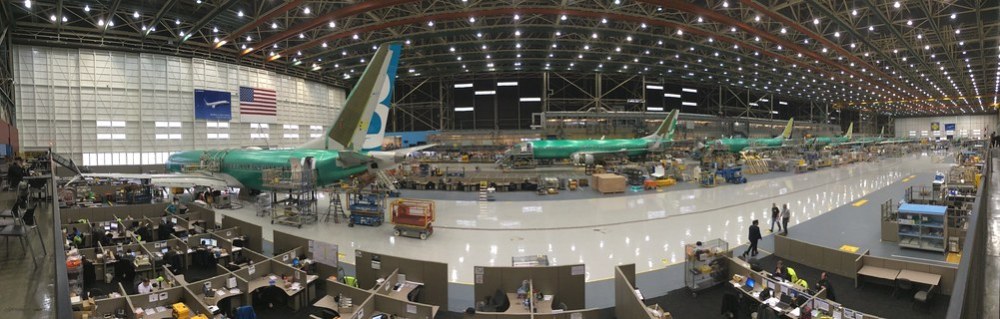
Después de la afectación de la línea de ensamblaje del Boeing 737 MAX y de la finalización del Programa 737 Next Generation en Renton, Washington, solamente estaba habilitada la línea de patrulla marítima P-8 Poseidon de la línea general del Programa 737, alcanzando el número 100 de aeronaves construidas para el propósito de vigilancia y protección del espacio aéreo y marítimo. AW-Icon Paragraph-01

AW-Boeing-p-8-poseidonBoeing Delivers 100th Poseidon P-8A

Boeing Delivers the 100th Poseidon P-8A Built for the United States Navy

On 14 May 2020, the United States Navy has taken delivery of its 100th Boeing P-8A built aircraft as the global fleet, which also includes the Indian Navy and the Australian and United Kingdom Air Forces, approaches 300,000. hours of submarine-hunting and providing aerial reconnaissance capabilities around the world. «We are honored by the Navy’s faith and trust in our employees and the P-8 system. Our focus has been, and will be, delivering the best maritime patrol aircraft in the world, without exception», said Stu Voboril, Vice President and Manager of Program.

This is the 94th mission-capable aircraft to enter the United States Navy fleet, with six additional aircraft used as Manufacturing Engineering Development test aircraft. The 100th fully operational delivery is scheduled for later this year. Boeing has also delivered 12 aircraft to the Royal Australian Air Force, two to the Royal United Kingdom Air Force, and eight P-8Is to the Indian Navy. Multiple squadrons of the United States Navy were deployed with the Poseidon P-8A, and the Indian Navy and Royal Australian Air Force are also conducting missions with the P-8.

Maritime Patrol Line

The P-8 is a proven long-range multi-mission maritime patrol aircraft capable of wide-area, maritime, and coastal operations. A military derivative of the Boeing 737 Next-Generation aircraft, the P-8 combines superior performance and reliability with an advanced mission system that ensures maximum interoperability in the battlespace.

After the involvement of the Boeing 737 MAX assembly line and the termination of the 737 Next Generation Program in Renton, Washington, only the P-8 Poseidon maritime patrol line of the 737 Program general line was enabled, reaching the number 100 of aircraft built for the purpose of surveillance and protection of air and maritime space. AW-Icon Paragraph-02


Ξ A I R G W A Y S Ξ
SOURCE: Airgways.com
DBk: Boeing.com / Airgways.com
AW-POST: 202005151138AR

A\W   A I R G W A Y S ®

Boeing iniciativa para viajes seguros

AW-Boeing_Headquarters_100th_JetAW | 2020 05 15 10:00 | INDUSTRY

Boeing_IsologotypeBoeing nombra a Mike Delaney para liderar una iniciativa de viaje segura

The Boeing Company ha nombrado este 14 Mayo 2020 a Mike Delaney para liderar la Iniciativa de Viajes Seguros de la compañía, con efecto inmediato. Trabajando en toda la industria, el equipo de Delaney trabajará para desarrollar nuevas soluciones para ayudar a minimizar los riesgos para la salud de los viajes aéreos en medio de la pandemia de COVID-19 y generar conciencia sobre las salvaguardas de salud ya existentes. Delaney aporta 31 años de experiencia en Boeing al cargo, incluidas las posiciones de liderazgo ejecutivo anteriores en desarrollo e ingeniería de aviones, y actualmente se desempeña como vicepresidente de Transformación Digital en Boeing Commercial Airplanes.

Boeing se unirá con la industria para ayudar a minimizar los riesgos para la salud de los viajes aéreos en medio de la pandemia de COVID-19. Los enfoques multicapa son clave para mejorar la seguridad y reducir la transmisión de enfermedades. «A medida que los viajes aéreos comienzan a reanudarse lentamente y las restricciones se alivian en todo el mundo, la salud y la seguridad siguen siendo nuestras principales prioridades para nuestros equipos que diseñan, construyen y dan servicio a los aviones y a todos los que vuelan en ellos. La profunda experiencia técnica, las habilidades de liderazgo, el conocimiento de la industria y la gran pasión de Mike por nuestros clientes lo hacen excepcionalmente calificado para liderar este esfuerzo», dijo el Presidente y CEO de Boeing, David Calhoun.

El equipo de la Iniciativa de Viaje Confidente trabajará con las aerolíneas, los reguladores globales, las partes interesadas de la industria, los pasajeros voladores, los expertos en enfermedades infecciosas y los especialistas en comportamiento para establecer recomendaciones de seguridad reconocidas por la industria. El equipo también está asesorando a los operadores sobre desinfectantes aprobados y existentes que son compatibles con las cubiertas y cabinas de vuelo de los aviones y probando otros desinfectantes. «Nuestro compromiso de garantizar la salud de los pasajeros y tripulaciones de las aerolíneas es inquebrantable. Estamos trabajando con socios para mejorar los procedimientos de limpieza de las aeronaves e identificar otras áreas para reducir aún más el riesgo de transmisión de enfermedades en el aire», dijo Mike Delaney.

El esfuerzo de Boeing se basará en los enfoques de seguridad mejorados de la industria, incluida la limpieza mejorada, los controles de temperatura y el uso de revestimientos faciales, y promoverá los sistemas probados ya existentes para ayudar a mantener la limpieza de la cabina. Uno de estos sistemas es el sistema de filtración de aire presente en todos los aviones Boeing. El sistema de filtración de aire incorpora filtros de aire de partículas de alta eficiencia (HEPA) similares a los utilizados en hospitales y salas blancas industriales. Los filtros HEPA son 99.9+% efectivos para eliminar partículas tales como virus, bacterias y hongos antes de que el aire vuelva a circular a la cabina.

Boeing continúa investigando y evaluando nuevas tecnologías para mejorar la seguridad, incluidos los sistemas de desinfección con luz ultravioleta y los recubrimientos antimicrobianos para superficies de alto contacto. La compañía está trabajando con académicos, expertos en salud e instituciones de aprendizaje de todo el mundo para realizar estudios de campo y facilitar la investigación sobre la reducción del potencial de transmisión de enfermedades en los aviones. «Los viajes aéreos están regresando. Mientras eso sucede, queremos que los pasajeros y la tripulación aborden los aviones de Boeing sin dudarlo», concluye Mike Delaney. AW-Icon Paragraph-01

AW-Boeing_Headquarters_001Boeing initiative for safe travel

Boeing appoints Mike Delaney to lead a safe travel initiative

Boeing_Isologo.svgThe Boeing Company has appointed Mike Delaney this May 14, 2020, to lead the company’s Safe Travel Initiative, with immediate effect. Working across the industry, Delaney’s team will work to develop new solutions to help minimize the health risks of air travel amid the COVID-19 pandemic and raise awareness of existing health safeguards. Delaney brings 31 years of Boeing experience to the position, including previous executive leadership positions in aircraft development and engineering, and currently serves as vice president of Digital Transformation at Boeing Commercial Airplanes.

Boeing will team up with the industry to help minimize the health risks of air travel amid the COVID-19 pandemic. Multilayer approaches are key to improving safety and reducing disease transmission. «As air travel slowly begins to resume and restrictions are eased around the world, health and safety remain our top priorities for our teams that design, build and service aircraft and everyone who flies in them. Mike’s deep technical expertise, leadership skills, industry knowledge, and passion for our customers make him exceptionally qualified to lead this effort», said Boeing President and CEO David Calhoun.

The Confident Travel Initiative team will work with airlines, global regulators, industry stakeholders, flying passengers, infectious disease experts, and behavioral specialists to establish industry-recognized safety recommendations. The team is also advising operators on existing and approved disinfectants that are compatible with aircraft flight decks and cabins and testing other disinfectants. «Our commitment to ensuring the health of airline passengers and crews is unwavering. We are working with partners to improve aircraft cleaning procedures and identify other areas to further reduce the risk of airborne disease transmission», Mike Delaney said.

Boeing’s effort will build on the industry’s improved safety approaches, including improved cleaning, temperature controls, and the use of facial coatings, and will promote existing proven systems to help maintain the cleanliness of the cabin. One of these systems is the air filtration system present in all Boeing aircraft. The air filtration system incorporates high-efficiency particulate air (HEPA) filters similar to those used in hospitals and industrial clean rooms. HEPA filters are 99.9+% effective at removing particles such as viruses, bacteria, and fungi before air circulates back into the cabin.

Boeing continues to research and evaluate new technologies to improve safety, including UV disinfection systems and antimicrobial coatings for high-contact surfaces. The company is working with academics, health experts, and learning institutions around the world to conduct field studies and facilitate research on reducing the potential for disease transmission on aircraft. «Air travel is coming back. While that is happening, we want passengers and crew to board Boeing planes without hesitation», concludes Mike Delaney. AW-Icon Paragraph-02


Ξ A I R G W A Y S Ξ
SOURCE: Airgways.com
DBk: Boeing.com / Airgways.com
AW-POST: 2020051000AR

A\W   A I R G W A Y S ®

Flybondi vs pandemización argentina

AW-70008867AW | 2020 05 14 15:25 | AIRLINES MARKET

Isologotype FBEn medio de la crisis de la pandemia las low cost solicitan al Gobierno definición por El Palomar

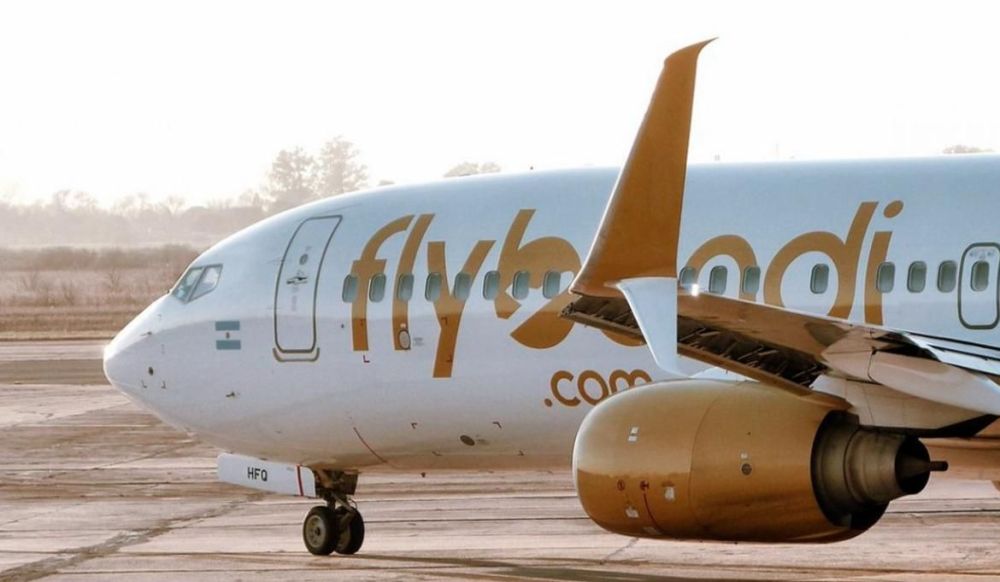
Las low cost solicitan protagonismo para continuar volando en Argentina. La posición de una de las principales aerolíneas de presupuesto local, Flybondi expresa su compromiso hacia el futuro, pero al mismo tiempo, percibe proteccionismo por parte del Estado. Los gremios aeronáuticos que agrupan a los trabajadores de Flybondi y JetSmart Airlines Argentina enviaron una nota al Presidente de la Nación, Alberto Fernández, y a los gobernadores provinciales, con el objetivo de que intercedan para evitar que la medida de cierre del Aeropuerto El Palomar.

Marcando posición

El CEO de Flybondi Líneas Aéreas, Esteban Tossutti, ha expresado la posición de la compañía frente a los cambios de la crisis sanitario-económica que atraviesa Argentina: “Las low cost podemos tener un rol estratégico en la recomposición económica del país”. Flybondi ha destacado el rol de las aerolíneas de bajo costo y la incertidumbre por el panorama a futuro, con vuelos prohibidos hasta Septiembre 2020 y el Aeropuerto de El Palomar con pedido de cierre.

Flybondi ha tomado muy mal la tentativa del Gobierno del cierre del Aeropuerto El Palomar. La low cost nacida el 26 enero 2018 al amparo de la era de la «Revolución de los Aviones» sostiene que el primer aeropuerto low cost de Sudamérica ha estado creciendo muy rápido. Esteban Tossutti expresa: «Nos enteramos por los medios de que AA2000 había presentado un expediente con pedido de cierre definitivo y que el organismo que los regula ya tenía casi aprobado un dictamen favorable. El subtítulo de esto es un explotador privado tomando decisiones sobre la infraestructura pública, y sobre un aeropuerto en el que operan dos aerolíneas, ninguna de las cuales tuvo participación ni opinión en todo ese proceso en el que ya se había avanzado. Hicimos presentaciones legales y recientemente ORSNA nos denegó el pedido de formar parte del expediente. Vamos a seguir accionando por vía legal».

Con respecto a las operaciones de traslado hacia el Aeropuerto de Ezeiza, para Flybondi «no es una opción trasladar la operación al principal ingreso por vía aérea del país. La mayoría de nuestros pasajeros no pueden pagar los costos que tiene viajar desde allí, pensemos que el costo de un taxi, por ejemplo, es casi similar a lo que se puede pagar un pasaje a alguno de nuestros destinos. Y acá es donde entra el rol estratégico de tener un aeropuerto con una conexión de transporte público: llegar desde Retiro a El Palomar en la Línea San Martín tiene un costo de entre AR$ 15 y 35 Pesos, dependiendo el método de pago. Por otro lado, Ezeiza es un aeropuerto que no permite mantener la alta eficiencia en las prácticas operativas de una low cost, incluyendo que tiene tasas aeroportuarias más caras».

El Palomar

Argentina es el único país de Latinoamérica que tiene un aeropuerto low cost, por el que ya pasaron más de 2,8 millones de personas, que conecta a 20 provincias y es el que más creció en el país tanto en 2018 como en 2019. Allí operan dos aerolíneas nuevas, con planes de inversión y expansión, que generan trabajo genuino y argentino. Resulta muy llamativo que ahora sea un aeropuerto que no sirve, como dice el explotador. El Aeropuerto El Palomar es es el que más creció en el país en 2018 y 2019. «Resulta muy llamativo que ahora sea un aeropuerto que no sirve, como dice el explotador», señala Esteban Tossutti. Si las opciones fueran Aeroparque o Ezeiza, sin dudas la decisión se orientaría al primero, por factibilidad operativa, aunque ya hemos tenido problemas cuando quisimos operar allí los vuelos a Punta del Este​.

Volar hacia el futuro

Las aerolíneas piensan alternativas para volver a viajar tras el Coronavirus. La perspectiva de Flybondi frente al futuro es sostenida en el Aeropuerto El Palomar. «Nosotros queremos seguir operando desde El Palomar, esa es nuestra casa. El 80% de nuestros colaboradores que tienen base allí son personas que viven en la zona de Morón, Hurlingham y Tres de Febrero. Venimos realizando un enorme trabajo de posicionamiento, comunicación e información sobre la ubicación, los medios de acceso y las facilidades, porque realmente creemos en el potencial que tiene un aeropuerto que permite una experiencia del cliente mucho más rápida y simple que los grandes aeropuertos. Si no nos cambian las reglas en la recomposición económica que va a necesitar el país producto del coronavirus, Flybondi puede ser un gran aliado del consumidor, que más que nunca tendrá que cuidar sus gastos; aliado de las provincias, porque nuestros vuelos generan desarrollo de las economías regionales en actividades que derraman muy rápido en la zona (transporte, gastronomía, hotelería, etc.), y aliado de las pymes, los emprendedores e incluso las grandes empresas, que al igual que nuestros pasajeros, necesitarán redefinir toda su ecuación de costos y llevarla hacia la mayor eficiencia».

Crecimiento low cost

El mercado aéreo de las low cost hasta Marzo 2020 captaban más del 20% del mercado aéreo nacional, lo que significa que casi 1 de cada 5 pasajeros, volaban por alguna de las dos aerolíneas que hay. Flybondi tiene el 9% de cuota de mercado general, pero entre el 15 y el 20% en aquellos destinos a los que vuela. En el último año las low cost presentaron un crecimiento inédito en Argentina y, de acuerdo con las estadísticas que lleva la Administración Nacional de la Aviación Civil (ANAC), desde su llegada ya transportaron a 4 millones de personas.

AW-Flybondi_70052020

Impulsando las economías

Flybondi busca impulsar al turismo que es un generador o motor para dar oxígeno a la aviación comercial. Para estimular al crecimiento del tráfico aéreo ha lanzado las nuevas Gift Cards solidarias, con la particularidad que representa el 20% de lo recaudado será destinado a comedores sociales. La aerolínea low cost lanzó su nuevo producto con el objetivo de que sus clientes vuelvan a conectarse con sus ganas de viajar.

La aerolínea busca que sus clientes puedan comenzar a planear sus viajes comprando o regalando tarjetas para utilizarlas a futuro y, además, formar parte de un proyecto solidario para ayudar a quienes más se vieron afectados por la pandemia. Es por esta razón que, por cada compra, Flybondi donará el 20% a diversos comedores con el fin de transformarlo en alimentos para todas las personas que asisten a estos espacios.

Perspectivas de mercado

La actual crisis sanitaria y la postergación del reinicio de los vuelos para Septiembre 2020 por parte del Gobierno de Argentina, hacen pensar muy seriamente cuáles serán las consecuencias económicasa para la aviación comercial. Aunque el Gobierno prime lo sanitario por sobre lo económico es razonablemente sabio; pero las acciones de cerrar el Aeropuerto Internacional El Palomar, sumado a la un tanto irrazonable extensión de la apertura de los vuelos de cabotaje presuponen un mal augurio para las compañías aéreas locales, a excepción de Aerolíneas Argentinas.

Desde Flybondi sistienen; «Primero consideremos que ninguna aerolínea puede estar cinco meses sin operación y comercializando pasajes recién para Septiembre. Por lo tanto, esperamos en algún momento el Gobierno defina algunas medidas que puedan ayudar a las compañías a superar esta situación absolutamente excepcional. Argentina es el país que más ha extendido la restricción total de vuelos y el criterio de esta decisión es lo que se cuestionó a las autoridades. Nosotros estamos listos para volver a volar y creemos que se podría comenzar a fines de Junio o Julio. Por supuesto que ejecutando todos los protocolos necesarios, porque el gran tema será trabajar para que el pasajero se sienta seguro de volar, e incluso entendemos que la primera etapa de operación podría ser reducida en frecuencias. Aún no tenemos definiciones de estos temas por parte de ANAC, pero esperamos poder tenerlas lo antes posible».

Ajuntando cinturones

Flybondi realizó un acuerdo colaborativo con todos los empleados y con el gremio para asegurar la sustentabilidad de la compañía hasta Junio 2020. La reducción salarial va del 15 al 50%, este último valor exclusivamente para los ejecutivos.

Si las medidas de prevención se aplican de igual manera a todas las aerolíneas que operan en la Argentina, y las mismas implican por ejemplo incrementos de un 60% en el ticket, las líneas aéreas tradicionales van a verse obligadas a subir sus tarifas en las mismas proporciones que una aerolínea de bajo costo. En los últimos dos años, las low cost mantuvieron una diferencia de precio entre 30% y 50%. A su vez, si a esto le sumamos el beneficio de los costos en el acceso al Aeropuerto Internacional El Palomar, el resultado par el pasajero es que la oferta low cost es la más conveniente.

La compañía de bajo costo de Argentina continúa siendo optimista sobre el transporte aéreo, pero el Estado participa en un rol importantísimo en la agenda estratégica, pero sería insostenible que en el fondo de todo esto hubiera una intencionalidad proteccionista o destructiva hacia compañías que generan muchos beneficios para Argentina, un acerbo de estos tiempos que corren en la política argentina. AW-Icon Paragraph-01


AW-Aviator.aeroFlybondi vs Argentine pandemization

Flybondi_svgIn the midst of the pandemic crisis, the low cost requests the Government for a definition by El Palomar

The low-cost request prominence to continue flying in Argentina. The position of one of the main local budget airlines, Flybondi expresses its commitment to the future, but at the same time, it perceives protectionism on the part of the State. The aeronautical unions that group the workers of Flybondi and JetSmart Airlines Argentina sent a note to the President of the Nation, Alberto Fernández, and to the provincial governors, with the aim of intervening to prevent the closure measure of El Palomar Airport.

Marking position

The CEO of Flybondi Líneas Aéreas, Esteban Tossutti, has expressed the position of the company facing the changes of the sanitary-economic crisis that Argentina is going through: «Low costs can have a strategic role in the economic recovery of the country». Flybondi has highlighted the role of low-cost airlines and the uncertainty about the future outlook, with flights prohibited until September 2020 and El Palomar Airport with a request for closure.

Flybondi has taken the government’s attempt to close El Palomar Airport very badly. The low-cost airport born on January 26, 2018, under the era of the «Aircraft Revolution» maintains that the first low-cost airport in South America has been growing very fast. Esteban Tossutti expresses: «We learned through the media that AA2000 had submitted a file with a request for final closure and that the body that regulates them had already almost approved a favorable opinion. The subtitle of this is a private operator making decisions on infrastructure public, and about an airport in which two airlines operate, neither of which had participation or opinion in all this process in which we had already advanced. We made legal presentations and recently ORSNA denied us the request to be part of the file. to continue to act legally».

Regarding the transfer operations to the Ezeiza Airport, for Flybondi «it is not an option to transfer the operation to the main entrance by air in the country. Most of our passengers cannot pay the costs of traveling from there, let’s think that the cost of a taxi, for example, is almost similar to what you can pay for a ticket to one of our destinations. And this is where the strategic role of having an airport with a public transport connection comes in: getting from Retiro to El Palomar on the San Martín Line costs between AR$ 15 and 35 Pesos, depending on the payment method. On the other hand, Ezeiza is an airport that does not allow maintaining high efficiency in low-cost operating practices, including that it has more expensive airport charges».

AW-Flybondi_704El Palomar

Argentina is the only country in Latin America that has a low-cost airport, through which more than 2.8 million people have passed, which connects to 20 provinces and is the one that grew the most in the country in both 2018 and 2019. There Two new airlines operate, with investment and expansion plans, which generate genuine and Argentine work. It is very striking that it is now an airport that does not work, as the operator says. El Palomar Airport is the one that grew the most in the country in 2018 and 2019. «It is very striking that it is now an airport that ‘does not work’, as the operator says», says Esteban Tossutti. If the options were Aeroparque or Ezeiza, the decision would undoubtedly focus on the former, due to operational feasibility, although we have already had problems when we wanted to operate flights to Punta del Este there.

Fly into the future

Airlines think of alternatives to travel again after the Coronavirus. Flybondi’s perspective on the future is sustained at El Palomar Airport. «We want to continue operating from El Palomar, that is our home. 80% of our collaborators who are based there are people who live in the Morón, Hurlingham, and Tres de Febrero area. We have been doing an enormous job of positioning, communication, and information on location, means of access, and facilities because we really believe in the potential of an airport that allows a much faster and simpler customer experience than large airports. If we do not change the rules in the economic recomposition that the country is going to need the product of the coronavirus, Flybondi can be a great ally of the consumer, who more than ever will have to take care of their expenses; ally of the provinces, because our flights generate the development of the regional economies in activities that spill very quickly in the area (transport, gastronomy, hotels, etc.), and an ally of SMEs, entrepreneurs, and even large companies, which Like our passengers, they will need to redefine their entire cost equation and move it toward greater efficiency».

Low-cost growth

The low-cost air market until March 2020 captured more than 20% of the national air market, which means that almost 1 in 5 passengers flew on one of the two airlines that exist. Flybondi has 9% of general market share, but between 15 and 20% in those destinations to which it flies. In the last year, low cost showed unprecedented growth in Argentina and, according to statistics kept by the National Civil Aviation Administration (ANAC), since its arrival they have already transported 4 million people.

AW-Flybondi_700520201

Boosting economies

Flybondi seeks to promote tourism that is a generator or engine to give oxygen to commercial aviation. To stimulate the growth of air traffic, it has launched the new Solidarity Gift Cards, with the particularity that it represents 20% of the proceeds that will be destined to social dining rooms. The low-cost airline launched its new product with the aim of reconnecting its customers with their desire to travel.

The airline seeks to enable its customers to begin planning their trips by purchasing or giving away cards for future use and, in addition, to be part of a solidarity project to help those most affected by the pandemic. It is for this reason that, for each purchase, Flybondi will donate 20% to various dining rooms in order to transform it into food for all the people who attend these spaces.

Market outlook

The current health crisis and the postponement of the restart of flights for September 2020 by the Government of Argentina, make people think very seriously about the economic consequences for commercial aviation. Although the Government prioritizes health over economics, it is reasonably wise; But the actions to close El Palomar International Airport, added to the somewhat unreasonable extension of the opening of domestic flights, bode badly for local airlines, with the exception of Aerolineas Argentinas.

From Flybondi they insist; «First, let’s consider that no airline can go five months without operation and marketing tickets just for September. Therefore, we hope at some point that the Government will define some measures that can help companies overcome this absolutely exceptional situation. Argentina is the country that The total restriction of flights has been extended and the criteria of this decision are what was questioned to the authorities. We are ready to fly again and we believe that it could start at the end of June or July. Of course, by executing all the protocols necessary, because the big issue will be to work so that the passenger feels safe to fly, and we even understand that the first stage of operation could be reduced in frequencies. We still do not have definitions of these issues by ANAC, but we hope we can have them. soon as possible».

Tying belts

Flybondi made a collaborative agreement with all employees and with the union to ensure the sustainability of the company until June 2020. The salary reduction ranges from 15 to 50%, the latter value exclusively for executives.

If the prevention measures are applied in the same way to all the airlines that operate in Argentina, and they imply for example increases of 60% in the ticket, the traditional airlines will be forced to raise their rates in the same proportions than a low-cost airline. In the last two years, low-cost companies have maintained a price difference between 30% and 50%. In turn, if we add to this the benefit of the costs in accessing El Palomar International Airport, the result for the passenger is that the low-cost offer is the most convenient.

The low-cost company in Argentina continues to be optimistic about air transport, but the State participates in a very important role in the strategic agenda, but it would be untenable that at the bottom of all this there were protectionist or destructive intentions towards companies that generate many benefits. for Argentina, a bitterness of these times that run in the Argentine politics. AW-Icon Paragraph-02


DATA: ORSNA (Organismo Regulador del Sistema Nacional de Aeropuertos)
ORSNA (Regulatory Body of the National Airport System)


Ξ A I R G W A Y S Ξ
SOURCE: Airgways.com
DBk: Airgways.com / Flybondi.com / Clarin.com / Aviator.aero
AW-POST: 202005141525AR

A\W   A I R G W A Y S ®


Aerolíneas adaptación por pandemia

AW-A330-900-Delta-Air-LinesAW | 2020 05 14 13:01 | AIRLINES MARKET

Adaptaciones de la aviación post-Coronavirus

La actual pandemia de Coronavirus está generando profundos cambios en el mercado de la aviación comercial mundial, mientras que varias aerolíneas luchan por su supervivencia, otras se reestructuran fuertemente para adaptarse a los nuevos desafíos que se prolongarán a través del tiempo. La crisis sanitaria mundial afecta a las aerolíneas grandes y pequeñas por igual, donde aunados con los gobiernos y organizaciones, abogan por capear la situación económico-financiera.

A fin de reducir los costos para adaptarse a la crisis pandémica, las aerolíneas han recurrido a estrategias algo parecidas a la situación del post-11-S junto con los efectos que trajeron los atentados en los Estados Unidos en Septiembre 2001.

Delta_Isoglotype_IntersectedEstes cambios afectan a las aerolíneas y su fuerza laboral. En el caso de Delta Air Lines, planea retirar sus 18 Boeing 777-200 de fuselaje ancho para fines de 2020 como resultado de la pandemia. El retiro acelerará la estrategia de la aerolínea para simplificar y modernizar su flota, mientras continúa operando aviones más nuevos y más rentables. «Estamos realizando cambios estratégicos y rentables en nuestra flota para responder al impacto de la pandemia de COVID-19 y al mismo tiempo garantizar que Delta esté bien posicionado para la recuperación en la parte trasera de la crisis. El 777 ha sido una parte confiable del éxito de Delta desde que se unió a la flota en 1999 y debido a sus características operativas únicas, abrió nuevos mercados sin escalas y de ultra larga distancia que solo él podía volar en ese momento», dijo Gil West, jefe de Delta. Jefe de operaciones.

El Boeing 777-200 ingresó por primera vez a la flota en 1999 y creció a 18 aviones, incluidos 10 de la variante 777-200LR de largo alcance, que llegó en 2008. En ese momento, el avión estaba en una posición única para volar sin escalas entre Atlanta y Johannesburgo, Sudáfrica, Los Ángeles a Sydney y otros destinos lejanos.

Delta continuará volando su flota de aviones Airbus A350-900 de próxima generación de larga distancia, que queman un 21% menos de combustible por asiento que los 777 que reemplazarán. A pesar de una reducción en los viajes internacionales de pasajeros, la flota 777 ha sido el caballo de batalla de las operaciones de repatriación de carga, correo y ciudadanos estadounidenses de Delta en medio de la pandemia. Desde finales de abril, el avión de fuselaje ancho ha realizado docenas de viajes desde Chicago y Los Ángeles a Frankfurt para entregar el correo a las tropas militares de EE. UU. En el extranjero; operado entre los EE.UU. y Asia para entregar miles de libras de suministros críticos que salvan vidas para ayudar en la respuesta COVID-19; y llevó a miles de ciudadanos estadounidenses a los Estados Unidos desde Sydney, Mumbai, Manila y otras ciudades de todo el mundo. Más adelante se revelarán detalles más específicos sobre el momento de la salida del 777 de la flota.

En Abril 2020, Delta Air Lines anunció planes para acelerar el retiro de las flotas de su afamada línea MD-88 y MD-90 hasta Junio 2020. Desde el inicio de la situación de Coronavirus, Delta ha reaccionado rápidamente estacionando aeronaves y considerando la posibilidad de jubilaciones anticipadas de aeronaves para reducir la complejidad operativa y el costo. Hasta la fecha, la aerolínea ha estacionado más de 650 aviones principales y regionales para ajustar la capacidad para que coincida con la menor demanda de los clientes.

azul_brazilian_airlines_logo-svgLa aerolínea brasileña Azul Linhas Aéreas ha llegado a un acuerdo con Embraer para diferir la entrega de 59 E195-E2 hasta al menos 2024. Se esperaba que las entregas de los cuerpos estrechos de la próxima generación se realicen este año y continúen hasta 2023. La aerolínea originalmente ordenó 30 del tipo en 2015 y agregó 21 ejemplos más en diciembre de 2018. En enero de este año, la empresa con sede en São Paulo, según se informa, agregó otros 24 aviones, lo que lleva el total a 75.

La compañía dijo que el aplazamiento forma parte de su plan integral para conservar el efectivo tan necesario durante la crisis de COVID-19. La decisión de Azul será un duro golpe para Embraer, que en lo que va del año ha tenido problemas para entregar aviones comerciales.

Azul Linhas Aéreas ha ordenado un total de 75 aviones E195-E2. Se espera que las entregas se realicen en 22020 y continúen hasta 2023. John Rodgerson, CEO de Azul, dijo: “Nosotros entramos en esta crisis como una de las aerolíneas más rentables del mundo. El impacto de la pandemia en la economía brasileña y global no ha tenido precedentes, y el momento de la recuperación sigue siendo incierto. Con la contribución de todos nuestros grupos de interés, creemos que podremos salir de esta crisis como una empresa aún más fuerte. El acuerdo alcanzado con Embraer para diferir las entregas de aviones hasta 2024 es un componente importante de nuestro plan integral que nos permite crear la pista de liquidez para esta crisis. Con este apoyo, podemos asegurarnos de tener la liquidez y los recursos necesarios para optimizar la aerolínea en el futuro”.

Al igual que muchos transportistas, Azul ha reducido su capacidad en más del 90% en respuesta a la pandemia de COVID-19. También ha realizado cambios de personal y salarios que han reducido los costos de nómina en más del 50%. En marzo, la compañía recibió la aprobación de sus accionistas para subarrendar 53 E195 a la nueva aerolínea estadounidense Breeze Airways y LOT Polish Airlines. En esta etapa, no está claro si el aplazamiento afectará la renovación de la flota y el plan de subarrendamiento.

Logo de Ryanair: la historia y el significado del logotipo, la ...Ryanair, la aerolínea low cost irlandesa, ha expresado recientemente la planificación de toda la flota de Boeing 737 en sus subsidiarias como nuevas medidas para reducir el impacto de la crisis sanitaria, entre elles se encuentra el futuro de Laudamotion. El CEO de Ryanair Holdings, Michael O’Leary, ha comunicado sobre sus planes para el futuro cercano: cancelar los contratos de arrendamiento de 30 Airbus A320 de Laudamotion para reemplazarlos por Boeing 737 después de que fracasaron las negociaciones con Airbus Group. Además, los sindicatos de Laudamotion deben firmar un acuerdo antes del 20 Mayo 2020, de lo contrario, la base principal de la aerolínea en Viena podría simplemente desaparecer.

Michael O’Leary dice que las conversaciones con Airbus sobre un pedido de 100 A321 fallaron. Sin rodeos expresa la situación sobre laa relación con las órdenes establecidas: «No iniciaríamos conversaciones con Airbus hasta el momento en que Airbus quiera iniciar conversaciones con nosotros. Hasta que necesiten una orden del Grupo Ryanair, francamente estamos perdiendo el tiempo hablando con Airbus».

La aerolínea irlandesa planeó en cambio, reducir significativamente la escala de la flota de Lauda. La compañía austríaca Laudamotion posee aviones que se entregarán en los próximos 12 meses, pero se cancelarán todos sus pedidos. De este modo, el futuro de la aerolínea austríaca con sede en Viena se ha vuelto incierto durante las últimas semanas.

Desde finales de Abril 2020, Michael O’Leary amenazó a los empleados de Laudamotion con sede en Viena para cerrar la base y transferir todas las frecuencias de vuelos (slots) a Ryanair, despidiendo a 580 empleados y usar la base con aviones Ryanair, Buzz y Malta Air. La fecha límite para encontrar un acuerdo, incluidos recortes salariales y un nuevo acuerdo laboral, es el 20 Mayo 2020. El sindicato austríaco se niega a comprometerse, y O’Leary simplemente amenaza con cerrar la base principal y local de Laudamotion en Viena y reemplazar la flota actual del Airbus A320 con Boeing 737.

BOC AVIATION LIMITED 中銀航空租賃有限公司*La compañía de leasing BOC Aviation Limited ha confirmado un acuerdo de venta y arrendamiento con Southwest Airlines para 10 Boeing 737-8 MAX. BOC Aviation ha firmado un acuerdo de compra y arrendamiento con Southwest Airlines para sus nuevos aviones 10 Boeing 737-8 MAX, propulsados ​​por motores CFM LEAP-1B.

Robert Martin, Director General y Director Ejecutivo de BOC Aviation, dijo: «Estamos encantados de trabajar con Southwest Airlines una vez más, construyendo una relación a largo plazo que se remonta a 2008. Esta es la sexta inversión importante en aviones que tenemos Lo hemos anunciado este año, lo que refleja la capacidad de nuestra Compañía de proporcionar soluciones financieras innovadoras para transacciones de gran volumen y nuestro compromiso como socio global para nuestros clientes de aerolíneas».

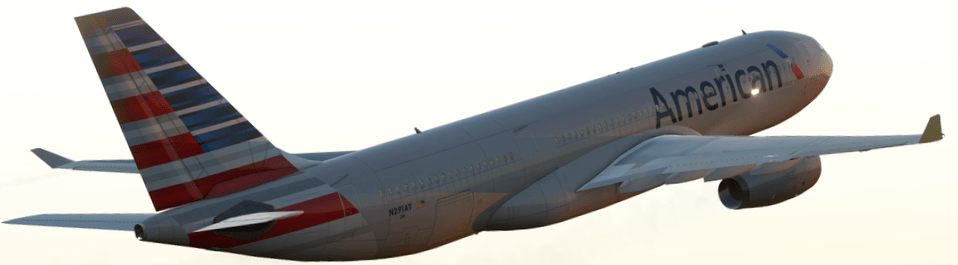
American Airlines pone sus Airbus A330-200 en almacenamiento hasta al menos el 2022. El Vicepresidente Senior de Operaciones de Vuelo de American Airlines, Kimball Stone, dijo que la aerolínea colocará todos los A330-200 en almacenamiento a largo plazo hasta al menos 2022, debido al pronóstico deprimido actual de la demanda internacional y sin oportunidades de utilizar la flota de manera rentable a nivel nacional. El portavoz de American Airlines, Brian Metham, dijo que los servicios operados anteriormente por los A330 -200 serán operados por Boeing 777 y 787. «Estamos trabajando estrechamente con nuestros socios sindicales. No se cerrarán las bases de la tripulación y ningún miembro del equipo será suspendido en este momento como resultado de este almacenamiento prolongado». AW-Icon Paragraph-01

AW-7008766Airlines adapt through pandemic

Post-Coronavirus Aviation Adaptations

The current Coronavirus pandemic is generating profound changes in the global commercial aviation market, while several airlines are struggling for their survival, others are restructuring strongly to adapt to new challenges that will continue over time. The global health crisis affects large and small airlines alike, where together with governments and organizations, they advocate weathering the economic-financial situation.

In order to reduce costs to adapt to the pandemic crisis, airlines have resorted to strategies somewhat similar to the post-9/11 situation along with the effects of the attacks in the United States in September 2001.

These changes affect airlines and their workforce. In the case of Delta Air Lines, it plans to withdraw its 18 wide-body Boeing 777-200s by the end of 2020 as a result of the pandemic. The recall will accelerate the airline’s strategy to simplify and modernize its fleet while continuing to operate newer, more profitable aircraft. «We are making strategic and profitable changes to our fleet to respond to the impact of the COVID-19 pandemic while ensuring that Delta is well-positioned for a recovery in the back of the crisis. The 777 has been a trusted part of Delta’s success since joining the fleet in 1999, and due to its unique operating characteristics, opened new nonstop and ultra-long-distance markets that only he could fly at the time», said Gil West, Delta chief. Operations chief.

The Boeing 777-200 first entered the fleet in 1999 and grew to 18 aircraft, including 10 from the long-range 777-200LR variant, which arrived in 2008. At that time, the aircraft was in a unique position to fly. Nonstop between Atlanta and Johannesburg, South Africa, Los Angeles to Sydney, and other distant destinations.

Delta will continue to fly its fleet of next-generation Airbus A350-900 long-haul aircraft, which burn 21% less fuel per seat than the 777 they will replace. Despite a reduction in international passenger travel, Fleet 777 has been the workhorse of Delta’s cargo, mail, and US repatriation operations in the midst of the pandemic. Since the end of April, the wide-body aircraft has made dozens of trips from Chicago and Los Angeles to Frankfurt to deliver the mail to US military troops. USA Abroad; operated between the US and Asia to deliver thousands of pounds of critical life-saving supplies to aid in the COVID-19 response; and brought thousands of US citizens to the United States from Sydney, Mumbai, Manila, and other cities around the world. More specific details about the timing of the 777’s departure from the fleet will be revealed later.
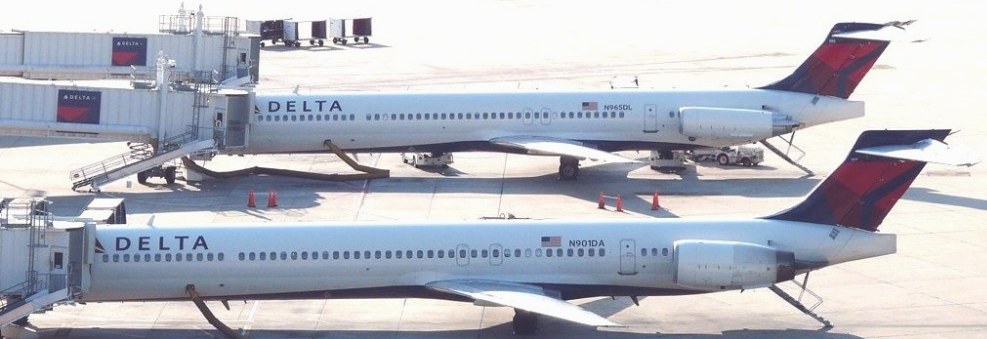
AW-flickr_7008090DELTA AIR LINES MD-80 / MD-90 FLEET

In April 2020, Delta Air Lines announced plans to accelerate the withdrawal of fleets from its famed MD-88 and MD-90 lines until June 2020. Since the start of the Coronavirus situation, Delta has reacted quickly by parking aircraft and considering the possibility of early retirement of aircraft to reduce operational complexity and cost. To date, the airline has parked more than 650 major and regional aircraft to adjust capacity to match lower customer demand.

Brazilian airline Azul Linhas Aéreas has reached an agreement with Embraer to defer delivery of 59 E195-E2 until at least 2024. Deliveries of the next-generation narrow bodies were expected to take place this year and continue until 2023. The airline originally ordered 30 of the type in 2015 and added 21 more examples in December 2018. In January this year, the São Paulo-based company reportedly added another 24 aircraft, bringing the total to 75.

The company said the postponement is part of its comprehensive plan to conserve much-needed cash during the COVID-19 crisis. Azul’s decision will be a severe blow to Embraer, which so far this year has struggled to deliver commercial aircraft.
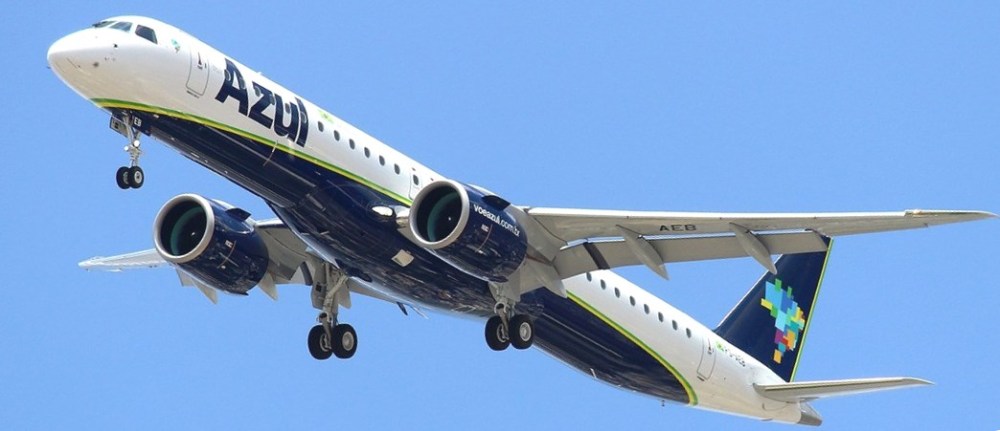
AW-E195-E2-Azul-WellingtonAzul Linhas Aéreas has ordered a total of 75 E195-E2 aircraft. Deliveries are expected to take place in 22020 and continue until 2023. John Rodgerson, CEO of Azul, said: “We entered this crisis as one of the most profitable airlines in the world. The impact of the pandemic on the Brazilian and global economy has been unprecedented, and the timing of the recovery remains uncertain. With the contribution of all our stakeholders, we believe that we can emerge from this crisis as an even stronger company. The agreement reached with Embraer to defer aircraft deliveries until 2024 is an important component of our comprehensive plan that allows us to create the liquidity track for this crisis. With this support, we can ensure that we have the liquidity and resources necessary to optimize the airline in the future”.

Like many carriers, Azul has reduced its capacity by more than 90% in response to the COVID-19 pandemic. It has also made personnel and salary changes that have reduced payroll costs by more than 50%. In March, the company received approval from its shareholders to sublet 53 E195 to the new US airline Breeze Airways and LOT Polish Airlines. At this stage, it is unclear whether the deferral will affect the fleet renewal and sublease plan.

AW-700065Ryanair, the Irish low-cost airline, has recently expressed the planning of the entire Boeing 737 fleet in its subsidiaries as new measures to reduce the impact of the health crisis, among them is the future of Laudamotion. Ryanair Holdings CEO Michael O’Leary has communicated about his plans for the near future: canceling leases of 30 Laudamotion Airbus A320s to replace them with Boeing 737 after negotiations with Airbus Group failed. Furthermore, Laudamotion unions must sign an agreement before May 20, 2020, otherwise, the airline’s main base in Vienna could simply disappear.

Michael O’Leary says talks with Airbus about an order for 100 A321s failed. He bluntly expresses the situation regarding the established orders: «We would not initiate conversations with Airbus until such time as Airbus wants to initiate talks with us. Until they need an order from the Ryanair Group, we are frankly wasting time talking to Airbus».

The Irish airline planned instead to significantly reduce the scale of Lauda’s fleet. The Austrian company Laudamotion has planes that will be delivered in the next 12 months, but all their orders will be canceled. Thus, the future of the Vienna-based Austrian airline has become uncertain in recent weeks.

Since late April 2020, Michael O’Leary threatened employees of Vienna-based Laudamotion to close the base and transfer all slots to Ryanair, laying off 580 employees and using the base with Ryanair, Buzz aircraft. and Malta Air. The deadline to find a deal, including pay cuts and a new labor deal, is May 20, 2020. The Austrian union refuses to compromise, and O’Leary simply threatens to shut down Laudamotion’s main and local base in Vienna and replace the current Airbus A320 fleet with Boeing 737.

Leasing company BOC Aviation Limited has confirmed a sale and lease agreement with Southwest Airlines for 10 Boeing 737-8 MAX. BOC Aviation has signed a purchase and leases agreement with Southwest Airlines for its new 10 Boeing 737-8 MAX aircraft, powered by CFM LEAP-1B engines.

Robert Martin, the CEO and Chief Executive Officer of BOC Aviation said: «We are delighted to be working with Southwest Airlines once again, building a long-term relationship that dates back to 2008. This is the sixth major aircraft investment we have announced this year, reflecting our Company’s ability to provide innovative financial solutions for high volume transactions and our commitment as a global partner to our airline customers».

American Airlines puts its Airbus A330-200s in storage until at least 2022. American Airlines Senior Vice President of Flight Operations Kimball Stone said the airline will put all A330-200s in long-term storage until at least 2022, due to the current depressed forecast of international demand and no opportunities to profitably use the fleet domestically. American Airlines spokesman Brian Metham said the services previously operated by the A330-200 will be operated by Boeing 777 and 787. «We are working closely with our union partners. The crew bases and no team members will be closed. will be suspended at this time as a result of this prolonged storage». AW-Icon Paragraph-02


Ξ A I R G W A Y S Ξ
SOURCE: Airgways.com
DBk: Airgways.com / Delta.com / Aa.com / Bocaviation.com / Ryanair.com / Voeazul.com.br
AW-POST: 202005141301AR

A\W   A I R G W A Y S ®
 

Asociación Alaska-Grant Aviation

AW-AlaskaAir-Grant AviationAW | 2020 05 14 10:57 | AIRLINES ALLIANCE

kisspng-alaska-airlines-ted-stevens-anchorage-internationa-sports-equipment-5ac500aa1fb2f7.1562008615228602021298Las aerolíneas se asocian para auxiliar mercado dejado por RavnAir

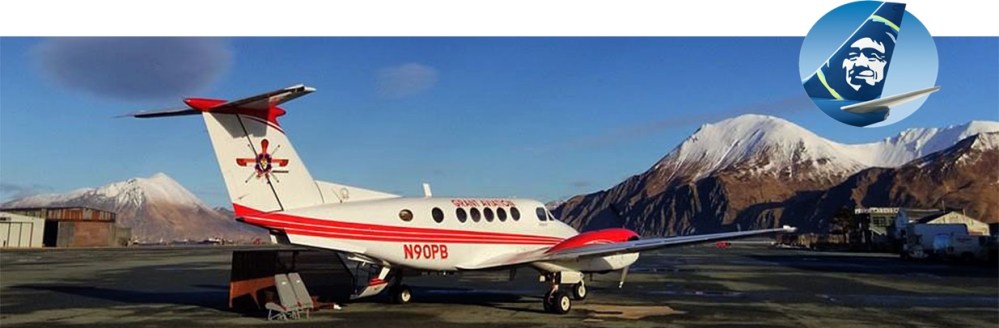
Alaska Airlines se ha asociado con Grant Aviation, una compañía aérea regional del Estado de Alaska para ayudar a llenar un vacío en el servicio al oeste del Estado causado por la puesta a tierra de la flota de la línea aérea regional RavnAir. Varias comunidades quedaron sin servicio aéreo regular después de que RavnAir Group fuera afectada por el Grant Aviation (@Flygrant) | Twitterimpacto económico del Coronavirus y anunciara que la compañía suspendería las operaciones el 5 de abril, despidiendo personal y solicitando protección por bancarrota del Capítulo 11.

Alaska Airlines y Grant Aviation planean proporcionar un servicio programado dos veces por semana a Unalaska a través de Cold Bay a partir del Sábado 16/05. El servicio regular de pasajeros entre Anchorage, Dillingham y King Salmon, donde Alaska Airlines ha ofrecido históricamente un servicio de jet estacional, también comenzará antes de lo habitual este año, dijo la Vicepresidenta Regional de Alaska Airlines, Marilyn Romano. Los primeros vuelos a las comunidades centrales de Bristol Bay están programados para el Lunes 18/05. Dillingham, King Salmon y Unalaska-Dutch Harbor son tres de las 115 comunidades en todo el estado que fueron atendidas por RavnAir y sus compañías subsidiarias.

Alaska Airlines se había asociado con RavnAir en varios centros y Romano dijo que es difícil ver a la compañía sufrir en gran medida como resultado de la crisis de salud global. «Es difícil pensar en los 1.300 empleados de Ravn que actualmente están sin trabajo y sé que todavía están trabajando duro hoy, por lo que me han dicho, para ver cómo podrían poner en marcha su operación», ha expresado Marilyn Romano. AW-Icon Paragraph-01

Freight & Mail - Grant AviationAlaska-Grant Aviation Association

Airlines partner to assist market left by RavnAir

Alaska Airlines has partnered with Grant Aviation, a regional state airline in Alaska to help fill a gap in service to the west of the state caused by the grounding of the regional airline RavnAir’s fleet. Several communities were without regular air service after the RavnAir Group was affected by the economic impact of the Coronavirus and announced that the company would suspend operations on April 5, laying off personnel and filing for Chapter 11 bankruptcy protection.

Alaska Airlines and Grant Aviation plan to provide a twice-weekly scheduled service to Unalaska through Cold Bay beginning Saturday 5/16. Regular passenger service between Anchorage, Dillingham and King Salmon, where Alaska Airlines has historically offered seasonal jet service, will also begin earlier than usual this year, Alaska Airlines Regional Vice President Marilyn Romano said. The first flights to the central communities of Bristol Bay are scheduled for Monday 05/18. Dillingham, King Salmon, and Unalaska-Dutch Harbor are three of the 115 communities across the state that were served by RavnAir and its subsidiary companies.

Alaska Airlines had partnered with RavnAir at various centers, and Romano said it is difficult to see the company suffer greatly as a result of the global health crisis. «It is hard to think of the 1,300 Ravn employees who are currently out of work and I know they are still working hard today, from what they have told me, to see how they could get their operation up and running», said Marilyn Romano. AW-Icon Paragraph-02


Ξ A I R G W A Y S Ξ
SOURCE: Airgways.com
DBk: Alaskaair.com / Flygrant.com / Airgways.com
AW-POST: 202005141057AR

A\W   A I R G W A Y S ®


Boeing sufre sequía pedidos

AW-Boeing 737 MAX_Assembly-lineAW | 2020 05 13 17:57 | INDUSTRY

Boeing_IsologotypeLa compañía Boeing atraviesa sequía de órdenes aviones comerciales

The Boeing Company atraviesa el mes de Abril 2020 sin pedidos de aeronaves comerciales. El programa de órdenes deja a la compañía aeroespacial otro mes sin órdenes, inclusive retrocediendo en cancelaciones de 108 aviones solo en Abril por el impacto de la fuerte caída en los viajes aéreos borró cualquier demanda entre las aerolíneas de nuevos aviones.

Es el segundo mes de este año 2020 en el que Boeing no ha recibido pedidos, una situación nunca desarrollada en la aviación comercial, dejando de lado las dos guerras mundiales.

Industria en desplome

Boeing ha indicado el Martes 12/05 que ya no está seguro de completar los pedidos de otros 101 aviones y los eliminó de su cartera de pedidos, que cayó por debajo de 5.000 por primera vez desde 2013. Por su parte, Airbus dijo que recibió pedidos de nueve aviones en Abril 2020, elevando su total de 2020 a 299 aviones después de las cancelaciones. El fabricante de aviones europeo dijo que su cartera de pedidos era de 7.645 aviones.

Las entregas discretas de Boeing en Abril 2020 fueron de seis aeronaves comerciales, elevando su total de 2020 a 56 unidades. El lento ritmo de las entregas está socavando el flujo de caja de Boeing porque las aerolíneas pagan una parte del precio del avión en el momento de la entrega. Airbus entregó 14 aviones el mes pasado.

La división de arrendamiento de aviones de General Electric canceló los pedidos de 69 aviones Boeing 737 MAX, y el Banco de Desarrollo de China retiró los pedidos de 29 de los aviones. Cai von Rumohr, analista aeroespacial de la firma de servicios financieros Cowen, dijo que es probable que haya más cancelaciones en los próximos meses.

La actual pandemia de Coronavirus ha provocado que el tráfico aéreo mundial se desplome y ha agravado una crisis en la compañía aeroespacial Boeing que se había iniciado con dos accidentes fatales de los Boeing 737-8 MAX y la puesta a tierra de su avión más vendido.

Impacto aerolíneas & turismo

Las aerolíneas están gastando dinero y cancelando miles de vuelos, mientras que los pasajeros siguen demasiado asustados para volar. Las aerolíneas han aterrizado 16.000 aviones, casi dos tercios de la flota mundial, y están retrasando las entregas de aviones que acordaron comprar antes de la pandemia. Los viajes aéreos en los Estados Unidos han bajado más del 90% desde hace un año, y el tráfico mundial ha experimentado una caída similar, impactando fuertemente en el área del turismo mundial.

AW-70080787889Recertificación 737 MAX

AW-Icon_Boeing 737 MAXBoeing aún no ha recibido la aprobación de los reguladores de la Federal Aviation Administration (FAA) para las correcciones que está haciendo al software y las computadoras en el Boeing 737 MAX. La compañía ha dicho que espera reanudar las entregas de los 737 MAX en el tercer trimestre de este año (3Q2020).

Gol compensaciones por 737 MAX

La compañía americana Boeing pagará a la aerolínea brasileña Gol Linhas Aéreas US$ 412 millones por la conexión a tierra del Boeing 737 MAX a nivel mundial. La aerolínea brasileña Gol Linhas Aéreas Inteligentes ha informado el Miércoles 13/05 que recibirá el monto de compensación por la inactividad de la flota de Boeing 737-8 MAX en tierra por un valor de R$ 2.400 millones de reales (US$ 412 millones) por parte de Boeing.

Aviao-gol_001Las dificultades de la recertificación demorada de las unidades de los Boeing 737 MAX en más de un año han obligado a los reguladores aeronáuticos a analizar la seguridad de su diseño. Aunque no existe un cronograma concreto de devolver las aeronaves a las aerolíneas, estiman el retorno a la actividad para el 3Q2020.
El momento de los pagos se ha convertido en un salvavidas para Gol, que, al igual que sus pares en todo el mundo, se está recuperando de la crisis del coronavirus. Pero la divulgación también proporciona un punto de referencia para el tipo de compensación que otras aerolíneas podrán obtener.

Gol, la aerolínea más grande de Brasil, es uno de los mayores clientes de Boeing y había pedido más de 100 aviones Boeing 737 MAX. Esas órdenes se han reducido desde entonces y Gol dijo que no hará nuevos pagos de aviones a Boeing durante los próximos dos años. La compañía vuela exclusivamente con aviones Boeing 737, imitando el modelo comercial de Southwest Airlines, que ha alcanzado un acuerdo parcial con Boeing y dijo que compartiría US$ 125 millones con los empleados.

En una presentación de valores, Gol dijo que la crisis del Coronavirus causó una disminución del 80% en los ingresos en abril a R$ 138 millones de reales. Abril 2020 fue el primer mes completo de restricciones de viaje en todo el mundo debido a la pandemia, y Gol es una de las primeras aerolíneas en informar su impacto. La compañía dice que tiene suficiente efectivo disponible para mantener sus operaciones a este ritmo durante más de 10 meses. Aun así, Gol dijo que está discutiendo financiamiento adicional de hasta mil millones de reales con entidades no identificadas. Gol también dijo en el pasado que está discutiendo financiamiento con el banco estatal brasileño BNDES de hasta R$ 3.000 millones de reales. No está claro si esta es la misma fuente de financiamiento, o por separado. AW-Icon Paragraph-01

19742798_web1_M-Boeing-737-Renton-EDH-191212Boeing suffers drought orders

Boeing_Isologotype_BlueBoeing Company Goes Through Drought of Commercial Aircraft Orders
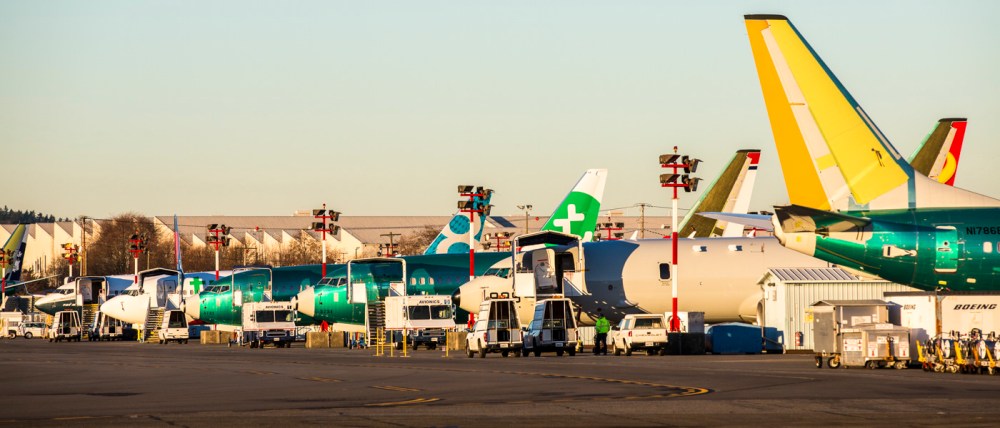
The Boeing Company goes through the month of April 2020 without commercial aircraft orders. The ordering program leaves the aerospace company another month without orders, including backtracking on cancellations of 108 planes in April alone because of the impact of the sharp drop in air travel erased any demand among airlines for new planes.

It is the second month of this year 2020 in which Boeing has not received orders, a situation never developed in commercial aviation, leaving aside the two world wars.

Industry in crash

Boeing has indicated on Tuesday 12/05 that it is no longer sure to fill orders for another 101 aircraft and removed them from its order book, which fell below 5,000 for the first time since 2013. For its part, Airbus said it received orders for nine aircraft in April 2020, bringing its 2020 total to 299 aircraft after cancellations. The European aircraft maker said its order book was 7,645 aircraft.

Boeing’s discrete deliveries in April 2020 were six commercial aircraft, bringing its 2020 total to 56 units. The slow pace of deliveries is undermining Boeing’s cash flow because airlines pay a portion of the plane’s price at the time of delivery. Airbus delivered 14 planes last month.

boeing737_rotator

General Electric’s aircraft leasing division canceled orders for 69 Boeing 737 MAX aircraft, and the Development Bank of China withdrew orders for 29 of the planes. Cai von Rumohr, an aerospace analyst at financial services firm Cowen, said more cancellations are likely in the coming months.

The current Coronavirus pandemic has caused global air traffic to plummet and has exacerbated a crisis at the Boeing aerospace company that had started with two fatal Boeing 737-8 MAX crashes and the grounding of its best-selling aircraft.

Impact of airlines & tourism

Airlines are spending money and canceling thousands of flights, while passengers are still too scared to fly. Airlines have landed 16,000 planes, nearly two-thirds of the world fleet, and are delaying deliveries of planes they agreed to buy before the pandemic. Air travel in the United States has dropped more than 90% from a year ago, and global traffic has experienced a similar drop, strongly impacting the area of ​​global tourism.

737 MAX recertification

AW-Icon_Boeing 737 MAX

Boeing has not yet received regulatory approval from the Federal Aviation Administration (FAA) for the corrections it is making to software and computers on the Boeing 737 MAX. The company has said it expects to resume deliveries of the 737 MAX in the third quarter of this year (3Q2020).

Gol compensations for 737 MAX

The American company Boeing will pay the Brazilian airline Gol Linhas Aéreas US$ 412 million for the ground connection of the Boeing 737 MAX worldwide. The Brazilian airline Gol Linhas Aéreas Inteligentes reported on Wednesday 13/05 that it will receive the amount of compensation for the inactivity of the fleet of Boeing 737-8 MAX on the ground for a value of R$ 2.4 billion reais (US$ 412 million) by Boeing.

The difficulties of delayed recertification of Boeing 737 MAX units in more than a year have forced aeronautical regulators to analyze the safety of their design. Although there is no specific schedule to return the aircraft to the airlines, they estimate the return to activity for 3Q2020.

The timing of the payments has become a lifeline for Gol, who, like his peers around the world, is recovering from the coronavirus crisis. But the disclosure also provides a benchmark for the type of compensation that other airlines will be able to obtain.

Gol, Brazil’s largest airline, is one of Boeing’s largest customers and had ordered more than 100 Boeing 737 MAX aircraft. Those orders have since been reduced, and Gol said it will not make new aircraft payments to Boeing for the next two years. The company flies exclusively on Boeing 737s, mimicking the business model of Southwest Airlines, which has reached a partial agreement with Boeing and said it would share US$ 125 million with employees.

In a securities presentation, Gol said that the Coronavirus crisis caused an 80% decrease in income in April to R$ 138 million reais. April 2020 was the first full month of travel restrictions worldwide due to the pandemic, and Gol is one of the first airlines to report its impact. The company says it has enough cash on hand to keep its operations at this rate for more than 10 months. Still, Gol said he is discussing additional financing of up to 1 billion reais with unidentified entities. Gol has also said in the past that it is discussing financing with Brazilian state bank BNDES of up to R$ 3 billion reais. It is not clear if this is the same source of financing, or separately. AW-Icon Paragraph-02


Ξ A I R G W A Y S Ξ
SOURCE: Airgways.com
DBk: Boeing.com / Airgways.com
AW-POST: 202005131757AR

A\W   A I R G W A Y S ®

Airbus/Sindicatos recortes empleos

AW-Airbus_A350007676AW | 2020 05 13 17:00 | INDUSTRY

Airbus_Isologotype_svgAirbus ha iniciado conversaciones con sindicatos sobre recortes permanentes de empleos

Airbus Group SE ha iniciado conversaciones con los diferentes sindicatos sobre las iniciativas de los recortes permanentes de empleos después de advertir que necesita frenar la producción en medio de un colapso de la demanda afectada por la crisis sanitaria de la pandemia de Coronavirus. Las discusiones con los grupos laborales han comenzado, aunque la cantidad de puestos a ser eliminados aún no se ha definido, según fuentes reservadas. La compañía declinó hacer comentarios sobre reuniones internas.

Los ejecutivos de Airbus analizarán los detalles de los recortes en una llamada la próxima semana, dijo el periódico británico Daily Telegraph, citando a personas que no identificó. Las medidas pueden igualar una reducción de la fuerza laboral del 10% en Boeing, lo que sugiere que más de 10.000 de los 134.000 empleados del grupo europeo pueden perder sus fuentes laborales.

En un comunicado Airbus ha expresado: «En las últimas semanas, Airbus ha implementado una serie de medidas financieras, operativas y sociales para adaptarse al grave impacto económico y de salud de la crisis COVID-19. La compañía continuará tomando todas las medidas necesarias para garantizar el futuro de Airbus en cooperación con sus interlocutores sociales». El Presidente Ejecutivo, Guillaume Faury, advirtió que Airbus enfrenta decisiones difíciles sobre recortes permanentes de empleos después de despedir temporalmente a miles de empleados en plantas en Francia, Alemania, Gran Bretaña y España. No está claro si las extensiones recientes a los programas de licencia gubernamental influirán en el pensamiento de la compañía o si planea avanzar ahora para reducir la nómina después de recortar la producción de aviones en aproximadamente un tercio. La decisión final sobre los despidos puede retrasarse por negociaciones con los sindicatos aeronáuticos de Airbus. AW-Icon Paragraph-01

A350_XWB-MSN1_FAL_section_11_transferAirbus/Unions cuts jobs

Airbus has started talks with unions about permanent job cuts

Airbus_Group_Logo_2014.svg - copiaAirbus Group SE has started talks with different unions about initiatives for permanent job cuts after warning that it needs to curb production amid a collapse in demand affected by the health crisis of the Coronavirus pandemic. Discussions with labor groups have begun, although the number of jobs to be cut has yet to be defined, according to reserved sources. The company declined to comment on internal meetings.
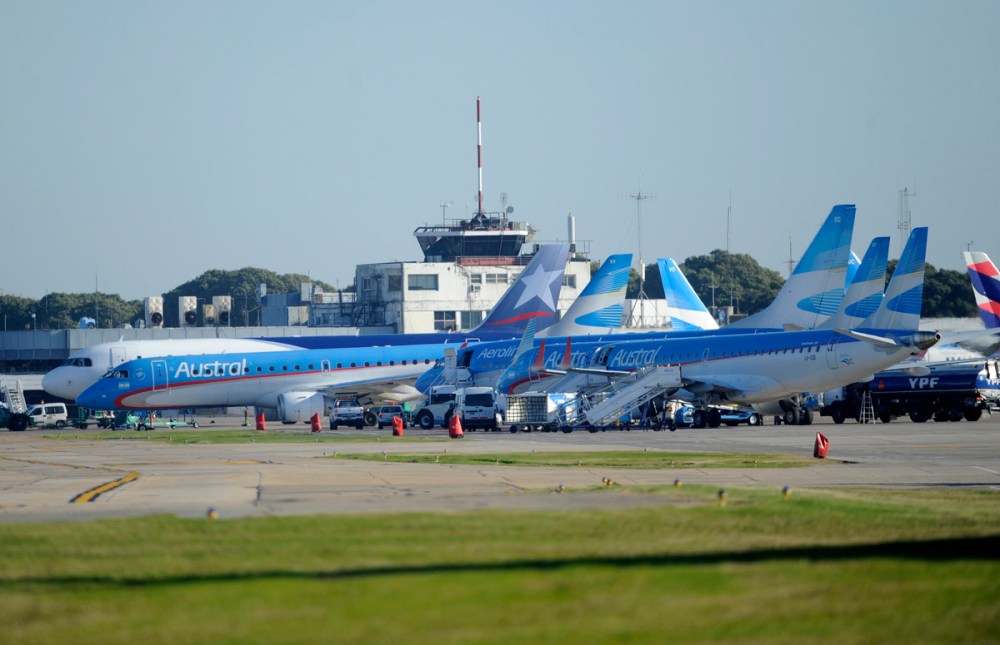
Airbus executives will discuss the details of the cuts in a call next week, the British newspaper Daily Telegraph said, citing people it did not identify. The measures may match a 10% reduction in Boeing’s workforce, suggesting that more than 10,000 of the European group’s 134,000 employees may lose their jobs.

In a statement, Airbus has stated: «In recent weeks, Airbus has implemented a series of financial, operational, and social measures to adapt to the serious economic and health impact of the COVID-19 crisis. The company will continue to take all necessary measures to guarantee the future of Airbus in cooperation with its social partners». Chief Executive Guillaume Faury warned that Airbus faces tough decisions about permanent job cuts after temporarily laying off thousands of employees at plants in France, Germany, Britain, and Spain. It’s unclear whether recent extensions to government licensing programs will influence the company’s thinking or whether it plans to move forward now to cut payroll after cutting aircraft production by about a third. The final decision on the layoffs may be delayed by negotiations with Airbus’s aeronautical unions. AW-Icon Paragraph-02


Ξ A I R G W A Y S Ξ
SOURCE: Airgways.com
DBk: Airbus.com / Airgways.com
AW-POST: 202005131700AR

A\W   A I R G W A Y S ®

Avanza fusión Aerolíneas/Austral

AW-77000-ClarinAW | 2020 05 13 16:14 | GOVERNMENT / AIRLINES

Reunión Sindicato-Aerolíneas para definir futuro de sinergia

Aerolíneas Argentinas-Austral-IsologottypeLa reunión de Aerolíneas Argentinas y los seis sindicatos aeronáuticos se reunieron este 13 Mayo 20202 donde participaron de un encuentro en el que consideraron que el plan de fusión tiene que priorizar la continuidad laboral. El Presidente de Aerolíneas, Pablo Ceriani, y los titulares de seis de los siete gremios de Aerolíneas Argentinas y Austral Líneas Aéreas mantuvieron un encuentro para avanzar en la fusión de ambas empresas y hubo acuerdo en que la viabilidad de la compañía para hacer un cambio en el modelo de negocios y ganar eficiencia.AR-70

El encuentro que se ha desarrollado por dos horas, el CEO de la empresa aérea ha asegurado a los trabajadores que la visión de eficiencia no implica despidos, sino la eliminación de improductividades estructurales, lo que en su opinión se puede conseguir mediante la apertura de dos nuevas líneas. Además, se llevarán adelante los cambios necesarios para hacer sustentable a la compañía, con la gente adentro y en el marco de un plan de crecimiento.

Tras el encuentro y a través de un comunicado, la Asociación del Personal Aeronáutico (APA); la Asociación de Pilotos de Líneas Aéreas (APLA); la Asociación del Personal Técnico Aeronáutico (APTA); la Unión de Aviadores de Líneas Aéreas (UALA) y la Unión del Personal Superior Aeronáutico (UPSA) destacaron que hubo un compromiso de continuidad laboral por parte del directivo. En el documento emitido por los gremios se destacó: «Hemos mantenido una reunión con el presidente del Grupo AR/AU, Pablo Ceriani, tras el pedido que efectuáramos la semana pasada en tal sentido. En el marco de este encuentro, Ceriani ratificó el proceso de fusión de Aerolíneas Argentinas y Austral, y manifestó que no se producirán despidos durante el mismo».

El titular del Grupo Aerolíneas expresó a través de su cuenta de Twitter: «Primera reunión con los gremios aeronáuticos para trabajar sobre la fusión de @Aerolíneas AR y Austral. Vamos a hacer los cambios necesarios para hacer sustentable a la compañía, con la gente adentro y en el marco de un plan de crecimiento».

Nuevas Unidades Negocios

Para la concreción del plan serán fundamentales las dos nuevas unidades de negocios, de Carga y de Mantenimiento, que funcionarán dentro de la aerolínea unificada y permitirán aumentar nuestros ingresos. En el escrito se expresó la intención de generar una Unidad de negocio de Cargas, para la cual se necesitarán acuerdos laborales para este tipo específico de operación; como también se hizo referencia a la creación de una Unidad de Mantenimiento dentro de la estructura de Aerolíneas Argentinas para brindar servicios a terceros.

Perspectivas

Finalmente el comunicado detalló que «el Presidente de Aerolíneas Argentinas/Austral nos convocó a los sindicatos a participar de las mesas técnicas para poder avanzar con la mayor celeridad posible dado el delicado estado financiero de la compañía como consecuencia de años de descapitalización y de la crisis generada por la pandemia de Coronavirus para la industria aerocomercial en todo el mundo».

La fusión entre Aerolíneas Argentinas y Austral Líneas Aéreas, las dos empresas que forman parte del Grupo Aerolíneas pero que funcionan en la actualidad como dos unidades independientes, fue anunciada el 5 Mayo 2020 por la compañía en una carta dirigida a los empleados, donde refería a la necesidad de la medida ante la crisis que atraviesa la industria como consecuencia de las restricciones impuestas por el Coronavirus. AW-Icon Paragraph-01

AW-Meeting AR-Unions Aerolíneas_DOCAerolíneas/Austral merger advances

Syndicates-Aerolíneas meeting to define future of synergy

The meeting of Aerolíneas Argentinas and the six aeronautical unions met on May 13, 20202 where they participated in a meeting in which they considered that the merger AW-7000737mplan must prioritize work continuity. The President of Aerolíneas, Pablo Ceriani, and the heads of six of the seven guilds of Aerolíneas Argentinas and Austral Líneas Aéreas held a meeting to advance the merger of both companies and there was agreement that the viability of the company makes a change in the business model and gain efficiency.

The meeting that has been held for two hours, the CEO of the airline has assured workers that the vision of efficiency does not imply layoffs, but the elimination of structural unproductivities, which in his opinion can be achieved by opening two new lines. In addition, the necessary changes will be carried out to make the company sustainable, with the people inside and within the framework of a growth plan.

After the meeting and through a statement, the Aeronautical Personnel Association (APA); the Association of Airline Pilots (APLA); the Association of Aeronautical Technical Personnel (APTA); The Union of Airline Aviators (UALA) and the Union of Senior Aeronautical Personnel (UPSA) highlighted that there was a commitment to work continuity on the part of the manager. In the document issued by the unions, it was highlighted: «We had a meeting with the president of the AR/AU Group, Pablo Ceriani, following the request we made last week in this regard. In the framework of this meeting, Ceriani ratified the process of the merger of Aerolíneas Argentinas and Austral, and stated that there will be no layoffs during the same».

The head of the Aerolíneas Group expressed through his Twitter account: «First meeting with the aeronautical unions to work on the merger of @Aerolineas AR and Austral. We are going to make the necessary changes to make the company sustainable, with the people inside and within the framework of a growth plan».

New Business Units

The two new business units, Cargo and Maintenance, which will operate within the unified airline and will allow us to increase our income, will be essential for the plan to be carried out. In the letter, the intention was expressed to generate a Cargo Business Unit, for which labor agreements will be needed for this specific type of operation; as well as reference was made to the creation of a Maintenance Unit within the structure of Aerolíneas Argentinas to provide services to third parties.

Perspective

Finally, the statement detailed that «the President of Aerolíneas Argentinas/Austral summoned us to the unions to participate in the technical tables to be able to advance as quickly as possible given the delicate financial state of the company as a consequence of years of decapitalization and the crisis generated by the Coronavirus pandemic for the airline industry worldwide».

The merger between Aerolíneas Argentinas and Austral Líneas Aéreas, the two companies that are part of the Aerolineas Group but currently operates as two independent units, was announced on May 5, 2020, by the company in a letter addressed to employees, where it referred to the need for the measure in the face of the crisis that the industry is going through as a consequence of the restrictions imposed by the Coronavirus. AW-Icon Paragraph-02


Ξ A I R G W A Y S Ξ
SOURCE: Airgways.com
DBk: Aerolineas.com / Ambito.com / Airgways.com
AW-POST: 202005131614AR

A\W   A I R G W A Y S ®

CE dispensa marcación asientos libres

yogaAW | 2020 05 13 15:33 | AVIATION ORGANISMS

Bruselas no exigirá a las aerolíneas dejar asientos libres para vuelos

logo_enLa Comisión Europea (CE) ha publicado este Miércoles 13 Mayo 2020 una serie de recomendaciones con el objetivo de hacer más flexibles y atractivos las tarifas aéreas que las compañías ofrecen a sus pasajeros para compensar la cancelación de vuelos por la pandemia. El sector aéreo había advertido que esta medida acabaría con los vuelos baratos. Además, desde el sector están sugiriendo la posibilidad de que los Gobiernos europeos pongan en marcha esquemas de avales públicos que garantice su desembolso en casos de insolvencia.

La legislación europea permite a las aerolíneas en caso de cancelación de vuelos ofrecer a los consumidores afectados vales para la compra de futuros viajes en lugar de la devolución de dinero, pero esta opción es voluntaria debe ser aceptada por los afectados, que en cualquier caso siempre podrán exigir el reembolso en efectivo. El objetivo es poder hacer más atractivos los cupones como alternativa al desembolso de dinero incrementaría su aceptación por parte de pasajeros y viajeros. Esto ayudaría a aliviar los problemas de liquidez de compañías aéreas y en última instancia conduciría a una mejor protección de los intereses de los pasajeros.

La Vicepresidenta Margrethe Vestager de la Comisión Von der Leyen, como Vicepresidenta Ejecutiva de la Comisión Europea, ha incidido en la enorme presión a la que está sometida la industria que depende del turismo, como hoteles y aerolíneas, que ahora deben reembolsar miles de cancelaciones. «Los consumidores europeos tienen derecho a un reembolso en efectivo», ha dicho la política danesa. Estos cupones deberán ser más atractivos para que los consumidores los acepten. «Se trata de dar una opción para mejorar la temporada para muchos europeos cuya vida depende del turismo y también para quienes quieren viajar, pero solo funcionará si cada uno de nosotros hace su parte», ha advertido la vicepresidenta.

Por ejemplo, Bruselas señala que los Estados miembros «deberían considerar activamente el establecimiento de esquemas de garantías para cupones con el objetivo de asegurar que en casos de insolvencia del emisor de los vales, los pasajeros o viajeros sean reembolsados». La Comisión Europea remarca que estas ayudas públicas supondrían una ventaja para los operadores beneficiarios en la medida en la que mejoraría su posición de liquidez. En consecuencia, debería ser aprobada por los servicios europeos de Competencia. Sin embargo, Bruselas garantiza que aceptaría avales públicos que cubran el 100% del valor de los cupones. Con respecto a las propias características de estos vales, el Ejecutivo europeo plantean que tengan un periodo mínimo de validez de doce meses. Además, su valor debería ser reembolsado a los afectados como muy tarde 14 días después de que expire dicho plazo si el cupón no ha sido todavía utilizado. También propone que las aerolíneas concedan a los pasajeros vales con un valor superior a la reserva original, por ejemplo a través de una suma adicional o con un servicio nuevo que antes no estaba incluido.

Recomendaciones para volar

Esta recomendación forma parte de un paquete más amplio de orientaciones que Bruselas traslada este miércoles a los Estados miembro y a la industria para tratar de coordinar una reapertura gradual de las fronteras interiores que permita relanzar el turismo ya este verano.

El Ejecutivo comunitario, que no tiene competencias en materia de salud y gestión de fronteras, apuesta por una salida progresiva y coordinada del cierre de fronteras y recuerda a las capitales que es fundamental ofrecer información en tiempo real a los turistas para recuperar su confianza y vuelvan a viajar este verano y más adelante. En este sentido, defiende el uso de aplicaciones móviles que ayuden a rastrear la propagación del Coronavirus y asegurar su interoperabilidad en toda la Unión Europea (UE) para que los europeos que viajan puedan ser alertados del riesgo de contagio durante su viaje. El rastreo a través de estas aplicaciones ha de ser voluntario y transparente, seguro y usar datos anónimos.

Además, advierte de que si los operadores de transporte o su personal deben ser responsables de asegurar que se cumplan las normas de distancia social o impedir el viaje a un usuario que se niega a llevar mascarilla será necesario que se defina claramente el marco legal para hacerlo. Entretanto, la Comisión apuesta por protocolos sanitarios y medidas de seguridad coordinadas para limitar el riesgo de contagio en los transportes, en donde pide que de manera general pasajeros y trabajadores lleven mascarilla sobre todo donde no se puede garantizar la distancia social y que se aumenten las frecuencias para reducir la concentración de pasajeros.

Para las aerolíneas, Bruselas adelanta que la Agencia Europea de Seguridad Aérea (EASA) y las autoridades competentes trabajan con el Centro Europeo de Prevención de Enfermedades para presentar en las próximas semanas directrices específicas a nivel técnico y operacional para ayudar al sector con las nuevas medidas. Entre los ejemplos que espera que queden detallados en el protocolo de salud y seguridad para el sector de la aviación, la Comisión enumera en su comunicación limitar la interacción abordo, explorar la asignación más adecuada de asientos en función de las limitaciones técnicas, dar prioridad al uso de documentos y métodos de pago digitales y evitar la concentración de pasajeros, pero no menciona la supresión de asientos para garantizar la distancia física entre pasajeros. AW-Icon Paragraph-01

AW-Eurologport_euCE dispenses marking free seats

Brussels will not require airlines to vacate seats for flights

The European Commission (EC) has published this Wednesday, May 13, 2020, a series of recommendations with the aim of making the air-fares that companies offer their passengers more flexible and attractive to compensate for flight cancellations due to the pandemic. The airline industry had warned that this measure would end cheap flights. In addition, the sector is suggesting the possibility that European governments put into place public guarantee schemes that guarantee their disbursement in cases of insolvency.

European legislation allows airlines in the event of flight cancellation to offer affected consumers vouchers for the purchase of future trips instead of money back, but this option is voluntary and must be accepted by those affected, who in any case always may require cash reimbursement. The objective is to be able to make the coupons more attractive as an alternative to the disbursement of money that would increase their acceptance by passengers and travelers. This would help alleviate airline liquidity problems and ultimately lead to better protection of passengers’ interests.

Vice President Margrethe Vestager of the Von der Leyen Commission, as Executive Vice President of the European Commission, has had an impact on the enormous pressure that the tourism-dependent industry is under, such as hotels and airlines, which must now reimburse thousands of cancellations. «European consumers are entitled to a cash refund», Danish policy has said. These coupons should be more attractive for consumers to accept. «It is about giving an option to improve the season for many Europeans whose lives depend on tourism and also for those who want to travel, but it will only work if each one of us does our part», said the vice president.

For example, Brussels notes that member states «should actively consider establishing guarantee schemes for coupons with the aim of ensuring that in cases of insolvency of the voucher, passengers or travelers are reimbursed». The European Commission emphasizes that these public aids would be an advantage for beneficiary operators to the extent that it would improve their liquidity position. Consequently, it should be approved by the European Competition Services. However, Brussels guarantees that it would accept public guarantees that cover 100% of the value of the coupons. Regarding the characteristics of these vouchers, the European Executive proposes that they have a minimum period of validity of twelve months. In addition, its value should be reimbursed to those affected no later than 14 days after the expiration of that period if the coupon has not yet been used. It also proposes that airlines grant passengers vouchers with a value higher than the original reservation, for example through an additional sum or with a new service that was not previously included.

Recommendations for flying

This recommendation is part of a broader package of guidelines that Brussels is transferring this Wednesday to member states and industry to try to coordinate a gradual reopening of internal borders that will allow tourism to relaunch this summer.

The Community Executive, which does not have competences in matters of health and border management, is committed to a progressive and coordinated exit from the closure of borders and reminds the capitals that it is essential to offer real-time information to tourists to regain their confidence and return to travel this summer and later. In this sense, it defends the use of mobile applications that help track the spread of the Coronavirus and ensure its interoperability throughout the European Union (EU) so that traveling Europeans can be alerted to the risk of contagion during their trip. Tracking through these applications must be voluntary and transparent, secure, and use anonymous data.

In addition, it warns that if transport operators or their personnel should be responsible for ensuring that social distance regulations are complied with or preventing the travel of a user who refuses to wear a mask, it will be necessary to clearly define the legal framework for doing so. Meanwhile, the Commission is betting on health protocols and coordinated security measures to limit the risk of contagion in transport, where it asks that passengers and workers wear a mask in general, especially where social distance cannot be guaranteed and that the frequencies to reduce the concentration of passengers.

For airlines, Brussels anticipates that the European Aviation Safety Agency (EASA) and the competent authorities are working with the European Center for Disease Prevention to present in the next few weeks specific guidelines at the technical and operational levels to help the sector with the New measures. Among the examples that it expects to be detailed in the health and safety protocol for the aviation sector, the Commission lists in its communication limiting interaction on board, exploring the most appropriate seat allocation based on technical limitations, giving priority to the use of documents and digital payment methods and avoid the concentration of passengers, but does not mention the suppression of seats to guarantee the physical distance between passengers. AW-Icon Paragraph-02


Ξ A I R G W A Y S Ξ
SOURCE: Airgways.com
DBk: EC.europa.eu / Airgways.com
AW-POST: 202005131533AR

A\W   A I R G W A Y S ®

DOT flexibiliza gastos aeroportuarios

DOT-FAA_Headquarters_by_Matthew_BisanzAW | 2020 05 13 14:57 | GOVERNMENT / AIRLINES

DOT_IsologotypeDOT facilita los mandatos del servicio aeroportuario para las aerolíneas en dificultades

El Departamento de Transporte (DOT) de los Estados Unidos está flexibilizando algunos requisitos que impuso a las aerolíneas que recibieron ayuda en virtud de gastos por la actual crisis sanitaria de la pandemia de Coronavirus, estos incluyen los mandatos de prestaciones de los servicio aeroportuarios. Alrededor de diecisiete aerolíneas grandes y pequeñas solicitaron exenciones de ese requisito en la ley (PL 116-136), obligando al DOT a pesar sobre las solicitudes en cientos de destinos, incluidos muchos aeropuertos más pequeños o aquellos cercanos otros grandes aeropuertos metropolitanos. La factura de gastos de aproximadamente US$ 2 billones requirió que las aerolíneas que reciben ayuda continúen algún nivel de servicio a los mismos aeropuertos que prestaron servicios antes de la pandemia, pero cerraron los viajes aéreos.

Las aerolíneas a menudo se vieron obligadas a enviar vuelos casi vacíos para cumplir con esas obligaciones de servicio impuestas por el Gobierno por la Ley CARES y han argumentado que mantener los vuelos los pone en mayor riesgo financiero. El Martes 12/05, el Departamento de Transporte dijo que permitiría a las compañías aéreas crear una lista priorizada de destinos para dejar de prestar servicios. El DOT tendría derecho a rechazar una solicitud si significara que el aeropuerto afectado ya no recibiría ningún servicio aéreo. A American Airlines y Delta Air Lines, por ejemplo, se les permitió elegir 11 aeropuertos donde podrían detener el servicio, siempre que otra aerolínea continúe ofreciendo vuelos a esos destinos. El DOT solicitó a las aerolíneas que presenten su lista de solicitudes de exención antes de las 5 p.m. del 18 Mayo 2020. «Para los operadores aéreos esto podría significar un alivio para reducir sus obligaciones de servicio, reduciendo así la carga financiera de los operadores y brindando flexibilidad para administrar las operaciones y la dotación de personal en sus redes”, escribió el DOT en un comunicado anunciando la nueva política.

Además, ha comunicado que los aeropuertos continuarán recibiendo servicios de al menos una aerolínea cubierta. El DOT tiene una larga historia de requerir al menos un nivel mínimo de servicio a los aeropuertos. La Ley de Desregulación de Líneas Aéreas de 1978 incluía una disposición que garantizaba que las pequeñas comunidades atendidas por compañías aéreas antes de la desregulación continuaran recibiendo cierto nivel de servicio.

Joel Bacon, Vicepresidente Ejecutivo de Gobierno y Asuntos Públicos de la Asociación Estadounidense de Ejecutivos de Aeropuertos, dijo que «no tiene mucho sentido volar aviones casi vacíos, pero que su organización está observando de cerca la regla. Definitivamente existen preocupaciones sobre el mantenimiento de opciones viables de servicios aéreos a corto plazo, pero un reconocimiento de que las aerolíneas necesitan sobrevivir a la crisis inmediata para poder brindar servicios en el futuro. A largo plazo, está claro que proteger el servicio aéreo y la conectividad al sistema será un desafío que todos tendremos que enfrentar».

Reembolsos

El Departamento también emitió el Martes 12/05 por segunda vez un aviso instando a las aerolíneas a dar reembolsos por servicios modificados o cancelados debido a la pandemia. La nota de tres páginas reiteró que los pasajeros que eligen no viajar por motivos de seguridad generalmente no tienen derecho a un reembolso o un vale de viaje para uso futuro en la aerolínea. Esa orientación se produjo después de que el senador Richard Blumenthal, D-Conn., Se quejó en una audiencia en el Senado de Comercio, Ciencia y Transporte la semana pasada de que las aerolíneas no estaban reembolsando los boletos a los pasajeros preocupados por su salud, y después de que el DOT recibió unas 25.000 quejas de servicios aéreos y consultas en Marzo y Abril 2020, en comparación con las 1.500 quejas que recibe en un mes típico. AW-Icon Paragraph-01

capitol-wideDOT eases airport expenses

DOT facilitates airport service mandates for airlines in distress

DOT_Isologotype_01The United States Department of Transportation (DOT) is easing some requirements that it imposed on airlines that received aid under costs due to the current health crisis of the Coronavirus pandemic, these include the mandates for the provision of airport services. About seventeen large and small airlines requested exemptions from that requirement in the law (PL 116-136), forcing DOT to weigh on requests at hundreds of destinations, including many smaller airports or those near other large metropolitan airports. The roughly US$ 2 trillion expense bill required aid airlines to continue some level of service to the same airports that served before the pandemic but closed air travel.

Airlines have often been forced to send nearly empty flights to meet those government-mandated service obligations under the CARES Act, and have argued that maintaining flights puts them at greater financial risk. On Tuesday 12/05, the Department of Transportation said it would allow airlines to create a prioritized list of destinations to stop providing services. DOT would have the right to reject an application if it meant that the affected airport would no longer receive any air service. American Airlines and Delta Air Lines, for example, were allowed to choose 11 airports where they could stop service, as long as another airline continues to offer flights to those destinations. DOT requested airlines to submit their waiver request list by 5 p.m. dated May 18, 2020. «For air operators this could be a relief to reduce their service obligations, thus reducing the financial burden on operators and providing flexibility to manage operations and staffing in their networks», wrote DOT. in a statement announcing the new policy.

In addition, it has communicated that the airports will continue to receive services from at least one covered airline. DOT has a long history of requiring at least a minimum level of service to airports. The Airline Deregulation Act of 1978 included a provision that ensured that small communities served by airlines prior to deregulation continued to receive a certain level of service.

Joel Bacon, Executive Vice President of Government and Public Affairs for the American Association of Airport Executives, said «There is little point in flying near-empty planes, but that your organization is closely watching the rule. There are definitely concerns about maintaining options. viable air services in the short term, but an acknowledgment that airlines need to survive the immediate crisis in order to provide services in the future.In the long term, it is clear that protecting air service and connectivity to the system will be a challenge that all we will have to face».

Refunds

The Department also issued a notice Tuesday, May 12, for the second time, urging airlines to reimburse for services modified or canceled due to the pandemic. The three-page note reiterated that passengers who choose not to travel for security reasons are generally not entitled to a refund or a travel voucher for future use by the airline. That orientation came after Senator Richard Blumenthal, D-Conn., Complained at a hearing in the Senate of Commerce, Science and Transportation last week that airlines were not reimbursing tickets to passengers concerned about their health. , and after DOT received some 25,000 air service complaints and inquiries in March and April 2020, compared to the 1,500 complaints it receives in a typical month. AW-Icon Paragraph-02


Ξ A I R G W A Y S Ξ
SOURCE: Airgways.com
DBk: Transportation.gov / Airgways.com
AW-POST: 202005131457AR

A\W   A I R G W A Y S ®