Inician test temperatura vuelos EEUU

AW-Bizjournals_FrontierAW | 2020 05 08 12:34 | AIRLINES / AVIATION SAFETY

frontier-airlines-logoFrontier Airlines se convierte en la primera aerolínea de EE.UU. controles temperatura a pasajerosdescarga (1)

El Jueves 07 Mayo 2020 Frontier Airlines ha anunciado el inicio de medidas sanitarias para el control de medición de temperatura a todos los pasajeros así como todos los miembros de la tripulación en todos sus vuelos. La nueva disposición de someterse a un control de temperatura sin contacto antes del embarque comenzará a regir a partir del 1 Junio 2020 convirtiéndose en la primer aerolínea en implementar de manera regular en todos sus vuelos. En cuanto a Air Canada se ha convertido en la primer aerolínea en América en implementar controles de test para exámenes de temperatura a los pasajeros.

El nuevo protocolo sanitario es solo uno de varios instituidos por parte de Frontier Airlines en respuesta a la actual crisis de salud del Coronavirus en los Estados Unidos. «La salud y seguridad de todos los que vuelan en Frontier es primordial y los controles de temperatura agregan una capa adicional de protección para todos a bordo. Este nuevo paso durante el proceso de embarque, junto con los recubrimientos faciales y los procedimientos de desinfección elevados, servirá para proporcionar a los clientes de Frontier la garantía de que su bienestar es nuestra principal prioridad y estamos tomando todas las medidas para ayudarlos a viajar de manera cómoda y segura», dijo el CEO de Frontier Airlines, Barry Biffle, en un comunicado de prensa.

Protocolo para vuelos

La aerolínea low cost asignará controles a los pasajeros antes de cada vuelos para determinar test cuyas temperaturas que no superen los 100.4ºF (37,5ºC) o superiores. Los exámenes se efectuarán en dos etapas: en el área ingreso al área de tráansito y luego se volverán a evaluar antes de abordar. Cualquier persona que no registre una temperatura por debajo de los 100.4ºF no se le permitirá volar ese día, y en cambio se le reservará para un vuelo futuro. Los empleados con temperaturas superiores a 100.4ºF no podrán realizar tareas laborales.

Al instituir la nueva política, Frontier Airlines se convierte en la primera aerolínea de EE.UU. en exigir controles de temperatura de los pasajeros. A principios de esta semana, Air Canada se convirtió en la primera aerolínea en las Américas en hacerlo, al anunciar una iniciativa de evaluación similar que comenzará el 15 de mayo.

Frontier Airlines también fue la primera aerolínea de los EE.UU. en exigir que todas las azafatas usen máscaras faciales en los aviones, por lo que es un requisito el 13 Abril 2020. Para el 30 Abril, la aerolínea, al igual que la mayoría de las principales aerolíneas estadounidenses, anunció que ampliaría este requisito para pasajeros en las próximas semanas. Se exigió a los pasajeros de la frontera que comenzaran a usar cubiertas faciales a partir del 8 Mayo 2020. El anuncio de Frontier con respecto a los controles de temperatura se produce solo un día después de que su CEO, Barry Biffle, rescindiera una oferta que requeriría que los pasajeros pagaran para mantener vacíos los asientos intermedios. La política fue criticada tanto en línea como por legisladores de la Cámara de Representantes por cobrar a los clientes por el privilegio de mantener la distancia social entre ellos. Barry Biffle dijo que la aerolínea ahora prohibirá por completo la reserva de asientos intermedios. AW-Icon Paragraph-01

Coronavirus May Spread Through Travel, But Can Airport Screenings ...US flights temperature test begins

Frontier Airlines becomes the first US airline. passenger temperature controls

On Thursday 07 May 2020 Frontier Airlines has announced the start of sanitary measures to control the temperature measurement of all passengers as well as all crew members on all its flights. The new provision to undergo contactless temperature control prior to boarding will take effect from June 1, 2020, becoming the first airline to deploy regularly on all its flights. As for Air Canada, it has become the first airline in America to implement test controls for temperature tests on passengers.

The new health protocol is just one of several instituted by Frontier Airlines in response to the current Coronavirus health crisis in the United States. «The health and safety of everyone who flies in Frontier are paramount and the temperature controls add an additional layer of protection for everyone on board. This new step during the boarding process, along with facial coatings and elevated disinfection procedures It will serve to provide Frontier customers with the assurance that their well-being is our top priority and we are taking all steps to help them travel comfortably and safely», Frontier Airlines CEO Barry Biffle said in a statement from the press.

Aw-700987Protocol for flights

The low-cost airline will assign controls to passengers before each flight to determine tests whose temperatures do not exceed 100.4ºF (37.5ºC) or higher. The exams will be carried out in two stages: in the entrance area to the transit area and then they will be re-evaluated before boarding. Anyone not registering a temperature below 100.4ºF will not be allowed to fly that day, and will instead be reserved for a future flight. Employees with temperatures above 100.4ºF will not be able to carry out work tasks.

By instituting the new policy, Frontier Airlines becomes the first US airline. in requiring temperature controls of passengers. Earlier this week, Air Canada became the first airline in the Americas to do so, announcing a similar evaluation initiative that will begin on May 15.

Frontier Airlines was also the first airline in the USA in requiring all stewardesses to wear face masks on airplanes, making it a requirement on April 13, 2020. By April 30, the airline, like most major US airlines, announced that it would expand this requirement for passengers. In the next weeks. Border passengers were required to start wearing face covers beginning on May 8, 2020. Frontier’s announcement regarding temperature controls comes just a day after its CEO, Barry Biffle, rescinded an offer that would require passengers to pay to keep the intermediate seats empty. The policy was criticized both online and by House of Representatives lawmakers for charging clients for the privilege of maintaining social distance from one another. Barry Biffle said the airline will now completely ban the reservation of intermediate seats. AW-Icon Paragraph-02


Ξ A I R G W A Y S Ξ
SOURCE: Airgways.com
DBk: Frontier.com / Npr.com / Bizjournals.com / Airgways.com
AW-POST: 202005081234AR

A\W   A I R G W A Y S ®

SkyWest obtuvo ganancias en 1Q2020

AW | 2020 05 08 10:39 | AIRLINES

SkyWest Airlines anuncia ganancias en primer trimestre 2020

Archivo:SkyWest Airlines Logo.png - Wikipedia, la enciclopedia libreLas principales aerolíneas estadounidenses cmo así del planeta informaron los resultados del primer trimestre con pérdidas gigantes, pues estos han sido los resultados alcanzados en vista de la actual crisis sanitaria provocada por las medidas para combatir la expansión de la pandemia de Coronavirus. Pero el caso es que una aerolínea regional de Estados Unidos, SkyWest Airlines obtuvo ganancias enel primer período de 2020 reportando unos US$ 30 millones de Dólares en beneficios.

SkyWest Airlines es una aerolínea regional que opera servicios feeder para otras aerolíneas de mayor envergadura. La red de vuelos regionales es sevido en nombre de vbarias líneas aéreas como Alaska Airlines, American Airlines, Delta Air Lines y United Airlines. Posee una flota de más de 500 aviones de tercer nivel y una plantilla de empleados de aproximadamente 14.000 trabajadores.

SkyWest reportó un ingreso neto del primer trimestre (1Q2020) por valores de US$ 30 millones en comparación con un ingreso neto de US$ 88 millones durante el mismo período del año pasado. Obtuvo ingreso neto ajustado de US$ 69 millones, excluyendo la ganancia en la venta de ExpressJet, otra aerolínea regional de Estados Unidos y otros activos. Aunque ha alcanzado menores ganancias para este primer período, SkyWest ha reportado superhábit a pesar de la fuerte caída de la demanda en Marzo debido a la pandemia.

Los ingresos en el primer trimestre de 2020 fueron de US$ 730 millones, en comparación con los ingresos de US$ 724 millones en el primer trimestre de 2019. Los gastos en el primer trimestre de 2020 fueron de US$ 664 millones, en comparación con los gastos de US$ 627 millones en el primer trimestre de 2019. SkyWest tenía US$ 578 millones en efectivo y valores negociables al 31 de marzo de 2020, frente a los US$ 520 millones al 31 de diciembre de 2019. Durante el primer trimestre, la aerolínea usó US$ 55 millones para comprar motores de repuesto y US$ 22 millones para otras inversiones de capital, y usó US$ 20 millones para recomprar acciones.

SkyWest acoge Ley CARES

SkyWest Airlines ha recibido ayudas del Gobierno de Estados Unidos, fondos de la Ley CARES. Aunque SkyWest obtuvo ganancias en el primer trimestre de 2020, la aerolínea aún recibe ayuda del Gobierno Federal con valores aproximadamente de U$$ 438 millones de apoyo a las ayudas económicas. Unos US$ 337 millones serán un subsidio directo y aproximadamente US$ 101 millones serán préstamos sin garantía a 10 años con bajo interés. SkyWest recibirá los fondos en cuatro desembolsos mensuales de Abril a Julio 2020. Aunque es cuetionable las ayudas a SkyWest Airlines por el hecho que ha obtenido superhábit comercial; no puede culparse a la aerolínea regional por tomar ayuda, ya que no existe impedimentos en las regulaciones que informara acerca de pérdidas de dinero para recibir ayuda financiera.

SkyWest Airlines ha logrado obtener resultados positivos en sus números del primer balance del 1Q2020 por la naturaleza del negocio regional de las aerolíneas, ya que opera de manera contractual con las principales aerolíneas, y se les paga por operar vuelos independientemente de cuán llenos estén. En otras palabras, las principales aerolíneas están comercializando estos vuelos, y esas aerolíneas corren el riesgo: sufren durante los malos tiempos y se benefician durante los buenos tiempos. En un entorno como este, el modelo de negocio de SkyWest es obviamente ideal, porque a la aerolínea se le paga por contrato.

Tercer nivel

SkyWest Airlines opera para Delta Air Lines en nombre de Delta Connection, con United Airlines bajo el nombre de United Express, con American Airlines emplea su denominación como American Eagle, y con Alaska Airlines como Alaska SkyWest. Aunque es un negocio ideal para la aerolínea subsidiaria, el entorno económico actual hará revisar los actuales contratos entre líneas aéreas, donde probablemente se podrá observar que las aerolíneas clásicas comiencen a utilizar menos las aerolíneas regionales. En ese entorno SkyWest Airlines como otras compañías de tercer nivel podrían encontrarse en una situación difícil, con bastantes aviones que probablemente tendrán que estacionarse.

Actualmente, el modelo regional ha demostrado ser positivo para SkyWest, ya que la aerolínea obtuvo ganancias mientras que todas las principales aerolíneas con las que trabajan están perdiendo dinero. Pero el modelo de negocio del segmento regional en Estados Unidos podría correr con la insertidumbre a futuro por los cambios enlos contratos a largo plazo y con una gran flota donde la demanda se reduzca drásticamente, es allí donde las líneas aéreas regionales verdaaderamente deberían ajustar sus cinturones. AW-Icon Paragraph-01

U.S. Department of Transportation is selecting SkyWest Airlines ...SkyWest Airlines made a profit in 1Q2020

SkyWest Airlines Vector Logo - (.SVG + .PNG) - SeekVectorLogo.NetSkyWest announces First Quarter 2020 earnings

The main US airlines on the planet as well reported the results of the first quarter with huge losses, as these have been the results achieved in view of the current health crisis caused by measures to combat the spread of the Coronavirus pandemic. But the fact is that a regional United States airline, SkyWest Airlines made profits in the first period of 2020, reporting some US $ 30 million dollars in benefits.AW-7000223

SkyWest Airlines is a regional airline that operates feeder services for other larger airlines. The regional flight network is served on behalf of several airlines such as Alaska Airlines, American Airlines, Delta Air Lines, and United Airlines. It has a fleet of more than 500 third-level aircraft and a staff of approximately 14,000 workers.

SkyWest reported net income for the first quarter (1Q2020) of $ 30 million compared to a net income of $ 88 million during the same period last year. He earned an adjusted net income of $ 69 million, excluding the gain on the sale of ExpressJet, another United States regional airline, and other assets. Although it has achieved lower profits for this first period, SkyWest has reported super habit despite the sharp drop in demand in March due to the pandemic.

Revenue in the first quarter of 2020 was US$ 730 million, compared to revenue of US$ 724 million in the first quarter of 2019. Expenses in the first quarter of 2020 were US$ 664 million, compared to expenses of US$ 627 million in the first quarter of 2019. SkyWest had US$ 578 million in cash and marketable securities as of March 31, 2020, up from US$ 520 million as of December 31, 2019. During the first quarter, the airline used US$ 55 million to buy replacement engines and US$ 22 million for other equity investments and used US$ 20 million to buy back shares.

SkyWest welcomes CARES Law

SkyWest Airlines has received aid from the United States Government, funds from the CARES Act. Although SkyWest made a profit in the first quarter of 2020, the airline still receives aid from the Federal Government with values ​​of approximately US$ 438 million in support of financial aid. Some US$ 337 million will be a direct grant and approximately US$ 101 million will be low-interest 10-year unsecured loans. SkyWest will receive the funds in four monthly disbursements from April to July 2020. Although aid to SkyWest Airlines is questionable due to the fact that it has obtained commercial super habit; The regional airline cannot be blamed for taking aid, as there are no impediments to regulations reporting a loss of money to receive financial aid.

SkyWest Airlines has managed to achieve positive results in its first balance sheet numbers for 1Q2020 due to the nature of the airlines’ regional business since it operates contractually with the main airlines, and they are paid to operate flights regardless of how full they are. In other words, the major airlines are marketing these flights, and those airlines are at risk: they suffer during bad times and benefit during good times. In an environment like this, SkyWest’s business model is obviously ideal, because the airline is paid by contract.

Third level

SkyWest Airlines operates for Delta Air Lines on behalf of Delta Connection, with United Airlines under the name of United Express, with American Airlines it uses its name as American Eagle, and with Alaska Airlines as Alaska SkyWest. Although it is an ideal business for the subsidiary airline, the current economic environment will review current contracts between airlines, where it will probably be observed that classic airlines begin to use less regional airlines. In that environment, SkyWest Airlines like other third-tier companies could find themselves in a difficult situation, with quite a few planes that will probably have to park.

Currently, the regional model has proven positive for SkyWest, as the airline made a profit while all the major airlines they work with are losing money. But the business model of the regional segment in the United States could run with insecurity in the future due to changes in long-term contracts and with a large fleet where demand drops dramatically, it is there that regional airlines should truly adjust their belts. AW-Icon Paragraph-02


Ξ A I R G W A Y S Ξ
SOURCE: Airgways.com
DBk: Skywest.com / Airgways.com
AW-POST: 202005081039AR

A\W   A I R G W A Y S ®

Airbus O&D Abril 2020

AW-Airbus_Building_02AW | 2020 05 08 09:25 | INDUSTRY

Airbus_Isologotype_svgAirbus registró pedidos netos en Abril de nueve aviones comerciales de su línea de productos A320

Airbus Group SE informa solo nueve pedidos netos en Abril 2020 y la entrega de 14 aviones, después de que las aerolíneas retrasaron la aceptación de Content_Navigation_A350-900nuevos aviones y redujeron el gasto para hacer frente a la crisis de la aviación mundial. El fabricante de aviones vendió nueve aviones de pasillo único al arrendador irlandés Avolon en Abril 2020, pero estos reemplazan a nueve cancelados previamente por la misma empresa para una entrega anterior, destacando los esfuerzos agresivos para ahorrar efectivo y posponer el gasto de capital.

Airbus ha entregado 136 aviones en lo que va del año, por debajo de 232 en la misma etapa de 2019, incluidos 70 aviones en Abril 2019; su recuento de pedidos para el año es de 299 después de las cancelaciones.

Para el 30 Abril 2020, los pedidos brutos de Airbus en los primeros cuatro meses de 2020 totalizaron 365 aviones. Después de las cancelaciones, los pedidos netos ascienden a 299 aviones. Durante el mes de Abril se realizaron 14 entregas de las familias de aviones A320, A330 y A350 XWB. El negocio en abril eleva el total de pedidos registrados por Airbus desde su creación a 20.407 aviones comerciales, que incluyen 15.572 aviones de la familia A320, 1.819 A330, 930 A350 XWB, 642 A220 y 251 A380.

En Abril 2020, se entregaron 12 aviones narrowbodies de la familia A320NEO. Para los aviones Airbus de fuselaje ancho, se proporcionó un A350 XWB en la configuración A350-900; junto con un A330CEO. Entre las entregas notables del mes estuvieron las primeras entregas 100% electrónicas a Pegasus Airlines.

La cartera de pedidos de Airbus de aviones pendientes de entrega hasta el 30 Abril era de 7.645, comprendidos 6.217 aviones de la familia A320, 529 A220, 322 A330, 568 A350 XWB y nueve A380. AW-Icon Paragraph-01

AW-Airbus_70055Airbus O&D April 2020

Airbus_Logotype GlobeAirbus recorded net orders in April for nine commercial aircraft from its A320 product line

Airbus Group SE reports just nine net orders in April 2020 and delivery of 14 aircraft, after airlines delayed acceptance of new aircraft and cut spending to cope with the global aviation crisis. The aircraft maker sold nine single-aisle jets to Irish lessor Avolon in April 2020, but they replace nine previously canceled by the same company for earlier delivery, highlighting aggressive efforts to save cash and postpone capital spending.

Airbus has delivered 136 aircraft so far this year, down from 232 at the same stage in 2019, including 70 aircraft in April 2019; her order count for the year is 299 after cancellations.

As of April 30, 2020, gross orders for Airbus in the first four months of 2020 totaled 365 aircraft. After the cancellations, the net orders amount to 299 aircraft. During the month of April, 14 deliveries of the families of A320, A330 and A350 XWB aircraft were made. The business in April increases the total orders registered by Airbus since its creation to 20,407 commercial aircraft, which include 15,572 A320 family aircraft, 1,819 A330, 930 A350 XWB, 642 A220 and 251 A380.

In April 2020, 12 narrowbodies of the A320NEO family were delivered. For wide-body Airbus aircraft, an A350 XWB was provided in the A350-900 configuration; along with an A330CEO. Among the notable deliveries of the month were the first 100% electronic deliveries to Pegasus Airlines.

Airbus’ backlog of aircraft pending delivery as of April 30 was 7,645, including 6,217 A320 family aircraft, 529 A220, 322 A330, 568 A350 XWB, and nine A380s. AW-Icon Paragraph-02


Ξ A I R G W A Y S Ξ
SOURCE: Airgways.com
DBk: Airbus.com / Airgways.com
AW-POST: 202005080925AR

A\W   A I R G W A Y S ®

Conflicto sinergia Aerolíneas/Austral

AW-77000-ClarinAW | 2020 05 07 15:37 | AIRLINES / GOVERNMENT

Austral_Líneas_Aéreas.svg IsologotypePilotos de Austral, en contra de la fusión con Aerolíneas ArgentinasAW-7000190166

La decisión oficial del Gobierno de Argentina y el Grupo Aerolíneas* han tomado la decisión de fusionar Aerolíneas Argentinas y Austral Líneas Aéreas en una única empresa ha provocado una fuerte dentro de los frentes gremiales que representan en las compañías. Los pilotos de Austral, nucleados en el Gremio de UALA salieron con los tapones de punta contra el anuncio oficial, en contraposición al resto de los gremios, que apoyaron el anuncio o, cuanto mucho, se manifestaron expectantes.

Voces desde Aerolíneas

La fusión de Aerolíneas y Austral Líneas Aéreas fue anunciada el Martes 05/05 a la mañana por el CEO Pablo Ceriani, quien prometió en una comunicación interna a los 12.000 empleados de la compañía que la decisión fue tomada para hacer frente a la crisis del sector impuesta por los efectos económicos de la pandemia de Coronavirus. La fusión no generará despidos de personal, aunque sin dar mayores detalles. Pero desde la UALA, se declararon en estado de alerta.

Gremio UALA

El gremio aeronáutico Unión de Aviadores de Líneas Aéreas (UALA) que desde 1985 agrupa a los pilotos de Austral Líneas Aéreas, dieron por hecho que la fusión terminará con la desaparición de la entidad representativa sindical y del apoyo al sector de pilotos que agrupan a los aviadores de los jet regionales Embraer E-190-100AR de Austral Líneas Aéreas. «Medidas de este tipo desarrolladas entre gallos y medianoche, de caracter inconsulto y desproporcionado, evidencian la carencia de un plan de empresas para todas las unidades que componen el grupo de bandera», señaló el gremio que encabeza Genaro Trucco, a través de un comunicado.

Los pilotos de Austral se escindieron en 1985 de la Asociación de Pilotos de Líneas Aéreas (APLA) y todo indica que, de concretarse la fusión, no habría espacio para dos gremios de una única actividad, en una única empresa.

AW-700139Gremio APLA

En la Asociación de Pilotos de Líneas Aéreas (APLA) el gremio que agrupa a los pilotos de Aerolíneas Argentinas, no mostraron ninguna señal de disgusto, se mostraron cautos: «Solicitaremos una reunión a la brevedad para tener mayores precisiones sobre el plan propuesto», dijo en un comunicado el gremio que encabeza Pablo Biró.

Aún así, Pablo Biró, ha señalado que “las fusiones han sido una práctica recurrente en la industria aerocomercial y siguen estando más vigentes que nunca. Cuando el objetivo de la fusión es potenciar las empresas y aprovechar las sinergias, el resultado siempre es positivo”.

Técnicos Aeronáuticos

La Asociación de Personal Técnico Aeronáutico (APTA) apoyó la decisión. El gremio que encabeza Ricardo Cirielli es uno de los beneficiarios directos del plan de fusión, que contempla armar una división especial dedicada al mantenimiento y reparación de aviones de otras empresas. «Entre los decisivos cambios está la concreción de dos propuestas y demandas de APTA efectuadas durante 28 años: la creación de una unidad de negocios de carga, y generar proactivamente la captación de trabajos a terceros, lo cual la empresa anunció que hará mediante su nueva unidad de Negocios de Mantenimiento», dijo el gremio de los técnicos aeronáuticos, en un comunicado.

Aeronavegantes

La Asociación Argentina de Aeronavegantes (AAA) no hizo mención alguna a la cuestión de Austral y basó su postura en la cuestión laboral. «Aeronavegantes tomará con extrema responsabilidad y seriedad el análisis de cada problemática que pueda surgir de dicha medida. En el escenario actual, fuertemente marcado por la falta de trabajo y certezas a futuro, nuestra prioridad es la protección y defensa de las fuentes de trabajo», indicó el titular del gremio de los tripulantes de a bordo, Juan Pablo Brey.

Personal Superior

Por su parte la Unión del Personal Superior y Profesional de Empresas Aerocomerciales (UPSA) ha comunicado que “si de lo único que se trata es de achicar números, de intentar reducir costos laborales, de cercenar conquistas utilizando como excusa la terrible pandemia que nos aqueja, solo se trataría de una de las tantas propuestas e intentos que hemos sufrido durante varias administraciones nefastas. Si por el contrario de todo lo anunciado es para aunar fuerzas para crecer y aprovechar el contexto de la crisis mundial para desarrollarse, fortalecerse y rediseñar la política aerocomercial del país, atendiendo la conectividad, la federalización, y darle a la actividad nacional, tanto pública como privada, la posibilidad de resurgir después de la desastrosa revolución de los aviones, teniendo una visión de largo plazo, otra seria la situación”, apunta el gremio en un comunicado.

Posición Ministerio Transporte

El titular del Ministerio de Transporte, Mario Meoni dijo que la fusión de Aerolíneas y Austral permitirá enfrentar la crisis aerocomercial, así evaluó la cartera de Transporte la fusión de ambas líneas aéreas, anunciada el 05/05 por el Presidente de la compañía estatal, Pablo Ceriani.

Mario Meoni, ha justificado la fusión de Aerolíneas Argentinas y Austral Líneas Aéreas en la necesidad de enfrentar la crisis y los cambios que conllevará en el futuro cercano el mercado aerocomercial debido a la crisis sanitaria. «La pandemia está llevando al mercado aerocomercial a una de las peores crisis de su historia. Por eso, junto a Aerolíneas Argentinas, seguimos tomando decisiones para hacerla más eficiente, permitiendo un importante ahorro anual a los argentinos volviéndola sustentable. Esta crisis hace urgente cambiar las prioridades y por eso tomamos la decisión de fusionar Aerolíneas Argentinas y Austral y lanzar dos nuevas unidades de negocios, de mantenimiento de aeronaves y de transporte de cargas, para lograr que la empresa opere con la mayor eficiencia. A lo largo de la historia, nuestra aerolínea de bandera estuvo presente, como lo está ahora en cada viaje de repatriación o en la búsqueda de elementos médicos en el mundo. Aerolíneas Argentinas trabajará en este particular momento para lograr crecimiento y transformación en el mercado”, dijo el funcionario a la agencia de noticias Télam.

En sintonía con el Gobierno, Pablo Ceriani ha expresado que «la filosofía de este gobierno es clara, la aerolínea de bandera es una herramienta de desarrollo económico, social y cultural del país. Nuestra gestión no es otra cosa que la continuidad de aquella que condujo la compañía hasta Diciembre de 2015. Ahora nos toca completar la tarea».

Perspectivas

El destino de Austral Líneas Aéreas atraviesa su período más oscuro. Después de más de 60 años conectando al país, preferentemente el sur de la Patagonia en sus inicios, y posteriormente adaptada a los cambios de dirección ha pasado a completar y amalgamar las operaciones con Aerolíneas Argentinas al desarrollarse como una aerolínea netamente regional.

El frente más enérgico es el que nuclea a los pilotos afiliados a UALA que pelea este mismo sindicato su propia supervivencia, pero algo más que eso está entre bastidores el antiguo anhelo de simplificar políticas aeronáuticas dentro del grupo y una muerte anunciada de una querida compañía llamada Austral Líneas Aéreas, una aerolínea que se resistirá dejar caer sus alas. AW-Icon Paragraph-01

AW-7001343Aerolíneas/Austral unification conflict

Austral pilots, against the merger with Aerolíneas Argentinas

Aerolíneas Argentinas-Austral-IsologottypeThe official decision of the Government of Argentina and the Aerolíneas* Group has taken the decision to merge Aerolíneas Argentinas and Austral Líneas Aéreas into a single company, which has caused a strong deal within the union fronts that they represent in the companies. The Austral pilots, nucleated in the UALA Guild, came out with the end caps against the official announcement, as opposed to the rest of the guilds, which supported the announcement or, at best, expressed expectation.

Voices from Aerolíneas

The merger of Aerolíneas and Austral Líneas Aéreas was announced on Tuesday 05/05 in the morning by CEO Pablo Ceriani, who promised in an internal communication to the 12,000 employees of the company that the decision was made to face the crisis in the sector imposed by the economic effects of the Coronavirus pandemic. The merger will not generate layoffs, although without giving further details. But from UALA, they declared themselves on the alert.

AW-70000194UALA Guild

The aeronautical union Unión de Aviadores de Líneas Aéreas (UALA), which since 1985 has grouped the pilots of Austral Líneas Aéreas, assumed that the merger will end with the disappearance of the union representative entity and support for the sector of pilots that group the Aviators of Austral Líneas Aéreas Embraer E-190-100AR regional jets. «Measures of this type developed between roosters and midnight, of an inconsistent and disproportionate nature, show the lack of a business plan for all the units that make up the flag group», said the union led by Genaro Trucco, in a statement.

The pilots of Austral split in 1985 from the Association of Airline Pilots (APLA) and everything indicates that, if the merger were to take place, there would be no room for two guilds of a single activity, in a single company.

APLA Guild

In the Association of Airline Pilots (APLA) the union that groups the pilots of Aerolineas Argentinas, did not show any sign of disgust, they were cautious: «We will request a meeting shortly to have more details about the proposed plan», The union led by Pablo Biró said in a statement.

Still, Pablo Biró has pointed out that “mergers have been a recurring practice in the airline industry and continue to be more current than ever. When the objective of the merger is to strengthen companies and take advantage of synergies, the result is always positive”.

Aeronautical Technicians

The Association of Aeronautical Technical Personnel (APTA) supported the decision. The union headed by Ricardo Cirielli is one of the direct beneficiaries of the merger plan, which includes setting up a special division dedicated to the maintenance and repair of other companies’ aircraft. «Among the decisive changes is the realization of two proposals and demands of APTA made over 28 years: the creation of a cargo business unit, and proactively generate the recruitment of jobs to third parties, which the company announced that it will do through its new Maintenance Business unit», the union of aeronautical technicians said in a statement.

Airnavigators

The Argentine Association of Airnavigators (AAA) made no mention of the Austral issue and based its position on the labor issue. «Aeronavegantes will take with extreme responsibility and seriousness the analysis of each problem that may arise from said measure. In the current scenario, strongly marked by the lack of work and certainty in the future, our priority is the protection and defense of job sources», indicated the head of the union of the crew on board, Juan Pablo Brey.

Superior Staff

For its part, the Union of Higher and Professional Personnel of Aerocomerciales Companies (UPSA) has communicated that «if all it is about is reducing numbers, trying to reduce labor costs, cutting off conquests using as an excuse the terrible pandemic that afflicts us, it would only be one of the many proposals and attempts that we have suffered during various disastrous administrations. If, on the contrary of everything announced, it is to join forces to grow and take advantage of the context of the world crisis to develop, strengthen and redesign the country’s air trade policy, taking into account connectivity, federalization, and giving national activity, both public as private, the possibility of re-emerging after the disastrous aircraft revolution, taking a long-term vision, another would be the situation», says the union in a statement.

Position Ministry of Transport

The head of the Ministry of Transport, Mario Meoni said that the merger of Aerolíneas and Austral will allow facing the aero-commercial crisis, thus the Transport portfolio evaluated the merger of both airlines, announced on 05/05 by the President of the state company, Pablo Ceriani.

Mario Meoni has justified the merger of Aerolíneas Argentinas and Austral Líneas Aéreas is the need to face the crisis and the changes that the aero-commercial market will entail in the near future due to the health crisis. «The pandemic is leading the aero-commercial market to one of the worst crises in its history. For this reason, together with Aerolíneas Argentinas, we continue to make decisions to make it more efficient, allowing significant annual savings for Argentines, making it sustainable. This crisis makes it urgent to change priorities and that is why we made the decision to merge Aerolíneas Argentinas and Austral and launch two new business units, aircraft maintenance, and cargo transportation, to ensure that the company operates with the greatest efficiency. Throughout history, Our flag carrier was present, as it is now on every repatriation trip or in the search for medical elements in the world. Aerolíneas Argentinas will work at this particular moment to achieve growth and transformation in the market», the official told the agency of news Télam.

In tune with the Government, Pablo Ceriani has expressed that «the philosophy of this government is clear, a flag carrier is a tool for the economic, social and cultural development of the country. Our management is nothing other than the continuity of the one that led the company until December 2015. Now we have to complete the task».

Perspective

Austral Líneas Aéreas fate is going through its darkest period. After more than 60 years connecting the country, preferably southern Patagonia in its beginnings, and later adapted to changes in direction, it has gone on to complete and amalgamate operations with Aerolíneas Argentinas by developing itself as a purely regional airline.

The most energetic front is the one that brings together the UALA-affiliated pilots that this same union is fighting for their own survival, but something more than that is behind the scenes the old desire to simplify aeronautical policies within the group and an announced death of a beloved company called Austral Líneas Aéreas, an airline that will resist dropping its wings. AW-Icon Paragraph-02


[*] NOTA AL LECTOR: En algunos casos el lector encontrará la cita “Aerolíneas” en nuestras publicaciones de Airgways.com haciendo referencia particular a Aerolíneas Argentinas, debido a que es una palabra o expresión de localismo en Argentina;  pero en cuyos casos no son preferenciales.

NOTE TO READERS: In some cases, the reader will find the appointment “Aerolíneas” in our publications Airgways.com with particular reference to Aerolíneas Argentinas, because it is a word or expression of localism in Argentina; but in whose cases are not preferred.


Ξ A I R G W A Y S Ξ
SOURCE: Airgways.com
DBk: Uala.org.ar / Apla.org.ar / Aeronavegantes.org.ar / Upsa-ospea.com.ar / Clarin.com / Telam.com.ar / Airgways.com
AW-POST: 202005071537AR

A\W   A I R G W A Y S ®
Fokker Techniek amplía soporte

A320 Hail Damage Repair Fokker Techniek B V - YouTubeAW | 2020 05 07 13:50 | INDUSTRY

Fokker Techniek_IsologotypeFokker Techniek amplía el soporte a clientes con más de 20 espacios de estacionamiento adicionales

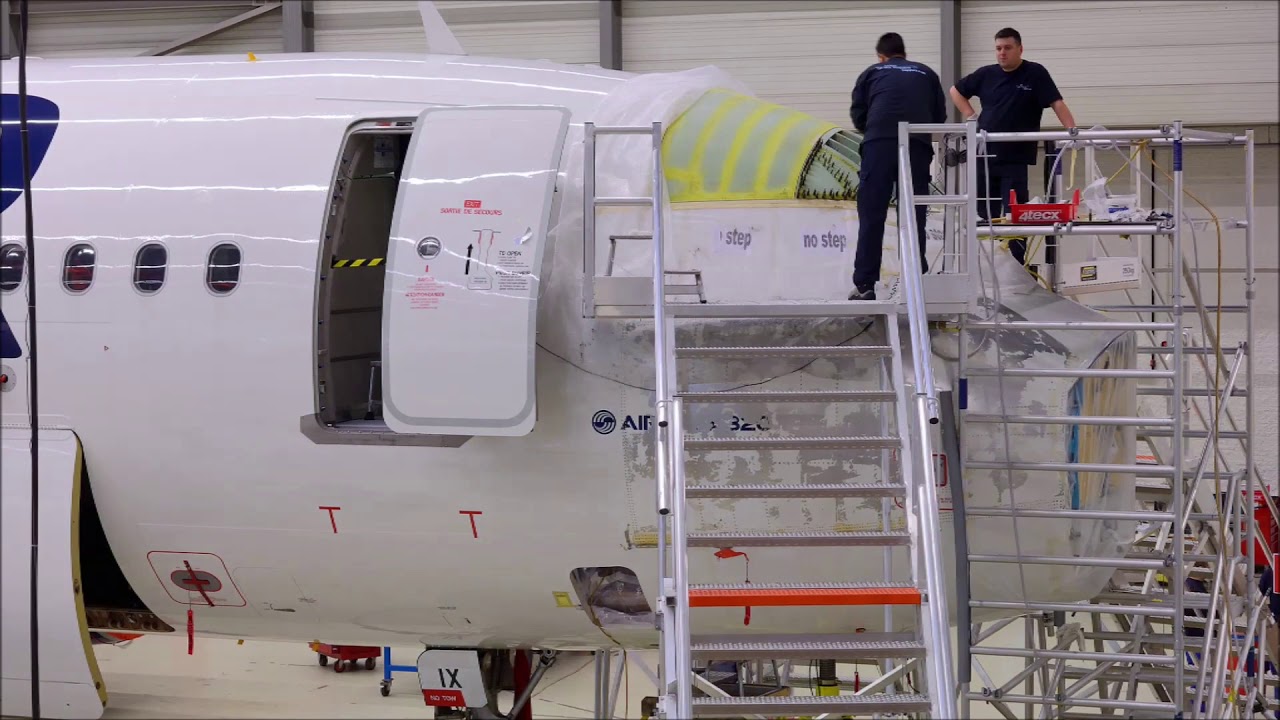
Fokker Techniek, un negocio de GKN Aerospace, ha expandido sus operaciones actuales con espacios adicionales de estacionamiento de aeronaves durante el actual período desafiante. La instalación de finalización y mantenimiento en Woensdrecht, Países Bajos, ha implementado una limpieza y desinfección reforzadas de la infraestructura, herramientas y equipos, así como la adopción de medidas de distanciamiento social adecuadas, para garantizar que el bienestar de los empleados y el soporte al cliente sigan siendo las principales prioridades. La compañía holandesa ha implementado medidas estrictas de salud y seguridad para mantener las instalaciones de Fokker Techniek abiertas durante la crisis sanitaria munddial de la pandemia de Coronavirus.

Jeff Armitage, Director Gerente de la compañía, dijo: “Nuestro enfoque primordial es mantener seguros a nuestros empleados, sus familias y clientes. Estamos totalmente alineados con las restricciones y pautas gubernamentales y estamos orgullosos de ver que nuestro personal aquí en Fokker Techniek continúa brindando un gran apoyo para asegurar y cumplir con todos los compromisos de trabajo en curso. Además de la infraestructura y los lugares de estacionamiento existentes, hemos introducido más de 20 puestos de estacionamiento de aviones, que están disponibles de inmediato para ayudar a nuestros clientes. Estamos juntos en esto y queremos seguir siendo un socio sólido que brinde servicios en estos tiempos sin precedentes».

Fokker Techniek ofrece actividades de ingeniería, mantenimiento de fuselajes y componentes, así como terminaciones o reformas VIP ejecutivas para la industria aeroespacial mundial. AW-Icon Paragraph-01

Fokker Techniek Jobs | LinkedInFokker Techniek extends support

Fokker Techniek expands customer support with more than 20 additional parking spaces

Fokker Techniek, a GKN Aerospace business, has expanded its current operations with additional aircraft parking spaces during the current challenging period. The completion and maintenance facility in Woensdrecht, The Netherlands, has implemented enhanced cleaning and disinfection of infrastructure, tools, and equipment, as well as the adoption of appropriate social distancing measures, to ensure that the well-being of employees and support for customer remain top priorities. The Dutch company has implemented strict health and safety measures to keep the Fokker Techniek facilities open during the global health crisis of the Coronavirus pandemic.

Jeff Armitage, Managing Director of the company, said: “Our primary focus is to keep our employees, their families and customers safe. We are fully aligned with government restrictions and guidelines and we are proud to see that our staff here at Fokker Techniek continues to provide great support in securing and meeting all ongoing work commitments. In addition to the existing infrastructure and parking spaces, we have introduced more than 20 aircraft parking spaces, which are immediately available to assist our customers. We are in this together and we want to continue to be a strong partner providing services in these unprecedented times”.

Fokker Techniek offers engineering activities, fuselage, and component maintenance, as well as executive VIP completions or renovations for the global aerospace industry. AW-Icon Paragraph-02

Handel in tweedehands Fokkers nog springlevend • Piloot & VliegtuigFokker Techniek breidt de ondersteuning uit

Fokker Techniek breidt de klantenondersteuning uit met meer dan 20 extra parkeerplaatsen

fokker.svg_Fokker Techniek, een GKN Aerospace-onderneming, heeft haar huidige activiteiten tijdens de huidige uitdagende periode uitgebreid met extra parkeerplaatsen voor vliegtuigen. De voltooiings- en onderhoudsfaciliteit in Woensdrecht, Nederland, heeft een verbeterde reiniging en desinfectie van infrastructuur, gereedschappen en apparatuur geïmplementeerd, evenals de vaststelling van passende sociale afstandsmaatregelen, om het welzijn van werknemers en ondersteuning voor klant blijven topprioriteiten. Het Nederlandse bedrijf heeft strikte gezondheids- en veiligheidsmaatregelen getroffen om de faciliteiten van Fokker Techniek open te houden tijdens de wereldwijde gezondheidscrisis van de Coronavirus pandemie.

Jeff Armitage, algemeen directeur van het bedrijf, zei: „Onze primaire focus is het beschermen van onze werknemers, hun families en klanten. We zijn volledig afgestemd op de beperkingen en richtlijnen van de overheid en we zijn trots om te zien dat onze medewerkers hier bij Fokker Techniek geweldige ondersteuning blijven bieden bij het veiligstellen en nakomen van alle lopende werkverplichtingen. Naast de bestaande infrastructuur en parkeerplaatsen hebben we meer dan 20 parkeerplaatsen voor vliegtuigen geïntroduceerd, die onmiddellijk beschikbaar zijn om onze klanten te helpen. We zitten hier samen in en we willen een sterke partner blijven in deze ongekende tijden”.

Fokker Techniek biedt engineeringactiviteiten, romp- en componentenonderhoud, evenals executive VIP-voltooiingen of renovaties voor de wereldwijde lucht- en ruimtevaartindustrie. AW-Icon Paragraph-02


Ξ A I R G W A Y S Ξ
SOURCE: Airgways.com
DBk: Fokkertechniek.com / Airgways.com
AW-POST: 202005071350AR

A\W   A I R G W A Y S ®

Nuevo CTO para Dornier DRA GmbH

Aeronave regional Do328 será revivida na Alemanha como D328NeuAW | 2020 05 07 13:00 | INDUSTRY

DRADRA y 328 Servicios de Soporte designan nuevo CTO

El fabricante alemán de aviones DRA GmbH, y la compañía hermana 328 Support Services GmbH, han designado a Martin Nüsseler como su Director de Tecnología Conjunto (CTO). Nüsseler ahora es responsable de la estrategia del producto, la hoja de ruta tecnológica y la supervisión de los equipos de desarrollo de ingeniería.

Martin Nüsseler se une después de 17 años con Airbus, los últimos cinco de los cuales se dedicaron a liderar la unidad de sistemas y tecnologías de propulsión alternativa de Airbus. Antes de eso, Nüsseler trabajó para Fairchild Dornier a fines de la década de 1990. «Estamos encantados de darle la bienvenida a Martin al equipo de tecnología y a la oportunidad excepcional de la compañía de revolucionar la aviación con su enfoque en la sostenibilidad asequible», dijo Dave Jackson, Director Gerente de DRA.

El enfoque principal del equipo de desarrollo de ingeniería es mejorar la plataforma Dornier 328 y entregar su futura hoja de ruta tecnológica. La misión técnica de la aeronave se basa en un compromiso para una aviación regional de corto alcance más sostenible. La compañía ha desarrollado una estrategia de producto centrada en esta visión para el nuevo D328eco. El avión está siendo diseñado para ofrecer mejoras en los costos operativos y de mantenimiento, así como reducciones en la huella de carbono general.

El programa, actualmente en la fase PDR, se centra en la madurez de los nuevos sistemas y materiales necesarios para respaldar la especificación de la aeronave. La fecha de entrada en servicio sigue siendo 2024, tal como se presentó el año pasado en Leipzig. El programa de aviones regionales continúa siendo dirigido desde el aeropuerto de Oberpfaffenhofen, cerca de Munich, y se han comenzado los trabajos de planificación para el establecimiento de la línea de ensamblaje final en el aeropuerto de Leipzig Halle. AW-Icon Paragraph-01

328 Support Services GmbH marks a decade as Type Certificate ...New CTO for Dornier DRA GmbH

DRA and 328 Support Services appoint new CTO

German aircraft manufacturer DRA GmbH, and sister company 328 Support Services GmbH, have appointed Martin Nüsseler as their Joint Chief Technology Officer (CTO). Nüsseler is now responsible for the product strategy, technology roadmap, and oversight of engineering development teams.

Martin Nüsseler joins after 17 years with Airbus, the last five of which have been spent leading the Airbus alternative propulsion systems and technologies unit. Prior to that, 328 Group rebranding launched at Hamburg | 328.euNüsseler worked for Fairchild Dornier in the late 1990s. «We are delighted to welcome Martin to the technology team and to the company’s exceptional opportunity to revolutionize aviation with its focus on affordable sustainability», said Dave Jackson, Managing Director of DRA.
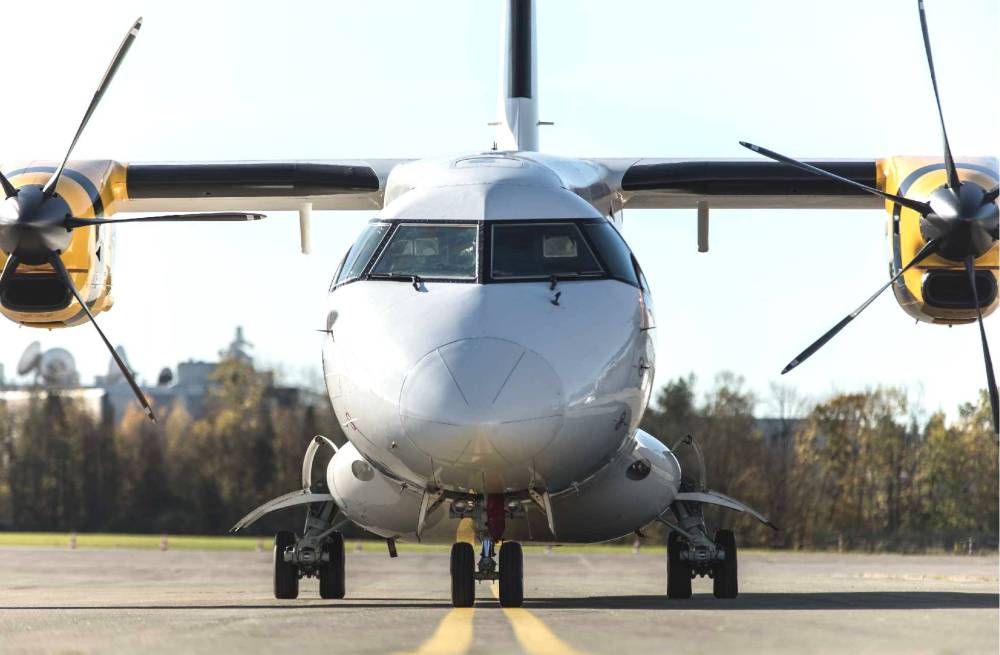
The primary focus of the engineering development team is to improve the Dornier 328 platform and deliver its future technology roadmap. The aircraft’s technical mission is based on a commitment to more sustainable short-range regional aviation. The company has developed a product strategy focused on this vision for the new D328eco. The aircraft is being designed to offer improvements in operating and maintenance costs, as well as reductions in the overall carbon footprint.

The program, currently in the PDR phase, focuses on the maturity of the new systems and materials necessary to support the specification of the aircraft. The date of entry into service is still 2024, as it was presented last year in Leipzig. The regional aircraft program continues to be run from the Oberpfaffenhofen airport near Munich, and planning work has begun on the establishment of the final assembly line at Leipzig Halle airport. AW-Icon Paragraph-02

328 AircraftNeuer CTO für Dornier DRA GmbH

DRA und 328 Support Services ernennen neuen CTO

Der deutsche Flugzeughersteller DRA GmbH und das Schwesterunternehmen 328 Support Services GmbH haben Martin Nüsseler zum Joint Chief Technology Officer (CTO) ernannt. Nüsseler ist jetzt für die Produktstrategie, die Technologie-Roadmap und die Überwachung der technischen Entwicklungsteams verantwortlich.

Martin Nüsseler wechselt nach 17 Jahren zu Airbus, von denen die letzten fünf Jahre die Leitung der Abteilung für alternative Antriebssysteme und -technologien von Airbus übernommen haben. Zuvor war Nüsseler Ende der neunziger Jahre für Fairchild Dornier tätig. «Wir freuen uns, Martin im Technologieteam begrüßen zu dürfen und die außergewöhnliche Gelegenheit des Unternehmens, die Luftfahrt mit seinem Fokus auf erschwingliche Nachhaltigkeit zu revolutionieren», sagte Dave Jackson, Geschäftsführer von DRA.

Das Hauptaugenmerk des technischen Entwicklungsteams liegt auf der Verbesserung der Dornier 328-Plattform und der Bereitstellung der zukünftigen Technologie-Roadmap. Die technische Mission des Flugzeugs basiert auf dem Engagement für eine nachhaltigere regionale Kurzstreckenluftfahrt. Das Unternehmen hat eine Produktstrategie entwickelt, die sich auf diese Vision für den neuen D328eco konzentriert. Das Flugzeug soll Verbesserungen bei den Betriebs- und Wartungskosten sowie eine Reduzierung des gesamten CO2-Fußabdrucks ermöglichen.

Das Programm, das sich derzeit in der PDR-Phase befindet, konzentriert sich auf die Reife der neuen Systeme und Materialien, die zur Unterstützung der Spezifikation des Flugzeugs erforderlich sind. Das Datum der Inbetriebnahme ist noch 2024, wie es letztes Jahr in Leipzig vorgestellt wurde. Das Regionalflugzeugprogramm wird weiterhin vom Flughafen Oberpfaffenhofen bei München aus durchgeführt, und die Planungsarbeiten für den Aufbau der Endmontagelinie am Flughafen Leipzig Halle haben begonnen. AW-Icon Paragraph-02


Ξ A I R G W A Y S Ξ
SOURCE: Airgways.com
DBk: Dra-aero.com / Aircraftinteriorsinternational.com / Airgways.com
AW-POST: 202005071300AR

A\W   A I R G W A Y S ®

Mitsubishi acuerda adquisición CRJ

AW-Bombardier-CRJ-Series-MHIAW | 2020 05 07 12:38 | INDUSTRY

Mitsubishi_LogoMitsubishi cerrará con la adquisición de CRJ el 1 junio 2020

Mitsubishi Heavy Industries, Ltd. de Japón y Bombardier Inc. de Canadá han acordado que todas las condiciones para el cierre del acuerdo se han cumplido y la transacción relacionada con la adquisición del Programa Canadair Regional Jet (CRJ) se cerrará el 1 Junio 2020. El Programa será operado bajo las entidades grupales recién creadas de MHI RJ Aviation Group y comenzará a funcionar al cierre del acuerdo establecido.

Bombardier_Logo.svgMHI y Bombardier acordaron formalizar la adquisición por parte del constructor nipón MHI del Programa CRJ el 1 Junio 2020, anunciaron las compañías el Jueves 07/05. Una declaración emitida por Mitsubishi indicó que las partes acordaron que cada una ha cumplido con todas las condiciones para el cierre del acuerdo. La compañía operará bajo la nueva entidad del grupo llamada MHI RJ Aviation Group. También acordaron que el interés beneficioso neto de Bombardier de aproximadamente US$ 180 millones en el Programa Regional de Titulización de Aeronaves (RASPRO) se transferirá a MHI.

Bajo la adquisición, MHI toma el control de la licencia del Programa CRJ y las actividades relacionadas de mantenimiento, soporte, renovación, comercialización y ventas para el avión de la Serie CRJ, junto con los certificados de tipo. El paquete incluye los servicios y la red de soporte relacionados con CRJ ubicados principalmente en Mirabel, Québec y Toronto; Bridgeport, Virginia Occidental; y Tucson, Arizona. La compañía continuará distribuyendo repuestos CRJ desde depósitos en Chicago (EEUU) y Frankfurt (Alemania). Comprometido en la certificación del nuevo avión regional japonés MA90 SpaceJet, Mitsubishi trabajará en la integración del servicio y el soporte entre su nuevo programa y el CRJ y proporcionaría hitos de integración de forma continua.

Perspectivas MHI

El acuerdo anunciado en Junio 2019, exigirá que MHI efectúe un pago por valor de US$ 550 millones en efectivo y asuma pasivos por valor de unos US$ 200 millones. El acuerdo marcó el final inminente de la Producción de CRJ, control sobre el cual Bombardier mantendrá hasta que la cartera de pedidos se evapore en la segunda mitad de este año.

A principios de Junio 2019, Longview Capital, matriz de Viking Air, completó la adquisición del negocio de aviones De Havilland Dash 8 de Bombardier y nombró a su nueva subsidiaria De Havilland Aircraft of Canada Limited. Ese acuerdo siguió a la venta más celebrada de una participación de control en la CSeries de Bombardier a Airbus en Julio 2018. Airbus y el gobierno de Quebec ahora tienen la propiedad exclusiva del programa, ahora conocido como Airbus A220, después de que Bombardier transfiriera su participación restante en Airbus Canada Limited Partnership (Airbus Canada) en Febrero 2020. Este acuerdo hará que Airbus y el Gobierno de Québec posean respectivamente el 75% y el 25% en Airbus Canada, que es responsable del programa A220.

El cierre del acuerdo marca la culminación de los esfuerzos de Bombardier para deshacerse por completo del negocio del mundo de la aviación comercial, marcando el final de una era para el constructor canadiense. AW-Icon Paragraph-01

AW-Bombardier-CRJ_7008Mitsubishi agrees to CRJ acquisition

Mitsubishi to Close with CRJ Acquisition on June 1, 2020

Mitsubishi Heavy Industries, Ltd. of Japan and Bombardier Inc. of Canada have Mitsubishi_logo.svgagreed that all conditions for closing the agreement have been met and the transaction related to the acquisition of the Canadair Regional Jet Program (CRJ) will be closed on June 1, 2020. The Program will be operated under the newly created group entities of the MHI RJ Aviation Group and will start operating at the closing of the established agreement.

MHI and Bombardier agreed to formalize the acquisition by Japanese builder MHI of the CRJ Program on June 1, 2020, the companies announced on Thursday 07/05. A statement issued by Mitsubishi indicated that the parties agreed that each has met all the conditions for the closing of the agreement. The company will operate under the group’s new entity called MHI RJ Aviation Group. They also agreed that Bombardier’s net beneficial interest of approximately US$ 180 million in the Regional Aircraft Securitization Program (RASPRO) will be transferred to MHI.

Under the acquisition, MHI takes control of the CRJ Program license and related maintenance, support, renovation, marketing and sales activities for the CRJ Series aircraft, along with type certificates. The package includes CRJ-related services and support network located primarily in Mirabel, Québec and Toronto; Bridgeport, West Virginia; and Tucson, Arizona. The company will continue to distribute CRJ spare parts from warehouses in Chicago (USA) and Frankfurt (Germany). Committed to certifying the new Japanese regional MA90 SpaceJet aircraft, Mitsubishi will work on service and support integration between its new program and CRJ and would provide integration milestones on an ongoing basis.

MHI perspectives

The agreement announced in June 2019, will require MHI to make a payment of US$ 550 million in cash and to assume liabilities of about US$ 200 million. The agreement marked the imminent end of CRJ Production, control over which Bombardier will maintain until the order book evaporates in the second half of this year.

In early June 2019, Longview Capital, parent of Viking Air, completed the acquisition of Bombardier’s De Havilland Dash 8 aircraft business and named its new subsidiary De Havilland Aircraft of Canada Limited. That deal followed the most celebrated sale of a controlling stake in the Bombardier CSeries to Airbus in July 2018. Airbus and the Quebec government now have sole ownership of the program, now known as Airbus A220, after Bombardier transferred its Remaining stake in Airbus Canada Limited Partnership (Airbus Canada) in February 2020. This agreement will hold Airbus and the Government of Québec respectively 75% and 25% in Airbus Canada, which is responsible for the A220 program.

The closing of the deal marks the culmination of Bombardier’s efforts to completely shed business from the world of commercial aviation, ushering in an era for the Canadian builder. AW-Icon Paragraph-02

crj1000三菱がCRJ買収に同意

mitac_logotype三菱は6月1日にCRJの買収で終了する

日本の三菱重工業株式会社とカナダのボンバルディア社は、契約締結のすべての条件が満たされ、カナディアリージョナルジェットプログラムCRJ)の取得に関連する取引が2020年6月1日に閉鎖されることに同意しました。プログラムは、MHI RJ Aviation Groupの新しく作成されたグループエンティティの下で運用され、確立された契約の終了時に運用を開始します。

三菱重工業とボンバルディアは、2020年6月1日、日本のビルダーであるMHIがCRJプログラムを買収することを正式に合意しました。三菱が発表した声明は、当事者が合意のすべての条件を満たしていることに合意したことを示した。同社は、MHI RJ Aviation Groupと呼ばれるグループの新しいエンティティの下で運営されます。また、地域の航空機証券化プログラム(RASPRO)におけるボンバルディアの純利益約1億8,000万ドルがMHIに譲渡されることにも同意しました。

AW-CRJ-70000この買収により、三菱重工は、CRJプログラムのライセンスと、CRJシリーズ航空機の関連する保守、サポート、改修、マーケティング、および販売活動を、型式証明書とともに管理します。パッケージには、主にミラベル、ケベック、トロントにあるCRJ関連のサービスとサポートネットワークが含まれています。ウェストバージニア州ブリッジポート;アリゾナ州ツーソン。同社は引き続き、CRJのスペアパーツをシカゴ(米国)とフランクフルト(ドイツ)の倉庫から配送します。新しい日本のリージョナルMA90 SpaceJet航空機の認定に取り組んでいる三菱は、新しいプログラムとCRJ間のサービスとサポートの統合に取り組み、継続的に統合のマイルストーンを提供します。
三菱重工の見解

2019年6月に発表された合意により、三菱重工は5億5,000万ドルの現金での支払いと約2億ドルの負債を引き受ける必要があります。この契約はCRJプロダクションの差し迫った終焉を告げるものであり、今年の後半にオーダーブックが消滅するまでボンバルディアが維持する管理となります。

2019年6月初旬、バイキングエアの親会社であるロングビューキャピタルは、ボンバルディアのデハビランドダッシュ8航空機事業の買収を完了し、新しい子会社であるデハビランドエアクラフトオブカナダリミテッドを指名しました。この契約は、2018年7月にボンバルディアCシリーズの支配的株式のエアバスへの売却で最も有名なものに続きました。エアバスカナダリミテッドパートナーシップ(エアバスカナダ)の2020年2月の残りの株式。この契約により、エアバスとA220プログラムを担当するエアバスカナダでそれぞれ75%と25%のケベック州政府が保有されます。

契約の締結は、商業航空の世界からビジネスを完全に排除するボンバルディアの努力の集大成であり、カナダのビルダーの時代の終わりを示しています。AW-Icon Paragraph-02


Ξ A I R G W A Y S Ξ
SOURCE: Airgways.com
DBk: Mitsubishiaircraft.com / Airgways.com
AW-POST: 202005071238AR

A\W   A I R G W A Y S ®

Airbus versión carga para A330/A350

Shades” livery now also on new A330neo - Commercial Aircraft - AirbusAW | 2020 05 07 11:23 | INDUSTRY / ENGINEERING

Airbus_Group_Logo_2014.svgAirbus desarrolla conversión de carga para A330 y A350
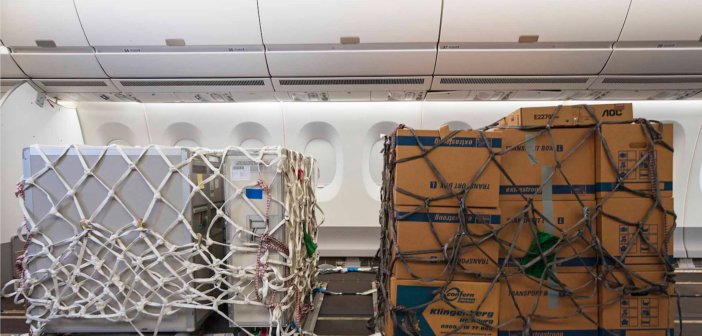
Airbus Group SE ha revelado que está desarrollando una modificación para los aviones de la familia A330 y A350 que permitirá a las aerolíneas instalar paletas de carga directamente en las pistas de los asientos del piso de la cabina en las cabinas de clase económica, después de retirar los asientos. Esta solución está destinada a ayudar con la continuidad comercial de las aerolíneas, y también para ayudar a aliviar la escasez global de capacidad de carga aérea de carga de barriga debido a la puesta a tierra generalizada de aviones de larga distancia debido a la pandemia de Coronavirus. La capacidad de carga adicional habilitada por la modificación también ayudaría a la industria a abordar la gran demanda de vuelos humanitarios para transportar grandes cantidades de equipos médicos y otros suministros rápidamente a grandes distancias.

Airbus ha traído una solución para evitar la carga en los asientos. La solución de incorporar paletas de carga a las guías de las superficies del piso de la cabina de pasajeros facilita las operaciones de carga y descarga más fáciles y rápidas, así como también reduce el daño y desgaste de los asientos. Otros beneficios reclamados del diseño incluyen la seguridad adicional de una protección contra incendios robusta y la capacidad de restricción de carga de 9 g para evitar que algo se mueva en el vuelo. El alcance del trabajo también incluye la eliminación de los asientos y el IFE, y la instalación de paletas de carga y equipos de seguridad asociados, y también la reinstalación de los elementos originales de la cabina de pasajeros para cuando un avión necesita volver a las operaciones de pasajeros. El enfoque SB también será válido más allá de la pandemia de Covid-19, según Airbus.

La modificación está empaquetada para los operadores como un Boletín de Servicio de Airbus (SB). Según este acuerdo, Airbus define el alcance del trabajo de ingeniería y también gestiona el proceso para obtener la certificación única de EASA. AW-Icon Paragraph-01

Airbus cargo version for A330/A350

Airbus develops cargo conversion for A330 and A350

Airbus Group SE has revealed that it is developing a modification for the A330 and A350 family aircraft that will allow airlines to install cargo pallets directly on the tracks of a350-800-wing-spancabin floor seats in economy class cabins, after removing the seats. This solution is intended to help with business continuity for airlines, and also to help alleviate the global shortage of belly cargo air cargo capacity due to widespread grounding of long-haul aircraft due to the Coronavirus pandemic. The additional cargo capacity enabled by the modification would also help the industry address the high demand for humanitarian flights to transport large amounts of medical equipment and other supplies quickly over long distances.

Airbus has brought a solution to avoid loading on the seats. The solution of incorporating loading pallets into the guides of the surfaces of the floor of the passenger cabin facilitates easier and faster loading and unloading operations, as well as reduces damage and wear on the seats. Other claimed design benefits include the added security of robust fire protection and the 9g load-restraining ability to prevent something from moving in flight. The scope of work also includes the removal of seats and the IFE, and the installation of cargo pallets and associated safety equipment, and also the reinstallation of the original elements of the passenger cabin for when an aircraft needs to return to operations. of passengers. The SB approach will also be valid beyond the Covid-19 pandemic, according to Airbus.

The modification is packaged for operators as an Airbus Service Bulletin (SB). Under this agreement, Airbus defines the scope of the engineering work and also manages the process to obtain the unique EASA certification. AW-Icon Paragraph-02


Ξ A I R G W A Y S Ξ
SOURCE: Airgways.com
DBk: Airbus.com / Aircraftinteriorsinternational.com / Airgways.com
AW-POST: 202005071123AR

A\W   A I R G W A Y S ®

Continúa reclamos por fusión AR/AU

1280px-Embraer190AustralAW | 2020 05 06 21:58 | AIRLINES

Austral_Líneas_Aéreas.svg Isologotype (1)La fusión de Aerolíneas-Austral genera reclamos de los gremios aeronáuticos UALA y AAA
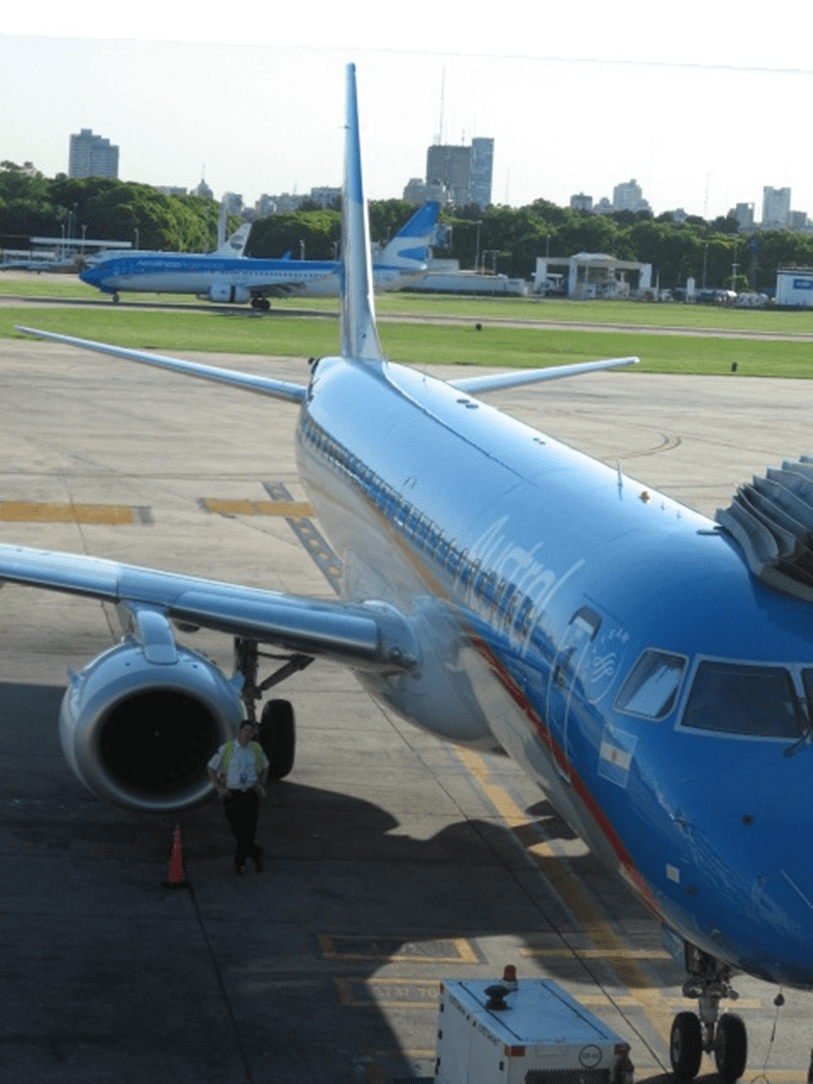
Los sindicatos del sector aeronáutico de la Asociación Argentina de Aeronavegantes (AAA) y la Unión de Aviadores de Líneas Aéreas (UALA) reclaman a la dirección y el Gobierno de Argentina sostienen los argumentos vacías para la eliminación de una aerolínea con historia como Austral Líneas Aéreas. La postura de los Aeronavegantes exigieron que se defiendan los empleos. Los pilotos de Austral criticaron la decisión empresarial y se declararon en alerta. “Se hace a los apurones en medio de la pandemia”, expresaron los nucleados y representados por el gremio UALA.

La AAA, que está encabezada por Juan Pablo Brey agrupa a los tripulantes de cabina, afirmó que “tomará con extrema responsabilidad y seriedad el análisis» de las consecuencias de la fusión, aunque aseguró que, pese a la triste realidad del mercado aerocomercial, “la prioridad es la protección y defensa de las fuentes de trabajo”.

El Secretario adjunto de UALA, Genaro Trucco, dijo que existe incertidumbre entre los 1.700 empleados de Austral porque hasta el momento “no se anunció un plan de empresa y de fusión que garantice las fuentes de trabajo ni tampoco se dieron detalles sobre si la unión de ambas compañías aeronáuticas se dará en un contexto de achicamiento o de expansión”. La UALA que agrupa a los 340 pilotos de la aerolínea Austral, ya se declaró en estado de alerta y criticó la decisión por considerar la decisión «como improvisada y anunciada a los apurones en medio de la pandemia». El dirigente gremial agregsó: “Para nosotros, la fusión no es un argumento valido y contundente como para llevar adelante la desaparición de una empresa que tiene más de 60 años y que tiene una capacidad operativa propia, un balance propio, una marca propia, que no hace razonable la opción elegida solamente para que se pueda mostrar algún tipo de ahorro”. Además, ha puesto en duda que con la fusión de Aerolíneas y Austral se logre un ahorro anual de US$ 100 millones de Dólares, como afirmó el Presidente de la empresa estatal, Pablo Ceriani: “Nos parece demasiada abultada esa cifra porque nuestras estimaciones no llegan ni al 50% de ese monto. En realidad, es una decisión política enmascarada en una cuestión de números y de productividad, a la que cuestionamos porque es poco serio hacerlo sin informar qué plan de empresa hay atrás, ni explicar cómo van a llevar adelante la fusión y qué impacto tendrá en los sindicatos”.

AW-AR-AU-Sindicatos_001

Tras admitir que la industria aerocomercial ha sufrido un zimbronazo muy importante a partir del COVID-19, el dirigente de UALA destacó: “La dirección de la empresa planteó hace dos semanas la necesidad de realizar una reestructuración y de generar productividad, y lo entendemos y lo avalamos por la crisis del sector. Por eso dijimos que estamos abiertos a todas las alternativas, pero cuando nos plantean la fusión significa que nos quieren hacer desaparecer y eso no lo vamos a aceptar. Incluso la empresa aseguró que nos convocaría para seguir dialogando y por eso nos sorprendió que, lejos de llamarnos, se despachó con un comunicado bastante determinante anunciando algo que se suponía íbamos a charlar. Los sindicatos estamos desconcertados y todos los trabajadores están atravesando un momento de incertidumbre. Los cinco sindicatos que venimos trabajando juntos estamos en un momento de debate para definir una posición en las próximas horas porque a todos nos impacta una noticia como la fusión de las empresas y queremos discutir sus alcances”.

Frente a un mercado aerocomercial en medio de una severa crisis por el Coronavirus, la duda es si estaría dispuesto un sindicato como UALA a discutir ajustes o recortes para preservar las fuentes de trabajo. “Sí, no sé si llamarle achique o ajuste, pero cuando se retomen las operaciones, el desafío en nuestro sector será la productividad, encontrar las vetas productivas que nos permitan ganar mercado, crecer y ser más eficientes de lo que somos”. El problema adicional para los dirigentes de UALA es que, tratándose de un sindicato de empresa, si desapareciera Austral también dejaría de existir la organización gremial. De todas formas, Trucco dijo que “no está en nuestra idea fundar otro sindicato de pilotos en Aerolíneas Argentinas porque hoy lo fundamental es asegurar las fuentes de trabajo, que se respeten las condiciones, derechos y carreras profesionales de todos y, en un contexto más amplio, que la empresa diga cómo piensa hacer la fusión; la cuestión de las representaciones sindicales será un tema para más adelante”.

De todas formas, se quejó de que “se plantea la fusión cuando nosotros ni siquiera podemos lograr un mandato de nuestros afiliados que nos permita negociar, sondear y evaluar porque están prohibidas las asambleas por las restricciones dispuestas en el aislamiento obligatorio. El título de la fusión es muy lindo y el ahorro anunciado genera una épica, pero es muy difícil de concretar. No es decir hagámoslo y nos llevamos todo puesto. Hay muchísimas instancias técnicas, legales, administrativas y laborales que hay que cumplir. La actividad aeronáutica requiere años de planificación para decidir qué rutas explorar, qué mercado abordar, porque es todo inversión a largo plazo. Y no sé si este es el mejor momento para una fusión así, anunciada entre gallos y medianoche. Nos parece una improvisación». AW-Icon Paragraph-01

AW-7000374Claims for AR/AU merger continue

The Aerolíneas-Austral merger generates claims from the aeronautical unions UALA and AAA

Unions in the aeronautical sector of the Argentine Association of Aeronavegantes (AAA) and the Union of Airline Aviators (UALA) are demanding that the management and the Government of Argentina hold empty arguments for the elimination of an airline with a history as Austral Lineas Aereas. The Airworthy stance demanded that jobs be defended. Austral pilots criticized the business decision and declared themselves on alert. «It is done on the rush in the midst of the pandemic», said the nucleus and represented by the UALA guild.

The AAA, which is headed by Juan Pablo Brey groups cabin crew, stated that «it will take the analysis» of the consequences of the merger with extreme responsibility and seriousness, although it assured that, despite the sad reality of the aviation market, «the priority is the protection and defense of work sources».

The UALA Deputy Secretary, Genaro Trucco, said that there is uncertainty among the 1,700 Austral employees because until now, “a company and merger plan guaranteeing the sources of work has not been announced, nor were any details given as to whether the union of both aeronautical companies will occur in a context of shrinking or expansion». The UALA, which groups the 340 pilots of the Austral airline, has already declared itself on alert and criticized the decision for considering the decision «as improvised and announced to the troublemakers in the midst of the pandemic». The union leader added: “For us, the merger is not a valid and forceful argument to carry out the disappearance of a company that is more than 60 years old and that has its own operating capacity, its own balance sheet, its own brand, which it does not make the chosen option reasonable so that some type of savings can be shown”. In addition, it has doubted that the merger of Aerolíneas and Austral achieves an annual saving of US$ 100 million, as stated by the President of the state company, Pablo Ceriani: “That figure seems too bulky to us because our estimates do not they do not even reach 50% of that amount. In reality, it is a political decision masked in a matter of numbers and productivity, which we question because it is not serious to do so without informing what business plan is behind it, nor explaining how the merger will be carried out and what impact it will have on unions”.

AW-AR-AU-Sindicatos - copia

After admitting that the aero-commercial industry has suffered a very important shake from COVID-19, the UALA leader highlighted: “The management of the company raised two weeks ago the need to carry out restructuring and to generate productivity, and we understand and we support it due to the crisis in the sector. That is why we said that we are open to all alternatives, but when they propose a merger, it means that they want to make us disappear and we will not accept that. Even the company assured that it would summon us to continue dialoguing and that is why we were surprised that, far from calling us, it was dispatched with a rather decisive statement announcing something that we were supposed to chat about. Unions are baffled and all workers are going through a time of uncertainty. The five unions that have been working together are in a moment of debate to define a position in the next few hours because we are all impacted by a news item such as the merger of companies and we want to discuss its scope”.

Faced with an aviation market in the midst of a severe Coronavirus crisis, the question is whether a union like UALA would be willing to discuss adjustments or cuts to preserve job sources. «Yes, I do not know whether to call it a shrinkage or adjustment, but when operations resume, the challenge in our sector will be productivity, finding the productive seams that allow us to gain the market, grow and be more efficient than we are». The additional problem for the UALA leaders is that, in the case of a company union, if Austral disappeared, the union would also cease to exist. In any case, Trucco said that “it is not in our idea to found another union of pilots in Aerolíneas Argentinas because today the fundamental thing is to ensure the sources of work, that the conditions, rights and professional careers of all are respected and, in a more context broad, that the company says how it intends to do the merger; the question of union representations will be a topic for later”.

In any case, he complained that “the merger arises when we cannot even achieve a mandate from our affiliates that allows us to negotiate, probe and evaluate because assemblies are prohibited due to the restrictions established in compulsory isolation. The title of the merger is very nice and the savings announced generate an epic, but it is very difficult to achieve. That is not to say let’s do it and take everything. There are many technical, legal, administrative, and labor instances that must be fulfilled. The aeronautical activity requires years of planning to decide which routes to explore, which market to approach because it is all a long-term investment. And I don’t know if this is the best time for such a fusion, announced between roosters and midnight. It seems to us an improvisation». AW-Icon Paragraph-02


Ξ A I R G W A Y S Ξ
SOURCE: Airgways.com
DBk: Airgways.com / Uala.org.ar / Aeronavegantes.org.ar / Infobae.com
AW-POST: 202005062158AR

A\W   A I R G W A Y S ®


Alaska Airlines homogeneizaría flota

AW-737-900AlaskaAW | 2020 05 06 20:47 | AIRLINES

Alaska Airlines logo - Charles M. Schulz Sonoma County AirportAlaska Airlines unifica flota hacia el Boeing 737 por efecto pandemia
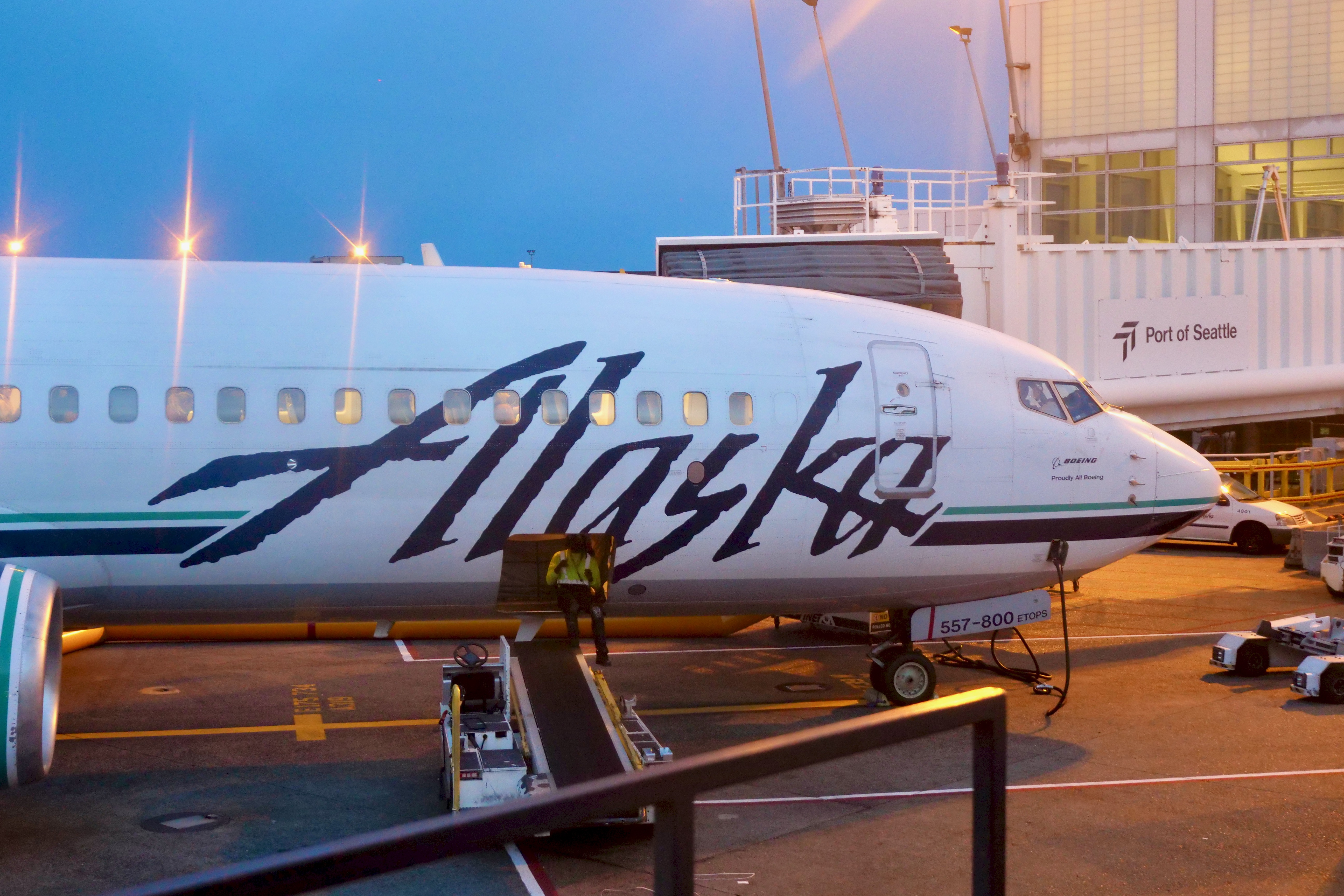
Alaska Airlines es una compañía americana con una flota doble de aeronaves narrowbodies compuesta por Airbus A319/320CEO A321NEO y Boeing 737NG (Next Generation). La aerolínea con sede en Seattle, Estado de Washington, está analizando homogeneizar su flota debido al alto costo operativo frente a la actual crisis sanitaria.

Alaska Airlines es un cliente fiel a Boeing, pero después de la absorsión de Virgin America en 2016, ha heredado una flota de Airbus A319/A320CEO. Actualmente, está evaluando simplificar su flota de aeronaves, inclinándose por la familia 737. La flota de aviones Airbus A319 (10) y A320CEO (51) serán paulatinamente retirados. Los diez A319CEO serán retirados permanentemente debido a los impactos de la pandemia. En cuanto a la flota de A320CEO, dos unidades serán retirados permanentemente, y siete adicionales probablemente serán retirados. En perspectiva estaba reemplazarlos con aviones A321NEO. Elparque de aviones Boeing está compuesto por Boeing 737-700 (11), Boeing 737-700f (3), Boeing 737-800 (61), Boeing 737-900 (12) y Boeing 737-900ER (79). La aerolínea posee diez aviones operativos. Alaska Airlines tiene ordenado 39 Boeing 737-9 MAX, con una conversión a 15 737-8 MAX.

Alaska Airlines está intentando regresar al mercadeo denominado «Proudly All Boeing» o tal vez mantener la flota dual que ha volado durante los últimos cuatro años. Con una capacidad en un 20% de operatividad y sin expectativas de una recuperación inmediata, el transportista está volviendo a sus raíces, la flota 737.

Perspectivas de Alaska Airlines

«Probablemente sea seguro asumir que la decisión de la flota se está tomando en tiempo real», ha expresado el analista de Deutsche Bank, Michael Linenberg durante la llamada de ganancias del primer trimestre de Alaska Airlines el Martes 05/05. Alaska Airlines hasta ahora no han confirmado un giro hacia all-Boeing, pues la aerolínea continúa poniendo en la balanza muchos factores cuando se trata de su futura flota. Aunque hay que reconocer que una flota dual posee mayores costos operativos. Desde la compañía argumentan que ese es un factor que considerarían pero que la aerolínea todavía no ha tomado una decisión, pero los bajos costos son una prioridad para Alaska a medida que emerge de la crisis, aunque la aerolínea continuará los arrendamientos en los A320 restantes hasta 2025, y en los A321NEO hasta 2031. Esas fechas de devolución pueden renegociarse, pero no se devolverán todos los aviones en un mismo período. Alaska ha estacionado más de la mitad de su flota principal, totalizando 153 aviones, debido a la pandemia. También ha estacionado 21 aviones regionales de la subsidiaria Horizon Air, la subsidiaria regional de Alaska, continúa volando tanto el De Havilland Canada Dash 8-Q400 como el Embraer 175-E1. AW-Icon Paragraph-01

Alaska Airlines would homogenize fleet

Alaska Airlines Unifies Fleet Towards Boeing 737 Due to Pandemic Effect

Alaska Airlines is an American company with a double fleet of narrowbodies aircraft consisting of Airbus A319/320CEO A321NEO and Boeing 737NG (Next Generation). The Seattle, Washington-based airline is looking to standardize its fleet due to the high operating cost in the face of the current health crisis.

alaska-airlines-clipartAlaska Airlines is a loyal customer to Boeing, but after Virgin America’s takeover in 2016, it has inherited an Airbus A319/A320CEO fleet. Currently, it is evaluating to simplify its aircraft fleet, leaning towards the 737 families. The fleet of Airbus A319 (10) and A320CEO (51) aircraft will be gradually withdrawn. All ten A319CEOs will be permanently withdrawn due to the impacts of the pandemic. As for the A320CEO fleet, two units will be permanently retired, and an additional seven will likely be retired. In perspective was to replace them with A321NEO aircraft. The Boeing Aircraft Park is comprised of Boeing 737-700 (11), Boeing 737-700f (3), Boeing 737-800 (61), Boeing 737-900 (12), and Boeing 737-900ER (79). The airline owns ten operational aircraft. Alaska Airlines has ordered 39 Boeing 737-9 MAX, with a conversion to 15 737-8 MAX.

Alaska Airlines is trying to return to marketing called «Proudly All Boeing» or perhaps maintain the dual fleet that has flown for the past four years. With 20% operational capacity and no expectations of an immediate recovery, the carrier is returning to its roots, the 737 fleets.

Alaska Airlines perspective

«It is probably safe to assume that the fleet decision is being made in real-time», Deutsche Bank analyst Michael Linenberg said during Alaska Airlines’ first-quarter earnings call on Tuesday 05/05. Alaska Airlines have so far not confirmed a turn towards all-Boeing, as the airline continues to weigh many factors when it comes to its future fleet. Although it must be recognized that a dual fleet has higher operating costs. From the company, they argue that this is a factor that they would consider but that the airline has not yet made a decision, but low costs are a priority for Alaska as it emerges from the crisis, although the airline will continue leasing the remaining A320 until 2025, and A321NEO through 2031. Those return dates may be renegotiated, but not all aircraft will be returned in the same period. Alaska has stationed more than half of its main fleet, totaling 153 aircraft, due to the pandemic. It has also parked 21 regional aircraft from the subsidiary Horizon Air, the Alaska regional subsidiary, continuing to fly both the De Havilland Canada Dash 8-Q400 and the Embraer 175-E1. AW-Icon Paragraph-01


Ξ A I R G W A Y S Ξ
SOURCE: Airgways.com
DBk: Alaskaair.com / Airgways.com
AW-POST: 202005062047AR

A\W   A I R G W A Y S ®