JetSmart aterriza en Paraguay con vuelos ultra low cost
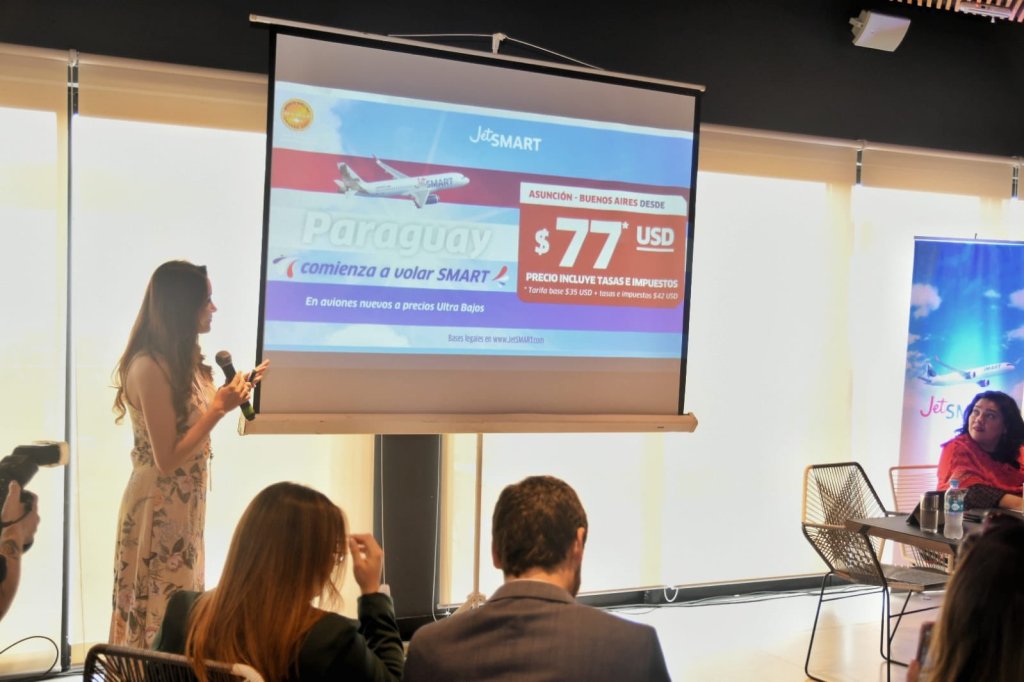
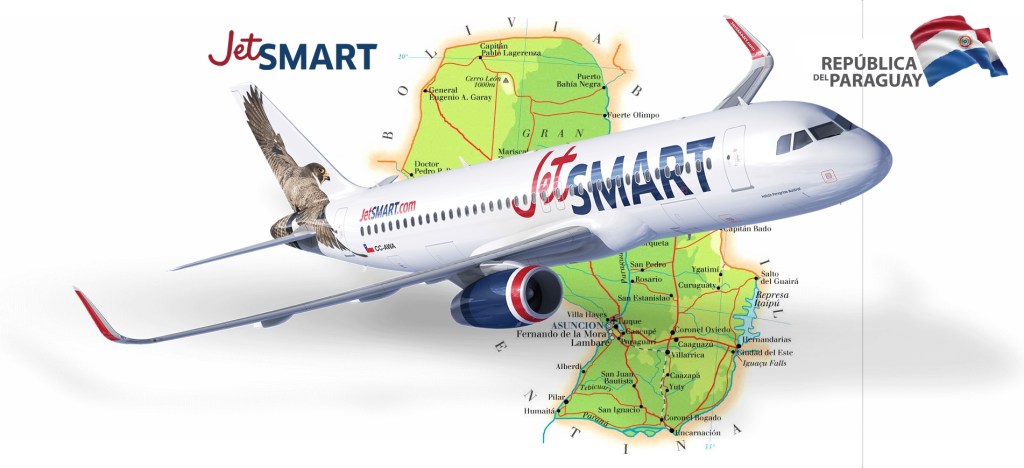
JetSmart Airlines Group ha anunciado el desembarco en la República del Paraguay comenzando sus operaciones a partir de Noviembre 2022. La línea aérea miembro del grupo del fondo de inversión estadounidense Indigo Partners, ha comunicado su arribo al país con tres vuelos semanales.
La compañía de presupuesto JetSmart Airlines Paraguay ha expresado en el comunicado que desarrollará vuelos desde su nueva base el Aeropuerto Internacional Asunción del Paraguay/Silvio Pettirossi/ASU hacia Buenos Aires/EZE, Argentina, con valores de los tickets que parten desde los US$ 77—US$ 112 por tramo, precios finales. JetSmart dijo que actualmente se encuentra disponible en la web la venta de los pasajes aéreos. JetSmart unirá estos dos destinos los días Martes, Jueves y Sábados contando con tres frecuencias semanales (3Frq/S). Actualmente, el medio de pago es por medio de tarjeta de crédito y débito.
El destino Paraguay se incorpora a la extensa red desarrollada en Sudamérica por parte de la aerolíneas de capitales estadounidense con el plan futuro de conectar 100 millones de personas hacia el año 2028. Con la presentación de esta nueva ruta, JetSmart incorpora a Paraguay a la lista de países conectados en la región, junto a Argentina, Brasil, Chile, Colombia, Perú y Uruguay, suma su ruta internacional número doce y completa una oferta de setenta rutas en toda Sudamérica.
“Poder llegar a Paraguay es un hito muy importante para nosotros porque refleja de muchas maneras nuestra forma de trabajar, nuestro progreso y la realización de nuestro propósito, que es contribuir a que más personas en Sudamérica puedan recorrer grandes distancias, en poco tiempo y de forma puntual, en aviones nuevos y seguros, a precios accesibles”, señala Estuardo Ortiz, CEO de JetSmart.
“Sabemos de la importancia que puede tener para los paraguayos poder contar con una propuesta como la de JetSmart para recorrer grandes distancias, en pocas horas y a precios accesibles, comenzando con la ruta hacia Buenos Aires, donde de ambos lados hay mucho vínculo familiar y de negocios, desarrollado a lo largo del tiempo”, explica Verónica Marambio, Gerente Comercial de Mercados Internacionales de JetSmart para rutas internacionales.
La aerolínea ha alcanzado en tan solo seis años una oferta importante en toda la región y continúa desarrollando una flota de aviones que le permite tener una operación eficiente para ofrecer precios accesibles a fin de que más gente pueda volar. “Actualmente demanda entre dieciocho y veinte horas viajar desde Asunción a Buenos Aires en auto. Con la propuesta que acercamos hoy, se podrá hacer en algo más de 2 horas, a precios accesibles y en aviones nuevos y seguros. Tenemos la capacidad de ofrecer vuelos a precios accesibles porque nuestra empresa ha sido diseñada desde el primer momento para tener bajos costos, ahorros que hacemos llegar al pasajero, en aviones nuevos y seguros. El pasajero paga solo por lo que necesita, para viajar de un punto A a un punto B, con el equipaje que necesita o simplemente con un pequeño bolso de mano”, expresó Verónica Marambio.
JetSmart Airlines Group
Fundada en 2016, JetSmart Airlines trabaja con la modalidad ultra bajo costo con operaciones domésticas en Chile y Argentina y desde este año 2022 ha incorporado Perú, con actualmente setenta rutas en toda Sudamérica con servicios a Brasil, Colombia, Paraguay y Uruguay, y habiendo transportado más de 12 millones de pasajeros hasta la fecha. La compañía cuenta con una flota combinada de Airbus A320CEO/NEO y A321NEO, siendo la aerolínea más confiable de Sudamérica y premiada como la mejor low cost en los Skytrax World Airline Awards.
JetSmart Airlines es parte del portafolio de aerolíneas del fondo estadounidense Indigo Partners. Otras aerolíneas pertenecientes al grupo son Frontier Airlines (Estados Unidos), WizzAir (Hungría), WizzAir Abu Dabi (Emiratos árabes Unidos), Volaris Airlines (México), Lynx Air (Canadá) y Cebu Pacific Air (Filipinas). Los clientes se benefician de una amplia red de rutas punto a punto, incluyendo varias rutas smart, que conectan ciudades secundarias en vuelos directos en la región y ofreciendo tarifas ultra-bajas. La firma es liderada por un equipo de trabajo de primer nivel, múltiples nacionalidades y muchos años de experiencia en el mercado aéreo nacional y mundial.
Indigo Partners es una firma de capital privado, enfocada en adquisiciones e inversiones estratégicas en la industria aérea y otras relacionadas. Indigo combina habilidades en administración con una exitosa experiencia en inversiones. La compañía, que está diseñada para reaccionar rápidamente a las oportunidades, fue fundada por Bill Frankie, quien tiene amplia experiencia en diversos sectores. Indigo Partners está basada en Phoenix, Arizona (AZ), Estados Unidos.
JetSmart lands in Paraguay
JetSmart lands in Paraguay with ultra low cost flights
JetSmart Airlines Group has announced the landing in the Republic of Paraguay beginning its operations from November 2022. The member airline of the group of the American investment fund Indigo Partners, has communicated its arrival in the country with three weekly flights.
The budget company JetSmart Airlines Paraguay has expressed in a statement that it will develop flights from its new base at the Asunción del Paraguay/Silvio Pettirossi/ASU International Airport to Buenos Aires/EZE, Argentina, with ticket prices starting at US$ 77—US$ 112 per section, final prices. JetSmart said that the sale of airline tickets is currently available on the web. JetSmart will connect these two destinations on Tuesdays, Thursdays and Saturdays with three weekly frequencies (3Frq/S). Currently, the means of payment is by credit and debit card.
The destination Paraguay joins the extensive network developed in South America by US capital airlines with the future plan of connecting 100 million people by the year 2028. With the presentation of this new route, JetSmart adds Paraguay to the list of connected countries in the region, together with Argentina, Brazil, Chile, Colombia, Peru and Uruguay, adds its international route number twelve and completes an offer of seventy routes throughout South America.
“Being able to arrive in Paraguay is a very important milestone for us because it reflects in many ways our way of working, our progress and the realization of our purpose, which is to help more people in South America to be able to travel great distances, in a short time and in a safe way. punctually, in new and safe planes, at affordable prices”, says Estuardo Ortiz, CEO of JetSmart.
“We know how important it can be for Paraguayans to have a proposal like JetSmart’s to travel long distances, in a few hours and at affordable prices, starting with the route to Buenos Aires, where there is a lot of family and social ties on both sides. business, developed over time”, explains Verónica Marambio, Commercial Manager of International Markets at JetSmart for international routes.
In just six years, the airline has reached an important offer throughout the region and continues to develop a fleet of aircraft that allows it to have an efficient operation to offer affordable prices so that more people can fly. “Currently it takes between eighteen and twenty hours to travel from Asunción to Buenos Aires by car. With the proposal that we present today, it can be done in just over 2 hours, at affordable prices and in new and safe planes. We have the ability to offer flights at affordable prices because our company has been designed from the outset to have low costs, savings that we pass on to the passenger, on new and safe planes. The passenger pays only for what he needs, to travel from point A to point B, with the luggage he needs or simply with a small handbag”, said Verónica Marambio.
JetSmart Airlines Group
Founded in 2016, JetSmart Airlines works with the ultra low cost modality with domestic operations in Chile and Argentina and since this year 2022 it has incorporated Peru, with currently seventy routes throughout South America with services to Brazil, Colombia, Paraguay and Uruguay, and having transported more than 12 million passengers to date. The company has an agreed fleet of Airbus A320CEO/NEO and A321NEO, being the most reliable airline in South America and awarded as the best low cost in the Skytrax World Airline Awards.
JetSmart Airlines is part of the airline portfolio of the US fund Indigo Partners. Other airlines belonging to the group are Frontier Airlines (United States), WizzAir (Hungary), WizzAir Abu Dhabi (United Arab Emirates), Volaris Airlines (Mexico), Lynx Air (Canada) and Cebu Pacific Air (Philippines). Customers benefit from an extensive network of point-to-point routes, including several smart routes, connecting secondary cities on direct flights in the region and offering ultra-low fares. The firm is led by a top-level work team, multiple nationalities and many years of experience in the national and global air market.
Indigo Partners is a private equity firm focused on acquisitions and strategic investments in the airline and related industries. Indigo combines management skills with successful investment experience. The company, which is designed to react quickly to opportunities, was founded by Bill Frankie, who has extensive experience in various industries. Indigo Partners is based in Phoenix, Arizona (AZ), United States.
PUBLISHER: Airgways.com DBk: Jetsmart.com / Airgways.com AW-POST: 202208181238AR OWNERSHIP: Airgways Inc. A\W A I R G W A Y S ®
Desaparición aerolínea deja a Chad sin aerolínea nacional
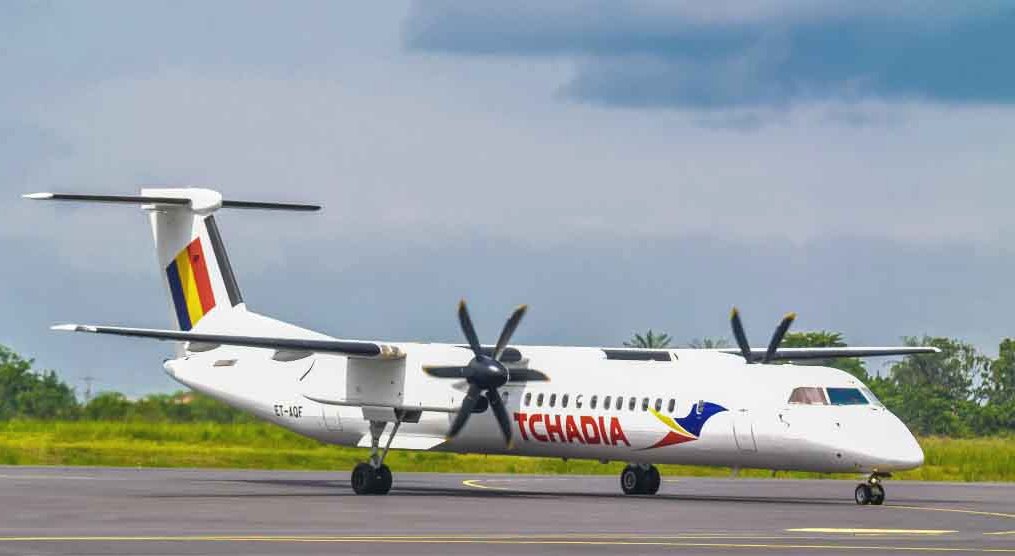
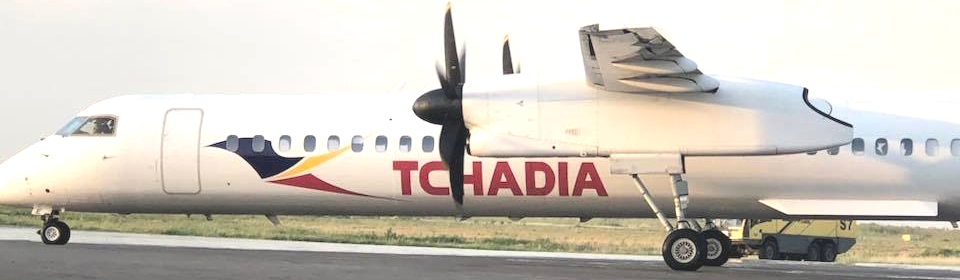
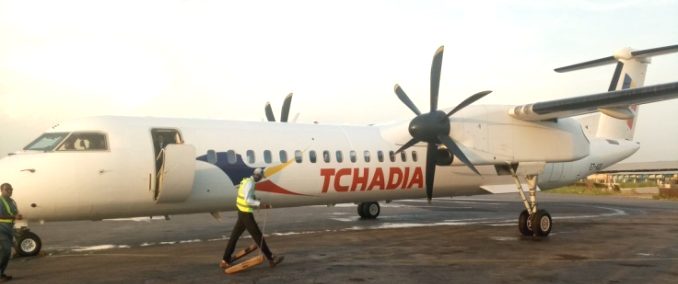
Tchadia Airlines de la República de Chad, localizada en el centro de África, ha sido puesta en liquidación, después de tres años consecutivos de pérdidas financieras. La compañía posee base en el Aeropuerto Internacional Yamena en Yamena, Chad, representada como aerolínea nacional. La medida fue decidida por los accionistas después de la asamblea general en Julio 2022, y ante la falta de apoyo financiero, la perspectiva de recuperación era sombría, decidiendo declarar la quiebra de la aerolínea.
Tras los impactos de la crisis sanitaria y la supresión de los vuelos comerciales, el impulso por volver a volar ha truncado las esperanzas de la línea aérea de Chad. Aunque en muchas rutas no poseía competencia, Tchadia Airlines afrontaba un pasivo que ha hecho imposible sobrevivir a las consecuencias de la pandemia.
Tchadia Airlines fue fundada como parte de un acuerdo entre el Gobierno de Chad y Ethiopian Airlines. La aerolínea, con sede en Yamena, fue fundada en 2018 como parte de un acuerdo entre el Gobierno de Chad y Ethiopian Airlines. Iniciaba sus operaciones comerciales el 1 de Octubre de 2018. Actualmente empleaba dos (2) aviones Bombardier Dash 8-Q400 incluyendo los destinos Douala, Jartum y Niamey. La compañía poseía planes para expandir su flota con aeronaves Boeing 737 Next Generation y ampliar servicios a rutas más lejanas.
Tchadia Airlines era el único operador en muchas rutas regionales, mientras que las comunidades locales y las empresas serán las más afectadas por la reducción de las conexiones desde el Aeropuerto Internacional de Yamena y la falta de conectividad en muchos destinos servidos anteriormente por la aerolínea de Chad.
Tchadia files for bankruptcy
Vanishing airline leaves Chad without national carrier
Tchadia Airlines of the Republic of Chad, located in central Africa, has been put into liquidation, after three consecutive years of financial losses. The company is based at N’Djamena International Airport in N’Djamena, Chad, represented as the national airline. The measure was decided by the shareholders after the general meeting in July 2022, and in the absence of financial support, the prospect of recovery was bleak, deciding to declare the airline bankrupt.
Following the impacts of the health crisis and the abolition of commercial flights, the push to return to flying has dashed the hopes of the Chadian airline. Although there was no competition on many routes, Tchadia Airlines faced a liability that has made it impossible to survive the consequences of the pandemic.
Tchadia Airlines was founded as part of an agreement between the Government of Chad and Ethiopian Airlines. The N’Djamena-based airline was founded in 2018 as part of an agreement between the Chadian government and Ethiopian Airlines. It began its commercial operations on October 1, 2018. It currently used two (2) Bombardier Dash 8-Q400 aircraft including the destinations Douala, Khartoum and Niamey. The company had plans to expand its fleet with Boeing 737 Next Generation aircraft and expand services to more distant routes.
Tchadia Airlines was the sole operator on many regional routes, while local communities and businesses will bear the brunt of reduced connections from N’Djamena International Airport and lack of connectivity in many destinations previously served by the Chadian airline.
Tchadia dépose le bilan
Aérienne disparue quitte le Tchad sans transporteur national
Tchadia Airlines de la République du Tchad, située en Afrique centrale, a été mise en liquidation, après trois années consécutives de pertes financières. La société est basée à l’aéroport international de N’Djamena à N’Djamena, au Tchad, représentée comme la compagnie aérienne nationale. La mesure a été décidée par les actionnaires après l’assemblée générale de juillet 2022, et en l’absence de soutien financier, les perspectives de reprise étaient sombres, décidant de déclarer la compagnie aérienne en faillite.
Suite aux impacts de la crise sanitaire et à la suppression des vols commerciaux, la poussée du retour à l’aviation a anéanti les espoirs de la compagnie aérienne tchadienne. Bien qu’il n’y ait pas eu de concurrence sur de nombreuses liaisons, Tchadia Airlines était confrontée à un passif qui l’a empêché de survivre aux conséquences de la pandémie.
Tchadia Airlines a été fondée dans le cadre d’un accord entre le gouvernement du Tchad et Ethiopian Airlines. La compagnie aérienne basée à N’Djamena a été fondée en 2018 dans le cadre d’un accord entre le gouvernement tchadien et Ethiopian Airlines. Elle a débuté ses opérations commerciales le 1er octobre 2018. Elle utilisait actuellement deux (2) avions Bombardier Dash 8-Q400 incluant les destinations Douala, Khartoum et Niamey. La société prévoyait d’étendre sa flotte avec des Boeing 737 Next Generation et d’étendre ses services à des routes plus éloignées.
Tchadia Airlines était le seul opérateur sur de nombreuses routes régionales, tandis que les communautés et les entreprises locales subiront le poids de la réduction des connexions depuis l’aéroport international de N’Djamena et du manque de connectivité dans de nombreuses destinations précédemment desservies par la compagnie aérienne tchadienne.
PUBLISHER: Airgways.com DBk: Tchadianairlines.com / Airgways.com AW-POST: 202208091050AR OWNERSHIP: Airgways Inc. A\W A I R G W A Y S ®
Etihad Airways amplía sus operaciones de carga con A350F
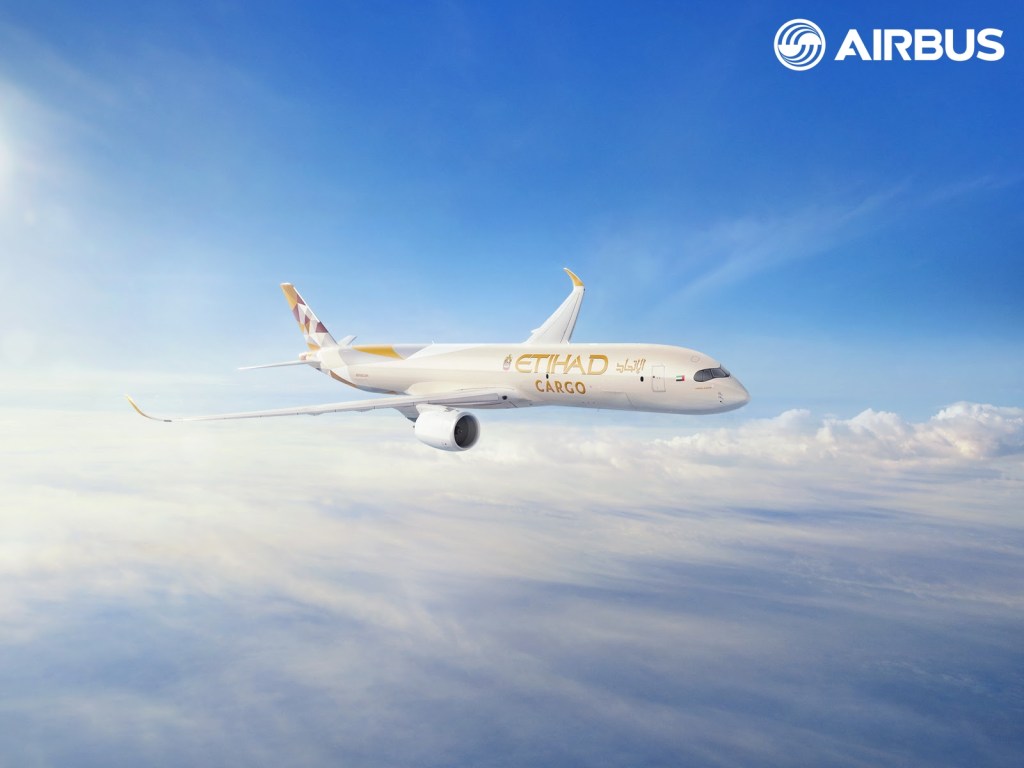
La aerolínea de los Emiratos Árabes Unidos, Etihad Airways, ha confirmado su pedido el 3 de Agoto de 2022 a Airbus Group de siete cargueros Airbus A350F (7) de nueva generación, tras su compromiso anterior anunciado en el Salón Aeronáutico de Singapur. Los cargueros mejorarán la capacidad de carga de Etihad mediante el despliegue de los aviones de carga más eficientes disponibles en el mercado. Con este pedido del A350F, la aerolínea amplía su relación con Airbus y se suma a su pedido existente de la versión de pasajeros más grande del A350-1000, cinco de los cuales actualmente se han entregado.
Tony Douglas, Director Ejecutivo del Grupo Etihad Aviation Group, dijo: “Al construir una de las flotas más jóvenes y sostenibles del mundo, estamos encantados de ampliar nuestra asociación a largo plazo con Airbus para agregar el A350 Freighter a nuestra flota. Esta capacidad de carga adicional respaldará el crecimiento sin precedentes que estamos experimentando en la división Etihad Cargo. Airbus ha desarrollado un notable avión de bajo consumo de combustible que, junto con el A350-1000 de nuestra flota de pasajeros, respalda nuestro compromiso de alcanzar cero emisiones netas de carbono para 2050”.
“Airbus se complace en ampliar su asociación de larga data con Etihad Airways, que recientemente presentó los servicios de pasajeros del A350 y continúa ampliando la familia con la revolucionaria versión de carga, el A350F. Este gran carguero de nueva generación brinda beneficios sin precedentes e inigualables en términos de alcance, eficiencia de combustible y ahorro de CO₂, que respaldan a los clientes al mejorar la eficiencia operativa al mismo tiempo que reducen el impacto ambiental”, dijo Christian Scherer, Director Comercial y Jefe de Airbus Internacional.
Etihad Airways también ha firmado un acuerdo a largo plazo para los Servicios de Horas de Vuelo (FHS) de Airbus para respaldar toda su flota A350, mantener el rendimiento de la aeronave y optimizar la confiabilidad. Esto marca el primer acuerdo para un contrato FHS de Airbus para una flota de A350 en Oriente Medio. Por otra parte, Etihad también optó por Skywise Health Monitoring de Airbus, lo que permite a la aerolínea acceder a la gestión en tiempo real de los eventos de la aeronave y la resolución de problemas, ahorrando tiempo y disminuyendo el costo del mantenimiento no programado.
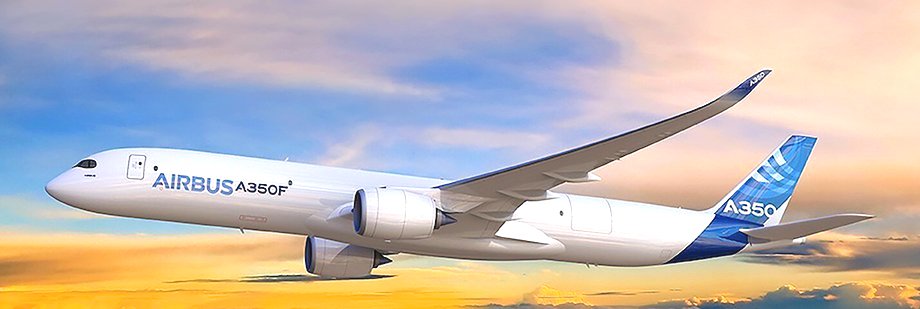
Como parte de la familia de largo alcance más moderna del mundo, el A350F ofrece un alto nivel de similitud con las versiones de pasajeros del A350. Con una capacidad de carga útil de 109 toneladas, el A350F puede servir a todos los mercados de carga. El avión cuenta con una gran puerta de carga en la cubierta principal, con una longitud de fuselaje y una capacidad optimizadas para los palets y contenedores estándar de la industria.
Más del 70 % de la estructura del avión del A350F está fabricado con materiales avanzados, lo que da como resultado un peso de despegue 30 toneladas más ligero y genera al menos un 20 % menos de consumo de combustible y emisiones que su competidor más cercano actual. El A350F cumple totalmente con los estándares mejorados de emisiones de CO₂ de la OACI que entrarán en vigencia en 2027. Incluyendo el compromiso de la orden del 03/08, el A350F ha obtenido 31 pedidos en firme de seis clientes.
El A350F cumple con la ola inminente de reemplazos de grandes cargueros y los requisitos ambientales en evolución, dando forma al futuro del transporte aéreo. El A350F estará propulsado por la última tecnología, motores Rolls-Royce Trent XWB-97 de bajo consumo de combustible.
Etihad orders seven A350Fs
Etihad Airways expands its cargo operations with A350F
The United Arab Emirates airline, Etihad Airways, has confirmed its order on 3 August 2022 from Airbus Group for seven new generation Airbus A350F (7) freighters, following its previous commitment announced at the Singapore Air Show. The freighters will enhance Etihad’s cargo capacity by deploying the most efficient cargo aircraft available on the market. With this A350F order, the airline expands its relationship with Airbus and adds to its existing order for the larger passenger version of the A350-1000, five of which have currently been delivered.
Tony Douglas, Group Chief Executive Officer of Etihad Aviation Group, said: “By building one of the youngest and most sustainable fleets in the world, we are delighted to extend our long-term partnership with Airbus to add the A350 Freighter to our fleet. This additional cargo capacity will support the unprecedented growth we are experiencing in the Etihad Cargo division. Airbus has developed a remarkable fuel-efficient aircraft that, together with the A350-1000 in our passenger fleet, supports our commitment to achieve net zero carbon emissions by 2050”.
“Airbus is pleased to extend its long-standing partnership with Etihad Airways, which recently introduced A350 passenger services and continues to expand the family with the revolutionary freighter version, the A350F. This next-generation large freighter provides unprecedented and unmatched benefits in terms of range, fuel efficiency and CO₂ savings, supporting customers by improving operational efficiency while reducing environmental impact”, said Christian Scherer, Director Commercial and Head of Airbus International.
Etihad Airways has also signed a long-term agreement for Airbus Flight Hours Services (FHS) to support its entire A350 fleet, maintain aircraft performance and optimize reliability. This marks the first agreement for an Airbus FHS contract for an A350 fleet in the Middle East. Furthermore, Etihad also opted for Airbus’ Skywise Health Monitoring, which allows the airline to access real-time management of aircraft events and troubleshooting, saving time and lowering the cost of unscheduled maintenance.
As part of the world’s most modern long-haul family, the A350F offers a high level of similarity to passenger versions of the A350. With a payload capacity of 109 tonnes, the A350F can serve all cargo markets. The aircraft features a large cargo door on the main deck, with fuselage length and capacity optimized for industry-standard pallets and containers.
More than 70% of the A350F airframe is made from advanced materials, resulting in a 30-tonne lighter takeoff weight and generating at least 20% less fuel burn and emissions than its current closest competitor. The A350F is fully compliant with ICAO’s enhanced CO₂ emission standards that will come into effect in 2027. Including the 03/08 order commitment, the A350F has secured 31 firm orders from six customers.
The A350F meets the looming wave of large freighter replacements and evolving environmental requirements, shaping the future of air transport. The A350F will be powered by the latest technology, fuel-efficient Rolls-Royce Trent XWB-97 engines.
PUBLISHER: Airgways.com DBk: Airbus.com / Etihad.com / Airgways.com AW-POST: 202207031005AR OWNERSHIP: Airgways Inc. A\W A I R G W A Y S ®
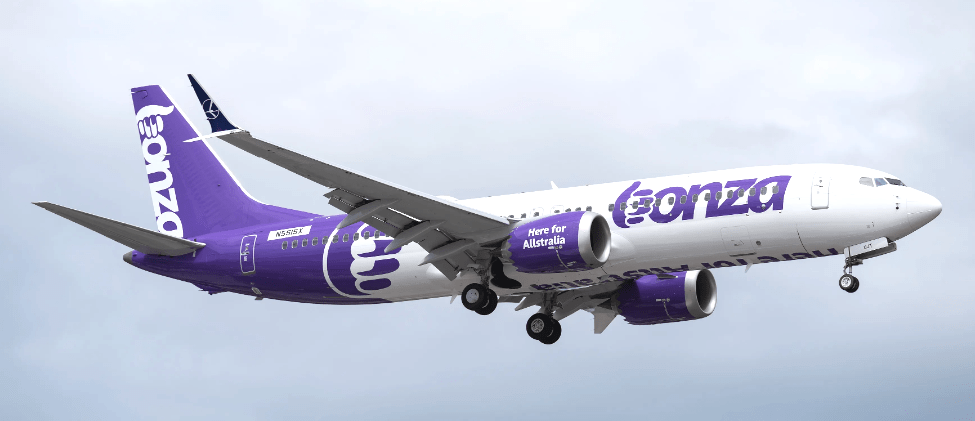
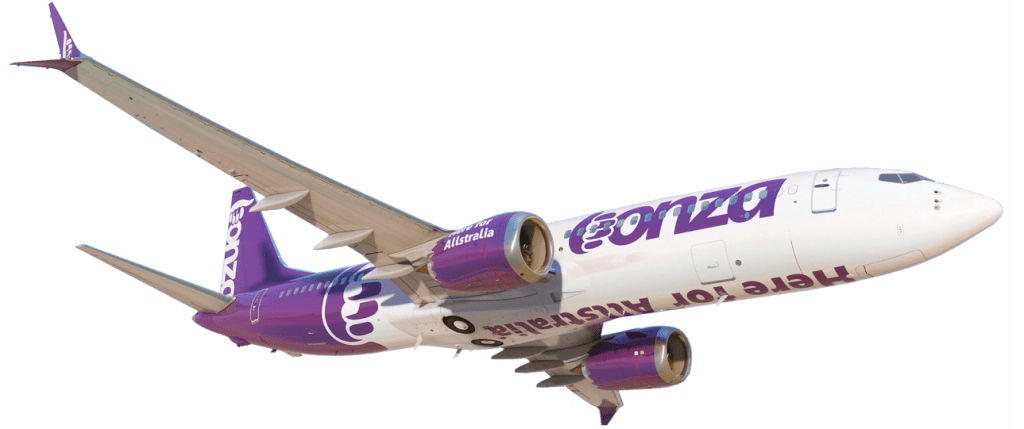
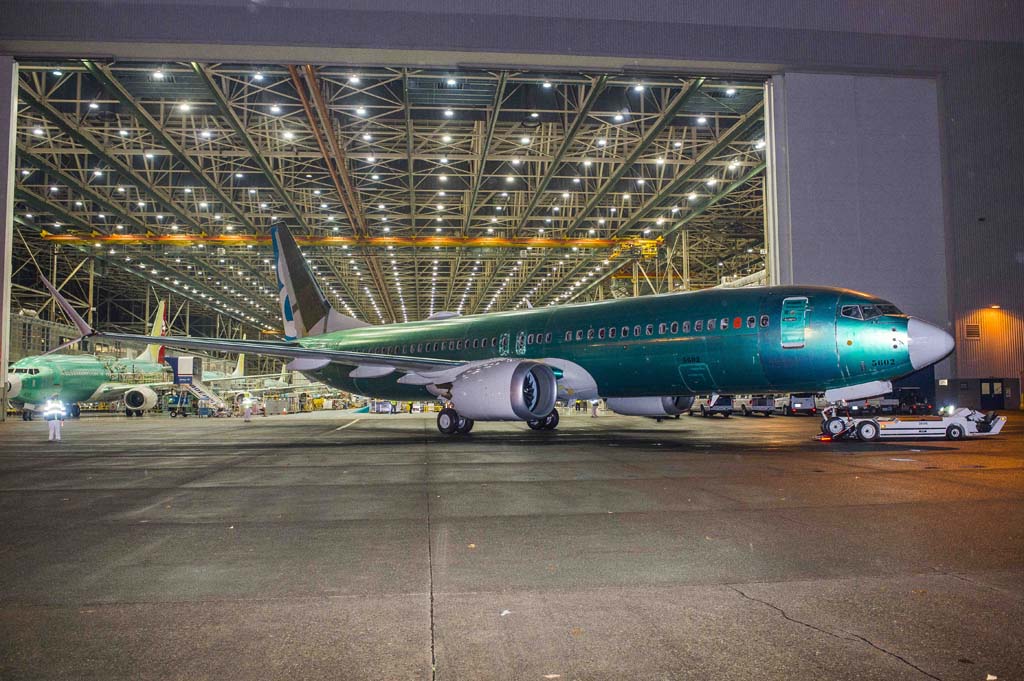
The Boeing Company ha entregado el primer Boeing 737-8 MAX a la aerolínea low cost australiana Bonza, una nueva línea aérea que se convierte en la primera aerolínea de Australia en volar el nuevo 737 MAX. El Lunes 01/08, la compañía realizó una ceremonia de llegada para conmemorar el hito y dar la bienvenida al avión a su base de Sunshine Coast. “Estamos más que emocionados de dar la bienvenida a nuestro primer 737 MAX al aeropuerto Sunshine Coast y, con tanto alboroto en todo el país por Bonza, esperamos que el día de hoy también sea emocionante para las comunidades a las que volaremos”, dijo Tim Jordan, Director Ejecutivo de Bonza.
“Este es un gran hito para Bonza y Boeing, ya que la aerolínea se une a muchos operadores de todo el mundo que han lanzado el servicio con el 737 MAX”, dijo Christy Reese, Vicepresidenta de Ventas Comerciales y Marketing de Asia Pacífico de Boeing Commercial Airplanes.
El 737-8 MAX permitirá a Bonza optimizar sus operaciones domésticas, mientras reduce el uso de combustible y las emisiones de carbono en un 20%. Bonza se ha comprometido a agregar siete aviones Boeing 737-8 MAX (7) a su flota dentro de su primer año de operación. La aerolínea está trabajando arduamente para comenzar los vuelos tan pronto como a fines de septiembre, sujeto a la aprobación regulatoria. La aerolínea también lanzó un concurso a nivel nacional en las plataformas de redes sociales para pedir a los lugareños que ayuden a nombrar sus aviones.
Bonza acquires 1st Boeing 737 MAX
Australian Bonza takes delivery of its first Boeing 737 MAX
The Boeing Company has delivered the first Boeing 737-8 MAX to Australian low-cost airline Bonza, a new airline that becomes the first airline in Australia to fly the new 737 MAX. On Monday 08/01, the company held an arrival ceremony to commemorate the milestone and welcome the aircraft to its Sunshine Coast base. “We are beyond excited to welcome our first 737 MAX to Sunshine Coast Airport and with so much buzz around the country over Bonza, we hope today will also be an exciting day for the communities we will be flying to”, said Tim. Jordan, CEO of Bonza.
“This is a huge milestone for Bonza and Boeing as the airline joins many carriers around the world that have launched service with the 737 MAX”, said Christy Reese, vice president of Boeing Asia Pacific Commercial Sales and Marketing. Commercial Airplanes.
The 737-8 MAX will allow Bonza to streamline its domestic operations, while reducing fuel use and carbon emissions by 20%. Bonza has committed to adding seven Boeing 737-8 MAX (7) aircraft to its fleet within its first year of operation. The airline is working hard to start flights as soon as the end of September, subject to regulatory approval. The airline has also launched a nationwide contest on social media platforms to ask locals to help name their planes.
PUBLISHER: Airgways.com DBk: Boeing.com / Flybonza.com / Airgways.com AW-POST: 202208011725AR OWNERSHIP: Airgways Inc. A\W A I R G W A Y S ®
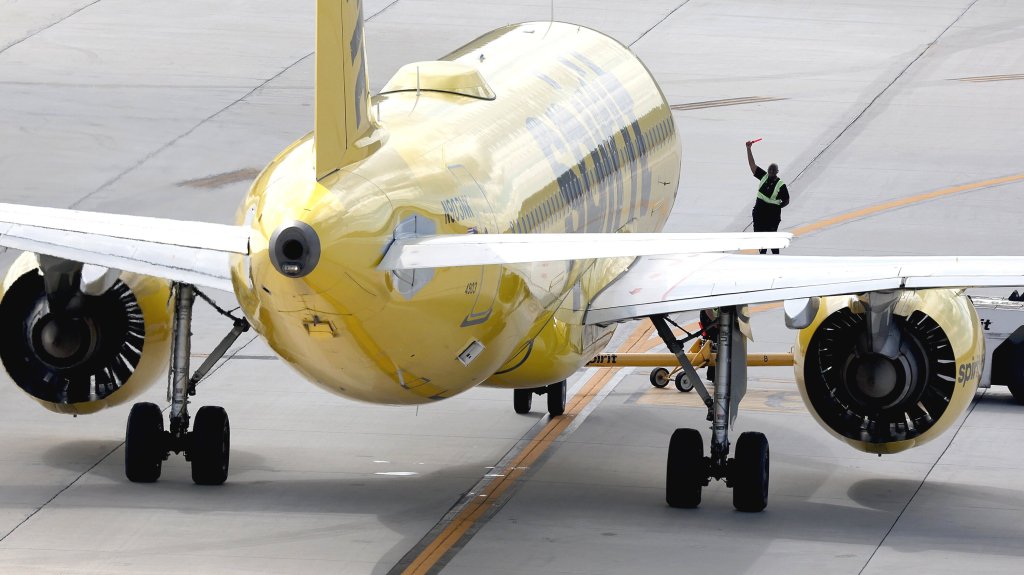
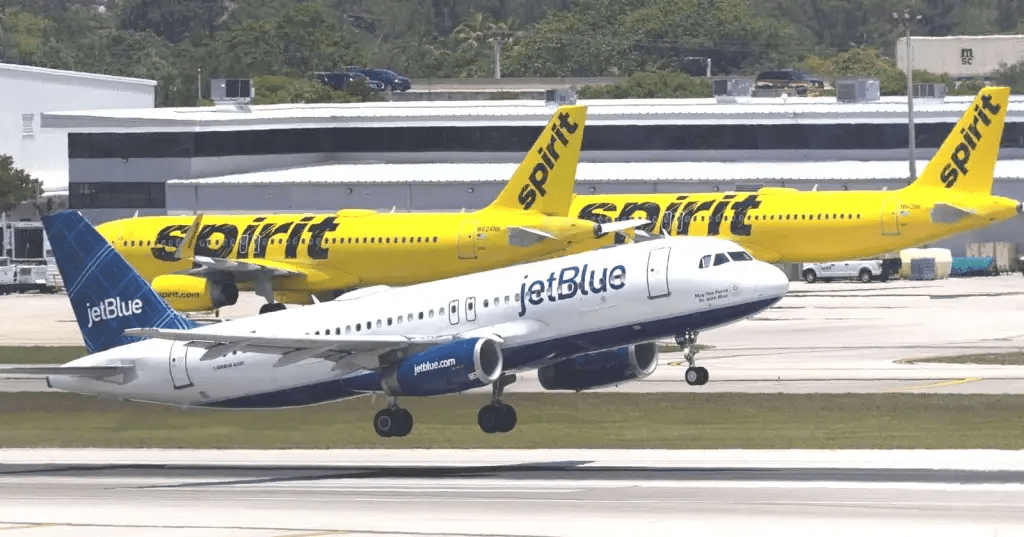
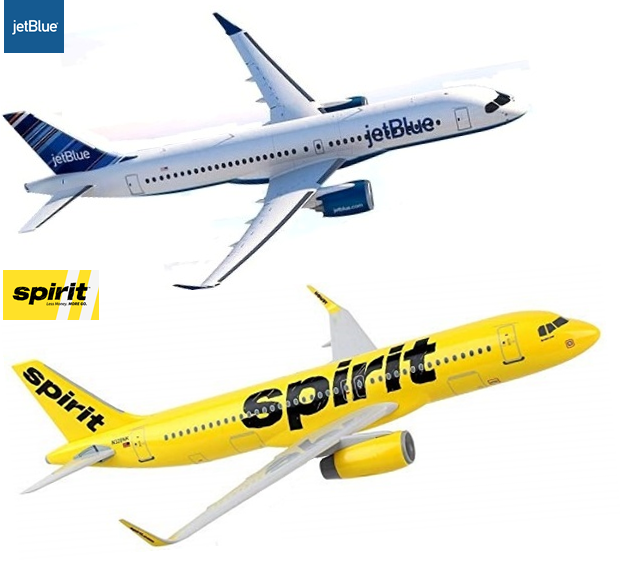
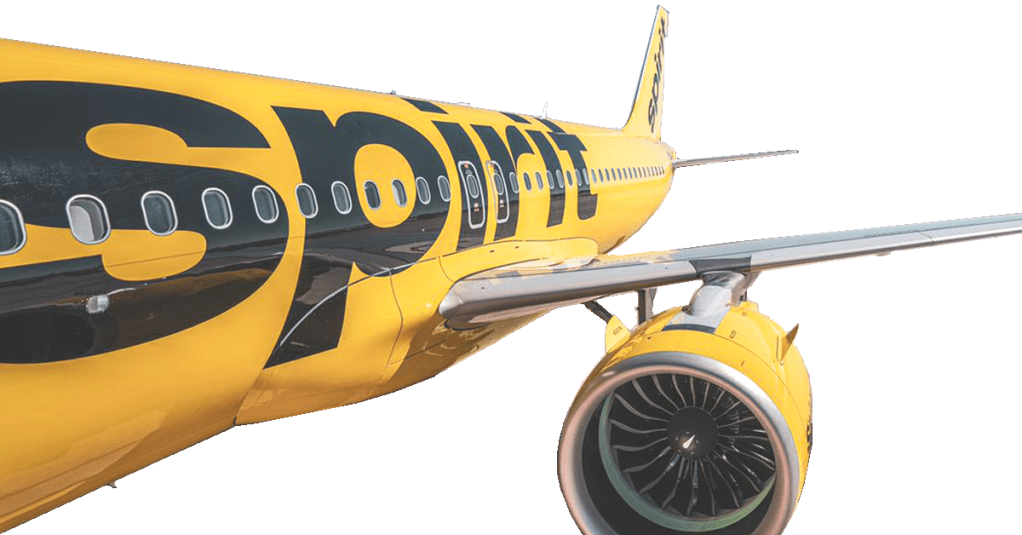
JetBlue Airways anunció el Jueves 28/07 que compraría Spirit Airlines, una combinación que crearía la quinta aerolínea más grande de Estados Unidos. El anuncio se produce un día después de que Spirit cancelara un acuerdo para fusionarse con Frontier Airlines.
La aerolínea de presupuesto JetBlue Airways había estado buscando una oferta hostil para la adquisición de Spirit Airlines, con sede en Miramar, Florida (FL), incluso cuando Spirit buscaba la aprobación de los accionistas para un acuerdo de menor precio con Frontier Airlines. La aerolínea del Estado de Florida había expresado continuamente su preocupación sobre si los reguladores aprobarían un acuerdo con JetBlue, pero los accionistas se habían negado a aceptar la oferta en efectivo y acciones menos valiosa de Frontier cuando tenían la oferta en efectivo de JetBlue sobre la mesa.
El CEO de JetBlue, Robin Hayes, dijo que el acuerdo será fructífero para los inversionistas y los pasajeros. «Estamos entusiasmados de ofrecer esta combinación convincente que impulsa nuestro crecimiento estratégico, lo que permite a JetBlue llevar nuestra combinación única de tarifas bajas y un servicio excepcional a más clientes, en más rutas», expresó el máximo directivo en un comunicado.
Mercado low cost
Los expertos de la industria de la aviación han dicho que el acuerdo podría conducir a tarifas más altas en toda la industria. Un acuerdo Frontier-Spirit, por el contrario, habría unido a dos aerolíneas que tienen tarifas base muy bajas. Ninguna aerolínea tiene asientos en primera clase o clase ejecutiva. La presencia de Spirit o Frontier en una ruta generalmente obliga a las aerolíneas más grandes, como American Airlines, United Airlines y Delta Air Lines, a ofrecer más asientos con su tarifa económica básica similar. JetBlue puede argumentar que cobra menos que los operadores de red más grandes, pero sus tarifas aéreas son más altas que las de Spirit y Frontier. JetBlue planea reconfigurar los aviones Spirit si adquiere la aerolínea para agregar asientos de primera clase.
Escrutinio antimonopolio
«Spirit y Frontier juegan un papel importante en la tarifa que paga, incluso si nunca vuela en ninguno de los dos. Cuando Delta anunció la tarifa económica básica en 2012, se la describieron a los inversionistas como una ‘tarifa equivalente’, porque las aerolíneas de bajo costo del mundo se estaban comiendo su almuerzo. No soy partidario de ninguna de las dos fusiones, pero me gusta aún menos la opción de JetBlue», dijo Scott Keyes, fundador de Scott’s Cheap Vuelos, un sitio web que ayuda a los pasajeros a encontrar tarifas más baratas. Por esa razón, es posible que el acuerdo de JetBlue por Spirit enfrente un fuerte escrutinio antimonopolio por parte del Departamento de Justicia (DOJ) de Estados Unidos, particularmente si el Departamento de Justicia considera que la adquisición es dañina para los consumidores.
El acuerdo JetBlue-Spirit propuesto es más pequeño que muchas fusiones de aerolíneas de las últimas décadas, que convirtieron a las diez aerolíneas más grandes estadounidenses en cuatro mega-operadores que controlan el 80% del tráfico aéreo del país. Pero la Administración Biden ha adoptado una postura mucho más agresiva en cuestiones de leyes antimonopolio y prometió promover una mayor competencia dentro de la industria de las aerolíneas. El Departamento de Justicia presentó una demanda para bloquear una alianza entre American y JetBlue que permite a cada aerolínea reservar pasajeros en los vuelos de la otra. Spirit señaló esa acción legal cuando argumentó que un acuerdo con JetBlue no obtendría la aprobación necesaria. Pero esas dudas sobre un acuerdo con JetBlue Airways no se encontraron en los comentarios de Spirit el Jueves 28/07.
«Estamos encantados de unirnos a JetBlue a través de nuestro acuerdo mejorado para crear el retador nacional de tarifas bajas más convincente para las aerolíneas estadounidenses dominantes», dijo el Director Ejecutivo de Spirit Airlines, Ted Christie.
En una entrevista el Jueves 28/07, Ted Christie fue presionado por las críticas que tuvo sobre la oferta de JetBlue en el pasado y sus dudas sobre la aprobación del acuerdo por parte de los reguladores. «Hemos aprendido mucho en los últimos meses. Tienen una estrategia agresiva para cerrar este trato. Estaremos a su lado asegurándonos de que suceda, porque es bueno para nuestro grupo. Parte de la narrativa es que esto va a crear un gran competidor nacional a los cuatro grandes».
El CEO de JetBlue Airways, Robin Hayes, dijo que el mejor argumento para los reguladores es que este acuerdo proporcionará otra importante aerolínea nacional y creará más competencia, no menos. “Estamos enfocados en cerrar este trato. Estamos enfocados en traer más aviones, ofrecer tarifas más bajas y un gran producto a los clientes en más geografías de lo que JetBlue o Spirit podrían hacer por sí solos».
Si bien a los pasajeros les pueden gustar las tarifas bajas ofrecidas en Spirit y Frontier, por lo general no les gustó el servicio. Spirit tuvo, con mucho, el mayor número de quejas de pasajeros en 2021, con 11,45 quejas por cada 100.000 pasajeros, según el Departamento de Transporte (DOT) de Estados Unidos, JetBlue tuvo la segunda mayor cantidad de quejas sobre esa base con 6.38, mientras que Frontier ocupó el tercer lugar con 5.78. Frontier tuvo, por mucho, la peor tasa de quejas en 2020, cuando registró 49,31 quejas por cada 100.000 clientes.
Acuerdo JetBlue-Spirit
El acuerdo anunciado el Jueves 28/07 pagaría a los accionistas de Spirit US$ 33,50 por acción en efectivo, incluido un pago anticipado de US$ 2,50 por acción en efectivo pagadero con la aprobación de la transacción por parte de los accionistas de Spirit, incluso antes de que se cierre el trato. JetBlue pagará a los accionistas de Spirit ¢ 10 Centavos adicionales al mes por cualquier retraso en el cierre después de Diciembre 2022, lo que podría elevar el precio a US$ 34.15 por acción. En caso de que los reguladores bloquean el acuerdo, JetBlue le pagará a Spirit US$ 70 millones y sus accionistas obtendrán US$ 400 millones adicionales. Spirit tendrá que pagar a Frontier US$ 25 millones para cubrir los costos en los que incurrió Frontier durante las discusiones de fusión. Si JetBlue puede cerrar su trato por Spirit dentro de los próximos doce meses, Spirit le deberá a Frontier US$ 69 millones adicionales.
El Miércoles 27/07 por la noche, cuando finalizó su acuerdo con Spirit, Frontier expresó su pesar, pero prometió que podrá crecer incluso sin una fusión. “Con JetBlue buscando convertir a Spirit Airlines en una aerolínea de alto costo, Frontier será inigualable como líder de ultra bajo costo”, dijo en su mensaje después de conocer la noticia de compra de Spirit Airlines por parte de JetBlue Airways. Si JetBlue cierra el trato este año a US$ 33.50, será una prima del 38% sobre el precio de cierre de Spirit el Miércoles 27/07 y alrededor de US$ 1 mil millones más de lo que valía la oferta de Frontier. Las acciones de Spirit Airlines subieron un 4% en las operaciones previas a la comercialización en las noticias, mientras que las acciones de JetBlue Airways ganaron un 1%. Las acciones de Frontier Airlines no mostraron casi variaciones.
JetBlue agrees to buy Spirit
Spirit announces its sale to JetBlue Airways
JetBlue Airways announced on Thursday 07/28 that it would buy Spirit Airlines, a combination that would create the fifth largest airline in the United States. The announcement comes a day after Spirit canceled a deal to merge with Frontier Airlines.
Budget airline JetBlue Airways had been seeking a hostile takeover bid for Miramar, Florida (FL)-based Spirit Airlines, even as Spirit sought shareholder approval for a lower-priced deal with Frontier Airlines. The Florida state carrier had continually raised concerns about whether regulators would approve a deal with JetBlue, but shareholders had refused to accept Frontier’s less valuable cash-and-stock offer when they had JetBlue’s cash offer on the table.
JetBlue CEO Robin Hayes said the deal will pay off for investors and passengers. «We are excited to deliver this compelling combination that drives our strategic growth, enabling JetBlue to bring our unique combination of low fares and exceptional service to more customers, on more routes», he said in a statement.
Low-cost market
Aviation industry insiders have said the deal could lead to higher fares across the industry. A Frontier-Spirit deal, by contrast, would have brought together two airlines that have very low base fares. No airline has seats in first or business class. The presence of Spirit or Frontier on a route typically forces larger carriers like American Airlines, United Airlines and Delta Air Lines to offer more seats at their similar base economy fare. JetBlue may argue that it charges less than the larger network carriers, but its airfares are higher than those of Spirit and Frontier. JetBlue plans to reconfigure Spirit planes if it acquires the airline to add first-class seats.
Antitrust scrutiny
«Spirit and Frontier play a big role in the fare you pay, even if you never fly on either. When Delta announced the base economy fare in 2012, they described it to investors as an ‘equivalent fare,’ because airlines The world’s low-cost airlines were eating their lunch. I’m not a fan of either merger, but I like the JetBlue option even less», said Scott Keyes, founder of Scott’s Cheap Flights, a website that helps passengers find cheaper rates. For that reason, the JetBlue-for-Spirit deal is likely to face heavy antitrust scrutiny from the US Department of Justice (DOJ), particularly if the DOJ deems the acquisition harmful to consumers.
The proposed JetBlue-Spirit deal is smaller than many airline mergers in recent decades, which turned the 10 largest US carriers into four mega-carriers that control 80% of the country’s air traffic. But the Biden administration has taken a much more aggressive stance on antitrust issues and promised to promote more competition within the airline industry. The Justice Department has sued to block an alliance between American and JetBlue that allows each airline to book passengers on the other’s flights. Spirit pointed to that legal action when it argued that a deal with JetBlue would not get the necessary approval. But those doubts about a deal with JetBlue Airways were not found in Spirit’s comments on Thursday 07/28.
«We are delighted to join JetBlue through our enhanced agreement to create the most compelling domestic low-fare challenger to America’s dominant carriers», said CEO of Spirit Airlines, Ted Christie.
In an interview on Thursday 07/28, Ted Christie was pressed by the criticism he had about the JetBlue offer in the past and his doubts about the approval of the agreement by the regulators. «We’ve learned a lot in the last few months. They have an aggressive strategy to get this deal done. We’ll be by their side making sure it happens, because it’s good for our group. Part of the narrative is that this is going to create a huge national competitor to the big four».
JetBlue Airways CEO Robin Hayes said the best argument for regulators is that this deal will provide another major national carrier and create more competition, not less. “We are focused on closing this deal. We’re focused on bringing more planes, lower fares and a great product to customers in more geographies than JetBlue or Spirit could do alone».
While passengers may like the low fares offered on Spirit and Frontier, they generally disliked the service. Spirit had by far the highest number of passenger complaints in 2021, with 11.45 complaints per 100,000 passengers, according to the US Department of Transportation (DOT), JetBlue had the second-most complaints on that basis with 6.38, while Frontier ranked third at 5.78. Frontier had by far the worst complaint rate in 2020, when it recorded 49.31 complaints per 100,000 customers.
JetBlue-Spirit agreement
The agreement announced on Thursday 07/28 would pay Spirit shareholders US$ 33.50 per share in cash, including an advance payment of US$ 2.50 per share in cash payable upon shareholder approval of the transaction. from Spirit, even before the deal closes. JetBlue will pay Spirit shareholders an additional ¢10 cents a month for any delay in closing after December 2022, which could push the price up to US$ 34.15 per share. If regulators block the deal, JetBlue will pay Spirit US$ 70 million and its shareholders will get an additional US$ 400 million. Spirit will have to pay Frontier US$ 25 million to cover costs Frontier incurred during merger discussions. If JetBlue can close its deal for Spirit within the next twelve months, Spirit will owe Frontier an additional US$ 69 million.
On Wednesday night 7/27, when its deal with Spirit ended, Frontier expressed regret, but promised it will be able to grow even without a merger. «With JetBlue looking to build Spirit Airlines into a high-cost carrier, Frontier will be unmatched as an ultra-low-cost leader», he said in his message after news of JetBlue Airways’ purchase of Spirit Airlines. If JetBlue closes the deal this year at US$ 33.50, it will be a 38% premium to Spirit’s closing price on Wednesday 07/27 and about US$ 1 billion more than Frontier’s offer was worth. Shares of Spirit Airlines rose 4% in premarket trading on the news, while shares of JetBlue Airways gained 1%. Frontier Airlines shares were almost flat.
PUBLISHER: Airgways.com DBk: Spirit.com / Jetblue.com / Flyfrontier.com / Airgways.com AW-POST: 202207281135AR OWNERSHIP: Airgways Inc. A\W A I R G W A Y S ®
La misión del equipo de reclutamiento de negocios de Airbus US (Alabama) se ha hecho presente en el Salón Aeronáutico Internacional de Farnborough 2022. El Miércoles 20/07 marcó el final de la misión del equipo de reclutamiento de negocios de Alabama en el Farnborough y se fueron con los ojos puestos en al menos seis oportunidades de proyectos de expansión y nuevas percepciones de las tendencias que influyen en el futuro de la industria aeroespacial, la aviación y la defensa.
El equipo de trabajo de Alabama se reunió con varios líderes de la industria a lo largo de su tiempo en Londres y en Farnborough. También tuvieron numerosas conversaciones informales con representantes de compañías aeroespaciales que comenzaron el domingo y continuaron hasta este 20/07. Las ideas de proyectos del programa se dividieron entre nuevas construcciones y adiciones a ubicaciones actuales en Alabama.
Greg Canfield, Secretario del Departamento de Comercio de Alabama, declaró que «salimos de Farnborough 2022 con una mejor comprensión de las direcciones y oportunidades que existen dentro del negocio. Las empresas aeroespaciales se están dando cuenta de que necesitan redundancia en su cadena de suministro como resultado de la epidemia y la invasión rusa de Ucrania; esta es una oportunidad para nosotros. Hay oportunidades potenciales significativas para Alabama en el avance tecnológico de la industria, especialmente en el campo de la hipersónica, continuó el experto. Según Secretario Greg Canfield, las discusiones durante la misión Farnborough sugieren que Alabama puede beneficiarse de la importante inversión que se realizará en las industrias aeroespacial y de aviación en los próximos cinco años.
Las comunidades de Alabama que estuvieron representadas en Farnborough están tomando medidas para detectar el aumento de la inversión. Uno de ellos es la región de Birmingham (AL), que ha estado trabajando estratégicamente para desarrollar su industria aeroespacial y recibió un impulso en Farnborough por la noticia de que el contratista de defensa Kratos tiene la intención de aumentar el tamaño de su centro de ingeniería de conceptos avanzados allí. Con la inversión de US$ 8.6 millones, se crearán 76 puestos bien remunerados.
El equipo de Alabama estará observando de cerca una serie de problemas importantes que surgieron durante las discusiones en Farnborough 2022, según Bob Smith, la persona clave de Commerce en el sector aeroespacial. En primer lugar, la pandemia ha aumentado el énfasis de larga data de la industria en la eficiencia, lo que ha llevado a la racionalización y consolidación de la fuerza laboral. Según Bob Smith, hay una tendencia significativa hacia las fusiones a medida que las grandes corporaciones unen fuerzas y los proveedores más pequeños son el objetivo de la adquisición.
Los aviones de pasajeros de pasillo único, como los aviones A320 y A220 fabricados por Airbus en Mobile (AL), siguen representando la mayoría de los pedidos en aviación. Según Bob Smith, las estimaciones indican que la flota de aviación mundial aumentará en un 80% en los próximos veinte años como resultado del crecimiento orgánico y el reemplazo apresurado de los operadores de aviones más antiguos por otros nuevos más eficientes en el consumo de combustible. Los materiales innovadores y la tecnología hipersónica son el foco en la industria de defensa. Las aspiraciones de las empresas con sede en Alabama proyectarán ser más competitivas.
Airbus UpNext vuelo propulsado por hidrógeno
Airbus UpNext, una subsidiaria de propiedad total de Airbus Group, ha revelado un programa de prueba de vuelo para estudiar las estelas producidas por un motor de combustión de hidrógeno como parte de la hoja de ruta ZEROe de la compañía. El proyecto, denominado “Blue Condor”, lanzará dos planeadores Arcus modificados, uno equipado con un motor de combustión de hidrógeno y otro equipado con un motor de combustión de queroseno convencional, para comparar las estelas emitidas a gran altura.
«La caracterización de las estelas es de gran interés para Airbus. Sabemos que el hidrógeno no emite dióxido de carbono cuando se quema, pero también sabemos que el vapor de agua y el calor son los subproductos más importantes, la combustión del hidrógeno produce estelas. Aunque estas estelas difieren significativamente a los producidos por motores de combustión JetA/A1 convencionales, comprender su composición será clave para respaldar nuestro viaje de descarbonización. Al asumir este desafío, estamos logrando avances significativos en nuestra estrategia de descarbonización y nuestra ambición de poner en servicio el primer avión comercial de cero emisiones del mundo para 2035», dijo Sandra Bour Schaeffer, Directora Ejecutiva de Airbus UpNext.
El demostrador Blue Condor contará con el apoyo del equipo del Proyecto Perlan, que se encargará de la modificación de los planeadores Arcus. También proporcionarán los pilotos de planeadores de gran altitud, los mismos pilotos que en 2018 establecieron el récord mundial de altitud subsónica, 76,124 pies, en un planeador presurizado para Airbus Perlan Mission II.
El Centro de Investigación Alemán DLR recopilará y analizará los datos capturados utilizando sus sensores de instrumentación de medición en un avión de persecución, mientras que Airbus garantizará la provisión del sistema y el equipo de hidrógeno, incluido el motor de combustión, así como los detalles de la misión de prueba de vuelo.
Para garantizar datos comparables al 100 % entre el motor de hidrógeno y el convencional, los vuelos de prueba se realizarán de forma consecutiva en las mismas condiciones meteorológicas. Los vuelos de prueba están programados para fines de 2022 en Dakota del Norte, EE.UU., en colaboración con la Universidad de Dakota del Norte.
Airbus también está llevando a cabo varios programas de demostración, incluidos ECLIF3 (Emisión e impacto climático de combustibles alternativos) y VOLCAN («VOL avec Carburants Alternatifs Nouveaux»), para comprender mejor las estelas producidas por combustibles de aviación sostenibles.
Airbus Perlan Mission II también continúa, con planes en 2023 para volar a altitudes cercanas al techo de servicio de 90,000 pies del planeador Perlan 2, para realizar investigaciones del clima atmosférico superior. Si tiene éxito, Airbus Perlan Mission II establecería el récord mundial de altitud de todos los tiempos para vuelos con alas, y lo haría en un avión de cero emisiones.
Boeing y CAE firman MoU
The Boeing Company y CAE firmaron el Martes 19/07 un Memorando de Entendimiento (MOU) para expandir su colaboración y explorar más oportunidades de trabajo en equipo en la capacitación aeroespacial de defensa. El memorando aprovecha las fortalezas, habilidades y tecnologías avanzadas de Boeing y CAE con la intención de mejorar aún más la innovación y la competencia a través de posibles ofertas conjuntas. Además, el MOU tiene como objetivo avanzar en la preparación de la misión para los clientes de defensa en todo el mundo que operan aviones militares Boeing. Trabajando juntos, Boeing y CAE están excepcionalmente calificados para ofrecer capacitación de pilotos basada en resultados, escuela de tierra de tripulación aérea, soporte en servicio y capacitación de instructores en el punto de necesidad.
«Boeing y CAE comparten un compromiso inquebrantable de ofrecer valor a través de soluciones de capacitación innovadoras que brindan una mayor eficacia y confiabilidad a nuestros clientes de servicios comerciales y de defensa. Esta colaboración demuestra lo mejor de cómo los gobiernos y la industria pueden colaborar para beneficiar a los clientes de todo el mundo», dijo Stephanie Pope, Presidenta y CEO de Boeing Global Services.
Esta colaboración amplifica una relación de larga data que abarca carteras comerciales y de defensa en todo el mundo. CAE es un socio integral en el programa CH-47 Chinook en Alemania, ha apoyado ampliamente a Boeing con soluciones de capacitación P-8 en todo el mundo y es miembro fundador del Equipo Poseidón en la oferta de aviones canadienses multimisión de Boeing. Este mou se basa en el reciente acuerdo de asociación exclusiva en Alemania para Chinook, y continúa los esfuerzos conjuntos para ofrecer ofertas de capacitación mejoradas para Chinook en los Emiratos Árabes Unidos que apoyan los esfuerzos de emiratización, así como la expansión de las soluciones P-8 en Canadá, Alemania y Noruega.
«Nuestro propósito es preparar a nuestros clientes militares para resultados de misión seguros y exitosos a través de capacitación avanzada y preparación para la misión. CAE y Boeing están aprovechando nuestra experiencia de capacitación global y experiencia en aeronaves para expandir las soluciones que respaldan la modernización y la adaptabilidad para el futuro de estas plataformas», dice Daniel Gelston, Presidente de CAE Defense & Security.
El MOU amplía las redes internacionales de equipos y proveedores de Boeing y CAE para proporcionar soluciones que respalden tanto el desarrollo regional como del cliente.
Fondo Riesgo Boeing/AE Industrial Partners
The Boeing Company y AE Industrial Partners celebraron el Miércoles 20/07 el compromiso para una inversión poir parte del constructor Boeing de US$ 50 millones de Dólares en AEI HorizonX, una asociación que la compañía estableció con la firma de capital privado AE Industrial Partners para invertir en tecnologías aeroespaciales transformadoras. La nueva financiación anclará el segundo fondo de riesgo de AEI HorizonX (Fondo II), que planea recaudar US$ 250 millones para apoyar a nuevas empresas prometedoras en movilidad futura, espacio, sostenibilidad, aplicaciones empresariales digitales, redes y seguridad.
«El futuro de la industria aeroespacial es digital, sostenible y autónomo. Este nuevo Fondo II se basa en la base que tenemos con el Fondo I y nos posiciona para expandir significativamente nuestro acceso estratégico a tecnologías disruptivas críticas para dar forma y realizar ese futuro», dijo Marc Allen, Director de Estrategia de Boeing.
Desde su creación en 2021, la cartera AEI HorizonX ha logrado cinco salidas Bursátil de Ofertas Públicas Iniciales (IPO) y salidas. La cartera actual del grupo de capital de riesgo cuenta con 51 inversiones globales, incluidas empresas que están impulsando innovaciones en inteligencia artificial y aprendizaje automático, desarrollando soluciones para reducir el impacto climático de la industria aeroespacial y optimizando los conocimientos de datos en fábricas, productos y servicios. La diversa cartera cuenta con startups de todo Estados Unidos, Europa, Asia y Australia. Además de proporcionar capital, AEI HorizonX ha ayudado a sus compañías de cartera a acelerar su progreso al conectarlas con las amplias capacidades y el alcance del mercado global de Boeing. AEI HorizonX también se asocia con Boeing en el acelerador global de la compañía, Aerospace Xelerated, un programa que apoya la innovación en etapa inicial en toda la industria aeroespacial.
«El poder de la plataforma de riesgo AEI HorizonX es la capacidad de traer las capacidades conjuntas de Boeing y el equipo extendido de AE Industrial para tomar decisiones de inversión de calidad al tiempo que aporta un valor agregado diferenciado para impulsar el alza a las nuevas empresas a lo largo de su ciclo de vida. Al igual que hicimos con el Fondo I, al expandirnos al Fondo II, podemos admitir socios limitados adicionales de todo el mundo en nuestra asociación exclusiva con Boeing, aportando capital ampliado para avanzar en estas nuevas tecnologías a través de su desarrollo temprano», dijo Brian Schettler, Socio de AE Industrial y Jefe de AEI HorizonX.
Muchas de las compañías de la cartera de AEI HorizonX han logrado un progreso significativo en la ampliación de soluciones innovadoras en toda la industria. Por ejemplo:
EP Systems, un fabricante de sistemas de baterías y proveedor de servicios de energía, está a la vanguardia de la aceleración de la adopción de sistemas de propulsión de carbono cero en la industria. Immfly, líder en comercio electrónico a bordo, pagos y entretenimiento, está mejorando la experiencia de los pasajeros al tiempo que permite mayores ahorros e ingresos auxiliares para las aerolíneas. Shift5, una empresa de ciberseguridad de sistemas integrados, está brindando mayor seguridad a los aviones comerciales y los sistemas de defensa.
«La plataforma AEI HorizonX ha proporcionado un habilitador clave para que Boeing se asocie con compañías en etapa inicial y acelere el desarrollo y la adopción de su tecnología. Se trata de las transiciones tecnológicas: cómo podemos asociarnos con empresarios para convertir grandes ideas en soluciones implementadas en nuestros productos y servicios para apoyar mejor a nuestros clientes», dijo Greg Hyslop, ingeniero jefe de Boeing.
Acerca de AEI HorizonX AEI HorizonX se formó como el brazo de capital de riesgo corporativo de Boeing en 2017 y ahora es administrado por AE Industrial Partners, una firma de capital privado especializada en servicios aeroespaciales, de defensa y gubernamentales, servicios espaciales, de energía y servicios públicos, y mercados industriales especializados, con US$ 5 mil millones de activos bajo administración.
AEI HorizonX es un participante activo en capital de riesgo dentro de sus principales áreas estratégicas de enfoque, invirtiendo en más de 50 nuevas empresas a nivel mundial y construyendo numerosas relaciones y asociaciones en todo el ecosistema aeroespacial, tecnológico y de inversión. AE Industrial Partners invierte en empresas líderes en el mercado que pueden beneficiarse de su profundo conocimiento de la industria, experiencia operativa y relaciones en todos sus mercados objetivo. AE Industrial Partners es signatario de los Principios de las Naciones Unidas para la Inversión Responsable y de la iniciativa ILPA Diversity in Action.
Aerolíneas adoptan sostenibilidad Boeing
Virgin Atlantic Airways, Corendon Dutch Airlines y Albawings han seleccionado la solución digital Jeppesen FliteDeck Advisor (FDA) de Boeing para optimizar la eficiencia operativa y reducir el consumo de combustible en sus flotas de aviones Boeing. Como cliente de prueba, Virgin Atlantic ya ha encontrado beneficios del uso de FliteDeck Advisor. Durante una prueba en sus 787 Dreamliners, la aerolínea descubrió que la solución digital ofrecía un ahorro de combustible de crucero del 1,7%, ahorrando aproximadamente 1.900 kilogramos de CO2 por vuelo durante los tres meses de prueba.
«Hemos estado impulsando la eficiencia del combustible y el carbono en nuestro programa durante más de una década, con nuevas mejoras esenciales que se realizan cada año. FliteDeck Advisor es una nueva oportunidad muy bienvenida para que nuestros pilotos de Boeing monitoreen y mejoren la eficiencia del combustible, con excelentes resultados ya demostrados en nuestra reciente prueba de tres meses. Armar a nuestros pilotos con esta tecnología impulsada por operar la flota más joven y limpia a través del Atlántico, mientras utilizamos progresivamente combustible de aviación sostenible, forma parte de nuestro compromiso general de lograr Net Zero para 2050», dijo Corneel Koster, Director de Clientes y Operaciones de Virgin Atlantic Airways.
FliteDeck Advisor analiza las métricas de rendimiento específicas del avión para todas las aeronaves Boeing, incluidos los cambios a lo largo del tiempo con la antigüedad de la aeronave y la acción de mantenimiento. La herramienta permite a las tripulaciones de vuelo realizar ajustes en tiempo real a su velocidad aérea para optimizar el uso de combustible y minimizar la huella de carbono de cada vuelo.
«Boeing FliteDeck Advisor es una gran herramienta para que Corendon Dutch Airlines logre nuestro compromiso de sostenibilidad. En un esfuerzo conjunto entre nuestros pilotos y el back office, ahora tenemos una gran visión sobre el consumo de combustible y permitiendo el ahorro de combustible y la reducción de las emisiones de carbono», dijo el Capitán Peter Nanninga, Director de Operaciones de Vuelo de Corendon Dutch Airlines.
Virgin Atlantic, Albawings y Corendon Dutch Airlines se unen a otras 14 aerolíneas que ya utilizan la solución FliteDeck Advisor para alcanzar los objetivos de sostenibilidad. Por ejemplo, Etihad Airways anunció en Abril 2022 que una prueba de la FDA con los 787 Dreamliners de la aerolínea proporcionó ahorros de combustible de crucero del 1,4%, ahorrando un promedio de 350 kilogramos de combustible y 1.100 kilogramos de CO2 por vuelo.
Las aerolíneas han firmado adicionalmente soluciones adicionales de eficiencia digital. Corendon Dutch Airlines utilizará la aplicación Fuel Dashboard de Boeing. Fuel Dashboard ofrece a los usuarios una visión completa de la flota del consumo de combustible operativo, proporcionando información sobre el uso de combustible a través de todas las fases del vuelo. La solución ahorra rutinariamente a los usuarios entre un 1 y un 4 por ciento en costos de combustible. Albawings ampliará su uso de Boeing Maintenance Performance Toolbox. Maintenance Performance Toolbox permite a los operadores aumentar la eficiencia de sus operaciones de mantenimiento y gestionar, distribuir, procesar y ver la documentación de mantenimiento inteligente en un formato digital uniforme a través de una única interfaz, independientemente del fabricante de la aeronave o el tipo de motor.
«Sabemos que nuestros clientes están comprometidos a lograr los objetivos de sostenibilidad para sus aviones, y nuestro conjunto de soluciones digitales está listo para ofrecer reducciones de combustible y rastrear las emisiones. Juntos, nuestra asociación marcará la diferencia en el cumplimiento del compromiso compartido de nuestra industria de lograr cero emisiones netas de carbono para 2050», dijo Duane Wehking, Vicepresidente de Soluciones de Aviación Digital de Boeing Global Services.
La estrategia de Boeing para descarbonizar la industria aeroespacial se centra en cuatro áreas clave, que abarcan la renovación de la flota, la eficiencia operativa, la energía renovable y la tecnología avanzada. Dentro de la estrategia de eficiencia operativa, Boeing Global Services proporciona una cartera de servicios que incluye herramientas de análisis de datos para ayudar a los clientes a descubrir ahorros de costos o eficiencia que reducen el consumo de combustible.
Air France selecciona Crew Rostering de Boeing
Air France ha seleccionado el Miércoles 20/07 la solución Jeppesen Crew Rostering, una solución de gestión de tripulaciones de Boeing para optimizar los horarios de la tripulación de los casi 13.000 tripulantes de cabina de la aerolínea, como parte de un contrato de cinco años firmado en el Salón Aeronáutico de Farnborough.
Jeppesen Crew Rostering aprovecha un motor de optimización líder en la industria para construir listas de tripulación productivas y equilibradas al considerar factores complejos como los requisitos legales, la capacitación, la disponibilidad de la tripulación, las preferencias de la tripulación, las reservas y otros factores críticos. Los potentes optimizadores permiten una construcción de la lista más rápida, más cerca del día de la operación, lo que respalda una mayor estabilidad operativa y oportunidades para capturar ingresos adicionales.
«Gracias al sistema de optimización Jeppesen Crew Rostering, Air France podrá proporcionar a su tripulación de cabina listas eficientes y más personalizadas, que se adapten mejor a su estilo de vida. Esto mejorará aún más la experiencia de la tripulación de cabina en Air France y mejorará la satisfacción de los empleados», dijo Catherine Villar, Vicepresidenta Ejecutiva de Servicios a Bordo de Air France.
«Sabemos que nuestros clientes necesitan las mejores capacidades de tripulación de su clase. Estoy entusiasmado de extender nuestra asociación con Air France para ofrecer horarios de tripulación optimizados para sus recursos más valiosos», dijo Duane Wehking, Vicepresidente de Soluciones de Aviación Digital de Boeing Global Services.
Air France es un cliente desde hace mucho tiempo de la solución complementaria Jeppesen Crew Pairing, implementando por primera vez la solución digital en 1999. El emparejamiento de la tripulación aumenta la eficiencia operativa de la tripulación al tiempo que desarrolla las tareas de trabajo más productivas. Juntas, estas soluciones de planificación de la tripulación permitirán a Air France reconocer las ganancias de eficiencia y reducir los costos.
Azerbaijan ampliará flota Boeing 787 Dreamliner
The Boeing Company y Azerbaijan Airlines firmaron el Miércoles un Memorando de Entendimiento (MoU) para cuatro Boeing 787-8 Dreamliners (4) adicionales de bajo consumo de combustible en el Salón Aeronáutico Internacional de Farnborough 2022. La aerolínea de bandera de la República de Azerbaiyán actualmente opera dos Boeing 787-8 (2), con el anuncio del Miércoles 20/07 de que la aerolínea tiene la intención de aumentar su flota de Dreamliner a diez (10) para 2030, lo que le permitirá abrir nuevas rutas en Asia Central.
Una de las aerolíneas más grandes de la región del Caspio y Asia Central, Azerbaijan Airlines, con sede en Bakú, actualmente opera dos 787-8 Dreamliners, así como una flota de aviones 757, 767 y 777.
«Azerbaijan Airlines fue la primera aerolínea en la región del Caspio y Asia Central en operar el 787-8 Dreamliner y actualmente tenemos dos 787-8 en servicio. Este memorando de entendimiento es la evidencia de los esfuerzos conjuntos para ampliar la asociación mutuamente beneficiosa entre Azerbaijan Airlines y Boeing. A lo largo de los años, nuestros aviones 787 han proporcionado un rendimiento impecable, y la adición de más aviones de larga distancia ampliará aún más la geografía de la red de rutas de Azerbaijan Airlines», dijo Jahangir Asgarov, Presidente de Azerbaijan Airlines.
El 787-8 reduce el uso de combustible y las emisiones en un 20-25% en comparación con los aviones a los que reemplaza, y el alcance del avión puede alcanzar hasta 13.530 km en una configuración típica de dos clases. La eficiencia de combustible, la flexibilidad y el alcance de la familia 787 han permitido a las aerolíneas de todo el mundo, como Azerbaijan Airlines, abrir más de 300 nuevas rutas sin escalas. Construido con materiales compuestos ligeros y propulsado por motores avanzados, la familia 787 tiene una huella de ruido en el aeropuerto que es un 60% más pequeña que la generación anterior de aviones.
«El acuerdo de hoy extiende nuestra asociación a largo plazo con Azerbaijan Airlines a medida que renuevan su flota para capitalizar la creciente demanda de viajes a largo plazo que estamos viendo a nivel mundial. La flota global de 787 en servicio ha sido la de fuselaje ancho más utilizada durante la recesión del mercado y confiamos en las capacidades de rendimiento comprobadas de este avión», dijo Stan Deal, Presidente y CEO de Boeing Commercial Airplanes.
VietJet confirma 200 737 MAX
VietJet había firmado previamente un acuerdo inicial para el Boeing 737 MAX en 2016 durante una visita a Vietnam del entonces Presidente de los Estados Unidos, Barack Obama. Este acuerdo se incrementó en el Farnborough Airshow 2018 cuando VietJet firmó un Memorando de Entendimiento (MoU) para cien (100) aviones adicionales. El acuerdo de 2018 incluyó ochenta Boeing 737 MAX 10 (80) y veinte 737-8 MAX (20) y fue valorado en más de US$ 12.7 mil millones a precios de lista vigentes en ese momento. Un año después, en 2019, el pedido duplicó el total a 200 aviones como parte del crecimiento constante de VietJet.
Esta misma orden se reitera ahora tres años después para mostrar el compromiso de la aerolínea, que algunos pueden haber dudado debido a los últimos dos años de crisis prolongada. El director general de VietJet, Dinh Viet Phuong, dijo: «El acuerdo de hoy es un movimiento estratégico para VietJet y Boeing. Confirma el compromiso de ambas partes de mantenerse al día con el plan de expansión de la red de vuelos internacionales de VietJet con una mayor capacidad, ofreciendo así a nuestros pasajeros experiencias más emocionantes al poder volar a más nuevos destinos internacionales en el período posterior a la pandemia».
VietJet ha alcanzado acuerdos con fuentes financieras internacionales para invertir en esta moderna flota, la aerolínea de bajo costo planea utilizar el cuerpo estrecho de nueva generación para satisfacer la creciente demanda en rutas nacionales de alta densidad. VietJet también quiere expandirse aún más a destinos populares en toda Asia aprovechando la capacidad adicional de la aeronave, específicamente el Boeing 737-10 MAX. Los primeros cincuenta (50) aviones serán entregados a Thai VietJet, la compañía afiliada de VietJet y una de las principales aerolíneas nacionales en Tailandia. Como parte del acuerdo, Boeing se comprometerá a apoyar a VietJet con servicios técnicos y capacitación para garantizar los mejores niveles de asequibilidad, eficiencia y confiabilidad. La aerolínea vietnamita de bajo costo actualmente opera una flota de Airbus, que consiste en Airbus A320, A321 y A330. Una vez que se complete el pedido masivo de Boeing, VietJet se convertirá en el mayor operador de Boeing 737-10 MAX en la Región Asia.
John Bruns, Vicepresidente de Ventas y Marketing de Boeing Commercial Airplanes en India y el Sudeste Asiático, celebró la renovada victoria del fabricante diciendo: «Nos sentimos honrados de continuar nuestra asociación con VietJet para impulsar un servicio de pasajeros asequible en una de las regiones de aviación de más rápido crecimiento del mundo. El 737 MAX, con su eficiencia, flexibilidad y capacidad, apoyará el objetivo de VietJet de hacer crecer su red de rutas en Asia».
La confirmación de la mega-orden a Boeing ha confirmado al constructor los beneficios después de las dificultades a que estuvo sometido el modelo 737 MAX. El fabricante de aviones ha realizado extensas correcciones del modelo después de los accidentes aéreos, y la re-certificación de la mayoría de los reguladores de todo el mundo, ahora permitirá despejar las dudas del mercado de la línea de cuarta generación. El constructor americano ha estado tratando de comercializar aún más los narrowbodies en la región de Asia-Pacífico, mientras que la Feria Aeronáutica Farnborough 2022 ha despejado las dudas con las asombrosas órdenes del Boeing 737 MAX.
Astral selecciona carguero E190
La aerolínea con sede en Kenia Astral Aviation se convertirá en un operador inicial de cargueros Embraer 190F, luego de la conversión de carga de las operaciones de pasajeros. El arrendador Nordic Aviation Capital ya ha asegurado tentativamente hasta 10 espacios de conversión para la modificación del avión regional, para su entrega a partir de 2024. La flota propia del arrendador de Embraer 190 y 195 servirá como materia prima.
El Jefe de Astral Aviation, Sanjeev Gadhia, dice que los 190F convertidos tendrán su base en Nairobi, operando una combinación de vuelos regulares y chárter en la red africana de la compañía. «Los E-Jets son bien conocidos por su eficiencia, flexibilidad y sostenibilidad. Estamos seguros de que la plataforma de carga E-Jet será una adición que cambiará el juego a nuestra creciente flota», expresa Sanjeev Gadhia.
Embraer dio a conocer el programa de pasajero a carguero para la familia a principios de 2022. Actualmente, la compañía brasileña ofrece conversión de carguero tanto para el E190 como para el E195.
Astral Aviation había declarado en Febrero 2022, poco antes de que se revelara el programa E190F, que planeaba ser un operador de lanzamiento de las conversiones de pasajeros a cargueros del Airbus A320 de ST Engineering. El avión iba a ser arrendado al Grupo Vaayu de los Emiratos Árabes Unidos. La compañía árabe dijo recientemente que subarrendaría el A320P2F inicial al nuevo operador de carga indio Pradhaan Air Express, y Astral Aviation ha emitido un mensaje de felicitación a la aerolínea con respecto a su operación del carguero A320.
FARNBOROUGH 2022 | 3er DAY
FARNBOROUGH 2022 | 3rd DAY / 20/07
Airbus Alabama
The mission of the Airbus US (Alabama) business recruitment team has been present at the 2022 Farnborough International Air Show. Wednesday 07/20 marked the end of the mission of the Alabama business recruitment team at the Farnborough and they left with their eyes set on at least six expansion project opportunities and new insights into the trends influencing the future of aerospace, aviation and defense.
The Alabama task force met with various industry leaders throughout their time in London and Farnborough. They also had numerous informal conversations with representatives of aerospace companies that began on Sunday and continued until this 07/20. The program’s project ideas were divided between new construction and additions to current locations in Alabama.
Greg Canfield, Secretary of the Alabama Department of Commerce, stated, «We come out of Farnborough 2022 with a better understanding of the directions and opportunities that exist within the business. Aerospace companies are realizing that they need redundancy in their supply chain as As a result of the epidemic and the Russian invasion of Ukraine, this is an opportunity for us. There are significant potential opportunities for Alabama in the technological advancement of the industry, especially in the field of hypersonics, the expert continued. According to Secretary Greg Canfield, the discussions during the farnborough mission suggest that alabama stands to benefit from significant investment to be made in the aviation and aerospace industries over the next five years.
The Alabama communities that were represented at Farnborough are taking steps to detect increased investment. One of these is the Birmingham (AL) region, which has been working strategically to develop its aerospace industry and was given a boost in Farnborough by news that defense contractor Kratos intends to increase the size of its engineering hub. of advanced concepts there. With the investment of US$ 8.6 million, 76 well-paid positions will be created.
The Alabama team will be closely watching a number of major issues that came up during discussions at Farnborough 2022, according to Bob Smith, Commerce’s point person in aerospace. First, the pandemic has heightened the industry’s longstanding emphasis on efficiency, leading to workforce rationalization and consolidation. According to Bob Smith, there is a significant trend toward mergers as large corporations join forces and smaller vendors are targeted for acquisition.
Single-aisle passenger aircraft, such as the A320 and A220 aircraft manufactured by Airbus in Mobile (AL), continue to account for the majority of aviation orders. According to Bob Smith, estimates indicate that the global aviation fleet will increase by 80% in the next twenty years as a result of organic growth and the hasty replacement of older aircraft operators with newer, more fuel-efficient ones. Innovative materials and hypersonic technology are the focus in the defense industry. The aspirations of Alabama-based companies will project to be more competitive.
Airbus UpNext flight powered by hydrogen
Airbus UpNext, a wholly owned subsidiary of the Airbus Group, has revealed a flight test program to study contrails produced by a hydrogen combustion engine as part of the company’s ZEROe roadmap. The project, dubbed «Blue Condor,» will launch two modified Arcus gliders, one equipped with a hydrogen-burning engine and one equipped with a conventional kerosene-burning engine, to compare contrails emitted at high altitudes.
«The characterization of contrails is of great interest to Airbus. We know that hydrogen does not emit carbon dioxide when burned, but we also know that water vapor and heat are the most important by-products, the combustion of hydrogen produces contrails. Although these contrails differ significantly from those produced by conventional JetA/A1 combustion engines, understanding their composition will be key to supporting our decarbonization journey.By taking on this challenge, we are making significant progress in our decarbonization strategy and our ambition to bring into service the world’s first zero-emission commercial aircraft by 2035», said Sandra Bour Schaeffer, CEO of Airbus UpNext.
The Blue Condor demonstrator will be supported by the Project Perlan team, which will handle the modification of the Arcus gliders. They will also provide the high-altitude glider pilots, the same pilots who in 2018 set the world record for subsonic altitude, 76,124 feet, in a pressurized glider for Airbus Perlan Mission II.
The German DLR Research Center will collect and analyze the data captured using its measurement instrumentation sensors on a chase aircraft, while Airbus will ensure the provision of the hydrogen system and equipment, including the combustion engine, as well as details of the flight test mission.
To guarantee 100% comparable data between the hydrogen engine and the conventional one, the test flights will be carried out consecutively in the same weather conditions. Test flights are scheduled for late 2022 in North Dakota, USA, in collaboration with the University of North Dakota.
Airbus is also running several demonstration programs, including ECLIF3 (Emission and Climate Impact of Alternative Fuels) and VOLCAN («VOL avec Carburants Alternatifs Nouveaux»), to better understand contrails produced by sustainable aviation fuels.
Airbus Perlan Mission II also continues, with plans in 2023 to fly at altitudes near the Perlan 2 glider’s 90,000-foot service ceiling, to conduct upper atmospheric weather investigations. If successful, Airbus Perlan Mission II would set the all-time world altitude record for winged flight, and it would do so in a zero-emission aircraft.
Boeing and CAE sign MoU
The Boeing Company and CAE signed a Memorandum of Understanding (MOU) on Tuesday 07/19 to expand their collaboration and explore more teamwork opportunities in defense aerospace training. The memorandum leverages the strengths, skills and advanced technologies of Boeing and CAE with the intent to further enhance innovation and competition through potential joint offerings. In addition, the MOU is intended to advance mission readiness for defense customers around the world that operate Boeing military aircraft. Working together, Boeing and CAE are uniquely qualified to deliver results-based pilot training, aircrew ground school, in-service support and point-of-need instructor training.
«Boeing and CAE share an unwavering commitment to deliver value through innovative training solutions that deliver greater efficiency and reliability to our defense and commercial services customers. This collaboration demonstrates the best of how governments and industry can collaborate to benefit customers around the world», said Stephanie Pope, president and CEO of Boeing Global Services.
This collaboration amplifies a long-standing relationship spanning commercial and defense portfolios around the world. CAE is an integral partner in the CH-47 Chinook program in Germany, has extensively supported Boeing with P-8 training solutions around the world, and is a founding member of Team Poseidon in Boeing’s Canadian multi-mission aircraft offering. This mou builds on the recent exclusive partnership agreement in Germany for Chinook and continues joint efforts to deliver enhanced training offerings for Chinook in the United Arab Emirates that support Emiratization efforts as well as expansion of P-solutions. 8 in Canada, Germany and Norway.
«Our purpose is to prepare our military customers for safe and successful mission outcomes through advanced training and mission readiness. CAE and Boeing are leveraging our global training experience and aircraft expertise to expand solutions that support modernization and the adaptability for the future of these platforms», says Daniel Gelston, President of CAE Defense & Security.
The MOU expands Boeing and CAE’s international equipment and supplier networks to provide solutions that support both regional and customer development.
Risk Fund Boeing/AE Industrial Partners
The Boeing Company and AE Industrial Partners celebrated on Wednesday 07/20 the commitment for an investment by the constructor Boeing of US$ 50 million in AEI HorizonX, an association that the company established with the private equity firm AE Industrial Partners to invest in transformative aerospace technologies. The new funding will anchor AEI’s second HorizonX venture fund (Fund II), which plans to raise $250 million to support promising startups in future mobility, space, sustainability, digital enterprise applications, networking and security.
«The future of the aerospace industry is digital, sustainable and autonomous. This new Fund II builds on the foundation we have with Fund I and positions us to significantly expand our strategic access to disruptive technologies critical to shaping and realizing that future«, said Marc Allen, Chief Strategy Officer for Boeing.
Since its inception in 2021, the AEI HorizonX portfolio has achieved five IPOs and IPOs. The venture capital group’s current portfolio includes 51 global investments, including companies that are driving innovations in artificial intelligence and machine learning, developing solutions to reduce the climate impact of the aerospace industry, and optimizing data insights into factories, products and services. services. The diverse portfolio features startups from across the United States, Europe, Asia, and Australia. In addition to providing capital, AEI HorizonX has helped its portfolio companies accelerate their progress by connecting them to Boeing’s broad capabilities and global market reach. AEI HorizonX also partners with Boeing on the company’s global accelerator, Aerospace Xelerated, a program that supports early-stage innovation throughout the aerospace industry.
«The power of the AEI HorizonX venture platform is the ability to bring together the combined capabilities of Boeing and the extended AE Industrial team to make quality investment decisions while bringing differentiated added value to drive upside for startups throughout its life cycle. As we did with Fund I, by expanding to Fund II, we are able to admit additional limited partners from around the world into our exclusive partnership with Boeing, bringing expanded capital to advance these new technologies through through its early development», said Brian Schettler, Partner at AE Industrial and Head of AEI HorizonX.
Many of the AEI HorizonX portfolio companies have made significant progress in scaling innovative solutions throughout the industry. For example: EP Systems, a battery system manufacturer and energy service provider, is at the forefront of accelerating the adoption of zero carbon propulsion systems in the industry. Immfly, a leader in inflight e-commerce, payments and entertainment, is enhancing the passenger experience while enabling greater savings and ancillary revenue for airlines. Shift5, an embedded systems cybersecurity company, is bringing increased security to commercial aircraft and defense systems.
«The HorizonX AEI platform has provided a key enabler for Boeing to partner with early-stage companies and accelerate the development and adoption of their technology. It’s about technology transitions: how can we partner with entrepreneurs to turn great ideas into solutions implemented in our products and services to better support our customers», said Greg Hyslop, Boeing chief engineer.
About AEI HorizonX AEI HorizonX was formed as the corporate venture capital arm of Boeing in 2017 and is now managed by AE Industrial Partners, a private equity firm specializing in aerospace, defense and government services, space services, energy and utilities, and specialized industrial markets, with US$ 5 billion of assets under management.
AEI HorizonX is an active participant in venture capital within its main strategic areas of focus, investing in more than 50 startups globally and building numerous relationships and partnerships across the aerospace, technology and investment ecosystem. AE Industrial Partners invests in market-leading companies that can benefit from its deep industry knowledge, operational experience, and relationships in all of its target markets. AE Industrial Partners is a signatory to the United Nations Principles for Responsible Investment and the ILPA Diversity in Action initiative.
Airlines embrace sustainability Boeing
Virgin Atlantic Airways, Corendon Dutch Airlines and Albawings have selected Boeing’s Jeppesen FliteDeck Advisor (FDA) digital solution to optimize operational efficiency and reduce fuel consumption in their fleets of Boeing aircraft. As a trial customer, Virgin Atlantic has already found benefits from using FliteDeck Advisor. During a test on its 787 Dreamliners, the airline found that the digital solution offered cruising fuel savings of 1.7%, saving approximately 1,900 kilograms of CO2 per flight over the three months of testing.
«We’ve been driving fuel and carbon efficiency in our program for more than a decade, with essential new improvements being made every year. FliteDeck Advisor is a very welcome new opportunity for our Boeing pilots to monitor and improve the efficiency of the fuel, with excellent results already demonstrated in our recent three-month trial Arming our pilots with this technology powered by operating the youngest and cleanest fleet across the Atlantic, while progressively using sustainable aviation fuel, is part of our overall commitment to achieve Net Zero by 2050», said Corneel Koster, Director of Customers and Operations for Virgin Atlantic Airways.
FliteDeck Advisor analyzes aircraft-specific performance metrics for all Boeing aircraft, including changes over time with aircraft age and maintenance action. The tool allows flight crews to make real-time adjustments to their airspeed to optimize fuel use and minimize the carbon footprint of each flight.
«Boeing FliteDeck Advisor is a great tool for Corendon Dutch Airlines to achieve our sustainability commitment. In a joint effort between our pilots and the back office, we now have great insight into fuel consumption and enabling fuel savings and reduction of carbon emissions», said Captain Peter Nanninga, Director of Flight Operations for Corendon Dutch Airlines.
Virgin Atlantic, Albawings and Corendon Dutch Airlines join 14 other airlines already using the FliteDeck Advisor solution to achieve sustainability goals. For example, Etihad Airways announced in April that an FDA trial of the airline’s 787 Dreamliners provided cruise fuel savings of 1.4%, saving an average of 350 kilograms of fuel and 1,100 kilograms of CO2 per flight.
Airlines have additionally signed up for additional digital efficiency solutions. Corendon Dutch Airlines will use Boeing’s Fuel Dashboard app. Fuel Dashboard gives users a complete fleet view of operational fuel consumption, providing information on fuel usage through all phases of flight. The solution routinely saves users between 1 and 4 percent in fuel costs. Albawings will expand its use of the Boeing Maintenance Performance Toolbox. Maintenance Performance Toolbox enables operators to increase the efficiency of their maintenance operations and manage, distribute, process and view intelligent maintenance documentation in a consistent digital format through a single interface, regardless of aircraft manufacturer or aircraft type engine.
“We know that our customers are committed to achieving sustainability goals for their aircraft, and our suite of digital solutions is ready to deliver fuel reductions and track emissions. Together, our partnership will make a difference in meeting our shared commitment. industry to achieve net-zero carbon emissions by 2050″, said Duane Wehking, vice president of Digital Aviation Solutions, Boeing Global Services.
Boeing’s strategy to decarbonize the aerospace industry focuses on four key areas, encompassing fleet renewal, operational efficiency, renewable energy and advanced technology. Within the operational efficiency strategy, Boeing Global Services provides a portfolio of services that includes data analysis tools to help customers uncover cost savings or efficiencies that reduce fuel consumption.
Air France Selects Boeing Crew Rostering
Air France has selected on Wednesday 07/20 the Jeppesen Crew Rostering solution, a Boeing crew management solution to optimize the crew schedules of the airline’s almost 13,000 cabin crew, as part of a five-year contract signed at the Farnborough Air Show.
Jeppesen Crew Rostering leverages an industry-leading optimization engine to build productive and balanced crew rosters by considering complex factors such as legal requirements, training, crew availability, crew preferences, bookings and other critical factors. . Powerful optimizers enable faster list building closer to deal day, supporting greater operational stability and opportunities to capture additional revenue.
«Thanks to the Jeppesen Crew Rostering optimization system, Air France will be able to provide its cabin crew with efficient and more personalized rosters, better suited to their lifestyle. This will further enhance the cabin crew experience at Air France and will improve employee satisfaction», said Catherine Villar, Executive Vice President of Inflight Services at Air France.
«We know our customers need best-in-class crew capabilities. I’m excited to extend our partnership with Air France to deliver optimized crew schedules for their most valuable assets», said Duane Wehking, vice president of Digital Aviation Solutions, Boeing Global. Services.
Air France is a long-time customer of the complementary Jeppesen Crew Pairing solution, first implementing the digital solution in 1999. Crew pairing increases crew operational efficiency while performing the most productive work tasks. Together, these crew planning solutions will enable Air France to recognize efficiency gains and reduce costs.
Azerbaijan to expand Boeing 787 Dreamliner fleet
The Boeing Company and Azerbaijan Airlines signed a Memorandum of Understanding (MoU) for four additional fuel-efficient Boeing 787-8 Dreamliners (4) on Wednesday at the 2022 Farnborough International Air Show. The flag carrier of the Republic of Azerbaijan currently operates two Boeing 787-8 (2), with the announcement on Wednesday 07/20 that the airline intends to increase its Dreamliner fleet to ten (10) by 2030, which will allow it to open new routes in Central Asia.
One of the largest airlines in the Caspian region and Central Asia, Baku-based Azerbaijan Airlines currently operates two 787-8 Dreamliners, as well as a fleet of 757, 767 and 777 aircraft.
«Azerbaijan Airlines was the first airline in the Caspian and Central Asian region to operate the 787-8 Dreamliner and we currently have two 787-8s in service. This MOU is evidence of joint efforts to expand the mutually beneficial partnership between Azerbaijan Airlines and Boeing Over the years, our 787 aircraft have provided impeccable performance, and the addition of more long-haul aircraft will further expand the geography of Azerbaijan Airlines’ route network», said Jahangir Asgarov, President of Azerbaijan Airlines.
The 787-8 reduces fuel use and emissions by 20-25% compared to the aircraft it replaces, and the aircraft’s range can reach up to 13,530 km in a typical two-class configuration. The fuel efficiency, flexibility and range of the 787 family have enabled airlines around the world, such as Azerbaijan Airlines, to open more than 300 new nonstop routes. Built with lightweight composite materials and powered by advanced engines, the 787 family has an airport noise footprint that is 60% smaller than the previous generation of aircraft.
«Today’s agreement extends our long-term partnership with Azerbaijan Airlines as they renew their fleet to capitalize on the growing long-term travel demand we are seeing globally. The global fleet of 787s in service has been the wide-body used during the market downturn and we are confident in the proven performance capabilities of this aircraft», said Stan Deal, president and CEO of Boeing Commercial Airplanes.
VietJet confirms 200 737 MAX
VietJet had previously signed an initial deal for the Boeing 737 MAX in 2016 during a visit to Vietnam by then US President Barack Obama. This agreement was increased at the 2018 Farnborough Airshow when VietJet signed a Memorandum of Understanding (MoU) for an additional one hundred (100) aircraft. The 2018 deal included eighty Boeing 737 MAX 10s (80) and twenty 737-8 MAXs (20) and was valued at more than US$ 12.7 billion at then current list prices. A year later, in 2019, the order doubled the total to 200 aircraft as part of VietJet’s steady growth.
This same order is now reiterated three years later to show the commitment of the airline, which some may have doubted due to the last two years of protracted crisis. VietJet CEO Dinh Viet Phuong said, «Today’s agreement is a strategic move for VietJet and Boeing. It confirms the commitment of both parties to keep up with VietJet’s international flight network expansion plan with increased capacity, thereby offering our passengers more exciting experiences by being able to fly to more new international destinations in the post-pandemic period».
VietJet has reached agreements with international financial sources to invest in this modern fleet, the low-cost airline plans to use the new generation narrow body to meet the growing demand on high-density domestic routes. VietJet also wants to further expand to popular destinations throughout Asia by taking advantage of additional aircraft capacity, specifically the Boeing 737-10 MAX. The first fifty (50) aircraft will be delivered to Thai VietJet, the affiliate company of VietJet and one of the major domestic airlines in Thailand. As part of the agreement, Boeing will commit to supporting VietJet with technical services and training to ensure the best levels of affordability, efficiency and reliability. The Vietnamese low-cost airline currently operates an Airbus fleet, consisting of Airbus A320s, A321s and A330s. Once Boeing’s massive order is completed, VietJet will become the largest Boeing 737-10 MAX operator in the Asia Region.
John Bruns, Vice President of Sales and Marketing for Boeing Commercial Airplanes in India and Southeast Asia, celebrated the manufacturer’s renewed victory by saying, «We are honored to continue our partnership with VietJet to drive affordable passenger service in one of the regions of fastest growing aviation in the world. The 737 MAX, with its efficiency, flexibility and capacity, will support VietJet’s goal of growing its route network in Asia».
The confirmation of the mega-order to Boeing has confirmed the benefits to the manufacturer after the difficulties to which the 737 MAX model was subjected. The aircraft manufacturer has made extensive corrections to the model after plane crashes, and re-certification by most regulators around the world will now clear market doubts of the fourth-generation line. The American builder has been trying to further market narrowbodies in the Asia-Pacific region, while the Farnborough Air Show 2022 has cleared up any doubts with jaw-dropping orders for the Boeing 737 MAX.
Astral selects E190 freighter
Kenya-based airline Astral Aviation will become an initial operator of Embraer 190F freighters, following cargo conversion from passenger operations. Lessor Nordic Aviation Capital has already tentatively secured up to 10 conversion slots for the regional aircraft modification, for delivery from 2024. The lessor’s own fleet of Embraer 190s and 195s will serve as raw material.
Astral Aviation boss Sanjeev Gadhia says the converted 190Fs will be based in Nairobi, operating a mix of scheduled and charter flights on the company’s African network. «E-Jets are well known for their efficiency, flexibility and sustainability. We are confident that the E-Jet cargo bed will be a game-changing addition to our growing fleet», says Sanjeev Gadhia.
Embraer unveiled the passenger-to-freighter program for the family in early 2022. Currently, the Brazilian company offers freighter conversion for both the E190 and E195.
Astral Aviation had stated in February 2022, shortly before the E190F program was revealed, that it planned to be a launch operator of ST Engineering’s Airbus A320 passenger-to-freighter conversions. The aircraft was to be leased to the Vaayu Group of the United Arab Emirates. The Arab carrier recently said it would sub-lease the initial A320P2F to new Indian cargo operator Pradhaan Air Express, and Astral Aviation has issued a congratulatory message to the airline regarding its operation of the A320 freighter.
PUBLISHER: Airgways.com DBk: Farnboroughairshow.com / Airbus.com / Boeing.com / Embraer.com / Airgways.com AW-POST: 202207202133AR OWNERSHIP: Airgways Inc. A\W A I R G W A Y S ®
The Boeing Company anunció el Lunes 12 de Julio de 2022 importantes entregas de programas en sus operaciones comerciales y de defensa para el segundo trimestre de 2022 (2Q2022). La compañía aeroespacial proporcionará los resultados financieros detallados del segundo trimestre el Miércoles 27/07.
Las principales entregas del programa de aviones comerciales durante el segundo trimestre de 2022 corresponden a las siguientes: 737 (103) en el segundo trimestre, (189) acumulado en 2022; 747 (2) en el segundo trimestre, (3) acumulado en 2022; 767 (7) en el segundo trimestre, (12) acumulado en 2022; 777 (9) en el segundo trimestre, (12) acumulado en 2022; 787 (0) no se han reportado entregas. El total de aeronaves entregadas para el 2Q2022 corresponden a 32 unidades, y el total acumulado anual hasta la fecha es de 216 aviones. La información de entrega no se considera definitiva hasta que se emitan los resultados financieros trimestrales (2Q2022).
La compañía americana ha continuado aumentando considerablemente el porcentaje de entregas de aeronaves Boeing 737 MAX y de Boeing 767 KC-46, versión cisterna de reabastecimiento. Las aeronaves 787 Dreamliner todavía no se han restablecidos la línea de producción, mientras continúan los trabajos conjuntos con los departamentos de Estado para reacondicionar la línea.
Boeing deliveries 2Q2022
Boeing announces second-quarter deliveries
The Boeing Company announced on Monday, July 12, 2022, significant program deliveries across its commercial and defense operations for the second quarter of 2022 (2Q2022). The aerospace company will provide detailed financial results for the second quarter on Wednesday 07/27.
The main deliveries of the commercial aircraft program during the second quarter of 2022 correspond to the following: 737 (103) in the second quarter, (189) accumulated in 2022; 747 (2) in the second quarter, (3) accumulated in 2022; 767 (7) in the second quarter, (12) accumulated in 2022; 777 (9) in the second quarter, (12) accumulated in 2022; 787 (0) no deliveries reported. The total number of aircraft delivered for 2Q2022 corresponds to 32 units, and the annual cumulative total to date is 216 aircraft. The delivery information is not considered final until the quarterly financial results are issued (2Q2022).
The American company has continued to considerably increase the percentage of deliveries of Boeing 737 MAX aircraft and Boeing 767 KC-46, a refueling tanker version. The 787 Dreamliner aircraft have not yet been restored to the production line, while joint work with State departments to refurbish the line continues.
PUBLISHER: Airgways.com DBk: Boeing.com / Airgways.com AW-POST: 202207130918AR OWNERSHIP: Airgways Inc. A\W A I R G W A Y S ®
El mercado aéreo mundial ha cambiado tras el paso de la crisis sanitaria, mientras que otro horizonte continúa acercándose con cambios abruptos referentes a los nuevos estándares de calidad de servicio y ecología. El mercado argentino no está exento de los nuevos vientos que se aproximan. La aviación comercial en Argentina continúa sujeta al condicionamiento del Gobierno y los vaivenes económicos de la transportadora Aerolíneas Argentinas. Un mercado abierto, federal y más inclusivo permitiría a muchas compañías aéreas nacionales y extranjeras invertir para el beneficio de un mercado más dinámico y competitivo en términos de valores de tickets aéreos.
Tras los anuncios de la Vicepresidenta de Argentina, Cristina Fernández de Kirchner, un discurso realizado en la localidad de El Calafate, Provincia de Santa Cruz, se refirió a la situación de la empresa estatal Aerolíneas Argentinas: “Este latiguillo que está todo el día del déficit de Aerolíneas Argentinas, déficit que fue reducido, por cierto. Pero en el balance de Aerolíneas Argentinas no se cuentan las ganancias de los balances de los hoteles, de los restaurantes, de las pistas de esquí, de las cataratas. Esto, para aquellos que tienen una visión estrictamente economicista de las cosas, pero además les ruego a aquellos que tienen la suerte de vivir en la Ciudad de Buenos Aires, que hay otras localidades del interior que no tienen atracciones turísticas, que no tienen las cataratas, que no está el glaciar, que no está Bariloche, pero que hay argentinos y argentinas que necesitan viajar, cuyos destinos no son rentables y si no va Aerolíneas, no va nadie”. De esta manera, la mandataria repasaba los beneficios de la compañía aérea en cubrir destinos no servidos o atendidos por otras líneas aéreas, aunque la realidad es que el rol de una aerolínea estatal es fomentar esos destinos, como es el caso de LADE Líneas Aéreas, pero además, las compañías aéreas low cost, entre otras, han introducido una serie de destinos atrayentes a precios inclusivos.
Déficit de Aerolíneas
En 2019, el último año de la gestión de la Administración de Mauricio Macri, el Estado había destinado AR$ 23.126 millones/US$ 479 millones en aportes para Aerolíneas [*].
El 2020 fue el año de mayor impacto de la pandemia en la actividad económica, y el turismo fue una de las actividades más afectadas, aunque las transferencias del Estado, medidas en dólares, fueron menores a las de 2021. Ese año, el Tesoro Nacional destinó a Aerolíneas una partida de AR$ 42.622 millones/US$ 603 millones, el doble que lo que había planificado al inicio del año 2020.
En 2021, el Estado nacional destinó AR$ 63.551 millones a Aerolíneas Argentinas. La cifra coincide con el monto inicial de este año 2022 porque el Congreso no aprobó el Presupuesto 2022 para la Administración Pública, por lo que se prorrogó el presupuesto final de 2021. Ese monto implica que el Gobierno nacional brindó asistencia a Aerolíneas por US$ 669 millones, tomando el valor oficial de fines de Diciembre de 2021.
Los datos oficiales del Ministerio de Economía de Argentina muestran que en 2022 hasta la fecha el Estado ha dado asistencia financiera a Aerolíneas Argentinas por un valor de AR$ 28.745 millones/US$ 256 millones, al tipo de cambio promedio del primer semestre del año (1S2022). Respecto al presupuesto inicial para todo el ciclo 2022 tenía previsto fondos por AR$ 63.551 millones/US$ 566 millones, pero esta cifra fue actualizada a mediados de Junio 2022 a través del DNU N° 331/2022 y actualmente el presupuesto es de AR$ 72.908 millones/US$ 650 millones.
Los datos muestran que en 2020 se registró un incremento de los gastos en la compañía respecto de 2019, mientras que en 2021, aumentó respecto de 2020. En 2022 podría visualizarse una baja si se mantienen las partidas actuales, pero no se descarta un aumento de aportes debido al incremento de los costos y la inflación.
En sus balances, la compañía presenta un análisis del impacto socio-económico de la empresa. Estos se dividen en 4 ítems: los beneficios económicos para los pasajeros; el Producto Bruto Aeroportuario (PBA); la productividad y el turismo receptivo e interno. Según el balance, la compañía utiliza la metodología de la Asociación Internacional de Transporte Aéreo (IATA). Respecto del primer ítem, señala que se “toma en cuenta la cantidad de pasajeros embarcados en función de la tarifa promedio de viaje del año bajo análisis teniendo en cuenta la elasticidad precio promedio de la demanda en cada país”, y que con esos parámetros en 2021 se estimó el beneficio en US$ 330 millones. El PBA, por su parte, “representa la facturación total de las actividades aerocomerciales y aeroportuarias junto con los salarios e impuestos asociados”, y según la compañía, en 2021 fue de US$ 861 millones. El indicador de productividad mide, principalmente, la conectividad sobre el Producto Bruto Interno, en base a diversas variables vinculadas con la oferta aerocomercial. Según la empresa, en 2021 significó un aporte de US$ 611 millones. Por último, señala que el turismo receptivo (extranjeros que vienen a la Argentina) facilitado por la empresa significó para el país un aporte de US$ 977 millones, mientras que el turismo emisivo que viajó con Aerolíneas Argentinas realizó un gasto en el exterior de US$ 281 millones. En resumen, la compañía suma los 4 ítems (y resta el turismo emisivo) y señala que en 2021 la compañía aportó casi US$ 2.500 millones, y que generó (de forma directa, indirecta, inducida y catalítica) más de 100.000 puestos de trabajo.
El titular del gremio de pilotos aerocomerciales (APLA), Pablo Biró, había hecho una afirmación hace dos meses atrás en el mismo sentido: “Por cada dólar que el Estado argentino invierte en ponerla en servicio, le devuelve US$ 4 Dólares”. Esa afirmación se basaba en un informe de la consultora Oxford Economics, que concluyó con datos de 2014 que “por cada Dólar que el Estado destina en gasto operativo, la empresa genera US$ 3 Dólares”.
Sin embargo, economistas y especialistas en aviación cuestionaron en esta nota el informe por considerar que posee deficiencias metodológicas en el cálculo del impacto de Aerolíneas Argentinas en la actividad. Además, indicaron que el aporte de Aerolíneas a la economía también podría ser generado por una empresa privada, si la línea de bandera no existiera. Nicolás Grosman, economista y docente de la Escuela de Gobierno de la Universidad Torcuato Di Tella y ex coordinador de Infraestructura de la Fundación Pensar entre 2010 y 2011, expresó: “El informe es desprolijo y tiene varias falacias metodológicas. Una es que le están atribuyendo a Aerolíneas un impacto que no necesariamente es de la empresa. Toman el gasto de Aerolíneas y le atribuyen el impacto que tiene el sector en la economía. Y no sabemos si es así: se le está extrapolando un impacto sectorial”.
Mercado aéreo
La aviación comercial de Argentina, no solo ha sufrido los cambios por el impacto de la crisis sanitaria global, sino también la falta de estímulo por parte del Estado a la industria aerocomercial. En los dos últimos años dejaron de volar diecisiete aerolíneas en Argentina y Buenos Aires/AEP perdió conexión aérea con dieciocho ciudades.
Según datos del Ente de Turismo de la Ciudad Autónoma de Buenos Aires, en el primer cuatrimestre de este año (1Q2022) hubo un 50% menos de vuelos internacionales que en el mismo período de 2019, antes de la pandemia. Mientras que antes de la pandemia se registraron 856 vuelos semanales, este año hubo 425 operaciones por semana, según informó la Dirección General de Inteligencia de Mercado y Observatorio del Ente de Turismo porteño en base a datos de Aeropuertos Argentina 2000 (AA2000).
Mientras tanto, con el foco puesto en los vuelos de cabotaje en Buenos Aires/EZE y Buenos Aires/AEP, revelaron que del mismo modo, comparando los primeros cuatro meses del corriente año con los del 2019, las frecuencias disminuyeron en un 34%, pasando de 1.131 vuelos por semana en 2019 a tan solo 748 semanales durante el primer cuatrimestre de este año. Además de los datos en cuanto a la cantidad de frecuencias, desde el Gobierno porteño señalaron la disminución de la cantidad de empresas aéreas que había antes de la pandemia con respecto las que hay actualmente. Durante el primer cuatrimestre de 2022 se registraron 29 empresas diferentes que operaron vuelos internacionales desde Ezeiza y Aeroparque, mientras que en el mismo periodo de 2019 fueron 42 las aerolíneas que contaban con vuelos regulares hacia y desde el exterior. Esto refleja que dejaron de operar compañías aéreas entre las cuales se encuentran Air New Zealand, Alitalia, Amazonas Línea Aérea, Azul Linhas Aéreas, Edelweiss Air, Emirates Airline, Aerolíneas Estelar Latinoamérica, Latam Airlines Brasil/Chile/Ecuador/Perú/Paraguay, Norwegian Air Argentina y Qatar Airways. En lo que respecta a las empresas que operan vuelos de cabotaje, también hubo una reducción en la cantidad de compañías, mientras que durante el primer cuatrimestre de 2019 hubo siete operadoras: Aerolíneas Argentinas, Latam Airlines Argentina, Norwegian Air Argentina, Flybondi Líneas Aéreas, Andes Líneas Aéreas, Avian Líneas Aéreas y Jetsmart Airlines Argentina, actualmente sólo quedan tres líneas aéreas: Aerolíneas Argentinas, Flybondi Líneas Aéreas y Jetsmart Airlines Argentina, lo que significa una reducción de la oferta cercana al 57% y una concentración de mercado hacia el monopolio de la transportadora Aerolíneas Argentinas cercano al 80% del dominio de las rutas aéreas de cabotaje.
El Ente de Turismo porteño ha expresado los beneficios que implicaba el nodo Buenos Aires con partidas desde Aeroparque, Ezeiza y El Palomar, se conectaba con 49 ciudades extranjeras durante el primer cuatrimestre de 2019, mientras que en los primeros cuatro meses de 2022 la conectividad alcanzó solo 32 destinos. Es decir que se perdieron diecisiete ciudades, entre ellas Auckland, Belo Horizonte, Cabo Frio, Caracas, Doha, Dubái, Fortaleza, João Pessoa, Los Ángeles, Maceió, Manaos, Natal, Navegantes, Porto Seguro, Quito y Recife; mientras que se ha recuperado el destino Roma.
“La recuperación del turismo tiene un techo si la Argentina no retoma la política de conectividad aérea que en 2019 generó un récord de visitantes internacionales y un récord de pasajeros de cabotaje. Más turismo es más trabajo para todos los argentinos y también son más divisas”, dijo Fernando Straface, Secretario General y de Relaciones Internacionales de la Ciudad de Buenos Aires.
La semana pasada se generó un gran revuelo en el sector turístico privado luego de que la recientemente nombrada Ministra de Economía, Silvina Batakis, diga que “el derecho a viajar colisiona, o tensiona, con el derecho a la generación de puestos de trabajo”. La frase generó la respuesta de las agencias de viajes, así como de diversos representantes del sector. Incluso, chocó contra los números que había compartido tiempo atrás el Ministerio de Turismo y Deportes, que indicaban que entre el 1 de Enero y el 30 de a Abril de 2022 ingresaron US$ 1.156 millones de Dólares en manos de los viajeros extranjeros que eligieron la Argentina para sus vacaciones.
Perspectivas Argentina
Mientras la economía argentina continúa tambaleante sin encontrar un horizonte definido, las líneas aéreas continuarán desplegando su creatividad para hacer frente a la monopolización de Aerolíneas Argentinas, como así también recuperar mercados frente a la crisis inflacionaria existente.
Tras el paso de la crisis sanitaria, se observan índices de recuperación en sectores como más destinos y frecuencias domésticas; pero deberán hacer frente al impacto de los precios de combustible a nivel mundial y la falta de estímulo para acceder a vuelos económicos después de la cancelación de los precios de los tickets ultra-bajos.
The world air market has changed after the passage of the health crisis, while another horizon continues to approach with abrupt changes regarding the new standards of quality of service and ecology. The Argentine market is not exempt from the new winds that are approaching. Commercial aviation in Argentina continues to be subject to government conditioning and the economic ups and downs of the carrier Aerolíneas Argentinas. An open, federal and more inclusive market would allow many national and foreign airlines to invest for the benefit of a more dynamic and competitive market in terms of air ticket values.
Following the announcements by the Vice President of Argentina, Cristina Fernández de Kirchner, a speech made in the town of El Calafate, Province of Santa Cruz, referred to the situation of the state-owned company Aerolíneas Argentinas: «This hose that is there all-day deficit of Aerolíneas Argentinas, deficit that was reduced, by the way. But in the balance of Aerolíneas Argentinas the profits from the balance sheets of hotels, restaurants, ski slopes, waterfalls are not counted. This, for those who have a strictly economic vision of things, but I also ask those who are lucky enough to live in the City of Buenos Aires, that there are other towns in the interior that do not have tourist attractions, that do not have the waterfalls, that the glacier is not there, that Bariloche is not here, but that there are Argentine men and women who need to travel, whose destinations are not profitable and if Aerolíneas does not go, nobody goes”. In this way, the president reviewed the benefits of the airline in covering destinations not served or attended by other airlines, although the reality is that the role of a state airline is to promote these destinations, as is the case of LADE Líneas Aéreas, but in addition, low-cost airlines, among others, have introduced a series of attractive destinations at inclusive prices.
Deficit in Aerolíneas
In 2019, the last year of the Administration of Mauricio Macri, the State had allocated AR$ 23,126 million/US$ 479 million in contributions for Aerolíneas [*].
2020 was the year with the greatest impact of the pandemic on economic activity, and tourism was one of the most affected activities, although transfers from the State, measured in dollars, were lower than those of 2021. That year, the National Treasury allocated AR$ 42,622 million/US$ 603 million to Aerolíneas, double what it had planned at the beginning of 2020.
In 2021, the National State allocated AR$ 63,551 million to Aerolíneas Argentinas. The figure coincides with the initial amount for this year 2022 because Congress did not approve the 2022 Budget for Public Administration, so the final budget for 2021 was extended. This amount implies that the national Government provided assistance to Aerolíneas for US$ 669 million, taking the official value at the end of December 2021.
Official data from the Argentine Ministry of Economy shows that in 2022 to date, the State has provided financial assistance to Aerolíneas Argentinas for an amount of AR$ 28,745 million/US$ 256 million, at the average exchange rate for the first half of the year (1S2022). Regarding the initial budget for the entire 2022 cycle, funds were planned for AR$ 63,551 million/US$ 566 million, but this figure was updated in mid-June 2022 through DNU No. 331/2022 and currently the budget is AR$ 72,908 million/US$ 650 million.
The data shows that in 2020 there was an increase in expenses in the company compared to 2019, while in 2021, it increased compared to 2020. In 2022 a drop could be seen if the current items are maintained, but an increase of contributions due to rising costs and inflation.
In its balance sheets, the company presents an analysis of the company’s socio-economic impact. These are divided into 4 items: economic benefits for passengers; the Gross Airport Product (PBA); productivity and receptive and internal tourism. According to the balance, the company uses the methodology of the International Air Transport Association (IATA). Regarding the first item, it states that «the number of embarked passengers is taken into account based on the average travel rate of the year under analysis, taking into account the average price elasticity of demand in each country», and that with these parameters in In 2021, the benefit was estimated at US$ 330 million. The PBA, for its part, «represents the total billing of commercial and airport activities together with the associated salaries and taxes», and according to the company, in 2021 it was US$ 861 million. The productivity indicator mainly measures connectivity over the Gross Domestic Product, based on various variables related to the commercial air supply. According to the company, in 2021 it meant a contribution of US$ 611 million. Finally, it points out that receptive tourism (foreigners who come to Argentina) facilitated by the company meant a contribution of US$ 977 million to the country, while outbound tourism that traveled with Aerolíneas Argentinas spent US$ $281 million. In summary, the company adds the 4 items (and subtracts outgoing tourism) and points out that in 2021 the company contributed almost US$ 2,500 million, and that it generated (directly, indirectly, induced and catalytic) more than 100,000 jobs.
The head of the commercial airline pilots union (APLA), Pablo Biró, had made a statement two months ago to the same effect: “For every dollar that the Argentine State invests in putting it into service, it returns US$ 4 Dollars”. That statement was based on a report by the Oxford Economics consulting firm, which concluded with data from 2014 that «for every dollar that the State allocates in operating expenses, the company generates US$ 3 Dollars».
However, economists and aviation specialists questioned the report in this note, considering that it has methodological deficiencies in calculating the impact of Aerolíneas Argentinas on the activity. In addition, they indicated that the contribution of Aerolíneas to the economy could also be generated by a private company, if the flag line did not exist. Nicolás Grosman, an economist and professor at the School of Government of the Torcuato Di Tella University and former Infrastructure Coordinator of the Pensar Foundation between 2010 and 2011, said: “The report is messy and has several methodological fallacies. One is that they are attributing to Aerolíneas an impact that is not necessarily the company’s. They take the expense of Aerolíneas and attribute to it the impact that the sector has on the economy. And we don’t know if that’s the case: a sectoral impact is being extrapolated».
Air market
Commercial aviation in Argentina has not only suffered changes due to the impact of the global health crisis, but also the lack of encouragement by the State to the commercial aviation industry. In the last two years, seventeen airlines stopped flying in Argentina and Buenos Aires/AEP lost air connection with eighteen cities.
According to data from the Tourism Entity of the Autonomous City of Buenos Aires, in the first quarter of this year (1Q2022) there were 50% fewer international flights than in the same period of 2019, before the pandemic. While before the pandemic there were 856 weekly flights, this year there were 425 operations per week, according to the General Directorate of Market Intelligence and Observatory of the Buenos Aires Tourism Entity based on data from Aeropuertos Argentina 2000 (AA2000).
Meanwhile, with the focus on domestic flights in Buenos Aires/EZE and Buenos Aires/AEP, they revealed that in the same way, comparing the first four months of the current year with those of 2019, frequencies decreased by 34%, going from 1,131 flights per week in 2019 to just 748 weekly during the first four months of this year. In addition to the data regarding the number of frequencies, from the Buenos Aires Government they pointed out the decrease in the number of airlines that existed before the pandemic compared to those that currently exist. During the first quarter of 2022, 29 different companies were registered that operated international flights from Ezeiza and Aeroparque, while in the same period of 2019 there were 42 airlines that had regular flights to and from abroad. This reflects the fact that airlines ceased to operate, among which are Air New Zealand, Alitalia, Amazonas Línea Aérea, Azul Linhas Aéreas, Edelweiss Air, Emirates Airline, Aerolineas Estelar Latin America, Latam Airlines Brazil/Chile/Ecuador/Peru/Paraguay, Norwegian Air Argentina and Qatar Airways. Regarding the companies that operate domestic flights, there was also a reduction in the number of companies, while during the first quarter of 2019 there were seven operators: Aerolíneas Argentinas, Latam Airlines Argentina, Norwegian Air Argentina, Flybondi Líneas Aéreas, Andes Líneas Aéreas, Avian Líneas Aéreas and Jetsmart Airlines Argentina, there are currently only three airlines left: Aerolíneas Argentinas, Flybondi Líneas Aéreas and Jetsmart Airlines Argentina, which means a reduction in supply of close to 57% and a market concentration towards monopoly of the carrier Aerolíneas Argentinas close to 80% of the dominion of the cabotage air routes.
The Buenos Aires Tourism Entity has expressed the benefits of the Buenos Aires node with departures from Aeroparque, Ezeiza and El Palomar, connecting with 49 foreign cities during the first quarter of 2019, while in the first four months of 2022 connectivity reached only 32 destinations. In other words, seventeen cities were lost, including Auckland, Belo Horizonte, Cabo Frio, Caracas, Doha, Dubai, Fortaleza, João Pessoa, Los Angeles, Maceió, Manaus, Natal, Navegantes, Porto Seguro, Quito and Recife; while the Rome destination has been recovered.
“The recovery of tourism has a ceiling if Argentina does not resume the air connectivity policy that in 2019 generated a record number of international visitors and a record number of cabotage passengers. More tourism is more work for all Argentines and it is also more foreign currency”, said Fernando Straface, Secretary General and Secretary of International Relations of the City of Buenos Aires.
Last week, a great stir was generated in the private tourism sector after the recently appointed Minister of Economy, Silvina Batakis, said that «the right to travel collides, or tensions, with the right to create jobs». The phrase generated the response of travel agencies, as well as various representatives of the sector. It even collided with the numbers that the Ministry of Tourism and Sports had shared some time ago, which indicated that between January 1 and April 30, 2022, US$ 1,156 million dollars entered the hands of foreign travelers who chose the Argentina for your vacations.
Argentine perspectives
While the Argentine economy continues to falter without finding a defined horizon, the airlines will continue to display their creativity to face the monopolization of Aerolíneas Argentinas, as well as recover markets in the face of the existing inflationary crisis.
After the passage of the health crisis, recovery rates are observed in sectors such as more destinations and domestic frequencies; but they will have to deal with the impact of global fuel prices and the lack of encouragement to access cheap flights after the cancellation of ultra-low ticket prices.
[*] NOTA AL LECTOR: El lector encontrará en algunos casos la cita “Aerolíneas” en nuestras publicaciones de Airgways.com haciendo referencia particular a Aerolíneas Argentinas, debido a que es una palabra o expresión de localismo en Argentina; pero en cuyos casos no son preferenciales.
NOTE TO READERS: The reader will find in some cases the appointment “Aerolíneas” in our publications Airgways.com with particular reference to Aerolíneas Argentinas, because it is a word or expression of localism in Argentina; but in whose cases are not preferred.
PUBLISHER: Airgways.com DBk: Argentina.gob.ar / Airgways.com AW-POST: 202207121555AR OWNERSHIP: Airgways Inc. A\W A I R G W A Y S ®
Prisión a importante ejecutivo aerolínea caso de fraude Más fraudes incurridos en Aeroflot Russian Airlines
Un alto ejecutivo de la aerolínea Aeroflot Russian Airlines fue declarado culpable de un gran fraude y fue condenado a prisión. El 8 de julio de 2022, Vladimir Alexandrov, Subdirector General de Aeroflot, fue condenado a siete años de prisión por el Tribunal de Distrito Gagarinsky de Moscú. El alto ejecutivo de la aerolínea rusa fue declarado culpable de un fraude multimillonario a gran escala, informó la agencia de noticias rusa Interfax. «El tribunal dictaminó declarar a Vladimir Alexandrov culpable del delito en virtud de la Parte 4 del Artículo 159 del Código Penal ruso por fraude a gran escala, y sentenciarlo a prisión de siete años en una penitenciaría de alta seguridad«, dijo la Jueza del Tribunal, Olga Arbuzova, citada por los medios locales. Tras el fallo del Tribunal, el Subdirector General también fue multado con ₽ 900.000 Rublos/US$ 14.343 Dólares.
Vladimir Alexandrov fue arrestado en Octubre de 2019, después de que las autoridades rusas sospecharan que había firmado cuatro contratos con dos Abogados, Alexander Slivko y Dina Kibets, en nombre de Aeroflot. En ese momento, el alto ejecutivo de la aerolínea llegó a un acuerdo para la prestación de asistencia jurídica a Aeroflot en varios procedimientos civiles y penales. Sin embargo, según la Fiscalía General de la Nación, la compañía aérea no necesitaba tales servicios, ya que tiene su Departamento Jurídico interno para tales casos.
Vladimir Alexandrov no es el primer alto ejecutivo de Aeroflot que ha llamado la atención de las autoridades rusas recientemente. El 15 de Junio de 2022, Mikhail Minayev, Director de Planificación de Flota y Adquisición de Aeronaves de Aeroflot, fue puesto bajo arresto por el Tribunal Khoroshevsky de Moscú, pues fue acusado «en el marco de acciones de investigación llevadas a cabo por organismos autorizados», confirmó el Departamento de Prensa de Aeroflot a Interfax en ese momento. Si es declarado culpable, Mikhail Minaev podría enfrentar hasta diez años de prisión y una multa de hasta ₽ 1.000.000 millón de Rublos/US$ 17.637 Dólares.
A principios de Mayo de 2022, el Tribunal de Khoroshevsky arrestó a Andrey Panov, otro miembro de alto rango del equipo directivo de Aeroflot. En ese momento, el ex Director General Adjunto fue acusado de estar involucrado en un caso de fraude importante similar. En Abril de 2022, justo antes del arresto, agentes del Servicio Federal de Seguridad (FSB) de Rusia allanaron la oficina de Aeroflot en Moscú e incautaron discos duros y documentos pertenecientes al Departamento de Marketing y Estrategia. La redada tuvo lugar después de que Andrey Panov publicara una columna de opinión sobre la invasión rusa de Ucrania en el Financial Times, donde pidió a sus antiguos colegas que actualmente permanecen en Rusia que «saboteen el esfuerzo de guerra». Inmediatamente después de la redada, la policía local interrogó a los empleados que trabajaban en el Departamento de Marketing y Estrategia de Aeroflot.
Aeroflot CEO convicted
Important airline executive jailed in fraud case More frauds incurred in Aeroflot Russian Airlines
A top executive of the airline Aeroflot Russian Airlines was found guilty of major fraud and was sentenced to prison. On July 8, 2022, Vladimir Alexandrov, Deputy General Director of Aeroflot, was sentenced to seven years in prison by the Moscow Gagarinsky District Court. The top executive of the Russian airline was found guilty of a large-scale multimillion-dollar fraud, the Russian news agency Interfax reported. «The court ruled to convict Vladimir Alexandrov of the crime under Part 4 of Article 159 of the Russian Criminal Code for large-scale fraud, and to sentence him to seven years’ imprisonment in a high-security penitentiary, said Court Judge , Olga Arbuzova, quoted by local media. Following the Court’s ruling, the Deputy Director General was also fined ₽ 900,000 Rubles/US$ 14,343.
Vladimir Alexandrov was arrested in October 2019, after the Russian authorities suspected that he had signed four contracts with two lawyers, Alexander Slivko and Dina Kibets, on behalf of Aeroflot. At that time, the top executive of the airline reached an agreement for the provision of legal assistance to Aeroflot in various civil and criminal proceedings. However, according to the Attorney General’s Office, the airline did not need such services, since it has its internal Legal Department for such cases.
Vladimir Alexandrov is not the first top Aeroflot executive to come to the attention of Russian authorities recently. On June 15, 2022, Mikhail Minayev, Director of Fleet Planning and Aircraft Acquisition of Aeroflot, was placed under arrest by the Moscow Khoroshevsky Court, as he was accused «in the framework of investigative actions carried out by authorized bodies», the Aeroflot Press Department confirmed to Interfax at the time. If convicted, Mikhail Minaev could face up to ten years in prison and a fine of up to ₽ 1,000,000 million Rubles/US$ 17,637.
In early May 2022, the Khoroshevsky Court arrested Andrey Panov, another high-ranking member of Aeroflot’s management team. At the time, the former Deputy General Manager was accused of being involved in a similar major fraud case. In April 2022, just before the arrest, Russian Federal Security Service (FSB) agents raided Aeroflot’s Moscow office and seized hard drives and documents belonging to the Department of Marketing and Strategy. The raid came after Andrey Panov published an opinion column on the Russian invasion of Ukraine in the Financial Times, in which he called on his former colleagues currently remaining in Russia to «sabotage the war effort». Immediately after the raid, the local police questioned employees who worked in Aeroflot’s Strategy and Marketing Department.
Генеральный директор Аэрофлота осужден
Руководителя Аэрофлота обвинили в мошенничестве В Аэрофлот российские авиалинии совершено еще одно мошенничество
Топ-менеджер авиакомпании Аэрофлот российские авиалинии признан виновным в крупном мошенничестве и приговорен к тюремному заключению. 8 июля 2022 года Гагаринский районный суд Москвы приговорил заместителя генерального директора Аэрофлота Владимира Александрова к семи годам лишения свободы. Руководитель российской авиакомпании признан виновным в крупном многомиллионном мошенничестве, сообщило российское информационное агентство Интерфакс. «Суд постановил признать Владимира Александрова виновным в совершении преступления, предусмотренного ч. 4 ст. 159 УК РФ за мошенничество в особо крупном размере, и назначить ему наказание в виде лишения свободы на срок до семи лет в колонии строгого режима», — заявил судья суда, Ольга Арбузова, слова которой цитируют местные СМИ. По решению суда заместитель генерального директора также был оштрафован на 900 000 рублей/14 343 доллара США.
Владимир Александров был арестован в октябре 2019 года после того, как российские власти заподозрили, что он подписал четыре контракта с двумя адвокатами, Александром Сливко и Диной Кибец, от имени Аэрофлота. На тот момент с высшим руководством авиакомпании были достигнуты договоренности об оказании юридической помощи Аэрофлотa в различных гражданских и уголовных процессах. Однако, по данным Генпрокуратуры, авиакомпания в таких услугах не нуждалась, так как для таких случаев у нее есть собственный юридический отдел.
Владимир Александров — не первый топ-менеджер Аэрофлота, попавший в последнее время в поле зрения российских властей. 15 июня 2022 года Михаил Минаев, директор департамента планирования парка и приобретения воздушных судов Аэрофлота, был заключен под стражу Хорошевским судом Москвы по обвинению «в рамках следственных действий, проводимых уполномоченными органами», сообщает Аэрофлот Пресс. В ведомстве подтвердили Интерфаксу в свое время. В случае признания виновным Михаилу Минаеву может грозить до десяти лет лишения свободы и штраф в размере до 1 000 000 млн рублей/17 637 долларов США.
В начале мая 2022 года Хорошевский суд арестовал Андрея Панова, еще одного высокопоставленного члена управленческой команды Аэрофлота. В то время бывшего заместителя генерального директора обвинили в причастности к аналогичному крупному делу о мошенничестве. В апреле 2022 года, незадолго до ареста, сотрудники Федеральной службы безопасности (ФСБ) России провели обыск в московском офисе Аэрофлота и изъяли жесткие диски и документы, принадлежащие Департаменту маркетинга и стратегии. Рейд произошел после того, как Андрей Панов опубликовал статью о вторжении России в Украину в Financial Times, в которой призвал своих бывших коллег, оставшихся в настоящее время в России, «саботировать военные действия». Сразу после рейда местная милиция допросила сотрудников Департамента стратегии и маркетинга Аэрофлота.
PUBLISHER: Airgways.com DBk: Mos-gorsud.ru / Aeroflot.ru / Shutterstock.com / Maxim Zmeyev / Airgways.com AW-POST: 202207081925AR OWNERSHIP: Airgways Inc. A\W A I R G W A Y S ®
Airgways & Airgways Inc. extiende un continuo agradecimiento por volar todos los días junto a nosotros, desde una remota isla del planeta hasta en un conglomerado de una gran ciudad, allí estamos presente para acompañarlos en cada etapa de su vida para informarlo de la mejor manera, con un estilo y un toque especial para las noticias de aviación comercial y el mundo aeroespacial.
Todos los días la inspiración de volar surcan los cielos del mundo para disfrutar del placer por elevar el espíritu hacia el cielo, un deseo innato de las personas que aman elevarse, a esto, ustedes y nosotros conocemos muy bien el curso de la aviación.
Airgways, the inspiration to fly
Airgways & Airgways Inc. extends continuous thanks for flying with us every day, from a remote island on the planet to a conglomerate of a big city, we are there to accompany you at every stage of your life to inform you in the best way, with a style and a special touch for commercial aviation news and the world of aerospace.
Every day the inspiration to fly crosses the skies of the world to enjoy the pleasure of raising the spirit to the sky, an innate desire of people who love to rise, to this, you and we know very well the course of aviation.
PUBLISHER: Airgways.com DBk: Airgways.com AW-POST: 202207051747AR OWNERSHIP: Airgways Inc. A\W A I R G W A Y S ®