Flyest ingresa concurso de acreedores

AW | 2020 06 10 14:04 | AIRLINES

Flyest Líneas Aéreas inicia proceso concurso de acreedores y busca nuevo dueño

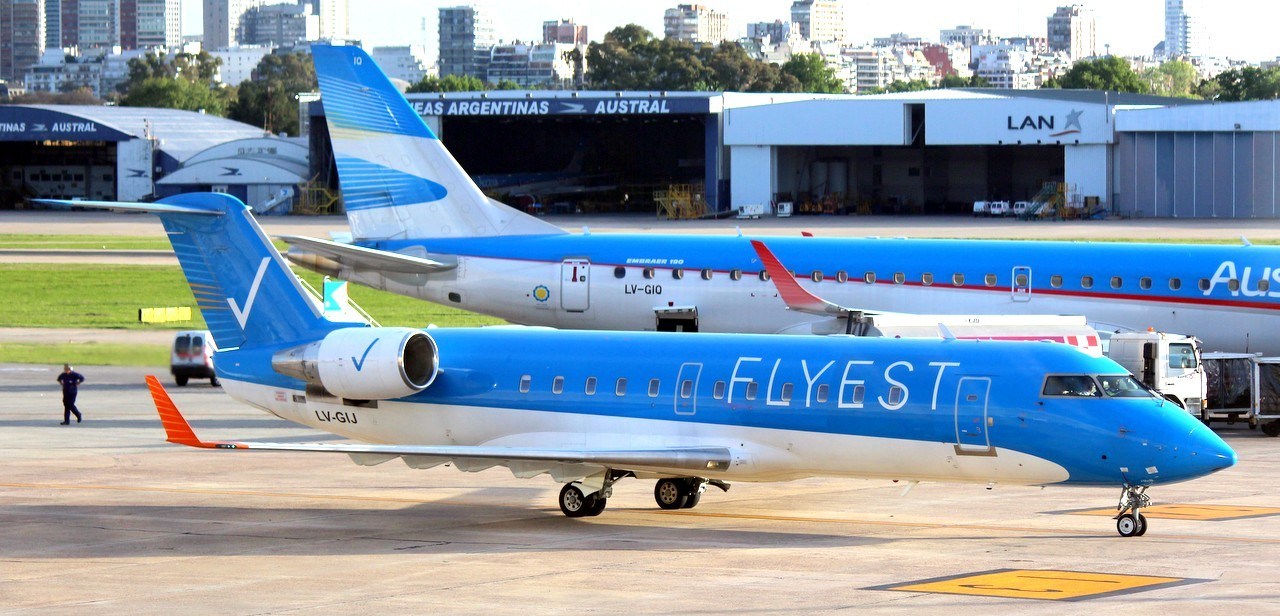
Flyest Líneas Aéreas, una aerolínea regional de cabotaje en Argentina ha ingresado en concurso de acreedores, convirtiéndose en la primer compañía post-pandemia en ingresar en la órbita del proceso judicial.

La aerolínea regional Flyest fue creada en 2017 efectuando vuelos entre el Aeropuerto Jorge Newbery hacia Montevideo y Santa Fe de la Vera Cruz, se convirtió en la primera línea aérea del mercado argentino que se queda sin oxígeno para continuar. El grupo empresario español que maneja la compañía pidió la apertura del concurso de acreedores y se mueve activamente para encontrar un comprador.

El plan oficial era invertir AR$ 697 millones de pesos, contar con una flota de 4 aviones CRJ-200 y generar 120 nuevos empleos directos para pilotos, tripulantes y operarios argentinos y otros 1.000 empleos indirectos. Las perspectivas de la economía argentina fueron insufucientes para levantar vuelo. La suba de los costos dolarizados tras devaluaciones del Peso argentino agravaron un panorama marcado por la caída de la actividad económica, sumado a las condiciones asfixiantes de la crisis sanitaria de la pandemia para producirse la tormenta perfecta. Actualmente, la compañía posee una fuerza laboral de 39 trabajadores y un solo Bombardier CRJ-200.

El 51% de Flyest pertenece al empresario argentino Gustavo Cebreiro, que lidera a un grupo de ex-directivos de la desaparecida aerolínea Sol Líneas Aéreas. El restante 49% está en manos del Grupo Ilai de capitales españoles que tiene base en Valencia y es controlante de la línea aérea Air Nostrum, que realiza vuelos regionales en la zona del Mediterráneo. Su decisión es vender y retirarse de Argentina. Está presidido por el empresario Carlos Bertomeu, quien informó recientemente a través de la prensa española que Flyest “ha recurrido a la herramienta jurídica del concurso preventivo para reorganizar la situación financiera y buscar soluciones que permitan su supervivencia. La mayor crisis de la historia de la aviación mundial generada por la pandemia, ha obligado a la dirección de Flyest a adoptar esta decisión que está en la misma línea de las que se están viendo obligadas a tomar muchas otras compañías”. Los empresarios españoles dejaron trascender su preocupación particular por la situación en Argentina, ya que el Gobierno no aprobó plan alguno de asistencia para las líneas aéreas, a diferencia de lo que ocurrió en Europa y Estados Unidos: “Esto agrava la situación, porque además el gobierno argentino extendió el cerrojo a los vuelos hasta el 1 de Septiembre”. Frente a este panorama, destacaron que la dirección de la empresa continúa manteniendo reuniones con posibles inversores interesados y trabaja en otras posibles soluciones que permitan la supervivencia de Flyest.

La decisión de salir del mercado argentino ya está tomada y ni siquiera tienta a los españoles la posibilidad de que los vuelos domésticos se reanuden a mediados de Julio 2020 y no tengan que esperar hasta septiembre, tal como viene insinuando el Ministerio de Transporte frente a los reclamos de las compañías.

El Grupo Ilai también tiene inversiones en Paraguay, donde es dueño de la aerolínea Paranair, que aplica un plan de ajuste complicada por el impacto de la pandemia y las restricciones de vuelos. El grupo además venía trabajando en un proyecto para operar una línea aérea en Brasil, pero ahora lo dejó en compás de espera hasta que el panorama se aclare. En tanto, en España Air Nostrum comenzó a organizar un cronograma de operaciones que se extiende a medida que las autoridades flexibilizan las restricciones en la pospandemia. La compañía recibió un auxilio de € 120 millones de Euros por parte de un consorcio de bancos.

Flyest iniciará Buenos Aires-Santa Fe |

Flyest enters bankruptcy

Flyest starts creditors bankruptcy process and looks for a new owner

Flyest Lineas Aereas, a regional cabotage airline in Argentina has entered bankruptcy, becoming the first post-pandemic company to enter the orbit of the judicial process.

The regional airline Flyest was created in 2017, making flights between Jorge Newbery Airport to Montevideo and Santa Fe de la Vera Cruz, it became the first airline in the Argentine market to run out of oxygen to continue. The Spanish business group that runs the company asked for the opening of the bankruptcy and is actively moving to find a buyer.

The official plan was to invest AR$ 697 million pesos, have a fleet of 4 CRJ-200 aircraft and generate 120 new direct jobs for Argentine pilots, crew and operators and another 1,000 indirect jobs. The prospects for the Argentine economy were insufficient to take flight. The rise in dollarized costs after devaluations of the Argentine Peso aggravated a panorama marked by the fall in economic activity, added to the suffocating conditions of the health crisis of the pandemic to produce the perfect storm. Currently, the company has a workforce of 39 workers and a single Bombardier CRJ-200.

51% of Flyest belongs to the Argentine businessman Gustavo Cebreiro, who leads a group of ex-managers of the defunct airline Sol Líneas Aéreas. The remaining 49% is in the hands of the Spanish capital Ilai Group, which is based in Valencia and is controlling company of the Air Nostrum airline, which carries out regional flights in the Mediterranean area. His decision is to sell and withdraw from Argentina. It is chaired by businessman Carlos Bertomeu, who recently reported through the Spanish press that Flyest “has resorted to the legal tool of the preventive contest to reorganize the financial situation and seek solutions that allow its survival. The biggest crisis in the history of world aviation caused by the pandemic, has forced the management of Flyest to adopt this decision that is in the same line as many other companies are being forced to make”. Spanish businessmen let go of their particular concern about the situation in Argentina, since the Government did not approve any assistance plan for airlines, unlike what happened in Europe and the United States: “This worsens the situation, because in addition the Argentine government extended the lock on flights until September 1″. Against this background, they highlighted that the company’s management continues to hold meetings with possible interested investors and works on other possible solutions that allow Flyest to survive.

The decision to exit the Argentine market has already been made and does not even tempt the Spanish to the possibility that domestic flights will resume in mid-July 2020 and they do not have to wait until September, as the Ministry of Transport has been insinuating against the claims of companies.

The Ilai Group also has investments in Paraguay, where it owns the Paranair airline, which applies an adjustment plan complicated by the impact of the pandemic and flight restrictions. The group had also been working on a project to operate an airline in Brazil, but now it has kept it on hold until the picture clears up. Meanwhile, in Spain Air Nostrum began to organize an operations schedule that is extended as the authorities relax the restrictions in the post-pandemic. The company received € 120 million in aid from a bank consortium.

Ξ A I R G W A Y S Ξ
PUBLISHER: Airgways.com
DBk: Ambito.com / Flyest.aero / Airgways.com
AW-POST: 202006101404AR

A\W   A I R G W A Y S ®
Airbus anuncia sucesor familia A320

AW | 2020 06 09 15:00 | INDUSTRY

Airbus Group estudia sucesor de la familia A320

El Gobierno de la República de Francia ha revelado al mundo este Martes 9 junio 2020 planes para invertir fuertemente en el desarrollo del avión del futuro después de que el planeta está reactivándose de la crisis sanitaria mundial con enormes pérdidas para la industria de la aviación y general.

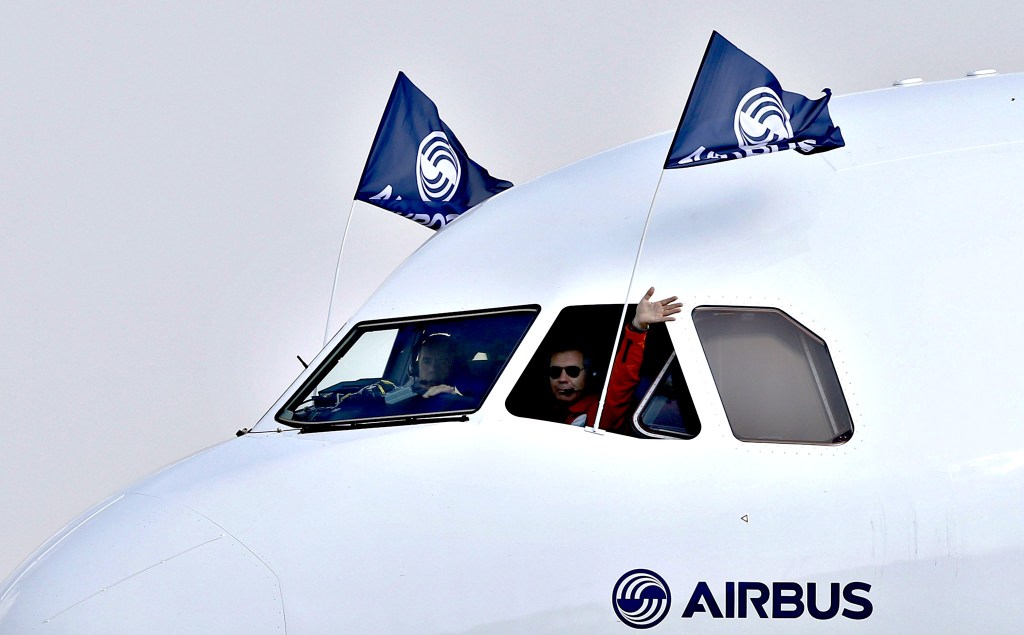
Airbus Group ha anunciado el proyecto para el desarrollo de un sucesor o derivada de la largamente conocida familia de aeronaves Airbus A320. El diseño de un avión narrowdodies altamente eficiente se encuentran entre los proyectos objetivo esbozados por el Gobierno francés al presentar un paquete de ayuda de € 15 mil millones de euros para el sector aeronáutico. El desarrollo de Airbus de un sucesor para el A320 estaría proyectado entrar en servicio a partir de 2033.

Proyecto A3XX

Las ambiciones del Proyecto A3XX de Airbus Group para un avión sin carbono, totalmente ecológico, que incluyen una reelaboración de la popular línea de productos Airbus A320 hacia el 2033 y el cambio en las políticas ecológicas para migrar del combustible convencional al hidrógeno para 2035. Airbus no ha especificado detalles acerca del nuevo sucesor de la familia A320, si se basará enla familia A320 mejorada o un cambio de concepto totalmente nuevo y competitivo.

El Gobierno francés ha revelado este 09/06 planes para invertir fuertemente en el desarrollo del avión del futuro. Es un plan ambicioso y que llega mucho más lejos, mucho más rápido de lo que se había estimado anteriormente. Francia ha lanzado un plan de apoyo a su industria aeroespacial, acelerando la investigación sobre un avión verde. El Gobierno francés a puesto en valor la inversión está establecida en € 15 mil millones (US$ 17 mil millones) en el sector aeroespacial para los próximos años, proyectados hacia el 2022. El monto de la inversión se destinará a financiar la gran cantidad de proyectos de investigación y desarrollo necesarios para poner en marcha el esquema del nuevo Proyecto A320X. La Directora de Estrategia de Airbus, Antione Bouvier, ha expresado que este sería un esfuerzo esencial y dijo: «Estamos pasando de un presupuesto público de I+D de 135 millones por año a 300 millones este año, luego 600 millones en 2021 y 2022. Es una aceleración de 10 años en comparación con lo anunciado por los industriales para 2045».

«Debemos salvar nuestra industria aeroespacial», dijo el Ministro de Finanzas, Bruno Le Maire. Europa continuará defendida por Airbus, no sacrificaría su lugar en el mercado mundial al gigante estadounidense Boeing o el próximo competidor de fabricación de aviones de China, COMAC. La medida se produce después de que Boeing solicitó decenas de miles de millones en garantías de préstamos para ayudar a los proveedores estadounidenses. Tanto Airbus como Boeing compran piezas en los mercados internos de cada uno y los proveedores frágiles son vistos como un talón de Aquiles mientras los fabricantes capean la crisis.

El objetivo principal de la inversión sería un sucesor neutral en carbono para el A320, el avión más vendido de Europa, con hidrógeno como fuente de energía en lugar de las turbinas de gas a base de petróleo de la actualidad. «Nuestro objetivo es tener un avión con carbono neutral en 2035 en lugar de 2050, especialmente gracias a un motor (ultraeficiente) que usa hidrógeno», dijo Le Maire.

Otros desarrollos

Junto con la financiación de este proyecto específico, se asignarán otros fondos para modernizar el sector aeroespacial en general. Francia dice que su industria, que abarca alrededor de 1.300 empresas, va a la zaga de sus pares en términos de robótica y otras tecnologías líderes. En total, Francia está invirtiendo alrededor de € 15 mil millones (US$ 17 mil millones) en su industria aeronáutica, de los cuales ya se han prometido € 7 mil millones a Air France-KLM. Este dinero se utilizará para evitar despidos, para continuar con la cartera de pedidos de aeronaves.

Airbus plans A320 family successor

Airbus Group studies successor to the A320 family

The Government of the Republic of France has revealed to the world this Tuesday, June 9, 2020, plans to invest heavily in the development of the plane of the future after the planet is reactivating from the global health crisis with huge losses for the aviation industry and general.

Airbus Group has announced the project for the development of a successor or derivative of the long-known Airbus A320 family of aircraft. Designing a highly efficient narrowdodies aircraft are among the target projects outlined by the French Government in presenting a € 15 billion aid package to the aviation sector. Airbus’ development of a successor to the A320 is slated to enter service in 2033.

A3XX project

The ambitions of Airbus Group’s A3XX Project for a completely green carbon-free aircraft, including a reworking of the popular Airbus A320 product line by 2033 and a shift in green policies to migrate from conventional fuel to hydrogen by 2035. Airbus It has not specified details about the new successor to the A320 family, whether it will build on the improved A320 family or an entirely new and competitive concept change.

The French Government has revealed this 09/06 plans to invest heavily in the development of the aircraft of the future. It is an ambitious plan and it goes much further, much faster than previously estimated. France has launched a plan to support its aerospace industry, speeding up research on a green plane. The French Government has put in value the investment is established at € 15 billion (US$ 17 billion) in the aerospace sector for the coming years, projected towards 2022. The amount of the investment will be used to finance the large amount of research and development projects necessary to launch the scheme of the new A320X Project. Airbus Strategy Director Antione Bouvier has expressed that this would be an essential effort and said: «We are going from a public I+D budget of 135 million per year to 300 million this year, then 600 million in 2021 and 2022 It is an acceleration of 10 years compared to what was announced by the industrialists for 2045».

La imagen tiene un atributo ALT vacío; su nombre de archivo es aw-a320neo-02.jpg

«We must save our aerospace industry», said Finance Minister Bruno Le Maire. Europe will continue to be defended by Airbus, it would not sacrifice its place in the world market to the American giant Boeing or China’s next aircraft manufacturing competitor, COMAC. The move comes after Boeing requested tens of billions in loan guarantees to help American suppliers. Both Airbus and Boeing buy parts in each other’s domestic markets, and fragile suppliers are seen as an Achilles’ heel as manufacturers weather the crisis.

The primary objective of the investment would be a carbon-neutral successor to the A320, Europe’s best-selling aircraft, with hydrogen as a power source instead of today’s oil-based gas turbines. «Our goal is to have a carbon neutral aircraft by 2035 instead of 2050, especially thanks to an (ultra-efficient) engine that uses hydrogen», said Le Maire.

Other developments

Along with financing this specific project, other funds will be allocated to modernize the aerospace sector in general. France says its industry, which spans around 1,300 companies, lags behind its peers in terms of robotics and other leading technologies. In total, France is investing around € 15 billion (US$ 17 billion) in its aviation industry, of which € 7 billion has already been pledged to Air France-KLM. This money will be used to avoid layoffs, to continue with the aircraft order book.

Ξ A I R G W A Y S Ξ
PUBLISHER: Airgways.com
DBk: Airbus.com / Airgways.com
AW-POST: 202006091500AR

A\W   A I R G W A Y S ®

Reapertura aeropuertos en Francia

AW | 2020 06 09 13:53 | AIRPORTS

Aeropuertos regionales reabran en Francia

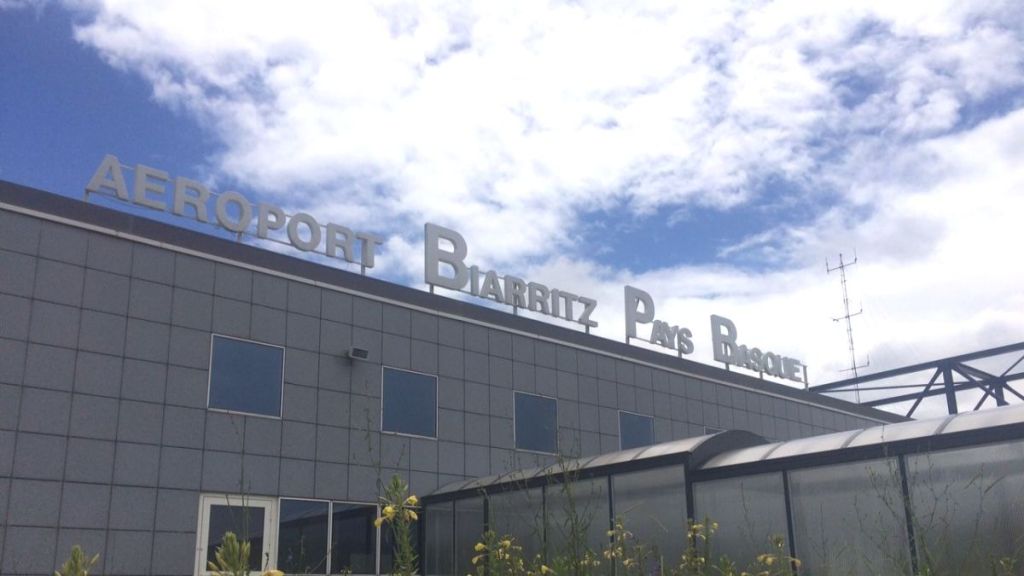
Los aeropuertos en Francia que se cerraron durante la pandemia de Coronavirus están reabriendo a medida que el país continúa aliviando las restricciones establecidas para controlar la propagación de COVID-19.

El Aeropuerto Nantes en el oeste de Francia y Biarritz en la costa suroeste abrieron el Lunes 08/06. El Aeropuerto Lille en el norte, programada para reiniciar los vuelos el 15/06 y el Aeropuerto Burdeos el 06/07.

El Aeropuerto de Nantes es visto como la puerta de entrada a la región del Atlántico occidental. Tuvo un exitoso 2019 con la apertura de una base de la aerolínea de presupuesto EasyJet y el tráfico de pasajeros aumentó un 17 por ciento respecto al año anterior. Luego, la pandemia de coronavirus golpeó y el aeropuerto sufrió una caída del 90 por ciento en la actividad normal. «Los vuelos comerciales se detuvieron, por lo que este sector se vio muy afectado por la pandemia y algunos empleados quedaron suspendidos. Mantuvimos algunas actividades, como vuelos de carga para equipo médico, además de transferir pacientes y trabajadores de la salud», dijo Cyril Girot, Director del aeropuerto. A pesar del final de los vuelos comerciales, el aeropuerto pudo mantener en funcionamiento las operaciones básicas. El Lunes 08/06, Nantes tuvo su primer vuelo de entrada y el primer vuelo de salida ya que el bloqueo fue relajado. Más de un millón de británicos y 700.000 turistas holandeses visitaron la región alrededor de Nantes en 2019, pero las restricciones de viaje europeas aún están vigentes.

Los aeropuertos regionales esperan recibir un impulso del público francés. El Primer Ministro instó a los ciudadanos franceses a tomar vacaciones este verano dentro del país.

Reopening of regional airports in France

Regional airports reopen in France

Airports in France that were closed during the Coronavirus pandemic are reopening as the country continues to ease restrictions put in place to control the spread of COVID-19.

Nantes Airport in western France and Biarritz on the southwest coast opened on Monday 08/06. Lille Airport in the north, scheduled to restart flights on 06/15 and Bordeaux Airport on 07/06.

Nantes airport is seen as the gateway to the western Atlantic region. It had a successful 2019 with the opening of a budget airline EasyJet base and passenger traffic increased 17 percent over the previous year. Then the coronavirus pandemic hit and the airport suffered a 90 percent drop in normal activity. «Commercial flights stopped, so this sector was severely affected by the pandemic and some employees were suspended. We maintained some activities, such as cargo flights for medical equipment, in addition to transferring patients and health workers», said Cyril Girot, Airport Director. Despite the end of commercial flights, the airport was able to keep basic operations running. On Monday 06/08, Nantes had its first inbound flight and the first outbound flight as the blockade was relaxed. More than a million Britons and 700,000 Dutch tourists visited the region around Nantes in 2019, but European travel restrictions are still in place.

Regional airports expect to receive a boost from the French public. The Prime Minister urged French citizens to take vacations this summer inside the country.

Réouverture des aéroports régionaux en France

Réouverture des aéroports régionaux en France

Les aéroports français fermés lors de la pandémie de coronavirus rouvrent leurs portes alors que le pays continue d’assouplir les restrictions mises en place pour contrôler la propagation du COVID-19.

L’aéroport de Nantes dans l’ouest de la France et Biarritz sur la côte sud-ouest ont ouvert le lundi 08/06. Aéroport de Lille au nord, prévu pour redémarrer les vols le 15/06 et aéroport de Bordeaux le 07/06.

L’aéroport de Nantes est considéré comme la porte d’entrée de la région de l’Atlantique Ouest. L’année 2019 a été couronnée de succès avec l’ouverture d’une base EasyJet à bas prix et le trafic passagers a augmenté de 17% par rapport à l’année précédente. Puis la pandémie de coronavirus a frappé et l’aéroport a subi une baisse de 90% de son activité normale. «Les vols commerciaux ont cessé, ce secteur a été gravement touché par la pandémie et certains employés ont été suspendus. Nous avons maintenu certaines activités, telles que les vols de fret pour le matériel médical, en plus du transfert de patients et d’agents de santé», a déclaré Cyril. Girot, directeur de l’aéroport. Malgré la fin des vols commerciaux, l’aéroport a pu maintenir ses opérations de base. Le lundi 06/08, Nantes a eu son premier vol entrant et son premier vol sortant alors que le blocus était assoupli. Plus d’un million de Britanniques et 700000 touristes néerlandais ont visité la région autour de Nantes en 2019, mais les restrictions de voyage européennes sont toujours en place.

Les aéroports régionaux s’attendent à recevoir un coup de pouce du public français. Le Premier ministre a exhorté les citoyens français à prendre des vacances cet été à l’intérieur du pays.

Ξ A I R G W A Y S Ξ
PUBLISHER: Airgways.com
DBk: Francetvinfo.fr / France24news.com / Airgways.com
AW-POST: 202006091353AR

A\W   A I R G W A Y S ®

Desafíos low cost en Japón

Jetstar's dream fleet nears completion as Sydney-Honolulu takes off

AW | 2020 06 09 12:21 | AIRLINES MARKET

Aerolíneas bajo presupuesto Japón enfrentan desafíos de modelo

La industria de las aerolíneas continúa luchando en medio de la pandemia de la crisis sanitaria mundial. La situación es particularmente preocupante para las aerolíneas de bajo costo, que dependen de la alta ocupación de los asientos y las tasas de operación de los aviones. A medida que reanudan más vuelos que han estado en tierra desde Febrero 2020 en varios países, algunos están usando sus aviones para el transporte de carga y otros están tratando de equilibrar la prevención de infecciones con la rentabilidad hasta que las reglas de distanciamiento social puedan aliviarse de manera segura y la demanda del tráfico aéreo vuelva a los niveles previos a la pandemia.

Reinventar la aviación

Algunos expertos de la industria de la aviación dicen que los transportistas de bajo costo probablemente tendrán que comenzar a diseñar nuevas estrategias comerciales en lugar de simplemente capear la tormenta, esperando que la demanda eventualmente regrese. La situación en Japón preocupa a las líneas aéreas de presupuesto.

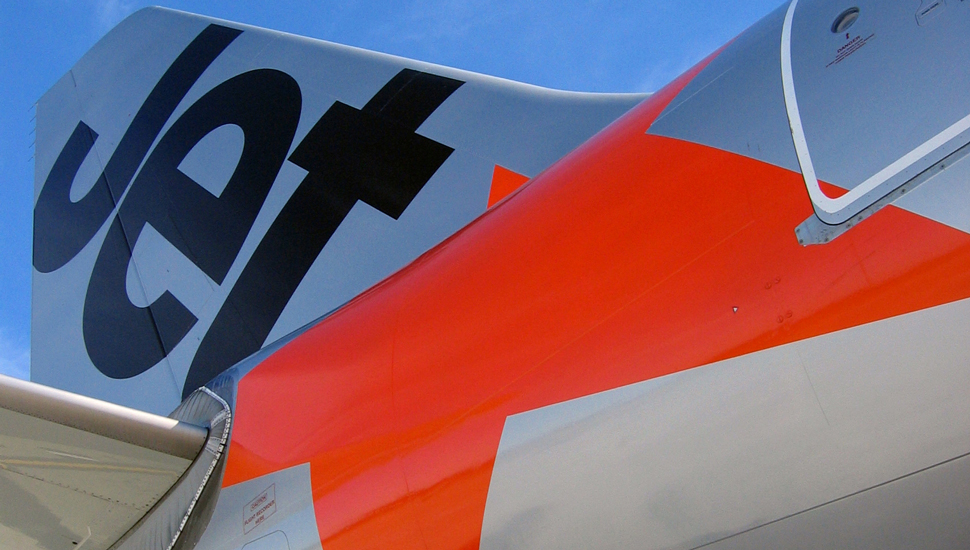
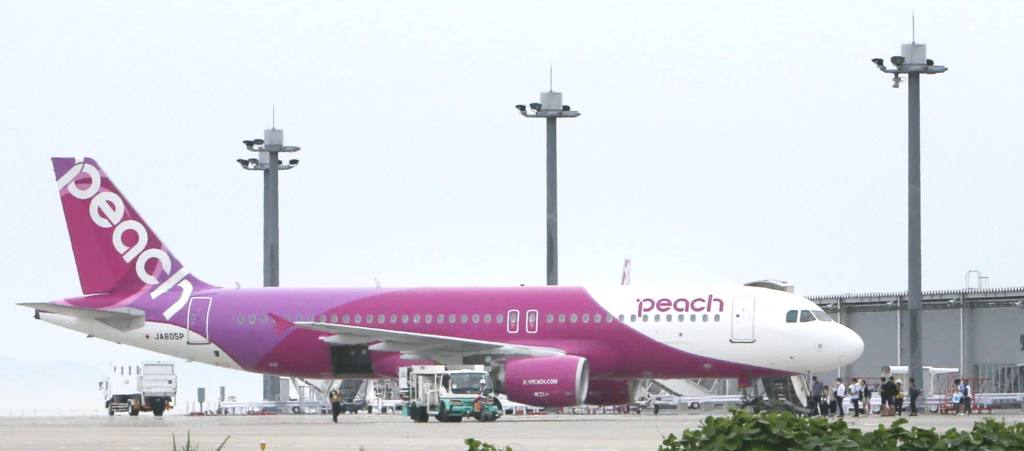
Peach Aviation Ltd., una compañía del grupo de ANA Holdings Inc., planea reanudar los servicios en todas sus rutas nacionales antes del 19 Junio 2020 después de haber reducido drásticamente su horario, mientras que Jetstar Japan Co., una aerolínea de presupuesto afiliada a Japan Airlines Co., también está restaurando vuelos en etapas después de cancelaciones extensas. Ambas compañías piden a los pasajeros que usen máscaras faciales y suspenden todas las ventas durante el vuelo, pero en otros lugares están adoptando un enfoque ligeramente diferente para prevenir infecciones de virus entre los pasajeros.

Jetstar shows interest in A321XLR for Australia-Japan routes ...

Jetstar no tomará reservas para asientos intermedios, la misma medida preventiva tomada por Japan Airlines, aunque sus funcionarios dicen que el acuerdo es una respuesta temporal que será imposible de sostener a menos que renuncie al modelo comercial de bajo costo y aumente las tarifas. Peach Aviation no está tomando medidas especiales para el espacio entre los clientes, diciendo que sus aviones tienen sistemas de ventilación sofisticados, aunque los funcionarios de la industria dicen que aún será difícil obtener ganancias con el nivel actual de demanda de viajes aéreos.

Jetstar Japan y Peach Aviation no enfrentan graves problemas financieros, ya que sus empresas matrices Japan Airlines y ANA Airlines dicen que tienen fondos suficientes para hacer frente a la crisis actual, pero aún enfrentan un largo camino hacia la reanudación del servicio completo.

En Junio 2020, el número de vuelos nacionales que Jetstar Japan planea operar será solo del 10 por ciento del nivel previo a la pandemia, mientras que el de Peach Aviation será un poco más del 30 por ciento, según las aerolíneas.

«La tasa de ocupación de los asientos que las aerolíneas de bajo costo necesitan para obtener ganancias se considera entre 70 y 80 por ciento», dijo Yasuhito Tsuchiya, analista senior de Mitsubishi UFJ Morgan Stanley Securities Co. Tsuchiya dijo que una posible ruta para la supervivencia de las aerolíneas económicas es coordinar más estrechamente los servicios con sus empresas matrices abriendo rutas que no están cubiertas por las grandes aerolíneas. «Tienen que apartarse de la estrategia de bajo precio primero y ofrecer más valor a los pasajeros, como la mejora de la calidad de los servicios aunque tal cambio de negocio es muy difícil en esta situación».

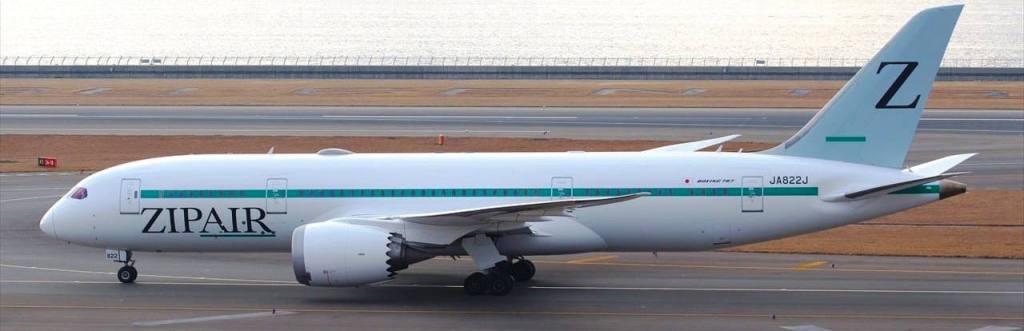
A principios de Junio 2020, Zipair Tokyo Inc., una unidad de transporte presupuestario de propiedad absoluta de Japan Airline Co., realizó su primer vuelo, transportando carga, en lugar de pasajeros, desde el aeropuerto de Narita a Bangkok a través de un avión Boeing 787.

«Las aerolíneas de bajo costo tienen que sobrevivir a través de medidas que incluyen convertir parte de sus servicios en vuelos de carga por un tiempo. La demanda (de vuelos de pasajeros) tardará mucho tiempo en recuperarse a niveles antes de la pandemia. Los vuelos de bajo costo podrían convertirse en algo del pasado», dijo Tomohiko Nakamura, Profesor de la Universidad Internacional de Kobe, muy versado en el negocio de la aviación.

Low cost challenges in Japan

Japan’s budget airlines face model challenges

The airline industry continues to struggle amid the pandemic of the global health crisis. The situation is particularly worrying for low-cost airlines, which depend on high seat occupancy and aircraft operating rates. As more flights that have been grounded since February 2020 resume in various countries, some are using their planes for freight and others are trying to balance infection prevention with cost-effectiveness until social distancing rules can be eased safely and air traffic demand returns to pre-pandemic levels.

Reinvent aviation

Some aviation industry experts say low-cost carriers will likely have to start designing new business strategies rather than just weathering the storm, hoping that demand will eventually return. The situation in Japan worries budget airlines.

Peach Aviation Ltd., a company of the ANA Holdings Inc. group, plans to resume services on all its domestic routes by June 19, 2020 after having drastically reduced its hours, while Jetstar Japan Co., a budget airline affiliated with Japan Airlines Co. is also restoring flights in stages after extensive cancellations. Both companies ask passengers to wear face masks and suspend all sales during the flight, but elsewhere they are taking a slightly different approach to preventing virus infections among passengers.

Jetstar will not take reservations for intermediate seats, the same preventive measure taken by Japan Airlines, although its officials say the deal is a temporary response that will be impossible to sustain unless it renounces the low-cost business model and increases fares. Peach Aviation is not taking special measures for the space between customers, saying its planes have sophisticated ventilation systems, though industry officials say it will still be difficult to make a profit with the current level of demand for air travel.

Jetstar Japan and Peach Aviation do not face serious financial problems, as their parent companies Japan Airlines and ANA Airlines say they have sufficient funds to cope with the current crisis, but still face a long road to resuming full service.

In June 2020, the number of domestic flights that Jetstar Japan plans to operate will be just 10 percent of the pre-pandemic level, while that of Peach Aviation will be just over 30 percent, according to the airlines.

«The seat occupancy rate that low-cost airlines need to make a profit is considered to be between 70 and 80 percent», said Yasuhito Tsuchiya, senior analyst at Mitsubishi UFJ Morgan Stanley Securities Co. Tsuchiya said that a possible route for the Economic airlines’ survival is to coordinate services more closely with their parent companies by opening routes that are not covered by large airlines. «They have to move away from the low-price strategy first and offer more value to passengers, such as improving the quality of services, although such a change of business is very difficult in this situation».

In early June 2020, Zipair Tokyo Inc., a wholly-owned budget transport unit of Japan Airline Co., made its first flight, transporting cargo, rather than passengers, from Narita Airport to Bangkok via airplane Boeing 787.

«Low-cost airlines have to survive through measures that include turning some of their services into cargo flights for a while. Demand (for passenger flights) will take a long time to recover to levels before the pandemic. Flights Low cost could become a thing of the past», said Tomohiko Nakamura, Professor at Kobe International University, well versed in the aviation business.

日本における低コストの課題

日本の予算航空会社はモデルの課題に直面しています

航空業界は世界的な健康危機のパンデミックの中で苦戦を続けています。この状況は、高い座席占有率と航空機の稼働率に依存する低コストの航空会社にとって特に心配です。 2020年2月以降に着陸したフライトが各国で再開するようになり、一部の航空機は貨物に飛行機を使用しており、他の企業は感染防止と費用効果のバランスをとって社会的距離のルールが緩和されるようにしています安全にそして航空交通需要はパンデミック前のレベルに戻ります。

航空の再発明

一部の航空業界の専門家は、低コストの航空会社が嵐を乗り切るだけでなく、新しいビジネス戦略の設計を開始する必要があり、最終的に需要が戻ることを期待していると述べています。日本の状況は、予算航空会社を心配しています。

ANAホールディングスグループ傘下のピーチ・アビエーションは、2020年6月19日までに大幅な時間短縮を図り、国内線全路線を再開する計画。日本航空(株)も大幅な欠航後、段階的に復活させています。どちらの会社も乗客にフェイスマスクを着用し、飛行中はすべての販売を一時停止するように求めていますが、他の場所では乗客間のウイルス感染を防ぐために少し異なるアプローチを取っています。

ジェットスター社は、日本航空と同じ予防策である中間席の予約を取りませんが、その契約は「一時的な対応」であり、低コストのビジネスモデルを放棄して運賃を引き上げない限り、維持することは不可能です。ピーチ・アビエーションは、航空機の洗練された換気システムを備えていると言って、顧客間のスペースに対して特別な措置を講じていませんが、業界当局者は、現在の空の旅の需要レベルで利益を上げることは依然として難しいと述べています。

ジェットスタージャパンとピーチアビエーションは、親会社である日本航空とANA航空が現在の危機に対処するのに十分な資金を持っていると言っているため、深刻な財政問題に直面していませんが、完全なサービスを再開する長い道のりにまだ直面しています。

航空会社によれば、2020年6月にジェットスタージャパンが運航する国内線の数は、パンデミック前のレベルのわずか10%、ピーチアビエーションは30%を超えると予測されています。

三菱UFJモルガン・スタンレー証券の土屋康人主幹は、「低コスト航空会社が利益を上げるために必要な座席稼働率は70〜80%だと考えられている」と述べた。経済航空会社の存続は、大手航空会社ではカバーされないルートを開くことにより、親会社とのサービスをより密接に調整することです。 「彼らはまず低価格戦略から離れ、サービスの質の向上など、乗客により多くの価値を提供する必要がありますが、このようなビジネスの変化はこの状況では非常に困難です。」

2020年6月初旬、日本航空株式会社の100%予算の予算輸送部門であるジペア東京が初のフライトとなり、成田空港からバンコクまで飛行機ではなく貨物を乗客ではなく輸送しました。ボーイング787。

「低コストの航空会社は、一部のサービスをしばらくの間貨物便に変えるなどの措置を通じて生き残る必要があります。需要(旅客便の場合)は、パンデミックの前の水準に回復するのに長い時間がかかります。フライト低コストのものは過去のものになるかもしれない」と航空業界に精通している神戸国際大学教授の中村知彦は言った。

Ξ A I R G W A Y S Ξ
PUBLISHER: Airgways.com
DBk: Japantimes.co.jp / Airgways.com / Wikipedia.org / Nikkei.com / Jetstar.com / Flypeach.com / Zipairtokyo.com
AW-POST: 202006091221AR

A\W   A I R G W A Y S ®

Gremios-Aerolíneas/Austral aproximan un acuerdo salarial

AW | 2020 06 09 10:48 | AIRLINES / GOVERNMENT / AVIATION ORGANISMS

Aerolíneas y gremios continúan sintonizando acuerdo salarial

Las suspensiones de 7.500 empleados de Aerolíneas Argentinas y Austral Líneas Aéreas están a pocos pasos de ser acordadas y homologadas ante el Ministerio de Trabajo. En el día Lunes 08/06 por la mañana continuaban las negociaciones salariales por los reclamos de las suspensiones laborales. Representantes de cinco de los seis gremios aeronáuticos se reunieron para adelantar acuerdos, aunque falta definir cuánto porcentaje del salario de bolsillo percibirán, con un piso del 75%. El sexto gremio, Aeronavegantes (AAA) anunció el Viernes 05/06 que ya había cerrado un acuerdo con la empresa con el cual, según el gremio, se logró preservar el salario de los Tripulantes de Cabina que serán suspendidos durante este mes y el próximo. En Aerolíneas no quisieron confirmar la versión de este sindicato. «Recién cuando terminemos las negociaciones con todos los gremios vamos a comunicar el resultado general del proceso. Los goles no se gritan hasta que entra la pelota», dijeron fuentes de la empresa.

Aerolíneas Argentinas había anunciado la semana pasada que pondría en marcha el procedimiento de suspensión temporal de su personal, en el marco del Artículo 223 Bis de la Ley de Contratos de Trabajo, por el cual los empleados suspendidos cobrarán al menos 75% de su salario de bolsillo, según el acuerdo que firmaron (y acaban de renovar) la CGT con la Unión Industrial Argentina (UIA). La empresa busca, con este acuerdo, obtener un ahorro de AR$ 500 millones de pesos por mes, no tanto en el pago de los salarios, sino en el ahorro del pago de cargas sociales. Los empleados suspendidos no cobrarán un salario, sino bonificación no remunerativa. La única carga que se mantendrá será el aporte a la obra social de cada gremio. El acuerdo debe ser presentado de manera conjunta entre empresa y gremios, que en el caso de Aerolíneas y Austral son representados por los seis gremios aeronáuticos. Los cinco que se han reunido fueron APLA (Asociación Pilotos de Líneas Aéreas), que nuclean a los Pilotos de Aerolíneas Argentinas, UALA (Unión de Aviadores de Líneas Aéreas) que representan a los Pilotos de Austral, APTA (Asociación Técnicos Aeronáuticos), APA (Asociación Personal Aeronáutico) y UPSA (Unión del Personal Superior y Profesional de Empresas Aerocomerciales) que agrupa a los jerárquicos. El sexto gremio, la AAA (Asociación Argentina de Aeronavegantes), que ha concretado el cierre de las negociaciones el Viernes 05/06.

Sinergia, recurso insuficiente

El anuncio acerca de la fusión de Aerolíneas Argentinas y Austral Líneas Aéreas, una medida que buscaba ahorrar unos US$ 100 millones de dólares al año, se ha abordado sin contemplar esta situación excepcional, estimando que el tráfico de pasajeros tardaría al menos dos años en recuperarse, y que a partir de ahí costaría unos cinco años más alcanzar resultados positivos.

Perspectivas Aerolíneas

Aerolíneas ha comunicado que desde el inicio de la pandemia los ingresos cayeron un 97%. Aerolíneas tiene una facturación anual que oscila los US$ 1.700 millones de Dólares en 2019, pero sus gastos son, de manera crónica, siempre superiores a sus ingresos. Aerolíneas Argentinas enfrenta pérdidas millonarias en este 2020 estimadas en US$ 900 millones de Dólares como consecuencia de la extensa inactividad durante la pandemia de Coronavirus. El Poder Ejecutivo aun no ha garantizado los adelantos de auxilio financiero aunque la decisión de girar los fondos depende del Ministerio de Transporte.

Unions-Aerolíneas approach salary agreement

Aerolíneas and unions continue tuning salary agreement

The suspensions of 7,500 employees of Aerolíneas Argentinas and Austral Líneas Aéreas are a few steps away from being agreed and approved before the Ministry of Labor. On Monday 08/06 in the morning the salary negotiations continued for the claims of the work suspensions. Representatives of five of the six aeronautical unions met to advance agreements, although it is not clear how much percentage of the pocket salary they will receive, with a floor of 75%. The sixth union, Aeronavegantes (AAA) announced on Friday 05/06 that it had already closed an agreement with the company with which, according to the union, it was possible to preserve the salary of the Cabin Crewmen who will be suspended during this month and next. Aerolíneas did not want to confirm the version of this union. «Only when we finish the negotiations with all the unions are we going to communicate the general result of the process. The goals are not shouted until the ball enters», said company sources.

Aerolíneas Argentinas had announced last week that it would launch the procedure for the temporary suspension of its personnel, within the framework of Article 223 Bis of the Labor Contracts Law, by which suspended employees will receive at least 75% of their salary from pocket, according to the agreement signed (and just renewed) by the CGT with the Argentine Industrial Union (UIA). The company seeks, with this agreement, to obtain savings of AR$ 500 million pesos per month, not so much in the payment of wages, but in the saving of social security payments. Suspended employees will not receive a salary, but a non-remunerative bonus. The only charge that will be maintained will be the contribution to the social work of each union. The agreement must be presented jointly between the company and the unions, which in the case of Aerolíneas and Austral are represented by the six aeronautical unions. The five that have met were APLA (Association of Airline Pilots), which bring together the Pilots of Aerolíneas Argentinas, UALA (Union of Airline Aviators) who represent the Pilots of Austral, APTA (Association of Aeronautical Technicians), APA (Aeronautical Personal Association) and UPSA (Union of Superior and Professional Personnel of Aerocomerciales Companies) that groups the hierarchical ones. The sixth union, the AAA (Argentine Association of Air Navigation), which has finalized the negotiations on Friday 06/06.

Synergy, insufficient resource

The announcement about the merger of Aerolíneas Argentinas and Austral Líneas Aéreas, a measure that sought to save some US$ 100 million a year, has been addressed without considering this exceptional situation, estimating that passenger traffic would take at least two years to complete. recover, and that from there it would take about five more years to achieve positive results.

Aerolíneas perspectives

Aerolíneas has reported that since the start of the pandemic, revenues fell 97%. Aerolíneas has an annual turnover that ranges from US$ 1.7 billion in 2019, but its expenses are, chronically, always higher than its income. Aerolíneas Argentinas faces millionaire losses in 2020 estimated at US $ 900 million dollars as a consequence of the extensive inactivity during the Coronavirus pandemic. The Executive Power has not yet guaranteed the advances of financial aid, although the decision to transfer the funds depends on the Ministry of Transportation.

Ξ A I R G W A Y S Ξ
PUBLISHER: Airgways.com
DBk: Argentina.gob.ar/transporte / Aerolineas.com / Airgways.com
AW-POST: 202006091048AR

A\W   A I R G W A Y S ®

Austrian reanuda vuelos larga distancia

AW | 2020 06 07 12:57 | AIRLINES ROUTES

Austrian Airlines iniciará programación vuelos internacionales

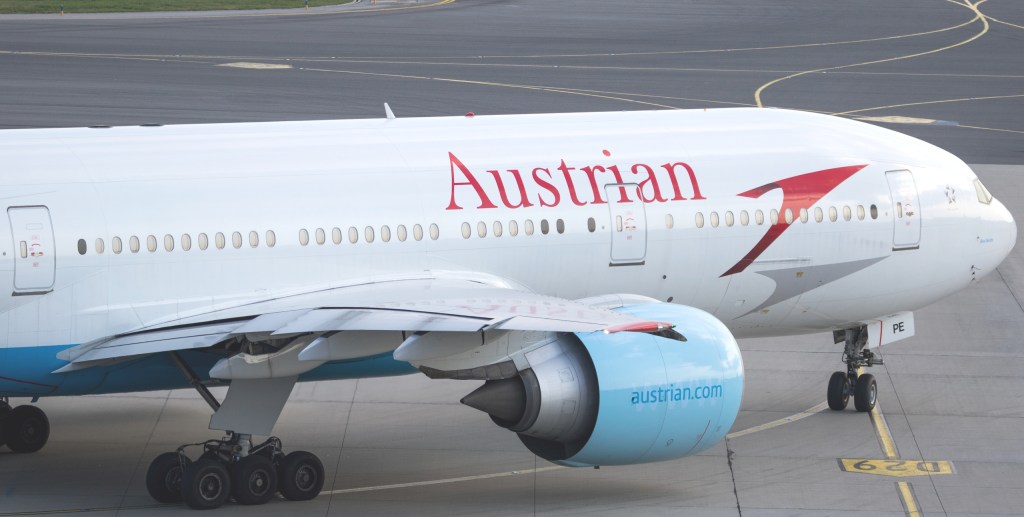
La reanudación de las operaciones regulares de vuelos de Austrian Airlines ha tenido un buen comienzo. Debido a la demanda satisfactoria, el horario de vuelo se extenderá en el próximo mes de Julio 2020. La reanudación de las operaciones regulares de vuelos de Austrian Airlines ha tenido un buen comienzo debido a la demanda satisfactoria.

“La demanda de Junio es buena, considerando las circunstancias. Esto significa que podemos continuar aumentando nuestra capacidad. Me complace especialmente que los vuelos de larga distancia finalmente puedan despegar nuevamente en julio, ya que son particularmente importantes para Austria como lugar de negocios y para Viena como centro”, dice Andreas Otto, CCO de Austrian Airlines.

Reinicio programación

A partir de Julio 2020, los aviones de Austrian Airlines despegarán a vuelos regulares de larga distancia por primera vez desde de la puesta en tierra a mediados de Marzo 2020. Los servicios programados hacia destinos como Bangkok, Chicago, Nueva York/Newark y Washington estarán disponibles con hasta tres vuelos semanales. El primer avión de larga distancia despegará para Nueva York a las 10:15 a.m. el 1 Julio 2020. En Europa, se agregarán los siguientes destinos a los casi 40 destinos ya anunciados: Bolonia, Florencia, Moscú, Podgorica, Roma, Sibiu, Venecia y Zagreb. El Cairo se agregará a la cartera de Oriente Medio. Además, Austrian Airlines ofrecerá las siguientes vacaciones en julio: Chania, Corfu, Heraklion, Karpathos, Kos, Rhodes, Santorini y Zakynthos. Keflavik también está de vuelta en el programa como destino de charter. Además de la reanudación antes mencionada, la aerolínea de origen de Austria también está aumentando el número semanal de vuelos a destinos en julio, que se prestará desde mediados de junio en adelante. Sujeto a nuevas restricciones oficiales, la oferta de julio aumentará de 5 a 20 por ciento en comparación con el año anterior. El horario de vuelo para agosto se está preparando actualmente. La información sobre esto vendrá pronto.

En el sitio web de Austrian Airlines, Austrian.com, los pasajeros encontrarán información actualizada sobre viajes en tiempos de corona, horarios de vuelos, requisitos de máscara, regulaciones de entrada o cambio de reserva. La información se actualiza de manera continua.

Austrian to resume long distance flights

Austrian Airlines will start programming international flights

The resumption of regular Austrian Airlines flight operations is off to a good start. Due to satisfactory demand, the flight schedule will be extended in the next month of July 2020. The resumption of regular operations of Austrian Airlines flights has got off to a good start due to satisfactory demand.

«June demand is good, considering the circumstances. This means that we can continue to increase our capacity. I am particularly pleased that long-haul flights can finally take off again in July, as they are particularly important for Austria as a place of business and for Vienna as a hub”, says Andreas Otto, CCO of Austrian Airlines.

Restart programming

Starting in July 2020, Austrian Airlines aircraft will take off on regular long-haul flights for the first time since grounding in mid-March 2020. Scheduled services to destinations such as Bangkok, Chicago, New York/Newark and Washington will be available with up to three weekly flights. The first long-haul plane will take off for New York at 10:15 a.m. on July 1, 2020. In Europe, the following destinations will be added to the almost 40 already announced destinations: Bologna, Florence, Moscow, Podgorica, Rome, Sibiu, Venice and Zagreb. Cairo will be added to the Middle East portfolio. In addition, Austrian Airlines will offer the following holidays in July: Chania, Corfu, Heraklion, Karpathos, Kos, Rhodes, Santorini and Zakynthos. Keflavik is also back on the show as a charter destination. In addition to the aforementioned restart, the Austrian origin airline is also increasing the weekly number of flights to destinations in July, which will be provided from mid-June onwards. Subject to new official restrictions, the July offer will increase from 5 to 20 percent compared to the previous year. The flight schedule for August is currently being prepared. Information on this will come soon.

On the Austrian Airlines website, Austrian.com, passengers will find up-to-date information on crown-time travel, flight schedules, mask requirements, entry regulations or change of reservation. The information is continuously updated.

Hotel & Travel – Vienna Salsa Congress

Austrian nimmt langstreckenflüge wieder auf

Austrian beginnt mit der programmierung internationaler flüge

Die Wiederaufnahme des regulären Flugbetriebs von Austrian Airlines hat einen guten Start hingelegt. Aufgrund der zufriedenstellenden Nachfrage wird der Flugplan im nächsten Monat Juli 2020 verlängert. Die Wiederaufnahme des regulären Flugbetriebs von Austrian Airlines hat aufgrund der zufriedenstellenden Nachfrage einen guten Start hingelegt.

,,Die Nachfrage im Juni ist angesichts der Umstände gut. Dies bedeutet, dass wir unsere Kapazität weiter steigern können. Ich freue mich besonders, dass Langstreckenflüge im Juli endlich wieder starten können, da sie für Österreich als Geschäftssitz und für Wien als Drehscheibe besonders wichtig sind», sagt Andreas Otto, CCO von Austrian Airlines.

Programmierung

Ab Juli 2020 starten die Flugzeuge von Austrian Airlines erstmals seit ihrer Landung Mitte März 2020 auf regulären Langstreckenflügen. Geplante Flüge zu Zielen wie Bangkok, Chicago, New York/Newark und Washington werden angeboten verfügbar mit bis zu drei wöchentlichen Flügen. Das erste Langstreckenflugzeug startet um 10:15 Uhr in New York. am 1. Juli 2020. In Europa werden die fast 40 bereits angekündigten Ziele um folgende Ziele erweitert: Bologna, Florenz, Moskau, Podgorica, Rom, Sibiu, Venedig und Zagreb. Kairo wird in das Portfolio des Nahen Ostens aufgenommen. Darüber hinaus bietet Austrian Airlines im Juli folgende Feiertage an: Chania, Korfu, Heraklion, Karpathos, Kos, Rhodos, Santorini und Zakynthos. Keflavik ist auch als Charterziel wieder in der show. Neben dem oben genannten Neustart erhöht die Fluggesellschaft mit österreichischem Ursprung im Juli die wöchentliche Anzahl der Flüge zu Zielen, die ab Mitte Juni angeboten werden. Vorbehaltlich neuer offizieller Beschränkungen wird das Juli-Angebot gegenüber dem Vorjahr von 5 auf 20 Prozent steigen. Der Flugplan für August wird derzeit vorbereitet. Informationen dazu werden in Kürze verfügbar sein.

Auf der Austrian Airlines-Website Austrian.com finden Passagiere aktuelle Informationen zu Kronenzeiten, Flugzeiten, Maskenanforderungen, Einreisebestimmungen oder Änderungen der Reservierung. Die Informationen werden ständig aktualisiert.

Ξ A I R G W A Y S Ξ
PUBLISHER: Airgways.com
DBk: Austrian.com / Austrian.spotter / Airgways.com
AW-POST: 202006071257AR

A\W   A I R G W A Y S ®

Sin acuerdos Gremios-Aerolíneas

AW | 2020 06 06 16:44 | AIRLINES / AVIATION ORGANISMS

Aerolíneas y gremios de Sindicatos Unidos continúan sin acuerdos

Los sindicalistas que representan a los gremios aeronáuticos de Argentina informaron en el día Viernes 5 Junio 2020 en un comunicado conjunto ante una nueva propuesta que ha reflejado avances respecto de la oferta original del anterior encuentro, se impone realizar varias correcciones. Las cinco organizaciones gremiales que integran Sindicatos Unidos no lograron tampoco un acuerdo en este segundo encuentro proyectado para este 05/06 con las autoridades de Aerolíneas Argentinas, por lo que continuarán las negociaciones la semana próxima, en tanto los Tripulantes de Cabina Pasajeros (TCP) convinieron que no habrá reducciones de salarios durante el período Junio y Julio 2020.

Los dirigentes de los gremios APLA (Pilotos), APTA (Técnicos), UALA (Pilotos nucleados en Austral Líneas Aéreas), UPSA (Personal Superior) y APA (Personal Aeronáutico) y no pudieron alcanzar un acuerdo en el contexto del Artículo 223 Bis de la Ley de Contrato de Trabajo (LCT). Los gremios explicaron que la nueva propuesta «tiene fallas en los ejercicios de liquidación de haberes, errores en la redacción del modelo de acuerdo y no garantiza el pago de la totalidad del medio aguinaldo”, entre otras cuestiones. Rechazaron el acuerdo firmado, además, la Asociación Argentina de Aeronavegantes (AAA) que conduce Juan Pablo Brey.

La mesa de diálogo con los gremios se instaló el Martes 02/06, luego de que la línea de bandera anunció la decisión de suspender a 8.000 trabajadores ante la pandemia global de Coronavirus, que provocó una reducción del 97% en las ventas de pasajes. En la primera ronda de reuniones, la empresa propuso implementar el acuerdo entre la CGT y la UIA, validado por el gobierno y prorrogado y homologado hoy, sobre la base del Artículo 223 Bis de la LCT, que autoriza suspensiones masivas temporarias con recortes salariales de hasta el 25% de los haberes. «Los sindicatos ratifican su voluntad de diálogo y de continuidad de las negociaciones y aclaran que los trabajadores forman parte de la solución y no del problema», señaló un comunicado firmado por Pablo Biró (APLA), Ricardo Cirielli (APTA), Edgardo Llano (APA), Cristian Erhardt (UALA) y Rubén Fernández (UPSA), expresó el Secretario de Prensa de este gremio, Marcelo Uhrich. Los sindicatos exigen que las decisiones de la empresa no afecten las condiciones laborales y salariales y el Martes 02/06 objetaron varios puntos de la propuesta. Los voceros gremiales indicaron que las negociaciones continuarán el Lunes 08/06 quizá de forma no presencial. «La aceptación de la actual propuesta implicaría percibir un 30 por ciento menos del próximo aguinaldo, lo que beneficiaría a la compañía en AR$ 300 millones de pesos. Existen trabajadores activos y no cobraron los viáticos y el bono por alimentos. Unos 3.000 empleados cumplen tareas en control operativo, rampa, sistemas y mantenimiento. Además, la empresa no hizo aún ninguna oferta respecto de la cobertura que propondrá ante la modalidad de teletrabajo», concluyeron los gremios aeronáuticos.

Without Union-Aerolíneas agreements

Aerolíneas and unions of United Unions continue without agreements

Trade unionists representing the aeronautical unions of Argentina reported on Friday, June 5, 2020 in a joint statement before a new proposal that has reflected progress on the original offer of the previous meeting, it is necessary to make several corrections. The five union organizations that make up the United Trade Unions also failed to reach an agreement in this second meeting planned for this 06/05 with the authorities of Aerolíneas Argentinas, so negotiations will continue next week, while the Cabin Crew Passengers (TCP) agreed that there will be no salary reductions during the June and July 2020 period.

The leaders of the unions APLA (Pilots), APTA (Technicians), UALA (Pilots nucleated in Austral Airlines), UPSA (Superior Personnel) and APA (Aeronautical Personnel) and could not reach an agreement in the context of Article 223 Bis of the Labor Contract Law (LCT). The unions explained that the new proposal «has flaws in the exercises of liquidation of assets, errors in the drafting of the model agreement and does not guarantee the payment of the entire half bonus», among other issues. They rejected the signed agreement, in addition, the Argentine Association of Aircraft Manufacturers (AAA) led by Juan Pablo Brey.

The dialogue table with the unions was installed on Tuesday 02/06, after the flag line announced the decision to suspend 8,000 workers in the face of the global Coronavirus pandemic, which caused a 97% reduction in ticket sales. In the first round of meetings, the company proposed to implement the agreement between the CGT and the UIA, validated by the government and extended and approved today, based on Article 223 Bis of the LCT, which authorizes temporary massive suspensions with wage cuts of up to 25% of assets. «The unions ratify their willingness to dialogue and to continue negotiations and clarify that workers are part of the solution and not part of the problem», said a statement signed by Pablo Biró (APLA), Ricardo Cirielli (APTA), Edgardo Llano ( APA), Cristian Erhardt (UALA) and Rubén Fernández (UPSA), expressed the Press Secretary of this union, Marcelo Uhrich. The unions demand that the company’s decisions do not affect working and salary conditions and on Tuesday 02/06 they objected to several points of the proposal. The union spokesmen indicated that the negotiations will continue on Monday 06/08, perhaps in person. «The acceptance of the current proposal would imply receiving 30 percent less of the next Christmas bonus, which would benefit the company in AR$ 300 million pesos. There are active workers and they did not collect per diem and the food voucher. About 3,000 employees comply tasks in operational control, ramp, systems and maintenance. In addition, the company has not yet made any offer regarding the coverage it will propose in the form of teleworking», concluded the aeronautical unions.

Ξ A I R G W A Y S Ξ
PUBLISHER: Airgways.com
DBk: Telam.com.ar / Apla.org.ar / Aviones.com / Uala.org.ar / Upsa-ospea.com.ar / Aeronauticosapa.org.ar /Aerolineas.com / Airgways.com
AW-POST: 202006061644AR

A\W   A I R G W A Y S ®
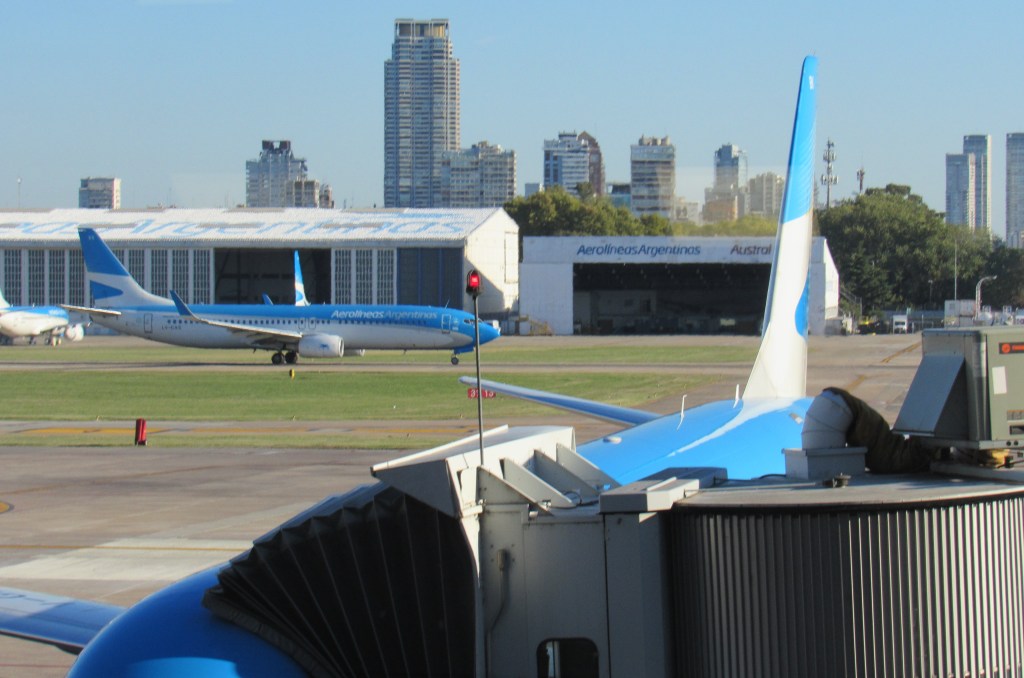
Reactivación vuelos Estados Unidos

AW | 2020 06 05 07:57 | AIRLINES MARKET

Principales aerolíneas EE.UU. están agregando vuelos de verano

El mercado aéreo de Estados Unidos se está reactivando poco a poca medida que el negocio de las aerolíneas está volviendo a la vida restableciendo horarios para Julio 2020. Los ejecutivos de las aerolíneas dicen que están siendo juiciosos en su planificación para las programaciones para los meses siguientes. También se apresuran a señalar que se están abriendo más ciudades y estados después de los bloqueos de la pandemia, por lo que hay una demanda acumulada para viajar.

Las compañías aéreas de Estados Unidos continúan progresivamente aumentando la programación de vuelos para la temporada estival boreal, marcando el comienzo de muchas aerolíneas para la reactivación de las rutas aéreas en el país.

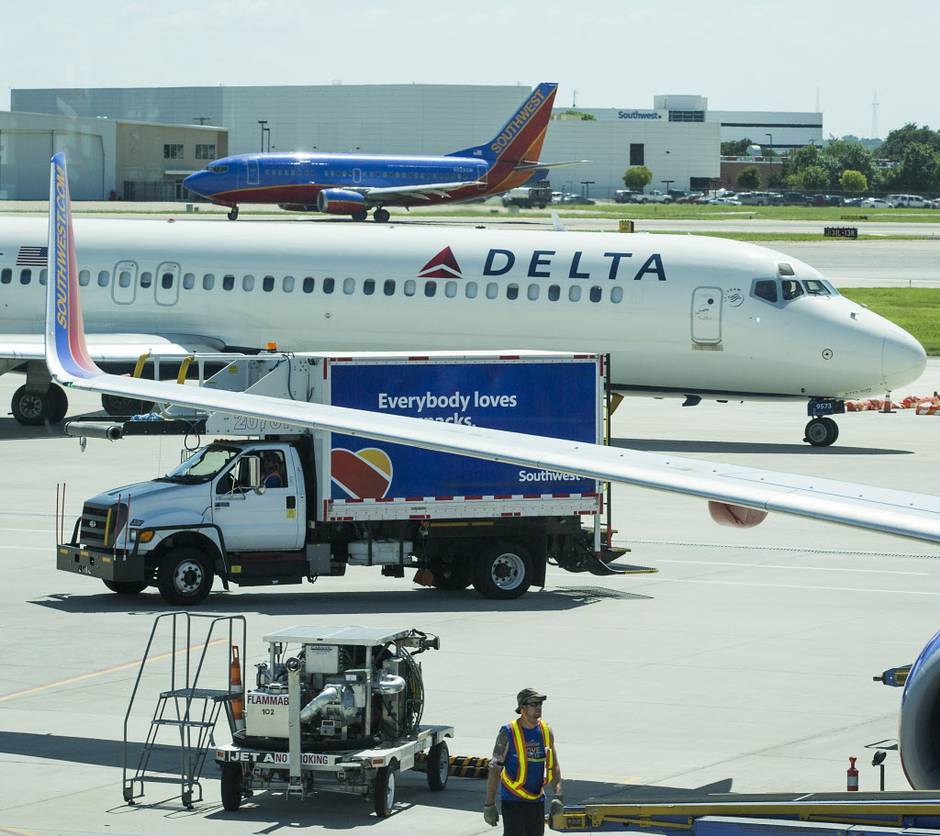
Las principales líneas aéreas comienzan a reiniciar las operaciones de manera progresiva pero manteniendo la cautela y maximizando los requerimientos sanitarios vigentes. United Airlines, Southwest Airlines, Delta Air Lines, American Airlines, Frontier Airlines, Allegiant Airlines establecen una diagramación de vuelos a diferentes destinos para los meses de Junio/Julio 2020. OAG, que rastrea la industria de las aerolíneas y los horarios de vuelos, dice que las cuatro mayores aerolíneas estadounidenses: United, American, Delta y Southwest, están incrementando sus horarios en Junio en un 27% desde Mayo 2020. La mayor parte de ese aumento se debe a vuelos domésticos adicionales. En cuanto a las rutas internacionales, el crecimiento de los vuelos ha sido mucho más gradual debido a la baja demanda. “La industria está mostrando algunos signos de recuperación, pero hay cambios notables en el comportamiento del consumidor. La gente está reservando más tarde, buscando más flexibilidad en sus reservas de viaje y no comprometiéndose a pagar hasta el último minuto”, dijo John Grant, Analista de Aviación de OAG.

American Airlines ha comunicado que planea volar el 55% de su horario interno en Julio, un aumento considerable desde Mayo cuando voló el 20% de su horario del año anterior. “Estamos viendo un aumento lento pero constante de la demanda interna. Después de una cuidadosa revisión de los datos, hemos creado un horario de julio para que coincida”, dijo Vasu Raja, Vicepresidente Senior de Estrategia de Red en un comunicado que anuncia el horario de la aerolínea. American está aumentando los vuelos a un ritmo más agresivo que United Airlines, que está aumentando su horario de Julio al 25% de lo que voló durante el mismo mes en 2019.

Las compañías aéreas de Estados Unidos están abriendo el mercado doméstico progresivamente, siendo cautelosamente optimistas. La demanda de personas para las reservas de vuelos este verano boreal han aumentado constantemente. En Abril, los estadounidenses promediaron 32.154 pasajeros por día. Desde el 1-23 Mayo 2020, su nivel diario de clientes aumentó más del doble a 78.178, y luego aumentó a 110.330 por día del 24 al 29 Mayo 2020. Si bien los números son alentadores, los niveles de pasajeros en los Estados Unidos permanecen extremadamente deprimidos debido a la pandemia de Coronavirus que llevó a millones de estadounidenses a cancelar viajes o evitar reservar vuelos. De acuerdo con la Administración de Seguridad del Transporte (TSA), el número de pasajeros y miembros de la tripulación de la aerolínea examinados en los aeropuertos de Estados Unidos ha disminuido en más del 85% respecto al año anterior.

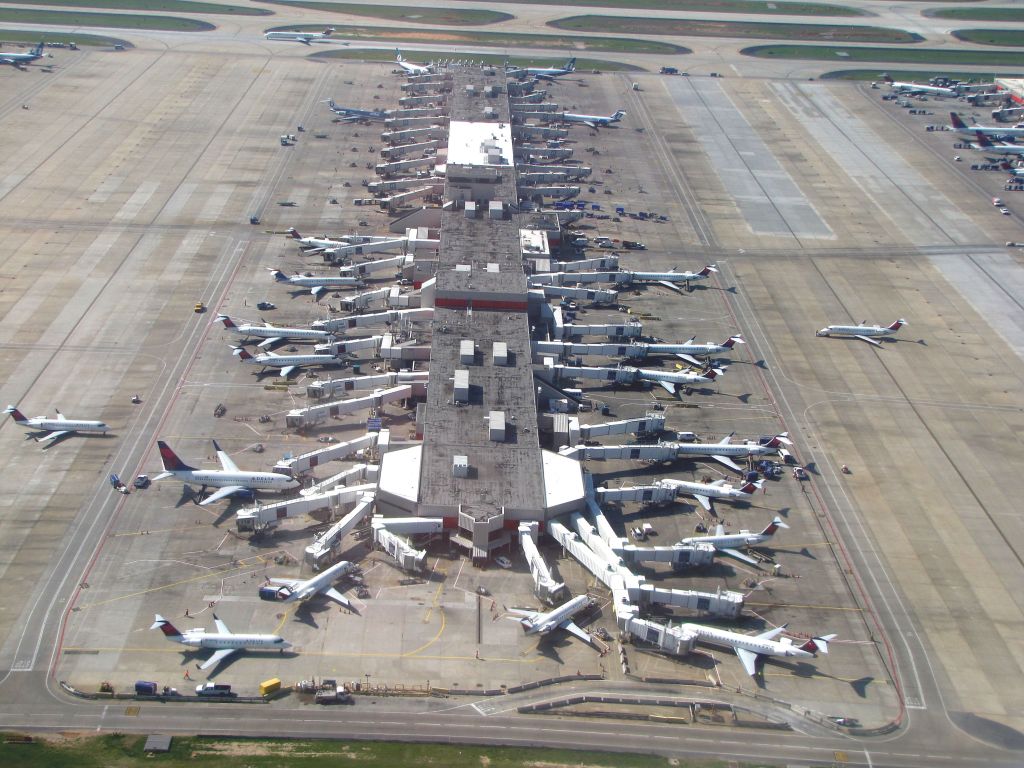
La imagen tiene un atributo ALT vacío; su nombre de archivo es aw-wkp_hartsfield-jackson_atlanta_international_airport_7039222923.jpg

Reactivation of flights in the United States

Major US airlines summer flights are being added

The United States air market is slowly reactivating as the airline business is coming to life by re-establishing schedules for July 2020. Airline executives say they are being judicious in their planning for schedules for the months following. They are also quick to point out that more cities and states are opening after the pandemic blockades, so there is a backlog of demand for travel.

United States airlines continue to progressively increase flight schedules for the boreal summer season, ushering in many airlines for the revival of air routes in the country.

The main airlines begin to restart operations progressively but maintaining caution and maximizing current health requirements. United Airlines, Southwest Airlines, Delta Air Lines, American Airlines, Frontier Airlines, Allegiant Airlines establish a schedule of flights to different destinations for the months of June/July 2020. OAG, which tracks the airline industry and flight schedules, He says that the four largest US airlines: United, American, Delta and Southwest, are increasing their schedules in June by 27% since May 2020. Most of that increase is due to additional domestic flights. Regarding international routes, the growth of flights has been much more gradual due to low demand. «The industry is showing some signs of recovery, but there are notable changes in consumer behavior. People are booking later, looking for more flexibility in their travel reservations and not committing to paying until the last minute”, said John Grant, OAG Aviation Analyst.

American Airlines has announced that it plans to fly 55% of its internal schedule in July, a considerable increase since May when it flew 20% of its schedule the previous year. «We are seeing a slow but steady increase in domestic demand. After careful review of the data, we have created a July schedule to match”, Vasu Raja, Senior Vice President of Network Strategy said in a statement announcing the airline’s schedule. American is increasing flights at a more aggressive rate than United Airlines, which is increasing its July schedule to 25% of what it flew during the same month in 2019.

United States airlines are gradually opening up the domestic market, being cautiously optimistic. The demand for people for flight reservations this summer has been increasing steadily. In April, Americans averaged 32,154 passengers per day. From May 1-23, 2020, their daily customer level more than doubled to 78,178, and then increased to 110,330 per day from May 24 to 29, 2020. While the numbers are encouraging, passenger levels in the United States remain extremely depressed due to the Coronavirus pandemic that led millions of Americans to cancel trips or avoid booking flights. According to the Transportation Security Administration (TSA), the number of airline passengers and crew members screened at U.S. airports has decreased by more than 85% from the previous year.

Ξ A I R G W A Y S Ξ
PUBLISHER: Airgways.com
DBk: Transportation.gov / Tsa.gov / Airgways.com / Wikipedia.org / Miami-airport.com / Dallasnews.com
AW-POST: 202006050757AR

A\W   A I R G W A Y S ®
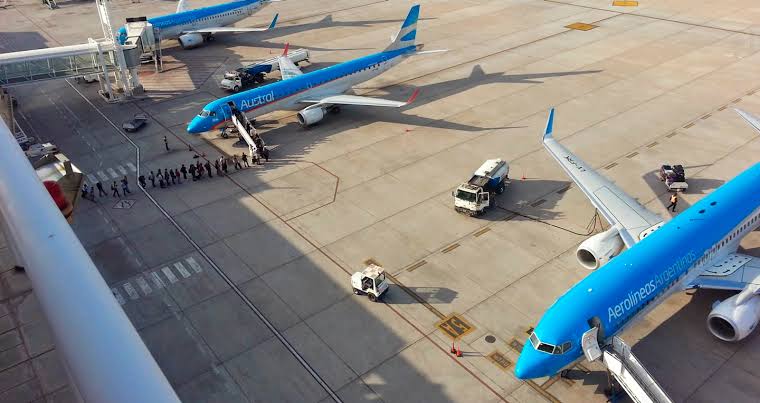
Argentina analiza reactivar aviación

AW | 2020 06 05 07:25 | AIRLINES MARKET / GOVERNMENT

Gobierno Argentina reactivaría reinicio operaciones de cabotaje vacaciones invierno

El Gobierno de Argentina analiza la posibilidad de habilitar vuelos especiales para las próximas vacaciones de invierno entre destinos del interior del país, que unan provincias que no hayan registrado casos recientes de coronavirus​. El anuncio el Miércoles 3 Junio 2020 ha trascendido después del análisis de la situación de la pandemia en el interior del país. El Jueves 04/06, el Ministro de Turismo y Deportes de la Nación, Matías Lammens, confirmó que el Gobierno evalúa autorizar vuelos de cabotaje y micros de larga distancia con el objetivo de reactivar el turismo en este período, siempre entre provincias con una situación sanitaria controlada, por lo que no se podrá viajar desde Capital ni el Gran Buenos Aires.

Las actuales condiciones mejorables en Argentina permiten presentar un proyecto de Corredores Turísticos Sanitarios para reactivar turismo. “Desde la Cámara impulsamos la apertura turística para las vacaciones y el trabajo a través de corredores interprovinciales que permitan transporte terrestre y aéreo, porque son clave a la hora de mover las economía. Existen provincias que registran un muy buen nivel sanitario en relación al Covid-19, y que podrían intercambiar turistas. Entre los distintos destinos con posibilidades de recibir o emitir viajeros este invierno, el directivo mencionó a Bariloche, Mendoza, Salta, Jujuy, Catamarca y Misiones​, siempre con acuerdo entre los gobernadores respecto a los lineamientos y protocolos sanitarios. El Ministerio de Turismo, junto con la CAT y el Consejo Federal, están elaborando protocolos de alcance nacional por sectores: uno de hotelería y gastronomía que está a punto de ser publicado, otro para aerolíneas y otro para agencias de viaje. No quiero pecar de optimista, pero creo que hay posibilidades ciertas de que para mediados o fines de julio se pueda implementar este plan. Sería una buena solución para el gobierno nacional el reactivar el sector (turístico), lo que permita recuperar la actividad y el empleo en las provincias”, comentó el Presidente de la Cámara Argentina de Turismo, Aldo Elías.

El protocolo sanitario para la apertura de vuelos vacacionales implica la necesaria separación entre pasajeros, el uso obligatorio de tapabocas, controles de temperatura y una limpieza profunda de los aviones, que están equipados con filtros de aire en las cabinas de pasajeros.

Aerolíneas Argentinas​ ha expresado que «volar este invierno es una posibilidad. Habrá que analizar cada ruta y también posiblemente diseñar nuevos inter-tramos con escalas intermedias. Ese estudio preliminar lo está haciendo la Administración Nacional de Aviación Civil (ANAC), y dependerá seguramente de ese análisis. En un análisis de posibles rutas, por el momento es muy prematuro dar a conocer considerando que Aerolíneas hace muchos inter-tramos y hay que evaluar varios puntos, como mudar tripulaciones a las provincias o implementar refuerzos de mantenimiento si fuera necesario, considerando variables como que en determinados aeropuertos sólo pueden operar los aviones Embraer”. Por ello no hay aún definiciones sobre qué rutas o en qué momento comenzarían las operaciones.

Desde la low cost Jetsmart Airlines Argentina también manifestaron su interés en volar estas vacaciones. “Estamos muy interesados, siempre listos para retomar los vuelos. La empresa aplica un protocolo bien definido de prevención y sanidad para poder retomar las operaciones. Además, en Chile ​nunca dejamos de volar, por lo cual tenemos la práctica concreta de la aplicación de ese protocolo día a día”, expresó Gonzalo Pérez Corral, gerente general de la compañía.

Jetsmart Airlines Argentina está realizando consultas con varias provincias por el interés en recibir vuelos, y adelantó que algunos destinos que podría llegar a conectar Jetsmart, aún sin confirmar, serían Neuquén, Salta, Rosario, y Bariloche con distintos puntos del interior. “Hay provincias que dependen mucho del turismo, y en varias ya desde hace unos días no hay casos de coronavirus, por lo que en 35 o 45 días se podría volar”, sostienen desde la low cost.

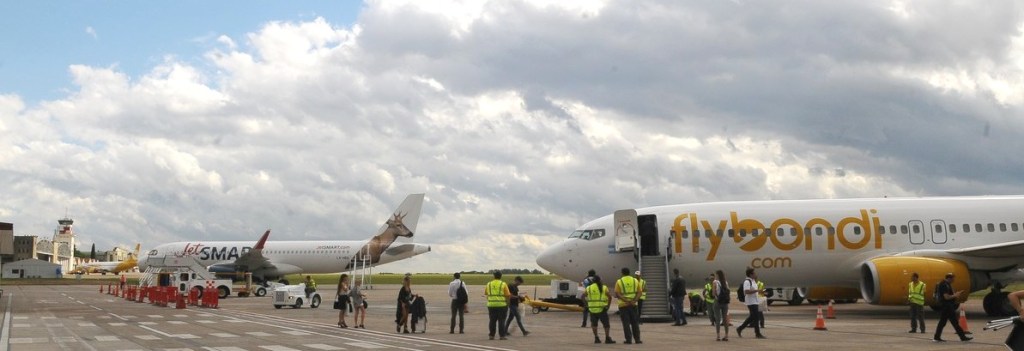
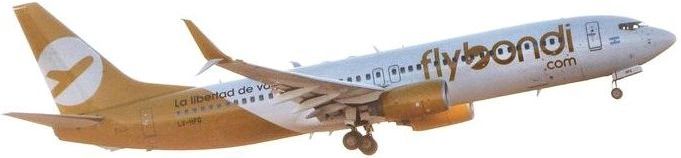
La low cost Flybondi ha expresado que evalúan distintas alternativas de turismo en corredores entre provincias que no tienen casos de contagios. “Nos resulta muy interesante esta posibilidad, ya que Flybondi opera varias rutas que no pasan por Buenos Aires que generan conectividad interprovincial. Si se avanza con la propuesta, sería necesario analizar qué rutas pueden operarse en función del tiempo previo de venta y la demanda que los gobiernos provinciales consideren probable. Puede ser una buena manera de comenzar a reactivar las economías regionales y que varios destinos no pierdan completamente su temporada alta”, indicó Esteban Tossutti, Presidente de Flybondi. Toda la actividad deberá ser muy estricta con los protocolos sanitarios, y que en el caso de la empresa, comenzó a aplicarlo a fines de Febrero 2020 y acaba de lanzar ‘Flybondi te Cuida’, un plan de medidas de cuidado para los pasajeros y empleados que incluyen iniciativas alineadas a las recomendaciones de la Asociación Internacional de Transporte Aéreo (IATA), el Consejo Internacional de Aeropuertos (ACI), la Organización Mundial de la Salud y el Ministerio de Salud de la Nación.

Esta alternativa a las iniciativas del Gobierno de Argentina permitirán reactivar la actividad del turismo en las regiones que tienen su temporada alta en estos meses para no perder por completo la temporada alta invernal.

Argentina analyzes reactivating aviation

Government Argentina to reactivate restart of winter vacation cabotage operations

The Government of Argentina is analyzing the possibility of enabling special flights for the upcoming winter holidays between destinations in the interior of the country, linking provinces that have not registered recent cases of coronavirus. The announcement on Wednesday, June 3, 2020 has come out after the analysis of the situation of the pandemic in the interior of the country. On Thursday 04/06, the Minister of Tourism and Sports of the Nation, Matías Lammens, confirmed that the Government is evaluating authorizing cabotage flights and long-distance buses with the aim of reviving tourism in this period, always between provinces with a situation controlled sanitary, so it will not be possible to travel from Capital or Greater Buenos Aires.

The current conditions for improvement in Argentina allow us to present a project of Sanitary Tourist Corridors to reactivate tourism. “From the Chamber, we promote tourist openness for vacations and work through interprovincial corridors that allow land and air transportation, because they are key when it comes to moving the economy. There are provinces that register a very good sanitary level in relation to Covid-19, and that could exchange tourists. Among the different destinations with possibilities of receiving or issuing travelers this winter, the director mentioned Bariloche, Mendoza, Salta, Jujuy, Catamarca and Misiones, always with agreement between the governors regarding the guidelines and sanitary protocols. The Ministry of Tourism, together with the CAT and the Federal Council, are preparing protocols of national scope by sectors: one for hotels and gastronomy that is about to be published, another for airlines and another for travel agencies. I don’t want to be optimistic, but I think there are certain possibilities that this plan can be implemented by mid or late July. It would be a good solution for the national government to reactivate the (tourist) sector, which would make it possible to recover activity and employment in the provinces”, said the President of the Argentine Chamber of Tourism, Aldo Elías.

The sanitary protocol for the opening of vacation flights implies the necessary separation between passengers, the mandatory use of face masks, temperature controls and a deep cleaning of the aircraft, which are equipped with air filters in the passenger cabins.

Aerolíneas Argentinas has expressed that «flying this winter is a possibility. It will be necessary to analyze each route and also possibly design new stretches with intermediate stopovers. This preliminary study is being done by the National Civil Aviation Administration (ANAC), and will surely depend of this analysis. In an analysis of possible routes, for the moment it is very premature to disclose considering that Aerolíneas does many inter-sections and it is necessary to evaluate several points, such as moving crews to the provinces or implementing maintenance reinforcements if necessary, considering variables such as that in certain airports only Embraer aircraft can operate”. For this reason, there are still no definitions on which routes or when operations would begin.

From the low cost Jetsmart Airlines Argentina they also expressed their interest in flying this vacation. “We are very interested, always ready to resume flights. The company applies a well-defined prevention and health protocol to be able to resume operations. In addition, in Chile we never stop flying, which is why we have the concrete practice of applying that protocol day by day», said Gonzalo Pérez Corral, general manager of the company.

Jetsmart Airlines Argentina is consulting with various provinces because of the interest in receiving flights, and announced that some destinations that could connect Jetsmart (still unconfirmed) would be Neuquén, Salta, Rosario, and Bariloche with different points in the interior. «There are provinces that depend a lot on tourism, and in several already for a few days there have been no cases of coronavirus, so in 35 or 45 days it could fly», they maintain from the low cost.

The low cost Flybondi has expressed that they evaluate different tourism alternatives in corridors between provinces that do not have cases of contagion. «We find this possibility very interesting, since Flybondi operates several routes that do not pass through Buenos Aires that generate inter-provincial connectivity. If the proposal is advanced, it would be necessary to analyze which routes can be operated based on the prior sale time and the demand that provincial governments consider probable. It can be a good way to start reactivating regional economies and that several destinations do not completely lose their peak season», said Esteban Tossutti, President of Flybondi. All activity must be very strict with sanitary protocols, and that in the case of the company, began to apply it at the end of February 2020 and has just launched ‘Flybondi te Cuida’, a plan of care measures for passengers and employees. which include initiatives aligned to the recommendations of the International Air Transport Association (IATA), the Airports Council International (ACI), the World Health Organization and the Ministry of Health of the Nation.

This alternative to the initiatives of the Government of Argentina will allow to reactivate the activity of the tourism in the regions that have their high season in these months so as not to completely lose the winter high season.

Ξ A I R G W A Y S Ξ
PUBLISHER: Airgways.com
DBk: Argentina.gob.ar/transporte / Anac.gov.ar / Aerolineas.com / Jetsmart.com / Flybondi.com / Airgways.com / Rafael M. Quinteros
AW-POST: 202006050725

A\W   A I R G W A Y S ®
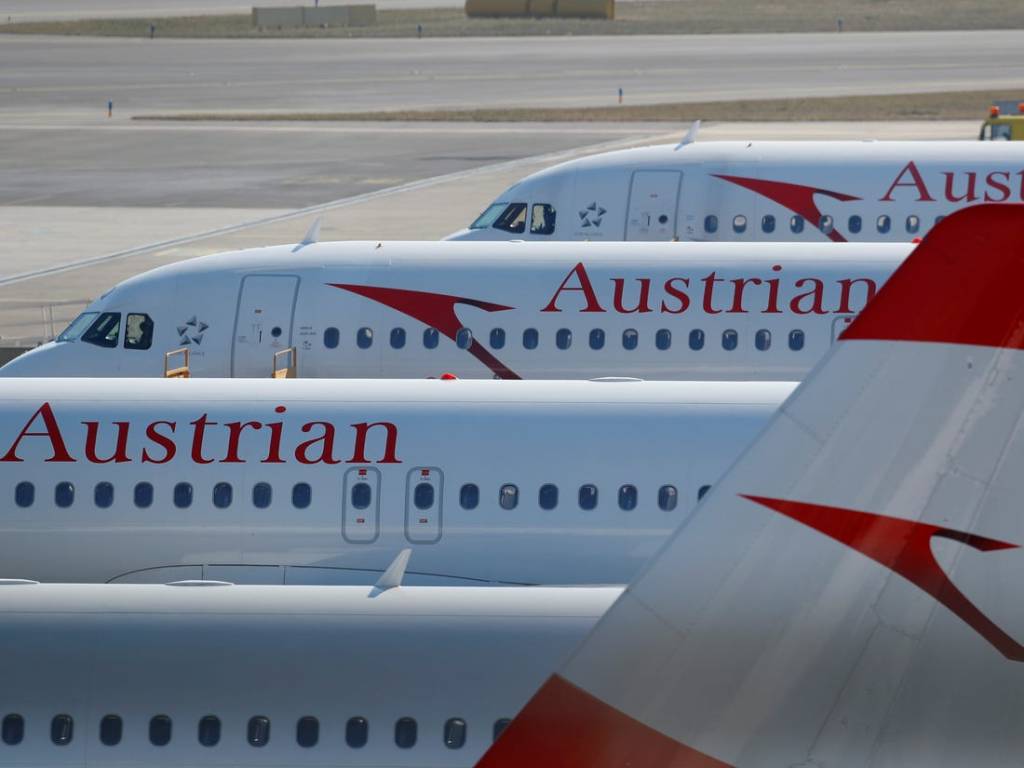
Wizz Air recibe primer A320NEO

AW | 2020 06 04 15:05 | AIRLINES / INDUSTRY

Wizz Air toma entrega primer Airbus A320NEO

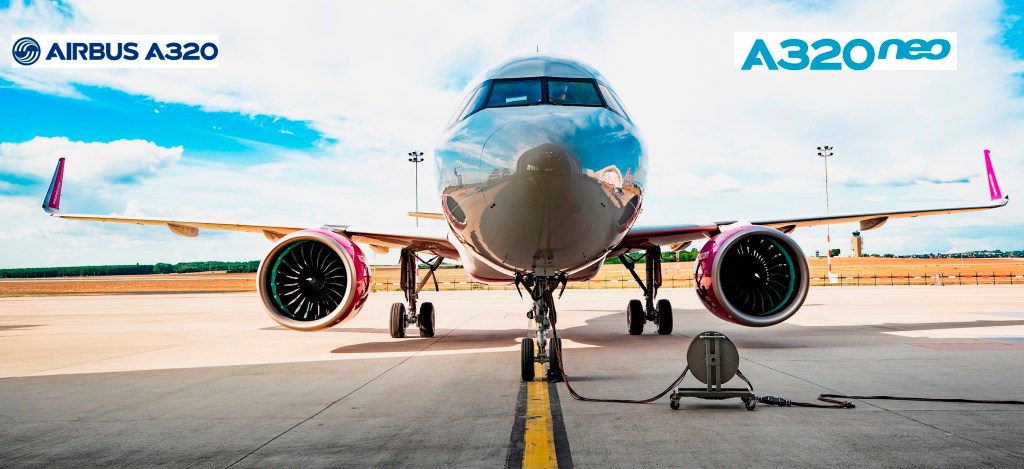
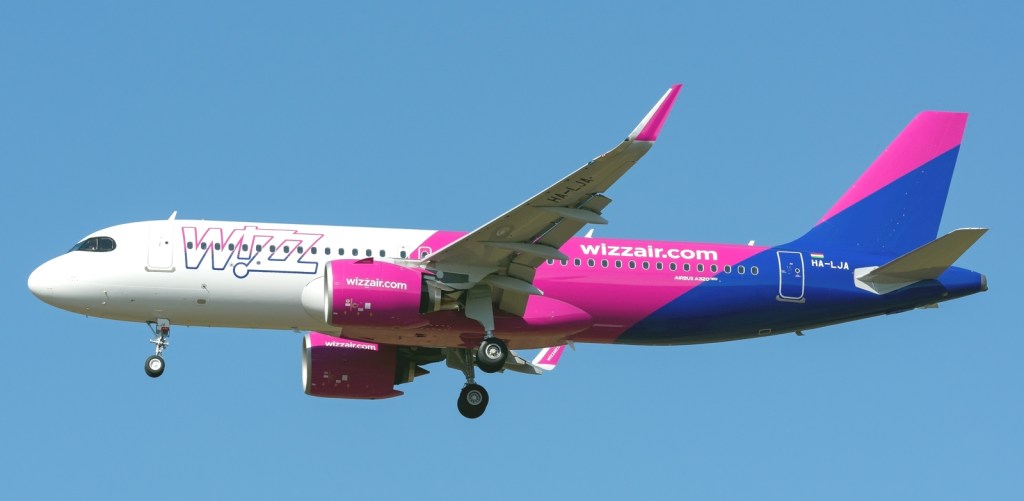
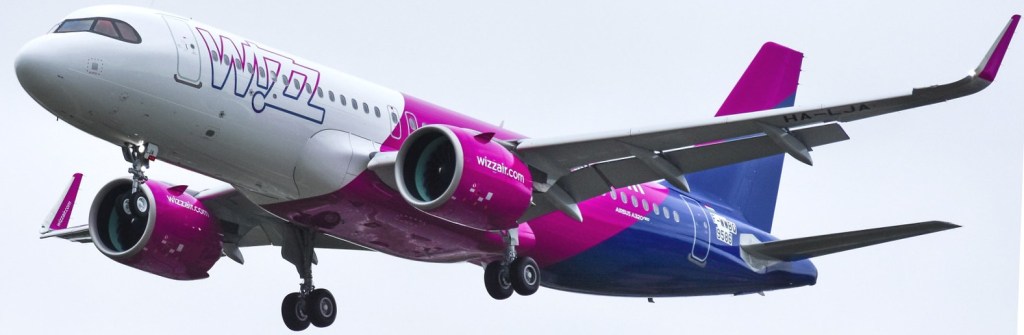
Wizz Air ha recibido su primer Airbus A320NEO a su flota de aeronaves. La aerolínea low cost de Europa Central con base en Budapest, Hungría, equipado con motores Pratt & Whitney PW1100G, lleva el registro HA-LIA. La aerolínea ha configurado el A320NEO con 186 asientos en un diseño económico. Su último plan de adquisición de flota muestra que tendrá las 65 aeronaves en servicio para fines del año fiscal 2026-27.

La compañía de presupuesto húngara ha alcanzado la flota general a 122 unidades, todos los cuales son aeronaves de un sólo pasillo, de cuerpo estecho (narrowbody) del fabricante europeo Airbus Group. El nuevo A320NEO ha sido incorporado aproximadamente quince meses después de recibir su primer A321NEO, una versión más alargada y mayores capacidades operativas.

El CEO de Wizz Air, Jozsef Varadi, dice que «el A320NEO es un verdadero símbolo del modelo comercial de bajo costo de la aerolínea. Estamos encantados de agregar otro tipo de avión ultramoderno a nuestra flota en constante crecimiento. Este nuevo avión es un verdadero símbolo de nuestro modelo de negocio de costo ultra bajo al ofrecer ventajas de costo significativas, así como a reducir aún más las emisiones de Wizz Air. Nuestra flota de vanguardia, que ahora incluye el primer avión Airbus A320NEO, así como nuestras medidas de protección mejoradas garantizarán las mejores condiciones sanitarias posibles para los viajeros. Wizz Air es el productor de menor costo en Europa que opera la flota de aeronaves más joven y económicamente más eficiente con la huella ambiental más baja».

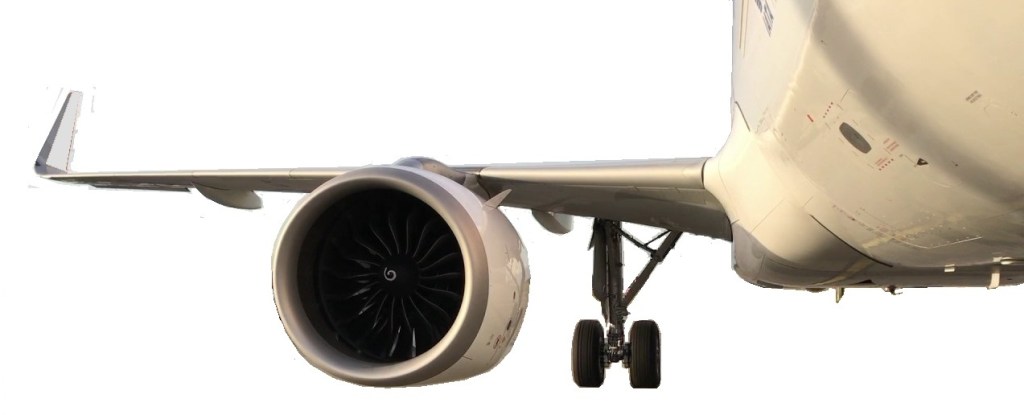
El Airbus A320NEO incorpora las últimas tecnologías en aviación y ofrece importantes beneficios medioambientales, con una reducción de casi el 50% en la huella de ruido, una reducción del 20% en el consumo de combustible y una reducción de casi el 50% en las emisiones de óxido de nitrógeno en comparación con los aviones de la generación anterior. El avión está equipado con motores Pratt & Whitney GTF.

Perspectivas Wizz Air

Wizz Air planea incorporar hasta siete A320NEO para el final del año fiscal actual 2020, aunque esta cifra es menor que los pronósticos previos elaborados antes de la crisis de la pandemia de Coronavirus. Los últimos datos de la cartera de pedidos de Airbus muestran que Wizz Air tiene un total de 65 A320NEO en órdenes pendientes.

Wizz Air receives first A320NEO

Wizz Air takes delivery of first Airbus A320NEO

Wizz Air has received its first Airbus A320NEO to its aircraft fleet. The Central European low cost airline based in Budapest, Hungary, equipped with Pratt & Whitney PW1100G engines, is HA-LIA registered. The airline has configured the A320NEO with 186 seats in an economical design. Its latest fleet acquisition plan shows that it will have all 65 aircraft in service by the end of fiscal year 2026-27.

The Hungarian budget company has reached the general fleet of 122 units, all of which are narrow-body, single-aisle aircraft from the European manufacturer Airbus Group. The new A320NEO has been incorporated approximately fifteen months after receiving its first A321NEO, a longer version and greater operational capabilities.

Wizz Air CEO Jozsef Varadi says, «The A320NEO is a true symbol of the airline’s low-cost business model. We are delighted to add another type of ultra-modern aircraft to our ever-growing fleet. This new aircraft is a true Symbolic of our ultra-low cost business model by offering significant cost advantages, as well as further reducing emissions from Wizz Air, our state-of-the-art fleet, now including the world’s first Airbus A320NEO aircraft, as well as our enhanced protection measures they will ensure the best possible sanitary conditions for travelers. Wizz Air is the lowest cost producer in Europe operating the youngest and most economically efficient fleet of aircraft with the lowest environmental footprint».

The Airbus A320NEO incorporates the latest aviation technologies and offers significant environmental benefits, with a nearly 50% reduction in noise footprint, a 20% reduction in fuel consumption and an almost 50% reduction in emissions Nitrogen oxide compared to previous generation aircraft. The aircraft is equipped with Pratt & Whitney GTF engines.

Wizz Air outlook

Wizz Air plans to add up to seven A320NEOs by the end of the current fiscal year 2020, although this number is less than previous forecasts made before the Coronavirus pandemic crisis. The latest Airbus order book data shows that Wizz Air has a total of 65 A320NEOs on pending orders.

A Wizz Air kapja az első A320NEO

A Wizz Air szállítja az első Airbus A320NEO-t

A Wizz Air megkapta első Airbus A320NEO készülékét repülőgépparkjában. A budapesti székhelyű közép-európai olcsó légitársaság, Pratt & Whitney PW1100G motorokkal felszerelt, HA-LIA bejegyzett. A légitársaság 186 ülőhellyel rendelkező A320NEO készüléket gazdaságos kialakítású. Legutóbbi flottavásárlási terve azt mutatja, hogy mind a 65 repülőgép üzemben lesz a 2026–27-es pénzügyi év végéig.

A magyar költségvetési társaság elérte az összes, 122 egységből álló flottát, amelyek mindegyike egy folyosós, keskenytestes repülőgép az európai gyártó, az Airbus Group. Az új A320NEO-t kb. Tizenöt hónappal az első A321NEO, hosszabb verzió és nagyobb működési képességek kézhezvétele után építették be.

A Wizz Air vezérigazgatója, Jozsef Varadi azt mondta: «Az A320NEO a légitársaság olcsó üzleti modelljének igazi szimbóluma. Örülünk, hogy újabb típusú ultramodern repülőgépeket építünk egyre növekvő flottánkba. Ez az új repülőgép valódi A rendkívül alacsony költségű üzleti modellünk szimbolikus jelentősen megnöveli a költségek előnyeit, és tovább csökkenti a Wizz Air, a legmodernebb flottánk, beleértve a világ első Airbus A320NEO repülőgépét, valamint fokozott védelmi intézkedéseink kibocsátásait. biztosítják a lehető legjobb egészségügyi feltételeket az utazók számára. A Wizz Air a legolcsóbb gyártó Európában, amely a legfiatalabb és gazdaságilag leghatékonyabb repülőgépparkot üzemelteti, a legkisebb környezeti lábnyommal».

Az Airbus A320NEO magában foglalja a legújabb repülési technológiákat, és jelentős környezeti előnyöket kínál, közel 50% -kal csökkent a zajláb, 20% -kal csökken az üzemanyag-fogyasztás és csaknem 50% -kal csökken a kibocsátás. Nitrogén-oxid az előző generációs repülőgépekhez képest. A repülőgép Pratt & Whitney GTF motorokkal van felszerelve.

A Wizz Air kilátásai

A Wizz Air hét A320NEO hozzáadását tervezi a jelenlegi 2020-as pénzügyi év végéig, bár ez a szám kevesebb, mint a koronavírus pandémiás válság előtt készített korábbi előrejelzések. Az Airbus legfrissebb megrendelési adatai azt mutatják, hogy a Wizz Air összesen 65 A320NEO-val rendelkezik függőben lévő megrendeléseknél.

Ξ A I R G W A Y S Ξ
PUBLISHER: Airgways.com
DBk: Airbus.com / Wizzair.com / Airgways.com
AW-POST: 202006041505AR

A\W   A I R G W A Y S ®