Aeropuerto Roque Sáenz Peña, Argentina busca recuperar conexión

AW | 2017 12 10 16:33 | AIRPORTS

El Aeropuerto Roque Sáenz Peña está impoulsando reconectar con Buenos Aires

La recuperación de los vuelos de cabotaje desde el Aeropuerto de Roque Sáenz Peña (PRQ/SARS) en la Provincia de Chaco, Argentina, ha mantenido reuniones con el Ministro de Transporte de la Nación, Guillermo Dietrich para elevar los reclamos para atraer líneas aéreas que faciliten la conexión en esta importante región del Chaco.

Operadores como Avianca, American Jet, Flybondi, Alas Del Sur, Flyest Líneas Aéreas, son aerolíneas que están siendo consultadas para la concreción de sumar a Sáenz Peña dentro de la red federal aerocomercial con vuelos regulares, hecho que se presentaba como una posibilidad para el desarrollo de la ciudad, buscando la conexión con Buenos Aires.  AIRWAYS® AW-Icon TXT

Roque Sáenz Peña Airport seeks to recover connection

The Roque Sáenz Peña Airport is implying reconnect with Buenos Aires

The recovery of cabotage flights from the Roque Sáenz Peña Airport (PRQ / SARS) in Province of Chaco, Argentina, has held meetings with the Nation’s Minister of Transportation, Guillermo Dietrich, to raise claims to attract airlines that facilitate connection in this important region of the country. Chaco

Operators such as Avianca, American Jet, Flybondi, Alas Del Sur, Flyest Líneas Aéreas, are airlines that are being consulted for the concretion of adding Saenz Peña within the federal aviation network with regular flights, a fact that was presented as a possibility for the development of the city, looking for the connection with Buenos Aires. A\W


Ξ A I R G W A Y S Ξ
SOURCE: Airgways.com
DBk: Wikimedia.org
AW-POST: 201712101633AR
A\W A I R G W A Y S ®

Aeropostal retomaría operaciones 1Q2018

Resultado de imagen para Aeropostal wiki

AW | 2017 12 10 16:13 | AIRLINES

Resultado de imagen para Aeropostal wikiLa aerolínea venezolana podría re-iniciar sus ops en 1Q2018

Atravesada por problemas coyunturales a la realidad político-económica de la República de Venezuela, Aeropostal ha aprobado recursos para pago de haberes adeudados en la aerolínea.

A través de la Oficina Nacional de Presupuesto fue aprobada la cifra de Bs$ 38.838.881.548,00 para solventar deudas con el personal de Aeropostal. Entre lunes a martes se espera que cancelen lo referente a las quincena del 30 de Noviembre y 15 de Diciembre más aguinaldos, además del pago de utilidades de fin de año.

El personal está inconforme porque la gerencia no ha explicado realmente cual es la situación de la empresa. Se espera que empiecen a cancelar lo que adeudan la próxima semana.

El cese de operaciones

Aeoropostal de Venezuela había paralizado sus operaciones el 23 de Agosto 2017 después de deudas con el seguro y falta de aviones dejando a cientos de pasajeros varados. Las razones de la decisión se basaron en la falta de divisas para repotenciar los aviones, comprar repuestos, y la cancelación de deudas al seguro. De los cuatro aviones en su flota McDonnell Douglas MD-82 solo había uno operativo YV-2957. No se había podido renovar el seguro de la aeronave operativa.

La empresa tenía previsto el cierre de las operaciones por dos meses a partir del 24 de Septiembre 2017, por deudas millonarias con el seguro de los seis aviones y el único que está de servicio, ya que el INAC no le extendería sus horas de vuelo porque requiere un servicio C-Check (desarmar y repotenciar todo el avión); sin embargo, la medida se aplicó el día 23 de Agosto.

El personal de mantenimiento informó que Aeropostal la asumirá el Ministerio de Transporte Aéreo y Acuático. Este organismo ha sido quien ha solicitado los recursos para pago de deudas pendientes, “Hemos sostenido una reunión informal el jueves 30 de Noviembre con el vicepresidente de la aerolínea y ha confirmado será asumida por este ministerio”, confirmaron desde el área. Aeropostal efectuará servicios a otras aerolíneas, entre ellas Laser Airlines y Turpial Airlines, con personal mecánico, tripulación, despachantes de vuelo, entre otros.

Marzo 2018 retorno operaciones

Desde el área de Mecánicos, reservando su identidad, han expresado que será para Marzo 2018 que se retomen las operaciones propias. Han realizado gestiones para la compra de repuestos para el día 15 Diciembre en EEUU, luego de aprobarse las divisas, se otorga el trámite de licitación en un lapso de 60 días, lo que permitirá acceder a las piezas necesarias para el mantenimiento de la flota de los Boeing MD-82 (McDonnell Douglas). Estimas reiniciar las operaciones cuando estén concluidos los trabajos en los aviones, proyectando volver a volar en Marzo 2018. AIRWAYS® AW-Icon TXT

1200px-MD82_de_Aeropostal_en_Barquisimeto.JPG

Aeropostal would resume operations 1Q2018

The Venezuelan airline could re-start its ops in 1Q2018

Resultado de imagen para Aeropostal wikiCrossed by short-term problems to the political-economic reality of the Republic of Venezuela, Aeropostal has approved resources for payment of assets owed on the airline.

Through the National Budget Office, the amount of Bs 38,838,881,548 was approved to settle debts with the Aeropostal staff. Between Monday and Tuesday, it is expected that they cancel the two weeks of November 30 and December 15 plus bonuses, in addition to the payment of end-of-year profits.

The staff is unhappy because the management has not really explained what the situation of the company is. They are expected to start paying off what they owe next week.

The cessation of operations

Aeoropostal de Venezuela had paralyzed its operations on August 23, 2017 after debts with the insurance and lack of planes leaving hundreds of passengers stranded. The reasons for the decision were based on the lack of foreign currency to refuel the aircraft, buy spare parts, and the cancellation of debts to the insurance. Of the four aircraft in its McDonnell Douglas MD-82 fleet, there was only one operating YV-2957. The insurance of the operational aircraft had not been renewed.

The company had planned to close operations for two months from September 24, 2017, for millionaire debts with the insurance of the six aircraft and the only one that is on duty, since the INAC would not extend its flight hours because requires a C-Check service (disarm and repower the entire plane); however, the measure was applied on August 23.

The maintenance staff informed that Aeropostal will be taken over by the Ministry of Air and Water Transport. This agency has been the one who has requested the resources for payment of outstanding debts, «We have held an informal meeting on Thursday, November 30 with the vice president of the airline and has confirmed it will be assumed by this ministry», they confirmed from the ground. Aeropostal will provide services to other airlines, including Laser Airlines and Turpial Airlines, with mechanical personnel, crew, flight dispatchers, among others.

March 2018 return operations

From the area of ​​Mechanics, reserving their identity, they have expressed that it will be for March 2018 that their own operations be resumed. They have made arrangements for the purchase of spare parts for December 15 in the US, after approving the currencies, the tender process is granted in a period of 60 days, which will allow access to the necessary parts for the maintenance of the fleet of the Boeing MD-82 (McDonnell Douglas). It is estimated that the operations will resume when the work on the planes is finished, projecting to fly again in March 2018. A \ W


Ξ A I R G W A Y S Ξ
SOURCE:  Airgways.com
DBk: Mpptaa.gob.ve / Aeropostal.com / Airgways.com / Wikimedia.org
AW-POST: 201712101613AR

A\W   A I R G W A Y S ®

Incendio en A321 de Qatar Airways 

Qatar-Airways-A321.jpg

AW | 2017 12 10 15:22 | AVIATION SAFETY

Incidente en Airbus A321-231 de Qatar Airways en Aeropuerto de Doha

Un Airbus A321 de Qatar Airways se incendió durante el mantenimiento en el IFE y la antena SATCOM. El fuselaje y la cabina del avión muestran un daño por fuego considerable.

Las llamas han dañado el fuselaje del A321-231 A7-AIB antes de que el departamento de bomberos alcanzara el avión estacionado en una ubicación exterior del Aeropuerto de Doha y pudiera apagar el incendio. Según la aerolínea, no hubo víctimas en el incidente. El Airbus A321 realizó el último vuelo el 6 de Diciembre con el vuelo QR234 Moscú-Doha. Los daños del A321 han sido considerables, por lo que se estima la baja comercial de la misma.

Qatar Airways ha anunciado la compra 50 aviones A321NEO de Airbus, por un valor de US$ 6.350 millones de dólares. Las nuevas aeronaves contarán con Airbus Cabin Flex par auna mayor experiencia al pasajeros. Estas nuevas aeronaves complementarán a la flota de los actuales A321-200 de Qatar Airways.  AIRWAYS® AW-Icon TXT

Fire at A321 of Qatar Airways

Airbus A321-231 incident of Qatar Airways in Doha Airport

An Airbus A321 from Qatar Airways caught fire during maintenance on the IFE and the SATCOM antenna. The fuselage and cockpit of the aircraft show considerable fire damage.

The flames have damaged the fuselage of the A321-231 A7-AIB before the fire department reached the plane parked outside the Doha airport and could put out the fire. According to the airline, there were no victims in the incident. The Airbus A321 made the last flight on December 6 with the flight QR234 Moscow-Doha. The damages of the A321 have been considerable, reason why the commercial reduction of the same one is estimated.

Qatar Airways has announced the purchase of 50 Airbus A321NEO aircraft, worth US $ 6,350 million. The new aircraft will have Airbus Cabin Flex for greater passenger experience. These new aircraft will complement the fleet of the current A321-200 of Qatar Airways. A\W


Ξ A I R G W A Y S Ξ
SOURCE:  Airgways.com
DBk: Qatarairways.com
AW-POST: 201712101522AR

A\W   A I R G W A Y S ®

Las aerolíneas EEUU incorporan pilotos

AW | 2017 12 10 14:40 | AIRLINES / TRAINING

Las principales aerolíneas comerciales y de carga de EEUU han contratado a más de 3.000 pilotos

El mercado laboral de pilotos en EEUU, después de una década de inestabilidad y bancarrotas, las aerolíneas estadounidenses han aumentado la oferta laboral en los últimos tres años. Las principales aerolíneas comerciales y cargueras han contratado a más de 3.000 pilotos en los últimos tres años. El incremento en el 2017 ha sido exponencial contratando a 4.353 más hasta Octubre, superando el total de contrataciones en 2016.

Bonanza de la tripulación de cabina
Las aerolíneas regionales están aumentando el salario y agregando bonificaciones con la esperanza de atraer más nuevos pilotos para defenderse de una escasez de pilotos que se avecina debido al retiro de más pilotos que están alcanzando la edad de jubilación federal obligatoria de 65 años.

Los vientos de cambios faborables muestran que es un período ventajoso para convertirse en piloto. «En este momento, la demanda es tan fuerte, cuando calificas, vas a obtener múltiples ofertas de trabajo. Es un mercado de vendedores», dijo Louis Smith, un piloto jubilado de Northwest Airlines y presidente de Future & Active Pilot Advisors, una compañía de orientación profesional.

El Grupo de Smith está organizando un foro de carrera de piloto gratuito en el Aeropuerto DFW el sábado para presentar posibles pilotos a la profesión y los pasos necesarios para llegar a la cabina.

El segmento de la fuerza de trabajo de más rápido crecimiento, las aerolíneas se centran alrededor de un objetivo: construir hacia el número mínimo de horas de vuelo, típicamente 1.500, necesarias para comenzar en una aerolínea regional. Ese viaje generalmente comienza en una escuela de vuelo o una universidad de cuatro años que ofrece grados relacionados con la aviación, dijo Smith. Los costos de capacitación y educación se extienden regularmente a las seis cifras, dijo, con un rango que puede ir de $ 50,000 a más de $ 200,000, dependiendo de la duración y el tipo de programa. «Si eres inteligente, no deberías tener que pagar dinero para construir tus horas», dijo Smith. «No hay ninguna razón en este tipo de mercado de trabajo para pagarle a alguien por construir esas 1.500 horas adicionales».

A partir de ahí, se va a una aerolínea regional, donde puede llevar cinco o más años acumular la experiencia para llamar la atención de un operador importante. Históricamente, las aerolíneas regionales habían sido un eslabón débil en la cadena de suministro piloto, con un pago inicial de US$ 30,000 o menos, convirtiéndola en una elección de carrera financieramente desalentadora, especialmente con un factor de deuda educativa de decenas de miles de dólares. Pero eso ha comenzado a cambiar en los últimos años, ya que las aerolíneas regionales han aumentado su salario inicial y agregado bonos que hacen que los salarios iniciales de US$ 60,000 sean más comunes.

Las aerolíneas regionales, especialmente las que son propiedad de un operador importante como American, también han reforzado los programas que garantizan a los pilotos una oportunidad de empleos mejor pagados con el operador principal después de varios años de empleo. «El cambio más grande ha sido lo que están haciendo los regionales», dijo Sam Mann, piloto de Southwest y portavoz de la Asociación de Pilotos de Southwest Airlines.

Durante las profundidades de la recesión, las principales aerolíneas contrataron solo 30 pilotos en 2009 y 408 en 2010, según datos de Future & Active Pilot Advisors. Ahora, la industria promedia más de eso en un mes, un reflejo de una industria de aerolíneas cambiante y consolidada cuyas ganancias se han disparado. Eso es un buen augurio para la estabilidad a largo plazo de una carrera que en el pasado a menudo estuvo marcada por la incertidumbre y la amenazante amenaza de despidos o permisos.

La demanda futura también se está fortaleciendo, y las últimas proyecciones del fabricante de aviones. Boeing predicen la necesidad de 117,000 nuevos pilotos en América del Norte durante los próximos 20 años. «Hasta ahora, no hemos visto un nivel de estabilidad en la industria. Todos los indicadores apuntan a una industria de líneas aéreas sostenible y saludable. En la última década, ha visto una disminución en las personas que desean elegir esto como una profesión. Eso creo que está en un cambio. La palabra está fuera», dijo Mann.  AIRWAYS® AW-Icon TXT

US airlines incorporate pilots

The main commercial and cargo airlines of the US have hired more than 3,000 pilots

The pilot job market in the US, after a decade of instability and bankruptcy, US airlines have increased the labor supply in the last three years. The main commercial and cargo airlines have hired more than 3,000 pilots in the last three years. The increase in 2017 has been exponential, hiring 4,353 more until October, surpassing the total of hirings in 2016.

Bonanza of the cabin crew
Regional airlines are increasing the salary and adding bonuses in the hope of attracting more new pilots to fend off a shortage of pilots that is looming due to the retirement of more pilots who are reaching the mandatory federal retirement age of 65 years.

The winds of favorable changes show that it is an advantageous period to become a pilot. «Right now, the demand is so strong, when you qualify, you’re going to get multiple job offers. It’s a seller’s market». Said Louis Smith, a retired Northwest Airlines pilot and president of Future & Active Pilot Advisors, a professional guidance company.

Smith’s group is organizing a free driver’s race forum at the DFW Airport on Saturday to present potential pilots to the profession and the necessary steps to get to the cockpit.

It is a career that Smith said can yield US$ 10 million dollars in profits and lifetime benefits on a major airline, with a job description that does not resemble any other. But getting there means investing hundreds of thousands of dollars, thousands of hours of training and years working in the airline food chain.

«We always tell future pilots to avoid becoming a pilot if it’s specifically for the money or if they want to work from 9 to 5», Smith said. «Airlines never close, time away from home can be very stressful for families, you get tired of those little soap bars, you need a passion for flying to enjoy the cockpit profession».

For aspiring pilots who are not in the military, the fastest-growing segment of the workforce, there are a number of avenues for an airline’s work. But all are centered around one goal: to build towards the minimum number of flight hours, typically 1,500, needed to start at a regional airline.

That trip usually begins at a flight school or a four-year university that offers degrees related to aviation, Smith said. The training and education costs are regularly extended to six figures, he said, with a range that can range from $ 50,000 to more than $ 200,000, depending on the duration and type of program. Pilots in training have the opportunity to earn some money as flight instructors or working in corporate or charter aviation, he said. «If you’re smart, you should not have to pay money to build your hours», Smith said. «There is no reason in this type of job market to pay someone to build those 1,500 additional hours».

From there, it goes to a regional airline, where it can take five or more years to accumulate the experience to attract the attention of a major operator. Historically, regional airlines had been a weak link in the pilot supply chain, with an initial payment of US$ 30,000 or less, making it a financially discouraging career choice, especially with an educational debt factor of tens of thousands of dollars.

But that has begun to change in recent years, as regional airlines have increased their starting salary and added bonuses that make starting salaries of US$ 60,000 more common.

Regional airlines, especially those owned by a major operator such as American, have also reinforced programs that guarantee pilots a better paid job opportunity with the main operator after several years of employment. «The biggest change has been what the regionals are doing», said Sam Mann, a Southwest pilot and spokesman for the Southwest Airlines Pilots Association.

During the depths of the recession, the main airlines hired only 30 pilots in 2009 and 408 in 2010, according to Future & Active Pilot Advisors. Now, the industry averages more than that in a month, a reflection of a changing and consolidated airline industry whose profits have soared. That augurs well for the long-term stability of a career that in the past was often marked by uncertainty and the threatening threat of layoffs or leave.

Future demand is also strengthening, and the latest projections of the aircraft manufacturer. Boeing predicts the need for 117,000 new pilots in North America during the next 20 years. «Until now, we have not seen a level of stability in the industry, all the indicators point to a sustainable and healthy airline industry, over the past decade, there has been a decline in people who want to choose this as a profession. I think it’s a change, the word is out», said Mann. A \ W


Ξ A I R G W A Y S Ξ
SOURCE: Airgways.com
DBk: Thomascookairlines.com / Telegraph.co.uk
AW-POST: 201712101440AR
A\W A I R G W A Y S ®

Aerolíneas inaugura Boeing 737-8 MAX

4720157.jpg

AW | 2017 12 09 15:10 | AIRLINES ROUTES

Aerolineas-Argentinas-logoAerolíneas Argentinas realizó el primer vuelo comercial del Boeing 737-8 MAX

Aerolíneas Argentinas inició la programación de los vuelos del primer Boeing 737-8 MAX como cliente de lanzamiento en Argentina y Latinoamérica e Iberoamérica. El MAX 8 de Aerolíneas Argentinas está configurado con 170 pasajeros y una autonomía de 6.510 kilómetros (3.515 millas náuticas).

Tras el arribo del primer Boeing 737-8 MAX la compañía Aerolíneas Argentinas ha efectuado su primer vuelo comercial en la ruta desde Buenos Aires—Mendoza. El 1 Diciembre 2017 realizó su primer vuelo comercial con Aerolíneas Argentinas el Boeing 737-8 MAX, registro LV-GVD (msn 64207/ 6661) partió desde el Aeroparque a las 06:55 hs con destino a Mendoza cumpliendo el servicio AR1536, convirtiéndose en la primera empresa de la región en operarlo. Un segundo Boeing 737-8 MAX, LV-GVE (msn 64208/ 6717) arribará a Argentin a finales de Diciembre 2017.

El tráfico de pasajeros de Aerolíneas Argentinas aumentó un 15% en el último año, totalizando hasta un 22% más desde 2015. Con el objetivo de apoyar ese crecimiento, la aerolínea planea recibir una 11 «MAX» y emplearlos en rutas regionales y el Caribe. El 737 MAX es el avión de mayor venta en la historia de la compañía Boeing, superando los 4.000 pedidos hasta la fecha. AIRWAYS® AW-Icon TXT

Resultado de imagen para aerolineas argentinas Boeing 737 max

Aerolíneas inaugural flight Boeing 737-8 MAX

Aerolíneas Argentinas made the first commercial flight of the Boeing 737-8 MAX

Aerolíneas Argentinas initiated the programming of the flights of the first Boeing 737-8 MAX as a launch customer in Argentina and Latin America and Iberoamerica. The MAX 8 of Aerolineas Argentinas is configured with 170 passengers and an autonomy of 6,510 kilometers (3,515 nautical miles).

After the arrival of the first Boeing 737-8 MAX the airline company Aerolíneas Argentinas has made its first commercial flight on the route from Buenos Aires-Mendoza. On December 1, 2017 he made his first commercial flight with Aerolíneas Argentinas the Boeing 737-8 MAX, registration LV-GVD (msn 64207/6661) departed from the Aeroparque at 06:55 hs to Mendoza fulfilling service AR1536, becoming the first company in the region to operate it. A second Boeing 737-8 MAX, LV-GVE (msn 64208/6717) will arrive in Argentina at the end of December 2017.

Aerolíneas Argentinas passenger traffic increased 15% in the last year, totaling up to 22% more since 2015. In order to support this growth, the airline plans to receive an 11 «MAX» and use them on regional routes and the Caribbean. The 737 MAX is the best-selling aircraft in the history of the Boeing company, surpassing the 4,000 orders to date. A \ W


Ξ A I R G W A Y S Ξ
SOURCE:  Airgways.com
DBk: Aerolineas.com / Fernando A. Torre / Infobae.com
AW-POST: 201712091519AR

Masivas cancelaciones en Atlanta Airport

AW | 2017 12 09 14:46 | AIR TRAFFIC

Delta Air Lines ha cancelado 625 vuelos por el paso de la tormenta en el Aeropuerto de Atlanta Hartsfield-Jackson

Delta Air Lines Inc. ha cancelado 625 vuelos en su Hub del Aeropuerto Atlanta Hartsfield-Jackson, el aeropuerto más concurrido del mundo. La aerolínea aumentó las cancelaciones a lo largo del día el viernes mientras trabajaba para eliminar el hielo de los aviones. Atlanta, sede de Delta, está bajo una advertencia de tormenta invernal hasta las 10 am del sábado, dijo el Servicio Meteorológico Nacional de Estados Unidos.

El total de los vuelos cancelados de las aerolíneas por la tormenta de nieve en EEUU estiman en 947 vuelos dentro de los Estados Unidos, según FlightAware.com, un servicio de rastreo en línea. Los vuelos y demoras más aterrizados se reportaron en el Aeropuerto Internacional Hartsfield-Jackson de Atlanta.

El inusual clima invernal cubrió el sur de los Estados Unidos desde Alabama hasta partes de Texas, obteniendo más de cuatro pulgadas de nieve, según Accuweather. La nieve en Houston fue la nevada estacional más temprana registrada y la primera vez que la ciudad de Atlanta recibió niveles mensurables desde el 4 de diciembre de 2009.  AIRWAYS® AW-Icon TXT

Massive cancellations at Atlanta Airport

Delta Air Lines has canceled 625 flights due to the passage of the storm at the Hartsfield-Jackson Atlanta Airport

Delta Air Lines Inc. has canceled 625 flights in its hub of Atlanta Hartsfield-Jackson Airport, the busiest airport in the world. The airline increased cancellations throughout the day on Friday as it worked to eliminate aircraft ice. Atlanta, Delta’s headquarters, is under a winter storm warning until 10 am Saturday, the US National Weather Service said.

The total number of flights canceled by airlines due to the snowstorm in the US is estimated at 947 flights within the United States, according to FlightAware.com, an online tracking service. The most landed flights and delays were reported at Atlanta’s Hartsfield-Jackson International Airport.

The unusual winter weather covered the southern United States from Alabama to parts of Texas, obtaining more than four inches of snow, according to Accuweather. Snow in Houston was the earliest recorded seasonal snowfall and the first time the city of Atlanta received measurable levels since December 4, 2009. A \ W


Ξ A I R G W A Y S Ξ
SOURCE:  Airgways.com
DBk: Gannett-cdn.com
AW-POST: 201712091446AR

A\W   A I R G W A Y S ®

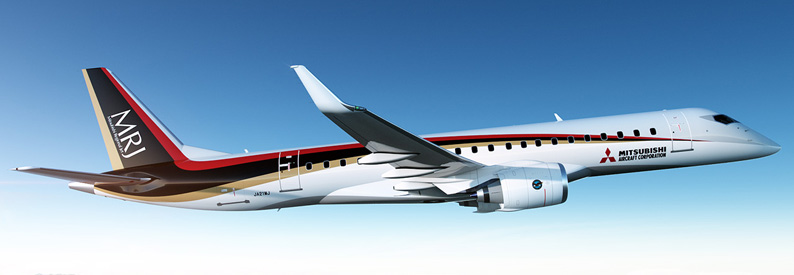
Eastern Air Lines puede cancelar MRJ-90

Ilustración de Eastern Air Lines Mitsubishi MRJ90

AW | 2017 12 09 14:30 | AIRLINES

Resultado de imagen para Mitsubishi Aerospace corp MRJ90Eastern Air Lines podría renunciar al compromiso de orden de los Mitsubishi MRJ-90

La empresa matriz Swift Air de Eastern Air Lines podría cancelar el pedido de 40 MRJ90. Eastern Air Lines inicialmente encargó a veinte MRJ-90, más veinte opciones en 2014 a Mitsubishi Aircraft Corp.

Tras su adquisición a principios de 2017, Swift Air, nueva matriz de Eastern, optó por concentrarse en la expansión de sus 18 aviones Boeing 737-800 en su srutas en Estados Unidos.

Retrazos del MRJ-90

Las continuas demoras en el lanzamiento del programa MRJ-90 han hecho que sea más difícil para Mitsubishi convencer a Swift Air para retener el pedido. En el entorno actual de bajos precios del combustible, las aerolíneas están más preocupadas por los altos costos de despliegue que los ahorros de combustible que el MRJ-90 podría ofrecer.

All Nippon Airways (ANA), el cliente de lanzamiento del MRJ-90, estaba programado originalmente para recibir la primera aeronave de este tipo en 2013. Sin embargo, una gran cantidad de problemas técnicos y de diseño retrasaron esa fecha hasta 2020.

La cancelación del pedido de Swift Air representaría un duro golpe para Mitsubishi, ya que representa casi el 10% de la cartera de pedidos completa de MRJ-90, que en la actualidad suma un total de 447 aviones. Sin embargo, de esos 447, solo 243 son firmes. El cliente más grande del tipo es SkyWest Airlines (EE. UU.) con 100 pedidos en firme y 100 opciones. AIRWAYS® AW-Icon TXT

Resultado de imagen para Mitsubishi Aerospace corp MRJ90

Eastern Air Lines can cancel order MRJ-90

Eastern Air Lines could waive the order commitment of the Mitsubishi MRJ-90

The parent company Swift Air of Eastern Air Lines could cancel the order of 40 MRJ90. Eastern Air Lines initially commissioned twenty MRJ-90s, plus twenty options in 2014 to Mitsubishi Aircraft Corp.

Following its acquisition in early 2017, Swift Air, Eastern’s new parent company, opted to concentrate on expanding its 18 Boeing 737-800 aircraft in its facilities in the United States.

Retractions of the MRJ-90

The continued delays in launching the MRJ-90 program have made it more difficult for Mitsubishi to convince Swift Air to retain the order. In the current environment of low fuel prices, airlines are more concerned about the high deployment costs than the fuel savings that the MRJ-90 could offer.

All Nippon Airways (ANA), the launch customer of the MRJ-90, was originally scheduled to receive the first aircraft of its kind in 2013. However, a large number of technical and design problems delayed that date until 2020.

Cancellation of the Swift Air order would be a major blow for Mitsubishi, since it represents almost 10% of the complete order portfolio of MRJ-90, which currently totals 447 aircraft. However, of those 447, only 243 are firm. The largest customer of the type is SkyWest Airlines (USA) with 100 firm orders and 100 options. A \ W


Ξ A I R G W A Y S Ξ
SOURCE:  Airgways.com
DBk: Flythemrj.com / Aviationvoice.com
AW-POST: 201712091430AR

A\W   A I R G W A Y S ®

Retiro norma tarifaria equipajes en EEUU

AW | 2017 12 09 14:04 | AIRLINES

Resultado de imagen para dot department of transportationEstados unidos retira la norma que obliga a las aerolíneas a revelar las tarifas de equipaje

El Departamento de Transporte (DOT) anunció que por las nuevas reglamentaciones impuestas por la administración estadounidense, las aerolíneas no esterán obligadas a revelar las tarifas de equipaje oculto tan pronto como la gente comience el proceso de compra de boletos.

El DOT, ha remarcado las políticas de la administración de Obama y Trump retirando la regla que exige que las aerolíneas que divulguen tarifas de equipaje. La administración de Obama propuso que la regla proporcionaría una mayor transparencia para los consumidores de las aerolíneas. La medida generó duras críticas por parte de los miembros demócratas del Congreso, algunos de los cuales lo calificaron como una «reversión imprudente» al usar la postura de Trump sobre la regulación gubernamental como una excusa para que las corporaciones tengan más margen para abusar de los consumidores.

La regla propuesta habría forzado a todos los transportistas aéreos y agentes de boletos a mostrar a los clientes todas las tarifas de equipaje en cada punto durante una compra, incluidas las tarifas por equipaje facturado y equipaje de mano. Delta permitió previamente la primera valija documentada en vuelos a Europa de forma gratuita, pero eso ya no se aplicará a quienes utilicen la tarifa Básica Económica. AIRWAYS® AW-Icon TXT

Withdrawal of tariff regulations for luggage in the US

The United States withdraws the rule that requires airlines to reveal baggage fees

The Department of Transportation (DOT) announced that by the new regulations imposed by the US administration, airlines will not be required to disclose hidden baggage fees as soon as people begin the process of purchasing tickets.

The DOT, has highlighted the policies of the Obama administration and Trump by withdrawing the rule that requires airlines to disclose baggage fees. The Obama administration proposed that the rule would provide greater transparency for airline consumers. The measure drew harsh criticism from Democratic members of Congress, some of whom called it a «reckless reversal» by using Trump’s stance on government regulation as an excuse for corporations to have more room to abuse consumers.

The proposed rule would have forced all air carriers and ticket agents to show customers all baggage fees at each point during a purchase, including fees for checked baggage and hand luggage. Delta previously allowed the first checked bag on flights to Europe for free, but that will no longer apply to those who use the Basic Economic tariff. A \ W


Ξ A I R G W A Y S Ξ
SOURCE:  Airgways.com
DBk: Transportation.gov / Trbimg.com / Timeincapp.com
AW-POST: 201712091404AR

A\W   A I R G W A Y S ®

TAG Airlines incorpora E-145LR

AW | 2017 12 09 13:38 | AIRLINES

Transportes Aéreos de Guatemala (TAG Airlines) ha iniciado la incorporación del Embraer E-145LR a su flota

La aerolínea presentó ayer el nuevo avión Embraer E-145LR (Long Range) de rango extendido, ingresando así a la era jet. Permitirá a TAG Airlines operar nuevas rutas desde Guatemala a diferentes destinos en el Caribe. El nuevo jet ofrecerá más comodidad a los pasajeros,y permitiendo una conexión más rápida.

Jonathan Layton G., presidente de TAG Airlines, indicó que el nuevo jet se convierte en el primero de bandera guatemalteca y permitirá a la empresa un rediseño de sus rutas en 2018. “Esperamos que a partir de la adquisición de la aeronave se logre la apertura de destinos como Managua, Cancún y Cuba”, dijo.

El E-145LR tiene capacidad de 50 asientos y fue comprado a una compañía aeronáutica brasileña. El avión, con un límite de operación de 37 mil pies de altura, está dotado de dos motores turbo que le permiten alcanzar velocidades de 980 kilómetros por ahora.

La modernización en su flota ha demandado una inversión entre US$3.5 y US$4 millones de dólares. TAG Airlines incorporará tres aviones E-145 adicionales en 2018 a su flota. Los Embraer 145 que llegarán el próximo año servirán para vuelos domésticos e internacionales de corta distancia.

El miembro más grande de la familia Embraer, el ERJ145 proporciona la versatilidad para construir una red regional y la capacidad de tamaño adecuado. Con 20 años de confianza, más de 26 millones de horas de vuelo, en servicio con 36 aerolíneas en 26 países, los ERJ145 son una leyenda de pista comprobada. AIRWAYS® AW-Icon TXT

TAG Airlines incorporates E-145LR

Transportes Aéreos de Guatemala (TAG Airlines) has begun the incorporation of the Embraer E-145LR into its fleet

The airline presented yesterday the new Embraer E-145LR (Long Range) extended range aircraft, thus entering the jet era. It will allow TAG Airlines to operate new routes from Guatemala to different destinations in the Caribbean. The new jet will offer more comfort to passengers, and allowing a faster connection.

Jonathan Layton G., president of TAG Airlines, indicated that the new jet becomes the first one of the Guatemalan flag and will allow the company to redesign its routes in 2018. «We hope that after the acquisition of the aircraft the opening of destinations such as Managua, Cancun and Cuba», he said.

ERJ145c.jpg

EMBRAER E-145LR

The E-145 has a capacity of 50 seats and was purchased from a Brazilian aeronautical company. The plane, with an operating limit of 37 thousand feet, is equipped with two turbo engines that allow it to reach speeds of 980 kilometers for now.

The modernization in its fleet has demanded an investment between US $ 3.5 and US $ 4 million. TAG Airlines will add three additional E-145 aircraft in 2018 to its fleet. The Embraer 145 that will arrive next year will be used for domestic and international short-haul flights.

The largest member of the Embraer family, the ERJ145 provides the versatility to build a regional network and the right size capacity. With 20 years of trust, more than 26 million flight hours, in service with 36 airlines in 26 countries, the ERJ145 is a proven track legend. A \ W


Ξ A I R G W A Y S Ξ
SOURCE:  Airgways.com
DBk: Tag.com.gt
AW-POST: 201712091338AR

A\W   A I R G W A Y S ®

Larga vida al Boeing 717

Resultado de imagen para Home of the Boeing 717

AW | 2017 12 08 23:17 | INDUSTRY

Boeinglogo[1]sticker717blue.jpgEl Boeing 717 es producto de la fusión de McDonnell Douglas y Boeing

mcdonnelldouglas-logo.jpgMcDonnell Douglas había diseñado el MD-95 un derivado de la famosa línea de aviones comerciales MD-80/MD-90.

El MD-95 efectuó su primer vuelo el 2 de Septiembre de 1998. Entró en servicio el 12 de Octubre de 1999 con la aerolínea AirTran Airways para competir en el mercado de los 100 asientos. Es el modelo que se conoció antes de la fusión de McDonnell Douglas con Boeing como MD-95, que a su vez era un desarrollo del Douglas DC-9. El 14 de enero de 2005, Boeing anunció que en 2006 cerraría la cadena de montaje del Boeing 717, situada en Long Beach (Estado de California).

El MD-95 fue anunciado en 1991, inicialmente como MD-87-105, una versión recortada de la alargada familia MD-80 que había regresado a casi el mismo tamaño del DC-9 Series 30 de los años 60. Pronto fue renombrado MD-95 para reflejar la anticipada primera fecha de entrega, al menos en el caso de que McDonnell Douglas Corporation no pudiera encontrar una aerolínea dispuesta a hacer un pedido en firme para comenzar la producción hasta esa fecha.

ANUNCIO DE PRESENTACIÓN DEL McDONNELL DOOUGLAS MD-95

En octubre de 1995, la aerolínea de bajo coste estadounidense ValuJet firmó una orden por 50 MD-95, más 50 opciones. Generalmente, un nuevo avión tiene una o más grandes aerolíneas de prestigio y bien establecidas como clientes lanzadores. Lanzar la producción del MD-95 sobre la base de una sola orden de una debutante compañía de dos años de antigüedad con dudosas finanzas era altamente optimista, y se vio como un reflejo de la dificultad que estaba teniendo McDonnell Douglas en vender aviones.

Resultado de imagen para Boeing 717 pngEn Diciembre de 1996, Boeing realizó una oferta de compra de 13 mil millones de dólares por McDonnell Douglas y la fusión se hizo oficial el año siguiente. Boeing se apresuró a deshacerse de toda la línea comercial de MDC, excepto solamente el MD-95, que fue rebautizado Boeing 717.

La mayoría de los observadores industriales esperaban que también prontamente se abandonara el MD-95. Para empezar, Boeing no tuvo más éxito que McDonnell Douglas en vender el 717, e incluso la orden original de 50 unidades no era una certeza en el caótico mercado de las aerolíneas estadounidenses tras la desregularización (un cliente no sólo tenía que querer un avión, sino que tenía que ser capaz de pagarlo). En este caso, ValuJet, actualmente AirTran Airways, conseguiría un éxito considerable y ahora opera 73 aviones 717-200, así como 5 nuevos 737-700. Continúa aceptando entregas de 717 y 737.timeline-717.png

Boeing aceptó un puñado de pequeñas órdenes de compañías de alquiler y operadores menores, y en una segunda gran orden de 50 Boeing 717 de TWA, pero tras la dramática caída en el tráfico de las aerolíneas causada por la reacción al incidente del 11 de septiembre en los Estados Unidos, Boeing anunció una revisión del futuro del modelo.

Tras mucha deliberación, se decidió seguir. A pesar de la falta de órdenes, Boeing confiaba en la fundamental idoneidad del Boeing 717 para el mercado de las 100 plazas, y en el tamaño a largo plazo de ese mercado. Adicionalmente, la antigua planta de Douglas en Long Beach estaba casi parada (junto con el 717, sólo había un puñado de C-17 para mantenerla ocupada). Quizá lo más importante de todo, el abandonar el 717 supondría dejar el mercado de las 100 plazas a Airbus y a su planeado A318: desde un punto de vista de mercado, cualquier aerolínea que comprase un A318 tendría una poderosa razón para comprar luego A320 y A321 en vez de 737 para aprovechar las partes comunes y las tripulaciones, si la aerolínea no tuviera muchos 737 ya en su flota. En vez de usar un avión de la clase de los 100 asientos, las aerolíneas tendrían que elegir usar un avión mayor, pero ocupando la mitad de los asientos, la mitad de su capacidad de combustible, y en adelante, lograr más comunión con otros aviones de sus flotas en vez de tener una amplia gama de aparatos.

AW-10000001717.png

Boeing, también planificó un derivado del Boeing 717, el Boeing 717-300, pero pronto no tuvo demanda y  el proyecto fue cancelado. Aunque la producción del Boeing 717 había finalizado, en realidad este «pequeño fundamento» a logrado sobrevivir. La industria de China, bajo la mano de COMAC ha logrado refundar este avión regional, revisando y retocando muchos aspectos de la aeronave, algunos de ellos radicalmente. Entró en escena el nuevo ARJ 21-700, un avión híbrido del Boeing 717 y MD-95.

Pasos finales del Boeing 717

En enero de 2005, Boeing anunció que tenía planeado cerrar la cadena de montaje del B-717 tras haber cumplido la lista actual de pedidos, debido a la baja cifra de ventas de la aeronave. Esto se debe a la creciente competencia de los constructores de aviones regionales, especialmente Embraer y Bombardier; además de la competencia del A318 de Airbus, de un tamaño similar y que es muy parecido a otros aviones de la familia del A320, lo que significa una reducción significativa de costes. El último B-717 fabricado salió de la cadena de montaje en mayo de 2006 de la fábrica de Long Beach (California). El Boeing 717-200 se fabricó en el período 1998 – 2006 y culminando la producción con 156 de los aviones construidos con las variantes 200 (básica) y 200HGW (con peso operativo incrementado).

El 23 de mayo de 2006, Boeing entregó los últimos dos aviones 717-200 a clientes en su fábrica de Long Beach, California. Marcó el final de un programa lleno de promesas pero que finalmente no logró captar el interés de las aerolíneas. Incluso la operación de ventas bien engrasada de Boeing solo pudo reunir 156 pedidos para el pequeño avión de 100 viajes y corto recorrido.

El proyecto BRJ de Bombardier no se concretó, pero muchos años después nació el CSeries. El mercado de las 100 plazas estuvo masificado hasta 2001, pero varios competidores potenciales han desaparecido. BAe canceló su Avro RJX (un BAe 146 actualizado con motores modernos); Fairchild Dornier cerró sus puertas, llevándose el proyecto Do-728/928, y Bombardier canceló su nuevo BRJ en favor de un menos ambicioso CRJ alargado de 90 asientos. La actual flota mundial está mayoritariamente compuesta de viejos birreactores con costes relativamente altos, siendo notables los DC-9, primeros modelos de 737, y el Fokker 100.

Boeing 717 fuera producción

¿Cómo un avión que Boeing no pudo vender se convirtió en un avión del que las aerolíneas no pueden tener suficiente? A pesar de que el Boeing 717 lleva el nombre de Boeing y el esquema de nombres 7X7 de la firma, en realidad no es un Boeing. Frote en ese logotipo de Boeing con una almohadilla de brillo y un poco de agua jabonosa y pronto encontrará las palabras impresas en el avión de McDonnell Douglas.

En 1997, Boeing adquirió a su rival de larga data McDonnell Douglas por US$ 13 mil millones. En ese momento, McDonnell Douglas produjo el avión de fuselaje ancho MD-11 y continuaba con el éxito de producción de los MD-80/90. Poco después de la fusión, Boeing eliminó todos los aviones comerciales de MD80/90. Aún así, Boeing preservó la línea de producción del MD-95 que se estableció para entrar en servicio en 1999. Como Boeing observó que el MD-95 encajaba perfectamente justo por debajo de los Boeing 737, favorecería la competencia con el proyecto inicial de Airbus: AE316 y AE317. Posteriormente estos aviones unificarían su producción como el A318.

Para que encajara mejor en la cartera de productos del Boeing, el MD-95 fue renombrado como el Boeing 717-200. Sin embargo, eso no fue suficiente para convencer a las aerolíneas. Era un avión diseñado por McDonnell Douglas con diferentes ideas y filosofías. Por lo tanto, el 717 era un huérfano que no pertenecía a ninguna de las familias de productos de Boeings.

Para las líneas aéreas, existe un gran incentivo financiero para tener aviones de diferentes tamaños y roles operados por la misma tripulación y atendidos por los mismos equipos de mantenimiento que utilizan las mismas piezas de repuesto. Hay una sinergia total allí.

A pesar de que los McDonnell Douglas DC-9/MD-80/MD-90 todavía servían como la columna vertebral de muchas de las principales aerolíneas de EEUU como American Airlines, Northwest Airlines (NWA) y Delta Air Lines, ninguno de los grandes optó por introducir el avión regional en sus flotas. Cuando American Airlines adquirió Trans World Airlines (TWA) en 2001, vendió todos sus Boeing 717-200.

Debido a que el mercado se contrajo en los años 2006-2008 por la poca oferta de aviones jet regionales en aquel tiempo, el Boeing 717 moría. Pero once años después, las aerolíneas que operan el 717 están ansiosas por una aeronave que cubra el segmento de las 100 plazas. La realidad es muy diferente en la actualidad, ya que el Airbus A318 no cumplió el rol deseado en las aerolíneas, inclusive con la estandarización de la gama de la familia A320 en las líneas aéreas. Embraer compite con la nueva línea de aviones de segunda generación los E190/195 E2 y los Bombardier CS-100 y CS-300.

br715-boeing-717.jpg

Actual demanda regional

Actualmente, el Boeing 717 es operado principalmente por cuatro aerolíneas; Delta Air Lines, Hawaian Airlines, Qantas Link (Cobham Aviation Services Australia) y la aerolínea española de bajo costo Volotea. Con 91 de los aviones en su flota, Delta Air Lines es el operador más grande del Boeing 717.

Increíblemente, una década después de ser eliminados de la línea de producción de Boeing, las aerolíneas están recorriendo el planeta en busca disponibilidad del codiciado Boeing 717. «Estos tipos siguen rogándome que les dé más aviones 717. Pero eso terminó y no va a suceder», dijo Dinesh Keskar, Vicepresidente Senior de ventas de Boeing para Asia Pacífico e India.

Remarcar errores en la proyección de la línea de producción en The Boeing Company no es facil, ya que existen muchos motivos por los que se han dado de baja las líneas de producción de los Boeing 757 y Boeing 717. Pero una cosa es certera, el constructor americano ha perdido mucho mercado regional y de mercado medio, sin una compatencia fuerte. En la actualidad Boeing sigue padeciendo los errores del pasado.

Cómo el jet Boeing 717 que nadie quería se ha convertido en la actualidad en el best-seller de las líneas aéreas que recorren el planeta. La respuesta es muy acertada, sigue siendo un excelente avión regional. AIRWAYS® AW-Icon TXT

Long live the Boeing 717

br715-boeing-717.jpgThe Boeing 717 is the product of the merger of McDonnell Douglas and Boeing

McDonnell Douglas had designed the MD-95 a derivative of the famous commercial aircraft line MD-80 / MD-90.

The MD-95 made its first flight on September 2, 1998. It entered service on October 12, 1999 with the AirTran Airways airline to compete in the 100-seat market. It is the model that was known before the merger of McDonnell Douglas with Boeing as MD-95, which in turn was a development of the Douglas DC-9. On January 14, 2005, Boeing announced that in 2006 it would close the assembly line of Boeing 717, located in Long Beach (State of California).

The MD-95 was announced in 1991, initially as MD-87-105, a cropped version of the elongated MD-80 family that had returned to almost the same size as the DC-9 Series 30 of the 1960s. It was soon renamed MD -95 to reflect the anticipated first delivery date, at least in the case that McDonnell Douglas Corporation could not find an airline willing to place a firm order to begin production until that date.

Resultado de imagen para Boeing 717-200 AirTran Airways pngIn October 1995, the US low cost airline ValuJet signed an order for 50 MD-95, plus 50 options. Generally, a new aircraft has one or more large, well-established and established airlines as launch customers. Launching the MD-95’s production on the basis of a single order from a two-year-old debutante company with dubious finances was highly optimistic, and was seen as reflecting the difficulty McDonnell Douglas was having in selling aircraft.

c31ffa13fc429c4fe92f6bddbd354dbb

In December of 1996, Boeing made a purchase offer of 13 billion dollars for McDonnell Douglas and the merger became official the following year. Boeing hastened to get rid of the entire MDC business line, except only the MD-95, which was renamed Boeing 717.

AW-7000717.jpg

AIRTRAN AIRWAYS, FIRST CUSTOMER TO LAUNCH OF THE BOEING 717

Most industrial observers expected the MD-95 to be abandoned as soon as possible. For starters, Boeing was no more successful than McDonnell Douglas in selling the 717, and even the original order of 50 units was not a certainty in the chaotic market of US airlines after deregulation (a customer not only had to want a plane, it had to be able to pay for it). In this case, ValuJet, currently AirTran Airways, would achieve considerable success and now operates 73 717-200 aircraft, as well as 5 new 737-700. Continue accepting deliveries of 717 and 737.

Boeing accepted a handful of small orders from rental companies and smaller operators, and a second large order of 50 TWA Boeing 717, but after the dramatic fall in airline traffic caused by the reaction to the September 11 incident in United States, Boeing announced a review of the future of the model.

Imagen relacionada

MEXICANA CLICK USED THE BOEING 717-200

After much deliberation, it was decided to continue. Despite the lack of orders, Boeing was confident in the fundamental suitability of the Boeing 717 for the 100-seat market, and in the long-term size of that market. Additionally, the old Douglas plant in Long Beach was almost stopped (along with the 717, there was only a handful of C-17s to keep it occupied). Perhaps most important of all, leaving the 717 would leave the market of 100 seats to Airbus and its planned A318: from a market point of view, any airline that bought an A318 would have a strong reason to buy then A320 and A321 instead of 737 to take advantage of common parts and crews, if the airline did not have many 737 already in its fleet. Instead of using an aircraft of the class of 100 seats, airlines would have to choose to use a larger aircraft, but occupying half of the seats, half of its fuel capacity, and thereafter, achieve more communion with other aircraft of their fleets instead of having a wide range of devices.

AW-70011777.png

Boeing also planned a derivative of the Boeing 717, the Boeing 717-300, but soon had no demand and the project was canceled. Although the production of the Boeing 717 had ended, in reality this «small foundation» managed to survive. The industry of China, under the control of COMAC, has managed to refound this regional aircraft, reviewing and retouching many aspects of the aircraft, some of them radically. The new ARJ 21-700, a hybrid aircraft of the Boeing 717 and MD-95, entered the scene.

Final steps of the Boeing 717

In January 2005, Boeing announced that it had planned to close the assembly line of the B-717 after having fulfilled the current list of orders, due to the low sales figure of the aircraft. This is due to the growing competition from the regional aircraft builders, especially Embraer and Bombardier; in addition to the competition of the Airbus A318, of a similar size and which is very similar to other aircraft of the A320 family, which means a significant reduction in costs. The last manufactured B-717 left the assembly line in May 2006 from the Long Beach factory (California). The Boeing 717-200 was manufactured in the period 1998 – 2006 and culminating production with 156 of the aircraft built with the variants 200 (basic) and 200HGW (with increased operating weight).

On May 23, 2006, Boeing delivered the last two 717-200 aircraft to customers at its Long Beach, California factory. It marked the end of a program full of promises but that finally failed to capture the interest of the airlines. Even Boeing’s well-oiled sales operation could only gather 156 orders for the small 100-trip, short-haul aircraft.

Bombardier‘s BRJ project did not materialize, but CSeries was born many years later. The 100-seat market was massive until 2001, but several potential competitors have disappeared. BAe canceled its Avro RJX (an updated BAe 146 with modern engines); Fairchild Dornier closed its doors, taking project Do-728/928, and Bombardier canceled its new BRJ in favor of a less ambitious CRJ elongated of 90 seats. The current world fleet is mostly made up of old twinjet jets with relatively high costs, notably the DC-9, first models of 737, and the Fokker 100.

Boeing 717 out production

How could a plane that Boeing could not sell turn into a plane that airlines can not have enough of? Although the Boeing 717 bears the name of Boeing and the 7X7 name scheme of the firm, it is not really a Boeing. Rub in that Boeing logo with a glitter pad and some soapy water and you’ll soon find the words printed on the McDonnell Douglas plane.

In 1997, Boeing acquired long-time rival McDonnell Douglas for US $ 13 billion. At that time, McDonnell Douglas produced the MD-11 wide-body aircraft and continued the production success of the MD-80s. Shortly after the merger, Boeing eliminated all commercial aircraft from MD80 / 90. Still, Boeing preserved the MD-95 production line that was established to enter service in 1999. As Boeing noted that the MD-95 fitted perfectly just below the Boeing 737s, it would favor competition with the initial Airbus project. : AE316 and AE317. Later these planes would unify their production as the A318.

To better fit the Boeing product portfolio, the MD-95 was renamed the Boeing 717-200. However, that was not enough to convince the airlines. It was an airplane designed by McDonnell Douglas with different ideas and philosophies. Therefore, 717 was an orphan who did not belong to any of the Boeings product families.

BOEING 717-200 OF HAWAIIAN AIRLINES

For airlines, there is a great financial incentive to have aircraft of different sizes and roles operated by the same crew and served by the same maintenance teams that use the same spare parts. There is a total synergy there.

Although the McDonnell Douglas DC-9 / MD-80 / MD-90 still served as the backbone of many of the major US airlines such as American Airlines, Northwest Airlines (NWA) and Delta Air Lines, none of the large chose to introduce the regional aircraft in its fleets. When American Airlines acquired Trans World Airlines (TWA) in 2001, it sold all of its Boeing 717-200s.

Because the market contracted in the years 2006-2008 due to the low supply of regional jet planes at that time, the Boeing 717 died. But eleven years later, the airlines that operate the 717 are anxious for an aircraft that covers the segment of the 100 seats. The reality is very different today, since the Airbus A318 did not fulfill the desired role in the airlines, even with the standardization of the A320 family line in the airlines. Embraer competes with the new line of second-generation aircraft E190 / 195 E2 and the Bombardier CS-100 y CS-300.

Current regional demand

Currently, the Boeing 717 is operated mainly by four airlines; Delta Air Lines, Hawaian Airlines, Qantas Link (Cobham Aviation Services Australia) and the low cost Spanish airline Volotea. With 91 of the aircraft in its fleet, Delta Air Lines is the largest operator of the Boeing 717.

Incredibly, a decade after being eliminated from the Boeing production line, airlines are scouring the planet in search of the availability of the coveted Boeing 717. «These guys are still begging me to give them more 717s. But that’s over and it’s not going to happen» said Dinesh Keskar, Senior Vice President of Sales for Boeing for Asia Pacific and India.

Remarking errors in the projection of the production line in The Boeing Company is not easy, since there are many reasons why the production lines of the Boeing 757 and Boeing 717 have been canceled. But one thing is certain, the American builder has lost a lot of regional and middle market, without strong competition. Currently, Boeing continues to suffer from the mistakes of the past.

How the Boeing 717 jet that no one wanted has now become the best-seller of the airlines that travel the planet. The answer is very accurate, it is still an excellent regional aircraft. A\W


Ξ A I R G W A Y S Ξ
SOURCE:  Airgways.com
DBk: Boeing.com / Airgways.com / McDonnell Douglas [Residual] / Hawaiianairlines.com / Juan C. Guerra
AW-POST: 201712082317AR

A\W   A I R G W A Y S ®