Nueva ola de contagios en la República Argentina Nuevos requisitos y protocolos para el ingreso a país
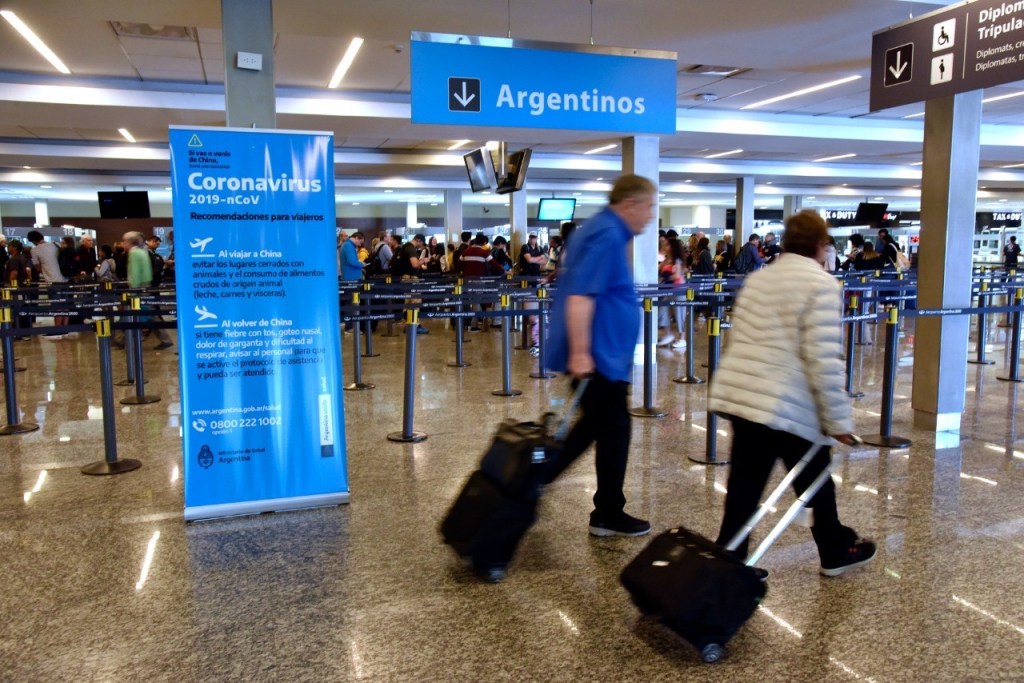
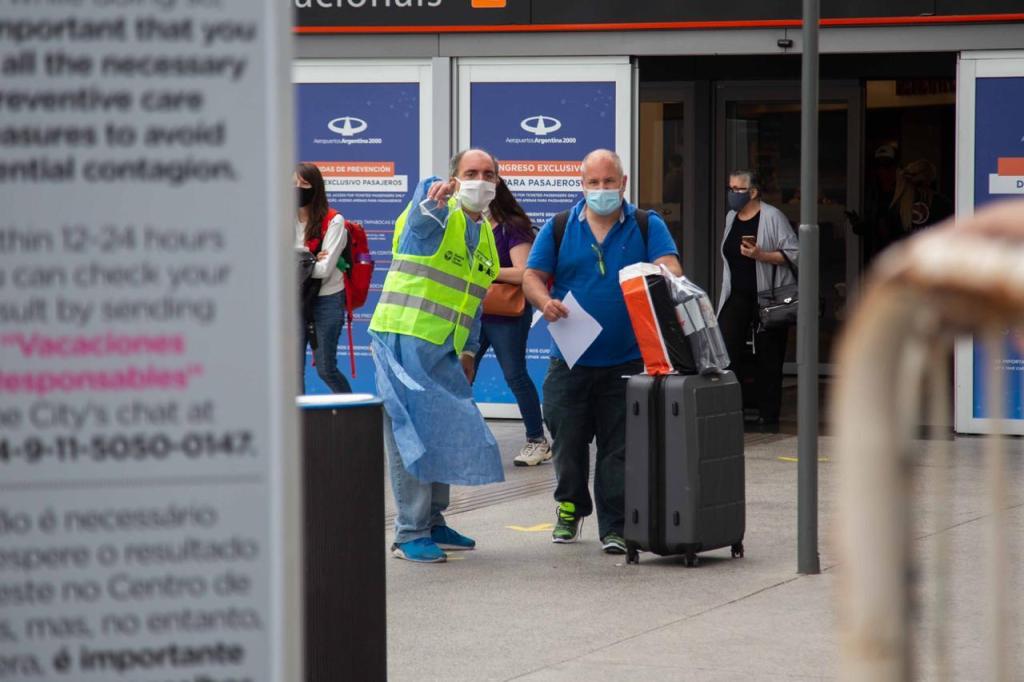
El creciente índice de contagios de Coronavirus dejó al Gobierno de Argentina en alerta para controlar la propagación de la enfermedad. El Ministerio de Salud informó cuáles son los nuevos requisitos para ingresar al país. “Es fundamental generar estrategias que permitan disminuir la posibilidad de infección a través de la misma”, adelantó el comunicado del Ministerio de Salud que conduce Carla Vizzotti.
Para los argentinos y extranjeros mayores a seis años que ingresen a Argentina vía aérea, marítima y fluvial, regirán nuevas medidas obligatorias. “Los requisitos fueron implementados debido al escenario dinámico de la situación epidemiológica y al incremento de casos positivos de coronavirus a partir de la proliferación de Ómicron, una variante con riesgo aumentado de transmisión y reinfección comparado con las que circularon previamente”, justificaron en el mensaje.
Nuevas medidas
Las nuevas medidas establecidas por el Ministerio de Salud de la Nación son: Declaración jurada, que es exigida por la Dirección Nacional de Migraciones. Testeo PCR negativo realizado en el país de origen dentro de las 72 horas previas al inicio del viaje. También puede presentarse un Certificado de Alta Médica emitido dentro de los noventa (90) días previos con un PCR positivo que demuestre que tuvo la enfermedad en ese tiempo. Esquema de vacunación completo por lo menos catorce días previos a su ingreso. Seguro de salud COVID-19, con cobertura de servicios de internación, aislamiento y/o traslados sanitarios, para quienes resulten casos positivos, sospechosos o contactos estrechos.
Increase contagion
New wave of infections in the Argentine Republic New requirements and protocols for entering the country
The increasing rate of Coronavirus infections left the Government of Argentina on alert to control the spread of the disease. The Ministry of Health reported what are the new requirements to enter the country. «It is essential to generate strategies that reduce the possibility of infection through it», said the statement from the Ministry of Health led by Carla Vizzotti.
For Argentines and foreigners over six years of age who enter Argentina by air, sea and river, new mandatory measures will apply. «The requirements were implemented due to the dynamic scenario of the epidemiological situation and the increase in positive cases of coronavirus from the proliferation of Ómicron, a variant with an increased risk of transmission and reinfection compared to those that previously circulated», they justified in the message.
New measures
The new measures established by the Ministry of Health of the Nation are: Sworn declaration, which is required by the National Directorate of Migration. Negative PCR test carried out in the country of origin within 72 hours prior to the start of the trip. You can also present a Certificate of Medical Discharge issued within the previous ninety (90) days with a positive PCR showing that you had the disease at that time. Complete vaccination schedule at least fourteen days prior to admission. COVID-19 health insurance, with coverage of hospitalization services, isolation and/or medical transfers, for those who result in positive cases, suspects or close contacts.
Flybondi regresa ruta Buenos Aires/EZE—Río de Janeiro y São Paulo
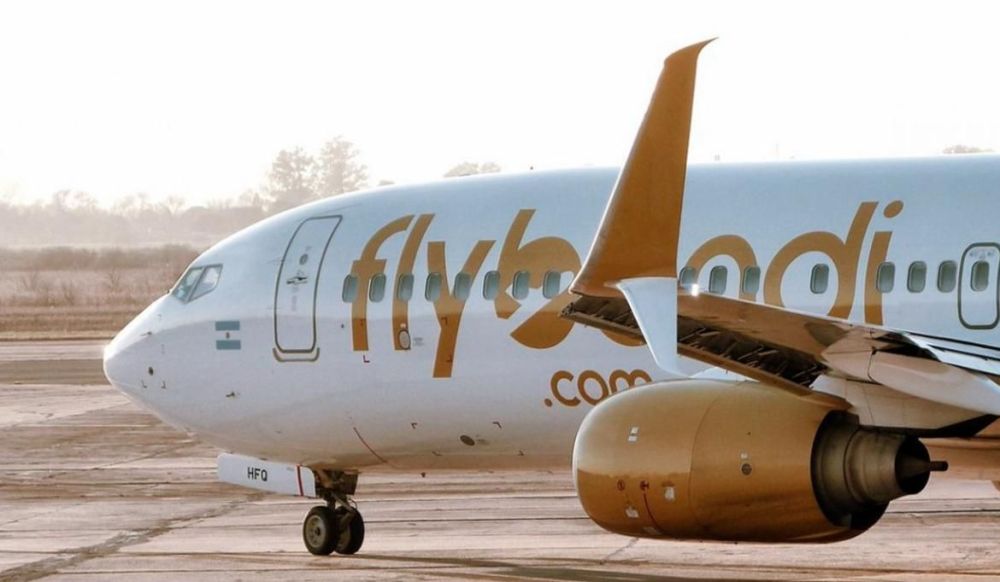
La aerolínea low cost argentina Flybondi Líneas Aéreas ha retornado este Domingo 02/01 la ruta Buenos Aires/EZE—Río de Janeiro/GIG después de enfrentar un período de restricciones sanitarias y de vuelos debido a la pandemia. La aeronave Boeing 737-800 arribó al Aeropuerto de Río de Janeiro/Galeão procedente del Aeropuerto Internacional Ezeiza. La aerolínea de presupuesto retorna al destino Rio de Janeiro después de veintiún meses de suspensiones por la crisis sanitaria, ha establecido el retorno como estaba planificado para Enero 2022.
El vuelo FO-5900 despegó de Buenos Aires/EZE a las 07:10 hs aterrizando en Río de Janeiro/GIG 10:05 hs y retornando con el vuelo FO-5901 Río de Janeiro/GIG 10:50 hs a Buenos Aires/EZE a las 14:15 hs. Flybondi desarrollará dos frecuencias semanales los Miércoles y Sábados en esta ruta regional, con una demanda de 380 asientos semanales.
Flybondi ha restablecido sus vuelos entre Buenos Aires y São Pablo/GRU este Domingo 2 de Enero de 2022 con aeronaves Boeing 737-800.
El restablecimiento de los vuelos regionales de la aerolínea de presupuesto permitirá afianzar las conexiones con Brasil aprovechando la temporada estival, junto con los destinos de Florianópolis y Punta del Este.
Flybondi returns to Rio/GIG and São Paulo
Flybondi returns Buenos Aires/EZE route—Rio de Janeiro, São Paulo
The Argentine low-cost airline Flybondi Líneas Aéreas has returned this Sunday 01/02 the Buenos Aires/EZE—Rio de Janeiro/GIG route after facing a period of sanitary and flight restrictions due to the pandemic. The Boeing 737-800 aircraft arrived at the Rio de Janeiro/Galeão Airport from the Ezeiza International Airport. The budget airline returns to the destination Rio de Janeiro after twenty-one months of suspension due to the health crisis, has established the return as planned for January 2022.
Flight FO-5900 took off from Buenos Aires/EZE at 07:10 a.m. landing in Rio de Janeiro/GIG 10:05 a.m. and returning with flight FO-5901 Rio de Janeiro/GIG 10:50 a.m. to Buenos Aires/EZE at 02:15 p.m. Flybondi will develop two weekly frequencies on Wednesdays and Saturdays on this regional route, with a demand of 380 weekly seats.
Flybondi has reestablished its flights between Buenos Aires and São Pablo / GRU this Sunday, January 2, 2022 with Boeing 737-800 aircraft.
The reestablishment of the regional flights of the budget airline will allow to consolidate the connections with Brazil taking advantage of the summer season, together with the destinations of Florianópolis and Punta del Este.
Fundada en 1997 ha desarrollado operaciones desde Las Vegas
La aerolínea low cost Allegiant Air se encuentra celebrando sus veinticinco aniversarios fundada en Enero 1997 formada como WestJet Express, convirtiéndose en un transportador estadounidense importante del modelo de presupuesto logrando alcanzar una importante participación en el mercado doméstico desde su fundación.
Allegiant Air es una aerolínea estadounidense de ultra bajo costo que opera vuelos regulares y chárter. Como una importante compañía aérea, es la decimocuarta aerolínea comercial más grande de América del Norte. Fundada en 1997 como WestJet Express, es propiedad de Allegiant Travel Company, una compañía que cotiza en bolsa, con 4.000 empleados y más de US$ 2.600 millones de Dólares de capitalización de mercado. La sede corporativa se encuentra en Summerlin, Nevada, un suburbio de Las Vegas. Los fundadores de la nueva aerolínea fueron el CEO Mitch Allee, el Presidente Jim Patterson y el Piloto Jefe Dave Beadle. Sin embargo, el trío se vio obligado a cambiar su nombre después de una disputa de marca registrada con Rapid City, el West Jet Air Center de Dakota del Sur. Además, el apodo de la aerolínea era notablemente cercano a WestJet Airlines de Canadá. Así, la compañía optó por el nombre de Allegiant Air. Allegiant recibió el Certificado Operador Aéreo (AOC) de la Administración Federal de Aviación y el Departamento de Transporte (DOT) de los Estados Unidos en Junio de 1998. Durante este período, también recibió autorización para realizar servicios chárter dos Canadá y México.
DIFERENTES IDENTIDADES DE MARCA DESARROLLADA POR ALLEGIANT AIR DURANTE TODA SU VIDA OPERATIVA
El servicio programado comenzó el 15 de Octubre de 1998, entre Las Vegas y el centro original de la aerolínea en Fresno, California, en el Aeropuerto Internacional de Fresno Yosemite, con los aviones Douglas DC-9-21 y McDonnell Douglas DC-9-51. Durante la segunda mitad de 1999, la aerolínea operaba vuelos sin escalas entre Fresno y Las Vegas, Burbank y Lake Tahoe, y Las Vegas y Lake Tahoe, además de volar un servicio directo de una sola parada entre Fresno y Lake Tahoe a través de Las Vegas.
Allegiant Air abrió un pequeño centro en Long Beach,California/LGB y en 2000 operaba vuelos sin escalas a Fresno y Las Vegas, además del servicio sin escalas Fresno-Las Vegas. Más tarde, en 2000, Allegiant continuó expandiéndose y estaba operando el único servicio de jet sin escalas entre el aeropuerto de Lake Tahoe desde el aeropuerto de Long Beach, además de operar nuevos vuelos a Portland, Oregon y Reno con Portland-Reno y Reno-Fresno sin escalas y un servicio directo de una sola parada entre Portland y Fresno a través de Reno.
Citando los mayores costos de combustible como un factor importante, Allegiant solicitó la protección por bancarrota del Capítulo 11 en 2000. La bancarrota permitió a Maurice J. Gallagher Jr., uno de los principales acreedores de la aerolínea, obtener el control de la aerolínea. Un líder veterano de las aerolíneas de bajo costo, había trabajado con WestAir y uno de los fundadores de ValuJet Airlines. En Junio de 2001, Maurice J. Gallagher reestructuró Allegiant Air a un modelo de bajo costo, centrándose en mercados más pequeños que las aerolíneas más grandes no servían con aviones de línea principal. La sede y las operaciones de Allegiant también se trasladaron a Las Vegas.
Las tarifas de bajo costo se convirtieron en una prioridad, y los mercados más pequeños formaron parte del enfoque refinado. El nuevo enfoque permitió a Allegiant Air salir rápidamente del Capítulo 11 para cuando 2002 se puso completamente en marcha.
En el otoño de 2001, Allegiant salió de la bancarrota y el caso se cerró oficialmente a principios de 2002. En Marzo de 2002, Allegiant firmó un contrato a largo plazo con Harrah’s para proporcionar servicios de chárter a sus casinos en Laughlin y Reno, Nevada. Al mismo tiempo, la aerolínea adquirió su primer avión McDonnell Douglas MD-80. De 2002 a 2004, la aerolínea desarrolló su modelo de negocio de servicio regular. En 2004, Allegiant volaba desde trece pequeñas ciudades a Las Vegas ofreciendo paquetes aéreos y de hotel.
En Mayo de 2005, el holding de la aerolínea, Allegiant Travel, completó una colocación de capital privado por valor de US$ 39,5 millones de Dólares que fue financiada por las firmas de inversión ComVest e Irelandia II. En Noviembre de 2006, Allegiant presentó una declaración de registro ante la Comisión de Bolsa y Valores en previsión de una oferta pública inicial planificada de sus acciones ordinarias. Recaudó US$ 94.5 millones en capital social con 5.75 millones de acciones por un valor de US$ 18 cada una. Comenzó a cotizar en el mercado de valores NASDAQ bajo el símbolo «ALGT» en diciembre de 2006.
También en 2006, la aerolínea tenía una flota de veintiun MD-80 (21) y volaba sin escalas hacia y desde 4cuarenta ciudades pequeñas, incluyendo Allentown, Pensilvania, Duluth, Minnesota y Idaho Falls, Idaho. La mayoría de esos vuelos fueron hacia y desde los centros de Las Vegas o el Aeropuerto Internacional Orlando Sanford, Florida. En Octubre de 2007, Allegiant abrió una cuarta ciudad de enfoque y base de operaciones en el Aeropuerto Phoenix-Mesa Gateway en Mesa, Arizona, conectando trece ciudades ya atendidas por Allegiant Air y una nueva ciudad con el área metropolitana de Phoenix. El Aeropuerto de Mesa se unió a Las Vegas, Orlando y Tampa-San Petersburgo como centros principales para la aerolínea. En ese momento, Allegiant mantenía una flota de 32 aviones que iban a 53 destinos en total. El aeropuerto de Mesa anunció una expansión de 10,000 pies cuadrados (930 m2) en Agosto de 2008, que aumentó el número de puertas de dos a cuatro y permitió a Allegiant triplicar el número de vuelos desde Phoenix. La expansión fue financiada por un préstamo de Allegiant Air que será reembolsado por las tarifas de los pasajeros.
El 14 de Noviembre de 2007, Allegiant abrió su quinta ciudad de enfoque y base de operaciones en el Aeropuerto Internacional de Fort Lauderdale-Hollywood, conectando otras ciudades de Allegiant con el sur de la Florida.
En Enero de 2008, Allegiant abrió su sexta base en el Aeropuerto Internacional Bellingham de Washington. La aerolínea basa dos aviones McDonnell Douglas MD-80 en Bellingham como parte de la expansión. Las rutas servidas exclusivamente desde Bellingham incluyen Las Vegas, Palm Springs, San Diego, San Francisco y Phoenix. La expansión en Bellingham ha sido impulsada en gran medida por su proximidad al Gran Vancouver, Columbia Británica.
En Enero de 2010, la aerolínea celebró su pasajero número un millón en volar desde el Aeropuerto Phoenix-Mesa Gateway. La empresa matriz de Allegiant también anunció que había comprado dieciocho (18) aviones MD-80 usados adicionales de Scandinavian Airlines. En Febrero de 2010, Allegiant abrió su novena base en el Aeropuerto Internacional Gerald R. Ford de Grand Rapids en Michigan. La aerolínea basó dos aviones McDonnell Douglas MD-80 en Grand Rapids, pero terminó el estatus de su aeropuerto en 2011. La aerolínea continúa volando desde Grand Rapids en una capacidad reducida.
El 1 de Julio de 2010, Allegiant regresó al Aeropuerto de Long Beach (LGB) en Long Beach, California, habiendo servido previamente a LGB con aviones DC-9 con vuelos sin escalas a Las Vegas (LAS) y Lake Tahoe (TVL) en 2000. La aerolínea también tenía la intención de volar desde el Aeropuerto Internacional de Bellingham y Stockton varias veces a la semana; sin embargo, actualmente no hay servicio volado entre estas dos ciudades, aunque Allegiant continúa sirviendo a Stockton con vuelos a Las Vegas, Phoenix/Mesa y San Diego. En Noviembre de 2011, Allegiant Air cerró sus instalaciones de Long Beach y consolidó todos los vuelos del área de Los Ángeles en Los Angeles International (LAX).
En Marzo de 2010, Allegiant Air compró seis aviones Boeing 757-200 usados como parte de los planes para comenzar los vuelos a Hawaii, con entregas desde principios de 2010 hasta el cuarto trimestre de 2011. Obtuvo la aprobación para el tipo con la FAA en Julio de 2011, y luego trabajó con la FAA para obtener la calificación ETOPS apropiada para poder servir a Hawaii. Allegiant ya no opera el servicio sin escalas a Honolulu desde Las Vegas.
A mediados de 2015, una serie de averías en el aire atrajeron el escrutinio federal. «Antes de que terminara la noche del 25 de Junio de 2015, cinco vuelos de Allegiant habían sido interrumpidos en cuatro horas, todo porque diferentes aviones habían fallado en el aire», informó el Tampa Bay Times. Desde Octubre de 2015, la Administración Federal de Aviación ha mantenido a Allegiant bajo estrecha supervisión.
En Julio de 2015, Allegiant Air anunció que se establecerían bases en el Aeropuerto Regional de Asheville y el Aeropuerto Internacional de Cincinnati/Northern Kentucky.
En Agosto de 2017, Allegiant anunció que se establecería una nueva base en el Aeropuerto Internacional de Indianápolis. La base comenzó a operar a principios de 2018. A lo largo de 2017, la aerolínea voló a 12 millones de pasajeros en sus 99 aviones a 120 destinos desde California hasta Florida. En Febrero de 2018, Allegiant también anunció que se establecería una nueva base en el Aeropuerto Destin-Fort Walton Beach. En junio de 2018, Allegiant agregó otra base en el Aeropuerto McGhee Tyson en Knoxville, Tennessee. En Enero de 2019, Allegiant anunció que agregaría otra base en el Aeropuerto Internacional Gerald R. Ford en Grand Rapids, Michigan. Allegiant anunció que agregaría una base adicional en el Aeropuerto Internacional de Des Moines en Des Moines, Iowa, para noviembre de 2019.
El 12 de Febrero de 2021, Allegiant lanzó vuelos al Aeropuerto John Wayne con ocho destinos iniciales, incluidos Boise, Grand Junction, Las Vegas, Medford, Missoula, Provo, Reno/Tahoey Spokane.
El 10 de Agosto de 2021, Allegiant anunció que abriría dos bases operativas más en el Aeropuerto Internacional Appleton y el Aeropuerto Internacional Bishop a partir de Marzo de 2022.
El 7 de Octubre de 2021, Allegiant comenzó a servir vuelos sin escalas desde Minneapolis-St. Aeropuerto Internacional Paul a Asheville, Carolina del Norte, y Palm Beach en Florida. Más tarde servirían a 5 más, incluyendo Punta Gorda, Florida, Destin-Fort Walton Beach, Florida, y Phoenix Mesa, Arizona. Sirven todas estas rutas utilizando Airbus 320. El mismo año entró en una empresa conjunta con Viva Aerobus para expandir las rutas entre los Estados Unidos y México.
A principios de la década de 2010, Airbus voló una mezcla de aviones de la familia Airbus A320, Boeing 757 y MD-80. Sin embargo, el transportista tomó la decisión de racionalizar sus tenencias. Allegiant Air inicialmente confió en aeronaves estadounidenses como el DC-9 y el Boeing 757, pero pronto dio el salto para convertirse en un operador exclusivamente de Airbus.
Modernización de la flota
Actualmente, la aerolínea opera únicamente aviones de la familia Airbus A320. Allegiant Air posee A319-100 (35) y A320-200 (85). En general, 104 de las 120 unidades del transportista están actualmente activas. La aerolínea había estado ocupada asumiendo nuevas entregas de aviones a lo largo del año pasado. Por ejemplo, recibió cuatro A320 el mes pasado. En particular, la compañía recibió el primer A320 ensamblado en los Estados Unidos en Mayo de 2018. En toda la flota, los cuerpos estrechos tienen una edad promedio de aproximadamente 15 años. Buceando un poco más profundo, la edad promedio del avión A319 es de poco más de 16 años, mientras que la edad promedio del A320 es de alrededor de catorce años.
Allegiant Air ha estado avanzando para llevar su flota a la era moderna en los últimos meses y el Airbus A320 será un punto focal en la próxima etapa. Allegiant Air atendió a más de 14,8 millones de pasajeros en el año anterior a la pandemia. Esta cifra es más del doble de lo que servía por año a principios de la década de 2010, lo que permite a la compañía convertirse en la 14ª aerolínea más grande de América del Norte por el número de pasajeros embarcados. Además, con una red de más de 120 aeropuertos, Allegiant se ha encontrado entre las cinco principales aerolíneas norteamericanas clasificadas por número de destino en los últimos años. Con alrededor de 20 bases operativas y una sede en Summerlin, Nevada, Allegiant es una fuerza a tener en cuenta en el ámbito nacional. Tiene una presencia dominante en numerosos aeropuertos regionales, incluyendo Orlando Sanford International de Florida, Pete-Clearwater International y Punta Gorda.
Perspectivas Allegiant Air
La compañía se encuentra focalizada en continuar fortaleciendo su flota de la familia Airbus A320 para aumentar la eficiencia en toda la operación de la compañía. Tras varios cambios a lo largo de la historia de la aerolínea, la compañía seguirá manteniendo los valores fundamentales iniciales, con tarifas bajas y las fuertes conexiones permitirán dar continuidad al modelo low cost para viajes de ocio a destinos cálidos.
«Desde las pequeñas ciudades favoritas de Estados Unidos hasta destinos de clase mundial, Allegiant hace que los viajes de ocio sean asequibles y convenientes. Con tarifas bajas-bajas, sin escalas, servicio de jet y socios de viaje de primer nivel, Allegiant ofrece una experiencia de viaje completa con un gran valor y sin todas las molestias. Allegiant fue fundada en 1997 y está certificada por el Departamento de Transporte de los Estados Unidos (DOT) como una «Aerolínea Regular» con autoridad para volar operaciones de aerolíneas regulares y chárter en todo Estados Unidos. La Compañía también tiene autoridad para el servicio chárter a Canadá y México. Los empleados de Allegiant son el corazón del negocio de la Compañía. Además de su amabilidad y profesionalismo, los empleados de Allegiant reciben capacitación que cumple con todos los requisitos de la FAA para seguridad, protección y operaciones», afirma Allegiant Air.
Allegiant Air busca aprovechar el fuerte impulso post-pandemia introduciendo nueve nuevas rutas en Diciembre 2021 y enfatizará una nueva etapa enfocando su extensa red de destinos para potenciar el 2022 con nuevos desafíos, pero al mismo tiempo con renovadas expectativas de continuar siendo fortalecida tras la crisis sanitaria mundial.
Allegiant Air celebrates 25 anniversaries
Founded in 1997, it has developed operations from Las Vegas
The low cost airline Allegiant Air is celebrating its 25th anniversary, founded in January 1997 as WestJet Express, becoming an important US carrier of the budget model, achieving a significant share in the domestic market since its foundation.
Allegiant Air is an ultra-low-cost US airline that operates scheduled and charter flights. As a major airline, it is the fourteenth largest commercial airline in North America. Founded in 1997 as WestJet Express, it is owned by Allegiant Travel Company, a publicly traded company with 4,000 employees and more than US$ 2.6 billion of market capitalization. The corporate headquarters are located in Summerlin, Nevada, a suburb of Las Vegas. The founders of the new airline were CEO Mitch Allee, President Jim Patterson and Chief Pilot Dave Beadle. However, the trio were forced to change their name after a trademark dispute with Rapid City, South Dakota’s West Jet Air Center. Additionally, the airline’s nickname was remarkably close to Canada’s WestJet Airlines. Thus, the company opted for the name Allegiant Air. Allegiant received the Air Operator Certificate (AOC) from the Federal Aviation Administration and the United States Department of Transportation (DOT) in June 1998. During this period, it also received authorization to perform charter services in Canada and Mexico.
Scheduled service began on October 15, 1998, between Las Vegas and the airline’s original hub in Fresno, California, at Fresno Yosemite International Airport, with the Douglas DC-9-21 and McDonnell Douglas DC-9-51 aircraft. During the second half of 1999, the airline operated nonstop flights between Fresno and Las Vegas, Burbank and Lake Tahoe, and Las Vegas and Lake Tahoe, in addition to flying direct one-stop service between Fresno and Lake Tahoe via Las Vegas.
Allegiant Air opened a small hub in Long Beach, California/LGB and in 2000 was operating nonstop flights to Fresno and Las Vegas, in addition to nonstop Fresno-Las Vegas service. Later in 2000, Allegiant continued to expand and was operating the only non-stop jet service between Lake Tahoe Airport from Long Beach Airport, in addition to operating new flights to Portland, Oregon and Reno with Portland-Reno and Reno- Fresno nonstop and direct one-stop service between Portland and Fresno via Reno.
Citing higher fuel costs as a major factor, Allegiant filed for Chapter 11 bankruptcy protection in 2000. The bankruptcy allowed Maurice J. Gallagher Jr., one of the airline’s major creditors, to gain control of the airline. A veteran leader of low-cost airlines, he had worked with WestAir and one of the founders of ValuJet Airlines. In June 2001, Maurice J. Gallagher restructured Allegiant Air to a low-cost model, focusing on smaller markets that the larger airlines did not serve with mainline aircraft. Allegiant headquarters and operations also relocated to Las Vegas.
Low-cost fees became a priority, and smaller markets were part of the refined approach. The new approach allowed Allegiant Air to quickly exit Chapter 11 by the time 2002 was fully operational.
In the fall of 2001, Allegiant emerged from bankruptcy and the case was officially closed in early 2002. In March 2002, Allegiant signed a long-term contract with Harrah’s to provide charter services to its casinos in Laughlin and Reno, Nevada. At the same time, the airline acquired its first McDonnell Douglas MD-80 aircraft. From 2002 to 2004, the airline developed its regular service business model. In 2004, Allegiant was flying from thirteen small cities to Las Vegas offering air and hotel packages.
In May 2005, the airline’s holding company, Allegiant Travel, completed a US$ 39.5 million private equity placement that was funded by investment firms ComVest and Irelandia II. In November 2006, Allegiant filed a registration statement with the Securities and Exchange Commission in anticipation of a planned initial public offering of its common shares. It raised US$ 94.5 million in equity capital with 5.75 million shares worth US$ 18 each. It began trading on the NASDAQ stock market under the symbol «ALGT» in December 2006.
Also in 2006, the airline had a fleet of twenty-one MD-80 (21) and flew nonstop to and from 440 small cities, including Allentown, Pennsylvania, Duluth, Minnesota, and Idaho Falls, Idaho. Most of those flights were to and from downtown Las Vegas or Orlando Sanford International Airport, Florida. In October 2007, Allegiant opened a fourth focus city and base of operations at the Phoenix-Mesa Gateway Airport in Mesa, Arizona, connecting thirteen cities already served by Allegiant Air and a new city with the Phoenix metropolitan area. Mesa Airport joined Las Vegas, Orlando, and Tampa-St. Petersburg as major hubs for the airline. At the time, Allegiant maintained a fleet of 32 aircraft going to 53 destinations in total. The Mesa Airport announced a 10,000 square foot (930 m2) expansion in August 2008, which increased the number of gates from two to four and allowed Allegiant to triple the number of flights from Phoenix. The expansion was financed by a loan from Allegiant Air that will be reimbursed for passenger fares.
On November 14, 2007, Allegiant opened its fifth focus city and base of operations at Fort Lauderdale-Hollywood International Airport, connecting other Allegiant cities with South Florida.
In January 2008, Allegiant opened its sixth base at Washington’s Bellingham International Airport. The airline bases two McDonnell Douglas MD-80 aircraft in Bellingham as part of the expansion. Routes exclusively served from Bellingham include Las Vegas, Palm Springs, San Diego, San Francisco and Phoenix. The expansion in Bellingham has been driven largely by its proximity to Greater Vancouver, British Columbia.
In January 2010, the airline celebrated its one millionth passenger to fly from Phoenix-Mesa Gateway Airport. Allegiant’s parent company also announced that it had purchased an additional 18 used MD-80 aircraft from Scandinavian Airlines. In February 2010, Allegiant opened its ninth base at Gerald R. Ford International Airport in Grand Rapids in Michigan. The airline based two McDonnell Douglas MD-80 jets in Grand Rapids, but terminated the status of its airport in 2011. The airline continues to fly from Grand Rapids at reduced capacity.
On July 1, 2010, Allegiant returned to Long Beach Airport (LGB) in Long Beach, California, having previously served LGB with DC-9 aircraft with nonstop flights to Las Vegas (LAS) and Lake Tahoe (TVL) in 2000. The airline also intended to fly from Bellingham International Airport and Stockton several times a week; however, there is currently no service flown between these two cities, although Allegiant continues to serve Stockton with flights to Las Vegas, Phoenx/Mesa, and San Diego. In November 2011, Allegiant Air closed its Long Beach facility and consolidated all Los Angeles area flights into Los Angeles International (LAX).
In March 2010, Allegiant Air purchased six used Boeing 757-200 aircraft as part of plans to begin flights to Hawaii, with deliveries from early 2010 through the fourth quarter of 2011. It obtained type approval with the FAA in July 2011, and then worked with the FAA to obtain the appropriate ETOPS qualification in order to serve Hawaii. Allegiant no longer operates nonstop service to Honolulu from Las Vegas.
In mid-2015, a series of midair breakdowns drew federal scrutiny. «Before the night of June 25, 2015, ended, five Allegiant flights had been disrupted within four hours, all because different planes had failed in the air», reported the Tampa Bay Times. Since October 2015, the Federal Aviation Administration has kept Allegiant under close supervision.
In July 2015, Allegiant Air announced that bases would be established at Asheville Regional Airport and Cincinnati/Northern Kentucky International Airport.
In August 2017, Allegiant announced that a new base would be established at the Indianapolis International Airport. The base began operations in early 2018. Throughout 2017, the airline flew 12 million passengers on its 99 aircraft to 120 destinations from California to Florida. In February 2018, Allegiant also announced that a new base would be established at Destin-Fort Walton Beach Airport. In June 2018, Allegiant added another base at McGhee Tyson Airport in Knoxville, Tennessee. In January 2019, Allegiant announced that it would add another base at Gerald R. Ford International Airport in Grand Rapids, Michigan. Allegiant announced that it would add an additional base at Des Moines International Airport in Des Moines, Iowa, by November 2019.
On February 12, 2021, Allegiant launched flights to John Wayne Airport with eight initial destinations, including Boise, Grand Junction, Las Vegas, Medford, Missoula, Provo, Reno/Tahoey Spokane.
On August 10, 2021, Allegiant announced that it would open two more operational bases at Appleton International Airport and Bishop International Airport beginning in March 2022.
On October 7, 2021, Allegiant began serving nonstop flights from Minneapolis-St. Paul International Airport to Asheville, North Carolina, and Palm Beach in Florida. They would later serve 5 more, including Punta Gorda, Florida, Destin-Fort Walton Beach, Florida, and Phoenix Mesa, Arizona. They serve all of these routes using Airbus 320. The same year it entered into a joint venture with Viva Aerobus to expand routes between the United States and Mexico.
In the early 2010s, Airbus flew a mix of Airbus A320, Boeing 757 and MD-80 family aircraft. However, the carrier made the decision to rationalize its holdings. Allegiant Air initially relied on American aircraft such as the DC-9 and the Boeing 757, but soon made the leap to become an Airbus-only operator.
Fleet modernization
Currently, the airline operates only aircraft of the Airbus A320 family. Allegiant Air owns A319-100 (35) and A320-200 (85). Overall, 104 of the carrier’s 120 units are currently active. The airline had been busy taking on new aircraft deliveries throughout the past year. For example, it received four A320s last month. In particular, the company received the first A320 assembled in the United States in May 2018. Across the fleet, narrow bodies have an average age of approximately 15 years. Diving a little deeper, the average age of the A319 aircraft is just over 16 years old, while the average age of the A320 is around fourteen years.
Allegiant Air has been moving forward to bring its fleet into the modern era in recent months and the Airbus A320 will be a focal point in the next stage. Allegiant Air served more than 14.8 million passengers in the year before the pandemic. This figure is more than double what it served per year in the early 2010s, allowing the company to become the 14th largest airline in North America by number of passengers boarded. Additionally, with a network of more than 120 airports, Allegiant has been among the top five North American airlines ranked by destination number in recent years. With about 20 operational bases and a headquarters in Summerlin, Nevada, Allegiant is a force to be reckoned with nationally. It has a dominant presence at numerous regional airports, including Florida’s Orlando Sanford International, Pete-Clearwater International and Punta Gorda.
Allegiant Air outlook
The company is focused on continuing to strengthen its Airbus A320 family fleet to increase efficiency throughout the company’s operation. After several changes throughout the airline’s history, the company will continue to maintain its initial fundamental values, with low fares and strong connections that will allow the low-cost model for leisure trips to warm destinations to continue.
«From America’s favorite small cities to world-class destinations, Allegiant makes leisure travel affordable and convenient. With low-low fares, nonstop, jet service and world-class travel partners, Allegiant offers a Complete travel experience at a great value and without all the hassle. Allegiant was founded in 1997 and is certified by the United States Department of Transportation (DOT) as a «Regular Airline» with authority to fly scheduled and charter airline operations. throughout the United States. The Company also has authority for charter service to Canada and Mexico. Allegiant employees are the heart of the Company’s business. In addition to their courtesy and professionalism, Allegiant employees receive training that meets all of the FAA requirements for safety, security and operations», states Allegiant Air.
Allegiant Air seeks to take advantage of the strong post-pandemic momentum by introducing nine new routes in December 2021 and will emphasize a new stage focusing its extensive network of destinations to empower 2022 with new challenges, but at the same time with renewed expectations of continuing to be strengthened after the crisis. global health.
Compartiendo un mismo sol
Allegiant Air de Estados Unidos y Jet2 Holydays del Reino Unido, han tenido un arreglo de compartir librea sobre la flota de Boeing 757 sobre ambas aerolíneas con el propósito de intercambiar aeronaves para deferentes temporadas sin tener que repintar las unidades con el fin de reducir costos y tiempos. Esto se debe a que la mayoría de las líneas aéreas puede operar de manera rentable el avión durante todo el año, por lo que comparten la identidad visual favoreciendo la disponibilidad de las aeronaves para aumentar o disminuir la capacidad de acuerdo con la demanda de viajes.
Sun Country Airlines ha tenido un acuerdo similar con la aerolínea europea Transavia Airlines pero modificando algunos detalles del isologotipo.
Sharing the same sun
Allegiant Air of the United States and Jet2 Holydays of the United Kingdom, have had an arrangement to share livery on the Boeing 757 fleet on both airlines with the purpose of exchanging aircraft for different seasons without having to repaint the units in order to reduce costs and time. This is because most airlines can profitably operate the aircraft throughout the year, thus sharing the visual identity favoring the availability of aircraft to increase or decrease capacity according to travel demand.
Sun Country Airlines has had a similar agreement with the European airline Transavia Airlines but modifying some details of the logo.
Un comunicado interno de la aerolínea brasileña Itapemirim Transportes Aéreos (ITA) dijo que tres aeroanves Airbus A320-200CEO serían enviados al extranjero para mantenimiento preventivo, pero el arrendador Carlyle Aviation Partners hpodría haber solicitado su devolución. Entre pasillos, los rumores acercan lanoticia que la nueva startup podría perder tres de los seis Airbus A320 de su flota. Una carta a los empleados enviada por el CEO de la compañía, Adalberto Bogsan, informó que la aeronave sería enviada al extranjero para «mantenimiento preventivo». Sin embargo, el medio Congresso em Foco reveló este Jueves 30/12 que el arrendador de los tres aviones, Carlyle Aviation Partners, había solicitado su devolución debido a los problemas financieros de la nueva compañía.
Según los registros, Carlyle ha arrendado cuatro A320-200 (4) a Itapemirim Transportes Aéreos, con registros PS-SPJ, PS-MGF, PS-AAF y PS-TCS. El A320 PS-SPJ llegó a Brasil en Febrero 2021 y realizó su último vuelo comercial el 17/12, cuando ITA suspendió sus operaciones. El avión de matrícula PS-AAF se incorporó a finales de Junio 2021 y está estacionado en el aeropuerto de São José dos Campos desde el 16/12. El PS-MGF, entregado por Carlyle en Septiembre 2021, está en el Aeropuerto de São Paulo/Guarulhos, junto con el PS-SPJ y el PS-TCS, recibidos en Julio 2021. Itapemirim también tiene dos A320-200CEO (2) arrendados por DVB Bank (PS-ITA y PS-SFC) y un A319-100CEO, arrendado por Hi Fly y que actualmente no ha entrado en servicio en la aerolínea.
La nueva aerolínea brasileña Itapemirim Transportes Aéreos inició vuelos en Julio 2021, en medio de la pandemia, sin embargo, en menos de seis meses acumuló deudas y problemas operativos que culminaron con la suspensión de vuelos el 17 de Diciembre de 2021.
Itapemirim would deprogram 3 aircrafts
Itapemirim could return three A320s to lessor
An internal statement from the Brazilian airline Itapemirim Transportes Aéreos (ITA) said that three Airbus A320-200CEO airplanes would be sent abroad for preventive maintenance, but the lessor Carlyle Aviation Partners could have requested their return. Between the corridors, rumors bring the news that the new startup could lose three of the six Airbus A320s in its fleet. A letter to the employees sent by the CEO of the company, Adalberto Bogsan, informed that the aircraft would be sent abroad for «preventive maintenance». However, the media Congresso em Foco revealed this Thursday 12/30 that the lessor of the three planes, Carlyle Aviation Partners, had requested their return due to the financial problems of the new company.
According to the records, Carlyle has leased four A320-200s (4) from Itapemirim Transportes Aéreos, with PS-SPJ, PS-MGF, PS-AAF and PS-TCS registrations. The A320 PS-SPJ arrived in Brazil in February 2021 and made its last commercial flight on 12/17, when ITA suspended its operations. The PS-AAF registration aircraft was incorporated at the end of June 2021 and has been parked at the São José dos Campos airport since 12/16. The PS-MGF, delivered by Carlyle in September 2021, is at São Paulo/Guarulhos Airport, together with the PS-SPJ and PS-TCS, received in July 2021. Itapemirim also has two A320-200CEOs (2) leased by DVB Bank (PS-ITA and PS-SFC) and an A319-100CEO, leased by Hi Fly and which has not currently entered service with the airline.
The new Brazilian airline Itapemirim Transportes Aéreos began flights in July 2021, in the midst of the pandemic, however, in less than six months it accumulated debts and operational problems that culminated in the suspension of flights on December 17, 2021.
Itapemirim iria desprogramar 3 aeronaves
Itapemirim pode devolver três A320s ao arrendador
Um comunicado interno da companhia aérea brasileira Itapemirim Transportes Aéreos (ITA) informou que três aviões Airbus A320-200CEO seriam enviados ao exterior para manutenção preventiva, mas a locadora Carlyle Aviation Partners poderia ter solicitado a devolução. Entre os corredores, rumores trazem a notícia de que a nova startup pode perder três dos seis Airbus A320 de sua frota. Carta aos funcionários enviada pelo presidente da empresa, Adalberto Bogsan, informava que a aeronave seria enviada ao exterior para «manutenção preventiva». No entanto, a mídia Congresso em Foco revelou nesta quinta-feira, 30/12, que o locador dos três aviões, a Carlyle Aviation Partners, havia solicitado sua devolução por conta dos problemas financeiros da nova empresa.
De acordo com os autos, a Carlyle arrendou quatro A320-200 (4) da Itapemirim Transportes Aéreos, com registros PS-SPJ, PS-MGF, PS-AAF e PS-TCS. O A320 PS-SPJ chegou ao Brasil em Fevereiro de 2021 e fez seu último vôo comercial em 17/12, quando o ITA suspendeu suas operações. O avião PS-AAF foi incorporado no final de Junho de 2021 e está estacionado no Aeroporto de São José dos Campos desde 16/12. O PS-MGF, entregue pela Carlyle em Setembro de 2021, está no Aeroporto de São Paulo/ Guarulhos, juntamente com o PS-SPJ e o PS-TCS, recebidos em Julho de 2021. Itapemirim também possui dois A320-200CEOs (2) alugados pelo Banco DVB (PS-ITA e PS-SFC) e um A319-100CEO, alugado pela Hi Fly e que atualmente não entrou ao serviço da companhia aérea.
A nova companhia aérea brasileira Itapemirim Transportes Aéreos iniciou vôos em Julho de 2021, em meio à pandemia, porém, em menos de seis meses acumulou dívidas e problemas operacionais que culminaram na suspensão dos vôos em 17 de Dezembro de 2021.
Transporte vial
Tras suspender todos sus vuelos, a través de Itapemirim Transportes Aéreos, Grupo Itapemirim, en recuperación judicial y presidido por Sidnei Piva, solicitó a la Agencia Nacional de Transporte Terrestre (ANTT) suspender el servicio de rutas viales a 73 ciudades del país. La suspensión comienza el 27 de Enero de 2022 y fue publicada en el Boletín Oficial en la última semana de Diciembre de 2021, con aprobación de la ANTT y el Ministerio de Infraestructura. Según Agência Brasil, las solicitudes de supresión de líneas y cierre permanente del servicio involucran 16 líneas y 73 mercados operados por Itapemirim y 12 líneas y 52 mercados operados por Viação Caiçara, que también forma parte del grupo.
El Grupo Itapemirim envió la siguiente nota: «El Grupo Itapemirim aclara que recientemente ha presentado un plan de reestructuración logística y operativa, con el objetivo de reducir costos y maximizar los resultados financieros en sus rutas de larga distancia. Además, le informamos que las operaciones viales del Grupo Itapemirim siguen de manera normal, con cobertura en más de 2.700 destinos en Brasil y con el mismo nivel de seguridad, servicio y eficiencia operativa característico de Viação Itapemirim».
Road transport
After suspending all its flights, through Itapemirim Transportes Aéreos, Grupo Itapemirim, in judicial recovery and chaired by Sidnei Piva, requested the National Land Transport Agency (ANTT) to suspend the service of road routes to 73 cities in the country. The suspension begins on January 27, 2022 and was published in the Official Gazette in the last week of December 2021, with the approval of the ANTT and the Ministry of Infrastructure. According to Agência Brasil, the requests for line suppression and permanent service closure involve 16 lines and 73 markets operated by Itapemirim and 12 lines and 52 markets operated by Viação Caiçara, which is also part of the group.
The Itapemirim Group sent the following note: «The Itapemirim Group clarifies that it has recently presented a logistical and operational restructuring plan, with the aim of reducing costs and maximizing financial results on its long-distance routes. In addition, we inform you that the operations Grupo Itapemirim’s highways continue as normal, with coverage in more than 2,700 destinations in Brazil and with the same level of safety, service and operational efficiency characteristic of Viação Itapemirim».
Transporte rodoviário
Após suspender todos os seus vôos, por meio da Itapemirim Transportes Aéreos, o Grupo Itapemirim, em recuperação judicial e presidido por Sidnei Piva, solicitou à Agência Nacional de Transportes Terrestres (ANTT) a suspensão do serviço de rotas rodoviárias para 73 cidades do país. A suspensão começa em 27 de Janeiro de 2022 e foi publicada no Diário Oficial da União na última semana de Dezembro de 2021, com a aprovação da ANTT e do Ministério da Infraestrutura. Segundo a Agência Brasil, os pedidos de supressão de linhas e fechamento de serviço permanente envolvem 16 linhas e 73 mercados operados pela Itapemirim e 12 linhas e 52 mercados operados pela Viação Caiçara, que também faz parte do grupo.
O Grupo Itapemirim enviou a seguinte nota: “O Grupo Itapemirim esclarece que apresentou recentemente um plano de reestruturação logística e operacional, com o objetivo de reduzir custos e maximizar os resultados financeiros nas suas rotas de longa distância. Além disso, informamos que operações As rodovias do Grupo Itapemirim continuam normais, com cobertura em mais de 2.700 destinos no Brasil e com o mesmo nível de segurança, serviço e eficiência operacional característicos da Viação Itapemirim”.
La aerolínea italiana EGO Airways ha devuelto su único avión Embraer E190-100 al arrendador alemán y planea incorporar dos aviones regionales Sukhoi Super Jet SSJ-100 en 2022. La aerolínea italiana tenía planes de poner en funcionamiento una red de vuelos domésticos, pero debido a las limitaciones de aeronaves, los planes se habían pospuestos.
En Diciembre 2021, EGO Airways tuvo que devolver su único avión al arrendador alemán después de que se rescindiera el contrato. Ahora, la aerolínea está tratando de hacer un nuevo comienzo con los aviones Sukhoi SuperJet SSJ-100. EGO Airways se encuentra negociando con SuperJet International, la compañía responsable de las negociaciones, para el arrendamiento de dos SSJ-100 (2).
SuperJet tiene una oficina en Venecia, Italia, permitiendo facilitar la negociación para que el SSJ-100 regrese a una flota de aerolíneas en Europa. Al principio de su carrera comercial, el avión regional Sukhoi fue operado por CitiJet, que operaba vuelos para Brussels Airlines. Pero los continuos problemas operativos de la aeronave hicieron que su uso fuera inviable. El avión también fue negociado con Adria Airways, pero la compañía presentó bancarrota en 2019.
EGO Airways obtuvo el AOC del Gobierno italiano en Noviembre de 2020, estrenando su primer vuelo en Diciembre entre Nápoles y Amsterdam. Durante la temporada de primavera-verano boreal, el transportista sirvió a once destinos regulares, pero el único E190 no fue suficiente para mantener una operación confiable. Ahora, EGO Airways desea confiar en un producto ruso que ha traído muchas dificultades logísticas en las diferentes compañías aéreas; mientras que esperaría aumentar su presencia en el mercado de manera más realista con la introducción de los SSJ-100.
EGO Airways would incorporate SSJ-100
Would replace Embraer E190 with Russian regional jet
The Italian airline EGO Airways has returned its only Embraer E190-100 aircraft to the German lessor and plans to add two regional Sukhoi Super Jet SSJ-100 aircraft in 2022. The Italian airline had plans to put into operation a network of domestic flights, but due to aircraft limitations, plans had been postponed.
In December 2021, EGO Airways had to return its only aircraft to the German lessor after the contract was terminated. Now the airline is trying to make a fresh start with Sukhoi SuperJet SSJ-100 jets. EGO Airways is currently negotiating with SuperJet International, the company responsible for the negotiations, for the lease of two SSJ-100 (2).
SuperJet has an office in Venice, Italy, facilitating the negotiation for the SSJ-100 to return to a fleet of airlines in Europe. Early in its commercial career, the Sukhoi regional jet was operated by CitiJet, which operated flights for Brussels Airlines. But the continuous operational problems of the aircraft made its use unfeasible. The plane was also traded with Adria Airways, but the company filed for bankruptcy in 2019.
EGO Airways obtained the AOC from the Italian Government in November 2020, launching its first flight in December between Naples and Amsterdam. During the spring-summer season, the carrier served eleven regular destinations, but the single E190 was not sufficient to maintain reliable operation. Now, EGO Airways wants to trust a Russian product that has brought many logistical difficulties in the different airlines; while it would hope to increase its market presence more realistically with the introduction of the SSJ-100.
EGO Airways incorporerebbe SSJ-100
Sostituirebbe l’Embraer E190 con un jet regionale russo
La compagnia aerea italiana EGO Airways ha restituito al locatore tedesco il suo unico aereo Embraer E190-100 e prevede di aggiungere due velivoli regionali Sukhoi Super Jet SSJ-100 nel 2022. La compagnia aerea italiana aveva in programma di mettere in funzione una rete di voli nazionali, ma a causa delle limitazioni degli aeromobili, i piani erano stati rinviati.
Nel dicembre 2021, EGO Airways ha dovuto restituire il suo unico aeromobile al locatore tedesco dopo la risoluzione del contratto. Ora la compagnia aerea sta cercando di ricominciare da capo con i jet Sukhoi SuperJet SSJ-100. EGO Airways sta attualmente negoziando con SuperJet International, la società responsabile delle trattative, per il noleggio di due SSJ-100 (2).
SuperJet ha un ufficio a Venezia, in Italia, che facilita la negoziazione per l’SSJ-100 per tornare a una flotta di compagnie aeree in Europa. All’inizio della sua carriera commerciale, il jet regionale Sukhoi era operato da CitiJet, che operava voli per Brussels Airlines. Ma i continui problemi operativi del velivolo hanno reso il suo utilizzo irrealizzabile. L’aereo è stato anche scambiato con Adria Airways, ma la società ha dichiarato bancarotta nel 2019.
EGO Airways ha ottenuto l’AOC dal governo italiano nel Novembre 2020, lanciando il suo primo volo a Dicembre tra Napoli e Amsterdam. Durante la stagione primaverile-estiva, il vettore ha servito undici destinazioni regolari, ma il singolo E190 non era sufficiente per mantenere un funzionamento affidabile. Ora, EGO Airways vuole fare affidamento su un prodotto russo che ha portato molte difficoltà logistiche nelle diverse compagnie aeree; mentre sperava di aumentare la sua presenza sul mercato in modo più realistico con l’introduzione dell’SSJ-100.
Philippine Airlines sale de la bancarrota de Estados Unidos
Philippine Airlines (PAL) ha comunicado que ha salido de la bancarrota después de que un Tribunal Distrito Sur de Nueva York, Estados Unidos, aprobara su plan para recortar hasta US$ 2.000 millones de Dólares en deuda y obtener capital adicional. La aerolínea nacional de Filipinas se había declarado la bancarrota en Estados Unidos en Septiembre 2021, buscando alivio de los acreedores mientras intentaba sobrevivir a la devastación desatada en la industria aérea por la pandemia de Coronavirus.
Su plan de reorganización aprobado por la Corte Judicial incluye una reducción de la deuda de US$ 2 mil millones y liquidez adicional de US$ 505 millones de su principal accionista, dijo la aerolínea filipina en un comunicado el Viernes 31/12. También tiene la opción de obtener hasta US$ 150 millones en financiamiento adicional de nuevos inversionistas. «PAL ha simplificado las operaciones con una flota reorganizada y ahora está mejor capitalizada para el crecimiento futuro», agregó la aerolínea.
Los viajes aéreos en Filipinas colapsaron en más del 75 por ciento en 2020 debido a las restricciones de viaje impuestas para contener el Coronavirus, según datos del Gobierno. De 60 millones de pasajeros nacionales e internacionales en 2019, el tráfico se desplomó a poco más de 13 millones en 2020.
Philippine Airlines dijo en Septiembre 2021 que había cancelado más de 80.000 vuelos, eliminando US$ 2.000 millones de Dólares en ingresos, y despidiendo a más de 2.000 empleados. A medida que las fronteras se reabran y las restricciones de viaje se alivien, la aerolínea dijo que reanudará los vuelos regulares, incluso a ciudades de China continental y Australia.
Philippine leaves Judicial Administration
Philippine Airlines emerges from US bankruptcy
Philippine Airlines (PAL) has announced that it has emerged from bankruptcy after the Court Southern District of New York, United States, approved its plan to cut up to US$ 2 billion in debt and obtain additional capital. The Philippine national airline had filed for bankruptcy in the United States in September 2021, seeking relief from creditors as it tried to survive the devastation unleashed in the airline industry by the Coronavirus pandemic.
Its reorganization plan approved by the Judicial Court includes a debt reduction of US$ 2 billion and additional liquidity of US$ 505 million from its main shareholder, the Philippine airline said in a statement on Friday 12/31. You also have the option of obtaining up to US$ 150 million in additional financing from new investors. «PAL has simplified operations with a reorganized fleet and is now better capitalized for future growth», the airline added.
Air travel in the Philippines collapsed by more than 75 percent in 2020 due to travel restrictions imposed to contain the Coronavirus, according to government data. From 60 million domestic and international passengers in 2019, traffic plummeted to just over 13 million in 2020.
Philippine Airlines said in September 2021 that it had canceled more than 80,000 flights, eliminating US$ 2 billion in revenue, and laying off more than 2,000 employees. As borders are reopened and travel restrictions are eased, the airline said it will resume regular flights, including to cities in mainland China and Australia.
Airbus alcanza supremacía órdenes sobre Boeing Lidera pedidos en 4Q2021
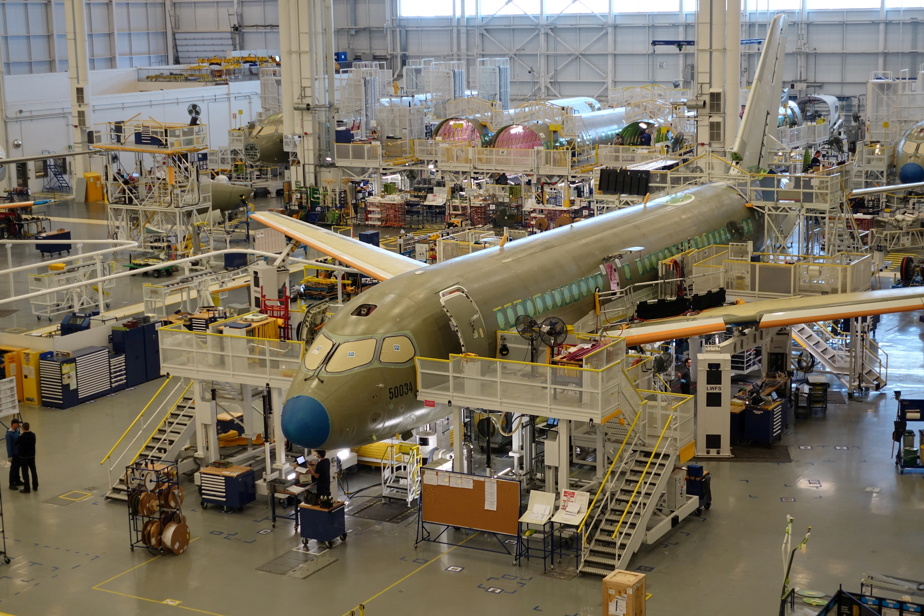
Airbus Group ha obtenido la supremacía de los cielos al superar al constructor americano The Boeing Company en pedidos en 2021. Un incremento en las órdenes del fabricante europeo hacia fin de año 2021 ha sacado ventaja a cualquier constructor de aeronaves comerciales alcanzando la lideranza. La posición del fabricante de aviones europeo arrebata el podio a Boeing que había acumulado una ventaja de pedidos a principios de 2021, pero una avalancha de pedidos de última hora hace a Airbus el constructor con mayor número de órdenes.
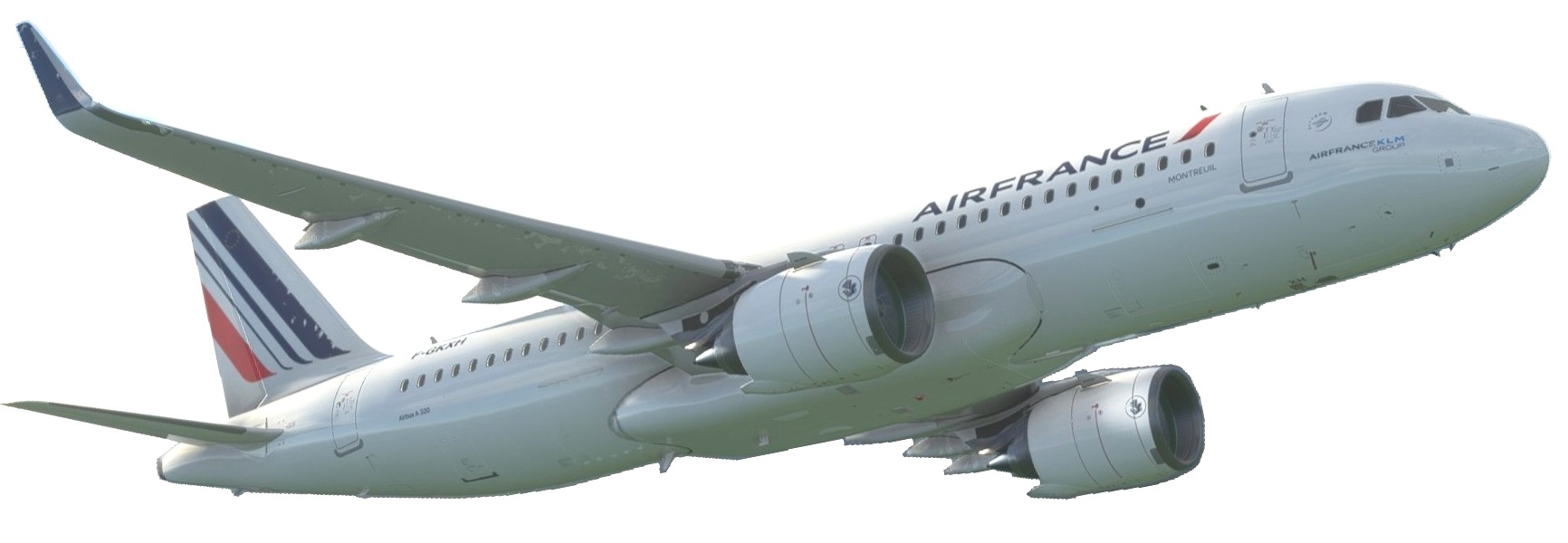
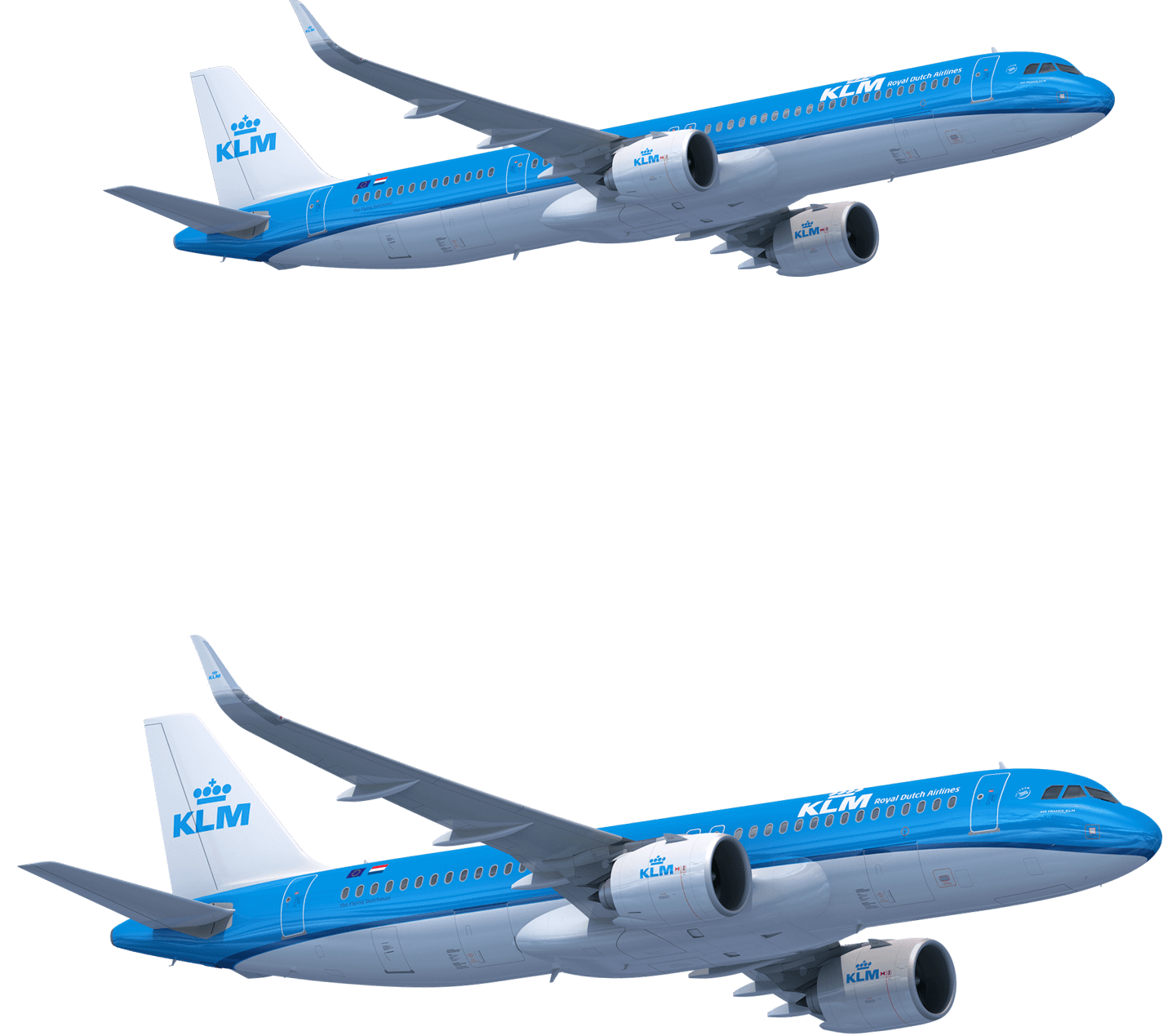
Boeing acumuló una ventaja de pedidos a principios de 2021 impulsada por la demanda acumulada de su 737 MAX, ya que su unidad confiable de un solo pasillo salió de una parada de dos años. Hasta Octubre 2021, su ventaja era de 428 aviones, según las cifras comunicadas por los dos fabricantes de aviones. Sin embargo, Airbus se ha beneficiado durante los dos últimos meses del año, consiguiendo importantes victorias en el Salón Aeronáutico de Dubai en Noviembre 2021 y además arrebatando la posición de liderazgo en el pedido de aviones de fuselaje estrecho adquiriendo órdenes por parte de Qantas Airways y Air France-KLM a mediados de Diciembre 2021.
En la última semana del año 2021, el fabricante de aviones europeo consiguió cuatenta (40) pedidos en firme de la empresa de leasing Aviation Capital Group (ACG), mientras que un acuerdo tentativo alcanzado con el gigante estadounidense Air Lease Corp. en la feria de Dubai se amplió a 116 aviones de pasajeros finalizando el acuerdo, según un portavoz de Airbus. Con estos acuerdos, Airbus supera a Boeing en 58 aviones.
Airbus también puede reclamar la victoria en términos netos. Hasta noviembre, Boeing había registrado 457 pedidos netos para 2021, mientras que Airbus se quedó en 368. Sin embargo, el fabricante europeo ha conseguido en 12/2021 un total anual de 664 aviones, sin contar con las cancelaciones que no se han hecho públicas. Esta cifra se compara con los 476 pedidos de Boeing, que en diciembre firmó un acuerdo con United Parcel Services (UPS). El resultado final no se conocerá hasta que ambas compañías presenten las cifras oficiales a principios de Enero 2022. Es muy posible que Airbus revele una serie de cancelaciones y no alcance a Boeing, con sede en Chicago, en términos netos. Con Covid-19, que sigue perturbando las finanzas de las aerolíneas, ambos fabricantes han sufrido recortes que han eliminado cientos de pedidos de sus libros. No obstante, los contratos conseguidos tranquilizarán a los ejecutivos de Airbus, con sede en Toulouse (Francia), que han reforzado sus argumentos ante los proveedores para aumentar su producción.
Airbus actualmente ha consolidado un liderazgo indiscutible en la producción anual. Hasta Noviembre 2021, había entregado 518 aviones de un objetivo anual de 600 para el año. Boeing ha entregado 302 aviones, un aumento de las entregas del 737 MAX se ha visto compensado por los problemas de producción de sus grandes 787 Dreamliners.
Airbus leadership orders 2021
Airbus reaches supremacy orders over Boeing Lead orders in 4Q2021
Airbus Group has obtained the supremacy of the skies by surpassing the American constructor The Boeing Company in orders in 2021. An increase in orders from the European manufacturer towards the end of the year 2021 has taken advantage of any manufacturer of commercial aircraft reaching the leadership. The European aircraft maker’s position snatches the podium from Boeing, which had built up an order lead in early 2021, but a flood of last-minute orders makes Airbus the builder with the highest number of orders.
Boeing racked up an order lead in early 2021 driven by pent-up demand for its 737 MAX as its reliable single-aisle unit came off a two-year shutdown. As of October 2021, its lead was 428 aircraft, according to figures reported by the two aircraft manufacturers. However, Airbus has benefited during the last two months of the year, achieving important victories at the Dubai Airshow in November 2021 and also taking the leadership position in the order of narrow-body aircraft by acquiring orders from Qantas Airways and Air France-KLM in mid-December 2021.
In the last week of 2021, the European aircraft manufacturer secured forty (40) firm orders from the leasing company Aviation Capital Group (ACG), while a tentative agreement reached with the American giant Air Lease Corp. at the fair Dubai was expanded to 116 airliners finalizing the deal, according to an Airbus spokesman. With these agreements, Airbus surpasses Boeing by 58 aircraft.
Airbus can also claim victory on a net basis. Until November, Boeing had registered 457 net orders for 2021, while Airbus remained at 368. However, the European manufacturer has achieved an annual total of 664 aircraft in 12/2021, not counting the cancellations that have not been made public. This figure compares with the 476 orders from Boeing, which in December signed an agreement with United Parcel Services (UPS). The final result will not be known until both companies present official figures in early January 2022. It is very possible that Airbus will reveal a series of cancellations and will not catch up with Boeing, based in Chicago, in net terms. With Covid-19 continuing to disrupt airline finances, both manufacturers have suffered cuts that have removed hundreds of orders from their books. However, the contracts won will reassure the executives of Airbus, based in Toulouse (France), which have reinforced their arguments with suppliers to increase their production.
Airbus has now established an undisputed leadership in annual production. As of November 2021, it had delivered 518 aircraft out of an annual goal of 600 for the year. Boeing has delivered 302 aircraft, an increase in deliveries of the 737 MAX has been offset by production problems for its large 787 Dreamliners.
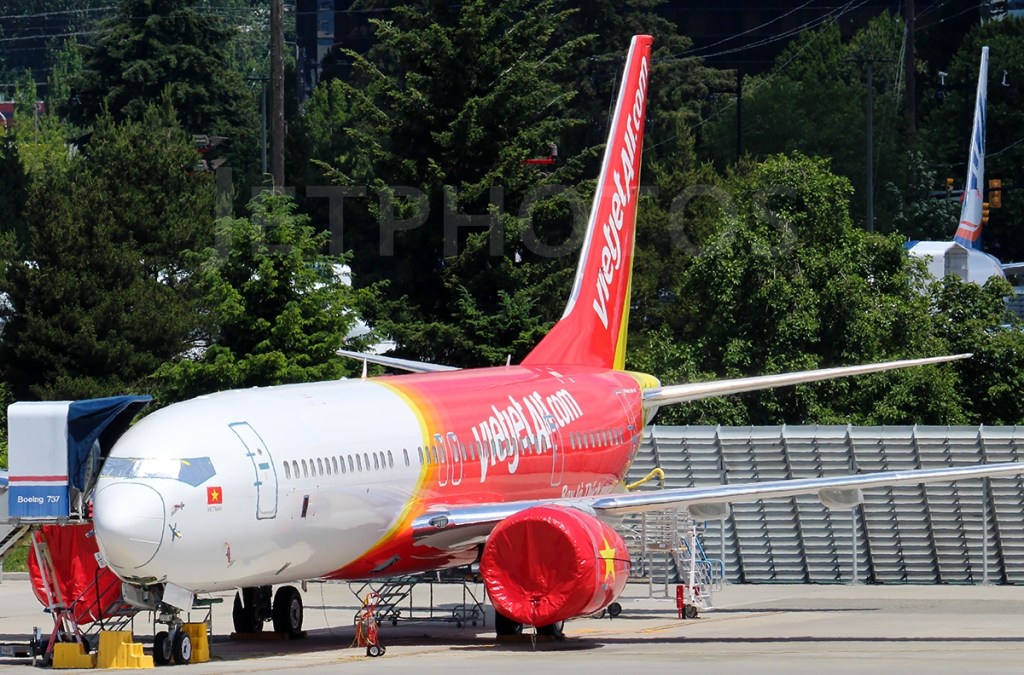
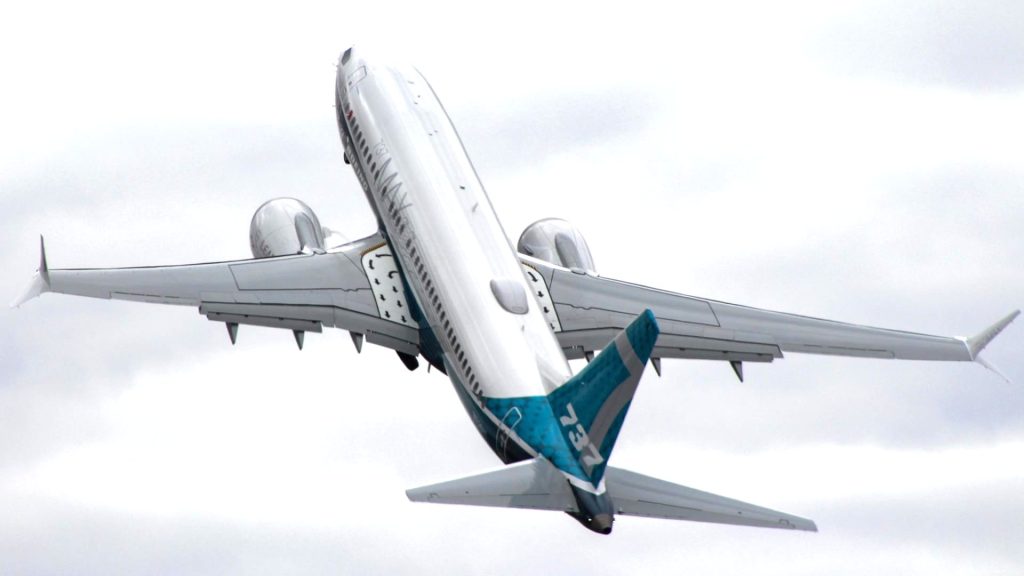
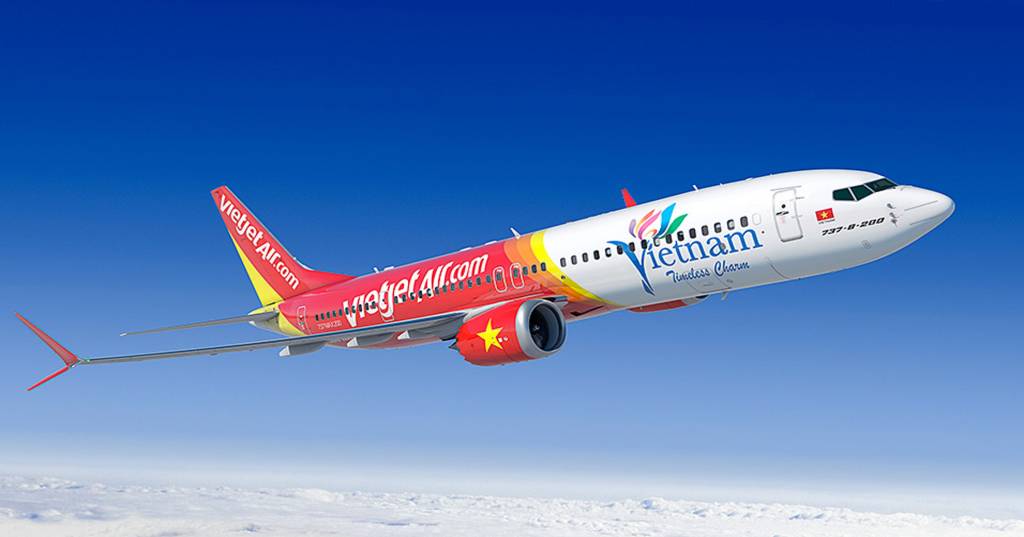
La Autoridad de Aviación Civil de Vietnam (CAAV) levantó la prohibición sobre el Boeing 737 MAX y permitió a las aerolíneas operar el avión en el país después de evaluar su seguridad. La decisión se basa en las medidas de seguridad que su fabricante, Boeing, ha añadido después de que el avión se viera involucrado en dos accidentes graves en dos países.
El avión Boeing 737 MAX quedó en tierra en todo el mundo en Marzo de 2019 después de que 346 personas murieran en dos accidentes en el espacio de unos pocos meses en Indonesia y Etiopía. Hasta ahora, 178 de las 195 autoridades de aviación en el mundo han levantado sus prohibiciones sobre el avión, y más de 360 aviones están en operación nuevamente. Las autoridades estadounidenses levantaron la prohibición del avión en diciembre de 2020 después de que Boeing hiciera cambios en su diseño.
Vietnam approves Boeing 737 MAX
Vietnam lifts ban on Boeing 737 MAX
The Civil Aviation Authority of Vietnam (CAAV) lifted the ban on the Boeing 737 MAX and allowed airlines to operate the plane in the country after assessing its safety. The decision is based on the safety measures that its manufacturer, Boeing, has added after the plane was involved in two serious accidents in two countries.
The Boeing 737 MAX aircraft was grounded worldwide in March 2019 after 346 people were killed in two accidents in the space of a few months in Indonesia and Ethiopia. So far, 178 of the 195 aviation authorities in the world have lifted their bans on the plane, and more than 360 planes are in operation again. The US authorities lifted the ban on the plane in December 2020 after Boeing made changes to its design.
Việt Nam phê duyệt Boeing 737 MAX
Việt Nam dỡ bỏ lệnh cấm đối với Boeing 737 MAX
Cục Hàng không Việt Nam (Cục HKVN) đã dỡ bỏ lệnh cấm đối với Boeing 737 MAX và cho phép các hãng hàng không khai thác loại máy bay này trong nước sau khi đánh giá mức độ an toàn của nó. Quyết định này dựa trên các biện pháp an toàn mà nhà sản xuất Boeing đã bổ sung sau khi máy bay dính vào hai vụ tai nạn nghiêm trọng ở hai quốc gia.
Máy bay Boeing 737 MAX đã được hạ cánh trên toàn thế giới vào tháng 3 năm 2019 sau khi 346 người thiệt mạng trong hai vụ tai nạn trên không trong vài tháng ở Indonesia và Ethiopia. Cho đến nay, 178 trong số 195 nhà chức trách hàng không trên thế giới đã dỡ bỏ lệnh cấm đối với máy bay và hơn 360 máy bay đang hoạt động trở lại. Các nhà chức trách Mỹ đã dỡ bỏ lệnh cấm đối với máy bay này vào tháng 12 năm 2020 sau khi Boeing thực hiện các thay đổi trong thiết kế của mình.
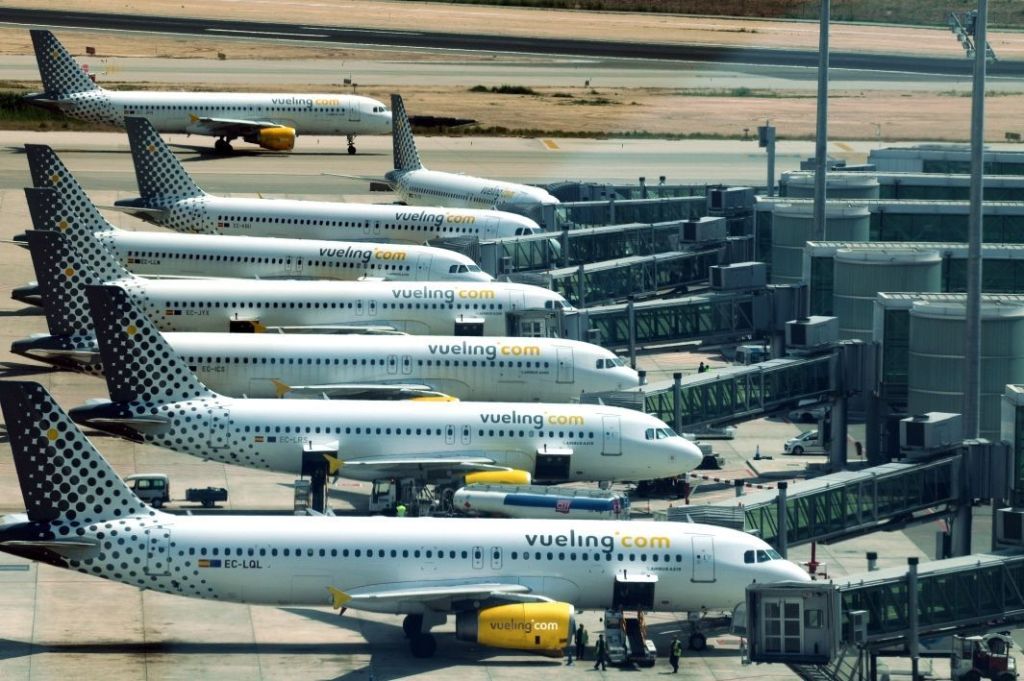
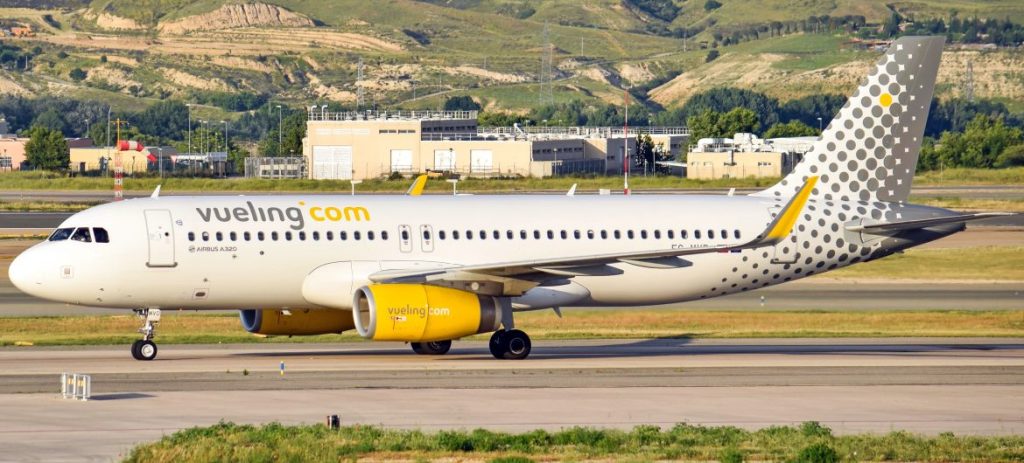
Vueling Airlines se ha convertido en la línea aérea más puntual de Europa. La compañía low cost española celebra el premio a ser la aerolínea europea más puntual, con un índice de puntualidad del 92,13% para sus más de 90.000 vuelos en el período entre Junio a Diciembre de 2021.
La compañía aérea española Vueling, perteneciente al International Airlines Group (IAG) y con sede en Barcelona, España, ha obtenido un índice de puntualidad del 92,13%. Durante la segunda mitad del año 2021 la aerolínea se ha ido recuperando del daño causado durante la pandemia, especialmente en términos de vuelos internacionales, lo que la convierte en la aerolínea número uno en Europa por puntualidad.
La consultora Cirium, especializada en datos y analítica de aviación, ha publicado su informe sobre puntualidad, basado en datos de vuelo de más de 600 fuentes de información en tiempo real. Vueling ha encabezado la lista de aerolíneas europeas, con un índice del 92,13%. Tras la caída de la actividad por la pandemia en 2020 y las importantes restricciones de viaje vigentes durante 2021, Vueling ha conseguido que algunas de sus operaciones internacionales vuelvan a la normalidad durante la segunda mitad del año. Alrededor del 65% de su capacidad del tercer trimestre del año fueron vuelos internacionales, informó Vueling. La compañía también ha abierto nuevas rutas para el norte de Europa.
Vueling leads European punctuality
Vueling most punctual European airline
Vueling Airlines has become the most punctual airline in Europe. The Spanish low cost company celebrates the award for being the most punctual European airline, with a punctuality rate of 92.13% for its more than 90,000 flights in the period between June and December 2021.
The Spanish airline Vueling, belonging to the International Airlines Group (IAG) and based in Barcelona, Spain, has obtained a punctuality rate of 92.13%. During the second half of 2021 the airline has been recovering from the damage caused during the pandemic, especially in terms of international flights, making it the number one airline in Europe for punctuality.
The consulting firm Cirium, specialized in aviation data and analytics, has published its report on punctuality, based on flight data from more than 600 sources of information in real time. Vueling has topped the list of European airlines, with a rate of 92.13%. After the drop in activity due to the pandemic in 2020 and the significant travel restrictions in force in 2021, Vueling has managed to return some of its international operations to normal during the second half of the year. Around 65% of its capacity in the third quarter of the year were international flights, Vueling reported. The company has also opened new routes to Northern Europe.
Vueling lidera puntualitat europea
Vueling aerolínia europea més puntual
Vueling Airlines ha esdevingut la línia aèria més puntual d’Europa. La companyia low cost espanyola celebra el premi a ser l’aerolínia europea més puntual, amb un índex de puntualitat del 92,13% per als més de 90.000 vols en el període entre Juny a Desembre de 2021.
La companyia aèria espanyola Vueling, que pertany a l’International Airlines Group (IAG) i amb seu a Barcelona, Espanya, ha obtingut un índex de puntualitat del 92,13%. Durant la segona meitat de l’any 2021 l’aerolínia s’ha anat recuperant del dany causat durant la pandèmia, especialment en termes de vols internacionals, fet que la converteix en l’aerolínia número u a Europa per puntualitat.
La consultora Cirium, especialitzada en dades i analítica d’aviació, ha publicat el vostre informe sobre puntualitat, basat en dades de vol de més de 600 fonts d’informació en temps real. Vueling ha encapçalat la llista d’aerolínies europees, amb un índex del 92,13%. Després de la caiguda de l’activitat per la pandèmia el 2020 i les restriccions importants de viatge vigents durant el 2021, Vueling ha aconseguit que algunes de les seves operacions internacionals tornin a la normalitat durant la segona meitat de l’any. Al voltant del 65% de la capacitat del tercer trimestre de l’any van ser vols internacionals, va informar Vueling. La companyia també ha obert rutes noves per al nord d’Europa.
Anuncia nueva asociación Código Compartido con United Airlines Abandona alianza con Delta Air Lines
United Airlines ha anunciado una asociación con Virgin Australia Airlines. La aerolínea de bandera estadounidense anuncia una nueva asociación de código compartido con Virgin Australia. Se espera que comience en Abril de 2022, aunque aún está pendiente de la aprobación del gobierno, la empresa conjunta permitiría a los pasajeros que pertenecen al programa de lealtad de cada aerolínea, United MileagePlus o Virgin Australia Velocity, ganar y canjear puntos y millas por vuelos calificados y obtener acceso a otros beneficios como la entrada a las salas VIP del aeropuerto de cualquiera de las aerolíneas y el embarque prioritario, el check-in prioritario y la autorización de seguridad prioritaria. entre otros.
La medida también amplía el alcance de United Airlines en Oceanía, proporcionando conexiones de una sola parada desde los Estados Unidos a 40 ciudades y lugares australianos, incluidos Perth, Brisbane, Darwin, Adelaida, Broome y Hobart, al tiempo que extiende la red de Virgin Australia a los Estados Unidos, México, América Latina y el Caribe. Anteriormente, Delta Air Lines se había desempeñado como el principal socio de código compartido de Virgin Australia en los Estados Unidos durante más de una década.
«Estados Unidos es un mercado clave para Virgin Australia, y sabemos que los australianos están entusiasmados de poder viajar al extranjero nuevamente, por lo que hemos creado cientos de nuevas formas en que pueden hacerlo a través de los amplios servicios de United hacia y desde Australia. Nuestra familia acaba de expandirse y esperamos dar la bienvenida a United y a sus invitados a bordo en Abril», dijo Jayne Hrdlicka, CEO de Virgin Australia Group, en un comunicado de prensa.
A lo largo de la pandemia de Covid-19, United Airlines fue la única aerolínea estadounidense que mantuvo los vuelos desde que se cerró la frontera australiana en marzo de 2020, con vuelos sin escalas disponibles entre Los Ángeles (LAX), San Francisco (SFO) y Sydney (SYD), principalmente para ayudar a llevar a los ciudadanos australianos a casa, en lugar de para viajes recreativos. La aerolínea también planea relanzar el servicio sin escalas entre Houston (IAH) y Melbourne (MEL) más adelante en 2022.
Recientemente ha incorporado planes para lanzar diez nuevos vuelos a partir de la primavera de 2022, conectando los Estados Unidos con cinco nuevos destinos internacionales: Amman, Jordania; Ponta Delgado en las Azores, Portugal; Bergen, Noruega; Tenerife en las Islas Canarias de España; y Palma de Mallorca, España, y la adición de un nuevo servicio desde Denver (DEN) a Munich (MUC), Washington, D.C. (IAD) a Berlín (BER), Chicago (ORD) a Milán (MXP) y segundos vuelos diarios a Dublín (DUB) y Roma (FCO), entre otras nuevas incorporaciones.
United-Virgin Australia Alliance
Announces new Shared Code partnership with United Airlines Abandons alliance with Delta Air Lines
United Airlines has announced a partnership with Virgin Australia Airlines. The US flag carrier announces a new codeshare partnership with Virgin Australia. Expected to begin in April 2022, although pending government approval, the joint venture would allow passengers belonging to each airline’s loyalty program, United MileagePlus or Virgin Australia Velocity, to earn and redeem points and miles for qualifying flights and gain access to other benefits such as entry to the airport lounges of any of the airlines and priority boarding, priority check-in and priority security clearance. among others.
The move also expands United Airlines’ reach in Oceania, providing one-stop connections from the United States to 40 Australian cities and locations, including Perth, Brisbane, Darwin, Adelaide, Broome and Hobart, while also extending Virgin’s network. Australia to the United States, Mexico, Latin America and the Caribbean. Previously, Delta Air Lines had served as Virgin Australia’s primary codeshare partner in the United States for more than a decade.
«The United States is a key market for Virgin Australia, and we know Australians are excited to be able to travel abroad again, so we have created hundreds of new ways that they can do so through United’s extensive services to and from Australia. Our family has just expanded and we look forward to welcoming United and their guests on board in April», said Jayne Hrdlicka, CEO of Virgin Australia Group, in a press release.
Throughout the Covid-19 pandemic, United Airlines was the only American airline to maintain flights since the Australian border was closed in March 2020, with nonstop flights available between Los Angeles (LAX), San Francisco (SFO) and Sydney (SYD), primarily to help bring Australian citizens home, rather than for recreational travel. The airline also plans to relaunch nonstop service between Houston (IAH) and Melbourne (MEL) later in 2022.
It recently incorporated plans to launch ten new flights beginning in the spring of 2022, connecting the United States with five new international destinations: Amman, Jordan; Ponta Delgado in the Azores, Portugal; Bergen, Norway; Tenerife in the Canary Islands of Spain; and Palma de Mallorca, Spain, and the addition of a new service from Denver (DEN) to Munich (MUC), Washington, D.C. (IAD) to Berlin (BER), Chicago (ORD) to Milan (MXP) and second daily flights to Dublin (DUB) and Rome (FCO), among other new additions.