Boeing 737-700 excursiona en pista en el aterrizaje
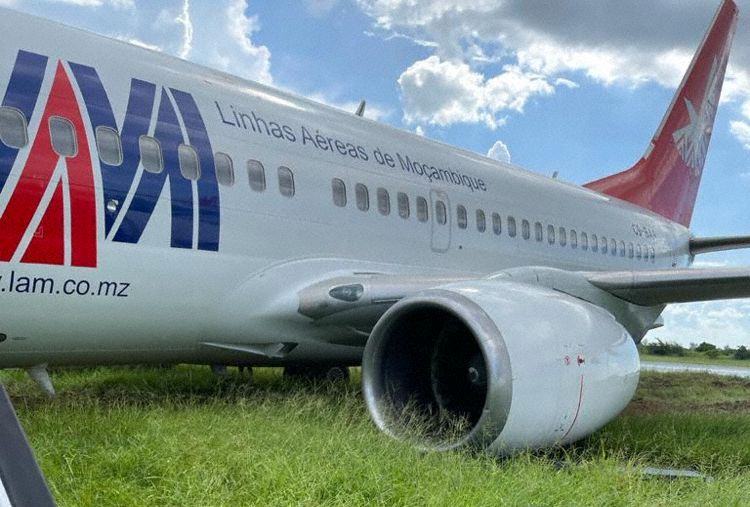
Un Boeing 737-700 matrícula C9-BAR de LAM Linhas Aéreas Mocambique realizaba vuelo TM-144 (Callsign LAM1134) de Maputo a Quelimane (Mozambique), aterrizó en la Pista 18 de Quelimane alrededor de las 14:45L (12:45Z) pero se salió de la pista cerca del final de la pista llegando a una parada con todo el equipo en la hierba entre la pista y la pista de rodaje para ayudar a dar marcha atrás. No hubo heridos. Un video de pasajeros muestra que estaba lloviendo en ese momento, la pista, las pistas de rodaje y la hierba estaban mojadas.
La aerolínea informó: «Un avión LAM, Linhas Aéreas de Moçambique, cuando aterrizó esta tarde en la pista del aeropuerto de Quelimane, procedente de Maputo, terminó deslizándose, terminando al final de la pista. El incidente, que no registró víctimas humanas, se produjo esta tarde, sobre las 14.40 horas, con el avión Boeing, B737-700, C9BAR, que volaba el TM 1134, entre Maputo y Quelimane. Los bomberos de los aeropuertos de Mozambique se apresuraron de inmediato y luego los pasajeros y la tripulación desembarcaron y fueron llevados a las instalaciones del aeropuerto».
LAM144 runway incursion in Mozambique
Boeing 737-700 excursions onto runway on landing
A Boeing 737-700 registration C9-BAR of LAM Linhas Aéreas Mocambique was flying TM-144 (Callsign LAM1134) from Maputo to Quelimane (Mozambique), it landed on Runway 18 in Quelimane around 14:45 L (12:45 Z) but he went off the runway near the end of the runway coming to a stop with the entire team on the grass between the runway and the taxiway to help reverse. There were no injuries. Passenger video shows it was raining at the time, the runway, taxiways, and grass were wet.
The airline reported: «A LAM plane, Linhas Aéreas de Moçambique, when it landed this afternoon on the runway of the Quelimane airport, coming from Maputo, ended up sliding, ending up at the end of the runway. The incident, which did not register human victims, was produced this afternoon, around 02:40 pm, with the Boeing, B737-700, C9BAR, flying the TM 1134, between Maputo and Quelimane. Firefighters from Mozambique airports rushed in immediately and then passengers and crew disembarked and they were taken to the airport facilities».
Agencia aviación australiana recertifica al Boeing 737 MAX
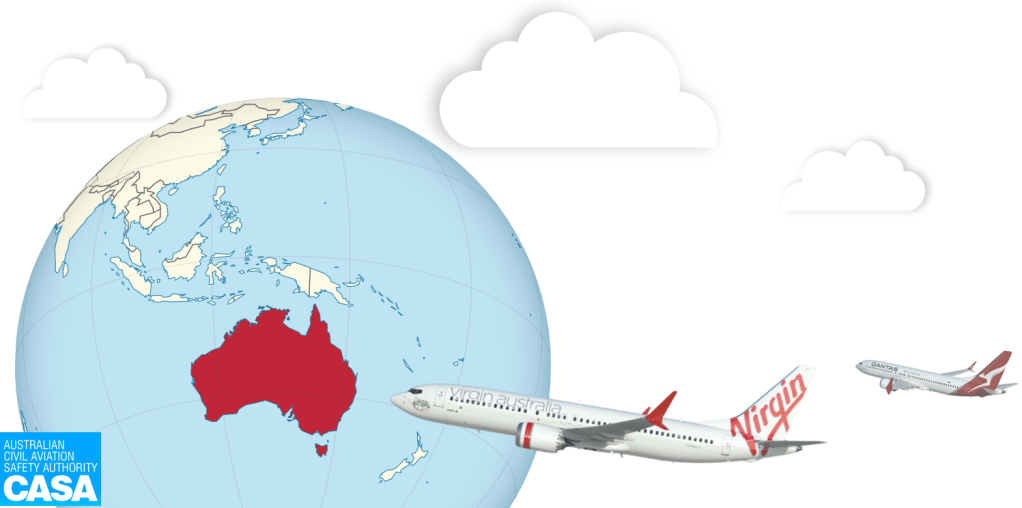
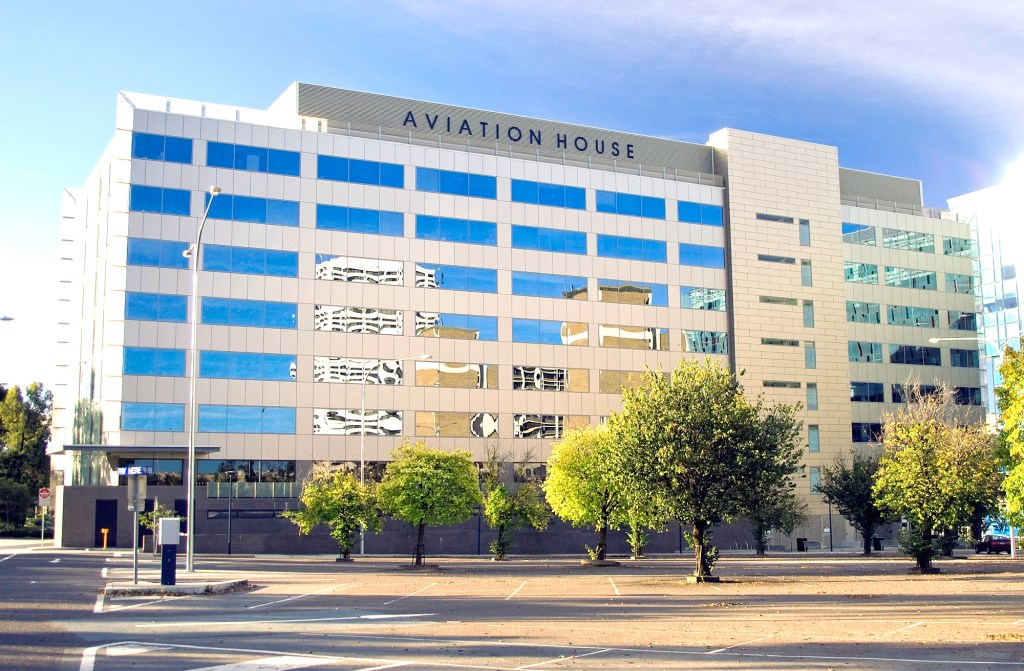
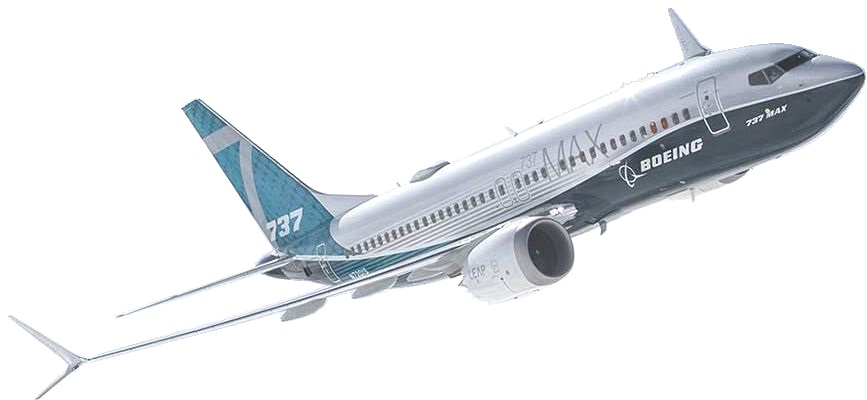
La Civil Aviation Safety Authority (CASA) de Australia ha anunciado este Viernes 26/02 que levanta la prohibición del Boeing 737 MAX permitiendo establecer la recertificación de la línea entre los primeros de Asia y el Pacífico. El regulador australiano ha aceptado requisitos integrales de retorno al servicio establecidos por la Administración Federal de Aviación de Estados Unidos (FAA) para el 737 MAX. «Nosotros estamos seguros de que el avión está a salvo», dijo en un comunicado Graeme Crawford, Jefe Interino de CASA Australia.
Ninguna aerolínea australiana opera actualmente el 737 MAX, pero Virgin Australia tiene pedidos por 25 unidades. Singapore Airlines y Fiji Airways son los operaron en vuelos a Australia previo la incursión en tierra del modelo en Marzo de 2019 después de dos accidentes aéreos. Graeme Crawford dijo que no estaba claro cuándo esas aerolíneas reanudarían los vuelos a Australia dada la interrupción de COVID-19 en los viajes aéreos internacionales. Singapore Airlines y Fiji Airways también necesitarán la aprobación para reanudar el vuelo del 737 MAX de sus reguladores nacionales de aviación respectivos y de otras autoridades donde necesiten utilizar el espacio aéreo. El regulador de la aviación de Singapur no respondió inmediatamente a una solicitud de comentario. Singapore Airlines dijo que continuaría trabajando y siendo guiado por los reguladores en 737 operaciones MAX. Un portavoz de Fiji Airways dijo que todavía estaba trabajando con otros reguladores de la región, incluidos los de Fiji y Nueva Zelanda, antes de devolver el 737 MAX al servicio.
CAA Nueva Zelandia
La Autoridad de Aviación Civil de Nueva Zelandia (CAA) dijo que había trabajado estrechamente con sus homólogos de Australia y Singapur a la vuelta del 737 MAX en Nueva Zelandia. «La CAA no emitirá una aprobación general para que el Boeing 737 MAX vuele a Nueva Zelanda, sino que trabajará con cualquier operador futuro caso por caso para despejar las operaciones de vuelo a Nueva Zelanda», dijo la CAA, señalando que Fiji Airways todavía estaba restringiendo los vuelos internacionales debido al COVID-19.
Reguladores mundiales
Los reguladores de Los Estados Unidos, Europa, Gran Bretaña, Canadá, Brasil y los Emiratos Árabes Unidos son algunos de los que ya han aprobado el regreso del 737 MAX al vuelo tras modificaciones técnicas y entrenamiento adicional de pilotos. Japón levantó sus restricciones a finales de enero tras las decisiones de sus homólogos de Estados Unidos, Europa, Canadá y Brasil, dijo el viernes un funcionario de la Oficina de Aviación Civil de Japón. Actualmente, el país nipón no tiene operadores locales del 737 MAX y la decisión no fue anunciada públicamente en ese momento.
China fue el primer país en prohibir el 737 MAX de su espacio aéreo en 2019 y no ha indicado cuándo levantará la prohibición. Boeing dijo el Viernes 26/02 que estaba trabajando con reguladores y clientes para devolver el 737 MAX para dar servicio de forma segura en todo el mundo.
Australia approves Boeing 737 MAX
Australian aviation agency recertifies Boeing 737 MAX
The Civil Aviation Safety Authority (CASA) of Australia has announced this Friday 02/26 that it lifts the ban on the Boeing 737 MAX allowing the recertification of the line to be established among the first in Asia and the Pacific. The Australian regulator has accepted comprehensive return-to-service requirements set out by the United States Federal Aviation Administration (FAA) for the 737 MAX. «We are confident that the aircraft is safe», said Graeme Crawford, Acting Head of CASA Australia, in a statement.
No Australian airline currently operates the 737 MAX, but Virgin Australia has orders for 25 units. Singapore Airlines and Fiji Airways are the ones that operated on flights to Australia prior to the model’s ground incursion in March 2019 after two plane crashes. Graeme Crawford said it was unclear when those airlines would resume flights to Australia given the COVID-19 disruption to international air travel. Singapore Airlines and Fiji Airways will also need approval to resume flight of the 737 MAX from their respective national aviation regulators and other authorities where they need to use airspace. Singapore’s aviation regulator did not immediately respond to a request for comment. Singapore Airlines said it would continue to work and be guided by regulators on 737 MAX operations. A spokesman for Fiji Airways said he was still working with other regulators in the region, including those in Fiji and New Zealand, before returning the 737 MAX to service.
CAA New Zealand
The New Zealand Civil Aviation Authority (CAA) said it had worked closely with its Australian and Singaporean counterparts upon the return of the 737 MAX in New Zealand. «The CAA will not issue blanket approval for the Boeing 737 MAX to fly to New Zealand, but will work with any future operators on a case-by-case basis to clear flight operations to New Zealand», the CAA said, noting that Fiji Airways was still restricting international flights due to COVID-19.
World regulators
Regulators in the United States, Europe, Great Britain, Canada, Brazil and the United Arab Emirates are among those who have already approved the return of the 737 MAX to flight after technical modifications and additional pilot training. Japan lifted its restrictions in late January following decisions by its counterparts in the United States, Europe, Canada and Brazil, an official with Japan’s Civil Aviation Bureau said on Friday. Currently, the Japanese country does not have local 737 MAX operators and the decision was not publicly announced at the time.
China was the first country to ban the 737 MAX from its airspace in 2019 and has not indicated when it will lift the ban. Boeing said on Friday 02/26 that it was working with regulators and customers to return the 737 MAX for safe service around the world.
Incidente falla motor del vuelo FV-4520 de Boeing 777-300F
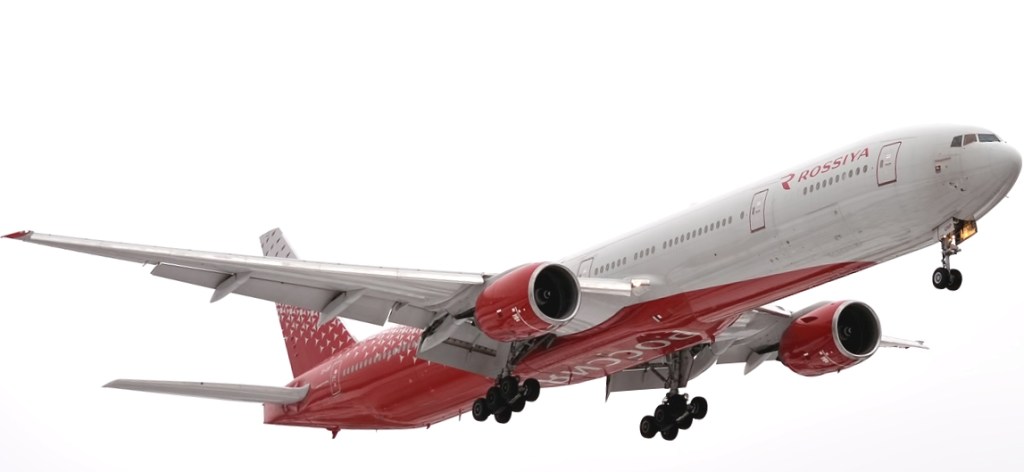
Un Boeing 777-300F, matrícula EI-GET de Rossiya Airlines realizaba el vuelo de carga FV-4520 de Hong Kong (China) a Moscú/Sheremétievo (Rusia), estaba descendiendo hacia Moscú cuando la tripulación aconsejó que uno de los canales FADEC (Full Authority Digital Engine Control), a menudo también conocido como Electronic Engine Control (EEC) que controlaba el motor izquierdo de la planta motriz GE90 había fallado. El avión continuó con normalidad para un aterrizaje seguro en la Pista 24L de Moscow/Sheremétievo.
El avión sigue en tierra en Moscú unas 08:50 horas después del aterrizaje. Medios rusos y chinos informaron que el avión estaba programado para continuar a Madrid (España) y afirmaron que la tripulación realizó un aterrizaje de emergencia en Moscow/Sheremétievo debido a un fallo en el motor de la mano izquierda, aunque otras fuentes sostienen que ha sido el motor derecho y se desvió a Moscú. Los datos del plan de vuelo muestran que el avión estaba programado para aterrizar en Sheremétievo. Los datos del radar muestran que el avión permaneció en el crucero hasta la cima del descenso a unos 140nm al este de Moscú y comenzó un descenso normal hacia Sheremétievo.
Los pilotos se desviaron al Aeropuerto Moscow/Sheremétievo después de que un indicador advirtiera de un posible fallo del motor en el avión. El avión estaba siendo operado principalmente como un vuelo de carga, transportando 36 toneladas métricas de carga y 25 personas, dijo el informe. No estaba claro si el motor realmente funcionó mal o la luz del instrumento se activó incorrectamente. El informe ruso tampoco aclaró si los pilotos apagaron el motor antes de aterrizar.
Incident flight FV4520 Rossiya Airlines
Boeing 777-300F flight FV-4520 engine failure incident
A Boeing 777-300F, registration EI-GET of Rossiya Airlines, was carrying out cargo flight FV-4520 from Hong Kong (China) to Moscow/Sheremetyevo (Russia), it was descending towards Moscow when the crew advised that one of the FADEC channels (Full Authority Digital Engine Control), often also known as Electronic Engine Control (EEC) that controlled the left engine of the GE90 powerplant had failed. The aircraft continued normally for a safe landing on Runway 24L in Moscow/Sheremetyevo.
The plane remains on the ground in Moscow about 08:50 hours after landing. Russian and Chinese media reported that the plane was scheduled to continue to Madrid (Spain) and claimed that the crew made an emergency landing in Moscow/Sheremetyevo due to a failure in the left-hand engine, although other sources maintain that it has been the right engine and diverted to Moscow. Flight plan data shows that the plane was scheduled to land in Sheremetyevo. Radar data shows that the plane stayed in the cruise until the top of the descent at about 140nm east of Moscow and began a normal descent towards Sheremetyevo.
The pilots were diverted to Moscow/Sheremetyevo Airport after an indicator warned of a possible engine failure on the plane. The plane was being operated primarily as a cargo flight, carrying 36 metric tons of cargo and 25 people, the report said. It was unclear if the engine actually malfunctioned or the instrument light was activated incorrectly. The Russian report also did not clarify whether the pilots turned off the engine before landing.
AW | 2021 02 26 15:23 | AVIATION ORGANISMS / INDUSTRY
Boeing pagará US$ 6.6 millones en multas a la agencia FAA
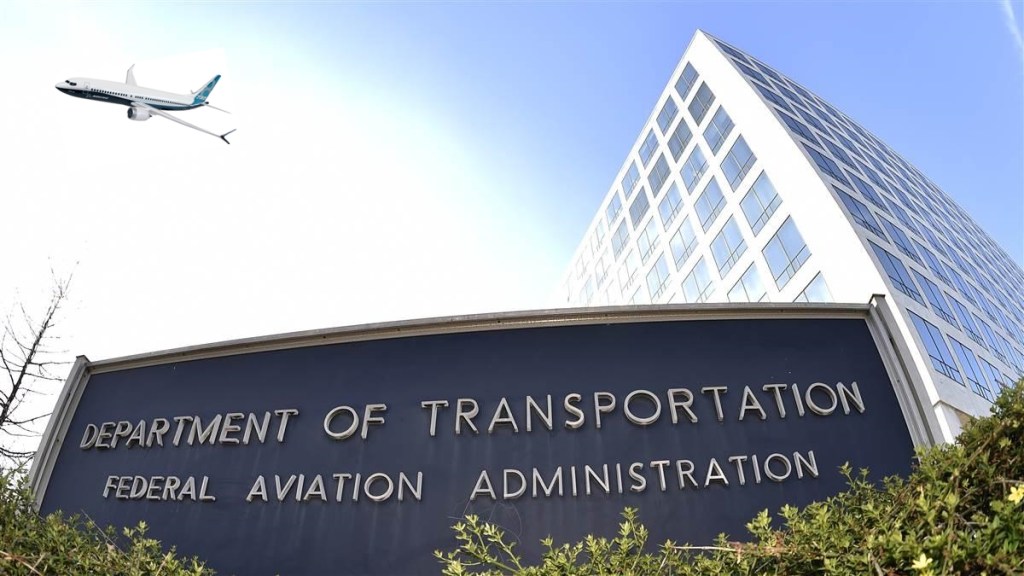
La Administración Federal de Aviación (FAA) ha evaluado una multa de US$ 5,4 millones de Dólares en sanciones civiles diferidas contra The Boeing Company por no cumplir con sus obligaciones de desempeño en virtud de un acuerdo de conciliación de 2015. El fabricante de aviones con sede en Chicago también acordó pagar US$ 1,21 millones de Dólares para resolver dos casos pendientes de ejecución de la FAA. En virtud del acuerdo de 2015, Boeing se comprometió a cambiar sus procesos internos para mejorar y priorizar el cumplimiento normativo. El acuerdo exigía que la compañía cumpliera con objetivos de rendimiento específicos, y autorizó a la FAA a evaluar las sanciones diferidas si no lo hacía.
La FAA evaluó US$ 5.4 millones en sanciones diferidas bajo los términos del acuerdo de 2015 porque Boeing incumplió algunos de sus objetivos de mejora, y porque algunos gerentes de la compañía no priorizaron lo suficiente el cumplimiento de las regulaciones de la FAA. El acuerdo de 2015 impide a Boeing apelar la evaluación de sanciones de la FAA, y el plazo de cinco años de este acuerdo ha terminado. Boeing pagó previamente US$ 12 millones de Dólares en sanciones civiles como condición inicial del acuerdo de 2015. Los términos de este nuevo acuerdo se alcanzaron a finales de Diciembre de 2020. «Boeing no cumplió con todas sus obligaciones bajo el acuerdo de conciliación, y la FAA está responsabilizando a Boeing imponiendo sanciones adicionales. He reiterado a los dirigentes de Boeing una y otra vez que la compañía debe priorizar la seguridad y el cumplimiento normativo, y que la FAA siempre pondrá la seguridad en primer lugar en todas sus decisiones», dijo el administrador de la FAA Steve Dickson.
Boeing también pagará US$ 1,21 millones de Dólares para resolver dos casos de ejecución. Un caso alegó que la compañía implementó una estructura inadecuada de su programa de Autorización de Designación de Organización (Organization Designation Authorization/ODA) aprobado por la FAA y ejerció una presión indebida o interfirió con los miembros de la unidad de la ODA. El otro caso alegó que no siguió sus procesos de control de calidad y sometió a los miembros de la ODA a presiones o interferencias indebidas en relación con una inspección de aeronavegabilidad de la aeronave.
La FAA estará atenta en su supervisión de las actividades de ingeniería y producción de Boeing, y está implementando activamente las disposiciones de reforma y supervisión de certificación de la Ley de Certificación, Seguridad y Rendición de Cuentas de aeronaves de 2020. Esta legislación permitirá a la FAA evaluar sanciones civiles aún mayores contra los fabricantes que ejercen una presión indebida sobre los miembros de la unidad de la ODA.
FAA fines Boeing US$ 6.6 Million
Boeing will pay US$ 6.6 million in fines to the FAA agency
The Federal Aviation Administration (FAA) has assessed a fine of US$ 5.4 million in deferred civil penalties against The Boeing Company for failing to meet its performance obligations under a 2015 settlement agreement. Chicago-based planes also agreed to pay US $ 1.21 million to resolve two pending FAA enforcement cases. Under the 2015 agreement, Boeing committed to changing its internal processes to improve and prioritize regulatory compliance. The agreement required the company to meet specific performance targets, and authorized the FAA to assess deferred penalties if it failed to do so.
The FAA assessed US$ 5.4 million in deferred penalties under the terms of the 2015 agreement because Boeing failed to meet some of its improvement targets, and because some company managers did not prioritize enough compliance with FAA regulations. The 2015 agreement prevents Boeing from appealing the FAA’s sanctions assessment, and the five-year term of this agreement has ended. Boeing previously paid US$ 12 million in civil penalties as an initial condition of the 2015 agreement. The terms of this new agreement were reached at the end of December 2020. «Boeing did not meet all of its obligations under the settlement agreement, and the FAA is holding Boeing accountable by imposing additional penalties. I have reiterated to Boeing leadership over and over again that the company must prioritize safety and compliance, and that the FAA will always put safety first in all its decisions», said FAA Administrator Steve Dickson.
Boeing will also pay US$ 1.21 million to resolve two execution cases. One case alleged that the company implemented an inappropriate structure of its FAA-approved Organization Designation Authorization (ODA) program and exerted undue pressure or interfered with members of the ODA unit. The other case alleged that it did not follow its quality control processes and subjected ODA members to undue pressure or interference in connection with an airworthiness inspection of the aircraft.
The FAA will be vigilant in its oversight of Boeing’s engineering and production activities, and is actively implementing the certification oversight and reform provisions of the Aircraft Certification, Safety, and Accountability Act of 2020. This legislation will enable the FAA assessing even higher civil penalties against manufacturers that exert undue pressure on ODA unit members.
Expansión post-pandemia con seis rutas y 2 nuevos destinos
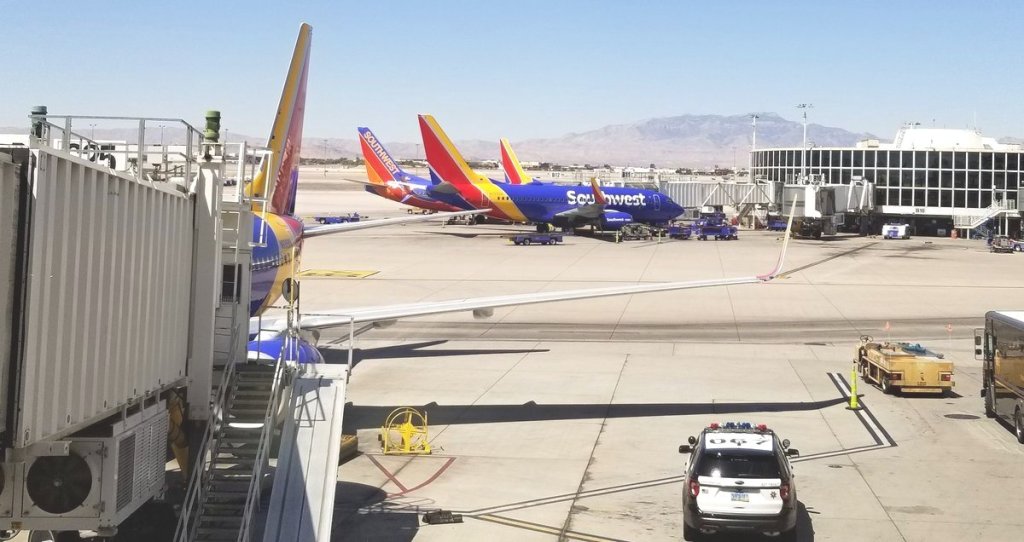
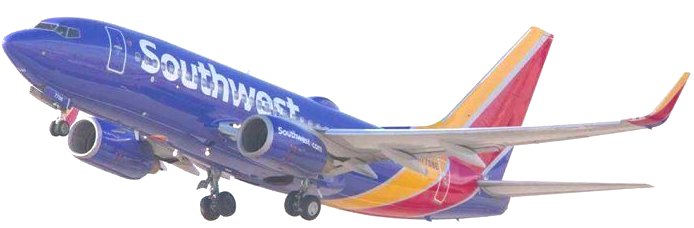
Southwest Airlines, con sede en Dallas (TX), continúa anunciando más rutas como parte de una nueva etapa de servicios post-pandemia incorporando seis nuevas rutas y dos nuevos destinos que se lanzarán en Mayo 2021. Desde Marzo de 2020, Southwest ha estado añadiendo nuevos puntos en su red de rutas impulsando el servicio a los aeropuertos de todo el país, duplicado en la captura de tráfico de ocio, empujando hacia los aeropuertos mega-hub que había evitado durante tanto tiempo.
El anuncio del Jueves 25/02 ha incorporado dos ciudades a los 14 nuevos destinos que Southwest ha añadido desde el inicio de la pandemia: Chicago O’Hare (ORD); Houston Bush Intercontinental (IAH); Jackson, Mississippi (JAN); Savannah, Georgia (SAV); Miami y Sarasota en Florida; Fresno (FAT), Palm Springs (PSP) y Santa Bárbara (SBA) en California; Colorado Springs (COS), Montrose/Telluride (MTJ) y Steamboat Springs (HDN) en Colorado; Hilo, Hawáii (ITO); Cozumel (CZM) en México.
La aerolínea de presupuesto líder de Estados Unidos ha informado el comienzo de las operaciones en Destin/Fort Walton Beach/VPS, incorporando el undécimo destino en el Estado de Florida (FL), iniciando una frecuencia diaria (1Frq/D) a partir del 06/05 desde Baltimore/Washington (BWI), Dallas/Love Field (DAL) y Nashville (BNA) con un total de cinco vuelos en cada dirección. A partir del 6 de Junio de 2021, Southwest agregará otro servicio diario a Destin/Fort Walton Beach/VPS desde Chicago/Midway (MDW).
La aerolínea ha anunciado además incorporar dos vuelos diarios (2Frq/D) desde Denver (DEN) y Las Vegas (LAS) aún con fecha no especificada. La aerolínea impulsará la conexión Denver (DEN)-Bozeman (BZN) a cuatro vuelos diarios (4Frq/D) a aprtir del 06/06, permitiendo aprovechar la demanda máxima de verano boreal en Estados Unidos. Bozeman es una de las principales puertas de entrada al Parque Nacional de Yellowstone y otras áreas turísticas. Southwest apuesta a que puede capturar su parte de mercado que buscan experimentar una aventura en tiempos de pandemia. La aerolínea está promocionando una oferta de un servicio integral a la ciudad del sur de Montana desde más de cincuenta aeropuertos.
Destinos Sun & fun
La expansión de Southwest a dos destinos predominantemente vacacional sigue una estrategia para capturar al viajero cansado de la pandemia en busca de una escapada de ocio. Los destinos sun-and-fun (sol y diversión) han experimentado un crecimiento significativo en el servicio de las aerolíneas, a pesar de la pandemia. La mayoría de las compañías aéreas estadounidense vuelan preferentemente a destinos de ocio. Además, ha añadido vuelos a Chicago/O’Hare (ORD), Houston Intercontinental (IAH) y Miami (MIA) para ayudar a reforzar su posición mientras busca recuperarse de la pandemia.
Southwest incorporates more routes/destinations
Post-pandemic expansion with six routes and 2 new destinations
Southwest Airlines, based in Dallas (TX), continues to announce more routes as part of a new phase of post-pandemic services incorporating six new routes and two new destinations to be launched in May 2021. Since March 2020, Southwest has been adding new points in its route network driving service to airports across the country, doubled in capturing leisure traffic, pushing towards mega-hub airports that it had avoided for so long.
Thursday’s 02/25 announcement has added two cities to the 14 new destinations Southwest has added since the start of the pandemic: Chicago O’Hare (ORD); Houston Bush Intercontinental (IAH); Jackson, Mississippi (JAN); Savannah, Georgia (SAV); Miami and Sarasota in Florida; Fresno (FAT), Palm Springs (PSP) and Santa Barbara (SBA) in California; Colorado Springs (COS), Montrose/Telluride (MTJ) and Steamboat Springs (HDN) in Colorado; Hilo, Hawaii (ITO); Cozumel (CZM) in Mexico.
The leading budget airline in the United States has reported the start of operations in Destin/Fort Walton Beach/VPS, incorporating the eleventh destination in the State of Florida (FL), starting a daily frequency (1Frq/D) from 06/05 from Baltimore/Washington (BWI), Dallas/Love Field (DAL) and Nashville (BNA) with a total of five flights in each direction. Beginning June 6, 2021, Southwest will add another daily service to Destin/Fort Walton Beach/VPS from Chicago/Midway (MDW).
The airline has also announced to incorporate two daily flights (2Frq/D) from Denver (DEN) and Las Vegas (LAS) still with an unspecified date. The airline will boost the Denver (DEN) -Bozeman (BZN) connection to four daily flights (4Frq/D) from 06/06, allowing it to take advantage of the peak summer demand in the United States. Bozeman is one of the main gateways to Yellowstone National Park and other tourist areas. Southwest is betting it can capture its share of the market looking to experience an adventure in times of a pandemic. The airline is promoting a comprehensive service offering to the southern Montana city from more than fifty airports.
Sun & fun destinations
Southwest’s expansion to two predominantly vacation destinations follows a strategy to capture the pandemic-weary traveler in search of a leisure getaway. Sun-and-fun destinations have seen significant growth in airline service, despite the pandemic. Most US airlines preferentially fly to leisure destinations. Additionally, it has added flights to Chicago/O’Hare (ORD), Houston Intercontinental (IAH) and Miami (MIA) to help bolster its position as it seeks to recover from the pandemic.
Amaszonas Línea Aérea suspende sus vuelos a Sao Paulo
La aerolínea boliviana, Amaszonas Línea Aérea, ha anunciado que desde el 1 de Marzo de 2021 ha suspendido sus frecuencias entre el el Aeropuerto Santa Cruz de la Sierra/Viru-Viru y el Aeropuerto Sao Paulo/Guarulhos debido a los efectos colaterales que ha producido la pandemia en los viajes. La aerolínea tenía programado tres vuelos semanales en el mes de Marzo 2021 y espera retomar las operaciones entre Bolivia y Brasil, de acuerdo a la publicado en su sitio web a partir del 1 de Septiembre de 2021. Amaszonas Línea Aérea posee servicios a diferentes destinos de la región como Argentina , Paraguay y Brasil empleando una flota de Bombardier CRJ-200 (4), Bombardier Dash 8-200 (2), Embraer E190-100E1 (5).
El mes pasado la filial uruguaya, Amaszonas Uruguay (Amas Uruguay), había empezado un proceso de adaptación del mercado para concentrarse en servicios de carga. Debido al cierre de fronteras para extranjeros en Uruguay y la baja demanda del mercado local, la aerolínea uruguaya ha suprimido los vuelos comerciales hasta nuevo aviso, mientras tanto, la compañía continúa con un proceso de restructuración que le permita afrontar el impacto de la depresión de los viajes comerciales.
Amaszonas suspends flights to Sao Paulo
Amaszonas Línea Aérea suspends its flights to Sao Paulo
The Bolivian airline, Amaszonas Línea Aérea, has announced that since March 1, 2021 it has suspended its frequencies between the Santa Cruz de la Sierra/Viru-Viru Airport and the Sao Paulo/Guarulhos Airport due to the collateral effects that have produced the pandemic in travel. The airline had scheduled three weekly flights in March 2021 and expects to resume operations between Bolivia and Brazil, according to the one published on its website as of September 1, 2021. Amaszonas Línea Aérea has services to different destinations in the region such as Argentina, Paraguay and Brazil using a fleet of Bombardier CRJ-200 (4), Bombardier Dash 8-200 (2), Embraer E190-100E1 (5).
Last month the Uruguayan subsidiary, Amaszonas Uruguay (Amas Uruguay), had started a process of adapting the market to focus on cargo services. Due to the closure of borders for foreigners in Uruguay and the low demand of the local market, the Uruguayan airline has suppressed commercial flights until further notice, meanwhile, the company continues with a restructuring process that allows it to face the impact of the depression of business travel.
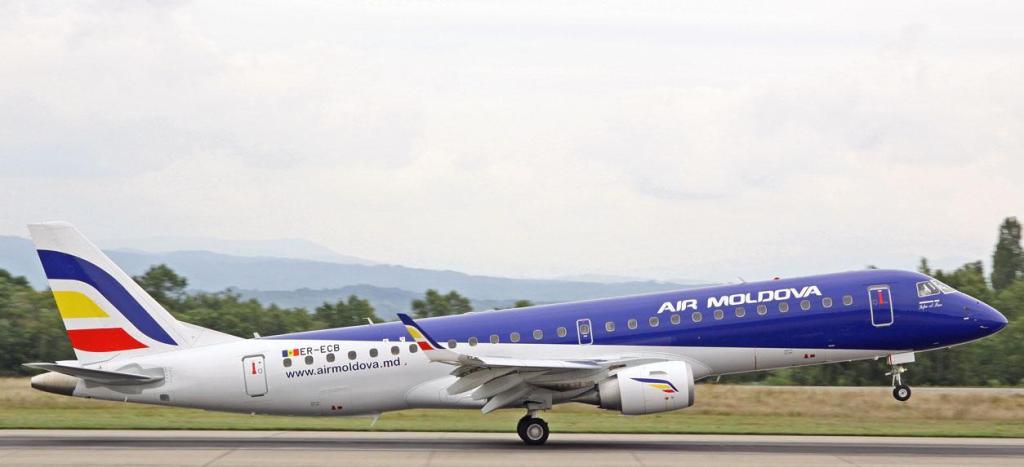
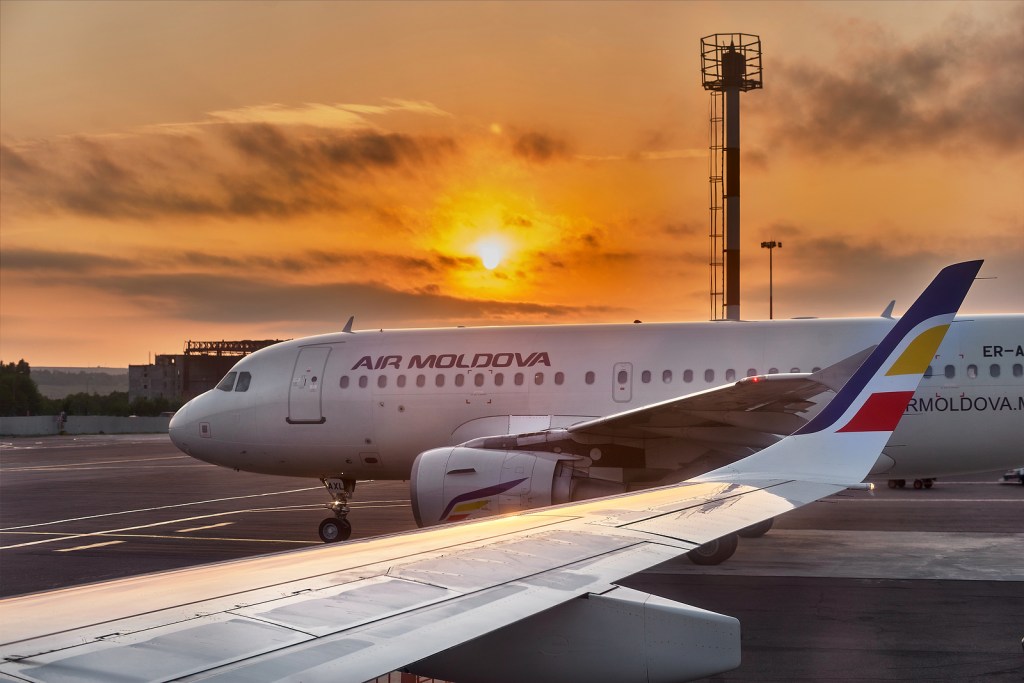
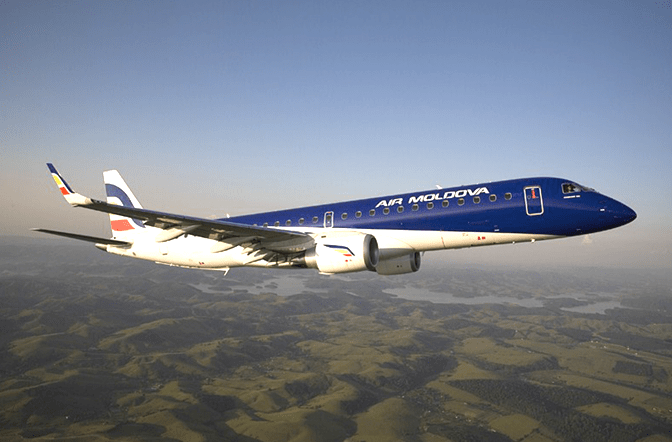
Air Moldova contrata servicios de Radixx para su sistema de reservas
Radixx International ha celebrado un contrato con Air Moldova para su sistema de reservas con el objetivo es aumentar las ventas y mejorar la experiencia del cliente. Radixx, una empresa de Sabre y proveedor líder de venta minorista de software de sistema de reservas para aerolíneas, ha firmado un acuerdo de tecnología de varios años con Air Moldova. La aerolínea con sede en Chișinău, República de Moldavia utilizará las soluciones de comercialización, distribución y cumplimiento de Radixx para expandirse a nuevas fuentes de ingresos y potenciar el crecimiento futuro.
A finales de 2021, Air Moldova pondrá en marcha en el Sistema de Servicio de Pasajeros (PSS) alojado en la nube Radixx Res para entregar vuelos y servicios auxiliares de valor agregado a sus viajeros. Ofreciendo un rendimiento líder en la industria, el moderno sistema basado en microservicios de Radixx proporciona a Air Moldova una tecnología flexible y avanzada que mejora la experiencia del viajero y maximiza los ingresos. Air Moldova también utilizará la solución de comercio minorista ezyCommerce de Radixx para proporcionar una experiencia de cliente superior, independiente del dispositivo, que diferenciará su marca y sus ofertas. Radixx ezyCommerce permitirá a la aerolínea aprovechar un conjunto de potentes API e integrar contenido de terceros para personalizar aún más sus ofertas para los viajeros. Como parte de su plan de recuperación y crecimiento posterior a la crisis sanitaria mundial, Air Moldova también implementará el conjunto de productos de servicios de salida Radixx Go para crear una experiencia de aeropuerto segura y eficiente. Con dispositivos móviles para agentes terrestres y opciones de autoservicio para viajeros, Radixx Go agilizará las operaciones aeroportuarias existentes, lo que dará como resultado colas más cortas en el aeropuerto y una experiencia de viaje más agradable y fluida.
«Nuestros clientes son el núcleo de lo que hacemos y nos esforzamos por ofrecerles productos y servicios de la más alta calidad. Elegimos Radixx debido a las oportunidades avanzadas de venta minorista que brinda su sistema en todos los puntos de contacto con los clientes. Sus robustas API nos permiten personalizar nuestra experiencia de usuario e integrar otras soluciones, incluidas nuestras propias aplicaciones críticas, que brindarán más valor con los datos expandidos ahora podremos acceder. Estamos ansiosos por ver el impacto positivo en la satisfacción de los clientes y los ahorros de costos derivados de un alto nivel de automatización en las ventas y las operaciones», dijo Alexander Ceban, Director General de Air Moldova.
Se espera que la migración de la aerolínea a Radixx genere ahorros significativos en los gastos operativos anuales de tecnología. Juntos, la aerolínea y Radixx/Sabre también desarrollarán funcionalidades futuras para respaldar sus objetivos conjuntos. «Estamos encantados de ser el socio tecnológico de Air MoldovaCreemos que nuestras innovadoras capacidades de venta minorista, junto con la tecnología que permite una experiencia de viaje segura y sin contacto, serán un factor central en la recuperación y el crecimiento de la aerolínea después del COVID-19. Esperamos colaborar con Air Moldova durante los próximos años», dijo Owen Murphy, Vicepresidente de Ventas para Europa de Radixx.
Con una estructura de costos comparativamente ajustada y un modelo de negocios flexible centrado en rutas regionales, se espera que las aerolíneas de bajo costo lideren la recuperación de viajes posterior a COVID-19. Desde que anunció la adquisición de Radixx en Octubre de 2019, Sabre se ha enfocado en aprovechar el crecimiento y la innovación del resistente mercado de operadores de bajo costo mediante la creación de más formas para que las aerolíneas low cost que comercialicen y distribuyan contenido. Como una cartera combinada, Sabre y Radixx ofrecen soluciones innovadoras y completas para todos los segmentos del mercado, desde LCC hasta operadores de red, respaldadas por la mejor tecnología de su clase y una amplia experiencia.
Radixx/Air Moldova sign agreement
Air Moldova contracts Radixx services for its reservation system
Radixx International has entered into a contract with Air Moldova for its reservation system with the aim of increasing sales and improving the customer experience. Radixx, a Sabre company and leading provider of airline reservation system software retailing, has signed a multi-year technology agreement with Air Moldova. The Chișinău, Republic of Moldova-based airline will use Radixx marketing, distribution and fulfillment solutions to expand into new revenue streams and fuel future growth.
By the end of 2021, Air Moldova will launch the Radixx Res cloud-hosted Passenger Service System (PSS) to deliver value-added flights and ancillary services to its travelers. Delivering industry leading performance, Radixx’s modern microservice-based system provides Air Moldova with flexible and advanced technology that enhances the traveler experience and maximizes revenue. Air Moldova will also use Radixx’s ezyCommerce retail solution to provide a superior, device-independent customer experience that will differentiate its brand and offerings. Radixx ezyCommerce will allow the airline to leverage a set of powerful APIs and integrate third-party content to further customize its offerings for travelers. As part of its post-global health crisis recovery and growth plan, Air Moldova will also implement the Radixx Go suite of departure services products to create a safe and efficient airport experience. With mobile devices for ground agents and self-service options for travelers, Radixx Go will streamline existing airport operations, resulting in shorter queues at the airport and a smoother and more pleasant travel experience.
«Our customers are at the core of what we do and we strive to provide them with the highest quality products and services. We chose Radixx because of the advanced retail opportunities its system provides at all customer touch points. Its robust APIs allow us to personalize our user experience and integrate other solutions, including our own critical applications, that will deliver more value with the expanded data we can now access. We are eager to see the positive impact on customer satisfaction and the resulting cost savings. of a high level of automation in sales and operations», said Alexander Ceban, Managing Director of Air Moldova.
The airline’s migration to Radixx is expected to generate significant savings in annual technology operating expenses. Together, the airline and Radixx/Sabre will also develop future functionality to support their joint goals. «We are delighted to be Air Moldova’s technology partner We believe that our innovative retail capabilities, coupled with technology that enables a safe and contactless travel experience, will be a central factor in the airline’s recovery and growth after COVID-19. We look forward to collaborating with Air Moldova for years to come», said Owen Murphy, Vice President of Sales for Europe at Radixx.
With a comparatively tight cost structure and a flexible business model focused on regional routes, low-cost airlines are expected to lead the post-COVID-19 travel recovery. Since announcing the acquisition of Radixx in October 2019, Saber has focused on harnessing the growth and innovation of the resilient low-cost carrier market by creating more ways for low-cost carriers to market and distribute content. As a combined portfolio, Saber and Radixx offer comprehensive and innovative solutions for all market segments, from LCC to network operators, backed by best-in-class technology and extensive experience.
Radixx/Air Moldova semnează acordul
Air Moldova contractează servicii Radixx pentru sistemul său de rezervare
Radixx International a încheiat un contract cu Air Moldova pentru sistemul său de rezervare, cu scopul de a crește vânzările și de a îmbunătăți experiența clienților. Radixx, o companie Sabre și un furnizor important de vânzare cu amănuntul de software de sisteme de rezervare a companiilor aeriene, a semnat un acord tehnologic de mai mulți ani cu Air Moldova. Compania aeriană din Chișinău, Republica Moldova, va utiliza soluții de marketing, distribuție și îndeplinire Radixx pentru a se extinde în noi fluxuri de venituri și pentru a alimenta creșterea viitoare.
Până la sfârșitul anului 2021, Air Moldova va lansa Sistemul de Servicii pentru Pasageri (PSS) găzduit în cloud Radixx Res pentru a furniza călători cu zboruri cu valoare adăugată și servicii auxiliare. Oferind performanțe de top în industrie, sistemul modern bazat pe microservicii al Radixx oferă companiei Air Moldova o tehnologie flexibilă și avansată care îmbunătățește experiența călătorului și maximizează veniturile. Air Moldova va utiliza, de asemenea, soluția de vânzare cu amănuntul ezyCommerce de la Radixx pentru a oferi o experiență superioară, independentă de dispozitiv, a clienților, care va diferenția marca și ofertele sale. Radixx ezyCommerce va permite companiei aeriene să folosească un set de API-uri puternice și să integreze conținut terță parte pentru a-și personaliza ofertele pentru călători. Ca parte a planului său de recuperare și creștere a crizei de sănătate post-globale, Air Moldova va implementa, de asemenea, suita de produse de servicii de plecare Radixx Go pentru a crea o experiență sigură și eficientă în aeroport. Cu dispozitive mobile pentru agenții terestri și opțiuni de autoservire pentru călători, Radixx Go va eficientiza operațiunile existente la aeroport, rezultând cozi mai scurte la aeroport și o experiență de călătorie mai lină și mai plăcută.
„Clienții noștri se află în centrul a ceea ce facem și ne străduim să le oferim produse și servicii de cea mai înaltă calitate. Am ales Radixx datorită oportunităților avansate de vânzare cu amănuntul pe care sistemul său le oferă la toate punctele de contact ale clienților. API-urile sale robuste ne permit să personalizăm experiența noastră de utilizator și integrarea altor soluții, inclusiv a aplicațiilor noastre critice, care vor oferi mai multă valoare cu datele extinse pe care le putem accesa acum. Suntem dornici să vedem impactul pozitiv asupra satisfacției clienților și economiile de cost rezultate. automatizare în vânzări și operațiuni», a declarat Alexander Ceban, director general al Air Moldova.
Se preconizează că migrația companiei aeriene către Radixx va genera economii semnificative în cheltuielile anuale de operare a tehnologiei. Împreună, compania aeriană și Radixx/Sabre vor dezvolta, de asemenea, funcționalități viitoare pentru a-și susține obiectivele comune. „Suntem încântați să fim partenerul tehnologic al Air Moldova. Credem că capacitățile noastre inovatoare cu amănuntul, împreună cu tehnologia care permite o experiență de călătorie sigură și fără contact, vor fi un factor central în recuperarea și creșterea companiei aeriene după COVID. -19. Așteptăm cu nerăbdare la colaborarea cu Air Moldova pentru anii următori», a declarat Owen Murphy, vicepreședinte de vânzări pentru Europa la Radixx.
Cu o structură a costurilor relativ strânsă și un model de afaceri flexibil axat pe rutele regionale, se așteaptă ca companiile aeriene low-cost să conducă recuperarea călătoriei după COVID-19. De când a anunțat achiziția Radixx în Octombrie 2019, Saber s-a concentrat pe valorificarea creșterii și inovației pieței reziliente a operatorilor de transport low-cost, prin crearea mai multor modalități pentru operatorii de transport low-cost de a comercializa și distribui conținut. Ca portofoliu combinat, Sabre și Radixx oferă soluții cuprinzătoare și inovatoare pentru toate segmentele pieței, de la LCC la operatorii de rețea, susținute de cea mai bună tehnologie din clasă și de o experiență extinsă.
Trabajadores Interjet migran ante panorama desconcertante
Empleados de la aerolínea low cost Interjet han estado migrando de empleo tras la incertidumbre que se cierne sobre el futuro de la aerolínea tras varios meses donde no se obtienen respuestas de una salida a la crisis. Muchos de los empleados de Interjet han estado aceptando empleo en Volaris Airlines, Viva Aerobus y Mexicana MRO Services, el ala de Mantenimiento que ha sobrevivido de la aerolínea Mexicana de Aviación.
El taller Mexicana MRO Services realiza mantenimiento y reparaciones ha contratado a personal de mantenimiento de Interjet, como así también las empresas low-cost atraen a los pilotos. “Después de 11 años, regreso a casa”, dice un trabajador del área de operaciones de Interjet, quien, tras haber padecido la quiebra de Mexicana de Aviación en 2010, ahora la huelga de la aerolínea low cost, fue recontratado en el taller de Mexicana MRO Services. El movimiento forma parte de una serie de contrataciones de personal de Interjet por parte del taller Mexicana MRO Services, la única unidad de negocio que sobrevive junto a los almacenes fiscales que posee en el Aeropuerto Internacional Ciudad de México (AICM) y un centro de adiestramiento. Mexicana MRO Services ha contratado alrededor de 40% del personal de mantenimiento de la aerolínea, entre mecánicos y ayudantes. Actualmente, Mexicana MRO Services es uno de los pocos centros de mantenimiento que existen para aviones del fabricante estadounidense Boeing en Latinoamérica, y también da servicio a equipos de Airbus y Bombardier. Por ello, el complejo tiene entre sus clientes a aerolíneas como la brasileña Azul Linhas Aéreas, Latam Airlines, y también da servicio a Volaris Airlines y Viva Aerobus.
Una buena plantilla de pilotos han sido contratados en empresas como Volaris Airlines y Viva Aerobus, en procesos que no forman parte de convocatorias abiertas. Alrededor de 80 pilotos han migrado a las aerolíneas de la competencia, de una plantilla de aproximadamente 630 trabajadores. Los pilotos de Interjet cuentan con la ventaja de estar familiarizados con los aviones A319 y A320, que también operan Volaris Airlines y Viva Aerobus, por lo cual su transición se facilita. En otros casos, como el de Aeroméxico, la flota está compuesta exclusivamente por aviones Boeing y Embraer, lo que podría explicar una dificultad para migrar a otras compañías.
Las contrataciones han tomado forma tras siete semanas de que Interjet entrara en huelga, desde el pasado 8 de Enero de 2021. Tras la ratificación de la huelga por parte de la Junta Federal de Conciliación y Arbitraje, el sindicato aeronáutico impulsa a que la autoridad obligue a Interjet a saldar salarios y prestaciones que se adeudan desde Septiembre 2020, en la mayoría de los casos.
Interjet employee migration
Interjet workers migrate amid disconcerting outlook
Employees of the low cost airline Interjet have been migrating from employment after the uncertainty that looms over the future of the airline after several months where no answers are obtained on a way out of the crisis. Many of Interjet’s employees have been accepting employment with Volaris Airlines, Viva Aerobus, and Mexicana MRO Services, the surviving Maintenance wing of the Mexicana de Aviación airline.
The Mexicana MRO Services workshop carries out maintenance and repairs and has hired Interjet maintenance personnel, as well as low-cost companies attract pilots. «After 11 years, I return home», says a worker from the Interjet operations area, who, after having suffered the bankruptcy of Mexicana de Aviación in 2010, now the strike of the low cost airline, was rehired in the workshop of Mexicana MRO Services. The movement is part of a series of hiring of Interjet personnel by the Mexicana MRO Services workshop, the only business unit that survives together with the fiscal warehouses it has at the Mexico City International Airport (AICM) and a training center. Mexicana MRO Services has hired around 40% of the airline’s maintenance staff, including mechanics and assistants. Currently, Mexicana MRO Services is one of the few maintenance centers that exist for aircraft of the US manufacturer Boeing in Latin America, and also provides services to Airbus and Bombardier equipment. For this reason, the complex has among its clients airlines such as the Brazilian Azul Linhas Aéreas, Latam Airlines, and also provides service to Volaris Airlines and Viva Aerobus.
A good staff of pilots have been hired in companies such as Volaris Airlines and Viva Aerobus, in processes that are not part of open calls. About 80 pilots have migrated to competing airlines, out of a workforce of approximately 630 workers. Interjet pilots have the advantage of being familiar with the A319 and A320 aircraft, which are also operated by Volaris Airlines and Viva Aerobus, making their transition easier. In other cases, such as Aeroméxico, the fleet is made up exclusively of Boeing and Embraer planes, which could explain a difficulty in migrating to other companies.
The hiring has taken shape seven weeks after Interjet went on strike, since last January 8, 2021. After the ratification of the strike by the Federal Board of Conciliation and Arbitration, the aeronautical union urges the authority to oblige to Interjet to pay salaries and benefits that are owed from September 2020, in most cases.
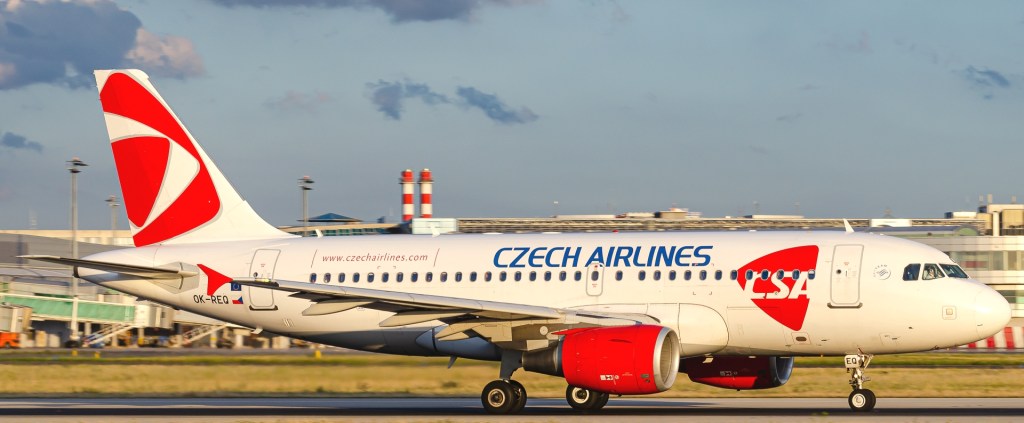
Czech Airlines tras 98 años operativa despide a todo el personal
Czech Airlines (CSA) ha anunciado para este fin de semana el despido de todos sus trabajadores. Czech Airlines planea despedir a los 430 empleados restantes de otros 600 cesanteados. La aerolínea nacional de la República Chequia, antes conformaba las operaciones bajo la República de Checoslovaquia, ha sido impactada fuertemente por los efectos de la pandemia. Tereza Loffelmanova, la Directora de Tripulaciones, ha comunicado a la prensa que “puedo confirmar que hemos recibido una notificación en las que nos informan del despido de todos los trabajadores”. Sin embargo, la compañía oficialmente no ha dado información adicional acerca de la situación económica de la compañía, mientras que la página web sigue funcionando con normalidad aceptando reservas. Actualmente, la aerolínea se encuentra protegida de la suspensión de pagos por orden judicial. Sin embargo, esa protección acaba el último día de Febrero 2021, por lo que se puede deducir que, incapaz de afrontar las deudas, sin la protección judicial, el destino es poco prometedor.
La compañía Czech Airlines fue creada en 1923, con 98 años de antigüedad es una de las más antiguas del mundo. Czech Airlines era parte de la Alianza Skyteam. La empresa había sido comprada por Smartwings, grupo que había anunciado una fuerte caída de ingresos en 2020. Roman Vik, Director de Smartwings, había declarado a la prensa que “cuando empezó 2020 parecía que nos enfrentábamos al mejor año de nuestra historia. En cambio, hemos sufrido la mayor crisis de la historia. Por este motivo hemos tenido que adoptar medidas durísimas para contrarrestar esta profunda crisis. Un factor clave de futuro será la vacunación de la gente. Nosotros queremos volver a ser una aerolínea competitiva. Creemos que podremos lograrlo”.
La aerolínea nacional checa dijo el Viernes 26/02 que había presentado una propuesta de reorganización ante un Tribunal de conformidad con la ley de insolvencia. «Hasta la crisis del coronavirus, CSA era una empresa rentable que se volvió insolvente debido a la pandemia Covid-19 y las restricciones relacionadas», dijo CSA en un comunicado. La aerolínea, una unidad del grupo Smartwings con sede en Praga, está bajo una moratoria que la protege de los acreedores, que expira a finales de Febrero 2021. La compañía se ha quejado porque no ha recibido ayuda del gobierno checo para afrontar los impactos de la supresión de los vuelos por la crisis sanitaria mundial. La aerolínea dijo que la reorganización planeada, que debería permitir a la compañía abordar sus problemas financieros mientras permanece en funcionamiento, es el último recurso a menos que el gobierno checo cambie su enfoque, expresan desde la aerolínea.
Czech Airlines future of uncertainty
Czech Airlines after 98 years of operation dismisses all staff
Czech Airlines (CSA) announced for this weekend the dismissal of all its workers. Czech Airlines plans to lay off the remaining 430 employees of another 600 laid off. The national airline of the Czech Republic, previously conforming operations under the Czechoslovak Republic, has been heavily impacted by the effects of the pandemic. Tereza Loffelmanova, the Director of Crews, has communicated to the press that «I can confirm that we have received a notification informing us of the dismissal of all workers». However, the company has not officially given additional information about the economic situation of the company, while the website continues to function normally accepting reservations. Currently, the airline is protected from suspension of payments by court order. However, that protection ends on the last day of February 2021, so it can be deduced that, unable to face debts, without judicial protection, fate is not very promising.
The Czech Airlines company was created in 1923, at 98 years old it is one of the oldest in the world. Czech Airlines was part of the Skyteam Alliance. The company had been bought by Smartwings, a group that had announced a sharp drop in revenue in 2020. Roman Vik, Director of Smartwings, had stated to the press that “when 2020 started it seemed that we were facing the best year in our history. Instead, we have suffered the greatest crisis in history. For this reason, we have had to adopt very tough measures to counteract this deep crisis. A key factor for the future will be the vaccination of people. We want to be a competitive airline again. We believe that we can achieve it”.
The Czech national airline said on Friday 02/26 that it had submitted a reorganization proposal to a court in accordance with the insolvency law. «Until the coronavirus crisis, CSA was a profitable company that became insolvent due to the Covid-19 pandemic and related restrictions», CSA said in a statement. The airline, a unit of the Prague-based Smartwings group, is under a moratorium that protects it from creditors, which expires at the end of February 2021. The company has complained that it has not received help from the Czech government to deal with the impacts of the suppression of flights due to the global health crisis. The airline said that the planned reorganization, which should allow the company to address its financial problems while remaining in operation, is the last resort unless the Czech government changes its approach, they say from the airline.
České Aerolinie čelí nejisté budoucnosti
České Aerolinie propouštějí veškerý personál
České Aerolinie (ČSA) na tento víkend oznámily propuštění všech svých zaměstnanců. České aerolinie plánují propustit zbývajících 430 zaměstnanců z dalších 600 propuštěných. Národní letecká společnost České republiky, dříve pod Československou republikou, byla dopady pandemie silně zasažena. Tereza Loffelmanová, ředitelka posádek, sdělila tisku, že „mohu potvrdit, že jsme obdrželi oznámení informující o propuštění všech pracovníků. ,,Společnost však oficiálně neposkytla další informace o ekonomické situaci společnosti, zatímco web nadále funguje a běžně přijímá rezervace». V současné době je letecká společnost chráněna před pozastavením plateb soudním příkazem. Tato ochrana však končí posledním únorovým dnem roku 2021, takže lze odvodit, že není-li schopen čelit dluhům bez soudní ochrany, není osud příliš slibný.
Společnost České aerolinie byla založena v roce 1923, ve svých 98 letech je jednou z nejstarších na světě. České aerolinie byly součástí Aliance Skyteam. Společnost koupila společnost Smartwings, skupina, která oznámila prudký pokles tržeb v roce 2020. Roman Vik, ředitel Smartwings, prohlásil tisku, že „když se rok 2020 začal, zdálo se, že čelíme nejlepšímu roku v naší historii. Místo toho jsme utrpěli největší krizi v historii. Z tohoto důvodu jsme museli přijmout velmi tvrdá opatření, abychom čelili této hluboké krizi. Klíčovým faktorem pro budoucnost bude očkování lidí. Chceme být znovu konkurenceschopnou leteckou společností. Věříme, že toho můžeme dosáhnout».
Česká národní letecká společnost v pátek 2. února 26 uvedla, že předložila soudu návrh na reorganizaci v souladu s insolvenčním zákonem. „Do krize koronavirů byla ČSA ziskovou společností, která se dostala do platební neschopnosti kvůli pandemii Covid-19 a souvisejícím omezením», uvedla ČSA ve svém prohlášení. Letecká společnost, jednotka pražské skupiny Smartwings, podléhá moratoriu, které ji chrání před věřiteli a které vyprší koncem února 2021. Společnost si stěžovala, že od vlády České republiky nedostala pomoc při řešení dopadů potlačení letů v důsledku globální zdravotní krize. Letecká společnost uvedla, že plánovaná reorganizace, která by měla společnosti umožnit řešení jejích finančních problémů při zachování provozu, je poslední možností, pokud česká vláda nezmění svůj přístup, tvrdí letecká společnost.
PUBLISHER: Airgways.com DBk: Cza.cz/Czechairlines.com / Cibulka Tomas / Romek Sikin / Airgways.com AW-POST: 202102261050AR A\W A I R G W A Y S ®
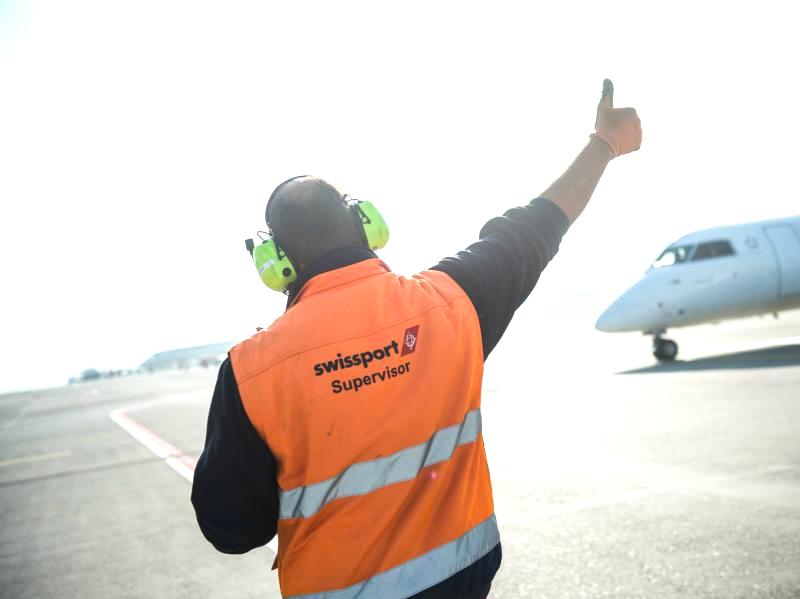
Swissport Argentina abandona servicios varias escalas en Argentina
La compañía de servicios para las aerolíneas Swissport Argentina S.A. ha anunciado la culminación de los servicios en Bariloche, Córdoba Iguazú, Mendoza, y Río Gallegos, en Argentina. Debido a la prolongación de la reactivación de los vuelos al exterior la compañía dedicada a dar servicios a las aerolíneas, decidió restructurar sus filiales suprimiendo varias escalas en el país.
En 2019, Swissport International AG brindó servicios terrestres de aeropuerto para 265.000 millones de pasajeros y manejó 4,6 millones de toneladas de carga aérea en 115 almacenes de carga en todo el mundo. Actualmente, Swissport en Argentina desarrolla servicios de Tráfico, como la atención de checkin para algunas compañías, un mercado que compite con Intercargo o Aerohandling (Aerolíneas Group). Entre sus clientes, se encontraban American Airlines y Air Europa. La demora en el regreso de los vuelos internacionales a Córdoba de estas compañías hace que empresas globales como Swissport decidan dejar de operar hasta que la situación se normalice.
A finales de 2020, Swissport finalizó su reestructuración financiera, que tuvo como eje la entrega de las acciones pertenecientes al grupo chino HNA Group a un grupo de acreedores de origen británico y estadounidense. La salida de los capitales chinos implicó la entrada de € 300 millones de Euros/US$ 366 millones de Dólares a corto plazo y otros € 500 millones de Euros/US$ 610 millones de Dólares en cuatro años, pero también un ajuste en sus estructuras.
Swissport stops operating in Córdoba
Swissport Argentina abandons services at Córdoba Airport
The airline services company Swissport Argentina S.A. has announced the completion of services in Bariloche, Córdoba, Iguazú, Mendoza, and Río Gallegos, in Argentina. Due to the prolongation of the reactivation of flights abroad, the company dedicated to providing services to airlines, decided to restructure its subsidiaries by eliminating several stops in the country.
In 2019, Swissport International AG provided airport ground services for 265 billion passengers and handled 4.6 million tonnes of air cargo in 115 cargo warehouses around the world. Currently, Swissport in Argentina develops Traffic services, such as check-in services for some companies, a market that competes with Intercargo or Aerohandling (Aerolíneas Group). Its customers included American Airlines and Air Europa. The delay in the return of international flights to Córdoba by these companies makes global companies like Swissport decide to stop operating until the situation normalizes.
At the end of 2020, Swissport completed its financial restructuring, which had as its axis the delivery of the shares belonging to the Chinese group HNA Group to a group of creditors of British and American origin. The outflow of Chinese capital implied the inflow of € 300 million Euros/US$ 366 million Dollars in the short term and another € 500 million Euros/US$ 610 million Dollars in four years, but also an adjustment in their structures.