Tribunal chino aprueba reestructuración seis aerolíneas HNA Group
El conglomerado de empresas del HNA Group posee una deuda de más de € 90.000 millones de Euros a sus acreedores. El Tribunal Supremo de la Provincia Hainan ha aprobado la reestructuración de seis aerolíneas del HNA Group tras su quiebra. Las aerolíneas que podrá reestructurar HNA son Grand China Air, Air Changan, Lucky Air, Fuzhou Airlines, Urumqi Air y GX Airlines. El conglomerado de empresas chino se encuentra en esta situación después de haber recibido una notificación formal de quiebra en Enero 2021, tras la que sus acreedores han comenzado a emprender acciones legales para solicitar a la compañía que haga frente a sus deudas.
HNA Group cuya aerolínea más importante y fuente de la mayor parte de sus ingresos es Hainan Airlines, afronta una deuda superior a los € 90.000 millones de Euros, después de años de malas decisiones de carácter financiero e inversiones poco lucrativas. En los últimos años, la compañía china había centrado su modelo de negocio en las aerolíneas, pero entre 2015 y 2017 HNA invirtió en otras empresas del sector turístico como Hilton, Radisson, TAP Air Portugal o la cadena hotelera española NH. HNA llegó a poseer más del 25% de la cadena hotelera española hasta que en 2018 vendió su parte al grupo tailandés Minor por € 421,4 millones de Euros.
HNA Group restructuring approved
Chinese court approves restructuring of six HNA Group airlines
The HNA Group conglomerate owns a debt of more than € 90,000 million to its creditors. The Supreme Court of Hainan Province has approved the restructuring of six HNA Group airlines following their bankruptcy. The airlines that HNA may restructure are Grand China Air, Air Changan, Lucky Air, Fuzhou Airlines, Urumqi Air and GX Airlines. The Chinese conglomerate is in this situation after receiving a formal bankruptcy notice in January 2021, after which its creditors have begun to take legal action to ask the company to face its debts.
HNA Group, whose most important airline and source of most of its income is Hainan Airlines, faces a debt of more than € 90,000 million Euros, after years of bad financial decisions and little lucrative investments. In recent years, the Chinese company had focused its business model on airlines, but between 2015 and 2017 HNA invested in other companies in the tourism sector such as Hilton, Radisson, TAP Air Portugal or the Spanish hotel chain NH. HNA came to own more than 25% of the Spanish hotel chain until in 2018 it sold its share to the Thai group Minor for € 421.4 million.
海航集團(HNA Group)最重要的航空公司和大部分收入來源是海航(Hannan Airlines),在經歷了多年的糟糕財務決策和少量獲利豐厚的投資之後,海航集團面臨著逾900億歐元的債務。近年來,這家中國公司將其業務模式聚焦於航空公司,但在2015年至2017年期間,海航集團投資了旅遊業的其他公司,例如希爾頓,雷迪森,葡萄牙航空公司(TAP Air Portugal)或西班牙連鎖酒店NH。海航集團擁有西班牙連鎖酒店超過25%的股份,直到2018年以4.214億歐元的價格將其股份出售給泰國集團Minor。
Israel permitirá vuelos de aerolíneas extranjeras a finales 02/2021
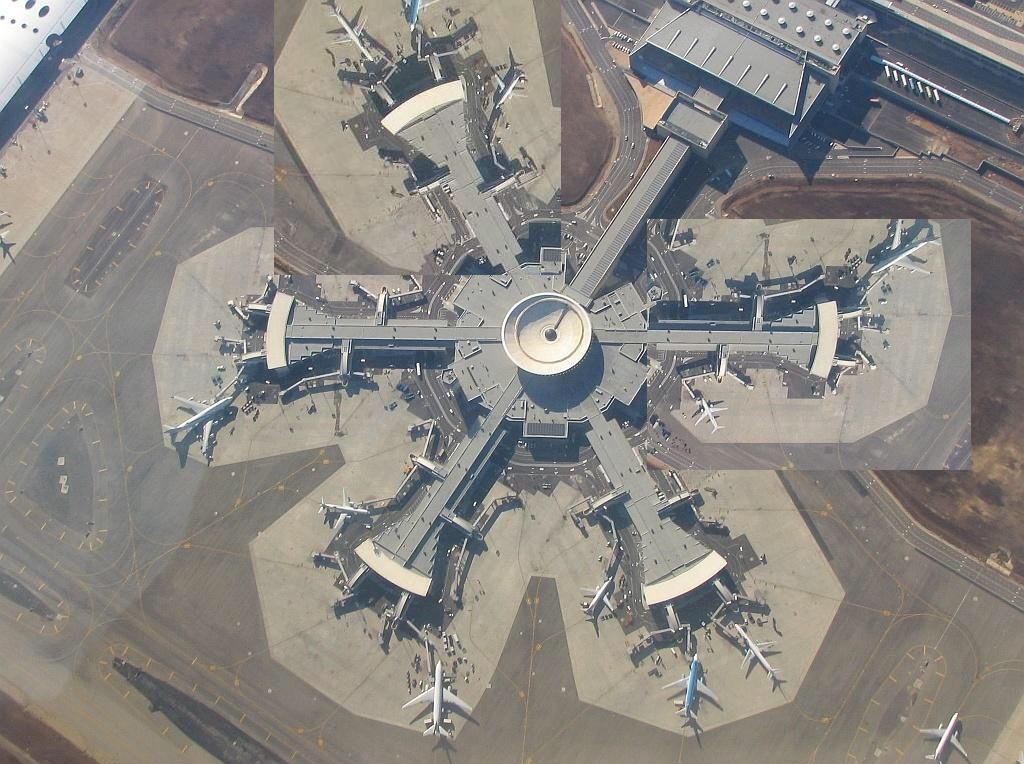
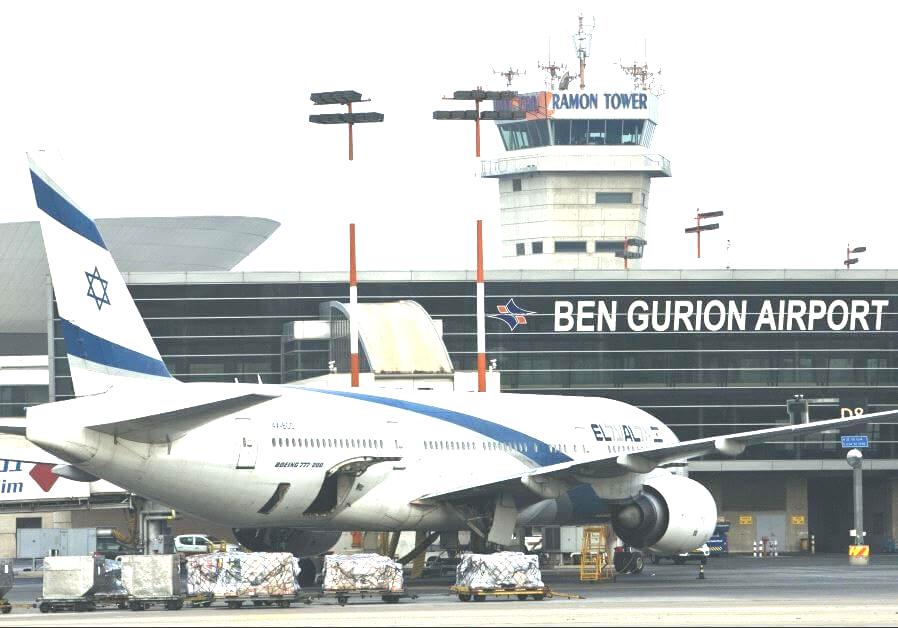
Las medidas sanitarias que continúan impactando directamente a la industria, fue el no permitir a aerolíneas extranjeras aterrizar en los aeropuertos de Israel desde el pasado 25 de Junio de 2020. El 12 de Febrero de 2021, las autoridades de Israel han extendido el cierre del Aeropuerto Internacional Tle Aviv/Ben Gurión/TLV a los vuelos internacionales al menos hasta el 20 de Febrero de 2021, en un esfuerzo por evitar que entren al país las nuevas variantes de COVID-19 que están propagando contagios en otros países.
El Departamento de Transporte de los Estados Unidos (DOT), emitió un reclamo al Gobierno israelí argumentando un trato injusto entre aerolíneas, ya que las únicas autorizadas para realizar vuelos de emergencia son El Al Airlines e Israir, dos de las principales aerolíneas de Israel. Otras aerolíneas que realizan vuelos desde y hacia los Estados Unidos como United Airlines y Delta Air Lines solamente pueden hacer vuelos de carga, por lo que los Estados Unidos argumentan que se incurre una violación al Tratado de Cielos Abiertos celebrado entre ambas naciones en 2010. Delta Air Lines ha declarado que la aerolínea no se encuentra realizando vuelos a Israel debido a las restricciones impuestas por su gobierno y que la solicitud de la aerolínea para operar vuelos de repatriación había sido negada.
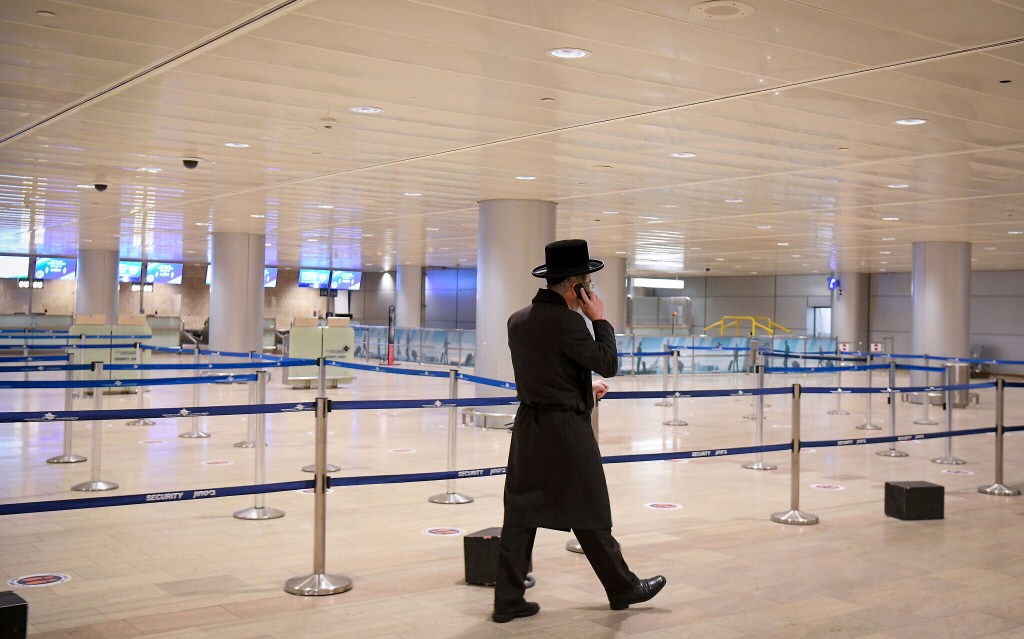
Representantes de las Autoridades de Israel tuvieron una reunión en la que acordaron la reapertura del Aeropuerto Ben Gurión a partir del 20/02. Sin embargo, los pasajeros que podrán ingresar diariamente no podrán exceder los 2.000, además deberán de permanecer en cuarentena al menos de que ya hayan sido vacunados o estén recuperados del COVID-19. Después de esta decisión el Primer Ministro de Israel Benjamin Netanyahu declaró que ese país continuará cuidando sus fronteras ya sea por tierra, aire o mar, y que se continuarán haciendo los ajustes pertinentes específicamente en transporte aéreo.
Israel Air Reopening 02/2021
Israel will allow flights of foreign airlines at the end of February 2021
The sanitary measures that continue to directly impact the industry, was not allowing foreign airlines to land at Israel airports since last June 25, 2020. On February 12, 2021, the Israeli authorities have extended the closure of the Airport International Tle Aviv/Ben Gurion/TLV to international flights at least until February 20, 2021, in an effort to prevent new variants of COVID-19 that are spreading infections in other countries from entering the country.
The United States Department of Transportation (DOT) issued a complaint to the Israeli Government arguing an unfair treatment between airlines, since the only ones authorized to carry out emergency flights are El Al Airlines and Israir, two of Israel’s main airlines. Other airlines that fly to and from the United States such as United Airlines and Delta Air Lines can only make cargo flights, for which the United States argues that there is a violation of the Open Skies Treaty between the two nations in 2010. Delta Air Lines has stated that the airline is not flying to Israel due to restrictions imposed by its government and that the airline’s request to operate repatriation flights had been denied.
Representatives of the Israeli Authorities had a meeting in which they agreed to reopen Ben Gurion Airport as of 02/20. However, passengers who may enter daily may not exceed 2,000, and must also remain in quarantine unless they have already been vaccinated or have recovered from COVID-19. After this decision, the Prime Minister of Israel Benjamin Netanyahu declared that that country will continue to guard its borders whether by land, air or sea, and that the pertinent adjustments will continue to be made specifically in air transport.
פתיחה מחודשת של האוויר הישראלי 02/2021
ישראל תאפשר טיסות של חברות תעופה זרות בסוף פברואר 2021
הצעדים התברואתיים שממשיכים להשפיע ישירות על הענף, לא אפשרו לחברות תעופה זרות לנחות בשדות תעופה בישראל מאז 25 ביוני 2020. ב- 12 בפברואר 2021 האריכו הרשויות הישראליות את סגירת נמל התעופה הבינלאומי ת»א / בן גוריון. / TLV לטיסות בינלאומיות לפחות עד 20 בפברואר 2021, במטרה למנוע וריאציות חדשות של COVID-19 המפיצות זיהומים במדינות אחרות להיכנס לארץ.
משרד התחבורה של ארצות הברית (DOT) הגיש תלונה לממשלת ישראל בטענה ליחס לא הוגן בין חברות תעופה, שכן היחידות המוסמכות לבצע טיסות חירום הן חברת התעופה אל על וישראייר, שתי חברות התעופה המרכזיות בישראל. חברות תעופה אחרות שטסות לארצות הברית וממנה כמו יונייטד איירליינס ודלתא איירליינס יכולות לבצע טיסות מטען בלבד, שעבורן ארצות הברית טוענת כי יש הפרה של אמנת השמיים הפתוחים בין שתי המדינות בשנת 2010. דלתא איירליינס הצהירה כי חברת התעופה אינה טסה לישראל בשל מגבלות שהטילה ממשלתה וכי בקשת חברת התעופה להפעיל טיסות חזרה נדחתה.
נציגי הרשויות הישראליות קיימו פגישה בה הסכימו לפתוח מחדש את נמל התעופה בן גוריון החל מה -20/ 20. עם זאת, נוסעים שעשויים להיכנס מדי יום לא יעלה על 2,000, ועליהם גם להישאר בהסגר אלא אם כן הם כבר חוסנו או התאוששו מ- COVID-19. לאחר החלטה זו הכריז ראש ממשלת ישראל, בנימין נתניהו, כי אותה מדינה תמשיך לשמור על גבולותיה בין אם ביבשה, באוויר או בים, וכי ההתאמות הרלוונטיות ימשיכו להתבצע באופן ספציפי בתחום התחבורה האווירית.
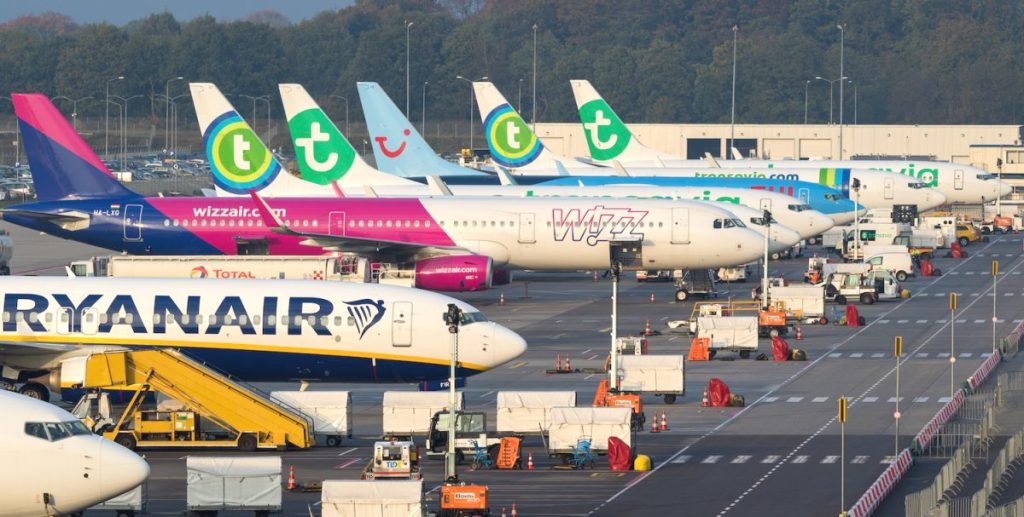
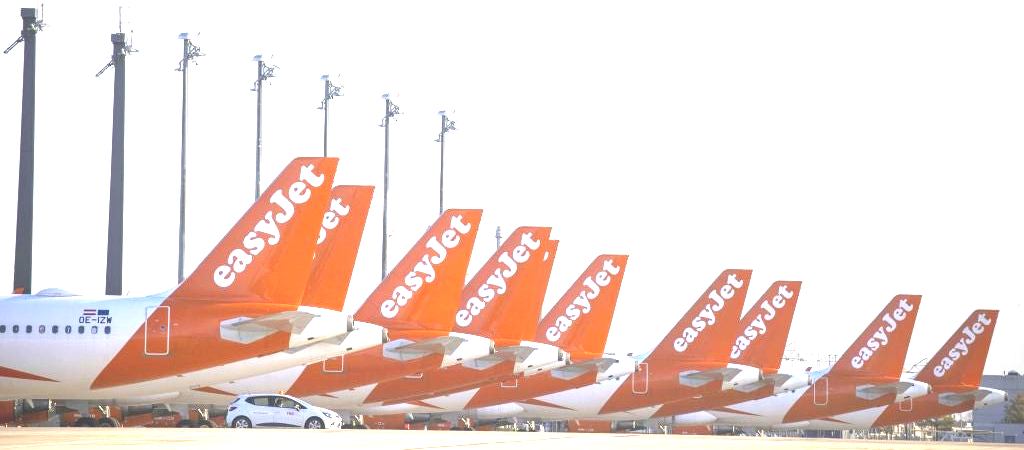
Políticas de expansionismo Ryanair, Easyjet y WizzAir
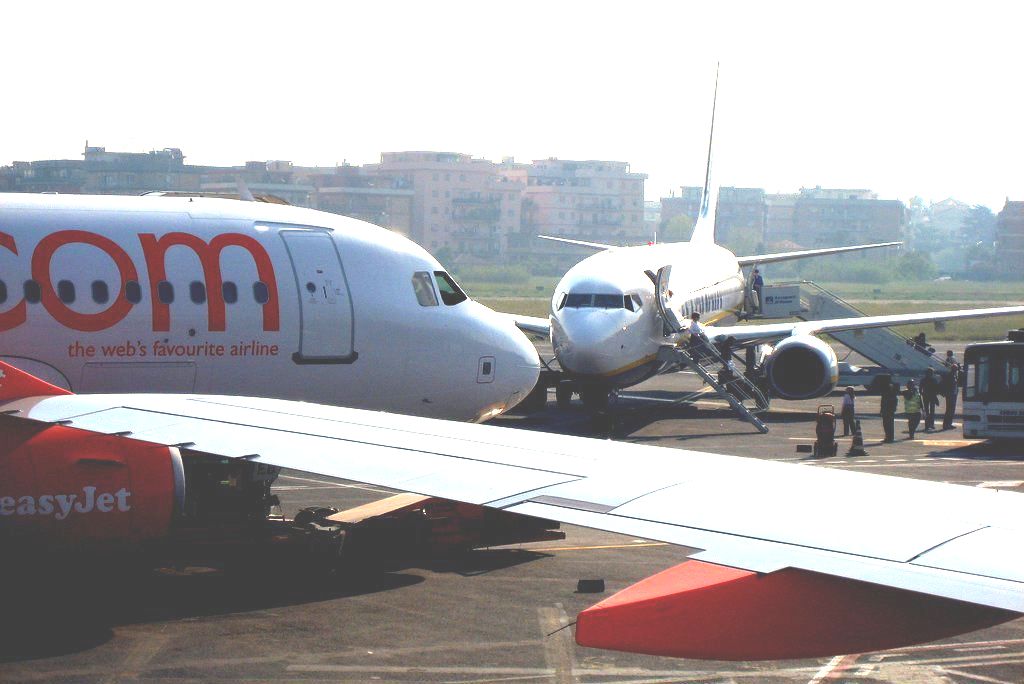
Las tres grandes low cost europeas no ocultan las simpatías de dominar el segmento de la aviación europea, alistando sus unidades low cost para actuar agresivamente en un mercado de debilidad. Las tres aerolíneas de presupuestos más importantes de Europa continúan con sus políticas de expansionismo.
La compañía lider low cost europea Ryanair ha anunciado tras la presentación de sus informes financieros del último trimestre (4Q2020), ha expresado a la prensa que “saldremos de esta crisis con una estructura de costes mucho más baja y donde otros han reducido capacidad, nosotros nos aprovecharemos. Captaremos tanta cuota de mercado como podamos”. Johan Lundgren, de la británica Easyjet, dijo que “Air France ahora tiene límites a lo que puede volar en su país y nosotros podremos aprovecharnos”. Joszef Varadi, el Director General de Wizz Air, ha expresado que van a aprovechar el hueco allí donde sea posible.
Las tres víctimas propiciatorias para el ataque son respectivamente Air France-KLM, Lufthansa German Airlines y el grupo IAG. Este último es el que tiene las cosas mejor ordenadas, porque dispone de casi diez mil millones de Dólares en liquidez y no necesariamente tendrán que restructuras su malla aérea para retirarse de varios mercados. Pero Air France y Lufthansa han tenido que renunciar a slots y a parte de su posición para obtener ayudas. La primera prácticamente abandonará Paris/Orly mientras que la alemana deberá reducir mucho tráfico en Munich, su segundo aeropuerto.
Perspectivas aéreas
Debido a la crisis sanitaria, está suspendida la obligación de ocupar el ochenta por ciento de los slots, atentando de perder los derechos de las franjas horarias. Cuando se recupere la normalidad, muchas aerolíneas no podrán atender esos derechos de vuelo y al perderlos se abren oportunidades sobre todo para Easyjet, que de las tres low-cost es la que vuela desde los aeropuertos más importantes. La idea generalizada es que los vuelos de largo radio van a ser los últimos en recuperarse, afectando de lleno a las grandes compañías.
Aggressive European low cost campaign
Policies of expansionism Ryanair, Easyjet and WizzAir
The three big European low cost companies do not hide their sympathy for dominating the European aviation segment, enlisting their low cost units to act aggressively in a weak market. The three largest budget airlines in Europe continue with their policies of expansionism.
The leading European low cost company Ryanair has announced after the presentation of its financial reports for the last quarter (4Q2020), it has expressed to the press that «we will come out of this crisis with a much lower cost structure and where others have reduced capacity, we we will take advantage. We will capture as much market share as we can”. Johan Lundgren, from Britain’s Easyjet, said that «Air France now has limits to what it can fly in its country and we can take advantage of it». Joszef Varadi, the Managing Director of Wizz Air, has expressed that they will take advantage of the gap wherever possible.
The three scapegoats for the attack are respectively Air France-KLM, Lufthansa German Airlines and the IAG group. The latter is the one that has things in the best order, because it has almost ten billion Dollars in liquidity and they will not necessarily have to restructure their aerial mesh to withdraw from various markets. But Air France and Lufthansa have had to give up slots and part of their position to get help. The first will practically leave Paris/Orly while the German will have to reduce a lot of traffic in Munich, its second airport.
Aerial perspectives
Due to the health crisis, the obligation to occupy eighty percent of the slots is suspended, attempting to lose the rights of the slots. When normalcy returns, many airlines will not be able to meet these flight rights and losing them opens up opportunities, especially for Easyjet, which of the three low-cost is the one that flies from the most important airports. The general idea is that long-haul flights are going to be the last to recover, fully affecting large companies.
Potencian destino turístico de Cataratas del Iguazú
La compañía turística Al Mundo y Aerolíneas Argentinas han anunciado el establecimiento de un acuerdo para el lanzamiento de una promoción para disfrutar de Cataratas del Iguazú que incluye vuelos, hotel, traslados y servicios, como parte de un paquete de tres noches en Cataratas de Iguazú, una de las Siete Maravillas Naturales del Mundo.
El precio de la oferta es de AR$ 23.946 Pesos (AR$ 47.891 Pesos para dos personas) comprando desde la plataforma online de la firma. El viaje tiene como punto de partida el Aeropuerto internacional de Buenos Aires/Ezeiza. El paquete incluye la posibilidad de escoger entre dos alternativas para pasar las tres noches: la hostería de tres estrellas Los Helechos o el Complejo Turístico Americano, de igual categoría. Los servicios incluidos, se encuentran excursiones todas las mañanas para recorrer las Cataratas del Iguazú, con la posibilidad de observarlas desde distintos ángulos y perspectivas. El mismo paquete incluye los ingresos al Parque Nacional Iguazú y dos cenas en la ciudad de Puerto Iguazú.
La promoción de Al Mundo, uno de los portales más utilizados por los turistas para vivir sus experiencias, llega en un contexto en el que Puerto Iguazú trabaja para reactivar al sector turístico, su principal actividad y una de las más golpeadas por la crisis generada por la pandemia del coronavirus. Además, el sector se pudo sostener durante el último tiempo gracias a las medidas adoptadas por el Gobierno provincial, entre las que se destaca, la alícuota cero del Impuesto a los Ingresos Brutos para todos los contribuyentes que trabajan en la actividad.
Incremento servicios Aerolíneas
A principios de Febrero 2021, el Gobernador de Misiones, Oscar Herrera Ahuad y el Ministro de Turismo, José María Arrúa, acordaron con el Presidente de Aerolíneas Argentinas, Pablo Ceriani, un incremento de las frecuencias semanales entre Ezeiza e Iguazú. El Aeropuerto Iguazú cuenta actualmente con catorce frecuencias semanales entre todas las líneas aéreas de Argentina, permitiendo aumentar la oferta de Aerolíneas. “Hay que destacar el rol fundamental que tiene nuestra aerolínea de bandera en un destino como Iguazú. Al menos el 30 por ciento de la demanda utiliza al transporte aéreo para arribar a destino”, escribió, tras esa reunión, Herrera Ahuad en su cuenta de Twitter.
Al Mundo-Aerolíneas launch promotion
They boost tourist destination of Iguazú Falls
The tourist company Al Mundo and Aerolíneas Argentinas have announced the establishment of an agreement to launch a promotion to enjoy Iguazú Falls that includes flights, hotel, transfers and services, as part of a three-night package in Iguazú Falls, one of the Seven Natural Wonders of the World.
The offer price is AR$ 23,946 Pesos (AR$ 47,891 Pesos for two people) buying from the firm’s online platform. The trip starts at the Buenos Aires/Ezeiza International Airport. The package includes the possibility of choosing between two alternatives to spend the three nights: the three-star Los Helechos inn or the American Tourist Complex, of the same category. The services included, there are excursions every morning to visit the Iguazú Falls, with the possibility of observing them from different angles and perspectives. The same package includes the entrance fee to the Iguazú National Park and two dinners in the city of Puerto Iguazú.
The promotion of Al Mundo, one of the portals most used by tourists to live their experiences, comes in a context in which Puerto Iguazú works to reactivate the tourism sector, its main activity and one of the hardest hit by the crisis generated by the coronavirus pandemic. In addition, the sector was able to sustain itself during the last time thanks to the measures adopted by the provincial government, among which the zero rate of the Gross Income Tax for all taxpayers who work in the activity stands out.
Aerolíneas services increase
At the beginning of February 2021, the Governor of Misiones, Oscar Herrera Ahuad and the Minister of Tourism, José María Arrúa, agreed with the President of Aerolíneas Argentinas, Pablo Ceriani, an increase in the weekly frequencies between Ezeiza and Iguazú. Iguazú Airport currently has fourteen weekly frequencies between all the airlines of Argentina, allowing to increase the offer of Aerolíneas. “We must highlight the fundamental role that our flag carrier has in a destination like Iguazú. At least 30 percent of the demand uses air transport to arrive at their destination”, Herrera Ahuad wrote after that meeting on his Twitter account.
Bruselas considera legal ayudas públicas a aerolíneas en Francia y Suecia
El Tribunal de Justicia de la Unión Europea (TJUE) ha rechazado el Miércoles 17/02 un reclamo de la línea aérea Ryanair y consideró legal las ayudas públicas en Francia y Suecia para rescatar a las aéreas golpeadas por la crisis sanitaria mundial. La posición del TJUE ha sostenido que los dispositivos adoptados en esos dos países estaban en conformidad con la legislación de la Unión Europea, y por ello rechazó los recursos interpuestos por Ryanair, una empresa especializada en el segmento de bajo coste. El máximo Tribunal de la Unión Europea sienta un precedente con este fallo que examinaba la legalidad de los planes de ayuda estatal en la pandemia de Covid-19, aunque investiga una serie de otras quejas presentadas por la aerolínea de presupuesto irlandesa Ryanair.
La posición de Ryanair sobre las acciones legales realizadas en Mayo 2020 establecían una denuncia acerca de los préstamos concedidos por Suecia a la empresa escandinava SAS, y por otro lado, el aplazamiento de un impuesto concedido por Francia a la firma Air France. Ryanair denunció una distorsión de la competencia, así como una violación de principios de la legislación europea como la prohibición de la discriminación basada en la nacionalidad y la libre circulación de servicios.
Esas medidas de ayuda tenían como objetivo permitir a esas empresas superar la crisis de la supresión de los vuelos por el impacto de la pandemia de Coronavirus a nivel mundial, que redujo dramáticamente el número de pasajeros y obligó a dejar aviones paralizados. El dispositivo fiscal adoptado en Francia estaba limitado a empresas con licencia francesa, así como los préstamos implementados en Suecia estaban reservados a firmas con licencia en ese país. Estas medidas habían sido validadas en marzo de 2020 por la Comisión Europea, como iniciativas temporales destinadas a apoyar la economía en el contexto excepcional de la pandemia. La demanda de Ryanair ante el TJUE buscaba que la Comisión fuera condenada y las decisiones resulten anuladas. La compañía irlandesa anunció este Miércoles 17/02 que apelará la decisión del Tribunal.
EU justice rejects Ryanair demand
Brussels considers public aid to airlines in France and Sweden legal
The Court of Justice of the European Union (CJEU) has rejected on Wednesday 02/17 a claim from the airline Ryanair and considered legal the public aid in France and Sweden to rescue the airlines hit by the global health crisis. The position of the CJEU has held that the devices adopted in those two countries were in conformity with the legislation of the European Union, and for this reason it rejected the appeals brought by Ryanair, a company specialized in the low-cost segment. The highest Court of the European Union sets a precedence with this ruling that examined the legality of state aid plans in the Covid-19 pandemic, although it investigates a series of other complaints filed by the Irish budget airline Ryanair.
Ryanair’s position on the legal actions carried out in May 2020 established a complaint about the loans granted by Sweden to the Scandinavian company SAS, and on the other hand, the postponement of a tax granted by France to the Air France firm. Ryanair denounced a distortion of competition, as well as a violation of principles of European law such as the prohibition of discrimination based on nationality and the free movement of services.
These aid measures were intended to allow these companies to overcome the crisis of the suppression of flights due to the impact of the Coronavirus pandemic worldwide, which dramatically reduced the number of passengers and forced to leave planes paralyzed. The tax device adopted in France was limited to companies with a French license, just as the loans implemented in Sweden were reserved for firms licensed in that country. These measures had been validated in March 2020 by the European Commission, as temporary initiatives aimed at supporting the economy in the exceptional context of the pandemic. Ryanair’s complaint before the CJEU sought to have the Commission convicted and the decisions to be annulled. The Irish company announced this Wednesday 02/17 that it will appeal the Court’s decision.
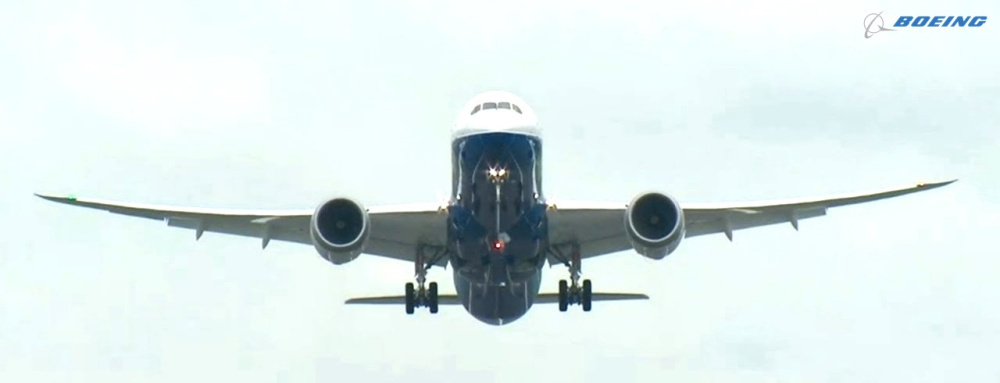
Boeing puede reactivar hoja nueva de aeronave mercado medio
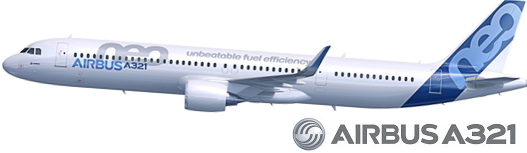
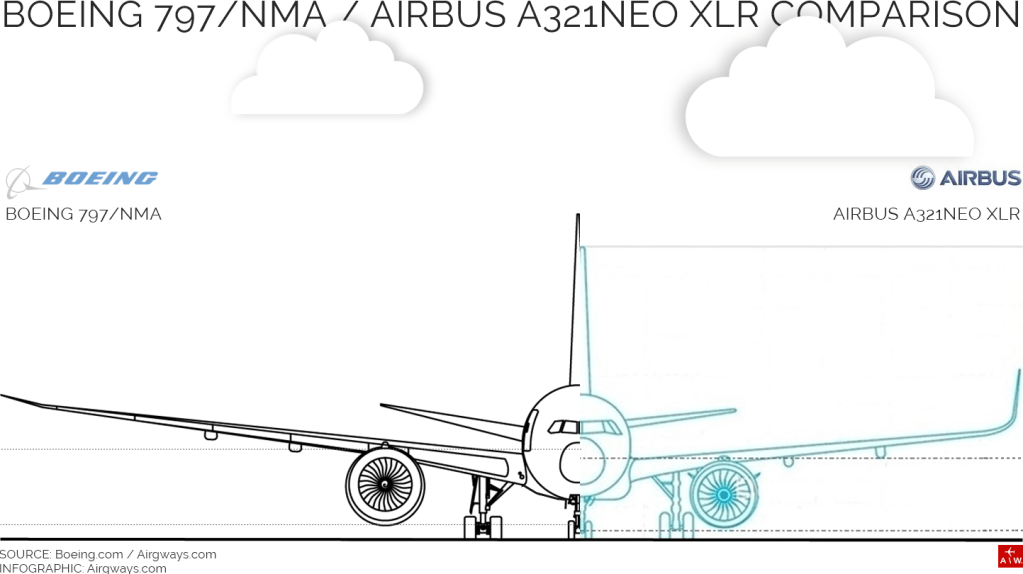
La industria aeronáutica continua atravesando profundo cambios importantes tras la pandemia que ha modificado la aviación comercial en el mundo entero. Muchos analistas de mercado han determinado que la compañía aeroespacial The Boeing Company ha reaccionado demasiado tarde para construir una aeronave de rango medio, pero la empresa con sede en Chicago ha prolongado su decisión de establecer un reemplazo para el mercado medio, en víspera de la posición del consorcio europeo Airbus Group de lanzar la producción del nuevo A321XLR, denominado «el asesino del mercado medio».
Etapas de ensayos
El fabricante americano puede estar reviviendo planes para un nuevo avión para servir un mercado de distancias medias en reemplazo del Boeing 757. Boeing ha introducido en Enero 1983 al Boeing 757 que ha estado orientado a un segmento de mercado de 200 asientos para un rango operativo medio, resultando ser demasiado adelantado a su tiempo, en un principio sin tanta popularidad, encontrando un lugar al ampliar las prestaciones de Rango Extendido (ER) como un jet transatlántico reutilizado en la década de 1990. Tras agotarse su vida útil, Boeing ha ensayado diferentes alternativas como una remotorización del 757; posteriormente nacía los planes el Boeing Sonic Cruiser que era un avión de pasajeros conceptual con un ala delta, una configuración decanard. Se distinguió de los aviones convencionales por su ala delta y alta velocidad de crucero subsónica de hasta Mach 0.98. Boeing lo propuso por primera vez en 2001, pero las aerolíneas generalmente preferían costos operativos más bajos por encima de una velocidad más alta. Boeing terminó el proyecto Sonic Cruiser en Diciembre 2002 y cambió al avión de pasajeros más lento (Mach 0.85), pero más eficiente en combustible 7E7, más tarde denominado 787 Dreamliner.
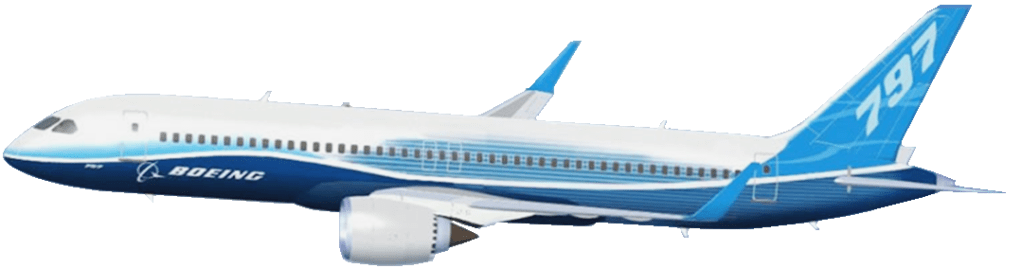
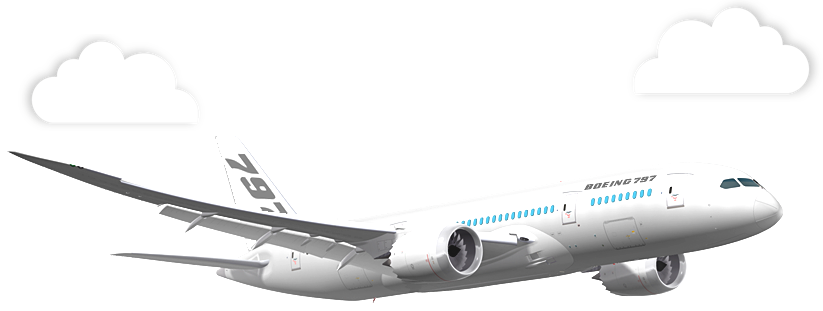
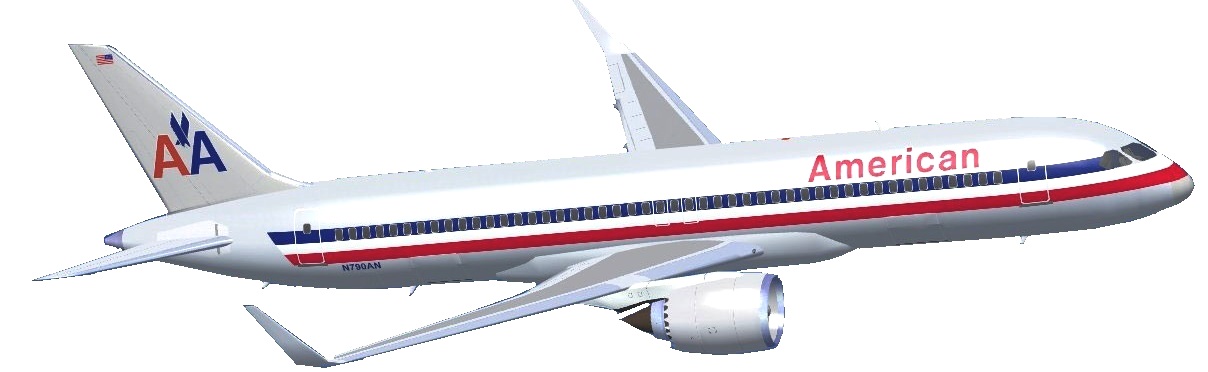
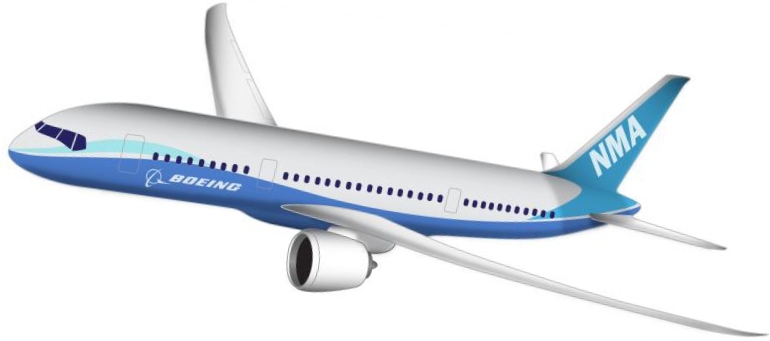
El New Midsize Airplane (NMA), o nueva aeronave de tamaño mediano, fue un avión de pasajeros conceptual propuesto por Boeing para llenar la mitad del segmento de mercado. En 2015, Boeing determinó que el mercado era lo suficientemente grande como para lanzar un nuevo diseño. En 2017, varias aerolíneas expresaron interés en un pasillo doble compuesto de siete abreast con una sección transversal elíptica. El nuevo avión, que probablemente habría sido nombrado Boeing 797, estaría disponible en dos versiones: un 225-plaza con 5.000 nmi (9.300 km) de alcance y un 275 asientos con un rango de 4.500 nmi (8.300 km). En Enero de 2020, Boeing puso en marcha los planes y anunció una reevaluación de hojas limpias del proyecto, señalando que se centró en devolver el 737 MAX al servicio y que estaría adoptando un nuevo enfoque para futuros proyectos. En Febrero de 2021, la compañía parecía haber revivido el proyecto con planes para una variante más corta que podría entrar en servicio a finales de la década de 2020.
Asoma competencia
El constructor americano se había enfrentado a una fuerte competencia cunado Airbus Group había anunciado la remotorización de la línea A320. La familia Airbus A320NEO (New Engine Option) es un desarrollo de la familia A320 de aviones a reacción de cuerpo estrecho producidos por Airbus. Lanzado el 1 de Diciembre de 2010, realizó su primer vuelo el 25 de Septiembre de 2014 y fue introducido por Lufthansa el 25 de Enero de 2016. Remotorizado con planta motriz CFM LEAP-1A o Pratt & Whitney PW1000G y equipado con puntas de alas Sharklets, que representan entre un 15% a 20% de más eficiencia en en consumo de combustible respecto a la familia A320CEO.
Tras los anuncios del constructor europeo, Boeing iniciaba su concentración plena en remotorizar a la línea 737 Next Generation persiguiendo la competitividad con la actualizad línea de cuarta generación 737 MAX. En un apuro por alcanzar el desarrollo vascilante que había demorado la factoría de Seattle (WA), intenta alcanzar una actualización tecnológica y estirar la célula del Boeing 737 hasta alcanzar al 737-10 MAX.
El concepto de la familia A320NEO se basa en los anteriores A319/A320/A321. A partir de Octubre de 2020, un total de 7.455 aviones de la familia A320NEO habían sido ordenados por más de 115 compañías aéreas, lo que lo convierte en el avión comercial más vendido de la historia. El reciente anuncio de activar la producción de la línea A321XLR encendió las alarmas nuevamente en Boeing.
Los errores cometidos por Boeing en el pasado, parecen repetir una situación donde la compañía americana evaluaba que no existía un mercado a lo largo del tiempo para una nueva aeronave, un nuevo concepto de hoja limpia y declinaba concentrarse en la línea 737 MAX para alcanzar el pleno desarrollo de producción.
Cambio de mercado
En 2020, el fabricante con sede en Chicago comenzó conversaciones con los clientes sobre la construcción de un jet de este tipo con una cabina de pasillo único. Luego, durante la presentación de ganancias del cuarto trimestre a finales de Enero 2021, el Director ejecutivo David Calhoun confirmó que el próximo jet de la compañía abordaría el «medio del mercado» entre los vuelos internacionales largos y los nacionales de corta distancia. Esto parece poner fin a las especulaciones de que Boeing podría priorizar un reemplazo para el problemático 737 MAX, que ahora está volando de nuevo. Es una buena llamada a no socavar las ventas de la línea MAX por un sustituto. La semana pasada, el zumbido de las noticias había aalcanzado su zénit después de que la revista comercial Aviation Week informara que el nuevo jet podría ser en cambio un modelo de dos pasillos, reviviendo el llamado proyecto New Midsize Airplane (NMA) que Boeing abandonó cuando el Sr. David Calhoun asumió en 2020. Esta vez, sin embargo, el programa no sólo tendría dos variantes con capacidad para 225 y 275 personas, sino también una tercera, más pequeña.
Tanto Airbus como Boeing estaban mostrando flexibilidad en las discusiones, que coincide con lo que se ha observado en la industria de la aviación, ya que hemos visto a varias aerolíneas anunciar cambios de pedido. El cambio de la profundización de la crisis sanitaria mundial ha llevado a las aerolíneas a modificar su estructura de la flota, concentrándose en aeronave de menor tamaño para distancias medias-largas. Durante un seminario web esta semana, el CEO de Lufthansa German Airlines, Carsten Spohr, hizo algunos comentarios interesantes sobre los planes de flota de la aerolínea alemana. «Estamos poniendo muchos aviones de largo alcance de cuatro motores fuera de la flota y esto crea una cierta necesidad de aviones de largo alcance más pequeños. Son discusiones muy dinámicas», expresó Carsten Spohr. Lufthansa tiene una perspectiva muy pesimista sobre el futuro de los viajes y dudas de si los viajes de negocios en los Estados Unidos o Europa volverán a los niveles pre-pandémicos. Lufthansa ya ha anunciado que retira todos sus A380 y A340-600.
Lo anterior plantea la pregunta de qué tipo de intercambios de orden podemos esperar de Lufthansa. Parece que las discusiones sobre posibles intercambios de pedidos son específicas de los aviones de larga distancia, sobre la base de los comentarios de la aerolínea. Las órdenes actuales de larga distancia de Lufthansa incluyen lo siguiente: Boeing 787-9 (20), Boeing 777-9 (20), Airbus A350-900 (41) alcanzando casi la entrega de la mitad de las órdenes establecidas. El A350 será finalmente la columna vertebral de la flota de larga distancia de la aerolínea alemana. Los tipos de aeronaves que Lufthansa puede intercambiar aquí son bastante limitados, pero una mirada más fina podría alimentar las intenciones de establecer pedidos hacia el A321XLR
Perspectivas mercado medio
Boeing y Airbus continuaban la carrera para establecer la supremacía del mercado medio. Airbus Group posee una ventaja comparativa respecto a los tiempos para disponer una nueva aeronave de mercado el A321XLR. El montaje final del primer A321XLR está previsto para 2021, con la entrada de la aeronave en el servicio aéreo dirigida hacia el 2023. Mientras que Boeing continuaba confiando en acaparar mercado con la línea 737-9/10 MAX, no han sido suficientes para competir con el «asesino del mercado medio» europeo.
El 22 de Enero de 2020, el nuevo CEO de Boeing, David Calhoun, anunció una reevaluación de hojas limpias del proyecto, ya que la compañía se centra en los productos existentes y el mercado se aleja después de que Airbus lanzara el popular A321XLR en 2019. Boeing también señaló su comprensión, tras los accidentes del 737 MAX, de que cualquier nuevo diseño debe centrarse en el Sistema de Control de Vuelo (MCAS) y en cómo interactúan los pilotos con la aeronave. Boeing ordenó un nuevo estudio para evaluar el mercado futuro y el tipo de aeronaves que podrían satisfacer ese mercado, efectivamente estanterías de su plan actual.
Boeing está perdiendo cuota de mercado en el Airbus A321 de 200 a 240 asientos en particular, que se dirige a un segmento similar del mercado al NMA. El retraso en el lanzamiento de la NMA ya había puesto en riesgo para Boeing una parte clave del mercado objetivo, especialmente después de que Airbus ganara contratos con dos grandes aerolíneas estadounidenses. Los analistas también cuestionaron si Boeing tenía el apetito por los gastos del proyecto NMA, ya que se enfrenta a costos equivalentes a un nuevo programa para reparar la crisis MAX y retrasos en el programa 777X. Una opción postulada para Boeing sería revivir el 787-3, una variante 787 optimizada para uso de corta distancia.
A principios de 2021, Boeing estaba estudiando una variante más corta -5X para competir con el Airbus A321XLR como un 757-200/300 sucesor con un rango de 5.000 nmi (9.300 km). Una variante más pequeña de 225 asientos del diseño anterior de dos pasillos NMA con alas compuestas y fuselaje, reutilizaría las estructuras existentes, los sistemas y la tecnología del motor para comparar los costos de producción comparables a los aviones de pasillo único. Sería impulsado por versiones desvaloradas de los motores de 50.000 lbf (220 kN) de mayor relación de derivación propuestos por CFM International y Pratt & Whitney, mientras que Rolls-Royce plc puede reconsiderar su retirada de la oferta. Boeing podría gastar entre 2 y 3 mil millones de Dólares al año para el desarrollo, hasta 25.000 millones de Dólares, ya que un posible avance en 2022 o 2023 podría conducir a una entrada de servicio a finales de la década de 2020.
Los analistas estiman que los aviones de cuerpo estrecho representarán alrededor del 70% de las ventas para 2025, y creen que una NMA de hoja limpia es esencial para que Boeing evite perder cuota de mercado con Airbus, y para el A321NEO particular. Airbus podría alcanzar una cuota de mercado global del 60%, pero los analistas creen que es poco probable que Boeing lance un nuevo avión de mercado medio.
Boeing approaches mid-market
Boeing may reactivate new sheet of mid-market aircraft
The aeronautical industry continues to undergo profound important changes after the pandemic that has modified commercial aviation throughout the world. Many market analysts have determined that the aerospace company The Boeing Company has reacted too late to build a mid-range aircraft, but the Chicago-based company has prolonged its decision to establish a replacement for the mid-market, on the eve of the position of the European consortium Airbus Group to launch production of the new A321XLR, dubbed «the middle market killer».
Test stages
The American manufacturer may be reviving plans for a new aircraft to serve a medium-haul market to replace the Boeing 757. Boeing introduced the Boeing 757 in January 1983 which has been targeting a 200-seat market segment for a mid-range operating range, proving to be too ahead of its time, initially not as popular, finding a place by expanding Extended Range (ER) capabilities like a repurposed transatlantic jet in the 1990s. After its useful life expired, Boeing has tested different alternatives such as a remotorization of the 757; later the plans were born the Boeing Sonic Cruiser which was a conceptual passenger plane with a delta wing, a decanard configuration. It distinguished itself from conventional aircraft by its delta wing and high subsonic cruise speed of up to Mach 0.98. Boeing first proposed it in 2001, but airlines generally preferred lower operating costs over higher speed. Boeing ended the Sonic Cruiser project in December 2002 and switched to the slower (Mach 0.85), but more fuel efficient 7E7, later named the 787 Dreamliner.
The New Midsize Airplane (NMA), or new medium-size aircraft, was a conceptual airliner proposed by Boeing to fill half of the market segment. In 2015, Boeing determined that the market was large enough to launch a new design. In 2017, several airlines expressed interest in a double aisle composed of seven openings with an elliptical cross section. The new aircraft, which would likely have been named the Boeing 797, would be available in two versions: a 225-seat with 5,000 nmi (9,300 km) of range and a 275-seat with a 4,500 nmi (8,300 km) range. In January 2020, Boeing put the plans in motion and announced a clean-sheet re-evaluation of the project, noting that it was focused on returning the 737 MAX to service and that it would be taking a new approach for future projects. In February 2021, the company appeared to have revived the project with plans for a shorter variant that could enter service in the late 2020s.
Competition looms
The American manufacturer had faced strong competition when Airbus Group had announced the re-engine of the A320 line. The Airbus A320NEO Family (New Engine Option) is a development of the A320 family of narrow-body jet aircraft produced by Airbus. Launched on December 1, 2010, it made its maiden flight on September 25, 2014 and was introduced by Lufthansa on January 25, 2016. Remotorized with CFM LEAP-1A or Pratt & Whitney PW1000G powerplant and equipped with Sharklets wingtips. , which represent between 15% to 20% more efficiency in fuel consumption compared to the A320CEO family.
Following the announcements by the European manufacturer, Boeing began its full concentration on remotorizing the 737 Next Generation line in pursuit of competitiveness with the updated fourth-generation 737 MAX line. In a rush to catch up with the fluctuating development that had delayed the Seattle (WA) factory, it tries to achieve a technological upgrade and stretch the Boeing 737 cell to the 737-10 MAX.
The concept of the A320NEO Family is based on the previous A319/A320/A321. As of October 2020, a total of 7,455 A320NEO Family aircraft had been ordered by more than 115 airlines, making it the best-selling commercial aircraft in history. The recent announcement to activate production of the A321XLR line raised alarms again at Boeing.
The mistakes made by Boeing in the past seem to repeat a situation where the American company evaluated that there was no market over time for a new aircraft, a new concept of clean sheet and declined to focus on the 737 MAX line to achieve the full development of production.
Market change
In 2020, the Chicago-based manufacturer began discussions with customers about building such a jet with a single-aisle cabin. Then, during the fourth quarter earnings presentation at the end of January 2021, CEO David Calhoun confirmed that the company’s next jet would address the «middle of the market» between long international flights and domestic short haul flights. This appears to end speculation that Boeing could prioritize a replacement for the troublesome 737 MAX, which is now flying again. It’s a good call not to undermine sales of the MAX line for a substitute. Last week, the news buzz had reached its zenith after trade magazine Aviation Week reported that the new jet could be a two-aisle model instead, reviving the so-called New Midsize Airplane (NMA) project that Boeing abandoned when Mr. David Calhoun took over in 2020. This time, however, the program would not only have two variants with capacity for 225 and 275 people, but also a third, smaller one.
Both Airbus and Boeing were showing flexibility in their discussions, which is in line with what has been observed in the aviation industry as we have seen several airlines announce order changes. The change in the deepening of the global health crisis has led airlines to modify their fleet structure, concentrating on smaller aircraft for medium-long distances. During a webinar this week, Lufthansa German Airlines CEO Carsten Spohr made some interesting comments about the German airline’s fleet plans. «We are putting a lot of four-engine long-range aircraft out of the fleet and this creates a certain need for smaller long-range aircraft. These are very dynamic discussions», said Carsten Spohr. Lufthansa has a very pessimistic outlook on the future of travel and doubts whether business travel in the United States or Europe will return to pre-pandemic levels. Lufthansa has already announced that it is recalling all its A380 and A340-600.
The above raises the question of what kind of order exchanges we can expect from Lufthansa. It appears that discussions about possible order swaps are specific to long-haul jets, based on the airline’s comments. Lufthansa’s current long-haul orders include the following: Boeing 787-9 (20), Boeing 777-9 (20), Airbus A350-900 (41) reaching almost half of the established orders. A350 will eventually be the backbone of the German airline’s long-haul fleet. The types of aircraft Lufthansa can trade in here are quite limited, but a finer look could fuel intentions to order the A321XLR.
Middle market perspective
Boeing and Airbus continue the race to establish mid-market supremacy. Airbus Group has a comparative advantage over the timing to bring a new aircraft to market, the A321XLR. Final assembly of the first A321XLR is scheduled for 2021, with the aircraft entering the air service towards 2023. While Boeing continued to hope to corner the market with the 737-9 / 10 MAX line, they have not been enough to compete with the European «middle market killer».
On January 22, 2020, new Boeing CEO David Calhoun announced a clean sheets reassessment of the project as the company focuses on existing products and the market retreats after Airbus launched the popular A321XLR in 2019. Boeing also signaled its understanding, following the 737 MAX accidents, that any new design must focus on the Flight Control System (MCAS) and how pilots interact with the aircraft. Boeing ordered a new study to assess the future market and the type of aircraft that could satisfy that market, effectively shelving from its current plan.
Boeing is losing market share in the 200-240 seat Airbus A321 in particular, which is targeting a similar market segment to the NMA. The delay in launching the NMA had already put a key part of the target market at risk for Boeing, especially after Airbus won contracts with two large US airlines. Analysts also questioned whether Boeing had an appetite for NMA project spending, as it faces costs equivalent to a new program to fix the MAX crisis and delays to the 777X program. One posited option for Boeing would be to revive the 787-3, a 787 variant optimized for short-haul use.
In early 2021, Boeing was studying a shorter -5X variant to compete with the Airbus A321XLR as a successor 757-200 / 300 with a range of 5,000 nmi (9,300 km). A smaller 225-seat variant of the previous two-aisle NMA design with compound wings and fuselage would reuse existing structures, systems and engine technology to compare production costs comparable to single-aisle aircraft. It would be powered by undervalued versions of the higher bypass ratio 50,000 lbf (220 kN) engines proposed by CFM International and Pratt & Whitney, while Rolls-Royce plc may reconsider its withdrawal from the offering. Boeing could spend between $ 2 and $ 3 billion a year for development, up to $ 25 billion, as a possible breakthrough in 2022 or 2023 could lead to a service entry in the late 2020s.
Analysts estimate that narrow-body aircraft will account for around 70% of sales by 2025, and believe that a clean-sheet NMA is essential for Boeing to avoid losing market share to Airbus, and for the A321NEO in particular. Airbus could achieve a global market share of 60%, but analysts believe that Boeing is unlikely to launch a new mid-market aircraft.
Ecuatoriana Airlines startup inicia ops en 07/2021
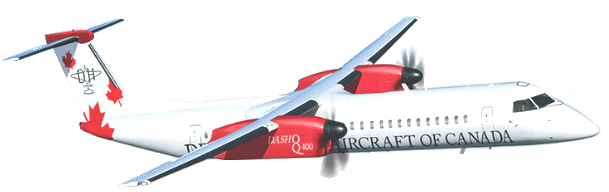
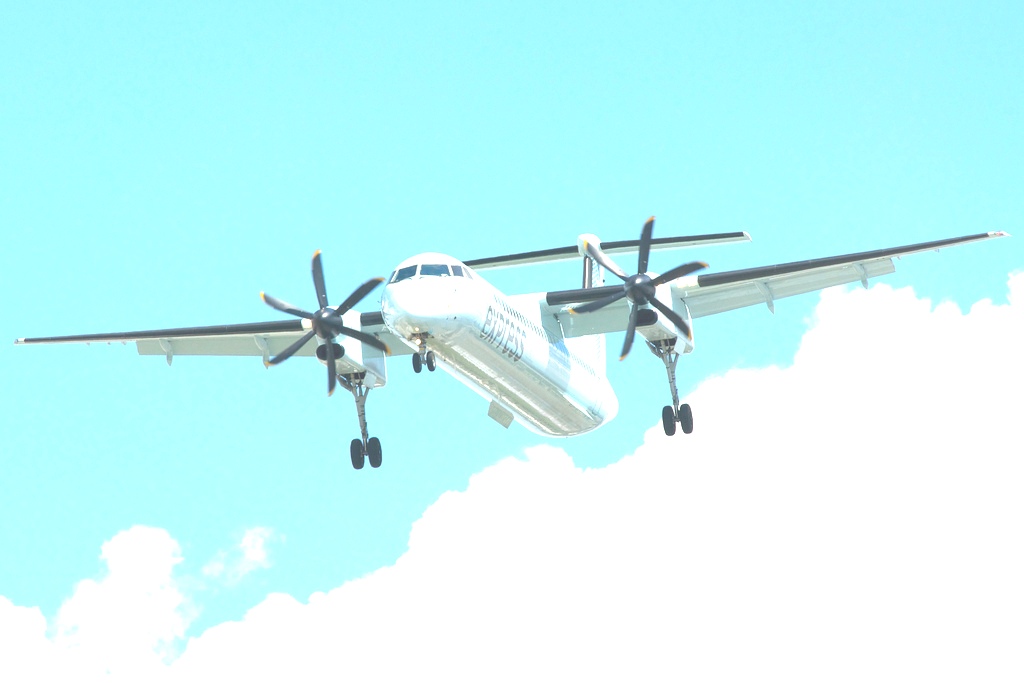
Ecuatoriana Airlines ha anunciado el lanzamiento de las operaciones aerocomerciales desde la República de Ecuador. El nuevo operador está trabajando para el lanzamiento de vuelos hacia Julio 2021 y se encuentra estableciendo su estructura para realizar operaciones con aeronaves turbohélice De Havilland Canada DHC-8.
Eduardo Delgado, CEO de Ecuatoriana Airlines, dijo recientemente que el nuevo transportador aéreo espera operar con seis aviones de la serie DHC-8Q-400 con una capacidad para 76 pasajeros, y DHC-8Q200, con una capacidad para acomodar 37 pasajeros. La compañía ha anunciado que la adquisición de todas las aeronaves serán en régimen de alquiler. El proceso de inversiones en Ecuatoriana Airlines se establecen en US$ 20 millones de Dólares para este año 2021 para establecer la infraestructura requerida para operar una aerolínea.
Ecuatoriana Airlines tiene como objetivo fortalecer la conectividad doméstica en el país. El año pasado, solicitó al Estado ecuatoriano permiso para operar 29 rutas desde siete ciudades. Tiene previsto enlazar desde Quito a Guayaquil, Cuenca, Santa Rosa, Esmeralda, Manta y Loja. Ecuatoriana tendría 11 rutas desde Quito con hasta 68 frecuencias semanales. Las asignaciones de rutas domésticas corresponden a: cuatro rutas desde Guayaquil, tres de Cuenca, tres de Esmeralda, tres de Manta, tres de Loja, y dos de Santa Rosa. Finalmente, la aerolínea también quiere operar vuelos a las Islas Galápagos, en el Océano Pacífico.
Debido a la geografía relativamente comprimida de Ecuador, Eduardo Delgado cree que el Dash 8Q-Series es el avión perfecto para el mercado. «El ecuatoriano desafortunadamente se acostumbró a viajar en un jet comercial, pero esto es muy caro. Ese costo se aplica al pasajero, y es por eso que hay tarifas elevadas en el país», expresó entusiasta Eduardo Delgado, al determinar que la aerolínea establecerá precios accesibles en Ecuador.
La nueva aerolínea está trabajando en su identidad corporativa, logotipo y marca. También está visitando municipios locales, hablando con las autoridades gubernamentales y cámaras, actualizando el progreso de Ecuatoriana. Los procesos de contrataciones de empleados se inicie en Abril 2021. El entrenamiento de la tripulación de vuelo comenzaría en Mayo 2021. Actualmente la aerolínea está en proceso de obtener su Certificado de Operador Aéreo (AOC), para lo cual se estima alcanzar dichas aprobaciones para Junio de 2021. Para Eduardo Delgado, el paisaje actual ofrece una oportunidad única. Dijo, «Ecuatoriana será un híbrido entre el transportista de bajo costo y el servicio completo. […] Nuestras tarifas serán bajas. Por lo que hemos hablado, el rango de precios en ciertas rutas será de entre US$ 50 y 65 Dólares».
En 2020, el Gobierno ecuatoriano cesó sus operaciones de la aerolínea TAME Ecuador, el transportista estatal. Esta decisión dejó el mercado solo con dos operadores aéreos Avianca Ecuador y Latam Ecuador. Sin embargo, ambos están bajo el Capítulo 11 quiebras y sus procesos de restructuraciones, por lo que las operaciones comerciales se limitan a algunos vuelos.
Ecuatoriana will start ops in 07/2021
Ecuatoriana Airlines startup starts ops in 07/2021
Ecuatoriana Airlines has announced the launch of commercial air operations from the Republic of Ecuador. The new operator is working towards the launch of flights towards July 2021 and is establishing its structure to carry out operations with De Havilland Canada DHC-8 turboprop aircraft. Eduardo Delgado, CEO of Ecuatoriana Airlines, said recently that the new air carrier expects to operate with six aircraft of the DHC-8Q-400 series with a capacity for 76 passengers, and DHC-8Q200, with a capacity to accommodate 37 passengers. The company has announced that the acquisition of all aircraft will be on a rental basis. The investment process in Ecuatoriana Airlines is set at US$ 20 million for this year 2021 to establish the infrastructure required to operate an airline.
Ecuatoriana Airlines aims to strengthen domestic connectivity in the country. Last year, it asked the Ecuadorian state for permission to operate 29 routes from seven cities. It plans to link from Quito to Guayaquil, Cuenca, Santa Rosa, Esmeralda, Manta and Loja. Ecuatoriana would have 11 routes from Quito with up to 68 weekly frequencies. The domestic route assignments correspond to: four routes from Guayaquil, three from Cuenca, three from Esmeralda, three from Manta, three from Loja, and two from Santa Rosa. Finally, the airline also wants to operate flights to the Galapagos Islands, in the Pacific Ocean.
Due to Ecuador’s relatively compressed geography, Eduardo Delgado believes that the Dash 8Q-Series is the perfect aircraft for the market. «The Ecuadorian unfortunately got used to traveling in a commercial jet, but this is very expensive. That cost is applied to the passenger, and that is why there are high rates in the country», said Eduardo Delgado enthusiastically, when determining that the airline will establish affordable prices in Ecuador.
The new airline is working on its corporate identity, logo and brand. He is also visiting local municipalities, speaking with government authorities and chambers, updating Ecuatoriana’s progress. The employee hiring processes will begin in April 2021. The flight crew training would begin in May 2021. Currently, the airline is in the process of obtaining its Air Operator Certificate (AOC), for which it is estimated that these approvals will be reached by June 2021. For Eduardo Delgado, the current landscape offers a unique opportunity. He said, «Ecuatoriana will be a hybrid between the low cost carrier and the full service. […] Our rates will be low. From what we have talked about, the price range on certain routes will be between US $ 50 and 65 Dollars».
In 2020, the Ecuadorian government ceased operations of the airline TAME Ecuador, the state carrier. This decision left the market with only two air operators Avianca Ecuador and Latam Ecuador. However, both are under Chapter 11 bankruptcies and their restructuring processes, so commercial operations are limited to some flights.
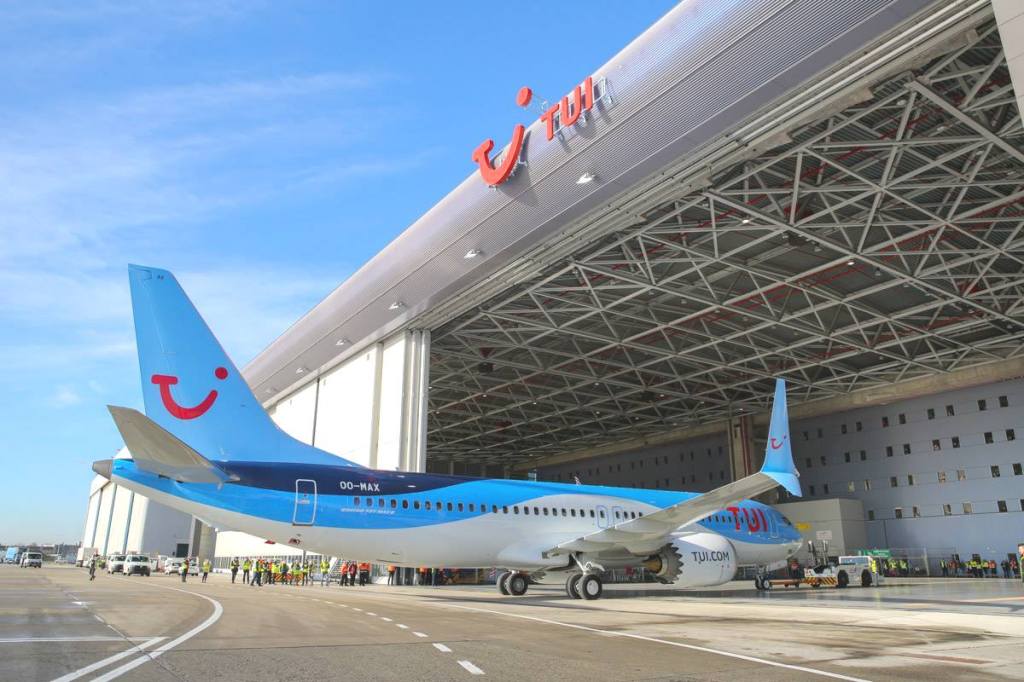
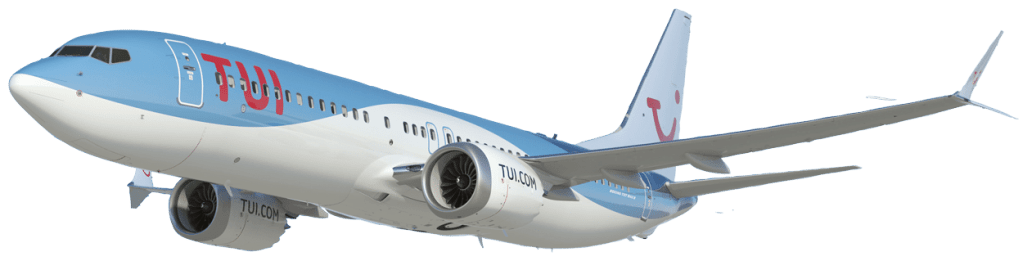
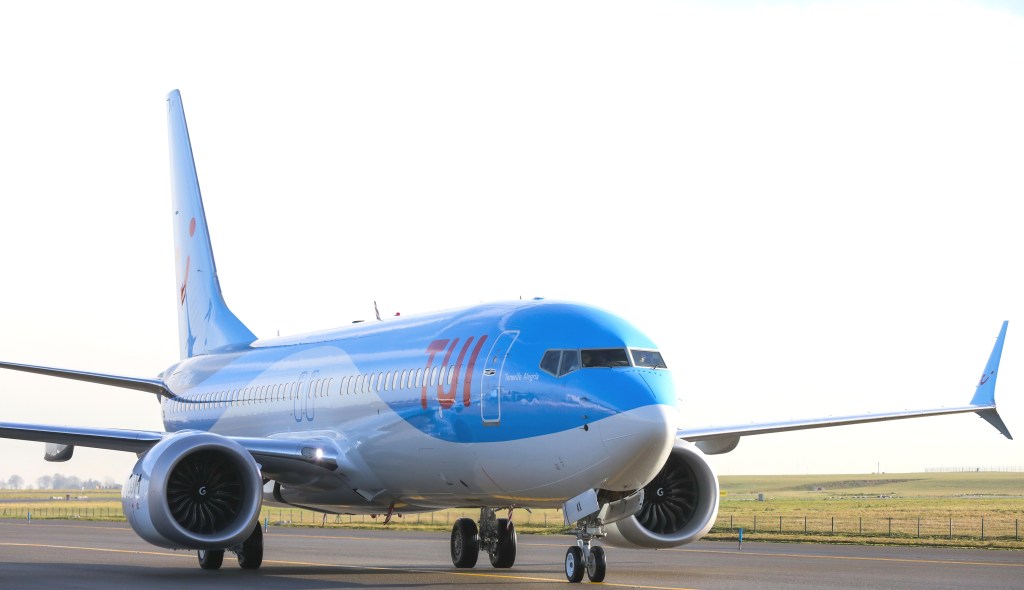
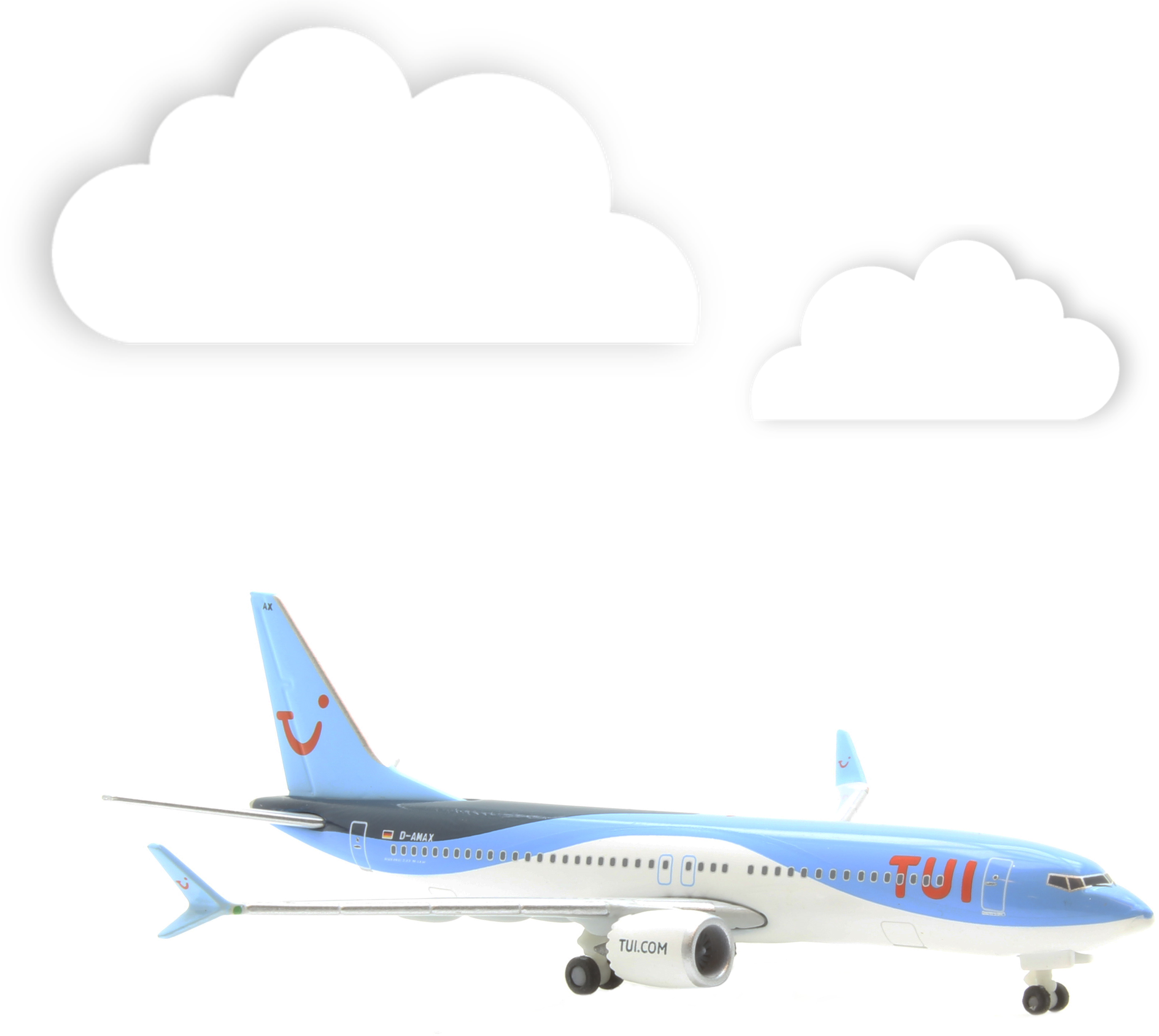
La aerolínea de presupuesto belga TUI fly ha anunciado para los próximos días el retorno de las operaciones con aeronaves Boeing 737 MAX, después de recibir un certificado de aeronavegabilidad del Gobierno de Bélgica. El 17 de Febrero de 2021, se espera que TUI fly Bélgica reanude sus vuelos utilizando el Boeing 737-8 MAX. La aerolínea volará el avión a España y se convertirá en la primera aerolínea europea en reanudar los vuelos de la línea 737 MAX después de que las autoridades europeas de la EASA dieran su aprobación para que el avión regresara al servicio aerocomercial.
Tras las aprobaciones de la agencia europa de aviación EASA a finales de Enero 2021, ha destrabado el proceso para retornar a los vuelos comerciales de la aeronave de cuarta generación de la línea 737. El certificado de aeronavegabilidad fue expedido por la Dirección General de Aviación (DGLV) de la Movilidad de los Servicios Públicos Federales de la República de Bélgica.
Un segundo Boeing 737-8 MAX de TUI fly también obtendría el certificado a la brevedad. En los últimos días, TUI fly ha estado realizando vuelos de preparación operativa con las dos aeronaves, parte del procedimiento para la devolución de vuelos comerciales.
El Boeing 737 MAX fue puesto en tierra en todo el mundo en Marzo de 2019 después de dos accidentes aéreos en pocos meses, matando a 346 personas. Más tarde trascendió que los desastres fueron causados por el Sistema de Control de Vuelo conocido como MCAS. Unos veinte meses ha demandado las actualizaciones de software y pruebas de vuelos para que las diferentes agencias aeronáuticas del mundo restablezcan la aeronavegabilidad de la aeronave en conflicto, consiguiendo las aprobaciones respectivas de la FAA de Estados unidos en Noviembre 2020.
La aerolínea de presupuesto belga TUI fly tiene actualmente cuatro aviones Boeing 737-8 MAX (4) en su flota, donde cada uno de los aparatos debe recibir un certificado de aeronavegabilidad de la DGLV individual para ser restablecido y poder volar en los cielos europeos.
TUI fly 1er 737 MAX in European skies
TUI fly restores Boeing 737 MAX operations
The Belgian budget airline TIU fly has announced for the next few days the return of operations with Boeing 737 MAX aircraft, after receiving a certificate of airworthiness from the Government of Belgium. On February 17, 2021, TUI fly Belgium is expected to resume its flights using the Boeing 737-8 MAX. The airline will fly the plane to Spain and become the first European airline to resume 737 MAX flights after the European EASA authorities gave their approval for the plane to return to commercial air service.
Following the approvals of the europra aviation agency EASA at the end of January 2021, the process to return to commercial flights of the fourth generation aircraft of line 737 has been unblocked. The airworthiness certificate was issued by the Directorate General of Aviation (DGLV) of the Mobility of the Federal Public Services of the Republic of Belgium.
A second TUI fly Boeing 737-8 MAX would also be certified shortly. In recent days, TUI fly has been conducting operational readiness flights with the two aircraft, part of the procedure for the return of commercial flights.
The Boeing 737 MAX was grounded around the world in March 2019 after two plane crashes in a few months, killing 346 people. Later it turned out that the disasters were caused by the Flight Control System known as MCAS. Some twenty months have demanded software updates and flight tests for the different aeronautical agencies of the world to restore the airworthiness of the aircraft in conflict, obtaining the respective approvals from the United States FAA in November 2020.
The Belgian budget airline TUI fly currently has four Boeing 737-8 MAX aircraft (4) in its fleet, where each of the aircraft must receive a certificate of airworthiness from the individual DGLV in order to be reinstated and able to fly in the European skies.
TUI fly 1er 737 MAX in de Europese lucht
TUI fly herstelt de Boeing 737 MAX-operaties
De Belgische budgetmaatschappij TIU fly heeft aangekondigd voor de komende dagen de operaties met Boeing 737 MAX-vliegtuigen terug te keren, na ontvangst van een bewijs van luchtwaardigheid van de regering van België. Op 17 februari 2021 zal TUI fly Belgium naar verwachting zijn vluchten hervatten met de Boeing 737-8 MAX. De luchtvaartmaatschappij zal het vliegtuig naar Spanje vliegen en de eerste Europese luchtvaartmaatschappij worden die 737 MAX-vluchten hervat nadat de Europese EASA-autoriteiten hun goedkeuring hebben gegeven voor het vliegtuig om terug te keren naar de commerciële luchtdienst.
Na de goedkeuringen van het europra luchtvaartagentschap EASA eind januari 2021 is het proces om terug te keren naar commerciële vluchten van de vierde generatie vliegtuigen van lijn 737 gedeblokkeerd. Het luchtwaardigheidscertificaat werd afgegeven door het Directoraat Generaal Luchtvaart (DGLV) van de mobiliteit van de federale overheidsdiensten van de Republiek België.
Binnenkort zou ook een tweede TUIfly Boeing 737-8 MAX gecertificeerd worden. TUI fly voerde de afgelopen dagen operationele paraatheidsvluchten uit met de twee vliegtuigen, onderdeel van de procedure voor de terugkeer van commerciële vluchten.
De Boeing 737 MAX werd in maart 2019 over de hele wereld aan de grond gehouden na twee vliegtuigcrashes in een paar maanden tijd, waarbij 346 mensen omkwamen. Later bleek dat de rampen werden veroorzaakt door het Flight Control System dat bekend staat als MCAS. Ongeveer twintig maanden hebben software-updates en vliegproeven geëist, zodat de verschillende luchtvaartagentschappen van de wereld de luchtwaardigheid van het vliegtuig in conflict herstellen en in November 2020 de respectieve goedkeuringen van de FAA van de Verenigde Staten hebben verkregen.
De Belgische budgetmaatschappij TUI fly heeft momenteel vier Boeing 737-8 MAX-vliegtuigen (4) in haar vloot, waarbij elk vliegtuig een luchtwaardigheidscertificaat moet ontvangen van de individuele DGLV om te worden hersteld en in de Europese lucht te kunnen vliegen.
AW | 2021 02 16 12:50 | AIRLINES ROUTES / GOVERNMENT
Aerolíneas restablecen vuelos hacia ambos países
Las autoridades de aviación de la República Islámica de Irán y la república de Iraq han señalado el Lunes 15/02 que los vuelos de las aerolíneas iraquíes e iraníes han sido restablecidas de conformidad con los protocolos sanitarios para frenar la pandemia de COVID-19.
Cada año se realizan millones de viajes entre Irán e Irak pues sus peregrinos visitan con regularidad las ciudades santas de ambos países. Los vuelos desde la ciudad iraquí de Najaf hacia Teherán y Mashhad en Irán se reanudaron luego de la suspensión derivada de las estrictas restricciones de viaje de ambas naciones por causa de la pandemia. El Ministerio de Salud de Irán informó sobre 7.760 nuevos casos de COVID-19, lo que eleva el total del país a 1.526.023 casos. Además se registraron otros 83 decesos para llegar a 59.028.
El portavoz de la Organización Iraní de Aviación Civil (ICAO) dijo que los vuelos de Iraqi Airways se han reanudado entre los dos países de Irán e Irak en la semana mediante la plena observación de los protocolos y directrices de salud. Después de la propagación de la pandemia se ejercieron restricciones de viaje en algunas rutas de vuelo, por lo que los vuelos Irán-Irak también estaban sujetos a estas restricciones. Con la coordinación y los acuerdos realizados a este respecto entre funcionarios de los dos países, Iraqi Airways en ruta Teherán-Najaf-Teherán y Mashhad-Najaf-Mashhad se pondrán en marcha en la semana.
Iran-Iraq restore flights
Airlines restore flights to both countries
The aviation authorities of the Islamic Republic of Iran and the Republic of Iraq have indicated on Monday 02/15 that the flights of Iraqi and Iranian airlines have been restored in accordance with health protocols to curb the COVID-19 pandemic.
Millions of trips are made each year between Iran and Iraq as their pilgrims regularly visit the holy cities of both countries. Flights from the Iraqi city of Najaf to Tehran and Mashhad in Iran resumed after the suspension stemming from the strict travel restrictions of both nations due to the pandemic. Iran’s Ministry of Health reported 7,760 new cases of COVID-19, bringing the country’s total to 1,526,023 cases. In addition, another 83 deaths were recorded to reach 59,028.
The spokesperson for the Iranian Civil Aviation Organization (ICAO) said that Iraqi Airways flights have resumed between the two countries of Iran and Iraq in the week by fully observing health protocols and guidelines. Following the spread of the pandemic, travel restrictions were applied on some flight routes, so Iran-Iraq flights were also subject to these restrictions. With the coordination and agreements made in this regard between officials of the two countries, Iraqi Airways en route Tehran-Najaf-Tehran and Mashhad-Najaf-Mashhad will be launched in the week.
إيران والعراق تعيدان الرحلات الجوية
تعيد شركات الطيران رحلاتها إلى كلا البلدين
أشارت سلطات الطيران في جمهورية إيران الإسلامية وجمهورية العراق ، يوم الاثنين 15 فبراير ، إلى استعادة رحلات الخطوط الجوية العراقية والإيرانية وفق البروتوكولات الصحية للحد من جائحة كوفيد -19.
يتم إجراء ملايين الرحلات كل عام بين إيران والعراق حيث يزور حجاجهم بانتظام المدن المقدسة في كلا البلدين. استؤنفت الرحلات الجوية من مدينة النجف العراقية إلى طهران ومشهد في إيران بعد التعليق الناجم عن قيود السفر الصارمة بين البلدين بسبب الوباء. أبلغت وزارة الصحة الإيرانية عن 7،760 حالة إصابة جديدة بـ COVID-19 ، ليرتفع العدد الإجمالي في البلاد إلى 1526.023 حالة. بالإضافة إلى ذلك ، تم تسجيل 83 حالة وفاة أخرى لتصل إلى 59028.
قال المتحدث الرسمي باسم منظمة الطيران المدني الإيرانية (ICAO) ، إن رحلات الخطوط الجوية العراقية استؤنفت بين البلدين ، إيران والعراق ، خلال الأسبوع ، من خلال الالتزام الكامل بالبروتوكولات والإرشادات الصحية. بعد انتشار الوباء ، تم تطبيق قيود السفر على بعض خطوط الطيران ، لذلك كانت الرحلات الجوية الإيرانية العراقية تخضع أيضًا لهذه القيود. وبالتنسيق والاتفاقيات التي تم التوصل إليها في هذا الصدد بين مسئولي البلدين ، سيتم إطلاق الخطوط الجوية العراقية في طريقها بين طهران والنجف وطهران ومشهد والنجف ومشهد خلال الأسبوع.
Norwegian Air despide todo personal en Roma, Italia
La aerolínea low cost Norwegian Air ha despedido a todo el personal de la Base en Roma, Italia el Lunes 15/02. Los 322 trabajadores de la compañía de presupuesto noruega amanecieron con la carta de despido, sin previo aviso. La compañía no se ha acogido a las ayudas públicas estatales, demostrando una actitud decidida de cierre repentino de la escala Roma.
Norwegian Air Resources Italy Limited, la filial italiana de la compañía aérea noruega entró en liquidación y ya no sobrevivirá por falta de recursos. La compañía ha comunicado cartas de despidos a Pilotos, Asistentes de Vuelo y a toda la plantilla con base en el Aeropuerto Roma/Fiumicino.
Los sindicatos, en una nota conjunta firmada por Filt CGIL, Fit Cisl y Uiltrasporti, condenaron enérgicamente la decisión de la dirección noruega: “Norwegian, inesperadamente y sin siquiera consultar con los sindicatos, ha decidido dejar a cientos de sus empleados con base en Italia en la calle, junto con sus familias, en medio de una pandemia mundial”. Los sindicatos acusan a la aerolínea de que “simplemente ha decidido desaparecer, actuando como si los empleados con sede en Roma/Fiumicino nunca hubieran sido parte de Norwegian, a pesar de haber contribuido al éxito de la empresa con pasión y profesionalismo a lo largo de los años”.
La compañía aérea no se molestó en poner en marcha los mecanismos oficiales en vigor para paliar el impacto de los despidos y que ofrece el sistema legal italiano para proteger y salvaguardar los ingresos de los trabajadores, especialmente en esta época de crisis. Los abogados de la compañía informaron a los sindicatos de que Norwegian Air ya había iniciado hace unos días el procedimiento de liquidación en Irlanda de la empresa de la que dependen los trabajadores italianos. Según anunciaron los sindicatos, los empleados noruegos pronto realizarán una manifestación en la Embajada de Noruega en Roma como medidas de protestas por el accionar de la aerolínea.
Norwegian cancels base in Rome
Norwegian Air dismisses all staff in Rome, Italy
The low cost airline Norwegian Air has laid off all the personnel of the Base in Rome, Italy on Monday 15/02. The 322 workers of the Norwegian budget company woke up with the letter of dismissal, without warning. The company has not benefited from state public aid, showing a determined attitude of sudden closure of the Rome scale.
Norwegian Air Resources Italy Limited, the Italian subsidiary of the Norwegian airline, went into liquidation and will no longer survive due to lack of resources. The company has communicated dismissal letters to Pilots, Flight Attendants and the entire staff based at the Rome/Fiumicino Airport.
The unions, in a joint note signed by Filt CGIL, Fit Cisl and Uiltrasporti, strongly condemned the Norwegian management’s decision: “Norwegian, unexpectedly and without even consulting with the unions, has decided to leave hundreds of its employees based in Italy on the street, together with their families, in the midst of a global pandemic”. The unions accuse the airline that “it has simply decided to disappear, acting as if the Rome/Fiumicino-based employees have never been part of Norwegian, despite having contributed to the success of the company with passion and professionalism throughout years».
The airline company did not bother to put in place the official mechanisms in place to mitigate the impact of the layoffs and offered by the Italian legal system to protect and safeguard workers’ income, especially in this time of crisis. The company’s lawyers informed the unions that Norwegian Air had already started the liquidation procedure in Ireland a few days ago of the company on which the Italian workers depend. According to the unions announced, Norwegian employees will soon hold a demonstration at the Norwegian Embassy in Rome as measures of protests against the actions of the airline.
Norwegian cancella base a Roma
Norwegian Air licenzia tutto il personale a Roma, Italia
La compagnia aerea low cost Norwegian Air ha licenziato lunedì 15/02 tutto il personale della Base di Roma, Italia. I 322 lavoratori della società finanziaria norvegese si sono svegliati con la lettera di licenziamento, senza preavviso. L’azienda non si è avvalsa di aiuti pubblici statali, mostrando un deciso atteggiamento di chiusura repentina della scala Roma.
Norwegian Air Resources Italy Limited, la controllata italiana della compagnia aerea norvegese, è andata in liquidazione e non sopravviverà più per mancanza di risorse. La compagnia ha comunicato lettere di licenziamento a Piloti, Assistenti di Volo e tutto il personale con base all’Aeroporto di Roma/Fiumicino.
I sindacati, in una nota congiunta firmata da Filt CGIL, Fit Cisl e Uiltrasporti, hanno condannato fermamente la decisione del management norvegese: “Norwegian, inaspettatamente e senza nemmeno consultarsi con i sindacati, ha deciso di lasciare in strada centinaia dei suoi dipendenti con sede in Italia , insieme alle loro famiglie, nel mezzo di una pandemia globale”. I sindacati accusano la compagnia di “aver semplicemente deciso di scomparire, comportandosi come se i dipendenti di Roma/Fiumicino non fossero mai stati parte della Norwegian, nonostante abbiano contribuito per anni al successo dell’azienda con passione e professionalità”.
La compagnia aerea non si è preoccupata di mettere in atto i meccanismi ufficiali in atto per mitigare l’impatto dei licenziamenti e offerti dall’ordinamento italiano per tutelare e salvaguardare il reddito dei lavoratori, soprattutto in questo momento di crisi. I legali dell’azienda hanno informato i sindacati che Norwegian Air aveva già avviato da pochi giorni la procedura di liquidazione in Irlanda della società da cui dipendono i lavoratori italiani. Secondo quanto annunciato dai sindacati, i dipendenti norvegesi terranno presto una manifestazione presso l’ambasciata norvegese a Roma come misure di protesta contro le azioni della compagnia aerea.