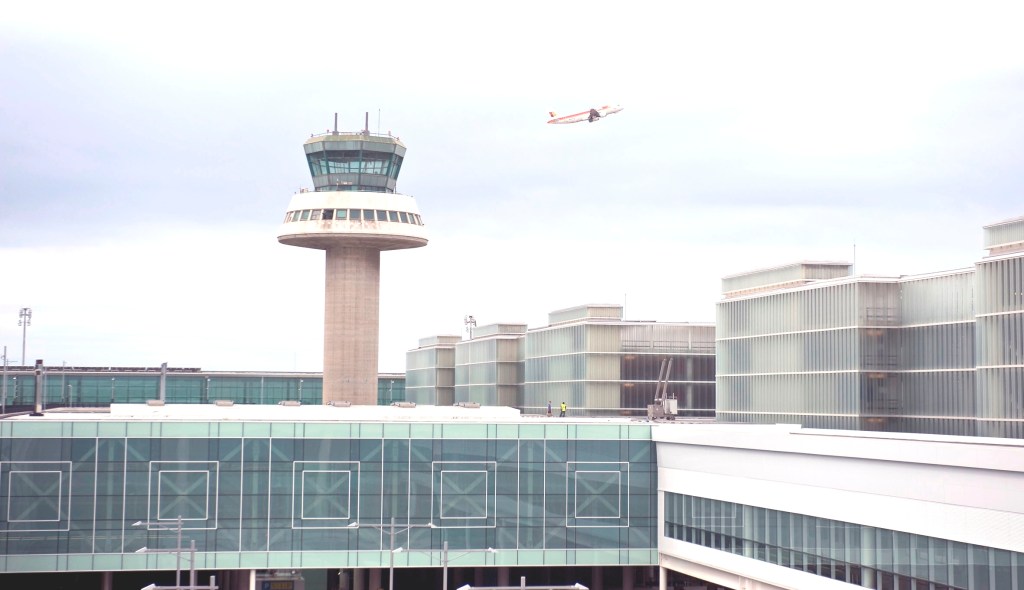
Reapertura Aeropuerto El Palomar

AW | 2020 10 06 16:58 | AIRPORTS / GOVERNMENT

Transporte aprueba continuidad del Aeropuerto El Palomar

El Gobierno de Argentina se ha reunido con las partes interesadas para aprobar la continuidad del Aeropuerto Internacional El Palomar. El primer aeropuerto low cost de Sudamérica continuará sus operaciones aerocomerciales junto con los vuelos proyectados de Flybondi Líneas Aéreas y JetSmart Airlines Argentina. De esta manera desde Transporte han confirmado a finales de horas del Lunes 05/10 que el aeropuerto seguirá funcionando. Aseguró que continuará sus operaciones y sin descuidar en ningún momento la delicada situación sanitaria por la pandemia por coronavirus se buscará asegurar los puestos de trabajo actuales.

El encuentro estuvo conformado por el Intendente de Morón, Lucas Ghi, Alberto Descalzo (Ituzaingó), Juan Zabaleta (Hurlingham) y Diego Valenzuela (Tres de Febrero). Los cuatro dialogaron con el responsable de la cartera de Transporte, Mario Meoni, en la sede del Ministerio de Transporte de la Nación. “Fue un encuentro muy positivo en el que le transmitimos al Ministro la expectativa que tenemos en la región en torno al restablecimiento progresivo de la actividad aerocomercial en el Aeropuerto de El Palomar. Obviamente con todas las condiciones sanitarias garantizadas. El Ministro nos confío que toma nuestra inquietud. También nos adelantó que si la tendencia en relación a la dinámica epidemiológica sigue mejorando, el aeropuerto estaría en condiciones de ir recobrando su funcionamiento en el transcurso de las próximas semanas”, destacó Lucas Ghi.

Reapertura El Palomar

Según información del Ministerio de Transporte, los estudios para el retorno con protocolos de la actividad tendrá en cuenta determinadas variables. Una de ellas será la cantidad de vuelos en relación a los pasajeros e inversión. Al mismo tiempo se hará un relevamiento sobre el estado técnico de la terminal de El Palomar. La aeroestación se encuentra actualmente en funcionamiento. Aunque solo se permiten vuelos especiales que realizan las aerolíneas autorizados en el marco del aislamiento social y preventivo. Los vuelos continuarán realizándose en la franja horaria entre las 07:00 y las 22:00 hs. por lo que ha representado un avance muy importante para las aerolíneas de presupuesto en Argentina.

Reconsideraciones

Sesenta días atrás, desde el Ministerio de Transporte estaban enfocados que no era necesario el Aeropuerto El Palomar, por la redundancia de actividad junto con el Aeroparque Jorge Newbery y el Aeropuerto Ezeiza. Detrás de los dichos no existían un verdadero estudio de factibilidad respecto a discontinuar las operaciones por deficiencias en el tráfico; más bien todo lo contrario, antes de la pandemia había un incremento sustancial de los vuelos, razón por la cual empezaba a molestar a los intereses ocultos en el medio de transporte. La misma situación respecto a la reapertura del Aeropuerto Jorge Newbery hacia Diciembre 2020 traerá más reclamos por parte del sector de las líneas aéreas, pues Aerolíneas Argentinas detentará más del 80% de los vuelos de cabotaje, lo que representará una posición dominante frente a la libertad de volar.

El Palomar Airport reopening

Transportation approves continuity of El Palomar Airport

The Government of Argentina has met with interested parties to approve the continuity of the El Palomar International Airport. The first low cost airport in South America will continue its commercial aviation operations together with the projected flights of Flybondi Líneas Aéreas and JetSmart Airlines Argentina. In this way, Transport has confirmed at the end of Monday 05/10 that the airport will continue to operate. He assured that it will continue its operations and without neglecting the delicate health situation due to the coronavirus pandemic at any time, it will seek to secure current jobs.

The meeting was made up of the Mayor of Morón, Lucas Ghi, Alberto Descalzo (Ituzaingó), Juan Zabaleta (Hurlingham) and Diego Valenzuela (Tres de Febrero). The four spoke with the person in charge of the Transport portfolio, Mario Meoni, at the headquarters of the Ministry of Transport of the Nation. “It was a very positive meeting in which we conveyed to the Minister the expectation that we have in the region regarding the progressive reestablishment of commercial aviation activity at the El Palomar Airport. Obviously with all the sanitary conditions guaranteed. The Minister entrusted us that he takes our concern. He also told us that if the trend in relation to epidemiological dynamics continues to improve, the airport would be in a position to recover its operation in the course of the next few weeks”, said Lucas Ghi.

El Palomar reopening

According to information from the Ministry of Transport, the studies for the return with activity protocols will take into account certain variables. One of them will be the number of flights in relation to passengers and investment. At the same time, a survey will be carried out on the technical state of the El Palomar terminal. The airstation is currently in operation. Although only special flights are allowed by authorized airlines within the framework of social and preventive isolation. The flights will continue to be carried out in the time slot between 07:00 and 22:00. so it has represented a very important advance for budget airlines in Argentina.

Reconsiderations

Sixty days ago, from the Ministry of Transportation they were focused that the El Palomar Airport was not necessary, due to the redundancy of activity together with the Jorge Newbery Airport and the Ezeiza Airport. Behind the statements there was no real feasibility study regarding discontinuing operations due to traffic deficiencies; On the contrary, before the pandemic there was a substantial increase in flights, which is why it began to bother hidden interests in the means of transport. The same situation regarding the reopening of the Jorge Newbery Airport towards December 2020 will bring more claims from the airline sector, as Aerolíneas Argentinas will hold more than 80% of the domestic flights, which will represent a dominant position against freedom to fly.


PUBLISHER: Airgways.com
DBk: Argentina.gob.ar/transporte / Airgways.com / Clarin.com / Ambito.com
AW-POST: 202010061658AR

A\W   A I R G W A Y S ®
Reanudan causa Austral AU2553

Audiencia Austral vuelo AU-2553 |

AW | 2020 10 05 16:10 | AIR INVESTIGATION

Justicia Argentina reabre causa tragedia aérea DC-9-32

La instancia oral de la Justicia Argentina había iniciado en Marzo de 2019, pero luego de varias dilaciones, se reanudó de manera virtual el proceso penal de la tragedia del vuelo AU-2553 de Austral Líneas Aéreas con la presencia de dos testigos que aportaron la defensa y la querella. La causa del juicio de la tragedia aérea busca determinar responsabilidades de ex-directivos de la aerolínea y ex-funcionarios de la Fuerza Aérea Argentina a casi 23 años del fatídico accidente aéreo ocurrido en territorio uruguayo.

La noche del Viernes 11 de Octubre de 1997 el vuelo AU-2553 de Austral Líneas Aéreas tenía proyectado el vuelo de Posadas, Provincia de Misiones, hacia el Aeropuerto Jorge Newbery de la Ciudad de Buenos Aires. A mitad de trayecto la aeronave un McDonnell Douglas DC-9-32 se estrelló en Fray Bentos, República de Uruguay, donde fallecieron los 74 ocupantes de la aeronave, convirtiéndose hasta la actualidad en la mayor tragedia de la aviación comercial argentina. Pasaron más de veinte años hasta que la causa llegó a Juicio Oral, el 26 de Marzo de 2019, junto con 559 días hasta que comenzaran a declarar los testigos ante el Tribunal Oral Federal 5 (TOF5) de Capital Federal. Este Martes 07/10, a partir de las 10:00 hs, se llevará a cabo el reinicio de los procesos judiciales con la presencia vía videoconferencia de dos testigos para continuar con el proceso penal.

Cuando faltan apenas 4 días para que se cumpla el 23° aniversario de la tragedia del vuelos AU-2553, se reanudará formalmente el juicio que busca determinar las responsabilidades de ex directivos de la aerolínea y ex funcionarios de la Fuerza Aérea. Actualmente existen 35 imputados, acusados de estrago doloso.

Durante la primera etapa del juicio se escuchó la declaración de los peritos presentados por las partes. El testimonio de los primeros testigos estaba previsto para el 17 de Marzo de 2020, pero la feria judicial impuesta por la pandemia de Coronavirus obligó a postergarlos. Ahora se concretará en forma virtual. Este 07/10 se escuchará a Rubén Mario Montenegro, ex titular de la Fuerza Aérea Argentina, y a Felix Pibernat, instructor de la Gerencia de Instrucciones de la empresa Austral Líneas Aéreas, que entrenó a los pilotos fallecidos.

La abogada Silvina Rumachella, que es hermana de Viviana Rumachella, la azafata que falleció en el vuelo trágico cuenta que inicialmente estaba previsto que en el juicio declararan más de 100 testigos, pero el tribunal acotó ese listado a 20, aunque con posibilidad de sumar más testimoniales en caso de ser necesario. «Quedaron afuera todos los que formaron parte de la investigación en Uruguay, que para nosotros como querella son fundamentales», explica Silvina Rumachella.

Pericias uruguayas

Las pericias hechas por los organismos de investigación uruguayos determinaron que fallaron las luces de alarma que debían alertar sobre el funcionamiento de los velocímetros. Afirman que lo que ocurrió fue que el Tubo Pitot, que marca la velocidad dentro de la cabina presurizada, se había congelado y el piloto creyó que la velocidad era menor a la que en realidad iba, por eso extendió los flaps pero la presión del aire desprendió uno de los flaps generando disparidad de sustentación y la aeronave comenzó a perder el control hasta estrellarse.

El año pasado, durante la primera etapa del juicio, los peritos que declararon cuestionaron la investigación realizada en Uruguay, lo que en la práctica terminó llevando la responsabilidad hacia los pilotos, explica Silvina Rumachella. Por eso considera importante que declaren en el juicio los integrantes de la Comisión Investigadora de Accidentes Aéreos (CIADA) de Uruguay. La causa fue investigada a lo largo de estos casi 21 años por tres jueces. En 2013 quedó radicada en el juzgado de Sebastián Ramos, quien finalmente la elevó a Juicio Oral.

Sobre los testimonios que se conocerán este Lunes 06/10, la abogada destaca que Felix Pibernat declaró en instancias previas que «los pilotos no estaban entrenados en recuperación de pérdida de alta velocidad. Dijo que sólo eran entrenados en baja velocidad, que es lo que termina intentando hacer el copiloto». Y enlaza esto con el hecho de que ante la situación de engelamiento y la falta de una alarma, «los pilotos tenían información errónea, no sabían lo que en realidad estaba pasando».

Durante las audiencias realizadas en 2019, se conoció el último audio de los pilotos. La grabación tomada en la cabina dura 18 minutos y tiene un fuerte ruido que dificulta entender lo que dicen. Pero es posible distinguir el momento fatal, cuando el avión perdió el control y cayó en picada en una espiral incontrolable impactando fuertemente contra el terreno. Ocurre en el minuto 17 del audio, cuando el comandante Jorge Cécere le grita al copiloto Horacio Núñez: «Dios mío, nos matamos, nos matamos». En ese momento el avión McDonnell Douglas DC-9-32, con matrícula argentina LV-WEG, descendía en picada, aumentando su velocidad y sin control. Ahora, casi 23 años después, comienza una nueva etapa del juicio que debe determinar quiénes fueron responsables de la tragedia que terminó con 74 vidas a bordo de la fatalidad producto de las irresponsabilidades de turno.

La imagen tiene un atributo ALT vacío; su nombre de archivo es aw-au-2553-lv-weg.jpg

Austral cause AU2553 resumed

Argentine Justice reopens cause DC-9-32 air tragedy

The oral instance of the Argentine Justice had begun in March 2019, but after several delays, the criminal proceedings of the tragedy of Austral Líneas Aéreas flight AU-2553 were virtually resumed with the presence of two witnesses who provided the defense and the complaint. The cause of the trial of the air tragedy seeks to determine the responsibilities of former directors of the airline and former officials of the Argentine Air Force almost 23 years after the fateful plane accident that occurred in Uruguayan territory.

On the night of Friday, October 11, 1997, Austral Líneas Aéreas flight AU-2553 had a planned flight from Posadas, Misiones Province, to the Jorge Newbery Airport in the City of Buenos Aires. Halfway through the flight, a McDonnell Douglas DC-9-32 crashed in Fray Bentos, Republic of Uruguay, where the 74 occupants of the aircraft died, becoming the greatest tragedy in Argentine commercial aviation to date. More than twenty years passed until the case reached Oral Trial, on March 26, 2019, along with 559 days until the witnesses began to testify before the Federal Oral Court 5 (TOF5) of the Federal Capital. This Tuesday 10/07, starting at 10:00 am, the judicial processes will be restarted with the presence via videoconference of two witnesses to continue the criminal process.

With just 4 days left until the 23rd anniversary of the tragedy of flights AU-2553, the trial that seeks to determine the responsibilities of former directors of the airline and former officials of the Air Force will be formally resumed. There are currently 35 defendants, accused of malicious havoc.

During the first stage of the trial, the testimony of the experts presented by the parties was heard. The testimony of the first witnesses was scheduled for March 17, 2020, but the judicial fair imposed by the Coronavirus pandemic forced them to be postponed. Now it will be realized in virtual form. This 07/10 will hear Rubén Mario Montenegro, former head of the Argentine Air Force, and Felix Pibernat, instructor of the Instructions Management of the Austral Lineas Aereas company, who trained the deceased pilots.

The lawyer Silvina Rumachella, who is the sister of Viviana Rumachella, the flight attendant who died on the tragic flight, says that initially it was expected that more than 100 witnesses would testify at the trial, but the court limited that list to 20, although with the possibility of adding more testimonials if necessary. «All those who were part of the investigation in Uruguay were left out, which for us as a complaint are fundamental,» explains Silvina Rumachella.

Uruguayan expertise

The expertises made by the Uruguayan investigation organizations determined that the alarm lights that were supposed to alert about the operation of the speedometers failed. They claim that what happened was that the Pitot Tube, which marks the speed inside the pressurized cabin, had frozen and the pilot believed that the speed was lower than what it was actually going, so he extended the flaps but the air pressure it detached one of the flaps generating lift disparity and the aircraft began to lose control until it crashed.

Last year, during the first stage of the trial, the experts who testified questioned the investigation carried out in Uruguay, which in practice ended up bringing responsibility to the pilots, explains Silvina Rumachella. That is why she considers it important that the members of the Investigating Commission of Air Accidents (CIADA) of Uruguay testify at the trial. The cause was investigated throughout these almost 21 years by three judges. In 2013 it was settled in the court of Sebastián Ramos, who finally raised it to Oral Trial.

Regarding the testimonies that will be known this Monday 06/10, the lawyer points out that Felix Pibernat declared in previous instances that «the pilots were not trained in recovery from high speed stall. He said they were only trained in low speed, which is what ends up trying to be the co-pilot». And she links this with the fact that in the face of the icing situation and the lack of an alarm, «the pilots had misinformation, they didn’t know what was really happening».

During the hearings held in 2019, the last audio of the pilots was known. The recording taken in the booth lasts 18 minutes and has a loud noise that makes it difficult to understand what they say. But it is possible to distinguish the fatal moment, when the plane lost control and plummeted in an uncontrollable spiral impacting heavily on the ground. It occurs at minute 17 of the audio, when Commander Jorge Cécere yells at the copilot Horacio Núñez: «My God, we are killing each other, we are killing each other». At that time, the McDonnell Douglas DC-9-32 aircraft, with Argentine registration LV-WEG, was descending into a tailspin, increasing its speed and without control. Now, almost 23 years later, a new stage of the trial begins that must determine who was responsible for the tragedy that ended with 74 lives aboard the fatality product of the irresponsibility of the day.


PUBLISHER: Airgways.com
DBk: Cij.gov.ar / Clarin.com / Telam.com.ar / Airgways.com / Mauricio PC
AW-POST: 202010051610AR

A\W   A I R G W A Y S ®

Boeing 737 MAX aprovecha la crisis

AW | 2020 10 06 13:05 | INDUSTRY

Boeing convierte la crisis en oportunidades para crecer

The Boeing Company continúa avanzando en su etapa final en el cronograma de recertificación del Boeing 737 MAX, mostrando signos favorables hacia el retorno de sus vuelos en las aerolíneas. El panorama se observa con mayor optimismo para el Boeing 737 MAX que retornará de una manera segura para las tripulaciones y los usuarios. Posicionado en este punto próximo en su etapa final, la compañía americana necesitará potenciar la cartera de pedidos después de muchas cancelaciones a través de estos casi dos años de parálisis por la propia crisis del 737 MAX y la pandemia de Coronavirus. Surgen preguntas como: ¿Quién comprará este avión? ¿Habrá clientes potenciales a futuro?

737 MAX, aprovechando la crisis

Actualmente, la demanda de viajes aéreos apenas muestra signos de reactivación sin demanda de compra de nuevas aeronaves. Existe una baja demanda de viajes y Boeing tiene más de 400 aviones Boeing 737 MAX almacenados, algunos de los cuales no tienen cliente. Por lo tanto, existe un desequilibrio entre la oferta y la demanda que ejerce una gran presión sobre los precios de los aviones, y esa presión es aún mayor para el Boeing 737 MAX debido a su mala reputación.

Una acción muy recurrente de Boeing es buscar el apoyo de las aerolíneas para convencer al público que sus productos son siempre los mejores, y en el caso 737 MAX, pregonará su seguridad en el nuevo entorno, tratando de restaurar la reputación del avión en el mundo. A pesar de su desafortunada situación, la aeroespacial continuará negociando con las grandes aerolíneas que son las que marcan las tendencias de mercado debido a sus grandes estructuras y fuerte demanda, persuadiendo para adquirir el Boeing 737 MAX estimulando las bonificaciones para los clientes. La compañía con sede en Chicago reconoce que los aviones son activos de larga duración y, si bien la reputación del 737 MAX es mala y el perfil de demanda es débil, se puede persuadir a las aerolíneas de que compren el Boeing 737 MAX al precio correcto porque la demanda no se mantendrá baja y la reputación de Boeing, por mucho que podamos creer firmemente que lo contrario, el mercado de la aviación se recuperará. Lo que podrían quedarse con las aerolíneas es un activo seguro de larga duración que generará valor para la aerolínea a un precio con descuento. Por lo tanto, Boeing buscaría a esas aerolíneas que podrían estar interesadas en llegar a un acuerdo.

Boeing & aerolíneas

Después de la parálisis mundial de la pandemia que no solo ha implicado el desarrollo y venta de la línea 737 MAX, sino de todas las unidades de producción, el mercado es muy diferente, y las aerolíneas se encuentran en un proceso de fuerte reestructuración y problemas financieros. Boeing tendrá que salir a vender sus productos con una capacidad de negocios un tanto más flexibles, y es allí donde los frutos podrían verse alcanzados, estimulando y favoreciendo a las grandes aerolíneas.

Ryanair

Una de las primeras aerolíneas que ha estado muy cerca en el interés por la línea 737 MAX es la irlandesa Ryanair. Ryanair ha sido un bastión para Boeing, y la compañía es el mayor cliente de este tipo en Europa. Pero tras la adquisición de la austríaca Lauda Airlines, ​​Ryanair ya no es un operador exclusivamente de Boeing, y parecía asomar posibilidades para el constructor europeo Airbus Group, para hacer uso de esto y aprovechar la crisis del Boeing 737 MAX, pero Airbus no inició las conversaciones con Ryanair como deseaban. Hace dieciocho años atrás, Airbus estaba a punto de firmar un acuerdo con Ryanair, y la aerolínea de bajo coste irlandesa eludió el acuerdo en el último minuto, haciéndose evidente que el acuerdo con Airbus solo se anunció para ganar influencia en las negociaciones con Boeing. Cuando Airbus se enteró, la compañía decidió no ofrecer más su avión a Ryanair.

Entonces, Ryanair es una de las aerolíneas que parece estar atrapada con Boeing. La aerolínea tiene pedidos por un total de 135 aeronaves de la línea 737 MAX. Con la variante desarrollada de alta densidad denominada Boeing 737-8 200 MAX ha estimulado las primeras entregas para satisfacer las necesidades de Ryanair. En total, Ryanair Group tiene una flota de 467 aviones, incluido un avión con fines de formación. Por lo tanto, desde el punto de vista de actualizaciones del parque aeronáutico, Ryanair posee más de 300 aviones para ordenar para el recambio de flota Boeing 737-800 y Airbus A320. Por lo tanto, la compañía low cost irlandesa y Boeing se sentarán para continuar las futuras negociaciones de toda la línea 737 MAX, inclusive de la variante de mayor tamaño, el 737-10 MAX.

Alaska Airlines

Alaska Airlines es otra aerolínea que había heredado una flota mixta después de una adquisición de Virgin America Airlines cuando adquirió su flota de Airbus A319/A320CEO en el proceso de sinergia. La aerolínea tenía una flota de A319CEO (10), A320CEO (51) y A321NEO (10) con órdenes pendientes por 30 Airbus A320NEO. Pero la estructura de la aerolínea con base en Seattle, WA, es mucho más grande con la línea Boeing 737 que incluyen las variantes Next Generation 700 (11), 800 (61), 900 (12) y 900ER (79). Alaska Airlines actualmente ha dado de baja algunos de los aviones Airbus A319/A320, pero todavía tiene una gran flota de aviones Airbus A320 y A321NEO (10) bajo régimen de alquiler. La aerolínea tiene la intención de volver a una estructura de un solo tipo y, en esa medida, podría obtener un buen trato en el Boeing 737 MAX, ya que su flota está construida sobre el Boeing 737 Next Generation, mientras que solo tiene alrededor de 32 aviones 737 MAX en orden.

Alaska Airlines está intentando regresar al mercadeo denominado “Proudly All Boeing”. Con una capacidad en un 20% de operatividad y sin expectativas de una recuperación inmediata, el transportista está volviendo a sus raíces, la flota 737. La flota heredada de Airbus, se encuentra en la línea de expectativas de que la compañía regrese a su estructura completa de Boeing, y con 32pedidos en curso de la línea 737 MAX, queda mucho espacio para eventualmente reemplazar casi 200 aviones tanto de la línea Boeing como Airbus en la flota. Actualmente, los pedidos se dividen por igual entre Boeing y Airbus, pero la estructura actual de la flota parece favorecer al Boeing 737 MAX. Alaska Airlines puede negociar un acuerdo que hará más que compensar los costos adicionales para reintroducir al 737 MAX en la aerolínea.

KLM & Transavia

Un cliente que todavía no ha tomado ninguna decisión sobre cómo reemplazará su flota de Boeing 737 es KLM Royal Dutch Airlines junto con su subsidiaria low cost Transavia. KLM opera una flota de 51 aviones con una edad promedio de alrededor de 13 años de antigüedad, manteniendo alto el promedio de status de su flota, pero tampoco es una flota de las más actuales. Transavia y Transavia France operan una flota más joven de 82 Boeing 737NG con un promedio de alrededor de diez años.

KLM no ha tenido prisa por pedir nuevos aviones, y bien podrían estar esperando a ver qué aporta Boeing a la mesa de desarrollo, en todo caso, antes de tomar una decisión. Pre-COVID-19, el 737 MAX o cualquier plataforma competidora no parecían ser parte de su plan a cinco años perspectivas. Sin embargo, el Gobierno holandés busca que KLM reduzca significativamente su huella de carbono a cambio de ayuda gubernamental. Entonces, en ese ámbito, un pedido de Boeing 737 MAX a un precio con descuento encajaría de alguna manera.

Norwegian iniciará vuelos USA sin “MAX” |
Norwegian Air

Norwegian Air Shuttle ASA había sido una gran aerolínea que confiaba en el producto, pero a principios de 2020 canceló su cartera de pedidos por problemas financieros, perdiendo las capacidades para negociar futuros pedidos, por lo menos en el mediano plazo si la compañía logra recuperarse económicamente.

Delta Air Lines

En un movimiento que algunos consideran desesperado, Boeing supuestamente ha lanzado el Boeing 737 MAX a Delta Air Lines y con una relación tensa entre Delta Air Lines y Boeing, un acuerdo entre estas compañías no es sencillo. Las relaciones entre las dos compañías se han visto distanciadas por una disputa entre Boeing y Bombardier con respecto a la CSeries, la antigua línea de aeronaves regionales de Bombardier Aerospace, ahora adquirida por Airbus Group bajo la denominación como A220. Delta Air Lines había ordenado esta aeronave regional que había recibido un fuerte reclamo por parte de Boeing por el conflicto arancelario entre Estados Unidos y Europa rivalizando que era un avión no fabricado en Estados Unidos y debía abonar un nuevo arancel, incremento elprecio de cada unidad para las compañías estadounidense. Delta Air Lines reclamó este punto, pero el constructor europeo pudo esquivar los aranceles fabricando la línea A220 en Mobile, Alabama, como producto nacional. Además, Delta Air Lines había comprado un Boeing 777 por un precio muy por debajo del valor de mercado donde omitió que la aeronave no se podía utilizar realmente para servicio comercial en la combinación de precio y estado de mantenimiento en la que se encontraba la aeronave, pero sugirió que los precios de mercado para los Boeing 777 estaban inflados. Detrás de estas frustraciones estaban los préstamos a través del Exim Bank a los transportistas del Golfo, que hicieron crecer sus aerolíneas utilizando dinero de su estado y dieron a las aerolíneas como Delta Air Lines un momento difícil para competir y se podría decir que una desventaja injusta.

Entonces, Delta y Boeing han incrementado las dificultades enlas relaciones que continúan poco amigables. Sin embargo, Boeing todavía tiene una participación del 60% en la flota de la aerolínea con sede en Atlante, GA. Delta Air Lines ha anunciado recientemente que el Boeing 767-300ER y el Boeing 717 dejarán la flota en 2025, lo que tiene mucho sentido, y también se retirará su flota de Boeing 777 y Boeing 737-700 a finales de este año. Nada de esto es una gran sorpresa, pero el resultado será que, sin agregar ningún avión Airbus que ya esté en orden, la participación de Boeing en la flota de Delta Air Lines caerá al 50%, y Delta ha podido aprovechar la sólida posición de Boeing en la flota para bajar los precios de los aviones Airbus, pero si la participación de Boeing en la flota comienza a caer, eso también significa que el apalancamiento de Delta disminuye. Si bien no lo parece, Delta tiene un gran interés en equilibrar la flota entre Boeing y Airbus. Actualmente estamos viendo que la aerolínea tiene un Airbus A321CEO y un Boeing 737-900ER extremadamente jóvenes con pedidos del Airbus A321NEO que eventualmente podrían cambiarse parcialmente a la variante de largo alcance extendido para cubrir algunas operaciones de Boeing 757-200 ya que esos aviones están envejeciendo sin cualquier alternativa en el horizonte, aunque el A321XLR es una nueva aeronave capaz de reemplazar al intercontinental 757. En el segmento de 160 asientos, las flotas de Airbus A320CEO y Boeing 737-800 están envejeciendo, con una flota de alrededor de 140 aviones con una edad promedio de más de 21 años. Se puede esperar que algunos de estos aviones se eliminen gradualmente sin reemplazo, pero suponiendo que Delta no opte completamente por un enfoque de mejora con el Airbus A321NEO/XLR, aquí habrá posibilidades de que Boeing intente lanzar el Boeing 737 MAX a Delta Air Lines porque, aunque parece pequeña, la oportunidad ciertamente existe. También se sabe que Delta pone mucho estudio en sopesar la eficiencia y la capacidad por un lado y el precio de adquisición por el otro.

Somon Air

La aerolínea de Tayikistán Somon Air actualmente se encuentra en conversaciones para adquirir aviones Boeing 737 MAX. En Julio 2019 la aerolínea cambió su pedido al 737 MAX por la versión Next Generation, debido a la puesta en tierra que se presentó desde Marzo 2020.

Perspectivas 737 MAX

La actual crisis de mercado existente a nivel mundial persistirá por un espacio de tiempo prudencial, pero ejercerá una presión de precios muy real sobre el Boeing 737 MAX, y eso permite a los clientes potenciales comprar el Boeing 737 MAX a un precio atractivo. Una vez aprobado por los organismos de fiscalización de seguridad en la aviación, los clientes obtendrían un producto seguro por un precio aceptable de mercado. Pero las perspectivas futuras de ventas no cambiará nada sobre el hecho de que el Boeing 737 MAX ha perdido muchos clientes y su cartera de cientos de pedidos ha debilitado la marca MAX debido a los dos accidentes aéreos. pero ciertamente hay posibilidades de que el avión vuelva a recuperar el brillo de la línea 737, otrora como la más taquillera de todos los tiempos. La compañía Boeing tiene un largo camino para recuperar ese mercado perdido para dominar el más importante nicho de mercado, pero las decisiones y acciones tomadas erráticamente hicieron perder la confianza en el mercado de las aerolíneas.

Boeing deberá recuperar la confianza en su nuevo producto, el 737 MAX a las aerolíneas en todo el mundo, pero al mismo tiempo observar hacia el futuro el replanteo si el narrowbody habría llegado a su final producto de si esos errores del pasado podrían pasar más facturas al desarrollo de la cuarta generación y para ello Boeing tendría que activar un desarrollo paralelo capaz de reemplazar la línea 737 en el mundo entero.

Boeing 737 MAX takes advantage of the crisis

Boeing turns crisis into opportunities to grow

The Boeing Company continues to advance its final stage in the Boeing 737 MAX recertification schedule, showing favorable signs towards the return of its airline flights. The outlook is more optimistic for the Boeing 737 MAX, which will return safely for crews and users. Positioned at this next point in its final stage, the American company will need to strengthen the order book after many cancellations through these almost two years of paralysis due to the 737 MAX crisis itself and the Coronavirus pandemic. Questions arise such as: who will buy this aircraft? Will there be potential clients in the future?

737 MAX, taking advantage of the crisis

Currently, the demand for air travel barely shows signs of reactivation without demand for the purchase of new aircraft. There is low demand for travel and Boeing has more than 400 Boeing 737 MAX aircraft in stock, some of which have no customers. Thus, there is an imbalance between supply and demand that puts great pressure on aircraft prices, and that pressure is even greater for the Boeing 737 MAX due to its bad reputation.

A very recurrent action of Boeing is to seek the support of the airlines to convince the public that their products are always the best, and in the 737 MAX case, it will proclaim its safety in the new environment, trying to restore the reputation of the aircraft in the world. Despite its unfortunate situation, aerospace will continue to negotiate with the large airlines that are the ones that set the market trends due to their large structures and strong demand, persuading them to acquire the Boeing 737 MAX by stimulating bonuses for customers. The Chicago-based company recognizes that planes are long-lived assets and while the 737 MAX’s reputation is bad and the demand profile is weak, airlines can be persuaded to buy the Boeing 737 MAX at the right price. because demand will not remain low and Boeing’s reputation, as much as we may strongly believe otherwise, the aviation market will rebound. What the airlines could get is a long-lasting safe asset that will generate value for the airline at a discounted price. Therefore, Boeing would look to those airlines that might be interested in reaching an agreement.

Boeing & airlines

After the global paralysis of the pandemic that has implied not only the development and sale of the 737 MAX line, but of all production units, the market is very different, and the airlines are in a process of strong restructuring and problems financial Boeing will have to go out and sell its products with a somewhat more flexible business capacity, and it is there that the fruits could be achieved, stimulating and favoring the large airlines.

Ryanair

One of the first airlines that has been very close in the interest for the 737 MAX line is the Irish Ryanair. Ryanair has been a stronghold for Boeing, and the company is the largest customer of its kind in Europe. But after the acquisition of the Austrian Lauda Airlines, Ryanair is no longer an operator exclusively of Boeing, and it seemed possibilities for the European constructor Airbus Group, to make use of this and take advantage of the crisis of the Boeing 737 MAX, but Airbus did not started conversations with Ryanair as they wished. Eighteen years ago, Airbus was about to sign a deal with Ryanair, and the Irish low-cost carrier sidestepped the deal at the last minute, making it clear that the Airbus deal was only announced to gain leverage in negotiations with Boeing. When Airbus found out, the company decided to no longer offer its aircraft to Ryanair.

So Ryanair is one of the airlines that seems to be stuck with Boeing. The airline has orders for a total of 135 aircraft of the 737 MAX line. With the high-density developed variant called the Boeing 737-8 200 MAX it has spurred the first deliveries to meet Ryanair’s needs. In total, Ryanair Group has a fleet of 467 aircraft, including one aircraft for training purposes. Therefore, from the point of view of air park upgrades, Ryanair has more than 300 aircraft to order for the Boeing 737-800 and Airbus A320 fleet replacement. Therefore, the Irish low cost company and Boeing will sit down to continue future negotiations of the entire 737 MAX line, including the larger variant, the 737-10 MAX.

Alaska Airlines

Alaska Airlines is another airline that had inherited a mixed fleet after an acquisition of Virgin America Airlines when it acquired its fleet of Airbus A319/A320CEO in the synergy process. The airline had a fleet of A319CEO (10), A320CEO (51) and A321NEO (10) with pending orders for 30 Airbus A320NEOs. But the structure of the Seattle, WA-based airline is much larger with the Boeing 737 line including Next Generation variants 700 (11), 800 (61), 900 (12) and 900ER (79). Alaska Airlines has currently decommissioned some of the Airbus A319/A320 aircraft, but still has a large fleet of Airbus A320 and A321NEO aircraft (10) under lease. The airline intends to go back to a single-type structure and to that extent it could get a good deal on the Boeing 737 MAX, as its fleet is built on the Boeing 737 Next Generation, while it only has around 32 737 MAX aircraft on order.

Alaska Airlines is trying to return to the marketing called «Proudly All Boeing.» With a 20% operational capacity and no expectations of an immediate recovery, the carrier is returning to its roots, the 737 fleet. The Airbus legacy fleet is in line with expectations that the company will return to its structure complete with Boeing, and with 32 ongoing orders for the 737 MAX line, there is plenty of room to eventually replace nearly 200 aircraft from both the Boeing and Airbus lines in the fleet. Currently, orders are split equally between Boeing and Airbus, but the current fleet structure appears to favor the Boeing 737 MAX. Alaska Airlines can negotiate a deal that will more than offset the additional costs to bring the 737 MAX back to the airline.

KLM & Transavia

One customer that has yet to make a decision on how it will replace its Boeing 737 fleet is KLM Royal Dutch Airlines together with its low-cost subsidiary Transavia. KLM operates a fleet of 51 aircraft with an average age of around 13 years old, keeping the average status of its fleet high, but it is not one of the most current fleet either. Transavia and Transavia France operate a younger fleet of 82 Boeing 737NGs averaging around ten years.

KLM hasn’t been in a rush to order new jets, and they may well be waiting to see what Boeing brings to the development table, if anything, before making a decision. Pre-COVID-19, the 737 MAX or any competing platform did not appear to be part of their five-year outlook plan. However, the Dutch government is seeking KLM to significantly reduce its carbon footprint in exchange for government assistance. So in that realm, an order for a Boeing 737 MAX at a discounted price would fit in some way.

Norwegian Air

Norwegian Air Shuttle ASA had been a large airline that trusted in the product, but in early 2020 it canceled its order book due to financial problems, losing the ability to negotiate future orders, at least in the medium term if the company manages to recover economically.

Delta Air Lines

In a move that some consider desperate, Boeing has reportedly launched the Boeing 737 MAX to Delta Air Lines and with a strained relationship between Delta Air Lines and Boeing, a deal between these companies is not straightforward. Relations between the two companies have been distanced by a dispute between Boeing and Bombardier over the CSeries, the former line of regional aircraft from Bombardier Aerospace, now acquired by Airbus Group under the name A220. Delta Air Lines had ordered this regional aircraft that had received a strong claim from Boeing due to the tariff conflict between the United States and Europe, competing that it was an aircraft not manufactured in the United States and had to pay a new tariff, increasing the price of each unit to American companies. Delta Air Lines claimed this point, but the European builder was able to dodge the tariffs by building the A220 line in Mobile, Alabama, as a domestic product. In addition, Delta Air Lines had purchased a Boeing 777 for a price well below market value where it omitted that the aircraft could not really be used for commercial service in the combination of price and maintenance condition the aircraft was in, but he suggested that market prices for the Boeing 777s were inflated. Behind these frustrations were loans through Exim Bank to Gulf carriers, which grew their airlines using money from their state and gave airlines like Delta Air Lines a difficult time to compete and arguably an unfair disadvantage.

So Delta and Boeing have increased the difficulties in relationships that remain unfriendly. However, Boeing still has a 60% stake in the Atlante, GA-based airline’s fleet. Delta Air Lines recently announced that the Boeing 767-300ER and Boeing 717 will leave the fleet in 2025, which makes perfect sense, and it will also retire its fleet of Boeing 777s and Boeing 737-700s later this year. None of this is a huge surprise, but the result will be that, without adding any Airbus aircraft that are already on order, Boeing’s share of the Delta Air Lines fleet will drop to 50%, and Delta has been able to take advantage of the strong position of Boeing in the fleet to lower prices for Airbus jets, but if Boeing’s share of the fleet starts to fall, that also means Delta’s leverage decreases. While it may not seem like it, Delta has a keen interest in balancing the fleet between Boeing and Airbus. We are currently seeing that the airline has an extremely young Airbus A321CEO and Boeing 737-900ER with orders for the Airbus A321NEO that could eventually be partially switched to the extended long-range variant to cover some Boeing 757-200 operations as those aircraft are aging. without any alternatives on the horizon, although the A321XLR is a new aircraft capable of replacing the intercontinental 757. In the 160-seat segment, the Airbus A320CEO and Boeing 737-800 fleets are aging, with a fleet of around 140 aircraft with an average age of over 21 years. Some of these aircraft can be expected to be phased out without replacement, but assuming Delta does not fully opt for an upgrade approach with the Airbus A321NEO/XLR, there will be chances here that Boeing will try to launch the Boeing 737 MAX to Delta Air Lines because Although it seems small, the opportunity certainly exists. Delta is also known to put a lot of study into weighing efficiency and capacity on the one hand and purchase price on the other.

Somon Air

Tajikistan’s airline Somon Air is currently in talks to acquire Boeing 737 MAX aircraft. In July 2019 the airline changed its order to the 737 MAX for the Next Generation version, due to the grounding that was presented since March 2020.

Perspective 737 MAX

The current global market crisis will persist for a prudent period of time, but it will put very real price pressure on the Boeing 737 MAX, allowing potential customers to buy the Boeing 737 MAX at an attractive price. Once approved by the aviation security enforcement agencies, customers would get a safe product for an acceptable market price. But future sales prospects won’t change anything about the fact that the Boeing 737 MAX has lost many customers and its backlog of hundreds of orders has weakened the MAX brand due to the two plane crashes. But there are certainly chances that the plane will once again regain the shine of the 737 line, once the highest grossing line of all time. The Boeing company has a long way to go to regain that lost market to dominate the most important market niche, but erratic decisions and actions made it lose confidence in the airline market.

Boeing will have to regain the confidence in its new product, the 737 MAX to airlines around the world, but at the same time look to the future to rethink whether the narrowbody would have reached its end product of whether those mistakes of the past could cost more bills. to the development of the fourth generation and for this Boeing would have to activate a parallel development capable of replacing the 737 line throughout the world.


PUBLISHER: Airgways.com
DBk: Boeing.com / Seekingalpha.com / Airgways.com / Forbes.com
AW-POST: 202010061305AR

A\W   A I R G W A Y S ®
EEUU aprueba Ley Graves

AW | 2020 10 05 20:50 | AIRPORTS / GOVERNMENT

Cámara aprueba Ley Graves financiación proyectos aeroportuarios

La legislación liderada por el Representante estadounidense Sam Graves (R-MO) que permitiría el uso de pagos de incentivos para acelerar ciertos proyectos de desarrollo de aeropuertos financiados por el Gobierno Federal recibió la aprobación de la Cámara de Representantes de los Estados Unidos el 1 de Octubre de 2020.

“El tiempo es dinero en la construcción de proyectos de infraestructura, y eso incluye en los aeropuertos de la nación. Esta es una reforma inteligente que ya funciona para la construcción de proyectos de carreteras y puentes, y entregar los proyectos del aeropuerto antes de lo programado puede ayudar a ahorrar dinero y, en esencia, proporcionar un impacto similar al aumento de la inversión sin recursos federales adicionales”, dijo el Representante Sam Graves, miembro de alto rango del Comité de Infraestructura y Transporte de la Cámara de Representantes de Estados Unidos.

La Ley de Entrega Acelerada de Infraestructura Aeroportuaria de 2020, HR 5912, fue patrocinada en febrero por el Representante Graves con el copatrocinador principal el Representante de los Estados Unidos Garret Graves (R-LA). El proyecto de ley garantizaría que los fondos del Programa de Mejoramiento del Aeropuerto (AIP) puedan ser utilizados por los aeropuertos para incentivar la finalización anticipada de los proyectos de pistas y aeropuertos, según un resumen del proyecto de ley proporcionado por la oficina del Representante Graves, que señaló que el Programa AIP proporciona subvenciones a agencias públicas y otras entidades para la planificación, desarrollo y finalización de proyectos de infraestructura en aeropuertos de uso público. Específicamente, HR 5912 permitiría a los aeropuertos usar hasta US$ 1 millón en dinero AIP para incentivar a un contratista a completar el proyecto antes de tiempo. El uso de pagos de incentivos quedaría a discreción del operador del aeropuerto, según el resumen. El proyecto de ley ha sido respaldado por el Consejo Internacional de Aeropuertos de América del Norte, la Asociación Estadounidense de Ejecutivos de Aeropuertos y los Contratistas Generales Asociados de América.

USA approves Graves Law

Chamber approves Law Graves on financing of airport projects

Legislation led by U.S. Representative Sam Graves (R-MO) that would allow the use of incentive payments to accelerate certain federally funded airport development projects received approval from the U.S. House of Representatives on 1 October 2020.

“Time is money in building infrastructure projects, and that includes the nation’s airports. This is a smart reform that is already working for highway and bridge project construction, and delivering airport projects ahead of schedule can help save money and, in essence, provide an impact similar to increased investment without federal resources. additional”, said Representative Sam Graves, a senior member of the US House of Representatives Committee on Infrastructure and Transportation.

The Expedited Airport Infrastructure Delivery Act of 2020, HR 5912, was sponsored in February by Representative Graves with lead co-sponsor United States Representative Garret Graves (R-LA). The bill would ensure that funds from the Airport Improvement Program (AIP) can be used by airports to incentivize early completion of runway and airport projects, according to a summary of the bill provided by Representative Graves’ office, which pointed out that the AIP Program provides grants to public agencies and other entities for the planning, development and completion of infrastructure projects in airports for public use. Specifically, HR 5912 would allow airports to use up to US$ 1 million in AIP money to incentivize a contractor to complete the project early. The use of incentive payments would be at the discretion of the airport operator, according to the summary. The bill has been endorsed by the Airports Council of North America International, the American Association of Airport Executives and the Associated General Contractors of America.


PUBLISHER: Airgways.com
DBk: House.gov / Airgways.com
AW-POST: 202010052050AR

A\W   A I R G W A Y S ®

Congreso EEUU aprueba reformas FAA

AW | 2020 10 05 20:25 | INDUSTRY / GOVERNMENT

Congreso aprueba ley de reforma FAA post-accidentes 737 MAX

El Comité de la Cámara de Representantes del Congreso de Estados Unidos ha aprobado el Miércoles 30/09 por unanimidad una legislación bipartidista para reformar el proceso de certificación de aeronaves de la Administración Federal de Aviación (FAA) después de dos accidentes fatales de Boeing 737 MAX en los que murieron 346 personas. El Representante Peter DeFazio, quien preside el Comité de Transporte e Infraestructura, dijo que la Cámara votaría sobre la medida de reforma radical a finales de 2020.

El Boeing 737 MAX ha estado en tierra desde Marzo de 2019. Entre otras reformas, el proyecto de ley requiere que un panel de expertos evalúe la cultura de seguridad de Boeing y recomiende mejoras. “Esos choques fueron la inevitable culminación de impresionantes actos y omisiones dentro de Boeing y la (FAA)”, dijo DeFazio en una audiencia. Dijo que la FAA no había garantizado adecuadamente la seguridad del 737 MAX y calificó la certificación de aeronaves como «un sistema roto que rompió la confianza del público». Tanto la compañía Boeing y la agencia fiscalizadora FAA se han negado a comentar sobre la legislación.

El proyecto de ley requeriría que los fabricantes de aviones estadounidenses adopten sistemas de gestión de seguridad y completen evaluaciones de seguridad del sistema para cambios de diseño significativos, garanticen que los cálculos de riesgo se basen en suposiciones realistas del tiempo de respuesta del piloto y compartan evaluaciones de riesgo con la FAA.

Un informe publicado la semana pasada por los Demócratas del Comité de Transporte de la Cámara de Representantes encontró que los accidentes del 737 MAX fueron la terrible culminación de las fallas de Boeing y la FAA y pidió reformas urgentes. El proyecto de ley de la Cámara ampliaría la protección de los denunciantes de irregularidades de las aerolíneas a los empleados de fabricación de Estados Unidos, exigiría la aprobación de la FAA de los nuevos trabajadores que realizan tareas de certificación delegadas para la agencia e impondría sanciones civiles a quienes interfieran con el desempeño de las funciones autorizadas por la FAA.

Evaluaciones sobre Boeing/FAA

Los accidentes de las aeronaves Boeing 737-8 MAX se debieron a una cadena de fallos y corrupción. El informe del Comité de Transportes de la Cámara de Representantes de EEUU ha identificado como causas la ocultación del problema por Boeing, su influencia en la FAA y el desconocimiento de los pilotos. En circunstancias normales, sin la epidemia de coronavirus Covid-19 ocupando las portadas de los medios cada día, el informe de la Cámara de Representantes de EEUU sobre los fallos de seguridad que llevaron a los accidentes de los Boeing 737 MAX habrían sido un escándalo para el fabricante y para el regulador aéreo de los Estados Unidos.

Reportes investigación JT-610/ET-302

La investigación certifica que el sistema Maneuvering Characteristics Augmentation System (MCAS) fue el culpable de los accidentes debido a las lecturas erróneas de un sensor, junto con el desconocimiento de los pilotos para inhabilitarlo. El MCAS, cuya función es la de estabilizar el vuelo del avión en determinadas circunstancias, hizo que los dos aviones inclinaran su morro hacia abajo, sin la intervención del piloto, e impidió que los comandantes pudiesen recuperar el control del vuelo, estrellándose en ambos casos.

El primer accidente aéreo ocurrió el 29 de Octubre de 2018 en el vuelo JT-610 de Lion Air que despegó de Indonesia. El segundo, que llevó a paralizar toda la flota mundial de 737 MAX y provocó la mayor crisis de reputación de Boeing, sucedió el 10 de Marzo de 2019 en el vuelo ET-302 de Ethiopian Airlines, que despegó de Addis Abeba. El informe destaca que un día antes del primer accidente, un mecánico en Indonesia remplazó en el avión que se estrelló el sensor de Ángulo de Ataque (AOA) por una sonda usada en otro avión. Tras ese cambio, ese mismo día el avión despegó y pasados unos minutos el MCAS bajó el morro debido a una lectura errónea de los valores del AOA. En los momentos de tensión posteriores, uno de los tres pilotos que se encontraban en cabina se dio cuenta de cuál era el fallo e indicó al comandante cómo desactivar el funcionamiento del MCAS, lo que salvó el vuelo. Cuando aterrizaron, el comandante anotó en el registro de mantenimiento del avión las advertencias que aparecieron durante el vuelo, pero “no informó sobre el uso por parte de la tripulación de vuelo de los interruptores de corte del estabilizador para hacer frente al inesperado movimiento horizontal del estabilizador”, según refleja la investigación del Comité de Transportes del Congreso estadounidense. Esta falta de información fue letal para la tripulación del día siguiente, que al enfrentarse al mismo problema no supo cómo solucionarlo y produjo el accidente del 29 de Octubre de 2019.

Esa misma situación se repitió en el vuelo ET-302 de Ethiopian Airlines. Un sensor AOA defectuoso envió lecturas incorrectas al MCAS, que empezó a estabilizar el morro del avión, tirando del aparato hacia abajo. A diferencia del caso de Lion Air, en el que aparecieron varias alertas y avisos mientras se producía el fallo, en el vuelo de Ethiopian no hubo alarmas. Los pilotos no pudieron controlar el aparato.

Los resultados de la investigación de la Cámara de Representantes han identificado una tremenda presión financiera sobre Boeing y el Programa 737 MAX para competir con el nuevo avión Airbus A320NEO. Entre otras cuestiones, esta presión implicó una reducción de costes, el mantenimiento del programa del 737 MAX y la evitación de retrasos en la línea de producción del 737 MAX. La investigación del Comité ha identificado varios casos en que la intención de cumplir estos objetivos puso en peligro la seguridad de vuelo.

Además, el Comité también señala que Boeing hizo suposiciones erróneas sobre tecnologías críticas en el 737 MAX, sobre todo con el MCAS. Basándose en ellas, Boeing permitió que el MCAS se activara con los datos que le enviaba el sensor AOA. También esperaba que los pilotos, que en gran medida desconocían la existencia del sistema, pudieran mitigar su mal funcionamiento. Asimismo, Boeing no clasificó el MCAS como un sistema de seguridad crítico, lo que habría permitido una mayor atención de la FAA durante el proceso de certificación. El funcionamiento del MCAS también violaba las propias directrices de diseño internas de Boeing relacionadas con el desarrollo del 737 MAX, que establecían que el sistema no debía tener ninguna interacción objetable con el pilotaje del avión y no interferir con la recuperación de la inmersión.

La investigación también ha revelado que Boeing ocultó información crucial a la FAA, a sus clientes, las aerolíneas, y a los pilotos del 737 MAX. Por ejemplo, el fabricante estadounidense no reveló la existencia del MCAS a los pilotos del 737 MAX y tampoco que la alerta de desacuerdo del AOA era inoperante en la gran mayoría de la flota del 737 MAX, a pesar de haber sido certificada como una característica estándar del avión. Boeing no sólo ocultó esta información a la FAA y a los pilotos, sino que siguió entregando aviones MAX a sus clientes sabiendo que la alerta de desacuerdo del AOA era inoperante en la mayoría de estos aviones. Además, Boeing ocultó los datos de pruebas internas en los que un piloto de pruebas tardó más de 10 segundos en diagnosticar y responder a la activación del MCAS no autorizada en un simulador de vuelo. El propio piloto considera esta condición como catastrófica. No obstante, el informe de la Cámara de Representantes destaca que “no era necesario compartir esta información con la FAA o los clientes de Boeing”, pero considera inconcebible e inexcusable que no se hiciese.

El Comité también ha determinado que la actual estructura de supervisión de la FAA con respecto a Boeing ha creado conflictos de intereses que han puesto en peligro la seguridad de los pasajeros. La investigación ha documentado varios casos en los que los representantes autorizados de Boeing, empleados de Boeing a los que se les concede un permiso especial para representar los intereses de la FAA y para actuar en nombre de la agencia en la validación de los sistemas y diseños de las aeronaves, no revelaron información importante a la FAA que podría haber mejorado la seguridad de las aeronaves 737 MAX. Algunas de las cuestiones planteadas por los representantes autorizados no fueron investigadas a fondo por los empleados de Boeing, como la preocupación por la repetida activación del MCAS y el impacto que tenía en el vuelo el envío de datos defectuosos del AOA al MCAS.

El informe también señala más agujeros en la forma de funcionar de la FAA, el regulador estadounidense de la aviación. Por ejemplo, varios funcionarios de la FAA han documentado ejemplos en los que la dirección de la FAA anuló iniciativas de los expertos técnicos de la agencia a instancias de Boeing. En estos casos, los expertos técnicos y de seguridad del organismo gubernamental determinaron que ciertos enfoques de diseño de Boeing en sus aeronaves eran potencialmente inseguros e incumplían los reglamentos de la FAA. La dirección de la FAA anuló estos pronunciamientos y se puso del lado de Boeing. El informe también revela otro aspecto preocupante: los empleados de la Aviation Safety Organization (AVS), la que se encarga de la seguridad aérea, opinan que “los altos dirigentes de la AVS están demasiado preocupados por lograr resultados orientados a los negocios de las partes interesadas de la industria y no se les hace responsables de las decisiones relacionadas con la seguridad”.

Perspectivas

Como respuesta a este cúmulo de fallos y de corrupción, el Congreso estadounidense ha elaborado una ley, apoyada por Demócratas y Republicanos, para evitar sucesos similares. La nueva norma introduce una docena de modificaciones, que inciden en una mayor protección de los denunciantes y una revisión de la cultura de seguridad de Boeing. Además, la ley obliga a los fabricantes a que proporcionen a la FAA, clientes y pilotos información detallada sobre cualquier sistema que pueda alterar el vuelo sin la intervención del piloto. Asimismo, la legislación permitirá que se contraten más expertos en la FAA y creará penalizaciones para los ejecutivos que interfieran en las labores de investigación y certificación de la agencia. La perspectiva de la compañía Boeing sobre los Boeing 737 MAX al retorno de los cielos, después de un largo período de escrutinio, esté próximo con el aval de la FAA.

Una vez superada la crisis del 737 MAX, la aviación mundial extraerá una lección muy valiosa acerca de la importancia de no alterar en todas sus etapas los procesos de industrialización y fiscalización necesarios para una aviación más segura.

US Congress approves FAA reforms

House Representatives pass FAA post-accident reform law 737 MAX

The Committee of the House of Representatives of the United States Congress unanimously approved bipartisan legislation on Wednesday 09/30 to reform the Federal Aviation Administration (FAA) aircraft certification process after two fatal Boeing 737 MAX accidents in which 346 people died. Representative Peter DeFazio, who chairs the Transportation and Infrastructure Committee, said the House would vote on the radical reform measure in late 2020.

The Boeing 737 MAX has been on the ground since March 2019. Among other reforms, the bill requires a panel of experts to assess Boeing’s safety culture and recommend improvements. «Those crashes were the inevitable culmination of impressive acts and omissions within Boeing and the (FAA)», DeFazio said at a hearing. He said the FAA had not adequately ensured the safety of the 737 MAX and called the aircraft certification «a broken system that broke the public’s trust». Both the Boeing company and the FAA enforcement agency have declined to comment on the legislation.

The bill would require US aircraft manufacturers to adopt safety management systems and complete system safety assessments for significant design changes, ensure risk calculations are based on realistic assumptions of pilot response time, and share assessments. risk with the FAA.

A report released last week by Democrats from the House Transportation Committee found that the 737 MAX crashes were the dire culmination of the failures of Boeing and the FAA and called for urgent reforms. The House bill would extend protection from airline whistleblowers to U.S. manufacturing employees, require FAA approval of new workers performing agency delegated certification duties, and impose civil penalties. to those who interfere with the performance of functions authorized by the FAA.

La imagen tiene un atributo ALT vacío; su nombre de archivo es boeing-737-8-max-005.jpg

Boeing/FAA Assessments

The Boeing 737-8 MAX aircraft accidents were due to a string of failures and corruption. The report of the Transportation Committee of the US House of Representatives has identified as causes the concealment of the problem by Boeing, its influence in the FAA and the ignorance of the pilots. Under normal circumstances, without the Covid-19 coronavirus epidemic making headlines every day, the US House of Representatives report on the security flaws that led to the Boeing 737 MAX crashes would have been a scandal to the manufacturer and to the United States air regulator.

Investigation reports JT-610 / ET-302

The investigation certifies that the Maneuvering Characteristics Augmentation System (MCAS) was to blame for the accidents due to erroneous sensor readings, along with the pilots’ ignorance to disable it. The MCAS, whose function is to stabilize the flight of the plane in certain circumstances, caused the two planes to tilt their nose down, without the intervention of the pilot, and prevented the commanders from being able to regain control of the flight, crashing in both cases.

The first plane crash occurred on October 29, 2018 on Lion Air flight JT-610 that took off from Indonesia. The second, which led to the paralysis of the entire global 737 MAX fleet and caused Boeing’s biggest reputational crisis, happened on March 10, 2019 on Ethiopian Airlines flight ET-302, which took off from Addis Ababa. The report highlights that a day before the first accident, a mechanic in Indonesia replaced the Angle of Attack (AOA) sensor on the crashed plane with a probe used on another plane. After that change, that same day the plane took off and after a few minutes the MCAS lowered its nose due to an erroneous reading of the AOA values. In the moments of tension that followed, one of the three pilots in the cockpit realized what the fault was and told the captain how to deactivate the MCAS operation, saving the flight. When they landed, the captain noted the warnings that appeared during the flight in the aircraft’s maintenance log, but “did not report on the flight crew’s use of the stabilizer cut-off switches to cope with the unexpected horizontal movement of the aircraft. stabilizer”, as reflected in the investigation of the Transportation Committee of the US Congress. This lack of information was lethal for the crew the next day, who when faced with the same problem did not know how to solve it and caused the accident on October 29, 2019.

The same situation was repeated on Ethiopian Airlines flight ET-302. A faulty AOA sensor sent incorrect readings to MCAS, which began to stabilize the nose of the plane, pulling the device down. Unlike the Lion Air case, in which several alerts and warnings appeared while the failure was occurring, there were no alarms on the Ethiopian flight. The pilots could not control the device.

The results of the House investigation have identified tremendous financial pressure on Boeing and the 737 MAX Program to compete with the new Airbus A320NEO aircraft. Among other issues, this pressure involved cost reduction, maintenance of the 737 MAX program, and avoidance of delays on the 737 MAX production line. The Committee’s investigation has identified several cases where the intent to meet these objectives jeopardized flight safety.

In addition, the Committee also notes that Boeing made incorrect assumptions about critical technologies in the 737 MAX, particularly with the MCAS. Based on them, Boeing allowed the MCAS to be activated by the data sent by the AOA sensor. He also hoped that the pilots, who were largely unaware of the system, could mitigate its malfunction. In addition, Boeing did not classify MCAS as a critical safety system, which would have allowed for greater attention from the FAA during the certification process. The operation of MCAS also violated Boeing’s own internal design guidelines related to the development of the 737 MAX, which stated that the system must not have any objectionable interaction with the aircraft’s piloting and not interfere with recovery from the dive.

The investigation has also revealed that Boeing withheld crucial information from the FAA, its customers, the airlines, and the 737 MAX pilots. For example, the American manufacturer did not disclose the existence of MCAS to 737 MAX pilots, nor did it disclose that the AOA disagreement alert was inoperative in the vast majority of the 737 MAX fleet, despite being certified as a standard feature. of the airplane. Boeing not only withheld this information from the FAA and pilots, but continued to deliver MAX planes to its customers knowing that the AOA Disagreement Alert was inoperative on most of these planes. Additionally, Boeing withheld internal test data in which it took more than 10 seconds for a test pilot to diagnose and respond to unauthorized MCAS activation in a flight simulator. The pilot himself considers this condition catastrophic. However, the House of Representatives report highlights that «it was not necessary to share this information with the FAA or Boeing customers», but considers it inconceivable and inexcusable that it was not done.

The Committee has also determined that the FAA’s current oversight structure with respect to Boeing has created conflicts of interest that have jeopardized the safety of passengers. The investigation has documented several instances in which Boeing’s authorized representatives, Boeing employees who are granted special permission to represent the interests of the FAA and to act on behalf of the agency in validating systems and designs of the aircraft, did not disclose important information to the FAA that could have improved the safety of the 737 MAX aircraft. Some of the issues raised by authorized representatives were not fully investigated by Boeing employees, such as concerns over repeated activation of MCAS and the impact that sending faulty data from AOA to MCAS had on the flight.

The report also points to more holes in the way the FAA, the US aviation regulator, operates. For example, several FAA officials have documented examples in which FAA leadership overruled initiatives by the agency’s technical experts at the behest of Boeing. In these cases, the government agency’s safety and technical experts determined that certain Boeing design approaches to its aircraft were potentially unsafe and in violation of FAA regulations. The FAA leadership overturned these pronouncements and sided with Boeing. The report also reveals another worrying aspect: Employees of the Aviation Safety Organization (AVS), which is in charge of aviation safety, believe that «the senior leadership of the AVS are too concerned with achieving results oriented to the business of the parties. industry stakeholders and are not held accountable for safety-related decisions”.

Perspectives

In response to this accumulation of failures and corruption, the US Congress has drafted a law, supported by Democrats and Republicans, to prevent similar events. The new rule introduces a dozen modifications, which impact on greater whistleblower protection and a review of Boeing’s safety culture. Additionally, manufacturers are required by law to provide the FAA, customers, and pilots with detailed information on any system that may alter flight without pilot intervention. The legislation will also allow more experts to be hired at the FAA and create penalties for executives who interfere with the agency’s investigation and certification efforts. The Boeing company’s perspective on the Boeing 737 MAX returning from the skies, after a long period of scrutiny, is close with the FAA’s endorsement.

Once the 737 MAX crisis is over, world aviation will draw a very valuable lesson about the importance of not disrupting the industrialization and control processes necessary for safer aviation at all stages.


PUBLISHER: Airgways.com
DBk: House.gov / Boeing.com / Faa.gov / Reuters.com
AW-POST: 202010052025AR

A\W   A I R G W A Y S ®
Alaska viraría hacia Boeing

AW | 2020 10 05 18:48 | AIRLINES / INDUSTRY

Alaska Airlines busca nuevamente alinearse a la industria de Boeing

Las decisiones recientes de retirar los Airbus A320 antes de lo programado apuntan a que Alaska Airlines regrese a una flota principal de todo-Boeing. El 4 de Abril de 2016, Alaska Air Group anunció que había acordado comprar Virgin America Airlines por US$ 2.6 mil millones. Incluyendo deuda y arrendamientos de aviones, la transacción tuvo un valor aproximado de US$ 4 mil millones. Después de operar una flota principal de Boeing durante décadas, Alaska Airlines agregó aviones Airbus A320CEO a la mezcla de Boeing 737 cuando adquirió su rival más pequeño Virgin America a fines de 2016.

Proceso de estandarización flota

En una reunión de inversionistas a principios de 2017, la dirección de Alaska sugirió que estaba sopesando los beneficios relativos de mantener una flota mixta frente a volver a la exclusividad de la línea de aeronaves Boeing. Por diversas razones, la decisión final se ha pospuesto repetidamente durante los últimos años.

A partir de 2020, Alaska Airlines tenía Airbus A320CEO (71) en su flota, en comparación con Boeing 737 (166). Además, todos sus pedidos en firme de aviones de línea principal han sido solicitados a Boeing en favor del 737 MAX, aunque en la actualidad la compañía todavía posee una solicitud de 30 pedidos cancelables para el A320NEO heredados de la antigua fusión con Virgin America.

Actualmente, posee una flota de A320CEO (21) y A321NEO (10) todos menos 1diez unidades se encuentran bajo alquiler, y alrededor de dos tercios de esos arrendamientos están programados para vencer entre 2021 y 2023. Por lo tanto, Alaska tiene una oportunidad única de alejarse rápidamente de su flota de aeronaves europeas en los próximos años.

Durante 2020, ha habido algunos indicios de que Alaska Airlines se estaba inclinando hacia un regreso a sus raíces todo-Boeing. El Jueves 01/10, la aerolínea ha pronunciado la señal más clara de que los aviones de la familia Airbus A320 están a punto de desprogramarse. La pandemia de COVID-19 ha llevado a Alaska Airlines a acelerar esta transición. A principios de este año, la aerolínea reveló que había estacionado permanentemente 12 aviones Airbus A320CEO, incluidos sus A319CEO (10). Junto con ese movimiento, volvió a capacitar a 240 de sus pilotos de Airbus para volar la línea 737. La gerencia indicó que estos aviones eventualmente serían reemplazados por aviones 737 MAX en cartera de pedido.

La imagen tiene un atributo ALT vacío; su nombre de archivo es aw-alaskaairlines_0022-1.jpg

Perspectivas de Alaska

En una presentación ante la Securities Exchange Commission (SEC) de Estados Unidos el Jueves 01/10, Alaska Airlines dijo que había decidido seguir adelante con un préstamo de hasta US$ 1.9 mil millones de Dólares del Gobierno Federal bajo un programa de préstamos garantizados incluido en la Ley CARES. Enterrado cerca del final de la presentación había una declaración de que «la gerencia ha autorizado un plan para retirar 10 aviones Airbus A320 de propiedad antes de lo programado anteriormente», lo que lleva a un cargo por deterioro de entre US$ 115 millones y US$ 125 millones. La presentación no dice cuándo se retirarán los A320, pero es probable que sea en algún momento de los próximos cinco años, por lo que la deducción lógica es que no tendría sentido asumir un cargo por deterioro ahora por una jubilación que se espera para fines de la década de 2020 o más allá, simplemente porque muchas cosas podrían cambiar en los años intermedios.

Solo diez de los A320CEO de Alaska son de propiedad: el resto está arrendado. Los diez A320CEO de propiedad se entregaron nuevos a Virgin America entre 2015 y 2016 y tienen un poco menos de cinco años, en promedio. Establecer planes para retirar aviones a los que todavía les quedan dos décadas de vida solo tendría sentido en el contexto de la simplificación de la flota. Dentro de la flota de Airbus de Alaska, los únicos arrendamientos que se extienden más allá de 2025 son 10 arrendamientos de A321NEO que vencen alrededor de 2030. Dado que se espera que la demanda a largo plazo de ese modelo siga siendo sólida, probablemente no costaría mucho para Alaska Airlines terminar esos arrendamientos unos años más adelante. Retirar y vender los 10 A320CEO de propiedad permitiría a la aerolínea de tarifas bajas regresar a una flota principal de Boeing para 2025 aproximadamente. Desde la perspectiva de Alaska, el momento de este movimiento potencial de regreso a una flota totalmente Boeing no podría ser mejor.

Perspectivas de Boeing en Alaska

Boeing ha reservado pedidos en firme de solo 52 aviones 737 MAX desde principios de 2019, debido al doble golpe de la puesta a tierra del 737 MAX y la pandemia. Durante el mismo período, ha eliminado más de 1.000 pedidos 737 MAX de su cartera de pedidos debido a cancelaciones de pedidos y clientes que caen en dificultades financieras. Además de los problemas de Boeing, el fabricante de aviones tiene decenas de aviones 737 MAX almacenados que necesitan compradores. Solo para reemplazar sus aviones Airbus uno por uno, Alaska necesitaría docenas de aviones 737 MAX más allá de los que ya tiene ordenados. Incluyendo reemplazos para los Boeing 737 más antiguos de su flota actual y aviones para respaldar los planes de crecimiento hacia mediados de la década, Alaska Airlines podría ordenar fácilmente 100 o más aviones 737 MAX para su entrega en los próximos cinco a siete años.

Ganar un trato de ese tamaño sería un gran impulso para Boeing. El gigante aeroespacial debería estar dispuesto a ofrecer grandes descuentos para que esto suceda. La decisión de Alaska Airlines de acelerar aún más sus planes de jubilación del A320CEO es una señal de que la aerolínea está buscando aprovechar esta oportunidad para actualizar su flota a un precio asombrosamente muy ventajoso.

La imagen tiene un atributo ALT vacío; su nombre de archivo es aw-7003337757.jpg

Alaska would turn to Boeing

Alaska Airlines Seeks Again to Align with Boeing Industry

Recent decisions to retire Airbus A320s ahead of schedule point to Alaska Airlines returning to a core all-Boeing fleet. On April 4, 2016, Alaska Air Group announced that it had agreed to purchase Virgin America Airlines for US$ 2.6 billion. Including debt and aircraft leases, the transaction was worth approximately US$ 4 billion. After operating a core Boeing fleet for decades, Alaska Airlines added Airbus A320CEO jets to the Boeing 737 mix when it acquired its smaller rival Virgin America in late 2016.

Fleet standardization process

At an investor meeting in early 2017, Alaska management suggested it was weighing the relative benefits of maintaining a mixed fleet versus going back to exclusivity on the Boeing aircraft line. For various reasons, the final decision has been repeatedly postponed over the past few years.

As of 2020, Alaska Airlines had Airbus A320CEO (71) in its fleet, compared to Boeing 737 (166). In addition, all of its firm orders for mainline aircraft have been solicited from Boeing in favor of the 737 MAX, although today the company still has a requisition for 30 cancellable orders for the A320NEO inherited from the former Virgin America merger.

It currently owns a fleet of A320CEO (21) and A321NEO (10) all but 1 ten units are under lease, and about two-thirds of those leases are scheduled to expire between 2021 and 2023. Therefore, Alaska has a unique opportunity to move quickly away from its European aircraft fleet in the coming years.

During 2020, there have been some signs that Alaska Airlines was leaning toward a return to its all-Boeing roots. On Thursday 01/10, the airline gave the clearest signal that the Airbus A320 family aircraft are about to be deprogrammed. The COVID-19 pandemic has prompted Alaska Airlines to accelerate this transition. Earlier this year, the airline revealed that it had permanently parked 12 Airbus A320CEO aircraft, including its A319CEOs (10). Along with that move, it retrained 240 of its Airbus pilots to fly the 737 line. Management indicated that these aircraft would eventually be replaced by 737 MAX aircraft in the order book.

Alaska perspective

In a filing with the United States Securities Exchange Commission (SEC) on Thursday 10/01, Alaska Airlines said that it had decided to go ahead with a loan of up to US$ 1.9 billion from the Federal Government under a guaranteed loan program included in the CARES Act. Buried near the end of the presentation was a statement that «management has authorized a plan to retire 10 owned Airbus A320 aircraft earlier than previously scheduled», leading to an impairment charge of between US$ 115 million and US$ 125 million. The filing doesn’t say when the A320s will be retired, but it’s likely to be sometime in the next five years, so the logical deduction is that it wouldn’t make sense to take an impairment charge now for a retirement that is expected by the end of the year. the 2020s or beyond, simply because a lot could change in the intervening years.

Only ten of Alaska’s A320CEOs are owned the rest are leased. The ten owned A320CEOs were delivered new to Virgin America between 2015 and 2016 and are just under five years old, on average. Establishing plans to retire planes that still have two decades to live would only make sense in the context of fleet simplification. Within the Alaska Airbus fleet, the only leases that extend beyond 2025 are 10 A321NEO leases that expire around 2030. Given that long-term demand for that model is expected to remain strong, it probably wouldn’t cost a lot for Alaska Airlines to end those leases a few years later. Retirement and sale of the 10 owned A320CEOs would allow the low-fare carrier to return to a Boeing core fleet by around 2025. From Alaska’s perspective, the timing of this potential move back to a fully Boeing fleet couldn’t be better.

La imagen tiene un atributo ALT vacío; su nombre de archivo es alaska-airlines_sinergy-fleet.png

Boeing perspective in Alaska

Boeing has booked firm orders for just 52 737 MAX aircraft since early 2019, due to the double whammy of the 737 MAX grounding and the pandemic. During the same period, it has removed more than 1,000 737 MAX orders from its order book due to order cancellations and customers falling into financial distress. In addition to Boeing’s woes, the planemaker has dozens of 737 MAX planes in stock that need buyers. Just to replace its Airbus jets one by one, Alaska would need dozens of 737 MAX jets beyond the ones it already has ordered. Including replacements for the older Boeing 737s in its current fleet and aircraft to support growth plans by the middle of the decade, Alaska Airlines could easily order 100 or more 737 MAX aircraft for delivery in the next five to seven years.

Winning a deal that size would be a huge boost for Boeing. The aerospace giant should be willing to offer deep discounts to make this happen. Alaska Airlines’ decision to further accelerate its A320CEO retirement plans is a sign that the airline is looking to seize this opportunity to upgrade its fleet at a staggeringly advantageous price.


PUBLISHER: Airgways.com
DBk: Fool.com / Alaskaair.com / Airgways.com
AW-POST: 202010051848AR

A\W   A I R G W A Y S ®
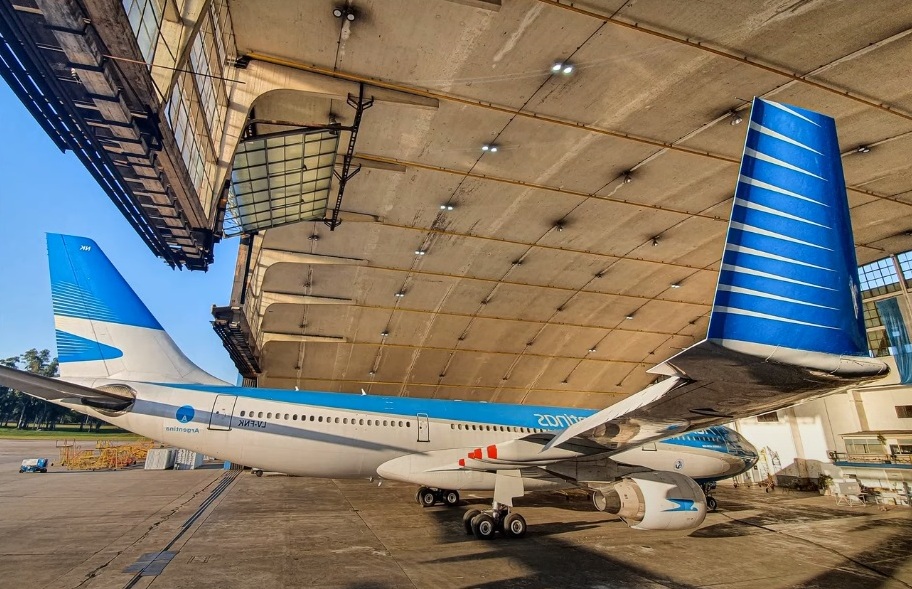
Airbus-Yusen firman contrato logística

Avión Airbus 50º producido en EEUU |

AW | 2020 10 05 17:23 | INDUSTRY

Yusen Logistic contrato para transporte piezas de Airbus Mobile

Yusen Logistics se ha adjudicado un nuevo contrato de tres años para proporcionar soluciones de transporte internacional para el traslado de piezas de Airbus a Mobile, Alabama. En virtud de este acuerdo, Yusen gestionará el transporte aéreo y marítimo de piezas de aviones desde el centro de consolidación de Airbus en Hamburgo, Alemania, hasta su línea de ensamblaje final del A320 en Mobile en los Estados Unidos. Trabajando bajo el marco de Airbus Lead Transport Provider (4PL), Yusen Logistics implementará procesos eficientes y soluciones de transporte rentables para respaldar los programas de producción de Airbus.

El equipo de Yusen Logistics ayudará en la optimización logística, el envío de carga y el transporte intermodal como pasos clave para reducir las emisiones de carbono del transporte y contribuir a las mejoras dentro de la cadena de suministro de Airbus. «Nos sentimos honrados de que Airbus considere a Yusen como el socio logístico más adecuado y preferido para su negocio. Atribuimos nuestro éxito a los miembros del equipo de Yusen Logistics a nivel mundial que trabajan arduamente para cumplir con los requisitos de servicio de Airbus, proporcionando soluciones de transporte para ayudar a Airbus en Mobile», dijo Takeshi Kondo, Director Regional de Yusen para Europa.

El contrato también destaca la experiencia de Yusen en transporte de carga de alto valor y soluciones dinámicas multimodales para cadenas de suministro complejas, con la flexibilidad de brindar servicios justo a tiempo para piezas críticas en el tiempo. El sector aeroespacial es un mercado importante para Yusen Logistics en toda su red global. La empresa tiene una amplia experiencia en el transporte de piezas de aeronaves por aire, mar y tierra, trabajando de forma segura con el sector de la industria aeroespacial para transportar desde pernos hasta piezas sobredimensionadas y de alto valor como subconjuntos de fuselajes, motores, helicópteros, frenos, aterrizaje. engranajes y góndolas. Además del transporte, Yusen Logistics también ofrece soluciones basadas en almacenes para sus clientes aeroespaciales.

Elements for the 50th made-in-America A320 Family jetliner are shipped from  Germany - Commercial Aircraft - Airbus

Airbus-Yusen sign logistics contract

Yusen Logistic contract to transport Airbus Mobile parts

Yusen Logistics has been awarded a new three-year contract to provide international transportation solutions for moving parts from Airbus to Mobile, Alabama. Under this agreement, Yusen will manage the air and ocean transportation of aircraft parts from Airbus’ consolidation center in Hamburg, Germany, to its final A320 assembly line in Mobile in the United States. Working under the Airbus Lead Transport Provider (4PL) framework, Yusen Logistics will implement efficient processes and cost-effective transportation solutions to support Airbus production programs.

The Yusen Logistics team will assist in logistics optimization, freight forwarding and intermodal transportation as key steps in reducing carbon emissions from transportation and contributing to improvements within Airbus’ supply chain. «We are honored that Airbus regards Yusen as the most suitable and preferred logistics partner for its business. We attribute our success to the members of the Yusen Logistics global team who work hard to meet Airbus service requirements by providing transportation solutions to help Airbus in Mobile», said Takeshi Kondo, Yusen Regional Director for Europe.

The contract also highlights Yusen’s expertise in high-value freight transportation and dynamic multi-modal solutions for complex supply chains, with the flexibility to provide just-in-time services for time-critical parts. The aerospace sector is an important market for Yusen Logistics throughout its global network. The company has extensive experience in the transportation of aircraft parts by air, sea and land, working safely with the aerospace industry sector to transport everything from bolts to oversized and high-value parts such as subassemblies of airframes, engines, helicopters, brakes, landing. gears and gondolas. In addition to transportation, Yusen Logistics also offers warehouse-based solutions for its aerospace customers.


PUBLISHER: Airgways.com
DBk: Airbus.com / Yusen-logistics.com / Airgways.com
AW-POST: 202010051723AR

A\W   A I R G W A Y S ®
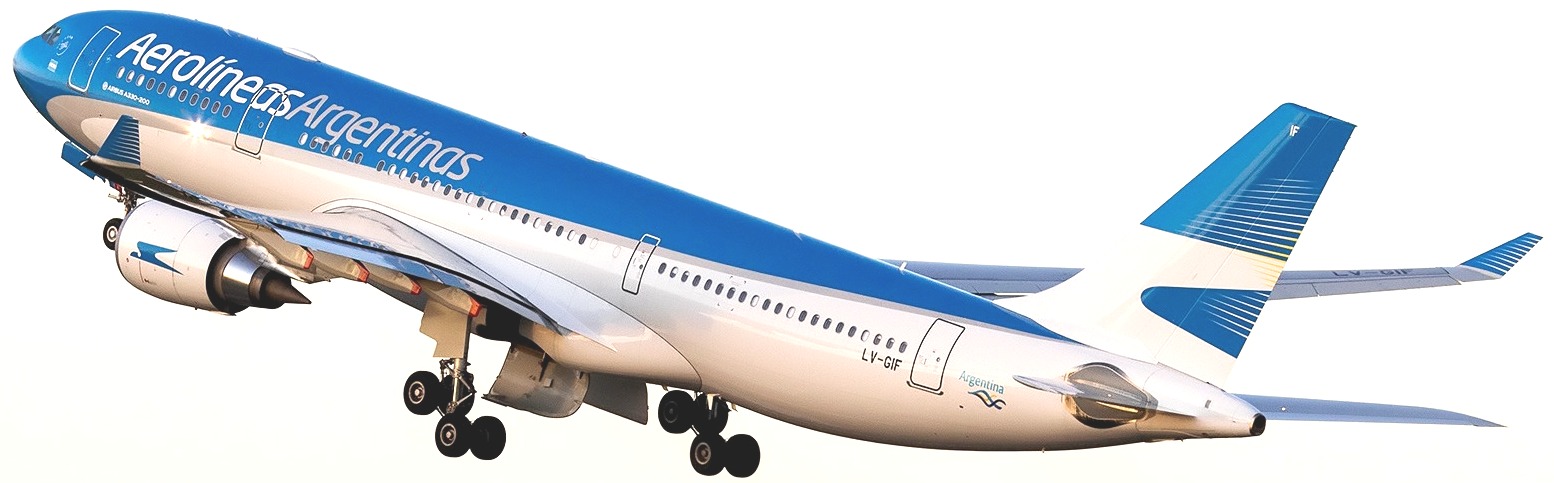
Obras apertura Aeropuerto Guarujá

Edital do Aeroporto de Guarujá sai nesta sexta-feira - Diário do Litoral

AW | 2020 10 05 16:57 | AIRPORTS / GOVERNMENT

Reacondicionarán Aeropuerto Guarujá en Estado Sao Paulo

El reacondicionamiento del Aeropuerto Guarujá, localizado en el Estado de Sao Paulo, ingresará al sistema de aeropuerto para operaciones de líneas aéreas en la República de Brasil, estimando la apertura de las operaciones aerocomerciales para principios de 2021. Infraero ha iniciado los servicios de topografía y perforación en la pista, servicios fundamentales para la elaboración de proyectos de Ingeniería, para que el Aeropuerto Guarujá entre en funcionamiento a principios del próximo año. Infraero es una empresa pública federal que controla y administra las operaciones técnicas de los aeropuertos civiles en Brasil.

En Mayo 2020, la empresa asumió la gestión del Aeropuerto Civil Metropolitano de Guarujá por un período de 12 meses, donde realizará la gestión aeroportuaria y operativa de las instalaciones con el objetivo de adecuar el aeropuerto a los vuelos comerciales. Este trabajo está a cargo de la Superintendente de Infraero, Adriana Lopes, quien tiene 16 años de experiencia proveniente de Río de Janeiro para realizar la tarea de reacondicionamiento.

Adriana Lopes explicó que las obras están dentro del cronograma, y ​​que en 2021 Guarujá comienza a recibir vuelos de aviación comercial. Azul Linhas Aéreas ha solicitado los permisos pertinentes para iniciar operaciones aéreas con conexiones con Río de Janeiro, Belo Horizonte, Curitiba y el interior de São Paulo. 

El reacondicionamientos del aeropuerto es un viejo reclamo postergado, donde la burocracia había impedido avanzar con la iniciativa de realizar operaciones para líneas aéreas. El trabajo de la Diputada Rosana Valle ha permitido indagar y trabajar para junto a los organismos de aviación de la ANAC Brasil, la Comisión de Viação e Transportes (CVT), y el Alcalde de Guarujá, Valter Suman para motorizar los trámites para la liberación de la licencia de operación del aeropuerto civil.

Guarujá Airport opening works

Guarujá Airport to be refurbished in Sao Paulo State

The refurbishment of Guarujá Airport, located in the State of Sao Paulo, will enter the airport system for airline operations in the Republic of Brazil, estimating the opening of commercial air operations for early 2021. Infraero has started the topography and drilling services on the runway, fundamental services for the preparation of Engineering projects, so that Guarujá Airport comes into operation at the beginning of next year. Infraero is a federal public company that controls and manages the technical operations of civil airports in Brazil.

In May 2020, the company assumed the management of the Guarujá Metropolitan Civil Airport for a period of 12 months, where it will carry out the airport and operational management of the facilities in order to adapt the airport to commercial flights. This work is in charge of the Infraero Superintendent, Adriana Lopes, who has 16 years of experience from Rio de Janeiro to carry out the reconditioning task.

Adriana Lopes explained that the works are within the schedule, and that in 2021 Guarujá begins to receive commercial aviation flights. Azul Linhas Aéreas has requested the pertinent permits to start air operations with connections to Rio de Janeiro, Belo Horizonte, Curitiba and the interior of São Paulo.

The reconditioning of the airport is an old postponed claim, where the bureaucracy had prevented progress with the initiative to carry out operations for airlines. The work of Deputy Rosana Valle has made it possible to investigate and work together with the aviation organizations of ANAC Brazil, the Viação e Transportes Commission (CVT), and the Mayor of Guarujá, Valter Suman to motorize the procedures for the release of the civil airport operating license.

Obras de inauguração do Aeroporto do Guarujá

Aeroporto do Guarujá será reformado no estado de São Paulo

A reforma do Aeroporto do Guarujá, localizado no Estado de São Paulo, entrará no sistema aeroportuário para operação de companhias aéreas na República do Brasil, com previsão de abertura de operações aéreas comerciais para o início de 2021. A Infraero deu início aos serviços de topografia e perfuração da pista, serviços fundamentais para a elaboração de projetos de Engenharia, para que o Aeroporto do Guarujá entre em operação no início do próximo ano. A Infraero é uma empresa pública federal que controla e administra as operações técnicas de aeroportos civis no Brasil.

Em Maio de 2020, a empresa assumiu a gestão do Aeroporto Civil Metropolitano do Guarujá por um período de 12 meses, onde fará a gestão aeroportuária e operacional das instalações para adequação do aeroporto aos voos comerciais. A obra está a cargo da Superintendente da Infraero, Adriana Lopes, que tem 16 anos de experiência no Rio de Janeiro para realizar a tarefa de recondicionamento.

La imagen tiene un atributo ALT vacío; su nombre de archivo es aw-aeroporto-guaruja_panejamento.png

Adriana Lopes explicou que as obras estão dentro do cronograma e que em 2021 o Guarujá começará a receber voos da aviação comercial. A Azul Linhas Aéreas solicitou as licenças pertinentes para iniciar operações aéreas com conexões para o Rio de Janeiro, Belo Horizonte, Curitiba e o interior de São Paulo.

O recondicionamento do aeroporto é uma reivindicação antiga adiada, onde a burocracia impedia o andamento da iniciativa de realizar operações para companhias aéreas. O trabalho da deputada Rosana Valle tem possibilitado apurar e trabalhar junto aos órgãos de aviação da ANAC Brasil, da Comissão Viação e Transportes (CVT), e do prefeito do Guarujá, Valter Suman, para motorizar os trâmites de liberação dos a licença de operação civil de aeroporto.


PUBLISHER: Airgways.com
DBk: Infraero.gov.br / Diariodolitoral.com.br / Airgways.com / Pedro Rezende
AW-POST: 202010051657AR

A\W   A I R G W A Y S ®
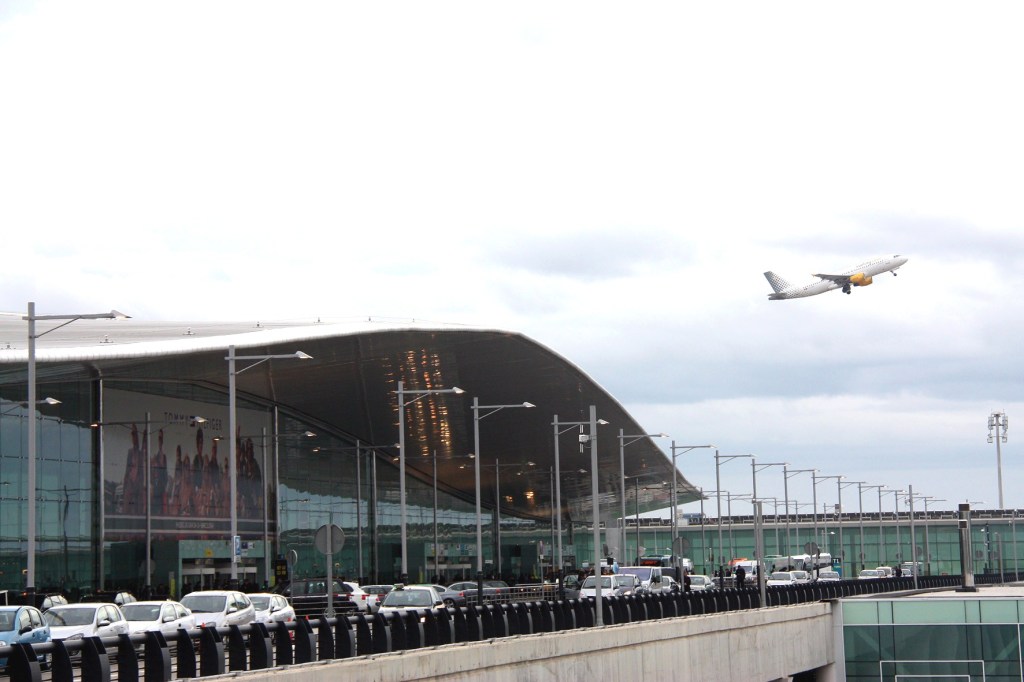
Cierra low cost AirAsia Japan

AW | 2020 10 05 15:05 | AIRLINES

La subsidiaria japonesa de la aerolínea Air Asia cerrará

AirAsia Japan, subsidiaria nipona del grupo de aerolíneas de bajo costo malayo AirAsia, ha anunciado este Lunes 5 Octubre 2020 que cerrará sus operaciones en Japón en Diciembre 2020 por los efectos de la actual pandemia mundial. La aerolínea de bajo coste, con base en el Aeropuerto de Chubu ha notificado al Ministerio de Territorio, Infraestructura, Transporte y Turismo la cancelación de las operaciones aerocomerciales en Japón como operador de transporte aéreo. La aerolínea actualmente enlaza solo tres rutas domésticas y un servicio internacional entre Nagoya y Taoyuan en Taipei.

AirAsia Japan anteriormente había discontinuado los servicios aéreos en Japón, después de que la matriz malaya abandonara en 2013 la sociedad de riesgo compartido con base de operaciones en el Aeropuerto Narita que había fundado un año antes junto a la aerolínea nipona All Nippon Airways (ANA), que se quedó con esas operaciones y las transformó en la aerolínea low cost Vanilla Air. Al año siguiente, AirAsia Japan fue refundada entre el grupo malayo y varios socios más, entre ellos el gigante del comercio electrónico Rakuten, y tras una serie de retrasos comenzó a volar de nuevo en 2017.

Low-cost carrier AirAsia to pull out of Japan as virus hits demand

Low cost AirAsia Japan closes

The Japanese subsidiary of the airline Air Asia will close

AirAsia Japan, a Japanese subsidiary of the Malaysian low-cost airline group AirAsia, announced this Monday, October 5, 2020 that it will close its operations in Japan in December 2020 due to the effects of the current global pandemic. The low-cost airline, based at Chubu Airport, has notified the Ministry of Territory, Infrastructure, Transport and Tourism of the cancellation of commercial air operations in Japan as an air transport operator. The airline currently links only three domestic routes and one international service between Nagoya and Taoyuan in Taipei.

AirAsia Japan had previously discontinued air services in Japan, after the Malaysian parent abandoned in 2013 the joint venture based at Narita Airport that it had founded a year earlier together with the Japanese airline All Nippon Airways (ANA). , which kept those operations and transformed them into the low cost airline Vanilla Air. The following year, AirAsia Japan was re-founded between the Malaysian group and several other partners, including the e-commerce giant Rakuten, and after a series of delays began flying again in 2017.

AirAsia Japan Celebrates Two Years Since Launching Operations Out of Nagoya  Centrair - KN Aviation

低価格のAirAsiaJapanが閉店

エアアジア航空の日本子会社が閉鎖

マレーシアの低コスト航空会社AirAsiaの日本子会社であるAirAsiaJapanは、2020年10月5日月曜日、現在の世界的な大流行の影響により、2020年12月に日本での事業を閉鎖すると発表しました。中部空港を拠点とする低コストの航空会社は、領土・インフラ・運輸・観光省に、航空輸送事業者としての日本の商業航空事業の中止を通知した。航空会社は現在、台北の名古屋とタオユアンの間で3つの国内ルートと1つの国際サービスのみをリンクしています。

エアアジアジャパンは、マレーシアの親会社が2013年に日本の航空会社オールニッポンエアウェイズ(ANA)と共同で設立した成田空港を拠点とする合弁会社を2013年に放棄した後、以前は日本での航空サービスを中止していました。 、これらの操作を維持し、低コストの航空会社バニラエアに変換しました。翌年、AirAsia Japanは、マレーシアのグループと、eコマースの巨人であるRakutenを含む他のいくつかのパートナーとの間に再建され、一連の遅れの後、2017年に再び飛行を開始しました。


PUBLISHER: Airgways.com
DBk: Airasia.com / Kyodonews.net / Airgways.com
AW-POST: 202010051505AR

A\W   A I R G W A Y S ®
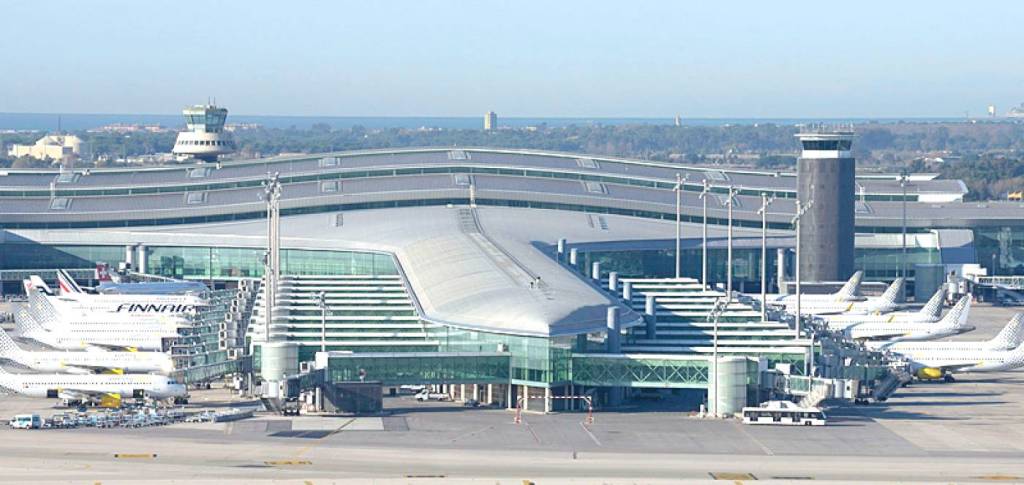
Licitación obras Aeropuerto Concordia

Estadísticas | Municipalidad de Concordia

AW | 2020 10 05 14:40 | AIRPORTS / GOVERNMENT

Entre Ríos firma licitación para readecuación Aeropuerto Concordia

El Gobierno de la Provincia de Entre Ríos, República Argentina ha formado el decreto para el llamado a licitación de la construcción y readecuación del Aeropuerto de Concordia/Comodoro Pierrestegui que financia el Banco Interamericano de Desarrollo (BID). Desde el gobierno, indicaron que la obra, que generará puestos de trabajo directos e indirectos, se enmarca en el programa de Desarrollo e Integración de la Región de Salto Grande. La apertura de sobres con las propuestas será el 30 de Noviembre 2020.

“Es un proyecto que se viene impulsando desde el gobierno de la provincia y el municipio para que Concordia tenga una conectividad aérea. Es la plataforma para el futuro, sobre todo en el turismo y la producción para poder sacar mucha carga desde Concordia, como arándanos y otros productos que van por avión. Esto generará mucho empleo también acá en la zona en la etapa de construcción. Estamos hablando de un proyecto de gran envergadura que viene a mejorar sustancialmente la conectividad de la región, permitiendo a las cadenas productivas y actividades cada vez más importantes como el turismo, un relanzamiento de sus productos y servicios, y por lo tanto creando condiciones cada vez más favorables para la generación de empleos de calidad”, expresó el Gobernador Gustavo Bordet.

El Gobierno provincial indica que a través de este importante proyecto se busca la integración productiva a través del fomento de encadenamientos productivos binacionales en la industria citrícola, de arándanos y el turismo. Con el readecuación del aeropuerto se busca la integración logística, la conectividad física a través de la ampliación de la capacidad del Aeropuerto Concordia, permitiendo atender demanda de aerolíneas comerciales para vuelo de pasajeros y carga liviana, además de la implementación de servicios de transporte urbano binacional por medios terrestres como fluviales.

Obras Aeropuerto Concordia

La obra de remodelación del Aeropuerto Condordia consiste en extender y ampliar la pista existente de 1.600 metros para alcanzar los 2.000 metros, incluyendo la Zona Antichorro y Capa Resistente del Área de Seguridad al Final de Pistas (RESA). Asimismo se incluye la construcción de calle de rodaje y plataforma de estacionamiento de aeronaves, y la adquisición y montaje de la señalética diurna y nocturna.

El proyecto propone la mejora de la vía de acceso al aeropuerto y construcción del nuevo estacionamiento, camino y cerco perimetral. En relación a infraestructura para personal aeroportuario y pasajeros se incluye la construcción de una nueva terminal de pasajeros y torre de control. Al ser el predio de jurisdicción municipal, no se prevé la adquisición de terrenos. Además, el programa de desarrollo e integración de la Región de Salto Grande financiará la supervisión técnica de las obras del aeropuerto y el estudio de factibilidad del nuevo puente vecinal entre Concordia y Salto.

Desarrollo del aeropuerto binacional de cargas y pasajeros de Concordia ::  EL HERALDO - Edición digital

Concordia Airport works tender

Entre Ríos Government signs bidding for Concordia Airport

The Government of the Province of Entre Ríos, Argentine Republic has created the decree for the call for bids for the construction and retrofitting of the Concordia/Comodoro Pierrestegui Airport, which is financed by the Inter-American Development Bank (IDB). The government indicated that the work, which will generate direct and indirect jobs, is part of the Salto Grande Region Development and Integration program. The opening of envelopes with the proposals will be on November 30, 2020.

“It is a project that has been promoted by the government of the province and the municipality so that Concordia has an air connectivity. It is the platform for the future, especially in tourism and production to be able to get a lot of cargo from Concordia, such as blueberries and other products that go by plane. This will also generate a lot of employment here in the area in the construction phase. We are talking about a large-scale project that substantially improves the connectivity of the region, allowing production chains and increasingly important activities such as tourism, a relaunch of their products and services, and therefore creating conditions each time more favorable for the generation of quality jobs», said Governor Gustavo Bordet.

The provincial government indicates that through this important project, productive integration is sought through the promotion of binational production chains in the citrus, blueberry and tourism industries. With the readjustment of the airport, logistics integration and physical connectivity are sought through the expansion of the capacity of the Concordia Airport, allowing it to meet the demand of commercial airlines for passenger flights and light cargo, in addition to the implementation of binational urban transport services by land and river means.

Concordia Airport Works

The remodeling work at Condordia Airport consists of extending and expanding the existing 1,600-meter runway to reach 2,000 meters, including the Anti-Jet Zone and Resistant Layer of the Runway End Security Area (RESA). It also includes the construction of a taxiway and aircraft parking platform, and the acquisition and assembly of day and night signage.

The project proposes the improvement of the access road to the airport and construction of the new parking lot, road and perimeter fence. In relation to infrastructure for airport personnel and passengers, the construction of a new passenger terminal and control tower is included. As the property is under municipal jurisdiction, the acquisition of land is not foreseen. In addition, the Salto Grande Region development and integration program will finance the technical supervision of the airport works and the feasibility study of the new neighborhood bridge between Concordia and Salto.


PUBLISHER: Airgways.com
DBk: Entrerios.gov.ar / Elentrerios.com / Airgways.com
AW-POST: 202010051440AR

A\W   A I R G W A Y S ®