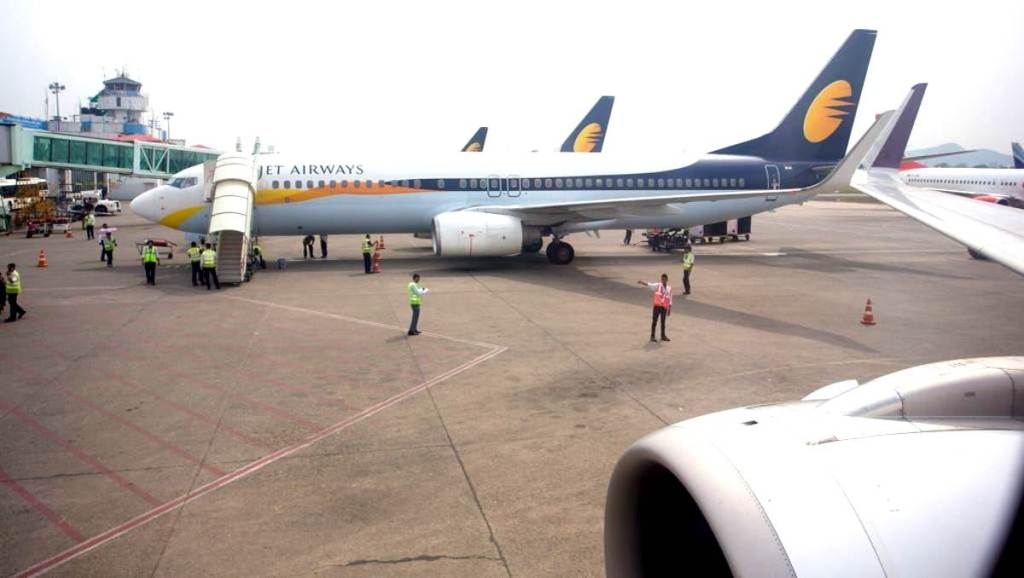
Aeronavegantes aceptarían acuerdo suspensiones sin rebaja salarial
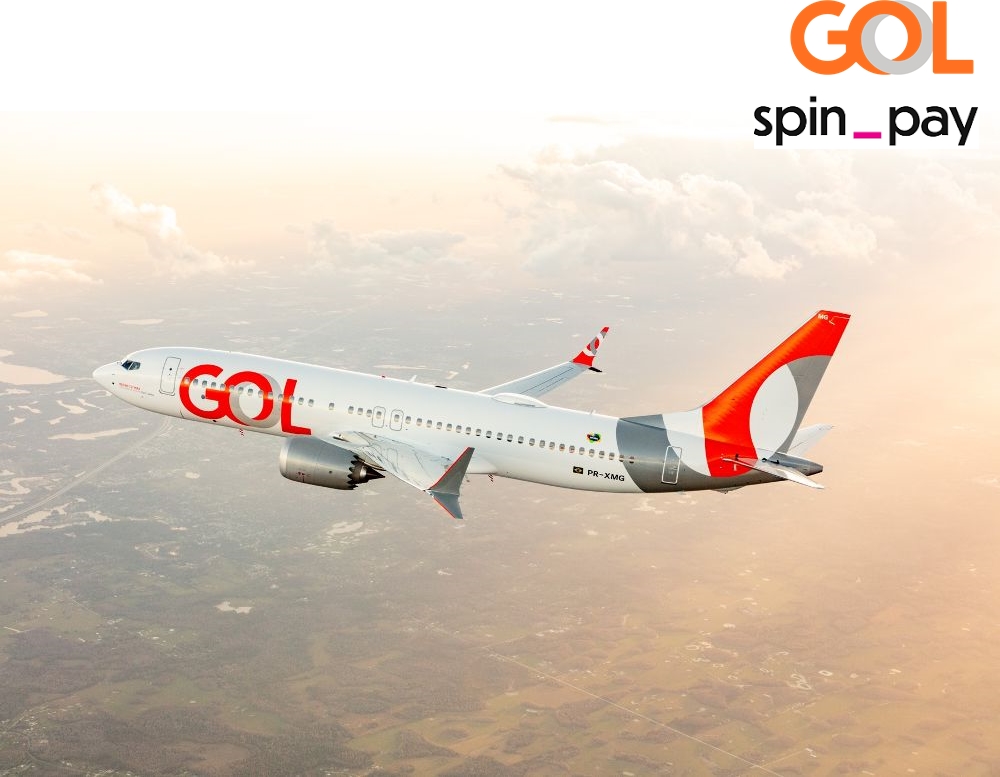
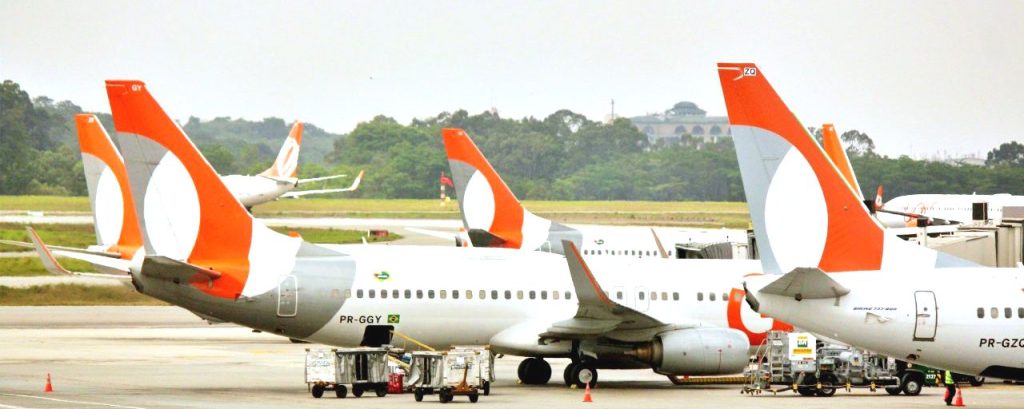
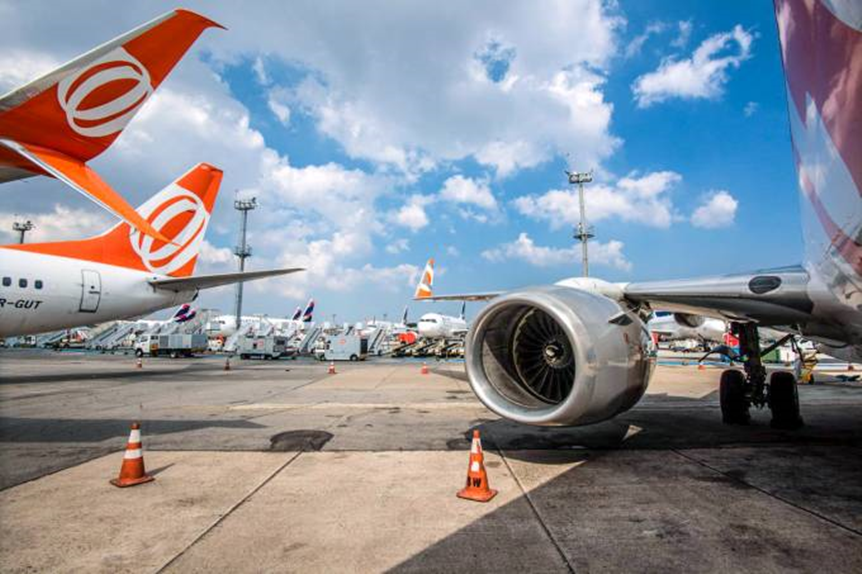
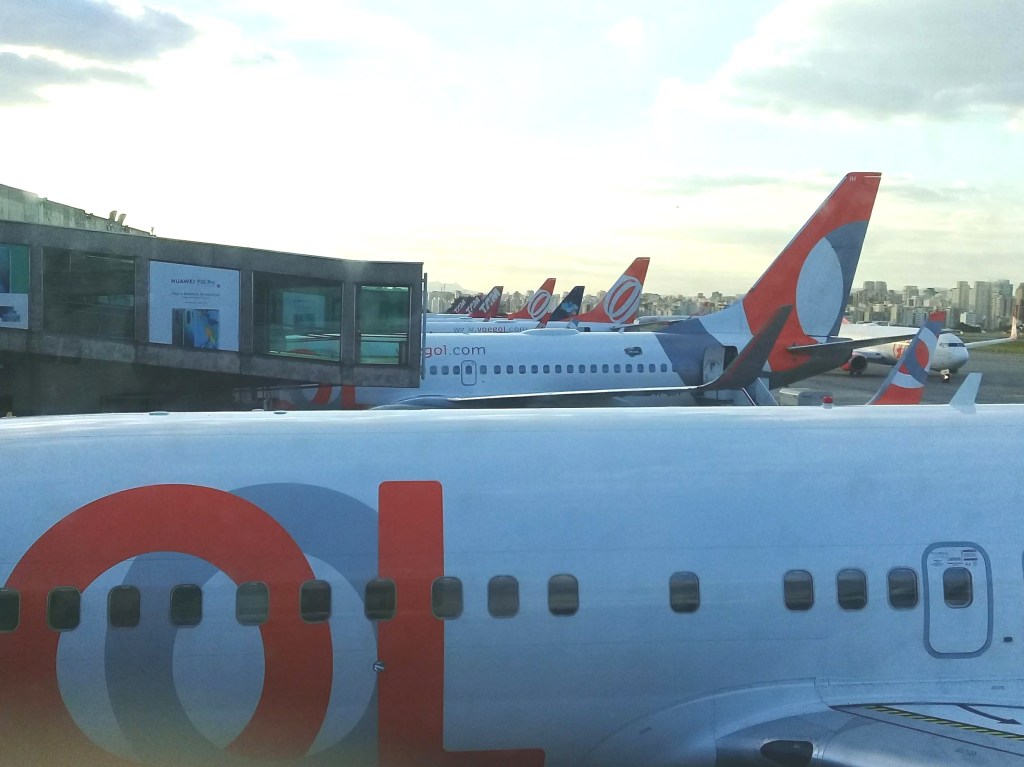
Aerolíneas Argentinas ha comenzado a convocar a los gremios aeronáuticos del sector para discutir una nueva extensión por 60 días de las 4.000 suspensiones acordadas para Junio y Julio 2020.
Mientras parece confirmado que los vuelos de cabotaje no se retomarán en el corto plazo, la compañía esta buscando generar el mayor ahorro posible mientras se encuentren paradas las operaciones aerocomerciales. Desde algunos gremios expresaron por anticipando que de ninguna manera aceptarán una reducción de los salarios de los trabajadores.
Aerolíneas
A inicios de Junio 2020, la empresa acordó con los gremios aeronáuticos un plan de suspensiones para los meses de Junio/Julio de 4.000 trabajadores, a quienes se les continuó pagando el 100% de los salarios de bolsillo de manera no remunerativa. Así, la empresa proyectaba ahorrar AR$ 220 millones de Pesos mensuales en cargas patronales, que se suman a otros AR$ 130 millones de ahorro mensual en viáticos. “La intención nuestra siempre fue generar el mayor ahorro posible para la compañía mientras se encuentren paradas las operaciones y con gran parte del personal sin realizar tareas. Con esa intención se realizó el mejor acuerdo posible para los meses de junio y julio y trataremos de realizar el mejor acuerdo posible para agosto y septiembre”, explicaron este Jueves 23/07 fuentes de Aerolíneas.
Gremio Aeronavegantes
Desde la Asociación Argentina de Aeronavegantes (AAA), el gremio encabezado por Juan Pablo Brey que organiza al personal de Tripulantes de Cabina de Pasajeros (TPC), confirmaron que la empresa los convocó para acordar la continuidad del plan de suspensiones rotativas para Agosto y Septiembre, así como también para discutir un esquema de adecuaciones salariales. Al respecto, el titular de Aeronavegantes consideró: “Reiteramos que, aun teniendo perfectamente clara la gravedad de la situación, y apoyando en todo lo que colectivamente hemos podido, nos oponemos enérgicamente a reducciones salariales que acentúen aun más el difícil momento que los trabajadores estamos enfrentando. Vamos a continuar seguramente con las suspensiones, pero no vamos a aceptar rebaja de salarios”.
Los gremios del sector aeronáutico restantes como APLA, UALA, APA, APTA y UPSA comenzaron a ser reunidos por el CEO de Aerolíneas Pablo Ceriani para avanzar con las negociaciones salariales.
Aeronavegantes-Aerolíneas agreement
Airnavigators would accept suspension agreement but without salary reduction
Aerolíneas Argentinas has begun to convene the aeronautical unions of the sector to discuss a new extension for 60 days of the 4,000 suspensions agreed for June and July 2020.
While it seems confirmed that cabotage flights will not be resumed in the short term, the company is seeking to generate the greatest possible savings while aero-commercial operations are stopped. Some unions expressed in anticipation that they will in no way accept a reduction in workers’ wages.
Aerolíneas
At the beginning of June 2020, the company agreed with the aeronautical unions a plan of suspensions for the months of June/July of 4,000 workers, who continued to be paid 100% of the pocket wages in a non-remunerative way. Thus, the company projected to save AR$ 220 million pesos monthly in employer charges, in addition to another AR$ 130 million monthly savings in per diem. “Our intention has always been to generate the greatest possible savings for the company while operations are stopped and with a large part of the personnel without performing tasks. With this intention, the best possible agreement was made for the months of June and July and we will try to make the best possible agreement for August and September”, explained this Thursday 23/07 sources from Aerolíneas.
Airnavigators Guild
From the Asociación Argentina de Aeronavegantes (AAA), the union led by Juan Pablo Brey that organizes the personnel of Cabin Crew Passengers (TPC), confirmed that the company called them to agree on the continuity of the rotating suspension plan for August and September, as well as to discuss a salary adjustment scheme. In this regard, the head of Aeronavegantes considered: “We reiterate that, even though we are perfectly clear about the seriousness of the situation, and supporting everything that we have collectively been able to do, we strongly oppose salary reductions that further accentuate the difficult moment that workers are experiencing. facing up. We will surely continue with the suspensions, but we will not accept lower wages».
The remaining aeronautical sector unions such as APLA, UALA, APA, APTA and UPSA began to be gathered by the CEO of Aerolíneas Pablo Ceriani to advance with the salary negotiations.
Ξ A I R G W A Y S Ξ PUBLISHER: Airgways.com DBk: Aeronavegantes.org.ar / Aerolineas.com / Cronista.com / Lanacion.com.ar / Airgways.com AW-POST: 202007241127AR
Proveedor clave 737 MAX disminuirá entregas hasta 2022
Uno de los proveedores más importante para la línea Boeing 737 MAX, Spirit Aerosystems se ha comunicado con los prestamistas acerca de disminuir algunos de sus términos de deuda. La compañía fabrica fuselajes para el 737 MAX y le dijo a los prestamistas que las estimaciones de entrega han disminuido. El proveedor clave de Boeing dijo a los prestamistas esta semana que el fabricante de aviones espera entregas del 737 MAX considerablemente más bajas para los próximos años de lo esperado.
El regulador de aviación, la Federal Aviation administration (FAA) se encuentra en la etapa final para la aprobación de su recertificación, que ha estado en tierra desde Marzo 2019 después de dos accidentes fatales. El avión más vendido de Boeing ha estado en tierra desde Marzo 2019 después de dos accidentes fatales que mataron a 346 personas. La recertificación de los aviones se ha visto afectada por repetidas demoras y ahora se enfrenta a un mercado de aviones devastado a medida que las aerolíneas reconsideran sus flotas mientras la pandemia de Coronavirus agota la demanda de viajes y sus pérdidas financieras se acumulan. La Administración Federal de Aviación está avanzando en sus tareas para aprobar nuevamente los aviones para el vuelo, pero no se espera que los aviones puedan volar antes que la demanda de aeronaves aumente.
LÍNEA DE FABRICACIÓN DEL BOEING 737 MAX EN LAS INSTALACIONES DE SPIRIT AEROSYSTEMS EN WICHITA, ESTADO KANSAS
Spirit AeroSystems, que fabrica fuselajes para la línea 737 MAX, estaba hablando con los prestamistas para aflojar los términos de algunas de sus deudas. El constructor con sede en Wichita, Kansas, compartió un pronóstico con los prestamistas que mostró entregas de Boeing 737 este año de alrededor de 70 en comparación con un pronóstico anterior de poco más de 200, mientras que las entregas del próximo 2021 del avión de cuerpo estrecho probablemente llegarían a menos de la mitad de un pronóstico anterior de 400 aviones, según una diapositiva de presentación de Spirit. En 2022, las entregas de 737 de Boeing se proyectaron en menos de 400 aviones, una disminución de un pronóstico anterior de casi 500. Esas estimaciones también son inferiores a lo que algunos analistas esperan. Jefferies Group LLC, una compañía estadounidense multinacional independiente de servicios financieros y de inversión con sede en la ciudad de Nueva York, por ejemplo, estimó entregas del 737 en 370 en 2021 y 480 en 2022, según un informe del 14 Julio 2020. Las entregas son cruciales para los fabricantes de aviones y sus proveedores porque es cuando los clientes pagan la mayor parte del precio de los aviones.
El Boeing 737 MAX es el modelo de avión más nuevo y popular de la línea de los narrobodies de la compañía americana, que ha estado volando desde finales de la década de 1960. Boeing tiene una cartera de pedidos de alrededor de 4.000 de los 737 MAX, pero sus pedidos han sido reducidos o cancelados de manera sensible. El Portavoz de Boeing, Bradley Akubuiro, declinó hacer comentarios sobre el pronóstico de entregas. Dijo que la compañía valora a sus proveedores y está trabajando en estrecha colaboración con ellos “para garantizar que todos salgamos de esta situación fuertes, saludables y preparados para el futuro. Somos extremadamente transparentes y tenemos conversaciones frecuentes con nuestros proveedores. Además de trabajar con nuestros proveedores en temas relacionados con la salud financiera, estamos utilizando esta recesión para reenfocar nuestra energía en la seguridad, la calidad y un sistema de producción estable para el futuro, tanto dentro de Boeing como en nuestra cadena de suministro extendida”.
Perspectivas 737 MAX
Spirit AeroSystems ha expresado la semana pasada que extendería los permisos para algunos de sus trabajadores por hasta 60 días para aquellos empleados que actualmente están en despido temporal debido a que trabajan o apoyan el programa 737. Boeing tiene previsto informar los resultados del segundo trimestre el próximo Miércoles. Spirit AeroSystems está programado para lanzar resultados el 4 Agosto 2020.
Spirit will decrease debt terms
Key supplier 737 MAX to decrease deliveries until 2022
One of the most important providers for the Boeing 737 MAX line, Spirit Aerosystems has contacted lenders about lowering some of its debt terms. The company makes fuselages for the 737 MAX and told lenders that delivery estimates have decreased. The key supplier to Boeing told lenders this week that the aircraft maker expects considerably lower 737 MAX deliveries for the coming years than expected.
The aviation regulator, the Federal Aviation administration (FAA) is in the final stage for approval of its recertification, which has been grounded since March 2019 after two fatal accidents. Boeing’s best-selling aircraft has been grounded since March 2019 after two fatal crashes that killed 346 people. The recertification of the planes has been affected by repeated delays and now it faces a devastated plane market as airlines reconsider their fleets as the Coronavirus pandemic exhausts travel demand and its financial losses accumulate. The Federal Aviation Administration is making progress in re-approving the planes for flight, but the planes are not expected to be able to fly before demand for aircraft increases.
Spirit AeroSystems, which makes fuselages for the 737 MAX line, was speaking with lenders to loosen the terms of some of its debts. The Wichita, Kansas-based builder shared a forecast with lenders that it showed Boeing 737 deliveries this year of around 70 compared to a previous forecast of just over 200, while next-year deliveries of the body aircraft Narrow would likely reach less than half of a previous forecast of 400 aircraft, according to a presentation slide from Spirit. In 2022, Boeing’s 737 deliveries were projected on fewer than 400 aircraft, a decrease from a previous forecast of nearly 500. Those estimates are also lower than some analysts expect. Jefferies Group LLC, an independent multinational US investment and financial services company based in New York City, for example, estimated deliveries of 737 at 370 in 2021 and 480 in 2022, according to a July 14, 2020 report. they are crucial for aircraft manufacturers and their suppliers because that is when customers pay most of the price for the aircraft.
The Boeing 737 MAX is the newest and most popular aircraft model in the American company’s narrobodies line, which has been flying since the late 1960s. Boeing has an order book of around 4,000 of the 737 MAX , but your orders have been significantly reduced or canceled. Boeing Spokesperson Bradley Akubuiro declined to comment on the delivery forecast. He said the company values its suppliers and is working closely with them “to ensure that we all come out of this situation strong, healthy and future-ready. We are extremely transparent and have frequent conversations with our suppliers. In addition to working with our suppliers on issues related to financial health, we are using this recession to refocus our energy on safety, quality and a stable production system for the future, both within Boeing and in our extended supply chain”.
Perspective 737 MAX
Spirit AeroSystems has said last week that it would extend the permits for some of its workers for up to 60 days for those employees who are currently on temporary layoff due to working or supporting the 737 program. Boeing plans to report second-quarter results next year. Wednesday. Spirit AeroSystems is scheduled to release results on August 4, 2020.
Ξ A I R G W A Y S Ξ PUBLISHER: Airgways.com DBk: Spirit.aero / Boeing.com / Airgways.com AW-POST: 202007232157AR
Ambigüedades de China Airlines obliga cambio de denominación
China Airlines (CAL), es una aerolínea de la República de Taiwán establecida el 7 Septiembre 1959 como una aerolínea nacional de propiedad estatal de la República de China o República de Taiwán. Es propiedad de China Airlines Group bajo la órbita del Estado, con sede en Taipei-Taoyuan.
China Airlines a menudo se confunde con Air China en momentos inoportunos. Cuando Estados Unidos propuso en Junio 2020 prohibir las aerolíneas de la República Popular de China, un medio de noticias mostró por error un avión de China Airlines de la República de China, también conocido como Taiwán.
Disputa de identidad
La disputa y la ambigüedad sobre el significado de «China» y que China surgió de la división de la República de China en dos Chinas al final de la Guerra Civil China en 1955. Desde entonces ha existido conflictos de identidad entre ambos países, prohíbiendo a la República de China (Taiwán) a utilizar su nombre oficial internacionalmente bajo la presión de la República Popular China (China Continental) y utiliza Taipei Chino en otras organizaciones. La República de China ve su uso como una negación del estado de la República de Taiwán como un estado soberano separado. Varias instancias del uso del término por parte de organizaciones internacionales o medios de comunicación se han encontrado con protestas de los funcionarios y ciudadanos del Gobierno taiwanés.
Tras la expansión de la pandemia de Coronavirus a nivel mundial ha surgido conflictos de identidad entre ambos estados. La marca nacional creó un juego de culpa que culminó con la legislatura de Taiwán esta semana al ordenar propuestas de cambio de nombre para la aerolínea de bandera taiwanesa. «El Ministerio debería hacer que China Airlines sea más identificable internacionalmente con imágenes taiwanesas para proteger los intereses nacionales de Taiwán. En el extranjero se confunde con una aerolínea china», dijo el Presidente de la Legislatura de Taiwán, Yu Shyi-kun, del partido DPP.
Caso British-Virgin
El estado de la aerolínea nacional British Airways es tan codiciado que la aerolínea de bandera del Reino Unido había entrado en un conflicto de identidades con la compañía Virgin Atlantic Airways por los símbolos patrios de la Union Jack en los años de la década de 1990 aplicó emblemas globales a sus aeronaves. Su rival Virgin Atlantic agregó una calcomanía de Union Jack en los aviones y se proclamó a sí misma como aerolínea de bandera de Gran Bretaña. De esta manera British Airways ha secundado las simbologías gubernamentales y ha retocado el diseño de su librea para evitar un conflicto de intereses por parte de Virgin Atlantic Airways.
China Taiwan Airlines
Los nombres de las aerolíneas deben tener marcadores geográficos; los pasajeros y los editores de fotos de la sala de prensa pueden esperar. Es probable que un avión con «China» en el fuselaje sea de China continental. Hay Air China, China Eastern Airlines, China Southern Airlines, China United Airlines, China Express Airlines y Grand China Air. Eso excluye a las aerolíneas de carga.
Además de tener nombres similares, Air China y China Airlines tienen huellas globales. Pocos necesitan aclaración sobre qué Corea es el hogar de Korean Air. (Para el registro, Corea del Sur.) Hay poca superposición de marca con el Air Koryo de Corea del Norte, que es pequeño y generalmente es cuestión de temas de trivia o buscadores de emociones.
La legislatura de Taiwán sugiere que el primer paso es que los aviones muestren el nombre de «China Airlines» en una fuente más pequeña, posiblemente comenzando a finales de este año cuando China Airlines reciba tres nuevos aviones, incluido su primer 777 carguero. Los editores de imágenes tendrán que entrecerrar los ojos. La siguiente es una fase más larga para posiblemente cambiar la traducción al inglés de la aerolínea, renombrarla en chino, ajustar la librea o revisar el diseño, más opciones que en un menú de té de burbujas. Requerirá lo que las aerolíneas no tienen por el momento, efectivo extra. La flor nacional de Taiwán, la flor del ciruelo, ya está incorporada en el logotipo de China Airlines y adorna las colas de los aviones. Los nuevos A350 debían representar diferentes aves taiwanesas, pero el proyecto se truncó.
Los candidatos a denominar Taiwán está descartado, dijo la legislatura con sensatez. Cualquier mención de «Taiwán» o la representación de la forma o la bandera de su isla son un no rotundo, ya que seguramente plantearán objeciones de Beijing, como ocurrió en 2003. El objetivo en ese entonces era similar: diferenciar a Taiwán de China continental, donde se originó la enfermedad transmisible de expansión global.
China Airlines presentó en Agosto 2003 una librea especial que proclamaba «Taiwán» en letras del arco iris, era difícil de perderse en un Boeing 747. Al otro lado de la cubierta superior, la cubierta inferior y el nivel de bodega de carga, «Taiwán» iba a llegar a todo el mundo. Pero el avión nunca despegó. Beijing se opuso y amenazó a los países a negar el aterrizaje del avión. «Taiwán» y su forma de isla se pintaron en el único 747. No hay posibilidad de que Beijing permita hoy que toda una flota lleve marcas traicioneras. La sumisión será más inútil, las aerolíneas taiwanesas no podían tener vuelos regulares a China continental. Ahora ellos pueden, en 2019, China continental obtuvo el 15% de los ingresos de pasajeros de China Airlines, y probablemente una mayor participación en las ganancias.
Los cambios de nombre, el registro de aeronaves y las designaciones de territorio deben presentarse ante organismos internacionales. Eso incluye el brazo de aviación de la ONU, la OACI, que en Enero 2020 bloqueó a los usuarios de Twitter que mencionaron a Taiwán. Los escépticos dudan que surja algún cambio importante de marca, apuntando a otras iniciativas fallidas a lo largo de los años. Pero en lo teórico, se descarta un nombre político. Eso deja la categoría abstracta.
Mientras que China Airlines tiene el clásico síndrome del gobierno de hincharse y moverse lentamente, el fundador de Starlux, Chang Kuo-wei, está haciendo su nueva empresa, la eficiente y moderna aerolínea que Taiwán no tiene. Un cambio de marca privaría a China Airlines de pasajeros emocionalmente apegados al estado de la aerolínea nacional. Sin embargo, la nueva China Airlines no podría competir como una aerolínea moderna. El cambio de marca probablemente no llegue a actualizar los interiores de aviones más antiguos, revisar las tecnologías IT y hacer los cambios necesarios para atraer pasajeros y personal.
Si la percepción extranjera de China Airlines es una preocupación de Taiwán, considere EVA Air, la marca de una aerolínea neutral predominante en Taiwán, en su logo-marca no se observa la palabra EVA en minúscula, como un toque humanista y femenino, como lo intentó realizar United Airlines con la marca de presupuesto Ted. Es la abreviatura en mayúscula para Evergreen Airways del accionista homónimo Evergreen. Pero las dificultades para mostrar identidad de ubicación no han sido representativas para esta aerolínea también.
Cambiar la geografía de China Airlines por un nombre neutral puede terminar con la confusión internacional. Pero pocas de esas personas son clientes. Los pasajeros reales se desanimarán por la pérdida del estado de la aerolínea nacional o por un cambio de marca parcial que no compita con Starlux moderno o sus pares extranjeros. Una victoria política es una desventaja económica. China Airlines puede verse como el problema. Pero la oportunidad de promover Taiwán podría ser con EVA Air, que el año pasado tuvo un 14% más de tráfico de pasajeros que China Airlines. La brecha fue aún mayor para los vuelos a los Estados Unidos, el principal aliado de Taiwán. EVA Air podría ejercer influencia sin necesidad de efectivo del Gobierno de Taiwán.
Los Estados, la aerolínea China Airlines, su gente y el mercado internacional forman parte de las variables de una región con un componente elevado de falta de identidad para una isla que ha tratado de «independizarse», y que su proceso, aun parece continuar.
Etimología de la isla Taiwán
Se siguen utilizando varios nombres para la isla de Taiwán, cada uno derivado de exploradores o gobernantes durante un período histórico particular. El nombre de Formosa (福爾摩沙) data de 1542, cuando los marineros portugueses avistaron una isla inexplorada y la anotaron en sus mapas como Ilha Formosa («isla hermosa»). El nombre Formosa eventualmente «reemplazó a todos los demás en la literatura europea» y siguió siendo de uso común entre los angloparlantes en el siglo XX.
A principios del siglo XVII, la Compañía Holandesa de las Indias Orientales estableció un puesto comercial en Fort Zeelandia (hoy en día Anping, Tainan) en un banco de arena costero llamado «Tayouan», después de su etnónimo de una tribu aborigen taiwanesa cercana, posiblemente taivoana. personas, escritas por los holandeses y portugueses como Taiouwang, Tayowan, Teijoan, etc. Este nombre también se adoptó en la lengua vernácula china (en particular, Hokkien, como Pe̍h-ōe-jī: Tāi-oân/Tâi-oân) como el nombre del banco de arena y el área cercana (Tainan). La palabra moderna «Taiwán» se deriva de este uso, que se ve en varias formas (大員, 大圓, 大 灣, 臺 員, 臺 圓 y 臺 窩 灣 ) en los registros históricos chinos. El área ocupada por los modernos Tainan representaba el primer asentamiento permanente tanto de colonos europeos como de inmigrantes chinos. El asentamiento se convirtió en el centro comercial más importante de la isla y sirvió como su capital hasta 1887.
El uso del nombre chino actual (臺灣/台灣) se hizo oficial ya en 1684 con el establecimiento de la prefectura de Taiwán. A través de su rápido desarrollo, todo el continente de Formosa finalmente se conoció como «Taiwán».
En su Daoyi Zhilüe (1349), Wang Dayuan usó «Liuqiu» como nombre de la isla de Taiwán, o la parte más cercana a Penghu. En otras partes, el nombre se usó para las Islas Ryukyu en general o Okinawa, la más grande de ellas; de hecho, el nombre Ryūkyū es la forma japonesa de Liúqiú. El nombre también aparece en el Libro de Sui (636) y otras obras tempranas, pero los académicos no pueden ponerse de acuerdo sobre si estas referencias son a Ryukyus, Taiwán o incluso a Luzón.
El nombre oficial del país es «República de China»; También se ha conocido con varios nombres a lo largo de su existencia. Poco después del establecimiento de la República de China en 1912, mientras todavía se encontraba en el continente chino, el gobierno utilizó la forma abreviada «China» (Zhōngguó/中國) para referirse a sí misma, que deriva de zhōng («central» o «medio») y guó («estado, estado-nación»), un término que también se desarrolló bajo la dinastía Zhou en referencia a su reino real, y luego a la llanura central de China antes de ser utilizado como sinónimo ocasional del estado durante la era Qing.
Durante las décadas de 1950 y 1960, después de que el gobierno se retiró a Taiwán al perder la Guerra Civil China, comúnmente se la denominó «China nacionalista» o «China libre» para diferenciarla de la «China comunista» o «China roja».
Fue miembro de las Naciones Unidas en representación de «China» hasta 1971, cuando perdió su asiento ante la República Popular de China. En las décadas siguientes, la República de China se ha convertido comúnmente en conocida como «Taiwán», después de la isla que comprende el 99% del territorio bajo su control. En algunos contextos, especialmente en publicaciones gubernamentales de la República de China, el nombre se escribió como «República de China/Taiwán» o, a veces, «Taiwán (ROC)».
La República de China participa en la mayoría de los foros y organizaciones internacionales bajo el nombre de «Taipei Chino» debido a la presión diplomática de la República Popular de China. Por ejemplo, es el nombre con el que ha competido en los Juegos Olímpicos desde 1984, y su nombre como observador en la Organización Mundial de la Salud.
China Airlines changing name
China Airlines Ambiguities Force Name Change
China Airlines (CAL), is an airline of the Republic of Taiwan established on September 7, 1959 as a state-owned national airline of the Republic of China or Republic of Taiwan. It is owned by China Airlines Group under the orbit of the State, based in Taipei-Taoyuan.
China Airlines is often mistaken for Air China at inappropriate times. When the United States proposed in June 2020 to ban airlines from the People’s Republic of China, a news outlet mistakenly showed a China Airlines plane from the Republic of China, also known as Taiwan.
Identity dispute
The dispute and ambiguity about the meaning of «China» and that China arose from the division of the Republic of China in two Chinas at the end of the Chinese Civil War in 1955. Since then there have been identity conflicts between both countries, prohibiting the Republic of China (Taiwan) to use its official name internationally under pressure from the People’s Republic of China (Mainland China) and use Chinese Taipei in other organizations. The Republic of China views its use as a denial of the state of the Republic of Taiwan as a separate sovereign state. Several instances of the use of the term by international organizations or the media have met with protests from Taiwanese government officials and citizens.
Following the spread of the Coronavirus pandemic worldwide, identity conflicts have arisen between the two states. The national brand created a blame game that culminated in the Taiwan legislature this week by ordering name change proposals for the Taiwanese flag carrier. «The Ministry should make China Airlines more identifiable internationally with Taiwanese images to protect Taiwan’s national interests. Abroad it is confused with a Chinese airline», said the President of the Taiwan Legislature, Yu Shyi-kun, of the party. DPP.
British-Virgin case
The status of the national airline British Airways is so coveted that the United Kingdom’s flag carrier had entered into an identity conflict with the company Virgin Atlantic Airways over the Union Jack’s native symbols in the 1990s applied emblems global to their aircraft. Rival Virgin Atlantic added a Union Jack decal to the planes and proclaimed itself as Britain’s flag carrier. In this way, British Airways has seconded government symbologies and has revised the design of its livery to avoid a conflict of interest on the part of Virgin Atlantic Airways.
China Taiwan Airlines
Airline names must have geographic markers; passengers, and press room photo editors who can wait. A plane with «China» in the fuselage is likely to be from mainland China. There are Air China, China Eastern Airlines, China Southern Airlines, China United Airlines, China Express Airlines, and Grand China Air. That excludes cargo airlines.
In addition to having similar names, Air China and China Airlines have global footprints. Few need clarification on which Korea is the home of Korean Air, (for the record, South Korea.) There’s little brand overlap with North Korea’s Air Koryo, which is small and generally a matter of trivia or thrill-seekers.
Taiwan’s legislature suggests the first step is for the planes to display the «China Airlines» name in a smaller font, possibly starting later this year when China Airlines receives three new planes, including its first 777 freighters. Image editors will have to squint. The next is a longer phase to possibly change the airline’s English translation, rename it in Chinese, adjust the livery, or revise the layout more options than a bubble tea menu. It will require what the airlines don’t have at the moment, extra cash. Taiwan’s national flower, the plum blossom, is already embedded in the China Airlines logo and adorns the tails of aircraft. The new A350s were supposed to represent different Taiwanese birds, but the project was cut short.
Candidates to nominate Taiwan are out, the legislature said sensibly. Any mention of «Taiwan» or the representation of the shape or flag of their island is a resounding no, as they will surely raise objections from Beijing, as it did in 2003. The goal back then was similar: to differentiate Taiwan from mainland China, where the communicable disease of global expansion originated.
China Airlines introduced a special livery proclaiming «Taiwan» in rainbow letters in August 2003, it was hard to miss in a Boeing 747. Across the upper deck, the lower deck, and the cargo hold level, «Taiwan». It was going to reach everyone. But the plane never took off. Beijing opposed and threatened countries to deny the plane landing. «Taiwan» and its island shape were painted on the only 747. There is no possibility that Beijing today allows an entire fleet to carry treacherous markings. Submission will be more useless, Taiwanese airlines could not have regular flights to mainland China. Now they can, in 2019, mainland China got 15% of China Airlines passenger revenue, and probably a bigger share of the profit.
Name changes, aircraft registration and territory designations must be submitted to international organizations. That includes the UN aviation arm, ICAO, which in January 2020 blocked Twitter users who mentioned Taiwan. Skeptics doubt that any major brand change will emerge, pointing to other failed initiatives over the years. But theoretically, a political name is discarded. That leaves the abstract category.
While China Airlines has the classic government syndrome of bloating and moving slowly, Starlux founder Chang Kuo-wei is running his new company, the efficient and modern airline that Taiwan does not have. A rebranding would deprive China Airlines of passengers emotionally attached to the status of the national airline. However, the new China Airlines could not compete as a modern airline. The rebranding is unlikely to update the interiors of older aircraft, review IT technologies, and make the necessary changes to attract passengers and staff.
If China Airlines’ foreign perception is a concern of Taiwan, consider EVA Air, the brand of a predominant neutral airline in Taiwan, in its logo-brand the word EVA is not seen in lowercase, as a humanistic and feminine touch, as He tried to fly United Airlines under the Ted budget brand. It is the capital abbreviation for Evergreen Airways from the shareholder of the same name Evergreen. But difficulties in showing location identity have not been representative for this airline as well.
Changing the geography of China Airlines for a neutral name can end international confusion. But few of those people are clients. Real passengers will be discouraged by the loss of the status of the national airline or by a partial rebranding that does not compete with modern Starlux or its foreign peers. A political victory is an economic disadvantage. China Airlines can be seen as the problem. But the opportunity to promote Taiwan could be with EVA Air, which last year had 14% more passenger traffic than China Airlines. The gap was even greater for flights to the United States, Taiwan’s main ally. EVA Air could exert influence without the need for cash from the Government of Taiwan.
States, China Airlines, its people, and the international market are part of the variables of a region with a high component of lack of identity for an island that has tried to «become independent», and that its process still seems to continue.
Etymology of the island Taiwan
Various names continue to be used for the island of Taiwan, each derived from explorers or rulers during a particular historical period. The name of Formosa (福爾摩沙) dates back to 1542, when Portuguese sailors spotted an unexplored island and noted it on their maps as Ilha Formosa («beautiful island»). The name Formosa eventually «superseded all others in European literature» and continued to be in common use among English speakers in the 20th century.
In the early 17th century, the Dutch East Indies Company established a trading post in Fort Zeelandia (nowadays Anping, Tainan) on a coastal sandbank called «Tayouan», after its ethnonym for a nearby Taiwanese Aboriginal tribe, possibly Taivoran. people, written by the Dutch and Portuguese such as Taiouwang, Tayowan, Teijoan, etc. This name was also adopted in the Chinese vernacular (in particular, Hokkien, as Pe̍h-ōe-jī: Tāi-oân / Tâi-oân) as the name of the sandbar and the nearby area (Tainan). The modern word «Taiwan» is derived from this usage, which is seen in various forms (大員, 大圓, 大 灣, 臺 員, 臺 圓, and 臺 窩 灣) in Chinese historical records. The area occupied by modern Tainan represented the first permanent settlement of both European settlers and Chinese immigrants. The settlement became the most important commercial center of the island and served as its capital until 1887.
The use of the current Chinese name (臺灣/台灣) became official as early as 1684 with the establishment of the Taiwan prefecture. Through its rapid development, the entire continent of Formosa finally became known as «Taiwan».
In his Daoyi Zhilüe (1349), Wang Dayuan used «Liuqiu» as the name for the island of Taiwan, or the part closest to Penghu. Elsewhere, the name was used for the Ryukyu Islands in general or Okinawa, the largest of them; in fact, the name Ryūkyū is the Japanese form of Liúqiú. The name also appears in the Book of Sui (636) and other early works, but scholars cannot agree on whether these references are to Ryukyus, Taiwan, or even Luzon.
The country’s official name is «Republic of China»; It has also been known by various names throughout its existence. Shortly after the establishment of the Republic of China in 1912, while still on the Chinese mainland, the government used the short form «China» (Zhōngguó/中國) to refer to itself, which derives from zhōng («central» or «medium») and guó («state, nation-state»), a term that was also developed under the Zhou dynasty in reference to its royal kingdom, and then to the central plain of China before being used as an occasional synonym for the state during the Qing era.
During the 1950s and 1960s, after the government withdrew to Taiwan after losing the Chinese Civil War, it was commonly referred to as «Nationalist China» or «Free China» to differentiate it from «Communist China» or «Red China» .
He was a member of the United Nations representing «China» until 1971, when he lost his seat to the People’s Republic of China. In the following decades, the Republic of China has become commonly known as «Taiwan», after the island that comprises 99% of the territory under its control. In some contexts, especially in government publications in the Republic of China, the name was written as «Republic of China/Taiwan» or sometimes «Taiwan (ROC)».
The Republic of China participates in most international forums and organizations under the name «Chinese Taipei» due to diplomatic pressure from the People’s Republic of China. For example, it is the name with which she has competed in the Olympic Games since 1984, and her name as an observer in the World Health Organization.
Bradesco BBI visualiza posible venta de Latam Airlines Brasil
Un informe publicado por el Banco brasileño Bradesco BBI analizó las posibles relaciones futuras que Latam Airlines Brasil y Azul linhas Aéreas pueden tener en el mercado brasileño. Según los analistas Victor Mizusaki y Gabriel Rezende, una fusión completa de las dos compañías parece muy poco probable, pero una posible venta de Latam Airlines Brasil a Azul Brazilian Airlines, en este momento, sería una inversión más palpable.
Latam-Azul Codeshare
La especulación se produce después de que ambos anunciaron un acuerdo de código compartido a mediados de Junio 2020. «Una fusión completa parece muy compleja y también requeriría un acuerdo integral por parte de los accionistas controladores para acomodar varios intereses», evalúan los analistas Victor Mizusaki y Gabriel Rezende. El anuncio de un acuerdo de intercambio de vuelos en el mercado nacional realizado por Latam Brasil y Azul generó especulaciones sobre la posibilidad de una evolución de esta asociación para aumentar la oferta conjunta de vuelos, incluidas las rutas internacionales, la integración de programas de fidelización e incluso posible fusión o adquisición entre empresas.
Operaciones Latam Brasil
La compañía Latam Airlines Brasil ha comunicado recientemente que ampliará sus operaciones en un 50 por ciento en Agosto y Septiembre. Se fortalecerán las operaciones en Guarulhos/São Paulo y Brasilia, los principales centros de interconexión de Latam Airlines en Brasil. Según la aerolínea, habrá 244 vuelos diarios a fines de Septiembre, todavía muy por debajo de los 750 vuelos diarios operados en 2019, pero por encima de los 110 vistos en Julio, lo que muestra un aumento de la demanda, aunque tímida, según la compañía. Las operaciones en Congonhas se reiniciarán a partir del 6 Septiembre 2020 por refacciones en la pista principal.
Perspectivas Azul-Latam
Una fusión improbable implicaría no solo una disputa por el control de la compañía, entre David Neeleman y la familia Cueto, con influencias directas de Delta Air Lines y United Airlines, compañías norteamericanas que tienen asociaciones con las dos compañías brasileñas, sino también posibles embrollos con las autoridades antimonopolio, ya que la operación tendría que pasar por el Consejo Administrativo de Defensa Económica (CADE) de la República de Brasil, que ya ha expresado su preocupación por la concentración del mercado aéreo brasileño, además de la propia Agencia Nacional de Aviación Civil (ANAC).
Latam Airlines Brasil fue incluida en el Proceso de Reorganización Judicial de Latam Airlines Group, en los Estados Unidos, el día 9, uniéndose a las subsidiarias en Chile, Colombia, Ecuador, Estados Unidos y Perú. Para una posible adquisición, Azul podría emitir 430 millones de acciones a R$ 23 cada una y adquirir Latam Airlines Brasil por alrededor de US$ 1.9 mil millones, con el fundador David Neeleman como accionista controlador. En este escenario eventual, Mizusaki y Rezende señalan que la compañía podría reestructurarse fácilmente para aumentar su valor patrimonial.
Azul approaches purchase of Latam Brasil
Bradesco BBI visualizes possible sale of Latam Airlines Brasil
A report published by the Brazilian Bank Bradesco BBI analyzed the possible future relationships that Latam Airlines Brasil and Azul linhas Aéreas may have in the Brazilian market. According to analysts Victor Mizusaki and Gabriel Rezende, a complete merger of the two companies seems highly unlikely, but a possible sale of Latam Airlines Brasil to Azul Brazilian Airlines, at this time, would be a more palpable investment.
Latam-Azul Codeshare
The speculation comes after they both announced a code-share agreement in mid-June 2020. «A complete merger seems very complex and would also require a comprehensive agreement by controlling shareholders to accommodate various interests», analysts Victor Mizusaki evaluate. and Gabriel Rezende. The announcement of a flight exchange agreement in the domestic market made by Latam Brasil and Azul generated speculation about the possibility of an evolution of this association to increase the joint offer of flights, including international routes, the integration of loyalty programs and even possible merger or acquisition between companies.
Latam Brasil Operations
The company Latam Airlines Brasil has recently announced that it will expand its operations by 50 percent in August and September. Operations in Guarulhos/São Paulo and Brasilia, the main interconnection centers of Latam Airlines in Brazil, will be strengthened. According to the airline, there will be 244 daily flights at the end of September, still well below the 750 daily flights operated in 2019, but above the 110 seen in July, which shows an increase in demand, although timid, according to the company. Operations at Congonhas will restart from September 6, 2020 due to renovations on the main track.
Perspective Azul-Latam
An unlikely merger would involve not only a dispute over control of the company, between David Neeleman and the Cueto family, with direct influences from Delta Air Lines and United Airlines, North American companies that have partnerships with the two Brazilian companies, but also possible embroilments with antitrust authorities, since the operation would have to go through the Administrative Council for Economic Defense (CADE) of the Republic of Brazil, which has already expressed its concern about the concentration of the Brazilian air market, in addition to the National Civil Aviation Agency itself (ANAC).
Latam Airlines Brasil was included in the Judicial Reorganization Process of Latam Airlines Group, in the United States, on the 9th, joining the subsidiaries in Chile, Colombia, Ecuador, the United States and Peru. For a possible acquisition, Azul could issue 430 million shares at R$ 23 each and acquire Latam Airlines Brasil for around US$ 1.9 billion, with founder David Neeleman as controlling shareholder. In this eventual scenario, Mizusaki and Rezende point out that the company could easily restructure to increase its equity value.
Azul se aproxima da compra da Latam Brasil
Bradesco BBI visualiza possível venda da Latam Airlines Brasil
Um relatório publicado pelo Banco brasileiro Bradesco BBI analisou as possíveis relações futuras que a Latam Airlines Brasil e a Azul linhas Aéreas podem ter no mercado brasileiro. Segundo os analistas Victor Mizusaki e Gabriel Rezende, uma fusão completa das duas empresas parece altamente improvável, mas uma possível venda da Latam Airlines Brasil para a Azul Brazilian Airlines, neste momento, seria um investimento mais palpável.
Latam-Azul Codeshare
A especulação ocorre depois que os dois anunciaram um acordo de compartilhamento de código em meados de junho de 2020. «Uma fusão completa parece muito complexa e também exigiria um acordo abrangente dos acionistas controladores para acomodar vários interesses», avaliam os analistas Victor Mizusaki. e Gabriel Rezende. O anúncio de um contrato de troca de vôos no mercado interno, realizado pela Latam Brasil e Azul, gerou especulações sobre a possibilidade de uma evolução dessa associação para aumentar a oferta conjunta de voos, incluindo rotas internacionais, integração de programas de fidelidade e possível fusão ou aquisição entre empresas.
Perspectiva Azul-Latam
Uma fusão improvável envolveria não apenas uma disputa sobre o controle da empresa, entre David Neeleman e a família Cueto, com influências diretas da Delta Air Lines e United Airlines, empresas americanas que têm parcerias com as duas empresas brasileiras, mas também possíveis envolvimentos com autoridades antitruste, já que a operação teria que passar pelo Conselho Administrativo de Defesa Econômica (CADE) da República do Brasil, que já manifestou sua preocupação com a concentração do mercado aéreo brasileiro, além da própria Agência Nacional de Aviação Civil (ANAC).
A Latam Airlines Brasil foi incluída no Processo de Reorganização Judicial do Grupo Latam Airlines, nos Estados Unidos, no dia 9, juntando-se às subsidiárias no Chile, Colômbia, Equador, Estados Unidos e Peru. Para uma possível aquisição, a Azul poderia emitir 430 milhões de ações a R$ 23 cada e adquirir a Latam Airlines Brasil por cerca de US$ 1,9 bilhão, com o fundador David Neeleman como acionista controlador. Nesse cenário eventual, Mizusaki e Rezende apontam que a empresa poderia se reestruturar facilmente para aumentar seu valor patrimonial.
Ξ A I R G W A Y S Ξ PUBLISHER: Airgways.com DBk: Bradecobbi.com.br / Airgways.com / Melhoresdestinos.com.br / Correiobrazilienze.com.br AW-POST: 202007231239AR
Qatar Airways busca compensación países árabes por bloqueo espacio aéreo
Qatar Airways está buscando una compensación internacional por un monto de US$ 5 mil millones del bloque formado por Arabia Saudita, Emiratos Árabes Unidos, Egipto y Bahrein por bloquear el espacio aéreo impuesto a la compañía. El impedimento ha estado ocurriendo desde 2017, cuando los países cortaron las relaciones diplomáticas con Qatar debido a la supuesta participación del país en la financiación de grupos terroristas. La compañía reclama una indemnización por daños financieros en cuatro agencias de inversión especializadas arbitrarias. Qatar señala que las medidas se relacionan no solo con las pérdidas de la aerolínea, sino también con sus operaciones globales e inversiones realizadas en los cuatro países.
Debido a las limitaciones, la compañía comenzó a utilizar el espacio aéreo de Irán para llevar a cabo sus rutas. El desvío hizo que las rutas fueran menos rentables debido al aumento de los costos de combustible. “Después de más de tres años de esfuerzos para resolver la crisis de manera amistosa a través del diálogo, no obtuvimos resultados, por lo que tomamos la decisión de emitir avisos de arbitraje y buscar todos los remedios legales para proteger nuestros derechos y garantizar una compensación total por violación», dijo el CEO de Qatar Airways, Akbar Al Baker, en un comunicado publicado el Miércoles 22/07.
Victoria para Qatar
La semana pasada, la Corte Internacional de Justicia, bajo el Tribunal Internacional de Justicia (TIJ) de las Naciones Unidas (ONU) para disputas entre países, estuvo a favor de Qatar contra Arabia Saudita, los Emiratos Árabes Unidos, Egipto y Bahrein. Los cuatro países cuestionan que la Organización de Aviación Civil Internacional (OACI), la agencia de la ONU para la aviación, no tendría la autoridad para decidir sobre la disputa. Los jueces de TIJ, sin embargo, entendieron que la entidad es competente para arbitrar la disputa.
Qatar rechaza las acusaciones de participación en terrorismo y argumenta que el bloqueo aéreo es contrario al Convenio de Aviación Civil de 1944, el acuerdo internacional que condujo a la creación de la OACI.
Qatar air block compensation
Qatar Airways seeks Arab countries compensation for airspace blockade
Qatar Airways is seeking international compensation in the amount of US $ 5 billion from the block formed by Saudi Arabia, the United Arab Emirates, Egypt and Bahrain for blocking the airspace imposed on the company. The impediment has been occurring since 2017, when countries cut diplomatic relations with Qatar due to the country’s alleged involvement in financing terrorist groups. The company claims compensation for financial damages at four arbitrary specialized investment agencies. Qatar notes that the measures relate not only to the airline’s losses, but also to its global operations and investments made in the four countries.
Due to limitations, the company began using Iran’s airspace to carry out its routes. The diversion made the routes less profitable due to increased fuel costs. «After more than three years of efforts to resolve the crisis in a friendly way through dialogue, we did not obtain results, so we made the decision to issue arbitration notices and seek all legal remedies to protect our rights and guarantee compensation Total for violation», Qatar Airways CEO Akbar Al Baker said in a statement released on Wednesday 22/07.
Victory for Qatar
Last week, the International Court of Justice, under the United Nations (UN) International Court of Justice (ICJ) for disputes between countries, was in favor of Qatar against Saudi Arabia, the United Arab Emirates, Egypt and Bahrain. All four countries question that the International Civil Aviation Organization (ICAO), the UN aviation agency, would not have the authority to decide on the dispute. The TIJ judges, however, understood that the entity is competent to arbitrate the dispute.
Qatar rejects the allegations of involvement in terrorism and argues that the air blockade is contrary to the 1944 Civil Aviation Convention, the international agreement that led to the creation of ICAO.
تعويض كتلة قطر الجوية
الخطوط الجوية القطرية تطالب الدول العربية بتعويض حصارها الجوي
تسعى الخطوط الجوية القطرية للحصول على تعويض دولي بقيمة 5 مليارات دولار أمريكي من الكتلة التي شكلتها المملكة العربية السعودية والإمارات العربية المتحدة ومصر والبحرين لحجب المجال الجوي المفروض على الشركة. وقد تم وضع العائق منذ عام 2017 ، عندما قطعت الدول علاقاتها الدبلوماسية مع قطر بسبب تورطها المزعوم في تمويل الجماعات الإرهابية. تطالب الشركة بالتعويض عن الأضرار المالية في أربع وكالات استثمار متخصصة تعسفية. وتشير قطر إلى أن الإجراءات لا تتعلق بخسائر شركة الطيران فحسب ، بل أيضًا بعملياتها واستثماراتها العالمية في الدول الأربع.
بسبب القيود ، بدأت الشركة في استخدام المجال الجوي الإيراني لتنفيذ مساراتها. جعل التحويل المسارات أقل ربحية بسبب زيادة تكاليف الوقود. «بعد أكثر من ثلاث سنوات من الجهود المبذولة لحل الأزمة بطريقة ودية من خلال الحوار ، لم نحصل على نتائج ، لذلك اتخذنا قرارًا بإصدار إشعارات التحكيم وطلب جميع سبل الانتصاف القانونية لحماية حقوقنا وضمان التعويض وقال أكبر الباكر الرئيس التنفيذي للخطوط الجوية القطرية في بيان نشر يوم الأربعاء 22/07/2007 إن توتال «انتهكت».
النصر لقطر
في الأسبوع الماضي ، كانت محكمة العدل الدولية ، التابعة لمحكمة العدل الدولية التابعة للأمم المتحدة (ICJ) للنزاعات بين الدول ، لصالح قطر ضد المملكة العربية السعودية والإمارات العربية المتحدة ومصر والبحرين. تتشكك البلدان الأربعة في أن منظمة الطيران المدني الدولي (إيكاو) ، وكالة الطيران التابعة للأمم المتحدة ، لن تكون لديها سلطة البت في النزاع. لكن قضاة ICJ أدركوا أن الكيان مؤهل للتحكيم في النزاع.
ترفض قطر مزاعم التورط في الإرهاب وتجادل بأن الحصار الجوي يتعارض مع اتفاقية الطيران المدني لعام 1944 ، الاتفاقية الدولية التي أدت إلى إنشاء منظمة الطيران المدني الدولي.
Ξ A I R G W A Y S Ξ PUBLISHER: Airgways.com DBk: Icj.org / Qatarairways.com / Airgways.com AW-POST: 202007231200AR
Trabajadores Latam Argentina protestan en Aeroparque
Empleados de Latam Airlines Argentina organizaron una protesta el Miércoles 22/07 para exigir definiciones sobrela situación actual de la compañía aérea en medio de la incertidumbre por sus puestos laborales, luego de que el gobierno rechazara un intento de abrir el Procedimiento de Prevención de Crisis (PPC)[Ɖ].
Las protesta realizadas este Miércoles frente al Aeropuerto Jorge Newbery de la ciudad de Buenos Aires expresan las exigencias de los empleados sobre la claridad de los puestos laborales, luego de que el Gobierno rechazara un intento de abrir el PPC, lo que estipula que la aerolínea debe continuar abonando sus sueldos.
La protesta se relaciona con la decisión de la empresa de cerrar su filial argentina indefinidamente después de 15 años de operaciones. La medida pone en riesgo 1.715 empleos. «Estamos aquí defendiendo empleos, la continuidad y pidiendo que se detenga la extorsión que se está llevando a cabo al desmembrar ilegalmente la compañía, extorsionarnos y presionarnos para que tomemos despidos voluntarios. Hacer frente a lo que quiere blanquear aquí, si tiene un plan de reducción de personal o si quiere abandonar el país, y hacerlo pero con los mecanismos legales», expresó Franco Fernández, de 29 años, miembro de la tripulación de cabina.
«No estamos interesados en la compensación, queremos seguir trabajando», dijo Paula Viñas, de 51 años, trabajadora en el aeropuerto de la ciudad. Viñas dijo que recibió su salario por última vez hace tres meses y luego solo la mitad. La compañía «utilizó la pandemia para hacer ajustes y hacerla más flexible», acusó.
Posición Gobierno
El Martes 21/07, el Ministerio de Trabajo rechazó una solicitud para abrir el Procedimiento de Prevención de Crisis (PPC), que permite el despido de empleados mediante el pago del 50 por ciento de la indemnización por despido, como resultado del decreto inspirado en la pandemia de Coronavirus del Presidente Alberto Fernández que prohíbe los despidos sin causa, ordenando a las empresas que paguen una indemnización doble.
Latam Argentina
La solicitud ante la cartera laboral fue presentada por la aerolínea el 17 Junio 2020, cuando Latam Airlines Argentina había anunciado en Santiago de Chile que cerraría indefinidamente su filial argentina. Según la compañía, la más grande de la región, «las condiciones de la industria local [en Argentina], agravada por la pandemia de Covid-19», significa que «la viabilidad de un proyecto sostenible no se visualiza».
Latam Airlines Argentina ha dejado de volar a 12 destinos nacionales, mientras que sus otras subsidiarias continuarán operando en los Estados Unidos, Brasil, Chile y Perú. El transportista se declaró en bancarrota en los Estados Unidos en Mayo 2020, luego de verse obligado a reducir sus operaciones en un 95 por ciento debido a la pandemia como punto muerto en todo el mundo. Sin embargo, el mes pasado, la compañía dijo que había obtenido US$ 1.300 millones en financiamiento de un fondo de inversión estadounidense para ayudarlo a sobrevivir a la crisis de la industria de la aviación.
La protesta frente al Aeropuerto Jorge Newbery tiene por objetivo los reclamos de las fuentes laborales, la continuidad de la compañía trabajadores, como el acampe para evitar que Latam Argentina retire sus aeronaves de la aeroestación. «Tenemos personal dentro del hangar, que están en su lugar de trabajo porque todos los que estamos aquí somos empleados permanentes. No hemos sido despedidos ni hemos recibido ningún telegrama que nos haya sacado de la compañía, hasta ahora», dijo Sergio Jiménez, de 45 años, líder de la Unión Técnica y de Operaciones.
PROCEDIMIENTO PREVENTIVO DE CRISIS: El Procedimiento Preventivo de Crisis (PPC), Artículos 98 y subsiguientes de la Ley 24013, fue establecido en los años 90 en la República Argentina con la intención de que hubiera un ámbito distinto al Concurso Preventivo o Quiebra, donde se pudiera conversar entre las partes alguna forma de continuar con la empresa sin que hubiera despidos masivos y cierres de establecimientos. Esto implicaba que las partes (empresa y sindicato), se reunieran en el Ministerio de Trabajo y formularan propuestas para seguir adelante. Esta propuesta debe ser homologada por el Ministerio de Trabajo para reordenar la situación y continuar con la empresa y los trabajadores.
Employee claims Latam Argentina
Workers of the Latam Argentina airline protest at Aeroparque
Employees of Latam Airlines Argentina organized a protest on Wednesday 22/07 to demand definitions about the current situation of the airline in the midst of uncertainty about its jobs, after the government rejected an attempt to open the Crisis Prevention Procedure (PPC)[Ɖ].
The protests held this Wednesday in front of the Jorge Newbery Airport in the city of Buenos Aires express the demands of the employees about the clarity of the jobs, after the Government rejected an attempt to open the PPC, which stipulates that the airline must continue to pay their salaries.
The protest is related to the company’s decision to close its Argentine subsidiary indefinitely after 15 years of operations. The measure puts 1,715 jobs at risk. «We are here defending jobs, continuity and asking to stop the extortion that is taking place by illegally dismembering the company, extorting money and pressuring us to take voluntary layoffs. Deal with what you want to launder here, if you have a plan to reduction of personnel or if you want to leave the country, and do it but with the legal mechanisms», said Franco Fernández, 29, a member of the cabin crew.
«We are not interested in compensation, we want to continue working», said Paula Viñas, 51, a worker at the city’s airport. Viñas said she last received her salary three months ago and then only half. The company «used the pandemic to make adjustments and make it more flexible», he accused.
Government Position
On Tuesday 21/07, the Ministry of Labor rejected a request to open the Crisis Prevention Procedure (PPC), which allows the dismissal of employees by paying 50 percent of the severance pay, as a result of the decree inspired by the Coronavirus pandemic of President Alberto Fernández, which prohibits dismissals without cause, ordering companies to pay double compensation.
Latam Argentina
The application to the labor portfolio was presented by the airline on June 17, 2020, when Latam Airlines Argentina had announced in Santiago de Chile that it would indefinitely close its Argentine subsidiary. According to the company, the largest in the region, «the conditions of the local industry [in Argentina], aggravated by the Covid-19 pandemic», means that «the viability of a sustainable project is not visualized».
Latam Airlines Argentina has stopped flying to 12 domestic destinations, while its other subsidiaries will continue to operate in the United States, Brazil, Chile and Peru. The carrier filed for bankruptcy in the United States in May 2020, after being forced to cut its operations by 95 percent due to the worldwide pandemic stalemate. However, last month, the company said it had raised US$ 1.3 billion in financing from a US investment fund to help it survive the crisis in the aviation industry.
The protest in front of the Jorge Newbery Airport is aimed at the demands of the labor sources, the continuity of the company workers, such as the camp to prevent Latam Argentina from withdrawing its aircraft from the airstation. «We have personnel inside the hangar, who are at their workplace because all of us here are permanent employees. We have not been fired or received any telegram that has taken us out of the company, until now», said Sergio Jiménez, from 45 years, leader of the Technical and Operations Union.
CRISIS PREVENTIVE PROCEDURE: The Crisis Preventive Procedure (PPC), Articles 98 and subsequent of Law 24013, was established in the 1990s in the Argentine Republic with the intention that there be a different scope to the Preventive Bankruptcy or Bankruptcy, where could discuss between the parties some way to continue with the company without mass layoffs and closings of establishments. This implied that the parties (company and union) meet at the Ministry of Labor and formulate proposals to move forward. This proposal must be approved by the Ministry of Labor to reorder the situation and continue with the company and the workers.
Ξ A I R G W A Y S Ξ PUBLISHER: Airgways.com DBk: Latam.com / Batimes.com.ar / Afp.com / Airgways.com AW-POST: 202007231136AR
Aerolíneas Argentinas anunció el lanzamiento de su tarifa Super Flex, permitiendo a los pasajeros que hayan adquirido un ticket antes del 31 Agosto 2020 para vuelos a partir del 1 Septiembre 2020, poder realizar un cambio de fecha sin penalidades ni diferencias tarifarias. Esta opción hará posible que los viajeros puedan modificar sus fechas sin cargo para vuelos a partir de 09/2020. La nueva tarifa se encuentra disponible para su compra en la web de la compañía a partir de este Miércoles 22/07 y tiene como objetivo ofrecer al viajero una alternativa para reprogramar su viaje de negocios o turismo pudiendo incluso modificar la fecha hasta el 15 Diciembre 2021.
Desde que comenzaron las restricciones para las operaciones de vuelos regulares, la compañía ha venido modificando su política comercial para permitir a todos los pasajeros con tickets emitidos poder modificar la fecha de sus viajes. La nueva tarifa hace extensiva esta posibilidad a tanto al turista local como a los extranjeros que deseen visitar el país.
Hot Sale
La compañía formará parte del próximo evento anual de “Hot Sale” que comenzará el 27 Julio 2020 y finalizará el 29/07. Durante los tres días consecutivos, Aerolíneas ofrecerá promociones y planes de pago en cuotas para sus vuelos domésticos e internacionales.
Aerolíneas launches Super-Flex fare
Aerolíneas Argentinas launch Super Flex rate
Aerolíneas Argentinas announced the launch of its Super Flex fare, allowing passengers who have purchased a ticket before August 31, 2020 for flights from September 1, 2020, to make a date change without penalties or fare differences. This option will allow travelers to modify their dates free of charge for flights from 09/2020. The new rate is available for purchase on the company’s website from this Wednesday 22/07 and aims to offer the traveler an alternative to reschedule their business or tourism trip and may even change the date until December 15, 2021.
Since restrictions on regular flight operations began, the company has been modifying its commercial policy to allow all passengers with issued tickets to modify the date of their travel. The new rate extends this possibility to both local tourists and foreigners who wish to visit the country.
Hot sale
The company will be part of the next annual «Hot Sale» event that will begin on July 27, 2020 and end on 07/29. During the three consecutive days, Aerolíneas will offer promotions and installment payment plans for its domestic and international flights.
Ξ A I R G W A Y S Ξ PUBLISHER: Airgways.com DBk: Aerolineas.com / Airgways.com AW-POST: 202007222042AR
Las aerolíneas exigen ayudas del Gobierno de Argentina
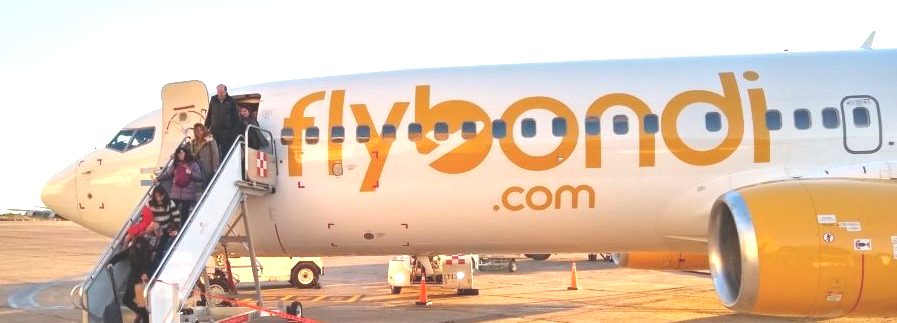
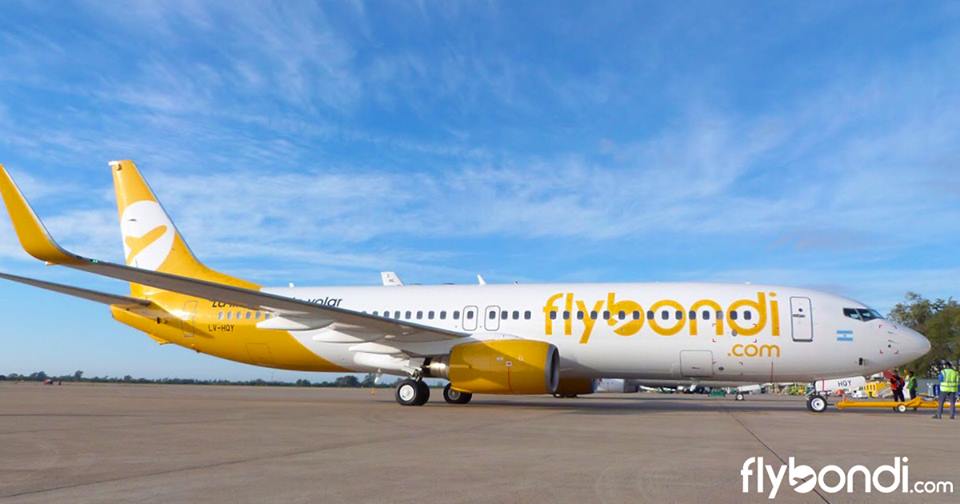
Las aerolíneas de la Argentina reclaman la intervención del Gobierno para asistir económicamente ante un escenario complicado frente al impacto de la crisis sanitaria mundial y la puesta en tierra de los vuelos desde mediados de Marzo 2020. Las aéreas low cost y las clásicas continúan enfrentando el peor escenario sin poder producir recursos para pilotear la situación financiera donde solicitan al Estado intervenir de algún modo para salvar alrededor de 1200 empleos directos en aerolíneas de presupuesto.
Los empleados de Flybondi Líneas Aéreas y JetSmart Airlines Argentina solicitan comenzar a volar en Septiembre 2020 para evitar la pérdida de miles de puestos de trabajo en las compañías, pidiendo la intervención del Gobierno en defensa de las fuentes laborales ante el parálisis en la actividad aerocomercial. Los trabajadores han expresado por medio de una misiva al Presidente de la Nación Alberto Fernández, reactivar la economía del sector para sostener y generar más fuentes de trabajo. El escrito lleva las firmas de los secretarios generales de la Asociación Sindical de Trabajadores de Flybondi y la Asociación Sindical de Trabajadores de JetSmart. Los gremios destacaron que aceptaron realizar adecuaciones salariales en las compañías siguiendo los lineamientos del Gobierno de Argentina. “Necesitamos comenzar a volar en Septiembre, porque estos acuerdos no pueden sostenerse en el tiempo. Al margen de que sigamos aceptando algunas condiciones excepcionales, cuanto antes se reinicien los vuelos las empresas en las que trabajamos podrán recuperarse y retomar la actividad comercial”, pidieron al Ejecutivo nacional las fuentes gremiales.
Actualmente las empresas de bajo costo generan 1.200 empleos en forma directa, e indirectamente a más de 10.000 familias, según informaron desde los sindicatos aeronáuticos.
Flybondi
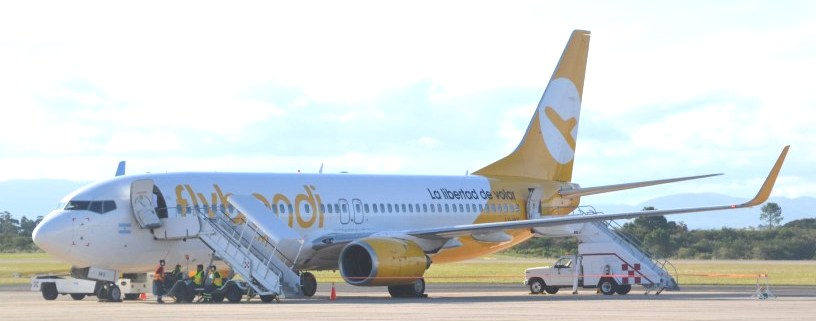
Flybondi Líneas Aéreas tiene la mirada puesta en Septiembre 2020, mes en que se podrán reiniciar vuelos. Tras el impacto de la pandemia, la compañía que reducir sus costos devolviendo dos aeronaves Boeing 737-800 Next Generation en Junio y Julio de los cinco que tenía en su flota, ya que estima una menor demanda en el reinicio; dejó en suspenso la incorporación de un avión más previsto para 2020 y extendió el acuerdo con sus 570 empleados de rebaja salarial durante la pandemia hasta Septiembre inclusive. Ese acuerdo con los empleados y el sindicato de la low cost le permitió bajar los costos fijos un 40% en la masa salarial; para los directivos, la rebaja es del 50% mientras que para el resto va de 12% a 40%, en función del nivel salarial; quien menos cobra, percibe menos rebaja.
“Cuando comenzó la restricción de vuelos por la pandemia, iniciamos elmanejo estricto de nuestros costos. Estamos evaluando cuántos aviones vamos a necesitar para Septiembre y Octubre; teníamos cinco Boeing 737-800 en leasing; para optimizar costos, no tenía sentido mantener los cinco y, además, ahora se consiguen contratos más beneficiosos en este contexto”, explicó Mauricio Sana, CCO y CEO interino de Flybondi.
Estas medidas, más los aportes extra de sus accionistas Cartesian Capital Group, Yamasa, entre otros, le permite a la aerolínea una oxigenación para llegar en condiciones a Septiembre 2020, cuando espera volver a reiniciar sus operaciones.
La low cost había desarrollado el período 2019 y el verano meridional con excelentes resultados; que a pesar de la crisis económica de Argentina, esos ingresos, sumados a los ahorros en sueldos, reestructuración de flota, reducción de otros costos, más aportes adicionales de capital de los accionistas, permitirán a la aerolínea Flybondi retomar sus operaciones al atravesar una de las peores crisis en la aviación comercial mundial.
JetSmart Argentina
JetSmart Airlines Argentina continúa con la batalla presentada ante la Justicia de Argentina para determinar los lineamientos en las opperaciones post-pandemia. Frente a los reclamos por los derechos de slots en el Aeropuerto Jorge Newbery adquiridos por la absorsión de la compañía Norwegian Air Argentina y la disponibilidad de flota para operar en Aeroparque, Jetsmarts consiguió el aval judicial para utilizar la aeroestación con los mismos derechos de Aerolíneas Argentinas y Austral Líneas Aéreas. La Sala II de la Cámara Nacional de Apelaciones en lo Civil y Comercial Federal hizo lugar a la apelación elevada por JetSmart Airlines Argentina sobre el fallo de primera instancia que había rechazado un recurso de amparo de la aerolínea para concretar el acuerdo que firmó cuando se quedó con los activos de Norwegian Air Argentina (NAA). Esos activos y derechos, entre los que se encuentran los permisos de slots en Aeroparque, fueron determinados en un Acuerdo de Consolidación de la Operación de Servicios Aéreos que firmaron ambas compañías el 4 Diciembre 2019 que fue aprobado por la ANAC en la Resolución Administrativa 881/2019. En esa Resolución, la autoridad aeronáutica aprobó sin limitaciones realizar: «la comercialización de los vuelos en código compartido en forma recíproca, pudiendo JetSmart comercializar los vuelos de Norwegian Air Argentina, llevar adelante una operación conjunta y/o alternativa de los vuelos autorizados a cada una de las actoras, por lo que JetSmart podría operar los vuelos de NAA, hacer uso indistinto de las bases de operaciones y amarre de ambos operadores aéreos, reemplazar las aeronaves Boeing 737-800 basadas en Aeroparque por la flota Airbus A320 de JetSmart Airlines Argentina y efectuar una programación horaria tentativa de sus vuelos».
Aeropuertos Argentna 2000 (AA2000) había rechazado el pedido de JetSmart Airlines para comenzar a operar en Aeroparque aduciendo que la autorización requería de un estudio más profundo a partir de que el concesionario consideró que las solicitudes se enmarcaban temporalmente en “un cambio de gobierno y de políticas públicas de la Administración Pública Nacional”. La concesionaria también había pedido el cierre temporal del Aeropuerto de El Palomar, donde operan tanto Jetsmart como Flybondi, aunque el Gobierno no se le ha concedido la autorización efectiva.
Solicitud Declarativa de Certeza
A) Cese el estado de incertidumbre que la empresa demandada ocasiona al impedirles realizar las operaciones ya autorizadas por la Autoridad Aeronáutica en el Aeroparque.
B) Se declare que JetSmart Airlines Argentina y Norwegian Air Argentina pueden hacer un uso indistinto de la base de operaciones y los amarres autorizados actualmente a favor de NAA en el Aeroparque, pudiendo reemplazar la flota de NAA por la flota de JetSmart.
C) Se declare aprobada a favor de JetSmart y Norwegian Air Argentina la factibilidad horaria para la operación de ciertos itinerarios en el Aeroparque que oportunamente fueran solicitados a AA2000.
El fallo de la Cámara revoca el rechazo a la medida de la primera instancia, pero limita el alcance del amparo, ordenándole al concesionario que:
A) Se abstenga de impedir el acceso a las firmas actoras al uso indistinto de las bases de operaciones y amarres que Norwegian Air Argentina S.A.U. (NAA) posee en el Aeropuerto Jorge Newbery.
B) Deberá procurar actualizar sus registros de forma tal de reflejar en los amarres otorgados a Norwegian Air Argentina el reemplazo de la flota de aeronaves Boeing 737-800 matrículas LV-HQH, LV-IZQ y LV-ITK de NAA por la flota de aeronaves Airbus A320CEO de Jetsmart Airlines S.A., matrículas LV-IVO, LV-HEK, LV-HVT y LV-IVN.
La decisión de la Cámara sólo hace lugar al pedido de medidas cautelares presentado por JetSmart Airlines Argentina pero no resuelve la cuestión de fondo. El fallo judicial le permitirá vender pasajes con origen y destino Aeroparque a partir del 1 Septiembre y establecer una base de operaciones aún cuando la estación aérea se encuentra cerrada por obras. JetSmart deberá esperar a que la Justicia se expida sobre si la compañía podrá operar desde el Aeropuerto Jorge Newbery o deberá hacerlo desde otra terminal.
Argentine airlines claim aid
Airlines demand aid from the Government of Argentina
The airlines of Argentina demand the intervention of the Government to assist economically in the face of a complicated scenario in the face of the impact of the world health crisis and the grounding of flights since mid-March 2020. Low-cost and classic airlines continue to face the worst scenario without being able to produce resources to pilot the financial situation where they ask the State to intervene in some way to save around 1,200 direct jobs in budget airlines.
Employees of Flybondi Líneas Aéreas and JetSmart Airlines Argentina request to start flying in September 2020 to avoid the loss of thousands of jobs in the companies, requesting the intervention of the Government in defense of the labor sources before the paralysis in the commercial activity. The workers have expressed by means of a letter to the President of the Nation Alberto Fernández, to reactivate the economy of the sector to sustain and generate more sources of work. The letter bears the signatures of the general secretaries of the Flybondi Workers Union Association and the JetSmart Workers Union Association. The unions highlighted that they agreed to make salary adjustments in the companies following the guidelines of the Government of Argentina. «We need to start flying in September, because these agreements cannot be sustained over time. Apart from the fact that we continue to accept some exceptional conditions, the sooner flights are restarted, the companies in which we work will be able to recover and resume commercial activity», the national sources asked the union.
Currently low-cost companies generate 1,200 jobs directly, and indirectly to more than 10,000 families, as reported by the aeronautical unions.
Flybondi
Flybondi Líneas Aéreas has its sights set on September 2020, the month when flights can be restarted. After the impact of the pandemic, the company reduced its costs by returning two Boeing 737-800 Next Generation aircraft in June and July of the five it had in its fleet, as it estimates lower demand at the restart; It suspended the incorporation of a more scheduled aircraft for 2020 and extended the agreement with its 570 employees to reduce wages during the pandemic until September inclusive. That agreement with the employees and the low cost union allowed him to lower fixed costs by 40% in the wage bill; for managers, the reduction is 50% while for the rest it goes from 12% to 40%, depending on the salary level; Whoever receives less, receives less discount.
“When the flight restriction began due to the pandemic, we began to strictlymanage our costs. We are evaluating how many planes we will need for September and October; we had five Boeing 737-800s on lease; to optimize costs, it did not make sense to keep all five and, in addition, more beneficial contracts are now being obtained in this context”, explained Mauricio Sana, CCO and interim CEO of Flybondi.
These measures, plus the extra contributions from its shareholders, the Cartesian Capital Group, Yamasa, among others, allow the airline oxygenation to arrive in conditions until September 2020, when it expects to restart operations.
The low cost had developed the period 2019 and the southern summer with excellent results; that despite the economic crisis in Argentina, these revenues, added to savings in salaries, fleet restructuring, reduction of other costs, plus additional capital contributions from shareholders, will allow Flybondi airline to resume operations by going through one of the worst crises in world commercial aviation.
JetSmart Argentina
JetSmart Airlines Argentina continues with the battle presented before the Argentine Justice to determine the guidelines in post-pandemic operations. Faced with the claims for the rights to slots at the Jorge Newbery Airport acquired by the absorption of the company Norwegian Air Argentina and the availability of the fleet to operate in the Aeropark, Jetsmarts obtained the judicial endorsement to use the airstation with the same rights as Aerolíneas Argentinas. and Austral Líneas Aéreas. The Chamber II of the National Chamber of Federal Civil and Commercial Appeals gave rise to the appeal raised by JetSmart Airlines Argentina on the first instance ruling that had rejected an appeal for protection by the airline to finalize the agreement it signed when it stayed with the assets of Norwegian Air Argentina (NAA). Those assets and rights, among which are the slot permits at Aeroparque, were determined in a Consolidation Agreement of the Air Services Operation that both companies signed on December 4, 2019, which was approved by ANAC in Administrative Resolution 881/2019. In this Resolution, the aeronautical authority approved without limitations to carry out: «the commercialization of the code-shared flights on a reciprocal basis, with JetSmart being able to commercialize Norwegian Air Argentina’s flights, carry out a joint and/or alternative operation of the authorized flights to each one of the plaintiffs, for which JetSmart could operate the flights of NAA, make indiscriminate use of the bases of operations and mooring of both air operators, replace the Boeing 737-800 aircraft based in Aeroparque with the Airbus A320 fleet of JetSmart Airlines Argentina and make a tentative schedule of your flights».
Aeropuertos Argentina 2000 (AA2000) had rejected JetSmart Airlines’ request to start operating at Aeroparque, arguing that the authorization required a more in-depth study, since the concessionaire considered that the requests were temporarily framed in “a change of government and public policies of the National Public Administration”. The concessionaire had also asked for the temporary closure of El Palomar Airport, where both Jetsmart and Flybondi operate, although the government has not been granted effective authorization.
Declarative Request for Certainty
A) Cease the state of uncertainty that the defendant company causes by preventing them from carrying out the operations already authorized by the Aeronautical Authority at the Airport.
B) It is declared that JetSmart Airlines Argentina and Norwegian Air Argentina can make indiscriminate use of the base of operations and the moorings currently authorized in favor of NAA in the Aeropark, being able to replace the NAA fleet with the JetSmart fleet.
C) It is declared approved in favor of JetSmart and Norwegian Air Argentina the hourly feasibility for the operation of certain itineraries in the Airport that were requested to AA2000.
The ruling of the Chamber revokes the rejection of the measure of the first instance, but limits the scope of the protection, ordering the concessionaire to:
A) Refrain from preventing access to the signatories to the indiscriminate use of the bases of operations and moorings that Norwegian Air Argentina S.A.U. (NAA) owns at Jorge Newbery Airport.
B) You should try to update your records in order to reflect in the moorings granted to Norwegian Air Argentina the replacement of the fleet of Boeing 737-800 registrations LV-HQH, LV-IZQ and LV-ITK of NAA by the fleet of aircraft Airbus A320CEO of Jetsmart Airlines SA, registration LV-IVO, LV-HEK, LV-HVT and LV-IVN.
The Chamber’s decision only gives rise to the request for precautionary measures presented by JetSmart Airlines Argentina but it does not resolve the underlying issue. The court ruling will allow him to sell tickets with origin and destination Aeroparque from September 1 and establish a base of operations even when the air station is closed for works. JetSmart will have to wait for the Justice to be issued on whether the company will be able to operate from Jorge Newbery Airport or will have to do it from another terminal.
⭐
Puntuación: 1 de 5.
Ξ A I R G W A Y S Ξ PUBLISHER: Airgways.com DBk: Jetsmart.com / Flybondi.com / Infobae.com / Anac.gov.ar / Airgways.com AW-POST: 202007221522AR
Presidencia asegura clave sostenimiento de Aerolíneas Argentinas
El Presidente Alberto Fernández de la República Argentina ha asegurado que es clave sostener a Aerolíneas Argentinas al priorizar el esfuerzo de todos los habitantes. El Primer Mandatario expresó frente al Consejo de las Américas que el Estado está haciendo un enorme esfuerzo por mantener en funcionamiento a la compañía por la necesidad de que el país tenga una línea de bandera. «Aerolíneas Argentinas es la aerolínea de bandera. El Estado hace un enorme esfuerzo por mantenerla y estamos convencidos de la necesidad de sostenerla porque cuando no lo hicimos no nos fue bien», manifestó el Presidente en una presentación ante el Consejo de las Américas.
Según el Presidenta argentino, la crisis que trajo la pandemia de Coronavirus ha afectado la actividad de las aerolíneas en todo el mundo y así como otros países están rescatando a empresas aerocomerciales, la Argentina esta haciendo los propio. «Estamos trabajando mucho y haciendo una gran inversión por sostenerla porque la necesitamos», ha agregado el Ejecutivo Nacional. En esa misma línea reseñó que la Argentina es el octavo país en le mundo en dimensión territorial y que, por ese motivo, «necesitamos de las aerolíneas para seguir conectando todos los lugares de la Argentina».
Prórroga suspensiones
Aerolíneas Argentinas negociará prorrogar por sesenta días las suspensiones a su personal. El último día de Mayo 2020 planeaba suspender a parte de sus empleados para brindar algo de alivio a sus finanzas en el contexto de la crisis generada por la pandemia del nuevo Coronavirus. Luego del alerta inicial que esta medida desató en los gremios aeronáuticos, a los diez días se alcanzó un acuerdo con la empresa tras la garantía de que los trabajadores no sufrirían descuentos en el salario de bolsillo. Las suspensiones abarcarían los meses de Junio y Julio 2020. Aunque las perspectivas de adelantar la apertura de los vuelos en Agosto quedaron agotadas, continúa sosteniéndose la apertura para Septiembre 2020.
Aerolíneas Argentinas ha convocado este 22/07 nuevamente a los gremios aeronáuticos para negociar un esquema de suspensiones por otros sesenta días, cubriendo el mes de Agosto y Septiembre. Esta disposición afectaría a unas 4.000 colaboradores sobre una plantilla de 11.800 empleados. A través de una comunicación interna, la dirección de la empresa ha justificado la medida en función de la imposibilidad de retomar en lo inmediato nuestra operación regular.
Perspectivas
Los rebrotes de Coronavirus en Argentina se están monitoreando para continuar la pulseada hacia una tendencia a la baja de los contagios en el interior del país. Mientras tanto, en Buenos Aires y el Conurbano bonaerense podría generar ciertas dudas respecto a si finalmente se respetará o no el 1 Septiembre 2020 como la fecha establecida para el retorno de los vuelos regulares de pasajeros en Argentina. Mientras tanto, Aerolíneas Argentinas, Austral Líneas Aéreas, las low cost Flybondi Líneas Aéreas y JetSmart Airlines Argentina, como Andes Líneas Aéreas y Jet American Líneas Aéreas se encuentran reestructurando la programación de sus vuelos para iniciar los vuelos en sintonía con el florecimiento de la temporada septentrional.
Government, key to sustain Aerolíneas
Presidency ensures key sustainability of Aerolíneas Argentinas
President Alberto Fernández of the Argentine Republic has assured that it is key to sustain Aerolineas Argentinas by prioritizing the effort of all the inhabitants. The President expressed in front of the Council of the Americas that the State is making an enormous effort to keep the company running due to the need for the country to have a flag line. «Aerolíneas Argentinas is the flag carrier. The State makes an enormous effort to maintain it and we are convinced of the need to maintain it because when we did not do it, it did not go well», said the President in a presentation to the Council of the Americas.
According to the Argentine President, the crisis brought about by the Coronavirus pandemic has affected the activity of airlines throughout the world and, as well as other countries, are rescuing aero-commercial companies, Argentina is doing its own. «We are working hard and making a great investment to sustain it because we need it», added the National Executive. Along the same lines, he reported that Argentina is the eighth country in the world in territorial dimension and that, for this reason, «we need airlines to continue connecting all parts of Argentina».
Suspension extension
Aerolíneas Argentinas will negotiate the suspension of its staff for sixty days. On the last day of May 2020, it planned to suspend part of its employees to provide some relief to their finances in the context of the crisis caused by the pandemic of the new Coronavirus. After the initial alert that this measure unleashed in the aeronautical unions, an agreement was reached with the company ten days after the guarantee that the workers would not receive discounts on pocket wages. The suspensions would cover the months of June and July 2020. Although the prospects of bringing forward the opening of flights in August were exhausted, the opening for September 2020 continues to be sustained.
Aerolíneas Argentinas has called again this 22/07 to the aeronautical unions to negotiate a suspension scheme for another sixty days, covering the month of August and September. This provision would affect some 4,000 employees out of a staff of 11,800 employees. Through internal communication, the management of the company has justified the measure based on the impossibility of resuming our regular operation immediately.
Perspective
Coronavirus outbreaks in Argentina are being monitored to continue the pulse towards a downward trend of infections in the interior of the country. Meanwhile, in Buenos Aires and the Buenos Aires metropolitan area, it could generate certain doubts as to whether or not September 1, 2020 will finally be respected as the date set for the return of regular passenger flights in Argentina. Meanwhile, Aerolíneas Argentinas, Austral Líneas Aéreas, the low cost Flybondi Líneas Aéreas and JetSmart Airlines Argentina, such as Andes Líneas Aéreas and Jet American Líneas Aéreas are restructuring their flight schedules to start flights in tune with the blossoming of the season northern.
Ξ A I R G W A Y S Ξ PUBLISHER: Airgways.com DBk: Airgways.com / Telam.com.ar / Argentina.gob.ar / Clarin.com / Santiago Filipuzzi AW-POST: 202007221317AR
Sujeta a aprobaciones gubernamentales expandería servicios
Caribbean Airlines lanzará más rutas aéreas al Caribe Oriental desde Barbados a partir del 22 Julio 2020. Los vuelos operarán inicialmente entre Barbados a San Vicente y las Granadinas y Granada con otros destinos que se agregarán una vez que se reciban las aprobaciones regulatorias. La expansión de la ruta hacia el Caribe Oriental es parte del plan estratégico actual de la aerolínea. A principios de este año, Caribbean Airlines adquirió aviones y recursos adicionales, incluidos los pilotos y la tripulación de cabina para apoyar esta iniciativa.
El CEO de Caribbean Airlines, Garvin Medera, declaró: “El transporte es un pilar principal de los Estados del Caribe, donde proporciona un espacio para la facilitación del comercio, la inversión y el movimiento de personas. A nivel regional e internacional, hay mucho para reiniciar, y sujeto a las aprobaciones regulatorias Caribbean Airlines está reanudando nuestros planes 2020 para expandir rutas en el Caribe Oriental. Esto comenzará desde Barbados, ya que sus fronteras ahora están abiertas a servicios comerciales. Para nosotros, mejorar la conectividad es una estrategia que se ha estado gestando y hemos planeado cuidadosamente para esta expansión, utilizando datos y otras investigaciones para guiar nuestras decisiones».
Caribbean would launch services to Eastern Caribbean
Subject to government approvals would expand services
Caribbean Airlines will launch more air routes to the Eastern Caribbean from Barbados beginning July 22, 2020. Flights will initially operate between Barbados to Saint Vincent and the Grenadines and Granada with other destinations to be added once regulatory approvals are received. The expansion of the route to the Eastern Caribbean is part of the airline’s current strategic plan. Earlier this year, Caribbean Airlines acquired additional aircraft and resources, including pilots and cabin crew, to support this initiative.
Caribbean Airlines CEO Garvin Medera stated: “Transportation is a main pillar of the Caribbean States, where it provides a space for the facilitation of trade, investment and the movement of people. At the regional and international level, there is much to restart, and subject to regulatory approvals, Caribbean Airlines is resuming our 2020 plans to expand routes in the Eastern Caribbean. This will start from Barbados, as its borders are now open to commercial services. For us, improving connectivity is a strategy that has been brewing and we have carefully planned for this expansion, using data and other research to guide our decisions».
Ξ A I R G W A Y S Ξ PUBLISHER: Airgways.com DBk: Caribbeanairlines.com / Airgways.com AW-POST: 202007221250AR