AW | 2021 04 30 12:40 | INDUSTRY / MRO / AIRLINES / FAIR
Embraer firma servicios y contratos con aerolíneas
Embraer SA ha anunciado la firma de acuerdos plurianuales para el programa Embraer Collaborative Inventory Planning (ECIP) con dos aerolíneas Azul Linhas Aéreas de Brasil y Republic Airways de Estados Unidos, proporcionando a estos clientes una eficiente operación de planificación y reabastecimiento de piezas de repuesto con apoyo de última generación del fabricante brasileño de aeronaves.
En el evento de MRO Americas, un encuentro líder en el sector del mantenimiento aeronáutico desarrollado entre el 27 al 29 de Abril de 2021 en Orlando, Florida, Estados Unidos, se ha llevado a cabo el acuerdo clave para la industria aeronáutica de Embraer con estas importantes aerolíneas regionales. «Nos complace renovar estos acuerdos con nuestros clientes clave desde hace mucho tiempo, que son importantes avales para el programa ECIP y Embraer Services & Support en general. Nuestro objetivo es proporcionar siempre el mejor soporte, entregando productos y soluciones que resuelvan los problemas de los clientes. En este sentido, el programa ECIP optimiza el inventario de la aerolínea y, al mismo tiempo, aumenta la disponibilidad de piezas de repuesto para la flota de aeronaves», dijo Danielle Vardaro, Directora de Atención al Cliente y Ventas del Mercado de Accesorios Mundiales, Embraer Services & Support.
En virtud de estos contratos, Embraer gestionará la planificación y reposición de una porción considerable de los requisitos de existencias de piezas de repuesto de ambos clientes que cubren las flotas E-Jets y E-Jets E2s operadas por cada aerolínea, respectivamente. Los principales beneficios de ECIP incluyen disponibilidad garantizada de piezas, inventario optimizado con costos de retención de inventario reducidos, precios fijos de repuestos, plazos de entrega cortos de reabastecimiento y un servicio de entrega puerta a puerta.
Introducido en 2002, el programa ECIP aprovecha el gran inventario de expendables de Embraer, el poder adquisitivo global y el sofisticado software para planificar y almacenar con precisión los expendables contratados al mejor precio posible.
Embraer signs EPIC agreements
Embraer signs services and contracts with airlines
Embraer SA has announced the signing of multi-year agreements for the Embraer Collaborative Inventory Planning (ECIP) program with two airlines Azul Linhas Aéreas from Brazil and Republic Airways from the United States, providing these customers with an efficient planning and replenishment of spare parts State-of-the-art support from the Brazilian aircraft manufacturer.
At the MRO Americas event, a leading meeting in the aeronautical maintenance sector, held from April 27 to 29, 2021 in Orlando, Florida, United States, the key agreement for the Embraer aeronautical industry was carried out with these companies. major regional airlines. «We are pleased to renew these agreements with our long-standing key customers, which are important endorsements to the ECIP program and Embraer Services & Support in general. Our goal is to always provide the best support, delivering products and solutions that solve customer problems. In this sense, the ECIP program optimizes the airline’s inventory and, at the same time, increases the availability of spare parts for the aircraft fleet», said Danielle Vardaro, Director of Customer Service and Aftermarket Sales. Worldwide, Embraer Services & Support.
Under these contracts, Embraer will manage the planning and replenishment of a significant portion of the spare parts stock requirements of both customers covering the E-Jets and E-Jets E2s fleets operated by each airline, respectively. The main benefits of ECIP include guaranteed parts availability, optimized inventory with reduced inventory holding costs, fixed parts prices, short replenishment lead times, and a door-to-door delivery service.
Introduced in 2002, the ECIP program leverages Embraer’s large inventory of expendables, global purchasing power and sophisticated software to accurately plan and store contracted expendables at the best possible price.
Embraer assina contratos EPIC
Embraer assina serviços e contratos com companhias aéreas
A Embraer SA anunciou a assinatura de acordos plurianuais para o programa Embraer Collaborative Inventory Planning (ECIP) com duas companhias aéreas Azul Linhas Aéreas do Brasil e Republic Airways dos Estados Unidos, proporcionando a esses clientes uma operação eficiente de planejamento e reposição de peças de reposição com suporte de última geração da fabricante brasileira de aeronaves.
No evento MRO Americas, importante encontro do setor de manutenção aeronáutica, realizado de 27 a 29 de abril de 2021 em Orlando, Flórida, Estados Unidos, foi realizado o acordo chave para a indústria aeronáutica da Embraer com essas empresas, as principais companhias aéreas regionais. “Temos o prazer de renovar esses contratos com nossos clientes-chave de longa data, que são importantes endossos ao programa ECIP e aos Serviços e Suporte da Embraer em geral. Nosso objetivo é sempre oferecer o melhor suporte, entregando produtos e soluções que resolvam os problemas dos clientes . Nesse sentido, o programa ECIP otimiza o estoque da companhia aérea e, ao mesmo tempo, aumenta a disponibilidade de peças de reposição para a frota de aeronaves”, afirma Danielle Vardaro, Diretora de Atendimento ao Cliente e Vendas de Pós-Venda. Mundial, Embraer Services & Support.
De acordo com esses contratos, a Embraer gerenciará o planejamento e a reposição de uma parte significativa das necessidades de estoque de peças de reposição de ambos os clientes, cobrindo as frotas de E-Jets e E-Jets E2s operadas por cada companhia aérea, respectivamente. Os principais benefícios do ECIP incluem disponibilidade de peças garantida, estoque otimizado com custos de manutenção de estoque reduzidos, preços fixos de peças, prazos curtos de reposição e serviço de entrega porta a porta.
Introduzido em 2002, o programa ECIP aproveita o grande estoque de consumíveis da Embraer, o poder de compra global e software sofisticado para planejar e armazenar com precisão os consumíveis contratados ao melhor preço possível.
Finaliza la 13º feria aeronáutica de Aero India 2021
Aero India ha atravesado su desarrollo en medio de una crisis sanitaria que ha traído sus buenos frutos y excelente experiencias que ha permitido desarrollar mecanismos alternativos a los actos presenciales de gran masividad como lo son las ferias aeronáuticas.
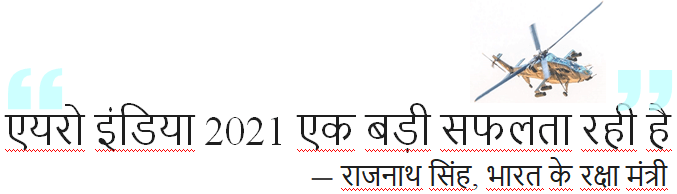
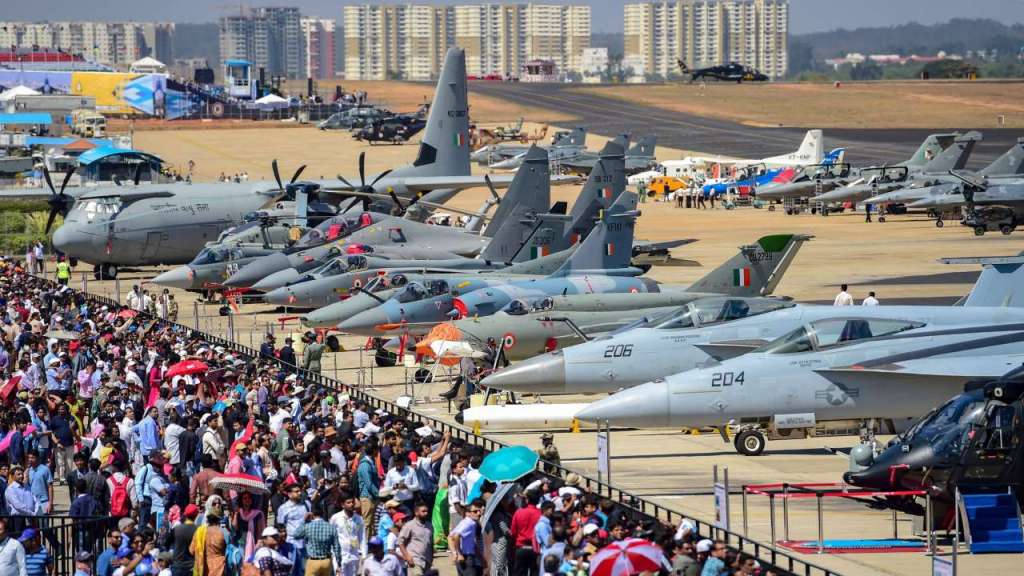
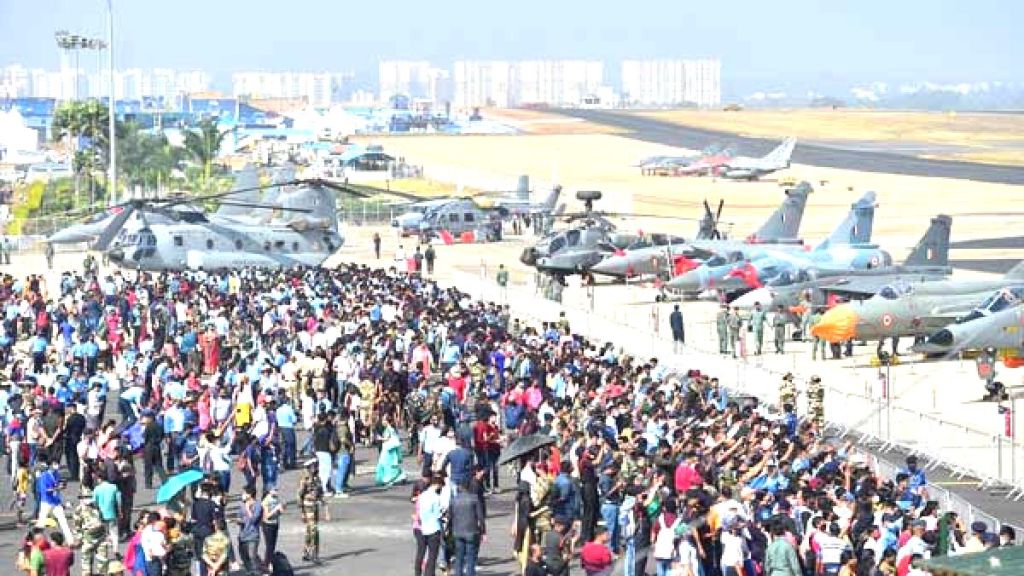
El Ministro de Defensa de la India, Rajnath Singh, dijo que a pesar de la pandemia de Coronavirus, el evento Aero India 2021 ha sido inmensamente exitoso. Más de 16.000 personas asistieron físicamente a Aero India y más de 4,5 link virtualmente han participado del evento. «A pesar de las restricciones por Coronavirus en todo el mundo, Aero India 2021 ha sido inmensamente exitoso».
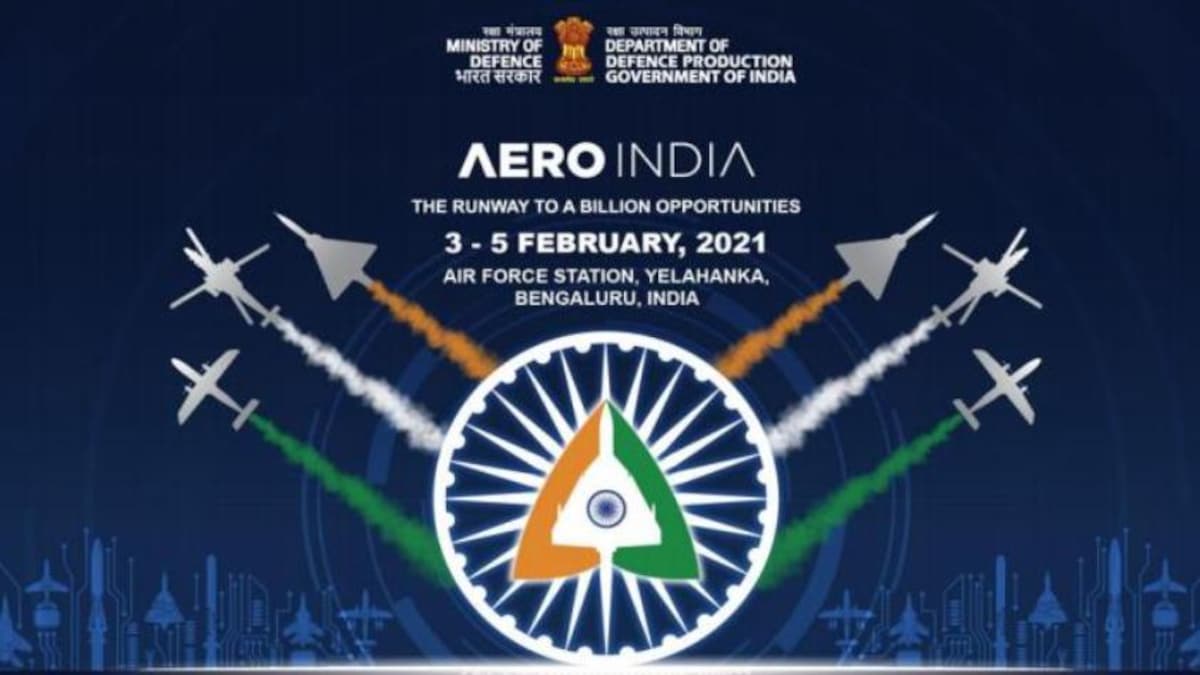
La feria aeronáutica de Aero India 2021 se ha desarrollado entre el 3-5 Febrero de 2021 y ha demostrado ser el primer desafío mundial de una mega feria que ha traspasado las fronteras pese a la crisis sanitaria vigente. El Ministerio de Defensa de la India, la Fuerza Aérea India, la Organización de Investigación y Desarrollo de Defensa (DRDO), el Departamento de Espacio, el Ministerio de Aviación Civil de la Unión y otras organizaciones de este tipo se unen para organizar el espectáculo Aero India, convirtiéndolo en el mayor espectáculo aéreo de Asia.
La primera edición del espectáculo aéreo se celebró en 1996. Durante este Aero India Show, muchos fabricantes y proveedores de servicios de la industria aeroespacial y de aviación india se encuentran con los compradores potenciales de sus productos. Después de 1996, la 4a edición del espectáculo aéreo tuvo lugar en 2003. Alrededor de 176 expositores de 22 países de todo el mundo llegaron a adornar la feria. En el año 2005, más de 380 participantes llegaron a la 5a edición del programa Aero India. En este espectáculo, se exhibieron muchos aviones militares y civiles, así como productos aeroespaciales. El espectáculo de Aero India de 2007 se llevó a cabo en la Estación de la Fuerza Aérea Yelahanka en Bangalore en Karnataka. La 7a edición se celebró del 11 al 15 de Febrero de 2009, e incluyó 592 expositores de más de 25 países. La octava edición comenzó el 9 de Febrero de 2011. En los últimos años, la Aero India ha surgido como una de las exhibiciones de aviación militar más importantes y más grandes del mundo. El Mikoyan MiG-35 y el F-16IN Super Viper fueron presentados por primera vez en las ediciones 6a y 7a de Aero India respectivamente. El evento del 2021 marca la 13º feria aeronáutica que continúa afianzándose en el sector de exhibiciones y shows aéreos a nivel mundial.
La 13º feria de Aero India 2021 ha permitido la firma de Memorandum de Entendimientos (MoU), acuerdos, y compromisos que continuarán posicionando a la industria india como una atrayente puerta a la aviación mundial.
Aero India 2021 | A great success
The 13th Aero India 2021 aeronautical fair ends
Aero India has gone through its development in the midst of a health crisis that has brought good results and excellent experiences that have allowed the development of alternative mechanisms to large-scale face-to-face events such as aeronautical fairs.
Indian Defense Minister Rajnath Singh said that despite the Coronavirus pandemic, the Aero India 2021 event has been immensely successful. More than 16,000 people physically attended Aero India and more than 4.5 links have virtually participated in the event. «Despite Coronavirus restrictions around the world, Aero India 2021 has been immensely successful».
The Aero India 2021 aeronautical fair took place between February 3-5, 2021 and has proven to be the first global challenge of a mega fair that has crossed borders despite the current health crisis. The Indian Ministry of Defense, the Indian Air Force, the Defense Research and Development Organization (DRDO), the Space Department, the Union Ministry of Civil Aviation and other such organizations come together to organize the show. Aero India, making it the largest air show in Asia.
The first edition of the air show was held in 1996. During this Aero India Show, many manufacturers and service providers from the Indian aviation and aerospace industry meet potential buyers of their products. After 1996, the 4th edition of the air show took place in 2003. Around 176 exhibitors from 22 countries around the world came to grace the fair. In 2005, more than 380 participants came to the 5th edition of the Aero India program. At this show, many military and civil aircraft were exhibited, as well as aerospace products. The 2007 Aero India show was held at the Yelahanka Air Force Station in Bangalore in Karnataka. The 7th edition was held from February 11 to 15, 2009, and included 592 exhibitors from more than 25 countries. The eighth edition started on February 9, 2011. In recent years, Aero India has emerged as one of the most important and largest military aviation exhibitions in the world. The Mikoyan MiG-35 and F-16IN Super Viper were first introduced in the 6th and 7th editions of Aero India respectively. The 2021 event marks the 13th aeronautical fair that continues to establish itself in the airshow and exhibition sector worldwide.
The 13th Aeero India 2021 fair has allowed the signing of Memorandum of Understanding (MoU), agreements, and commitments that will continue to position the Indian industry as an attractive gateway to global aviation.
एयरो इंडिया 2021 | एक बड़ी सफलता
13 वां एयरो इंडिया 2021 वैमानिक मेला समाप्त होता है
एयरो इंडिया एक स्वास्थ्य संकट के बीच अपने विकास से गुजरा है जिसने अच्छे परिणाम और उत्कृष्ट अनुभव लाए हैं जिसने वैमानिक मेलों जैसे बड़े पैमाने पर आमने-सामने की घटनाओं के लिए वैकल्पिक तंत्र के विकास की अनुमति दी है।
भारतीय रक्षा मंत्री राजनाथ सिंह ने कहा कि कोरोनोवायरस महामारी के बावजूद, एयरो इंडिया 2021 घटना बेहद सफल रही है। एयरो इंडिया में शारीरिक रूप से 16,000 से अधिक लोगों ने भाग लिया और लगभग 4.5 से अधिक लिंक ने इस आयोजन में भाग लिया। «दुनिया भर में कोरोनावायरस प्रतिबंधों के बावजूद, एयरो इंडिया 2021 बेहद सफल रहा है»।
एयरो इंडिया 2021 वैमानिकी मेला 3-5 फरवरी, 2021 के बीच हुआ था और यह एक मेगा मेले की पहली वैश्विक चुनौती साबित हुई है जिसने मौजूदा स्वास्थ्य संकट के बावजूद सीमाओं को पार कर लिया है। भारतीय रक्षा मंत्रालय, भारतीय वायु सेना, रक्षा अनुसंधान और विकास संगठन (DRDO), अंतरिक्ष विभाग, केंद्रीय नागरिक उड्डयन मंत्रालय और इस तरह के अन्य संगठन प्रदर्शन को व्यवस्थित करने के लिए एक साथ आते हैं। एयरो इंडिया, इसे सबसे बड़ी हवा बनाता है। एशिया में दिखाओ।
एयर शो का पहला संस्करण 1996 में आयोजित किया गया था। इस एयरो इंडिया शो के दौरान, भारतीय विमानन और एयरोस्पेस उद्योग के कई निर्माता और सेवा प्रदाता अपने उत्पादों के संभावित खरीदारों से मिलते हैं। 1996 के बाद, 2003 में एयर शो का चौथा संस्करण हुआ। दुनिया भर के 22 देशों के लगभग 176 प्रदर्शक मेले में भाग लेने आए। 2005 में, 380 से अधिक प्रतिभागी एयरो इंडिया कार्यक्रम के 5 वें संस्करण में आए। इस शो में, कई सैन्य और नागरिक विमान, साथ ही साथ एयरोस्पेस उत्पादों का प्रदर्शन किया गया था। 2007 एयरो इंडिया शो कर्नाटक के बैंगलोर में येलहंका वायु सेना स्टेशन में आयोजित किया गया था। 7 वें संस्करण को 11 से 15 फरवरी, 2009 तक आयोजित किया गया था और इसमें 25 से अधिक देशों के 592 प्रदर्शक शामिल थे। आठवां संस्करण 9 फरवरी, 2011 को शुरू हुआ। हाल के वर्षों में, एयरो इंडिया दुनिया में सबसे महत्वपूर्ण और सबसे बड़े सैन्य विमानन प्रदर्शनियों में से एक के रूप में उभरा है। मिकोयान मिग -35 और F-16IN सुपर वाइपर को क्रमशः एयरो इंडिया के 6 वें और 7 वें संस्करणों में पेश किया गया था। 2021 की घटना 13 वें विमानन मेले को चिह्नित करती है जो दुनिया भर में एयरशो और प्रदर्शनी क्षेत्र में खुद को स्थापित करना जारी रखता है।
13 वें एयरो इंडिया 2021 मेले ने समझौता ज्ञापन (एमओयू), समझौतों, और प्रतिबद्धताओं पर हस्ताक्षर करने की अनुमति दी है जो भारतीय उद्योग को वैश्विक विमानन के लिए एक आकर्षक प्रवेश द्वार के रूप में जारी रखेगा।
Primer evento de aviación híbrida en medio de la pandemia
Aero India 2021 continúa promocionándose como el primer evento de aviación híbrida con trasfondo de la pandemia. La exposición internacional celebrada del 3 al 5 de Febrero de 2021 en Bangalore, India, continúa desarrollándose desde el día Miércoles 03/02, ha reflejado claramente el trabajo desde casa, una cultura que se está introduciendo en las conferencias y certámenes de ferias mundiales como una nueva modalidad sin presencia. Con el nuevo Coronavirus cortando las alas de la poderosa muestra aérea, los organizadores del evento, el Ministerio de Defensa, habían proporcionado un enlace virtual www.aeroindiavirtual.in para asistir al evento sin estar realmente presentes en la Estación de la Fuerza Aérea Yelahanka. Aparentemente, la mayoría ha utilizado esa ruta para estar en el espectáculo aéreo, en lugar de estar físicamente presente.
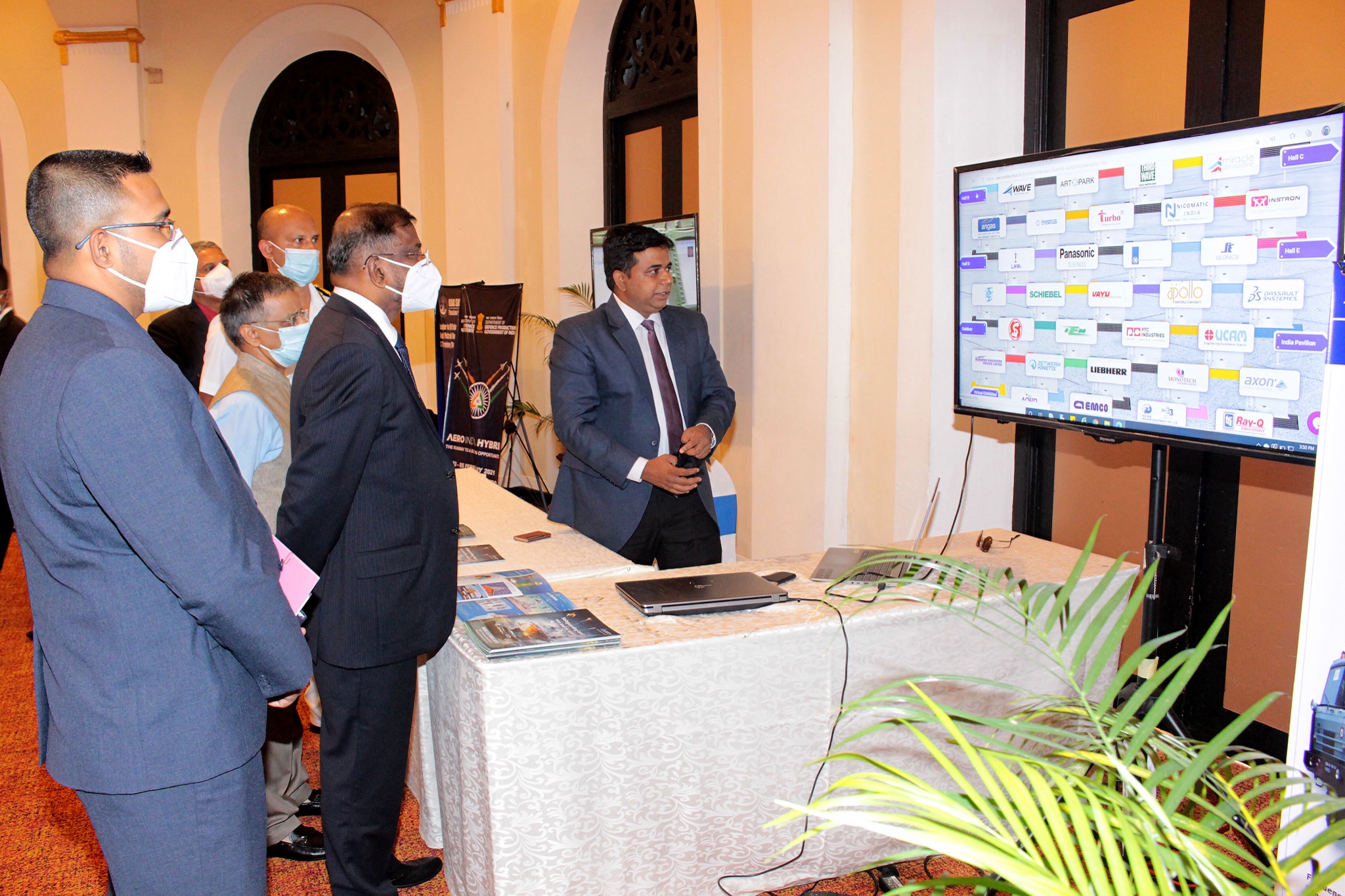
Aero India 2021 cuenta con 602 expositores, de los cuales 524 son de la India y 78 extranjeros. Además participan 308 empresas de manera totalmente virtual y en su conjunto forman un conglomerado de catorce países participantes en la feria aeronáutica.
Es probable que Aero India sea testigo de algunos grandes contratos entintados, incluyendo uno entre la Fuerza Aérea India (IAF) y la estatal Hindustan Aeronautics Limited (HAL) para 83 Light Combat Aircraft (LCA). También existe la posibilidad de que el acuerdo para el helicóptero de combate ligero indígena también se realice.
Airbus Group
Airbus Group firmó un Memorándum de Entendimiento (MoU) con Flytech Aviation Academy, una academia de formación de aviación india líder, para explorar oportunidades de colaboración en la formación del Sistema de Aeronaves Pilotadas Remotamente (RPAS). El Memorándum de Entendimiento fue entintado en Aero India 2021, el principal espectáculo de defensa y aeroespacial del país, que comenzó aquí el Miércoles 03/02. Airbus dijo en un comunicado que aporta una gran experiencia en la formación de aviación, el desarrollo de cursos, los estándares de seguridad y calidad, mientras que Flytech sobresale en los servicios de formación en aviación, incluida la formación de vehículos aéreos no tripulados (UAV).
The Boeing Company
The Boeing Company ha anunciado que reactivarán los objetivos de ‘Make in India’. La compañía dijo que recientemente había recibido una licencia para comercializar el avión de combate F-15EX, la variante más reciente del F-15 de 50 años, a la República de la India.
La firma aeroespacial estadounidense Boeing dijo que utilizará Aero India 2021 como plataforma de lanzamiento para restaurar sus objetivos de «Make in India» que han sido alcanzados por la pandemia Covid-19. La compañía también empujará varios aviones para una posible inducción en el ejército indio. En declaraciones a los medios de comunicación el jueves, Salil Gupte, Presidente de Boeing India, negó que la conversión de una planta de fabricación en Bengaluru en un centro de investigación y desarrollo fuera un retroceso de los compromisos de la compañía con la fabricación indígena. «Boeing ha estado invirtiendo una cantidad significativa en el campus de 43 acres en Bengaluru durante un largo período de tiempo. Había ciertos elementos de fabricación que estaban vinculados a proyectos que Boeing tenía en trabajo antes de la pandemia. A medida que cambiaba el calendario de algunos de esos proyectos, decidimos reutilizar uno de esos edificios para investigación y desarrollo», dijo Salil Gupte, y añadiendo que el cambio representaba un porcentaje extremadamente pequeño de la fabricación general de Boeing en la India.
Boeing tiene como objetivo hacer más en la India en 2021, directamente y a través de socios de la cadena de suministro de la compañía en 2020. Entre las unidades programadas para la fabricación se encuentran los fuselajes de helicópteros de ataque Apache en la planta de Tata Boeing Aerospace Ltd (TBAL) en Hyderabad, dijo Michael Koch, Vicepresidente Boeing Defence, Space and Security de la India. «La mayor parte del fuselaje y la estructura se fabrica en la India, no sólo para la India, sino también para el Ejército de los Estados Unidos y el suministro mundial a nuestros clientes más bien. Toda la estructura del Apache se envía a Mesa, Arizona, donde se instalan los sistemas electrónicos y la finalización se realiza allí», dijo Michael Koch, agregando que seis fuselajes para el ejército indio comenzarán a rodar por la línea de producción pronto.
Rostec State Corporation
Rostec State Corporation se ha posicionado fuertemente con más de 200 de sus últimos productos civiles y militares en Aero India 2021. Estos incluyen motores para aviones militares y civiles y cohetes portadores, sistemas avanzados de armas, helicópteros y muchos más.
La exposición rusa en la India se encuentra organizada por Rosoboronexport e incluirá delegaciones de las explotaciones de la UAC, Helicópteros Rusos, la UEC y Shvabe. Los stands de exposición incluyen productos de varias empresas de la Corporación Estatal, que suman más de 200 muestras de diversos equipos militares. Estos incluyen un modelo del exclusivo avión de combate Su-57E. También estarán presentes modelos de transporte militar Su-35, MiG-35D, Il-76MD-90A (E) y aviones cisterna Il-78MK-90A. «Todo el mundo está cansado de la pandemia y el aislamiento. Por supuesto, en el último año nos hemos adaptado a las restricciones. Muchas charlas y presentaciones se movieron en línea. Pero nada puede reemplazar las reuniones en vivo y la comunicación en vivo. Esta es la razón por la que Aero India es un soplo de aire fresco. Estoy deseando esta exposición. India es nuestro socio de toda lata data con el que ya compartimos múltiples proyectos conjuntos. Además del suministro de productos militares y civiles, estos también incluyen la creación de empresas conjuntas en el marco del programa Make in India. Confío en que la exposición será útil para ambas partes», dijo el Director de Cooperación Internacional y Política Regional de Rostec State Corporation, Viktor Kladov.
En particular, el holding ruso Helicopters demostrará un modelo del helicóptero multiusos ligero Ka-226T, que es un vehículo ideal para el clima y la geografía de la India. Los helicópteros Mi-28NE, Mi-171Sh y Mi-17V5, el helicóptero de reconocimiento y ataque De combate Ka-52, y el helicóptero de alerta temprana y control aerotransportado Ka-31 también estarán en exhibición. Por primera vez en el extranjero, Rosoboronexport demostrará el portaequipajes blindado K-16 y el vehículo de combate de infantería K-17 en la plataforma de ruedas de próxima generación Boomerang. Esta plataforma única puede actuar como base para crear una amplia gama de aplicaciones modulares para armas y equipos. El tradicionalmente popular sistema de misiles y cañones Pantsir-S1anti-aircraft también estará presente en la exposición de vehículos terrestres. Otros vehículos incluyen el Typhoon K-63968, Typhoon K-53949 AFVs, y la ambulancia blindada «Linza».
Rostec hace pie en India
La producción de los últimos aviones comerciales rusos MC-21 e Il-114-300 se puede localizar en la India, tras un próximo acuerdo de cooperación internacional, expresó el Director de Política Regional de Rostec Corporation, Viktor Kladov, en una entrevista en la exposición Aero India 2021. «Ofrecemos hacer un desarrollo conjunto a nuestros socios indios sobre su base del Il-114-300 con una modificación ruso-india, y organizar su producción en la India en caso de promoción exitosa en el mercado indio», dijo Viktor Kladov. La nueva variante del avión turbohélice regional ruso Il-114-300 hizo el vuelo el 16 de Diciembre de 2020 en la región de Moscú.
Rusia está dispuesta a cooperar con la India en el mantenimiento y montaje de los aviones de pasajeros MC-21, dijo el representante de Rostec. «Hablando de MC-21, estamos listos para discutir diferentes opciones de cooperación industrial. Esto puede ser una autorización para un centro de mantenimiento y reparación, el establecimiento de un depósito para repuestos y un centro de entrenamiento o incluso la fabricación de elementos estructurales individuales y unidades y el montaje de aeronaves de kits de aeronaves, si hay un pedido enorme para alrededor de 200 aviones», agregó Viktor Kladov.
Aero India 2021
First hybrid aviation event amid pandemic
Aero India 2021 continues to promote itself as the first hybrid aviation event against the background of the pandemic. The international exhibition held from February 3 to 5, 2021 in Bangalore, India, continues to develop from Wednesday 03/02, has clearly reflected work from home, a culture that is being introduced in the conferences and competitions of world fairs such as a new modality without presence. With the new Coronavirus cutting the wings of the powerful airshow, the event organizers, the Ministry of Defense, had provided a virtual link www.aeroindiavirtual.in to attend the event without actually being present at Yelahanka Air Force Station. Apparently, most have used that route to be at the air show, rather than being physically present.
Aero India 2021 has 602 exhibitors, of which 524 are from India and 78 are from abroad. In addition, 308 companies participate in a totally virtual way and together they form a conglomerate of fourteen countries participating in the aeronautical fair.
Aero India is likely to witness some big inked contracts, including one between the Indian Air Force (IAF) and state-owned Hindustan Aeronautics Limited (HAL) for 83 Light Combat Aircraft (LCA). There is also the possibility that the agreement for the indigenous light combat helicopter will also be made.
Airbus Group
Airbus Group signed a Memorandum of Understanding (MoU) with Flytech Aviation Academy, a leading Indian aviation training academy, to explore opportunities for collaboration in Remotely Piloted Aircraft System (RPAS) training. The Memorandum of Understanding was inked at Aero India 2021, the country’s premier aerospace and defense show, which started here on Wednesday 03/02. Airbus said in a statement that it brings a wealth of experience in aviation training, course development, safety and quality standards, while Flytech excels in aviation training services, including unmanned aerial vehicle (UAV) training.
The Boeing Company
The Boeing Company has announced that they will reactivate the objectives of ‘Make in India’. The company said it had recently received a license to market the F-15EX fighter jet, the latest variant of the 50-year-old F-15, to the Republic of India.
American aerospace firm Boeing said it will use Aero India 2021 as a launch pad to restore its «Make in India» targets that have been hit by the Covid-19 pandemic. The company will also push several aircraft for possible induction into the Indian Army. Speaking to the media on Thursday, Salil Gupte, President of Boeing India, denied that the conversion of a manufacturing plant in Bengaluru into a research and development center was a setback from the company’s commitments to indigenous manufacturing. «Boeing has been investing a significant amount in the 43-acre campus in Bengaluru for a long period of time. There were certain manufacturing items that were tied to projects that Boeing had in the works before the pandemic. As the schedule changed some of those projects, we decided to repurpose one of those buildings for research and development», said Salil Gupte, adding that the change represented an extremely small percentage of Boeing’s overall manufacturing in India.
Boeing aims to do more in India in 2021, directly and through the company’s supply chain partners in 2020. Among the units scheduled for manufacturing are Apache attack helicopter airframes at the Tata Boeing plant. Aerospace Ltd (TBAL) in Hyderabad, said Michael Koch, Vice President Boeing Defense, Space and Security of India. «Most of the airframe and frame is made in India, not just for India, but also for the United States Army and the global supply to our customers rather. All the Apache frame is shipped to Mesa, Arizona, where the electronics are installed and completion is done there», said Michael Koch, adding that six airframes for the Indian Army will start rolling down the production line soon.
Rostec State Corporation
Rostec State Corporation has hit hard with more than 200 of its latest civil and military products at Aero India 2021. These include engines for military and civil aircraft and carrier rockets, advanced weapons systems, helicopters and many more.
The Russian exhibition in India is organized by Rosoboronexport and will include delegations from the UAC, Russian Helicopters, UEC and Shvabe farms. The exhibition stands include products from various companies of the State Corporation, totaling more than 200 samples of various military equipment. These include a model of the exclusive Su-57E fighter jet. Su-35, MiG-35D, Il-76MD-90A (E) and Il-78MK-90A tanker aircraft will also be present. «Everyone is tired of the pandemic and isolation. Of course, in the last year we have adjusted to the restrictions. Many talks and presentations moved online. But nothing can replace live meetings and live communication. This is the reason why Aero India is a breath of fresh air. I am looking forward to this exhibition. India is our long-standing partner with whom we already share multiple joint projects. Besides supplying military and civil products, these also include the creation of joint ventures under the Make in India program. I am confident that the exhibition will be useful to both parties», said Rostec State Corporation Director of International Cooperation and Regional Policy, Viktor Kladov.
In particular, the Russian holding company Helicopters will demonstrate a model of the Ka-226T light multipurpose helicopter, which is an ideal vehicle for the climate and geography of India. The Mi-28NE, Mi-171Sh and Mi-17V5 helicopters, the Ka-52 combat reconnaissance and attack helicopter, and the Ka-31 airborne early warning and control helicopter will also be on display. For the first time abroad, Rosoboronexport will demonstrate the K-16 armored luggage rack and the K-17 infantry fighting vehicle on the next-generation Boomerang wheeled platform. This unique platform can act as the basis for creating a wide range of modular applications for weapons and equipment. The traditionally popular Pantsir-S1anti-aircraft missile and cannon system will also be present at the ground vehicle exhibition. Other vehicles include the Typhoon K-63968, Typhoon K-53949 AFVs, and the «Linza» armored ambulance.
Rostec makes footing in India
Production of the latest Russian commercial aircraft MC-21 and Il-114-300 can be located in India, following an upcoming international cooperation agreement, Rostec Corporation Regional Policy Director Viktor Kladov said in an interview at the Aero India 2021 exhibition. «We offer to make joint development to our Indian partners on their basis of Il-114-300 with Russian-Indian modification, and organize its production in India in case of successful promotion in Indian market», he said. Viktor Kladov. The new variant of the Russian regional turboprop aircraft Il-114-300 made flight on December 16, 2020 in the Moscow region.
Russia is ready to cooperate with India in the maintenance and assembly of the MC-21 passenger jets, the Rostec representative said. «Speaking of MC-21, we are ready to discuss different options for industrial cooperation. This can be an authorization for a maintenance and repair center, the establishment of a warehouse for spare parts and a training center or even the manufacture of individual structural elements. and aircraft kits and units and assembly of aircraft, if there is a huge order for around 200 aircraft», added Viktor Kladov.
एयरो इंडिया 2021
पहला हाइब्रिड एविएशन इवेंट आमिर महामारी
एयरो इंडिया 2021 महामारी की पृष्ठभूमि के खिलाफ पहली हाइब्रिड विमानन घटना के रूप में खुद को बढ़ावा देना जारी रखता है। 3 से 5 फरवरी, 2021 तक बैंगलोर, भारत में आयोजित अंतर्राष्ट्रीय प्रदर्शनी, बुधवार 03/02 से विकसित होना जारी है, घर से काम को स्पष्ट रूप से परिलक्षित किया है, एक संस्कृति जो विश्व मेलों के सम्मेलनों और प्रतियोगिताओं में पेश की जा रही है जैसे एक नया उपस्थिति के बिना विनम्रता। नए कोरोनोवायरस शक्तिशाली एयरशो के पंखों को काटने के साथ, घटना के आयोजकों, रक्षा मंत्रालय ने येलहंका एयर फोर्स स्टेशन पर मौजूद होने के बिना इस कार्यक्रम में भाग लेने के लिए एक आभासी लिंक www.aeroindiavirtual.in प्रदान किया था। जाहिरा तौर पर, अधिकांश ने शारीरिक रूप से उपस्थित होने के बजाय एयर शो में होने के लिए उस मार्ग का उपयोग किया है।
एयरो इंडिया 2021 में 602 प्रदर्शक हैं, जिनमें से 524 भारत से और 78 विदेश से हैं। इसके अलावा, 308 कंपनियां पूरी तरह से आभासी तरीके से भाग लेती हैं और साथ में वे वैमानिक मेले में भाग लेने वाले चौदह देशों का समूह बनाती हैं।
एयरो इंडिया के कुछ बड़े अनुबंधों के गवाह होने की संभावना है, जिसमें भारतीय वायु सेना (IAF) और राज्य के स्वामित्व वाली हिंदुस्तान एयरोनॉटिक्स लिमिटेड (HAL) के बीच 83 लाइट कॉम्बैट एयरक्राफ्ट (LCA) शामिल हैं। इस बात की भी संभावना है कि स्वदेशी हल्के लड़ाकू हेलीकॉप्टर के लिए भी समझौता किया जाएगा।
एयरबस समूह
एयरबस ने दूर से पायलटेड एयरक्राफ्ट सिस्टम (RPAS) प्रशिक्षण में सहयोग के अवसर तलाशने के लिए एक प्रमुख भारतीय विमानन प्रशिक्षण अकादमी, फ्लाईटेक एविएशन अकादमी के साथ एक समझौता ज्ञापन (एमओयू) पर हस्ताक्षर किए। मेमोरैंडम ऑफ अंडरस्टैंडिंग को देश के प्रमुख रक्षा और एयरोस्पेस शो एयरो इंडिया 2021 में शामिल किया गया था, जो बुधवार 03/02 को यहां शुरू हुआ। एयरबस ने एक बयान में कहा कि यह विमानन प्रशिक्षण, पाठ्यक्रम विकास, सुरक्षा और गुणवत्ता मानकों में अनुभव का खजाना लाता है, जबकि मानव रहित हवाई वाहन (यूएवी) प्रशिक्षण सहित विमानन प्रशिक्षण सेवाओं में फ्लाईटेक एक्सेल।)।
द बोइंग कंपनी
बोइंग कंपनी ने घोषणा की है कि वे ‘मेक इन इंडिया’ के उद्देश्यों को फिर से सक्रिय करेंगे। कंपनी ने कहा कि उसे हाल ही में भारतीय गणराज्य के लिए F-15EX फाइटर जेट, 50 वर्षीय F-15 के नवीनतम संस्करण का विपणन करने का लाइसेंस मिला है।
अमेरिकी एयरोस्पेस फर्म बोइंग ने कहा कि वह अपने «मेक इन इंडिया» टारगेट को बहाल करने के लिए एयरो इंडिया 2021 का उपयोग लॉन्च पैड के रूप में करेगी, जो कोविद -19 महामारी की चपेट में आ गए हैं। कंपनी भारतीय सेना में संभावित प्रवेश के लिए कई विमानों को आगे बढ़ाएगी। बोइंग इंडिया के अध्यक्ष सलिल गुप्ते ने गुरुवार को मीडिया से बात करते हुए, इस बात से इनकार किया कि बेंगलुरु में एक विनिर्माण संयंत्र का एक अनुसंधान और विकास केंद्र में रूपांतरण कंपनी की प्रतिबद्धताओं से स्वदेशी विनिर्माण के लिए एक झटका था। «बोइंग लंबे समय से बेंगलुरु में 43 एकड़ के परिसर में एक महत्वपूर्ण राशि का निवेश कर रहा है। कुछ विनिर्माण वस्तुएं ऐसी परियोजनाओं से जुड़ी हुई थीं जो बोइंग महामारी से पहले के कामों में थीं। जैसा कि शेड्यूल में कुछ बदलाव हुए। परियोजनाओं, हमने अनुसंधान और विकास के लिए उन इमारतों में से एक का पुनरुत्थान करने का फैसला किया», सलिल गुप्ते ने कहा, इस परिवर्तन ने भारत में बोइंग के समग्र विनिर्माण के एक बहुत छोटे प्रतिशत का प्रतिनिधित्व किया।
बोइंग का लक्ष्य 2021 में भारत में और अधिक करना है, 2020 में सीधे और कंपनी की आपूर्ति श्रृंखला भागीदारों के माध्यम से। विनिर्माण के लिए निर्धारित इकाइयों में टाटा बोइंग प्लांट में अपाचे हमला हेलीकाप्टर एयरफ्रेम हैं। हैदराबाद में एयरोस्पेस लिमिटेड (टीबीएएल), माइकल कोच ने कहा। भारत के रक्षा, अंतरिक्ष और सुरक्षा के उपाध्यक्ष बोइंग। «अधिकांश एयरफ्रेम और फ्रेम भारत में बने हैं, न केवल भारत के लिए, बल्कि संयुक्त राज्य अमेरिका की सेना और हमारे ग्राहकों को वैश्विक आपूर्ति के लिए भी। अपाचे का पूरा फ्रेम मेसा, एरिज़ोना में भेजा जाता है, जहां इलेक्ट्रॉनिक्स हैं माइकल कोच ने कहा कि भारतीय सेना के लिए छह एयरफ्रेम जल्द ही उत्पादन लाइन शुरू करेंगे।
रोस्टेक स्टेट कॉर्पोरेशन
एयरो इंडिया 2021 में रोस्टेक स्टेट कॉरपोरेशन ने अपने 200 से अधिक नवीनतम नागरिक और सैन्य उत्पादों के साथ कड़ी टक्कर दी है। इनमें सैन्य और नागरिक विमान और वाहक रॉकेट, उन्नत हथियार प्रणाली, हेलीकॉप्टर और बहुत से इंजन शामिल हैं।
भारत में रूसी प्रदर्शनी रोसोबोरोनेक्सपोर्ट द्वारा आयोजित की जाती है और इसमें यूएसी, रूसी हेलीकॉप्टर, यूईसी और श्वेबे खेतों के प्रतिनिधिमंडल शामिल होंगे। प्रदर्शनी में राज्य निगम की विभिन्न कंपनियों के उत्पाद शामिल हैं, जिनमें विभिन्न सैन्य उपकरणों के 200 से अधिक नमूने हैं। इनमें विशेष Su-57E फाइटर जेट का एक मॉडल शामिल है। Su-35, MiG-35D, Il-76MD-90A (E) और Il-78MK-90A टैंकर विमान भी मौजूद रहेंगे। «हर कोई महामारी और अलगाव से थक गया है। निश्चित रूप से, पिछले वर्ष में हमने प्रतिबंधों को समायोजित किया है। कई वार्ताएं और प्रस्तुतियां ऑनलाइन चली गईं। लेकिन कुछ भी लाइव बैठकों और लाइव संचार की जगह नहीं ले सकता है। यही कारण है कि एयरो इंडिया है। ताजी हवा की सांस। मैं इस प्रदर्शनी का इंतजार कर रहा हूं। भारत हमारा सबसे पुराना साझेदार है, जिसके साथ हम पहले से ही कई संयुक्त परियोजनाएं साझा करते हैं। सैन्य और नागरिक उत्पादों की आपूर्ति के अलावा, इनमें मेक इन इंडिया कार्यक्रम के तहत संयुक्त उपक्रमों का निर्माण भी शामिल है। मुझे विश्वास है कि प्रदर्शनी दोनों पक्षों के लिए उपयोगी होगी», रोस्टेक स्टेट कॉर्पोरेशन ऑफ इंटरनेशनल कोऑपरेशन एंड रीजनल पॉलिसी के निदेशक, विक्टर कल्लादोव ने कहा।
विशेष रूप से, रूसी होल्डिंग कंपनी हेलीकॉप्टर्स Ka-226T हल्के बहुउद्देशीय हेलीकाप्टर का एक मॉडल प्रदर्शित करेगी, जो भारत की जलवायु और भूगोल के लिए एक आदर्श वाहन है। Mi-28NE, Mi-171Sh और Mi-17V5 हेलीकॉप्टर, Ka-52 लड़ाकू टोही और हमला हेलीकाप्टर, और Ka-31 हवाई चेतावनी और नियंत्रण हेलीकाप्टर भी प्रदर्शन पर होगा। विदेश में पहली बार, Rosoboronexport K-16 बख्तरबंद सामान रैक और K-17 पैदल सेना से लड़ने वाले वाहन का प्रदर्शन अगली पीढ़ी के बुमेरांग पहिएदार मंच पर करेगा। यह अनूठा मंच हथियारों और उपकरणों के लिए मॉड्यूलर अनुप्रयोगों की एक विस्तृत श्रृंखला बनाने के आधार के रूप में कार्य कर सकता है। जमीनी वाहन प्रदर्शनी में पारंपरिक रूप से लोकप्रिय पैंटिर-S1anti-विमान मिसाइल और तोप प्रणाली को भी चित्रित किया जाएगा। अन्य वाहनों में टायफून K-63968, टायफून K-53949 AFVs और «लिनज़ा» बख्तरबंद एम्बुलेंस शामिल हैं।
रोस्टेक भारत में पैर जमाता है
नवीनतम रूसी वाणिज्यिक विमान MC-21 और Il-114-300 का उत्पादन भारत में स्थित हो सकता है, एक आगामी अंतरराष्ट्रीय सहयोग समझौते के बाद, आरस्टे कॉरपोरेशन के क्षेत्रीय नीति निदेशक विक्टर कल्दोव ने एयरो इंडिया 2021 प्रदर्शनी में एक साक्षात्कार में कहा। उन्होंने कहा कि रूसी-भारतीय संशोधन के साथ इल-114-300 के आधार पर हमारे भारतीय भागीदारों के साथ संयुक्त विकास करना, और भारतीय बाजार में सफल प्रचार के मामले में भारत में इसके उत्पादन को व्यवस्थित करना है। रूसी क्षेत्रीय टर्बोप्रॉप विमान इल-114-300 के नए संस्करण ने 16 दिसंबर, 2020 को मॉस्को क्षेत्र में उड़ान भरी।
रोस्टेक प्रतिनिधि ने कहा कि रूस एमसी -21 यात्री जेट के रखरखाव और संयोजन में भारत के साथ सहयोग करने के लिए तैयार है। «एमसी -21 की बात करें, तो हम औद्योगिक सहयोग के लिए विभिन्न विकल्पों पर चर्चा करने के लिए तैयार हैं। यह रखरखाव और मरम्मत केंद्र, स्पेयर पार्ट्स के लिए गोदाम की स्थापना और एक प्रशिक्षण केंद्र या यहां तक कि व्यक्तिगत संरचनात्मक तत्वों के निर्माण के लिए एक प्राधिकरण हो सकता है।, और इकाइयों और विमान किट से विमान की विधानसभा, अगर वहाँ लगभग 200 विमानों के लिए एक बड़ा आदेश है», विक्टर क्लेडोव ने कहा।
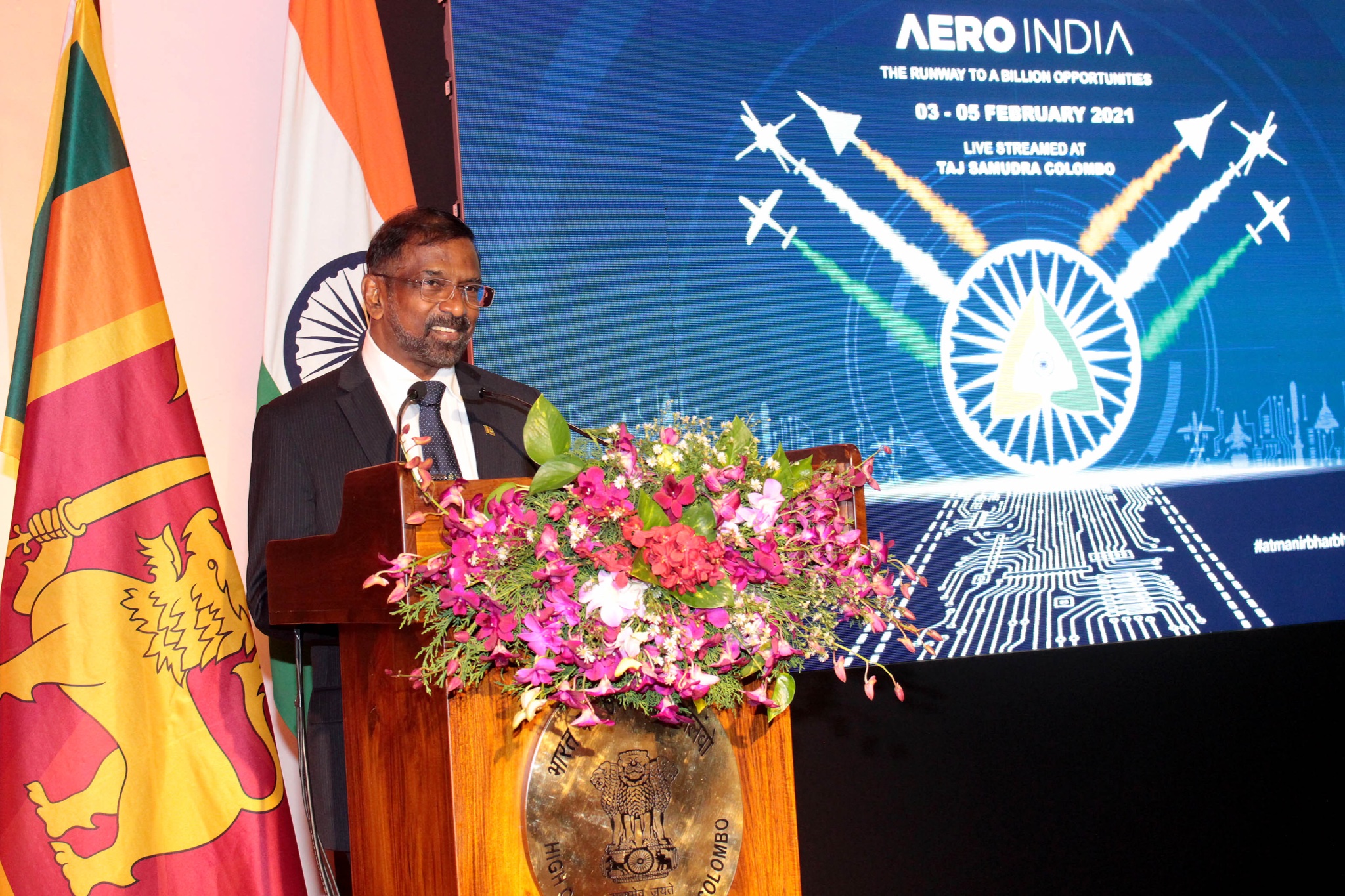
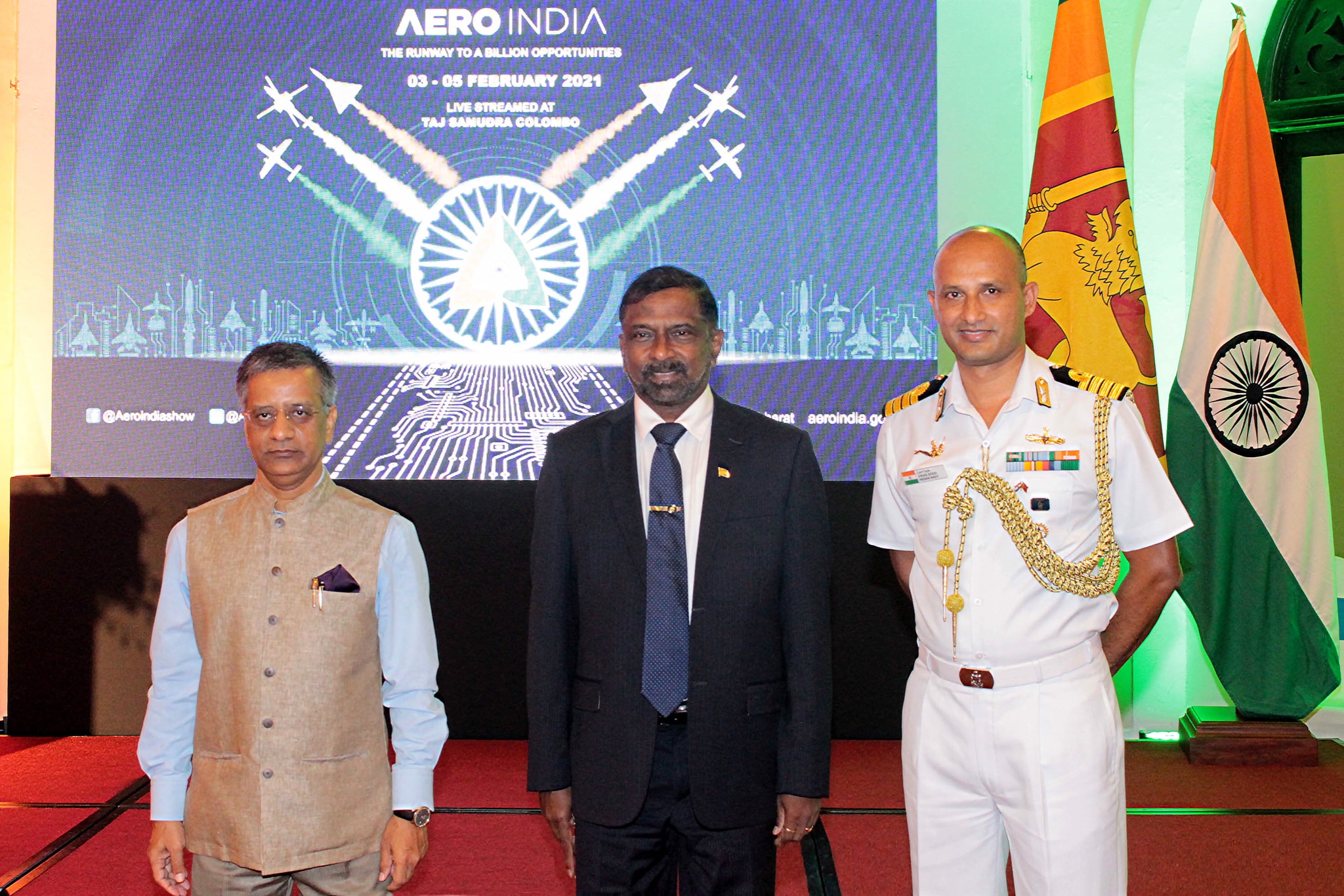
La 13a edición del espectáculo aéreo internacional de Aero India 2021 se ha iniciado este 3 de Febrero de 2021 en la Estación de la Fuerza Aérea Yelahanka en Bengaluru, en medio de la crisis sanitaria de la pandemia de Coronavirus. Aero India, conocida como la mayor exposición aeroespacial y de defensa de Asia, se celebra en Bengaluru del 3 al 5 de Febrero de 2021.
Durante el evento, el Ministro de Defensa Rajnath Singh ha dado a conocer el compendio de exportación de DRDO, un nuevo documento de Procedimiento para el Diseño, Desarrollo y Producción de Aeronaves Militares y Tiendas Aerotransportadas (DDPMAS) y otros documentos.La feria aérea internacional De Aero India está organizada por la Organización de Investigación y Desarrollo de defensa (DRDO). La feria internacional estará compuesta por 601 expositores: 523 indios y 78 extranjeros, y 14 países han confirmado su participación.
Asistencia a la feria
Para asistir al evento se deberá presentar un informe negativo de la prueba COVID-19 RT-PCR. Es imprescindible asistir al evento de tres días, donde cada día solo se permitirán 3.000 visitantes en el lugar de exhibición de vuelos en vista de la pandemia. En vista de lo mismo, para evitar las congestiones de tráfico y mantener un flujo libre de tráfico, la policía de tráfico de Bengaluru ha puesto en marcha desvíos de tráfico y arreglos de rutas alternativas. Estas modificaciones estarán en vigor del 3 al 5 de Febrero de 2021, entre las 05:00-22:00 hs.
Aero India | 03/02
El Gobierno de la India ha firmado este 03/02 formalmente el acuerdo por ₹ 48.000 Crore para adquirir 83 aviones de combate ligero Tejas del gigante aeroespacial estatal Hindustan Aeronautics Ltd, que será el mayor programa de adquisición de defensa indígena. El contrato se firmará entre el Ministerio de Defensa y el HAL en la exposición aeroespacial ‘Aero India’ en Bengaluru.
La DRDO exhibirá sus últimas tecnologías de defensa y demostrará muchos sistemas. Una de las principales atracciones de la DRDO incluirá exhibiciones voladoras del sistema de Alerta y Control Temprano Aerotransportado (AEW&C), Tejas de Aviones de Combate Ligero (LCA) y LCA Navy.
Más de 300 productos, tecnologías e innovaciones se mostrarán en pantallas interiores, exteriores, estáticas y voladoras en el evento bienal. Teniendo en cuenta la actual pandemia COVID-19, las presentaciones basadas en multimedia y los folletos de productos y tecnología se proporcionan digitalmente para su descarga basada en código QR.
AERO INDIA 2021
Starts 13a. Aero India 2021 edition
The 13th edition of the Aero India 2021 international air show began on February 3, 2021 at the Yelahanka Air Force Station in Bengaluru, amid the health crisis of the Coronavirus pandemic. Aero India, known as Asia’s largest aerospace and defense exhibition, is held in Bengaluru from February 3-5, 2021.
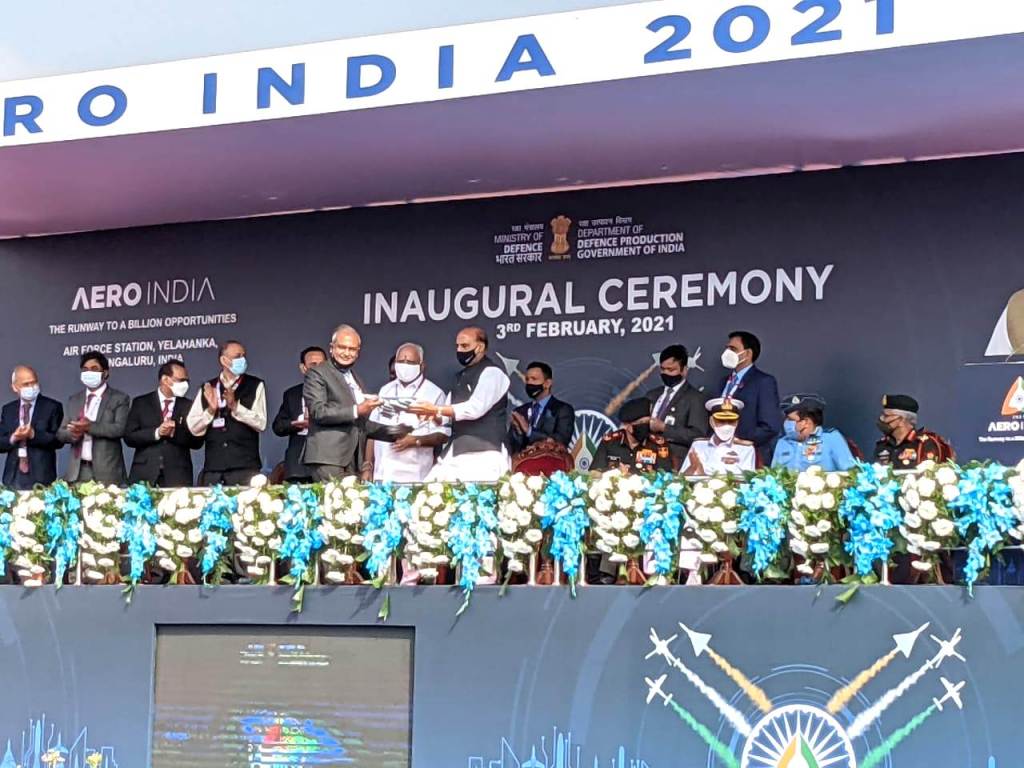
During the event, Defense Minister Rajnath Singh unveiled the DRDO Export Compendium, a new Procedure document for the Design, Development and Production of Military Aircraft and Airborne Shops (DDPMAS) and other documents. Aero India is organized by the Defense Research and Development Organization (DRDO). The international fair will be made up of 601 exhibitors: 523 Indians and 78 foreigners, and 14 countries have confirmed their participation.
Attendance at the fair
To attend the event, a negative report of the COVID-19 RT-PCR test must be submitted. It is imperative to attend the three-day event, where each day only 3,000 visitors will be allowed at the flight display venue in view of the pandemic. In view of the same, to avoid traffic congestion and maintain a free flow of traffic, the Bengaluru traffic police have put in place traffic diversions and alternative route arrangements. These modifications will be in effect from February 3 to 5, 2021, between 05:00-22: 00.
Aero India | 02/03
The Government of India has formally signed this 03/02 the agreement for ₹ 48,000 Crore to acquire 83 Tejas light combat aircraft from the state-owned aerospace giant Hindustan Aeronautics Ltd, which will be the largest indigenous defense acquisition program. The contract will be signed between the Ministry of Defense and HAL at the ‘Aero India’ aerospace exhibition in Bengaluru.
DRDO will showcase its latest defense technologies and demonstrate many systems. One of the DRDO’s main attractions will include flying displays of the Airborne Early Warning and Control (AEW&C) system, Texas Light Combat Aircraft (LCA) and LCA Navy.
More than 300 products, technologies and innovations will be displayed on indoor, outdoor, static and flying displays at the biennial event. With the current COVID-19 pandemic in mind, multimedia-based presentations and product and technology brochures are provided digitally for download based on QR code.
AW | 2020 12 12 12:02 | AVIATION SAFETY / CONGRESS
Foro Safer Skies pronuncia seguridad operativa en aviación comercial
El Foro Safer Skies se ha pronunciado en su ronda de disertaciones con la premisa de conseguir cielos más seguros al aborda el riesgo de aviación civil en zonas de conflicto. Desde que el vuelo PS752 de Ukraine International Airlines fue derribado cerca de Teherán, República de Irán el 8 de Enero de 2020, Canadá y sus socios internacionales han estado trabajando para mejorar la seguridad de los viajes aéreos en todo el mundo al abordar las brechas en la forma en que el sector de la aviación civil se ocupa de las zonas de conflicto.
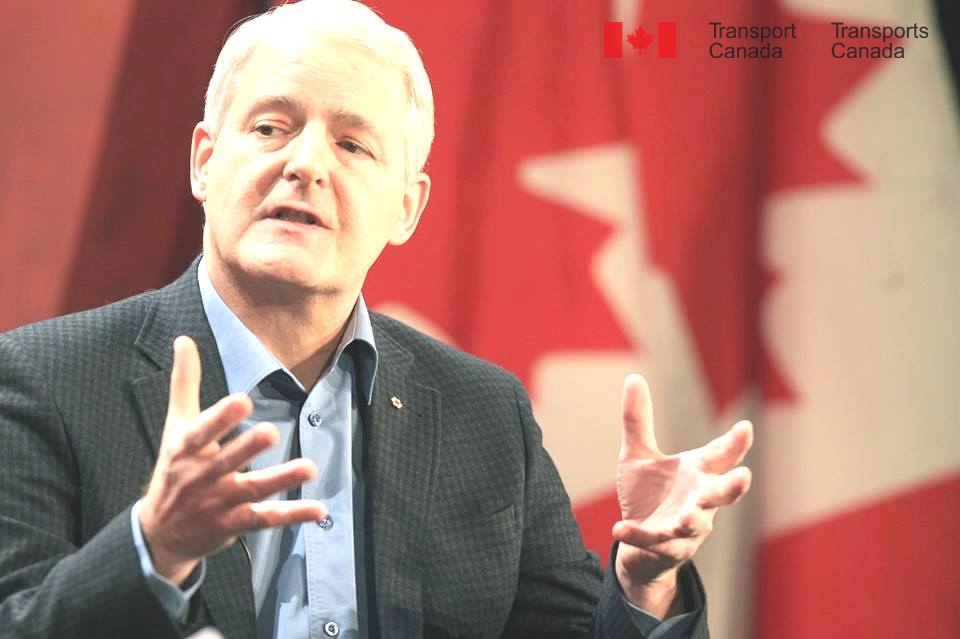
El Ministro de Transporte de Canadá, Marc Garneau, pronunció su discurso de apertura en el Foro inaugural de Safer Skies, organizado por Transport Canada. El Foro de Safer Skies es el primer foro internacional centrado en la seguridad de la aviación civil sobre las zonas de conflicto. El evento reunió a expertos de 81 países y regiones, organizaciones internacionales y la industria de la aviación civil para compartir las mejores prácticas para abordar el riesgo en las zonas de conflicto. Los participantes también abogaron por la aplicación de las Normas y Prácticas Recomendadas (SARP) de la Organización de Aviación Civil Internacional (OACI), que ayudan a los socios internacionales a gestionar los riesgos para la seguridad de la aviación.
Durante su discurso, el Ministro canadiense Marc Garneau instó a los países que aún no lo habían hecho a que respaldaran la Declaración de Compromiso sobre los cielos más seguros, un compromiso mundial para promover la seguridad y la seguridad de la aviación. La Declaración refuerza la importancia de las operaciones seguras de aviación civil en todo el mundo y pide a los países que renueven su compromiso con un enfoque global para hacer frente al riesgo de las zonas de conflicto. El Ministro ha observado el respaldo de los Estados Unidos, Alemania, Ucrania, Francia, el Reino Unido, la República de Corea, Islandia, Georgia, los Países Bajos, el Japón, Grecia, la Organización de Servicios de Navegación Aérea Civil y la Asociación Internacional de Transporte Aéreo, y espera con interés nuevos apoyos en las próximas semanas.
La Organización de Aviación Civil Internacional (OACI) ha destacado que los países están siendo encuestados y que sus respuestas ayudarían a definir los próximos pasos a nivel multilateral y a mejorar los resultados sobre la mitigación del riesgo de las zonas de conflicto en el futuro.
Safer Skies Forum
Safer Skies Forum delivers operational safety in commercial aviation
The Safer Skies Forum has spoken in its round of lectures with the premise of achieving safer skies by addressing the risk of civil aviation in conflict zones. Since Ukraine International Airlines flight PS752 was shot down near Tehran, Republic of Iran on January 8, 2020, Canada and its international partners have been working to improve air travel safety around the world by addressing gaps in the way the civil aviation industry deals with conflict zones.
Canadian Transportation Minister Marc Garneau delivered his keynote address at the inaugural Safer Skies Forum, hosted by Transport Canada. The Safer Skies Forum is the first international forum focused on civil aviation security over conflict zones. The event brought together experts from 81 countries and regions, international organizations and the civil aviation industry to share best practices for addressing risk in conflict zones. Participants also advocated for the application of the International Civil Aviation Organization (ICAO) Standards and Recommended Practices (SARPs), which help international partners manage risks to aviation security.
During his speech, Canadian Minister Marc Garneau urged countries that had not yet done so to endorse the Declaration of Commitment on Safer Skies, a global commitment to advance aviation safety and security. The Declaration reinforces the importance of safe civil aviation operations around the world and calls on countries to renew their commitment to a global approach to dealing with the risk of conflict zones. The Minister has noted the support of the United States, Germany, Ukraine, France, the United Kingdom, the Republic of Korea, Iceland, Georgia, the Netherlands, Japan, Greece, the Civil Air Navigation Services Organization and the Association International Air Transport, and looks forward to further support in the coming weeks.
The International Civil Aviation Organization (ICAO) has highlighted that countries are being surveyed and that their responses would help define the next steps at the multilateral level and improve results on risk mitigation of conflict zones in the future.
Paris Air Show 2021 ha sido cancelado debido pandemia
Los organizadores del Salón Aéreo de París Air Show anunciaron este 7 de diciembre de 2020 que la edición de la feria francesa para el año 2021, programada para el 21 al 27 de Junio 2021 ha sido cancelada a la luz de la incertidumbre vinculada a la actual crisis de salud del Covid-19. El próximo Paris Air Show se celebrará en Junio de 2023, con fechas específicas que pronto se publicarán.
La junta directiva tanto del International Paris Air Show como de la asociación francesa de industrias aeroespaciales GIFAS, cuya filial SIAE organiza el evento bienal, acordaron por unanimidad saltarse el evento en respuesta a la pandemia y al gran número de visitantes a los que atrae el espectáculo. Los expositores recibirán reembolsos completos de todas las cantidades ya pagadas y el Salón Aéreo de París asumirá toda la responsabilidad financiera por la decisión, dijeron los organizadores. «Obviamente estamos decepcionados de no poder celebrar la edición de 2021 del Salón Aéreo de París. Después de muchos meses de todas las actividades de ferias en todo el mundo, toda la comunidad aeroespacial y de defensa internacional estaba deseando poder reunirse. Ya hemos comenzado a trabajar para garantizar que la edición de 2023 celebre el resurgimiento de la industria aeroespacial a escala internacional», dijo Patrick Daher, Presidente del Salón Aéreo Internacional de París y presidente del Grupo Daher.
Paris Air Show 2021 canceled
Paris Air Show 2021 has been canceled due to pandemic
The organizers of the Paris Air Show announced this December 7, 2020 that the edition of the French fair for the year 2021, scheduled for June 21 to 27, 2021 has been canceled in light of the uncertainty linked to the current Covid-19 health crisis. The next Paris Air Show will be held in June 2023, with specific dates to be published soon.
The board of directors of both the International Paris Air Show and the French aerospace industries association GIFAS, whose subsidiary SIAE organizes the biennial event, unanimously agreed to skip the event in response to the pandemic and the large number of visitors the show attracts. Exhibitors will receive full refunds of all amounts already paid and the Paris Air Show will take full financial responsibility for the decision, organizers said. «We are obviously disappointed not to be able to celebrate the 2021 edition of the Paris Air Show. After many months of all the trade show activities around the world, the entire international defense and aerospace community was looking forward to getting together. We have already started to get together. work to ensure that the 2023 edition celebrates the resurgence of the aerospace industry on an international scale», said Patrick Daher, President of the Paris International Airshow and President of the Daher Group.
ALTA desarrolla la Conferencia CCMA & MRO 2020 en Cancún
La Asociación Latinoamericana y del Caribe de Transporte Aéreo (ALTA) se encuentra desarrollando la ALTA CCMA & MRO del 6 al 8 de Diciembre de 2020 su nueva edición de conferencias en Cancún, México, marcando el primer evento presencial post-pandemia de la industria de la aviación. La misión del ALTA CCMA & MRO Conference es ser la principal conferencia anual de mantenimiento y compras técnicas. Considerando el impacto de Covid19 en la aviación, cuya crisis puso en tierra prácticamente toda la flota de aeronaves del mundo, las áreas de mantenimiento han tenido importantes retos sumado a que el virus cambió el mapa de las relaciones de compras entre las aerolíneas y los proveedores. Para el 2020, el CCMA discutirá los retos que el Covid19 ha generado en la industria con el fin de desarrollar soluciones efectivas que maximicen el impacto social y económico de la aviación en la región. La Conferencia CCMA y MRO 2020 se llevará a cabo en Riviera Maya, México del 6 al 8 de Diciembre de 2020 en el Hard Rock Riviera Maya Hotel. El ALTA CCMA & MRO es el encuentro de representantes de mantenimiento y compras técnicas más antiguo de la aviación latinoamericana, con casi 60 años de trayectoria.
Las líneas aéreas y compañías proveedoras concertan en la CCMA & MRO 2020 con el objetivo de profundizar temas referentes a las estrategias globales de mantenimiento de aeronaves y afines en el presente contexto actual, el desempeño de las autoridades de aviación civil durante la crisis mundial de pandemia, el libre mercado, entre otros temas coyunturales. En el evento participan diversas aerolíneas y asociaciones como la Comisión Latinoamericana de Aviación Civil (CLAC), Aeroméxico, Aviation & Aerospace at Korn Ferry, Copa Airlines, CFM International, JetSmart Airlines, Rima Aviation, entre otros participantes.
El CCMA & MRO 2020 ha abierto este Domingo 06/12 con la bienvenida de aperturade del nuevo Director General de ALTA, José Ricardo Botelho, abriendo la temática acerca de la estrategia del Mantenimiento frente a la crisis de Covid-19, el rol de las autoridades de aviación civil frente a la crisis y su impacto en las operaciones y la armonización regulatoria en la región. Otros disertantes como William Shaw, CEO de Viva Air, el Director General de Flycana Fred Jacobsen, la presencia de Albert Pérez, Director de Operaciones de Jetsmart Airlines, Gilberto Scheffer, Director de Rima Aviation, entre otros disertarán acerca de los retos de fundar aerolíneas y sus necesidades de mantenimiento. El Martes 08/12 se desarrollará una conferencia titulada “Diversidad e inclusión en la industria de la aviación”, seguida de una llamada “La relación entre los OEM y las Aerolíneas”, en el que participarán el director legal de ALTA, Gonzalo Yelpo, el representante en América Latina y el Caribe de CFM International y GE Aviation, Kevin Harris, así como miembros de Aeroméxico y Copa Airlines. El último evento que se llevará a cabo ese día será “Relaciones a largo plazo, las alianzas entre clientes y proveedores en los tiempos del covid-19”.
“Con este evento, ALTA quiere demostrar que, con todos los protocolos de salud y con responsabilidad social, la aviación está lista para unir países, familias, amigos, colegas, proteger y crear empleos”, ha expresado Ricardo Botelho. El evento dará cita a 60 representantes de aerolíneas que operan en América Latina y 200 miembros de compañías proveedoras de la industria. “No imaginamos que una industria que despegaría en enero para alcanzar 5% de crecimiento este año, se mantendría en tierra por tantos meses, retrocediendo a los niveles de tráfico de pasajeros que teníamos en 2008, en cifras globales. Y, en algunos meses, a los niveles de tráfico que teníamos en la década de 1970 a nivel regional. Luego de 16 años de crecimiento ininterrumpido, en 2019 logramos conectar por primera vez Latinoamérica con todas las regiones del mundo. Un logro fantástico en conectividad que tomará tiempo y trabajo recuperar. Y lo vamos a lograr. Agradezco profundamente el apoyo y confianza de nuestros miembros, aliados y patrocinantes que hacen posible este evento. Así como a cada uno de los participantes”, detalló Ricardo Botelho.
ALTA CCMA 2020
ALTA develops the 2020 CCMA & MRO Conference in Cancun
The Latin American and Caribbean Air Transport Association (ALTA) is developing the ALTA CCMA & MRO from December 6 to 8, 2020 its new edition of conferences in Cancun, Mexico, marking the first post-pandemic in-person event of the industry of the aviation. The mission of the ALTA CCMA & MRO Conference is to be the premier annual technical purchasing and maintenance conference. Considering the impact of Covid19 on aviation, whose crisis ground practically the entire fleet of aircraft in the world, the maintenance areas have had significant challenges added to the fact that the virus changed the map of purchasing relationships between airlines and suppliers . By 2020, the CCMA will discuss the challenges that Covid19 has generated in the industry in order to develop effective solutions that maximize the social and economic impact of aviation in the region. The 2020 CCMA and MRO Conference will take place in Riviera Maya, Mexico from December 6 to 8, 2020 at the Hard Rock Riviera Maya Hotel. The ALTA CCMA & MRO is the oldest meeting of maintenance and technical purchasing representatives in Latin American aviation, with almost 60 years of experience.
Airlines and supplier companies agree at the CCMA & MRO 2020 with the aim of deepening issues related to global aircraft maintenance strategies and related in the present current context, the performance of civil aviation authorities during the global pandemic crisis , the free market, among other business issues. Various airlines and associations such as the Latin American Civil Aviation Commission (CLAC), Aeroméxico, Aviation & Aerospace at Korn Ferry, Copa Airlines, CFM International, JetSmart Airlines, Rima Aviation, among other participants, participate in the event.
The CCMA & MRO 2020 has opened this Sunday 06/12 with the welcome of the new General Director of ALTA, José Ricardo Botelho, opening the theme about the Maintenance strategy in the face of the Covid-19 crisis, the role of the civil aviation authorities in the face of the crisis and its impact on operations and regulatory harmonization in the region. Other speakers such as William Shaw, CEO of Viva Air, the General Director of Flycana Fred Jacobsen, the presence of Albert Pérez, Director of Operations of Jetsmart Airlines, Gilberto Scheffer, Director of Rima Aviation, among others, will speak about the challenges of founding airlines and your maintenance needs. On Tuesday 08/12 there will be a conference entitled «Diversity and inclusion in the aviation industry», followed by a call «The relationship between OEMs and Airlines», in which the legal director of ALTA, Gonzalo Yelpo, will participate. the representative in Latin America and the Caribbean of CFM International and GE Aviation, Kevin Harris, as well as members of Aeroméxico and Copa Airlines. The last event that will take place that day will be «Long-term relationships, alliances between customers and suppliers in the times of covid-19».
«With this event, ALTA wants to show that, with all health protocols and with social responsibility, aviation is ready to unite countries, families, friends, colleagues, protect and create jobs», said Ricardo Botelho. The event will bring together 60 representatives of airlines operating in Latin America and 200 members of supplier companies in the industry. “We do not imagine that an industry that would take off in January to achieve 5% growth this year, would remain on the ground for so many months, falling back to the levels of passenger traffic we had in 2008, in global figures. And, in a few months, at the traffic levels we had in the 1970s at the regional level. After 16 years of uninterrupted growth, in 2019 we were able to connect Latin America with all regions of the world for the first time. A fantastic achievement in connectivity that will take time and work to recover. And we will achieve it. I deeply appreciate the support and trust of our members, allies and sponsors who make this event possible. As well as each one of the participants”, explained Ricardo Botelho.
AW | 2020 11 30 10:23 | CONGRESS / TOURISM / AIRLINES
Aerolíneas & Turismo aliadas para superar la crisis
Tourism Innovation Summit (TIS) es la plataforma profesional para transformar el sector turístico a través de la innovación, la tecnología y la sostenibilidad. Los avances tecnológicos han cambiado la forma en que viajamos, aumentando la experiencia del cliente. Además, estar al día con las últimas soluciones y modelos de negocio que replantan nuestra industria es clave para la supervivencia de cualquier negocio que quiera seguir operando. La TIS se ha desarrollado en 2020 en la Ciudad de Sevilla, España, del 25 al 27 de Noviembre de 2020. Tourism Innovation Summit 2020 ha proporcionado a los líderes de la industria turística un espacio de intercambio de estrategias, soluciones tecnológicas y reuniones de negocios para definir las acciones del sector turístico para la próxima década. Donde los más fuertes y los más audaces se reunirán para impulsar el renacimiento del sector.
Aviación & turismo
El mundo del turismo y las aerolíneas han reconocido que se necesitan mutuamente para sortear la crisis y han resaltado que deberán colaborar intensamente en los próximos años, con el objetivo de sumar sinergias que atraigan a los mercados emergentes. Una de las mesas redondas que tuvieron lugar el Viernes 27/11 en el marco del Tourism Innovation Summit 2020 (TIS 2020), ha reunido a más de 200 expertos del sector turístico. En el evento han participado el Director de Ventas y Marketing de American Airlines para España y Portugal, José Antonio Blázquez; la Directora General de Turisme de Barcelona, Marian Muro; el Director de Turismo de Madrid Destino, Héctor Coronel; y el Director del Aeropuerto de Sevilla, Jesús Caballero.
El Director de Agenttravel, Juan Carlos Cavero, ha destacado la importancia de la colaboración público-privada entre destinos, aeropuertos y aerolíneas; la necesidad de redireccionar la promoción a mercados estratégicos como Asia, sin olvidar el refuerzo de otros como Iberoamérica; y la importancia de los corredores seguros y los tests para estimular la demanda. José Antonio Blázquez ha manifestado que las aerolíneas se encuentran actualmente en modo de supervivencia y ha reconocido que de cara al futuro la mayoría reducirá su tamaño en un 30 o 40%. El Directivo de American Airlines ha hecho hincapié en que “no hay compañías aéreas que puedan volar si no se llenan de carga” en el contexto actual, y ha reclamado apoyo a las administraciones. “Necesitamos que los destinos nos ayuden”, ha explicado, al tiempo que admitía que American Airlines le planteó a Barcelona que ante las dificultades que enfrentan para continuar volando. “Para marzo tenemos cinco vuelos a Madrid y cinco a Barcelona, pero si no funciona, en dos o tres semanas cambiamos porque no podemos quemar cash y prefiero poner el avión en el desierto”, ha reafirmado. Para el directivo de American Airlines, la clave es la adaptabilidad y ha pronosticado que si la colaboración con los destinos no funciona, otros sectores turísticos como las agencias, los cruceros o incluso los taxistas, sufrirán el impacto.
Elegir los mercados prioritarios
Tanto José Antonio Blázquez como Marian Muro han coincidido en reclamar con insistencia que se realicen test, tanto en origen como en destino. “Si hay fronteras cerradas y cuarentenas, no salimos adelante”, ha lamentado el Directivo de American Airlines. Adicionalmente, la Directora de Turisme de Barcelona ha manifestado que los destinos deben “tener la capacidad de decidir con el gestor aeroportuario medidas de incentivos para compañías aéreas, que sean acordes con los intereses del destino”. Marian Muro considera que no se debe incentivar a todas las compañías, sino tan solo a las que transporten a los visitantes que son prioritarios para Barcelona, en base a los mercados en los que ha potenciado la promoción de cara a los dos próximos años. “Tenemos claro los mercados por los que queremos apostar”, ha asegurado. Entre ellos, destaca China, para lo cual el organismo está dando clases a agentes de viajes del país asiático sobre Barcelona; otros destinos del sudeste asiático y Estados Unidos, un mercado, este último, vital para los cruceros, expresó Marian Muro.
Madrid también está interesada en atraer al mercado asiático, además de seguir dando cariño a el continente americano, según Héctor Coronel, quien ha puesto el foco en que “el parón tiene que servir de oportunidad para repensar y replantear el futuro”. El Director de Madrid Destino ha enumerado tres medidas en este sentido: el desarrollo del hub de Barajas para reforzar la conectividad, liderar el puente entre América Latina y Asia y pontenciar la entrada a Europa desde estos mercados; y crear el hub intermodal enlazando la T4 con el AVE, aprovechando los fondos europeos. Al igual que el resto de participantes, Héctor Coronel cree que en la atracción de mercados emergentes la colaboración público-privada es esencial y ha puesto como ejemplo la alianza que la capital española está desarrollando con Iberia de cara a la extensión de las estancias de los viajeros latinoamericanos en Madrid.
Para terminar, Jesús Caballero, Director del Aeropuerto Sevilla, ha mostrado su satisfacción por el crecimiento de la aeroestación, que en 2013 ha transportado 3,5 millones de pasajeros y en 2019, superó los 7,5 millones, y ha precisado que estas cifras son fruto de la colaboración entre el Ayuntamiento, los hoteleros, las agencias de viajes, las aerolíneas y el propio aeropuerto, entre otros. “Tenemos que trabajar con los destinos. Damos soporte en información, conocimiento, Big data o análisis. Los aeropuertos somos un eslabón más y debemos adaptarnos a lo que necesitan los destinos, las aerolíneas y los pasajeros”, ha expresado.
Tourism Innovation Summit 2020
Airlines & Tourism allied to overcome the crisis
Tourism Innovation Summit (TIS) is the professional platform to transform the tourism sector through innovation, technology and sustainability. Technological advances have changed the way we travel, increasing the customer experience. In addition, staying up-to-date with the latest solutions and business models that are replacing our industry is key to the survival of any business that wants to continue operating. The TIS has been developed in 2020 in the City of Seville, Spain, from November 25 to 27, 2020. Tourism Innovation Summit 2020 has provided the leaders of the tourism industry with a space for exchanging strategies, technological solutions and business meetings to define the actions of the tourism sector for the next decade. Where the strongest and the most daring will come together to drive the rebirth of the sector.
Aviation & tourism
The world of tourism and airlines have recognized that they need each other to overcome the crisis and have stressed that they will have to collaborate intensively in the coming years, with the aim of adding synergies that attract emerging markets. One of the round tables that took place on Friday 11/27 within the framework of the Tourism Innovation Summit 2020 (TIS 2020), has brought together more than 200 experts from the tourism sector. The event was attended by the Director of Sales and Marketing of American Airlines for Spain and Portugal, José Antonio Blázquez; the Director General of Turisme de Barcelona, Marian Muro; the Director of Tourism of Madrid Destino, Héctor Coronel; and the Director of the Seville Airport, Jesús Caballero.
The Director of Agenttravel, Juan Carlos Cavero, has highlighted the importance of public-private collaboration between destinations, airports and airlines; the need to redirect the promotion to strategic markets such as Asia, without forgetting the reinforcement of others such as Latin America; and the importance of safe corridors and testing to stimulate demand. José Antonio Blázquez has stated that the airlines are currently in survival mode and has recognized that in the future most will reduce their size by 30 or 40%. The Director of American Airlines has emphasized that «there are no airlines that can fly if they are not filled with cargo» in the current context, and has requested support from the administrations. «We need destinations to help us», he explained, while admitting that American Airlines told Barcelona that given the difficulties they face to continue flying. «For March we have five flights to Madrid and five to Barcelona, but if it does not work, in two or three weeks we change because we cannot burn cash and I prefer to put the plane in the desert», he reaffirmed. For the American Airlines executive, the key is adaptability and he has predicted that if collaboration with destinations does not work, other tourism sectors such as agencies, cruise ships or even taxi drivers will suffer the impact.
Choose priority markets
Both José Antonio Blázquez and Marian Muro have concurred in insistently demanding that tests be carried out, both at origin and destination. «If there are closed borders and quarantines, we will not move forward», lamented the Director of American Airlines. Additionally, the Director of Turisme de Barcelona has stated that destinations must «have the ability to decide with the airport manager incentive measures for airlines that are consistent with the interests of the destination». Marian Muro considers that not all companies should be encouraged, but only those that transport visitors who are a priority for Barcelona, based on the markets in which the promotion has been promoted for the next two years. «We are clear about the markets we want to bet on», he assured. Among them, China stands out, for which the organization is giving classes to travel agents from the Asian country on Barcelona; other destinations in Southeast Asia and the United States, a market, the latter, vital for cruise ships, said Marian Muro.
Madrid is also interested in attracting the Asian market, in addition to continuing to give affection to the American continent, according to Héctor Coronel, who has emphasized that «the break must serve as an opportunity to rethink and rethink the future». The Director of Madrid Destino has listed three measures in this regard: the development of the Barajas hub to strengthen connectivity, lead the bridge between Latin America and Asia and promote the entry into Europe from these markets; and create the intermodal hub linking T4 with the AVE, taking advantage of European funds. Like the rest of the participants, Héctor Coronel believes that public-private collaboration is essential in attracting emerging markets and has given as an example the alliance that the Spanish capital is developing with Iberia with a view to extending the stays of the Latin American travelers in Madrid.
Finally, Jesús Caballero, Director of the Sevilla Airport, has shown his satisfaction with the growth of the air station, which in 2013 has transported 3.5 million passengers and in 2019, exceeded 7.5 million, and has specified that these figures They are the result of collaboration between the City Council, hoteliers, travel agencies, airlines and the airport itself, among others. “We have to work with destinations. We support information, knowledge, Big data or analysis. Airports are one more link and we must adapt to what destinations, airlines and passengers need , he said.
AW | 2020 11 26 12:14 | AIRLINES MARKET / CONGRESS
Business Travel Expo afianza mercado aéreo emergente
El CEO de Latam Airlines, Roberto Alvo, ha comunicado que para el segundo semestre del año que viene estarán abandonando la Ley de Quiebras de EE.UU. Los máximos ejecutivos del sector de la aviación comercial han participado este Miércoles 25/11 del seminario sobre industria aérea de la Business Travel Expo en Santiago de Chile.
El mercado aéreo en Chile continúa mostrando señales positivas continuas hacia una recuperación paulatina de las rutas domésticas e internacionales. Latam Airlines Group, estima estar operando cerca del 40% de su capacidad total hacia finales de 2020. En Octubre, la aerolínea ligada a la familia Cueto operó 26,8% de su capacidad. Sky Airline, por su parte, prevé cerrar el año operando al 80% de su capacidad total. Mientras que Jetsmart Airlines Chile ha estimado cifras hacia Diciembre operando entre 60% a 65% de su capacidad en el mercado doméstico y entre 15% a 20% en el sector internacional.
Business Travel Expo
Los principales ejecutivos de las tres aerolíneas mencionadas se reunieron el 25/11 en un panel de conversación de la Business Travel Expo, organizada por Interexpo y Travel Security, donde ahondaron sobre sus perspectivas y planes para 2021.
El CEO de Latam Airlines Group, Roberto Alvo, estimó que 2021 va a ser un año de recuperación, pero con altos y bajos. Respecto a su proceso de reorganización financiera bajo la protección del Capítulo 11 de la Ley de Quiebras de Estados Unidos, Roberto Alvo ha expresado su perspectiva como una oportunidad de convertir a Latam en una compañía extremadamente eficiente y ágil. “La transformación en la que estamos embarcados es extremadamente importante y vamos a salir del Capítulo 11 y de una crisis, sin duda, fortalecidos. Vamos a tener una estructura de costos muy competitiva, probablemente igual a la de ustedes [Sky y Jetsmart] y eso nos va a permitir seguramente abordar las oportunidades. Nosotros estimamos que a lo largo del segundo semestre del próximo año deberíamos estar pensando en salir del Capítulo 11”, expresó el CEO de Latam Airlines.
El CEO de Jetsmart Airlines Group, Estuardo Ortíz, coincidió en que, pese a que el escenario es incierto, 2021 será un año de recuperación. “Me mantengo optimista de que el mercado doméstico en general en la región, va a estar en un alto grado de recuperación para fin del 2021. En el mercado doméstico cerca de un 60% a 65% y lo internacional muy poco, cerca de un 15% a 20%”. Respecto a los planes de la aerolínea, afirmó que estos siguen en la misma dirección en términos de crecimiento y posicionamiento en la región, pero que sin embargo, tuvieron que ajustar la hoja de ruta dado que los mercados domésticos se están recuperando más rápido que los internacionales y que, en ese sentido, tuvieron que adecuarse a la nueva realidad. “Hemos optado más bien por acelerar nuestra apertura de operaciones domésticas y por eso esperamos operar en Perú en el segundo trimestre de 2021”, señaló Estuardo Ortíz. Y sostuvo que el plan original era iniciar operaciones domésticas en Perú en 2022. Otro importante cambio es que adelantaron la creación de JetSmart Cargo. “La teníamos prevista para más adelante, pero a raíz que durante la pandemia Carga ha tomado un impacto mayor en los ingresos de aerolíneas, estamos ya finalizando el proyecto para empezar en el primer trimestre de 2021”, señaló entusiasmado. Las próximas operaciones de la división de carga estarían iniciando simultáneamente tanto en Chile como en Argentina.
El CEO de Sky Airline, José Ignacio Dougnac, detalló que actualmente están operando cerca del 65% de su capacidad total y que esperan cerrar el año aproximadamente en un 80%. “Como en Sky nuestra estrategia es muy enfocada en el mercado doméstico, con el 80% de nuestros vuelos son domésticos, tenemos una posición que es relativamente mejor que otros operadores donde tienen mucho riesgo en operaciones internacionales. Por eso si bien la industria está super deprimida, la industria completa está 85% abajo, nosotros estamos volando al 65% de nuestra capacidad total, porque estamos en mercados que han sido menos afectados por la pandemia y por lo mismo podemos desplegar un poco más”, explicó el responsable de la aerolínea Sky Airline. Las previsiones de la aérea es que a partir del 1Q2021 el tráfico internacional comience a recuperarse gradualmente. Las previsiones para el 2022 de Sky Airline podría recuperar el tráfico de pasajeros doméstico e internacional previo a la pandemia. “En el doméstico, probablemente en el último trimestre de 2021 estemos volando similar a lo que volamos el último trimestre de 2019”, expresó José Ignacio Dougnac.
Aerial prospects in Chile
Business Travel Expo strengthens emerging air market
The CEO of Latam Airlines, Roberto Alvo, has announced that for the second half of next year they will be abandoning the US Bankruptcy Law The top executives of the commercial aviation sector have participated this Wednesday 25/11 in the seminar on airline industry of the Business Travel Expo in Santiago de Chile.
The air market in Chile continues to show continuous positive signs towards a gradual recovery of domestic and international routes. Latam Airlines Group estimates that it will be operating about 40% of its total capacity by the end of 2020. In October, the airline linked to the Cueto family operated 26.8% of its capacity. Sky Airline, for its part, expects to close the year operating at 80% of its total capacity. While Jetsmart Airlines Chile has estimated figures for December operating between 60% to 65% of its capacity in the domestic market and between 15% to 20% in the international sector.
Business Travel Expo
The top executives of the three aforementioned airlines met on 11/25 in a panel discussion at the Business Travel Expo, organized by Interexpo and Travel Security, where they delved into their prospects and plans for 2021.
The CEO of Latam Airlines Group, Roberto Alvo, estimated that 2021 will be a year of recovery, but with ups and downs. Regarding his financial reorganization process under the protection of Chapter 11 of the United States Bankruptcy Law, Roberto Alvo has expressed his perspective as an opportunity to turn Latam into an extremely efficient and agile company. “The transformation we are embarking on is extremely important and we are going to emerge from Chapter 11 and a crisis, without a doubt, strengthened. We are going to have a very competitive cost structure, probably the same as yours [Sky and Jetsmart] and that will surely allow us to address the opportunities. We estimate that throughout the second semester of next year we should be thinking about exiting Chapter 11”, said the CEO of Latam Airlines.
The CEO of Jetsmart Airlines Group, Estuardo Ortíz, agreed that, despite the uncertain scenario, 2021 will be a year of recovery. «I remain optimistic that the domestic market in general in the region will be in a high degree of recovery by the end of 2021. In the domestic market, about 60% to 65% and the international market very little, about a 15% to 20%”. Regarding the airline’s plans, he affirmed that they continue in the same direction in terms of growth and positioning in the region, but that nevertheless, they had to adjust the roadmap since domestic markets are recovering faster than international organizations and that, in that sense, had to adapt to the new reality. «We have chosen rather to accelerate our opening of domestic operations and that is why we expect to operate in Peru in the second quarter of 2021,, said Estuardo Ortíz. And he said that the original plan was to start domestic operations in Peru in 2022. Another important change is that they advanced the creation of Jetsmart Cargo. «We had it planned for later, but due to the fact that during the Cargo pandemic it had a greater impact on airline revenues, we are already finalizing the project to start in the first quarter of 2021», he enthused. The next operations of the cargo division would be starting simultaneously in both Chile and Argentina.
The CEO of Sky Airline, José Ignacio Dougnac, explained that they are currently operating about 65% of their total capacity and that they expect to close the year at approximately 80%. “As at Sky our strategy is very focused on the domestic market, with 80% of our flights are domestic, we have a position that is relatively better than other operators where they have a lot of risk in international operations. Therefore, although the industry is super depressed, the entire industry is 85% down, we are flying at 65% of our total capacity, because we are in markets that have been less affected by the pandemic and therefore we can deploy a little more”, Explained the head of the airline Sky Airline. The airline’s forecasts are that from 1Q2021 international traffic will begin to gradually recover. Sky Airline’s forecasts for 2022 could recover domestic and international passenger traffic prior to the pandemic. «In the domestic, probably in the last quarter of 2021 we will be flying similar to what we flew in the last quarter of 2019», expressed José Ignacio Dougnac.
AW | 2020 11 21 11:50 | CONGRESS / AVIATION ORGANISMS
Aerolíneas necesitan US$ 80.000 millones adicionales para sobrevivir
El organismo de aviación de la Asociación Internacional de Transporte Aéreo (IATA) ha anunciado recientemente que las aerolíneas necesitarán entre US$ 70.000 millones y US$ 80.000 millones de Dólares en ayudas para sobrevivir a la crisis del Coronavirus, según ha dado advertencia la asociación en vista a los prolongados efectos sobre la aviación comercial. “Les estamos muy agradecidos por haber inyectado 160.000 millones de dólares en el sector. Para los próximos meses, las necesidades de la industria se evalúan en entre 70.000 millones y 80.000 millones de Dólares en ayuda adicional. De lo contrario, algunas aerolíneas no sobrevivirán”, dijo el Viernes 20/11 Alexandre de Juniac, Director Deneral de la Asociación Internacional del Transporte Aéreo (IATA), en el Paris Air Forum, organizado por el diario La Tribune.
Si bien los avances en las vacunas ofrecen esperanza, aún faltan muchos meses para el regreso de los viajes masivos, dicen las aerolíneas. A algunos les costará pasar el invierno boreal, cuando las ganancias son bajas incluso en épocas normales. Mientras, un renovado aumento de las infecciones por COVID-19 y las restricciones a los viajes han empañado aún más las perspectivas financieras para un sector que IATA ha pronosticado que perderá US$ 87.000 millones de Dólares este año. “Es bastante probable que veamos pérdidas mayores que las cifras que anunciamos”, dijo De Juniac, agregando que el déficit de todo el año se acercará probablemente a los US$ 100.000 millones de Dólares.
IATA ha pronosticado una recuperación dolorosamente lenta, con un regreso a los niveles de tráfico precrisis solo en 2024, con números de pasajeros que bajarán aún un 30% el próximo año. Eso también podría resultar optimista, advirtió De Juniac. “Calculamos que el tráfico aéreo estará al 33% de su nivel de 2019 a fines de 2020 y luego, esperamos, al 50-60% a fines de 2021”.
IATA airlines will require more aid
Airlines need an additional US$ 80 billion to survive
The aviation body of the International Air Transport Association (IATA) has recently announced that airlines will need between US$ 70,000 million and US$ 80,000 million in aid to survive the Coronavirus crisis, as the association has warned in in view of the prolonged effects on commercial aviction. “We are very grateful to them for having injected 160,000 million dollars into the sector. For the next few months, the needs of the industry are assessed at between US$ 70 billion and US$ 80 billion in additional aid. Otherwise, some airlines will not survive”, said on Friday 11/20 Alexandre de Juniac, General Director of the International Air Transport Association (IATA), at the Paris Air Forum, organized by the newspaper La Tribune.
While advances in vaccines offer hope, the return of mass travel is still many months away, airlines say. Some will find it difficult to make it through the boreal winter, when profits are low even in normal times. Meanwhile, a renewed rise in COVID-19 infections and travel restrictions have further clouded the financial outlook for a sector that IATA has predicted will lose US$ 87 billion this year. «It is quite likely that we will see losses greater than the figures we announced», De Juniac said, adding that the deficit for the entire year will probably approach US$ 100 billion.
IATA has forecast a painfully slow recovery, with a return to pre-crisis traffic levels only in 2024, with passenger numbers still down 30% next year. That might also be optimistic, de Juniac cautioned. «We estimate that air traffic will be at 33% of its 2019 level by the end of 2020 and then, we hope, at 50-60% by the end of 2021».