AW | 2022 01 07 15:22 | AIRLINES MARKET / GOVERNMENT
Aerolíneas europeas hacen vuelos vacíos para mantener horarios
Las compañías aéreas han dicho que si la Unión Europea (UE) no toma medidas, tendrá que realizar unos tres mil viajes este invierno principalmente para salvaguardar sus derechos de red. El cielo de Europa se está llenando de aviones contaminantes casi vacíos que no tienen otro propósito que salvaguardar los valiosos slots (franjas horarias) de las aerolíneas en algunos de los aeropuertos más importantes del mundo.
La variante de Coronavirus Ómicron ha trastocado nuevamente la industria aérea y, debido a ello, llevar personas y bienes del punto A al punto B se ha convertido en una ocurrencia tardía para miles de vuelos. Esto ha creado extraños aliados: ambientalistas y aerolíneas que abogan reducir los vuelos vacíos o casi vacíos presionando a la Unión Europea, un líder mundial comprometido en la lucha contra el cambio climático, para que modifique las reglas sobre los slots en los aeropuertos. “La UE seguramente se encuentra en modo de emergencia climática”, tuiteó sarcásticamente la activista Greta Thunberg esta semana, vinculando un artículo sobre Brussels Airlines haciendo vuelos innecesarios.
Las aerolíneas europeas han dicho que si la UE no toma medidas, tendrá que realizar unos 3.000 viajes este invierno principalmente para salvaguardar sus derechos de red.
El gigante alemán Lufthansa dijo que tendría que efectuar 18.000 vuelos innecesarios adicionales durante el invierno a fin de mantener sus slots. Aunque la demanda de vuelos aumentó durante las vacaciones, el resto del período invernal podría ser lento a medida que Ómicron avanza en todo el mundo.
Los slots en los aeropuertos más grandes son un bien extremadamente valioso en la industria y, para mantenerlos, las aerolíneas deben garantizar un alto porcentaje de vuelos. Es por eso que los vuelos, aunque generen pérdidas, deben mantenerse para garantizar que las empresas mantengan sus permisos de espacios en los aeropuertos. La práctica era aceptada a pesar de las preocupaciones por la contaminación, aunque la caída pandémica de los vuelos puso eso en duda. Normalmente, las aerolíneas tenían que usar el 80% de sus franjas horarias para preservar sus derechos, pero la UE lo redujo al 50% para garantizar que el menor número posible de aviones vacíos o casi vacíos crucen el cielo.
Airlines vs conservation slots
European airlines make empty flights to keep schedules
Airlines have said that if the European Union (EU) does not take action, it will have to make about 3,000 trips this winter mainly to safeguard its network rights. The skies of Europe are filling with almost empty polluting airplanes that have no other purpose than to safeguard the valuable slots (slots) of the airlines in some of the most important airports in the world.
The Coronavirus Omicron variant has once again disrupted the airline industry, and as a result, getting people and goods from point A to point B has become an afterthought for thousands of flights. This has created strange allies: environmentalists and airlines who advocate reducing empty or near-empty flights by pressuring the European Union, a world leader committed to fighting climate change, to change the rules on airport slots. «The EU is surely in climate emergency mode», activist Greta Thunberg tweeted sarcastically this week, linking to an article about Brussels Airlines making unnecessary flights.
European airlines have said that if the EU does not take action, it will have to make about 3,000 trips this winter mainly to safeguard its network rights.
German giant Lufthansa said it would have to make an additional 18,000 unnecessary flights during the winter in order to maintain its slots. Although the demand for flights increased during the holidays, the rest of the winter period could be slow as Ómicron moves around the world.
Slots at the largest airports are an extremely valuable commodity in the industry and, to maintain them, airlines must guarantee a high percentage of flights. That is why flights, even if they generate losses, must be maintained to ensure that companies maintain their space permits at airports. The practice was accepted despite pollution concerns, although the pandemic drop in flights put that into question. Typically airlines had to use 80% of their slots to preserve their rights, but the EU cut it down to 50% to ensure that as few empty or near-empty planes as possible cross the sky.
La Superintendencia General del Consejo Administrativo de Defensa Económica (CADE) de Brasil ha anunciado en la mañana del Lunes 3 de Enero de 2022 la aprobación sin restricciones de la adquisición de MAP Linhas Aéreas por parte de GOL Linhas Aéreas. La información fue revelada después de que la orden, fechada el 30 de Diciembre de 2021, fuera enviada a la Comisión de Valores Inmobiliarios (CVM) en São Paulo. La decisión de aprobación, dijo el organismo del CADE, entrará en vigencia dentro de los quince días posteriores a su publicación.
GOL Linhas Aéreas había anunciado la compra de la aerolínea de transporte regional en Junio 2021. GOL había expresado oportunamente: «La realización de esta transacción reforzará el posicionamiento de liderazgo de GOL en dos de sus principales hubs, con un crecimiento de aproximadamente el 10% en Congonhas a través de la adición de 26 vuelos diarios. Por lo tanto, la Compañía podrá servir a nuevos destinos que conecten la ciudad más grande de América del Sur con los mercados nacionales históricamente desatendidos».
MAP Transportes Aéreos es una empresa fundada en 2011. Posee su base en la ciudad brasileña de Manaos. MAP tiene una flota de siete aviones, de los cuales solo uno está actualmente activo. Tiene dos ATR 42-300 (2), dos ATR 42-500 (2), dos ATR 72-200 (2) y un ATR 72-500 (1). Actualmente, MAP es la quinta aerolínea nacional brasileña más grande. En su mayoría vuela rutas en la región amazónica desde el Aeropuerto de Manaos/MAO y las regiones sur y sureste de Brasil desde Congonhas/CGH, el aeropuerto doméstico más grande del país. Entre Enero y Noviembre de 2021, MAP Linhas Aéreas transportó a 101.034 pasajeros a través de Brasil. La aerolínea regional amazónica había había conservado la posición quinta en términos de tamaño, pero en 2021 descendió al puesto sexto al incursionar Itapemirim Transportes Aéreos superando a MAP durante sus cinco meses de operaciones.
GOL-MAP
El 8 de Junio de 2021, GOL Linhas Aéreas había anunciado que había llegado a un acuerdo para adquirir MAP Linhas Aéreas. La adquisición reflejó el compromiso de GOL de expandir la demanda de transporte aéreo de pasajeros en Brasil, dijo la aerolínea en un comunicado. GOL pagaría ha ofrecido un valor de R$ 28 millones de Reales/US$ 5 millones de Dólares por la aerolínea.
Impacto mercado doméstico
¿Cómo impactará la fusión entre ambas aerolíneas en el mercado de la aviación brasileña? Actualmente, GOL Linhas Aéreas está compitiendo con Azul Linhas Aéreas y Latam Airlines Brasil en el mercado doméstico brasileño. Azul se mantiene sin competencia en muchas rutas domésticas principalmente tras adquirir la compañía regional TwoFlex, rebautizada como Azul Conecta, explotando rutas con aeroanves Cessna C208, lo que permite a la aerolínea conectar mejor las ciudades pequeñas de todo Brasil. La decisión de GOL de comprar MAP Linhas Aéreas es una respuesta al dominio de Azul en el mercado regional. Además, la adquisición de MAP fue una oportunidad para la consolidación en el mercado de la aviación brasileña, dijo el CEO de GOL, Paulo Kakinoff.
La fuerte presión competitiva en estos últimos años continúa marcando un proceso de consolidación en Brasil. Azul Linhas Aéreas adquirió TwoFlex, y continuaba interesada en el proceso de compra de Latam Airlines Brasil, mientras que GOL persigue la adquisición de MAP Linhas Aéreas.
Perspectivas GOL-MAP
La adquisición de MAP Linhas aéreas por parte de la compañía low cost GOL Linhas Aéreas permitiría arrojar principales beneficios tras la compra de MAP Linhas Aéreas que giran en torno a ofrecer nuevos destinos y rutas desde el Aeropuerto de Congonhas/CGH. Además, podría proporcionar un mayor número de asientos por vuelo que el disponible actualmente por parte de MAP. Actualmente, MAP posee una flota de ATR 42/72, GOL podría sustituirla por aeronaves Boeing 737-700, para mantener homogeneidad con su flota. La aerolínea de presupuesto ha expresado que esto permitirá reducir costos operativos y aumentar la disposición de asientos en la compañía MAP Linhas Aéreas. Además, el modelo de aeronave más pequeño de GOL que migraría a MAP puede ser reemplazado por aviones aún más eficientes en el futuro. Se espera que los aviones ATR 42 y ATR 72, que están en servicio, formen parte de la flota de VoePass (anteriormente Passaredo), que había comprado MAP en 2019. En total, la flota conjunta debería sumar una docena de aeronaves. A través de la asociación comercial existente entre GOL y VoePass, todos los vuelos integrarán un universo de red conjunta, que se operará de acuerdo con las necesidades comerciales de gol y la política de expansión nacional. Después de la adquisición de MAP, GOL podrá ampliar su oferta en un 10% en el aeropuerto de Congonhas/São Paulo, cuyas franjas horarias (franjas horarias de aterrizaje y despegue) son las más buscadas en Brasil. MAP actualmente tiene 26 vuelos diarios programados en Congonhas.
La adquisición de MAP ayudará a GOL Linhas Aéreas a posicionarse en el mercado en todo Brasil ofrecer una mayor eficiencia y tener menores costos operativos, mientras tanto, habría que esperar cómo se desarrollará la aviación de tercer nivel regional en Brasil mientras Azul Conecta continúa desarrollando un crecimiento excepcional.
GOL would buy MAP
CADE approves purchase of MAP by GOL
The General Superintendency of the Administrative Council for Economic Defense (CADE) of Brazil announced on the morning of Monday, January 3, 2022, the unrestricted approval of the acquisition of MAP Linhas Aéreas by GOL Linhas Aéreas. The information was disclosed after the order, dated December 30, 2021, was sent to the Real Estate Securities Commission (CVM) in São Paulo. The approval decision, said the CADE body, will take effect within fifteen days after its publication.
GOL Linhas Aéreas had announced the purchase of the regional transport airline in June 2021. GOL had opportunely expressed: «The completion of this transaction will reinforce GOL’s leadership position in two of its main hubs, with growth of approximately 10% in Congonhas through the addition of 26 daily flights. Therefore, the Company will be able to serve new destinations that connect the largest city in South America with historically underserved national markets».
After acquiring MAP, GOL will be able to expand its offer by 10% at the Congonhas/São Paulo airport, whose slots (landing and take-off slots) are the most sought after in Brazil. MAP currently has 26 daily scheduled flights in Congonhas.
MAP Transportes Aéreos is a company founded in 2011. It is based in the Brazilian city of Manaus. MAP has a fleet of seven aircraft, of which only one is currently active. It has two ATR 42-300 (2), two ATR 42-500 (2), two ATR 72-200 (2), and one ATR 72-500 (1). Currently, MAP is the fifth largest Brazilian national airline. It mostly flies routes in the Amazon region from Manaus Airport/MAO and the southern and southeastern regions of Brazil from Congonhas/CGH, the largest domestic airport in the country. Between January and November 2021, MAP Linhas Aéreas transported 101,034 passengers through Brazil. The Amazonian regional airline had retained the fifth position in terms of size, but in 2021 it dropped to sixth place when Itapemirim Transportes Aéreos entered, surpassing MAP during its five months of operations.
GOL-MAP
On June 8, 2021, GOL Linhas Aéreas had announced that it had reached an agreement to acquire MAP Linhas Aéreas. The acquisition reflected GOL’s commitment to expand demand for passenger air transport in Brazil, the airline said in a statement. GOL would pay has offered a value of R$ 28 million Reais/US$ 5 million Dollars for the airline.
Domestic market impact
How will the merger between the two airlines impact the Brazilian aviation market? Currently, GOL Linhas Aéreas is competing with Azul Linhas Aereas and Latam Airlines Brasil in the Brazilian domestic market. Azul remains without competition on many domestic routes, mainly after acquiring the regional company TwoFlex, renamed Azul Conecta, operating routes with Cessna C208 airplanes, which allows the airline to better connect small cities throughout Brazil. GOL’s decision to buy MAP Linhas Aéreas is a response to Azul’s dominance in the regional market. Furthermore, the MAP acquisition was an opportunity for consolidation in the Brazilian aviation market, said GOL CEO Paulo Kakinoff.
The strong competitive pressure in recent years continues to mark a consolidation process in Brazil. Azul Linhas acquired TwoFlex, and remained interested in the Latam Airlines Brasil purchase process, while GOL pursues the acquisition of MAP Linhas Aéreas.
GOL-MAP outlook
The acquisition of MAP Linhas Aéreas by the low cost company GOL Linhas Aéreas would allow the main benefits to be obtained after the purchase of MAP Linhas Aéreas that revolve around offering new destinations and routes from Congonhas Airport/CGH. In addition, it could provide a greater number of seats per flight than is currently available from MAP. Currently, MAP has a fleet of ATR 42/72, GOL could replace it with Boeing 737-700 aircraft, to maintain consistency with its fleet. The budget airline has stated that this will reduce operating costs and increase the seating arrangement at MAP Linhas Aéreas. Additionally, the smaller GOL aircraft model that would migrate to MAP may be replaced by even more efficient aircraft in the future. The ATR 42 and ATR 72 aircraft, which are in service, are expected to be part of the VoePass (formerly Passaredo) fleet, which MAP had purchased in 2019. In total, the joint fleet should number a dozen aircraft. Through the existing commercial partnership between GOL and VoePass, all flights will integrate a joint network universe, which will be operated in accordance with the goal’s commercial needs and national expansion policy. After acquiring MAP, GOL will be able to expand its offer by 10% at the Congonhas/São Paulo airport, whose slots (landing and take-off slots) are the most sought after in Brazil. MAP currently has 26 daily scheduled flights in Congonhas.
The acquisition of MAP will help GOL Linhas Aéreas to position itself in the market throughout Brazil, offer greater efficiency and have lower operating costs, meanwhile, it should be expected how regional third-level aviation will develop in Brazil while Azul Conecta continues to develop a exceptional growth.
GOL compraria MAP
CADE aprova compra do MAP pela GOL
A Superintendência-Geral do Conselho Administrativo de Defesa Econômica (CADE) do Brasil anunciou na manhã desta Segunda-feira, 3 de Janeiro de 2022, a aprovação irrestrita da aquisição da MAP Linhas Aéreas pela GOL Linhas Aéreas. A informação foi divulgada após despacho, datado de 30 de dezembro de 2021, enviado à Comissão de Valores Mobiliários (CVM) de São Paulo. A decisão de aprovação, informou o órgão do CADE, entrará em vigor no prazo de quinze dias após sua publicação.
A GOL Linhas Aéreas havia anunciado a compra da companhia aérea regional de transporte em junho de 2021. A GOL havia expressado oportunamente: “A conclusão desta transação reforçará a posição de liderança da GOL em dois de seus principais hubs, com crescimento de aproximadamente 10% em Congonhas por meio da adição de 26 vôos diários. Dessa forma, a Companhia poderá atender a novos destinos que conectam a maior cidade da América do Sul a mercados nacionais historicamente mal atendidos”.
Com a aquisição do MAP, a GOL poderá ampliar em 10% sua oferta no aeroporto de Congonhas/São Paulo, cujos slots (slots de pouso e decolagem) são os mais procurados no Brasil. A MAP conta atualmente com 26 voos diários agendados em Congonhas.
MAP Transportes Aéreos é uma empresa fundada em 2011. Tem sede na cidade brasileira de Manaus. MAP possui uma frota de sete aeronaves, das quais apenas uma está em operação. Ele tem dois ATR 42-300 (2), dois ATR 42-500 (2), dois ATR 72-200 (2) e um ATR 72-500 (1). Atualmente, a MAP é a quinta maior companhia aérea nacional. A maioria das rotas voa na região amazônica do Aeroporto de Manaus/MAO e nas regiões sul e sudeste do Brasil de Congonhas/CGH, o maior aeroporto doméstico do país. Entre Janeiro e Novembro de 2021, a MAP Linhas Aéreas transportou 101.034 passageiros pelo Brasil. A companhia aérea regional amazônica havia mantido a quinta posição em termos de tamanho, mas em 2021 caiu para a sexta posição com a entrada da Itapemirim Transportes Aéreos, superando a MAP em seus cinco meses de operação.
GOL-MAP
Em 8 de Junho de 2021, a GOL Linhas Aéreas anunciou que havia chegado a um acordo para adquirir a MAP Linhas Aéreas. A aquisição reflete o compromisso da GOL em expandir a demanda por transporte aéreo de passageiros no Brasil, disse a companhia aérea em um comunicado. A GOL pagaria ofereceu um valor de R$ 28 milhões de Reais/US$ 5 milhões de dólares pela companhia aérea.
Impacto do mercado doméstico
Como a fusão das duas companhias aéreas impactará o mercado brasileiro de aviação? Atualmente, a GOL Linhas Aéreas concorre com Azul Linhas Aéreas e Latam Airlines Brasil no mercado doméstico brasileiro. A Azul continua sem concorrência em muitas rotas domésticas, principalmente após a aquisição da regional TwoFlex, rebatizada de Azul Conecta, operando rotas com aviões Cessna C208, o que permite que a companhia aérea conecte melhor pequenas cidades em todo o Brasil. A decisão da GOL de comprar a MAP Linhas Aéreas é uma resposta ao domínio da Azul no mercado regional. Além disso, a aquisição do MAP foi uma oportunidade de consolidação no mercado brasileiro de aviação, disse o CEO da GOL Paulo Kakinoff.
A forte pressão competitiva dos últimos anos continua marcando um processo de consolidação no Brasil. A Azul Linhas adquiriu a TwoFlex e continuou interessada no processo de compra da Latam Airlines Brasil, enquanto a GOL busca a aquisição da MAP Linhas Aéreas.
GOL-MAP
A aquisição da MAP Linhas Aéreas pela empresa low cost GOL Linhas Aéreas permitiria obter os principais benefícios a partir da compra da MAP Linhas Aéreas que giram em torno da oferta de novos destinos e rotas a partir do Aeroporto de Congonhas/CGH. Além disso, poderia fornecer um maior número de assentos por vôo do que o atualmente disponível no MAP. Atualmente, a MAP possui uma frota de ATR 42/72, a GOL poderia substituí-la por aeronaves Boeing 737-700, para manter a consistência com sua frota. A companhia aérea de baixo custo afirmou que isso reduzirá os custos operacionais e aumentará a disposição dos assentos na MAP Linhas Aéreas. Além disso, o modelo de aeronave menor da GOL que migraria para o MAP pode ser substituído por aeronaves ainda mais eficientes no futuro. Prevê-se que as aeronaves ATR 42 e ATR 72, em serviço, façam parte da frota VoePass (antiga Passaredo), adquirida pelo MAP em 2019. No total, a frota conjunta deverá totalizar uma dezena de aeronaves. Por meio da parceria comercial existente entre a GOL e o VoePass, todos os vôos passarão a integrar um universo de rede conjunta, que será operada de acordo com as necessidades comerciais da meta e a política de expansão nacional. Com a aquisição do MAP, a GOL poderá ampliar em 10% sua oferta no Aeroporto de Congonhas/São Paulo, cujos slots (slots de pouso e decolagem) são os mais procurados no Brasil. A MAP conta atualmente com 26 vôos diários agendados em Congonhas.
A aquisição da MAP ajudará a GOL Linhas Aéreas a se posicionar no mercado em todo o Brasil, oferecer maior eficiência e menor custo operacional, enquanto isso, deve-se esperar como a aviação regional de terceiro nível se desenvolverá no Brasil enquanto o Azul Conecta continua a desenvolver um crescimento excepcional.
Gobierno defiende blindaje Aerolíneas Argentinas Desafíos low cost frente restauración banda tarifaria
El Gobierno de la República Argentina ha salido a defender la decisión de reinstaurar las bandas de precios mínimos y máximos en las tarifas aéreas de cabotaje, una medida que no sólo aleja a los usuarios de acceder a tarifas bajas para volar sino que, sobre todo, protege a Aerolíneas Argentinas contra las aerolíneas de presupuesto JetSmart Airlines Argentina y Flybondi Líneas Aéreas, las únicas competidoras que le quedaron en el mercado local. La titular de la Administración Nacional de Aviación Civil (ANAC), Paola Tamburelli, ha expresado que el esquema actual es predatorio y que lo que se busca es la sustentabilidad del mercado aéreo doméstico.
El argumento oficial corrió por cuenta de la titular de la ANAC, quien planteó que las “guerras de tarifas” finalizaron con la desaparición de la mayor parte de las líneas aéreas que operaban en cada uno de los dos períodos en que rigió esta modalidad, durante el menemismo y el macrismo. La semana pasada, el Viernes 24/12, el Poder Ejecutivo emitió el Decreto 879 con el cual ordenó al Ministerio de Transporte que se vuelva a un sistema de bandas tarifarias. El decreto, además, prevé limitar las frecuencias y capacidad de pasajeros a las aerolíneas extranjeras que aterrizan en Ezeiza y otros aeropuertos internacionales. La norma también derogó otra resolución de la “Revolución de los Aviones” del anterior Gobierno, que desregulaba los servicios de rampas de los aeropuertos. Ahora, la empresa estatal Intercargo recuperó potestades para tener el monopolio de ese servicio en todos los aeropuertos del país. Pero el nudo de ese decreto, que desató una catarata de críticas tanto desde la oposición como desde sectores vinculados a las líneas aéreas, fue la reinstauración de las bandas tarifarias, en particular de la tarifa mínima, que fue eliminada en 2018. Si bien el actual contexto de pandemia se caracteriza por precios caros y pocos asientos disponibles, lo cierto es que las low cost le siguen planteando cierta competencia a Aerolíneas Argentinas a la hora de vender algunos de sus asientos más baratos donde cada avión suele tener entre veinte a treinta tarifas diferentes. Por ejemplo, un viaje ida y vuelta de Buenos Aires/AEP a Córdoba/COR para comienzos de Abril 2021 arranca en AR$ 15.004 en el caso de Aerolíneas, contra AR$ 6.937, en las mismas fechas, con Flybondi Líneas Aéreas. Para Paola Tamburelli, esa flexibilidad de las tarifas mínimas es algo que no puede terminar bien. “Las bandas tarifarias constituyen un sistema que históricamente rigió en Argentina, para asegurar un sistema de transporte aéreo sustentable a corto, mediano y largo plazo, que por sus características específicas necesita evitar tanto precios predatorios como precios abusivos. A lo largo de la historia, en dos oportunidades se permitió una flexibilización de tarifas mínimas, que desataron una guerra de precios estudiada a nivel mundial, porque culminó con la desaparición de prácticamente todas las empresas involucradas”, dijo la funcionaria, a través de un comunicado. Para la funcionaria, las nuevas restricciones para la venta indiscriminada de tarifas por debajo de los costos operativos de los vuelos le genera sustentabilidad a las aerolíneas locales.
Banda tarifaria vs mercado
Los considerandos del Decreto Nº 879/2021 del Poder Ejecutivo, no advierte el reclamo de las líneas aéreas acerca de las sucesivas devaluaciones del Peso Argentino, tanto durante el Gobierno de Mauricio Macri como del actual Gobierno de Alberto Fernández, como una de las causas que les generan a las aerolíneas las situaciones de quebranto económico y financiero. A partir de la devaluación de Abril de 2018 comenzaron los cierres y restructuraciones de compañías como Latam Airlines Argentina, Avianca Argentina, Andes Líneas Aéreas y Flyest Líneas Aéreas, entre 2018 y 2019. Al ingresar el nuevo Gobierno actual en Diciembre de 2019, Norwegian Air Argentina, que había llegado apenas un año antes, anunció su salida del país, con la venta de sus activos a su competidora JetSmart Airlines Argentina. Meses más tarde, introducido en la pandemia, concluía el cierre de Latam Airlines Argentina en su presentación ante el Ministerio de Trabajo donde mencionaron la guerra de tarifas como parte del deterioro sufrido a partir de 2018. Pero la mayor parte de las sesenta páginas de aquel descargo fueron, principalmente, contra los gremios aeronáuticos.
Nuevo escenario
Anteriormente al Decreto Nº 879/2021, en dos años de pandemia los pasajes al exterior aumentaron 171% y los de cabotaje 346%. Un informe de la Bolsa de Comercio de Córdoba revela que los aéreos internacionales y a destinos locales subieron mucho más que la inflación. La eliminación de las cuotas para el pago de pasajes y estadías, la suba del de la moneda del Dólar y las restricciones sanitarias son algunas de elas limitaciones para volar en un país que continúa imponiendo trabar a las libertades de volar.
El Instituto de Investigaciones Económicas (IIE) de la Bolsa de Comercio de Córdoba publicó un informe según el cual en los últimos dos años los precios de los pasajes aéreos en Argentina superaron ampliamente el ritmo de la inflación. Según el informe privado, los pasajes desde la Argentina al exterior aumentaron 171% respecto a Noviembre de 2019, antes de que el COVID-19 golpeara al turismo internacional. Los vuelos de cabotaje no están mejor posición con aumentos del 346% en promedio.
Según el estudio, de acuerdo a los datos del Instituto Nacional de Estadística y Censos (INDEC), en los últimos dos años los precios al consumidor registraron una suba de 105%, golpeando duramente a los bolsillos de todos los argentinos, que no percibieron un aumento similar en sus ingresos. “Los aumentos no fueron uniformes, el precio de los vuelos creció por encima de la inflación”.
Para demostrarlo, el IIE acudió a los datos de Turismocity, tomaron los precios promedios consignados para las tarifas de pasajes en turista publicados por la plataforma entre el 1 de Noviembre de 2019 y el 30 de Octubre de 2021. En este período de apenas dos años, la tarifa promedio en pesos de los tickets aéreos hacia el exterior aumentó en un 171%. “Un viaje ida y vuelta en tarifa turista entre Buenos Aires y Miami, una de las rutas más populares entre los argentinos para viajar el exterior, pasó de AR$ 37.000 en promedio a un piso de AR$ 100.000 en la actualidad, una suba de 170%”, ejemplifica el informe. Sin embargo no todos los aumentos de tarifas fueron iguales, por ejemplo la ruta Buenos Aires-Río de Janeiro, que pasó de AR$ 16.500 a AR$ 48.000 cómo mínimo promedio (aumento del 191%) es de las que más se encarecieron, mientras que trayectos como Buenos Aires—Madrid, que saltó de AR$ 44.000 a por lo menos AR$ 110.000, aumentando el 150%, registrando un alza menor. De cualquier forma “todos los tramos internacionales aumentaron más en pesos que la inflación promedio del período”.
En cuanto a los vuelos domésticos, la situación es mucho más alarmante, actualmente se registraron aumentos muy superiores. En promedio, más del 300% de aumento de las tarifas en el mismo período. El informe ejemplifica con un viaje desde Bariloche hacia Buenos Aires que a comienzos de Noviembre de 2019 costaba AR$ 2.500, pasó a valer AR$ 11.000 como mínimo dos años más tarde, una suba del 340%. Por otro lado, un vuelo desde Buenos Aires hacia Iguazú pasó de costar AR$ 2.100 a AR$ 9.500 con incremento del 352%. Una vez más el IIE utilizó datos del sitio Turismocity.
Involución transporte aéreo
El fuerte incremento que experimentan las tarifas de los pasajes aéreos se debe en parte, según el informe del IIE, a la caída en la oferta de vuelos por el impacto que significó la pandemia de coronavirus, y un rebote que superó lo estimado de la demanda para hacer turismo. Sin embargo, pese a que estos factores impactan tanto en los vuelos internacionales como de cabotaje, estos últimos tuvieron el doble de ritmo de aumento en sus precios, superando ampliamente a la inflación del periodo. Según el Instituto perteneciente a la Bolsa de Comercio de Córdoba, esta diferencia se debe al avance regulatorio del Gobierno que magnificó los efectos perjudiciales de la pandemia de Covid-19 y perjudicó más aún a la población. Decisiones como el cierre del aeropuerto de El Palomar o el desplazamiento del rol protagónico del HUB de Córdoba que habían permitido una disminución de los costos y una federalización del acceso a los vuelos a lo largo de todo el país, “llevaron a que nuevamente el mercado aéreo se concentre a conveniencia del Gobierno”, sostienen desde la consultora. El IIE cree que la decisión del Gobierno de Argentina de restablecer las bandas tarifarias para los vuelos de cabotaje, “medida que ya dio muestras de su fracaso en el pasado reciente”, no sólo resulta indeseable para la industria por limitar la competencia y “restringir la posibilidad de que más personas con menor capacidad de pago puedan acceder al transporte aéreo, favoreciendo al monopolio estatal de Aerolíneas Argentinas”, sino que además resulta inoportuno debido a los fuertes aumentos en los precios de los vuelos.
Argentina maintains tariff band
Government defends shielding Aerolíneas Argentinas Low cost challenges facing the restoration of the tariff band
The Government of the Argentine Republic has come out to defend the decision to reinstate the minimum and maximum price bands in cabotage air fares, a measure that not only keeps users away from accessing low fares to fly but, above all, protects Aerolíneas Argentinas against budget airlines JetSmart Airlines Argentina and Flybondi Lineas Aereas, the only remaining competitors in the local market. The head of the National Civil Aviation Administration (ANAC), Paola Tamburelli, has expressed that the current scheme is predatory and that what is being sought is the sustainability of the domestic air market.
The official argument was made by the head of the ANAC, who stated that the «rate wars» ended with the disappearance of most of the airlines that operated in each of the two periods in which this modality ruled, during Menemism and Macroism. Last week, on Friday 12/24, the Executive Power issued Decree 879 with which it ordered the Ministry of Transportation to return to a system of tariff bands. The decree also provides for limiting the frequencies and passenger capacity of foreign airlines that land in Ezeiza and other international airports. The rule also repealed another resolution of the «Aircraft Revolution» of the previous government, which deregulated airport ramp services. Now, the state company Intercargo has regained powers to have a monopoly of this service in all the country’s airports. But the core of that decree, which unleashed a cataract of criticism both from the opposition and from sectors linked to airlines, was the reinstatement of the rate bands, particularly the minimum rate, which was eliminated in 2018. Although the The current pandemic context is characterized by expensive prices and few available seats, the truth is that the low cost companies continue to pose some competition to Aerolíneas Argentinas when it comes to selling some of their cheapest seats, where each plane usually has between twenty to thirty rates different. For example, a round trip from Buenos Aires/AEP to Córdoba/COR for the beginning of April 2021 starts at AR$ 15,004 in the case of Airlines, against AR$ 6,937, on the same dates, with Flybondi Líneas Aéreas. For Paola Tamburelli, this flexibility of the minimum rates is something that cannot end well. “The tariff bands constitute a system that historically ruled in Argentina, to ensure a sustainable air transport system in the short, medium and long term, which due to its specific characteristics needs to avoid both predatory and abusive prices. Throughout history, on two occasions a relaxation of minimum rates was allowed, which unleashed a price war studied worldwide, because it culminated in the disappearance of practically all the companies involved», said the official, through a release. For the official, the new restrictions for the indiscriminate sale of fares below the operating costs of flights generates sustainability for local airlines.
Rate band vs market
The recitals of Decree No. 879/2021 of the Executive Power, does not warn the claim of the airlines about the successive devaluations of the Argentine Peso, both during the Government of Mauricio Macri and the current Government of Alberto Fernández, as one of the causes that situations of economic and financial bankruptcy are generated for the airlines. As of the devaluation of April 2018, the closures and restructuring of companies such as Latam Airlines Argentina, Avianca Argentina, Andes Líneas Aéreas and Flyest Líneas Aéreas began between 2018 and 2019. When the new current Government entered in December 2019, Norwegian Air Argentina, which had arrived just a year earlier, announced its departure from the country, with the sale of its assets to its competitor JetSmart Airlines Argentina. Months later, introduced into the pandemic, the closure of Latam Airlines Argentina concluded in its presentation to the Ministry of Labor where they mentioned the rate war as part of the deterioration suffered since 2018. But most of the sixty pages of that The discharges were, mainly, against the aeronautical unions.
New scenario
Prior to Decree No. 879/2021, in two years of pandemic passages abroad increased 171% and cabotage 346%. A report from the Córdoba Stock Exchange reveals that international flights and flights to local destinations rose much more than inflation. The elimination of fees for the payment of tickets and stays, the rise of the dollar currency and health restrictions are some of the limitations to fly in a country that continues to impose restrictions on the freedoms of flying.
The Institute for Economic Research (IIE) of the Cordoba Stock Exchange published a report according to which in the last two years the prices of air tickets in Argentina far exceeded the rate of inflation. According to the private report, passages from Argentina abroad increased 171% compared to November 2019, before COVID-19 hit international tourism. Domestic flights are not in a better position with increases of 346% on average.
According to the study, according to data from the National Institute of Statistics and Censuses (INDEC), in the last two years consumer prices have increased by 105%, hitting hard the pockets of all Argentines, who did not perceive a similar increase in your income. «The increases were not uniform, the price of flights grew above inflation».
To demonstrate this, the IIE used the data from Turismocity, they took the average prices recorded for the tourist ticket rates published by the platform between November 1, 2019 and October 30, 2021. In this period of just two years , the average rate in pesos for air tickets abroad increased by 171%. “A round trip at tourist rate between Buenos Aires and Miami, one of the most popular routes among Argentines to travel abroad, went from AR$ 37,000 on average to a flat of AR$ 100,000 today, a rise of 170%”, exemplifies the report. However, not all rate increases were the same, for example the Buenos Aires-Rio de Janeiro route, which went from AR$ 16,500 to AR$ 48,000 at the least average (191% increase) is one of the most expensive, while than routes such as Buenos Aires—Madrid, which jumped from AR$ 44,000 to at least AR$ 110,000, increasing 150%, registering a smaller increase. In any case, «all international tranches increased more in pesos than the average inflation for the period».
Regarding domestic flights, the situation is much more alarming, currently there were much higher increases. On average, more than 300% increase in rates in the same period. The report exemplifies with a trip from Bariloche to Buenos Aires that at the beginning of November 2019 cost AR$ 2,500, went up to AR$ 11,000 at least two years later, a rise of 340%. On the other hand, a flight from Buenos Aires to Iguazú went from cost AR$ 2,100 to AR$ 9,500 with an increase of 352%. Once again the IIE used data from the Turismocity site.
Air transport involution
The strong increase in airfare rates is due in part, according to the IIE report, to the fall in the supply of flights due to the impact of the coronavirus pandemic, and a rebound that exceeded the estimated demand for sightseeing. However, despite the fact that these factors impact both international and domestic flights, the latter had twice the rate of increase in their prices, widely exceeding inflation for the period. According to the Institute belonging to the Cordoba Stock Exchange, this difference is due to the regulatory advance of the Government that magnified the detrimental effects of the Covid-19 pandemic and further harmed the population. Decisions such as the closure of the El Palomar airport or the displacement of the leading role of the Córdoba HUB that had allowed a reduction in costs and a federalization of access to flights throughout the country, «led to the market once again air is concentrated at the convenience of the Government”, they maintain from the consulting firm. The IIE believes that the decision of the Argentine Government to reestablish the rate bands for domestic flights, «a measure that has already shown signs of failure in the recent past», is not only undesirable for the industry because it limits competition and «restricts the possibility that more people with less capacity to pay can access air transport, favoring the state monopoly of Aerolíneas Argentinas”, but it is also inappropriate due to the strong increases in flight prices.
AW | 2021 12 27 09:19 | GOVERNMENT / AIRLINES MARKET
Continúan fuertes reclamos por medida Gobierno argentino
Luego que el Gobierno de Argentina emitiera el Decreto DNU Nº 879 donde establece las bandas tarifarias mínimas y máximas para los pasajes aéreos, las repercusiones continúan como un reguero de pólvora en contra de la medida considerada tendenciosa con perjuicio para las aerolíneas low cost y principalmente para los usuarios del transporte de pasajeros, pues impactaría específicamente en el bolsillo al momento de comprar un billete a precios ventajosos.
El ex-mandatario Presidencial Mauricio Macri acusó este Domingo 26/12 a los dirigentes de Aerolíneas Argentinas de «comportamiento corporativo mafioso». Apuntó al manejo discrecional de La Cámpora para desconectar al país a través de la aerolínea de bandera. Calificó al Frente de Todos de «ejército de demolición» que «no solucionó ninguno de los problemas que nosotros no pudimos y que habíamos heredado de ellos. ¿Por qué tenemos que aceptar que Biró, el sindicalista de Aerolíneas, nos robe más de AR$ 100 mil millones de Pesos por año cuando hay otros que están dispuestos a hacer ese servicio sin sacarnos nada, como los Flybondi, los JetSmart, muchas de esas empresas que lamentablemente este Gobierno, que ampara los comportamientos mafiosos, permitió que se expulsen para que Aerolíneas vuelva a generarnos una dependencia casi absoluta?», se preguntó. El ex-Presidente aseguró que la empresa está dirigida «por un sistema de sindicalistas que todo lo que hacen es en beneficio de ellos, no de los argentinos» y aseguró que la empresa debería trabajar bajo «las mismas reglas que trabajan los demás y seguir dejando a todas las empresas del mundo que quieran venir a trabajar al país que nos conecten y que nos permitan crecer. Para sostener Aerolíneas nos quedamos desconectados. Hoy hay cuatro de cada diez vuelos de los que había en el 2019 y no me hablen de pandemia porque todos los demás países ya se recuperaron totalmente. Esto ha sido deliberadamente un comportamiento corporativo mafioso de Aerolíneas, apoyado por La Cámpora para fortalecer el manejo discrecional de Aerolíneas para desconectarnos, y encima que nos cobren lo que se les ocurra, porque los precios de los tickets están por las nubes, producto, por supuesto, de la falta de oferta», aseguró Mauricio Macri.
«Recibimos un país en el tercer subsuelo. Prometimos un edificio de veinte pisos. Mucha gente sintió que estábamos lejos de las expectativas porque sólo llegamos hasta el segundo piso y quisieron cambiar. Lamentablemente, quienes gobiernan ahora son un ejército de demolición, han destruido esos dos pisos y ahora estamos en el sexto subsuelo y seguimos bajando», lamentó el fundador del PRO. El Gobierno de Alberto Fernández «ha sido un ejército de demolición dado que no solucionaron ninguno de los problemas que nosotros no pudimos y que habíamos heredado de ellos, y han destruido todas las soluciones que sí habíamos construido. Eso requiere que el día que asumamos tendremos que tener el coraje de hacer las reformas que hagan falta para que vuelva a haber trabajo lo mas pronto posible. Todas las decisiones que haya que tomar habrá que tomarlas desde el momento cero porque la gente va a estar muy mal. Pero tiene que haber una esperanza de que haremos las cosas en un tiempo razonable. Hay que generar una serie de cambios que restablezcan el elemento central de una sociedad, que es la confianza», consideró el ex-mandatario Presidencial.
Además de las bandas tarifarias, para evitar promociones a bajos precios, se le otorga al Organismo Regulador del Sistema de Navegación Aérea (ORSNA) la capacidad de determinar restricciones a las frecuencias internacionales en función de la infraestructura de los aeropuertos. El decreto con el cual el Gobierno anunció que volverá a haber tarifas mínimas para los pasajes aéreos de cabotaje lo califica de predatoria la competencia interna que tiene Aerolíneas Argentinas por parte de las low cost JetSmart Airlines Argentina y Flybondi Líneas Aéreas. Para sostener esa acusación, el Decreto Nº 879 publicado el Viernes 24/12 plantea que hubo un estudio detallado de los balances de todas las aerolíneas que operan en el mercado interno y que todas arrojaron pérdidas. Y que el único motivo de esas pérdidas fue la aplicación de tarifas predatorias. El decreto no hace ninguna mención a las sucesivas devaluaciones del Pesos, la moneda nacional. Devaluaciones que licuaron los ingresos en moneda nacional de las aerolíneas de cabotaje, contra costos que son entre 40% y 60% en Dólares.
Las dos aerolíneas low cost que quedaron en pie tras la pandemia son de capitales estadounidenses: Flybondi está controlada por el fondo de inversión Cartesian Capital Group LLC, en tanto JetSmart Airlines Argentina es propiedad del fondo estadounidense, Indigo Partners LLC, y de American Airlines, la cual ingresó como accionista a mediados de 2021. Pero a pesar de ese respaldo internacional, actualmente las low cost apenas ofrecen algún tipo de competitividad sumando en total diez aeronaves, contra los más de cincuenta aviones de Aerolíneas Argentinas que posee para atender su mercado doméstico. Pese a la desproporción de la competencia, existen en la actualidad algunas ventajas para los usuarios del transporte aéreo: comprar un pasaje ida y vuelta a Córdoba con fecha a fines de Marzo 2022, tiene un precio alrededor de AR$ 12.000 Pesos en Aerolíneas Argentinas, mientras que por Flybondi Líneas Aéreas tendría un costo de AR$ 6.000 Pesos. En la actualidad, nada le impide a Flybondi cobrar más baratos sus trayectos. Pero la nueva medida atenta contra el bolsillo del usuario a la vez que trata de proteger a la estructura de Aerolíneas Argentinas al no verse obligada a bajar sus tarifas aéreas por no ser una compañía competitiva. Una vez que entren nuevamente en vigencia las bandas tarifarias, habrá un precio mínimo que habrá que respetar. De esta manera se prepara el escenario para que la transportadora oficial continúe regulando el mercado aéreo de manera monopólica.
Pero la cuestión de las tarifas es sólo una parte del blindaje hacia Aerolíneas Argentinas: otra parte del Decreto Nº 879/2021 se refiere a la capacidad y frecuencias otorgadas a las líneas aéreas extranjeras, y otorga poder discrecional al estratégico Organismo Regulador del Sistema Nacional de Aeropuertos (ORSNA) para establecer restricciones por capacidad de la infraestructura correspondiente dentro de los aeropuertos internacionales de la Argentina (Anexo I del decreto). El ORSNA está políticamente controlado por La Cámpora, al igual que Aerolíneas Argentinas. Desde ese organismo fue sellada la suerte del Aeropuerto El Palomar: bastó con que el ORSNA no le otorgara la calificación de «corredor sanitario seguro» para que el emblema de la «Revolución de los Aviones» del anterior gestión del Gobierno de Mauricio Macri quedara automáticamente fuera del radar. Ahora, el Decreto Nº 879 determinó que el «Régimen de asignación de capacidad y/o frecuencias para las servicios aéreos regulares internacionales» estará sujeto a las restricciones de la infraestructura de los aeropuertos, siendo el ORSNA el organismo que regulará esa capacidad.
El Diputado Nacional por Córdoba, Gustavo Santos (JXC), cuestionó el fin de semana la decisión del Gobierno nacional de que se vuelven a fijar tarifas máximas y un sistema de bandas tarifarias, que implica un piso mínimo para los vuelos de cabotaje. “Volver a regular tarifas significa que La Cámpora nos dirá cuánto debemos pagar para poder volar. Le entregan el cielo argentino a La Cámpora. Quieren ser los dueños de todo, aún de nuestra libertad, quitándonos la posibilidad de elegir entre la libre competencia. Van por un cielo único y monopólico para financiar los desmanejos y la ineficiencia de Aerolíneas. ¡Ese fue el regalo de Navidad de Alberto a Cristina!”, advirtió Gustavo Santos.
El ex-Ministro de Turismo de Mauricio Macri, además, se preguntó: “¿Qué están haciendo? Regulación total es monopolio lo que redunda en menos competencia y mayores precios. Otra vez pierde Argentina y los argentinos”. Expuso que el Gobierno nacional va a contramano del mundo y a favor de los negocios de los propios. Gustavo Santos, referente de Mauricio Macri en Córdoba, recordó que “durante nuestra gestión nos costó mucho esfuerzo desregular las bandas tarifarias. ¿Por qué una empresa no puede ofrecer el precio que quiera de acuerdo al mercado y la competencia? Las low cost no serán tales si les ponen un piso tarifario elevado. Da pena y bronca que de ese cielo repleto de distintas aerolíneas en donde miles de argentinos volaron por primera vez, hoy tengamos esta triste realidad”. Por último, el Diputado concluyó: “Hablan de exceso de oferta como si fuese predatorio que la gente pueda viajar barato. Hacen este anuncio justo cuando por ejemplo Flybondi y JetSmart anunciaron inversiones importantes. Esta es una forma de espantarlos y decirles que no inviertan más”.
Repercussions by tariff band
Strong claims continue for Argentine government measure
After the Government of Argentina issued Decree DNU No. 789 where it establishes the minimum and maximum tariff bands for air tickets, the repercussions continue like wildfire against the measure considered biased to the detriment of low cost airlines and mainly for users of passenger transport, as it would specifically impact the pocket when buying a ticket at advantageous prices.
Former Presidential President Mauricio Macri accused the leaders of Aerolíneas Argentinas of «corporate mafia behavior» on Sunday 12/26. He pointed to the discretionary management of La Cámpora to disconnect the country through the flag carrier. He described the Frente de Todos as a «demolition army» that «did not solve any of the problems that we could not and that we had inherited from them. Why do we have to accept that Biró, the Aerolíneas unionist, steals more than 100 billion pesos per year from us when there are others who are willing to do that service without getting anything from us, such as the Flybondi, the JetSmart, many of those Companies that unfortunately this Government, which protects mafia behavior, allowed them to be expelled so that Aerolíneas could once again generate almost absolute dependence on us?», he asked. The former President assured that the company is run «by a system of trade unionists that everything they do is for the benefit of them, not the Argentineans» and assured that the company should work under «the same rules that others work and follow leaving all the companies in the world that want to come to work in the country to connect us and allow us to grow. To sustain Aerolíneas we remain disconnected. Today there are four out of ten flights of which there were in 2019 and do not talk to me about the pandemic because all the other countries have already fully recovered. This has been deliberately a mafia corporate behavior of Aerolíneas, supported by La Cámpora to strengthen the discretionary handling of Aerolíneas to disconnect us, and on top of that they charge us whatever comes to mind, because the prices of the tickets are through the roof, product, of course, of the lack of supply», assured Mauricio Macri.
«We received a country in the third basement. We promised a twenty-story building. Many people felt that we were far from expectations because we only got to the second floor and they wanted to change. Unfortunately, those who rule now are an army of demolition, they have destroyed those two floors and now we are in the sixth basement and we continue going down», lamented the founder of PRO. The Government of Alberto Fernández «has been an army of demolition since they did not solve any of the problems that we could not and that we had inherited from them, and they have destroyed all the solutions that we had built. That requires that the day we assume we will have You have to have the courage to make the necessary reforms so that work is back to work as soon as possible. All the decisions that have to be made will have to be taken from scratch because people are going to be very bad. But there has to be one hope that we will do things in a reasonable time. We must generate a series of changes that restore the central element of a society, which is trust», said the former president.
In addition to the rate bands, to avoid promotions at low prices, the Regulatory Body of the Air Navigation System (ORSNA) is given the ability to determine restrictions on international frequencies based on the airport infrastructure. The decree with which the Government announced that there will once again be minimum rates for cabotage air tickets qualifies as predatory the internal competition that Aerolíneas Argentinas has from the low cost JetSmart Airlines Argentina and Flybondi Líneas Aéreas. To support this accusation, Decree No. 879 published on Friday 12/24 states that there was a detailed study of the balance sheets of all the airlines that operate in the domestic market and that all showed losses. And that the only reason for those losses was the application of predatory fees. The decree makes no mention of the successive devaluations of the Pesos, the national currency. Devaluations that liquefied the income in national currency of the cabotage airlines, against costs that are between 40% and 60% in dollars.
The two low-cost airlines that remained standing after the pandemic are US-owned: Flybondi is controlled by the investment fund Cartesian Capital Group LLC, while JetSmart Airlines Argentina is owned by the US fund, Indigo Partners LLC, and American Airlines. which became a shareholder in mid-2021. But despite this international support, currently the low cost companies hardly offer any kind of competitiveness, adding a total of ten aircraft, against the more than fifty Aerolíneas Argentinas aircraft that it owns to serve its domestic market. Despite the disproportion of the competition, there are currently some advantages for air transport users: buying a round trip ticket to Córdoba dated at the end of March 2022, has a price of around AR$ 12,000 pesos in Aerolíneas Argentinas, while that Flybondi Líneas Aéreas would cost AR$ 6,000 pesos. At present, nothing prevents Flybondi from charging cheaper for its routes. But the new measure threatens the user’s pocket while trying to protect the structure of Aerolíneas Argentinas by not being forced to lower its airfares because it is not a competitive company. Once the tariff bands come into effect again, there will be a minimum price that must be respected. In this way, the stage is set for the official carrier to continue regulating the air market in a monopolistic manner.
But the issue of rates is only one part of the shield towards Aerolíneas Argentinas: another part of Decree No. 879/2021 refers to the capacity and frequencies granted to foreign airlines, and grants discretionary power to the strategic Regulatory Body of the National System of Airports (ORSNA) to establish restrictions by capacity of the corresponding infrastructure within the international airports of Argentina (Annex I of the decree). The ORSNA is politically controlled by La Cámpora, like Aerolíneas Argentinas. From that body the fate of El Palomar Airport was sealed: it was enough that the ORSNA did not grant it the qualification of «safe sanitary corridor» so that the emblem of the «Revolution of the Airplanes» of the previous administration of the Government of Mauricio Macri would remain automatically off the radar. Now, Decree No. 879 determined that the «Regime for the allocation of capacity and/or frequencies for international scheduled air services» will be subject to the restrictions of the airport infrastructure, with the ORSNA being the body that will regulate this capacity.
The National Deputy for Córdoba, Gustavo Santos (JXC), questioned over the weekend the decision of the national government to re-set maximum rates and a system of rate bands, which implies a minimum floor for domestic flights. “Going back to regular fares means that La Cámpora will tell us how much we have to pay to be able to fly. They deliver the Argentine sky to La Cámpora. They want to be the owners of everything, even of our freedom, taking away the possibility of choosing between free competition. They are going for a single and monopoly heaven to finance the mismanagement and inefficiency of Aerolineas. That was Alberto’s Christmas gift to Cristina!”, warned Gustavo Santos.
The former Minister of Tourism of Mauricio Macri also asked himself: “What are they doing? Total regulation is a monopoly, which results in less competition and higher prices. Argentina and the Argentines lose again”. He stated that the national government goes against the world and in favor of its own businesses. Gustavo Santos, a reference for Mauricio Macri in Córdoba, recalled that “during our tenure it took us a lot of effort to deregulate the rate bands. Why can’t a company offer the price it wants according to the market and the competition? The low cost will not be such if they put a high tariff floor on them. It is sad and angry that of that sky full of different airlines where thousands of Argentines flew for the first time, today we have this sad reality». Finally, the Deputy concluded: “They speak of excess supply as if it were predatory that people can travel cheaply. They make this announcement just when, for example, Flybondi and JetSmart announced investments This is a way to scare them away and tell them not to invest more».
AW | 2021 12 26 11:03 | GOVERNMENT / AIRLINES MARKET
Buscarán derogar medida banda tarifaria en Argentina Fuerte rechazo en el arco político y ciudadano
La implementación del DNU (Decreto de Necesidad y Urgencia) Nº 879/2021, donde ordena restablecer las bandas tarifarias mínimas y máximas en el transporte público aéreo, so pretexto de cuidar el mercado aéreo en Argentina, representa un desacierto a las economías y la pluralidad del mercado aéreo en Argentina.
El Estado Nacional sostiene que la aplicación de tarifas mínimas y máximas en los servicios internos de transporte aerocomercial “evita tanto situaciones de abusos tarifarios protegiendo a los usuarios y las usuarias así como cualquier tipo de especulación económica basada en la obtención de retornos excesivos luego de aplicar prácticas predatorias que deterioren la prestación de este servicio público”, indica el DNU Nº 879. La medida se dispuso luego de un análisis de los balances presentados por las empresas transportistas que operan servicios regulares con venta libre de pasajes que arrojó que “el resultado económico de todas las empresas es negativo”. Esto “indica que los ingresos de la actividad aeronáutica no alcanzan a cubrir los costos directos e indirectos de la misma, desde hace varios años, como resultado de la fijación de tarifas predatorias, que llevaron al colapso del sistema”, añadió el Estado. Además, se observó el impacto de la pandemia en el transporte aéreo con efectos devastadores sobre el sector y que en este marco coyuntural se vieron afectadas profundamente las empresas aerocomerciales que operan en el sistema de cabotaje e internacional. “El exceso de oferta en un mercado deprimido por la pandemia y la existencia de tarifas que no se ajustan a los costos operativos de las empresas pueden provocar la existencia de tarifas predatorias de mercado, susceptibles de conllevar a una competencia absurda con valores no compensatorios, que a su vez pueden impedir llevar adelante la explotación comercial en condiciones de seguridad y rentabilidad, durante un período razonable”, agrega el documento emitido por el Estado. En este contexto, se resolvió que “resulta conveniente regular respecto de tarifas de referencia y las bandas tarifarias que sirven de marco para la determinación de los precios al público de los servicios que prestan los explotadores regulares de transporte aéreo interno de pasajeros, con el fin de su compatibilización con el actual nivel de los costos de la actividad”.
Arco político, busca derogación
El arco político se ha pronunciado en contra de esta medida un tanto arbitraria que buscaría favoritismo en la transportadora estatal Aerolíneas Argentinas, dirigida por el Estado. Tras la decisión de la Administración de Alberto Fernández, la titular de PRO, Patricia Bullrich, salió al cruce del anuncio y pidió que se derogue la medida que busca favorecer a Aerolíneas Argentinas, ya que le impide a las low cost vender a un precio por debajo de lo que marque el Gobierno. Patricia Bullrich ha dicho: «Representa un golpe a los trabajadores y a la clase media. Debemos derogar esta resolución y que volar no sea solo para burócratas y adinerados».
A través de sus redes sociales, Patricia Bullrich aseguró: “Golpe a los trabajadores y a la clase media: ponen precio mínimo a las tarifas de las aerolíneas. Para todo precio máximo, menos a los pasajes. Para que el monopolio sindical de Biró continúe”. La titular de PRO ha continuado en esta misma línea argumental: «Debemos derogar esta resolución y que volar no sea solo para burócratas y adinerados”.
Otro político en una línea más dura, José Luis Espert apuntó contra Aerolíneas Argentinas: «Es un nido de ratas de La Cámpora». El Diputado de Avanza Libertad pidió cerrar la aerolínea de bandera en medio de la decisión del Gobierno de aplicar tarifas mínimas en algunos vuelos comerciales. «Aerolíneas Argentinas tiene que cerrar», publicó el referente de Avanza Libertad a través de su cuenta de Twitter en línea con el Decreto Nº 879 de Alberto Fernández de aplicar bandas tarifarias que afectaría a los precios bajos de los pasajes aéreos de las aerolíneas low cost que operan en Argentina. José Luis Espert cuestionó el presupuesto «Es irrealista y nos lleva al choque». A pesar de que la decisión administrativa no incluye a la aerolínea de bandera, José Espert apuntó contra la misma por tratarse de “un nido de ratas de La Cámpora, de sindicalistas mafiosos y corruptos. Es un barril sin fondo de déficit para los contribuyentes”, fustigó el libertario en la red social de Twitter, donde cuenta con más de medio millón de seguidores. Por otro lado, respecto a la compañía Aerolíneas Argentinas presidida por el CEO Pablo Ceriani, José Espert aseguró que «tiene buen personal que podría trabajar en otras aerolíneas si declaráramos cielos abiertos y precio libres”.
Esta no es la primera vez en que el libertario apunta contra Aerolíneas Argentinas en medio de críticas a la política económica del Gobierno del Frente de Todos, dado que a mediados de este año había afirmado que parte del Gobierno poseía intereses en la aerolínea de bandera. “El objetivo lo cumplieron, es que Aerolíneas sea un monopolio cerrado”, en detrimento de otras empresas de cabotaje, explicó José Espert.
En tanto, por medio del Decreto Nº 879/2021 publicado en el Boletín Oficial el pasado 24 de Diciembre de 2021, el Gobierno dispuso la aplicación de tarifas mínimas y máximas para los vuelos de cabotaje del transporte aerocomercial, a raíz del «exceso de oferta en un mercado deprimido por la pandemia y la existencia de de tarifas que no se ajustan a los costos operativos de las empresas pueden provocar la existencia de tarifas predatorias de mercado, susceptibles de conllevar a una competencia absurda con valores no compensatorios». Se trata de la reactivación de una medida que rigió hasta 2016, año en el que fue eliminada por el entonces Gobierno de Cambiemos. Mas adelante, en 2018, el Gobierno de Mauricio Macri también quitó la banda inferior y, así, habilitó el ingreso de las aerolíneas low cost.
Soberanía vs mercado libre
En 1950, bajo el Gobierno de Juan Domingo Perón, se creó la aerolínea argentina. Siete años después nació Austral Líneas Aéreas para competir en el ámbito doméstico, y terminaron fusionándose en 1972. Como resultado del aumento de los recursos públicos necesarios para subsidiar el déficit, la empresa fue privatizada en 1990. Bajo la gestión privada española el desempeño no mejoró sustancialmente. Ante una situación de dificultades económicas posteriores y de gestión deficitaria, tanto el oficialismo como la oposición decidieron renacionalizar Aerolíneas Argentinas y Austral Líneas Aéreas en 2008. Se han utilizado varios argumentos en defensa de la línea de bandera como un monopolio aéreo comercial. En algunos casos recurren al patriotismo, en otros a la importancia de que la aerolínea cubra rutas no rentables, o incluso al razonamiento defensivo económico de que todas las aerolíneas operan con pérdidas.
Tras la apertura del mercado a partir de 2015, los argentinos se han visto favorecidos por la apertura de precios más competitivos introducidos por las aerolíneas low cost, perdiendo Aerolíneas Argentinas 17 puntos de participación de mercado, mientras que entre 2015 y 2019 las rutas nacionales de cabotaje crecieron un 55% y la rentabilidad fiscal neta global de las aerolíneas se mantuvo positiva en torno al 4%.
Ahora, el gobierno nacional decidió por decreto volver a aplicar bandas tarifarias en vuelos internos regulares para el transporte aéreo comercial. Esta medida, que se mantuvo vigente hasta 2016 y fue abolida por Mauricio Macri, beneficia a la aerolínea de bandera y perjudica a las aerolíneas de bajo costo. «A pesar de los datos anteriores, Argentina insiste en volver a un mercado similar al de 2008-2015, cuando la empresa acaba de nacionalizarse, mientras que la tendencia mundial ha sido en la dirección de una regulación inteligente con una supervisión efectiva de los operadores privados. El modelo argentino consiste en sostener déficits cada vez más grandes a través de subsidios para ganar participación de mercado y minimizar el nivel de competencia», dice la Consultora del Instituto para el Desarrollo Social Argentino (IDESA).
Estas reglas del juego, conducen a asignaciones de recursos inusuales donde el déficit presupuestado de Aerolíneas Argentinas en 2021 representa casi tres veces el monto asignado a la Gendarmería para patrullar y proteger la frontera. «La mecánica perversa de lidiar con una estructura de costos inflexible sabiendo que los contribuyentes vendrán al rescate también se materializa en indicadores de productividad como la proporción de empleados por avión. En el caso de Aerolíneas Argentinas, es la más alta de las 25 aerolíneas regionales e internacionales más importantes», expresan desde la consultora IDESA. Por último, indican que el argumento de la «línea de bandera» sólo sería válido si pudiera demostrarse que los servicios aeronáuticos no pueden prestarse a través de la iniciativa privada. «Los esfuerzos del Estado, como ocurre en gran parte de la experiencia internacional, deben centrarse en garantizar la transparencia del mercado, dotar de infraestructura adecuada y asegurar la seguridad. La existencia de una aerolínea pública no debe subordinarse a la presencia de subsidios estatales, sino a la decisión de los usuarios. Mientras esto no se respete, los viajes a la clase media seguirán siendo subsidiados al mismo tiempo que 6 de cada 10 niños son pobres», sentencia desde la consultora.
Entre bastidores
El Decreto Nº 879/2021 impuesto por el Gobierno permite entender la regulación tarifaria de precios de los pasajes aéreos en medio de una depreciación de mercado aerocomercial, por un lado remarcando un exceso de oferta, cuando la realidad es que las aerolíneas están incorporando más aeronaves para suplir el aumento de la demanda de vuelos en el país. Por otro lado, el Gobierno sostiene la existencia de tarifas predatorias, cuando ha sido la misma transportadora de bandera Aerolíneas Argentinas la que más abusos predatorios ha incursionado en los valores de venta de pasajes aéreos en muchas rutas domésticas, como así también los abusos de precios exorbitantes en tiempos de repatriaciones de ciudadanos argentinos al país.
La medida simula promover el bienestar de los usuarios del transporte aéreo en medio de un movimiento que busca respaldar y resguardar a Aerolíneas Argentinas ante su ineptitud competitiva frente a un mercado que busca la libertad de precios y la igualdad al derecho de volar de manera diversificada. Cuando el Estado Argentino, con un aparato ineficiente y deficitario de gobernanza en Aerolíneas Argentinas, se encuentra amenazado ante la libre competitividad, ataca las libertades imponiendo decretos que asfixian el mercado aéreo argentino, con el propósito de preservar el burocrático aparato empresario, con la finalidad de continuar sosteniendo un monopolio en detrimento de los ciudadanos argentinos. La compañía de bandera gobernada por el Estado nunca se ha ajustado al compromiso serio del libre mercado, más bien, es la burocracia de turno que permite blindar a Aerolíneas Argentinas ante una «amenaza», que no es más que las reglas del libre mercado que en todo país serio funciona responsablemente, claro, eso si, cuando es el Estado el principal promotor de los derechos de los ciudadanos.
Controversial tariff resolution
They will seek to repeal the tariff band measure in Argentina Strong rejection in the political arc and citizen
The implementation of DNU (Decree of Necessity and Urgency) No. 879/2021, where it orders the reestablishment of the minimum and maximum fare bands in public air transport, under the pretext of taking care of the air market in Argentina, represents a mistake for economies and plurality of the air market in Argentina.
The National State maintains that the application of minimum and maximum rates in internal commercial air transport services «avoids both situations of rate abuse by protecting users as well as any type of economic speculation based on obtaining excessive returns after applying predatory practices that deteriorate the provision of this public service», indicates DNU No. 879. The measure was ordered after an analysis of the balances presented by the transport companies that operate regular services with free sale of tickets that showed that «the economic result of all companies is negative”. This «indicates that the revenues from aeronautical activity are not enough to cover the direct and indirect costs of the same, for several years, as a result of the setting of predatory rates, which led to the collapse of the system», added the State. In addition, the impact of the pandemic on air transport was observed with devastating effects on the sector and that in this conjunctural framework, commercial air companies operating in the cabotage and international system were deeply affected. “The excess supply in a market depressed by the pandemic and the existence of rates that do not adjust to the operating costs of the companies can cause the existence of predatory market rates, which may lead to absurd competition with non-compensatory values, which, in turn, may prevent commercial exploitation from being carried out in safe and profitable conditions, for a reasonable period”, adds the document issued by the State. In this context, it was resolved that “it is convenient to regulate the reference rates and the rate bands that serve as a framework for determining the prices to the public of the services provided by the regular operators of internal passenger air transport, in order to of its compatibility with the current level of the costs of the activity».
Political arch, seek repeal
The political arc has spoken out against this somewhat arbitrary measure that would seek favoritism in the state carrier Aerolíneas Argentinas, run by the State. Following the decision of the Alberto Fernández Administration, the head of PRO, Patricia Bullrich, came to the intersection of the announcement and asked that the measure that seeks to favor Aerolíneas Argentinas be repealed, since it prevents low cost companies from selling at a price for below what the Government marks. Patricia Bullrich has said: «It represents a blow to the workers and the middle class. We must repeal this resolution and that flying is not only for bureaucrats and the wealthy».
Through her social networks, Patricia Bullrich assured: “A blow to workers and the middle class: they put a minimum price on airline fares. For all maximum prices, except for tickets. So that the union monopoly of Biró continues”. The head of PRO has continued along the same lines of argument: «We must repeal this resolution and that flying is not just for bureaucrats and the wealthy».
Another politician on a harder line, José Luis Espert pointed out against Aerolíneas Argentinas: «It is a nest of rats in La Cámpora». The Deputy of Avanza Libertad asked to close the flag carrier amid the Government’s decision to apply minimum rates on some commercial flights. «Aerolíneas Argentinas has to close», published the reference of Avanza Libertad through his Twitter account in line with Decree No. 879 of Alberto Fernández to apply rate bands that would affect the low prices of air tickets of low cost airlines operating in Argentina. José Luis Espert questioned the budget «It is unrealistic and leads us to shock». Despite the fact that the administrative decision does not include the flag carrier, José Espert pointed out against it for being “a nest of rats from La Cámpora, of corrupt and mafia unionists. It is a bottomless barrel of deficit for taxpayers», lashed out at the libertarian on the Twitter social network, where he has more than half a million followers. On the other hand, regarding the Aerolíneas Argentinas company chaired by CEO Pablo Ceriani, José Espert assured that «it has good staff that could work in other airlines if we declared open skies and free prices».
This is not the first time that the libertarian has targeted Aerolíneas Argentinas amid criticism of the economic policy of the Frente de Todos government, given that in the middle of this year he had stated that part of the Government had interests in the flag carrier. «The objective was fulfilled, is that Aerolineas is a closed monopoly», to the detriment of other cabotage companies, explained José Espert.
Meanwhile, through Decree No. 879/2021 published in the Official Gazette on December 24, 2021, the Government ordered the application of minimum and maximum rates for cabotage flights of commercial air transport, as a result of the «excess supply in a market depressed by the pandemic and the existence of rates that do not adjust to the operating costs of the companies can cause the existence of predatory market rates, which may lead to absurd competition with non-compensatory values». It is about the reactivation of a measure that was in force until 2016, the year in which it was eliminated by the then Government of Cambiemos. Later, in 2018, the Government of Mauricio Macri also removed the lower band and, thus, enabled the entry of low cost airlines.
Sovereignty vs free market
In 1950, under the Government of Juan Domingo Perón, the Argentine airline was created. Seven years later Austral Líneas Aéreas was born to compete domestically, and they ended up merging in 1972. As a result of the increase in public resources necessary to subsidize the deficit, the company was privatized in 1990. Under Spanish private management, performance did not improve. substantially. Faced with a situation of subsequent economic difficulties and deficit management, both the ruling party and the opposition decided to renationalize Aerolíneas Argentinas and Austral Líneas Aéreas in 2008. Various arguments have been used in defense of the flag line as a commercial air monopoly. In some cases they resort to patriotism, in others to the importance of the airline covering unprofitable routes, or even to the defensive economic reasoning that all airlines operate at a loss.
After the opening of the market as of 2015, Argentines have been favored by the opening of more competitive prices introduced by low cost airlines, with Aerolíneas Argentinas losing 17 points of market share, while between 2015 and 2019 the national routes of cabotage grew 55% and the global net fiscal profitability of the airlines remained positive at around 4%.
Now, the national government decided by decree to re-apply rate bands on regular internal flights for commercial air transport. This measure, which remained in force until 2016 and was abolished by Mauricio Macri, benefits the flag carrier and hurts low-cost airlines. «Despite the above data, Argentina insists on returning to a market similar to that of 2008-2015, when the company has just been nationalized, while the global trend has been in the direction of smart regulation with effective supervision of operators The Argentine model consists of sustaining larger and larger deficits through subsidies to gain market share and minimize the level of competition», says the Consultant for the Argentine Institute for Social Development (IDESA).
These rules of the game lead to unusual resource allocations where Aerolíneas Argentinas’ budgeted deficit in 2021 represents almost three times the amount assigned to the Gendarmerie to patrol and protect the border. «The perverse mechanics of dealing with an inflexible cost structure knowing that taxpayers will come to the rescue also materializes in productivity indicators such as the proportion of employees per plane. In the case of Aerolíneas Argentinas, it is the highest of the 25 regional airlines. and the most important international ones», they express from the IDESA consultancy. Finally, they indicate that the «flag line» argument would only be valid if it could be shown that aeronautical services cannot be provided through private initiative. «The efforts of the State, as occurs in much of the international experience, should focus on ensuring market transparency, providing adequate infrastructure and ensuring safety. The existence of a public airline should not be subordinated to the presence of state subsidies, but to the decision of the users. As long as this is not respected, trips to the middle class will continue to be subsidized at the same time that 6 out of 10 children are poor», according to the consultant.
Behind the scenes
Decree No. 879/2021 imposed by the Government makes it possible to understand the price regulation of air tickets in the midst of a depreciation of the commercial aviation market, on the one hand highlighting an excess supply, when the reality is that airlines are incorporating more aircraft to meet the increased demand for flights in the country. On the other hand, the Government maintains the existence of predatory tariffs, when the same flag carrier Aerolíneas Argentinas has been the one that has incurred the most predatory abuses in the sale of air tickets on many domestic routes, as well as price abuses. exorbitant in times of repatriations of Argentine citizens to the country.
The measure simulates promoting the well-being of air transport users in the midst of a movement that seeks to support and protect Aerolíneas Argentinas from its competitive ineptitude in the face of a market that seeks freedom of prices and equality of the right to fly in a diversified manner. When the Argentine State, with an inefficient and deficit governance apparatus in Aerolíneas Argentinas, finds itself threatened by free competitiveness, it attacks freedoms by imposing decrees that suffocate the Argentine air market, with the purpose of preserving the bureaucratic business apparatus, in order to to continue holding a monopoly to the detriment of Argentine citizens. The flag company governed by the State has never been adjusted to the serious commitment of the free market, rather, it is the bureaucracy on duty that allows to shield Aerolíneas Argentinas from a «threat», which is nothing more than the rules of the free market that In every serious country it works responsibly, of course, that is, when the State is the main promoter of citizens’ rights.
AW | 2021 12 25 12:07 | GOVERNMENT / AIRLINES MARKET
Gobierno impone tarifas mínimas/máximas venta pasajes aéreos
El Gobierno de Argentina lanzó un decreto a pedido de la agrupación política de La Campora, al mando de Aerolíneas Argentinas, que pone en jaque a las low cost, se restablecerán las tarifas máximas y mínimas para los vuelos de cabotaje. A partir del Decreto Nº 879 el Gobierno de Argentina encomienda al Ministerio de Transporte para que “en un plazo no mayor a 180 días proceda a la determinación de tarifas máximas y la conformación de un sistema de bandas tarifarias”. Se trata de una medida que estuvo vigente durante el Gobierno de Cristina Kirchner, pero que fue derogada por su sucesor, Mauricio Macri, para facilitar el ingreso de las compañías low cost, que ofrecen promociones competitivas con precios de pasajes muy bajos.
La justificación del Gobierno de Argentina a la reimplementación de las bandas tarifarias es que el Estado “debe velar por la adecuada prestación de los servicios públicos, preservar la sostenibilidad no solo del transporte aéreo, sino también del sistema general de transporte y evitar prácticas ruinosas que tras una efímera ventaja económica para el consumidor o la consumidora se revelan, a la larga, contrarias al interés general”, expresa el decreto. Otra de las razones figura en los considerandos del decreto al respecto, señala que realizó “un análisis de los balances presentados por las empresas transportistas que operan servicios regulares con venta libre de pasajes y se concluyó que el resultado económico de todas las empresas es negativo. Los ingresos de la actividad aeronáutica no alcanzan a cubrir los costos directos e indirectos de la misma, desde hace varios años, como resultado de la fijación de tarifas predatorias, que llevaron al colapso del sistema”.
La medida afecta directamente a las low cost JetSmart Airlines Argentina y Flybondi Líneas Aéreas que hasta ahora eran las únicas compañías que competían en el mercado doméstico con la estatal Aerolíneas Argentinas.
El mismo Decreto Nº 879 también le devuelve el monopolio del servicio de rampas a la empresa estatal Intercargo, también bajo control del movimiento político que responde a Máximo Kirchner.
El Gobierno de la República Argentina decidió cumplir el sueño de dejar prácticamente monopólica a la línea aérea de bandera con regulaciones que hacen cada vez más difícil la competencia aérea. El Gobierno ha desarrollado la reactivación de Aerolíneas Argentinas e instaurar el premeditado mercado monopólico que se vislumbraba en la post-pandemia. La norma que se ha conocido por decreto que modifica el Código Aeronáutico es a llave perfecta para lograr el viejo sueño monopólico. Mientras tanto, los usuarios del transporte aéreo han padecido abusos de precios en la venta de los tickets aéreos en el tiempo de las repatriaciones, estos abusos realizados principalmente por la transportadora de bandera Aerolíneas Argentinas fueron denunciados por el elevado precio de los pasajes aéreos de vuelos de retorno en tiempo de restricciones y por los viajes de vacunación a Estados Unidos.
Argentina imposing air fares
Government imposes minimum/maximum rates sale of air tickets
The Government of Argentina launched a decree at the request of the La Campora political group, under the command of Aerolíneas Argentinas, which puts the low cost in check, the maximum and minimum rates for domestic flights will be restored. As of Decree No. 879, the Government of Argentina entrusts the Ministry of Transportation to «within a period of no more than 180 days proceed to determine maximum rates and the creation of a system of rate bands». This is a measure that was in force during the government of Cristina Kirchner, but was repealed by her successor, Mauricio Macri, to facilitate the entry of low cost companies, which offer competitive promotions with very low ticket prices.
The Argentine Government’s justification for the re-implementation of the tariff bands is that the State “must ensure the adequate provision of public services, preserve the sustainability not only of air transport, but also of the general transport system, and avoid ruinous practices that after a short-lived economic advantage for the consumer, they are revealed, in the long run, contrary to the general interest”, states the decree. Another reason is contained in the recitals of the decree in this regard, it indicates that it carried out “an analysis of the balance sheets presented by the transport companies that operate regular services with free sale of tickets and it was concluded that the economic result of all the companies is negative. The income from aeronautical activity has not been enough to cover its direct and indirect costs, for several years, as a result of the setting of predatory rates, which led to the collapse of the system”.
The measure directly affects the low cost JetSmart Airlines Argentina and Flybondi Líneas Aéreas, which until now were the only companies that competed in the domestic market with the state-owned Aerolíneas Argentinas.
The same Decree No. 879 also returns the monopoly of the ramp service to the state company Intercargo, also under the control of the political movement that responds to Máximo Kirchner.
The Government of the Argentine Republic decided to fulfill the dream of leaving the flag carrier practically monopolistic with regulations that make airline competition more and more difficult. The Government has developed the reactivation of Aerolineas Argentinas and established the premeditated monopoly market that was envisioned in the post-pandemic. The rule that has been known by decree that modifies the Aeronautical Code is the perfect key to achieve the old monopoly dream. Meanwhile, air transport users have suffered price abuses in the sale of air tickets at the time of repatriations, these abuses carried out mainly by the flag carrier Aerolíneas Argentinas were denounced due to the high price of air tickets for flights return in time of restrictions and for vaccination trips to the United States.
Plan expansión hasta 2023 Inversiones por valores a US$ 42 millones
Flybondi Líneas Aéreas ha anunciado fuertes inversiones en Argentina como parte de la reactivación de la aviación comercial. La compañía low cost incorporará más aviones para enfrentar la competitividad en rutas domésticas y regionales con inversiones de US$ 42 millones de Dólares en su plan de expansión hasta 2023.
La aerolínea Flybondi buscará reactivar los servicios en rutas de cabotaje como así también la malla aérea en Sudamérica para acrecentar más pasajeros hacia nuevos destinos con el doble de aviones operativos. Tras una reunión aerolínea-Gobierno a mediados de la semana, el Director Ejecutivo de la aerolínea, Mauricio Sana, dijo que la reunión sirvió para avanzar en la programación 2022 y 2023, siendo un momento de hacer inversiones en Argentina. El Director de Flybondi expresó “es un momento de crecimiento, que es justamente lo que estamos buscando, poder trabajarlo de manera conjunta con el Gobierno y con las autoridades y con los aeropuertos para poder llevarlo a cabo». A todo esto la compañía explicó que duplicará la cantidad de aviones que tiene en el país para transportar 3,4 millones de pasajeros en los próximos dos años, que sumará 400 empleados y cinco aeronaves.
Con la incorporación de más aeronaves, Flybondi buscará ganar cuota de mercado, para lo cual adquirirá cinco aviones adicionales para duplicar la cantidad de flota que tiene en el país, con el objetivo de estimular la próxima temporada invernal, mientras que para finales de 2023 alcanzarán incorporaciones de 400 empleados adicionales a su actual plantilla de 600 trabajadores. “El solo hecho de alquilar cinco aviones implica una inversión de US$ 42 millones en dos años: 2022 y 2023. En 2019, los vuelos de cabotaje tuvieron un récord con 16 millones de tickets vendidos. Como los pasajes son ida y vuelta estaríamos hablando de 8 millones de personas si es que ninguna repitió viaje. Es decir que podríamos estar hablando de 3 o 4 millones de argentinos que viajaron, de un total de 45 millones. de ciudadanos. ¿Y los otros 42 millones qué hacen? Estamos en un 92% de ocupación y en noviembre ya tuvimos un 2% más de pasajeros que en noviembre de 2019”, se preguntó, el ejecutivo y respondió que esta falta de capacidad para que el mercado crezca es lo que impulsa a la firma a traer más aviones, además de la ocupación de las aeronaves.
Actualmente, la aerolínea de bajo costo tiene cuatro aeronaves Boeing 737-800 en el país, la quinta estará operativa hacia Enero 2022, la sexta arribaría en Febrero 2022, y las diez se completarían en Julio de 2022. Las rutas actualmente operativas ascienden a trece en el mercado doméstico y cuatro en el regional que comprenden los destinos a Brasil, Uruguay y Paraguay.
Flybondi en números
La aerolínea de presupuesto iniciaba operaciones en la Argentina en 2018 y transportó hasta la fecha unos 3.700.000 pasajeros. El 20% de ellos realizaron el primer vuelo de su vida. Cuenta con más de 570 empleados en todo el país. Tiene una flota de cuatro (4) aviones Boeing 737-800 Next Generation con 189 asientos de única clase y considera ingresar una quinta máquina de iguales características. Vuela a trece (13) destinos domésticos: Buenos Aires, Bariloche, Corrientes, Córdoba, Jujuy, Mendoza, Neuquén, Posadas, Iguazú, Salta, Santiago del Estero, Trelew y Tucumán. La reiniciado el primer enlace regional a Florianópolis, mientras que espera los permisos para volar hacia São Paulo, Río de Janeiro y Punta del Este. Desde enero de 2021 es la aerolínea con el mayor coeficiente de ocupación dentro del país.
Perspectivas Flybondi
La proyección para los dos años siguientes estiman transportar unos 3,4 millones de pasajeros. La mayor flota se utilizará para incorporar más frecuencias, mientras que evaluarán más rutas adicionales. Con la reactivación de más servicios, las economías regionales tendrán un impacto por valores aproximados de US$ 500 millones, sin contar el monto de facturación de la compañía, y la creación de 10.200 empleos indirectos en el sector turístico.
Mientras tanto, habían sido consultado sobre la posible reapertura del Aeropuerto de El Palomar, clausurado para operaciones aerocomerciales. “El beneficio de El Palomar es que es un aeropuerto no congestionado si se lo compara con Aeroparque, pero este último nos dio más exposición y pudimos entrar en la cabeza de un público que no es el nuestro y que no entendía el modelo low cost”.
Flybondi invests heavily
Expansion plan until 2023 Investments for securities of US $ 42 million
Flybondi Líneas Aéreas has announced strong investments in Argentina as part of the reactivation of commercial aviation. The low-cost company will incorporate more aircraft to face competitiveness on domestic and regional routes with investments of US$ 42 million in its expansion plan until 2023.
The airline Flybondi will seek to reactivate services on cabotage routes as well as the air network in South America to increase more passengers to new destinations with double the number of operating aircraft. After an airline-Government meeting in the middle of the week, the Executive Director of the airline, Mauricio Sana, said that the meeting served to advance the 2022 and 2023 programming, being a time to make investments in Argentina. The Director of Flybondi expressed “it is a moment of growth, which is precisely what we are looking for, to be able to work it together with the Government and with the authorities and with the airports to be able to carry it out”. To all this, the company explained that It will double the number of planes it has in the country to transport 3.4 million passengers in the next two years, which will add 400 employees and five aircraft.
With the incorporation of more aircraft, Flybondi will seek to gain market share, for which it will acquire five additional aircraft to double the amount of fleet it has in the country, with the aim of stimulating the next winter season, while by the end of 2023 they will reach incorporation of 400 additional employees to its current staff of 600 workers. “The mere fact of renting five aircraft implies an investment of US$ 42 million in two years: 2022 and 2023. In 2019, domestic flights had a record with 16 million tickets sold. As the tickets are roundtrip, we would be talking about 8 million people if none of them repeated the trip. In other words, we could be talking about 3 or 4 million Argentines who traveled, out of a total of 45 million. of citizens. What do the other 42 million do? We are at 92% occupancy and in November we already had 2% more passengers than in November 2019”, the executive asked himself and responded that this lack of capacity for the market to grow is what prompts the firm to bring more aircraft in addition to the occupation of aircraft.
Currently, the low-cost airline has four Boeing 737-800 aircraft in the country, the fifth will be operational by January 2022, the sixth will arrive in February 2022, and the ten will be completed in July 2022. Currently operating routes amount to thirteen in the domestic market and four in the regional one that includes the destinations to Brazil, Uruguay and Paraguay.
Flybondi in numbers
The budget airline began operations in Argentina in 2018 and has transported some 3,700,000 passengers to date. 20% of them made the first flight of their life. It has more than 570 employees throughout the country. It has a fleet of four (4) Boeing 737-800 Next Generation aircraft with 189 single-class seats and is considering entering a fifth machine with the same characteristics. It flies to thirteen (13) domestic destinations: Buenos Aires, Bariloche, Corrientes, Córdoba, Jujuy, Mendoza, Neuquén, Posadas, Iguazú, Salta, Santiago del Estero, Trelew and Tucumán. The restarted the first regional link to Florianópolis, while waiting for permits to fly to São Paulo, Rio de Janeiro and Punta del Este. Since January 2021, it is the airline with the highest load factor within the country.
Flybondi outlook
The projection for the following two years is estimated to transport about 3.4 million passengers. The larger fleet will be used to incorporate more frequencies, while they will evaluate more additional routes. With the reactivation of more services, the regional economies will have an impact of approximately US$ 500 million, not counting the company’s turnover, and the creation of 10,200 indirect jobs in the tourism sector.
Meanwhile, they had been consulted about the possible reopening of the El Palomar Airport, closed for commercial air operations. «The benefit of El Palomar is that it is a non-congested airport when compared to Aeroparque, but the latter gave us more exposure and we were able to enter the head of an audience that is not ours and that did not understand the low cost model».
AW | 2021 12 16 09:40 | GOVERNMENT / AIRLINES MARKET
Presentación objetivos en la Cámara de Diputados
El Ministerio de Transporte de Argentina, a cargo de Alexis Guerrera, ha presentado en la Comisión de Presupuesto y Hacienda de la Cámara de Diputados, en el marco del análisis del proyecto de ley de Presupuesto 2022, donde expuso los números de la cartera a su cargo. Ante el comité presidido por el Diputado Carlos Heller, el funcionario habló sobre la construcción y renovación de terminales de ómnibus, que supone una inversión de más de diez millones de pesos, con 75 obras firmadas en 17 provincias. La recuperación del sistema ferroviario nacional con 818,7 kilómetros de vías renovadas. “Estamos haciendo un trabajo de recuperación de ramales ferroviarios inactivos, que conectaban a grandes ciudades con su periferia o con otras ciudades. Es necesario el debate de una ley federal de transporte, pensar un sistema integral que recoja los fondos del Estado y pueda distribuirlo de manera más equitativa”, expresó Alexis Guerrera en lo que respecta a subsidios de transporte.
En el marco de la campaña de vacunación, celebraron que Aerolíneas Argentinas haya permitido transportar 39 millones de vacunas contra el Coronavirus al país. Desde Transporte el objetivo es “mejorar la conectividad aérea, no solamente con la línea de bandera, sino también propiciando la participación de empresas privadas a la conectividad de nuestras provincias”.
Argentina Federal Transportation Law
Presentation of objectives in the Chamber of Deputies
The Ministry of Transport of Argentina, in charge of Alexis Guerrera, has presented in the Budget and Finance Commission of the Chamber of Deputies, within the framework of the analysis of the 2022 Budget bill, where he exposed the portfolio numbers to his position. Before the committee chaired by Deputy Carlos Heller, the official spoke about the construction and renovation of bus terminals, which represents an investment of more than ten million pesos, with 75 works signed in 17 provinces. The recovery of the national railway system with 818.7 kilometers of renewed tracks. “We are doing work to recover inactive railway lines, which connected large cities with their periphery or with other cities. It is necessary to debate a federal transportation law, to think of a comprehensive system that collects State funds and can distribute them more equitably», said Alexis Guerrera with regard to transportation subsidies.
As part of the vaccination campaign, they celebrated that Aerolineas Argentinas has allowed 39 million vaccines against the Coronavirus to be transported to the country. From Transport, the objective is «to improve air connectivity, not only with the flag line, but also by promoting the participation of private companies in the connectivity of our provinces».
Fin cuotas al exterior genera suba precios domésticos
El fin de cuotas al exterior genera la suba de precios en los vuelos de cabotaje. Así lo aseguraron desde la FEHGRA. Advirtieron también que provocará la baja de frecuencia de vuelos y llegada de extranjeros. La prohibición de comprar pasajes al exterior en cuotas “es una mala medida y esperamos que se pueda revisar. Esta situación genera dos efectos no deseados: primero, si las aerolíneas contemplan que van a salir menos argentinos, reducen la frecuencia de vuelos y así cae la cantidad de extranjeros que pueden llegar al país; y segundo, provoca la suba de precios de los vuelos internos ya que hay sobre demanda porque la medida no fue acompañada con más rutas o más frecuencias”, dijo Gustavo Fernández Capiet, Secretario de la Federación Empresaria Hotelera Gastronómica de la República Argentina (FEHGRA).
«Desde todo punto de vista, diría que la medida no es mala, es peor que mala. Estamos pidiendo que se revierta porque no le sirve a nadie, ni siquiera al Estado, porque en definitiva no tiene más asientos para vender. Aerolíneas Argentinas no tiene máquinas hoy para poner en el aire porque tiene más de 20 que están esperando el turno para la rehabilitación: durante la pandemia se vencieron algunos certificados ya que la empresa fabricante Embraer cortó los servicios, y por eso hay aviones de todas las aerolíneas del mundo esperando a ser rehabilitadas”, expresó el Vicepresidente de la AHGSMA.
Argentina ticket prices increase
End of quotas abroad generates rise in domestic prices
The end of quotas abroad generates a rise in prices on domestic flights. This was confirmed by FEHGRA. They also warned that it will cause a decrease in the frequency of flights and the arrival of foreigners. The ban on buying tickets abroad in installments “is a bad measure and we hope that it can be revised. This situation generates two unwanted effects: first, if the airlines consider that fewer Argentines are going to leave, they reduce the frequency of flights and thus the number of foreigners who can arrive in the country falls; and secondly, it causes the prices of internal flights to rise since there is over demand because the measure was not accompanied by more routes or more frequencies», said Gustavo Fernández Capiet, Secretary of the Federation of Gastronomic Hotel Companies of the Argentine Republic (FEHGRA).
«From every point of view, I would say that the measure is not bad, it is worse than bad. We are asking that it be reversed because it does not serve anyone, not even the State, because ultimately it does not have more seats to sell. Aerolineas Argentinas does not It has machines today to put in the air because it has more than 20 who are waiting their turn for rehabilitation: during the pandemic some certificates expired since the manufacturing company Embraer cut off services, and that is why there are planes from all the airlines in the world waiting to be rehabilitated», said the Vice President of AHGSMA.
Frontier Airlines está superando a Spirit como el ULCC líder EEUU
La aerolínea Spirit Airlines desde su transformación en una aerolínea de ultra bajo costo hace más de una década ha sido el estándar norteamericano para este modelo de negocio de aerolíneas. El primer modelado de Ryanair de Europa al comparar su estructura de costos y desagregar los precios, Spirit Airlines ha pasado a innovar nuevas ideas como su club de tarifas y el cobro de maletas de mano. Si bien los medios de comunicación fueron en gran medida críticos y a veces desdeñosos con Spirit, los inversores se beneficiaron de un modelo de negocio que produjo fuertes rendimientos financieros y estableció tendencias que otros en la industria siguieron, al menos hasta cierto punto.
Cuando el inversor Bill Franke y su equipo de Indigo Partners vendieron Spirit y compraron Frontier Airlines, rápidamente adoptaron el apodo de ULCC e incluso lo usaron como su ticker de acciones cuando salieron a bolsa en 2021. Prometiendo ser más amigable con el cliente y transparente, Frontier también adoptó el lema «tarifas bajas bien hechas», una excavación no tan sutil en Spirit, que junto con el alto rendimiento del capital invertido generó muchas quejas de los clientes. A medida que Spirit ha trabajado para suavizar sus bordes, limar asperezas, Frontier se ha apegado a sus principios de bajo costo y pronto podría tomar el manto del líder ULCC.
Modelo ULCC
La evolución del modelo Ultra Low Cost (ULCC) en Estados Unidos continúa mostrando signos de madurez y robustez. Ryanair fue pionera en el modelo de aerolínea de ultra bajo coste en Europa. En Estados Unidos fueron ensayadas líneas aéreas low cost, posicionándose con Southwest Airlines como la aerolínea más emblemática, para posteriormente reproducir el modelo low cost/low fare por su eficiencia operativa. Pero luego agregaron la desagregación de los precios de los boletos: el CEO Michael O’Leary declaró que esperaba que algún día sus boletos fueran gratuitos como resultado. Cuando Spirit Airlines comenzó su transformación en 2005, estaba claro que no podían competir con operadores mucho más grandes simplemente copiando su modelo. Entonces, basándose en la idea de dirigirse a los clientes que pagan los boletos ellos mismos, se propusieron reducir sus costos unitarios y simultáneamente desagregar los precios de sus boletos para producir tarifas bajas líderes en la industria. La compañía acuñó el término aerolínea de ultra bajo costo para diferenciarla de Southwest Airlines especialmente, considerada durante mucho tiempo como una aerolínea de bajo costo. A medida que Spirit implementó este modelo, su tarifa promedio cayó de aproximadamente US$ 105 a menos de US$ 70, mientras que los ingresos auxiliares crecieron de menos de US$ 5 a más de US$ 50.
Con un modelo que cambia rápidamente, Spirit Airlines sorprendió a muchos clientes y terminó en la posición poco envidiable de liderar la industria con su tasa de quejas. A partir de 2012, justo después de que la aerolínea se hizo pública a través de una oferta pública inicial, la compañía contrató a una empresa de marca externa para ayudarla a refinar mejor sus mensajes a los clientes. Esto creó términos como «Bare Fare», «Fit Fleet» y «Frill Control». Poco a poco, este mensaje comenzó a afianzarse, pero las operaciones de Spirit tendían a tener dificultades, pues la aerolínea optaría por ejecutar vuelos tarde en lugar de cancelarlos. Esto les dio una baja tasa de puntualidad según lo medido por el Departamento de Transporte (DOT). Su capacidad para recuperarse de operaciones irregulares cuando la mayoría de los vuelos solo se vuelan una vez al día aún desafía a la aerolínea, como se ha observado este verano boreal 2021.
Tarifas bajas hechas bien
Después de guiar a Spirit Airlines a un buen punto de referencia mundial para bajos costos, Bill Franke compró Frontier Airlines y luego agregó a Barry Biffle, el líder de Marketing de Spirit durante su transición, como su CEO. Tanto Franke como Biffle saben lo que ha funcionado y no ha funcionado en Spirit Airlines. Saben que el modelo proporcionó altos rendimientos y una fuerte resiliencia. Pero como Spirit necesitaba ponerse al día con sus clientes, Frontier podía comenzar con los clientes desde el primer día. A esto lo llaman «tarifas bajas bien hechas». Si bien lo que hacen realmente no es diferente de Spirit actualmente, comenzaron esto con su transición ULCC y, por lo tanto, no tienen actuamente que ponerse al día con una reconstrucción tarifaria.
Cambio en la estrategia
Cuando Bob Fornaro, el ex-CEO de AirTran Airways, tomó las riendas de Spirit Airlines en 2016, aceleró los cambios iniciados anteriormente para abordar los problemas de expectativas de los clientes y agregó un fuerte enfoque en la eficiencia operativa. Además, la estrategia de red de la compañía cambió un poco de servir a las ciudades más grandes de los Estados Unidos, a menudo otros centros de aerolíneas como Dallas y Chicago, a crecer en mercados más pequeños y medianos. La aerolínea ha agregado ciudades como Akron, Greensboro, Asheville y Louisville, entre muchas otras. Todos estos cambios fueron buenos para Spirit Airlines y representaron un buen crecimiento desde los pequeños comienzos de la compañía. Sin embargo, estos cambios ejercen presión sobre la estructura de costos de Spirit Airlines. Ejecutar más vuelos a tiempo ha significado reducir la utilización de aeronaves el número de horas que cada avión vuela por día. Suavizar las reglas más duras de los clientes tenía sentido, pero también devolvió los costos a la empresa que antes se trasladaban a los clientes. Agregar primas de clientes como TSA Pre-check y WiFi hace felices a muchos clientes, y eso es algo bueno. Pero también ejercen presión sobre los costos. El resultado neto de todos estos cambios alejó modestamente a Spirit Airlines del estricto modelo ULCC, o tal vez mejor dicho, comenzaron a evolucionar lo que ese modelo realmente significaba.
Mientras tanto, Frontier Airlines se parece más a Spirit Airlines sin los bordes ásperos de los clientes permitiendo buscar el modelo más ULCC y persiguiendo alcanzar la lideranza en el basto mercado estadounidense.
Frontier chasing lead ULCC
Frontier Airlines is overtaking Spirit Airlines as the leading US ULCC
Spirit Airlines since its transformation into an ultra-low-cost airline more than a decade ago has been the North American standard for this airline business model. Ryanair’s first modeling of Europe by comparing its cost structure and disaggregating prices, Spirit Airlines has gone on to innovate new ideas like its fare club and carry-on bag charging. While the media was largely critical and sometimes dismissive of Spirit, investors benefited from a business model that produced strong financial returns and set trends that others in the industry followed, at least to some extent.
When investor Bill Franke and his team at Indigo Partners sold Spirit and bought Frontier Airlines, they quickly adopted the nickname ULCC and even used it as their stock ticker when they went public in 2021. Promising to be more customer-friendly and transparent, Frontier it also embraced the motto «low rates done right», a not-so-subtle dig at Spirit, which coupled with the high return on invested capital generated a lot of customer complaints. As Spirit has worked to smooth its edges, iron out rough spots, Frontier has stuck to its low-cost principles and could soon take on the mantle of the ULCC leader.
Model ULCC
The evolution of the Ultra Low Cost (ULCC) model in the United States continues to show signs of maturity and robustness. Ryanair pioneered the ultra-low-cost airline model in Europe. In the United States, low cost airlines were tested, positioning itself with Southwest Airlines as the most emblematic airline, to later reproduce the low cost/low fare model due to its operational efficiency. But then they added the disaggregation of ticket prices: CEO Michael O’Leary stated that he hoped one day his tickets would be free as a result. When Spirit Airlines began its transformation in 2005, it was clear that they could not compete with much larger carriers simply by copying its model. So, based on the idea of targeting customers who pay for tickets themselves, they set out to reduce their unit costs while simultaneously unbundling their ticket prices to produce industry-leading low fares. The company coined the term ultra-low-cost airline to differentiate it from Southwest Airlines especially, long considered a low-cost airline. As Spirit implemented this model, its average rate fell from approximately US$ 105 to less than US$ 70, while ancillary revenue grew from less than US$ 5 to more than US$ 50.
With a rapidly changing model, Spirit Airlines surprised many customers and ended up in the unenviable position of leading the industry with its complaint rate. Starting in 2012, right after the airline went public through an initial public offering, the company hired a third-party brand company to help it better refine its messages to customers. This created terms like «Bare Fare», «Fit Fleet» and «Frill Control». Gradually, this message began to take hold, but Spirit’s operations tended to struggle as the airline would choose to run late flights rather than cancel them. This gave them a low on-time rate as measured by the Department of Transportation (DOT). Its ability to recover from irregular operations when most flights are only flown once a day still challenges the airline, as observed this summer 2021.
Low rates done right
After guiding Spirit Airlines to a good global benchmark for low costs, Bill Franke bought Frontier Airlines and then added Barry Biffle, Spirit’s Marketing leader during its transition, as its CEO. Both Franke and Biffle know what has and hasn’t worked at Spirit Airlines. They know that the model provided high returns and strong resilience. But because Spirit needed to catch up with its customers, Frontier was able to start with customers from day one. They call this «low rates well done». While what they do is really no different from Spirit currently, they started this with their ULCC transition and therefore do not currently have to catch up on a fare rebuild.
Change in strategy
When Bob Fornaro, the former CEO of AirTran Airways, took over the reins of Spirit Airlines in 2016, he accelerated changes initiated previously to address customer expectations issues and added a strong focus on operational efficiency. Additionally, the company’s network strategy shifted somewhat from serving the largest cities in the United States, often other airline hubs such as Dallas and Chicago, to growing in smaller and midsize markets. The airline has added cities such as Akron, Greensboro, Asheville, and Louisville, among many others. All of these changes were good for Spirit Airlines and represented good growth from the company’s small beginnings. However, these changes put pressure on Spirit Airlines’ cost structure. Running more flights on time has meant reducing aircraft utilization the number of hours each aircraft flies per day. Relaxing the toughest customer rules made sense, but it also returned costs to the business that were previously passed on to customers. Adding customer bonuses like TSA Pre-check and WiFi makes a lot of customers happy, and that’s a good thing. But they also put pressure on costs. The net result of all these changes modestly moved Spirit Airlines away from the strict ULCC model, or perhaps rather, they began to evolve what that model really meant.
Meanwhile, Frontier Airlines is more like Spirit Airlines without the rough edges of customers allowing for the most ULCC model and pursuing leadership in the vast US market.
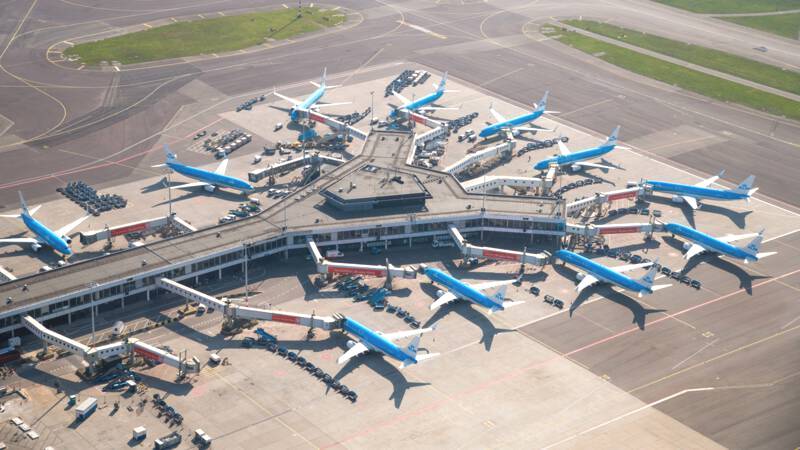



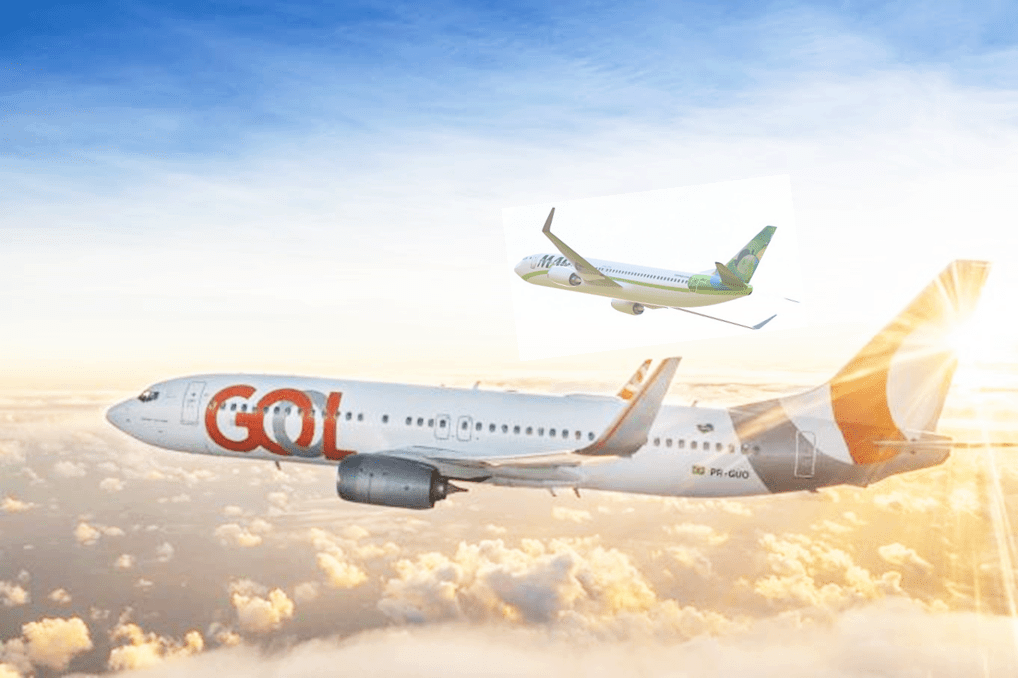


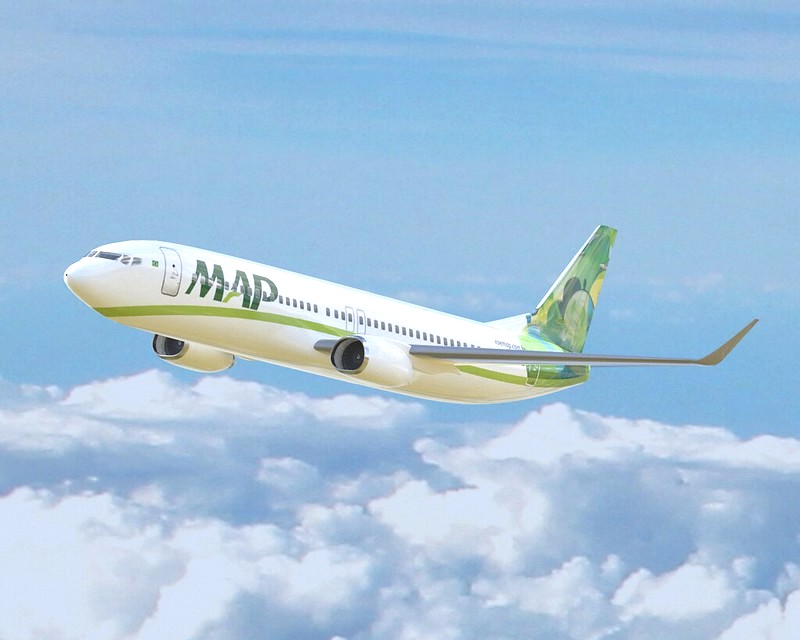

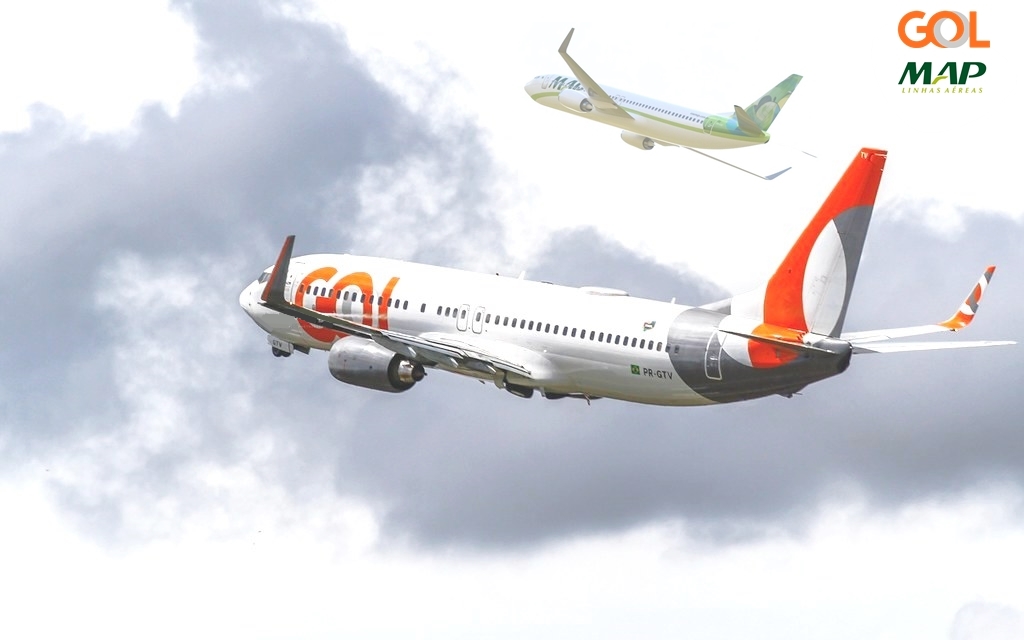

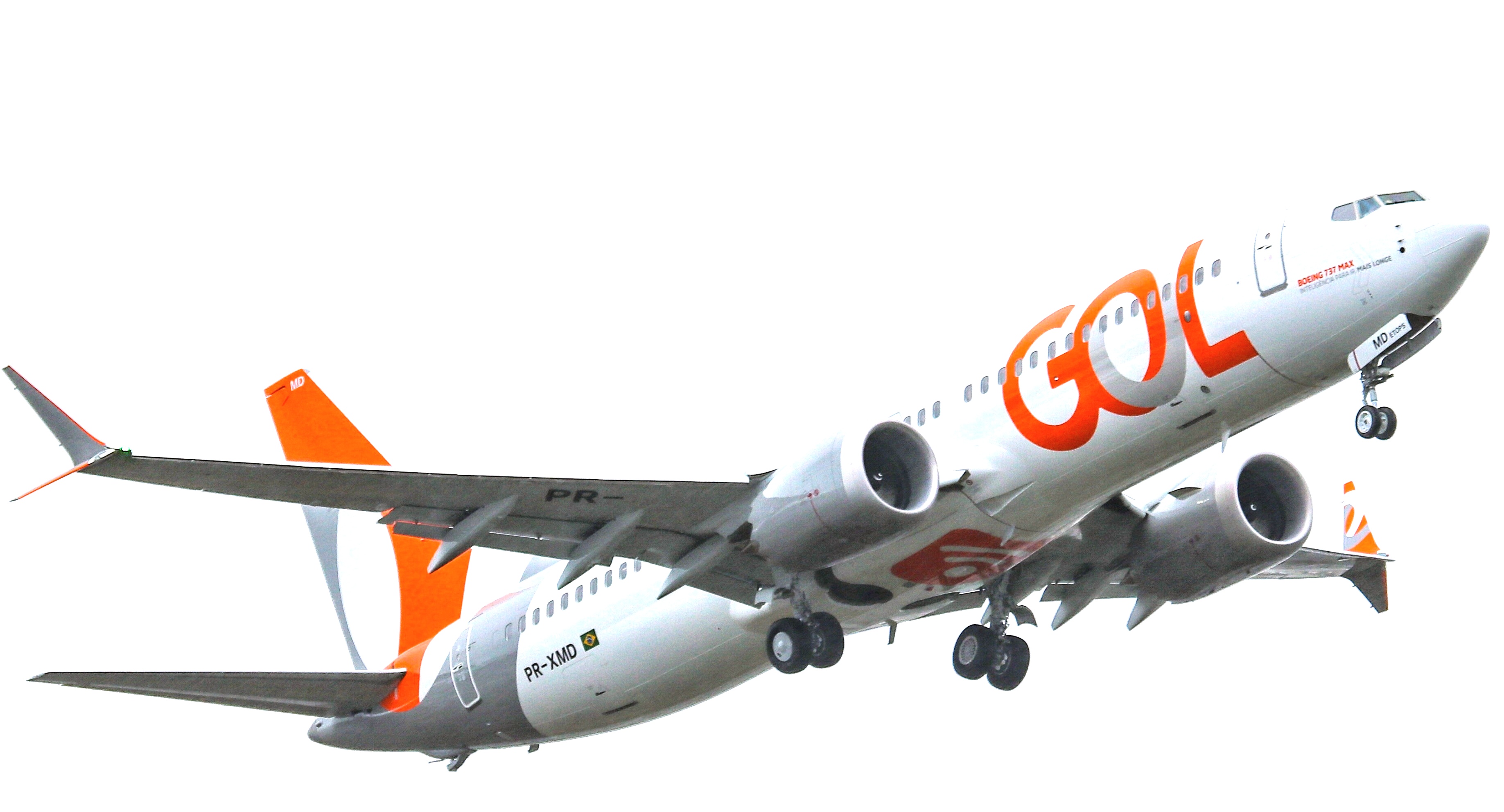
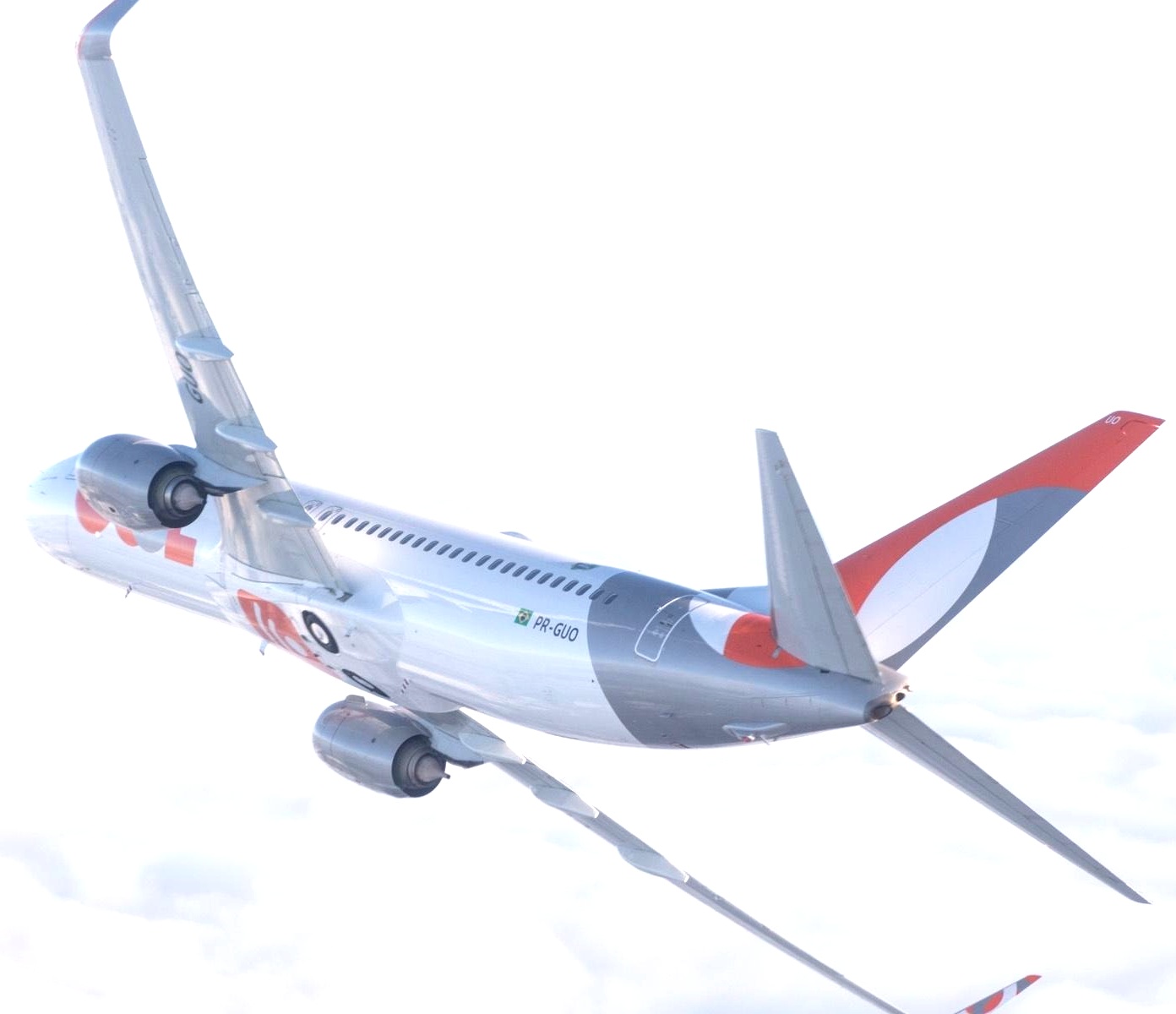
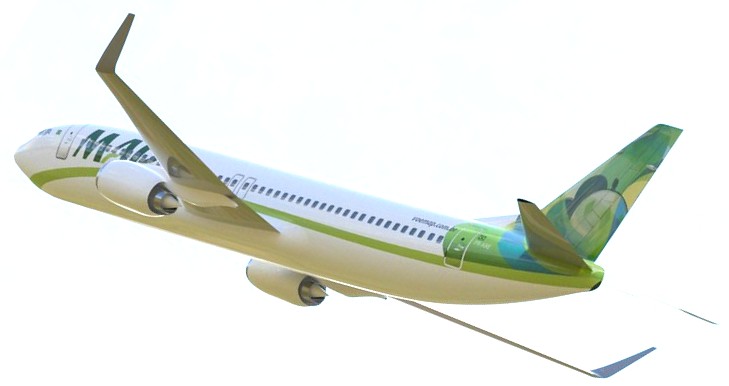


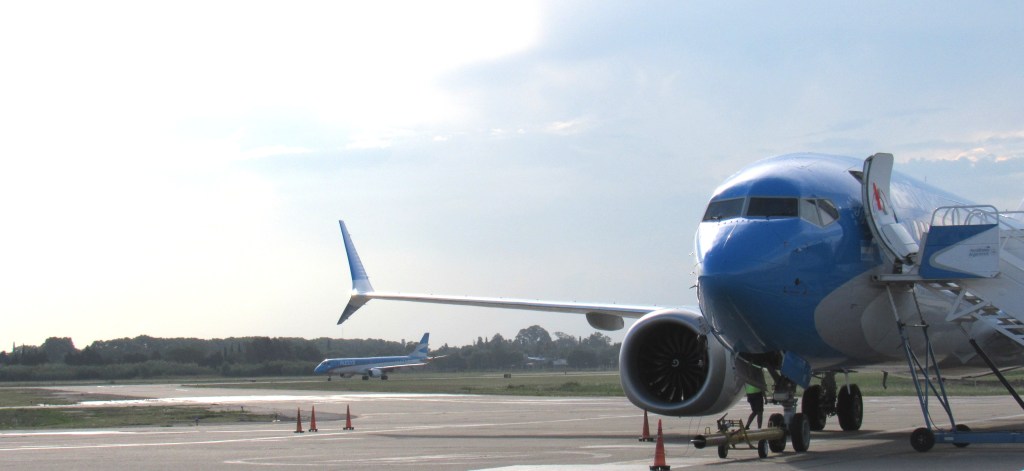
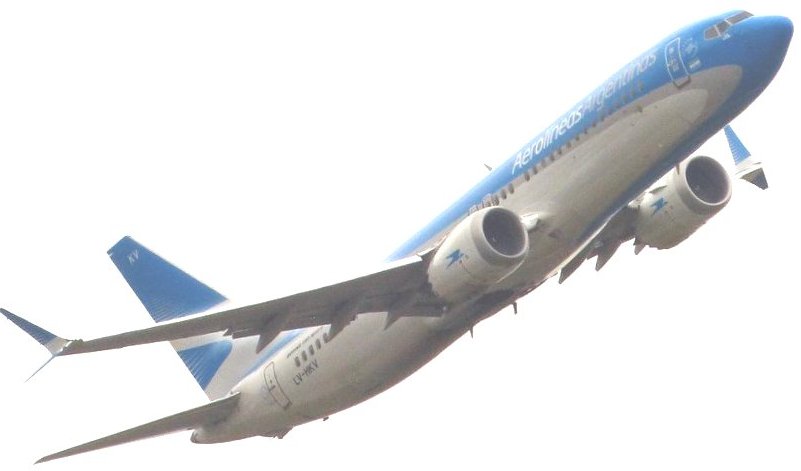

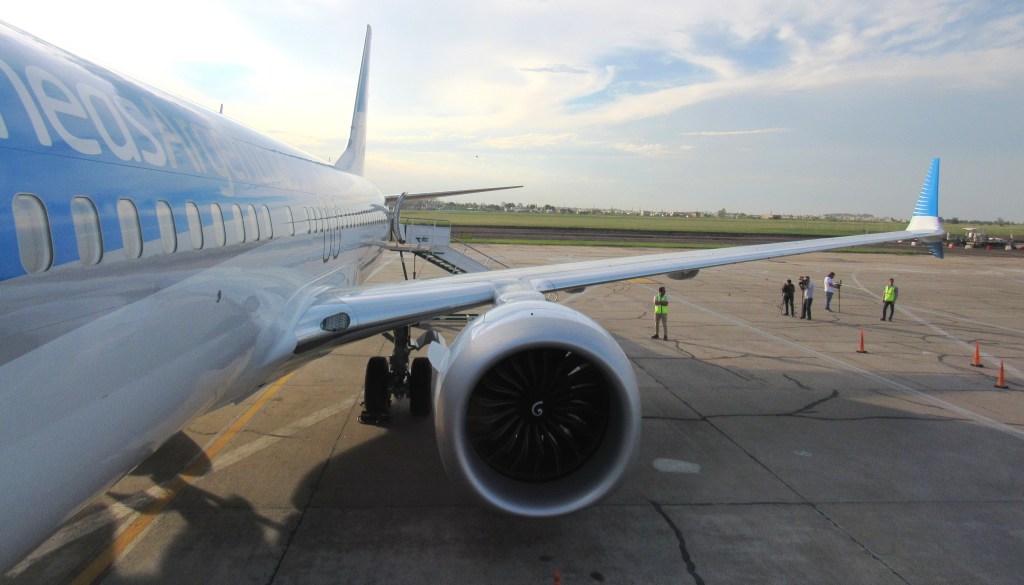



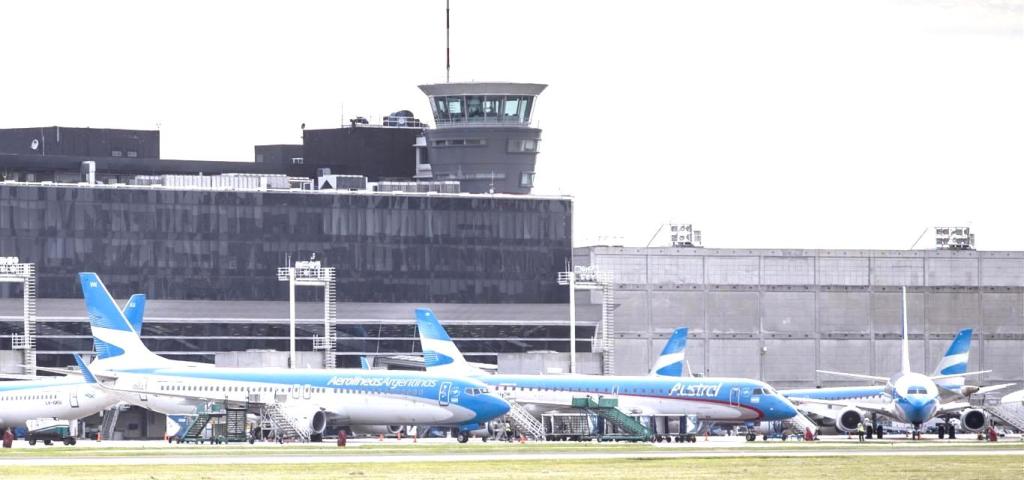

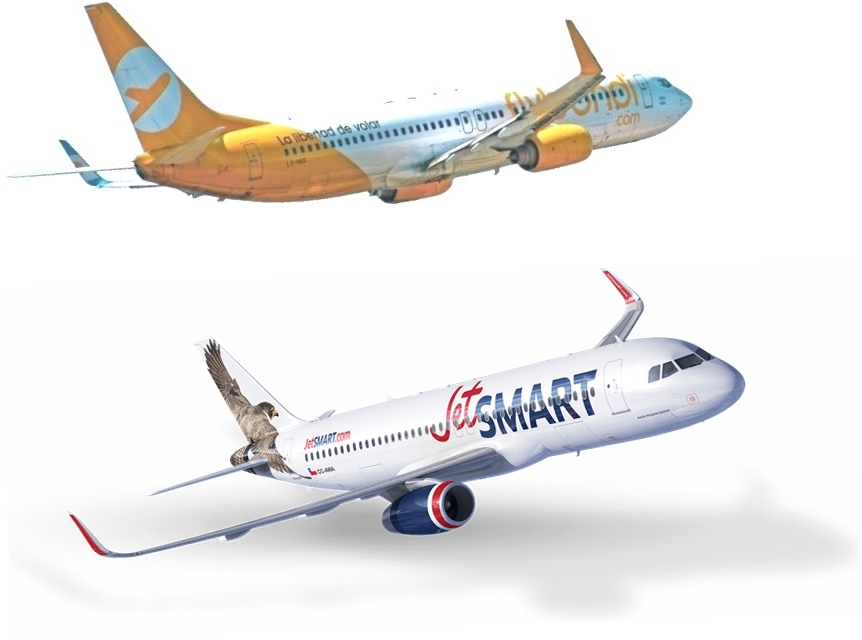

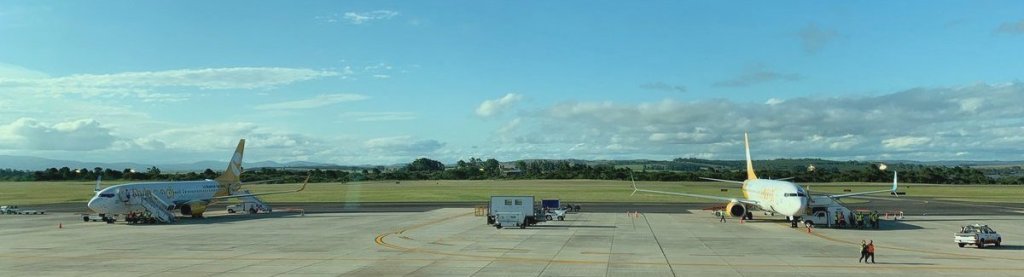
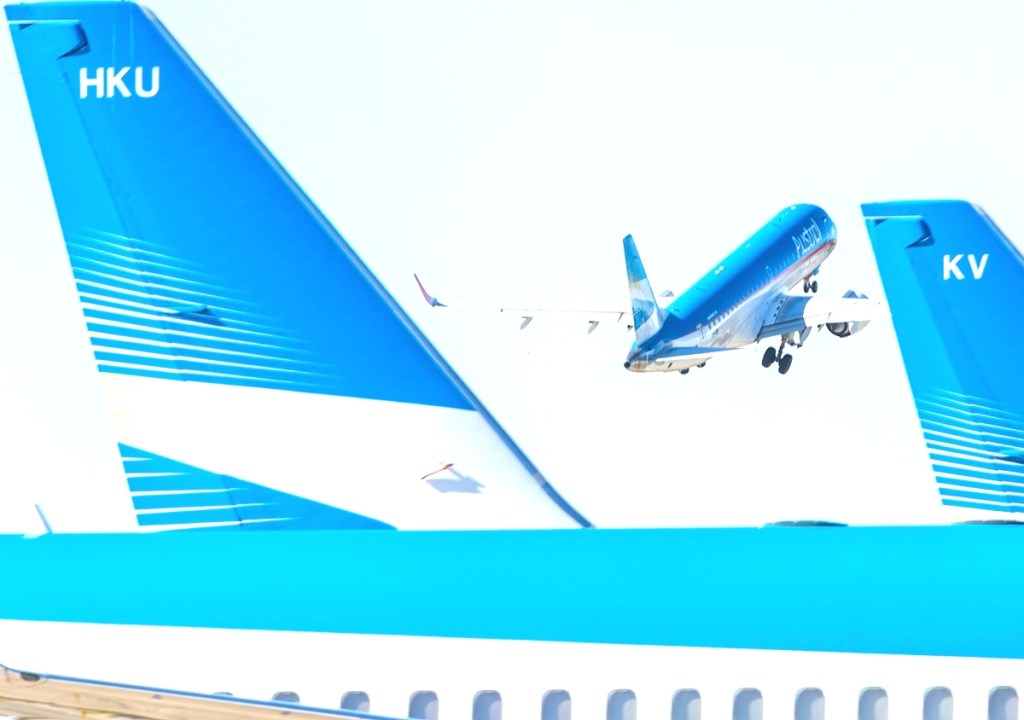



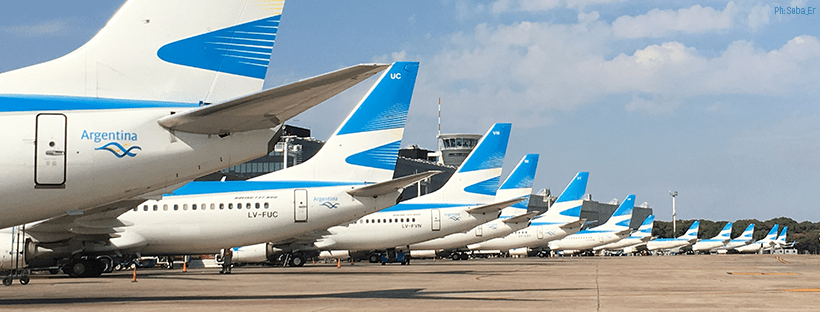

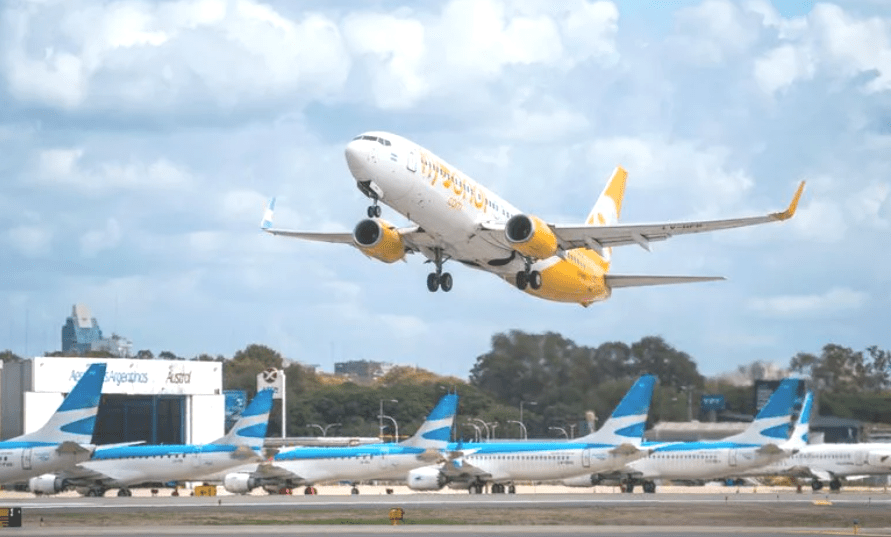


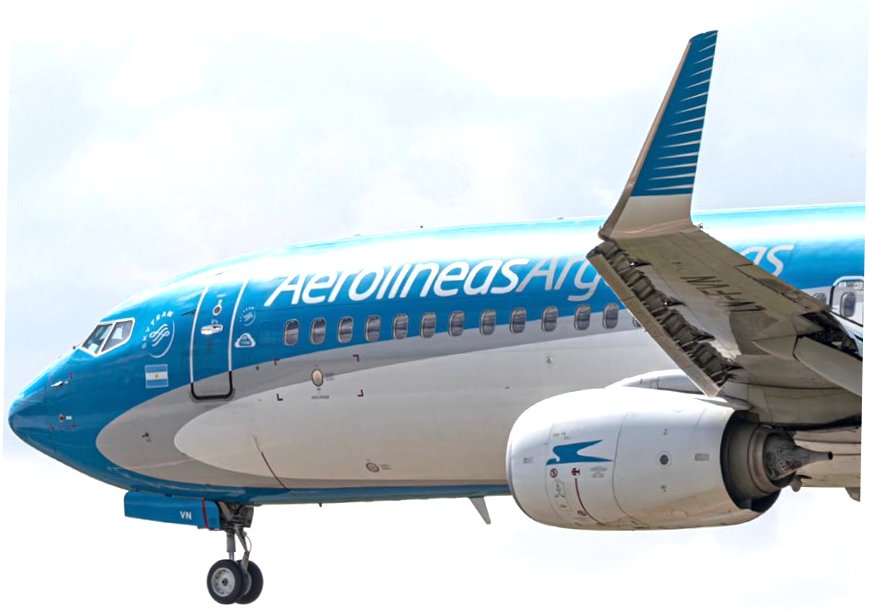

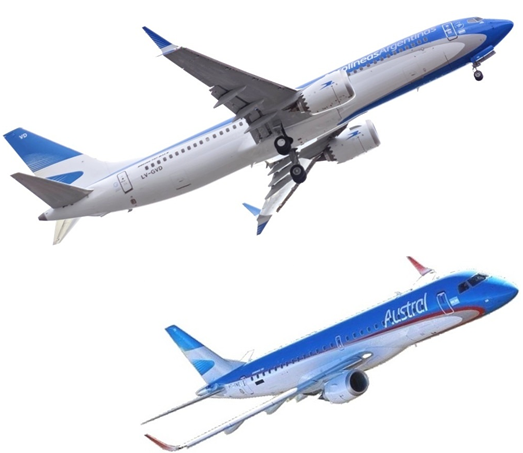


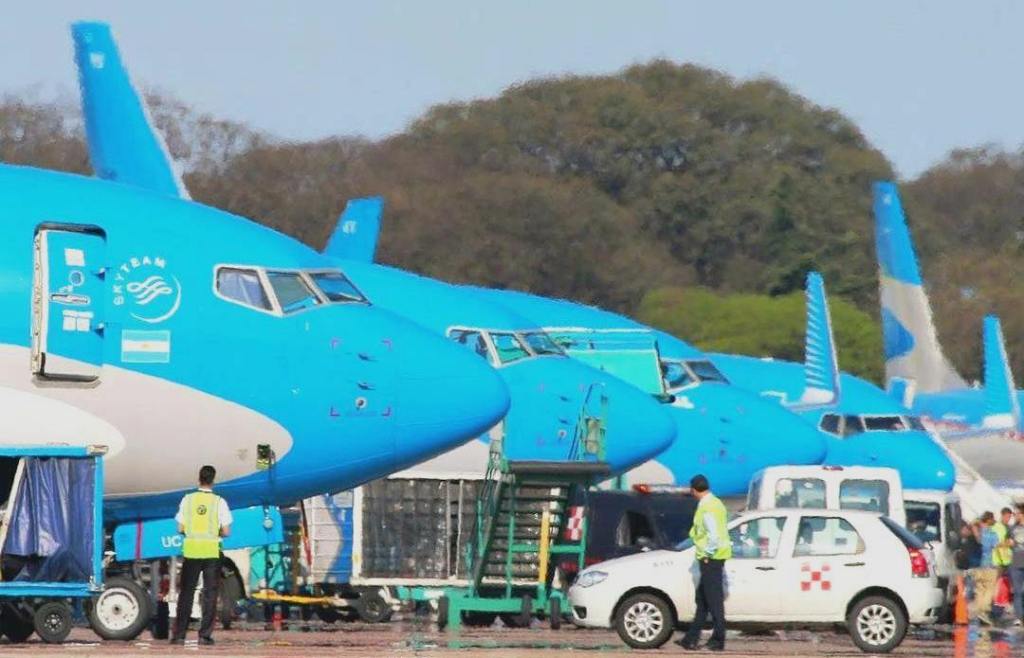




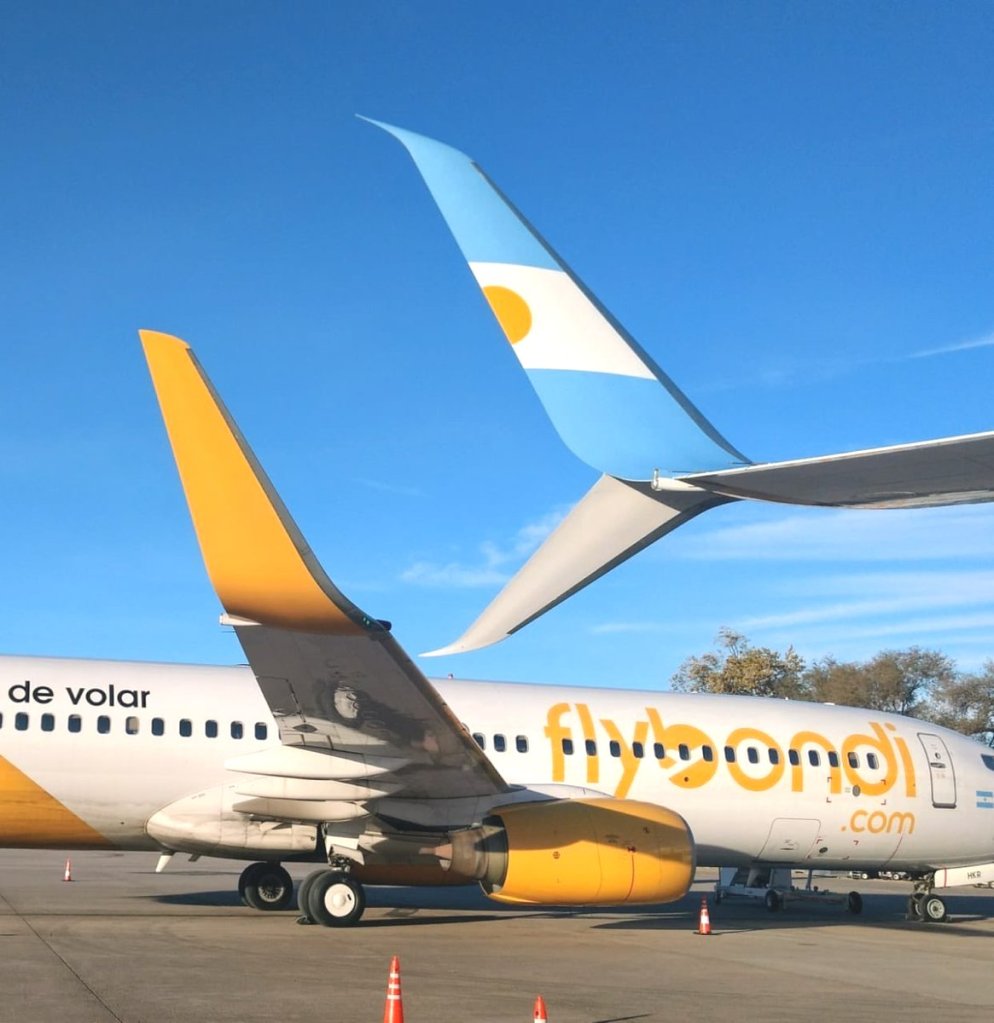
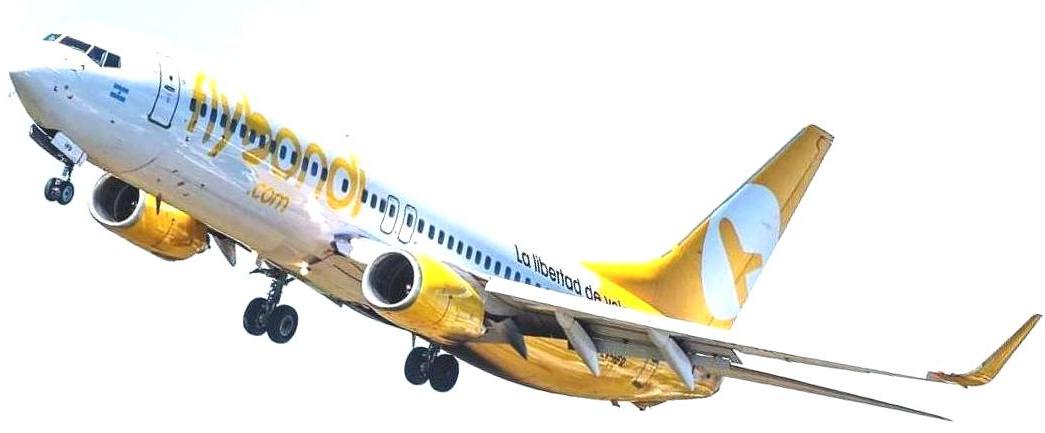




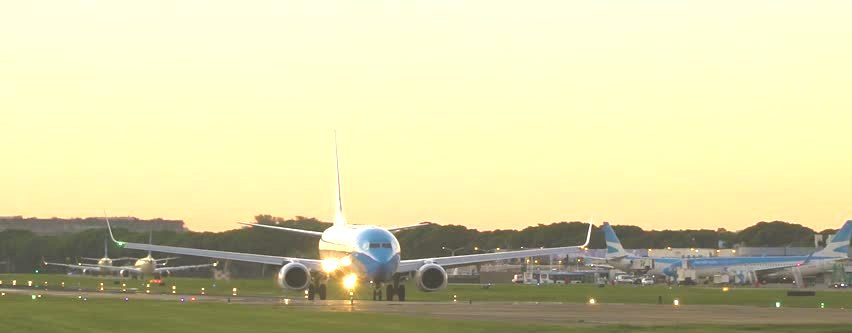


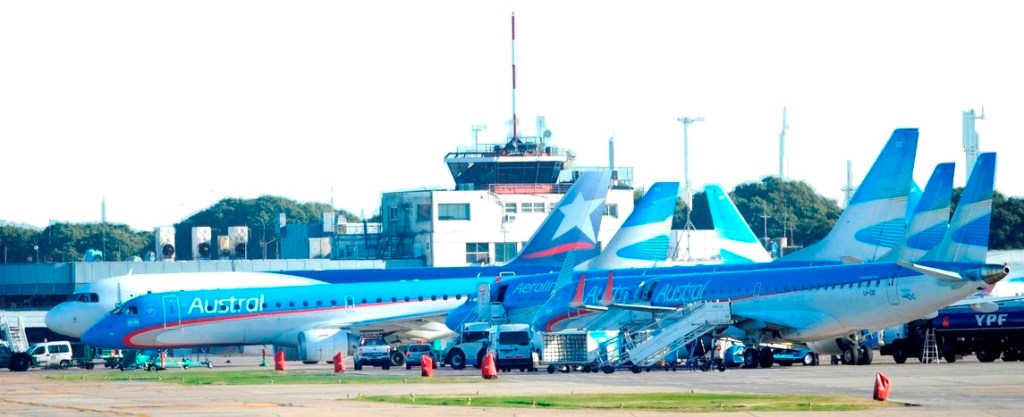






 airgways.com