Modificaciones Ley de Aviación Civil en Mexico

Cambios en ley de aviación, benefician a usuarios de aerolíneas

AW | 2017 05 23 10:53 | AIRLINES MARKET

Cambios en ley de aviación, benefician a usuarios de aerolíneas

La Paz, Baja California Sur, Mexico   El delegado de la Profeco, Isaías González Nava, dijo que las modificaciones que se hicieron a la Ley de Aviación Civil se traducen en un mejor servicio a los usuarios del servicio de transporte aéreo, y explicó que entre otros aspectos estos cambios contemplan una compensación por retraso, la cual se aplicará mediante la indemnización no menor del 7.5% del costo del boleto, siempre y cuando se determine que la demora fue responsabilidad de la aerolínea.

El apartado en cuestión refiere que la indemnización deberá incluir descuentos para vuelos en fecha posterior hacia el destino contratado y/o alimentos y bebidas, pero si la demora es mayor de 4 horas, el pasajero podrá requerir la indemnización, que no será inferior al 25% del precio del boleto o de la parte no realizada del viaje; “Las aerolíneas también deberán poner a disposición de sus clientes llamadas telefónicas y el envío de correos electrónicos durante su espera”.

“El Senado de la República aprobó las modificaciones a la Ley de Aviación Civil y a la Ley Federal de Protección al Consumidor, lo que en conjunto representa 10 nuevos derechos que fueron concedidos a los usuarios”.

El funcionario refirió que en los meses de enero y febrero las quejas recibidas en contra de las aerolíneas tuvieron un aumento del 42.6% en comparación con el mismo lapso del 2016 y, en tres de cada 10 casos, los reclamos se dieron por negativas para otorgar el servicio.

Explicó que en lo que respecta a la venta de boletos ahora las aerolíneas deberán presentar, desde el primer momento, el costo total del pasaje; esto quiere decir que los impuestos deberán estar incluidos y no se podrá condicionar la venta a cambio de servicios extras.

“Los niños menores de dos años de edad podrán viajar gratis y sin que haya un costo extra por la documentación de la carriola y, en lo que respecta al equipaje, se permitirá que todos lleven al menos una maleta de 25 kilos y hasta dos piezas de equipaje de mano, medida que ya es aplicada por algunas compañías”.

Cuando el vuelo sea cancelado por responsabilidad de la empresa, las personas tendrán derecho a que se le restituya el precio del boleto, que se les ofrezca transporte sustituto en el primer vuelo disponible, recibir alimentos, alojamiento en hotel y transporte en la ciudad en la que se encuentre.

Cuando se tenga un caso de sobreventa la aerolínea deberá solicitar voluntarios que renuncien al vuelo a cambio de beneficios que se acuerden directamente con el pasajero y tendrán preferencia para abordar las personas con alguna discapacidad, adultos mayores, los menores de edad no acompañados y mujeres embarazadas.

Finalmente, dijo que también se hizo obligatoria la indemnización por daños o pérdida del equipaje, lo que es un problema muy común que afecta a muchos pasajeros.  AIRGWAYS ® Icon-AW

Modifications Civil Aviation Law in Mexico

Changes in aviation law, benefit airlines users

La Paz, Baja California Sur, Mexico.  Profeco delegate Isaías González Nava said that the amendments made to the Civil Aviation Law translate into better service to users of the air transport service, and explained that among other things, these changes contemplate compensation for Delay, which shall be applied by means of compensation of not less than 7.5% of the cost of the ticket, provided that the delay was determined to be the responsibility of the airline.

The section in question refers that the compensation must include discounts for flights at a later date towards the destination contracted and / or food and beverages, but if the delay is more than 4 hours, the passenger may require compensation, which will not be less than 25 % Of the ticket price or the unrealized portion of the trip; «Airlines should also make telephone calls and e-mails available during their waiting time.»

«The Senate of the Republic approved the amendments to the Civil Aviation Act and the Federal Consumer Protection Law, which together represent 10 new rights that were granted to users.»

The official said that in January and February the complaints received against the airlines had an increase of 42.6% compared to the same period in 2016 and, in three of every 10 cases, the claims were denied to grant the service.

He explained that with regard to the sale of tickets now airlines must present, from the outset, the total cost of the ticket; This means that taxes must be included and the sale can not be conditioned in exchange for extra services.

«Children under two years of age will be able to travel for free and without any extra cost for the documentation of the stroller and, in regard to luggage, everyone will be allowed to carry at least one 25-kilogram suitcase and up to two pieces Of hand luggage, a measure that is already being applied by some companies.»

When the flight is canceled due to responsibility of the company, people will have the right to be refunded the ticket price, offered substitute transport on the first available flight, receive food, hotel accommodation and transportation in the city in the that is.

When there is an oversold case, the airline should request volunteers to give up the flight in exchange for benefits that are agreed directly with the passenger and will have preference for dealing with persons with disabilities, older adults, unaccompanied minors and pregnant women.

Finally, he said that compensation for damage or loss of luggage was also made mandatory, which is a very common problem affecting many passengers. A \ W


Ξ A I R G W A Y S Ξ
SOURCE: Elsudcaliforniano.com.mx
DBk: Elsudcaliforniano.com.mx
AW-POST: 201705231053AR

A \ W   A I R G W A Y S ®

Frente de tormenta para Aerolíneas y Austral

aeropuertocordoba-blogspot-com-ar-jpg068

AW | 2017 05 23 10:13 | AIRLINES MARKET

Los cinco gremios aeronáuticos emitieron un comunicado por medio de un documento en contra de las políticas aeronauticas del govierno argentino

“La viabilidad y la existencia de la línea de bandera están en grave riesgo”, sostiene la denuncia de un frente sindical con todos los actores del sector. Advierte por la baja de subsidios y la llegada de las low cost.

Aerolíneas Argentinas y Austral están en peligro, denunciaron ayer los gremios aeronáuticos en un extenso comunicado con duras críticas a la política aerocomercial oficial. Los cinco sindicatos del sector, por primera vez unidos en un mismo reclamo, alertaron sobre el riesgo que enfrenta la línea de bandera frente al recorte de subsidios por parte del gobierno nacional y la cesión de mercado a manos de competidores extranjeros. En el documento denuncian que el Ministerio de Transporte y la Agencia Nacional de Aviación Civil (Anac) “auspician de manera poco clara la asignación de rutas a operadores de dudosa o ninguna capacidad operativa”. También remarcan los efectos que podrían tener “un forzado ingreso al mercado nacional de operadores extranjeros a través de acuerdos bilaterales, sin ejercer la reciprocidad que los mismos deberían mantener, poniendo en evidencia la falta de políticas aéreas que protejan a la actual industria”. Esto afectara directamente y en el corto plazo a todos los operadores y trabajadores.

El gobierno de Cambiemos inauguró un proceso de flexibilización del negocio aerocomercial a partir de la asignación de rutas a empresas para que operen en el segmento de low cost (bajo costo) y acuerdos de código compartido. En el caso de las low cost, las autoridades reguladoras, como la Anac, están siendo denunciadas por otorgar rutas a compañías sin respaldo patrimonial suficiente, como Flybondi y Alas del Sur, o con irregularidades contractuales, como Avianca, que adquirió McAir, propiedad de la familia Macri.

El titular de la Anac, Juan Pedro Irigoin, fue denunciado penalmente por algunos gremios por no cumplir con sus deberes de funcionario público en el marco del Código Aeronáutico. Ayer todos los sindicatos emitieron un documento donde alertan sobre el desmanejo oficial en Aerolíneas y el incumplimiento de normas aerocomerciales y de los convenios colectivos de trabajo en la actividad. El texto fue rubricado por Ricardo Cirielli, secretario general de la Asociación del Personal Técnico Aeronáutico (APTA); Edgardo Llano, del Personal Aeronáutico (APA); Rubén Fernández, de Unión Personal Superior Aeronáutico (UPSA); Pablo Biró, de Asociación de Pilotos de Líneas Aéreas (APLA), y Genaro Trucco, de Unión de Aviadores de Líneas Aéreas (UALA).

Línea de bandera
“Su viabilidad y existencia están siendo puestas en grave riesgo, por dos acciones simultáneas del gobierno nacional”, sostiene el comunicado. El gobierno de Cambiemos redujo el año pasado 60 por ciento, a 320 millones de dólares, el subsidio a Aerolíneas y para este año lo recortará otro 30 por ciento (a 180 millones). “A la vez, desde el inicio de la actual gestión se les quitó mercados y posibilidades de aumentar sus ingresos permitiendo, primero, que compañías extranjeras (Latam, SKY, COPA, AIR Europa) capten pasajeros desde ciudades del interior para trasladarlos regional e internacionalmente y, luego, ampliando la participación en nuestro mercado a otras empresas sin ninguna regulación”, agrega el texto del comunicado conjunto.

La cartera de transporte y la Anac autorizaron ya a cinco líneas aéreas un total de 135 rutas. Entre ellas Avian (16 autorizaciones) por la que sigue imputado judicialmente el presidente Macri y el ex gerente de MacAir y actual CEO de Avian, Carlos Colunga, y Flybondi (78 autorizaciones), con un capital social declarado de sólo 6000 dólares, de la cual se desconocen sus accionistas reales y no posee aviones. Las nuevas rutas autorizadas se superponen en más de un 95 por ciento con las de cabotaje que actualmente operan AA y Austral. Se espera además otra audiencia en la que habrá 14 presentaciones entre líneas aéreas de pasajeros y carga para vuelos domésticos e internacionales.

“Es imposible, con el escenario creado de apertura irrestricta de nuestro mercado aéreo a un aluvión de operadores, y el drástico ajuste de subsidios, que en el futuro inmediato Aerolíneas y Austral se fortalezcan y crezcan”, consideran los sindicatos, quienes comparan la actual situación con las de los años 90.

Degradación de normas

Las autoridades de la Anac impulsan políticas y planes de acción para imponer el reemplazo de las actuales regulaciones aeronáuticas (RAAC), por las latinoamericanas (LAR), que son menos exigentes en cuanto al control efectivo y de fiscalización, como así también en los requisitos y resguardos para la formación, habilitaciones, calidad del mantenimiento, auditoria y el ejercicio profesional de pilotos y técnicos aeronáuticos. “Si dicho cambio de normas se concreta, se degradará sin dudas la seguridad aérea de las empresas que operan en el país, con los costos y perjuicios irreparables”, destacan.

En ese sentido, el arribo de las low cost, un modelo que se originó en Estados Unidos y se desarrolló en Europa, se basa en reducir al máximo todos los costos para aumentar al máximo la ganancia empresarial. Esos costos no son solo el confort en vuelo, el tipo de equipaje o la homogenización de la flota. Invierten menos que las empresas tradicionales en lo que hace a la seguridad (capacitación de su personal, combustible mínimo, mantenimiento aeronáutico), trabajando siempre al límite. “Son múltiples las denuncias por cuestiones que afectan la seguridad en vuelo realizadas por parte de los trabajadores y las autoridades aeronáuticas de los países donde operan”, destacan los gremios en el comunicado. Al entrar masivamente en un país, éstas devalúan toda su seguridad aérea, porque obligan a las demás empresas a imitar el modelo para poder competir.

“Estas también degradan los convenios laborales en la actividad aerocomercial. No son sólo los derechos legítimamente adquiridos desde el inicio de nuestra industria, sino que en muchos de sus puntos afectan y garantizan directamente la seguridad en vuelo”, aseguran. Los mismos preservan al trabajador para que esté en condiciones óptimas de realizar tareas, y en muchos casos protegen directamente la vida de los usuarios del transporte aerocomercial. “Nuestros Convenios Colectivos de Trabajo son por empresas, no por actividad. Siempre han diferenciado en sus condiciones a las pequeñas y medianas compañías, para promover su crecimiento, de la gran industria, resguardando en todos los casos los más altos estándares de seguridad”, concluye. El modelo laboral de Cambiemos homogeneiza y flexibiliza el convenio laboral. AIRGWAYS ® Icon-AW

A I R G W A Y S-AeroparqueSABE-AEP

Storm front for Airlines and Austral

The five aeronautical guilds issued a statement by means of a document against the aeronautical policies of the Argentine government

«The viability and the existence of the flag line are in serious danger», maintains the denunciation of a union front with all the actors of the sector. He warns of low subsidies and the arrival of low cost.

Aerolíneas Argentinas and Austral are in danger, denounced yesterday the aeronautical guilds in an extensive communication with harsh criticisms to the official aerial commercial policy. As anticipated by PageI12, the five trade unions in the sector, for the first time united in the same complaint, warned about the risk facing the flag line in front of the cut of subsidies by the national government and the transfer of the market to foreign competitors . The document denounces that the Ministry of Transport and the National Civil Aviation Agency (ANAC) «unequivocally sponsor the allocation of routes to operators of doubtful or no operational capacity.» They also highlight the effects that could have «forced entry into the domestic market of foreign operators through bilateral agreements, without exercising the reciprocity that they should maintain, highlighting the lack of air policies to protect the current industry.» This will affect directly and in the short term all operators and workers.

The government of Cambiemos inaugurated a process of flexibilization of the aerial commercial business from the allocation of routes to companies to operate in the low cost segment and codeshare agreements. In the case of low cost, regulatory authorities, such as Anac, are being denounced for granting routes to companies without sufficient patrimonial backing, such as Flybondi and Alas del Sur, or with contractual irregularities such as Avianca, which acquired McAir, owned by The Macri family.

The owner of the Anac, Juan Pedro Irigoin, was denounced by some guild for failing to fulfill his duties as a civil servant within the framework of the Aeronautical Code. Yesterday all the unions issued a document where they warn about the official breakdown in Aerolíneas and the noncompliance with aerocomercial norms and of the collective agreements of work in the activity. The text was initialed by Ricardo Cirielli, secretary general of the Association of Technical Aeronautical Personnel (APTA); Edgardo Llano, of the Aeronautical Personnel (APA); Rubén Fernández, from Unión Superior Aeronáutico (UPSA); Pablo Biró, Association of Airline Pilots (APLA), and Genaro Trucco, Union of Airline Aviators (UALA).

Flag line
«Its viability and existence are being put at serious risk by two simultaneous actions of the national government,» the statement said. The government of Cambiemos reduced last year 60 percent, to 320 million dollars, the subsidy to Airlines and for this year it will cut another 30 percent (to 180 million). «At the same time, since the beginning of the current administration, markets and possibilities of increasing their revenues have been removed, allowing foreign companies (Latam, SKY, COPA, AIR Europa) to catch passengers from cities in the interior to transfer them regionally and internationally And then expanding participation in our market to other companies without any regulation, » added the text of the joint statement.

The transport portfolio and Anac already authorized five routes to a total of 135 routes. Including Avian (16 authorizations), which continues to be judicially prosecuted by President Macri and former MacAir manager and current CEO Avian, Carlos Colunga, and Flybondi (78 authorizations), with a declared share capital of only $ 6,000. Which is unknown to its real shareholders and does not have airplanes. New authorized routes overlap by more than 95 percent with cabotage currently operated by AA and Austral. A further hearing is expected in which there will be 14 presentations between passenger and cargo airlines for domestic and international flights.

«It is impossible, with the scenario created by unrestricted opening of our air market to a barrage of operators, and the drastic adjustment of subsidies, that in the immediate future, Aerolíneas and Austral will strengthen and grow,» the unions consider, Situation with those of the 90s.

Degradation of standards
The ANAC authorities are promoting policies and action plans to impose the replacement of the current aeronautical regulations (RAAC), by Latin American (LAR), which are less demanding in terms of effective control and control, as well as requirements And safeguards for training, qualifications, quality of maintenance, auditing and the professional practice of pilots and aeronautical technicians. «If such a change of rules is specified, it will undoubtedly degrade the air safety of companies operating in the country, with irreparable costs and damages,» they point out.

In this sense, the arrival of the low cost, a model that originated in the United States and developed in Europe, is based on reducing all costs to maximize the maximum corporate profit. These costs are not just the comfort in flight, the type of luggage or the homogenization of the fleet. They invest less than traditional companies in terms of safety (training of their personnel, minimum fuel, aeronautical maintenance), always working to the limit. «There are multiple complaints about issues affecting flight safety by workers and aeronautical authorities in the countries where they operate,» the guilds said in the statement. When entering a country massively, they devalue all their air safety, because they force the other companies to imitate the model in order to be able to compete.

«These also degrade the labor agreements in the aerial commercial activity. It is not only the rights legitimately acquired from the beginning of our industry, but in many of its points they affect and guarantee directly the safety in flight «, they affirm. They preserve the worker so that he is in optimal conditions to perform tasks, and in many cases directly protect the life of the users of the aerial commercial transport. «Our collective bargaining agreements are by companies, not by activity. They have always differentiated in their conditions from small and medium-sized companies, to promote their growth, the great industry, safeguarding in all cases the highest safety standards», he concludes. The labor model of Cambiemos homogenizes and flexibilizes the labor agreement. A \ W

Ξ A I R G W A Y S Ξ
SOURCE: Pagina12.com.ar
DBk: AIRGWAYS / Aeropuertocordoba.blogspot.com.ar
AW-POST: 201705231013AR

A \ W   A I R G W A Y S ®

Optimizaciones competencia multimodal

http://www.bombardier.com/content/dam/Websites/bombardiercom/Projects/zefiro-electric-multiple-unit-4627.jpg/_jcr_content/renditions/original

AW | 2017 05 22 16:40 | AIRLINES

Un modelo matemático ayuda a las aerolíneas a competir con trenes de alta velocidad

Un equipo internacional de científicos, con participación española, ha desarrollado un modelo para optimizar la toma de decisiones de las compañías aéreas frente a sus competidores. Este nuevo sistema permite estimar la distribución modal de la demanda de pasajeros, elaborar la asignación de la flota de aviones y generar los horarios de los vuelos.

En el estudio se ha desarrollado un modelo de competencia, considerando la competencia multimodal entre el transporte aéreo y el tren de alta velocidad y la competencia aérea entre líneas de bandera y de bajo coste.

Investigadores de la Universidad Politécnica de Madrid (UPM), de la Universidad Rey Juan Carlos (URJC) y del Instituto Tecnológico de Massachusetts (MIT) han elaborado un modelo matemático que analiza la competencia entre líneas aéreas, tanto de bandera como de bajo coste, y el ferrocarril de alta velocidad. El modelo consigue estimar la distribución modal de la demanda de pasajeros, elaborar la asignación de la flota de aviones y generar los horarios de los vuelos. Esta herramienta matemática proporciona información muy valiosa y útil que ayudará a las compañías aéreas a enfrentarse eficazmente con la competencia de los trenes de alta velocidad.

Las líneas aéreas y el tren de alta velocidad están compitiendo cada vez más en muchas partes de Europa y Asia, especialmente en los mercados de corto y medio radio. Este tipo de tren a menudo compite proporcionando una frecuencia de servicio similar o incluso mayor que el ofrecido por las aerolíneas y una mejor conectividad con los centros de la ciudad.

Además, a menudo se percibe como un modo más seguro y más cómodo de viajar, lo que genera una redistribución de pasajeros entre alternativas aéreas y ferroviarias. El impacto de esta situación en el transporte aéreo regular es bastante incierto y, para abordar el estudio de ese impacto, se reunió un grupo de investigadores entre los que se encuentra Ángel Marín, catedrático en la Escuela Técnica Superior de Ingeniería Aeronáutica y del Espacio de la UPM.


<p>En el estudio se ha desarrollado un modelo de competencia, considerando la competencia multimodal entre el transporte aéreo y el tren de alta velocidad y la competencia aérea entre líneas de bandera y de bajo coste / pixabay.com y Renfe.com | UPM</p>
<p>

Los resultados computacionales se realizaron sobre casos de problemas usando datos de la aerolínea española IBERIA

En el estudio se ha desarrollado un modelo de competencia −considerando la competencia multimodal entre el transporte aéreo y el tren de alta velocidad y la competencia aérea entre líneas de bandera y de bajo coste− usando un modelo logit anidado que captura los impactos de las decisiones de las compañías aéreas sobre la demanda de pasajeros.

En el núcleo del enfoque se encuentra un modelo integrado de optimización que incluye la planificación de frecuencias de los vuelos, el desarrollo aproximado del horario, la asignación de la flota y el comportamiento de los pasajeros en la elección del modo de viaje. Los resultados computacionales se realizaron sobre casos de problemas usando datos de la aerolínea española IBERIA. Las pruebas muestran la validez del modelo puesto que los horarios actuales de las líneas aéreas se encuentran razonablemente cerca de los horarios generados por el modelo.

También se utilizó este enfoque de modelización de optimización bajo competencia multimodal, para evaluar múltiples escenarios que implican la entrada de trenes de alta velocidad en nuevos mercados, teniendo en cuenta la estimulación de la demanda como resultado de los nuevos servicios. El modelo se validó utilizando datos de mercados que tuvieron una entrada de ferrocarriles de alta velocidad en el pasado.

Los resultados de validación muestran una estrecha concordancia entre las soluciones del modelo y la realidad y muestran su utilidad para predecir los impactos de la entrada futura del ferrocarril de alta velocidad en nuevos mercados.

En consecuencia, el marco de modelización propuesto resulta de utilidad desde la perspectiva de los operadores de líneas aéreas ya que les permite planificar mejor su actividad frente a otros competidores mediante el ajuste de horarios, flotas y tarifas.

Como señala Ángel Marín, uno de los investigadores implicados en este estudio, “el marco facilitado posibilita la evaluación cuidadosa de varios escenarios –tales como acciones de los competidores, cambios en la flota, cambios de tarifas, etc.– lo que permite a la aerolínea estar mejor preparada para adaptarse al cambiante entorno competitivo”.

Esta investigación se ha desarrollado en el marco del proyecto “Robustez, eficiencia y recuperación de sistemas de transporte publico”, proyecto de investigación TRA2014-52530-C3-1-P, del Ministerio de Economía y Competitividad.

Referencia bibliográfica:
Cardazo, Luis; Vaze, Vikrant; Barnhart, Cynthia; Marin, Ángel. Integrated Airline Scheduling: Considering Competition Effects and the Entry of the High Speed Rail. Transportation Science 51 (1): 132-154. Febrero de 2017.


https://qzprod.files.wordpress.com/2014/03/train.jpg?quality=80&strip=all

Optimizations in multimodal competences


A mathematical model helps airlines compete with high-speed trains


An international team of scientists, with Spanish participation, has developed a model to optimize the decision making of the airlines against their competitors. This new system makes it possible to estimate the modal distribution of passenger demand, to develop the allocation of the fleet of aircraft and to generate flight schedules.

The study has developed a model of competition, considering the multimodal competition between air transport and high-speed train and air competition between flag lines and low cost.

Researchers at the Universidad Politécnica de Madrid (UPM), Universidad Rey Juan Carlos (URJC) and the Massachusetts Institute of Technology (MIT) have developed a mathematical model that analyzes competition between airlines, both flag and low cost, And high-speed rail. The model is able to estimate the modal distribution of passenger demand, develop the allocation of the fleet of aircraft and generate flight schedules. This math tool provides valuable and useful information that will help airlines cope effectively with the competition of high-speed trains.

Airlines and high-speed train are increasingly competing in many parts of Europe and Asia, especially in the short and medium-haul markets. This type of train often competes providing a frequency of service similar or even greater than that offered by airlines and better connectivity with city centers.

In addition, it is often perceived as a safer and more comfortable way of traveling, which generates a redistribution of passengers between air and rail alternatives. The impact of this situation on regular air transport is quite uncertain and, in order to address the study of this impact, a group of researchers was gathered, among them Ángel Marín, professor at the Higher Technical School of Aeronautical Engineering and Space The UPM.

The computational results were made on problem cases using data from the Spanish airline IBERIA

The study has developed a competition model – considering the multimodal competition between air transport and high-speed train and air competition between flag lines and low cost – using a nested logit model that captures the impacts of decisions Of airlines on passenger demand.

At the core of the approach is an integrated optimization model that includes flight frequency planning, approximate schedule development, fleet allocation, and passenger behavior in the choice of travel mode. The computational results were made on problem cases using data from the Spanish airline IBERIA. The tests show the validity of the model since the current schedules of the airlines are reasonably close to the schedules generated by the model.

This multimodal optimization modeling approach was also used to evaluate multiple scenarios involving the entry of high speed trains into new markets, taking into account the stimulation of demand as a result of the new services. The model was validated using data from markets that had a high speed railroad entry in the past.

The validation results show a close agreement between the model and reality solutions and show their usefulness in predicting the impacts of the future entry of high speed rail into new markets.

As a result, the proposed modeling framework is useful from the perspective of airline operators as it allows them to better plan their activity vis-à-vis other competitors by adjusting schedules, fleets and tariffs.

As Ángel Marín, one of the researchers involved in this study, points out, «the facilitated framework allows the careful evaluation of various scenarios – such as competitors’ actions, changes in the fleet, changes in fares, etc. Airline to be better prepared to adapt to the changing competitive environment. «

This research was carried out within the framework of the project «Robustness, efficiency and recovery of public transport systems», research project TRA2014-52530-C3-1-P, of the Ministry of Economy and Competitiveness. A \ W

Bibliographic reference:
Cardazo, Luis; Vaze, Vikrant; Barnhart, Cynthia; Marin, Angel. Integrated Airline Scheduling: Considering Competition Effects and the Entry of the High Speed ​​Rail. Transportation Science 51 (1): 132-154. February 2017.

Ξ A I R G W A Y S Ξ
SOURCE: Agenciasinc.es
DBk: Bombardier.com / Qzprod.wordpress.com
AW-POST: 201705022640AR

A \ W   A I R G W A Y S ®

Latam inicia modelo lowcost en Chile

https://airgways.com/wp-content/uploads/2017/05/143a4-a320_fwwbv_160816sl.jpg

AW | 2017 05 22 15:57 | AIRLINES MARKET

Latam Airlines inicia su nuevo modelo en Chile para vuelos locales

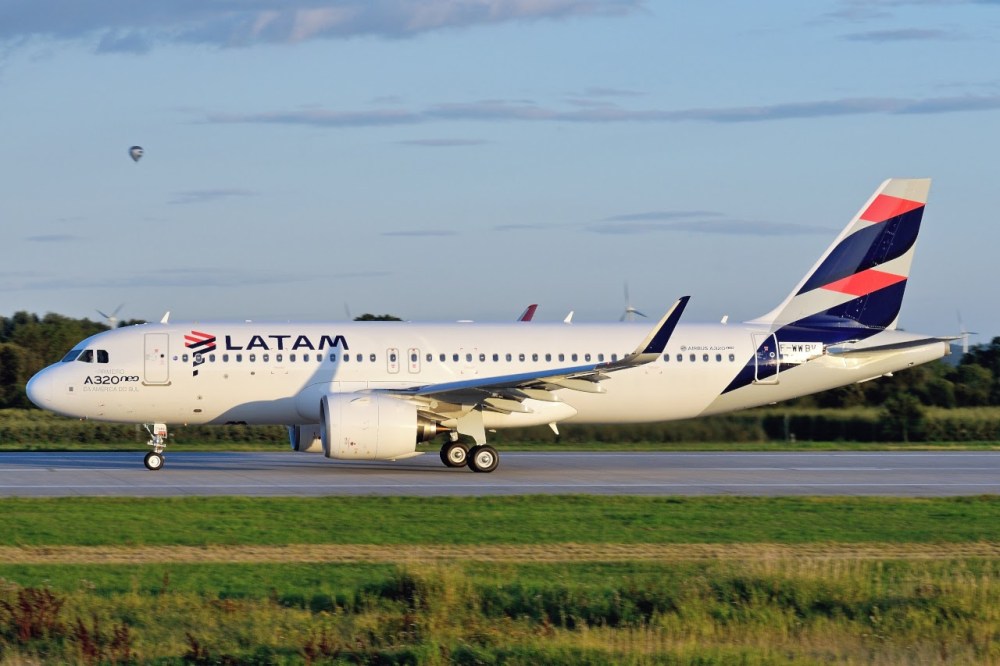
Resultado de imagen para Latam logoLa aerolínea Latam Airlines inició su nuevo modelo low cost en Chile para vuelos locales, donde ofrece tarifas más baratas, permitiendo al pasajero escoger entre cuatro categorías de tarifas por un valor fijo, incluyendo o no servicios.

Latam ofrece durante el año pasajes 20% y 40% más baratos, fuera de las promociones. Cada una de las tarifas tiene opciones, de acuerdo al tipo de viaje que escoja el pasajero con relación a los servicios como transportar la maleta en la bodega sin costo adicional, reservar el asiento con anticipación, tener flexibilidad para cambios o reembolso de pasaje, entre otros servicios. “Entendimos que (los pasajeros) valoran pagar sólo por los servicios que utilizan”, dijo José Luis Rodríguez, gerente general de Latam Airlines Chile, así lo informa La República.

El esquema del nuevo modelo de la aerolínea Latam, se ha ido implementando de manera progresiva en países como Colombia, Argentina, Perú y Brasil. A finales de 2016 como parte de la implementación de un nuevo modelo de viajar en la operación doméstica, lanzó en febrero “Mercado Latam” en Colombia, la nueva tienda a bordo que permite a los pasajeros encontrar una oferta de alimentos y bebidas.

“A poco más de tres meses de haber lanzado el nuevo servicio de compra a bordo, hemos visto que los pasajeros que probaron Mercado Latam han estado muy satisfechos con el servicio y con la variedad y calidad de los productos. Con el nuevo modelo de viajar en nuestros vuelos domésticos, el cual se implementará en el primer semestre del año, seguiremos consolidándonos como la aerolínea líder en América Latina, con la mayor red de destinos, conectando a millones de personas, quienes con más alternativas pagarán por lo que realmente valoran”, indicó en su momento Poitevin. AIRGWAYS ® Icon-AW

Latam starts lowcost model in Chile


Latam Airlines launches new model in Chile for local flights

Imagen relacionadaLatam Airlines has launched its new low cost model in Chile for local flights, where it offers cheaper rates, allowing passengers to choose between four categories of rates for a fixed amount, including services.

Latam offers during the year passes 20% and 40% cheaper, outside the promotions. Each of the rates has options, according to the type of travel chosen by the passenger in relation to services such as transporting the suitcase in the hold without additional cost, reserve the seat in advance, have flexibility to change or reimbursement of passage, between other services. «We understand that the passengers value paying only for the services they use,» said José Luis Rodríguez, general manager of Latam Airlines Chile, as reported by La República.

The scheme of the new model of the airline Latam, has been progressively implemented in countries like Colombia, Argentina, Peru and Brazil. At the end of 2016 as part of the implementation of a new model of traveling in the domestic operation, in February it launched «Latam Market» in Colombia, the new onboard store that allows passengers to find an offer of food and beverages.

«A little more than three months after launching the new onboard purchase service, we have seen that the passengers who tried Mercado Latam have been very satisfied with the service and with the variety and quality of the products. With the new model of travel on our domestic flights, which will be implemented in the first half of the year, we will continue to consolidate ourselves as the leading airline in Latin America, with the largest network of destinations, connecting millions of people, who with more alternatives will pay For what they really value, « Poitevin said at the time. A \ W

Ξ A I R G W A Y S Ξ
SOURCE: Reportur.com
DBk: Airbus.com
AW-POST: 201705221557AR

A \ W   A I R G W A Y S ®

Las aerolíneas con los peores retrasos de entrada en el Reino Unido

https://i0.wp.com/www.snappyairporttransfers.co.uk/album/gatwick-london-2.jpg

AW | 2017 05 20 16:44 | AIRLINES MARKET


Se publica una lista de las aerolíneas más puntuales y menos puntuales, lo que provoca que se haga más por ayudar a los consumidores afectados


Más de un cuarto de los vuelos en el Reino Unido están retrasados, según las nuevas cifras. Un examen de más de 850.000 vuelos en aeropuertos del Reino Unido encontró que el 26% llegaron con más de 15 minutos de retraso.

Ryanair (23%), British Airways (26%) y Easyjet (34%) se encontraban en medio de la tabla de las 35 aerolíneas, mientras que las aerolíneas con un mejor rendimiento fueron Flybe (18%) y Wizz Air (18%).

El editor de ¿Qué? La revista Richard Headland dijo: «Los retrasos de vuelo son una de las cosas más molestas acerca de viajar. Estas cifras muestran con qué frecuencia los vuelos no llegan a su destino a tiempo. Si usted tiene la mala suerte de experimentar un retraso severo, la compensación está disponible y la gente debe reclamar lo que tienen derecho a saber que resolver quejas con las compañías aéreas puede ser un proceso muy difícil, por lo que estamos llamando al próximo gobierno a legislar para un nuevo, ombudsman obligatorio del transporte. «

Los pasajeros que experimentan retrasos pueden ser capaces de reclamar una indemnización conforme a las leyes de la UE, pero las aerolíneas pueden escapar a los pagos si son capaces de demostrar que la interrupción fue causada por factores como el clima extremo o ataques aéreos.

Un portavoz de Air Transat dijo: «Las estadísticas de este informe no tienen en cuenta los retrasos causados ​​por factores ajenos a nuestro control, como el clima y el control del tráfico aéreo. Cuando se excluyen estos factores, nuestra tasa de puntualidad es en realidad el 78%. » AIRGWAYS ® Icon-AW

AW-7020071AW-7060077

The airlines with the worst UK inbound delays revealed

A list of the most and least punctual airlines is released, prompting calls for more to be done to help consumers affected

More than a quarter of flights into the UK are delayed, new figures claim. An examination of more than 850,000 flights into UK airports found that 26% arrived more than 15 minutes late.

Ryanair (23%), British Airways (26%) and Easyjet (34%) were in the middle of the table of 35 airlines, while the best performing budget airlines were Flybe (18%) and Wizz Air (18%).

The editor of Which? magazine Richard Headland said: «Flight delays are one of the most annoying things about travelling. These figures show just how frequently flights fail to reach their destination on time. If you’re unlucky enough to experience a severe delay, compensation is available and people should claim what they’re rightly entitled to. We know that resolving complaints with airlines can be a very tricky process, so we’re calling on the next government to legislate for a new, mandatory transport ombudsman.»

Passengers who experience delays may be able to claim compensation under EU laws but airlines can escape payments if they are able to show disruption was caused by factors like extreme weather or airport strikes.

A spokesman for Air Transat said: «The statistics in this report do not take into account the delays caused by factors beyond our control such as weather and air traffic control. When these factors are excluded, our punctuality rate is in fact 78%.» A \ W

Ξ A I R G W A Y S Ξ
SOURCE: Sky.com
DBk: Snappyairporttransfers.co.uk / AIRGWAYS
AW-POST: 201705201644AR

A \ W   A I R G W A Y S ®

Mejores aerolíneas, mejores días para viajes de premio baratos

NB_24LoveField13SP.jpgPrint

AW | 2017 05 19 15:55 | AIRLINES MARKET


El programa Rapid Rewards de Southwest Airlines la semana pasada fue nombrado Programa del Año en los premios anuales Freddie Awards, y un nuevo estudio de MileCards.com sugiere parte de la razón por la que ganó.

El estudio encontró que el costo de un vuelo de recompensa doméstica en el suroeste es más bajo que las otras cuatro líneas aéreas más grandes, y la disponibilidad de los premios «ahorradores» de menor costo es mucho mayor también en Southwest.
AW-7003723El estudio examinó los costos de vuelos premiados en 100.000 combinaciones fecha / ruta para viajes en economía doméstica desde el 1 de marzo hasta el 31 de octubre de este año. Se encontró que el costo promedio de ida y vuelta de un vuelo premio Southwest era sólo 13,629 millas; el costo comparativo promedio de millaje en las otras cuatro líneas aéreas más grandes varió de 27.871 en Delta a 47.017 en American. (Cabe señalar que los costos de kilometraje de los competidores fueron inferiores a la media en las rutas en las que compiten contra Southwest, pero no tan bajos como los de Southwest).

En cuanto a la disponibilidad de los premios «ahorradores» de menor costo, MileCards.com encontró que Southwest los tenía en el 95 por ciento de los días marcados, frente a 76 por ciento para Delta, 62 por ciento para Alaska y sólo 48 por ciento para United y American. Usted puede aprender más leyendo el post completo aquí.

«La captura – Southwest no vuela a Hawaii, o algunos destinos de premios populares en el continente como Vail y Anchorage», dijo MileCards.com. «Delta SkyMiles, que opera a más destinos, llegó en segundo lugar con un precio promedio de 27,871 millas en todas las rutas estudiadas, y 20,001 millas ida y vuelta en las rutas en las que Southwest opera vuelos». AIRGWAYS ® Icon-AW

NB_24LoveField13SP.jpg
Print

Best airlines, best days for cheap award travel

Southwest AirlinesRapid Rewards program last week was named Program of the Year in the annual Freddie Awards, and a new study from MileCards.com suggests part of the reason why it won.

The study found that the cost of a Southwest domestic reward flight is lower by far than the other four largest airlines, and the availability of the lowest-cost “saver” awards is far greater on Southwest as well.

AW-7003723

The study examined award flight costs on 100,000 date/route combinations for domestic economy travel from March 1 through October 31 of this year. It found that the average roundtrip cost of a Southwest award flight was just 13,629 miles; the comparable average mileage cost on the other four largest airlines ranged from 27,871 on Delta to 47,017 on American. (It should be noted that competitors’ mileage costs were lower than average on routes where they compete against Southwest, but still not as low as Southwest’s.)

As for the availability of the lowest-cost “saver” awards, MileCards.com found that Southwest had them on 95 percent of the days checked, vs. 76 percent for Delta, 62 percent for Alaska, and just 48 percent for United and American. You can learn more by reading the full post here.

“The catch – Southwest doesn’t fly to Hawaii, or some popular award destinations in the mainland U.S. like Vail and Anchorage,” MileCards.com said. “Delta SkyMiles, which operates to more destinations, came in second with an average price of 27,871 miles across all routes studied, and 20,001 miles roundtrip on routes where Southwest operates flights.” A \ W


Ξ A I R G W A Y S Ξ
SOURCE: Sfgate.com
DBk: AIRGWAYS / Dallasnews.com
AW-POST: 201705191555AR

A \ W   A I R G W A Y S ®

APLA en contra de Flybondi y Avianca

https://i0.wp.com/www.bigbangnews.com/__export/1488833782467/sites/bigbang/img/2017/03/06/focal-avianca.jpg_190093337.jpg

AW | 2017 05 17 14:58 | AIRLINES MARKET

Los pilotos, contra las aerolíneas Flybondi y Avianca. APLA presentóResultado de imagen para Flybondi una denuncia penal ante el mismo juez que imputó a Macri por la venta de MacAir. Pablo Biró pidió además no «otorgar rutas» a Flybondi

La Asociación de Pilotos de Líneas Aéreas (APLA) denunció penalmente al titular de la Administración Nacional de Aviación Civil (ANAC), Juan Pedro Irigoin, por la concesión de rutas de cabotaje a Avianca (Avian Líneas Aéreas). Además, el gremio que conduce Pablo Biró envió una nota a Irigoin donde lo amenazó con nuevas acciones penales en caso de que la ANAC otorgue rutas a Flybondi, bajo el argumento de que el avión que la aerolínea anunció que acaba de alquilar no estaría aún disponible para ser matriculado en el país.

La denuncia penal es un paso más en el enfrentamiento político del gremio de Pilotos, políticamente ubicado en la CTA de Hugo Yasky, contra el Gobierno. La primera ocasión en que APLA le mostró los dientes al gobierno de Macri fue el paro que en septiembre del año pasado hizo contra Aerolíneas Argentinas, a pesar de que en aquel momento estaban en medio de una negociación paritaria (negociación que se terminaría extendiendo casi mes y medio y cerró con un incremento salarial superior al 40%).

Biró se presentó ante el Juzgado Federal 12, a cargo de Sergio Torres, el mismo que imputó al presidente Macri y su padre Franco por presunta asociación ilícita en la venta de la aerolínea McAir a Germán Efromovich, titular del fondo de inversión que controla tanto a Avianca como a la flamante Avian. El juez Torres imputó a Macri en marzo, a raíz de una denuncia presentada por los diputados Rodolf Tailhade y Juan Cabandié, del Frente para la Victoria. Ahora Biró pidió ser incorporado a esa misma causa, donde también están imputados Irigoin, así como el vicejefe de Gabinete, Mario Quintana (por su presunta vinculación con uno de los accionistas de Flybondi).

En su denuncia, Biró pidió que se investigue a Irigoin por supuesta «tramitación fraudulenta» en la inscripción de Avian/Avianca como solicitante de rutas de cabotaje en audiencia pública, hecho que finalmente se concretó en febrero de este año. Según el gremio de Pilotos, la inscripción de Avian/Avianca había sido efectuada por fuera de las fechas establecidas. Para el gremio, hubo connivencia por parte de la ANAC para pasar por alto este hecho.

El titular de Avian es Germán Efromovich, un empresario nacido en Bolivia y criado en Brasil, país del cual hoy detenta la nacionalidad, así como la de Panamá. Efromovich encabeza el fondo de inversión Sinery Speed, a través del cual es accionista controlante tanto de Avianca (con cotización en Wall Street) como de Avian, con la cual en octubre del año pasado adquirió a la familia Macri la empresa de taxis aéreos McAir y se presentó a la audiencia pública de febrero, junto a otras cuatro líneas aéreas que hoy son conocidas (sin serlo necesariamente) como las «low cost».

Como resultado de la audiencia, la Junta Asesora de Transporte Aéreo (JATA) emitió dictamen favorable para las cinco empresas, incluido el pedido para otorgar 16 rutas a Avian. Pero en marzo, el fiscal Jorge Di Lello pidió al juez Torres la imputación de Macri por presunta asociación ilícita, a raíz de la denuncia que habían efectuado Cabandié y Tailhade. La repuesta de Macri fue la publicación del Decreto 202, por el cual puso en suspenso la adjudicación de Avian hasta que hubiera un dictamen a favor de la Oficina Anticorrupción y de la Sindicatura General de la Nación (Sigen). Ambos organismos dictaminaron, la semana pasada, que no existe «incompatibilidad» entre la venta de McAir y el otorgamiento de rutas a Avian, que en la misma semana recibió la autorización formal del Gobierno.

https://i0.wp.com/www.aviacionline.com/wp-content/uploads/2017/03/Flybondi-Cook-Boeing.jpg

Mike Powell (CEO, Flybondi), Julian Cook (CEO, Flybondi) y José Sicilia (Director Comercial de Boeing para Argentina, Bolivia, Chile, Paraguay y Uruguay) en las oficinas de Flybondi.

En cuanto a Flybondi, Biró envió a Irigoin una nota en la cual asegura que el avión Boeing B737-800 que la aerolínea dice haber rentado para operar en el país recién estaría habilitado para llegar en noviembre de este año. «Por tal motivo, y a efectos de evitar el negociado que implicaría para FB adquirir valor a través del otorgamiento de rutas, es que le requerimos que se abstenga de dar trámite favorable al otorgamiento de las mismas», agregó Biró. AIRGWAYS ® Icon-AW

APLA against Flybondi and Avianca

The pilots, against the airlines Flybondi and Avianca. APLA filed aResultado de imagen para avianca logo criminal complaint with the same judge who charged Macri with the sale of MacAir. Pablo Biró also asked not to «grant routes» to Flybondi


The Association of Pilots of Air Lines (APLA) denounced the holder of the National Civil Aviation Administration (ANAC), Juan Pedro Irigoin, for the concession of coastal routes to Avianca (Avian Líneas Aéreas). In addition, the union led by Pablo Biró sent a note to Irigoin where he threatened him with new criminal actions in case the ANAC granted routes to Flybondi, on the grounds that the plane that the airline announced that it had just rented would not be available To be enrolled in the country.

The criminal complaint is one more step in the political confrontation of the guild of pilots, politically located in the CTA of Hugo Yasky, against the Government. The first time APLA showed its teeth to the Macri government was the strike that last September against Aerolíneas Argentinas, despite the fact that at that time they were in the middle of a joint negotiation (negotiation that would end up extending almost a month And half and closed with a salary increase higher than 40%).

Biró appeared before the Federal Court 12, in charge of Sergio Torres, the same one that imputed to the president Macri and its father Franco by presumed illicit association in the sale of the McAir airline to German Efromovich, holder of the investment fund that controls both Avianca like the brand new Avian. Judge Torres charged Macri in March following a complaint lodged by Rodolf Tailhade and Juan Cabandié of the Front for Victory. Now Biró asked to be incorporated in the same case, where Irigoin and the Deputy Chief of Staff Mario Quintana (for their alleged involvement with one of Flybondi’s shareholders) are also imputed.

In its complaint, Biró requested that Irigoin be investigated for alleged «fraudulent processing» in the registration of Avian / Avianca as a petitioner for cabotage routes in public hearing, a fact that finally took shape in February of this year. According to the guild of Pilots, the registration of Avian / Avianca had been made outside the established dates. For the guild, there was connivance on the part of the ANAC to ignore this fact.

The holder of Avian is Germán Efromovich, an entrepreneur born in Bolivia and raised in Brazil, the country of which he now holds nationality, as well as that of Panama. Efromovich heads the investment fund Sinery Speed, through which he is controlling shareholder of both Avianca (listed on Wall Street) and Avian, with which in October last year acquired the Macri family of air taxi company McAir and Was presented to the public hearing in February, along with four other airlines that are now known (but not necessarily) as the «low cost».

As a result of the hearing, the Air Transport Advisory Board (JATA) issued a favorable opinion for the five companies, including the request to grant 16 routes to Avian. But in March, prosecutor Jorge Di Lello asked Judge Torres Macri’s imputation for alleged illegal association, following the complaint made by Cabandié and Tailhade. Macri’s reply was the publication of Decree 202, which put the Avian award on hold pending an opinion in favor of the Anti-Corruption Office and the General Office of the Sigen. Both agencies ruled last week that there is no «incompatibility» between the sale of McAir and the granting of routes to Avian, which in the same week received formal authorization from the government.

https://i0.wp.com/www.aviacionline.com/wp-content/uploads/2017/05/avion_interior2.jpg.jpeg

FLYBONDI TO INCORPORATE AIRCRAFT BOEING 737-800

As for Flybondi, Biró sent Irigoin a note stating that the Boeing B737-800 that the airline claims to have rented to operate in the country would only be able to arrive in November of this year. «For this reason, and in order to avoid the negotiation that would imply for FB to acquire value through the granting of routes, is that we require you to refrain from giving favorable treatment to the granting of the same,» Biró added. A \ W

Ξ A I R G W A Y S Ξ
SOURCE: Clarin.com
DBk: Flybondi.com / Aviaciononline.com / Avianca.com
AW-POST: 201705171458AR

A \ W   A I R G W A Y S ®

Canadá prohíbe por ley la expulsión de pasajeros de vuelos comerciales

https://i0.wp.com/airchive.com/galleries/air-canada-airbus-a319s-on-ramp-at-vancouver-airport-yvr-2013-1_31242.jpg

AW | 2017 05 17 14:27 | AIRLINES MARKET

Resultado de imagen para CANADA logoLa normativa incluye compensaciones por ‘overbooking’, por cancelaciones y retrasos incluso por mal tiempo y por pérdida o deterioro de equipajes

Nadie que haya comprado un billete para un vuelo nacional o internacional en Canadá podrá ser expulsado del vuelo por overbooking.

El Gobierno de Justin Trudeau acaba de proponer prohibirlo por ley después de que un viajero fuera sacado a la fuerza de un avión de United Airlines en Estados Unidos. En el último mes, han sido muchas las denuncias sobre el maltrato por parte de las compañías aéreas, especialmente en EE UU pero también en Canadá, donde una familia vio cómo Air Canadá dejaba a su hijo, menor de edad, en tierra. Si es aprobada por el Parlamento canadiense —el Partido Liberal, de centroizquierda, gobierna con mayoría absoluta en la Cámara de los Comunes desde 2015—, la ley, que contempla otras medidas como compensaciones mínimas por retrasos y pérdida de equipaje y con la que se pretende poner coto al abuso por parte de las compañías, entrará en vigor en 2018.

Se trata de una declaración de derechos del pasajero y forma parte de un paquete de enmiendas a leyes de transporte. «Hemos escuchado recientes informes sobre malos tratos a pasajeros», ha señalado el ministro de Transporte, Marc Garneau, en una conferencia de prensa. «Estos incidentes no serán tolerados en Canadá», ha asegurado, para añadir que la nueva normativa garantizará que «los viajeros sean tratados como personas y no como números». «Cuando los canadienses compran un pasaje esperan que la aerolínea cumpla con su parte del trato», ha sentenciado el ministro, que sostiene que la ley dará al Gobierno «los instrumentos que necesita» para proteger a los pasajeros, según cuenta la BBC.

«Estoy convencido de que las aerolíneas tomarán nota de estas nuevas medidas que protegen los derechos de los pasajeros y sabrán que, si no cambian algunas de sus prácticas, habrá consecuencias», ha declarado Garneau. El punto fundamental de la ley es que nadie podrá ser echado de un vuelo. «Si alguien ha comprado un billete para un vuelo en particular, no puede ser expulsado de ese vuelo, no es negociable», ha dicho el ministro.

https://i0.wp.com/wpmedia.business.financialpost.com/2013/12/westjet_cal0617-dba-13.jpg

La legislación propuesta establece además una compensación mínima para los pasajeros que «voluntariamente» cedan su asiento si un vuelo sufre overbooking y si ningún pasajero la acepta, «tendrán que aumentar la cuantía». También contempla una indemnización mínima para aquellos a los que se les haya perdido o dañado su equipaje. La cuantía de ambas compensaciones todavía no se ha fijado. La Agencia Canadiense de Transporte (CTA en sus siglas en inglés) establecerá estos y otros detalles de la normativa en los próximos meses. La CTA recibe un promedio de 50 denuncias al año de pasajeros que aseguran que se les negó el embarque.

Las aerolíneas también deberán pagar por cancelaciones o retrasos incluso si se deben a causa ajenas a las compañías como mal tiempo o se producen ya en pista, tendrán que sentar a los niños cerca de sus padres sin coste extra y desarrollar nuevos estándares para el transporte de instrumentos musicales. Esta última disposición se ha adoptado en respuesta a los muchos músicos que se quejan a través de las redes sociales porque sus instrumentos se han roto durante los vuelos.También figura en el paquete el aumento de un 25 a un 49% de la participación extranjera permitida en propiedad de las aerolíneas.

Ian Jack, de la Asociación Canadiense de Automóviles, ha dicho que aún es pronto para determinar si las promesas del ministro significarán mejores viajes para los pasajeros porque el «diablo está en los detalles», añade la BBC. Jack recuerda que no es lo mismo una compensación que consista en «un cupón para café o 750 dólares canadienses».

El mes pasado, un pasajero fue sacado del avión por guardias de seguridad de un vuelo de United Airlines en Chicago al negarse a ceder su asiento a empleados de la compañia. Una pasajera grabó el incidente y lo publicó en Facebook, donde despertó la indignación pública. El viajero, un doctor de 69 años, acabó con la nariz rota, perdió dos dientes y sufrió una contusión cerebral, según sus abogados. United Airlines cambió su protocolo de overbooking para pasajeros en tránsito. AIRGWAYS ® Icon-AW

https://upload.wikimedia.org/wikipedia/commons/a/ab/Toronto_Airport.jpg

Canada prohibits by law the expulsion of passengers from commercial flights


The regulations include compensation for overbooking, cancellations and delays even for bad weather and for loss or deterioration of luggage


No one who has purchased a ticket for a domestic or international flight in Canada may be expelled from the flight by overbooking.

The government of Justin Trudeau has just proposed to ban it by law after a traveler was forcibly removed from a United Airlines plane in the United States. In the last month, there have been many complaints about mistreatment by airlines, especially in the US but also in Canada, where a family saw Air Canada leave their son, a minor, on land. If approved by the Canadian Parliament – the Liberal Party, center-left, has ruled with an absolute majority in the House of Commons since 2015 -, the law, which includes other measures such as minimum compensation for delays and loss of luggage and with which Aims to curb abuse by companies, will enter into force in 2018.

Resultado de imagen para Vancouver Airport air canada westjet

It is a passenger bill of rights and is part of a package of amendments to transportation laws. «We have heard recent reports of ill-treatment of passengers,» Transport Minister Marc Garneau told a news conference. «These incidents will not be tolerated in Canada,» he added, adding that the new regulations will ensure that «travelers are treated as people and not as numbers.» «When Canadians buy a ticket, they expect the airline to comply with its part of the deal,» the minister, who says the law gives the government «the tools it needs» to protect passengers, according to the BBC.

«I am convinced that airlines will take note of these new measures that protect passengers’ rights and know that if they do not change some of their practices, there will be consequences,» said Garneau. The fundamental point of the law is that no one can be thrown off a flight. «If someone has bought a ticket for a particular flight, can not be expelled from that flight, it is not negotiable,» said the minister.

The proposed legislation also provides a minimum compensation for passengers who «voluntarily» give up their seat if a flight is overbooked and if no passenger accepts it, «they will have to increase the amount.» It also provides for a minimum compensation for those who have lost or damaged their luggage. The amount of both compensation has not yet been fixed. The Canadian Transportation Agency (CTA) will establish these and other regulatory details in the coming months. The CTA receives an average of 50 complaints a year from passengers who claim that they were denied boarding.

Airlines will also have to pay for cancellations or delays even if they are due to outside companies as bad weather or occur on the track, will have to put children near their parents at no extra cost and develop new standards for the transportation of musical instruments. This last provision has been adopted in response to the many musicians who complain through social networks because their instruments have been broken during flights. Also included in the package is the increase of 25 to 49% of foreign allowed participation Owned by the airlines.

Ian Jack of the Canadian Automobile Association has said it is too early to determine whether the minister’s promises will mean better travel for passengers because the «devil is in the details,» the BBC says. Jack recalls that a compensation consisting of «a coupon for coffee or $ 750 Canadian» is not the same.

Last month, a passenger was taken off the plane by security guards on a United Airlines flight in Chicago by refusing to give up his seat to company employees. A passenger recorded the incident and posted it on Facebook, which sparked public outrage. The traveler, a 69-year-old doctor, finished with a broken nose, lost two teeth and suffered a brain contusion, according to his lawyers. United Airlines changed its overbooking protocol for transit passengers. A \ W

Ξ A I R G W A Y S Ξ
SOURCE: Elpais.com
DBk: Airchive.com / Wikipedia.org / Huffingtonpost.ca / Financialpost.com
AW-POST: 201705171427AR

A \ W   A I R G W A Y S ®

Hot Sale con ofertas imperdibles de pasajes aéreos

DMi 1057

AW | 2017 05 15 17:01 | AIRLINES MARKET

Promociones para volar a Nueva York, Barcelona, Madrid, Río de Janeiro y Miami, entre otros destinos. Se pueden pagar entre 18 y 24 cuotas

Las agencias de turismo virtuales y Aerolíneas Argentinas se sumaron a la cuarta edición del Hot Sale, ofreciendo buenos descuentos en los pasajes aéreos a los principales destinos internacionales, y pudiendo pagarlos hasta en 24 cuotas.

Aerolíneas Argentinas, por caso, ofrece pasajes -siempre partiendo desde Ezeiza- a Miami por $11.989, a Nueva York por $12.999 y a Barcelona y Madrid desde $14.419, para volar en los cuatros destinos de octubre a diciembre.

Dentro de Sudamérica, la línea de bandera cuenta con ofertas para volar a Bogotá ($8.059), Montevideo ($2.499) y San Pablo ($4.600), saliendo desde Ezeiza. También para Río de Janeiro ($4.959) y Porto Seguro ($5.899), en este caso partiendo desde Córdoba.

Por otro lado, Latam cuenta con ofertas interesantes para viajar a México por $10.999 y Melbourne (Australia) por $16.299.

Qatar Airways, en tanto, ofrece pasajes a muy buen precio para volar a Bangkok -desde Ezeiza, con escala en San Pablo y conexión en Doha- a $17.069 finales.

Una oferta imperdible de la aerolínea qatarí es para ir a Barcelona por $12.675 con escalas en San Pablo y Doha.

Otras aerolíneas como Iberia, Air France, British Airways y KLM -no dentro del Hot Sale- también salieron con pasajes a precios diferenciales a distintos destinos de Europa, aunque en este caso en dólares. Y por estos días, dos empresas de bajo costo como Vueling y Ryanair también ofrecen boletos aéreos muy económicos para conocer varias ciudades del Viejo Continente, a partir de los 20 euros (338 pesos argentinos).

Otra opción es visitar los principales portales de ofertas de pasajes y hotelería como Despegar, Turismocity, Vuelos.com y Promos Aéreas, además de Aerolíneas Argentinas y Qatar Airways. AIRGWAYS ® Icon-AW

DMi 704

Hot Sale with unmissable offers of air tickets

Promotions to fly to New York, Barcelona, ​​Madrid, Rio de Janeiro and Miami, among other destinations. You can pay between 18 and 24 installments

Virtual tourism agencies and Aerolíneas Argentinas joined the fourth edition of the Hot Sale, offering good airfare discounts to the main international destinations, and being able to pay them up to 24 installments.

Aerolíneas Argentinas, by case, offers tickets – always departing from Ezeiza – to Miami for $ 11,989, to New York for $ 12,999 and to Barcelona and Madrid from $ 14,419, to fly in the four destinations from October to December.

Within South America, the flag line offers offers to fly to Bogota ($ 8,059), Montevideo ($ 2,499) and San Pablo ($ 4,600), departing from Ezeiza. Also for Rio de Janeiro ($ 4,959) and Porto Seguro ($ 5,899), in this case departing from Cordoba.

On the other hand, Latam has interesting offers to travel to Mexico for $ 10,999 and Melbourne (Australia) for $ 16,299.

Qatar Airways, meanwhile, offers very good fares to Bangkok – from Ezeiza, with a stopover in San Pablo and connection in Doha – to $ 17,069 late.

An offer not to be missed by the Qatari airline is to go to Barcelona for $ 12,675 with stops in San Pablo and Doha.

Other airlines such as Iberia, Air France, British Airways and KLM – not in the Hot Sale – also came with differential fares to different destinations in Europe, although in this case in dollars. And these days, two low-cost airlines like Vueling and Ryanair also offer very inexpensive air tickets to meet several cities in the Old Continent, starting at 20 euros (338 Argentine pesos).

Another option is to visit the main portals of travel and hotel offerings such as Despegar, Turismocity, Flights.com and Promos Aéreas, as well as Aerolíneas Argentinas and Qatar Airways. A \ W


Ξ A I R G W A Y S Ξ
SOURCE: Lacapitalmdp.com
DBk: AIRGWAYS
AW-POST: 201705151701AR

A \ W A I R G W A Y S ®

El mercado de aerolíneas en Costa Rica

https://i0.wp.com/www.elfinancierocr.com/negocios/aerolineas-ICT-Coriport-Aeris-Air_France-Iberia-British_Airways-Avianca-Delta-Copa_ELFIMA20170505_0033_16.jpg

AW | 2017 05 07 06:40 | AIRLINES MARKET

Costa Rica se benefició con el arribo de nuevas compañías, el inicio de más rutas y el aumento de frecuencias

Las diversas acciones de las aerolíneas que vuelan a Costa Rica elevaron en un 31% las llegadas internacionales, vía aérea, al territorio nacional entre el 2013 y el 2016, según datos del Instituto Costarricense de Turismo (ICT).

En esos cuatro años, ocho compañías aéreas iniciaron operaciones hacia el país, se abrieron 15 nuevas rutas (entre temporales y permanentes) y finalmente, ocho firmas aumentaron frecuencias.

https://www.ittn.ie/wp-content/uploads/2017/04/787dreamliner007.jpg

Aerolínea KLM conectará de forma directa a Holanda con Costa Rica

Los movimientos tendrían como uno de sus orígenes la estrategia implementada por el ICT para la atracción de más turistas y, de paso, dejar de depender tanto de Estados Unidos.

Sobre este último punto, en la cantidad de llegadas se dieron buenos resultados ya que, por ejemplo, los arribos vía aérea provenientes de África subieron un 87% y de Europa un 49% en esos cuatro años.

“Uno de nuestros pilares fundamentales ha sido pasar del pensamiento a la ejecución, para llevar a cabo importantes acciones en beneficio de nuestra industria turística. Debemos meter el acelerador si pretendemos competir en el mundo en materia turística y de ahí los hechos”, destacó Mauricio Ventura, jerarca del ICT, en marzo, al anunciar que Air France aumentará sus vuelos al país.

El trabajo del ICT es reconocido por Aeris y Coriport, operadores de los dos principales aeropuertos en territorio nacional (Juan Santamaría y Daniel Oduber), que han ejecutado y desarrollarán proyectos con el objetivo de atender de mejor manera esa creciente demanda.

Acciones de las aerolíneas

En el 2013 no “llegó” al país ninguna nueva compañía aérea, pero en los tres años siguientes se dio un despertar en el sector que dejó ocho nuevas opciones en la oferta para los costarricenses.

La lista está compuesta por Cubana de Aviación, Southwest Airlines, Volaris México, Volaris Costa Rica, Alaska Airlines, Thomson Airways, British Airways y Air France.

Este listado crecerá a partir de este 9 de mayo con los vuelos de la firma suiza Edelweiss, así como, con la puesta en marcha del vuelo brindado por la holandesa KLM desde el 31 de octubre próximo.

infografia

Benjamin Brookman, director de planeación de Alaska Airlines, manifestó que vieron una oportunidad para conectar a los viajeros de la costa oeste de Estados Unidos con el territorio nacional, debido a que en el momento que entraron (2015), la oferta no parecía adecuada.

“El único servicio de la costa del oeste a Costa Rica era un vuelo menos de diario de Los Ángeles a Liberia y un servicio diario de Los Ángeles a San José. Dado el tamaño del mercado y nuestra historia de traer tarifas bajas para crear nuevos mercados, sentimos que Costa Rica sería un buen punto de entrada”, agregó.

Por su parte Air France, que inició vuelos directos desde París en el 2016, escogió al país al detectar un aumento en el volumen de turistas que venían de Europa. Además, observó que una cantidad importante de las personas que transportaba diariamente a Panamá, tenía como destino final el territorio tico.

“Este país era el mercado más grande en el que no teníamos presencia directa, y dada nuestra posición como aerolínea líder entre Europa y Latinoamérica, era importante estar donde está la demanda”, dijo Henry Hourcade, vicepresidente sénior para el Caribe, Océano Índico y Latinoamerica de Air France, en el marco del vuelo inaugural en noviembre.

Tras una investigación, British Airways, por su parte, evidenció que existe una gran demanda que busca una “experiencia original” y vacaciones “playeras” entre los turistas británicos. Costa Rica cumple con ambos criterios.

Otra firma que inició operaciones fue Volaris, tanto con bandera mexicana (en 2015) como nacional (2016). El gerente general en Costa Rica, Fernando Naranjo, explicó que varios factores influyeron en la puesta en marcha de las aerolíneas, entre ellos, el potencial turístico y una clase media mucho más sólida que otros países del Istmo.

En cuanto a nuevas rutas, en los últimos cuatro años, se lanzaron 15 nuevas (temporales y permanentes) en manos de nueve aerolíneas: JetBlue, United Airlines, WestJet, Spirit Airlines, Delta Airlines, Avianca, XTRAirways-Apple Vacations, Condor y Air Canada.

Carsten Sasse, director comercial para América Latina de Condor, justificó el incremento en las rutas debido a la mayor cantidad de pasajeros en los últimos años de los diferentes mercados.

“Estamos muy contentos de proporcionar a nuestros clientes una mayor oferta de vuelos que les permitirá llegar a sus destinos”, añdió Sasse, al inaugurar el vuelo directo desde Múnich en noviembre del año pasado.

Delta Airlines, por su parte, incorporó la ruta de Los Ángeles a San José, con un vuelo semanal, en julio del 2013.

El gerente general de Delta para Centroamérica, José Pepe Zapata, dijo que siguen creciendo con sus actuales servicios en San José y Liberia, con lo que buscan ofrecer una buena opción para los viajeros de negocios y de placer.

En este 2017, varias firmas han anunciado nuevas rutas: Avianca, que planea llegar a ciudad de México y San Pedro Sula, y Air Panama, hacia Bocas del Toro.

Entre el 2013 y el 2016 también sobresale que ocho aerolíneas aumentaron (de forma permanente o temporal) la frecuencia de vuelo hacia diversos destinos dentro y fuera del continente americano. Se trata de Aeromexico, Condor, Interjet, Jetblue, Sun Country Airlines, United Airlines, Air Canada y Volaris México.

infografia

Aeropuertos en despegue

La cantidad de llegadas internacionales al Aeropuerto Internacional Daniel Oduber aumentaron un 73% en los últimos cuatro años, mientras que, en Juan Santamaría fue del 20%.

César Jaramillo, gerente general de Coriport, destacó que el ICT se ha comprometido con la atracción de aerolíneas, pero también que Guanacaste tiene características que la hacen atractiva.

“Guanacaste es un área única en el mundo, podemos decir que definitivamente la calidad del destino y su capacidad de mantener a los visitantes dentro del territorio nacional apoya la atracción de turistas a la zona. El desarrollo hotelero y la infraestructura son dos variables clave”, manifestó Jaramillo.

Ante el aumento en las llegadas, Coriport construyó una terminal de pasajeros con un modelo de crecimiento de la demanda determinado. Asimismo, han realizado una expansión en la terminal, que se espera esté lista totalmente en noviembre próximo.

El director comercial de Aeris, Erick Barboza, resaltó que el ICT ha trabajado muy fuerte en los últimos años a través de campañas de mercadeo en Europa y Estados Unidos, aumentando la relevancia de Costa Rica en dichas regiones.

“Se atrajeron vuelos directos como por ejemplo de Europa , British Airways, Air France, Condor, Edelweiss y KLM. En el caso de Estados Unidos, se abrió más el espectro de aerolíneas de bajo costo como Southwest de Baltimore y Houston, Spirit y Jet Blue; accediendo a un público más amplio de norteamericanos”, dijo.

“Se atrajeron vuelos directos como por ejemplo de Europa , British Airways, Air France, Condor, Edelweiss y KLM. En el caso de Estados Unidos, se abrió más el espectro de aerolíneas de bajo costo como Southwest de Baltimore y Houston, Spirit y Jet Blue; accediendo a un público más amplio de norteamericanos”, dijo.

Ante esta situación, ha abierto el bloque G (hacia el este) con dos puentes que permiten el abordaje de aviones de cuerpo ancho; también una rampa remota que permite más aviones pernoctar y están en proceso de habilitar más puestos de atención de aerolíneas, los cuales estarán listos en las próximas semanas.

También, hacia finales de este 2017, iniciarán la construcción del Bloque V (hacia el oeste), el cual tendrá una sala de abordaje con su respectivo puente. Se espera que esté lista en la segunda mitad del próximo año. AIRGWAYS ® Icon-AW

 https://i0.wp.com/www.elfinancierocr.com/negocios/Avianca_-_Taca_ELFIMA20130520_0025_1.jpg

The airline market in Costa Rica


Costa Rica benefited from the arrival of new companies, the beginning of more routes and the increase of frequenciesResultado de imagen para costa rica logo


The various actions of airlines flying to Costa Rica increased international arrivals by 31% by air to the national territory between 2013 and 2016, according to data from the Costa Rican Tourism Institute (ICT).

In those four years, eight airlines started operations in the country, 15 new routes were opened (between temporary and permanent) and finally, eight firms increased frequencies.

https://www.ittn.ie/wp-content/uploads/2017/04/787dreamliner007.jpgAirline KLM will connect directly to the Netherlands with Costa Rica

The movements would have as one of its origins the strategy implemented by the ICT to attract more tourists and, by the way, stop depending so much on the United States.

On this last point, the number of arrivals gave good results since, for example, air arrivals from Africa rose 87% and Europe 49% in those four years.

«One of our fundamental pillars has been to move from thinking to execution, to carry out important actions to benefit our tourism industry. We must put the accelerator if we want to compete in the world in tourism and hence the facts,» said Mauricio Ventura, ICT leader in March, announcing that Air France will increase its flights to the country.

The work of the ICT is recognized by Aeris and Coriport, operators of the two main airports in the national territory (Juan Santamaría and Daniel Oduber), who have executed and will develop projects in order to better meet this growing demand.

Airlines Actions

In 2013 no new airline came to the country, but in the following three years there was an awakening in the sector that left eight new options in the offer for Costa Ricans.

The list consists of Cubana de Aviación, Southwest Airlines, Volaris Mexico, Volaris Costa Rica, Alaska Airlines, Thomson Airways, British Airways and Air France.

This list will grow from this May 9 with the flights of the Swiss firm Edelweiss, as well as with the launch of the flight provided by the Dutch KLM from October 31.

Benjamin Brookman, director of planning for Alaska Airlines, said they saw an opportunity to connect travelers from the United States’ west coast with the national territory, because by the time they entered (2015), the offer did not seem adequate.

«The only service from the West Coast to Costa Rica was a less daily flight from Los Angeles to Liberia and a daily service from Los Angeles to San Jose. Given the size of the market and our history of bringing low rates to create new markets, we felt that Costa Rica would be a good entry point. «

Air France, which started direct flights from Paris in 2016, chose the country to detect an increase in the number of tourists coming from Europe. In addition, he observed that a significant number of the people who transported daily to Panama, had as final destination the Tico territory.

«This country was the largest market in which we had no direct presence, and given our position as the leading airline between Europe and Latin America, it was important to be where the demand is,» said Henry Hourcade, senior vice president for the Caribbean, Indian Ocean and Air France Latin America, as part of the inaugural flight in November.

After an investigation, British Airways, for its part, showed that there is a great demand that seeks an «original experience» and holiday «beach» among British tourists. Costa Rica meets both criteria.

Another firm that started operations was Volaris, both with Mexican flag (in 2015) and national flag (2016). Costa Rican General Manager Fernando Naranjo explained that several factors influenced the start-up of the airlines, including tourism potential and a much stronger middle class than other countries in the Isthmus.

In terms of new routes, in the last four years, 15 new ones (temporary and permanent) were launched by nine airlines: JetBlue, United Airlines, WestJet, Spirit Airlines, Delta Airlines, Avianca, XTRAirways-Apple Vacations, Condor and Air Canada.

Carsten Sasse, commercial director for Condor Latin America, justified the increase in the routes due to the greater number of passengers in the last years of the different markets.

«We are very happy to provide our customers with a greater offer of flights that will allow them to reach their destinations,» added Sasse, as he opened the direct flight from Munich in November last year.

Delta Airlines, meanwhile, added the route from Los Angeles to San Jose, with a weekly flight, in July 2013.

Delta’s general manager for Central America, José Pepe Zapata, said they continue to grow with their existing services in San Jose and Liberia, seeking to offer a good choice for business and leisure travelers.

In 2017, several companies have announced new routes: Avianca, which plans to reach Mexico City and San Pedro Sula, and Air Panama, to Bocas del Toro.

Between 2013 and 2016, it is also noteworthy that eight airlines increased (on a permanent or temporary basis) the frequency of flight to various destinations inside and outside the American continent. These are Aeromexico, Condor, Interjet, Jetblue, Sun Country Airlines, United Airlines, Air Canada and Volaris Mexico.

Takeoff Airports

The number of international arrivals at Daniel Oduber International Airport increased by 73% in the last four years, while in Juan Santamaría it was 20%.

César Jaramillo, general manager of Coriport, stressed that the ICT has been committed to attracting airlines, but also that Guanacaste has characteristics that make it attractive.

«Guanacaste is a unique area in the world, we can say that definitely the quality of the destination and its capacity to keep visitors within the national territory supports the attraction of tourists to the area. Hotel development and infrastructure are two key variables,» said Jaramillo.

Faced with the increase in arrivals, Coriport built a passenger terminal with a determined demand growth model. Also, they have made an expansion in the terminal, which is expected to be fully ready next November.

The commercial director of Aeris, Erick Barboza, stressed that ICT has worked very hard in recent years through marketing campaigns in Europe and the United States, increasing the relevance of Costa Rica in these regions.

«Direct flights were attracted such as from Europe, British Airways, Air France, Condor, Edelweiss and KLM. In the case of the United States, the spectrum of low-cost airlines such as Southwest of Baltimore and Houston, Spirit and Jet Blue were further opened; Accessing a wider audience of Americans, « he said.

«Direct flights were attracted such as from Europe, British Airways, Air France, Condor, Edelweiss and KLM. In the case of the United States, the spectrum of low-cost airlines such as Southwest of Baltimore and Houston, Spirit and Jet Blue were further opened; Accessing a wider audience of Americans,» he said.


Faced with this situation, it has opened block G (eastward) with two bridges that allow the boarding of wide-body aircraft; Also a remote ramp that allows more overnight planes and are in the process of enabling more airline attention posts, which will be ready in the coming weeks.
Also, towards the end of this 2017, will begin the construction of Block V (towards the west), which will have a boarding room with its respective bridge. It is expected to be ready in the second half of next year. A \ W


Ξ A I R G W A Y S Ξ
SOURCE: Elfinancierocr.com
DBk: Elfinancierocr.com / Ittn.ie
AW-POST: 201705070640AR

A \ W   A I R G W A Y S ®