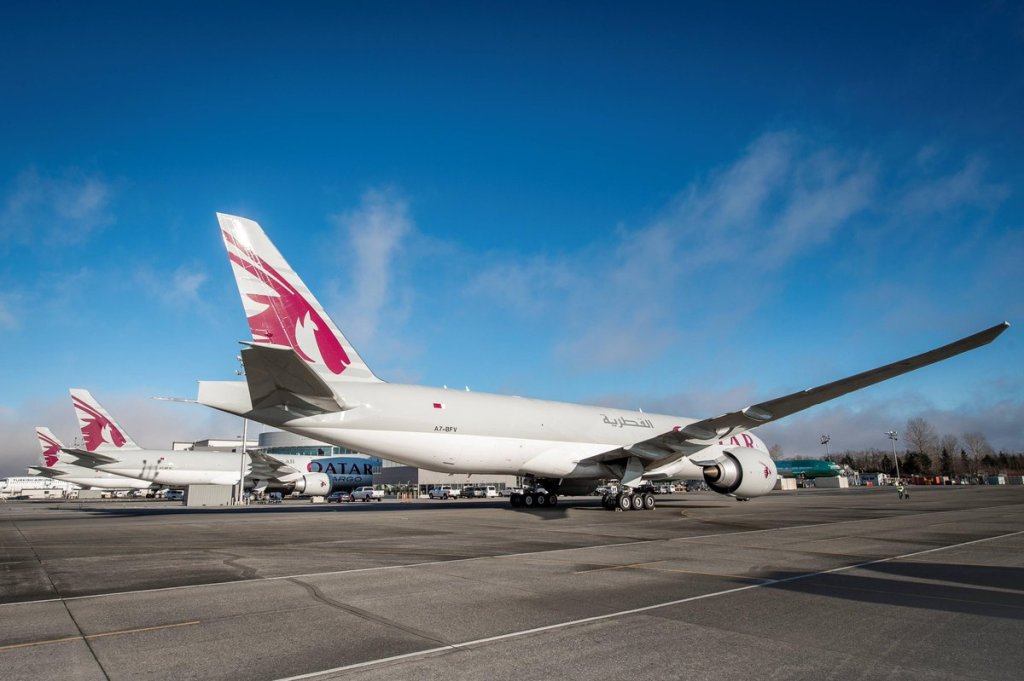
Qatar Airways toma entrega de tres Boeing 777 cargueros
Qatar Airways Cargo ha introducido la entrega de tres Boeing 777 Freighters mientras la aerolínea continúa construyendo su división de carga con el carguero bimotor más grande y capaz del mundo. El hito marca el Boeing 777 Freighter número 200º que se entregará. La triple entrega se produce en el momento en que el transporte aéreo está desempeñando un papel fundamental en medio de la pandemia de Coronavirus, incluido el transporte de vacunas recientemente aprobadas, y se prevé que aumente más del 4% en las próximas dos décadas. Con la llegada de los tres Boeing 777 Freighters, Qatar Airways Cargo ahora opera 24 de este modelo de avión junto con dos Boeing 747-8 Freighters. Como uno de los principales transportistas de carga aérea en el mundo, la flota de cargueros dedicada de Qatar presta servicio a más de 60 destinos de cargueros en todo el mundo a través de su centro de Doha de clase mundial y también entrega carga en las bodegas de los aviones de pasajeros a una extensa red. «Con la llegada de estos nuevos cargueros, estamos inyectando más capacidad en el mercado, que es muy necesaria durante la pandemia. La capacidad añadida también nos permitirá apoyar la logística en torno a la vacunación COVID-19, que se prevé que será uno de los mayores desafíos logísticos para la industria. Con nuestras inversiones en innovación y flota, somos capaces de satisfacer los requisitos logísticos de nuestros clientes y facilitar la continuidad del comercio global», dijo el Director Ejecutivo del Grupo Qatar Airways, Akbar Al Baker.
El 777 Freighter puede volar 4.970 millas náuticas (9.200 km) y transportar una carga útil de 224.900 libras (102.010 kg). El largo alcance del avión se traduce en ahorros significativos para operadores como Qatar Airways Cargo, ya que menos paradas reducen las tarifas de aterrizaje, la congestión, los costos de manejo de carga y los tiempos de entrega. «Durante estos tiempos difíciles, Qatar Airways Cargo ha estado transportando ayuda humanitaria y bienes médicos a los necesitados, y estamos orgullosos de que su creciente flota de 777 Cargueros esté apoyando un esfuerzo tan encomiable. Apreciamos profundamente nuestra asociación de larga data con Qatar Airways y su confianza en los 777 Freighters como la columna vertebral de sus amplias operaciones globales de carga aérea», dijo Ihssane Mounir, Vicepresidente Senior de Ventas Comerciales y Marketing de The Boeing Company.
El 777 Freighter es ahora el carguero más vendido de la compañía americana. Clientes de todo el mundo han solicitado 242 Boeing 777 Cargueros desde que comenzó el programa en 2005, incluyendo un récord de 45 unidades en 2018. Boeing, el líder del mercado en aviones de carga aérea, proporciona más del 90% de la capacidad de carguero dedicada en todo el mundo, incluyendo nuevas producciones y cargueros convertidos.
Boeing delivers 777F to Qatar Airways
Qatar Airways takes delivery of three Boeing 777 freighters
Qatar Airways Cargo has introduced the delivery of three Boeing 777 Freighters as the airline continues to build its cargo division with the world’s largest and most capable twin-engine freighter. The milestone marks the 200th Boeing 777 Freighter to be delivered. The triple delivery comes as air travel is playing a critical role amid the Coronavirus pandemic, including the transportation of recently approved vaccines, and is projected to increase more than 4% in the next two decades. With the arrival of the three Boeing 777 Freighters, Qatar Airways Cargo now operates 24 of this aircraft model along with two Boeing 747-8 Freighters. As one of the leading air freight carriers in the world, Qatar’s dedicated freighter fleet serves more than 60 freighter destinations worldwide through its world-class Doha hub and also delivers cargo to the warehouses. from passenger aircraft to an extensive network. «With the arrival of these new freighters, we are injecting more capacity into the market, which is much needed during the pandemic. The added capacity will also allow us to support the logistics around the COVID-19 vaccination, which is anticipated to be one of the biggest logistics challenges for the industry. With our investments in innovation and fleet, we are able to meet the logistics requirements of our customers and facilitate the continuity of global trade», said Qatar Airways Group Chief Executive Officer Akbar Al Baker.
The 777 Freighter can fly 4,970 nautical miles (9,200 km) and carry a payload of 224,900 pounds (102,010 kg). The long range of the aircraft translates into significant savings for operators such as Qatar Airways Cargo, as fewer stops reduce landing fees, congestion, cargo handling costs and delivery times. «During these difficult times, Qatar Airways Cargo has been transporting humanitarian aid and medical goods to those in need, and we are proud that its growing fleet of 777 Freighters is supporting such a commendable effort. We deeply appreciate our long-standing partnership with Qatar Airways and their confidence in the 777 Freighters as the backbone of their extensive global air cargo operations», said Ihssane Mounir, Senior Vice President of Commercial Sales and Marketing for The Boeing Company.
The 777 Freighter is now the best-selling freighter of the American company. Customers around the world have ordered 242 Boeing 777 Freighters since the program began in 2005, including a record 45 units in 2018. Boeing, the market leader in air cargo aircraft, provides more than 90% of freighter capacity dedicated around the world, including new production and converted freighters.
Nueva aerolínea regional inicia operaciones en la India
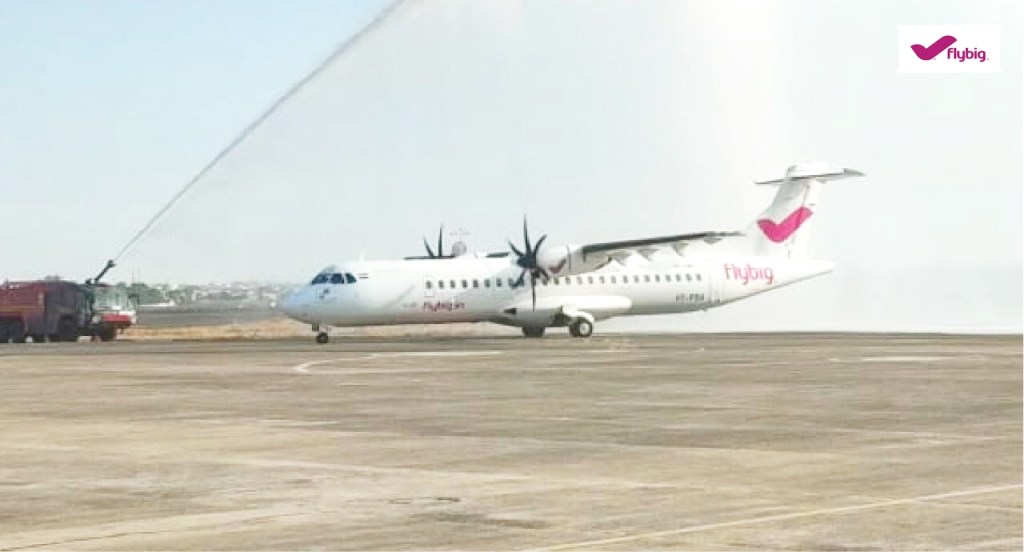
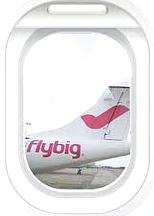
Flybig es la aerolínea de más reciente creación en la República de la India que iniciará operaciones comerciales a partir del 3 de Enero de 2021. La nueva compañía ha obtenido el permiso respectivo del organismo regulador de aviación DGCA en Diciembre 2020. La base operativa de la compañía está situada en Indore. La aerolínea ha sido fundada por Sanjay Mandavia, un piloto convertido en empresario de la aviación.
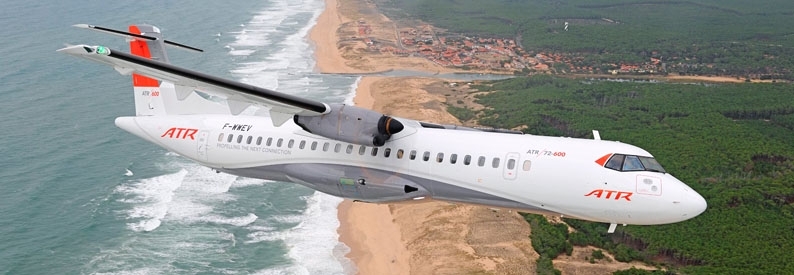
Tras el comienzo del 2021 la industria de la aviación india tendrá un nuevo participante en el mercado de vuelos domésticos que comenzará a operar el 03/01, con el servicio inaugural entre Indore y Ahmedabab programada para las 02:30 p.m. con una duración del tiempo de ruta de 01:05 hs. En las primeras dos semanas, operará un servicio de tres veces a la semana (3Frq/S). «Más tarde ampliaremos para tener cinco vuelos a la semana, a partir de mediados de Febrero. Abrimos reservas hace dos días. El interés es bueno y hemos visto reservas del 25 por ciento», dijo el CEO Srinivas Rao. Actualmente la aerolínea Flybig posee en su flota un avión ATR 72-600, y está en el proceso de obtener una segunda unidad.
El lanzamiento de la nueva aerolínea se produce incluso cuando el tráfico aéreo nacional continúa mejorando, habiendo conseguido un empujón durante la temporada festiva y viajes de fin de año. Si bien el Gobierno había aumentado el límite, lo que permitió a las aerolíneas ahora utilizar el 80 por ciento de su capacidad, la esperanza es ahora que esto se alivie aún más. Quedan algunas preocupaciones. A pesar de que los gobiernos comenzaron a administrar vacunas, una nueva cepa de COVID-19 ha vuelto a crear temores, especialmente para los viajes internacionales. Como medida de precaución, la India ha suspendido los vuelos al Reino Unido, donde se originó la nueva cepa, hasta el 7 de Enero de 2021.
La aerolínea, que había obtenido su permiso del regulador DGCA el 14 de Diciembre de 2020, comenzó parcialmente a operar el 21/12 cuando operaba un vuelo fletado con el avión tomado en arrendamiento de wetlease de SpiceJet. Flybig voló de Delhi a Shillong, para coincidir con el paso del Gobierno de Meghalaya para abrir el estado para el turismo a medida que los viajes nacionales se recuperan gradualmente de la pandemia COVID-19. «Hemos ganado la licitación del gobierno estatal para operar el vuelo Delhi-Shillong durante tres años», expresó la compañía en un comunicado. A partir de Enero 2021, la compañía operará dos vuelos semanales en la ruta. Eventualmente, agregó el ejecutivo senior, la compañía planea desplegar su propio avión en la ruta.
La aerolínea seguirá un modelo híbrido, sirviendo aperitivos a bordo, pero desagregando otros servicios. «No queremos vender comida a bordo, ya que el tiempo de vuelo es menor. Eso nos impedirá dar un servicio adecuado y podría llevar a la frustración entre los volantes. Por lo tanto, optamos por ofrecer bocadillos como parte del boleto», dijo el CEO de Flybig.
Perspectivas Flybig
A partir del 13 de Enero de 2021, Flybig añadirá la ruta Indore-Raipur en su red, y el 01/02 la aerolínea comenzará a volar de Ahmedabad a Bhopal. A finales de Marzo 2021 tendrá vuelos diarios que conectan las tres ciudades denominadas de Nivel 2. La aerolínea, que organizó un vuelo especial el 31 de Diciembre de 2020 en Jabalpur, añadirá la ciudad a su red en la segunda etapa. Además buscará servir a ciudades de Nivel 3 como Bilaspur y Satna desde Bhopal.
Flybig starts operations
New regional airline starts operations in India
Flybig is the newest airline in the Republic of India that will start commercial operations from January 3, 2021. The new company has obtained the respective permission from the aviation regulator DGCA in December 2020. The operational base of the company is located in Indore. The airline was founded by Sanjay Mandavia, a pilot turned aviation entrepreneur.
After the start of 2021, the Indian aviation industry will have a new entrant in the domestic flight market that will begin operating on 01/03, with the inaugural service between Indore and Ahmedabab scheduled for 02:30 p.m. with a duration of the route time of 01:05 hs. In the first two weeks, you will operate a service three times a week (3Frq/S). «We will later expand to have five flights a week, starting in mid-February. We opened bookings two days ago. Interest is good and we have seen bookings of 25 percent», CEO Srinivas Rao said. Currently, Flybig airline has an ATR 72-600 aircraft in its fleet, and is in the process of obtaining a second unit.
The launch of the new airline comes even as domestic air traffic continues to improve, having gotten a boost during the holiday season and end-of-year travel. While the government had raised the cap, allowing airlines to now use 80 percent of their capacity, the hope is now that this will be further eased. Some concerns remain. Despite governments starting to administer vaccines, a new strain of COVID-19 has re-created fears, especially for international travel. As a precautionary measure, India has suspended flights to the United Kingdom, where the new strain originated, until January 7, 2021.
The airline, which had obtained its permission from the regulator DGCA on December 14, 2020, partially began operating on 12/21 when it was operating a chartered flight with the aircraft leased from SpiceJet’s wetlease. Flybig flew from Delhi to Shillong, to coincide with the Meghalaya Government’s move to open the state for tourism as domestic travel gradually recovers from the COVID-19 pandemic. «We have won the state government tender to operate the Delhi-Shillong flight for three years», the company said in a statement. Starting in January 2021, the company will operate two weekly flights on the route. Eventually, the senior executive added, the company plans to deploy its own aircraft on the route.
The airline will follow a hybrid model, serving snacks on board, but unbundling other services. «We do not want to sell food on board, as the flight time is shorter. That will prevent us from providing adequate service and could lead to frustration among the flyers. Therefore, we opted to offer snacks as part of the ticket», said the Flybig CEO.
Flybig perspectives
Starting on January 13, 2021, Flybig will add the Indore-Raipur route to its network, and on 02/01 the airline will start flying from Ahmedabad to Bhopal. At the end of March 2021 it will have daily flights connecting the three so-called Level 2 cities. The airline, which organized a special flight on December 31, 2020 in Jabalpur, will add the city to its network in the second stage. It will also seek to serve Level 3 cities such as Bilaspur and Satna from Bhopal.
फ्लाईबिग से परिचालन शुरू होता है
नई क्षेत्रीय एयरलाइन भारत में परिचालन शुरू करती है
फ्लिबिग भारत गणराज्य में नवीनतम एयरलाइन है जो 3 जनवरी 2021 से वाणिज्यिक परिचालन शुरू करेगी। नई कंपनी ने दिसंबर 2020 में विमानन नियामक DGCA से संबंधित अनुमति प्राप्त की है। परिचालन आधार। इंदौर में स्थित है। एयरलाइन की स्थापना संजय मंडाविया ने की थी, जो एक पायलट के रूप में विमानन उद्यमी था।
2021 की शुरुआत के बाद, भारतीय उड्डयन उद्योग का घरेलू उड़ान बाजार में एक नया प्रवेश होगा जो 01/03 पर शुरू होगा, इंदौर और अहमदाब के बीच उद्घाटन सेवा 02:30 बजे के लिए निर्धारित होगी। 01:05 hs के रूट समय की अवधि के साथ। पहले दो हफ्तों में, आप सप्ताह में तीन बार (3Frq/S) एक सेवा का संचालन करेंगे। सीईओ श्रीनिवास राव ने कहा, «हम बाद में सप्ताह में पांच उड़ानों का विस्तार करेंगे, जो फरवरी के मध्य में शुरू होंगी। हमने दो दिन पहले बुकिंग खोली थी। ब्याज अच्छा है और हमने 25 प्रतिशत की बुकिंग देखी है।» वर्तमान में, फ्लाईबिग एयरलाइन के पास अपने बेड़े में ATR 72-600 विमान हैं, और एक दूसरी इकाई प्राप्त करने की प्रक्रिया में है।
नई एयरलाइन की शुरूआत तब भी होती है जब घरेलू हवाई यातायात में सुधार जारी है, जिससे छुट्टियों के मौसम और साल के अंत में यात्रा में वृद्धि हुई है। जहां सरकार ने कैप बढ़ा दी थी, अब एयरलाइंस को अपनी क्षमता का 80 प्रतिशत उपयोग करने की अनुमति है, उम्मीद अब यह है कि यह और अधिक आसान हो जाएगा। कुछ चिंता बनी हुई है। टीकों का संचालन शुरू करने वाली सरकारों के बावजूद, COVID-19 के एक नए तनाव ने फिर से आशंका पैदा की है, खासकर अंतरराष्ट्रीय यात्रा के लिए। एहतियाती उपाय के रूप में, भारत ने यूनाइटेड किंगडम के लिए उड़ानें निलंबित कर दी हैं, जहां 7 जनवरी 2021 तक नए तनाव की उत्पत्ति हुई।
एयरलाइन, जिसने 14 दिसंबर, 2020 को नियामक डीजीसीए से इसकी अनुमति प्राप्त कर ली थी, आंशिक रूप से 12/21 पर परिचालन शुरू कर दिया था जब यह स्पाइसजेट के वेटलिफ्ट से पट्टे पर विमान के साथ एक चार्टर्ड उड़ान का संचालन कर रहा था। फ्लाइबिग ने दिल्ली से शिलांग के लिए उड़ान भरी, मेघालय सरकार द्वारा पर्यटन के लिए राज्य खोलने के कदम के साथ मेल खाना, क्योंकि घरेलू यात्रा धीरे-धीरे सीओवीआईडी -19 महामारी से उबरती है। कंपनी ने एक बयान में कहा, «हमने तीन साल के लिए दिल्ली-शिलांग उड़ान संचालित करने के लिए राज्य सरकार के टेंडर को जीत लिया है»। जनवरी 2021 से शुरू होकर, कंपनी मार्ग पर दो साप्ताहिक उड़ानें संचालित करेगी। आखिरकार, सीनियर एग्जीक्यूटिव ने कहा, कंपनी की योजना अपने खुद के विमान को रूट पर तैनात करने की है।
एयरलाइन एक हाइब्रिड मॉडल का पालन करेगी, जो बोर्ड पर स्नैक्स परोसती है, लेकिन अन्य सेवाओं को असहनीय करती है। «हम बोर्ड पर खाना बेचना नहीं चाहते हैं, क्योंकि उड़ान का समय कम है। यह हमें पर्याप्त सेवा प्रदान करने से रोकेगा और यात्रियों के बीच निराशा पैदा कर सकता है। इसलिए, हमने टिकट के हिस्से के रूप में नाश्ते की पेशकश करने का विकल्प चुना।» फ्लाईबिग के सीईओ।
फ्लाइबिग आउटलुक
13 जनवरी, 2021 से शुरू होकर, फ्लाईबिग इंदौर-रायपुर मार्ग को अपने नेटवर्क में जोड़ देगा, और 02/01 को अहमदाबाद से भोपाल के लिए विमान सेवा शुरू हो जाएगी। मार्च 2021 के अंत में इसमें तीन तथाकथित टियर 2 शहरों को जोड़ने वाली दैनिक उड़ानें होंगी। जबलपुर में 31 दिसंबर, 2020 को एक विशेष उड़ान का आयोजन करने वाली एयरलाइन, दूसरे चरण में शहर को अपने नेटवर्क में शामिल करेगी। इसमें भोपाल से बिलासपुर और सतना जैसे टियर 3 शहरों की सेवा भी ली जाएगी।
Sindicato ASPA rechaza acuerdo laboral con Aeroméxico
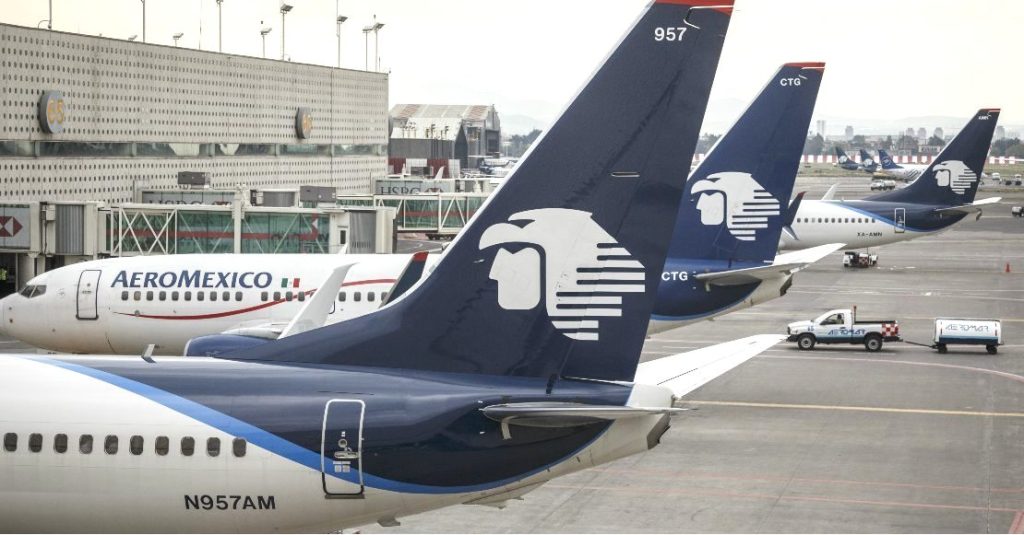
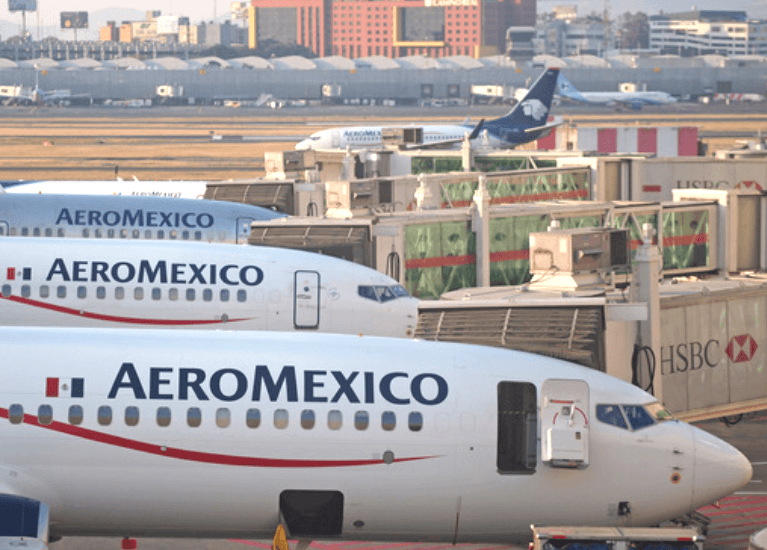
La Asociación Sindical de Pilotos Aviadores (ASPA) de México ha comunicado que la Asamblea General ha rechazado por mayoría en una votación la propuesta alterna que había preparado el sindicato para apoyar el proceso de reestructura de las aerolíneas de Grupo Aeroméxico, en el contexto bajo del Capítulo 11 de la Ley de Quiebras de Estados Unidos. La propuesta que se puso a consideración mediante votación en urna en los últimos tres días es un paquete de reducción de costos y ahorros por parte del sindicato como una alternativa a lo presentado por la administración de Grupo Aeroméxico. Sin embargo, la mayoría de la planta de pilotos no estuvo de acuerdo con el proyecto.
Los pilotos dijeron, de acuerdo con el documento, que el haber rechazado dicha propuesta no significa que no entiendan la situación delicada que vive la industria aérea en el mundo, en este caso Aeroméxico y Aeroméxico Connect. “Los pilotos de ASPA orgullosamente hemos apoyado la continuidad de las empresas por medio de importantes reducciones de nuestras percepciones a lo largo de nueve meses, mismas que le han permitido atender la recuperación de la demanda de pasajeros tanto en el mercado nacional como en el internacional. El rechazo a esta propuesta por parte de la Asamblea General, órgano máximo en la toma de decisiones de nuestra institución, nos invita a continuar en la búsqueda de alternativas que hagan viable la inyección de capital que requiere la empresa y que al mismo tiempo sean aceptables para nuestros pilotos. En ASPA estamos conscientes de la necesidad que exige la coyuntura actual para cuidar nuestra fuente de empleo, no obstante las acciones y decisiones que ha tomado la administración de Grupo Aeroméxico en los últimos meses suscitaron incertidumbre y desconfianza en la planta de pilotos”, informaron en el documento.
Aeroméxico y ASPA mantienen negociaciones respecto al Contrato Colectivo de Trabajo desde Agosto 2020, pero no han llegado a un acuerdo porque las propuestas de la empresa no han convencido a los pilotos. El Sindicato ASPA agrupa a más de 2.000 pilotos, que en su mayoría confían que el Grupo Aeroméxico “mostrará sensibilidad y disposición para llegar a un acuerdo en beneficio mutuo y se respeten los derechos adquiridos en el contrato colectivo de trabajo”. Aeroméxico ha estado arribando a acuerdos con sus diferentes sindicatos, aunque detallan continuar con las negociaciones con ASPA y con la Asociación Sindical de Sobrecargos de Aviación (ASSA). Para la compañía resulta importante alcanzar un acuerdo para continuar con desarrollo del financiamiento de la compañía Apollo Global Management por un valor de US$ 1.000 millones de Dólares.
Aeromexico pilots without agreements
ASPA union rejects labor agreement with Aeromexico
The Mexican Association of Airmen Pilots (ASPA) has communicated that the General Assembly has rejected by majority in a vote the alternative proposal that the union had prepared to support the process of restructuring the airlines of Grupo Aeroméxico, in the context under the Chapter 11 of the United States Bankruptcy Law. The proposal that was put to consideration by ballot box in the last three days is a cost reduction and savings package by the union as an alternative to what was presented by Grupo Aeroméxico’s administration. However, the majority of the pilot plant did not agree with the project.
The pilots said, according to the document, that having rejected said proposal does not mean that they do not understand the delicate situation that the airline industry is experiencing in the world, in this case Aeroméxico and Aeroméxico Connect. “ASPA pilots have proudly supported the continuity of the companies through significant reductions in our perceptions over nine months, which have allowed them to meet the recovery of passenger demand both in the national and international markets. The rejection of this proposal by the General Assembly, the highest decision-making body of our institution, invites us to continue in the search for alternatives that make the injection of capital required by the company viable and that at the same time are acceptable for our pilots. At ASPA we are aware of the need that the current situation demands to take care of our source of employment, despite the actions and decisions taken by the administration of Grupo Aeroméxico in recent months aroused uncertainty and mistrust in the pilot plant”, they reported in The document.
Aeroméxico and ASPA have been in negotiations regarding the Collective Labor Agreement since August 2020, but they have not reached an agreement because the company’s proposals have not convinced the pilots. The ASPA Union brings together more than 2,000 pilots, most of whom trust that the Aeromexico Group «will show sensitivity and willingness to reach an agreement for mutual benefit and respect the rights acquired in the collective bargaining agreement». Aeromexico has been reaching agreements with its different unions, although they detail continuing negotiations with ASPA and with the Aviation Flight Carriers Union Association (ASSA). It is important for the company to reach an agreement to continue developing the financing of the Apollo Global Management company for a value of US$ 1,000 million.
Gremios aeronáuticos acuerdan aumento en Aerolíneas Argentinas
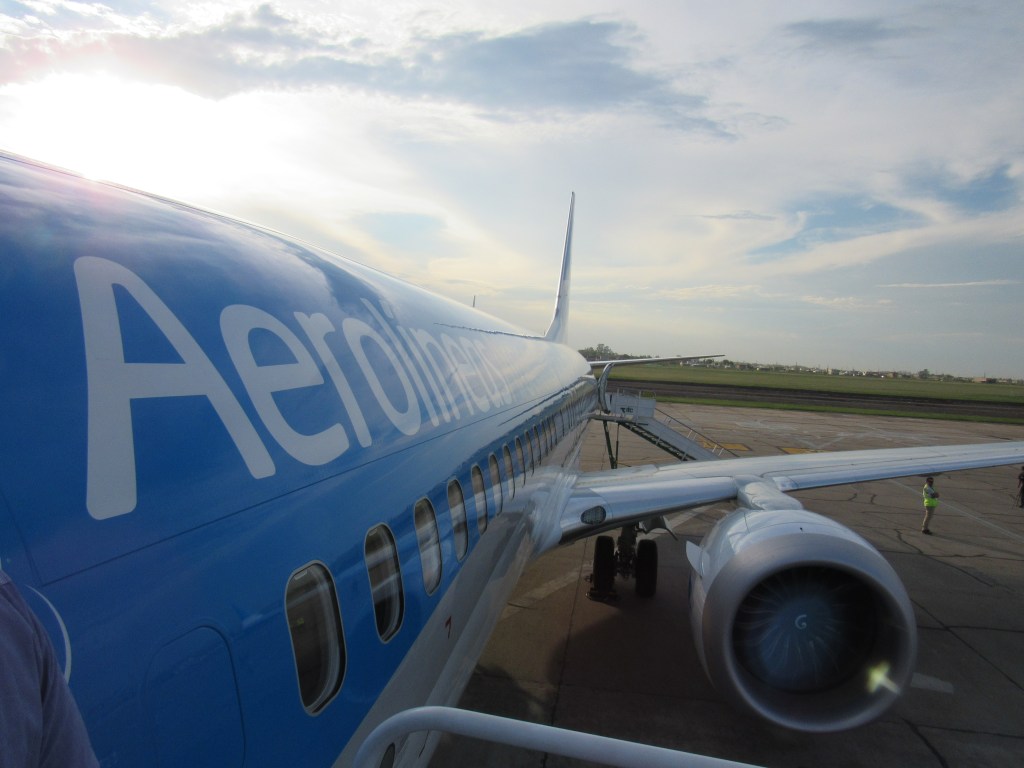
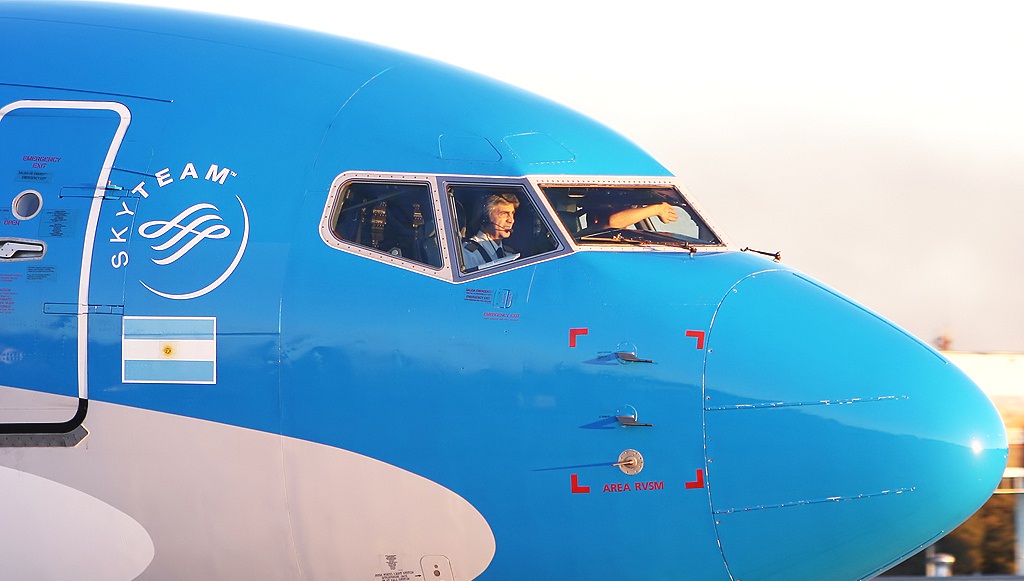
Los gremios aeronáuticos acordaron un aumento salarial escalonado que se aplicarán dentro de los cinco primeros meses del año 2021 en Aerolíneas Argentinas. El acuerdo aplicaría en un 23% para Enero y Febrero 2021, y aumentando al 25% entre Marzo y Mayo de 2021. La mejora alcanzará a unos 12.000 empleados de la línea aérea. El acuerdo está abierto y sujeto a nuevos ajustes, a cuenta de futuros aumentos. El acuerdo rige también para el medio aguinaldo, destacaron los sindicatos.
Los gremios de Pilotos (APLA), Técnicos (APTA), Personal de Tierra (APA) y Jerárquicos (UPSA), han comunicado los detalles del nuevo avance de las paritarias salariales: «Se ha acordado con Aerolíneas Argentinas, el Ministerio de Transporte y la Jefatura de Gabinete de la Nación establecer una actualización salarial sobre el salario de todos los trabajadores del grupo de bandera», expresaron en el comunicado.
En medio de la pandemia, durante ocho meses Aerolíneas no había tenido ingresos en su caja, a raíz de la suspensión de vuelos comerciales. En 2019, la línea aérea de bandera había sufrido un pasivo de US$ 680 millones. Actualmente, en 2020 las pérdidas de Aerolíneas Argentinas rondarían los US$ 900 millones de Dólares, incrementadas por los efectos de la pandemia global y la supresión de los vuelos en todo el mundo.
Salary increase in Aerolíneas
Aeronautical unions agree to increase in Aerolíneas Argentinas
The aeronautical unions agreed on a staggered salary increase that will be applied within the first five months of 2021 in Aerolíneas Argentinas. The agreement would apply by 23% for January and February 2021, and increasing to 25% between March and May 2021. The improvement will reach some 12,000 airline employees. The agreement is open and subject to further adjustments, on account of future increases. The agreement also applies to the half bonus, the unions stressed.
The unions of Pilots (APLA), Technicians (APTA), Ground Personnel (APA) and Hierarchicals (UPSA), have communicated the details of the new advance of the salary parities: «It has been agreed with Aerolíneas Argentinas, the Ministry of Transport and the Chief of the Cabinet of the Nation will establish a salary update on the salary of all the workers of the flag group», they said in the statement.
In the midst of the pandemic, Aerolíneas had no income in its cash for eight months, as a result of the suspension of commercial flights. In 2019, the flag carrier had suffered a liability of US$ 680 million. Currently, in 2020 the losses of Aerolíneas Argentinas would be around US$ 900 million, increased by the effects of the global pandemic and the suppression of flights around the world.
La nueva aerolínea de la Provincia de Quèbec, en Canadá denominada Treq (Transport Régional du Quèbec) quiere desarrollar un sistema de transporte regional envista de la falta de demanda, después de que Air Canada ha cancelado treinta rutas regionales, la eliminación gradual de 80 aeronaves más antiguas y la reducción de los pedidos de aeronaves, la aerolínea nacional también redujo el horario de vuelo. Esto causó alboroto en comunidades remotas en Canadá porque fueron amenazadas con la continuidad de las conexiones aéreas en el país.
Quebec convocó una unidad de crisis para los ocho aeropuertos de la provincia que se ven afectados por la cancelación de un total de 30 rutas regionales. El Gobierno de matiz francófono trató de encontrar un reemplazo; pero una solución mejor esperada ha sido la creación de la línea aérea Treq.
Treq Airlines
Treq es una cooperativa que no pretende escribir beneficios, quiere proporcionar a las ciudades de la provincia, que es cuatro veces más grande que Alemania, con buenas conexiones aéreas asequibles. Se espera que los billetes en las rutas más largas, como Montreal, Sept-Eles, cueste entre CA$ 318 y CA$ 425 Dólares canadienses. Los vuelos más cortos, como Montreal, Mont-Joli, se ofrecen por CA$ 199 Dólares canadienses. La red de rutas con epicentro en Montreal para operar hacia Charlevoix, Gatineau, Iledes de la Madeleine, Mont Tremblant, Quèbec, Rouyn-Noranda, Saguenay, Sherbrooke, Troi-Rivices y Wabush. Desde Quèbec a Baie-Comeaux, Gaspé, Mont-Joli, Saguenay y Sept-Ele. También se ofrecerán cooperaciones con otras aerolíneas a través de destinos de Montreal y Quèbec en Canadá, Estados Unidos, el Caribe y Europa. En cuanto a la flota de aeronaves de la compañía Treq posee compromisos con De Havilland Canada para emplear Dash 8Q-400 con 78 asientos. Las perspectivas de inicio de operaciones están prevista que los vuelos comiencen en Mayo o Junio de 2021.
Canada’s new regional airline Treq
Quebec seeks its own regional airline in Canada
The new airline of the Province of Quèbec, in Canada called Treq (Transport Régional du Quèbec) wants to develop a regional transportation system in response to the lack of demand, after Air Canada has canceled thirty regional routes, the phasing out of 80 older aircraft and the reduction of aircraft orders, the national airline also reduced the flight schedule. This caused an uproar in remote communities in Canada because they were threatened with the continuity of air connections in the country.
Quebec convened a crisis unit for the eight airports in the province that are affected by the cancellation of a total of 30 regional routes. The French-speaking government tried to find a replacement; but a better-awaited solution has been the creation of the airline Treq.
Treq Airlines
Treq is a cooperative that does not claim to write profits, it wants to provide the cities of the province, which is four times the size of Germany, with good affordable air connections. Tickets on the longer routes such as Montreal, Sept-Eles, are expected to cost between CA$ 318 and CA$ 425. Shorter flights, such as Montreal, Mont-Joli, are offered for CA$ 199 Canadian Dollars. The network of routes with an epicenter in Montreal to operate towards Charlevoix, Gatineau, Iledes de la Madeleine, Mont Tremblant, Quèbec, Rouyn-Noranda, Saguenay, Sherbrooke, Troi-Rivices and Wabush. From Quèbec to Baie-Comeaux, Gaspé, Mont-Joli, Saguenay and Sept-Ele. Cooperations with other airlines will also be offered through Montreal and Quèbec destinations in Canada, the United States, the Caribbean and Europe. Regarding the fleet of aircraft of the company Treq has commitments with De Havilland Canada to use Dash 8Q-400 with 78 seats. The prospects for the start of operations are scheduled for flights to begin in May or June 2021.
Nouvelle aérienne régionale du Canada Treq
Québec cherche sa propre compagnie aérienne régionale au Canada
La nouvelle compagnie aérienne de la province du Québec, au Canada appelée Treq (Transport Régional du Quèbec), veut développer un système de transport régional en réponse au manque de demande, après qu’Air Canada a annulé trente liaisons régionales, le retrait progressif de 80 avions plus anciens et la réduction de commandes d’aéronefs, la compagnie aérienne nationale a également réduit l’horaire des vols. Cela a provoqué un tollé dans les communautés éloignées du Canada parce qu’elles étaient menacées par la continuité des liaisons aériennes dans le pays.
Le Québec a mis sur pied une cellule de crise pour les huit aéroports de la province touchés par l’annulation d’un total de 30 routes régionales. Le gouvernement francophone a tenté de trouver un remplaçant; mais une solution mieux attendue a été la création de la compagnie aérienne Treq.
Treq Airlines
Treq est une coopérative qui ne prétend pas faire de bénéfices, elle veut doter les villes de la province, quatre fois la taille de l’Allemagne, de bonnes liaisons aériennes abordables. Les billets pour les trajets plus longs comme Montréal, Sept-Eles devraient coûter entre CA$ 318 et CA$ 425. Des vols plus courts, comme Montréal, Mont-Joli, sont offerts pour CA$ 199 Dollars canadiens. Le réseau de routes avec un épicentre à Montréal pour desservir Charlevoix, Gatineau, Iledes de la Madeleine, Mont Tremblant, Québec, Rouyn-Noranda, Saguenay, Sherbrooke, Troi-Rivices et Wabush. Du Québec à Baie-Comeaux, Gaspé, Mont-Joli, Saguenay et Sept-Ele. Des coopérations avec d’autres compagnies aériennes seront également offertes via les destinations de Montréal et du Québec au Canada, aux États-Unis, dans les Caraïbes et en Europe. En ce qui concerne la flotte d’avions de la compagnie Treq s’est engagé avec De Havilland Canada à utiliser le Dash 8Q-400 avec 78 sièges. Les perspectives de démarrage des opérations devraient débuter en mai ou juin 2021.
Copa Airlines ha reanudado ocultamente vuelos Boeing 737 MAX
La aerolínea panameña Copa Airlines ha reanudado silenciosamente su programación de vuelos con las aeronaves Boeing 737 MAX el mismo día 29/12 que American Airlines reinició sus operaciones comerciales con el Boeing 737 MAX en los Estados Unidos. Copa Airlines ha efectuado su primer vuelo de restablecimiento de sus operaciones con aeronaves tipo Boeing 737-9 MAX volando desde la Ciudad de Panamá a San José, Costa Rica. Según FlightRadar24.com, el vuelo CM806 había despegado de Ciudad de Panamá a las 10:55 hora local. Copa utilizó su 737-9 MAX registro HP-9906CMP para realizar el primer vuelo de restablecimiento de este tipo de aeronaves.
De manera desapercibida Copa Airlines no ha querido que el centro de atención esté en su flota 737 MAX, permitiendo sin previo aviso, impulsar el reanudación de las operaciones con el Boeing 737 MAX. Originalmente, se esperaba que Copa Airlines restableciera sus operaciones comerciales hacia el 4 de Enero de 2021. La compañía actualmente posee tres Boeing 737 MAX con matrículas HP-9901, HP-9905 y HP-9906. La aerolínea actualmente posee siete 737 MAX después de convertirse en el primer aerolínea no estadounidense en recibir un nuevo avión después de la puesta a tierra.
Copa quietly resumes 737 MAX
Copa Airlines has secretly resumed Boeing 737 MAX flights
The Panamanian airline Copa Airlines has quietly resumed its flight schedule with Boeing 737 MAX aircraft on the same day 12/29 that American Airlines restarted commercial operations with the Boeing 737 MAX in the United States. Copa Airlines has made its first flight to restore its operations with Boeing 737-9 MAX type aircraft flying from Panama City to San José, Costa Rica. According to FlightRadar24.com, flight CM806 had taken off from Panama City at 10:55 a.m. local time. Copa used its 737-9 MAX registration HP-9906CMP to perform the first restoration flight of this type of aircraft.
In an unnoticed way, Copa Airlines has not wanted the center of attention to be on its 737 MAX fleet, allowing, without prior notice, to promote the resumption of operations with the Boeing 737 MAX. Copa Airlines was originally expected to reestablish commercial operations by January 4, 2021. The company currently owns three Boeing 737 MAXs with the registration plates HP-9901, HP-9905 and HP-9906. The airline currently owns seven 737 MAXs after becoming the first non-US airline to receive a new aircraft after grounding.
SAT embarga a Interjet cuentas bancarias y propiedades
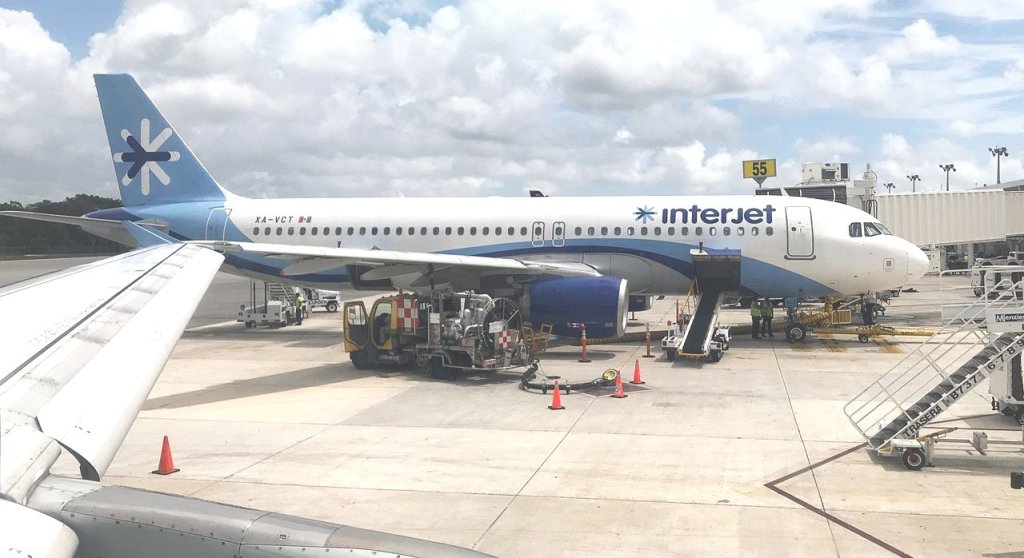
El Servicio de Administración Tributaria (SAT) de la República de México ha anunciado el embarga de las cuentas bancarias, propiedades y marcas de ABC Aerolíneas, nombre legal de Interjet, aerolínea propiedad de Grupo Coral, de Miguel Alemán Velasco y Miguel Alemán Magnani, por el incumplimiento del pago de impuestos por valores a MX$ 2.947 millones de Pesos. Lourdes del Ángel Palacios, Administradora Desconcentrada de Recaudación del SAT del Distrito Federal de México, fue la encargada de solicitar veinte embargos en contra de ABC Aerolíneas, por el presunto incumplimiento en los pagos del impuesto sobre la renta retenido a sus trabajadores y del impuesto al valor agregado y multas en 2017, 2018 y 2019, revelan documentos del organismo tributario.
El 17 de Febrero de 2020, los abogados de ABC Aerolíneas se desistieron de la demanda de amparo que se interpuso en contra del Servicio de Administración Tributaria (SAT) para que no hiciera público el embargo de sus cuentas bancarias y bienes. El 4 de Septiembre de 2019, Interjet se amparó para que el Servicio de Administración Tributaria no hiciera público el embargo de sus bienes y marcas desde el 2019. “No hay ningún rescate de Interjet, siempre ha estado bien y está bien la empresa. Son puras suposiciones”, dijo Miguel Alemán Margani, Presidente Ejecutivo de ABC Aerolíneas, al ser cuestionado por la situación financiera de su línea aérea en Febrero de 2020, cuando asistía a una reunión con el Presidente de la República, Andrés Manuel López Obrador. El empresario mexicano acusó en ese momento de golpes bajos de la competencia y enfatizó que lo importante son los hechos de la aerolínea mexicana. En Noviembre 2020, ante versiones que indicaban un embargo de los activos de Interjet por orden judicial de cuentas y empresas de Alemán Magnani por una denuncia de Sistema Radiópolis, de Televisa en el caso de la compra de su cadena radial, el ejecutivo afirmó que esa información era errónea. Los propios abogados argumentaron para obtener el amparo que el análisis de los resultados financieros de los ejercicios de 2013 a 2018 muestra pérdidas acumuladas que podrían interpretarse como una quiebra técnica. Otro factor es que la empresa no ha podido colocar deuda en la Bolsa Mexicana de Valores (BMV), ni otorgar como garantía de pago un predio en Baja California Sur, con un valor de 999 millones 193 mil pesos. “Se le causaría un daño de imposible reparación al hacerse público el embargo con cargo a caja del que es objeto, pues con ello laceraría la imagen comercial y su prestigio ante el público consumidor”, escribió Raúl López Martínez, Apoderado de ABC Aerolíneas/Interjet, en la Demanda de Amparo Directo que se ha presentado en el Juzgado Decimoquinto de Distrito en Materia Administrativa, en la Ciudad de México.
El juzgado Décimo Quinto de Distrito en Materia Administrativa informó que Interjet se desistió de la demanda de amparo sin que se hubiera llegado a dictar sentencia sobre la legalidad de la actuación del SAT. La aerolínea solicitó la protección de la justicia federal en contra de la Cámara de Diputados, la Cámara de Senadores y el presidente de la República por la discusión, aprobación y expedición del Código Fiscal de la Federación, en particular los Artículos Nº 153, Nº165, Nº 166 y Nº 167 publicado en el Diario Oficial de la Federación. “En razón de no acreditar, en este acto que se realizó el pago o haber garantizado el crédito fiscal que se detalla en el mandamiento de ejecución que antecede a la presente acto, se procede al embargo de bienes suficientes propiedad del contribuyente deudor”, señalan los embargos entregados por el SAT a Raúl López Martínez, Apoderado legal de ABC Aerolíneas. Al abogado de la aerolínea mexicana le informaron que podía designar dos testigos y, si no lo hiciera al terminar la diligencia los personas se negarán a firmar, tales circunstancias no afectan la legalidad del embargo, agrega el SAT.
Proceso embargo Interjet
El 14 de Febrero de 2020, los verificadores y notificadores del SAT procedieron el embargo de bienes por valor de MX$ 799.874.000 Pesos en contra de las propiedades y dinero de la empresa del hijo del ex presidente de la República, Miguel Alemán Valdes, según la documentación de las acciones fiscales emprendidas por el órgano a cargo de Raquel Buenrostro Sánchez. Raúl López Martínez, Apoderado legal de ABC Aerolíneas/Interjet, fue el encargado de recibir siete embargos por parte de los empleados del SAT, quienes llegaron hasta las oficinas de la compañía que están en el Aeropuerto Internacional de la Ciudad de México. La confiscación alcanzó a 132 marcas y aviones comerciales de ABC Aerolíneas, entre las que destacan Interjet. El SAT le quitó el control de 40 cuentas bancarias de ABC Aerolíneas en instituciones financieras como BBVA Bancomer, Actinver Casa de Bolsa, Banorte, BanBajio, Banco Monex, HSBC, J.P. Morgan IBM, CIBanco, Santander Bank Of America, CitiBanamex, Bac Credomatic, Citi Private Bank, Inbursa, JP Morgan y US Bank en México, Costa Rica, Estados Unidos y Canadá. A la aerolínea mexicana también le incautaron 10 vehículos, entre ellos están camionetas, automóviles, minivan y urbans utilizadas en la transportación del personal de Interjet adscrito al Aeropuerto Internacional de la Ciudad de México (AICM). Los bienes embargados por el Servicio de Administración Tributaria quedaron bajo la custodia de Serafina América González Ávalos, quien es interventora designada.
La documentación de los embargos del SAT detalla que quedaron fuera del embargo los 88 aviones aviones, que forman parte de la flota de la compañía Interjet. “ABC Aerolíneas únicamente tiene la posesión de los aviones y no tiene la propiedad, derivado de que 22 aeronaves cuentan con contrato de arrendamiento financiero con la empresa Interjet Airlines LTD, y 66 aviones en arrendamiento con empresas domiciliadas en Irlanda y Estados Unidos”, agregan la documentación de embargos. El Apoderado Legal de ABC Aerolíneas e Interjet dijo a los verificadores y notificadores del SAT que sus oficinas no son propiedad de la familia Alemán, ya que hay un contrato de arrendamiento con el Aeropuerto Internacional de la Ciudad de México.
El 4 de Marzo de 2020, los verificadores y notificadores del SAT hicieron un par de embargos por MX$ 67 millones de Pesos en contra de propiedades de la aerolínea Interjet. Un embargo por MX$ 1.030 millones de Pesos fue decretado el 10 de Marzo de 2020 y otro por MX$ 56.265.000 Pesos fue realizado el 25 de Marzo de 2020. Los funcionarios del SAT notificaron un embargo por MX$ 60.211.000 Pesos el 16 de Abril de 2020 y dos embargos más por MX$ 15.505.000 Pesos el 13 de Mayo de 2020.
ABC Aerolíneas recibió cinco embargos por MX$ 917.448.000 Pesos el 29 de Abril de 2020 y uno más por MX$ 2.728.000 Pesos el 17 de Junio de 2020. El 27 de Agosto de 2020, Angélica Lozada Hernández, Subadministradora de la Administración Desconcentrada de Recaudación del SAT, solicitó el embargo de 132 marcas y avisos comerciales registrados por ABC Aerolíneas ante el Instituto Mexicano de la Propiedad Industrial (IMPI). La funcionaria del SAT adscrita a la Administración Desconcentrada de Recaudación del Distrito Federal 3 pidió restringir cualquier operación solicitada por la aerolínea propiedad de la familia Alemán, así como mantener el embargo hasta que ella misma solicite su levantamiento.
Quiebra de Interjet Vacations
El pasado 23 de Diciembre de 2020 la empresa Resérvalo S.A.P.I. de C.V, la cual tenía a su cargo el manejo de la marca Interjet Vacations, presentó su solicitud formal de declaración de quiebra. Por medio de un comunicado, Interjet Vacations informó que la marca no tiene relación corporativa, sino comercial, con la aerolínea Interjet; de igual modo, explicó que las reservaciones pendientes así como el tratamiento que se dará a las mismas, deberá ser consultado directamente con el síndico que se designe en su momento.
Asimismo informó que pueden comunicarse al correo sindicaturaijv@interjetvacations.com.mx en donde se les dará atención a las solicitudes. “Agradecemos su paciencia en la respuesta a sus peticiones, ya que el gran número de reservaciones y la precaria situación económica de la empresa alargarán un poco el tiempo de atención a las mismas”, indicó la aerolínea en el comunicado. La aerolínea Interjet, dirigida por Alejandro del Valle, permanece inoperante desde el pasado 11 de Diciembre, luego de argumentar que no cuenta con recursos económicos. Recientemente trascendió que Interjet podría reanudar sus operaciones el próximo 11 de Enero de 2021, sin embargo la aerolínea adeuda siete quincenas así como seis meses en vales y otras prestaciones a sus empleados, quienes irían a huelga el próximo 8 de Enero de 2021 en caso de que la compañía no cumpla con sus obligaciones.
Interjet airline embargoed
SAT seizes Interjet bank accounts and properties
The Tax Administration Service (SAT) of the Republic of Mexico has announced the seizure of the bank accounts, properties and brands of ABC Aerolíneas, legal name of Interjet, an airline owned by Grupo Coral, Miguel Alemán Velasco and Miguel Alemán Magnani, for failure to pay taxes for values amounting to MX$ 2,947 million Pesos. Lourdes del Ángel Palacios, Decentralized Revenue Administrator of the SAT of the Federal District of Mexico, was in charge of requesting twenty liens against ABC Aerolíneas, for the alleged non-compliance in the payments of the income tax withheld from its workers and the income tax. added value and fines in 2017, 2018 and 2019, reveal documents of the tax agency.
On February 17, 2020, the lawyers of ABC Aerolíneas withdrew from the amparo lawsuit that was filed against the Tax Administration Service (SAT) so that it would not make public the seizure of their bank accounts and assets. On September 4, 2019, Interjet protected itself so that the Tax Administration Service did not make public the seizure of its assets and brands since 2019. “There is no rescue of Interjet, it has always been good and the company is doing well. They are pure assumptions”, said Miguel Alemán Margani, Executive President of ABC Aerolíneas, when questioned about the financial situation of his airline in February 2020, when he was attending a meeting with the President of the Republic, Andrés Manuel López Obrador. The Mexican businessman accused at that time of low blows from the competition and emphasized that what is important are the facts of the Mexican airline. In November 2020, before versions that indicated an embargo of Interjet assets by court order of accounts and companies of Alemán Magnani due to a complaint by Sistema Radiópolis, of Televisa in the case of the purchase of its radio station, the executive affirmed that this information was wrong. The lawyers themselves argued in order to obtain protection that the analysis of the financial results for the years 2013 to 2018 shows accumulated losses that could be interpreted as a technical bankruptcy. Another factor is that the company has not been able to place debt on the Mexican Stock Exchange (BMV), or grant a property in Baja California Sur as payment guarantee, with a value of MX$ 999.193.000 Pesos. «It would be caused damage that cannot be repaired when the seizure against cash is made public, as this would damage the commercial image and its prestige before the consumer public», wrote Raúl López Martínez, Attorney at ABC Aerolineas/Interjet, in the Demand for Direct Amparo that has been presented in the Fifteenth District Court for Administrative Matters, in Mexico City.
The Fifteenth District Court in Administrative Matters reported that Interjet withdrew from the amparo claim without a ruling on the legality of the SAT’s action having been handed down. The airline requested the protection of federal justice against the Chamber of Deputies, the Chamber of Senators and the President of the Republic for the discussion, approval and issuance of the Fiscal Code of the Federation, in particular Articles No. 153, No. 165, No. 166 and No. 167 published in the Official Gazette of the Federation. «By reason of not proving, in this act that the payment was made or having guaranteed the tax credit that is detailed in the execution order that precedes this act, sufficient assets owned by the debtor taxpayer are seized,, they point out. the embargoes delivered by the SAT to Raúl López Martínez, legal representative of ABC Aerolíneas. The lawyer for the Mexican airline was informed that he could appoint two witnesses and, if he did not do so at the end of the diligence, the people will refuse to sign, such circumstances do not affect the legality of the embargo, adds the SAT.
Interjet embargo process
On February 14, 2020, the SAT verifiers and notifiers proceeded to seize assets worth MX$ 799,874,000 Pesos against the properties and money of the company of the son of the former President of the Republic, Miguel Alemán Valdes, according to the documentation of the fiscal actions undertaken by the body in charge of Raquel Buenrostro Sánchez. Raúl López Martínez, legal representative of ABC Aerolíneas/Interjet, was in charge of receiving seven seizures by SAT employees, who arrived at the company’s offices located at the Mexico City International Airport. The seizure reached 132 brands and commercial aircraft of ABC Aerolíneas, among which Interjet stands out. The SAT took control of 40 bank accounts of ABC Aerolíneas in financial institutions such as BBVA Bancomer, Actinver Casa de Bolsa, Banorte, BanBajio, Banco Monex, HSBC, J.P. Morgan IBM, CIBanco, Santander Bank Of America, CitiBanamex, Bac Credomatic, Citi Private Bank, Inbursa, JP Morgan and US Bank in Mexico, Costa Rica, the United States and Canada. The Mexican airline also seized 10 vehicles, among them are vans, cars, minivans and urbans used to transport Interjet personnel attached to the Mexico City International Airport (AICM). The assets seized by the Tax Administration Service remained in the custody of Serafina América González Ávalos, who is the designated auditor.
The documentation of the SAT embargoes details that the 88 airplanes, which are part of the Interjet company’s fleet, were left out of the embargo. «ABC Aerolíneas only has possession of the aircraft and does not have ownership, derived from the fact that 22 aircraft have a financial lease contract with the company Interjet Airlines LTD, and 66 aircraft under lease with companies domiciled in Ireland and the United States», they add lien documentation. The Legal Representative of ABC Aerolíneas and Interjet told the SAT verifiers and notifiers that their offices are not owned by the Alemán family, as there is a lease agreement with the Mexico City International Airport.
On March 4, 2020, SAT verifiers and notifiers made a couple of embargoes for MX$ 67 million Pesos against properties of the Interjet airline. An embargo for MX$ 1,030 million pesos was decreed on March 10, 2020 and another for MX$ 56.265.000 Pesos was made on March 25, 2020. SAT officials notified an embargo for 60.211.000 Pesos on 16 April 2020 and two more embargoes for MX$ 15.505.000 Pesos on May 13, 2020.
ABC Aerolíneas received five embargoes for MX$ 917,448,000 Pesos on April 29, 2020 and one more for MX$ 2,728,000 Pesos on June 17, 2020. On August 27, 2020, Angélica Lozada Hernández, Deputy Administrator of the Administration Decentralized Collection of the SAT, requested the seizure of 132 trademarks and commercial notices registered by ABC Aerolíneas before the Mexican Institute of Industrial Property (IMPI). The SAT official attached to the Decentralized Revenue Administration of the Federal District 3 asked to restrict any operation requested by the airline owned by the Alemán family, as well as to maintain the embargo until she requests its lifting.
Bankruptcy of Interjet Vacations
On December 23, 2020, the company Resérvalo S.A.P.I. de C.V, which was in charge of managing the Interjet Vacations brand, filed its formal request for bankruptcy. Through a statement, Interjet Vacations reported that the brand does not have a corporate relationship, but a commercial one, with the Interjet airline; likewise, he explained that pending reservations as well as the treatment that will be given to them must be consulted directly with the trustee designated at the time.
He also informed that they can communicate to the email syndicaturaijv@interjetvacations.com.mx where the requests will be given attention. «We appreciate your patience in responding to your requests, since the large number of reservations and the precarious economic situation of the company will lengthen the time of attention to them a little», the airline said in the statement. The Interjet airline, directed by Alejandro del Valle, has been inoperative since December 11, after arguing that it does not have financial resources. It recently emerged that Interjet could resume operations on January 11, 2021, however the airline owes seven fortnights as well as six months in vouchers and other benefits to its employees, who would go on strike on January 8, 2021 in case of that the company does not fulfill its obligations.
WizzAir ha presentado demandas desde su inicio ops en Noruega
La primera Ministra de Noruega ha sido extremadamente crítica con la aerolínea húngara WizzAir, de quien se dice que rechaza que haya sindicatos en la compañía. A la primera ministra la han secundado varias instituciones públicas noruegas que han pedido el boicot de la compañía. Esto no tendría importancia si no fuera que WizzAir ha empezado a operar en Noruega, en vuelos internos. De manera que la compañía ha reaccionado. La aerolínea WizzAir está prestando algunos servicios dentro de Noruega, con lo que iniciará sus mayores operaciones en el país hacia el 2021. WizzAir ha enviado demandas a varios municipios, condados y hasta a una empresa pública noruega, según informan los medios locales. Según WizzAir, no piensa tolerar que se hagan llamamientos al boicot. Los propios sindicatos también han pedido el boicot, pero la aerolínea no les ha notificado demanda alguna. Wizz Air indicó en una nota de prensa que «está reaccionando al hecho de que los organismos locales y regionales electos, y la empresa estatal Statnett, hayan adoptado una postura pública en favor del boicot sin evaluar su legalidad y sin ninguna preparación del caso”.
Accionistas vs non-UE
Otro frente de dificultades se encuentra a las proximidades de las resoluciones de la Unión Europea (UE) respecto al Brexit. La UE exige que las aerolíneas que operan rutas entre dos destinos dentro de sus fronteras estén controladas mayoritariamente por ciudadanos del bloque, por lo que aerolíneas como el IAG Group con Iberia y con Aer Lingus, Ryanair y WizzAir privarán de votos a los accionistas que no pertenecen a la Unión Europea. El Tratado del Brexit concede un plazo de doce meses a las aerolíneas europeas con capital extranjero para seguir operando mientras se negocia una solución, pero desde el 1 de Enero de 2021 ya se aplica que todas las que vuelen dentro de Europa tengan propiedad europea.
Las matrices de Ryanair (Ryanair Holdings Plc) y de WizzAir (Wizz Air Holdings Plc) anunciaron este 30/12 que desde el comienzo de 2021, los accionistas que no pertenecen a la Unión Europea se verán despojados de sus derechos de voto para cumplir con las reglas de propiedad de aerolíneas del bloque después de la transición del Brexit. Las dos aerolíneas son europeas, con filiales en Gran Bretaña. Es la misma situación de Easyjet Austria, donde se engloba el capital europeo de esta compañía.
La UE exige que las aerolíneas que operan rutas entre dos destinos dentro de sus fronteras estén controladas mayoritariamente por accionistas del bloque. Los ciudadanos del Reino Unido ya no contarán como residentes en la UE con el final de la transición del Brexit. El problema quedó sin resolver en el acuerdo Brexit alcanzado la semana pasada, aunque las partes acordaron explorar una liberalización de las reglas de propiedad durante los próximos doce meses. Esto aislará potencialmente a los transportistas de los desafíos basados en su estructura de propiedad, pero no antes de más conversaciones. Las aerolíneas con una gran propiedad en el Reino Unido “deberán esperar a un acuerdo favorable o diseñar estructuras alternativas de propiedad y tenencia para salvaguardar la nacionalidad de la UE de las aerolíneas individuales”, dijo Daniel Roeska, Analista de Sanford C. Bernstein.
La cuestión de la propiedad y otra relacionada con los derechos de vuelo afectan a los transportistas de formas ligeramente diferentes, según el lugar donde se encuentren y su estructura. En respuesta, las empresas han limitado quién puede comprar sus acciones o eliminado los derechos de voto. WizzAir tiene un alto cociente de inversores del Reino Unido al alegir a Londres para su cotización principal. Si no hace nada, más del 80% de la propiedad de la aerolínea de bajo costo residiría fuera de la UE, amenazando tanto su licencia como su derecho a volar rutas exclusivas de la Unión Europea. La aerolínea dijo que quitará la misma proporción de derechos de voto a todos sus accionistas fuera de la UE. Como resultado, las acciones que representen alrededor del 60% de su capital social no podrán votar. Ryanair dijo que todos sus accionistas no pertenecientes a la UE perderían los derechos de voto. EasyJet, con sede en el Reino Unido, dijo el 23 de Diciembre de 2020 que suspendería los derechos de voto de algunos titulares sobre una base de “último en entrar, primero en salir” si fuera necesario para elevar su base de votos en la UE por encima del 50%. En ese momento, era del 47%, excluyendo el Reino Unido.
WizzAir Litigates boycotts
WizzAir has filed lawsuits since its inception ops in Norway
The Prime Minister of Norway has been extremely critical of Hungarian airline WizzAir, which she is said to reject having unions in the company. The prime minister has been seconded by several Norwegian public institutions that have called for a boycott of the company. This would not matter if it were not that WizzAir has started operating in Norway, on internal flights. So the company has reacted. The airline WizzAir is providing some services within Norway, which will begin its largest operations in the country by 2021. WizzAir has sent lawsuits to several municipalities, counties and even to a Norwegian public company, according to local media. According to WizzAir, he does not intend to tolerate calls for a boycott. The unions themselves have also called for a boycott, but the airline has not notified them of any demand. Wizz Air indicated in a press release that «it is reacting to the fact that local and regional elected bodies, and the state company Statnett, have taken a public stance in favor of the boycott without evaluating its legality and without any preparation of the case».
Shareholders vs non-UE
Another front of difficulties is in the vicinity of the European Union (EU) resolutions regarding Brexit. The EU requires airlines that operate routes between two destinations within its borders to be majority controlled by citizens of the bloc, so airlines such as the IAG Group with Iberia and Aer Lingus, Ryanair and WizzAir will disenfranchise shareholders who do not they belong to the European Union. The Brexit Treaty grants a period of twelve months to European airlines with foreign capital to continue operating while a solution is negotiated, but since January 1, 2021, it has already been applied that all those that fly within Europe have European ownership.
The parent companies of Ryanair (Ryanair Holdings Plc) and WizzAir (Wizz Air Holdings Plc) announced on 12/30 that from the beginning of 2021, non-European Union shareholders will be stripped of their voting rights to comply with the block’s airline ownership rules after the Brexit transition. The two airlines are European, with subsidiaries in Great Britain. It is the same situation of Easyjet Austria, where the European capital of this company is included.
The EU requires that airlines operating routes between two destinations within its borders be majority controlled by shareholders of the bloc. UK citizens will no longer count as EU residents with the end of the Brexit transition. The issue was left unsolved in the Brexit deal reached last week, although the parties agreed to explore a liberalization of property rules over the next twelve months. This will potentially isolate shippers from challenges based on their ownership structure, but not before more talks. Airlines with large UK ownership «will have to wait for a favorable deal or design alternative ownership and tenure structures to safeguard the EU nationality of individual airlines», said Daniel Roeska, Analyst at Sanford C. Bernstein.
Ownership and flight rights issues affect carriers in slightly different ways, depending on where they are located and their structure. In response, companies have limited who can buy their shares or eliminated voting rights. WizzAir has a high UK investor quotient in choosing London for its main listing. If you do nothing, more than 80% of the low-cost airline’s ownership would reside outside the EU, threatening both its license and its right to fly exclusive European Union routes. The airline said it will remove the same proportion of voting rights from all its shareholders outside the EU. As a result, shares representing around 60% of its capital stock will not be able to vote. Ryanair said that all of its non-EU shareholders would lose voting rights. UK-based EasyJet said on December 23, 2020 that it would suspend the voting rights of some holders on a “last in, first out” basis if necessary to raise its vote base in the EU. above 50%. At the time, it was 47%, excluding the UK.
Palestinian Airlines cesa tras 25 años de operaciones
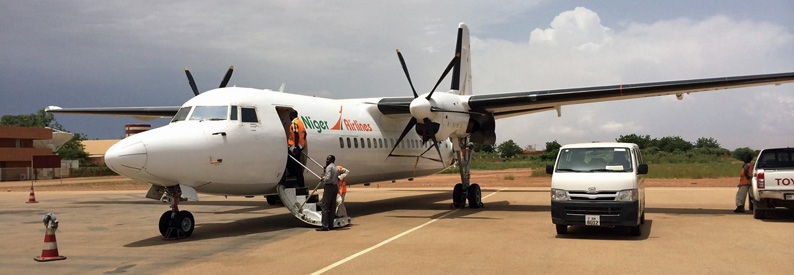
La Autoridad Palestina anunció el Martes 29/12 que cerrará las operaciones de la aerolínea Palestinian Airlines después de veinticinco años de actividad limitada. La decisión de liquidar la compañía fue finalizada y anunciada este Martes por el Ministerio de Transporte y Comunicaciones de Palestina. La compañía ha estado operando en un ámbito muy limitado durante años. Su flota de dos aviones Fokker 50 en funcionamiento ha sido alquilada a otras aerolíneas en los últimos años, con una actualmente ubicada en el Aeropuerto Internacional de El Cairo en Egipto y la otra en Amman, Jordania. Los dos Fokker F50 de 32 años de edad de la compañía ya se pusieron a la venta en 09/2020. El Subsecretario del Ministerio, Ammar Yassin, dijo que el mantenimiento del avión ubicado en Amman es muy alto y que el ministerio no ha recibido ninguna oferta para comprarlo. El otro avión había sido arrendado a una aerolínea de Nigeria, pero el contrato no se renovó debido a la situación creada por la pandemia del Coronavirus, explicó Ammar Yassin. Uno de los problemas para encontrar posibles compradores para los aviones con una antigüedad de más de treinta años, es que las aerolíneas suelen preferir comprar aviones fabricados con una edad de no más de quince año. Una aeronave F50 matrícula SU-YAH se encuentra en Amán, Jordania. El arrendamiento del otro F50 con Niger Airlines, matrícula SU-YAI, no se ha renovado debido a la crisis en curso.
Palestinian Airlines se estableció en 1995 e inició sus operaciones en 1997 dese el Aeropuerto de Port Said, Egipto. Su flota incluía los dos aviones Fokker 50 donados por los Países Bajos y un Boeing 727 donado por el Príncipe saudita Al-Waleed bin Talal Al Saud. Palestinian Airlines fue fundada después del Acuerdo de Oslo II firmado por Israel y Palestina destinado a establecer un aeropuerto en la Franja de Gaza. El transportista fue creado con apoyo financiero de los Países Bajos y Arabia Saudita, donde donaron dos Fokker F50 y un Boeing 727 respectivamente.
El Aeropuerto Internacional Yasser Arafat en Gaza fue financiado por Japón, Egipto, Arabia Saudita, España y Alemania, y diseñado por arquitectos marroquíes, quedando inaugurado en Noviembre de 1998. Tras la inauguración, Palestinian Airlines trasladó todas las operaciones a su nuevo hogar.
La aerolínea alcanzó su máximo desarrollo en el año 2000, pero se vio obligada a interrumpir todos los vuelos ese Octubre 2000, cuando los árabes iniciaron la Segunda Intifada. el entonces renombrado Aeropuerto Internacional de Gaza cerró en Octubre de 2000, durante lo que se conoce como la Segunda Intifada. Su torre de control y estación de radio fueron destruidas por la Fuerza Aérea Israelí en Diciembre de 2001. La base de la aerolínea fue trasladada de nuevo a El Arish en Egipto, desde donde siguió volando a El Cairo y Yeda. Sin embargo, el transporte de palestinos a través de la frontera egipcia para los vuelos resultó ser una desventaja adicional. El transportista ha dado de baja a su Boeing 727, y un Ilyushin Il-62 adquirido transitoriamente y suspendió sus operaciones entre 2005 y 2012.
A medida que el Aeropuerto Gush Katif de Gaza desapareció en 2004, junto con el Aeropuerto Jerusalén/Atarot en Cisjordania en 2000, Palestina seguía sin un aeropuerto operativo. En 2012, la aerolínea comenzó a trabajar en un ámbito limitado, operando dos vuelos semanales al Sinaí y Jordania. En 2017, alquiló sus aeronaves y detuvo la mayor parte de su actividad. Tras la crisis de la pandemia en 2020, Palestinian Airlines es otra de las compañías aéreas que no han podido sobrevivir, dejando de prestar un servicio elemental en la Franja de Gaza.
Palestinian Airlines closes operations
Palestinian Airlines ceases after 25 years of operations
The Palestinian Authority announced on Tuesday 12/29 that it will shut down Palestinian Airlines operations after twenty-five years of limited activity. The decision to liquidate the company was finalized and announced this Tuesday by the Palestinian Ministry of Transport and Communications. The company has been operating in a very limited scope for years. Its fleet of two working Fokker 50 aircraft has been leased to other airlines in recent years, with one currently located at Cairo International Airport in Egypt and the other in Amman, Jordan. The company’s two 32-year-old Fokker F50s were already on sale in 09/2020. The Under Secretary of the Ministry, Ammar Yassin, said that the maintenance of the plane located in Amman is very high and that the ministry has not received any offers to buy it. The other plane had been leased from a Nigerian airline, but the contract was not renewed due to the situation created by the Coronavirus pandemic, Ammar Yassin explained. One of the problems in finding potential buyers for aircraft older than 30 years is that airlines tend to prefer to buy aircraft manufactured with an age of no more than 15 years An F50 aircraft registration SU-YAH is located in Amman, Jordan . The lease of the other F50 with Niger Airlines, registration SU-YAI, has not been renewed due to the ongoing crisis.
Palestinian Airlines was established in 1995 and began operations in 1997 from Port Said Airport, Egypt. Its fleet included the two Fokker 50 planes donated by the Netherlands and a Boeing 727 donated by the Saudi Prince Al-Waleed bin Talal Al Saud. Palestinian Airlines was founded after the Oslo II Agreement signed by Israel and Palestine aimed at establishing an airport in the Gaza Strip. The carrier was created with financial support from the Netherlands and Saudi Arabia, where they donated two Fokker F50s and a Boeing 727 respectively.
The Yasser Arafat International Airport in Gaza was financed by Japan, Egypt, Saudi Arabia, Spain and Germany, and designed by Moroccan architects, opening in November 1998. After the opening, Palestinian Airlines moved all operations to its new home.
The airline reached its maximum development in 2000, but was forced to interrupt all flights that October 2000, when the Arabs started the Second Intifada. The then renamed Gaza International Airport closed in October 2000, during what is known as the Second Intifada. Its control tower and radio station were destroyed by the Israeli Air Force in December 2001. The airline’s base was moved back to El Arish in Egypt, from where it continued to fly to Cairo and Jeddah. However, transporting Palestinians across the Egyptian border for flights proved to be an additional disadvantage. The carrier has decommissioned its Boeing 727, and an Ilyushin Il-62 acquired temporarily and suspended operations between 2005 and 2012.
As the Gush Katif Airport in Gaza disappeared in 2004, along with the Jerusalem/Atarot Airport in the West Bank in 2000, Palestine remained without an operational airport. In 2012, the airline started working in a limited scope, operating two weekly flights to Sinai and Jordan. In 2017, it leased its aircraft and stopped most of its activity. After the pandemic crisis in 2020, Palestinian Airlines is another of the airlines that have not been able to survive, ceasing to provide an elementary service in the Gaza Strip.
الخطوط الجوية الفلسطينية تغلق عملياتها
توقف الخطوط الجوية الفلسطينية بعد 25 عاما من التشغيل
أعلنت السلطة الفلسطينية ، الثلاثاء ، 12/29 ، أنها ستغلق عمليات الخطوط الجوية الفلسطينية بعد خمسة وعشرين عاما من النشاط المحدود. تم الانتهاء من قرار تصفية الشركة وإعلانه هذا الثلاثاء من قبل وزارة النقل والاتصالات الفلسطينية. تعمل الشركة في نطاق محدود للغاية منذ سنوات. تم تأجير أسطولها المكون من طائرتين عاملة من طراز Fokker 50 لشركات طيران أخرى في السنوات الأخيرة ، واحدة موجودة حاليًا في مطار القاهرة الدولي في مصر والأخرى في عمان ، الأردن. تم طرح طائرتي Fokker F50 البالغتين من العمر 32 عامًا للبيع بالفعل في 09/2020. وقال وكيل الوزارة عمار ياسين ، إن صيانة الطائرة الموجودة في عمان مرتفعة للغاية وأن الوزارة لم تتلق أي عروض لشرائها. وأوضح عمار ياسين ، أن الطائرة الأخرى كانت مستأجرة من شركة طيران نيجيرية ، لكن العقد لم يجدد بسبب الوضع الناجم عن وباء فيروس كورونا. إحدى المشاكل في العثور على مشترين محتملين للطائرات التي يزيد عمرها عن 30 عامًا هي أن شركات الطيران تميل إلى تفضيل شراء الطائرات المصنعة التي لا يزيد عمرها عن 15 عامًا. يقع تسجيل الطائرات F50 SU-YAH في عمان ، الأردن . لم يتم تجديد عقد إيجار الطائرة F50 الأخرى مع شركة النيجر إيرلاينز ، والتسجيل SU-YAI ، بسبب الأزمة المستمرة.
تأسست الخطوط الجوية الفلسطينية عام 1995 وبدأت عملياتها عام 1997 من مطار بورسعيد بمصر. تضمن أسطولها طائرتين من طراز Fokker 50 تبرعت بها هولندا وطائرة بوينج 727 تبرع بها الأمير السعودي الوليد بن طلال آل سعود. تأسست الخطوط الجوية الفلسطينية بعد اتفاقية أوسلو الثانية التي وقعتها إسرائيل وفلسطين بهدف إنشاء مطار في قطاع غزة. تم إنشاء الناقل بدعم مالي من هولندا والمملكة العربية السعودية ، حيث تبرعوا بطائرتين من طراز Fokker F50 و Boeing 727 على التوالي.
تم تمويل مطار ياسر عرفات الدولي في غزة من قبل اليابان ومصر والمملكة العربية السعودية وإسبانيا وألمانيا ، وتم تصميمه من قبل المهندسين المعماريين المغاربة ، وتم افتتاحه في نوفمبر 1998. بعد الافتتاح ، نقلت الخطوط الجوية الفلسطينية جميع العمليات إلى موطنها الجديد.
وصلت شركة الطيران إلى أقصى تطور لها في عام 2000 ، لكنها اضطرت إلى قطع جميع الرحلات الجوية في أكتوبر 2000 ، عندما بدأ العرب الانتفاضة الثانية. تم إغلاق مطار غزة الدولي الذي أعيد تسميته في أكتوبر 2000 ، خلال ما يعرف بالانتفاضة الثانية. دمرت القوات الجوية الإسرائيلية برج المراقبة ومحطة الراديو التابعة لها في ديسمبر / كانون الأول 2001. وأعيدت قاعدة الشركة إلى العريش في مصر ، حيث واصلت رحلاتها إلى القاهرة وجدة. ومع ذلك ، ثبت أن نقل الفلسطينيين عبر الحدود المصرية للرحلات الجوية يمثل عائقًا إضافيًا. أوقفت الشركة تشغيلها من طراز بوينج 727 ، واكتسبت طائرة إليوشن Il-62 مؤقتًا وعلقت العمليات بين عامي 2005 و 2012.
مع اختفاء مطار غوش قطيف في غزة عام 2004 ، إلى جانب مطار القدس / عطروت في الضفة الغربية عام 2000 ، ظلت فلسطين بدون مطار عاملة. في عام 2012 ، بدأت شركة الطيران العمل في نطاق محدود ، حيث قامت بتشغيل رحلتين أسبوعيتين إلى سيناء والأردن. وفي عام 2017 استأجرت طائراتها وأوقفت معظم نشاطها. بعد أزمة الوباء في عام 2020 ، الخطوط الجوية الفلسطينية هي شركة طيران أخرى لم تكن قادرة على البقاء ، وتوقفت عن تقديم خدمة أولية في قطاع غزة.
חברת תעופה פלסטינית סוגר פעולות
חברת התעופה הפלסטינית מפסיקה לאחר 25 שנות פעילות
הרשות הפלסטינית הודיעה ביום שלישי 12/29 כי תשבית את פעילותה של חברת התעופה הפלסטינית לאחר עשרים וחמש שנות פעילות מוגבלת. ההחלטה על פירוק החברה הושלמה סופית והוכרזה ביום שלישי הקרוב על ידי משרד התחבורה והתקשורת הפלסטיני. החברה פועלת בהיקף מוגבל מאוד מזה שנים. צי שני המטוסים הפוקרים 50 העובדים שלה הושכר בשנים האחרונות לחברות תעופה אחרות, כאשר אחת מהן נמצאת כיום בשדה התעופה הבינלאומי בקהיר והשנייה בעמאן, ירדן. שתי מכוניות ה- Fokker F50 בת ה -32, יצאו למכירה כבר ב -2020. מזכיר המשנה של המשרד, עמאר יאסין, אמר כי תחזוקת המטוס הממוקם בעמאן גבוהה מאוד וכי המשרד לא קיבל הצעות לרכוש אותו. המטוס השני הושכר מחברת תעופה ניגרית, אך החוזה לא חודש בשל המצב שיצרה מגיפת קורונאווירוס, הסביר עמר יאסין. אחת הבעיות במציאת קונים פוטנציאליים למטוסים מעל גיל 30 היא שחברות תעופה נוטות להעדיף לקנות מטוסים שיוצרו לא יותר מ- 15 שנים רישום מטוסי F50 SU-YAH ממוקם בעמאן, ירדן. . השכרת ה- F50 האחרת עם חברת התעופה נייגר איירליינס, רישום SU-YAI, לא חודשה בגלל המשבר המתמשך.
חברת התעופה הפלסטינית הוקמה בשנת 1995 והחלה לפעול בשנת 1997 מנמל התעופה פורט סעיד, מצרים. ציו כלל את שני מטוסי ה- Fokker 50 שנתרמו על ידי הולנד ומטוס בואינג 727 שנתרם על ידי הנסיך הסעודי אל-ואלד בן טלאל אל-סעוד. פלסטין איירליינס הוקמה לאחר הסכם אוסלו II שנחתם על ידי ישראל ופלסטין במטרה להקים שדה תעופה ברצועת עזה. המוביל נוצר בתמיכה כספית מהולנד וסעודיה, שם הם תרמו שני מטוסי Fokker F50 ו- Boeing 727 בהתאמה.
שדה התעופה הבינלאומי יאסר ערפאת בעזה מומן על ידי יפן, מצרים, ערב הסעודית, ספרד וגרמניה, ותוכנן על ידי אדריכלים מרוקאים, שנפתח בנובמבר 1998. לאחר הפתיחה העבירה חברת התעופה הפלסטינית את כל הפעילות לבית החדש שלה.
חברת התעופה הגיעה לשיא ההתפתחות שלה בשנת 2000, אך נאלצה לקצץ את כל הטיסות באותה אוקטובר 2000, אז התחילו הערבים את האינתיפאדה השנייה. נמל התעופה הבינלאומי של עזה ששמו אז, נסגר באוקטובר 2000, במהלך מה שמכונה האינתיפאדה השנייה. מגדל הפיקוח ותחנת הרדיו שלו נהרסו על ידי חיל האוויר הישראלי בדצמבר 2001. בסיס חברת התעופה הועבר חזרה לאל עריש שבמצרים, משם המשיך לטוס לקהיר וג’דה. עם זאת, הובלת פלסטינים מעבר לגבול מצרים לטיסות הוכחה כחיסרון נוסף. הספק הוציא את מטוס הבואינג 727 שלה והוצאת איליושין Il-62 רכשה באופן זמני והפסיקה את פעילותה בין השנים 2005-2012.
כשנמל התעופה גוש קטיף בעזה נעלם בשנת 2004, יחד עם נמל התעופה ירושלים / עטרות בגדה המערבית בשנת 2000, נותרה פלסטין ללא שדה תעופה מבצעי. בשנת 2012 חברת התעופה החלה לעבוד בהיקף מוגבל והפעילה שתי טיסות שבועיות לסיני וירדן. בשנת 2017 היא השכירה את מטוסיה והפסיקה את מרבית פעילותה. לאחר משבר המגיפה בשנת 2020, פלסטין איירליינס היא חברת תעופה אחרת שלא הצליחה לשרוד, וחדלה להעניק שירות יסודי ברצועת עזה.
Alaska Airlines ha anunciado cambios en la política de transportes de animales después de la introducción de nuevas normativas vigentes en el transporte en Estados Unidos. El transportadores la primer compañía en introducir las modificaciones a partir del 11 Enero 2021, autorizando y limitando a ciertos animales de apoyo emocional en los vuelos comerciales. La aerolínea dice que permitirá perros de servicio solamente, después de un movimiento del Departamento de Transporte (DOT) de los Estados Unidos ha reclasificado los tipos de animales de servicio permitidos en los vuelos.
La aerolínea, actuando a raíz de las nuevas directrices federales destinadas a frenar una gama de animales a veces exóticos que los pasajeros han llevado a los aviones comerciales como animales de apoyo emocional, lo mantuvo simple al anunciar este Martes 29/12 lo que permitiría: sólo perros de servicio calificados que son capaces de acostarse en el suelo o ser mantenidos en su regazo, que estén entrenados para hacer trabajo o realizar tareas para personas con discapacidades. Ray Prentice, Director de Defensa de Clientes de Alaska Airlines, que dijo que fue la primera aerolínea importante en cambiar públicamente su política animal a la luz de las directrices federales actualizadas, dijo que la decisión de la aerolínea fue un paso positivo. «Este cambio regulatorio es una buena noticia, ya que nos ayudará a reducir las perturbaciones a bordo, mientras continuamos acomodando a nuestros huéspedes que viajan con animales de servicio calificados», dijo en un comunicado.
Una sentencia del 2 de Diciembre de 2020 del Departamento de Transporte de los Estados Unidos que modificó la Ley de Acceso de la Compañía Aérea del departamento otorga a las aerolíneas la autoridad para clasificar a los animales de apoyo emocional como animales de apoyo emocional en lugar de animales de servicio. Bajo la regla, sólo los perros que cumplen con criterios de entrenamiento específicos están permitidos como animales de servicio para personas con discapacidades físicas, sensoriales, psiquiátricas, intelectuales u otras discapacidades mentales. El nuevo fallo reglamentario ha sido criticado por los defensores de los derechos de la discapacidad,que dijeron que las restricciones debilitarían las protecciones para las personas con discapacidad al limitar la definición de animal de servicio. De acuerdo con la orientación formal publicada por el Departamento de Transporte en 2019, los animales de servicio común incluyen perros, gatos y caballos en miniatura.
Aproximando críticas
«Aunque no es ningún secreto que seguimos lejos de un sistema de transporte verdaderamente accesible en este país, la regla del DOT sólo servirá para exacerbar las desigualdades existentes para las personas con discapacidad que participan en viajes aéreos y, en cambio, se adaptará casi exclusivamente a los intereses de la industria aérea», dijo Curt Decker, Director Ejecutivo de la Red Nacional de Derechos de Discapacidad, en un comunicado de este mes. A pesar de las críticas, las aerolíneas y otros en la industria de los viajes aéreos, como el grupo de presión Airlines for America (A4A), han celebrado los cambios recientes, diciendo que harán más para disminuir el mal comportamiento de los animales en los vuelos y ayudar a los individuos que abusan de las reglas relativas a los animales de servicio.
En el pasado, los pasajeros han tratado de viajar con una variedad de animales, desde lo mundano hasta lo francamente inusual, como cerdos, monos y aves, incluyendo el caso típico de un pavo real que ha sido denegado en el vuelo.
La Ley de Estadounidenses con Discapacidades define perros y caballos en miniatura como animales de servicio «que están entrenados individualmente para hacer trabajo o realizar tareas para personas con discapacidades». Bajo el acto, los perros que sólo proporcionan apoyo emocional no son designados como animales de servicio.
La política revisada de Alaska Airlines permitirá un máximo de dos perros de servicio por huésped e incluirá perros de servicio psiquiátrico. Los pasajeros también tendrán que presentar un formulario, desarrollado por el Departamento de Transporte, que confirme que un perro es un animal de servicio y ha recibido la formación y las vacunas adecuadas.
Alaska adjusts PET policy
First policies of change transport animals
Alaska Airlines has announced changes to the animal transport policy following the introduction of new regulations in force in transportation in the United States. The carriers were the first company to introduce the modifications as of January 11, 2021, authorizing and limiting certain emotional support animals on commercial flights. The airline says it will allow service dogs only, after a move by the United States Department of Transportation (DOT) has reclassified the types of service animals allowed on flights.
Acting on new federal guidelines aimed at curbing a range of sometimes exotic animals that passengers have brought onto commercial aircraft as emotional support animals, the airline kept it simple by announcing this Tuesday 12/29 what it would allow: Only qualified service dogs that are capable of lying on the ground or being held on your lap, that are trained to do work or perform tasks for people with disabilities. Ray Prentice, Director of Customer Advocacy for Alaska Airlines, who said it was the first major airline to publicly change its animal policy in light of updated federal guidelines, said the airline’s decision was a positive step. «This regulatory change is good news as it will help us reduce disturbances on board, while continuing to accommodate our guests traveling with qualified service animals», he said in a statement.
A Dec.2, 2020 ruling by the United States Department of Transportation that amended the department’s Airline Company Access Act gives airlines the authority to classify emotional support animals as emotional support animals rather than service animals. Under the rule, only dogs that meet specific training criteria are allowed as service animals for people with physical, sensory, psychiatric, intellectual, or other mental disabilities. The new regulatory ruling has been criticized by disability rights advocates, who said the restrictions would weaken protections for people with disabilities by limiting the definition of a service animal. According to the formal guidance published by the Department of Transportation in 2019, common service animals include miniature dogs, cats, and horses.
Approaching criticism
«While it is no secret that we remain a long way from a truly accessible transportation system in this country, the DOT rule will only serve to exacerbate existing inequalities for people with disabilities who participate in air travel, and instead will accommodate almost exclusively to the interests of the airline industry», said Curt Decker, Executive Director of the National Network for Disability Rights, in a statement this month. Despite the criticism, airlines and others in the air travel industry, such as the pressure group Airlines for America (A4A), have celebrated the recent changes, saying they will do more to decrease animal misbehavior on flights and help to individuals who abuse the rules regarding service animals.
In the past, passengers have tried to travel with a variety of animals, from the mundane to the downright unusual, such as pigs, monkeys and birds, including the typical case of a peacock that has been denied in flight.
The Americans with Disabilities Act defines miniature dogs and horses as service animals «that are individually trained to do work or perform tasks for people with disabilities.» Under the act, dogs that only provide emotional support are not designated as service animals.
Alaska Airlines’ revised policy will allow a maximum of two service dogs per guest and will include psychiatric service dogs. Passengers will also need to submit a form, developed by the Department of Transportation, confirming that a dog is a service animal and has received proper training and vaccinations.