Nueva aerolínea regional brasileña incorporará ATR 72-600
La nueva startup de Brasil, Nella Linhas Aéreas, iniciará próximamente sus operaciones aeroco,erciales a partir de 1Q2021 con vuelos regionales. La regional aérea ha comunicado la compra de cinco aviones ATR 72-600 con capacidad para 70 asientos. Este modelo de avión turbohélice ya está con una solicitud de reserva para su registro en Agencia Nacional de Aviación Civil (ANAC) de Brasil.
Los aviones ATR 72-600 son utilizados en Brasil actualmente por compañías aéreas como VoePass Linhas Aéreas, anteriormente conocida como Passaredo Linhas Aéreas, y Azul Linhas Aéreas. Este modelo turbohélice es capaz de efectuar despegues y aterrizajes en aeropuertos regionales, en pistas cortas con pocas infraestructuras, permitiendo llegar a destinos donde la demanda de tráfico es reducida con respecto a los principales operadores aéreos.
El Centro de Distribución (HUB) de Nella Linhas Aéreas estará focalizado en Brasilia, pero la aerolínea tiene planes para operar en Estado de Minas Gerais. La aerolínea ha completado la etapa de contratación del áreas estratégicas de gerencias para presentar los documentos requeridos por la ANAC para la puesta a punto de la nueva aérea regional de Brasil.
Nella Linhas Aéreas will incorporate ATR 72-600
New Brazilian regional airline to incorporate ATR 72-600
The new startup in Brazil, Nella Linhas Aéreas, will soon start its aeroco operations, starting from 1Q2021 with regional flights. The regional airline has announced the purchase of five ATR 72-600 aircraft with capacity for 70 seats. This turboprop aircraft model is already with a reservation request for registration in the National Civil Aviation Agency (ANAC) of Brazil.
The ATR 72-600 aircraft are currently used in Brazil by airlines such as VoePass Linhas Aéreas, formerly known as Passaredo Linhas Aéreas, and Azul Linhas Aéreas. This turboprop model is capable of taking off and landing at regional airports, on short runways with few infrastructures, allowing to reach destinations where traffic demand is low compared to the main air operators.
The Distribution Center (HUB) of Nella Linhas Aéreas will be focused on Brasilia, but the airline has plans to operate in the State of Minas Gerais. The airline has completed the contracting stage of the strategic management areas to present the documents required by ANAC for the commissioning of the new regional airline in Brazil.
Nella Linhas Aéreas incorporará ATR 72-600
Nova companhia aérea regional brasileira para incorporar ATR 72-600
A nova startup no Brasil, a Nella Linhas Aéreas, iniciará em breve suas operações aeroco, a partir do 1T2021 com voos regionais. A companhia aérea regional anunciou a compra de cinco aeronaves ATR 72-600 com capacidade para 70 assentos. Esse modelo de aeronave turboélice já está com pedido de reserva para registro na Agência Nacional de Aviação Civil (ANAC) do Brasil.
As aeronaves ATR 72-600 são atualmente utilizadas no Brasil por companhias aéreas como a VoePass Linhas Aéreas, anteriormente conhecida como Passaredo Linhas Aéreas, e a Azul Linhas Aéreas. Este modelo turboélice é capaz de descolar e aterrar em aeroportos regionais, em pistas curtas e com poucas infra-estruturas, permitindo chegar a destinos onde a procura de tráfego é reduzida em relação aos principais operadores aéreos.
O Centro de Distribuição (HUB) da Nella Linhas Aéreas terá como foco Brasília, mas a companhia aérea tem planos de operar no Estado de Minas Gerais. A companhia aérea concluiu a etapa de contratação das áreas de gestão estratégica para apresentar os documentos exigidos pela ANAC para o comissionamento da nova companhia aérea regional no Brasil.
Los cinco gremios aeronáuticos de Aerolíneas Argentinas y Austral Líneas Aéreas enviaron una carta conjunta al CEO de Aerolíneas Argentinas, Pablo Ceriani, en la que le exigen una recomposición salarial de los empleados. La carta fue firmada por los dos gremios de Pilotos (APLA y UALA), Técnicos (APTA), Jerárquicos (UPSA) y Personal de Tierra (APA). «Los sindicatos APA, APTA, APLA, UALA Y UPSA nos dirigimos a ud, por intermedio de la presente, a fin de solicitar formalmente una reunión a la brevedad para iniciar la discusión paritaria», dice la carta enviada al ejecutivo.
Los gremios aeronáuticos han planteado que no se moverán de su exigencia. «En tal sentido, si bien entendemos las dificultades que atraviesa la empresa y toda la industria aerocomercial (tanto a nivel nacional como internacional) como consecuencia de la pandemia COVID-19, resulta indispensable avanzar en una solución para recomponer los ingresos de nuestros representados prontamente», expresaron en su posición sindical.
Reactivación
Aerolíneas Argentinas ha iniciado el proceso de reapertura de vuelos de manera lenta pero organizada. La respuesta a los vuelos internacionales es más intrigante aún, cancelando los vuelos programados para esta semana a Montevideo durante Noviembre 2020, tras la decisión de Uruguay de restringir el turismo proveniente del exterior, sino además, que fueron cancelados los vuelos a Nueva York para Diciembre y reducidas a dos frecuencias semanales los vuelos entre Enero a Marzo 2021. También hubo una consolidación de algunas frecuencias en las rutas a Miami y Punta Cana, entre Enero a Marzo 2020.
Caravana gremial
El Miércoles 11/11 los mismos gremios aeronáuticos protagonizaron una demostración de fuerza con una caravana de vehículos, que partió desde el Aeropuerto de Ezeiza con destino final en el Aeropuerto El Palomar, para reclamar por la clausura definitiva de los vuelos de pasajeros de esta estación. La conducción política de Aerolíneas responde a Mariano Recalde, ex-Presidente de la línea aérea, actual Senador Nacional y dirigente de la Agrupación La Cámpora. Fue otro dirigente de esa agrupación política, Fernando Muriel, quien desde su cargo como Vicepresidente del Organismo Nacional Regulador del Sistema Aeroportuario (ORSNA) dictaminó que el único aeropuerto que puede funcionar como corredor sanitario seguro para que los aviones despeguen y aterricen en la zona del Área Metropolitana de Buenos Aires (AMBA) es el Aeropuerto Internacional Ezeiza. Con esa decisión, el ORSNA apartó al Aeropuerto El Palomar y la operación de las dos aerolíneas low cost de sus operaciones como base aérea, Flybondi Líneas Aéreas y JetSmart Airlines Argentina, aunque esta última moderó su posición para migrar sus operaciones desde Ezeiza, contando para mediados de 11/2020 con la autorización de la Agencia Nacional de Aviación Civil (ANAC) para comenzar a realizar vuelos regulares de cabotaje.
La caravana gremial hacia el Aeropuerto El Palomar no hubiera sido necesaria, pues la participación de los sindicatos aeronáuticos APA, APTA, APLA, UALA y UPSA no hacen otra cosa que confirmar la posición política del Gobierno para el cierre permanente de la aeroestación low cost y el proyecto nefasto entre bastidores de suprimir la libre competencia en el mercado aéreo en Argentina.
They demand salary recomposition Aerolíneas
Aeronautical unions demand salary increases
The five aeronautical unions of Aerolíneas Argentinas and Austral Líneas Aéreas sent a joint letter to the CEO of Aerolíneas Argentinas, Pablo Ceriani, in which they demand a salary recomposition of the employees. The letter was signed by the two guilds of Pilots (APLA and UALA), Technical (APTA), Hierarchical (UPSA) and Ground Personnel (APA). «The unions APA, APTA, APLA, UALA and UPSA are writing to you, through this letter, in order to formally request a meeting as soon as possible to start the joint discussion», says the letter sent to the executive.
The aeronautical unions have stated that they will not move from their demand. «In this sense, although we understand the difficulties that the company and the entire commercial aviation industry are going through (both nationally and internationally) as a result of the COVID-19 pandemic, it is essential to advance in a solution to quickly rebuild the income of our clients», they expressed in their union position.
Reactivation
Aerolíneas Argentinas has started the process of reopening flights in a slow but organized manner. The response to international flights is even more intriguing, canceling the flights scheduled for this week to Montevideo during November 2020, after Uruguay’s decision to restrict tourism from abroad, but also that flights to New York were canceled for December and the flights between January and March 2021 were reduced to two weekly frequencies. There was also a consolidation of some frequencies on the routes to Miami and Punta Cana, between January and March 2020.
Guild Caravan
On Wednesday 11/11 the same aeronautical unions staged a show of force with a caravan of vehicles, which departed from Ezeiza Airport with final destination at El Palomar Airport, to demand the definitive closure of passenger flights from this station. The political leadership of Aerolíneas responds to Mariano Recalde, former President of the airline, current National Senator and leader of the La Cámpora grouping. It was another leader of that political group, Fernando Muriel, who from his position as Vice President of the National Regulatory Body of the Airport System (ORSNA) ruled that the only airport that can function as a safe sanitary corridor for airplanes to take off and land in the area of the Buenos Aires Metropolitan Area (AMBA) is the Ezeiza International Airport. With this decision, the ORSNA separated El Palomar Airport and the operation of the two low cost airlines from their operations as an air base, Flybondi Líneas Aéreas and JetSmart Airlines Argentina, although the latter moderated its position to migrate its operations from Ezeiza, counting for mid-11/2020 with the authorization of the National Civil Aviation Agency (ANAC) to begin regular domestic flights.
The union caravan to El Palomar Airport would not have been necessary, since the participation of the aeronautical unions APA, APTA, APLA, UALA and UPSA do nothing other than confirm the government’s political position for the permanent closure of the low cost air station and the nefarious behind-the-scenes project to suppress free competition in Argentina’s air market.
El CEO de Norwegian Air Shuttle ASA, Jacob Schram, ha advertido que la aerolínea se enfrenta a un futuro muy incierto, ya que el Gobierno de Noruega indicó que no proporcionará más apoyo financiero a la compañía de bajo costo. A principios de 2020, la aerolínea dijo que había obtenido acceso a NOK 3.000 millones (€ 256 millones de Euros) en préstamos garantizados por el Estado, pero tras la notificación de pérdidas en el primer semestre de NOK 5.300 millones (€ 452 millones de euros) en Agosto 2020, advirtieron que se necesitaría más apoyo.
En una declaración Schram dijo: «En primer lugar, me gustaría dar las gracias a nuestros clientes, colegas, el Parlamento noruego, accionistas, empresas de arrendamiento financiero, acreedores, tenedores de bonos, la industria de viajes y todos los demás que han estado apoyando a Norwegian en estos tiempos difíciles. El hecho de que nuestro gobierno haya decidido abstenerse de proporcionar a Norwegian más apoyo financiero es muy decepcionante y se siente como una bofetada en la cara para todos los noruegos que luchan por la compañía cuando nuestros competidores están recibiendo miles de millones en financiación de sus respectivos gobiernos. Nos llamamos Norwegian, somos noruegos. Somos parte de Noruega y Norwegian es parte de nosotros. Así ha sido durante casi 20 años. El apoyo que hemos recibido de nuestros clientes a lo largo de todos estos años ha significado mucho para nosotros, en particular ahora durante la crisis de Covid-19. Ofrecemos rutas desde Kristiansand en el sur hasta Svalbard en el norte, rutas que no se pueden reemplazar durante la noche. Llevará tiempo y tendrá consecuencias para la situación competitiva en Noruega, como hemos visto antes. También notamos que las aerolíneas de todo el mundo que también dependen del apoyo para sobrevivir, están recibiendo miles de millones de sus respectivas autoridades. Basándonos en el número de turistas que volamos a Noruega, contribuimos a mantener a 24.000 personas en nuestro país e impulsamos la economía local en aproximadamente 18 mil millones de NOK al año. Esto demuestra claramente claramente que incluso una ayuda financiera moderada constituiría una inversión rentable para Norwegian Air. Es imposible entender cómo alguien podría llegar a una conclusión diferente. La industria local de viajes y las empresas han enfatizado una y otra vez la importancia de la red de rutas de Noruega. Recientemente visité todas nuestras cuatro bases en Noruega y también me reuní con políticos y negocios locales. Pudimos ver claramente los resultados de nuestro arduo trabajo para pasar del crecimiento a la rentabilidad, que se inició en 2018. Con más apoyo para lograr que Norwegian a través de esta crisis sin precedentes para la industria de la aviación, saldríamos como una aerolínea más sostenible y competitiva, con una nueva estructura y una mejor operación. Sin apoyo, el camino a seguir se ha vuelto mucho más incierto. Sin embargo, haremos todo lo que podamos superar esta crisis, en beneficio de nuestros arduos colegas, nuestros «Guerreros de la Nariz Roja» y nuestros clientes».
Paracaídas a Norwegian
Norwegian Air Shuttle recibe un paracaídas en la lucha en el tema de derechos suscrito por el magnate del transporte marítimo John Fredriksen y otros para evitar violar los convenios financieros. La aerolínea de presupuesto obtuvo el respaldo del hombre más rico de Noruega, proporcionando cierta estabilidad a la aerolínea de descuento en dificultades mientras busca un nuevo pretendiente después de la decisión de IAG de abandonar su persecución de ocho meses. Norwegian encontró cobertura pocos días después de que IAG, matriz de British Airways, dijera que había roto las conversaciones sobre una posible adquisición, aunque además mantuvo conversaciones con Deutsche Lufthansa, Ryanair que ha negado la especulación de su interés. Alrededor de NOK 2.400millones de Coronas Noruegas del total estarán garantizados por DNB Bank, Danske Bank y John Fredriksen.
Perspectivas Norwegian Air
La compañía dijo que su objetivo es reducir el nivel de gasto a través de las ventas de aeronaves y el aplazamiento de algunas entregas de aviones, y recuperar dinero de Rolls-Royce como compensación por tener que desechar algunos vuelos debido a problemas de motor. En Septiembre 2020, Norwegian Air dijo que estaba planeando la venta de aviones, incluyendo Boeing 737 usados, así como algunos de los nuevos aviones Airbus que tiene para reducir sus compromisos de deuda.
Norwegian Air se ha comprometido a adquirir 210 nuevos aviones de Boeing y Airbus para 2020. «Tenemos 90 aeronaves 60 A320NEO y 30 321LR de Airbus bajo pedido. Los Airbus 320NEO’s están a todos los efectos prácticos para la venta. Hemos iniciado un proceso en el que trataremos de encontrar un nuevo hogar para esos aviones. El problema no es venderlos, pero para obtener el precio que queremos esperemos que para finales de año podamos ser capaces de revelar noticias sobre una transacción», dijo en ese momento el Director Financiero Geir Karlsen.
Norwegian había anunciado previamente la venta de seis aviones usados, e indicó que hasta 140 aviones podrían ser vendidos con el tiempo como parte de la renovación de su flota y para ayudar a reducir la deuda. Las ventas de aviones usados continuarían. «Tales ventas probablemente se venderían más o menos valor contable como parece ahora. Esperemos un poco más arriba», dijo Geir Karlsen.
La compañía aérea ya ha anunciado este 2020 cortes de bases operativas y rutas, señalando el alcance de sus problemas de rentabilidad, algo que puede haber disuadido a IAG. Lufthansa también indicó en un momento que estaba meditando una oferta. Los licitadores también pueden ser pospuestos por una advertencia de beneficios en Ryanair, la aerolínea más grande de Europa, y la incertidumbre sobre cómo el Brexit afectará a los vuelos y la evolución del mercado como el Reino Unido, un importante mercado para Norwegian Air. Los accionistas existentes, incluidos el Sr. Kjos y el presidente Bjorn Halvor Kise, contribuirán a la oferta de derechos.
Norwegian calls for government support
Norwegian appeal lack of financial support
Norwegian Air Shuttle ASA, CEO Jacob Schram has warned that the airline faces a very uncertain future, as the Norwegian government indicated that it will not provide further financial support to the low-cost carrier. In early 2020, the airline said it had obtained access to NOK 3 billion (€ 256 million) in state-guaranteed loans, but following the notification of losses in the first half of NOK 5.3 billion (€ 452 million) in August 2020, they warned that more support would be needed.
In a statement Schram said: «Firstly, I would like to thank our clients, colleagues, the Norway Parliament, shareholders, leasing companies, creditors, bondholders, the travel industry and everyone else who has been supporting Norwegian in these difficult times. The fact that our government has decided to refrain from providing Norwegian further financial support is very disappointing and feels like a slap in the face to all Norwegians fighting for the company when our competitors are receiving billions in funding from their respective governments. We are called Norwegian, we are Norway. We are part of Norway and Norwegian is part of us. It has been this way for almost 20 years. The support we have received from our clients throughout all these Years has meant a lot to us, particularly now during the Covid-19 crisis. We offer routes from Kristiansand in the south to Svalbard in the north, routes that cannot be replaced overnight. It will take time and it will have consequences for the competitive situation in Norway, as we have seen before. We also note that airlines around the world that also depend on support to survive are receiving billions from their respective authorities. Based on the number of tourists we fly to Norway, we help support 24,000 people in our country and boost the local economy by approximately NOK 18 billion a year. This clearly shows clearly that even moderate financial assistance would constitute a profitable investment for Norway. It is impossible to understand how anyone could come to a different conclusion. The local travel industry and companies have emphasized time and again the importance of Norway’s route network. I recently visited all of our four bases in Norway and also met with local politicians and businesses. We were able to clearly see the results of our hard work to move from growth to profitability, which began in 2018. With more support to get Norwegian through this unprecedented crisis for the aviation industry, we would emerge as a more sustainable airline and competitive, with a new structure and a better operation. Without support, the way forward has become much more uncertain. However, we will do everything we can to overcome this crisis, for the benefit of our hard-working colleagues, our «Red Nose Warriors» and our clients».
Parachute to Norwegian
Norwegian Air Shuttle receives a parachute in the fight on the rights issue signed by shipping magnate John Fredriksen and others to avoid violating financial agreements. The budget airline got the backing of Norway’s richest man, providing some stability to the struggling discount airline as it searches for a new suitor after IAG’s decision to drop its eight-month pursuit. Norwegian found coverage just days after British Airways parent IAG said it had broken off talks about a possible acquisition, although it also held talks with Deutsche Lufthansa, Ryanair which has denied speculation of its interest. Around NOK 2.4 billion of the total will be guaranteed by DNB Bank, Danske Bank and John Fredriksen.
Perspective Norwegian Air
The company said its goal is to reduce the level of spending through aircraft sales and postponement of some aircraft deliveries, and to recover money from Rolls-Royce as compensation for having to scrap some flights due to engine problems. In September 2020, Norwegian Air said it was planning the sale of aircraft, including used Boeing 737s, as well as some of the new Airbus aircraft it has to reduce its debt commitments.
Norwegian Air has committed to acquiring 210 new Boeing and Airbus aircraft by 2020. «We have 90 Airbus 60 A320NEO and 30 321LR aircraft on order. The Airbus 320NEO’s are for all practical purposes for sale. We have initiated a process in the that we will try to find a new home for those planes. The problem is not to sell them, but to get the price we want we hope that by the end of the year we will be able to reveal news about a transaction», said at the time CFO Geir Karlsen.
Norwegian had previously announced the sale of six used aircraft, noting that as many as 140 aircraft could be sold over time as part of its fleet renewal and to help reduce debt. Used aircraft sales would continue. «Such sales would probably sell more/less book value as it seems now. Let’s wait a little higher», said Geir Karlsen.
The airline has already announced cuts to operating bases and routes in 2020, pointing out the extent of its profitability problems, something that may have deterred IAG. Lufthansa also indicated at one point that it was considering an offer. Bidders may also be postponed by a profit warning at Ryanair, Europe’s largest airline, and uncertainty about how Brexit will affect flights and market developments such as the UK, a major market for Norwegian Air. Existing shareholders, including Mr. Kjos and Chairman Bjorn Halvor Kise, will contribute to the rights offering.
Norwegian etterlyser statsstøtt
Norwegian Air anke mangler økonomisk støtte
Norwegian Air Shuttle ASA-sjef Jacob Schram har advart om at flyselskapet står overfor en veldig usikker fremtid, ettersom den norske regjeringen antydet at de ikke vil gi ytterligere økonomisk støtte til lavprisselskapet. Tidlig i 2020 sa flyselskapet at det hadde fått tilgang til 3 milliarder Kroner (256 millioner Euro) i statsgaranterte lån, men etter meldingen om tap i første halvdel på 5,3 milliarder Kroner (452 millioner Euro) i august 2020, de advarte om at mer støtte ville være nødvendig.
I en uttalelse sa Schram: «For det første vil jeg takke våre kunder, kolleger, Stortinget, aksjonærer, leasingselskaper, kreditorer, obligasjonseiere, reiselivsbransjen og alle andre som har støttet norsk i disse vanskelige tider. at regjeringen vår har bestemt seg for å avstå fra å yte norsk ytterligere økonomisk støtte, er veldig skuffende og føles som et slag i ansiktet til alle nordmenn som kjemper for selskapet når våre konkurrenter mottar milliarder i finansiering fra sine respektive regjeringer. Vi kalles Norwegian, vi er Norge vi er en del av Norge og Norwegian Air er en del av oss. Det har vært slik i nesten 20 år. Støtten vi har fått fra våre kunder gjennom alle disse årene har betydd mye for oss, spesielt nå under Covid-19. Vi tilbyr ruter fra Kristiansand i sør til Svalba nord i ruter, ruter som ikke kan byttes ut over natten. Det vil ta tid og det vil få konsekvenser for konkurransesituasjonen i Norge, som vi har sett før. Vi bemerker også at flyselskaper over hele verden som også er avhengige av støtte for å overleve, mottar milliarder fra sine respektive myndigheter. Basert på antall turister vi flyr til Norge, hjelper vi med å støtte 24 000 mennesker i landet vårt og øke den lokale økonomien med omtrent 18 milliarder kroner i året. Dette viser tydelig at selv moderat økonomisk bistand vil utgjøre en lønnsom investering for Norge. Det er umulig å forstå hvordan noen kan komme til en annen konklusjon. Den lokale reisebransjen og selskapene har gang på gang understreket viktigheten av Norges rutenett. Jeg besøkte nylig alle våre fire baser i Norge og møtte også lokale politikere og næringsliv. Vi klarte tydelig å se resultatene av vårt harde arbeid med å gå fra vekst til lønnsomhet, som begynte i 2018. Med mer støtte for å få Norwegian Air gjennom denne enestående krisen for luftfartsindustrien, ville vi fremstå som et mer bærekraftig flyselskap og konkurransedyktig, med ny struktur og bedre drift. Uten støtte har veien videre blitt mye mer usikker. Vi vil imidlertid gjøre alt vi kan for å overvinne denne krisen, til fordel for våre hardtarbeidende kolleger, våre «Red Nose Warriors» og våre kunder».
BØJRG KJOS / ADMINISTRERENDE DIREKTØR I NORWEGIAN AIR SHUTTLE ASA
Fallskjerm til Norwegian
Norwegian Air Shuttle mottar fallskjerm i kampen om rettighetsemisjonen som er undertegnet av skipsmagnat John Fredriksen og andre for å unngå brudd på økonomiske avtaler. Budsjettflyselskapet fikk støtte fra Norges rikeste mann, noe som ga stabilitet til det sliterende lavprisflyselskapet når det søker etter en ny frier etter IAGs beslutning om å legge ned sin åtte måneders jakt. Norwegian Air fant dekning bare noen dager etter at British Airways foreldre IAG sa at de hadde avbrutt samtalene om et mulig oppkjøp, selv om de også holdt samtaler med Deutsche Lufthansa, Ryanair, som har nektet spekulasjoner om sin interesse. Rundt 2,4 milliarder Kroner av totalen blir garantert av DNB Bank, Danske Bank og John Fredriksen.
Perspektiv Norwegian Air
Selskapet sa at målet er å redusere utgiftsnivået gjennom flysalg og utsettelse av noen flyleveranser, og å få tilbake penger fra Rolls-Royce som kompensasjon for å måtte skrote noen flyreiser på grunn av motorproblemer. I september 2020 sa Norwegian Air at de planla salg av fly, inkludert brukte Boeing 737-er, samt noen av de nye Airbus-flyene de har for å redusere gjeldsforpliktelsene.
Norwegian Air har forpliktet seg til å anskaffe 210 nye Boeing- og Airbus-fly innen 2020. «Vi har 90 Airbus 60 A320NEO-og 30 321LR-fly på bestilling. Airbus 320NEO er for alle praktiske formål til salgs. Vi har startet en prosess i den vi vil prøv å finne et nytt hjem for disse flyene. Problemet er ikke å selge dem, men for å få den prisen vi ønsker, håper vi at vi innen utgangen av året vil kunne avsløre nyheter om en transaksjon», sa den gangen Finansdirektør Geir Karlsen.
Norwegian hadde tidligere kunngjort salg av seks brukte fly, og bemerket at hele 140 fly kunne selges over tid som en del av fornyelsen av flåten og for å bidra til å redusere gjeld. Salget av brukte fly ville fortsette. «Slike salg vil trolig selge mer/mindre bokført verdi slik det ser ut nå. La oss vente litt høyere», sa Geir Karlsen.
Flyselskapet har allerede kunngjort kutt i driftsbaser og ruter i 2020, og peker på omfanget av dets lønnsomhetsproblemer, noe som kan ha avskrekket IAG. Lufthansa indikerte også på et tidspunkt at de vurderte et tilbud. Budgivere kan også bli utsatt av en advarsel om overskudd hos Ryanair, Europas største flyselskap, og usikkerhet om hvordan Brexit vil påvirke flyreiser og markedsutvikling som Storbritannia, et stort marked for Norwegian Air. Eksisterende aksjonærer, inkludert Kjos og styreleder Bjorn Halvor Kise, vil bidra til rettighetstilbudet.
Singapore Airlines ha anunciado que está desarrollando el proceso de fusión con su subsidiaria SilkAir. El proceso de sinergia había sido contemplado en el período de la pandemia debido a la crisis del sector por la depreciación de los viajes, pero estiman concluirlo en 1Q2021.
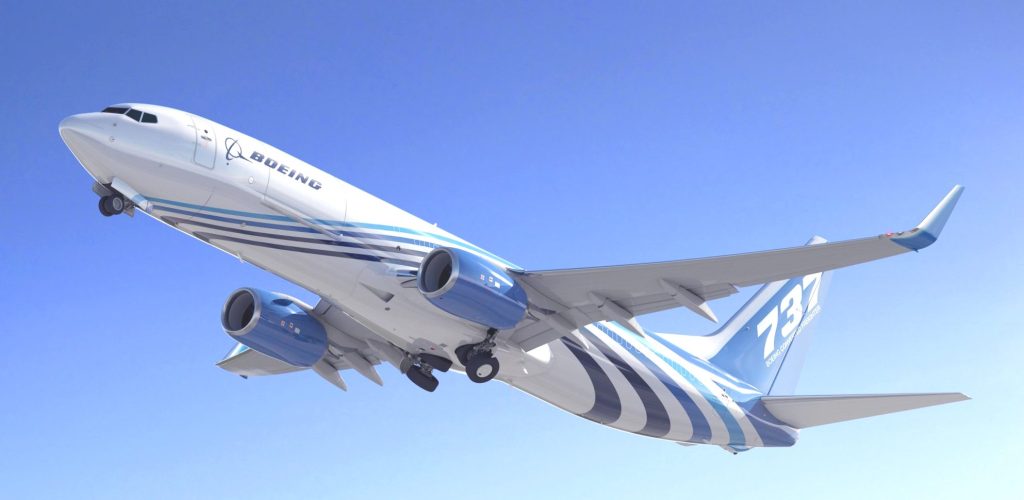
El proceso de fusión tiene cambios importantes en la estructura del grupo aéreo incorporando a Singapore Airlines los Boeing 737-800 de SilkAir, permitiendo una mayor flexibilidad de operaciones con aeronaves narrowbodies ajustándose mejor a la demanda. Además, la aerolínea de bandera espera incorporar los más nuevos Boeing 737 MAX de la heredada SilkAir. Los futuros 737 de Singapur se están rediseñando completamente por dentro y por fuera según el estándar de la compañía. Además de la pintura, los asientos se cambiarán al estándar de Singapore Airlines, esto incluye la Clase Ejecutiva de la compañía. Esto significa que incluso con el primer avión de pasillo único, el servicio no cambia de un tipo a otro.
El 737 se adaptará a rutas en las que la demanda sea menor, pero aun así se requiera un mejor estándar de servicio. Esta fue una de las medidas tomadas por Singapore Airlines para asegurar un mejor flujo de caja, y la introducción del 737 a su flota le permitirá reducir los costos operativos en mercados donde la demanda es baja.
Singapore-Silkair synergy
Singapore Airlines confirms merger with Silkair
Singapore Airlines has announced that it is developing the merger process with its subsidiary SilkAir. The synergy process had been contemplated in the period of the pandemic due to the crisis in the sector due to the depreciation of travel, but it is estimated that it will be concluded in 1Q2021.
The merger process has important changes in the structure of the air group, incorporating the SilkAir Boeing 737-800 into Singapore Airlines, allowing greater flexibility in operations with narrowbodies aircraft, better adjusting to demand. In addition, the flag carrier hopes to incorporate the newest Boeing 737 MAXs from the legacy SilkAir. Singapore 737 futures are being completely redesigned inside and out to company standard. In addition to the paint, the seats will be changed to Singapure Airlines standard, this includes the company’s Business Class. This means that even with the first single-aisle aircraft, the service does not change from one type to another.
The 737 will adapt to routes where the demand is lower, but still requires a better standard of service. This was one of the measures taken by Singapore Airlines to ensure better cash flow, and the introduction of the 737 to its fleet will allow it to reduce operating costs in markets where demand is low.
China Southern Airlines ha registrado una ganancia neta de ¥ 711 millones de Yuanes (US$ 106 millones de Dólares) durante el primer trimestre de este año (3Q2020) gracias a la demanda interna de vuelos domésticos. China ya ha alcanzado el mismo nivel de tráfico aéreo que el pasado año por estos meses, signo de su impresionante mercado de pronta recuperación. Impulsados por la fuerte demanda interna y los menores precios del combustible, los resultados de China Southern de Julio a Septiembre 2020 marcan un punto de inflexión para el sector aéreo. China Southern llega a este nuevo escenario económico tras haber perdido hasta US$ 1.000 millones durante los primeros nueve meses de 2020. Sin embargo, Air China y China East Airlines, competidores de China Southern Airlines, perdieron US$ 100 y 84 millones de Dólares, respectivamente.
China Southern Airlines opera la red nacional más grande de las tres principales aerolíneas estatales. Durante el mes de Septiembre la aerolínea transportó a más de 11 millones de pasajeros nacionales, un aumento d 2,5 por ciento interanual. Durante el verano boreal, la aerolínea ha presentado ofertas con el programa “Todo lo que pueda volar” por US$ 529 dólares para estimular la demanda.
China Southern obtains first superhabit
Chinese airline achieves post-pandemic profit
China Southern Airlines has registered a net profit of ¥ 711 million Yuan (US$ 106 million) during the first quarter of this year (3Q2020) thanks to the internal demand for domestic flights. China has already reached the same level of air traffic as last year for these months, a sign of its impressive market with a quick recovery. Driven by strong domestic demand and lower fuel prices, China Southern’s July-September 2020 results mark a turning point for the airline industry. China Southern reaches this new economic scenario after having lost up to US$ 1 billion during the first nine months of 2020. However, Air China and China East Airlines, competitors of China Southern Airlines, lost US$ 100 and US$84 million, respectively.
China Southern Airlines operates the largest national network of the three major state airlines. During the month of September, the airline transported more than 11 million domestic passengers, an increase of 2.5 percent year-on-year. During the boreal summer, the airline has presented offers with the program «Everything that can fly» for US $ 529 dollars to stimulate demand.
Regional Express Airlines compartirán el enfoque de mercado medio adoptado por la aerolínea Virgin Australia Airlines. La línea aérea regional de Australia adoptará un modelo de mercado medio para sus vuelos directos entre Sydney, Melbourne y Brisbane, aunque la aerolínea tiene la intención de conservar las asientos de clase ejecutiva de sus ex-Boeing 737NG de Virgin Australia. El nuevo posicionamiento de la aerolínea Rex Airlines incursionará en el mismo mercado que Virgin Australia había trabajado, dirigidos bajo los nuevos propietarios de Bain Capital. Sin embargo, varios espacios en blanco aún no se han rellenado, y no pueden tomar forma hasta que Virgin Australia revele su propuesta revisada en las próximas semanas.
Regional Express comenzará los servicios Sydney-Melbourne el 1 de Marzo de 2021, con Brisbane uniéndose a la naciente red inter-capital a principios de Abril 2021. Seis Boeing 737, todos previamente arrendados a Virgin Australia, formarán la flota de lanzamiento de Rex Airlines. El ambicioso asalto al lucrativo «triángulo dorado» de Australia entre las capitales de la costa este podría extenderse más tarde a Canberra, Adelaida y Perth, según los inversores de la aerolínea por lo que denominaron Project Mother. «Si nuestros servicios (triángulos) resultan exitosos, inyectaremos hasta 10 aviones en el mercado nacional a finales de 2021. A partir de ahí, tenemos la intención de desarrollar una red de aerolíneas nacionales completa, que vincule todas las capitales a lo largo del tiempo», dice el Vicepresidente Adjunto de Rex Airlines, John Sharp.
Mientras que los documentos del Proyecto Maestro de Rex Airlines dieron al servicio de la ciudad capital la etiqueta engorrosa de ser una aerolínea híbrida LCC++, John Sharp simplifica esto diciendo «Creo que estaremos en algún lugar en el medio».
Posición de mercado medio
«Técnicamente, lo que hemos estado ofreciendo como aerolínea regional es una aerolínea de servicio completo. El precio de nuestro billete incluye una cierta cantidad de equipaje facturado, y también catering a bordo, si es té o café o una bebida de algún tipo y un aperitivo no cobramos extra por eso. Probablemente llevaremos ese mismo nivel de servicio a través de la aerolínea nacional, lo que nos posicionará entre una aerolínea de bajo costo y una aerolínea heredada de servicio completo, pero las decisiones finales aún no se han tomado», dice John Sharp.
La propuesta de servicio de Boeing 737 de Rex será consistente con sus raíces regionales. John Sharp confirma que Regional Express conservará los ocho asientos de clase ejecutiva de sus ex Boeing 737 de Virgin, con la marca Virgin eliminada, por supuesto. «Tendrá que haber algunas modificaciones en la tapicería de cuero que tiene un logotipo de Virgin en relieve, pero eso no es algo muy difícil de hacer», expresó el Vicepresidente Adjunto. Rex Airlines podría promocionar asientos como una oferta de clase empresarial convencional, para enfrentarse a Qantas Airways y Virgin Australia Airlines, o más bien como una cabina premium donde el único diferenciador contra la economía sería la comodidad y el espacio para las piernas.
Acceso Sala VIP
El acceso a las salas VIP del Aeropuerto de Rex Airlines en Sydney, Melbourne y potencialmente Brisbane podría incluirse con los billetes de clase ejecutiva e incluso en algunas tarifas económicas. Las salas VIP del aeropuerto son asuntos prácticamente inútiles. «Estamos viendo si hay acceso gratuito a las salas VIP para ciertos tipos de boletos en economía y negocios, como parte gratuita del paquete», dice John Sharp. El programa anual de membresía a la sala VIP, por el cual los viajeros pagan US$ 329 por año, también continuará. John Sharp también confirmó que Rex estaba considerando un esquema de viajero frecuente, pero esto vendría mucho después del lanzamiento de los vuelos de la ciudad capital. «Los programas de viajero frecuente son buenos, por lo general son la parte más rentable de una operación de aerolínea, por lo que ciertamente no descartamos tener una. Pero queremos tomar las cosas paso a paso, no queremos extendernos demasiado delgadamente. Así que nuestro enfoque será poner la aerolínea en funcionamiento, y conseguir que funcione correctamente antes de asumir más tareas. Y cuando tengamos eso en cama, entonces buscaremos hacer cosas como el programa de viajero frecuente y otras iniciativas», dice John Sharp.
REX mid-market approach
Rex Airlines to adopt mid-market in Australia
Regional Express Airlines will share the mid-market approach taken by Virgin Australia Airlines. Australia’s regional airline will adopt a mid-market model for its direct flights between Sydney, Melbourne and Brisbane, although the airline intends to retain business class seats on its former Virgin Australia Boeing 737NGs. The new positioning of the airline Rex Airlines will enter the same market that Virgin Australia had worked for, run under the new owners of Bain Capital. However, several blanks have yet to be filled in, and cannot take shape until Virgin Australia reveals its revised proposal in the coming weeks.
Regional Express will begin Sydney-Melbourne services on March 1, 2021, with Brisbane joining the nascent inter-capital network in early April 2021. Six Boeing 737s, all previously leased to Virgin Australia, will form the Rex Airlines launch fleet. The ambitious assault on Australia’s lucrative «golden triangle» between the east coast capitals could later be extended to Canberra, Adelaide and Perth, according to the airline’s investors for what they dubbed Project Mother. «If our services (triangles) are successful, we will inject up to 10 aircraft in the national market by the end of 2021. From there, we intend to develop a complete national airline network, linking all capital cities over time», says Rex Airlines Deputy Vice President John Sharp.
While the Rex Airlines Master Project documents gave the capital city service the cumbersome label of being an LCC ++ hybrid airline, John Sharp simplifies this by saying «I think we’ll be somewhere in the middle».
Middle market position
«Technically, what we have been offering as a regional airline is a full service airline. Our ticket price includes a certain amount of checked baggage, and also onboard catering, whether it’s tea or coffee or a beverage of some kind and a appetizer we don’t charge extra for that. We’ll probably carry that same level of service through the national airline, which will position us between a low-cost airline and a full-service legacy airline, but final decisions have yet to be made», says John Sharp.
Rex’s Boeing 737 service proposal will be consistent with its regional roots. John Sharp confirms that Regional Express will retain all eight business class seats of its former Virgin Boeing 737s, with the Virgin branding removed, of course. «There will have to be some modifications to the leather upholstery that has an embossed Virgin logo, but that is not a very difficult thing to do», said the Deputy Vice President. Rex Airlines could promote seats as a conventional business class offering, to take on Qantas and Virgin Australia, or rather as a premium cabin where the only differentiator against economy would be comfort and legroom.
VIP lounge access
Access to the Rex Airlines Airport lounges in Sydney, Melbourne and potentially Brisbane could be included with business class tickets and even some budget fares. Airport VIP lounges are practically useless affairs. «We are seeing if there is free access to the lounges for certain types of tickets in economy and business, as a free part of the package», says John Sharp. The annual lounge membership program, for which travelers pay US$ 329 per year, will also continue. John Sharp also confirmed that Rex was considering a frequent flyer scheme, but this would come long after the capital city flights launched. «Frequent flyer programs are good, they are usually the most profitable part of an airline operation, so we certainly don’t rule out having one. But we want to take things step by step, we don’t want to spread ourselves too thinly. So our The focus will be to get the airline up and running, and get it running smoothly before we take on more tasks. And when we have that in bed, then we will look to do things like the frequent flyer program and other initiatives», says John Sharp.
Garuda Indonesia registra pérdidas en tercer trimestre 2020
Garuda Indonesia Airlines ha anunciado pérdidas por valor de US$ 1.000 millones de Dólares al final del tercer trimestre (3Q2020) en medio de una demanda débil. La aerolínea nacional indonesia ha alcanzado US$ 1.070 millones de Dólares en pérdidas, una reversión de los US$ 122,4 millones de Dólares que vio en el mismo período del año pasado, ya que la industria de la aviación aún no ha repuntado de los impactos de la crisis sanitaria en curso. La pérdida financiera se produjo después de que los ingresos de Garuda cayeran 67.8 por ciento año a año a US$ 1.13 mil millones en los primeros nueve meses de 2020, según el informe financiero de la compañía.
Chris Apriliony, Analista de Jasa Utama Capital, ha expresado el Lunes 09/11 que la pérdida registrada de Garuda Indonesia Airlines se ajusta a la predicción de los analistas, ya que las aerolíneas del país todavía están luchando para comercializar sus billetes a los consumidores. «La pérdida de la compañía se alinea con nuestra predicción porque vemos que Garuda está luchando para vender asientos, lo que afecta su balance», dijo el analista.
El Grupo Garuda Indonesia, formado por la aerolínea de servicio completo Garuda Indonesia Airlines y la aerolínea de bajo coste Citilink, sufrió un 65,6 por ciento de nosedive o naríz hacia abajo en el número de pasajeros a 8 millones de pasajeros en el período Enero-Septiembre 2020, de 23,3 millones de pasajeros en los mismos meses del año pasado. El factor de carga del asiento, por su parte, ha disminuido en 23,1 puntos porcentuales a partir de 49,8 por ciento a partir de septiembre. La pandemia en curso ha golpeado duramente a la industria de la aviación, con personas cancelando sus planes de viaje debido a los cierres fronterizos y las restricciones de salud. El gobierno, a través del Ministerio de Transporte, ha estado tratando de aumentar el número de pasajeros aéreos proporcionando exenciones de cargo por servicio de pasajeros (PSC) por valor de Rp 175.700 millones de Rupias (US$12.29 millones) como parte de su paquete de estímulo de la industria de la aviación Rp 216.500 millones introducido a principios de octubre. El PSC está incluido en el precio de un billete, por lo que una exención reduciría el pasaje aéreo. La exención está disponible para vuelos reservados entre el 23-31/10 con salidas programadas antes de la medianoche del 1 de Enero de 2021.
El operador aeroportuario estatal Angkasa Pura (AP) registró un aumento del 16,9 por ciento de pasajeros mes a mes (mtm) en octubre, tras el inicio del programa de estímulo. Si bien el estímulo podría proporcionar un impulso de pasajeros muy necesario, Chris Apriliony dijo que el programa sólo conduciría a un crecimiento incremental para el desempeño financiero de Garuda, ya que la compañía siempre había disfrutado de varios subsidios del gobierno. La última intervención gubernamental incluye una inyección de capital de Rp 8,5 billones de Rupias a través de un sistema obligatorio de bonos convertibles (MCB) en Julio 2020. Con el fin de evitar más pérdidas, Chris Apriliony dijo que Garuda debería centrarse en su principal línea de negocio de vuelos regulares y cortar algunas de sus filiales de bajo rendimiento. «Espero que la compañía pueda poner todos sus esfuerzos en su principal línea de negocios de vuelos programados para reducir los costos operativos y mejorar los beneficios», dijo el analista.
Según el informe financiero de la compañía, Garuda tiene la propiedad directa de seis compañías subsidiarias, entre ellas la agente de viajes Garuda Indonesia Holiday France S.A.S en París y la compañía de turismo PT Aero Wisata. Sin embargo, Chris Apriliony proyectó que Garuda registraría un mejor resultado en el cuarto trimestre de este año (4Q2020), así como en 2021, ya que la demanda de viajes nacionales ha aumentado constantemente en los últimos meses. «Es posible que veamos mejores resultados trimestrales para diciembre, ya que el público en general ha comenzado a perder su [miedo] a la pandemia, lo que puede aumentar la demanda de viajes. Podríamos ver un aumento en la demanda de vuelos nacionales avanzando», dijo Chris Apriliony. Garuda Indonesia experimentó un aumento del 17,9 por ciento en el número de pasajeros en septiembre de este año, en unas 233.300 personas. El Presidente de Garuda, Irfan Setiaputra, proyecta que el rendimiento financiero de la compañía mejorará en el último trimestre de este año. «Basándonos en nuestro último rendimiento, creemos que nuestros esfuerzos de recuperación van por buen camino. Somos optimistas de que veremos un mayor crecimiento en los próximos tres meses del año, especialmente durante la temporada de vacaciones», dijo el CEO de Garuda Indonesia en un comunicado el Viernes 06/10.
Garuda registers losses of US$ 1 billion
Garuda Indonesia registers lost in Q3 2020
Garuda Indonesia Airlines announced losses of US$ 1 billion at the end of the third quarter (3Q2020) amid weak demand. The Indonesian national carrier has reached US$ 1.07 billion in losses, a reversal from the US$ 122.4 million it saw in the same period last year, as the aviation industry has yet to rebound from the impacts of the ongoing health crisis. The financial loss came after Garuda’s revenue fell 67.8 percent year-over-year to US$ 1.13 billion in the first nine months of 2020, according to the company’s financial report.
Chris Apriliony, Analyst at Jasa Utama Capital, said on Monday 09/11 that the recorded loss of Garuda Indonesia Airlines is in line with analysts’ prediction, as the country’s airlines are still struggling to market their tickets to consumers. «The loss of the company is in line with our prediction because we see that Garuda is struggling to sell seats, which affects its balance sheet», the analyst said.
The Garuda Indonesia Group, made up of full-service carrier Garuda Indonesia Airlines and low-cost carrier Citilink, suffered a 65.6 percent nosedive or nose-down in passenger numbers to 8 million passengers in the January period. -September 2020, 23.3 million passengers in the same months of last year. The seat load factor, meanwhile, has decreased by 23.1 percentage points from 49.8 percent as of September. The ongoing pandemic has hit the aviation industry hard, with people canceling their travel plans due to border closures and health restrictions. The government, through the Ministry of Transport, has been trying to increase the number of air passengers by providing exemptions from passenger service charge (PSC) worth Rp 175.7 billion (US$ 12.29 million) as part of its package of Rp 216.5 billion aviation industry stimulus introduced in early October. The PSC is included in the price of a ticket, so an exemption would reduce the airfare. The exemption is available for flights booked between 23-31/10 with scheduled departures before midnight on January 1, 2021.
State-owned airport operator Angkasa Pura (AP) recorded a 16.9 percent increase in passengers month-on-month (mtm) in October, following the start of the stimulus program. While the stimulus could provide a much-needed passenger boost, Chris Apriliony said the program would only lead to incremental growth for Garuda’s financial performance, as the company had always enjoyed various subsidies from the government. The latest government intervention includes a capital injection of Rp 8.5 trillion through a mandatory convertible bond (MCB) system in July 2020. In order to avoid further losses, Chris Apriliony said that Garuda should focus on its main line of business for scheduled flights and cut some of its underperforming subsidiaries. «I hope that the company can put all its efforts in its main line of business of scheduled flights to reduce operating costs and improve profits», said the analyst.
According to the company’s financial report, Garuda is directly owned by six subsidiary companies, including the travel agent Garuda Indonesia Holiday France S.A.S in Paris and the tourism company PT Aero Wisata. However, Chris Apriliony projected that Garuda would post a better result in the fourth quarter of this year (4Q2020), as well as in 2021, as demand for domestic travel has steadily increased in recent months. «We may see better quarterly results for December as the general public has started to lose their [fear] of the pandemic, which may increase travel demand. We could see an increase in demand for domestic flights moving forward», Chris Apriliony said. Garuda Indonesia saw a 17.9 percent increase in passenger numbers in September this year, by some 233,300 people. Garuda President Irfan Setiaputra projects that the company’s financial performance will improve in the last quarter of this year. «Based on our latest performance, we believe that our recovery efforts are on the right track. We are optimistic that we will see further growth in the next three months of the year, especially during the holiday season», Garuda Indonesia CEO said at a communicated on Friday 06/10.
Garuda mencatat kerugian US$ 1 miliar
Garuda Indonesia mencatat kekalahan pada 3Q2020
Garuda Indonesia Airlines mengumumkan kerugian sebesar US$ 1 miliar pada akhir kuartal ketiga (3Q2020) di tengah permintaan yang lemah. Kerugian maskapai nasional Indonesia itu mencapai US$ 1,07 miliar, berbalik dari US$ 122,4 juta yang dilihat pada periode yang sama tahun lalu, karena industri penerbangan belum pulih dari dampak krisis kesehatan yang sedang berlangsung. Kerugian finansial terjadi setelah pendapatan Garuda turun 67,8 persen tahun-ke-tahun menjadi US$ 1,13 miliar dalam sembilan bulan pertama tahun 2020, menurut laporan keuangan perusahaan.
Chris Apriliony, Analis Jasa Utama Capital, mengatakan pada Senin 09/11, pencatatan kerugian Garuda Indonesia Airlines sejalan dengan prediksi analis, karena maskapai penerbangan di Tanah Air masih kesulitan memasarkan tiketnya kepada konsumen. «Kerugian perseroan sesuai dengan prediksi kami karena kami melihat Garuda kesulitan menjual kursi yang berdampak pada neraca», kata analis.
Garuda Indonesia Group, yang terdiri dari maskapai layanan penuh Garuda Indonesia Airlines dan maskapai berbiaya rendah Citilink, mengalami penurunan jumlah penumpang 65,6 persen menjadi 8 juta penumpang pada periode Januari. -September 2020, 23,3 juta penumpang di bulan yang sama tahun lalu. Faktor beban kursi, sementara itu, turun 23,1 poin persentase dari 49,8 persen pada September. Pandemi yang sedang berlangsung telah menghantam industri penerbangan dengan keras, dengan orang-orang membatalkan rencana perjalanan mereka karena penutupan perbatasan dan pembatasan kesehatan. Pemerintah melalui Kementerian Perhubungan telah berupaya meningkatkan jumlah penumpang udara dengan memberikan pembebasan biaya layanan penumpang (PSC) senilai Rp 175,7 miliar (US$ 12,29 juta) sebagai bagian dari paket industri penerbangan Rp 216,5 miliar stimulus diperkenalkan pada awal Oktober. PSC sudah termasuk dalam harga tiket, jadi pembebasan akan mengurangi harga tiket pesawat. Pembebasan tersedia untuk penerbangan yang dipesan antara 23-31/10 dengan jadwal keberangkatan sebelum tengah malam pada 1 Januari 2021.
Operator bandara milik negara Angkasa Pura (AP) mencatat kenaikan penumpang bulan ke bulan (mtm) 16,9 persen pada Oktober, menyusul dimulainya program stimulus. Sementara stimulus dapat memberikan peningkatan penumpang yang sangat dibutuhkan, Chris Apriliony mengatakan program tersebut hanya akan mengarah pada peningkatan pertumbuhan kinerja keuangan Garuda, karena perusahaan selama ini menikmati berbagai subsidi dari pemerintah. Intervensi pemerintah terbaru termasuk penyuntikan modal sebesar Rp 8,5 triliun melalui sistem mandatory convertible bond (MCB) pada Juli 2020. Untuk menghindari kerugian lebih lanjut, Chris Apriliony mengatakan Garuda harus fokus pada lini bisnis utamanya untuk penerbangan berjadwal dan memotong beberapa anak perusahaannya yang berkinerja buruk. «Saya berharap perusahaan dapat melakukan semua upaya di lini bisnis utama penerbangan berjadwal untuk mengurangi biaya operasi dan meningkatkan keuntungan», kata analis.
Berdasarkan laporan keuangan perseroan, Garuda dimiliki langsung oleh enam anak perusahaan, antara lain agen perjalanan Garuda Indonesia Holiday France S.A.S di Paris dan perusahaan pariwisata PT Aero Wisata. Namun, Chris Apriliony memproyeksikan kinerja Garuda akan lebih baik pada kuartal keempat tahun ini (4Q2020), serta pada tahun 2021, karena permintaan perjalanan domestik terus meningkat dalam beberapa bulan terakhir. «Kami mungkin melihat hasil kuartalan yang lebih baik untuk Desember karena masyarakat umum mulai kehilangan [ketakutan] mereka terhadap pandemi, yang dapat meningkatkan permintaan perjalanan. Kami dapat melihat peningkatan permintaan penerbangan domestik di masa mendatang», Kata Chris Apriliony. Garuda Indonesia melihat peningkatan 17,9 persen dalam jumlah penumpang pada September tahun ini, sebanyak 233.300 orang. Presiden Garuda Irfan Setiaputra memproyeksikan kinerja keuangan perseroan pada kuartal terakhir tahun ini akan membaik. “Berdasarkan kinerja terakhir kami, kami yakin upaya pemulihan kami berada di jalur yang benar. Kami optimis akan melihat pertumbuhan lebih lanjut dalam tiga bulan ke depan, terutama pada musim liburan”, kata Dirut Garuda Indonesia di sela acara. dikomunikasikan pada hari Jumat 06/10.
Inversor deja Interjet por conflicto con Gobierno México
En medio de una crisis entre aerolínea low cost Interjet y Gobierno mexicano, el inversionista Carlos Cabal Peniche ha abandonado este Martes 10/11 Interjet en medio de roces por el adeudo fiscal de la aerolínea. «Cabal Peniche decidió retirar su participación en esta empresa, lo cual no afectará los proyectos de capitalización para hacer frente a la reestructuración de la aerolínea», informó la compañía aérea en un comunicado. Interjet es una de las cuatro líneas aéreas más grandes de México.
Interjet había anunciado en Julio 2020 una inyección de US$ 150 millones de Dólares de Cabal Peniche y del empresario Alejandro del Valle para reforzar la estructura interna y el plan de operaciones de la empresa del Grupo Alemán. La inversión de Cabal Peniche causó controversia porque él estuvo acusado de beneficiarse del rescate del Fondo Bancario de Protección al Ahorro (Fobaproa) del Gobierno mexicano en los años 90 y estuvo encarcelado tres años en Australia desde 1998. Horas antes de revelarse su salida, la Jefa del Servicio de Administración Tributaria (SAT), Raquel Buenrostro, denunció en una conferencia pública que la aerolínea tiene un adeudo desde 2013 por retención de Impuesto al Valor Agregado (IVA) e Impuesto Sobre la Renta (ISR). «Los bienes que tienen no alcanzan a cubrir los adeudos, por eso necesita una capitalización, por eso hemos sido muy pacientes y muy prudentes porque somos empáticos con todos los trabajadores», declaró la encargada del fisco mexicano.
La situación financiera de Interjet despierta interés desde Febrero 2020, cuando la organización Mexicanos Contra la Corrupción y la Impunidad (MCCI) reportó que adeudaba más de Mx$ 3.000 millones de Pesos (más de US$ 140 millones de Dólares) a diversas instancias federales. La aerolínea tachó de imprecisa la información, al asegurar que ha realizado pagos pendientes de manera oportuna y en Abril 2020 confirmó un acuerdo con el SAT. Pero Buenrostro argumentó este Martes 10/11 que el único acuerdo es que Interjet debe pagar. «Hemos estado de acuerdo en que ellos nos paguen, porque siempre nos han dicho que nos van a pagar, entonces ahí sí estamos de acuerdo. Si el acuerdo es que nos van a pagar, sí hay acuerdo, eso es lo único, el saber cómo es lo que falta», aseveró.
La aerolínea afrontó la semana pasada otros conflictos con el Gobierno de México. Un juez admitió una demanda civil de Aeropuertos y Servicios Auxiliares (ASA), compañía del Estado mexicano, en contra de Interjet por el impago de combustible. Asimismo, la Procuraduría Federal del Consumidor (Profeco) emitió una alerta formal en la que advierte del riesgo de comprar viajes con la aerolínea por la cancelación de vuelos. Además, la Secretaría de Gobernación (Segob) estableció una mesa de diálogo para que los directivos acordaran con los trabajadores de la aerolínea el pago de salarios tras protestas en aeropuertos de Ciudad de México, Cancún y Monterrey.
Al participar en la Cumbre de Negocios, el presidente del Grupo Alemán, Miguel Alemán Magnani, prometió este Lunes 09/11 que dentro de las próximas semanas se cerrarán las negociaciones.
Investor leaves Interjet
Investor leaves Interjet due to conflict with Mexican Government
In the midst of a crisis between low-cost airline Interjet and the Mexican government, investor Carlos Cabal Peniche left Interjet on Tuesday 10/11 amid friction over the airline’s tax debt. «Cabal Peniche has decided to withdraw its stake in this company, which will not affect capitalization projects to deal with the airline’s restructuring», the airline said in a statement. Interjet is one of the four largest airlines in Mexico.
Interjet had announced in July 2020 an injection of US $ 150 million from Cabal Peniche and businessman Alejandro del Valle to strengthen the internal structure and operations plan of the German Group’s company. Cabal Peniche’s investment caused controversy because he was accused of benefiting from the Mexican government’s Bank Savings Protection Fund (Fobaproa) bailout in the 1990s and was jailed for three years in Australia since 1998. Head of the Tax Administration Service (SAT), Raquel Buenrostro, denounced in a public conference that the airline has had a debt since 2013 for withholding of Value Added Tax (VAT) and Income Tax (ISR). «The goods they have are not enough to cover the debts, that’s why it needs a capitalization, that’s why we have been very patient and very prudent because we are empathetic with all the workers», said the Mexican treasurer.
Interjet’s financial situation has aroused interest since February 2020, when the organization Mexicanos Contra la Corrupción y la Impunidad (MCCI) reported that it owed more than Mx$ 3 billion Pesos (more than US$ 140 million Dollars) to various federal authorities. The airline dismissed the information as inaccurate, assuring that it has made outstanding payments in a timely manner and in April 2020 confirmed an agreement with the SAT. But Buenrostro argued this Tuesday 10/11 that the only agreement is that Interjet must pay. «We have agreed that they will pay us, because they have always told us that they will pay us, then we do agree. If the agreement is that they will pay us, there is an agreement, that is the only thing, knowing how is what is missing», he said.
The airline faced other conflicts with the Mexican government last week. A judge has filed a civil lawsuit against Aerjetuertos y Servicios Auxiliares (ASA), a Mexican state-owned company, against Interjet for non-payment of fuel. The Federal Consumer Attorney’s Office (Profeco) also issued a formal alert warning of the risk of buying trips with the airline due to flight cancellations. In addition, the Ministry of the Interior (Segob) established a dialogue table for managers to agree with airline workers to pay salaries following protests at airports in Mexico City, Cancun and Monterrey.
By participating in the Business Summit, the president of the German Group, Miguel Alemán Magnani, promised this Monday 11/09 that the negotiations will be closed in the coming weeks.
Ecuatoriana Airlines ha obtenido permiso del Gobierno de Ecuador como nuevo transportador aéreo para volar en rutas domésticas a partir del 2021. El permiso de Certificación de Operador Aéreo (AOC) había sido solicitado en Agosto 2020. La compañía pretende desarrollar rutas internas entre ellos destinos desde la capital, Quito, hacia Coca, Cuenca, Esmeraldas, Guayaquil, Loja, Macas, Manta, Santa Rosa y Tulcán.
Ecuatoriana Airlines hereda el nombre de Ecuatoriana de Aviación, que operó entre el período 1957 y 2006. La idea de resucitar esta marca nació en 2013. Sus fundadores finalmente crearon la aerolínea en 2019, coincidiendo con la desaparición de Tame Airlines, la aerolínea pública que arrastraba pérdidas enormes que el Gobierno la tuvo que cerrar definitivamente en Mayo 2020. Actualmente, el mercado aéreo en Ecuador está compuesto por los operadores Latam Airlines Ecuador y Avianca Airlines Ecuador.
Ecuadorian gets AOC
Ecuatoriana Airlines obtains air operator permits
Ecuatoriana Airlines has obtained permission from the Government of Ecuador as a new air carrier to fly on domestic routes starting in 2021. The Air Operator Certification (AOC) permit had been requested in August 2020. The company intends to develop internal routes between destinations from the capital, Quito, towards Coca, Cuenca, Esmeraldas, Guayaquil, Loja, Macas, Manta, Santa Rosa and Tulcán.
Ecuatoriana Airlines inherits the name Ecuatoriana de Aviación, which operated between 1957 and 2006. The idea of resuscitating this brand was born in 2013. Its founders finally created the airline in 2019, coinciding with the disappearance of Tame Airlines, the public airline that trailed huge losses that the Government had to close permanently in May 2020. Currently, the air market in Ecuador is made up of the operators Latam Airlines Ecuador and Avianca Airlines Ecuador.
El Prat trasladará todas las aerolíneas a T-1 para optimizar ops
El Aeropuerto Barcelona/El Prat trasladará progresivamente, entre el 19 de Noviembre y el 1 de Diciembre 2020, a la Terminal T-1 todas las aerolíneas que operan en la T-2 para optimizar las operaciones del aeropuerto, debido a la disminución de su actividad por causa de la pandemia actual. El organismo de aeropuertos españoles AENA ha confirmado que actualmente en la T-1 están abiertos los módulos A, B y D, y que se abrirán también los módulos C y E para acoger los vuelos que estaban operando en la T-2B y T-2A, de esta manera toda las operaciones de las aerolíneas del aeropuerto se concentrará en los cinco módulos de la T1, con lo que los módulos A, B y C se destinarán para vuelos Schengen y los D y E para no Schengen.
La operación se realizará de manera progresiva y el traspaso se hará de acuerdo con las aerolíneas que operan en la T2 y, en especial, con Ryanair, Easyjet y Wizzair, que representan las mayores frecuencias de vuelos del aeropuerto de Barcelona. AENA considera que, tal y como está la situación del transporte aéreo por la crisis sanitaria y económica, las restricciones que hay para viajar y las necesidades operativas que de ello se derivan, esta es la mejor manera de operar la infraestructura.
La Terminal 2 de El Prat ya permaneció cerrado el pasado mes de Marzo 2020 debido a los cierres de fronteras que se aplicaron en la mayor parte de los países y la caída en picado de los vuelos, aunque en aquella ocasión la operativa también se cerró y no se trasladó dentro del espacio de la misma infraestructura aérea. El Aeropuerto de El Prat acumula una caída del número de tráfico del 66,5% en el primer semestre de 2020, con 8,3 millones de pasajeros. Por otro lado, las operaciones se han reducido un 60%, con 66.312 operaciones. En cuanto al transporte de mercancías, en el acumulado del año hasta Julio 2020, la reducción es del 33,7%, con 55,5 millones en cargas aéreas.
Airlines migration to El Prat / T1
El Prat Airport will transfer all airlines to T-1 to optimize operations
The Barcelona/El Prat Airport will progressively transfer, between November 19 and December 1, 2020, to Terminal T-1 all the airlines that operate on T-2 to optimize airport operations, due to the decrease in their activity due to the current pandemic. The Spanish airports body AENA has confirmed that modules A, B and D are currently open on T-1, and that modules C and E will also be opened to accommodate the flights that were operating on T-2B and T- 2A, in this way all the operations of the airport airlines will be concentrated in the five modules of T1, with which modules A, B and C will be used for Schengen flights and D and E for non-Schengen flights.
The operation will be carried out progressively and the transfer will be made in accordance with the airlines that operate in T2 and, especially, with Ryanair, Easyjet and Wizzair, which represent the highest flight frequencies at Barcelona airport. AENA considers that, as the air transport situation is due to the health and economic crisis, the restrictions on travel and the operational needs that derive from it, this is the best way to operate the infrastructure.
Terminal 2 of El Prat already remained closed last March 2020 due to the border closures that were applied in most of the countries and the plummeting of flights, although on that occasion the operation was also closed and it did not move within the space of the same air infrastructure. El Prat Airport accumulates a fall in the number of traffic of 66.5% in the first half of 2020, with 8.3 million passengers. On the other hand, operations have been reduced by 60%, with 66,312 operations. Regarding the transport of goods, in the accumulated of the year until July 2020, the reduction is 33.7%, with 55.5 million in air cargo.
Migració de línies aèries a El Prat / T1
El Prat transferirà totes les línies aèries a T-1 per optimitzar ops
L’Aeroport de Barcelona/El Prat transferirà progressivament, entre el 19 de Novembre i l’1 de Desembre de 2020, a la terminal T-1 totes les línies aèries que operen a la T-2 per optimitzar les operacions aeroportuàries, a causa de la disminució de la seva activitat a causa de la pandèmia actual. L’organisme aeroportuari espanyol AENA ha confirmat que els mòduls A, B i D estan oberts actualment a la T-1 i que també s’obriran els mòduls C i E per acollir els vols que estaven operant a la T-2B i la T-2A. de manera que totes les operacions de les línies aèries de l’aeroport es concentraran en els cinc mòduls de T1, amb els quals s’utilitzaran els mòduls A, B i C per als vols Schengen i D i E per als vols que no són Schengen.
L’operació es durà a terme progressivament i la transferència es farà d’acord amb les companyies aèries que operen a T2 i, especialment, amb Ryanair, Easyjet i Wizzair, que representen les freqüències de vol més altes a l’aeroport de Barcelona. AENA considera que, atès que la situació del transport aeri es deu a la crisi econòmica i de salut, a les restriccions en els viatges i a les necessitats operatives que se’n deriven, aquesta és la millor manera d’explotar la infraestructura.
La Terminal 2 del Prat ja va romandre tancada el passat mes de Març 2020 a causa dels tancaments de fronteres que es van aplicar a la majoria de països i la caiguda dels vols, tot i que en aquella ocasió l’operació també es va tancar i no es va moure dins de l’espai del mateix infraestructures aèries. L’aeroport El Prat acumula una caiguda del trànsit del 66,5% el primer semestre del 2020, amb 8,3 milions de passatgers. D’altra banda, les operacions s’han reduït un 60%, amb 66.312 operacions. Pel que fa al transport de mercaderies, en el total acumulat de l’any fins al Juliol de 2020, la reducció és del 33,7%, amb 55,5 milions en càrrega aèria.