Aerolíneas +650 vuelos cabotaje/internacionales para 11/2020
La compañía Aerolíneas Argentinas ha anunciado la programación de más de 650 vuelos nacionales e internacionales a partir de Noviembre de 2020. El cronograma de rutas comprende los vuelos de cabotaje, regionales e internacionales que abarcará a 22 provincias argentinas en 30 destinos con un total de 571 viajes domésticos, vuelos regionales con frecuencias desde el Aeropuerto Internacional Ezeiza hacia Asunción del Paraguay, Río de Janeiro/Galeão, San Pablo/Guarulhos, Santa Cruz de la Sierra y Santiago de Chile.
La reactivación de los vuelos en Argentina el desarrollo en 22 provincias hacia 30 destinos con un total de 571 frecuencias, lo que representa un fuerte incremento del 712% respecto a Octubre 2020. Aerolíneas ha detallado las mayores demandas de frecuencias que tendrán lugar desde y hacia el Aeropuerto Ezeiza se detallan: Córdoba 68 Frq/S, Mendoza 54 Frq/S, Neuquén 36 Frq/S, Bariloche 36 Frq/S, Salta 31 Frq/S, Mar del Plata Frq/S, Comodoro Rivadavia 25 Frq/S, Bahía Blanca 23 Frq/S, Trelew 23Frq/S, Santiago del Estero 17 Frq/S, San Juan 14 Frq/S. Además han comunicado desde la compañía que progresivamente retomarán los vuelos denominados inter-tramos y corredores federales sin incursionar hacia Buenos Aires, estableciendo un cronograma a partir de mediados de 11/2020 con frecuencias como Córdoba-Neuquén, Córdoba-Mendoza, Comodoro Rivadavia-Neuquén y Mendoza-Neuquén.
Las frecuencias regionales, la compañía ha detallado la programación de vuelos hacia Río de Janeiro/Galeao con seis frecuencias mensuales (6Frq/M), a San Pablo (2Frq/M), a Santiago de Chile (17Frq/M), a Asunción (8Frq/M), a Montevideo (5Frq/M) y a Santa Cruz de la Sierra (4Frq/M). Respecto a las rutas internacionales, se mantienen los 6 vuelos mensuales Buenos Aires-Madrid (6Frq/M) y Buenos Aires-Miami (13Frq/M).
Aerolíneas Argentinas reanudó el 22 de Octubre de 2020 sus operaciones aéreas de cabotaje regulares realizando hasta la actualidad unos 58 vuelos como así también el desarrollo de operaciones especiales a destinos como Asunción, Miami, Madrid, San Pablo y vuelos sanitarios hacia la República de China.
Aerolíneas Argentinas ha comunicado que “de forma progresiva iremos recuperando frecuencias y aportando a la conectividad del territorio. Es una buena noticia. Lo necesita el país para ponerse de pie y lo necesita Aerolíneas”, indicó Pablo Ceriani, CEO del Grupo Aerolíneas.
Desde la compañía han comunicado que Aerolíneas opera sus vuelos bajo estrictos protocolos de bioseguridad en todos sus vuelos, maximizando la seguridad de los pasajeros en todas las etapas del vuelo. Entre los requisitos para volar en esta nueva modalidad se encuentran: uso obligatorio de barbijo o tapabocas tricapa, toma de temperatura previo al ingreso al hall de pasajeros, cumplimiento de la documentación necesaria y específica para cada uno de los destinos. Aerolíneas Argentinas ha remarcado debido a casos ocurridos con usuarios del transporte, que denunciará penalmente e impedirá volar a aquellas personas que intenten evadir los controles mediante fraudes o comportamientos disruptivos que pongan en riesgo la salud del resto de los pasajeros y trabajadores.
Aerolíneas programming +650 flights
Aerolíneas programs +650 domestic/international flights for 11/2020
The company Aerolíneas Argentinas has announced the programming of more than 650 national and international flights as of November 2020. The schedule of routes includes domestic, regional and international flights that will cover 22 Argentine provinces in 30 destinations with a total of 571 domestic trips, regional flights with frequencies from the Ezeiza International Airport to Asunción del Paraguay, Rio de Janeiro/Galeão, San Pablo/Guarulhos, Santa Cruz de la Sierra and Santiago de Chile.
The reactivation of flights in Argentina is the development in 22 provinces to 30 destinations with a total of 571 frequencies, which represents a strong increase of 712% compared to October 2020. Aerolíneas has detailed the greatest frequency demands that will take place from and to the Ezeiza Airport are detailed: Córdoba 68 Frq/S, Mendoza 54 Frq/S, Neuquén 36 Frq/S, Bariloche 36 Frq/S, Salta 31 Frq/S, Mar del Plata Frq/S, Comodoro Rivadavia 25 Frq/S, Bahía Blanca 23 Frq/S, Trelew 23Frq/S, Santiago del Estero 17 Frq/S, San Juan 14 Frq/S. They have also communicated from company that will progressively resume the so-called inter-rate flights and federal corridors without venturing into Buenos Aires, establishing a schedule from mid-11/2020 with frequencies such as Córdoba-Neuquén, Córdoba-Mendoza, Comodoro Rivadavia-Neuquén and Mendoza-Neuquén.
Regional frequencies, the company has detailed programming of flights to Rio de Janeiro/Galeão with six monthly frequencies (6Frq/M), to San Pablo (2Frq/M), to Santiago de Chile (17Frq/M), to Asunción (8Frq/M), to Montevideo (5Frq/M) and Santa Cruz de la Sierra (4Frq/M). Regarding international routes, the 6 monthly flights Buenos Aires-Madrid (6Frq/M) and Buenos Aires-Miami (13Frq/M) are maintained.
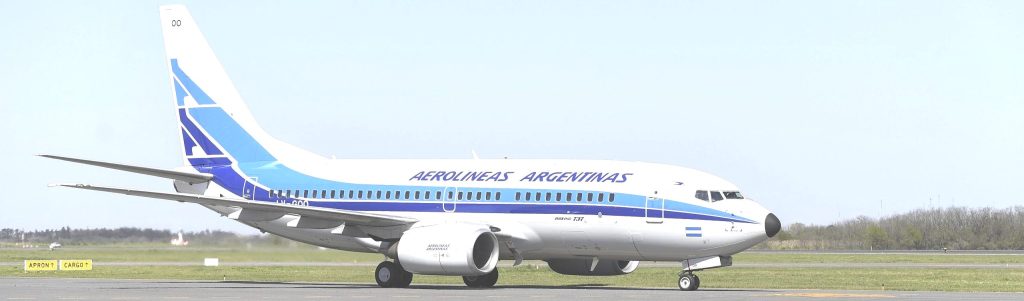
AEROLÍNEAS ARGENTINAS HAS STARTED THE PROGRAMMING OF ITS FLIGHTS RELEASING ITS LIVERY BOEING 737-700 RETRO
Aerolíneas Argentinas resumed its regular cabotage air operations on October 22, 2020, carrying out some 58 flights to date, as well as the development of special operations to destinations such as Asunción, Miami, Madrid, São Paulo and medical flights to the Republic of China.
Aerolíneas Argentinas has communicated that “We will progressively recover frequencies and contribute to the connectivity of the territory. This is good news. The country needs it to stand up and Aerolíneas needs it”, said Pablo Ceriani, CEO of Grupo Aerolíneas.
The company has communicated that Aerolíneas operates its flights under strict biosafety protocols on all its flights, maximizing the safety of passengers at all stages of the flight. Among the requirements to fly in this new modality are: mandatory use of a chinstrap or three-layer mask, temperature measurement prior to entering the passenger hall, compliance with the necessary and specific documentation for each of the destinations. Aerolíneas Argentinas has remarked due to cases that occurred with transport users, that it will criminally denounce and prevent those people who try to evade controls through fraud or disruptive behavior that put the health of the rest of the passengers and workers at risk.
Una nueva aerolínea denominada ALPERU continúa con su proceso de creación de la mano de inversores privados para establecer una línea aérea nacional que represente a los peruano. Las características e imagen visual de la nueva aerolínea nacional no han trascendido todavía. Los únicos detalles comunicados han sido el nombre, la estructura societaria, la modalidad de transporte y el alcance de la estructura de cobertura.
La Comisión de Transportes y Comunicaciones del Congreso de la República del Perú, habría programado para el Martes 10 de Noviembre del 2020 el Dictamen recaído en el Proyecto de Ley 6153/2020-CR que crea ALPERU, la nueva línea aérea de bandera de bajo costo del Perú. El objeto de la presente Ley es la creación de ALPERU representada con inversiones públicas hasta el 20% y privadas del 80% de capital social accionario de la nueva compañía de bajo costo para la prestación de servicios de transporte aéreo nacional e internacional, regular y no regular de pasajeros y carga, de conformidad con los instrumentos internacionales de aviación que obligan al Perú, a la Ley de Aeronáutica Civil del Perú, Ley 27261 y su Reglamento, anexos técnicos, las Regulaciones Aeronáuticas del Perú y las demás normas complementarias y conexas. La novedad en el Dictamen recaído en el Proyecto es que se trata de una Asociación Público Privada (APP), regida por el D.L. 1362, en el que el Estado Peruano participa con el 20% de las acciones garantizando los derechos previstos en esta Ley y sin Gasto Público o Inversión Público alguna.
El análisis del Costo-Beneficio precisa que el 20% del capital del Estado en la titularidad del mismo número de acciones será como contraprestación a los derechos previstos en esta Ley, no generando ni implicando ningún costo, gasto o desembolso alguno para el erario nacional.
El mercado aerocomercial nacional crecerá en el ámbito nacional, permitiendo que el sistema low cost antes del 2025 alcance más de 15 millones de pasajeros transportados. El mercado de transporte terrestre oscila una cifra similar, por lo que proyectan establecer esa marca con tarifas establecidas a los parámetros cercanos al transporte de buses, permitiendo mejorar la conexión más rápido por los mismos valores aproximados.
Fuentes relacionados a empresas de aviación norteamericanas y europeas interesadas en invertir en ALPERU, manifestaron que este Proyecto de Ley 6153/2020-CR, del Congresista de Acción Popular Dr. Luis Carlos Simeón Hurtado, se sustentaría en el libro Línea Aérea de Bandera de Bajo Costo del autor Julian Palacín Fernandez, que es el Estudio Académico más importante que se haya realizado en el mundo sobre el beneficio para la economía de los Estados de las líneas aéreas de bajo costo, inclusive, dijo la fuente no hay en los países de habla inglesa un estudio económico jurídico similar que hoy privilegia al Perú con esta posición académica que permitiría popularizar los servicios de transporte aéreo para que 15 millones de peruanos y como así también de extranjeros que utilizan los buses interprovinciales en las carreteras por tarifa aérea similar, puedan transportarse en una moderna aeronave reduciendo tiempos y costos.
AlPerú airline creation projected
They promote airline startup in the Republic of Peru
A new airline called ALPERU continues with its creation process with private investors to establish a national airline that represents Peruvians. The characteristics and visual image of the new national airline have not yet transpired. The only details communicated have been the name, the corporate structure, the mode of transport and the scope of the coverage structure.
The Transportation and Communications Commission of the Congress of the Republic of Peru, would have scheduled for Tuesday, November 10, 2020 the Opinion relayed on Bill 6153/2020-CR that creates ALPERU, the new low-cost flag airline From Peru. The purpose of this Law is the creation of ALPERU represented with public investments up to 20% and private investments of 80% of the capital stock of the new low-cost company for the provision of national and international air transport services, regular and not regulate passengers and cargo, in accordance with the international aviation instruments that bind Peru, the Peruvian Civil Aeronautics Law, Law 27261 and its Regulations, technical annexes, the Peruvian Aeronautical Regulations and other complementary and related regulations. The novelty in the Opinion passed on the Project is that it is a Public Private Association (APP), governed by D.L. 1362, in which the Peruvian State participates with 20% of the shares, guaranteeing the rights provided for in this Law and without any Public Expenditure or Public Investment.
The Cost-Benefit analysis specifies that 20% of the State’s capital in the ownership of the same number of shares will be in consideration for the rights provided for in this Law, not generating or implying any cost, expense or disbursement for the national treasury.
The national commercial aviation market will grow at the national level, allowing the low cost system to reach more than 15 million passengers before 2025. The land transport market oscillates a similar figure, so they plan to establish that brand with rates established at the parameters close to bus transport, allowing to improve the connection faster for the same approximate values.
Sources related to North American and European aviation companies interested in investing in ALPERU, stated that this Bill 6153/2020-CR, of the Popular Action Congressman Dr. Luis Carlos Simeón Hurtado, would be based on the book Línea Aérea de Bandera de Bajo Cost of the author Julian Palacín Fernandez, which is the most important Academic Study that has been carried out in the world on the benefit for the economy of the States of low-cost airlines, inclusive, said the source there is no in the speaking countries English a similar legal economic study that today privileges Peru with this academic position that would allow the popularization of air transport services so that 15 million Peruvians and as well as foreigners who use interprovincial buses on the highways for similar airfare, can be transported in a modern aircraft reducing time and costs.
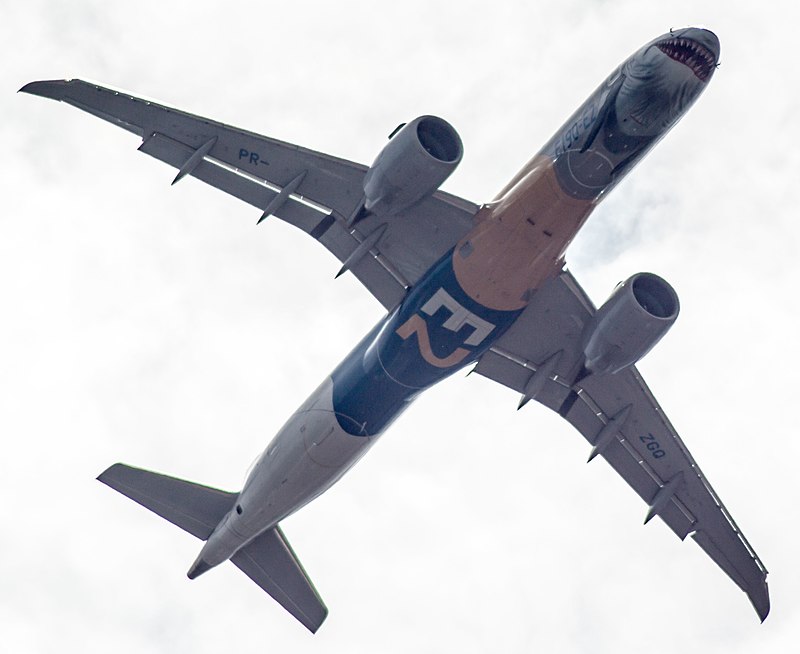
Azul Linhas Aéreas ha tomado entrega de su sexto Embraer E195-E2 procedente de la fábrica de Embraer S.A. La nueva aeronave ha recibido matrícula brasileña PS-AEE. Con la entrega de la unidad número seis ha marcando el regreso de las entregas que habían sido suspendidas durante la pandemia. El Aeropuerto Internacional de Belo Horizonte/Confins ha recibido a la nueva aeronave que servirá con los colores de la aérea. La compañía ha sido el cliente de lanzamiento mundial de esta variante de mayor tamaño.
Azul Linhas Aéreas había recibido la última aeronave en Febrero 2020, tras el inicio de la pandemia en América del Sur, tras el cierre de la navegación aérea. Tras la supresión de los vuelos en la región, en Mayo 2020, Azul y Embraer llegaron a un acuerdo para posponer las entregas de la nueva variante E2 postergando el calendario hacia 2024. La cláusula del contrato establecido con Embraer permite a Azul recibir aviones antes de la fecha límite establecida, de acuerdo con la demanda y estrategia de vuelo de la compañía.
Embraer continuará trabajando en su línea de fabricación FAL Sao José dos Campos las unidades solicitadas por Azul Linhas Aéreas para cumplir con el cronograma establecido bajo los acuerdos interlíneas de ambas compañías.
Azul Linhas Aéreas había previsto operar entre el 50% y el 60% de los vuelos en 10/2020 en relación con el período pre-pandémico, proyectando alrededor del 80% hacia finales de 2020. Si las perspectivas de incrementos del tráfico aéreo se cumplen, la aerolínea de presupuesto podría continuar adquiriendo las restantes unidades E195-E2 acordadas.
Azul receives sixth E195-E2
Azul Linhas Aéreas takes delivery of the sixth Embraer E195-E2
Azul Linhas Aéreas has taken delivery of its sixth Embraer E195-E2 from the Embraer S.A. factory. The new aircraft has received Brazilian registration PS-AEE. With the delivery of unit number six, it has marked the return of deliveries that had been suspended during the pandemic. The Belo Horizonte/Confins International Airport has received the new aircraft that will serve with the colors of the airline. The company has been the global launch customer for this larger variant.
Azul Linhas Aéreas had received the last aircraft in February 2020, after the start of the pandemic in South America, after the closure of air navigation. Following the suppression of flights in the region, in May 2020, Azul and Embraer reached an agreement to postpone deliveries of the new E2 variant, postponing the schedule until 2024. The clause of the contract established with Embraer allows Azul to receive aircraft before the established deadline, in accordance with the demand and flight strategy of the company.
Embraer will continue to work on its FAL Sao José dos Campos manufacturing line the units requested by Azul Linhas Aéreas to comply with the schedule established under the interline agreements of both companies.
Azul Linhas Aéreas had planned to operate between 50% and 60% of the flights in 10/2020 in relation to the pre-pandemic period, projecting around 80% towards the end of 2020. If the prospects for increases in air traffic are met, the budget airline could continue to purchase the remaining agreed E195-E2 units.
Azul recebe o sexto E195-E2
Azul Linhas Aéreas recebe o sexto Embraer E195-E2
A Azul Linhas Aéreas recebeu seu sexto Embraer E195-E2 da fábrica da Embraer S.A.. A nova aeronave recebeu o registro brasileiro PS-AEE. Com a entrega da unidade número seis, marca a volta das entregas que haviam sido suspensas durante a pandemia. O Aeroporto Internacional de Belo Horizonte/Confins recebeu as novas aeronaves que atenderão com as cores da companhia aérea. A empresa foi o cliente de lançamento global desta variante maior.
A Azul Linhas Aéreas havia recebido a última aeronave em Fevereiro de 2020, após o início da pandemia na América do Sul, após o fechamento da navegação aérea. Após a supressão de vôos na região, em Maio de 2020, a Azul e a Embraer chegaram a um acordo para postergar as entregas da nova variante E2, adiando o cronograma até 2024. A cláusula do contrato firmado com a Embraer permite que a Azul receba aeronaves antes prazo estabelecido, de acordo com a demanda e estratégia de vôo da empresa.
A Embraer continuará trabalhando na linha de fabricação da FAL São José dos Campos, as unidades solicitadas pela Azul Linhas Aéreas para cumprir o cronograma estabelecido nos acordos de interline das duas empresas.
A Azul Linhas Aéreas planejava operar entre 50% e 60% dos vôos em 10/2020 em relação ao período pré-pandêmico, projetando cerca de 80% para o final de 2020. Se as perspectivas de aumento do tráfego aéreo forem atendidas, a companhia aérea de baixo custo poderia continuar adquirindo as unidades E195-E2 restantes acordadas.
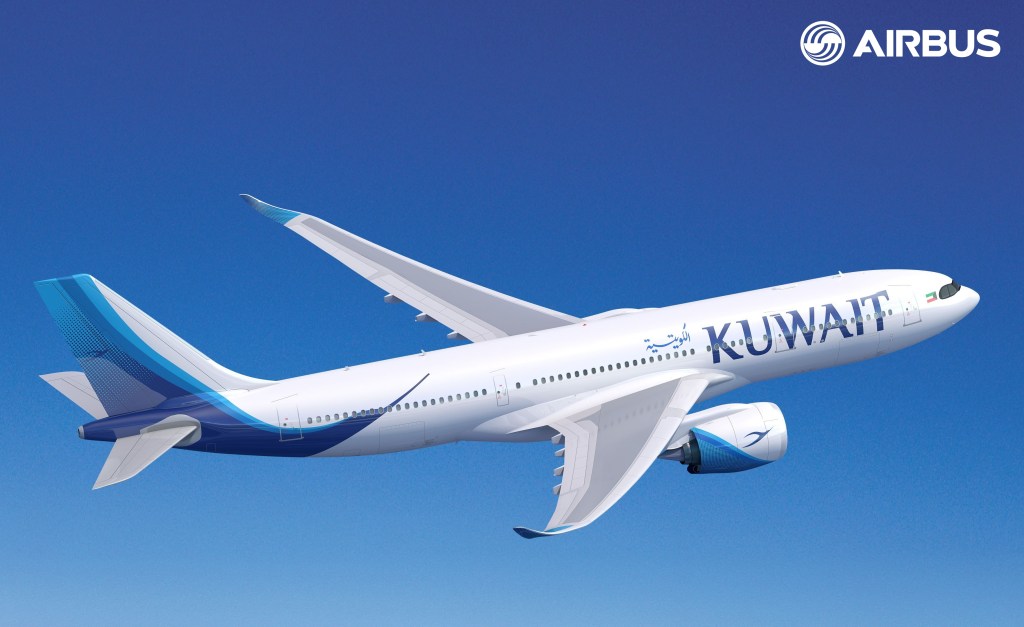
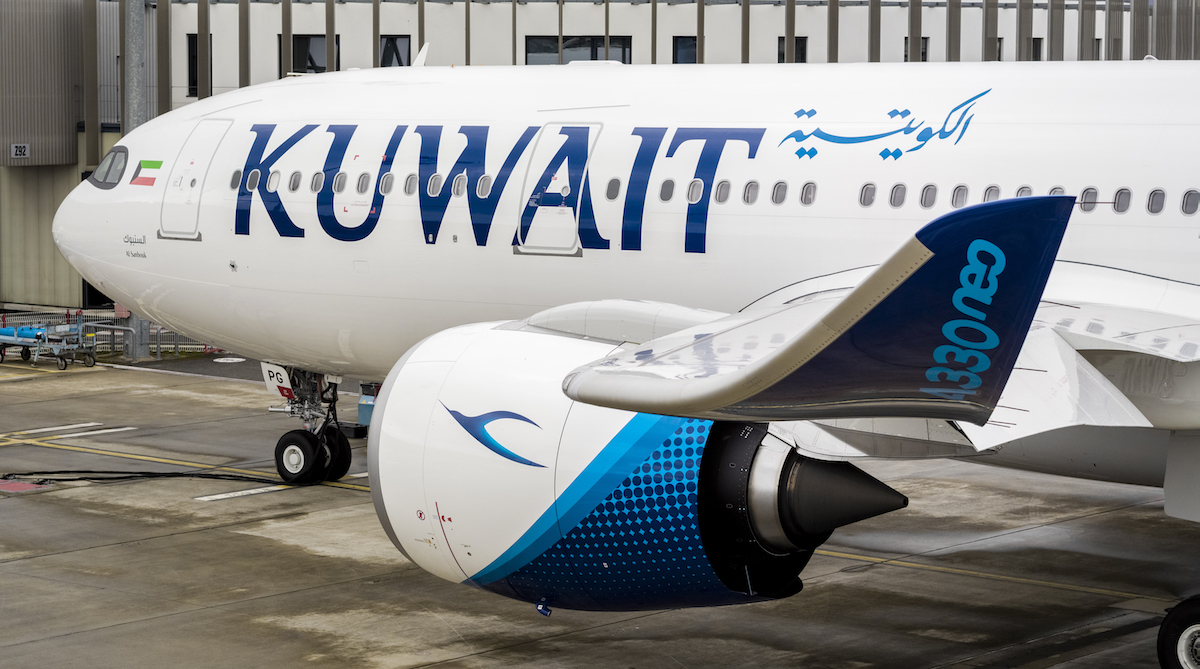
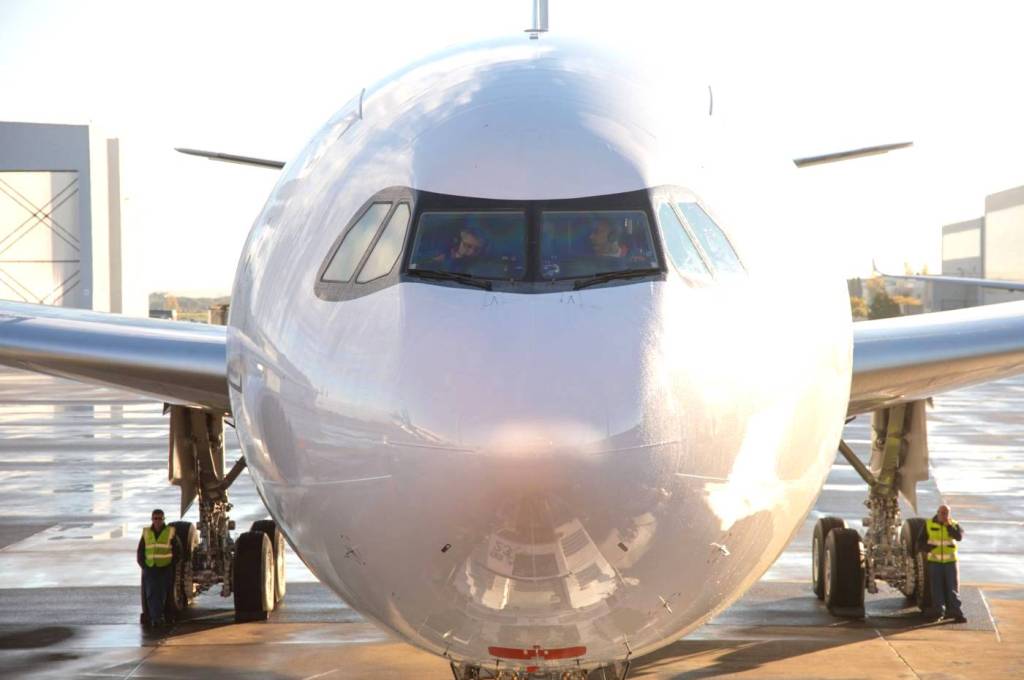
Airbus Group ha entregado dos A330-800NEO para lanzar al cliente Kuwait Airways como primer operador que introduce este modelo de aeronave. Los dos aviones con espacio para 235 pasajeros cada uno, fueron volados desde el centro de producción de Airbus en Toulouse, Francia, a la ciudad de Kuwait el Jueves 29/10. Kuwait Airways tiene un total de ocho órdenes de A330-800NEO, que lo convierte en el mayor cliente de la variante de la familia A330NEO, como así también ha solicitado cinco A350-900, el modelo mas grande.
El A330-800 es el más pequeño de la familia A330NEO que ha realizado el primer vuelo en Noviembre de 2018 y fue certificado por la EASA y la FAA en Febrero 2020. Airbus ha luchado por encontrar una cantidad razonable de pedidos para el modelo mas pequeño, ya que la mayoría de las aerolíneas han optado hasta ahora por el A330-900 ligeramente más grande, que ha ganado un total de 318 pedidos a partir de Septiembre 2020, en comparación con sólo 14 para la variante 800.
Kuwait Airways ofrecerá servicios internacionales con el ingreso de este nuevo modelo A330-800NEO uniéndo a la flota existente de Airbus A320, A320NEO, A330-200 y Boeing 777-300ER.
Kuwait receives 1st A330-800NEO
Kuwait Airways receives first Airbus A330-800NEO
Airbus Group has delivered two A330-800NEOs to launch customer Kuwait Airways as the first operator to introduce this aircraft model. The two planes with room for 235 passengers each were flown from Airbus’ production center in Toulouse, France, to Kuwait City on Thursday 10/29. Kuwait Airways has a total of eight orders for A330-800NEOs, making it the largest customer for the variant of the A330NEO family, as well as five A350-900s, the largest model.
The A330-800 is the smallest of the A330NEO family that made the first flight in November 2018 and was certified by the EASA and the FAA in February 2020. Airbus has struggled to find a reasonable number of orders for the smaller model. As most airlines have so far opted for the slightly larger A330-900, which has won a total of 318 orders as of September 2020, compared to just 14 for the 800 variant.
Kuwait Airways will offer international services with the entry of this new A330-800NEO model, joining the existing fleet of Airbus A320, A320NEO, A330-200 and Boeing 777-300ER.
الكويت تستقبل أول طائرة A330-800NEO
الخطوط الجوية الكويتية تستقبل أول طائرة إيرباص A330-800NEO
قامت مجموعة إيرباص بتسليم طائرتين من طراز A330-800NEOs لإطلاق شركة الخطوط الجوية الكويتية كأول مشغل يقدم طراز الطائرة هذا. تم نقل الطائرتين اللتين تتسع كل منهما لـ 235 راكبًا من مركز إنتاج شركة إيرباص في تولوز بفرنسا إلى مدينة الكويت يوم الخميس 10/29. لدى الخطوط الجوية الكويتية ما مجموعه ثمانية طلبات شراء لطائرة A330-800NEO ، مما يجعلها أكبر عميل لطائرة A330NEO ، بالإضافة إلى خمس طائرات A350-900 ، أكبر طراز.
طائرة A330-800 هي الأصغر في عائلة A330NEO التي قامت بالرحلة الأولى في نوفمبر 2018 وتم اعتمادها من قبل EASA و FAA في فبراير 2020. كافحت شركة Airbus للعثور على عدد معقول من الطلبات للطراز الأصغر. نظرًا لأن معظم شركات الطيران قد اختارت حتى الآن طائرة A330-900 الأكبر قليلاً ، والتي فازت بما مجموعه 318 طلبًا اعتبارًا من سبتمبر 2020 ، مقارنة بـ 14 فقط لمتغير 800.
ستقدم الخطوط الجوية الكويتية خدمات دولية مع دخول طراز A330-800NEO الجديد ، لتنضم إلى الأسطول الحالي من طائرات إيرباص A320 و A320NEO و A330-200 وبوينغ 777-300ER.
Volar «modo pandemia» perspectivas sobre la seguridad vs costos
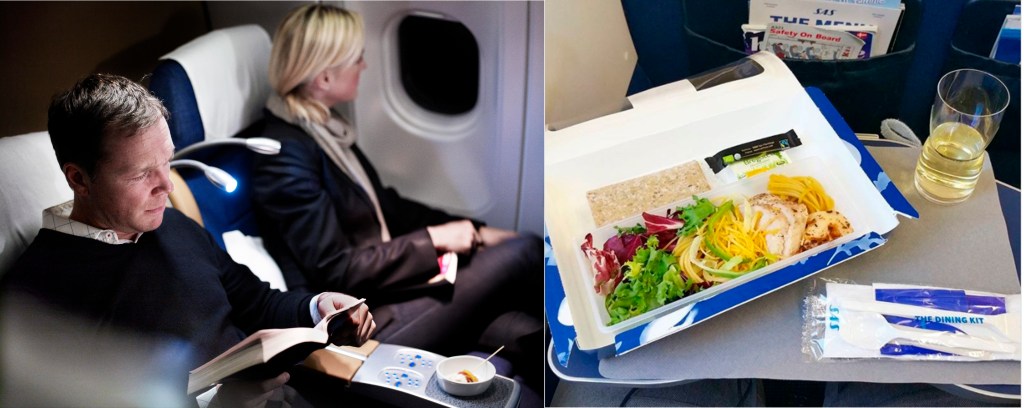
La intromisión de la pandemia en el escenario mundial ha introducido fuertes cambios en el escenario de las aerolíneas, permitiendo observar con mirada aguzada de las nuevas políticas hacia el futuro próximo que se esgrimen entre la seguridad y la reducción de los costos operativos. Existen fuertes opiniones en ambas partes en el debate en torno a las ofertas de servicios aéreos durante la pandemia. Eso es especialmente cierto cuando se trata de servicios premium y vuelos de larga distancia porque aquí es donde las diferencias en comparación con los tiempos pre-pandémicos pueden ser marcadas. Resulta que a la gente le importan mucho la comida y las bebidas a bordo de los vuelos. En algunos casos, los pasajeros están pagando por billetes caros sólo para recibir un servicio muy básico, y en algunos casos, ningún servicio a bordo.
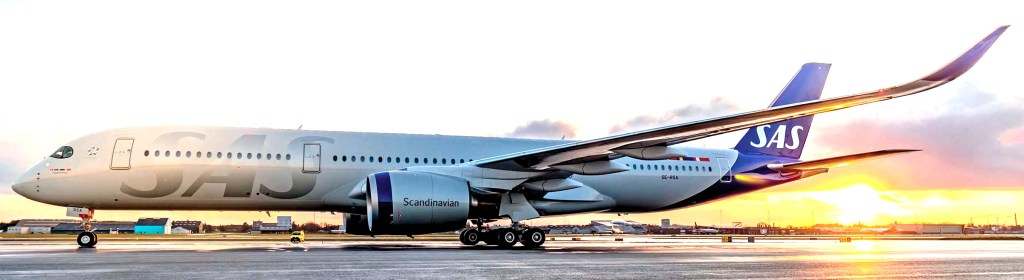
Con esta marcada tendencia cabe la pregunta: ¿son los recortes en servicio realmente una medida de seguridad con el fin de minimizar el contacto a bordo, o se trata realmente de reducir los costos, ya que las aerolíneas están atravesando una sangría de efectivo? Muchas aerolíneas detuvieron su servicio a bordo, o lo redondearon seriamente, una vez que la pandemia realmente golpeó en Marzo 2020 en el hemisferio occidental. Pero desde entonces algunos han regresado más o menos a los niveles de servicio normales, mientras que otros han mantenido los servicios elementales. Esto es aún más llamativo en clase ejecutiva, donde el nivel de muchas aerolíneas es siempre brindar un servicio esmerado. Citando algunos casos como por ejemplo Turkish Airlines, que siempre ha sido conocida por un servicio de comidas extenso y de alta calidad, ahora sirve cajas básicas de comida fría incluso en vuelos largos en clase ejecutiva. British Airways ha seguido sirviendo comida fría en cajas en sus vuelos de larga distancia, aunque parece que un puñado de mejoras relativamente sutiles están revalorizando el servicio.
El problema con todas las diferencias entre las compañías aéreas, y el servicio en algunas de ellas, es que desafía la noción de seguridad como el principal motivador. Si no era seguro servir comida caliente en Mayo 2020, ¿por qué es seguro servirla ahora? ¿Por qué es seguro servir algo en absoluto, para el caso? ¿Estas opciones son impulsadas por cambios en lo que sabemos acerca de cómo se propaga el virus, o los caprichos de la dirección de las aerolíneas? Las aerolíneas no han hecho un trabajo particularmente bueno de comunicación en esta materia, tal vez porque continúan en una línea de aprendizaje.
El proceso de toma de decisiones detrás de esta disyuntiva radica en las explicaciones que refleja Freja Annamatz, Jefe de Relaciones con los Medios de Comunicación de Scandinavian Airlines. Señaló un aspecto fácilmente pasado por alto: la logística. «Tenemos que hacerlo de una manera que tenga sentido de una manera logística, y la mayoría de nuestros vuelos a lo largo de 80 minutos están fuera de Copenhague. Estamos investigando cómo desarrollaremos esos conceptos de servicio [en Noruega y Suecia]», dijo Freja Annamatz. En otras palabras, hay un proceso logístico para garantizar que todos los vuelos se atiendan de cierta manera, por lo que devolver el servicio incluso si parece relativamente seguro hacerlo puede no ser tan sencillo o rápido como parece, pero esto tiene sentido. Este es un buen paso en general porque significa más consistencia, aunque es una mala noticia para aquellos que les gusta una bebida a bordo de un vuelo parece que todavía no habrá alcohol servido.
Otro aspecto interesante es que mientras algunos pasajeros desean e incluso demandan servicio de comida y bebida, especialmente cuando han pagado por un billete caro, otros pasajeros están muy contentos de que no haya ninguno. ¿Por qué razón esa disparidad? Si hay un servicio de refrigerios, los pasajeros se quitarán las máscaras para consumirlo, y en el caso de un vuelo corto eso podría significar ir sin máscaras durante la mayor parte del vuelo. La pregunta es en vuelos de una o dos horas, ¿es realmente necesario proporcionar algo para comer y beber cuando la apuesta más segura sería para todos mantener máscaras encendidas durante toda la duración? Las opiniones difieren en este punto. «Tenemos que centrarnos en la seguridad mientras reintroducimos un servicio válido para nuestros pasajeros. Queremos estar seguros de que se hacen de manera que los clientes y los viajeros se sientan seguros», dijo Freja Annamatz.
Pocos envidiarían a los ejecutivos de las aerolíneas que tienen que encontrar el equilibrio correcto aquí. Por un lado queremos volver a la normalidad, o lo más cerca posible de lo normal. Por otro lado, la pandemia sigue arrasando gran parte del mundo y todavía hay mucho que no sabemos con certeza sobre cuán arriesgadas son ciertas actividades. A estas alturas parece bastante claro que ha habido menos transmisión a bordo de los aviones de lo que muchos podrían haber temido inicialmente. Y sin embargo, la mayoría de los pasajeros son comprensiblemente cautelosos de que otros pasajeros se quiten las máscaras durante un largo período de tiempo mientras amamantan una bebida. Freja Annamatz dijo que ha sido una prioridad tratar de comunicar lo seguro que es realmente viajar en avión. Al mismo tiempo, el uso constante de máscaras a bordo es un elemento importante para tranquilizar a los pasajeros y asegurarse de que todos se sientan lo más seguros posible. «Junto con EASA e IATA hemos estado estudiando cómo comunicar lo seguro que es realmente viajar en avión. Airbus e IATA han realizado varios estudios en los interiores de la cabina, y sabemos que la posibilidad de infectarse a bordo es muy baja. Pero para nosotros también es tan importante que los clientes se sientan seguros y estén al tanto de los procedimientos en vigor. Hubo un acalorado debate sobre las máscaras cuando comenzó, pero tenemos que hacer todo lo posible para que los pasajeros sientan que pueden viajar con seguridad», dijo Freja Annamatz.
Un nuevo estudio de Airbus indica que una distancia de alrededor de 12 pulgadas (30 centímetros) en un avión es equivalente a algo más parecido a 6 pies (1,8 metros) en el mundo. Airbus bien puede tener un sesgo como una empresa que depende en gran medida de una industria de aviación saludable, pero esto está en línea con otros estudios que muestran que el riesgo de transmisión es bajo en las aeronaves. «El entorno a bordo es realmente muy seguro y se puede comparar el aire con los estándares del hospital. Pero luego está cómo se percibe el medio ambiente. Es muy importante que tengamos procedimientos que hagan que las personas sean seguras a bordo, y cuando quitamos el servicio a bordo fue porque necesitábamos minimizar el contacto, de acuerdo con uno de los principales consejos de EASA. Por lo tanto, para reintroducir este servicio tenemos que estar seguros de lo que nuestros clientes esperan, pero también lo que será seguro para los pasajeros y el personal. Tenemos que permitir que la gente saque un aperitivo, porque hay muchas razones por las que la gente puede necesitar tomar un aperitivo o una bebida en un vuelo. Y ahora que tenemos una buena comprensión de cómo se siente la gente acerca de los viajes aéreos, estamos reintroduciendo eso», dijo el Jefe de Medios de SAS, Freja Annamatz.
La clave de esto es tener un diálogo constante con el personal, señaló Annamatz. Una cosa es que un pasajero se preocupe en el vuelo ocasional. Es otro para una azafata que tendría que servir potencialmente a docenas de pasajeros a diario. Están potencialmente expuestos a mucho más que el pasajero promedio, y la aerolínea tiene una responsabilidad con ellos. «Cuando hacemos tantos cambios, es muy importante destacar que para las aerolíneas la seguridad es nuestro conductor más importante en todo lo que hacemos. Tenemos tripulación que está entrenada para atender a las personas que se enferman en un avión, por lo que los miembros de la tripulación tienen un alto nivel de competencia para cuidar de estas situaciones inusuales. Teníamos azafatas entrenadas para ir a entornos médicos durante la fase más aguda y fueron muy bien recibidas. Esto es muy importante a medida que tomamos estas nuevas rutinas, y hay un diálogo sobre cómo se van a ejecutar estas cosas», dijo Freja Annamatz.
Pocas compañías aéreas van a salir y admitir que los recortes de servicio durante la pandemia fueron motivados total o parcialmente por la reducción de costos, y es posible que nunca tengamos una respuesta definitiva al respecto. De cualquier manera parece claro que las decisiones que se toman no son fáciles, y hay fuertes sentimientos en ambas direcciones entre los pasajeros y la tripulación por igual. Lo último que una aerolínea quiere que suceda en este momento es que una serie de transmisiones COVID-19 se remontan a uno de sus vuelos, así que no es de extrañar que se estén acercando a las cosas con cuidado. Sin embargo, desde la perspectiva de los pasajeros y de los observadores de la industria, también parece claro que las compañías aéreas deben estar comunicando sus procesos de decisión sobre las ofertas de vuelos y el servicio a bordo de tal manera que sus pasajeros puedan al menos comprender su razonamiento. Asegurar que los pasajeros vean la lógica y la coherencia en esas decisiones es clave, sea que ofrezca un servicio completo o no, una buena comunicación y explicaciones creíbles para las decisiones que se están tomando ayudará a que los pasajeros vuelvan al redil una vez que todo esto haya terminado.
Flying in times of pandemic
Flying «pandemic mode» perspectives on safety vs costs
The interference of the pandemic on the world stage has introduced strong changes in the scenario of the airlines, allowing us to observe with a keen eye the new policies towards the near future that are wielded between safety and the reduction of costs operational. There are strong opinions on both sides in the debate around air service offerings during the pandemic. That is especially true when it comes to premium services and long haul flights because this is where the differences compared to pre-pandemic times can be stark. It turns out that people care a lot about food and drinks on board flights. In some cases, passengers are paying for expensive tickets just to receive a very basic service, and in some cases, no onboard service.
With this marked trend, the question arises: are service cuts really a security measure in order to minimize contact on board, or is it really about reducing costs, since airlines are going through a cash drain? Many airlines stopped their onboard service, or seriously rounded it up, once the pandemic really struck in March 2020 in the Western Hemisphere. But since then some have more or less returned to normal service levels, while others have kept basic services. This is even more striking in business class, where the standard of many airlines is always to provide excellent service. Citing some cases such as Turkish Airlines, which has always been known for extensive and high-quality food service, now serves basic cold boxes even on long business class flights. British Airways has continued to serve boxed cold food on its long-haul flights, although it appears that a handful of relatively subtle improvements are revaluing the service.
The problem with all the differences between airlines, and the service in some of them, is that it challenges the notion of safety as the main motivator. If it was not safe to serve hot food in May 2020, why is it safe to serve it now? Why is it safe to serve something at all, for that matter? Are these choices driven by changes in what we know about how the virus spreads, or the vagaries of airline management? The airlines have not done a particularly good job of communication in this matter, perhaps because they continue in a line of learning.
The decision-making process behind this dilemma lies in the explanations given by Freja Annamatz, Head of Media Relations at Scandinavian Airlines. She pointed to an easily overlooked aspect: logistics. «We have to do it in a way that makes sense in a logistical way, and most of our flights over the 80-minute span are out of Copenhagen. We are investigating how we will develop those service concepts [in Norway and Sweden]», Freja said. Annamatz. In other words, there is a logistical process to ensure that all flights are serviced in a certain way, so returning service even if it seems relatively safe to do so may not be as straightforward or quick as it sounds, but this makes sense. This is a good move overall because it means more consistency, although bad news for those who like a drink on board a flight it seems there will still be no alcohol served.
Another interesting aspect is that while some passengers want and even demand food and drink service, especially when they have paid for an expensive ticket, other passengers are very happy that there is none. For what reason this disparity? If there is a snack service, passengers will remove their masks to consume it, and in the case of a short flight that could mean going without masks for most of the flight. The question is on one or two hour flights, is it really necessary to provide something to eat and drink when the safest bet would be for everyone to keep masks on for the entire duration? Opinions differ on this point. «We have to focus on safety while reintroducing a valid service for our passengers. We want to make sure that it is done in a way that customers and travelers feel safe», said Freja Annamatz.
Few would envy airline executives who have to strike the right balance here. On the one hand we want to get back to normal, or as close to normal as possible. On the other hand, the pandemic continues to ravage much of the world and there is still much that we do not know for sure about how risky certain activities are. By now it seems pretty clear that there has been less transmission on board aircraft than many might have initially feared. And yet most passengers are understandably wary of other passengers removing their masks for a long period of time while nursing a drink. Freja Annamatz said trying to communicate how safe air travel really is has been a priority. At the same time, the constant use of masks on board is an important element in reassuring passengers and ensuring that everyone feels as safe as possible. «Together with EASA and IATA we have been studying how to communicate how safe it really is to travel by plane. Airbus and IATA have carried out several studies inside the cabin, and we know that the possibility of getting infected on board is very low. But for us it is also so important that customers feel safe and are aware of the procedures in place. There was a heated debate about masks when it started, but we have to do everything we can to make passengers feel they can travel safely», he said Freja Annamatz.
A new Airbus study indicates that a distance of about 12 inches (30 centimeters) in an airplane is equivalent to something closer to 6 feet (1.8 meters) in the world. Airbus may well have a bias as a company that relies heavily on a healthy aviation industry, but this is in line with other studies showing that the risk of transmission is low in aircraft. «The environment on board is really very safe and you can compare the air to hospital standards. But then there is how the environment is perceived. It is very important that we have procedures that make people safe on board, and when we remove the on-board service was because we needed to minimize contact, according to one of EASA’s main advice. Therefore, to reintroduce this service we have to be sure of what our customers expect, but also what will be safe for passengers and the staff. We have to allow people to get a snack, because there are many reasons why people may need to have a snack or a drink on a flight. And now that we have a good understanding of how people feel about air travel, we are reintroducing that», said SAS Head of Media Freja Annamatz.
The key to this is having a constant dialogue with staff, Annamatz said. It is one thing for a passenger to worry on the occasional flight. It’s another for a flight attendant who would potentially have to serve dozens of passengers on a daily basis. They are potentially exposed to much more than the average passenger, and the airline has a responsibility to them. «When we make so many changes, it is very important to note that for airlines, safety is our most important driver in everything we do. We have a crew that is trained to care for people who get sick on an airplane, so members of the crew have a high level of competence to take care of these unusual situations. We had hostesses trained to go to medical settings during the most acute phase and they were very well received. This is very important as we take on these new routines, and there is a dialogue about how these things are going to be executed», said Freja Annamatz.
Few airlines are going to come out and admit that the service cuts during the pandemic were motivated in whole or in part by cost reductions, and we may never have a definitive answer on that. Either way it seems clear that the decisions that are made are not easy, and there are strong feelings in both directions between passengers and crew alike. The last thing an airline wants to happen right now is that a series of COVID-19 transmissions can be traced back to one of their flights, so it’s no wonder they’re approaching things carefully. However, from the perspective of passengers and industry observers, it also seems clear that airlines must be communicating their decision processes about flight offers and onboard service in such a way that their passengers can at least understand their reasoning. Ensuring that passengers see the logic and consistency in those decisions is key, whether you offer full service or not, good communication and credible explanations for the decisions being made will help get passengers back into the fold once everything is done. this is over.
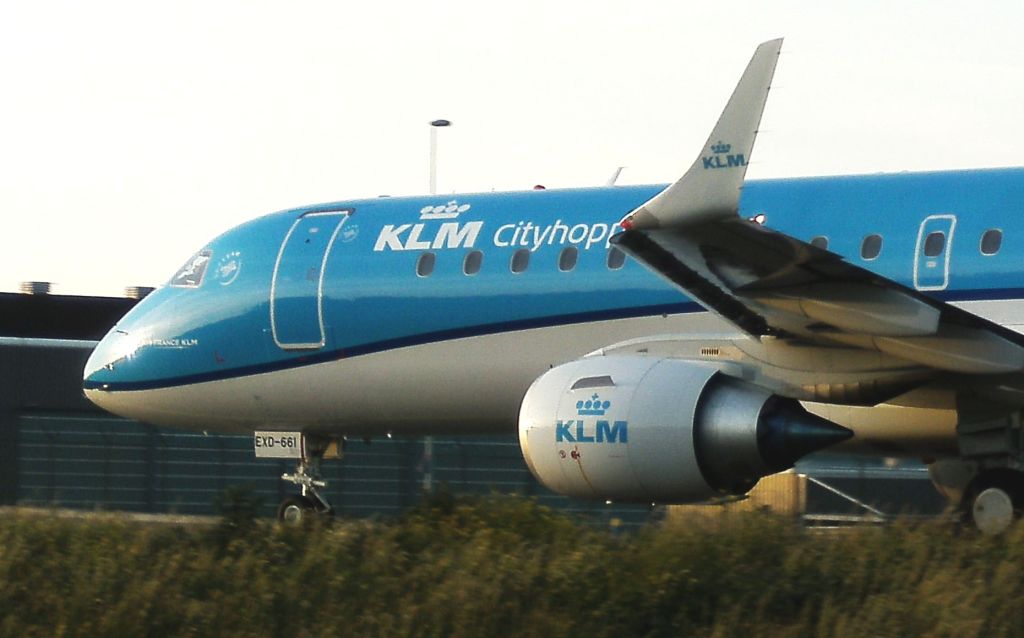
KLM Cityhopper presenta capacitación realidad virtual para pilotos
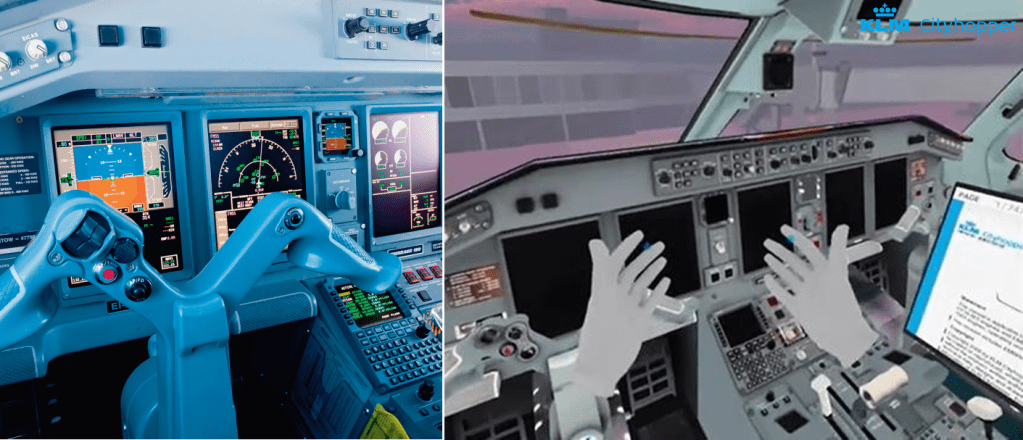
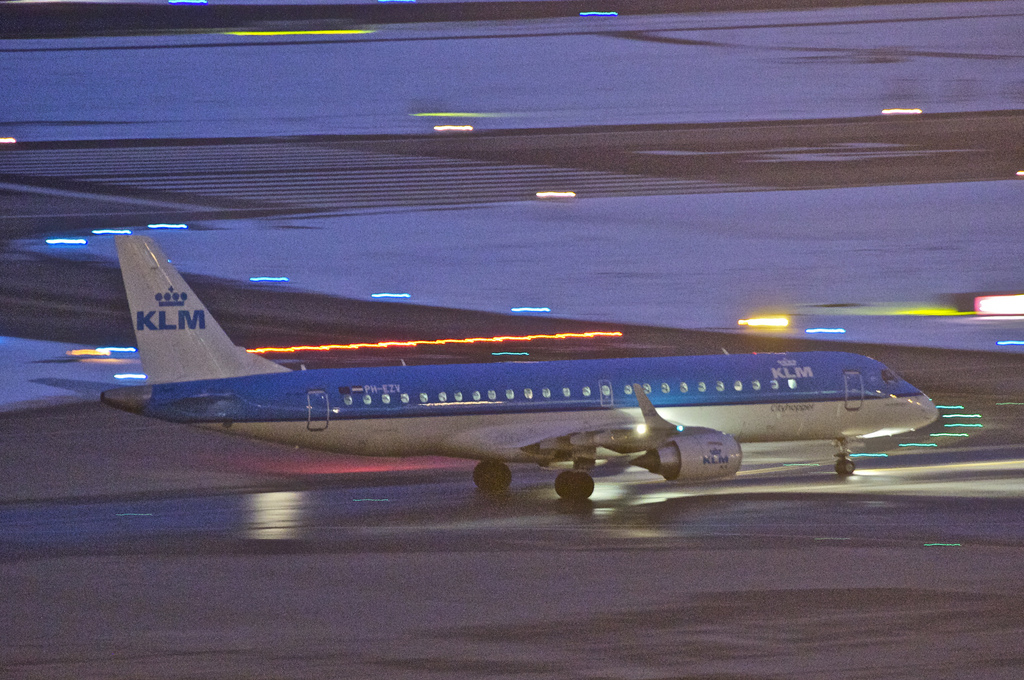
KLM Royal Dutch Airlines ha anunciado que a partir del 5 de Noviembre de 2020, la filial de aerolíneas regionales de la compañía, KLM Cityhopper, introducirá formación en realidad virtual de realidad virtual para los pilotos que vuelan aviones Embraer E175 y E190. Desarrollados internamente, los cursos de formación en realidad virtual permitirán a los pilotos hacer un uso más eficaz de su tiempo de entrenamiento y también producirán ahorros de costes, según la compañía, que añadió que KLM Cityhopper es también la primera aerolínea en integrar la realidad virtual en su formación de pilotos para aviones Embraer.
KLM Cityhopper cuenta con una flota de Embraers que sirven a destinos europeos. La compañía decidió investigar las capacidades de la realidad virtual en un esfuerzo por responder de manera más flexible a las diferentes necesidades de capacitación de los pilotos. «La realidad virtual hace que la formación sea más accesible. Es bajo demanda e independiente del sitio: los pilotos no tienen que estar en un aula o en un simulador en un momento determinado. Además, les invita a explorar algo que pueden hacer de forma segura en un entorno virtual. La realidad virtual permite a los pilotos familiarizarse con la cabina de antemano, para que hagan un uso más eficaz de su tiempo de simulador», dijo Sebastian Gerkens, Instructor Senior de Embraer de KLM Cityhopper.
KLM declaró que el nuevo enfoque de capacitación ayudará a generar ahorros de costos, ya que reduce el número de proveedores externos y hace que la programación piloto sea más flexible. Los cursos de formación de realidad virtual para el Embraer 175 y 190 fueron desarrollados por los propios expertos en realidad virtual de KLM en cooperación con KLM Cityhopper. La formación consta de tres aplicaciones, todas parte del curso de clasificación de tipo en el que los pilotos aprenden las características específicas del tipo de aeronave que van a volar. Estas aplicaciones incluyen:
Cabina virtual: los pilotos pueden sentarse dentro de una cabina virtual, ofreciéndoles una imagen interactiva generada por ordenador de los paneles de control.
Video instructivo: los pilotos pueden ver un vídeo POV de 360 grados de un vuelo desde el asiento de salto de la cabina.
Walkaround virtual: permite a los pilotos caminar a través y alrededor de la aeronave, compuesto de fotografías estáticas de 360 grados.
«Estas son también las tres formas diferentes de capturar contenido utilizado para crear aplicaciones de realidad virtual. La cabina virtual interactiva fue creada en computadoras enteramente por nuestro equipo de desarrolladores de realidad virtual y diseñadores 3D. Para producir el vídeo y las fotografías de 360 grados, uno de nuestros ingenieros de realidad virtual se sentó en la cabina operando una cámara avanzada de 360 grados durante un vuelo, en estrecha cooperación con los pilotos de KLM Cityhopper. Nuestros desarrolladores no tienen la menor idea de cómo funciona un Embraer, aunque ciertamente han aprendido mucho», explicó Werner Soeteman, Gerente del Centro de Excelencia de VR de KLM IT.
KLM señaló que durante mucho tiempo ha estado interesado en utilizar la realidad virtual para la formación de su personal. La compañía ya cuenta con cursos de formación en realidad virtual para ingenieros de mantenimiento y tripulantes de cabina de KLM Cityhopper, y ahora se unirán los pilotos de Embraer 175 y 190. Los cursos de realidad virtual complementan el programa de formación existente de KLM, sin embargo KLM Cityhopper también está explorando si puede obtener la certificación EASA (Agencia de Seguridad Aérea de la Unión Europea) para los cursos, que eventualmente reemplazaría algunos de los componentes de capacitación estándar, como la instrucción en el aula, los carteles de entrenamiento en cabina y los libros de texto. La empresa cerró afirmando que la seguridad y calidad de su formación es y siempre será su máxima prioridad.
Virtual Cityhopper training
KLM Cityhopper presents virtual reality training for pilots
KLM Royal Dutch Airlines has announced that from November 5, 2020, the company’s regional airline subsidiary, KLM Cityhopper, will introduce virtual reality virtual reality training for pilots flying Embraer E175 and E190 aircraft. Developed in-house, virtual reality training courses will allow pilots to make more effective use of their training time and will also produce cost savings, according to the company, adding that KLM Cityhopper is also the first airline to integrate virtual reality. in his pilot training for Embraer aircraft.
KLM Cityhopper has a fleet of Embraers serving European destinations. The company decided to investigate the capabilities of virtual reality in an effort to respond more flexibly to the different training needs of pilots. «Virtual reality makes training more accessible. It’s on-demand and site-independent: pilots don’t have to be in a classroom or simulator at any one time. Plus, it invites them to explore something they can do in a way. safe in a virtual environment. Virtual reality allows pilots to familiarize themselves with the cockpit in advance, so they can make more efficient use of their simulator time», said Sebastian Gerkens, Embraer Senior Instructor at KLM Cityhopper.
KLM stated that the new approach to training will help generate cost savings by reducing the number of external providers and making the pilot schedule more flexible. The virtual reality training courses for the Embraer 175 and 190 were developed by KLM’s own virtual reality experts in cooperation with KLM Cityhopper. The training consists of three applications, all part of the type classification course in which pilots learn the specific characteristics of the type of aircraft they are going to fly. These applications include:
Virtual cockpit: pilots can sit inside a virtual cockpit, providing them with an interactive computer-generated image of the control panels.
Instructional Video: Pilots can view a 360-degree POV video of a flight from the jump seat in the cockpit.
Virtual Walkaround: Allows pilots to walk through and around the aircraft, made up of 360-degree still photos.
«These are also the three different ways to capture content used to create virtual reality applications. The interactive virtual cockpit was created on computers entirely by our team of virtual reality developers and 3D designers. To produce the 360-degree video and photos , one of our virtual reality engineers sat in the cockpit operating an advanced 360-degree camera during a flight, in close cooperation with the KLM Cityhopper pilots. Our developers have no idea how an Embraer works, although they have certainly learned a lot», explained Werner Soeteman, Manager of the VR Center of Excellence at KLM IT.
KLM noted that it has long been interested in using virtual reality for staff training. The company already has virtual reality training courses for KLM Cityhopper cabin crew and maintenance engineers, and will now be joining Embraer 175 and 190 pilots. The virtual reality courses complement KLM’s existing training program, without However KLM Cityhopper is also exploring whether it can get EASA (European Union Aviation Safety Agency) certification for the courses, which would eventually replace some of the standard training components such as classroom instruction, cockpit training posters and textbooks. The company closed stating that the safety and quality of its training is and will always be its top priority.
Virtuele Cityhopper-training
KLM Cityhopper geeft virtual reality-trainingen voor piloten
KLM Royal Dutch Airlines heeft aangekondigd dat vanaf 5 november 2020 de regionale dochtermaatschappij van de luchtvaartmaatschappij, KLM Cityhopper, virtual reality virtual reality-training zal introduceren voor piloten die vliegen met Embraer E175- en E190-vliegtuigen. In eigen huis ontwikkelde virtual reality-trainingen zullen piloten in staat stellen hun trainingstijd effectiever te gebruiken en zullen volgens het bedrijf ook kostenbesparingen opleveren, eraan toevoegend dat KLM Cityhopper ook de eerste luchtvaartmaatschappij is die virtual reality integreert. in zijn pilotenopleiding voor Embraer-vliegtuigen.
KLM Cityhopper heeft een vloot van Embraers die naar Europese bestemmingen vliegen. Het bedrijf besloot de mogelijkheden van virtual reality te onderzoeken om zo flexibeler in te kunnen spelen op de verschillende trainingsbehoeften van piloten. ,,Virtual reality maakt training toegankelijker. Het is on-demand en site-onafhankelijk: piloten hoeven niet altijd in een klaslokaal of simulator te zijn. Bovendien nodigt het hen uit om iets te ontdekken wat ze op een bepaalde manier kunnen doen. veilig in een virtuele omgeving Virtual reality stelt piloten in staat om vooraf vertrouwd te raken met de cockpit, zodat ze efficiënter gebruik kunnen maken van hun simulatortijd», aldus Sebastian Gerkens, Senior Instructor Embraer bij KLM Cityhopper.
KLM gaf aan dat de nieuwe aanpak van opleidingen zal helpen kostenbesparingen te realiseren door het aantal externe aanbieders te verminderen en het pilotenrooster flexibeler te maken. De virtual reality trainingen voor de Embraer 175 en 190 zijn ontwikkeld door KLM’s eigen virtual reality experts in samenwerking met KLM Cityhopper. De training bestaat uit drie applicaties, die allemaal deel uitmaken van de cursus typeclassificatie waarin piloten de specifieke eigenschappen leren van het type vliegtuig waarmee ze gaan vliegen. Deze toepassingen zijn onder meer:
Virtuele cockpit: piloten kunnen in een virtuele cockpit plaatsnemen en hen een interactief computergegenereerd beeld van de bedieningspanelen geven.
Instructievideo: Piloten kunnen een 360-graden POV-video van een vlucht bekijken vanuit de springstoel in de cockpit.
Virtual Walkaround: Hiermee kunnen piloten door en rond het vliegtuig lopen, bestaande uit 360 graden foto’s.
,,Dit zijn ook de drie verschillende manieren om inhoud vast te leggen die wordt gebruikt om virtual reality-toepassingen te maken. De interactieve virtuele cockpit is volledig op computers gemaakt door ons team van virtual reality-ontwikkelaars en 3D-ontwerpers. Om de 360-gradenvideo en foto’s te produceren, een van onze virtual reality-ingenieurs zat in de cockpit en bediende tijdens een vlucht een geavanceerde 360-gradencamera, in nauwe samenwerking met de KLM Cityhopper-piloten. Onze ontwikkelaars hebben geen idee hoe een Embraer werkt, al hebben ze dat zeker veel geleerd”, aldus Werner Soeteman, Manager van het VR Center of Excellence bij KLM IT.
KLM merkte op dat het al lang geïnteresseerd is in het gebruik van virtual reality voor personeelstrainingen. Het bedrijf heeft al virtual reality-trainingen voor cabinepersoneel en onderhoudsmonteurs van KLM Cityhopper en zal nu toetreden tot de piloten Embraer 175 en 190. De virtual reality-trainingen vormen een aanvulling op het bestaande trainingsprogramma van KLM, zonder KLM Cityhopper onderzoekt echter ook of het EASA (European Union Aviation Safety Agency) certificering kan krijgen voor de cursussen, die uiteindelijk enkele van de standaard trainingscomponenten, zoals klassikale instructie, cockpit-trainingsposters, zouden vervangen. en leerboeken. Het bedrijf sloot af met de mededeling dat de veiligheid en kwaliteit van zijn opleiding altijd de hoogste prioriteit heeft en zal blijven.
Denuncian penalmente a funcionario por prohibir El Palomar
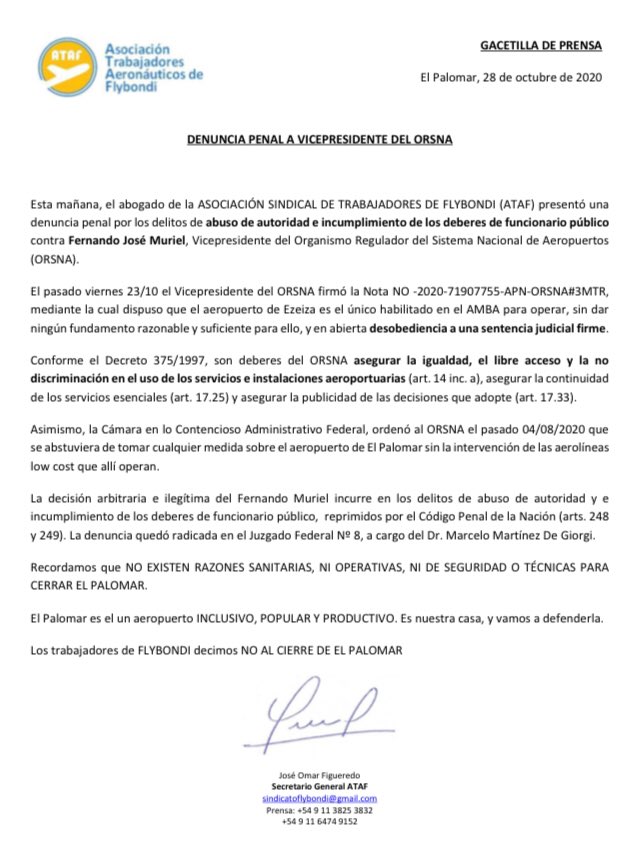
El Sindicato de trabajadores de la low-cost Flybondi Líneas Aéreas, la Asociación de Trabajadores de Aerolínea Flybondi (ATAF) ha presentado una demanda en representación de los empleados a Fernando Muriel, Vicepresidente del Organismo Regulador del Sistema Nacional de Aeropuertos (ORSNA), por abuso de autoridad e incumplimiento de los deberes de funcionario público. La denuncia penal de empleados de Flybondi a funcionario de la agrupación política La Cámpora que ha prohibido la reapertura del Aeropuerto El Palomar, sumando el incremento de la escalada de enfrentamiento entre el Gobierno y la aerolínea de presupuesto Flybondi.
El abogado del sindicato ATAF ha presentado este Miércoles 28/10 una demanda contra el Vicepresidente del ORSNA, Fernando Muriel, accionando penalmente por los delitos de abuso de autoridad e incumplimiento de los deberes de funcionario público. La causa que inició la ATAF ha sido tramitada en el Juzgado Federal Número 8, a cargo de Marcelo Martínez De Giorgi.
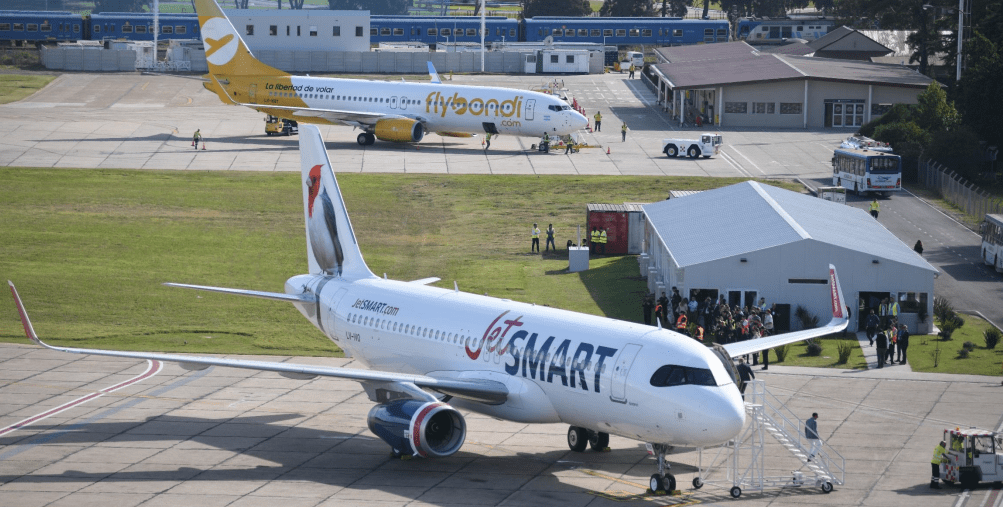
Fernando Muriel, abogado que milita en La Cámpora y responde políticamente al Senador Mariano Recalde, quien fuera Presidente de Aerolíneas Argentinas en la primera gestión del kirchnerismo, firmó la notificación que el Viernes 23/10 a última hora, el ORSNA remitió a la Administración Nacional de Aviación Civil (ANAC). La notificación establece la cancelación de las operaciones del Aeropuerto El Palomar en virtud del «Corredor Sanitario Seguro» definido en el Sistema Nacional de Aeropuertos (SNA) a raíz de la pandemia, y con el Aeropuerto Jorge Newbery cerrado hasta Febrero 2021 por obras, la única terminal aérea autorizada para operar en el área metropolitana de Buenos Aires (AMBA) es el Aeropuerto Internacional Ezeiza. De esta manera el ORSNA ha prohibido la reapertura para vuelos regulares del Aeropuerto El Palomar, la aeroestación donde operan las low cost Flybondi Líneas Aéreas y JetSmart Airlines Argentina.
Según fuentes del sector, el funcionario habría autorizado la firma impuesta por una facción del Gobierno que no simpatiza con la existencia de competencia en el mercado de cabotaje, que también perdió a Latam Airlines Argentina, tras la decisión de abandonar ese tipo de operaciones en el país, con una cuota de mercado de cabotaje correspondiente al 17%.
Posición de Flybondi
La compañía aérea Flybondi ha manifestado claramente que «volar desde Aeropuerto Ezeiza no es una opción comercial ni tampoco para nuestros pasajeros», dijo la low-cost en un comunicado. Según la denuncia del gremio ATAF, el funcionario del ORSNA, Fernando Muriel no dio fundamento razonable y suficiente para una decisión que, dicen, fue en abierta desobediencia a una sentencia judicial firme, en relación a un fallo de Martina Forns, Jueza Federal de San Martín, que en Septiembre 2019 había rechazado un pedido de cierre total del aeropuerto. «Conforme el Decreto 375/1997, son deberes del Orsna asegurar la igualdad, el libre acceso y la no discriminación en el uso de los servicios e instalaciones aeroportuarias (Art. 14, Inciso A), asegurar la continuidad de los servicios esenciales (Art. 17, 25) y asegurar la publicidad de las decisiones que adopte (Art. 17, 33)», planteó la presentación sindical bajo el paraguas de la Justicia. La resolución del ORSNA sólo había trascendido en los medios periodísticos, pues en la actualidad, Flybondi no ha recibido notificación oficial alguna del organismo ni de la ANAC; aun con una programación de reinicio de sus vuelos regulares para la semana próxima desde el Aeropuerto El Palomar.
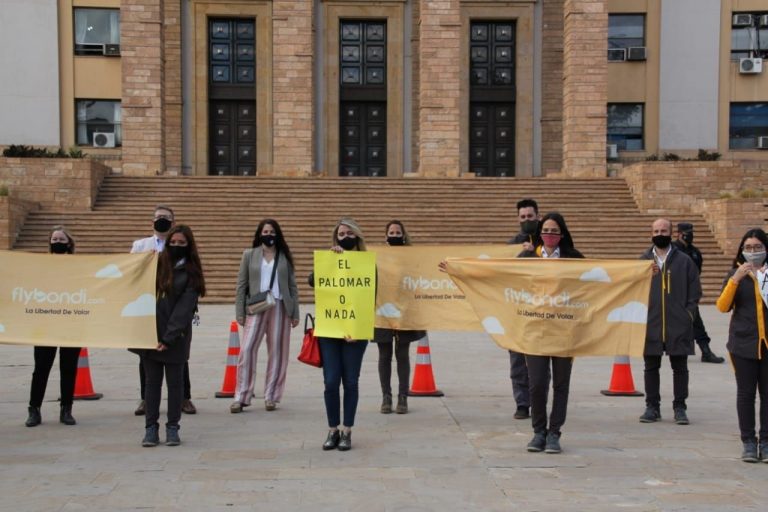
En su comunicado la ATAF ha recordado que el 4 de Agosto de 2020 la Cámara en lo Contencioso Administrativo Federal le ordenó al ORSNA que se abstuviera de tomar cualquier medida sobre el Aeropuerto de El Palomar sin la intervención de las aerolíneas low cost que operan en él. «La decisión arbitraria e ilegítima de Fernando Muriel incurre en los delitos de abuso de autoridad e incumplimiento de los deberes de funcionario público, reprimidos por el Código Penal de la Nación (Artículos Nº 248 y Nº 249). Recordamos que no existen razones sanitarias, ni operativas, ni de seguridad o técnicas para cerrar El Palomar. El aeropuerto es inclusivo, popular y productivo. Es nuestra casa y vamos a defenderla. Los trabajadores de Flybondi decimos no al cierre de El Palomar», remarcó la asociación sindical.
Incongruencias operativas
Aunque Aeropuertos Argentina 2000 (AA2000), concesionaria de las terminales aéreas El Palomar y Ezeiza, han expresado que garantizan que respetarán los costos y tasas que las low cost pagan en El Palomar, hay otros gastos que deberían afrontar y hoy no poseen, como el servicio de rampa y el de carga. En Ezeiza, esta última prestación está a cargo de la empresa estatal Intercargo, en tanto que en el Aeropuerto El Palomar las operaciones en tierra las efectúa directamente la compañía Flybondi.
El Aeropuerto Internacional Ezeiza se encuentra localizado a 33,2 kilómetros de la Ciudad de Buenos Aires, mientras que el Aeropuerto El Palomar, está a sólo 7,1 kilómetros de Capital Federal, lo que afecta a los pasajeros por los incrementos de los costos de traslados donde pudieran alcanzar los mismos valores de los pasajes aéreos. Otra preocupación seria son los a empleados de la compañía donde el 80% reside en las áreas adyacentes al aeropuerto low cost donde estaría amenazado el traslado hacia el Aeropuerto Ezeiza por la falta de transporte público.
Las operaciones en el Aeropuerto Internacional Ezeiza agrega un condimento adicional que deberá compartir la terminal con Aerolíneas Argentinas, dueña de más del 70% del mercado doméstico contra el 19% de la participación que en 2019 consolidaron Flybondi 9% y JetSmart 10%. La principal aeroestación del país tiene un objetivo diferente que es la captación de un mercado internacional, donde las operaciones low cost para los vuelos domésticos no siempre generarían una ventaja competitiva para los usuarios del transporte aéreo.
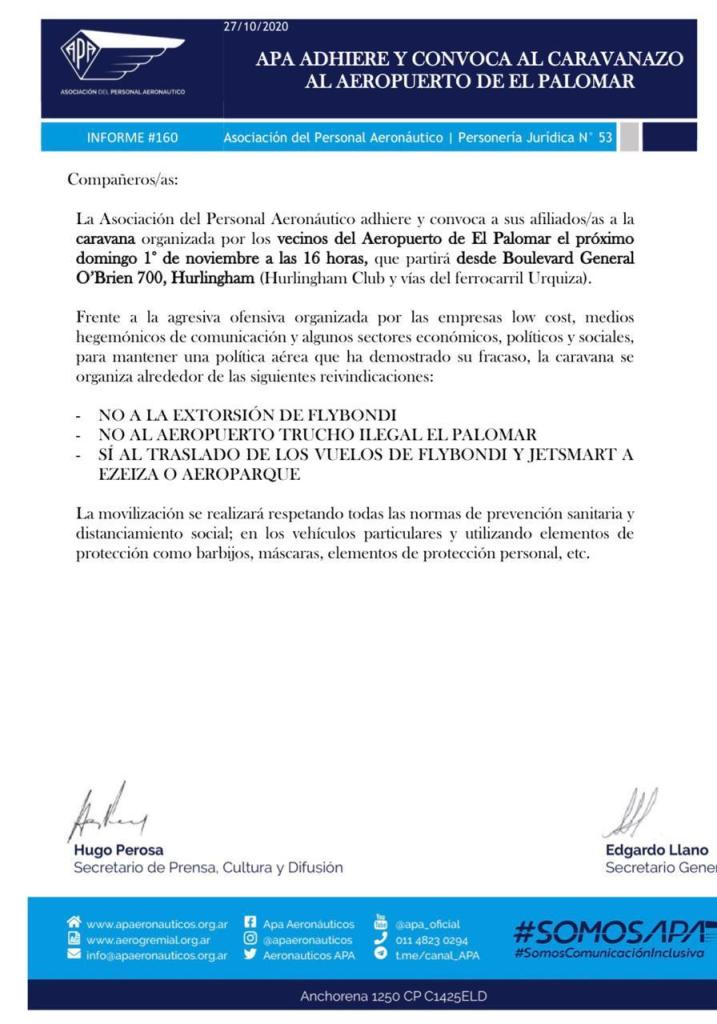
REPERCUSIONES DE MANIFESTACIONES DE EMPLEADOS DE FLYBONDI CONTRA EL CIERRE DEL AEROPUERTO EL PALOMAR
Flybondi vs Gobierno
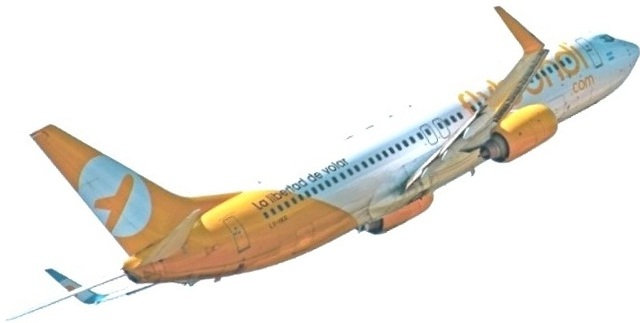
Desde la esfera política del Gobierno de Argentina insisten que Flybondi mantiene operativo una sola aeronave y que haría inviable las operaciones para el Aeropuerto El Palomar. La aerolínea de presupuesto antes de la crisis de la pandemia poseía cinco aeronaves, que tras la incursión de las prohibiciones de los vuelos la compañía devolvió tres Boeing 737-800 que estaban bajo leasing y aprovechó el parate obligado desde Marzo 2020 para enviar otra aeronave similar a los Estados Unidos para hacerle tareas de mantenimiento correspondiente. De esta manera la línea aérea buscaba reducir el impacto económico generado por la pandemia, mientras busca consolidar su posición actual donde existen actualmente mejores ofertas para adquirir aeronaves a un costo menor.
En cuanto a JetSmart Airlines Argentina, ha dado un paso al costado permitiendo las operaciones desde el Aeropuerto Internacional Ezeiza, reanudando sus operaciones a partir de Diciembre 2020. La compañía aérea había programado sus operaciones hacia finales de 11/2020, pero el Jueves 22/11 a última hora había cancelado las operaciones ante la falta de respuesta de la ANAC para habilitar el servicio. Tras la resolución del ORSNA, JetSmart suspendió los vuelos en Octubre 2020 proyectados desde el Aeropuerto El Palomar y los reprogramó para reiniciar operaciones desde Ezeiza a partir del 12/2020.
El Gobierno contraatacó esta semana bajo la propaganda de medios oficialistas que Flybondi Líneas Aéreas habría incumplido inversiones por valor de US$ 30 millones de Dólares prometidas en el Aeropuerto El Palomar. Fuentes de la empresa lo desmienten, recuerdan que cualquier desembolso en infraestructura de una terminal no es responsabilidad de las líneas aéreas, sino de la concesionaria del aeropuerto.
El cierre de esa terminal aérea del Aeropuerto El Palomar estuvo en la agenda política desde que el actual Gobierno asumió sus funciones. A principios de Octubre 2020, tanto los ministerios de Transporte, Turismo y la ANAC habían acordado en público y en privado que el aeropuerto low cost continuaría en operaciones, pero la puja política interna existente ha dado marcha atrás a tales autorizaciones.
Perspectivas aéreas
Flybondi Líneas Aéreas es la low cost que más resiste la mudanza de sus operaciones desde el Aeropuerto El Palomar. El CEO de la aerolínea, Esteban Tossutti expresó: «Volar desde Ezeiza no es una opción para Flybondi. Y las autoridades del Gobierno de los organismos reguladores conocen esta realidad». Sin embargo, Flybondi optó por dar pelea junto a sus empleados llevando otra vez el justo reclamo frente de la Casa Rosada.
Las actitudes y acciones del Gobierno contradicen la órbita de los derechos elementales de la Constitución Argentina ultrajándolos a su posición más baja. Los empleados y la compañía Flybondi continuarán la lucha en favor de un mercado aéreo con mayor participación, inclusión y federalismo, algo que el Gobierno pregona pero no cumple.
Flybondi employees denounce ORSNA
Official criminal denounced for banning El Palomar
The Union of workers of the low-cost Flybondi Líneas Aéreas, the Association of Workers of Airline Flybondi (ATAF) has presented a demand in representation of the employees to Fernando Muriel, Vice President of the Regulatory Body of the National Airport System (ORSNA), for abuse of authority and breach of the duties of a public official. The criminal complaint of Flybondi employees to an official of the political group La Cámpora that has prohibited the reopening of El Palomar Airport, adding the increase in the escalation of confrontation between the Government and the budget airline Flybondi.
The ATAF union lawyer filed a lawsuit against the ORSNA Vice President, Fernando Muriel, on Wednesday 10/28, prosecuting the crimes of abuse of authority and breach of the duties of a public official. The case that the ATAF initiated has been processed in Federal Court Number 8, in charge of Marcelo Martínez De Giorgi.
Fernando Muriel, a lawyer who is active in La Cámpora and responds politically to Senator Mariano Recalde, who was President of Aerolíneas Argentinas in the first Kirchner administration, signed the notification that on Friday 10/23 at the last minute, the ORSNA sent to the National Administration of Civil Aviation (ANAC). The notification establishes the cancellation of the operations of the El Palomar Airport under the «Safe Sanitary Corridor» defined in the National Airport System (SNA) as a result of the pandemic, and with the Jorge Newbery Airport closed until February 2021 for works, the The only air terminal authorized to operate in the Buenos Aires metropolitan area (AMBA) is the Ezeiza International Airport. In this way, the ORSNA has prohibited the reopening for regular flights of the El Palomar Airport, the airstation where the low cost Flybondi Líneas Aéreas and JetSmart Airlines Argentina operate.
According to industry sources, the official authorized the signature imposed by a faction of the Government that does not sympathize with the existence of competition in the cabotage market, which also lost Latam Airlines Argentina, after the decision to abandon this type of operations in the country, with a cabotage market share corresponding to 17%.
Flybondi position
The airline company Flybondi has clearly stated that «flying from Ezeiza Airport is not a commercial option or for our passengers», the low-cost company said in a statement. According to the ATAF union’s complaint, the ORSNA official, Fernando Muriel, did not give a reasonable and sufficient basis for a decision that, they say, was in open disobedience to a final judicial sentence, in relation to a ruling by Martina Forns, Federal Judge of San Martín, who in September 2019 had rejected a request for the total closure of the airport. «According to Decree 375/1997, Orsna’s duties are to ensure equality, free access and non-discrimination in the use of airport services and facilities (Art. 14, Subsection A), to ensure the continuity of essential services (Art. 17, 25) and ensure the publicity of the decisions that it adopts (Art. 17, 33)», raised the union presentation under the umbrella of Justice. The ORSNA resolution had only been publicized in the journalistic media, because at present, Flybondi has not received any official notification from the agency or the ANAC; even with a schedule to restart their regular flights for next week from El Palomar Airport.
In its statement, the ATAF recalled that on August 4, 2020, the Federal Administrative Litigation Chamber ordered the ORSNA to refrain from taking any measure on the El Palomar Airport without the intervention of the low cost airlines that operate there. «The arbitrary and illegitimate decision of Fernando Muriel incurs the crimes of abuse of authority and non-compliance with the duties of a public official, repressed by the National Penal Code (Articles No. 248 and No. 249). We remember that there are no health reasons, Neither operational, nor security nor technical to close El Palomar. The airport is inclusive, popular and productive. It is our home and we are going to defend it. Flybondi workers say no to the closure of El Palomar», remarked the union.
Operational inconsistencies
Although Airports Argentina 2000 (AA2000), concessionaire of the El Palomar and Ezeiza air terminals, have stated that they guarantee that they will respect the costs and rates that the low cost companies pay in El Palomar, there are other expenses that they should face and do not have today, such as ramp service and loading. In Ezeiza, this last provision is provided by the state company Intercargo, while at El Palomar Airport, ground operations are carried out directly by the Flybondi company.
The Ezeiza International Airport is located 33.2 kilometers from the City of Buenos Aires, while the El Palomar Airport is only 7.1 kilometers from the Federal Capital, which affects passengers due to the increases in transportation costs. transfers where they could achieve the same values of air tickets. Another serious concern is the employees of the company where 80% reside in the areas adjacent to the low cost airport where the transfer to the Ezeiza Airport would be threatened due to the lack of public transport.
Operations at the Ezeiza International Airport add an additional condiment that the terminal must share with Aerolineas Argentinas, which owns more than 70% of the domestic market against the 19% share that Flybondi 9% and JetSmart 10% consolidated in 2019. The main air station in the country has a different objective, which is to attract an international market, where low cost operations for domestic flights would not always generate a competitive advantage for air transport users.
Flybondi vs Government
From the political sphere of the Government of Argentina they insist that Flybondi maintains a single aircraft operating and that it would make operations for the El Palomar Airport unviable. The budget airline before the pandemic crisis owned five aircraft, which after the incursion of the flight bans, the company returned three Boeing 737-800s that were under lease and took advantage of the forced stop since March 2020 to send another similar aircraft to the United States for corresponding maintenance. In this way, the airline sought to reduce the economic impact generated by the pandemic, while seeking to consolidate its current position where there are currently better offers to acquire aircraft at a lower cost.
As for JetSmart Airlines Argentina, it has taken a step aside allowing operations from the Ezeiza International Airport, resuming its operations from December 2020. The airline had scheduled its operations towards the end of 11/2020, but on Thursday 11/22 at the last minute it had canceled operations due to the lack of response from the ANAC to enable the service. Following the ORSNA resolution, JetSmart suspended flights in October 2020 projected from El Palomar Airport and rescheduled them to restart operations from Ezeiza as of 12/2020.
The Government counterattacked this week under the propaganda of the pro-government media that Flybondi Líneas Aéreas would have defaulted on investments worth US$ 30 million dollars promised at the El Palomar Airport. Company sources deny it, recalling that any infrastructure disbursement of a terminal is not the responsibility of the airlines, but of the airport concessionaire.
The closure of that air terminal at El Palomar Airport was on the political agenda since the current Government took office. At the beginning of October 2020, both the Ministries of Transport, Tourism and the ANAC had agreed in public and in private that the low cost airport would continue in operations, but the existing internal political bid has reversed such authorizations.
Aerial perspectives
Flybondi Líneas Aéreas is the low cost that most resists the move of its operations from El Palomar Airport. The CEO of the airline, Esteban Tossutti said: «Flying from Ezeiza is not an option for Flybondi. And the government authorities of the regulatory bodies are aware of this reality». However, Flybondi chose to fight alongside his employees, once again bringing the just claim in front of the Casa Rosada.
The attitudes and actions of the Government contradict the orbit of the elementary rights of the Argentine Constitution, outraging them to their lowest position. The employees and the Flybondi company will continue the fight in favor of an air market with greater participation, inclusion and federalism, something that the Government promotes but does not fulfill.
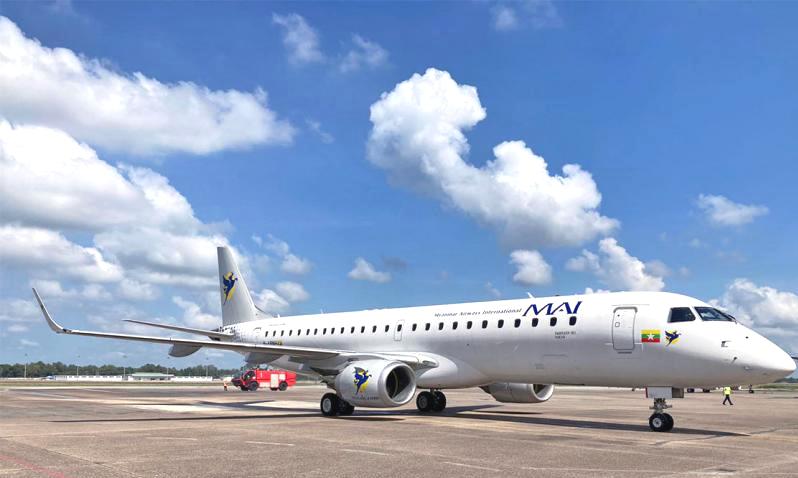
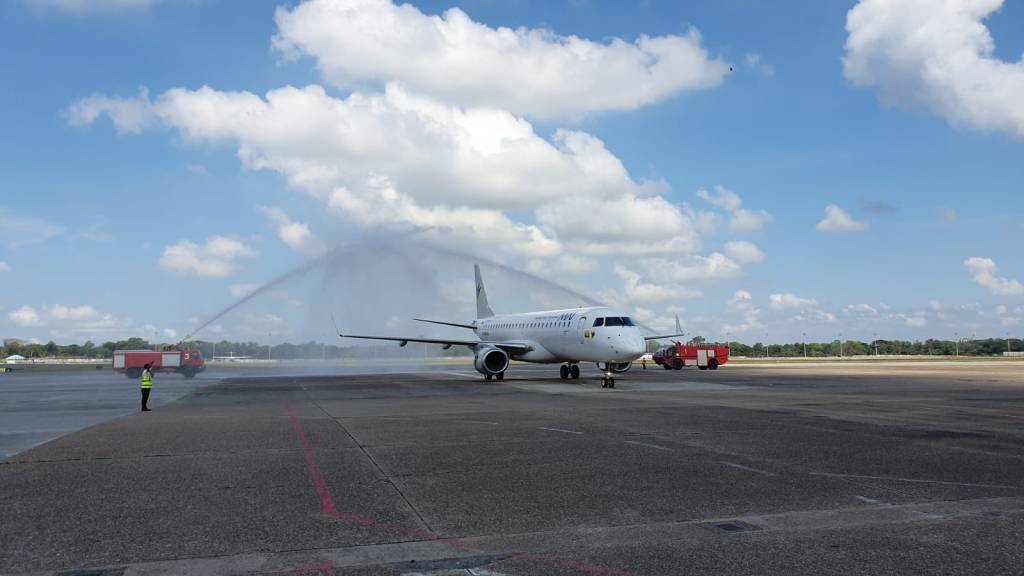
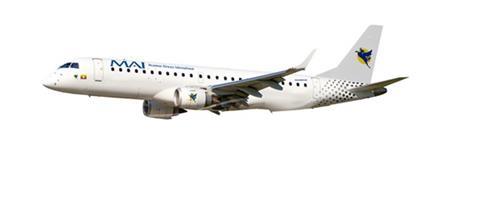
Myanmar Airways convierte nueva aerolínea operadora E190
La aerolínea de la República de Myanmar ha incorporado el nuevo miembro de la flota regional, el Embraer E190-100LR. Myanmar AirwaysInternational (MAI) ha tomado entrega del primero de los cuatro Embraer E190-100 ordenados por la aerolínea de una compañía de arrendamiento aeronáutico. Procedente de Guangzhou, China, la aeronave ha aterrizado el Lunes 26/10 en el Aeropuerto Internacional de Yangon con vuelo número ZZ-529, tras la bienvenida a la compañía. El nuevo avión E190 esta configurado en dos clases: Ejecutiva y Economy, permitiendo a la línea aérea alcanzar unmejor coheficiente de ocupación para las conexiones regionales.
El CEO de Mtanmar Airways, Saravanan Ramasamy, dijo que «la llegada del E190 representa un hito importante en la estrategia de expansión de la flota de mai. Este avión de alto rendimiento no solo nos permite lograr la eficiencia operativa, sino que también proporciona a nuestros clientes una experiencia significativamente mejorada».
«Damos la bienvenida a Myanmar Airways International a la familia Embraer y les deseamos lo mejor en preparación para el inicio de sus vuelos comerciales E190. El E190 aporta rendimiento y eficiencia a Myanmar Airways International a medida que amplían su red y ofrecen una excelente cabina para que los pasajeros viajen con comodidad», dijo Raúl Villarón, Vicepresidente de Aviación Comercial de Embraer para Asia Pacífico.
Myanmar Airways actualmente posee una red de vuelos internacionales a Singapur, Tailandia, China, Corea, India y Taiwán desde Rangún y Mandalay. Con la adquisición de las nuevas aeronaves regionales, la aerolínea expandirá su red de servicios con un plan estratégico para el mercado doméstico y regional.
Myanmar receives first E190
Myanmar Airways converts new operating airline E190
The Republic of Myanmar airline has added the new member of the regional fleet, the Embraer E190-100LR. Myanmar Airways International (MAI) has taken delivery of the first of four Embraer E190-100s ordered by the airline from an aeronautical leasing company. Coming from Guangzhou, China, the aircraft landed on Monday 10/26 at Yangon International Airport with flight number ZZ-529, after welcoming the company. The new E190 aircraft is configured in two classes: Executive and Economy, allowing the airline to achieve a better occupancy ratio for regional connections.
Mtanmar Airways CEO Saravanan Ramasamy said that «the arrival of the E190 represents an important milestone in Mai ‘fleet expansion strategy. This high-performance aircraft not only enables us to achieve operational efficiency, but also provides our customers a significantly improved experience».
«We welcome Myanmar Airways International to the Embraer family and wish them the best in preparation for the start of their commercial E190 flights. The E190 brings performance and efficiency to Myanmar Airways International as they expand their network and offer an excellent cabin for that passengers travel in comfort», said Raúl Villarón, Embraer’s Vice President of Commercial Aviation for Asia Pacific.
Myanmar Airways currently has a network of international flights to Singapore, Thailand, China, Korea, India and Taiwan from Yangon and Mandalay. With the acquisition of the new regional aircraft, the airline will expand its service network with a strategic plan for the domestic and regional market.
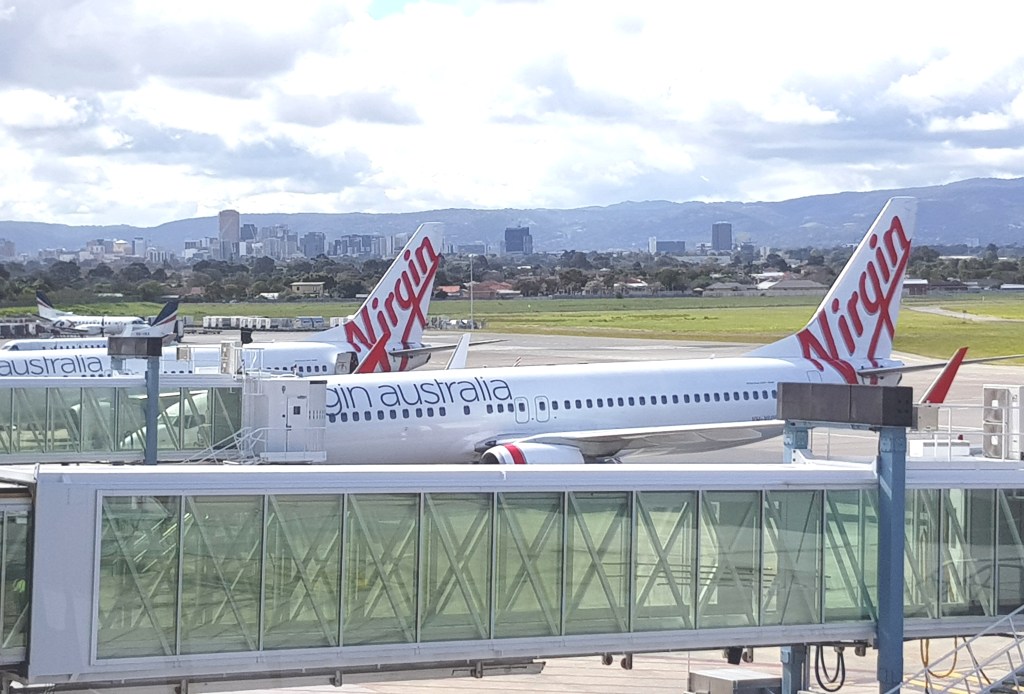
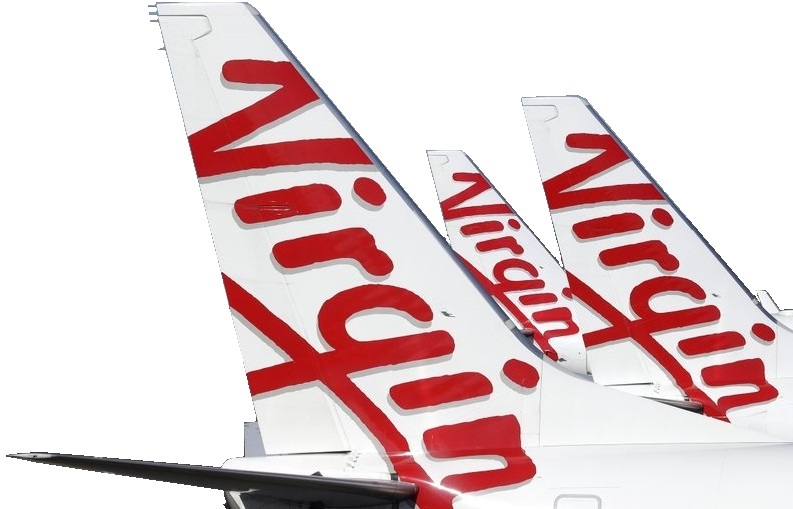
Virgin anuncia nuevas rutas en preparación apertura de fronteras
Mientras Australia avanza hacia la reapertura de las fronteras en Diciembre 2020, Virgin Australia Airlines ha anunciado que desplegará algunas nuevas rutas nacionales. La aerolínea comenzará a volar en puntos claves que esperan producir una reactivación, especialmente cuando Queensland se prepara para una frontera que se reabre con New South Wales (NSW). La aerolínea ha anunciado que desplegará una serie de nuevas rutas nacionales a medida que las restricciones fronterizas estatales y territoriales comiencen a aliviarse. Virgin Australia reintroducirá su servicio semanal cinco veces entre Brisbane y Emerald, así como un servicio dos veces por semana entre Brisbane y Alice Springs. Aumentará los vuelos entre Brisbane y Hamilton Island a 10 servicios por semana y los vuelos a Adelaida volverán a tres veces al día. A medida que la línea aéreas regional del Estado de New South Wales sigue viendo un auge en los viajes intraestatales, la aerolínea aumentará los vuelos a Ballina/Byron y también a Sidney a Adelaida a partir de mediados de Noviembre 2020. «La expansión de nuestra red para incluir a Emerald y una ruta adicional a Alice Springs reconoce nuestro compromiso de larga data con la Australia regional y ofrecerá opciones y conveniencia para esas comunidades y negocios. El aumento de las frecuencias a Byron Bay, Hamilton Island y Adelaida ayudará a la industria del turismo a ponerse de pie», dijo el Director Comercial de Virgin Australia Group, John MacLeod.
El Gobierno de Australia cerró la frontera de la nación en Marzo 2020, mientras que las fronteras nacionales en algunos estados siguen cerradas. Según la investigación, las consecuencias económicas del cierre de la aviación nacional fueron de 17.000 millones de dólares, mientras que la pérdida de vuelos internacionales le costó a la economía US$ 61.000 millones de Dólares. A principios de Octubre 2020, nuevas investigaciones del Consejo Empresarial de Australia (ABC) revelaron que el país está perdiendo un total de US$ 319 millones de Dólares al día en viajes aéreos nacionales e internacionales debido a los cierres fronterizos en curso.
«Los cierres fronterizos estatales han visto que el número de pasajeros en las rutas aéreas más concurridas de Australia se desplomó en un 91 por ciento desde marzo, lo que paralizó el sector de la aviación y causa efectos perjudiciales en el turismo y la hospitalidad. Cada día los vuelos siguen en tierra cuesta a Australia US$ 69 millones de Dólares, es decir, US$ 2.100 millones de dólares al mes. Cuando se añaden pérdidas de aviación internacional a 250 millones de dólares al día o US$ 7.600 millones de dólares al mes, estamos hablando de un enorme éxito para nuestra economía»‘, dijo el Director Ejecutivo del Consejo de Negocios de Australia, Jennifer Westacott. Como resultado, Qantas Airways y Virgin Australia Airlines, las dos aerolíneas más grandes de Australia, han despedido a más de 11.000 personas este año. Es probable que las fronteras internacionales de Australia permanezcan cerradas hasta que se implemente una vacuna en todo el país con el presupuesto federal el mes pasado, revelando que los vuelos internacionales probablemente no volverían a ningún nivel normal hasta que esto suceda. Pero la ABC dijo que los líderes políticos de Australia necesitan mirar la apertura de las fronteras internacionales ahora.
Virgin announces reopening flights
Virgin announces new flight routes in preparation for border opening
As Australia moves towards reopening the borders in December 2020, Virgin Australia Airlines has announced that it will roll out some new domestic routes. The airline will begin flying at key points that they hope will bring about a revival, especially as Queensland prepares for a reopening border with New South Wales (NSW). The airline has announced that it will roll out a series of new domestic routes as state and territorial border restrictions begin to ease. Virgin Australia will reintroduce its weekly service five times between Brisbane and Emerald, as well as a twice weekly service between Brisbane and Alice Springs. It will increase flights between Brisbane and Hamilton Island to 10 services per week and flights to Adelaide will return to three times a day. As the New South Wales State Regional Airline continues to see a boom in intrastate travel, the airline will increase flights to Ballina/Byron and also Sydney to Adelaide from mid-November.
«Expanding our network to include Emerald and an additional route to Alice Springs recognizes our longstanding commitment to regional Australia and will offer choice and convenience for those communities and businesses. Increasing frequencies to Byron Bay, Hamilton Island and Adelaide will help the tourism industry to stand up», said Virgin Australia Group Chief Commercial Officer John MacLeod.
The Australian Government closed the nation’s border in March 2020, while national borders in some states remain closed. According to the investigation, the economic consequences of the closure of national aviation were US$ 17,000 million dollars, while the loss of international flights cost the economy US$ 61,000 million dollars. In early October 2020, new investigations by the Australian Business Council (ABC) revealed that the country is losing a total of US$ 319 million a day on domestic and international air travel due to ongoing border closures.
«State border closures have seen passenger numbers on Australia’s busiest air routes plummet by 91 percent since March, crippling the aviation sector and causing detrimental effects on tourism and hospitality. Each Today the flights are still on the ground costs Australia US$ 69 million, that is, US$ 2.1 billion a month. When international aviation losses are added to 250 million dollars a day or US$ 7.6 billion dollars a day. month, we are talking about huge success for our economy», said Australian Business Council Executive Director Jennifer Westacott. As a result, Qantas Airways and Virgin Australia Airlines, Australia’s two largest airlines, have laid off more than 11,000 people this year. Australia’s international borders are likely to remain closed until a nationwide vaccine is rolled out with the federal budget last month, revealing that international flights would likely not return to any normal level until this happens. But ABC said Australia’s political leaders need to look at the opening of international borders now.
Aerolínea continúa progreso a pesar del impacto pandémico
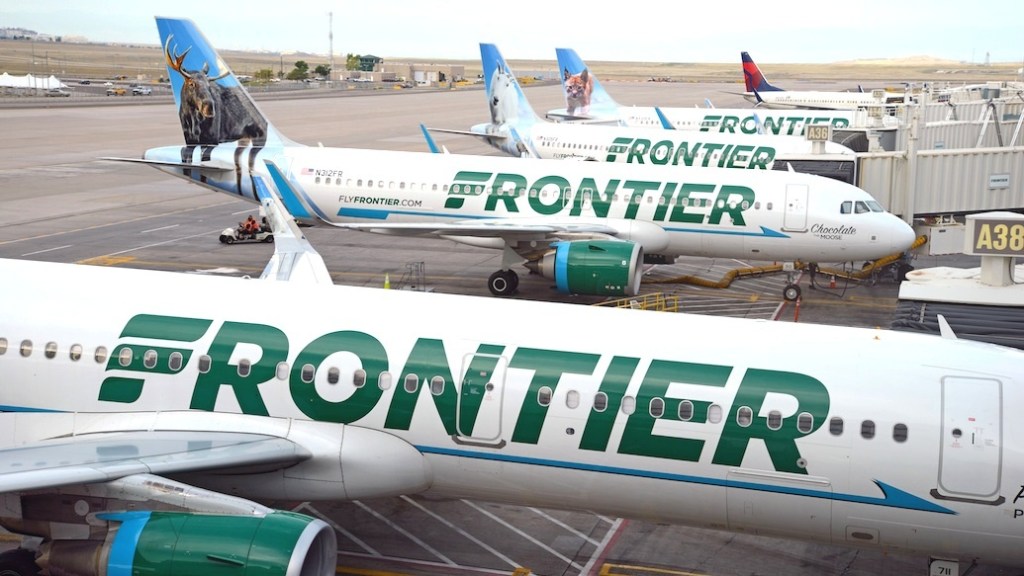
La aerolínea de presupuesto Frontier Airlines atravesaba vientos favorables en 2019 como una aérea importante en el desarrollo de las operaciones en Estados Unidos, la aerolínea terminó el año con una nota alta, anunciando que invertiría US$ 10 millones para construir un nuevo centro de entrenamiento en su centro de Orlando y abrir una tercera base en el Aeropuerto Internacional de Miami en 2020. Desde la incursión de la pandemia las aerolíneas han desplazado a más de 33.000 trabajadores, a pesar de haber recibido más de 50.000 millones de Dólares en ayudas gubernamental. Miles de trabajadores más han abandonado la industria de forma permanente. Los analistas predicen que podrían pasar tres o cuatro años antes de que el tráfico de pasajeros vuelva a los niveles de 2019.
Pero a pesar de la depreciación del mercado por la pandemia de Coronavirus hacia el 1Q2020, la compañía de bajo costo estaba asumiendo las frecuencias aeroportuarias (slots) en los aeropuertos abandonados por sus competidores y lanzando un servicio sin escalas a precios increíblemente baratos. En consonancia con la adquisición de slots, había hecho un acuerdo para comprar la versión más reciente del jet Airbus A321NEO XLR.
El Director Ejecutivo de Frontier Airlines, Barry Biffle, sigue siendo optimista sobre las perspectivas de la aerolínea, argumentando que en un momento en que menos viajeros de negocios vuelan, la dependencia de su aerolínea de los viajeros de ocio significa que está mejor posicionado para capear la recesión. Al mismo tiempo, reconoce que hablar de expansión se ha visto atemperado por una nueva realidad dura, ya que toda la industria se enfrenta a un futuro que podría significar menos viajeros no sólo durante meses, sino años. Frontier Airlines espera transportar al menos 20 millones de pasajeros menos este año que en 2019, cuando voló más de 31 millones de personas. «Teníamos márgenes altos, bajos costos y una buena trayectoria de crecimiento. Y luego chocamos con un gran y masivo bache de velocidad», explicó Barry Biffle.
En Enero 20202, el nuevo Coronavirus todavía parecía lejano. Barry Biffle recuerda estar en la competencia de carreras de su hijo en una estación de esquí de Colorado. Se encontró despierto a las 4 a.m. y, como muchos de nosotros, comenzó a desplazarse por las noticias que detallaban el crecimiento exponencial de las infecciones por coronavirus. Lo siguiente que supo fue que estaba lanzando un correo electrónico a la cabeza de los clientes de Frontier, instándolo a pedir máscaras. La aerolínea puso en orden 40.000 máscaras para los empleados. Para el miércoles de la semana siguiente, las máscaras aún no habían llegado por problemas con la cadena de suministro. «Esa debería haber sido nuestra pista de que algo estaba pasando», dijo el directivo. En retrospectiva, había pistas por todas partes: el hotel casi vacío Biffle y su equipo estaban en Miami, el vuelo medio lleno de regreso a Denver. A principios de Abril, las ventas estaban fuera del 97 por ciento, reduciendo las reservas de los vuelos por todas partes.
Para Frontier Airlines, la peor situación de la pandemia llegó en Mayo 2020, cuando la aerolínea volaba sólo 92 vuelos diarios, una disminución del 76 por ciento con respecto al año anterior. Más del 40 por ciento de los aviones de la aerolínea estaban inactivos. Desde entonces, las operaciones han recogido algunos vuelos. En Mayo y Junio, Frontier comenzó a agregar servicio a ciudades selectas en Florida: Orlando, Miami y Tampa desde Filadelfia, Albany, Nueva Y. y Los Angeles. Ahora está operando un promedio de 258 vuelos diarios a 93 ciudades. La aerolínea siguió adelante con su plan de abrir una base en Miami, aunque una pausa en la contratación significa que no crecerá como se había planeado anteriormente. El centro de entrenamiento de US$ 10 millones en Orlando también se está construyendo y la aerolínea todavía está recibiendo la entrega de nuevos aviones. «Fuimos los mejor posicionados y creemos que seremos los mejores posicionados saliendo, así que no hay razón para no seguir invirtiendo en estas cosas», dijo Barry Biffle.
The budget airline Frontier Airlines was going through favorable winds in 2019 as an important airline in the development of operations in the United States, the airline ended the year on a high note, announcing that it would invest US$ 10 million to build a new training center in its center in Orlando and open a third base at Miami International Airport in 2020. Since the incursion of the pandemic, airlines have displaced more than 33,000 workers, despite having received more than 50,000 million dollars in government aid. Thousands more workers have left the industry permanently. Analysts predict that it could be three to four years before passenger traffic returns to 2019 levels.
But despite the depreciation of the market by the Coronavirus pandemic towards 1Q2020, the low-cost company was taking over airport frequencies (slots) at airports abandoned by its competitors and launching a nonstop service at incredibly cheap prices. In keeping with the slot acquisition, he had made an agreement to purchase the latest version of the Airbus A321NEO XLR jet.
Frontier Airlines Chief Executive Officer Barry Biffle remains optimistic about the airline’s prospects, arguing that at a time when fewer business travelers are flying, his airline’s reliance on leisure travelers means it is better positioned to weather. the recession. At the same time, he acknowledges that talk of expansion has been tempered by a harsh new reality, as the entire industry faces a future that could mean fewer travelers not just for months, but years. Frontier Airlines expects to carry at least 20 million fewer passengers this year than in 2019, when it flew more than 31 million people. «We had high margins, low costs and a good growth trajectory. And then we hit a big, massive speed bump», explained Barry Biffle.
In January 20202, the new Coronavirus still seemed distant. Barry Biffle remembers being in his son’s race competition at a Colorado ski resort. He found himself awake at 4 a.m. And, like many of us, he began to scroll through the news that detailed the exponential growth of coronavirus infections. The next thing he knew, he was sending an email to the head of Frontier customers, urging them to order skins. The airline ordered 40,000 masks for employees. By Wednesday of the following week, the masks had not yet arrived due to problems with the supply chain. «That should have been our clue that something was happening», said the manager. In hindsight, there were clues everywhere: the nearly empty hotel Biffle and his team were in Miami, the half-full flight back to Denver. At the beginning of April, sales were down 97 percent, reducing flight bookings everywhere.
For Frontier Airlines, the worst situation of the pandemic came in May 2020, when the airline flew only 92 daily flights, a decrease of 76 percent from the previous year. More than 40 percent of the airline’s planes were idle. Since then, operations have picked up some flights. In May and June, Frontier began adding service to select cities in Florida: Orlando, Miami and Tampa from Philadelphia, Albany, New York and Los Angeles. It is now operating an average of 258 daily flights to 93 cities. The airline went ahead with its plan to open a base in Miami, although a hiring hiatus means it won’t grow as previously planned. The US$ 10 million training center in Orlando is also being built and the airline is still taking delivery of new planes. «We were the best positioned and we think we will be the best positioned going out, so there is no reason not to keep investing in these things», Barry Biffle said.