AW | 2020 09 16 14:16 | GOVERNMENT / AIRLINES / TOURISM
Empresas nacionales recibirán nuevas inyecciones de capital
El Gobierno de Indonesia ha propuesto proporcionar Rp 37,38 billones (US$ 2,5 mil millones) en inyecciones de capital para empresas estatales (SOE) el próximo año 2021, algunas de las cuales se utilizarán para resolver el escándalo de mala gestión de inversiones que involucra a la aseguradora estatal PT Asuransi Jiwasraya.
Durante una reunión con la Comisión XI de la Cámara de Representantes que supervisa los asuntos financieros el Martes 15/09, el Ministerio de Finanzas, a cargo de Sri Mulyani Indrawati, dijo que las inyecciones de capital eran parte del plan de inversión del Gobierno para el próximo año.
La decisión de asignar fondos adicionales tiene por objeto ayudar a amortiguar los impactos de la pandemia en las empresas estatales. Por ejemplo, la aerolínea de bandera nacional Garuda Indonesia Airlines registró US$ 712,73 millones de Dólares en pérdidas en el primer semestre del 2020, en comparación con las ganancias de US$ 24,11 millones de Dólares que registró en el mismo período del año pasado, ya que la pandemia de Coronavirus asestó un golpe aplastante a la industria de la aviación. El Gobierno también proporcionará una inyección de capital de Rp 470 mil millones de Rupias para la Corporación de Desarrollo Turístico de Indonesia, que está a cargo del desarrollo de las instalaciones turísticas en Mandalika, West Nusa Tenggara.
Indonesia plans financial aid
National companies will receive new capital injections
The Indonesian Government has proposed to provide Rp 37.38 trillion (US$ 2.5 billion) in capital injections for state-owned enterprises (SOE) next year 2021, some of which will be used to resolve the mismanagement scandal of investments involving state insurer PT Asuransi Jiwasraya.
During a meeting with the XI Commission of the House of Representatives overseeing financial affairs on Tuesday 09/15, the Finance Ministry, headed by Sri Mulyani Indrawati, said that the capital injections were part of the Government’s investment plan to next year.
The decision to allocate additional funds is intended to help cushion the impacts of the pandemic on state companies. For example, the national flag carrier Garuda Indonesia Airlines recorded US$ 712.73 million in losses in the first half of 2020, compared to the gains of US$ 24.11 million it recorded in the same period of the year. last year, as the Coronavirus pandemic dealt a crushing blow to the aviation industry. The Government will also provide a capital injection of Rp 470 billion for the Indonesian Tourism Development Corporation, which is in charge of the development of tourism facilities in Mandalika, West Nusa Tenggara.
Indonesia merencanakan bantuan keuangan
Perusahaan nasional akan mendapat suntikan modal baru
Pemerintah Indonesia telah mengusulkan untuk memberikan suntikan modal senilai Rp 37,38 triliun (US$ 2,5 miliar) untuk badan usaha milik negara (BUMN) tahun depan 2021, beberapa di antaranya akan digunakan untuk menyelesaikan skandal salah urus investasi yang melibatkan perusahaan asuransi negara PT Asuransi Jiwasraya.
Dalam rapat dengan Panitia XI DPR yang membidangi keuangan pada Selasa 15/9, Kementerian Keuangan yang diketuai oleh Sri Mulyani Indrawati mengatakan, suntikan modal tersebut merupakan bagian dari rencana investasi Pemerintah untuk tahun depan.
Keputusan untuk mengalokasikan dana tambahan dimaksudkan untuk membantu meredam dampak pandemi terhadap perusahaan negara. Misalnya, maskapai penerbangan nasional Garuda Indonesia Airlines melaporkan kerugian US$ 712,73 juta pada paruh pertama tahun 2020, dibandingkan laba US$ 24,11 juta pada periode yang sama tahun ini. tahun lalu, ketika pandemi virus Corona memberikan pukulan telak bagi industri penerbangan. Pemerintah juga akan memberikan suntikan modal sebesar Rp 470 miliar kepada Badan Pengembangan Pariwisata Indonesia yang membidangi pembangunan fasilitas pariwisata di Mandalika, Nusa Tenggara Barat.
Aerolínea Azul alcanzará +500 vuelos diarios en Octubre 2020
Azul Linhas Aéreas espera operar 505 frecuencias diarias en Octubre 2020 a 89 destinos, lo que representará alrededor del 60% de sus operaciones en comparación con el mismo período del año pasado.
La compañía aérea incorpora la reapertura de la red para el próximo mes prevé Sorriso, en Mato Grosso, a partir del 1 Octubre 2020, nuevas rutas desde el hub de Campinas hacia Rondonópolis, Juazeiro do Norte y Petrolina. Guarulhos también recibirá nuevos vuelos a la ciudad interior de Ceará y Curitiba, mientras que Vitória da Conquista, en Bahía, tendrá conexiones directas a Confins y Salvador. Recife ganará una nueva ruta a Manaos, que será operada por Airbus A320NEO. La capital de Amazonas también recibe el incremento de una nueva operación para Santarém y, aún en la región norte, la capital de Pará, Belém, tendrá nuevas opciones para vuelos directos desde Azul a Fortaleza. En el sur del país, Curitiba contará con nuevos vuelos a Guarulhos, Campo Grande, Foz do Iguaçu, Londrina y Maringá y Porto Alegre estará conectado con conexiones directas a Foz do Iguaçu, a bordo del avión ATR 72-600, con 70 asientos.
“Continuamos con nuestro plan de reanudar los servicios de transporte aéreo en todas las regiones de Brasil. Azul es la aerolínea más grande en cuanto a número de destinos y vuelos diarios y reforzamos nuestra posición en la red de Octubre, creando nuevas conexiones en todas las regiones del país y animando a las personas a viajar con seguridad, ya sea por placer o por trabajo”, dice Abhi Shah, Vicepresidente de Ingresos de Azul.
Todos los nuevos vuelos ya se comercializan en todos los canales oficiales de Azul Linhas Aéreas. Acompañando a la expansión de la aerolínea, Azul Viagens lanza blog para ayudar al usuario a elegir el destino de su próximo viaje.
Azul +500 daily flights 10/2020
Azul Airline will reach +500 daily flights in October 2020
Azul Linhas Aéreas expects to operate 505 daily frequencies in October 2020 to 89 destinations, which will represent around 60% of its operations compared to the same period last year.
The airline incorporates the reopening of the network for next month Sorriso, in Mato Grosso, foresees new routes from the Campinas hub to Rondonópolis, Juazeiro do Norte and Petrolina from October 1, 2020. Guarulhos will also receive new flights to the inner city of Ceará and Curitiba, while Vitória da Conquista, in Bahia, will have direct connections to Confins and Salvador. Recife will win a new route to Manaus, which will be operated by Airbus A320NEO. The capital of Amazonas also receives the increase of a new operation for Santarém and, even in the northern region, the capital of Pará, Belém, will have new options for direct flights from Azul to Fortaleza. In the south of the country, Curitiba will have new flights to Guarulhos, Campo Grande, Foz do Iguaçu, Londrina and Maringá and Porto Alegre will be connected with direct connections to Foz do Iguaçu, aboard the ATR 72-600 plane, with 70 seats.
“We continue with our plan to resume air transport services in all regions of Brazil. Azul is the largest airline in terms of number of destinations and daily flights and we strengthened our position in the October network, creating new connections in all regions of the country and encouraging people to travel safely, whether for pleasure or for work”, says Abhi Shah, Azul’s Vice President of Revenue.
All the new flights are already marketed in all the official channels of Azul Linhas Aéreas. Accompanying the expansion of the airline, Azul Viagens launches a blog to help users choose the destination of their next trip.
Azul +500 vôos diários 10/2020
Azul Airline atingirá +500 vôos diários em Outubro 2020
A Azul Linhas Aéreas espera operar 505 frequências diárias em Outubro de 2020 para 89 destinos, que representarão cerca de 60% de suas operações em relação ao mesmo período do ano passado.
A companhia aérea incorpora a reabertura da malha para o próximo mês Sorriso, em Mato Grosso, prevê novas rotas do hub de Campinas para Rondonópolis, Juazeiro do Norte e Petrolina a partir de 1 de Outubro de 2020. Guarulhos também receberá novos voos para o interior do Ceará e Curitiba, enquanto Vitória da Conquista, na Bahia, terá conexões diretas para Confins e Salvador. Recife vai ganhar uma nova rota para Manaus, que será operada pela Airbus A320NEO. A capital amazonense também recebe o incremento de uma nova operação para Santarém e, ainda na região Norte, a capital paraense, Belém, terá novas opções de vôos diretos Azul-Fortaleza. No sul do país, Curitiba terá novos voos para Guarulhos, Campo Grande, Foz do Iguaçu, Londrina e Maringá e Porto Alegre será interligada com conexões diretas para Foz do Iguaçu, a bordo do avião ATR 72-600, com 70 assentos.
“Continuamos com nosso plano de retomar os serviços de transporte aéreo em todas as regiões do Brasil. A Azul é a maior companhia aérea em número de destinos e vôos diários e fortalecemos nossa posição na malha de Outubro, criando novas conexões em todas as regiões do país e incentivando as pessoas a viajarem com segurança, seja a lazer ou a lazer trabalho”, diz Abhi Shah, vice-presidente de receita da Azul.
Todos os novos vôos já são comercializados em todos os canais oficiais da Azul Linhas Aéreas. Acompanhando a expansão da companhia aérea, a Azul Viagens lança um blog para ajudar os usuários a escolher o destino da próxima viagem.
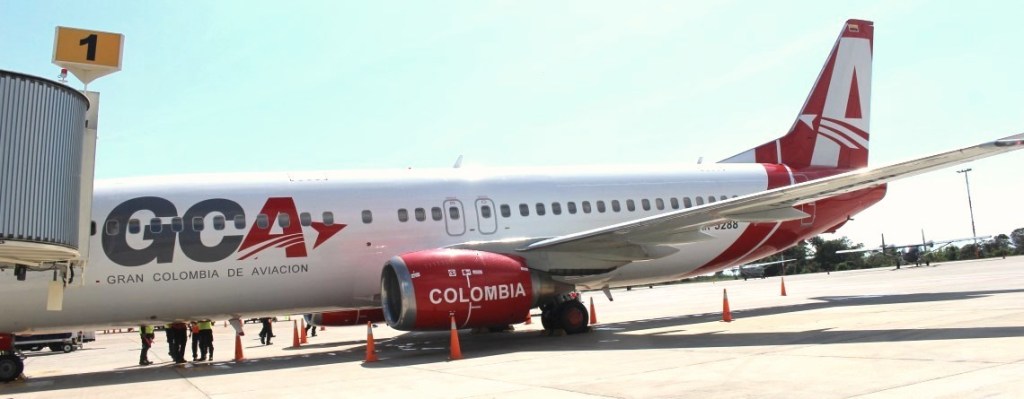
La aerolínea de bajo costo Colombia GCA Airlines ha iniciado operaciones en la República de Colombia el pasado fin de semana. La aerolínea de bajo costo anunció el comienzo de sus operaciones en el país con la primera ruta Cali-Barranquilla-Cali, apliando sus destinos en el corto plazo a Bucaramanga y San Andrés. El centro de operaciones de la línea aérea es Cali, expandiendo sus servicios con el objetivo incrementar los destinos en toda Colombia.
La línea aérea de presupuesto ha aprobechado los bajos costos existentes en el mercado en momentos de crisis de la aviación comercia, donde se insertará en un mercado competitivo junto con Viva Air y Wingo. Los valores de los tickets se caracterizarán por ser accesibles y tendrá otro tipo de beneficios como la reserva y el pago de pasajes con hasta 72 horas antes del vuelo.
Colombia GCA Airlines inició los trámites para la obtención de su AOC en 2017 y en 2019 logró el permiso de operación otorgado por la Aeronáutica Civil de Colombia. Es en 2020 que ha podido iniciar sus operaciones debido a la pandemia, según ha expresado el Gerente de la compañía, Andrés Felipe Botero. La nueva low cost reconoció la necesidad de comenzar operaciones cuanto antes dado que tuvieron que mantenerse paralizados durante seis meses y tratar de sostener la empresa sin generar ingresos.
Gran Colombia de Aviación es una aerolínea colombiana filial del Grupo Avior Airlines, registrada en la Cámara de Comercio de Ibagué, con sede en la Ciudad de Santiago de Cali y con centro de conexiónes en el Aeropuerto Internacional Alfonso Bonilla Aragón de la ciudad de Palmira que presta sus servicios a la ciudad de Santiago de Cali. Actualmete posee una flota compuesta por Fokker 50 (3) y Boeing 737-400 (2), aunque actualmente la flota de turbohélices F50 se encuentra inactiva. Se ha iniciado órdenes para ampliar su flota con Fokker 50 (2) y Boeing 737-400 (4) adicionales.
Expansión rutas
Colombia GCA Airlines iniciará una nueva ruta a partir del 15 Octubre 2020, entre las que contempla Cali-Cartagena, Cali-San Andrés y Cali-Bucaramanga y que ya fueron autorizadas por la Aerocivil, según aseguró el Gerente Felipe Botero.
Perspectivas GCA Airlines
Colombia GCA Airlines busca convertirse en una competencia importante para las aerolíneas que ya están posicionadas en el mercado colombiano con mejoradas tarifas competitivas de bajo costo como las existentes en el mercado de Viva Air y Wingo. Su entrada al mercado representa un reto para otras aerolíneas tradicionales como Avianca Airlines y Latam Airlines Colombia, fuertemente golpeadas a causa de la pandemia con una difícil situación financiera.
Startup Colombia GCA Airlines
GCA Airlines initiates ops in Colombia
The low-cost airline Colombia GCA Airlines began operations in the Republic of Colombia last weekend. The low-cost airline announced the beginning of its operations in the country with the first Cali-Barranquilla-Cali route, expanding its destinations in the short term to Bucaramanga and San Andrés. The airline’s operations center is Cali, expanding its services with the aim of increasing destinations throughout Colombia.
The budget airline has taken advantage of the low costs in the market in times of crisis in commercial aviation, where it will enter a competitive market together with Viva Air and Wingo. The values of the tickets will be characterized by being accessible and will have other types of benefits such as reservation and payment of tickets up to 72 hours before the flight.
Colombia GCA Airlines began the procedures to obtain its AOC in 2017 and in 2019 it obtained the operating permit granted by the Civil Aeronautics of Colombia. It is in 2020 that it has been able to start its operations due to the pandemic, according to the company’s Manager, Andrés Felipe Botero. The new low cost recognized the need to start operations as soon as possible since they had to remain paralyzed for six months and try to sustain the company without generating income.
Gran Colombia de Aviación is a Colombian airline subsidiary of the Avior Airlines Group, registered in the Ibagué Chamber of Commerce, based in the City of Santiago de Cali and with a connection center at the Alfonso Bonilla Aragón International Airport in the city of Palmira that provides its services to the city of Santiago de Cali. It currently has a fleet made up of Fokker 50 (3) and Boeing 737-400 (2), although currently the fleet of F50 turboprops is inactive. Orders have been initiated to expand its fleet with additional Fokker 50 (2) and Boeing 737-400 (4).
Route expansion
Colombia GCA Airlines will start a new route as of October 15, 2020, among which includes Cali-Cartagena, Cali-San Andrés and Cali-Bucaramanga and which have already been authorized by Aerocivil, according to Manager Felipe Botero.
GCA Airlines perspective
Colombia GCA Airlines seeks to become an important competitor for airlines that are already positioned in the Colombian market with improved competitive low-cost rates such as those existing in the Viva Air and Wingo markets. Its entry into the market represents a challenge for other traditional airlines such as Avianca Airlines and Latam Airlines Colombia, hard hit by the pandemic with a difficult financial situation.
Aerolíneas de carga pilotean la crisis de la pandemia
En medio de la peor crisis muundial de la industria de las aerolíneas, las compañías aéreas cargueras están prosperando durante la pandemia mundial. Aún así, el negocio de las aerolíneas de carga es obserbada con un buen potencial a prueba de crisis. Las aerolíneas de carga estadounidenses han sorteado bien la crisis sanitaria permitiendo conservar la demanda de sus vuelos. Mientras que UPS y Atlas Air están reportando los mejores resultados, los resultados de FedEx son algo decepcionantes.
Tendencias aéreas clásicas
El negocio del transporte aéreo de las aerolíneas tradicionales está orientándose hacia la carga aérea. Los aviones de pasajeros en tierra en todo el mundo han significado una demanda adicional de los servicios de vuelos de carga, donde muchas aerolíneas han reconfigurado sus aeronaves de pasajeros ha una conversión de carga mixta o pura. Otras líneas aéreas han obserbado un interés para incorporar o forttalecer la unidad de carga a la compañía. Algunas aerolíneas de pasajeros están utilizando inteligentemente sus aviones para vuelos de carga, para ayudar a compensar las pérdidas por falta de pasajeros. Una aerolínea que lo está haciendo con éxito es United Airlines.
Los aviones de pasajeros suelen llevar correo, alimentos frescos y productos farmacéuticos en sus contenedores de carga. Con la mayoría de los aviones de pasajeros del mundo estacionados, a la espera de la recuperación, los transportistas de carga de viaje están cobrando dinero. Aún así, una aerolínea de pasajeros no puede igualar el desempeño de las aerolíneas de carga ya establecidas, como UPS, FedEx y Atlas.
Aéreas cargueras
Los resultados de las aerolíneas de carga contrastan fuertemente con las cuatro aerolíneas de pasajeros más grandes de Estados Unidos. La demanda de viajes en Estados Unidos están atravesando el período más oscuro de sus historias, inclusive peor que en los años del 1930 en la llamada Gran Depresión, pues, las economías actuales poseen otra estructura que en aquellos tiempos, donde los ingresos de las líneas aéreas ha caído más del 90%. Pero las compañías cargueras permitieron desarrollar vuelos necesarios para las asistencias sanitarias, transporte de mercaderías, entre otros ítems, donde pudieron capear la crisis mundial.
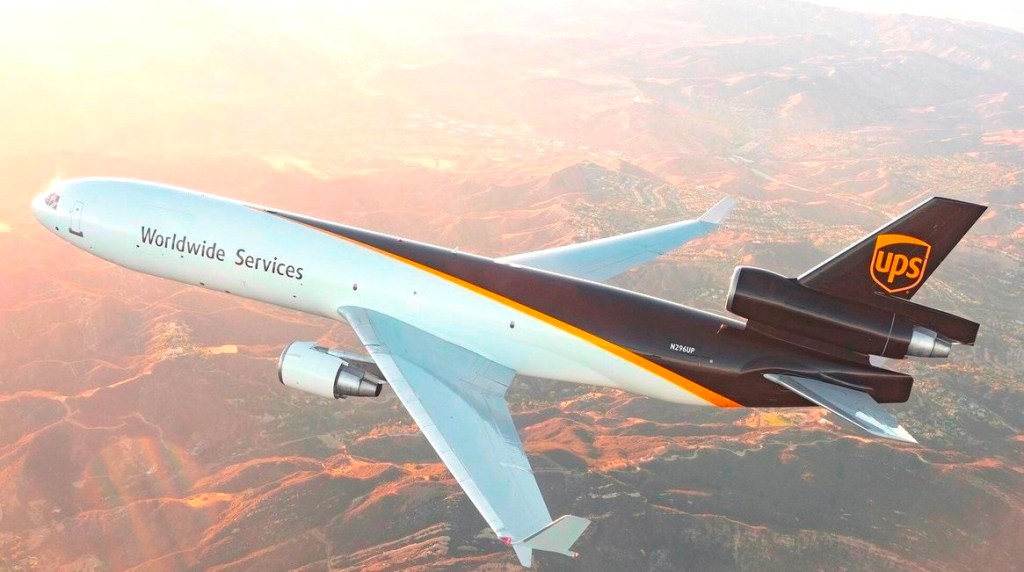
UPS/United Parcel Service en sus resultados del segundo trimestre de 2020, anunció un crecimiento de volumen diario récord del 20,9%. Los ingresos consolidados de la aerolínea aumentaron a US$ 20.5 mil millones, lo que representa un aumento del 13,4% con respecto al segundo trimestre de 2019. Los ingresos netos de UPS ascendieron a US$ 1.8 mil millones para el trimestre; La utilidad neta ajustada fue de US$ 1.9 mil millones, 8.8% por encima del mismo período en 2019. La ganancia operativa fue de US$ 2.2 mil millones y la ganancia operativa ajustada fue de US$ 2.3 mil millones, un 7,4% más en comparación con el segundo trimestre de 2019. Carol Tomé, Directora Ejecutiva de UPS, ha expresado: “Nuestros resultados fueron mejores de lo que esperábamos, impulsados en parte por los cambios en la demanda que surgieron de la pandemia, incluido un aumento en el volumen residencial, envíos de atención médica relacionados con COVID-19 y una fuerte demanda saliente de Asia. Los usuarios de UPS mantienen al mundo en movimiento durante este momento de necesidad».
Atlas Air se ha convertido en una estrella entre las aerolíneas de cargueras de Estados Unidos, experimentado grandes avances durante la crisis de COVID-19. Sus resultados del segundo trimestre de 2020 se reflejaron en una fuerte demanda de transporte aéreo y un modelo de negocio resistente. La aerolínea reportó un ingreso neto de US$ 78,9 millones y espera un crecimiento de las ganancias del tercer trimestre y del año completo 2020. «Para atender esta mayor demanda, reactivamos tres de nuestros 747-400 cargueros convertidos y pusimos en funcionamiento un 777 carguero de nuestro negocio Dry Leasing», dijo el Director Ejecutivo John W. Dietrich, señalando que los ingresos y las ganancias del segundo trimestre 2020 continuaron superando las expectativas. Los resultados positivos fueron impulsados principalmente por el equipo que capitalizó la fuerte demanda y los mayores rendimientos en los negocios chárter comerciales de la aerolínea y en América del Sur. Atlas Air continuó brindando servicios esenciales al ejército de Estados Unidos al estilo como la extinta aerolínea Miami Air. Atlas Air Worldwide Holdings está formado por Atlas Air, Inc., Southern Air, Inc., Polar Air Cargo y Titan Aviation Leasing.
FedEx, una compañía muy reconocida en Estados Unidos, no ha tenido un buen desempeño en la industria del transporte de carga. Alan B. Graf Jr., CFO de FedEx, ha expresado la situación de la compañía al abordar los resultados del segundo trimestre, dijo: «Estamos aquí en la parte inferior, pero podemos ver una salida». Los resultados de FedEx para el segundo trimestre fueron: US$ 17.3 mil millones en ingresos, frente a US$ 17.8 mil millones en ingresos durante el segundo trimestre de 2019. Los ingresos operativos ascendieron a US$ 684 millones, en comparación con US$ 1,33 mil millones durante el mismo trimestre del año pasado. La utilidad neta fue de US$ 660 millones frente a US$ 1.08 mil millones durante el segundo trimestre de 2019. La aerolínea ha comunicado que las razones de su bajo desempeño actual ha sido debido a condiciones económicas globales débiles, aumento de gastos en FedEx Ground, debido a servicios ampliados, como así también la pérdida de Amazon como cliente al no renovar su contrato con la compañía de servicios de entregas de productos líder en el mercado mundial.
Perspectivas
La proyección de las operaciones cargueras en Estados Unidos y el mundo están marcando una tendencia hacia el progreso, beneficiando sólidamente a las compañías puras, como por extensión a las aerolíneas de pasajeros, que han encontrado un nicho de mercado para capear la crisis de los viajes aéreos, mientras sufren graves necesidades parece continuar sobrevolando la aguda emergencia económica de las aerolíneas.
Air freighters go through the crisis
Cargo airlines pilot the pandemic crisis
Amid the world’s worst crisis in the airline industry, freight carriers are thriving during the global pandemic. Still, the cargo airline business is seen with good crisis-proof potential. US cargo airlines have weathered the health crisis well by keeping demand for their flights. While UPS and Atlas Air are reporting the best results, FedEx’s results are somewhat disappointing.
Classic aerial trends
The air transport business of traditional airlines is moving towards air cargo. Passenger aircraft on the ground around the world have placed additional demand for cargo flight services, where many airlines have reconfigured their passenger aircraft to a mixed or pure cargo conversion. Other airlines have seen an interest to add or strengthen the cargo unit to the company. Some passenger airlines are cleverly using their planes for cargo flights to help make up for losses from missing passengers. One airline that is doing this successfully is United Airlines.
Passenger planes often carry mail, fresh food, and pharmaceuticals in their cargo containers. With most of the world’s airliners parked, awaiting recovery, travel cargo carriers are charging money. Still, a passenger airline cannot match the performance of established cargo airlines such as UPS, FedEx, and Atlas.
Air cargo
The results of the cargo airlines contrast strongly with the four largest passenger airlines in the United States. The demand for travel in the United States is going through the darkest period in its history, even worse than in the 1930s in the so-called Great Depression, since today’s economies have a different structure than in those times, where line income airlines has fallen more than 90%. But the freight companies allowed the development of flights necessary for health care, transport of goods, among other items, where they could weather the world crisis.
UPS/United Parcel Service in its results for the second quarter of 2020, announced a record daily volume growth of 20.9%. The airline’s consolidated revenue increased to US$ 20.5 billion, representing a 13.4% increase over the second quarter of 2019. UPS’s net revenue was US $ 1.8 billion for the quarter; Adjusted net profit was US$ 1.9 billion, 8.8% above the same period in 2019. Operating profit was US$ 2.2 billion and adjusted operating profit was US$ 2.3 billion, 7.4% more compared to the second quarter of 2019. Carol Tomé, Executive Director of UPS, said: “Our results were better than we expected, driven in part by the changes in demand that arose from the pandemic, including a Increase in residential volume, COVID-19 related healthcare shipments and strong outbound demand from Asia. UPS users keep the world moving during this time of need».
Atlas Air has become a star among America’s freight airlines, making great strides during the COVID-19 crisis. Its results for the second quarter of 2020 were reflected in strong demand for air transport and a resilient business model. The airline reported net revenue of $ 78.9 million and expects third-quarter and full-year 2020 earnings growth. «To meet this increased demand, we reactivated three of our converted 747-400 freighters and commissioned a 777 freighter from our Dry Leasing business», said CEO John W. Dietrich, noting that second quarter 2020 revenue and earnings continued to exceed expectations. The positive results were primarily driven by the team that capitalized on strong demand and higher returns in the airline’s commercial charter businesses and in South America. Atlas Air continued to provide essential services to the United States military in style like the defunct airline Miami Air. Atlas Air Worldwide Holdings is made up of Atlas Air, Inc., Southern Air, Inc., Polar Air Cargo and Titan Aviation Leasing.
FedEx, a well-known company in the United States, has not performed well in the freight industry. Alan B. Graf Jr., CFO of FedEx, has expressed the situation of the company when addressing the results of the second quarter, said: «We are here at the bottom, but we can see a way out». FedEx results for the second quarter were: US$ 17.3 billion in revenue, compared to US$ 17.8 billion in revenue for the second quarter of 2019. Operating income was US$ 684 million, compared to US$ 1.33 billion during the same quarter of last year. Net income was US$ 660 million compared to US$ 1.08 billion during the second quarter of 2019. The airline has communicated that the reasons for its current poor performance have been due to weak global economic conditions, increased expenses at FedEx Ground, due to expanded services, as well as the loss of Amazon as a customer by not renewing its contract with the leading product delivery services company in the world market.
Perspectives
The projection of cargo operations in the United States and the world are setting a trend towards progress, solidly benefiting pure companies, as by extension passenger airlines, which have found a market niche to weather the travel crisis while suffering serious needs, it seems to continue to fly over the acute economic emergency of the airlines.
Aerolíneas despide empleado incumpliendo DNU por despidos
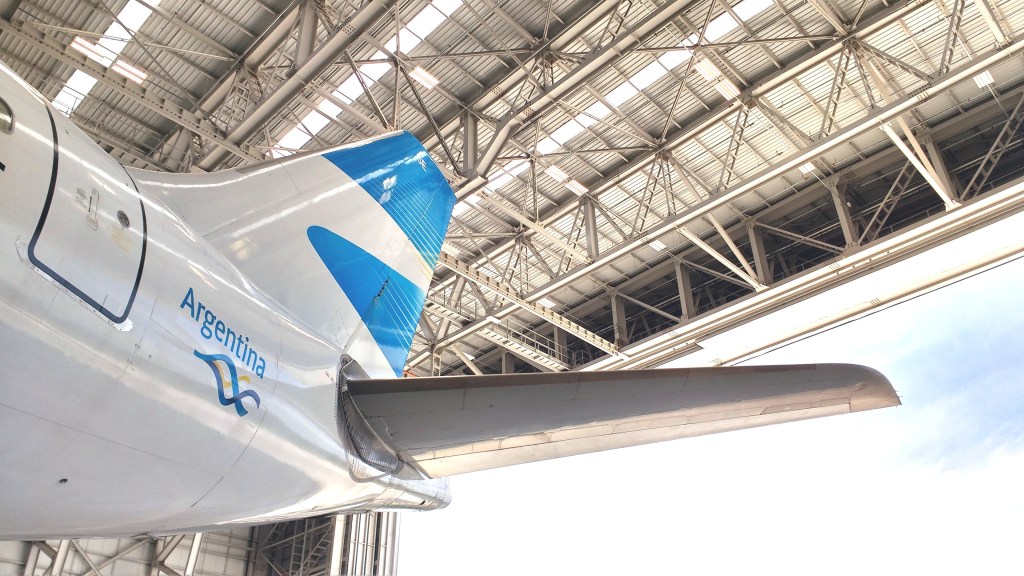
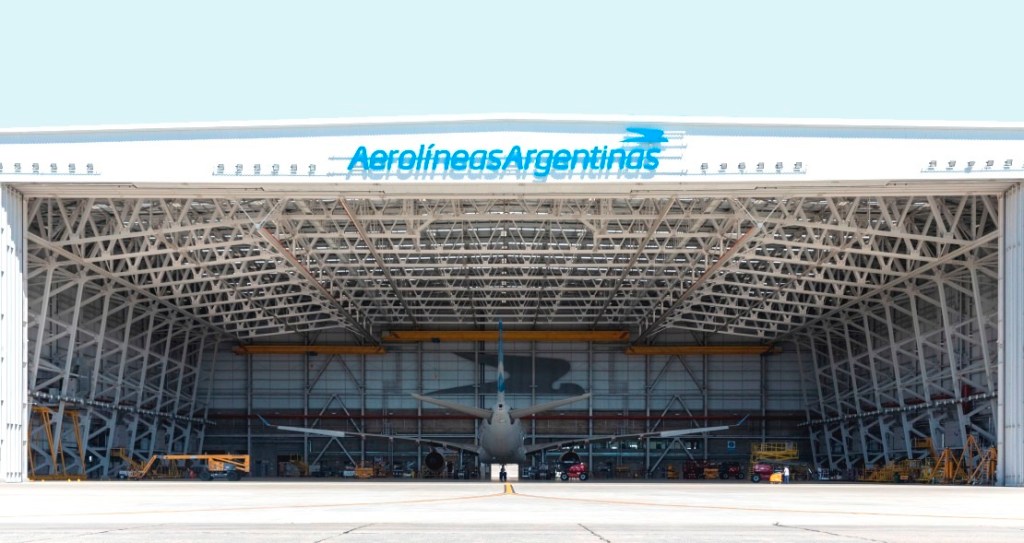
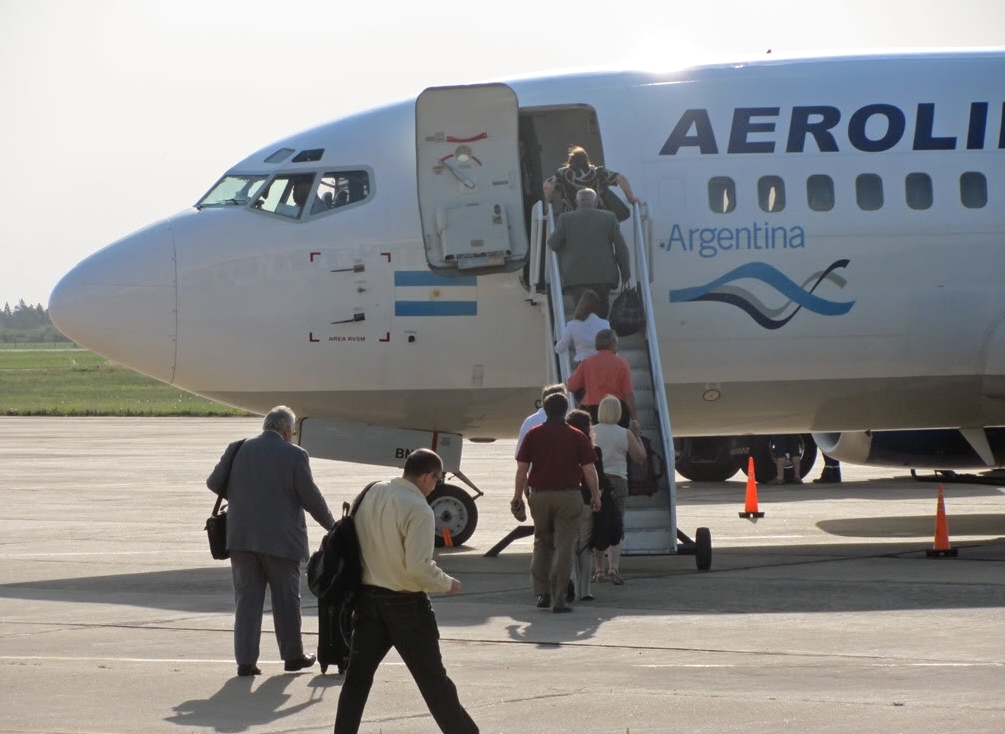
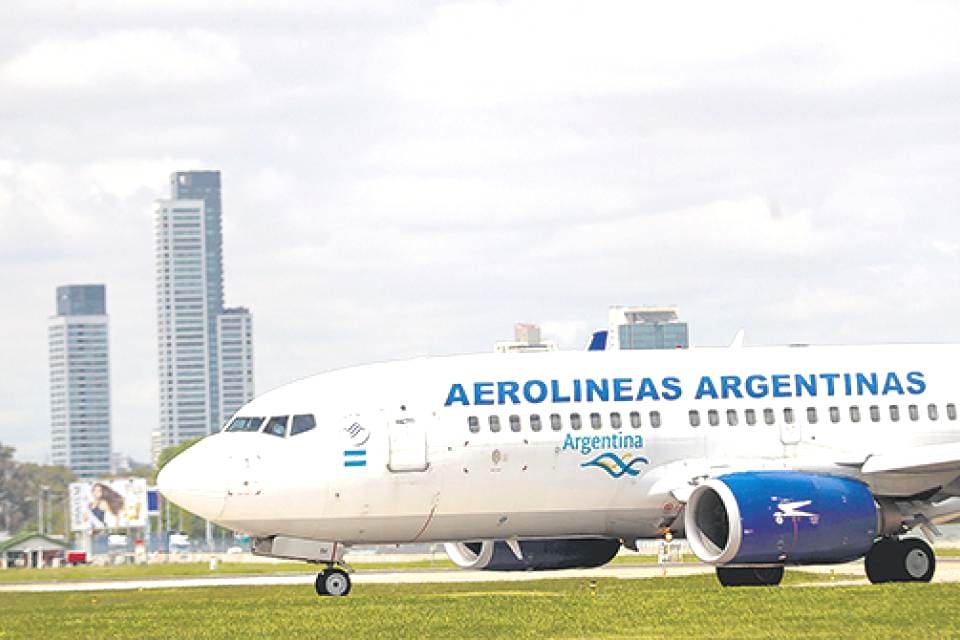
Aerolíneas Argentinas ha despedido sin causa a tres empleados del área de Mecánicos, incumpliendo el DNU 624/2020 decretado por Presidencia el 28 Julio 2020. Este atropello a la ley se da entre otros, como las suspensiones y las amenazas de desafuero a los delegados de Austral Líneas Aéreas que vienen resistiendo la fusión con Aerolíneas.
La vigencia del Decreto de Necesidad y Urgencia DNU Nº 624/2020 prohíbe los despidos y las suspensiones. A pesar de seguir vigente el DNU gubernamental de prohibición de despidos, la Asociación Personal Técnicos Aeronáuticos (APTA) y la gerencia de Aerolíneas Argentinas haciendo caso omiso del mismo, avanzaron en el despido sin causa de tres trabajadores mecánicos.
Tras los efectos de la pandemia, muchos de los empleados en Argentina han tenido que alternar los días laborables, pero en Aerolíneas Argentinas, ahora incumple el DNU del Estado argentino, poniendo de relieve los complejos pasos que atraviesa su principal competidora, Latam Airlines Argentina, en materia de suspensiones y despidos laborales, tras su probable salida del país.
Empleados de Aerolíneas
Un empleado del área de Mantenimiento, Martín Radaelli, había recibido un telegrama por suspensión laboral en Junio 2020, reconociendo su asistencia al trabajo a pesar de la Cuarentena en el país. En Agosto, recibe otra notificación de suspensión y el 9 Septiembre 2020 recibe el telegrama de despido, que ha sido desvinculado de la compañía sin causa laboral. Esta situación se da en medio de un manejo poco claro de la dirigencia sindical y empresaria ante hechos con los empleados del área Mantenimiento, con una posible actitud de desvincular o aislar a los trabajadores.
El despido de Mecánico de Aerolíneas es ilegal en todas sus formas, incumpliendo los decretos presidenciales y sus ampliaciones a la Ley DNU N° 528/2020 y N° 624/2020 y sus sucesivas prórrogas en un marco regulatorio que ampara al trabajador en caso de suspensiones y despidos personales o masivos, dándose en el marco de una avanzada para el quite de puntos convencionales sin que los trabajadores puedan organizarse y reclamar sus justos derechos.
Detrás de los problemas internos, continúa el viejo deseo de la dirigencia política y sindical de la supresión de la compañía Austral Líneas Aéreas por medio de la fusión y así homogeneizar los gremios de pilotos APLA y UALA, que han estado históricamente en puja por años, con el propósito del sector político de que APLA domine la empresa y UALA sea suprimida, allanando el camino hacia una flexibilización de los convenios laborales.
En el marco de la lucha de los trabajadores de ambas líneas aéreas, existen empleados sancionados y delegados con juicio de desafuero. «Esto me deja ver que, lo que la empresa pretende es más que echar sin causa a 3 compañeros, quiere meter miedo a la base de nuestros derechos para que así sea mas fácil que entreguemos nuestro convenio (vacaciones, refuerzo nocturno, horas a terceros, horarios flexibles, etc)», expresa Martín Radaelli.
Los trabajadores continuarán fortaleciendo su accionar ante los procedimientos sistemáticos de la dirigencia de la compañía por acallarlos, organizando reuniones virtuales donde canalizarán las denuncias ante el Ministerio de Trabajo en reclamo de sus justos derechos por el atropello a la clase trabajadora y por los imcumplimientos de Aerolíneas Argentinas de los DNU en materia laboral.
Aerolíneas breaches labor DNU
Aerolíneas dismisses employee in breach of DNU due to dismissals
Aerolíneas Argentinas has dismissed without cause three employees of the Mechanics area, in breach of DNU 624/2020 decreed by the Presidency on July 28, 2020. This violation of the law occurs among others, such as suspensions and threats of lawlessness to the delegates of Austral Lineas Aereas that have been resisting the merger with Aerolíneas.
The validity of the Decree of Necessity and Urgency DNU No. 624/2020 prohibits dismissals and suspensions. Despite the government DNU prohibiting layoffs, the Aeronautic Technical Personnel Association (APTA) and the management of Aerolíneas Argentinas, ignoring it, advanced in the dismissal without cause of three mechanical workers.
After the effects of the pandemic, many of the employees in Argentina have had to alternate working days, but at Aerolíneas Argentinas, now it fails to comply with the DNU of the Argentine State, highlighting the complex steps that its main competitor, Latam Airlines Argentina, is going through. in terms of work suspensions and dismissals, after his probable departure from the country.
Aerolíneas Employees
An employee of the Maintenance area, Martín Radaelli, had received a telegram for work suspension in June 2020, acknowledging his attendance at work despite the Quarantine in the country. In August, he receives another notification of suspension and on September 9, 2020 he receives the dismissal telegram, which has been separated from the company without labor cause. This situation occurs in the midst of an unclear handling of the union and business leadership in the face of facts with the employees of the Maintenance area, with a possible attitude of separating or isolating the workers.
The dismissal of Airline Mechanic is illegal in all its forms, in breach of presidential decrees and their extensions to DNU Law No. 528/2020 and No. 624/2020 and its successive extensions in a regulatory framework that protects the worker in case of suspensions and personal or massive dismissals, taking place within the framework of an advance to remove conventional points without the workers being able to organize and claim their just rights.
Behind the internal problems, the old desire of the political and union leadership continues to suppress the Austral Líneas Aéreas company through the merger and thus homogenize the APLA and UALA pilots unions, which have historically been in bid for years, with the intention of the political sector that APLA dominates the company and UALA is suppressed, paving the way towards a flexibilization of labor agreements.
In the framework of the struggle of the workers of both airlines, there are sanctioned employees and delegates with a judgment of violation. «This lets me see that what the company intends is more than throwing out 3 colleagues without cause, it wants to scare the basis of our rights so that it is easier for us to deliver our agreement (vacations, night reinforcement, hours to third parties , flexible hours, etc)», expresses Martín Radaelli.
The workers will continue to strengthen their actions in the face of the systematic procedures of the company leadership to silence them, organizing virtual meetings where they will channel complaints to the Ministry of Labor to demand their just rights for the abuse of the working class and for the non-compliance of Airlines Argentinas of the DNU in labor matters.
Tribunal Quiebras NY rechaza financiación DIP de Latam Group
El Tribunal de Quiebras del Distrito Sur de Nueva York en Estados Unidos, ha rechazado el financiamiento DIP (Debtor-In-Possession) de US$ 2.45 mil millones proporcionado por Latam Group S.A., que se encuentra en reorganización judicial desde Mayo 2020. La opción de fondo para empresas que se encuentran en reestructuración, en el caso de Latam Group, no ha sido aprobada por la preocupación de la Corte de Justicia por los US$ 900 millones aportados por Qatar Airways y Costa Verde Aeronáutica. Según el Tribunal de Nueva York, al ser accionistas, las inversiones de Qatar Airways y Costa Verde Aeronáutica podrían resultar en un aumento de la participación de estas empresas dentro del Grupo Latam bajo cláusulas abusivas. Directa e indirectamente, Costa Verde Aeronáutica, sociedad de inversión de las familias Cueto y Amaro, posee actualmente el 23,5% de las acciones de Latam Group, mientras que Qatar Airways posee otro 10%.
Comité Acreedores
Después de una queja presentada por el Comité de Acreedores de Latam, que comprende un grupo de tenedores de valores y Knighthead Capital Management LLC, el Juez James L. Garrity dictaminó que los términos del préstamo podrían resultar en una mayor participación de los accionistas en condiciones injustas. Esto se debe a que, debido a las condiciones del financiamiento de US$ 900 millones, Qatar Airways y Costa Verde Aeronáutica podrían convertir las deudas en nuevas acciones de Latam con un 20% de descuento, en caso de que la empresa no pudiera pagar sus deudas. “Por eso, la Corte no aprobará el Financiamiento DIP”, decidió el juez.
El Presidente Ejecutivo de Latam, Roberto Alvo, afirmó que, dentro del proceso bursátil, «la empresa, junto con sus asesores legales y financieros, está analizando la decisión del tribunal y su alcance para definir un curso de acción».
El paquete DIP también consiste en un préstamo de US$ 1.3 mil millones de Oaktree Capital Management y US$ 250 millones adicionales como un préstamo potencial de los accionistas chilenos en los mismos términos que los US$ 900 millones garantizados por Qatar Airways y Costa Verde Aeronáutica. Aunque el tribunal no disputó los US$ 1.5 mil millones de Oaktree y los accionistas más pequeños, el paquete debe ser aprobado en su totalidad.
Justice rejects DIP to Latam Group
New York Bankruptcy Court rejects DIP funding from Latam Group
The Bankruptcy Court of the Southern District of New York in the United States has rejected the DIP (Debtor-In-Possession) financing of US$ 2.45 billion provided by Latam Group SA, which has been undergoing judicial reorganization since May 2020. The option Fund for companies undergoing restructuring, in the case of Latam Group, has not been approved due to the concern of the Court of Justice over the US$ 900 million contributed by Qatar Airways and Costa Verde Aeronáutica. According to the New York Court, as shareholders, the investments of Qatar Airways and Costa Verde Aeronáutica could result in an increase in the participation of these companies within the Latam Group under abusive clauses. Directly and indirectly, Costa Verde Aeronáutica, an investment company of the Cueto and Amaro families, currently owns 23.5% of the Latam Group shares, while Qatar Airways owns another 10%.
Creditors Committee
Following a complaint filed by the Latam Creditors Committee, which comprises a group of security holders and Knighthead Capital Management LLC, Judge James L. Garrity ruled that the terms of the loan could result in increased shareholder participation under conditions unfair. This is because, due to the financing conditions of US$ 900 million, Qatar Airways and Costa Verde Aeronáutica could convert the debts into new Latam shares with a 20% discount, in case the company could not pay its debts. “For this reason, the Court will not approve the DIP Financing”, the judge decided.
The Executive President of Latam, Roberto Alvo, affirmed that, within the stock exchange process, «the company, together with its legal and financial advisors, is analyzing the court’s decision and its scope to define a course of action».
The DIP package also consists of a US$ 1.3 billion loan from Oaktree Capital Management and an additional US$ 250 million as a potential loan from Chilean shareholders on the same terms as the US$ 900 million guaranteed by Qatar Airways and Costa Verde Aeronáutica. Although the court did not dispute Oaktree’s US$ 1.5 billion and smaller shareholders, the package must be approved in its entirety.
IATA insta Gobierno plan rescate aerolíneas ante crisis aviación
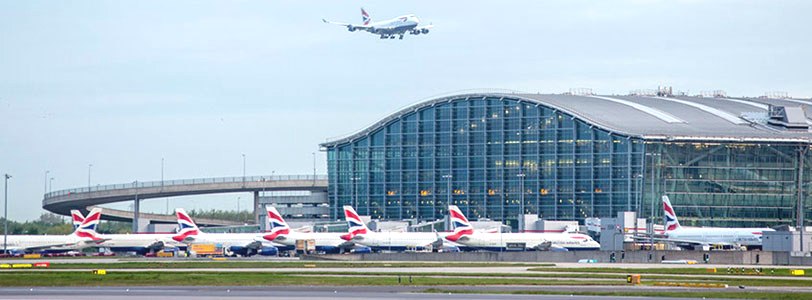
El Reino Unido ha ampliado las cuarentenas aplicadas sin previo aviso que han tenido efectos devastadores en la potente industria del turismo emisor del país. Las aerolíneas de Reino Unido de Gran Bretaña están incursionando en serios problemas económicos, especialmente afectadas por la crisis sanitaria y las limitaciones en la red de vuelos. Agregado al perjuicio de la pandemia, se suma la controvertida forma de actuar del Gobierno frente al complicado panorama de la posición del país respecto a Europa.
En un mensaje preocupante, la Asociación Internacional de Transporte Aéreo (IATA) se muestra tajante respecto a la posición del Gobierno, que sin una acción inmediata, ha expresado que “Reino Unido se quedará atrás y perderá rápidamente su codiciada posición como el tercer mercado mundial de la aviación”. El organismo que nuclea a aerolíneas de todo el mundo ha llamado a la acción para que el Ejecutivo active un plan de rescate para evitar una inminente catástrofe en materia de empleo. Según las estimaciones de la IATA, la crisis sin precedentes de la industria aérea provocará la destrucción de más de 820.000 puestos de trabajo en el país.
IATA insta a Reino Unido a levantar las polémicas cuarentenas e implementar planes de incentivos para reactivar la demanda, además de rebajar las cargas que soportan las compañías aéreas. En palabras de su Director General, Alexandre de Juniac, reemplazar las cuarentenas por pruebas de Covid-19 “serviría para mantener a las personas a salvo del virus y evitaría unos niveles de desempleo apocalípticos que serían devastadores tanto para la sociedad como para la economía”. La IATA argumenta que muchos países de todo el mundo han introducido test PCR para reactivar los viajes aéreos. “Es hora de que Reino Unido presente una estrategia similar para trabajar en la creación de corredores turísticos”, expresó la asociación de aerolíneas.
IATA Aviation UK warning
IATA urges airline rescue plan to face acute aviation crisis
The UK has extended unannounced quarantines that have had devastating effects on the country’s powerful outbound tourism industry. The airlines of the United Kingdom of Great Britain are running into serious economic problems, especially affected by the health crisis and limitations in the flight network. Added to the damage of the pandemic, is added the controversial way of acting of the Government in the face of the complicated panorama of the country’s position with respect to Europe.
In a worrying message, the International Air Transport Association (IATA) is adamant about the government’s position, which without immediate action has stated that “the United Kingdom will be left behind and will quickly lose its coveted position as the world’s third largest market. of aviation”. The body that brings together airlines from around the world has called for action for the Executive to activate a rescue plan to avoid an imminent catastrophe in terms of employment. According to IATA estimates, the unprecedented crisis in the airline industry will cause the destruction of more than 820,000 jobs in the country.
IATA urges the United Kingdom to lift the controversial quarantines and implement incentive plans to reactivate demand, in addition to reducing the loads borne by airlines. In the words of its Director General, Alexandre de Juniac, replacing quarantines with Covid-19 tests «would serve to keep people safe from the virus and avoid apocalyptic unemployment levels that would be devastating for both society and the economy». IATA argues that many countries around the world have introduced PCR tests to revive air travel. «It is time for the UK to come up with a similar strategy to work on creating tourist corridors», the airline association said.
AvAir adquiere inventario material respuesto Aerolíneas Argentinas
AvAir LLC, un proveedor de soluciones de inventario líder en la industria para el mercado secundario de piezas de aviación, compró el inventario excedente completo de Aerolíneas Argentinas, la aerolínea más grande de Argentina y representativa del país. El inventario consta de 45.000 ítems de material rotable y consumible de las flotas retiradas de Aerolíneas Argentinas.
«La pandemia de coronavirus interrumpió la industria de las aerolíneas y nos ha brindado la oportunidad de brindar liquidez a las empresas cuando más la necesitan. Esta adquisición es la más grande hasta ahora y nos permitirá continuar brindando un excelente servicio a nuestros más de 2.700 clientes en todo el mundo», dijo Mike Bianco, director ejecutivo de AvAir. Con esta transacción, AvAir ha agregado una amplia gama de material de aviones Boeing y Airbus a su inventario.
“Estamos muy complacidos con este acuerdo con AvAir, que nos permitió monetizar nuestros activos no utilizados, brindando liquidez adicional para nuestra operación”, dice Pablo Cichinelli, Supply Chain Manager de Aerolíneas Argentinas.
«Somos conocidos por crear soluciones de inventario personalizadas que satisfacen las necesidades específicas de nuestros clientes y la adquisición de nuevas piezas es vital para nuestro negocio. Con un inventario en crecimiento de más de 26 millones de componentes rotativos y consumibles, podemos ofrecer consistentemente los mejores precios de la industria», dijo Marcelo Magalhaes Dos Santos, Director de Desarrollo Comercial de AvAir para América Latina.
AvAir ofrece soluciones personalizadas para clientes y proveedores para comprar, vender, intercambiar, prestar, arrendar o consignar más de 26 millones de piezas de aviones en stock. La empresa cuenta con las certificaciones ISO 9001, AS9120 y ASA 100, y se adhiere a los más altos estándares de calidad en todas las fases: compra, recepción, almacenamiento, venta y envío. AvAir recientemente expandió sus operaciones a Dublín, Irlanda, ofreciendo un mejor servicio a los clientes en Europa , Asia y Medio Oriente.
Fundada en 2000, AvAir, consede en Arizona, es un líder mundial en el mercado de repuestos de aviación, que ofrece soluciones de inventario personalizadas para aerolíneas, OEM y MRO. AvAir ofrece soluciones personalizadas para clientes y proveedores para comprar, vender, intercambiar, prestar, arrendar o consignar más de 26 millones de piezas de aviones en stock.
Aerolíneas Argentinas es la empresa líder en el mercado aéreo argentino desde 1950. Vuela a 37 destinos dentro del país y cuenta con una amplia red de intercargas y corredores federales y 18 destinos dentro de América y Europa. Es parte de SkyTeam junto con 19 aerolíneas en el mundo, siendo la única empresa miembro en la región.
AvAir acquires Aerolíneas inventory
AvAir acquires spare material inventory of Aerolíneas Argentinas
AvAir LLC, an industry leading inventory solutions provider for the aviation parts aftermarket, purchased the entire surplus inventory of Aerolíneas Argentinas, Argentina’s largest airline and representative of the country. The inventory consists of 45,000 items of rotatable and consumable material from the retired fleets of Aerolineas Argentinas.
«The coronavirus pandemic disrupted the airline industry and has given us the opportunity to provide liquidity to businesses when they need it most,» said Mike Bianco, CEO of AvAir. «This acquisition is the largest yet and will allow us to continue to provide excellent service to our more than 2,700 customers around the world». With this transaction, AvAir has added a wide range of Boeing and Airbus aircraft material to its inventory.
«We are very pleased with this agreement with AvAir, which allowed us to monetize our unused assets, providing additional liquidity for our operation», says Pablo Cichinelli, Supply Chain Manager of Aerolíneas Argentinas.
«We are known for creating custom inventory solutions that meet the specific needs of our customers and the procurement of new parts is vital to our business. With a growing inventory of more than 26 million rotating components and consumables, we can consistently offer the best industry prices», said Marcelo Magalhaes Dos Santos, AvAir’s Director of Business Development for Latin America.
AvAir offers customized solutions for customers and suppliers to buy, sell, exchange, loan, lease or consign more than 26 million aircraft parts in stock. The company is ISO 9001, AS9120 and ASA 100 certified and adheres to the highest quality standards in all phases: purchasing, receiving, warehousing, selling and shipping. AvAir recently expanded its operations to Dublin, Ireland, better serving customers in Europe, Asia and the Middle East.
Founded in 2000, AvAir, based in Arizona, is a world leader in the aviation aftermarket, offering custom inventory solutions for airlines, OEMs and MROs. AvAir offers customized solutions for customers and suppliers to buy, sell, exchange, loan, lease or consign more than 26 million aircraft parts in stock.
Aerolíneas Argentinas is the leading company in the Argentine air market since 1950. It flies to 37 destinations within the country and has a wide network of intercharges and federal corridors and 18 destinations within America and Europe. It is part of SkyTeam along with 19 airlines in the world, being the only member company in the region.
Flybondi efectúa vuelo especial mineros a El Calafate
La aerolínea de presupuesto argentina Flybondi Línea Aéreas ha efectuado este 13/09 un vuelo especial a El Calafate, Provincia de Santa Cruz para transportar empleados mineros a la localidad, para trabajar en la mina de Cerro Vanguardia.
Por primera vez arriba una aeronave de la compañía low cost al Aeropuerto El Calafate, materializando la llegada dos años después de la fecha tentativa anunciada por sus autoridades en Junio 2018. Flybondi aterriza en esta aeroestación por medio de un vuelo charter especial para cubrir la demanda de trabajadores mineros de la compañía Cerro Vanguardia.
El Calafate es conocido mundialmente por su actividad turística muy demandada, pero a raíz de las prohibiciones de la actividad aerocomercial y turística, la comapañía aérea no ha podido inaugurar el destino como ruta regular.
Trayectoria de vuelo
El Boeing 737-800 despegó del Aeropuerto Internacional El Palomar realizando una escala en San Salvador de Jujuy, en el Norte de Argentina, para recoger a cincuenta empleados de la compañía minera. Sin embargo este embarque se frustró ya que a último momento se conoció que hubo algunos trabajadores que dieron Positivo a Covid-19 en el hisopado previo al viaje. El servicio aéreo siguió hasta Trelew, donde subieron otros trabajadores de la mina. La aeronave continuó la escala a Comodoro Rivadavia para finalmente arribar con destino final al Aeropuerto El Calafate/Comandante Armando Tola a las 15:45 hs, con 51 pasajeros a bordo. Los trabajadores mineros fueron trasladados hasta hoteles de esta localidad, donde permanecerán al menos 10 días aislados. Como indica el protocolo para el traslado de estos trabajadores de actividades esenciales, cada uno de los empleados será nuevamente hisopado antes de viajar a Cerro Vanguardia, cerca de San Julián.
Flybondi special flight to El Calafate
Flybondi makes special miners flight to El Calafate
The Argentine budget airline Flybondi Líneas Aéreas has made a special flight to El Calafate, Province of Santa Cruz on 09/13 to transport mining employees to the town, to work in the Cerro Vanguardia mine.
For the first time an aircraft of the low cost company arrives at El Calafate Airport, materializing the arrival two years after the tentative date announced by its authorities in June 2018. Flybondi lands at this airstation by means of a special charter flight to meet the demand of mining workers from the Cerro Vanguardia company.
El Calafate is known worldwide for its highly demanded tourist activity, but as a result of the bans on commercial and tourist activity, the airline company has not been able to inaugurate the destination as a regular route.
Flight trajectory
The Boeing 737-800 took off from El Palomar International Airport making a stopover in San Salvador de Jujuy, in the North of Argentina, to pick up fifty employees of the mining company. However, this shipment was frustrated since at the last moment it was known that there were some workers who gave Positive to Covid-19 in the pre-trip swab. The air service continued to Trelew, where other mine workers got on. The aircraft continued the stopover to Comodoro Rivadavia to finally arrive with its final destination at El Calafate/Comandante Armando Tola Airport at 3:45 pm, with 51 passengers on board. The mining workers were transferred to hotels in this town, where they will remain in isolation for at least 10 days. As indicated in the protocol for the transfer of these essential activities workers, each of the employees will be swabbed again before traveling to Cerro Vanguardia, near San Julián.
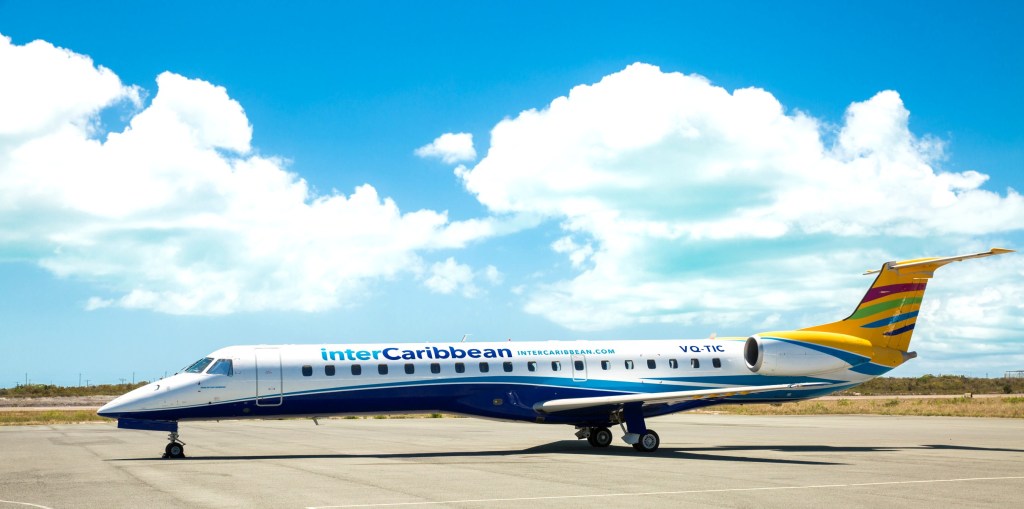
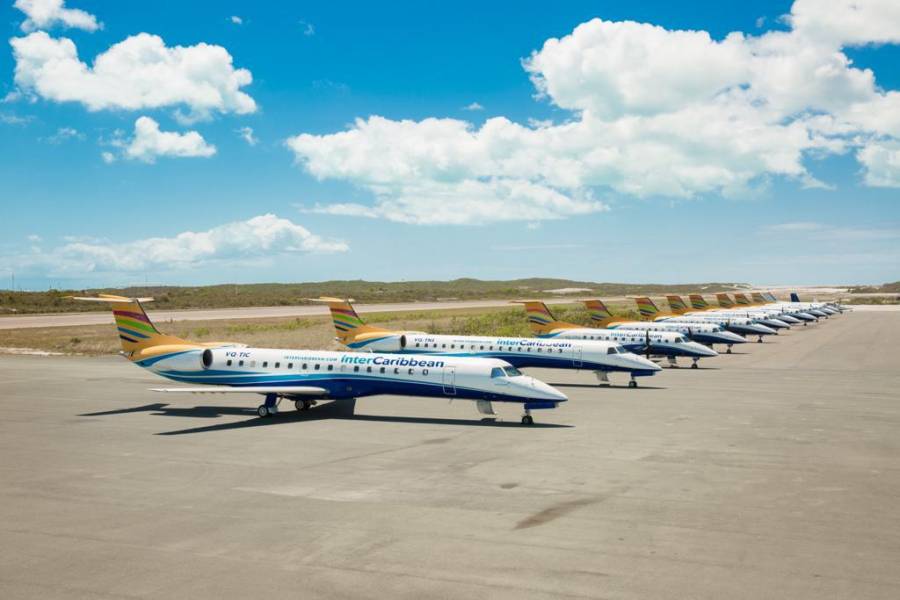
La aerolínea con base en las Islas Turcas y Caicos, InterCaribbean AirwaysLtd., ha obtenido las aprobaciones gubernamentales de Barbados para llenar el mercado dejado por LIAT Airlines. La aerolínea regional del Caribe proyecta que este país se convertirá en una importante plataforma para las operaciones de las aerolíneas en el Caribe.
En un enlace virtual con funcionarios de turismo en The Abidah By Accra Hotel el 11/09 el fundador y Presidente de InterCaribbean Airways, Lyndon Gardiner, dijo a los planificadores de turismo y profesionales de viajes que su objetivo era continuar haciendo crecer a Barbados como el centro regional. Gilles Bussutil, Estratega Regional de Servicio al Cliente de la aerolínea, ha expresado la intención era aprovechar al máximo las instalaciones para pasajeros disponibles en el Aeropuerto Internacional Grantley Adams. «Con la asociación con otras aerolíneas, queremos asegurarnos de que Barbados se convierta en el centro de viajes hacia el destino de los clientes en todo el mundo, ya sea que vengan a Barbados o salgan de Barbados», expresó Grantley Adams. Además, ha comunicado que estaban trabajando en la idea de un centro de viajes con el Ministerio de Turismo, a cargo de la Senadora Lisa Cummins y otras aerolíneas asociadas para convertir a Barbados en el centro del Caribe en lo que respecta al transporte.
InterCaribbbean Airways lanzó su servicio de Barbados el 4 de Agosto 2020, ofreciendo viajes directos a Dominica, Santa Lucía y Granada. Hay planes para expandir las operaciones en la región en breve. La línea aérea proyectará un mejoramiento de los planes en los tiempos de respuesta para los viajes, que durante mucho tiempo ha sido una fuente de insatisfacción para los viajeros caribeños, así como la provisión de mejores comodidades y servicios a bordo de aviones.
InterCaribbean expands demand
InterCaribbean Airways plans service expansion
The Turks and Caicos Islands-based airline, InterCaribbean Airways Ltd., has obtained Barbados government approvals to fill the market left by LIAT Airlines. The Caribbean regional airline projects that this country will become an important platform for airline operations in the Caribbean.
In a virtual link with tourism officials at The Abidah By Accra Hotel on 9/11 InterCaribbean Airways Founder and President Lyndon Gardiner told tourism planners and travel professionals that his goal was to continue to grow Barbados as the regional center. Gilles Bussutil, the airline’s Regional Customer Service Strategist, has expressed the intention was to take full advantage of the passenger facilities available at Grantley Adams International Airport. «By partnering with other airlines, we want to ensure that Barbados becomes the hub of destination travel for customers around the world, whether they are coming to Barbados or leaving Barbados», said Grantley Adams. In addition, it has communicated that they were working on the idea of a travel center with the Ministry of Tourism, run by Senator Lisa Cummins and other partner airlines to make Barbados the center of the Caribbean in regards to transportation.
InterCaribbbean Airways launched its Barbados service on August 4, 2020, offering direct flights to Dominica, Saint Lucia and Grenada. There are plans to expand operations in the region shortly. The airline will project improved response time plans for travel, which has long been a source of dissatisfaction for Caribbean travelers, as well as the provision of better amenities and services on board aircraft.