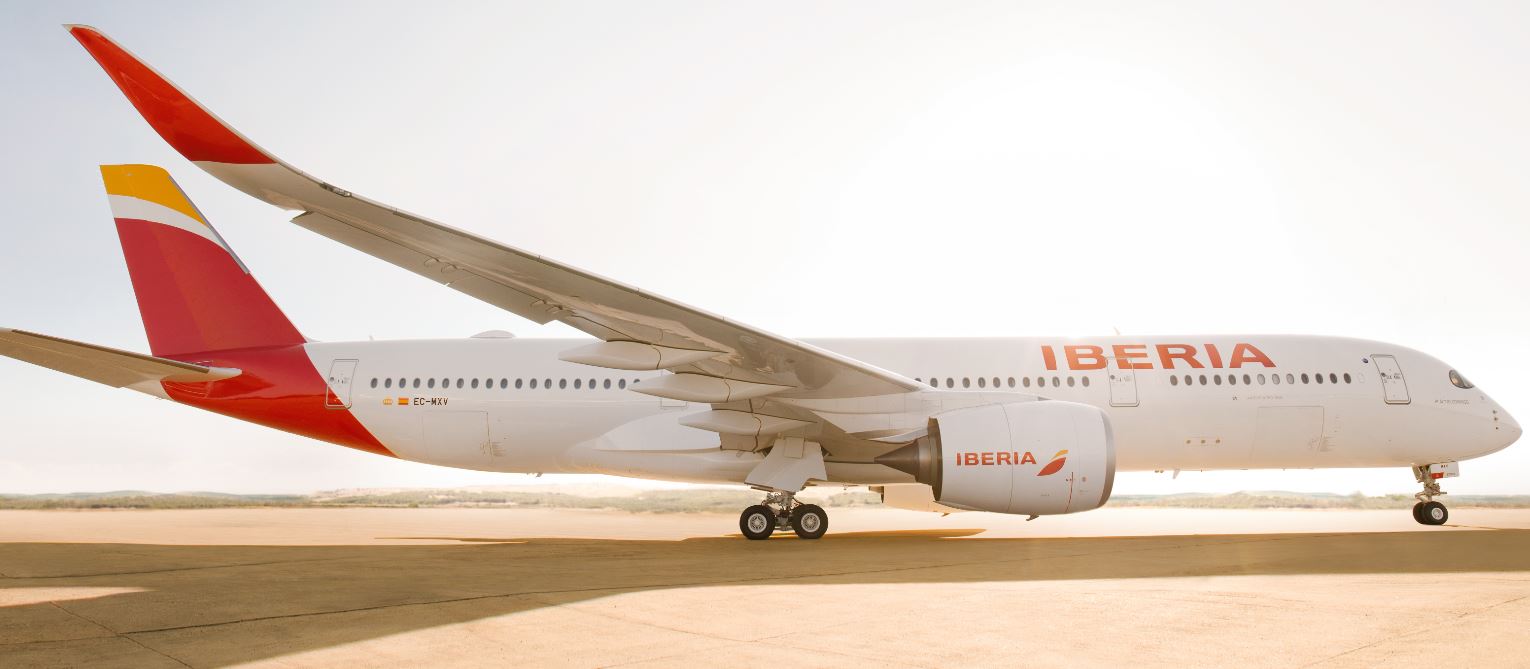
Nuevo Presidente de Iberia augura austeridad tiempos post-pandemia
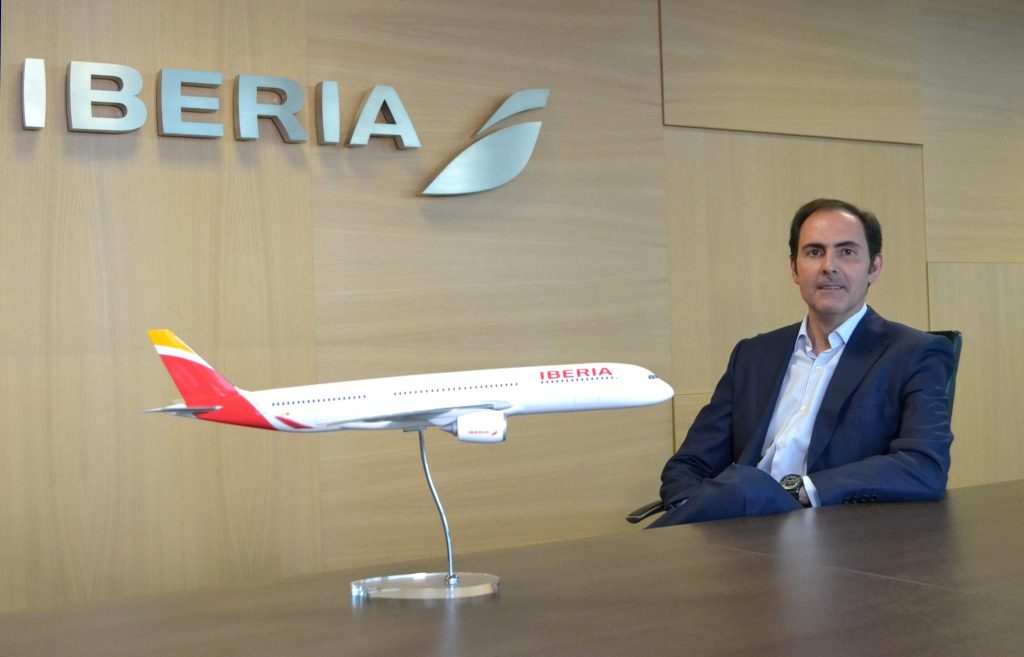
El Nuevo Presidente de Iberia, Javier Sánchez Prieto, se ha dirigido en una carta a los empleados de Iberia, a quienes ha anunciado que “la austeridad será necesaria al menos durante los próximos 24 meses porque la situación, he de confesar, es muy compleja”. A semana posterior de cambio de dirección de Luis Gallego, Javier Sánchez Prieto asegura que su prioridad es tratar de preservar el empleo a medio y largo plazo y destaca que en esta línea de austeridad, una de sus primeras decisiones ha sido la reducción de los miembros del Comité de Dirección.
El nuevo CEO de Iberia en sus primeras declaraciones tras su nombramiento, había resaltado que “el equipo de Iberia ha demostrado en los últimos años que es capaz de hacer frente a todo tipo de retos y dificultades, logrando escribir en los últimos años una historia de éxito. Estoy seguro de que todos juntos lo conseguiremos una vez más”, ha expresado Javier Sánchez Prieto. Iberia conforma el grupo IAG que ha salido favorecida por el acceso a fuentes de financiación que de otro modo no estarían disponibles, en un momento donde las aerolíneas están recurriendo a los estados para sobrevivir.
New austerity stage for Iberia
New Iberia President predicts austerity in post-pandemic times
The New President of Iberia, Javier Sánchez Prieto, has addressed in a letter to Iberia employees, to whom he has announced that “austerity will be necessary at least for the next 24 months because the situation, I must confess, is very complex”. A week after Luis Gallego’s change of direction, Javier Sánchez Prieto assures that his priority is to try to preserve employment in the medium and long term and highlights that in this line of austerity, one of his first decisions has been the reduction of members of the Steering Committee.
The new CEO of Iberia in his first statements after his appointment, had highlighted that “the Iberia team has shown in recent years that it is capable of facing all kinds of challenges and difficulties, managing to write in recent years a history of success. I am sure that all together we will achieve it one more time”, expressed Javier Sánchez Prieto. Iberia makes up the IAG group that has benefited from access to sources of financing that would not otherwise be available, at a time when airlines are turning to the states to survive.
Aerolíneas/sindicatos de EEUU piden extensión ayudas federal
Las aerolíneas y los sindicatos también están pidiendo que el último paquete de estímulo incluya una extensión limpia de seis meses de fondos para el Programa de Apoyo a la Nómina, que requiere que las aerolíneas mantengan a sus empleados en la nómina hasta el 1 de octubre.
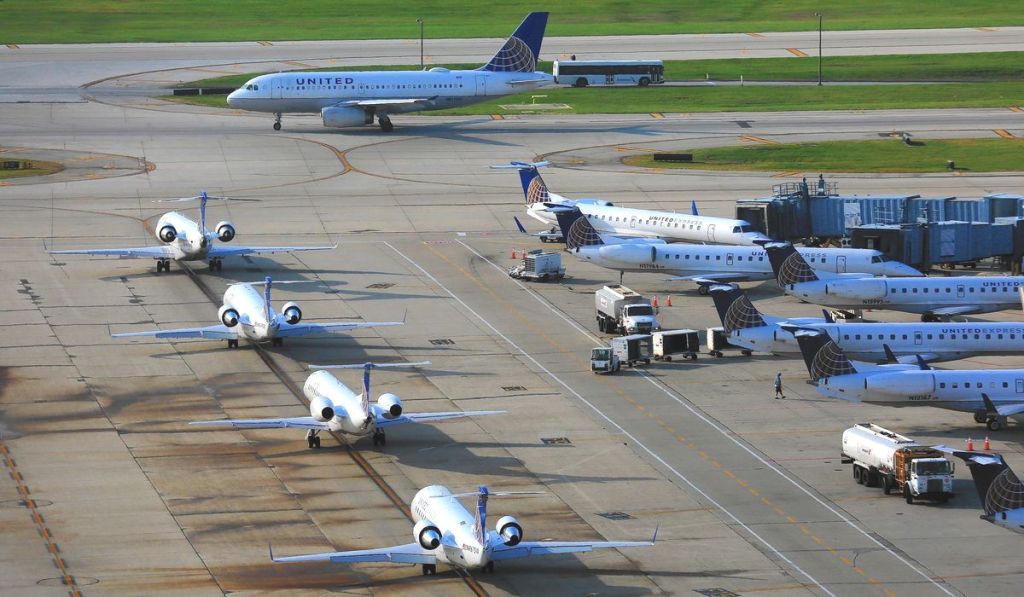
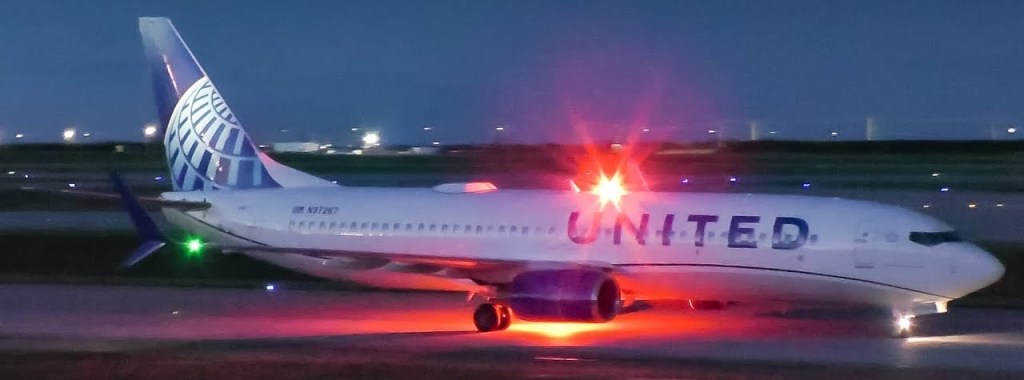
United Airlines ha solicitado al Gobierno una extensión de 6 meses de la ayuda federal y el reinicio de las negociaciones de estímulo. La compañía aérea dijo que continúa sirviendo a más del 99% de sus mercados domésticos. United Airlines y los sindicatos de la industria han enviado una carta instando al liderazgo del Congreso y al secretario del Tesoro, Steven Mnuchin, a reiniciar negociaciones críticas de la legislación COVID-19. «Sin fondos adicionales para las subvenciones de PSP, hasta 16.000 miembros de la familia United están en riesgo de licencias involuntarias a partir del 1 de Octubre de 2020. La continuación de este programa crítico evitaría los permisos y proporcionaría tiempo adicional para que la industria se recupere sin perder a nuestros colegas por permisos involuntarios», escribió el Viernes 18/09 el Presidente Ejecutivo de United, Scott Kirby.
Si bien United dice que está trabajando día y noche para llegar a acuerdos con sus sindicatos para evitar tantos permisos involuntarios como sea posible, la aerolínea advirtió que serán inevitables sin apoyo financiero adicional del Gobierno Federal. «Reconocemos el impacto severo que el virus está teniendo en toda nuestra economía y la necesidad de apoyo afecta a muchas otras personas, organizaciones y programas. La asistencia ahora puede ayudar a disminuir el impacto a largo plazo en la economía y, en última instancia, acelerar la recuperación. Cuanto antes el Congreso y la Administración puedan volver a unirse y llegar a un acuerdo, mayores serán las posibilidades de United y de toda la industria de retener empleados y devolver los beneficios económicos que brindamos a la economía en general», expresó el CEO de United Airlines. Durante el resto del tercer trimestre, United Airlines espera que la demanda de viajes disminuya más del 70% y los ingresos un 85% en comparación con los niveles de 2019.
Además de recaudar miles de millones de dólares en los mercados de capitales privados para capear la pandemia, United dijo que continúa prestando servicios a más del 99% de sus mercados nacionales y ha agregado más de 5.000 vuelos solo de carga para garantizar que el equipo médico se pueda entregar a las comunidades. en necesidad. «Superar esta crisis seguirá requiriendo la cooperación y el sacrificio de todos. Instamos respetuosamente a un regreso urgente a las negociaciones y un acuerdo para los trabajadores de la aviación y la economía en general», dijo Scott Kirby.
United Airlines es la segunda aerolínea en enviar una carta conjunta con sus sindicatos al Congreso instando a una extensión de seis meses de la ayuda federal, luego de una medida similar de la competencia American Airlines la semana pasada.
American Airlines ha advertido el Miércoles 16/09 que a pesar de las agresivas medidas de autoayuda que la compañía ha tomado para reforzar su posición financiera, incluyendo a muchos de sus empleados que optan por la licencia voluntaria y la jubilación anticipada, la aerolínea todavía enfrenta casi 20.000 licencias involuntarias y reducciones significativas en servicio aéreo en las próximas semanas sin una nueva ronda de estímulo.
Mientras tanto, el Director Ejecutivo de Delta Air Lines, Ed Bastian, dijo en un memorando que la aerolínea evitará permisos involuntarios para la mayoría de los empleados de primera línea, excepto los pilotos, como resultado de miles de empleados que participaron en programas de permisos voluntarios y reducción de horas de trabajo. Delta dijo anteriormente que alrededor de 1.941 pilotos enfrentarían despidos en Octubre 2020.
Airlines claim federal aid
United States airlines/unions ask for federal aid extension
Airlines and unions are also calling for the latest stimulus package to include a clean six-month extension of funding for the Payroll Support Program, which requires airlines to keep their employees on the payroll until October 1.
United Airlines has asked the government for a 6-month extension of federal aid and the restart of stimulus negotiations. The airline said it continues to serve more than 99% of its domestic markets. United Airlines and industry unions have sent a letter urging Congressional leadership and Treasury Secretary Steven Mnuchin to restart critical negotiations of the COVID-19 legislation. «Without additional funding for PSP grants, up to 16,000 United family members are at risk of involuntary licensing as of October 1, 2020. Continuation of this critical program would avoid permits and provide additional time for the industry to get back without losing our colleagues to involuntary leave», United CEO Scott Kirby wrote on Friday 9/18.
While United says it is working around the clock to reach agreements with its unions to avoid as many involuntary leaves as possible, the airline cautioned that they will be inevitable without additional financial support from the Federal government. «We recognize the severe impact the virus is having on our entire economy and the need for support affects many other individuals, organizations and programs. Assistance now can help lessen the long-term impact on the economy and ultimately, accelerate recovery. The sooner Congress and the Administration can come together again and reach an agreement, the greater the chances for United and the entire industry to retain employees and return the economic benefits that we provide to the economy as a whole», he said the CEO of United Airlines. For the remainder of the third quarter, United Airlines expects travel demand to decline by more than 70% and revenue by 85% compared to 2019 levels.
In addition to raising billions of dollars in private capital markets to weather the pandemic, United said it continues to serve more than 99% of its domestic markets and has added more than 5,000 cargo-only flights to ensure medical equipment can be delivered to communities. In need. «Overcoming this crisis will continue to require everyone’s cooperation and sacrifice. We respectfully urge an urgent return to negotiations and agreement for aviation workers and the broader economy», said Scott Kirby.
United Airlines is the second airline to send a joint letter with its unions to Congress urging a six-month extension of federal aid, following a similar move from American Airlines competition last week.
American Airlines warned on Wednesday 09/16 that despite aggressive self-help measures the company has taken to strengthen its financial position, including many of its employees who opt for voluntary leave and early retirement, the airline still faces almost 20,000 involuntary licenses and significant reductions in air service in the coming weeks without a new round of stimulus.
Meanwhile, Delta Air Lines Chief Executive Officer Ed Bastian said in a memo that the airline will avoid involuntary leave for most frontline employees, except pilots, as a result of thousands of employees who participated in leave programs. volunteers and reduction of working hours. Delta previously said that about 1,941 pilots would face layoffs in October 2020.
Azul Linhas Aéreas ha pintado de rosa un avión de su flota y aplicó otro avión para reforzar el apoyo en la lucha contra el cáncer de mama. Ahora, la compañía aérea de Brasil ha desarrollado un esquema de pintura especial en un Airbus A320NEO y en un Cessna Gran Caravan con los colores de la campaña “October Pink”.
El A320NEO se ha incorporado un esquema autoadhesivo a la librea de color rosa existente con un isologotipo conmemorando los diez años de apoyo de Azul a esta causa. “Esta es la mayor causa que apoya Azul y por la que concentramos esfuerzos durante todo el año, con el objetivo de que la información llegue al mayor número de personas posible. Pintar estos aviones es hacer que el mensaje sobre la salud de la mujer llegue a todos los rincones del país con nuestros vuelos a bordo del avión rosa. Al fin y al cabo, sabemos que el cáncer de mama es el que más afecta a las mujeres en el mundo y que hay una gran posibilidad de cura si se detecta a tiempo”, comenta Camila Almeida, Directora de Personas de Azul Linhas Aéreas.
October Pink es un movimiento internacional para crear conciencia sobre el control del cáncer de mama. La fecha se celebra anualmente, con el objetivo de compartir información y promover la conciencia sobre la enfermedad; proporcionar un mayor acceso a los servicios de diagnóstico y tratamiento y contribuir a reducir la mortalidad. El cáncer de mama es una enfermedad causada por la multiplicación desordenada de las células de la mama. Este proceso genera células anormales que se multiplican y forman un tumor. Esta enfermedad también afecta a los hombres, pero es poco común, representa solo el 1% del total de casos de la enfermedad. Hay tratamiento y el Ministerio de Salud brinda atención a través del Sistema Único de Salud (SUS). Según el Instituto Nacional del Cáncer, la estimación es de 66.280 nuevos casos de cáncer de mama en Brasil este año. La proyección de defunciones es de 17.763, de las cuales 17.572 son mujeres y 189 hombres, según datos de 2018 del Cancer Mortality Atlas.
October Pink campaign by Azul
Airline pint A320NEO and Cessna Gran Caravan
Azul Linhas Aéreas has painted a plane in its fleet pink and applied another plane to reinforce support in the fight against breast cancer. Now, the Brazilian airline has developed a special paint scheme on an Airbus A320NEO and on a Cessna Gran Caravan in the colors of the “October Pink” campaign.
The A320NEO has added a self-adhesive scheme to the existing pink livery with an logo commemorating ten years of Azul’s support for this cause. “This is the biggest cause that Azul supports and for which we concentrate efforts throughout the year, with the aim that the information reaches as many people as possible. Painting these planes is making the message about women’s health reach all corners of the country with our flights aboard the pink plane. At the end of the day, we know that breast cancer affects women the most in the world and that there is a great possibility of a cure if it is detected early”, says Camila Almeida, Director of People at Azul Linhas Aéreas.
October Pink is an international movement to raise awareness about the control of breast cancer. The date is celebrated annually, with the aim of sharing information and promoting awareness about the disease; provide greater access to diagnostic and treatment services and help reduce mortality. Breast cancer is a disease caused by the disorderly multiplication of cells in the breast. This process generates abnormal cells that multiply and form a tumor. This disease also affects men, but it is rare, accounting for only 1% of all cases of the disease. There is treatment and the Ministry of Health provides care through the Unified Health System (SUS). According to the National Cancer Institute, the estimate is 66,280 new cases of breast cancer in Brazil this year. The projection of deaths is 17,763, of which 17,572 are women and 189 men, according to 2018 data from the Cancer Mortality Atlas.
Campanha October Pink de Azul
Azul pinta A320NEO e Cessna Gran Caravan
A Azul Linhas Aéreas pintou um avião de sua frota de rosa e aplicou outro avião para reforçar o apoio na luta contra o câncer de mama. Agora, a companhia aérea brasileira desenvolveu um esquema de pintura especial em um Airbus A320NEO e em um Cessna Gran Caravan nas cores da campanha “Rosa de Outubro”.
O A320NEO adicionou um esquema autoadesivo à pintura rosa existente com um logotipo comemorativo dos dez anos de apoio da Azul a esta causa. “Esta é a maior causa que a Azul apoia e para a qual concentramos esforços ao longo do ano, com o objetivo de que a informação chegue ao maior número de pessoas possível. Pintar esses aviões está fazendo com que a mensagem sobre a saúde da mulher chegue a todos os cantos do país com nossos voos a bordo do avião rosa. Afinal, sabemos que o câncer de mama é o que mais atinge as mulheres no mundo e que há grande possibilidade de cura se for detectado precocemente”, afirma Camila Almeida, diretora de Pessoas da Azul Linhas Aéreas.
Outubro Pink é um movimento internacional para aumentar a conscientização sobre o controle do câncer de mama. A data é comemorada anualmente, com o objetivo de compartilhar informações e promover a conscientização sobre a doença; fornecer maior acesso a serviços de diagnóstico e tratamento e ajudar a reduzir a mortalidade. O câncer de mama é uma doença causada pela multiplicação desordenada de células na mama. Esse processo gera células anormais que se multiplicam e formam um tumor. Essa doença também atinge os homens, mas é rara, respondendo por apenas 1% de todos os casos da doença. Há tratamento e o Ministério da Saúde atende por meio do Sistema Único de Saúde (SUS). Segundo o Instituto Nacional do Câncer, a estimativa é de 66.280 novos casos de câncer de mama no Brasil neste ano. A projeção de óbitos é de 17.763, sendo 17.572 mulheres e 189 homens, segundo dados de 2018 do Cancer Mortality Atlas.
Aerolínea china presenta imagen decorativa especial
El Airbus 330-300 de China Southern Airlines ha despegado del Aeropuerto Internacional Guangzhou Baiyun y ha aterrizado en el Aeropuerto Internacional Hongqiao el Sábado 19/09 por la tarde. La ceremonia en la puerta del agua en Hongqiao celebró el vuelo inaugural del avión con temática de la China International Import Expo (CIIE).
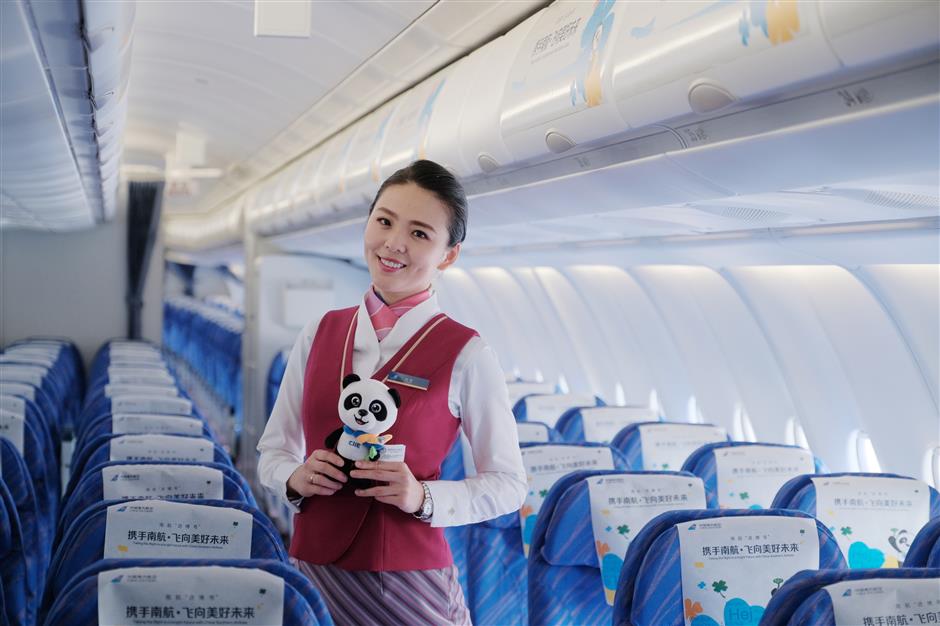
El avión, lanzado conjuntamente por la oficina de la CIIE y China Southern, está pintado de blanco y azul con rayas blancas y amarillas. También presenta la mascota de la CIIE, Jinbao, junto con el eslogan de la Expo «Nueva era, futuro compartido». El avión tiene como objetivo promover la CIIE y atraer participantes de todo el mundo, según la aerolínea. La aeronave operará varios vuelos nacionales e internacionales para promover y servir a la CIIE. En el vuelo inaugural, los asistentes de vuelo lanzaron cuestionarios sobre la CIIE y enseñaron a los pasajeros a pintar la mascota de la CIIE, Jinbao.
El tercer encuentro de la CIIE se llevará a cabo en el Centro Nacional de Exposiciones y Convenciones entre el 5 y el 10 de Noviembre 2020. China Southern Airlines servirá como una empresa de apoyo central, transportista aéreo, comprador y proveedor de servicios, dijo la compañía con sede en Guangzhou. Los acuerdos de China Southern durante la primera y segunda CIIE ocupan el primer lugar entre las tres principales aerolíneas del país. La aerolínea China Eastern Airlines, con sede en Shanghái, también ha presentado aviones de pasajeros con librea temática de la CIIE.
China Southern debuts special livery
Chinese airline unveils special decorative image
China Southern Airlines Airbus 330-300 took off from Guangzhou Baiyun International Airport and landed at Hongqiao International Airport on Saturday afternoon 09/19. The water gate ceremony in Hongqiao celebrated the inaugural flight of the China International Import Expo (CIIE) themed plane.
The plane, launched jointly by the CIIE office and China Southern, is painted white and blue with white and yellow stripes. It also features the CIIE mascot, Jinbao, along with the Expo slogan «New Era, Shared Future». The plane is intended to promote CIIE and attract participants from around the world, according to the airline. The aircraft will operate several national and international flights to promote and serve the CIIE. On the inaugural flight, flight attendants released CIIE questionnaires and taught passengers to paint the CIIE mascot, Jinbao.
The third meeting of the CIIE will be held at the National Convention and Exhibition Center between November 5 and 10, 2020. China Southern Airlines will serve as a central support company, air carrier, buyer and service provider, said the Guangzhou-based company. China Southern’s deals during the first and second CIIE rank first among the top three airlines in the country. Shanghai-based China Eastern Airlines has also unveiled CIIE-themed livery passenger jets.
Aerolínea bandera suiza recibido su primer Airbus A321NEO
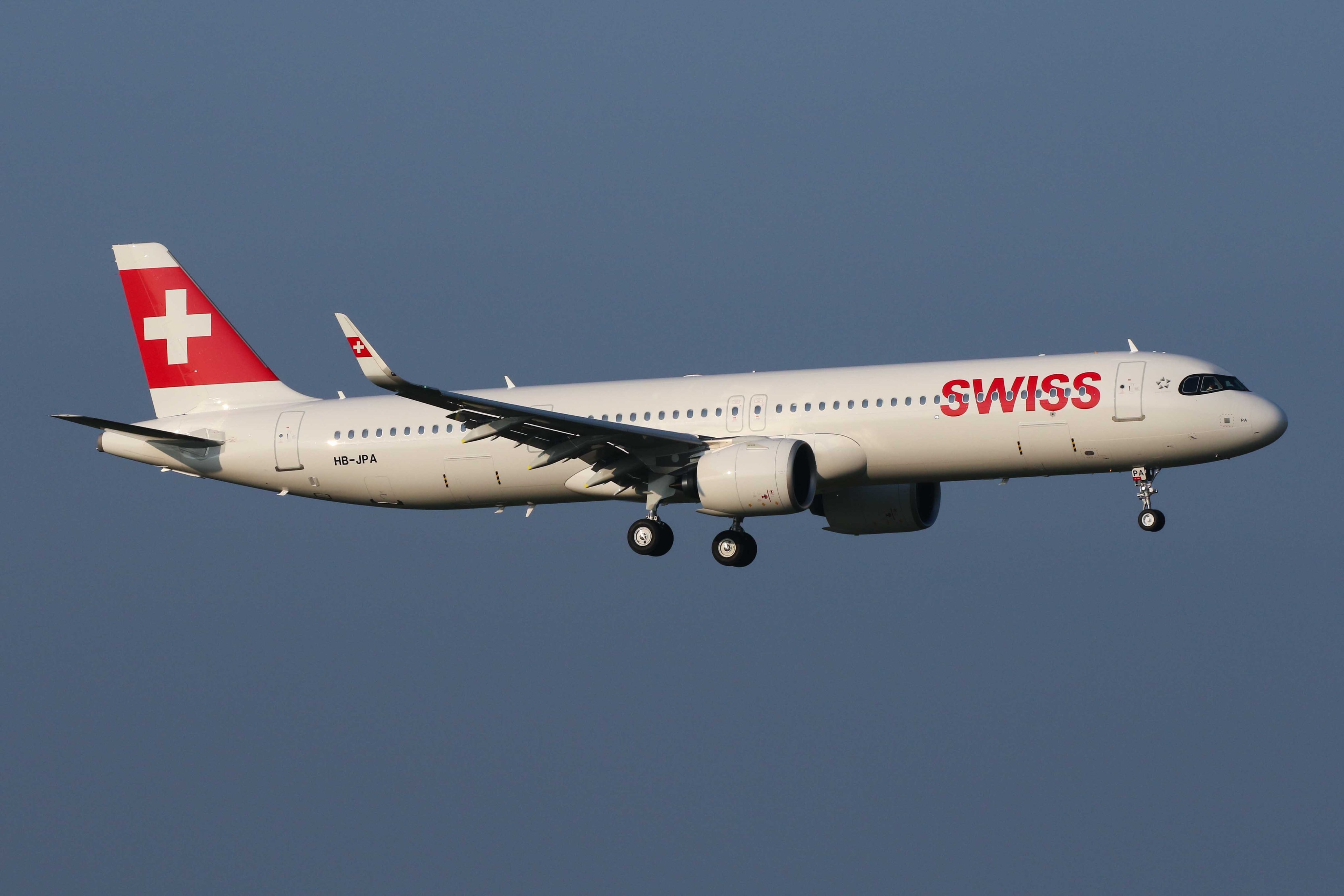
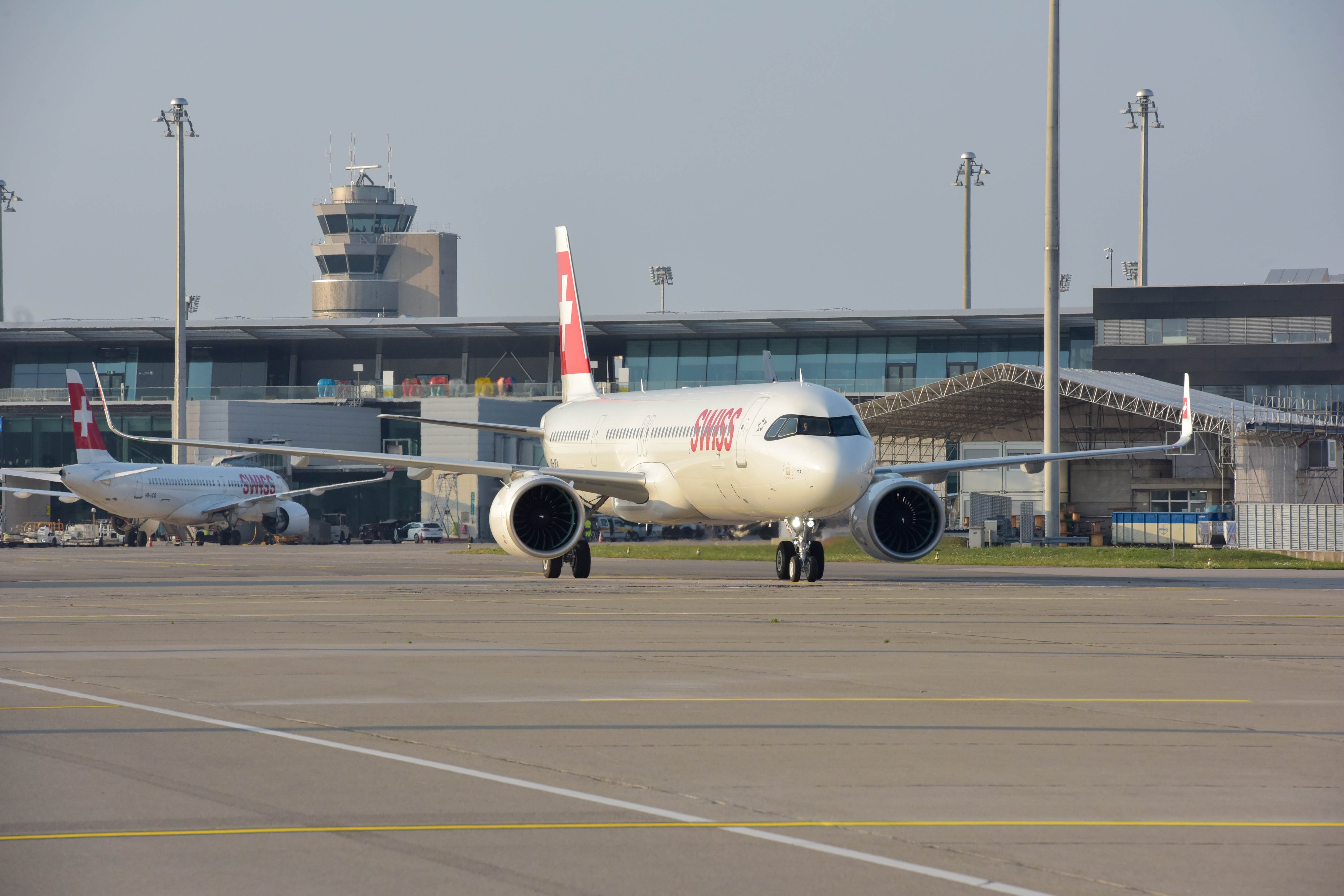
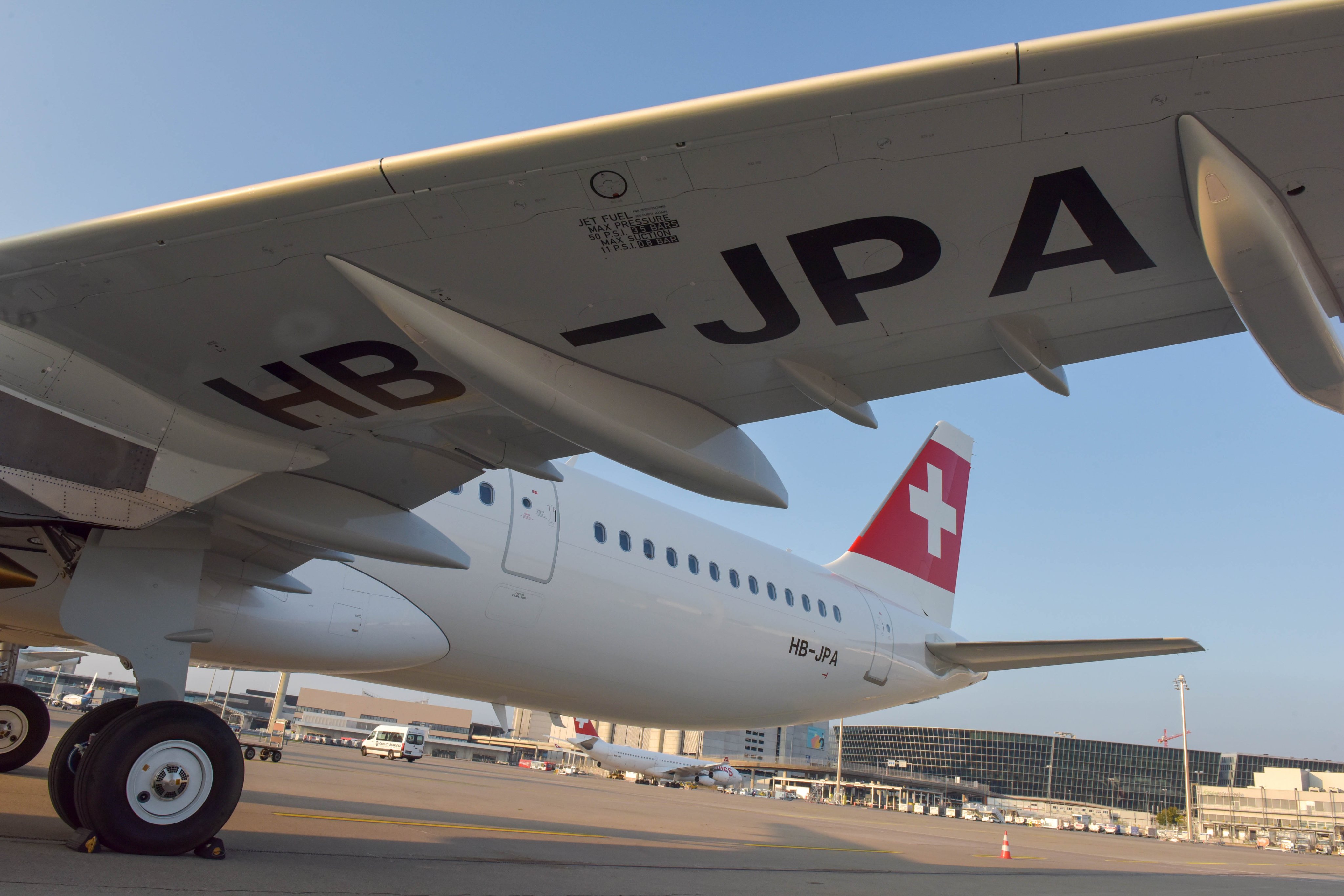
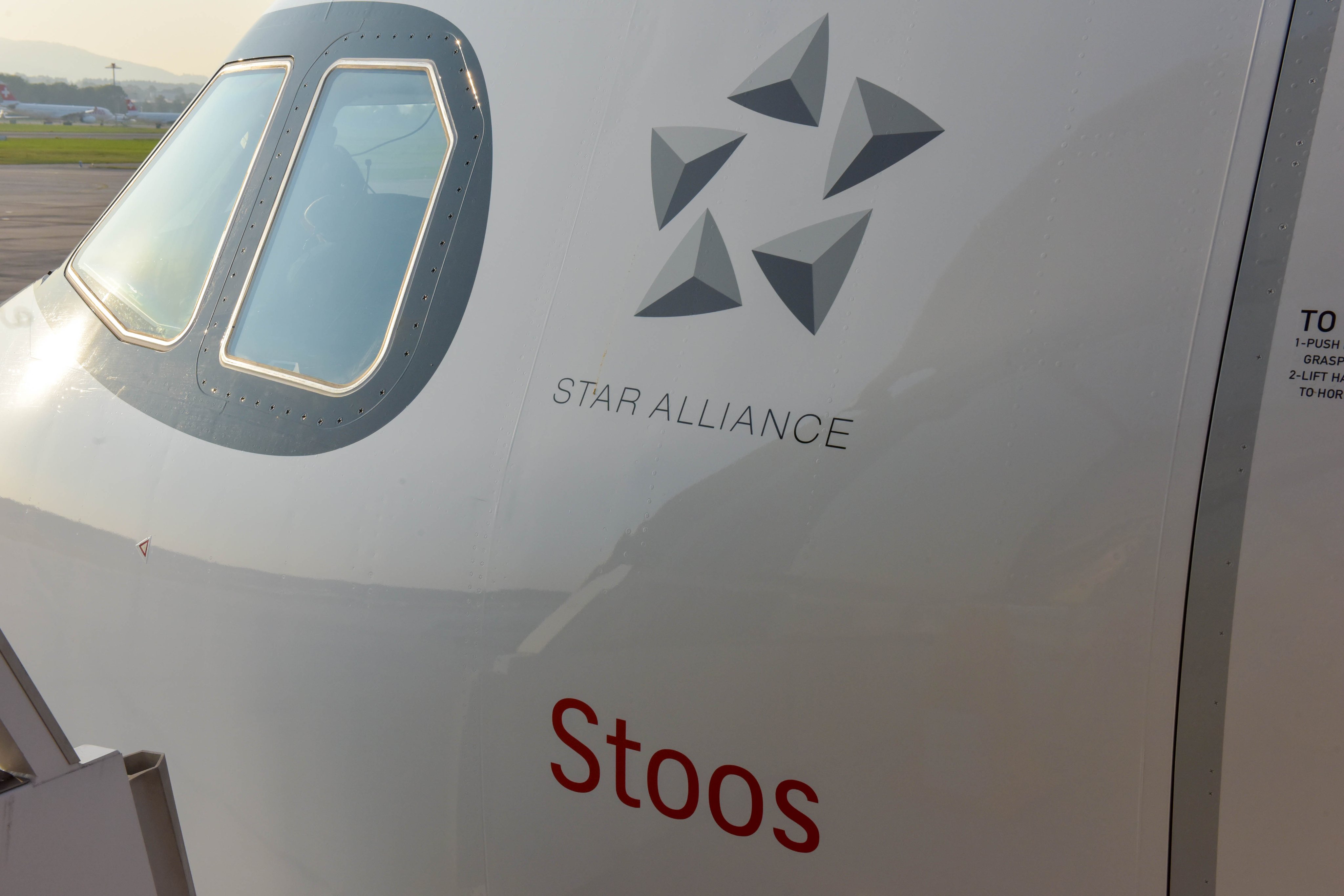
Swiss International Airlines ha tomado entrega de su primer Airbus A321NEO registrado como HB-JPA. La nueva incorporación es la versión más alargada de la familia A320NEO que permitirá mayores prestaciones en servicio de las rutas de la compañía suiza. Los aviones de la aerolínea Swiss reciben el nombre de ubicaciones en Suiza. La nueva incorporación lleva el nombre del pueblo Stoos en el Cantón suizo de Schwyz.
La aerolínea suiza ha recibido su primer avión Airbus A320NEO totalizando dos unidades, más órdenes por otros 15 aviones, más siete A321NEO. La flota más antigua de la aerolínea A320CEO/A321CEO irá desprogramándose a medida que se incorporen los A320NEO/A321NEO. Swiss Airlines completa su flota aérea con las aeronaves regionales Airbus A220, así como para vuelos de larga distancia los A330-300, A340-300 y Boeing 777-300ER.
Swiss receives first Airbus A321NEO
Swiss flag airline received its first Airbus A321NEO
Swiss International Airlines has taken delivery of its first Airbus A321NEO registered as HB-JPA. The new addition is the longest version of the A320NEO family that will allow greater performance in service on the routes of the Swiss company. Swiss airline aircraft are called locations in Switzerland. The new addition is named after the Stoos village in the Swiss Canton of Schwyz.
The Swiss airline has received its first Airbus A320NEO aircraft totaling two units, plus orders for another 15 aircraft, plus seven A321NEOs. The oldest fleet of the airline A320CEO/A321CEO will be deprogrammed as the A320NEO/A321NEO are added. Swiss Airlines completes its air fleet with regional Airbus A220 aircraft, as well as the A330-300, A340-300 and Boeing 777-300ER for long-haul flights.
Swiss erhält ersten Airbus A321NEO
Die Fluggesellschaft unter Schweizer Flagge erhielt ihren ersten Airbus A321NEO
Swiss International Airlines hat den ersten als HB-JPA registrierten Airbus A321NEO übernommen. Der Neuzugang ist die längste Version der A320NEO-Familie, die eine höhere Leistung auf den Strecken des Schweizer Unternehmens ermöglicht. Schweizer Flugzeuge werden als Standorte in der Schweiz bezeichnet. Der Neuzugang ist nach dem Dorf Stoos im Schweizer Kanton Schwyz benannt.
Die Schweizer Fluggesellschaft hat ihr erstes Airbus A320NEO-Flugzeug mit insgesamt zwei Einheiten sowie Bestellungen für weitere 15 Flugzeuge und sieben A321NEO erhalten. Die älteste Flotte der Fluggesellschaft A320CEO/A321CEO wird deprogrammiert, wenn die A320NEO/A321NEO hinzugefügt werden. Swiss Airlines vervollständigt ihre Luftflotte mit regionalen Airbus A220-Flugzeugen sowie A330-300, A340-300 und Boeing 777-300ER für Langstreckenflüge.
La aerolínea panameña Copa Airlines ha iniciado el proceso de desrprogramación de la flota de aeronaves regionales Embraer E190. A partir de este Viernes 18 de Septiembre 2020, la compañía ha comenzado el retiro definitivo de sus 14 aeronaves modelo Embraer E190, en el nuevo escenario post-pandemia. Copa Airlines ha visto en la necesidad de ajustar el tamaño de su flota a una demanda reducida de viajes que se espera para los siguientes años.
El 18/09 ha partido desde el Aeropuerto Internacional de Tocumen el primer E190 matrícula HP-1569, en vuelo ferry con destino hacia San José, República de Costa Rica, desde donde será reacondicionado para ser entregado a pilotos de la aerolínea Alliance Airlines, Australia.
La desprogramación total de las unidades regionales está proyectada hasta Junio 2021 concretando la 14 aeronaves en ser dadas de baja comercial en la flota de Copa Airlines. La totalidad de las catorce aeronaves Embraer 190 han sido confirmadas por medio de la venta a la compañía australiana Alliance Airlines, con sede en Brisbane.
Copa Airlines marca así la finalización de una era que permitió el crecimiento de la aerolínea y brindó conectividad internacional, a través del Hub de Las Américas, a muchas ciudades del continente carecentes de conexión.
Logros del E190
Copa Airlines se convirtió en el año 2005 en la primera aerolínea en Latinoamérica y la segunda en el mundo en integrar a su flota los modernos Embraer 190, lo cual marcó un hito en la historia de la aerolínea. “El Embraer-190 nos permitió llevar servicio internacional de calidad a nuevas ciudades que no estaban conectadas con el resto del continente, brindándoles mayores oportunidades para el desarrollo comercial y crecimiento turístico. Incluir esta aeronave a nuestra flota fue una de las decisiones más importantes que hemos tomado, debido a que impulsó nuestro crecimiento por 15 años y contribuyó a convertir a Panamá en el país mejor conectado de la región”, expresa el comunicado de la compañía.
Copa starts deprogramming E190
Copa Airlines begins withdrawal of Embraer 190 line
The Panamanian airline Copa Airlines has begun the process of deprogramming the Embraer E190 regional aircraft fleet. As of this Friday, September 18, 2020, the company has begun the definitive retirement of its 14 Embraer E190 model aircraft, in the new post-pandemic scenario. Copa Airlines has seen the need to adjust the size of its fleet to the reduced demand for travel that is expected in the following years.
On 09/18, the first E190 registration HP-1569 departed from the Tocumen International Airport, on a ferry flight to San José, Republic of Costa Rica, from where it will be reconditioned to be delivered to pilots of Alliance Airlines, Australia.
The total deprogramming of the regional units is projected until June 2021, specifying the 14 aircraft to be decommissioned from the Copa Airlines fleet. All of the fourteen Embraer 190 aircraft have been confirmed through sale to the Australian company Alliance Airlines, based in Brisbane.
Copa Airlines thus marks the end of an era that allowed the airline’s growth and provided international connectivity, through the Hub of the Americas, to many cities on the continent that lack connection.
E190 achievements
Copa Airlines became in 2005 the first airline in Latin America and the second in the world to integrate the modern Embraer 190 into its fleet, which marked a milestone in the airline’s history. “The Embraer-190 allowed us to bring quality international service to new cities that were not connected to the rest of the continent, providing them with greater opportunities for business development and tourism growth. Including this aircraft in our fleet was one of the most important decisions we have made, because it boosted our growth for 15 years and contributed to making Panama the best-connected country in the region”, says the company’s statement.
Avianca solicita préstamo Gobierno para sobrevivir
Después de que el Tribunal de Justicia de Colombia bloqueara un préstamo estatal de US$ 370 millones de Dólares a Avianca Airlines, la aerolínea dijo que necesita esta financiación del Gobierno de Colombia para sobrevivir. La empresa aérea sudamericana apeló la decisión de la Corte y dijo que hay más de 123.000 empleos en riesgo.
Avianca ha argumentado sobre por qué debería recibir el préstamo estatal de US$ 370 millones de dólares del gobierno de Colombia. La aerolínea esboza que la compañía actualmente se encuentra amparada por el Capítulo 11 de la Ley de Bancarrota de Estados Unidos, pudiendo acceso a la Financiación de Deudores en Posesión (DIP). El transportista colombiano está buscando US$ 2.000 millones de Dólares de financiación, incluidos US$ 1.200 millones de financiación del DIP. Avianca argumentó que este método compensa adecuadamente a los inversionistas, incluyendo al Gobierno colombiano. El financiamiento DIP de Avianca está compuesto por dos tramos. El tramo A, en el que participa el gobierno colombiano, está compuesto por US$ 900 millones de Dólares, mientras tanto, el tramo B tiene un valor de US$ 316 millones de Dólares. Tal como sucedió en el caso de Latam Airlines Group, no hay garantía de que la Corte de los Estados Unidos apruebe esta financiación.
Otro argumento es que el futuro de la empresa y la conectividad colombiana están en riesgo sin la ayuda del Estado. «Si [la Corte] prohíbe al Gobierno Nacional dar el préstamo, esto afectaría la estructura de financiación DIP. Avianca no recibiría nuevos recursos, y su liquidez sufriría una mayor reducción, lo que haría inviable las operaciones [de Avianca]», argumenta la aerolínea en su declaración. La falta de conectividad ha sido uno de los principales argumentos de Avianca en las últimas semanas. Antes de la pandemia, la aerolínea colombiana tenía la mayor cuota de mercado del país, con más del 60%, mientras que el resto de las aerolíneas que incluyen a Latam Airlines Colombia, Viva Air, SATENA e EasyFly poseían el 40% restante de la cuota de mercado.
A pesar de que Avianca no paga impuestos en Colombia debido a que Avianca Holdings tiene su sede en la República de Panamá, es vista como la aerolínea histórica de Colombia. Por tanto, ha utilizado este argumento para impulsar su agenda, incluso cuando asociaciones internacionales como la IATA han pedido al Gobierno colombiano que proporcione ayuda a todas las aerolíneas, no sólo a una. Avianca afirmó que si cesa sus operaciones, la economía de Colombia estaría en riesgo. Según sus estadísticas, se podrían perder más de 123.000 empleos anuales durante los próximos cinco años, el 3,19% del PIB, y más de 1.300 millones de dólares en impuestos. Además, Avianca afirma que el turismo y los valores de la cadena logística están también en riesgo.
Avianca loan to survive
Avianca requests a government loan to survive
After the Colombian Court of Justice blocked a state loan of US$ 370 million to Avianca Airlines, the airline said that it needs this financing from the Government of Colombia to survive. The South American airline has appealed the court’s decision and said there are more than 123,000 jobs at risk.
Avianca has argued about why it should receive the US $ 370 million state loan from the Colombian government. The airline outlines that the company is currently protected by Chapter 11 of the Bankruptcy Law of the United States, being able to access the Financing of Debtors in Possession (DIP). The Colombian carrier is seeking US$ 2 billion in financing, including US$ 1.2 billion in DIP financing. Avianca argued that this method adequately compensates investors, including the Colombian government. Avianca’s DIP financing is made up of two tranches. Tranche A, in which the Colombian government participates, is made up of US$ 900 million dollars, meanwhile, tranche B has a value of US$ 316 million dollars. As in the case of Latam Airlines Group, there is no guarantee that the United States Court will approve this financing.
Another argument is that the future of the company and Colombian connectivity are at risk without the help of the State. «If [the Court] prohibits the National Government from giving the loan, this would affect the DIP financing structure. Avianca would not receive new resources, and its liquidity would suffer a further reduction, which would make [Avianca’s] operations unviable», argues the airline in your statement. The lack of connectivity has been one of Avianca’s main arguments in recent weeks. Before the pandemic, the Colombian airline had the largest market share in the country, with more than 60%, while the rest of the airlines that include Latam Airlines Colombia, Viva Air, SATENA and EasyFly owned the remaining 40% of the market share.
Although Avianca does not pay taxes in Colombia because Avianca Holdings is based in the Republic of Panama, it is seen as the historic airline of Colombia. Therefore, it has used this argument to push its agenda, even as international associations such as IATA have asked the Colombian government to provide aid to all airlines, not just one. Avianca stated that if it ceases operations, the Colombian economy would be at risk. According to their statistics, more than 123,000 jobs could be lost annually over the next five years, 3.19% of GDP, and more than US$ 1.3 billion Dollars in taxes. Furthermore, Avianca affirms that tourism and the values of the logistics chain are also at risk.
Tribunal Brasil arbitra en favor de Gol Linhas Aéreas
El Tribunal Supremo Federal (STF) ha confirmado una decisión favorable para la aerolínea GOL Linhas Aéreas, que había presentado una demanda a los antiguos propietarios de VARIG Airlines sobre la sobrevaloración de la compañía en el proceso de venta de la misma. La oferta de la aerolínea fue sobrevalorada en la venta, cuando la compañía Gol Linhas Aéreas adquirió el total de patrominio de la empresa.
VARIG S.A. fue la primera aerolínea fundada en Brasil en 1927. Desde 1965 hasta 1990, fue la principal aerolínea brasileña y prácticamente la única internacional. En 2005, VARIG entró en una reestructuración judicial y en 2006 se dividió en dos compañías: Flex Linhas Aéreas, conocida informalmente como vieja VARIG, heredera de la aerolínea original, ahora desaparecida, y nueva VaARIG, una nueva compañía, totalmente integrado en Gol Linhas Aéreas.
STF fallo favorable a GOL
El Tribunal Supremo Federal (STF) ha determinado en la primer samana de Septiembre 2020 que la decisión sobre el proceso de compra de VARIG S.A. debe mantenerse en 2007. El caso judicial se desarrolla desde hace más de 10 años que involucra a GOL Linhas Aéreas y el fondo de inversión Matlin Patterson. Al contrario de lo que muchos piensan, VARIG no se vendió directamente a GOL, sino al Consorcio Volo, que estaba formado por VarigLog que presentó su quiebra tiempo después, y el fondo de inversión Matlin Patterson. Poco después de la subasta judicial, cuya competencia fue ganada por este consorcio, la empresa fue re-vendida a GOL Linhas Aéreas, que acabó acaparando parte de la flota y slots de la empresa en los principales aeropuertos del país.
Después del proceso de compra y adquisición del patrimonio de VARIG Airlines, Gol Linhas Aéreas afirmó que los vendedores manipularon el balance general y la información de facturación de VARIG para que hubiera una sobrevaloración en el momento de la venta. También en 2010, el Tribunal Arbitral confirmó que la información en realidad había sido manipulada para que Gol Linhas Aéreas pagara más por la empresa dimitida. Así, Gol comenzó a pedir una indemnización que hasta en la actualidad supera los R$ 200 millones de Reales. El fondo Matlin Patterson había tomado medidas para revocar la sentencia, pero no tuvo éxito. Pasado el tiempo, la demanda ya llegó a los Tribunales de las Islas Caymán, pero aún no se ha cerrado por apelaciones, aunque la Corte Suprema ha dirigido el caso en favor de Gol Linhas Aéreas S.A.
Georges Ferreira, Consultor y Árbitro de Derecho Aéreo de la Cámara de Mediación y Arbitraje Especializado (CAMES) especialista en mediación y arbitraje ha expresado que “el proceso aún no ha terminado, pues aún se debe imponer una declaración de embargo, aunque la claridad de la decisión, que al final debe mantenerse. Otro detalle es que aún está pendiente la sentencia de un recurso de apelación que está pendiente en las Caimán”. El reclamo de resarcimiento económico solicitado por parte de GOL Linhas Aéreas de una valoración acumulativa a una indemnización que corresponde a los R$ 200 millones que podría recibir la línea aérea brasileña. CAMES sostiene que el fondo de inversiones Matlin Patterson destinaría una cuenta para el pago en cuotas por la posible pérdida del juicio. “Matlin Patterson ya estaría proporcionando una reserva para financiar la cuenta. La compensación se debería a una composición contable que infló el balance de VARIG y fue descubierta después de una auditoría. Creo que la decisión, tanto del STF como de la Corte de las Islas Caimán, fue correcta, ya que refuerza el arbitraje como un medio de resolución de conflictos reconocido internacionalmente”, dice el experto Georges Ferreira.
VARIG sale court overvalued
Brazil Court arbitrates in favor of Gol Linhas Aéreas
The Federal Supreme Court (STF) has confirmed a favorable decision for the airline GOL Linhas Aéreas, which had filed a lawsuit with the former owners of VARIG Airlines about the overvaluation of the company in the process of selling it. The airline’s offer was overvalued in the sale, when the company Gol Linhas Aéreas acquired the total ownership of the company.
VARIG S.A. it was the first airline founded in Brazil in 1927. From 1965 to 1990, it was the main Brazilian airline and practically the only international one. In 2005, VARIG entered into a judicial restructuring and in 2006 it was split into two companies: Flex Linhas Aéreas, informally known as old VARIG, heir to the original airline, now defunct, and new VARIG, a new company, fully integrated into Gol Linhas. Aerial.
STF ruling in favor of GOL
The Federal Supreme Court (STF) has determined in the first week of September 2020 that the decision on the purchase process of VARIG S.A. it must be kept in 2007. The court case has been developed for more than 10 years involving GOL Linhas Aéreas and the investment fund Matlin Patterson. Contrary to what many people think, VARIG was not sold directly to GOL, but to the Volo Consortium, which was made up of VarigLog, which later filed for bankruptcy, and the investment fund Matlin Patterson. Shortly after the judicial auction, whose competition was won by this consortium, the company was re-sold to GOL Linhas Aéreas, which ended up monopolizing part of the company’s fleet and slots in the main airports in the country.
After the process of buying and acquiring the equity of VARIG Airlines, Gol Linhas Aéreas claimed that the sellers manipulated VARIG’s balance sheet and billing information so that there was an overvaluation at the time of sale. Also in 2010, the Arbitration Tribunal confirmed that the information had actually been manipulated so that Gol Linhas Aéreas would pay more for the resigned company. Thus, Gol began to request compensation that up to now exceeds R$ 200 million. The Matlin Patterson fund had taken steps to overturn the sentence, but was unsuccessful. Over time, the lawsuit has already reached the Cayman Islands Courts, but it has not yet been closed for appeals, although the Supreme Court has directed the case in favor of Gol Linhas Aéreas S.A.
Georges Ferreira, Consultant and Arbitrator of Air Law of the Chamber of Mediation and Specialized Arbitration (CAMES) specialist in mediation and arbitration has stated that «the process has not yet finished, as a declaration of embargo must still be imposed, although the clarity of the decision, which in the end must be upheld. Another detail is that the sentence of an appeal that is pending in the Caymans is still pending”. The claim for economic compensation requested by GOL Linhas Aéreas for a cumulative valuation of compensation corresponding to the R$ 200 million that the Brazilian airline could receive. CAMES maintains that the investment fund Matlin Patterson would set aside an account for the payment in installments for the possible loss of the lawsuit. “Matlin Patterson would already be providing a reserve to fund the account. The compensation was due to an accounting composition that inflated VARIG’s balance sheet and was discovered after an audit. I believe that the decision of both the STF and the Cayman Islands Court was correct, as it reinforces arbitration as an internationally recognized means of conflict resolution”, says expert Georges Ferreira.
VARIG venda tribunal supervalorizado
Tribunal do Brasil arbitra em favor da Gol Linhas Aéreas
O Supremo Tribunal Federal (STF) confirmou decisão favorável à companhia aérea GOL Linhas Aéreas, que havia ajuizado ação junto aos ex-proprietários da VARIG Linhas Aéreas sobre a sobrevalorização da empresa no processo de venda. A oferta da companhia aérea foi supervalorizada na venda, quando a empresa Gol Linhas Aéreas adquiriu a propriedade total da empresa.
VARIG S.A. foi a primeira companhia aérea fundada no Brasil em 1927. De 1965 a 1990, foi a principal companhia aérea brasileira e praticamente a única internacional. Em 2005, a VARIG passou por uma reestruturação judicial e em 2006 foi dividida em duas empresas: Flex Linhas Aéreas, informalmente conhecida como antiga VARIG, herdeira da companhia aérea original, agora extinta, e a nova VARIG, uma nova empresa, totalmente integrada à Gol Linhas. Aéreo.
STF decisão favorável à GOL
O Supremo Tribunal Federal (STF) determinou na primeira semana de setembro de 2020 que a decisão sobre o processo de compra da VARIG S.A. deve ser mantido em 2007. O processo judicial se desenvolve há mais de 10 anos envolvendo a GOL Linhas Aéreas e o fundo de investimento Matlin Patterson. Ao contrário do que muitos pensam, a VARIG não foi vendida diretamente para a GOL, mas para o Consórcio Volo, formado pela VarigLog, que mais tarde pediu concordata, e o fundo de investimentos Matlin Patterson. Logo após o leilão judicial, cuja concorrência foi vencida por este consórcio, a empresa foi revendida para a GOL Linhas Aéreas, que acabou monopolizando parte da frota e slots da empresa nos principais aeroportos do país.
Após o processo de compra e aquisição do patrimônio líquido da VARIG Linhas Aéreas, a Gol Linhas Aéreas alegou que os vendedores manipularam o balanço e as informações de faturamento da VARIG para que ocorresse uma sobrevalorização no momento da venda. Ainda em 2010, o Tribunal Arbitral confirmou que as informações haviam sido efetivamente manipuladas para que a Gol Linhas Aéreas pagasse mais pela renunciante. Assim, a Gol passou a solicitar indenizações que até agora ultrapassam R$ 200 milhões. O fundo Matlin Patterson tomou medidas para reverter a sentença, mas não teve sucesso. Com o tempo, a ação já chegou aos Tribunais das Ilhas Cayman, mas ainda não foi encerrada para apelações, embora o Supremo Tribunal Federal tenha decidido a favor da Gol Linhas Aéreas S.A.
Georges Ferreira, Consultor e Árbitro de Direito Aéreo da Câmara de Mediação e Arbitragem Especializada (CAMES), especialista em mediação e arbitragem afirmou que “o processo ainda não terminou, devendo ainda ser imposta a declaração de embargo, embora a clareza do a decisão, que no final deve ser mantida. Outro detalhe é que ainda está pendente a sentença de um recurso que está pendente nas Ilhas Cayman”. O pedido de indenização econômica solicitado pela GOL Linhas Aéreas para avaliação cumulativa da indenização correspondente aos R$ 200 milhões que a companhia aérea brasileira poderia receber. A CAMES sustenta que o fundo de investimento Matlin Patterson constituiria conta para o parcelamento da eventual perda da ação. “Matlin Patterson já estaria fornecendo uma reserva para financiar a conta. A compensação se deu por conta de uma composição contábil que inflou o balanço da VARIG e foi descoberta após auditoria. Acredito que a decisão tanto do STF quanto do Tribunal das Ilhas Cayman foi acertada, pois reforça a arbitragem como meio de resolução de conflitos reconhecido internacionalmente”, afirma o especialista Georges Ferreira.
AW | 2020 09 17 11:03 | GOVERNMENT / AIRLINES / TOURISM
Aéreas de Argentina readecuarán tarifas pasajes internacionales
Las aerolíneas de la República Argentina tienen suspendida la venta de pasajes internacionales por parte del Gobierno, para readecuar las tarifas al nuevo impuesto, que llevará el Dólar a niveles cercanos a AR$ 130 Pesos.
La venta de pasajes aéreos internacionales está suspendida en las principales líneas aéreas del país, a raíz de que a partir del Miércoles 16/09 deben cobrar a los pasajeros el nuevo impuesto del 35%, que llevará la cotización del Dólar en este tipo de servicios a un valor cercano a los AR$ 130 pesos por unidad. «Se canceló la venta internacional para readecuar el sistema a la nueva normativa. Es sólo para vuelos internacionales», dijeron fuentes de Aerolíneas Argentinas, quienes aseguraron que, tal como ocurrió con el impuesto país, el nuevo impuesto a cuenta de Ganancias no aplicará para los pasajes de cabotaje.
Impuestazo a la aviación
En Diciembre 2019, con la aplicación del impuesto PAIS, hubo un período intermedio de varios días en los cuales las aerolíneas registraron una avalancha de compras, por parte de pasajeros que querían anticiparse al incremento decidido con la norma aprobada en el Congreso. En este caso, la aplicación rige desde el mismo Miércoles 16/09, de modo que no hubo espacio para esa ventana.
Con el nuevo esquema anunciado el Martes 16/09 por el Banco Central, las líneas aéreas pasan a cobrar al pasajero su tarifa a precio del Dólar oficial, a la cual adicionan el impuesto PAIS (30%) y ahora el nuevo impuesto a cuenta de Ganancias (35%), además de las tasas aeroportuarias, ANAC y Turismo.
Demanda por el piso
En Argentina los vuelos regulares de pasajeros están suspendidos desde mediados de Marzo 2020. Si bien desde la ANAC y el ministerio de Transporte ya dieron señales de que se podría reanudar esa actividad a partir del 1 Octubre 2020, el Poder Ejecutivo aun no revocó la prohibición vigente. La demanda de pasajes está por el suelo, por lo que las aerolíneas del país dudan acerca de un repunte considerable en el ámbito internacional. «La verdad es que casi no tenemos pedidos, de modo que no hay comparación con lo que pasó en diciembre», expresó una de las aerolíneas con más emisiones de tickets al exterior.
En el caso de la aerolínea de presupuesto Flybondi Líneas Aéreas, que vende pasajes de cabotaje, como así también a destinos regionales como Uruguay y Brasil, ya incorporó a su sistema de venta el ítem «RG 4815» que aplica la recarga del 35%. «Ya estamos emitiendo con ese ítem pasajes a Brasil y Paraguay», expresaron desde la compañía low cost.
La suspensión de la venta tiene además un costado operativo, que puede demorar al menos tres días. Fuentes del sector señalaron que el procedimiento es el siguiente: la línea aérea líder del mercado (en este caso, Aerolíneas) debe informar a la Asociación Internacional de Líneas Aéreas (IATA) la modificación de la base impositiva de las tarifas emitidas en la Argentina, para que esta entidad, con sede en Suiza, las incorpore en su sistema de compensación y las pase a las compañías de reservas internacionales, Sabre y Amadeus. «Todo ese proceso lleva no menos de 72 horas desde que comienza», agregaron las fuentes.
Agencias de viajes
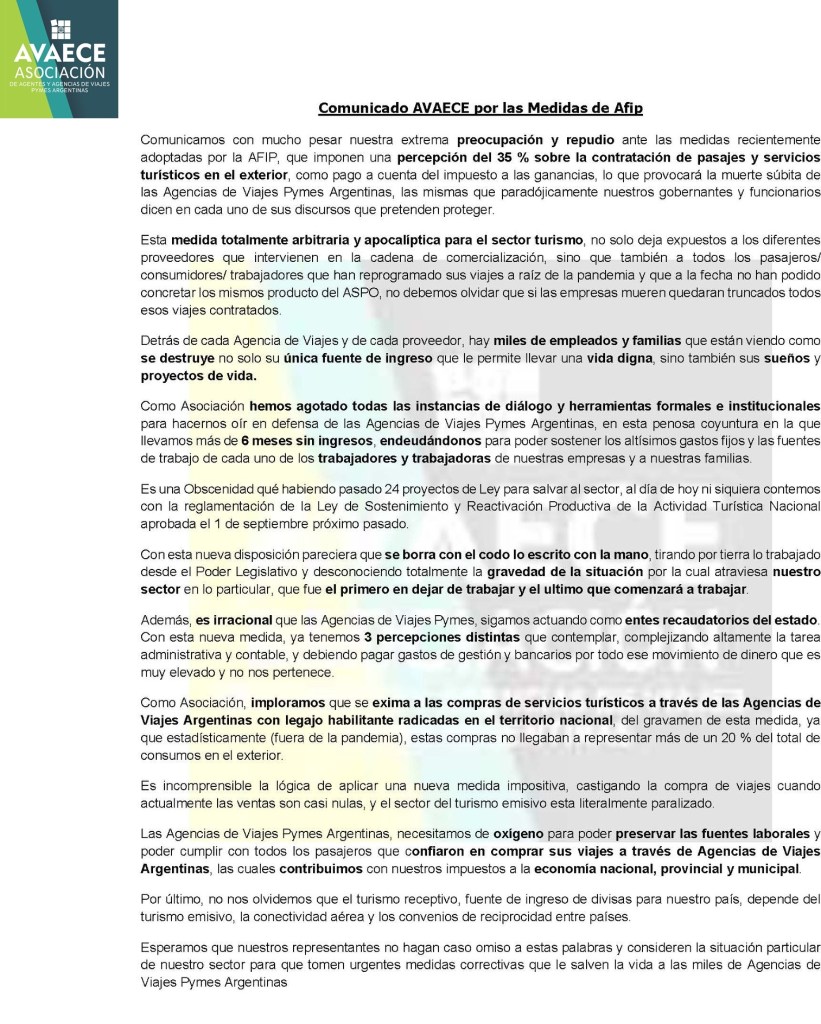
La Asociación Civil de Agentes y Agencias de Viajes Pymes Argentinas (AVAECE) ha difindido un comunicado en el que ha manifestado su extrema preocupación y repudio ante las medidas adoptadas por la AFIP, que imponen una percepción del 35% sobre la contratación de pasajes y servicios turísticos en el exterior, como pago a cuenta del impuesto a las ganancias. El organismo sostiene que ello provocará la muerte súbita del sector y destruirá la fuente de trabajo de empleados y familias. “Esta medida totalmente arbitraria y apocalíptica para el sector turístico no solo deja expuestos a los diferentes proveedores que intervienen en la cadena de comercialización, sino también a los pasajeros, consumidores y trabajadores que reprogramaron sus viajes a raíz de la pandemia y que a la fecha no pudieron concretarlos. Si las empresas mueren, quedarán truncados todos esos viajes contratados”, expresaron desde la asociación.
Las agencias turísticas apelaron sin éxito a distintas instancias de diálogo y herramientas formales e institucionales y manifestó: “Es una obscenidad que después de pasar veinticuatro proyectos de normas para salvar al sector, pero en la actualidad ni siquiera contemos con la reglamentación de la Ley de Sostenimiento y Reactivación Productiva de la Actividad Turística Nacional, aprobada el 1 de Septiembre. Con esta nueva disposición pareciera que se borra con el codo lo escrito con la mano, tirando por tierra lo trabajado desde el Poder Legislativo y desconociendo totalmente la gravedad de la situación por la cual atraviesa nuestro sector en lo particular, que fue el primero en dejar de trabajar y el ultimo que comenzará a hacerlo”, repudiaron desde el sector turístico.
La AVAECE ha solicitado que se exima del gravamen de la medida a las compras de servicios turísticos realizadas a través de las agencias de viajes argentinas con legajo habilitante radicadas en el territorio nacional. “Estadísticamente estas compras no llegaban a representar más de un 20% del total de consumos en el exterior. Es incomprensible la lógica de aplicar una nueva medida impositiva, castigando la compra de viajes cuando actualmente las ventas son casi nulas y el sector del turismo emisivo está literalmente paralizado. Las agencias de viajes pymes necesitamos oxígeno para poder preservar las fuentes laborales y cumplir con todos los pasajeros que confiaron en comprar sus viajes”, concluyó la asociación turística.
Argentina suspends issuance of INT ticket
Argentine airlines will readjust international fares
The airlines of the Argentine Republic have suspended the sale of international tickets by the Government, to readjust the rates to the new tax, which will bring the dollar to levels close to AR$ 130 pesos.
The sale of international air tickets is suspended in the main airlines of the country, due to the fact that as of Wednesday 09/16 they must charge passengers the new tax of 35%, which will carry the price of the Dollar in this type of services at a value close to AR$ 130 pesos per unit. «The international sale was canceled to readjust the system to the new regulations. It is only for international flights», said sources from Aerolíneas Argentinas, who assured that, as happened with the country tax, the new income tax will not apply to cabotage passages.
Aviation tax
In December 2019, with the application of the PAIS tax, there was an intermediate period of several days in which the airlines registered an avalanche of purchases, by passengers who wanted to anticipate the increase decided with the rule approved in Congress. In this case, the application has been in force since Wednesday 09/16, so there was no space for that window.
With the new scheme announced on Tuesday 09/16 by the Central Bank, the airlines now charge the passenger their rate at the official dollar price, to which they add the PAIS tax (30%) and now the new tax on account of Profits (35%), in addition to airport, ANAC and Tourism taxes.
Lawsuit for the floor
In Argentina, regular passenger flights have been suspended since mid-March 2020. Although the ANAC and the Ministry of Transport have already given signs that this activity could be resumed as of October 1, 2020, the Executive Power has not yet revoked the ban valid. The demand for tickets is on the ground, so that the country’s airlines doubt about a considerable rebound in the international arena. «The truth is that we have almost no orders, so there is no comparison with what happened in December», said one of the airlines with the most ticketing abroad.
In the case of the budget airline Flybondi Lineas Aereas, which sells cabotage tickets, as well as to regional destinations such as Uruguay and Brazil, the item «RG 4815» has already been added to its sales system, which applies the 35% recharge. «We are already issuing tickets to Brazil and Paraguay with that item», they said from the low cost company.
The suspension of the sale also has an operational cost, which can take at least three days. Industry sources indicated that the procedure is as follows: the market leading airline (in this case, Aerolíneas) must inform the International Airline Association (IATA) of the modification of the tax base of the rates issued in Argentina, for this Swiss-based entity to incorporate them into its clearing system and pass them on to the international reservation companies, Saber and Amadeus. «This whole process takes no less than 72 hours since it begins», added the sources.
Travel agency
The Civil Association of Argentine SMEs Travel Agents and Agencies (AVAECE) has released a statement in which it has expressed its extreme concern and rejection of the measures adopted by the AFIP, which impose a 35% perception on the contracting of tickets and services tourists abroad, as payment on account of income tax. The agency maintains that this will cause the sudden death of the sector and destroy the source of work for employees and families. «This totally arbitrary and apocalyptic measure for the tourism sector not only leaves the different suppliers involved in the marketing chain exposed, but also the passengers, consumers and workers who rescheduled their trips as a result of the pandemic and who to date they could not specify them. If the companies die, all those contracted trips will be truncated”, they expressed from the association.
Tourist agencies unsuccessfully appealed to different instances of dialogue and formal and institutional tools and stated: “It is an obscenity that after passing twenty-four draft regulations to save the sector, but at present we do not even have the regulations of the Sustaining and Productive Reactivation of the National Tourist Activity, approved on September 1. With this new provision, it seems that what is written with the hand is being erased with the elbow, throwing away what has been worked from the Legislative Power and totally ignoring the seriousness of the situation that our sector is going through in particular, which was the first to leave to work and the last one to start doing it”, they repudiated from the tourism sector.
The AVAECE has requested that purchases of tourist services made through the Argentine travel agencies with an enabling file located in the national territory be exempted from the tax of the measure. “Statistically, these purchases did not represent more than 20% of the total consumption abroad. The logic of applying a new tax measure is incomprehensible, punishing the purchase of travel when currently sales are almost nil and the outbound tourism sector is literally paralyzed. SME travel agencies need oxygen to be able to preserve job sources and meet all the passengers who trusted to buy their trips”, concluded the tourism association.
Aerolíneas actualiza política comercial pasajes emitidos hasta 30/09
Aerolíneas Argentinas ha comunicado la actualización de su política comercial para boletos emitidos hasta el 30 de Septiembre de 2020. Los pasajeros con o sin vuelos cancelados con fecha de viaje original posterior al 15 de marzo de 2020, podrán realizar un primer cambio en las condiciones de servicios vigentes para estas fechas.
Debido a la situación de salud global provocada por el Coronavirus, Aerolíneas Argentinas informa su política comercial, que reemplaza a las anteriores. Esta política reemplaza a las anteriores y se aplica a los boletos emitidos hasta el 30 de septiembre de 2020 inclusive.
Cambio de fecha: sin diferencia de tarifa, siempre que se respete la temporada del boleto original y sin penalización en todos los casos. Cambio de ruta: sin cargo de penalización, pagando la diferencia de tarifa/millas, si corresponde, también incluye cambios en los boletos de temporada alta a temporada baja.
Los pasajeros con o sin vuelos cancelados con fecha de viaje original posterior al 15 de Marzo de 2020, pueden realizar un primer cambio con las siguientes condiciones: Sin diferencia de tarifa, siempre que se respete la temporada del billete original. Sin penalización en todos los casos. Cambio de ruta, sin cargo de penalización, pagando la diferencia de tarifa/millas, si corresponde. También incluye cambios en las entradas de Temporada Alta a Temporada Baja. Temporada alta verano 2021 del 17 de Diciembre de 2020 al 17 de Febrero de 2021. Semana Santa 2020/2021 del 7 al 13 de Abril de 2020 y del 30 de Marzo de 2021 al 5 de Abril de 2021. Vacaciones de invierno 2020/2021 todo el mes de Julio.
Las condiciones de esta política no aplican para boletos emitidos para volar en vuelos especiales realizados hasta el 31 de Agosto de 2020. Los cambios de fechas o rutas en los boletos, contemplados en esta política, deben realizarse antes de que expire el boleto. Excepción COVID: La vigencia de los boletos con fecha de inicio del viaje entre el 1 de Enero y el 31 de Octubre de 2020, será de 12 meses a partir de la fecha del primer cupón de vuelo aún cuando no hayan comenzado. Independientemente de la fecha de emisión.
El viaje debe completarse antes del 15 de Diciembre de 2021. Los boletos con rutas internacionales no se pueden canjear por boletos con rutas que solo incluyen rutas nacionales. Asimismo, los boletos que solo incluyen rutas Domésticas, no se pueden canjear por boletos con rutas Internacionales. Es decir, solo puede cambiar Nacional por Nacional e Internacional por Internacional. Si existen, en la ruta elegida, vuelos que compitan con Aerolíneas Argentinas y otros socios, los cambios deben realizarse utilizando únicamente vuelos operados por Aerolíneas Argentinas. Los cambios de fecha permitidos sin diferencia de tarifa o cargo de penalización, deben respetar la misma tarifa de marca, cabina y estadía máxima que el boleto original.
Se permite un solo cambio con las condiciones estipuladas en esta política. Pasajeros con un viaje iniciado antes del 15 de Marzo de 2020, que aún no hayan utilizado el cupón/cupones de devolución: pueden realizar el cambio con las condiciones mencionadas en esta política, incluso cuando la nueva fecha de viaje exceda la estadía original del boleto.
En el caso de pasajeros infantes que tengan boleto abierto y que al momento de seleccionar una nueva fecha de vuelo (boleto de regreso sin iniciar el boleto de regreso) hayan cumplido 2 años para el tiempo de viaje, debe actualizar la tarifa de membresía y cobrar la diferencia de tarifa que corresponde a un niño pasajero (CHD).
Aerolíneas updates emissions tickets
Aerolíneas updates commercial policy for tickets issued until 09/30
Aerolíneas Argentinas has communicated the update of its commercial policy for tickets issued until September 30, 2020. Passengers with or without flights canceled with an original travel date after March 15, 2020, may make a first change in the conditions of services in effect for these dates.
Due to the global health situation caused by the Coronavirus, Aerolíneas Argentinas informs its commercial policy, which replaces the previous ones. This policy supersedes the previous ones and applies to tickets issued up to and including September 30, 2020.
Date change: without difference in fare, provided the season of the original ticket is respected and without penalty in all cases. Route change: no penalty charge, paying the difference in fare/miles, if applicable, it also includes changes in tickets from high season to low season.
Passengers with or without flights canceled with an original travel date after March 15, 2020, can make a first change with the following conditions: No difference in fare, as long as the season of the original ticket is respected. No penalty in all cases. Route change, without penalty charge, paying the difference in fare/miles, if applicable. It also includes changes in tickets from High Season to Low Season. High season summer 2021 from December 17, 2020 to February 17, 2021. Easter 2020/2021 from April 7 to 13, 2020 and from March 30, 2021 to April 5, 2021. Winter holidays 2020/2021 all the month of July.
The conditions of this policy do not apply to tickets issued to fly on special flights made until August 31, 2020. Changes of dates or routes in tickets, contemplated in this policy, must be made before the ticket expires. COVID exception: The validity of tickets with the start date of the trip between January 1 and October 31, 2020, will be 12 months from the date of the first flight coupon even when they have not started. Regardless of the date of issue.
Travel must be completed by December 15, 2021. Tickets with international routes cannot be exchanged for tickets with routes that only include domestic routes. Likewise, tickets that only include Domestic routes cannot be exchanged for tickets with International routes. That is, you can only change National for National and International for International. If there are, on the chosen route, flights that compete with Aerolíneas Argentinas and other partners, the changes must be made using only flights operated by Aerolíneas Argentinas. Date changes allowed without difference in rate or penalty charge, must respect the same brand, cabin and maximum stay rate as the original ticket.
A single change is allowed with the conditions stipulated in this policy. Passengers with a trip started before March 15, 2020, who have not yet used the return coupon/coupons: they can make the change with the conditions mentioned in this policy, even when the new travel date exceeds the original stay of the ticket.
In the case of infant passengers who have an open ticket and who at the time of selecting a new flight date (return ticket without starting the return ticket) have reached 2 years for the travel time, you must update the membership rate and charge the fare difference that corresponds to a child passenger (CHD).