Aerolíneas reacias distanciamiento
 AW | 2020 05 12 12:27 | AVIATION SAFETY / AIRLINES
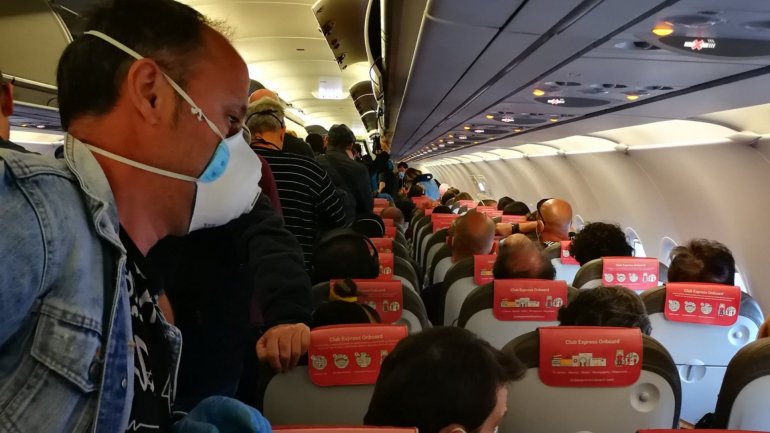
Las aerolíneas descartan distanciamiento social tras escándalo en un vuelo en España
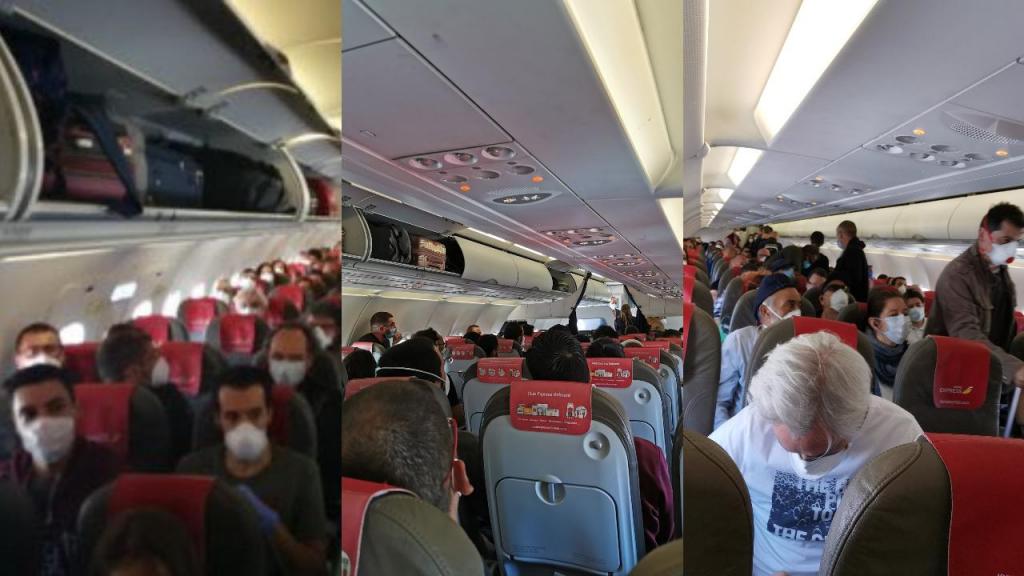
En medio de las diferentes versiones sobre cómo serán los vuelos en el futuro, cuando las fronteras del mundo se vuelvan a abrir y las personas puedan viajar una vez más, ayer la Guardia Civil de España denunció a la aerolínea Iberia porque en uno de sus vuelos, a su entender, no se respetaba la distancia decretada para evitar los contagios de coronavirus. Sin embargo la empresa rechazó la acusación y desató la polémica. Tras el escándalo por un vuelo sin distancia social en España, las aerolíneas descartan dejar asientos libres.
Mientras las autoridades sanitarias de varios países aseguran que la forma en la que se viajó hasta ahora es imposible de sostener post-Coronavirus, desde las diferentes aerolíneas advierten que los pedidos de dejar asientos libres o de confeccionar una nueva disposición en los aviones o incluso de instalar mamparas separadoras son inviables. Sí entienden que de ahora en más los tapabocas serán obligatorios a bordo, los servicios serán cancelados y se deberá tomar la temperatura de los pasajeros al subir, pero nada más. Aseguran que la propuesta de algunos gobiernos de dejar asientos sin ocupar supondría la quiebra de la mayor parte de las compañías o subir los pasajes un 50%, después de que la Guardia Civil de España denunciara a la aerolínea Iberia por un vuelo entre Madrid y Canarias que iba casi lleno, sin cumplir el distanciamiento social.
«El avión es probablemente una de las mejores formas de viajar en un mundo pos Covid-19 porque el sistema de ventilación de las cabinas ya está diseñado para purificar el aire, que circula de arriba a abajo, no de adelante hacia atrás o de izquierda a derecha. Durante el vuelo, el aire de la cabina se recicla cada 2 o 3 minutos. Nuestros aviones están equipados con los mismos filtros que se utilizan en los hospitales», indicó el Consejero Delegado de Airbus, Guillaume Faury.
Por su parte, Alexandre de Juniac, Director General de la Asociación Internacional de Transporte Aéreo (IATA), que agrupa a la mayor parte de las aerolíneas, también apela a este sistema de filtros para hablar de la seguridad en los vuelos y destaca que limpia el aire del interior de la cabina y captura partículas que puedan contener el virus con una eficiencia del 99,97%. «La evidencia, aunque limitada, sugiere que el riesgo de transmisión del virus a bordo de un avión es bajo, incluso sin medidas especiales», expresa.
La justificación a la que recurren al hablar de la imposibilidad de reducir la cantidad de pasajeros es la económica. Según la asociación, dejar asientos vacíos podría reducir la capacidad de pasaje a un 62% y para ser rentable el sector precisa que esa ocupación sea del 77%. De seguir adelante con esta medida, se incrementaría en casi un 50 por ciento los precios y eso afectaría las compras. De hecho, los cálculos indican que solo cuatro aerolíneas de una muestra de 122 podrían resistir a esas condiciones.
«Las aerolíneas tienen experiencia y saben que ya existe un riesgo muy bajo de transmisión de virus a bordo. Cualquier forma de distanciamiento físico es innecesario, ineficaz y simplemente impracticable dado que se puede lograr el mismo resultado deseado usando máscaras faciales en un ambiente de cabina ya esterilizado», señala Thomas Reynaert, Director Gerente de Airlines for Europe (A4E).
Ante la incertidumbre sobre el tema, hoy en España se conoció una medida oficial que ordena a todos los turistas que ingresen al país después del 15 de mayo a cumplir con una cuarentena de 14 días. Además, se exige a quienes vendan pasajes u hoteles que informen de esta decisión a los clientes. 
 Reluctant airlines distancing flights
Airlines rule out social distancing after scandal on a flight in Spain
In the midst of the different versions of what flights will be like in the future when the world’s borders are reopened and people can travel once more, yesterday the Spanish Civil Guard denounced the Iberia airline because, on one of its flights In his opinion, the distance prescribed to avoid coronavirus infections was not respected. However, the company rejected the accusation and sparked controversy. After the scandal over a flight without social distance in Spain, the airlines ruled out leaving seats free.
While the health authorities of several countries assure that the way in which they have traveled so far is impossible to sustain post-Coronavirus, from the different airlines they warn that the requests to leave seats free or to make a new provision in the planes or even to installing partition walls are not feasible. They do understand that from now on, the masks will be mandatory on board, the services will be canceled and the temperature of the passengers must be taken when boarding, but nothing more. They assure that the proposal of some governments to leave seats unoccupied would mean the bankruptcy of most of the companies or raise the tickets by 50%, after the Spanish Civil Guard denounced the Iberia airline for a flight between Madrid and the Canary Islands It was almost full, without fulfilling the social distance.
«The plane is probably one of the best ways to travel in a post-COVID-19 world because the cabin ventilation system is already designed to purify the air, which circulates from top to bottom, not front to back or left. to the right. During the flight, the cabin air is recycled every 2-3 minutes. Our aircraft are equipped with the same filters that are used in hospitals», said Airbus Chief Executive Officer Guillaume Faury.
For his part, Alexandre de Juniac, Director-General of the International Air Transport Association (IATA), which groups most of the airlines, also appeals to this filter system to talk about flight safety and stresses that it cleans the air inside the cabin and captures particles that could contain the virus with an efficiency of 99.97%. «The evidence, although limited, suggests that the risk of transmission of the virus on board an aircraft is low, even without special measures», he says.
The justification they resort to when talking about the impossibility of reducing the number of passengers is the economic one. According to the association, leaving empty seats could reduce passenger capacity to 62%, and be profitable, the sector requires that this occupation by 77%. If this measure continues, prices will increase by almost 50 percent and this will affect purchases. In fact, calculations indicate that only four airlines out of a sample of 122 could resist those conditions.
«The airlines are experienced and know that there is already very low risk of virus transmission on board. Any form of physical distancing is unnecessary, ineffective, and simply impractical given that the same desired result can be achieved using face masks in a cabin environment. already sterilized», says Thomas Reynaert, Managing Director of Airlines for Europe (A4E).
Given the uncertainty on the subject, today in Spain an official measure was known that orders all tourists to enter the country after May 15 to comply with a 14-day quarantine. In addition, those who sell tickets or hotels are required to inform customers of this decision. 
Ξ A I R G W A Y S Ξ
SOURCE: Airgways.com
DBk: Lanacion.com.ar / Airgways.com / Javi Martín Ramos
AW-POST: 202005121227AR
A\W A I R G W A Y S ®
 AW | 2020 05 12 12:07 | AIRLINES / GOVERNMENT
 Junta de insolvencia permitirá nuevos oferentes para Jet Airways
 AW | 2020 05 12 10:28 | AIRLINES
 Qatar Airways ofrece 100.000 vuelos internacionales gratuitos a trabajadores de primera línea
 Qatar flights medical courtesy
![57488_1128325404[1]](https://airgways.com/wp-content/uploads/2020/05/57488_11283254041.jpg?w=1000) AW | 2020 05 11 21:00 | AVIATION / AIRLINES
AW | 2020 05 11 21:00 | AVIATION / AIRLINES Fondo Hurst Capital espera beneficiarse de las deudas de la VASP
 Hurst Capital collected VASP fund
 Through the operation, Hurst Capital intends to receive around 550% of the CDI in up to three and a half years. Profit-free for some twenty years and bankrupt since 2008, a group of investors hopes to make money from the labor debts of Viação Aérea São Paulo (VASP), which was once one of the largest airlines in Brazil. Most of the market could find it extremely risky to embark on such an asset, but Hurst Capital expects to receive the money in up to three and a half years, with a net return of 20.42% per year, equivalent to approximately 550% of CDI one year.
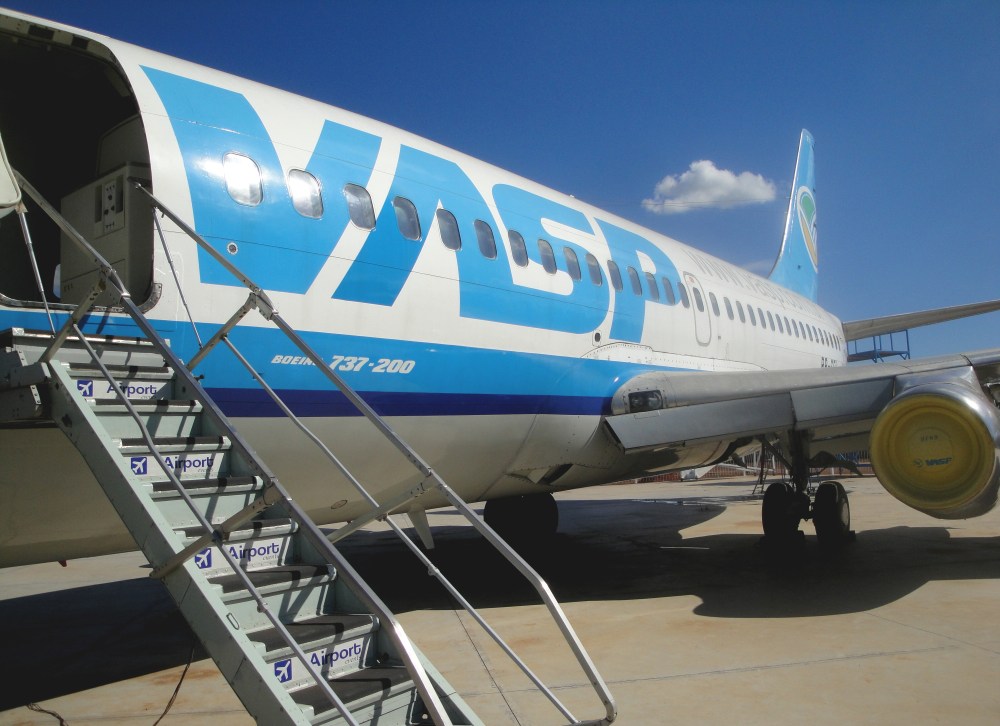 Hurst Capital arrecadou fundo VASP
 Com a operação, a Hurst Capital pretende receber cerca de 550% do CDI em até três anos e meio. Sem lucro por cerca de vinte anos e falido desde 2008, um grupo de investidores espera ganhar dinheiro com as dívidas trabalhistas da Viação Aérea São Paulo (VASP), que já foi uma das maiores companhias aéreas do Brasil. A maior parte do mercado pode achar extremamente arriscado embarcar nesse ativo, mas a Hurst Capital espera receber o dinheiro em até três anos e meio, com um retorno líquido de 20,42% ao ano, equivalente a aproximadamente 550% do CDI em um ano.
 AW | 2020 05 11 10:01 | AIRLINES
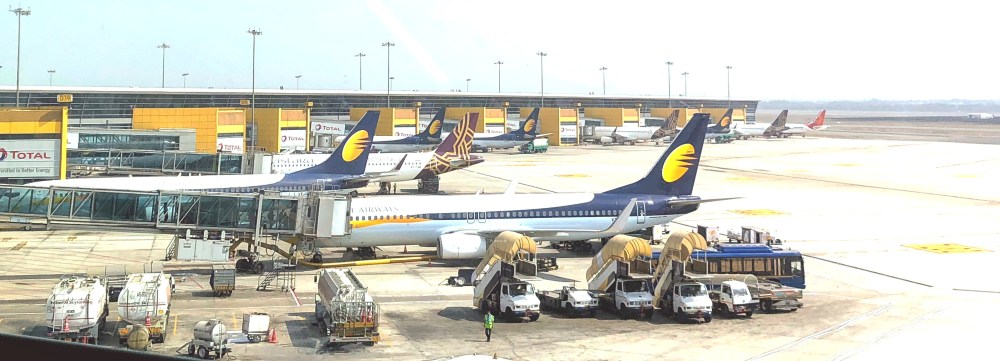
 Alrededor de 40 despedidos del personal restante de Jet Airways
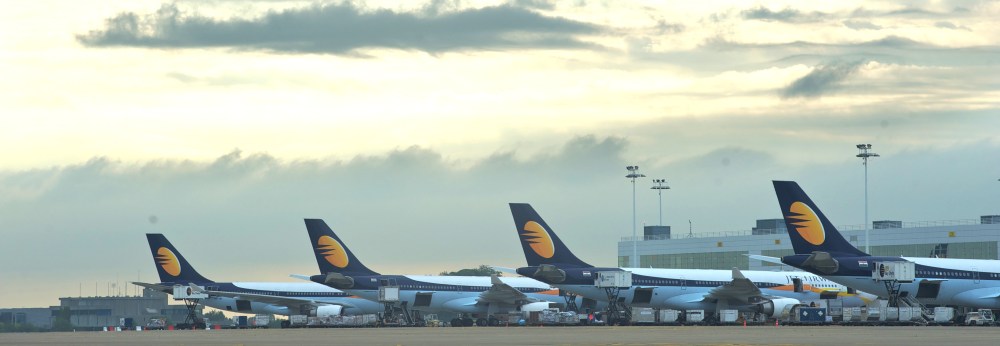 Layoffs on Jet Airways
 week. More than a year after its grounding, the airline has found no buyers and lenders who don’t know how to proceed. “We are not sure right now about whether to call for new expressions of interest (EoI). A decision will be made on Monday”, a senior bank official told FE after the creditors’ committee (CoC) meeting on Wednesday.
 जेट एयरवेज पर छंटनी
 शेष जेट एयरवेज के कर्मचारियों से लगभग 40 को निकाल दिया गया
 AW | 2020 05 10 19:53 | AIRLINES
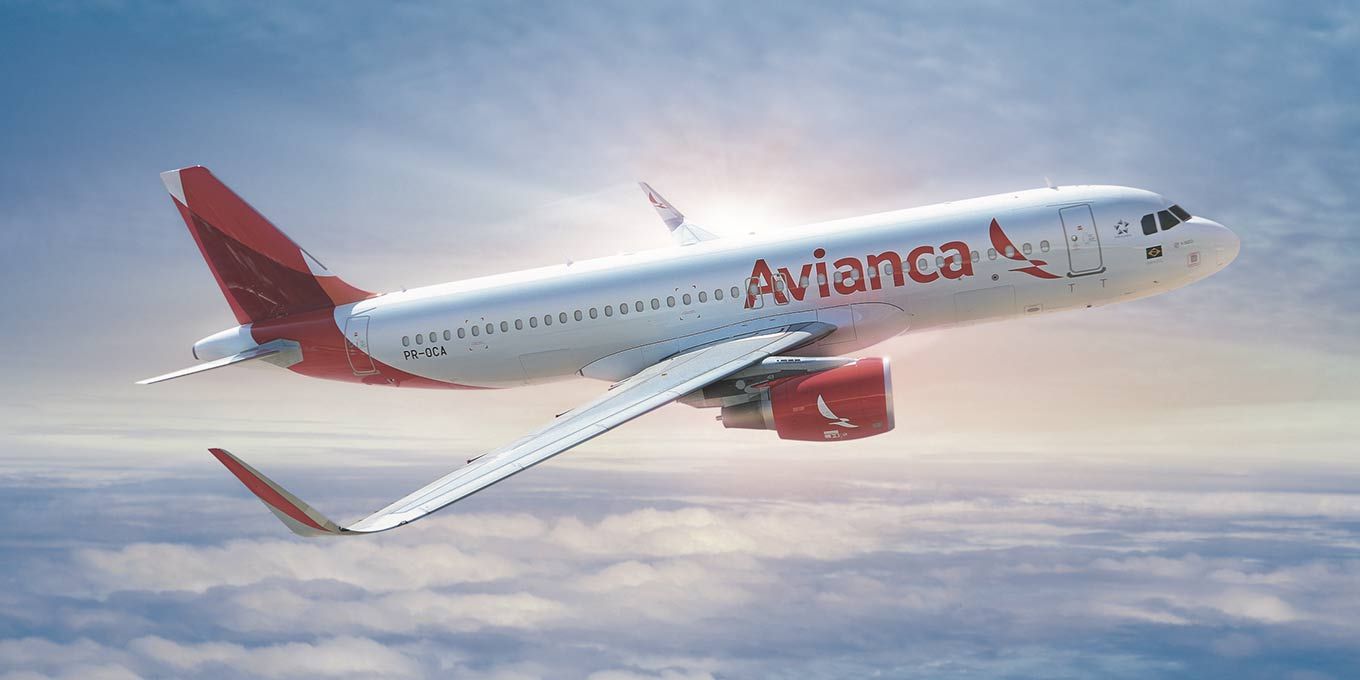
 Avianca se acoge al Capítulo 11 de Quiebras
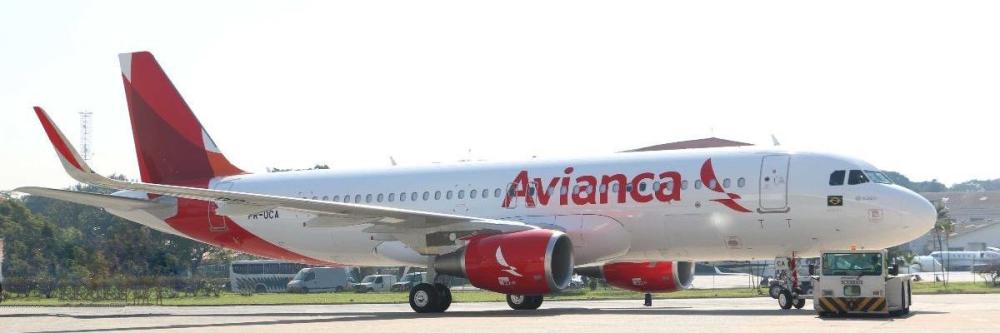 Avianca begins the bankruptcy process
 Colombian company Avianca has filed for Chapter 11 Bankruptcy in the United States after arguing that the decision aims to preserve jobs and continue operations. The decision to present this measure is for the purposes of the health crisis due to the effects of the Coronavirus pandemic on airline transport.
 AW | 2020 05 10 11:50 | AIRLINES
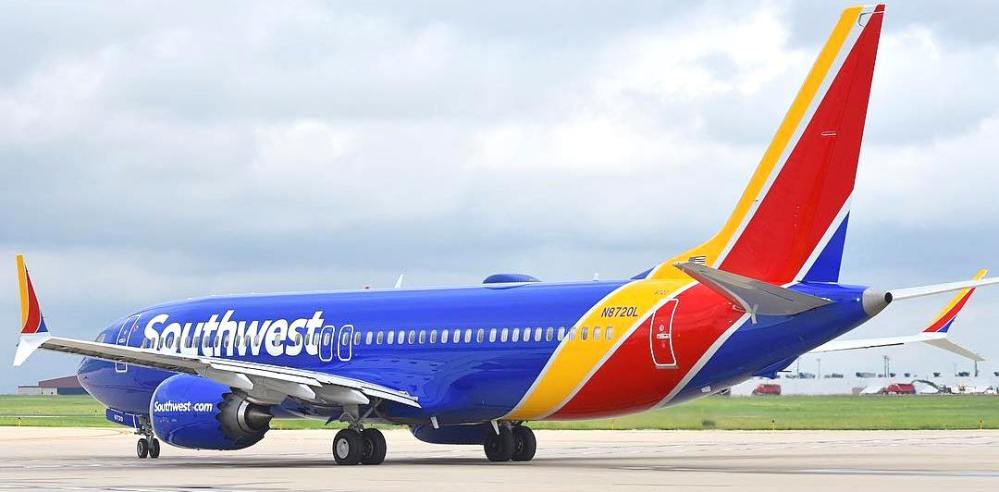
 Southwest adquiere liquidez con venta/alquiler de veinte Boeing 737
 Southwest sells/leases some Boeing 737s
 AW | 2020 05 09 13:53 | AIRLINES
 La aerolínea Miami Air International cesa sus operaciones
 Miami Air International closes
 AW | 2020 05 09 12:33 | AIRLINES / GOVERNMENT
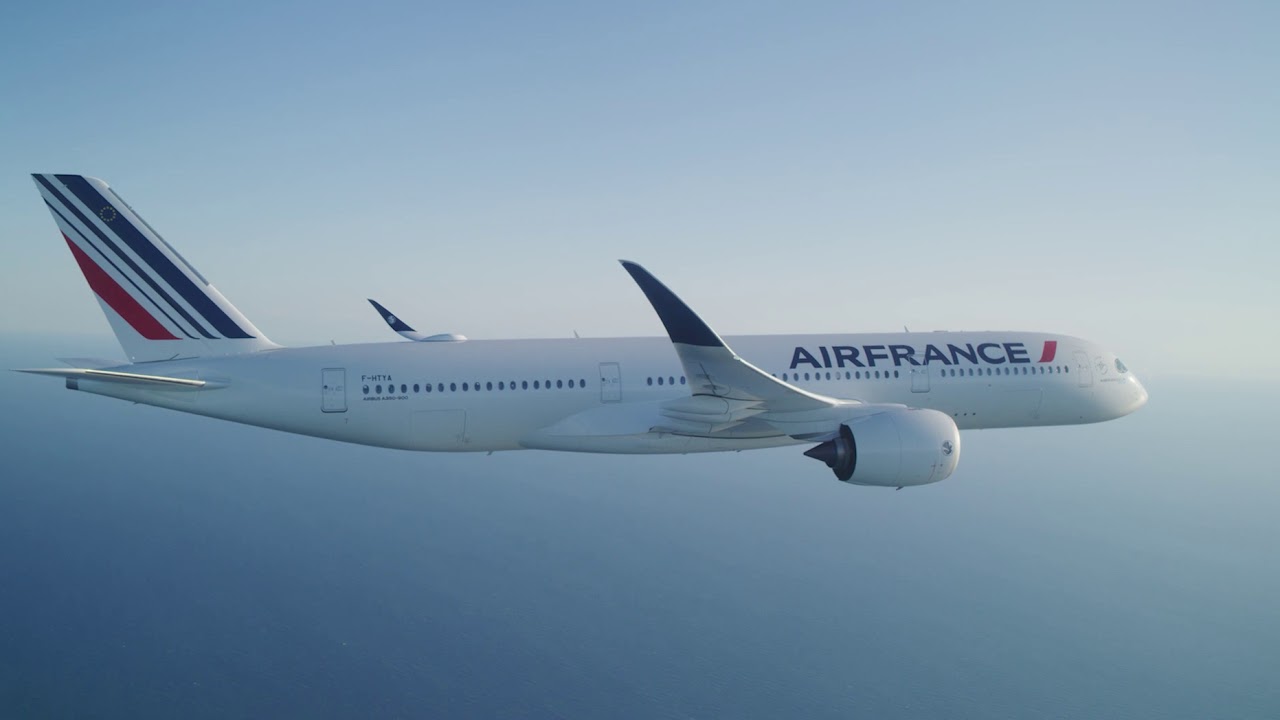
 Air France incómodo con el mandato del Gobierno de Francia por flota Airbus
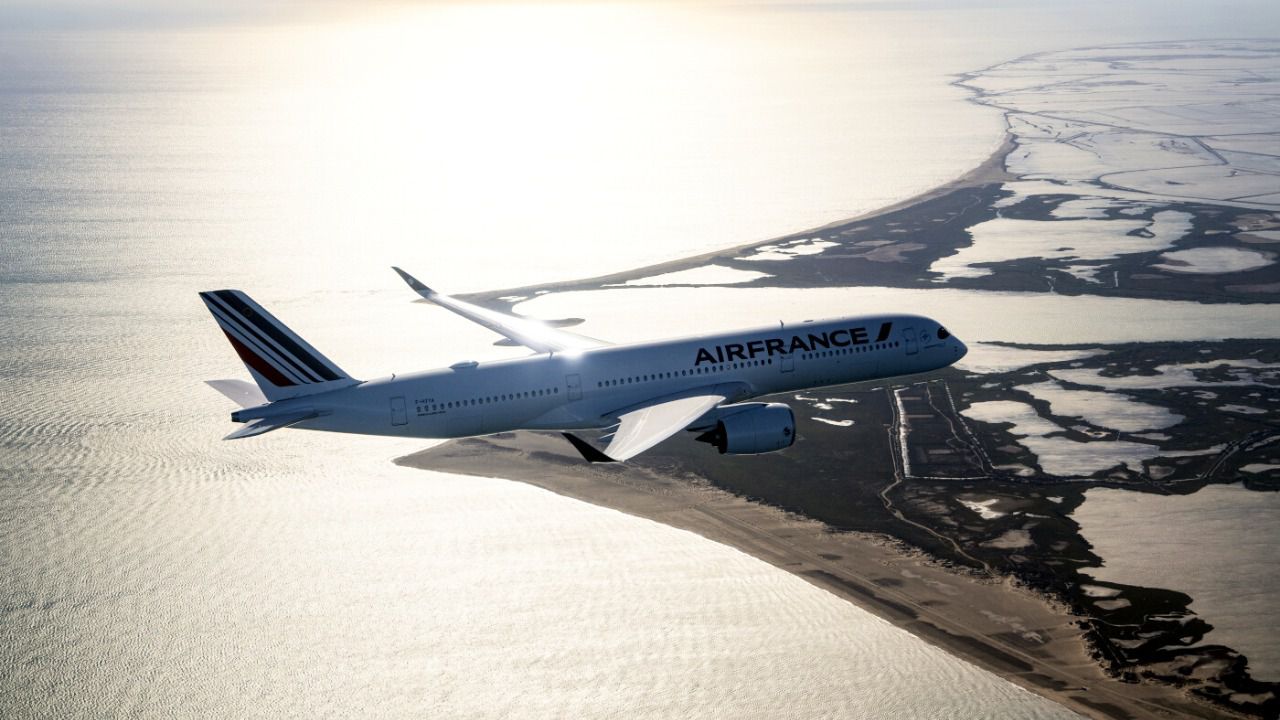 Air France, Government influences Airbus fleet
 Air France may feel a little disgusted with government intervention that requires Air France to be a good Airbus customer. But the airline group Air France-KLM is possibly positioned to fulfill the mandate. «Air France has made a number of commitments. Air France must remain a good customer of Airbus, which is also currently in difficulties», Finance Minister Bruno Le Maire told French media after the airline he received a € 7 billion loan package from the Government of France.
 Air France et le gouvernement influencent la flotte d’Airbus
 Air France mal à l’aise avec le mandat du gouvernement français pour la flotte d’Airbus
 Perspectives de la flotte d’Air France
 AW | 2020 05 08 14:37 | AIRLINES
 Aerolíneas Argentinas y la estructura de su flota tras la posible fusión
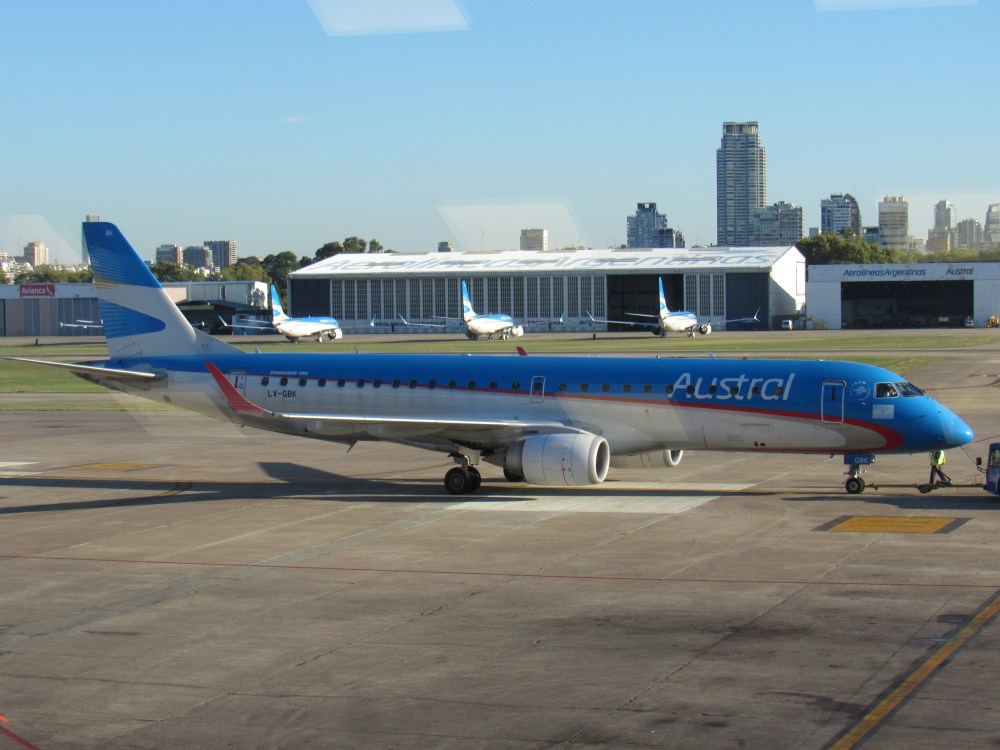 Aerolíneas/Austral floats after the merger
 The CEO of Aerolíneas Argentinas and Austral Líneas Aéreas, Pablo Ceriani, has announced in a statement on Tuesday 05/05 that the companies would achieve full synergy. «The global crisis caused by COVID-19 has had a full impact on the airline industry and we do not know how long this situation will last. Everything indicates that there are still several critical months ahead, months without income, or regular operations», says the official statement.
