Fallece CEO de Flybondi

Ex Latam Argentina nuevo CEO de Flybondi | TransportesAW | 2020 04 19 08:33 | AIRLINES

AW-Flybondi_B-IsologotypeSebastián Pereira tenía 48 años y venía peleando desde hace tiempo contra una dura enfermedad

El CEO de la aerolínea low cost Flybondi de Argentina, Sebastián Pereira, murió este Sábado 18/04 como consecuencia de una dura enfermedad que padecía desde hacía tiempo. Así lo confirmó la propia empresa a través de un comunicado en el que lo despidieron “con muchísimo cariño”. Sebastián Pereira era graduado en Administración de la Universidad del Salvador con un posgrado en Finanzas Corporativas en la Universidad del CEMA, ambas de Buenos Aires; realizó un Management Aerocomercial en la Universidad Adolfo Ibáñez, de Chile; y completó sus estudios con un Executive MBA en la Universidad Internacional de Florida, en los Estados Unidos.

Tal como indicó el comunicado, Sebastián Pereira ingresó a la low cost en Febrero 2019, luego de una carrera larga y exitosa en distintas aerolíneas nacionales e internacionales y después de varios años de vivir en Estados Unidos y Brasil.

Sebastián Pereira ocupó el cargo de Vicepresidente de Latam Cargo, con sede en Estados Unidos. También fue Director de Desarrollo de Negocios Aeroportuarios y Operaciones de Tierra, razón por la cual estuvo radicado en Brasil, donde trabajaba en aquel momento. Luego fue transferido a la filial de la empresa en la Argentina, donde continuó con su carrera hasta que pasó a formar parte de la aerolínea low cost Flybondi, en la que siguió con sus tareas hasta último momento.

“Somos una compañía que logró grandes cambios en la industria como un mercado más amplio, tarifas más bajas, miles de puestos de trabajo directo e indirecto, y provincias más y mejor conectadas. Estos resultados son producto de un trabajo conjunto con todos los gobiernos, nacional y provinciales, en pos de la conectividad del país. Y seguiremos en esa misma línea con las nuevas autoridades. Nuestro único compromiso es con el país, que está basado en un proyecto de inversión y crecimiento a largo plazo”, manifestó Pereira el año pasado, poco antes del cambio de Gobierno en la Argentina. AW-Icon Paragraph-01

Fallece Sebastián Pereira, CEO de Flybondi | Noticias de turismo ...Flybondi CEO dies

Sebastián Pereira was 48 years old and had been fighting for a long time against a hard disease

The CEO of the low-cost airline Flybondi from Argentina, Sebastián Pereira, died this Saturday 18/04 as a result of a harsh disease that he had suffered for a long time. This was confirmed by the company itself through a statement in which he was fired «with great love». Sebastián Pereira was a graduate in Administration from the Universidad del Salvador with a postgraduate degree in Corporate Finance at the CEMA University, both in Buenos Aires; carried out an Aerocomercial Management at the Universidad Adolfo Ibáñez, from Chile; and completed his studies with an Executive MBA at Florida International University, in the United States.

As indicated in the statement, Sebastián Pereira entered the low cost in February 2019, after a long and successful career on different national and international airlines and after several years of living in the United States and Brazil.

Sebastián Pereira held the position of Vice President of Latam Cargo, based in the United States. He was also Director of Airport Business Development and Ground Operations, which is why he was based in Brazil, where he was working at the time. He was then transferred to the company’s subsidiary in Argentina, where he continued his career until he became part of the low-cost airline Flybondi, where he continued with his tasks until the last moment.

“We are a company that achieved great changes in the industry such as a broader market, lower rates, thousands of direct and indirect jobs, and more and better-connected provinces. These results are the product of joint work with all governments, national and provincial, in pursuit of connectivity in the country. And we will continue along that same line with the new authorities. Our only commitment is to the country, which is based on a long-term investment and growth project», said Sebastián Pereira last year, shortly before the change of government in Argentina. AW-Icon Paragraph-02


Ξ A I R G W A Y S Ξ
SOURCE: Airgways.com
DBk: Flybondi.com / Infobae.com / Airgways.com
AW-POST: 202004190833AR

A\W   A I R G W A Y S ®

Arriba Aerolíneas AR1070

AW-Pagina12_700665AW | 2020 04 18 12:47 | AIRLINES

Aerolíneas Argentinas_Isologotype 2010Llegó el primer avión de China con toneladas de insumos médicos para luchar contra el Coronavirus

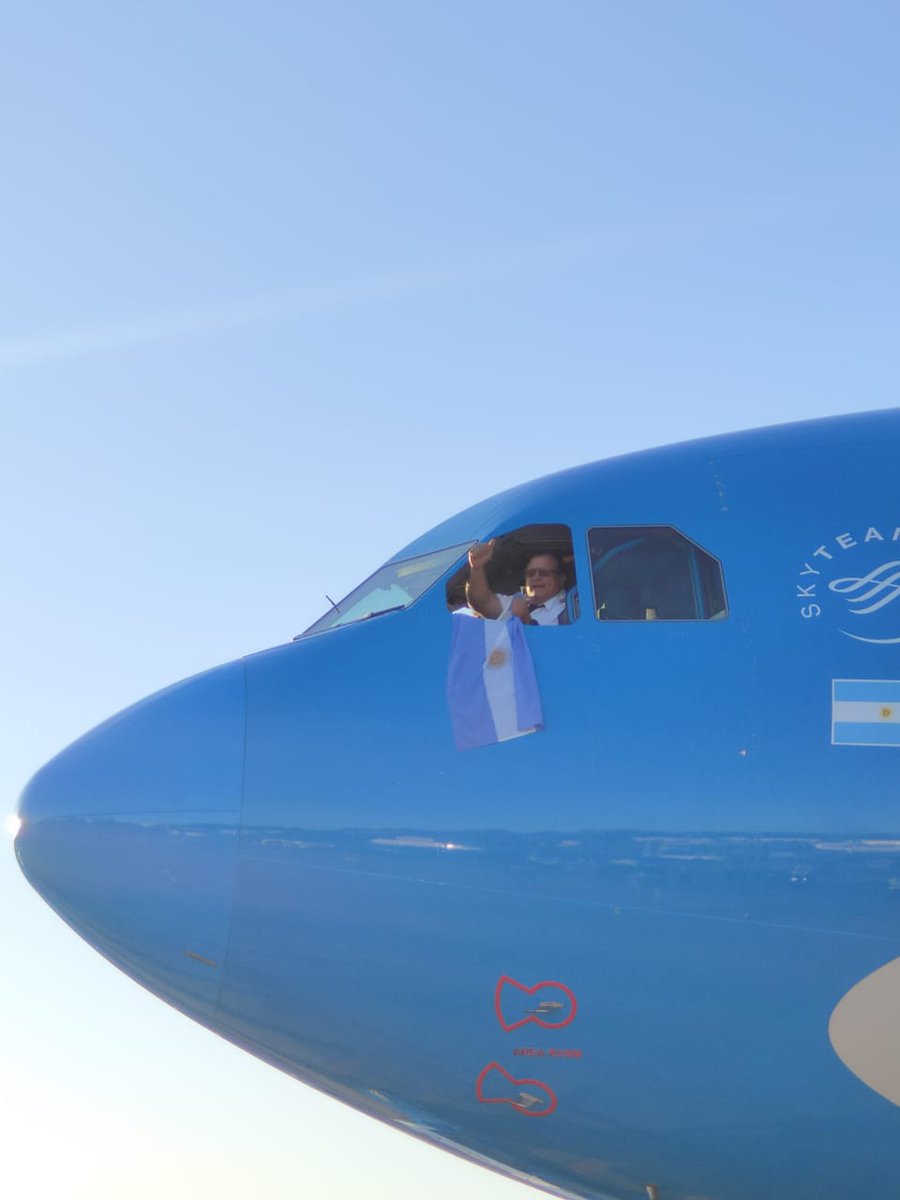
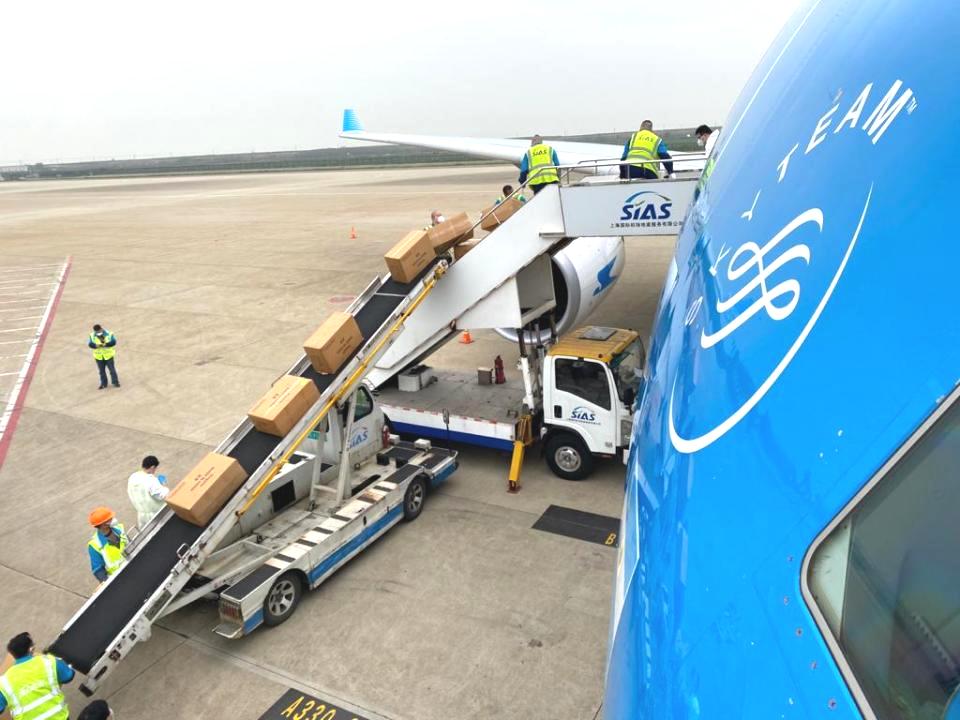
El avión Airbus A330-200 de Aerolíneas Argentinas que partió el pasado Miércoles 15/04 para traer más de 13 toneladas de insumos médicos de China aterrizó esta mañana, poco antes de las 08:00 hs, en el Aeropuerto Internacional de Ezeiza, donde fue recibido por el Gobernador de la Provincia de Buenos Aires, Axel Kicillof, y el Presidente de la compañía aérea, Pablo Ceriani. Se trata del primero de una serie de vuelos programados por el gobierno argentino para buscar material médico en el marco de la pandemia del coronavirus.

El Airbus 330–200 fue reacondicionado especialmente para el transporte de la carga y salió de Ezeiza el 15 Abril 2020 con el objetivo de traer insumos críticos, entre los que hay termómetros digitales, trajes de bioseguridad y kits de detección temprana de COVID-19. “Esta situación es muy emotiva, poder acceder al equipamiento y equipos de protección personal ante esta situación pandémica que azota al mundo entero. Están cuidando a los profesionales de la salud ante la pandemia. El avión de Aerolíneas Argentinas que llegó con los insumos trajo un millón de barbijos quirúrgicos, 150 mil barbijos especiales y 120 mil antiparras”, afirmó Kicillof desde el aeropuerto. Explicó también que recurrieron al gigante asiático debido a que en la Argentina no existe la capacidad de producción de ese material médico, además de que en nuestro país los precios son más elevados que en China y hay desabastecimiento. Especialmente en la provincia de Buenos Aires. “Estamos viviendo algo así como una corrida pero sobre los barbijos, el alcohol en gel y todo lo que hace al cuidado no sólo del personal de salud sino de todo el personal que permite que nuestro sistema de salud funcione”, dijo.

Son un total de 25 personas que pasaron cerca de tres días a bordo del avión: el plan era retirar la carga sin bajar de la aeronave. Fue un periplo de 55 horas: un vuelo histórico para la aerolínea de bandera. El A330-200 había despegado el Viernes 17/04 a las 18:30 hs. [hora local Argentina] efectuando la escala previo de abastecimiento de combustible en Auckland, Nueva Zelanda, antes de llegar a Buenos Aires.

El Gobierno decidió realizar estos vuelos especiales de carga para acelerar la llegada de la mayor cantidad de equipamiento sanitario antes de mayo, la fecha en la que se prevé será el pico de contagios de COVID-19 en la Argentina. El Gobierno del Presidente de China Xi Jinping ya envió a nuestro país una partida de 2.500 kits de reactivos para diagnosticar la enfermedad; 5.000 trajes de protección desechable; 2.500 trajes de protección de uso industrial; 5.000 trajes aislantes; 2.000 antiparras de protección; 66.000 barbijos N95; 100.000 barbijos médicos; 30.000 barbijos quirúrgicos; 60.000 barbijos descartables; 20.000 guantes y 22.000 cofias descartables; 550 termómetros digitales; 3 termómetros infrarrojo-digitales para uso en aeropuertos y el servicio gratuito de Sistemas de Detección de Epidemia. AW-Icon Paragraph-01

Sergio Bonomi (@BonomiSergio) | TwitterAR1071 Aerolíneas Argentinas arrival

China’s first plane arrived with tons of medical supplies to fight Coronavirus

AW-700334The Airbus A330-200 plane of Aerolíneas Argentinas that left last Wednesday 15/04 to bring more than 13 tons of medical supplies from China landed this morning, just before 08:00, at the Ezeiza International Airport, where it was received by the Governor of the Province of Buenos Aires, Axel Kicillof, and the President of the airline, Pablo Ceriani. It is the first in a series of flights scheduled by the Argentine government to search for medical supplies in the context of the coronavirus pandemic.

The Airbus 330–200 was specially reconditioned for cargo transportation and left Ezeiza on April 15, 2020, with the aim of bringing critical supplies, including digital thermometers, biosafety suits and COVID-19 early detection kits. «This situation is very emotional, being able to access personal protection equipment and equipment in the face of this pandemic situation that is plaguing the entire world. They are taking care of health professionals in the face of the pandemic. The Aerolíneas Argentinas plane that arrived with the supplies brought a million surgical chinstraps, 150,000 special chinstraps, and 120,000 goggles», said Kicillof from the airport. He also explained that they resorted to the Asian giant because in Argentina there is no production capacity for this medical material, in addition to the fact that in our country prices are higher than in China and there is a shortage. Especially in the province of Buenos Aires. «We are living something like a bullfight but about the chinstraps, the gel alcohol and everything that does the care not only of the health personnel but of all the personnel that allow our health system to function», he said.

There are a total of 25 people who spent about three days on board the plane: the plan was to remove the cargo without leaving the aircraft. It was a 55-hour journey: a historic flight for the flag carrier. The A330-200 had taken off on Friday 04/17 at 06:30 p.m. [Argentina local time] making the previous stopover of fueling in Auckland, New Zealand, before arriving in Buenos Aires.

The Government decided to carry out these special cargo flights to accelerate the arrival of the greatest amount of sanitary equipment before May, the date on which the peak of COVID-19 infections in Argentina is expected. The Government of the President of China Xi Jinping has already sent to our country a batch of 2,500 reagent kits to diagnose the disease; 5,000 disposable protective suits; 2,500 protective suits for industrial use; 5,000 insulating suits; 2,000 protective goggles; 66,000 N95 chinstraps; 100,000 medical chinstraps; 30,000 surgical chinstraps; 60,000 disposable chinstraps; 20,000 gloves and 22,000 disposable caps; 550 digital thermometers; 3 infrared-digital thermometers for use in airports and the free service of Epidemic Detection Systems. AW-Icon Paragraph-02


Ξ A I R G W A Y S Ξ
SOURCE: Airgways.com
DBk: Aerolineas.com / Airgways.com
AW-POST: 202004181247AR

A\W   A I R G W A Y S ®

South African despediría personal

South-African-AirwaysAW | 2020 04 18 10:19 | AIRLINES

south-african[1]South African Airways enfrenta sus días más difíciles

La desaparición de South African Airways (SAA) parece acercarse a su día cuando el Gobierno de Sudáfrica ha anunciado definitivamente la cancelación de ayudas a la aerolínea de bandera. La compañía ha planeado despedir a los 4.700 empleados y, por lo tanto, está hablando con los sindicatos sobre un esquema de despido. Según el plan de SAA, los empleados reciben un salario mensual por cada año que han trabajado para la sociedad. Eso debe pagarse con la venta de activos, como aviones y edificios.

Si el despido continúa, casi seguramente significará el final para South African Airways, de 86 años de actividad. La empresa estatal ha sido mantenida por el gobierno durante muchos años, con el último año rentable en 2011. South African Airways es miembro de Star Alliance y tiene una flota de 44 aviones, incluidos Airbus A320, A330, A340 y A350. Antes de la crisis de la pandemia, la compañía cubría destinos en Europa a Londres, Frankfurt y Munich. SAA también estuvo activo en Schiphol durante gran parte del siglo pasado. AW-Icon Paragraph-01

AW-Airbus_700045South African to fire staff

South African Airways faces its most difficult days

The disappearance of South African Airways (SAA) seems to be approaching its day when the South African government has definitively announced the cancellation of aid to the flag carrier. The company has planned to fire the 4,700 employees and is therefore talking to unions about a layoff scheme. Under the SAA plan, employees receive a monthly salary for each year they have worked for society. That must be paid for with the sale of assets, such as airplanes and buildings.

If the layoff continues, it will almost certainly spell the end for 86-year-old South African Airways. The state-owned company has been maintained by the government for many years, with the last year profitable in 2011. South African Airways is a member of the Star Alliance and has a fleet of 44 aircraft, including Airbus A320, A330, A340, and A350. Before the pandemic crisis, the company covered destinations in Europe to London, Frankfurt, and Munich. SAA was also active in Schiphol for much of the last century. AW-Icon Paragraph-02

South-african-airways (2)Suid-Afrikaanse ontslag

Die Suid-Afrikaanse Lugdiens hou die moeilikste dae in die gesig

Dit lyk asof die verdwyning van die Suid-Afrikaanse Lugdiens (SAL) sy dag aanbreek toe die regering van Suid-Afrika die kansellasie van die steun aan die vlagdraer finaal aangekondig het. Die maatskappy het beplan om die 4.700 werknemers af te dank en praat daarom met vakbonde oor ‘n afdankingskema. Volgens die SAL-plan ontvang werknemers ‘n maandelikse salaris vir elke jaar wat hulle vir die samelewing gewerk het. Daarvoor moet betaal word met die verkoop van bates, soos vliegtuie en geboue.

As die afdanking voortduur, sal dit die einde van die 86-jarige Suid-Afrikaanse Lugdiens amper seker maak. Die staatsbeheerde maatskappy word jare lank deur die regering onderhou, met die laaste jaar wat in 2011 winsgewend was. South African Airways is lid van die Star Alliance en het ‘n vloot van 44 vliegtuie, waaronder Airbus A320, A330, A340 en A350. Voor die pandemie-krisis het die maatskappy bestemmings in Europa tot Londen, Frankfurt en München gedek. Die SAL was ook ‘n groot deel van die vorige eeu in Schiphol werksaam. AW-Icon Paragraph-02


Ξ A I R G W A Y S Ξ
SOURCE: Airgways.com
DBk: Flysaa.com / Airgways.com
AW-POST: 202004181019AR

A\W   A I R G W A Y S ®

Nunavut mantiene aerolíneas

Canadian North | LinkedInAW | 2020 04 18 09:35 | GOVERNMENT / AIRLINES

Canadian_North_IsologotypeGobierno Nunavut paga más de US$ 2 millones a la semana para mantener a las aerolíneas en el aire

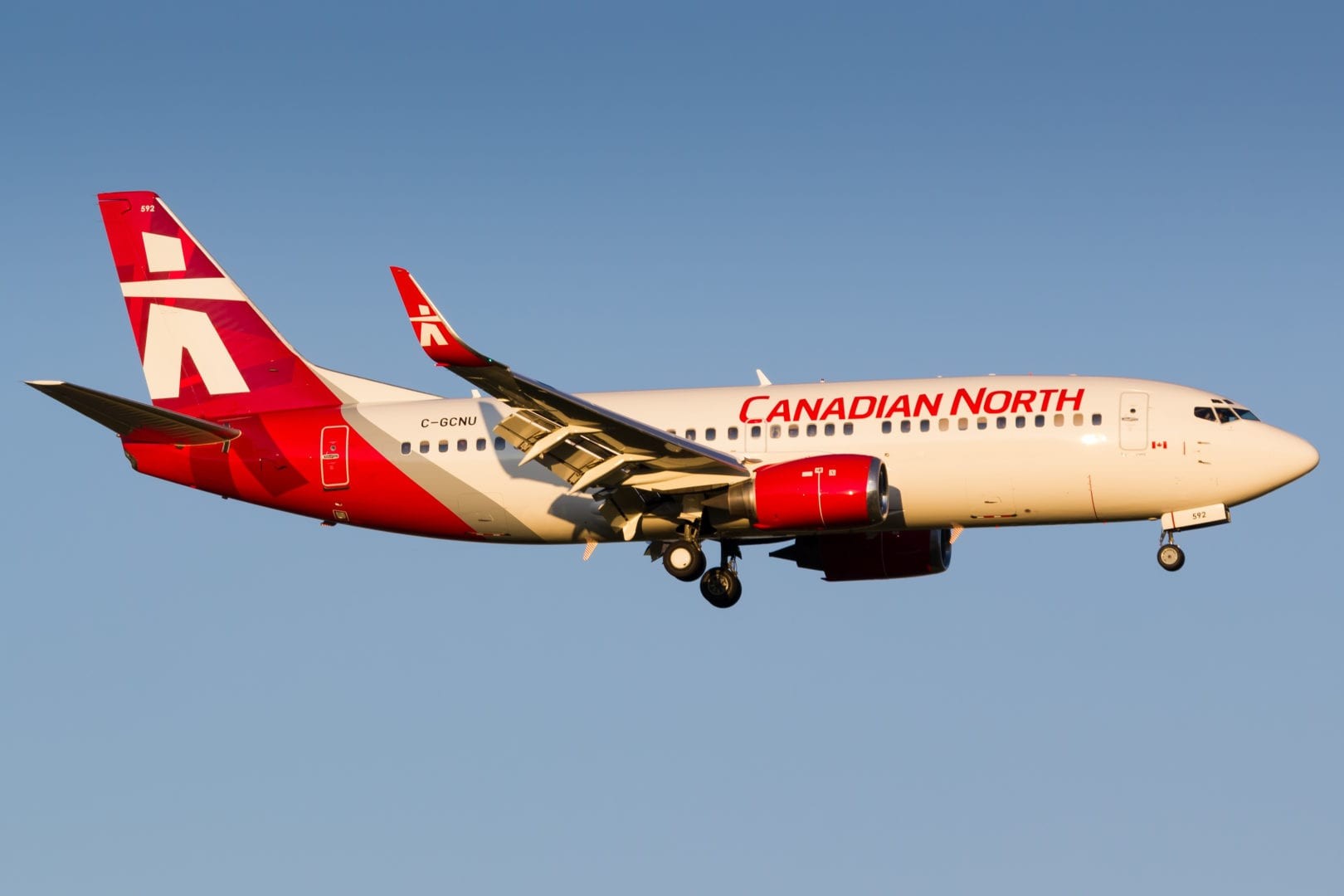
El Gobierno de Nunavut, Canadá, está gastando US$ 2.25 millones para mantener a Canadian North volando a pesar del hecho de que los asientos no se están utilizando. Existe una restricción de viaje para tratar de detener cualquier brote del Coronavirus. El Estado de Nunavut sigue siendo la única jurisdicción en Canadá sin un caso confirmado del Coronavirus. El dinero de emergencia se está gastando para garantizar la supervivencia de la aerolínea en una región de Canadá donde el transporte aéreo es esencial. AW-Icon Paragraph-01

Nunavut maintains airlines

File:Nunavut highlighted in red in Canada.png - Wikimedia CommonsNunavut government pays more than US$ 2 million a week to keep airlines in the air

The Government of Nunavut, Canada, is spending US$ 2.25 million to keep Canadian North flying despite the fact that the seats are not being used. There is a travel restriction to try to stop any outbreak of the Coronavirus. The State of Nunavut remains the only jurisdiction in Canada without a confirmed case of the Coronavirus. Emergency money is being spent to ensure the airline’s survival in a region of Canada where air travel is essential. AW-Icon Paragraph-02


Ξ A I R G W A Y S Ξ
SOURCE: Airgways.com
DBk: Gov.nu.ca / Canadiannorth.com / Airgways.com
AW-POST: 202004180935AR

A\W   A I R G W A Y S ®

Queensland rescate a Virgin Australia

AW-Themarketherald_70606AW | 2020 04 18 09:21 | AIRLINES / GOVERNMENT

1200x1200-va-stackedEl Gobierno de Queensland ofrece un rescate de US$ 200 millones a Virgin Australia

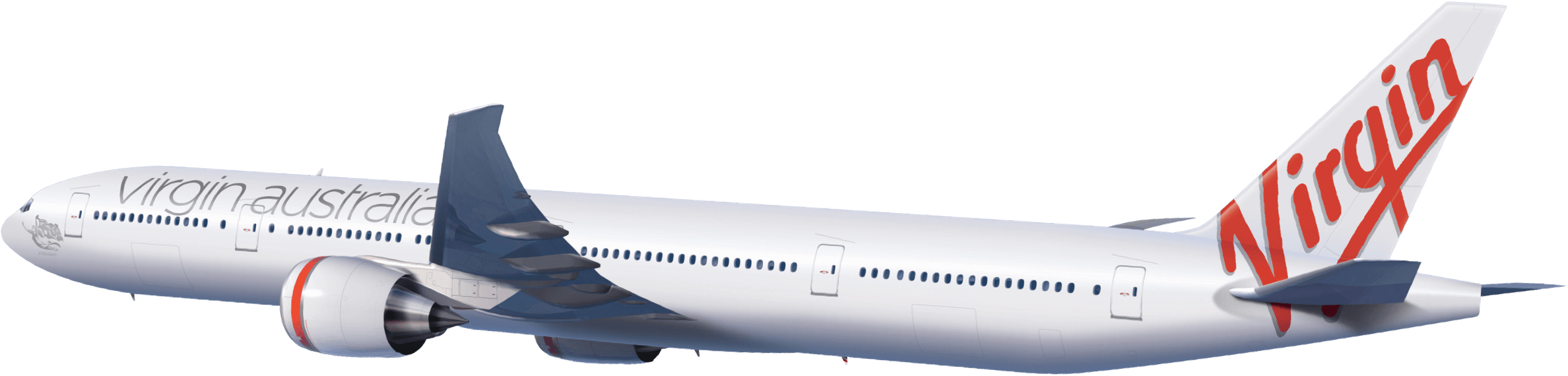
El Gobierno de Queensland, Australia ha ofrecido a la aerolínea australiana Virgin Australia que se encuentra con problemas de liquidez una línea de inyección de US$ 200 millones. La aerolínea suspendió la negociación de sus acciones para continuar las conversaciones sobre ayuda financiera y alternativas de reestructuración del Estado para contribuir a resistir la recesión de la pandemia.

El Ministerio de Desarrollo del Estado de Queensland, a cargo de Cameron Dick, ha comunicado que era imperativo que Australia tenga dos aerolíneas para apoyar el turismo, el empleo y la inversión regional. «Queensland le ha dado a Australia nuestras dos aerolíneas nacionales; no las dejaremos ir ni dejaremos que miles de familias vean sus trabajos sin pelear. Pero no podemos hacerlo solos, y tampoco debemos hacerlo, porque todas las partes de Australia se benefician de dos aerolíneas nacionales», dijo en un comunicado el sábado. Dick dijo que el apoyo de Queensland estaba condicionado a la reestructuración de la deuda, los accionistas y los tenedores de bonos haciendo su parte. La sede de la aerolínea también necesitaría permanecer en Brisbane y los vuelos regionales tendrían que continuar. El acuerdo también requerirá que el gobierno federal intervenga.

La arena política

El primer ministro Annastacia Palaszczuk dijo que no habrá un final temprano para las duras restricciones de bloqueo de Queensland. El Diputado de la coalición Andrew Laming dice que el Gobierno Federal no ayudará a la aerolínea sin garantías. «No podemos distribuir el dinero de los contribuyentes simplemente por el capricho de un reclamo por más de US$ 1 mil millones a menos que marque la diferencia. La solución definitiva es hacer que la economía vuelva a funcionar», dijo el Diputado. El líder de la oposición federal Jason Clare pidió al gobierno de Morrison que ayude a Virgin. «Necesitamos dos aerolíneas. Si no tenemos dos, tendremos menos vuelos y los vuelos costarán más. No significará que solo 15.000 australianos pierdan sus empleos, sino la tarea de salir del cráter creado por el el coronavirus se volverá más difícil. El impacto en el turismo, en todos los destinos a los que vuela Virgin, necesitamos dos aerolíneas, por lo que tenemos suficientes aviones en el cielo para ayudar a la economía a recuperarse después de que lo peor de este virus haya pasado», dijo.

Impacto virus Australia

El Gobierno de Queensland se encuentra preocupado por un rápido aumento en la tasa de infección por COVID-19. La tasa de infección del Estado continúa avanzando con seis personas que dieron positivo el Viernes 17/04. El total ahora es de 1007 con 19 personas en el hospital, con 11 en cuidados intensivos. El número de fallecidos son cinco en Queensland. La duplicación de casos en el estado ahora se produce cada 40 días, por debajo de un pico de tres y por debajo de la tasa nacional de 30 días. «Este es un maratón. No queremos levantar las restricciones y ver un aumento en la tasa de infección. De lo que debemos tener mucho cuidado aquí. No queremos ver esos picos masivos que vimos en países europeos y Estados Unidos», dijo el Viernes 17/04 Palaszczuk. Queensland ha aumentado su régimen de pruebas, llevando a cabo 2503 pruebas en las últimas 24 horas, más de la mitad de las 4884 pruebas realizadas en todo el país.

El Gobierno de Queensland ha ofrecido US$ 200 millones para ayudar a rescatar a Virgin Australia mientras la aerolínea con problemas de efectivo lucha por sobrevivir. La aerolínea anunció el Martes 14/04 que estaba considerando ingresar a la la fase administrativa, ya que corrió contra el tiempo para salir de una deuda de US$ 4.8 mil millones. También ha detenido la cotización de sus acciones.

La aerolínea había solicitado anteriormente un préstamo de US$ 1.4 mil millones del Gobierno como parte de un proyecto de rescate de la industria de aerolíneas más amplio de US$ 5 mil millones. El Gobierno Federal dijo el Viernes 17/04 que gastaría US$ 165 millones para suscribir a Qantas y Virgin para realizar vuelos nacionales durante al menos ocho semanas. El Sábado 18/04, el Ministro de Desarrollo del Estado de Queensland, Cameron Dick, dijo que Australia necesitaba dos aerolíneas para apoyar el turismo, el empleo y la inversión regional. «Si vamos a superar esta pandemia con dos aerolíneas nacionales, entonces todos los gobiernos deben unirse para garantizar que ese sea el caso», dijo. AW-Icon Paragraph-01

AW-70733379WSQueensland offers bailout to Virgin Australia

Queensland Government offers $ 200 million bailout to Virgin Australia

d1yjjnpx0p53s8.cloudfront.net/styles/logo-thumb...The Government of Queensland, Australia has offered Australian airline Virgin Australia, which is facing liquidity problems, a $ 200 million injection line. The airline suspended trading in its shares to continue talks on financial aid and state restructuring alternatives to help resist the pandemic recession.

The Queensland State Development Ministry, led by Cameron Dick, has communicated that it is imperative that Australia have two airlines to support tourism, employment and regional investment. «Queensland has given Australia our two national airlines; we will not let them go nor let thousands of families see their jobs without a fight. But we cannot do it alone, and neither should we, because all parts of Australia benefit from two airlines nationals», he said in a statement Saturday. Dick said Queensland’s support was conditional on debt restructuring, with shareholders and bondholders doing their part. The airline’s headquarters would also need to remain in Brisbane and regional flights would have to continue. The deal will also require the federal government to intervene.

The political sand

Prime Minister Annastacia Palaszczuk said there will be no early end to Queensland’s tough blockade restrictions. Coalition Deputy Andrew Laming says the Federal Government will not help the airline without guarantees. «We cannot distribute taxpayers’ money simply at the whim of a claim of more than US$ 1 billion unless it makes a difference. The ultimate solution is to get the economy back on track», said the deputy. Federal opposition leader Jason Clare asked the Morrison government to help Virgin. «We need two airlines. If we don’t have two, we will have fewer flights and the flights will cost more. It will not mean that only 15,000 Australians lose their jobs, but the task of leaving the crater created by the coronavirus will become more difficult. The impact on the Tourism, in all the destinations Virgin flies to, we need two airlines, so we have enough planes in the sky to help the economy recover after the worst of this virus has passed», he said.

Virus impact Australia

The Queensland Government is concerned about a rapid increase in the rate of COVID-19 infection. The state infection rate continues to advance with six people who tested positive on Friday 17/04. The total is now 1007 with 19 people in the hospital, with 11 in intensive care. There are five deaths in Queensland. Doubling of cases in the state now occurs every 40 days, below a peak of three and below the national 30-day rate. «This is a marathon. We don’t want to lift the restrictions and see an increase in the infection rate. We have to be very careful here. We don’t want to see those massive spikes that we saw in European countries and the United States», he said on Friday 17/04 Palaszczuk. Queensland has increased its testing regimen, conducting 2503 tests in the past 24 hours, more than half of the 4.884 tests conducted across the country.Feel Good Flying | Virgin Australia

The Queensland government has offered US$ 200 million to help rescue Virgin Australia as the cash-strapped airline struggles to survive. The airline announced on Tuesday 04/14 that it was considering entering the administrative phase, as it ran against time to get out of a debt of US$ 4.8 billion. It has also stopped listing its shares.

The airline had previously applied for a US$ 1.4 billion loan from the government as part of a larger US$ 5 billion airline industry rescue project. The Federal Government said Friday 04/17 that it would spend US$ 165 million to subscribe to Qantas and Virgin for domestic flights for at least eight weeks. On Saturday 04/18, Queensland State Minister for Development Cameron Dick said Australia needed two airlines to support tourism, employment, and regional investment. «If we are to overcome this pandemic with two national airlines, then all governments must come together to ensure that is the case», he said. AW-Icon Paragraph-02


Ξ A I R G W A Y S Ξ
SOURCE: Airgways.com
DBk: Qld.gov.au / Virginaustralia.com / Airgways.com / Themarketherald.com
AW-POST: 202004180921AR

A\W   A I R G W A Y S ®

Reunión Transporte Argentina

AW-77004-ClarinAW | 2020 04 17 14:05 | AIRLINES / GOVERNMENT

El Gobierno busca una salida para la crisis de las aerolíneas, que pueden perder este año hasta US$ 2.900 millones

El Ministerio de Transporte de Argentina y la ANAC se reunieron con las empresas del sector aerocomercial para evaluar el impacto de la pandemia del Coronavirus circunscrita en la crisis sanitaria.

El Gobierno de Argentina mantuvo una reunión con representantes de las aerolíneas para estimar el impacto de la pandemia del coronavirus en el sector, que con sus actividades suspendidas fue afectado de lleno por el cierre de fronteras y las restricciones de circulación. La titular de Administración Nacional de Aviación Civil (ANAC), Paola Tamburelli, organizó una reunión virtual precedida luego por el Ministro de Transporte, Mario Meoni, con representantes de las empresas de aviación y se comprometieron a realizar un diagnóstico para buscar una salida a la crisis del sector.

El Gobierno se comprometió a realizar un diagnóstico para buscar una salida a la crisis del sector. Sin embargo, no hubo hasta ahora propuestas concretas de apoyo o medidas para el sector. La reunión fue la primera realizada en el marco del Grupo de Trabajo de Evaluación de Consecuencias Económicas del COVID-19. La titular de la ANAC remarcó la necesidad de contar con un diagnóstico integral y objetivo por parte de todo el sector aerocomercial como requisito previo a asumir las actividades de planificación de la poscrisis.

Las empresas se comprometieron a compartir datos o análisis particulares que permitan, por ejemplo, dimensionar la demanda futura. Dichos estudios serán compartidos y analizados en un próximo encuentro, que se realizará el próximo martes 21 de abril. La idea es definir cuántos empleos directos y cuantos indirectos están en riesgo.

El encuentro de esta reunión participaron funcionarios de la ANAC, Ministerio de Defensa y Ministerio de Turismo, el Presidente de la Policía de Seguridad Aeroportuaria (PSA), Presidente de la Junta de Seguridad en el Transporte, representantes de Intercargo, gerentes generales de las líneas aéreas nacionales y empresas internacionales que operan en nuestro país. En la reunión, la Asociación Internacional de Transporte Aéreo (IATA), una organización global que abarca a más de 190 compañías aéreas, presentaron un informe de Oxford Economics donde se estimó que en la Argentina la industria emplea en forma directa a 71.000 personas y otros 79.000 que forman parte de su cadena de abastecimiento. Si se toma en cuenta al sector turismo en general, se suman otros 129.000 empleados. En cuanto a la contribución del sector al PBI, señalaron que es de US$ 12.100 millones y la pérdida este año sería de US$ 2.900 millones.

A nivel global, las grandes compañías aéreas están solicitando ayuda pública para enfrentar la parálisis de la industria, que tiene una magnitud y duración sin precedentes. En todo el mundo, las empresas dejaron en tierra su flota y activaron medidas de desempleo parcial para miles de empleados.

A principios de Abril, el colapso del tráfico mundial alcanzó el 80% con respecto a 2019. Desde la IATA estimaban que la mitad de las compañías aéreas podrían quedarse sin liquidez en dos o tres meses. La organización reclama un compromiso financiero de los Estados para salvarlas de la quiebra, a través de nacionalizaciones, recapitalizaciones, anulaciones o prórrogas de gastos e impuestos o préstamos garantizados. Estiman que hay unos 25 millones de empleos amenazados en el mundo. En Estados Unidos, tras días de duras negociaciones, la administración de Donald Trump y las compañías aéreas llegaron a un acuerdo sobre un plan de salvamento de un sector que emplea directamente a más de 75.000 personas en ese país. Los términos del acuerdo no fueron revelados. Mientras que el ministro francés de Economía, Bruno Le Maire, prometió un apoyo a Air France.

En su proyección más optimista, la consultora Archery estima que harán falta tres o cuatro años para volver a un tráfico aéreo de antes de la crisis, y unos 10 años para tener el mismo ritmo de crecimiento, sobre todo por la anunciada recesión mundial. AW-Icon Paragraph-01

Ministerio de Transporte (Argentina) - Wikipedia, la enciclopedia ...Meeting Argentina/airlines

The Government is looking for a way out of the airline crisis, which may lose this year up to US$ 2.9 billion

The Argentine Ministry of Transport and ANAC met with companies in the commercial airline sector to assess the impact of the circumscribed Coronavirus pandemic on the health crisis.

The Government of Argentina held a meeting with airline representatives to estimate the impact of the coronavirus pandemic on the sector, which, with its suspended activities, was fully affected by the closure of borders and movement restrictions. The head of the National Civil Aviation Administration (ANAC), Paola Tamburelli, organized a virtual meeting then preceded by the Minister of Transport, Mario Meoni, with representatives of the aviation companies and promised to carry out a diagnosis to look for a way out of the crisis of the sector.

 The Government promised to carry out a diagnosis to find a way out of the crisis in the sector. However, until now there have been no concrete proposals for support or measures for the sector. The meeting was the first held within the framework of the COVID-19 Economic Consequences Assessment Working Group. The head of ANAC stressed the need for a comprehensive and objective diagnosis by the entire aero-commercial sector as a prerequisite for taking on post-crisis planning activities.

The companies promised to share data or specific analyzes that allow, for example, to size future demand. These studies will be shared and analyzed at an upcoming meeting, to be held on Tuesday, April 21. The idea is to define how many direct jobs and how many indirect jobs are at risk.

The meeting of this meeting involved officials from ANAC, the Ministry of Defense and the Ministry of Tourism, the President of the Airport Security Police (PSA), President of the Transportation Security Board, representatives of Intercargo, general managers of the lines national airlines and international companies that operate in our country. At the meeting, the International Air Transport Association (IATA), a global organization that covers more than 190 airlines, presented a report by Oxford Economics where it was estimated that in Argentina the industry directly employs 71,000 people and others 79,000 that are part of its supply chain. If the tourism sector in general is taken into account, another 129,000 employees are added. Regarding the contribution of the sector to GDP, they noted that it is US$ 12.1 billion and the loss this year would be US$ 2.9 billion.

At a global level, large airlines are requesting public aid to deal with the industry paralysis, which is unprecedented in magnitude and duration. All over the world, companies grounded their fleet and activated partial unemployment measures for thousands of employees.

At the beginning of April, the collapse of global traffic reached 80% compared to 2019. From IATA they estimated that half of the airlines could run out of liquidity in two or three months. The organization calls for a financial commitment from the States to save them from bankruptcy, through nationalizations, recapitalizations, cancellations or extensions of expenses and guaranteed taxes or loans. They estimate that there are some 25 million jobs threatened in the world. In the United States, after days of tough negotiations, the Donald Trump administration and airlines reached an agreement on a rescue plan for a sector that directly employs more than 75,000 people in that country. Terms of the deal were not disclosed. While the French economy minister, Bruno Le Maire, promised support for Air France.

In its most optimistic outlook, consultancy Archery estimates that it will take three or four years to return to pre-crisis air traffic, and about 10 years to have the same growth rate, especially due to the announced global recession. AW-Icon Paragraph-02


Ξ A I R G W A Y S Ξ
SOURCE: Airgways.com
DBk: Argentina.gob.ar/transporte / Anac.gov.ar / Airgways.com / Wikipedia.org
AW-POST: 202004171405AR

A\W   A I R G W A Y S ®

Aerolíneas arriba a Shanghai

AW-Aerolíneas_A33200_0076AW | 2020 04 17 13:37 | AIRLINES / GOVERNMENT

Aerolíneas Argentinas_Isologotype 2010Aerolíneas Argentinas traerá insumos médico por la pandemia del Coronavirus

El vuelo AR-1070 de Aerolíneas Argentinas tuvo una escala previa en Auckland, Nueva Zelandia donde repostaron combustible. Alrededor de las 01:00 a.m. [hora local] arribaron a la República Popular de China. La aeronave Airbus A330-200 se ha aprovisionado de mercadería sanitaria para retornar a Argentina.

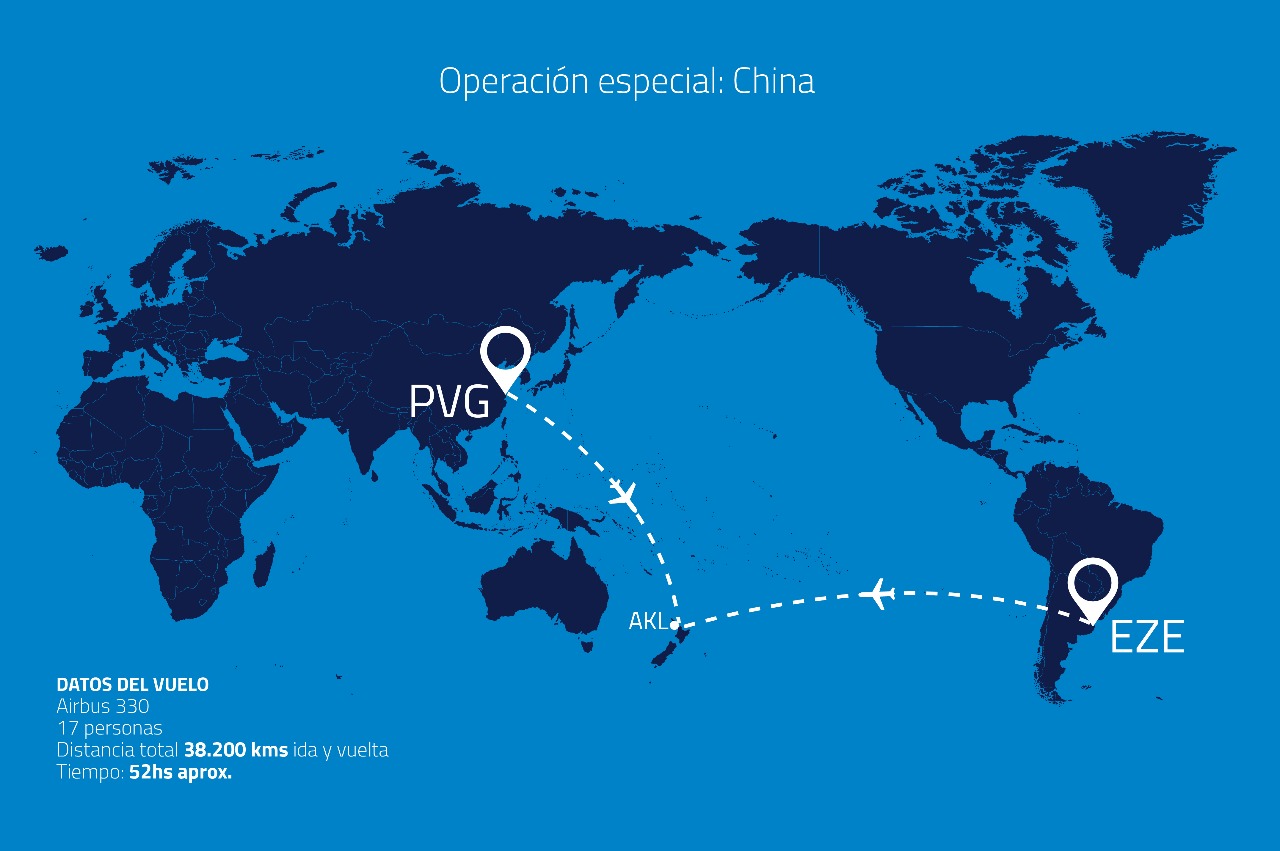
Travesía EZE/AKL/PVG

El vuelo programado AR-1070 se inició el Miércoles 15/04 cuando a las 18:30 hs. decoló el vuelo del A330-200 con destino a Shanghai. El vuelo tuvo una escala técnica en Auckland, AW-AR70004343Nueva Zelanda. Ese trayecto tuvo una duración de 16 horas y media y fue más extenso de lo previsto por los fuertes vientos en contra que se encontraron. Aún así la aeronave llegó sin inconvenientes al Aeropuerto Internacional Aukland desde donde despegaron una vez que repostaron combustible. A partir de ese momento el trayecto hasta Shanghai significaron unas 13 horas y 11 minutos de vuelo por lo que el viaje completo se realizó en 29 horas y 42 minutos. Una vez aterrizados en Shangai toda la tripulación se colocó los trajes que les entregaron las autoridades del Ministerio de Salud y que utilizarán mientras realicen las maniobras de respotaje del combustible, los trámites de control y carga de las 13 toneladas de insumos médicos que transportarán hacia la Argentina. Los tripulantes calculan que todo este procedimiento puede durar entre 4 y 8 horas. El aeropuerto de Shangai es en este momento uno de los más utilizados del mundo. Cientos de aeronaves de empresas de carga llegan y despegan transportando diferente tipo de mercadería, entre ella los insumos médicos que traerá el avión de Aerolíneas Argentinas.

La tripulación del vuelo de Aerolíneas Argentinas fue en su totalidad voluntaria. Participan los comandantes Pablo Biró, Eduardo Jorge Ravera, Juan Pablo Mazzieri y Fernando Carrea. La integran ocho copilotos: Eduardo García, Miguel Ángel Dimoulas, Víctor Antonio Saavedra, Guillermo Masnata, Nicholas Daich, Guillermo Granara, Víctor Javier Mantello y José María Aguer. También participan el jefe de carga, Fernando Simone, los técnicos aeronáuticos Gabriel Castelnuovo, Oscar Giordani, Mariano Torres, el inspector José Ackerl y la despachante de aeronaves Analia Fronti.

El retorno del vuelo está programado con el vuelo AR-1071 efectuando la ruta inversa Shanghai-Aukland-Buenos Aires. La tripulación arribará a Argentina al Aeropuerto Internacional Ezeiza el Sábado 18 Abril 2020 a las 05:15 hs., según fuentes de Aeropuertos Argentina 2000 (AA2000). AW-Icon Paragraph-01

Aerolíneas Argentinas confirma vuelo a China para traer insumos ...Aerolíneas arriving to Shanghai

Aerolíneas Argentinas will bring medical supplies for the Coronavirus pandemic

AW-7000045Flight AR-1070 of Aerolíneas Argentinas had a previous stopover in Auckland, New Zealand where fuel was refueled. Around 01:00 a.m. [local time] they arrived in the People’s Republic of China. The Airbus A330-200 aircraft has been stocked with sanitary merchandise to return to Argentina.

EZE/AKL/PVG Route

The scheduled flight AR-1070 started on Wednesday 04/15 when at 6:30 p.m. decoloured the flight of the A330-200 bound for Shanghai. The flight had a technical stopover in Auckland, New Zealand. That journey lasted 16 and a half hours and was longer than anticipated by the strong headwinds that were encountered. Even so, the aircraft arrived safely at Aukland International Airport from where they took off once they refueled. From then on, the journey to Shanghai took about 13 hours and 11 minutes of flight, so the entire trip was made in 29 hours and 42 minutes. Once they landed in Shanghai, the entire crew donned the suits that the authorities of the Ministry of Health gave them and that they will use while carrying out the maneuvers to fuel the fuel, the control and loading procedures for the 13 tons of medical supplies that they will transport to the Argentina. The crew estimates that this entire procedure can take between 4 and 8 hours. Shanghai airport is currently one of the most used in the world. Hundreds of aircraft from cargo companies arrive and take off transporting different types of merchandise, including medical supplies that the Aerolineas Argentinas plane will bring.

The crew of the Aerolíneas Argentinas flight was entirely voluntary. Commanders Pablo Biró, Eduardo Jorge Ravera, Juan Pablo Mazzieri and Fernando Carrea participate. It is made up of eight co-drivers: Eduardo García, Miguel Ángel Dimoulas, Víctor Antonio Saavedra, Guillermo Masnata, Nicholas Daich, Guillermo Granara, Víctor Javier Mantello and José María Aguer. Also participating are the cargo manager, Fernando Simone, the aeronautical technicians Gabriel Castelnuovo, Oscar Giordani, Mariano Torres, the inspector José Ackerl and the aircraft dispatcher Analia Fronti.

The return of the flight is scheduled with flight AR-1071, making the reverse route Shanghai-Aukland-Buenos Aires. The crew will arrive in Argentina at Ezeiza International Airport on Saturday, April 18, 2020 at 05:15 a.m., according to sources from Aeropuertos Argentina 2000 (AA2000). AW-Icon Paragraph-02


Ξ A I R G W A Y S Ξ
SOURCE: Airgways.com
DBk: Aerolineas.com / Aa2000.com.ar / Airgways.com
AW-POST: 202004171337AR

A\W   A I R G W A Y S ®

Analizan fusión Malaysia-AirAsia

Grounded airlines in Malaysia take to the skies to help Covid-19 ...AW | 2020 04 17 10:22 | AIRLINES / GOVERNMENT

403px-Malaysia_Airlines_Svg_Logo.svgGobierno malayo analiza fusión Malaysia-AirAsia por impacto de crisis sanitaria mundial

Existe una posibilidad de fusión de la aerolínea estatal Malaysia Airlines Bhd (MAB) con la aerolínea de bajo costo AirAsia Group Bhd debido a los problemas de arrastre de Malaysia Airlines y el fuerte impacto sobre la aviación y el AirAsia_NewLogo.svgturismo por la pandemia del Coronavirus. El Gobierno de la República de Malaysia analiza la opción para salvar a las aerolíneas a medida que la crisis de COVID-19 golpea a la industria, ha expresado en un comunicado el segundo Ministro Senior de Malasia el Viernes 17/04.

La pandemia extendida en todo el mundo ha llevado a una fuerte disminución de vuelos en muchos países, y en muchos países ha detenido el transporte aéreo por completo dejando a las aerolíneas luchando por la supervivencia.

El Ministro de Comercio Internacional e Industria de Malasia Datuk Seri Mohamed Azmin Ali ha expresado que pronto se llevarán a cabo deliberaciones sobre varias opciones para ayudar a la industria de las aerolíneas del país, dejando abierta una posible fusión entre Malaysia Airlines y AirAsia, una aerolínea low cost con sede en Malaysia, donde se había analizado anteriormente una posible fusión antes del impacto del Coronavirus a mediados de 2019. «Esa discusión tuvo lugar incluso el año pasado, incluso antes de que llegara esta pandemia. Pero debemos continuar la discusión. Necesitamos ver cómo podemos salvar esas aerolíneas, y no será una respuesta muy simple. Las cosas están muy mal, el avión no está volando. Tenemos que sentarnos y discutir cómo abordar estos problemas», dijo el Ministro de Comercio Internacional.

El Gobierno de Malaysia ha estado buscando un socio estratégico para Malaysia Airlines, donde las tareas de encontrar un socio acorde miraban a AirAsia como un candidato idóneo para la fusión, pero las acciones de acuerdo no se habían podido materializar en 2019. «También estábamos analizando algunas de las propuestas provenientes de jugadores internacionales. Ahora la situación se está volviendo más compleja debido a esta pandemia. Estamos analizando todas las opciones», expresó Datuk Seri Mohamed Azmin Ali. El gobierno malayo na ha dado a conocer los demás interesados para Malaysia Airlines.

El Gobierno de Malaysia ha estado buscando un socio estratégico para su aerolínea nacional, que luchó para recuperarse de dos tragedias aéreas: la misteriosa desaparición del vuelo MH-370 y el derribo del vuelo MH-017 sobre el este de Ucrania.

Oferentes

AirAsia y Japan Airlines Co Ltd. habían mostrado anteriormente interés en comprar una participación en Malaysia Airlines. El grupo privado de Malasia Golden Skies Ventures dijo este mes que había hecho una oferta de US$ 2.5 mil millones para hacerse cargo de la compañía matriz Malaysia Airlines Bhd. AirAsia dijo la semana pasada que no tenía ingresos entrantes con una flota de aeronaves aparcadas con vuelos suspendidos en un 96%, habiendo suspendido la mayoría de sus vuelos desde Marzo 2020. La compañía hermana de largo recorrido, AirAsia X Bhd, también había estacionado la mayoría de sus aviones en su centro de Kuala Lumpur.

La República de Malaysia se encuentra en medio de un cierre parcial desde el 18 Marzo al 28 Abril 2020, previendo iniciar sus operaciones aéreas tan pronto como sea posible. AW-Icon Paragraph-01

AirAsia set to resume flights by April 29 | The Star OnlineMalaysia-AirAsia merger analyzed

Malaysian Government Analyzes Malaysia-AirAsia Merger Due to Impact of Global Health Crisis

There is a possibility of the merger of the state-owned airline Malaysia Airlines Bhd (MAB) with the low-cost airline AirAsia Group Bhd due to the drag-out problems of Malaysia Airlines and the strong impact on aviation and tourism due to the Coronavirus pandemic. The Government of the Republic of Malaysia is considering the option to save airlines as the COVID-19 crisis hits the industry, Malaysia’s second Senior Minister said in a statement on Friday 17/04.

The worldwide pandemic has led to a sharp decline in flights in many countries, and in many countries has halted air travel altogether, leaving airlines struggling for survival.

Malaysia’s Minister of International Trade and Industry Datuk Seri Mohamed Azmin Ali has said that discussions will soon take place on various options to assist the country’s airline industry, leaving open a possible merger between Malaysia Airlines and AirAsia, an airline. Malaysia-based low cost, where a possible merger prior to the Coronavirus impact in mid-2019 had been previously discussed. «That discussion took place even last year, even before this pandemic came. But we must continue the discussion. We need see how we can save those airlines, and it will not be a very simple answer. Things are very bad, the plane is not flying. We have to sit down and discuss how to tackle these problems», said the Minister of International Trade.

The Malaysian government has been looking for a strategic partner for Malaysia Airlines, where the task of finding a suitable partner looked to AirAsia as a suitable candidate for the merger, but the agreement actions had not been able to materialize in 2019. «We were also analyzing some of the proposals from international players. Now the situation is becoming more complex due to this pandemic. We are analyzing all the options», said Datuk Seri Mohamed Azmin Ali. The Malaysian government has not disclosed the other stakeholders for Malaysia Airlines.

The Malaysian government has been searching for a strategic partner for its national airline, which struggled to recover from two air tragedies: the mysterious disappearance of flight MH-370 and the downing of flight MH-017 over eastern Ukraine.

Bidders

AirAsia and Japan Airlines Co Ltd. had previously shown interest in purchasing a stake AirAsiaXin Malaysia Airlines. Malaysia’s private group Golden Skies Ventures said this month that it had made a bid of US$ 2.5 billion to take over parent company Malaysia Airlines Bhd. AirAsia said last week that it had no incoming revenue with a fleet of parked aircraft with 96% suspended flights, having suspended most of its flights since March 2020. Long-distance sister company AirAsia X Bhd had also parked the most of its planes in its downtown Kuala Lumpur.

The Republic of Malaysia is in the midst of a partial closure from March 18 to April 28, 2020, planning to start its air operations as soon as possible. AW-Icon Paragraph-02

AW-700054Penggabungan Malaysia-AirAsia dianalisis

Kerajaan Malaysia Menganalisis Penggabungan Malaysia-AirAsia Kerana Kesan Krisis Kesihatan Global

Terdapat kemungkinan penggabungan syarikat penerbangan milik negara Malaysia Airlines Bhd (MAB) dengan syarikat penerbangan tambang rendah AirAsia Group Bhd kerana masalah pengeluaran Malaysia Airlines dan kesan kuat terhadap penerbangan dan pelancongan kerana wabak Coronavirus. Pemerintah Republik Malaysia sedang mempertimbangkan pilihan untuk menyelamatkan syarikat penerbangan kerana krisis COVID-19 melanda industri ini, kata Menteri Kanan kedua Malaysia dalam satu kenyataan pada hari Jumaat 17/04.

Pandemik di seluruh dunia telah menyebabkan penurunan tajam dalam penerbangan di banyak negara, dan di banyak negara telah menghentikan perjalanan udara sama sekali, menjadikan syarikat penerbangan berjuang untuk bertahan.

Ministry Of Tourism And Culture Kuala Lumpur Package Tour Travel ...Menteri Perdagangan Antarabangsa dan Industri Malaysia, Datuk Seri Mohamed Azmin Ali telah mengatakan bahawa perbincangan akan segera dilakukan mengenai pelbagai pilihan untuk membantu industri penerbangan negara itu, dengan membuka kemungkinan penggabungan antara Malaysia Airlines dan AirAsia, sebuah syarikat penerbangan. Kos rendah yang berpusat di Malaysia, di mana kemungkinan penggabungan sebelum kesan Coronavirus pada pertengahan 2019 telah dibincangkan sebelumnya. «Perbincangan itu berlaku bahkan tahun lalu, bahkan sebelum wabak ini melanda. Tetapi kita perlu meneruskan perbincangan. Kita perlu lihat bagaimana kita dapat menyelamatkan syarikat penerbangan itu, dan itu bukan jawapan yang sangat mudah. ​​Perkara sangat buruk, pesawat tidak terbang. Kita harus duduk dan berbincang bagaimana mengatasi masalah ini», kata Menteri Perdagangan Antarabangsa.

Kerajaan Malaysia telah mencari rakan strategik untuk Malaysia Airlines, di mana tugas mencari rakan kongsi yang sesuai memandang AirAsia sebagai calon penggabungan, tetapi tindakan perjanjian tidak dapat dilaksanakan pada tahun 2019. «Kami juga menganalisis beberapa cadangan dari pemain antarabangsa. Sekarang keadaan menjadi lebih rumit kerana wabak ini. Kami sedang menganalisis semua pilihan», kata Datuk Seri Mohamed Azmin Ali. Kerajaan Malaysia belum memberitahu pihak berkepentingan lain untuk Malaysia Airlines.

Kerajaan Malaysia telah mencari rakan strategik untuk syarikat penerbangan nasionalnya, yang berjuang untuk pulih dari dua tragedi udara: kehilangan pesawat MH-370 yang misterius dan jatuhnya penerbangan MH-017 ke timur Ukraine.

Penawar

AirAsia dan Japan Airlines Co Ltd. sebelumnya menunjukkan minat untuk membeli saham di Malaysia Airlines. Kumpulan swasta Malaysia Golden Skies Ventures mengatakan bulan ini bahawa ia telah membuat tawaran sebanyak US$ 2.5 bilion untuk mengambil alih syarikat induk Malaysia Airlines Bhd. AirAsia mengatakan minggu lalu bahawa ia tidak mempunyai pendapatan masuk dengan armada pesawat yang diparkir dengan 96% penerbangan ditangguhkan, telah menghentikan sebahagian besar penerbangannya sejak Mac 2020. Syarikat saudara jarak jauh AirAsia X Bhd juga telah meletakkan sebahagian besar pesawatnya di pusat bandar Kuala Lumpur.

Republik Malaysia sedang dalam penutupan sebahagian dari 18 Mac hingga 28 April 2020, merancang untuk memulakan operasi udaranya secepat mungkin. AW-Icon Paragraph-02


Ξ A I R G W A Y S Ξ
SOURCE: Airgways.com
DBk: Miti.gov.my / Malaysiaairlines.com / Airgways.com
AW-POST: 202004171022AR

A\W   A I R G W A Y S ®

Aerolíneas EEUU reciben ayuda Federal

AW-Newsweek-Boston_Airport_7007AW | 2020 04 16 11:24 | AIRLINES / GOVERNMENT

El Tesoro y las aerolíneas acuerdan términos de ayudas a la industria de la aviación

Las aerolíneas estadounidenses lograron obtener miles de millones de dólares de ayuda federal del Gobierno de los Estados Unidos, lo que representa una ayuda para algunos meses hacia adelante. Pero otra variable económica de las aerolíneas dependerá de su supervivencia de la rapidez con la que los pasajeros regresen cuando las restricciones impulsadas por el Coronavirus disminuyan.

El Tesoro de estados Unidos ha informado el Martes 14/04 por la noche que había llegado a un acuerdo en principio con diez aerolíneas principales para distribuir US$ 25 mil millones en asistencia de nómina que el Congreso aprobó en el paquete de estímulo federal de US$ 2.2 billones el mes pasado. Los rescates de las aerolíneas abordan el bloqueo, no la recesión económica que se prolongará a través de los meses, lo que permitirá ganar tiempo para reestructurar las aerolíneas.

Este es probablemente el mejor paquete de ayuda que los inversores de las aerolíneas podrían esperar, pero no debe leerse como una señal de recuperación. Para los accionistas actuales de las aerolíneas, obtener una fianza del Gobierno es una gran noticia. Sin embargo, otros inversores aún deben ser cautelosos de comprar en una industria notoriamente propensa a la recesión. El Martes 14/04 por la noche, el Departamento del Tesoro dijo que diez de los doce principales operadores estadounidenses habían aceptado, en principio, un paquete de rescate de US$ 33 mil millones de dólares. Los inversores se regocijaron en el comercio de futuros post-mercado. El índice bursátil Dow Jones US Airlines, que ha bajado más del 50% este año, aún cayó en la apertura del Miércoles 15/04, pero menos que el mercado de valores más amplio.

Dallas-Fort Worth International Airport – Travel guide at Wikivoyage

El Departamento del Tesoro de Estados Unidos dijo que participarían de las ayudas las siguientes aerolíneas: Alaska Airlines, Allegiant Air, American Airlines, Delta Air Lines, Frontier Airlines, Hawaiian Airlines, JetBlue Airways, SkyWest Airlines, Southwest Airlines y United Airlines. Se supone que el programa ayuda a las empresas a pagar a sus trabajadores y fue creado como parte del paquete de estabilización económica que el Congreso aprobó el mes pasado.

En los últimos días, las negociaciones de rescate se han vuelto polémicas por la insistencia del Tesoro de que las aerolíneas más grandes reembolsen al menos parte del dinero que recibieron. Las dos partes acordaron en última instancia que el apoyo del gobierno se estructuraría como parte de subvención y parte de préstamo y que el Tesoro también recibiría garantías para comprar acciones en las empresas. «Este acuerdo apoyará plenamente a los trabajadores de la industria de las aerolíneas, preservará el papel vital que desempeñan las aerolíneas en nuestra economía y protegerá a los contribuyentes. Nuestras aerolíneas ahora están en buena forma y superarán un período de tiempo muy difícil que no fue causado por ellas», dijo el Presidente Donald Trump el Martes 14/04 en una conferencia de prensa de la Casa Blanca.

El Secretario del Tesoro, Steven Mnuchin, dijo en un comunicado que el acuerdo «ayudaría a preservar la importancia estratégica de la industria de las aerolíneas al tiempo que permitiría una compensación adecuada a los contribuyentes».

El Tesoro había estado presionando a las aerolíneas para que devolvieran el 30% del dinero durante cinco años. Los ejecutivos de las aerolíneas y los líderes sindicales se quejaron de que la Administración Trump estaba convirtiendo lo que el Congreso pretendía que fueran subvenciones en préstamos.

Airlines for America (A4A), un grupo de cabildeo de la industria, dijo que hasta el 9 Abril 2020, las aerolíneas estadounidenses habían inactivo 2.200 aviones y que el volumen de pasajeros disminuyó un 95% respecto al año anterior. Se espera que los ingresos mundiales de pasajeros disminuyan en US$ 314 mil millones este año, una disminución del 55% respecto al año pasado, dijo el Martes la Asociación Internacional de Transporte Aéreo (IATA). El estímulo, aprobado a fines del mes pasado, incorporó en gran medida la asistencia que la industria había buscado, incluidos los US$ 25 mil millones en apoyo de nómina y otros US$ 25 mil millones en préstamos para aerolíneas de pasajeros y más de US$ 10 mil millones en subvenciones y préstamos para aerolíneas de carga y contratistas de aviación. Pero la ayuda llegó con algunas condiciones, incluida la de otorgarle a Mnuchin la autoridad para tomar una participación accionaria en las aerolíneas que reciben las subvenciones.

El Departamento del Tesoro determinó que el 70% de las subvenciones a las aerolíneas beneficiarían a los contribuyentes a través de los recibos de la nómina y del impuesto sobre la renta y al reducir los pagos del seguro de desempleo que el gobierno habría pagado a los trabajadores de las aerolíneas si hubieran perdido sus empleos. El 30% restante no beneficiaría directamente a los contribuyentes y, por lo tanto, se pagaría como un préstamo durante un período de 10 años, dijo el martes un alto funcionario del Tesoro.

El Departamento del Tesoro también recibirá garantías de acciones por un valor del 10% del monto del préstamo que exceda los US$ 100 millones. El funcionario dijo que la estructura del acuerdo era un compromiso cuidadosamente negociado, ya que las aerolíneas buscaban subvenciones sin reembolso y la administración prefería ofrecer préstamos. La legislación de alivio económico también asignó US$ 25 mil millones por separado específicamente para préstamos a las aerolíneas, pero el funcionario dijo que las negociaciones con las compañías para esos fondos no habían comenzado. El Departamento del Tesoro también participa en negociaciones con los transportistas de carga, que son elegibles para US$ 8 mil millones en subvenciones y préstamos.

El Departamento del Tesoro dijo la semana pasada que no requeriría que las aerolíneas que reciben hasta US$ 100 millones en dinero de rescate brinden al gobierno acciones de capital u otra compensación. El gobierno había recibido más de 200 solicitudes de aerolíneas estadounidenses que buscaban apoyo de nómina y el Tesoro dijo que la mayoría de ellas pedían menos de US$ 10 millones.

Se prohíbe a las aerolíneas que aceptan el dinero de apoyo de nómina los despidos del personal importante o los recortes salariales hasta Septiembre 2020. Las aerolíneas también deben abstenerse de volver a comprar acciones o pagar dividendos hasta Septiembre de 2021 y deben acordar los límites del pago ejecutivo hasta fines de Marzo de 2022.

En un comunicado, Sara Nelson, Presidenta del Sindicato de la Asociación de Auxiliares de Vuelo, acogió con beneplácito el pago como «un logro sin precedentes», pero criticó a Mnuchin por retrasar la ayuda y por pedir que las aerolíneas reembolsen una parte de los fondos. «Ahora debemos luchar para mantener intacta la aviación para proteger nuestra industria y asegurar que nuestra economía se recupere nuevamente cuando el virus esté bajo control. Hemos visto lo que sucede cuando los banqueros de inversión, como el secretario Mnuchin, controlan los resultados, y no vamos a esperar para ver cómo se desarrolla nuevamente», dijo Sara Nelson.

Por separado, el Capitán Joe DePete, Presidente de la Asociación de Pilotos de Líneas Aéreas, que representa a más de 63.000 pilotos en United, Delta y otras aerolíneas, acusó al Departamento del Tesoro de «socavar la intención de la ley, lo que hará que sea más difícil detener los despidos y retrasar la recuperación».

American Airlines dijo que recibiría US$ 5.8 mil millones como parte del acuerdo, con más de US$ 4 mil millones en forma de subvenciones y los restantes US$ 1.7 mil millones como préstamos a bajo interés. La aerolínea también planea solicitar un préstamo de casi US$ 4.8 mil millones del departamento bajo la disposición de préstamos de la legislación. «El Programa de Apoyo de Nómina reconoce la extraordinaria dedicación de todo nuestro equipo y, lo que es más importante, mantiene el servicio aéreo crítico que brindan los miembros de nuestro equipo de primera línea», dijo el presidente ejecutivo de American Airlines, Doug Parker, en un comunicado.
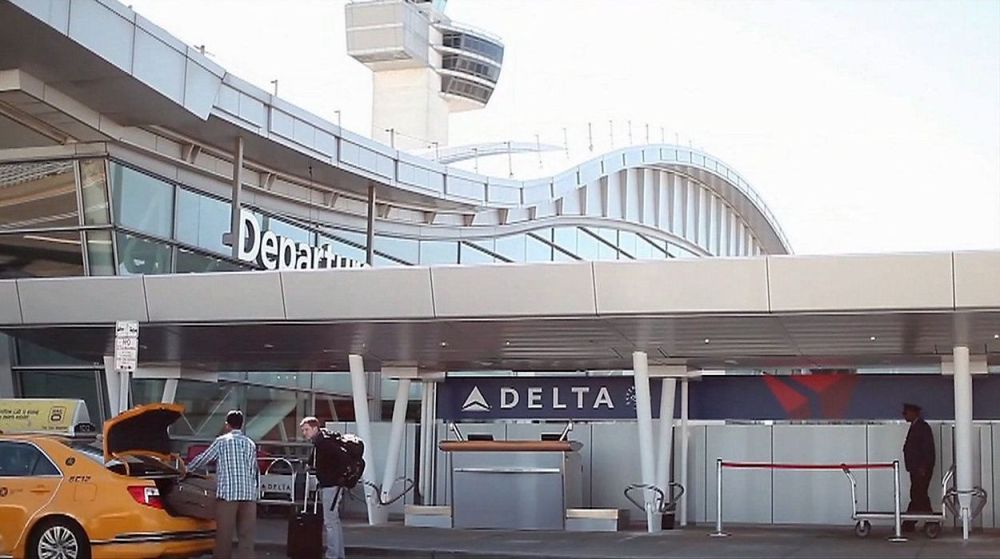
AW-Ny1_7006Delta Air Lines dijo que recibiría US$ 5.4 mil millones, incluido un préstamo de US$ 1.6 mil millones. La compañía dijo que proporcionaría al gobierno garantías para adquirir alrededor del 1% de sus acciones a un precio de US$ 24.39 por acción durante un período de cinco años. «Este es un paso esencial, pero solo uno de los muchos que nos ayudará a superar los próximos meses», dijo el Presidente Ejecutivo, Ed Bastian, en una nota al personal.

Southwest Airlines dijo que esperaba recibir US$ 3.2 mil millones, de los cuales aproximadamente US$ 1 mil millones vendrían en forma de un préstamo a bajo interés. Se espera que ese préstamo incluya alrededor de 2.6 millones de warrants que le permitirían al Departamento del Tesoro comprar acciones de la compañía. JetBlue Airways dijo que recibiría casi US$ 936 millones, con aproximadamente US$ 251 millones en forma de préstamo.

United Airlines y Alaska Airlines dijeron que esperaban completar sus acuerdos con el departamento en los próximos días.

La pandemia detuvo la industria de las aerolíneas en cuestión de semanas. En Febrero 2020, el tráfico de pasajeros de las 25 principales aerolíneas estadounidenses aumentó un 6,7% en comparación con el mismo mes del año anterior, uno de los mayores aumentos en una racha de ganancias de 29 meses, según datos federales publicados el Martes 14/04. Pero en Marzo 2020, el tráfico aéreo casi se ha paralizado. El primer día del mes, la Administración de Seguridad del Transporte (TSA) examinó a casi 2.3 millones de pasajeros, miembros de la tripulación de vuelo y otros trabajadores de aeropuertos y aerolíneas en sus puntos de control del aeropuerto. Para el último día del mes, esa cifra había caído casi un 95% a poco menos de 150.000 pasajeros. AW-Icon Paragraph-01

Aeropuerto DFW romperás record pax |US Airlines Acquire Federal Aid

Treasury and airlines agree terms of aid to the aviation industry

US airlines managed to obtain billions of dollars of federal aid from the United States Government, which represents aid for a few months ahead. But another economic variable for airlines will depend on their survival on how quickly passengers return when Coronavirus-driven restrictions ease.

The U.S. Treasury reported Tuesday night 04/14 that it had reached an agreement in principle with ten major airlines to distribute US$ 25 billion in payroll assistance that Congress approved in the US federal stimulus package US$ 2.2 billion last month. Airline bailouts address the blockade, not the economic downturn that will drag on for months, which will save time for airline restructuring.

This is probably the best aid package that airline investors could hope for, but it should not be read as a sign of recovery. For current airline shareholders, getting a government bond is great news. However, other investors still need to be cautious about buying in an industry notoriously prone to recession. On Tuesday night, 04/14, the Treasury Department said that ten of the top twelve US operators had accepted, in principle, a rescue package of US$ 33 billion dollars. Investors rejoiced in post-market futures trading. The Dow Jones US Airlines stock index, which is down more than 50% this year, still fell at the opening on Wednesday 15/04, but less than the broader stock market.

The United States Department of the Treasury said that the following airlines would participate in the aid: Alaska Airlines, Allegiant Air, American Airlines, Delta Air Lines, Frontier Airlines, Hawaiian Airlines, JetBlue Airways, SkyWest Airlines, Southwest Airlines and United Airlines. The program is supposed to help companies pay their workers and was created as part of the economic stabilization package that Congress approved last month.

In recent days, bailout negotiations have become controversial over the Treasury’s insistence that larger airlines reimburse at least part of the money they received. The two sides ultimately agreed that government support would be structured as part of grant and part of loan, and that the Treasury would also receive guarantees to buy shares in the companies. «This agreement will fully support airline industry workers, preserve the vital role airlines play in our economy, and protect taxpayers. Our airlines are now in good shape and going through a very difficult time period that was not caused by them», President Donald Trump said Tuesday 04/14 at a White House press conference.

Treasury Secretary Steven Mnuchin said in a statement that the agreement «would help preserve the strategic importance of the airline industry while allowing adequate compensation to taxpayers».

The Treasury had been pressuring airlines to return 30% of the money for five years. Airline executives and union leaders complained that the Trump Administration was converting what Congress intended to be loan grants.

Airlines for America (A4A), an industry lobbying group, said that as of April 9, 2020, US airlines had idle 2,200 aircraft and that passenger volume decreased 95% from the previous year. Global passenger revenue is expected to decline by US$ 314 billion this year, a 55% decrease from last year, the International Air Transport Association (IATA) said Tuesday. The stimulus, approved late last month, largely incorporated the assistance the industry had sought, including US$ 25 billion in payroll support and another US$ 25 billion in passenger airline loans and more than US$ 10 billion in grants and loans for cargo airlines and aviation contractors. But the aid came with some conditions, including granting Mnuchin the authority to take a stake in the airlines receiving the subsidies.

The Treasury Department determined that 70% of airline subsidies would benefit taxpayers through payroll and income tax receipts and by reducing unemployment insurance payments that the government would have paid to workers. of airlines if they had lost their jobs. The remaining 30% would not directly benefit taxpayers and would therefore be paid off as a loan over a 10-year period, a senior Treasury official said Tuesday.

The Treasury Department will also receive equity guarantees worth 10% of the loan amount that exceed US$ 100 million. The official said the structure of the agreement was a carefully negotiated commitment, as airlines were seeking grants without repayment and the administration preferred to offer loans. The economic relief legislation also allocated US$ 25 billion separately specifically for loans to airlines, but the official said that negotiations with the companies for those funds had not started. The Treasury Department also participates in negotiations with cargo carriers, who are eligible for US$ 8 billion in grants and loans.

The Treasury Department said last week it would not require airlines that receive up to US$ 100 million in ransom money to provide the government with capital stock or other compensation. The government had received more than 200 requests from U.S. airlines seeking payroll support, and the Treasury said most of them were asking for less than $ 10 million.

Airlines that accept payroll support money are prohibited from firing senior staff or cutting wages until September 2020. Airlines must also refrain from buying back shares or paying dividends until September 2021 and must agree to pay limits. executive until end of March 2022.

In a statement, Sara Nelson, President of the Association of Flight Attendants Union, welcomed the payment as «an unprecedented achievement», but criticized Mnuchin for delaying aid and calling for airlines to reimburse a portion of the flights. money. «Now we must fight to keep aviation intact to protect our industry and ensure that our economy recovers again when the virus is under control. We have seen what happens when investment bankers, like Secretary Mnuchin, control the results, and not let’s wait to see how it develops again», said Sara Nelson.

Separately, Captain Joe DePete, President of the Airline Pilots Association, which represents more than 63,000 pilots at United, Delta, and other airlines, accused the Treasury Department of «undermining the intent of the law, which will make it more difficult to stop layoffs and delay recovery».
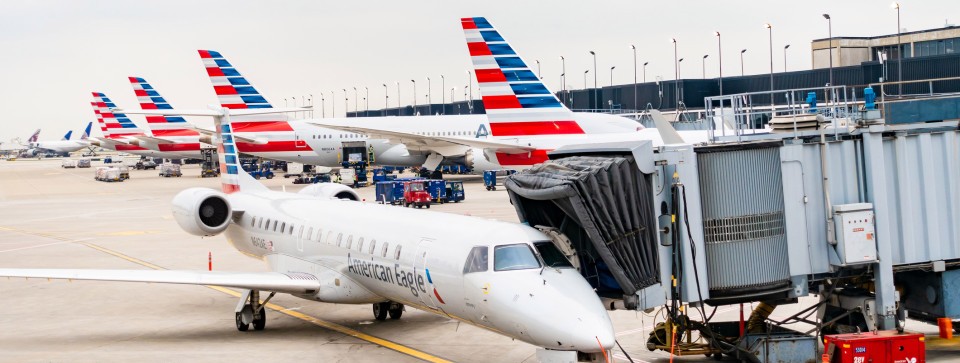
AW-Whnt_7002American Airlines said it would receive US$ 5.8 billion as part of the deal, with more than $ 4 billion in grants and the remaining US$ 1.7 billion as low-interest loans. The airline also plans to apply for a loan of nearly US$ 4.8 billion from the department under the loan provision of the legislation. «The Payroll Support Program recognizes the extraordinary dedication of our entire team and, most importantly, maintains the critical air service provided by our front-line team members», said American Airlines Chief Executive Doug Parker, it’s a statement.

Delta Air Lines said it would receive US$ 5.4 billion, including a loan of US$ 1.6 billion. The company said it would provide guarantees to the government to acquire about 1% of its shares at a price of US$ 24.39 per share over a five-year period. «This is an essential step, but just one of many that will help us get through the next few months», Chief Executive Ed Bastian said in a note to staff.

Southwest Airlines said it expected to receive US$ 3.2 billion, of which approximately US$ 1 billion would come in the form of a low-interest loan. That loan is expected to include around 2.6 million warrants that would allow the Treasury Department to buy shares in the company. JetBlue Airways said it would receive nearly US$ 936 million, with approximately US$ 251 million in the form of a loan.

AW-700887United Airlines and Alaska Airlines said they expected to complete their agreements with the department in the coming days.

The pandemic stopped the airline industry in a matter of weeks. In February 2020, passenger traffic for the top 25 US airlines increased 6.7% compared to the same month a year ago, one of the largest increases in a 29-month earnings streak, according to federal data released Tuesday 04/14. But in March 2020, air traffic has almost stopped. On the first day of the month, the Transportation Security Administration (TSA) screened nearly 2.3 million passengers, flight crew members, and other airport and airline workers at their airport checkpoints. By the last day of the month, that number had dropped nearly 95% to just under 150,000 passengers. AW-Icon Paragraph-02


Ξ A I R G W A Y S Ξ
SOURCE: Airgways.com
DBk: Airgways.com / Treasury.gov / Boston.com / Wikivoyage.org / Whnt.com / Newsweek.com
AW-POST: 202004161124AR

A\W   A I R G W A Y S ®

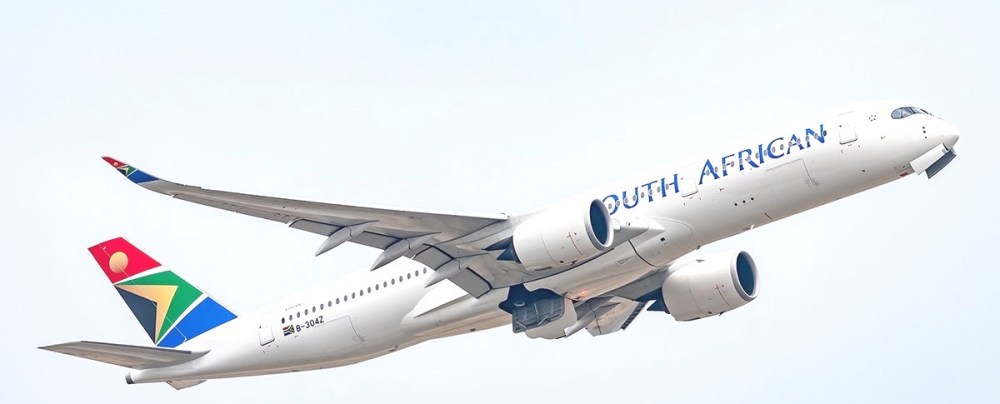
Sudáfrica corta fondos a South African

AW-A350-South-AfricanAW | 2020 04 15 14:20 | AIRLINES / GOVERNMENT

south-african[1]El Gobierno corta fondo a South African Airways

South African Airways ha sido negada por su propietario gubernamental para otorgar fondos adicionales para recuperarse de la crisis que viene arrastrando desde hace años sumado a los efectos de la pandemia del Coronavirus. La compañía sudafricana necesita una forma de protección contra la bancarrota, pero el Gobierno de Sudáfrica ha cortado las líneas de fondos. De acuerdo con una carta que enviaron a las partes afectadas con fecha 14 Abril 2020, el estado les dijo a los administradores de la aerolínea, que fueron puestos a cargo en Diciembre 2019, que en su lugar obtuvieran efectivo de los recursos disponibles. «Actualmente estamos evaluando el impacto de este desarrollo en el proceso de rescate empresarial y comunicaremos cualquier decisión que se tome», dijeron en la carta.

South African Airways, que comenzó a operar en 1934, ha acumulado ₹ 26 mil millones de Rand (US$ 1,4 mil millones) en pérdidas en los últimos seis años y ha dependido de una serie de rescates estatales para seguir operando. La conexión a tierra de todos sus vuelos de pasajeros, aparte de las cartas para repatriar a los ciudadanos varados, debido al bloqueo del Coronavirus ha diezmado aún más su flujo de ingresos.

El Ministro de Finanzas, Tito Mboweni, ha abogado durante mucho tiempo por el cierre de los fondos para la aerolínea, y el Martes 14/04 ha citado el cierre de la aerolínea como una forma de ahorrar fondos a medida que el país lidia con las consecuencias de la pandemia de Coronavirus. «Todas las opciones ahora están bloqueadas para cualquier forma de continuación real de la aerolínea. Básicamente, la única opción ahora es la liquidación», dijo Peter Attard Montalto, Jefe de investigación de mercados de capital de Intellidex.

El desarrollo es un duro golpe para las ambiciones del ministro de Empresas Públicas, Pravin Gordhan, quien ha estado interesado en mantener la aerolínea en funcionamiento para preservar los empleos y actuar como una aerolínea insignia para el país. Sin embargo, les dijo a los profesionales de rescate de negocios que la pandemia había afectado las finanzas del gobierno y que no podía acceder a su solicitud de extender los límites de endeudamiento extranjero en ₹ 10 mil millones de Rands, según una segunda carta emitida por el Gobierno sudafricano.

La deuda externa de SAA está garantizada por el estado en caso de colapso del transportista. «Estamos convencidos de que Sudáfrica necesita un conjunto de aerolíneas viables y sostenibles. Debemos determinar con urgencia el modelo operativo y comercial de una aerolínea rescatada, con un modelo financiero sostenible», dijo en un comunicado el Departamento de Empresas Públicas, que pertenece a Gordhan. AW-Icon Paragraph-01

AW-Jacobo_Saayman_001South Africa cuts funds to South African

Government cuts South African Airways fund

South African Airways has been denied by its government owner to grant additional funds to recover from the crisis that has been dragging for years added to the effects of the Coronavirus pandemic. The South African company needs a form of bankruptcy protection, but the South African government has cut the lines of funds. According to a letter they sent to affected parties dated April 14, 2020, the state told the airline’s administrators, who were put in charge in December 2019, to obtain cash from available resources instead. «We are currently evaluating the impact of this development on the business rescue process and will communicate any decision that is made», they said in the letter.

South African Airways, which began operating in 1934, has accumulated ₹ 26 billion Rand ($ 1.4 billion) in losses over the past six years and has relied on a series of state bailouts to continue operating. The grounding of all of its passenger flights, apart from letters to repatriate stranded citizens, due to the Coronavirus blockade has further decimated its revenue stream.

Finance Minister Tito Mboweni has long advocated for the closure of funds for the airline, and on Tuesday 04/14 he cited the closure of the airline as a way to save funds as the country grapples with consequences of the Coronavirus pandemic. «All options are now blocked for any form of actual airline continuation. Basically the only option now is liquidation,» said Peter Attard Montalto, head of capital markets research at Intellidex.

The development is a blow to the ambitions of Public Companies Minister Pravin Gordhan, who has been interested in keeping the airline running to preserve jobs and act as a flagship airline for the country. However, he told business rescue professionals that the pandemic had affected government finances and that he could not grant their request to extend the foreign debt limits by ₹ 10 billion Rands, according to a second letter issued by the South African Government.

SAA’s external debt is guaranteed by the state in the event of a carrier collapse. «We are convinced that South Africa needs a set of viable and sustainable airlines. We must urgently determine the operating and business model of a rescued airline, with a sustainable financial model», the Department of Public Enterprises, which belongs to Gordhan, said in a statement. AW-Icon Paragraph-02

5760879Suid-Afrika sny fondse uit na South African Airways

Die regering sny die South African Airways

Die regeringseienaar word van die Suid-Afrikaanse Lugdiens (South African Airways) geweier om ekstra geld toe te staan ​​om te herstel van die krisis wat jare lank gesleep is, en het gevolge van die South_African_Airways_Logo[1]Coronavirus-pandemie tot gevolg gehad. Die Suid-Afrikaanse maatskappy het ‘n vorm van beskerming teen bankrotskap nodig, maar die Suid-Afrikaanse regering het die grense van die geld gesny. Luidens ‘n brief wat hulle op 14 April 2020 aan die betrokke partye gestuur het, het die staat die administrateurs van die lugredery, wat in Desember 2019 in beheer was, beveel om eerder kontant uit beskikbare bronne te bekom. „Ons evalueer tans die impak van hierdie ontwikkeling op die reddingsproses vir sake en sal die besluit wat geneem word, kommunikeer”, het hulle in die brief gesê.

Die Suid-Afrikaanse Lugdiens, wat in 1934 begin werk het, het die afgelope ses jaar ₹ 26 miljard Rand (US$ 1,4 miljard) opgehoop in verliese en het staatgemaak op ‘n reeks staatsreddings om voort te gaan. Die grondslag van al sy passasiersvlugte, afgesien van briewe aan gestrande burgers, is weens die Coronavirus-blokkade die inkomstestroom verder gedemp.

Tito Mboweni, Minister van Finansies, het al lank gepleit vir die sluiting van fondse vir die lugredery, en op Dinsdag 04/14 het hy die sluiting van die lugredery aangehaal as ‘n manier om geld te bespaar namate die land worstel met gevolge van die Coronavirus-pandemie. „Alle opsies is nou geblokkeer vir enige vorm van werklike voortsetting van lugrederye. Basies die enigste opsie is nou likwidasie”, sê Peter Attard Montalto, hoof van navorsing oor kapitaalmarkte by Intellidex.

Die ontwikkeling is ‘n knou vir die ambisies van Pravin Gordhan, minister van openbare ondernemings, wat daarin belang gestel het om die lugdiens aan die gang te hou om werk te behou en as ‘n vlagskip-lugredery vir die land op te tree. Hy het egter aan professionele reddingswerkers gesê dat die pandemie die regering se finansies beïnvloed het en dat hy nie in staat was om hul versoek om buitelandse skuldlimiete met ₹ 10 miljard te verleng nie, luidens ‘n tweede brief uitgereik deur die Suid-Afrikaanse regering.

Die SAL se buitelandse skuld word deur die staat gewaarborg in geval van ‘n verval van die vragmotor. „Ons is oortuig daarvan dat Suid-Afrika ‘n stel lewensvatbare en volhoubare lugdienste benodig. Ons moet dringend die bedryfs- en sakemodel van ‘n gered lugredery met ‘n volhoubare finansiële model bepaal”, het die departement van openbare ondernemings, wat aan Gordhan behoort, in ‘n verklaring gesê. AW-Icon Paragraph-02


Ξ A I R G W A Y S Ξ
SOURCE: Airgways.com
DBk: Treasury.gov.za / Flysaa.com / Businesstech.co.za / Airgways.com
AW-POST: 202004151420AR

A\W   A I R G W A Y S ®