Delta publica pérdidas en 1Q2020

AW-Shutterstock_70021AW | 2020 04 23 11:27 | AIRLINES

Delta_Isoglotype_IntersectedDelta ha publicado su informe financiero con primera pérdida trimestral en cinco añosAW-70008765

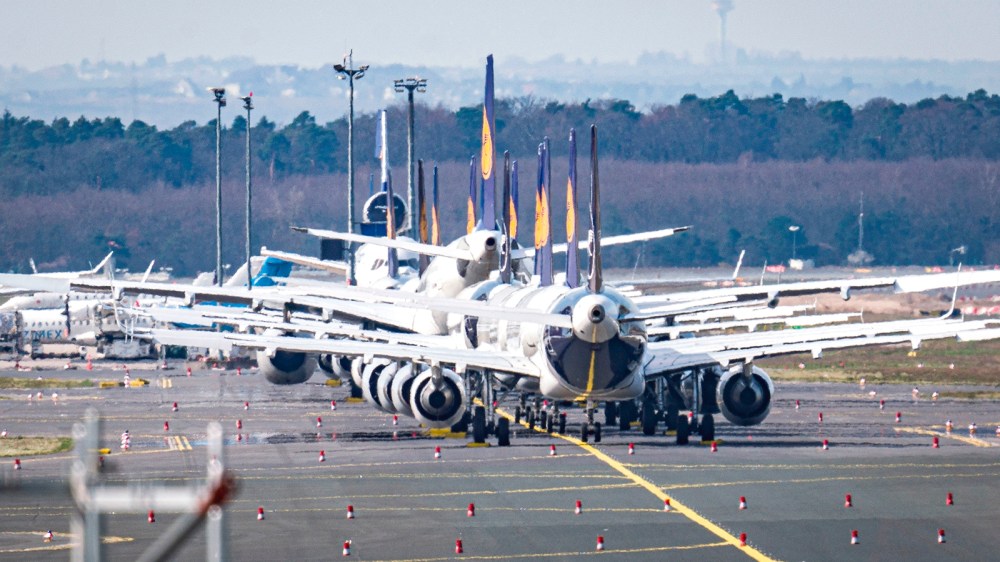
Delta Air Lines la aerolínea de Estados Unidos acaba de publicar su primera pérdida trimestral (1Q2020) en más de cinco años. El informe del Miércoles 22/04 ha arrojado pérdidas por valor de US$ 534 millones en los primeros tres meses del año, cuando sufrió un fuerte golpe de la pandemia de Coronavirus durante Marzo 2020.

Durante la mayor parte del primer trimestre, el virus parecía una abstracción para muchos estadounidenses y para el mundo en genera. Estaba a un océano de distancia y la vida en los Estados Unidos se desarrolló normalmente. La economía estaba zumbando, la gente hacía viajes de negocios y vuelos de placer, los aviones estaban casi llenos. Desde entonces, el virus impuso restricciones a los viajes y avivó el miedo a quedar atrapado en un tubo de aluminio volador mientras compartía aire reciclado con personas que podrían estar infectadas. Los viajes han caído alrededor del 95%.

Los ingresos del primer trimestre de Delta Air Lines cayeron un 18% desde hace un año. La aerolínea pronosticó una imagen mucho más sombría para el segundo trimestre, cuando se sentirá el impacto total de la pandemia global. Se espera que los ingresos caigan un 90% para Delta, y las cosas se verán igual de sombrías o peores para sus competidores. Podría pasar mucho tiempo antes de que el viaje regrese a los niveles previos al brote. «Ya sea que se trate de tres años, dos años o cuatro años, nadie lo sabe», dijo el CEO de Delta, Ed Bastian.

Ayudas del Tesoro

Todas las principales aerolíneas estadounidenses han alcanzado acuerdos con el Departamento del Tesoro por miles de millones en subvenciones y préstamos para ayudarlos a cubrir los costos de la nómina hasta septiembre. Entre las aerolíneas más grandes, American Airlines obtendrá US$ 5.8 mil millones, Delta ya ha recibido la mitad de los US$ 5.4 mil millones prometidos, United Airlines obtendrá US$ 5 mil millones y Southwest Airlines ha recibido US$ 3.2 mil millones.

Lo que les sucede a los empleados después de que se agote el dinero federal no está claro. Delta, United y American esperan ser más pequeños cuando salgan de la pandemia. Están alentando a los empleados a que se jubilen anticipadamente o que no paguen o paguen parcialmente, pero los analistas dicen que los despidos son inevitables en octubre a menos que se extienda la ayuda federal.

Muchas aerolíneas internacionales han despedido trabajadores. Ellos también están pidiendo ayuda a sus gobiernos. Richard Branson, propietario de una participación minoritaria en Virgin Atlantic, dijo a los empleados esta semana que la compañía necesita un préstamo del gobierno del Reino Unido para sobrevivir.

Las aerolíneas, como los automovilistas, están tomando un descanso con precios de combustible más baratos. Delta pagó un 12% menos por galón en el primer trimestre que el año anterior, un ahorro de US$ 383 millones, y eso fue antes del último colapso en los precios de la energía. Pero al igual que las personas que están atrapadas en sus hogares, Delta no puede aprovechar al máximo los precios más bajos porque está cancelando tantos vuelos. AW-Icon Paragraph-01

AW-Shutterstock_70022Delta publishes financial report 1Q2020

2000px-Delta_logo.svg (2)

Delta released its financial report with first quarterly loss in five years

Delta Air Lines the United States airline has just published its first quarterly loss (1Q2020) in more than five years. The report on Wednesday 04/22 has shown losses worth US$ 534 million in the first three months of the year, when it suffered a severe blow from the Coronavirus pandemic during March 2020.

Delta_JetFor most of the first quarter, the virus seemed like an abstraction to many Americans and to the world at large. It was an ocean away, and life in the United States developed normally. The economy was buzzing, people were on business trips and leisure flights, the planes were almost full. The virus has since placed restrictions on travel and fueled the fear of being trapped in a flying aluminum tube while sharing recycled air with people who may be infected. Travel has fallen about 95%.

Delta Air Lines’ first-quarter revenue fell 18% from a year ago. The airline forecasts a much bleaker picture for the second quarter when the full impact of the global pandemic will be felt. Revenue is expected to drop 90% for Delta, and things will look just as bleak or worse for its competitors. It could be a long time before the trip returns to pre-outbreak levels. «Whether it’s three years, two years, or four years, no one knows», said Delta CEO Ed Bastian.

Treasury aid

All major US airlines have reached billions of grants and loans with the Treasury Department to help cover payroll costs through September. Among the largest airlines, American Airlines will earn US$ 5.8 billion, Delta has already received half of the promised US$ 5.4 billion, United Airlines will earn US$ 5 billion, and Southwest Airlines has received US$ 3.2 billion.

What happens to employees after federal money runs out is unclear. Delta, United and American hope to be smaller when they come out of the pandemic. They are encouraging employees to retire early or not pay or pay partially, but analysts say layoffs are inevitable in October unless federal aid is extended.

Many international airlines have laid off workers. They are also asking their governments for help. Richard Branson, owner of a minority stake in Virgin Atlantic, told employees this week that the company needs a loan from the UK government to survive.

Airlines, like motorists, are taking a break with cheaper fuel prices. Delta paid 12% less per gallon in the first quarter than the year before, a savings of US$ 383 million, and that was before the last collapse in energy prices. But like people trapped in their homes, Delta cannot take full advantage of the lower prices because it is canceling so many flights. AW-Icon Paragraph-02


Ξ A I R G W A Y S Ξ
SOURCE: Airgways.com
DBk: Delta.com / Apnews.com / Airgways.com
AW-POST: 202004231127AR

A\W   A I R G W A Y S ®

KLM/Transavia reestructuran vuelos

AW-Volkskrant.nl_7088AW | 2020 04 23 00:13 | AIRLINES

klmHolandeses volando en tiempos de pandemia global

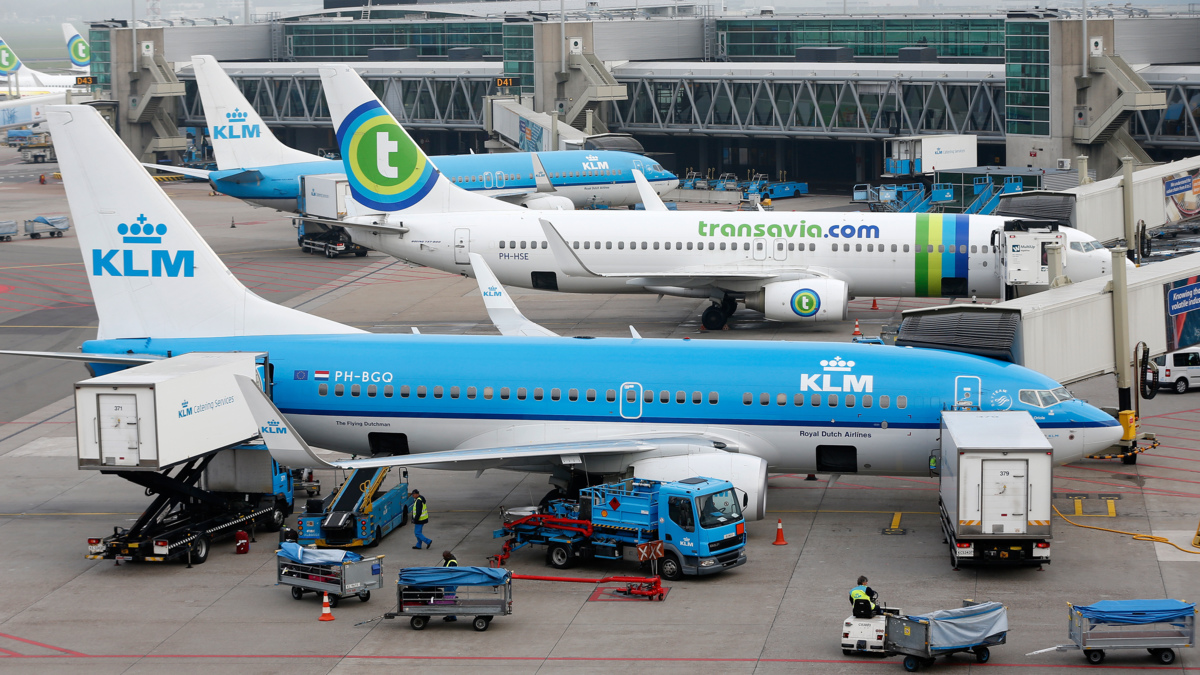
El Gobierno del Reino Unido de los Países Bajos ha confesado que la crisis de la pandemia del Coronavirus para el sector de servicios no se relajará hasta el 20 Mayo 2020. Sin embargo, esto no se aplica a la aviación, enfatiza la aerolínea holandesa KLM Airlines, porque este es un proceso vital según el Logo Transavia - Aeropuertoinfo.comgobierno. KLM espera acercarse a las pautas de RIVM con bloqueo de asiento. En tanto, la aerolínes low cost Transavia Airlines no espera volver a seleccionar el espacio aéreo hasta el 27 Mayo 2020 como muy pronto.

En los pocos vuelos que KLM realiza actualmente, un diez por ciento o menos de la capacidad, la tasa de ocupación también es tan baja que es posible el distanciamiento social. «En la práctica, esto significa crear tanto espacio alrededor del pasajero como sea posible manteniendo los asientos vacíos», dice KLM. La tasa de ocupación en KLM el año pasado fue de casi el 90%. La mayoría de los vuelos actualmente están destinados a repatriar personas y que el avión está prácticamente vacío a la salida del Aeropuerto Internacional amsterdam/Schiphol.

Factor ocupación

AW-KLM_B747400En el camino de regreso, los aviones están bastante llenos, pero esto significa que la tasa de ocupación promedio nunca puede superar el 50% y probablemente ni siquiera alcanzará el 30%. En ese caso, se puede alcanzar 1,5 metros entre pasajeros. Por ejemplo, un Boeing 737-800, el avión más usado en KLM, con una configuración de 176 asientos, la cabina tiene 3,5 metros de ancho y un asiento Transavia TO-3450 retorna emergencia |mide aproximadamente 40 centímetros. Si en una fila de seis asientos los dos extremos están ocupados, por ejemplo 1A y 1F, hay suficiente distancia a lo ancho. Entre dos asientos uno detrás del otro hay 80 centímetros, desde el reposacabezas hasta el reposacabezas, por lo que no es posible una combinación de 1A y 2A. Pero 1A y 2C son posibles, pero en ese caso 2F debe permanecer vacío. De esta manera, KLM podría transportar aproximadamente 45 pasajeros en el Boeing 737 a una distancia adecuada entre sí, una tasa de ocupación del 25 por ciento. Que esto no sea rentable en circunstancias normales, a menos que el precio del boleto se multiplique, actualmente no importa.

KLM quiere mantener un horario mínimo en funcionamiento y desde hace mucho tiempo ha aceptado el hecho de que la empresa no sobrevivirá sin un enorme apoyo financiero del Gobierno holandés. Por lo tanto, la pérdida operativa de los vuelos está aumentando en la negociación y el estado ya está contribuyendo a los vuelos de repatriación. «El gobierno cree que la aviación es esencial para la sociedad y que la continuidad de una operación de vuelo es, por lo tanto, una prioridad. Volar durante la crisis de la corona significa que las aerolíneas operen bajo circunstancias excepcionales. La situación actual requiere una serie de medidas que KLM está tomando para garantizar que sus operaciones para los pasajeros y la tripulación se realicen de la manera más segura posible. Estas medidas están en línea con la información e instrucciones de la OMS, RIVM y GGD y sus propios servicios de salud y seguridad”, dijo KLM.

Factor repatriación

El bloqueo de asientos de repatriación es una de esas medidas, pero ¿cómo hace esto la sociedad cuando la tasa de ocupación en ciertos vuelos es mucho mayor, como en muchos vuelos de repatriación a Amsterdam? En ese caso, bloquear sillas no es una opción, dice KLM. «Traer de vuelta a la mayor cantidad posible de holandeses a casa es la máxima prioridad». ¿Y cómo previene KLM la posible contaminación de la tripulación de cabina? La tripulación lleva máscaras bucales y guantes protectores a bordo. Existen elementos de higiene adicionales a bordo, como manijas. En cada vuelo, un inodoro se mantiene exclusivamente para la tripulación. «Esto les da acceso ilimitado a un área donde pueden cuidarse y lavarse las manos», dice la aerolínea.

Catering simplificado

Los aviones también se limpian más después de cada vuelo con productos de limpieza adecuados. El intercambio de aire también se ha ajustado: «El aire a bordo de la aeronave es más seco y se actualiza rápidamente a través de filtros altamente eficientes para que el aire se filtre de partículas y virus potencialmente dañinos». El servicio a bordo de bebidas y comidas se ha simplificado. Al subir y bajar de la aeronave, KLM se asegura de que los pasajeros se mantengan alejados entre sí. «Se han establecido procesos de abordaje adaptados, como el abordaje en grupos más pequeños».

Mientras tanto, varios países requieren que las aerolíneas realicen un control de salud de todos los pasajeros antes de la salida. Esto se aplica actualmente a vuelos a Canadá, Singapur y Corea del Sur. Los pasajeros que vuelan a los últimos dos destinos también reciben una medición de temperatura adicional. Esto se hace en Schiphol por el personal de tierra de KLM en colaboración con los empleados de KLM Health Services y Airport Medical Services.

Transavia Airlines

Las aeronaves de la aerolínea low cost holandesa Transavia permanecen en tierra durante tres semanas más de lo que se pensaba. Las restricciones debidas al virus de la corona en los Países Bajos y otros países aún imponen demasiadas restricciones a la aviación, informa la compañía de presupuesto holandesa. En lugar del 6 de mayo, Transavia no espera volver a seleccionar el espacio aéreo hasta el 27 Mayo 2020. «Debido a que esto creó incertidumbre, hemos decidido crear claridad para nuestros pasajeros y socios a largo plazo por un período de tiempo más largo», informa el miércoles la subsidiaria de presupuesto.

Los pasajeros que hayan reservado un boleto con una salida entre el 28 Mayo y el 30 Septiembre 2020 pueden cambiar su boleto al mismo destino en un momento diferente sin ningún costo de cambio. Pueden elegir vuelos hasta el 31 Marzo 2021.

A pesar de que la flota de Transavia permanecerá en tierra durante al menos otras cinco semanas, la aerolínea comenzó a vender boletos para la temporada de invierno 2020-2021 la semana pasada. De esta manera, los pasajeros cuyos vuelos han sido cancelados en las últimas semanas tienen más opciones para volver a reservar sus boletos. Transavia enfatiza que otros clientes también pueden reservar boletos para la temporada de invierno. El horario incluye vuelos a 53 destinos. AW-Icon Paragraph-01

AW-Reisbizz_706055KLM/Transavia restructure flights

Dutch flying in times of global pandemic

The Government of the United Kingdom of the Netherlands has confessed that the crisis of the Coronavirus pandemic for the service sector will not relax until 20 May 2020. However, this does not apply to aviation, emphasizes the KLM Royal Dutch Airlines, because this is a vital process according to the government. KLM hopes to get closer to the RIVM guidelines with ‘seat lock’. Meanwhile, the low-cost airlines Transavia Airlines do not expect to re-select the airspace until 27 May 2020 at the earliest.

On the few flights that KLM currently operates, ten percent or less of capacity, the occupancy rate is also so low that social distancing is possible. «In practice, this means creating as much space around the passenger as possible by keeping the seats empty,» says KLM. The occupancy rate at KLM last year was almost 90%. Most of the flights are currently intended to repatriate people and that the plane is practically empty at the exit of Amsterdam/Schiphol International Airport.

Occupancy factor

On the way back, the planes are quite full, but this means that the average occupancy rate can never exceed 50% and will probably not even reach 30%. In that case, you can reach 1.5 meters between passengers. For example, a Boeing 737-800, the most widely used aircraft in KLM, with a 176-seat configuration, the cabin is 3.5 meters wide and one seat is approximately 40 centimeters. If both ends are occupied in a row of six seats, for example, 1A and 1F, there is enough distance across. Between two seats one behind the other there are 80 centimeters, from the headrest to the headrest, so a combination of 1A and 2A is not possible. But 1A and 2C are possible, but in that case, 2F must remain empty. In this way, KLM could carry approximately 45 passengers on the Boeing 737 at an adequate distance from each other, an occupancy rate of 25 percent. That this is not profitable under normal circumstances, unless the ticket price is multiplied, does not currently matter.

KLM wants to keep minimum hours running and has long accepted the fact that the company will not survive without tremendous financial support from the Dutch government. Therefore, the operating loss of the flights is increasing in the negotiation and the state is already contributing to the repatriation flights. “The government believes that aviation is essential to society and that the continuity of flight operation is, therefore, a priority. Flying during the crown crisis means that airlines operate under exceptional circumstances. The current situation requires a series of measures that KLM is taking to ensure that its operations for passengers and crew are carried out in the safest possible way. These measures are in line with the information and instructions of the WHO, RIVM, and GGD and its own health and safety”, said KLM.

Repatriation factor

Blocking repatriation seats is one such measure, but how does society do this when the occupancy rate on certain flights is much higher, as on many repatriation flights to Amsterdam? In that case, locking chairs is not an option, says KLM. “Bringing as many Dutch people back home as possible is the top priority”. And how does KLM prevent possible contamination of the cabin crew? The crew wears mouth masks and protective gloves on board. There are additional hygiene items on board, such as handles. On each flight, a toilet is maintained exclusively for the crew. “This gives them unlimited access to an area where they can take care of themselves and wash their hands”, says the airline.

Simplified catering

Airplanes are also cleaned more after each flight with suitable cleaning products. Air exchange has also been fine-tuned: “The air onboard the aircraft is drier and is quickly updated through highly efficient filters so that air is filtered from potentially harmful particles and viruses”. The on-board service for drinks and meals has been simplified. When getting on and off the aircraft, KLM ensures that passengers stay clear of each other. “Tailored approach processes have been established, such as the smaller group approach”.

Meanwhile, several countries require airlines to carry out a health check on all passengers before departure. This currently applies to flights to Canada, Singapore, and South Korea. Passengers flying to the last two destinations also receive an additional temperature measurement. This is done in Schiphol by KLM ground staff in collaboration with employees of KLM Health Services and Airport Medical Services.

Transavia Airlines

The aircraft of the Dutch low-cost airline Transavia remain on the ground for three weeks longer than previously thought. Restrictions due to the Coronavirus in the Netherlands and other countries still impose too many restrictions on aviation, reports the Dutch budget company. In lieu of May 6, Transavia does not expect to re-select airspace until May 27, 2020. “Because this created uncertainty, we have decided to create clarity for our long-term passengers and partners for a longer period of time”, reports the budget subsidiary on Wednesday.

Passengers who have booked a ticket with a departure between May 28 and September 30, 2020, can change their ticket to the same destination at a different time without any change cost. They can choose flights until March 31, 2021.

Despite Transavia’s fleet remaining on the ground for at least another five weeks, the airline began selling tickets for the 2020-2021 winter season last week. In this way, passengers whose flights have been canceled in recent weeks have more options to re-book their tickets. Transavia emphasizes that other customers can also book tickets for the winter season. The schedule includes flights to 53 destinations. AW-Icon Paragraph-02

Kamer ongerust over plan van Air France-KLM met Transavia | NOSKLM/Transavia herstructureren vluchten

Nederlanders vliegen in tijden van wereldwijde pandemie

De regering van het Verenigd Koninkrijk van Nederland heeft bekend dat de crisis van de Coronavirus-pandemie voor de dienstensector pas op 20 mei 2020 zal afnemen. Dit geldt echter niet voor de luchtvaart, benadrukt de Nederlandse luchtvaartmaatschappij KLM, omdat dit volgens de overheid een vitaal proces is. KLM Royal Dutch Airlines hoopt met ‘stoelvergrendeling’ dichter bij de RIVM-richtlijnen te komen. Ondertussen verwachten de low-cost maatschappijen Transavia Airlines op zijn vroegst op 27 mei 2020 het luchtruim opnieuw te selecteren.

Op de weinige vluchten die KLM momenteel uitvoert, tien procent of minder van de capaciteit, is de bezettingsgraad ook zo laag dat sociale distantiëring mogelijk is. ‘In de praktijk betekent dit zoveel mogelijk ruimte rondom de passagier creëren door de stoelen leeg te houden’, zegt KLM. De bezettingsgraad bij KLM was vorig jaar bijna 90%. De meeste vluchten zijn momenteel bedoeld om mensen te repatriëren en dat het vliegtuig praktisch leeg is bij de uitgang van Amsterdam/Schiphol International Airport.

AW-KLM-B737-800Bezettingsfactor

Op de terugweg zijn de vliegtuigen behoorlijk vol, maar dit betekent dat de gemiddelde bezettingsgraad nooit meer dan 50% zal bedragen en waarschijnlijk niet eens 30% zal bereiken. In dat geval kunt u tussen de passagiers 1,5 meter bereiken. Zo is een Boeing 737-800, het meest gebruikte vliegtuig van KLM, met een configuratie met 176 stoelen, een cabine van 3,5 meter breed en één stoel van ongeveer 40 centimeter. Als beide uiteinden bezet zijn in een rij van zes stoelen, bijvoorbeeld 1A en 1F, is er voldoende afstand over. Tussen twee stoelen achter elkaar is er 80 centimeter, van hoofdsteun tot hoofdsteun, dus een combinatie van 1A en 2A is niet mogelijk. Maar 1A en 2C zijn mogelijk, maar dan moet 2F leeg blijven. Op deze manier kon KLM op een voldoende afstand van elkaar ongeveer 45 passagiers op de Boeing 737 vervoeren, een bezettingsgraad van 25 procent. Dat dit onder normale omstandigheden niet winstgevend is, tenzij de ticketprijs wordt vermenigvuldigd, maakt momenteel niet uit.

KLM wil het minimum aantal uren draaien en accepteert al lang dat het bedrijf niet zal overleven zonder enorme financiële steun van de Nederlandse overheid. Daardoor neemt het exploitatieverlies van de vluchten toe tijdens de onderhandeling en draagt ​​de staat al bij aan de repatriëringsvluchten. „De regering is van mening dat de luchtvaart essentieel is voor de samenleving en dat de continuïteit van een vluchtoperatie daarom een ​​prioriteit is. Vliegen tijdens de krooncrisis betekent dat luchtvaartmaatschappijen onder uitzonderlijke omstandigheden opereren. De huidige situatie vereist een reeks maatregelen die KLM treft om haar vluchten en passagiers zo veilig mogelijk te laten verlopen. Deze maatregelen zijn in overeenstemming met de informatie en instructies van de WHO, RIVM en GGD en van haar eigen gezondheid en veiligheid”, aldus KLM.

Repatriëringsfactor

Het blokkeren van repatriëringsstoelen is zo’n maatregel, maar hoe doet de samenleving dat als de bezettingsgraad op bepaalde vluchten veel hoger is, zoals op veel repatriëringsvluchten naar Amsterdam? Stoelen vergrendelen is dan geen optie, zegt KLM. ‘Zoveel mogelijk Nederlanders terug naar huis halen heeft topprioriteit.’ En hoe voorkomt KLM mogelijke besmetting van het cabinepersoneel? De bemanning draagt ​​aan boord mondmaskers en beschermende handschoenen. Er zijn extra hygiëneproducten aan boord, zoals handgrepen. Op elke vlucht wordt een toilet exclusief voor de bemanning onderhouden. „Hierdoor hebben ze onbeperkt toegang tot een ruimte waar ze voor zichzelf kunnen zorgen en hun handen kunnen wassen”, zegt de luchtvaartmaatschappij.

Vereenvoudigde catering

Vliegtuigen worden na elke vlucht ook meer schoongemaakt met geschikte schoonmaakproducten. De luchtuitwisseling is ook verfijnd: „De lucht aan boord van het vliegtuig is droger en wordt snel bijgewerkt door zeer efficiënte filters, zodat de lucht wordt gefilterd tegen mogelijk schadelijke deeltjes en virussen”. De service aan boord voor drankjes en maaltijden is vereenvoudigd. KLM zorgt er bij het in- en uitstappen voor dat passagiers vrij blijven van elkaar. „Er zijn op maat gesneden aanpakprocessen opgezet, zoals de kleinere groepsaanpak”.

Ondertussen vereisen verschillende landen dat luchtvaartmaatschappijen vóór vertrek een gezondheidscontrole van alle passagiers uitvoeren. Dit geldt momenteel voor vluchten naar Canada, Singapore en Zuid-Korea. Passagiers die naar de laatste twee bestemmingen vliegen, krijgen ook een extra temperatuurmeting. Dit wordt op Schiphol gedaan door KLM grondpersoneel in samenwerking met medewerkers van KLM Health Services en Airport Medical Services.

AW-7800012Transavia Airlines

Het vliegtuig van de Nederlandse lagekostenmaatschappij Transavia blijft drie weken langer op de grond dan eerder werd gedacht. Beperkingen door het coronavirus in Nederland en andere landen leggen nog steeds te veel beperkingen op aan de luchtvaart, meldt het Nederlandse budgetbedrijf. In plaats van 6 mei verwacht Transavia pas op 27 mei 2020 het luchtruim opnieuw te selecteren. „Omdat dit voor onzekerheid zorgde, hebben we besloten om duidelijkheid te scheppen voor onze langetermijnpassagiers en partners voor een langere periode”, meldt de budgetdochter woensdag.

Passagiers die een ticket hebben geboekt met een vertrek tussen 28 mei en 30 september 2020, kunnen hun ticket naar een andere bestemming op een ander tijdstip wijzigen zonder wijzigingskosten. Ze kunnen vluchten kiezen tot 31 maart 2021.

Ondanks dat de vloot van Transavia nog minstens vijf weken op de grond bleef, begon de luchtvaartmaatschappij vorige week met het verkopen van tickets voor het winterseizoen 2020-2021. Op deze manier hebben passagiers van wie de vluchten de afgelopen weken zijn geannuleerd meer mogelijkheden om hun tickets opnieuw te boeken. Transavia benadrukt dat ook andere klanten tickets voor het winterseizoen kunnen boeken. De dienstregeling bevat vluchten naar 53 bestemmingen. AW-Icon Paragraph-02


Ξ A I R G W A Y S Ξ
SOURCE: Airgways.com
DBk: Klm.com / Transavia.com / Airgways.com / Zakenreis.nl / Luchtvaartnieuws.nl / Nos.nl / Volkskrant.nl
AW-POST: 202004230013AR

A\W   A I R G W A Y S ®

Southwest acuerda asistencia

AW-Bloomberg_70066AW | 2020 04 22 13:04 | AIRLINES / GOVERNMENT

AW-788093333PNGPIX-COM-Southwest-Airlines-Logo-PNG-TransparentSouthwest Airlines finaliza acuerdo con el Tesoro EEUU para ayuda financiera

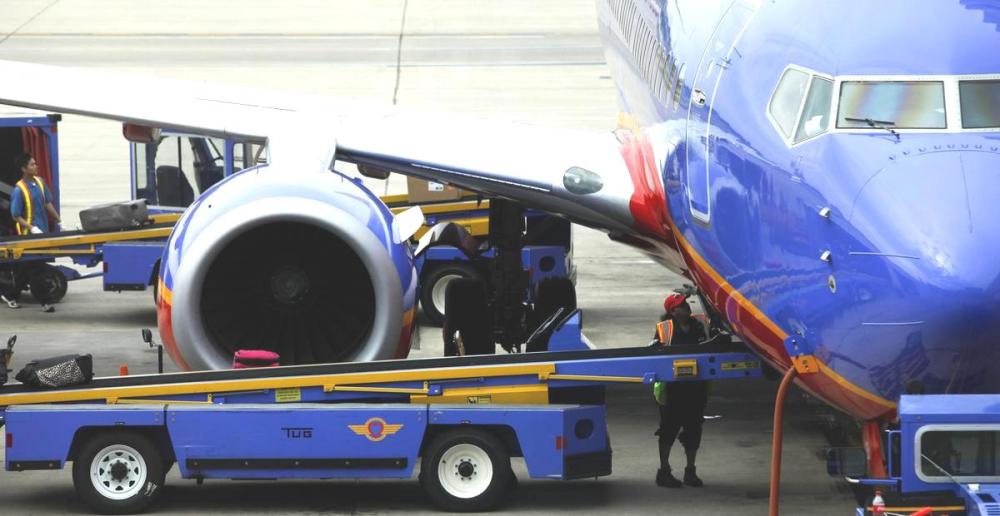
Southwest Airlines recibirá el desembolso de fondos como parte del programa de asistencia de nómina de la Ley CARES en medio de la emergencia sanitaria. La compañía con sede en el Estado de Texas ha finalizado el acuerdo suscrito el 20/04 los términos con el Departamento del Tesoro de los Estados Unidos con respecto a la aceptación y el desembolso de fondos incluidos en el Programa de Apoyo de Nómina bajo la Ley CARES. Como parte del acuerdo, Southwest recibirá más de US$ 3.2 mil millones en desembolsos durante los próximos meses. El financiamiento respalda la protección laboral para más de 60.000 empleados del suroeste hasta el 30 Septiembre 2020. «En nombre de Southwest Airlines y nuestros más de 60.000 empleados, quiero expresar mi sincero agradecimiento al Secretario Mnuchin y al Departamento del Tesoro de los EE. UU., así como a los Equipos Jurídico y Financiero de Southwest, por finalizar nuestro acuerdo para participar en la Nómina Programa de apoyo. Esta asistencia apoyará trabajos valiosos que existen para servir al público en vuelo y la infraestructura, la cadena de suministro y la recuperación de nuestra economía nacional», dijo el Presidente y CEO de Southwest, Gary Kelly.

Este acuerdo le permite a Southwest Airlines recibir un pago inmediato de aproximadamente US$ 1.6 mil millones de los ingresos totales de más de US$ 3.2 mil millones, y el resto se pagará en cuotas durante Mayo, Junio y Julio. La compañía emitió un comunicado de prensa la semana pasada con información preliminar. La compañía planea emitir un Formulario 8-K con la Securities and Exchange Commission (SEC) divulgando los términos del acuerdo finalizado. AW-Icon Paragraph-01

AW-700001224Southwest agrees on assistance

Southwest Airlines finalizes an agreement with the US Treasury for AW-Southwest_70056financial aid

Southwest Airlines will receive a disbursement of funds as part of the CARES Act payroll assistance program amid the health emergency. The company based in the State of Texas has finalized the agreement signed on 04/20 the terms with the United States Department of the Treasury regarding the acceptance and disbursement of funds included in the Payroll Support Program under the Law CARES. As part of the agreement, Southwest will receive more than US$ 3.2 billion in disbursements in the coming months. Funding supports labor protection for more than 60,000 Southwest employees through Sept. 30, 2020. «On behalf of Southwest Airlines and our more than 60,000 employees, I want to express my sincere thanks to Secretary Mnuchin and the US Treasury Department. ., As well as the Southwest Legal and Financial Teams, for finalizing our agreement to participate in the Payroll Support Program. This assistance will support valuable work that exists to serve the public in flight and infrastructure, supply chain and recovery of our national economy», said Southwest President and CEO Gary Kelly.

This agreement allows Southwest Airlines to receive an immediate payment of approximately US$ 1.6 billion of total revenues of more than US$ 3.2 billion, with the remainder to be paid in installments during May, June, and July. The company released a press release last week with preliminary information, which can be viewed here at SWAMedia.com. The company plans to issue a Form 8-K with the Securities and Exchange Commission (SEC) disclosing the terms of the finalized deal. AW-Icon Paragraph-02


Ξ A I R G W A Y S Ξ
SOURCE: Airgways.com
DBk: Southwest.com / House.gov / Airgways.com
AW-POST: 202004221304AR

A\W   A I R G W A Y S ®

Norwwegian despidos temporales

img_0595AW | 2020 04 22 12:50 | AIRLINES

Norwegianairshuttlelogo2013Norwegian Air anuncia plan para despedir temporalmente a unos 4.700 de sus empleados

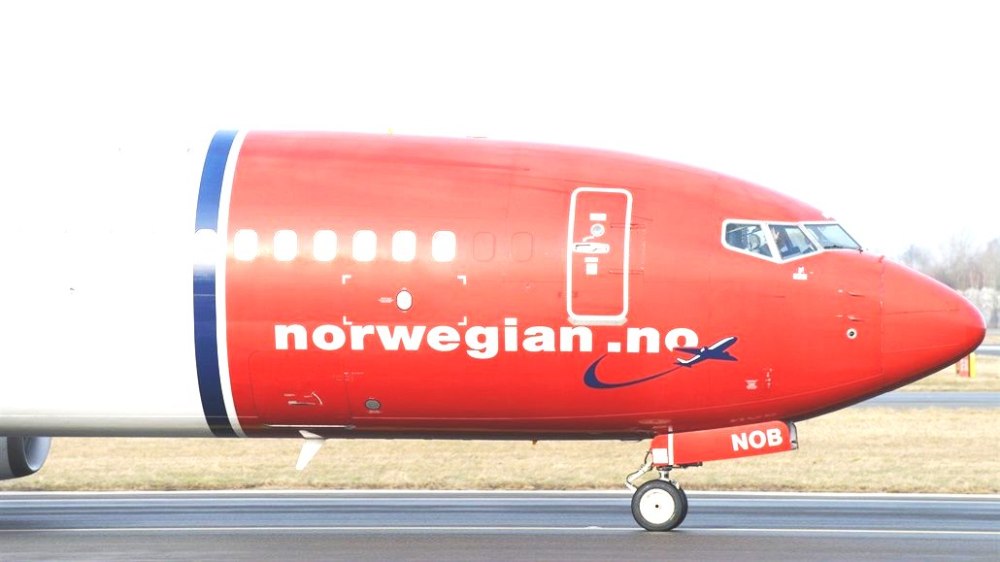
La aerolínea Norwegian Air Shuttle ASA ha anunciado planes para despedir temporalmente a unos 4.700 de sus empleados mientras lucha por los impactos negativos de la crisis sanitaria que ha suspendido todos sus vuelos internacionales. Los despidos temporales representan aproximadamente el 90 por ciento de su fuerza laboral e incluye pilotos, tripulantes de cabina, personal de mantenimiento y administrativo.

Según el CEO de Norwegian Air, Jacob Schram, la compañía declaró en bancarrota a sus subsidiarias suecas y danesas. “El impacto que ha tenido el Coronavirus en la industria de las aerolíneas no tiene precedentes. Hemos hecho todo lo posible para evitar tomar esta decisión de último recurso, incluida la solicitud de acceso al apoyo gubernamental tanto en Suecia como en Dinamarca”, dijo el comunicado de Norwegian Air.

AW-Norwegian_700337MAXSin embargo, los despidos no afectarán a unos 700 pilotos y 1.300 tripulantes de cabina con sede en Noruega, Francia e Italia. Esto se debe a que en Noruega, el gobierno paga todos los costos relacionados con el salario durante todo el período de licencia, una providencia que no está disponible en Suecia y Dinamarca.

El Presidente de los Estados Unidos, Donald Trump, extendió sus restricciones a los viajes desde Europa a principios de marzo para incluir a Gran Bretaña, el mayor destino de Noruega para vuelos transatlánticos, mientras que otras naciones también limitaron severamente el tráfico aéreo. Todos los vuelos a los Estados Unidos ahora están suspendidos.

Norwegian Air es una aerolínea de bajo costo y la aerolínea más grande de Noruega. Es la tercera aerolínea de bajo costo más grande de Europa detrás de EasyJet y Ryanair, y la novena aerolínea de bajo costo más grande del mundo. Habiendo perdido dinero cada año de 2017 a 2019 y recaudado efectivo de los accionistas en tres ocasiones, las deudas y obligaciones de la compañía habían crecido a KR$ 82 mil millones de coronas noruegas (US$ 7.9 mil millones) a fines del año pasado. La aerolínea se une a varias otras aerolíneas que se han visto afectadas negativamente por la crisis de Covid-19 debido a las prohibiciones de viaje, lo que les obligó a despedir a sus empleados. AW-Icon Paragraph-01

AW-700886AWMNorwegian temporary layoffs

Norwegian Air announces plan to temporarily lay off about 4,700 of its employees

AW-Nwgn-Air-ARNorwegian Air Shuttle ASA has announced plans to temporarily lay off some 4,700 of its employees as it struggles with the negative impacts of the health crisis that has suspended all its international flights. Temporary layoffs represent approximately 90 percent of its workforce and include pilots, cabin crew, maintenance and administrative personnel.

According to Norwegian Air CEO Jacob Schram, the company declared its Swedish and Danish subsidiaries bankrupt. “The impact Coronavirus has had on the airline industry is unprecedented. We have made every effort to avoid making this last resort decision, including requesting access to government support in both Sweden and Denmark”, the Norwegian Air statement said.

However, the layoffs will not affect some 700 pilots and 1,300 cabin crew based in Norway, France and Italy. This is because in Norway, the government pays all salary-related costs throughout the period of leave, a provision that is not available in Sweden and Denmark.

United States President Donald Trump extended his travel restrictions from Europe in early March to include Great Britain, Norway’s largest destination for transatlantic flights, while other nations also severely limited air traffic. All flights to the United States are now suspended.

Norwegian Air is a low-cost airline and the largest airline in Norway. It is the third-largest low-cost airline in Europe behind EasyJet and Ryanair, and the ninth-largest low-cost airline in the world. Having lost money every year from 2017 to 2019 and raised cash from shareholders on three occasions, the company’s debts and obligations had grown to KR$ 82 billion (US$ 7.9 billion) at the end of last year. The airline joins several other airlines that have been adversely affected by the Covid-19 crisis due to travel bans, forcing them to fire their employees. AW-Icon Paragraph-02


Ξ A I R G W A Y S Ξ
SOURCE: Airgways.com
DBk: Norwegian.com / Airgways.com
AW-POST: 202004221250AR

A\W   A I R G W A Y S ®

Aerolíneas tercer ops a China

AW-70002212AW | 2020 04 22 11:50 | AIRLINES

Aerolíneas Argentinas_Isologotype 2010_001Aerolíneas Argentinas ha efectuado tercer viaje a China por insumos sanitariosxnuevo-isologo-aerolineas-argentinas.jpg_258117318.jpg.pagespeed.ic.OYGJ54t3Wg

Aerolíneas Argentinas ha informado que en tan solo una semana hemos realizado tres de los ocho vuelos especiales programamos a Shanghai, República Popular China con el objetivo de traer al país insumos médicos, reactivos y materiales sanitarios para ser distribuidos en el sistema de salud pública nacional.

Dado el volumen de la carga a transportar, las cabinas de nuestras aeronaves Airbus 330-200 debieron ser totalmente reconfiguradas por nuestro equipo técnico, para así poder trasladar 14 toneladas de insumos en cada vuelos.

Por otro lado, continuamos programando vuelos especiales para los argentinos y argentinas que aún no pudieron regresar al país. En tal sentido se ha repatriado argentinos desde Lima el 21/04; desde Cancún el día 22 Abril; desde Punta Cana el 23 Abril y el día 26/04 desde la ciudad de Madrid, España.

La compañía continua reafirmando nuestro compromiso con sus pasajeros. Queremos brindarles lo más pronto posible un servicio seguro y de calidad para volver a decir juntos bienvenidos a bordo. AW-Icon Paragraph-01


AW-700338Aerolíneas third ops to China

Aerolíneas Argentinas has made a third trip to China for sanitary supplies

Aerolíneas Argentinas_Isotype_SkyblueAerolíneas Argentinas has reported that in just one week we have made three of the eight special flights scheduled to Shanghai, the People’s Republic of China with the aim of bringing medical supplies, reagents, and sanitary materials to the country to be distributed in the national public health system.

Given the volume of cargo to be transported, the cabins of our Airbus 330-200 aircraft had to be completely reconfigured by our technical team, in order to carry 14 tons of supplies on each flight.

On the other hand, we continue to program special flights for Argentines who have not yet been able to return to the country. In this sense, Argentines have repatriated from Lima on 04/21; from Cancun on April 22; from Punta Cana on April 23 and on 04/26 from the city of Madrid, Spain.

The company continues to reaffirm our commitment to its passengers. We want to provide you with a safe and quality service as soon as possible to say welcome back on board together. AW-Icon Paragraph-02


Ξ A I R G W A Y S Ξ
SOURCE: Airgways.com
DBk: Aerolineas.com / Airgways.com
AW-POST: 202004221150AR

A\W   A I R G W A Y S ®

Indonesia disminuye tráfico

AW-700019AW | 2020 04 21 16:12 | AIR TRAFFIC / AIRLINES

Fuerte disminución de vuelos en Indonesia

Una fuerte disminución en los viajes aéreos se ha registrado en la República de Indonesia como resultado de la pandemia de Coronavirus, ha obligado a las aerolíneas indonesias a aterrizar más aeronaves de sus flotas. De acuerdo con el operador aeroportuario estatal PT Angkasa Pura I (API), 95 aviones de varias aerolíneas están estacionados en sus 11 aeropuertos en Indonesia durante períodos de larga estadía.

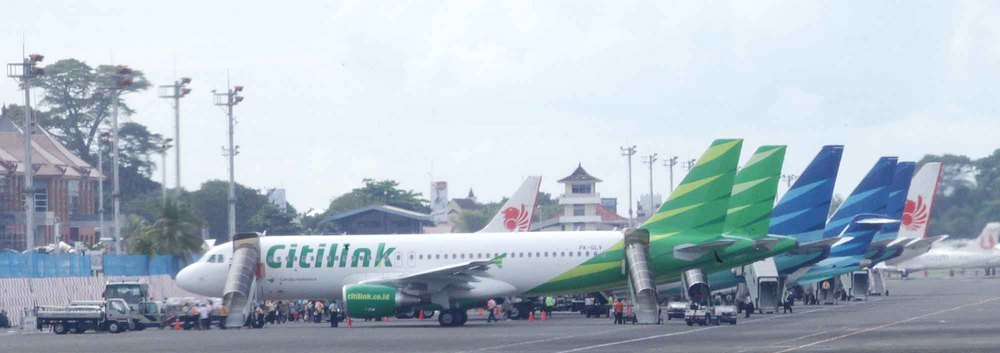
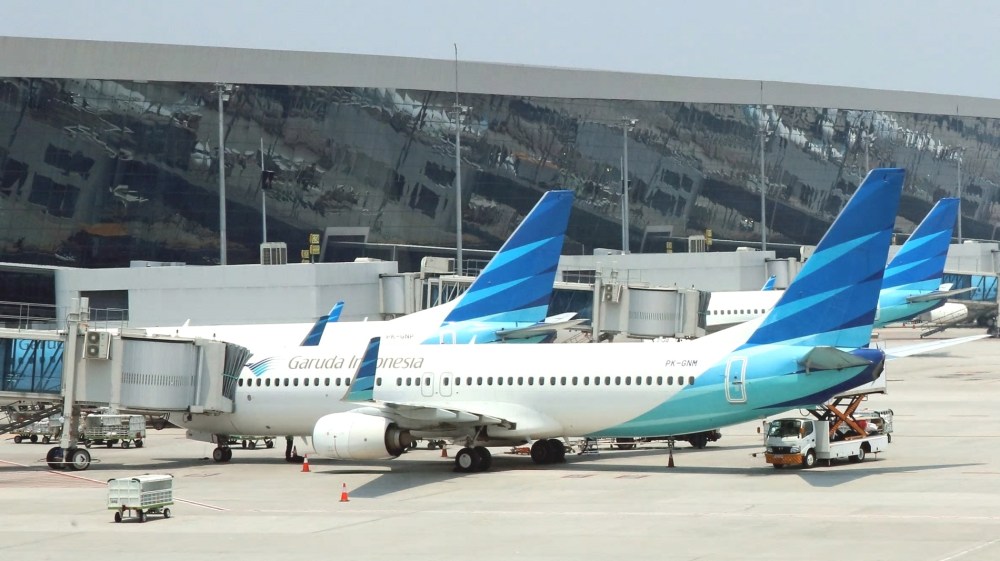
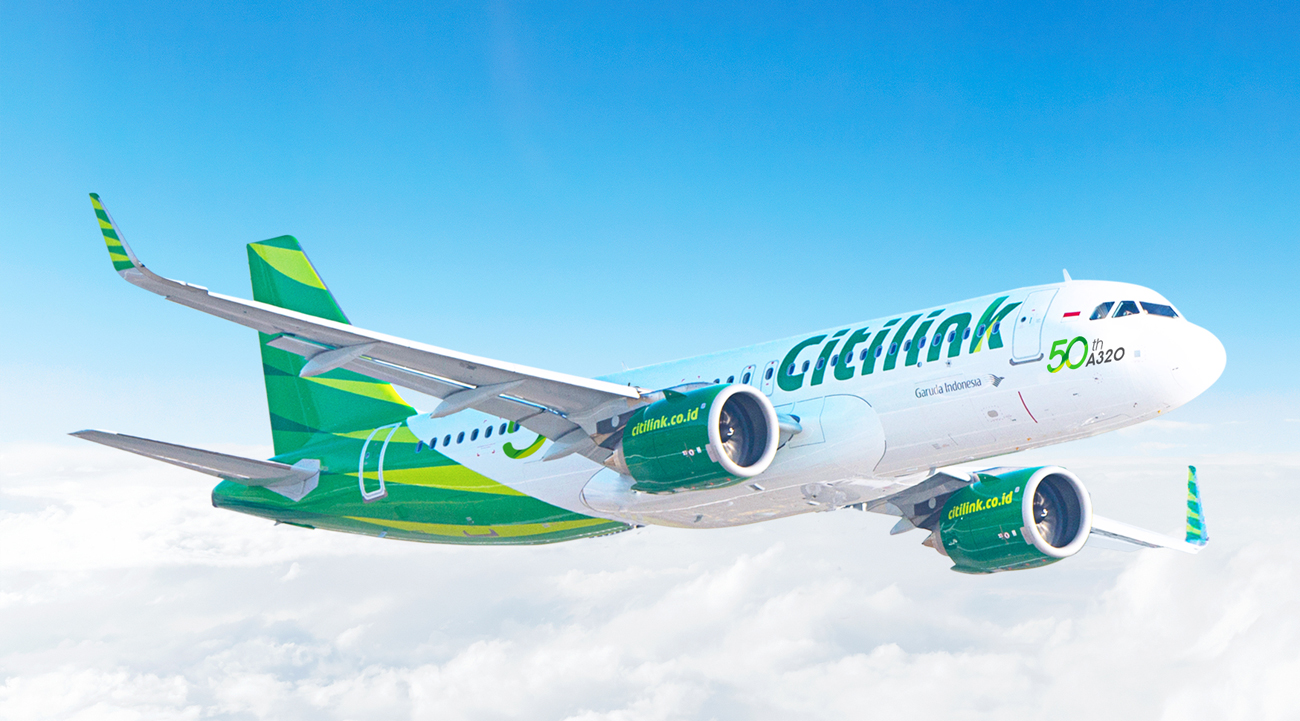
La aerolínea de bandera nacional Garuda Indonesia Airlines tiene el mayor número de aviones estacionados con 27, seguido de Lion Air con 21 aviones, AirAsia Indonesia con 19, Wings Air con 11 y Citilink Indonesia con 8 aviones, según datos proporcionados por el operador el Lunes 20/04. El Aeropuerto Internacional I Gusti Ngurah Rai en Denpasar, Bali, tiene la mayoría de los aviones estacionados con un total de 30 aviones, mientras que el Aeropuerto Internacional Juanda en Surabaya, Java Oriental, tiene 19 aviones estacionados en su plataforma.

AP I, que gestiona 15 aeropuertos en las partes central y oriental de Indonesia, registró un total de 17.78 millones de pasajeros utilizando sus aeropuertos en el primer trimestre de este año, una caída del 8.11 por ciento de 19.3 millones en el mismo período del año pasado. El tráfico de aeronaves también se redujo en un 6 por ciento a 175,143 vuelos en el primer trimestre de 184,085 vuelos durante el mismo período del año pasado. Una combinación de cancelaciones de vuelos, restricciones de viaje y la fuerte caída en la demanda de viajes aéreos debido a la crisis de la pandemia también ha obligado a los aeropuertos a ajustar sus operaciones al reducir sus horarios de apertura. AP I ha decidido prolongar sus ajustes operativos para lidiar con el drástico movimiento de pasajeros en el aeropuerto.

«Angkasa Pura I está prolongando los ajustes en varios aeropuertos hasta mayo o julio, pero no estamos cerrados a la posibilidad de que los ajustes operativos se extiendan nuevamente si la pandemia muestra ahora desarrollos positivos», dijo el Lunes 20/04 el Director Presidente de AP I, Faik Fahmi.

La pandemia ha dejado más de 16.000 aviones de pasajeros estacionados en todo el mundo, según datos de Cirium, que proporciona datos y análisis de la industria de viajes. Mientras tanto, la Asociación Internacional de Transporte Aéreo (IATA) estimó que 25 millones de empleos en la aviación y todos los sectores relacionados, que representan 11.2 millones de empleos en Asia Pacífico, están en riesgo debido a la pandemia viral.

AW-Garuda_MaxGaruda Indonesia

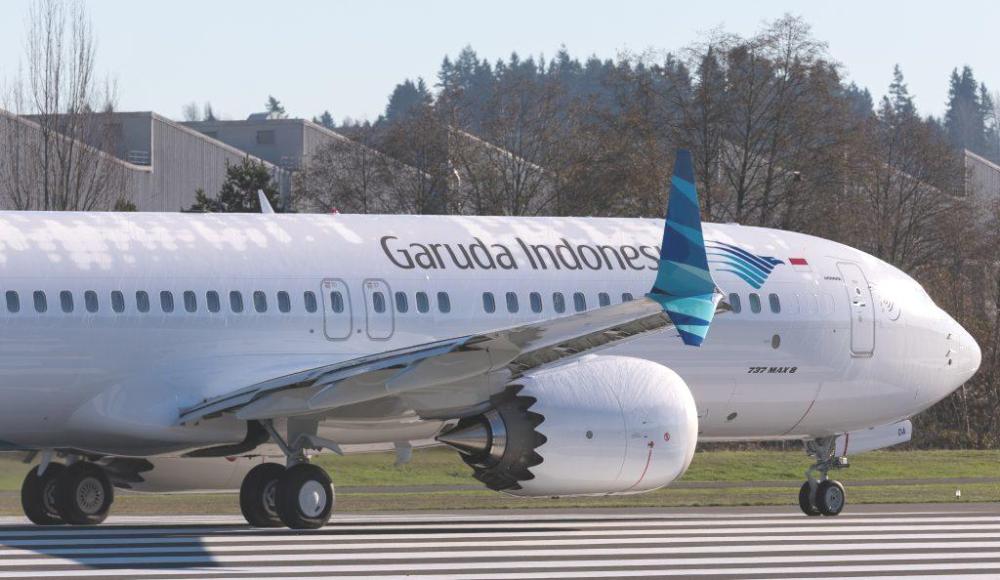
La aerolínea de bandera nacional Garuda Indonesia Airlines está recortando los salarios AW-Garuda-Indonesia_Boeing737MAXde sus empleados entre un 10-50% de este mes hasta Junio 2020, mientras la compañía lucha por mantenerse a flote en medio de las presiones de una caída generalizada en las actividades de viaje.

El Presidente de Garuda, Irfan Setiaputra, ha informado que la compañía recurrió a recortes salariales para mantener la sostenibilidad comercial, ya que la pandemia de coronavirus ha afectado mucho a las empresas relacionadas con los viajes. “Podemos asegurar que el recorte salarial es un aplazamiento. La compañía pagará la diferencia acumulada cuando pueda, dependiendo de nuestro desempeño financiero en el futuro. Mientras tanto, el Idul Fitri THR [bono de vacaciones] se pagará de acuerdo con las regulaciones gubernamentales vigentes”, escribió Irfan en un comunicado.

Los recortes salariales dependerán de la posición del empleado en la empresa. Las juntas directivas y los comisionados obtendrán el recorte más alto del 50%. Los puestos como vicepresidente, capitán, primer oficial y gerente de servicio de vuelo obtendrán un recorte del 30%. Los asistentes de vuelo, expertos y gerentes verán un recorte del 20% de sus salarios, mientras que los miembros del personal, como analistas y oficiales, obtendrán un recorte del 10%. «Esta decisión se basó en una consideración exhaustiva dada la condición actual de la compañía, que creemos que podemos sobrevivir: este período no es bueno para toda la industria de la aviación», dijo Irfan.

Garuda Indonesia Airlines ha reducido el 30 por ciento de sus vuelos. El CEO dijo anteriormente que la compañía no tenía ningún plan para despedir a sus empleados, centrándose en cambio en medidas de eficiencia de costos.

La Asociación Nacional de Transportistas Aéreos de Indonesia (INACA) informó que las aerolíneas nacionales se ven obligadas a reducir su frecuencia de vuelo hasta en un 50 por ciento o más debido a una fuerte caída en la demanda de viajes aéreos. Varias aerolíneas también suspendieron sus operaciones por completo para reducir las pérdidas financieras. AW-Icon Paragraph-01

Airport-suppliers_7065Indonesia decreases traffic

Sharp decline in flights in Indonesia

Maps of Indonesia | Detailed map of Indonesia in English | Tourist ...A sharp decline in air travel has been reported in the Republic of Indonesia as a result of the Coronavirus pandemic, forcing Indonesian airlines to land more aircraft from their fleets. According to state airport operator PT Angkasa Pura I (API), 95 planes from various airlines are parked at its 11 airports in Indonesia during long-stay periods.

National flag carrier Garuda Indonesia Airlines has the highest number of planes parked with 27, followed by Lion Air with 21 planes, AirAsia Indonesia with 19, Wings Air with 11 and Citilink Indonesia with 8 planes, according to data provided by the operator on Monday. 04/20. I Gusti Ngurah Rai International Airport in Denpasar, Bali has the majority of the planes parked with a total of 30 planes, while Juanda International Airport in Surabaya, East Java has 19 planes parked on its platform.

AW-77000742223AP I, which manages 15 airports in the central and eastern parts of Indonesia, registered a total of 17.78 million passengers using its airports in the first quarter of this year, a 8.11 percent drop from 19.3 million in the same period of the year. past. Aircraft traffic also fell 6 percent to 175,143 flights in the first quarter from 184,085 flights during the same period last year. A combination of flight cancellations, travel restrictions and the sharp drop in demand AW-Citilink_7006for air travel due to the pandemic crisis has also forced airports to adjust their operations by reducing their opening hours. AP I has decided to extend its operational adjustments to deal with the drastic movement of passengers at the airport.

«Angkasa Pura I is prolonging the adjustments at various airports until May or July, but we are not closed to the possibility that the operational adjustments will be extended again if the pandemic now shows positive developments», said Monday the President of AP I, Faik Fahmi.

The pandemic has left more than 16,000 passenger planes parked worldwide, according to data from Cirium, which provides data and analysis from the travel industry. Meanwhile, the International Air Transport Association (IATA) estimated that 25 million jobs in aviation and all related sectors, representing 11.2 million jobs in the Asia Pacific, are at risk due to the viral pandemic.

Garuda Indonesia

Logo_Garuda_IndonesiaNational flag carrier Garuda Indonesia Airlines is cutting its employees’ salaries by 10-50% this month through June 2020, as the company struggles to stay afloat amid the pressures of a widespread drop in travel activities.

Garuda President Irfan Setiaputra has reported that the company resorted to wage cuts to maintain commercial sustainability, as the coronavirus pandemic has greatly affected travel-related companies. «We can assure that the wage cut is a postponement. The company will pay the accumulated difference when it can, depending on our future financial performance. Meanwhile, the Idul Fitri THR [vacation bonus] will be paid in accordance with current government regulations”, Irfan wrote in a statement.

The salary cuts will depend on the position of the employee in the company. Boards of Directors and Commissioners will get the highest cut of 50%. Positions as vice president, captain, first officer, and flight service manager will get a 30% cut. Flight attendants, experts, and managers will see a 20% cut in their salaries, while staff members, such as analysts and officers, will get a 10% cut. «This decision was based on an exhaustive consideration given the current condition of the company, which we believe we can survive: this period is not good for the entire aviation industry», said Irfan.

Garuda Indonesia Airlines has cut 30 percent of its flights. The CEO previously said the company had no plan to fire its employees, instead of focusing on cost efficiency measures.

The National Association of Air Carriers of Indonesia (INACA) reported that national airlines are forced to reduce their flight frequency by up to 50 percent or more due to a sharp drop in demand for air travel. Several airlines also suspended operations entirely to reduce financial losses. AW-Icon Paragraph-02

Citilink is certified as a 4-Star Low Cost Airline - SkytraxIndonesia mengurangi lalu lintas

Penurunan tajam dalam penerbangan di Indonesia

Penurunan tajam dalam perjalanan udara telah dilaporkan di Republik Indonesia sebagai akibat pandemi Coronavirus, memaksa maskapai penerbangan Indonesia untuk mendaratkan lebih banyak pesawat dari armada mereka. Menurut operator bandara negara bagian PT Angkasa Pura I (API), 95 pesawat dari berbagai maskapai diparkir di 11 bandara di Indonesia selama periode tinggal lama.

Pengangkut bendera nasional Garuda Indonesia Airlines memiliki jumlah pesawat terbanyak dengan 27, diikuti oleh Lion Air dengan 21 pesawat, AirAsia Indonesia dengan 19, Wings Air dengan 11 dan Citilink Indonesia dengan 8 pesawat, menurut data yang disediakan oleh operator pada hari Senin. 04/20. Bandara Internasional I Gusti Ngurah Rai di Denpasar, Bali memiliki mayoritas pesawat yang diparkir dengan total 30 pesawat, sementara Bandara Internasional Juanda di Surabaya, Jawa Timur memiliki 19 pesawat yang diparkir di platformnya.

AP I, yang mengelola 15 bandara di bagian tengah dan timur Indonesia, mendaftarkan total 17,78 juta penumpang menggunakan bandara pada kuartal pertama tahun ini, turun 8,11 persen dari 19,3 juta pada periode yang sama tahun ini. masa lalu. Lalu lintas pesawat juga turun 6 persen menjadi 175.143 penerbangan di kuartal pertama dari 184.085 penerbangan selama periode yang sama tahun lalu. Kombinasi pembatalan penerbangan, pembatasan perjalanan, dan penurunan tajam dalam permintaan untuk perjalanan udara karena krisis pandemi juga telah memaksa bandara untuk menyesuaikan operasi mereka dengan mengurangi jam buka mereka. AP I telah memutuskan untuk memperluas penyesuaian operasionalnya untuk menghadapi pergerakan penumpang yang drastis di bandara.

«Angkasa Pura I memperpanjang penyesuaian di berbagai bandara hingga Mei atau Juli, tetapi kami tidak menutup kemungkinan penyesuaian operasional akan diperpanjang lagi jika pandemi sekarang menunjukkan perkembangan positif», kata Direktur Utama AP I, Faik Fahmi.

IATA_Logo.svgPandemi telah menyebabkan lebih dari 16.000 pesawat penumpang diparkir di seluruh dunia, menurut data dari Cirium, yang menyediakan data dan analisis dari industri perjalanan. Sementara itu, Asosiasi Transportasi Udara Internasional (IATA) memperkirakan bahwa 25 juta pekerjaan di bidang penerbangan dan semua sektor terkait, yang mewakili 11,2 juta pekerjaan di Asia Pasifik, berada dalam risiko akibat pandemi virus.

Garuda Indonesia

Pengangkut bendera nasional Garuda Indonesia Airlines memotong gaji karyawannya sebesar 10-50% bulan ini hingga Juni 2020, karena perusahaan berjuang untuk tetap bertahan di tengah tekanan penurunan luas dalam kegiatan perjalanan.

Presiden Garuda Irfan Setiaputra telah melaporkan bahwa perusahaan tersebut menggunakan pemotongan upah untuk mempertahankan keberlanjutan komersial, karena pandemi coronavirus telah sangat memengaruhi perusahaan yang terkait dengan perjalanan. “Kami dapat memastikan bahwa pemotongan upah adalah penundaan. Perusahaan akan membayar akumulasi selisih bila bisa, tergantung pada kinerja keuangan kami di masa depan. Sementara itu, Idul Fitri THR [bonus liburan] akan dibayarkan sesuai dengan peraturan pemerintah saat ini”, tulis Irfan dalam sebuah pernyataan.

Pemotongan gaji akan tergantung pada posisi karyawan di perusahaan. Dewan Direksi dan Komisaris akan mendapatkan potongan tertinggi 50%. Posisi sebagai wakil presiden, kapten, perwira pertama dan manajer layanan penerbangan akan mendapat potongan 30%. Pramugari, pakar, dan manajer akan melihat pemotongan gaji 20%, sementara anggota staf, seperti analis dan petugas, akan mendapat potongan 10%. «Keputusan ini didasarkan pada pertimbangan lengkap mengingat kondisi perusahaan saat ini, yang kami percaya kami dapat bertahan: periode ini tidak baik untuk seluruh industri penerbangan», kata Irfan.

Inaca.idGaruda Indonesia Airlines telah memotong 30 persen dari penerbangannya. CEO sebelumnya mengatakan perusahaan tidak memiliki rencana untuk memecat karyawannya, sebagai gantinya berfokus pada langkah-langkah efisiensi biaya.

Asosiasi Nasional Pengangkut Udara Indonesia (INACA) melaporkan bahwa maskapai penerbangan nasional terpaksa mengurangi frekuensi penerbangan hingga 50 persen atau lebih karena penurunan tajam dalam permintaan untuk perjalanan udara. Beberapa maskapai penerbangan juga menghentikan operasi sepenuhnya untuk mengurangi kerugian finansial. AW-Icon Paragraph-02


Ξ A I R G W A Y S Ξ
SOURCE: Airgways.com
DBk: Jakartapost.com / Inaca.or.id / Iata.org / Ap1.co.id / Airgways.com
AW-POST: 202004211612AR

A\W   A I R G W A Y S ®

Línea del tiempo de aviones aparcados

(Photo by Ryan Patterson)AW | 2020 04 21 12:44 | AVIATION / AIRLINES

Aeronaves comerciales esperando relevo o muerte anunciada

Cuando la crisis sanitaria había golpeado al mundo convirtiéndose en pandemia, las aerolíneas mundiales fueron obligadas a poner en tierra a la mayoría de sus aeronaves comerciales, con la salvedad de aquellas donde eran necesaria las ayudas humanitarias, transporte de carga y vuelos de repatriación. Con la salvedad de estas acciones, la mayoría de los aviones en el mundo fueron estacionados forzando a contraer en más de un 90% en promedio el tráfico mundial de vuelos comerciales.

El nuevo escenario se vuelve a repetir después del impacto de los atentados del 11-S en Septiembre 2001, poniendo las aeronaves en tierra a disposición de los aeropuertos. Los aviones comenzaron con una lucha por un lugar de espacio de almacenamiento, donde miles de aeronaves comenzaron a arribar a cada rincón de aquellos aeropuertos menos pensados poder observarlos, tanto aquellos aviones nuevos como usados aterrizaron para descansar esperando algunos volver a los cielos, otros tal vez sean vendidos a aerolíneas de otros países, mientras que a otros les espera su final en los cementerios de aeronaves.

Un ejemplo de miles de aeronaves son el caso de un carguero Boeing 747 despegó a principios de Abril 2020 del Aeropuerto de Lleida-Alguaire en España, con destino a Chicago y cargado de suministros médicos urgentes. Había llegado a este pequeño aeropuerto apartado, a unas 150 millas al oeste de Barcelona, ​​un par de meses antes. Su operador, Atlas Air de Nueva York, lo había estacionado allí debido a la falta de demanda en el sector de carga, hasta que llegó la pandemia de coronavirus y dio la vuelta al mundo. Lleida-Alguaire, y otros aeropuertos industriales como este, es donde los aviones que han sido puestos fuera de servicio esperan la devolución. Para algunos, como ese 747, vendrá un aplazamiento, para otros, es el corredor de la muerte.

Caso 737 MAX

El Boeing 737 MAX lleva más de un año en tierra, pero el avión todavía salía de la línea de ensamblaje hasta Diciembre 2019, cuando la compañía Boeing había suspendido la línea de producción en Enero 2020. Con cientos de aviones no entregados amontonándose y el espacio en sus instalaciones comenzando a agotarse, el fabricante estadounidense convirtió uno de los aparcamientos de los empleados en sus instalaciones de Paine Field, cerca de Seattle, en un depósito temporal de aviones.

Pero muchas aerolíneas habían adquirido sus Boeing 737 MAX antes de la crisis sanitaria mundial y necesitaban lugares de almacenamiento alternativos para ellos con urgencia. Los principales aeropuertos no son, en términos generales, un gran lugar para almacenar aviones. El espacio es muy costoso, es el equivalente aeronáutico de dejar su automóvil en un estacionamiento cerca del metro en el centro de la ciudad. Los principales centros europeos pueden cobrar cerca de US$ 300 por hora.
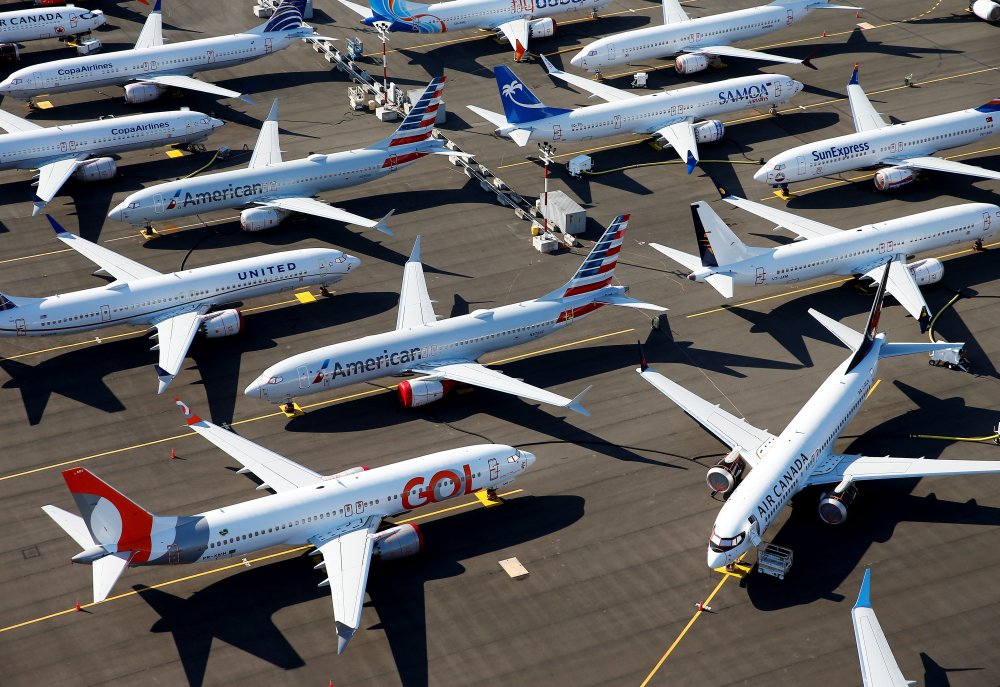
AW-Cnbc_70054AERONAVES BOEING 737 MAX APARCADAS EN BOEING FIELD, WASHINGTON
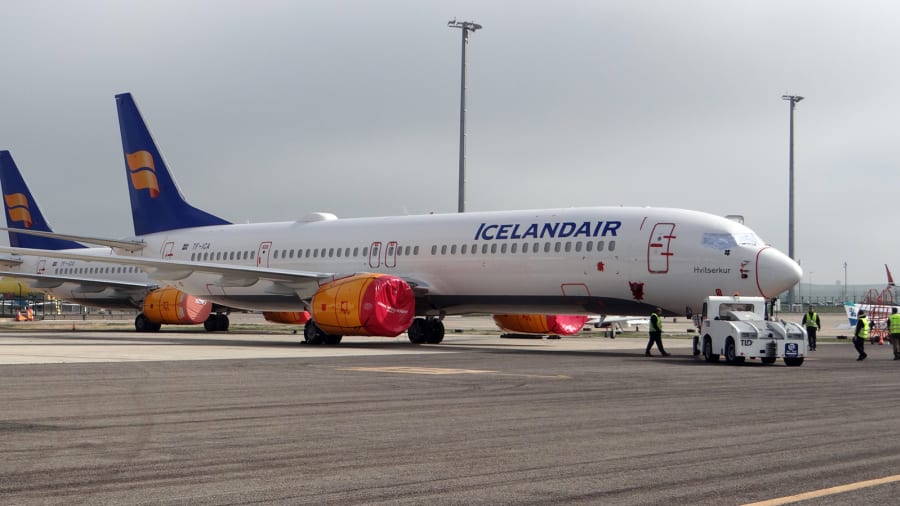
AW-Cnn.com_Lleida-Alguaire-Airport_003DONDE EUROPA GUARDA SUS AVIONES 737 MAX, AEROPUERTO DE LLEIDA-ALGUAIRE, ESPAÑA

Cementerio de Aeronaves

Es en este punto que los aeropuertos industriales remotos vienen al rescate. En Europa, Lleida-Alguaire es el aeropuerto español que actualmente almacena el mayor número de aviones Boeing 737 MAX. Considerado un elefante blanco desde su inauguración en 2010, la falta de tráfico comercial regular le ha ofrecido a este pequeño aeropuerto la oportunidad de especializarse en segmento conocido, pero esencial, de la industria aeroespacial. Dos aerolíneas nórdicas, Norwegian e Icelandair, han enviado sus flotas de 737 MAX para ser almacenadas en Lleida-Alguaire, un total de 10 aviones nuevos y brillantes, algunos de ellos habían salido literalmente de la fábrica para ingresar directamente al cementerio de aviones.

Pero la analogía de las aeronaves se cierne en el destino de cada modelo y cada compañía. Las aeronaves que están temporalmente almacenadas pero que se espera que reanuden el servicio siguen un intenso programa diario que tiene como objetivo protegerlas y preservarlas para el día en que vuelvan a volar; otras podrán tener una segunda oportunidad en otra aerolínea; mientras que muchos languidecerán una muerte anunciada para nunca más volver a volar.

En el caso de las aeronaves nuevas, son las que tienen la mayor provabilidad de volver a la escena mundial. Para ello se necesitan procesos cuidadosos para evitar la corrosión y asegurar que todos los sistemas permanezcan en perfecto estado de funcionamiento. Los motores, siempre un equipo especialmente sensible, son objeto de una atención particular y se controlan constantemente. La humedad es un enemigo, con sensores en diferentes puntos que toman medidas y las transmiten a los ingenieros en tiempo real. «Nuestro objetivo es mantener la humedad por debajo del 40%. Utilizamos bolsas de deshumidificación y dispositivos especializados que absorben la humedad del aire», explica Miguel Martín, Director Técnico de Servitec Aircraft Maintenance, la empresa que se ocupa de los Boeing 737 MAX estacionados en Lleida-Alguaire.
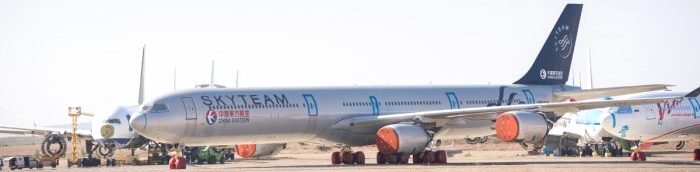
 

AW-GettyImages_700440Línea del tiempo

Muchos aeropuertos del mundo mantienen las aeronaves aparcadas a la espera de ser devueltas a las aerolíneas, pero muchas de ellas también serán vendidas a otros usuarios o morirán en el intento al ser desguazadas para venta de piezas para otras aeronaves conmejor destino. Pero muchos de estos aviones todavía están en condiciones de aeronavegabilidad. Lo que sucede es que han alcanzado el punto en sus vidas operativas cuando ya no es económico invertir en su mantenimiento. De hecho, las partes y repuestos que contienen valen más que el avión en su conjunto. Es una triste visión ver a la poderosa Reina de los Cielos o Jumbo, el Boeing 747, descompuesto y convertido en chatarra, como muchos otros aviones comerciales que han sido la gloria de sus flotas, pero eso es exactamente lo que está sucediendo ahora.

Muchos cementerios de aeronaves se encuentran localizados en lugares donde el clima preserva o conserva la vida útil de los mismos como por ejemplo Mojave Airport, Victorville Airport, Pinal Airpark, Phoenix Goodyear Airport, Davis-Monthan AFB Airport, Abilene Regional Airport, Kingman Airport, Laurinburg-Maxton Airport, Oscoda-Wurtsmith Airport, Roswell International Air Center (Estados Unidos), Alice Springs Airport (Australia), Aeropuerto Lleida-Alguaire, Aeropuerto Teruel (España); Manas International Airport (Kirguizistán); John G. Diefenbaker International Airport, Saskatoon (Canadá), Tarbes Airport (Francia), entre muchos otros centros de aparcamientos de aeronaves.
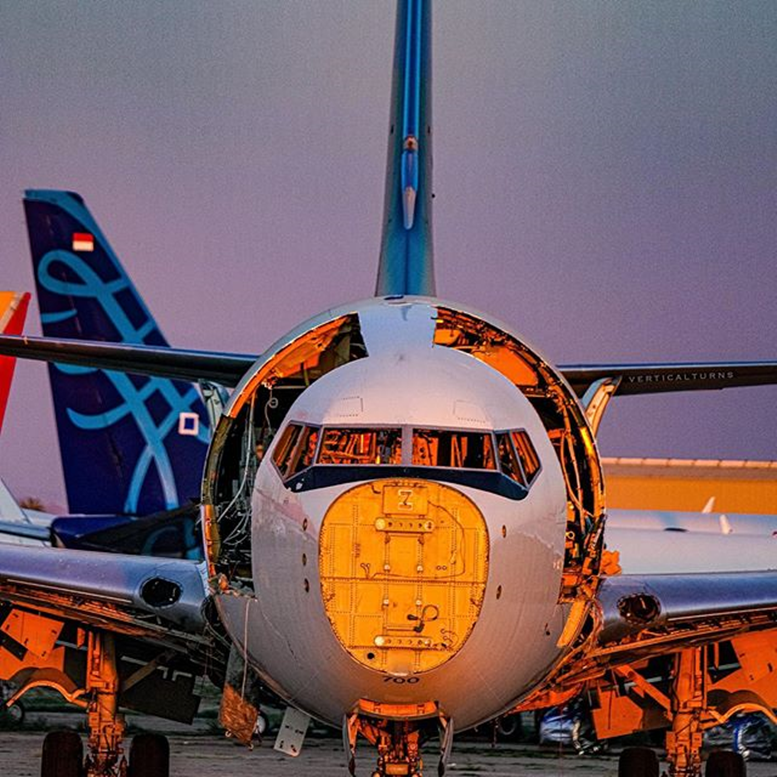
AW-Picpanzee_700337Desguazar, proceso especializado

Una vez que se toma la decisión de retirar un avión y darle de baja comercial, se compila un inventario de todas sus partes y repuestos, muchos de ellos eventualmente encontrarán su camino a otros aviones. El proceso de desguace comienza primero en el desarme de los elementos móviles como extintores de incendios o rampas, también se eliminan fluidos, aceites y otros productos químicos. Se debe seguir un protocolo muy específico para evitar cualquier riesgo ambiental o de seguridad. Los motores suelen ser el elemento más valioso. Después de que se quitan las góndolas, el motor en sí se desmonta por completo, dejando intactos los mecanismos internos. El turno continúa con los paneles del avión, que protegen las áreas clave dentro de la aeronave. La estructura se deja al descubierto para que los técnicos puedan acceder a los sistemas más internos de los planos y recuperar aquellas partes que son de interés. «Cuando desconectamos la alimentación, es la muerte oficial del avión, no hay vuelta atrás», explica Miguel Martín de Servitec, antes de agregar que de un Airbus A330 actualmente desmantelado, lograron extraer más de 4.600 piezas diferentes. Cada artículo que se saca de la aeronave se cataloga, limpia y procesa para que los propietarios de la aeronave puedan llevarlo a donde sea necesario. Los visitantes del aeropuerto pueden ver cómo se apilan las diferentes partes alrededor del avión mientras se somete a este proceso de clasificación.

Si el avión es propiedad de una aerolínea con una flota más grande del mismo tipo, podría usar esos repuestos en la empresa, pero muy a menudo ese no es el caso. Hay compañías que se especializan en la compra de aviones que se acercan al final de su vida operativa con el fin de desmantelarlos y vender sus piezas y repuestos en lo que se llama el mercado de accesorios, donde se comercializan piezas de repuesto y equipos. En la mayoría de los casos, estas partes no pueden ir directamente a otro avión, porque en el momento en que despegan del avión se vuelven técnicamente inservibles (incluso si están en perfecto estado). Deben transferirse a un taller de reparación aprobado para someterse a una recertificación. Incluso si se producen en serie, los componentes de un tipo específico no siempre son idénticos. Algunos de ellos han visto cierto grado de personalización a pedido de los operadores y los fabricantes a menudo también introducen pequeñas modificaciones. Es por eso que cada parte debe ser identificable individualmente. Cada parte que ingresa a un avión debe ser rastreable, explican Alex Duran y Jasin Kolar, cofundadores de Nexspares, una firma de consultoría con sede en Zurich, Suiza, que ayuda a las aerolíneas a planificar su estrategia de adquisición de repuestos. Siempre tiene que haber un rastro de papel, un seguimiento minucioso de cada componente.

Una vez que la célula ha sido despojada de cada artículo valioso, literalmente, se desguaza completamente y se convierte en chatarra. A menos que se pueda encontrar una nueva oportunidad para utilizarlo en un uso más exótico, podría tener una segunda vida para un uso doméstico o comercial, pero ya para volver a volar la imaginación. AW-Icon Paragraph-01

AW-Cnn_70065Parked aircraft timeline

Commercial aircraft awaiting relief or death announced

AW-B737-8MAXWhen the health crisis had hit the world into a pandemic, global airlines were forced to land most of their commercial aircraft, with the exception of those where humanitarian aid, cargo transportation, and repatriation flights were necessary. With the exception of these actions, most of the planes in the world were parked, forcing global commercial flight traffic to contract by more than 90% on average.

The new scenario is repeated again after the impact of the attacks of 9/11 in September 2001, making the aircraft on the ground available to airports. The planes began with a fight for a place of storage space, where thousands of aircraft began to arrive at every corner of those airports less thought to be able to observe them, both those new and used planes landed to rest, expecting some to return to the skies, others such Once they are sold to airlines in other countries, while others await their end in aircraft cemeteries.

An example of thousands of aircraft is the case of a Boeing 747 freighter taking off in early April 2020 from the Lleida-Alguaire Airport in Spain, bound for Chicago and loaded with urgent medical supplies. He had arrived at this small secluded airport, some 150 miles west of Barcelona, ​​a couple of months earlier. Its operator, Atlas Air of New York, had parked it there due to lack of demand in the cargo sector until the coronavirus pandemic came around the world. Lleida-Alguaire, and other industrial airports like this one, is where planes that have been taken out of service await the return. For some, like that 747, a delay will come, for others, it is death row.

Case 737 MAX

The Boeing 737 MAX has been on the ground for more than a year, but the plane was still leaving the assembly line until December 2019, when the Boeing company had suspended the production line in January 2020. With hundreds of undelivered aircraft piling up and space At its facilities starting to run out, the American manufacturer converted one of the employee parking lots at its Paine Field facility near Seattle into a temporary aircraft depot.

But many airlines had purchased their Boeing 737 MAXs before the global health crisis and urgently needed alternative storage locations for them. Major airports are generally not a great place to store planes. Space is very expensive, it is the aeronautical equivalent of leaving your car in a parking lot near the metro in the city center. The main European centers can charge about US$ 300 per hour.

El pase de diapositivas requiere JavaScript.

Aircraft graveyard

It is at this point that remote industrial airports come to the rescue. In Europe, Lleida-Alguaire is the Spanish airport that currently stores the largest number of Boeing 737 MAX aircraft. Considered a white elephant since it opened in 2010, the lack of regular commercial traffic has offered this small airport the opportunity to specialize in the well-known, but essential, a segment of the aerospace industry. Two Nordic airlines, Norwegian and Icelandair, have sent their fleets of 737 MAX to be stored in Lleida-Alguaire, a total of 10 shiny new planes, some of them had literally left the factory to enter directly into the plane graveyard.

But the analogy of aircraft hangs in the destiny of each model and each company. Aircraft that are temporarily in storage but are expected to resume service follow an intense daily schedule that aims to protect and preserve them for the day they fly again; others may have a second chance at another airline; while many will languish an announced death never to fly again.

In the case of new aircraft, they are the ones with the highest probability of returning to the world scene. This requires careful processes to prevent corrosion and ensure that all systems remain in perfect working order. Engines, always particularly sensitive equipment, are the subject of particular attention and are constantly monitored. Humidity is an enemy, with sensors at different points taking measurements and transmitting them to engineers in real-time. «Our goal is to keep the humidity below 40%. We use dehumidification bags and specialized devices that absorb moisture from the air», explains Miguel Martín, Technical Director of Servitec Aircraft Maintenance, the company that handles parked Boeing 737 MAXs. in Lleida-Alguaire.

Timeline

Many airports in the world keep parked aircraft waiting to be returned to airlines, but many of them will also be sold to other users or will die trying to be scrapped to sell parts for other aircraft with a better destination. But many of these planes are still airworthy. What happens is that they have reached the point in their operational lives when it is no longer economical to invest in their maintenance. In fact, the parts and spare parts they contain are worth more than the plane as a whole. It is a sad sight to see the mighty Queen of Heaven or Jumbo Jet, the Boeing 747, broken down and scrapped like many other commercial jets that have been the glory of its fleets, but that is exactly what is happening now.

Many aircraft cemeteries are located in places where the weather preserves or conserves their useful life, such as Mojave Airport, Victorville Airport, Pinal Airpark, Phoenix Goodyear Airport, Davis-Monthan AFB Airport, Abilene Regional Airport, Kingman Airport, Laurinburg-Maxton Airport, Oscoda-Wurtsmith Airport, Roswell International Air Center (United States), Alice Springs Airport (Australia), Lleida-Alguaire Airport, Teruel Airport (Spain); Manas International Airport (Kyrgyzstan); John G. Diefenbaker International Airport, Saskatoon (Canada), Tarbes Airport (France), among many other aircraft parking centers.

Airbus A380 production halt to fuel transatlantic trade spatScrapping, specialized process

Once the decision is made to retire an aircraft and decommission it, an inventory of all its parts and spares is compiled, many of which will eventually find their way to other aircraft.

The scrapping process begins first with the disassembly of moving elements such as fire extinguishers or ramps, fluids, oils, and other chemicals are also removed. A very specific protocol must be followed to avoid any environmental or safety risks. Engines are usually the most valuable item. After the gondolas are removed, the engine itself is completely disassembled, leaving the internal mechanisms intact. The shift continues with the aircraft’s panels, which protect key areas inside the aircraft. The structure is left exposed so that technicians can access the innermost systems of the plans and retrieve those parts that are of interest. «When we disconnect the power, it is the official death of the plane, there is no going back», explains Miguel Martín de Servitec, before adding that from an Airbus A330 currently dismantled, they managed to extract more than 4,600 different pieces. Every item that is taken out of the aircraft is cataloged, cleaned and processed so that the owners of the aircraft can take it wherever it is needed. Airport visitors can see how the different parts around the plane are stacked while undergoing this sorting process.

If the plane is owned by an airline with a larger fleet of the same type, you could use those parts in-house, but very often that is not the case. There are companies that specialize in buying aircraft that are nearing the end of their operational life in order to dismantle them and sell their parts and spares in what is called the aftermarket, where spare parts and equipment are marketed. In most cases, these parts cannot go directly to another plane, because the moment they take off from the plane they become technically unusable (even if they are in perfect condition). They must be transferred to an approved repair shop for recertification. Even if mass-produced, components of a specific type are not always identical. Some of them have seen some degree of customization at the request of operators, and manufacturers often introduce minor modifications as well. That is why each part must be individually identifiable. Every part that enters a plane must be traceable, explain Alex Duran and Jasin Kolar, co-founders of Nexspares, a Zurich, Switzerland-based consulting firm that helps airlines plan their parts acquisition strategy. There always has to be a paper trail, careful monitoring of every component.

Once the cell has been stripped of every valuable item, it is literally scrapped completely and turned into scrap metal. Unless a new opportunity can be found to use it in a more exotic use, it could have a second life for domestic or commercial use, but all ready to fly the imagination again. AW-Icon Paragraph-02


Ξ A I R G W A Y S Ξ
SOURCE: Airgways.com
DBk: Airgways.com / Cnn.com / Cnbc.com / R. Patterson / Gettyimages.com / Picpanzee.com
AW-POST: 202004211244AR

A\W   A I R G W A Y S ®

Brasil expande ayudas del sector

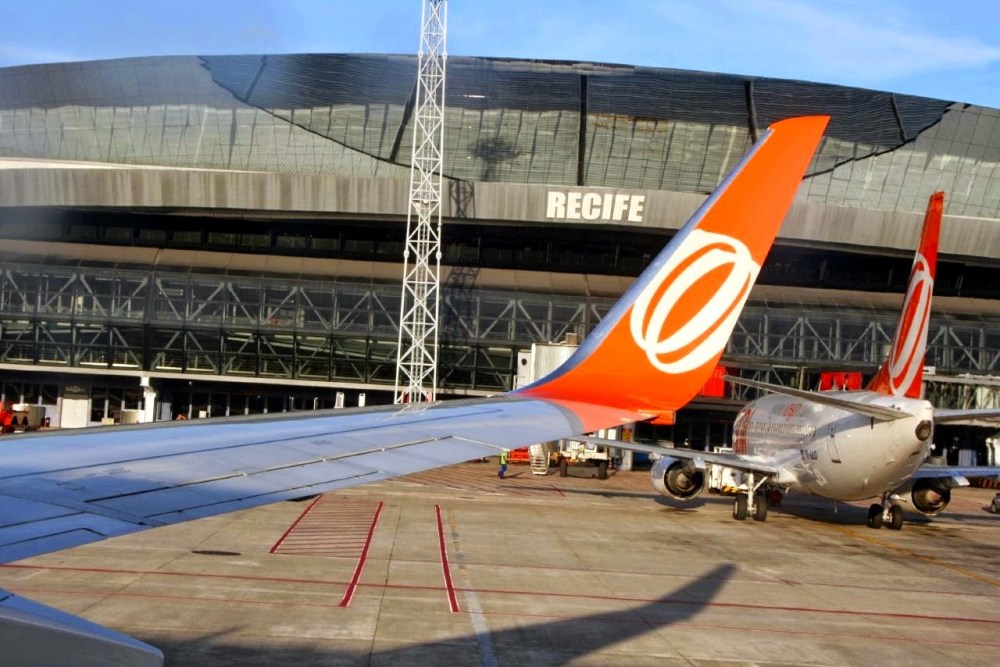
Aeroporto Internacional Gilberto Freyre (Guararapes) - Recife 10AW | 2020 04 20 16:26 | AIRLINES / GOVERNMENT
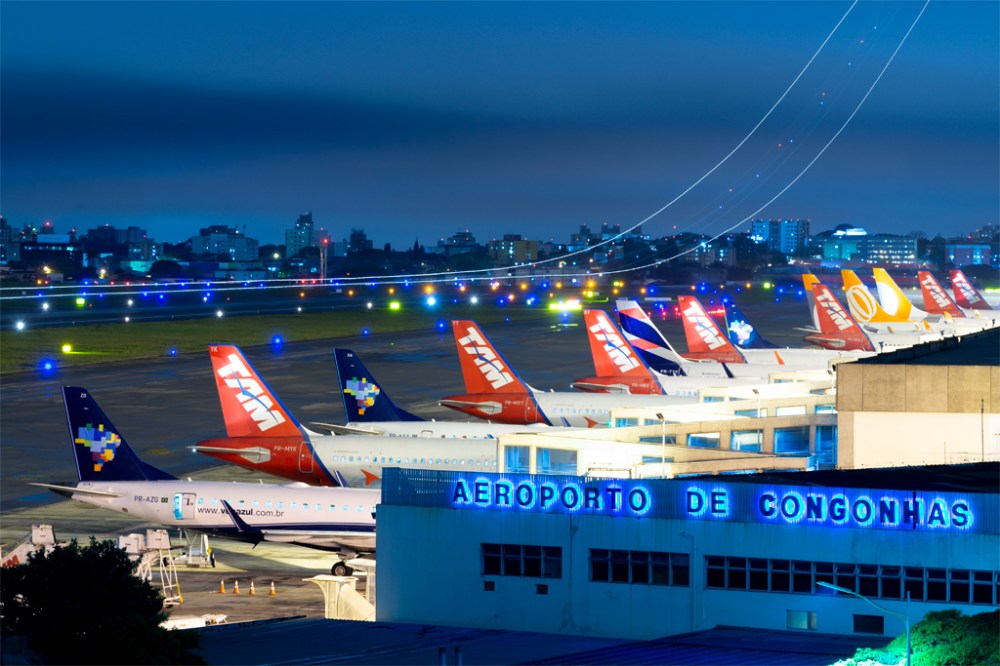
Gobierno de Brasil y bancos en conversaciones sobre rescate de empresas

El Ministerio de Economía de Brasil está hablando con los bancos para proporcionar rescates a sectores como aerolíneas, demás industrias y grandes minoristas para ayudarlos a sobrevivir a la crisis del Coronavirus, confirmaron el Miércoles 15/04 ejecutivos bancarios.

Los principales prestamistas de Brasil, como Banco Bradesco, Itau Unibanco Holding SA, Banco Santander Brasil y Banco do Brasil SA, han discutido con el banco central del país y el banco de desarrollo BNDES cómo y qué instrumentos financieros podrían usarse para rescatar empresas enfrentadas a la crisis sanitaria.

El Ministerio de Economía quiere que BNDES, cuyo papel el ministro de Economía Paulo Guedes había estado buscando reducir, lidere las conversaciones. El banco de desarrollo podría usar parte de su posición en efectivo de aproximadamente R$ 80 mil millones de reales (US$ 15,23 mil millones) para comprar bonos convencionales o convertibles vendidos por compañías con problemas, junto con otros bancos e inversores bajo el plan del Ministerio. Una fuente cercana al gobierno dijo que BNDES no planea tomar todo el riesgo solo en una compañía dada, porque eso limitaría el alcance total de los rescates. Al compartir los riesgos con más bancos e inversores, se podría ayudar a más empresas. Para recibir los fondos, las empresas tendrían que presentar un plan de reestructuración al BNDES.

Los participantes discutieron el uso de deuda convertible o préstamos parcialmente garantizados por el Tesoro, dijeron las fuentes. Pero el Tesoro no está dispuesto a inyectar fondos directamente en las empresas. Las discrepancias permanecen en las conversaciones en curso, con los bancos dispuestos a cooperar de alguna manera pero insistiendo en que el gobierno asume la mayor parte del riesgo en algunos casos, dijeron las fuentes.

Las aerolíneas

Las conversaciones con aerolíneas y minoristas que cotizan en bolsa incluyen el uso de bonos convertibles, que podrían canjearse en acciones o dinero en el futuro. Aerolíneas como Gol Linhas Aéreas, Azul Linhas Aéreas y Latam Airlines Group estaban en conversaciones con BNDES sobre financiamiento. El Presidente Ejecutivo de Azul, John Rodgerson, dijo que el operador aún estaba algo lejos de llegar a un acuerdo sobre un préstamo del BNDES. AW-Icon Paragraph-01

AW- Thiago TrevisanBrazil expands sector aid

Brazilian government and banks in talks on company bailout

Brazil’s economy ministry is talking to banks to provide bailouts to sectors such as airlines, other industries and large retailers to help them survive the Coronavirus crisis, bank executives confirmed Wednesday 15/04.

Brazil’s main lenders, such as Banco Bradesco, Itau Unibanco Holding SA, Banco Santander Brasil and Banco do Brasil SA, have discussed with the country’s central bank and development bank BNDES how and what financial instruments could be used to rescue companies facing the health crisis.

The economy ministry wants BNDES, whose role economy minister Paulo Guedes had been seeking to cut, to lead the talks. The development bank could use part of its cash position of approximately R$ 80 billion reais (US$ 15.23 billion) to buy conventional or convertible bonds sold by troubled companies, along with other banks and investors under the Ministry plan. A source close to the government said BNDES does not plan to take all the risk on just one given company, because that would limit the full scope of the bailouts. By sharing risks with more banks and investors, more companies could be helped. To receive the funds, companies would have to submit a restructuring plan to BNDES.

Participants discussed the use of convertible debt or loans partially guaranteed by the Treasury, the sources said. But the Treasury is unwilling to inject funds directly into companies. Discrepancies remain in the ongoing talks, with banks willing to cooperate in any way but insisting that the government bears most of the risk in some cases, the sources said.

Airlines

Talks with publicly-listed airlines and retailers include the use of convertible bonds, which could be exchanged for stocks or money in the future. Airlines such as Gol Linhas Aéreas, Azul Linhas Aéreas, and Latam Airlines Group were in talks with BNDES about financing. Azul CEO John Rodgerson said the operator was still somewhat far from reaching an agreement on a BNDES loan. AW-Icon Paragraph-02

AW-Flickr_70087Brasil amplia ajuda setorial

Governo e bancos brasileiros conversam sobre resgate de empresas

O Ministério da Economia do Brasil está conversando com os bancos para prestar socorro a setores como companhias aéreas, outros setores e grandes varejistas para ajudá-los a sobreviver à crise do Coronavírus, confirmaram executivos do banco na quarta-feira 15/04.

Aviao-gol_001Os principais credores do Brasil, como Banco Bradesco, Itaú Unibanco Holding SA, Banco Santander Brasil e Banco do Brasil SA, discutiram com o banco central e o banco de desenvolvimento do país o BNDES como e quais instrumentos financeiros poderiam ser usados ​​para resgatar empresas que enfrentam a crise da saúde.

AW-Latam_ArgO ministério da economia quer que o BNDES, cujo papel o ministro Paulo Guedes estava tentando cortar, encabeça as negociações. O banco de desenvolvimento poderia usar parte de sua posição de caixa de aproximadamente R$ 80 bilhões de reais (US$ 15,23 bilhões) para comprar títulos convencionais ou conversíveis vendidos por empresas problemáticas, juntamente com outros bancos e investidores sob o regime de caixa.
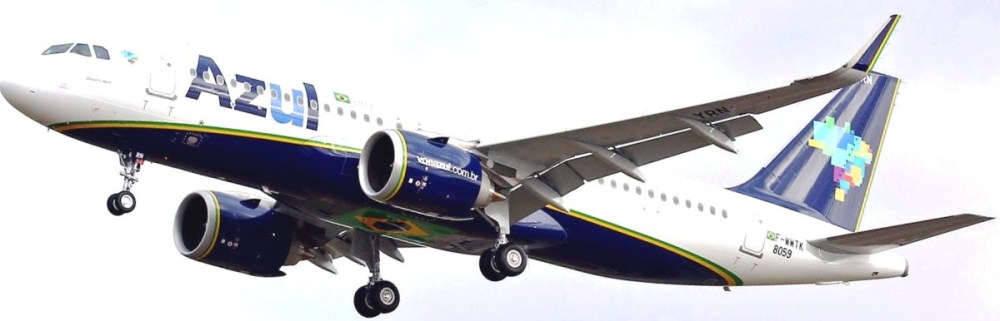
AW-70082122Plano de ministério. Uma fonte próxima ao governo disse que o BNDES não planeja correr todo o risco em apenas uma empresa, porque isso limitaria todo o escopo dos resgates. Ao compartilhar riscos com mais bancos e investidores, mais empresas poderiam ser ajudadas. Para receber os recursos, as empresas teriam que enviar um plano de reestruturação ao BNDES.

Os participantes discutiram o uso de dívida conversível ou empréstimos parcialmente garantidos pelo Tesouro, disseram as fontes. Mas o Tesouro não está disposto a injetar recursos diretamente nas empresas. As discrepâncias permanecem nas negociações em andamento, com os bancos dispostos a cooperar de alguma forma, mas insistindo que o governo assuma a maior parte do risco em alguns casos, disseram as fontes.

Companhias aéreas

As conversas com companhias aéreas e varejistas de capital aberto incluem o uso de títulos conversíveis, que poderão ser trocados por ações ou dinheiro no futuro. Companhias aéreas como Gol Linhas Aéreas, Azul Linhas Aéreas e Latam Airlines Group estavam conversando com o BNDES sobre financiamento. O CEO da Azul, John Rodgerson, disse que a operadora ainda está um pouco longe de chegar a um acordo sobre um empréstimo do BNDES. AW-Icon Paragraph-02


Ξ A I R G W A Y S Ξ
SOURCE: Airgways.com
DBk: Gov.br/economia / Airgways.com / Thiago Trevisan / Flickr.com
AW-POST: 202004201623AR

A\W   A I R G W A Y S ®

Australia rechaza ayudas a Virgin

AW-Aerotime.aero_7005AW | 2020 04 20 13:06 | AIRLINES / GOVERNMENT

1200x1200-va-stackedVirgin Australia ingresa fase administrativa por pandemia

Virgin Australia Airlines está lista para ingresar a la administración voluntaria con miles de empleos en riesgo. La segunda aerolínea más grande de Australia ha sido rechazada por el Gobierno de Australia en una solicitud de rescate de US$ 1.4 mil millones

La aerolínea ahora se ha derrumbado con los administradores designados para tratar de salvar ala compañía. Virgin Australia entrará en la administración voluntaria en el mayor colapso de las aerolíneas a nivel global como así también en Australia desde que Ansett Airlines falló en 2002, poniendo en riesgo miles de empleos y más de mil millones de dólares en boletos prepagos.

El Lunes 20/04 la aerolínea que ha estado en tierra desde el 25 Marzo 2020 debido a la crisis del Coronavirus, designará a John Greig, Vaughan Strawbridge y Richard Hughes como administradores. La medida se produce después de que el gobierno federal rechazó su petición de un préstamo de US$ 1.4 mil millones como parte de un rescate más amplio de la industria y a pesar de las ofertas de apoyo de los Estados de New South Wales y Queensland.

También se decidirá el destino de su flota de aproximadamente 130 aviones, muchos de los cuales están hipotecados, y casi US$ 1.2 mil millones en reservas de boletos para clientes. La medida también provocó temores de tarifas aéreas altísimas para los consumidores si su rival más grande, Qantas Airways una vez más puede establecer el dominio del mercado australiano. Es probable que la administración elimine el valor de las acciones del grupo, incluido el que tienen los accionistas dominantes Singapore Airlines, los grupos chinos Nanshan y HNA Group, el Gobierno de Abu Dhabi a través de la aerolínea estatal Etihad y el multimillonario Richard Branson.

Sin embargo, la administración también puede ayudar a un comprador a reducir o eliminar una montaña de deudas de más de US$ 4.8 mil millones adeudada a bancos que han paralizado a la aerolínea mientras continuaba quemando efectivo mientras sus aviones estaban en tierra. También puede cerrar partes de la aerolínea que no funcionan bien, como la low cost Tiger Airways. Esto permitiría reacondicionar a Virgin Australia volar nuevamente, incluso en una forma reducida.

El Director Ejecutivo Paul Scurrah continúa trabajando como CEO de la compañía a medida que se reestructura la deuda de Vingin Australia. Durante las últimas dos semanas, Scurrah ha estado luchando contra lo que él ve como una campaña contra Virgin Australia por parte de Qantas Airways, además de tratar con un gobierno que dijo repetidamente que estaba comprometido a mantener dos aerolíneas en Australia, pero que hasta ahora no ha estado dispuesto a rescatar a la aerolínea.

El Gobierno australiano ha ofrecido a la industria alrededor de US$ 700 millones en tarifas y cargos reducidos, pero estos solo tienen valor si los aviones están volando. También ha ofrecido US$ 165 millones para suscribir a Virgin Australia y Qantas Airways operando una red doméstica mínima que sirve las rutas metropolitanas y regionales más críticas, pero debido a que este dinero solo cubre el costo de operar los vuelos, no mejora la posición financiera de Virgin Australia.

El colapso de Virgin Australia aumenta la posibilidad de que Qantas Airways vuelva a disfrutar de un monopolio sobre las principales rutas aéreas de Australia, como sucedió después del colapso de Ansett Airlines en 2002. Esto resultó en un aumento de las tarifas. La Asociación de Auxiliares de Vuelo de Australia dijo que era importante que los gobiernos pensaran en cómo querían que se viera la industria de la aviación después de la crisis del coronavirus. “No podemos tener un abandono completo de la competencia. Le tomó 20 años llevar a Virgin a un puesto donde competía con Qantas. Necesitamos que Virgin sea de alguna forma, para que la gente pueda volar en Qantas. La gente debería recordar cómo era la industria de las aerolíneas cuando no había una competencia significativa bajo la política de las dos aerolíneas de los años setenta y principios de los ochenta. A menos que el gobierno limite las tarifas aéreas, el mercado establecerá tarifas y volverá a US$ 1.000 a Melbourne, o US$ 3.000 a Perth [desde Sydney]”, dijo el Gerente de Relaciones Industriales de la FAAA, Steven Reed.

Steven Reed también advirtió que el colapso de Virgin Australia podría resultar más costoso para el Gobierno que un rescate. «Al final del día, las únicas personas que pagan impuestos en Virgin son los empleados», dijo.

Virgin Australia no ha pagado ningún impuesto durante varios años, ya que no ha podido funcionar de manera rentable. Ha estado en números rojos todos los años durante los últimos cinco años, acumulando pérdidas de más de US$ 1.6 mil millones. Perdió US$ 88 millones adicionales en los seis meses hasta el final del año.

El secretario nacional del Sindicato de Trabajadores del Transporte, Michael Kaine, dijo que la administración sería un «momento aterrador para miles de trabajadores de Virgin» y repitió sus anteriores llamamientos para que el gobierno federal rescatara a la compañía.

El Gobierno de Australia necesitará un plan de inversión para superar este período de crisis y los contribuyentes obtendrán un doble beneficio, manteniendo un mercado de aviación competitivo. El Primer Ministro ha promovido el concepto de hibernación, de mantener negocios viables a flote durante esta crisis. Eso debe incluir a Virgin Australia y la única forma de hacerlo es mediante una participación accionaria del gobierno en este negocio. De los US$ 4.8 millones que la aerolínea debe a sus bancos, US$ 540 millones deben ser reembolsados ​​o refinanciados antes del final de este año calendario.

A medida que el tiempo se agotaba para la aerolínea, Queensland le ofreció US$ 200 millones si mantenía su sede en Brisbane. La sede de Virgin’s Bowen Hills tiene 1.200 trabajadores y hay 5.000 empleados de Virgin en Queensland. Pero el tesorero de Nueva Gales del Sur, Dominic Perrotet, dijo el Domingo 19/04 por la noche que el Gobierno de New South Wales estaba considerando ofrecer apoyo y señalar el segundo aeropuerto que se está construyendo en Badgerys Creek. «Virgin debería tener su sede para Virgin y Tiger en Sydney», dijo Perrottet.

La Primera Ministra de Nueva Gales del Sur, Gladys Berejiklian, confirmó el interés de su estado el Lunes 20/04 por la mañana. «Si hay otras oportunidades [donde] el gobierno de NSW puede ayudar a las empresas a reestructurar herramientas o buscar otras oportunidades para establecer su oficina central aquí en NSW, estamos abiertos a todas esas cosas». Se espera que NSW publique una declaración una vez que Virgin haga un anuncio..

Se espera un anuncio tan temprano como el Martes 21/04 por la mañana para conocer la posición de Virgin Australia con respecto a su futuro. La aerolínea emplea a 10.000 personas cuyos empleos están ahora en peligro. AW-Icon Paragraph-01

Coronavirus Australia flights: Virgin to suspend all international ...Australia rejects aid to Virgin

Virgin Australia enters administrative phase due to pandemic

Virgin Australia Airlines is ready to enter voluntary administration with thousands of jobs at risk. Australia’s second-largest airline has been rejected by the Australian Government in a US$ 1.4 billion bailout request

virgin-plane-png-7The airline has now collapsed with designated administrators to try to save the company. Virgin Australia will enter voluntary administration in the largest airline collapse globally as well as in Australia since Ansett Airlines failed in 2002, putting thousands of jobs and more than US$ 1 billion in prepaid tickets at risk.

On Monday 04/20, the airline that has been on the ground since March 25, 2020, due to the Coronavirus crisis, will appoint John Greig, Vaughan Strawbridge, and Richard Hughes as administrators. The move comes after the federal government rejected its request for a US$ 1.4 billion loan as part of a broader bailout of the industry and despite offers of support from the states of New South Wales and Queensland.

The fate of its fleet of approximately 130 aircraft, many of which are mortgaged, and nearly US$ 1.2 billion in customer ticket bookings will also be decided. The move also raised fears of soaring airfares for consumers if its biggest rival, Qantas Airways can once again establish dominance of the Australian market. Management is likely to wipe out the value of the group’s shares, including that held by dominant shareholders Singapore Airlines, Chinese groups Nanshan and HNA Group, the Abu Dhabi government through state-owned airline Etihad, and billionaire Richard Branson.

However, the administration can also help a buyer reduce or eliminate a mountain of debts of more than US$ 4.8 billion owed to banks that have paralyzed the airline while continuing to burn cash while their planes were grounded. You can also shut down parts of the airline that don’t work well, such as low-cost Tiger Airways. This would allow Virgin Australia to be reconditioned to fly again, even in a reduced form.

CEO Paul Scurrah continues to work as CEO of the company as Virgin Australia’s debt is restructured. For the past two weeks, Scurrah has been fighting what he sees as a campaign against Virgin Australia by Qantas Airways, in addition to dealing with a government that repeatedly said it was committed to maintaining two airlines in Australia, but that until now He has not been willing to rescue the airline.

The Australian government has offered the industry around US$ 700 million in reduced fares and charges, but these only have value if the planes are flying. It has also offered US$ 165 million to subscribe to Virgin Australia and Qantas Airways operating a minimal home network serving the most critical metropolitan and regional routes, but because this money only covers the cost of operating the flights, it does not improve the financial position. from Virgin Australia.

The collapse of Virgin Australia increases the chance that Qantas Airways will once again enjoy a monopoly on Australia’s major air routes, as happened after the collapse of Ansett Airlines in 2002. This resulted in increased fares. The Australian Flight Attendants Association said it was important for governments to think about how they wanted the aviation industry to look after the coronavirus crisis. “We cannot have a complete abandonment of the competition. It took 20 years to get Virgin to a position where she competed with Qantas. We need Virgin to be somehow, so that people can fly Qantas. People should remember what the airline industry was like when there was no significant competition under the two-airline policy of the 1970s and early 1980s. Unless the government limits airfares, the market will set fares and return $ 1,000 to Melbourne, or US$ 3,000 to Perth [from Sydney]”, said FAAA Industrial Relations Manager Steven Reed.

Steven Reed also warned that the collapse of Virgin Australia could prove more costly to the government than a bailout. “At the end of the day, the only people who pay taxes at Virgin are the employees” he said.

Virgin Australia has not paid any taxes for several years as it has been unable to operate profitably. It has been in the red every year for the past five years, accumulating losses of more than US$ 1.6 billion. It lost an additional US$ 88 million in the six months to the end of the year.

National Transportation Workers Union secretary Michael Kaine said the administration would be a “terrifying time for thousands of Virgin workers” and repeated his previous calls for the federal government to rescue the company.

The Australian Government will need an investment plan to overcome this period of crisis and the taxpayers will obtain a double benefit, maintaining a competitive aviation market. The Prime Minister has promoted the concept of hibernation, of keeping viable businesses afloat during this crisis. That must include Virgin Australia and the only way to do this is through a government equity stake in this business. Of the US$ 4.8 million the airline owes to its banks, US$ 540 million must be repaid or refinanced before the end of this calendar year.

As time was running out for the airline, Queensland offered him US$ 200 million if he kept his headquarters in Brisbane. Virgin’s Bowen Hills headquarters has 1,200 workers and there are 5,000 Virgin employees in Queensland. But New South Wales Treasurer Dominic Perrotet said Sunday night 04/19 that the New South Wales government was considering offering support and pointing to the second airport being built at Badgerys Creek. «Virgin should be based for Virgin and Tiger in Sydney», said Perrottet.

The Prime Minister of New South Wales, Gladys Berejiklian, confirmed her state’s interest on Monday 20/04 morning. «If there are other opportunities [where] the NSW government can help companies restructure tools or look for other opportunities to establish their headquarters here in NSW, we are open to all of those things». NSW is expected to release a statement once Virgin makes an announcement.

An announcement is expected as early as Tuesday 04/21 in the morning to find out Virgin Australia’s position regarding its future. The airline employs 10,000 people whose jobs are now in jeopardy. AW-Icon Paragraph-02


Ξ A I R G W A Y S Ξ
SOURCE: Airgways.com
DBk: Theguardian.com / Airgways.com / Aerotime.aero
AW-POST: 202004201306AR

A\W   A I R G W A Y S ®

Fallece CEO de Flybondi

Ex Latam Argentina nuevo CEO de Flybondi | TransportesAW | 2020 04 19 08:33 | AIRLINES

AW-Flybondi_B-IsologotypeSebastián Pereira tenía 48 años y venía peleando desde hace tiempo contra una dura enfermedad

El CEO de la aerolínea low cost Flybondi de Argentina, Sebastián Pereira, murió este Sábado 18/04 como consecuencia de una dura enfermedad que padecía desde hacía tiempo. Así lo confirmó la propia empresa a través de un comunicado en el que lo despidieron “con muchísimo cariño”. Sebastián Pereira era graduado en Administración de la Universidad del Salvador con un posgrado en Finanzas Corporativas en la Universidad del CEMA, ambas de Buenos Aires; realizó un Management Aerocomercial en la Universidad Adolfo Ibáñez, de Chile; y completó sus estudios con un Executive MBA en la Universidad Internacional de Florida, en los Estados Unidos.

Tal como indicó el comunicado, Sebastián Pereira ingresó a la low cost en Febrero 2019, luego de una carrera larga y exitosa en distintas aerolíneas nacionales e internacionales y después de varios años de vivir en Estados Unidos y Brasil.

Sebastián Pereira ocupó el cargo de Vicepresidente de Latam Cargo, con sede en Estados Unidos. También fue Director de Desarrollo de Negocios Aeroportuarios y Operaciones de Tierra, razón por la cual estuvo radicado en Brasil, donde trabajaba en aquel momento. Luego fue transferido a la filial de la empresa en la Argentina, donde continuó con su carrera hasta que pasó a formar parte de la aerolínea low cost Flybondi, en la que siguió con sus tareas hasta último momento.

“Somos una compañía que logró grandes cambios en la industria como un mercado más amplio, tarifas más bajas, miles de puestos de trabajo directo e indirecto, y provincias más y mejor conectadas. Estos resultados son producto de un trabajo conjunto con todos los gobiernos, nacional y provinciales, en pos de la conectividad del país. Y seguiremos en esa misma línea con las nuevas autoridades. Nuestro único compromiso es con el país, que está basado en un proyecto de inversión y crecimiento a largo plazo”, manifestó Pereira el año pasado, poco antes del cambio de Gobierno en la Argentina. AW-Icon Paragraph-01

Fallece Sebastián Pereira, CEO de Flybondi | Noticias de turismo ...Flybondi CEO dies

Sebastián Pereira was 48 years old and had been fighting for a long time against a hard disease

The CEO of the low-cost airline Flybondi from Argentina, Sebastián Pereira, died this Saturday 18/04 as a result of a harsh disease that he had suffered for a long time. This was confirmed by the company itself through a statement in which he was fired «with great love». Sebastián Pereira was a graduate in Administration from the Universidad del Salvador with a postgraduate degree in Corporate Finance at the CEMA University, both in Buenos Aires; carried out an Aerocomercial Management at the Universidad Adolfo Ibáñez, from Chile; and completed his studies with an Executive MBA at Florida International University, in the United States.

As indicated in the statement, Sebastián Pereira entered the low cost in February 2019, after a long and successful career on different national and international airlines and after several years of living in the United States and Brazil.

Sebastián Pereira held the position of Vice President of Latam Cargo, based in the United States. He was also Director of Airport Business Development and Ground Operations, which is why he was based in Brazil, where he was working at the time. He was then transferred to the company’s subsidiary in Argentina, where he continued his career until he became part of the low-cost airline Flybondi, where he continued with his tasks until the last moment.

“We are a company that achieved great changes in the industry such as a broader market, lower rates, thousands of direct and indirect jobs, and more and better-connected provinces. These results are the product of joint work with all governments, national and provincial, in pursuit of connectivity in the country. And we will continue along that same line with the new authorities. Our only commitment is to the country, which is based on a long-term investment and growth project», said Sebastián Pereira last year, shortly before the change of government in Argentina. AW-Icon Paragraph-02


Ξ A I R G W A Y S Ξ
SOURCE: Airgways.com
DBk: Flybondi.com / Infobae.com / Airgways.com
AW-POST: 202004190833AR

A\W   A I R G W A Y S ®