American Airlines aplicará cambios en su regulación de equipaje de mano, lo que podría impactar la manera en que los pasajeros organizan sus pertenencias al viajar en Estados Unidos. Estas modificaciones en las normas buscan alinearse con normativas internacionales.
Estas nuevas disposiciones han generado incertidumbre entre los viajeros. La aerolínea permite un artículo personal y un equipaje de mano dentro de ciertos límites de tamaño, pero se espera una reducción en estas dimensiones. Actualmente, establece que el artículo personal debe medir como máximo 18 x 14 x 8 pulgadas, mientras que el equipaje de mano tiene un límite de 22 x 14 x 9 pulgadas, incluyendo ruedas y asas. Sin embargo, la aplicación de estas normas varía según el aeropuerto y el avión utilizado. Aeropuertos como el de Miami suelen ser más estrictos en su cumplimiento.
La nueva normativa prevé para este año una reducción en las dimensiones permitidas, lo que podría implicar que más pasajeros deban enviar su equipaje a la bodega del avión. Esto afectaría a quienes prefieren viajar con menos carga para evitar demoras en la recogida de equipaje.
Razones cambio normativa La principal razón de los cambios de las normas de equipaje es la estandarización de las políticas a nivel internacional. Las aerolíneas buscan reducir retrasos y conflictos por el espacio en los compartimentos superiores. Además, el incremento de restricciones sobre ciertos artículos en cabina, como baterías de litio y dispositivos electrónicos, también influye en esta decisión. Otro factor clave podría ser el aspecto económico. La reducción en el tamaño del equipaje de mano podría fomentar el uso del servicio de facturación de maletas, lo que generaría ingresos adicionales para la aerolínea.
Para prepararse ante estos cambios, los viajeros deben considerar: Verificar las nuevas dimensiones permitidas para el equipaje de mano. Revisar las listas actualizadas de artículos restringidos por la TSA y FAA. Consultar posibles variaciones según el aeropuerto de salida.
American Airlines comunicará estos cambios con anticipación para que los pasajeros puedan adaptarse. La transición hacia estas nuevas medidas está cada vez más cerca y podría cambiar la experiencia de viajar con la aerolínea.
PUBLISHER: Airgways.com DBk: Aa.com / Airgrways.com AW-POST: 202504101533AR OWNERSHIP: Airgways Inc. A\W A I R G W A Y S ®
En medio paro general aerolínea vuela desde Ezeiza
Flybondi Líneas Aéreas ha trasladado sus operaciones hacia el Aeropuerto Buenos Aires/Ezeiza (EZE) el Jueves 10/4 en medio de las medidas gremiales. En el paro general, Flybondi operará diferente a las demás aerolíneas trasladando sus vuelos de aeropuerto como medida de evitar la acción sindical. La compañía realiza sus vuelos domésticos aunque existen reprogramaciones.
La Asociación de Pilotos de Líneas Aéreas (APLA) comenzó una movilización desde el mediodía del 10/04. Actualmente, existen más de ccuatrocientos vuelos cancelados y reprogramados.
La low cost anunció que habrá cambios en las reservas de los vuelos. Sin embargo, no todos serán cancelados, sino que según informaron desde la compañía trasladarán la operación al Aeropuerto Internacional de Ezeiza, debido a que la aerolínea posee su propia autoprestación del servicio de handling (asistencia en tierra a los aviones y a los pasajeros).
Flybondi anunció que, ante el paro de la CGT y otras centrales obreras del país, el Jueves 10/04, trasladará toda sus operaciones de cabotaje e internacionales al Aeropuerto de Ezeiza. La decisión responde a la necesidad de garantizar el servicio, pues en la terminal internacional bonaerense de Buenos Aires/Aeroparque (AEP) no podrá operar normal debido a la acción sindical durante la jornada de huelga, donde depende de Intercargo para el desarrollo de las operaciones de lodística en tierra. La compañía tiene autoprestación de rampa en el Aeropuerto Ezeiza, donde operará desde este hub sus vuelos nacionales y regionales a Brasil.
Programación vuelos Flybondi tiene su propio servicio de rampas en la terminal aérea de Ezeiza donde cumplirá con los servicios aéreos, suspendiendo apenas dos rutas hacia la Patagonia.
La low cost explicó que su programación prevista para ese día incluye 51 vuelos y el traslado de más de 9.000 pasajeros. De esta forma, buscará minimizar el impacto del paro y asegurar la conectividad en sus principales destinos, tanto nacionales como internacionales. En su comunicado oficial, la empresa remarcó que «Flybondi reafirma su compromiso con la conectividad del país y con su propósito de dar la libertad de volar». Sin embargo, la firma de bajo coste se verá obligada a cancelar cuatro vuelos que conectaban Buenos Aires con Comodoro Rivadavia y Río Gallegos. En ambos casos, las operaciones debían realizarse en aeropuertos donde Flybondi no brinda su propio servicio de rampa, situación que vuelve imposible su ejecución durante el paro. Se trata de los servicios de ida y vuelta a esas dos ciudades, programados para el mismo día.
En cuanto a los vuelos hacia otros destinos, como Ushuaia o El Calafate, la empresa no tenía operaciones previstas para esa fecha, lo que evitó la necesidad de mayores cancelaciones. El resto de la programación se mantiene, incluyendo las rutas internacionales que conectan Buenos Aires con distintas ciudades de Brasil.
Flybondi informó: «Los pasajeros cuyo vuelo fue cancelado o modificado con más de 4 horas de diferencia de su horario original podrán autogestionar su cambio de fecha sin costo adicional desde Mi Reserva”. Pero en medio de las reprogramaciones de vuelos que la low cost cancela con frecuencia a último momento, genera malestar por la secuencia de re-reprogramaciones.
Para acceder a la reserva o vuelo se podrá ingresar al sitio web oficial en los canales de atención y consultas en https://flybondi.com/ar/canalesdeconsulta. Además, se podrá chequear el estado del vuelo programado para dicha fecha, ingresando también a la web donde aparece una opción «Ir a mi reserva» para consignar código de reserva y apellido y poder estar al tanto de las novedades de último minuto.
APLA y controladores adhieren al paro de la CGT El paro también contará con la adhesión de los Controladores Aéreos nucleados en ATEPSA. Sin embargo, se aclaró que la afectación será parcial, dado que la huelga se realizará en tres turnos específicos de dos horas cada uno. De acuerdo con fuentes aeronáuticas, este tipo de medidas de fuerza por parte de los controladores son relativamente frecuentes y, por lo general, no provocan interrupciones de gran magnitud.
Asoma otra medida gremial aeronáutica La Asociación de Pilotos de Líneas Aéreas (APLA) anunció que se se ha adherido al paro general del 10/04 convocado por la CGT. Pero además, confirmó un nuevo cese de actividades en Aerolíneas Argentinas para el Miércoles, 16 de Abril de 2025, desde las 12:00 hasta la medianoche.
APLA explicó que la medida responde a un contexto extremadamente complicado en la compañía aérea, señalando el incumplimiento del Convenio Colectivo de Trabajo, el atraso salarial y la reimposición del impuesto a las ganancias, entre otros problemas. El gremio aeronáutico también denunció la pérdida del dictamen que regulaba su actividad laboral, la falta de pilotos en distintas flotas y la desprogramación y reducción de aviones, lo que, aseguran, afecta las carreras profesionales de los trabajadores. Hasta el momento, Aerolíneas Argentinas no emitió una respuesta oficial sobre el paro ni sobre el estado de las negociaciones con el sindicato.
PUBLISHER: Airgways.com DBk: Flybondi.com / Airgways.com AW-POST: 202504101217AR OWNERSHIP: Airgways Inc. A\W A I R G W A Y S ®
Airbus Group ha danunciado la introducción del diseño Airspace XL en la familia A220, con la aerolínea Air Canada como su cliente de lanzamiento. La nueva cabina del A220 incorporará la suite completa Airspace, incluyendo los nuevos compartimentos Airspace XL, cuyas entregas comenzarán a principios de 2026. El anuncio se produjo el 8 de Abril de 2025 durante una rueda de prensa de Airbus en la Aircraft Interiors Expo (AIX) en Hamburgo, Alemania.
De acuerdo al fabricante, la cabina del A220 ofrece una experiencia Airspace líder, combinando nuevos elementos con los asientos y pasillos más amplios, así como la cabina y las ventanas más grandes de su clase. A bordo, los nuevos compartimentos ofrecen un 20% más de volumen, son un 10% más ligeros y permitirán una rotación más rápida de la tripulación gracias a su fácil manejo. La cabina también ofrece nuevas funciones de iluminación Airspace, incluyendo una tercera tira de luces LED opcional bajo los nuevos compartimentos, lo que contribuye a un ambiente excepcional en la cabina.
Airbus anunció la nueva cabina Airspace en 2023. Se espera que el A220 se incorpore en la línea de producción a finales de 2025, y la modernización estará disponible para los clientes del A220 en los próximos años. El nuevo diseño de los compartimentos superiores Airspace XL aumentará la capacidad de equipaje en un 15%, o hasta 19 piezas más de equipaje de pasajeros en el A220-300 y permitirá acomodar artículos de carga útil más largos y pesados gracias a su diseño de cuatro bastidores. Para complementar los compartimentos superiores Airspace XL, Airbus también ha aprovechado la oportunidad para desarrollar una Unidad de Servicio al Pasajero (PSU) mejorada, acorde con el diseño de Airspace.
Vlad Milea, líder de Desarrollo de Productos de Airbus a cargo de la producción de la cabina Airspace, ha expresado que permitir que los pasajeros traigan más artículos personales y los almacenen en contenedores más grandes creará cabinas más cómodas. El volumen adicional del 20% permite un 15% más de capacidad de equipaje, por lo que aproximadamente 19 maletas más. Al mismo tiempo, un peso más ligero del contenedor (un 20% menos, o 136 kilogramos) permite un 10% más de carga útil. Este ahorro de peso en comparación con la versión anterior de la cabina, ayudará a proporcionar más capacidad de carga útil, es decir, maletas adicionales, o a tener una cabina más ligera, lo que al final ayuda a disminuir la huella de CO2 para estar en general más cerca de nuestros objetivos de descarbonización.
John Moody, Director General de Productos a Bordo de Air Canada, declaró: “El A220 ya se ha convertido en uno de los favoritos de nuestros clientes, y estamos encantados de ser el cliente de lanzamiento de la próxima evolución de la cabina de este avión diseñado y ensamblado en Canadá. En Air Canada, buscamos constantemente oportunidades para mejorar nuestros productos y hacer que viajar sea más cómodo y práctico. La introducción de compartimentos superiores más grandes en los futuros A220 significa más espacio para sus pertenencias, un embarque más rápido y una experiencia a bordo aún mejor”.
Ingo Wuggetzer, Vicepresidente de Marketing de Cabina de Airbus, comentó: “Nos complace enormemente lanzar la cabina del A220 Airspace con Air Canada y nos enorgullece que la aerolínea de bandera canadiense presente nuestra última innovación para apoyar su programa de renovación de flota. Con la introducción de la cabina del A220 Airspace, ahora ofrecemos una experiencia de pasajero totalmente consistente en todas nuestras plataformas, ofreciendo comodidad a los pasajeros en aviones de fuselaje ancho de pasillo único”.
AIR CANADA CLIENTE LANZAMIENTO DISEÑO INTERIOR DE CABIINA AIRSPACE XL
Introduciendo A220 Airspace XL Air Canada opera actualmente una flota de 34 A220-300, fabricados en Mirabel, Quebec, con 31 órdenes adicionales. Los primeros compartimentos XL se entregarán en el avión número 43, pero no hay planes inmediatos para actualizar los primeros 42. El avión con la introducción de la cabina Airspace XL no estará dedicado a ningún mercado específico, pero podría volar desde rutas cortas Toronto-Ottawa y rutas más largas Montreal-Seattle hasta vuelos a través del país entre Halifax y Vancouver o Victoria. «Se pueden imaginar que va a ir prácticamente a cualquier lugar dentro de América del Norte. Y tiene cierto nivel del Caribe», expresó John Moody.
El Director General de Productos a Bordo de Air Canada también detalló por qué tener estos A220 diseñados y construidos en Canadá es especial: «Fuimos uno de los primeros compradores de este avión y seguimos aumentando el número de aviones que vamos a llevar porque esta es realmente la navaja suiza de los aviones para Air Canada».
El diseño de la nueva cabina interior en el A220 permite mejorar el nuevo diseño de techo e iluminación, la mejora del entretenimiento en los respaldos de los asientos y el Internet de alta velocidad.
Air Canada decidió hacer este cambio de cabina en medio de las entregas de aviones. Este cambio también permitirá a su equipo insertar su nuevo espíritu y lenguaje de diseño de corazón brillante en la flota de A220 con todo, desde texturas, colores y materiales hasta la forma en que Air Canada habla a los clientes.
«Si está familiarizado con Air Canada, puede ver que la cabina es mucho más cálida de lo que ha sido en el pasado y eso es a propósito. Lo que queremos ofrecer es ese tipo de personalidad cálida, ese cariño cálido por el que los canadienses son conocidos», señaló John Moody.
Moody lleva 15 años acudiendo a AIX, el mercado líder mundial para las aerolíneas y el mercado de la cadena de suministro. «Las cosas que estamos viendo en este momento son los aviones que verán en 2028, 29, 30. Se necesitan varios años para pasar por ese proceso», concluyó John Moody de Air Canada.
PUBLISHER: Airgways.com DBk: Airbus.com / Aircanada.com / Airgways.com AW-POST: 202504092058AR OWNERSHIP: Airgways Inc. A\W A I R G W A Y S ®
Lufthansa City Airlines recibe su primer Airbus A320neo
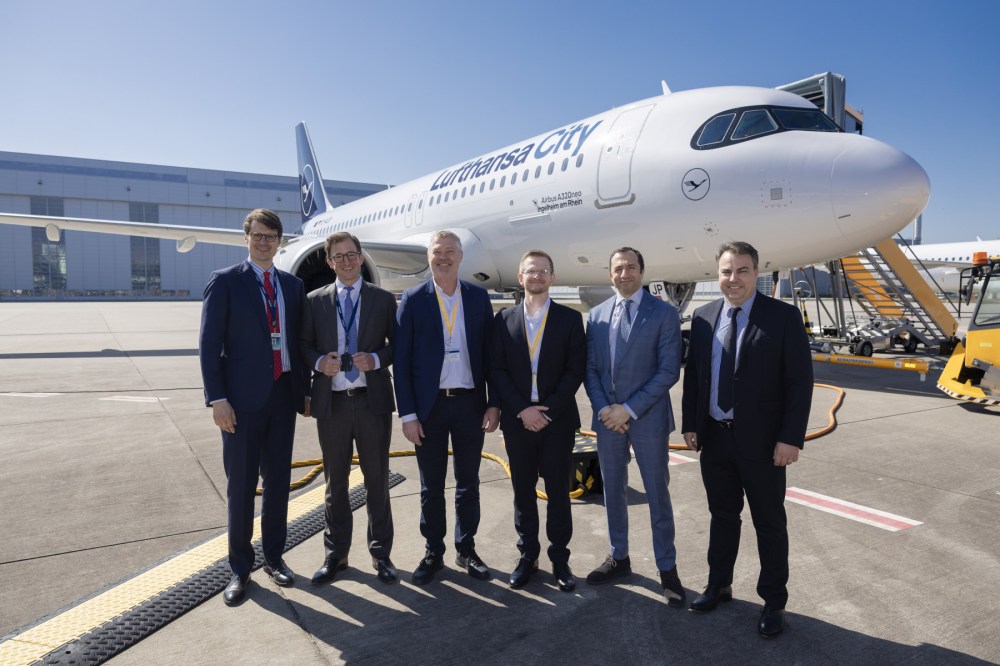
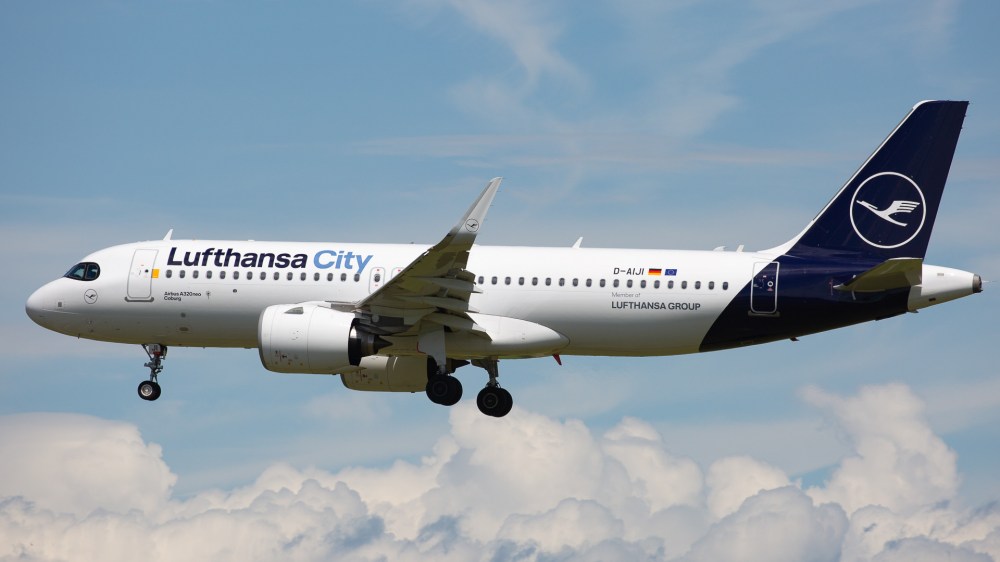
Lufthansa City Airlines recibió el Martes 08/04 su primer Airbus A320neo en la fábrica de Airbus en Hamburgo-Finkenwerder. La aeronave, matrícula D-AIJP, fue bautizada como «Ingelheim am Rhein». Este primer Airbus narrowbody completamente nuevo simboliza el papel clave que Lufthansa City Airlines desempeña dentro del Grupo Lufthansa en la redefinición del tráfico continental hacia y desde Munich y, a partir de 2026, el centro de Frankfurt. De este modo, la aerolínea contribuye de forma importante a reforzar la competitividad de la red de corto radio, consolidar la posición de mercado del Grupo Lufthansa y apoyar el crecimiento previsto en las rutas de larga distancia.
«Nuestro nuevo avión es una motivación e incentivo más para el compromiso y el excelente trabajo de todos nuestros empleados, que contribuyen al éxito y crecimiento de nuestra aerolínea todos los días», dijo Peter Albers, Director General de Lufthansa City Airlines, después de la entrega oficial.
A partir de Mayo 2025, el «Juliett Papa», correspondiendo a los nombres de las últimas letras del alfabeto aeronáutico, ofrecerá espacio para 180 pasajeros. Al igual que todos los aviones de Lufthansa City Airlines, el nuevo Airbus A320neo está equipado con la nueva cabina Airspace y ofrece a los pasajeros compartimentos superiores significativamente más grandes, un moderno sistema de iluminación y un mayor confort de asiento con la probada calidad de Lufthansa.
Con esta nueva incorporación, la flota de Lufthansa City Airlines pasa a estar compuesta por un total de ocho aviones, cuatro Airbus A319 (4) y cuatro Airbus A320neo (4). A lo largo de 2025, se añadirán otros cinco Airbus A320neo nuevos y dos Airbus A320neo adicionales, ampliando la flota a 15 aviones a finales de 2025. A partir de finales de 2026, Lufthansa City Airlines espera recibir el primero de los 40 Airbus A220-300 encargados.
En línea con el importante crecimiento de su flota, la aerolínea más joven del Grupo Lufthansa también está ampliando su red de rutas en Europa. Lufthansa City Airlines añade siete nuevos destinos a su red de rutas para la programación de vuelos de verano de 2025: Barcelona, París Charles de Gaulle, Düsseldorf, Roma, Edimburgo, Sevilla y Burdeos. La red de Lufthansa City Airlines ahora comprende 17 destinos que se pueden reservar directamente en www.lufthansa.com.
PUBLISHER: Airgways.com DBk: Lufthansa.com / Airgways.com AW-POST: 202504092012AR OWNERSHIP: Airgways Inc. A\W A I R G W A Y S ®
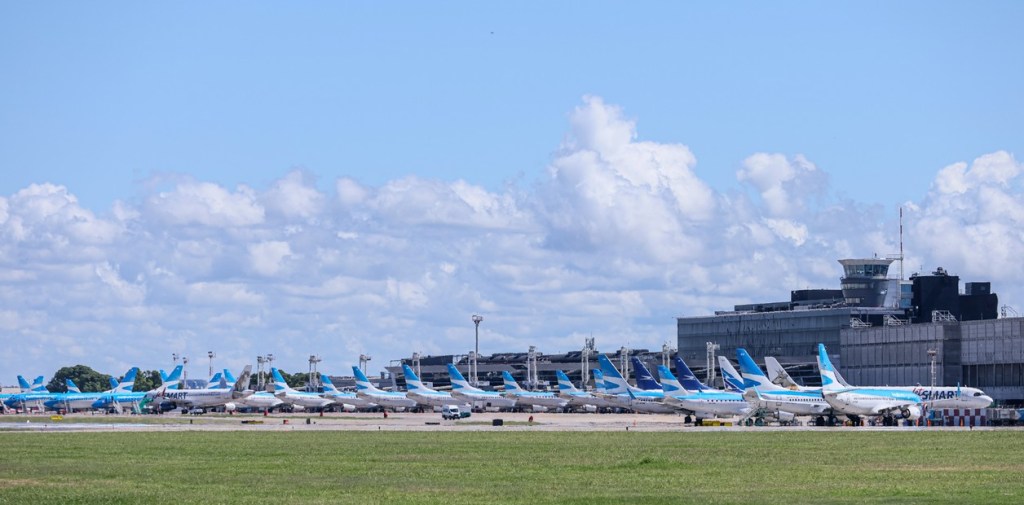
Las compañías aéreas de Argentina se verán afectadas el Jueves 10 de Abril de 2025 por el paro general de veinticuatro horas establecido por la Central General del Trabajo (CGT) con cancelaciones y reprogramaciones de sus vuelos. A raíz de las medidas de fuerza de los gremios aeronáuticos, las compañías Aerolíneas Argentinas y JetSMART Airlines Argentina anunciaron cancelaciones de vuelos domésticos este 10/04, con excepción de Flybondi, que trasladará toda su operación de Aeroparque a Ezeiza, donde tiene auto prestación de los servicios de rampa.
Para la tercera movilización contra las políticas de la administración de Javier Milei, las entidades aéreas que anunciaron su adhesión son la Asociación de Pilotos de Líneas Aéreas (APLA), la Asociación del Personal Aeronáutico (APA) y la Unión del Personal Superior y Profesional de Empresas Aerocomerciales (UPSA). Además, la Asociación de Técnicos y Empleados de Protección a la Aeronavegación (ATEPSA), que representa a los trabajadores de la navegación aérea, también se unirá a la convocatoria, por las que las operaciones de los aeropuertos de todo el país se verán afectadas.
Aerolíneas Argentinas Aerolíneas Argentinas informó en la tarde del Miércoles 09/04 que debido al paro general anunciado para el Jueves 10 de Abril de 2025, se cancelarán un total de 258 salidas, lo que afectará a cerca de 20.000 pasajeros y señalaron que «esta medida, ajena a la compañía, tendrá impacto en toda la red de operaciones y representará un costo estimado de US$ 3 millones de Dólares para la empresa».
La información indica que, del total de vuelos cancelados en la franja de 24 horas comprendida por la medida, 216 corresponden a la red de cabotaje, 25 a rutas regionales y 17 a rutas internacionales de largo alcance. «Con el objetivo de minimizar los efectos de la medida gremial, se reprogramaron los horarios de 14 vuelos internacionales fuera del período de afectación, logrando reubicar a todos los pasajeros de largo alcance. Además, se prestó asistencia a los pasajeros que ya se encontraban en tránsito mediante la red de alianzas internacionales», puntualiza el comunicado de la compañía.
La aerolínea ha logrado programar vuelos alternativos a más del 80% de los pasajeros afectados y que «se continúa trabajando para completar dicha tarea, para ello, se implementó una política comercial especial que permite realizar cambios de fecha sin cargo para volar dentro de los quince días posteriores a la medida de fuerza».
«Aerolíneas Argentinas adoptó todas las acciones posibles para mitigar el impacto del paro, medida de fuerza que no colabora en solucionar los problemas estructurales de la compañía. Aquellos empleados que se adhieran al paro verán descontado el día correspondiente en su liquidación mensual», advirtieron desde la compañía aérea.
Por otra parte, recomendaron a los pasajeros no concurrir a aeropuertos ni sucursales durante la jornada del paro, ya que no habrá atención presencial y sugirieron «revisar el correo electrónico informado en la reserva para recibir notificaciones sobre posibles modificaciones. En caso de haber adquirido el pasaje a través de una agencia de viajes, se sugiere consultar directamente con la misma. Para realizar gestiones o consultas, se encuentran disponibles los canales de autogestión en la aplicación de Aerolíneas Argentinas (disponible para iOS y Android) o en www.aerolineas.com.ar, donde también se podrá acceder a información adicional sobre otros medios de contacto», expresaron en el comunicado.
JetSMART Argentina JetSMART Airlines Argentina informó que, debido a las medidas gremiales se ven en la necesidad de cancelar todos los vuelos domésticos para ese día. Al mismo tiempo, confirmamos la operación de la totalidad de nuestros vuelos internacionales para esa misma fecha, con algunos ajustes y reprogramaciones, tanto de horario como de aeropuerto.
«Estas cancelaciones y cambios son consecuencia de una situación ajena a esta aerolínea y lamentamos los inconvenientes que estos puedan ocasionar. En caso de que el vuelo se vea afectado, el pasajero podrá optar por el cambio de fecha sin costo y sin diferencia tarifaria, para volar hasta el 30 de Abril de 2025 (sujeto a disponibilidad y restricciones)».
Respecto del impacto de la medida gremial, afectará a 66 vuelos domésticos y más de 10.000 pasajeros. Además, ocho vuelos internacionales se verán modificados en sus horarios y aeropuerto de origen/destino afectando a otros 1.500 pasajeros de Argentina y la región.
LATAM Airlines LATAM Airlines advirtió que, «debido al paro general anunciado para todo el país y la adherencia de los gremios que nuclean a los trabajadores de Intercargo, se ha visto obligada a cancelar y/o reprogramar su operación desde y hacia Argentina para el día 10 de Abril».
Aquellos pasajeros afectados por las cancelaciones y/o reprogramaciones del 10 de abril podrán acogerse a un cambio de fecha/vuelo sin costo (puede ser ida y/o regreso) para una nueva fecha, adelantando su vuelo o reprogramando posterior a la salida de su vuelo original. Algunos vuelos podrían no ser cancelados sino operar con alguna alteración en su horario y/o fecha de vuelo. Es por ello que sugieren a los pasajeros que confirmen el estado de su vuelo periódicamente a través de la página web https://www.latamairlines.com/ar/es/flight-status.
Flybondi Flybondi Líneas Aéreas informó que debido al paro general, toda su operación se realizará desde el Aeropuerto Internacional de Ezeiza. Allí tiene auto prestación del servicio de handling (asistencia en tierra a los aviones y a los pasajeros) por lo que concentrará en ese aeropuerto su programación para poder realizar 51 vuelos y trasladar a más de 9.000 pasajeros.
No obstante, indicaron que la aerolínea debió ajustar su operación del día, lo que implicó cambios de aeropuertos, de horarios y la cancelación de cuatro vuelos en escalas en donde el servicio de rampa es brindado por Intercargo. Flybondi tiene su propio servicio de rampa en el 80% de los aeropuertos donde opera.
PUBLISHER: Airgways.com DBk: Aerolineas.com / Jetsmart.com / Flybondi.com / Latam.com / Cgtoficial.org / Apla.org.ar/ Aeronauticosapa.org.ar / Atepsa.org.ar / Upsa-ospea.com.ar / Efe.co/Luciano González / Airgways.com AW-POST: 202503091646AR OWNERSHIP: Airgways Inc. A\W A I R G W A Y S ®
Nueva base en Wilmington para iniciar vuelos deportación Personas firman petición boicoteo aerolínea de bajo costo
La aerolínea estadounidense de bajo coste Avelo Airlines ha anunciado la apertura de una nueva base en el Aeropuerto Internacional de Wilmington (ILM), en Carolina del Norte. Con la nueva base vienen siete nuevas rutas sin escalas para la aerolínea, que opera una flota de veinte Boeing 737 Next Generation.
Con la apertura de la nueva base, la aerolínea comenzará a operar en su octava base. Avelo presta servicios a 55 ciudades en 23 estados, así como a Puerto Rico y cuatro destinos internacionales, incluidas las Bahamas, Jamaica, México y República Dominicana.
El fundador y Director Ejecutivo, Andrew Levy, dijo: «Continuamos cumpliendo nuestro propósito de inspirar a los viajes con la apertura de la base de Avelo en Wilmington y el crecimiento de nuestra red en estos mercados populares. Estas nuevas rutas permiten a Avelo expandir significativamente el servicio aéreo asequible, conveniente y confiable que nuestros clientes valoran. Nuestra inversión en Wilmington y estas rutas adicionales ejemplifican nuestro crecimiento continuo a medida que nos acercamos al cuarto aniversario del vuelo inaugural de Avelo».
Desde el Aeropuerto Internacional de Wilmington, la aerolínea servirá a destinos nacionales como el Aeropuerto de Boston (BOS), Manchester (MHT) en New Hampshire dos veces por semana (2Frq/S), Nashville (BNA) con un servicio tres veces por semana (3Frq/S) y Rochester (RST) Nueva York, dos veces por semana (2Frq/S) desde su última base.
El Aeropuerto de Wilmington se une a las bases existentes de Avelo en el Aeropuerto Hollywood-Burbank (BUR) de Los Ángeles, el Aeropuerto Tweed-New Haven (HVN) de Connecticut, el Aeropuerto Wilmington (ILG) de la región de Filadelfia y Delaware Valley, el Aeropuerto Internacional de Raleigh-Durham (RDU), el Aeropuerto del Condado de Sonoma (STS) del Área de la Bahía y el Aeropuerto Internacional de Lakeland (LAL) en Florida Central.
Desde que despegó el 28 de Abril de 2021, Avelo ha transportado a más de 6.6 millones de clientes en más de 53.000 vuelos. Según la aerolínea, «Avelo ha desbloqueado una nueva era de conveniencia, elección y competencia al volar rutas no atendidas a comunidades principalmente desatendidas en todo el país. La mayoría de las rutas de Avelo tienen al menos un aeropuerto pequeño y fácil de usar. Esto hace que viajar con Avelo sea una experiencia más suave, fácil y agradable que lidiar con las multitudes, la congestión y las largas caminatas en los aeropuertos más grandes».
Mientras tanto, Avelo también ha anunciado que comenzará a servir al Aeropuerto Internacional O’Hare (ORD) de Chicago con servicios sin escalas al Aeropuerto de Tweed-New Haven (HVN) en Connecticut, una base existente de Avelo. Esta ruta comenzará el 15 de mayo de 2025, con servicio dos veces por semana los Jueves y Domingos.
Acuerdo Avelo-DHS Avelo ha firmado un acuerdo con la Agencia de Control y Aplicación de la Inmigración del Departamento de Seguridad Nacional (DHS) de Estados Unidos para llevar a cabo vuelos de deportación. En concreto, la aerolínea basará tres de sus Boeing 737 en el aeropuerto de Mesa Gateway (AZA) en Arizona, y se espera que los primeros vuelos salgan el 12 de Mayo de 2025.
«Tener una parte de nuestra compañía dedicada a los vuelos chárter, sin exposición a las fluctuaciones de los precios del combustible o al riesgo de factores macroeconómicos, nos proporciona la estabilidad para hacer crecer nuestro negocio principal, que son los viajes regulares de pasajeros», dijo el CEO Andrew Levy.
La aerolínea operará los nuevos vuelos de deportación, a menudo denominados con el nombre críptico de «ICE Air» para disfrazar su naturaleza controvertida, utilizando tripulaciones dedicadas seleccionadas exclusivamente para trabajar en estos vuelos que no estarán programadas para trabajar en los servicios principales de Avelo Airlines en otros lugares de los Estados Unidos.
Opocisión vuelos ICE Air La aerolínea estadounidense de bajo costo Avelo Airlines se enfrenta a una reacción violenta después de llegar a un acuerdo con el Servicio de Inmigración y Control de Aduanas de Estados Unidos (ICE) para operar vuelos federales de deportación.
Los vuelos, que serán operados desde el Aeropuerto Mesa Gateway (AZA), Arizona, a partir de Mayo de 2025, son parte de la estrategia más amplia de la administración Trump para endurecer los controles de inmigración, incluida la detención de la entrada en la frontera sur y el aumento de la aplicación de la ley en el interior.
Avelo informó que tendrían tres aviones que saldrían del Aeropuerto Mesa Gateway (AZA) para apoyar los esfuerzos de deportación del departamento. Un portavoz de la aerolínea dijo que el avión incluirá tres Boeing 737-800, con vuelos nacionales e internacionales programados para comenzar el 12 de Mayo de 2025.
Sin embargo, el CEO de la aerolínea, Andrew Levy, admitió que esta decisión podría generar controversia. «Nos damos cuenta de que este es un tema delicado y complicado. Después de deliberaciones significativas, determinamos que este vuelo chárter nos brindará la estabilidad para continuar expandiendo nuestro servicio principal de pasajeros programados y mantener a nuestros más de 1.100 miembros de la tripulación empleados en los próximos años», dijo Andrew Levy en un comunicado.
Change.org, un sitio web que permite a los usuarios crear y firmar peticiones, ha publicado un comunicado en el que indica que la aerolínea está actualmente en proceso de contratación de personal, incluidos asistentes de vuelo, técnicos de aeronaves, así como líderes locales.
Un memorándum interno que se filtró revela que estos vuelos de deportación compensarán las pérdidas operativas en el aeropuerto de Tweed New Haven (HVN), financiando así el aeropuerto de New Haven a través de «crueles prácticas de deportación», continuó Change.org comunicado. New Haven es el centro más grande de Avelo, con más vuelos dentro y fuera de HVN que cualquier otro aeropuerto.
En respuesta, Change.org informó que actualmente cientos de personas están firmando una petición para boicotear a Avelo hasta que se detengan los planes de llevar a cabo vuelos de deportación. Actualmente, más de 3.400 personas han firmado la petición. La petición fue lanzada por la Coalición de Inmigrantes de New Haven, un grupo que aboga por los derechos de los inmigrantes en la región, donde se encuentra el principal centro de operaciones de Avelo Airlines en la costa este. «Las políticas crueles de Trump van en contra de todo lo que representamos. Estos vuelos son inhumanos, peligrosos y, en algunos casos, ilegales. Transportan a personas vulnerables, incluidos niños y mujeres, fuera del país, a veces sin el debido proceso», se lee en la petición de Change.org.
PUBLISHER: Airgways.com DBk: Aveloair.com / Ice.gov / Dhs.gov / Change.org / Airgways.com AW-POST: 202504082115AR OWNERSHIP: Airgways Inc. A\W A I R G W A Y S ®
Envuelta disputa geopolítica por vuelos al Sáhara Occidental
Ryanair se ha visto envuelta en una guerra geopolítica por sus vuelos que operan desde Madrid en España y la isla de Lanzarote hacia el disputado territorio del Sáhara Occidental en África. La aerolínea de bajo costo, junto con Transavia France desde París, opera servicios al Aeropuerto de Dajla, en el Sáhara Occidental, una antigua colonia española controlada en gran parte por Marruecos, pero que el Frente Polisario, respaldado por Argelia, afirmó ser un estado independiente durante décadas.
Ryanair comenzó a volar desde los aeropuertos españoles a Dakhla Airpprt (VIL), en el Sáhara Occidental ocupado, en Enero de 2025, conectando la ciudad con la capital española, Madrid, y la isla española de Lanzarote. «Dajla se convertirá en el decimotercer aeropuerto de la red marroquí de Ryanair, reforzando aún más la inversión de la aerolínea en el Reino», dijo el Consejero Delegado de Ryanair, Eddie Wilson, al anunciar las rutas a Dajla en Noviembre de 2024.
«Estamos entusiasmados de fortalecer la conectividad de Marruecos y la inversión de Ryanair en el Reino, impulsando el turismo y el crecimiento económico en esta región de Marruecos, respaldados por las tarifas inmejorables de Ryanair», dijo el Concejero Delegado de la aerolínea. Ryanair también subrayó su gratitud al Jefe de Gobierno marroquí «por su apoyo y visión para asegurar esta importante inversión en Marruecos», agregó.
Además, las publicaciones en las cuentas de redes sociales de la compañía publicadas el 14 de Noviembre de 2025 incluso mostraban a representantes de Ryanair posando con un cartel que mostraba la palabra ‘Dakhla’ mientras estaban de pie junto a una bandera marroquí.
El problema que ha surgido es que el territorio del Sáhara Occidental es visto por muchos, incluido el Frente Polisario, que no forma parte de Marruecos pero existe como un estado independiente que permanece bajo ocupación marroquí extranjera. Marruecos controla alrededor del 80% del Sáhara Occidental, donde las Naciones Unidas han realizado tareas de mantenimiento de la paz desde 1991 en lo que considera un territorio no autónomo.
El Frente Polisario, que controla el 20% restante del territorio, ha amenazado con emprender acciones legales si las compañías europeas siguen prestando servicios en el aeropuerto de Dajla, afirmando que no tienen los derechos de tráfico necesarios para hacerlo y que están operando los vuelos de forma ilegal. Cualquier acuerdo sobre el territorio debe ser aprobado por todas las partes involucradas, y como el Frente no había sido consultado antes de que comenzara el vuelo, las aerolíneas «están operando al margen del derecho internacional», dijo un portavoz del Frente Polisario.
El representante del Frente Polisario ante las Naciones Unidas en Ginebra, Oubi Bouchraya, dijo a la agencia de noticias AFP que era posible emprender acciones legales contra las aerolíneas que operan a Dajla. Las autoridades marroquíes quieren «imponer un hecho consumado de la ocupación del Sáhara Occidental involucrando a los actores económicos», agregó Oubi Bouchraya.
Ambas aerolíneas comenzaron a operar sus respectivos servicios a Dajla a principios de 2025 en respuesta a los incentivos ofrecidos para abrir la región por las autoridades turísticas marroquíes.
«Las últimas conexiones lanzadas han permitido duplicar la capacidad internacional del aeropuerto de Dajla, con alrededor de 47.000 asientos disponibles en 2024», dijo el Ministro de Turismo marroquí Fatim-Zahra Ammor.
En 2018, el Tribunal de Justicia de la Unión Europea (UE) dictaminó que el acuerdo de aviación entre la UE y Marruecos no se aplicaba al Sáhara Occidental, ya que el territorio no forma parte de Marruecos. Luego, en Diciembre de 2024, la Comisión Europea volvió a confirmar esta postura, informando a las dos aerolíneas de que el acuerdo de aviación entre la UE y Marruecos no se aplica a las rutas que conectan el territorio de un Estado miembro de la UE con el territorio del Sáhara Occidental. Si bien las Naciones Unidas se han encargado de preparar un referéndum de autodeterminación para el territorio, Marruecos se ha negado a permitir una votación en la que la independencia del Sáhara Occidental es una opción y el asunto se ha dejado en punto muerto desde entonces.
Ryanair dice que sus operaciones en la ruta cumplen con todas las regulaciones de aviación aplicables, mientras que Transavia insiste en que sus vuelos han sido validados por las autoridades pertinentes. Sin embargo, las licencias de operación de los transportistas solo les autorizan a servir a Marruecos, lo que plantea más preguntas sobre el estatus del Sáhara Occidental como estado independiente.
PUBLISHER: Airgways.com DBk: Ryanair.com / Airgways.com AW-POST: 202504082044AR OWNERSHIP: Airgways Inc. A\W A I R G W A Y S ®
Director Ejecutivo renuncia aerolínea tras salida bancarrota
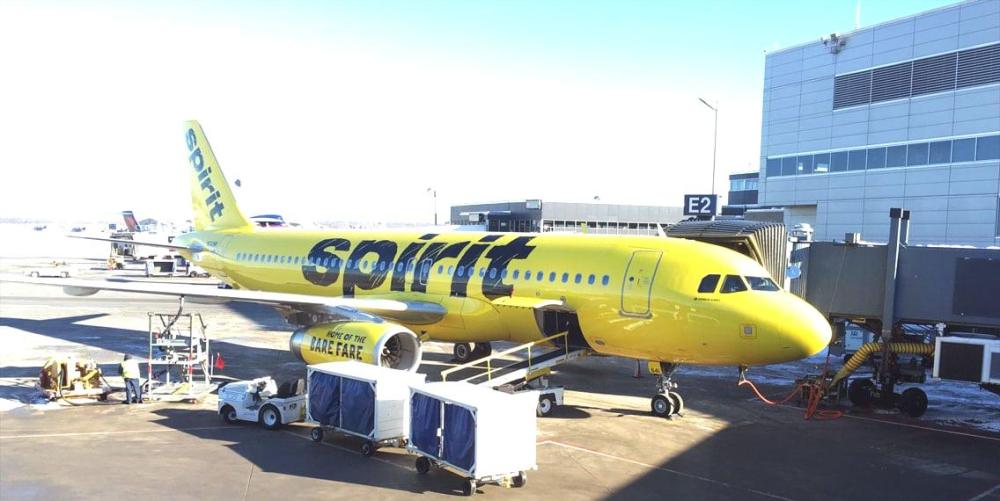
El Director Ejecutivo de Spirit Airlines, Ted Christie, anuncia su renuncia después de que la aerolínea saliera del proceso de bancarrota un mes después de que la aerolínea cumpliera la reestructuración del Capítulo 11.
En un comunicado emitido el 7 de Abril de 2025, la aerolínea confirmó que Ted Chirstie había renunciado y dijo que la Junta Directiva está en proceso de nombrar un reemplazo permanente. Hasta que se nombre a un nuevo CEO, la compañía será dirigida por una Oficina del Presidente interina, que incluye al Vicepresidente Ejecutivo y Director Financiero Fred Cromer, al Vicepresidente Ejecutivo y Director de Operaciones John Bendoraitis, y al Vicepresidente Senior y Consejero General Thomas Canfield.
«Agradezco a Ted por sus incansables esfuerzos en el transcurso de sus 13 años en la compañía. Ha visto mucho y ha hecho mucho durante su mandato aquí, incluida la conducción de la empresa a través de la crisis de COVID y múltiples coyunturas estratégicas, así como, más recientemente, una reestructuración corporativa», dijo Robert Milton, Presidente de Spirit Airlines.
Además, la aerolínea anunció que el Vicepresidente Ejecutivo y Director Comercial, Matt Klein, también dejará su cargo, y Rana Ghosh asumirá el cargo de Vicepresidente Senior y Director Comercial de inmediato. Estos cambios de liderazgo se producen en un momento en el que Spirit Airlines se enfrenta a continuas dificultades financieras, esfuerzos de reestructuración y una reciente declaración de bancarrota del Capítulo 11.
El 12 de Marzo de 2025, Spirit Airlines anunció que había salido de la reestructuración del Capítulo 11 después de que un tribunal de los Estados Unidos aprobara su plan de reorganización, que incluía una inversión de capital de US$ 350 millones de Dólares de los inversores existentes. En el mismo anuncio, la aerolínea dijo que Christie continuará liderando la aerolínea como presidente y director ejecutivo, junto con su equipo ejecutivo existente. Sin embargo, la aerolínea agregó que tendrá una Junta Directiva reconstituida.
Según la Comisión de Bolsa y Valores (SEC) de Estados Unidos, Spirit otorgó importantes bonificaciones de retención a sus altos ejecutivos en Noviembre de 2024, solo seis días antes del anuncio de su reestructuración y declaración de bancarrota. El informe de la SEC muestra que Ted Christie recibió un bono de retención de US$ 3,8 millones de Dólares. Matt Klein recibió un premio de retención de US$ 250,000. Sin embargo, el informe de la SEC establece que si los ejecutivos nombrados dejan de ser empleados activamente por Spirit antes del primer aniversario, entonces deben reembolsar a Spirit el monto bruto del premio de retención dentro de los diez días.
PUBLISHER: Airgways.com DBk: Spirit.com / Airgways.com AW-POST: 202504081947AR OWNERSHIP: Airgways Inc. A\W A I R G W A Y S ®
Aerolínea convertirá totalmente económica en 2Q2026
Air India Express ha anunciado el cambio de módulo como aerolínea clásica asociada a Air India, a una estructura como línea aérea de presupuesto. Se encuentra lista para reconfigurar la cabina de sus aviones de dos y tres clases a un diseño totalmente económico para Abril de 2026, dijo el Director Gerente Aloke Singh durante una conferencia de prensa en la sede de la compañía. «Ciertos aviones Boeing 737-8 serán reconfigurados y convertidos todos en clase económica», dijo Aloke Singh.
Los aviones en cuestión fueron entregados como colas blancas originalmente destinados a varias aerolíneas chinas. Air India Express los recogió cuando tenían las cabinas instaladas. Treinta y seis de los cuarenta y un Boeing 737-8 MAX operados por Air India Express cuentan con ocho asientos de clase ejecutiva, y otros dos aviones del tipo están equipados con cuatro de esos asientos. Los aviones también tienen diferentes configuraciones de clase económica, que van desde 150 a 186 asientos. Trece de los aviones también tienen 18 asientos económicos más cada uno. Adicionalmente Air India Express también opera dos A320-200neo con 12 asientos de clase ejecutiva cada uno.
La aerolínea espera aumentar su número de pasajeros en un 50% en el año fiscal 2026, hasta el 31 de Marzo de 2026, pasando de 20 millones a 30 millones. La aerolínea de bajo costo planea recibir quince aviones en el año fiscal 2026, incluidos 11 aviones nuevos de fábrica y cuatro fuselajes utilizados anteriormente por la empresa matriz Air India. En total, la aerolínea espera añadir 149 aviones en los próximos años, cincuenta Boeing 737-10 MAX (50) y noventa y nueve Boeing 737-8 MAX (99).
Air India Express opera actualmente una flota de 104 aviones que incluyen veinticuatro A320-200ceo (24), doce A320-200neo (12), veintiséis Boeing 737-800 (26) y cuarenta y dos Boeing 737-8 MAX (42). La aerolínea introducirá el A321-200neo en su flota a partir del 15 de Abril de 2025, en la ruta entre Delhi International—Goa Mopa.
PUBLISHER: Airgways.com DBk: Airindiaexpress.com / Airgways.com AW-POST: 202504081937AR OWNERSHIP: Airgways Inc. A\W A I R G W A Y S ®
El Tribunal de Apelación de la India National Company ha desestimado varias apelaciones contra una sentencia de enero de 2025 que ordenaba la liquidación de GO First Airlines. El Juez Ashok Bhushan dictó sus decisiones el 4 de Abril de 2025, desestimando apelaciones separadas del Sindicato Bhartiya Kamgar Sena Mumbai, el ex empleado Arjun Dhawan & Ors y el vehículo de inversión de Nishant Pitti, Busy Bee Airways Pvt. Ltd.
Nishant Pitti, quien fundó la agencia de viajes en línea EaseMyTrip, fue la persona de más alto perfil que intentó devolver la vida a GO First, que colapsó en Mayo de 2023. Si bien no logró detener la orden de liquidación, NishanPitti aún puede presentar una propuesta de compra de activos ante el liquidador y el Comité de Acreedores de GO First. Sostiene que la aerolínea india tiene algunos activos intangibles viables, incluido el valor de la marca y su licencia emitida por la Dirección General de Aviación Civil.
Nishant Pitti se había asociado previamente con Ajay Singh, propietario y Director Gerente de SpiceJet, para hacer una oferta para comprar GO First cuando se puso a la venta en 2024. Sin embargo, Nishant Pitti puso fin a su participación después de que un tribunal ordenara la cancelación del registro de los aviones de GO First y su devolución a sus arrendadores.
La liquidación de Go First permitirá a los acreedores y prestamistas recuperar parte de los Rs 65.210 millones de Rupias/US$ 759 millones de Dólares que se les deben.
PUBLISHER: Airgways.com DBk: Airgways.com AW-POST: 202504081825AR OWNERSHIP: Airgways Inc. A\W A I R G W A Y S ®