Planes nuevo Aeropuerto SEA-TAC

AW | 2023 02 04 22:02 | AIRPORTS / AVIATION ORGANISMS / GOVERNMENT

Oposición planes nuevo aeropuerto SEA-TAC
Consideran tres posibles ubicaciones de sitios

AW-Seattle-Tacoma Airport__Isologotype

Los funcionarios estatales predicen que el Aeropuerto Seattle-Tacoma/SEA maximizará su capacidad para 2050. Crece la oposición a los planes para el nuevo aeropuerto Sea-Tac. Una propuesta para construir un aeropuerto de 3.000 acres para acomodar el tráfico de aerolíneas y carga al sur de Seattle (WA) continúa encontrando una oposición generalizada. En Octubre 2022, la Comisión Coordinadora de Aviación Comercial (CACC) anunció que estaban estudiando tres ubicaciones, conocidas como greenfields, para la construcción de un nuevo aeropuerto para manejar pasajeros y carga. El proyecto, sin embargo, provocó oposición, que se ha vuelto más grande y más fuerte desde entonces.

El CACC, que se formó en 2019, está formado por miembros designados por el Gobernador. La organización comenzó la búsqueda de ubicación en el aeropuerto con diecinueve sitios, reduciendo la lista a tres para 2022, según Warren Hendrickson, Presidente del CACC. «No fue hasta que la comisión redujo la lista de campos verdes por tres y anunció que habría más estudios que llamamos la atención del público. En tres años, solo tuvimos 700 personas inscritas para la distribución directa de las actividades de CACC en el sitio web del Departamento de Transporte del Estado de Washington (WSDOT). A las tres semanas de anunciar que había tres campos verdes bajo consideración, apareció un grupo de Facebook y ahora tienen 4.200 miembros. La mayoría de las personas obtienen su información sobre este tema de las redes sociales, ya sea precisa o no», dijo Warren Hendrickson.

Warren Hendrickson ha trabajado en la industria de la aviación durante aproximadamente cincuenta años, como Piloto profesional, luego como planificador de aeropuertos y miembro de varias organizaciones estatales encargadas de garantizar que la infraestructura de aviación siga el ritmo de las crecientes necesidades de pasajeros y carga.

El Aeropuerto Internacional de Seattle-Tacoma (SEA/KSEA) ubicado en el Condado de King se está quedando sin capacidad. Los funcionarios estatales dicen que el aeropuerto alcanzará su capacidad para 2050, manejando 27 millones de pasajeros y 800.000 toneladas de carga al año. El estado está considerando opciones para aumentar la capacidad, incluida la construcción de un nuevo aeropuerto.

Tres ubicaciones potenciales

Hay reglas para la selección del sitio, señaló Warren Hendrickson. Los sitios alternativos no podían estar en el Condado de King y no podían afectar las operaciones de las bases militares establecidas. Dos aeródromos están en el Condado de Pierce, al sur de Seattle. El Condado de Pierce es el segundo condado más poblado del estado de Evergreen, con aproximadamente 876.764 residentes. Las ubicaciones se identifican como Pierce County Central y Pierce County East. Ambos se encuentran en áreas residenciales predominantemente rurales fuera del área del Límite de Crecimiento Urbano y tierras no desarrolladas con granjas, bosques y áreas de humedales, salpicadas de vecindarios y pequeñas empresas. Sin embargo, algunos residentes en estas áreas están informando a los funcionarios estatales que no quieren que se construya un aeropuerto en sus vecindarios, citando el aumento de la contaminación, el ruido y el desplazamiento de hogares y negocios. Entre los argumentos está que las ubicaciones potenciales en cuestión son sobre un acuífero que suministra agua potable para la mayor parte del condado de Pierce. La tercera ubicación propuesta está en el Condado de Thurston, cerca de Olympia, que es la capital del estado y ya tiene un aeropuerto municipal, el Aeropuerto Regional de Olympia/OLM, es una instalación con torres designada como un relevista para Sea-Tac. Fue construido en la década de 1920, ampliado durante la Segunda Guerra Mundial, y luego regresó al municipio después de la guerra. Actualmente, es el hogar de varias escuelas de vuelo, servicios chárter y operaciones de aviones estatales.

Expansión del aeropuerto existente

Al considerar la mejor manera de expandir la capacidad en la región, una sugerencia común es expandir las operaciones en el aeropuerto de Olympia y en Pierce County-Thun Field/PLU, ubicado al sur de Sea-Tac, así como en Tacoma Narrows/TIW, una instalación con torres ubicada al suroeste. Ambas son instalaciones de aviación general y son el hogar de una concurrida comunidad de entrenamiento de vuelo.

Desarrollar estos aeropuertos de aviación general para manejar el tráfico de carga y transportistas comerciales no es una opción, según Warren Hendrickson, quien dijo que no tienen el espacio para manejarlo. Además, el condado tiene dos grandes aeropuertos militares: McChord Field Airport/TCM y Gray Army Airfield/GRF. Ambas son instalaciones de Clase D ubicadas al sur de Tacoma. Comparten un límite y un nombre, ambos conocidos oficialmente como Base Conjunta Lewis-McChord, pues son adyacentes a Fort Lewis.

En Enero 2023, el ejército emitió un comunicado indicando que un nuevo aeropuerto comercial construido cerca de la Base Conjunta Lewis-McChord «sería incompatible con las operaciones de aviación militares y la preparación para la misión».

Warren Hendrickson señaló que en las reglas que rigen la selección del sitio, hay una estipulación de que el nuevo aeropuerto no puede afectar las operaciones de las bases militares establecidas, ni puede estar en el condado de King, que es el condado más poblado de Washington y hogar de Sea-Tac.

Es poco probable que se desarrolle alguno de los campos abiertos, dijo Warren Hendrickson: «Hasta la fecha, ningún gobierno a nivel local, o consejo soberano, ha brindado ningún nivel de apoyo a estos sitios greenfield. No hay apoyo del gobierno, cero apoyo soberano, el mensaje universal es: No, aquí no».

Opción Yakima

Una sugerencia bajo consideración es construir la instalación propuesta de 3,000 acres en el lado este del estado en el Valle de Yakima. Yakima Valley tiene una población de aproximadamente 256,035 y es el hogar de Yakima Air Terminal-McAllister Field/YKM, que ha estado en funcionamiento desde la década de 1920. Según los funcionarios del aeropuerto, YKM actualmente atiende a más de 70.000 pasajeros, un número proyectado para duplicarse para 2030. El aeropuerto es el hogar de compañías aéreas comerciales como Alaska Airlines, Sun Country Airlines, Swift Air, FedEx y United Parcel Service, así como una comunidad de aviación general saludable.

Los funcionarios del Condado de Yakima no respondieron a la solicitud de comentarios de la editorial FLYING. Según el Yakima Herald, los planificadores estatales indican que los funcionarios del condado de Yakima han expresado interés en que se construya un nuevo aeropuerto allí. «Yakima tuvo una respuesta positiva del 80 por ciento. El aeropuerto podría generar US$ 31.909 millones de Dólares en la economía y empleos», expresó Warren Hendrickson.

La ubicación de Yakima enfrenta el desafío de acceder a la ubicación desde el lado oeste del estado y requeriría que se mejoren las carreteras que cruzan las montañas Cascade y el ferrocarril para manejar un aumento en el tráfico.

Respuestas al SEA-TAC

La CACC tiene hasta Junio 2023 para hacer su recomendación al Estado de Washington (WA) para una nueva ubicación en el aeropuerto. En 1992, el estado vio que se acercaba el desafío y comenzó a buscar formas de mitigar el problema. «En 1992, se recomendó que se construyera una tercera pista en Sea-Tac. Eso se hizo. También se recomendó que se agregara el servicio de pasajeros en Paine Field (KPAE). Eso se hizo. La tercera recomendación fue construir otro aeropuerto en el condado de Pierce en el estrecho sur, y aquí estamos», dijo Warren Hendrickson.

New SEA-TAC Airports plants

Opposition new airport Sea-Tac
They consider three possible sites locations

AW-Seattle-Tacoma Airport__Isologotype-002

State officials predict that the Seattle-Tacoma Airport/SEA will maximize its capacity for 2050. The opposition to the plans for the new Sea-Tac Airport grows. A proposal to build an airport of 3,000 Acres to accommodate airline trafficking and load southern Seattle (WA) continues to find a generalized opposition. In October 2022, the Commercial Aviation Coordinating Commission (CACC) announced that they were studying three locations, known as Greenfields, for the construction of a new airport to handle passengers and cargo. The project, however, caused opposition, which has become larger and stronger since then.

The CACC, which was formed in 2019, is formed by members designated by the governor. The organization began the search for location at the airport with nineteen sites, reducing the list to three by 2022, according to Warren Hendrickson, president of the CACC. «It was not until the commission reduced the list of green fields by three and announced that there would be more studies that we attracted public attention. In three years, we only had 700 people registered for the direct distribution of CACC activities on the website of the Department of Transport of the State of Washington (WSDOT). After three weeks of announcing that there were three green fields under consideration, a Facebook group appeared and now they have 4,200 members. Most people get their information on this topic of the Social networks, either precise or not», said Warren Hendrickson.

Warren Hendrickson has worked in the aviation industry for approximately fifty years, as a professional pilot, then as an airport planner and a member of several state organizations responsible for ensuring that the aviation infrastructure follows the rhythm of the growing passenger and cargo needs.

The Seattle-Tacoma International Airport (SEA/KSEA) located in King County is running out of capacity. State officials say that the airport will reach its capacity for 2050, driving 27 million passengers and 800,000 tons of cargo per year. The State is considering options to increase the capacity, including the construction of a new airport.

Three potential locations

There are rules for site selection, said Warren Hendrickson. The alternative sites could not be in King County and could not affect the operations of the established military bases. Two aerodromes are in Pierce County, south of Seattle. Pierce County is the second most populous county in the State of Evergreen, with approximately 876,764 residents. The locations are identified as Pierce County Central and Pierce County East. Both are in predominantly rural residential areas outside the area of the urban growth limit and non-developed land with farms, forests and wetland areas, dotted with neighborhoods and small businesses. However, some residents in these areas are informing state officials who do not want an airport to be built in their neighborhoods, citing the increase in pollution, noise and displacement of households and businesses. Among the arguments is that the potential locations in question are on an aquifer that supplies drinking water for most of Pierce County. The third proposal location is in Thurson County, near Olympia, which is the state capital and already has a municipal airport, the Olympia Regional Airport/OLM, is an installation with towers designated as a reliever for Sea-Tac. It was built in the 1920s, extended during World War II, and then returned to the municipality after the war. Currently, it is home to several flight schools, charter services and state aircraft operations.

Expansion of existing airport

When considering the best way to expand capacity in the region, a common suggestion is to expand operations at Olympia airport and in Pierce County-Thun Field/PLU, located south of Sea-Tac, as well as in Tacoma Narrows/TIW, an installation with towers located southwest. Both are general aviation facilities and are home to a busy flight training community.

Developing these general aviation airports to handle load traffic and commercial carriers is not an option, according to Warren Hendrickson, who said they do not have the space to handle it. In addition, the county has two large military airports: Mcchord Field Airport/TCM and Gray Army Airfield/GRF. Both are class D facilities located south of Tacoma. They share a limit and a name, both officially known as the Lewis-Mcchord joint basis, as they are adjacent to Fort Lewis.

AW-SEA-TAC__Airplane hall international_001

In January 2023, the Army issued a statement indicating that a new commercial airport built near the Lewis-Mcchord joint base «would be incompatible with military aviation operations and mission preparation».

Warren Hendrickson said that in the rules that govern the site selection, there is a stipulation that the new airport cannot affect the operations of the established military bases, nor can it be in King County, which is the most populated county in Washington and Sea-Tac home.

It is unlikely that some of the open fields will develop, said Warren Hendrickson: «To date, no government at the local level, or sovereign council, has provided any level of support to these Greenfield sites. There is no government support, zero support, zero support Sovereign, the universal message is: No, here not».

Yakima option

A suggestion under consideration is to build the proposed installation of 3,000 acres on the east side of the State in the Yakima Valley. Yakima Valley has a population of approximately 256,035 and is the home of Yakima Air Terminal-Mcallister Field/YKM, which has been in operation since the 1920s. According to airport officials, YKM currently serves more than 70,000 passengers, a number Projected to double by 2030. The airport is home to commercial airlines such as Alaska Airlines, Sun Country Airlines, Swift Air, FedEx and United Parcel Service, as well as a healthy general aviation community.

Yakima County officials did not respond to the request for comments from the Flying publishing house. According to the Yakima Herald, state planners indicate that Yakima County officials have expressed interest in a new airport being built there. «Yakima had a positive response of 80 percent. The airport could generate US$ 31,909 million in the economy and jobs», said Warren Hendrickson.

The location of Yakima faces the challenge of accessing the location from the western side of the state and would require that the roads that cross the Cascade and the Railroad be improved to handle an increase in traffic.

Answers to the SEA-TAC

The CACC has until June 2023 to make its recommendation to the state of Washington (WA) for a new location at the airport. In 1992, the state saw that the challenge approached and began looking for ways to mitigate the problem. «In 1992, it was recommended that a third track be built in Sea-Tac. That was done. It was also recommended that the passenger service in Paine Field (KPAE) be added. That was done. The third recommendation was to build another airport in Pierce County in the Strait South, and here we are», said Warren Hendrickson.

PUBLISHER: Airgways.com
DBk: Portseattle.org/sea-tac / Portseattle.org/Don Wilson / Flying.com / Airgways.com
AW-POST: 202302042202AR
OWNERSHIP: Airgways Inc.
A\W A I R G W A Y S ®

Sacramento plan expansión

AW | 2023 02 04 19:29 | AIRPORTS / AIRLINES

Aeropuerto Sacramento revela plan expansión US$ 1.300 millones

AW-Sacramento International Airport__SMF__Isologotype

El Departamento de Aeropuertos del Condado de Sacramento reveló esta semana un plan de US$ 1.3 mil millones para la expansión y mejora del Aeropuerto Sacramento/SMF (CA). El Departamento de Aeropuertos del Condado de Sacramento reveló esta semana un plan de US$ 1.3 mil millones para la expansión y mejora de Sacramento International que, según dijo, será «el programa de construcción más grande en la historia del aeropuerto». En los seis años anteriores a la pandemia, el aeropuerto tuvo seis años consecutivos de números récord de pasajeros, dijeron las autoridades; El número de pasajeros del aeropuerto volvió a los niveles anteriores a la pandemia el año pasado y se espera que aumente en un 4,3% anual hasta 2041, lo que subraya la necesidad de expansión. El trabajo de construcción, que se espera que se lleve a cabo desde 2024 hasta 2027, incluye la expansión de la Terminal A y la Sala B, con más puertas y servicios adicionales para los pasajeros; un nuevo estacionamiento para la Terminal B; un centro de transporte terrestre consolidado que albergará a los proveedores de taxis, transporte y transporte fuera del sitio, y estará a poca distancia a pie de las terminales; y una pasarela peatonal de US$ 140 millones que une la Terminal B con la Sala B. El trabajo concluirá a fines de 2027 con la construcción de una instalación consolidada de alquiler de automóviles de US$ 400 millones que eliminará la necesidad de que los inquilinos viajen en un autobús de enlace para obtener sus automóviles.

Nuevos servicios SMF

Breeze Airways, de bajo costo, lanzará una nueva ruta desde SFO la próxima semana como parte de su última expansión. La aerolínea de bajo costo lanzará un nuevo servicio desde SFO el 08/02, operando vuelos dos veces por semana al Aeropuerto Cincinnati. Los vuelos sin escalas se ofrecerán los Miércoles y Sábados (2Frq/S), utilizando un Airbus A220-300 con tres categorías de asientos. Es parte de una expansión de red más amplia por parte de la aerolínea de 2 años este mes que también incluirá nuevos vuelos sin escalas desde Phoenix a Hartford, Connecticut, dos veces por semana y vuelos de una escala a Hartford desde San Bernardino. Breeze también planea comenzar el servicio dos veces por semana desde Phoenix a Richmond, Virginia, el 10 de Febrero de 2023 y a Bentonville-Fayetteville, Arkansas (cerca de la sede de Walmart), el 17/02. La aerolínea también está programada para agregar el Aeropuerto del Condado de Orange de California en Santa Ana a su mapa de rutas el 16/02 con servicio a Orlando, Florida, y a Provo, Utah; en la misma fecha, lanzará un servicio dos veces por semana desde San Bernardino a Las Vegas.

Sacramento plan expansion

Sacramento airport reveals expansion plan US$ 1.3 billion

AW-Sacramento Airport__Isotype

The Sacramento County Airport Department revealed this week a plan of US$ 1.3 billion for the expansion and improvement of the Sacramento Airport/SMF (CA). The Sacramento County Airport Department revealed this week a plan of US$ 1.3 billion for the expansion and improvement of Sacramento International that, he said, will be «the largest construction program in the history of the airport». In the six years prior to the pandemic, the airport had six consecutive years of passenger record numbers, authorities said; The number of airport passengers returned to the levels prior to the pandemic last year and is expected to increase in 4.3% annually until 2041, which underlines the need for expansion. The construction work, which is expected to be carried out from 2024 to 2027, includes the expansion of Terminal A and Room B, with more additional doors and services for passengers; a new parking lot for terminal B; A consolidated land transport center that will house taxis, transport and transportation suppliers outside the site, and will be at short distance from the terminals; and a pedestrian catwalk of US$ 140 million that joins terminal B with room B. The work will conclude at the end of 2027 with the construction of a consolidated installation of car rental of US$ 400 million that will eliminate the need for tenants Travel on a link bus to get their cars.

Airlines new services

Breeze Airways, low cost, will launch a new route from SFO next week as part of its last expansion. The low -cost airline will launch a new service from SFO on 08/02, operating flights twice a week to Cincinnati airport. The non-scales flights will be offered on Wednesdays and Saturdays (2Frq/S), using an Airbus A220-300 with three categories of seats. It is part of a broader network expansion by the two year-old airline this month that will also include new non-scales flights from Phoenix to Hartford, Connecticut, twice a week and flight flights to Hartford from San Bernardino. Breeze also plans to start the service twice a week from Phoenix to Richmond, Virginia, on February 10, 2023 and Bentonville-Fayetteville, Arkansas (near the headquarters of Walmart), on 02/17. The airline is also scheduled to add the Orange County Airport in California in Santa Ana to its route map on 02/16 with Orlando Service, Florida, and Provo, Utah; On the same date, it will launch a service twice a week from San Bernardino to Las Vegas.

PUBLISHER: Airgways.com
DBk: Saccounty.gov / Sacramento.aero / Airgways.com
AW-POST: 202302041929AR
OWNERSHIP: Airgways Inc.
A\W A I R G W A Y S ®
Chengdu retorna a Mohe Gulian

AW | 2023 02 02 14:52 | AIRLINES / AIRPORTS

ARJ21 retorna aeropuerto más septentrional de China

El COMAC ARJ21 ha vuelto a volar al Aeropuerto Mohe Gulian/OHE, el más septentrional de China después de veintidós meses de interrupción. El vuelo EU-1895 de Chengdu Airlines aterrizó en el aeropuerto a las 12:13 AM del 27/01, tras un lapso donde el aeropuerto ha estado realizando obras de expansión y renovación. Chengdu Airlines realizó la operación con su ARJ21-700, matrícula B-652F, restableciendo las operaciones con dos vuelos regulares, Harbin/HRB—Mohe Gulian/OHE con una parada intermedia, y una ruta directa desde Harbin/HRB—Mohe Gulian/OHE.

El Aeropuerto Mohe Gulian/OHE se puso en operación comercial en Junio de 2018. La primera ruta de vuelo comercial fue operada por China Southern Airlines, conectando esta ciudad más septentrional con la capital del país, Beijing, a través de la capital provincial, Harbin. Mohe Gulian es la ciudad más septentrional de China que actualmente está experimentando el temporal más frío de la historia, alcanzando registross de hasta -53° C, rompiendo la temperatura mínima histórica de -52.3° C.

Chengdu Airlines comenzó sus operaciones regionales en la Provincia de Heilongjiang. En 2022, Chengdu Airlines convirtió oficialmente a Harbin en su centro de operaciones en el Noreste de China. Después de la renovación del aeropuerto de Mohe, Chengdu Airlines reanudó sus operaciones en este aeropuerto más septentrional con dos vuelos programados:

EU1895/6 Harbin/HRB—Gagdach/JGD—Mohe Gulian/OHE, 4Frq/S los Lunes, Miércoles, Viernes y Domingos
EU1897/8 Harbin/HRB—Mohe Gulian/OHE, 3Frq/S, los Martes, Jueves y Sábados

Aeropuerto Mohe Gulian

La expansión y renovación del Aeropuerto de Mohe comenzó en Marzo de 2021 demandó veintidós meses de trabajos. Afortunadamente, casi todo el trabajo de construcción se realizó durante la pandemia, y la reanudación de la operación comercial llega en un momento en la recuperación posterior a la pandemia de la industria. La inversión total del proyecto de expansión y renovación del aeropuerto Mohe Gulian es de ¥ 805 millones de Yuanes/US$ 120 millones. Después de la expansión y renovación, la pista se ampliará a 2.800 metros, y se construyeron una nueva terminal, un edificio de control de tráfico aéreo y dos puentes de embarque. El aeropuerto es capaz de manejar aeronaves COMAC C919, Airbus A321 y Boeing 737-800 entre otras.

El Gobierno local dijo que la reanudación del Aeropuerto de Mohe mejoraría aún más la accesibilidad y la conveniencia de las divisas de Mohe, y traería nuevas oportunidades para la economía turística de Mohe y se abriría al mundo exterior. Después de la reanudación de la operación comercial, el aeropuerto se mejorará aún más para satisfacer el tráfico anual de pasajeros de 470.000, el tráfico de carga de 731 toneladas y la capacidad de despegue y aterrizaje de aeronaves de 5.596. Mejorará y mejorará efectivamente la capacidad de transporte de Mohe durante la temporada alta de turismo y promoverá el desarrollo económico y social de la zona forestal de las montañas Greater Khingan. El Aeropuerto de Mohe aumentará su tráfico con más servicios entre Mohe a Beijing, el delta del río Yangtze y las rutas aéreas del delta del río Perla.

Chengdu returns to Mohe Gulian

ARJ21 returns China’s most northern airport

The COMAC ARJ21 has fly again to the Mohe Gulian Airport/OHE, the northernmost of China after twenty-two months of interruption. The EU-1895 flight of Chengdu Airlines landed at the airport at 12:13 am on 01/27, after a period where the airport has been doing expansion and renewal works. Chengdu Airlines carried out the operation with its ARJ21-700, registration B-652F, restoring operations with two regular flights, Harbin/HRB—Mohe Gulian/OHE with an intermediate stop, and a direct route from Harbin/HRB—Mohe Gulian/OHE.

Mohe Gulian Airport/OHE was put in commercial operation in June 2018. The first commercial flight route was operated by China Southern Airlines, connecting this northernmost city with the capital of the country, Beijing, through the provincial capital, Harbin—Mohe Gulian is the northernmost city in China that is currently experiencing the coldest storm in history, reaching records of up to -53° C, breaking the minimum historical temperature of -52.3° C.

Chengdu Airlines began its regional operations in the province of Heilongjiang. In 2022, Chengdu Airlines officially turned Harbin into his operations center in the Northeast of China. After the renewal of the Mohe Airport, Chengdu Airlines resumed its operations at this northernmost airport with two scheduled flights:

EU1895/6 Harbin/HRB—Gagdach/JGD—Mohe Gulian/OHE, 4Frq/S on Mondays, Wednesday, Friday and Sunday
EU1897/8 Harbin/HRB—Mohe Gulian/OHE, 3Frq/S, Tuesdays, Thursdays and Saturdays

Mohe Gulian airport

The expansion and renewal of the Mohe Airport began in March 2021 demanded twenty -two months of work. Fortunately, almost all construction work was carried out during the pandemic, and the resumption of the commercial operation arrives at a time in the recovery after the industry pandemic. The total investment of the Mohe Gulian Airport is ¥ 805 million Yuan/US$ 120 million airport. After the expansion and renewal, the track will be extended to 2,800 meters, and a new terminal, an air traffic control and two boarding bridges were built. The airport is capable of handling Comac C919, Airbus A321 and Boeing 737-800 among others.

The local government said that the resumption of the Mohe airport would further improve the accessibility and convenience of Mohe’s currencies, and bring new opportunities for Mohe’s tourist economy and open to the outside world. After the resumption of the commercial operation, the airport will improve even more to satisfy the annual passenger traffic of 470,000, the load traffic of 731 tons and the takeoff and landing capacity of 596 aircraft. Mohe’s transport capacity will effectively improve and improve during the high tourism season and promote the economic and social development of the Greater Khingan mountains. The Mohe airport will increase its traffic with more services between Mohe to Beijing, the Yangtze river delta and the air routes of the Perla River Delta.

成都返回Mohe Gulian

ARJ21返回中國最北部機場

經過二十二個月的中斷,COMAC ARJ21再次飛往中國最北端的Mohe Gulian/Ohe機場。 在機場一直在進行擴建和更新工程的時期之後,歐盟1895年成都航空公司的航班於上午12:13降落在機場。成都航空公司使用其ARJ21-700,註冊B-652F進行了行動,並恢復了兩次常規航班,Harbin/HRB—Mohe Gulian/OHE帶有中間站,以及Harbin/HRB—Mohe Gulian/OHE 的直接路線。

Mohe Gulian/OHE機場於2018年6月投入商業運營。第一條商業飛行路線是由中國南部航空公司運營的,將這座最北端的城市與北京首都北京連接到省首都哈爾濱。 Mohe Gulian是中國最北端的城市,目前正經歷歷史上最冷的風暴,達到-53°C的記錄,破壞了-52.3°C的最低歷史溫度。

成都航空公司在海隆吉安根省開始了地區業務。 2022年,成都航空公司正式將Harbin變成了他在中國東北部的運營中心。 在莫希機場更新後,成都航空公司恢復了在最北部機場的運營,並進行了兩次預定航班:

EU1895/6 HARBIN/HRB -GAGDACH/JGD -MOHE GULIAN/OHE,4FRQ/S,星期一,星期三,星期五和周日
EU1897/8 Harbin/HRB—Mohe Gulian/OHE,3FRQ/S,星期二,星期四和星期六

Mohe Gulian機場

MOHE機場的擴張和續約始於2021年3月,需要二十個工作。 幸運的是,幾乎所有的建築工作都是在大流行期間進行的,商業運營的恢復是在行業大流行後一次恢復的時候到達的。 Mohe Gulian機場的總投資為805億元/1.2億美元的機場。 擴展和更新後,該軌道將延長至2,800米,並建造了一個新的航站樓,一個空中交通管制和兩個登機橋。 該機場能夠處理COMAC C919,空中客車A321和波音737-800。

地方政府說,莫希機場的恢復將進一步改善莫希貨幣的可及性和便利性,並為莫希(Mohe)的旅遊經濟帶來新的機會,並向外界開放。

恢復商業運營後,機場將有所改善,以滿足470,000的年度客流量,731噸的負載流量以及596架飛機的起飛和起飛容量。 Mohe的運輸能力將在高級旅遊季節有效地改善和改善,並促進更大的克林加亞山脈的經濟和社會發展。 Mohe機場將通過Mohe到北京,長江三角洲和Perla River Delta的航空路線之間的更多服務來增加其交通。

PUBLISHER: Airgways.com
DBk: Chenguairlines.com / Hljairport.com.cn /Airgways.com
AW-POST: 202302021452AR
OWNERSHIP: Airgways Inc.
A\W A I R G W A Y S ®
Cierran Bariloche 23/01 por ceniza

AW | 2023 01 24 11:31 | AIRPORT / AIR TRAFFIC

Aeropuerto Bariloche suspendido por suspensión ceniza volcánica

La ceniza en suspensión que se ha informado el Lunes 23/01 como consecuencia del intenso viento que azotó a la cordillera, afectó las operaciones aéreas del Aeropuerto Bariloche/Teniente Luis Candelaria/BRC de Argentina y obligó a cancelar hacia la noche cinco vuelos que debían aterrizar en Bariloche. Cinco servicios no pudieron aterrizar en la ciudad andina, algunos fueron desviados hacia Neuquén. El Martes 24/01 el aeropuerto funciona con normalidad.

La Subsecretaría de Protección Civil informó que el Lunes 23/01 se detectó «remoción eólica de ceniza volcánica vieja y bruma», según datos del Servicio Geológico Minero Argentino que precisó que se trata del material que permanece en la superficie del Cordón Caulle Puyehue que erupcionó en Junio de 2011. Esta situación afectó la operatoria de vuelos. Algunos que estaban en viaje, anoche fueron desviados al Aeropuerto de Neuquén.

Aeropuertos Argentina 2000, que administra el aeropuerto internacional de Bariloche, ha comunicado que fueron cancelados los vuelos que debían arribar el Lunes 23 de Enero de 2023 a partir de las 21:15 de la noche y hasta el servicio que debía aterrizar a la 01:30 del Martes 24/01. Cuatro de estos vuelos pertenecían a Aerolíneas Argentinas y uno a la empresa JetSMART Airlines Argentina.

El Aeropuerto Bariloche ha restablecido sus operaciones con normalidad a partir de la mañana del Martes 24/01. Partieron esta mañana con normalidad dos vuelos, uno de Flybondi y otro de Aerolíneas Argentinas. arribó el vuelo JetSMART Airlines Argentina WJ 3182 a las 09:17hs. Despegaban de la aeroestación los vuelos de Aerolíneas Argentinas AR 1917 hacia Buenos Aires/AEP a las 09:30, mientras que el vuelo AR1687 lo hacía a las 10:40 hs. A las 09:52 también despegaba el vuelo WJ 3183de JetSMART hacia Buenos Aires/AEP. Para Bariloche el 24/01 se encuentran programados diecisiete vuelos desde distintos puntos del país, según consigna el esquema de programación para el día de Aeropuertos Argentina 2000.

Bariloche closed 01/23 by ash

Bariloche Airport suspended for volcanic ash suspension

The suspension ash that has been reported on Monday 01/23 as a result of the intense wind that hit the mountain range, affected the air operations of the Bariloche/Lieutenant Luis Candelaria Airport/BRC of Argentina and forced to cancel five flights that owed land in Bariloche. Five services could not land in the Andean city, some were diverted to Neuquén. On Tuesday 24/01 the airport works normally.

The Undersecretariat of Civil Protection reported that on Monday 01/23, «wind removal of old volcanic and mist» in June 2011. This situation affected the flight operation. Some who were on a trip, last night were diverted to Neuquén Airport.

Aeropuertos Argentina 2000 (AA2000), which manages the Bariloche International Airport, has reported that the flights that should arrive on Monday, January 23, 2023 from 9:15 p.m. and until the service that had to land at 01:30 on Tuesday 24/01. Four of these flights belonged to Aerolíneas Argentinas and one to the company JetSMART Airlines Argentina.

The Bariloche Airport has restored its operations normally from the morning of Tuesday 24/01. Departed this morning normally two flights, one from Flybondi and another from Aerolíneas Argentinas. The JetSMART Airlines Argentina WJ3182 flight arrived at 09:17 hs. The flights of Aerolíneas Argentinas AR1917 to Buenos Aires/AEP at 09:30, while the AR1687 flight did so at 10:40 hs. At 09:52 the WJ3183 de JetSMART flight to Buenos Aires/AEP also took off. For Bariloche on 24/01, seventeen flights are scheduled from different parts of the country, according to the programming scheme for Argentine Airports 2000.

PUBLISHER: Airgways.com
DBk: Aa2000.com.ar / Segemar.gov.ar / Airgways.com
AW-POST: 202301241131AR
OWNERSHIP: Airgways Inc.
A\W A I R G W A Y S ®

Aerolíneas cargueras a AIFA

AW | 2023 01 24 10:41 | AIRPORTS / AIRLINES / GOVERNMENT

Aerolíneas cargueras comienzan traslado al AIFA

Líneas aéreas cargueras han comenzado a aceptar la migración completa al Aeropuerto Felipe Ángeles/AIFA, pero les preocupa el periodo de noventa (90) días para migrar el Ciudad de México/AICM al nuevo aeropuerto en Santa Lucía. Tras la publicación del anteproyecto del Decreto para suspender las operaciones exclusivas de carga en el Aeropuerto Internacional de la Ciudad de México/AICM, las aerolíneas dedicadas al traslado de mercancías y otros productos, han comenzado a ceder para realizar la migración hacia la nueva aeroestación.

Las líneas aéreas cargueras han comenzado a aceptar la migración completa de operaciones propuesta con el Gobierno y la cual han trabajado durante alrededor de nueve meses, confirman fuentes involucradas en el proceso. Las empresas cargueras han expresado, en contraparte, que el periodo de noventa días asignado para mover toda las operaciones de carga no es el idóneo para poder realizarlo de una forma segura y eficiente. Por ejemplo, la aerolínea Mas Air, la más importante en el país entre las firmas de carga, ha sugerido que el plazo para poder realizar la migración de forma segura debe ser de, por lo menos, 180 días hábiles. “Resulta también esencial que antes de cualquier migración, se garantice por parte de la autoridad aeronáutica mexicana, que no existirán obstáculos en el proceso de modificación a las autorizaciones de las rutas que actualmente se operan desde el Aeropuerto Internacional de la Ciudad de México, para los aeropuertos que los operadores elijan para continuar operando, considerando desde luego, la operación de las rutas hacia los Estados Unidos afectadas por la degradación de categoría”, dijo Alejandro Cobián, Director Legal de Mas Air en un comentario ante el anteproyecto presentado en la Conamer.

Carlos Torres, especialista independiente del sector aéreo, señala que debido a la degradación en seguridad aérea, las aerolíneas cargueras estarían impedidas para abrir rutas desde otros aeropuertos en el Valle de México hacia los aeropuertos que ahora conectan, con operaciones de carga, pero que la intención del Gobierno sería, como se ha planteado la migración, recuperar la categoría en los siguientes noventa días. Además, el especialista indica que la migración de operaciones desde el AICM difícilmente puede realizarse a otro aeropuerto que no sea el AIFA, pues en la zona, aunque haya otros puertos aéreos, no hay ninguno que tenga las condiciones de infraestructura necesarias para recibir el volumen de carga que se opera en el AICM. “Toluca, Puebla, Querétaro no tienen las condiciones para albergar la carga que se mueve, sobre todo, internacionalmente. Con la apertura del AIFA, y si bien el decreto no puede obligar a las aerolíneas a ir allí, este se convierte en el candidato natural. Y, además, tiene oportunidades de crecimiento”, remarca Carlos Torres.

El punto central, por ahora, es la forma en que se dará la migración. Para Grupo Avianca, los efectos de la restricción de operaciones cargueras será el incremento de costos del transporte aéreo y almacenamiento, además del aumento en los tiempos de tránsito a la Ciudad de México. “En nuestro caso el impacto es cercano al 16 por ciento de los ingresos procedentes en carga. Visto lo anterior, y sin ser el ideal para nosotros, si se considera implementar la restricción en cuestión, sugerimos respetuosamente, antes de ello se logre articular los siguientes procesos y tiempos, todos tendientes a mitigar el impacto en costos y competitividad de la restricción en este segmento complementario al transporte aéreo de pasajeros”, señaló Avianca. La compañía colombiana ha expresado que se extienda el plazo a un año para poder realizar la migración integral del área de carga.

El Gobierno de México ha señalado que el motivo para suspender las operaciones de carga en el Aeropuerto Ciudad de México/AICM, que no incluye los vuelos de pasajeros en donde también se lleva carga en la bodega del avión, es la saturación del espacio aéreo y de las terminales que conforman el Aeropuerto Benito Juárez/AICM. No obstante, las operaciones exclusivas de carga representan no más del 3% de los vuelos que se tiene en un día en el AICM, además que estas operaciones no se llevan a cabo en franjas horarias saturadas.

“El resultado de la aplicación del decreto no ayudará a descongestionar la saturación actual del AICM ya que las operaciones de carga únicamente absorbe el 3 por ciento del total de las operaciones diarias, adicionalmente la mayoría de los horarios en que se realiza la operación no son los saturados”, precisa la Cámara Nacional de Aerotransportes (Canaero).

De acuerdo con los documentos disponibles en la Comisión Nacional de Mejora Regulatoria (Conamer), el movimiento de operaciones desde el AICM al AIFA costaría MX$ 713.706 Pesos, e impactaría a los dieciséis concesionarios que exclusivamente manejan carga en el aeropuerto capitalino, además de a los trabajadores que tendrían que migrar, de igual forma, hacia la zona de Zumpango, en el Estado de México. Por ahora, pese a los comentarios vertidos de las líneas aéreas, el Gobierno mexicano insiste en el periodo de noventa días como plazo.

Airlines freighters for AIFA

Airlines cargo begin transfer to AIFA

The airlines freighters have begun to accept full migration to Felipe Ángeles Airport/AIFA, but they are worried about the period of ninety (90) days to migrate Mexico City/AICM to the new airport in Santa Lucía. After the publication of the draft decree to suspend exclusive load operations at the Mexico City International Airport/AICM, the airlines dedicated to the transfer of goods and other products, have begun to transfer to carry out migration to the new aerostation.

The loading airlines have begun to accept the complete migration of operations proposed with the government and which have worked for about nine months, confirm sources involved in the process. Cargueras companies have expressed, in counterpart, that the ninety -day period assigned to move all load operations is not the ideal to be able to do it in a safe and efficient way. For example, the most Air airline, the most important in the country among load firms, has suggested that the deadline to be able to perform migration safely should be at least 180 business days. “It is also essential that before any migration, the Mexican aeronautical authority is guaranteed by The airports that the operators choose to continue operating, of course, the operation of the routes to the United States affected by the degradation of category”, said Alejandro Cobián, legal director of Mas Air in a comment before the draft presented in the Conamer .

Carlos Torres, an independent air sector specialist, points out that due to degradation in air safety, loaders would be prevented to open routes from other airports in the Valley of Mexico to the airports that now connect, with load operations, but that the Government’s intention would be, as migration has been raised, recovering the category in the next ninety days. In addition, the specialist indicates that the migration of operations from the AICM can hardly be done to another airport other than AIFA, because in the area, although there are other air ports, there is none that has the infrastructure conditions necessary to receive the volume of load that is operated in the AICM. “Toluca, Puebla, Querétaro does not have the conditions to house the load that moves, above all, internationally. With the opening of AIFA, and although the decree cannot force airlines to go there, it becomes the natural candidate. And, in addition, it has growth opportunities”, says Carlos Torres.

The central point, for now, is the way in which migration will be given. For Grupo Avianca, the effects of the restriction of cargo operations will be the increase in air transport costs and storage, in addition to the increase in transit times to Mexico City. “In our case the impact is close to 16 percent of the income from loading. Seen the above, and without being the ideal for us, if it is considered to implement the restriction in question, we respectfully suggest, before that it is possible to articulate the following processes and times, all tending to mitigate the impact on costs and competitiveness of the restriction in restriction in This complementary segment to passenger air transport”, said Avianca. The Colombian company has expressed that the deadline is extended to one year to be able to carry out the integral migration of the cargo area.

The Government of Mexico has indicated that the reason for suspending cargo operations at Mexico City Airport/AICM, which does not include passenger flights where it also takes charge in the airplane cellar, is the saturation of the airspace and of the terminals that make up the Benito Juárez/AICM airport. However, exclusive load operations represent no more than 3% of the flights in one day in the AICM, and these operations are not carried out in saturated time stripes.

“The result of the application of the decree will not help decongest the current saturation of the AICM since load operations only absorb 3 percent of the total daily operations, additionally most of the schedules in which the operation is carried out are not The saturated ones”, says the National Airborne Chamber (Canaero).

According to the documents available in the National Regulatory Improvement Commission (CONAMER), the movement of operations from the AICM to AIFA would cost MX$ 713,706 Pesos, and would impact the sixteen concessionaires that exclusively handle load at the capital airport, in addition to to workers who would have to migrate, in the same way, to the Zumpango area, in the State of Mexico. For now, despite the spilled comments of the airlines, the Mexican government insists on the period of ninety days as a term.

PUBLISHER: Airgways.com
DBk: Gob.mx/conamer / Canaero.org.mx / Airgways.com
AW-POST: 202301241041AR
OWNERSHIP: Airgways Inc.
A\W A I R G W A Y S ®

Toma de aeropuertos peruanos

AW | 2023 01 20 09:57 | AIRPORTS / AIR TRAFFIC / GOVERNMENT

Suspensiones operaciones aeropuertos en Perú

El paro nacional en la República del Perú continúa el Jueves 19/01 en varias regiones, con bloqueos de carreteras y marchas que afectan al 27% del país. Mientras tanto, en Lima se registra una gran movilización con demandas como el cierre del Congreso, la Asamblea Constituyente y la dimisión de la Presidenta Dina Boluarte. En este marco de caos, tres aeropuertos estuvieron a punto de ser tomados este jueves por manifestantes. Los aeropuertos peruanos de Arequipa, Cusco y Juliaca fueron epicentro de enfrentamientos entre manifestantes y efectivos policiales en el marco del paro nacional. La decisión del cierre temporal de las aeroestaciones de Arequipa y Cusco fueron preventivas, mientras que Juliaca está inoperativo por los enfrentamientos y el desorden social de público conocimiento.

En Arequipa, la segunda ciudad más poblada del país, cientos de protestantes trataron de ingresar a las instalaciones del Aeropuerto Alfredo Rodríguez Ballón, cuyas operaciones fueron suspendidas en la mañana de 19/01 como medida de prevención. Los manifestantes rompieron las vallas metálicas del perímetro del terminal aéreo, a lo que respondieron los agentes policiales con el lanzamiento de bombas lacrimógenas. El Ministerio de Transportes y Comunicaciones informó del cierre “en salvaguarda de la integridad de la ciudadanía y la seguridad de las operaciones aeronáuticas”.

En el transcurso, el Gobierno del Perú suspendió también las operaciones del Aeropuerto Internacional Alejandro Velasco Astete de Cusco, la puerta de entrada a Machu Picchu, donde los manifestantes intentaron orquestaron un ataque con piedras a las fuerzas del orden.

El tercer incidente en lo que va de la jornada se registró en el Aeropuerto Inca Manco Cápac de Juliaca, en Puno, inoperativo desde hace unos días. Más del 30% del cerco perimétrico se encuentra afectado y al menos 15.000 pasajeros se han visto impedidos de viajar tras su cierre, lo que hace un total de 100 vuelos a la semana. Hace una semana, Aeropuertos Andinos del Perú había anunciado que la rehabilitación de este terminal aéreo, atacado también en Diciembre de 2022, demoraría al menos treinta días. Desde entonces, el panorama de bloqueos y enfrentamientos afecta a casi seiscientos vuelos y 150.000 pasajeros. Las repercusiones podrían llegar hasta Julio 2023, señalan expertos.

Peruvian airport taking

Suspensions of operations in airports in Peru

The national strike in the Republic of Peru continues on Thursday 01/19 in several regions, with road blockages and marches that affect 27% of the country. Meanwhile, in Lima there is a great mobilization with demands such as the closing of the Congress, the Constituent Assembly and the resignation of President Dina Boluarte. In this framework of chaos, three airports were about to be taken this Thursday by protesters. The Peruvian airports of Arequipa, Cusco and Juliaca were an epicenter of clashes between protesters and police officers within the framework of the national strike. The temporary closure decision of Arequipa and Cusco aerostations were preventive, while Juliaca is inoperative for clashes and the social disorder of public knowledge.

In Arequipa, the second most populous city in the country, hundreds of Protestants tried to enter the facilities of Alfredo Rodríguez Ballón airport, whose operations were suspended on the morning of 19/01 as a prevention measure. The protesters broke the metal fences of the perimeter of the air terminal, to which the police officers responded with the launch of tear bombs. The Ministry of Transport and Communications reported the closing «in safeguarding the integrity of citizenship and the security of aeronautical operations».

In the course, the Government of Peru also suspended the operations of the Alejandro Velasco Astete de Cusco International Airport, the entrance door to Machu Picchu, where the protesters tried orchestrated an attack with stones at the forces of the order.

The third incident in the day of the day was recorded at the Inca Manco Cápac airport in Juliaca, in Puno, inoperative for a few days. More than 30% of the perimeter fence is affected and at least 15,000 passengers have been prevented from traveling after closing, which makes a total of 100 flights a week. A week ago, Andean airports of Peru had announced that the rehabilitation of this air terminal, also attacked in December 2022, would take at least thirty days. Since then, the scene of blockages and confrontations affects almost six hundred flights and 150,000 passengers. The repercussions could arrive until July 2023, experts point out.

PUBLISHER: Airgways.com
DBk: Aap.com.pe / Gob.pe / Gob.pe/mtc / Airgways.com
AW-POST: 202301200957AR
OWNERSHIP: Airgways Inc.
A\W A I R G W A Y S ®

Sauce Viejo certificación internacional

AW | 2023 01 19 15:15 | AIRPORTS / AVIATION ORGANISMS

Aeropuerto certificará bajo estándares internacionales OACI

AW-Provincia Santa Fe__0001

AW-Aeropuerto Sauce Viejo__Isologotype

El Aeropuerto Sauce Viejo/SFN localizado en la Provincia de Santa Fe, Argentina, alcanzará una certificación internacional. Junto a las Autoridades de la provinciales y el explotador del aeródromo de Sauce Viejo, la Administración Nacional de Aviación Civil (ANAC) de Argentina, organismo descentralizado dependiente del Ministerio de Transporte que dirige Diego Giuliano, dio inicio al proceso de certificación del Aeropuerto de Sauce Viejo, también conocido como Aeropuerto Metropolitano de Santa Fe.

La certificación de aeródromos es un requisito de la Organización de Aviación Civil Internacional (OACI), organismo de Naciones Unidas que regula la aviación civil mundial para los países miembros, entre los cuales se encuentra Argentina. El objetivo es garantizar operaciones de aeródromo seguras y eficientes, a través de un proceso integral definido que examina varios componentes de los aeródromos en los que se registren operaciones regulares de transporte aéreo público internacional, con a fin de verificar su cumplimiento con las normas internacionales.

Impulsado por la cartera de Transporte, autoridades de ANAC, a cargo de Paola Tamburelli, han continuado con los planes de certificaciones de aeropuertos en Argentina. Advirtieron que sólo un aeropuerto había superado las cinco fases que se requieren franquear para alcanzar la certificación bajo los Estándares de la OACI, y menos del 30% de toda América Latina pudieron obtenerla. En ese sentido, se estableció un plan de certificación con esta meta para fines del año 2023, habiéndose culminado la certificación de las aeroestaciones de Rosario, Mendoza y Tucumán.

La legitimación de Santa Fe no es sólo cumplir con requisitos internacionales. Esta certificación indica a todos los Estados miembros que sus ciudadanos, turistas, sus viajeros de negocios y sus líneas aéreas pueden arribar y partir del Aeropuerto de Sauce Viejo con la certeza de que brinda un transporte aéreo seguro y eficaz, elevando el coeficiente de cumplimiento de Argentina en esta asignación. Asimismo, significa la confianza y el interés de nuevas aerolíneas que quieran operar, a la vez que potencie el turismo, más carga, más empleos, y más ingreso de divisas, con el impacto positivo que ello aporta a la economía.

Sauce Viejo international certification OACI

Sauce Viejo Airport will certify under international standards

The Sauce Viejo Airport/SFN located in the Province of Santa Fe, Argentina, will reach an international certification. Together with the provincial authorities and the exploiter of the Sauce Viejo Aerodrome, the National Civil Aviation Administration (ANAC) of Argentina, a decentralized body dependent on the Ministry of Transportation directed Viejo, also known as Santa Fe Metropolitan Airport.

Aerodromes certification is a requirement of the International Civil Aviation Organization (ICAO), the United Nations Agency that regulates world civil aviation for member countries, among which is Argentina. The objective is to guarantee safe and efficient aerodrome operations, through a defined comprehensive process that examines several components of the airfields in which regular international public air transport operations are registered, in order to verify compliance with international standards.

Promoted by the transport portfolio, AAC authorities, by Paola Tamburelli, have continued with the airport certifications plans in Argentina. They warned that only an airport had exceeded the five phases that are required to cross to achieve certification under ICAO standards, and less than 30% of all Latin America could obtain it. In that sense, a certification plan was established with this goal by the end of the year 2023, the certification of the aerostations of Rosario, Mendoza and Tucumán having completed.

The legitimation of Santa Fe is not only to meet international requirements. This certification indicates to all the Member States that their citizens, tourists, their business travelers and their airlines can arrive and from the Sauce Viejo airport with the certainty that it provides a safe and effective air transport, raising the coefficient of compliance with the fulfillment of compliance with Argentina in this assignment. It also means the trust and interest of new airlines that want to operate, while promoting tourism, more load, more jobs, and more currency income, with the positive impact that this contributes to the economy.

PUBLISHER: Airgways.com
DBk: Twitter.com/aeropuertosv / Argentina.gob.ar / Anac.gov.ar / Airgways.com
AW-POST: 202301191515AR
OWNERSHIP: Airgways Inc.
A\W A I R G W A Y S ®

Argentina, lowcosts y Aeroparque

AW | 2023 01 10 14:57 | AIRLINES / AIRPORTS / AIRLINES MARKET / GOVERNMENT

Reaviva polémica por low cost en Aeroparque

El Gobierno de Argentina dispuso una medida de regionalización para las líneas aéreas que ofrecen vuelos regionales en el Aeropuerto Buenos Aires/Jorge Newbery/AEP y resurgió un reclamo de las low-cost argentinas. El cambio que habilitó el Gobierno reaviva una vieja disputa de slots para las aerolíneas de presupuesto local.

La regionalización de Aeroparque ha reavivado la puja política entre el Gobierno con las low-cost debido al viejo reclamo de las low cost para aumentar los amarres (slots) en la aeroestación de la Ciudad de Buenos Aires. El reclamo se fundamenta legítimamente en que el cierre del Aeropuerto El Palomar/EPA por parte del Gobierno de turno permitiría a las líneas aéreas argentinas low cost migrar su base operativa hacia el Aeropuerto Buenos Aires/Jorge Newbery/AEP. Tras la finalización del reacondicionamiento de las obras de ampliación y mejoramiento de Aeroparque en Marzo 2021, el Gobierno se había comprometido a habilitar todos los vuelos regulares de las aerolíneas low cost Flybondi Líneas Aéreas y JetSMART Airlines Argentina, pero las solicitudes han sido reiteradamente postergadas en favor de Aerolíneas Argentinas.

Actualmente, las low cost operan algunos vuelos desde Aeroparque y otras rutas regionales desde el Aeropuerto Ezeiza/EZE, mientras que el mayor número de amarres en Aeroparque representan para Aerolíneas Argentinas.

Regionalización & 6º libertad

A través de la Resolución Nº744/2022 publicada en el Boletín Oficial, la Administración Nacional de Aviación Civil (ANAC) les permite ahora a las aéreas que ofrecen vuelos en Aeroparque vender pasajes con conexión. De esa manera, se pone en práctica la sexta libertad aérea, posibilitando viajar desde Aeroparque haciendo escala en países de la región para seguir a otro destino final y viceversa. La noticia fue recibida con beneplácito por las líneas aéreas clásicas por los beneficios que traerá; pero las low-cost no han aplaudido este beneficio porque no ha sido inclusivo. Aunque aseguran que a ellas no les impacta de lleno en el tráfico diario, insisten con un viejo pedido: recibir la autorización para aumentar su capacidad operativa en el Aeropuerto Buenos Aires/Jorge Newbery. Tras el cierre de El Palomar, las low-cost tuvieron que trasladar casi toda su operación al Aeropuerto Ezeiza/EZE.

Desde ANAC afirmaron que «están dadas las condiciones para permitir la sexta libertad en Aeroparque y se hicieron los estudios correspondientes para evaluar que no se sature la capacidad». Pero las low-cost apuntan que, desde que cerró el Aeropuerto low cost El Palomar, quieren llevar más aviones a la terminal aérea porteña para aumentar las frecuencias aéreas que ofrecen y no pueden hacerlo ante la falta de decisión política del Gobierno de Argentina.

Argumentan que el hecho de que ahora los pasajeros podrán volar desde Aeroparque a países de la región para seguir viaje en conexión al Caribe o los Estados Unidos va en desmedro de los usuarios que eligen viajar a destinos de cabotaje con tarifas más bajas y tienen que movilizarse hasta Ezeiza, lo que implica un gasto de tiempo y dinero para quienes viven cerca de la base metropolitana.

Desde Aeroparque las low cost operan discretamente algunas rutas domésticas. Flybondi vuela de forma directa solo a Florianópolis. El resto de sus vuelos a Brasil que comprende Río de Janeiro y São Paulo y a Asunción (Paraguay) se operan desde Ezeiza. En tanto, JetSMART Airlines Argnetina tiene vuelos solo en la ruta Buenos Aires—Santiago de Chile.

La regionalización y la aplicación de la sexta libertad para el Aeroparque permitirá beneficiar a Aerolíneas Argentinas, LATAM Airlines y GOL Linhas Aéreas, que operan en Aeroparque y poseen una importante red regional por lo que podrán realizar rutas Buenos Aires/AEP hacia destinos en Sudamérica, conexiones al Caribe y Estados Unidos. Los pasajeros podrán comprar los tramos por separado o un pasaje completo que incluya la conectividad desde el destino inicial al final, viajando con la misma aerolínea. La nueva medida significa una ventaja competitiva para atraer más usuarios desde el Aeroparque, con la conveniencia de salir desde la Ciudad de Buenos Aires y alcanzar rápidamente conexiones con otros destinos internacionales. Aunque el cambio de la nueva disposición de sexta libertad no les afecta e impacta a las low-cost argentinas, pues ofrecen solo vuelos directos punto a punto.

Amarres Aeroparque

Tras el cierre del Aeropuerto El Palomar, tanto a Flybondi como a JetSMART les prometieron más lugar en la estación metropolitana. JetSMART Argentina recibió un amarre y otros tres por el espacio que dejó vacante Norwegian Air Argentina, mientras que Flybondi Líneas Aéreas consiguió tres slots. Desde entonces, el espacio que tienen continúa siendo el mismo, por lo que las aeronaves que recibieron en el último tiempo pernoctan en Ezeiza.

Flybondi introdujo a Argentina su décimo primer avión, como parte del plan de inversión por US$ 42 millones que anunció a fines de 2021, al que denominó ‘Plan 2X’, con el objetivo de duplicar su flota y oferta. Ahora, tiene tres aeronaves en Aeroparque y ocho en Ezeiza. Por su parte, JetSMART, que también quiere aumentar su capacidad en la terminal porteña, terminó 2022 con cuatro aviones en Aeroparque y cuatro en Ezeiza.

Cambios Aeroparque

La gestión a cargo de Guillermo Dietrich, durante la Presidencia de Mauricio Macri, trasladó a Ezeiza las operaciones con países limítrofes. La decisión del anterior Gobierno se basó en la intención de descomprimir Aeroparque. Solo permanecieron allí los vuelos que tenían como destino u origen Montevideo y Punta del Este, por lo que la estación aérea quedó reservada casi completamente para el mercado de cabotaje. Así fue que el 3 de Mayo de 2018 dejaron de operar gran parte de los vuelos regionales y se movieron a Ezeiza. La otra mitad dejó de hacerlo progresivamente hasta el 1 de Abril de 2019, fecha límite que se estableció para la concreción de la segunda etapa del traslado.

Con las obras de ampliación que se llevaron adelante en Aeroparque y su reinauguración tras la cuarentena aérea en Marzo de 2021, volvieron las operaciones con Brasil, Chile, Uruguay, Paraguay y Bolivia, a las que se agregó Perú y en 2022 se sumó Colombia. Pero esa reanudación ha sido parcial, con ventas de vuelos punto a punto, y no con conexiones, como ocurrió hasta el macrismo, en la época en que había vuelos regionales desde y hacia Aeroparque. Es decir, en 2020, la venta quedó autorizada solo para vuelos directos entre Buenos Aires y destinos del Mercosur, Perú y Colombia. El 2 de Enero de 2020, antes del inicio de la pandemia, el Gobierno anunció que el Aeropuerto Buenos Aires/Jorge Newbery/AEP retomaría los vuelos internacionales bajo la regionalización que impulsa el Ministerio de Transporte. Ahora, la diferencia es que las aéreas que operan en Aeroparque podrán comercializar servicios con escalas.

Perspectivas low cost

El crecimiento de las líneas aéreas en Argentina se encuentra atada a los vaivenes de la política aeronáutica que establece el Gobierno de turno, priorizando los intereses de Aerolíneas Argentinas condicionando el mercado aéreo hacia un monopolio, sumándose la intencionalidad de manipular los intereses de Aeroparque para ser funcional a la aerolínea de bandera. Por su parte, las low cost continuarán solicitando a la agencia de la ANAC las aprobaciones de ampliación de amarres y más frecuencias tal como había prometido el Gobierno tras la finalización de obras en 03/2021.

El consorcio AA2000 continuará con futuras etapas de modificaciones de la aeroestación de Aeroparque que permitirán el ingreso de más franjas horarias, más aeronaves y mejores servicios, es imperativo que desde el Gobierno obre de acuerdo con las reglas claras de mercado donde todas las aerolíneas argentinas puedan acceder al Aeropuerto Jorge Newbery con los mismo derechos priorizando el beneficio para todos los usuarios del transporte aéreo de Argentina.

Ambas compañías desean incorporar más aeronaves para operar desde Aeroparque. Pero, teniendo en cuenta que aunque insisten para que haya cambios, todavía no lograron modificaciones en las disposiciones de los organismos de aviación. Las low cost diseñaron sus planes de crecimiento para 2023 operando principalmente en Ezeiza.

Argentina, low cost and Aeroparque

Rekindles controversy over low cost at Aeroparque

The Government of Argentina ordered a regionalization measure for the airlines that offer regional flights at the Buenos Aires/Jorge Newbery/AEP Airport and a claim from the Argentine low-cost resurfaced. The change that the Government enabled revives an old dispute over slots for local budget airlines.

The regionalization of Aeroparque has revived the political struggle between the Government and the low-cost companies due to the old claim of the low-cost companies to increase the moorings (slots) in the air station of the City of Buenos Aires. The claim is legitimately based on the fact that the closure of the El Palomar/EPA Airport by the current government would allow low-cost Argentine airlines to migrate their operational base to the Buenos Aires/Jorge Newbery/AEP Airport. After the completion of the reconditioning of the expansion and improvement works of Aeroparque in March 2021, the Government had promised to enable all regular flights of the low-cost airlines Flybondi Líneas Aéreas and JetSMART Airlines Argentina, but the requests have been repeatedly postponed in favor of Aerolíneas Argentinas.

Currently, low cost airlines operate some flights from Aeroparque and other regional routes from Ezeiza/EZE Airport, while the largest number of berths at Aeroparque are for Aerolíneas Argentinas.

Regionalization & 6th freedom

Through Resolution No. 744/2022 published in the Official Gazette, the National Civil Aviation Administration (ANAC) now allows airlines that offer flights at Aeroparque to sell connecting tickets. In this way, the sixth air freedom is put into practice, making it possible to travel from Aeroparque with a stopover in countries of the region to continue to another final destination and vice versa. The news was welcomed by the classic airlines for the benefits it will bring; but the low-cost have not applauded this benefit because it has not been inclusive. Although they assure that they are not fully affected by daily traffic, they insist on an old request: to receive authorization to increase their operational capacity at the Buenos Aires/Jorge Newbery Airport. After the closure of El Palomar, the low-cost companies had to transfer almost all their operations to the Ezeiza/EZE Airport.

From ANAC they affirmed that «the conditions are in place to allow the sixth freedom in Aeroparque and the corresponding studies were carried out to evaluate that the capacity is not saturated». But the low-cost companies point out that, since the El Palomar low-cost airport closed, they want to bring more planes to the Buenos Aires air terminal to increase the air frequencies they offer and they cannot do so due to the lack of political decision from the Government of Argentina.

They argue that the fact that now passengers will be able to fly from Aeroparque to countries in the region to continue traveling in connection to the Caribbean or the United States is detrimental to users who choose to travel to cabotage destinations with lower rates and have to move to Ezeiza, which implies a cost of time and money for those who live near the metropolitan base.

From Aeroparque the low cost operate discreetly some domestic routes. Flybondi flies directly only to Florianópolis. The rest of its flights to Brazil, which includes Rio de Janeiro and São Paulo, and to Asunción (Paraguay) are operated from Ezeiza. Meanwhile, JetSMART Airlines Argentina has flights only on the Buenos Aires-Santiago de Chile route.

The regionalization and application of the sixth freedom for the Aeroparque will benefit Aerolíneas Argentinas, LATAM Airlines and GOL Linhas Aéreas, which operate in Aeroparque and have an important regional network, so they will be able to carry out Buenos Aires/AEP routes to destinations in South America, connections to the Caribbean and the United States. Passengers will be able to buy the sections separately or a complete ticket that includes connectivity from the initial destination to the final destination, traveling with the same airline. The new measure means a competitive advantage to attract more users from the Aeroparque, with the convenience of leaving from the City of Buenos Aires and quickly reaching connections with other international destinations. Although the change of the new provision of sixth freedom does not affect them and impacts the Argentine low-cost, since they only offer direct point-to-point flights.

Moorings Aeroparque

After the closure of El Palomar Airport, both Flybondi and JetSMART were promised more space in the metropolitan station. JetSMART Argnetina received one berth and another three for the space left vacant by Norwegian Air Argentina, while Flybondi Líneas Aéreas got three slots. Since then, the space they have has remained the same, so the aircraft they recently received spend the night at Ezeiza.

Flybondi introduced its eleventh aircraft to Argentina, as part of the US$ 42 million investment plan that it announced at the end of 2021, which it called ‘Plan 2X’, with the aim of doubling its fleet and offer. Now, it has three aircraft at Aeroparque and eight at Ezeiza. For its part, JetSMART, which also wants to increase its capacity at the Buenos Aires terminal, ended 2022 with four planes at Aeroparque and four at Ezeiza.

Aeroparque changes

The management in charge of Guillermo Dietrich, during the Presidency of Mauricio Macri, transferred to Ezeiza the operations with bordering countries. The decision of the previous Government was based on the intention to decompress Aeroparque. Only the flights that had Montevideo and Punta del Este as their destination or origin remained there, so the air station was reserved almost entirely for the cabotage market. So it was that on May 3, 2018, a large part of the regional flights stopped operating and moved to Ezeiza. The other half stopped doing so progressively until April 1, 2019, the deadline that was established for the completion of the second stage of the transfer.

With the expansion works that were carried out at Aeroparque and its reopening after the air quarantine in March 2021, operations with Brazil, Chile, Uruguay, Paraguay and Bolivia returned, to which Peru was added and in 2022 Colombia was added. But this resumption has been partial, with sales of point-to-point flights, and not with connections, as happened until the macrismo, at the time when there were regional flights to and from Aeroparque. In other words, in 2020, the sale was authorized only for direct flights between Buenos Aires and Mercosur, Peru and Colombia destinations. On January 2, 2020, before the start of the pandemic, the Government announced that the Buenos Aires/Jorge Newbery/AEP Airport would resume international flights under the regionalization promoted by the Ministry of Transportation. Now, the difference is that the airlines that operate in Aeroparque will be able to market services with stopovers.

Low-cost perspectives

The growth of the airlines in Argentina is tied to the fluctuations of the aeronautical policy established by the Government of the day, prioritizing the interests of Aerolíneas Argentinas conditioning the air market towards a monopoly, adding the intention of manipulating the interests of Aeroparque to be functional to the flag carrier. For their part, the low cost will continue to request approvals from the ANAC agency for the expansion of moorings and more frequencies as promised by the Government after the completion of works on 03/2021.

The AA2000 consortium will continue with future stages of modifications to the Aeroparque airstation that will allow the entry of more time slots, more aircraft and better services. It is imperative that the Government works in accordance with clear market rules where all Argentine airlines can access Jorge Newbery Airport with the same rights prioritizing the benefit for all users of air transport in Argentina.

Both companies want to incorporate more aircraft to operate from Aeroparque. But, taking into account that although they insist that there be changes, they have not yet achieved modifications in the provisions of the aviation organizations. The low cost companies designed their growth plans for 2023, operating mainly in Ezeiza.

PUBLISHER: Airgways.com
DBk: Airgways.com / Anac.gov.ar /
AW-POST: 202301101457AR
OWNERSHIP: Airgways Inc.
A\W A I R G W A Y S ®

Aeroparque vuelos regionales

AW | 2023 01 06 11:26 | AIRPORTS / AIRLINES / GOVERNMENT

Aerolíneas celebran retorno vuelos regionales con conexión

Un cambio normativo aplicado por el Gobierno de Argentina permite ahora que las aerolíneas vendan vuelos desde y hacia el Aeroparque Jorge Newbery con conexión, una noticia que fue bienvenida por varias empresas del sector por los beneficios que traerá para ellas y los pasajeros. A través de la Resolución Nº744/2022 publicada esta semana en el Boletín Oficial, la Administración Nacional de Aviación Civil (ANAC) dejó sin efecto una medida que impedía la comercialización de vuelos que tuvieran como origen o destino Aeroparque e hicieran conexión en países de la región con terceros. El 2 de Enero de 2020, el Gobierno de Argentina anunció que el Aeropuerto Jorge Newbery/AEP retomaría los vuelos internacionales bajo la regionalización que impulsa el Ministerio de Transporte, luego de que la Presidencia anterior de Mauricio Macri trasladara las operaciones regionales al Aeropuerto Internacional de Ezeiza/EZE.

La decisión del anterior Gobierno se basó en la intención de descomprimir Aeroparque. Solo permanecieron allí los vuelos que tenían como destino u origen Montevideo y Punta del Este, por lo que la estación aérea quedó reservada para el mercado de cabotaje. Así fue que el 3 de Mayo de 2018 dejaron de operar gran parte de los vuelos regionales y se trasladaron a Ezeiza, completando la migración de los vuelos el 1 de Abril de 2019, fecha límite que se estableció para la concreción de la segunda etapa del traslado. La nueva normativa vigente modifica un cambio normativo que permite ahora a las líneas aéreas efectuar vuelos desde y hacia el Aeropuerto Jorge Newbery con conexión, mientras que hasta la fecha sólo podían operar punto a punto. En 2020, la venta de pasajes quedó autorizada solo para vuelos directos con destinos del Mercosur, Perú y Colombia.

Con las obras de ampliación que se llevaron adelante en Aeroparque y su reinauguración tras la cuarentena aérea en Marzo de 2021, volvieron las operaciones con Brasil, Chile, Uruguay, Paraguay y Bolivia, a las que se agregó Perú y en 2022 se sumó Colombia. Pero esa reanudación ha sido parcial, como aseguran en la industria aeronáutica: los vuelos se vendían punto a punto, y no con conexión, como ocurrió hasta el macrismo, en la época en que había vuelos regionales desde y hacia Aeroparque. Ahora, la diferencia es que las líneas aéreas que operan en la terminal metropolitana podrán comercializar servicios desde o hacia Aeroparque con escala.

La medida fue bienvenida por varias empresas del sector por los beneficios que traerá para ellas y los pasajeros. Desde ANAC reconocieron que era una deuda pendiente. «Están dadas las condiciones para permitir la sexta libertad. Se mantienen los mismos destinos, pero se levanta la prohibición que estaba vigente», aseguraron desde el organismo de aviación.

La agencia de la ANAC busca incentivar la conectividad regional, «con beneficios para los pasajeros y un incremento significativo en los niveles de recuperación del tráfico aéreo en el país y la región. No solo se apoyará los servicios para el turismo receptivo, sino que también se contribuirá a mejorar los utilizados por los usuarios en general, pudiendo incrementar los servicios internacionales en un mismo aeropuerto, lo que beneficiará al sistema de aviación nacional y regional», sostiene la resolución. La comercialización de estos pasajes queda sujeta a las autorizaciones previamente otorgadas por ANAC a las compañías y las condiciones acordadas bilateralmente con cada país comprendido por la norma.

Beneficios nueva resolución

En el sector, apuntan que los principales beneficiarios serán los pasajeros, que tendrán más alternativas a la hora de elegir: podrán optar por comprar los tramos por separado o solo un pasaje que incluya la conectividad desde el destino inicial al final, viajando con la misma aerolínea. A su vez, en la medida en que las aéreas que operan en Aeroparque pongan a la venta los boletos con conexión, no será necesario ir a Ezeiza para tomarse un vuelo al exterior, lo que implica un ahorro de tiempo y dinero para quienes viven cerca de la terminal metropolitana.

Compañías extranjeras como LATAM Airlines, SKY Airline y GOL Linhas Aéreas, que operan en Aeroparque y tienen una importante red regional podrán vender, por ejemplo, las rutas Buenos Aires/AEP—Lima/LIM—Miami/MIA o Buenos Aires/AEP—Brasilia/BSB—Miami/MIA y viceversas. La derogación de la medida representa una oportunidad para estas empresas que llevan regularmente pasajeros, especialmente, a los Estados Unidos, Brasil y el Caribe, a través de sus centros de conexión. Alrededor del 60% de los viajeros que se movilizan a países limítrofes tienen como punto final otro destino.

«Es una ventaja competitiva. Hace más eficiente la venta de tickets y evita que los usuarios tengan que comprar pasajes por separado, lo que generaba un riesgo: que eligieran llegar a los destinos limítrofes con aéreas como LATAM, que opera a nivel local, y luego optaran por compañías de esos países, que no están presentes en la Argentina, para llegar al destino final», indicó una fuente del sector.

Aunque Aerolíneas Argentinas no se ve directamente beneficiada, porque sus vuelos internacionales no tienen conexión con otros países, sí queda impactada de forma positiva por la medida. La aerolínea de bandera tiene un código compartido con GOL para brindar más oportunidades de vuelos, ofreciendo conexiones con destinos a los que Aerolíneas no llega. Así, la asociación con la aerolínea brasileña permite a pasajeros argentinos de Buenos Aires y ciudades del interior llegar con vuelos directos a Brasil, y allí conectar con otras operaciones de GOL Linhas Aéreas.

Perjuicios nueva resolución

Podemos notar que la nueva resolución implementado por el Gobierno actual traería aparejado un perjuicio para las líneas aéreas low cost. Desde el Gobierno han estado aplazando las reiteradas solicitudes por parte de las aerolíneas low cost argentinas como Flybondi y JetSMART Airlines para incrementar los amarres en el Aeropuerto Jorge Newbery/AEP, argumentando la falta de slots (permisos de despegues/aterrizajes) en la aeroestación remodelada y ampliada.

Por este motivo, son incongruentes los planteos del Gobierno de no aprobar las solicitudes de amarres adicionales para las low cost. Ahora, con el incremento de las operaciones regionales de Aeroparque, las oportunidades de progresar y ampliar sus operaciones en este aeropuerto de las aéreas low cost estaría truncados, pues el Aeropuerto Jorge Newbery estaría funcionando casi al 100% de su capacidad operativa.

Aeroparque regional flights

Airlines celebrate regional flights with connection

A regulatory change applied by the Government of Argentina now allows airlines to sell flights from and to the Jorge Newbery Aeroparque with connection, a news that was welcomed by several companies in the sector for the benefits it will bring for them and passengers. Through Resolution No. 744/2022 published this week in the Official Gazette, the National Civil Aviation Administration (ANAC) left without effect a measure that prevented the commercialization of flights that had as an origin or destination Aeroparque and made connection in countries of the countries of the region with third parties. On January 2, 2020, the Government of Argentina announced that the Jorge Newbery/AEP airport would resume international flights under the regionalization promoted by the Ministry of Transportation, after the previous presidency of Mauricio Macri moved regional operations to the International Airport of Ezeiza/EZE.

The decision of the previous government was based on the intention of decompressing Aeroparque. Only the flights had as destination or Montevideo origin and Punta del Este, so the air station was reserved for the cabotage market. Thus, on May 3, 2018, a large part of the regional flights stopped operating and moved to Ezeiza, completing the migration of the flights on April 1, 2019, a deadline that was established for the concretion of the second stage of the second stage of the transfer. The new regulations in force modifies a regulatory change that now allows airlines to make flights from and to Jorge Newbery airport with connection, while to date they could only operate point to point. In 2020, the sale of tickets was authorized only for direct flights with destinations from Mercosur, Peru and Colombia.

With the extension works that were carried out in Aeroparque and its reopening after the air quarantine in March 2021, operations with Brazil, Chile, Uruguay, Paraguay and Bolivia, to which Peru was added and in 2022 Colombia joined. But that resumption has been partial, as they assure in the aeronautical industry: the flights were sold to point, and not with connection, as happened until the macrismo, at the time when there were regional flights from and to Aeroparque. Now, the difference is that the airlines operating in the Metropolitan Terminal can market services from or to Aeroparque with scale.

The measure was welcomed by several companies in the sector for the benefits it will bring for them and passengers. From ANAC they recognized that it was a pending debt. «The conditions to allow sixth freedom are given. The same destinations are maintained, but the prohibition that was in force is raised», they said from the aviation body.

The ANAC agency seeks to encourage regional connectivity, «with benefits for passengers and a significant increase in air traffic recovery levels in the country and the region. Not only will services be supported for receptive tourism, but also It will contribute to improving those used by users in general, being able to increase international services in the same airport, which will benefit the national and regional aviation system», says the resolution. The commercialization of these passages is subject to the authorizations previously granted by ANAC to the companies and the conditions bilaterally agreed with each country comprised by the standard.

New resolution benefits

In the sector, they point out that the main beneficiaries will be the passengers, who will have more alternatives when choosing: they can choose to buy the sections separately or only a passage that includes connectivity from the initial destination at the end, traveling with the same airline. In turn, to the extent that the air that operate in Aeroparque put on sale the tickets with connection, it will not be necessary to go to Ezeiza to take a flight abroad, which implies a saving of time and money for those who live nearby of the Metropolitan Terminal.

Foreign companies such as LATAM Airlines, SKY Airline and GOL Linhas Aéreas, which operate at Aeroparque and have an important regional network, will be able to sell, for example, the Buenos Aires/AEP—Lima/LIM—Miami/MIA or Buenos Aires/AEP—Brasilia routes. /BSB—Miami/MIA and vice versa. The repeal of the measure represents an opportunity for these companies that regularly carry passengers, especially to the United States, Brazil and the Caribbean, through their connection centers. About 60% of travelers who move to neighboring countries have another destination as their end point.

«It is a competitive advantage. It makes ticket sales more efficient and prevents users from having to buy tickets separately, which generated a risk: choosing to reach bordering destinations with airlines such as LATAM, which operates locally, and then they will opt for companies from those countries, which are not present in Argentina, to reach the final destination», said a source from the sector.

Although Aerolíneas Argentinas does not directly benefit, because its international flights do not have connections with other countries, it is positively impacted by the measure. The flag carrier has a code share with GOL to provide more flight opportunities, offering connections to destinations that Aerolíneas does not reach. Thus, the association with the Brazilian airline allows Argentine passengers from Buenos Aires and cities in the interior to arrive with direct flights to Brazil, and there connect with other GOL Linhas Aéreas operations.

Damages new resolution

We can note that the new resolution implemented by the current government would bring harm to low cost airlines. The Government has been postponing the repeated requests by Argentine low-cost airlines such as Flybondi and JetSMART Airlines to increase moorings at the Jorge Newbery/AEP Airport, arguing the lack of slots (takeoff/landing permits) in the remodeled aerostation and enlarged.

For this reason, the proposals of the Government of not approving the requests for additional moorings for low cost are incongruous. Now, with the increase in regional operations of Aeroparque, the opportunities to progress and expand its operations at this airport for low cost airlines would be cut short, since the Jorge Newbery Airport would be operating at almost 100% of its operational capacity.

PUBLISHER: Airgways.com
DBk: Anac.gov.ar / Santiago Filipuzzi / Airgways.com
AW-POST: 202301061126AR
OWNERSHIP: Airgways Inc.
A\W A I R G W A Y S ®
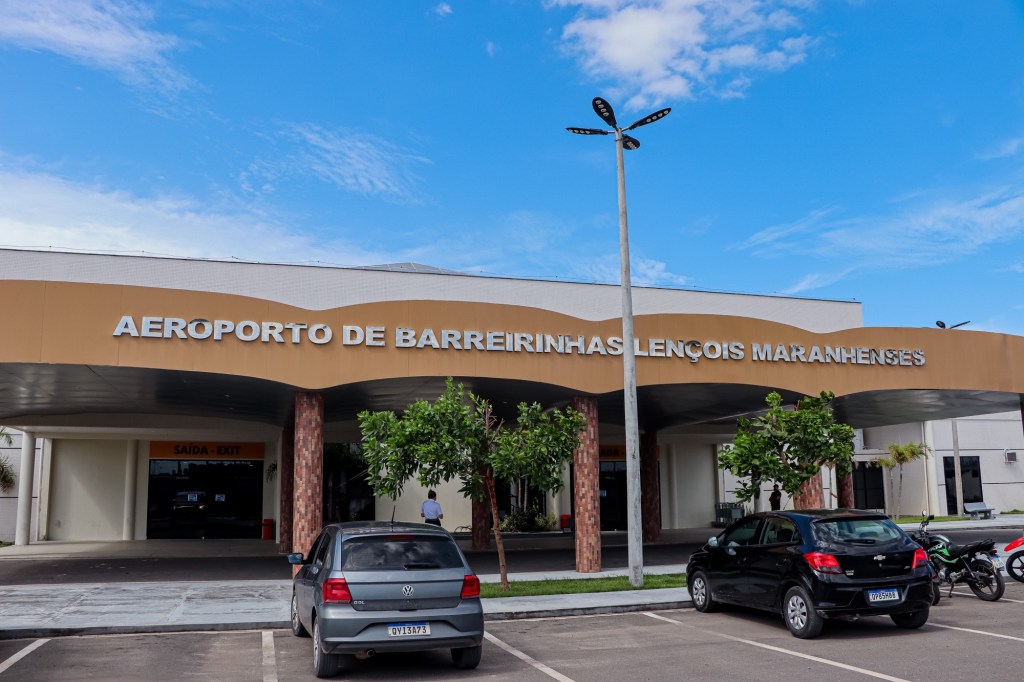
Aeropuerto San Rafael cerrado

AW | 2023 01 02 14:42 | AIRPORTS / AIRLINES

San Rafael, Argentina permanecerá cerrado por obras

El Aeropuerto San Rafael/AFA, localizado en la Provincia de Mendoza, Argentina, ha anunciado el cierre de las operaciones para realizar obras de mantenimiento. Las autoridades de la aeroestación sanrafaelina han indicado que permanecerá cerrada del 1 de Febrero al 2 de Abril de 2023, para efectuar trabajos de recomposición de la Pista y mejoras edilicias y ampliaciones. Las obras tendrán una duración de aproximadamente sesenta días para la puesta a punto de la Terminal aérea.

A partir de 01/02 comenzarán las obras de reparado de la única Pista del Aeropuerto San Rafael como así también las ampliaciones en la Terminal aeroportuaria. El Aeropuerto de San Rafael es un aeropuerto público ubicado a 6 kilómetros al oeste de San Rafael, una ciudad en la Provincia de Mendoza, Argentina. También es conocido como Aeropuerto Suboficial Ayudante Santiago Germano. La longitud de la pista incluye umbrales desplazados de 100 metros en las cabeceras de la Pista 11 y 155 metros en la Pista 29.

La programación de los vuelos atendidos por Aerolíneas Argentinas en Embraer E190-100 serán atendidos hacia el Aeropuerto Mendosa/MDZ, en la Capital de la provincia homónima. Además, la compañía ha expresado que los usuarios podrán cambiar los pasajes aéreos sin penalidades para la fecha entre el 03/04 hasta el 30/06 o si el usuario desea cancelar el vuelo no se cobrarán adicionales ni penalidades.

San Rafael Airport closed

San Rafael, Argentina will remain closed for works

The San Rafael Airport/AFA, located in the Province of Mendoza, Argentina, has announced the closure of operations to carry out maintenance works. The authorities of the San Rafael airstation have indicated that it will remain closed from February 1 to April 2, 2023, to carry out work to recompose the runway and building improvements and extensions. The works will last approximately sixty days for the development of the Air Terminal.

As of 02/01, the repair works of the only runway at the San Rafael Airport will begin, as well as the expansions in the airport terminal. San Rafael Airport is a public airport located 6 kilometers west of San Rafael, a city in the Province of Mendoza, Argentina. It is also known as Santiago Germano Assistant Petty Officer Airport. The length of the runway includes offset thresholds of 100 meters at the head of Runway 11 and 155 meters on Runway 29.

The programming of the flights attended by Aerolíneas Argentinas in Embraer E190-100 will be attended to the Mendosa/MDZ Airport, in the Capital of the homonymous province. In addition, the company has stated that users can change air tickets without penalties for the date between 04/03 to 06/30 or if the user wishes to cancel the flight, no additional charges or penalties will be charged.

PUBLISHER: Airgways.com
DBk: Aa2000.com.ar / Aerolineas.com / Pablo G. Sanz / Airgways.com
AW-POST: 202301021442AR
OWNERSHIP: Airgways Inc.
A\W A I R G W A Y S ®