Consorcio AA2000 informa llegar anticipación a aeropuerto
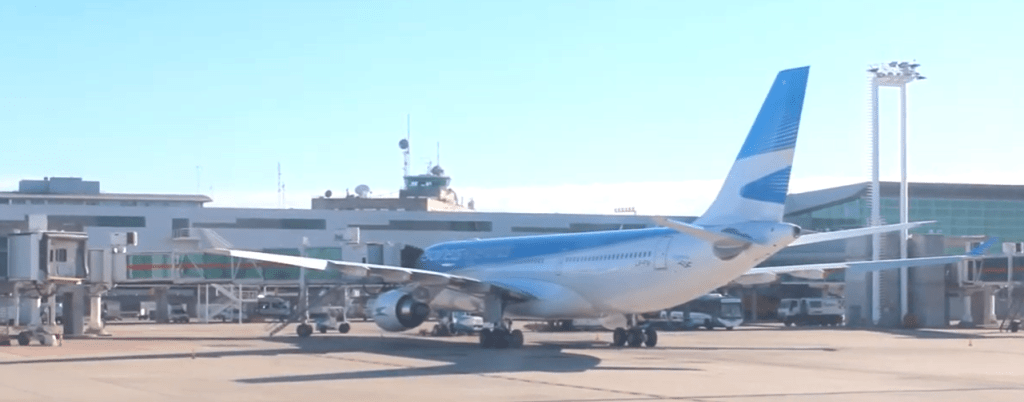
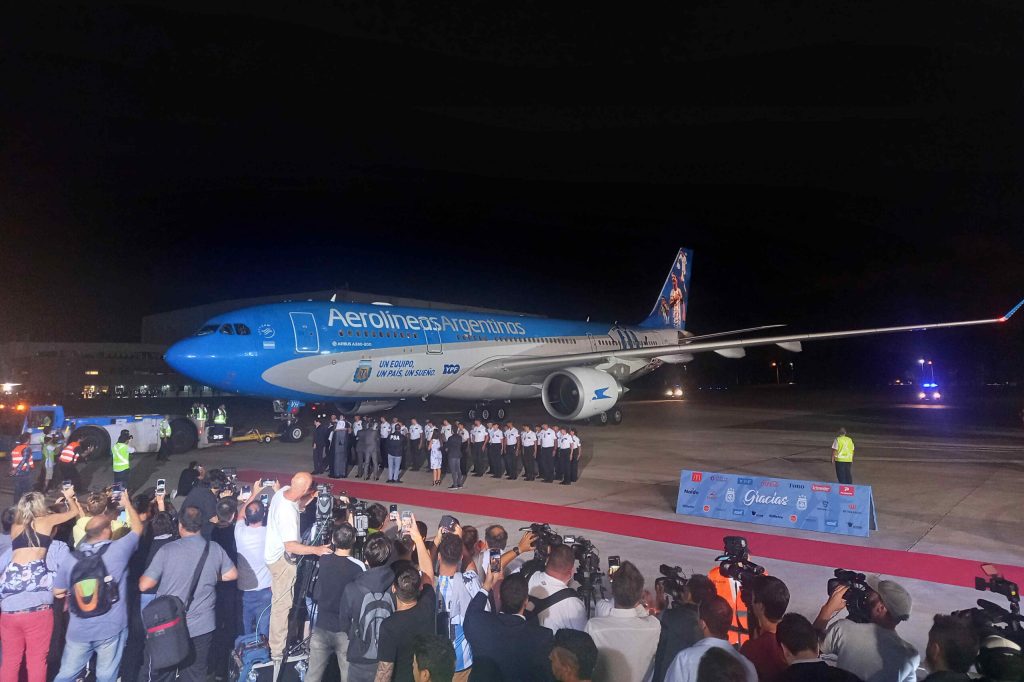
El consorcio de Aeropuerto Argentina 2000 (AA2000) ha comunicado que en vista del arribo de la Selección de Fútbol Argentina al país el Martes por la mañana, han solicitado a los pasajeros concurrir al aeropuerto con más anticipación para evitar congestionamiento en el tránsito desde y hacia la aeroestación.
El comunicado expresa: «El acceso al aeropuerto se verá afectado por el operativo de seguridad previsto para el arribo de la Selección Campeona del Mundo. Te sugerimos chequear el estado de tu vuelo y venir con tiempo».
Según la programación actual de la mañana del Martes 20/12, existen demoras en las salidas de los vuelos hacia diferentes destinos nacionales como internacionales. Se recomienda consultar con la compañía aérea para tener una actualización del vuelo.
Flight Status Ezeiza Airport
AA2000 Consortium reports early arrival at the airport
The consortium of Aeropuerto Argentina 2000 (AA2000) has communicated that in view of the arrival of the Argentine Soccer Team to the country on Tuesday morning, they have asked passengers to go to the airport earlier to avoid traffic congestion to and from the airport.
The statement states: «Access to the airport will be affected by the security operation planned for the arrival of the World Champion Team. We suggest you check the status of your flight and come on time».
According to the current schedule for the morning of Tuesday 12/20, there are delays in flight departures to different national and international destinations. It is recommended to check with the airline to have a flight update.
PUBLISHER: Airgways.com DBk: Aa2000.com.ar / Airgways.com AW-POST: 202212200858AR OWNERSHIP: Airgways Inc. A\W A I R G W A Y S ®
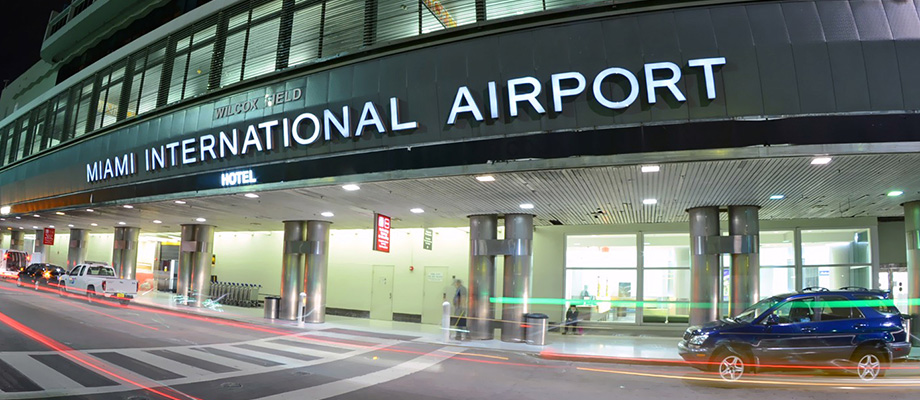
El Aeropuerto Internacional Miami/MIA ha anunciado la incorporación de siete nuevos vuelos internacionales a cinco países aumentando la oferta de vuelos en el aeropuerto más transitado de Estados Unidos. Las aerolíneas que operan en el Aeropuerto Internacional de la Miami agregarán y/o reestablecerán siete vuelos directos internacionales a la oferta existente a nuevos destinos en Francia, Colombia, República Dominicana, Brasil y Canadá.
A partir de este fin de año 2022, la aerolínea francesa de bajo costo, French Bee, comenzará a operar tres veces a la semana (3Frq/S) un vuelo directo entre Miami/MIA y el Aeropuerto París-Orly/ORY de París. Se trata del primer vuelo directo desde Miami hacia ese aeropuerto de la capital francesa. Los vuelos estacionales están programados entre Diciembre 2022 y Enero 2023 rondan los US$ 650 Dólares, muy por debajo del precio de otros vuelos directos entre Miami y París operados por American Airlines y Air France.
La aerolínea colombiana Avianca tiene una fuerte presencia en el Aeropuerto de Miami, pero ampliará su oferta. Desde comienzos de mes, Avianca ha agregado vuelos directos a Bucaramanga, en Colombia tres veces a la semana (3Frq/S), a Santa Marta, dos veces a la semana (2Frq/S), y a Pereira, cuatro veces a la semana (4Frq/S). Con estas incorporaciones, desde Miami existen vuelos directos a nueve destinos en Colombia. El país sudamericano era hasta 2019, antes de la pandemia, el destino internacional más frecuente desde Miami. Desde la República Dominicana, la aerolínea Sky High Airlines, empezará sus primeros viajes internacionales cuatro veces a la semana uniendo Miami con Santo Domingo. El próximo fin de semana, la aerolínea GOL Linhas Aéreas volverá a ofrecer un vuelo que se había cancelado. La ruta une a Miami con Manaos, en la amazonia brasileña. De este modo, Miami está unida de manera directa vía aérea a cinco ciudades en Brasil. Este país era el segundo destino internacional más popular desde Miami antes de la pandemia. Por último, Air Canada también este próximo fin de semana comenzará a operar un vuelo hacia Vancouver, Canadá, con tres veces a la semana (3Frq/S).
El Aeropuerto de Miami ha tenido una impresionante recuperación desde la pandemia. Con las siete nuevas rutas, Miami ofrecerá 176 destinos internacionales, nueve destinos más que en 2019 antes de los cierres por el COVID-19. El aeropuerto está en vías a romper su propio récord, cerrando un año con cincuenta millones de pasajeros.
Miami increases flights
Miami announced seven new international flights Miami will offer 176 direct international destinations
Miami International Airport/MIA has announced the addition of seven new international flights to five countries, increasing the number of flights at the busiest airport in the United States. The airlines that operate at the Miami International Airport will add and/or re-establish seven international direct flights to the existing offer to new destinations in France, Colombia, the Dominican Republic, Brazil and Canada.
As of this end of the year 2022, the low-cost French airline, French Bee, will begin to operate three times a week (3Frq/S) a direct flight between Miami/MIA and the Paris-Orly/ORY Airport in Paris. This is the first direct flight from Miami to that airport in the French capital. Seasonal flights are scheduled between December 2022 and January 2023 for around US$650, well below the price of other direct flights between Miami and Paris operated by American Airlines and Air France.
The Colombian airline Avianca has a strong presence at the Miami Airport, but it will expand its offer. Since the beginning of the month, Avianca has added direct flights to Bucaramanga, in Colombia, three times a week (3Frq/S), to Santa Marta, twice a week (2Frq/S), and to Pereira, four times a week ( 4Frq/S). With these additions, there are direct flights from Miami to nine destinations in Colombia. The South American country was until 2019, before the pandemic, the most frequent international destination from Miami. From the Dominican Republic, Sky High Airlines will begin its first international trips four times a week, connecting Miami with Santo Domingo. Next weekend, the airline GOL Linhas Aéreas will offer a flight that had been canceled again. The route joins Miami with Manaus, in the Brazilian Amazon. Thus, Miami is linked directly by air to five cities in Brazil. This country was the second most popular international destination since Miami before the pandemic. Finally, Air Canada will also begin operating a flight to Vancouver, Canada, three times a week (3Frq/S) this coming weekend.
Miami Airport has had an impressive recovery since the pandemic. With the seven new routes, Miami will offer 176 international destinations, nine more destinations than in 2019 before the COVID-19 closures. The airport is on track to break its own record, closing a year with fifty million passengers.
PUBLISHER: Airgways.com DBk: Miami-airport.com / Airgways.com AW-POST: 202212161316AR OWNERSHIP: Airgways Inc. A\W A I R G W A Y S ®
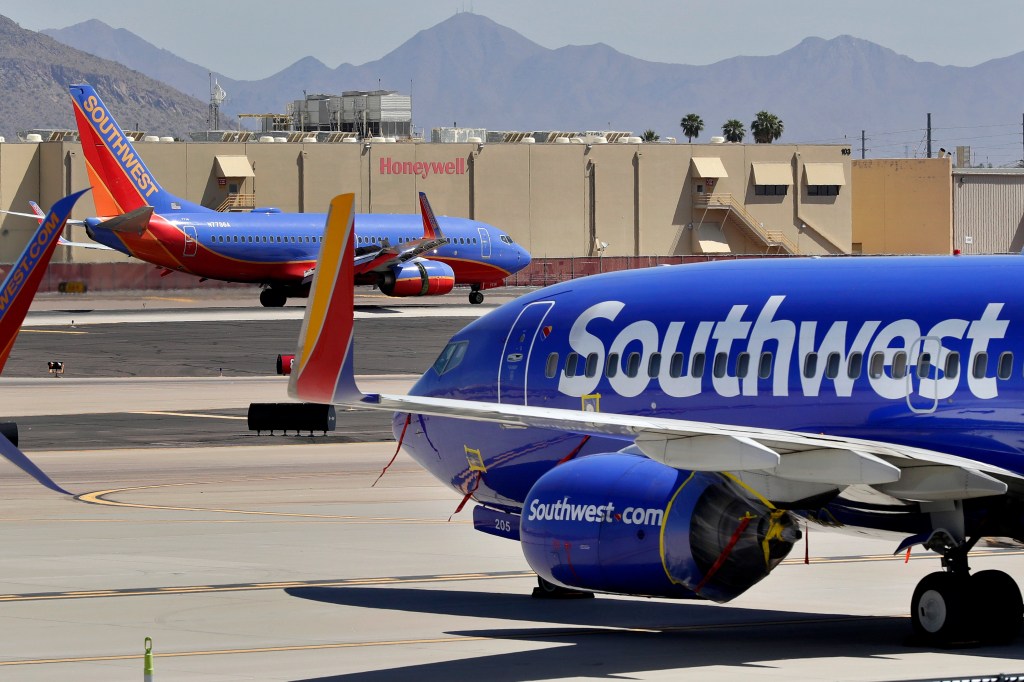
Southwest Airlines está discutiendo una expansión de las operaciones en Las Vegas (NV), dijo el Martes 13/12 Terry Reynolds, Director del Departamento de Negocios e Industria de Nevada. La aerolínea de presupuesto texana más activa en el Aeropuerto Internacional Harry Reid, está considerando una increíble expansión de vuelos dentro y fuera de Las Vegas, dijo el Jueves 08/12 un destacado funcionario estatal en Nevada Newsmakers. «Hace cuatro meses, hablamos con Southwest Airlines y sé que están buscando una expansión increíble en el número de vuelos que tienen llegando a Las Vegas, en el rango de cientos de miles», dijo Terry Reynolds, Director del Departamento de Negocios e Industria de Nevada. «Eso es anualmente, pero aún así van a trasladar más personal al área de Las Vegas. Tienen uno de sus directores ejecutivos que vive en Las Vegas, por lo que están buscando un gran desarrollo y un gran aumento en su tráfico en los próximos años», dijo Terry Reynolds.
La revelación de Terry Reynolds se produce después de un anuncio a fines de Septiembre 2022 por parte de Southwest de que la aerolínea con sede en Dallas (TX) planea tener 243 salidas diarias desde Las Vegas a partir de Marzo 2023, en parte, para ayudar a transportar mejor a los miles de visitantes que vienen a Las Vegas para «March Madness» o los diversos torneos de baloncesto universitario en estadios de toda la ciudad. Más de 3.700 personas trabajan actualmente para la aerolínea en Las Vegas, que es el hogar de las bases de pilotos y tripulantes. «Preguntamos si eso (la expansión) estaba a cinco años y dijeron: ‘No, vamos a comenzar dentro del próximo año o año y medio’. Así que (la planificación de Southwest) está aquí ahora y con su liderazgo, creo que verán a otras aerolíneas mirando su tráfico aéreo y un aumento de los vuelos que entran y salen de Las Vegas», dijo Terry Reynolds. Observa los movimientos de Southwest impactando a otras aerolíneas en Harry Reid International.
Las expansiones de Southwest y otros en McCarran/Harry Reid International Airport/LAS también deberían impulsar el desarrollo del Aeropuerto Suplementario del Sur de Nevada en el Valle de Ivanpah, dijo Reynolds. Ese aeropuerto comercial ha sido propuesto por el Departamento de Aviación del Condado de Clark y la Administración Federal de Aviación y se construiría en 6,000 acres de tierra federal sin desarrollar en el Valle de Ivanpah, a más de 30 millas al sur de Las Vegas en la Interestatal 15.
El Aeropuerto de Ivanpah fue una idea con impulso a principios de la década de 2000 antes de una recesión y una caída en el turismo. Terry Reynolds ve la necesidad del Aeropuerto de Ivanpah en un futuro cercano porque Harry Reid International pronto alcanzará un límite de expansión. «Como ven la expansión de McCarran (Harry Reid International) y que habrá límites para eso, y creo que vamos a ver esos límites en los próximos años. Van a tener que salir y comenzar el desarrollo de Ivanpah», dijo Terry Reynolds.
Harry Reid International dio la bienvenida a 5.2 millones de pasajeros en octubre, marcando la primera vez superando la meseta de pasajeros de cinco millones al mes, según el Departamento de Aviación del Condado de Clark. Números como ese pueden estimular la acción en Ivanpah, dijo Terry Reynolds: «Así que realmente ha sido una especie de esperar y ver (en Ivanpah) porque el tráfico aéreo se redujo considerablemente durante la pandemia. Surgió durante el final de la recesión y volvió a bajar en el ’20, ’21. Ahora han regresado. Creo que han llegado al punto en que tienen 5 millones de visitantes en el aeropuerto y eso es un máximo histórico para ellos. Después de la ruptura de la recesión, volvieron a subir a alrededor de 4,4 millones. Bueno, ahora, son más de 5 millones y eso está señalando el hecho de que van a llegar a su capacidad bastante rápido».
La comisionada del Condado de Clark, Marilyn Kirkpatrick, dijo que el Aeropuerto de Ivanpah sería una realidad antes de que ella termine su mandato, que está a unos nueve años de distancia. Terry Reynolds estuvo de acuerdo con la evaluación de Kirkpatrick. «Yo diría que sí, creo que las cosas están empezando a acelerarse en este momento. Realmente vamos a tener que hacer algo, así que me atrevería a decir que ella tiene razón. Probablemente será un plazo de siete a nueve años», concluye Terry Reynolds.
Southwest expansion in Las Vegas
Southwest Airlines major expansion in Las Vegas
Southwest Airlines is discussing an expansion of operations in Las Vegas (NV), Terry Reynolds, Director of the Nevada Department of Business and Industry, said on Tuesday 12/13. The busiest Texas budget airline at Harry Reid International Airport is considering an incredible expansion of flights in and out of Las Vegas, a prominent state official told the Nevada Newsmakers on Thursday 08/12. «Four months ago, we spoke with Southwest Airlines and I know that they are looking at an incredible expansion in the number of flights that they have coming into Las Vegas, in the hundreds of thousands range», said Terry Reynolds, Director of the Department of Business and Industry at Nevada. «That’s annually, but they’re still going to be moving more staff to the Las Vegas area. They have one of their CEOs who lives in Las Vegas, so they’re looking at a lot of development and a big increase in their traffic in the next few years», Terry Reynolds said.
Terry Reynolds’ disclosure follows a late September 2022 announcement by Southwest that the Dallas (TX)-based airline plans to have 243 daily departures from Las Vegas beginning in March 2023, in part, to help to better transport the thousands of visitors who come to Las Vegas for «March Madness» or the various college basketball tournaments in arenas throughout the city. More than 3,700 people currently work for the airline in Las Vegas, which is home to the pilot and crew bases. «We asked if that (the expansion) was five years away and they said, ‘No, we’re going to start within the next year or year and a half.’ So (Southwest planning) is here now and with your leadership, I think you’ll see other airlines looking at their air traffic and an increase in flights in and out of Las Vegas», said Terry Reynolds. He watches Southwest’s moves impacting other airlines at Harry Reid International.
Southwest and other expansions at McCarran Harry Reid International Airport/LAS should also spur development of the Southern Nevada Supplemental Airport in the Ivanpah Valley, Reynolds said. That commercial airport has been proposed by the Clark County Aviation Department and the Federal Aviation Administration and would be built on 6,000 acres of undeveloped federal land in the Ivanpah Valley, more than 30 miles south of Las Vegas in the Interstate 15.
The Ivanpah Airport was an idea with momentum in the early 2000s before a recession and a drop in tourism. Terry Reynolds sees the need for the Ivanpah Airport in the near future because Harry Reid International will soon reach an expansion limit. «As they see the expansion of McCarran (Harry Reid International) and that there will be limits to that, and I think we’re going to see those limits in the next few years. They’re going to have to go out and start the development of Ivanpah», Terry Reynolds said.
Harry Reid International welcomed 5.2 million passengers in October, marking the first time surpassing the passenger plateau of five million a month, according to the Clark County Aviation Department. Numbers like that can spur action at Ivanpah, Terry Reynolds said: «So it’s really been kind of a wait and see (in Ivanpah) because air traffic went down considerably during the pandemic. It surged during the end of the recession and went down again in ’20, ’21. Now they’ve come back. I think they’ve gotten to the point where they have 5 million airport visitors and that’s an all-time high for them After the break of the recession they were back up to around 4.4 million Well now, they’re more 5 million and that’s pointing to the fact that they’re going to get to capacity pretty quickly».
Clark County Commissioner Marilyn Kirkpatrick said the Ivanpah Airport would be a reality before she finishes her term, which is about nine years away. Terry Reynolds agreed with Kirkpatrick’s assessment. «I would say yes, I think things are starting to accelerate right now. We’re really going to have to do something, so I would venture to say that she’s right. It will probably be a seven to nine year time frame», Terry concludes. Reynolds.
PUBLISHER: Airgways.com DBk: Southwest.com / Harryreidairport.com / Business.nv.gov / Mccarran.com / Goed.nv.gov / Nevadanewsmakers..com Airgways.com AW-POST: 202212141233AR OWNERSHIP: Airgways Inc. A\W A I R G W A Y S ®
Inauguran Terminal C en Aeropuerto Internacional Orlando
El Aeropuerto Internacional de Orlando/MCO inauguró oficialmente la Terminal C en sus instalaciones dado a la demanda del crecimiento de pasajeros que se proyecta. La terminal ha estado en operaciones desde Septiembre de 2022. Las autoridades del aeropuerto habían atrasado la apertura formal debido a el paso de los huracanes Ian y Nicole. La Terminal C, ubicada en 10200 Jeff Fuqua Blvd. sur, tiene unas 15 puertas capaces donde llegarán vuelos nacionales e internacionales.
Las aerolíneas que operarán desde la Terminal C son Aer Lingus, Azul, British Airways, Caribbean, Emirates, GOL Linhas Aéreas, Icelandair, JetBlue, Lufthansa y Norse operarán desde la nueva terminal que tendrá una capacidad para acomodar hasta veinte aeronaves.
La terminal C se encuentra junto al centro de transporte ferroviario interurbano Brightline que se dirige hacia el sur de Florida a partir de 2023. La terminal también es una instalación “Bags First” de la Aduana y Protección Fronteriza de Estados Unidos, en la que los pasajeros que lleguen de un destino internacional van a poder reclamar su equipaje antes de proceder al control de pasaportes con tecnología biométrica.
Orlando Terminal C opens
Terminal C opens at Orlando International Airport
Orlando International Airport/MCO officially opened Terminal C at its facility in response to projected growth in passenger demand. The terminal has been in operation since September 2022. The airport authorities had delayed the formal opening due to the passage of Hurricanes Ian and Nicole. Terminal C, located at 10200 Jeff Fuqua Blvd. south, has about 15 gates capable of receiving domestic and international flights.
The airlines that will operate from Terminal C are Aer Lingus, Azul, British Airways, Caribbean, Emirates, GOL Linhas Aéreas, Icelandair, JetBlue, Lufthansa and Norse will operate from the new terminal that will have a capacity to accommodate up to twenty aircraft.
Terminal C is adjacent to the Brightline commuter rail hub heading to South Florida beginning in 2023. The terminal is also a U.S. Customs and Border Protection “Bags First” facility, where passengers arriving from an international destination will be able to claim their luggage before proceeding to passport control with biometric technology.
PUBLISHER: Airgways.com DBk: Orlandoairports.net / Airgways.com AW-POST: 202212061717AR OWNERSHIP: Airgways Inc. A\W A I R G W A Y S ®
AW | 2022 12 05 16:38 | AIRLINES / AIRPORTS / GOVERNMENT
Desaloja AICM mostradores e instalaciones de Interjet
La administración del Aeropuerto Internacional de la Ciudad de México (AICM) desalojó el Viernes 02/12 la huelga que empleados de Interjet mantenían desde el 8 de Enero del 2021 en los mostradores de dicha terminal aérea. La Marina Mexicana desalojaron a los trabajadores de Interjet que se encontraban realizando guardia en las instalaciones del aeropuerto; los cuales denunciaron una flagrante violación al Artículo 449 de la Ley Federal de Trabajo. Por su parte, autoridades del AICM informaron que la liberalización de los mostradores de Interjet se hizo en pleno ejercicio de las atribuciones legales con que cuenta la administración de la terminal y por tratarse de un inmueble de propiedad federal inembargable. “En diligencia llevada a cabo ante notario público, se tomó posesión de dichos inmuebles los cuales quedaron bajo el resguardo de personal de la Secretaría de Marina Armada de México, sin causar ninguna molestia, ni perturbación a los usuarios”, describió el AICM.
Además de los mostradores, el Gobierno Federal aseguró el edificio corporativo que la aerolínea tenía en concesión, el cual también se encontraba resguardado por trabajadores de la empresa debido a la huelga. “El inmueble de propiedad federal es inembargable, por lo que, en diligencia llevada a cabo ante notario público, se tomó posesión de dichos inmuebles los cuales quedaron bajo el resguardo de la Secretaría de Marina Armada de México”, explicó la administración del AICM.
El AICM notificó que durante el requerimiento para la entrega de los espacios “ilegalmente ocupados” (sic), solamente en el área de mostradores frente a la puerta 4 de la Terminal 1 permanecía una persona, la cual carecía de la Tarjeta de Identificación Aeroportuaria (TIA) ya que sólo mostró una identificación expedida por la empresa, según se hizo constar.
Por su parte, autoridades de Interjet informaron que se presentaron en las instalaciones del edificio corporativo en presencia del Corredor Público Número 31 de la CDMX para dar fe de hechos de la vulnerabilidad y riesgo de las instalaciones, “donde no encontró personal del sindicato en resguardo de las instalaciones”. De esta manera Interjet denunció el estado vulnerable y de riesgo de la instalaciones, equipo, bienes inmuebles, información y documentación propiedad de Interjet, mismas que son necesarias para dar continuidad al procedimiento concursal. Añadió que solicitará a las autoridades del AICM que se otorgue la facilidad para resguardar los bienes integrantes de la masa concursal, que incluye información, bienes e instalaciones de Interjet.
Interjet eviction AICM Airport
AICM vacates Interjet counters and facilities
The administration of the Mexico City International Airport (AICM) evicted on Friday 12/02 the strike sit-in that Interjet employees had maintained since January 8, 2021 at the counters of said air terminal. The Marine Mexican evicted the Interjet workers who were on duty at the airport facilities; who denounced a flagrant violation of Article 449 of the Federal Labor Law. For their part, AICM authorities reported that the liberalization of the Interjet counters was carried out in full exercise of the legal powers of the terminal administration and because it is a federal property that cannot be seized. «In proceedings carried out before a notary public, possession of said properties was taken, which remained under the protection of personnel of the Secretariat of the Navy of Mexico, without causing any inconvenience or disturbance to users», described the AICM.
In addition to the counters, the Federal Government secured the corporate building that the airline had under concession, which was also guarded by company workers due to the strike. «The federally owned property cannot be seized, therefore, in a procedure carried out before a notary public, possession of said properties was taken, which remained under the protection of the Secretary of the Navy of Mexico», explained the administration of the AICM.
The AICM notified that during the request for the delivery of the «illegally occupied» (sic) spaces, only one person remained in the counter area in front of gate 4 of Terminal 1, who lacked the Airport Identification Card (TIA) since he only showed an identification issued by the company, according to what was recorded.
For their part, Interjet authorities reported that they appeared at the facilities of the corporate building in the presence of Public Broker Number 31 of the CDMX to attest to the facts of the vulnerability and risk of the facilities, «where they did not find union personnel in custody of the facilities”. In this way, Interjet denounced the vulnerable and risky state of the facilities, equipment, real estate, information and documentation owned by Interjet, which are necessary to continue the bankruptcy procedure. He added that he will request the AICM authorities to grant the facility to safeguard the assets that are part of the bankruptcy estate, which includes information, assets and Interjet facilities.
PUBLISHER: Airgways.com DBk: Gob.mx / Aicm.com.mx / Interjet.com / Airgways.com AW-POST: 202212051638AR OWNERSHIP: Airgways Inc. A\W A I R G W A Y S ®
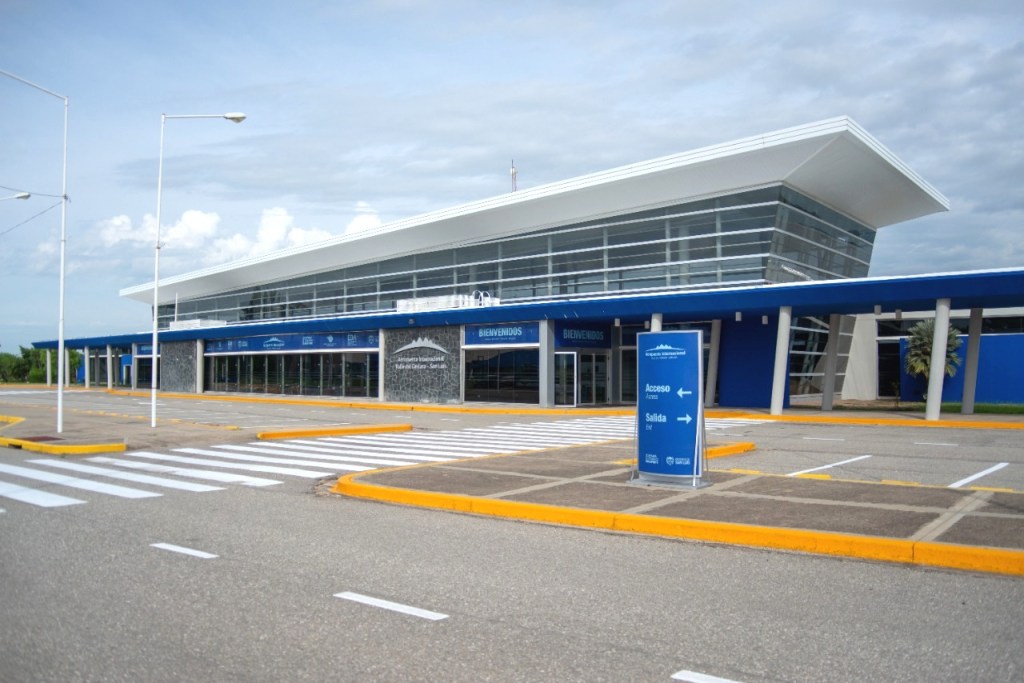
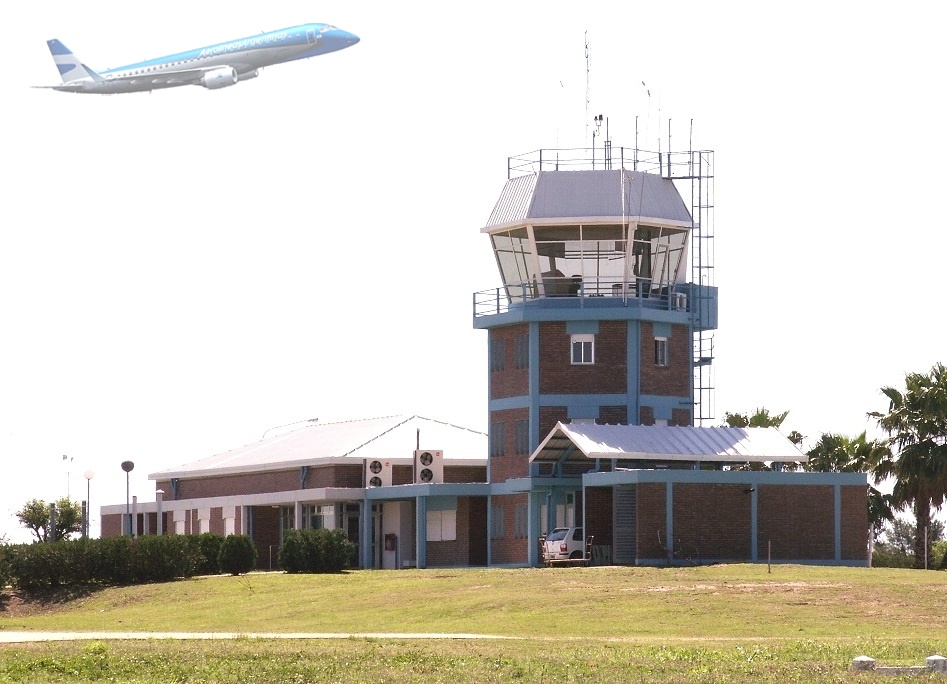
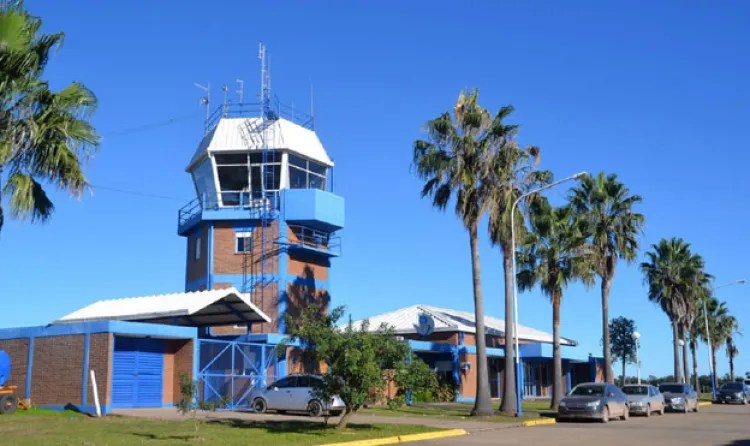
El Aeropuerto del Valle del Conlara/RLO se prepara para recibir los vuelos regulares de Aerolíneas Argentinas que llegarán desde Buenos Aires/AEP a partir del próximo Jueves 1 de Diciembre de 2022. El Aeropuerto de Valle del Conlara localizado en la Provincia de San Luis, Argentina, continúa finalizando las mejoras en infraestructuras para recibir los próximos vuelos de Aerolíneas Argentinas. El Gobierno provincial realizó mejoras en la infraestructura y equipamiento para cumplir con los estándares de la aerolínea para inaugurar frecuencias a la región turística del Noreste de la provincia Puntana. Además, capacitó al personal del aeropuerto en lo relacionado al proceso de check in.
Aerolíneas Argentinas se encuentra capacitando a los trabajadores del aeropuerto. La compañía ha aclarado que el personal del aeropuerto será el encargado de administrar los procesos de checkin para los vuelos en el aeropuerto, de esta manera, la aerolínea terceriza los trabajos; por lo que se deduce serían vuelos estacionales.
“Nos hemos preparado bastante, estamos terminando de cumplir con todas las solicitudes que han tenido los organismos. Hicimos muchas adecuaciones para el bien del aeropuerto, son todas mejoras que van quedando para su infraestructura, que le dan calidad y es un atractivo distinto para todas las empresas de vuelo que quieran venir a operar. Ya se instalaron todas las computadoras y etiquetadoras. Hay que destacar algo que no es común, que es que el aeropuerto va a tener servicio de rampa propio, como también el de señaleros», expresó el Secretario de Transporte, Sebastián Anzulovich.
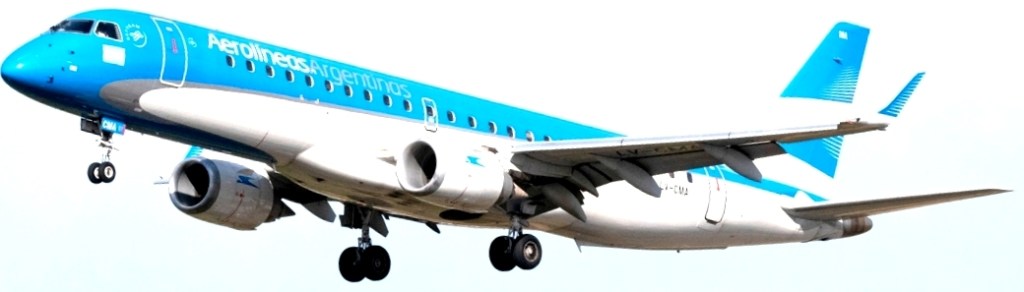
Aerolíneas desarrollará la ruta Buenos Aires/AEP—Valle del Conlara/RLO dos frecuencias semanales (2Frq/S) los Jueves y Domingos, permitiendo así inaugurar la temporada rutística de verano 2022-2023 a un destino turístico importante de Argentina. El primer vuelo que se realizará el Jueves 01/12 saliendo de Buenos Aires/AEP a las 11:00 arribando a las 12:50 a Valle del Conlara/RLO. El retorno a las 13:30 la aeronave partirá desde el Valle del Conlara y arribará a las 14:50 a Aeroparque. La tarifa parte de AR$ 14.576 en adelante, dependiendo del servicio elegido y la antelación con la que se adquiera el pasaje. La compañía empleará para la ruta aeronaves Embraer E190-100AR.
VUELOS BUENOS AIRES/AEP—VALLE DEL CONLARA/RLO BUENOS AIRES/AEP 11:00—VALLE DEL CONLARA/RLO 12:50 VALLE DEL CONLARA/RLO 13:30—BUENOS AIRES/AEP 14:50 2FRQ/S: JUEVES/DOMINGOS ACRFT: EMBRAER E190-100AR TRANSPORTADOR: AEROLÍNEAS ARGENTINAS
La realización de los nuevos vuelos al Valle del Conlara traerá beneficios a la población y el turismo de la Provincia de San Luis, sino también a zonas cordobesas cercanas.
Las instalaciones del Aeropuerto Valle del Conlara se encontraban en excelentes condiciones y que estas adecuaciones son técnicas debido a lo que exige la aerolínea, dado que anteriormente el Valle del Conlara recibía vuelos de Líneas Aéreas del Estado (LADE). “Hicimos todo lo que es pintura nueva de pista porque empezarán a venir aviones de otro porte y tienen que tener bien delimitadas las paradas. Eso ha quedado espectacular. Agregamos seguridad, adquirimos un escáner nuevo de última generación que le denominan 100×100 porque detecta millones de elementos más y también soporta bultos de gran porte que puedan pasar por el escáner. El aeropuerto ahora también tiene la cinta para subir las valijas al avión y el tractor para el traslado del equipaje”, detalló el Secretario de Transporte de San Luis.
Anteriormente, el Valle del Conlara recibía vuelos de cincuenta pasajeros y ahora serán alrededor de noventa aproximadamente, mientras que permanecen atentos si la demanda aumenta. Adicionalmente, habrá un servicio de transporte ida/vuelta desde el aeropuerto hasta las localidades de Santa Rosa del Conlara, Villa de Merlo. Los traslados los realizará la empresa Torres Sur y los boletos tienen un costo de AR$ 700 Pesos. “Buscamos generar la mayor comodidad para el usuario y que se puedan considerar alternativas. Sabemos que en todos los aeropuertos del mundo lo más complicado es la distancia y tener una conexión”, indicó Sebastián Anzulovich.
Conditioning Conlara Airport
Improvements to receive flights Aerolíneas
The Valle del Conlara Airport/RLO is preparing to receive the regular flights of Aerolíneas Argentinas that will arrive from Buenos Aires/AEP starting next Thursday, December 1, 2022. The Valle del Conlara Airport located in the Province of San Luis, Argentina continues to finalize infrastructure improvements to receive the next flights of Aerolíneas Argentinas. The provincial government made improvements in the infrastructure and equipment to comply with the airline’s standards to inaugurate frequencies to the Northeast tourist region of the Puntana province. In addition, he trained the airport staff regarding the check-in process.
Aerolíneas Argentinas is training airport workers. The company has clarified that the airport staff will be in charge of managing the check-in processes for flights at the airport, in this way, the airline outsources the work; so it can be deduced that they would be seasonal flights.
“We have prepared ourselves a lot, we are finishing complying with all the requests that the organizations have had. We made many adjustments for the good of the airport, they are all improvements that are left for its infrastructure, which give it quality and are a different attraction for all the flight companies that want to come to operate. All the computers and labellers have already been installed. We must highlight something that is not common, which is that the airport will have its own ramp service, as well as signalers», said the Secretary of Transportation, Sebastián Anzulovich.
Aerolíneas will develop the Buenos Aires/AEP—Valle del Conlara/RLO route two weekly frequencies (2Frq/S) on Thursdays and Sundays, thus allowing the inauguration of the 2022-2023 summer flight season at an important tourist destination in Argentina. The first flight that will take place on Thursday 12/01 departing from Buenos Aires/AEP at 11:00 a.m. arriving at Valle del Conlara/RLO at 12:50 p.m. The return at 01:30 p.m. the aircraft will depart from Valle del Conlara and arrive at Aeroparque at 02:50 p.m. The rate starts at AR$ 14,576 and up, depending on the service chosen and how far in advance the ticket is purchased. The company will use Embraer E190-100AR aircraft for the route.
The realization of the new flights to the Conlara Valley will bring benefits to the population and tourism of the Province of San Luis, but also to nearby Cordovan areas.
The facilities of the Valle del Conlara Airport were in excellent condition and that these adaptations are technical due to what the airline requires, given that Valle del Conlara previously received flights from Líneas Aéreas del Estado (LADE). “We did everything that is new painting of the runway because planes of other sizes will start to come and they have to have well-defined stops. That has been spectacular. We added security, we acquired a new state-of-the-art scanner that is called 100×100 because it detects millions of other elements and also supports large packages that can go through the scanner. The airport now also has the belt to take the suitcases onto the plane and the tractor to transport the luggage”, explained the Secretary of Transportation of San Luis.
Previously, the Conlara Valley received flights of fifty passengers and now they will be around ninety approximately, while they remain vigilant if the demand increases. Additionally, there will be a round trip transportation service from the airport to the towns of Santa Rosa del Conlara, Villa de Merlo. The transfers will be carried out by the Torres Sur company and the tickets have a cost of AR$ 700 Pesos. “We seek to generate the greatest comfort for the user and that alternatives can be considered. We know that in all the airports in the world the most complicated thing is the distance and having a connection”, indicated Sebastián Anzulovich.
PUBLISHER: Airgways.com DBk: Sanluis.gov.ar / Aerolineas.com / Airgways.com AW-POST: 202211281133AR OWNERSHIP: Airgways Inc. A\W A I R G W A Y S ®
San Francisco convierte mejor aeropuerto Estados Unidos
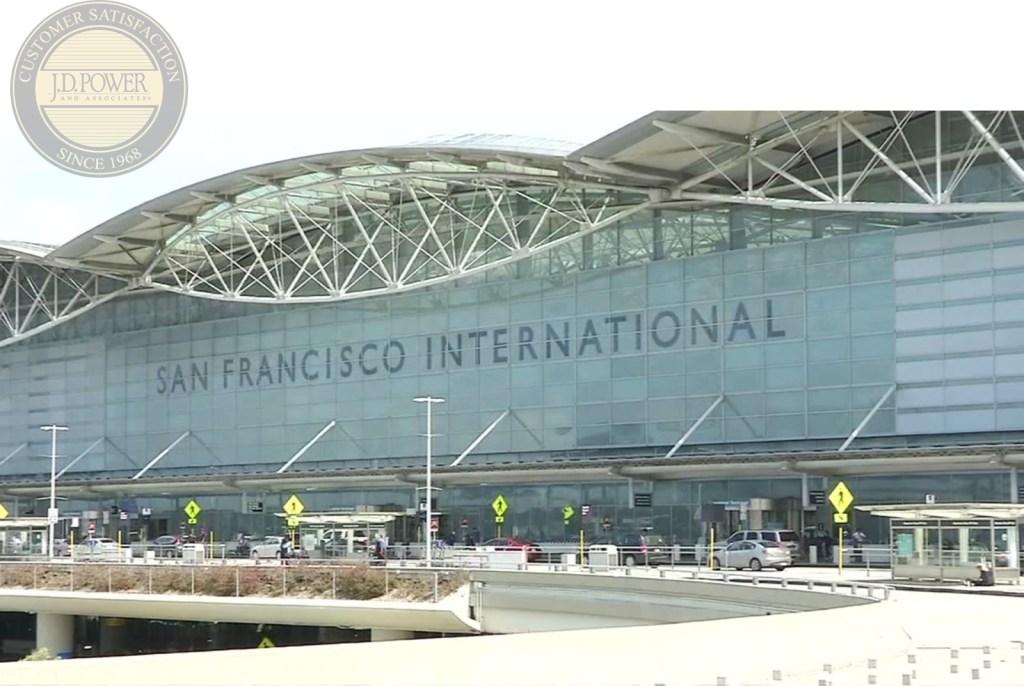
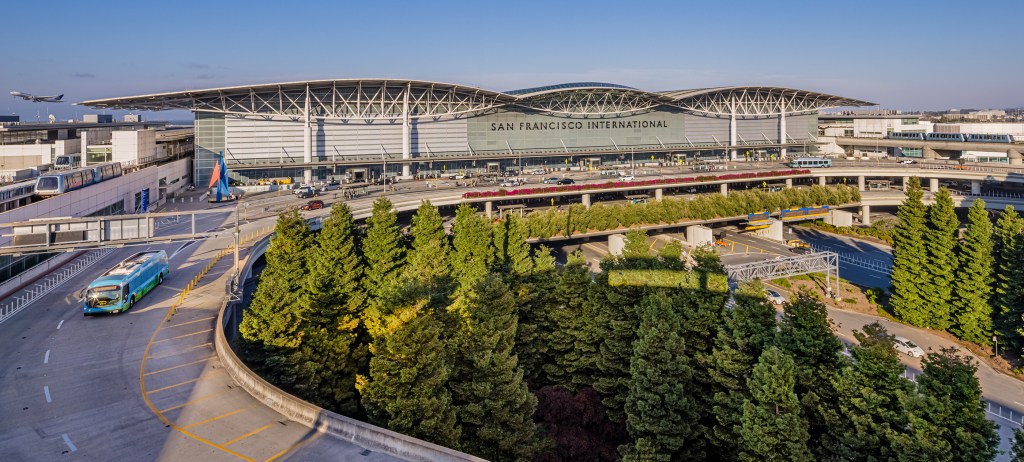
El Aeropuerto San Francisco/SFO terminó clasificado como el mejor aeropuerto de Estados Unidos. Las estadísticas sobre los cincuenta aeropuertos más grandes del país concluyeron que San Francisco International y Sacramento International ocuparon el puesto número 1 en sus respectivas categorías, según los resultados de la encuesta anual de J.D. Power sobre la satisfacción de los pasajeros entre otros detalles. San Francisco/SFO ocupó el primer lugar entre los veinte aeropuertos más concurridos de los Estados Unidos en términos de número de pasajeros, y Sacramento/SMF ocupó el primer lugar entre treinta instalaciones medianas. Se examinó datos sobre diecinueve factores en sus clasificaciones, que van desde el desempeño puntual de las aerolíneas hasta los precios promedio de los boletos, el tiempo de espera de la línea de seguridad, los costos en las concesiones aeroportuarias.
Entre los veinte aeropuertos más concurridos, Atlanta/ATL ocupó el segundo lugar, seguido de Minneapolis-St. Paul/MSP, Detroit/DTW, Phoenix/PHX y Los Angeles/LAX. En la parte inferior de la clasificación estaban Newark Liberty/EWR y New York/JFK. Además de Sacramento/SMF, otros aeropuertos de California tuvieron un buen desempeño en el ranking de aeropuertos medianos, con San Diego/SAN en segundo lugar, Mineta San José/SJC en tercer lugar, Orange County/SNA en noveno lugar y Oakland/OAK en el décimo lugar. Los aeropuertos medianos con los peores puntajes fueron San Juan/SJU, Puerto Rico; LaGuardia/LGA de Nueva York; y Washington-Reagan National/DCA.
Aeropuertos regionales
Las principales aerolíneas principales que abandonaron el servicio a varias ciudades más pequeñas ha sido motivo de debate porque sus aerolíneas regionales asociadas no tenían suficientes pilotos para mantener sus horarios. Ahora, la Asociación Regional de Aerolíneas (RAA) ha emitido una dura advertencia de que los viajeros que vuelan a aeropuertos más pequeños en los Estados Unidos pueden tener que encontrar nuevas formas de llegar allí en el futuro. Esa organización, cuyas aerolíneas regionales miembros proporcionan el 43% de los vuelos regulares de pasajeros de la nación, echó un vistazo al panorama general y se enteró de que «la grave escasez de pilotos en curso ha llevado a una disminución o pérdida del servicio aéreo en el 76% de los aeropuertos de Estados Unidos. Estamos en el precipicio de un colapso total del pequeño servicio aéreo comunitario. Ya ha comenzado, con 60 aeropuertos estadounidenses perdiendo más de la mitad de su servicio aéreo desde 2019. Todos los legisladores de la Administración y el Congreso deben dejar de lado la política y abordar esta crisis hoy», dijo la directora ejecutiva de RAA, Faye Malarkey Black.
La RAA dijo que sus aerolíneas miembros han sacado de servicio a más de 500 aviones porque no tienen suficientes pilotos para volarlos, y como resultado, el servicio de aerolíneas se ha reducido a 324 ciudades y pueblos en todo el país, incluidos catorce aeropuertos que han perdido todo el servicio aéreo comercial programado, un número que sigue aumentando. Señaló que esto es solo la culminación de una escasez de pilotos de una década que ha enfrentado la industria de operadores regionales. Desde 2009, la RAA ha expresado que el número de aeropuertos estadounidenses con servicio aéreo programado ha disminuido en un 5%, y aquellos que mantuvieron el servicio tienen menos vuelos a menos destinos. «Estas tendencias se están acelerando; entre 2019 y 2022, 161 aeropuertos estadounidenses perdieron más de uno de cada cuatro de sus vuelos comerciales. La industria y el gobierno deberían trabajar juntos en esfuerzos como la mejora de los préstamos estudiantiles para la capacitación de pilotos, e instó a la Administración Federal de Aviación a tomar decisiones basadas en datos sobre vías de capacitación adicionales y avanzadas permitidas por la ley actual», dijo la RAA.
En materia de noticias de rutas aéreas de California, Alaska Airlines debe abandonar su servicio Los Ángeles-Salt Lake City el 30/11; en la misma fecha, está programado introducir vuelos diarios entre Paine Field en Everett, Washington, y Anchorage, Alaska. La aerolínea de bajo costo Sun Country Airlines, con sede en Minnesota, esperaba revivir sus vuelos San Francisco—Honolulu y LAX—Honolulu el próximo verano, pero ahora esos planes se han abandonado debido al aumento de los costos del combustible. Esas rutas fueron suspendidas en Abril pasado. Al mismo tiempo, Sun Country planea comenzar el servicio en trece rutas nacionales esta primavera, todas desde su base en Minneapolis-St. Paul. Los destinos son Charlotte, Carolina del Norte; Nueva York/JFK; Atlantic City, Nueva Jersey; Columbus, Ohio; Louisville, Kentucky; Detroit; Richmond, Virginia; Omaha, Nebraska; Kansas City, Misuri; Wilmington, Carolina del Norte; Colorado Springs, Colorado; Traverse City, Michigan; y Rapid City, Dakota del Sur. La mayoría de las rutas tendrán dos vuelos a la semana, con fechas de inicio de Abril a Junio 2023.
SFO Best Airport USA
San Francisco becomes America’s best airport
San Francisco Airport/SFO finished ranked as the best airport in the United States. Statistics on the nation’s fifty largest airports found San Francisco International and Sacramento International ranked No. 1 in their respective categories, according to the results of the annual J.D. Power on passenger satisfaction among other details. San Francisco/SFO ranked first among the twenty busiest airports in the United States in terms of passenger numbers, and Sacramento/SMF ranked first among thirty medium-sized facilities. Data on 19 factors were examined in their rankings, ranging from airline on-time performance to average ticket prices, security line wait time, costs at airport concessions.
Among the twenty busiest airports, Atlanta/ATL ranked second, followed by Minneapolis-St. Paul/MSP, Detroit/DTW, Phoenix/PHX and Los Angeles/LAX. At the bottom of the standings were Newark Liberty/EWR and New York/JFK. In addition to Sacramento/SMF, other California airports performed well in the midsize airport rankings, with San Diego/SAN second, Mineta San José/SJC third, Orange County/SNA ninth, and Oakland/OAK in tenth place. The medium-sized airports with the worst scores were San Juan/SJU, Puerto Rico; LaGuardia/LGA of New York; and Washington-Reagan National/DCA.
Regional airports
Major major airlines dropping service to several smaller cities has been a matter of debate because their regional partner airlines did not have enough pilots to maintain their schedules. Now the Regional Airline Association (RAA) has issued a stark warning that travelers flying into smaller airports in the United States may have to find new ways to get there in the future. That organization, whose member regional airlines provide 43% of the nation’s scheduled passenger flights, took a look at the big picture and learned that «the ongoing severe pilot shortage has led to a decline or loss of air service at 76% of airports in the US. We are on the precipice of a total collapse of the small community air service. It has already begun, with 60 US airports losing more than half their air service since 2019. All policymakers in the Administration and Congress must put politics aside and address this crisis today», RAA CEO Faye said. Malarkey Black.
The RAA said its member airlines have taken more than 500 planes out of service because they don’t have enough pilots to fly them, and as a result, airline service has been reduced to 324 cities and towns across the country, including 14 airports that have lost all scheduled commercial air service, a number that continues to rise. She noted that this is just the culmination of a decade-long pilot shortage that the regional carrier industry has faced. Since 2009, the RAA has stated that the number of US airports with scheduled air service has decreased by 5%, and those that maintained service have fewer flights to fewer destinations. «These trends are accelerating; between 2019 and 2022, 161 US airports lost more than one in four of their commercial flights. Industry and government should work together on efforts like improving student loans for pilot training and urged the Federal Aviation Administration to make data-driven decisions on additional and advanced training pathways permitted under current law», the RAA said.
In California air route news, Alaska Airlines is due to drop Los Angeles-Salt Lake City service on 11/30; on the same date, it is scheduled to introduce daily flights between Paine Field in Everett, Washington, and Anchorage, Alaska. Minnesota-based budget carrier Sun Country Airlines had hoped to revive its San Francisco-Honolulu and LAX-Honolulu flights next summer, but those plans have now been abandoned due to rising fuel costs. Those routes were suspended last April. At the same time, Sun Country plans to begin service on thirteen domestic routes this spring, all from its base in Minneapolis-St. Paul. The destinations are Charlotte, North Carolina; New York/JFK; Atlantic City, NJ; Columbus, Ohio; Louisville, Kentucky; Detroit; Richmond, Virginia; Omaha, Nebraska; Kansas City, Missouri; Wilmington, North Carolina; Colorado Springs, Colo.; Traverse City, Mich.; and Rapid City, South Dakota. Most routes will have two flights a week, with start dates from April to June 2023.
PUBLISHER: Airgways.com DBk: Flysfo.com / Jdpower.com / Raa.org / Airgways.com AW-POST: 202211270005AR OWNERSHIP: Airgways Inc. A\W A I R G W A Y S ®
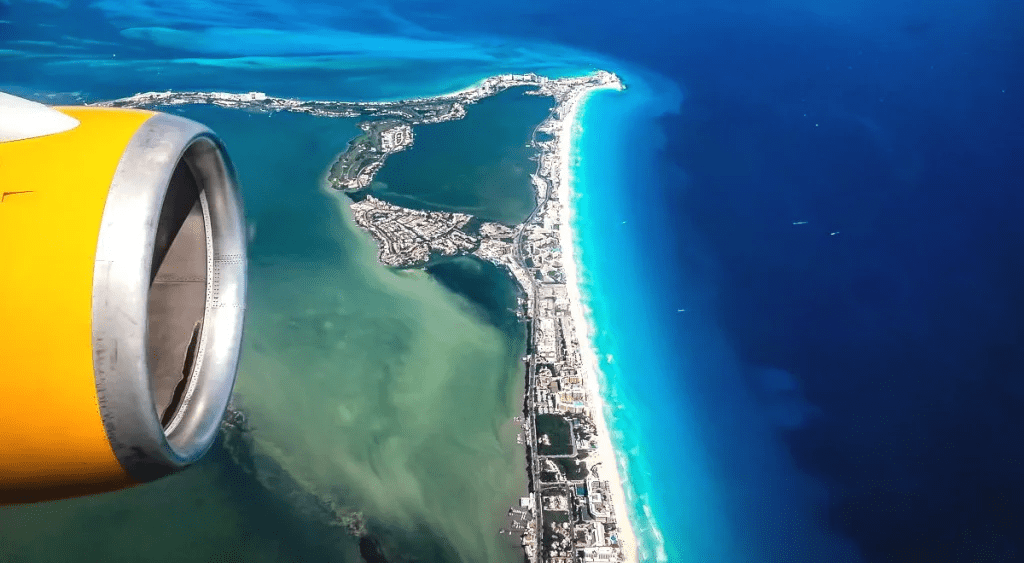
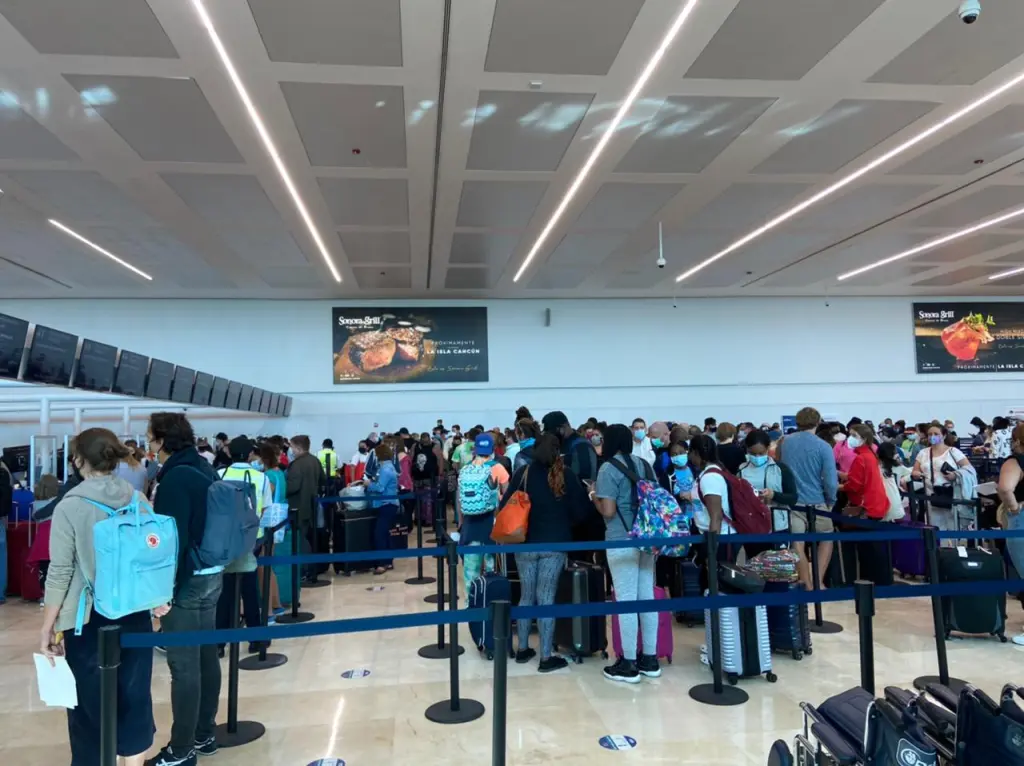
El Aeropuerto Cancún/CUN se encuentra en el cénit con un récord de seiscientos vuelos diarios, mientras que comienza a tener algunas dificultades por atascos hacia el aeropuerto mexicano. El Aeropuerto Internacional de Cancún ha superado la cifra de seiscientos vuelos por día, lo que augura una temporada invernal exitosa, pero con inconvenientes para los turistas, pues han sufrido retrasos en el tráfico desde y hacia la terminal.
El Jueves 10/11 los turistas sufrieron la angustia de perder sus vuelos de regreso a sus destinos de origen y también los viajeros que arribaban a Cancún, pues sus itinerarios se veían afectados cuando apenas inician sus vacaciones. El día Sábado 12/11, el Grupo Aeroportuario del Sureste (ASUR) informó que operarían 623 vuelos, entre llegadas y salidas, es decir 305 llegadas de las cuales 98 eran nacionales y 207 internacionales. Así mismo, fueron 318 salidas, 99 nacionales y 219 al extranjero. Entre las aerolíneas que operaron estuvieron: American Airlines, Aeroméxico, Wingo Air, Spirit Airlines, Avianca Airlines, Air Transat, Viva Aerobus, Viva Air, Volaris Airlines, TAG Airlines, United Airlines, Turkish Airlines, British Airways, Condor Airlines, Lufthansa German Airlines, WestJet Airlines, Sun Country Airlines, JetBlue Airways, Air Europa, Southwest Airlines, Delta Air Lines, Aeromar, KLM Royal Dutch Airlines, entre otras líneas aéreas.
El Aeropuerto Internacional Cancún se encuentra localizado en Cancún, Quintana Roo, en la costa caribeña de la península de Yucatán en México. Es el tercer aeropuerto de América Latina y el segundo más ocupado de México, después del Aeropuerto Internacional de la Ciudad de México. En 2021, el aeropuerto de Cancún tuvo un tráfico de 22.318.467 pasajeros, un aumento del 82.1% en comparación con 2020. El aeropuerto cuenta con dos pistas operativas paralelas que se pueden utilizar simultáneamente. Inaugurado oficialmente en 1974. Es operado por el Grupo Aeroportuario del Sureste (ASUR). Actualmente posee cuatro Terminales operativas Es un centro para la aerolínea MAYAir, y ciudad foco para VivaAerobus y Volaris; y actualmente ofrece vuelos a más de veinte destinos en México y a más de treinta países en Norte, Centro, Sudamérica y Europa.
Cancun passenger record
Cancún Airport exceeds 600 daily flights
The Cancun Airport/CUN is at its peak with a record of six hundred daily flights, while it is beginning to have some difficulties due to traffic jams towards the Mexican airport. The Cancun International Airport has exceeded the figure of six hundred flights per day, which augurs a successful winter season, but with drawbacks for tourists, as they have suffered delays in traffic to and from the terminal.
On Thursday 10/11, tourists suffered the anguish of losing their return flights to their destinations of origin and also travelers arriving in Cancun, as their itineraries were affected when they just started their vacations. On Saturday 11/12, the Southeast Airport Group (ASUR) reported that they would operate 623 flights, between arrivals and departures, that is, 305 arrivals, of which 98 were national and 207 international. Likewise, there were 318 departures, 99 national and 219 abroad. Among the airlines that operated were: American Airlines, Aeroméxico, Wingo Air, Spirit Airlines, Avianca Airlines, Air Transat, Viva Aerobus, Viva Air, Volaris Airlines, TAG Airlines, United Airlines, Turkish Airlines, British Airways, Condor Airlines, Lufthansa German Airlines, WestJet Airlines, Sun Country Airlines, JetBlue Airways, Air Europa, Southwest Airlines, Delta Air Lines, Aeromar, KLM Royal Dutch Airlines, among other airlines.
The Cancun International Airport is located in Cancun, Quintana Roo, on the Caribbean coast of the Yucatan peninsula in Mexico. It is the third busiest airport in Latin America and the second busiest in Mexico, after the International Airport of Mexico City. In 2021, the Cancun airport had a traffic of 22,318,467 passengers, an increase of 82.1% compared to 2020. The airport has two parallel operating runways that can be used simultaneously. Officially inaugurated in 1974. It is operated by the Grupo Aeroportuario del Sureste (ASUR). It currently has four operational Terminals. It is a hub for the airline MAYAir, and a focus city for VivaAerobus and Volaris; and currently offers flights to more than twenty destinations in Mexico and more than thirty countries in North, Central, South America and Europe.
PUBLISHER: Airgways.com DBk: Cancun-airport.net / Airgways.com AW-POST: 202211151233AR OWNERSHIP: Airgways Inc. A\W A I R G W A Y S ®
Remodelaciones de aeroestación del Chaco Aeropuerto operativo para Marzo 2023
El Aeropuerto Roque Sáenz Peña/PRQ ha anunciado la remodelación de la aeroestación con una inversión de AR$ 300.000.0000 de Pesos que permitirá la refacción integral de la aeroestación chaqueña, obra que demandará unperíodo de tres meses aproximadamente, con la finalidad que en el mes de Marzo de 2023 pueda estar operativo comercialmente, permitiendo integrar la región con el resto del país.
El Gobernador Jorge Capitanich de la Provincia de Chaco confirmó que se prevé la refacción integral bajo normas ANAC por el monto económico establecido donde se ejecutarán en tres meses, permitiendo vuelos de Aerolíneas Argentinas a partir de Marzo 2023 en forma estimativa. Así lo ha confirmado el Gobernador al solicitársele mayores precisiones a los anuncios hechos en el marco de la Fiesta Nacional del Algodón en su acto inaugural el Viernes 11/11 por la noche.
La información es realmente excelente para esta ciudad, que lógicamente aguarda con gran expectativa un anuncio trascendental para el interior del Chaco. «Un anuncio positivo en este sentido es importante para completar el desarrollo de Sáenz Peña y todo el interior y la única manera de concretar las expectativas de progreso de toda esta amplia región», remarcó el mandatario chaqueño. Luego de los reiterados pedidos de las Cámaras de Comercio y fuerzas vivas de la ciudad de Sáenz Peña y de diferentes puntos de la geografía chaqueña, el intendente de la ciudad Bruno Cipolini celebró el anuncio hecho por el gobernador y sostuvo que es un anhelo comunitario y consideró que se debe avanzar en el reacondicionamiento del aeropuerto y lograr así la anhelada reactivación. «Es importante que se pueda avanzar en algo que es un clamor de los 22 intendentes que orbitan alrededor de Sáenz Peña, y de los más de 550.000 centrochaqueños que necesitamos tener un medio de comunicación ágil», sostuvo Bruno Cipolini.
El aeropuerto de la ciudad termal fue inaugurado hace veinticuatro años, en Agosto de 1998, recibiendo a un Boeing 747 de Aerolíneas Argentinas. Así se inauguraba el Aeropuerto de Roque Sáenz Peña, en un clima festivo. Cuenta con un acceso pavimentado que permite un fácil ingreso y egreso desde el casco céntrico de la ciudad, la aeroestación sigue esperando el momento para su reactivación.
Investments Roque Sáenz Peña Airport
Remodeling of the Chaco air station Operational airport for March 2023
The Roque Sáenz Peña Airport/PRQ has announced the remodeling of the air station with an investment of AR$ 300,000,000 Pesos that will allow the integral refurbishment of the Chaco air station, a work that will require a period of approximately three months, with the purpose that in the month of March 2023 can be commercially operational, allowing the region to integrate with the rest of the country.
The Governor Jorge Capitanich of the Province of Chaco confirmed that the comprehensive renovation is expected under ANAC regulations for the established economic amount where they will be executed in three months, allowing Aerolíneas Argentinas flights from March 2023 on an estimated basis. This has been confirmed by the Governor when he was asked for more details on the announcements made within the framework of the National Cotton Festival in its opening ceremony on Friday 11/11 at night.
The information is really excellent for this city, which logically awaits with great expectation a momentous announcement for the interior of the Chaco. «A positive announcement in this sense is important to complete the development of Sáenz Peña and the entire interior and is the only way to materialize the expectations of progress of this entire wide region», the Chaco mandatary remarked. After repeated requests from the Chambers of Commerce and active forces of the city of Sáenz Peña and from different points of the Chaco geography, the mayor of the city Bruno Cipolini celebrated the announcement made by the governor and maintained that it is a community desire and He considered that progress should be made in the reconditioning of the airport and thus achieve the long-awaited reactivation. «It is important that progress can be made in something that is a clamor from the 22 mayors who orbit around Sáenz Peña, and from the more than 550,000 Central Chaco people who need to have an agile means of communication», said Bruno Cipolini.
The thermal city airport was inaugurated twenty-four years ago, in August 1998, receiving a Boeing 747 from Aerolíneas Argentinas. This is how the Roque Sáenz Peña Airport was inaugurated, in a festive atmosphere. It has a paved access that allows easy entry and exit from the downtown area of the city, the air station is still waiting for the moment for its reactivation.
PUBLISHER: Airgways.com DBk: Chaco.gov.ar / Airgways.com AW-POST: 202211120002AR OWNERSHIP: Airgways Inc. A\W A I R G W A Y S ®
Incendio paraliza vuelos en Aeropuerto de Dallas Restablecen tráfico sobre el mediodía
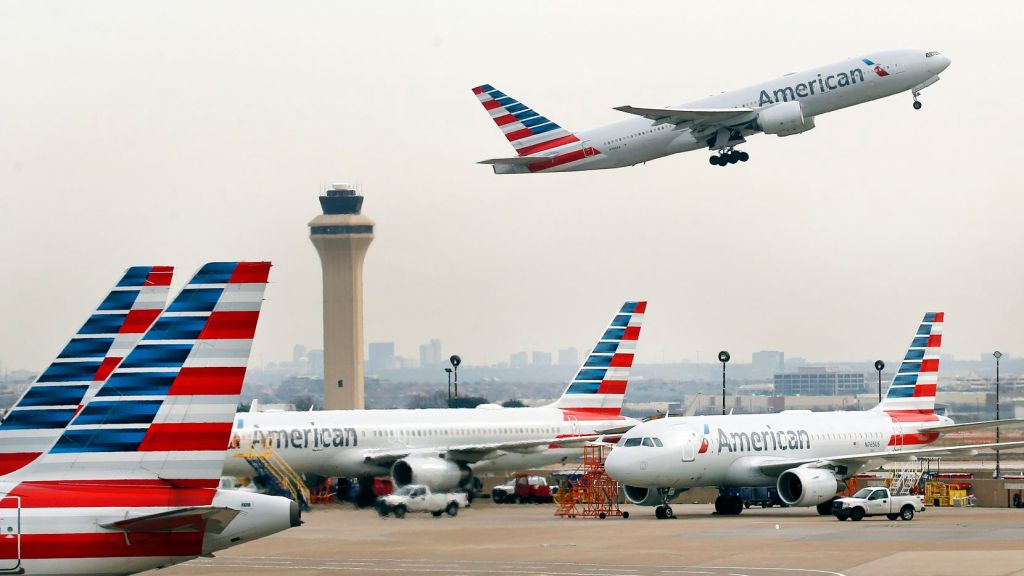
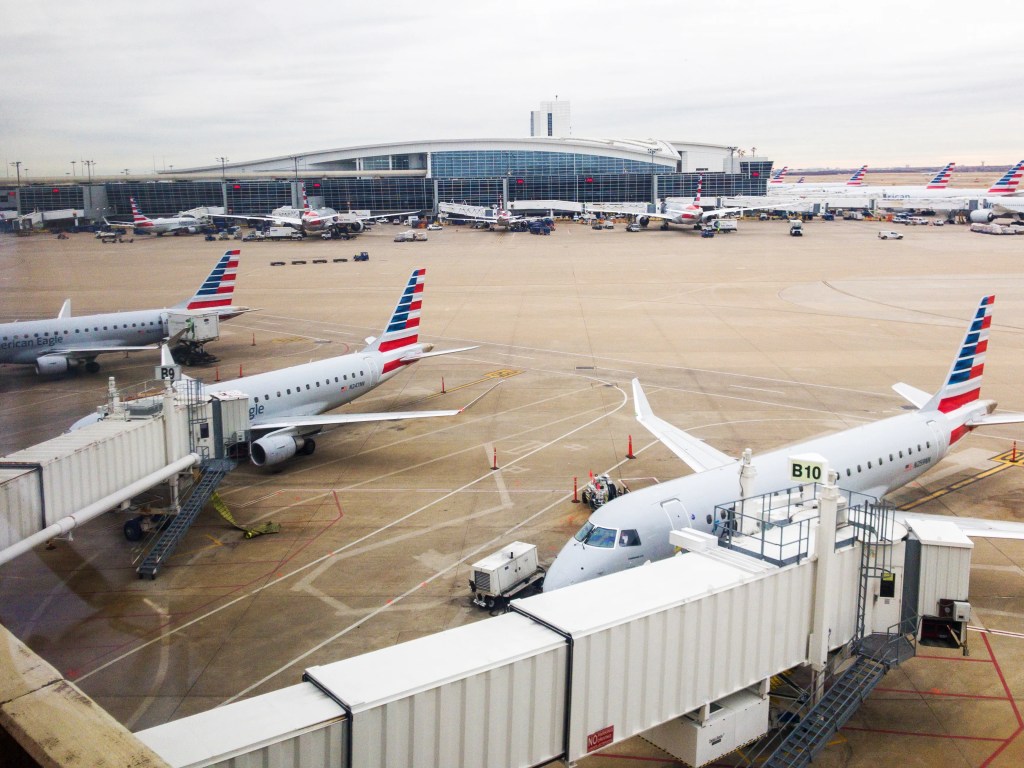
Todos los vuelos con destino al Aeropuerto Internacional de Dallas-Fort Worth/DFW el Viernes 11/11 por la mañana fueron temporalmente retenidos en sus aeropuertos de salida debido a un incendio en los complejos de almacenamiento de combustible del aeropuerto, ha expresado la Administración Federal de Aviación (FAA). Un portavoz de la FAA dijo que se había implementado una paralización de los vuelos a nivel nacional mientras se realizaban las inspecciones de seguridad de las líneas de combustible, lo que impide que los aviones que llegan obtengan combustible.
Más tarde, a las 12:22, hora local (01:22 hora ET), la FAA confirmó que la paralización de vuelos en DFW había sido levantada. El portavoz de American Airlines, Curtis Blessing, ha informado que el combustible estaba fluyendo a través de los complejos de almacenamiento de combustible del aeropuerto y que la paralización de los vuelos había sido levantada. La aerolínea está “en modo recuperación ahora», dijo. El incendio impactó en forma de retrasos en los vuelos, pero hubo también “un puñado de desviaciones”, dijo Curtis Blessing, aunque aún no tenía las cifras exactas. El aeropuerto es uno de los más concurridos de Estados Unidos y uno de las bases más grandes de American Airlines.
El incendio ocurrió en algún momento del Viernes 11/11 por la mañana «en una de las bombas de combustible en el aeropuerto DFW. Nuestro equipo de DPS respondió de inmediato y pudo apagar el fuego y apagar la bomba afectada. El Aeropuerto Dallas Fort Worth informó alrededor de las 12:40 p.m. que el contratista de combustible de las aerolíneas había restaurado las operaciones en sus instalaciones y que estaban enviando combustible a los aviones. Tomará algún tiempo para que las operaciones de abastecimiento de combustible vuelvan a la normalidad. El incendio ocurrió en algún momento del viernes por la mañana en una de las bombas de combustible en el aeropuerto DFW. Nuestro equipo de DPS respondió de inmediato y pudo apagar el fuego y apagar la bomba afectada. Actualmente, estamos realizando una inspección de seguridad para garantizar que sea seguro devolver el servicio de combustible», expresó el Aeropuerto de Dallas Fort Worth.
Dallas Airport/DFW Fire
Fire paralyzes flights at Dallas airport They restore traffic around noon
All flights to Dallas-Fort Worth International Airport/DFW on Friday morning 11/11 were temporarily held at their departure airports due to a fire at the airport’s fuel storage complexes, the Federal Administration has said. of Aviation (FAA). An FAA spokesman said a nationwide flight halt had been implemented while fuel line safety inspections were carried out, preventing arriving planes from getting fuel.
Later, at 12:22 p.m. local time (01:22 a.m. ET), the FAA confirmed that the grounding at DFW had been lifted. American Airlines spokesman Curtis Blessing reported that fuel was flowing through the airport’s fuel storage complexes and that the grounding had been lifted. The airline is «in recovery mode now», he said. The fire impacted in the form of flight delays, but there were also «a handful of diversions», Curtis Blessing said, though he did not yet have exact numbers. The airport is one of the busiest in the United States and one of the largest bases of American Airlines.
The fire occurred sometime on Friday 11/11 morning «at one of the fuel pumps at DFW Airport. Our DPS team responded immediately and was able to put out the fire and shut down the affected pump. Dallas Fort Worth Airport reported around 12:40 p.m. that the airlines’ fuel contractor had restored operations at their facility and they were sending fuel to planes. «It will take some time for fueling operations to return to normal. The fire occurred sometime Friday morning at one of the fuel pumps at the DFW airport. Our DPS team responded immediately and was able to put out the fire and put out the affected bomb. We are currently conducting a security inspection to ensure it is safe to return fuel service», said Dallas Fort Worth Airport.
AEROPUERTO DALLAS FORT WORTH/DFW INFORMACIÓN ESTADO VUELOS 11/11/2022 Total de retrasos en Dallas-Fort Worth Intl: 793 Total de retrasos dentro, dentro o fuera de los Estados Unidos en Dallas-Fort Worth Intl: 793 Total de cancelaciones en Dallas-Fort Worth Intl: 86 Total de cancelaciones dentro de, hacia o fuera de los Estados Unidos en Dallas-Fort Worth Intl: 86
DALLAS FORT WORTH/DFW AIRPORT FLIGHT STATUS INFORMATION 11/11/2022 Total delays at Dallas-Fort Worth Intl: 793 Total delays within, within or outside the United States at Dallas-Fort Worth Intl: 793 Total cancellations at Dallas-Fort Worth Intl: 86 Total cancellations within, to or from the United States at Dallas-Fort Worth Intl: 86
PUBLISHER: Airgways.com DBk: Faa.gov / Dfwairport.com / Aa.com / Cntraveler/Condé Nast / Flightaware.com / Airgways.com AW-POST: 202211112055AR OWNERSHIP: Airgways Inc. A\W A I R G W A Y S ®