Washington restricciones a Hong Kong

AW | 2021 03 17 16:00 | GOVERNMENT / AIR TRAFFIC

Restrecciones de vuelos por reglas de cuarentena

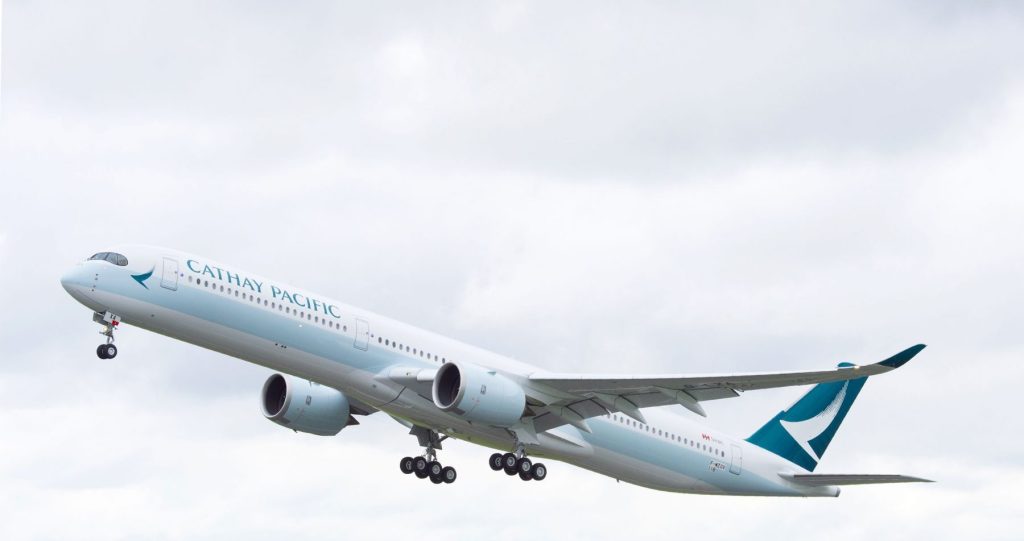
Washington ha advertido que puede restringir los vuelos de aerolíneas locales como Cathay Pacific Airways por objeciones a las reglas de cuarentena de Hong Kong, que según dice están negando «oportunidades justas e igualitarias» a las aerolíneas estadounidenses. El Departamento de Transporte de Estados Unidos dijo en una orden el Martes 16/03 que estaba considerando tomar represalias contra las regulaciones de cuarentena de aviones de Hong Kong, que obligaron a la aerolínea de carga estadounidense FedEx a sacar a 180 pilotos de la ciudad para proteger sus horarios de vuelo contra futuras interrupciones. La agencia estadounidense también pidió a Cathay Pacific que presentara sus horarios para todos los vuelos estadounidenses en un plazo de siete días para poder evaluar si podrían «ser contrarios a la ley aplicable o afectar negativamente el interés público».

Hong Kong impuso el 20 de Febrero de 2021 medidas de cuarentena a los tripulantes de vuelo que se habían quedado fuera de la ciudad, pero excluidos de la regla de los que llegaban de China continental y Anchorage, Alaska. Alaska es una parada crítica de tránsito de carga para los vuelos de Cathay. «La forma en que Hong Kong ha impuesto sus restricciones afecta desproporcionadamente a los transportistas estadounidenses en beneficio exclusivo de los transportistas de Hong Kong. Este desequilibrio niega a los transportistas estadounidenses su derecho bilateral a una oportunidad justa e igualitaria para competir en el mercado entre Estados Unidos y Hong Kong», dijo el Departamento de Transporte (DOT).

Agregó que el «esculpido» permitió que la operación de carga de Cathay continuara «sin impacto» por los requisitos de cuarentena de la tripulación. Señaló que la tripulación de FedEx en Hong Kong, que volaba dentro de Asia, no se beneficiaría de tal exención.

FedEx se vio obligada a trasladar a su tripulación de vuelo con sede en Hong Kong a San Francisco para mantener la estabilidad de sus operaciones, y para no obligarlos a sufrir un aislamiento repetido y separarse de sus familias. El Consulado estadounidense en Hong Kong ha planteado repetidamente la cuestión al gobierno de la ciudad, mientras que FedEx también ha propuesto estrictas medidas de salud y seguridad para que su tripulación obtenga una exención de cuarentena.

Una portavoz de FedEx dijo que la compañía continuaría trabajando con los gobiernos de Estados Unidos y Hong Kong y su sindicato de pilotos para hacer frente a las restricciones de cuarentena. «Esperamos que las medidas adoptadas por el Departamento de Transporte de los Estados Unidos el 16 de marzo ayuden a resolver este asunto». HK Express y Hong Kong Airlines también fueron citados en el orden, pero ninguno vuela a los Estados Unidos. Jae Woon Lee, experto en derecho y políticas de aviación y profesor asistente de la Universidad China, explicó que el transporte aéreo internacional se había regido principalmente por alrededor de 4.000 acuerdos bilaterales de servicios aéreos. «El hecho de que sólo Anchorage estuviera exento del requisito de cuarentena de la tripulación puede apoyar el argumento de que el campo de juego no está nivelado. Sin embargo, no se trata de un caso claro, ya que la exención no se basa en la nacionalidad de las compañías aéreas. Una pregunta más grande es si el estatus de centro de aviación internacional de Hong Kong podría verse afectado y en qué medida».

Cathay Pacific también se ha visto duramente afectada por los requisitos de cuarentena. Redujo sus ya esqueléticos horarios de vuelos de pasajeros y carga en un 60 y un 25%, respectivamente. Cathay Pacific dijo que cumpliría con todas las regulaciones de aviación en Hong Kong y los destinos a los que vuela. «Cathay Pacific cree que el asunto debe resolverse lo antes posible en interés del público general y viajero», dijo una portavoz de la aerolínea.

Washington restrictions on Hong Kong

Flight restrictions due to quarantine rules

Washington has warned that it may restrict the flights of local airlines such as Cathay Pacific Airways over objections to Hong Kong’s quarantine rules, which it says are denying «fair and equal opportunities» to US airlines. The United States Department of Transportation said in an order on Tuesday 03/16 that it was considering retaliation against Hong Kong’s aircraft quarantine regulations, which forced US cargo carrier FedEx to remove 180 pilots from the city to protect your flight schedules against future interruptions. The US agency also asked Cathay Pacific to submit its schedules for all US flights within seven days in order to assess whether they could «be contrary to applicable law or negatively affect the public interest».

Hong Kong imposed quarantine measures on February 20, 2021 on flight crew members who had stayed outside the city, but excluded from the rule for those arriving from mainland China and Anchorage, Alaska. Alaska is a critical cargo transit stop for Cathay flights. «The way Hong Kong has imposed its restrictions disproportionately affects US carriers to the exclusive benefit of Hong Kong carriers. This imbalance denies US carriers their bilateral right to a fair and equal opportunity to compete in the inter-state market. United States and Hong Kong», said the Department of Transportation (DOT).

He added that the «sculpting» allowed Cathay’s cargo operation to continue «without impact» due to crew quarantine requirements. He noted that the FedEx crew in Hong Kong, flying within Asia, would not benefit from such an exemption.

FedEx was forced to relocate its Hong Kong-based flight crew to San Francisco to maintain the stability of its operations, and not to force them to suffer repeated isolation and separation from their families. The US consulate in Hong Kong has repeatedly raised the issue with the city government, while FedEx has also proposed strict health and safety measures for its crew to obtain a quarantine exemption.

A FedEx spokeswoman said the company would continue to work with the United States and Hong Kong governments and their pilots union to address the quarantine restrictions: «We hope that the actions taken by the United States Department of Transportation on March 16 will help resolve this matter». HK Express and Hong Kong Airlines were also cited in the order, but neither flies to the United States. Jae Woon Lee, an expert in aviation law and policy and assistant professor at the Chinese University, explained that international air transport had been governed mainly by around 4,000 bilateral air services agreements. «The fact that only Anchorage was exempt from the crew quarantine requirement may support the argument that the playing field is not level. This is not a clear case, however, as the exemption is not based on the nationality of airlines. A bigger question is whether and to what extent Hong Kong’s international aviation hub status could be affected».

Cathay Pacific has also been hit hard by quarantine requirements. It cut its already skeletal passenger and cargo flight schedules by 60 and 25%, respectively. Cathay Pacific said it would comply with all aviation regulations in Hong Kong and the destinations it flies to. «Cathay Pacific believes that the matter should be resolved as soon as possible in the interest of the general public and the traveler», said an airline spokeswoman.

華盛頓對香港的限制
檢疫規定造成的航班限制

華盛頓警告稱,由於對香港檢疫規定的異議,它可能限制國泰航空等當地航空公司的航班,該公司稱這拒絕了美國航空公司的“公平和平等機會”。美國運輸部在周三03/16的命令中說,它正在考慮對香港的飛機檢疫規定進行報復,該規定迫使美國貨運公司聯邦快遞從該市遣散180名飛行員,以保護您的航班時刻表不受將來的干擾。這家美國機構還要求國泰航空公司在7天內提交其所有美國航班的時間表,以評估它們是否可能“違反適用法律或對公眾利益產生負面影響”。

香港於2021年2月20日對居住在城市以外但對來自中國大陸和阿拉斯加安克雷奇的人員不加限制的飛行機組實施了隔離措施。阿拉斯加是國泰航班的重要貨運中轉站。 “香港施加限制的方式對美國航空承運人產生了不成比例的影響,使香港航空承運人獨享利益。這種失衡剝奪了美國航空承運人享有在州際市場競爭的公平和平等機會的雙邊權利。美國和香港”,運輸部(DOT)說。

他補充說,由於船員的檢疫要求,“雕刻”使國泰航空的貨運業務得以“無影響”地繼續進行。他指出,在亞洲境內飛行的香港聯邦快遞機組人員將不會從這種豁免中受益。

聯邦快遞被迫將其駐香港的飛行機組人員遷往舊金山,以維持其運營的穩定性,而不是迫使他們反复遭受與家人的孤立和隔離。美國駐香港領事館已多次向市政府提出這一問題,而聯邦快遞還提出了嚴格的健康和安全措施,要求船員獲得檢疫豁免。

聯邦快遞的一位女發言人表示,該公司將繼續與美國和香港政府及其飛行員工會合作,以解決檢疫方面的限制。“我們希望美國運輸部3月16日採取的行動將有助於解決這一問題。”訂單中還引用了HK Express和Hong Kong Airlines,但兩者均未飛往美國。中國大學航空法律和政策專家,中國大學助理教授Jae Woon Lee解釋說,國際航空運輸主要受約4,000份雙邊航空服務協定的約束。 “只有安克雷奇免除機組檢疫要求這一事實可能支持這樣一個論點,即競爭環境不公平。但這不是一個明確的案例,因為豁免不是基於航空公司的國籍。更大的問題是香港的國際航空樞紐地位是否受到影響以及在何種程度上受到影響”。

國泰航空也受到檢疫要求的打擊。它已將已經基本的客運和貨運航班時刻表分別削減了60%和25%。國泰航空表示將遵守香港及其飛往目的地的所有航空法規。航空公司發言人說:“國泰航空認為,應盡快解決此事,以符合公眾和旅客的利益。”


PUBLISHER: Airgways.com
DBk: Transportation.gov / Scmp.com / Cathaypacific.com / Airgways.com
AW-POST: 202103171600AR

A\W   A I R G W A Y S ®
Europa-EEUU alianza contra emisiones

AW | 2021 03 16 16:19 | GOVERNMENT / AVIATION

Europa busca alianza con EEUU para contra emisiones aviación

La Unión Europea (UE) quiere trabajar con el Gobierno de Estados Unidos para frenar la contaminación de la aviación al cambio climático, incluso a través de posibles normas para la reducción de contaminación del combustible para aviones, dijo el Martes 16/03 un alto funcionario de la Comisión Europea (CE).

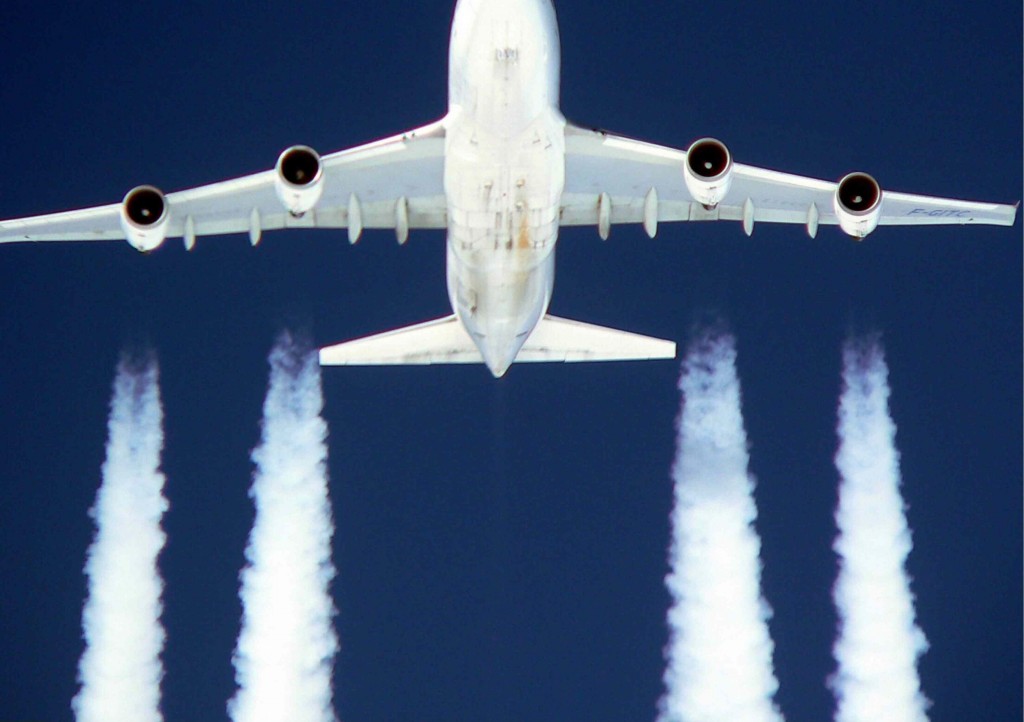
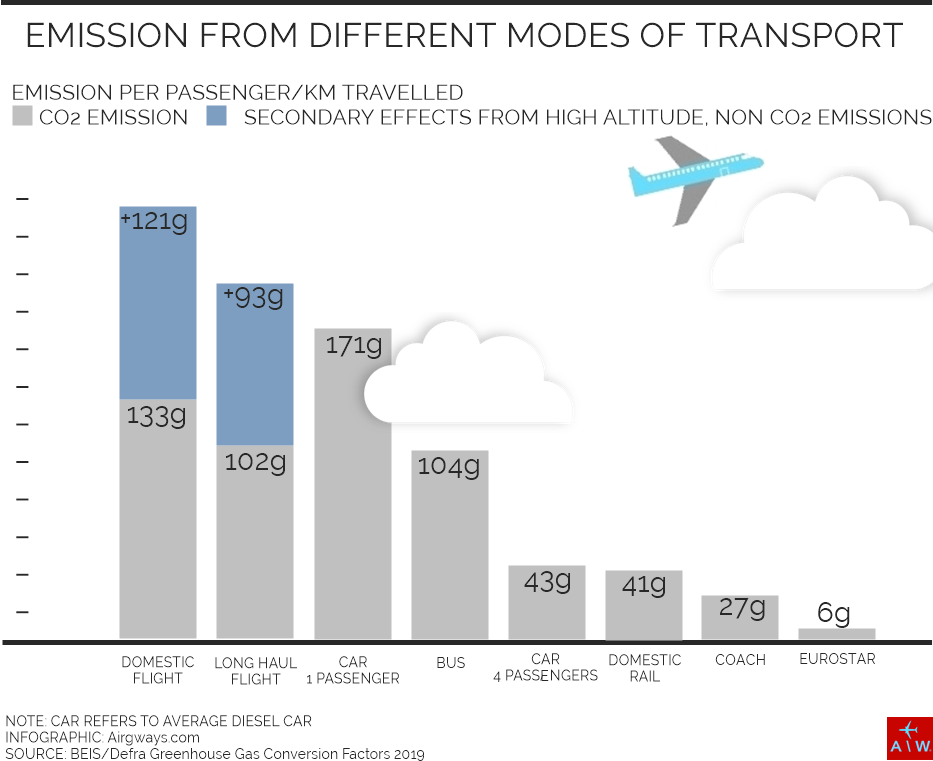
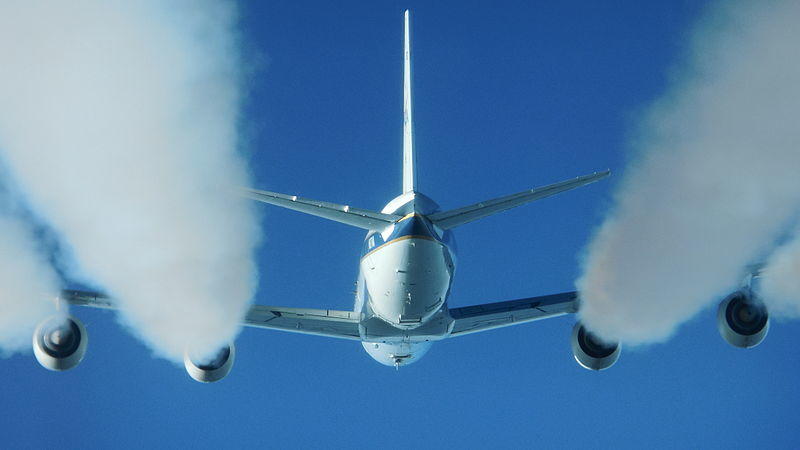
La Unión Europea ha dicho que todos los sectores deben contribuir a su objetivo de eliminar sus emisiones netas de gases de efecto invernadero que causan el cambio climático para 2050. Eso incluye la aviación, cuyas emisiones globales aumentaron en las últimas dos décadas hasta que la pandemia Covid-19 aterrizó vuelos y causó una disminución temporal de la contaminación el año pasado. Además de emitir dióxido de carbono, los vuelos contribuyen al cambio climático produciendo gases nitrosos, contrails de hollín y vapor de agua que pueden causar un efecto de calentamiento amplificado. «Históricamente, estos impactos no relacionados con el CO2 realmente no han sido tomados en cuenta, y tal vez podríamos trabajar con la administración estadounidense para alentarlos a ser tomados en cuenta», dijo Damien Meadows, Jefe Interino del Departamento de Política Climática de Aviación de la Comisión.

Un estudio de la UE en Noviembre 2020 encontró que las emisiones no de CO2 son responsables de aproximadamente dos tercios del calentamiento global causado por la aviación. «Si trabajábamos con Estados Unidos podríamos tratar de aumentar los estándares de combustible para disminuir la cantidad de elementos hollín que causan impactos no relacionados con el CO2», dijo Damien Meadows al Parlamento Europeo. Otra opción podría ser diseñar rutas de vuelo transatlánticas para minimizar sus rastros de condensación.

El Gobierno de Biden ha dado señales tempranas de que examinará el impacto climático de la aviación, incluso con el nombramiento de Annie Petsonk como la principal funcionaria de aviación internacional del Departamento de Transporte. Annie Petsonk, una abogada ambientalista, trabajó durante años en el Fondo de Defensa Ambiental sin fines de lucro para presionar a los Estados Unidos a adoptar políticas de emisiones de aviación más estrictas. Mientras tanto, Europa está redactando objetivos, que se propondrán en el segundo trimestre del año, para que las aerolíneas utilicen una proporción mínima de combustibles de aviación sostenibles. También está considerando cambios en el impuesto a los combustibles para acelerar el cambio del queroseno de los combustibles fósiles.

Europe-US alliance against emissions

Europe seeks alliance with the US to tackle aviation emissions

The European Union (EU) wants to work with the United States government to curb pollution from aviation to climate change, including through possible rules for reducing pollution from jet fuel, a senior official said on Tuesday 03/16. of the European Commission (EC).

The European Union has said that all sectors must contribute to its goal of eliminating their net emissions of greenhouse gases that cause climate change by 2050. That includes aviation, whose global emissions increased in the last two decades until the pandemic. COVID-19 landed flights and caused a temporary decrease in pollution last year. In addition to emitting carbon dioxide, flights contribute to climate change by producing nitrous gases, soot contrails and water vapor that can cause an amplified warming effect. «Historically, these non-CO2 related impacts have not really been accounted for, and perhaps we could work with the US administration to encourage them to be accounted for», said Damien Meadows, Acting Head of the Aviation Climate Policy Department of the Commission.

An EU study in November 2020 found that non-CO2 emissions are responsible for about two-thirds of global warming caused by aviation. «If we worked with the United States we could try to raise fuel standards to decrease the amount of sooty elements that cause non-CO2 related impacts», Damien Meadows told the European Parliament. Another option could be to design transatlantic flight paths to minimize their condensation trails.

The Biden Administration has given early signs that it will examine aviation’s climate impact, including with the appointment of Annie Petsonk as the Department of Transportation’s top international aviation official. Annie Petsonk, an environmental attorney, worked for years at the nonprofit Environmental Defense Fund to pressure the United States to adopt stricter aviation emissions policies. Meanwhile, Europe is writing targets, to be proposed in the second quarter of the year, for airlines to use a minimum proportion of sustainable aviation fuels. It is also considering changes to the fuel tax to accelerate the shift from kerosene to fossil fuels.


PUBLISHER: Airgways.com
DBk: Ec.europa.eu / Europarl.europa.eu / Gov.uk / Nasa.gov / Gettyimages.com / Airgways.com
AW-POST: 202103161619AR

A\W   A I R G W A Y S ®
Francia-España acuerdo combustibles

AW | 2021 03 16 12:17 | GOVERNMENT / AVIATION / AVIATION ORGANISMS

Francia y España firman acuerdo combustibles sostenibles aviación

En el marco de la XXVI Cumbre Bilateral entre Francia y España, las ministras de Transición Ecológica, Bárbara Pompili y Teresa Ribera, han firmado un Memorándum de Entendimiento (MoU) sobre combustibles sostenibles en el sector de la aviación y han acordado acelerar la cooperación en materia de interconexiones eléctricas. Entre esos combustibles alternativos se encuentran los biocarburantes. La Asociación de Líneas Aéreas (ALA) de España ha apoyado el memorándum para acelerar el camino hacia la descarbonización del sector aéreo.

Hace años que la industria de la aviación decidió llamarlos combustibles sostenibles para la aviación, en general, pero a día de hoy los biocarburantes son los únicos totalmente disponibles para sustituir a los combustibles fósiles en el transporte aéreo. Por el contrario, la ambigüedad del término permite que en algunos documentos de la Organización de las Naciones Unidos para la Aviación Civil Internacional (OACI) se incluyan «combustibles de aviación de bajo carbono basados en fósiles”.

La imagen tiene un atributo ALT vacío; su nombre de archivo es aw-7008899-1.jpg

El Memorándum de Entendimiento sobre combustibles sostenibles en el sector de la aviación entre Francia y España ha sido firmado también por el Ministerio de Transportes, Movilidad y Agenda Urbana (Mitma). Según la nota de prensa del Ministerio para la Transición Ecológica y el Reto Demográfico (Miteco): ”el objetivo último es facilitar el impulso de iniciativas y consorcios industriales para el abastecimiento conjunto de combustibles sostenibles para aviación en ambos países y de otros mercados de la Unión Europea”. La manera de alcanzar dicho objetivo se basa en “el fortalecimiento de asociaciones con el sector privado, entidades de investigación académica y la promoción de iniciativas de coordinación, incluida la facilitación y apoyo para el intercambio de acciones y buenas prácticas entre la Hoja de Ruta para Biocombustibles Aeronáuticos Sostenibles en el Transporte Aéreo Francés y la estrategia de movilidad segura, sostenible y conectada en España”.

Papel preponderante para biocarburantes, combustibles sintéticos, hidrógeno y biogás. En dicha estrategia, elaborada por el Mitma, sí se habla expresamente de biocarburantes (no en la europea), al igual que en la hoja de ruta francesa. En concreto se dice que “a corto y medio plazo los biocarburantes sostenibles, los combustibles sintéticos avanzados, el hidrógeno limpio –producido con energías renovables–y el gas natural, en particular el biogás, deberán tener un papel preponderante en la transición energética”.

La estrategia habla de que, al igual que en el transporte por carretera, se deben establecer “obligaciones de suministro de biocarburantes y otros combustibles renovables de origen no biológico en los transportes ferroviario, aéreo y marítimo, lo que debe ir acompañado de un sistema de certificación de su sostenibilidad y un programa de incentivos”. La futura ley de cambio climático y transición energética prevé establecer dichos objetivos objetivos anuales de suministro en el transporte aéreo, con especial énfasis en los avanzados.

Sobre los combustibles que no impacten sobre la biodiversidad y acentúen la deforestación, el Memorándum firmado entre Francia y España pone especial énfasis en la importancia de “alcanzar los objetivos de energías renovables y velar por la sostenibilidad en la producción de los combustibles, para que no conlleven un impacto sobre la biodiversidad, no acentúen los riesgos de deforestación ni de competencia con cultivos dedicados a la alimentación y no comprometan los objetivos europeos en materia de reciclaje y preparación para la reutilización”.

La Asociación de Líneas Aéreas (ALA) ha emitido un comunicado dando el apoyo al Memorándum. Su presidente, Javier Gándara, afirma que “supone un paso adelante en el desarrollo de los combustibles de aviación sostenible, y en la creación de un mercado” que espera que facilite su implementación y uso por las compañías aéreas y “acelerar así el camino hacia la descarbonización del sector aéreo”.

En los esfuerzos por reducir las emisiones de la aviación, Javier Gándara añade que “las compañías aéreas llevamos años explorando las oportunidades que ofrecen estos combustibles y otras tecnologías para reducir la huella de carbono de la aviación, pero es imprescindible el apoyo de los gobiernos para favorecer esa transición”. A pesar de todo, hace dos años la Agencia Europea de Seguridad Aérea (AESA) emitió un informe en el que afirmaba que no se cumplirá con el pronóstico de la plataforma European Advanced Biofuels Flightpath de llegar a 2020 con dos millones de toneladas de biocarburantes, esencialmente avanzados, en los aviones.

El comunicado de ALA afirma que “en la actualidad el sector aéreo está explorando otras opciones más allá de los combustibles sostenibles que posibiliten reducir su huella de carbono, como los proyectos de compensación de carbono, el uso del hidrógeno en la aviación, el avión eléctrico o híbrido, además de medidas económicas como el comercio de derechos de emisión”. Desde ONG ecologistas se pide que además de las referidas se introduzca otra imprescindible: la drástica reducción del número de vuelos.

El mermorándum forma parte de la declaración conjunta salida de la cumbre entre Francia y España por la que se comprometen “a cooperar para reafirmar el liderazgo climático de la Unión Europea, avanzar hacia la neutralidad climática en 2050, impulsar una transición energética verde, equitativa y ambiciosa y renovar la ambición internacional en favor de la biodiversidad, la prevención de la desertificación y la conservación de los océanos”.

Ambos países manifiestan su “apoyo a la rápida implementación de todas las disposiciones del Acuerdo de París y dan la bienvenida al regreso de Estados Unidos para fortalecer la respuesta global a la amenaza del cambio climático y continuar los esfuerzos para limitar el aumento de la temperatura media a 1,5 grados centígrados con respecto a los niveles preindustriales, como recomienda la ciencia”.

En el ámbito energético las ministras Teresa Ribera y Bárbara Pompili han abordado “el compromiso alcanzado recientemente por los operadores del sistema eléctrico en España y Francia (REE y RTE) para acelerar la cooperación en materia de interconexiones, de forma que se impulse la construcción del nuevo enlace submarino por el Golfo de Vizcaya y se produzca el avance objetivo de los proyectos de las interconexiones transpirenaicas para alcanzar, al menos, 8.000 megavatios de capacidad de intercambio de la península ibérica con Centroeuropa”.

France-Spain fuel agreement

France and Spain sign aviation sustainable fuels agreement

Within the framework of the XXVI Bilateral Summit between France and Spain, the Ministers of Ecological Transition, Bárbara Pompili and Teresa Ribera, have signed a Memorandum of Understanding (MoU) on sustainable fuels in the aviation sector and have agreed to accelerate cooperation in matter of electrical interconnections. Among these alternative fuels are biofuels. The Spanish Airline Association (ALA) has supported the memorandum to accelerate the path towards decarbonization of the airline sector.

Years ago the aviation industry decided to call them sustainable aviation fuels, in general, but today biofuels are the only fully available to replace fossil fuels in air transport. On the contrary, the ambiguity of the term allows some documents of the United Nations International Civil Aviation Organization (ICAO) to include «low-carbon fossil-based aviation fuels».

The Memorandum of Understanding on sustainable fuels in the aviation sector between France and Spain has also been signed by the Ministry of Transport, Mobility and Urban Agenda (Mitma). According to the press release of the Ministry for the Ecological Transition and the Demographic Challenge (Miteco): «the ultimate objective is to facilitate the promotion of initiatives and industrial consortia for the joint supply of sustainable fuels for aviation in both countries and other markets of the European Union». The way to achieve this objective is based on “the strengthening of partnerships with the private sector, academic research entities and the promotion of coordination initiatives, including facilitation and support for the exchange of actions and good practices between the Roadmap for Sustainable Aeronautical Biofuels in French Air Transport and the strategy of safe, sustainable and connected mobility in Spain”.

«Prevailing role» for biofuels, synthetic fuels, hydrogen and biogas. In this strategy, drawn up by Mitma, it does expressly speak of biofuels (not in the European one), as in the French roadmap. Specifically, it is said that «in the short and medium term, sustainable biofuels, advanced synthetic fuels, clean hydrogen -produced with renewable energies- and natural gas, particularly biogas, should play a leading role in the energy transition».

The strategy speaks of the fact that, as in road transport, “obligations to supply biofuels and other renewable fuels of non-biological origin in rail, air and maritime transport must be established, which must be accompanied by a system of certification of its sustainability and an incentive program”. The future law on climate change and energy transition plans to establish such annual supply objectives in air transport, with special emphasis on advanced ones.

Regarding fuels that do not impact on biodiversity and accentuate deforestation, the Memorandum signed between France and Spain places special emphasis on the importance of “achieving renewable energy objectives and ensuring sustainability in the production of fuels, so that no have an impact on biodiversity, do not increase the risks of deforestation or competition with crops dedicated to food and do not compromise European objectives in terms of recycling and preparation for reuse”.

The Air Lines Association (ALA) has issued a statement supporting the Memorandum. Its president, Javier Gándara, affirms that “it represents a step forward in the development of sustainable aviation fuels, and in the creation of a market” that he hopes will facilitate their implementation and use by airlines and “thus accelerate the path towards the decarbonisation of the airline sector”.

In efforts to reduce aviation emissions, Javier Gándara adds that “the airlines have spent years exploring the opportunities offered by these fuels and other technologies to reduce the carbon footprint of aviation, but the support of governments is essential to favor that transition”. Despite everything, two years ago the European Aviation Safety Agency (EASA) issued a report stating that the forecast of the European Advanced Biofuels Flightpath platform of reaching 2020 with two million tons of biofuels will not be met, essentially advanced, on airplanes.

The ALA statement affirms that “currently the aviation sector is exploring other options beyond sustainable fuels that make it possible to reduce its carbon footprint, such as carbon offset projects, the use of hydrogen in aviation, electric aircraft or hybrid, in addition to economic measures such as emission rights trading”. From environmental NGOs, it is requested that in addition to those referred to, another essential is introduced: the drastic reduction in the number of flights.

The mermorandum is part of the joint declaration out of the summit between France and Spain by which they commit “to cooperate to reaffirm the climate leadership of the European Union, move towards climate neutrality in 2050, promote a green, equitable and sustainable energy transition. ambitious and renew international ambition in favor of biodiversity, the prevention of desertification and the conservation of the oceans”.

Both countries express their “support for the rapid implementation of all provisions of the Paris Agreement and welcome the return of the United States to strengthen the global response to the threat of climate change and continue efforts to limit the increase in average temperature. to 1.5 degrees centigrade with respect to the pre-industrial levels, as recommended by science”.

In the energy field, the ministers Teresa Ribera and Bárbara Pompili have addressed “the commitment recently reached by the operators of the electricity system in Spain and France (REE and RTE) to accelerate cooperation on interconnections, so as to promote the construction of the new submarine link through the Bay of Biscay and the objective progress of the trans-Pyrenean interconnections projects to reach, at least, 8,000 megawatts of exchange capacity of the Iberian Peninsula with Central Europe”.


PUBLISHER: Airgways.com
DBk: Diplomatie.gouv.fr / Energias-renovables.com / Easa.europa.eu / Alaspain.com / Airgways.com
AW-POST: 202103161217AR

A\W   A I R G W A Y S ®

Mexicana continúan litigios de bienes

AW | 2021 03 15 10:33 | AIRLINES / AVIATION ORGANISMS / GOVERNMENT

Sindicato ASPA sostiene relanzar Mexicana

Mexicana_Isologotype

Rafael Suárez, Presidente de la Delegación de la Compañía Mexicana de Aviación en la Asociación Sindical de Pilotos Aviadores (ASPA) de México, enfatizó que los ex-trabajadores de la extinta aerolínea no tienen las facultades para decidir el destino de los bienes de la empresa, luego de que la Asociación de Jubilados, Trabajadores y Ex trabajadores de la Aviación Mexicana (AJTEAM) informó que agremiados de distintas asociaciones optaron por rematar los bienes. “La última luz que le quedaba a Mexicana se extingue por la decisión de sus dirigencias sindicales […] los agremiados se inclinan por el remate de los bienes, repartir la resultante y de esa forma darle santa sepultura a la posibilidad de ver nuevamente surcar los cielos a la que en otros tiempos fue la línea bandera de nuestro país”, dijo AJTEAM en un comunicado.

Los bienes restantes de Mexicana estarían valuados en alrededor de MX$ 1.100 millones de Pesos Mexicanos, aproximadamente el 10% del valor de los laudos, informó AJTEAM, y señaló que jubilados, trabajadores y ex-trabajadores de Mexicana agremiados de ASPA, la Asociación Sindical de Sobrecargos Aviación, Sindicato Nacional de Trabajadores de Transportes, Transformación, Aviación, Servicios y Similares, y la Coalición de Empleados de Confianza, abandonaron los diálogos para el posible regreso de la aerolínea bajo un esquema de cooperativa, sin embargo, Rafael Suárez asegura que los trabajos para relanzar la empresa continúan.

Los ex-empleados de la extinta aerolínea han mantenido seis reuniones de trabajo desde 2020 con autoridades del Instituto Nacional de la Economía Social (INAES). El objetivo es relanzar la empresa para ayudar a liquidar a los colaboradores afectados por la suspensión de operaciones de Mexicana y hacer el pago de las pensiones, ya que los bienes que quedan no cubrirían los pendientes que se tienen con los trabajadores.

Rafael Suárez explicó que los ex-trabajadores no pueden elegir qué se hace con los bienes de la extinta aerolínea, y reiteró en reunión ante al INAES, que los bienes que aún quedan en la masa concursal de Mexicana no pueden disponerse, puesto que están en litigio. “Hay leyes, un concurso mercantil y hay un síndico, este último es quien lleva a cabo las acciones para terminar ese concurso mercantil (…) Nosotros, como trabajadores, no podemos decidir si queremos tal o cual bien. Así no funciona la ley”, señaló el miembro de ASPA. Rafael Suárez señaló en la misma línea que la creación de una cooperativa causó nulo interés entre los ex-trabajadores de Mexicana, y aseguró que a largo de todas las reuniones con el INAES, nunca hubo más de 120 de los más de siete mil ex-trabajadores participando.

“Cien personas no pueden disponer del derecho laboral de 7.500 trabajadores. Si los sobrecargos jubilados quieren trabajar en la conformación de una Cooperativa, podrán hacerlo laborando de forma activa. Esto sigue adelante”, expresa Rafael Suárez. El Presidente de ASPA ha añadido que el sindicato debe seguir paso a paso los juicios y laudos promovidos para llegar a término en beneficio de los trabajadores de Mexicana. El INAES extendió una organización a las asociaciones sindicales para llevar a cabo una reunión virtual el próximo 23 de Marzo de 2021 a las 17:00 horas para avanzar sobre el caso de Mexicana de Aviación.

Mexican property litigation continues

ASPA union supports relaunch of Mexicana

Rafael Suárez, President of the Delegation of the Compañía Mexicana de Aviación in the Union Association of Pilots Aviators (ASPA) of Mexico, emphasized that the ex-workers of the extinct airline do not have the powers to decide the destination of the company’s assets, after the Association of Retirees, Workers and Former Workers of the Mexican Aviation (AJTEAM) reported that members of different associations chose to auction off the assets.

Mexicana_0002

“The last light that was left to Mexicana is extinguished by the decision of its union leaders […] the union members are inclined to auction off the assets, distribute the resulting and thus give a holy burial to the possibility of seeing again take to the skies to what was once the flag line of our country», said AJTEAM in a statement.

The remaining assets of Mexicana would be valued at around MX$ 1,100 million Mexican Pesos, approximately 10% of the value of the awards, reported AJTEAM, noting that retirees, workers and ex-workers of Mexicana members of ASPA, the Trade Union Association de Sobrecargos Aviación, National Union of Transport, Transformation, Aviation, Services and Similar Workers, and the Coalition of Trusted Employees, abandoned the dialogues for the possible return of the airline under a cooperative scheme, however, Rafael Suárez assures that work to relaunch the company continues.

Former employees of the defunct airline have held six work meetings since 2020 with authorities from the National Institute of Social Economy (INAES). The objective is to relaunch the company to help liquidate the collaborators affected by the suspension of Mexicana operations and make the payment of pensions, since the assets that remain would not cover the pending that they have with the workers.

Rafael Suárez explained that ex-workers cannot choose what to do with the assets of the defunct airline, and reiterated in a meeting before INAES that the assets that still remain in the Mexican bankruptcy cannot be disposed of, since they are in litigation. “There are laws, a commercial bankruptcy and there is a trustee, the latter is the one who carries out the actions to end this commercial bankruptcy (…) We, as workers, cannot decide if we want this or that good. This is not how the law works”, said the ASPA member. Rafael Suárez pointed out along the same lines that the creation of a cooperative caused no interest among former Mexicana workers, and assured that throughout all the meetings with INAES, there were never more than 120 of the more than seven thousand former workers. workers participating.

“One hundred people cannot have the labor rights of 7,500 workers. If the retired flight attendants want to work in the formation of a Cooperative, they will be able to do so by working actively. This continues”, says Rafael Suárez. The President of ASPA has added that the union must follow the lawsuits and awards filed step by step in order to reach a conclusion for the benefit of Mexicana workers. INAES extended an organization to union associations to hold a virtual meeting on March 23, 2021 at 05:00 p.m. to advance on the case of Mexicana de Aviación.


PUBLISHER: Airgways.com
DBk: Aspa.org.mx / Gob.mx/inaes / Airgways.com
AW-POST: 202103151033AR

A\W   A I R G W A Y S ®
British exhorta plan reapertura

AW | 2021 03 14 16:17 | AIRLINES / GOVERNMENT

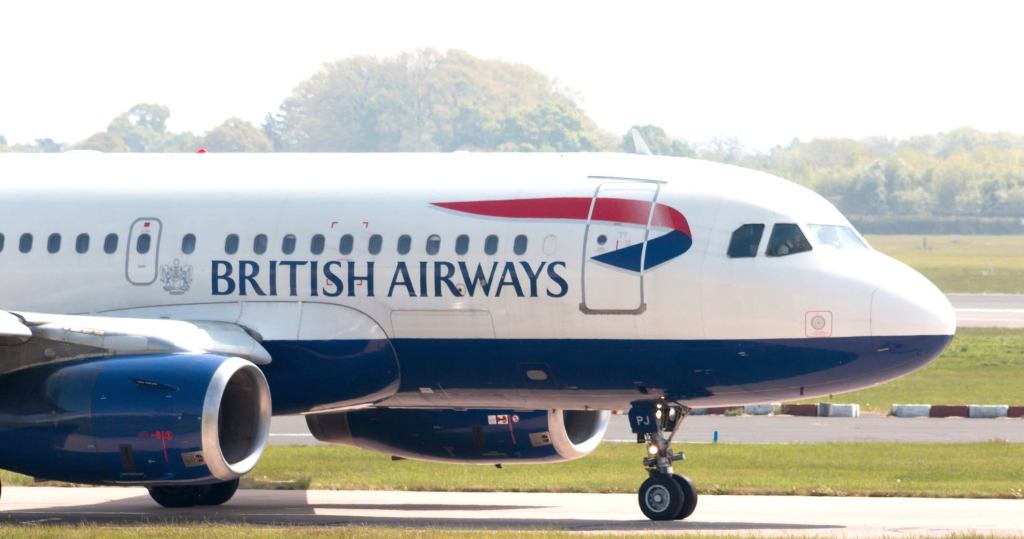
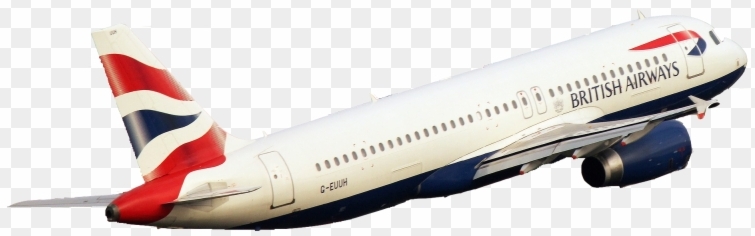
British Airways solicita al Gobierno plan definido de reapertura

British_Airways_Isologotype Newell & Sorell, 1997

AW-BA_700320200

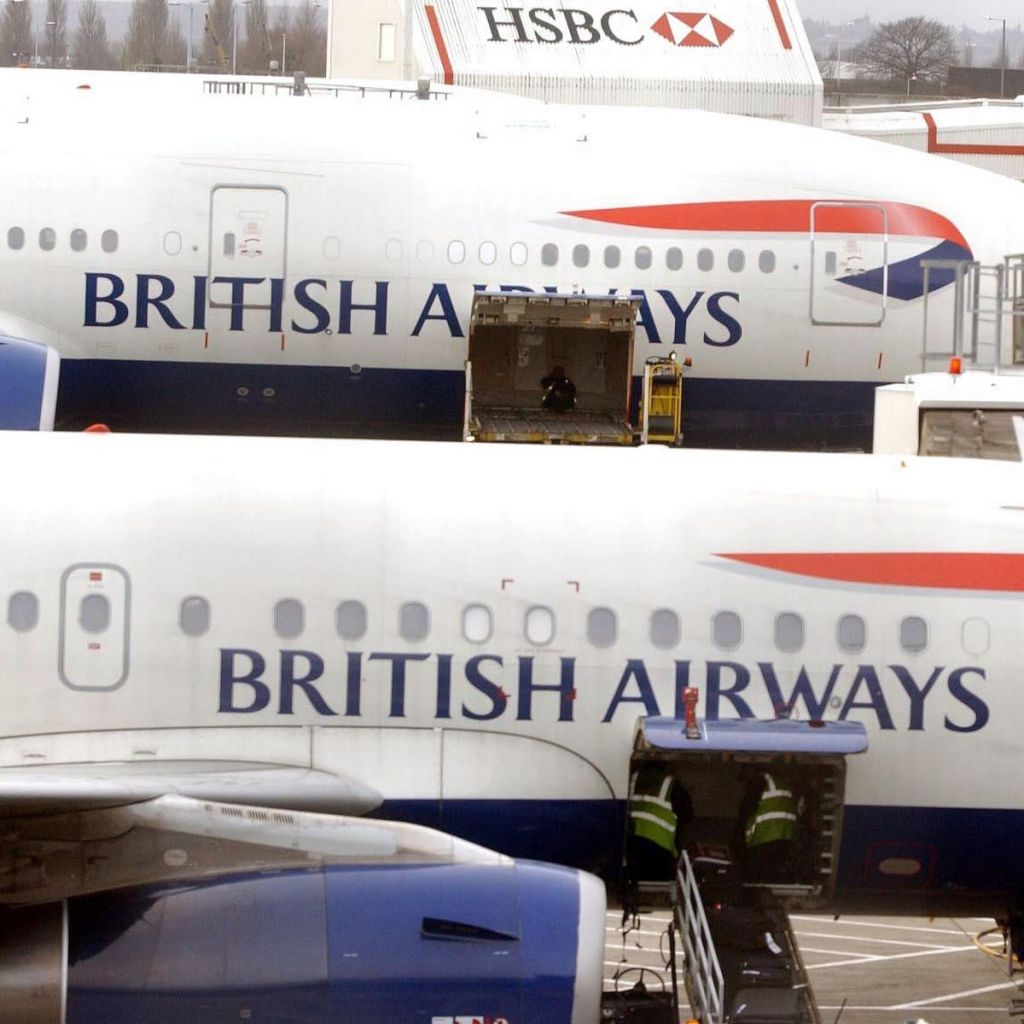
La aerolínea British Airways (BA) ha exhortado al Gobierno del Reino Unido que se debería permitir a las personas vacunadas viajar sin restricciones y a las personas no vacunadas con una prueba negativa de COVID-19, ya que expuso sus ideas para un reinicio de viaje un mes antes de que el Gobierno termine sus planes definidos. Las vacaciones no estarán permitidas hasta el 17/05 como muy pronto, ha dicho el Gobierno, pero antes de eso, el 12/04, Gran Bretaña anunciará cómo y cuándo pueden reanudarse los viajes no esenciales dentro y fuera del país.

Sean Doyle, Director Ejecutivo de British Airways ha solicitado al Gobierno que trabajara con otros gobiernos para permitir que las vacunas y las aplicaciones de salud abrieran los viajes, después de un año en el que el vuelo mínimo ha dejado a muchas aerolíneas en soporte vital. «Creo que las personas que han sido vacunadas deberían poder viajar sin restricciones. Aquellos que no han sido vacunados deben poder viajar con un resultado negativo de la prueba», expresó el ejecutivo de BA.

La implementación de vacunas ha hecho optimista de que British Airways volvería a volar este verano boreal, pero ha expresado que la recuperación depende de lo que se diga a partir de la decisión del Gobierno el 12/04. Sean Doyle ha expresado que el Gobierno dé su respaldo a las aplicaciones sanitarias que se pueden utilizar para verificar los resultados negativos de las pruebas Covid-19 de una persona y el estado de vacunación. Las aplicaciones serán clave para facilitar los viajes a escala, ha dicho la industria. El personal de la aerolínea que revisa la documentación tarda 20 minutos por pasajero.

Gran Bretaña ha implementado rápidamente vacunas y el 44% de la población adulta, en su mayoría personas mayores de 60 años, han tenido su primera oportunidad. El Gobierno ha dicho que cualquier regreso a los viajes debe ser justo y no perjudicar indebidamente a aquellos que no han sido vacunados. Sean Doyle espera que Gran Bretaña traiga un marco escalonado con destinos puestos en categorías dependiendo del riesgo, y eso determinará el horario de verano de BA.

Más allá de decir que había una «enorme demanda acumulada», Doyle declinó pronosticar cuán fuerte podría ser la temporada. Su rival de presupuesto Ryanair, la mayor aerolínea de Europa, ha dicho que espera volar hasta el 70% del número de pasajeros de 2019 este verano boreal.

British Airways ha llegado a un acuerdo con un proveedor de kit de pruebas que ofrece a sus pasajeros pruebas de 33 Libras/US$ 46 para llevar al extranjero. Los comentaristas de viajes esperan que la mayoría de las aerolíneas europeas se centren en las rutas de ocio de corta distancia este verano 2021, y Sean Doyle señaló que Francia, Grecia, Portugal, Chipre y España se habían pronunciado favorablemente al dar la bienvenida a los turistas británicos, mientras que British Airways también estaba mirando más lejos. «Ya estamos viendo nuevos destinos durante el verano a los que no hemos volado antes, y eso podría ser tanto a largo como a corto plazo», expresó Sean Doyle.

British urges reopening plan

British Airways asks the Government for a defined reopening plan

AW-BA_78780001

The airline British Airways (BA) has urged the UK Government that vaccinated people should be allowed to travel without restrictions and people not vaccinated with a negative COVID-19 test, as it outlined its ideas for a travel restart a month before the Government finishes its defined plans. Holidays will not be allowed until 05/17 at the earliest, the government has said, but before that, on 04/12, Britain will announce how and when non-essential travel in and out of the country can resume.

Sean Doyle, Chief Executive Officer of British Airways has asked the Government to work with other governments to allow vaccines and health apps to open up travel, after a year in which minimal flight has left many airlines on life support. «I believe that people who have been vaccinated should be able to travel without restrictions. Those who have not been vaccinated should be able to travel with a negative test result», said the BA executive.

The implementation of vaccines has made it optimistic that British Airways would fly again this summer, but has expressed that the recovery depends on what is said from the government’s decision on 04/12. Sean Doyle has expressed that the Government endorses health applications that can be used to verify a person’s negative Covid-19 test results and vaccination status. Applications will be key to facilitating travel at scale, the industry has said. The airline staff who review the documentation takes 20 minutes per passenger.

Britain has swiftly implemented vaccines and 44% of the adult population, mostly people over the age of 60, have had their first chance. The Government has said that any return to travel must be fair and not unduly harm those who have not been vaccinated. Sean Doyle expects Britain to bring a tiered framework with destinations categorized depending on risk, and that will determine BA’s summer time.

Beyond saying there was «huge pent-up demand», Doyle declined to forecast how strong the season could be. Its budget rival Ryanair, Europe’s largest airline, has said it expects to fly up to 70% of 2019 passenger numbers this summer.

British Airways has reached an agreement with a test kit provider offering its passengers £ 33/US$ 46 tests to take overseas. Travel commentators expect most European airlines to focus on short-haul leisure routes this summer 2021, and Sean Doyle noted that France, Greece, Portugal, Cyprus, and Spain had spoken favorably in welcoming travelers. British tourists, while British Airways was also looking further afield. «We are already looking at new destinations during the summer that we have not flown to before, and that could be both long term and short term», said Sean Doyle.


PUBLISHER: Airgways.com
DBk: Britishairways.com / Bristolpost.co.uk / Independent.co.uk / Businessinsider.com / Airgways.com
AW-POST: 202103141617AR

A\W   A I R G W A Y S ®
Perspectivas transporte aéreo argentino

AW | 2021 03 13 10:53 | AIRPORTS / AIRLINES MARKETS / GOVERNMENT

Perspectivas transporte aéreo argentino post-pandemia

Tras la próxima reapertura del refaccionado Aeropuerto Jorge Newbery que quedará habilitado para este Lunes 15 de Marzo de 2021, en la Argentina habrá un nuevo capítulo de un nuevo escenario del mercado aéreo. En sintonía con la lenta recuperación de la malla aérea, Aeroparque presentará un nuevo impulso para la aviación comercial, pero al mismo tiempo abrirá un nuevo capítulo acerca de las nuevas discusiones de las políticas de Estado hacia un mercado igualitario y federal.

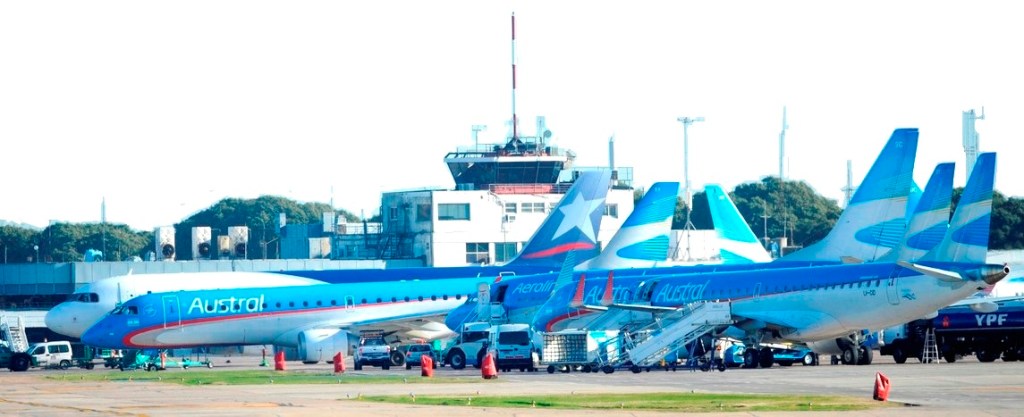
La reinuaguración de los vuelos en el Aeropuerto Jorge Newbery está previsto que la reapertura formal se concrete este próximo Lunes 15 de Marzo de 2021 a las 19:10 hs. con el arribo de un avión Embraer E190-100AR con la nueva librea de Aerolíneas Argentinas, procedente de Córdoba. Con esa reapertura, Aeroparque retomará vuelos domésticos y luego algunos regionales. Junto con ello, las low cost JetSmart Airlines Argentina y Flybondi Líneas Aéreas, que tenían base en el Aeropuerto Internacional El Palomar, ahora han migrado sus operaciones a Aeroparque.

Hub Córdoba

El ex-Ministro de Turismo Gustavo Santos en diálogo con la Editorial Perfil, ha expresado su preocupación respecto a la posición del actual Gobierno frente a las políticas aerocomerciales. Gustavo Santos no duda en afirmar que el desmantelamiento del hub que operaba en Córdoba responde a decisiones políticas para beneficiar a Aerolíneas Argentinas. Con todo, la novedad no es una buena señal para Córdoba. Sucede que por la crisis aerocomercial que generó la actual pandemia, la actividad del Aeropuerto Internacional Córdoba/Ambrosio Taravella se redujo a su mínima expresión. Pero también jugaron otros factores que implicaron un rediseño en la oferta que tenía Córdoba y en el sistema federal de vuelos que se había concebido. Repasando los datos de tráfico en 2019, Córdoba contaba con más de 260 frecuencias semanales a 16 destinos nacionales y a 11 aeropuertos internacionales. Actualmente, su oferta se limita a unos 10 vuelos por día, todos de cabotaje.

El ex-Ministro de Turismo de la Nación y ex-titular de la Agencia Córdoba Turismo, Gustavo Santos afirma que el Estado de aislamiento que hoy tiene el Aeropuerto Córdoba obedece a una política diseñada para beneficiar a la compañía de bandera y al gremio APLA que la controla, más que a los efectos de la crisis sanitaria por el Covid-19. “Lo más relevante de la situación actual no es que hay cuatro veces menos vuelos que antes, sino que se ha desactivado la malla de distribución, el hub de Córdoba que era el que permitía una articulación norte sur del país, con base en Córdoba y las conexiones internacionales. Sin el hub, para ir a Jujuy vamos a tener que ir a Buenos Aires”, dice. A su vez, remarca que perdimos el 20% de la oferta que representaban Latam y Norwegian y que la salida de Latam fue aún más grave porque nos conectaba con hubs en Santiago, Lima y San Pablo, llegando a 126 destinos de todos los continentes. “A eso se suman Copa Airlines y Air Europa que quieren volar desde Córdoba y no las autorizan. No se han ido aún, hasta que se cansen. Están intentado volver desde septiembre del año pasado”, expresa Gustavo Santos.

GUSTAVO SANTOS EX-MINISTRO DE TURISMO DE ARGENTINA EXPONE CRÍTICA CONTRA LAS POLÍTICAS AEROCOMERCIALES

Política vs Pandemia

La actual crisis sanitaria redujo la oferta de vuelos a su mínima expresión en el mundo entero. «En el caso del Hub Córdoba, la falta de conexiones no tiene que ver con una reducción de rutas o de oferta. El hub interno del país se ha desarmado, todas las conexiones que tenía Córdoba hacia el norte, hacia el sur se hacían con la base que en Córdoba tenía Austral Líneas Aéreas. Por ese hub, los aviones y tripulantes dormían en Córdoba. Austral era paralela a Aerolíneas, con su propio sindicato. Pero la decisión que se tomó, impulsada por Pablo Biró, Secretario General de APLA, fue que Aerolíneas absorba a Austral, por lo tanto, dejó de existir ese gremio, dejaron de estar esos aviones, dejó de tener Austral hub en Córdoba. Esto es muy grave. No se recompone con los vuelos que van a llegar ahora desde Buenos Aires. Y pasa con las otras provincias. Antes teníamos 10 provincias que tenían conexión directa con el exterior. Hoy un mendocino, para ir a Chile, se tiene que ir a Ezeiza», expresa Gustavo Santos.

Unitarismo aéreo

La red desarrollada por las compañías low cost permitían incorporar valor agregado a los vuelos federales en el interior del país. La conexión que hacían desde Córdoba con otras provincias permitían a los usuarios tener alternativas en un mercado altamente concentrado. «Han vuelto a concentrar todo en Buenos Aires. Covid te baja la oferta, pero no te cambia el sistema. Los tres agentes estructurales del movimiento aerocomercial argentino, ANAC que es el que determina las rutas y autoriza quien vuela y quien no, ORSNA que determina el funcionamiento de los aeropuertos y Aerolíneas Argentinas, esas tres estructuras están manejadas por La Cámpora». Para pensar en el daño del sistema aerocomercial Gustavo Santos estima que actualmente hay una baja promedio del 40%, pero que se agrava en el caso de Córdoba por la cantidad de rutas que no se están operando, la salida de compañías y el desmantelamiento del hub local. “Si Córdoba quiere recuperar lo que tenía en 2019 tiene que crecer un 400%. Teníamos 40 vuelos diarios, hoy estamos con 10 vuelos. Lo grave es que cuando se levante el telón no vamos a ser los mismos”.

Desde el Gobierno de la Provincia de Córdoba es probable que no tengan márgenes para incentivar las economías con nuevos vuelos y nuevos oferentes. «En el caso de Latam Airlines Argentina podrían haber hecho algo. El Gobierno nacional no sólo no hizo nada para que se quedarán, sino que hizo todo lo posible para que se fueran. Tiene que ver con la visión gremial nefasta del monopolio de Aerolíneas Argentinas. La Provincia podría haber intentado alguna presión, no sé si se intentó, eso no lo sé, lo que sí me consta es que la Nación no hizo nada, ni siquiera les homologaba el acuerdo con los empleados. Y ese mismo año Aerolíneas nos costó, sin volar, US$ 650 millones. Iberia compró a Air Europa por la misma plata, € 550 millones de Euros», concluye Gustavo Santos.

Perspectivas aéreas

El escenario entre bastidores ha demostrado una crisis que supera a la de la pandemia, mostrando un próximo escenario aerocomercial donde los reales beneficiados han resultado ser el Estado y Aerolíneas Argentinas que han salido favorecidas, pero en franco detrimento de los usuarios del transporte aéreo, por las políticas nefastas implementadas por el duopolio Estado-Aerolíneas que no permite una expresión federal y pluritaria en la aviación comercial del país. El mercado post-pandemia estará marcado por una alta concentración con alrededor del 85% bajo Aerolíneas Argentinas, lo que en otras palabras traducido significará altas tarifas, reducción de frecuencias y manejo de las políticas aéreas monopólicas, una historia que la Argentina ha experimentado y continuará repitiendo en su círculo vicioso.

Argentine air transport perspectives

Post-pandemic Argentine air transport outlook

After the next reopening of the refurbished Jorge Newbery Airport that will be enabled for this Monday, March 15, 2021, Argentina will open a new chapter of a new scenario in the air market. In tune with the slow recovery of the aerial mesh, Aeroparque will present a new impulse for commercial aviation, but at the same time it will open a new chapter about the new discussions of State policies towards an egalitarian and federal market.

The reopening of flights at Jorge Newbery Airport is scheduled to formally reopen this coming Monday, March 15, 2021 at 7:10 p.m. with the arrival of an Embraer E190-100AR airplane with the new Aerolíneas Argentinas livery, coming from Córdoba. With this reopening, Aeroparque will resume domestic flights and then some regional ones. Along with this, the low cost JetSmart Airlines Argentina and Flybondi Líneas Aéreas, which were based at El Palomar International Airport, have now migrated their operations to Aeroparque.

Hub Córdoba

The former Minister of Tourism Gustavo Santos, in dialogue with the Editorial Perfil, has expressed his concern regarding the position of the current Government regarding commercial air policies. Gustavo Santos does not hesitate to affirm that the dismantling of the hub that operated in Córdoba responds to political decisions to benefit Aerolineas Argentinas. However, the news is not a good sign for Córdoba. It happens that due to the commercial aviation crisis that generated the current pandemic, the activity of the Cordoba/Ambrosio Taravella International Airport was reduced to its minimum expression. But other factors also played a role that implied a redesign in the offer that Córdoba had and in the federal flight system that had been conceived. Reviewing the traffic data in 2019, Córdoba had more than 260 weekly frequencies to 16 national destinations and 11 international airports. Currently, its offer is limited to about 10 flights per day, all domestic.

The former Minister of Tourism of the Nation and former head of the Córdoba Tourism Agency, Gustavo Santos affirms that the State of isolation that Córdoba Airport has today is due to a policy designed to benefit the flag company and the APLA union that controls it, more than for the effects of the health crisis caused by Covid-19. “The most relevant thing about the current situation is not that there are four times fewer flights than before, but that the distribution grid has been deactivated, the Córdoba hub, which was the one that allowed a north-south articulation of the country, based in Córdoba and international connections. Without the hub, to go to Jujuy we will have to go to Buenos Aires”, he says. In turn, he remarks that we lost 20% of the offer that Latam and Norwegian represented and that the departure from Latam was even more serious because it connected us with hubs in Santiago, Lima and San Pablo, reaching 126 destinations on all continents. “Added to that are Copa Airlines and Air Europa who want to fly from Córdoba and do not authorize them. They haven’t left yet, until they get tired. They have been trying to come back since September of last year”, says Gustavo Santos.

Politics vs Pandemic

The current health crisis reduced the supply of flights to its minimum expression in the entire world. «In the case of the Córdoba Hub, the lack of connections has nothing to do with a reduction in routes or supply. The country’s internal hub has been disarmed, all the connections that Córdoba had to the north, to the south were made with the base that Austral Líneas Aéreas had in Córdoba. Through that hub, the planes and crew slept in Córdoba. Austral was parallel to Aerolíneas, with its own union. But the decision that was taken, promoted by Pablo Biró, Secretary General of APLA, It was that Aerolíneas absorbed Austral, therefore, that union ceased to exist, those planes ceased to be present, they stopped having Austral hub in Córdoba. This is very serious. It is not restored with the flights that are going to arrive now from Buenos Aires and it happens with the other provinces. Before we had 10 provinces that had a direct connection abroad. Today a man from Mendoza, to go to Chile, has to go to Ezeiza», says Gustavo Santos.

Air Unitarianism

The network developed by low cost companies allowed adding value to federal flights within the country. The connection they made from Córdoba with other provinces allowed users to have alternatives in a highly concentrated market. «They have returned to concentrate everything in Buenos Aires. Covid lowers the offer, but does not change the system. The three structural agents of the Argentine aviation movement, ANAC, which is the one that determines the routes and authorizes who flies and who does not, ORSNA who determines the operation of the airports and Aerolíneas Argentinas, these three structures are managed by La Cámpora». To think about the damage to the commercial aviation system, Gustavo Santos estimates that there is currently an average drop of 40%, but that is worsened in the case of Córdoba by the number of routes that are not being operated, the departure of companies and the dismantling of the hub. local. “If Córdoba wants to recover what it had in 2019, it has to grow 400%. We had 40 daily flights, today we have 10 flights. The serious thing is that when the curtain rises we will not be the same”.

From the Government of the Province of Córdoba it is probable that they do not have margins to stimulate economies with new flights and new suppliers. «In the case of Latam Airlines Argentina they could have done something. The national government not only did nothing to make them stay, but did everything possible to make them leave. It has to do with the nefarious union vision of the Aerolíneas Argentinas monopoly The Province could have tried some pressure, I do not know if it was tried, I do not know, what I do know is that the Nation did not do anything, it did not even approve the agreement with the employees. And that same year, Aerolíneas cost us, without flying, US$ 650 million Iberia bought Air Europa for the same money, € 550 million», Gustavo Santos concludes.

Aerial perspectives

The behind-the-scenes scenario has shown a crisis that exceeds that of the pandemic, showing an upcoming commercial aviation scenario where the real beneficiaries have turned out to be the State and Aerolíneas Argentinas, which have been favored, but to the frank detriment of air transport users, for the disastrous policies implemented by the State-Aerolíneas duopoly that does not allow a federal and pluritary expression in the country’s commercial aviation. The post-pandemic market will be marked by a high concentration with around 85% under Aerolíneas Argentinas, which in other words translated will mean high rates, reduction of frequencies and management of monopoly air policies, a story that Argentina has experienced. and it will continue repeating in its vicious circle.


PUBLISHER: Airgways.com
DBk: Airgways.com / Perfil.com / Eliseo Carneiro
AW-POST: 202103141053AR

A\W   A I R G W A Y S ®
Norwegian reclama reducción deuda

AW | 2021 03 13 15:07 | AIRLINES / GOVERNMENT

Norwegian solicita Justicia EEUU reducción deuda procesal

Norwwegian_Isologotype

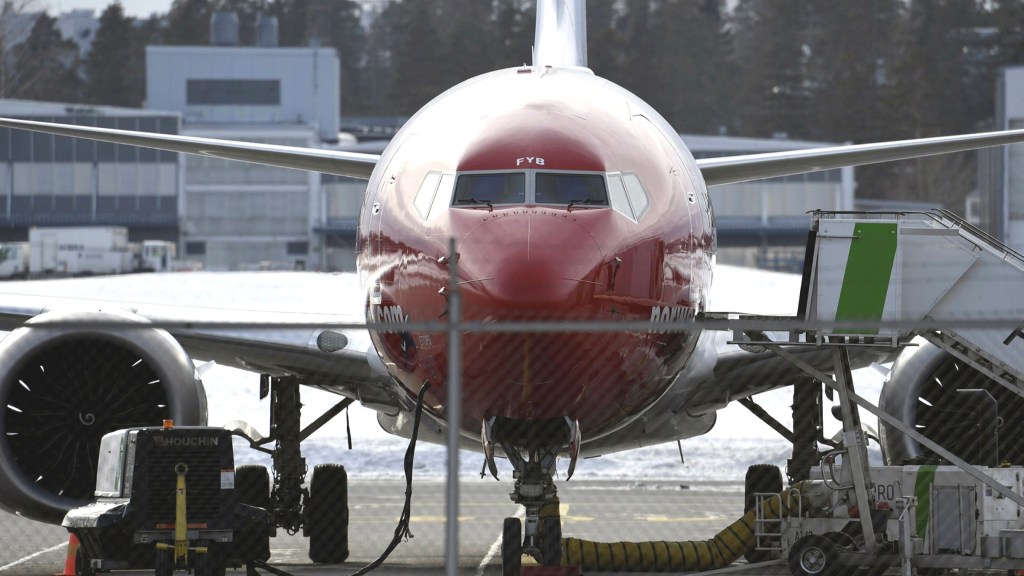
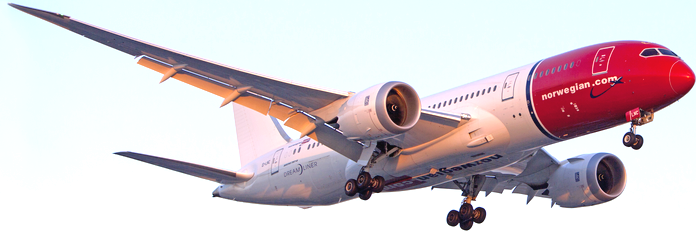
La aerolínea de bajo costo Norwegian Air Shuttle ASA ha solicitado el Viernes 12/03 a la Justicia procesal de Bancarrota de Nueva York el reconocimiento del Capítulo 15 de su plan de reestructuración, con el objetivo de reducir su negocio y recortar US$ 3.600 millones de Dólares en deuda a medida que lidia con las consecuencias de la pandemia actual. La presentación por parte de Norwegian, una de las aerolíneas low cost con mayor predominio de Europa, ha expresado a la Justicia la protección de sus activos estadounidenses mientras implementa planes de reestructuración presentados el Jueves 12/03 en Noruega e Irlanda que cerrarán las rutas de vuelo de larga distancia de la aerolínea de bajo presupuesto y recaudarán cientos de millones en nuevas inversiones. «Irlanda y Noruega creen que este plan es en interés de los acreedores y accionistas de la compañía. Este es un hito importante en el proceso de asegurar el futuro de Norwegian», dijo el Director Ejecutivo Jacob Schram en un comunicado publicado en el sitio web de la compañía el Viernes 12/03.

Norweigan fue fundada en 1993, inicialmente volando sólo dentro de Noruega. En 2001 iniciaba su expansión en Europa, y en 2019 tenía casi 9.400 empleados en once países. «Norwegian fue una de las aerolíneas más grandes de Europa y una de las 10 más grandes del mundo, con una red de rutas que conecta Norteamérica, Sudamérica, Europa, el norte de África, Oriente Medio y el sudeste asiático», dijo el Director Financiero Geir Karlsen en una declaración presentada el Viernes.

La compañía comenzó a ofrecer vuelos a Estados Unidos en 2014, y hasta la pandemia, había servido a 15 aeropuertos estadounidenses. A partir de la presentación, las deudas de la compañía ascendían a US$ 5.900 millones de Dólares, de los cuales US$ 5.100 millones consistían en obligaciones de financiamiento y arrendamiento de aeronaves. La compañía experimentó un serio revés en 2019 cuando problemas de seguridad lo obligaron a aterrizar sus 18 aviones Boeing 737 MAX y experimentó serios problemas de mantenimiento con sus 37 Boeing 787 Dreamliners. Sus resultados financieros seguían siendo prometedores, y la aerolínea esperaba devolver un beneficio en 2020 hasta que la pandemia detuviera los viajes aéreos globales, lo que resultó en una pérdida de US$ 596 millones en el primer semestre del año. La compañía ha logrado deshacerse de más de US$ 1.400 millones de Dólares en deuda con una reestructuración extrajudicial y obtuvo un préstamo de US$ 331 millones de Dólares del Gobierno noruego. Pero después de que el gobierno anunciara en Noviembre 2020 que no se recibirían más ayudas, los acreedores comenzaron a tomar medidas contra la compañía. Como resultado, Norwegian solicitó protección por insolvencia a los Tribunales irlandeses el 18 de Noviembre de 2020, y el 8 de Diciembre de 2020 inició procedimientos de reestructuración supervisados por los tribunales en Noruega.

El plan presentado en ambos países el Jueves 11/03 pide que Norwegian cierre sus rutas de larga distancia para centrarse en su negocio central en la región europea, al tiempo que recauda US$ 355 millones de Dólares en nuevas inversiones, según la declaración. El plan también pide que la aerolínea salga de la reestructuración sin más de US$ 2.300 millones de Dólares en deuda y entre US$ 460 y US$ 570 millones de Dólares en efectivo gratis, según la declaración de Geir Karlsen. Norwegian está buscando el reconocimiento estadounidense de los procedimientos para proteger sus activos actuales estadounidenses, incluyendo aviones en tierra en aeropuertos estadounidenses, US$ 2.5 millones en efectivo y cuentas por cobrar, y un reembolso de US$ 16 millones que debe del Servicio de Impuestos Internos.

Actualmente, Norwegian Air está representada por Kelly DiBlasi, Debora Hoehne y Furqaan Siddiqui de Weil Gotshal & Manges LLP. El caso de Norwegian Air Shuttle ASA, radica en el Tribunal de Bancarrota de los Estados Unidos para el Distrito Sur de Nueva York, bajo el Expediente Número 21-10478.

Norwegian claims debt reduction

Norwegian requests US Justice to reduce procedural debt

The low-cost airline Norwegian Air Shuttle ASA has requested on Friday 03/12 to the Bankruptcy Court of New York the recognition of Chapter 15 of its restructuring plan, with the aim of reducing its business and cutting US$ 3.6 billion from Dollars in debt as you deal with the aftermath of the current pandemic. The presentation by Norwegian, one of the low cost airlines with the greatest predominance in Europe, has expressed to the Court the protection of its US assets while implementing restructuring plans presented on Thursday 03/12 in Norway and Ireland that will close the routes of low-budget airline long-haul flight and will raise hundreds of millions in new investment. «Ireland and Norway believe that this plan is in the interest of the company’s creditors and shareholders. This is an important milestone in the process of securing Norwegian’s future», Chief Executive Officer Jacob Schram said in a statement posted on the website. from the company on Friday 03/12.

AW-Norwegian_787

Norweigan was founded in 1993, initially flying only within Norway. In 2001 it began its expansion in Europe, and in 2019 it had almost 9,400 employees in eleven countries. «Norwegian was one of the largest airlines in Europe and one of the 10 largest in the world, with a network of routes connecting North America, South America, Europe, North Africa, the Middle East and Southeast Asia», said the Director. Financier Geir Karlsen in a statement filed Friday.

The company began offering flights to the United States in 2014, and until the pandemic, it had served 15 American airports. As of the presentation, the company’s debts amounted to US$ 5.9 billion, of which US$ 5.1 billion consisted of aircraft financing and leasing obligations. The company experienced a serious setback in 2019 when safety concerns forced it to land its 18 Boeing 737 MAX jets and experienced serious maintenance problems with its 37 Boeing 787 Dreamliners. Its financial results remained promising, with the airline hoping to return a profit in 2020 until the pandemic halted global air travel, resulting in a loss of US$ 596 million in the first half of the year. The company has managed to get rid of more than US$ 1.4 billion in debt with an extrajudicial restructuring and obtained a loan of US$ 331 million from the Norwegian Government. But after the government announced in November 2020 that no more aid would be received, creditors began to take action against the company. As a result, Norwegian filed for insolvency protection from the Irish Courts on November 18, 2020, and on December 8, 2020, started court-supervised restructuring proceedings in Norway.

The plan presented in both countries on Thursday 03/11 calls for Norwegian to close its long-haul routes to focus on its core business in the European region, while raising US$ 355 million in new investments, according to the statement. The plan also calls for the airline to exit the restructuring without more than US$ 2.3 billion in debt and between US$ 460 and US$ 570 million in free cash, according to Geir Karlsen’s statement. Norwegian is seeking U.S. recognition of procedures to protect its current U.S. assets, including aircraft on the ground at U.S. airports, US$ 2.5 million in cash and accounts receivable, and a US$ 16 million refund owed by the Internal Revenue Service. .

Norwegian Air is currently represented by Kelly DiBlasi, Debora Hoehne and Furqaan Siddiqui of Weil Gotshal & Manges LLP. The Norwegian Air Shuttle ASA case is in the United States Bankruptcy Court for the Southern District of New York, under File Number 21-10478.

Norwegian krever gjeldsreduksjon

Norwegian ber US Justice om å redusere prosessgjeld

Norwegian Air_Isologotype_Icon circular

Norwegian Air_0004

Lavprisflyselskapet Norwegian Air Shuttle ASA har søkt Fredag ​​03/12 til New York Bankruptcy Court om anerkjennelse av kapittel 15 i omstillingsplanen, med sikte på å redusere virksomheten og kutte US$ 3,6 milliarder Dollar fra dollar i gjeld som du takler ettervirkningen av den nåværende pandemien. Presentasjonen til Norwegian, et av lavprisflyselskapene med størst overvekt i Europa, har uttrykt for retten beskyttelsen av sine amerikanske eiendeler under implementeringen av omstillingsplaner som ble presentert Torsdag 03/12 i Norge og Irland, og som vil stenge ruter med lav-Budget flyselskap med langdistanse og vil skaffe hundrevis av millioner i nye investeringer. «Irland og Norge mener at denne planen er i selskapets kreditorer og aksjonærer. Dette er en viktig milepæl i prosessen for å sikre Norwegians fremtid», sa konsernsjef Jacob Schram i en uttalelse som ble lagt ut på nettstedet fra selskapet. fredag ​​03/12.

Norweigan ble grunnlagt i 1993, og flyr først bare innenfor Norge. I 2001 begynte ekspansjonen i Europa, og i 2019 hadde den nesten 9.400 ansatte i elleve land. «Norwegian var et av de største flyselskapene i Europa og et av de 10 største i verden, med et nettverk av ruter som forbinder Nord-Amerika, Sør-Amerika, Europa, Nord-Afrika, Midt-Østen og Sørøst-Asia», sa direktøren. Finansier Geir Karlsen i en uttalelse arkivert Fredag.

Selskapet begynte å tilby flyreiser til USA i 2014, og frem til pandemien hadde det betjent 15 amerikanske flyplasser. Per presentasjonen utgjorde selskapets gjeld US$ 5,9 milliarder Dollar, hvorav US$ 5,1 milliarder Dollar besto av flyfinansierings- og leasingforpliktelser. Selskapet opplevde et alvorlig tilbakeslag i 2019 da sikkerhetshensyn tvang det til å lande sine 18 Boeing 737 MAX-jetfly og opplevde alvorlige vedlikeholdsproblemer med sine 37 Boeing 787 Dreamliners. Dens økonomiske resultater forble lovende, og flyselskapet håpet å gi et overskudd i 2020 til pandemien stoppet den globale flyreisen, noe som resulterte i et tap på US$ 596 millioner Dollar i første halvår. Selskapet har klart å kvitte seg med mer enn US$ 1,4 milliarder Dollar i gjeld med en utenomrettslig restrukturering og fått et lån på US$ 331 millioner Dollar fra den norske regjeringen. Men etter at regjeringen kunngjorde i november 2020 at det ikke ville mottas mer hjelp, begynte kreditorene å iverksette tiltak mot selskapet. Som et resultat søkte Norwegian om insolvensbeskyttelse fra de irske domstolene 18 November 2020 og 8 Desember 2020 startet rettsovervåket restruktureringsprosess i Norge.

Planen som ble presentert i begge land torsdag 03/11, oppfordrer Norwegian til å stenge sine langdistanseruter for å fokusere på kjernevirksomheten i den europeiske regionen, mens de samler inn US$ 355 millioner Dollar i nye investeringer, ifølge uttalelse. Planen ber også flyselskapet om å avslutte omstillingen uten mer enn US$ 2,3 milliarder Dollar i gjeld og mellom US$ 460 og US$ 570 millioner Dollar i gratis kontanter, ifølge Geir Karlsens uttalelse. Norwegian søker amerikansk anerkjennelse av prosedyrer for å beskytte sine nåværende amerikanske eiendeler, inkludert fly på bakken på amerikanske flyplasser, US$ 2,5 millioner Dollar i kontanter og kundefordringer, og en tilbakebetaling på US$ 16 millioner Dollar skyldt Internal Revenue Service.

Norwegian Air er for tiden representert av Kelly DiBlasi, Debora Hoehne og Furqaan Siddiqui fra Weil Gotshal & Manges LLP. Norwegian Air Shuttle ASAs sak er i USAs konkursrett for det sørlige distriktet i New York, under saksnummer 21-10478.


PUBLISHER: Airgways.com
DBk: Norwegian.com / Nysb.uscourts.gov / Gettyimages.com / Airgways.com
AW-POST: 202103131507AR

A\W   A I R G W A Y S ®

Aéreas sudamericanas ajustan vuelos

AW | 2021 03 13 14:27 | AIR TRAFFIC / GOVERNMENT

Recortes vuelos por segunda ola Coronavirus incrementa en Brasil

Las líneas aéreas de Sudamérica se preparan para reducir la capacidad de vuelo en la región más allá de las expectativas originales a medida que una segunda ola de infecciones por Coronavirus en Brasil continúa y amortigua la demanda de viajes. La nueva orientación hacia un cerramiento de la circulación muestra lo grave que está afectando la segunda ola de Coronavirus a las aerolíneas de la región, especialmente en Brasil, que esta semana registró un nuevo récord de muertes diarias. Muchos países han cerrado las fronteras con Brasil, mientras que los gobernadores estatales en los últimos días han impuesto bloqueos cada vez más estrictos para tratar de detener la propagación.

La compañía Latam Airlines Brasil ha comunicado el Viernes 12/03 que espera que los vuelos en Marzo 2021 caigan en el orden de un 65% en comparación con Marzo 2019, antes de que la pandemia impacte de lleno en la supresión de los vuelos comerciales. En tanto, Gol Linhas Aéreas ha informado el Viernes que estaba pidiendo a los pasajeros con boletos reservados para Abril 2021 que confirmaran si realmente iban a tomar el vuelo, sugiriendo que esperaban cancelaciones significativas. «Con el empeoramiento de la pandemia Gol Linhas Aéreas está adaptando sus horarios de vuelo para el mes de Abril», dijo la aerolínea en un comunicado.

South American airlines adjust flights

Flight cuts due to second wave Coronavirus increases in Brazil

South American airlines are preparing to reduce flight capacity in the region beyond original expectations as a second wave of Coronavirus infections in Brazil continues and dampens travel demand. The new orientation towards a closure of circulation shows how seriously the second wave of Coronavirus is affecting the airlines in the region, especially in Brazil, which this week registered a new record of daily deaths. Many countries have closed borders with Brazil, while state governors in recent days have imposed increasingly strict blockades to try to stop the spread.

The Latam Airlines Brasil company has announced on Friday 03/12 that it expects flights in March 2021 to fall in the order of 65% compared to March 2019, before the pandemic fully impacts on the suppression of commercial flights. Meanwhile, Gol Linhas Aéreas reported on Friday that it was asking passengers with reserved tickets for April 2021 to confirm whether they were actually going to take the flight, suggesting that they expected significant cancellations. «With the worsening of the pandemic, Gol Linhas Aéreas is adapting its flight schedules for the month of April», the airline said in a statement.

Aéreas sul-americanas ajustam vôos

Corte de vôo devido a aumento vírus de segunda onda no Brasil

As companhias aéreas sul-americanas estão se preparando para reduzir a capacidade de vôos na região além das expectativas originais, à medida que uma segunda onda de infecções por Coronavírus no Brasil continua e diminui a demanda por viagens. A nova orientação para o fechamento da circulação mostra a seriedade com que a segunda onda do Coronavírus está afetando as companhias aéreas da região, especialmente no Brasil, que nesta semana registrou novo recorde de mortes diárias. Muitos países fecharam as fronteiras com o Brasil, enquanto os governadores dos estados nos últimos dias impuseram bloqueios cada vez mais rígidos para tentar conter a propagação.

A empresa Latam Airlines Brasil comunicou na sexta-feira 03/12 que espera que os voos em Março de 2021 caiam na ordem de 65% em relação a Março de 2019, antes que a pandemia tenha impacto total na supressão de voos comerciais. Enquanto isso, a Gol Linhas Aéreas informou na sexta-feira que estava pedindo aos passageiros com passagens reservadas para abril de 2021 que confirmassem se eles realmente iriam pegar o vôo, sugerindo que esperavam cancelamentos significativos. «Com o agravamento da pandemia, a Gol Linhas Aéreas está adaptando seus horários de voos para o mês de abril», disse a companhia aérea em nota.


PUBLISHER: Airgways.com
DBk: Anac.gov.br / Exame.com / Airgways.com
AW-POST: 202103131427AR

A\W   A I R G W A Y S ®

Aerolíneas supera concurso legal

AW | 2021 03 13 13:17 | AIRLINES / GOVERNMENT

Aerolíneas Argentinas culmina conflicto con Grupo Marsans

Aerolíneas Argentinas_Isologotype 2010

La compañía aérea Aerolíneas Argentinas ha cancelado el litigio que tenía con los anteriores propietarios tras veinte años de acciones legales y expediente en la órbita judicial internacional. La aerolínea de Argentina estaría por terminar el proceso de concurso preventivo que inició en 2001, cuando anteriormente la línea aérea controlaba por el grupo español Marsans que posteriormente se declaró imposibilitada de cancelar todas sus deudas, una situación que arrastró hasta que la Justicia resolvió decretar vencidos los créditos pendientes de sus acreedores. Para evitar su quiebra la empresa se ha acudido a los Tribunales, por lo que no restan deudas en el expediente concursal por haber transcurrido el tiempo legal sin que se presentaran los beneficiarios a cobrar el saldo a su favor.

Desde Aerolíneas Argentinas han celebrado la finalización del litigio internacional que perdió ante el Tribunal Arbitral del Banco Mundial. En 2019 el International Centre for Settlement of Investment Disputes (ICSID), conocido en la lengua española como CIADI, la había condenado al pago de US$ 320 millones de Dólares tras la estatización del Gobierno de Cristina Kirchner que impulsó en su primera presidencia con la premisa de que el país tuviera una línea aérea de bandera nacional bajo la dirección de los argentinos.

En la Justicia argentina todavía le restaba concluir el concurso preventivo, el proceso destinado a evitar la quiebra de la compañía luego que entró en cesación de pagos de sus deudas. Para seguir operando, la empresa alcanzó un acuerdo con sus acreedores en 2004 y constituyó una garantía para asegurarles el cobro de los créditos que tenían a su favor. El juicio terminó el 15 de Agosto de 2011, aunque todavía restaban los pagos que acordó con ellos. A pedido de Aerolíneas Argentinas, el juez del Juzgado Comercial 15, Máximo Astorga, entendió que la inactividad por más de diez años de las compañías y particulares para hacerse de sus saldos fue motivo suficiente para declararlos vencidos. Entre muchas de las empresas que no se presentaron a cobrar se encuentran la multinacional industrial alemana Siemens, el mayorista Indubel, Silicon Argentina y las aerolíneas estatales de origen extranjero China Airlines y Cubana de Aviación.

El único acreedor que solicitó que se liberen los pagos pendientes a su favor fue el Instituto Nacional de Tecnología Industrial (INTI). En el expediente surge como acreedor quirografario, lo que implica que es de los últimos en la fila para poder cobrar. Si a la hora de repartir, el patrimonio de una empresa en quiebra es insuficiente para cancelar todas las deudas, este tipo de acreedores no percibe su crédito. Más allá de la presentación del INTI, la prescripción corrió por igual para todos los reclamantes.

Perspectivas aéreas

Concluido uno de los últimos obstáculos procesales, que evitaron su camino a la quiebra, Aerolíneas todavía tiene que sortear el duro contexto del sector para operar de manera rentable. En Argentina varias empresas de aviación informaron que los costos de volar aumentaron fuerte en el último año porque el combustible se duplicó por la suba del petróleo y del Dólar. Si bien el transporte de pasajeros todavía se encuentra reducido por las restricciones de movilidad que operan en muchos países, en el panorama externo empiezan a divisarse señales favorables.

La Asociación de Transporte Aéreo Internacional (IATA) publicó datos de enero de 2021 que muestran que la demanda de carga aérea se está recuperando a los niveles anteriores a COVID por primera vez desde el inicio de la crisis. A nivel regional, las aerolíneas latinoamericanas informaron una disminución del 16,1% en los volúmenes de carga internacional en enero en comparación con el período de 2019, que fue una mejora con respecto a la caída del 19,0% en diciembre de 2020. Sin embargo, los impulsores de la demanda de carga aérea en Latinoamérica siguen siendo menos favorables que en las otras regiones del mundo.

Tras la finalización de una etapa de litigios procesales internacionales, Aerolíneas Argentinas puede tener un panorama más despejado y volar con un horizonte sin demandas a cuestas y con una perspectiva de mercado más favorable ajustándose a los tiempos que vuelan.

Aerolíneas overcomes legal contest

Aerolíneas Argentinas ends conflict with Grupo Marsans

The airline company Aerolíneas Argentinas has closed the litigation it had with the previous owners after twenty years of legal actions and proceedings in the international judicial orbit. The Argentine airline would be about to finish the preventive bankruptcy process that began in 2001, when previously the airline was controlled by the Spanish group Marsans, which later declared itself unable to cancel all its debts, a situation that dragged on until the Justice decided to decree overdue the outstanding credits of your creditors. To avoid its bankruptcy, the company has gone to court, so there are no debts remaining in the bankruptcy file because the legal time has elapsed without the beneficiaries presenting themselves to collect the balance in their favor.

From Aerolíneas Argentinas they have celebrated the completion of the international litigation that it lost before the Arbitration Tribunal of the World Bank. In 2019, the International Center for Settlement of Investment Disputes (ICSID), known in the Spanish language as CIADI, had condemned her to pay US$ 320 million dollars after the nationalization of the Government of Cristina Kirchner that she promoted in her first presidency with the premise that the country had a national flag airline under the direction of the Argentines.

In the Argentine courts, he still had to conclude the preventive bankruptcy, the process aimed at avoiding the bankruptcy of the company after it entered into default on its debts. To continue operating, the company reached an agreement with its creditors in 2004 and constituted a guarantee to ensure the collection of the credits they had in their favor. The trial ended on August 15, 2011, although the payments agreed with them still remained. At the request of Aerolíneas Argentinas, the judge of Commercial Court 15, Máximo Astorga, understood that the inactivity of companies and individuals for more than ten years to obtain their balances was sufficient reason to declare them overdue. Among many of the companies that did not show up to collect are the German industrial multinational Siemens, the wholesaler Indubel, Silicon Argentina and the state airlines of foreign origin China Airlines and Cubana de Aviación.

The only creditor that requested that the pending payments in its favor be released was the National Institute of Industrial Technology (INTI). In the record, he appears as an unsecured creditor, which implies that he is one of the last in line to be able to collect. If at the time of distribution, the patrimony of a bankrupt company is insufficient to cancel all the debts, this type of creditors does not receive their credit. Beyond the presentation of the INTI, the prescription ran equally for all the claimants.

Aerial perspectives

Once one of the last procedural obstacles, which prevented its path to bankruptcy, has concluded, Aerolíneas still has to overcome the harsh context of the sector to operate profitably. In Argentina, several aviation companies reported that the costs of flying increased sharply in the last year because fuel doubled due to the rise in oil and the dollar. Although passenger transport is still reduced by the mobility restrictions that operate in many countries, favorable signs are beginning to be seen in the external scenario.

The International Air Transport Association (IATA) released data from January 2021 showing that air cargo demand is recovering to pre-COVID levels for the first time since the start of the crisis. Regionally, Latin American airlines reported a 16.1% decrease in international cargo volumes in January compared to the 2019 period, which was an improvement over the 19.0% drop in December 2020. However, the drivers of air cargo demand in Latin America continue to be less favorable than in other regions of the world.

After the completion of a stage of international procedural litigation, Aerolíneas Argentinas can have a clearer outlook and fly with a horizon without lawsuits on its back and with a more favorable market perspective adjusting to the times that fly.


PUBLISHER: Airgways.com
DBk: Aerolineas.com / Lanacion.com.ar / Iata.org / Airgways.com
AW-POST: 202103131317AR

A\W   A I R G W A Y S ®
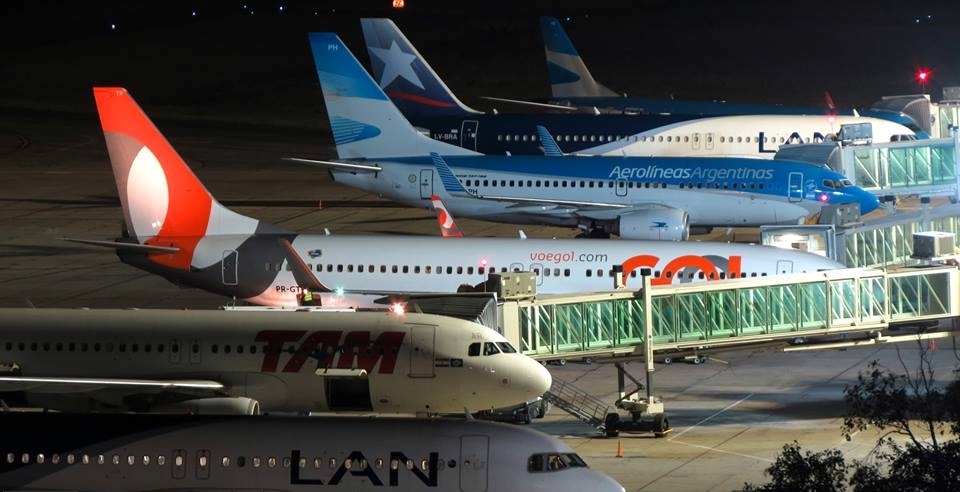
Costa Rica impulsa máxima seguridad

AW | 2021 03 12 10:42 | AIR TRAFFIC / AIRPORTS / GOVERNMENT / AIRLINES

Máxima categoría de seguridad aérea impulsa planes de renovación

La República de Costa Rica había recuperado la máxima categoría de seguridad aérea (CAT1) el pasado 11 de Febrero de 2021 siendo una buena noticia para las aerolíneas como Avianca Airlines y Volaris Airlines, que renovaron sus planes gracias a las posibilidades que ofrece cumplir con las normas de la Organización de Aviación Civil Internacional (OACI) y la Administración Federal de Aviación (FAA) de Estados Unidos.

En el caso de la aerolínea colombiana, la Categoría 1 de la FAA les permitirá incrementar la conectividad de Costa Rica con Estados Unidos, expresó David Alemán, Director General de Avianca para México, Centroamérica y el Caribe. «La apertura de nuevas rutas por parte de Avianca dependerá del incremento de la demanda, aspecto que la empresa evalúa constantemente en todos los mercados donde opera. Respecto a nuevas rutas, por el momento, tenemos previsto el inicio de operaciones en la ruta San Salvador-Ontario (California) para julio de 2021, así como algunas rutas al interior de Colombia”, agregó David Alemán. Avianca no sufrió afectación por la baja de categoría en Costa Rica hace casi dos años, gracias a las conexiones que mantiene desde el país hacia su hub de El Salvador.

En tanto, Volaris Airlines, al igual que la colombiana, se mantiene cauteloso con la apertura de nuevas rutas y la ampliación de frecuencias, ya que mientras la demanda no crezca, sería una movida arriesgada, explicó Ronny Rodríguez, director de Relaciones Institucionales de Volaris para Centroamérica. Como parte de novedades, es la incorporación de una nueva aeronave Airbus A320NEO con capacidad para 188 pasajeros en el segundo semestre, renovación de flotilla que permite la recalificación de la seguridad aérea nacional. “Cambiar la flotilla significa una inversión importante, por lo que esta renovación también depende del comportamiento de la demanda”, expresó Ronny Rodríguez.

La recalificación de Costa Rica significa más confianza para las aerolíneas que usan el país como puerto de origen hacia los Estados Unidos, pero también facilita la atracción de nuevos operadores aéreos. “Esta recalificación dice que Costa Rica cuenta con el personal, las regulaciones y la capacitación para vigilar y certificar todas las compañías aéreas que operan aquí. Es un tema de imagen también, porque cumplir con todas las normas internacionales es una condición favorable y ventajosa frente a otros destinos”, detalló Álvaro Vargas, Director de Aviación Civil.

La máxima categoría de seguridad aérea no tiene un plazo de vigencia y está sujeta a las auditorías que realice el organismo rector. Costa Rica había sufrido el descenso de categoría el 13 de Mayo de 2019, por el atraso en el cumplimiento de una serie de enmiendas técnicas recomendadas por la OACI.

Costa Rica promotes maximum security

The highest category of aviation safety promotes renovation plans

The Republic of Costa Rica had recovered the highest category of air safety (CAT1) on February 11, 2021, being good news for airlines such as Avianca Airlines and Volaris Airlines, which renewed their plans thanks to the possibilities offered by complying with the standards of the International Civil Aviation Organization (ICAO) and the Federal Aviation Administration (FAA) of the United States.

In the case of the Colombian airline, Category 1 of the FAA will allow them to increase Costa Rica’s connectivity with the United States, said David Alemán, Avianca General Director for Mexico, Central America and the Caribbean. «The opening of new routes by Avianca will depend on the increase in demand, an aspect that the company constantly evaluates in all the markets where it operates. Regarding new routes, for the moment, we plan to start operations on the San Salvador-Ontario (California) route for July 2021, as well as some routes to the interior of Colombia», added David Alemán. Avianca was not affected by the downgrade in Costa Rica almost two years ago, thanks to the connections it maintains from the country to its hub in El Salvador.

Meanwhile, Volaris Airlines, like the Colombian, remains cautious with the opening of new routes and the expansion of frequencies, since as long as demand does not grow, it would be a risky move, explained Ronny Rodríguez, director of Institutional Relations at Volaris for Central America. As part of the novelties, it is the incorporation of a new Airbus A320NEO aircraft with capacity for 188 passengers in the second semester, renewal of the fleet that allows the requalification of national aviation security. «Changing the fleet means a significant investment, so this renewal also depends on the behavior of demand», said Ronny Rodríguez.

The requalification of Costa Rica means more confidence for airlines that use the country as a port of origin to the United States (national flag), but it also facilitates the attraction of new air operators. “This requalification says that Costa Rica has the personnel, regulations and training to monitor and certify all airlines that operate here. It is also an image issue, because complying with all international standards is a favorable and advantageous condition compared to other destinations”, explained Álvaro Vargas, Director of Civil Aviation.

The highest category of aviation security does not have a validity period and is subject to audits carried out by the governing body. Costa Rica had suffered a downgrade on May 13, 2019, due to the delay in complying with a series of technical amendments recommended by ICAO.


PUBLISHER: Airgways.com
DBk: Dgac.go.cr / Avianca.com / Volaris.com / Airgways.com
AW-POST: 202103121042AR

A\W   A I R G W A Y S ®