Gobierno irlandés inyecta € 150 millones para capitalizar la aerolínea
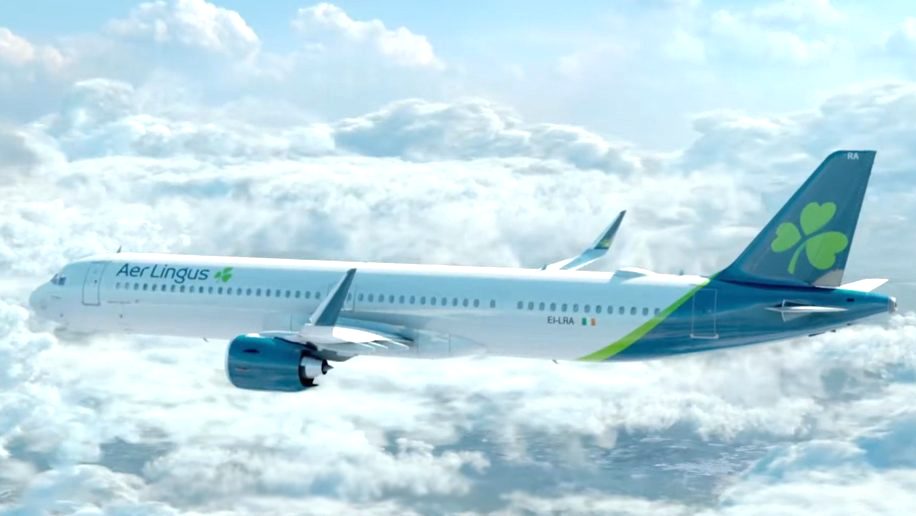
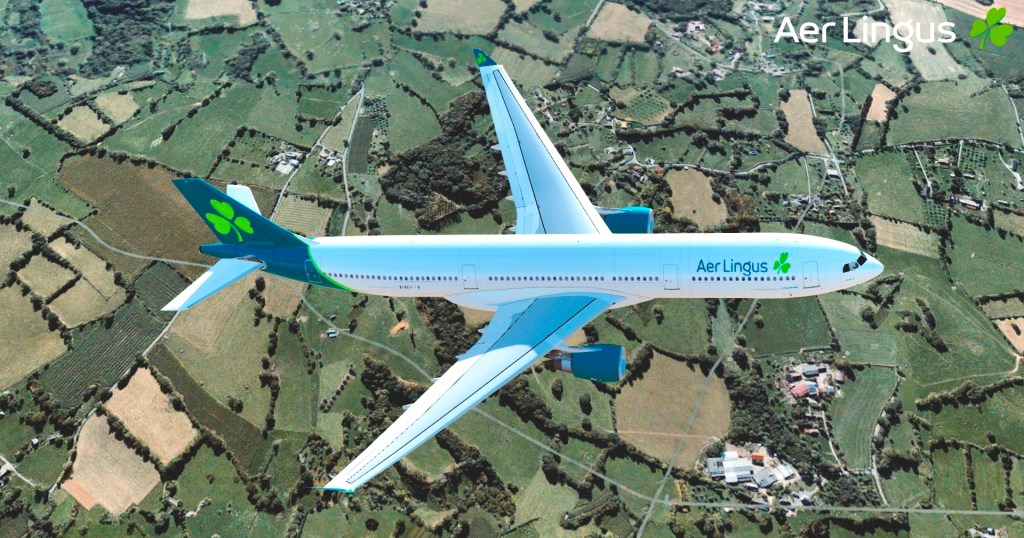
Aer Lingus ha solicitado y obtenido € 150 millones de Euros del Gobierno de Irlanda, a través del Fondo de Inversión Estratégica de Irlanda (ISIF), de un préstamo a tres años que se utilizará para fortalecer la posición de liquidez de la aerolínea para hacer frente al impacto de la crisis sanitaria mundial. La aerolínea pertenece al grupo IAG, a través de sus filiales, es el que menos ayudas oficiales ha pedido, aunque ha acudido a los mercados para captar liquidez para garantizar la supervivencia durante este período crítico. El préstamo es un asunto álgido, porque Ryanair es reacia ante las ayudas por parte del Estado entrando en conflicto con sus propios intereses de mercado, siendo en algunos casos la recurrencia a los estrados judiciales para reclamar supuestas indiferencias.
Aer Lingus se ha tenido que adaptar ante el avance de la low cost Ryanair. La compañía opera dos segmentos de mercado: el europeo, donde se ha tenido que reinventarse para detener la agresiva campaña de Raynair, y las rutas internacionales, fundamentalmente a Estados Unidos, donde siempre ha tenido grandes ventajas competitivas por la gran colonia irlandesa en la coste Este americana y el poseer un estratégico hub de operaciones más próximo a América en las rutas transatlánticas.
Actualmente, Aer Lingus ha creado una filial británica con la que pretende operar desde el Aeropuerto Manchester, vuelos trasoceánicos permitiendo desarrollar un hub muy importante y ventajoso que acerca a los británicos a la costa Este de Estados Unidos.
Government rescue for Aer Lingus
Irish government injects € 150 million to capitalize the airline
Aer Lingus has requested and obtained € 150 million Euros from the Government of Ireland, through the Irish Strategic Investment Fund (ISIF), for a three-year loan to be used to strengthen the airline’s liquidity position to address the impact of the global health crisis. The airline belongs to the IAG group, through its subsidiaries, it is the one that has requested the least official aid, although it has gone to the markets to capture liquidity to guarantee survival during this critical period. The loan is a critical issue, because Ryanair is reluctant to aid from the State, coming into conflict with its own market interests, in some cases resorting to the courts to claim alleged indifference.
Aer Lingus has had to adapt to the advance of the low cost Ryanair. The company operates two market segments: the European, where it has had to reinvent itself to stop Raynair’s aggressive campaign, and international routes, mainly to the United States, where it has always had great competitive advantages due to the great Irish colony in cost. This American and having a strategic hub of operations closer to America on the transatlantic routes.
Currently, Aer Lingus has created a British subsidiary with which it intends to operate trans-oceanic flights from Manchester Airport allowing the development of a very important and advantageous hub that brings the British closer to the East coast of the United States.
Tarrtháil Rialtais d’Aer Lingus
Insíonn an rialtas € 150 milliún chun an aerlíne a chaipitliú
D’iarr agus fuair Aer Lingus € 150 milliún Euro ó Rialtas na hÉireann, trí Chiste Infheistíochta Straitéisí na hÉireann (ISIF), go n-úsáidfí iasacht trí bliana chun seasamh leachtachta na haerlíne a neartú chun aghaidh a thabhairt ar thionchar na géarchéime sláinte domhanda. Baineann an aerlíne leis an ngrúpa IAG, trína fochuideachtaí, is í an ceann a d’iarr an chabhair oifigiúil is lú, cé go ndeachaigh sí chuig na margaí chun leachtacht a ghabháil chun maireachtáil a ráthú le linn na tréimhse criticiúla seo. Is ceist chriticiúil í an iasacht, toisc go bhfuil drogall ar Ryanair cúnamh a fháil ón Stát, agus é ag teacht salach ar a leasanna mhargadh féin, i gcásanna áirithe dul i muinín na gcúirteanna chun neamhshuim líomhnaithe a éileamh.
Bhí ar Aer Lingus dul in oiriúint do dhul chun cinn Ryanair ar chostas íseal. Oibríonn an chuideachta dhá dheighleog mhargaidh: an Eoraip, áit a raibh uirthi í féin a athinsint chun feachtas ionsaitheach Raynair a stopadh, agus bealaí idirnáisiúnta, go dtí na Stáit Aontaithe den chuid is mó, áit a raibh buntáistí iomaíocha móra aici i gcónaí mar gheall ar an gcoilíneacht mhór Éireannach i gcostas. An Meiriceánach seo agus mol straitéiseach oibríochtaí aige níos gaire do Mheiriceá ar na bealaí trasatlantacha.
Faoi láthair, tá fochuideachta Briotanach cruthaithe ag Aer Lingus a bhfuil sé ar intinn aige eitiltí tras-aigéanacha a oibriú ó Aerfort Mhanchain ag ligean mol mol an-tábhachtach agus buntáisteach a fhorbairt a thabharfaidh na Breataine níos gaire do chósta Thoir na Stát Aontaithe.
Aerolíneas estadounidense enfrentarán problemas sin ayuda federal
La ayuda federal de la Ley CARES para las aerolíneas de Estados Unidos estaría expirando a fines de Marzo 2021, por lo que los problemas de la industria aérea podrían prolongarse si continúan refrenados los intentos por reabrir las rutas aéreas por causa de la crisis pandémica, lo que podrían enfrentar despidos masivos en un futuro inmediato. Muchas de esas compañías luchan ahora por asegurar lo que equivaldría a una tercera ronda de apoyo gubernamental desde que comenzó la pandemia de Covid-19.
El Programa de Apoyo a la Nómina, que se aprobó por primera vez en Marzo de 2020, se extendió por última vez a fines de Diciembre 2020, pero tras un lapso en Octubre que provocó decenas de miles de despidos en las aerolíneas. Las compañías aéreas han acordado mantener a sus trabajadores mientras reciben oxígeno por fondos, pero la proximidad de los plazos de ayudas se han reducido. Los esfuerzos de sindicatos y empresas para obtener más fondos federales pondrán a prueba la voluntad de los Legisladores y de la Administración de Joe Biden de brindar apoyo específico a la industria, en un momento en que otros sectores no recibieron el mismo nivel de respaldo financiero de Washington.
American Airlines y United Airlines indicaron que planean despedir a unos 27.000 trabajadores hacia el 1 Abril 2021, y seguramente otras aerolíneas seguirán ese camino. Para la semana que comenzó el 31 de Enero de 2021, los ingresos por reservas de aerolíneas disminuyeron el 82 por ciento en comparación con la misma semana de 2019, según datos del grupo comercial Airlines for America (A4A). También hubo un 66 por ciento menos de pasajeros en las aerolíneas estadounidenses en 2020, en comparación con el año anterior.
El paquete económico frente a la Covid-19 propuesto por Biden al Congreso, de aproximadamente US$ 1,9 billones de Dólares, hasta ahora no incluye asistencia específica para compañías aéreas. La Casa Blanca señala que es poco probable que impulse disposiciones adicionales en ese propuesta de alivio económico. De acuerdo con The Hill, diario especializado en temas del Congreso, es posible que el paquete económico del nuevo Gobierno no se apruebe hasta mediados de Marzo 2021, lo cual dejaría poco tiempo para abordar el problema de las aerolíneas. En tanto, varios legisladores consideran que todavía hay espacio para incluir las ayudas en el proyecto de ley, el cual aún está en elaboración a través del proceso de conciliación presupuestaria.
US airlines expect more aid
American airlines will face problems without federal aid
Federal assistance from the CARES Act for United States airlines would expire at the end of March 2021, so the problems of the airline industry could continue if attempts to reopen air routes continue to be restrained due to the pandemic crisis, which who could face massive layoffs in the immediate future. Many of those companies are now struggling to secure what would amount to a third round of government support since the Covid-19 pandemic began.
The Payroll Support Program, which was first approved in March 2020, was last extended at the end of December 2020, but after a lapse in October that caused tens of thousands of layoffs at airlines. The airlines have agreed to keep their workers while receiving oxygen for funds, but the proximity of the aid deadlines have been shortened. Efforts by unions and businesses to obtain more federal funding will test the willingness of Legislators and the Joe Biden Administration to provide specific support to the industry, at a time when other sectors did not receive the same level of financial support from Washington.
American Airlines and United Airlines indicated that they plan to lay off about 27,000 workers by April 1, 2021, and other airlines will surely follow that path. For the week beginning January 31, 2021, airline booking revenue was down 82 percent compared to the same week in 2019, according to data from the Airlines for America (A4A) trade group. There were also 66 percent fewer passengers on US airlines in 2020, compared to the previous year.
The economic package against Covid-19 proposed by Biden to Congress, of approximately US$ 1.9 trillion, so far does not include specific assistance for airlines. The White House notes that it is unlikely to push for additional provisions in that economic relief proposal. According to The Hill, a newspaper specializing in congressional issues, it is possible that the economic package of the new government will not be approved until mid-March 2021, which would leave little time to address the problem of the airlines. Meanwhile, several legislators consider that there is still room to include the aid in the bill, which is still under preparation through the budget conciliation process.
AW | 2021 02 06 11:42 | AIRLINES MARKET / GOVERNMENT
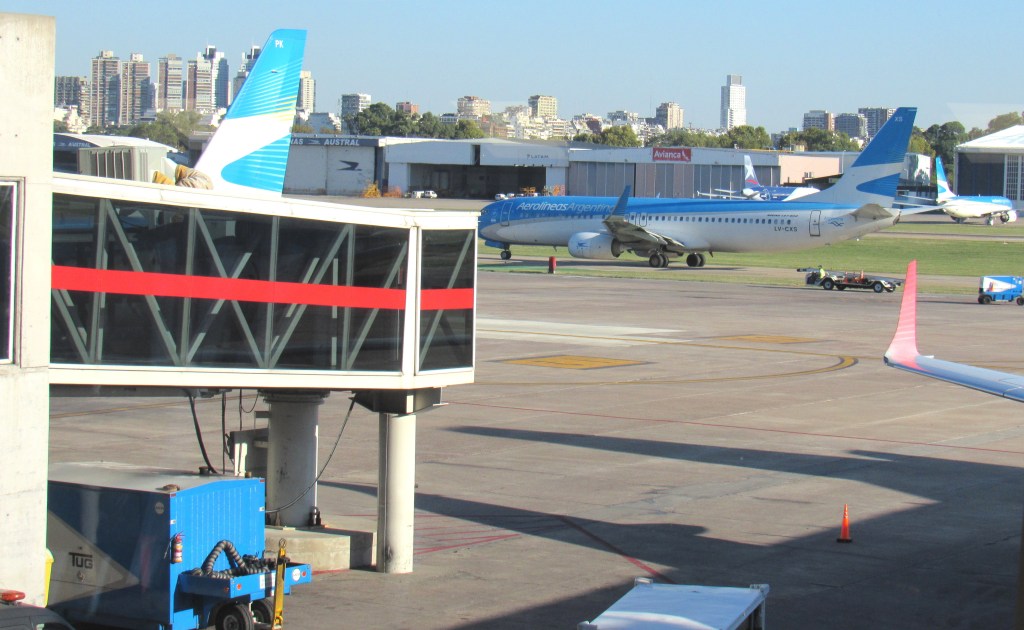
Desafíos del mercado aéreo argentino
La aviación argentina ha estado inmersa en la debacle mundial de los acontecimientos de la crisis sanitaria que han mantenido a la industria de las aerolíneas en tierra por nueve meses. Tras una reapertura medida las aerolíneas clásicas y low cost continúan restableciendo su red de servicios con la expectativa de que las restricciones totales hayan quedado atrás.
Los vuelos de cabotaje se habilitaron desde mediados de Octubre 2020, aunque las low cost recién comenzaron a volar a fines de Noviembre 2020, ya que hasta último momento se estimaba que el Aeropuerto El Palomar estaría abierto para vuelos comerciales. Esto no ocurrió y se atrasó la actividad de las empresas que operaban desde allí.
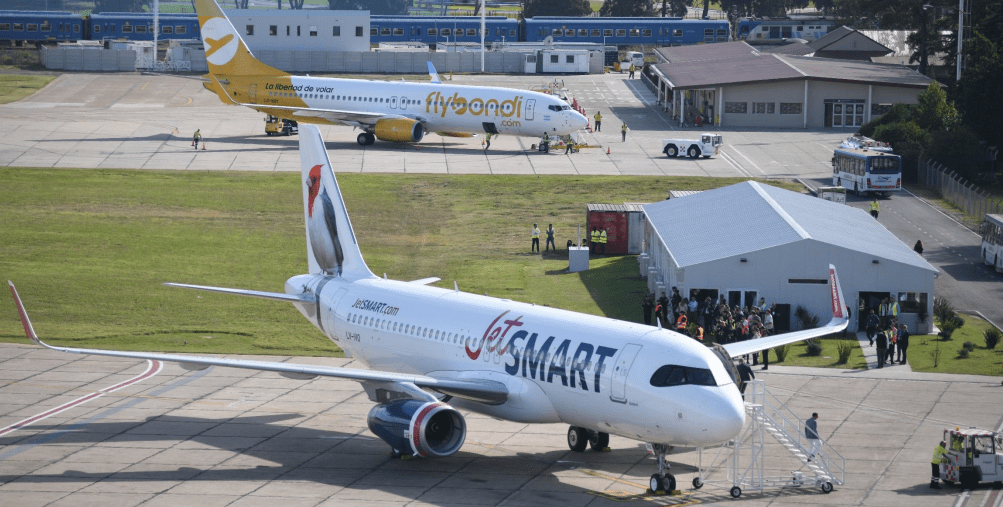
Flybondi Líneas Aéreas
Flybondi ha anunciado este 05/02 el retorno a la Argentina de la segunda aeronave para reforzar la malla aérea. «Flybondi anuncia que su avión con matrícula LV-HKN que se encontraba en Estados Unidos desde agosto de 2020, volverá a la Argentina entre el 15 y el 20 de Febrero de 2021 para sumarse a la operación de los 12 destinos nacionales que hoy conecta la aerolínea», indicaron en la compañía, y adelantaron que esperan contar con una tercera nave en el segundo trimestre, aunque la decisión estará sujeta a cómo evolucione la demanda de viajes en los próximos meses. La aerolínea llegó a tener cinco aviones Boeing 737-800 en el país, pero por la pandemia y la suspensión de vuelos totales realizaron una reingeniería de costos fijos y devolvieron los tres que tenían el costo del leasing más alto. De los dos que quedaron, uno se encuentra estacionado en Texas, Estados Unidos, la aeronave que reingresará al mercado aéreo.
JetSmart Airlines Argentina
La aerolínea JetSmart Airlines Argentina se encuentra operando once destinos de cabotaje, entre los que se encuentran Bariloche, Buenos Aires, Córdoba, Iguazú, Mendoza, Neuquén, Rosario, Salta, Tucumán, Ushuaia y ha inaugurado recientemente el destino El Calafate. «Son muchas las personas que necesitan viajar, ya sea por trabajo, turismo o cuestiones de salud, y es importante que puedan hacerlo de la manera más segura y sin perder su tiempo. Estamos muy contentos de haber podido realizar todos los vuelos respetando los protocolos de seguridad e higiene, sin cancelaciones y alcanzando el 100% de puntualidad en destinos como Córdoba, Bariloche o Neuquén en una o más de sus rutas», dijo Darío Ratinoff, Gerente Comercial de JetSmart Argentina.
Aerolíneas Argentinas
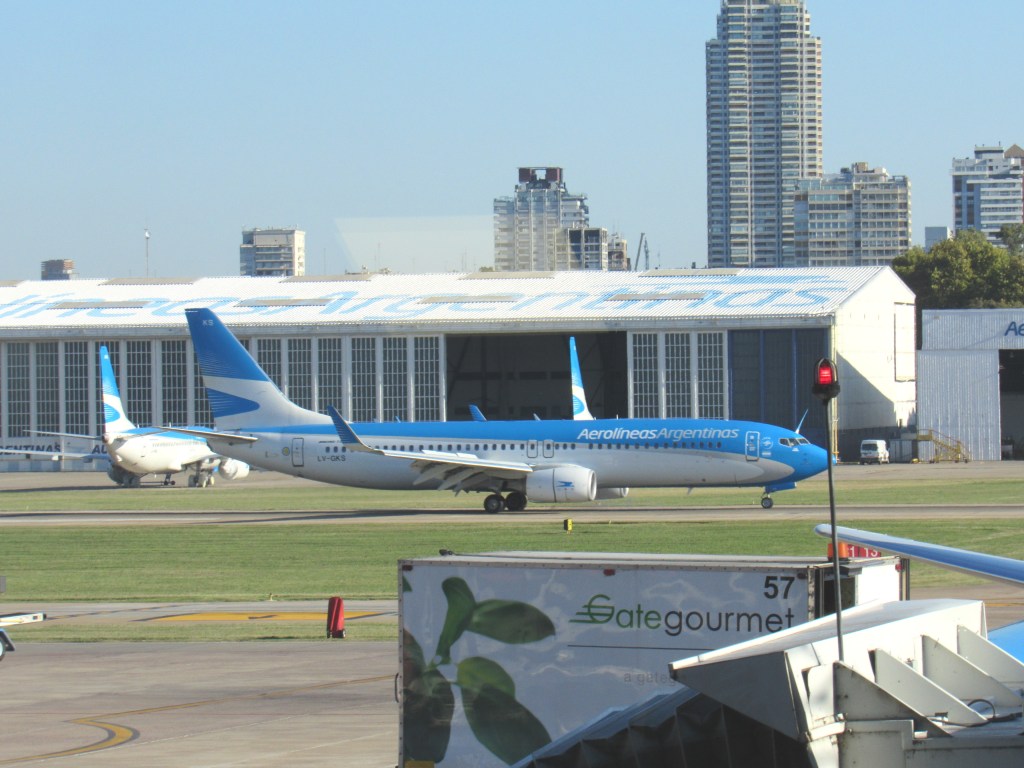
Aerolíneas Argentinas ha iniciado sus operaciones comerciales en Octubre 2020 con algunos vuelos domésticos donde los destinos estaban aprobados sanitariamente. Posteriormente fue incorporando a su malla más servicios domésticos e internacionales, muchos de ellos sujetos a reprogramaciones.
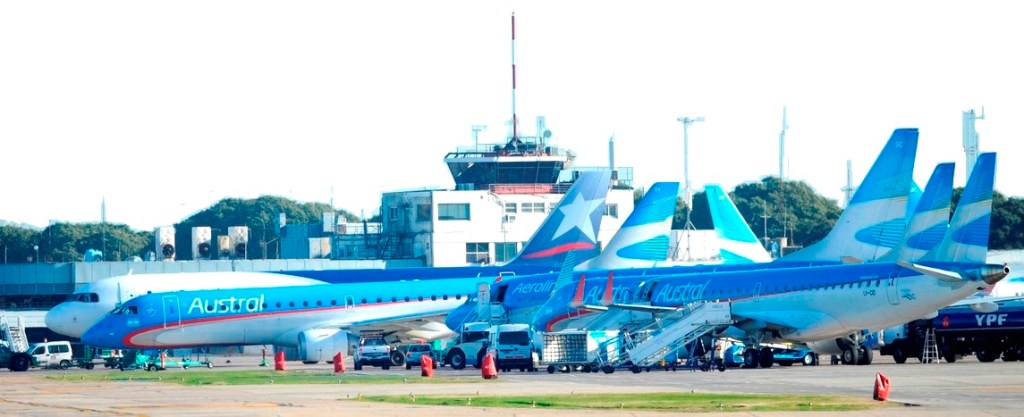
La compañía aérea ha sido beneficiada de este marco de reapertura permitiendo aumentar su mercado aéreo doméstico después de la salida de Latam Airlines Argentina y la fusión con Austral Líneas Aéreas, ostentando más de un 80% del mercado de cabotaje.
Mientras tanto, se han conocido los números de arrastre deficitario de la aerolínea. La oposición reclama al Gobierno que transparente los números de Aerolíneas Argentinas, volviendo a encender el debate político. Juntos por el Cambio reclama desde el Congreso que el Poder Ejecutivo rinda cuentas sobre la situación patrimonial, fiscal y financiera de la empresa estatal, después de que se conociera que en 2020 recibió US$ 650 millones de Dólares en subsidios a pesar de la merma de vuelos que provocó la pandemia de Coronavirus. Las transferencias del Tesoro, Adelantos del Tesoro Nacional (ATN), a Aerolíneas alcanzaron los AR$ 45.076 millones, lo que al tipo de cambio contable para 2020 informado por el Banco Central de la Nación Argentina se traduce en US$ 638 millones de Dólares. A este costo habría que sumarle las cargas sociales que no pagó por los acuerdos no remunerativos con los gremios aeronáuticos, además del dinero que recibió por los viajes a China para traer material sanitario para enfrentar la pandemia de coronavirus. «Llama la atención el monto, porque el año pasado se caracterizó por una eterna cuarentena que mantuvo sin actividad a gran parte de la economía argentina», señaló el Doputado Federico Angelini.
Las cifras aparecen maquilladas como inversión financiera. Los números de 2020 están en línea con el promedio de subsidios de la anterior gestión kirchnerista que había sido de US$ 678 millones de dólares por año. En 2019 habían sido US$ 490 millones. El registro más bajo de la era Mauricio Macri fue en 2017, con transferencias por US$ 181 millones. Lo llamativo, según los expertos, es que en la pandemia hayan aumentado los giros, ya que Aerolíneas suele perder más cuanto más vuela. Desde que fue estatizada en 2008 y hasta 2019 inclusive, Aerolíneas Argentinas costó a los contribuyentes cerca de US$ 6.000 millones de Dólares, un promedio de US$ 1.5 diarios.
El proyecto de resolución opositor señala también el acuerdo gremial por el cual los ejecutivos de la compañía comunicaron en 2020 que la empresa se ahorraría AR$ 220 millones por mes en cargas patronales, además de AR$ 130 millones de ahorro mensual que ya se habían generado por la suspensión del pago de viáticos a los empleados que teletrabajan. «A Diciembre [2020] ya no quedan suspensiones aunque aún hay muchos de los 12.000 empleados que no retomaron su lugar de trabajo y poco se conoce del consolidado de ese ahorro. Sin embargo, si se retoma el pago de las cargas sociales del personal, los desembolsos serán mayores», sostienen desde la oposición del partido de Juntos por el Cambio (JXC).
Cuestión monopólica
El aviación argentina se ha caracterizado por ser un mercado de difícil acceso a las alternativas. El caso de Aerolíneas Argentinas que ha traído una sinergia de concentración de fuerzas, se toma políticamente como un rasgo de soberanía o incluso como un instrumento necesario para el desarrollo de una política aerocomercial, regular tarifas, entre otros detalles. La realidad es que no existen fundamentos verídicos en estas creencias. Un gobierno debe promover y estimular la pluralidad del mercado aéreo, como es el caso más cercano de la República Federativa de Brasil, donde se alientan las inversiones, inclusive con la creación de más líneas aéreas en el período post-pandemia.
Enfrentarse a un monopolio en la aviación comercial es repetir una historia hasta el hartazgo, no estimula la aviación ni el mercado. La política aerocomercial del anterior Gobierno de Mauricio Macri fue la de promover competitividad. En esos cuatro años de apertura, Aerolíneas Argentinas redujo su participación a menos del 65% en cabotaje y por debajo del 20% en internacional, mostrando una clara evidencia que es una empresa que no se ajusta y no acepta compromisos con el mercado competitivo. Las líneas aéreas de bajo costo incorporaron una saludable disminución de las tarifas que beneficia a más pasajeros, con mayor conectividad, frecuencias y mejores precios.
La política del Gobierno actual, cargada de ideología es claramente la monopolización del mercado de cabotaje. El retiro de Latam Airlines Argentina fue consecuencia de hechos escandalosos por parte de la empresa y el Estado. El cese de sus operaciones en Argentina en parte el desenlace de una persecución sistemática e irracional sometimiento a presiones políticas y sindicales como la discriminación en el uso de las mangas, los hangares y los apoyos en tierra; regulaciones caprichosas; conflictos laborales sin motivo y una larga lista de otras situaciones. Similar situación atravesaron las low cost, a las que incluso se las terminó privando del uso del Aeropuerto El Palomar, hecho que ha golpeado con fuerza la economía del transporte aéreo del país.
El argumento defensivo de quienes apoyan el monopolio estatal es que todas las empresas aéreas dan pérdida, siendo una falacia. No deben buscarse razones geopolíticas ni funciones de fomento. En ese mismo período, el conjunto de las 290 compañías aéreas miembros de la Asociación Internacional de Transporte Aéreo (IATA) expuso una utilidad que osciló entre el 1,1% de sus ingresos en 2012 y el 3,3% en 2010. Solo una reducida minoría de estas empresas dio pérdidas, entre ellas, Aerolíneas Argentinas. Por cierto, la llegada de la pandemia disparó el desplome de esos valores. El tráfico cayó un 66% y el conjunto de IATA registró una pérdida de US$ 118.000 millones de Dólares. Nuevamente Aerolíneas Argentinas se ubicó entre las de mayores pérdidas en relación con el tamaño. En 2020, recibió aportes del Tesoro por AR$ 45.076 millones de pesos, que equivalieron a 610 millones de dólares al cambio oficial.
Perspectivas aéreas
La ausencia de competencia acentuará cada vez más estas deficiencias, así como su costo para el Estado. La paradoja es que el transporte aéreo es utilizado precisamente por la población de ingresos más altos, mientras que el grueso de los usuarios ha aprovechado la etapa de las low cost, permitiendo el acceso a una dinámica de vuelos más amplia estimulando el mercado aéreo en el país y permitiendo promover competitividad.
El rol del Estado es controlar el cumplimiento y regulación de la aviación, promoviendo y estimulando al sector del transporte aéreo. Será importante que la política se encuentre a la altura del mercado de aviación comercial en un período de acontecimientos que ha convulsionado a todo el sector de la industria aerocomercial.
Rebuilding Argentine aviation
Challenges of the Argentine air market
Argentine aviation has been immersed in the global debacle of the events of the health crisis that have kept the airline industry grounded for nine months. After a measured reopening, classic and low cost airlines continue to reestablish their service network with the expectation that total restrictions have been left behind.
Cabotage flights were enabled from mid-October 2020, although low cost flights only began to fly at the end of November 2020, since until the last moment it was estimated that El Palomar Airport would be open for commercial flights. This did not happen and the activity of the companies that operated from there was delayed.
Flybondi Líneas Aéreas
Flybondi announced on 02/05 the return to Argentina of the second aircraft to reinforce the aerial mesh. «Flybondi announces that its aircraft with LV-HKN registration, which was in the United States since August 2020, will return to Argentina between February 15 and 20, 2021 to join the operation of the 12 national destinations that today connects the airline», they indicated in the company, and advanced that they expect to have a third ship in the second quarter, although the decision will be subject to how the travel demand evolves in the coming months. The airline had five Boeing 737-800 aircraft in the country, but due to the pandemic and the suspension of total flights, they reengineered fixed costs and returned the three that had the highest leasing cost. Of the two that remained, one is stationed in Texas, United States, the aircraft that will re-enter the air market.
JetSmart Airlines Argentina
The airline JetSmart Airlines Argentina is operating eleven cabotage destinations, among which are Bariloche, Buenos Aires, Córdoba, Iguazú, Mendoza, Neuquén, Rosario, Salta, Tucumán, Ushuaia and has recently inaugurated the El Calafate destination. «There are many people who need to travel, whether for work, tourism or health issues, and it is important that they can do so in the safest way and without wasting their time. We are very happy to have been able to make all the flights respecting the protocols of safety and hygiene, without cancellations and reaching 100% punctuality in destinations such as Córdoba, Bariloche or Neuquén on one or more of its routes», said Darío Ratinoff, Commercial Manager of JetSmart Argentina.
Aerolíneas Argentinas
Aerolíneas Argentinas started its commercial operations in October 2020 with some domestic flights where the destinations were sanitary approved. Later, more domestic and international services were incorporated into its network, many of them subject to reprogramming.
The airline has benefited from this reopening framework, allowing it to increase its domestic air market after the departure of Latam Airlines Argentina and the merger with Austral Líneas Aéreas, holding more than 80% of the cabotage market.
Meanwhile, the airline’s deficit drag numbers have become known. The opposition demands that the Government make the Aerolíneas Argentinas numbers transparent, reigniting the political debate. Together for Change demands from Congress that the Executive Power be accountable for the equity, fiscal and financial situation of the state company, after it was known that in 2020 it received US$ 650 million in subsidies despite the decrease in flights that caused the Coronavirus pandemic. Transfers from the Treasury, Advances of the National Treasury (ATN), to Aerolíneas reached AR$ 45,076 million, which at the accounting exchange rate for 2020 reported by the Central Bank of the Argentine Nation translates to US$ 638 million dollars. To this cost, it would be necessary to add the social charges that he did not pay for the non-remunerative agreements with the aeronautical unions, in addition to the money he received for the trips to China to bring medical supplies to face the coronavirus pandemic. «The amount is striking, because last year was characterized by an eternal quarantine that kept a large part of the Argentine economy without activity», said Doputado Federico Angelini.
The figures are made up as a financial investment. The 2020 numbers are in line with the average subsidies of the previous Kirchner administration, which had been US$ 678 million per year. In 2019 it had been US$ 490 million. The lowest record of the Mauricio Macri era was in 2017, with transfers of US$ 181 million. What is striking, according to experts, is that in the pandemic the turns have increased, since Airlines tends to lose more the more it flies. Since it was nationalized in 2008 and until 2019 inclusive, Aerolineas Argentinas cost taxpayers close to US$ 6,000 million, an average of US$ 1.5 per day.
The opposition draft resolution also indicates the union agreement by which the company executives announced in 2020 that the company would save AR$ 220 million per month in employer charges, in addition to AR$ 130 million in monthly savings that had already been generated for the suspension of the payment of per diem to employees who telework. «As of December [2020] there are no suspensions left, although there are still many of the 12,000 employees who did not return to their workplace and little is known about the consolidation of that savings. However, if the payment of the personnel social security contributions is resumed, the disbursements will be higher», they have from the opposition of the Juntos por el Cambio (JXC) party.
Monopoly issue
Argentine aviation has been characterized as a market with difficult access to alternatives. The case of Aerolíneas Argentinas, which has brought about a synergy of concentration of forces, is taken politically as a feature of sovereignty or even as a necessary instrument for the development of a commercial air policy, regulating rates, among other details. The reality is that there are no real foundations for these beliefs. A government must promote and stimulate the plurality of the air market, as is the closest case of the Federative Republic of Brazil, where investments are encouraged, even with the creation of more airlines in the post-pandemic period.
Facing a monopoly in commercial aviation is repeating a story ad nauseam, it does not stimulate aviation or the market. The commercial aviation policy of the previous government of Mauricio Macri was to promote competitiveness. In those four years of opening, Aerolíneas Argentinas reduced its participation to less than 65% in cabotage and below 20% in international, showing clear evidence that it is a company that does not adjust and does not accept commitments with the competitive market. Low-cost airlines have incorporated a healthy reduction in fares that benefits more passengers, with greater connectivity, frequencies and better prices.
The policy of the current government, loaded with ideology, is clearly the monopolization of the cabotage market. The withdrawal of Latam Airlines Argentina was the consequence of scandalous events on the part of the company and the State. The cessation of its operations in Argentina is partly the result of a systematic and irrational persecution and submission to political and union pressures such as discrimination in the use of sleeves, hangars and ground supports; whimsical regulations; Labor disputes for no reason and a long list of other situations. The low cost companies went through a similar situation, which even ended up being deprived of the use of El Palomar Airport, a fact that has hit the country’s air transport economy hard.
The defensive argument of those who support the state monopoly is that all airlines give a loss, being a fallacy. No geopolitical reasons or advocacy functions should be sought. In the same period, the set of 290 airlines members of the International Air Transport Association (IATA) exhibited a profit that ranged between 1.1% of their revenues in 2012 and 3.3% in 2010. Only one A small minority of these companies gave losses, among them, Aerolíneas Argentinas. By the way, the arrival of the pandemic triggered the collapse of those values. Traffic fell by 66% and IATA as a whole recorded a loss of US$ 118 billion. Once again, Aerolíneas Argentinas was among those with the greatest losses in relation to size. In 2020, it received contributions from the Treasury for AR$ 45,076 million Pesos, which were equivalent to US$ 610 million Dollars at the official exchange rate.
Aerial perspectives
The absence of competition will increasingly accentuate these deficiencies, as well as their cost to the State. The paradox is that air transport is used precisely by the highest-income population, while the bulk of users have taken advantage of the low-cost stage, allowing access to a broader flight dynamics, stimulating the air market in the country and allowing to promote competitiveness.
The role of the State is to control compliance and regulation of aviation, promoting and stimulating the air transport sector. It will be important for policy to catch up to the commercial aviation market in a period of events that has convulsed the entire commercial aviation industry.
AW | 2021 02 05 17:53 | AIRLINES MARKET / GOVERNMENT
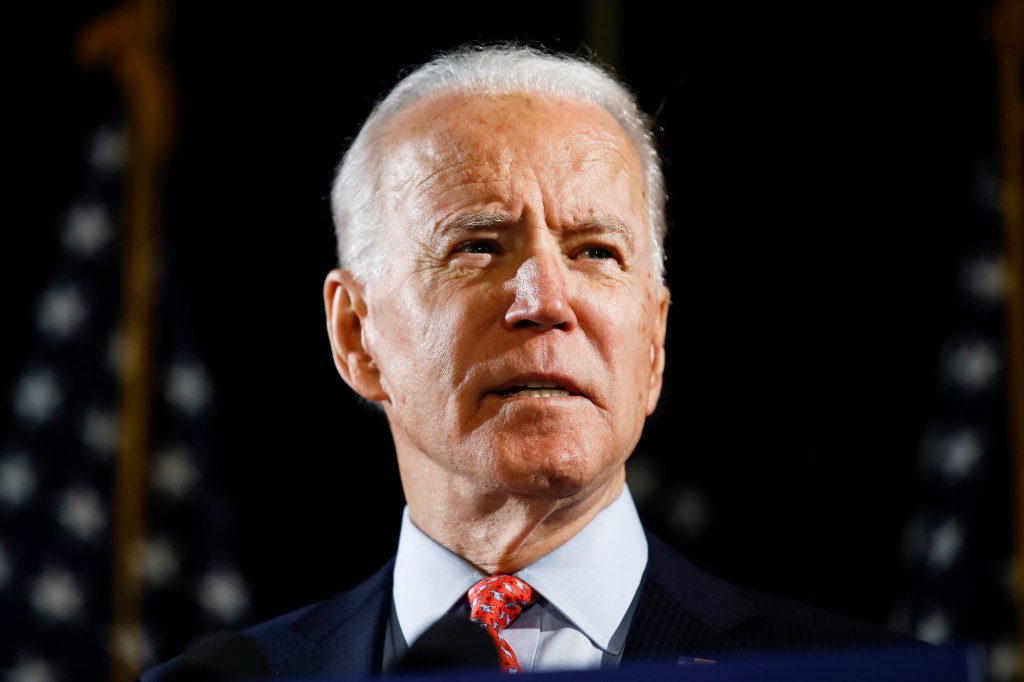
Nueva administración estadounidense hacia entorno más amigable
La nueva Administración Biden podría dar forma a la política de aviación estadounidense en torno a asuntos como las ayudas económicas, la seguridad y el medio ambiente en el entorno de la crisis sanitaria mundial.
¿Qué significará una nueva administración estadounidense para la industria de la aviación? Después de una campaña electoral que duró casi 20 meses, el ex-Vicepresidente estadounidense Joe Biden ha ganado las elecciones estadounidenses de 2020, superando a Donald Trump y convirtiéndose así en el 46º Presidente de los Estados Unidos de América. Tras las primeras semanas de gobierno, muchos se preguntan cuáles serán los primeros pasos de la nueva administración y cuáles serán en la parte superior de la agenda presidencial para los lineamientos de la aviación comercial.
Aunque la aviación no fue el foco clave de su campaña presidencial, Joseph Biden se comprometió a ayudar al sector a recuperarse después del duro golpe que recibió debido a la pandemia del Coronavirus. En su manifiesto centrado en el medio ambiente, Joe Biden también prometió fomentar el desarrollo de tecnologías de aviación con bajas emisiones de carbono y reducir los costos de los biocombustibles como parte de sus compromisos de reducir los gases de efecto invernadero para 2050.
Perspectivas aviación
La pregunta que flota en el aire es ¿cómo dará forma Joe Biden a la política de aviación estadounidense y cómo afectará al sector en los próximos cuatro años? Según el Analista de aerolíneas de Atmosphere Research Group, Henry Harteveldt, las partes interesadas en la aviación estadounidense esperan que la nueva administración amplíe la Ley de Ayuda al Coronavirus, Alivio y Seguridad Económica (CARES) por otros seis meses. La anterior Administración ha entregado a la industria de la aviación, que se vio fuertemente afectada por las restricciones de viaje, la suma de US$ 61.000 millones de Dólares en subvenciones, préstamos y desgravación fiscal. Mientras tanto, la aviación comercial debe afrontar un nuevo rebrote epidemiológico, los gobiernos deberán implementar políticas más austeras para reactivar las alicaídas economías.
US aviation perspectivas
New American administration towards friendlier environment
The new Biden Administration could shape US aviation policy on issues such as financial aid, safety and the environment in the face of the global health crisis.
What will a new American administration mean for the aviation industry? After an electoral campaign that lasted almost 20 months, former US Vice President Joe Biden has won the 2020 US elections, surpassing Donald Trump and thus becoming the 46th President of the United States of America. After the first weeks of government, many wonder what the first steps of the new administration will be and what will be at the top of the presidential agenda for commercial aviation guidelines.
Although aviation was not the key focus of his presidential campaign, Joseph Biden vowed to help the sector recover after the severe blow it received due to the Coronavirus pandemic. In his environmentally-focused manifesto, Joe Biden also promised to encourage the development of low-carbon aviation technologies and reduce biofuel costs as part of his commitments to reduce greenhouse gases by 2050.
Aviation perspectives
The question hanging in the air is how will Joe Biden shape American aviation policy and how will it affect the industry in the next four years? According to Atmosphere Research Group Airline Analyst Henry Harteveldt, US aviation stakeholders expect the new administration to extend the Coronavirus Relief, Economic Security and Relief Act (CARES) for another six months. The previous Administration has delivered to the aviation industry, which was strongly affected by travel restrictions, the sum of US$ 61,000 million in grants, loans and tax relief.
While commercial aviation must face a new epidemiological outbreak, governments will have to implement more austere policies to reactivate the ailing economies.
Gobierno India inicia tercera etapa privatización de aeropuertos
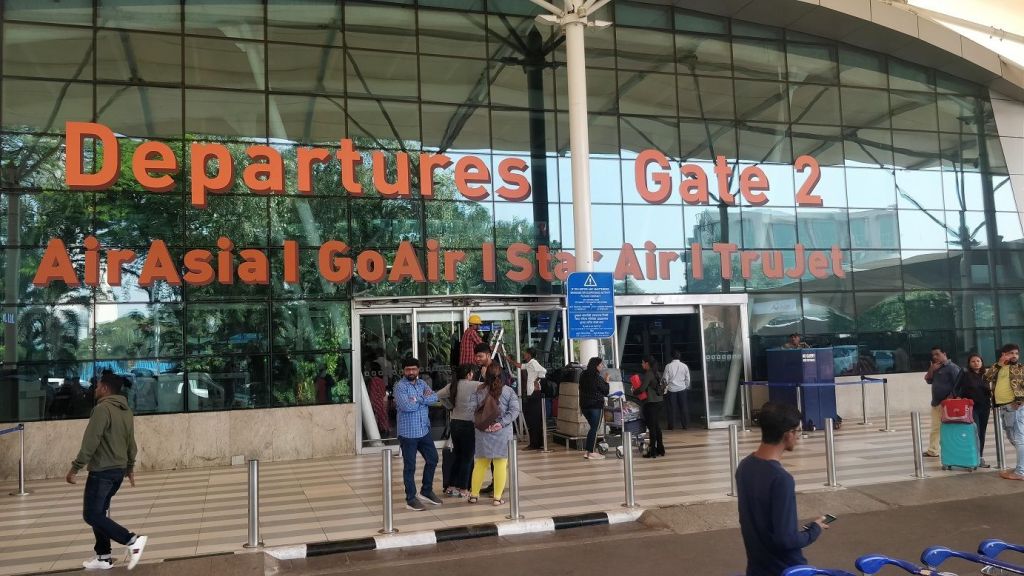
El Gobierno de la India ha iniciado el proceso de privatización de aeropuertos del país. La Autoridad Aeroportuaria de la India (AAI) comenzará la tercera etapa del proceso de privatización aeroportuaria para entre seis a diez aeropuertos en Abril 2021, dijo el Jueves 04/02 el Secretario de Aviación Civil, Pradeep Singh Kharola. El Gobierno utilizará un nuevo enfoque para privatizar aeropuertos, presentando oferta de paquete de aeropuerto rentable con un aeropuerto con pérdidas para el proceso de venta. La ministra de Finanzas, Nirmala Sitharaman, dijo en su discurso presupuestario que el Gobierno privatizará los aeropuertos operados por AAI de las ciudades de nivel II y III durante 2021-22. AAI está recaudando ₹ 2.100 crore de los bancos por sus necesidades de gastos de capital en 2021-22, dijo su presidente interino Anuj Agarwal. AAI ya ha aprobado la propuesta de Adani Group de hacerse cargo del Aeropuerto de Mumbai.
En Septiembre de 2020, el conglomerado liderado por Gautam Adani había firmado un pacto definitivo para comprar la deuda de GVK Airport Developers Ltd, contra la cual se había prometido una participación del 50,5% en Mumbai International Airport Ltd (MIAL). El Grupo Adani había dicho que también comprará la participación combinada del 23,5% en manos de Airport Co. de Sudáfrica y el grupo Bidvest de Sudáfrica en MIAL.
Indian airports privatization
Indian government begins third stage of airport privatization
The Government of India has started the process of privatizing airports in the country. The Airport Authority of India (AAI) will begin the third stage of the airport privatization process for six to ten airports in April 2021, said on Thursday 04/02 the Secretary of Civil Aviation, Pradeep Singh Kharola. The government will use a new approach to privatize airports, presenting a profitable airport package offering with a losing airport for the sale process. Finance Minister Nirmala Sitharaman said in her budget speech that the government will privatize AAI-operated airports in Tier II and III cities during 2021-22. AAI is raising ₹ 2,100 crore from banks for its capital spending needs in 2021-22, said its acting chairman Anuj Agarwal. AAI has already approved Adani Group’s proposal to take over Mumbai Airport.
In September 2020, the conglomerate led by Gautam Adani had signed a definitive agreement to buy the debt of GVK Airport Developers Ltd, against which a 50.5% stake in Mumbai International Airport Ltd (MIAL) had been promised. The Adani Group had said that it will also buy the combined 23.5% stake held by South Africa’s Airport Co. and South Africa’s Bidvest group in MIAL.
भारतीय हवाई अड्डों का निजीकरण
भारत सरकार ने हवाई अड्डे के निजीकरण का तीसरा चरण शुरू किया
भारत सरकार ने देश में हवाई अड्डों के निजीकरण की प्रक्रिया शुरू कर दी है। भारतीय विमानपत्तन प्राधिकरण (एएआई) अप्रैल 2021 में छह से दस हवाई अड्डों के लिए हवाई अड्डे के निजीकरण की प्रक्रिया के तीसरे चरण की शुरुआत करेगा, गुरुवार को 04/02 नागरिक उड्डयन सचिव प्रदीप सिंह खारोला ने कहा। सरकार हवाई अड्डों के निजीकरण के लिए एक नए दृष्टिकोण का उपयोग करेगी, बिक्री प्रक्रिया के लिए एक खोने वाले हवाई अड्डे के साथ एक लाभदायक हवाई अड्डे के पैकेज की पेशकश करेगी। वित्त मंत्री निर्मला सीतारमण ने अपने बजट भाषण में कहा कि सरकार 2021-22 के दौरान टीयर II और III शहरों में AAI- संचालित हवाई अड्डों का निजीकरण करेगी। एएआई ने कहा कि एएआई 2021-22 में पूंजीगत खर्च की जरूरतों के लिए बैंकों से 2,100 करोड़ रुपये जुटा रहा है। एएआई पहले ही मुंबई हवाईअड्डे पर अडानी समूह के प्रस्ताव को मंजूरी दे चुका है।
सितंबर 2020 में, गौतम अडानी के नेतृत्व वाले समूह ने जीवीके एयरपोर्ट डेवलपर्स लिमिटेड के ऋण को खरीदने के लिए एक निश्चित समझौते पर हस्ताक्षर किए थे, जिसके खिलाफ मुंबई इंटरनेशनल एयरपोर्ट लिमिटेड (एमआईएएल) में 50.5% हिस्सेदारी का वादा किया गया था। अडानी समूह ने कहा था कि वह एमआईएएल में दक्षिण अफ्रीका के हवाईअड्डा कंपनी और दक्षिण अफ्रीका के बिडवेस्ट समूह द्वारा संयुक्त 23.5% हिस्सेदारी खरीदेगा।
Acreedores reclaman ante Tribunal por leasing aeronaves
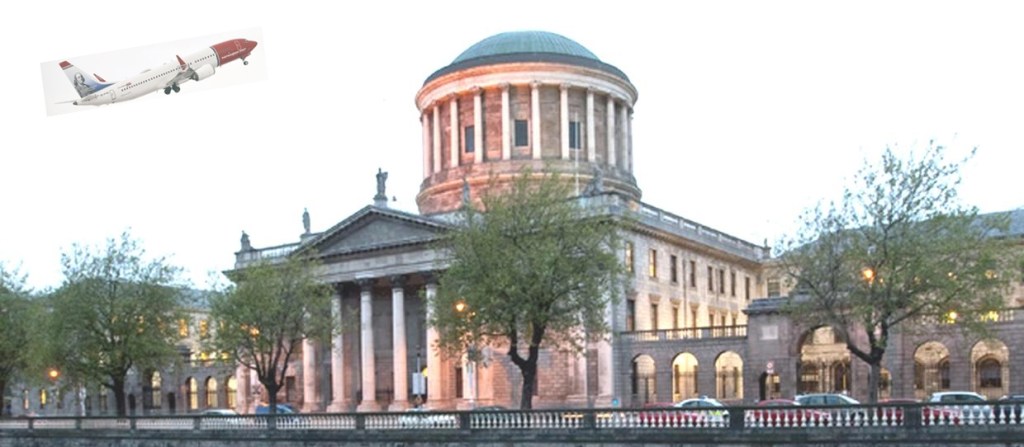
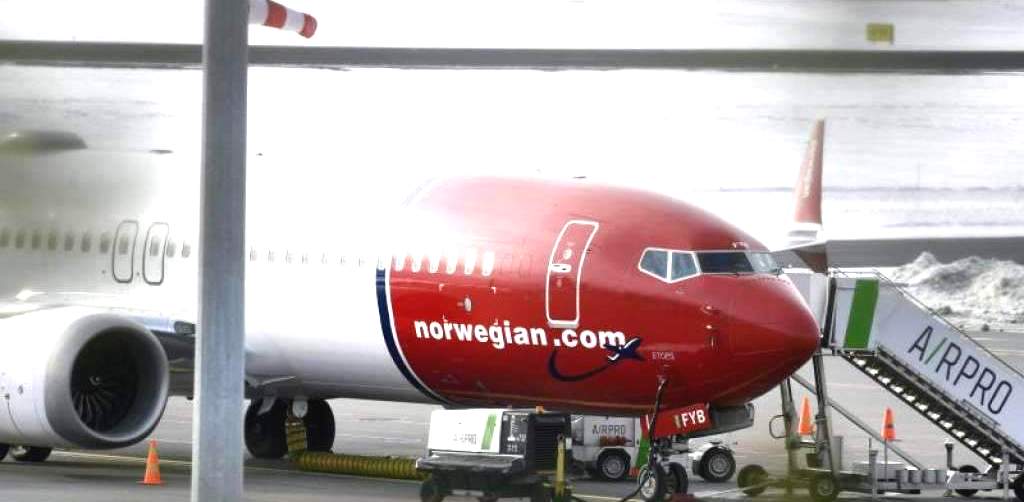
Los acreedores del transportador aéreo Norwegian Air Shuttle ASA están desafiando la oferta de la aerolínea de devolver más de treinta aviones a proveedores, una parte clave de los planes para rescatar al grupo. Norwegian Air y sus filiales irlandesas, Arctic Aviation Assets, Norwegian Air International, Drammensfjorden Leasing y Lysakerfjorden Leasing, están bajo la protección del Tribunal Superior de Irlanda de los acreedores, mientras que el examinador Kieran Wallace de la compañía holandesa KPMG trabaja a contrareloj en un plan de reestructuración para la aerolínea escandinava.
Las cinco compañías han pedido al Tribunal que repudie la acción de los leasor por los arrendamientos de más de 36 aviones, lo que les permite devolver el avión a los arrendadores, con el fin de restructurar su flota como parte de las propuestas para mantener a Norwegian Air en el negocio aéreo. Los abogados de varios arrendadores se quejaron el Jueves 04/02 de que no habían tenido tiempo suficiente para hacer frente a las preocupaciones planteadas por las solicitudes de las empresas ante el Tribunal, incluidas las posibles complicaciones derivadas del hecho de que algunos acuerdos se regían por el derecho inglés.
El arrendamiento de Industrial and Commercial Bank of China (ICBC), que ha suministrado 10 aviones a Norwegian Air, adujo que las solicitudes de las empresas carecían de información y análisis para permitir al Tribunal evaluar cómo eran onerosos los arrendamientos. El abogado superior del KPMG, Paul Sreenan, advirtió que el examen era el día 79 de 100, por lo que está previsto que finalice dentro de tres semanas.
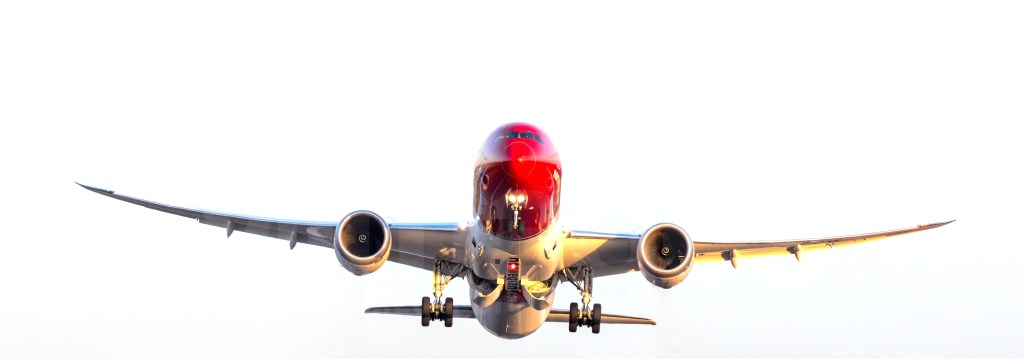
Norwegian Air quiere reducir su flota en más de la mitad a 68 de 140, permitiendo quitar la red de larga distancia para centrarse en volar en Europa. La filial irlandesa, Torskefjorden Leasing, que alquilaba 24 aviones y formaba parte del examen, está en liquidación, por lo que ya no forma parte del procedimiento del Tribunal Superior. Las cinco empresas que permanecen en examen están alquilando 48 aeronaves, incluidas las 36 implicadas en la solicitud para poner fin a dichos acuerdos. El repudio implica que la empresa termine contratos de arrendamiento, pero pagar a los acreedores implicaba una liquidación basada en el monto adeudado en la fecha en que la empresa entró en examen, y una segunda liquidación que cubre pasivos del período del propio examinador. Los arrendadores obtendrían el mismo dividendo que todos los demás sobre la diferencia entre el total de la empresa pagada en las liquidaciones y el importe total adeudado. El Juez Michael Quinn propuso permitir hasta el Viernes 12 de Febrero de 2021 que los acreedores respondan a las solicitudes de las empresas. El asunto debe volver ante la Corte el Lunes 15/02.
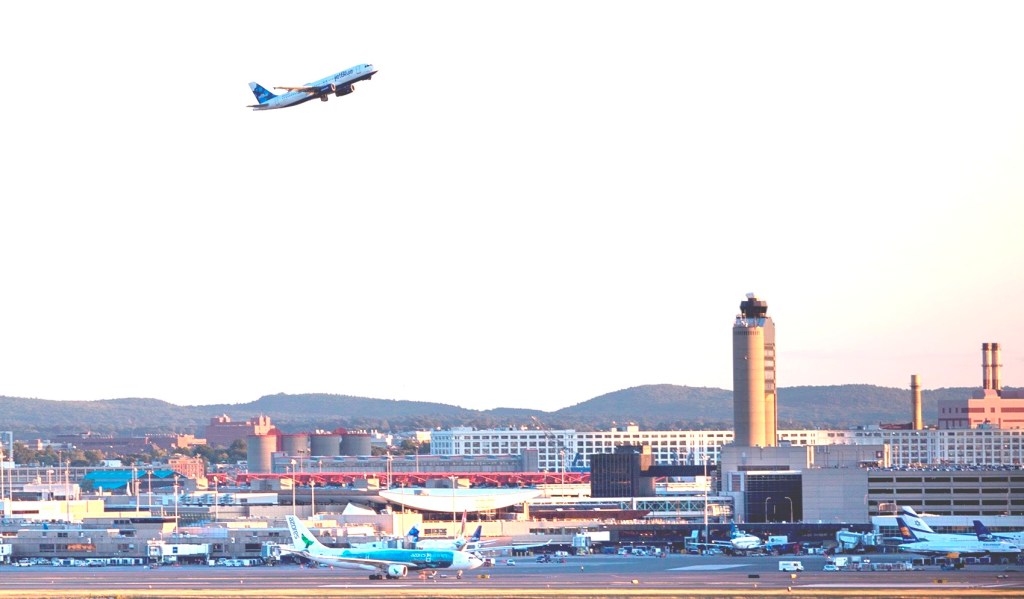
El Jueves 04/02, Norwegian y sus subsidiarias solicitaron al Tribunal que repudiar los contratos con varios proveedores, incluyendo la compañía irlandesa, In Flight Audio, negocios de combustible, catering y aeropuertos estadounidenses como Boston/Logan Airport.
Brian Kennedy, el abogado Senior de las empresas del grupo Norwegian ha señalado que la rescisión de los contratos se remontaría al momento en que el grupo surja de la examidad. El Juez Michael Quinn dijo que se pronunciaría sobre esas solicitudes, que no se impugnan, la próxima semana.
Creditors challenge Norwegian offer
Creditors claim in court for aircraft leasing
Creditors of air carrier Norwegian Air Shuttle ASA are challenging the airline’s offer to return more than thirty planes to suppliers, a key part of plans to rescue the group. Norwegian Air and its Irish subsidiaries, Arctic Aviation Assets, Norwegian Air International, Drammensfjorden Leasing and Lysakerfjorden Leasing, are under the protection of the High Court of Ireland from creditors, while examiner Kieran Wallace of the Dutch company KPMG works against the clock on a restructuring plan for the Scandinavian airline.
The five companies have asked the Court to repudiate the leasors’ action for the leases of more than 36 aircraft, allowing them to return the aircraft to the lessors, in order to restructure their fleet as part of the proposals to keep Norwegian Air in the airline business. Lawyers for several landlords complained on Thursday 04/02 that they had not had enough time to address the concerns raised by the companies’ requests to the Court, including possible complications arising from the fact that some agreements were governed by English law.
The leasing of Industrial and Commercial Bank of China (ICBC), which has supplied 10 aircraft to Norwegian Air, argued that the companies’ requests lacked information and analysis to enable the Tribunal to assess how onerous the leases were. KPMG Senior Counsel, Paul Sreenan, noted that the exam was on the 79th of 100th, so it is scheduled to end in three weeks.
Norwegian Air wants to reduce its fleet by more than half to 68 out of 140, allowing it to remove the long-haul network to focus on flying in Europe. The Irish subsidiary, Torskefjorden Leasing, which leased 24 aircraft and was part of the review, is in liquidation and is therefore no longer part of the High Court proceedings. The five companies that remain under review are leasing 48 aircraft, including the 36 involved in the request to terminate those agreements. The repudiation implies that the company terminates leases, but paying creditors involved a settlement based on the amount owed on the date the company entered examination, and a second settlement covering liabilities for the examiner’s own period. The lessors would get the same dividend as everyone else on the difference between the total amount of the company paid in the settlements and the total amount owed. Judge Michael Quinn proposed to allow until Friday, February 12, 2021, that creditors respond to requests from companies. The matter must return to the Court on Monday 02/15.
On Thursday 02/04, Norwegian and its subsidiaries petitioned the Court to repudiate contracts with various suppliers, including the Irish company, In Flight Audio, fuel businesses, catering and US airports such as Boston/Logan Airport.
Brian Kennedy, the Senior Counsel for the Norwegian group companies has indicated that the termination of the contracts would go back to the time the group emerged from the examination. Judge Michael Quinn said he would rule on those undisputed requests next week.
Kreditorer utfordrer Norwegian tilbud
Kreditorer krever i retten for leasing av fly
Kreditorer til flyselskapet Norwegian Air Shuttle ASA utfordrer flyselskapets tilbud om å returnere mer enn tretti fly til leverandører, en viktig del av planene for å redde gruppen. Norwegian Air og dets irske datterselskaper, Arctic Aviation Assets, Norwegian Air International, Drammensfjorden Leasing og Lysakerfjorden Leasing, er under beskyttelse av High Court of Ireland fra kreditorer, mens sensor Kieran Wallace fra det nederlandske selskapet KPMG jobber mot klokken på en restrukturering plan for det skandinaviske flyselskapet.
De fem selskapene har bedt domstolen om å avvise leietakernes handling for leie av mer enn 36 fly, slik at de kan returnere flyet til utleierne, for å omstrukturere flåten som en del av forslagene om å holde Norwegian Air i flyselskapet. virksomhet. Advokater for flere utleiere klaget torsdag 04/02 over at de ikke hadde hatt nok tid til å ta opp bekymringene som ble reist av selskapenes forespørsler til domstolen, inkludert mulige komplikasjoner som følge av at noen avtaler var underlagt engelsk lov.
Leasing av Industrial and Commercial Bank of China (ICBC), som har levert 10 fly til Norwegian Air, hevdet at selskapenes forespørsler manglet informasjon og analyse for å gjøre det mulig for Tribunal å vurdere hvor belastende leiekontraktene var. KPMG Senior Counsel, Paul Sreenan, bemerket at eksamen var på 79th of 100th, så den er planlagt å avslutte om tre uker.
Norwegian Air ønsker å redusere flåten med mer enn halvparten til 68 av 140, slik at den kan fjerne fjerntransportnettverket for å fokusere på å fly i Europa. Det irske datterselskapet Torskefjorden Leasing, som leide 24 fly og var en del av gjennomgangen, er i avvikling og er derfor ikke lenger en del av High Court-saksbehandlingen. De fem selskapene som er under evaluering, leaser 48 fly, inkludert de 36 som er involvert i anmodningen om å si opp disse avtalene. Avvisningen innebærer at selskapet avslutter leiekontrakter, men betalende kreditorer involverte et oppgjør basert på skyldig beløp på datoen selskapet gikk inn i eksamen, og et andre oppgjør som dekker forpliktelser for sensorens egen periode. Utleierne ville få samme utbytte som alle andre på forskjellen mellom det totale beløpet til selskapet som ble betalt i bosetningene og det totale skyldte beløpet. Dommer Michael Quinn foreslo å tillate frem til fredag 12. februar 2021 at kreditorer svarer på forespørsler fra selskaper. Saken må komme tilbake til retten mandag 15.02.
Torsdag 02/04 begjærte Norwegian og dets datterselskaper domstolen å avvise kontrakter med forskjellige leverandører, inkludert det irske selskapet In Flight Audio, drivstoffvirksomheter, catering og amerikanske flyplasser som Boston/Logan Airport.
Brian Kennedy, seniorråd for de norske konsernselskapene, har indikert at avslutningen av kontraktene vil gå tilbake til det tidspunktet gruppen kom ut av undersøkelsen. Dommer Michael Quinn sa at han ville avgjøre disse forespørslene, som ikke blir utfordret, neste uke.
Gobierno de Argentina inyectó US$ 527 millones en Aerolíneas
El Gobierno de la República Argentina ha informado gastos en el transportador del Grupo Aerolíneas para el ejercicio 2020 unos US$ 527 millones, permitiendo observar un incremento en los gastos desde 2015, según los datos proporcionados por la compañía aérea Aerolíneas Argentinas. Tras la introducción de la pandemia y los drásticos cambios en la supresión de los vuelos desde Marzo 2020 la reestructuración del grupo ha tenido como protagonismo la sinergia de Aerolíneas Argentinas y Austral Líneas Aéreas, suprimiendo la aerolínea regional en favor de la compañía de bandera.
El mercado aerocomercial también ha sufrido cambios, cuando en la pre-pandemia Aerolíneas y Austral tenían el 63% de la cuota de mercado doméstico, pero tras la introducción de nuevos operadores con el anterior Gobierno, ambas compañías perdieron el 11% de la cuota de mercado frente a compañías privadas como Latam Airlines Argentina, JetSmart Airlines Argentina, Flybondi Líneas Aéreas, Norwegian Air Argentina y Andes Líneas Aéreas. Pero la crisis del transporte aéreo mundial ha llevado a varias aerolíneas a reestructurarse, adaptarse o morir en el intento.
Gobierno y Aerolíneas
Entre 2018 y 2019, la aerolínea tenido una pérdida total de AR$ 58.73 mil millones de Pesos argentinos, un equivalente a US$ 670 millones. Actualmente la compañía Aerolíneas Argentinas todavía tiene que publicar los resultados financieros del ejercicio 2020, lo que genera mucha incertidumbre acerca del déficit acumulado. El comunicado de Aerolíneas expresa que la aerolínea ha disminuido un 97% de su mercado frente a las consecuencias de la pandemia permitiendo proyectar un nuevo retraso de cinco años vista para poder recuperar los índices pre-pandemia y poder alcanzar superhabit, una tarea difícil por delante. Mientras tanto, el Gobierno argentino ha invertido US$ 527 millones entre Enero y Noviembre de 2020.
Perspectivas aéreas
La República Argentina continúa basculando en las políticas aerocomerciales con una perspectiva distante de una recuperación completa. El Gobierno de Argentina está inmersa en un círculo vicioso de gastos en Aerolíneas Argentinas, que tras el anuncio de reestructuración, hacia el 2021 deberá continuar afrontando gastos corrientes y un déficit de arrastre.
La asistencia del Gobierno en materia de políticas aerocomerciales continúa desequilibrando la competitividad y el libre mercado del país, permitiendo asistir a una compañía históricamente deficitaria que condiciona el progreso del libre mercado aéreo de Argentina. Mientras que otros países como Brasil, que a pesar de la crisis actual mundial, continúa adaptándose y mejorando sus políticas con nuevas compañías aéreas y más conexiones, a ello Argentina continúa teniendo una materia pendiente, o mejor dicho, una asignatura que se ha perdido.
Argentine Government vs Aerolíneas expenses
Government Argentina injected US$ 527 million in Aerolíneas
The Government of the Argentine Republic has reported expenses on the Aerolíneas Group carrier for the 2020 financial year about US $ 527 million, allowing an increase in expenses since 2015, according to data provided by the airline Aerolíneas Argentinas. After the introduction of the pandemic and the drastic changes in the suppression of flights since March 2020, the restructuring of the group has had as a leading role the synergy of Aerolíneas Argentinas and Austral Líneas Aéreas, suppressing the regional airline in favor of the flag company.
The commercial aviation market has also undergone changes, when in the pre-pandemic Aerolíneas and Austral had 63% of the domestic market share, but after the introduction of new operators with the previous Government, both companies lost 11% of the share of market against private companies such as Latam Airlines Argentina, JetSmart Airlines Argentina, Flybondi Líneas Aéreas, Norwegian Air Argentina and Andes Lineas Aereas. But the global air transport crisis has led several airlines to restructure, adapt, or die trying.
Government and Aerolíneas
Between 2018 and 2019, the airline had a total loss of AR $ 58.73 billion Argentine pesos, an equivalent to US$ 670 million. Currently the company Aerolíneas Argentinas has yet to publish the financial results for the 2020 financial year, which generates a lot of uncertainty about the accumulated deficit. The Aerolíneas statement states that the airline has decreased by 97% of its market in the face of the consequences of the pandemic, allowing a new delay of five years to be projected to be able to recover the pre-pandemic indexes and to be able to reach superhabit, a difficult task ahead. Meanwhile, the Argentine government has invested US$ 527 million between January and November 2020.
Aerial perspectives
The Argentine Republic continues to swing in commercial air policies with a distant prospect of a complete recovery. The Government of Argentina is immersed in a vicious cycle of expenses at Aerolíneas Argentinas, which after the announcement of restructuring, by 2021 will have to continue facing current expenses and a drag deficit.
The government’s assistance in matters of commercial air policies continues to unbalance the country’s competitiveness and free market, allowing it to assist a historically deficient company that conditions the progress of Argentina’s free air market. While other countries such as Brazil, which despite the current global crisis, continues to adapt and improve their policies with new airlines and more connections, Argentina continues to have a pending matter, or rather, a subject that has been lost.
AW | 2021 02 04 13:22 | GOVERNMENT / INDUSTRY / AIRLINES
Bloqueos comerciales a industria aviación en Irán
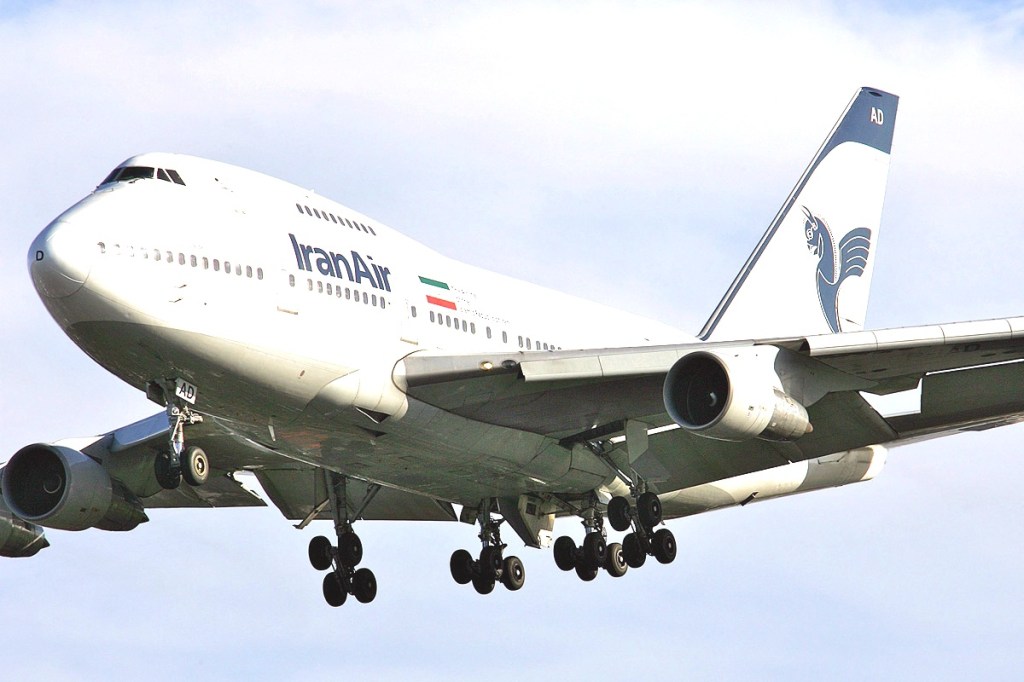
La Organización de Aviación Civil de Irán (OACI) ha emitido informes respectivos acerca de los contratos suspendidos por parte de la aerolínea iraní Iran Air después de los bloqueos impuestos por Estados Unidos para la adquisición de material aeronáutico. El servicio de Radiodifusión de la República Islámica del Irán (IRIB) informó el 3 de Febrero de 2021 que el CEO de la OACI, Touraj Dehqani Zanganeh, escribió para determinar la última palabra de Boeing sobre el destino de la gran orden, preguntándose si podría ser revivido tras el cambio de Gobierno en los Estados Unidos.
La OACI ha escrito a The Boeing Company para informarse acerca de la aerolínea de bandera de acuerdo de US$ 16.500 millones de Dólares como parte del contrato con Iran Air hizo en Diciembre de 2016 para la compra de ochenta aeronaves para ayudar a renovar su envejecimiento de la flota de la línea aérea. El acuerdo fue descarrilado por las fuertes sanciones que el entonces Presidente estadounidense Donald Trump introdujo contra la República Islámica de Irán desde Mayo de 2018, pero la compañía Boeing anunció recientemente que había encontrado nuevos clientes para los aviones que esperaba entregar a IranAir.
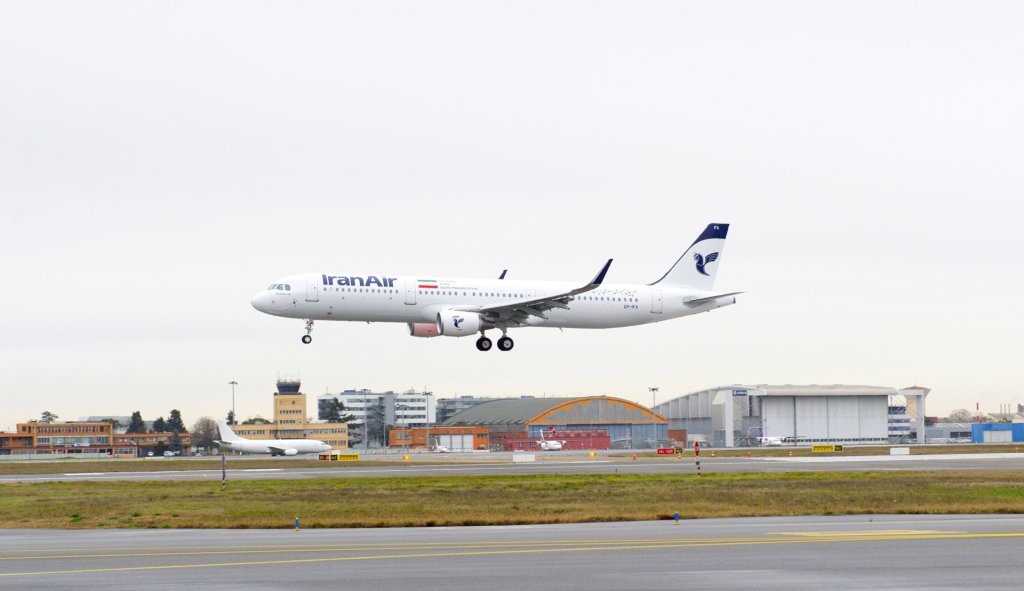
Antes de la imposición de sanciones por parte de la Adnimistración Trump, Iran Air en 2016 también hizo pedidos con Airbus Group para el suministro de 118 aviones, con 73 aviones de cuerpo ancho y 45 aviones de cuerpo estrecho. El contrato incluía A320CEO (21) y A320NEO (24). También ha solicitado órdenes con la fábrica franco-italiana ATR Aircraft para la entrega de ATR-72 (20). Aunque los pedidos de Airbus y ATR también quedaron bloqueados por las sanciones, el Director de Relaciones Públicas de Airbus Group dijo al margen del Salón Aéreo de París en Junio de 2019 que los pedidos de Airbus no habían sido cancelados y el deseo era que estos pedidos y otros pedidos realizados por aerolíneas iraníes se cumplieran una vez que las sanciones estadounidenses no impidieran las entregas.
«El contrato de Irán con Airbus y ATR ha sido suspendido. En cuanto al contrato que tenemos con Boeing, recientemente he escrito una carta para aclarar su destino. Definitivamente existe la posibilidad de que los contratos ATR y Airbus se reactiven. Si se produce una apertura, tendrán que volver a los contratos», dijo el CEO de la OACI Touraj Dehqani Zanganeh.
Las aerolíneas de Irán tienen actualmente 162 aviones en sus flotas de aviación civil, pero necesitan urgentemente renovar su parque aéreo para continuar brindando eficiencia y seguridad. Detrás de las sanciones impuestas por Estados Unidos, al cambio de administración podrían producirse un cambio en las perspectivas de las aerolíneas, pero la República Islámica de Irán deberá efectuar el pleno cumplimiento del acuerdo nuclear de 2016 para mantener su programa de desarrollo nuclear de naturaleza totalmente civil y despejar los bloqueos impuestos para reactivar los pedidos de aviones comerciales.
ICAO requests reports of blockades from Iran
Commercial blockades to aviation industry in Iran
The Civil Aviation Organization of Iran (ICAO) has issued respective reports about the contracts suspended by the Iranian airline Iran Air after the blockades imposed by the United States for the acquisition of aeronautical material. The Islamic Republic of Iran Broadcasting service (IRIB) reported on February 3, 2021 that ICAO CEO Touraj Dehqani Zanganeh wrote to determine Boeing’s final word on the fate of the grand order, wondering if he could be revived after the change of government in the United States.
ICAO has written to The Boeing Company to inquire about the US$ 16,500 million US flag carrier agreement as part of the contract with Iran Air made in December 2016 for the purchase of eighty aircraft to help renew its aging airline fleet. The deal was derailed by the heavy sanctions then-US President Donald Trump introduced against the Islamic Republic of Iran since May 2018, but the Boeing company recently announced that it had found new customers for the planes it hoped to deliver to IranAir.
Prior to the imposition of sanctions by the Trump Administration, Iran Air in 2016 also placed orders with Airbus Group for the supply of 118 aircraft, with 73 wide-body aircraft and 45 narrow-body aircraft. The contract included A320CEO (21) and A320NEO (24). It has also placed orders with the French-Italian factory ATR Aircraft for the delivery of ATR-72 (20). Although Airbus and ATR orders were also blocked by sanctions, Airbus Group’s Director of Public Relations said on the sidelines of the Paris Air Show in June 2019 that Airbus orders had not been canceled and the wish was that these orders and other orders placed by Iranian airlines were fulfilled once US sanctions did not prevent deliveries.
«Iran’s contract with Airbus and ATR has been suspended. Regarding the contract that we have with Boeing, I have recently written a letter to clarify its fate. There is definitely a possibility that the ATR and Airbus contracts will be reactivated. If one occurs. opening, they will have to go back to contracts», said ICAO CEO Touraj Dehqani Zanganeh.
Iran’s airlines currently have 162 aircraft in their civil aviation fleets, but they urgently need to renovate their air park to continue providing efficiency and safety. Behind the sanctions imposed by the United States, the change of administration could bring about a change in the perspectives of the airlines, but the Islamic Republic of Iran will have to carry out full compliance with the 2016 nuclear agreement to maintain its nuclear development program of a fully natural nature. civil and clear the blockades imposed to reactivate the orders of commercial airplanes.
تطلب منظمة الطيران المدني الدولي تقارير عن عمليات حصار من إيران
حصار تجاري لصناعة الطيران في إيران
أصدرت منظمة الطيران المدني الإيرانية (إيكاو) تقارير ذات صلة حول العقود التي أوقفتها شركة الطيران الإيرانية إيران للطيران بعد الحصار الذي فرضته الولايات المتحدة للحصول على مواد الطيران. أفادت خدمة إذاعة جمهورية إيران الإسلامية (IRIB) في 3 فبراير 2021 أن الرئيس التنفيذي لمنظمة الطيران المدني الدولي تورج دهقاني زنكنه كتب ليحدد كلمة بوينج الأخيرة بشأن مصير الأمر الكبير ، متسائلاً عما إذا كان يمكن إحياؤه بعد تغيير الحكومة في الولايات المتحدة. تنص على.
كتبت منظمة الطيران المدني الدولي إلى شركة بوينج للاستعلام عن اتفاقية شركة النقل الأمريكية البالغة قيمتها 16500 مليون دولار أمريكي كجزء من العقد المبرم مع إيران للطيران في ديسمبر 2016 لشراء ثمانين طائرة للمساعدة في تجديد أسطولها الجوي القديم. خرجت الصفقة عن مسارها بسبب العقوبات الشديدة التي فرضها الرئيس الأمريكي دونالد ترامب على جمهورية إيران الإسلامية منذ مايو 2018 ، لكن شركة بوينج أعلنت مؤخرًا أنها وجدت عملاء جددًا للطائرات التي تأمل في تسليمها إلى إيران للطيران.
قبل فرض إدارة ترامب للعقوبات ، قدمت إيران للطيران في عام 2016 أيضًا طلبات إلى مجموعة إيرباص لتوريد 118 طائرة ، مع 73 طائرة ذات جسم عريض و 45 طائرة ضيقة البدن. تضمن العقد A320CEO (21) و A320NEO (24). كما قدمت طلبات إلى المصنع الفرنسي الإيطالي ATR Aircraft لتسليم ATR-72 (20). على الرغم من حظر طلبات إيرباص و ATR بسبب العقوبات ، قال مدير العلاقات العامة في مجموعة إيرباص على هامش معرض باريس للطيران في يونيو 2019 إن طلبات إيرباص لم يتم إلغاؤها وكان الأمل هو أن هذه الطلبات وغيرها من الطلبات التي قدمتها شركات الطيران الإيرانية تم الوفاء بها بمجرد أن العقوبات الأمريكية لم تمنع التسليم.
«تم تعليق عقد إيران مع إيرباص و ATR. فيما يتعلق بالعقد الذي أبرمناه مع شركة Boeing ، فقد كتبت مؤخرًا خطابًا لتوضيح مصيرها. هناك بالتأكيد احتمال أن يتم إعادة تنشيط عقدي ATR و Airbus. في حالة حدوث ذلك. وقال المدير التنفيذي لمنظمة الطيران المدني الدولي ، تراج دهقاني زنغنه ، «عند الافتتاح ، سيتعين عليهم العودة إلى العقود».
تمتلك الخطوط الجوية الإيرانية حاليًا 162 طائرة في أساطيل الطيران المدني الخاصة بها ، لكنها بحاجة ماسة إلى تجديد منتزهها الجوي لمواصلة توفير الكفاءة والسلامة. خلف العقوبات التي فرضتها الولايات المتحدة ، يمكن أن يؤدي تغيير الإدارة إلى إحداث تغيير في وجهات نظر شركات الطيران ، لكن سيتعين على جمهورية إيران الإسلامية الالتزام الكامل بالاتفاقية النووية لعام 2016 للحفاظ على برنامج التطوير النووي الخاص بها طبيعية بالكامل مدنية وتطهير الحصار المفروض لإعادة تفعيل طلبيات الطائرات التجارية.
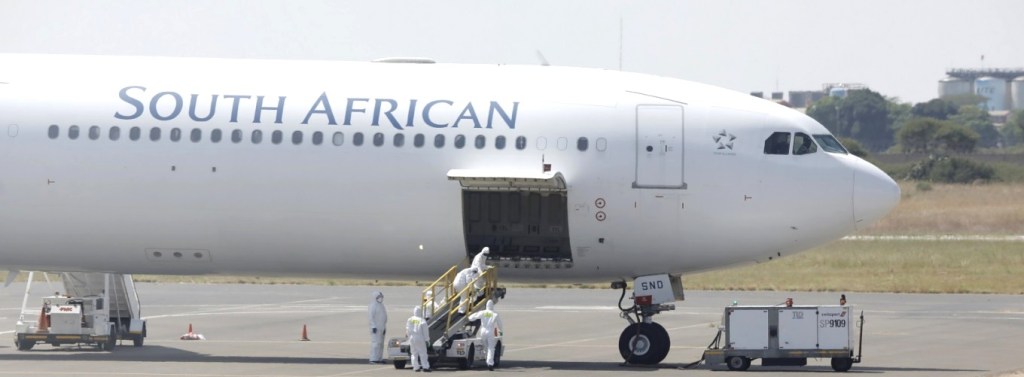
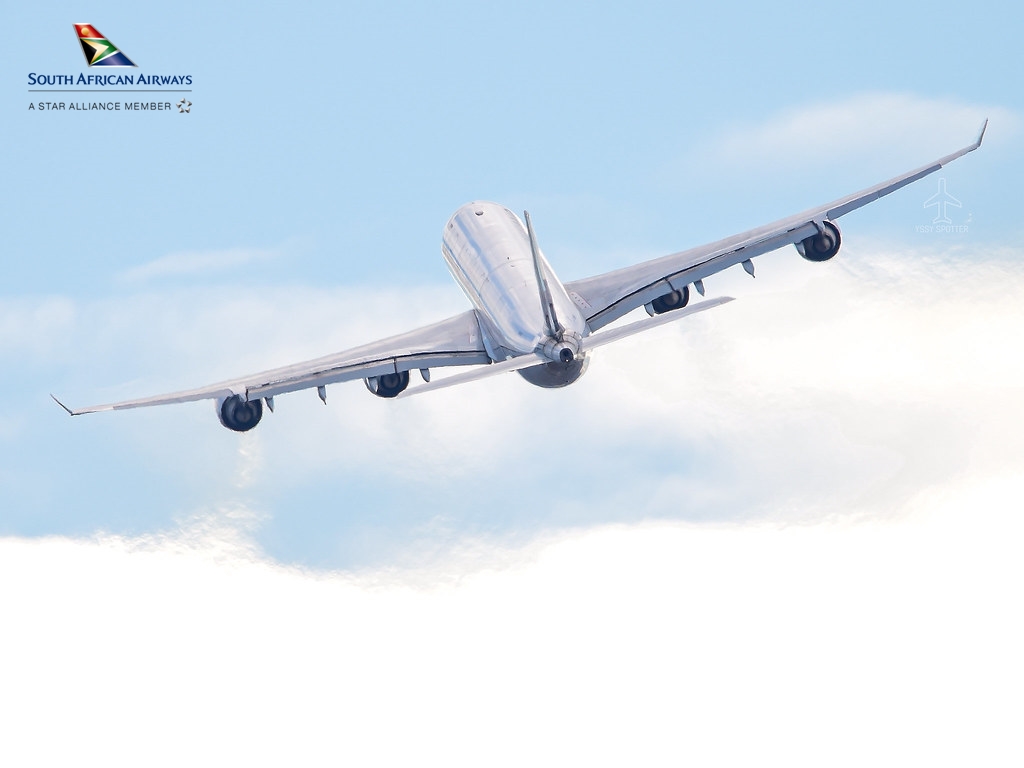
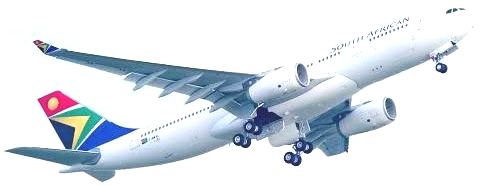
South African Airways podría dejar la administración en 1Q2021
El Gobierno de Sudáfrica ha comunicado que la aerolínea estatal ha South African Airways (SAA) puede ser capaz de salir de la administración en algún momento hacia el 1Q2021. Kgathatso Tlhakudi, del Departamento de Empresas Públicas (DPE), dijo que una decisión sobre un socio de capital podría llegar tan pronto como Marzo 2021.
Tras varios años de procesos de asistencia por parte del Gobierno de Sudáfrica, South African Airways fue puesta bajo protección local por bancarrota en Diciembre 2019 y más tarde puso en tierra todos sus aviones debido a la pandemia mundial. Ahora que se ha aprobado una Ley de Apropiación, el Departamento de Empresas Públicas (DPE) dijo que el resto del rescate R 10.500 millones de Rand (US$ 702.4 millones) podría ser entregado a los Profesionales de Rescate de Negocios (BRP). Desde la primera entrega del dinero a SAA en Octubre 2020, sólo los Profesionales de Rescate de Negocios han recibido R 2.8 mil millones debido a desacuerdos con el Gobierno sobre cómo se debe gastar el dinero. Kgathatso Tlhakudi, dijo: «Esperamos que, en el transcurso de este mes, los profesionales de rescate de negocios deberían salir del negocio. Hemos acordado establecer una receptoría para hacer frente a los pasivos restantes».
En Noviembre 2020, al responder a preguntas parlamentarias sobre por qué el gobierno debería seguir dando dinero a una aerolínea con pérdidas, el Vicepresidente David Mabuza dijo que salvar a SAA crearía puestos de trabajo y contribuiría al empoderamiento de la gente común.
Cuando SAA fue entregada a los Profesionales de Rescate de Negocios en Diciembre 2019, tenía una flota de 49 aviones. De ese número, 40 han sido devueltos a los arrendadores. Actualmente, SAA cuanta con sólo nueve aviones: A340-300 (5) y A340-600 (4). Desafortunadamente para las personas que supervisan el plan de rescate, nadie quiere los viejos aviones Airbus, ya que son demasiado caros para operar.
Las cuestiones de la Unión aún deben resolverse, ya que tres de los sindicatos más grandes de la aerolínea no se pueden cumplir con los paquetes que los BRP han puesto sobre la mesa. Luego se trata de alquilar aviones más nuevos y más eficientes en el consumo de combustible y las rutas que se volarán. En el presente, la República de Sudáfrica tiene un montón de aerolíneas privadas deseosas de hacerse cargo de las antiguas rutas de SAA, pero el Gobierno no impulsaría tal acción.
Perspectivas SAA
Señales al final del túnel motivan a los empleados, sindicatos a continuar luchado por rescatar a la emblemática aerolínea sudafricada. Los niveles de productividad se mejoran en toda la economía a medida que el mantenimiento de aeronaves de SAA Technical proporciona servicios a otras aerolíneas locales que no tienen licencias de mantenimiento. Durante su presentación, el DPE dijo que aún no se había acordado un plan para que South African Airways reanudara sus operaciones, pero que había recibido mensajes de interés de los socios potenciales para trabajar con el Grupo SAA y sus filiales.
SAA would clear administration 1Q2021
South African Airways could leave administration in 1Q2021
The South African Government has communicated that the state airline has South African Airways (SAA) may be able to leave administration sometime towards 1Q2021. Kgathatso Tlhakudi, from the Department of Public Enterprises (DPE), said that a decision on an equity partner could come as early as March 2021.
After several years of assistance processes by the Government of South Africa, South African Airways was placed under local bankruptcy protection in December 2019 and later grounded all of its aircraft due to the global pandemic. Now that an Appropriation Act has been passed, the Department of Public Enterprises (DPE) said the remainder of the R 10.5 billion Rand (US$ 702.4 million) bailout could be turned over to the Business Rescue Professionals (BRP). Since the first delivery of the money to SAA in October 2020, only the Business Rescue Professionals have received R 2.8 billion due to disagreements with the Government on how the money should be spent. Kgathatso Tlhakudi said: «We hope that, in the course of this month, business rescue professionals should go out of business. We have agreed to establish a receiver to deal with the remaining liabilities».
In November 2020, answering parliamentary questions about why the government should continue to give money to a losing airline, Vice President David Mabuza said that saving SAA would create jobs and contribute to the empowerment of ordinary people.
When SAA was handed over to the Business Rescue Professionals in December 2019, it had a fleet of 49 aircraft. Of that number, 40 have been returned to landlords. Currently, SAA has only nine aircraft: A340-300 (5) and A340-600 (4). Unfortunately for the people overseeing the rescue plan, no one wants the old Airbus planes as they are too expensive to operate.
Union issues have yet to be resolved as three of the airline’s largest unions cannot be met with the packages the BRPs have put on the table. Then it’s about renting newer and more fuel-efficient planes and the routes to be flown. At present, the Republic of South Africa has plenty of private airlines eager to take over the old SAA routes, but the Government would not push for such action.
SAA perespectives
Signs at the end of the tunnel motivate employees, unions to continue fighting to rescue the iconic South African airline. Productivity levels improve across the economy as SAA Technical Aircraft Maintenance provides services to other local airlines that do not have maintenance licenses. During its presentation, the DPE said that a plan for South African Airways to resume operations had not yet been agreed upon, but that it had received messages of interest from potential partners to work with the SAA Group and its subsidiaries.
SAA sal administrasie 1K2021 opruim
Die South African kan die administrasie in 1K2021 verlaat
Die regering van Suid-Afrika het meegedeel dat die staatsdiensvervoerder die South African Airways/Suid-Afrikaanse Lugdiens (SAA) in staat sal wees om die administrasie êrens teen 1Q2021 te verlaat. Kgathatso Tlhakudi, van die departement van openbare ondernemings (DPE), het gesê dat ‘n besluit oor ‘n ekwiteitsvennoot reeds in Maart 2021 kan kom.
Na ‘n paar jaar se hulpverlening deur die regering van Suid-Afrika, is die Suid-Afrikaanse Lugdiens in Desember 2019 onder plaaslike bankrotskapsbeveiliging geplaas en later al sy vliegtuie gegrond weens die wêreldwye pandemie. Noudat ‘n bewilligingswet goedgekeur is, het die Departement van Openbare Ondernemings (DPE) gesê dat die res van die R 10,5 miljard Rand (US$ 702,4 miljoen) reddingsboei aan die Business Rescue Professionals (BRP) kan oorgedra word. Sedert die eerste aflewering van die geld aan die SAA in Oktober 2020, het slegs die Business Rescue Professionals R 2,8 miljard ontvang weens meningsverskille met die regering oor hoe die geld bestee moet word. Kgathatso Tlhakudi het gesê: ,,Ons hoop dat in die loop van hierdie maand professionele reddingswerkers sal moet werk. Ons het ooreengekom om ‘n ontvanger te stig om die oorblywende laste te hanteer».
In November 2020 het vise-president David Mabuza, beantwoord aan die parlementêre vrae oor waarom die regering moet voortgaan om geld aan ‘n verlore lugdiens te gee, gesê dat die redding van die SAA werk sal skep en sal bydra tot die bemagtiging van gewone mense.
Toe die SAL in Desember 2019 aan die Business Rescue Professionals oorhandig is, het hy ‘n vloot van 49 vliegtuie gehad. Daarvan is 40 aan verhuurders terugbesorg. Tans het die SAA slegs nege vliegtuie: A340-300 (5) en A340-600 (4). Ongelukkig vir die mense wat toesig hou oor die reddingsplan, wil niemand die ou Airbus-vliegtuie hê nie, want dit is te duur om te bestuur.
Vakbondskwessies moet nog opgelos word, aangesien drie van die grootste vakbonde van die lugdiens nie kan ontmoet word met die pakkette wat die BRP’s op die tafel geplaas het nie. Dan gaan dit oor die huur van nuwer en brandstofdoeltreffender vliegtuie en die vliegroetes. Op die oomblik het die Republiek van Suid-Afrika baie private lugdienste wat gretig is om die ou SAA-roetes oor te neem, maar die regering wil nie vir sulke optrede aandring nie.
SAA-vooruitsigte
Aanwysings aan die einde van die tonnel motiveer werknemers en vakbonde om aan te hou veg om die ikoniese South African Airways te red. Produktiwiteitsvlakke verbeter dwarsdeur die ekonomie aangesien SAA Technical Aircraft Maintenance dienste lewer aan ander plaaslike lugdienste wat nie onderhoudlisensies het nie. Die DPE het tydens sy voorlegging gesê dat daar nog nie ooreengekom is op die plan vir die South African Airways om hervat te word nie, maar dat hy interessante boodskappe van potensiële vennote ontvang het om met die SAA-groep en sy filiale saam te werk.
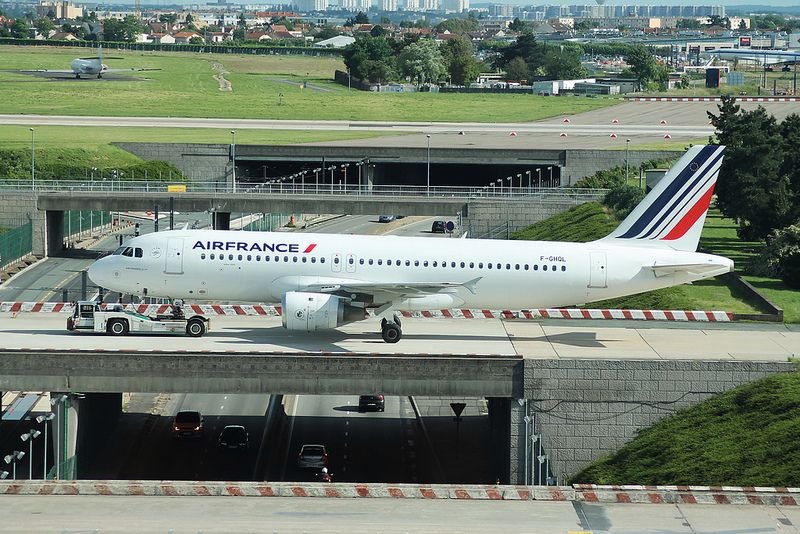
Air France y sindicatos oponen a condiciones rescate de CE
Air France y sus sindicatos de Pilotos protestaron el Miércoles 03/02 contra las demandas de la Unión Europea (UE) de que la aerolínea renunciara a las franjas horarias de despegue y aterrizaje en su base de París a cambio de ayuda gubernamental. Bruselas quiere que la aerolínea francesa, parte de Air France-KLM Group, ceda 24 franjas horarias del Aeropuerto de París/Orly como condición para la aprobación de una recapitalización respaldada por el Estado. «No entenderíamos que nos sometían a medidas drásticas que debilitaran nuestra posición en París», dijo el director ejecutivo del grupo, Ben Smith, a la revista L’Express en una entrevista. Las demandas de las franjas horarias podrían dar a Ryanair un punto de apoyo en París/Orly.
El sindicato de Piloto de la SNPL acusó a la Unión Europea en una declaración de tratar de «destruir los esfuerzos de los empleados de Air France». Azotadas por la pandemia de Coronavirus, muchas aerolíneas tradicionales han recibido ayuda gubernamental bajo las directrices de la Unión Europea que relajan temporalmente las normas sobre ayudas estatales. A cambio de su rescate de € 9.000 millones de Euros (US$ 10.800 millones de Dólares) en año 2020, la aerolínea alemana Lufthansa Airlines renunció a regañadientes a 24 franjas horarias en cada uno de sus principales centros, Frankfurt y Munich, o tres vuelos al día para cuatro aviones de la competencia en cada base.
El ejecutivo de la UE y el gobierno francés se han negado a comentar las discusiones en marcha sobre los términos de rescate de Air France. En el marco del plan presentado a Bruselas, Francia intercambiaría un préstamo para accionistas de € 4.000 millones de Euros concedido a Air France-KLM Group el año pasado por deuda híbrida o perpetuidades, aligerando la carga de la deuda del grupo, según informes de los medios franceses por fuentes de empresa y Gobierno.
El Gobierno holandés, que dimitió formalmente el mes pasado pero sigue trabajando antes de las elecciones de Marzo 2021, aún no ha dicho si participará en la recapitalización o convertirá su propio préstamo de € 1.000 millones de Euros en KLM Airlines. Los dos gobiernos son dueños cada uno de cerca del 14% del grupo de aerolíneas. Pero al comparecer ante una comisión parlamentaria el miércoles, el Ministro de Finanzas holandés Wopke Hoekstra dijo que algunas concesiones de franjas horarias de KLM en Amsterdam/Schiphol parecían inevitables, ya que la UE trata de mantener unas condiciones de igualdad entre los Estados miembros y las empresas. «Así que es razonable esperar que los recursos sean parte de la solución. Se puede ver en el caso Lufthansa lo que se puede esperar más o menos», dijo Wopke Hoekstra.
Air France opposes CE conditions
Air France and unions oppose CE bailout conditions
Air France and its Pilots unions protested on Wednesday 03/02 against demands by the European Union (EU) that the airline give up take-off and landing slots at its Paris base in exchange for government aid. Brussels wants the French airline, part of the Air France-KLM Group, to give up 24 Paris/Orly Airport slots as a condition for the approval of a state-backed recapitalization. «We would not understand that we were subjected to drastic measures that would weaken our position in Paris», the group’s chief executive, Ben Smith, told L’Express magazine in an interview. Slot demands could give Ryanair a foothold in Paris/Orly.
The SNPL Pilot union accused the European Union in a statement of trying to «destroy the efforts of Air France employees». Battered by the Coronavirus pandemic, many traditional airlines have received government aid under European Union guidelines that temporarily relax state aid rules. In exchange for its ransom of € 9 billion Euros (US $ 10.8 billion) in 2020, the German airline Lufthansa Airlines reluctantly gave up 24 slots in each of its main hubs, Frankfurt and Munich, or three flights. per day for four competing aircraft at each base.
The EU executive and the French government have declined to comment on ongoing discussions about Air France’s bailout terms. Under the plan presented to Brussels, France would exchange a € 4 billion shareholder loan granted to Air France-KLM Group last year for hybrid debt or perpetuities, lightening the group’s debt burden, according to reports from the French media by company and government sources.
The Dutch government, which formally resigned last month but is still working ahead of the March 2021 elections, has yet to say whether it will participate in the recapitalization or convert its own € 1 billion loan into KLM Airlines. The two governments each own about 14% of the airline group. But appearing before a parliamentary committee on Wednesday, Dutch Finance Minister Wopke Hoekstra said that some KLM slot concessions in Amsterdam/Schiphol seemed unavoidable as the EU tries to maintain a level playing field between Member States and the Business. «So it is reasonable to expect resources to be part of the solution. You can see in the Lufthansa case what more or less can be expected», Wopke Hoekstra said.


















![South_African_Airways_Logo[1]](https://airgways.com/wp-content/uploads/2021/02/south_african_airways_logo1.jpg)



 airgways.com