AW | 2021 09 23 06:44 | AIRLINES MARKET / GOVERNMENT
Gobierno definiría nuevo cupo para Octubre 2021
La República Argentina ha anunciado que estaría definiendo hacia el fin de semana la nueva programación de vuelos para Octubre 2021. La Casa Rosada ha confirmado el incremento gradual del cupo para pasajeros proveniente desde el exterior, entre otras medidas. El cupo de pasajeros que pueden ingresar a la Argentina desde el exterior a partir de octubre será definido, una vez más, sobre el filo del mes que comienza. Actualmente pueden ingresar, como máximo, 2.300 pasajeros por día a los aeropuertos de Ezeiza (1.700) y Mendoza (600). Según anunciaron este Martes 21/09 el Ministerio de Salud y el Jefe de Gabinete ese cupo tendrá un incremento progresivo a lo largo de Octubre 2021, pero no existen definiciones al respecto acerca de la cantidad que se establecerá.
La nueva normativa para el Octubre terminará de estar definida para este fin de semana, a no más de cinco días del vencimiento del actual Decreto Nº 793 que regula el ingreso de pasajeros desde el exterior. Recién entonces la Administración Nacional de Aviación Civil (ANAC) podrá estar habilitada para distribuir la programación a las líneas aéreas locales y extranjeras.
Reapertura regional
Durante el tercer trimestre la ANAC estaría recibiendo pedidos de autorización por parte de JetSmart Airlines a Santiago de Chile y Lima y Flybondi a Río de Janeiro, San Pablo y Asunción. Mientras que Aerolíneas Argentinas continuará con la reprogramación de rutas domésticas y regionales que anteriormente volaba.
Desde la Cámara de Compañías Aéreas en Argentina (JURCA), sus voceros dijeron que «estamos a entera disposición de las autoridades para coordinar y participar con los distintos organismos, en la puesta en práctica de la Apertura Cuidada de Fronteras. Hasta el momento no hemos tenido novedades sobre los vuelos solicitados para Octubre».
Argentina would define 10/2021 schedule
Government would define a new quota for October 2021
The Argentine Republic has announced that it would be defining the new flight schedule for October 2021 by the weekend. The Casa Rosada has confirmed the gradual increase in the quota for passengers from abroad, among other measures. The number of passengers that can enter Argentina from abroad as of October will be defined, once again, on the edge of the month that begins. Currently, a maximum of 2,300 passengers per day can enter the Ezeiza (1,700) and Mendoza (600) airports. As announced on Tuesday 09/21 by the Ministry of Health and the Chief of Cabinet, that quota will have a progressive increase throughout October 2021, but there are no definitions in this regard about the amount to be established.
The new regulations for October will be finalized for this weekend, no more than five days after the expiration of the current Decree No. 793 that regulates the entry of passengers from abroad. Only then will the National Civil Aviation Administration (ANAC) be empowered to distribute the programming to local and foreign airlines.
Regional reopening
During the third quarter, the ANAC would be receiving authorization requests from JetSmart Airlines to Santiago de Chile and Lima and Flybondi to Rio de Janeiro, São Paulo and Asunción. While Aerolíneas Argentinas will continue with the reprogramming of domestic and regional routes that previously flew.
From the Chamber of Air Companies in Argentina (JURCA), its spokespersons said that «we are at the entire disposal of the authorities to coordinate and participate with the different organizations, in the implementation of the Careful Opening of Borders. So far, they noted, we have had no news about the flights requested for October».
AW | 2021 09 22 07:22 | AIRLINES AIRLINES MARKET / GOVERNMENT
Renuncia en medio de fuertes presiones de mercado
El Director General de la compañía aérea rusa Yakutia Airlines, Vladimir Gorbunov, ha dejado el puesto de CEO después de comentarios críticos de Rostransnadzor sobre el trabajo de la aerolínea y una conversación con el Ministro de Transporte de Yakutia, Vladimir Sivtsev, en el contexto de discusiones activas sobre el futuro de los transportistas del Lejano Oriente que buscan sinergias con la compañia aurora o alianzas en la región.
Vladimir Gorbunov no deseaba formar alianzas con ninguna aerolínea, mientras solo se convertía en una víctima de la situación actual. Mientras tanto, el Presidente de la República de Yukutia, Aisen Nikolaev, parece estar mirando hacia la cooperación con Rostec Inc., encabezada por Sergei Chemezov. El despido de Vladimir Gorbunov puede ser un presagio de los cambios globales en el mercado de las compañías aéreas del Lejano Oriente. El despido era bastante esperado. El Jefe de Rostransnadzor Viktor Basargin se quejó del trabajo de la aerolínea a Aisen Nikolaev anteriormente, quien señaló la incapacidad de la administración de la aerolínea para garantizar la regularidad y seguridad de los vuelos. La barrida fue organizada por el propio Aisen Nikolaev, mientras la semana pasada dijo que era hora de tomar decisiones serias de personal. Rostransnadzor reveló muchas violaciones en el trabajo de Yakutia, en particular, más de 55 casos de ocultamiento de eventos de aviación sujetos a investigación. Hubo casos de no liberación del chasis, exceder las velocidades máximas permitidas del motor, una fuerte caída de presión en el sistema hidráulico y similares. Como escribió Regnum, la puntualidad de los vuelos de los aviones de la aerolínea Yakutia Airlines desde el Aeropuerto de Yakutsk en 2021 fue inferior al 40%. El propio Vladimir Sivtsev dijo que hay razones objetivas y subjetivas para la situación actual, y las violaciones reveladas son corregibles. Pero a Vladimir Gorbunov no se le dio la oportunidad de corregirlos. Es posible que porque no era partidario de la unificación de Yakutia Airlines con otras aerolíneas, y también criticó al avión Sukhoi Superjet SSJ-100, mientras que en 2018, acusó a Sukhoi Aircraft del fracaso de la aerolínea en la temporada de verano.
En 2018, la aerolínea regional rusa Yakutia, en el contexto del crecimiento del tráfico de pasajeros en la industria en su conjunto, esta temporada de verano no es tan buena como podría ser. Yakutia Airlines hizo una apuesta por el avión Sukhoi Superjet 100 (SSJ 100) fabricado por Sukhoi Civil Aircraft (SCAC), pero el producto falló al operador. La aerolínea dijo que la inestabilidad en la regularidad del horario de vuelos de verano es causada por el problema de mantener la aeronavegabilidad del SSJ-100. En ese momento, dos de los cinco aviones no se utilizaron debido a defectos en los motores SaM146. Al mismo tiempo, no había motores para reemplazar en el mercado. El punto extremo de paciencia fue el estado de emergencia con el despliegue del avión SSJ-100 fuera de la pista en el aeropuerto de Yakutsk en Octubre de 2018.
El Presidente ruso, Vladimir Putin, instruyó al Gobierno a hacer propuestas para la creación de una aerolínea que transportará pasajeros en aviones de producción nacional en el Lejano Oriente. Siguiendo las instrucciones del gobierno, el concepto de desarrollo del transporte en el Lejano Oriente fue desarrollado por Aurora Airlines, una subsidiaria de Aeroflot Russian Airlines, que se suponía que determinaría el futuro tráfico de pasajeros en la región, teniendo en cuenta las compañías que actualmente vuelan en el distrito.
Todo esto se convirtió en la razón de varias situaciones de conflicto a la vez. Luego se informó que a Aeroflot le gustaría vender Aurora a la corporación estatal Rostec, y esta idea incluso fue considerada por funcionarios Federales. Según el plan, Rostec podría obtener el 51% de Aurora a cambio de acciones de Aeroflot. Rostec no tiene la intención de crear una aerolínea basada en Aurora para el transporte en el Lejano Oriente. No hay decisiones al respecto, tal escenario es inconveniente y no se considera», dijo Vedomosti citando las palabras del representante de Rostec. Al mismo tiempo, Aurora parecía tener la intención de tomar las rutas más rentables. Esta fue una de las razones por las que Aisen Nikolaev criticó el proyecto de crear una aerolínea del Lejano Oriente sobre la base de Aurora. Muchos todavía recuerdan cómo le dijo a Ilya Belavintsev, Subdirector del Departamento de Política estatal en el campo de la aviación civil del Ministerio de Transporte, que no era un idiota coordinar una decisión según la cual las compañías aéreas de Yakut obtendrían solo vuelos no rentables. El Gobierno está discutiendo el concepto propuesto por Yakutia Airlines. Se suponía que la alianza tendría un consejo de supervisión que determinaría las rutas, la política tarifaria y el horario.
Además, recordamos que, en nombre del Presidente, la nueva estructura debería volar en aviones de producción nacional, en los mismos Superjets que fueron abiertamente hayali bajo Gorbunov. Este punto también indica que, en cualquier caso, las compañías aéreas no pueden prescindir de Rostec en el Lejano Oriente. La corporación estatal no ocultó el hecho de que la idea con Aurora no causa deleite. Por lo tanto, Nikolaev con sus propuestas podría actuar precisamente en interés de Chemezov.
CEO of Yakutia Airlines resigns
Resign amid strong market pressure
The Director General of the Russian airline Yakutia Airlines, Vladimir Gorbunov, has stepped down as CEO after Rostransnadzor’s critical remarks about the airline’s work and a conversation with Yakutia Transport Minister Vladimir Sivtsev in the context of Active discussions about the future of Far Eastern carriers seeking synergies with the Aurora company or alliances in the region.
Vladimir Gorbunov did not want to form alliances with any airline, while he just became a victim of the current situation. Meanwhile, the President of the Yukutia Republic, Aisen Nikolaev, appears to be looking towards cooperation with Rostec Inc., headed by Sergei Chemezov. The dismissal of Vladimir Gorbunov may herald global changes in the Far East airline market. The dismissal was quite expected. Rostransnadzor Chief Viktor Basargin complained about the airline’s work to Aisen Nikolaev earlier, who pointed out the inability of the airline’s management to ensure the regularity and safety of flights. The sweep was organized by Aisen Nikolaev himself, while last week he said it was time to make serious personnel decisions. Rostransnadzor revealed many violations in the Yakutia work, in particular, more than 55 cases of concealment of aviation events subject to investigation. There were cases of non-release of the chassis, exceeding the maximum allowed engine speeds, a strong pressure drop in the hydraulic system and the like. As Regnum wrote, the punctuality of flights of Yakutia Airlines aircraft from Yakutsk Airport in 2021 was less than 40%. Vladimir Sivtsev himself said that there are objective and subjective reasons for the current situation, and the disclosed violations are correctable. But Vladimir Gorbunov was not given the opportunity to correct them. It is possible that he because he was not a supporter of the unification of Yakutia Airlines with other airlines, and also criticized the Sukhoi Superjet SSJ-100 aircraft, while in 2018, he accused Sukhoi Aircraft of the failure of the airline in the summer season .
In 2018, the Russian regional airline Yakutia, against the background of passenger traffic growth in the industry as a whole, this summer season is not as good as it could be. Yakutia Airlines made a bet on the Sukhoi Superjet 100 (SSJ 100) aircraft manufactured by Sukhoi Civil Aircraft (SCAC), but the product failed the operator. The airline said the instability in the regularity of the summer flight schedule is caused by the problem of maintaining the airworthiness of the SSJ-100. At that time, two of the five aircraft were not used due to defects in the SaM146 engines. At the same time, there were no engines to replace on the market. The extreme point of patience was the state of emergency with the deployment of the SSJ-100 aircraft off the runway at the Yakutsk airport in October 2018.
Russian President Vladimir Putin instructed the government to make proposals for the creation of an airline that will carry passengers on domestically produced aircraft in the Far East. Following government instructions, the concept of transport development in the Far East was developed by Aurora Airlines, a subsidiary of Aeroflot Russian Airlines, which was supposed to determine future passenger traffic in the region, taking into account the companies that currently they fly in the district.
AW | 2021 09 21 16:28 | AIRLINES / AIR TRAFFIC / GOVERNMENT
Reapertura vuelos transatlánticos presenta desafíos mundiales
A medida que las autoridades levantan las prohibiciones de viajes a ambos lados del Atlántico Norte, Estados Unidos y Europa se preparan para enfrentar se a una ola de desafíos post-pandemia ante la sensible situación que ha dejado a múltiples aerolíneas al atravesar el período de crisis sanitaria provocada por la pandemia mundial. En un esfuerzo por recomponerse, las líneas aéreas procuras restablecer su red de servicios internacionales, pero esto representan nuevos desafíos económicos, financieros, institucional que envuelven los procesos de las diferentes áreas como tripulaciones, personal de tierra, mantenimiento de aeronaves, servicios aéreos, tecnología de la Información (IT), entre otros aspectos.
Reservas viajes
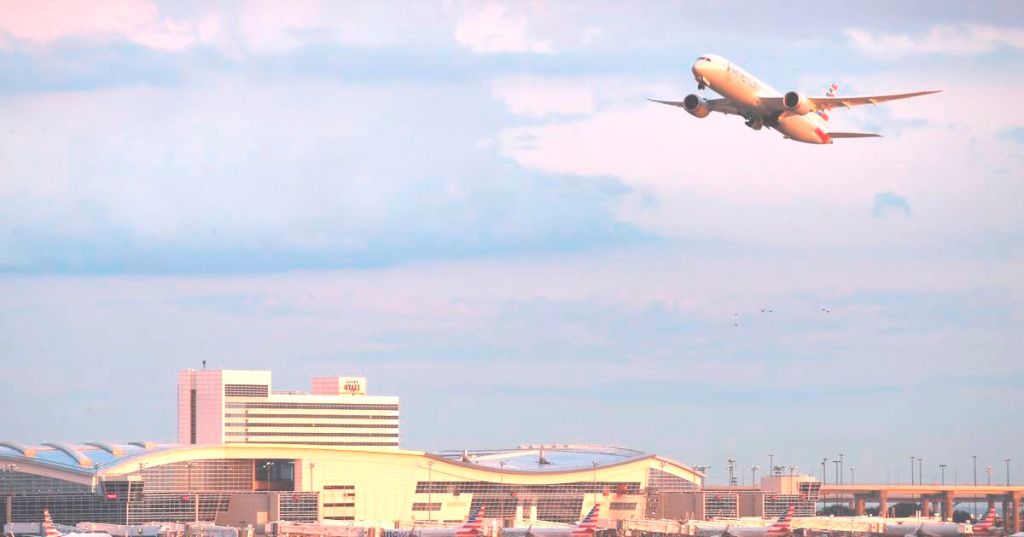
Las reservas de vuelos de aerolíneas han impactado después de que Estados Unidos aliviara las restricciones de viaje transatlánticos. Las aerolíneas europeas y las aerolíneas estadounidenses como American Airlines, United Airlines y Delta Air Lines se beneficiarán de las nuevas reglas. Las reservas de vuelos a Estados Unidos se dispararon tras la muy esperada reapertura del corredor transatlántico el Lunes 20/09.
El Lunes 20/09, Estados Unidos anunció que los extranjeros pueden volar al país si tienen prueba de vacunación y una prueba negativa de COVID-19 a partir de noviembre. La medida marcó una importante relajación de las restricciones de viaje de la pandemia y reemplazará efectivamente una mezcolanza de restricciones que habían prohibido a los no ciudadanos que habían estado en Europa, gran parte de Asia y algunos otros países en los 14 días anteriores ingresar a los Estados Unidos.
La política permitirá a las familias y otras personas que han estado separadas por las restricciones de viaje durante 18 meses planificar las reunificaciones largamente esperadas y permitir que los extranjeros con permisos de trabajo regresen a sus trabajos en los Estados Unidos. Bajo las nuevas políticas, anunciadas por el coordinador de COVID-19 de la Casa Blanca, Jeff Zients, los viajeros extranjeros que vuelen a los Estados Unidos aún tendrán que demostrar una prueba de vacunación antes de abordar, así como una prueba de una prueba negativa de COVID-19 tomada dentro de los tres días posteriores al vuelo. El Presidente de Estados Unidos, Joe Biden también endurecerá las reglas de prueba para los ciudadanos estadounidenses no vacunados, que deberán hacerse la prueba dentro de un día antes de regresar a los Estados Unidos, así como después de que lleguen a casa.
Las reservas en Virgin Atlantic Airways el Lunes por la noche aumentaron en más del 600% en comparación con la semana anterior, y Nueva York representa la mayoría de las reservas, dijo la aerolínea. El interés en los destinos de ocio de la aerolínea también se disparó, con las reservas de Orlando un once veces, Miami nueve veces y Las Vegas ocho veces, según la aerolínea. «Tras la relajación gradual de las restricciones de viaje, hemos visto aumentar la demanda en muchos de nuestros destinos globales, pero Estados Unidos siempre ha sido nuestro corazón», dijo el Director Comercial de Virgin Atlantic Airways, Juha Jarvinen, en un comunicado.
British Airways, propiedad de IAG ha observado un aumento de alrededor del 900% en las búsquedas de vuelos y paquetes de vacaciones a destinos clave de Estados Unidos para los días previos a la Navidad en comparación con hace una semana. Del mismo modo, las búsquedas de vuelos a los Estados Unidos alrededor del Día de Acción de Gracias aumentaron casi un 2,000%. Junto con IAG, las principales compañías europeas como Lufthansa y Air France-KLM también se beneficiarán de los cambios, además de las principales aerolíneas estadounidenses como American Airlines, United Airlines y Delta Air Lines. «El mercado transatlántico es un generador de ganancias clave para los principales grupos de aerolíneas heredadas europeas», dijo el Analista de Bernstein, Daniel Roeska.
Desafío Tripulaciones
La escasez de pilotos se vislumbra como próximo desafío para las aerolíneas. Después de ser empujada a la crisis por COVID-19, la industria de la aviación enfrenta aún más problemas a medida que el mundo emerge de lo peor de la pandemia para descubrir que es probable que haya una escasez de pilotos después de que miles fueron despedidos o decidieron retirarse.
Las políticas gubernamentales, como las vacunas obligatorias para los pilotos en prácticas y las restricciones de viaje, también han mantenido alejado a un nuevo grupo de aviadores potenciales, dijo Bhanu Choudhrie, director ejecutivo de Alpha Aviation Group, que dirige escuelas de vuelo en los Emiratos Árabes Unidos y la más grande en el centro de entrenamiento del sudeste asiático, Filipinas. Alpha Aviation ha capacitado a más de 2.500 pilotos para aerolíneas como Philippine Airlines, AirAsia Group, Cebu Pacific Air Inc y Air Arabia. Los aviones modernos de fuselaje estrecho de larga distancia, como los aviones A321 XLR de Airbus Group, que se entregarán a partir de 2023, requerirán más pilotos que los modelos anteriores, lo que agrava la escasez. «Las aerolíneas van a seguir comprando, modernizando sus flotas, y mientras lo hacen, van a requerir pilotos. El mercado se está volviendo interesante de nuevo, y estamos empezando a ver esa tendencia al alza, estamos empezando a ver a las aerolíneas venir a nosotros y decir: ‘Mira este es mi horario de entrega, ¿puedes tener pilotos listos para mí dentro de dos años?'», expresó Bhanu Choudhrie.
Muchas aerolíneas están tratando agresivamente de recontratar a los pilotos, así como a la tripulación de cabina y al personal de tierra, pero ese no ha sido un proceso simple, y algunos trabajos quedan sin cubrir. Las carreras en la industria ya no parecen tan seguras como antes. Las capacitaciones demandan un período de 18 a 24 meses para entrenar a un piloto. Esto significa que los transportistas deben trabajar para prepararlos mucho antes de la entrega de nuevos aviones, incluidos los aviones de fuselaje estrecho, como el A321 XLR, que puede volar más tiempo. Las aerolíneas suelen pedir aviones con años de anticipación dada la limitada capacidad de producción de los fabricantes de aviones.
Seguridad a bordo
El alcohol ha representado un problema que las aerolíneas lo han agregado a los anuncios de seguridad y lo han prohibido. Southwest Airlines y American Airlines dijeron que el alcohol no regresará a los vuelos hasta al menos Enero 2022. Los viajeros aéreos están escuchando más que solo anuncios sobre cinturones de seguridad, dispositivos de flotación, tiempo de viaje y máscaras antes de despegar. Varias aerolíneas han agregado recordatorios sobre su política de alcohol durante la pandemia, como en, no lo beba si no lo sirvieron. No todas las aerolíneas lo están sirviendo. Después de que el mandato federal de máscaras se extendió hasta Enero de 2022, Southwest, que no ha estado sirviendo alcohol, dijo a principios de este mes que no tiene planes de recuperar las ventas antes de 01/2022. American Airlines, que anteriormente había suspendido las ventas de alcohol en la cabina principal hasta el 13/09, dijo en agosto que continuaría esa pausa hasta el 18 de Enero de 2022. «Estamos haciendo todo lo posible para ayudar a crear un entorno seguro para nuestra tripulación y clientes a bordo de nuestro avión», dijo American en una carta a los asistentes de vuelo. United Airlines y Delta Air Lines reiniciaron el servicio de alcohol, aunque hay algunas limitaciones dependiendo de la duración de los vuelos.
La suspensión de las ventas de cerveza, vino y licor no significa que los viajeros puedan beber su propio alcohol, incluso si pueden llevar mini botellas a bordo. La Administración Federal de Aviación (FAA) dice que las regulaciones «prohíben a los pasajeros beber alcohol a bordo de la aeronave a menos que sea servida por la compañía aérea». American Airlines dijo en un comunicado que ha actualizado sus anuncios previos al vuelo para reflejar nueva información sobre las reglas de máscaras, las medidas de seguridad contra el coronavirus y las políticas relacionadas con el consumo de alcohol a bordo. «Estos anuncios se hacen regularmente a lo largo del viaje por agentes de puerta de embarque, asistentes de vuelo y pilotos», dijo el comunicado.
JetBlue Airways ha ajustado de manera similar sus anuncios para «dejar en claro que el consumo de alcohol personal no está permitido», dijo el Portavoz Derek Dombrowski en un correo electrónico. Southwest Airlines no ha agregado la advertencia a su guión oficial, pero los asistentes de vuelo tienen la autoridad para incluir recordatorios si lo consideran oportuno. Frontier Airlines señaló el problema e incluyó el lenguaje incluso antes de la pandemia. Delta Air Lines también ha actualizado su lenguaje para los auxiliares de vuelo, primero con menciones al mandato de mascarilla y luego con un recordatorio sobre las regulaciones que prohíben el consumo de alcohol. «Los recordatorios de máscaras han estado en vigor desde mediados de 2020 y la porción de alcohol ha estado en vigor desde finales de 2020», dijo el portavoz de Delta, Morgan Durrant, en un correo electrónico.
Más de veinte pasajeros han enfrentado multas en los últimos meses por delitos que incluyen consumir su propio alcohol, según actualizaciones de la FAA. Las aerolíneas han reportado un aumento sin precedentes en el comportamiento disruptivo de los pasajeros en los últimos meses, en gran parte impulsado por la resistencia al mandato federal de máscaras. Pero la FAA dijo el mes pasado que el alcohol es a menudo un factor contribuyente. «A pesar de que las regulaciones de la FAA prohíben específicamente el consumo de alcohol a bordo de un avión que no es servido por la aerolínea, hemos recibido informes de que algunos concesionarios del aeropuerto han ofrecido alcohol para ser tomado, y los pasajeros creen que pueden llevar ese alcohol a sus vuelos o embriagarse durante el proceso de embarque», escribió el Administrador de la FAA, Steve Dickson, en una carta a los funcionarios del aeropuerto. Pidió a los aeropuertos que ayudaran a frenar la práctica.
American dijo el mes pasado en su carta a los empleados que estaba ganando terreno en los esfuerzos junto con la FAA para deshacerse de las bebidas para llevar en los aeropuertos de Dallas y Charlotte. «Continuaremos trabajando y esperamos que otros aeropuertos y proveedores lo sigan», dice la carta de American Airlines.
Post-pandemic aviation challenges
Transatlantic flights open presents global challenges
As authorities lift travel bans on both sides of the North Atlantic, the United States and Europe prepare to face a wave of post-pandemic challenges in the face of the sensitive situation that has left multiple airlines going through the crisis period. health caused by the global pandemic. In an effort to rebuild themselves, the airlines try to reestablish their network of international services, but this represents new economic, financial and institutional challenges that involve the processes of the different areas such as crews, ground personnel, aircraft maintenance, air services, technology. Information (IT), among other aspects.
Travel reservations
Airline flight bookings have hit after the United States eased transatlantic travel restrictions. European airlines and US airlines such as American Airlines, United Airlines and Delta Air Lines will benefit from the new rules. Flight bookings to the United States soared after the long-awaited reopening of the transatlantic corridor on Monday 20/09.
On Monday 09/20, the United States announced that foreigners can fly into the country if they have proof of vaccination and a negative test for COVID-19 beginning in November. The move marked a major relaxation of the pandemic’s travel restrictions and will effectively replace a hodgepodge of restrictions that had barred non-citizens who had been to Europe, much of Asia, and a few other countries in the previous 14 days from entering the US. USA.
The policy will allow families and others who have been separated by travel restrictions for 18 months to plan for long-awaited reunifications and allow aliens with work permits to return to their jobs in the United States. Under the new policies, announced by White House COVID-19 Coordinator Jeff Zients, foreign travelers flying to the United States will still have to show proof of vaccination before boarding, as well as proof of a negative test. of COVID-19 taken within three days of the flight. US President Joe Biden will also toughen testing rules for unvaccinated US citizens, who will need to be tested within one day before returning to the United States, as well as after they get home.
Bookings on Virgin Atlantic Airways on Monday night were up more than 600% compared to the previous week, with New York accounting for the majority of bookings, the airline said. Interest in the airline’s leisure destinations also soared, with bookings from Orlando eleven times, Miami nine times and Las Vegas eight times, according to the airline. «Following the gradual relaxation of travel restrictions, we have seen demand increase in many of our global destinations, but the United States has always been our heart», Virgin Atlantic Airways Chief Commercial Officer Juha Jarvinen said in a statement.
British Airways, owned by IAG, has seen an increase of around 900% in searches for flights and vacation packages to key US destinations in the days leading up to Christmas compared to a week ago. Similarly, searches for flights to the United States around Thanksgiving were up nearly 2,000%. Along with IAG, major European carriers such as Lufthansa and Air France-KLM will also benefit from the changes, in addition to major US airlines such as American Airlines, United Airlines and Delta Air Lines. «The transatlantic market is a key profit generator for major European legacy airline groups», said Bernstein Analyst Daniel Roeska.
Crews Challenge
The pilot shortage is looming as the next challenge for airlines. After being pushed into crisis by COVID-19, the aviation industry faces even more trouble as the world emerges from the worst of the pandemic to discover that there is likely a shortage of pilots after thousands were laid off. or they decided to withdraw.
Government policies, such as mandatory vaccinations for trainees and travel restrictions, have also kept a new pool of potential aviators at bay, said Bhanu Choudhrie, chief executive of Alpha Aviation Group, which runs flight schools in the Emirates. Arab Emirates and the largest training center in Southeast Asia, the Philippines. Alpha Aviation has trained more than 2,500 pilots for airlines such as Philippine Airlines, AirAsia Group, Cebu Pacific Air Inc, and Air Arabia. Modern long-haul narrow-body jets, such as Airbus Group’s A321 XLR jets, due for delivery from 2023, will require more pilots than previous models, compounding the shortage. «Airlines are going to keep buying, modernizing their fleets, and as they do so, they are going to require pilots. The market is getting interesting again, and we’re starting to see that upward trend, we’re starting to see airlines come to us and say, ‘Look at this is my delivery schedule, can you have pilots ready for me inside? two years?'», Bhanu Choudhrie said.
Many airlines are aggressively trying to rehire pilots, as well as cabin crew and ground crew, but that has not been a simple process, with some jobs left unfilled. Careers in the industry no longer seem as safe as they used to. The trainings require a period of 18 to 24 months to train a pilot. This means that carriers must work to prepare them well in advance of the delivery of new aircraft, including narrow-body aircraft such as the A321 XLR, which can fly longer. Airlines often order planes years in advance given the limited production capacity of aircraft manufacturers.
Safety on board
Alcohol has been a problem that airlines have added to safety announcements and banned it. Southwest Airlines and American Airlines said alcohol will not return to flights until at least January 2022. Air travelers are hearing more than just announcements about seat belts, flotation devices, travel time and masks before takeoff. Several airlines have added reminders about their alcohol policy during the pandemic, such as, don’t drink it if it wasn’t served. Not all airlines are serving it. After the federal mask mandate was extended through January 2022, Southwest, which has not been serving alcohol, said earlier this month that it has no plans to recover sales before 01/2022. American Airlines, which had previously suspended alcohol sales in the main cabin until 09/13, said in August that it would continue that hiatus until January 18, 2022. «We are doing everything we can to help create a safe environment for our crew and customers aboard our aircraft», American said in a letter to flight attendants. United Airlines and Delta Air Lines have restarted alcohol service, although there are some limitations depending on the length of the flights.
The suspension of beer, wine and liquor sales does not mean that travelers can drink their own alcohol, even if they can carry mini bottles on board. The Federal Aviation Administration (FAA) says the regulations «prohibit passengers from drinking alcohol on board the aircraft unless it is served by the airline». American Airlines said in a statement that it has updated its pre-flight announcements to reflect new information on mask rules, Coronavirus safety measures and policies related to the consumption of alcohol on board. «These announcements are made regularly to throughout the journey by gate agents, flight attendants and pilots», the statement said.
JetBlue Airways has similarly adjusted its ads to «make it clear that personal alcohol consumption is not allowed», Spokesperson Derek Dombrowski said in an email. Southwest Airlines has not added the warning to its official script, but flight attendants have the authority to include reminders if they see fit. Frontier Airlines pointed out the problem and included the language even before the pandemic. Delta Air Lines has also updated its language for flight attendants, first with mentions of the mask mandate and then with a reminder about regulations prohibiting alcohol consumption. «The mask reminders have been in effect since mid-2020 and the alcohol portion has been in effect since late 2020,» Delta spokesperson Morgan Durrant said in an email.
More than twenty passengers have faced fines in recent months for crimes including consuming their own alcohol, according to FAA updates. Airlines have reported an unprecedented increase in disruptive passenger behavior in recent months, largely driven by resistance to the federal mask mandate. But the FAA said last month that alcohol is often a contributing factor. «Despite the fact that FAA regulations specifically prohibit the consumption of alcohol on board an aircraft that is not served by the airline, we have received reports that some airport concessionaires have offered alcohol to be drunk, and passengers believe that they can carry that alcohol on their flights or get drunk during the boarding process», wrote FAA Administrator Steve Dickson in a letter to airport officials. He asked airports to help curb the practice.
American said last month in its letter to employees that it was gaining ground in efforts with the FAA to ditch take-out beverages at the Dallas and Charlotte airports. «We will continue working and we hope that other airports and suppliers will follow suit», says the letter from American Airlines.
AW | 2021 09 20 21:10 | AIRLINES MARKET / AIR TRAFFIC / GOVERNMENT
Euforia tras levantamiento de restricciones de vuelos
Los recientes anuncios por parte de los gobiernos a ambos lados del Atlántico han permitido a las aerolíneas y aeropuertos transatlánticos más grandes de Europa restablecer las operaciones aerocomerciales. El júbilo en el ambiente aeronáutico ha permitido en medida alcanzar una nueva etapa para poder viajar cumplimentando los requisitos sanitarios, poniendo fin a una prohibición vigente desde Marzo 2020.
Las acciones de la matriz de British Airways, IAG SA, Air France-KLM y Deutsche Lufthansa AG subieron en las acciones bursátiles tras el anuncio de este Lunes 20/09 despejando las dudas respecto a favorecer el transporte aéreo a aquellos usuarios que se encuentren totalmente vacunados.
El CEO de British Airways, Sean Doyle, dijo que el replanteamiento marca un momento histórico que finalmente permitirá a los viajeros reservar con confianza, mientras que el Aeropuerto London/Heathrow, el más concurrido de Europa antes de la pandemia pero golpeado por las restricciones de Estados Unidos, dijo que la medida proporcionaría un impulso económico vital. Virgin Atlantic Airways informó de un aumento de 91% en las reservas de Estados Unidos en la hora siguiente al anuncio, y el CEO Shai Weiss destacó la dependencia de la empresa en los vuelos estadounidenses.
El corredor del Atlántico Norte que conecta a Estados Unidos y Europa era el rincón más rentable del mercado de la aviación antes de la crisis del Coronavirus, un punto de acceso para quienes pagaban más por asientos en clase de primera y ejecutiva. Los operadores de bandera europea dependen mucho más de esas rutas que sus contrapartes estadounidenses, que tienen redes nacionales extensas y rentables a las que recurrir. En Europa, el tráfico regional está dominado por aerolíneas de descuento como Ryanair Holdings Plc, EasyJet Plc y Wizz Air Holdings Plc.
Los transportistas de ambos lados del Atlántico han presionado enérgicamente para que se relajen las restricciones de viaje durante la pandemia, y particularmente después de que los lanzamientos de vacunas se aceleraran a principios de este año. Si bien la Unión Europea y el Reino Unido comenzaron a permitir la entrada de estadounidenses vacunados durante el verano, la administración de Biden se abstuvo de reciprocar. «Hay una demanda reprimida tanto en el sector del ocio como en el empresarial», dijo el CEO Benjamín Smith de Air France. La aerolínea confió en las rutas estadounidenses para 40% de la capacidad y las ventas en 2019 y planea comenzar a realizar vuelos a partir del Martes 21/09. Carsten Spohr, Director Ejecutivo de Lufthansa German Airlines, dijo que la flexibilización de las restricciones también es una excelente noticia para la asociación transatlántica, con empresas capaces de desarrollar sus relaciones personalmente de nuevo.
Airlines For Europe (A4A), una asociación que nuclea a las aerolíneas europeas dijo que la reapertura en Noviembre 2021 llegará justo a tiempo para que amigos y familiares se reúnan durante la temporada festiva. “Con más de 70% de los adultos completamente vacunados en Europa, estamos felices de ver que la formulación de políticas basada en la evidencia que hemos estado pidiendo finalmente se haga realidad”, dijo una portavoz.
Transatlantic flights reopening
Euphoria after lifting of flight restrictions
Recent announcements by governments on both sides of the Atlantic have allowed Europe’s largest transatlantic airlines and airports to re-establish commercial air operations. The jubilation in the aeronautical environment has allowed us to reach a new stage to be able to travel complying with health requirements, ending a ban in force since March 2020.
The shares of the parent company of British Airways, IAG SA, Air France-KLM and Deutsche Lufthansa AG rose in the tradable shares after the announcement of this Monday 20/09, clearing up the doubts regarding favoring air transport to those users who are fully vaccinated.
British Airways CEO Sean Doyle said the rethinking marks a historic moment that will finally allow travelers to book with confidence, while London/Heathrow Airport, the busiest in Europe before the pandemic but hit by restrictions on The United States said the move would provide a vital economic boost. Virgin Atlantic Airways reported a 91% increase in US bookings in the hour following the announcement, and CEO Shai Weiss highlighted the company’s reliance on US flights.
The North Atlantic corridor connecting the United States and Europe was the most profitable corner of the aviation market before the Coronavirus crisis, a hotspot for those who paid the most for first and business class seats. European-flagged operators are far more reliant on these routes than their US counterparts, which have extensive and profitable national networks to tap into. In Europe, regional traffic is dominated by discount airlines such as Ryanair Holdings Plc, EasyJet Plc and Wizz Air Holdings Plc.
Carriers on both sides of the Atlantic have lobbied for travel restrictions to be relaxed during the pandemic, and particularly after vaccine launches accelerated earlier this year. While the European Union and the United Kingdom began allowing vaccinated Americans to enter over the summer, the Biden administration refrained from reciprocating. «There is pent-up demand in both the leisure and business sectors», said Air France CEO Benjamin Smith. The airline relied on US routes for 40% of capacity and sales in 2019 and plans to begin operating flights as of Tuesday 09/21. Carsten Spohr, CEO of Lufthansa German Airlines, said the easing of the restrictions is also excellent news for the transatlantic partnership, with companies able to develop their relationships personally again.
Airlines For Europe (A4A), an association that brings together European airlines, said the reopening in November 2021 will come just in time for friends and family to gather during the holiday season. «With over 70% of adults fully vaccinated in Europe, we are happy to see the evidence-based policy making that we have been calling for finally become a reality», said a spokeswoman.
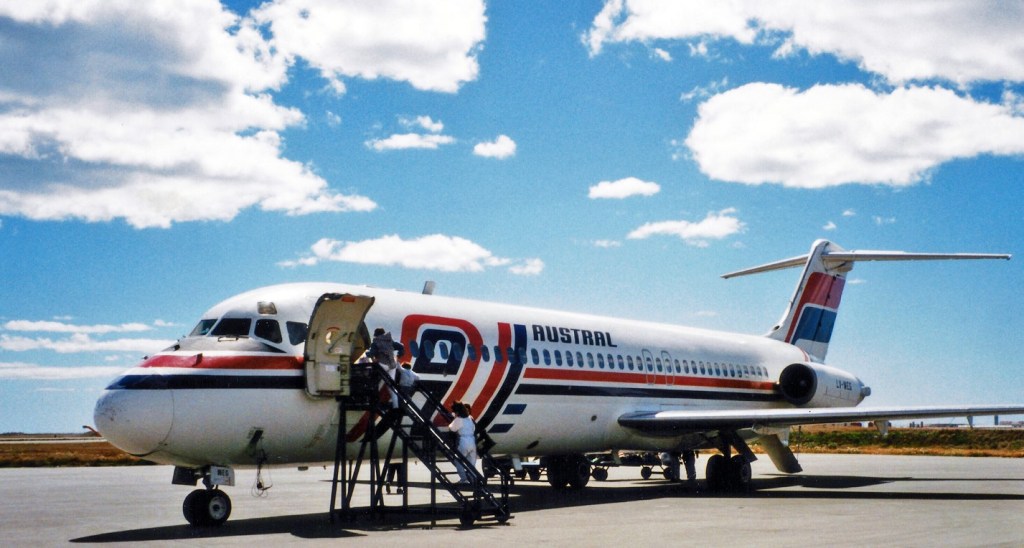
La Fiscalía ha solicitado absolver a todos los culpables sobre la tragedia del vuelo AU2553 de Austral Líneas Aéreas, mientras que los familiares denuncian impunidad. El representante del Ministerio Público entendió que las pruebas recabadas en la investigación y en los debates del Juicio Oral «no tiene el grado de consistencia requerido para que caiga el principio de inocencia». El fiscal Juan Patricio García Elorrio ha solicitado la absolución para los 35 acusados de estrago doloso en el juicio que se les sigue por la tragedia del avión McDonnell Douglas DC-9-32 de Austral Líneas Aéreas que unía la ruta Posadas-Buenos Aires/AEP que se estrelló el 10 de Octubre de 1997 en Fray Bentos, Uruguay, provocando la muerte de 74 personas, una decisión que para los familiares de las víctimas consagra la impunidad y los somete al más horrendo y cruel estado de indefensión.
Durante su alegato, que finalizó el Jueves 16/09 por la tarde, el representante del Ministerio Público entendió que las pruebas recabadas en la investigación y en los debates del juicio oral «no tiene el grado de consistencia requerido para que caiga el principio de inocencia. Es un doloroso retroceso que ilustra acabadamente que en el fuero penal Federal de Comodoro Py no existe el estado de justicia». Al respecto, García Elorrio agregó que ante esta realidad prima el principio de «In Dubio Pro Reo», lo que significa que ante la insuficiencia probatoria se está a favor del acusado. Incluso para llegar a esa conclusión, el funcionario recurrió a dar una clase de derecho penal para explicar los elementos objetivos y subjetivos de la teoría del delito; y sobre el dolo y la culpa, pese a que se llegó a este juicio con una clara imputación. Además, consideró que no resulta válido como prueba el Informe Final de la Comisión Investigadora de Accidentes de Aviación Civil de la República Oriental del Uruguay (CIADA), que determinó como una de las causas de la tragedia aérea la condición de engelamiento de los tubos Pitot que produjeron lecturas erróneas en los velocímetros. Esto se debe a las conclusiones de una pericia ordenada por el Tribunal Oral Federal (TOF) Nº 5, en la que la mayoría de los peritos consideraron válidas las observaciones que formuló la Junta de Investigaciones de Accidentes de Aviación Civil de la República Argentina (JIACC) a dicho Informe Final y, por ende, la responsabilidad de la tragedia recaía en los errores cometidos por los pilotos. Pero uno de los peritos oficiales puesto también por el Tribunal, Carlos Lupiáñez, presentó su propio informe en el que sostuvo que lo sucedido fue por una falla en la aeronave. No obstante, y en lo que a priori parece una contradicción, el fiscal decidió acusar por «falsedad ideológica» al imputado Danilo Wenk, quien era Director de Certificación Aeronáutica de la entonces Dirección Nacional de Aeronavegabilidad (DNA), para quien solicitó la pena de tres (3) años de prisión condicional. Esta situación, no hace más que confirmar que hubo elementos objetivos para que, en su momento, el Fiscal de Instrucción, Eduardo Taiano, procesara a los imputados y luego el Juez Sebastián Ramos elevara la causa a juicio oral y público.
A inicios de Septiembre 2021 los abogados Norberto Caputo y Silvina Rumachella que representan a los familiares y las víctimas del vuelo AU2553 de Austral habían pedido penas de entre 12 y 25 años de prisión a los imputados por el delito de estrago doloso agravado. Ahora, el Tribunal Oral Criminal Federal 5, integrado por los jueces Daniel Obligado, Adriana Palloti y José Martínez Sobrino, deberá escuchar los alegatos de las defensas y luego tendría que tomarse unos días para emitir su veredicto.
Justamente, el Tribunal es lo más temido por los familiares, ya que en lo que va del juicio que se realiza de manera virtual tuvo varios momentos desacertados, como cuando su Presidente Martínez Sobrino no dejó de mirar su celular durante una audiencia o cuando al finalizar el alegato fiscal este Jueves 16/09 hizo comentarios futbolísticos con los abogados defensores, algo que consideraron una total falta de respeto, según indicaron.
El Viernes 17/09 por la mañana, los familiares de las víctimas emitieron un comunicado en el que aseguraron que «el fiscal con su decisión de no acusar y pedir la absolución, consagra la impunidad y somete a las víctimas y sus familiares al más horrendo y cruel estado de indefensión».
El vuelo AU2553 de Austral Líneas Aéreas se estrelló el 10 de Octubre de 1997 y dejó la totalidad de las 74 personas a bordo fallecidas. «Es un doloroso retroceso que ilustra acabadamente que en el fuero penal Federal de Comodoro Py no existe el estado de justicia y solo reina el estado de indefensión, con mucho olor a podredumbre», aseguraron los familiares. El juicio se inició el 24 de Marzo de 2019 mostrando la desidia hacia donde nos lleva la Justicia argentina.
La lista de imputados tiene a la cabeza al ex-Presidente de Austral Líneas Aéreas, Manuel Morán Casero, seguida por su segundo en la firma Mario Sruber y quienes en su momento fueron los directores: Walter Hayas, Mario Cardoni, Gabriel Pérez Junqueira, Fernando Mayorga, Javier Monzón, Ángel Sanchís Herrero, Jorge Fernández del Área de Mantenimiento y Javier Loza de la Cruz perteneciente al Área Técnica.
El juicio tuvo sus momentos ríspidos, el más significativo y que se extendió por varias audiencias, se dio por las discordancias entre los peritos oficiales sobre las teorías de la tragedia, uno se ciñó al informe de la Comisión Investigadora de Accidentes Aéreos de Uruguay mientras que otra, puesta por el tribunal, discrepó y respaldó la hipótesis de los expertos de la defensa.
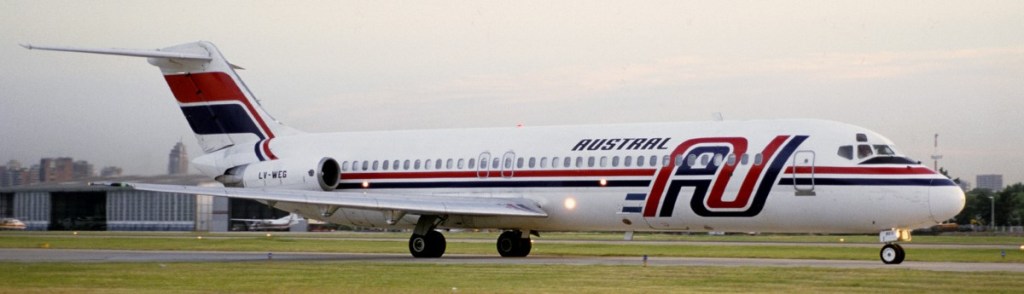
Pero sin lugar a dudas el episodio del debate de mayor impacto durante la etapa testimonial fue la reproducción de la última grabación de la cabina del McDonnell Douglas DC9-32, Matrícula LV-WEG después de 22 años de la tragedia. En el estremecedor registro que duró 18 minutos se escucharon los diálogos del Piloto Jorge Cécere y el Copiloto Horacio Núñez.
Durante los últimos 2 minutos y en medio de una cegadora tormenta tormenta manifestaron desesperadamente la imposibilidad de guiarse de forma visual y seguidamente advirtieron problemas en los instrumentos, los 60 segundos finales les rogaban a la torre de control de Aeroparque les autorizara el descenso, lo ultimo que se escuchó de la grabación fue al piloto decir: “¡Dios mío!, ¡nos matamos!».
Aparte de lo doloroso y ríspido, el debate tuvo su capítulo bochornoso y se dio cuando a la puerta de los alegatos, el abogado querellante Norberto Caputo pidió al Tribunal Oral Federal 5 postergar el juicio a raíz de la falta de las transcripciones de las audiencias. Los jueces Daniel Obligado, Adriana Pallioti y José Martínez Sobrino, rechazaron el requerimiento al tiempo que responsabilizaron la falta de presupuesto para esta diligencia por parte del Consejo de la Magistratura.
Tras el cierre de las acusaciones del fiscal García Elorrio con sus pedidos de condenas, será el turno de las defensas de los 35 acusados, que buscarán su absolución en base a su responsabilidad técnica y operativa en uno de los más graves siniestros de la historia aeronáutica del país junto a la tragedia de LAPA.
Según se indicó en un informe, el avión McDonnell Douglas DC-9-32 con matrícula argentina LV-WEG, que se dirigía desde la ciudad argentina de Posadas hacia la ciudad de Buenos Aires, se precipitó a tierra en la estancia Nuevo Berlín, zona rural cercana a la ciudad uruguaya de Fray Bentos, luego de una falla con el sistema de tubo de Pitot.
Austral air tragedy AU2553
Prosecutor asks to acquit charges Austral tragedy 2553
The Prosecutor’s Office has requested to acquit all those guilty of the tragedy of Austral Líneas Aéreas flight AU2553, while the relatives denounce impunity. The representative of the Public Ministry understood that the evidence gathered in the investigation and in the debates of the Oral Trial «does not have the degree of consistency required for the principle of innocence to fall». The prosecutor Juan Patricio García Elorrio has requested the acquittal of the 35 accused of malicious havoc in the trial that follows them for the tragedy of the McDonnell Douglas DC-9-32 plane of Austral Líneas Aéreas that linked the Posadas-Buenos Aires/AEP route that crashed on October 10, 1997 in Fray Bentos, Uruguay, causing the death of 74 people, a decision that for the families of the victims enshrines impunity and subjects them to the most horrendous and cruel state of defenselessness.
During his plea, which ended on Thursday, 09/16 in the afternoon, the representative of the Public Ministry understood that the evidence gathered in the investigation and in the oral proceedings «does not have the degree of consistency required for the principle of innocence to fall. It is a painful setback that fully illustrates that in the Federal criminal jurisdiction of Comodoro Py there is no state of justice». In this regard, García Elorrio added that in view of this reality the principle of «In Dubio Pro Reo» prevails, which means that in the face of insufficient evidence, one is in favor of the accused. Even to reach that conclusion, the official resorted to giving a class on criminal law to explain the objective and subjective elements of the theory of crime; and on fraud and guilt, despite the fact that this trial was reached with a clear accusation. In addition, it considered that the Final Report of the Civil Aviation Accident Investigation Commission of the Eastern Republic of Uruguay (CIADA) is not valid as evidence, which determined the icing condition of the Pitot tubes as one of the causes of the air tragedy. which produced erroneous readings on the speedometers. This is due to the conclusions of an expert opinion ordered by the Federal Oral Court (TOF) No. 5, in which most of the experts considered valid the observations made by the Board of Investigations of Civil Aviation Accidents of the Argentine Republic (JIACC) to said Final Report and, therefore, the responsibility for the tragedy fell on the mistakes made by the pilots. But one of the official experts also appointed by the Court, Carlos Lupiáñez, presented his own report in which he argued that what happened was due to a failure in the aircraft. However, and in what a priori seems a contradiction, the prosecutor decided to accuse the defendant Danilo Wenk, who was Director of Aeronautical Certification of the then National Airworthiness Directorate (DNA), for whom he requested the penalty of three (3) years of conditional prison. This situation only confirms that there were objective elements so that, at the time, the Investigating Prosecutor, Eduardo Taiano, prosecuted the defendants and then Judge Sebastián Ramos raised the case to oral and public trial.
At the beginning of September 2021, the lawyers Norberto Caputo and Silvina Rumachella, who represent the relatives and victims of Austral flight AU2553, had requested penalties of between 12 and 25 years in prison for those accused of the crime of aggravated malicious havoc. Now, the Federal Oral Criminal Court 5, made up of judges Daniel Obligado, Adriana Palloti and José Martínez Sobrino, will have to hear the arguments of the defenses and then it would have to take a few days to issue its verdict.
Precisely, the Court is the most feared by the next of kin, since so far in the trial that is carried out virtually, it had several unfortunate moments, such as when its President Martínez Sobrino did not stop looking at his cell phone during a hearing or when at the end The prosecutor’s argument this Thursday 16/09 made football comments with the defense lawyers, something that they considered a total lack of respect, as indicated.
On Friday, September 17, in the morning, the relatives of the victims issued a statement in which they assured that «the prosecutor, with his decision not to accuse and request acquittal, consecrates impunity and subjects the victims and their relatives to the most horrendous and cruel state of defenselessness».
Austral Lineas Aereas flight AU2553 crashed on October 10, 1997, leaving all 74 people on board dead. «It is a painful setback that fully illustrates that in the Federal criminal jurisdiction of Comodoro Py there is no state of justice and only the state of defenselessness reigns, with a lot of smell of rottenness», assured the relatives. The trial began on March 24, 2019 showing the apathy towards where the Argentine Justice takes us.
The list of defendants is headed by the former President of Austral Líneas Aéreas, Manuel Morán Casero, followed by his second in the firm Mario Sruber and who at the time were the directors: Walter Hayas, Mario Cardoni, Gabriel Pérez Junqueira, Fernando Mayorga, Javier Monzón, Ángel Sanchís Herrero, Jorge Fernández from the Maintenance Area and Javier Loza de la Cruz from the Technical Area.
The trial had its difficult moments, the most significant and that spanned several hearings, it occurred due to the disagreements between the official experts on the theories of the tragedy, one adhered to the report of the Uruguayan Air Accidents Investigative Commission while another, put by the court, disagreed and supported the hypothesis of the defense experts.
But without a doubt the episode of the debate with the greatest impact during the testimonial stage was the reproduction of the last recording of the McDonnell Douglas DC9-32 cockpit, License Plate LV-WEG after 22 years of the tragedy. In the shocking record that lasted 18 minutes, the dialogues of the Pilot Jorge Cécere and the Co-pilot Horacio Núñez were heard.
During the last 2 minutes and in the midst of a blinding storm storm, they desperately manifested the impossibility of visually guiding themselves and then they noticed problems in the instruments, the final 60 seconds they begged the Aeroparque control tower to authorize the descent, the last thing that was heard from the recording was the pilot saying: “¡My God, we killed!».
Apart from being painful and harsh, the debate had its embarrassing chapter and it occurred when at the door of the allegations, the plaintiff lawyer Norberto Caputo asked the Federal Oral Court 5 to postpone the trial due to the lack of transcripts of the hearings. Judges Daniel Obligado, Adriana Pallioti and José Martínez Sobrino, rejected the request while blaming the lack of budget for this diligence by the Council of the Magistracy.
After the closing of the accusations of the prosecutor García Elorrio with his requests for convictions, it will be the turn of the defenses of the 35 accused, who will seek their acquittal based on their technical and operational responsibility in one of the most serious accidents in aeronautical history. of the country with the tragedy of LAPA.
As indicated in a report, the McDonnell Douglas DC-9-32 plane with Argentine registration LV-WEG, which was heading from the Argentine city of Posadas to the city of Buenos Aires, crashed ashore at the Nuevo Berlin ranch, area rural area near the Uruguayan city of Fray Bentos, following a failure with the Pitot tube system.
AW | 2021 09 19 07:22 | AIRLINES ALLIANCE / GOVERNMENT
Senado EE.UU. insta al DOT investigar alianza JetBlue-American
La Alianza del Noreste entre American Airlines y JetBlue Airways continúa mostrando agitación entre los diferentes estamentos de la política. El Senador estadounidense Richard Blumenthal de Connecticut ha enviado una carta al Secretario Pete Buttigieg del Departamento de Transporte de los Estados Unidos (DOT) instando a revisar la Alianza del Noreste. El Viernes 17/09, el Senador Richard Blumenthal escribió una carta al Secretario Nacional con preocupaciones de «coordinación anticompetitiva en centros clave de tráfico aéreo y el resultado en la inflación a largo plazo de las tarifas aéreas y los costos relacionados para los pasajeros de las aerolíneas». Su principal preocupación es con la Alianza del Noreste conformada por American-JetBlue que permitiría una consolidación de mercado en el Noreste del país. El Senador Richard Blumenthal ha remarcado que tanto las fusiones pasadas como las futuras pueden afectar al mercado de vuelos.
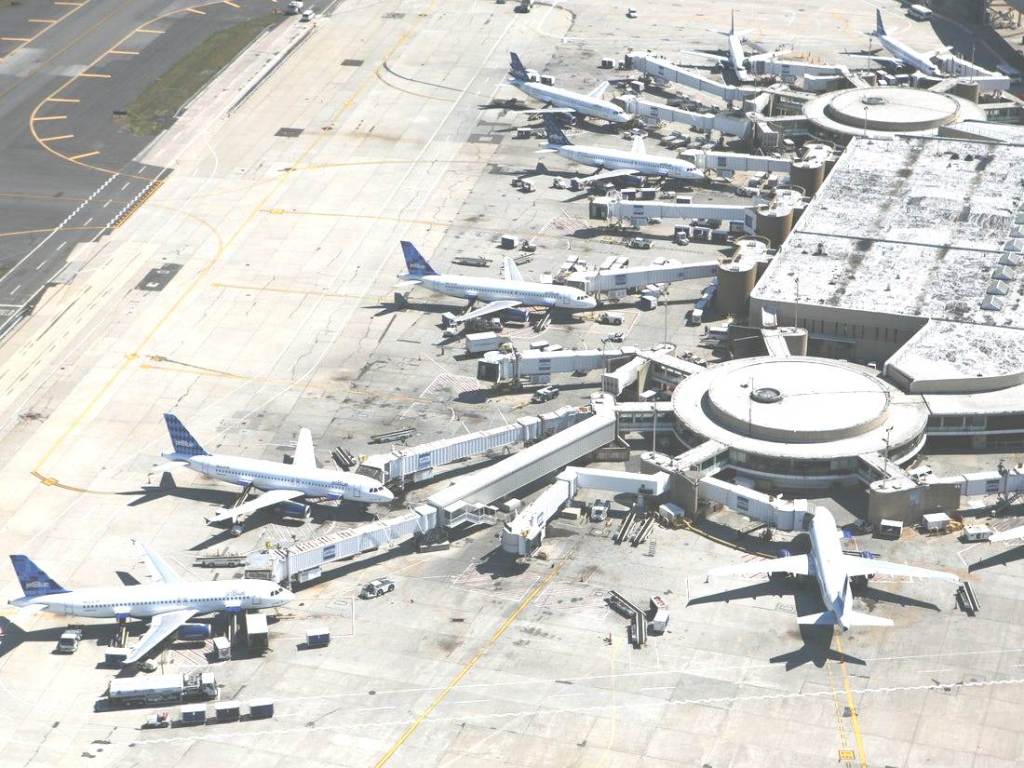
La Alianza American-JetBlue recibió la aprobación bajo la administración anterior. La alianza entre American Airlines y JetBlue Airways ha agitado muchas plumas. Uno de los opositores más feroces a la alianza es Spirit Airlines, que de manera similar ha estado presionando fuertemente para una revisión ampliada del DOT. Una de las razones por las que la alianza ha atraído el escrutinio que tiene es por los aeropuertos que cubre. Entre el Aeropuerto Internacional John F. Kennedy de Nueva York (JFK), el Aeropuerto LaGuardia (LGA),el Aeropuerto Internacional Newark Liberty (EWR) y el Aeropuerto Internacional Boston/Logan (BOS). Históricamente, estos cuatro aeropuertos son algunos de los aeropuertos más difíciles de ingresar, y pocas aerolíneas de ultra bajo costo y bajo costo tienen una presencia significativa en estos aeropuertos. Una excepción es JetBlue, que es una especie de aerolínea híbrida.
American Airlines ofreció la siguiente declaración: «El año pasado, JetBlue y American anunciaron una alianza innovadora para aumentar la competencia en el noreste. American y JetBlue comenzaron a implementar la Alianza del Noreste a principios de este año y ya está brindando más opciones y un mejor servicio para los clientes con más código compartido, nuevas rutas internacionales y nacionales, mejores horarios y beneficios ampliados del programa de viajero frecuente. También está provocando una respuesta competitiva de otros operadores en la región al obligarlos a intensificar sus propios productos y servicios, brindando ganancias claras para los consumidores».
American y JetBlue se han sentido alentados por la alianza. Ambas aerolíneas han lanzado una serie de nuevas rutas y expandido los servicios premium fuera de las ciudades que cubre la Alianza del Noreste. JetBlue ha anunciado en gran medida rutas nacionales, mientras que American se ha expandido al extranjero a Nueva Delhi, Atenas, Santiago y más. American se beneficia al poder aprovechar algunas conexiones en JetBlue y la lealtad a la marca que JetBlue ya tiene y puede transmitir a American al vender boletos en los aviones de Estados Unidos. JetBlue puede enviar a sus clientes en rutas internacionales de larga distancia que no sirve.
La gran mayoría de las rutas de JetBlue Airways desde Boston y Nueva York son vuelos de corta y media distancia. JetBlue y American se comprometieron con el DOT para permitir que la Alianza del Noreste avanzara. Esto incluyó compromisos de servicio, límites en las comunicaciones, informes consistentes al DOT, desinversiones de franjas horarias, objetivos de capacidad y ninguna coordinación fuera de la Alianza del Noreste. Sin embargo, esto no fue suficiente para todas las aerolíneas, como Spirit Airlines y Southwest Airlines han indicado en su oposición a la alianza. La amplitud de las preocupaciones ha estado en torno a la falta de una revisión extensa y pública de la alianza y la aprobación del DOT pocos días antes del cambio de administraciones. Nueva York y Boston también están desafiando a los aeropuertos para entrar, y, por ejemplo, Spirit Airlines está maximizando su posición en LaGuardia y Newark en la mayor medida posible. Sin embargo, estos aeropuertos son muy caros de operar hacia y desde, y el espacio de la puerta y los derechos de despegue y aterrizaje son limitados. Esto establece barreras para los nuevos operadores entrantes. Incluso la conocida Southwest Airlines tiene una mayor presencia en otras ciudades, mientras que tiene una presencia limitada en Nueva York. Ninguna de las principales aerolíneas de ultra bajo costo en los Estados Unidos opera a Nueva York-JFK, en gran parte dado lo caro que es el aeropuerto. La pregunta con la revisión de la Alianza del Noreste es cómo resulta. Si el DOT abre una revisión y encuentra que la alianza no es beneficiosa para los consumidores, podría llevar tanto a American como a JetBlue a retirar y retirar parte de la expansión que han hecho en apoyo de la alianza. Una segunda opción podría ser dejar que la alianza continúe según lo planeado. No hay evidencia firme del DOT de cooperación entre las dos aerolíneas fuera de la Alianza del Noreste. Una queja sobre las operaciones de Ecuador no condujo a la terminación de la alianza, ni a ninguna acusación específica de colusión fuera de la alianza. Un tercero podría ser otras limitaciones a la alianza. El DOT podría solicitar desinversiones de franjas horarias adicionales, lo que podría ser lo suficientemente doloroso como para que las dos aerolíneas retiren su alianza dependiendo de lo que el DOT decida que sería un número aceptable de desinversiones. Otras restricciones podrían ser otras limitaciones a la coordinación.
Al final del día, el Senador Richard Blumenthal está prestando su voz en oposición a la Alianza del Noreste. Si bien el DOT aún no ha anunciado ningún movimiento importante para abrir una nueva revisión de la alianza, tanto JetBlue como American están promocionando los beneficios de la alianza y continúan expandiendo sus posiciones en Nueva York y Boston.
American-JetBlue alliance investigation urged
US Senate urges DOT to investigate JetBlue-American alliance
The Northeast Alliance between American Airlines and JetBlue Airways continues to show turmoil among different political strata. US Senator Richard Blumenthal of Connecticut has sent a letter to Secretary Pete Buttigieg of the US Department of Transportation (DOT) urging a review of the Northeast Alliance. On Friday 09/17, Senator Richard Blumenthal wrote a letter to the National Secretary with concerns of «anti-competitive coordination at key air traffic hubs and the result in long-term inflation of airfares and related costs for airline passengers. airlines». His main concern is with the Northeast Alliance formed by American-JetBlue that would allow a market consolidation in the Northeast of the country. Senator Richard Blumenthal has remarked that both past and future mergers can affect the flight market.
The American-JetBlue Alliance received approval under the previous administration. The alliance between American Airlines and JetBlue Airways has ruffled many feathers. One of the fiercest opponents to the alliance is Spirit Airlines, which has similarly been pushing hard for an expanded review of the DOT. One of the reasons the alliance has attracted the scrutiny it has is because of the airports it covers. Between New York John F. Kennedy International Airport (JFK), LaGuardia Airport (LGA), Newark Liberty International Airport (EWR) and Boston/Logan International Airport (BOS). Historically, these four airports are some of the most difficult airports to enter, and few ultra-low-cost and low-cost airlines have a significant presence at these airports. One exception is JetBlue, which is a kind of hybrid airline.
American Airlines offered the following statement: «Last year, JetBlue and American announced an innovative alliance to increase competition in the Northeast. American and JetBlue began implementing the Northeast Alliance earlier this year and is already providing more options and a better service for customers with more codeshare, new international and national routes, better schedules and expanded benefits of the frequent flyer program. It is also provoking a competitive response from other operators in the region by forcing them to intensify their own products and services, offering clear gains for consumers».
American and JetBlue have been encouraged by the alliance. Both airlines have launched a series of new routes and expanded premium services outside the cities covered by the Northeast Alliance. JetBlue has largely announced domestic routes, while American has expanded overseas to New Delhi, Athens, Santiago, and more. American benefits from being able to take advantage of some connections on JetBlue and the brand loyalty that JetBlue already has and can pass on to American by selling tickets on US planes. JetBlue can ship its customers on long-haul international routes that are not serving.
The vast majority of JetBlue Airways routes from Boston and New York are short and medium-haul flights. JetBlue and American made a commitment to DOT to allow the Northeast Alliance to move forward. This included service commitments, limits on communications, consistent reporting to DOT, slot divestitures, capacity targets, and no coordination outside of the Northeast Alliance. However, this was not enough for all airlines, as Spirit Airlines and Southwest Airlines have indicated in their opposition to the alliance. The breadth of concerns has been around the lack of an extensive and public review of the alliance and DOT approval just days before the change of administrations. New York and Boston are also challenging airports to enter, and, for example, Spirit Airlines is maximizing its position at LaGuardia and Newark to the greatest extent possible. However, these airports are very expensive to operate to and from, and gate space and take-off and landing rights are limited. This sets up barriers for new entrants. Even the well-known Southwest Airlines has a larger presence in other cities, while it has a limited presence in New York. None of the major ultra-low-cost airlines in the United States serve New York-JFK, largely given how expensive the airport is. The question with the Northeast Alliance review is how it turns out. If the DOT opens a review and finds that the alliance is not beneficial to consumers, it could lead both American and JetBlue to withdraw and withdraw some of the expansion they have done in support of the alliance. A second option could be to let the alliance continue as planned. There is no firm evidence from DOT of cooperation between the two airlines outside of the Northeast Alliance. A complaint about Ecuador’s operations did not lead to the termination of the alliance, nor to any specific accusations of collusion outside the alliance. A third could be other limitations to the alliance. DOT could request additional slot divestitures, which could be painful enough for the two airlines to withdraw from their alliance depending on what DOT decides would be an acceptable number of divestments. Other restrictions could be other limitations on coordination.
At the end of the day, Senator Richard Blumenthal is lending his voice in opposition to the Northeast Alliance. While the DOT has yet to announce any major move to open a new alliance review, both JetBlue and American are promoting the benefits of the alliance and continuing to expand their positions in New York and Boston.
AW | 2021 09 19 06:58 | AIRLINES MARKET / GOVERNMENT
Gran Brataña apertura aérea revaloriza a las líneas aéreas
Las fluctuaciones y vaivenes de las aerolíneas danzas al compás de la crisis sanitaria mundial en un esfuerzo por recomponer la malla aérea, ese es el síntoma que se vive en el Reino Unido, percibiendo que el valor de las aerolíneas se incrementen gracias a las aperturas del Gobierno británico.
Este Viernes 17/09 el Gobierno del Reino Unido anunció que desde el próximo 4 de Octubre de 2021 cambiará las exigencias para los viajeros que entren en el país, de manera que el clima se ha girado y las aerolíneas han visto cómo los inversores las valoraban más. Principalmente, el valor que más ha mejorado ha sido el de la aerolínea irlandesa Ryanair, seguido por Easyjet. La irlandesa, que tiene en London/Stansted su mayor base en el mundo y que depende acusadamente del mercado británico, ha sido premiada por los inversores con un incremento de su valor de un 7,52 por ciento. Jet2 Airways, que es una compañía británica constituida de una aerolínea y un tour operador, vio cómo su valor en Bolsa subía un tres por ciento. En el caso de WizzAir, que cotiza en Londres, el valor subió un 4.6 por ciento, pese a que no es una aerolínea abiertamente dedicada al negocio de las vacaciones. British Airways e Iberia no cotizan directamente sino que lo hace su propietario, el grupo IAG, cuyo valor aumentó un 3.28 por ciento. Es una subida interesante teniendo en cuenta que para este grupo los vuelos al Mediterráneo no son fundamentales. Easyjet con base en el aeropuerto de Luton es de las que más dedicación tiene a los vuelos vacacionales a Turquía, Egipto, España o Grecia y, en consonancia ha visto cómo su valor subía un 5,95 por ciento.
British opening skyrockets airline value
Great Britain air opening revalues airlines
The fluctuations and ups and downs of the airlines dance to the beat of the global health crisis in an effort to rebuild the air mesh, that is the symptom that is experienced in the United Kingdom, perceiving that the value of the airlines increases thanks to the openings of the British government.
This Friday 09/17 the United Kingdom Government announced that from next October 4, 2021 it will change the requirements for travelers entering the country, so that the climate has turned and airlines have seen how investors valued them plus. Mainly, the value that has improved the most has been that of the Irish airline Ryanair, followed by Easyjet. The Irish, which has its largest base in the world in London/Stansted and is heavily dependent on the British market, has been rewarded by investors with a 7.52 percent increase in value. Jet2 Airways, which is a British company made up of an airline and a tour operator, saw its stock market value rise three percent. In the case of WizzAir, which is listed in London, the value rose 4.6 percent, despite the fact that it is not an airline openly dedicated to the vacation business. British Airways and Iberia are not directly listed but their owner, the IAG group, whose value increased by 3.28 percent. It is an interesting climb considering that for this group flights to the Mediterranean are not essential. Easyjet based in Luton airport is one of the most dedicated to holiday flights to Turkey, Egypt, Spain or Greece and, accordingly, has seen its value rise by 5.95 percent.
Aerolíneas no obligadas utilizar nueva terminal aérea
Este Viernes 17/09, el Presidente de México Andrés Manuel López Obrador, ha salido a aclarar que no se presionará a las líneas aéreas ha operar el nuevo Aeropuerto Felipe Ángeles/AIFA en la ex-base militar de Santa Lucía, en el Estado de México. Aseveró que las limitaciones de los vuelos en el Aeropuerto Internacional de la Ciudad de México (AICM) a 61 operaciones por hora, se remontan al año 2014. Durante su conferencia matutina realizada en el Salón Tesorería de Palacio Nacional, López Obrador aclaró que las limitaciones de los vuelos en el Aeropuerto Internacional de la Ciudad de México (AICM) a 61 operaciones por hora se remontan al año 2014 con la intención de saturarlo y poder construir el Aeropuerto de Texcoco.
El Gobierno de México ha aclarado que las compañías aéreas no están obligadas a operar en el nuevo Aeropuerto Felipe Ángeles, aunque existen varias solicitudes de migración de vuelos de aerolíneas debido a que la nueva terminal ofrece más ventajas por su modernidad.
Santa Lucia Airport, optional
Airlines not required to use a new air terminal
This Friday 09/17, President of México Andrés Manuel López Obrador has come out to clarify that the airlines will not be pressured to operate the new Felipe Ángeles Airport/AIFA in the former military base of Santa Lucía, in the State of Mexico. He asserted that the limitations of flights at the Mexico City International Airport (AICM) to 61 operations per hour, date back to 2014. During his morning conference held in the Treasury Room of the National Palace, López Obrador clarified that the limitations of flights at the Mexico City International Airport (AICM) at 61 operations per hour date back to 2014 with the intention of saturating it and be able to build the Texcoco Airport.
The Government of Mexico has clarified that airlines are not obliged to operate in the new Felipe Angeles Airport, although there are several requests for migration of airline flights because the new terminal offers more advantages due to its modernity.
AW | 2021 09 17 07:38 | AVIATION SAFETY / GOVERNMENT
Ex piloto pruebas enfrentará cargos por accidentes 737 MAX
Los Fiscales federales de Estados Unidos se están preparando para acusar a Mark Forkner, un ex piloto de pruebas de Boeing, por los dos accidentes de aviones Boeing 737 MAX. Mark Forkner fue el Piloto técnico Jefe de Boeing para la línea 737 MAX. Se cree que engañó a los reguladores de la aviación, lo que llevó a dos accidentes fatales en 2018 y 2019.
Los cargos exactos aún no están definidos, pero Mark Forkner está acusado de ser quien ocultó información de forma deliberada sobre las fallas en el Sistema de Aumento de Características de Maniobra (MCAS), que fue identificado como la razón detrás de los accidentes. En Octubre de 2019, la FAA entregó al Congreso de los Estados Unidos un conjunto de correos electrónicos dañinos entre Mark Forkner y el regulador. En un correo electrónico en Enero de 2017, Mark Forkner supuestamente le dijo a la agencia que la compañía eliminaría una referencia a MCAS del manual y curso de capacitación del operador de vuelo «porque está fuera de la envolvente operativa normal». En otro correo electrónico a un empleado de la FAA, fechado en Noviembre de 2016, Mark Forkner dijo que estaba trabajando en engañar a los reguladores para que aceptaran la capacitación a la FAA. En Enero de 2021, Boeing fue acusado de conspiración por retener información sobre MCAS durante el proceso de certificación de la aeronave. Dos empleados, Mark Forkner es uno de ellos, fueron identificados como los principales culpables, con la «cultura de ocultamiento» de toda la compañía que les permitió realizar el engaño. La compañía acordó resolver el caso de los 737 MAX por US$ 2.500 millones de Dólares. Las familias de las víctimas tienen la intención de presentar cargos. La noción de nuevos cargos contra los empleados de Boeing agrega otro giro a la saga del 737 MAX, que culminó con la puesta a tierra de la aeronave durante veinte meses.
Boeing 737 MAX se introdujo en 2017. Poco después, dos aviones, uno perteneciente al vuelo JT-610 de Lion Air y otro al vuelo ET-302 de Ethiopian Airlines, se estrellaron matando en conjunto a 346 personas. El modelo fue conectado a tierra en todo el mundo y su producción fue suspendida. Después de un largo proceso de prueba y recertificación, las autoridades de aviación comenzaron a desencallarlo a fines de 2020.
Expiloto 737 MAX faces charges
Former Boeing test pilot to face 737 MAX accident charges
United States federal prosecutors are preparing to indict Mark Forkner, a former Boeing test pilot, for the two Boeing 737 MAX aircraft crashes. Mark Forkner was Boeing’s Chief Technical Pilot for the 737 MAX line. He is believed to have misled aviation regulators, which led to two fatal accidents in 2018 and 2019.
The exact charges are not yet defined, but Mark Forkner is accused of being the one who deliberately withheld information about the failures in the Maneuvering Characteristics Augmentation System (MCAS), which was identified as the reason behind the accidents. In October 2019, the FAA delivered to the United States Congress a set of harmful emails between Mark Forkner and the regulator. In an email in January 2017, Mark Forkner reportedly told the agency that the company would remove a reference to MCAS from the flight operator training manual and course «because it is outside the normal operating envelope». In another email to an FAA employee, dated November 2016, Mark Forkner said that he was working to trick regulators into accepting the training from the FAA. In January 2021, Boeing was charged with conspiracy to withhold information about MCAS during the aircraft’s certification process. Two employees, Mark Forkner is one of them, were identified as the main culprits, with the «culture of hiding» throughout the company that allowed them to perform the deception. The company agreed to settle the 737 MAX case for US $ 2.5 billion. The families of the victims intend to press charges. The notion of new charges against Boeing employees adds another twist to the 737 MAX saga, culminating in grounding the aircraft for twenty months.
The Boeing 737 MAX was introduced in 2017. Shortly thereafter, two planes, one belonging to Lion Air flight JT-610 and the other to Ethiopian Airlines flight ET-302, crashed together, killing 346 people. The model was grounded worldwide and its production was discontinued. After a lengthy process of testing and recertification, the aviation authorities began to dislodge it in late 2020.
Presentación ofertas para adquisición de aerolínea india
Tata Sons Ltd. y SpiceJet han presentado oficialmente sus respectivas ofertas para la compra de Air India el Miércoles 15/09. El proceso de licitación ha pasado a la etapa final. Air India recibió ofertas financieras para su proceso de desinversión, dijo el Ministerio de Finanzas. «Ofertas financieras para la desinversión de Air India recibidas por Transaction Adviser. El proceso ahora pasa a la etapa final», declaró el Secretario del Departamento de Inversión y Gestión de Activos Públicos (DIPAM), Tuhin Kanta Pandey. El Ministro de Aviación, Jyotiraditya Scindia, había dejado claro anteriormente que la fecha límite del 15 de Septiembre de 2021 para el proceso.
Tatas estableció Tata Airlines en 1932, que más tarde en 1946 pasó a llamarse Air India. El gobierno tomó el control de la aerolínea en 1953, pero JRD Tata continuó siendo su presidente hasta 1977. En la actualidad, Tata opera Vistara en asociación con Singapore Airlines y AirAsia India en asociación con AirAsia de Malasia. Air India tiene una deuda de ₹ 43.000 Crores, de los cuales ₹ 22.000 Crores también se transferirán a Air India Asset Holding Limited (AIAHL).
Dos intentos anteriores de descargar la aerolínea fracasaron. En 2001, Singapore Airlines Ltd. abandonó su oferta por una participación en Air India, citando la oposición política como una de las razones. En 2018, IndiGo, la aerolínea más grande de la India, se retiró de la carrera, diciendo que no tenía los medios para comprar la aerolínea en su totalidad y hacerla rentable. Un grupo de empleados de Air India, que se habían asociado con un fondo con sede en Seychelles, fue descalificado del proceso de licitación en Marzo 2021.
Los ingresos de la venta de Air India serán una fuente crítica de ingresos para cubrir el creciente déficit presupuestario del gobierno y mientras busca estimular la economía golpeada por la pandemia. A pesar de la creciente deuda y pérdidas, Air India tiene algunos activos lucrativos, incluyendo espacios valiosos en el Aeropuerto London/Heathrow, una flota de más de cien aviones y miles de pilotos y tripulantes capacitados.
Tatas and SpiceJet bid for Air India
Presentation of offers for the acquisition of an Indian airline
Tata Sons Ltd. and SpiceJet have officially submitted their respective offers for the purchase of Air India on Wednesday 09/15. The bidding process has passed to the final stage. Air India received financial offers for its divestment process, the Finance Ministry said. «Financial offers for the divestment of Air India received by Transaction Adviser. The process now moves to the final stage», stated the Secretary of the Department of Investment and Management of Public Assets (DIPAM), Tuhin Kanta Pandey. The Minister of Aviation, Jyotiraditya Scindia, had previously made clear that the deadline of September 15, 2021 for the process.
Tatas established Tata Airlines in 1932, which was later renamed Air India in 1946. The government took control of the airline in 1953, but JRD Tata remained its chairman until 1977. Today, Tata operates Vistara in association with Singapore Airlines and AirAsia India in association with AirAsia of Malaysia. Air India has a debt of ₹ 43,000 Crores, of which ₹ 22,000 Crores will also be transferred to Air India Asset Holding Limited (AIAHL).
Two previous attempts to unload the airline failed. In 2001, Singapore Airlines Ltd. abandoned its bid for a stake in Air India, citing political opposition as one of the reasons. In 2018, IndiGo, India’s largest airline, withdrew from the race, saying it did not have the means to buy the airline in its entirety and make it profitable. A group of Air India employees, who had partnered with a Seychelles-based fund, were disqualified from the bidding process in March 2021.
The proceeds from the sale of Air India will be a critical source of revenue to cover the government’s growing budget deficit and as it seeks to stimulate the pandemic-hit economy. Despite mounting debt and losses, Air India has some lucrative assets, including valuable space at London/Heathrow Airport, a fleet of over one hundred aircraft and thousands of trained pilots and crew members.
एयर इंडिया के लिए टाटा और स्पाइसजेट की बोली
एक भारतीय एयरलाइन के अधिग्रहण के लिए प्रस्तावों की प्रस्तुति
टाटा संस लिमिटेड और स्पाइसजेट ने बुधवार 09/15 को आधिकारिक तौर पर एयर इंडिया की खरीद के लिए अपने-अपने प्रस्ताव प्रस्तुत किए हैं। बोली प्रक्रिया अंतिम चरण में पहुंच चुकी है। वित्त मंत्रालय ने कहा कि एयर इंडिया को अपनी विनिवेश प्रक्रिया के लिए वित्तीय प्रस्ताव मिले हैं। डिपार्टमेंट ऑफ इन्वेस्टमेंट एंड मैनेजमेंट ऑफ पब्लिक एसेट्स (DIPAM) के सचिव तुहिन कांता पांडे ने कहा, «लेन-देन सलाहकार द्वारा प्राप्त एयर इंडिया के विनिवेश के लिए वित्तीय प्रस्ताव। प्रक्रिया अब अंतिम चरण में चली गई है«। उड्डयन मंत्री, ज्योतिरादित्य सिंधिया ने पहले स्पष्ट किया था कि प्रक्रिया के लिए 15 सितंबर, 2021 की समय सीमा।
टाटा ने 1932 में टाटा एयरलाइंस की स्थापना की, जिसे बाद में 1946 में एयर इंडिया का नाम दिया गया। सरकार ने १९५३ में एयरलाइन पर नियंत्रण कर लिया, लेकिन जेआरडी टाटा १९७७ तक इसके अध्यक्ष बने रहे। आज, टाटा मलेशिया के एयरएशिया के सहयोग से सिंगापुर एयरलाइंस और एयरएशिया इंडिया के सहयोग से विस्तारा का संचालन करती है। एयर इंडिया पर 43,000 करोड़ रुपये का कर्ज है, जिसमें से 22,000 करोड़ रुपये एयर इंडिया एसेट होल्डिंग लिमिटेड (एआईएएचएल) को भी ट्रांसफर किए जाएंगे।
एयरलाइन को उतारने के पिछले दो प्रयास विफल रहे। 2001 में, सिंगापुर एयरलाइंस लिमिटेड ने राजनीतिक विरोध का एक कारण बताते हुए एयर इंडिया में हिस्सेदारी के लिए अपनी बोली छोड़ दी। 2018 में, भारत की सबसे बड़ी एयरलाइन, इंडिगो, यह कहते हुए दौड़ से हट गई कि उसके पास एयरलाइन को पूरी तरह से खरीदने और इसे लाभदायक बनाने के साधन नहीं हैं। एयर इंडिया के कर्मचारियों का एक समूह, जिन्होंने सेशेल्स-आधारित फंड के साथ भागीदारी की थी, को मार्च 2021 में बोली प्रक्रिया से अयोग्य घोषित कर दिया गया था।
एयर इंडिया की बिक्री से होने वाली आय सरकार के बढ़ते बजट घाटे को कवर करने के लिए राजस्व का एक महत्वपूर्ण स्रोत होगी और यह महामारी प्रभावित अर्थव्यवस्था को प्रोत्साहित करना चाहती है। बढ़ते कर्ज और घाटे के बावजूद, एयर इंडिया के पास कुछ आकर्षक संपत्तियां हैं, जिनमें लंदन/हीथ्रो हवाई अड्डे पर मूल्यवान स्थान, सौ से अधिक विमानों का बेड़ा और हजारों प्रशिक्षित पायलट और चालक दल के सदस्य शामिल हैं।