La Fuerza Aérea Argentina (FAA) ha recuperado y reacondicionado el Fokker F-28 Mk-1000 TC-53. El veterano bimotor holandés ya cuenta con su nuevo esquema gris baja visibilidad. la aeronave jet reacondicionada en los próximos días iniciará las pruebas funcionales en tierra previo a su vuelo. La puesta a punto del TC-53 forma parte del proceso encarado por la Fuerza Aérea Argentina a los fines de recuperar a todos aquellas unidades que aún dispongan de vida útil remanente en lo técnico-económico.
La FAA continúa con el proceso de su capacidad de transporte que actualmente cuenta con un solo Fokker F-28 operativo. La Fuerza Aérea estaría actualizando la tecnología en otra unidad F-28, mientras que se ha incorporado refuerzo hace meses atrás un Boeing 737-700 TC-99, al servicio de la I Brigada Aérea. En un esfuerzo por prolongar la viuda útil de los afamados Fokker F28, la actualización de la tecnología existente permitirá enfocarse en el apoyo logístico que representa para Argentina como parte también del servicio aéreo bajo LADE Líneas Aéreas. El reemplazo de los veteranos F-28 y los ya retirados F-27 permitirán proyectar la renovación del parque de unidades para la FAA Argentina hacia un futuro en adelante.
Air Force rebuilds Fokker 28
FAA Argentina reconditions Fokker F-28 TC-53
The Argentine Air Force (FAA) has recovered and refurbished the Fokker F-28 Mk-1000 TC-53. The veteran Dutch twin engine now features its new low visibility gray scheme. The reconditioned jet aircraft will begin functional tests on the ground in the coming days prior to its flight. The fine-tuning of the TC-53 is part of the process undertaken by the Argentine Air Force in order to recover all those units that still have a remaining technical-economic life.
The FAA continues the process of its transportation capacity that it currently has only one operational Fokker F-28. The Air Force would be updating the technology in another F-28 unit, while a Boeing 737-700 TC-99, at the service of the 1st Air Brigade, has been incorporated months ago. In an effort to prolong the useful widow of the famous Fokker F28, the update of the existing technology will allow to focus on the logistical support that it represents for Argentina as part of the air service under LADE Líneas Aéreas. The replacement of the veteran F-28s and the already retired F-27s will make it possible to plan the renewal of the fleet of units for the Argentine FAA in the future.
Nuevo vuelo de Aerolíneas por dosis vacunas Sputnik V
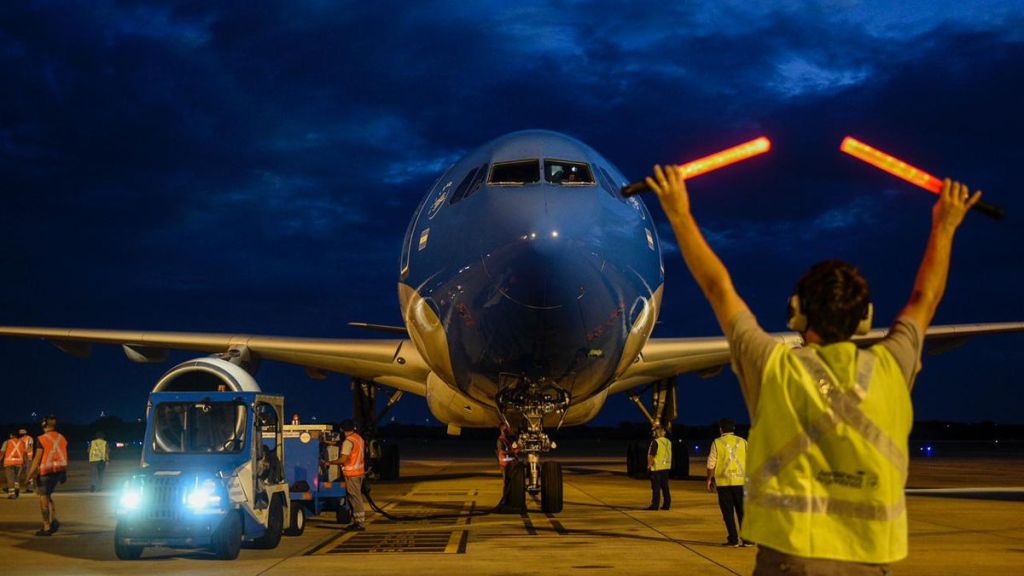
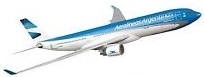
Un nuevo vuelo de Aerolíneas Argentinas en su Airbus A330-200 ha despegado en la madrugada del día Domingo 23/05 rumbo a Moscú en busca de más dosis de Sputnik V, según confirmó el CEO Pablo Ceriani, a través de su cuenta de twitter. El vuelo AR1060 ha despegado este Domingo 23 de Mayo de 2021 a las 02:00 hs de la madrugada desde el Aeropuerto Internacional de Ezeiza y llegará al Aeropuerto Internacional de Moscow/Sheremetievo a las 00:30 de mañana [hora local Moscú]. El retorno del vuelo con el cargamento hacia argentina arribará este Lunes 24/05 a l Aeropuerto Ezeiza previsto para las 16:30 hs.
Aerolíneas Argentinas lleva realizados quince vuelos a la Federación Rusa en los cuales fueron incorporadas un total de 7.033.290 de dosis para su aplicación en el país. “Es una buena noticia que en el momento más difícil de esta pandemia sigan llegando vuelos porque se traducen en más personas protegidas. La salida para esta situación es seguir extremando cuidados y continuar con el plan de vacunación”, expresó Pablo Ceriani.
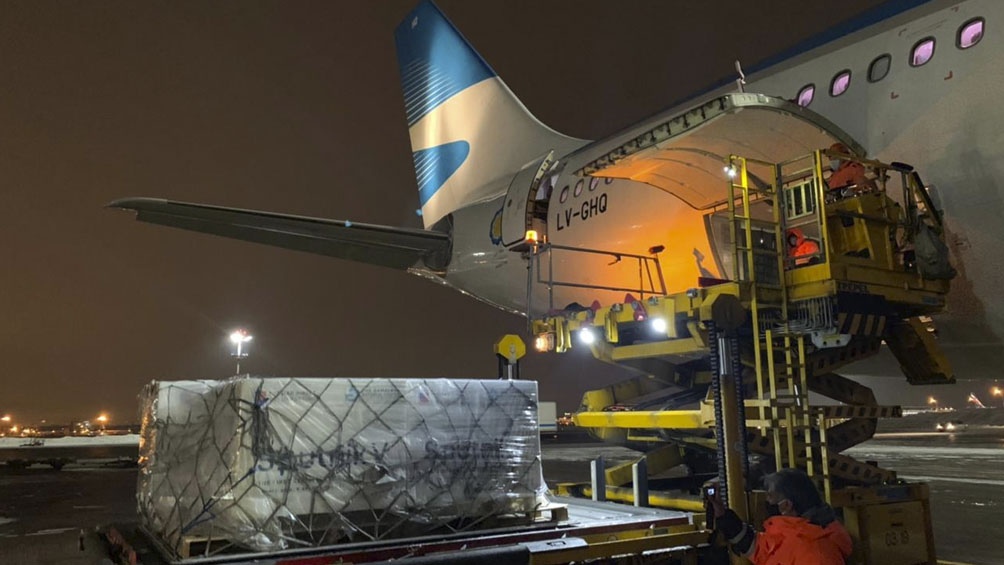
Las vacunas producidas por el Instituto Gamaleya son trasladadas en contenedores del tipo thermobox a una temperatura de 18ºC grados bajo cero y con carga adicional de refrigeración. El vuelo será operado por el Airbus 330-200 con matrícula LV-GIF, el cual fue modificado para funcionar como carguero. Adicionalmente se realizaron cinco vuelos hacia Beijing, República Popular China en los que arribaron a Argentina 3.659.200 de vacunas de Sinopharm. De esta manera, en 20 vuelos completados, Aerolíneas Argentinas aportó 10.692.490 dosis de vacunas contra el Covid-19.
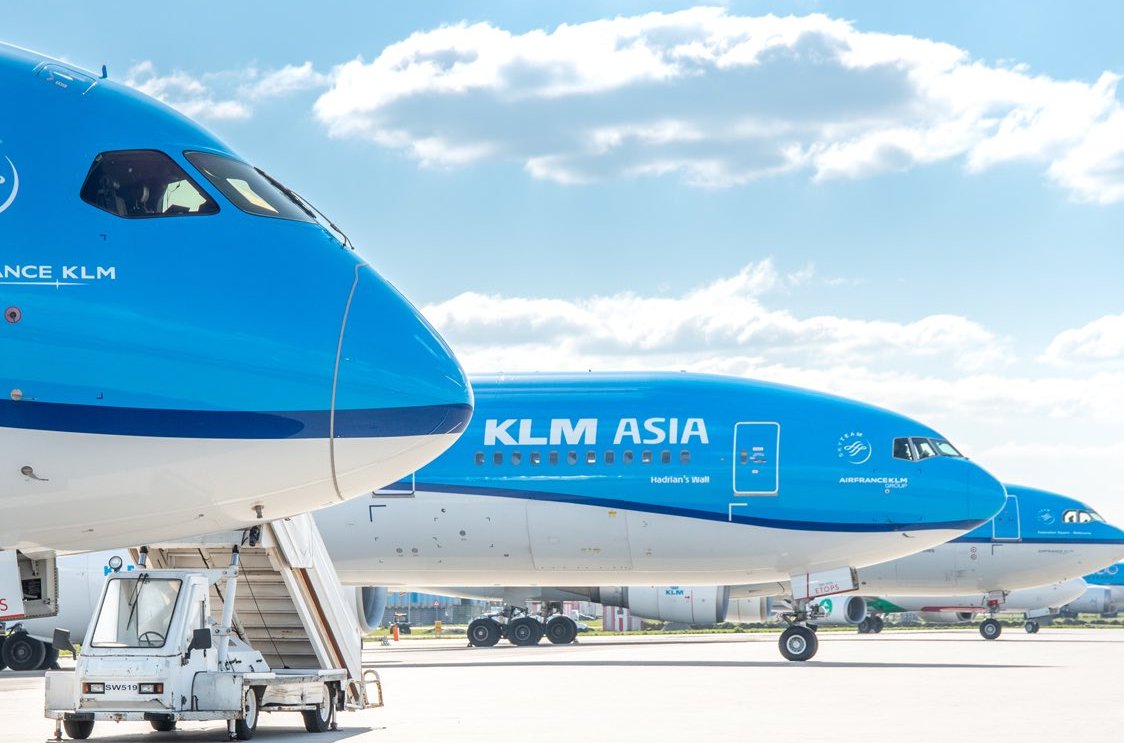
Este Domingo 23/05 arribaron al Aeropuerto Internacional de Ezeiza a las 06:15 hs, en un vuelo de la compañía KLM Royal Dutch Airlines, 204.000 dosis de AstraZeneca adquiridas por Argentina a través del mecanismo Covax. En tanto, el Lunes 24/05 por la tarde, arribarán otras 843.000 dosis de AstraZeneca provenientes de Estados Unidos que forman parte de la primera entrega del contrato suscripto por Argentina por 22.4 millones de dosis.
Aerolíneas 16th flight to Russia
New flight of Aerolíneas for Sputnik V vaccine doses
A new Aerolíneas Argentinas flight in its Airbus A330-200 has taken off at dawn on Sunday 05/23 towards Moscow in search of more doses of Sputnik V, as confirmed by CEO Pablo Ceriani, through the twitter account of he. Flight AR1060 took off this Sunday, May 23, 2021 at 02:00 am from Ezeiza International Airport and will arrive at Moscow/ Sheremetievo International Airport at 00:30 am [Moscow local time]. The return of the flight with the cargo to Argentina will arrive this Monday 05/24 at the Ezeiza Airport scheduled for 04:30 p.m.
Aerolíneas Argentinas has carried out fifteen flights to the Russian Federation in which a total of 7,033,290 doses were incorporated for application in the country. “It is good news that at the most difficult moment of this pandemic, flights continue to arrive because they translate into more people protected. The way out of this situation is to continue taking extreme care and continue with the vaccination plan”, said Pablo Ceriani.
The vaccines produced by the Gamaleya Institute are transported in thermobox type containers at a temperature of 18ºC degrees below zero and with an additional refrigeration load. The flight will be operated by Airbus 330-200 with registration LV-GIF, which was modified to function as a freighter. Additionally, five flights were made to Beijing, People’s Republic of China in which 3,659,200 of Sinopharm vaccines arrived in Argentina. In this way, in 20 completed flights, Aerolíneas Argentinas provided 10,692,490 doses of vaccines against Covid-19.
This Sunday 05/23, 204,000 doses of AstraZeneca acquired by Argentina through the Covax mechanism arrived at the Ezeiza International Airport at 06:15 am, on a KLM Royal Dutch Airlines flight. Meanwhile, on Monday 05/24 in the afternoon, another 843,000 doses of AstraZeneca will arrive from the United States that are part of the first delivery of the contract signed by Argentina for 22.4 million doses.
Attestor Capital invierte en compañía vacacional alemana
La aerolínea vacacional alemana Condor Airlines ha recibido el apoyo del Estado y ha comunicado un nuevo propietario mayoritario para hacer frente a las dificultades económicas que atraviesa la aerolínea. La compañía de gestión de activos Attestor Capital, con sede en Londres, asumirá el 51 por ciento de las acciones e invertirá fuertemente en la compañía. Attestor aportará € 450 millones de Euros de capital fresco, de los que € 250 millones de Euros se convertirán en una nueva flota de larga distancia. Se conservarán los 4.050 puestos de trabajo de la línea aérea.
La República Federal de Alemania y el Estado de Hesse quieren apoyar el nuevo comienzo renunciando a la devolución de € 150 millones de Euros del préstamo Kreditanstalt für Wiederaufbau (KfW) de € 550 millones de Euros, con el que Cóndor ha estado hasta ahora en el aire. Al igual que las cuestiones relativas al Derecho de la Competencia, esto está sujeto a la aprobación de la Unión Europea (UE).
Cóndor Airlines con una trayectoria de 65 años, había atravesado dificultades durante varios períodos, después de la bancarrota de su antigua empresa asociada Thomas Cook en 2019 y la posterior agitación de la aerolínea en la crisis actual sanitaria. Después de la retirada del inversor polaco PGL, Cóndor fue reestructurado exhaustivamente en 2020 en un proceso de escudo protector extendido. Después de salir de la bancarrota en diciembre, el propietario era una compañía fiduciario que prometió todas sus acciones a la estatal KfW, que inicialmente seguirá siendo accionista minoritario de Cóndor con el 49 por ciento. Attestor Capital también tiene la intención de hacerse cargo de estas acciones.
Cóndor fue reconstruido bajo el paraguas protector y redujo los costos. El número de empleados se redujo en alrededor de 8.000 a 4050 actuales. La flota de Cóndor consistió por última vez en unos 50 aviones. La flota de larga distancia envejecida debe renovarse lo antes posible. Con el capital anunciado de € 250 millones de Euros, se podrían financiar aviones por valor de unos € 1.000 millones de Euros. La compañía ha trasladado su sede desde el Aeropuerto de Frankfurt a una propiedad más asequible en la cercana Neu-Isenburg y tiene la intención de ofrecer un programa de vuelos más extenso de nuevo este verano.
Condor Airlines receives capitalization
Attestor Capital invests in German vacation company
The German vacation airline Condor Airlines has received the support of the State and has communicated a new majority owner to face the economic difficulties that the airline is going through. London-based asset management company Attestor Capital will take 51 percent of the shares and invest heavily in the company. Attestor will contribute € 450 million of fresh capital, of which € 250 million will be converted into a new long-haul fleet. The 4,050 jobs of the airline will be preserved.
The Federal Republic of Germany and the State of Hesse want to support the new beginning by waiving the repayment of € 150 million Euros of the Kreditanstalt für Wiederaufbau (KfW) loan of € 550 million Euros, with which Cóndor has so far been in the air. Like competition law issues, this is subject to the approval of the European Union (EU).
Condor Airlines, with a history of 65 years, had experienced difficulties for several periods, after the bankruptcy of its former associate company Thomas Cook in 2019 and the subsequent upheaval of the airline in the current health crisis. After the withdrawal of the Polish investor PGL, Cóndor was extensively restructured in 2020 in an extended protective shield process. After emerging from bankruptcy in December, the owner was a trust company that pledged all its shares to state-owned KfW, which will initially remain a minority shareholder of Cóndor with 49 percent. Attestor Capital also intends to take over these shares.
Condor was rebuilt under the protective umbrella and reduced costs. The number of employees was reduced from around 8,000 to 4050 today. Cóndor’s fleet last consisted of about 50 aircraft. The aging long-distance fleet must be renewed as soon as possible. With the announced capital of € 250 million Euros, aircraft worth around € 1 billion could be financed. The company has moved its headquarters from Frankfurt Airport to a more affordable property in nearby Neu-Isenburg and intends to offer a more extensive flight program again this summer.
Condor Airlines erhält kapitalisierung
Attestor Capital investiert in ein deutsches Ferienunternehmen
Die deutsche Urlaubsfluggesellschaft Condor Airlines hat die Unterstützung des Staates erhalten und einen neuen Mehrheitseigner über die wirtschaftlichen Schwierigkeiten der Fluggesellschaft informiert. Die in London ansässige Vermögensverwaltungsgesellschaft Attestor Capital wird 51 Prozent der Anteile übernehmen und stark in das Unternehmen investieren. Attestor wird 450 Millionen Euro an frischem Kapital einbringen, von denen 250 Millionen Euro in eine neue Langstreckenflotte umgewandelt werden. Die 4.050 Arbeitsplätze der Fluggesellschaft bleiben erhalten.
Die Bundesrepublik Deutschland und das Land Hessen wollen den Neuanfang unterstützen, indem sie auf die Rückzahlung des Darlehens der Kreditanstalt für Wiederaufbau (KfW) in Höhe von 550 Mio. Euro verzichten, mit dem Cóndor bisher in der Luft war. Dies bedarf ebenso wie wettbewerbsrechtliche Fragen der Zustimmung der Europäischen Union (EU).
Condor Airlines, mit einer 65-jährigen Geschichte, hatte nach dem Konkurs seines ehemaligen assoziierten Unternehmens Thomas Cook im Jahr 2019 und dem anschließenden Umbruch der Fluggesellschaft in der aktuellen Gesundheitskrise mehrere Zeiträume lang Schwierigkeiten gehabt. Nach dem Rückzug des polnischen Investors PGL wurde Cóndor im Jahr 2020 in einem erweiterten Schutzschildverfahren umfassend umstrukturiert. Nach dem Konkurs im Dezember war der Eigentümer eine Treuhandgesellschaft, die alle ihre Anteile an die staatliche KfW verpfändete, die zunächst mit 49 Prozent Minderheitsaktionär von Cóndor bleiben wird. Attestor Capital beabsichtigt auch, diese Aktien zu übernehmen.
Condor wurde unter dem Schutzschirm wieder aufgebaut und die Kosten gesenkt. Die Zahl der Mitarbeiter wurde heute von rund 8.000 auf 4050 reduziert. Cóndors Flotte bestand zuletzt aus etwa 50 Flugzeugen. Die alternde Langstreckenflotte muss so schnell wie möglich erneuert werden. Mit dem angekündigten Kapital von 250 Millionen Euro könnten Flugzeuge im Wert von rund 1 Milliarde Euro finanziert werden. Das Unternehmen hat seinen Hauptsitz vom Frankfurter Flughafen in ein günstigeres Objekt im nahe gelegenen Neu-Isenburg verlegt und beabsichtigt, auch in diesem Sommer ein umfangreicheres Flugprogramm anzubieten.
El Tribunal de la Corte Superior de Justicia de Ontario, Canadá, ha dictaminado este Jueves 20/05 que la Guardia Revolucionaria de Irán derribó de forma intencionada el vuelo PS-752 de Ukraine International Airlines (UIA) poco después de despegar del aeropuerto internacional de Teherán el 8 de enero de 2020, lo que provocó la muerte a sus 176 ocupantes. «Los ataques con misiles al vuelo PS-752 fueron intencionados y directamente causaron la muerte a todos los ocupantes», señaló el Juez Edward Belobaba en su sentencia de la Corte Superior de Justicia de Ontario, Canadá.
El Juez considera que en aquel momento no había un conflicto armado en la región por lo que el derribo del avión Boeing 737-800 fue una actividad terrorista y que, bajo la legislación canadiense, los familiares de las víctimas deben ser indemnizados. El total personas fallecidas a bordo corresponden 176 ocupantes,: canadienses (55), iraníes (82), ucranianos (11), de los cuales pilotos (2) y tripulantes (9), suecos (10), afganos (4), alemanes (3) y británicos (3). Además de los 55 ciudadanos canadienses, treinta de los ocupantes del avión eran residentes permanentes de Canadá.
Desde el principio, Canadá presionó a la República Islámica de Irán para que el accidente fuese investigado por otros países, ya que inicialmente Teherán dijo que el vuelo PS-752 se estrelló tras sufrir un problema mecánico. Fue el Primer Ministro de Canadá, Justin Trudeau, el primer gobernante que declaró un día después del accidente que los servicios de inteligencia del país estaban seguros de que el avión de Ukraine International Airlines había sido derribado por un misil iraní. Irán ha calificado el derribo como un accidente que se produjo poco después de que las fuerzas armadas iraníes lanzasen decenas de misiles contra dos bases en Irak utilizadas por Estados Unidos en represalia por el asesinato en Bagdad del general iraní Qasem Soleimani. Canadá solicitó la intervención de la Organización de la Aviación Civil Internacional (OACI) ante la reticencia de Irán a proporcionar las cajas negras del vuelo, que fueron finalmente analizadas por expertos internacionales en Francia. Uno de los abogados de la acusación, Mark Arnold, señaló en un comunicado que «la decisión del juez del Tribunal Superior no tiene precedente en Canadá. Es significante por el impacto que tendrá en los miembros de las familias que buscan justicia». Canadá señaló la semana pasada que empezará negociaciones con Irán para compensar a las familias de las víctimas.
Canada declares intentional takedown PS752
Canadian court indicts Tehran intentional shootdown PS752
The Court of the Superior Court of Justice of Ontario, Canada, has ruled this Thursday 20/05 that the Revolutionary Guard of Iran intentionally shot down the flight PS-752 of Ukraine International Airlines (UIA) shortly after taking off from the international airport of Tehran on January 8, 2020, killing its 176 occupants. «The attacks with missiles to the PS-752 flight were intentional and directly caused the death of all the occupants», said Judge Edward Belobaba in his judgment of the Superior Court of Justice of Ontario, Canada.
The judge considers that at that time there was no armed conflict in the region, so the downing of the Boeing 737-800 aircraft was a terrorist activity and that, under Canadian law, the families of the victims should be compensated. 176 occupants died on board: Canadians (55), Iranians (82), Ukrainians (11), of which pilots (2) and crew (9), Swedes (10), Afghans (4), Germans (3) and British (3). In addition to the 55 Canadian citizens, thirty of the plane’s occupants were permanent residents of Canada.
From the beginning, Canada pressured the Islamic Republic of Iran to have the accident investigated by other countries, as Tehran initially said that flight PS-752 crashed after suffering a mechanical problem. It was the Prime Minister of Canada, Justin Trudeau, the first president to declare a day after the accident that the country’s intelligence services were sure that the Ukraine International Airlines plane had been shot down by an Iranian missile. Iran has called the shootdown an accident that occurred shortly after the Iranian armed forces fired dozens of missiles at two bases in Iraq used by the United States in retaliation for the Baghdad assassination of Iranian General Qasem Soleimani. Canada requested the intervention of the International Civil Aviation Organization (ICAO) due to Iran’s reluctance to provide the flight black boxes, which were finally analyzed by international experts in France. One of the prosecution attorneys, Mark Arnold, said in a statement that «the Superior Court judge’s decision is unprecedented in Canada. It is significant for the impact it will have on family members seeking justice.» Canada said last week that it will begin negotiations with Iran to compensate the families of the victims.
AW | 2021 05 21 13:50 | AVIATION / AIRLINES MARKET / GOVERNMENT
Rebelión aéreas por prohibición vuelos radio corto
Las aerolíneas españolas han pegado el grito en el cielo al rechazar el “Plan Sánchez 2050” por vetar vuelos de corto radio de acción. El Gobierno de España quiere prohibir aquellos trayectos aéreos que puedan ser realizados en tren en menos de dos horas y media.
La reacción de repudio al plan ha provocado el rechazo rotundo de la Asociación de Líneas Aéreas (ALA) expresando que la propuesta del Gobierno de vetar los vuelos de corto radio en España va en contra de la lógica del transporte público. La propuesta de Gobierno español contempla prohibir los vuelos de aquellos trayectos que puedan hacerse en tren con una duración menor a dos horas y media. El informe del Plan 2050 se encuentra basado en que gobiernos europeos como los de Francia o Países Bajos planean prohibir los vuelos comerciales domésticos para aquellos trayectos que la alternativa ferroviaria cubra en menos de dos horas y media para reducir de esta manera dos millones de toneladas de emisiones para 2050. Además plantea encarecer el precio de los billetes de avión con tasas, sobre todo para pasajeros frecuentes, y establecer impuestos sobre los billetes de avión según la cercanía del destino.
Las aerolíneas expresan que los vuelos de corto radio suelen ser conexiones de trayectos más largos e internacionales, por lo que esta medida afectaría a los nexos entre vuelos a terceros países y provocaría el desplazamiento de viajeros a trasladarse a otros países. Paralelamente, las compañías aéreas defienden que el avión es una forma de transporte sostenible y que, además, se están impulsando iniciativas para que las aeronaves utilicen combustibles sostenibles. Datos previos a la pandemia señalan que las rutas de corto radio apenas suponen un 1% de las emisiones aéreas en España. Según el estudio, un 1% del impuesto sobre el combustible, que pagarían las compañías aéreas, produciría una pérdida económica al sector de € 27 millones de Euros y más de 1.000 empleos. Un impuesto al pasajero, que se aplicaría directamente sobre el precio del billete aéreo, generaría un impacto aún mayor. Con un 1%, el incremento del precio del viaje sería del 0,12%, con una caída de la demanda también del 0,12%. Con 84.000 turistas menos, la pérdida económica para el sector sería de 92 millones de euros y 3.370 empleos.
Plan 2050
El 28 de Noviembre de 2018, la Comisión Europea presentó su visión estratégica a largo plazo para una economía próspera, moderna, competitiva y neutra desde el punto de vista del clima hacia el 2050. La estrategia muestra cómo Europa puede liderar el camino hacia la neutralidad climática mediante la inversión en soluciones tecnológicas realistas, la capacitación de los ciudadanos y la armonización de la acción en ámbitos clave como la política industrial, la financiación o la investigación, garantizando al mismo tiempo la justicia social para una transición justa. A raíz de las invitaciones formuladas por el Parlamento Europeo y el Consejo Europeo, la visión de la Comisión para un futuro climáticamente neutro abarca prácticamente todas las políticas de la UE y está en consonancia con el objetivo del Acuerdo de París de mantener el aumento de la temperatura global muy por debajo de 2 °C y de proseguir los esfuerzos para mantenerlo en 1,5 °C.
Perspectivas aviación 2050
Como parte de las iniciativas europeas del Plan 2050 por parte de los gobiernos de Europa, las estrategias de las empresas y gobiernos no están dando los mismos resultados en los diferentes países como se podría esperar. Los intereses justos de la dirigencia de las aerolíneas se contrapondría con los impactos sociales que generaría una aplicación de principios ecológicos basados en la reducción sistemática del carbono.
Spanish airlines against Plan 2050
Air traffic ban for short radius flights
Spanish airlines have raised a cry in the sky by rejecting the “Plan Sánchez 2050” for vetoing short-range flights. The Government of Spain wants to prohibit those air journeys that can be made by train in less than two and a half hours.
The reaction of repudiation of the plan has provoked the resounding rejection of the Air Lines Association (ALA), stating that the Government’s proposal to veto short-haul flights in Spain goes against the logic of public transport. The Spanish Government’s proposal contemplates prohibiting flights on those routes that can be made by train with a duration of less than two and a half hours. The report of the 2050 Plan is based on the fact that European governments such as those of France or the Netherlands plan to prohibit domestic commercial flights for those routes that the rail alternative covers in less than two and a half hours to reduce in this way two million tons of emissions for 2050. It also proposes to increase the price of airline tickets with taxes, especially for frequent passengers, and to establish taxes on airline tickets according to the proximity of the destination.
The airlines state that short-haul flights tend to be connections for longer and international routes, so this measure would affect the links between flights to third countries and would cause the displacement of travelers to move to other countries. At the same time, airlines defend that the plane is a sustainable form of transport and that, in addition, initiatives are being promoted so that aircraft use sustainable fuels. Data prior to the pandemic indicate that short-haul routes barely account for 1% of air emissions in Spain. According to the study, a 1% tax on fuel, which would be paid by airlines, would produce an economic loss to the sector of € 27 million euros and more than 1,000 jobs. A passenger tax, which would be applied directly to the price of the air ticket, would generate an even greater impact. With 1%, the increase in the price of the trip would be 0.12%, with a fall in demand also of 0.12%. With 84,000 fewer tourists, the economic loss for the sector would be 92 million euros and 3,370 jobs.
Plan 2050
On November 28, 2018, the European Commission presented its long-term strategic vision for a prosperous, modern, competitive and climate-neutral economy by 2050. The strategy shows how Europe can lead the way towards neutrality climate by investing in realistic technological solutions, empowering citizens and harmonizing action in key areas such as industrial policy, finance or research, while ensuring social justice for a just transition. Following the invitations issued by the European Parliament and the European Council, the Commission’s vision for a climate-neutral future encompasses virtually all EU policies and is in line with the objective of the Paris Agreement to keep rising global temperature well below 2° C and to continue efforts to keep it at 1.5° C.
Aviation perspective 2050
As part of the European initiatives of the 2050 Plan by the governments of Europe, the strategies of companies and governments are not giving the same results in different countries as might be expected. The just interests of the airline leadership would be at odds with the social impacts that an application of ecological principles based on the systematic reduction of carbon would generate.
Aerolíneas solicitan Gobierno Canadá reabra fronteras
Las líneas aéreas de Canadá solicitaron al Gobierno que se adopte una estrategia basada en la ciencia para permitir la reapertura de fronteras y por lo tanto el regreso de los vuelos a este país y permitir la recuperación económica de la industria aérea. Mike McNaney, miembro del Consejo Nacional de Aerolíneas de Canadá, señaló que el país debería seguir el ejemplo de la Unión Europea, que recientemente anunció un plan de reapertura de fronteras para permitir la entrada de viajeros vacunados a las 27 naciones que conforman el bloque. Asimismo, Mike McNaney señaló que el Gobierno de Canadá debería desarrollar un plan similar, basándose en lo que dice la ciencia y que debería anunciar cuándo piensa ajustar o eliminar las restricciones de viaje para las personas que ya recibieron inoculación contra el covid-19, siguiendo los pasos de otros países a nivel mundial.
Actualmente, las aerolíneas canadienses están operando al mínimo, e incluso algunas no lo están haciendo como es el caso de Air Transat, debido a las severas restricciones gubernamentales en el país que limitan la movilidad. Recientemente, los países del G7, incluido Canadá, acordaron que la reactivación de los vuelos internacionales tras la pandemia requerirá de un trabajo coordinado en la realización de pruebas de detección de Covid-19 y reconocimiento de los pasajeros que han sido vacunados, señaló el Ministerio de Transporte de Canadá, a cargo de Omar Alghabra.
Airlines request reopening Canada
Airlines request Canadian government to reopen borders
The Canadian airlines asked the Government to adopt a strategy based on science to allow the reopening of borders and therefore the return of flights to this country and allow the economic recovery of the airline industry. Mike McNaney, a member of the National Airline Council of Canada, said the country should follow the example of the European Union, which recently announced a plan to reopen borders to allow the entry of vaccinated travelers to the 27 nations that make up the bloc. Likewise, Mike McNaney pointed out that the Government of Canada should develop a similar plan, based on what the science says, and that it should announce when it intends to adjust or eliminate travel restrictions for people who have already received inoculation against COVID-19, following the steps of other countries worldwide.
Currently, Canadian airlines are operating at a minimum, and even some are not doing so as is the case with Air Transat, due to severe government restrictions in the country that limit mobility. Recently, the G7 countries, including Canada, agreed that the reactivation of international flights after the pandemic will require coordinated work in conducting covid-19 detection tests and recognition of passengers who have been vaccinated, the Ministry said. of Transport of Canada, in charge of Omar Alghabra.
Aériennes demandent la réouverture du Canada
Compagnies demandent au gouvernement rouvrir les frontières
Les compagnies aériennes canadiennes ont demandé au Gouvernement d’adopter une stratégie basée sur la science pour permettre la réouverture des frontières et donc le retour des vols vers ce pays et permettre la reprise économique de l’industrie du transport aérien. Mike McNaney, membre du Conseil national des compagnies aériennes du Canada, a déclaré que le pays devrait suivre l’exemple de l’Union européenne, qui a récemment annoncé un plan de réouverture des frontières pour permettre l’entrée de voyageurs vaccinés dans les 27 pays qui composent le bloc. De même, Mike McNaney a souligné que le gouvernement du Canada devrait élaborer un plan similaire, basé sur ce que dit la science, et qu’il devrait annoncer quand il a l’intention d’ajuster ou d’éliminer les restrictions de voyage pour les personnes qui ont déjà reçu une vaccination contre le COVID-19, en suivant les étapes d’autres pays du monde.
À l’heure actuelle, les compagnies aériennes canadiennes opèrent au minimum, et même certaines ne le font pas comme c’est le cas avec Air Transat, en raison des restrictions gouvernementales sévères dans le pays qui limitent la mobilité. Récemment, les pays du G7, y compris le Canada, ont convenu que la réactivation des vols internationaux après la pandémie nécessitera un travail coordonné dans la conduite de tests de détection de Covid-19 et la reconnaissance des passagers qui ont été vaccinés, a déclaré le ministère des Transports du Canada, responsable d’Omar Alghabra.
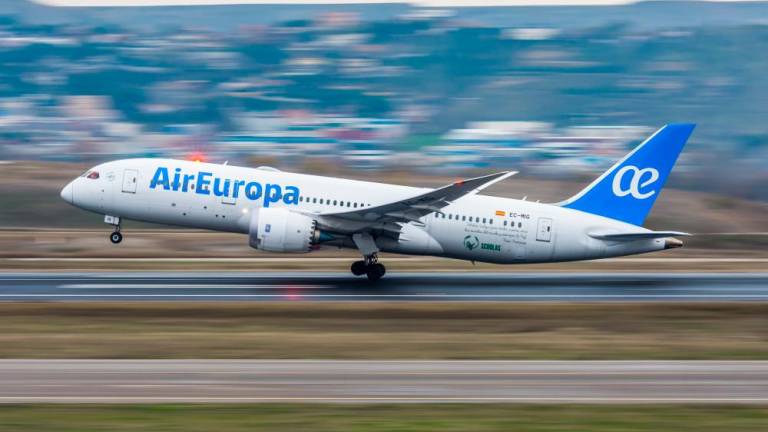
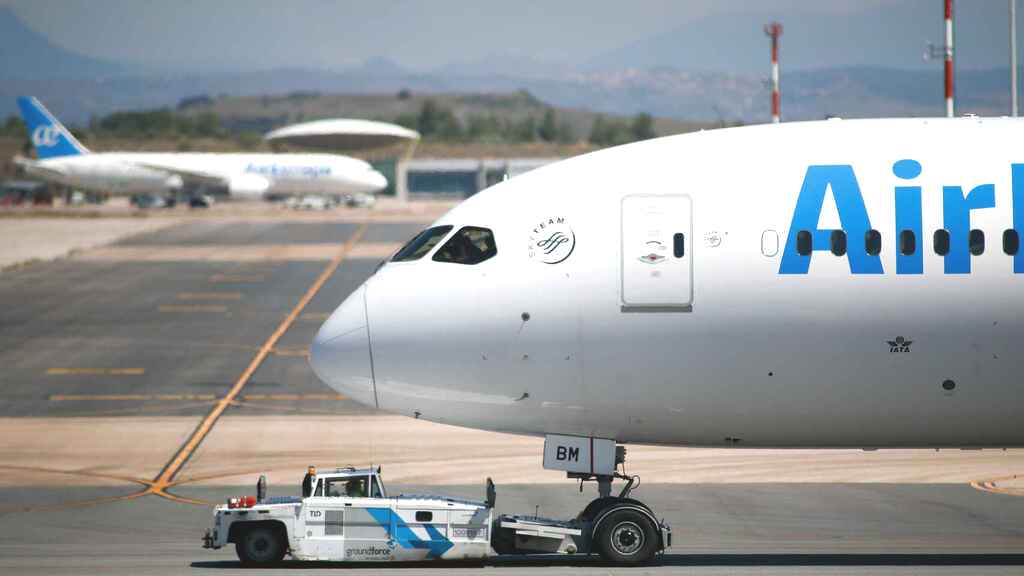
Iberia Líneas Aéreas ha anunciado que el proceso de adquisición de la aerolínea Air Europa continúa en su proceso final. El Presidente y CEO de Iberia, Javier Sánchez Prieto, ha detallado en el marco de la feria de turismo FITUR 2021 el estado actual de los dos procesos abiertos para completar la adquisición de Air Europa, sujeta aún a la aprobación de la Dirección General de la Competencia de la Unión Europea y al acuerdo con el Gobierno de España con motivo del rescate concedido a la aerolínea del Grupo Globalia.
Procesos de adquisición
Respecto a los procesos ante la Dirección de Competencia de la EU explican desde Iberia que “seguimos con el diálogo constante, proponiendo medidas que puedan acortar los plazos”. Ahí entra los acuerdos suscritos con World2Meet para rutas de largo recorrido y Volotea Airlines con rutas domésticas y regionales, con los que busca allanar el camino mediante la cesión de rutas y slots a ambas aerolíneas. Respecto a las conversaciones con el Gobierno de España, Sánchez Prieto afirma que “existe un muy buen nivel de entendimiento con todos los organismos involucrados, los cuales son conscientes de la importancia de la operación para España. Debería ser relativamente fácil encontrar una solución”.
Respecto a una posible reestructuración y ajustes en el proceso de adquisición de compra, la dirección de Iberia han remarcado la necesidad de complementar. “Air Europa tiene más de 40 aviones y nosotros un centenar. A ver si somos capaces de sumar en el futuro entre los dos 160 o 170. A corto plazo es importante mantener la independencia de las dos compañías hasta que el tráfico y la demanda se recupere”.
Iberia is about to buy Air Europa
Iberia finalizing Air Europa acquisition process
Iberia Líneas Aéreas has announced that the process of acquiring the airline Air Europa continues in its final process. The President and CEO of Iberia, Javier Sánchez Prieto, has detailed in the framework of the FITUR 2021 tourism fair the current status of the two open processes to complete the acquisition of Air Europa, still subject to the approval of the General Directorate of the Competence of the European Union and the agreement with the Government of Spain on the occasion of the rescue granted to the Globalia Group airline.
Acquisition processes
Regarding the processes before the EU Competition Directorate, they explain from Iberia that «we continue with constant dialogue, proposing measures that can shorten deadlines». This is where the agreements signed with World2Meet for long-haul routes and Volotea Airlines with domestic and regional routes enter, with which it seeks to pave the way by assigning routes and slots to both airlines. Regarding the conversations with the Government of Spain, Sánchez Prieto affirms that “there is a very good level of understanding with all the organizations involved, which are aware of the importance of the operation for Spain. It should be relatively easy to find a solution”.
Regarding a possible restructuring and adjustments in the purchase acquisition process, Iberia’s management has highlighted the need to complement. “Air Europa has more than 40 planes and we have a hundred. Let’s see if we are able to add between the two 160 or 170 in the future. In the short term it is important to maintain the independence of the two companies until traffic and demand recover”.
Aerolíneas Argentinas ha anunciado la partida de dos vuelos adicionales hacia la Federación Rusia en busca de más dosis de Sputnik V. Además, Argentina aguarda por los lotes de las vacunas producidas por el país en sociedad con México para la próxima semana.
Aerolíneas Argentinas ha programado otros dos vuelos entre el Domingo 23/05 y el Martes 25/05 que tendrán como objetivo traer nuevos cargamentos de vacunas rusas Sputnik V. Ambas vuelos partirán desde el Aeropuerto Internacional Ezeiza hacia el Aeropuerto Internacional Moscú/Sheremétievo después de que el Gobierno de Argentina recibiera el la notificación de nuevas dosis desde el Instituto Gamaleya. El comunicado del Ministerio de Salud de la Nación no han informado la cantidad de vacunas que llegarían en estos nuevos envíos, se espera un número superior al que arribado en los últimos vuelos.
En tanto, el Gobierno argentino aguarda la llegada de las vacunas de AstraZeneca, producidas por Argentina y envasadas en México, que habían quedado retenidas por Estados Unidos. Los lotes correspondientes fueron entregados para su revisión a la Comisión Federal para la Protección contra Riesgos Sanitarios y estarán finalizados para el 24 o 25 de Mayo de 2021. Parte de esos lotes serán entregados a nuestro país, luego de recibir el aval y la autorización final por parte de AstraZeneca. Este es el resultado de un convenio impulsado por la Fundación Slim para que los gobiernos de México y Argentina produjeran la vacuna desarrollada por la universidad de Oxford y la farmacéutica AstraZeneca de manera local. Los acuerdos se firmaron en Agosto 2020 y tienen como propósito producir de 150 a 250 millones de dosis para toda América Latina. Del total producido, México se queda con el 55% de las vacunas. El país contará para Junio con 40 millones de dosis y durante ese mes se recibirán entre 25 y 30 millones más, por lo que para octubre gran parte de la población adulta del país estará inmunizada.
De acuerdo con el Plan Estratégico Nacional para la Vacunación contra el COVID-19, el Gobierno Nacional comenzó la distribución de 494.400 dosis del componente 1 de Sputnik V en todo el país. En ese contexto, esas dosis permiten vacunar con una dosis a todos los mayores de 60 años que se hayan inscripto en las distintas jurisdicciones y continuar avanzando con la vacunación a las personas entre 18 a 59 años con condiciones de riesgo.
Government plus Sputnik-V dose
Aerolíneas schedule more flights to Russia per dose
Aerolíneas Argentinas has announced the departure of two additional flights to the Russian Federation in search of more doses of Sputnik V. Furthermore, Argentina awaits the batches of vaccines produced by the country in partnership with Mexico for next week.
Aerolíneas Argentinas has scheduled two other flights between Sunday 05/23 and Tuesday 05/25 that will aim to bring new shipments of Russian Sputnik V vaccines. Both flights will depart from Ezeiza International Airport to Moscow/Sheremétievo International Airport after the Government of Argentina received the notification of new doses from the Gamaleya Institute. The statement of the Ministry of Health of the Nation has not reported the amount of vaccines that would arrive in these new shipments, a higher number is expected than the one that arrived in the last flights.
Meanwhile, the Argentine Government awaits the arrival of AstraZeneca vaccines, produced by Argentina and packaged in Mexico, which had been withheld by the United States. The corresponding batches were delivered for review to the Federal Commission for the Protection against Sanitary Risks and will be completed by May 24 or 25, 2021. Part of those batches will be delivered to our country, after receiving the endorsement and final authorization. by AstraZeneca. This is the result of an agreement promoted by the Slim Foundation for the governments of Mexico and Argentina to produce the vaccine developed by the University of Oxford and the pharmaceutical company AstraZeneca locally. The agreements were signed in August 2020 and are intended to produce 150 to 250 million doses for all of Latin America. Of the total produced, Mexico keeps 55% of the vaccines. The country will have 40 million doses by June and during that month between 25 and 30 million more will be received, so that by October a large part of the country’s adult population will be immunized.
In accordance with the National Strategic Plan for Vaccination against COVID-19, the National Government began the distribution of 494,400 doses of component 1 of Sputnik V throughout the country. In this context, these doses allow to vaccinate with a dose to all those older than 60 years who have registered in the different jurisdictions and to continue advancing with the vaccination of people between 18 and 59 years of age with risk conditions.
Justicia europea pide a Bruselas que justifique ayudas a TAP y KLM
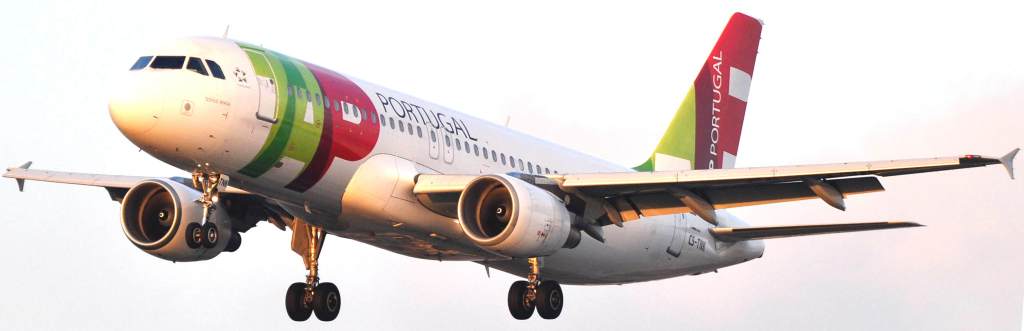
La Justicia de la Unión Europea ha solicitado este Miércoles, 19 de Mayo de 2021 a la Comisión Europea (CE) que justifique la autorización que otorgó a las ayudas estatales que recibieron las líneas aéreas TAP Air Portugal y KLM Royal Duth Airlines, cuestionadas por la compañía de presupuesto irlandesa Ryanair que ha presentado un reclamo ante la Justicia. En dos fallos por separado, el Tribunal General de la UE consideró insuficiente la justificación de la Comisión a esas ayudas, que de acuerdo con Ryanair distorsionan la competencia en el sector aeronáutico de bajo costo. Así, el Tribunal formalmente anuló las autorizaciones de Bruselas a esas ayudas excepcionales, pero dejó en suspenso la decisión y otorgó a la Comisión dos meses para adoptar una nueva determinación. En una tercera sentencia, la Justicia europea convalidó este Miércoles 19/05 las medidas de ayudas españolas a empresas estratégicas en el país, consistentes en recapitalizaciones por valores totales de hasta € 10.000 millones de Euros. Estas medidas también fueron demandadas por Ryanair.
Para la aerolínea de presupuesto irlandesa Ryanair, la postura del Tribunal de Justicia sobre las aerolíneas TAP Air Portugal y KLM Airlines ha representado una victoria simbólica en los Tribunales, aún sin beneficio concreto inmediato. «KLM ha tomado nota de la decisión del Tribunal de Primera Instancia Europeo y la estudiará. La decisión del Tribunal no tiene actualmente consecuencias para KLM y las ayudas de las que KLM se ha beneficiado», expresó el comunicado difundido por la aerolínea holandesa. El Primer Ministro de Portugal, Antonio Costa expresó: «Por el momento, no hay consecuencias para nosotros», explicando que la justicia europea simplemente había decidido buscar información adicional de la Comisión Europea.
El Tribunal General de la UE en Febrero 2021 desestimó los recursos de la aerolínea irlandesa contra las ayudas a Air France y SAS. Luego, confirmó a mediados de Abril 2021 la legalidad de las ayudas a las aerolíneas Finnair y SAS Airlines, impugnadas por Ryanair. Ryanair estima en € 30.000 millones de Euros las ayudas estatales totales a las aerolíneas que fueron aprobadas por Bruselas desde el inicio de la pandemia, incluidos € 14.400 millones para Air France-KLM y € 11.000 millones para Lufthansa German Airlines. Por su parte, la Comisión Europea ha indicado que toma nota de los fallos y que los estudiará y reflexionará sobre los próximos pasos.
Justice demands EU aid to TAP/KLM
European justice asks Brussels to justify state aid to TAP and KLM
The Justice of the European Union has requested this Wednesday, May 19, 2021 to the European Commission (EC) to justify the authorization it granted to the state aid received by the airlines TAP Air Portugal and KLM Royal Duth Airlines, questioned by the Irish budget company Ryanair that has lodged a claim with the Courts. In two separate rulings, the General Court of the EU found the Commission’s justification for such aid insufficient, which according to Ryanair distorts competition in the low-cost aeronautical sector. Thus, the Court formally annulled the Brussels authorizations for these exceptional aid, but suspended the decision and gave the Commission two months to make a new determination. In a third ruling, the European Justice validated this Wednesday 05/19 the measures of Spanish aid to strategic companies in the country, consisting of recapitalizations for total amounts of up to € 10,000 million. These measures were also demanded by Ryanair.
For the Irish budget airline Ryanair, the position of the Court of Justice on the airlines TAP Air Portugal and KLM Airlines has represented a symbolic victory in the Courts, still without immediate concrete benefit. «KLM has taken note of the decision of the European Court of First Instance and will study it. The decision of the Court does not currently have consequences for KLM and the aid from which KLM has benefited,» said the statement released by the Dutch airline. The Prime Minister of Portugal, Antonio Costa, said: «At the moment, there are no consequences for us», explaining that the European justice had simply decided to seek additional information from the European Commission.
The General Court of the EU in February 2021 dismissed the Irish airline’s appeals against aid to Air France and SAS. Then, in mid-April 2021, it confirmed the legality of the aid to Finnair and SAS Airlines, challenged by Ryanair. Ryanair estimates the total state aid to airlines that was approved by Brussels since the start of the pandemic at € 30 billion euros, including € 14.4 billion for Air France-KLM and € 11 billion for Lufthansa German Airlines. For its part, the European Commission has indicated that it takes note of the failures and that it will study them and reflect on the next steps.
AW | 2021 05 19 14:33 | AIRLINES / AVIATION ORGANISMS / GOVERNMENT
Reunión de aeronáuticos por agenda pendiente
Los gremios aeronáuticos de la República Argentina, la Asociación del Personal Aeronáutico (APA), la Asociación de Pilotos de Líneas Aéreas de Argentina (APLA), la Asociación del Personal Técnico Aeronáutico (APTA) y la Unión del Personal Superior y Profesional de Empresas Aerocomerciales (UPSA) se reunieron este Martes 18/05 con el nuevo Ministro de Transporte Alexis Guerrera, para traer a la agenda temas pendientes bajo la administración del Gobierno anterior referentes al restablecimiento de los pisos tarifarios en las aerolíneas, la eliminación del interchange, la recomposición salarial, el proceso de vacunación del personal aeronáutico por la pandemia actual y la actual situación de los ex-empleados de las aerolíneas extintas en el país.
Los gremios aeronáuticos han solicitado una recomposición salarial de los empleados nucleados, insistiendo por las paritarias de Aerolíneas Argentinas e Intercargo, después de ser rechazadas las propuestas semanas pasadas. un acuerdo acerca de este ítem continuará en la agenda por el poco avance manifestado.
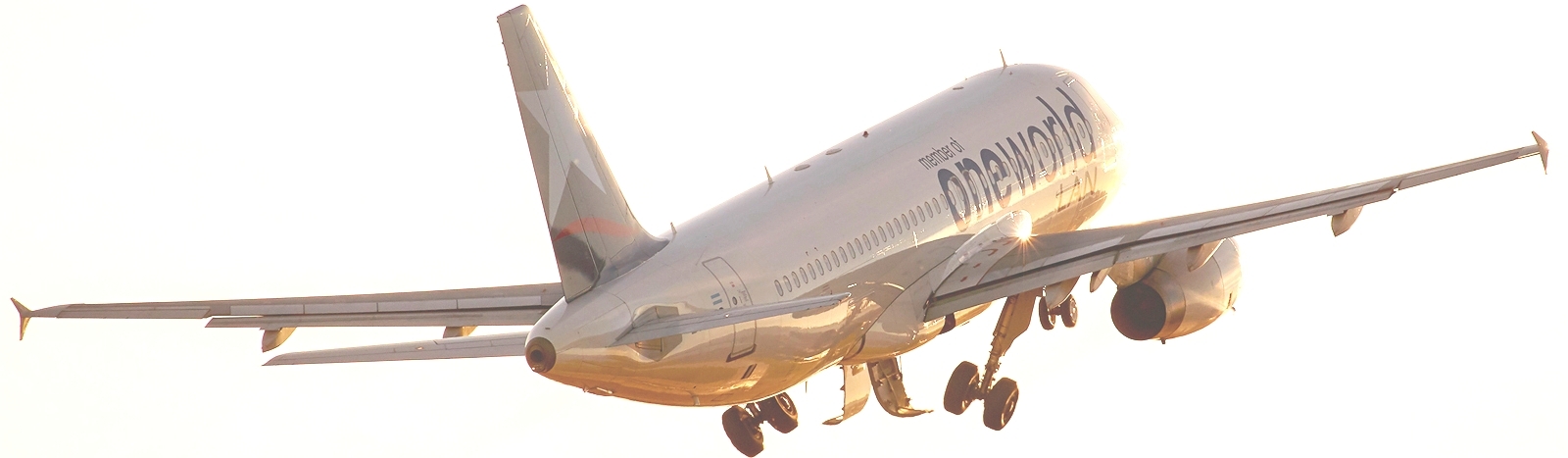
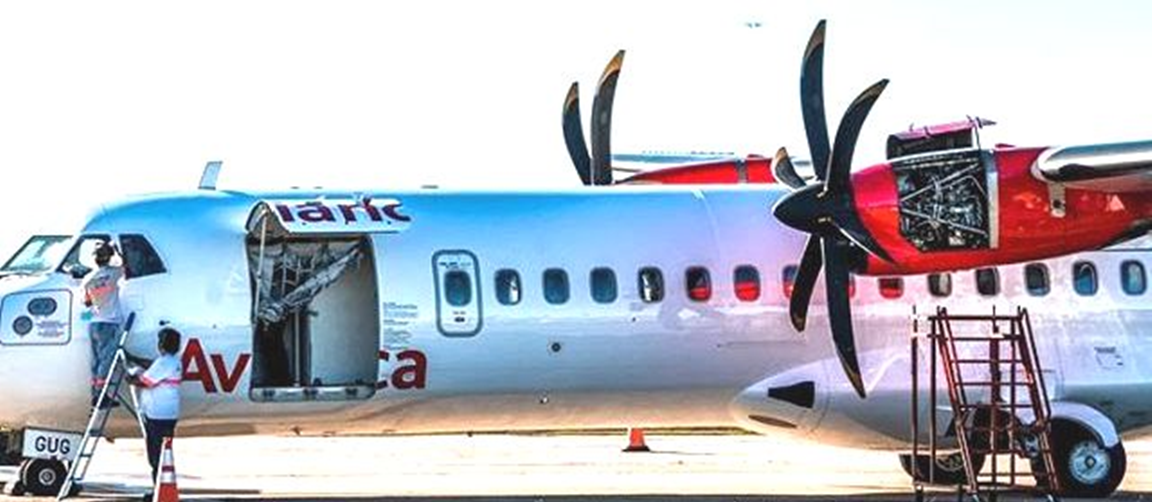
La agenda de la reunión ha remarcado la situación de los ex-empleados de Avian Líneas Aéreas, Flyest Líneas Aéreas, Latam Airlines Argentina y la actual situación inoperativa de Andes Líneas Aéreas. atendiendo el caso de Avian Líneas Aéreas, la situación de la compañía continúa en stand-by, con algunos rumores de restablecer las operaciones aerocomerciales con dos aeronaves ATR 72-600 que quedaron almacenados en el Aeropuerto Jorge Newbery, mientras que la situación de los empleados continúa los reclamos ante la Justicia. La compañía Flyest Líneas Aéreas había presentado el Concurso de Acreedores hacia finales de 2020 dando por terminada las operaciones de la aerolínea regional. Latam Airlines Argentina el proceso de desarme de la aerolínea ha permitido acuerdos de la mayoría de los empleados acogiéndose al retiro voluntario, mientras que una minoría continúa exigiendo su posición ante la Justicia argentina. Esta semana, Latam Airlines Group, la empresa matriz del grupo, concluía el proceso de retiro de las últimas aeronaves Airbus A320-200CEO que tenían almacenadas en el país, mientras que fueron reacondicionadas para ser entregadas a sus correspondientes lessors. La situación de Andes Líneas Aéreas continúa con un panorama incierto. Tras la reapertura de los vuelos en Noviembre 2020, la compañía salteña había comunicado que restablecería sus operaciones, pero la situación de desidia continúa prolongándose hasta la fecha.
El Ministerio de Transporte ha expresado que se encuentra al corriente de las situaciones de las líneas aéreas y mostraron signo de compromiso para evaluar los pedidos efectuados por el conjunto de los sindicatos de la aviación.
Argentine unions demand Transportation
Aeronautical meeting due to pending agenda
The aeronautical guilds of the Argentine Republic, the Aeronautical Personnel Association (APA), the Argentine Airline Pilots Association (APLA), the Aeronautical Technical Personnel Association (APTA) and the Union of Superior and Professional Personnel of Aerocomercial Companies (UPSA) met this Tuesday 05/18 with the new Minister of Transport Alexis Guerrera, to bring to the agenda pending issues under the administration of the previous Government regarding the reestablishment of tariff floors in the airlines, the elimination of the interchange, the recomposition salary, the vaccination process of aeronautical personnel due to the current pandemic and the current situation of former employees of extinct airlines in the country.
The aeronautical unions have requested a salary recomposition of the nucleated employees, insisting on the joint companies of Aerolineas Argentinas and Intercargo, after the proposals were rejected last weeks. an agreement on this item will continue on the agenda due to the little progress that has been made.
The meeting’s agenda has highlighted the situation of former employees of Avian Líneas Aéreas, Flyest Líneas Aéreas, Latam Airlines Argentina and the current inoperative situation of Andes Líneas Aéreas. In the case of Avian Lineas Aereas, the company’s situation continues on stand-by, with some rumors of reestablishing commercial air operations with two ATR 72-600 aircraft that were stored at Jorge Newbery Airport, while the situation of the employees continues the claims before the Justice. The company Flyest Líneas Aéreas had presented the Bankruptcy at the end of 2020, terminating the operations of the regional airline. Latam Airlines Argentina the process of disarmament of the airline has allowed agreements of the majority of the employees accepting voluntary retirement, while a minority continues to demand their position before the Argentine Justice. This week, Latam Airlines Group, the parent company of the group, concluded the withdrawal process of the last Airbus A320-200CEO aircraft that they had stored in the country, while they were reconditioned to be delivered to their corresponding lessors. The situation of Andes Líneas Aéreas continues with an uncertain outlook. After the reopening of the flights in November 2020, the Salta company had communicated that it would reestablish its operations, but the laziness continues to this day.
The Ministry of Transport has expressed that it is aware of the situations of the airlines and showed a sign of commitment to fulfill the orders made by all the aviation unions.