Asociación Boeing-Embraer para 2020

AW-70083705.pngAW | 2019 10 04 17:35 | INDUSTRY

Boeing-Embraer-Logo.pngLas aprobaciones para la nueva compañía Boeing Brasil Commercial proyectadas para 1Q2020

La asociación estratégica entre el gigante aeroespacial The Boeing Company y el fabricante brasileño de aviones Embraer S.A., prevista para finales de este año, estiman finalizar las aprobaciones regulatorias a comienzos de 2020 cuando los órganos reguladores de la Comisión Europea estudien los impactos de esta nueva asociación, informaron este Jueves 3 Septiembre 2019 las compañías aeroespaciales.

Boeing el mayor fabricante de aeronaves del mundo y Embraer, el tercer mayor fabricante de aviones global, señalaron que aunque el acuerdo para la creación de una empresa conjunta ya fue aprobado por la Comisión Federal de Comercio de los Estados Unidos, el anuncio de una segunda fase de revisiones por parte del regulador europeo aplaza la conclusión del negocio para principio de 2020. «Las empresas esperan que la transacción se complete a principios de 2020», aseguraron las compañías en un comunicado conjunto divulgado este Jueves.

Los accionistas de Embraer aprobaron en Febrero 2019 la construcción de una nueva asociación conformada en un Joint Venture que peermmitiría tomar el control de la división comercial a la estadounidense Boeing para la creación de una nueva empresa denominada Boeing Brasil Commercial valorada en US$ 5.260 millones de dólares. El acuerdo entre ambas compañías establece una asociación con un 80% en poder de Boeing y un 20% de las acciones en poder de Embraer de su división de aviones comerciales. The Boeing Company tendrá el control de la nueva sociedad. Tras la aprobación de los accionistas de Embraer, el acuerdo solo depende de los organismos reguladores de varios países y si bien la transacción ya fue aprobada para operar en Estados Unidos, en Europa continua bajo análisis. Según analistas, el acuerdo entre ambas empresas busca contrarrestar la asociación entre la canadiense Bombardier y el gigante aeronáutico europeo Airbus.

La creación de otra filial conjunta en un joint venture para desarrollar y comercializar el avión brasileño de carga militar KC-390, a través de una segunda compañía dedicada a la promoción y desarrollo de nuevos mercados en el área de defensa, también fue destacada en el comunicado de las compañías. Según los términos de la asociación propuesta, Embraer tendrá una participación del 51% en la empresa conjunta, mientras que Boeing tendrá el 49% restante. «La amplia asociación estratégica entre Embraer y Boeing, representada por estas dos empresas conjuntas, posicionará a las compañías para competir en el mercado global, ofrecer un mayor valor a los clientes e impulsar la industria aeroespacial brasileña en general», concluyó el comunicado.AW-Icon AW001

AW-Boeing_Emb_Co.pngBoeing-Embraer Association for 2020

Approvals for the new company Boeing Brasil Commercial projected for 1Q2020

The strategic partnership between the aerospace giant The Boeing Company and the Brazilian aircraft manufacturer Embraer S.A., scheduled for later this year, estimates finalizing regulatory approvals in early 2020 when the regulatory bodies of the European Commission study the impacts of this new partnership, The aerospace companies reported this Thursday, September 3, 2019.

Boeing the world’s largest aircraft manufacturer and Embraer, the third-largest global aircraft manufacturer, noted that although the agreement for the creation of a joint venture was already approved by the United States Federal Trade Commission, the announcement of a second review phase by the European regulator postpones the conclusion of the business by the beginning of 2020. «Companies expect the transaction to be completed in early 2020», the companies said in a joint statement released Thursday.

The shareholders of Embraer approved in February 2019 the construction of a new association formed in a Joint Venture that would allow taking control of the commercial division to the US Boeing for the creation of a new company called Boeing Brasil Commercial valued at US$ 5.260 million Dollars. The agreement between the two companies establishes a partnership with 80% held by Boeing and 20% of the shares held by Embraer of its commercial aircraft division. The Boeing Company will have control of the new company. After the approval of the shareholders of Embraer, the agreement only depends on the regulatory bodies of several countries and although the transaction was already approved to operate in the United States, in Europe it is still under analysis. According to analysts, the agreement between the two companies seeks to counteract the partnership between Canada’s Bombardier and the European aeronautical giant Airbus.

The creation of another joint subsidiary in a joint venture to develop and commercialize the Brazilian military cargo aircraft KC-390, through a second company dedicated to the promotion and development of new markets in the defense area, was also highlighted in the company statement. Under the terms of the proposed partnership, Embraer will have a 51% stake in the joint venture, while Boeing will have the remaining 49%. «The broad strategic partnership between Embraer and Boeing, represented by these two joint ventures, will position companies to compete in the global market, offer greater value to customers and boost the Brazilian aerospace industry in general», the statement said.AW-Icon AW001

AW-Boeingbraer.pngAssociação Boeing-Embraer para 2020

Aprovações para a nova empresa Boeing Brasil Commercial projetada para 1T2020

A parceria estratégica entre a gigante aeroespacial The Boeing Company e a fabricante brasileira de aeronaves Embraer S.A., prevista para o final deste ano, estima finalizar aprovações regulatórias no início de 2020, quando os órgãos reguladores da Comissão Europeia estudarem os impactos dessa nova parceria, As empresas aeroespaciais informaram nesta quinta-feira, 3 de setembro de 2019.

A Boeing, a maior fabricante de aeronaves do mundo, e a Embraer, a terceira maior fabricante de aeronaves do mundo, observaram que, embora o acordo para a criação de uma joint venture já tenha sido aprovado pela Federal Trade Commission dos Estados Unidos, o anúncio de uma segunda A fase de revisão do regulador europeu adia a conclusão dos negócios no início de 2020. «As empresas esperam que a transação seja concluída no início de 2020», disseram as empresas em comunicado conjunto divulgado quinta-feira.


Acionistas aprovam parceria entre Embraer e Boeing

Os acionistas da Embraer aprovaram em fevereiro de 2019 a construção de uma nova associação formada em uma joint venture que permitiria assumir o controle da divisão comercial da US Boeing para a criação de uma nova empresa chamada Boeing Brasil Commercial, avaliada em US$ 5,260 milhões dólares O acordo entre as duas empresas estabelece uma parceria com 80% da Boeing e 20% das ações da Embraer em sua divisão de aeronaves comerciais. A Boeing Company terá o controle da nova empresa. Após a aprovação dos acionistas da Embraer, o contrato depende apenas dos órgãos reguladores de vários países e, embora a transação já tenha sido aprovada para operar nos Estados Unidos, na Europa ainda está em análise. Segundo analistas, o acordo entre as duas empresas busca neutralizar a parceria entre a Bombardier do Canadá e a gigante aeronáutica europeia Airbus.

Também foi destacada a criação de outra subsidiária em uma joint venture para desenvolver e comercializar o avião de carga militar brasileiro KC-390, através de uma segunda empresa dedicada à promoção e desenvolvimento de novos mercados na área de defesa. declaração da empresa. Sob os termos da parceria proposta, a Embraer terá uma participação de 51% na joint venture, enquanto a Boeing terá os 49% restantes. «A ampla parceria estratégica entre Embraer e Boeing, representada por essas duas joint ventures, posicionará as empresas para competir no mercado global, oferecer maior valor aos clientes e impulsionar a indústria aeroespacial brasileira em geral», afirmou o comunicado.AW-Icon AW002


Ξ A I R G W A Y S Ξ
SOURCE: Airgways.com
DBk: Boeing.com / Embraer.com / Boeing.com.br
AW-POST: 201910041735AR

A\W   A I R G W A Y S ®


Interjet negocia adquirir A220

Resultado de imagen para interjet A320AW | 2019 10 04 15:29 | AIRLINES / INDUSTRY

Resultado de imagen para interjet logoInterjet ceraría negociación compra 12 Airbus A220

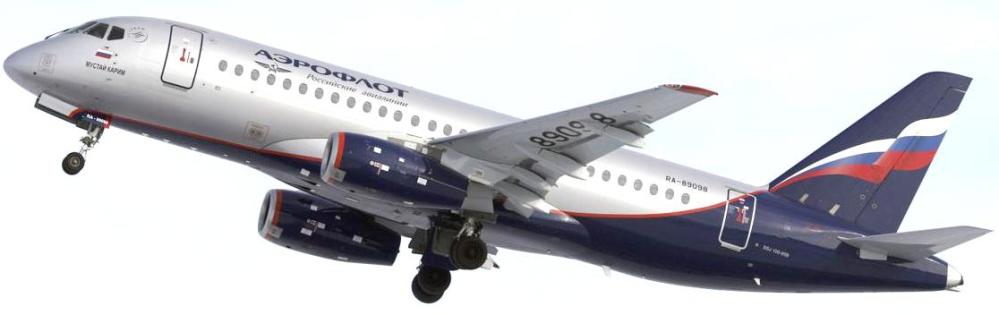
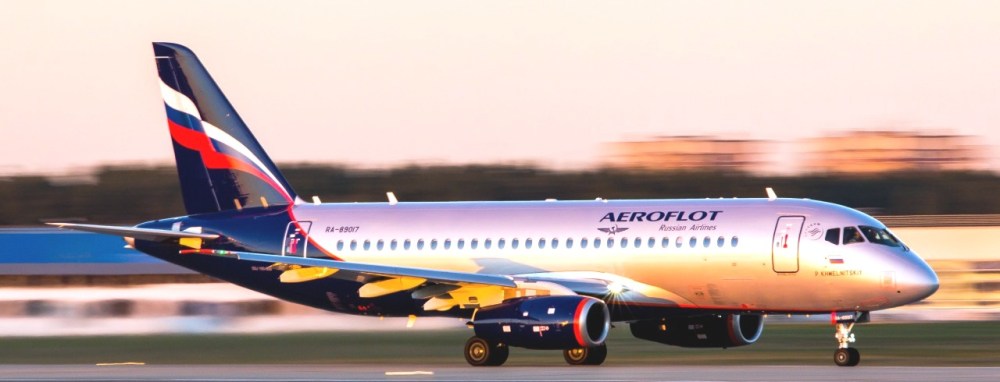
La aerolínea mexicana Interjet está cerca de formalizar un acuerdo para la adquicisión de doce 12 aviones Airbus A220 para reemplazar su flota, parcialmente inoperativa, de aeronaves regionales Sukhoi Superjet SSJ-100.

La aerolínea de bajo costo Interjet es uno de los principales operadores extranjeros del primer avión de pasajeros post-soviético de Rusia, que entró en servicio en 2011. La aerolínea low cost Interjet iene en la flota 19 SSJ-100. Dos tercios de los aviones Superjet SSJ-100 de la aerolínea estaban inactivos hasta principios de 2019 debido a la falta de repuestos y que la aerolínea planeaba retirar el modelo del servicio. La compañía ha tenido demasiados problemas con el mantenimiento de la flota de los aviones rusos y la falta de apoyo logístico del constructor Sukhoi Aircraft Company.

Interjet, cliente de Airbus, posee en su flota la familia de aeronaves A320. La aerolínea se inclinaría por el nuevo avión regional del mismo consorcio europeo. Airbus no publica los precios de lista, pero un acuerdo de este tipo valdría alrededor de US$ 1.000 millones de dólares al valor de catálogo más reciente, y se dice que los precios netos son significativamente más bajos después de descuentos no publicados.AW-Icon AW001

AW-70045644.jpgInterjet negotiates to acquire A220

Interjet would cease negotiation purchase 12 Airbus A220

The Mexican airline Interjet is close to formalizing an agreement for the acquisition of twelve 12 Airbus A220 aircraft to replace its partially inoperative fleet of Sukhoi Superjet SSJ-100 regional aircraft.

The low-cost airline Interjet is one of the main foreign operators of Russia’s first post-Soviet passenger plane, which entered service in 2011. The low-cost airline Interjet has 19 SSJ-100 fleets. Two-thirds of the airline’s Superjet SSJ-100 aircraft were inactive until early 2019 due to a lack of spare parts and that the airline planned to withdraw the model from service. The company has had too many problems with the maintenance of the Russian aircraft fleet and the lack of logistic support from the Sukhoi Aircraft Company builder.

Interjet, an Airbus customer owns the A320 family of aircraft in its fleet. The airline would favor the new regional aircraft of the same European consortium. Airbus does not publish list prices, but such an agreement would be worth around US$ 1 billion at the most recent catalog value, and net prices are said to be significantly lower after unpublished discounts.AW-Icon AW002


Ξ A I R G W A Y S Ξ
SOURCE: Airgways.com
DBk: Airbus.com / Intrjet.com / Airgways.com
AW-POST: 201910041529AR

A\W   A I R G W A Y S ®

Aproximación a Boeing Brasil

AW-70083755.pngAW | 2019 10 03 16:06 |INDUSTRY / GOVERNMENT

Boeing-Embraer-LogoLa asociación estratégica Boeing-Embraer está tomando forma

The Boeing Company y Embraer S.A. continúan trabajando estrechamente para establecer su asociación estratégica, posicionando a ambas compañías para ofrecer un mayor valor a los clientes de las aerolíneas y al público que vuela, y para acelerar el crecimiento en los mercados aeroespaciales globales. Desde que los accionistas de Embraer aprobaron la asociación en febrero de este año, las compañías han emprendido una planificación diligente para la creación de una empresa conjunta compuesta por operaciones comerciales de aeronaves y servicios de Embraer. La participación en el nuevo acuerdo de Joint Venture de la nueva compañía llamada The Boeing Brasil Commercial consistirá en The Boeing Company con un 80% y Embraer S.A. tyendrá un 20%.

Área estratégica conjunta

Boeing y Embraer también se están preparando para lanzar una empresa conjunta para promover y desarrollar mercados para el puente aéreo multimisión KC-390. Según los términos de la asociación propuesta, Embraer tendrá una participación del 51% en la empresa conjunta y Boeing será propietaria del 49% restante. Embraer recientemente logró dos hitos KC-390: el primer KC-390 fue entregado a la Fuerza Aérea de Brasil, y Portugal anunció la primera compra internacional.

Aprobaciones regulatorias

La transacción permanece sujeta a aprobación regulatoria; Las dos compañías están activamente comprometidas con las autoridades en las jurisdicciones relevantes y han obtenido una serie de aprobaciones regulatorias. Después de una evaluación detallada por la Comisión Federal de Comercio de los Estados Unidos, la asociación estratégica de las partes fue autorizada a cerrar en los Estados Unidos. La Comisión Europea indicó recientemente que abrirá una evaluación de la Fase II en su revisión de la transacción, y Boeing y Embraer esperan ayudar con esa revisión. Sin embargo, según este desarrollo, las compañías ahora esperan que la transacción se cierre a principios de 2020.

La asociación estratégica integral de Boeing-Embraer, incorporada a través de estas dos empresas conjuntas, posicionará a las empresas para competir en el mercado global, ofrecer un mayor valor a los clientes e impulsar la industria aeroespacial brasileña en general.

Ciertas declaraciones en este comunicado pueden ser «prospectivas» en el sentido de la Ley de Reforma de Litigios de Valores Privados de 1995, incluidas las declaraciones sobre los términos propuestos de la transacción, la capacidad de las partes para cumplir con AW-Boeingbraer.pnglas condiciones para ejecutar o cerrar la transacción y su tiempo y los beneficios y sinergias de la transacción propuesta, así como cualquier otra declaración que no se relacione directamente con ningún evento histórico o actual. Las declaraciones prospectivas se basan en suposiciones actuales sobre eventos futuros que pueden no ser precisas. Estas declaraciones no son garantías y están sujetas a riesgos, incertidumbres y cambios en circunstancias que son difíciles de predecir. Muchos factores podrían causar que los resultados reales difieran materialmente de estas declaraciones prospectivas. Como resultado, estas declaraciones solo se refieren a la fecha en que se hicieron y ninguna de las partes asume la obligación de actualizar o revisar las declaraciones prospectivas, excepto según lo exija la ley. Los factores específicos que podrían causar que los resultados reales difieran materialmente de estas declaraciones prospectivas incluyen el efecto de las condiciones económicas globales, la capacidad de las partes para llegar a un acuerdo final sobre una transacción, consumar dicha transacción y realizar sinergias tempranas, y otros. Factores importantes divulgados previamente y de vez en cuando en las presentaciones de The Boeing Company y/o Embraer ante la Securities and Exchange Commission.AW-Icon AW001

Resultado de imagen para Boeing BrasilApproach to Boeing Brasil

The Boeing-Embraer strategic partnership is taking shape

The Boeing Company and Embraer S.A. continue to work closely to establish their strategic partnership, positioning both companies to offer greater value to airline customers and the public that flies, and to accelerate growth in global aerospace markets. Since Embraer’s shareholders approved the partnership in February this year, companies have undertaken diligent planning for the creation of a joint venture composed of Embraer’s commercial aircraft and services operations. The shareholding of the new Joint Venture agreement of the new company called The Boeing Brasil Commercial will consist of The Boeing Company with 80% and Embraer S.A. It will have 20%.

Resultado de imagen para Boeing Brasil

Joint Strategic Area

Boeing and Embraer are also preparing to launch a joint venture to promote and develop markets for the KC-390 multi-mission airlift. Under the terms of the proposed partnership, Embraer will have a 51% stake in the joint venture and Boeing will own the remaining 49%. Embraer recently achieved two KC-390 milestones: the first KC-390 was delivered to the Brazilian Air Force, and Portugal announced the first international purchase.

Regulatory Approvals

The transaction remains subject to regulatory approval; The two companies are actively engaged with the authorities in the relevant jurisdictions and have obtained a series of regulatory approvals. After a detailed evaluation by the Federal Trade Commission of the United States, the strategic association of the parties was authorized to close in the United States. The European Commission recently indicated that it will open evaluation of Phase II in its review of the transaction, and Boeing and Embraer hope to help with that review. However, according to this development, companies now expect the transaction to close in early 2020.

The comprehensive strategic partnership of Boeing-Embraer, incorporated through these two joint ventures, will position companies to compete in the global market, offer greater value to customers and boost the Brazilian aerospace industry in general.

Certain statements in this release may be «prospective» within the meaning of the Private Securities Litigation Reform Act of 1995, including statements about the proposed terms of the transaction, the ability of the parties to meet the conditions to execute or close the transaction and its timing, and the benefits and synergies of the proposed transaction, as well as any other statement that does not directly relate to any historical or current event. Forward-looking statements are based on current assumptions about future events that may not be accurate. These statements are not guarantees and are subject to risks, uncertainties, and changes in circumstances that are difficult to predict. Many factors could cause actual results to differ materially from these forward-looking statements. As a result, these statements only refer to the date they are made and neither party assumes the obligation to update or revise any forward-looking statements, except as required by law. Specific factors that could cause actual results to differ materially from these forward-looking statements include the effect of global economic conditions, the ability of the parties to reach a final agreement on a transaction, consummate said transaction and perform early synergies, and others. Important factors disclosed previously and from time to time in the presentations of The Boeing Company and/or Embraer before the Securities and Exchange Commission.AW-Icon AW002


Ξ A I R G W A Y S Ξ
SOURCE: Airgways.com
DBk: Boeing.com / Embraer.com / Airgways.com
AW-POST: 201910031606AR

A\W   A I R G W A Y S ®

Guerra arancelaria EEUU-Europa

AW-737320000AW | 2019 10 03 15:33 |INDUSTRY / GOVERNMENT

Resultado de imagen para wtoLa OMC ha aprobado cuota arancelaria a productos de Airbus

La Organización Mundial de Comercio (OMC), el regulador del comercio mundial, ha dado aprobación a Washington al pronunciarse sobre los subsidios de la Unión Europea para Airbus Group, ene otros produsctos provenientes de la Comunidad Europea (CE). Estados Unidos planea imponer rápidamente aranceles a US$ 7,5 mil millones en productos de aviación, productos alimenticios y otros bienes de la Unión Europea después de que la OMC autorizó los gravámenes el Miércoles 02/10. La Oficina del Representante de Comercio de Estados Unidos dijo que impondría los aranceles a partir del 18 Octubre 2019, con un 10% de gravámenes a los aviones y 25% de aranceles a otros productos.

Estados Unidos fue autorizado para imponer aranceles de hasta el 100% en US$ 7,5 mil millones en bienes por la OMC en lo que ha sido una batalla de 15 años sobre los programas de apoyo para Airbus en contra de su competidos The Boeing Company. El constructor americano habría empujado los aranceles d importación al 100% sobre las aeronaves Airbus.

AW-700US-EU-001

Subsidios de costa a costa

El regulador del comercio mundial ya había determinado que ambos fabricantes de aviones recibían subsidios ilegales del gobierno, y el caso contra los subsidios de Airbus se movía primero a través del sistema de la OMC. «Durante años, Europa ha estado proporcionando subsidios masivos a Airbus que han dañado gravemente a la industria aeroespacial de Estados Unidos y a nuestros trabajadores. Finalmente, después de 15 años de litigios, la OMC ha confirmado que Estados Unidos tiene derecho a imponer contramedidas en respuesta a los subsidios ilegales de la UE», dijo el representante comercial de EEUU, Robert Lighthizer, en un comunicado.

Tras la decisión, Airbus pidió a Washington y Bruselas que eviten los aranceles que impactarían gravemente a la industria aeronáutica, dañarían las relaciones comerciales entre Estados Unidos y la UE y dañarían la economía mundial. Los aranceles aumentarían los costos para las aerolíneas en ambos lados del Atlántico y afectarían a una cadena de suministro de los EEUU que emplea a 275,000 personas y genera miles de millones de dólares en ingresos anualmente, dijo el fabricante de aviones europeo. «Por lo tanto, Airbus tiene la esperanza de que Estados Unidos y la UE acuerden encontrar una solución negociada», dijo el presidente ejecutivo Guillaume Faury en un comunicado.

Boeing acusó a Airbus de negarse a cumplir con las resoluciones de la OMC en el caso de larga data y presionar a Estados Unidos para que imponga aranceles a las exportaciones europeas. «Airbus aún podría evitar por completo estas tarifas al cumplir plenamente con sus obligaciones. Esperamos que finalmente haga eso», dijo la compañía aeroespacial Boeing.

Efectos en aerolíneas EEUU

Los transportistas estadounidenses con flotas de Airbus dijeron que los impuestos podrían conducir a tarifas más altas y amenazar los empleos. “La imposición de aranceles a las aeronaves que las empresas estadounidenses ya se han comprometido a la voluntad de infligir daños graves en las aerolíneas estadounidenses, los millones de estadounidenses que emplean y el público viajero”, Delta Air Lines Inc. dijo.

Aranceles estadounidenses

El turno a Boeing recaerá en 2020. La OMC prevé se pronuncie sobre los aranceles del constructor americano a principios del próximo año, momento en el cual la UE estará autorizada a contraatacar con sus propios aranceles. Una lista de ocho páginas de los productos con aranceles del 25% publicada el Miércoles 02/10 por el USTR incluye una amplia variedad de productos alimenticios europeos populares industriales.

«Si alguien está imponiendo aranceles a nuestras compañías de aviación, haremos exactamente lo mismo», dijo el presidente de la Comisión Europea, Jean-Claude Juncker, el Miércoles 02/10 por la noche en Bruselas, Bélgica, en un evento realizado por la Cámara de Comercio de Estados Unidos ante la Unión Europea.

La comisaria de Comercio de la UE, Cecilia Malmström, dijo que Estados Unidos no ha respondido a una propuesta de la UE de Julio 2019 de un plan integral para regular los subsidios para la industria de la aviación civil y establecer un marco global. Un alto funcionario del USTR dijo que Europa no había llegado a negociaciones hasta el mes d Septiembre 2019, y agregó que Estados Unidos espera que los nuevos aranceles traigan a Europa a la mesa. Una lucha de Estados Unidos y la UE en un momento en que Rusia y China están subsidiando a sus fabricantes de aviones para competir con los dos mayores fabricantes de aviones del mundo sería contraproducente, dijeron funcionarios europeos.

Según los diplomáticos de la UE, Europa podría considerar imponer aranceles antes de buscar un acuerdo más amplio e incluso antes de las normas de la OMC sobre su caso contra Boeing. Para evitar hacer nada hasta ese fallo de la OMC, la UE está considerando revocar un acuerdo con los Estados Unidos a partir de 2006 por exenciones fiscales para las estructuras de ventas internacionales utilizadas por Boeing y otras empresas estadounidenses conocidas como corporaciones de ventas extranjeras. Tal medida podría afectar a exportaciones estadounidenses por valor de unos US$ 4 mil millones, pero también corre el riesgo de desentrañar décadas de acuerdos comerciales similares. «Hay que verlo desde un punto de vista táctico. Lo traemos a la mesa para resaltar todas nuestras opciones y crear algo de influencia, pero nuestra línea ha sido simplemente resolverlo con una solución negociada», dijo un diplomático de la UE.

Si bien la UE aún no ha decidido su respuesta inmediata, los funcionarios reconocen que revocar las viejas decisiones podría ser contraproducente. Está dentro del derecho de la UE revocar un acuerdo previo, aunque sería inusual. Durante su audiencia de confirmación el Lunes 30/09 en el Parlamento Europeo, Phil Hogan, el Comisionado de Agricultura de la UE que ha sido nombrado Jefe Comercial, dijo que no tiene sentido que Estados Unidos rechace las propuestas de la UE para resolver la disputa Airbus-Boeing, especialmente porque Bruselas pronto podría contraatacar los aranceles de Washington. «Se necesitan dos para bailar tango, y estoy listo para comprometerme políticamente con Estados Unidos para resolver nuestras diferencias comerciales», dijo.

Planta Airbus US

El fabricante de aviones Airbus, que corre el riesgo de perder ventas si las tarifas se afianzan, obtiene alrededor del 40% de sus autopartes de los Estados Unidos y tiene una planta en Mobile, Alabama, donde dsarrolla la producción de la línea de productos de la familia A220/A320. Afortunadamente, Airbus US ha sido eximida de los aranceles aduaneros en Estados Unidos. Inclusive, los componentes grandes enviados al puerto de Mobile de Alabama en alta mar desde las plantas en Europa no se verán afectados por los aranceles, lo que permitirá a Airbus continuar suministrando a las aerolíneas con sede en Estados Unidos un número limitado de aviones ensamblados localmente. La Unión Europea y Francia expresaron que estaban listos para responder con sanciones si Estados Unidos rechazara la mano extendida por Europa en la disputa comercial de Airbus Group.AW-Icon AW001


AW-USUE000545.pngUS-Europe tariff war

logo_airbus (2)The WTO has approved tariff quota for Airbus products

The World Trade Organization (WTO), the global trade regulator, has given Washington approval in ruling on European Union subsidies for the Boeing-Logo.svgAirbus Group, in other products from the European Community (EC). The United States plans to quickly impose tariffs on US$ 7.5 billion on aviation products, food products and other goods of the European Union after the WTO authorized the levies on Wednesday 02/10. The Office of the United States Trade Representative said it would impose tariffs as of October 18, 2019, with 10% levies on airplanes and 25% tariffs on other products.

The United States was authorized to impose tariffs of up to 100% on US$ 7.5 billion on goods by the WTO in what has been a 15-year battle over support programs for Airbus against its competitive The Boeing Company. The American builder would have pushed import tariffs 100% on Airbus aircraft.

AW-700US-EU.pngCoast to Coast Subsidies

The world trade regulator had already determined that both aircraft manufacturers were receiving illegal government subsidies, and the case against Airbus subsidies was moving first through the WTO system. «For years, Europe has been providing massive subsidies to Airbus that have seriously damaged the US aerospace industry and our workers. Finally, after 15 years of litigation, the WTO has confirmed that the United States has the right to impose countermeasures in response to illegal EU subsidies», said US trade representative Robert Lighthizer in a statement.

After the decision, Airbus asked Washington and Brussels to avoid tariffs that would seriously impact the aviation industry, damage trade relations between the United States and the EU and damage the world economy. Tariffs would increase costs for airlines on both sides of the Atlantic and would affect a US supply chain it employs 275,000 people and generates billions of dollars in revenue annually, said the European aircraft manufacturer. «Therefore, Airbus is hoping that the United States and the EU agree to find a negotiated solution», chief executive Guillaume Faury said in a statement.

Boeing accused Airbus of refusing to comply with WTO resolutions in the long-standing case and pressuring the United States to impose tariffs on European exports. «Airbus could still completely avoid these fees by fully complying with its obligations. We hope it will finally do that», said the aerospace company Boeing.

Effects on US airlines

US carriers with Airbus fleets said taxes could lead to higher rates and threaten jobs. «The imposition of tariffs on aircraft that American companies have already committed to the will to inflict serious damage on US airlines, the millions of Americans they employ and the traveling public», said Delta Air Lines Inc.

US tariffs

The turn to Boeing will fall in 2020. The WTO expects to rule on the tariffs of the American builder at the beginning of next year, at which time the EU will be authorized to counterattack with its own tariffs. An eight-page list of products with 25% tariffs published on Wednesday 02/10 by the USTR includes a wide variety of popular industrial European food products.

«If someone is imposing tariffs on our aviation companies, we will do exactly the same», said European Commission President Jean-Claude Juncker on Wednesday 02/10 at night in Brussels, Belgium, at an event held by the United States Chamber of Commerce before the European Union.

EU Trade Commissioner Cecilia Malmström said that the United States has not responded to an EU proposal of July 2019 for a comprehensive plan to regulate subsidies for the civil aviation industry and establish a global framework. A senior USTR official said that Europe had not reached negotiations until September 2019, adding that the United States expects the new tariffs to bring Europe to the table. A fight by the United States and the EU at a time when Russia and China are subsidizing their aircraft manufacturers to compete with the world’s two largest aircraft manufacturers would be counterproductive, European officials said.

According to EU diplomats, Europe could consider imposing tariffs before seeking a broader agreement and even before the WTO rules on its case against Boeing. To avoid doing anything until that WTO ruling, the EU is considering revoking an agreement with the United States from 2006 on tax exemptions for international sales structures used by Boeing and other US companies known as foreign sales corporations. Such a measure could affect US exports worth about US$ 4 billion, but it also runs the risk of unraveling decades of similar trade agreements. «You have to see it from a tactical point of view. We bring it to the table to highlight all our options and create some influence, but our line has been simply to solve it with a negotiated solution», said an EU diplomat.

While the EU has not yet decided its immediate response, officials acknowledge that repealing old decisions could be counterproductive. It is within EU law to revoke a prior agreement, although it would be unusual.

During his confirmation hearing on Monday 30/09 in the European Parliament, Phil Hogan, the EU Commissioner of Agriculture who has been appointed as Commercial Chief, said it makes no sense for the United States to reject EU proposals to resolve the dispute. Airbus-Boeing, especially because Brussels could soon counteract Washington’s tariffs. «It takes two to dance the tango, and I am ready to politically commit to the United States to resolve our commercial differences», he said.

US Airbus Plant

The aircraft manufacturer Airbus, which runs the risk of losing sales if tariffs are secured, obtains about 40% of its auto parts in the United States and has a plant in Mobile, Alabama, where it develops the production of the product line of the A220/A320 family. Fortunately, Airbus US has been exempted from customs duties in the United States. Even large components sent to the Alabama Mobile port offshore from plants in Europe will not be affected by tariffs, which will allow Airbus to continue supplying a limited number of locally assembled aircraft to US-based airlines. The European Union and France said they were ready to respond with sanctions if the United States rejected the hand extended by Europe in the Airbus Group trade dispute.AW-Icon AW002


Ξ A I R G W A Y S Ξ
SOURCE: Airgways.com
DBk: Wto.org / Airbus.com / Boeing.com / Wsj.com / Airgways.com
AW-POST: 201910031533AR

A\W   A I R G W A Y S ®

Airbus reduce tensiones comerciales

Resultado de imagen para WTO Airbus BoeingAW | 2019 10 02 12:55 | INDUSTRY

Airbus reitera llamado a conversaciones para reducir las tensiones comerciales

logo_airbus (2)Airbus SE desde su sede en Amsterdam, Países Bajos, toma nota de la decisión de la Organización Mundial del Comercio (OMC) en relación con el nivel de las contramedidas que autoriza a los Estados Unidos de imponer a los productos procedentes de la Unión Europea (UE). Si el representante de Comercio de Estados Unidos (USTR) opta por imponer aranceles a la importación de componentes de aeronaves y/o aeronaves, esto creará inseguridad y al trastorno no sólo para la industria aeroespacial, sino también para la economía global más amplio. Sin embargo, todavía es evitable.

El CEO de Airbus, Guillaume Faury declaró: “Airbus continuará trabajando con sus socios estadounidenses, clientes y proveedores, para hacer frente a todas las consecuencias potenciales de dichas tarifas que serían una barrera contra el libre comercio y tendría un impacto negativo en no sólo las aerolíneas estadounidenses, sino también empleos en Estados Unidos, los proveedores y los pasajeros aéreos. Airbus es, por tanto, la esperanza de que los Estados Unidos y la UE pondremos de acuerdo para encontrar una solución negociada antes de crear graves daños a la industria de la aviación, así como a las relaciones y la economía global del comercio».

En los próximos meses, la OMC determinará el valor de las contramedidas de tarifas, la UE puede imponer a los productos estadounidenses, incluyendo aviones Boeing importados, en el caso contador en paralelo con respecto a los subsidios ilegales a Boeing. La OMC ya ha descubierto que los Estados Unidos no tuvo en cuenta los subsidios ilegales que causan perjuicio a Airbus. Esto le proporcionará a la UE motivos para reclamar medidas sobre los productos estadounidenses a un nivel que podría superar las sanciones de Estados Unidos.

Si se aplica, estas tarifas en ambos lados impactarán severamente industrias de la UE y de Estados Unidos, poniendo altos costos en la adquisición de nuevos aviones para ambas aerolíneas de Estados Unidos y de la UE. La aviación es una industria global. Prueba de ello es el hecho de que cerca del 40 por ciento de las compras relacionadas con las aeronaves de Airbus proviene de proveedores aeroespaciales de Estados Unidos. Esta cadena de suministro de los Estados Unidos apoya 275.000 empleos en Estados Unidos en 40 estados a través de gastos que ha totalizado US$ 50 mil millones en los últimos tres años. Si se aplican las tarifas, se verá perjudicado a toda la industria mundial.

La única manera de prevenir los efectos negativos de estos aranceles sería que los EE.UU. y la UE para encontrar una solución a este conflicto de larga duración a través de una solución negociada. Airbus sigue alentando a la Administración de Estados Unidos y la Comisión Europea para encontrar una solución a este conflicto, y con ello preservar la competencia leal y libre comercio abierto que han demostrado ser beneficiosos para el público y esencial para la industria de la aviación mundial exitosa y en crecimiento.AW-Icon AW001

Resultado de imagen para WTO headquartersAirbus reduces commercial tensions

images (2).jpgAirbus reiterates call for talks to reduce commercial tensions

Resultado de imagen para WTO headquarters pngAirbus SE from its headquarters in Amsterdam, the Netherlands, notes the decision of the World Trade Organization (WTO) in relation to the level of countermeasures that authorizes the United States to impose on products from the European Union ( EU). If the United States Trade Representative (USTR) chooses to impose import tariffs on aircraft and/or aircraft components, this will create insecurity and disruption not only for the aerospace industry but also for the wider global economy. However, it is still avoidable.

Airbus CEO Guillaume Faury said: “Airbus will continue to work with its US partners, customers, and suppliers, to address all the potential consequences of such tariffs that would be a barrier against free trade and would have a negative impact on not only the US airlines but also jobs in the United States, suppliers, and air passengers. Airbus is, therefore, the hope that the United States and the EU will agree to find a negotiated solution before creating serious damage to the aviation industry, as well as to global trade relations and economy”.

In the coming months, the WTO will determine the value of fare countermeasures, the EU may impose on US products, including imported Boeing aircraft, in the parallel counter case with respect to illegal subsidies to Boeing. The WTO has already discovered that the United States did not take into account the illegal subsidies that cause damage to Airbus. This will provide the EU with reasons to claim measures on US products at a level that could exceed US sanctions.

If applicable, these fares on both sides will severely impact EU and United States industries, putting high costs on the acquisition of new aircraft for both US and EU airlines. Aviation is a global industry. Proof of this is the fact that about 40 percent of purchases related to Airbus aircraft come from aerospace suppliers in the United States. This supply chain in the United States supports 275,000 jobs in the United States in 40 states through expenditures that have totaled US$ 50 billion in the last three years. If the tariffs are applied, the entire world industry will be harmed.

The only way to prevent the negative effects of these tariffs would be for the US. and the EU to find a solution to this long-lasting conflict through a negotiated solution. Airbus continues to encourage the United States Administration and the European Commission to find a solution to this conflict, and thereby preserve fair competition and open free trade that has proven beneficial to the public and essential to the successful global aviation industry. and growing.AW-Icon AW002


Ξ A I R G W A Y S Ξ
SOURCE: Airgways.com
DBk: Airbus.com / Airgways.com / Cnbc.com
AW-POST: 201910021255AR

A\W   A I R G W A Y S ®

Nuevo escenario mercado regional

AW-7900433.jpgAW | 2019 10 02 01:05 | INDUSTRY

La industria de la aviación regional nuevamente floreciente

El desarrollo de la aviación regional mundial está teniendo un nuevo impulso cambiando la dinámica competitiva. La industria de aviones regionales turboprops y jets ha traído cambio importantes de dominios y reformulación, augurando nuevos bríos para el sector industrial. Los últimos movimientos en la industria regional han estimulado el resurgimiento de la aviación de tercer nivel.

Airbus Group

El Airbus A220 es la nueva gama de aeronaves regionales del constructor europeo Airbus Group. Anteriormente conocido como Bombardier CSeries, es una familia de aviones de reacción de cuerpo estrecho, bimotor y de rango medio originalmente diseñados y construidos por el fabricante canadiense Bombardier Aerospace, ahora comercializados por Airbus y fabricados por la empresa conjunta Airbus Canada Limited Partnership. Airbus adquirió una participación mayoritaria del 50.01% en el Programa CSeries en Octubre 2017, y el acuerdo se cerró en Julio 2018. Como parte del acuerdo, Bombardier retuvo una participación del 31% en el avión y Investissement Québec el 19%. En Agosto 2019, Airbus abrió una segunda línea de montaje para el avión en su fábrica de Mobile, Alabama.

La nueva sociedad produce las líneas A220-100 de 108 a 133 asientos y A220-300 de 130 a 160 pasajeros. Los primeros operadores registraron mejores de lo esperado consumo de combustible y fiabilidad de despacho, así como comentarios positivos de los pasajeros y la tripulación.

Bombardier Inc.

El constructor canadiense Bombardier Inc. continúa con su programa de desinversión en el área comercial como parte de su estrategia para estabilizar las deudas contraídas con los diferentes programas CSeries, Canadair Regional Jet (CRJ) y QSeries turboprops. El Programa CSeries ha pasado a formar parte de la línea de fabricación de Airbus Group, ahora denominado A220. El Programa QSeries ha logrado sobrevivir con la compra por parte del grupo Longview Capital de Canadá en manos de Viking Air que fabricará la línea Q400 turboprops. La línea de productos del Programa CRJ pasaron a manos del constructor nipón Mitsubishi Aircraft Corporation.

Embraer

El área comercial de Embraer entra en su etapa final para las aprobaciones e Joint Venture entre Boeing y Embraer Commercial Aircraft, bajo la denominación comercial Boeing Brasil Commercial. La nueva compañía producirá las actuales líneas de desarrollo del Programa E2-Jets que comprenden los aviones E170E2, E190E2, E195E2, como así las futuras propuestas del Programa E3 turboprops.

ATR Aircraft

El sector de turbopropulsores está cambiando. ATR Aircraft continúa apostando a un mercado amplio que ha sabido conquistar. Por muchos años la compañía franco-italiana ha trabajado prácticamente sin competencia. Ahora, el mercado se ha multiplicado con las ofertas de aviones regionales turbohélices de Viking Air con el Programa QSeries, el AVIC MA700, Sierra Nevada Dornier 328/328Jet y a distancia el Programa E3 de Embraer que se encuentra congelado.

COMAC Corporation

COMAC Corporation de China está desarrollando su mercado regional con el COMAC ARJ21, que acaba de recibir pedidos de las tres aerolíneas chinas más grandes con 35 órdenes cada una. Aunque el libro de pedidos parece alto en más de 300, es difícil saber qué tan firmes son todos estos pedidos para permitir una comparación directa con sus rivales. La versión en desarrollo es el ARJ 21-700. Está en estudio una versión más grande denominada ARJ 21-900.

Viking Air

La compañía Viking Air, con sede en Victoria, Canadá inicia una nueva etapa con la adquisición de los nuevos productos de Bombardier Inc. el Programa QSeries. Centrado exclusivamente en el mercado de turbopropulsores, la división De Havilland ha dicho que está evaluando actualizaciones de productos y una posible versión más pequeña de 50 asientos del Q400, con el objetivo de reemplazar aviones viejos en flotas existentes, como el Fokker 50, ATR 42 y Q100/200/300. Las versiones de alta densidad del Q400 con 86 o 90 asientos, así como una versión combinada (mixta), ya están disponibles y han entrado en servicio en mercados seleccionados de Asia.

AVIC Corporation

El Xian MA700 de China, que usa el mismo motor PW150 que el Q400, está listo para entrar en servicio antes de mediados de la década de 2020. Aunque el mercado será un tanto limitado, muchos clientes de Asia podrán tener disponible un avión regional turboprop más cercano a la industria oriental.

Sierra Nevada

La factoría estadounidense Sierra Nevada ha adquirido los derechos para la fabricación y comercialización del Dornier 320/328Jet. La compañía ha activado las líneas para iniciar la producción del diseño de aeronaves regionales en Alemania.

Mitsubishi Aircraft Corp.

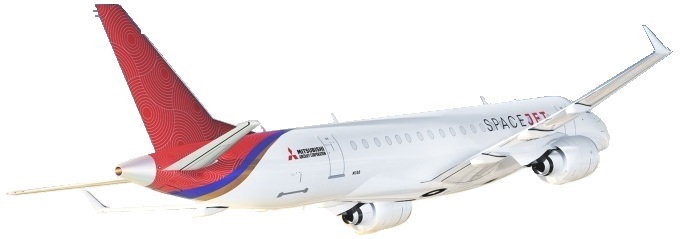
La industria japonesa Mitsubishi Aircraft  atraviesa vientos de cambios favorables y florecientes, pero arrastra una situación más comprometedora con programas retrasados a lo largo de estos años. El Programa Mitsubishi Regional Jet (MRJ) ha tenido altibajos y retrasos múltiples, pero el constructor nipón ha cambiado de estrategia comercial. El Programa MRJ90 entraría en servicio en 2020, con una cartera de 150 unidades en Estados Unidos: SkyWest (100) y Trans States (50), pero los retrasos le ha costado la cancelación de órdenes por parte de Eastern Airlines. El Programa MRJ70 propuesto era demasiado pequeño para el sector. Por lo tanto, Mitsubishi tomó la decisión necesaria de abandonar el MRJ70 y lanzar una nueva versión, que podría cumplir con las Cláusulas de Alcance al rediseñar el peso de la aeronave (MTOW) y transportar a 76 pasajeros en un diseño de tres clases. Estos cambios ha obligado a Mitsubishi a relanzar la familia de aeronaves regionales como SpaceJet. El nuevo SpaceJet M100 optimizado con las Cláusulas de Alcance reemplazaría al MRJ70. Se espera que el M100 represente la mayoría de los pedidos a largo plazo, entrará en servicio en 2024. El MRJ90 mayor tamaño ha sido renombrado como SpaceJet M90.

Mitsubishi también adquirirá el Programa CRJ de Bombardier, que incluye certificados de tipo, instalaciones de producción, así como actividades de mantenimiento, soporte y marketing y ventas. Se espera que el acuerdo se cierre en 2020 y tiene un valor de US$ 550 millones. La cartera de pedidos actual de CRJ es de solo alrededor de 30 aviones y la producción cesará durante 2020. El elemento clave para Mitsubishi es obtener una red de soporte global. Esta adquisición le dará acceso a Mitsubishi a la base de clientes de CRJ y estará en una posición más competitiva frente a su rival clave Embraer, en particular cuando las aerolíneas estén planeando reemplazar la flota. Habrá un reemplazo creciente de aviones regionales de 70 y 90 asientos a partir de mediados de la década de 2020.

Mercado & demanda

La demanda de aeronaves regionales hacia el futuro es de más de 6.000 entregas para los próximos 20 años, pronosticando un futuro prometedor. El mercado global de aviones regionales todavía está muy centrado en América del Norte, con una participación del 58% de la flota de 3.400 unidades. Está sujeto a las limitaciones de las denominadas Cláusulas de Alcance para las aerolíneas regionales que vuelan para las tres grandes aerolíneas estadounidenses: American Airlines, Delta Air Lines y United Airlines. En términos de capacidad y peso de la aeronave, las Cláusulas de Alcance actual se establece en 76 pasajeros y 39t de peso máximo de despegue (MTOW). Los transportistas regionales de Estados Unidos vuelan principalmente tipos de aeronaves con 85 asientos en una configuración de dos clases, 76 asientos.

Dado que es poco probable que las cláusulas de alcance actuales se relajen aún más en la actual ronda de negociaciones de 2019-20 con los sindicatos de pilotos, Embraer y Mitsubishi descubrieron que sus respectivos nuevos aviones regionales E175-E2 y MRJ90 de nueva generación que ingresaron al mercado no cumplen con las Cláusulas de Alcance debido a las limitaciones con respecto el peso. Para alinearse con el alcance, los operadores y los fabricantes tuvieron que modificar sus estrategias de flota y ofertas de productos.

El nuevo y pesado Embraer E175-E2 ahora no entrará en servicio a más tardar hasta 2021, aunque la relajación de las Cláusulas de Alcance es poco probable antes de entonces. Todavía se están realizando pedidos para el E175-E1 actual y la cartera de pedidos ahora es de alrededor de 190 unidades, incluida la variante de 70 asientos, que se está utilizando para reemplazar los CRJ700 más antiguos.

Embraer se enfrenta a un desafío competitivo sobre cómo cumplir con la cláusula de alcance de Estados Unidos a largo plazo y competir con el nuevo integrante el M100. De los miembros más grandes de la familia, el E190-E2 ahora está en servicio y el E195-E2 ha sido certificado, aunque sus números de entrega y cartera de pedidos siguen siendo relativamente bajos, con solo siete en servicio y 165 en orden. Estos aviones regionales más grandes se han visto sometidos a una mayor presión, ya que Airbus ha revitalizado el A220 de tamaño similar y algunos clientes clave de Embraer, incluidos JetBlue y Air France, han optado por el A220.

La larga rivalidad entre el ATR 72 y el Q400 en el mercado de más de 70 asientos ha experimentado un nuevo giro. Bombardier ha vendido el Programa QSeries a Longview Aviation Capital propietaria de Viking Air, productores del Twin Otter, que revivió la marca De Havilland para este tipo de aeronaves. El Q400 ha encontrado nuevos mercados secundarios, incluido Cobham Aviation que ha reemplazado a los aviones BAe 146 y AVRO RJ. El ATR 72 es el líder indiscutido del mercado en la categoría de 70 asientos y supera ampliamente al Q400. En Asia-Pacífico y América Latina, el ATR 72 es el líder. En África y Europa las flotas de aeronaves en líneas aéreas es un tanto más discretas, mientras que el Q400 se encuentra por delante en América del Norte. La cartera de pedidos actuales del turbohélices de pasajeros incluye ATR 72 (173) y Q400 (46). Sin embargo, ATR se enfrenta a un cambio de rival, Viking Air.

ATR se ha centrado recientemente en el ATR 42 más pequeño, cuyo mercado parecía inactivo. Se está lanzando una nueva versión de despegue y aterrizaje cortos del ATR 42, con un rendimiento de despegue mejorado y un requisito de longitud de pista reducida de solo 800 m (2.600 pies). Algunos operadores seleccionaron el ATR 42 para reemplazar los viejos turbopropulsores de 30 asientos, como Silver Airways, con sede en los Estados Unidos que incorporó la línea d la versión más corta del ATR y eliminó sus Saab 340. En el mercado, todavía hay más de 150 ATR 42 de versiones anteriores para ser reemplazados y alrededor de 450 en el tamaño de 30 asientos, incluidos 178 Q100/200 y 152 Saab 340.

Tendencias

Mirando hacia el futuro, el interés está creciendo hacia la próxima generación de motores turbohélice. La aerolínea regional noruega Wideroe quiere reemplazar su flota de más de 30 aviones para 2030 y está comenzando un proyecto con Rolls-Royce para investigar aviones sin carbono. La industria regional podría comenzar un nuevo ciclo de cambio tecnológico.AW-Icon AW001

AW-700924544.jpegNew regional market scenario

The newly flourishing regional aviation industry

The development of global regional aviation is having a new momentum by changing competitive dynamics. The turboprops and jets regional aircraft industry has brought important domain changes and reformulation, predicting new strengths for the industrial sector. The latest movements in the regional industry have stimulated the resurgence of third level aviation.

Airbus group

The Airbus A220 is the new range of regional aircraft of the European manufacturer Airbus Group. Formerly known as Bombardier CSeries, it is a family of narrow-body, twin-engine and mid-range jet aircraft originally designed and built by the Canadian manufacturer Bombardier Aerospace, now marketed by Airbus and manufactured by the joint venture Airbus Canada Limited Partnership. Airbus acquired a 50.01% majority stake in the CSeries Program in October 2017, and the agreement was closed in July 2018. As part of the agreement, Bombardier retained a 31% stake in the plane and Investissement Québec 19%. In August 2019, Airbus opened a second assembly line for the plane at its factory in Mobile, Alabama.

The new company produces the A220-100 lines from 108 to 133 seats and A220-300 from 130 to 160 passengers. The first operators recorded better than expected fuel consumption and dispatch reliability, as well as positive comments from passengers and crew.

Bombardier Inc.

he Canadian builder Bombardier Inc. continues its divestment program in the commercial area as part of its strategy to stabilize debts contracted with the different CSeries, Canadair Regional Jet (CRJ) and QSeries turboprops programs. The CSeries Program has become part of the Airbus Group manufacturing line, now called A220. The QSeries Program has survived with the purchase by the Longview Capital group of Canada in the hands of Viking Air that will manufacture the Q400 turboprops line. The CRJ Program product line was handed to Japanese manufacturer Mitsubishi Aircraft Corporation.

Embraer

The Embraer Commercial area enters its final stage for approvals and Joint Venture between Boeing and Embraer Commercial Aircraft, under the trade name Boeing Brasil Commercial. The new company will produce the current lines of development of the E2-Jets Program that include the E170E2, E190E2, E195E2 aircraft, as well as future proposals for the E3 turboprops Program.

ATR Aircraft

he turboprop sector is changing. ATR Aircraft continues to bet on a broad market that has managed to conquer. For many years the Franco-Italian company has worked practically without competition. Now, the market has multiplied with the Viking Air regional turboprop aircraft offerings with the QSeries Program, the AVIC MA700, Sierra Nevada Dornier 328 / 328Jet and the Embraer E3 Program which is frozen at a distance.

COMAC Corporation

COMAC Corporation of China is developing its regional market with the ARJ21, which has just received orders from the three largest Chinese airlines with 35 orders each. Although the order book seems high at more than 300, it is difficult to know how firm all these orders are to allow a direct comparison with their rivals. The development version is the ARJ 21-700. A larger version called ARJ 21-900 is under study.

Viking Air

The company Viking Air, based in Victoria, Canada begins a new stage with the acquisition of the new products of Bombardier Inc. the QSeries Program. Focused exclusively on the turboprop market, the De Havilland division has said it is evaluating product updates and a possible smaller 50-seat version of the Q400, with the aim of replacing old aircraft in existing fleets, such as the Fokker 50, ATR 42 and Q100 / 200/300. The high-density versions of the Q400 with 86 or 90 seats, as well as a combined (mixed) version, are now available and have entered service in selected Asian markets.

AVIC Corporation

China’s Xian MA700, which uses the same PW150 engine as the Q400, is ready to go into service before the mid-2020s. Although the market will be somewhat limited, many Asian customers may have a turboprop regional plane available closest to the eastern industry.

Sierra Nevada

The US Sierra Nevada factory has acquired the rights to manufacture and commercialize the Dornier 320/328Jet. The company has activated the lines to start the production of regional aircraft design in Germany.

Mitsubishi Aircraft Corp.

The Mitsubishi Aircraft Corporation Japanese industry is going through winds of favorable and flourishing changes, but it drags a more compromising situation with delayed programs throughout these years. The Mitsubishi Regional Jet (MRJ) Program has had ups and downs and multiple delays, but the Japanese builder has changed its commercial strategy. The MRJ90 Program would enter service in 2020, with a portfolio of 150 units in the United States: SkyWest (100) and Trans States (50), but delays have cost the cancellation of orders by Eastern Airlines. The proposed MRJ70 Program was too small for the sector. Therefore, Mitsubishi made the necessary decision to leave the MRJ70 and launch a new version, which could comply with the Scope Clauses by redesigning the weight of the aircraft (MTOW) and transporting 76 passengers in a three-class design. These changes have forced Mitsubishi to relaunch the family of regional aircraft such as SpaceJet. The new SpaceJet M100 optimized with the Scope Clauses would replace the MRJ70. The M100 is expected to represent the majority of long-term orders, will enter service in 2024. The larger MRJ90 has been renamed as SpaceJet M90.

Mitsubishi will also acquire the Bombardier CRJ Program, which includes type certificates, production facilities, as well as maintenance, support and marketing, and sales activities. The agreement is expected to close in 2020 and has a value of US$ 550 million. The current CRJ order book is only around 30 aircraft and production will cease during 2020. The key element for Mitsubishi is to obtain a global support network. This acquisition will give Mitsubishi access to the CRJ customer base and will be in a more competitive position against its key rival Embraer, particularly when the airlines are planning to replace the fleet. There will be a growing replacement of regional 70 and 90 seat aircraft starting in the mid-2020s.

Market & Demand

The demand for regional aircraft for the future is more than 6,000 deliveries for the next 20 years, forecasting a promising future. The global regional aircraft market is still very focused on North America, with a 58% share of the 3,400 unit fleet. It is subject to the limitations of the so-called Reach Clauses for regional airlines that fly for the three major US airlines: American Airlines, Delta Air Lines and United Airlines. In terms of aircraft capacity and weight, the current Reach Clauses are set at 76 passengers and 39t maximum takeoff weight (MTOW). Regional carriers in the United States primarily fly types of aircraft with 85 seats in a two-class configuration, 76 seats.

Since the current scope clauses are unlikely to relax even more in the current 2019-20 round of negotiations with the pilot unions, Embraer and Mitsubishi discovered that their respective new regional E175-E2 and MRJ90 new generation aircraft that entered the market do not comply with the Scope Clauses due to limitations with respect to weight. To align with the scope, operators and manufacturers had to modify their fleet strategies and product offerings.

The new and heavy Embraer E175-E2 will now not enter service until 2021, although the relaxation of the Scope Clauses is unlikely before then. Orders are still being placed for the current E175-E1 and the order book is now around 190 units, including the 70-seat variant, which is being used to replace the older CRJ700.

Embraer faces a competitive challenge on how to comply with the long-term US reach clause and compete with the new M100 member. Of the largest family members, the E190-E2 is now in service and the E195-E2 has been certified, although it’s delivery numbers and order book remain relatively low, with only seven in service and 165 in order. These larger regional airplanes have been subjected to greater pressure, as Airbus has revitalized the A220 of similar size and some key clients of Embraer, including JetBlue and Air France, have opted for the A220.

The long rivalry between the ATR 72 and the Q400 in the market of more than 70 seats have undergone a new twist. Bombardier has sold the QSeries Program to Longview Aviation Capital that owns Viking Air, producers of the Twin Otter, which revived the De Havilland brand for this type of aircraft. The Q400 has found new secondary markets, including Cobham Aviation that has replaced the BAe 146 and AVRO RJ aircraft. The ATR 72 is the undisputed market leader in the 70-seat category and far exceeds the Q400. In Asia-Pacific and Latin America, the ATR 72 is the leader. In Africa and Europe, aircraft fleets in airlines are somewhat more discrete, while the Q400 is ahead in North America. The current order portfolio of passenger turbo propellers includes ATR 72 (173) and Q400 (46). However, ATR faces a change of rival, Viking Air.

ATR has recently focused on the smaller ATR 42, whose market seemed inactive. A new short takeoff and landing version of the ATR 42 is being launched, with improved take-off performance and a reduced runway length requirement of only 800 m (2,600 ft). Some operators selected the ATR 42 to replace the old 30-seat turboprops, such as Silver Airways, based in the United States that incorporated the lined the shortest version of the ATR and eliminated it is Saab 340. In the market, there are still more than 150 ATR 42 from previous versions to be replaced and about 450 in the size of 30 seats, including 178 Q100 / 200 and 152 Saab 340.

Trends

Looking to the future, interest is growing towards the next generation of turboprop engines. The Norwegian regional airline Wideroe wants to replace its fleet of more than 30 aircraft by 2030 and is starting a project with Rolls-Royce to investigate carbon-free airplanes. The regional industry could begin a new cycle of technological change.AW-Icon AW002


Ξ A I R G W A Y S Ξ

SOURCE: Airgways.com
DBk: Airgways.com / Embraer.com / Airbus.com / heflymrj.com / Comac.cn  / Atraircraft.com / Bombardier.com / Avic.com / Vikingair.com / Sncorp.com
AW-POST: 201910020105AR

A\W   A I R G W A Y S ®

Airbus nueva línea ensamblaje A320

Resultado de imagen para Airbus new assembly A320 HamburgAW | 2019 10 01 11:17 | INDUSTRY

logo_airbus (2)Airbus inaugura nueva línea de ensamblaje de estructuras del A320 en Hamburgoaw-70099433-1.jpg

Airbus inauguró su línea de ensamblaje de estructuras de fuselaje altamente automatizada para aviones de la Familia A320 en Hamburgo, mostrando una evolución en el sistema de producción industrial de Airbus. Presenta nuevos estándares en automatización digital.

Con un enfoque especial en la fabricación de secciones más largas para el A321LR, la nueva instalación cuenta con 20 robots, un nuevo concepto de logística, posicionamiento automatizado por medición láser y un sistema de adquisición de datos digitales. Esto respaldará aún más el impulso de Airbus para mejorar tanto la calidad como la eficiencia al tiempo que brinda un mayor nivel de digitalización a su sistema de producción industrial.

“Al adoptar algunas de las últimas tecnologías y procesos, Airbus ha comenzado su viaje para establecer nuevos estándares en la producción de la Familia A320. Esta nueva línea de ensamblaje de estructuras de fuselaje es un facilitador esencial para la aceleración de la familia A320. El aumento del nivel de automatización y robótica permite una fabricación más rápida y eficiente al tiempo que mantiene nuestro enfoque principal en la calidad. Dado el enorme éxito de la familia A320 y la cartera de pedidos, estamos tomando las medidas necesarias para garantizar que nuestro sistema de producción pueda igualar la excelencia de nuestros productos y que podamos satisfacer las necesidades de nuestros clientes para nuestro avión de pasillo único. Se ha puesto un alto nivel de confianza e inversión en nuestra gente y fábricas en Hamburgo. Ahora tenemos que cumplir con nuestros compromisos con los clientes y garantizar la competitividad general», dijo Michael Schoellhorn, Director de Operaciones de Airbus.

Para el ensamblaje de la sección inicial, Airbus está utilizando un sistema automatizado modular y liviano, llamado «Flextrack», con ocho robots perforando y hundiendo de 1.100 a 2.400 agujeros por junta longitudinal. En el siguiente paso de producción, 12 robots, cada uno de los cuales opera en siete ejes, combinan las secciones central y posterior del fuselaje con la cola para formar un componente principal, perforar, hundir, sellar e insertar 3.000 remaches por junta orbital. Además del uso de robots, Airbus también está implementando nuevos métodos y tecnologías en la logística de materiales y piezas para optimizar la producción, mejorar la ergonomía y acortar los plazos de entrega. Esto incluye la separación de los niveles de logística y producción, el reabastecimiento de material orientado a la demanda, así como el uso de vehículos autónomos guiados.

La instalación de ensamblaje de estructuras de Hamburgo es responsable de unir los depósitos de fuselaje individuales en secciones, así como el ensamblaje final de secciones individuales a los fuselajes de aeronaves. Las piezas de la aeronave están equipadas con sistemas eléctricos y mecánicos antes de ser entregadas a las líneas de ensamblaje finales en Francia, Alemania, China y los Estados Unidos.

Con la cabina de pasillo único más amplia del cielo, la eficiente familia A320NEO, que incluye el A321, incorpora las últimas tecnologías, incluidos motores de nueva generación y Sharklets, que en conjunto ofrecen más del 15% de ahorro de combustible y CO2 desde el primer día y 20%. 2020, así como una reducción de ruido del 50%. Hasta la fecha, la familia A320NEO ha capturado más de 6.500 pedidos de más de 100 clientes.AW-Icon AW001

Resultado de imagen para Airbus new assembly A320 HamburgAirbus inaugurates new A320 assembly line

a320neo-isologotype1Airbus inaugurates new A320 structure assembly line in Hamburg

Airbus inaugurated its highly automated fuselage structure assembly line for A320 Family aircraft in Hamburg, showing an evolution in the Airbus industrial production system. Presents new standards in digital automation.

With a special focus on the manufacture of longer sections for the A321LR, the new facility has 20 robots, a new logistics concept, automated positioning by laser measurement and a digital data acquisition system. This will further support Airbus’ momentum to improve both quality and efficiency while providing a higher level of digitalization to its industrial production system.

“By adopting some of the latest technologies and processes, Airbus has begun its journey to set new standards in the production of the A320 Family. This new fuselage structure assembly line is an essential facilitator for the A320 family acceleration. The increased level of automation and robotics allows faster and more efficient manufacturing while maintaining our main focus on quality. Given the enormous success of the A320 family and the order book, we are taking the necessary steps to ensure that our production system can match the excellence of our products and that we can meet the needs of our customers for our single-aisle aircraft. A high level of trust and investment has been placed in our people and factories in Hamburg. Now we have to fulfill our commitments to customers and ensure overall competitiveness», said Michael Schoellhorn, Airbus Director of Operations.

For the assembly of the initial section, Airbus is using a lightweight and modular automated system, called «Flextrack», with eight robots drilling and sinking 1,100 to 2,400 holes per longitudinal joint. In the next production step, 12 robots, each of which operates on seven axes, combine the central and rear sections of the fuselage with the tail to form the main component, drill, sink, seal and insert 3,000 rivets per orbital joint. In addition to the use of robots, Airbus is also implementing new methods and technologies in the logistics of materials and parts to optimize production, improve ergonomics and shorten delivery times. This includes the separation of logistics and production levels, the replenishment of demand-oriented material, as well as the use of autonomous guided vehicles.

The Hamburg structure assembly facility is responsible for joining individual fuselage tanks into sections, as well as the final assembly of individual sections to aircraft fuselages. The parts of the aircraft are equipped with electrical and mechanical systems before being delivered to the final assembly lines in France, Germany, China, and the United States.

With the widest single aisle cabin in the sky, the efficient A320NEO family, which includes the A321, incorporates the latest technologies, including new generation engines and Sharklets, which together offer more than 15% fuel and CO2 savings from the First day and 20%. 2020, as well as a 50% noise reduction. To date, the A320NEO family has captured more than 6,500 orders from more than 100 customers.AW-Icon AW002

Resultado de imagen para Airbus new assembly A320 GermanyAirbus weiht neue A320-Montagelinie ein

AW-700010089.pngAirbus weiht neue A320-Strukturmontagelinie in Hamburg ein

Airbus weihte in Hamburg seine hochautomatisierte Rumpfstruktur-Montagelinie für Flugzeuge der A320-Familie ein und zeigte damit eine Weiterentwicklung des industriellen Produktionssystems von Airbus. Präsentiert neue Standards in der digitalen Automatisierung.

Die neue Anlage mit besonderem Schwerpunkt auf der Herstellung längerer Abschnitte für den A321LR verfügt über 20 Roboter, ein neues Logistikkonzept, eine automatisierte Positionierung durch Lasermessung und ein digitales Datenerfassungssystem. Dies wird das Bestreben von Airbus, sowohl die Qualität als auch die Effizienz zu verbessern und gleichzeitig das industrielle Produktionssystem stärker zu digitalisieren, weiter unterstützen.

„Mit der Übernahme einiger der neuesten Technologien und Verfahren hat Airbus begonnen, neue Maßstäbe in der Produktion der A320-Familie zu setzen. Diese neue Montagelinie für Rumpfstrukturen ist ein wesentlicher Baustein für die Beschleunigung der A320-Familie. Der erhöhte Automatisierungs- und Robotikgrad ermöglicht eine schnellere und effizientere Fertigung, wobei unser Hauptaugenmerk auf Qualität liegt. Angesichts des enormen Erfolgs der A320-Familie und des Auftragsbestands unternehmen wir die erforderlichen Schritte, um sicherzustellen, dass unser Produktionssystem mit den Spitzenleistungen unserer Produkte mithalten kann und dass wir die Bedürfnisse unserer Kunden nach unseren Single-Aisle-Flugzeugen erfüllen können. In unsere Mitarbeiter und Werke in Hamburg wurde ein hohes Maß an Vertrauen und Investition gesteckt. Jetzt müssen wir unseren Verpflichtungen gegenüber den Kunden nachkommen und die allgemeine Wettbewerbsfähigkeit sicherstellen», sagte Michael Schöllhorn, Director of Operations von Airbus.

Für die Montage des ersten Abschnitts verwendet Airbus ein leichtes und modulares automatisiertes System namens «Flextrack», bei dem acht Roboter pro Längsfuge 1.100 bis 2.400 Löcher bohren und absenken. Im nächsten Produktionsschritt kombinieren 12 Roboter, von denen jeder auf sieben Achsen arbeitet, den mittleren und den hinteren Teil des Rumpfes mit dem Heck, um ein Hauptbauteil zu bilden, pro Orbitalgelenk 3.000 Nieten zu bohren, abzusenken, abzudichten und einzusetzen. Neben dem Einsatz von Robotern setzt Airbus auch neue Methoden und Technologien in der Logistik von Materialien und Teilen ein, um die Produktion zu optimieren, die Ergonomie zu verbessern und die Lieferzeiten zu verkürzen. Dies beinhaltet die Trennung von Logistik- und Produktionsebene, die Wiederauffüllung von nachfrageorientiertem Material sowie den Einsatz von autonom geführten Fahrzeugen.

Die Hamburger Strukturmontage ist verantwortlich für die Vereinigung der einzelnen Rumpftanks zu Sektionen sowie für die Endmontage der einzelnen Sektionen zu Flugzeugrümpfen. Die Teile des Flugzeugs werden mit elektrischen und mechanischen Systemen ausgestattet, bevor sie an die Endmontagelinien in Frankreich, Deutschland, China und den USA geliefert werden.

Mit der breitesten Single-Aisle-Kabine am Himmel vereint die effiziente A320NEO-Familie, zu der auch der A321 gehört, die neuesten Technologien, einschließlich Motoren und Sharklets der neuen Generation, die zusammen mehr als 15% Kraftstoff und CO2-Einsparungen aus der Erster Tag und 20%. 2020 sowie eine 50% ige Lärmminderung. Bis heute hat die A320NEO-Familie mehr als 6.500 Bestellungen von mehr als 100 Kunden erhalten.AW-Icon AW002


Ξ A I R G W A Y S Ξ
SOURCE: Airgways.com
DBk: Airbus.com / Airgways.com
AW-POST: 201910011117AR

A\W   A I R G W A Y S ®

AVIC inicia producción MA700

avicma700-copy_11574835.jpg

AW | 2019 09 30 22:02 | INDUSTRY

20160815070527!Logo_Avic.jpgAVIC comienza ensamblaje primer MA700

La Aviation Industry Corporation of China (AVIC) comenzó a ensamblar el primer fuselaje del programa de avión de turbohélice MA700 el 27 Septiembre 2019, con el objetivo de un primer vuelo en 2020 y la certificación en 2022. El desarrollo demorado, se está preparando para un programa altamente basado en datos de configuración de ensamblaje final que requerirá solo la mitad de la mano de obra que AVIC aplicó para ensamblar su viejo turbopropulsor regional Y-7. Para promover las ventas, la compañía estatal ofrece ayudar a los inversores para establecer financiación a las aerolíneas.

AVIC Corp. ha unido el primer conjunto alar a la sección de fuselaje del avión regional Modern Ark MA700, acercando el programa a la construcción de su primer avión de prueba estático, designado 10001. La subsidiaria Xi’an Aircraft Company Limited (XAC) había completado el ensamblaje del ala el Viernes 27 Septiembre 2019 en su línea en su factoría en el Distrito de Yanliang, Provincia de Shaanxi. Xi’an es un fabricante y desarrollador de aviones grandes y medianos.

Los ingenieros han progresado constantemente durante este año en el desarrollo del tercer miembro de su turbohélice regional MA700, cuyos predecesores fueron el MA60 y MA600. Las entregas de los primeros modelos de la serie MA60 (una versión extendida del Xian Y7-200A, cuyos diseñadores se basan en el Antonov An-24) y el MA600 actualizado, han superado las 100 unidades.

A finales de Mayo 2019, las secciones de fuselaje principal y frontal del MA700 salieron de la línea de ensamblaje y, a fines de Julio 2019, la unidad de Shaanxi Aircraft Corporation, de AVIC, había combinado las secciones de fuselaje principal y frontal. Shaanxi Aircraft Corporation es un fabricante y proveedor de aviones chinos para el ejército chino y con sede en Hanzhong, Provincia de Shaanxi. Es miembro de AVIC.

Programa MA700

MA700.jpgEl avión MA700 fue anunciado en 2007, seguido de un modelo de diseño en 2008, y AVIC ya había planeado volar su primer prototipo MA700 en 2017, pero luego trasladó su fecha de lanzamiento a 2018. Una serie de contratiempos ahora ha impulsado su primera prueba de vuelo hasta fin de año y certificación de la Administración de Aviación Civil de China (CAAC) para 2021.

Prestaciones del MA700

Diseñado para volar hasta 1.458 nm y con una velocidad de crucero de alrededor de 343 nudos, el MA700 de 86 asientos presenta sistemas de aviónica Collins Pro Line Fusion y sistemas de datos aéreos y dos motores Pratt & Whitney Canada PW150C que impulsan hélices Dowty R504 de seis palas. Tanto proveedores chinos como extranjeros contribuyen al programa, incluidos Honeywell, Safran, Parker Aerospace y Meggitt.

Con un precio de alrededor de US$ 25 millones, el MA700 competirá en la misma clase que el ATR 72 franco-italiano, la nueva QSeries de Longview/Viking Air (De Havilland Canada) y el ruso Ilyushin Il-114, que se espera que vuelvan a entrar en producción a partir de 2021-2023.

Perspectivas MA700

AVIC no ha confirmado si buscará el respaldo de la Administración Federal de Aviación de Estados Unidos (FAA) y/o la Agencia de Seguridad Aérea de la Unión Europea (EASA), el fabricante estatal aún no ha descartado la posibilidad. El cronograma de desarrollo en 2019 fue un paso muy importante para el desarrollo de su nuevo turbopropulsor regional. AVIC ha alcanzado una cartera de pedidos de 285 órdenes de 11 operadores nacionales y extranjeros; sin embargo, al menos uno de esos operadores, Cambodia Bayon Airlines, ya no existe.AW-Icon AW001

avic-ma700-getty.jpgAVIC starts production MA700

AVIC begins assembly first MA700

The Aviation Industry Corporation of China (AVIC) began assembling the first fuselage of the MA700 turboprop aircraft program on September 27, 2019, with the goal of a first flight in 2020 and certification in 2022. The delayed development is being prepared for a program highly based on final assembly configuration data that will require only half of the workforce that AVIC applied to assemble its old Y-7 regional turboprop. To promote sales, the state company offers to help investors to establish financing for airlines.

AVIC Corp. has joined the first alar set to the fuselage section of the Modern Ark MA700 regional aircraft, bringing the program closer to the construction of its first static test aircraft, designated 10001. The subsidiary Xi’an Aircraft Company Limited (XAC) had The wing assembly was completed on Friday, September 27, 2019, at its factory line in Yanliang District, Shaanxi Province. Xi’an is a manufacturer and developer of large and medium aircraft.

AW-760600700.png

Engineers have made constant progress during this year in the development of the third member of their regional turboprop MA700, whose predecessors were the MA60 and MA600. Deliveries of the first models of the MA60 series (an extended version of the Xian Y7-200A, whose designers are based on the Antonov An-24) and the updated MA600, have exceeded 100 units.

At the end of May 2019, the MA700’s main and front fuselage sections left the assembly line and, at the end of July 2019, the AVIC Shaanxi Aircraft Corporation unit had combined the main and front fuselage sections. Shaanxi Aircraft Corporation is a Chinese aircraft manufacturer and supplier for the Chinese army and based in Hanzhong, Shaanxi Province. He is a member of AVIC.

MA700 Program

The MA700 aircraft was announced in 2007, followed by a design model in 2008, and AVIC had already planned to fly its first MA700 prototype in 2017, but then moved its launch date to 2018. A series of setbacks has now prompted its first test. of flight until the end of the year and certification of the Civil Aviation Administration of China (CAAC) by 2021.

Performance of the MA700

Designed to fly up to 1,458 nm and with a cruising speed of around 343 knots, the 86-seat MA700 features Collins Pro Line Fusion avionics systems and aerial data systems and two Pratt & Whitney Canada PW150C engines that drive Dowty R504 propellers six shovels Both Chinese and foreign suppliers contribute to the program, including Honeywell, Safran, Parker Aerospace and Meggitt.

Priced at around US$ 25 million, the MA700 will compete in the same class as the French-Italian ATR 72, the new QSeries of Longview/Viking Air (De Havilland Canada) and the Russian Ilyushin Il-114, which is expected that go back into production from 2021-2023.

MA700 Perspectives

AVIC has not confirmed whether it will seek the support of the United States Federal Aviation Administration (FAA) and/or the European Union Air Safety Agency (EASA), the state manufacturer has not yet ruled out the possibility. The development schedule in 2019 was a very important step in the development of its new regional turboprop. AVIC has reached an order book of 285 orders from 11 domestic and foreign operators; however, at least one of those operators, Cambodia Bayon Airlines, no longer exists.AW-Icon AW002

190929-4.png中航工業開始生產MA700

中航工業首次開始組裝MA700

中國航空工業集團公司AVIC)於2019年9月27日開始組裝MA700渦輪螺旋槳飛機計劃的第一架機身,目標是2020年首飛,並於2022年獲得認證。該程序高度基於最終組裝配置數據,該程序僅需要中航工業用於組裝其舊Y-7支線渦輪螺旋槳飛機的勞動力的一半。為了促進銷售,國有公司提供幫助投資者建立航空公司融資的方案。

中航工業公司已經將第一架翼翼組件加入了現代方舟MA700支線飛機的機身部分,使該計劃更接近於其第一架靜態試驗飛機10001的建造。子公司西安飛機有限公司(XAC)擁有機翼組裝於2019年9月27日星期五在其位於陝西省閻良區的工廠生產線完成。西安是大中型飛機的製造商和開發商。

工程師在今年的區域性渦輪螺旋槳飛機MA700的第三名成員的開發方面取得了不斷的進步,其前身是MA60和MA600。 MA60系列的第一批模型(西安Y7-200A的擴展版,其設計基於Antonov An-24)和更新的MA600的交付量已超過100台。

2019年5月末,MA700的主機身和前機身部分離開了裝配線,到2019年7月末,中航陝西飛機總公司將主機身和前機身部分合併在一起。陝西飛機總公司是中國軍隊的中國飛機製造商和供應商,總部位於陝西省漢中。他是中航工業的成員。

MA700程序

MA700飛機於2007年宣布,隨後於2008年推出設計模型,中航工業已經計劃在2017年首飛MA700原型機,但隨後將其發射日期推遲到2018年。現在,一系列的挫折促使其進行了首次測試。直到年底飛行,並於2021年獲得中國民航總局(CAAC)的認證。

MA700的性能

設計成可飛行至1,458海裡,巡航速度約為343節,擁有700個座位的MA700配備了Collins Pro Line Fusion航空電子系統和航空數據系統,以及兩個驅動Dowty R504螺旋槳的加拿大普惠公司PW150C發動機六把鐵鍬中外供應商都為該計劃做出了貢獻,包括霍尼韋爾,賽峰,帕克宇航和梅吉特。

MA700的價格約為2500萬美元,將與法國-意大利ATR 72,新的Q系列Longview / Viking Air(De Havilland加拿大)和俄羅斯Ilyushin Il-114競爭,其同類產品將於2021年至2023年重新投入生產。

MA700觀點

中航工業尚未確認是否會尋求美國聯邦航空管理局(FAA)和/或歐盟航空安全局(EASA)的支持,但該州製造商尚未排除這種可能性。 2019年的開發時間表是其新的區域渦輪螺旋槳發動機開發中非常重要的一步。中航工業已收到11家國內外運營商的285筆訂單;但是,這些運營商中至少有一家是柬埔寨巴戎航空公司,就不存在了。AW-Icon AW002


Ξ A I R G W A Y S Ξ
SOURCE: Airgways.com
DBk: Avic.com / Shanfei.com / Xac.com.cn / Airgways.com
AW-POST: 201909302202AR

A\W   A I R G W A Y S ®

Perspectivas Boeing Brasil Commercial

embraer-880x460.jpgAW | 2019 09 30 21:00 | INDUSTRY

Boeing-Embraer-Logo.pngEl Jefe de Embraer Commercial Aviation presenta nuevas oportunidades con junto a BoeingAW-E195E2

El CEO de Embraer Commercial Aviation, John Slattery, se convertirá en el nuevo CEO de Boeing Brasil Commercial después del lanzamiento de la nueva compañía próximo hacia fin de año 2019. Boeing Brasil Commercial será el brazo regional de la megaempresa americana The Boeing Company. En su sede central en Sao José dos Campos, Embraer se encamina hacia la etapa de transición, previa aprobaciones de reguladores europeos.

El progreso del Programa E-Jet de la compañía continúa progresando favorablemente. Las recientes certificaciones del Embraer E195-E2 en Abril 2019 ha incrementado la cartera de nuevos clientes. El desarrollo de la línea de ensamblaje de los E1 y E2 en segunda parte del 2019 progresa bien, sin sobresaltos con miras al próximo año 2020 con perspectivas positivas.

Image result for Boeing Brasil CommercialÚltimo escollo

Embraer de Brasil reveló el Jueves 26/09 que la Comisión Europea (EC) tiene la intención de abrir una investigación en profundidad sobre la oferta de Boeing por una participación de control en el área de aviones comerciales del fabricante brasileño de aviones.

Boeing se enfrentaría a la investigación antimonopolio de la UE, que podría durar hasta cinco meses, en su acuerdo con Embraer. La revisión inicial del acuerdo por parte de la Comisión Europea se completará el 4 Octubre 2019. Si es necesario pasar a una investigación de fase dos, Embraer examinará la viabilidad del impacto en el cronograma estimado para el cierre del acuerdo, dijo el fabricante brasileño de aviones en un documento regulatorio.

Se estima que el acuerdo entre las dos compañías tiene un valor de US$ 4,75 mil millones de dólares y se espera que se concluya a fines de este año 2019. El acuerdo le permitiría a Boeing ingresar nuevamente al mercado regional después de décadas cuando vendió en 1992 la división de aeronaves regionales De Havilland Aircraft of Canada Ltd. a Bombardier Aerospace. La nueva asociación Boeing-Embraer en un joint venture permitirá al constructor estadounidense competir con los aviones de la línea Airbus A220AW-Icon AW001

AW-70083755.pngBoeing Brasil Commercial perspectives

Boeing-Embraer-Logo.pngThe Head of Embraer Commercial Aviation presents new opportunities with Boeing

The CEO of Embraer Commercial Aviation, John Slattery, will become the new CEO of Boeing Brasil Commercial after the launch of the next new company towards the end of 2019. Boeing Brasil Commercial will be the regional arm of the American mega-company The Boeing Company. At its headquarters in Sao José dos Campos, Embraer is heading towards the transition stage, with the approval of European regulators.

The progress of the company’s E-Jet Program continues to progress favorably. The recent certifications of the Embraer E195-E2 in April 2019 has increased the portfolio of new customers. The development of the assembly line of the E1 and E2 in the second part of 2019 progresses well, without frights with a view to the next year 2020 with positive perspectives.

Last pitfall

Embraer from Brazil revealed on Thursday 26/09 that the European Commission (EC) intends to open an in-depth investigation into Boeing’s offer for a controlling interest in the commercial aircraft area of ​​the Brazilian aircraft manufacturer.

Boeing would face the EU antitrust investigation, which could last up to five months, in its agreement with Embraer. The initial review of the agreement by the European Commission will be completed on October 4, 2019. If it is necessary to proceed to a phase two investigation, Embraer will examine the feasibility of the impact on the estimated schedule for the closure of the agreement, said the Brazilian manufacturer of Airplanes in a regulatory document.

It is estimated that the agreement between the two companies has a value of US$ 4.75 billion and is expected to be concluded by the end of this year 2019. The agreement would allow Boeing to enter the regional market again after decades when sold in 1992 the regional aircraft division De Havilland Aircraft of Canada Ltd. to Bombardier Aerospace. The new Boeing-Embraer association in a joint venture will allow the American builder to compete with the Airbus A220 line aircraft.AW-Icon AW002

Image result for Boeing Brasil CommercialPerspectivas comerciais Boeing Brasil

AW-BOINGBRAER.pngO chefe da Embraer Aviação Comercial apresenta novas oportunidades com a Boeing

O CEO da Embraer Commercial Aviation, John Slattery, se tornará o novo CEO da Boeing Brasil Commercial após o lançamento da próxima nova empresa no final de 2019. A Boeing Brasil Commercial será o braço regional da megaempresa americana The Boeing Company. Em sua sede em São José dos Campos, a Embraer está caminhando para a fase de transição, com a aprovação dos reguladores europeus.

O progresso do programa E-Jet da empresa continua progredindo favoravelmente. As recentes certificações do Embraer E195-E2 em abril de 2019 aumentaram o portfólio de novos clientes. O desenvolvimento da linha de montagem do E1 e E2 na segunda parte de 2019 avança bem, sem sustos, com vista para o próximo ano de 2020, com perspectivas positivas.

Último obstáculo

A Embraer do Brasil revelou na quinta-feira 26/09 que a Comissão Europeia (CE) pretende abrir uma investigação aprofundada sobre a oferta da Boeing por um controle acionário na área de aeronaves comerciais do fabricante brasileiro de aeronaves.

Boeing enfrentaria a investigação antitruste da UE, que pode durar até cinco meses, em seu acordo com a Embraer. A revisão inicial do contrato pela Comissão Europeia será concluída em 4 de outubro de 2019. Se for necessário prosseguir para uma investigação da segunda fase, a Embraer examinará a viabilidade do impacto no cronograma estimado para o fechamento do contrato, disse o fabricante brasileiro de Aviões em um documento regulatório.

Estima-se que o acordo entre as duas empresas tenha um valor de US$ 4,75 bilhões e deve ser concluído até o final deste ano de 2019. O acordo permitiria à Boeing entrar no mercado regional novamente após décadas, quando vendeu em 1992 a divisão regional de aeronaves De Havilland Aircraft of Canada Ltd. para a Bombardier Aerospace. A nova associação da Boeing-Embraer em uma joint venture permitirá que a construtora americana concorra com as aeronaves da linha Airbus A220.AW-Icon AW002


Ξ A I R G W A Y S Ξ
SOURCE: Airgways.com
DBk: Embraer.com / Boeing.com.br / Airgways.com
AW-POST: 201909302100AR
A\W A I R G W A Y S ®

Cambios seguridad en The Boeing Co.

Boeing 737 MAX 8 Planes Face Renewed Scrutiny After Second Crash In 5 MonthsAW | 2019 09 30 16:46 | INDUSTRY / AVIATION SAFETY

Boeing-Company-LogoThe Boeing Company anuncia importantes cambios en seguridad

Desde la sede de The Boeing Company en Chicago, el Presidente Dennis Muilenburg, anunció hoy varias acciones inmediatas que está tomando para fortalecer el compromiso duradero de la compañía con la seguridad de los productos y servicios.

El Presidente y CEO de The Boeing Company, Dennis Muilenburg, anuncia cambios para agudizar el enfoque de la compañía en la seguridad de los productos y servicios. La compañía implementa y se basa en las recomendaciones de la revisión independiente de la Junta Directiva de Boeing. La nueva organización de seguridad de productos y servicios unifica el enfoque de la empresa en materia de seguridad. Acciones adicionales elevan la función de Ingeniería, fortalecen la cultura de Boeing y avanzarán la seguridad en todo el ecosistema aeroespacial.

Las acciones siguen las recomendaciones recientes de la Junta Directiva de Boeing que fueron el resultado de una revisión independiente de cinco meses de las políticas y procesos de la compañía para el diseño y desarrollo de sus aviones por un comité especialmente designado, iniciado por Muilenburg después de los accidentes aéreos que envolvieron los vuelos JT-610 de Lion Air y ET-302 de Ethiopian Airlines con aeronaves Boeing 737-8 MAX. Las recomendaciones del Comité de Políticas y Procesos de Aviones, respaldadas por un amplio alcance a expertos internos y externos, se centraron en mejorar aún más la seguridad en toda la empresa y el ecosistema aeroespacial más amplio.

«La seguridad está en el centro de lo que somos en Boeing, y los recientes accidentes 737 MAX siempre nos pesarán mucho. Nos han recordado nuevamente la importancia de nuestro trabajo y solo han intensificado nuestro compromiso de mejorar continuamente la seguridad de nuestro productos y servicios. Mi equipo y yo aceptamos las recomendaciones de nuestra junta y estamos tomando medidas inmediatas para implementarlas en toda la empresa en asociación con nuestra gente, mientras continuamos y ampliamos nuestros esfuerzos continuos para fortalecer la seguridad en Boeing y la industria aeroespacial en general. Agradecemos a nuestra junta y al miembros del comité por su minucioso trabajo y apoyo continuo. Boeing se compromete a estar siempre a la vanguardia, liderando proactivamente y abogando por mejoras continuas en la seguridad aeroespacial global», dijo Dennis Muilenburg.

Seguridad de Productos y Servicios

Además del Comité de Seguridad Aeroespacial permanente previamente anunciado de la Junta Directiva de Boeing, Muilenburg compartió que Boeing está levantando una nueva organización de Seguridad de Productos y Servicios que fortalecerá aún más el enfoque de seguridad de la compañía. Esta organización unificará las responsabilidades relacionadas con la seguridad que actualmente manejan los equipos en varias unidades comerciales y operativas de Boeing.

Image result for boeing renton factory

El equipo estará dirigido por la Vicepresidenta de Seguridad de Productos y Servicios, Beth Pasztor, quien informará conjuntamente al Comité de Seguridad Aeroespacial de la Junta Directiva de Boeing y a Greg Hyslop, ingeniero Jefe de Boeing y vicepresidente senior de Ingeniería, Prueba y Tecnología. La organización reunirá equipos en todo Boeing y talento externo donde sea necesario, para elevar la conciencia y la presentación de informes, y la responsabilidad por los problemas de seguridad dentro de la empresa, mejorando aún más la seguridad de los productos y servicios en toda la empresa. Pasztor, de 34 años, anteriormente se desempeñó como Vicepresidenta de Seguridad, Protección y Cumplimiento de Boeing Commercial Airplanes, donde fue responsable de integrar las acciones e iniciativas de seguridad de los productos y el cumplimiento normativo.

La organización es responsable de revisar todos los aspectos de la seguridad del producto, incluida la investigación de casos de presión indebida y preocupaciones anónimas de seguridad del producto y servicio planteadas por los empleados. Pasztor también supervisará el Equipo de Investigación de Accidentes de la compañía y las juntas de revisión de seguridad, además de la Autorización de Designación de Organización de la empresa, los expertos técnicos y de ingeniería de la compañía que representan a la Administración Federal de Aviación (FAA) en las actividades de certificación de aviones.

Con el aporte del comité especialmente designado, Muilenburg también anunció que los ingenieros de toda la empresa, incluida la nueva organización de Seguridad de Productos y Servicios, informarán directamente a Hyslop, cuyo enfoque se centrará en la salud y la capacidad de la función de Ingeniería y las necesidades relacionadas de la empresa. Esta realineación ayudará a fortalecer la experiencia en ingeniería, alentará un enfoque de toda la compañía para cumplir con las prioridades operativas, de la unidad de negocios y del cliente y enfatizará aún más la importancia de la seguridad. También pone un énfasis aún mayor en la creación de oportunidades de crecimiento profesional para ingenieros en toda la empresa. «Estos cambios mejorarán nuestro equipo y amplificarán nuestro enfoque en la seguridad, al tiempo que beneficiarán a nuestros clientes y el rendimiento operativo, e intensificarán nuestro enfoque en el aprendizaje, las herramientas y el desarrollo del talento en toda la empresa», dijo Muilenburg.

Programa de Requisitos de Diseño

La compañía también está estableciendo un Programa de Requisitos de Diseño para fortalecer una cultura de mejora continua, aprendizaje e innovación; mejorar el Programa de Seguridad de Operación Continua para aumentar la visibilidad y la transparencia de todos los informes de seguridad y de seguridad potencial; asociarse con clientes comerciales y de defensa, y otras partes interesadas, para garantizar que los diseños de la cubierta de vuelo continúen anticipando las necesidades de las futuras poblaciones de pilotos; y expandiendo el rol y el alcance del Centro de Promoción de Seguridad de la compañía para reforzar la cultura de seguridad de larga data de Boeing. Al mismo tiempo y además de las recomendaciones de la junta, Muilenburg anunció nuevos pasos que Boeing está tomando para fortalecer la forma en que gestiona la seguridad en toda la empresa y su cadena de suministro, centrándose en la excelencia operativa, invirtiendo en su gente y, en asociación con otros en la comunidad aeroespacial, trabajando para mejorar la seguridad de la aviación mundial.

AW-Kuow.org.jpgEL BOEING 737 MAX HA SIDO EL CATALIZADOR DE LOS CAMBIOS EN SEGURIDAD EN THE BOEING COMPANY

Eso incluye expandir el uso en toda la compañía de un sistema integral de gestión de seguridad y juntas de revisión de seguridad para estandarizar las políticas y objetivos de seguridad, compartir las mejores prácticas, administrar el riesgo, evaluar el desempeño, aumentar la visibilidad y fortalecer aún más la cultura de seguridad de la compañía. Un sistema de informes anónimos, nacido en aviones comerciales y expandido en toda la compañía, está alentando a los empleados a presentar posibles problemas de seguridad que serán revisados ​​por la organización de Seguridad de Productos y Servicios. Además, las juntas de revisión de seguridad se han ampliado y ahora están dirigidas por el liderazgo superior de la compañía, incluido el ingeniero jefe y los CEO de la unidad de negocios de Boeing, lo que resulta en una mayor visibilidad. Los primeros avances y las lecciones aprendidas se están aplicando, hoy, en una variedad de programas de desarrollo y establecidos. Adicionalmente, Las inversiones en capacidades mejoradas de simulación de vuelo y computación han aumentado la capacidad de la compañía para probar proactivamente una amplia gama de escenarios, lo que resulta en una mayor seguridad del producto. Por ejemplo, durante las últimas semanas, los ingenieros de software han ejecutado 390.000 horas de vuelo en el 737 MAX, el equivalente a volar 45 años. También se están realizando esfuerzos avanzados de I+D en futuras cubiertas de vuelo, aprovechando el trabajo de vanguardia en ciencia y diseño de factores humanos.

«En este momento decisivo, Boeing debe asumir un papel de liderazgo ampliado con un mayor enfoque en la seguridad, y llegar incluso más alto. Además de nuestro enfoque en un sistema común de gestión de seguridad, estamos creando nuevos puestos de liderazgo con la autoridad, la responsabilidad y la transparencia necesarias para lograr un progreso medible; abordando la creciente necesidad de talento, capacitación de técnicos piloto y de mantenimiento, y educación STEM; además de invertir en áreas como diseño de productos, futuras cubiertas de vuelo, infraestructura, regulación y nuevas tecnologías. Pronto tendremos más para compartir estos esfuerzos adicionales. Garantizar la seguridad del público volador, los pilotos y la tripulación es nuestra principal prioridad mientras trabajamos para devolver el 737 MAX al servicio. Seguiremos aprendiendo de los accidentes recientes, compartiremos lo que aprendemos con la comunidad más amplia de la aviación y saldremos mejores y más fuertes como compañía e industria», dijo Muilenburg.

The Boeing Company es la compañía aeroespacial más grande del mundo y el proveedor líder de aviones comerciales, defensa, sistemas espaciales y de seguridad, y servicios globales. Como el principal exportador de Estados Unidos, la empresa brinda asistencia a clientes comerciales y gubernamentales en más de 150 países. Boeing emplea a más de 150.000 personas en todo el mundo y aprovecha los talentos de una base global de proveedores. Sobre la base de un legado de liderazgo aeroespacial, Boeing continúa liderando en tecnología e innovación, entregando a sus clientes e invirtiendo en su gente y en el crecimiento futuro.AW-Icon AW001

Image result for boeing renton factorySecurity changes in The Boeing Company

Boeing-Company-LogoThe Boeing Company announces major security changes

From the headquarters of The Boeing Company in Chicago, President Dennis Muilenburg today announced several immediate actions he is taking to strengthen the company’s lasting commitment to the safety of products and services.

The President and CEO of The Boeing Company, Dennis Muilenburg, announces changes to sharpen the company’s focus on the safety of products and services. The company implements and is based on the recommendations of the independent review of the Boeing Board of Directors. The new product and service security organization unify the company’s approach to security. Additional actions elevate the Engineering function, strengthen the culture of Boeing and advance security throughout the aerospace ecosystem.

The actions follow the recent recommendations of the Boeing Board of Directors that were the result of a five-month independent review of the company’s policies and processes for the design and development of its aircraft by a specially appointed committee, initiated by Muilenburg after Air accidents involving the JT-610 flights of Lion Air and ET-302 of Ethiopian Airlines with Boeing 737-8 MAX aircraft. The recommendations of the Aircraft Policies and Processes Committee, backed by a wide range of internal and external experts, focused on further improving safety throughout the company and the wider aerospace ecosystem.

«Safety is at the center of who we are at Boeing, and the recent 737 MAX accidents will always weigh us a lot. They have reminded us again of the importance of our work and have only intensified our commitment to continually improve the safety of our products and services My team and I accept the recommendations of our board and we are taking immediate steps to implement them throughout the company in partnership with our people, as we continue and expand our continuous efforts to strengthen safety in Boeing and the aerospace industry in general. our board and the committee members for their thorough work and continued support. Boeing is committed to always being at the forefront, proactively leading and advocating continuous improvements in global aerospace safety», said Dennis Muilenburg.

AW-7007338MAX.jpgProducts and Services Security

In addition to the previously announced permanent Aerospace Safety Committee of the Boeing Board of Directors, Muilenburg shared that Boeing is building a new Products and Services Security organization that will further strengthen the company’s security approach. This organization will unify the safety-related responsibilities currently handled by the equipment in various commercial and operational units of Boeing.

The team will be led by the Vice President of Products and Services Security, Beth Pasztor, who will jointly report to the Aerospace Safety Committee of the Boeing Board of Directors and Greg Hyslop, Boeing Chief Engineer and Senior Vice President of Engineering, Testing, and Technology. The organization will gather teams throughout Boeing and external talent where necessary, to raise awareness and reporting, and responsibility for security issues within the company, further improving the safety of products and services throughout the company. company. Pasztor, 34, previously served as Vice President of Safety, Protection and Compliance for Boeing Commercial Airplanes, where she was responsible for integrating product safety actions and initiatives and regulatory compliance.

The organization is responsible for reviewing all aspects of product safety, including the investigation of cases of undue pressure and anonymous concerns about product and service safety raised by employees. Pasztor will also oversee the company’s Accident Investigation Team and safety review boards, in addition to the company’s Organization Designation Authorization, the company’s technical and engineering experts representing the Federal Aviation Administration (FAA) in aircraft certification activities.

With the input of the specially appointed committee, Muilenburg also announced that engineers throughout the company, including the new organization of Product and Service Safety, will report directly to Hyslop, whose focus will be on the health and capacity of the Engineering function. and the related needs of the company. This realignment will help strengthen the engineering experience, encourage a company-wide approach to meet operational, business and customer unit priorities and further emphasize the importance of safety. It also places an even greater emphasis on creating professional growth opportunities for engineers throughout the company. «These changes will improve our team and amplify our focus on security while benefiting our customers and operational performance, and intensifying our focus on learning, tools and talent development throughout the company», said Muilenburg.

Image result for the boeing company Products and Services SecurityDesign Requirements Program

The company is also establishing a Design Requirements Program to strengthen a culture of continuous improvement, learning, and innovation; improve the Continuous Operation Safety Program to increase the visibility and transparency of all safety and potential safety reports; partner with commercial and defense clients, and other interested parties, to ensure that flight deck designs continue to anticipate the needs of future pilot populations; and expanding the role and reach of the company’s Security Promotion Center to strengthen Boeing’s long-standing safety culture. At the same time and in addition to the recommendations of the board, Muilenburg announced new steps that Boeing is taking to strengthen the way it manages security throughout the company and its supply chain, focusing on operational excellence, investing in its people and, in association with others in the aerospace community, working to improve global aviation safety.

Image result for the boeing company Products and Services Security

That includes expanding the company’s use of a comprehensive security management system and safety review boards to standardize security policies and objectives, share best practices, manage risk, evaluate performance, increase visibility and strengthen even more the safety culture of the company. An anonymous reporting system, born in commercial aircraft and expanded throughout the company, is encouraging employees to present possible security problems that will be reviewed by the Products and Services Security organization. In addition, safety review boards have expanded and are now led by the company’s top leadership, including the chief engineer and the CEO of the Boeing business unit, resulting in increased visibility. The first advances and lessons learned are being applied, today, in a variety of development and established programs. Additionally, Investments in enhanced flight simulation and computing capabilities have increased the company’s ability to proactively test a wide range of scenarios, resulting in greater product safety. For example, in recent weeks, software engineers have run 390,000 flight hours on the 737 MAX, the equivalent of flying 45 years. Advanced R&D efforts are also being made on future flight decks, taking advantage of cutting-edge work in science and human factor design.

«At this decisive moment, Boeing must assume an expanded leadership role with a greater focus on security, and reach even higher. In addition to our focus on a common security management system, we are creating new leadership positions with the authority, the responsibility and transparency necessary to achieve measurable progress; addressing the growing need for talent, training of pilot and maintenance technicians, and STEM education; in addition to investing in areas such as product design, future flight decks, infrastructure, regulation and new technologies Soon we will have more to share these additional efforts Guaranteeing the safety of the flying public, pilots and crew is our top priority as we work to return the 737 MAX to service We will continue to learn from recent accidents, share what we learn with the broader aviation community and we’ll get better and m s strong as a company and industry», Muilenburg said.

The Boeing Company is the world’s largest aerospace company and the leading provider of commercial aircraft, defense, space and security systems, and global services. As the leading exporter in the United States, the company provides assistance to commercial and government clients in more than 150 countries. Boeing employs more than 150,000 people worldwide and leverages the talents of a global provider base. Based on a legacy of aerospace leadership, Boeing continues to lead in technology and innovation, delivering to its customers and investing in its people and future growth.AW-Icon AW002


Ξ A I R G W A Y S Ξ
SOURCE: Airgways.com
DBk: Boeing.com / Airgways.com / Wikipedia.org / Washingtonpost.com / Gettyimages.com
AW-POST: 201909301646AR

A\W   A I R G W A Y S ®