Retrasos entregas en Airbus Hamburgo

File:Airbus FlightlineHangar in Hamburg-Finkenwerder.jpg

AW | 2018 10 24 12:42 | INDUSTRY

Logo_Airbus_2014.svgLa factoría Airbus Hamburgo afronta retrasos en entregas de aeronaves

Los problemas en la planta alemana de Airbus Hamburgo significan nuevos retrasos para Airbus. El consorcio europeo está trabajando para mantener el objetivo de 2018 de un total de 800 entregas de aeronaves necesarias para cumplir los objetivos financieros

Durante dos años Airbus se enfrentó a una escasez de motores y tuvo que reducir la velocidad de las entregas. Ahora los motores están llegando rápido, pero los nuevos inconvenientes significan que una planta de Hamburgo que ensambla los reactores más vendidos tiene problemas para absorberlos, dijeron fuentes de la industria.

Los inconvenientes internos han agravado los retrasos en la entrega que dejan a Airbus con el desafío de entregar 76 aviones de pasillo único al mes en el último trimestre, según los consultores Flight Ascend, un 9,6% más que su récord anterior. Airbus está trabajando a toda máquina para mantener el objetivo de 2018 de un total de 800 entregas de aeronaves necesarias para cumplir los objetivos financieros y las líneas de montaje de un solo pasillo son su fuente de ingresos más importante.

Clientes ofuscados

«Llegan tarde; todos están enojados con ellos. Se han estado escondiendo detrás de los problemas del motor», dijo un comprador de aeronaves, refiriéndose a la tendencia de las cadenas de suministro a centrarse en los rezagados más visibles sin tener que enfrentar los problemas de espera. Otras fuentes de la industria dicen que Hamburgo puede no ser la fuente inmediata del problema, pero que esta instalación ha sentido el peor impacto en el rompecabezas global de las plantas de ensamblaje de Airbus porque está introduciendo una nueva versión de A321 al igual que la producción se está ejecutando más rápido que nunca.

Esto ilustra un desafío más amplio a medida que los fabricantes de aviones se esfuerzan por introducir nuevos modelos y solucionar problemas técnicos sin detener los aumentos de producción récord, una tarea que algunos comparan con tomar la cuesta más empinada en una carrera ciclista en un sprint mientras arregla un neumático.

Las entregas de la A321, un gran avión de un solo pasillo fabricado principalmente en Alemania, aumentaron en mayo debido a que los motores retrasados ​​comenzaron a entrar pero se desaceleraron nuevamente en septiembre, según muestran los datos de Airbus. Ahora, Airbus presenta una nueva versión de ACF A321NEO, que ofrece cabinas más flexibles pero requiere una configuración compleja.

La planta de ensamblaje de Hamburgo enfrentaba algunos problemas con el cableado de los reactores, lo que despertó recuerdos de los problemas de cableado que afectaron al superjumbo del A380 hace una década. La aceleración también ha aumentado los problemas de calidad, lo que lleva a más retrasos y una cola de aviones sin entregar, informó en Septiembre 2018. A pesar de la interrupción, Airbus ha dicho que confía en que cumplirá con los objetivos de producción de un solo pasillo de 60 por mes repartidos en todas sus fábricas a mediados de 2019, un aumento de aproximadamente 55 en la actualidad. Las fuentes dicen que Airbus también se está preparando para tener capacidad para 65 aviones de un solo pasillo al mes disponibles para fines de 2019, aunque no ha habido una decisión sobre si implementar esto.

En última instancia, Airbus pretende aumentar la producción en 70-73 para atender una demanda de viajes récord y la compañía dice que los aviones que ofrecen asientos premium como el A321NEO ACF ayudarán a impulsar esto. Sin embargo, los retrasos en Hamburgo son un dolor de cabeza para el nuevo jefe de ventas, Christian Scherer, ya que las aerolíneas esperan las entregas.

Para muchas aerolíneas, el dolor financiero es agudo ya que los precios del petróleo se han recuperado a US$ 80 dólares: exactamente el mercado para el que se diseñaron los modelos A321NEO y similares de ahorro de combustible. «Las aerolíneas pueden tratar con aviones que están fuera de especificaciones, pero no con retraso. Han construido un plan de red, que tiene en cuenta los nuevos aviones de la flota», dijo el asesor principal de Ascend, Rob Morris. Boeing también ha tenido algunos retrasos.

Los problemas de Hamburgo resaltan los problemas operacionales en juego, ya que el jefe de los aviones Guillaume Faury se prepara para convertirse en CEO en Abril 2018. Sus dos principales tenientes industriales, Tom Williams y Didier Evrard, se retiran a fines de 2018. Los expertos dicen que Faury, que ha hecho de la producción la «prioridad de las prioridades» para este trimestre, no será reemplazado como presidente de aviones comerciales, pero puede nombrar a un líder de operaciones. AIRWAYS® AW-Icon TXT


Resultado de imagen para Airbus Hamburg

Rejected deliveries at Airbus Hamburg

airbus-logo-3d-1024x905The Airbus Hamburg factory faces delays in deliveries of aircraft

The problems at the German Airbus Hamburg plant mean new delays for Airbus. The European consortium is working to maintain the 2018 target of a total of 800 deliveries of aircraft needed to meet the financial objectives

For two years Airbus faced a shortage of engines and had to reduce the speed of deliveries. Now the engines are coming fast, but the new inconveniences mean that a Hamburg plant that assembles the best selling reactors has trouble absorbing them, industry sources said.

Internal shortcomings have aggravated delivery delays that leave Airbus with the challenge of delivering 76 single-aisle aircraft a month in the last quarter, according to Flight Ascend consultants, 9.6% more than its previous record. Airbus is working full-time to maintain the 2018 target of a total of 800 deliveries of aircraft needed to meet the financial objectives and the assembly lines of a single aisle are its most important source of revenue.

Cluttered customers

«They’re late, they’re all mad at them, they’ve been hiding behind the engine problems», said an aircraft buyer, referring to the trend of supply chains to focus on the most visible stragglers without having to face the problems Standby. Other sources in the industry say that Hamburg may not be the immediate source of the problem, but that this installation has felt the worst impact on the global puzzle of the Airbus assembly plants because it is introducing a new version of A321 as well as the production It is running faster than ever.

This illustrates a broader challenge as aircraft manufacturers strive to introduce new models and solve technical problems without stopping record production increases, a task that some compare to taking the steepest slope in a sprint while cycling fix a tire.

Deliveries of the A321, a large single-aisle aircraft manufactured mainly in Germany, increased in May as delayed engines began to enter but slowed again in September, according to Airbus data. Now, Airbus presents a new version of ACF A321NEO, which offers more flexible cabins but requires a complex configuration.

The assembly plant in Hamburg faced some problems with the wiring of the reactors, which awoke memories of the wiring problems that affected the A380 superjumbo a decade ago. The acceleration has also increased quality problems, leading to more delays and a queue of undelivered aircraft, reported in September 2018. Despite the interruption, Airbus has said it is confident it will meet the production targets of a Single aisle of 60 per month spread across all of its factories by mid-2019, an increase of approximately 55 currently. Sources say that Airbus is also preparing to have capacity for 65 single-aisle aircraft available per month by the end of 2019, although there has been no decision on whether to implement this.

Ultimately, Airbus aims to increase production by 70-73 to meet a record travel demand and the company says that aircraft offering premium seats such as the A321NEO ACF will help boost this. However, the delays in Hamburg are a headache for the new sales manager, Christian Scherer, as the airlines await deliveries.

For many airlines, the financial pain is acute as oil prices have recovered to US$ 80: exactly the market for which the A321NEO and similar models of fuel economy were designed. «Airlines can deal with aircraft that are out of specifications, but not late, they have built a network plan, which takes into account the new aircraft in the fleet», said Ascend principal adviser Rob Morris. Boeing has also had some delays.

Hamburg’s problems highlight the operational problems at stake, as aircraft chief Guillaume Faury prepares to become CEO in April 2018. His two main industrial lieutenants, Tom Williams and Didier Evrard, are retiring at the end of 2018. Experts say that Faury, which has made production the «priority of priorities» for this quarter, will not be replaced as president of commercial aircraft, but you can name an operations leader. A\W


Ξ A I R G W A Y S Ξ
SOURCE: Airgways.com
DBk: Airbus.com / Wikimedia.org
AW-POST: 201810241242AR

A\W   A I R G W A Y S ®

Boeing adiciona personal para B787

Resultado de imagen para Boeing 787 North Charleston

AW | 2018 10 22 12:55 |INDUSTRY

Boeing-Logo.svgThe Boeing Company incorporó a cientos de personas antes de lo previsto en North Charleston para el ensamblaje del 787 Dreamlinerdreamliner_logo.png

Boeing está buscando agregar 400 trabajadores a medida que la producción de Boeing 787 Dreamliner aumenta hasta 14 por mes, dividida entre North Charleston y Everett, Washington. El gigante aeroespacial aumentará la producción mensual de su avión comercial Dreamliner desde Diciembre 2018.

Boeing había estado buscando en el primer trimestre de 2019 para comenzar a construir 14 Dreamliners cada mes, por encima de la tasa actual de 12, dividida entre North Charleston y un segundo sitio de ensamblaje 787 en Everett, Washington. El aumento de la producción significa que Boeing se está preparando para contratar a cientos de trabajadores para su campus de North Charleston.

Una tasa de producción de 14 por mes está respaldada por el atraso de Boeing de más de 630 Dreamliners, incluido un pedido reciente de nueve 787-9 de United Airlines. Boeing ha reservado 104 pedidos netos para su 787 jet de doble pasillo hasta septiembre, que ya ha eclipsado el total del año pasado. North Charleston es el único lugar que hace las tres variantes de Dreamliner, incluido el modelo 787-10 más nuevo y más grande.

El Dreamliner ya se está construyendo a un ritmo más rápido que cualquier otro avión de doble pasillo en la historia, con 742 entregas desde que el primer 787 fue para All Nippon Airways hace solo siete años. Boeing se negó a dar más detalles de su aumento en la producción de Diciembre 2018 o planes de contratación antes de la publicación de las ganancias del miércoles en el tercer trimestre. Se espera que el planificador publique ganancias trimestrales de $ 3.45 por acción, un 27 por ciento más que el año pasado. Se espera que los ingresos sean de $ 23,72 mil millones, una disminución de 2.4 por ciento con respecto a 2017.

El campus de Boeing ha traído un valor significativo a la región de Charleston, con una inversión de US$ 2 mil millones que apoya a unos 6,800 empleados y contratistas y más de 100.000 empleos indirectos.  AIRWAYS® AW-Icon TXT


Resultado de imagen para Boeing 787 North Charleston

Boeing hired staff for the Boeing 787

Boeing-Company-LogoThe Boeing Company brought in hundreds of people earlier than planned in North Charleston for the assembly of the 787 Dreamliner

Boeing is looking to add 400 workers as the Boeing 787 Dreamliner production increases to 14 per month, divided between North Charleston and Everett, Washington. The aerospace giant will increase the monthly production of its commercial airplane Dreamliner from December 2018.

Boeing had been looking in the first quarter of 2019 to start building 14 Dreamliners each month, up from the current rate of 12, divided between North Charleston and a second 787 assembly site in Everett, Washington. The increase in production means that Boeing is preparing to hire hundreds of workers for its North Charleston campus.

A production rate of 14 per month is supported by Boeing’s delay of more than 630 Dreamliners, including a recent order of nine 787-9 from United Airlines. Boeing has reserved 104 net orders for its 787 double-aisle jet until September, which has already overshadowed last year’s total. North Charleston is the only place that makes all three Dreamliner variants, including the newest and largest 787-10 model.

The Dreamliner is already being built at a faster pace than any other double aisle aircraft in history, with 742 deliveries since the first 787 was for All Nippon Airways only seven years ago. Boeing declined to give further details of its December 2018 production increase or hiring plans before the release of Wednesday’s third quarter earnings. The planner is expected to post quarterly earnings of US$ 3.45 per share, 27 percent more than last year. It is expected that revenues will be US$ 23,72 billion, a decrease of 2.4 percent compared to 2017.

The Boeing campus has brought significant value to the Charleston region, with an investment of US$ 2 billion that supports some 6,800 employees and contractors and more than 100,000 indirect jobs. A \ W


Ξ A I R G W A Y S Ξ
SOURCE: Airgways.com
DBk: Boeing.com / Airgways.com
AW-POST: 201810221255AR

A\W   A I R G W A Y S ®

Primer motor comercial de Rusia

Resultado de imagen para Авиадвигатель PD-14

AW | 2018 10 21 10:57 | INDUSTRY

El PD-14 se convierte en el primer motor para aviones civiles creado en Rusia

Resultado de imagen para united engine corp logoLas autoridades rusas han otorgado la certificación para el motor Aviadvigatel PD-14 que ha sido diseñado para alimentar el Irkut MC-21. El motor ruso PD-14 para aviones comerciales ha obtenido el certificado de tipo de Rosaviatsia, la Agencia Estatal del Transporte Aéreo de la Federación Rusia. Este paso marca la finalización exitosa del proyecto y certifica que el motor ya puede ser fabricado en serie e instalado en las aeronaves.

Los prototipos del avión ruso de pasajeros MC-21 empezarán las pruebas de vuelo con el nuevo motor. Con este fin, la empresa fabricante suministrará motores producidos en serie antes de que culmine este año. Actualmente, el avión va dotado con los motores estadounidenses PW 1000G, y en el futuro a los clientes se les ofrecerán ambas variantes. «Tras la certificación, se puede constatar que el primer motor turborreactor para la aviación civil en la Rusia contemporánea ha sido creado con éxito», valoró el ministro ruso de Industria y Comercio, Denís Mantúrov. Según el titular de la industria, la creación de un motor propio para la aviación civil permitirá «elevar drásticamente el porcentaje de los componentes de fabricación rusa en el avión MC-21«. Además, la tecnología desarrollada para el PD-14 permitirá duplicar las ventas de los motores turboeje rusos, según pronosticó el alto cargo.

Resultado de imagen para MC-21 png

EL NUEVO MOTOR AVIADVIGATEL PD-14 IMPULSARA AL IRKUT MC-21-300

El programa del motor, valorado en 70.000 millones de rublos (unos 1.000 millones de dólares, según la tasa de cambio vigente), permitirá crear toda una familia de motores de diferente potencia requeridos por diferentes tipos de aeronaves. En ese sentido, hay planes para la creación de la versión PD-7 para el avión Sukhoi Superjet 100, que actualmente emplea el motor franco-ruso SaM146, del PD-10V para el helicóptero de carga pesado Mi-26 y de la variante PD-35 para los aviones de largo recorrido y ancho fuselaje, como el CR929 ruso-chino y el Il-96 ruso.

El siguiente paso será la obtención del certificado europeo emitido por la Agencia Europea de Seguridad Aérea (EASA), un proceso que ya está marcha y que culminaría en el 2019.

La corporación estatal de tecnología Rostec dice que el certificado confirma la preparación para la producción en serie y el funcionamiento del PD-14. Se espera entregar las primeras centrales eléctricas para dos MC-21 a fines de este año, dice el Jefe de Rostec, Sergei Chemezov, y agrega que la validación europea del certificado está programada para completarse en 2019. Chemezov describe el motor como potente, económico y competitivo en precio.

El motor es un rival doméstico para el motor Pratt & Whitney PW1400G en el MC-21, y se ha instalado en el par inicial de aviones de prueba de vuelo. Rostec dice que el desarrollo del PD-14 ha sido parte de un programa estatal para la industria de la aviación rusa en el transcurso de 2013-25, y agregó que se convierte en el primer motor completamente ruso para el sector del transporte aéreo civil desde los años ochenta. La corporación agrega que el PD-14 servirá como base para otros motores «prometedores» en el rango de empuje de 9-18 t. Las fuertes perspectivas para el PD-14, no solo se proyectan en el ámbito ruso, sino en la industria aeronáutica mundial.

El instituto estatal de investigación de materiales VIAM dice que se desarrollaron 20 nuevos materiales para el PD-14, incluidas las aleaciones monocristalinas para paletas, y las aleaciones de níquel y titanio de alta resistencia para ejes y discos. Las góndolas para el PD-14 también presentan compuestos de ingeniería doméstica que aligeran las estructuras. AIRWAYS® AW-Icon TXT

Imagen relacionada

Russia’s first commercial engine

The PD-14 becomes the first engine for civil aircraft created in Russia

Russian authorities have awarded certification for the Aviadvigatel PD-14 engine that has been designed to power the Irkut MC-21. The Russian PD-14 engine for commercial aircraft has obtained the type certificate from Rosaviatsia, the State Air Transport Agency of the Russian Federation. This step marks the successful completion of the project and certifies that the engine can already be manufactured in series and installed on aircraft.

The prototypes of the Russian passenger plane MC-21 will begin flight tests with the new engine. To this end, the manufacturing company will supply motors produced in series before the end of this year. Currently, the aircraft is equipped with American PW 1000G engines, and in the future customers will be offered both variants. «After certification, it can be seen that the first turbojet engine for civil aviation in contemporary Russia has been created successfully», said Russian Minister of Industry and Trade, Denis Manturov. According to the owner of the industry, the creation of an own engine for civil aviation will allow «to drastically increase the percentage of Russian-made components in the MC-21 aircraft». In addition, the technology developed for the PD-14 will double the sales of Russian turbo-diesel engines, according to the senior official.

The motor program, valued at 70,000 million rubles (about 1,000 million dollars, according to the current exchange rate), will allow to create a whole family of engines of different power required by different types of aircraft. In that regard, there are plans for the creation of the PD-7 version for the Sukhoi Superjet 100 aircraft, which currently employs the Franco-Russian engine SaM146, the PD-10V for the heavy-duty helicopter Mi-26 and the PD variant -35 for long-haul aircraft and wide fuselage, such as the Russian-Chinese CR929 and the Russian Il-96.

The next step will be to obtain the European certificate issued by the European Aviation Safety Agency (EASA), a process that is already underway and that would culminate in 2019.

The state-owned technology corporation Rostec says the certificate confirms the readiness for mass production and operation of the PD-14. The first power plants for two MC-21s are expected to be delivered by the end of this year, says Rostec Chief Sergei Chemezov, adding that the European validation of the certificate is scheduled to be completed in 2019. Chemezov describes the engine as powerful, economic and competitive in price.

The engine is a domestic rival to the Pratt & Whitney PW1400G engine in the MC-21, and has been installed in the initial pair of flight test aircraft. Rostec says that the development of the PD-14 has been part of a state program for the Russian aviation industry in the course of 2013-25, adding that it becomes the first fully Russian engine for the civil air transport sector since the eighties. The corporation adds that the PD-14 will serve as the basis for other «promising» engines in the push range of 9-18 t. The strong perspectives for the PD-14, are not only projected in the Russian field, but in the global aviation industry.

State institute for materials research VIAM says that 20 new materials were developed for PD-14, including monocrystalline alloys for pallets, and high-strength nickel-titanium alloys for shafts and discs. The gondolas for the PD-14 also feature domestic engineering compounds that lighten the structures. A \ W

PD-14.jpg

Первый в России коммерческий двигатель

PD-14 стал первым двигателем для гражданских самолетов, созданных в России

Российские власти получили сертификат на двигатель Aviadvigatel PD-14, который был разработан для питания Irkut MC-21. Российский самолет PD-14 для коммерческих самолетов получил сертификат типа от Росавиации, Государственного агентства воздушного транспорта Российской Федерации. Этот шаг означает успешное завершение проекта и подтверждает, что двигатель уже может быть изготовлен последовательно и установлен на самолетах.

Прототипы российского пассажирского самолета MC-21 начнут летные испытания с новым двигателем. С этой целью производственная компания будет поставлять двигатели, выпускаемые серийно, до конца этого года. В настоящее время самолет оснащен американскими двигателями PW 1000G, а в будущем клиентам будут предлагаться оба варианта. «После сертификации можно увидеть, что первый турбореактивный двигатель для гражданской авиации в современной России успешно создан», – сказал министр промышленности и торговли России Денис Мантуров. По словам владельца отрасли, создание собственного двигателя для гражданской авиации позволит «резко увеличить долю компонентов российского производства на самолете MC-21». По словам старшего чиновника, технология, разработанная для PD-14, удвоит продажи российских турбодизельных двигателей.

Imagen relacionada

Моторная программа стоимостью 70 000 миллионов рублей (около 1000 миллионов долларов, в соответствии с текущим обменным курсом) позволит создать целую семью двигателей различной мощности, требуемых различными типами самолетов.
В связи с этим планируется создание версии PD-7 для самолетов Sukhoi Superjet 100, в которой в настоящее время используется франко-русский двигатель SaM146, PD-10V для сверхмощного вертолета Ми-26 и варианта PD-35 для дальнемагистральных самолетов и широкого фюзеляжа, таких как российско-китайский CR929 и российский Ил-96.

Следующим шагом будет получение европейского сертификата, выданного Европейским агентством по безопасности полетов (EASA), процесс, который уже ведется и который завершится в 2019 году.

Государственная технологическая корпорация Ростец утверждает, что сертификат подтверждает готовность к массовому производству и эксплуатации PD-14. Ожидается, что первые электростанции для двух MC-21 будут доставлены к концу этого года, говорит глава «Ростека» Сергей Чемезов, добавив, что европейская проверка сертификата планируется завершить в 2019 году. Чемезов описывает двигатель как мощный, экономической и конкурентной ценой.

Двигатель является внутренним конкурентом двигателю Pratt & Whitney PW1400G в MC-21 и был установлен на начальной паре летных испытательных самолетов. Росток говорит, что разработка PD-14 была частью государственной программы для российской авиационной промышленности в течение 2013-25 годов, добавив, что она становится первым полностью российским двигателем для сектора гражданского воздушного транспорта, поскольку восьмидесятых. Корпорация добавляет, что PD-14 послужит основой для других «перспективных» двигателей в диапазоне токов 9-18т. Сильные перспективы для PD-14 не только прогнозируются в российской области, но и в мировой авиационной отрасли.

Государственный институт исследований материалов ВИАМ говорит, что для ПД-14 было разработано 20 новых материалов, в том числе монокристаллических сплавов для поддонов и высокопрочных никель-титановых сплавов для валов и дисков. В гондолах для PD-14 также имеются внутренние инженерные соединения, которые облегчают конструкции. A \ W


Ξ A I R G W A Y S Ξ
SOURCE: Airgways.com
DBk: Uecrus.com / Vistanews.ru / Wikimedia.org / Rareearth.ru
AW-POST: 201810211057AR

A\W   A I R G W A Y S ®

COMAC rediseña cockpit ARJ 21-700

ARJ-21-700.jpg

AW | 2018 10 20 13:18 | INDUSTRY

COMAC_logoCOMAC ha rediseñado la cabina de vuelo programado del ARJ 21-700

La Commercial Aircraft Corporation of China (COMAC), el desarrollador del ARJ 21-700, firmó un acuerdo el lunes con Genghis Khan Airlines, una nueva aerolínea regional con sede en la región autónoma de Mongolia Interior del norte de China. El avión ARJ 21-700, que ha estado en uso comercial desde que fue entregado a Chengdu Airlines en Noviembre 2015, ha transportado a más de 160,000 personas. El avión tiene capacidad para un máximo de 90 asientos y cubre un rango de 3.700 kilómetros.

201803210341332939.jpg

Rediseño aviónica ARJ 21-700

ARJ21.SVG

La industria aeronáutica de China COMAC está modificando completamente la cabina de vuelo del jet comercial ARJ 21-700. Los cambios se esperan contemplar en la línea de ensamblaje de la aeronave número 15 o un poco más adelante. El nuevo diseño presenta una agrupación mejor organizada de interruptores, botones, instrumentos y pantallas para aumentar el conocimiento de la situación y simplificar la carga de trabajo. Uno de los mayores impedimentos de desarrollo desde que la aeronave comenzó las pruebas de vuelo en 2008 involucró la integración de la aviónica.

Los diseñadores esperan que el nuevo diseño, probado con éxito en el simulador de vuelo del ARJ 21-700 reduzca significativamente la cantidad de entrenamiento del piloto requerido en el tipo de certificaciones.

Aumento línea ARJ 21

COMAC está aumentando la línea de producción para completar otros siete aviones regionales ARJ 21-700 para fines de 2018, lo que eleva el número total a quince unidades, en un contexto de presión política para elevar el perfil de China como un competidor aeroespacial global. El impulso para la producción coincide con un pedido reciente realizado por la aerolínea regional china Genghis Khan Airlines por 25 ARJ21, que exige la primera entrega para fines de año. Chengdu Airlines sigue siendo el único operador del avión regional COMAC con una flota de ocho. Ambas aerolíneas eventualmente se beneficiarán de de los cambios en la aviónica que COMAC estará introduciendo en la línea de aviones regionales ARJ 21-700.

CR-929

Mientras tanto, el desarrollo del CR929 chino-ruso continúa ganando impulso a medida que Comac avanza hacia la evaluación y selección de proveedores antes de su exhibición aérea bienal, Airshow China, que comienza el 6 de noviembre. Según el medio de comunicación italiano Sole 24 Ore, el conglomerado italiano de aviación Leonardo forme una sociedad con Comac para participar en la producción del CR929 mientras crea una empresa conjunta con el grupo chino Kangde para producir la sección central del fuselaje en su fábrica de Zhangjiagang. Los planes requieren el ensamblaje final de la aeronave que tendrá lugar en las instalaciones de Comac en Shanghai. AIRWAYS® AW-Icon TXT

1676483.jpg

OMAC redesigns cockpit ARJ 21-700

COMAC has redesigned the programmed flight deck of the ARJ 21-700

The Commercial Aircraft Corporation of China (COMAC), the developer of ARJ 21-700, signed an agreement on Monday with Genghis Khan Airlines, a new regional airline based in the autonomous region of Inner Mongolia in northern China. The ARJ 21-700 aircraft, which has been in commercial use since it was delivered to Chengdu Airlines in November 2015, has transported more than 160,000 people. The aircraft has a capacity of up to 90 seats and covers a range of 3,700 kilometers.

ARJ 21-700 avionics redesign

China’s aviation industry COMAC is completely modifying the cockpit of commercial jet ARJ 21-700. The changes are expected to be contemplated in the assembly line of aircraft number 15 or a little later. The new design presents a better organized grouping of switches, buttons, instruments and screens to increase the knowledge of the situation and simplify the workload. One of the biggest impediments to development since the aircraft began flight tests in 2008 involved the integration of avionics.

The designers hope that the new design, successfully tested in the flight simulator of the ARJ 21-700 significantly reduces the amount of pilot training required in the type of certifications.

Increase line ARJ 21

COMAC is increasing the production line to complete another seven regional ARJ 21-700 aircraft by the end of 2018, bringing the total number to fifteen units, in a context of political pressure to raise China’s profile as a global aerospace competitor. The momentum for production coincides with a recent order made by the regional Chinese airline Genghis Khan Airlines for 25 ARJ21, which requires the first delivery by the end of the year. Chengdu Airlines remains the only operator of the COMAC regional aircraft with a fleet of eight. Both airlines will eventually benefit from the changes in the avionics that COMAC will be introducing in the ARJ 21-700 regional aircraft line.

CR-929

Meanwhile, the development of the Chinese-Russian CR929 continues to gain momentum as Comac moves towards the evaluation and selection of suppliers before its biennial air show, Airshow China, which begins on November 6. According to the Italian media outlet Sole 24 Ore, the Italian aviation conglomerate Leonardo formed a partnership with Comac to participate in the production of the CR929 while creating a joint venture with the Chinese group Kangde to produce the central section of the fuselage at its Zhangjiagang factory. . The plans require the final assembly of the aircraft that will take place at the Comac facilities in Shanghai. A \ W

Resultado de imagen para ARJ21-700

COMAC重新设计驾驶舱ARJ 21-700

COMAC重新设计了ARJ 21-700的编程驾驶舱

中国商用飞机公司COMAC),ARJ 21-700的开发商签订了成吉思汗航空公司,总部设在内蒙古自治区在中国北方一个新的地方航空公司在周一的协议。 ARJ 21-700飞机自2015年11月交付成都航空公司以来一直处于商业用途,已经运送了超过16万人。该飞机最多可容纳90个座位,航程可达3700公里。

ARJ 21-700航空电子设备重新设计

中国的航空业COMAC正在彻底改变商用喷气式飞机ARJ 21-700的驾驶舱。预计这些变化将在15号航空器的装配线中或稍后进行。新设计提供了更好的有组织的开关,按钮,仪器和屏幕分组,以增加对情况的了解并简化工作量。自飞机于2008年开始飞行试验以来,发展的最大障碍之一涉及航空电子设备的整合。

设计师希望新的设计,在飞行模拟器ARJ 21-700测试成功显著减少所需的培训,先导式认证的量。

增加ARJ 21线

中国商飞公司正在增加生产线在2018年底前完成七个区域飞机ARJ 21-700,使总数达到15个单元,在政策的背景下,以提高中国的形象作为全球航空竞争者的压力。生产的动力由支线航空公司中国国际航空公司成吉思汗25 ARJ21,这需要在今年第一输送端最近的要求一致。成都航空公司仍是COMAC支线飞机的唯一运营商,拥有8架飞机。两家航空公司最终将受益于COMAC将在ARJ 21-700支线飞机系列中引入的航空电子设备的变化。

CR-929

与此同时,中国和俄罗斯CR929的发展势头继续增强作为中国商飞之前其两年期航展中国航展,它始于11月6日对供应商的评估和选择前进。根据平均意大利媒体独家24矿石,意大利航空集团莱昂纳多形成具有中国商飞合作参与生产CR929的同时与中国康得集团创建的合资企业在其位于张家港的工厂生产中机身段。该计划要求飞机的最终组装将在上海的Comac工厂进行。A \ W

Ξ A I R G W A Y S Ξ
SOURCE: Airgways.com
DBk: Comac.cn / Airliners.net > Simpsonmeng / Airgways.com
AW-POST: 201810201318AR

A\W   A I R G W A Y S ®

Bombardier demanda a Mitsubishi

Resultado de imagen para Bombardier headquarter

AW | 2018 10 20 12:33 | INDUSTRY

Bombardier-logo-7447580EF7-seeklogo.com.pngBombardier efectúa demanda a Mitsubishi Corp. en Seattle por secretos comerciales de aeronaves

Bombardier demandó a Mitsubishi Aircraft ante un tribunal federal de Seattle, alegando que los empleados reclutados en la empresa con sede en Montreal enviaron por correo electrónico lotes de los secretos comerciales de Bombardier antes de irse para ayudar al fabricante japonés de planetas a obtener el Mitsubishi Regional Jet, que ya lleva mucho tiempo atrasado, certificado por los reguladores estadounidenses.

Bombardier demandó a Mitsubishi Aircraft ante un tribunal federal de Seattle, alegando que los empleados reclutados en la empresa con sede en Montreal enviaron por correo electrónico lotes de los secretos comerciales de Bombardier antes de irse para ayudar al fabricante japonés de aviones a obtener su Mitsubishi Regional Jet, que había demorado durante mucho tiempo, certificado por los reguladores estadounidenses. La demanda de 92 páginas, presentada el viernes por la noche, alega que Mitsubishi Aircraft y su contratista de Seattle, AeroTEC, han contratado a cerca de 92 ex empleados de Bombardier, algunos después de realizar ferias de trabajo cerca de la sede de Quebec y su centro de pruebas de vuelo de los EEUU, en Wichita, Kansas. La demanda de Bombardier también menciona a varios empleados que, según afirma, malversaron en sus documentos confidenciales y datos relativos a la certificación de aviones comerciales por parte de Transport Canada y la Administración Federal de Aviación (FAA). Debido a que el proceso es “extremadamente complejo y costoso de lograr” para un nuevo avión, “desde el año 2000, solo cuatro compañías en todo el mundo han podido desarrollar un programa comercial de aviones de hoja limpia que cumpla con los requisitos reglamentarios” de América del Norte o Europa. -Los reguladores de seguridad, dice el traje.

Mitsubishi, que desarrolló el MRJ-90 como el primer avión comercial de Japón en décadas, no tenía tal experiencia. El avión estaba funcionando varios años tarde antes de que la compañía en 2014 anunciara que sus pruebas de vuelo para la certificación se realizarían en Moses Lake, con una gran cantidad de ingenieros con sede en Seattle para supervisar el trabajo.

A partir de Junio 2018, el programa tenía 600 empleados en el estado de Washington y avanzaba metódicamente hacia su debut en 2020, a pesar de los retrasos, los costos crecientes y las barreras a las ventas en Estados Unidos. Además de los desafíos técnicos, la familia de aviones regionales de 69 a 88 asientos se enfrenta a la dura competencia de los aviones desarrollados por Bombardier y Embraer. El programa de la CSeries de Bombardier ahora está bajo el control de Airbus, mientras que Embraer está finalizando una empresa conjunta con Boeing.

Mitsubishi y AeroTEC intentaron facilitar el proceso de certificación, alega Bombardier, al contratar a personalidades tan altas como el ex director de los Equipos de Pruebas de Vuelo de la CSeries de Bombardier y el ex Gerente del Programa de Pruebas de Vuelo de la CSeries de Bombardier.

La demanda nombra a varios ingenieros de Bombardier de menor rango que afirma haber enviado documentos de la empresa a direcciones de correo electrónico personales en los días o semanas antes de que salieran a trabajar para Mitsubishi. Uno, afirma, «envió un correo electrónico desde su cuenta de correo electrónico de Bombardier a su cuenta de correo electrónico privada Yahoo con dos plataformas de diapositivas de PowerPoint patentadas» que contenía «información confidencial de alta confidencialidad, propiedad de Bombardier» sobre el Global 7000/8000 de la compañía. Aviones comerciales y comunicaciones confidenciales con Transport Canada para la certificación de los aviones. Otro empleado, dice la demanda, se envió a sí misma «cientos de páginas de información comercial secreta de Bombardier altamente sensible y patentada en forma de detalles específicos» sobre el proceso de recopilación de datos para la certificación del avión regional de la CSeries.

La demanda dice que los ejecutivos y abogados de Bombardier instaron a Mitsubishi a principios de 2015 a evitar el mal uso de los secretos comerciales de la compañía canadiense, pero fueron ignorados en gran medida. Bombardier está buscando daños monetarios no especificados, así como una orden judicial que ordene a Mitsubishi y AeroTEC que no utilicen «ninguna información de Bombardier patentada malversada por ningún ex personal de Bombardier» y que dejen de reclutar a sus empleados para obtener dicha información. Los representantes de Mitsubishi en Seattle y Japón no pudieron ser contactados el viernes por la noche para comentar sobre la demanda. AIRWAYS® AW-Icon TXT

Resultado de imagen para Bombardier Mitsubishi

Bombardier demand Mitsubishi

Bombardier makes suit to Mitsubishi Corp. in Seattle for trade secrets of aircraft

Bombardier demand Mitsubishi Aircraft before a federal court in Seattle, alleging that employees recruited at the Montreal-based company emailed lots of Bombardier’s trade secrets before leaving to help the Japanese planetary manufacturer obtain the Mitsubishi Regional Jet, which has been late for a long time, certified by US regulators.

Bombardier sued Mitsubishi Aircraft before a federal court in Seattle, alleging that employees recruited at the Montreal-based company emailed lots of Bombardier’s trade secrets before leaving to help the Japanese aircraft manufacturer obtain its Mitsubishi Regional Jet, which had been delayed for a long time, certified by US regulators. The 92-page complaint, filed Friday night, alleges that Mitsubishi Aircraft and its Seattle contractor, AeroTEC, have hired about 92 former Bombardier employees, some after holding job fairs near the Quebec headquarters and its US flight test center, in Wichita, Kansas. The Bombardier lawsuit also mentions several employees who, it claims, embezzled in their confidential documents and data related to the certification of commercial aircraft by Transport Canada and the Federal Aviation Administration (FAA). Because the process is «extremely complex and expensive to achieve» for a new aircraft, «since 2000, only four companies around the world have been able to develop a commercial program of clean sheet aircraft that meets regulatory requirements» from North America or Europe. The security regulators, says the suit.

Mitsubishi, which developed the MRJ-90 as Japan’s first commercial aircraft in decades, had no such experience. The plane was running several years late before the company in 2014 announced that its flight tests for certification would be conducted at Moses Lake, with a large number of engineers based in Seattle to supervise the work.

As of June 2018, the program had 600 employees in the state of Washington and progressed methodically towards its debut in 2020, despite the delays, rising costs and barriers to sales in the United States. In addition to the technical challenges, the family of regional aircraft of 69 to 88 seats faces stiff competition from aircraft developed by Bombardier and Embraer. Bombardier’s CSeries program is now under the control of Airbus, while Embraer is finalizing a joint venture with Boeing.

Mitsubishi and AeroTEC tried to facilitate the certification process, Bombardier alleges, by hiring such high personalities as the former director of the Flight Testing Teams of CSeries de Bombardier and the former Manager of the Flight Testing Program of CSeries de Bombardier .

The lawsuit names several lower-level Bombardier engineers who claim to have sent company documents to personal email addresses in the days or weeks before they went to work for Mitsubishi. One, he says, «sent an email from his Bombardier email account to his Yahoo private email account with two patented PowerPoint slide platforms» that contained «highly confidential confidential information, owned by Bombardier» on the Global 7000/8000 of the company. Commercial aircraft and confidential communications with Transport Canada for the certification of aircraft. Another employee, the lawsuit says, sent himself «hundreds of pages of Bombardier’s highly sensitive and patented secret business information in the form of specific details» about the data collection process for CSeries regional aircraft certification.

The lawsuit says Bombardier executives and lawyers urged Mitsubishi in early 2015 to avoid misusing the company’s trade secrets, but they were largely ignored. Bombardier is seeking unspecified monetary damages, as well as a court order ordering Mitsubishi and AeroTEC not to use «any patented Bombardier information misappropriated by any former Bombardier personnel» and to stop recruiting their employees to obtain such information. Mitsubishi representatives in Seattle and Japan could not be contacted on Friday night to comment on the lawsuit. A \ W


Ξ A I R G W A Y S Ξ
SOURCE: Airgways.com
DBk: Bombaedier.com / Seattletimes.com / Fortune.com
AW-POST: 201810201233AR

A\W   A I R G W A Y S ®

Xiamen Airlines dialoga con Airbus

Xiamen Airlines tiene más de 170 aviones Boeing.  (Mike Siegel / The Seattle Times)

AW | 2018 10 19 12:44 | AIRLINES / INDUSTRY

Image result for xiamen airEl antiguo cliente de Boeing en China está hablando con Airbus

Xiamen Airlines, un operador exclusivo de aviones Boeing durante más de 30 años, está en conversaciones con Airbus en medio de las crecientes tensiones comerciales entre Beijing y los Estados Unidos.

Una aerolínea china que ha sido operador exclusivo de aviones Boeing durante más de 30 años está en conversaciones con Airbus para una posible compra de un avión, en medio de las crecientes tensiones comerciales entre Beijing y los EEUU, según personas familiarizadas con el tema.

Los ejecutivos de Xiamen Airlines, que son propiedad mayoritaria de la estatal Southern Southern Airlines, se reunieron con una delegación de Airbus de alto poder que visitó China desde Europa el mes pasado para avanzar en las negociaciones, dijo que la gente, que pidió no ser identificada porque el proceso no es público Xiamen está predominantemente interesado en la versión de mayor alcance de los aviones de cuerpo estrecho A321 de Airbus, dijeron, aunque las conversaciones aún se encuentran en una etapa temprana y no se ha establecido el tamaño de un posible pedido. Xiamen, con sede en el sureste de China, actualmente no tiene planes de comprar aviones Airbus.

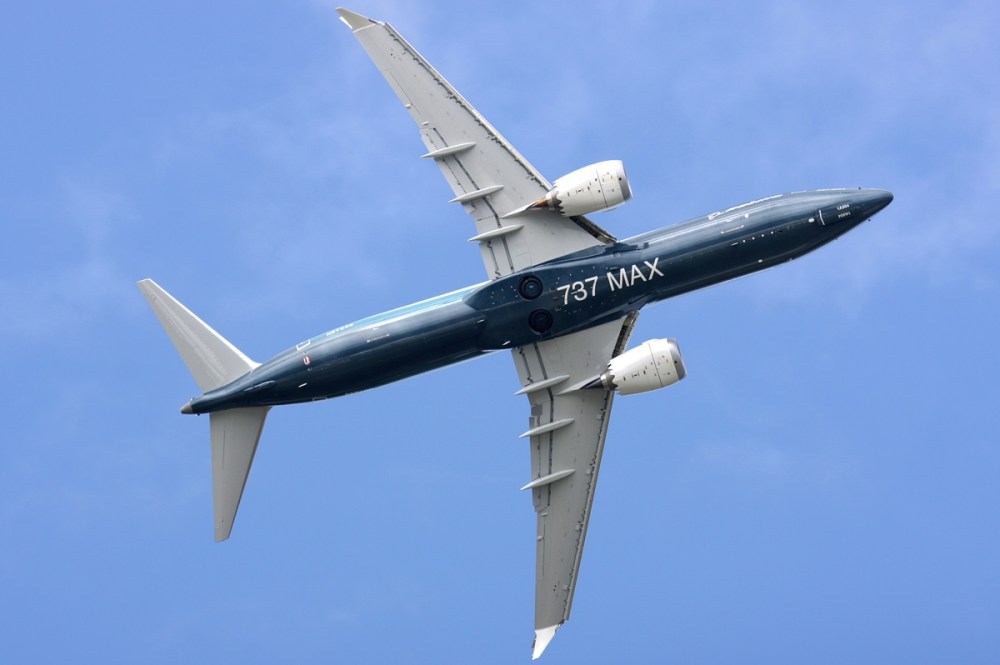
Si se cancela, una compra de Airbus sería un golpe para Boeing, que aseguró a Xiamen el año pasado como cliente de lanzamiento para la última variante de su avión 737 MAX más vendido, un competidor directo del A320 de mayor alcance. También destaca los riesgos del gran esfuerzo del presidente Donald Trump para reducir el ascenso de China como un rival económico global. Boeing ha tratado de evitar enredarse en la creciente brecha entre los EE. UU. Y China, después de haber sido etiquetado inicialmente como un posible objetivo para mayores aranceles.

Las conversaciones entre Xiamen y Airbus comenzaron informalmente alrededor de mayo, cuando las tensiones comerciales aumentaron, según la gente. Los debates ganaron intensidad en septiembre, cuando los altos ejecutivos de Airbus, incluido el Director Ejecutivo Tom Enders y el nuevo CEO Guillaume Faury visitaron China, dijeron.

Durante el viaje, los ejecutivos de Airbus también se reunieron con clientes chinos para reavivar las perspectivas de un posible acuerdo de $ 18 mil millones, informó Bloomberg en ese momento, citando a personas familiarizadas con la visita. Si bien no se puede llegar a tiempo a un acuerdo final para esa transacción, China está ansiosa por presentar una orden en una feria inaugural de importación y exportación en noviembre, donde se espera que el gobierno revele una serie de acuerdos para demostrar el poder adquisitivo y el peso de la nación. en el comercio global.

Las conversaciones de Xiamen están separadas de esto, dijeron las personas. Mientras que la aerolínea había estado en contacto con Airbus en el pasado, solo comenzó a considerar seriamente al fabricante de planos europeo mientras la guerra comercial se acentuaba, dijeron. La aerolínea se ha mostrado renuente a perder la ventaja de costos de operar una flota de aeronaves de un solo fabricante, y puede pedirle a las compañías de arrendamiento que ayuden con una compra, dependiendo de la cantidad de aeronaves involucradas.

Un portavoz de Airbus declinó comentar si las conversaciones con Xiamen estaban en curso. La Comisión Nacional de Desarrollo y Reforma de China es el organismo que tendría que aprobar cualquier orden de avión.

Xiamen «ha sido y es un gran cliente» para Boeing, dijo el viernes el vicepresidente de marketing, Randy Tinseth, en una entrevista al margen de una reunión de la Asociación de Aerolíneas de Asia y el Pacífico en Jeju, Corea del Sur. «No sé cuáles son sus planes», dijo.

Xiamen ha utilizado aviones Boeing desde que comenzó como un transportista regional dentro de China continental en los años 80. Operó 737 antes de expandirse en rutas de larga distancia con el 787 Dreamliner en 2015. La aerolínea cuenta actualmente con más de 170 aviones Boeing. En el Salón Aeronáutico de París en 2017, Xiamen ordenó el 737 MAX 10 de Boeing y dijo que pretendía elevar su flota total a 280 para el final de la década.

China se ha convertido en un campo de batalla para los dos titanes de aviones mientras buscan gobernar un mercado de la aviación que se espera se convierta en el más grande del mundo a principios de la próxima década. El gobierno, que negocia sus acuerdos de aeronaves a través de un grupo de compras central, generalmente divide los pedidos entre los fabricantes de aviones para cumplir con sus objetivos de expansión rápida.

Pero la guerra comercial trae una dimensión añadida. El apalancamiento de China cuando se trata de aranceles es limitado porque no importa tanto de los EEUU como se vende. Sin embargo, la segunda economía más grande del mundo tiene otras palancas que puede tirar, desde los obstáculos regulatorios para las compañías estadounidenses en China hasta los obstáculos a los objetivos de la política exterior de Estados Unidos. AIRWAYS® AW-Icon TXT

Image result for xiamen air fleet

Xiamen Airlines talks with Airbus

The old Boeing customer in China is talking to Airbus

Xiamen Airlines, an exclusive operator of Boeing aircraft for more than 30 years, is in talks with Airbus amid growing trade tensions between Beijing and the United States.

A Chinese airline that has been the exclusive operator of Boeing aircraft for more than 30 years is in talks with Airbus for a possible purchase of an airplane, amid growing commercial tensions between Beijing and the US, According to people familiar with the subject.

The executives of Xiamen Airlines, which are majority owned by state-owned Southern Southern Airlines, met with a high-powered Airbus delegation that visited China from Europe last month to advance the negotiations, said the people, who asked not to be Identified because the process is not public Xiamen is predominantly interested in the far-reaching version of Airbus A321 narrow body aircraft, they said, although the talks are still at an early stage and the size of a possible order has not been established. Xiamen, based in southeastern China, currently has no plans to buy Airbus aircraft.

If canceled, an Airbus purchase would be a blow to Boeing, which assured Xiamen last year as a launch customer for the latest variant of its best-selling 737 MAX aircraft, a direct competitor to the longer-range A320. It also highlights the risks of President Donald Trump’s great effort to reduce China’s rise as a global economic rival. Boeing has tried to avoid getting entangled in the growing gap between the US and China, after having been initially labeled as a possible target for higher tariffs.

The talks between Xiamen and Airbus began informally around May, when commercial tensions increased, according to people. The debates gained momentum in September, when Airbus senior executives, including Chief Executive Tom Enders and new CEO Guillaume Faury visited China, they said.

During the trip, Airbus executives also met with Chinese clients to rekindle the prospects of a possible US$ 18 billion deal, Bloomberg reported at the time, citing people familiar with the visit. While a final agreement for that transaction can not be reached in time, China is eager to file an order at an inaugural import and export fair in November, where the government is expected to reveal a series of agreements to demonstrate purchasing power. and the weight of the nation. in global commerce.

The Xiamen talks are separate from this, the people said. While the airline had been in contact with Airbus in the past, it only began to seriously consider the European blueprint maker as the trade war intensified, they said. The airline has been reluctant to lose the cost advantage of operating a fleet of aircraft from a single manufacturer, and may ask leasing companies to assist with a purchase, depending on the number of aircraft involved.

A spokesman for Airbus declined to comment on whether the talks with Xiamen were ongoing. The National Development and Reform Commission of China is the body that would have to approve any airplane order.

Xiamen «has been and is a big customer» for Boeing, vice president of marketing, Randy Tinseth, said in an interview on Friday in a meeting of the Asia-Pacific Airlines Association in Jeju, South Korea. «I do not know what his plans are», he said.

Xiamen has used Boeing aircraft since it began as a regional carrier within mainland China in the 1980s. It operated 737 before expanding into long distance routes with the 787 Dreamliner in 2015. The airline currently has more than 170 Boeing aircraft. At the Paris Air Show 2017, Xiamen ordered the 737 MAX 10 from Boeing and said it intended to raise its total fleet to 280 by the end of the decade.

China has become a battlefield for the two aircraft titans as they seek to govern an aviation market that is expected to become the largest in the world at the beginning of the next decade. The government, which negotiates its aircraft agreements through a central purchasing group, generally divides the orders among the aircraft manufacturers to meet its rapid expansion objectives.

But the commercial war brings an added dimension. China’s leverage when it comes to tariffs is limited because it does not matter as much about the US as it sells. However, the second largest economy in the world has other levers that it can pull, from regulatory obstacles for US companies in China to obstacles to US foreign policy objectives. A \ W

Resultado de imagen para seattle times logo


Ξ A I R G W A Y S Ξ
SOURCE: Airgways.com
DBk: Seattletimes.com / Xiamenair.com
AW-POST: 201810191244AR

A\W   A I R G W A Y S ®

Embraer refina próximas entregas E2

AW | 2018 10 19 10:07 | INDUSTRY

embraer logoEmbraer consolida las ventas del E190-E2

Embraer ha asistido a la Asamblea General de ERA (European Regions Airline Association) en edimburgo, Reino Unido. El Embraer E190-E2 acaba de realizar una gran gira de presentación en Europa en las últimas semanas (15 escalas) como parte de una ronda en el mundo que comenzó a principios de este año y que pronto llevará a Asia y China.

Embraer tuvo una oportunidad para hacer un balance del progreso reciente de su familia E-Jet E2. Arjan Meijer, el Director Comercial de Embraer, ha expresado que la aeronave E190E2 han madurado eficientemente, con una tasa de disponibilidad del 98,5%, un 99,5% en vuelos regulares en su operador de lanzamiento, Widerøe de Noruega. La compañía noruega recibió su primera aeronave el 4 Abril 2018 y ahora ha acumulado más de 1.900 horas de vuelo al 13 Septiembre con tres aviones en la flota. Arjan Meijer también quiso recordar que el E190-E2 nació bien, con un avión a tiempo, en el presupuesto y en las especificaciones, al tiempo que recordó que no era solo eso una remotorización de la familia E-Jet, sino más bien un nuevo diseño alar, equipamiento de sistemas nuevos, entre otros detalles.

Embraer formaliza contratos

La industria brasileña ha desarrollado un prolífico pedidos de aeronaves E2 en la Feria Farnborough 2018 acumulando pedidos por 300 aviones valorados en US$ 15,3 mil millones. De esta manera, el fabricante Embraer está finalizando gradualmente estos contratos. La compañía Helvetic Airways de Suiza, que convirtió su carta de intención para 24 E190-2 en un acuerdo de compra de 12 en firme y 12 en derechos de compra, la semana pasada, ahora es el turno de un operador de España que acaba de hacer lo mismo con 5 E195-E2, 3 compras, más 2 derechos de compra. Arjan Meijer dijo que la identidad de este cliente pronto se dará a conocer. Las próximas entregas de E190-E2 que recibirán sus entregas están Air Astana y Fuzhou Airlines. La compañía china recibirá dos aeronaves antes de fin de año.

La transición de las cadencias hacia la familia E2 era ahora la prioridad, recordando también que sería el turno de la E195-E2 el próximo año con la compañía de lanzamiento Azul Linhas Aéreas, un avión que auguran será un verdadero éxito. El éxito del E175-E2 no dependería del mercado norteamericano por las Cláusulas de Alcance, ya que se ve un mercado real en Europa para aviones dentro del rango de los 132-156 asientos.  AIRWAYS® AW-Icon TXT

Embraer refines upcoming E2 deliveries

Embraer consolidates the sales of the E190-E2

1280px-Embraer_logo.svg

Embraer has attended the General Assembly of ERA (European Regions Airline Association) in Edinburgh, United Kingdom. The Embraer E190-E2 has just made a major tour of presentation in Europe in recent weeks (15 stopovers) as part of a round in the world that began earlier this year and will soon lead to Asia and China.

Embraer had an opportunity to take stock of the recent progress of her E-Jet E2 family. Arjan Meijer, the Commercial Director of Embraer, has expressed that the aircraft E190E2 have matured efficiently, with an availability rate of 98.5%, 99.5% on scheduled flights at its launch operator, Widerøe from Norway. The Norwegian company received its first aircraft on 4 April 2018 and has now accumulated more than 1,900 flight hours on 13 September with three aircraft in the fleet. Arjan Meijer also wanted to remind that the E190-E2 was born well, with a plane on time, in the budget and in the specifications, at the time that he remembered that it was not only a remotorization of the E-Jet family, but rather a new alar design, equipment for new systems, among other details.

Embraer formalizes contracts

The Brazilian industry has developed a prolific orders of E2 aircraft at the Farnborough Fair 2018 accumulating orders for 300 aircraft valued at US$ 15.3 billion. In this way, the manufacturer Embraer is gradually finalizing these contracts. Helvetic Airways of Switzerland, which converted its letter of intent for 24 E190-2 into a purchase agreement of 12 in firm and 12 in purchase rights, last week, is now the turn of a Spanish operator that has just Do the same with 5 E195-E2, 3 purchases, plus 2 purchase rights. Arjan Meijer said that the identity of this client will soon be announced. The next deliveries of E190-E2 that will receive its centers are Air Astana and Fuzhou Airlines. The Chinese company will receive two aircraft before the end of the year.

The transition of the cadences to the E2 family was now the priority, also remembering that it would be the turn of the E195-E2 next year with the launch company Azul Linhas Aéreas, a plane that they predict will be a real success. The success of the E175-E2 would not depend on the North American market due to the Scope Clauses, since there is a real market in Europe for aircraft within the range of 132-156 seats. A \ W

Image result for Arjan Meijer Embraer

Embraer refina entregas futuras do E2

Embraer consolida as vendas do E190-E2

embraer logo (1)

A Embraer participou da Assembléia Geral da ERA (Associação de Companhias Aéreas de Regiões da Europa) em Edimburgo, no Reino Unido. O Embraer E190-E2 acaba de fazer uma grande turnê de apresentação na Europa nas últimas semanas (15 escalas) como parte de uma rodada no mundo que começou no início deste ano e em breve levará à Ásia e à China.

A Embraer teve a oportunidade de avaliar o progresso recente de sua família E-Jet E2. Arjan Meijer, diretor comercial de aeronaves Embraer manifestou que jato E190E2 amadureceu de forma eficiente, com uma taxa de desocupação de 98,5%, 99,5% nos voos regulares sobre o seu operador de lançamento, Widerøe na Noruega. A companhia norueguesa recebeu sua primeira aeronave em 4 de abril de 2018 e acumulou mais de 1.900 horas de vôo em 13 de setembro, com três aeronaves da frota. Arjan Meijer também queria lembrar que o E190-E2 nasceu bem, com um plano no prazo, no orçamento e especificações, enquanto ele se lembrou de que não era apenas que uma repotenciação da família E-Jet, mas sim uma nova design alar, equipamentos para novos sistemas, entre outros detalhes.

Embraer formaliza contratos

A indústria brasileira desenvolveu encomendas prolíficas de aeronaves E2 na Feira Farnborough 2018, acumulando pedidos para 300 aeronaves avaliadas em US$ 15,3 bilhões. Dessa forma, a fabricante Embraer está finalizando gradualmente esses contratos. A Helvetic Airways da Suíça, que converteu sua carta de intenção para 24 E190-2 em um contrato de compra de 12 em firma e 12 em direitos de compra, na semana passada, é agora a vez de uma operadora espanhola que acaba de Faça o mesmo com 5 E195-E2, 3 compras, mais 2 direitos de compra. Arjan Meijer disse que a identidade deste cliente será anunciada em breve. As próximas entregas do E190-E2 que receberão seus centros são Air Astana e Fuzhou Airlines. A empresa chinesa receberá duas aeronaves antes do final do ano.

Cadências transição para a família E2 agora era a prioridade, lembrando também que seria a virada do E195-E2 no próximo ano com a empresa lançamento Jetstar, um avião que augura nada será um verdadeiro sucesso. O sucesso do E175-E2 não dependeria do mercado norte-americano devido às Cláusulas de Escopo, já que há um mercado real na Europa para aeronaves dentro da faixa de 132-156 assentos. A \ W


Ξ A I R G W A Y S Ξ
SOURCE: Airgways.com
DBk: Embraer.com
AW-POST: 201810191007AR

A\W   A I R G W A Y S ®

Revés Certificación FAA del COMAC C919

Image result for comac c919 flight test FAA

AW | 2018 10 19 09:18 | INDUSTRY

Image result for comac Commercial Aircraft Corporation of ChinaLas pruebas de certificación de FAA desaprueba los estándares del COMAC C919

La industria de COMAC no aprobaron los exámenes de la Federal Aviation Administration (FAA) con respecto a las pruebas de vuelo del C919. Los ingenieros comenzaron a reevaluar el diseño de la cabina de vuelo del C919 para cumplir con la Parte 25.1302 del Reglamento Federal de Aviación (FAR). La Sección 1302 es bastante estricta con respecto a los factores humanos y es necesaria para la certificación de la FAA, pero no es requerida por la Civil Aviation Administration of China (CAAC) de China. Así que ahora hay un conflicto entre si tienen que cumplir los requisitos de la Sección 1302. Por lo que si Comac quiere vender aviones fuera de China siempre existe un debate constante sobre la cantidad de requisitos que deben cumplir, cambios de diseño son necesarios y el factor económico de estas modificaciones.

A pesar de los 10 años de desarrollo y la gran cantidad de apoyo de empresas extranjeras, los esfuerzos de China para ingresar a los mercados occidentales con un avión indígena continúan progresando lentamente a medida que Comac se esfuerza por alinear su ambicioso proyecto C919 con los requisitos de la Administración Federal de Aviación de EEUU.

Desafíos del C919

La industria Comac se enfrenta a desafíos para cumplir con los procedimientos de certificación requeridos para permitir la venta en los Estados Unidos. Reflejan un problema mayor que afecta a la industria aeroespacial de China, los conocimientos técnicos alcanzados. Si bien los expertos extranjeros en China transfieren conocimientos de manufactura y capacidades de I+D, Investigación y Desarrollo, los problemas de comunicación, la mala interpretación de los requisitos de la FAA y las habilidades locales limitadas han retrasado significativamente el progreso del desarrollo de certificaciones para la FAA. Mientras Comac avanza lentamente hacia la mejora de sus capacidades tecnológicas generales, los retrasos repetidos y la dependencia de la asistencia extranjera se mantendrán durante algún tiempo, lo que genera dudas de que los chinos puedan desarrollar una alternativa local a los motores CFM LEAP-1C del C919 dentro de una década.

Los desafíos se han hecho evidentes a medida que el C919 continúa sometiéndose a más pruebas de expansión de la envolvente en sus instalaciones de Shanghai y el equipo se encuentra con repetidos contratiempos debido a las interrupciones en los cambios de diseño y la escasez de expertos locales.

La ingeniería de COMAC está atravesando una curva de aprendizaje, lo que significa que tomará más tiempo alcanzar las certificaciones de la FAA. A diferencia de Airbus o Boeing que pueden cumplir con los proceso dentro de un período de tiempo de 18 meses, la industria china necesita la madurez óptima para alcanzar las certificaciones internacionales. Las empresas extranjeras asociadas a COMAC pueden servir como vehículos efectivos para la transferencia de conocimientos, las empresas internacionales reconocen la necesidad de salvaguardar cuidadosamente su propiedad intelectual y tecnologías, pero a su vez la COMAC necesite comprometer la colaboración necesaria para cumplir con el objetivo de primera entrega del C919 para el 2021. AIRWAYS® AW-Icon TXT

Image result for comac c919 flight test FAA

Backwards FAA certification of the COMAC C919

FAA certification tests disapprove COMAC C919 standards

The COMAC industry did not pass the Federal Aviation Administration (FAA) exams regarding the flight tests of the C919. Engineers began to reassess the design of the C919 flight deck to comply with Part 25.1302 of the Federal Aviation Regulations (FAR). Section 1302 is quite strict with respect to human factors and is necessary for FAA certification, but is not required by the Civil Aviation Administration of China (CAAC) of China. So now there is a conflict between them if they have to meet the requirements of Section 1302. So if Comac wants to sell planes outside of China there is always a constant debate about the amount of requirements they must meet, design changes are necessary and the economic factor of these modifications.

Despite 10 years of development and the large amount of support from foreign companies, China’s efforts to enter the western markets with an Indian aircraft continue to progress slowly as Comac strives to align its ambitious C919 project with the requirements of the Federal Aviation Administration of the USA.

Challenges of the C919

The Comac industry faces challenges to comply with the certification procedures required to allow the sale in the United States. They reflect a major problem that affects China’s aerospace industry, the technical expertise achieved. While foreign experts in China transfer knowledge of manufacturing and R+D, Research and Development capabilities, communication problems, misinterpretation of FAA requirements and limited local skills have significantly delayed the progress of the development of certainties. for the FAA. While Comac is slowly moving towards improving its overall technological capabilities, repeated delays and dependence on foreign assistance will continue for some time, raising doubts that the Chinese will be able to develop a local alternative to the CFM LEAP-1C engines. C919 within a decade.

The challenges have become evident as the C919 continues to undergo further envelope expansion testing at its Shanghai facility and the team encounters repeated setbacks due to interruptions in design changes and a shortage of local experts.

COMAC engineering is going through a learning curve, which means it will take longer to achieve FAA certifications. Unlike Airbus or Boeing that can meet the process within a period of 18 months, the Chinese industry needs the optimum maturity to achieve international certifications. Foreign companies associated with COMAC can serve as effective vehicles for the transfer of knowledge, international companies recognize the need to carefully safeguard their intellectual property and technologies, but at the same time COMAC needs to commit the necessary collaboration to meet the objective of first dl delivery C919 for 2021. A \ W

Image result for comac c919 flight test FAA

向后评估COMAC C919的FAA

Related imageFAA认证测试不符合COMAC C919标准

COMAC中国商飞的行业没有通过美国联邦航空管理局(FAA)关于C919飞行试验的考试。 工程师们开始重新评估C919驾驶舱的设计,以符合联邦航空条例(FAR)第25.1302部分的规定。 第1302条对人为因素非常严格,对于FAA认证是必要的,但中国民用航空局CAAC)并不要求。 因此,如果他们必须满足第1302节的要求,他们之间就会发生冲突。因此,如果Comac想要在中国境外销售飞机,那么他们必须满足的要求数量,设计变更是必要的以及 这些修改的经济因素。

尽管10年的发展和大量的外国公司的支持,中国与土著飞机进入西方市场继续努力进展缓慢的中国商飞努力调整其雄心勃勃的C919项目需求美国联邦航空管理局美国。

C919的挑战

申诉专员行业面临会议,以便在美国销售所需的认证程序的挑战。反映影响中国的航天业,实现专业知识的一大难题。虽然外国专家研发的中国转让知识和制造能力d,研究和开发,沟通不畅,联邦航空管理局和当地的技能要求误解的限制,他们显著延迟ceertificaciones的开发进度为FAA。虽然中国商飞对改善其整体技术能力,一再拖延和对外国援助的依赖仍将维持一段时间,提出问题,中国可以发展当地的替代CFM LEAP-1C微调C919十年内。

这些挑战已成为作为C919显然继续接受进一步在上海举行其设施测试信封的扩大和设备符合屡遭挫折由于设计变更中断和当地专家的短缺。

COMAC工程正在经历一个学习曲线,这意味着需要更长的时间才能获得FAA认证。 与空中客车公司或波音公司能够在18个月内完成这一过程不同,中国工业需要最佳的成熟度才能获得国际认证。 与COMAC相关的外国公司可以作为知识转让的有效工具,国际公司认识到需要谨慎保护其知识产权和技术,但同时COMAC需要进行必要的合作以实现第一个目标。 交付2021年的C919。A\W


Ξ A I R G W A Y S Ξ
SOURCE: Airgways.com
DBk: Comac.cc / Caac.gov.cn / Popsci.com / Ainonline.com / Airsoc.com
AW-POST: 201810190918AR

A\W   A I R G W A Y S ®

GKN y UTAS acuerdo licencias

Resultado de imagen para Bombardier CRJ-700

AW | 2018 10 17 12:08 | INDUSTRY / MRO

Resultado de imagen para GKN FokkerGKN Aerospace y UTAS firman un contrato de licencia de reparación (MRO)

GKN Fokker Services y UTC Aerospace Systems (UTAS) celebraron un Contrato de Licencia de Reparación de por vida para soportar los componentes de control de vuelo hidráulico de UTAS de las aeronaves Bombardier CRJ200 y CRJ700/900/1000 en las regiones EMEA y APAC.

El acuerdo incluye una licencia de tecnología, que proporciona acceso a los datos técnicos necesarios para mantener las Unidades Reemplazables en Línea (LRU) de acuerdo con los estándares del OEM y las reparaciones aprobadas por el OEM, también asistencia técnica, que brinda capacitación y asistencia para entregar los estándares de alta calidad requeridos. y un acuerdo de compra de repuestos, que es fundamental para ofrecer una solución competitiva basada en el uso de materiales aprobados por OEM.

Como licenciatario de UTAS, GKN Fokker Services brinda soporte a las compañías aéreas, compañías de MRO e integradores con soluciones OEM flexibles, confiables y competitivas para los controles de vuelo instalados en la flota de CRJ. El soporte incluye piezas y garantía OEM, servicio al cliente dedicado las 24 horas, los 7 días de la semana, tiempo de respuesta rápido, garantía de rendimiento, servicios de monitoreo de confiabilidad para garantizar la máxima calidad e intercambio de inventario disponible para respaldar la próxima eliminación.

Paul Vorstermans, vicepresidente de GKN Fokker Services dijo: “Como proveedor líder de servicios aeroespaciales, estamos orgullosos de ser elegidos por UTAS como licenciados en apoyo de los operadores de CRJ en la región de EMEA y APAC; aportamos un valor agregado basado en la experiencia de muchos años en el soporte de componentes de MRO, nuestros altos estándares de calidad, incluidas las aprobaciones de la FAA, EASA y CAAC, y nuestra experiencia en servicio. Esperamos poder apoyar a nuestros clientes y ampliar aún más nuestra relación como socio de canal de UTAS».  AIRWAYS® AW-Icon TXT

Resultado de imagen para GKN and UTAS license agreement

GKN and UTAS license agreement

Resultado de imagen para GKN FokkerGKN Aerospace and UTAS sign a repair license agreement (MRO)

GKN Fokker Services and UTC Aerospace Systems (UTAS) entered into a Lifetime Repair License Agreement to support the UTAS hydraulic flight control components of the Bombardier CRJ200 and CRJ700/900/1000 aircraft in the EMEA and APAC regions.

The agreement includes a technology license, which provides access to the technical data necessary to maintain the Replaceable Units Online (LRU) in accordance with OEM standards and repairs approved by the OEM, as well as technical assistance, which provides training and assistance to deliver the high quality standards required. and a spare parts purchase agreement, which is essential to offer a competitive solution based on the use of OEM approved materials.

As a licensee of UTAS, GKN Fokker Services provides support to airlines, MRO companies and integrators with flexible, reliable and competitive OEM solutions for the flight controls installed in the CRJ fleet. The support includes parts and OEM warranty, dedicated customer service 24 hours a day, 7 days a week, quick response time, performance guarantee, reliability monitoring services to ensure the highest quality and exchange of available inventory to support the next elimination.

Paul Vorstermans, vice president of GKN Fokker Services said: «As a leading provider of aerospace services, we are proud to be chosen by UTAS as graduates in support of CRJ operators in the EMEA and APAC region; we provide added value based on long-standing experience in supporting MRO components, our high quality standards, including FAA, EASA and CAAC approvals, and our service experience. We look forward to supporting our customers and further expanding our relationship as a UTAS channel partner». A \ W

Resultado de imagen para GKN Fokker Papendrecht

GKN en UTAS licentieovereenkomst

GKN Aerospace en UTAS tekenen een reparatie licentieovereenkomst (MRO)

GKN Fokker Services en UTC Aerospace Systems (UTAS) in een licentieovereenkomst levenslange reparatie ingevoerd om de hydraulische besturing componenten UTAS vlucht Bombardier CRJ-200 vliegtuigen en CRJ700/900/1000 in de EMEA en APAC regio’s te weerstaan.

De overeenkomst omvat een technologie-licentie, die toegang geeft tot technische gegevens die nodig zijn om de vervangbare onderdelen te handhaven (LRU) volgens de OEM-normen en reparaties door de OEM, ook technische bijstand, welke opleiding en bijstand biedt goedgekeurd om de vereiste hoge kwaliteitsnormen te leveren. en een koopovereenkomst voor reserveonderdelen, die essentieel is om een ​​concurrerende oplossing te bieden op basis van het gebruik van door OEM goedgekeurde materialen.

Als licentiehouder van UTAS, GKN Fokker Services biedt ondersteuning aan luchtvaartmaatschappijen, MRO bedrijven en integrators met flexibele, betrouwbare en competitieve OEM-oplossingen voor de vlucht controles in de CRJ-vloot geïnstalleerd. De ondersteuning omvat onderdelen en OEM-garantie, toegewijde klantenservice 24 uur per dag, 7 dagen per week, snelle responstijd, prestatiegarantie, betrouwbaarheidscontroleservices om de hoogste kwaliteit te garanderen en uitwisseling van beschikbare voorraad ter ondersteuning van de volgende eliminatie.

Paul Vorstermans, vice-president van GKN Fokker Services zei: ,,Als een toonaangevende leverancier van de ruimtevaart, we zijn er trots op UTAS te worden gekozen als afgestudeerden ter ondersteuning van de CRJ operatoren in EMEA en APAC; Wij brengen een toegevoegde waarde op basis van de jarenlange ervaring in het ondersteunen van componenten MRO, onze hoge kwaliteitsnormen, waaronder goedkeuringen van de FAA, EASA en CAAC, en onze ervaring in dienst. We verheugen ons erop onze klanten te ondersteunen en onze relatie als UTAS-kanaalpartner verder uit te breiden». A \ W


Ξ A I R G W A Y S Ξ
SOURCE: Airgways.com
DBk: Gkn.com / Fokker.com / Bombardier.com
AW-POST: 201810171208AR

A\W   A I R G W A Y S ®

Boeing expande programa MRO Europa

Imagen relacionada

AW | 2018 10 17 09:37 | INDUSTRY / MRO

Boeing-Company-LogoBoeing anuncia una capacidad mejorada de Solución de Material Integrado en MRO Europa

Boeing anunció una expansión de su programa de piezas, llamado Integrated Material Solution (IMS), para cumplir con los crecientes requisitos de la cadena de suministro de los clientes de las líneas aéreas para piezas y logística flexibles y personalizadas soluciones. La solución de materiales integrada satisfará las crecientes necesidades de logística y cadena de suministro del cliente con servicios personalizados.

Anunciada en MRO Europa, esta capacidad mejorada agiliza la cadena de suministro de un cliente al combinar múltiples servicios del portafolio de soluciones de repuestos de Boeing en una solución de materiales totalmente administrada. Integrated Material Solution ofrece planificación de la demanda de consumibles, consumibles y equipos proporcionados por el cliente con gestión de piezas rotativas. IMS aprovecha la escala de Boeing con soporte de repuestos 24/7 y más de 12 millones de repuestos en inventario en más de 75 depósitos de repuestos en todo el mundo. «La creación de Integrated Material Solution es una respuesta directa a lo que nuestros clientes han estado pidiendo. Los transportistas quieren el beneficio de una cadena de suministro confiable que cambie la complejidad operativa por estabilidad», dijo Mike Fleming, Vicepresidente de Servicios Comerciales para Boeing.

Junto con la capacidad mejorada de IMS, Boeing anunció una serie de acuerdos para proporcionar soluciones de cadena de suministro, que incluyen: El Al Israel Airlines firmó un acuerdo de dos años para la gestión, prueba, reparación y revisión de componentes con Aviall, filial de Boeing. El Grupo Lufthansa agregará dos revisiones y cambios de tren de aterrizaje 777-200F a su contrato existente. El servicio elimina la necesidad de que los operadores contraten, programen y administren el proceso de revisión.  AIRWAYS® AW-Icon TXT

Resultado de imagen para Boeing MRO

Boeing expands MRO program in Europe

Boeing Announces Improved Capacity of Integrated Material Solution in MRO Europe

Boeing announced an expansion of its parts program, called Integrated Material Solution (IMS), to meet the growing requirements of the airline customers’ supply chain for flexible parts and logistics and customized solutions. The integrated materials solution will meet the growing needs of logistics and supply chain of the customer with personalized services.

Announced at MRO Europe, this enhanced capability streamlines a customer’s supply chain by combining multiple services from the Boeing spare parts portfolio into a fully managed materials solution. Integrated Material Solution offers planning of the demand for consumables, consumables and equipment provided by the customer with management of rotating parts. IMS takes advantage of the Boeing scale with 24/7 spare parts support and more than 12 million spare parts in inventory in more than 75 spare parts warehouses around the world. «The creation of the Integrated Material Solution is a direct response to what our customers have been asking for, carriers want the benefit of a reliable supply chain that changes operational complexity for stability», said Mike Fleming, Vice President of Commercial Services for Boeing.

Along with the improved IMS capability, Boeing announced a series of agreements to provide supply chain solutions, including: Al Israel Airlines signed a two-year agreement for the management, testing, repair and revision of components with Aviall, a subsidiary of Boeing. The Lufthansa Group will add two revisions and changes of 777-200F landing gear to its existing contract. The service eliminates the need for operators to hire, schedule and manage the review process. A \ W


Ξ A I R G W A Y S Ξ
SOURCE: Airgways.com
DBk: Boeing.com / Newsroon.aviator.aero
AW-POST: 201810170937AR

A\W   A I R G W A Y S ®