El Grupo IAG ya es europeo

Resultado de imagen para IAG group

AW | 2019 02 12 05:32 | AIRLINES ALLIANCE

Resultado de imagen para IAG groupEl Grupo IAG pertenece ahora a la bandera europea después de un acuerdo accionario

International Consolidated Airlines Group SA (IAG), la propietaria de Iberia, Aer Lingus, Vueling, Level y British Airways, dijo este lunes que había llegado a tener un 52,5% de acciones en manos de la Comunidad Europea (territorio de la unión) y que el porcentaje de accionistas británicos o de cualquier otra procedencia no europea, estaba en el 47,5%.

Con esta situación la aerolínea puede seguir operando en Europa, continente en el que está prohibido que una empresa con mayoría extranjera pueda operar localmente. Esta es una noticia fundamental para Iberia, Vueling, Level y Aer Lingus, dado que sus vuelos son predominantemente en territorio o con bases en la Unión Europea.

IAG señaló además que no tiene seguridad alguna de cuando e incluso siquiera de si será posible un día eliminar este tope del 47,5 por ciento de acciones en manos de no europeos, incluyendo británicos, lo cual en otras palabras equivale a que British Airways ya no tiene ni tendrá mayoría británica. Operativamente, IAG no va a certificar la compra de acciones por no europeos, si eso supera este límite, con lo que garantiza la operación.

Para que se hagan una idea de las complicaciones que conlleva todo este asunto, Ryanair, la aerolínea irlandesa, está haciendo lo mismo porque, pese a que su sede está en Dublín, los accionistas eran mayoritariamente británicos. En todo caso, pese a las cautelas formales para que las aerolíneas cumplan con las exigencias de Bruselas, ciertamente bastante contrarias a todo espíritu de libertad de circulación de capitales, existen muchos mecanismos para que aunque figure legalmente un titular, con contratos privados eso puede subsanarse mediante la cesión a otras personas o sociedades.AW-Icon-TXT-01

Resultado de imagen para British Airways Iberia pngThe IAG Group is already European

The IAG Group now belongs to the European flag after a stock agreement

International Consolidated Airlines Group (IAG), the owner of Iberia, Aer Lingus, Vueling, Level and British Airways, said on Monday that it had reached 52.5% of shares in the hands of the European Community (union territory ) and that the percentage of British shareholders or of any other non-European origin was 47.5%.

With this situation, the airline can continue to operate in Europe, a continent in which it is prohibited for a company with a foreign majority to operate locally. This is a fundamental news for Iberia, Vueling, Level and Aer Lingus, given that its flights are predominantly in territory or with bases in the European Union.

IAG also noted that it has no security as to when and even if one day it will be possible to eliminate this cap of 47.5 percent of shares held by non-Europeans, including British, which in other words means that British Airways already he does not have and will not have a British majority. Operationally, IAG will not certify the purchase of shares by non-Europeans, if that exceeds this limit, thereby guaranteeing the operation.

To get an idea of ​​the complications involved in this whole matter, Ryanair, the Irish airline, is doing the same because, although its headquarters are in Dublin, the shareholders were mostly British. In any case, despite the formal precautions for airlines to comply with the demands of Brussels, certainly quite contrary to any spirit of freedom of movement of capital, there are many mechanisms so that although a holder is legally, with private contracts that can be corrected by assignment to other persons or companies. A \ W


Ξ A I R G W A Y S Ξ
SOURCE: Airgways.com
DBk: Europa.eu / Iairgroup.com
AW-POST: 201902120532AR

A\W   A I R G W A Y S ®

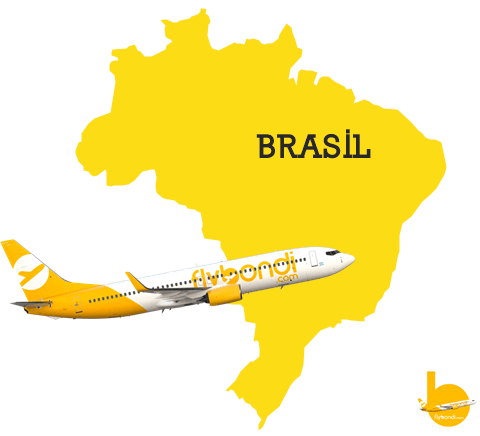
Flybondi lanza promoción invierno 2019

32321855_619737138376831_4119904145547198464_n.jpgAW | 2019 02 11 20:55 | AIRLINES

AW-Flybondi_Aircraft-001 (2)La aerolínea low cost Flybondi lanza promociones para vacaciones invierno 2019

Flybondi Líneas Aéreas ha presentado una promoción limitada para el invierno 2019, ofreciendo al mejor estilo americano-europeo, tarifas a precios irrazonables. La aerolínea low cost lanzó una promoción para aquellos que ya estén pensando en organizar sus vacaciones de invierno. Habrá pasajes desde AR$ 1,00 más tasas, en el caso de vuelos de cabotaje. El precio final de los pasajes que están incluidos en esta oferta llega a AR$ 211,00. Los destinos más elegidos son Bariloche, Córdoba, Salta, Jujuy, Mendoza e Iguazú.

La oferta fue anunciada por la aerolínea a través de su cuenta oficial de Twitter y estará disponible hasta el martes 12 de febrero y los pasajes se podrán comprar a precios ultra low cost para viajar entre Junio y Septiembre 2019.AW-Icon-TXT-01

large_logo - copiaAW-70007668

Flybondi launches winter 2019 promotion

The low cost airline Flybondi launches promotions for winter holidays 2019

Flybondi Líneas Aéreas has presented a limited promotion for winter 2019, offering the best American-European style, rates at unreasonable prices. The low cost airline launched a promotion for those who are already thinking about organizing their winter holidays. There will be tickets from AR$ 1.00 plus taxes, in the case of cabotage flights. The final price of the tickets that are included in this offer reaches AR$ 211.00. The most chosen destinations are Bariloche, Córdoba, Salta, Jujuy, Mendoza and Iguazú.

The offer was announced by the airline through its official Twitter account and will be available until Tuesday, February 12 and tickets can be purchased at low cost ultra prices to travel between June and September 2019. A \ W


Ξ A I R G W A Y S Ξ
SOURCE: Airgways.com
DBk: Flybondi.com / Airgways.com
AW-POST: 201902112055AR

A\W   A I R G W A Y S ®

Proyecto ley EEUU seguridad en cabina

Image result for 11-SAW | 2019 02 10 17:14 | AVIATION SAFETY

Legisladores estadounidenses presentan proyecto de ley bipartidista sobre la seguridad de la cabina

Los legisladores de Estados Unidos están presionando para que se refuerce la seguridad de la aviación con un proyecto de ley bipartidista que exigirá que las aerolíneas de pasajeros instalen puertas de seguridad secundarias entre las cabinas y la cabina del avión actual para evitar otro ataque al estilo del 11 Septiembre 2001 (11S).

Los secuestros siguen siendo una amenaza a pesar de las mejoras en la seguridad de la aviación mundial desde el 11 de Septiembre de 2001, cuando los aviones secuestrados volaron al World Trade Center de Nueva York y al Pentágono, cuatro representantes de los EEUU, los demócratas Andre Carson y Josh Gottheimer, y los republicanos Brian Fitzpatrick y Peter King, dijeron en una oración. El año pasado, el Congreso impuso un requisito de barreras secundarias, destinadas a evitar que los posibles secuestradores apresuren la cabina de los pilotos cuando los pilotos toman descansos o comidas en el baño, para futuros aviones comerciales de nueva fabricación. Pero esa legislación no abordaba los aviones existentes.

El nuevo proyecto de ley, presentado la semana pasada, extendería el requisito a todos los aviones de pasajeros. Las barreras secundarias permitirían que un piloto cierre la puerta de la cabina antes de abrir otra puerta al resto del avión. Las medidas actuales para proteger la cubierta de vuelo incluyen estacionar una asistente de vuelo o un carrito de comida frente a la cabina.

Un estudio realizado por la Administración Federal de Aviación (FAA), que supervisa la seguridad de la aviación, concluyó que las cabinas son vulnerables cuando los pilotos salen y citó las puertas secundarias como la forma de protección más eficiente y rentable, según el comunicado de prensa emitido el miércoles.

Costos a la seguridad

Las barreras livianas de malla de alambre costarían entre US$ 5.000 y US$ 12.000 por avión, dijeron los legisladores. Airlines for America (A4A), un grupo comercial de la industria que representa a los grandes operadores comerciales como American Airlines, Southwest Airlines y United Airlines, dijo que las aerolíneas individuales deberían ser las que decidan si instalar o no dichos sistemas. El portavoz de la asociación, Vaughn Jennings, dijo que la industria de las líneas aéreas ha trabajado en estrecha colaboración con la Administración de Seguridad del Transporte (TSA) para implementar un sistema de seguridad de varias capas después del 9/11 y señaló que algunas líneas aéreas de los Estados Unidos.

El sindicato de pilotos, The Air Line Pilots Association (ALPA), dijo que apoyaba la legislación y pidió a la FAA que implementara de inmediato el lenguaje requerido por el Congreso el año pasado en los nuevos aviones de pasajeros para ayudar a garantizar la seguridad de nuestras cabinas.

Tras los ataques del 11 Septiembre 2001, las aerolíneas reforzaron las puertas de la cabina y la TSA lanzó un avanzado equipo de detección en el aeropuerto. La TSA también supervisa el Servicio Federal de Policía Aérea, que despliega oficiales de vuelo armados de los EEUU en vuelos en todo el mundo. Pero los críticos han cuestionado la efectividad de la inspección de pasajeros y el programa de mariscal de vuelo.

El nuevo proyecto de ley para las barreras secundarias se llama Ley de Seguridad Aérea Mejorada de Saracini, luego del piloto Victor Saracini, quien murió cuando su avión fue secuestrado durante los ataques del 9/11. Su viuda, Ellen, ha sido una defensora de la legislación para la seguridad de la aviación.AW-Icon-TXT-01

Image result for 11-SProject law US cabin security

US lawmakers submit bipartisan bill on cabin safety

US lawmakers are pushing for aviation security to be reinforced with a bipartisan bill that will require passenger airlines to install secondary security doors between the cabins and the cabin of the current plane to prevent another attack in the style of the aircraft. 11 September 2001 (11S).

Kidnappings remain a threat despite improvements in global aviation security since September 11, 2001, when hijacked airplanes flew to the World Trade Center in New York and the Pentagon, four representatives from the US, the Democrats Andre Carson and Josh Gottheimer, and Republicans Brian Fitzpatrick and Peter King, said in a prayer. Last year, Congress imposed a requirement of secondary barriers, designed to prevent potential hijackers from rushing the pilot’s cabin when pilots take breaks or meals in the bathroom, for future commercial aircraft of new manufacture. But that legislation did not address existing aircraft.

The new bill, introduced last week, would extend the requirement to all passenger aircraft. Secondary barriers would allow a pilot to close the cabin door before opening another door to the rest of the aircraft. Current measures to protect the flight deck include parking a flight attendant or a food cart in front of the cabin.

A study conducted by the Federal Aviation Administration (FAA), which oversees aviation safety, concluded that the cabins are vulnerable when pilots leave and cited the secondary doors as the most efficient and cost-effective form of protection, according to the statement. press issued on Wednesday.

Security costs

Lightweight wire mesh barriers would cost between US$ 5,000 and US$ 12,000 per plane, lawmakers said. Airlines for America (A4A), an industry trade group that represents large commercial operators such as American Airlines, Southwest Airlines and United Airlines, said individual airlines should decide whether or not to install such systems. The association’s spokesman, Vaughn Jennings, said the airline industry has worked closely with the Transportation Security Administration (TSA) to implement a multilayer security system after 9/11 and noted that some Airlines of the United States.

The pilots’ union, The Air Line Pilots Association (ALPA), said it supported the legislation and asked the FAA to immediately implement the language required by Congress last year on new passenger aircraft to help ensure the safety of the aircraft. our cabins.

After the attacks of 11 September 2001, the airlines reinforced the cabin doors and the TSA launched an advanced detection equipment at the airport. The TSA also oversees the Federal Air Police Service, which deploys armed flight officers from the US on flights around the world. But critics have questioned the effectiveness of passenger inspection and the flight marshal program.

The new bill for secondary barriers is called Saracini’s Enhanced Air Safety Law, after pilot Victor Saracini, who died when his plane was hijacked during the 9/11 attacks. His widow, Ellen, has been an advocate of legislation for aviation security. A \ W


Ξ A I R G W A Y S Ξ
SOURCE: Airgways.com
DBk: Reuters.com / Airgways.com
AW-POST: 201902101714AR

A\W   A I R G W A Y S ®

Azul con Base en Recife

IMG_0565.JPGAW | 2019 02 10 16:57 | AIRLINES

azul_brazilian_airlines_logo-svg.pngAzul Linhas Aéreas creará Base Recife para soporte de tripulaciones

La nueva base regional de Recife comenzará a funcionar en Junio 2019 en el Aeropuerto de Guararapes. Azul Linhas Aéreas va a instalar en Recife una base para tripulantes de vuelo. La base, una especie de oficina regional de la empresa, entre otras funciones, dará soporte a los funcionarios que fijen residencia en la capital pernambucana, sobre todo pilotos y comisarios que trabajan en las rutas integrantes del centro de conexiones de vuelos, que existe en Recife desde el 2016.

El Presidente del Comité Ejecutivo de Azul Linhas Aéreas, José Mário Caprioli, comunicará la inversión de la empresa en el Estado de Pernambuco. Con la apertura del «crew desk», Azul espera generar cerca de 300 nuevos empleos directos dentro de los próximos 12 meses, siendo 110 pilotos y 190 comisarios, además del personal administrativo.

Azul indicó además que la apertura de la base de tripulantes de vuelo en Recife forma parte del modelo de negocios de la empresa y consolida a Recife como el principal centro de conexiones de la compañía en el Nordeste. Antes de la instalación del hub de Azul en Pernambuco, la empresa realizaba 24 despegues en el Estado. Ahora son 55 despegues, con apertura de 20 nuevos mercados, incluyendo cuatro destinos internacionales.

Azul es la mayor aerolínea de Brasil en número de despegues y ciudades atendidas. En 2019, la compañía hará un robusto programa de renovación de flota con previsión de añadir 21 aeronaves de última generación. Para John Rodgerson, CEO de Azul, esta sustitución de aeronaves tiene el objetivo de expandir los márgenes de la empresa. «Azul cerró 2018 con una flota de 20 aviones A320NEO, que contribuyen a un ingreso significativamente mayor, el costo por asiento del A320NEO es un 29% menor que el de nuestra generación actual de aeronaves, y estamos entusiasmados con la llegada de la próxima generación de aeronaves Embraer E195-E2, que proporcionan una reducción del 26% en el costo por asiento comparado a las aeronaves actuales». AW-Icon-TXT-01

AW-Wk-31500553833.jpgAzul with Base in Recife

Azul Linhas Aéreas will create Recife Base for crew support

Recife’s new regional base will begin operations in June 2019 at the Guararapes Airport. The airline Azul Linhas Aéreas is going to install a flight crew base in Recife. The base, a kind of regional office of the company, among other functions, will support the officials who fix residence in the capital of Pernambuco, above all pilots and commissars who work in the routes integrating the flight connections center, which exists in Recife since 2016

The Chairman of the Executive Committee of Azul Linhas Aéreas, José Mário Caprioli, will communicate the investment of the company in the State of Pernambuco. With the opening of the «crew desk», Azul expects to generate close to 300 new direct jobs within the next 12 months, with 110 pilots and 190 commissioners, as well as administrative staff.

Azul also indicated that the opening of the flight crew base in Recife is part of the company’s business model and consolidates Recife as the company’s main connection center in the Northeast. Before the installation of the Azul hub in Pernambuco, the company carried out 24 take-offs in the State. Now there are 55 take-offs, with opening of 20 new markets, including four international destinations.

Azul is the largest airline in Brazil in number of take-offs and cities served. In 2019, the company will make a robust fleet renewal program with the anticipation of adding 21 state-of-the-art aircraft. For John Rodgerson, CEO of Azul, this aircraft replacement has the objective of expanding the margins of the company. «Azul closed 2018 with a fleet of 20 A320NEO aircraft, which contribute to significantly higher revenues, the cost per seat of the A320NEO is 29% lower than that of our current generation of aircraft, and we are excited about the arrival of the next generation of Embraer E195-E2 aircraft, which provide a 26% reduction in seat cost compared to current aircraft». A \ W

AW-700000222.jpgAzul com Base em Recife

A Azul Linhas Aéreas criará a Base Recife para o apoio da tripulação

A nova base regional do Recife começará a operar em junho de 2019 no Aeroporto de Guararapes. A companhia aérea Azul Linhas Aéreas vai instalar uma base de tripulação de voo em Recife. A base, uma espécie de escritório regional da empresa, entre outras funções, apoiará os funcionários que fixam residência na capital pernambucana, acima de todos os pilotos e comissários que trabalham nas rotas que integram o centro de conexões de vôos, que existe em Recife desde 2016

O presidente do Comitê Executivo da Azul Linhas Aéreas, José Mário Caprioli, comunicará o investimento da empresa no Estado de Pernambuco. Com a abertura do «balcão da tripulação», a Azul espera gerar cerca de 300 novos empregos diretos nos próximos 12 meses, com 110 pilotos e 190 comissários, além de pessoal administrativo.

A Azul também indicou que a abertura da base de tripulação de vôo em Recife faz parte do modelo de negócios da empresa e consolida Recife como o principal centro de conexão da companhia no Nordeste. Antes da instalação do polo da Azul em Pernambuco, a companhia realizou 24 decolagens no Estado. Agora são 55 decolagens, com abertura de 20 novos mercados, incluindo quatro destinos internacionais.

A Azul é a maior companhia aérea do Brasil em número de decolagens e cidades atendidas. Em 2019, a empresa fará um robusto programa de renovação da frota com a expectativa de adicionar 21 aeronaves de última geração. Para John Rodgerson, CEO da Azul, essa substituição de aeronaves tem o objetivo de ampliar as margens da empresa. «Azul terminou 2018 com uma frota de 20 aeronaves A320NEO, que contribuem para uma receita significativamente maior, o custo por A320NEO assento é 29% menor do que a nossa geração atual de aeronaves, e estamos animado sobre a chegada da próxima geração de aeronaves Embraer E195-E2, que proporcionam uma redução de 26% no custo de assentos em comparação com as aeronaves atuais». A \ W


Ξ A I R G W A Y S Ξ
SOURCE: Airgways.com
DBk: Voeazul.com.br / Airgways.com / Wikimedia.org
AW-POST: 201902101657AR

A\W   A I R G W A Y S ®

Flybe cerraría sin acuerdo con Virgin

Resultado de imagen para Flybe new lookAW | 2019 02 10 16:37 | AIRLINES ALLIANCE

Flybe necesita negociar con Virgin Atlantic como última oportunidad para sobrevivir

El efecto de las aerolíneas europeas continúa tambaleando por los reveses económicos. La intensa competencia, los altos precios del combustible y la incertidumbre económica causada por el Brexit han sido algunos de los problemas por la precaria situación financiera de Flybe.

Se ha dado advertencia a los accionistas de Flybe que la compañía cerrará si no aceptan una oferta de Virgin Atlantic y otros, el director ejecutivo ha prometido que las perspectivas a largo plazo de la aerolínea son buenas. La problemática aerolínea con base en Exeter se puso a la venta en Noviembre 2018 luego de advertir de grandes pérdidas durante el invierno boreal.

El 10 Enero 2019, un consorcio llamado Connect Airways, formado por Virgin Atlantic, Stobart Air y un fondo de cobertura estadounidense, Cyrus Capital Partners, (Virgin Atlantic 30%; Stobart Aviation 30%; Cyrus Capital Partners 40%), hizo una oferta de solo £ 2.2 millones, valorando cada acción en solo 1 punto, en comparación con un precio máximo de £ 2.95. Poco después de la flotación de Flybe en 2010. Después de que se anunció el acuerdo, se bombearon £ 10 millones a Flybe para mantenerlo en funcionamiento; 10 días después, se proporcionaron otros 5 millones de libras.

Al rescate

En virtud de un acuerdo de venta a Connect Airways, Flybe pasaría a llamarse Virgin Atlantic y se repintará la flota de la aerolínea de más de 70 aviones. Los horarios se ajustarán para alimentar los vuelos de la aerolínea de larga distancia en Heathrow y Manchester, y puede haber nuevos servicios en el Aeropuerto de Southend, propiedad de Stobart Air. Pero un accionista líder, Hosking Partners, ha pedido que se reemplace al presidente de la aerolínea, Simon Laffin, y que se busque una solución alternativa. Otro inversor, Andrew Tinkler, presentó una propuesta que contemplaba una inyección de capital en Flybe. Otro inversor, Andrew Tinkler, presentó una propuesta que contemplaba una inyección de capital en Flybe.

El operador comenzó su vida como Jersey European en 1979, y ha creado una red de servicios muy concurrida para el Reino Unido, las Islas del Canal, Irlanda y Europa continental.

La intensa competencia, los altos precios del combustible y la incertidumbre económica causada por el Brexit han sido culpados por la precaria situación financiera de Flybe. Si el esquema no se aprueba, los Directores de Flybe tienen la intención de tomar medidas para liquidar a la aerolínea y es probable que los accionistas no reciban ningún valor por sus acciones en Flybe, la aerolínea regional del Reino Unido.

Connect Airways tiene la intención de continuar operando Flybe Limited como un operador independiente con un AOC (Certificado de Operador Aéreo) del Reino Unido bajo una marca Virgin.AW-Icon-TXT-01

Resultado de imagen para FlybeFlybe would close without agreement with Virgin

Flybe needs to negotiate with Virgin Atlantic as the last chance to survive

The effect of European airlines continues to falter due to economic restructuring. The intense competition, the high fuel prices and the economic uncertainty caused by the Brexit have been some of the problems due to Flybe‘s precarious financial situation.

Flybe shareholders have been warned that the company will close if they do not accept an offer from Virgin Atlantic and others, the executive director has promised that the long-term prospects of the airline are good. The problematic airline based in Exeter went on sale in November 2018 after warning of large losses during the winter.

On January 10, 2019, a consortium called Connect Airways, formed by Virgin Atlantic, Stobart Air and a US hedge fund, Cyrus Capital Partners, (Virgin Atlantic 30%; Stobart Aviation 30%; Cyrus Capital Partners 40%), made an offer of only £ 2.2 million, valuing each share by only 1 point, compared to a maximum price of £ 2.95. Shortly after Flybe’s flotation in 2010. After the agreement was announced, £ 10 million was pumped into Flybe to keep it running; 10 days later, another 5 million pounds were provided.

To the rescue

Under a sale agreement to Connect Airways, Flybe would be renamed Virgin Atlantic and the airline’s fleet of more than 70 aircraft will be repainted. The schedules will be adjusted to feed the flights of the long-haul airline in Heathrow and Manchester, and there may be new services at Southend Airport, owned by Stobart Air. But a leading shareholder, Hosking Partners, has asked to replace the airline’s president, Simon Laffin, and to look for an alternative solution. Another investor, Andrew Tinkler, presented a proposal that contemplated an injection of capital into Flybe. Another investor, Andrew Tinkler, presented a proposal that contemplated an injection of capital into Flybe.

The operator started his life as a Jersey European in 1979, and has created a very well-attended service network for the United Kingdom, the Channel Islands, Ireland and continental Europe.

The intense competition, the high fuel prices and the economic uncertainty caused by the Brexit have been blamed for Flybe’s precarious financial situation. If the scheme is not approved, the Directors of Flybe intend to take measures to liquidate the airline and it is likely that the shareholders will not receive any value for their shares in Flybe, the regional airline of the United Kingdom.

Connect Airways intends to continue operating Flybe Limited as an independent operator with an AOC (Air Operator Certificate) from the United Kingdom under a Virgin brand. A \ W


Ξ A I R G W A Y S Ξ
SOURCE: Airgways.com
DBk: Stobartair.com / Exeter-airport.co.uk
AW-POST: 201902101637AR

A\W   A I R G W A Y S ®

Paro pilotos China Airlines

AW-700009022AW | 2019 02 10 16:01 | AIRLINES

Huelga de piloto en China Airlines de Taiwán llega al tercer día

Un paro gremial de pilotos de China Airlines, de taiwán, se ha prolongado hasta un tercer día, dando como resultado más cancelaciones de vuelos. No hay palabra para un acuerdo sobre el domingo, ya que el sindicato de pilotos se mantuvo firme en sus demandas de un piloto de respaldo adicional en vuelos de ocho horas o más, un sistema de promoción más transparente, una bonificación de fin de año y otras concesiones.

La Agencia Central de Noticias oficial dice que un total de 47 vuelos se habrán cancelado para el domingo. La huelga se produjo en medio de la carrera de viajes del Año Nuevo Lunar. Alrededor del 70% de los 1.300 pilotos de la aerolínea pertenecen al sindicato, que ha acusado a la gerencia de falta de sinceridad y maltrato a su fuerza laboral para mantener los costos bajos. Los equipos de CAL se declararon en huelga 24 horas en 2016 para mejorar las condiciones.AW-Icon-TXT-01

Resultado de imagen para china airlines taiwanStike China Airlines pilots

Pilot strike on China Airlines from Taiwan arrives on the third day

A guild stop of China Airlines pilots, of Taiwan, has lasted until a third day, resulting in more flight cancellations. There is no word for an agreement on Sunday, as the pilot union stood firm in its demands for an additional backup pilot on flights of eight hours or more, a more transparent promotion system, a year-end bonus and other concessions.

The official Central News Agency says that a total of 47 flights will have been canceled by Sunday. The strike occurred in the middle of the Lunar New Year travel race. About 70% of the airline’s 1,300 pilots belong to the union, which has accused management of lack of sincerity and abuse of its workforce to keep costs low. The CAL teams went on strike 24 hours in 2016 to improve conditions. A \ W


Ξ A I R G W A Y S Ξ
SOURCE: Airgways.com
DBk: China-airlines.com
AW-POST: 201902101601AR

A\W   A I R G W A Y S ®

Southwest analiza cobros adicionales

Resultado de imagen para southwest airlinesAW | 2019 02 10 15:51 | AIRLINES

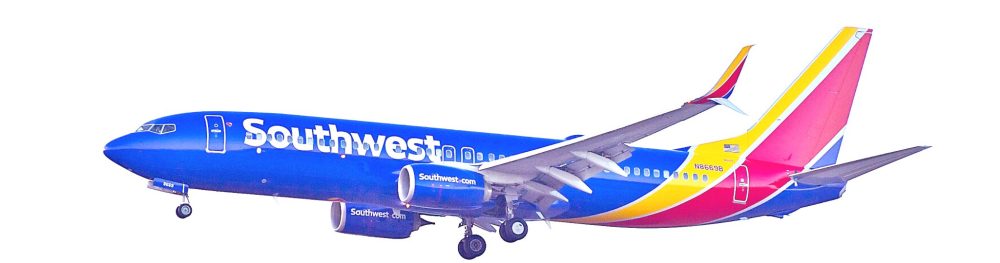
PNGPIX-COM-Southwest-Airlines-Logo-PNG-Transparent.pngSouthwest Airlines estudia cobros adicionales en sus vuelos

El presidente Ejecutivo de Southwest Airlines, Gary Kelly, en una reunión de Ganancias, despertó la curiosidad de los inversores recientemente cuando dijo que las nuevas formas de generar ingresos están en construcción. La aerolínea está analizando el cobro de adicionales como comida a bordo o los asientos preferenciales. La compañía ha descartado algunos cobros como los cargos por equipaje documentado, asientos asignados y cambios de reserva. Southwest, tiene mejores oportunidades que se ajustan a la marca.

La compañía no ha dado detalles ni comentarios adicionales. Eso está alimentando un juego de acertijos en Wall Street sobre lo que la aerolínea tiene bajo la manga para aumentar los ingresos, cuando Southwest enfrenta un aumento en los costos operativos.

Southwest tiene varias categorías de tarifas, incluida Business Select, que viene con una bebida, un lugar entre los primeros 15 pasajeros a bordo y un control de seguridad acelerado en algunos lugares de los aeropuerto estadounidenses.

Southwest podría ofrecer beneficios adicionales a precios más altos. Los pasajeros pueden pagar extra para acceder a la selección de prioridad, por ejemplo, o para sacar sus maletas en la primera ola del carrusel de equipaje. Los extras podrían venderse por separado, como la opción de abordaje Early Bird de Southwest, o incorporarse en categorías de tarifas en la línea de Business Select. Southwest también podría llevar a Business Select un paso más allá: piense en clase empresarial liviana. El transportista siempre ha rechazado la idea de ofrecer una cabina de primera clase o clase ejecutiva, por lo que no se espera que agregue asientos con más espacio para las piernas para una tarifa más alta.

La aerolínea con sede en Dallas, Texas, gastó US$ 500 millones de dólares para reemplazar su sistema de reservas de 30 años en 2017, en parte para crear nuevas opciones de ingresos como esas. La plataforma actualizada también facilitó a Southwest el cambio de tarifas, inventarios de asientos y horarios de vuelo.

Southwest podría reducir los beneficios en categorías de tarifas más baratas. Una posibilidad, por ejemplo, sería no permitir que un pasajero que cancela un boleto use la cantidad pagada para otro vuelo. Esos boletos básicos a menudo incitan a los viajeros a comprar opciones más costosas. Southwest ha dicho que la tarifa Económica Básica está fuera de la mesa, pero algunos cambios podrían tener el mismo efecto de venta. Las tarifas complementarias representaron solo el 3.1% de los ingresos de Southwest por los primeros nueve meses del año pasado, quedando muy por detrás de Delta Air Lines y United Airlines, según datos del Departamento de Transporte de los Estados Unidos (DOT).

Sin embargo, Southwest tendrá que pisar con cuidado para evitar dañar la marca que ha cultivado por transparencia en las tarifas y no salpicar a los pasajeros con una gran cantidad de tarifas. «Mientras Southwest los ofrezca como complementos y el consumidor vea que son atractivos, y Southwest no toma nada de su propuesta de valor central, tienen una posibilidad razonable de éxito», dijo Henry Harteveldt, fundador de Atmosphere Research Group, que se centra en la industria de viajes. La intención de Southwest de encontrar nuevas fuentes de ingresos tiene sentido. Ha sido tímido y se dejó tomar como rehén por su legado, en lugar de ser innovador y decir: «Podemos mantener nuestro legado y seguir innovando y agregando productos que atraigan a los clientes», dijo Harteveldt.AW-Icon-TXT-01

Resultado de imagen para southwest airlinesSouthwest analyzes additional charges

Southwest Airlines studies additional charges on its flights

Southwest Airlines Chief Executive Gary Kelly, at a Profit meeting, aroused investor curiosity recently when he said that new ways to generate revenue are under construction. The airline is analyzing the collection of additional food on board or preferential seats. The company has ruled out some charges such as charges for checked baggage, assigned seats and reservation changes. Southwest, has better opportunities that fit the brand.

The company has not given additional details or comments. That’s fueling a set of puzzles on Wall Street about what the airline has up its sleeve to increase revenue, when Southwest faces an increase in operating costs.

Southwest has several fare categories, including Business Select, which comes with a drink, a place among the first 15 passengers on board and an accelerated security check in some places at US airports.

Southwest could offer additional benefits at higher prices. Passengers can pay extra to access the priority selection, for example, or to take their bags on the first wave of the baggage carousel. The extras could be sold separately, such as Southwest’s Early Bird boarding option, or be included in tariff categories in the Business Select line. Southwest could also take Business Select one step further: think of a light business class. The carrier has always rejected the idea of ​​offering a first class or business class cabin, so it is not expected to add seats with more legroom for a higher rate.

The Dallas-based airline, Texas, spent $ 500 million to replace its 30-year reservation system in 2017, in part to create new revenue options like these. The updated platform also made it easier for Southwest to change fares, seat inventories and flight schedules.

Southwest could reduce benefits in cheaper fare categories. One possibility, for example, would be to not allow a passenger who cancels a ticket to use the amount paid for another flight. These basic tickets often encourage travelers to buy more expensive options. Southwest has said that the Basic Economic rate is off the table, but some changes could have the same sales effect. The complementary fares represented only 3.1% of Southwest’s revenues for the first nine months of last year, falling well behind Delta Air Lines and United Airlines, according to data from the US Department of Transportation (DOT).

However, Southwest will have to tread carefully to avoid damaging the brand it has cultivated for transparent rates and not splash passengers with a lot of fees. «As long as Southwest offers them as add-ons and the consumer sees that they’re attractive, and Southwest does not take anything from their core value proposition, they have a reasonable chance of success», said Henry Harteveldt, founder of Atmosphere Research Group, which focuses on travel industry. Southwest’s intention to find new sources of income makes sense. He has been shy and allowed to be held hostage by his legacy, instead of being innovative and saying: «We can maintain our legacy and continue to innovate and add products that attract customers», said Harteveldt. A \ W


Ξ A I R G W A Y S Ξ
SOURCE: Airgways.com
DBk: Latimes.com / Forbes.com / Businessinsider.my
AW-POST: 201902101551AR

A\W   A I R G W A Y S ®

American/BA invierten en Aeropuerto JFK

Resultado de imagen para JFK Airport T8 AmericanAW | 2019 02 07 05:42 | AIRLINES / AIRPORTS

Aerolíneas planean una inversión de US$ 344 millones para la renovación de la terminal JFK

American Airlines y British Airways han comprometido US$ 344 millones para renovar y ampliar la Terminal 8 en el Aeropuerto Internacional John F. Kennedy, anunció hoy la oficina del Gobernador Andrew Cuomo.

British Airways se trasladará de su lugar actual en la Terminal 7, que será reemplazado como parte del plan de JetBlue Airways para construir una nueva terminal en el lado norte del aeropuerto. La renovación de la Terminal 8 agregará 70.400 pies cuadrados de espacio y actualizará 57.500 pies cuadrados de espacio existente. Las actualizaciones incluirán nuevos salones para American Airlines y British Airways, sistemas mejorados de equipaje, nuevas áreas de facturación y nuevas concesiones. También habrá cinco nuevas puertas extra anchas para vuelos transatlánticos y cuatro áreas cercanas en el aeródromo para vuelos adicionales para cargar o descargar pasajeros. La Autoridad Portuaria de Nueva York y Nueva Jersey no aportará fondos a la construcción de la Terminal 8, por un comunicado de la oficina del gobernador.

La expansión es parte del plan de US$ 13 mil millones de Cuomo para reacondicionar el Aeropuerto JFK, que se actualizó en octubre pasado con nuevos detalles. Terminal One Group, una coalición de cuatro aerolíneas internacionales: Lufthansa, Air France, Japan Airlines y Korean Air Lines- desarrollará una terminal de US$ 7 mil millones y 2,9 millones de pies cuadrados en el lado sur del aeropuerto. Reemplazará las terminales 1 y 2 existentes y la terminal 3 ahora demolida. El lado norte del aeropuerto dará la bienvenida a una nueva terminal de US$ 3 mil millones y 1.2 millones de pies cuadrados desarrollada por JetBlue. La aerolínea nacional planea derribar la Terminal 7 existente y conectar la nueva estructura a la Terminal 5 de 11 años de edad. Se espera que la construcción comience en 2020 con la apertura de las primeras puertas nuevas en 2023 y la finalización prevista en 2025.

El Departamento de Transporte del estado también planea realizar mejoras por valor de 1.500 millones de dólares destinadas a aliviar la congestión en las autopistas que conducen a JFK, centrándose en el Intercambio Kew Gardens y la Autopista Van Wyck.

El año pasado, un récord de 61 millones de pasajeros viajaron a través de JFK, y se espera que toda esta nueva construcción acoja a 15 millones de viajeros adicionales cada año, predice la oficina de Cuomo. En el frente de la construcción privada, MCR Development y JetBlue han convertido la antigua Terminal TWA en JFK en la parte minorista de su nuevo Hotel TWA , como informó Commercial Observer anteriormente. El edificio de 200,000 pies cuadrados albergará más de una docena de bares y restaurantes, incluyendo una cafetería Intelligentsia . El hotel de dos edificios, de planta baja, tendrá 512 habitaciones y se espera que abra esta primavera.AW-Icon-TXT-01

Imagen relacionadaAmerican/BA invest in JFK Airport

Airlines plan an investment of US $ 344 million for the renovation of the JFK terminal

American Airlines and British Airways have committed US $ 344 million to renovate and expand Terminal 8 at John F. Kennedy International Airport, Governor Andrew Cuomo’s office announced today.

British Airways will move from its current location in Terminal 7, which will be replaced as part of the JetBlue Airways plan to build a new terminal on the north side of the airport. The renovation of Terminal 8 will add 70,400 square feet of space and update 57,500 square feet of existing space. Updates will include new salons for American Airlines and British Airways, improved baggage systems, new billing areas and new concessions. There will also be five new extra wide doors for transatlantic flights and four nearby areas at the aerodrome for additional flights to load or unload passengers. The Port Authority of New York and New Jersey will not contribute funds to the construction of Terminal 8, through a statement from the governor’s office.

The expansion is part of Cuomo’s US $ 13 billion plan to refurbish JFK Airport, which was updated last October with new details. Terminal One Group, a coalition of four international airlines: Lufthansa, Air France, Japan Airlines and Korean Air Lines – will develop a terminal of US $ 7 billion and 2.9 million square feet on the south side of the airport. It will replace existing terminals 1 and 2 and terminal 3 now demolished. The north side of the airport will welcome a new terminal of US $ 3 billion and 1.2 million square feet developed by JetBlue. The national airline plans to demolish the existing Terminal 7 and connect the new structure to Terminal 5, 11 years old. Construction is expected to begin in 2020 with the opening of the first new doors in 2023 and the planned completion in 2025.

The state Department of Transportation also plans to make $ 1.5 billion worth of improvements to alleviate congestion on the freeways leading to JFK, focusing on the Kew Gardens Interchange and the Van Wyck Highway.

Last year, a record 61 million passengers traveled through JFK, and it is expected that all of this new construction will accommodate 15 million additional passengers each year, predicts the Cuomo office. On the private construction front, MCR Development and JetBlue have converted the old TWA Terminal into JFK in the retail part of their new TWA Hotel, as Commercial Observer previously reported. The 200,000-square-foot building will house more than a dozen bars and restaurants, including an Intelligentsia coffee shop. The hotel with two buildings, on the ground floor, will have 512 rooms and is expected to open this spring. A \ W


Ξ A I R G W A Y S Ξ
SOURCE: Airgways.com
DBk: Transportation.gov / Aa.com / Ba.com / Jfkairport.com
AW-POST: 201902070542AR

A\W   A I R G W A Y S ®

Sindicatos mecánicos EEUU critican a Southwest, American

Resultado de imagen para mechanics American Airlines

AW | 2019 02 07 05:33 | AVIATION SAFETY

Una investigación de CBS News pone al descubierto acerca de las presiones en seguridad de aviación

Los sindicatos de mecánicos están criticando duramente a American Airlines y Southwest Airlines después de que una investigación de ocho meses de CBS News generó preguntas sobre la supervisión del mantenimiento de los aviones.

En entrevistas con 26 mecánicos de aerolíneas en Southwest y American Airlines, todos expresaron su preocupación acerca de deshacer la presión para cortar esquinas o no escribir problemas para que los aviones vuelvan a estar en servicio más rápido. Las reclamaciones son consistentes con las quejas de los informantes de la Federal Aviation Administration (FAA) y con al menos 32 informes anónimos de toda la industria desde 2015. Una investigación de denuncias de la FAA de 2015 confirmó las acusaciones de que los gerentes de American Airlines presionaron a seis mecánicos de Chicago para que «no registren discrepancias, tomen atajos o firmen incorrectamente un trabajo que no se completó realmente prevalece en toda la organización estadounidense».

Se iniciaron 21 investigaciones de seguimiento de la FAA que se basaron, en parte, en las revisiones internas de la propia aerolínea. Dos resultaron en cartas de corrección, informa el corresponsal de CBS News, Kris Van Cleave.

Los mecánicos pueden presentar quejas ante su aerolínea, su sindicato o la FAA, pero la oficina de la FAA que investiga las denuncias de denunciantes solo puede recomendar que otras oficinas tomen medidas de seguimiento. CBS News ha encontrado indicios de que los investigadores de la FAA pueden estar interpretando las regulaciones de manera diferente. Las quejas ante la FAA que alegaban que los mecánicos fueron presionados fueron fundamentadas, esencialmente confirmadas, ante American. Pero cuando diferentes investigadores encontraron un comportamiento similar en Southwest, no se comprobó a pesar de que los investigadores notaron que la motivación detrás de la administración cuestiona [la mecánica] cuando descubren algo fuera del alcance de una tarea de mantenimiento aparece como una herramienta utilizada para influir, la relajación de los estándares, para mirar hacia otro lado.

La aviación de Estados Unidos está experimentando un período de seguridad sin precedentes, pero en los últimos años, la FAA cambió la forma en que regula las aerolíneas. En 2015, la FAA pasó de centrarse en la aplicación de la ley al cumplimiento y confió en gran medida en los propios programas de seguridad de la aerolínea para cumplir con los estándares de la FAA. Desde 2014, el número de acciones de ejecución contra las aerolíneas ha caído aproximadamente un 70 por ciento.

American y Southwest están actualmente en negociaciones contractuales con mecánicos. Ambos dijeron que no toleran un entorno de trabajo hostil y que el sistema de supervisión de la FAA está funcionando.

La FAA efectuó un comunicado: «El sistema de aviación de la nación es más seguro que nunca. La aviación comercial sigue siendo la forma más segura de viajar porque se incorporan niveles de seguridad múltiples y redundantes en el sistema. La aplicación de la seguridad nunca es estática. La FAA trabaja constantemente para mejorar la coherencia, la recopilación de datos de seguridad y el análisis de riesgos. Los Estados Unidos tienen el sistema de espacio aéreo más grande, más diverso y más complejo del mundo. La supervisión es un proceso dinámico que requiere que la FAA y la industria de las aerolíneas se esfuercen constantemente por mejorar la seguridad. Damos la bienvenida a cualquier oportunidad de mejorar lo que ya es el sistema aeroespacial más seguro del mundo. El cumplimiento de la FAA está diseñado para identificar y mitigar los riesgos potenciales antes de que afecten la seguridad. Investigamos todas las denuncias de violaciones a las normas de seguridad, independientemente de la fuente. Seguimos participando en investigaciones relacionadas tanto con American Airlines como con Southwest Airlines. Si esas alegaciones de seguridad están fundamentadas, tomaremos medidas rápidas y apropiadas. No podemos discutir detalles específicos hasta que esas investigaciones estén completas».

El Inspector General del DOT está investigando actualmente la supervisión de la FAA de los programas de mantenimiento en Allegiant, Southwest y American. El Sindicato de Trabajadores del Transporte (Local 591) y la Asociación Fraternal de Mecánicos de Aeronaves emitieron una declaración conjunta en respuesta al informe de CBS News.AW-Icon-TXT-01

Resultado de imagen para mechanics Southwest AirlinesMechanical Unions Criticize Southwest, American

An investigation by CBS News reveals the pressures on aviation security

The mechanics’ unions are harshly criticizing American Airlines and Southwest Airlines after an eight-month investigation by CBS News raised questions about overseeing aircraft maintenance.

In interviews with 26 airline mechanics on Southwest and American Airlines, all expressed concern about undoing the pressure to cut corners or not trouble to get aircraft back into service faster. The complaints are consistent with complaints from Federal Aviation Administration (FAA) informants and with at least 32 anonymous industry-wide reports since 2015. An investigation of allegations by the FAA in 2015 confirmed accusations that American managers Airlines pressured six Chicago mechanics to «not record discrepancies, take shortcuts or incorrectly sign a job that was not completed really prevails throughout the US organization».

21 follow-up investigations of the FAA were initiated that were based, in part, on internal reviews of the airline itself. Two resulted in correction letters, reports CBS News correspondent Kris Van Cleave.

Mechanics can file complaints with their airline, their union or the FAA, but the FAA office investigating whistleblower complaints can only recommend that other offices take follow-up action. CBS News has found indications that FAA investigators may be interpreting regulations differently. The complaints before the FAA alleging that the mechanics were pressured were substantiated, essentially confirmed, before American. But when different researchers found similar behavior at Southwest, it was not proven even though the researchers noticed that the motivation behind the administration questions [the mechanics] when they discover something beyond the scope of a maintenance task appears as a tool used to influence, the relaxation of standards, to look the other way.

US aviation is experiencing an unprecedented period of safety, but in recent years, the FAA has changed the way it regulates airlines. In 2015, the FAA shifted from focusing on enforcement to compliance and relied heavily on the airline’s own safety programs to meet FAA standards. Since 2014, the number of enforcement actions against airlines has fallen approximately 70 percent.

American and Southwest are currently in contractual negotiations with mechanics. Both said they do not tolerate a hostile work environment and that the FAA’s supervisory system is working.

The FAA made a statement: «The nation’s aviation system is safer than ever, commercial aviation remains the safest way to travel because multiple and redundant levels of security are incorporated into the system. is static The FAA is constantly working to improve coherence, safety data collection and risk analysis The United States has the largest, most diverse and most complex airspace system in the world Supervision is a dynamic process which requires the FAA and the airline industry to constantly strive to improve safety We welcome any opportunity to improve what is already the safest aerospace system in the world FAA compliance is designed to identify and mitigate potential risks before they affect security We investigate all reports of violations of security regulations, in dependent on the source. We continue to participate in investigations related to both American Airlines and Southwest Airlines. If these security allegations are substantiated, we will take prompt and appropriate action. We can not discuss specific details until those investigations are complete».

The DOT Inspector General is currently investigating the FAA’s oversight of maintenance programs at Allegiant, Southwest and American. The Transportation Workers Union (Local 591) and the Fraternal Association of Aircraft Mechanics issued a joint statement in response to the CBS News report. A \ W


Ξ A I R G W A Y S Ξ
SOURCE: Airgways.com
DBk: Faa.gov / Transportation.gov / Fox23.com / Amfa11.com
AW-POST: 201902070533AR

A\W   A I R G W A Y S ®

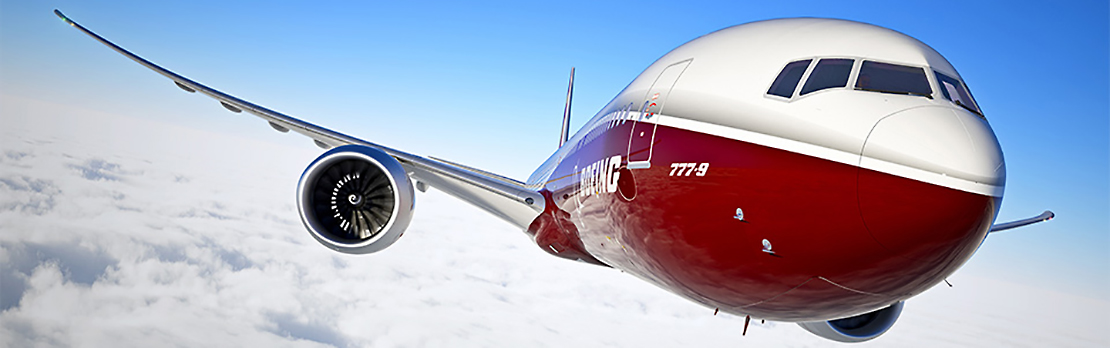
Boeing persigue avión mercado medio

Resultado de imagen para Boeing 797 airgways.comAW | 2019 02 06 21:37 | INDUSTRY

boeing-logo.svgEl Boeing 797 busca reemplazo del Boeing 757/767

El Boeing 797 es un avión conceptual de The Boeing Company que ha generado bastante interés por parte de la industria, analistas e inversores. Actualmente, la fecha de lanzamiento del programa parece estar disminuyendo, algo que ya esperábamos en 2017, pero también hay algunas personas que piensan que Boeing debería convertir al Boeing 797 en un reemplazo del Boeing 757 en lugar de un reemplazo del Boeing 767.

Costos de desarrollo

El diseño y la fabricación de aeronaves es un negocio complejo. Para justificar los costos de desarrollo, debe existir una demanda suficiente para obtener un beneficio en el desarrollo. Seguramente, hay programas, como el A380 de Airbus, que no cumplen con ese criterio simple. La ausencia de éxito financiero puede ser debido a los altos costos de desarrollo y fabricación o las ventas limitadas.

Los costos de desarrollo de los aviones comerciales se ejecutan en miles de millones, y eso obviamente excluye el costo de fabricación. Los costos de desarrollo del Airbus A350 y el Boeing 787 fueron de alrededor de US$ 15 billones dólares. Obviamente, estos son aviones de fuselaje ancho, mientras que un Boeing 797 como reemplazo de Boeing 757 sería un desarrollo de una aeronave de un solo pasillo. Sin embargo, las principales partes de los costos de desarrollo son fijos, y la naturaleza del diseño de los aviones es compleja, por lo que un desarrollo de un solo pasillo probablemente costaría alrededor de US$ 10 billones de dólares.

Potencial de ventas

En total, Boeing recibió 1.049 pedidos para el Boeing 757. El Boeing 757 tiene capacidad para entre 200 y 240 pasajeros en una configuración de 2 clases y puede transportar pasajeros a una distancia de 3.400-3.915 millas náuticas, según la variante. La mayoría de estas entregas ya han sido reemplazadas, y no consideramos que la cantidad de entregas sea un reflejo del potencial de ventas de un Boeing 797 del 757. En su lugar, para obtener el potencial de ventas, debemos consultar el número De Boeing 757s y Airbus A321CEO’s en servicio. La razón por la que consideramos el Airbus A321CEO también es porque Delta Air Lines ( DAL), uno de los operadores más grandes del Boeing 757, ha configurado su Airbus A321CEO en aproximadamente la misma configuración que el Boeing 757, mientras que su Boeing 757’s opera la mayoría de los vuelos dentro del rango de capacidad del Airbus A321CEO y Airbus A321NEO.

El Boeing 757 obtuvo 655 pedidos totales, aunque parece mucho, ciertamente no parece un número que justifique un diseño de una hoja limpia (nuevo proyecto) con costos asociados. También hay casi 1.700 aviones Airbus A321 y un poco menos de 500 aviones Boeing 737-900ER en operaciones, lo que pondría el potencial de reemplazo en poco más de 2.835 unidades para un Boeing 797 que es el sucesor del Boeing 757. Ese número solo incluye el potencial de reemplazo . Se espera que hasta 2037, el 56% de las entregas de un solo pasillo apoyen el crecimiento, lo que sitúa el espacio de mercado en aproximadamente 5.900 unidades. También debemos agregarle la demanda de aviones de carga. Al hacerlo, llegamos a un mercado direccionable de 6.400 unidades. Lo que esta cifra no incluye es que parte de la demanda futura ya está en los libros de pedidos. Si restamos el A321NEO, Los pedidos de Boeing 737-9 MAX y Boeing 737-10 MAX y algunos de los pedidos de Boeing 737-10 MAX, terminarían con un potencial de ventas de 3.200 aviones, excluyendo las ventas de cargueros. Todavía son muchos los aviones, si no es que Boeing y Airbus compiten por las mismas órdenes, y en un duopolio, eso se reduciría a aproximadamente 1.600 por cada fabricante de aviones. Alternativamente, si incorporamos el objetivo de ventas de Airbus para el Airbus A321LR (variante de largo alcance del A321NEO), obtendríamos 1.155 aviones para Boeing. Creemos que la línea de carga de Boeing es bastante más fuerte que la de Airbus, por lo que terminaríamos con un potencial de ventas de 1.700-2.140 aviones.

Los costos

La gran pregunta es cuánto ganaría Boeing en ganancias si gasta una cantidad de X en costos de desarrollo. Si asumimos que el Boeing 797 en el rol de un reemplazo del Boeing 757 reemplaza efectivamente al Boeing 737-9 MAX y al Boeing 737-10 MAX, lo cual es un pensamiento muy optimista, alcanzaríamos 1.700 entregas para el Boeing 797 y 2.150 aproximadamente en el escenario más positivo. Si los costos de desarrollo y los productos iniciales que generan pérdidas rondan los US$ 12.5B, esperaríamos que Boeing pueda generar ganancias entre US$ 8B y US$ 13.5B. Pensamos que, idealmente, a Boeing le gustaría que su programa devolviera su I+D aproximadamente dos veces en los beneficios de fabricación del programa, una vez para cubrir los costos irrecuperables de I+D y una vez para generar la ganancia total real. Boeing cumpliría con ese criterio para un mayor estimado de ventas con la condición de que dividiríamos las ventas casi por igual entre los dos fabricantes de aviones. Dado que Airbus ha superado en ventas a Boeing 5 a 1 en el segmento, hay muy pocas razones para suponer que las ventas se dividirían en partes iguales. Si asumimos que Boeing duplicaría aproximadamente su participación en el espacio de mercado sin llenar, Boeing no podría generar el doble de sus costos de desarrollo en ganancias en ninguno de los escenarios de potencial de ventas.

Amenaza de la competencia

Lo que sí consideramos un riesgo son dos cosas. Lo primero es que el potencial de ventas de un carguero representa entre un cuarto y un tercio del potencial total de ventas. Si ese mercado se derrite, tendrá un impacto significativo en el caso de negocios para un desarrollo similar al 757. En segundo lugar, Airbus es bastante cómodo en el alto rango del soporte de asientos para aviones de un solo pasillo, y no hay ninguna razón para suponer que el Boeing 737-10 MAX de Boeing no capturará los pedidos en el mismo espacio. Cada venta realizada allí es una venta que no va a un reemplazo teórico Boeing 757 hoja limpia.

Figuras claves

Airbus tiene una base de clientes establecida debido al éxito del Airbus A321CEO y parece estar en un buen lugar para continuar expandiéndose en el extremo superior con las ventas del Airbus A321NEO y Airbus A321LR. La presión no termina ahí, Airbus ha continuado evaluando las opciones de diseño para contrarrestar un posible desarrollo de Boeing 797. Uno de estos desarrollos es el Airbus A321XLR, que parece ser el avión que entraría en el mercado antes que la mayoría de los demás. El Airbus A321XLR aumentaría aún más el alcance del Airbus A321, aumentando así su atractivo como un avión transcontinental para rutas delgadas. Un Airbus A321NEO Plus sería un desarrollo más avanzado que podría manejar un mayor crecimiento en la demanda de viajes aéreos entre pares de ciudades secundarias transcontinentales. que tendría sus alas rediseñadas para una mayor eficiencia aerodinámica, así como un fuselaje alargado. Obviamente, todos estos diseños costarían dinero para desarrollarse para Airbus también, pero probablemente mucho menos de lo que le llevaría a Boeing completar el mismo espacio. Por lo tanto, la presión competitiva que podría ejercer Airbus es enorme, y eso hace que no sea atractivo para Boeing proporcionar un reemplazo exacto de Boeing 757. Si la base instalada de Boeing en el segmento hubiera sido mayor, las posibilidades de éxito hubieran sido mayores. y eso hace que sea poco atractivo para Boeing proporcionar un reemplazo exacto de Boeing 757. Si la base instalada de Boeing en el segmento hubiera sido mayor, las posibilidades de éxito hubieran sido mayores. y eso hace que sea poco atractivo para Boeing proporcionar un reemplazo exacto de Boeing 757. Si la base instalada de Boeing en el segmento hubiera sido mayor, las posibilidades de éxito hubieran sido mayores.

Hacia el futuro

El potencial de ventas está ciertamente allí para desarrollar el Boeing 797 como un reemplazo puro de Boeing 757. Al mismo tiempo, creemos que existen riesgos importantes, dada la dependencia de las ventas de cargueros y las presiones competitivas potenciales y casi ciertas de Airbus. Teniendo esto en cuenta y los enormes costos y esfuerzos de desarrollo, creemos que Boeing estaría mejor si se mantuviera alejado de un reemplazo puro de Boeing 757 y se centrara en un desarrollo de Boeing 797 que se centre más en el área de rango de carga útil que se encuentra ligeramente a la izquierda (más rango) y mayor (más capacidad) en comparación con el Boeing 757 que se aleja de un lugar con una competencia dura pero posiblemente con una demanda suficiente, ya que la aeronave debería atraer las ventas desde el lado inferior del mercado de cuerpo ancho y el lado superior del pasillo único mercado.AW-Icon-TXT-01


Imagen relacionadaBoeing pursues aircraft mid-market

The Boeing 797 seeks replacement of the Boeing 757/767

The Boeing 797 is a concept airplane from The Boeing Company that has generated a lot of interest from the industry, analysts and investors. Currently, the launch date of the program seems to be decreasing, something we already expected in 2017, but there are also some people who think that Boeing should turn the Boeing 797 into a replacement for the Boeing 757 instead of a Boeing 767 replacement.

Development costs

The design and manufacture of aircraft is a complex business. To justify development costs, there must be sufficient demand to obtain a development benefit. Surely, there are programs, such as the Airbus A380, that do not meet that simple criterion. The absence of financial success may be due to high development and manufacturing costs or limited sales.

The development costs of commercial aircraft run in billions, and that obviously excludes the cost of manufacturing. The development costs of the Airbus A350 and the Boeing 787 were around US $ 15 billion. Obviously, these are wide-body aircraft, while a Boeing 797 as a replacement for Boeing 757 would be a development of a single-aisle aircraft. However, the main parts of the development costs are fixed, and the nature of the design of the aircraft is complex, so a development of a single aisle would probably cost around US $ 10 trillion.

Sales potential

In total, Boeing received 1,049 orders for the Boeing 757. The Boeing 757 can accommodate between 200 and 240 passengers in a 2-class configuration and can transport passengers at a distance of 3,400-3,915 nautical miles, depending on the variant. Most of these deliveries have already been replaced, and we do not consider that the number of deliveries is a reflection of the sales potential of a Boeing 797 of 757. Instead, to obtain sales potential, we must consult the number De Boeing 757s and Airbus A321CEO’s in service. The reason why we consider the Airbus A321CEO is also because Delta Air Lines (DAL), one of the largest operators of the Boeing 757, has configured its Airbus A321CEO in approximately the same configuration as the Boeing 757, while its Boeing 757’s operates most flights within the capacity range of the Airbus A321CEO and Airbus A321NEO.

The Boeing 757 obtained 655 total orders, although it seems a lot, it certainly does not seem a number that justifies a design of a clean sheet (new project) with associated costs. There are also almost 1,700 Airbus A321 aircraft and a little less than 500 Boeing 737-900ER aircraft in operation, which would put the replacement potential at just over 2,835 units for a Boeing 797 that is the successor of the Boeing 757. That number only includes the replacement potential. It is expected that until 2037, 56% of deliveries from a single corridor will support growth, which places the market space at approximately 5,900 units. We must also add the demand for cargo aircraft. In doing so, we reached an addressable market of 6,400 units. What this figure does not include is that part of the future demand is already in the order books. If we subtract the A321NEO, the orders of the Boeing 737-9 MAX and Boeing 737-10 MAX and some of the orders of Boeing 737-10 MAX, would end with a sales potential of 3,200 aircraft, excluding the sales of freighters. There are still many planes, if not Boeing and Airbus compete for the same orders, and in a duopoly, that would be reduced to approximately 1,600 for each aircraft manufacturer. Alternatively, if we incorporate the Airbus sales target for the Airbus A321LR (long-range variant of the A321NEO), we would obtain 1,155 aircraft for Boeing. We believe that the Boeing cargo line is considerably stronger than that of Airbus, so we would end up with a sales potential of 1,700-2,140 aircraft.

AW-797-00000.pngThe costs

The big question is how much Boeing would earn in profits if he spends an amount of X on development costs. If we assume that the Boeing 797 in the role of a Boeing 757 replacement effectively replaces the Boeing 737-9 MAX and the Boeing 737-10 MAX, which is a very optimistic thought, we would reach 1,700 deliveries for the Boeing 797 and approximately 2,150 the most positive scenario. If the development costs and the initial products that generate losses are around US$ 12.5B, we would expect that Boeing could generate profits between US$ 8B and US$ 13.5B. We think that, ideally, Boeing would like his program to return its I+D approximately two times in the manufacturing benefits of the program, once to cover the unrecoverable I+D costs and once to generate the real total profit. Boeing would meet that criterion for a higher sales estimate on the condition that we would split sales almost equally between the two aircraft manufacturers. Given that Airbus has outperformed Boeing 5 to 1 in the segment, there is very little reason to assume that sales would be divided equally. If we assume that Boeing would roughly double its share of the unfilled market space, Boeing could not generate double its development costs in profits in any of the sales potential scenarios.

Threat of competition

What we do consider a risk are two things. The first is that a freighter’s sales potential represents between a quarter and a third of the total sales potential. If that market melts, it will have a significant impact on the business case for a development similar to the 757. Second, Airbus is quite comfortable in the high range of single-aisle aircraft seat support, and there’s no reason to assume that the Boeing Boeing 737-10 MAX will not capture orders in the same space. Every sale made there is a sale that does not go to a theoretical replacement Boeing 757 clean sheet.

Key figures

Airbus has an established customer base due to the success of the Airbus A321CEO and seems to be in a good place to continue expanding at the high end with sales of the Airbus A321NEO and Airbus A321LR. The pressure does not end there, Airbus has continued to evaluate the design options to counteract a possible development of the Boeing 797. One of these developments is the Airbus A321XLR, which seems to be the aircraft that would enter the market before most others. The Airbus A321XLR would further increase the range of the Airbus A321, thus increasing its appeal as a transcontinental aircraft for thin routes. An Airbus A321NEO Plus would be a more advanced development that could handle greater growth in demand for air travel between pairs of transcontinental secondary cities. It would have its wings redesigned for greater aerodynamic efficiency, as well as an elongated fuselage. Obviously, all these designs would cost money to develop for Airbus as well, but probably much less than it would take for Boeing to complete the same space. Therefore, the competitive pressure that Airbus could exert is enormous, and that makes it unattractive for Boeing to provide an exact replacement for the Boeing 757. If Boeing’s installed base in the segment had been larger, the chances of success would have been greater. and that makes it unattractive for Boeing to provide an exact replacement for the Boeing 757. If Boeing’s installed base in the segment had been larger, the chances of success would have been greater. and that makes it unattractive for Boeing to provide an exact replacement for the Boeing 757. If Boeing’s installed base in the segment had been larger, the chances of success would have been greater.

Towards the future

The sales potential is certainly there to develop the Boeing 797 as a pure replacement for the Boeing 757. At the same time, we believe there are significant risks, given the dependence on freighter sales and the potential and almost certain competitive pressures of Airbus. Keeping this in mind and the huge costs and development efforts, we believe Boeing would be better off staying away from a pure Boeing 757 replacement and focusing on a Boeing 797 development that focuses more on the payload range area. which is slightly to the left (more range) and higher (more capacity) compared to the Boeing 757 that moves away from a place with a tough competition but possibly with a sufficient demand, since the aircraft should attract sales from the bottom side of the wide body market and the upper side of the single market hall. A \ W


Ξ A I R G W A Y S Ξ
SOURCE: Airgways.com
DBk: Seekingalpha.com / Boeing.com / Airgways.com
AW-POST: 201902062137AR

A\W   A I R G W A Y S ®