Amenaza misil en Aeropuerto Riyadh

AW | 2017 11 05 18:45 | AVIATION SECURITY /  AIRPORTS

descargaArabia Saudí derriba un misil lanzado desde Yemen sobre el Aeropuerto de Riyadh

El ministerio de Defensa de Arabia Saudí ha informado del derribo de un misil balístico que se dirigía hacia el Aeropuerto Internacional King Khalid de Riyadh, la capital de la potencia arábiga. El ataque ha sido reivindicado por los rebeldes houthi yemeníes, según informa Al Jazeera.

Un portavoz del grupo ha contado a la cadena que el proyectil ha recorrido más de 500 kilómetros desde la frontera entre Arabia Saudí y Yemen. El país está actualmente envuelto en una guerra civil en la que Arabia Saudí participa activamente, liderando la coalición que lleva a cabo los ataques aéreos.

Según los rebeldes, el proyectil era del tipo Burkan 2-H, con un rango de alcance de 800 kilómetros. El ataque ha sido reivindicado también a través de la emisora Al Masirah, controlada por los houthi.

En vídeos hechos públicos en redes sociales se puede apreciar la batería de disparos efectuada por Arabia Saudí para derribar el artefacto. Se ha escuchado una fuerte explosión cerca del aeropuerto, un importante nudo de conexión regional, con vuelos constantes hacia Europa, los emiratos y el norte de África.

Se desconocen por el momento los daños que haya podido causar la explosión. Desde el aeropuerto y desde diversos puntos de la ciudad se puede apreciar una importante columna de humo.  AIRWAYS® AW-Icon TXT

Missile threat at Riyadh Airport

Imagen relacionadaSaudi Arabia topples a missile launched from Yemen on the Riyadh Airport

The Saudi Defense Ministry has reported the shooting down of a ballistic missile that was heading towards King Khalid International Airport in Riyadh, the capital of the Arab power. The attack has been claimed by the Yemeni Houthi rebels, reports Al Jazeera.

A spokesman for the group told the network that the projectile has traveled more than 500 kilometers from the border between Saudi Arabia and Yemen. The country is currently involved in a civil war in which Saudi Arabia participates actively, leading the coalition that carries out the air strikes.

According to the rebels, the projectile was of the Burkan 2-H type, with a range of 800 kilometers. The attack has also been claimed through the Al Masirah radio station, controlled by the Houthi.

In videos made public on social networks you can see the battery of shots made by Saudi Arabia to shoot down the artifact. There has been a loud explosion near the airport, an important hub of regional connection, with constant flights to Europe, the emirates and North Africa.

The damage caused by the explosion is unknown at the moment. From the airport and from various points of the city you can see an important column of smoke. A \ W

تهديد الصواريخ في مطار الرياض

السعودية تسقط صاروخا من اليمن على مطار الرياض

وكانت وزارة الدفاع السعودية اعلنت عن سقوط صاروخ باليستي متوجه الى مطار الملك خالد الدولي في الرياض عاصمة السلطة العربية. وقد ادعى المتمردون الحوثيون اليمنيون الهجوم، وفقا لما ذكرته قناة الجزيرة.

وقال متحدث باسم الجماعة للشبكة ان القذيفة سافرت على بعد اكثر من 500 كيلومتر من الحدود بين السعودية واليمن. وتشارك البلاد حاليا في حرب أهلية تشارك فيها السعودية بنشاط، تقود التحالف الذي ينفذ الضربات الجوية.

ووفقا للمتمردين، فإن القذيفة كانت من طراز بوركان 2-اتش، على مسافة 800 كيلومتر. كما تمت المطالبة بهذا الهجوم من خلال محطة إذاعة المصيرة التي يسيطر عليها الحوثيون.

في أشرطة الفيديو التي نشرت على الشبكات الاجتماعية يمكنك ان ترى البطارية من الطلقات التي أدلى بها المملكة العربية السعودية لاسقاط قطعة أثرية. كان هناك انفجار شديد بالقرب من المطار، وهو مركز هام للاتصال الإقليمي، مع رحلات مستمرة إلى أوروبا والإمارات وشمال أفريقيا.

ولم يعرف بعد الانفجار الناجم عن الانفجار. من المطار ومن مختلف نقاط المدينة يمكنك ان ترى عمود مهم من الدخان. A \ W


Ξ A I R G W A Y S Ξ
SOURCE:  Airgways.com
DBk:   Aljazeera.com / Elindependiente.com / Boardingarea.com / Discourse.org / Wikimedia.org
AW-POST: 201711051845AR

A\W   A I R G W A Y S ®

AirlineRatings 2018

logo_ar.png

AW | 2017 11 05 18:22 | AWARDS

Sitio AirlineRitings.com efectivizó la nómina de evaluación par ael 2018

El sitio de evaluación de productos y seguridad aérea AirlineRatings.com acaba de presentar su lista anual de las mejores aerolíneas para 2018, y el ganador por quinto año consecutivo es Air New Zealand.

Sin embargo, estas no son exactamente las mejores calificaciones de los 10 mejores vuelos. La agencia considera más de una docena de factores clave que incluyen edad de la flota, calificaciones de revisión de pasajeros, rentabilidad, calificación de inversión y ofertas de productos clave, como economía premium en rutas de larga distancia y opciones de asientos en otras clases, sin mencionar la seguridad operativa.

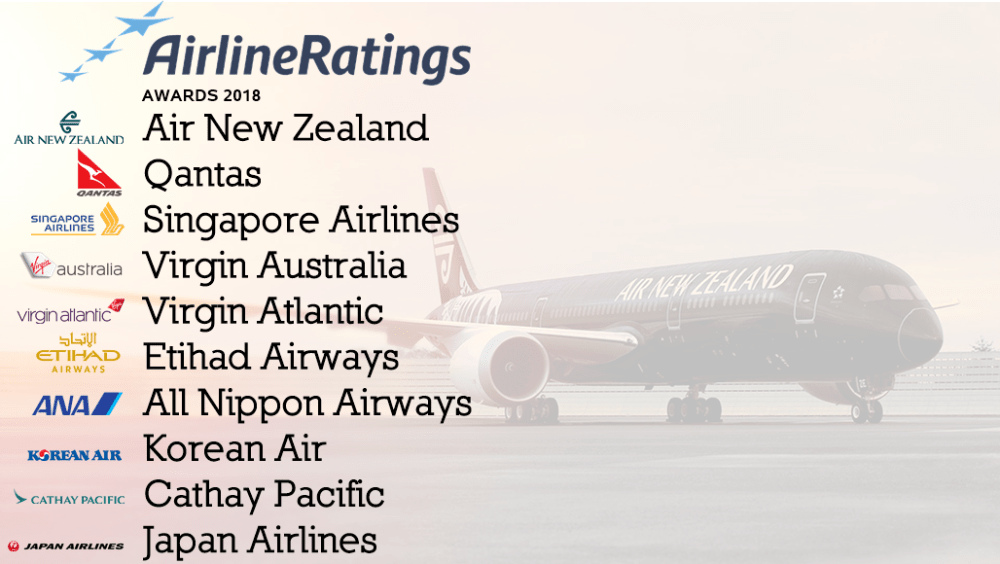
Aquí está la lista completa de las 10 principales aerolíneas para 2018:

AW-70081117.png

Al explicar las elecciones en un comunicado, AirlineRatings.com, con sede en Perth, dijo: «Air New Zealand se honra por quinto año consecutivo por su desempeño financiero continuo y sin precedentes, innovaciones en vuelo, liderazgo ambiental, flota joven y la motivación de su Estos factores han marcado a la aerolínea como un pionero de la industria «.

Curiosamente, ni una sola aerolínea de las Américas hizo la lista, y solo una aerolínea europea, Virgin Atlantic. Además, Air New Zealand no tiene una economía de primera clase, economía premium y negocios, lo que hace que su racha ganadora sea algo desagradable.

AirlineRatings.com también elige un ganador en cada una de las 20-22 categorías (dependiendo del año), tres de las cuales son nuevas en la lista este año. Aquí están esos resultados.

Mejor primera clase: Singapore Airlines. Presumiblemente, AirlineRatings.com estaba esperando ver qué tipo de nuevas suites de primera clase revelaron Singapore Airlines (ayer) antes de confirmar su nuevo dominio en esta categoría, lo que quitó Etihad del pedestal.

Mejor clase de negocios: Virgin Australia. La aerolínea presentó su nueva clase de negocios el verano pasado y ha estado ganando elogios por ello desde entonces.

La mejor economía premium: Air New Zealand. AirlineRatings.com cita la innovación continua de la aerolínea con los asientos y el servicio en esta cabina.

La mejor economía: Korean Air. Los asientos anchos con 33-34 pulgadas de paso en la mayor parte de su flota de largo recorrido ganaron la aerolínea en esta categoría.

Mejor tripulación de cabina: Singapore Airlines. El operador asiático es legendario por su servicio.

Mejor Catering: Qantas Airways. La aerolínea australiana ha ganado este premio por cuarto año consecutivo gracias a los esfuerzos de su socio chef, Neil Perry, y su grupo de restaurantes Rockpool.

Las mejores salas: Qantas Airways se llevó este premio también para las ofertas de salón que «son un punto de referencia de la industria».

Mejor entretenimiento en vuelo: Emirates ganó esta categoría como uno de los pioneros del entretenimiento a bordo.

Mejor clase doméstica: Qantas ganó para asientos y servicio doméstico en vuelo que según AirlineRatings.com «coincide o excede el servicio internacional».

Aerolínea regional del año: Aegean Airlines fuera de Grecia fue la ganadora aquí.

Línea aérea más mejorada: Tianjin Airlines de China ganó por su red de rutas en expansión y la mejora de las ofertas a bordo.

El mejor proveedor de ultra bajo costo: VietJet, que creció rápidamente en Vietnam, fue el ganador.

Mejor aerolínea de larga distancia: AirlineRatings.com divide esta categoría por región de la siguiente manera: Etihad (Medio Oriente), Korean Air (Asia-Pacífico), Virgin Atlantic (Europa) y Air Canada (Las Américas).

Mejor aerolínea de bajo costo: también clasificada por región, los ganadores fueron Westjet (Las Américas), Scoot (Asia-Pacífico) y Norwegian (Europa).

La importancia de estas clasificaciones depende no solo de los criterios juzgados por el panel de jueces de AirlineRatings.com, sino también de las regiones en las que los pasajeros tienden a volar más, sin mencionar qué sistema de clasificación o publicación suscribe. Qatar Airways, por ejemplo, ganó la mejor clase de negocios del mundo en los World Airline Awards de 2017. Casi al mismo tiempo, Delta ganó recientemente el prestigioso Crystal Cabin Award para Cabin Concepts en la Aircraft Interiors Expo por sus propias suites de clase ejecutiva, que debutó en su Airbus A350 recientemente entregado a principios de esta semana. Condé Nast Traveler acaba de lanzar su propia lista de las mejores aerolíneas del mundo según los lectores , mientras que Travel+Leisure también publica una variedad de clasificaciones cada año, al igual que SkyTrax .  AIRWAYS® AW-Icon TXT

logo_ar.png

AirlineRatings 2018

Site AirlineRitings.com made the evaluation payroll for 2018

The airline product evaluation and safety site AirlineRatings.com has just presented its annual list of the best airlines for 2018, and the winner for the fifth year in a row is Air New Zealand.

However, these are not exactly the best ratings of the top 10 flights. The agency considers more than a dozen key factors including fleet age, passenger review ratings, profitability, investment grade and key product offerings, such as premium economy on long distance routes and seating options in other classes, Not to mention operational security.

Here is the complete list of the top 10 airlines for 2018:

AW-70081117

Explaining the election in a statement, Perth-based AirlineRatings.com said: «Air New Zealand is honored for the fifth consecutive year for its continuous and unprecedented financial performance, innovations in flight, environmental leadership, young fleet and motivation. Its These factors have marked the airline as a pioneer of the industry. «

Interestingly, not a single airline from the Americas made the list, and only one European airline, Virgin Atlantic. In addition, Air New Zealand does not have a first-class economy, premium economy and business, which makes its winning streak unpleasant.

AirlineRatings.com also chooses a winner in each of the 20-22 categories (depending on the year), three of which are new to the list this year. Here are those results.

Best first class: Singapore Airlines. Presumably, AirlineRatings.com was waiting to see what kind of new first class suites were revealed by Singapore Airlines (yesterday) before confirming their new domain in this category, which removed Etihad from the pedestal.

Best business class: Virgin Australia. The airline presented its new business class last summer and has been earning praise for it ever since.

The best premium economy: Air New Zealand. AirlineRatings.com cites the airline’s continued innovation with seats and service in this cabin.

The best economy: Korean Air. The wide seats with 33-34 inches of passage in most of its long-haul fleet won the airline in this category.

Best cabin crew: Singapore Airlines. The Asian operator is legendary for its service.

Best Catering: Qantas Airways. The Australian airline has won this award for the fourth year in a row thanks to the efforts of its chef, Neil Perry, and his Rockpool restaurant group.

The best rooms: Qantas Airways took this award also for the salon offers that «are an industry reference point».

Best in-flight entertainment: Emirates won this category as one of the pioneers of on-board entertainment.

Best domestic class: Qantas won for seats and domestic service in flight that according to AirlineRatings.com «matches or exceeds international service».

Regional airline of the year: Aegean Airlines out of Greece was the winner here.

Most improved airline: China’s Tianjin Airlines won by its expanding routes network and the improvement of on-board offers.

The best ultra low cost supplier: VietJet, which grew rapidly in Vietnam, was the winner.

Best long-haul airline: AirlineRatings.com divides this category by region as follows: Etihad (Middle East), Korean Air (Asia-Pacific), Virgin Atlantic (Europe) and Air Canada (The Americas).

Best low cost airline: also classified by region, the winners were Westjet (The Americas), Scoot (Asia-Pacific) and Norwegian (Europe).

The importance of these classifications depends not only on the criteria judged by the panel of judges of AirlineRatings.com, but also on the regions in which passengers tend to fly more, without mentioning which classification or publication system they subscribe to. Qatar Airways, for example, won the best business class in the world at the 2017 World Airline Awards. Almost at the same time, Delta recently won the prestigious Crystal Cabin Award for Cabin Concepts at the Aircraft Interiors Expo for its own executive class suites , which debuted on its recently delivered Airbus A350 earlier this week. Condé Nast Traveler has just launched its own list of the best airlines in the world according to readers, while Travel + Leisure also publishes a variety of ratings each year, as does SkyTrax. A \ W


Ξ A I R G W A Y S Ξ
SOURCE:  Airgways.com
DBk: AirlineRatings.com / Forbes.com / Airgways.com
AW-POST: 201711051822AR

A\W   A I R G W A Y S ®

Norwegian Argentina expande sus alas


AW-7000087AR

AW | 2017 11 05 17:37 | AIRLINES MARKET

bui053h3 (1)Norwegian avanza con su modelo low cost en Argentina

La nueva aerolínea low cost Norwegian Air Argentina está en procesos para su puesta en marcha para iniciar operaciones en el 1Q2018.

La Junta Asesora de Transporte Aéreo (JATA) aprobó los permisos a Norwegian Air Argentina para iniciar operaciones en la República Argentina. El pasado 25 de octubre 2017, la Administración Nacional de Aviación Civil (ANAC) de Argentina otorgó a la filial sudamericana de la compañía, Norwegian Air Argentina, concesiones para operar 153 rutas desde Argentina.

Norwegian requerirá 70 aviones, 50 de corto radio y 20 de largo radio, basados en Argentina y de 300 profesionales, 100 pilotos y 200 tripulantes de cabina de pasajeros entre capitanes, primeros oficiales, primeros oficiales senior con ‘fast track’ a capitán, capitanes de instrucción, jefes de cabina de pasajeros, tripulantes de cabina de pasajeros e instructores/supervisores de cabina de pasajeros, personal de tierra, entre otros, destinados a las bases operativas de la compañía en el Aeropuerto de Ezeiza, Aeroparque Jorge Newbery, Aeropuerto de Córdoba y Aeropuerto de Mendoza.

Este personal de vuelo será asignado a la flota de corto de radio de la aerolínea local de Norwegian en Argentina, formada por aviones Boeing 737 y varios de estos profesionales pueden posteriormente ser traspasados a la flota de largo radio de Boeing 787.

La low cost noruega espera disponer de los 70 aviones en un plazo de cinco a siete años a partir del inicio de operaciones, con una previsión de tráfico de 17,2 millones de pasajeros al año, hacia 90 destinos dentro de Argentina y al resto de Sudamérica, Europa, los Estados Unidos y Australia. La aerolínea tiene la intención de iniciar operaciones, con los primeros seis a diez aviones, durante el verano en Argentina o 1Q2018.

El Palomar «low-cost»

El punto estratégico que se ha asignado al Aeropuerto El Palomar (PAL/EPA/SADP) está relacionado con la apertura de rutas aéreas en la nueva etapa de la «La Revolución de los Aviones» en Argentina. Las solicitudes para poder volar están aprobadas, por lo que ahora está gestionando los trámites para poder volar desde Aeroparque como así también desde El Palomar.

El viejo aeropuerto o Base Militar argentino será transformado a una aeroestación para tráfico comercial y civil. Debido a la proximidad a la Ciudad de Buenos Aires, actuará como satélite del mismo. Al igual que en las grandes urbes, Buenos Aires necesita descomprimir el congestionado Aeropuerto Jorge Newbery (Aeroparque) que está al límite de las frecuancias o slots permitidos.

«London-flyer»

Un modelo de ciudad es el de Londres. Posee seis aeropuertos principales y es con toda probabilidad la ciudad que más aeropuertos comerciales tiene en el mundo. Con una población aproximada de 8.5 millones de personas, un área metropolitana que alcanza hasta los 12.5 millones y uno de los mayores centros financieros y comerciales del mundo. La ciudad de Londres no solo necesita de esos aeropuertos, sino que tiene la imperiosa necesidad de ampliarlos. Por estos aeropuertos pasa un tráfico de aproximadamente 71.500.000 millones de pasajeros cada año. Los aeropuertos intenacionales de London-Heathrow y London-Gatwick son los que tienen mayor tráfico de pasajeros. El Aeropuerto de Stansted tiene una fuerte presencia la aerolínea Ryanair, donde muchas low cost utilizan aeropuertos alternativos con tasas más bajas atrayendo a un número crecientes de pasajeros. El Aeropuerto de Luton es el cuarto aeropuerto más grande en el área de Londres tras Heathrow, Gatwick y Stansted. El London-City recibe vuelos de bajo coste procedentes de Europa y permite llegar al corazón de la ciudad rápidamente; posee conexión con trenes rápidos. El Aeropuerto de Londres-Southend es un aeropuerto internacional en el distrito de Rochford en Essex, Inglaterra. Durante la década de 1960, Southend fue el tercer aeropuerto más transitado en el Reino Unido. Está ubicado a 53 minutos de Londres.

El modelo de Londres está en transformación, por lo que podemos entender la dinámica del tráfico de pasajeros en ciudades muy grandes como uno de los centros comerciales y financieros de mayor envergadura.

Los planes de Norwegian Air Argentina es ofrecer diferentes alternativas a los pasajeros con una posible diferenciación de servicio. Utilizará Aeroparque para el pasajero más corporativo y empleará el Aeropuerto El Palomar para pasajeros más «Economy», buscando tarifas más bajas. Para vuelos internacionales desde Ezeiza, en conexión con la red ya existente de Norwegian Air Shuttle con el resto del mundo. Como observamos, en el ejemplo de Londres, también se emplearán en Argentina una posible diferenciación de tarifas dependiendo del aeropuerto donde se opere.

La transformación del nuevo Aeropuerto El Palomar, ahora se mide con gran espectativas ya que tanto Flybondi Líneas Aéreas, como Norwegian Air Argentina permitirán abrir nuevas rutas y descomprimir que el Aeropuerto Jorge Newbery nunca podría ofrecerles.

Norwegian Air Argentina tiene en planes destinar parte de su operación a El Palomar. «La empresa está considerando fuertemente operar también desde allí», dijo Ole Christian Melhus, el CEO de Norwegian Air Argentina, respecto a las opercaciones en el Aeropuerto El Palomar.

afa560d5bd7dff9cfacc9ff38bc727f6

Actualmente, la empresa de low cost Noruega Air Shuttle ASA (aerolínea matriz de Noruega) ya anunció que empezará a volar Buenos Aires—Londres en Febrero 2018 y ya tiene a la venta los pasajes. Norwegian abrirá cinco rutas entre España y Argentina.

«En el caso de que el gobierno decidiera posicionar El Palomar como un aeropuerto de bajo costo, Norwegian definitivamente lo apoyaría. Sería el primero de la región», confirmó Melhus. De esta manera, la empresa noruega se sumó a la intención de Flybondi que ya anunció que su aeropuerto metropolitano será El Palomar. Una decisión conveniente para aerolíneas low cost que buscan aeropuertos alternativos con costos operativos más bajos para realizar vuelos más económicos, una ecuación que funciona en las aerolíneas del mundo.

Plan Aeropuerto El Palomar

Con respecto a la operatividad del nuevo Aeropuerto El Palomar, en un principio la aerolínea Flybondi había presentado un plan para construir una nueva terminal de pasajeros y la explotación exclusiva de esta terminal aérea.
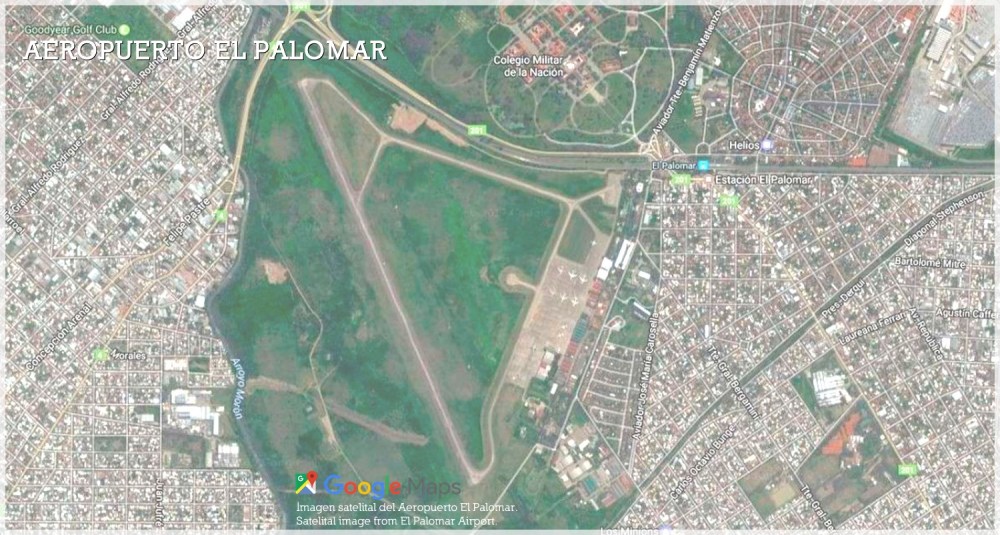
AW-El Palomar Airport

El esquema era un sistema de participación pública privada (PPP). Pero las trabas burocráticas para desafectar El Palomar del uso militar que tiene actualmente generó un impedimento a la propuesta.

El gran gestionador de los aeropuertos en Argentina, Aeropuertos Argentina 2000 (AA2000), que tiene la concesión de Aeroparque, Ezeiza y San Fernando, puso algunos reparos respecto de una cláusula de su contrato mediante la cual no puede haber otra estación en el área sin que sea operada por ellos. Entonces, la compañía de Eduardo Eurnekian, ingresó en la negociación sobre El Palomar.

Allí está una de las principales trabas. AA2000 tiene tarifas incompatibles con una operación de low cost. Desde los comestibles para los pasajeros, hasta el estacionamiento más caro de toda el área porteña, los costos que la empresa que dirige Martín Eurnekian se han convertido en un punto clave de la negociación. Obviamente también se discute el valor que tendrán los servicios a las aerolíneas. Todo hace suponer que la concesionaria será parte de la explotación de El Palomar. El Órgano Regulador del Sistema Aeroportuario Argentino (Orsna) es otro de los involucrados en el futuro de estación terminal aérea, al igual que la Fuerza Aérea.

Actualmente no hay una decisión tomada, pero una mesa ingrada por los ministerios de Transporte y de Defensa, además de la Fuerza Aérea, dibujan en un tablero todas las posibilidades para que el nuevo Aeropuerto El Palomar sea una opción o alternativa a Aeroparque.  AIRWAYS® AW-Icon TXT

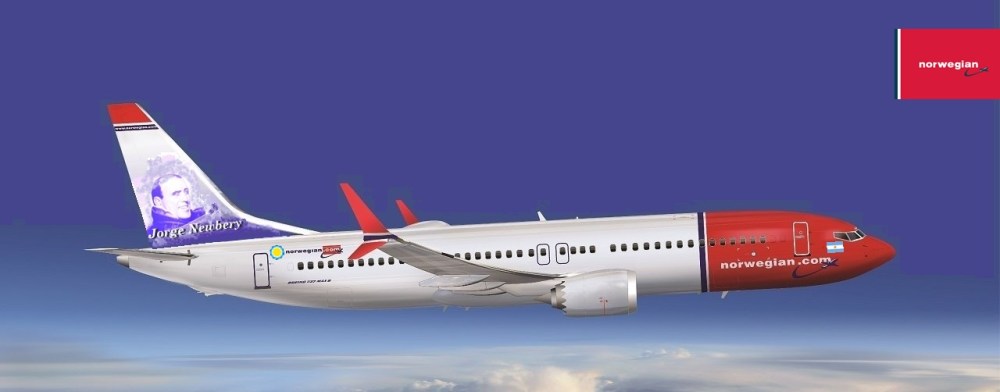
Norwegian-737-MAX-8

Norwegian Argentina expands its wings

Resultado de imagen para Norwegian Air  PNGNorwegian advances with its low cost model in Argentina

The new low cost airline Norwegian Air Argentina is in process for its start-up to start operations in 1Q2018.

The Air Transport Advisory Board (JATA) approved the permits for Norwegian Air Argentina to start operations in the Argentine Republic. On October 25, 2017, the National Civil Aviation Administration (ANAC) of Argentina granted the company’s South American subsidiary, Norwegian Air Argentina, concessions to operate 153 routes from Argentina.

Norwegian will require 70 aircraft, 50 short-haul and 20 long-haul aircraft, based in Argentina and 300 professionals, 100 pilots and 200 cabin crew between captains, first officers, senior senior officers with ‘fast track’ to captain, captains of instruction, cabin crew chiefs, cabin crew and cabin crew instructors / supervisors, ground crew, among others, assigned to the company’s operational bases at Ezeiza Airport, Aeroparque Jorge Newbery, Airport Córdoba and Mendoza Airport.

Imagen relacionada

This flight staff will be assigned to the short radio fleet of the local airline of Norwegian in Argentina, formed by Boeing 737 aircraft and several of these professionals can later be transferred to the long-haul fleet of Boeing 787.

The Norwegian low cost expects to have 70 aircraft within a period of five to seven years from the start of operations, with a traffic forecast of 17.2 million passengers per year, to 90 destinations within Argentina and the rest of South America, Europe, the United States and Australia. The airline intends to start operations, with the first six to ten aircraft, during the summer in Argentina or 1Q2018.

El Palomar «low-cost»

The strategic point that has been assigned to El Palomar Airport (PAL/EPA/SADP) is related to the opening of air routes in the new stage of the «The Aircraft Revolution» in Argentina. The applications to fly are approved, so now you are managing the procedures to fly from Aeroparque as well as from El Palomar.

The old airport or Argentine military base will be transformed into an air station for commercial and civil traffic. Due to the proximity to the City of Buenos Aires, it will act as a satellite of it. As in the big cities, Buenos Aires needs to decompress the congested Jorge Newbery Airport (Aeroparque) that is at the limit of the allowed frequencies or slots.

«London-flyer»

A city model is that of London. It has six main airports and is probably the city with the most commercial airports in the world. With an approximate population of 8.5 million people, a metropolitan area that reaches up to 12.5 million and one of the largest financial and commercial centers in the world. The city of London not only needs those airports, but also has the urgent need to expand them. Through these airports there is a traffic of approximately 71,500,000 million passengers every year. The international airports of London-Heathrow and London-Gatwick have the highest passenger traffic. Stansted Airport has a strong presence in Ryanair, where many low cost airlines use alternative airports with lower rates attracting an increasing number of passengers. Luton Airport is the fourth largest airport in the London area after Heathrow, Gatwick and Stansted. The London-City receives low-cost flights from Europe and allows to reach the heart of the city quickly; has connection with fast trains. London-Southend Airport is an international airport in the district of Rochford in Essex, England. During the 1960s, Southend was the third busiest airport in the United Kingdom. It is located 53 minutes from London.
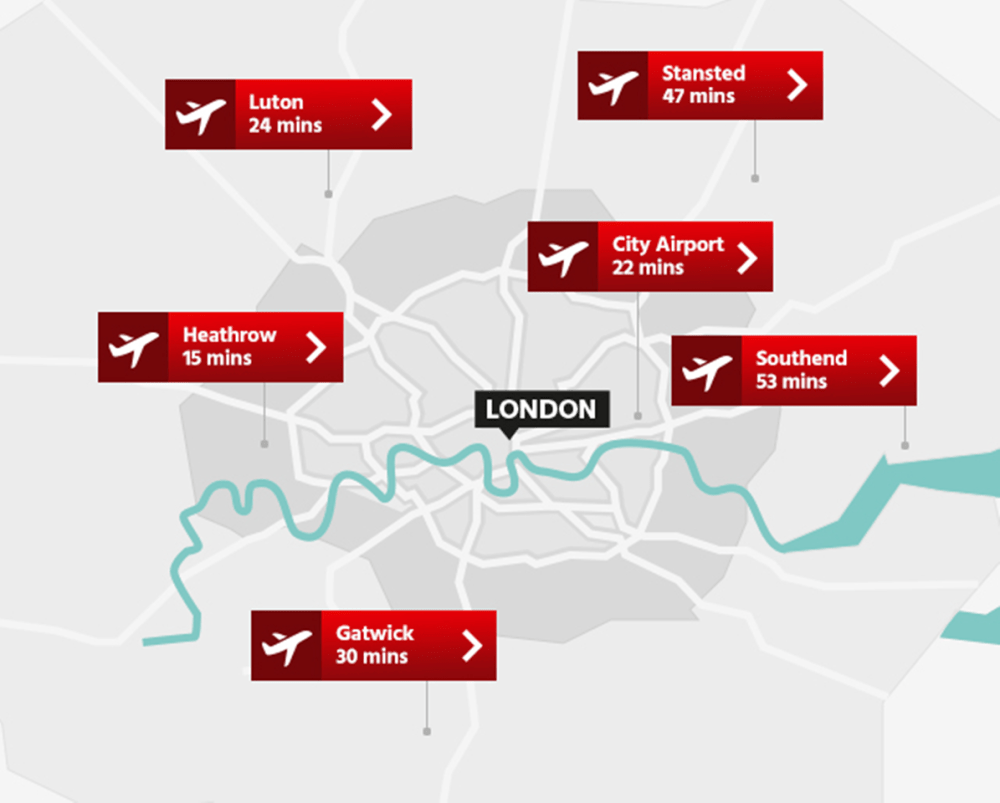
AW-7005577.png

The London model is in transformation, so we can understand the dynamics of passenger traffic in very large cities as one of the largest commercial and financial centers.

The plans of Norwegian Air Argentina is to offer different alternatives to passengers with a possible differentiation of service. It will use Aeroparque for the most corporate passenger and will use El Palomar Airport for more «Economy» passengers, looking for lower fares. For international flights from Ezeiza, in connection with the existing Norwegian Air Shuttle network with the rest of the world. As we observed, in the example of London, a possible differentiation of rates will also be used in Argentina depending on the airport where it operates.

The transformation of the new El Palomar Airport is now measured with great expectations since both Flybondi Líneas Aéreas and Norwegian Air Argentina will allow opening new routes and unpacking that the Jorge Newbery Airport could never offer them.

Norwegian Air Argentina plans to allocate part of its operation to El Palomar. «The company is strongly considering operating from there, too,» said Ole Christian Melhus, the CEO of Norwegian Air Argentina, regarding the operations at El Palomar Airport.

Currently, the low-cost carrier Norway Air Shuttle ASA (Norway’s parent airline) has already announced that it will start flying Buenos Aires-London in February 2018 and already has the tickets for sale. Norwegian will open five routes between Spain and Argentina.

«In the event that the government decided to position El Palomar as a low-cost airport, Norwegian would definitely support it, it would be the first in the region», confirmed Melhus. In this way, the Norwegian company joined the intention of Flybondi that already announced that its metropolitan airport will be El Palomar. A convenient decision for low cost airlines looking for alternative airports with lower operating costs for cheaper flights, an equation that works for the world’s airlines.

El Palomar Airport Plan

Regarding the operation of the new El Palomar Airport, the Flybondi airline had initially presented a plan to build a new passenger terminal and the exclusive operation of this air terminal.

AW-El Palomar Airport.jpg

The scheme was a system of Private Public Participation (PPP). But the bureaucratic obstacles to disaffect El Palomar from the military use it has currently generated an impediment to the proposal.

The major airport manager in Argentina, Aeropuertos Argentina 2000 (AA2000), which has the Aeroparque, Ezeiza and San Fernando concession, raised some objections regarding a clause in its contract whereby there can not be another station in the area without that is operated by them. Then, the company of Eduardo Eurnekian, entered the negotiation on El Palomar.

There is one of the main obstacles. AA2000 has rates incompatible with a low cost operation. From the groceries for passengers, to the most expensive parking lot in the whole Buenos Aires area, the costs that the company headed by Martin Eurnekian have become a key point of the negotiation. Obviously, the value of services to airlines is also discussed. Everything supposes that the concessionaire will be part of the exploitation of El Palomar. The Regulatory Body of the Argentine Airport System (Orsna) is another one of those involved in the future of the air terminal station, as well as the Air Force.

Currently there is no decision made, but a table ingrada by the Ministries of Transport and Defense, as well as the Air Force, draw on a board all the possibilities for the new El Palomar Airport is an option or alternative to Aeroparque. A \ W


DATA: Las imágenes son meramente ilustrativas, y no representan necesariamente la imagen oficial de la compañía Norwegian Air Argentina. / The images are merely illustrative, and do not necessarily represent the official image of the company Norwegian Air Argentina.


Ξ A I R G W A Y S Ξ
SOURCE:  Airgways.com
DBk:  Anac.gov.ar / Norwegian.com/ar / Airgways.com / Caa.co.uk / Wikipedia.org / Enterprise.discourse.org / Maps.google.com
AW-POST: 201711051737AR

A\W   A I R G W A Y S ®

ARJ21-700 MSN108 completó 1er. vuelo

AW | 2017 11 04 18:22 | INDUSTRY

COMAC_logoEl ARJ21-700 MSN108 completó el primer vuelo en Shanghai

La aeronave ARJ-21-700 MSN108 despegó a las 03:00 pm y duró 1 hora y 55 minutos. Aterrizó de manera segura en el aeropuerto de Shanghai a las 16:55 hs y completó un vuelo de prueba de subproducción para probar el rendimiento.

ARJ21.SVGHasta el 3 de noviembre, la COMAC ha completado un total de tres pruebas de producción, se completaron completaron 77 puntos de pruebas. En el seguimiento, se llevarán a cabo dos vuelos de prueba de subproducción, cuatro vuelos de prueba RVSM (intervalo vertical reducido) y dos pruebas de entrega. Está previsto que se entreguen a Chengdu Airlines antes de finales de Diciembre de 2017. La entrega de los primeros ARJ-21-700 también planea la transición del Aeropuerto de Harbin, China, para llevar a cabo la verificación de la operación en condiciones alpinas.

Desde la entrega del primer avión ARJ21-700 a Chengdu Airlines el 28 de Junio de 2016, se ha avanzado mucho en las operaciones de las aerolíneas. Los tres aviones en fase de pruebas volarán 34 segmentos los siete días de la semana, volando desde Chengdu a Changsha y Shanghai y desde Chengdu a Jinan. A partir del 31 de octubre, las tres aeronaves puestas en funcionamiento por la ruta transportaron de manera segura a más de 28,000 pasajeros.

La aerolínea Chendgu Airlines ha sido el cliente de lanzamiento del ARJ-21-700, volando dos aeronaves en la actualidad. Tiene una cartera de pedido por órdenes de 28 aviones adicionales. AIRWAYS® AW-Icon TXT


Resultado de imagen para ARJ21 png

The ARJ21-700 MSN108 plane completed the first flight

The ARJ21-700 MSN108 completed the first flight in Shanghai

The aircraft ARJ-21-700 MSN108 takeoff at 03:00 pm and lasted 1 hour and 55 minutes. He landed safely at the Shanghai airport at 4:55 p.m. and completed a subproduction test flight to test performance.

Until November 3, COMAC has completed a total of three production tests, and completed 77 test points. In the follow-up, two sub-production test flights, four RVSM test flights (reduced vertical interval) and two delivery tests will be carried out. They are scheduled to be delivered to Chengdu Airlines before the end of December 2017. The delivery of the first 1ARJ-21-700 also plans the transition from Harbin Airport, China, to carry out the verification of the operation in alpine conditions.

PROTOTYPE ARJ 21-700 · 108 IN FLIGHT OF TESTS

Since the delivery of the first ARJ21-700 aircraft to Chengdu Airlines on June 28, 2016, much progress has been made in airline operations. The three aircraft under test will fly 34 segments seven days a week, flying from Chengdu to Changsha and Shanghai and from Chengdu to Jinan. As of October 31, the three aircraft put into operation along the route safely transported more than 28,000 passengers.

The airline Chendgu Airlines has been the launch customer of the ARJ-21-700, flying two aircraft today. It has an order book for orders of 28 additional aircraft. A \ W


Ξ A I R G W A Y S Ξ
SOURCE:  Airgways.com
DBk:  Comac.com / Kaixian.tv / Ainaimg.cn / Airgways.com
AW-POST: 201711041822AR

A\W   A I R G W A Y S ®

El control de Airbus del CSeries

AW | 2017 11 04 17:50 | INDUSTRY

Bombardier_logo[1]Las desprolijidades de Boeing hicieron que Airbus controle el Programa CSeries
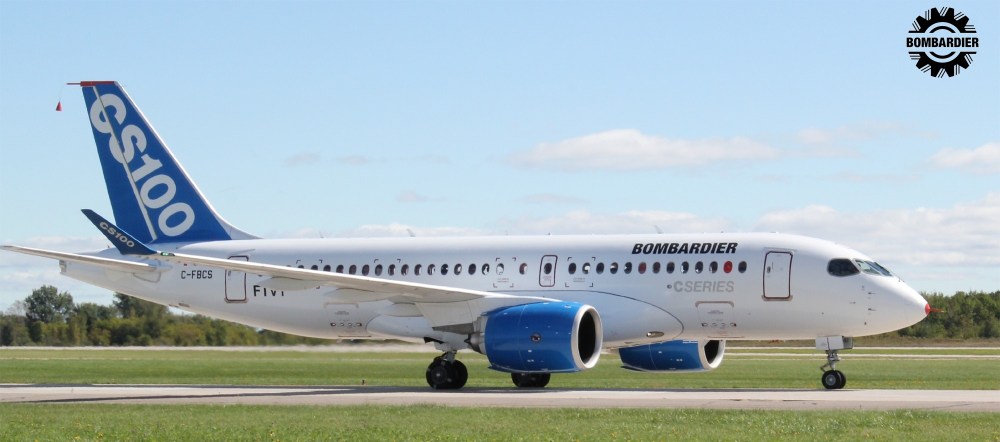
La guerra entre Airbus y Boeing por el dominio del sector más competitivo de la aviación comercial ha arrebatado una soberana victoria para el constructor europeo Airbus saliendo favorecida la industria canadiense.

Logo_Airbus_2014.svg

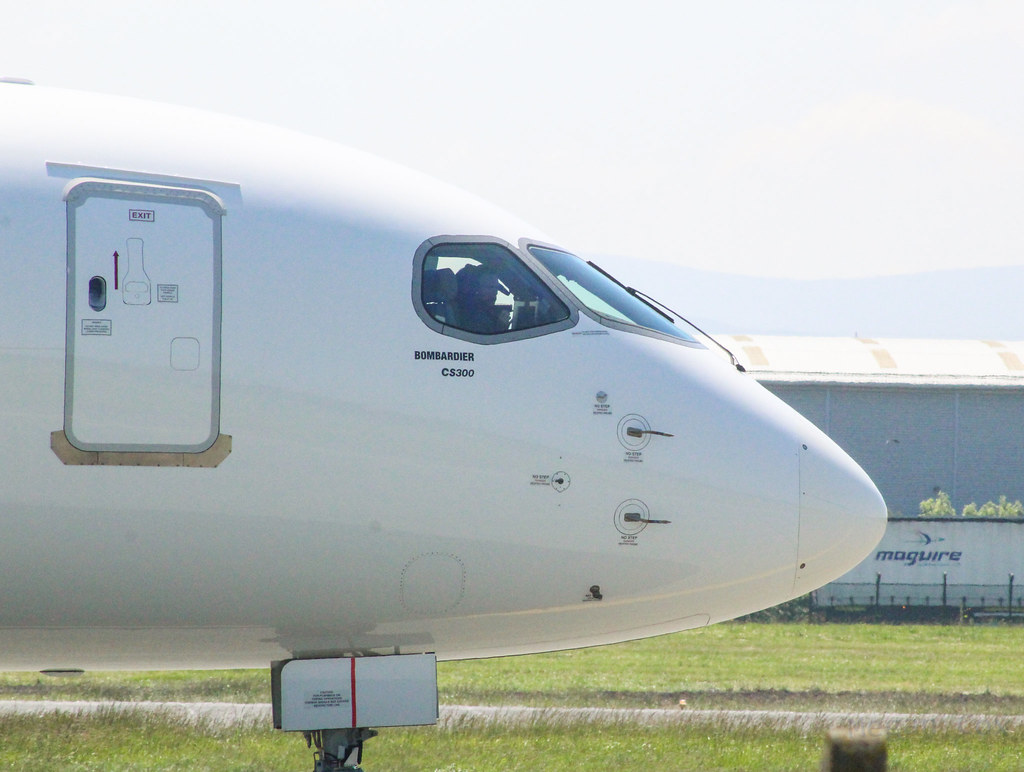
Ante la imposibilidad de actuar continuando los reclamos por las vías administrativas o judiciales por parte de Boeing, por las supuestas subvenciones del Estado de Québec al constructor Bombardier, la compañía americana quería castigar al fabricante canadiense de aviones regionales CSeries. El resultado fue adverso, que su máximo rival Airbus tomara el control para la construcción del avión regional Bombardier CSeries, en la Planta que posee en Mobile, Alabama. El CSeries (CS-100, CS-300) son aeronaves muy codiciadas en la industria de la aviación comercial, por lo que promete tener un éxito consagrado.

La administración estadounidense quería castigar al fabricante canadiense, a instancias de Boeing, termina de la peor forma posible para los intereses de la empresa de Seattle. Boeing lleva años de lucha contra Airbus en el dominio de los cielos. Pero Boeing acaba de dar un paso decisivo e involuntario en favor de su gran rival.

La globalización atrapa a Boeing

La historia comienza porque Boeing decidió cuestionar la compra a precios muy bajos de 75 aviones Bombardier CS-300 por parte de la aerolínea americana Delta Air Lines. Los CS-300 son el nuevo modelo que acaba de lanzar al mercado Bombardier, el fabricante canadiense, que ya ha colocado aviones de ese modelo en aerolíneas como Air Baltic, Air Canada y Swiss, con excelentes críticas.

Boeing atacó a Bombardier y presionó al gobierno americano para aplicar un arancel de casi el 300 % al avión canadiense CSeries, lo que equivale a impedir su venta en Estados Unidos. Hoy en día, la economía opera de una forma tan compleja que Boeing jamás pensó que esto podría volverse en su contra. Y no solo porque el Gobierno británico, uno de sus más importantes compradores de material militar amenazara con romper sus acuerdos dado que parte del avión de Bombardier se produce en Belfast; ni tampoco porque Pratt & Whitney, el fabricante de los motores sea americano y viese que su negocio peligraba, sino porque ha terminado por arrinconar a Bombardier y conseguir un efecto indeseado.

Bombardier es un conglomerado industrial canadiense que fabrica desde trenes a aviones. La casi totalidad de la flota de Air Nostrum, en España, son aviones Bombardier. Hace diez años la empresa canadiense decidió lanzar un avión de 150 asientos, un poco más grande que lo que era habitual en ella. Y decidió hacerlo con la máxima calidad. El avión empezó a volar hace un año y, efectivamente, es excepcional. Pero los retrasos y las complicaciones han sido tales que Bombardier quedó financieramente afectada. Tanto que el poder político canadiense tuvo que inyectar dinero para salvar a la compañía. Todo el mundo tuvo la impresión de que Bombardier quiso abarcar más de lo que podía y que podría salir muy mal parada. Sólo le faltaba que una vez puesto el avión en venta, tras tantas dificultades, el gobierno americano bloquee su venta con un recargo tan desmesurado. Así, pues, Bombadier, que ya estaba muy mal, pasó a tener un problema insoluble cuando Boeing, que no fabrica aviones de 150 asientos, clamó contra la compra por parte de Delta Air Lines. Muchos dudarían entonces en comprar un avión cuyo fabricante corre el riesgo de hundirse en cualquier momento y dejar el proyecto a medio camino.

Como una vuelta de latigazo, Bombardier alcanzó a ver una luz de esperanza. Sin que nadie lo esperara, Bombardier vendió el 51 % del proyecto del CSeries a Airbus. Airbus pasa a ser el administrador de un avión del que todo el mundo dice que es excelente. Y ha anunciado que ahora ensamblará el avión en su fábrica de Alabama, en Estados Unidos, con lo que cumplirá el pedido de Delta sin incurrir en el pago de aranceles que habrían hecho inviable la solución. La aviación da razones de que forma parte de un mundo globalizado.

Boeing ha permitido a Airbus lo que jamás la multinacional europea hubiera soñado: hacerse con el control de un avión excelente. Pero, por otro lado ha salvaguardado el Programa CSeries.

Airbus desde ahora tendrá la responsabilidad de cualquier problema que pudiera surgir en el futuro. Boeing, queriendo dañar a un rival de segundo nivel como es Bombardier, ha dado un arma poderosa al primer rival, Airbus, que es quien verdaderamente le está causando sus grandes dolores de cabeza.

El gobierno canadiense compra aviones de combate y que ahora no parece muy fácil que Boeing pueda ser la opción preferida. Pocas veces se ha cometido un error tan colosal. Airbus deberá replanter sus programas y mostrar sus habilidades para conseguir amalgamar el Cseries con el resto de la familia A320.

«Efecto CSeries»
Comac, la empresa líder de la industria de la aviación china que había encontrado en Bombardier un apoyo tecnológico que le estaba permitiendo solucionar los problemas de su proyecto de avión, ahora, deberá afrontar sus problemas sola.

Después del anuncio del control de Airbus al Programa CSeries, las ventas de los aviones CS-100 y CS-300 van a buen ritmo. Una compañía aérea europea, cuyo nombre no se ha revelado, ha comprado 30 aviones y ha hecho una reserva para otros 30 adicionales. La futura venta de los 75 aviones a Delta Air Lines sigue adelante, mientras que en Tailandia están en conversaciones para comprar más de estos aviones.

El CSeries era un programa que tenía un horizonte muy complicado, asfixiado por problemas del propio constructor Bombardier, más los efectos de ataque por parte de Boeing y el gobierno de EEUU, ha podido remontar vuelo.

Gracias a la torpeza de Boeing, el CSeries se convierte en un avión más popular, producido por un fabricante como Airbus en tierras americanas, está lleno de argumentos sólidos para volar nuevos horizontes. AIRWAYS® AW-Icon TXT

La postura de Delta

11603

El presidente ejecutivo de Delta Air Lines Inc. dijo el miércoles que la aerolínea no desempeñó ningún papel en impulsar un acuerdo que cambió la industria entre los fabricantes de aviones Airbus y Bombardier Inc., ya que una disputa regulatoria entre Estados Unidos y Canadá amenazaba el futuro de un programa de avión Bombardier.

«Dumping vs Antidumping»
El Departamento de Comercio de EEUU dice que la compañía canadiense vendió sus aviones a Delta por debajo del costo.

El problema entre los dos fabricantes, en el cual Boeing, con sede en Chicago, alegó que los injustos subsidios canadienses a Bombardier permitieron al fabricante de aviones tirar las CSeries en los Estados Unidos a un precio «absurdamente bajo», ha empujado a una discusión más amplia entre los Estados Unidos y Canadá sobre las políticas de comercio justo.

Acuerdo Bombardier-Airbus
El Gerente General de Delta Air Lines, Ed Bastian, elogió el acuerdo entre Airbus de Europa y Bombardier de Canadá, que vería a Airbus tomar una participación en la propiedad del problemático programa CSeries de Bombardier, como un positivo neto para la economía estadounidense.

El acuerdo para que Bombardier ceda 50.01 % de participación en el Programa CSeries a Airbus, y probablemente mueva las etapas finales de producción del avión desde Canadá a una instalación de Airbus en Alabama, asegura el futuro del avión y le da a Bombardier una posible salida de un alto riesgo disputa comercial con su rival Boeing Co. «Soy optimista de que la inversión de Airbus-Bombardier ayudará a minimizar algunas de las preocupaciones políticas», dijo Bastian en el día de los medios de la aerolínea en Atlanta.

Tanto Delta como Bombardier han dicho que no aceptarían los costos adicionales de aranceles de 300 %; pero el acuerdo de Bombardier-Airbus para trasladar la producción final de los aviones a los Estados Unidos podría potencialmente proteger al avión de posibles aranceles de importación. A pesar del desacuerdo, Bastian dijo que la disputa entre Bombardier y Boeing no afecta la probabilidad de que Delta compre aviones Boeing en el futuro. A \ W


The Airbus control of the CSeries Program

16655262-14617840150369112Bombardier_logo[1]The untidiness of Boeing caused Airbus to control the CSeries Program


The war between Airbus and Boeing over the dominance of the most competitive sector of commercial aviation has snatched a sovereign victory for the European manufacturer Airbus, favored by the Canadian industry.

Logo_Airbus_2014.svg

Faced with the impossibility of acting by continuing the claims by the administrative or judicial channels by Boeing, by the alleged subventions of the State of Quebec to the Bombardier constructor, the American company wanted to punish the Canadian manufacturer of regional aircraft CSeries. The result was adverse, that its maximum rival Airbus will take control for the construction of the Bombardier CSeries regional aircraft, in the Plant that owns in Mobile, Alabama. The CSeries (CS-100, CS-300) are highly coveted aircraft in the commercial aviation industry, so it promises to be a time-honored success.

The US administration wanted to punish the Canadian manufacturer, at Boeing’s request, ends in the worst possible way for the interests of the Seattle company. Boeing has been fighting against Airbus for years in the domain of the skies. But Boeing has just taken a decisive and involuntary step in favor of his great rival.

cs100

Globalization catches Boeing

The story begins because Boeing decided to question the purchase at very low prices of 75 Bombardier CS-300 aircraft by the American airline Delta Air Lines. The CS-300 is the new model that has just launched to the market Bombardier, the Canadian manufacturer, which has already placed aircraft of that model on airlines such as Air Baltic, Air Canada and Swiss, with excellent reviews.

Boeing attacked Bombardier and pressured the US government to apply a tariff of almost 300% to the Canadian plane CSeries, which amounts to preventing its sale in the United States. Today, the economy operates in such a complex way that Boeing never thought that this could turn against him. And not only because the British Government, one of its most important buyers of military equipment threatened to break their agreements since part of Bombardier’s plane is produced in Belfast; nor because Pratt & Whitney, the manufacturer of the engines is American and he saw that his business was in danger, but because he has ended up cornering Bombardier and getting an undesired effect. Aviation is part of a globalized world.

Bombardier is a Canadian industrial conglomerate that manufactures from trains to airplanes. Almost all of the Air Nostrum fleet, in Spain, are Bombardier aircraft. Ten years ago the Canadian company decided to launch a 150-seat aircraft, a little larger than what was usual in it. And he decided to do it with the highest quality. The plane started flying a year ago and, indeed, it is exceptional. But the delays and complications have been such that Bombardier was financially affected. So much so that the Canadian political power had to inject money to save the company. Everyone had the impression that Bombardier wanted to cover more than he could and that it could go very badly. It only lacked that once the plane was put on sale, after so many difficulties, the American government blocked its sale with such an excessive surcharge. So, Bombadier, which was already very bad, happened to have an insoluble problem when Boeing, which does not manufacture 150-seat aircraft, cried out against the purchase by Delta Air Lines. Many would then be able to buy an airplane whose manufacturer runs the risk of sinking at any time and leaving the project halfway.

Like a whiplash, Bombardier caught a glimpse of hope. Unbeknownst to anyone, Bombardier sold 51% of the CSeries project to Airbus. Airbus becomes the manager of an airplane that everyone says is excellent. And he has announced that he will now assemble the aircraft in his factory in Alabama, in the United States, which will fulfill the Delta order without incurring the payment of tariffs that would have made the solution unviable. Aviation gives reasons that it is part of a globalized world.

Boeing has allowed Airbus what the European multinational would never have dreamed: take control of an excellent aircraft. But, on the other hand, it has safeguarded the CSeries Program.

Airbus will now be responsible for any problems that may arise in the future. Boeing, wanting to damage a second-tier rival such as Bombardier, has given a powerful weapon to the first rival, Airbus, who is truly causing his big headaches.

The Canadian government buys combat aircraft and now it does not seem very easy for Boeing to be the preferred option. Seldom has such a colossal error been committed. Airbus will have to replan its programs and show their skills to get amalgamate the Cseries with the rest of the A320 family.

«CSeries effect»
Comac, the leading company of the Chinese aviation industry that had found in Bombardier a technological support that was allowing it to solve the problems of its airplane project, now, it will have to face its problems alone.

CSeries.jpg

After the announcement of the control of Airbus to the CSeries Program, sales of the CS-100 and CS-300 aircraft are going at a good pace. A European airline, whose name has not been revealed, has bought 30 aircraft and made a reservation for an additional 30. The future sale of the 75 aircraft to Delta Air Lines continues, while in Thailand they are in talks to buy more of these aircraft.

The CSeries was a program that had a very complicated horizon, suffocated by problems of the Bombardier constructor, plus the effects of attack by Boeing and the US government, it has been able to take flight.

Thanks to the clumsiness of Boeing, the CSeries becomes a more popular aircraft, produced by a manufacturer such as Airbus in American lands, is full of solid arguments to flight new horizons. A \ W

The position of Delta

11603.jpg

The chief executive of Delta Air Lines Inc. said on Wednesday that the airline played no role in pushing a deal that changed the industry between aircraft manufacturers Airbus and Bombardier Inc., as a regulatory dispute between the United States and Canada threatened the future of a Bombardier airplane program.

«Dumping vs Antidumping»
The US Department of Commerce says that the Canadian company sold its aircraft to Delta below cost.

The problem between the two manufacturers, in which Boeing, based in Chicago, argued that the unfair Canadian subsidies to Bombardier allowed the aircraft manufacturer to pull the CSeries in the United States at an «absurdly low» price, has prompted an argument wider between the United States and Canada on fair trade policies.

Bombardier-Airbus Agreement
Delta Air Lines General Manager Ed Bastian praised the agreement between Airbus of Europe and Bombardier of Canada, which would see Airbus take a stake in the ownership of Bombardier’s troublesome CSeries program, as a net positive for the US economy.

The agreement for Bombardier to transfer 50.01% stake in the CSeries Program to Airbus, and probably move the final stages of production of the aircraft from Canada to an Airbus facility in Alabama, ensures the future of the aircraft and gives Bombardier a possible outlet of a high-risk commercial dispute with rival Boeing Co. «I am optimistic that Airbus-Bombardier’s investment will help to minimize some of the political concerns», Bastian said on the airline’s media day in Atlanta.

Both Delta and Bombardier have said they would not accept the additional cost of tariffs of 300%; but the Bombardier-Airbus agreement to move the final production of the aircraft to the United States could potentially protect the plane from possible import tariffs. Despite the disagreement, Bastian said the dispute between Bombardier and Boeing does not affect the likelihood that Delta will buy Boeing aircraft in the future. A\W


Ξ A I R G W A Y S Ξ
SOURCE:  Airgways.com
DBk:  Airbus.com / Bombardier.com / Boeing.com / Nbcnews.com
AW-POST: 201711011550AR

A\W   A I R G W A Y S ®

StandardAero compra Vector Aerospace

Picture1.56c5ca39871b6.jpg

AW | 2017 11 04 16:10 | INDUSTRY

Resultado de imagen para Vector AerospaceAirbus concluye la venta de Vector Aerospace Holding a StandardAero

El consorcio aeronáutico europeo Airbus SE anunció que ya ha concluido la venta del conglomerado Vector Aerospace Holding SAS a StandardAero, tres meses después de haber iniciado las negociaciones exclusivas.

Resultado de imagen para Vector Aerospace Holding SASVector Aerospace es una empresa internacional de mantenimiento aeronáutico, reparación y revisión de motores de las aeronaves y otros componentes, que en 2016 registró unos ingresos de unos 700 millones de dólares (600,6 millones de euros). Cuenta con cerca de 2.200 empleados y 22 sedes ubicadas en Canadá, Estados Unidos, el Reino Unido, Francia, Kenia, Sudáfrica, Australia y Singapur.

La transacción estaba sujeta el pasado Julio 2017 a la consulta del comité de empresa de StandardAero y a la firma de acuerdos definitivos, así como a las autorizaciones y a la aprobación de las autoridades gubernamentales competentes.

El dirigente de StandardAero, Russell Ford, indicó en el comunicado que, juntas, las dos empresas están mejor posicionadas para proveer a la industria de más servicios globales y soluciones de calidad y más rápidas.  AIRWAYS® AW-Icon TXT

Resultado de imagen para Vector Aerospace Building

StandardAero buys Vector Aerospace

Resultado de imagen para Vector Aerospace Holding SASAirbus concludes the sale of Vector Aerospace Holding to StandardAero

The European aeronautical consortium Airbus SE announced that it has already completed the sale of the conglomerate Vector Aerospace Holding SAS to StandardAero, three months after having started exclusive negotiations.

Vector Aerospace is an international company of aeronautical maintenance, repair and revision of aircraft engines and other components, which in 2016 recorded an income of about 700 million dollars (600.6 million euros). It has about 2,200 employees and 22 locations located in Canada, the United States, the United Kingdom, France, Kenya, South Africa, Australia and Singapore.

The transaction was subject in July 2017 to the consultation of the StandardAero works council and to the signing of definitive agreements, as well as to the authorizations and the approval of the competent governmental authorities.

StandardAero leader Russell Ford said in the statement that, together, the two companies are better positioned to provide the industry with more global services and faster, quality solutions. A \ W


Ξ A I R G W A Y S Ξ
SOURCE:  Airgways.com
DBk:  Airbus.com / Vectoraerospace.com / Aviationpros.com / Alea.org
AW-POST: 201711041610AR

A\W   A I R G W A Y S ®

Licitación desierta del Centro Intermodal de Transporte Terrestre para Aeropuerto AICM México

AW | 2017 11 04 15:55 | AIRPORTS

Declaran desierta licitación para construcción de nuevo aeropuerto en Ciudad de México

El Grupo Aeroportuario de la Ciudad de México (GACM) declaró desierta la licitación pública internacional para la construcción del Centro Intermodal de Transporte Terrestre para el Nuevo Aeropuerto Internacional de la capital mexicana y anunció que emitirá una nueva convocatoria en 10 días.

La decisión se adoptó luego de que el panel de expertos del GACM evaluó las 11 ofertas técnicas y económicas presentadas por las 45 empresas nacionales e internacionales, organizadas en 10 consorcios distintos y una que concursó en forma individual. Este grupo concluyó que algunas de las propuestas no alcanzaron la puntuación mínima requerida por la Ley de Obras Públicas y Servicios Relacionados con las mismas. Otras fueron descalificadas por presentar incompletos los requisitos legales o administrativos, y otros más rebasaron el techo presupuestal fijado por la GACM para esta obra. En consecuencia, y a fin de que el próximo concurso se pueda contar con ofertas susceptibles de ser adjudicadas, se llevará a cabo un taller público sobre la forma de observar los requisitos establecidos en la convocatoria.

El Nuevo Aeropuerto Internacional de la Ciudad de México es la obra de infraestructura más importante de las últimas décadas en México. Es un proyecto único en América, con visión social y 100 por ciento sustentable, que permitirá que México aproveche su lugar como una de las economías más importantes del mundo.  AIRWAYS® AW-Icon TXT

Deserted tender of the Intermodal Land Transport Center for AICM Mexico Airport

Declared desert tender for construction of new airport in Mexico City

The Airport Group of Mexico City (GACM) declared void the international public tender for the construction of the Intermodal Land Transport Center for the New International Airport of the Mexican capital and announced that it will issue a new call in 10 days.

The decision was adopted after the panel of experts of the GACM evaluated the 11 technical and economic offers presented by the 45 national and international companies, organized in 10 different consortiums and one that competed individually. This group concluded that some of the proposals did not reach the minimum score required by the Public Works and Related Services Law. Others were disqualified for presenting incomplete legal or administrative requirements, and others exceeded the budget ceiling set by the GACM for this work. Consequently, and in order that the next contest may have offers that may be awarded, a public workshop will be held on how to observe the requirements established in the call.

The New International Airport of Mexico City is the most important infrastructure work of the last decades in Mexico. It is a unique project in America, with a social vision and 100 percent sustainable, that will allow Mexico to take advantage of its place as one of the most important economies in the world. A \ W


Ξ A I R G W A Y S Ξ
SOURCE:  Airgways.com
DBk:  Aeropuerto.gob.mx
AW-POST: 201711041555AR

A\W   A I R G W A Y S ®

Vueling estima crecimiento

AW | 2017 11 04 15:43 | AIRLINES

Resultado de imagen para vueling logoVueling, aerolínea low cost de España estima un crecimiento del orden del 10% después de un año de dificultades

800x600_1450367984_A320neo_Vueling.jpgEl objetivo de Vueling es estabilizar las operaciones y recuperar la confianza de los clientes. Vueling cerró el verano (boreal) de 2017 sin incidencias por primera vez en mucho tiempo.

La filial de International Airlines Group (IAG), que también engloba a British Airways, Iberia y Aer Lingus, cerrará 2017 con una expansión de apenas el 1,7%, una cifra anecdótica frente al verano de 2015 (19%), los primeros seis meses de 2016 (18%) y la totalidad del 2014 (15%). En tanto la low-cost catalana incluso puede presumir de ser la más puntual en Barcelona, Roma y París, sus tres principales destinos, durante la temporada estival. Las medidas aplicadas para no repetir los inconvenientes ucurridos en en año 2016 han funcionado y, tras un año moderado, la aerolínea quiere volver a crecer por encima del 10%.

El 2016 fue un año de altibajos para Vueling, ocasionando retrasos, cancelaciones, reclamaciones y sanciones, que calaron profundo en la operatoria de Vueling gerenciada por el CEO Javier Sánchez-Prieto. Las medidas implementadas en el 2017 hicieron reducir el número de destinos a cambio de más frecuencias hacia los aeropuertos más concurridos y trató de desestacionalizar la operativa. Puso en marcha el programa Vueling Next. El precio a pagar fue sacrificar un año de crecimiento para recuperar la confianza de los clientes.

Las proyecciones del Grupo IAG

IAG presentó este viernes sus previsiones para el período 2018-2022 a los analistas y dibujó una subida de los asientos por kilómetro disponibles (ASK), la métrica para medir el crecimiento en el sector, superior al 10% para la filial. La low-cost con base en Barcelona-El Prat será clave para cumplir los objetivos del grupo aeronáutico: un crecimiento anual del 5%, una escalada del 12% en el beneficio por acción y un resultado bruto de explotación de 6.500 millones (+22%). Vueling proyecta crecer por encima del 10% hasta el año 2022.

La experiencia de Vueling en los errores del pasado permitirán centrarse en arrebatar el liderazgo del mercado español a Ryanair con más frecuencias en las rutas domésticas y hacia las principales ciudades de Europa. La otra pata de la expansión será en Italia y Francia, el segundo y tercer país de la aerolínea, donde será una herramienta clave para el aterrizaje de la low-cost de largo radio Level.

Construir una operativa más robusta en territorio conocido primará sobre las aventuras en otros países. Se buscarán oportunidades selectas fuera de nuestros mercados principales. El objetivo es elevar las venta de billetes y elevar las ganancias por la venta de servicios complementarios, que ahora no estaban explotados o eran gratuitos. A cambio, el cliente se beneficiará de un servicio de inteligencia artificial de mensajería; un asistente virtual; la posibilidad de pagar a través de Amazon Pay, Android Pay y Apple Pay; y la integración del programa de fidelidad Avios. Vueling reducirá sus costes unitarios el 1,5% en sus aviones y el personal. También ajustará al máximo el apartado de costes en la cuenta de resultados. Por ello, promete reducir el coste unitario el 1,5% hasta 2022 sin contar el precio del petróleo.

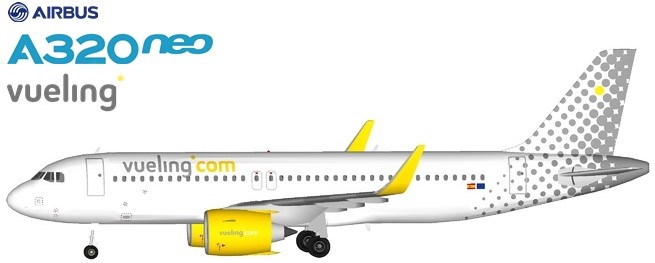
Por otro lado la aerolínea incorporará próximamente los nuevos Airbus A320NEO, que llegarán a representar el 30% de una flota de 150 aviones, que ayudarán a rebajar la factura del combustible y el ahorro por km/pax transportados.

La aerolínea low cost expandirá sus recursos con una operativa menos estacional e incrementará el uso de los aviones en un +19%. El personal tendrá un “incremento de la productividad” del orden del 16%.  AIRWAYS® AW-Icon TXT

Vueling estimates growth

Imagen relacionadaVueling, low cost airline of Spain estimates a growth of around 10% after a year of difficulties

The objective of Vueling is to stabilize operations and restore customer confidence. Vueling closed the summer (boreal) of 2017 without incidents for the first time in a long time.

1854d4feb156fd4928e0fa99f5f37a28.pngThe subsidiary of International Airlines Group (IAG), which also includes British Airways, Iberia and Aer Lingus, will close 2017 with an expansion of just 1.7%, an anecdotal figure compared to the summer of 2015 (19%), the first six months of 2016 (18%) and the whole of 2014 (15%). While the Catalan low-cost can even boast of being the most punctual in Barcelona, ​​Rome and Paris, its three main destinations, during the summer season. The measures applied to avoid repeating the inconveniences cured in 2016 have worked and, after a moderate year, the airline wants to grow back above 10%.
2016 was a year of ups and downs for Vueling, causing delays, cancellations, claims and penalties, which penetrated deep into Vueling’s operations managed by CEO Javier Sánchez-Prieto. The measures implemented in 2017 reduced the number of destinations in exchange for more frequencies to the busiest airports and tried to deseasonalize the operation. It launched the Vueling Next program. The price to pay was sacrificing a year of growth to regain the trust of the customers.

The projections of the IAG Group

IAG presented its forecasts for the period 2018-2022 to analysts on Friday and drew a rise in seats per available kilometer (ASK), the metric to measure growth in the sector, higher than 10% for the subsidiary. The low-cost base in Barcelona-El Prat will be key to meet the objectives of the aeronautical group: an annual growth of 5%, an increase of 12% in profit per share and a gross operating profit of 6,500 million (+22 %). Vueling plans to grow above 10% until the year 2022.

Vueling’s experience in the mistakes of the past will allow us to focus on capturing the leadership of the Spanish market to Ryanair with more frequencies on domestic routes and to the main cities in Europe. The other leg of the expansion will be in Italy and France, the second and third countries of the airline, where it will be a key tool for landing the low-cost long-range radio.

Build a more robust operation in known territory will prevail over the adventures in other countries. Select opportunities will be sought outside of our main markets. The objective is to raise ticket sales and raise profits from the sale of complementary services, which were not currently exploited or were free. In return, the client will benefit from an artificial intelligence messaging service; a virtual assistant; the ability to pay through Amazon Pay, Android Pay and Apple Pay; and the integration of the Avios loyalty program. Vueling will reduce its unit costs by 1.5% on its aircraft and personnel. It will also adjust the cost section in the income statement as much as possible. Therefore, it promises to reduce the unit cost by 1.5% until 2022, without counting the price of oil.

large_thumbnail.jpg

On the other hand, the airline will soon incorporate the new Airbus A320NEO, which will represent 30% of a fleet of 150 aircraft, which will help reduce the fuel bill and the savings per km / pax transported.

The low cost airline will expand its resources with a less seasonal operation and increase the use of aircraft by + 19%. The staff will have an «increase in productivity» of the order of 16%. A \ W


Ξ A I R G W A Y S Ξ
SOURCE:  Airgways.com
DBk:  Vueling.com / Cerodosbe.com / Wikimedia.org
AW-POST: 201711041543AR

A\W   A I R G W A Y S ®


Malasia introduce cargo extra a pasajeros

klia.jpg

AW | 2017 11 04 14:55 | AIRLINES MARKET / GOVERNMENT

IATA_Logo.svg.pngLas autoridades de Malasia proponen introducir un cargo para pagar el nuevo programa de gestión de fronteras
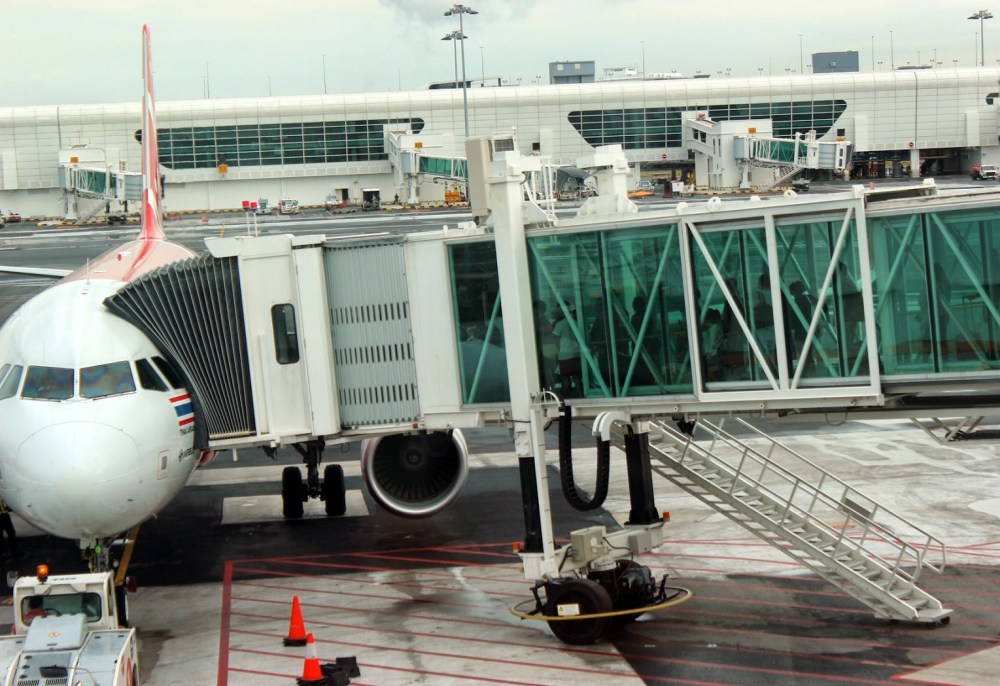

El Gobierno de Malasia está considerando introducir un cobro para todos los pasajeros internacionales que llegan y salen de Malasia para cubrir el costo de un nuevo programa de gestión de fronteras. La postura de IATA está abogando contra ese nuevo cargo de pasajeros propuesto en Malasia.

El Advance Passenger Screening System (APSS) es un programa interactivo API (información avanzada de pasajeros). La gran mayoría de los países que ya han introducido API no han implementado los cargos de pasajeros. API ya se ha introducido en otros 65 países y permite a las autoridades recibir electrónicamente los datos del pasaporte de los pasajeros antes de que los vuelos internacionales aterricen o salgan.

IATA reconoce los beneficios que ofrece la API en términos de seguridad y control fronterizo, pero se opone enérgicamente a los planes de Malasia de financiar el programa con los derechos de los pasajeros.

La gran mayoría de los países que ya han introducido API no han implementado los cargos de pasajeros, e IATA cree que:

• La financiación de API es una responsabilidad del Estado, ya que está vinculada a la seguridad fronteriza y la recopilación de inteligencia

• La tributación tendría un efecto adverso en la competitividad y el sector de la aviación de Malasia

• La existencia de un cargo por pasajero hace que viajar a Malasia sea más costoso para cualquier visitante, y sería perjudicial para los esfuerzos por hacer de Malasia un destino de viaje

• La recaudación acumulada a largo plazo de un cargo de pasajero sería mayor que los costos incurridos.

La IATA también destacó que las aerolíneas ya contribuyen a API recopilando, formateando y enviando la información a las autoridades y capacitando al personal.

La IATA estima que un cargo hipotético de U$D 8 por viaje podría generar una reducción en la demanda de más de 1.3 millones de viajes de pasajeros, y una reducción de la contribución de la industria al PIB de U$D 362 millones.  AIRWAYS® AW-Icon TXT

IMG_3262.JPG

Malaysia introduces an extra charge to passengers

The Malaysian authorities propose to introduce a fee to pay for the new border management program

The Malaysian Government is considering introducing a fee for all international passengers arriving and departing from Malaysia to cover the cost of a new border management program. The IATA position is advocating against this new passenger cargo proposed in Malaysia.

The Advance Passenger Screening System (APSS) is an interactive API program (advanced passenger information). The vast majority of countries that have already introduced API have not implemented passenger charges. API has already been introduced in 65 other countries and allows authorities to electronically receive passport data from passengers before international flights land or depart.

IATA recognizes the benefits offered by the API in terms of security and border control, but is strongly opposed to Malaysia’s plans to fund the program with passenger rights.

The vast majority of countries that have already introduced APIs have not implemented passenger charges, and IATA believes that:

• The financing of API is a responsibility of the State, since it is linked to border security and intelligence gathering

• Taxation would have an adverse effect on the competitiveness and the Malaysian aviation sector

• The existence of a per passenger charge makes travel to Malaysia more expensive for any visitor, and would be detrimental to efforts to make Malaysia a travel destination

• The long-term accumulated collection of a passenger charge would be greater than the costs incurred.

IATA also noted that airlines already contribute to API by collecting, formatting and sending information to authorities and training staff.

IATA estimates that a hypothetical charge of US $ 8 per trip could lead to a reduction in demand for more than 1.3 million passenger trips, and a reduction in the industry contribution to GDP of US $ 362 million. A \ W


Ξ A I R G W A Y S Ξ
SOURCE:  Airgways.com
DBk:  Iata.org / Juan-ted.com / Udeyismail.com
AW-POST: 201711041455AR

A\W   A I R G W A Y S ®

United busca incorporar aviones usados

n403ua-united-airlines-airbus-a320-01 (1).jpg

AW | 2017 11 04 14:22 | AIRLINES MARKET

UNITED AIRLINES LOGOUnited Airlines está buscando un acuerdo para comprar hasta 40 aviones Airbus usados, ya que trascienden los rumores

La aerolínea estaría planificando la incorporación de aviones usados, de segunda mano, para la compra de Airbus A319/A320 con el objetivo de recortar los gastos y recuperar la confianza de los inversores. Apoyar los esfuerzos de control de costos y estimular el crecimiento de los ingresos han sido el centro de los ejecutivos de la compañía. La aerolínea United Airlines ha recibido fuertes críticas al no informar detalles sobre los planes de recuperación financiera de la empresa.

El líder de la industria, Delta Airlines, tiene márgenes de ganancia significativamente más altos y es bien conocido por complementar su flota con aviones usados ​​en el pasado, un hecho que aparentemente no ha escapado a la atención del equipo administrativo de United. Delta ha incorporado aviones usados a su parque aeronáutico. Delta adquirió una cantidad de aviones usados ​​Boeing MD-90. Entre 2000 y 2010, Delta aumentó su flota de aviones narrowbodies con McDonnell Douglas DC-9 provenientes de Northwest Airlines (NWA) tras la sinercia de ambas empresas. En ese momento, otros operadores gastaron miles de millones de dólares en nuevos Boeing 737 y Airbus 320 de bajo consumo como anclajes para sus flotas domésticas. Cuando eso sucedió, el mercado se volcó con más aviones comerciales usados como los MD-80, B-717 y MD-90 que Delta adquirió a precios convenientes.

DELTA AIR LINES HA INCORPORADO EN EL PASADO FLOTA DE AERONAVES DC-9 Y MD-90

Mercado del usado

La compra de los aviones Airbus de segunda mano sería una forma económica de aumentar la capacidad máxima de la agitada United Airlines y daría un impulso muy necesario al servicio de corta distancia. Una fuente no identificada afirma que los aviones operados por EasyJet, una compañía de seguros con base en el Reino Unido, posiblemente sean la fuente de los aviones. La mayoría de ellos son aviones de pasillo único A319 y A320. Según los pilotos de United, la cantidad máxima de aviones a comprar se establece en 30 o 40 según la demanda actual, aunque la cantidad de aviones usados ​​que United comprará podría llegar a ser menos. EasyJet se negó a comentar sobre esta posible transacción.

Los aviones que se compran generalmente se usan en rutas nacionales, pero aún no está claro dónde United afectaría estas aeronaves en su red de rutas domésticas. Sus actuales A319 tienen 128 pax, mientras que los A320 tienen 150 pax.

El CFO de United, Andrew Levy, tuvo que decir durante el verano pasado que sumergirse en el mercado de los aviones de línea usados ​​es «una parte importante de nuestra estrategia de flota». Andrew Levy también fue un ex ejecutivo de Allegiant Airlines, una aerolínea de descuento conocida por volar aviones usados.

Una forma de adquirir capacidad adicional sin gastos de capital masivos. El valor de mercado actual de aviones nuevos difiere ampliamente del mercado de usados. Los objetivos de United se vuelven claros, la reducción de costos para la adquisición de aviones. Esta no es la primera vez que United compra aviones usados. En 2015, la aerolínea compró aviones de segunda mano de China. Esta vez, la nota de los pilotos que divulgaba los detalles no dejaba en claro si este lote de aviones incorporados se compraría o arrendaría.

United está poniendo el martillo en la contención de costos de otras maneras también. La entrega del nuevo Airbus A350 de doble pasillo se ha pospuesto hasta el 2022. Además, United actualizó a versiones más eficientes en combustible con 61 Boeing 737 que se entregaron en noviembre. Estas dos decisiones por sí solas le ahorraron a la compañía $ 1.6 mil millones en gastos de capital.

Desde la aerolínea han argumentado que desean incorporar aeronaves A319/A320 en el mercado de usados, pero no comentaron sobre decisiones de adquisición específicas.  AIRWAYS® AW-Icon TXT

United seeks to incorporate used aircraft

United_Airlines_2010-logo-1024x768.pngUnited Airlines is seeking an agreement to buy up to 40 used Airbus aircraft, as they transcend rumors

The airline would be planning the incorporation of used, second-hand aircraft for the purchase of Airbus A319/A320 in order to cut costs and restore investor confidence. Supporting cost control efforts and stimulating revenue growth have been at the center of the company’s executives. The airline United Airlines has received strong criticism for not reporting details about the company’s financial recovery plans.

The industry leader, Delta Airlines, has significantly higher profit margins and is well known for complementing its fleet with aircraft used in the past, a fact that has apparently not escaped the attention of United’s management team. Delta has incorporated used aircraft to its aeronautical park. Delta acquired a number of used Boeing MD-90 aircraft. Between 2000 and 2010, Delta increased its fleet of narrowbodies aircraft with McDonnell Douglas DC-9 from Northwest Airlines (NWA) following the synergy of both companies. At that time, other operators spent billions of dollars on new low-power Boeing 737 and Airbus 320 as anchors for their domestic fleets. When that happened, the market was turned over with more commercial aircraft used as the MD-80, B-717 and MD-90 that Delta acquired at convenient prices.

Used market

The purchase of second-hand Airbus aircraft would be an economical way to increase the maximum capacity of the busy United Airlines and would give a much-needed boost to short-haul service. An unnamed source claims that aircraft operated by EasyJet, an insurance company based in the United Kingdom, may be the source of the aircraft. Most of them are single aisle aircraft A319 and A320. According to United’s pilots, the maximum number of planes to buy is set at 30 or 40 according to the current demand, although the number of used planes that United will buy could become less. EasyJet declined to comment on this possible transaction.

The planes that are purchased are generally used on domestic routes, but it is not yet clear where United would affect these aircraft in its domestic route network. Their current A319 have 128 pax, while the A320 have 150 pax.

United’s CFO, Andrew Levy, had to say during the summer that diving into the used aircraft market is «an important part of our fleet strategy.» Andrew Levy was also a former executive of Allegiant Airlines, a discount airline known for flying used planes.

A way to acquire additional capacity without massive capital expenditures. The current market value of new aircraft differs widely from the used market. United’s goals become clear, reducing costs for the acquisition of aircraft. This is not the first time United buys used aircraft. In 2015, the airline bought second-hand aircraft from China. This time, the note from the pilots who divulged the details did not make it clear whether this batch of incorporated aircraft would be bought or leased.

United is putting the hammer in cost containment in other ways as well. The delivery of the new double aisle Airbus A350 has been postponed until 2022. In addition, United updated to more fuel efficient versions with 61 Boeing 737 that were delivered in November. These two decisions alone saved the company $ 1.6 billion in capital expenditures.

From the airline have argued that they want to incorporate A319 / A320 aircraft in the used market, but did not comment on specific procurement decisions. A \ W


Ξ A I R G W A Y S Ξ
SOURCE:  Airgways.com
DBk:  Wikimedia.org / Nycaviation.com
AW-POST: 201711041422AR

A\W   A I R G W A Y S ®