Cláusula de Alcance en aviación regional

AW7006533

AW | 2017 10 10 12:44 | INDUSTRY / AIRLINES MARKET

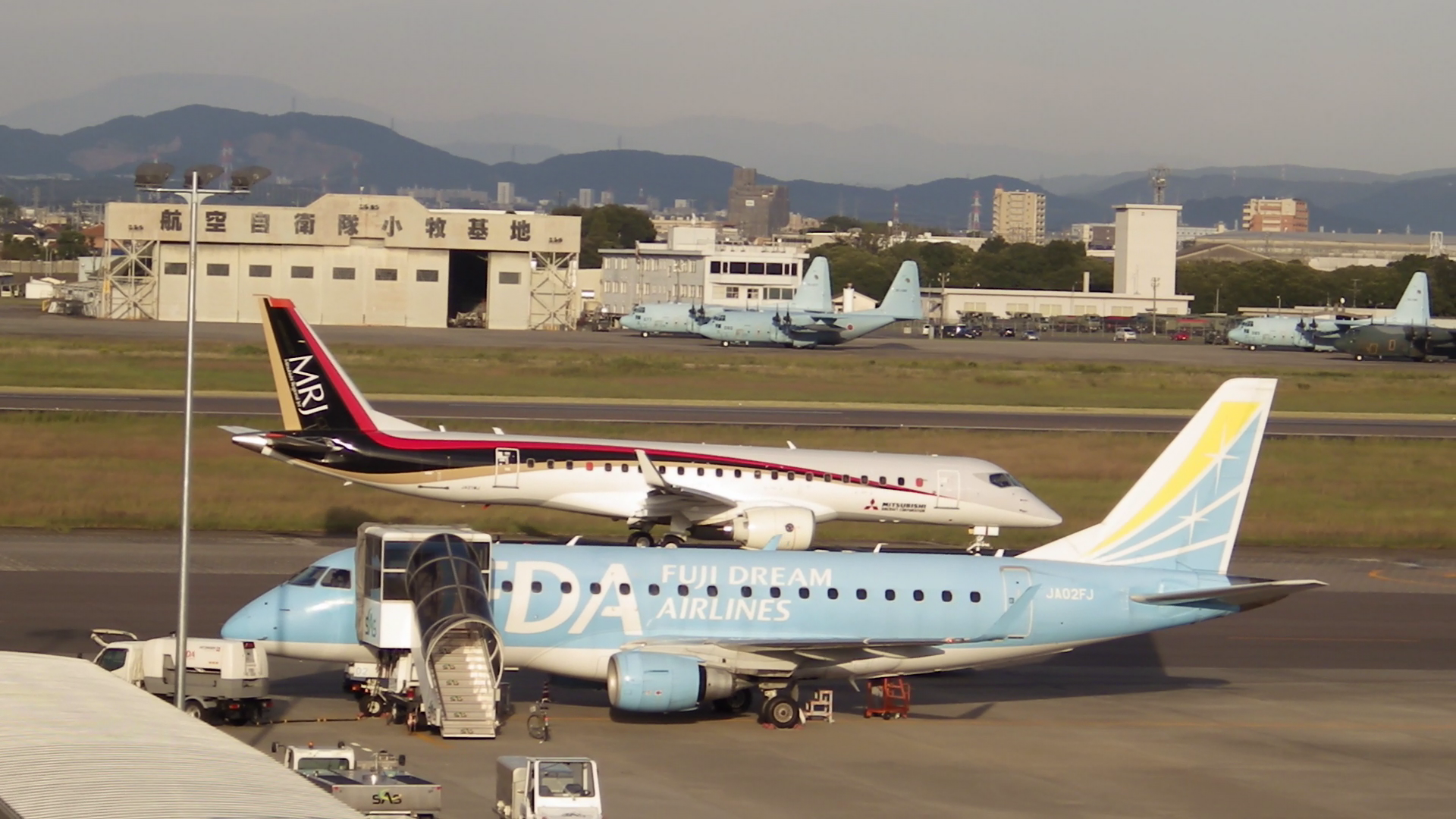
Embraer y Mitsubishi no podrían expandir sus ventas a Estados Unidos por las «Cláusula de Alcance» para las aeronaves Embraer E175-E2 y Mitsubishi MRJ-90

Los pilotos de las principales aerolíneas esperan mantener las reglas vigentes en su nuevo contrato de trabajo que impiden que la aerolínea estadounidense vuelen aviones por encima de un cierto peso en rutas regionales. Esto representa un golpe a Embraer S.A. y Mitsubishi Heavy Industries Ltd., cuyos últimos modelos superan ese límite, imposibilitando las ventas en el mercado estadounidense, como aeronaves regionales.

El nuevo contrato de trabajo de los pilotos mantendrá lo que se conoce como una «Cláusula de Alcance», que restringe aviones de más de 86.000 libras y con más de 76 asientos en rutas regionales. Los resultados de la votación sobre el nuevo contrato se esperan el 1 de diciembre 2017.

La cláusula protege efectivamente puestos de trabajo piloto bien remunerados en las principales aerolíneas, ya que impide a la compañía utilizar aviones más grandes en rutas regionales subcontratadas, que generalmente pagan menos y tienen condiciones de trabajo inferiores.

Embraer & Mitsubishi pelean el mercado EEUU

Cuando la ingieniería de Embraer y Mitsubishi diseñaron sus últimos aviones regionales, con motores más pesados ​​pero más eficientes, esperaban que la cláusula de alcance se hubiera cancelado, pero los sindicatos han logrado mantenerla.

Resultado de imagen para Embraer E175 E2 pngEl voto de Delta seguirá las decisiones similares de los sindicatos de American Airlines Group Inc. y United Continental Holdings Inc. a principios de este año como en 2015. La oposición de los pilotos a las cláusulas de alcance es un problema para la aeronave regional Embraer E175-E2 que se entregará en 2020 y el avión Mitsubishi MRJ90, programado para entrega a mediados de 2018, que exceden ambos el límite de peso.

Resultado de imagen para MRJ90 pngEl analista Darryl Genovesi dijo que era improbable que las aerolíneas volaran el Embraer E175-E2 sólo en rutas principales, debido a mayores costos. «Esto pone en riesgo la viabilidad del E175-E2, ya que la mayor parte de la demanda se origina en las tres aerolíneas», Delta Air Lines, United Airlines y American Airlines, escribió Genovesi en una nota a los clientes.

El operador regional SkyWest Inc, que opera vuelos para Delta, entre otros, es el cliente de lanzamiento del E175-E2, con 100 pedidos firmes. En un comunicado, Embraer dijo que su actual E-175 domina el mercado de 70 plazas, donde tiene el 84% de la cuota de mercado y el fabricante brasileño seguirá vendiendo ese avión a partir de 2020 si las cláusulas de alcance no cambian. Sin embargo, el comunicado dice: «Embraer cree que las cláusulas de alcance se relajarán en el futuro a medida que aumenten los precios de los combustibles y las aerolíneas busquen productos más eficientes».

En septiembre, la compañía Mitsubishi dijo que está trabajando con los clientes para tratar problemas de peso para el MRJ90, con un peso total de 1.323 libras, que lo convierte en un avión demasiado pesado para operaciones regionales en EEUU con la «Cláusula de Alcance», imposibilitando poder obtener un contrato con Eastern Airlines de Florida.

Bombardier contraataca

Los sindicatos de pilotos estadounidenses han tomado una línea cada vez más dura en las demandas salariales más altas y están haciendo menos concesiones a las compañías estadounidenses. Sin embargo, su posición actual en contra de las cláusulas cambiantes podría ser una bendición para la rival canadiense Bombardier Inc, que lo ve como una oportunidad para aumentar las ventas de su CRJ-900, que se ajusta a los límites de peso actuales.

El presidente ejecutivo de Mesa Air Group Inc, Jonathan Ornstein, dijo que no comprará nuevos aviones que no cumplan con las cláusulas de alcance ya que no cree que los límites actuales serán cambiados en el futuro cercano. En lugar de eso, la aerolínea regional con sede en Arizona comprará más generación actual del E-175, junto con CRJ900 adicionales para reemplazar 38 aviones regionales que se eliminarán gradualmente durante los próximos cuatro años. «No creo que haya ninguna posibilidad de que los pilotos cambien sus requisitos de peso», dijo Ornstein.

Desafortunadamente tanto para Embraer como para Mitsubishi, la mayor parte del interés en el E175 – E2 y el MRJ90 provienen de aerolíneas regionales de EE.UU., prácticamente ninguna de las cuales puede operar esos aviones sin cambios en la cláusula de alcance. Sin embargo, Embraer insiste en que el interés en el actual E175 sigue siendo fuerte en América del Norte, y Mitsubishi dice que sus grandes clientes de EE.UU. pueden optar por cambiar sus pedidos de MRJ -90s a la menor MRJ -70s, ahora programado para EIS en 2019. Mitsubishi espera entregarán el primer MRJ -90 a All Nippon Airways de Japón a mediados de 2018.

Embraer ha vendido más de 330 E175 a aerolíneas en Norteamérica desde enero de 2013, representando más del 80% de todas las órdenes en el segmento de 76 asientos, según la compañía. En tanto, Mitsubishi necesita ingresar a un mercado nuevo con su nueva aeronave regional MRJ-90, pero si la Cláusula de Alcance se mantiene, podrá ofrecer su modelo mas pequeño, el MRJ-70 para poder obstentar un jugoso contrato de las principales aerolíneas regionales de Estados Unidos. AIRWAYS® AW-Icon TXT

The Scope Clauses in regional aviation

Embraer and Mitsubishi could not expand sales to the United States under the «Scope Clause» for Embraer E175-E2 and Mitsubishi MRJ-90 aircraft

The pilots of the main airlines hope to maintain the rules in force in their new work contract that prevent the US airline from flying over a certain weight on regional routes. This represents a blow to Embraer S.A. and Mitsubishi Heavy Industries Ltd., whose latest models exceed this limit, precluding sales in the US market, such as regional aircraft.

The new work contract for pilots will maintain what is known as a «Scope Clauses», which restricts aircraft over 86,000 pounds and with more than 76 seats on regional routes. The results of the vote on the new contract are expected on December 1, 2017.

The clause effectively protects well-paid pilot jobs in major airlines, as it prevents the company from using larger aircraft on regional outsourced routes, which generally pay less and have lower working conditions.

Embraer & Mitsubishi fight the US market

When Embraer and Mitsubishi’s engineers designed their latest regional aircraft, with heavier but more efficient engines, they expected the scope clause to be canceled, but the unions have managed to maintain it.

Delta’s vote will follow the similar decisions of the unions of American Airlines Group Inc. and United Continental Holdings Inc. earlier this year as in 2015. The opposition of the pilots to the scope clauses is a problem for the regional aircraft Embraer E175-E2 from Embraer to be delivered in 2020 and Mitsubishi‘s MRJ90 aircraft, scheduled for delivery in mid-2018, both exceeding the weight limit.

UBS downgraded Embraer to a «sell» rating this week. Analyst Darryl Genovesi said airlines were unlikely to fly the Embraer E175-E2 only on main routes because of higher costs. «This puts the viability of the E175-E2 at risk, since most of the demand originates from the three airlines», Delta Air Lines, United Airlines and American Airlines, Genovesi wrote in a note to customers.

Regional operator SkyWest Inc, which operates flights to Delta, among others, is the launch customer of the E175-E2, with 100 firm orders. In a statement, Embraer said that its current E-175 dominates the market for 70 seats, where it has 84% ​​of market share and the Brazilian manufacturer will continue to sell that aircraft from 2020 if the scope clauses do not change. However, the statement said: «Embraer believes that the scope clauses will relax in the future as fuel prices rise and airlines look for more efficient products.»

In September, Mitsubishi said it is working with customers to address weight issues for the MRJ90, with a total weight of 1,323 pounds, which makes it an over-heavy aircraft for regional operations in the US with the «Scope Clauses», making it impossible to obtain a contract with Eastern Airlines of Florida.

Bombardier counterattacks

US Pilot Unions have taken an increasingly hard line in higher wage demands and are making fewer concessions to US companies. However, its current position against changing clauses could be a boon to Canadian rival Bombardier Inc, which sees it as an opportunity to boost sales of its CRJ-900, which fits current weight limits.

Mesa Air Group Inc chief executive Jonathan Ornstein said he will not buy new aircraft that do not comply with the scope clauses as he does not believe the current limits will be changed in the near future. Instead, the Arizona-based regional airline will buy more of the current generation of the E-175 along with additional CRJ900 to replace 38 regional jets that will phase out over the next four years. «I do not think there’s any chance that the drivers will change their weight requirements,» Ornstein said.

Unfortunately for both Embraer and Mitsubishi, most of the interest in the E175-E2 and the MRJ90 come from US regional airlines, virtually none of which can operate those aircraft without changes in the scope clause. However, Embraer insists that interest in the current E175 is still strong in North America, and Mitsubishi says its major US customers are. they can choose to switch their orders from MRJ-90s to the smaller MRJ-70s, now scheduled for EIS in 2019. Mitsubishi expects to deliver the first MRJ-90 to Japan’s All Nippon Airways in mid-2018.

Embraer has sold more than 330 E175 to airlines in North America since January 2013, representing more than 80% of all orders in the 76-seat segment, according to the company. Meanwhile, Mitsubishi needs to enter a new market with its new MRJ-90 regional aircraft, but if the Reach Clause is maintained, it will be able to offer its smaller model, the MRJ-70 to be able to obstruct a juicy contract of the main regional airlines of the United States. A \ W


Ξ A I R G W A Y S Ξ
SOURCE:  Airgways.com
DBk:  Wikimedia.org / Airgways.com
AW-POST: 201710101244AR

A\W   A I R G W A Y S ®

Southwest Boeing 737-700 «Coco»

Resultado de imagen para Southwest Airlines Coco Disney Pixar

AW | 2017 10 10 10:37 | AIRLINES

Southwest AirlinesSouthwest Airlines pinta Boeing 737-700 para la película animada de Disney-Pixar

Southwest Airlines está recurriendo a Disney como fuente de inspiración para su último «avión especializado». El transportista pintará uno de sus Boeing 737-700 con los colores de «Coco», una película de Disney-Pixar que se estrenará el 22 de noviembre.

La película de animación sigue los viajes de un joven llamado Miguel que está ansioso por convertirse en un músico a pesar de la prohibición de larga data de su familia sobre la música. Las aventuras de Miguel lo llevan de la ciudad ficticia mexicana de Santa Cecilia a la «Tierra de los Muertos», un mundo vibrante inspirado en el día de los muertos que es popular en México.

El Boeing 737-700 de Southwest Airlines obtendrá la apariencia única en la asociación de Disney y mostrará un «vibrante logotipo de Coco» inspirado en la película. El avión volará a destinos a lo largo del mapa de rutas de Southwest.

En particular, el motivo del avión podría dar a Southwest una mayor visibilidad en sus nuevos mercados internacionales. Southwest comenzó a operar rutas internacionales hace sólo tres años, realizando su primer vuelo transfronterizo en julio de 2014. Desde entonces, la compañía se ha expandido rápidamente en todo el Caribe, México y Centroamérica. En México, Southwest ahora vuela numerosas rutas hacia los destinos mexicanos de Cabo San Lucas, Cancún, Ciudad de México y Puerto Vallarta.

El avión «Coco» no es el primer avión de Southwest que recibe un esquema de pintura especial. En junio, Southwest lanzó un avión especial con tema de tiburón, parte de una asociación de «Shark Week» con Discovery Channel.

Quizás aún más notable ha sido el avión insignia de Southwest pintado para honrar un estado que es el hogar de una gran presencia en el suroeste, Texas. Actualmente, Southwest está volando 10 Boeing 737s con esquemas de pintura especiales. Un número 11 tomará a los cielos cuando una nueva librea «Arizona One» comienza a volar el próximo año, en sustitución de un esquema anterior de pintura con temas de Arizona que desapareció este año cuando su avión se retiró.

Más allá de los aviones de inspiración, Southwest actualmente vuela otros tres aviones con pintura especial. Esos jets, todos los Boeing 737-700, incluyen «Triple Crown One», uno que honra al co-fundador de la aerolínea Herb Kelleher y otro que ofrece el esquema «Classic» marrón, rojo y naranja de Southwest.  AIRWAYS® AW-Icon TXT

Southwest Boeing 737 «Coco»

Southwest AirlinesSouthwest Airlines paints Boeing 737 for Disney-Pixar animated film

Resultado de imagen para Coco Disney Pixar pngSouthwest Airlines is turning to Disney as a source of inspiration for their latest «specialist aircraft.» The carrier will paint one of its Boeing 737-700s with the colors of «Coco», a Disney-Pixar film to be released on November 22.

The animated film follows the travels of a young man named Miguel who is eager to become a musician despite his family’s long-standing ban on music. Miguel’s adventures take him from the fictional Mexican city of Santa Cecilia to the «Land of the Dead», a vibrant world inspired by the Day of the Dead that is popular in Mexico.

The Southwest Airlines Boeing 737-700 will get the unique look and feel of the Disney association and will feature a «vibrant Coco logo» inspired by the film. The plane will fly to destinations along the Southwest route map.

In particular, the reason for the aircraft could give Southwest greater visibility in its new international markets. Southwest began operating international routes only three years ago, making its first cross-border flight in July 2014. Since then, the company has expanded rapidly throughout the Caribbean, Mexico and Central America. In Mexico, Southwest now flies numerous routes to the Mexican destinations of Cabo San Lucas, Cancun, Mexico City and Puerto Vallarta.

The plane «Coco» is not the first Southwest aircraft to receive a special paint scheme. In June, Southwest launched a special shark theme aircraft, part of a «Shark Week» partnership with the Discovery Channel.

Perhaps even more remarkable has been the Southwest flagship plane painted to honor a state that is home to a large presence in southwest Texas. Currently, Southwest is flying 10 Boeing 737s with special paint schemes. A number 11 will take to the skies when a new livery «Arizona One» begins flying next year, replacing an earlier Arizona-themed painting scheme that disappeared this year when its plane retired.

Beyond the aircraft of inspiration, Southwest currently flies three other planes with special paint. These jets, all Boeing 737-700s, include «Triple Crown One,» one that honors airline co-founder Herb Kelleher and another that offers the «Classic» brown, red and orange scheme of Southwest. A \ W


Ξ A I R G W A Y S Ξ
SOURCE:  Airgways.com
DBk:  Avgeekery.com
AW-POST: 201710101037AR

A\W   A I R G W A Y S ®

Boeing financiado rescate a Monarch


Monarch A320's.jpg

AW | 2017 10 10 10:17 | AIRLINES

Resultado de imagen para Monarch Airlines logoBoeing habría inyectado más de ₤ 100 millones de libras esterlinas (U$D 138.379.473,82 millones de dólares) en la británica Monarch Airlines, que se derrumbó la semana pasada, informó el diario Financial Times

Boeing expresó en un comunicado: «No comentamos públicamente los arreglos financieros de nuestros clientes, pero aseguramos que siempre estamos en conformidad con la ley comercial». El propietario de capital privado de la aerolínea, Greybull Capital, se negó a comentar los detalles de la financiación, diciendo que eran «comercialmente confidenciales». Niega que haya habido algo secreto sobre la transacción. «Como un organismo regulado, todos los arreglos de financiamiento proporcionados a Monarch fueron revisados ​​y aprobados por las autoridades pertinentes», dijo Greybull al periódico.

El año pasado, Monarch consiguió un salvavidas de ₤ 165 millones de libras esterlinas (U$D 217.453.458,86 millones de dólares) de Greybull, lo que permitió a la aerolínea renovar una licencia de operación clave y financiar nuevos aviones.rotate30.png

La inversión de capital se había acordado sólo horas antes de que expirara su licencia de explotación, permitiendo a la aerolínea, que vende vuelos y paquetes turísticos a destinos turísticos, seguir volando. La aerolínea de 48 años había dicho que la inversión financiaría la sustitución de sus aviones Airbus por aviones Boeing 737-8 MAX más económicos en combustible entre 2018 y 2021. La aerolínea de bajo costo es la aerolínea británica más grande que ha caído en bancarrota, afectando a casi 900.000 pasajeros. AIRWAYS® AW-Icon TXT

Boeing to have financed Monarch Airlines bailout

Resultado de imagen para Monarch Airlines logoBoeing would have injected more than ₤ 100 million British pounds (U$D 138,379,473.82 million) into Britain’s Monarch Airlines, which collapsed last week, the Financial Times reported
Boeing said in a statement: «We do not comment publicly on the financial arrangements of our customers, but we make sure that we are always in compliance with commercial law.» The private equity owner of the airline, Greybull Capital, declined to comment on the details of the financing, saying they were «commercially confidential.» He denies that there was anything secret about the transaction. «As a regulated entity, all funding arrangements provided to Monarch were reviewed and approved by the relevant authorities,» Greybull told the newspaper.

Last year, Monarch secured a ₤ 165 million (U$D 217,453,458.86 million) life-saver from Greybull, which allowed the airline to renew a key operating license and finance new aircraft.

The capital investment had been agreed only hours before its operating license expired, allowing the airline, which sells flights and package tours to tourist destinations, to continue flying. The 48-year-old airline had said that the investment would finance the replacement of its Airbus aircraft with more fuel-efficient Boeing 737-8 MAX aircraft between 2018 and 2021. The low-cost airline is the largest British airline that has gone bankrupt, affecting almost 900,000 passengers. A \ W


Ξ A I R G W A Y S Ξ
SOURCE:  Airgways.com
DBk:  Thegibraltarmagazine.com / Boeing.com
AW-POST: 201710101017AR

A\W   A I R G W A Y S ®

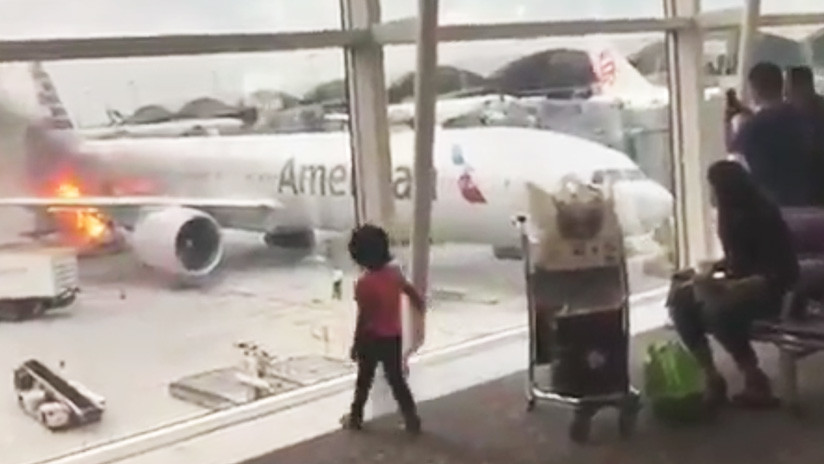
American Airlines AA192 incendia contenedor de carga en Hong Kong

Resultado de imagen para American Airlines AA192 Hong Kong

AW | 2017 10 10 09:43 | AVIATION SAFETY

El vuelo AA192 de American Airlines ha tenido un incidente tras la explosión de un contenedor

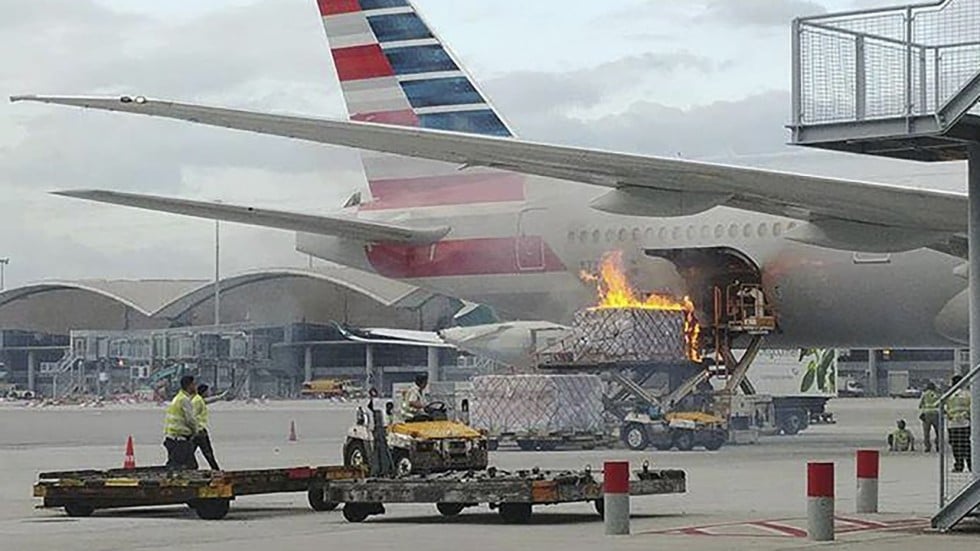
American Airlines ha informado de la cancelación de su vuelo AA192 Hong Kong—Los Ángeles después de que se incendiara un contenedor de carga mientras se preparaba para acceder a la bodega del avión. Se ha reportado un operario del aeropuerto ha resultado herido. La portavoz de la aerolínea, Martha Thomas, ha explicado que el contenedor que estaba en el equipo de carga se incendió durante el proceso. La carga no contenía «materiales peligrosos», ha asegurado. Martha Thomas añadió que el embarque aún no había comenzado y que ningún pasajero ni miembro de la tripulación del vuelo AA192 resultó herido. El vuelo estaba programado para salir de Hong Kong a las 18:10 hora local y llegar a Los Ángeles a las 16:30 hora local.

Los bomberos respondieron para apagar el incendio en la plataforma. Una portavoz de la aerolínea con sede en Fort Worth dijo que el contenedor todavía estaba en el equipo de carga cuando las llamas estallaron. Agregó que la aerolínea estaba investigando la causa. AIRWAYS® AW-Icon TXT

American Airlines AA192 fires cargo container in Hong Kong

American Airlines flight AA192 has had an incident after the explosion of a container

AA+FIREAmerican Airlines has reported the cancellation of its AA192 Hong Kong—Los Angeles flight after a cargo container was set on fire as it prepared to access the aircraft hold. It has been reported an airport operator has been injured. Airline spokeswoman Martha Thomas has explained that the container on the cargo equipment caught fire during the process. The cargo contained no «hazardous materials,» he said. Martha Thomas added that the shipment had not yet begun and that no passenger or crew member on AA192 was injured. The flight was scheduled to leave Hong Kong at 18:10 local time and arrive in Los Angeles at 16:30 local time.

Firefighters responded to put out the fire on the platform. A spokeswoman for the Fort Worth-based airline said the container was still on the cargo team when the flames exploded. He said the airline was investigating the case. A \ W


Ξ A I R G W A Y S Ξ
SOURCE:  Airgways.com
DBk:  Scmp.com / Rt.com / Thestandard.com.hk
AW-POST: 201710100943AR

A\W   A I R G W A Y S ®

Air Berlin finalizaría ops fin Octubre

AW | 2017 10 10 00:05 | AIRLINES

La aerolínea alemana Air Berlin cesaría sus operaciones el 28 Octubre 2017

Las líneas aéreas Lufthansa e Easyjet buscan negociar una salida con la compra de parte de los activos de Air Berlin ante el inicio de cierre definitivo.

El 15 de octubre Air Berlin cesará sus vuelos de largo radio. El 28 de octubre es la fecha para la que se han anunciado sus últimos vuelos con su código de vuelo, aunque algunas partes de ella sobrevivirán. Niki y LGW, que opera los aviones Bombardier Q400 continuarán en vuelo. Los Airbus A320 que operan para Lufthansa también seguirán operando.

maxresdefault.jpg

Air Berlin, fundada en la ciudad que la da nombre en 1978, cuando las aerolíneas alemanas todavía tenían vetado volar a dicha ciudad, ya tiene una fecha grabada en su lápida: 28 de octubre de 2017.

El estado alemán ha otorgado un crédito de emergencia que concedió a Air Berlin. Esta inyección de fondos no garantizado los vuelos hasta noviembre, porque los costes de operación han sido superiores a lo estimado, y de acuerdo a la ley alemana, antes de que se gasten recursos de los acreedores, la empresa debe suspender sus operaciones.

Las negociaciones con Lufthansa y Easyjet que han presentado ofertas por una parte de la flota, todavía no hay acuerdo con ninguna de ellas que esperan definir antes del 12 de octubre. Ese día se abrirán nuevas negociaciones con otras empresas que han presentado ofertas por Air Berlin.

La oferta de Easyjet representa la adquisición entre 27 a 30 aviones de Air Berlin para emplearlos en las rutas dentro de Alemania.

Lufthansa básicamente ha ofertado quedarse con los aviones que ya operan para su filial low cost Eurowings y contratar a las tripulaciones de estos aviones. Eurowings ya ha lanzado una campana de reclutamiento de 1.000 nuevos empleados entre pilotos, TCP y personal de tierra. Lufthansa ha señalado que el cierre de Air Berlin supone que tendrá que contratar a unos 3.000 empleados para cubrir el hueco que deje esta.

Luftfahrtgesellschaft Walter (LGW) opera 20 Q400 para Air Berlin en rutas cortas o de baja demanda. Ambas se asociaron en 2007 y en 2009 Air Berlin la adquirió. La quiebra de Air Berlin no afectará a esta. AIRWAYS® AW-Icon TXT

Air Berlin to end ops end October

Resultado de imagen para Air Berlin Q400 pngThe German airline Air Berlin would cease operations on 28 October 2017

Airlines Lufthansa and Easyjet seek to negotiate an exit with the purchase of part of the assets of Air Berlin before the start of definitive closure.

Air Berlin will cease its long-haul flights on 15 October. October 28 is the date for which its last flights have been announced with its flight code, although parts of it will survive. Niki and LGW, which operates the Bombardier Q400 aircraft will continue in flight. The Airbus A320s operating for Lufthansa will also continue to operate.

Air Berlin, founded in the city that gave its name in 1978, when German airlines still had vetoed the city, has a date engraved on its headstone: October 28, 2017.

The German state has granted an emergency credit it granted to Air Berlin. This injection of unsecured funds flights until November, because operating costs have been higher than estimated, and according to German law, before the resources of creditors are spent, the company must suspend its operations.

Negotiations with Lufthansa and Easyjet which have submitted tenders for part of the fleet, there is still no agreement with any of them that they hope to define before 12 October. On that day, new negotiations will open with other companies that have submitted offers for Air Berlin.

Easyjet’s offer represents the purchase of 27 to 30 Air Berlin aircraft for use on routes within Germany.

Lufthansa has basically offered to stay with the planes that already operate for its subsidiary low cost Eurowings and to hire the crews of these airplanes. Eurowings has already launched a recruitment campaign of 1,000 new employees among pilots, TCP and ground personnel. Lufthansa has said that the closure of Air Berlin means that it will have to hire about 3,000 employees to fill the gap left by it.

Q400-airberlin.jpg.7893848.jpg

Luftfahrtgesellschaft Walter (LGW) operates 20 Q400 for Air Berlin on short or low-demand routes. Both were associated in 2007 and in 2009 Air Berlin acquired it. The bankruptcy of Air Berlin will not affect this. A \ W


Ξ A I R G W A Y S Ξ
SOURCE:  Airgways.com
DBk:  2747.com / Flugrevue.de / Wikimedia.org / Wsj.net / Thelocal.de
AW-POST: 2017110100005AR

A\W   A I R G W A Y S ®

Roll out Boeing 787-10 para un aerolínea

boeing-787-10-dreamliner-singapore-airlines

AW | 2017 10 09 13:25 | INDUSTRY

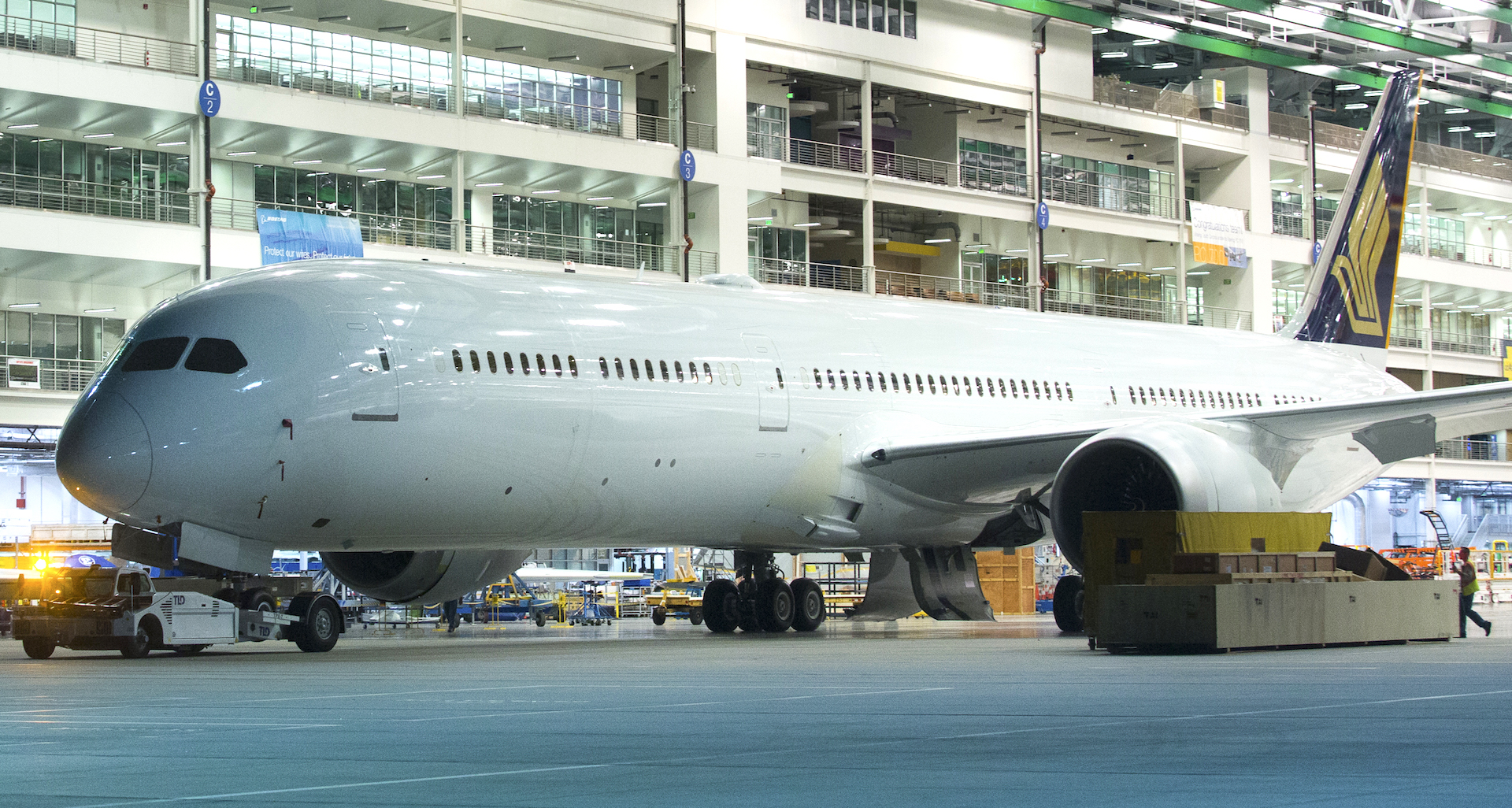
Boeing-Logo.svgLa semana pasada, se completó el primer Boeing 787-10 «Dreamliner» construido para Singapore Airlines en sus instalaciones en North Charleston

Singapore Airlines es el cliente de lanzamiento de la Boeing 787-10 teniendo actualmente tiene 30 aviones en orden firme. La aerolínea también firmó una carta de Resultado de imagen para Singapore Airlines logo pngintención en febrero para comprar 19 Boeing 787-10 adicionales.
«Boeing está emocionado de haber terminado el ensamblaje final del primer 787-10 Dreamliner para Singapore Airlines», dijo Dinesh Keskar, vicepresidente senior de Asia Pacífico y Ventas de la India, Boeing Commercial Airplanes. «Con su eficiencia sin precedentes, su mayor capacidad y la experiencia preferida de pasajeros de Dreamliner, el 787-10 será una parte importante de la futura flota de la aerolínea».

El 787 Dreamliner es el primer avión comercial importante que tiene un fuselaje compuesto, alas compuestas y compuestos de uso en la mayoría de los otros componentes de la célula. Cada 787 contiene aproximadamente 77.000 libras de polímero reforzado con fibra de carbono (CFRP), hecho con 23 toneladas de fibra de carbono. El Dreamliner incorpora materiales compuestos de 19 empresas, entre ellas Hexcel, Toray, ATB Orbital, The Gill Corporation, TenCate y Solvay.

El avión debutó oficialmente durante la visita del presidente Trump a North Charleston en febrero y despegó por primera vez en abril 2017. Según Boeing, el avión pasará por la pintura de la librea de la aerolínea y comenzará las verificaciones del sistema, el abastecimiento de combustible y el funcionamiento del motor. Singapore Airlines debe recibir su primer Boeing 787-10 en la primera mitad de 2018 y será operado en las rutas medianas de la aerolínea. AIRWAYS® AW-Icon TXT

Roll out Boeing 787-10 for an airline

Last week, the first Boeing 787-10 «Dreamliner» built for Singapore Airlines at its North Charleston facility

Singapore Airlines is the launch customer of the Boeing 787-10 currently has 30 aircraft in firm order. The airline also signed a letter of intent in February to buy an additional 19 Boeing 787-10.

«Boeing is excited to have completed the final assembly of the first 787-10 Dreamliner for Singapore Airlines,» said Dinesh Keskar, senior vice president of Asia Pacific and Sales India, Boeing Commercial Airplanes. «With its unprecedented efficiency, greater capacity and Dreamliner’s preferred passenger experience, the 787-10 will be an important part of the airline’s future fleet.»

rotate30.png

BOEING 787-10 OF SINGAPORE AIRLINES

The 787 Dreamliner is the first major commercial aircraft that has a compound fuselage, compound wings and composites for use in most other components of the cell. Each 787 contains approximately 77,000 pounds of carbon fiber reinforced polymer (CFRP), made with 23 tonnes of carbon fiber. The Dreamliner incorporates materials made up of 19 companies including Hexcel, Toray, ATB Orbital, The Gill Corporation, TenCate and Solvay.

The plane officially debuted during President Trump’s visit to North Charleston in February and took off for the first time in April 2017. According to Boeing, the plane will go through the livery painting of the airline and begin system checks, fueling and the operation of the engine. Singapore Airlines is due to receive its first Boeing 787-10 in the first half of 2018 and will be operated on the airline’s medium-sized routes. A \ W


Ξ A I R G W A Y S Ξ
SOURCE:  Airgways.com
DBk:  Boeing.com
AW-POST: 201710091325AR

A\W   A I R G W A Y S ®

Aumento tráfico en Argentina

AW-7008567

AW | 2017 10 09 11:37 | AIRLINES MARKET

ANAC Argentina observa un aumento de tráfico de pasajeros

Desde la Dirección de Estudios de Mercado y Estadísticas, dependiente de la Dirección Nacional de Transporte Aéreo de la Administración Nacional de Aviación Civil (ANAC), han comunicado las cifras correspondientes a los índices de puntualidad y tráfico en Argentina.

La puntualidad en Argentina
El índice de puntualidad de las compañías aéreas en Argentina en el sector de vuelos domésticos ha tenido algunos avances y otros retrocesos. Aerolíneas Argentinas obtuvo en 95% de despacho de puntualidad sobre 12.030 vuelos en el 1Q2017, mientras que en el 2Q2017 tuvo un decrecimiento del 85% sobre 5.015 vuelos de cabotaje. En cuanto a Austral Líneas Aéreas tuvo un despacho de puntualidad de 93% sobre 10.601 vuelos domésticos en el 1Q2017 mientras que el el 2Q2017 una disminución del 84% sobre 10.150 vuelos de cabotaje. Latam Airlines Argentina consigió un 70% en el 1Q2017 sobre 6.395 vuelos en el interior de Argentina frente al 2Q2017 de un 87% sobre 5.015 vuelos de cabotaje.

  infoanacweb-01infoanac-julio-ultimo-enviar

Transporte internacional
Entre los mayores transportistas que arriban a Argentina se observa algunas compañías con un leve retroceso mientras que en otros una mejora sustancial.

Destinos y frecuencias
En agosto de 2017 las aerolíneas han servido destinos nacionales en las 22 provincias más Ciudad de Buenos Aires en 37 aeropuertos de Argentina realizadas en 5.268 frecuencias programadas. En el plano internacional, se han conectado 25 paises en 44 aeropuertos del exterior con 3.846 frecuencias establecidas.

Tráfico de pasajeros
El número de estadísticas de tráfico de pasajeros ha tenido un incremento notable de 2.077.743 pax transportados en Agosto 2016 en vuelos regulares / no regulares sobre un aumento en Agosto 2017 de 2.383.048 pax representando un aumento interanual del 15%. AIRWAYS® AW-Icon TXT

agostoweb-01

AW-70086444

Increase traffic in Argentina

ANAC Argentina sees increased passenger traffic

From the Directorate of Market and Statistics Studies, which reports to the National Air Transport Administration of the National Civil Aviation Administration (ANAC), they have reported the figures for punctuality and traffic indices in Argentina.

Punctuality in Argentina
The punctuality index of the airlines in Argentina in the sector of domestic flights has had some progress and other setbacks. Aerolíneas Argentinas obtained 95% of punctuality clearance on 12,030 flights in 1Q2017, while in 2Q2017 it had an 85% decrease on 5,015 cabotage flights. As for Austral Líneas Aéreas had a punctuality clearance of 93% on 10,601 domestic flights in 1Q2017 while on 2Q2017 an 84% decrease on 10,150 cabotage flights. Latam Airlines Argentina achieved 70% in 1Q2017 over 6,395 flights in the interior of Argentina compared to 2Q2017 of 87% over 5,015 cabotage flights.

International transport
Among the major transporters arriving in Argentina are some companies with a slight decline while in others a substantial improvement.

Destinations and frequencies
In August 2017 the airlines have served national destinations in the 22 provinces plus Buenos Aires City in 37 airports in Argentina performed on 5,268 frequencies scheduled. At the international level, 25 countries have been connected in 44 foreign airports with 3,846 established frequencies.

Passenger traffic
The number of passenger traffic statistics has seen a notable increase of 2,077,743 pax transported in August 2016 on scheduled / non-scheduled flights, with a rise of August 23rd of 2,383,048 pax, representing a year-on-year increase of 15%. A \ W


Ξ A I R G W A Y S Ξ
SOURCE:  Airgways.com
DBk:  Anac.gob.ar
AW-POST: 201710091137AR

A\W   A I R G W A Y S ®

Las turbulencias del mundo lowcost

AW-ReporterAW | 2017 10 09 10:50 | AIRLINES MARKET

Los vaivenes del mercado de las aerolíneas low-cost

En un lapso de dos semanas, la aerolínea reina del low cost, Ryanair, ha vaciado el espacio aéreo europeo de 20.000 vuelos para los próximos seis meses. Este hecho insólito ha constituido su mayor crisis hasta el momento y puesto en evidencia que en un mercado tan competitivo, con estructuras de costes tan ajustadas y en época de escasez de tripulaciones cualificadas, cualquier fallo se paga.

No obstante, lo que podría haber supuesto el comienzo del fin para casi cualquier aerolínea sin esos costes ajustados al milímetro, tocará levemente a la irlandesa pero no la herirá. Su propio consejero delegado, Michael O’Leary, cifró las pérdidas por sus primeros 2.000 vuelos cancelados (los de septiembre y octubre) en 25 millones de euros, un desastre pero razonablemente pequeño en el contexto de los más de 2.500 vuelos que opera la aerolínea cada día.

Dejando de lado las posibles multas si las autoridades aéreas comprueban vulneraciones de los derechos de los pasajeros en España la Agencia Estatal de Seguridad Aérea (AESA) podría imponerle dentro un año hasta nueve millones de euros- la eliminación de algunos vuelos para la temporada de invierno podría incluso haberle beneficiado. Y no sólo porque Ryanair haya certificado ya que con las anulaciones de septiembre ha mejorado su puntualidad hasta situarla en el 97%, lo que de por si ya redunda en un recorte de los costes.

Algunas fuentes del sector valoran la posibilidad de que, dado que la mayoría de los vuelos cancelados no forma parte de las rutas con mayores tasas de ocupación de Ryanair y teniendo en cuenta que los criterios de rentabilidad en el sector pasan por llenar los aviones para optimizar gastos varios como el del combustible, la maniobra le habría podido granjear un ahorro.

Salvo que el hecho se desmadre y la aboque a una nueva crisis de imagen como la que le ocasionaron temas como ir justo de carburante o el trato poco correcto a los pasajeros a la que puso fin hace alrededor de tres años su actual director de Marketing, no le dará a alas a la competencia. Al menos de momento. Su cancelación masiva no supondrá beneficios significativamente reseñables a largo plazo para sus competidores, más allá de la obtención por parte de Norwegian Air Shuttle de los 180/140 pilotos fugados de la irlandesa.De entrada, Willie Walsh, consejero delegado del grupo IAG Group, British Airways, Iberia, Vueling y Air Lingus, aseguraba el jueves que la capacidad para adaptarse a los cambios de Ryanair le podría ayudar a salir incluso reforzada de las cancelaciones porque podría optar por reformar su modelo de negocio. Eso la haría aún más competitiva, reconocía acongojado. Y es que el mercado es tan competitivo que el rey es quien logra la mejor reducción de costes. En este espacio aéreo aún por convertirse en Cielo Único Europeo, unas aerolíneas nacen y otras desaparecen. Y el mercado de las de bajo coste está en un momento candente, que nadie quiere perderse.

Ryanair e easyJet, las dos grandes del mercado, eran a mediados de los 90 un germen que las aerolíneas tradicionales no vieron como auténticos competidores. La irlandesa baraja cifras hoy de 110 millones de pasajeros anuales (dato de 2016), mientras que easyJet, la segunda en público en Europa, cuenta 80 millones de pasajeros anuales. Ambas con estructuras de plantilla muy livianas, aunque con divergentes modelos de contratación laboral. También Vueling nació low cost pero encontró luego el modo de competir en una mejor posición de fuerza uniéndose al holding IAG.

Con un negocio netamente low cost, las dos grandes comenzaron operando como es de rigor en su modelo en aeropuertos secundarios y destinos directos entre ciudades. Con precios imbatibles crearon una demanda que antes no existía.

Las sucesoras o los híbridos como Iberia Express, Eurowings, Transavia, entre otras, nacieron en respuesta a las demandas del mercado. Grandes aerolíneas europeas habían optado por aunar esfuerzos y formar los tres grandes grupos del panorama actual: IAG, Air France-KLM y Lufthansa Group, con el fin de sobrevivir a la crisis y hacer frente a la feroz competencia de las low cost, no tuvieron más remedio que sanearse y ajustar sus costes.

La creación de filiales low cost fue la opción escogida para mejorar las cifras de las matrices. A ellas trasladaron tripulaciones con costes laborales menores, lo que, entre otras cosas y grosso modo les permitió ofrecer precios competitivos para ganar o recuperar clientes.

Parece que fue hace mucho pero hace apenas unos cinco años que nacieron realmente estas aerolíneas que, en general, tal y como señala Iberia Express, desarrollan un modelo híbrido: Nutrirse de pasajeros del largo radio de la red Iberia para competir en el corto y medio rango con el low cost puro, y a la vez ofrecer un servicio diferenciado.

Norwegian vio la viabilidad de trasladar el modelo low cost, salvando las distancias, a los viajes intercontinentales. Les dio pie a un pedido de nuevos aviones más eficientes cuyo menor consumo y mayor ligereza les ha permitido ampliar la capacidad por aparato más número de asientos y un mayor rendimiento. La gran ventaja es poder operar vuelos punto a punto, es decir sin escalas, señala el portavoz de la aerolínea noruega en España, Alfons Claver, puenteando los hubs, centros aeroportuarios de conexiones, que elevan los costes de la operativa. En esas distancias es más complicado sacar partido a los aviones para potenciar la rentabilidad, pero Norwegian ve una ventaja en poder ser la mejor opción tanto para el pasajero vacacional como para el de negocios, dado especialmente la reducción en los presupuestos destinados a viajes por parte de las empresas. La paquetización de los servicios, es decir, que cada cliente escoja con qué comodidades viajar y pague en función de ellas pero partiendo de un precio bajo, es dónde la escandinava sitúa su gran ventaja. El potencial de este mercado ha atraído a otras, como Wow Air.

IAG no quiso perder tiempo. Hace medio año creó una marca que opera la compañía Iberia y que compite en tarifas y algunos destinos de larga distancia. Air France-KLM ha querido quedarse de brazos cruzados y arriesgarse a perder el tren del largo radio a bajo coste. Y, aunque ya contaba con la filial low cost Transavia, ha lanzado la marca Joon, que anuncia vuelos de media y larga distancia. Level tiene vocación de aerolínea, mientras que sin haber iniciado aún sus vuelos el objetivo de Joon es más difuso, pero sugiere una nueva forma de operar en mercados, conquistados o nuevos, con menores costes.

Pero no todas logran hacer magia en sus estructuras de costes, y algunas, incluso veteranas en la aviación, caen presas de la cada vez más feroz competencia por ofrecer la mejor tarifa y pese a ello ser rentables. Air Berlin o esta misma semana la británica Monarch Airlines con 50 años a sus espaldas, aunque primeriza en su aventura low cost, entre otras, no han conseguido equilibrar sus balances.

Con Air Berlin, y Alitalia, al contrario que en el caso de Monarch, en el que el Gobierno británico decidió no intervenir, hay más en juego de lo que parece. Sus restos son ahora la presa por la que han mostrado interés casi todas las aerolíneas del panorama europeo. Y cuando los gobiernos intentan mantener la primacía de la compañía de casa en el propio campo siempre hay claras favoritas, como Lufthansa.

La última idea para mejorar la ocupación son las alianzas de alimentación, que permiten que compañías low cost operen cortas y medias distancias para alimentar las rutas largas. En algunos casos obedecen a sinergias del grupo, como Vueling con Level; en otros casos a acuerdos. Otros acuerdos de desplegan en plataformas sin exclusividad, easyJet-Norwegian, que posibilitan trasvases de pasajeros entre aerolíneas.

La viabilidad del modelo low cost afronta divergencias, que el propio mercado está señalando y que las aerolíneas de bajo costo están afrontando con verdadero desafío. AIRWAYS® AW-Icon TXT

The turbulences of the world of the lowcost

The ups and downs of the low-cost airlines market

Within two weeks, the airline’s low-cost airline, Ryanair, has emptied European airspace of 20,000 flights for the next six months. This unusual event has constituted its greatest crisis so far and has shown that in a market so competitive, with such tight cost structures and in times of shortage of qualified crews, any failure is paid.

However, what could have meant the beginning of the end for almost any airline without those costs adjusted to the millimeter, will touch to the Irish one but it will not hurt it. His own CEO, Michael O’Leary, credited losses for his first 2,000 canceled flights (September and October) at € 25 million, a disaster but reasonably small in the context of more than 2,500 flights which operates the airline every day.

Leaving aside possible fines if the authorities verify violations of the rights of passengers in Spain the State Agency of Aviation Safety (AESA) could impose within a year up to nine million euros the elimination of some flights for the season of winter might even have benefited him. And not only because Ryanair has already certified that with the cancellations of September has improved its punctuality to 97%, which in itself already results in a cut in costs.

Some sources in the sector value the possibility that, since most canceled flights are not part of routes with higher occupancy rates of Ryanair and taking into account that the criteria of profitability in the sector happen to fill the aircraft to optimize miscellaneous expenses such as that of fuel, the maneuver could have earned him savings.

Except that the event is disheartened and a new image crisis such as that caused by issues such as fair fuel or improper treatment of passengers which ended about three years ago its current Director of Marketing, will not give wings to the competition. At least for now. Its massive cancellation will not give significantly long-term benefits to its competitors, beyond the Norwegian Air Shuttle‘s acquisition of the 180/140 runaway riders from the Irish. From the outset, Willie Walsh, CEO of the IAG Group: British Airways, Iberia, Vueling and Air Lingus, said on Thursday that Ryanair’s ability to adapt to change could help it get even reinforced from cancellations because it could choose to reform its business model. That would make her even more competitive, he admitted, distressed. And is that the market is so competitive that the king is the one who achieves the best cost reduction. In this airspace still to become Single European Sky, some airlines are born and others disappear. And the low-cost market is in a burning moment, that nobody wants to get lost.

Ryanair and easyJet, the two largest on the market, were in the mid-1990s a seed that traditional airlines did not see as real competitors. The Irish pack now numbers 110 million passengers annually (data for 2016), while easyJet, the second in public in Europe, has 80 million passengers per year. Both of them had very light workforce structures, albeit with divergent labor recruitment models. Vueling was also born low cost but then found a way to compete in a better position of strength by joining the holding company IAG.

With a low cost business, the two big ones started operating as is strictly in their model in secondary airports and direct destinations between cities. With unbeatable prices created a demand that before did not exist.

Successors or hybrids such as Iberia Express, Eurowings, Transavia, among others, were born in response to the demands of the market. Large European airlines had chosen to join forces and form the three main groups of the current panorama: IAG, Air France-KLM and Lufthansa Group, in order to survive the crisis and to face the fierce competition of the low cost, they did not have more remedy than to heal itself and adjust its costs.

The creation of low cost subsidiaries was the chosen option to improve the numbers of the matrices. They transferred crews with lower labor costs, which, among other things and roughly allowed them to offer competitive prices to win or recover customers.

It seems that it was a long time ago but only five years ago that these airlines were really born, in general, as Iberia Express points out, they develop a hybrid model: Nourishing passengers from the long radius of the Iberia network to compete in the short and medium range with the pure low cost, and at the same time offer a differentiated service.

Norwegian saw the feasibility of moving the low cost model, bridging distances, to intercontinental travel. It gave rise to a request for new, more efficient aircraft whose lower consumption and greater lightness has allowed them to expand capacity per unit plus number of seats and higher performance. The great advantage is to be able to operate point-to-point flights, that is to say non-stop, says Norwegian airline spokesman Alfons Claver, bridging the hubs, airport hubs, which increase the costs of operations. At these distances it is more complicated to take advantage of the aircraft to boost profitability, but Norwegian sees an advantage in being able to be the best option for both the holiday and business traveler, especially given the reduction in budgets for travel by of companies. The bundling of services, that is to say, that each client chooses with what comforts to travel and pay according to them but starting from a low price, is where the Scandinavian places its great advantage. The potential of this market has attracted others, such as Wow Air.

IAG did not want to waste time. A half year ago created a brand that operates the company Iberia and competes in rates and some long distance destinations. Air France-KLM wanted to sit idly by and risk losing the long-haul radio train at low cost. And, although it already had the subsidiary low cost Transavia, it has launched the mark Joon, that announces flights of medium and long distance. Level has an airline vocation, while without having started its flights, Joon’s goal is more diffused, but suggests a new way of operating in markets, conquered or new, with lower costs.

But not all are able to make magic in their cost structures, and some, even veterans in aviation, fall prey to the fiercest competition to offer the best rate and yet be profitable. Air Berlin or this week Briton Monarch with 50 years behind her, although first in her adventure low cost, among others, have failed to balance their balance sheets.

nintchdbpict000345902883.jpg

With Air Berlin, and Alitalia, unlike in the case of Monarch, in which the British Government decided not to intervene, there is more at stake than it seems. Their remains are now the prey that have shown interest almost all airlines in the European scene. And when governments try to maintain the primacy of the home company in the field itself there are always clear favorites like Lufthansa.

The last idea to improve the occupation is the food alliances, which allow low cost companies to operate short and medium distances to feed the long routes. In some cases they obey synergies of the group, such as Vueling with Level; in other cases to agreements. Other agreements are deployed on non-exclusive platforms, easyJet-Norwegian, which allow for passenger transfers between airlines.

The viability of the low cost model faces divergences, which the market itself is pointing out and that low-cost airlines are facing with real challenge. A \ W


AW-Airgways.com-Jet

AW-Airgways Icon-webΞ A I R G W A Y S Ξ
SOURCE:  Airgways.com
DBk:  Airgways.com / Eurotopics.net / Businesstimes.com.sg / Reuters.com / Thesun.co.uk
AW-POST: 201710091050AR

A\W   A I R G W A Y S ®

Ethiopian Airlines nueva ruta conectará Addis Abeba—Sao Paulo—Buenos Aires

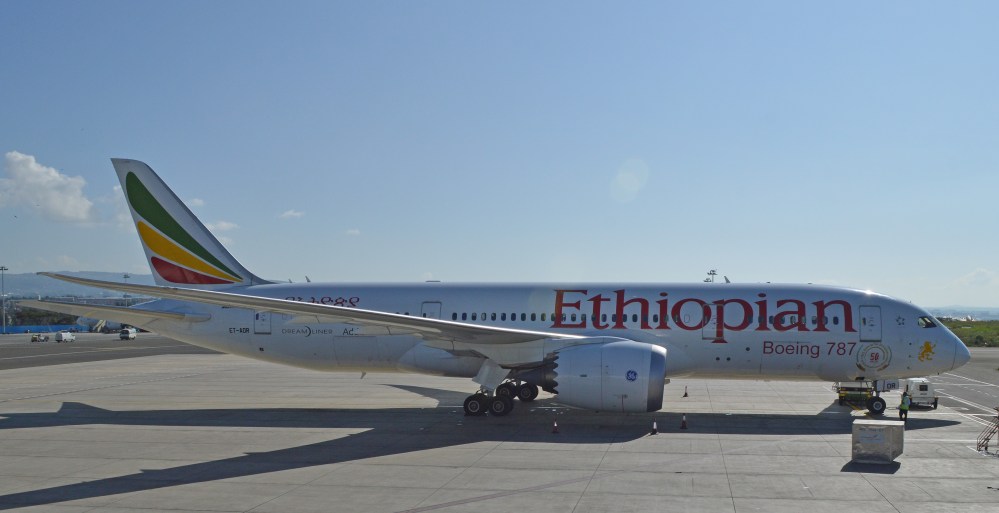
Boeing_787-8_ET-AOR’_Ethiopian_Airlines_(700802469).jpg

AW | 2017 10 09 10:20 | AIRLINES ROUTES

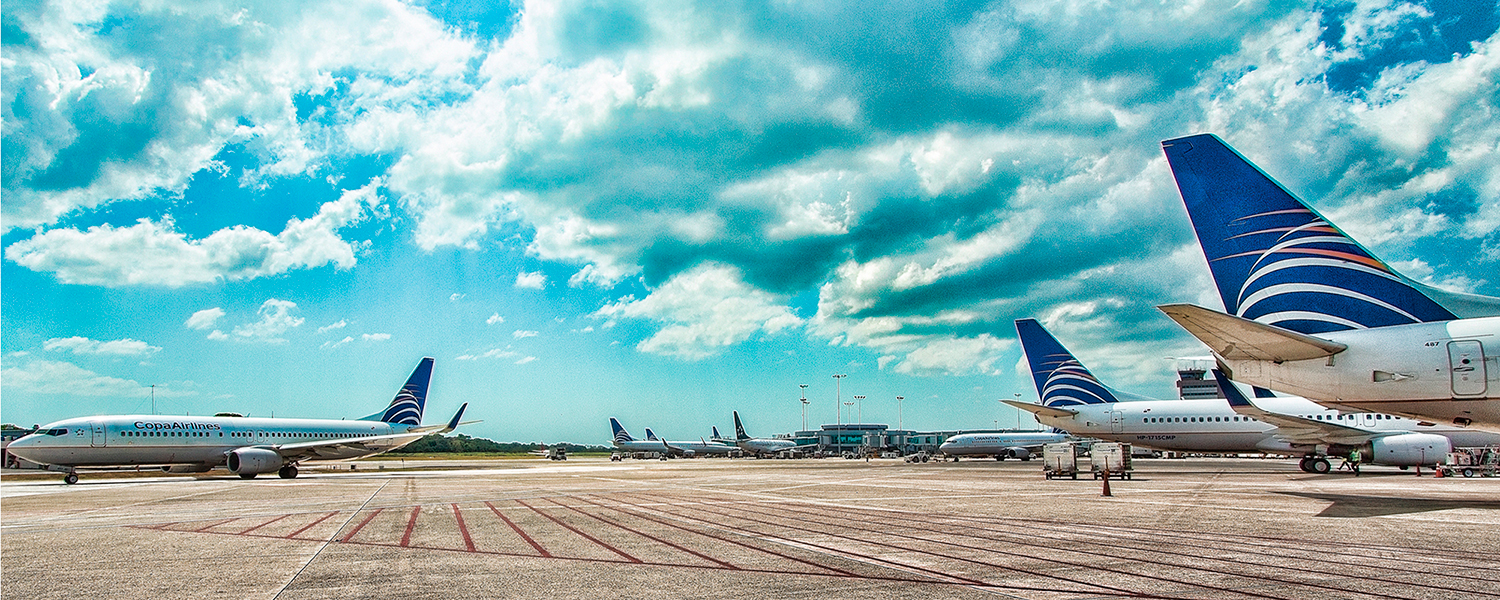
Resultado de imagen para ethiopian airlines logoResultado de imagen para ethiopian folk pngEthiopian Airlines confirmaría anunciar la próxima extensión del servicio Addis Abeba—Sao Paulo con escala final Buenos Aires

Ethiopian Airlines y el Ministerio de Turismo argentino, estarían formalizando el arribo de la aerolínea africana por primera vez con vuelos regulares a Buenos Aires.

rotate30.png

BOEING 787-8 DE ETHIOPIAN AIRLINES

El Ministerio del Turismo de Argentina había comunicado que la aerolínea etíope tenía intención de volar a la capital argentina durante el segundo semestre de 2017. Ethiopian Airlines anunció los su arribo a Buenos Aires a partir del 2 de diciembre de 2017 con cinco frecuencias semanales los lunes, miércoles, jueves, sábado y domingo. en su ruta incorporará aviones de última tecnología, Boeing 787-8 «Dreamliner», conf una configuración de 270 asientos en dos clases.

El vuelo saldría de Addis Abeba (Etiopía) a las 09:15 hs para llegar a Guarulhos (Brasil) a las 16.55 hs. Despegaría a las 18:15 hs hacia Buenos Aires, arribando a las 20:45 hs. El regreso partiría de Ezeiza a las 23:20 hs, llegando a Guarulhos a las 01:40 hs y retornaría a la capital de Etiopía, a las 19:30 hs.

Sobre Ethiopian Airlines
Resultado de imagen para ethiopian folklore pngFundada en 1945, Ethiopian Airlines es el mayor grupo aéreo de África, que llega en forma directa a 115 destinos en el mundo; 19 destinos en Etiopía, 55 en toda África, 15 en Europa y América y 25 en Medio Oriente y Asia.

Ethiopian Airlines es la línea aérea más premiada del continente en los últimos años, con varios reconocimientos de la Asociación Internacional de Transporte Aéreo (IATA) como mejor aerolínea africana y los dos últimos premios SKYTRAX (2016 y 2017) a la «Mejor Línea Aérea de África». La línea aérea es un miembro de la alianza Star Alliance.  AIRWAYS® AW-Icon TXT

Ethiopian_Airlines_Boeing_787-8_Dreamliner_ET-AOQ_-Africa_First-_(25804330376).jpg

Ethiopian Airlines new route will connect Addis Ababa—Sao Paulo—Buenos Aires

Resultado de imagen para ethiopian airlines logoEthiopian Airlines confirms to announce the next extension of the service Addis Ababa-Sao Paulo with final scale Buenos Aires

Ethiopian Airlines and the Argentine Ministry of Tourism, would be formalizing the arrival of the African airline for the first time with scheduled flights to Buenos Aires.

The Argentine Ministry of Tourism had reported that the Ethiopian airline had intended to fly to the Argentine capital during the second half of 2017. Ethiopian Airlines announced its arrival in Buenos Aires from December 2, 2017 with five weekly frequencies on Monday , Wednesday, Thursday, Saturday and Sunday. in its route will incorporate airplanes of last technology, Boeing 787-8 «Dreamliner», conf configuration of 270 seats in two classes.

The flight would leave Addis Ababa (Ethiopia) at 09:15 hs to reach Guarulhos (Brazil) at 16.55 hs. I would depart at 06:15 p.m. to Buenos Aires, arriving at 08:45 p.m. The return would leave from Ezeiza at 11:20 p.m., arriving in Guarulhos at 01:40 p.m. and returning to the Ethiopian capital at 07:30 p.m.

About Ethiopian Airlines
Resultado de imagen para ethiopian folk pngFounded in 1945, Ethiopian Airlines is the largest air group in Africa, which reaches directly to 115 destinations in the world; 19 destinations in Ethiopia, 55 in Africa, 15 in Europe and America and 25 in the Middle East and Asia.
Ethiopian Airlines is the continent’s most awarded airline in recent years, with several awards from the International Air Transport Association (IATA) as the best African airline and the last two SKYTRAX awards (2016 and 2017) to the «Best Airline of Africa». The airline is a member of the Star Alliance alliance. A \ W


Ξ A I R G W A Y S Ξ
SOURCE:  Airgways.com
DBk:  Ethiopianairlines.com / Boeing.com
AW-POST: 201710091020AR

A\W   A I R G W A Y S ®

Copa Airlines codeshare con LC Perú y Peruvian

Resultado de imagen para copaair

AW | 2017 10 09 09:41 | AIRLINES ALLIANCE

Copa Airlines realiza código compartido con aerolíneas peruanas LC Perú y Peruvian Airlines

LC Perú y Peruvian Airlines han iniciado código compartido con la aerolínea Copa Airlines informó el CEO de la empresa panameña, Pedro Heilbron. Expresó: «hemos terminado de cerrar este acuerdo y lo vamos a ir implementando durante las próximas semanas».

El nuevo acuerdo alcanzado por las tres líneas aéreas podrán incrementar los vuelos entre Panamá y Perú. La ruta desde Chiclayo, Perú, estará conectada ofreciendo a los pasajeros la posibilidad unir con la República de Panamá, mediante las rutas que operan LC Perú y Peruvian Airlines, comprando únicamente a través de los sistemas de Copa Airlines. AIRWAYS® AW-Icon TXT

Resultado de imagen para peruvian airlines

Copa Airlines codeshare with LC Perú and Peruvian

Copa Airlines conducts code-sharing with Peruvian airlines LC Perú and Peruvian Airlines

LC Perú and Peruvian Airlines have started codeshare with the airline Copa Airlines informed the CEO of the Panamanian company, Pedro Heilbron. He said: «We have finished closing this agreement and we will implement it in the coming weeks.»

The new agreement reached by the three airlines will increase flights between Panamá and Perú. The route from Chiclayo, Perú, will be connected offering passengers the possibility to unite with the Republic of Panama, through the routes operated by LC Perú and Peruvian Airlines, buying only through Copa Airlines systems. A \ W


Ξ A I R G W A Y S Ξ
SOURCE:  Airgways.com
DBk:  Tnews.com.pe / Copaair.com
AW-POST: 201710090941AR

A\W   A I R G W A Y S ®