Argentina analiza incremento pasajeros

AW | 2021 08 06 15:51 | GOVERNMENT / AIR TRAFFIC / AVIATION ORGANISMS / AIRLINES

Analizan admitir ingreso vacunados con dos dosis
Vence medida administrativa de restricción en fronteras

El Gobierno de la República Argentina anunciará flexibilización de movilidad lo que genera expectación entre las líneas aéreas y expectativas de varados en el exterior. La Decisión Administrativa DA Nº683/2021, que salió el pasado 9 de Julio de 2021 y estableció un aumento de forma progresiva en el cupo de 600 a 1.000 pasajeros diarios, vence este Sábado 07/08 y fuentes del Gobierno han anunciado incrementar el ingreso diario a una cifra que ronda entre 1.300 y 1.600 pasajeros diarios, incluyendo los vuelos charters y los privados. Esto equivale a dos vuelos más por día si los aviones vienen a su máxima capacidad.

La Administración Alberto Fernández anticipó que habrá flexibilización de las medidas de ingreso al país. Ante el vencimiento de la medida que dispuso de restricciones, el Gobierno analiza varias decisiones que serán anunciadas en las próximas horas, como ampliar el ingreso de viajeros que regresan al país a 1.300 plazas o pedir la aplicación de dos dosis de vacunas a los turistas. Esa medida tiene que ser nuevamente sincronizada con las líneas aéreas que vienen recibiendo las instrucciones de los cupos de pasajeros que pueden llegar a Ezeiza de los 2.000 anteriores, a 600 y luego una flexibilización a unos 1.000 pasajeros diarios.

La Directora Nacional de Migraciones, Florencia Carignano, confirmó que se evalúa permitir el ingreso al país de extranjeros vacunados con dos dosis, quienes además deberán cumplir la cuarentena correspondiente, y anticipó que a partir de este Sábado 07/08 se pondrá en marcha el proceso de reunificación familiar que facilita el trámite de ingreso de personas de otra nacionalidad de vínculos estrechos con argentinos. Respecto a los varados en el exterior desde el Migraciones expresaron que siempre han solicitado cupos extras para todas las personas que tenían problemas urgentes.

Posición de IATA

La Decisión Administrativa Nº683/2021 con vencimiento para este Sábado 07/08 mantuvo fuertes controles de fronteras, pero el Gobierno estableció una ampliación progresiva del cupo de pasajeros que pueden ingresar al país hasta un máximo de 7.000 plazas semanales.

Ante la situación de restricciones implementadas por Argentina, el Vicepresidente regional para Las Américas de IATA, Peter Cerdá expresó el reclamo reiterado: “Tenemos más de cinco líneas que no vuelven al mercado argentino y otra media docena que han limitado de manera significativa su presencia en el país y no sabemos si van a volver, cuanto más tiempo se prolonga se pone en riesgo la conectividad del país con el resto del mundo. Desafortunadamente hasta el día de hoy no hemos recibido notificaciones de la planificación de vuelos. Esperamos y puede que haya un pequeño incremento de pasajeros, pero no estamos esperando grandes novedades sobre las restricciones que estamos viviendo hace dos meses”.

Según Peter Cerdá, con el cupo actual de mil pasajeros, el país está recibiendo tres o cuatro vuelos por día y con esos números no hay muchos destinos que se puedan operar de manera regular. “La Argentina es una excepción en cuanto a que estableció un cupo de ingreso y eso no se está haciendo de una manera tan rigurosa en otros países. Antes de la pandemia había 130 o 140 vuelos diarios. Es una gran diferencia en un momento muy delicado porque llevamos año y medio de pandemia y hay gente que necesita viajar por cuestiones personales, de trabajo, por salud o para visitar a familiares”, señaló.

En cuanto a las líneas aéreas que dejaron de operar en Argentina en este tiempo, dijo que hay cinco que dijeron que no vuelven y media docena que ha limitado su presencia, lo cual constituye un riesgo porque no se sabe si retornarán hacia el país: “Cuanto más se alargan las restricciones, más en riesgo está la conectividad. Si se prologan estas medidas severas, el país va a estar cada vez más desconectado con el impacto social y económico que esto representa. Hay miles de trabajos en riesgo y mercancías que son vitales en el día a día que no van a poder llegar”, expresó el Vicepresidente de IATA para Las Américas.

IATA & Gobierno

El representante de IATA para la región ha expresado su reiterada queja ante el Gobierno de Argentina: “Estamos solicitando una reunión con el jefe de Gabinete y no nos atiende. Hace poco, España estableció que durante los próximos veinte días los argentinos no pueden viajar allí, por ejemplo. Queremos hablar con él y establecer un plan de acción conjunto, tener una estrategia alineada que sea buena para los argentinos para que viajen con seguridad. El Gobierno no nos ha dado esa oportunidad como si lo hicieron otros países. No entendemos la falta de interés en reunirse con nosotros por el bien del país. Este sector puede aportar a la recuperación de la economía. En Chile y Brasil tenemos un diálogo abierto y constante y vamos abriendo mercados. Acá estamos desconectados con líneas que se van y probablemente no volverán”, aseguró Peter Cerdá.

Argentina analyzes entry of vaccinated pax

They analyze admitting admission vaccinated with two doses
Administrative measure of restriction on borders expires

The Government of the Argentine Republic will announce mobility flexibility, which generates expectation among airlines and expectations of stranded abroad. Administrative Decision DA No. 683/2021, which came out on July 9, 2021 and established a progressive increase in the quota from 600 to 1,000 daily passengers, expires this Saturday 08/07 and Government sources have announced to increase daily income to a figure that is around between 1,300 and 1,600 daily passengers, including charter and private flights. This equates to two more flights per day if the planes come to full capacity.

The Alberto Fernández Administration anticipated that there will be more flexibility in entry measures into the country. Given the expiration of the measure that had restrictions, the Government analyzes several decisions that will be announced in the coming hours, such as expanding the entry of travelers returning to the country to 1,300 seats or requesting the application of two doses of vaccines to tourists. This measure has to be synchronized again with the airlines that have been receiving the instructions of the passenger quotas that can reach Ezeiza from the previous 2,000, to 600 and then a relaxation to about 1,000 daily passengers.

The National Director of Migration, Florencia Carignano, confirmed that it is being evaluated to allow foreigners vaccinated with two doses to enter the country, who must also comply with the corresponding quarantine, and anticipated that from this Saturday 08/07 the process will be launched of family reunification that facilitates the entry process of people of another nationality with close ties with Argentines. Regarding the stranded abroad, from the Migrations they expressed that they have always requested extra quotas for all people who had urgent problems.

IATA position

Administrative Decision No. 683/2021 expiring this Saturday 08/07 maintained strong border controls, but the Government established a progressive expansion of the number of passengers that can enter the country to a maximum of 7,000 weekly seats.

Given the situation of restrictions implemented by Argentina, the IATA Regional Vice President for the Americas, Peter Cerdá expressed the reiterated claim: “We have more than five lines that do not return to the Argentine market and another half a dozen that have significantly limited their presence in the country and we do not know if they will return, the longer it lasts, the connectivity of the country with the rest of the world is put at risk. Unfortunately to date we have not received flight planning notifications. We expect and there may be a small increase in passengers, but we are not expecting big news about the restrictions that we have been experiencing two months ago”.

According to Peter Cerdá, with the current capacity of 1,000 passengers, the country is receiving three or four flights per day and with those numbers there are not many destinations that can be operated on a regular basis. “Argentina is an exception in that it established an entry quota and that is not being done in such a rigorous way in other countries. Before the pandemic there were 130 to 140 daily flights. It is a big difference in a very delicate moment because we have been in a pandemic for a year and a half and there are people who need to travel for personal reasons, for work, for health or to visit relatives», he said.

Regarding the airlines that stopped operating in Argentina at this time, he said that there are five that said they do not return and half a dozen that have limited their presence, which constitutes a risk because it is not known if they will return to the country: «The longer the restrictions lengthen, the more connectivity is at risk. If these severe measures are prolonged, the country will be increasingly disconnected with the social and economic impact that this represents. There are thousands of jobs at risk and goods that are vital on a day-to-day basis that will not be able to arrive”, said the IATA Vice President for the Americas.

IATA & Government

The IATA representative for the region has expressed his repeated complaint to the Government of Argentina: “We are requesting a meeting with the Chief of Cabinet and he does not attend to us. Recently, Spain established that during the next twenty days Argentines cannot travel there, for example. We want to talk to him and establish a joint action plan, have an aligned strategy that is good for Argentines to travel safely. The Government has not given us that opportunity as other countries did. We do not understand the lack of interest in meeting with us for the good of the country. This sector can contribute to the recovery of the economy. In Chile and Brazil we have an open and constant dialogue and we are opening markets. Here we are disconnected with lines that are leaving and probably will not return”, assured Peter Cerdá.

PUBLISHER: Airgways.com
DBk: Argentina.gob.ar / Iata.org / Airgways.com
AW-POST: 202108061551AR

A\W   A I R G W A Y S ®
FAA recomienda aeropuertos sin alcohol

AW | 2021 08 06 15:18 | AVIATION ORGANISMS / AVIATION SAFETY

Estudios FAA sugieren prohibir ventas para disminuir delitos

FAA-Isologotype

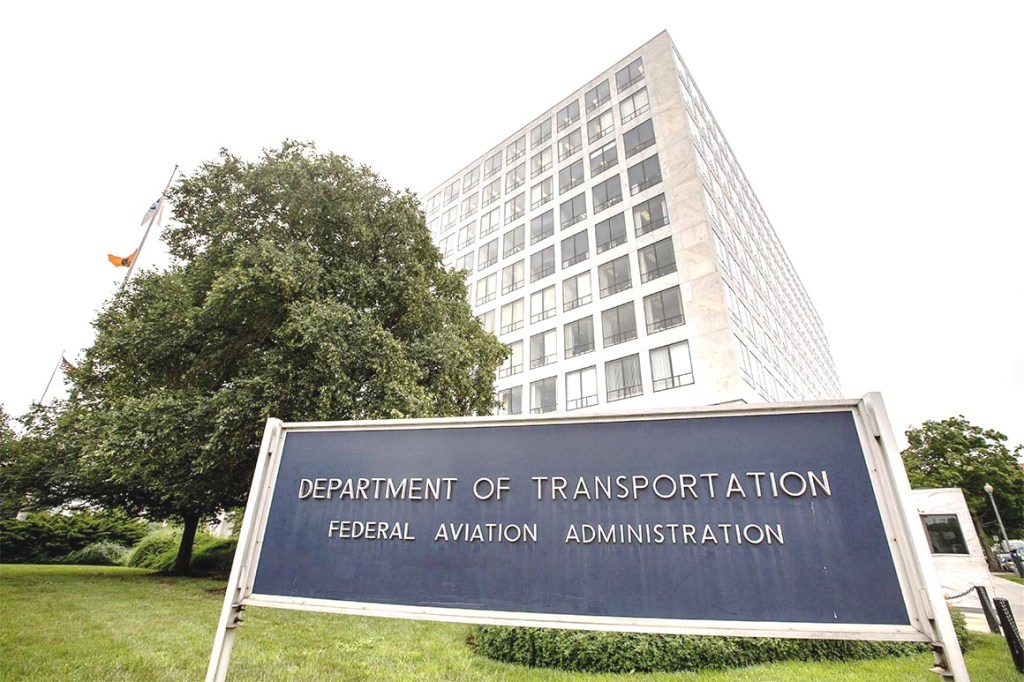
La Administración Federal de Aviación (FAA) ha solicitado como recomendación a todos los aeropuertos que se encuentran en Estados Unidos que dejen de vender bebidas alcohólicas para llevar a bordo y comiencen a monitorear el servicio de estos productos, ante el incremento de pasajeros rebeldes o peligrosos en los vuelos.

Steve Dickson, Administrador de la FAA, envió una carta a los directivos de todos los aeropuertos al argumentar que las investigaciones de la agencia han arrojado que las bebidas alcohólicas contribuyen a un comportamiento peligroso. La Administración prohíbe que los pasajeros consuman en el avión bebidas alcohólicas que no proporcione la aerolínea que vuela en territorio estadounidense. Sin embargo, se ha detectado que en restaurantes, bares y tiendas se ha ofrecido alcohol para llevar y los viajeros lo han consumido en el proceso de abordaje o en las aeronaves.

En Febrero 2021, un pasajero de SkyWest Airlines fue multado con US$ 22.000 Dólares luego de que ignoró las instrucciones de usar mascarillas, no respetar el aviso de uso del cinturón y por beber alcohol no proporcionado por la aerolínea. A medida que ha incrementado el flujo de pasajeros en Estados Unidos tras el confinamiento por la pandemia de Covid-19, también han aumentado los casos de agresiones contra los asistentes de vuelo, rechazo al uso de mascarillas y consumo de alcohol durante los vuelos. Esta semana, pasajeros de un vuelo de Frontier Airlines ataron a un hombre a su asiento con cinta adhesiva luego de que acosó y tocó a dos asistentes de vuelo. Según los reportes, el viajero se encontraba en estado de ebriedad. El Administrador de la FAA exhortó a los aeropuertos a trabajar con los concesionarios para evitar el alcohol para llevar. Entre las sugerencias se encuentra colocar señalizaciones y anuncios, así como educar a los concesionarios.

Los pasajeros con mal comportamiento pueden ser sancionados con multas de hasta US$ 35.000 Dólares, cargos criminales y ser vetados de por vida en algunas aerolíneas. Líneas aéreas como American Airlines y Southwest Airlines han suspendido la venta de bebidas alcohólicas hasta que el cubrebocas deje de ser obligatorio. No obstante, la venta de estos productos para llevar en los aeropuertos se ha convertido en un obstáculo para estas medidas.

FAA recommends alcohol-free airports

FAA studies suggest banning sales to reduce crime

The Federal Aviation Administration (FAA) has requested as a recommendation that all airports in the United States stop selling alcoholic beverages to take on board and begin to monitor the service of these products, given the increase in unruly or dangerous passengers. on flights.

Steve Dickson, Administrator of the FAA, sent a letter to the managers of all airports arguing that the agency’s investigations have found that alcoholic beverages contribute to dangerous behavior. The Administration prohibits passengers from consuming alcoholic beverages on the plane that are not provided by the airline that flies in the United States. However, it has been detected that in restaurants, bars and shops alcohol has been offered to take away and travelers have consumed it in the boarding process or on the aircraft.

In February 2021, a SkyWest Airlines passenger was fined US$ 22,000 after he ignored instructions to wear masks, not respect the seat belt notice and for drinking alcohol not provided by the airline. As the flow of passengers in the United States has increased after the confinement by the Covid-19 pandemic, the cases of attacks against flight attendants, rejection of the use of masks and consumption of alcohol during flights have also increased. This week, passengers on a Frontier Airlines flight tied a man to his seat with duct tape after he harassed and touched two flight attendants. According to reports, the traveler was intoxicated. The FAA Administrator urged airports to work with concessionaires to avoid carry-away alcohol. Suggestions include posting signs and advertisements, as well as educating dealers.

Passengers with bad behavior can be sanctioned with fines of up to US$ 35,000 Dollars, criminal charges and be banned for life in some airlines. Airlines such as American Airlines and Southwest Airlines have suspended the sale of alcoholic beverages until the mask is no longer mandatory. However, the sale of these take-out products at airports has become an obstacle to these measures.

PUBLISHER: Airgways.com
DBk: Faa.gov / Airgways.com
AW-POST: 202108061518AR

A\W   A I R G W A Y S ®

Latam solicita compras a Corte EEUU

AW | 2021 08 06 15:17 | AIRLINES / GOVERNMENT

Latam Airlines pide autorización para nueva compra aeronaves

AW-Latam Airlines Group

Latam Airlines presentó para aprobación ante la Corte en Estados Unidos un acuerdo con el fabricante de aeronaves europeo Airbus Group para la compra de 28 nuevos aviones Airbus A320NEO que se suman a los 42 narrowbodies establecidos en el contrato de adquisiciones, como parte del plan de modernización y de eficiencia de su flota para los próximos años. Con la adquisición, la compañía aspira a reforzar las operaciones en todas sus filiales a nivel regional.

La aerolínea se acogió en Mayo 2020 al Capítulo 11 de la Ley de Quiebras en Estados Unidos, buscando el proceso de salida de esa condición, mientras debe presentar sus planes de negocios ante la Corte de Nueva York para la aprobación de una próxima compra, que se encontrará sujeta para su autorización. De aprobarse la autorización, Latam Airlines Group elevaría el número de 70 unidades a incorporar. Las capacidades de la compañía elevaría al transportador como el mayor de América Latina.

Reforzando al grupo

Con la firma de este acuerdo, el grupo aspira a reforzar sus operaciones en todas sus filiales a nivel regional. A su vez, busca la consolidación de una más amplia oferta de destinos en Latinoamérica y el Caribe en complementación con el acuerdo con Delta Air Lines, actualmente en revisión por diversas autoridades regulatorias en los países donde opera el grupo, señaló la aerolínea Latam Airlines.

“La compra de estos aviones altamente eficientes es una señal del compromiso que hemos tomado con la transformación hacia un Latam carbono neutral en 2050. Al mismo tiempo, estos 70 aviones refuerzan la escala de conectividad de la región. Seguiremos trabajando responsablemente para salir del Capítulo 11 con una flota que acompañe los nuevos desafíos del grupo”, dijo Roberto Alvo, CEO de Latam Airlines.

El Presidente para las Américas y el Caribe de Airbus Group, Arturo Barreira, expresó que “la decisión del grupo Latam de continuar incorporando aviones A320NEO demuestra su gran compromiso con la sostenibilidad”. La integración de aeronaves de la familia A320NEO implican motores más eficientes, mejoras aerodinámicas y tecnologías que dan 20% más eficiencia en el consumo de combustible, por ende, menores emisiones de CO2, junto con una reducción del 50% de las emisiones de óxido de nitrógeno y del 50% de la huella acústica.

Latam requests purchases from the US Court

Latam Airlines requests authorization for new aircraft purchase

AW-7000008800

Latam Airlines presented for approval before the Court in the United States an agreement with the European aircraft manufacturer Airbus Group for the purchase of 28 new Airbus A320NEO aircraft in addition to the 42 narrowbodies established in the procurement contract, as part of the modernization plan and the efficiency of your fleet for the next few years. With the acquisition, the company aims to strengthen operations in all its subsidiaries at the regional level.

The airline filed for Chapter 11 of the Bankruptcy Law in the United States in May 2020, seeking the process of exiting that condition, while it must present its business plans to the New York Court for the approval of an upcoming purchase, which it will be subject to your authorization. If the authorization is approved, Latam Airlines Group would increase the number of 70 units to be incorporated. The company’s capabilities would elevate the carrier as the largest in Latin America.

Strengthening the group

With the signing of this agreement, the group aims to strengthen its operations in all its subsidiaries at the regional level. At the same time, it seeks the consolidation of a broader range of destinations in Latin America and the Caribbean in addition to the agreement with Delta Air Lines, currently under review by various regulatory authorities in the countries where the group operates, said the airline Latam Airlines.

“The purchase of these highly efficient aircraft is a sign of the commitment we have made to the transformation towards a carbon neutral Latam in 2050. At the same time, these 70 aircraft reinforce the connectivity scale of the region. We will continue working responsibly to get out of Chapter 11 with a fleet that accompanies the group’s new challenges”, said Roberto Alvo, CEO of Latam Airlines.

The President for the Americas and the Caribbean of Airbus Group, Arturo Barreira, said that «the decision of the Latam group to continue incorporating A320NEO aircraft demonstrates its great commitment to sustainability». The integration of aircraft of the A320NEO family implies more efficient engines, aerodynamic improvements and technologies that give 20% more efficiency in fuel consumption, therefore, lower CO2 emissions, together with a 50% reduction in carbon dioxide emissions. nitrogen and 50% of the acoustic footprint.

PUBLISHER: Airgways.com
DBk: Latam.com / Uysd.uscourts.gov / Airgways.com
AW-POST: 202108061517AR

A\W   A I R G W A Y S ®
Argentina suma Frq rutas domésticas

AW | 2021 08 06 13:28 | AIRLINES MARKET

Aéreas suman más frecuencias y destinos en Agosto 2021

AW-78808

Las líneas aéreas de la República Argentina suman más frecuencias y destinos en Agosto de 2021. Las compañías que operan vuelos domésticos prevén para este mes un aumento de su cantidad de vuelos y de destinos; mientras que los vuelos internacionales y regionales continúan restringidos ante el avance de las nuevas variantes del Coronavirus, con las aerolíneas extranjeras amenazando con retirar la escala en el país.

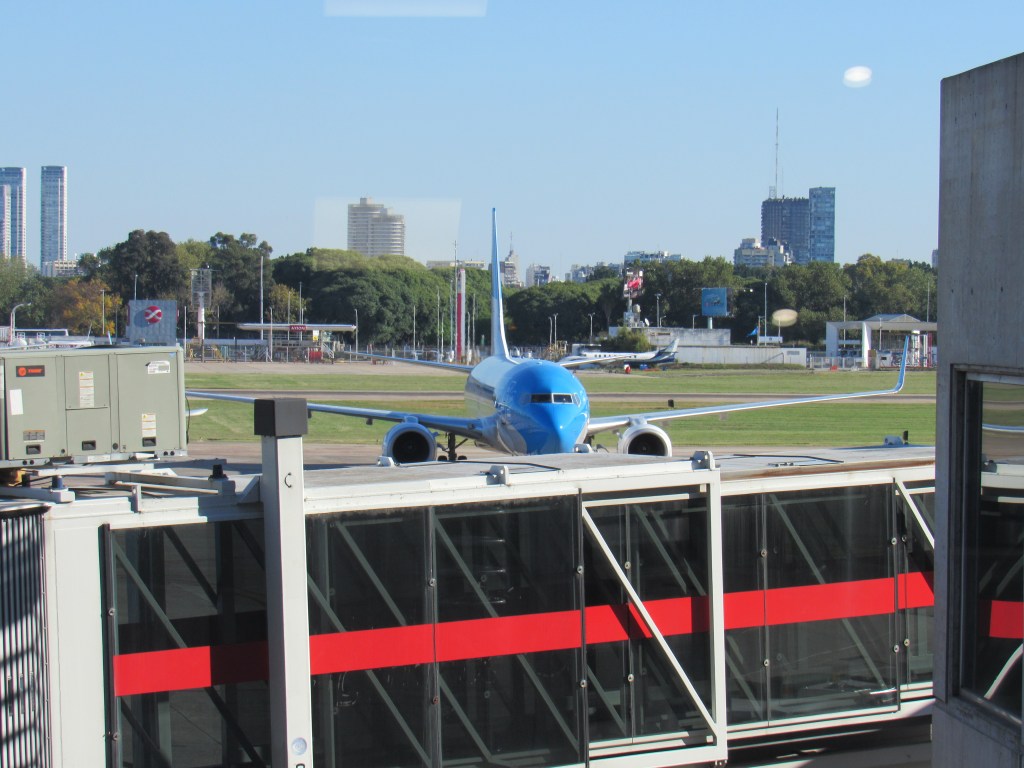
Aerolíneas Argentinas expresaron que en Julio 2021 realizaron operaciones con 2.528 vuelos y en Agosto proyectan unos 2.879. Con la incorporación de su tercer avión Boeing 737-8 MAX, la aérea continúa con su programa de activación de flota que permitirá aumentar más destinos en el país.

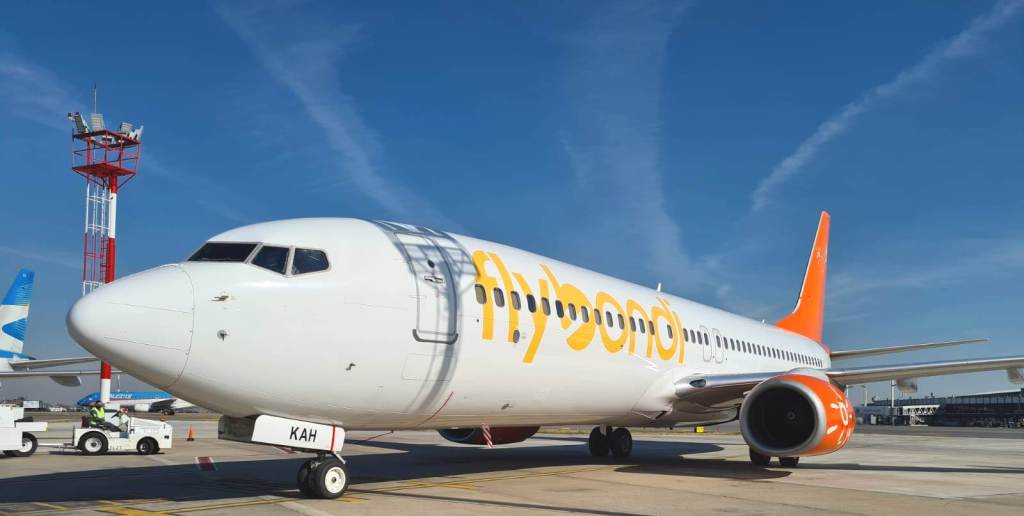
La aerolínea low cost Flybondi Líneas Aéreas también prevé aumentar su oferta de vuelos y frecuencias incorporando 134 vuelos semanales para sus trece destinos nacionales. Para eso, incorporaron un nuevo avión a su flota: un Boeing 737-800 que arribó el 21/07 al Aeropuerto de Ezeiza proveniente de Tucson (TX), Estados Unidos, y comenzó a prestar servicio esta semana con un vuelo inaugural desde Buenos Aires a Córdoba. Según destacaron desde la compañía, buscan recuperar capacidad de oferta y proyectan el ingreso de un cuarto avión para el último trimestre del año (4Q2021). La aerolínea de presupuesto argentina estima reiniciar su operación a destinos regionales a Brasil y Paraguay dependiendo de los estados sanitarios vigentes. “Los resultados de la primera mitad del año 2021 nos permiten ser optimistas con la recuperación del sector en el mediano y largo plazo. En la medida en la que la demanda mantenga la tendencia actual, estamos convencidos de que el camino es sumar conectividad y nuevas opciones para volar en Argentina”, destacó Mauricio Sana, CEO de Flybondi. Durante la temporada de invierno, los destinos más elegidos son Bariloche, Mendoza y Salta.

JetSmart Airlines Argentina, comenzará a volar en Agosto 2021 por primera vez a las ciudades de Posadas y Corrientes, con tres vuelos semanales a cada destino (3Frq/S). Con estos nuevos destinos, la empresa suma quince rutas domésticas. Algunos vuelos conectan distintos puntos del país sin pasar por Buenos Aires. Con el acuerdo de alianza American Airlines y JetSmart Airlines Group, la aerolínea de presupuesto argentina espera aumentar considerablemente el respaldo con este importante acuerdo para el mercado Latinoamericano y beneficiarse de las rutas que ofrece la compañía americana hacia Estados Unidos.

Argentina adds Frq domestic routes

Airlines add more frequencies and destinations in August 2021

The airlines of the Argentine Republic add more frequencies and destinations in August 2021. The companies that operate domestic flights foresee an increase in their number of flights and destinations for this month; while international and regional flights continue to be restricted due to the advance of the new variants of the Coronavirus, with foreign airlines threatening to withdraw the stopover in the country.

Aerolíneas Argentinas stated that in July 2021 they carried out operations with 2,528 flights and in August they project some 2,879. With the incorporation of its third Boeing 737-8 MAX aircraft, the airline continues with its fleet activation program that will allow it to increase more destinations in the country.

The low cost airline Flybondi Líneas Aéreas also plans to increase its offer of flights and frequencies by incorporating 134 weekly flights to its thirteen national destinations. To do so, they incorporated a new aircraft to their fleet: a Boeing 737-800 that arrived at Ezeiza Airport from Tucson (TX), United States, on 07/21, and began service this week with an inaugural flight from Buenos Aires. to Córdoba. As highlighted by the company, they seek to recover supply capacity and project the entry of a fourth aircraft for the last quarter of the year (4Q2021). The Argentine budget airline estimates to restart its operation to regional destinations in Brazil and Paraguay depending on the current health status. “The results of the first half of the year 2021 allow us to be optimistic with the recovery of the sector in the medium and long term. As long as demand maintains the current trend, we are convinced that the way is to add connectivity and new options to fly in Argentina”, highlighted Mauricio Sana, CEO of Flybondi. During the winter season, the most popular destinations are Bariloche, Mendoza and Salta.

JetSmart Airlines Argentina will begin flying in August 2021 for the first time to the cities of Posadas and Corrientes, with three weekly flights to each destination (3Frq/S). With these new destinations, the company adds fifteen domestic routes. Some flights connect different parts of the country without going through Buenos Aires. With the American Airlines and JetSmart Airlines Group alliance agreement, the Argentine budget airline expects to considerably increase support with this important agreement for the Latin American market and to benefit from the routes offered by the American company to the United States.

PUBLISHER: Airgways.com
DBk: Aerolineas.com / Flybondi.com / Jetsmart.com / Airgways.com
AW-POST: 202108061328AR

A\W   A I R G W A Y S ®

Aerolíneas reactiva 3er 737 MAX

AW | 2021 08 02 17:43 | AIRLINES

Continúa reintroduciendo flota Boeing 737 MAX en rutas domésticas

Aerolíneas Argentinas_Isologotype 2010

Aerolíneas Argentinas continúa con su plan de reintroducir las aeronaves de línea Boeing 737 MAX a su flota. Actualmente están habilitados para vuelos domésticos y distancias cortas por recomendación de sus fabricantes. La compañía pose en servicio a su tercer avión de cuarta generación Boeing 737-8 MAX matrícula LV-HKW. Este Jueves 05/08 se reincorporaba a la flota activa de Aerolíneas el tercer 737 MAX con un vuelo entre despegó de Aeroparque el primer vuelo comercial. Tras la puesta en tierra de veinte meses de la línea 737 MAX en todo el mundo, Aerolíneas reactivó su tercer aeronave que se encontraba estacionada en el Aeropuerto Internacional Ezeiza/EZE desde Marzo de 2019, debido a los dos accidentes aéreos del vuelo JT-610 de Lion Air en 2018 y el vuelo ET-302 de Ethiopian Airlines en 2019.

En 2021 la compañía vuelve a ponerlos en el aire que comenzaron a volar a partir de Mayo el primer 737 MAX, otro a principios de Julio y el tercero este 05/08. La aerolínea posee activos tres aeronaves Boeing 737-8 MAX: LV-HKU, LV-GVD y LV-HKW. Actualmente, la flota de los MAX volarán en rutas de cabotaje en Argentina, mientras que la proyección hacia el futuro es reincorporarlos a las rutas regionales en Latinoamérica y el Caribe. Inicialmente están haciendo solo rutas domésticas. Las aeronave 737 MAX realizan viajes desde y hacia aeropuertos con una mayor infraestructura como por ejemplo Córdoba, Mendoza, Bariloche, Rosario, pues cuentan con una escala de asistencia técnica requerida para tal fin. La flota total de Aerolíneas Argentinas comprende cinco Boeing 737-8 MAX (5) en su flota. Los restantes aviones que todavía permanecen aparcados se encuentran uno en el Aeropuerto Jorge Newbery y otro en el Aeropuerto Ezeiza.

Perspectivas 737 MAX

Aerolíneas Argentinas anunciaría a la brevedad la reincorporación de los otros dos aviones estacionados para su servicio, correspondiendo a Octubre y Diciembre 2021, dependiendo además, de la situación sanitaria del país y de la demanda establecida hacia el 4Q2021. La proyección de la aerolínea es tener activos los cinco aviones hacia principios del 2022. Respecto a las órdenes en curso de unidades adicionales de Boeing 737 MAX pendientes, el contrato con el fabricante de aeronaves americano no ha arrojado precisiones respecto al cronograma de entregas o a una renegociación del contrato contractual.

Aerolíneas Argentinas reactivates 3rd 737 MAX

Continues to reintroduce Boeing 737 MAX fleet on domestic routes

Aerolíneas Argentinas_Isotype_Skyblue

Aerolíneas Argentinas continues with its plan to reintroduce Boeing 737 MAX aircraft to its fleet. They are currently enabled for domestic flights and short distances on the recommendation of their manufacturers. The company has its third fourth-generation Boeing 737-8 MAX aircraft in service with the LV-HKW registration. This Thursday 05/08 the third 737 MAX rejoined the active Aerolíneas fleet with a flight between the first commercial flight taking off from Aeroparque. After the twenty-month grounding of the 737 MAX line around the world, Aerolíneas reactivated its third aircraft that was parked at the Ezeiza/EZE International Airport since March 2019, due to the two air accidents on flight JT-610. Lion Air in 2018 and Ethiopian Airlines Flight ET-302 in 2019. In 2021 the company put them back in the air that began to fly from May on the first 737 MAX, another at the beginning of July and the third this 05/08.

The airline owns three Boeing 737-8 MAX aircraft: LV-HKU, LV-GVD and LV-HKW. Currently, the MAX fleet will fly on cabotage routes in Argentina, while the projection for the future is to reincorporate them to regional routes in Latin America and the Caribbean. Initially they are doing only domestic routes. The 737 MAX aircraft make trips to and from airports with a greater infrastructure such as Córdoba, Mendoza, Bariloche, Rosario, since they have a scale of technical assistance required for this purpose. The total fleet of Aerolíneas Argentinas comprises five Beonig 737-8 MAXs (5) in its fleet. The remaining planes that are still parked are one at Jorge Newbery Airport and the other at Ezeiza Airport.

737 MAX perspectives

Aerolíneas Argentinas would announce as soon as possible the reincorporation of the other two planes parked for their service, corresponding to October and December 2021, also depending on the health situation of the country and the demand established towards 4Q2021. The airline’s projection is to have all five aircraft active by early 2022. Regarding pending orders for additional Boeing 737 MAX units, the contract with the American aircraft manufacturer has not provided any details regarding the delivery schedule or a renegotiation of the contractual contract.

PUBLISHER: Airgways.com
DBk: Aerolineas.com / Martín Romero / Airgways.com
AW-POST: 202108061300AR

A\W   A I R G W A Y S ®

Alianza Boeing-AeroEquity

AW | 2021 08 06 11:39 | AEROSPACE / INDUSTRY

Boeing y AeroEquity expanden capital de riesgo aeroespacial

Boeing_Isologo.svg

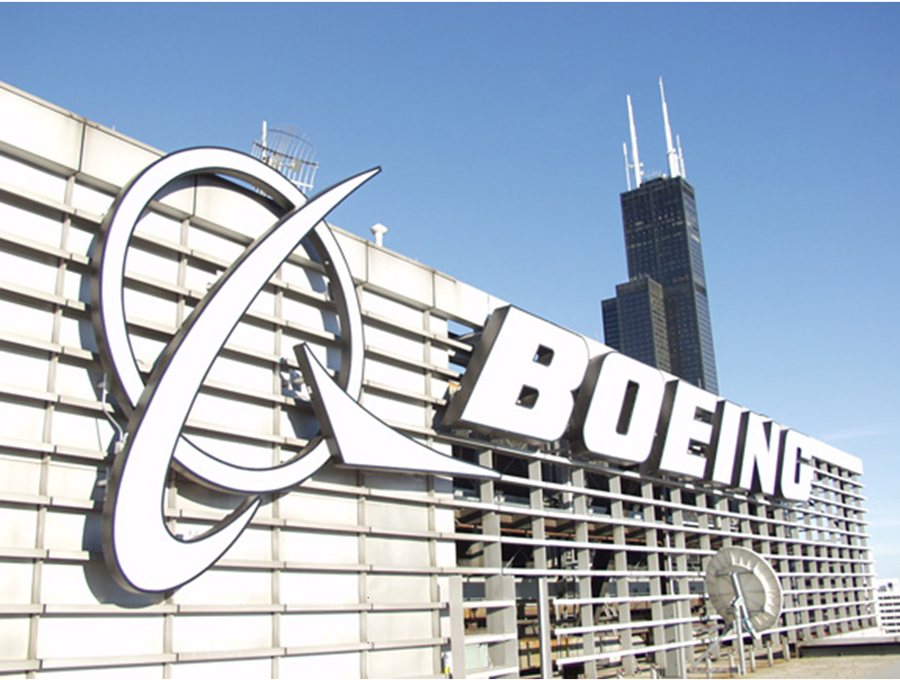
The Boeing Company y AeroEquity Industrial Partners (AEI) anunciaron este 5 de Agosto de 2021 una asociación estratégica para expandir el capital de riesgo de Boeing invirtiendo en movilidad, espacio y conectividad, tecnología industrial y soluciones digitales empresariales, con un enfoque más amplio. énfasis en la sostenibilidad.

AW-AeroEquity AEI_Isologotype

Asociación para crear un fondo de riesgo aeroespacial dedicado que se basa en la plataforma de Boeing HorizonX y expande las inversiones en innovación de puesta en marcha

Inversiones para centrarse en movilidad, espacio y conectividad, tecnología industrial y soluciones digitales empresariales, con un mayor énfasis en la sostenibilidad

La asociación reúne la innovación tecnológica y aeroespacial de Boeing y su plataforma HorizonX Ventures con la experiencia operativa y de inversión de capital privado de AEI para establecer un grupo de capital de riesgo expandido e independiente, AEI HorizonX. «Estamos emocionados de lanzar esta innovación empresarial transformadora y primera en su tipo con AEI que ampliará el horizonte de HorizonX y redoblará nuestro compromiso con la innovación tecnológica en las etapas iniciales. La asociación con AEI y futuros socios amplía nuestra base de inversores, permite a HorizonX invertir a un ritmo rápido y le da a Boeing acceso a más innovación externa que nunca a través de esta colaboración de inversión», dijo Marc Allen, Director de Estrategia y Senior Vicepresidente de Estrategia y Desarrollo Corporativo de Boeing.

Boeing lanzó HorizonX en 2017 para invertir y conectarse con empresas en etapa inicial que se especializan en tecnologías aeroespaciales transformadoras. El equipo ha desarrollado una cartera de 40 empresas emergentes de todo el mundo a través de inversiones minoritarias y uniendo a las empresas con los recursos de ingeniería de Boeing.

AEI es un proveedor líder de capital para la industria aeroespacial con más de US$ 3.5 mil millones en activos bajo administración, un sólido historial de desempeño financiero y la capacidad de recaudar fondos y expandir su misión de apoyar a empresarios, inventores y disruptores de clase mundial. “Como firma de inversión especializada con un enfoque en los mercados aeroespacial e industrial, AEI monitorea constantemente las innovaciones tecnológicas que impulsarán el cambio transformacional y reinventarán el futuro de nuestra industria. La plataforma AEI HorizonX nos proporcionará una base para construir un nuevo pilar de inversión centrado en empresas y tecnologías transformadoras críticas para la evolución de nuestros mercados objetivo y su impacto en el medio ambiente. Estamos entusiasmados de asociarnos con Boeing para invertir en un futuro más sostenible”, dijo David Rowe, Socio Gerente de AEI.

El equipo actual de HorizonX Ventures, dirigido por Brian Schettler, y su cartera actual se trasladarán a AEI HorizonX para construir esta plataforma de empresas de próxima generación. Schettler liderará la nueva plataforma y se convertirá en socio de AEI. Boeing seguirá siendo un inversor estratégico a largo plazo en AEI HorizonX y seguirá siendo el inversor ancla para el fondo actual y el primer fondo independiente de AEI HorizonX previsto para 2022. El fondo actual seguirá proporcionando capital de seguimiento a su cartera existente, como así como realizar nuevas inversiones seleccionadas a medida que el fondo sigue madurando.

Boeing se asociará con AEI HorizonX a través de su Oficina de Tecnología Empresarial y su equipo de Innovación Aplicada. Los dos mantendrán una cartera de tecnología con las empresas de la cartera y continuarán trabajando con las nuevas empresas de forma regular para conectar las empresas de la cartera con las capacidades técnicas de Boeing y ayudar a conectar las nuevas innovaciones en la empresa. Los programas de aceleración global de Boeing permanecerán dentro de Boeing, y la compañía continuará asociándose con la industria aeroespacial y las partes interesadas del gobierno para identificar y apoyar a las empresas en etapa inicial más prometedoras. Estos compromisos incluirán la participación de AEI HorizonX.

Boeing-AeroEquity Alliance

Boeing and AeroEquity expand aerospace venture capital

The Boeing Company and AeroEquity Industrial Partners (AEI) announced on August 5, 2021, a strategic partnership to expand Boeing’s venture capital by investing in mobility, space and connectivity, industrial technology and business digital solutions, with a broader focus. emphasis on sustainability.

  • Partnership to create a dedicated aerospace venture fund that builds on the Boeing HorizonX platform and expands investments in start-up innovation
  • Investments to focus on mobility, space and connectivity, industrial technology and business digital solutions, with a greater emphasis on sustainability.

The partnership brings together Boeing’s aerospace and technological innovation and its HorizonX Ventures platform with AEI’s private equity investment and operating expertise to establish an expanded and independent venture capital group, AEI HorizonX. «We are excited to launch this first-of-its-kind and transformative business innovation with AEI that will broaden HorizonX’s horizon and redouble our commitment to early-stage technological innovation. Partnering with AEI and future partners broadens our investor base, enables HorizonX invests at a rapid pace and gives Boeing access to more external innovation than ever before through this investment collaboration», said Marc Allen, Chief Strategy Officer and Senior Vice President, Strategy and Corporate Development, Boeing.

Boeing launched HorizonX in 2017 to invest in and connect with early-stage companies that specialize in transformative aerospace technologies. The team has developed a portfolio of 40 startups from around the world through minority investments and by linking the companies with Boeing’s engineering resources.

AEI is a leading provider of capital to the aerospace industry with more than US$ 3.5 billion in assets under management, a strong track record of financial performance, and the ability to fundraise and expand its mission to support entrepreneurs, inventors, and class disruptors. world. “As a specialized investment firm with a focus on the aerospace and industrial markets, AEI constantly monitors technological innovations that will drive transformational change and reinvent the future of our industry. The AEI HorizonX platform will provide us with a foundation to build a new investment pillar focused on transformative companies and technologies critical to the evolution of our target markets and their impact on the environment. We are excited to partner with Boeing to invest in a more sustainable future”, said David Rowe, AEI Managing Partner.

The current HorizonX Ventures team, led by Brian Schettler, and their current portfolio will move to AEI HorizonX to build this next-generation enterprise platform. Schettler will lead the new platform and become an AEI partner. Boeing will remain a long-term strategic investor in AEI HorizonX and will continue to be the anchor investor for the current fund and the first independent AEI HorizonX fund planned for 2022. The current fund will continue to provide follow-up capital to its existing portfolio, as well as make selected new investments as the fund continues to mature.

Boeing will partner with AEI HorizonX through its Business Technology Office and its Applied Innovation team. The two will maintain a technology portfolio with portfolio companies and will continue to work with startups on a regular basis to connect portfolio companies with Boeing’s technical capabilities and help connect new innovations across the company. Boeing’s global acceleration programs will remain within Boeing, and the company will continue to partner with the aerospace industry and government stakeholders to identify and support the most promising early-stage companies. These commitments will include the participation of AEI HorizonX.

PUBLISHER: Airgways.com
DBk: Boeing.com / Airgways.com
AW-POST: 202108061139AR

A\W   A I R G W A Y S ®
EANA inaugura lactancias aeropuertos

AW | 2021 08 05 11:20 | AIRPORTS / AVIATION ORGANISMS

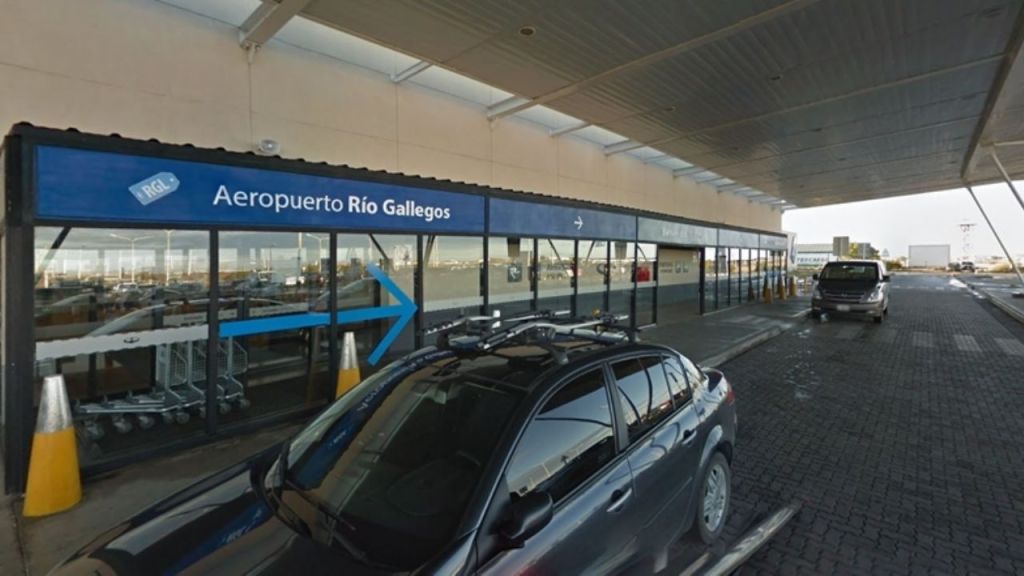
EANA inauguró nuevos espacios lactancia en Goya y Río Gallegos

En el marco de la Semana Mundial de la Lactancia Materna, la Empresa Argentina de Navegación Aérea Sociedad del Estado (EANA), del Ministerio de Transporte de la República Argentina, inauguró dos nuevos espacios de lactancia para sus trabajadoras del Aeródromo de Goya (Corrientes) y del Aeropuerto de Río Gallegos (Santa Cruz). La inauguración de las instalaciones se realizó en forma virtual y simultánea. Estuvo a cargo de Gabriela Logatto, Presidenta y Gerenta General de EANA, y Diego Segovia, Jefe de Gabinete. Acompañaron el acto, representantes de las gerencias de Operaciones, Seguridad Operacional e Igualdad de Oportunidades y Género, así como Florencia Esperón, Directora de Políticas de Género del Ministerio de Transporte, y representantes de los aeropuertos, jefaturas y trabajadoras de los servicios de navegación aérea.

En alusión a la importancia del acontecimiento, Gabriela Logatto destacó que “estas inauguraciones para nosotros son una política institucional que hemos tomado desde el primer día. Significa darle más derechos a las trabajadoras y trabajadores, y los espacios de lactancia tienen que ver con eso. Espacios que sean confortables, que sean dignos, que tengan privacidad, donde las trabajadoras puedan sentirse cómodas. Por eso es tan importante que en cada aeropuerto en donde EANA esté presente existan espacios de lactancia, ya sean propios o compartidos con otras instituciones”.

Por su parte, Florencia Esperón manifestó que “estos espacios se suman a más de 20 espacios de lactancia que hemos inaugurado desde el inicio de nuestra gestión. Cuando hay decisión, hay derechos y eso es lo que venimos a hacer, a ampliar derechos e igualdad de oportunidades para todas y todos. A dejar de hacernos los sordos cuando escuchamos que una persona lactante tiene dificultades para sostener, con la comodidad e higiene que necesita, su decisión de amamantar en su lugar de trabajo. Realmente, estas conquistas de derechos no dejan de emocionar”.

Las trabajadoras de EANA que actualmente estén en período de lactancia cuentan ahora con sitios optimizados para su extracción de leche materna durante su jornada de trabajo en condiciones higiénicas y dignas, que les garantizan tranquilidad, intimidad y cuidado. El espacio de Goya se encuentra en el segundo piso de la torre de control, mientras que el de Río Gallegos se halla en la planta baja de la torre de control respectiva. Estos espacios expresan su derecho a amamantar y forman parte de las medidas establecidas en materia de conciliación en el Plan de Igualdad EANA 2030, que prevé contar con comodidades similares en todos los aeropuertos del país. EANA sigue trabajando en pos de asegurar que allí donde una de sus trabajadoras se encuentre en período de lactancia exista un espacio digno que acompañe su decisión y garantice su derecho.

EANA opens more airport breastfeeding spaces

EANA inaugurated new lactation spaces in Goya and Río Gallegos

Within the framework of World Breastfeeding Week, the Argentine Air Navigation Company Sociedad del Estado (EANA), of the Ministry of Transport of the Argentine Republic, inaugurated two new breastfeeding spaces for its workers at the Goya Aerodrome (Corrientes) and the Río Gallegos Airport (Santa Cruz). The inauguration of the facilities took place virtually and simultaneously. It was led by Gabriela Logatto, President and General Manager of EANA, and Diego Segovia, Chief of Cabinet. The event was accompanied by representatives of the Operations, Operational Safety and Equal Opportunities and Gender managements, as well as Florencia Esperón, Director of Gender Policies of the Ministry of Transport, and representatives of the airports, headquarters and workers of the air navigation services .

Alluding to the importance of the event, Gabriela Logatto stressed that “these inaugurations for us are an institutional policy that we have taken from day one. It means giving workers more rights, and breastfeeding spaces have to do with that. Spaces that are comfortable, that are dignified, that have privacy, where the workers can feel comfortable. That is why it is so important that in each airport where EANA is present there are breastfeeding spaces, whether they are their own or shared with other institutions”.

For her part, Florencia Esperón stated that “these spaces are added to more than 20 breastfeeding spaces that we have inaugurated since the beginning of our administration. When there is a decision, there are rights and that is what we come to do, to expand rights and equal opportunities for all. To stop playing deaf when we hear that a nursing person is having difficulty sustaining, with the comfort and hygiene that he needs, his decision to breastfeed in her workplace. Really, these conquests of rights do not stop moving”.

EANA workers who are currently breastfeeding now have optimized sites for expressing breast milk during their workday in hygienic and dignified conditions, which guarantee them peace of mind, privacy and care. Goya’s space is located on the second floor of the control tower, while that of Río Gallegos is located on the ground floor of the respective control tower. These spaces express their right to breastfeed and are part of the conciliation measures established in the EANA 2030 Equality Plan, which provides for similar facilities at all airports in the country. EANA continues to work towards ensuring that wherever one of its workers is breastfeeding, there is a dignified space that accompanies her decision and guarantees her right.

PUBLISHER: Airgways.com
DBk: Eana.com.ar / Airgways.com
AW-POST: 202108051120AR

A\W   A I R G W A Y S ®

FAA emite AD para línea 737NG/MAX

AW | 2021 08 06 10:28 | AVIATION SAFETY / AVIATION ORGANISMS

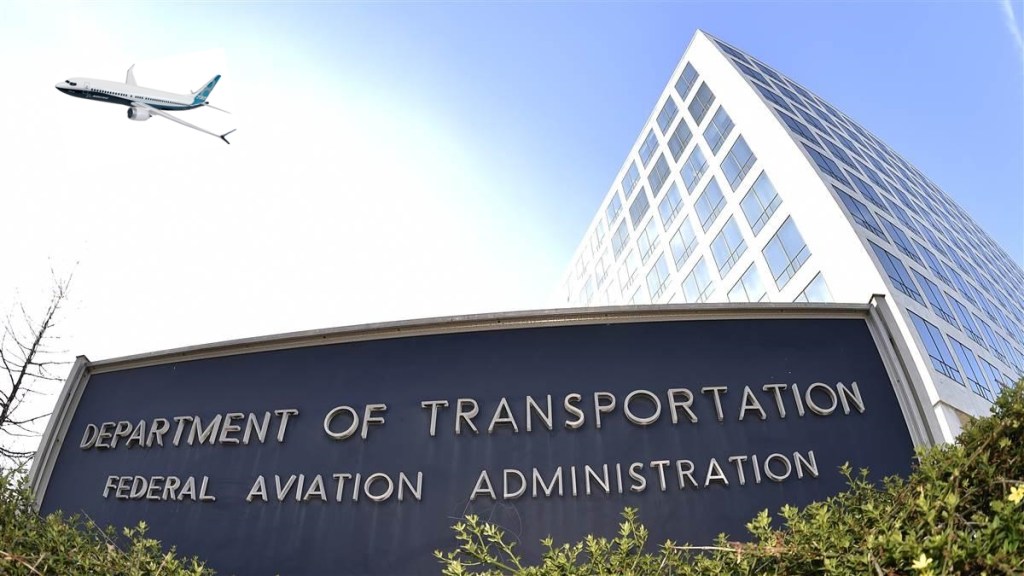
FAA emite directiva sobre posible problema extinción incendios

FAA-Isologotype

La Administración Federal de Aviación (FAA) emitió el Jueves 05/08 una nueva Directiva de Aeronavegabilidad (AD) relativa a la seguridad para los aviones Boeing 737NG (Next Generation) y Boeing 737 MAX para abordar un posible problema con la reducción de las capacidades de extinción de incendios. La normativa de la FAA regulada en las 14 CFR Part 39 establece su Docket No. FAA-2019-0480; Product Identifier 2019-NM-041-AD; Amendment 39-21498; AD 2021-08-04.

La FAA dijo que los aviones pueden tener un control de flujo electrónico fallido de los paquetes de aire acondicionado que ventilan el aire en la bodega de carga desde otras áreas del avión. La directiva prohíbe a los operadores transportar carga en la bodega de carga si los aviones están operando con esta condición a menos que puedan verificar que los artículos no son inflamables y no son incombustibles. La FAA dijo que la directiva cubre todos los aviones Boeing 737-8, 737-9 y 737-8 200 MAX, algunos aviones de las series 737-800 y 737-900ER Next Generation, entre otras aeronaves más antiguas.

Boeing no hizo comentarios de inmediato. La Directiva de Aeronavegabilidad afecta a 663 aviones registrados en los Estados Unidos y aproximadamente 2.204 en todo el mundo. Los operadores deben cumplir con esta directiva a partir de los 10 días posteriores a la fecha de publicación.

FAA issues AD for 737NG/MAX line

FAA issues directive on possible firefighting problem

The Federal Aviation Administration (FAA) issued on Thursday 05/08 a new Airworthiness Directive (AD) relating to safety for Boeing 737NG (Next Generation) and Boeing 737 MAX aircraft to address a possible problem with reduced capacities. fire fighting. The FAA regulations regulated in 14 CFR Part 39 establish its Docket No. FAA-2019-0480; Product Identifier 2019-NM-041-AD; Amendment 39-21498; AD 2021-08-04.

The FAA said planes may have failed electronic flow control of the air conditioning packages that ventilate the air in the cargo hold from other areas of the plane. The directive prohibits operators from transporting cargo in the cargo hold if aircraft are operating in this condition unless they can verify that the items are non-flammable and non-combustible. The FAA said the directive covers all Boeing 737-8, 737-9 and 737-8 200 MAX aircraft, some 737-800 and 737-900ER Next Generation series aircraft, among other older aircraft.

Boeing had no immediate comment. The Airworthiness Directive affects 663 registered aircraft in the United States and approximately 2,204 worldwide. Operators must comply with this directive beginning 10 days after the publication date.

FAA / AD 2021-08-04

PUBLISHER: Airgways.com
DBk: Faa.gov / Boeing.com / Airgways.com
AW-POST: 202108061028AR

A\W   A I R G W A Y S ®
Atlas Air compra ocho 747-400F

AW | 2021 08 06 00:07 | AIRLINES

Busca garantizar su capacidad de desarrollo

Atlas Air_Isologotype

Atlas Air Worldwide dijo el Jueves 05/08 que está comprando ocho cargueros Boeing 747-400F (8) a medida que sus contratos de arrendamiento expiran entre este verano boreal y finales de 2022 para garantizar la capacidad a medida que los fuertes volúmenes de carga aérea chocan con la escasez de suministro.

Los ingresos del segundo trimestre de la compañía holding de aerolínea de carga aumentaron un 20% a US$ 990.4 millones y proyecta que las ventas alcanzarán US$ 1 mil millones en el período actual a medida que los transportistas acudan al transporte aéreo para apoyar los pedidos pesados de los clientes y evitar la congestión del transporte marítimo que ha duplicado o triplicado los tiempos de tránsito. Los funcionarios de Atlas Air dijeron que los exorbitantes precios de los océanos han sido un catalizador para el aumento de los volúmenes, con la utilización de aeronaves aumentando a 93,190 horas de bloque en comparación con 84,966 horas en el segundo trimestre de 2020.

Con volúmenes de carga aérea por encima de los niveles previos a la pandemia y la salida de muchos vuelos internacionales de cuerpo ancho debido al COVID, Atlas Air está volando más horas y cobrando más por el espacio en sus aviones, lo que resulta en mayores rendimientos. Los volúmenes de carga aérea aumentaron un 8,8% en el primer semestre del año, el mejor desempeño en cuatro años, según la Asociación Internacional de Transporte Aéreo (IATA).

Los ingresos y las ganancias superaron las previsiones internas y las expectativas del consenso en Wall Street. Las ganancias ajustadas antes de impuestos de US$ 243.7 millones bajaron un pelo de US$ 247 millones hace un año debido al aumento de los costos operativos debido al mayor pago de los pilotos y las medidas relacionadas con COVID para mantener la seguridad de la tripulación, pero la estabilidad relativa de las ganancias muestra que el mercado de los servicios de carga aérea sigue siendo muy fuerte. «Las condiciones económicas y de la cadena de suministro siguen siendo favorables para la carga aérea y nuestros cargueros dedicados», dijo el Presidente y CEO John Dietrich de Atlas Air.

Atlas Air buys eight 747-400Fs

Seeks to guarantee their development capacity

Atlas Air Worldwide said on Thursday 05/08 that it is purchasing eight Boeing 747-400F freighters (8) as their leases expire between this summer and the end of 2022 to ensure capacity as strong volumes of air cargo collide with supply shortages.

The cargo airline holding company’s second-quarter revenue increased 20% to US$ 990.4 million and it projects sales to reach US$ 1 billion in the current period as carriers turn to air travel to support orders. heavy customers and avoid shipping congestion that has doubled or tripled transit times. Atlas Air officials said exorbitant ocean prices have been a catalyst for increasing volumes, with aircraft utilization increasing to 93,190 block hours compared to 84,966 hours in the second quarter of 2020.

With air cargo volumes above pre-pandemic levels and many international wide-body flights departing due to COVID, Atlas Air is flying longer hours and charging more for space on its aircraft, resulting in higher yields. Air cargo volumes increased 8.8% in the first half of the year, the best performance in four years, according to the International Air Transport Association (IATA).

Revenues and earnings beat internal forecasts and consensus expectations on Wall Street. Adjusted pre-tax earnings of US$ 243.7 million were down a hair of US$ 247 million a year ago due to increased operating costs due to higher pilot pay and COVID-related measures to maintain crew safety, But the relative stability of earnings shows that the market for air cargo services remains very strong. «Economic and supply chain conditions remain favorable for air cargo and our dedicated freighters», said Atlas Air President and CEO John Dietrich.

PUBLISHER: Airgways.com
DBk: Atlasair.com / Airgways.com
AW-POST: 202108060007AR

A\W   A I R G W A Y S ®

Mitsubishi retorna a ganancias 2Q2021

AW | 2021 08 05 22:07 | INDUSTRY

Japonesa Mitsubishi Heavy alcanza ganancias

AW-Mitsubishi_Isologotype

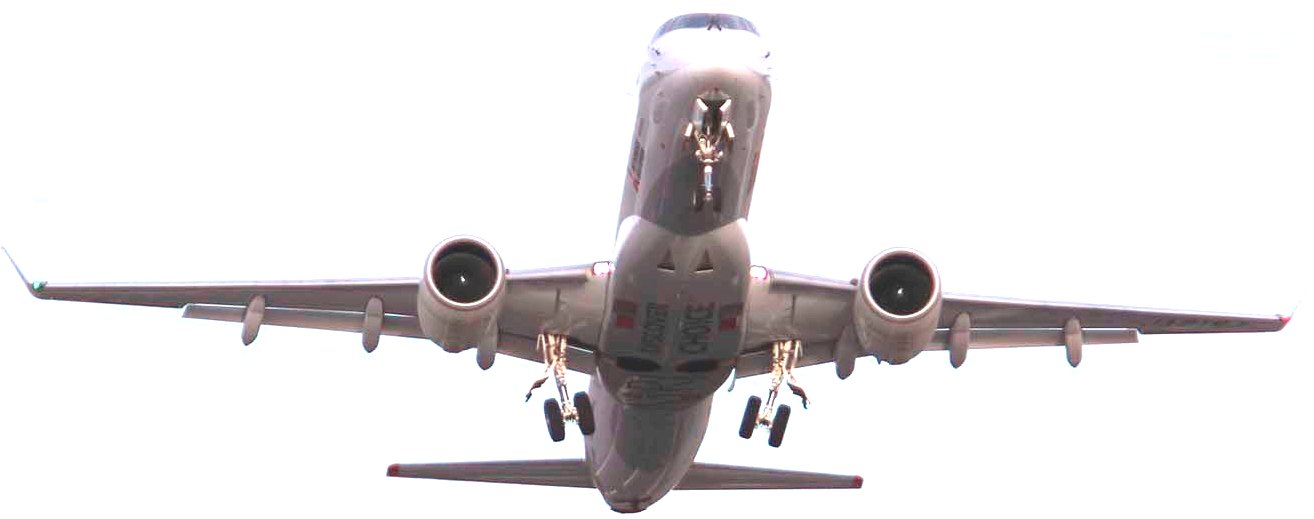
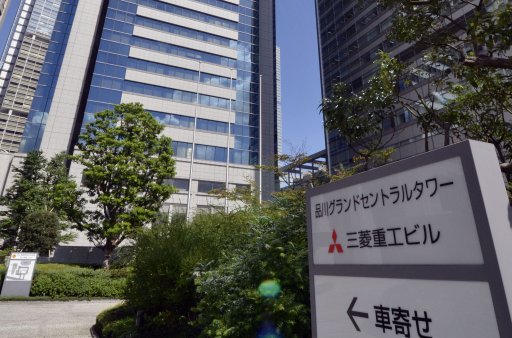
Mitsubishi Heavy Industries es uno de los fabricantes japoneses más afectados en medio de la crisis de la pandemia. La compañía ahora está mirando a su negocio principal de energía para salir de la recesión. El Lunes 02/08 anunciaba que la compañía retornaba a la rentabilidad en el segundo trimestre fiscal de Abril-Junio 2021, mientras que el conglomerado industrial japonés tiene como objetivo escenificar un cambio de tendencia de la crisis de la aviación inducida por la crisis sanitaria. El saldo operativo de tres meses se convirtió en una ganancia de ¥ 21.4 mil millones de Yenes/US$ 195 millones de Dólares de una pérdida de hace un año de ¥ 71.3 mil millones de Yenes, ya que las ventas aumentaron un 9.5% a ¥ 851.7 mil millones de Yenes. Para el año hasta marzo, la compañía con sede en Tokio predice que su ganancia operativa casi se triplicará a ¥ 150 mil millones de Yenes.

El desarrollador japonés del primer programa de aviones jet comerciales de Japón y subcontratista de Boeing y Airbus, es uno de los fabricantes japoneses más afectados en medio de la crisis del Coronavirus. En Octubre 2020, la compañía decidió congelar el programa de aviones comerciales SpaceJet, anteriormente denominado Mitsubishi Regional Jet (MRJ).

Actualmente, Mitsubishi Aerospace produce partes componentes como alas y fuselajes para los aviones de fuselaje ancho de Boeing como el 777 y el 787, modelos utilizados para rutas internacionales y para los que la demanda mundial no ha regresado en medio de la pandemia. La compañía matriz Mitsubishi Heavy ahora se encuentra realizando un cambio de estrategias mirando a su negocio principal de energía para salir de la recesión. La compañía es el fabricante líder de turbinas de gas junto con General Electric y Siemens.

Estrategias de negocios

A medida que se acelera el alejamiento global de los combustibles fósiles, la demanda de energía de biomasa y tecnologías siderúrgicas más limpias está creciendo, dijo el director financiero Hisato Kozawa en una rueda de prensa. Mitsubishi Heavy ha recibido pedidos de nuevas plantas de energía de biomasa, así como de modificación de las plantas existentes para biocombustible. Las consultas han aumentado para los equipos de fabricación de acero que utilizan hidrógeno, en lugar de los coques habituales.

Un plan de negocios de tres años, anunciado en Octubre 2020, pide que la compañía aumente el margen de ganancia operativa al 7% en el año fiscal 2023, desde el 1.5% en el año fiscal 2020. El margen de beneficio se había visto deprimido en los últimos años por los costos de desarrollo del SpaceJet y la adquisición de las operaciones de mantenimiento y reparación de aeronaves de Bombardier. Mitsubishi Heavy apuesta a que la demanda de hidrógeno y amoníaco crecerá en los próximos años como un nuevo combustible para la generación de energía térmica, a medida que el mundo intenta reducir el uso de combustibles fósiles, incluidos el carbón y el gas. El hidrógeno y el amoníaco, que es un compuesto de hidrógeno y nitrógeno, no producen dióxido de carbono que atrapa el calor cuando se queman. Hacer realidad la energía del hidrógeno requiere el desarrollo de infraestructura para las redes de suministro desde la producción hasta la distribución. Hay muchos obstáculos prácticos para hacer realidad la visión. Hisato Kozawa reconoció que el concepto aún no se ha materializado en nuevos negocios. Otras nuevas áreas de negocio que Mitsubishi Heavy está analizando incluyen: inteligencia artificial para gestionar la demanda y el suministro de electricidad; tecnologías de captura de carbono; la siderurgia a base de hidrógeno; y sistemas de vigilancia de la cadena de frío. De estos, las tecnologías de captura de carbono han atraído un fuerte interés de los clientes, mientras que el nuevo servicio basado en IA aún no ha ganado tracción. Los negocios más tradicionales de fabricación de turbocompresores y compresores han regresado con fuerza con la recuperación económica. Los turbocompresores son ampliamente utilizados en automóviles, mientras que los compresores son componentes clave en acondicionadores de aire y refrigeradores.

El negocio de mantenimiento de aeronaves que Mitsubishi Heavy tomó el relevo de Bombardier el año pasado también ha estado funcionando mejor de lo previsto gracias a un repunte en la demanda de vuelos nacionales en América del Norte.

La reducción de costos sigue siendo un motor clave del crecimiento de las ganancias. Después de reducir la fuerza laboral para el Programa SpaceJet a menos de una décima parte, Mitsubishi Heavy ha reestructurado su negocio de construcción naval para centrarse en buques de guerra y ciertos barcos comerciales como transbordadores y vendió una unidad de engranajes automotrices al fabricante de motores Nidec este 2021.

Mitsubishi returns to earnings 2Q2021

Japan’s Mitsubishi Heavy hits profit

Mitsubishi Heavy Industries is one of the hardest hit Japanese manufacturers amid the pandemic crisis. The company is now looking to its core energy business to emerge from the recession. On Monday 08/02 it announced that the company returned to profitability in the second fiscal quarter of April-June 2021, while the Japanese industrial conglomerate aims to stage a change in the trend of the aviation crisis induced by the health crisis. The three-month operating balance turned into a gain of ¥ 21.4 billion Yen/US$ 195 million from a loss of ¥ 71.3 billion Yen a year ago, as sales increased 9.5% to ¥ 851.7 billion Yen. For the year through March, the Tokyo-based company predicts that its operating profit will nearly triple to ¥ 150 billion Yen.

AW-Mitsubishi-SpaceJet-PW1200G_001

The Japanese developer of Japan’s first commercial jet program and a subcontractor to Boeing and Airbus, it is one of the hardest hit Japanese manufacturers amid the Coronavirus crisis. In October 2020, the company decided to freeze the SpaceJet commercial aircraft program, previously called Mitsubishi Regional Jet (MRJ).

Mitsubishi Aircraft Corporation_Isologotype

Currently, Mitsubishi Aerospace produces component parts such as wings and fuselages for Boeing’s wide-body aircraft such as the 777 and 787, models used for international routes and for which global demand has not returned amid the pandemic. Parent company Mitsubishi Heavy is now making a strategic shift in looking to its core energy business to emerge from the recession. The company is the leading gas turbine manufacturer along with General Electric and Siemens.

Business strategies

As the global shift away from fossil fuels accelerates, the demand for biomass energy and cleaner steel technologies is growing, CFO Hisato Kozawa said at a news conference. Mitsubishi Heavy has received orders for new biomass power plants, as well as modifications to existing plants for biofuel. Inquiries have increased for steelmaking equipment that uses hydrogen, rather than the usual cokes.

A three-year business plan, announced in October 2020, calls for the company to increase the operating profit margin to 7% in fiscal 2023, from 1.5% in fiscal 2020. The profit margin had been depressed in recent years for SpaceJet development costs and the acquisition of Bombardier’s aircraft maintenance and repair operations. Mitsubishi Heavy is betting that the demand for hydrogen and ammonia will grow in the coming years as a new fuel for thermal power generation, as the world tries to reduce the use of fossil fuels, including coal and gas. Hydrogen and ammonia, which is a compound of hydrogen and nitrogen, do not produce carbon dioxide that traps heat when burned. Making hydrogen energy a reality requires the development of infrastructure for supply networks from production to distribution. There are many practical obstacles to making the vision a reality. Hisato Kozawa acknowledged that the concept has yet to materialize into new business. Other new business areas that Mitsubishi Heavy is looking at include: artificial intelligence to manage electricity supply and demand; carbon capture technologies; the hydrogen-based steel industry; and cold chain surveillance systems. Of these, carbon capture technologies have attracted strong customer interest, while the new AI-based service has yet to gain traction. The more traditional turbocharger and compressor manufacturing businesses have made a strong comeback with the economic recovery. Turbochargers are widely used in automobiles, while compressors are key components in air conditioners and refrigerators.

The aircraft maintenance business that Mitsubishi Heavy took over from Bombardier last year has also been performing better than anticipated thanks to a rebound in demand for domestic flights in North America.

Cost reduction remains a key driver of earnings growth. After reducing the workforce for the SpaceJet Program to less than one-tenth, Mitsubishi Heavy has restructured its shipbuilding business to focus on warships and certain commercial ships such as ferries and sold an automotive gear unit to engine manufacturer Nidec. this 2021.

三菱が2021年第2四半期に収益を上げる

日本の三菱ヘビーは利益を打つ

AW-Mitsubishi Heavy Industries_Isologotype

三菱重工業は、パンデミック危機の中で最も打撃を受けた日本のメーカーの1つです。同社は現在、不況から抜け出すためにコアエネルギー事業に目を向けています。日本の産業コングロマリットが健康危機によって引き起こされた航空危機の傾向の変化を上演することを目指している間、それは月曜日08/02に会社が2021年4月から6月の第2会計四半期に黒字に戻ったことを発表しました。 3ヶ月間の営業残高は、売上高が9.5%増の8,517億円となり、前年同期の713億円の赤字から214億円/ 1億9,500万円の増益となりました。東京を拠点とする同社は、3月までの1年間で営業利益が3倍近くの1,500億円になると見込んでいる。

日本初の商用ジェットプログラムの日本の開発者であり、ボーイングとエアバスの下請け業者であり、コロナウイルス危機の中で最も打撃を受けた日本のメーカーの1つです。 2020年10月、同社は以前は三菱リージョナルジェット(MRJ)と呼ばれていたSpaceJet商用航空機プログラムを凍結することを決定しました。

現在、三菱航空機は、ボーイング社の777や787などのワイドボディ機の翼や胴体など、国際線で使用され、パンデミックの中で世界的な需要が戻っていない部品を製造しています。親会社の三菱重工業は現在、不況から抜け出すために中核となるエネルギー事業に目を向ける戦略的転換を行っています。同社は、ゼネラルエレクトリックおよびシーメンスとともに大手ガスタービンメーカーです。

事業戦略

化石燃料からの世界的なシフトが加速するにつれて、バイオマスエネルギーとよりクリーンな鉄鋼技術の需要が高まっていると、CFOの小沢久人氏は記者会見で述べた。三菱重工業は、新しいバイオマス発電所の注文と、バイオ燃料用の既存の発電所の改造を受け取りました。通常のコークスではなく水素を使用する製鋼設備への問い合わせが増えています。

2020年10月に発表された3カ年事業計画では、同社は2020年度の1.5%から2023年度の営業利益率を7%に引き上げることを求めている。SpaceJetの開発コストとボンバルディアの航空機の保守および修理業務の買収。三菱重工業は、世界が石炭やガスなどの化石燃料の使用を削減しようとしているため、今後数年間で火力発電の新しい燃料として水素とアンモニアの需要が高まると確信しています。水素と窒素の化合物である水素とアンモニアは、燃焼時に熱を閉じ込める二酸化炭素を生成しません。水素エネルギーを実現するには、生産から流通までの供給ネットワークのインフラストラクチャを開発する必要があります。ビジョンを実現するには、多くの実際的な障害があります。小沢久人氏は、このコンセプトはまだ新しいビジネスに具体化されていないことを認めました。三菱重工業が注目しているその他の新しい事業分野は次のとおりです。電力需給を管理するための人工知能。炭素回収技術;水素ベースの鉄鋼業。およびコールドチェーン監視システム。これらのうち、炭素回収技術は強い顧客の関心を集めていますが、新しいAIベースのサービスはまだ勢いを増していません。より伝統的なターボチャージャーとコンプレッサーの製造事業は、景気回復により力強い復活を遂げました。ターボチャージャーは自動車で広く使用されていますが、コンプレッサーはエアコンや冷蔵庫の主要コンポーネントです。

昨年、三菱重工業がボンバルディアから引き継いだ航空機整備事業も、北米国内線需要の回復により、予想を上回った。

コスト削減は依然として利益成長の主要な推進力です。 SpaceJetプログラムの人員を10分の1未満に減らした後、三菱重工業は、軍艦やフェリーなどの特定の商用船に焦点を当てて造船事業を再構築し、自動車ギアユニットをエンジンメーカーの日本電産に販売しました。この2021年。

PUBLISHER: Airgways.com
DBk: Mhi.com / Haruyoshi Yamaguchi / Airgways.com
AW-POST: 202108052207AR

A\W   A I R G W A Y S ®