Ingestión pájaro en E190 de Austral

Resultado de imagen para e190 austral

AW | 2016 09 29 17:30 | SAFETY / SECURITY

AUSTRAL AR2502

Un avión de Austral Líneas Aéreas tuvo que regresar al aeropuerto por un pájaro en una turbina

El vuelo 2502 de Austral salía desde el aeropuerto de Pajas Blancas a Buenos Aires, pero al rato un ave provocó un desperfecto. Aterrizó sin problemas.

Un avión de Austral debió regresar al aeropuerto minutos después de despegar de Córdoba por un problema técnico en la turbina derecha: desde la empresa aseguraron que un ave se metió en una de las turbinas y por eso tuvo que regresar.

Se trata del vuelo 2502, un Embraer de 96 plazas de Austral. “El avión salió normalmente, en hora. En el carreteo, a los 10 segundos se sintió un ruido el motor izquierdo. Levantó vuelo, siguió el ruido hasta que desaceleró un poco y paró el ruido”, contó uno de los pasajeros a bordo. Pero una vez que se estabilizó la situación, el comandante se comunicó para explicar que el avión debía volver a la Ciudad de Córdoba: “Estamos volviendo al aeropuerto por una falla técnica, vamos a aterrizar”, aseguró.

El avión no sufrió movimientos anormales ni experimentó turbulencia alguna. La jefa de tripulantes de cabina aclaró, luego, que una de las turbinas había experimentado una falla: se trataba de un ave que se había metido en una de las turbinas.

«Fue una vibración en el motor por la ingesta de un ave. Ante esta vibración el comandante decidió volver por detectar esta anomalía, para no poner en riesgo a los pasajeros», explicaron a Clarín desde Aerolíneas Argentinas. airgways-icon-aw

Resultado de imagen para e190 austral

A Austral plane had to return to the airport by a bird in a turbine

Austral flight 2502 came from Pajas Blancas to Buenos Aires, but after a while a bird caused a malfunction. It landed safely.

Austral plane had to return to the airport minutes after takeoff from Cordoba by a technical problem in the turbine right: since the company was assured that a bird got into one of the turbines and therefore had to return.

This is Flight 2502, an Embraer Austral 96 squares. «The plane took off normally, in time. In taxiing, 10 seconds noise felt the left engine. He took off, followed the noise until it slowed somewhat and the noise stopped,» he told one of the passengers on board. But once the situation stabilized, the commander reported to explain that the plane had to return to the city of Cordoba: «We are returning to the airport by a technical fault, going to land,» he said.

The aircraft suffered no abnormal movements or experienced some turbulence. The cabin crew chief said, then, that one of the turbines had experienced a failure: it was a bird that had gotten into one of the turbines.

«It was a vibration in the engine intake of a bird. Given this vibration the commander decided to return to detect this anomaly, not to endanger passengers,» explained Clarin from Aerolineas Argentinas. A\W

Ξ A I R G W A Y S Ξ
SOURCE: clarin.com
DBk: gta-arg.blogspot.com / aeropuertosarg.com.ar
AW-POST: 201609291730AR
A\W A I R G W A Y S ®

Avianca inicia Centro MRO


Resultado de imagen para avianca mro

AW | 2016 09 29 11:10 | MROResultado de imagen para avianca mro

Resultado de imagen para avianca logoCon una inversión de US$50 millones para su primera fase, el MRO de Avianca es el más moderno de la región

En el hangar de 8 mil 400 metros cuadrados tres aeronaves eran reparadas simultáneamente: Los técnicos revisaban minuciosamente el fuselaje, las turbinas, los timones de dirección, la cabina y otras partes para su mantenimiento, mientras otros trabajadores anotaban el avance de cada proceso. Esa era apenas un área del Centro Aeronáutico-MRO (Maintenance –Repair– Overhaul) de Avianca, inaugurado ayer en en una zona contigua al aeropuerto José María Córdova, en Ríonegro, Antioquia, Colombia.

Miguel Montoya, vicepresidente de Operaciones de Avianca y creador del MRO, definió el complejo aeronáutico como el más moderno de la región debido a que la empresa utiliza en él “las tecnologías más avanzadas aplicadas a la aviación”.

El MRO funciona en un área de 44 mil 300 metros cuadrados donde se ubican el hangar de ejecución de mantenimiento, un almacén de material aeronáutico, un centro mecanizado y un “cuarto limpio” para la elaboración de piezas cuyos materiales no pueden ser contaminados por el medio ambiente.

El complejo también es integrado por cuatro talleres de: material aeronáutico, sillas y termoformado (partes plásticas de los aviones), equipos de emergencia y maquinaria.

Proyección

Los talleres arriba descritos son parte del proyecto de fabricación de piezas aeronáuticas que Avianca planea comercializar a mediano plazo. En estos recintos se fabrican sillas para pasajeros y todas las piezas plásticas que utilizan las aeronaves de la flota de esa línea aérea. En estos también se llevan a cabo procesos de soldadura y revisiones de las medidas de seguridad de los componentes internos de un avión.

Montoya explicó que en la actualidad, en el MRO de Colombia fabrican únicamente piezas para “autoabastecerse”, pero que a futuro proyectan ser distribuidores de este tipo de piezas para otras aerolíneas.

Los procesos operativos del MRO son cubiertos por 600 técnicos e ingenieros y se prevé que la compañía sume 1,400 trabajadores más a sus operaciones al terminar la cuarta fase del proyecto.

Costos

Hernán Rincón, presidente y director Ejecutivo de Avianca, explicó que con la puesta en marcha del MRO, la empresa “se consolida como motor de desarrollo y se posiciona como fuente de innovación y progreso para la industria aérea nacional e internacional”.

Resultado de imagen para avianca mro

El Centro Aeronáutico de Avianca está proyectado para darle mantenimiento a los 183 aviones que integran la flota de esa línea aérea, lo que a criterio de sus directivos les permitirá mantener más aeronaves en uso, lo que a su vez les generará más ganancias. De mayo a septiembre, la empresa ahorró unos US$4 millones en costos operativos por la implementación del MRO.

Subraya papel de empresarios

El presidente de Colombia, Juan Manuel Santos, asistió ayer a la inauguración del Centro Aeronáutico MRO y resaltó el emprendimiento empresarial de la aerolínea. El mandatario aprovechó para hablar del proceso de paz que actualmente vive Colombia: “¿Qué nos queda después de la firma de la paz? Primero ganar el plebiscito del domingo, después construir la paz y eso es lo que hacen los empresarios”, declaró. airgways-icon-aw

Resultado de imagen para avianca mro

Avianca aeronautical center starts operations

With an investment of US $ 50 million for its first phase, the MRO Avianca is the most modern in the region

In the hangar of 8 000 400 square meters three aircraft were repaired simultaneously: Technicians great care to ensure the fuselage, turbines, rudders, cockpit and other parts for maintenance, while other workers wrote down the progress of each process. That was just one area of Aeronautics-MRO Center (-Repair- Maintenance Overhaul) Avianca inaugurated yesterday in an adjacent to the Jose María Córdova airport in Rionegro, Antioquía, Colombia area.

Miguel Montoya, vice president of Operations Avianca and creator of the MRO, complex aeronautical defined as the most modern in the region because the company uses it «the most advanced technologies for aviation.»

The MRO works in an area of 44 thousand 300 square meters where the hangar execution of maintenance, a warehouse of aeronautical material, a machining center and a «clean room» for the production of pieces are placed whose materials can not be contaminated by the environment.

The resort is composed of four workshops: aeronautical equipment, chairs and thermoforming (plastic parts of the aircraft), emergency equipment and machinery.

Projection

The workshops described above are part of the project to manufacture aircraft parts Avianca plans to market the medium term. In these enclosures passenger seats and all plastic parts used by aircraft fleet that airline are manufactured. These are also carried out welding processes and reviews the safety of the internal components of an aircraft.

Montoya explained that at present, in Colombia MRO parts manufacturing only for «self-sufficient» but that future project be distributors of this type of parts for other airlines.

MRO’s business processes are covered by 600 technicians and engineers and the company is expected to add 1,400 more workers to its operations at the end of the fourth phase of the project.

Costs

Hernán Rincón, president and CEO of Avianca, explained that with the launch of MRO, the company «has established itself as an engine of development and positions itself as a source of innovation and progress for national and international airline industry.»

Resultado de imagen para avianca mro

The Aeronautical Center Avianca is designed to give maintenance to the 183 aircraft that make up the fleet of the airline, which at the discretion of its managers allowed to keep more aircraft in use, which in turn will generate more profits. From May to September, the company saved about US $ 4 million in operating costs for the implementation of the MRO.

Stresses role of entrepreneurs

President of Colombia, Juan Manuel Santos, yesterday attended the inauguration of the Aeronautical Center MRO and highlighted the entrepreneurship of the airline. The president took the opportunity to discuss the peace process currently living Colombia: «What remains after the signing of peace? First winning the plebiscite Sunday, then build peace and that is what entrepreneurs do,» he said. A\W


Ξ A I R G W A Y S Ξ
SOURCE: elperiodico.com.gt
DBk: Photographic © elperiodico.com.gt
AW-POST: 201609291110AR
A\W A I R G W A Y S ®

Air France-KLM aspiran por innovación

Resultado de imagen para air france klm

AW | 2016 09 29 11:00 | ALLIANCE AIRLINES

Air France y KLM aspiran a ser las compañías de referencia mundial en innovación

Realidad virtual, monotorización del pasajero, sistema se seguimiento de equipaje o robots con interacción humana son algunas de las novedades que Peter Verheijde, Director de Innovación a bordo de Air France -KLM ha presentado como futuras mejoras de las compañías para sus pasajeros.

En un encuentro celebrado en Madrid con Air France – KLM, el Director de Innovación a bordo del Grupo Air France KLM, Peter Verheijde ha compartido con todos los allí presentes algunos de los últimos desarrollos del equipo de innovación para ambas aerolíneas. Entre ellos destacan la realidad aumentada, la realidad virtual, la biometría, robótica, cabinas inteligentes y una larga lista de apuestas tecnológicas en las que el grupo Air France KLM está trabajando para mejorar la experiencia de viaje de sus pasajeros.

Verheijde ha asegurado que el objetivo de Air France con su fuerte apuesta tecnológica “es, no solo hacer más fluido el vuelo de sus pasajeros, sino ser la aerolínea lider mundial en cuanto a innovación”.

En un futuro no muy lejano, según ha presentado el Director de Innovación de las aerolíneas, el problema para encontrar la puerta de embarque, el estrés para facturar o el tiempo de espera en el momento de embarcar desaparecerán.

Como novedad, nos han adelantado que Air France está trabajando en una iniciativa llamada “etiqueta electrónica”. Esta etiqueta electrónica servirá para facturar nuestro equipaje de manera online, en el mismo momento del check-in. En nuestro billete vendrá un código asignado a nuestra maleta, en el que una vez la facturemos en el aeropuerto podremos seguir el viaje de nuestro equipaje simultáneamente con el código de seguimiento a través de nuestro dispositivo móvil. De esta manera sabremos en todo momento dónde está nuestra maleta, confirmar que viaja con nosotros y que es recibida en el aeropuerto de destino cuando aterrizamos.

Así mismo, también sabremos en tiempo real en qué momento sale por la cinta de recogida de equipaje en el aeropuerto de destino, de manera que se evitarán las eternas esperas de recogida de equipaje y las dudas por saber si nuestra maleta ya ha salido.

Peter Verheijde también ha querido hacernos partícipes de las iniciativas en las que la compañía está trabajando en cuanto a la transición de sus pasajeros por el aeropuerto. La realidad virtual es otra de las tecnologías en las que el grupo centra su atención.

Verheijde ha comunicado que siguen apostando por los robots, en concreto por “Spencer”, el robot en pruebas que ya está en funcionamiento en el Aeropuerto de Ámsterdam (recuerda la noticia aquí) y en este momento se encuentran “investigando el desarrollo de nuevas funcionalidades para Spencer que pasarían por poder hablar e interactuar con las personas y poder llevar maletas o bultos”.

También, a través del desarrollo de esta tecnología “los viajeros podrán ver las cabinas del avión y los asientos antes de hacer sus viajes. Y además servirá como herramienta del grupo para complementar el actual sistema de entrenimiento a bordo”. Además, la realidad virtual también ayudará a que “el tiempo a bordo pase volando”, permitiendo a los viajeros entretenerse con experiencias como estar sentados en la playa o cenar en cualquier parte del mundo en el transcurso de su vuelo.

Los distintos modelos de gafas de realidad virtual no serán un problema, pues como Verheijde ha aclarado, esta iniciativa está pensada para que el sistema pueda adaptarse a cualquier modelo de gafas de esta tecnología, en el caso de que el pasajero dispusiera de ellas. Pero de no ser así, la compañía “ofrecerá gafas virtuales al pasajero independientemente de la clase en la en que viaje”.

Para terminar el encuentro con Peter Verheijde este ha querido aclara que “vamos a seguir investigando y desarrollando con tecnología para personalizar el viaje de nuestros clientes, interactuar con ellos, hacer su viaje más fluido, tener más cercanía con el y poder monotorizar su viaje afin de que este sea más rápido y fluído, pero sin olvidar que la tecnología nunca podrá sustituir la interacción humana con las personas”.

Asientos Business KLM

Al finalizar el encuentro, hemos podido probar los nuevos asientos Bussiness de largo radio tanto de KLM como de Air France. Estos asientos están equipados con tomas de corriente, puertos USB y otras soluciones que permiten al pasajero integrar sus dispositivos electrónicos en el diseño de los asientos.

El siguiente paso que dará Air France será integrar la tecnología NFC (Near Fiel Communication) que terminará de integrar las preferencias del cliente con el entono del asiento. Esta tecnología permitirá a los pasajeros utilizar sus teléfonos móviles para definir sus preferencias en cuanto a confort y entretenimiento.

De esta manera, el dispositivo del pasajero y el asiento interactuarán y desde el mismo aparato electrónico el pasajero podrá regular la iluminación de su cabina, la posición de su asiento e incluso en un vuelo con escala, si el pasajero deja una película a la mitad en su primer vuelo, podrá retomarla en el punto en el que la dejó en el siguiente vuelo.

Air France and KLM companies aspire to be world leader in innovation

virtual reality, monotorización passenger, baggage tracking system or robots with human interaction are some of the innovations that Peter Verheijde, Director of Innovation aboard Air France -KLM presented as future enhancements of the companies for their passengers.

At a meeting in Madrid with Air France – KLM, the Director of Innovation aboard the Air France KLM Group, Peter Verheijde shared with all present some of the latest developments of the innovation team for both airlines. These include augmented reality, virtual reality, biometrics, robotics, intelligent booths and a long list of technology bets in which the Air France KLM group is working to improve the travel experience of its passengers.

Verheijde has said that the goal of Air France with its strong commitment to technology «is, not only do more fluid the flight of its passengers, but to be the world’s leading airline in terms of innovation».

In the not too distant future, as presented by the Director of Innovation airline, the problem to find the gate, stress to bill and waiting time at the time of boarding disappear.

As a novelty, we have advanced that Air France is working on an initiative called «e-label». This electronic tag serve to check our luggage so online, at the same time of check-in. In our ticket will come a code assigned to our case, in which once the bill you at the airport we follow the journey of our luggage simultaneously with the tracking code through your mobile device. In this way we will know at all times where our suitcase, confirm that travels with us and that is received at the destination airport when we landed.

Also, we will also know in real time what time goes by tape baggage claim at the airport of destination, so that the eternal waiting baggage and avoid doubts about whether our case has already left.

Peter Verheijde also wanted us participants of the initiatives that the company is working on transitioning their passengers through the airport. Virtual reality is one of the technologies that the group focuses.

Verheijde announced that continue to rely on robots, specifically for «Spencer» the robot on evidence that is already in operation at the airport in Amsterdam (remember the news here) and now are «investigating the development of new features by Spencer that would be able to talk and interact with people and be able to carry bags or packages «.

Also, through the development of this technology «travelers can see aircraft cabins and seats before making their trips. And it will serve as a tool group to complement the current system entrenimiento on board.» In addition, virtual reality will also help «time on board fly by» allowing travelers entertained with experiences like sitting on the beach or dine anywhere in the world during your flight.

The different models of virtual reality glasses will not be a problem, because as Verheijde clarified, this initiative is designed so that the system can adapt to any model of glasses of this technology, in the event that the passenger dispusiera them. But if not, the company «will offer virtual glasses passenger regardless of the class in that journey.»

To finish the game with Peter Verheijde this wanted to clarify that «we will continue researching and developing technology to personalize the journey of our customers, interact with them, make your trip more fluid, have more proximity with and to monotorizar its cognate trip that this is faster and smoother, but without forgetting that technology can never replace human interaction with people.»

Business seats KLM

We were able to finish the game, test new longhaul seats Bussiness both KLM and Air France. These seats are equipped with power outlets, USB ports and other solutions that allow the passenger to integrate their electronic devices in the design of the seats.

The next step will be to integrate Air France NFC (Near Fiel Communication) technology to integrate end customer preferences to intone the seat. This technology will allow passengers to use their mobile phones to set your preferences for comfort and entertainment.

Thus, the device of the passenger and the seat will interact and from the electronic device the passenger can adjust the lighting of the cabin, the position of your seat and even on a flight if the passenger leaves a film in half on its first flight, you can take it up at the point where you left off on the next flight. A\W


Air France en KLM bedrijven streven ernaar om wereldleider in innovatie

Virtual reality, monotorización passagiers, bagage tracking systeem of robots met menselijke interactie zijn enkele van de innovaties die Peter Verheijde, Director of Innovation aan boord van Air France -KLM gepresenteerd als de toekomstige uitbreidingen van de bedrijven voor hun passagiers.

Tijdens een bijeenkomst in Madrid met Air France – KLM, de directeur van Innovation aan boord van de Air France KLM Groep, Peter Verheijde gedeeld met alle presenteren een aantal van de laatste ontwikkelingen van het innovatieteam voor beide luchtvaartmaatschappijen. Deze omvatten augmented reality, virtual reality, biometrie, robotica, intelligente stands en een lange lijst van de technologie inzetten waarin de Air France KLM groep is bezig om de reiservaring van de passagiers te verbeteren.

Verheijde heeft gezegd dat het doel van Air France met zijn sterke betrokkenheid bij technologie „is niet alleen meer vocht doen de vlucht van de passagiers, maar om ‘s werelds grootste luchtvaartmaatschappij in termen van innovatie».

In de niet al te verre toekomst, zoals gepresenteerd door de directeur van Innovation luchtvaartmaatschappij, het probleem naar de gate, stress te factureren en wachttijden te vinden op het moment van instappen verdwijnen.

Als een nieuwigheid, hebben we geavanceerde dat Air France werkt aan een initiatief genaamd «e-label». Deze elektronische tag dienen om onze bagage dus online in te checken, op hetzelfde moment van de check-in. In onze ticket zal een code toegewezen aan onze zaak, die ooit de rekening u op de luchthaven de reis van onze bagage volgen we gelijktijdig met de tracking code via uw mobiele apparaat komen. Op deze manier zullen we weten allen tijde waar onze koffer, bevestigen dat reizen met ons en dat is ontvangen op de luchthaven van bestemming toen we landden.

Ook zullen we weten ook in real time wat tijd op de luchthaven van bestemming gaat door tape bagageband, zodat de eeuwige wachten bagage en twijfels over de vraag of ons geval al heeft verlaten te voorkomen.

Peter Verheijde wilde ook om ons te laten delen in de initiatieven die het bedrijf werkt aan de overgang hun passagiers via de luchthaven. Virtual reality is een van de technologieën die de groep zich richt.

Verheijde aangekondigd dat blijven vertrouwen op robots, in het bijzonder voor «Spencer» de robot op bewijs dat in gebruik is al op de luchthaven in Amsterdam (herinner me het nieuws hier) en nu zijn „onderzoek naar de ontwikkeling van nieuwe functies door Spencer, dat in staat zou zijn te praten en communiceren met mensen en in staat zijn om zakken of pakketten te dragen».

Ook, door de ontwikkeling van deze technologie „reizigers kunnen vliegtuigcabines en stoelen zien voordat het maken van hun reizen. En het zal dienen als een instrument groep om het huidige systeem entrenimiento aan boord te vullen.» Daarnaast zal virtual reality ook helpen «tijd aan boord fly door», waardoor reizigers vermaakt met ervaring als het zitten op het strand of dineren overal in de wereld tijdens uw vlucht.

De verschillende modellen van virtual reality bril geen probleem, want Verheijde verduidelijkt dit initiatief is ontworpen zodat het systeem zich kan aanpassen aan een model van glazen deze technologie, indien de passagier te dispusiera. Maar zo niet, het bedrijf «zal virtuele bril passagier, ongeacht bieden van de klasse in die reis.»

Om het spel af met Peter Verheijde dit wilde verduidelijken dat „we zullen blijven onderzoeken en ontwikkelen van technologie om de reis van onze klanten kunnen afstemmen, interactie met hen, maak uw reis vloeiender, meer nabijheid met en zijn verwante reis monotorizar dat dit sneller en vloeiender, maar zonder te vergeten dat technologie niet menselijke interactie met mensen vervangen.»

Business Seats KLM

We waren in staat om het spel af te maken, testen van nieuwe lange afstand zetels Bussiness zowel KLM en Air France. Deze stoelen zijn voorzien van stopcontacten, USB poorten en andere oplossingen die de passagier hun elektronische toestellen integreren in het ontwerp van de stoelen.

De volgende stap zal zijn om Air France NFC (Near Fiel Communication) technologie te integreren om de voorkeuren van eindklant te integreren om de zetel intone. Deze technologie zal toestaan dat de passagiers om hun mobiele telefoons te gebruiken om uw voorkeuren in te stellen voor comfort en entertainment.

Aldus zal de inrichting van de passagier en de zitting interactie en de elektronische inrichting de passagier kan de verlichting van de cabine te passen, de positie van de stoel en zelfs op een vlucht als de passagier laat een film half op zijn eerste vlucht, kunt u het opnemen op het punt waar je gebleven was op de volgende vlucht. A\W

Ξ A I R G W A Y S Ξ
SOURCE: fly-news.es
DBk: Photographic © Air France-KLM
AW-POST: 201609011550AR
A\W A I R G W A Y S ®

Avianca Brasil vende 20 % acciones

Resultado de imagen para Avianca Brasil

AW | 2016 09 29 10:41 | AIRLINES

Avianca Brasil en busca de la venta de al menos el 20% de las acciones

Oceanair Linhas Aéreas S / A, el operador brasileño, que opera bajo la licencia como Avianca Brasil, ha contratado a UBS Group AG para recibir asesoría sobre la propuesta de venta de al menos el 20% de sus acciones a un no revelado firma.

Las fuentes que hablaron con Bloomberg bajo condición de anonimato dijeron que el juego tiene un valor de al menos 150 millones de dólares con el proceso de venta ya están en marcha.

En una entrevista, el CEO Oceanair, José Efromovich, dijo que la compañía aérea y de Colombia Avianca Holdings SA, cuyo presidente, Germán Efromovich, es su hermano, estaban buscando socios internacionales separados a pesar de la meta a largo plazo de la fusión. Avianca Holdings ha contratado a Bank of America Corp. como un asesor.

A principios de este mes, Bloomberg confirmó matriz de United Airlines United Continental Holdings Inc., Delta Air Lines Inc., y Copa Airlines SA tenía todas las ofertas no vinculantes realizados para las acciones de la aerolínea colombiana. airgways-icon-aw

Avianca Brasil seeking sale of at least 20% stake

Ξ A I R G W A Y S Ξ
SOURCE: ch-aviation.com
DBk: Photographic © Avianca Brasil
AW-POST: 201609291041AR
A\W A I R G W A Y S ®

Obras en Aeropuerto Comodoro

Resultado de imagen para Aeropuerto General Mosconi Comodoro Rivadavia

AW | 2016 09 29 10:33 | AIRPORTS

El martes se firmó el acta para la ampliación y refacción de la obra del aeropuerto General Mosconi y de esta forma continúan los trabajos de preparación y adecuación de la estación aérea para el próximo inicio de las obras de envergadura, a cargo de la empresa Constructora Sudamericana.

Resultado de imagen para Aeropuerto General Mosconi

FOKKER 28-MK1000 DE LA FUERZA AÉREA ARGENTINA EN COMODORO RIVADAVIA

Se espera que en un año esté terminada la obra del aeropuerto General Mosconi, cuya ampliación y refacciones son necesarias desde hace décadas.

Como es de rigor con el nuevo Gobierno nacional, en el principio fue la red. Es que través de sus cuentas web el Ministerio de Transporte que conduce Gerardo Dietrich anunció una vez más el inicio de la tantas veces promocionada –y postergada- obra de ampliación y refacción del Aeropuerto General Mosconi. Desde Nación también se ocuparon de exhibir una maqueta de cómo quedaría la estación aérea tras la finalización de la obra que en algún momento debería empezar.

La noticia generó cautela en Comodoro Rivadavia, principalmente por la fecha de inicio de obra, ya que hay una larga historia de idas y vueltas en torno a los necesarios trabajos en la estación aérea más importante de la Patagonia Sur, la cual administra Aeropuertos Argentina 2000, de Eduardo Eurnekian. Es que el anterior gobierno la presupuestó y luego el gobierno neoliberal de Mauricio Macri decidió no realizarla. Sin embargo, tras los reclamos locales que en el verano incluyeron hasta la recolección de firmas, el gobernador Mario Das Neves decidió encabezar el pedido ante Nación y así fue como la obra volvió a figurar entre los planes de inversión y así lo hizo saber Dietrich el 28 de abril cuando pasó por Comodoro.

Poco después se abrirían las licitaciones y cuando todo indicaba que se la otorgarían a la empresa que cotizó más bajo –CPC-, hubo dilaciones de última hora y desde julio no se habló más del tema. Hasta este martes, cuando se la volvió a prometer una vez más.

Proyección un año
Fuentes extraoficiales consultadas por El Patagónico, que confinaron esta información, señalaron incluso que el martes Aeropuertos Argentina 2000 y la empresa Constructora Sudamericana firmaron el acta de iniciación de obra, lo cual permitirá que en los próximos meses se inicien las remodelaciones de mayor envergadura, que demandarían un año de trabajo, hasta octubre del año que viene.

Por su parte desde UOCRA, cuyos afiliados trabajarán en la obra, su secretario adjunto, Rubén Crespo, confirmó que en los próximos días pedirán formalmente el ingreso de obreros. “Primero van a ser cerca de 20, y luego en las distintas etapas de a 10 hasta llegar a 40”, explicó.

Mientras tanto en la estación aérea se realizarán tareas de adaptación, con modificaciones en el sistema de la cisterna de incendios, la preparación de suelo, la construcción de un nuevo camino para que circulen los camiones de la empresa proveedora del combustible de los aviones, y la ubicación de un obrador, con la instalación de dos contenedores administrativos en el interior de la estación aérea.

Lo cierto es que desde 1998 (Carlos Maestro gobernador y Marcelo Guinle intendente), al crearse el Bureau de Convenciones, se comenzó a solicitar la remodelación en la vieja estación aérea, teniendo en cuenta el tránsito de pasajeros que por ese entonces ya registraba la terminal, más allá de que la cotización del barril de petróleo estaba en baja.

Fue recién en 2002 cuando Aeropuertos Argentinas 2000 presentaría un máster plan para su ampliación, con un diagrama de trabajo que finalmente nunca se cumplió. Así, las gestiones continuaron y en 2015 la presidente Cristina Fernández de Kirchner y el gobernador Martín Buzzi anunciaron la realización de la obra.

Con el cambio de gobierno, el proyecto parecía quedar estancado una vez más. Sin embargo, luego de arduas gestiones, campañas de firmas y reuniones, el proyecto se reflotó.

Ahora se espera que dentro de un año Comodoro Rivadavia, ciudad que registra más de medio millón de pasajeros anuales, tenga un aeropuerto modelo con una superficie cubierta de 7000 m2 un diseño moderno, innovador y de calidad.

El mismo contará con un hall de arribos/partidas, hall de Check In, oficinas para líneas aéreas y organismos de control, áreas de control, salas de retiro de equipaje, locales comerciales y núcleos sanitarios en la planta baja. Mientras, en la planta alta incluirá sectores de control para las partidas, sectores operativos, sala de pre-embarque, sala VIP, confitería y sanitarios, además de dos puentes fijos con sus respectivas pasarelas telescópicas, lo que permitirá la operación de dos vuelos simultáneos en una estación que contará con un estacionamiento para 600 vehículos. airgways-icon-aw


Works in Comodoro Airport

On Tuesday the minutes for the expansion and renovation of the work of the General Mosconi airport and thus was signed continuing the work of preparation and adaptation of the air station for the next start of major works, in charge of the company Constructora Sudamericana.

It is expected that in one year the work of the General Mosconi airport is completed, the extension and parts are needed for decades.

As is de rigueur with the new national government, in the beginning was the network. It is that through their web accounts the Ministry of Transport that leads Gerardo Dietrich once again announced the start of the oft-promoted-and postergada- work of expansion and renovation of the General Mosconi Airport. From Nation also they catered to display a model of how it would air station after completion of the work should start sometime.

The news sparked caution in Comodoro Rivadavia, mainly due to the start date of work, as there is a long history of twists and turns around the necessary work on the most important air station of the Southern Patagonia, which manages Aeropuertos Argentina 2000 by Eduardo Eurnekian. It is that the previous government’s budget and then the neoliberal government of Mauricio Macri decided not to do it. However, after local claims that in the summer included to collect signatures, Governor Mario Das Neves decided to lead the order to Nation and that’s how the work will again be among the investment plans and he did know Dietrich April 28 when he passed by Commodoro.

Shortly after bids would be opened and when everything indicated that the company would grant the -CPC- trading lower, there were delays last minute and from July no more was said about it. Until Tuesday, when it was again promised once again.

Projecting one year
Unofficial sources consulted by El Patagónico, that bordered this information, said even Tuesday Aeropuertos Argentina 2000 and the company Constructora Sudamericana signed the minutes of initiation of work, which will allow in the coming months remodels larger begin, that They demand a year of work, until October next year.

For its part from UOCRA, whose members work in the play, his deputy secretary, Ruben Crespo, confirmed that in the coming days formally asked the income of workers. ?? First it will be about 20, and then at various stages of a 10 to reach 40 he said.

Meanwhile at the air station adaptation tasks will be carried out, with modifications to the system of the tank fire, soil preparation, construction of a new path for moving trucks the company providing aircraft fuel, and the location of a workshop, with the installation of two administrative containers inside air station.

The truth is that since 1998 (Carlos Maestro governor and Marcelo Guinle mayor), to the Convention Bureau created, began to apply for remodeling the old air station, taking into account the transit of passengers who by then had already registered the terminal beyond the price of a barrel of oil was low.

It was only in 2002 when Argentine Airports 2000 submit a master plan for expansion, with a diagram of work that finally never fulfilled. Thus, efforts continued and in 2015 President Cristina Fernández de Kirchner and Governor Martin Buzzi announced the completion of the work.

With the change of government, the project seemed to be stuck again. However, after arduous negotiations, signature campaigns and meetings, the project was refloated.

It is now expected that within a year Comodoro Rivadavia city which has over half a million annual passengers, the airport has a model with a covered area of 7000 m2 a modern, innovative design and quality.

The same will have a hall of arrival / departure, Check In hall, offices for airlines and control bodies, control areas, baggage rooms, shops and health centers on the ground floor. Meanwhile, on the top floor will include control sectors for items, operating sectors room, pre-boarding, VIP lounge, confectionery and health, plus two fixed bridges with their respective telescopic gangways, allowing the operation of two simultaneous flights in a season that will feature a parking lot for 600 vehicles. A\W

Ξ A I R G W A Y S Ξ
SOURCE: A I R G W A Y S
DBk: Photographic © argentinatwitter.blogspot.com / ccalissano.com.ar
AW-POST: 201609291033AR
A\W A I R G W A Y S ®

21º FIT Turismo Argentina

Resultado de imagen para FIT Turismo Argentina

AW | 2016 09 29 10:17 | TOURISM

Resultado de imagen para FIT Turismo Argentina logoLa feria internacional de turismo más importante de la región llega a la ArgentinaResultado de imagen para Turismo Argentina png

Del 1 al 4 de Octubre, en La Rural Predio Ferial de Buenos Aires, la Federación Argentina de Asociaciones de Empresas de Viajes y Turismo (FAEVYT) y la Asociación de Agencias de Viajes y Turismo de Buenos Aires (AVIABUE), con la realización de Ferias Argentinas S.A., llevarán a cabo la 21º edición de FIT, la Feria Internacional de Turismo más importante de América Latina.

Resultado de imagen para Turismo litoral argentina png

Resultado de imagen para region norte argentino pngCoResultado de imagen para litoral argentino logo pngn la presencia destacada de las 24 provincias argentinas, 35 países participantes de distintas regiones, los más importantes proveedores turísticos, operadores nacionales e internacionales, la presencia de las principales líneas aéreas que nos conectan con el mundo, nuevos y tradicionales destinos turísticos y la mejor oferta del sector, llega FIT 2016 una oportunidad única para disfrutar de la industria turística en un solo lugar.

Resultado de imagen para norte argentino png
Entre los eventos destacados de esta edición se estará llevando a cabo FIT Tech by Knowtech un espacio destinado al conocimiento y la tecnología aplicadas al turismo en la época Resultado de imagen para mate pngactual; el 1er Congreso de Turismo Accesible para vivenciar la accesibilidad turística mediante distintas propuestas y las ya instaladas Rondas de Negocios para impulsar el crecimiento y promoción de los visitantes a nuestro país, generando nuevas y mejores oportunidades de negocios para la industria.

Resultado de imagen para pez dorados png
El sábado 1 y domingo 2 de octubre la Feria abrirá sus puertas a profesionales y público en general, que podrán disfrutar de shows, degustaciones, presentaciones especiales y la mejor oferta turística. El lunes 3 y martes 4 de octubre, FIT estará destinada exclusivamente a profesionales del sector con alternativas y opciones pensadas específicamente para la industria turística. airgways-icon-aw

Resultado de imagen para FIT Turismo Argentina

21º FIT Toutism Argentina

Resultado de imagen para FIT Turismo Argentina logoThe most important international fair of tourism in the region reaches Argentina

1 to 4 October, in La Rural Trade Center of Buenos Aires, Argentina Federation of Associations of Travel and Tourism (FAEVYT) and the Association of Travel Agencies and Tourism Buenos Aires (AVIABUE), with the completion of Ferias Argentinas SA, will hold the 21st edition Resultado de imagen para patagonia turismo logo pngof FIT, the International Tourism Fair of most important in Latin America.

Resultado de imagen para Peninsula Valdés

With the strong presence of the 24 Argentine provinces, 35 participating countries from different regions, the most important tourist providers, national and international operators, the presence of the major airlines that connect us to the world, new and traditional tourist destinations and the best supply sector, FIT 2016 comes with a unique opportunity to enjoy the tourist industry in one place.

Among the highlights of this edition you will be taking place FIT Tech by KnowTech a space dedicated to knowledge and technology applied to tourism at the present time; 1st Accessible Tourism Congress to experience the tourist accessibility through various proposals and already established business rounds to boost growth and promotion of visitors to our country, creating new and better business opportunities for the industry.

Resultado de imagen para Turismo litoral argentina png
Saturday 1st and Sunday October 2nd Fair will open its doors to professionals and the general public, who will enjoy shows, tastings, special presentations and the best tourist offer. Monday 3 and Tuesday, October 4, FIT will be dedicated exclusively to professionals with alternatives and designed specifically for the tourism industry options. A\W


Ξ A I R G W A Y S Ξ
SOURCE: infobae.com
DBk: Photographic © FIT Turismo Argentina / expedisionesargentinas.com / destinoargentina.com.ar / argentina.tur.ar
AW-POST: 201609291017AR
A\W A I R G W A Y S ®

50º aniversario del «Operativo Condor»

Resultado de imagen para operación condor aerolineas

AW | 2016 09 28 23:19 | AIRLINES HISTORY

El Operativo Cóndor fue una acción de recuperación simbólica de las Islas Malvinas que llevaron a cabo diez y ocho jóvenes (entre ellos una mujer, María Cristina Verriez) de entre 32 años (el más “viejo”) y 20 años el más joven.

Hacía cuatro meses había llegado al poder, a través de un golpe de estado el General Onganía, patético general corporativista, fascista y fundamentalista católico que se propuso (como muchos otros generales antes y después que él) refundar la Argentina sin las molestias que ocasionaba esa cosa llamada democracia.

Como buen general hijo de la Doctrina de la Seguridad Nacional, fue muy eficaz en reprimir y perseguir a obreros, docentes e investigadores y jóvenes en general y absolutamente cipayo para tratar las cuestiones vinculadas al imperialismo y el colonialismo.

Pero, un grupo de jóvenes nacionalistas (muchos de ellos peronistas en la “resistencia”) no pensaban como el patético general y se propusieron “hacer algo”.

Conmueven las edades y también los trabajos de estos jóvenes: cinco son obreros metalúrgicos, ocho son empleados , cuatro estudiantes y una periodista. Son jóvenes del pueblo. Algunos tienen vínculos con los sindicatos de la CGT, en especial con la UOM; y es muy probable que , al menos en términos económicos , los sindicatos peronistas hayan apoyado la empresa.

La acción que concibieron fue audaz, efectiva y absolutamente despojada de derramamiento de sangre alguna: el 28 de setiembre de ese año 1966 los diez y ocho jóvenes abordaron un avión de Aerolíneas Argentinas que iba a Río Gallegos, “tomaron” el avión y lo obligaron a aterrizar en las Islas Malvinas. El avión aterrizó en la pista de carreras de caballos de Puerto Argentino, los jóvenes (que se denominaron “Cóndores”) descendieron del avión y desplegaron siete banderas argentinas mientras renombraban al lugar Puerto Rivero en honor del gaucho entrerriano que resistió la invasión de 1833 (los ocupantes colonialistas lo llamaban y llaman hasta el día de hoy Puerto Stanley).

La acción tomó por sorpresa a los ocupantes de las Islas, que al acercarse se asombraban de la juventud de los miembros del “comando”. El Jefe de la policía local y el responsable de los marines británicos fueron tomados como rehenes al acercarse a ver que es lo que ocurría. Los jóvenes les explicaron que no consideraban estar realizando ninguna agresión ya que las Islas eran territorio argentino. Pero los británicos , como siempre avezados en el arte de la violencia, comenzaron a rodear el avión con reflectores, altoparlantes, nidos de ametralladoras, marines armados y carpas militares de campaña. Los jóvenes argentinos se ocuparon de negociar para que los pasajeros del avión fueran alojados debidamente en casas de familia.

Los jóvenes quedaron solos en el avión , con sus banderas y dispuestos a no entregarse a las autoridades colonialistas británicas. La intervención del sacerdote católico de las Islas permitió que los jóvenes dejaran sus armas (que nunca habían utilizado) dentro de la nave argentina (al piloto argentino de la nave) y se retiraron acompañados por el sacerdote quien los alojó en la capilla católica de las Islas.

Durante dos días permanecieron en la capilla de Puerto Argentino ; el primer día los británicos irrumpieron sorpresivamente para buscar armas y las banderas. Las armas no estaban allí y las banderas no fueron entregadas de ninguna manera a los soldados británicos.

Resultado de imagen para operación condor aerolineas

Un buque de la marina recibió a los “cóndores” desde una carbonera británica que zarpó de las Islas y recién a bordo del buque nacional entregaron sus banderas al almirante argentino.

La justicia argentina , en plena dictadura, detuvo y juzgó a los jóvenes nacionalistas por los delitos de privación de la libertad y tenencia de armas de guerra. Tuvieron el mínimo decoro de no juzgarlos por lo acontecido en Malvinas sino durante el secuestro del avión y su desvío. Aún así, los jóvenes nacionalistas fueron enviados a prisión en vez de ser premiados por su coraje, su valentía y por el valor de generar un hecho de soberanía tan significativo sin disparar un solo tiro.

Todos cumplieron nueve meses de condena salvo Dardo Cabo, Alejandro Giovenco y Juan Carlos Rodríguez conocidos por su pertenencia a la resistencia peronista, quienes fueron encarcelados durante tres años…. Así, la justicia argentina encarcelaba a los jóvenes que luchaban contra el colonialismo.

Para dar fe de su profundo cipayismo, el Gral Onganía emitió un comunicado el día 29 de setiembre señalando que : “La recuperación de las Islas Malvinas no pude ser una excusa para facciosos” (sic) . Para Onganía los “facciosos” eran los argentinos que recuperaban las Islas y la “legalidad” la ocupación colonialista británica……Claro, en ese momento visitaba el país el Príncipe de Edimburgo (esposo de la reina Isabel II) con motivo del Campeonato Mundial de Hipismo al que el Gral. Ongania era tan afecto junto al esposo de la reina británica.

Pero el impacto nacional e internacional fue bastante amplio y, sobre todo provocó manifestaciones de júbilo popular en varias ciudades del país, que estaba sometido a una férrea dictadura y censura.

Una bandera de las que flamearon en las Islas está en exhibición en el Salón de los pasos perdidos del Senado; otra en el Museo del Bicentenario; en el Patio Islas Malvinas de la Casa Rosada; en la Basílica de Itatí ; otra en la de Luján ; otra en el Espacio por la Memoria (ExEsma) y en el Mausoleo del expresidente Néstor Kirchner. Todos homenajes desarrollados hasta el año 2015.

En este 2016 en el que la causa Malvinas retorna de la mano de intereses individuales (de la canciller que quiere presidir la ONU); empresariales y geopolíticos (de las empresas petroleras y pesqueras británicas y asociadas que quieren seguir robando nuestros recursos del Mar del Sur), junto a la impericia e irresponsabilidad de un presidente que piensa en Malvinas desde el punto de vista del “costo” de su hipotético mantenimiento; las acciones de estos jóvenes de hace cincuenta años, su desprendimiento y su patriotismo crecen y se agrandan con el tiempo.

No fue casualidad que el líder de ese “Operativo Cóndor”, Dardo Cabo , lo detuviera y asesinara la última dictadura cívico-militar, con ese desprecio por la vida humana que nuestros generales volvieron a mostrar cuando con su patriotismo de ocasión, manotazo de ahogado de una dictadura feroz, enviaron a miles de otros jóvenes a una guerra imposible. airgways-icon-aw

Resultado de imagen para operación condor aerolineas

50th Anniversary of «Operation Condor»

Operation Condor was an act of symbolic recovery of the Malvinas Islands held eighteen youn Cong people (including one woman, Maria Cristina Verriez) of between 32 years (the «old») and 20 years younger.

For four months he had come to power through a coup the General Onganía, pathetic General corporatist, fascist and Catholic fundamentalist who was proposed (like many other generals before and after him) refound Argentina without any inconvenience caused that thing called democracy.

As a good son of the Doctrine of National Security, it was very effective in suppressing and persecuting workers, teachers and researchers and young people in general and absolutely cipayo to address issues linked to imperialism and colonialism.

But a group of young nationalists (many Peronists in the «resistance») did not think like the general pathetic and proposed «do something».

Stir ages and also the work of these young people: five are metalworkers, eight are employees, four students and one journalist. They are young people. Some have ties to unions CGT, especially with the UOM; and it is very likely that, at least in economic terms, the Peronist unions have supported the company.

The action conceived was bold, effective and completely devoid of shedding any blood: on 28 September of the year 1966 eighteen youths boarded a plane of Aerolineas Argentinas was going to Rio Gallegos, «took» the plane and forced landing in the Falkland Islands. The plane landed at the racecourse horse Puerto Argentino, young people (that «Condors» is called) came down from the plane and deployed seven Argentine flags as renombraban the place Puerto Rivero in honor of entrerriano gaucho who resisted the invasion of 1833 ( colonialist occupiers called him and call today to Port Stanley).

The action took by surprise the occupants of the islands, which were astonished when approaching youth members of the «command». The head of the local police and the head of the British marines were taken hostage when approaching to see what was happening. Young explained that they did not consider to be making any aggression since the Islands were Argentine territory. But the British, as always seasoned in the art of violence, began to surround the plane with searchlights, loudspeakers, pillboxes, armed marines and military tents campaign. Argentine youths catered to negotiate for the plane’s passengers were accommodated due homestays.

Young left alone in plane with flags and not willing to surrender the British colonialist authorities. The intervention of the Catholic priest of the islands allowed the young leave their weapons (which had never used) within the Argentina ship (the Argentine pilot of the ship) and withdrew accompanied by the priest who housed them in the Catholic chapel of Islands.

For two days they remained in the chapel of Puerto Argentino; the first day the British stormed unexpectedly to search for weapons and flags. The weapons were not there and the flags were not delivered in any way British soldiers.

A Navy ship received the «condors» from a British coal which sailed Islands and freshly aboard the ship gave their national flags Argentine admiral.

Argentina’s justice during the dictatorship, arrested and judged the young nationalists for the crimes of imprisonment and possession of weapons of war. They had the slightest of not judge by what happened in the Falklands but during the hijacking and diversion. Still, the young nationalists were sent to prison instead of being rewarded for their courage, bravery and the courage to create a fact so significant sovereignty without firing a single shot.

All they completed nine months of sentence except Dardo Cabo, Alejandro and Juan Carlos Giovenco known for belonging to the Peronist resistance Rodriguez, who were jailed for three years …. Thus, Argentina justice imprisoned youth who struggled against colonialism.

To attest to his deep cipayismo, General Onganía issued a statement on 29 September stating that: «The recovery of the Malvinas Islands could not be an excuse for factious» (sic). To Onganía the «rebels» were the Argentines regained the islands and the «legality» British colonialist occupation …… Of course, at that time the country visited the Prince of Edinburgh (husband of Queen Elizabeth II) for World Championship horse racing to the Gral. Ongania was so affected by the husband of the British queen.

Resultado de imagen para operación condor aerolineas

But the national and international impact was quite large and especially popular joy provoked demonstrations in cities across the country, which was under a dictatorship and censorship railway.

A flag that flapped in the Islands is on display at the Hall of Lost Steps of the Senate; another in the Bicentennial Museum; Falkland Islands in the Courtyard of the Casa Rosada; in the Basilica of Itatí; another in Lujan; another in the Space for Memory (ExEsma) and the mausoleum of former President Nestor Kirchner. All tributes developed until 2015.

In this 2016 in which the Malvinas cause returns from the hand of individual interests (Chancellor who wants to preside over the UN); business and geopolitical (British oil and fishing and associated companies who want to keep stealing our resources South Sea), next to the incompetence and irresponsibility of a president who thinks Malvinas from the point of view of the «cost» of its hypothetical maintenance; the actions of these young fifty years ago, his unselfishness and patriotism grow and become larger over time.

It was no accident that the leader of the «Operation Condor», Dardo Cabo, stop him and murdered the last civic-military dictatorship with such disregard for human life that our generals have again shown when your patriotism equipment, slap of drowning a fierce dictatorship, was sent to thousands of other young people to an impossible war. A\W

Ξ A I R G W A Y S Ξ
SOURCE: A I R G W A Y S
DBk: Photographic © mercopress.com 
AW-POST: 201609282319AR
A\W A I R G W A Y S ®

Aerolíneas Argentinas y China Eastern Airlines aumentaran la conectividad entre ambos países

Resultado de imagen para china eastern airlines

AW | 2016 09 28 18:15 | AIRLINES

El ministro de Transporte de la Nación Guillermo Dietrich, se reunió hoy en Beijing con su colega chino, con el objetivo de «fomentar y facilitar la participación de empresas e inversiones chinas en proyectos de infraestructura vial, ferroviaria y portuaria”.

Argentina y China evalúan aumentar la conectividad entre ambos países mediante un acuerdo de cooperación que analizaron el ministro de Transporte, Guillermo Dietrich, y el viceministro chino del área, Donchang Dai, en busca de la complementación de Aerolíneas Argentinas y China Eastern Airlines, informaron hoy a Télam voceros del Ministerio de Transporte de la Nación, desde Beijing.

“Nuestro objetivo es crear una cooperación real para aumentar las conexiones y éste también es un tema presente en las agendas de (los presidentes Mauricio) Macri y Xi Jiping”, afirmó Dietrich, según indicaron las fuentes.

Dietrich, se reunió hoy en Beijing con el viceministro chino de Transporte, Dongchang Dai, para evaluar políticas que permitan «fomentar y facilitar la participación de empresas e inversiones chinas en proyectos de infraestructura vial, ferroviaria y portuaria, además de comprometerse a trabajar juntos para mejorar la conectividad», dijeron los voceros.

«Un tema destacado del encuentro fue la posibilidad de cooperación para aumentar la conectividad de vuelos entre China y Argentina» y durante la reunión, «Dietrich y Dai se comprometieron a proveer los medios y entendimiento necesarios para alcanzar este objetivo», resaltaron.

En este contexto es que «representantes de la compañía aérea China Eastern Airlines se encuentran evaluando, junto con sus pares de Aerolíneas Argentinas, la posibilidad de mejoras en la conectividad de vuelos para alcanzar el objetivo de acercar aún más a ambos países y aumentar el intercambio y el turismo», detalló el informe del Ministerio de Transporte de la Nación.

«Actualmente, unos 45.000 argentinos por año visitan China, mientras que se estima que 30.000 chinos visitan nuestro país», según detallaron los voceros consultados por Télam.

Durante el encuentro entre Dietrich y Dongchang Dai, se acordó reforzar la cooperación entre ambos países, potenciar la participación de empresas del país asiático en el sector transporte argentino e incrementar la colaboración entre ambos gobiernos en la planificación de proyectos de transporte y mejorar la conectividad.

“Es muy importante que empresas chinas se instalen en la Argentina para generar empleo y crecimiento y superar el desafío del déficit de infraestructura. Esta presencia también refuerza el acercamiento cultural entre ambos países, que también es muy importante para nosotros”, dijo Dietrich.

“La Argentina es un país muy atractivo para los chinos, y a medida que crezca el comercio, aumentará también el turismo. Son muchas montañas y aguas que separan a la Argentina y a China, pero la amistad puede reunirlos”, manifestó Dongchang Dai, quien aceptó una invitación de Dietrich para visitar el país.

«Donchang Dai agradeció al gobierno argentino por crear un mejor clima de negocios y abrir las puertas a las empresas chinas y reconoció los esfuerzos para desarrollar la infraestructura de transporte en nuestro país, por lo que se comprometió a incentivar la participación de empresas calificadas de esa nacionalidad en Argentina, tanto de las compañías ferroviarias como de otros sectores», dijeron los voceros consultados.

Ambos ministros compartieron su visión integral de las políticas de transporte y acordaron una agenda común para impulsar la participación de empresas chinas en el país; así como la asistencia en la planificación de proyectos de infraestructura y mejorar la conectividad entre ambos países.

El encuentro tuvo lugar en el Ministerio de Transporte de Beijing, en el marco de la visita oficial de Dietrich a la República Popular China.

Dietrich y Dai compartieron también su visión sobre la transparencia y la pobreza cero como ejes de gobierno.

“Una de las 3 principales metas de nuestro Presidente es reducir drásticamente la pobreza de nuestro país, y por eso es muy importante que más empresas se instalen en la Argentina. Junto con pobreza cero, la transparencia total es el segundo tema en el que coincidieron nuestros presidentes, Mauricio Macri y Xi Jiping, y ahí es hacia donde vamos”, explicó Dietrich al término del encuentro, según indicaron los voceros consultados por Télam. airgways-icon-aw

Aerolíneas Argentinas and China Eastern Airlines will increase connectivity between the two countries

Transport Minister Guillermo Dietrich’s Office, met today in Beijing with his Chinese counterpart in order to «encourage and facilitate the participation of Chinese companies and investments in projects of road, rail and port infrastructure.»

Argentina and China evaluate increase connectivity between the two countries through a cooperation agreement that analyzed the Transport Minister Guillermo Dietrich, and Chinese Vice area, Donchang Dai, looking for complementation of Aerolíneas Argentinas and China Eastern Airlines, reported today Telam spokesmen for the Ministry of Transport of the Nation, from Beijing.

«Our goal is to create a real cooperation to increase connections and this is also an issue on the agendas of Macri and Xi Jiping (the Mauritius presidents),» said Dietrich, according to the sources.

Dietrich, met today in Beijing with Chinese Vice Minister of Transport, Dongchang Dai to evaluate policies that allow «encourage and facilitate the participation of Chinese companies and investments in projects of road, rail and port infrastructure, and commit to work together to improve connectivity,» said the spokesperson.

«A major theme of the meeting was the possibility of cooperation was to increase connectivity between China and Argentina flight» and during the meeting, «Dai Dietrich and pledged to provide the means and understanding necessary to achieve this goal,» he stressed.

In this context it is that «representatives of the airline China Eastern Airlines are evaluating, along with their counterparts from Aerolineas Argentinas, the possibility of improvements in connectivity flight to reach the goal even closer to the two countries and increase the exchange and tourism,» the report said the Ministry of Transport of the Nation.

«Currently, some 45,000 Argentines year visit China, while it is estimated that 30,000 Chinese visit our country,» according to spokesmen detailed consulted by Telam.

During the meeting between Dietrich and Dongchang Dai, it was agreed to strengthen cooperation between the two countries, promote the participation of companies from China in the Argentine transport sector and increase collaboration between the two governments in planning transport projects and improve connectivity.

«It is very important that Chinese companies installed in Argentina to create jobs and growth and overcome the challenge of infrastructure deficit. This presence also reinforces the cultural rapprochement between the two countries, which is also very important for us,» Dietrich said.

«Argentina is a very attractive country for Chinese and grow as trade, tourism will also increase. There are many mountains and waters that separate Argentina and China, but friendship can gather,» said Dai Dongchang, who accepted an invitation to visit the country Dietrich.

«Donchang Dai thanked the Argentine government to create a better business climate and open the door to Chinese enterprises and acknowledged efforts to develop transport infrastructure in our country, so he pledged to encourage the participation of qualified firms that nationality in Argentina, both railway companies and other sectors, «said the spokesmen consulted.

Both ministers shared their vision of integrated transport policies and agreed on a common agenda to promote the participation of Chinese enterprises in the country; as well as assistance in planning infrastructure projects and improve connectivity between the two countries.

The meeting took place at the Ministry of Transport of Beijing, within the framework of the official visit of Dietrich to the PRC.

Dietrich and Dai also shared his views on transparency and zero poverty as axes of government.

«One of the 3 main goals of our President is to drastically reduce poverty in our country, and therefore it is very important that more companies installed in Argentina. Along with zero poverty, full transparency is the second issue on which our presidents agreed, Mauricio Macri and Xi Jiping, and that’s where we’re going,» said Dietrich after the meeting, as indicated spokesmen consulted by Telam. A\W


Ξ A I R G W A Y S Ξ
SOURCE: telam.com.ar
DBk: Photographic © flychinaeastern.com 
AW-POST: 201609281815AR
A\W A I R G W A Y S ®

Lufthansa aprueba la compra de la totalidad de Brussels Airlines

Lufthansa aprueba la compra de la totalidad de Brussels Airlines

AW | 2016 09 28 17:18 | AIRLINES

La compañía alemana planea integrar la firma belga en su filial ‘low cost’ Eurowings

Lufthansa Group ha aprobado este miércoles ejercitar la opción de compra sobre el 55% restante del capital de Brussels Airlines que no tenía el grupo aéreo alemán, en manos de SN Airholding, matriz de la compañía aérea belga, y que se prevé para finales de este año. En el 2008, Lufthansa desembolsó 65 millones de euros para adquirir el 45% que tiene en Brussels Airlines. El importe del monto que pagará ahora no ha trascendido, aunque el diario belga ‘L’echo’ cifró en 2,5 millones de euros la cantidad que estáría dispuesta a desembolsar Lufthansa ahora.

La decisión adoptada por el consejo de supervisión de Deutsche Lufthansa allana el camino para completar la adquisición completa de SN Airholding, y la incorporación plena de Brussels Airlines al grupo alemán, una operación que esperan culminar a principios del 2017.

A mediados de abril, Lufthansa Group pactó con Brussels Airlines darse de plazo hasta septiembre de este año para decidir sobre la adquisición completa de su participada.

El grupo alemán, que controla el 45% del capital de Brussels Airlines desde septiembre del 2008, estaba obligado a pronunciarse en junio sobre la posibilidad de adquirir el 55% restante de la compañía, plazo que se amplió inicialmente hasta agosto y posteriormente a al mes de septiembre.

Ambas empresas justificaron entonces este aplazamiento a los ataques terroristas que tuvieron lugar en el aeropuerto de Bruselas el pasado 22 de marzo y a su impacto.

Brussels Airlines posee 49 aviones en la actualidad, y los planes de Lufthansa pasan por integrar la aerolínea belga en su firma de vuelos de bajo coste Eurowings (unos 90 aviones). airgways-icon-aw

Lufthansa approves the purchase of all of Brussels Airlines

The German company plans to integrate the Belgian firm in its subsidiary ‘low cost’ Eurowings

Lufthansa Group approved on Wednesday to exercise the purchase option on the remaining 55% stake in Brussels Airlines had no German air group in the hands of SN Airholding, parent of the Belgian airline, which is expected later this year. In 2008, Lufthansa disbursed 65 million euros to acquire the 45% it has on Brussels Airlines. The amount you will pay far has not leaked, although the Belgian newspaper L’Echo ‘was estimated at 2.5 million the amount that would be willing to disburse Lufthansa now.

The decision by the supervisory board of Deutsche Lufthansa paves the way to complete the full acquisition of SN Airholding, and the full integration of Brussels Airlines to the German group, an operation that expect to finish in early 2017.

In mid-April, Lufthansa Group agreed with Brussels Airlines be given until September this year to decide on the complete acquisition of its subsidiary.

The German group, which controls 45% stake in Brussels Airlines since September 2008, was bound to rule in June on the possibility of acquiring the remaining 55% of the company, this period was initially extended until August and then to a month of September.

Both companies then justified the postponement to the terrorist attacks that took place at the airport in Brussels on March 22 and its impact.

Brussels Airlines has 49 aircraft today and plans to integrate Lufthansa spend the Belgian airline signature of low-cost Eurowings (about 90 aircraft). A\W


Ξ A I R G W A Y S Ξ
SOURCE: elperiodico.com
DBk: Photographic © Brussels Airlines
AW-POST: 201609281718AR
A\W A I R G W A Y S ®

Misil ruso derribó al MH017

Resultado de imagen para mh17 misil rusia jit

AW | 2016 09 28 16:51 | SAFETY / SECURITY

El misil que derribó el vuelo MH17 «llegó desde Rusia», concluye investigación internacional

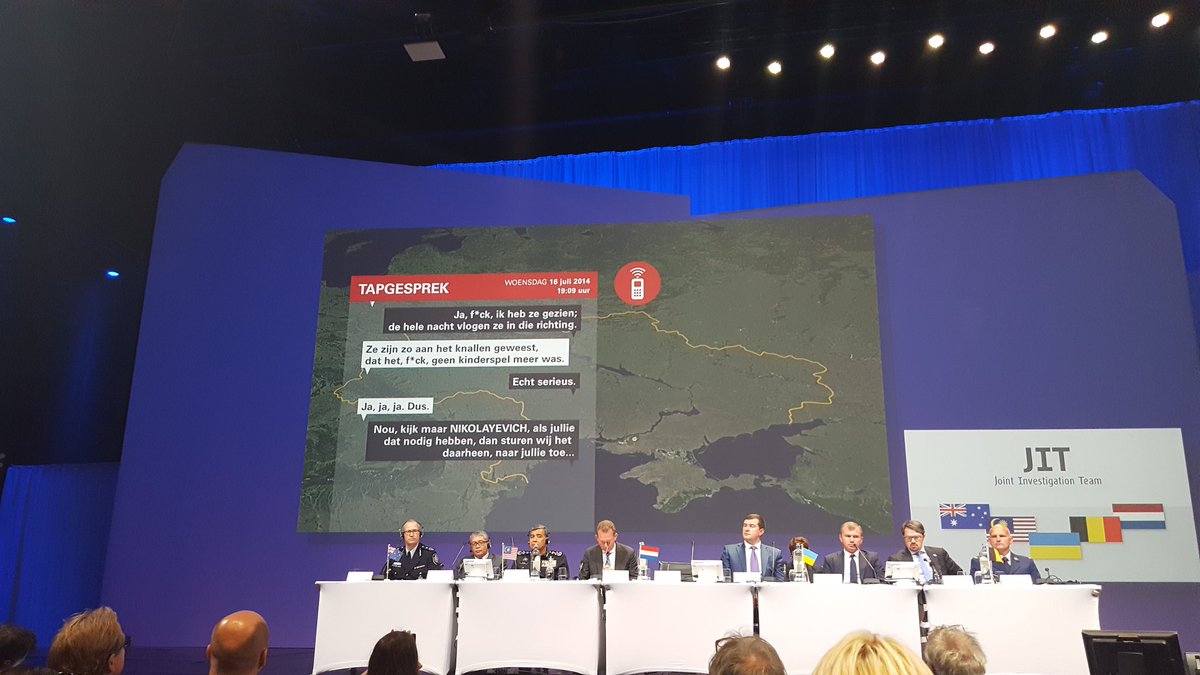
Los expertos internacionales que investigan el derribo del vuelo MH17 en el este de Ucrania, han concluido que el misil que derribó el avión fue lanzado desde territorio controlado por rebeldes prorrusos.

Los 298 pasajeros que iban a bordo del vuelo de Malaysia Airlines entre Ámsterdam y Kuala Lumpur murieron al partirse el aviónen pleno vuelo el 17 de julio de 2014.

Al hacer públicos los resultados preliminares de sus investigaciones este miércoles, el equipo también dijo que el misil y la lanzadera fueron transportados desde Rusia y posteriormente volvieron a territorio de la Federación.

Resultado de imagen para mh17 misil rusia jit

«En base a nuestra investigación criminal, hemos concluido que el vuelo MH17 fue derribado por un misil Buk de la serie 9M83 que llegó desde Rusia», afirmó el investigador policial jefe de Holanda, Wilbert Paulissen.

Rusia calificó las conclusiones de «extremadamente políticas» y dijo que sus mísiles Buk «nunca derribaron» el avión. «Estas conclusiones buscan solo un objetivo: marginalizar aun más la imagen de Rusia en el espacio global político y de información», declaró Leonid Slutsky, director del comité parlamentario ruso para Comunidad de Estados Independientes.

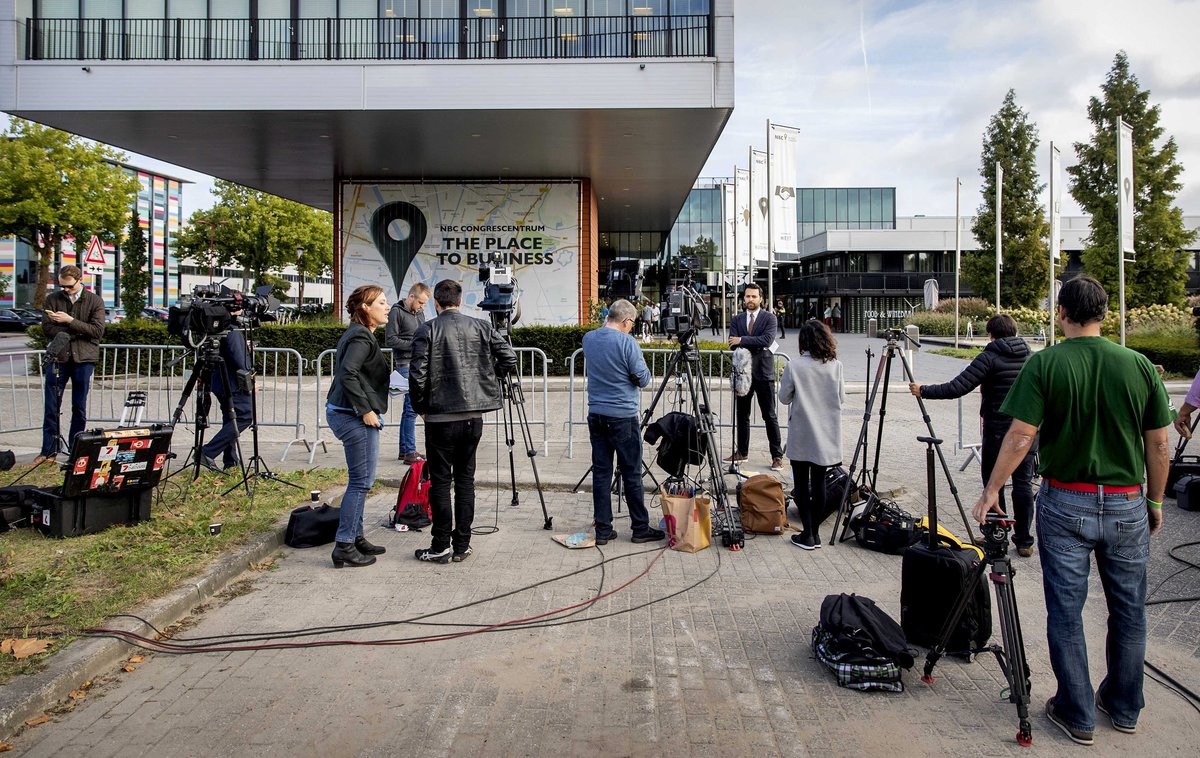
El equipo está liderado por Holanda pero cuenta con miembros de Australia, Bélgica, Malasia y Ucrania. Los investigadores han analizado conversaciones telefónicas, fotos, material de video y otras pruebas para llegar a una conclusión sobre las circunstancias del incidente.

Negativa rebelde
La intención de la investigación es preparar el terreno para un posterior juicio criminal, y en ese contexto los investigadores identificaron a unas 100 personas «vinculadas con el incidente o el transporte del Buk», pero todavía tienen que determinar quién puede ser acusado criminalmente.

Entre otras cosas, deben establecer quién dio la orden de mover la lanzadera hasta esa zona en el este de Ucrania, y quién dió la orden de lanzamiento.

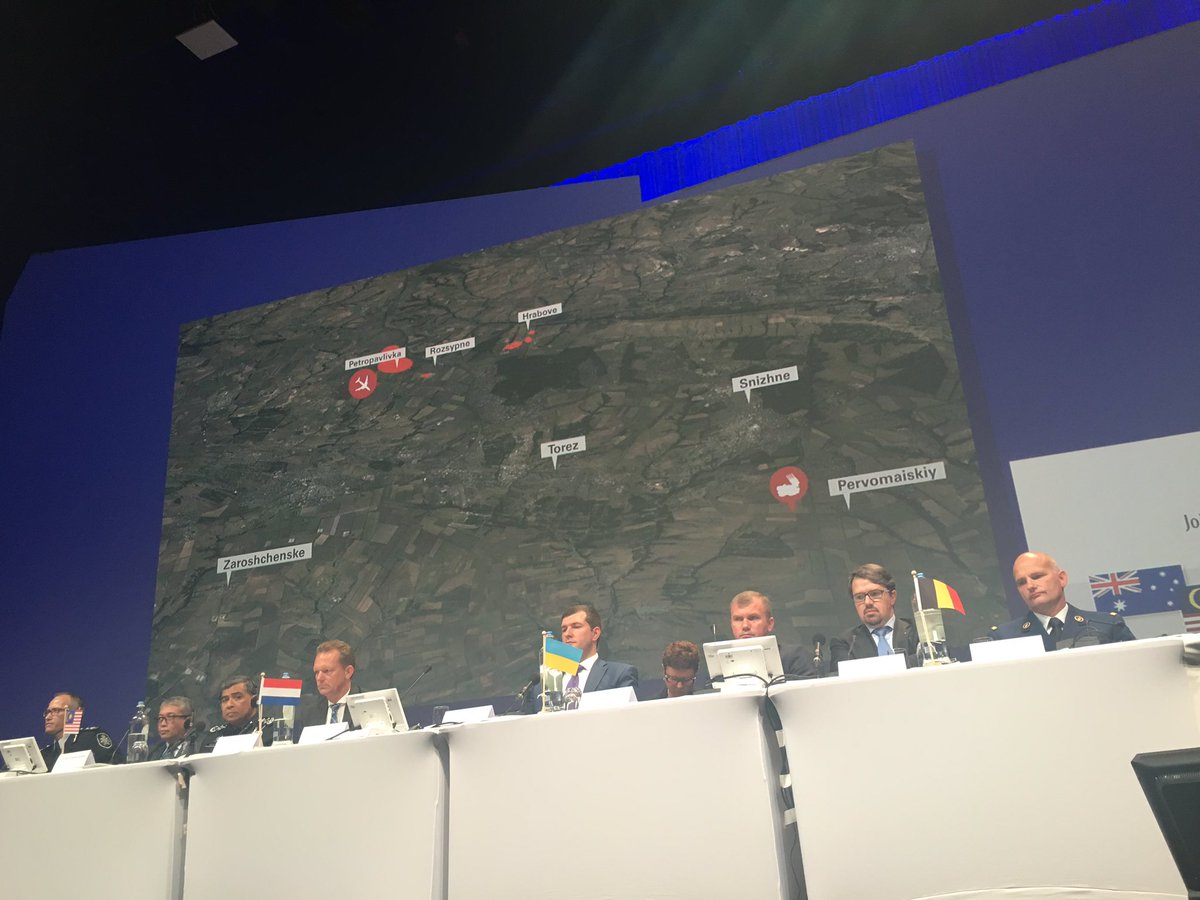
Los investigadores publicaron algunas de las llamadas interceptadas y dijeron que «muchos» testigos vieron cómo la lanzadera llegaba a Ucrania procedente de territorio ruso. También identificaron el lugar de su lanzamiento como un campo ubicado cerca de la aldea de Pervomaiskiy.

Los rebeldes separatistas, que durante esos días se enfrentaban militarmente contra el gobierno de Ucrania, han negado su participación en los hechos.

«Nunca hemos tenido estos sistemas de defensa aérea, ni la gente para operarlos», declaró Eduard Basurin, vicecomandante operativo militar de la rebelde República Popular de Donetsk, a la agencia Interfax.

Mapa

A principios de esta semana, Rusia afirmó poseer datos de radar que mostraban que el misil no se había lanzado desde territorio rebelde, pero los investigadores dijeron no haber tenido acceso a esos datos.

Investigación previa
Una investigación previa, liderada por el Consejo de Seguridad de Holanda, ya había demostrado que fue un misil el que causó el incidente. Lo que se sabe y lo que sigue sin saberse sobre la caída del vuelo MH17 de Malaysia Airlines. Rusia, por su parte, ha ofrecido distintas hipótesis sobre lo ocurrido.

Cuatro días después de la tragedia, presentó fotos de satélite y otras imágenes que sugerían que el avión fue derribado por un misil o un avión militar ucraniano.

El fabricante de misiles Almaz-Antey dijo posteriormente que el avión fue derribado por un Buk, pero uno antiguo que ya no está en manos rusas.

Y este mes de septiembre, el ministerio de defensa ruso publicó supuestos datos procedentes de un radar que sugieren que el avión fue derribado por un misil, pero no uno disparado por los rebeldes.

Resultado de imagen para mh17 misil rusia jit

Russian missile shot down the MH017

The missile that brought down the flight MH17 «came from Russia,» concludes international research

International experts investigating the downing of Flight MH17 in eastern Ukraine, have concluded that the missile that downed the plane was launched from territory controlled by pro-Russian rebels.

The 298 passengers aboard Malaysia Airlines flight between Amsterdam and Kuala Lumpur died snapping aviónen full flight on July 17, 2014.

By making public the preliminary results of his research on Wednesday, the team also said the missile and the shuttle were transported from Russia and subsequently returned to the territory of the Federation.

«Based on our criminal investigation, we have concluded that the flight MH17 was shot down by a Buk missile 9M83 series came from Russia,» said chief police investigator Netherlands, Wilbert Paulissen.

Russia called the findings «very political» and said its missiles Buk «never tore down» the plane. «These conclusions seek only one goal: marginalize further the image of Russia in the global political and information space,» said Leonid Slutsky, director of the Russian parliamentary committee for Commonwealth of Independent States.

The team is led by the Netherlands but has members from Australia, Belgium, Malaysia and Ukraine. The researchers analyzed telephone conversations, pictures, video and other material evidence to reach a conclusion about the circumstances of the incident.

Rebel negative
The intent of the research is to prepare the ground for a subsequent criminal trial, and in that context the researchers identified 100 people «related to the incident or transporting Buk», but have yet to determine who can be charged criminally.

Resultado de imagen para mh17 misil rusia jit

Among other things, they must establish who gave the order to move the shuttle to that area in the east of Ukraine, and who gave the order to launch.

The researchers published some of the intercepted calls and said that «many» witnesses saw the shuttle came to Ukraine from Russian territory.
They also identified the place of its launch as a field located near the village of Pervomaiskiy.

The separatist rebels, who during those days faced militarily against the Ukrainian government, have denied involvement in the events.

«We have never had these air defense systems or people to operate them,» said Eduard Basurin, deputy commander of the military operation rebel Donetsk People’s Republic, told Interfax.

Earlier this week, Russia have said radar data showing that the missile had not launched from rebel territory, but investigators said they have had access to that data.

Previous research
Previous research, led by the Security Council of the Netherlands, had already shown that it was a missile that caused the incident.

What is known and what remains unknown about the fall flight MH17 Malaysia Airlines
Russia, meanwhile, has offered various hypotheses about what happened.

Four days after the tragedy, he presented satellite photos and other images that suggested that the plane was shot down by a missile or a Ukrainian military plane.

The manufacturer Almaz-Antey missiles later said the plane was shot down by a Buk, but an old one that is not already in Russian hands.

And this September, the Russian Defense Ministry published alleged data from a radar suggesting that the plane was shot down by a missile, but not one shot by the rebels. A\W


Ξ A I R G W A Y S Ξ
SOURCE: BCC.com
DBk: Photographic © BCC.com / unian.info
AW-POST: 201609281651AR
A\W A I R G W A Y S ®